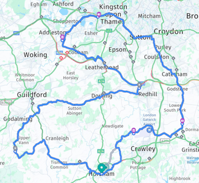
Position: Just south-west of London, adjoining the River Thames; bordered by Berkshire (north-west), Greater London (north-east), Kent (east), Sussex (south) and Hampshire (west)
Population: About 1.1–1.2 million — the 12th most populous English county
County town: Guildford (though Surrey County Council is based extraterritorially at Kingston upon Thames)
Distinction: The most wooded county in England, at 22.4% tree cover — and cited as the wealthiest county per square kilometre in Great Britain
Geography: Lowland crossed by two east–west ridges — the chalk hills of the North Downs, and farther south a band of lower greensand including the county's highest point, Leith Hill (965 ft / 294 m)
Districts: Eleven — the boroughs of Elmbridge, Epsom and Ewell, Guildford, Reigate and Banstead, Runnymede, Spelthorne, Surrey Heath, Waverley and Woking, and the districts of Mole Valley and Tandridge
Historical Significance
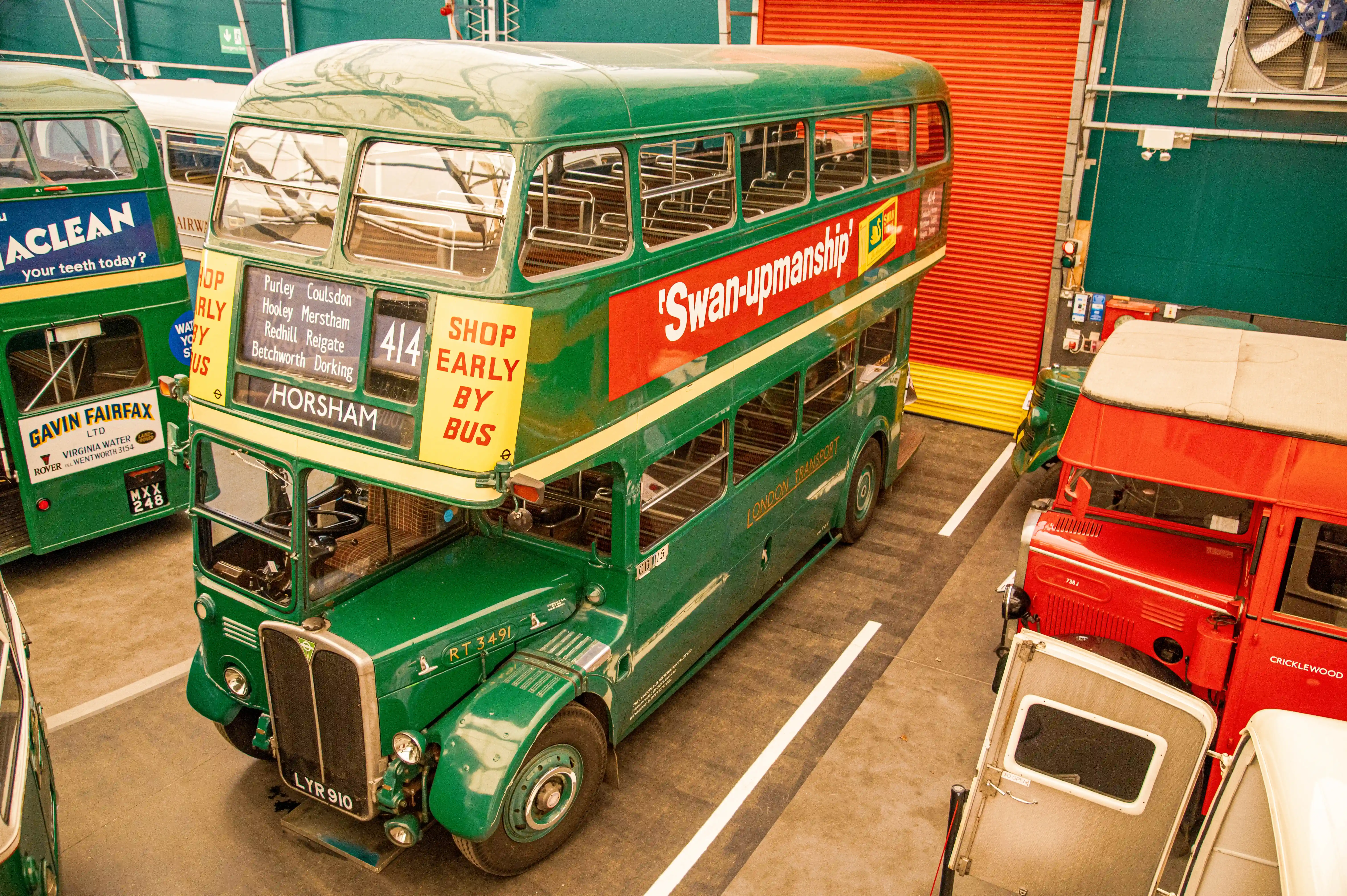
Surrey's name comes from Suthrige, "southern region" — the territory of the South, south of the Thames. In the Middle Ages sheep raising was an important activity, and by the 16th century a cloth trade was growing at Guildford, Godalming and Farnham. The forested hills, sparsely populated until the 19th century, served as royal hunting preserves — Henry VIII built a flamboyant hunting lodge at Nonsuch Park and took Hampton Court from Wolsey — and as a source of timber for charcoal, used in iron smelting and gunpowder. For a time in the mid-17th century Surrey's mills were the main producers of gunpowder in England; a glass industry flourished on the south-western borders before collapsing by 1630. The Wey Navigation, opened in 1653, was one of England's first canal systems. George Abbot, son of a Guildford clothworker, served as Archbishop of Canterbury from 1611 to 1633. The coming of the railways in the 19th century transformed the north of the county into London commuter territory, a process completed by the growth of the motor industry — Dennis Brothers of Guildford, founded 1895, made bicycles, cars, fire engines and buses. During the Second World War the GHQ Line — the principal fixed defence of London — crossed the North Downs at the Wey valley near Guildford, precisely where German invasion plans envisaged their main thrust.
Architectural Highlights
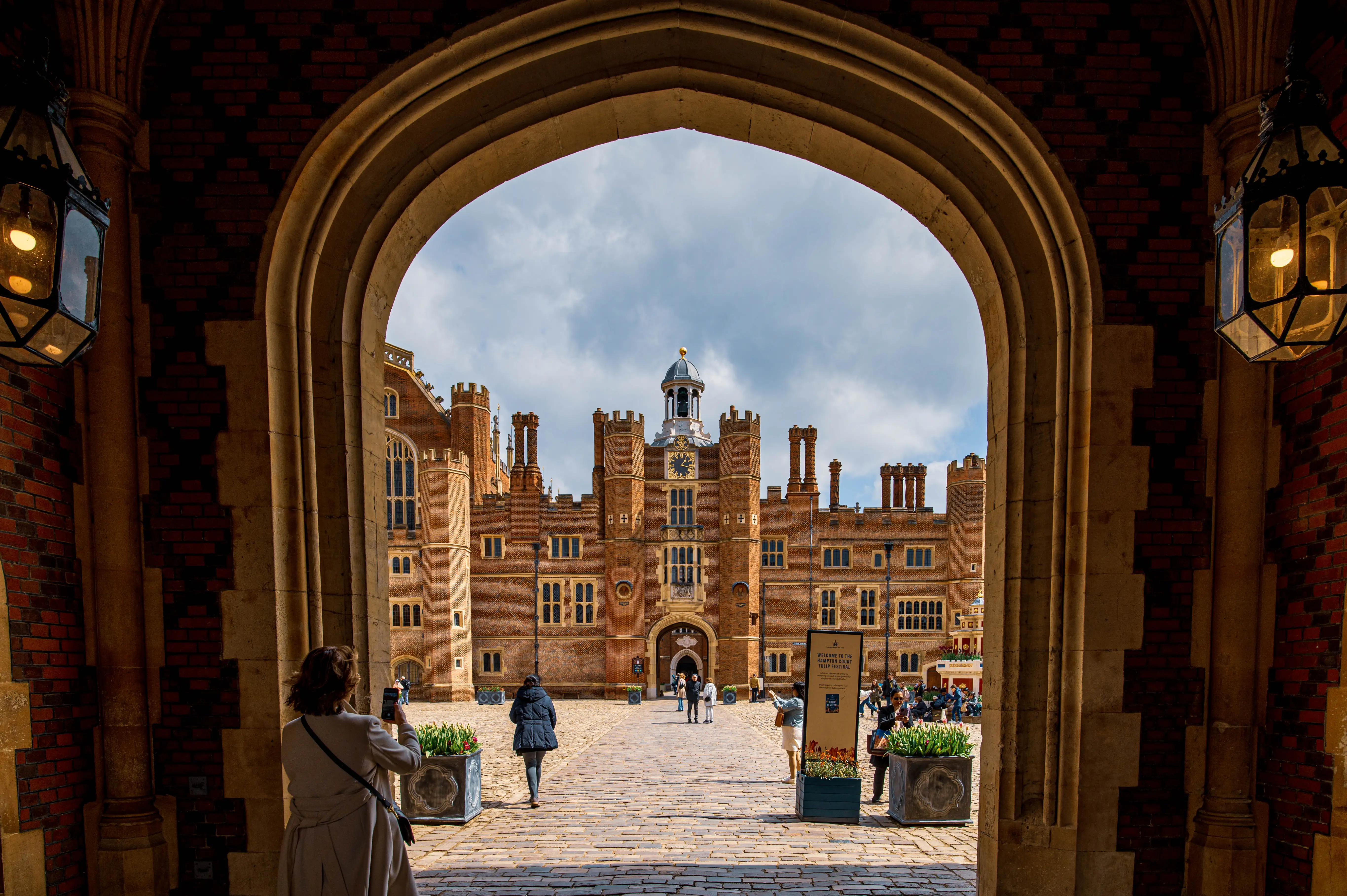
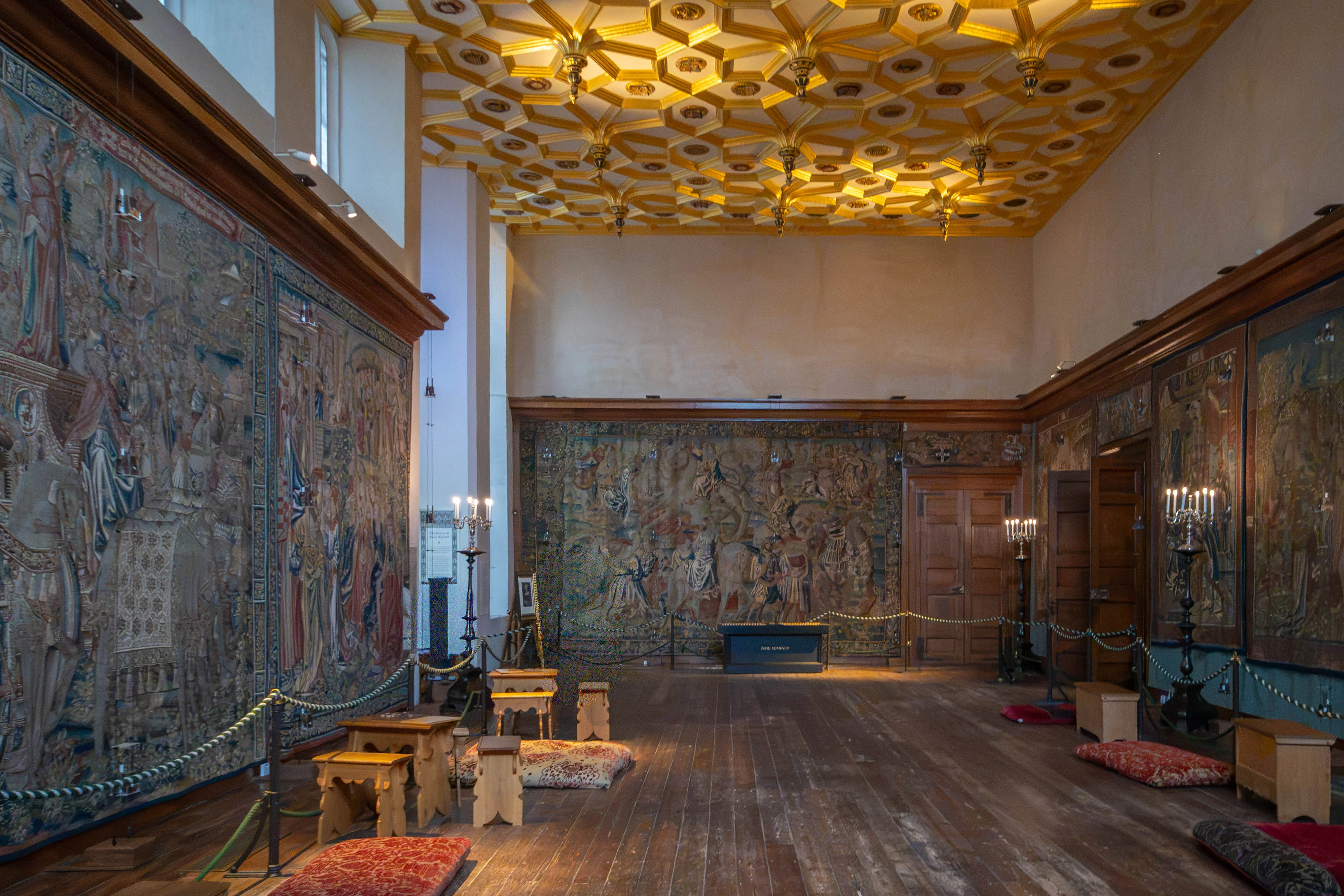
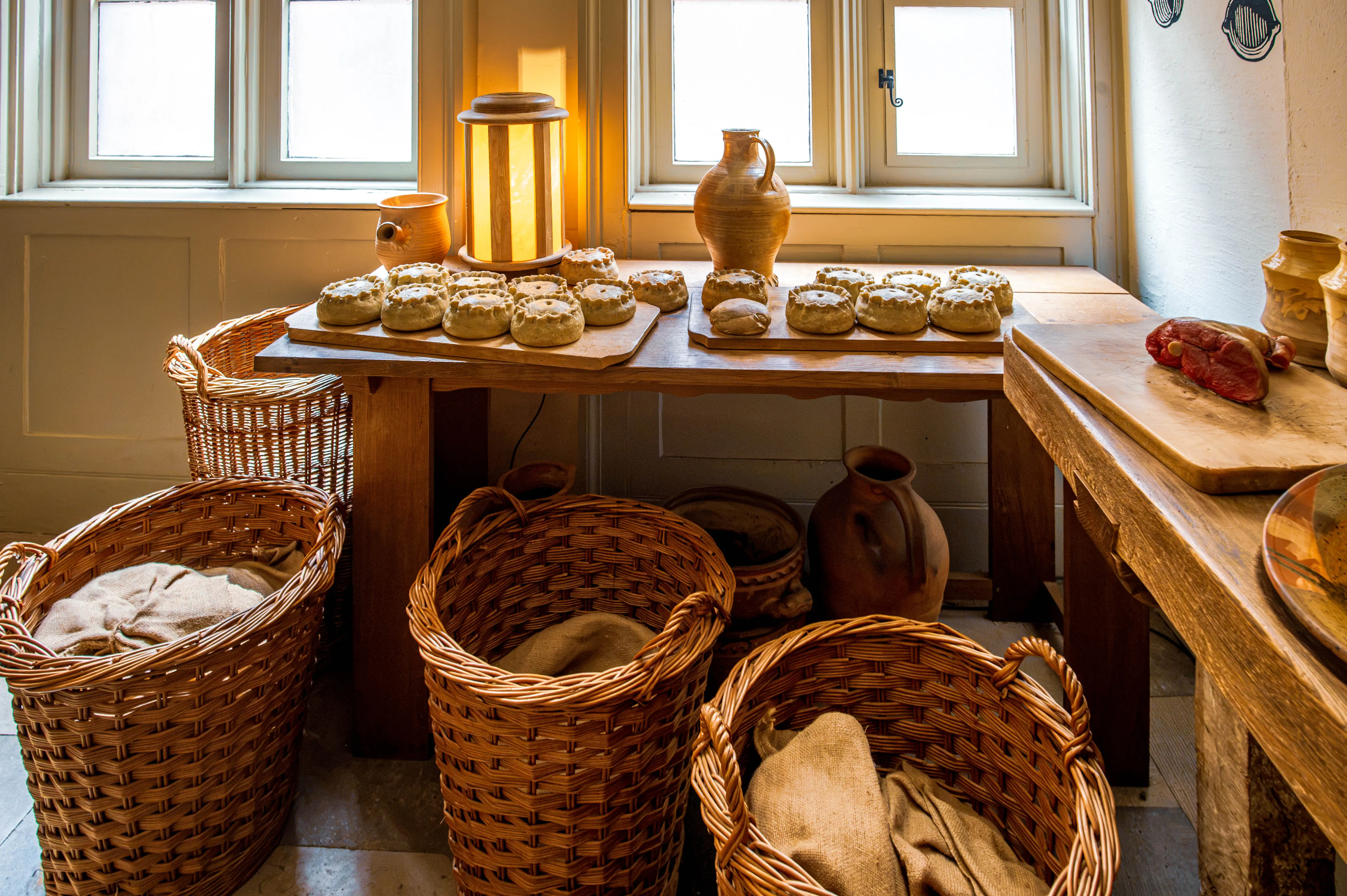
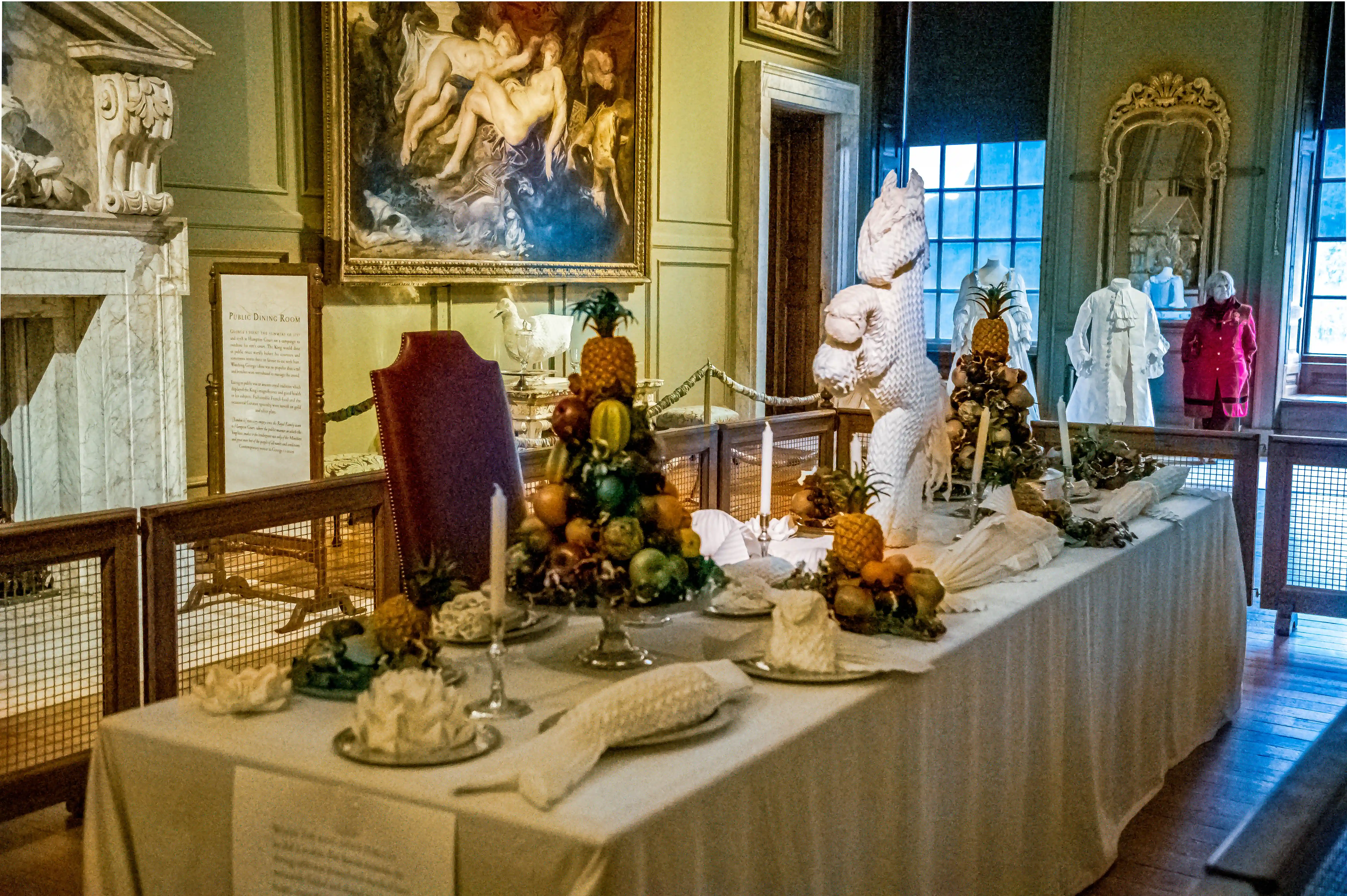
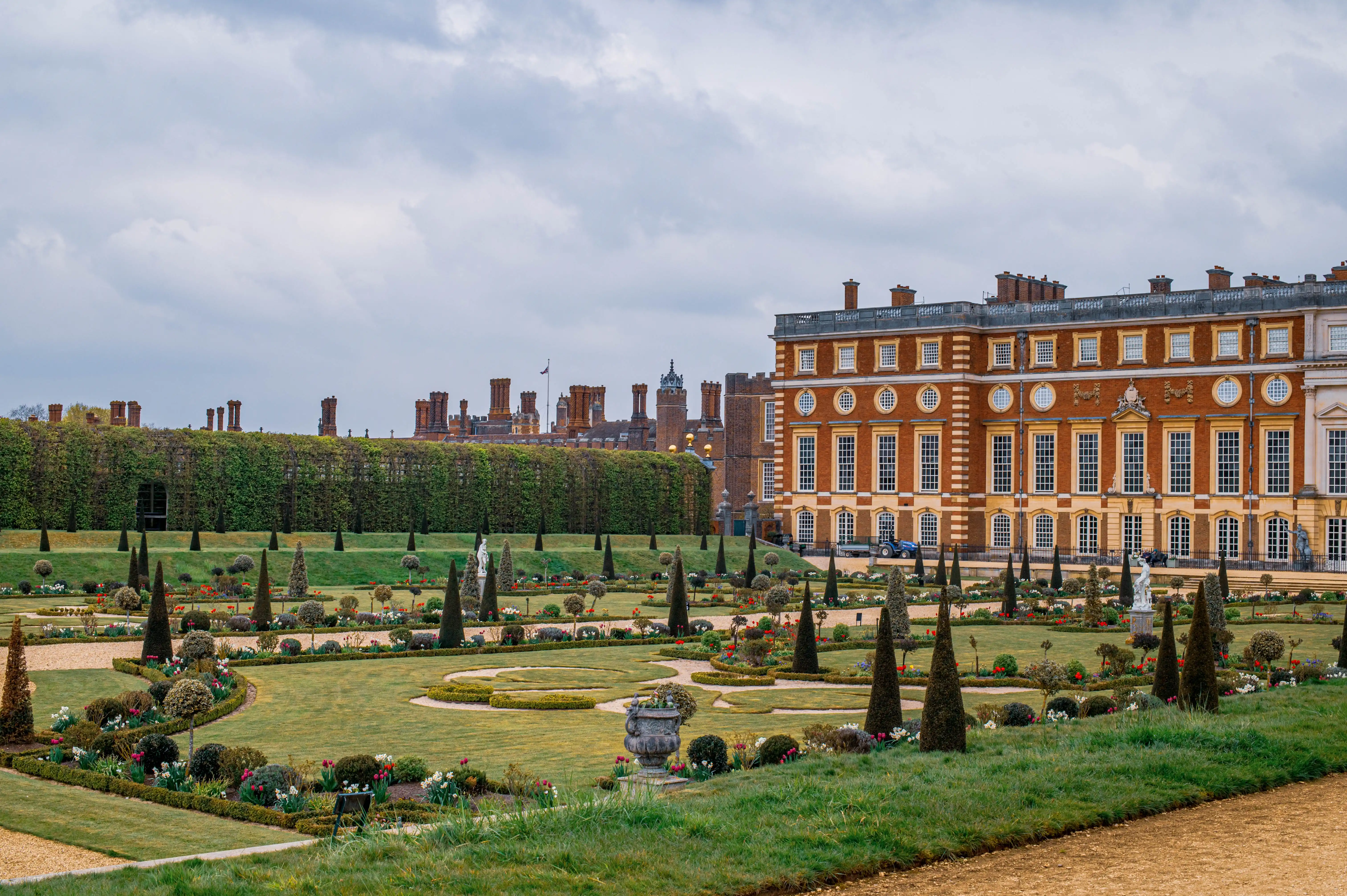
Hampton Court Palace: Henry VIII's great Tudor palace beside the Thames at East Molesey, half Tudor, half Wren Baroque, and the county's greatest building.
Waverley Abbey: The first Cistercian monastery in England (founded 1128), whose ruins stand on the Wey.
Charterhouse: The former Carthusian monastery near Godalming, founded 1348 in memory of the Black Death dead, now a famous school.
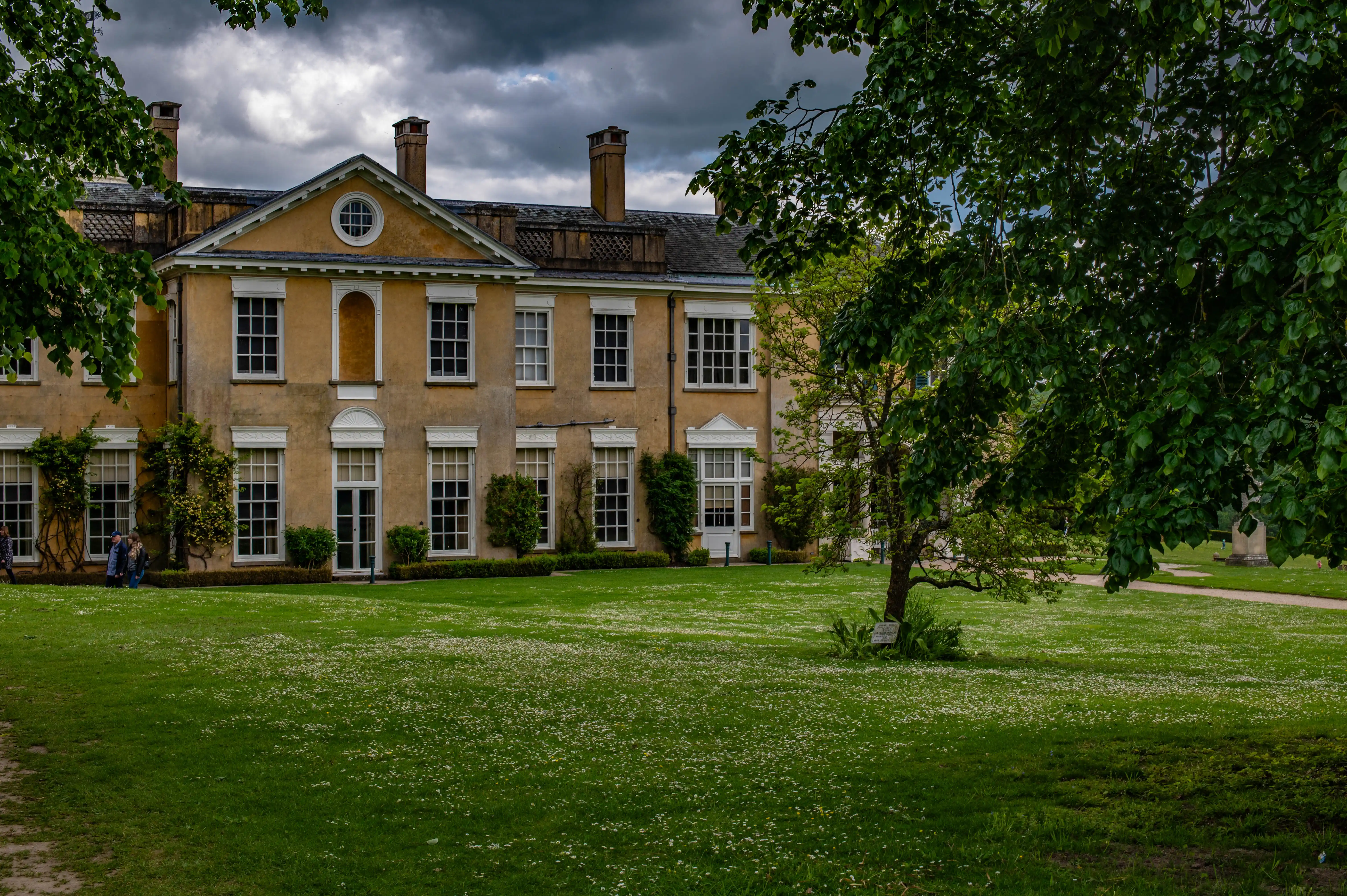
Polesden Lacey, Clandon Park, Hatchlands and Loseley Park: The great country houses of the Surrey Hills, entrusted largely to the National Trust.
Guildford Cathedral and the Willis Museum, Basingstoke's neighbour Guildford Castle: The 20th-century cathedral (featured in "The Omen"), and one of the finest surviving Norman castle keeps in England.
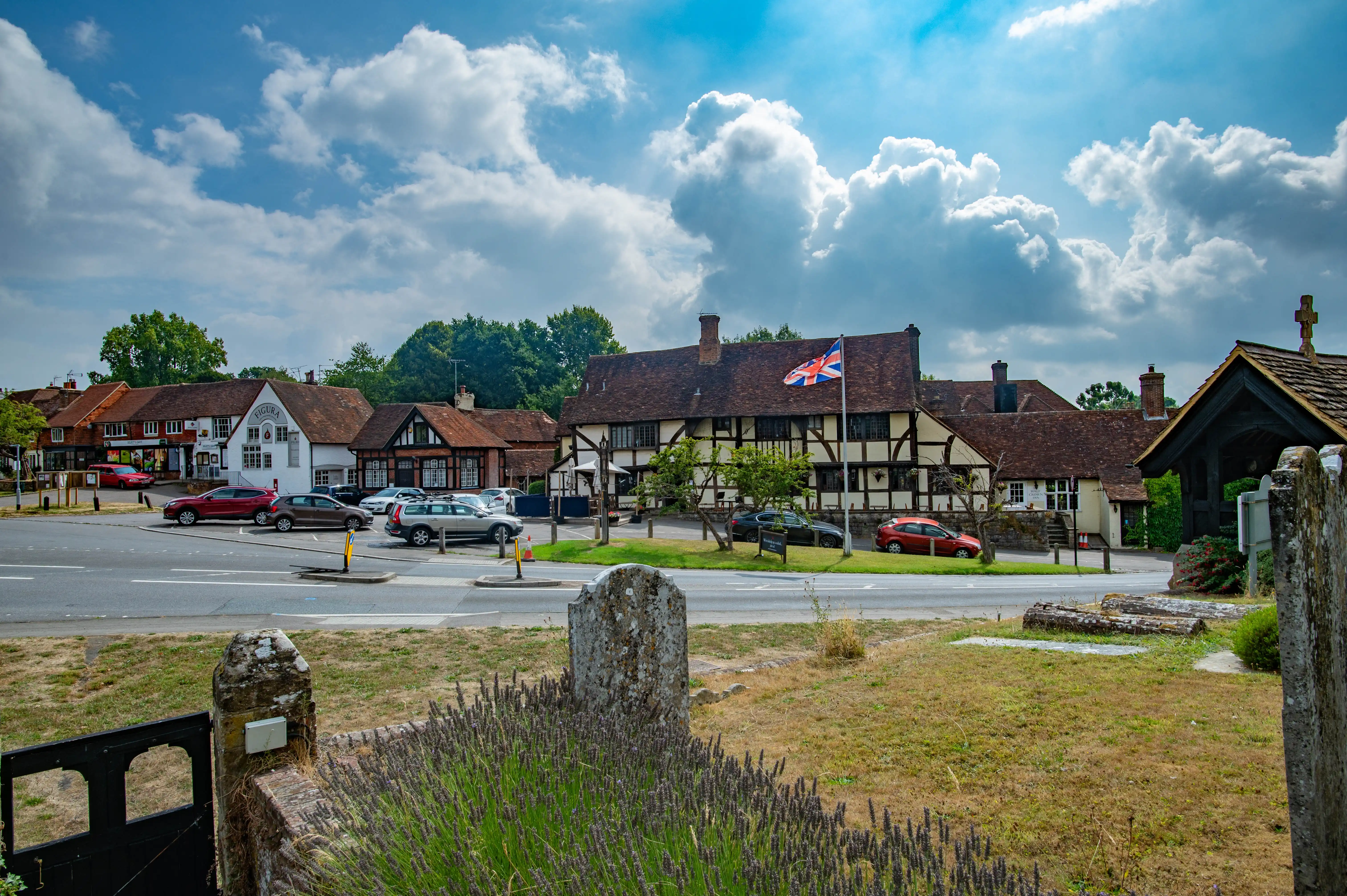
Guildford and the Surrey towns: Georgian High Streets at Guildford, Richmond and Dorking; the Arts and Crafts heritage around Godalming — Munstead Wood, Gertrude Jekyll's garden and house by her lifetime collaborator Edwin Lutyens.
Key Features and Attractions
The Surrey Hills National Landscape: The AONB stretching from Farnham to Dorking — Box Hill, Leith Hill (with its Gothic tower, the second highest point in south-east England), the Devil's Punch Bowl and the Hog's Back.
The North Downs Way: The 153-mile National Trail from Farnham to Dover, running through the heart of the Surrey Hills and following the ancient Pilgrims' Way.
Epsom Downs Racecourse: Home of the Derby, the most prestigious event in British flat racing, held most years since 1780.
Sporting Surrey: Four horse racing courses; the international golf venue at Wentworth; and Surrey County Cricket Club, an original County Championship participant with 19 outright titles (plus one shared) — more than any county except Yorkshire.
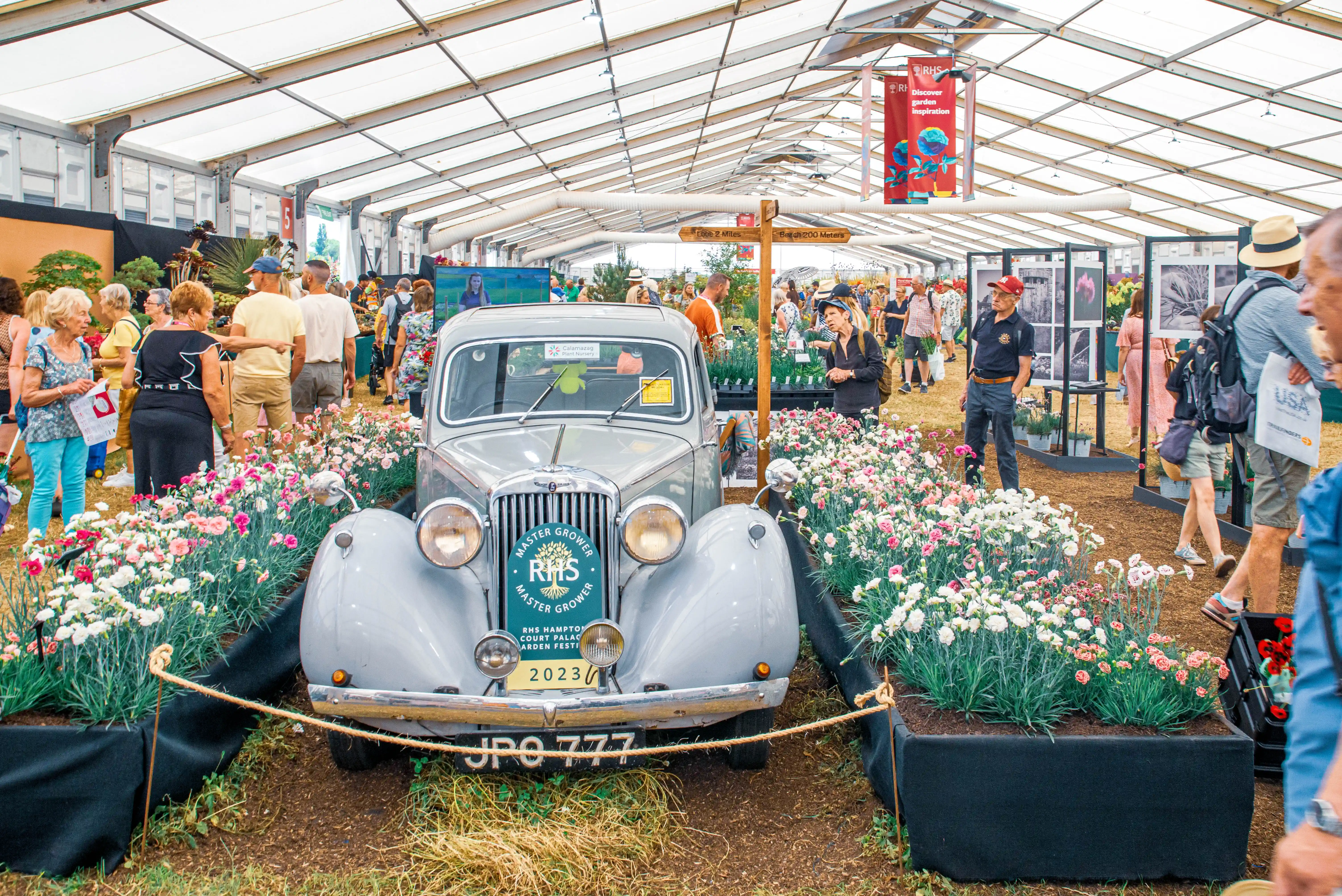
Rivers and gardens: The Thames along the northern boundary, the Wey Navigation to Guildford and Godalming, and the royal gardens at Hampton Court, RHS Wisley and Kew (just over the border) — Surrey was the home of the English garden revolution, from Jekyll and Lutyens at Munstead Wood to Gwendolen and the Sitwells at "the Arts and Crafts county".
Runnymede: The water meadow by the Thames where Magna Carta was sealed in 1215 — the foundation stone of the English constitution, now marked by the American Bar Association memorial.
Film locations: The opening battle of "Gladiator" was filmed in the Bourne Woods near Farnham; "The Holiday" and "The Wedding Date" in Shere; "The Omen" at Guildford Cathedral.
Modern Role
Surrey is one of the Home Counties, deeply interwoven with London economically — the county is a major base for technology, pharmaceutical and professional-services firms, with thriving towns at Woking, Camberley, Epsom, Redhill and Staines. The M25 and the radial main lines from Waterloo make it prime commuter country, while the Metropolitan Green Belt and the Surrey Hills protect its countryside. In 2027 Surrey's eleven district councils and county council are due to be abolished and replaced with two unitary authorities, following the October 2025 announcement of local government reform (West Surrey Council, whose councillors were first elected in 2026, takes over that April, and the council has since voted to adopt the name "West Surrey and South Middlesex").