

title
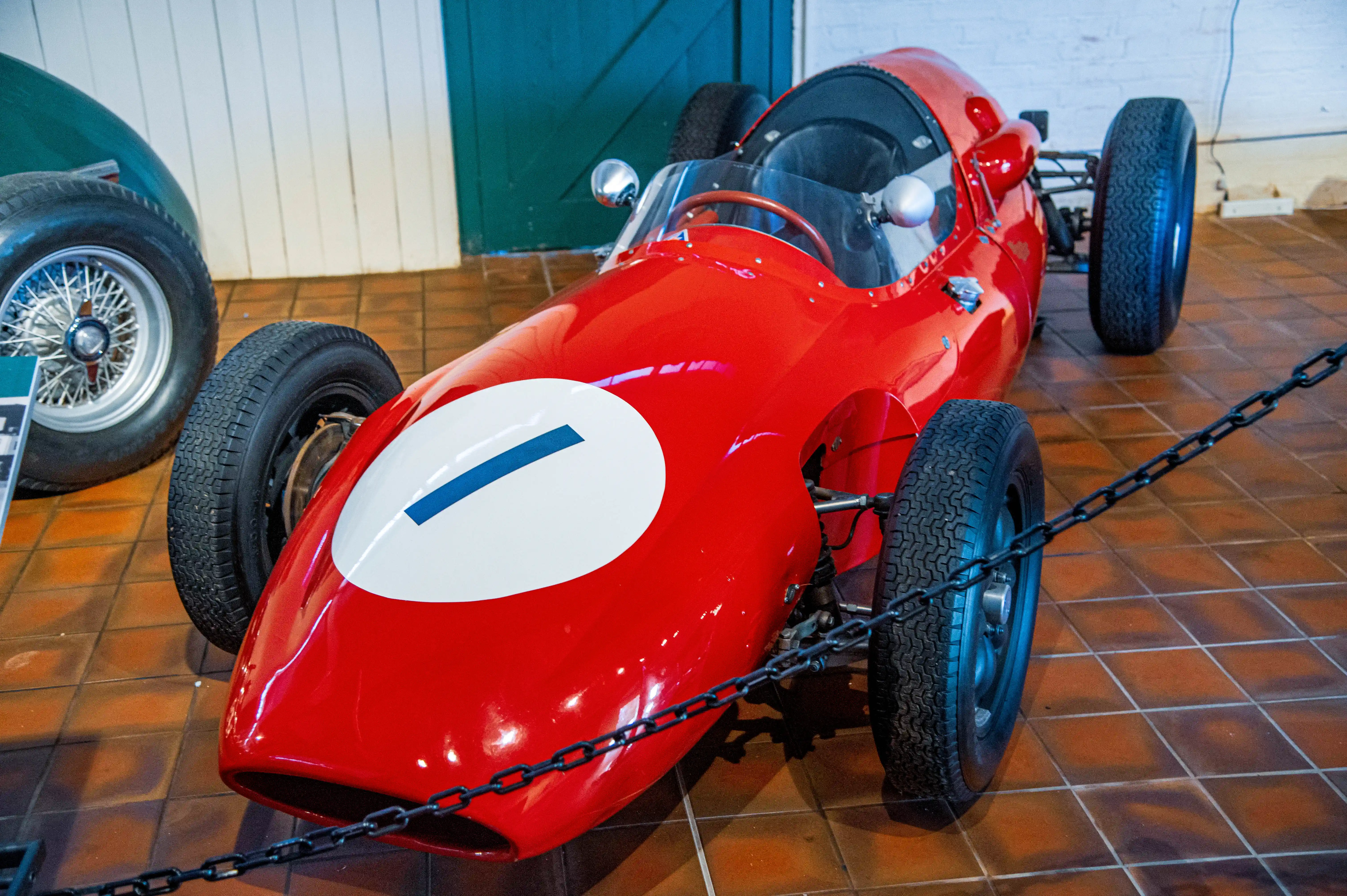
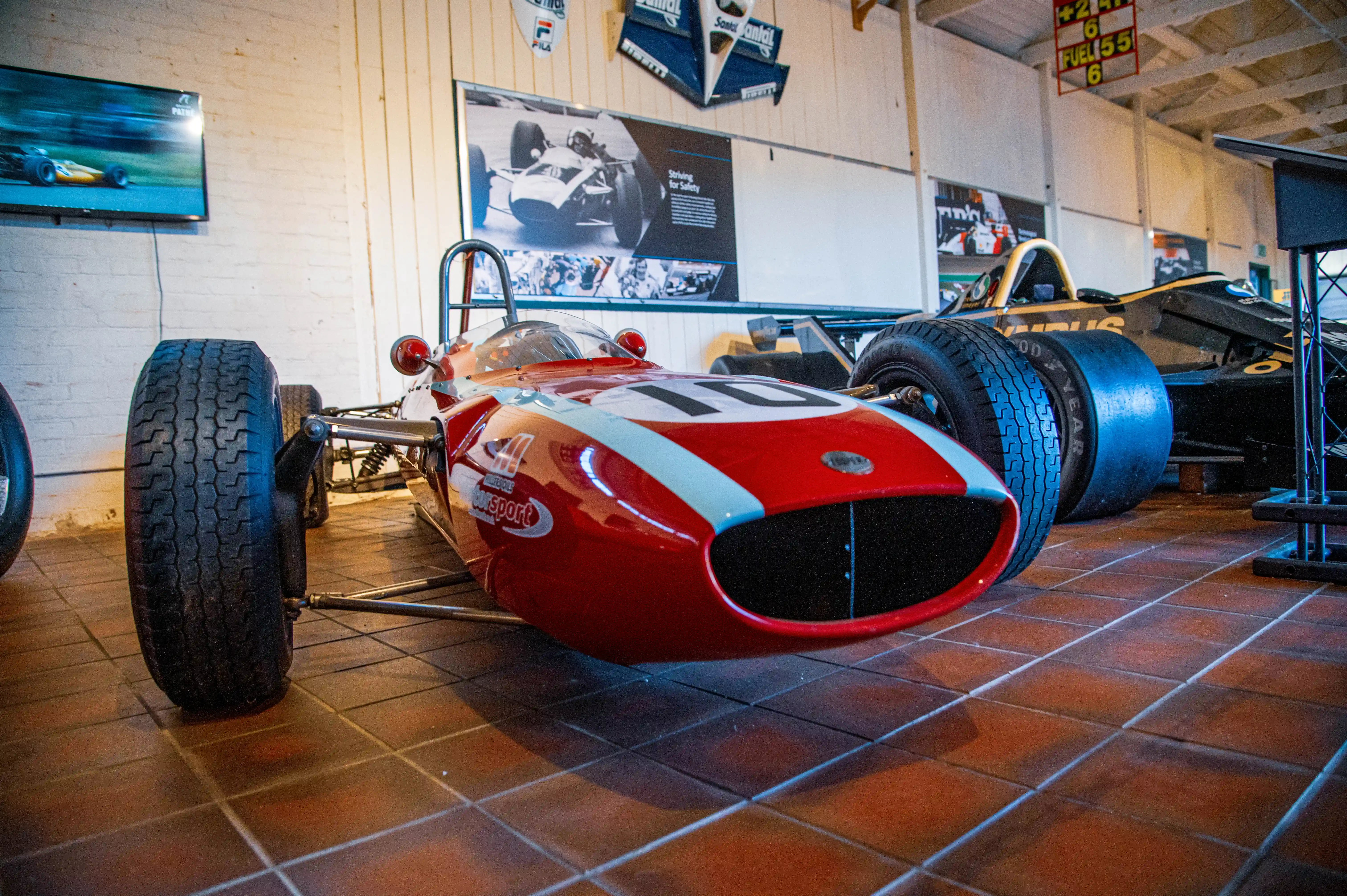
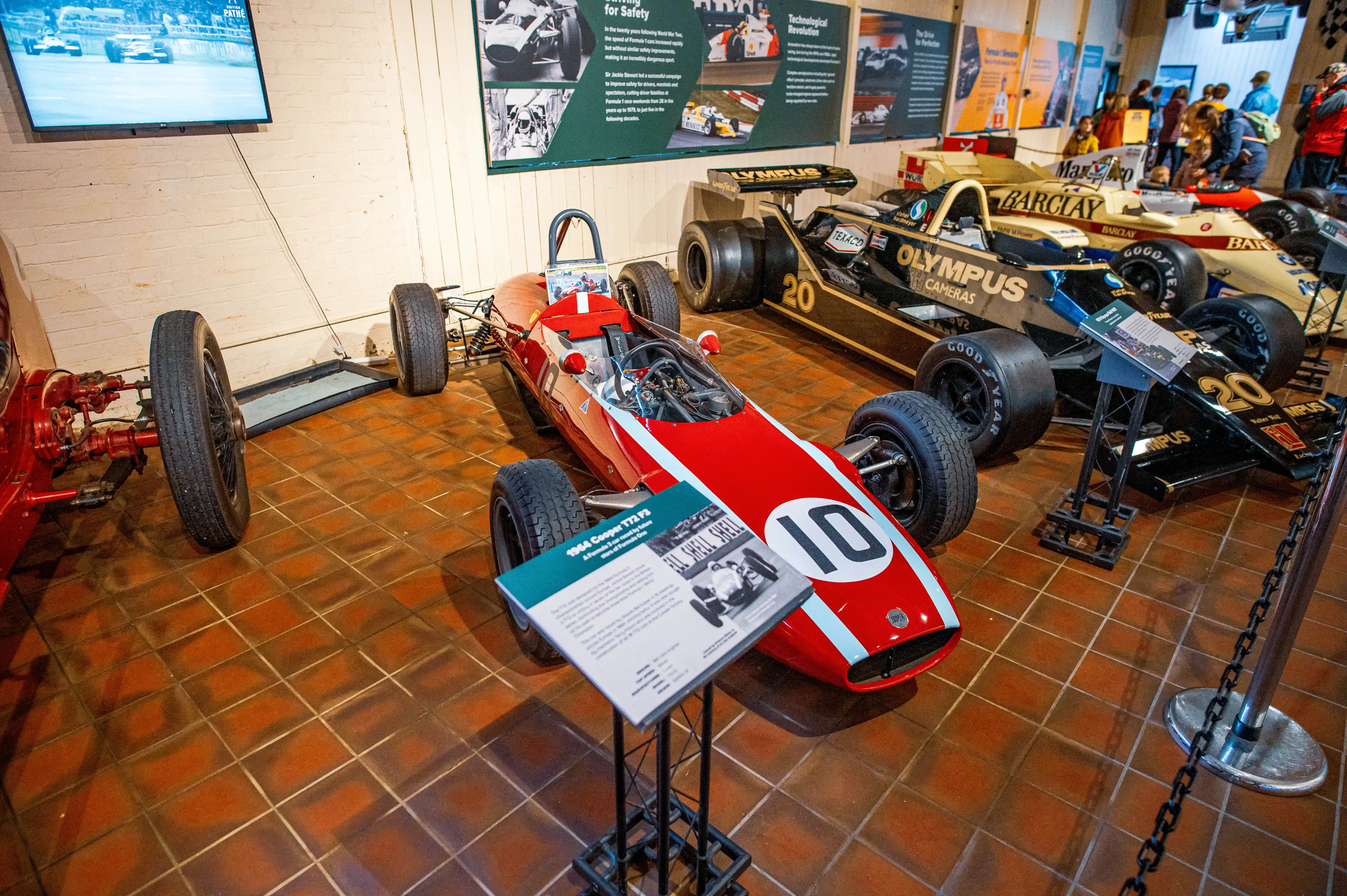
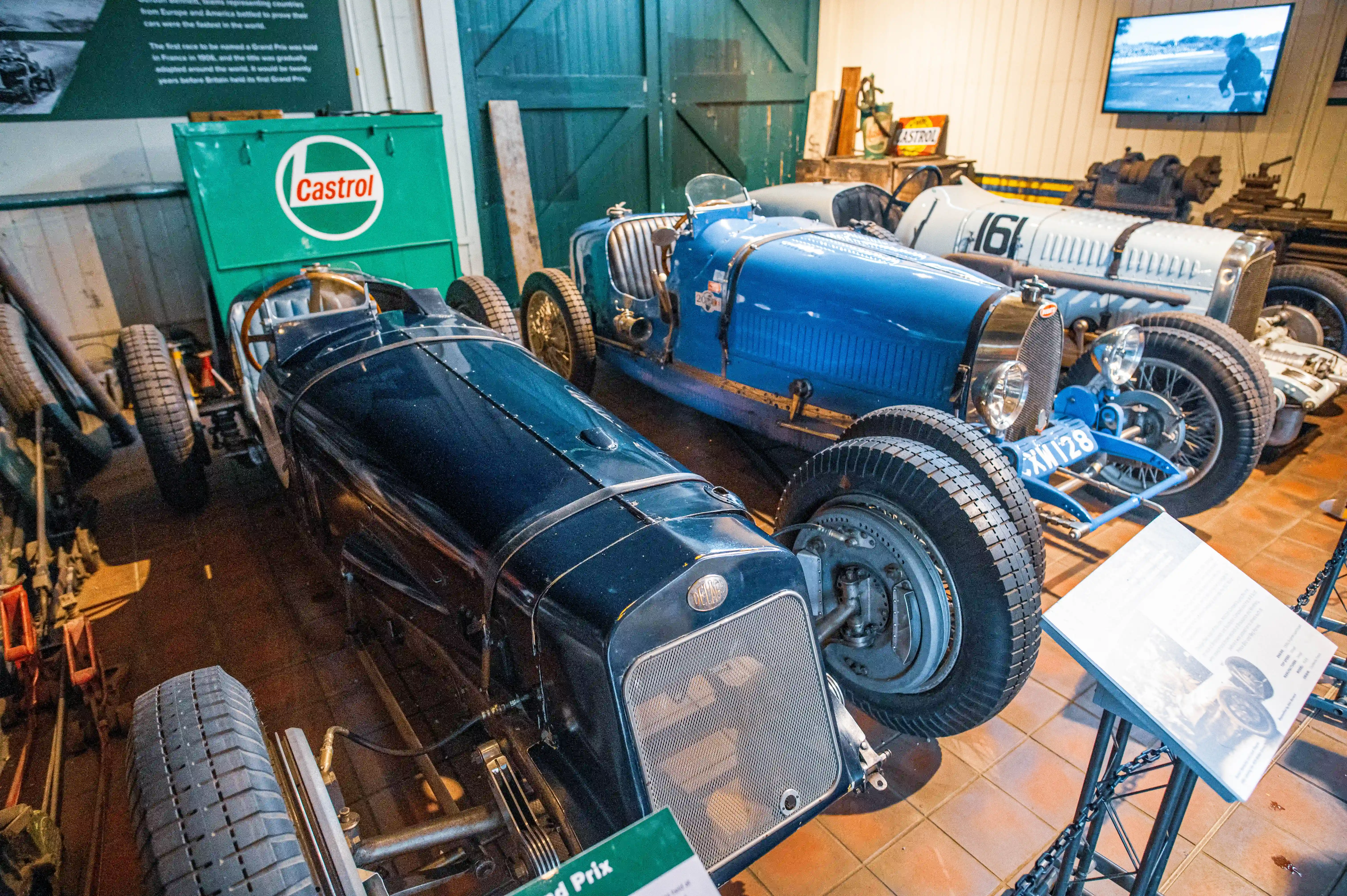
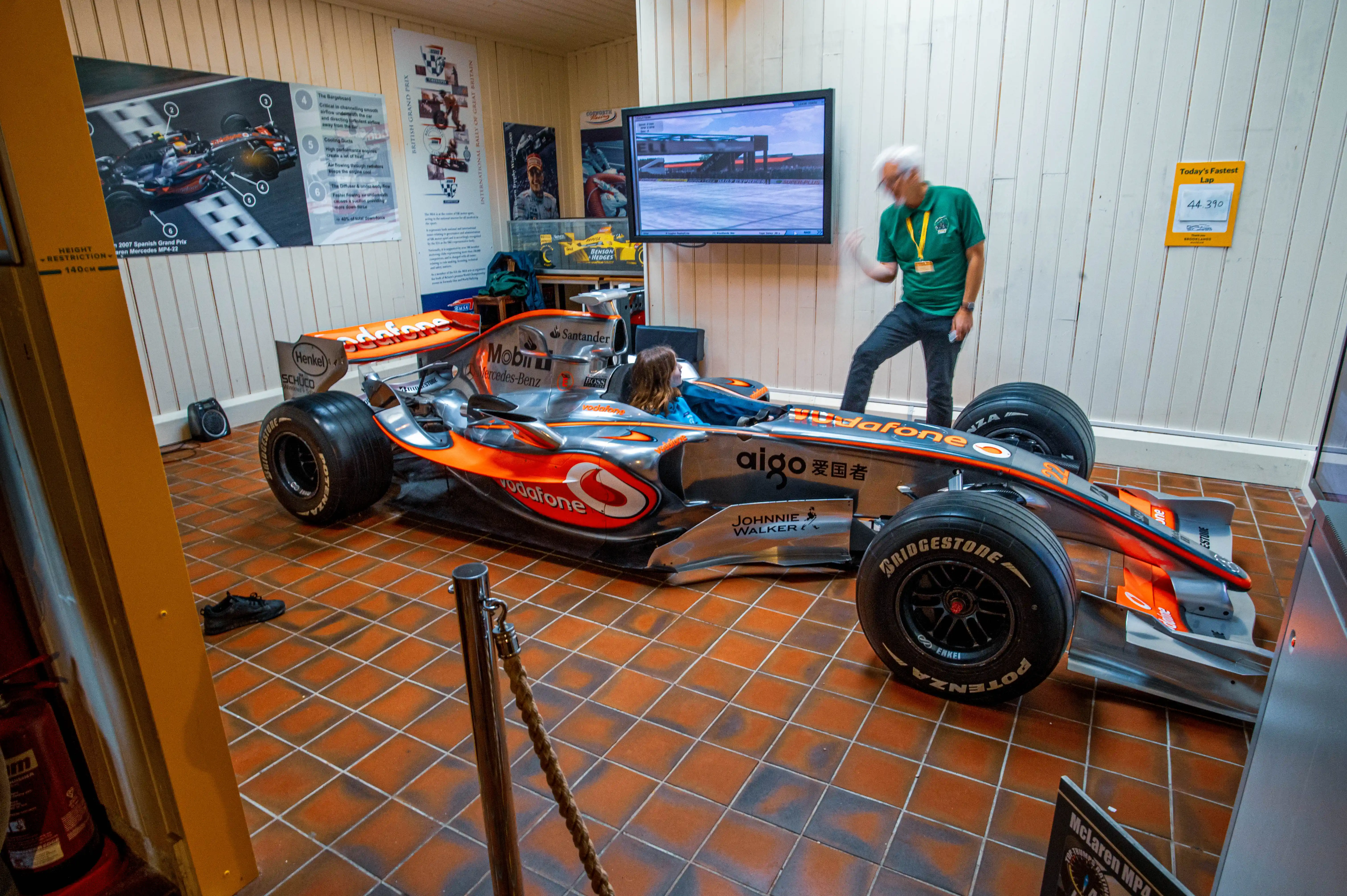
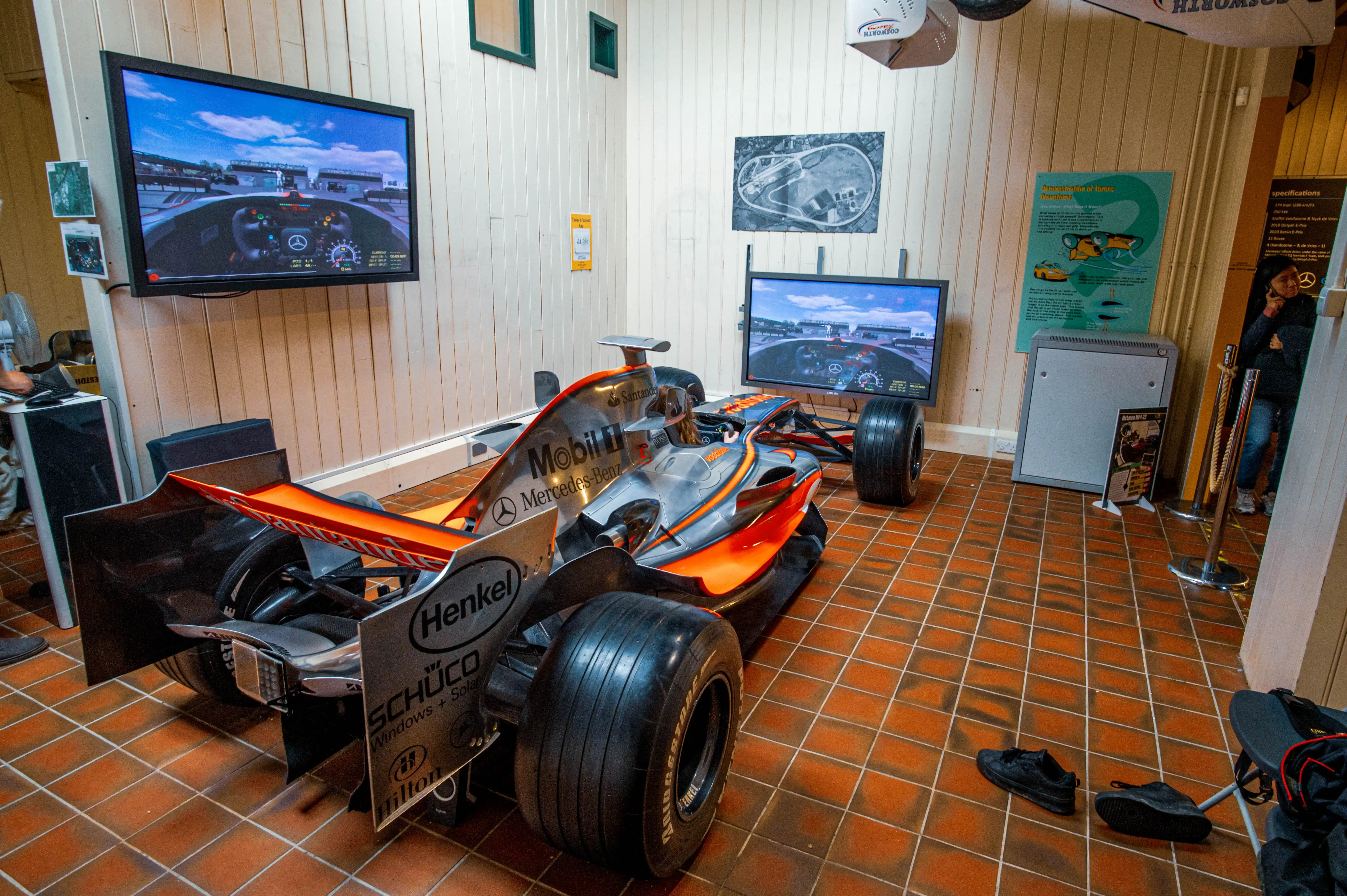
The Jackson Shed was built in the early 20th century as one of the first purpose-built pit garages at the Brooklands race track, which was constructed in 1907 as the world’s first motor racing circuit. The track was the brainchild of Hugh Locke King, a wealthy landowner and motorsport enthusiast, who sought to create a venue for testing and racing the latest motor vehicles in a safe and controlled environment. The Jackson Shed was named after Thomas Jackson, one of the early pioneers of motorsport at Brooklands and a key figure in the development of the track’s infrastructure.
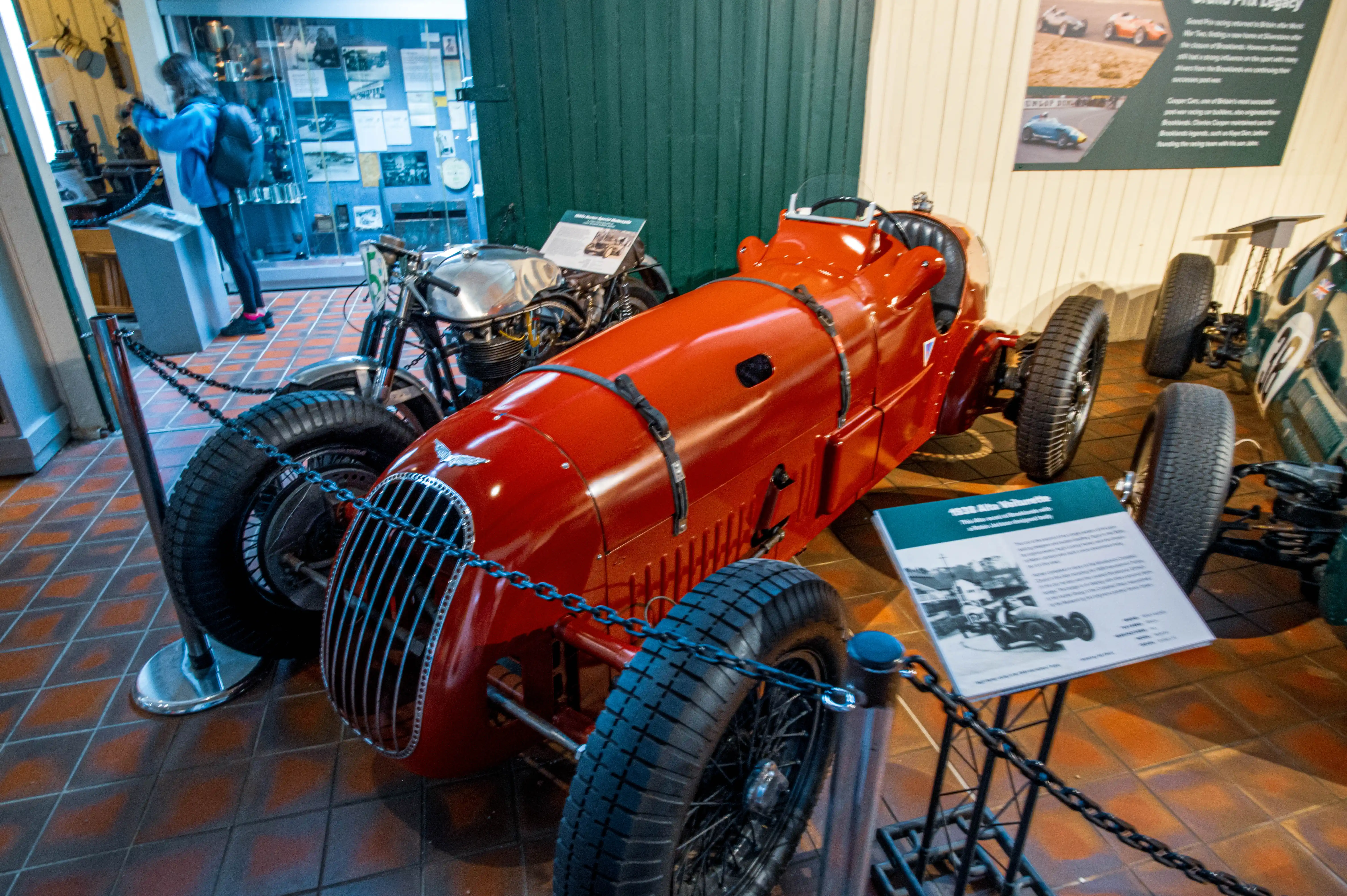
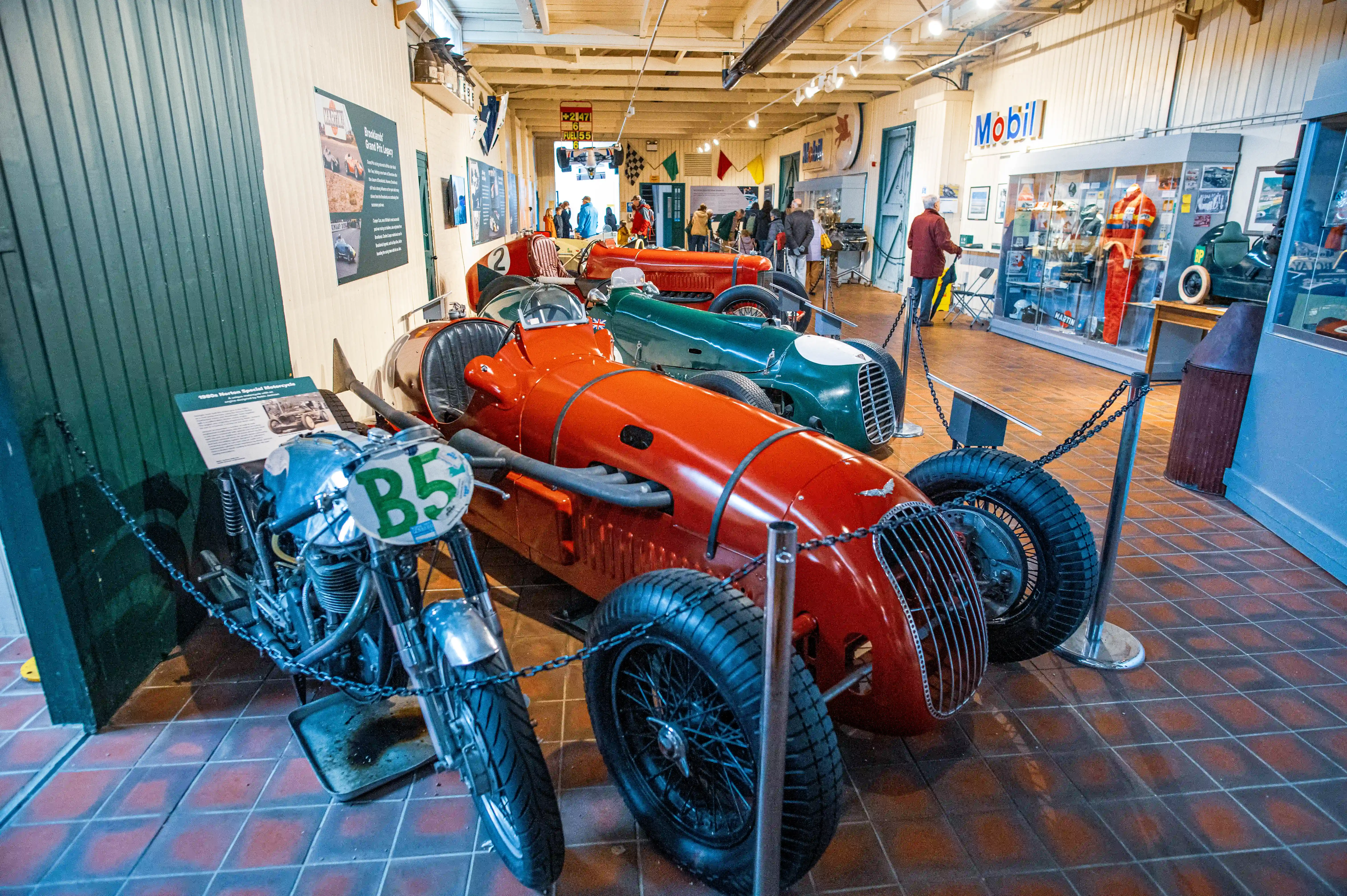
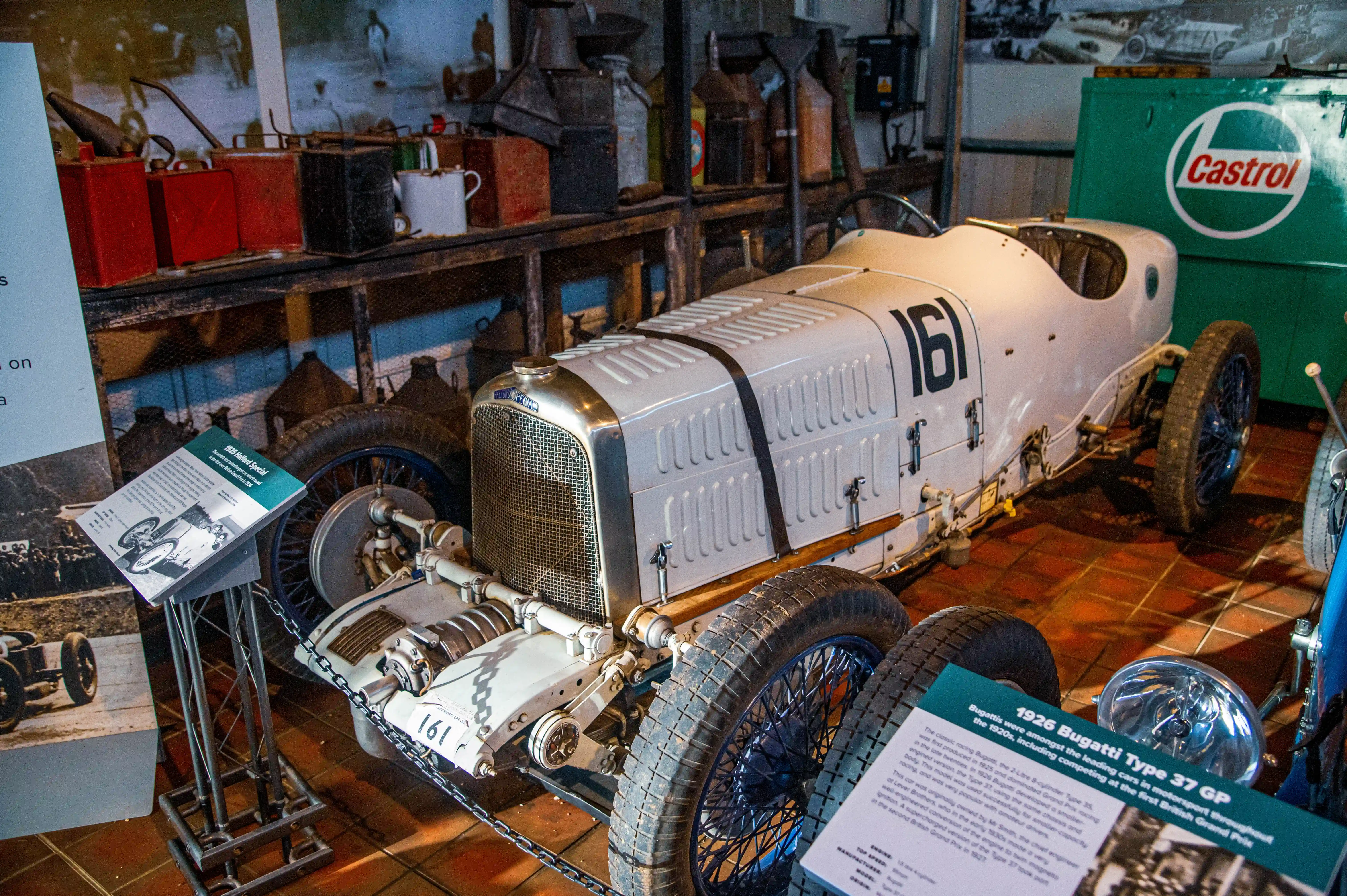
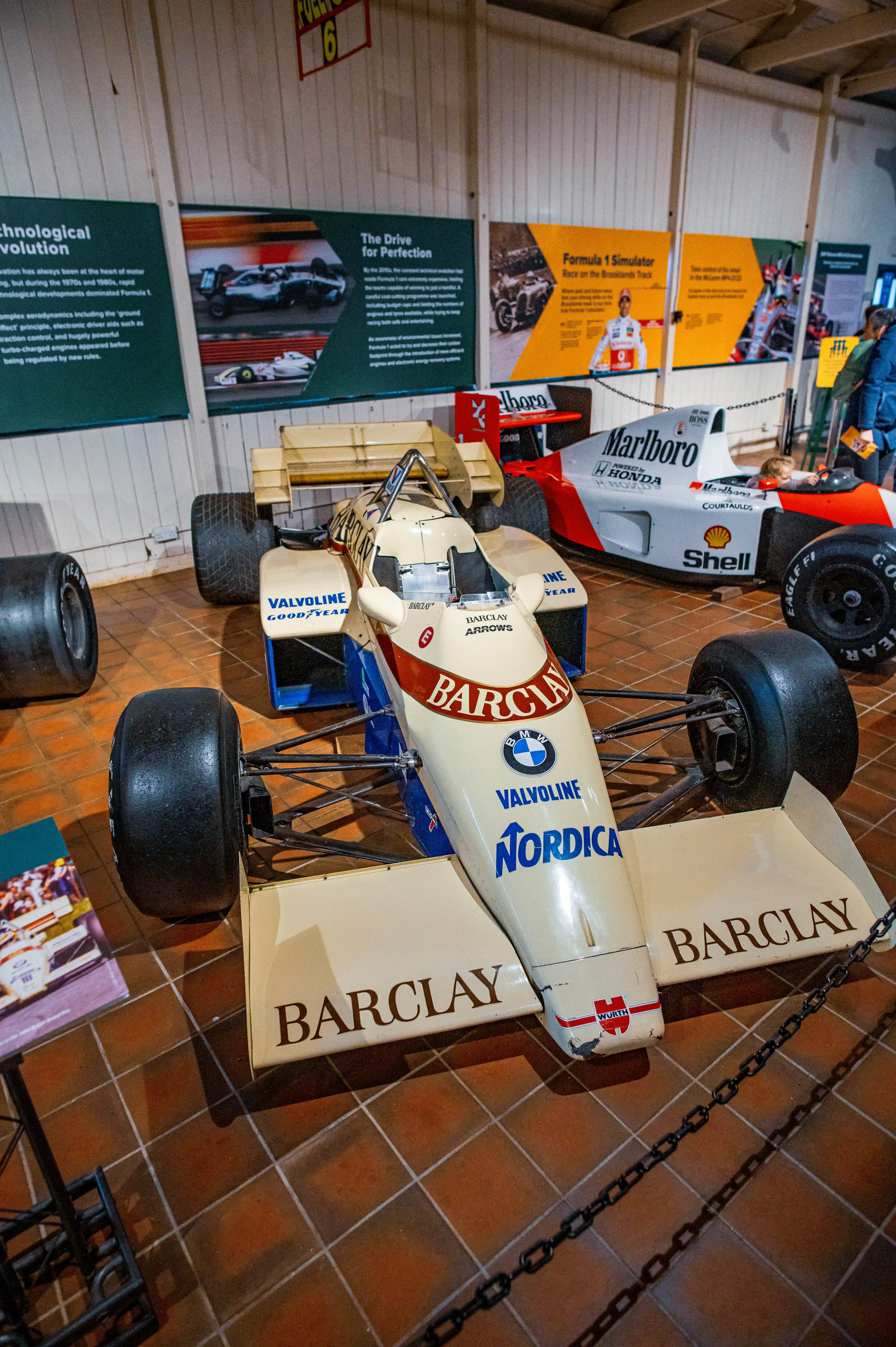
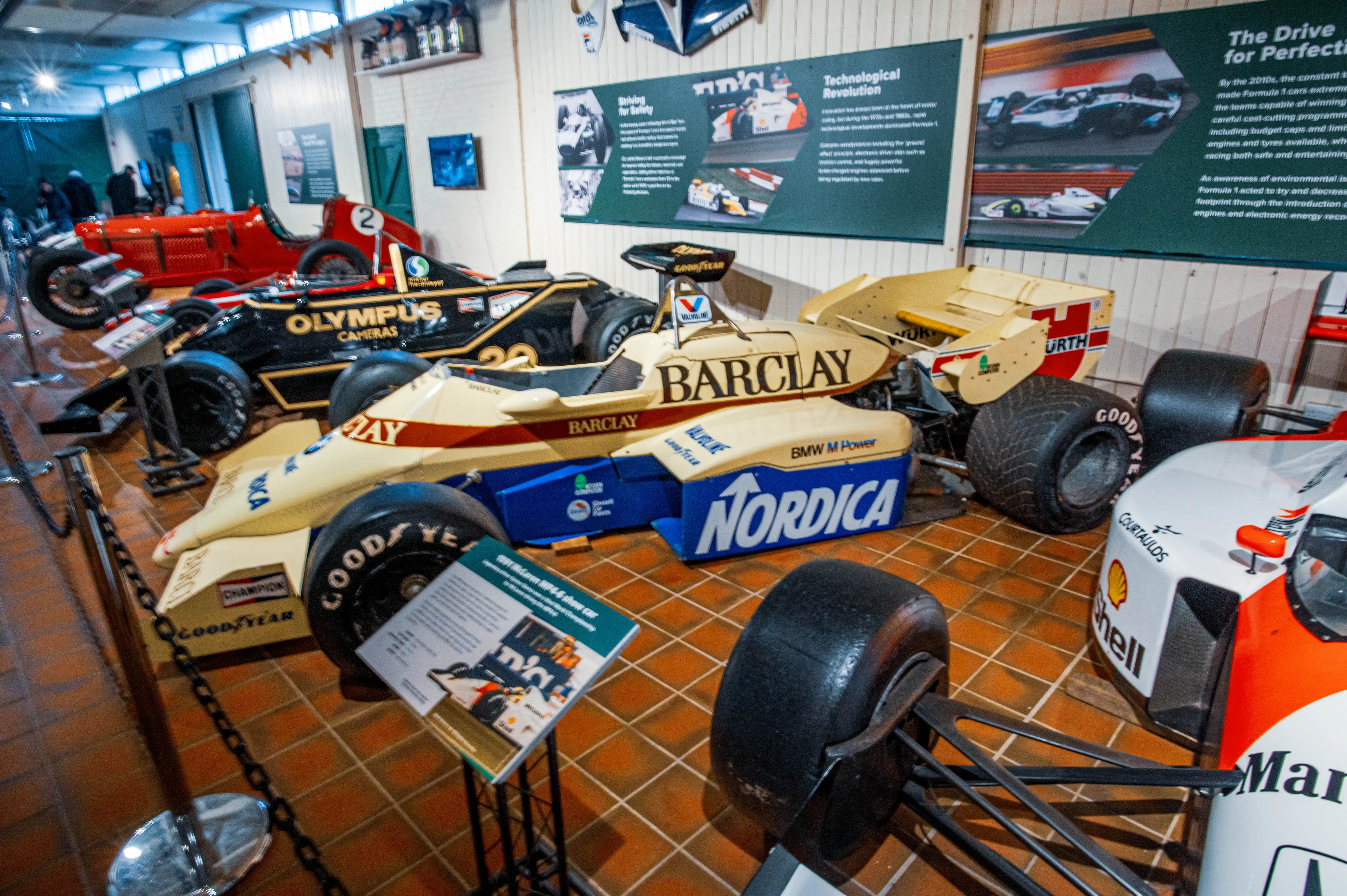
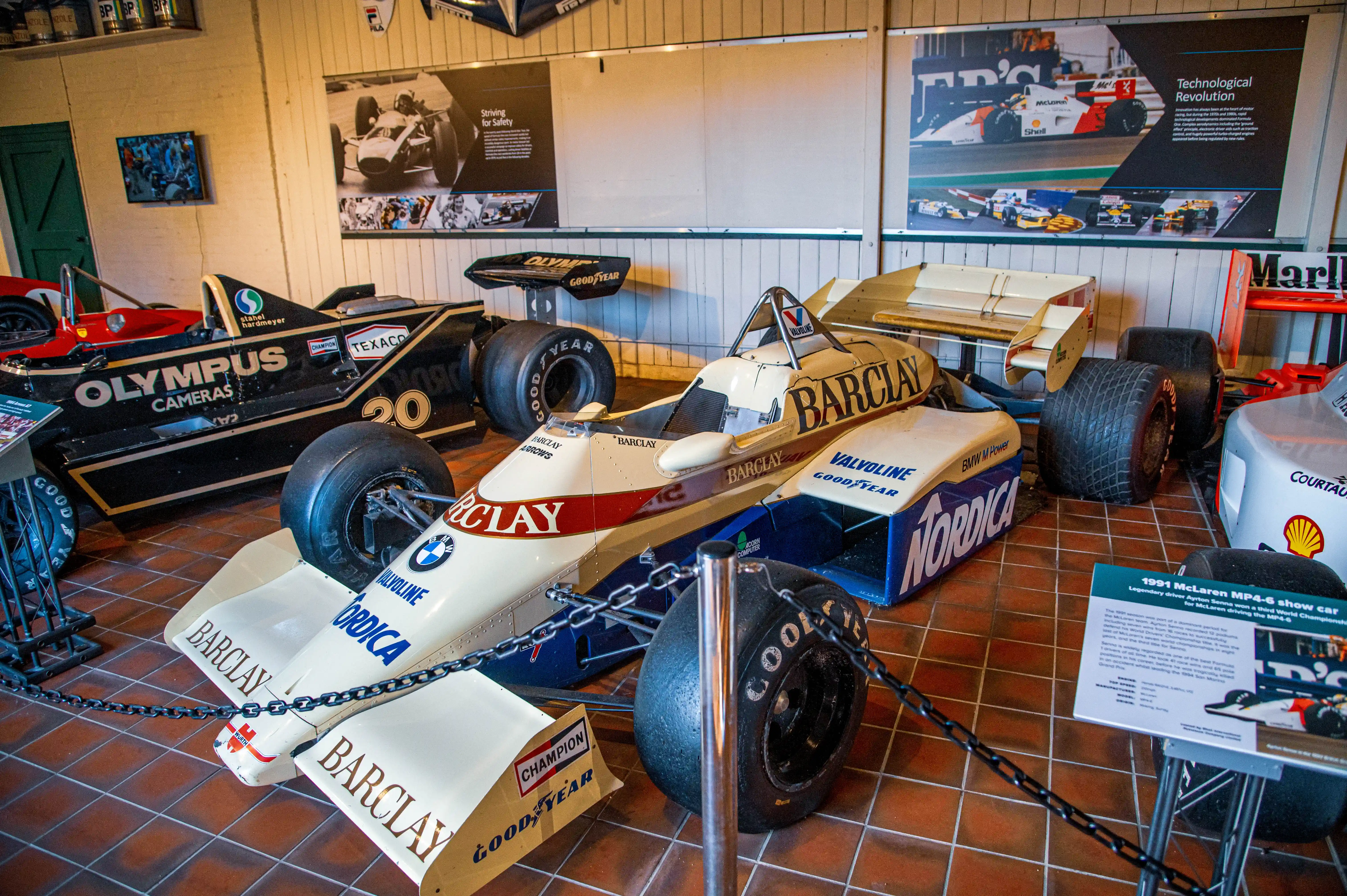
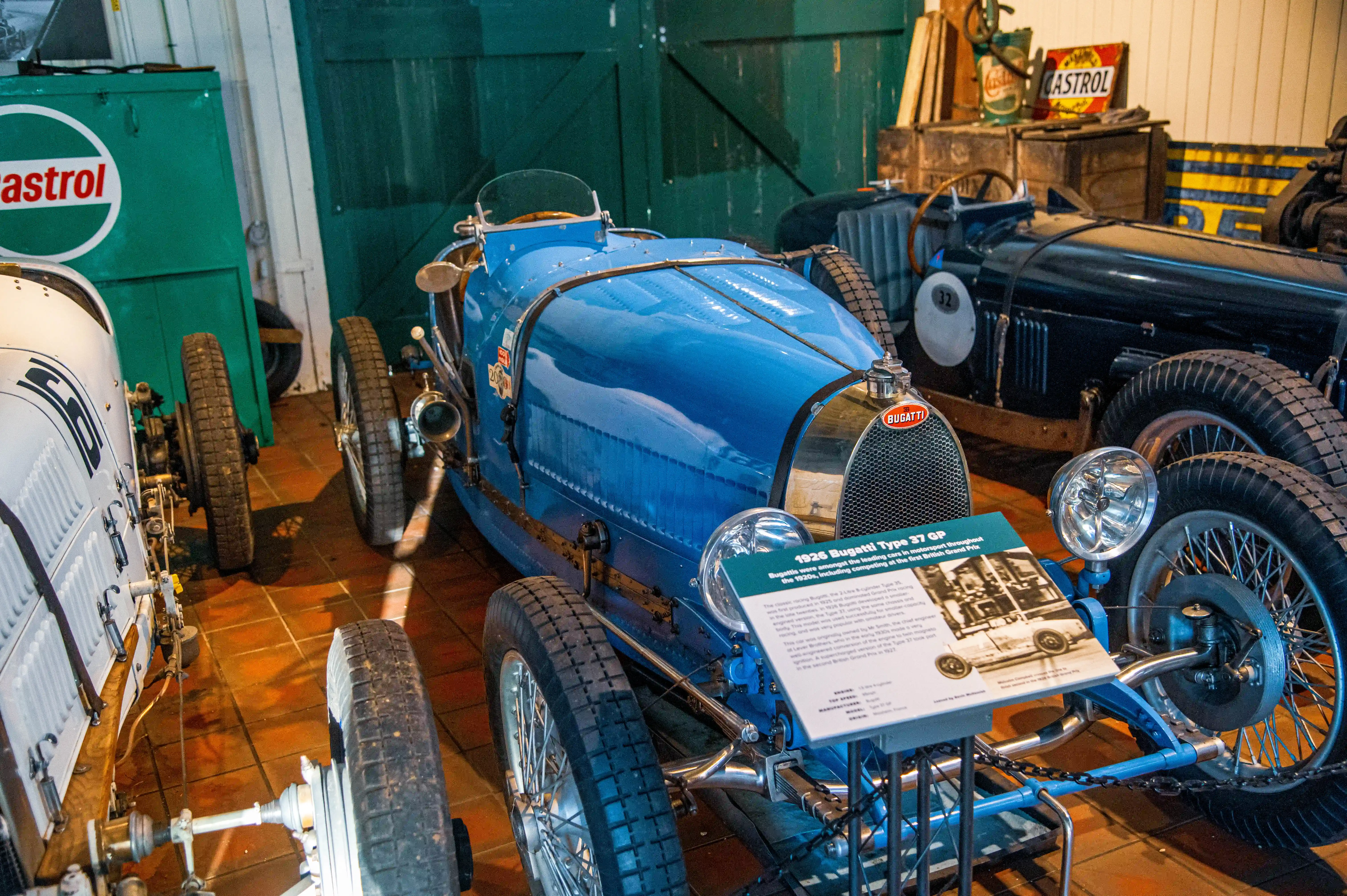
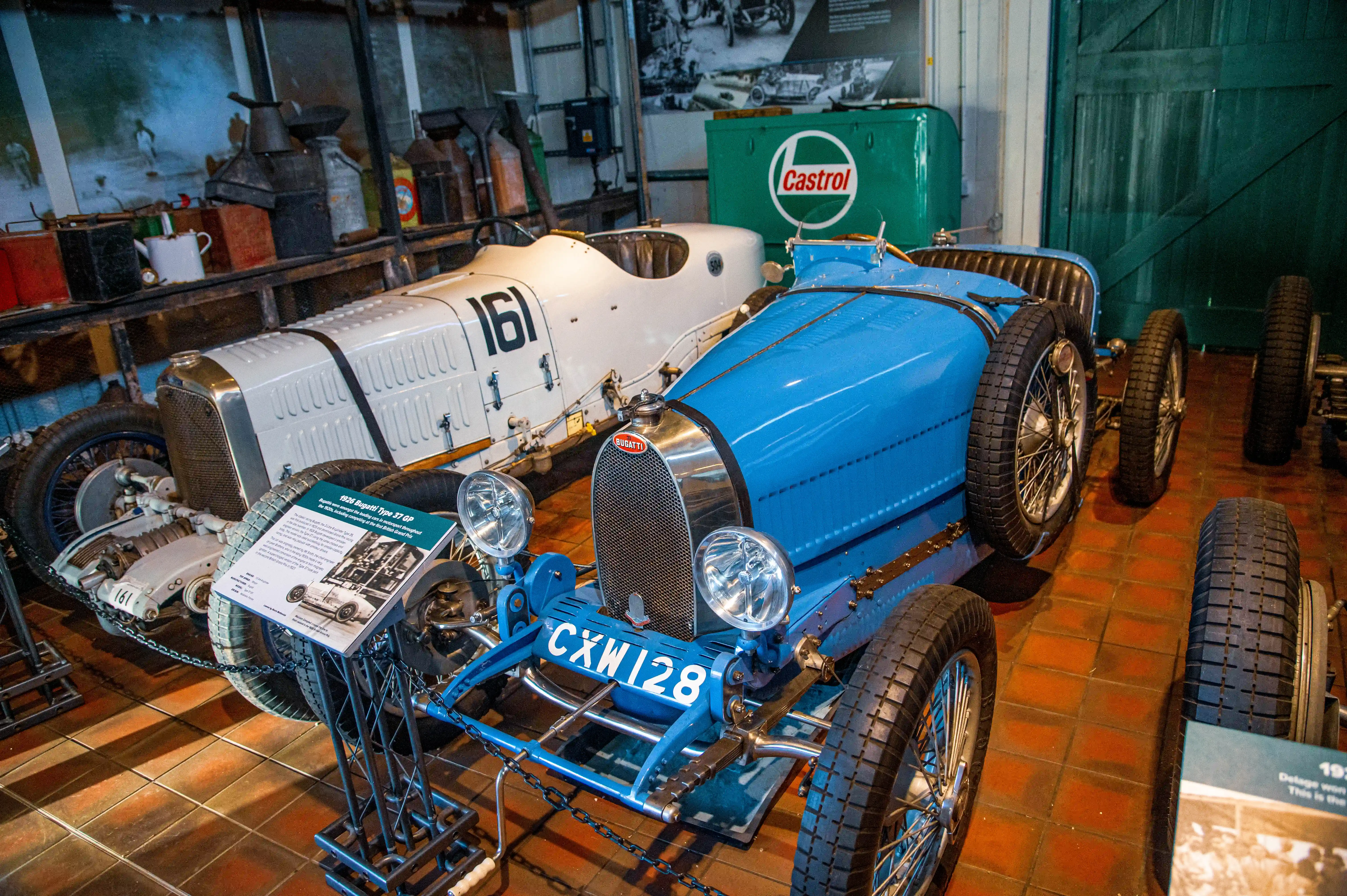
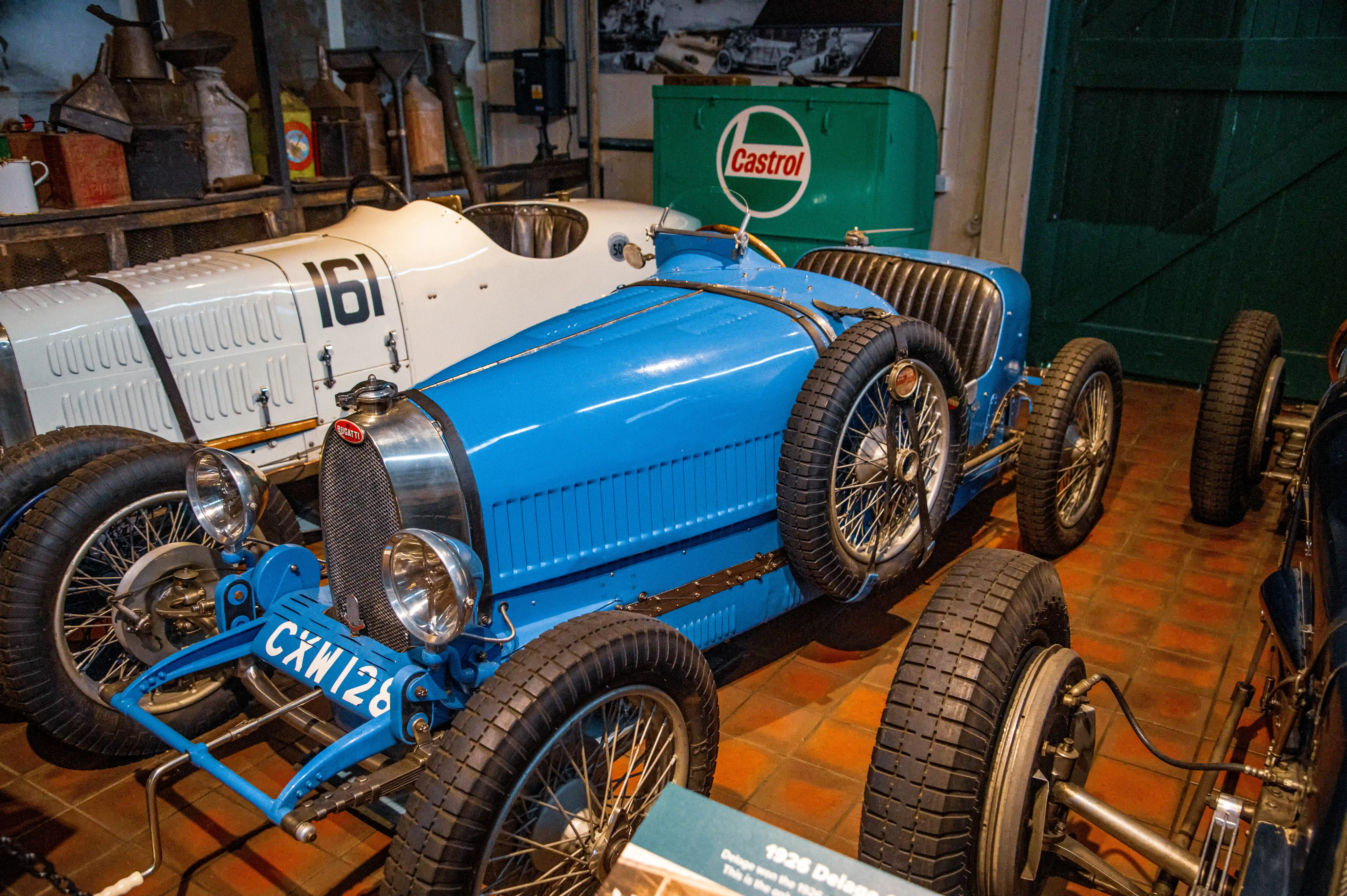
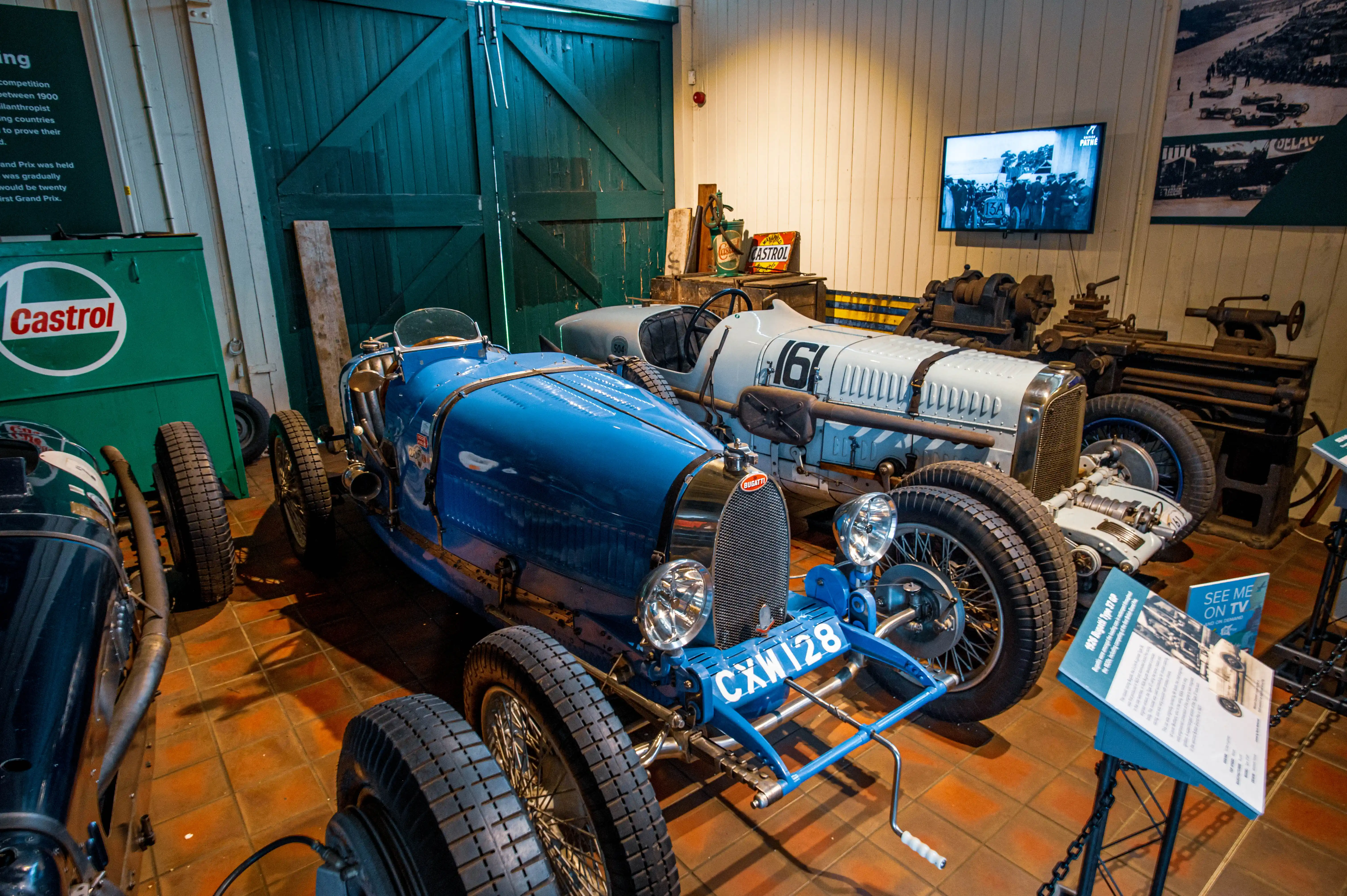
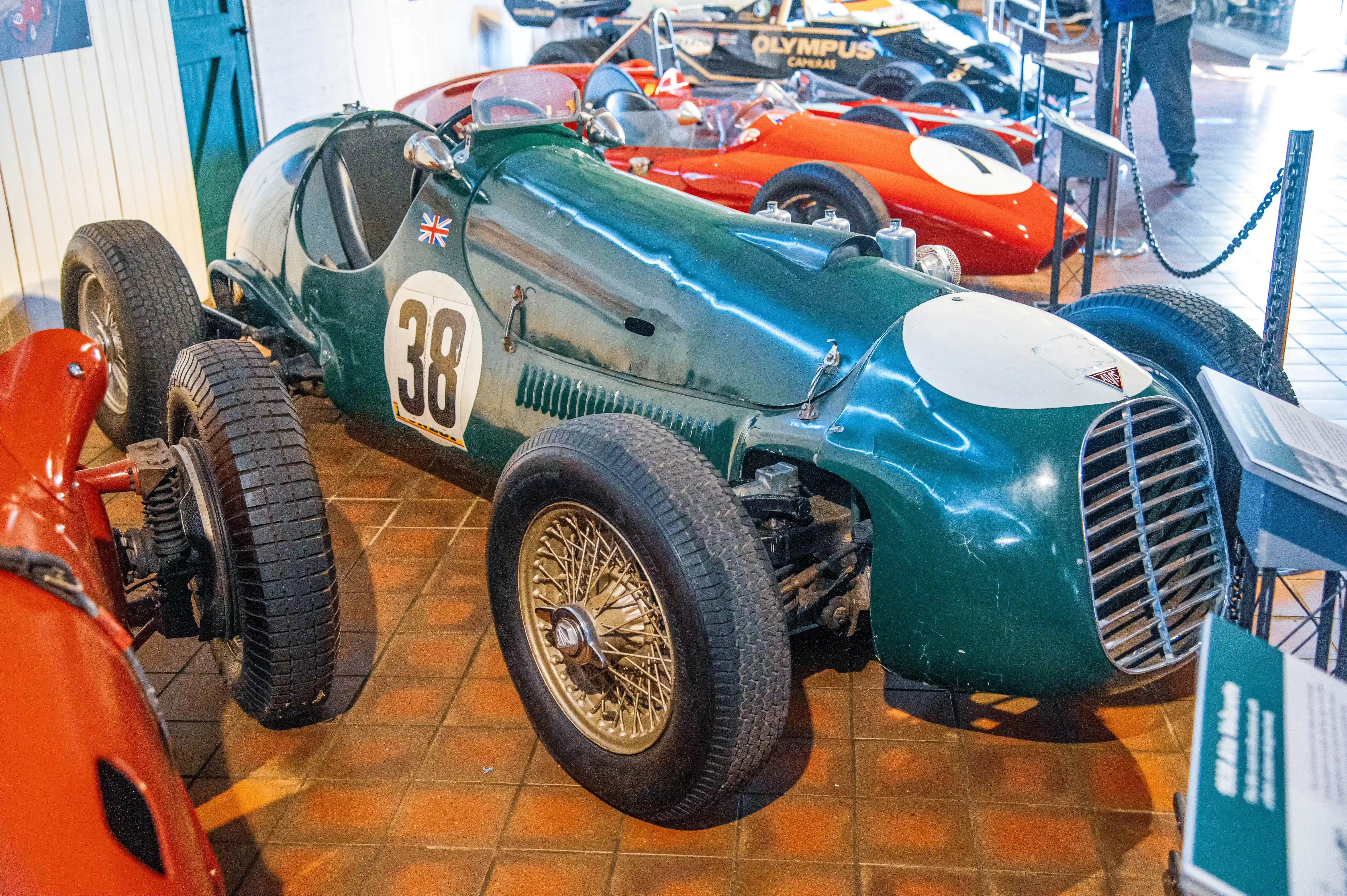
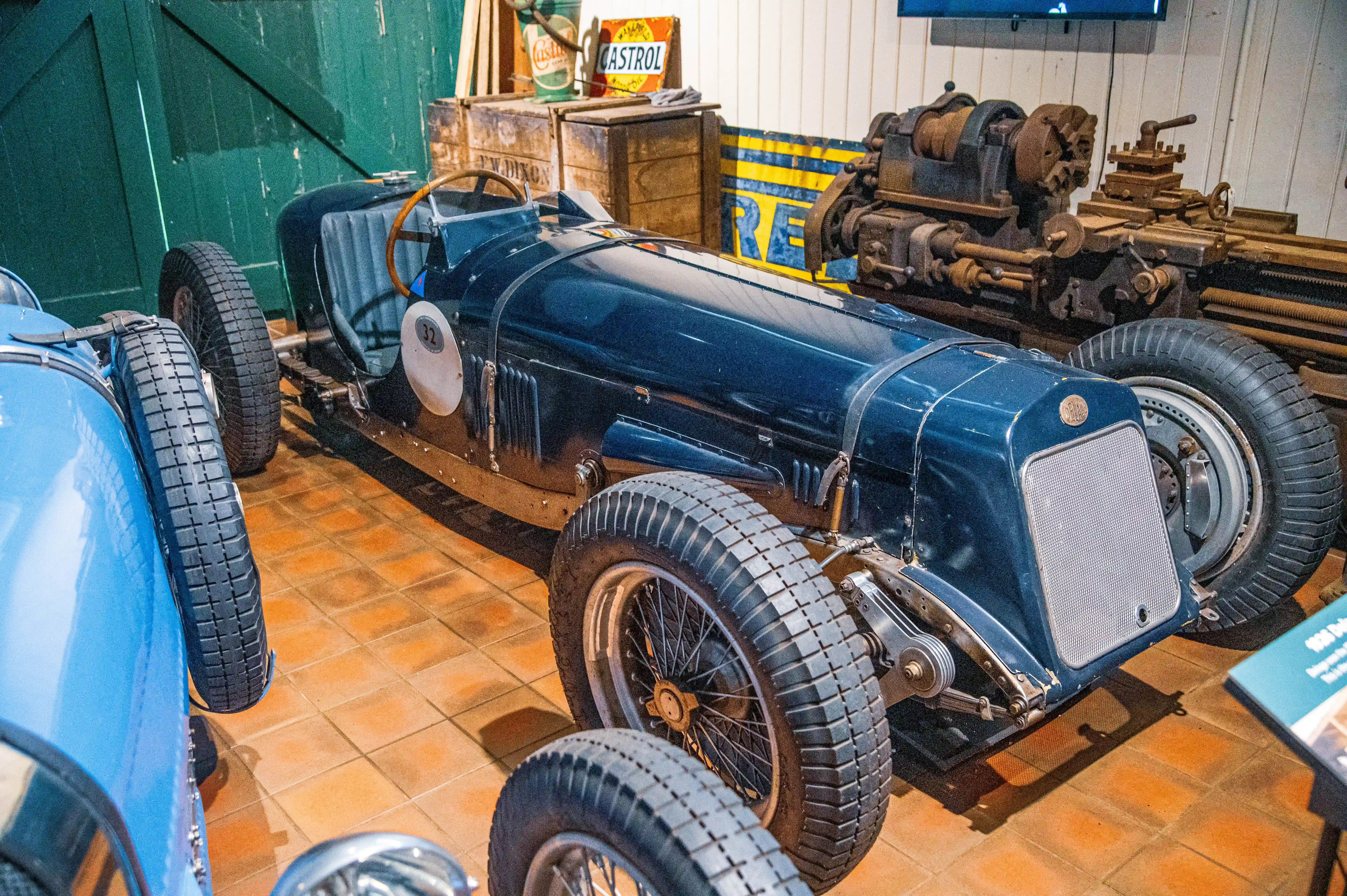
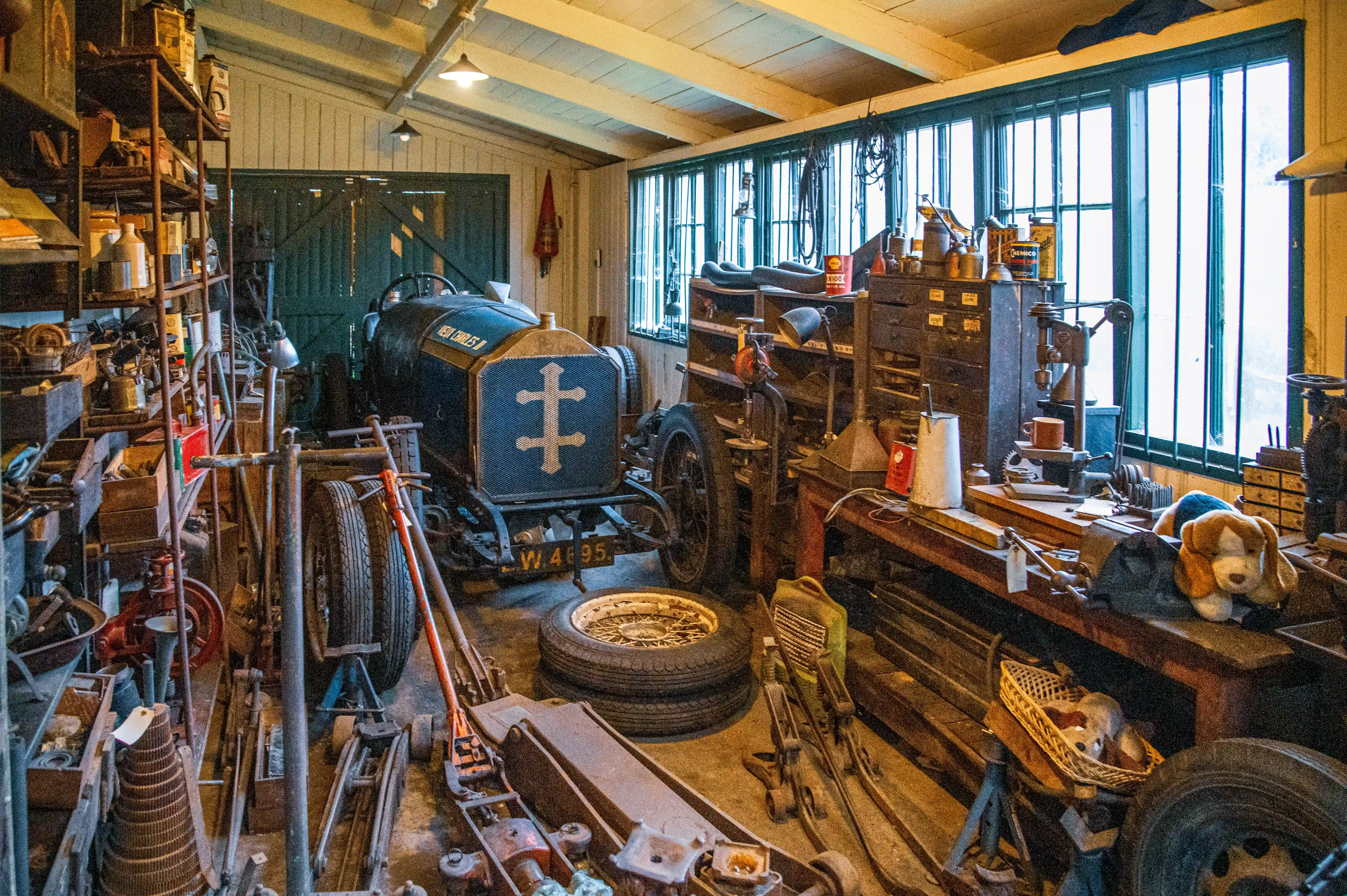
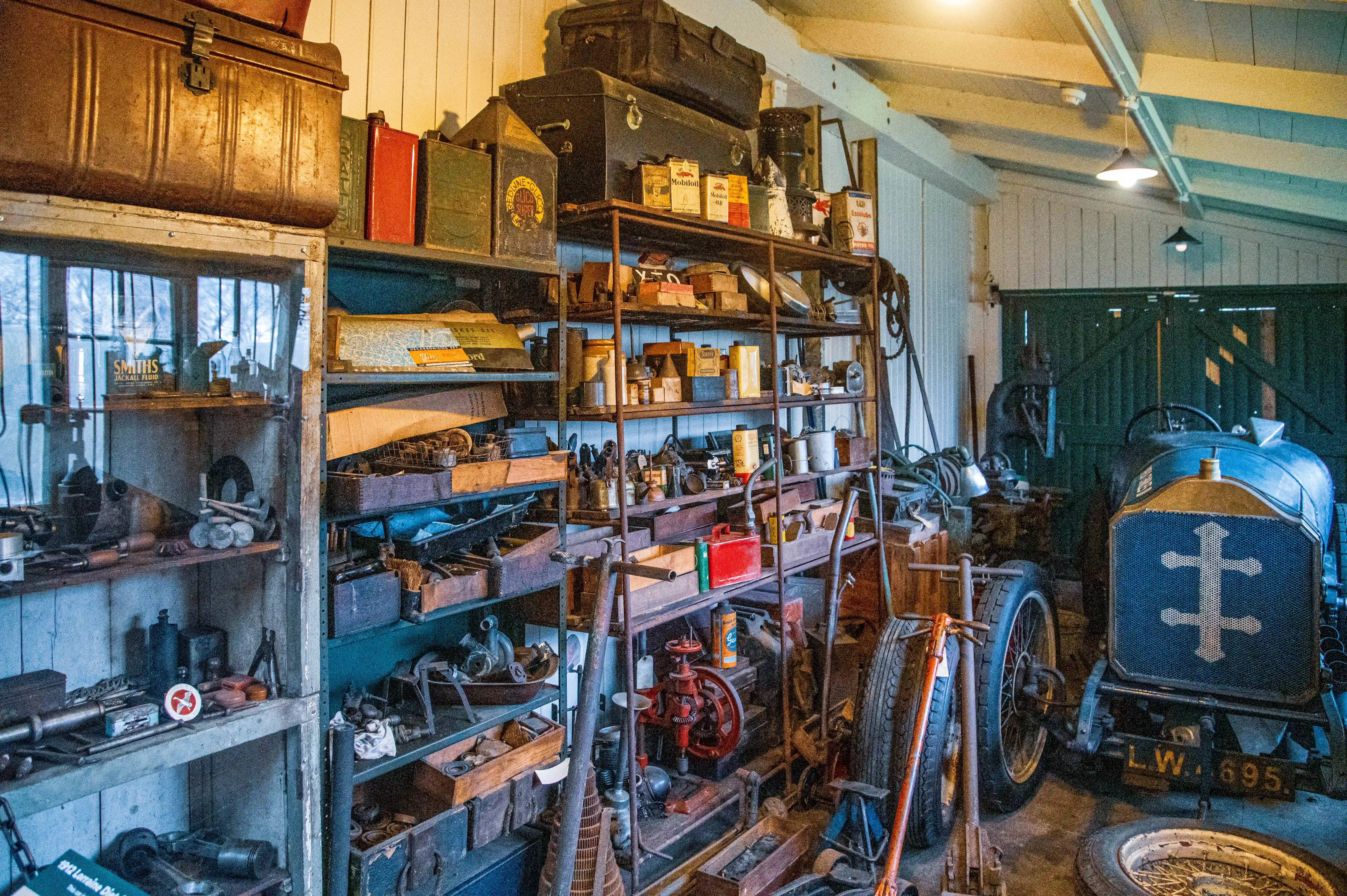
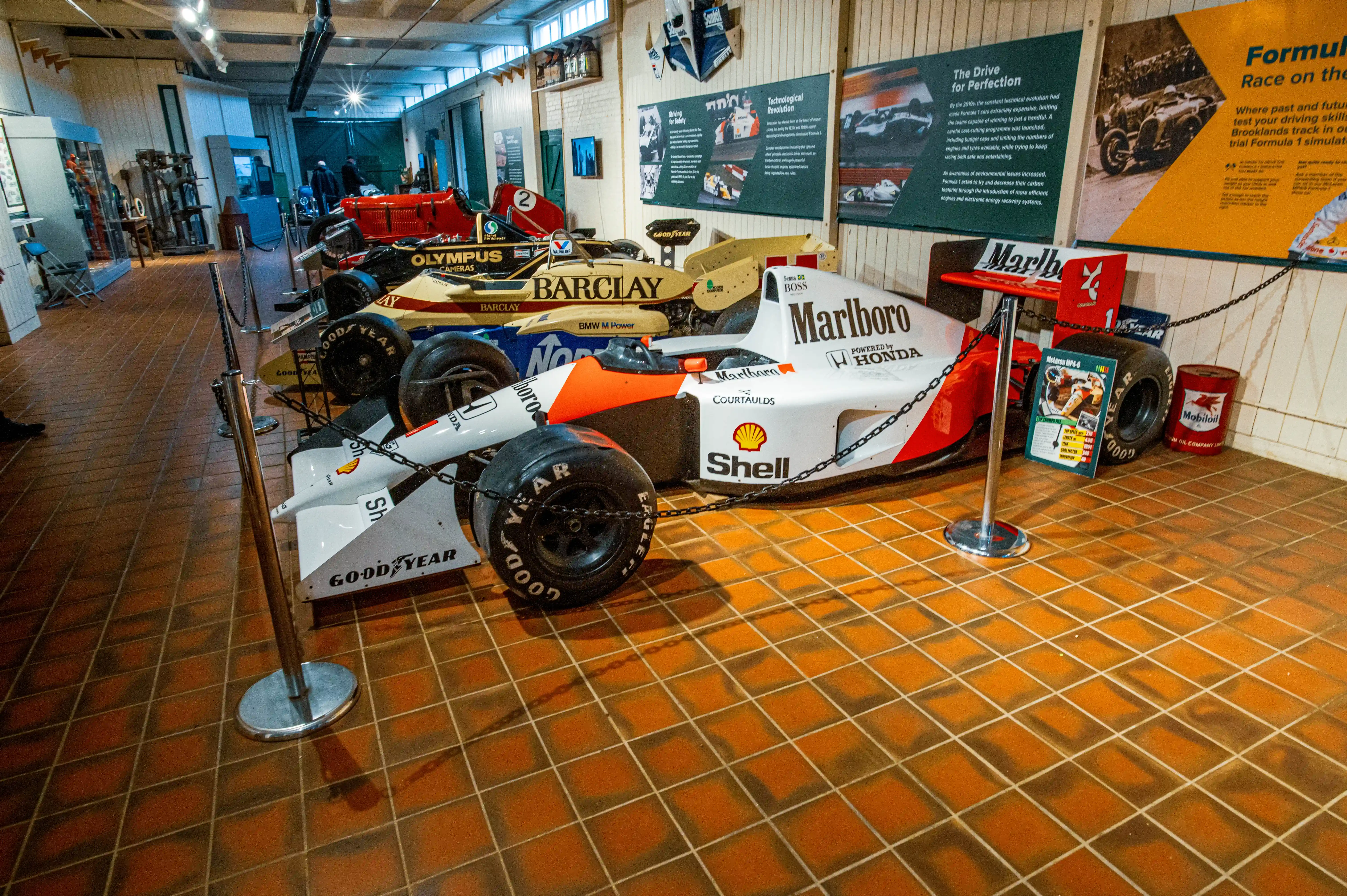
The Jackson Shed played a vital role in the early days of Brooklands, serving as a workshop, pit stop, and storage area for the racing cars and motorcycles that competed on the track. During race days, the shed was a hub of activity, where mechanics, drivers, and engineers worked to prepare, repair, and refine their vehicles. Its wooden construction and simple design reflected the practical and functional priorities of early motorsport, while its location near the track provided easy access for teams and drivers.
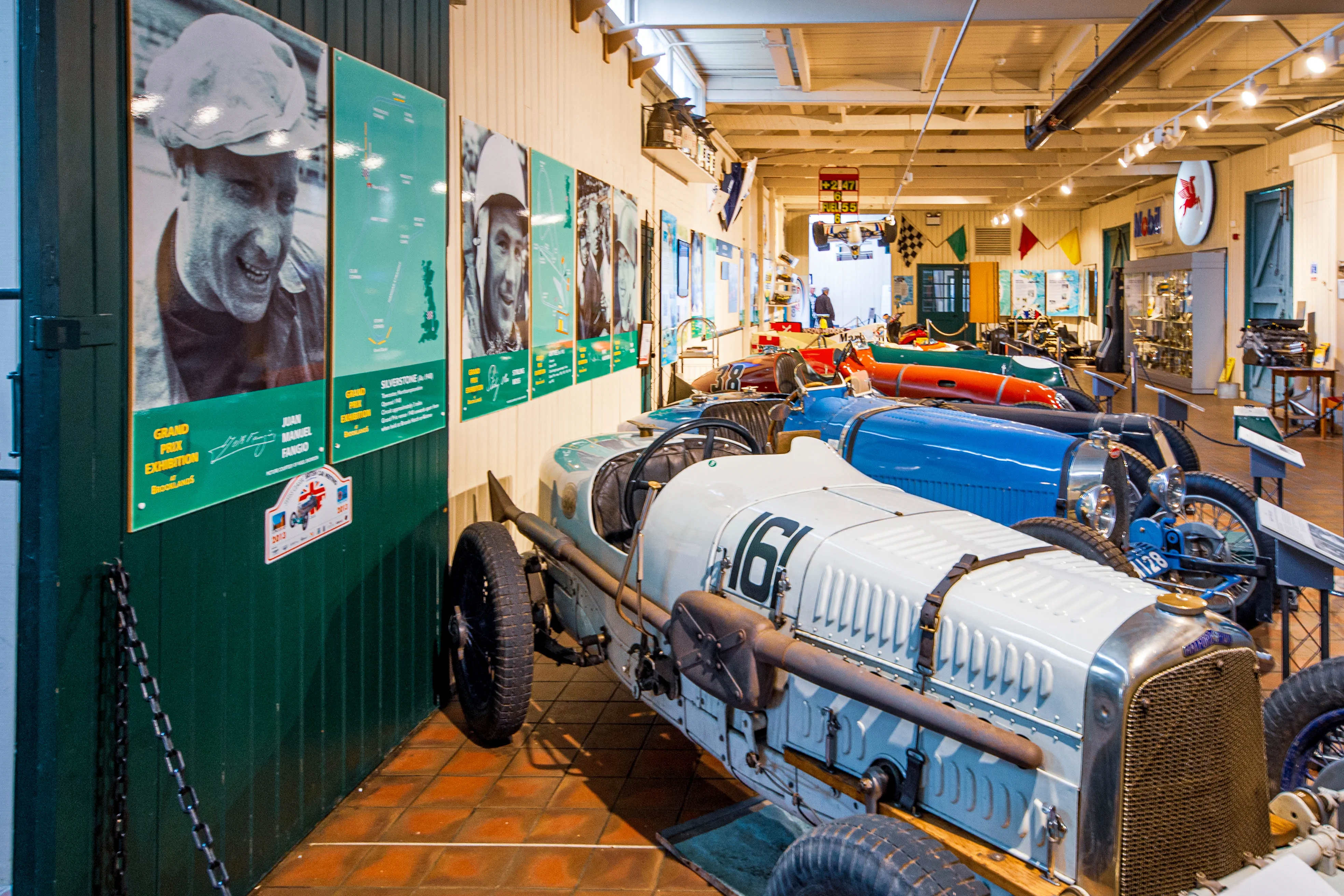
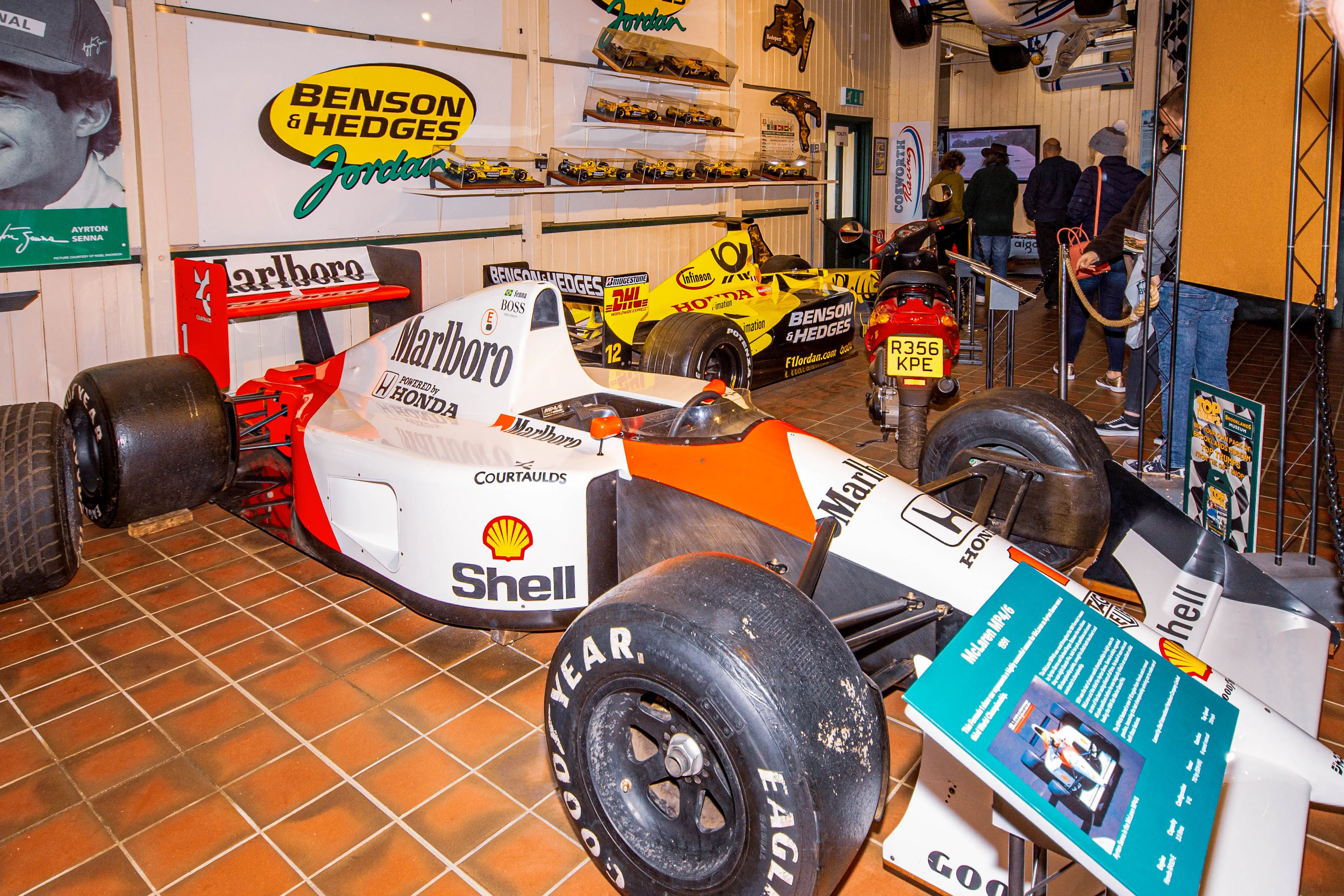
Over the years, the Jackson Shed witnessed countless historic moments in British motorsport. It was a key part of the Brooklands experience, where legendary drivers, engineers, and vehicles gathered to push the boundaries of speed and innovation. The shed also played a role in the development of aviation, as Brooklands later became a center for aircraft testing and production during World War I and World War II.
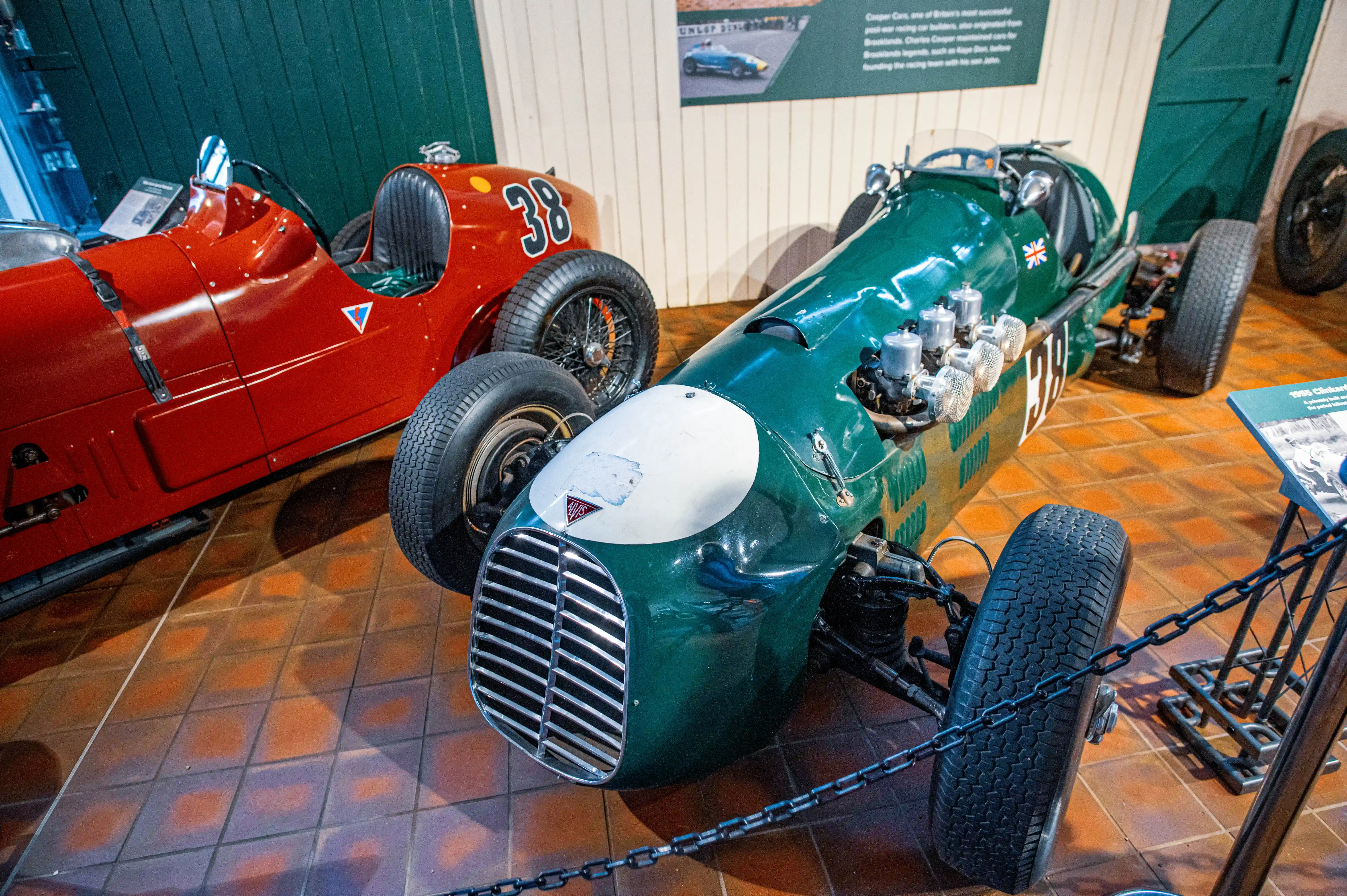
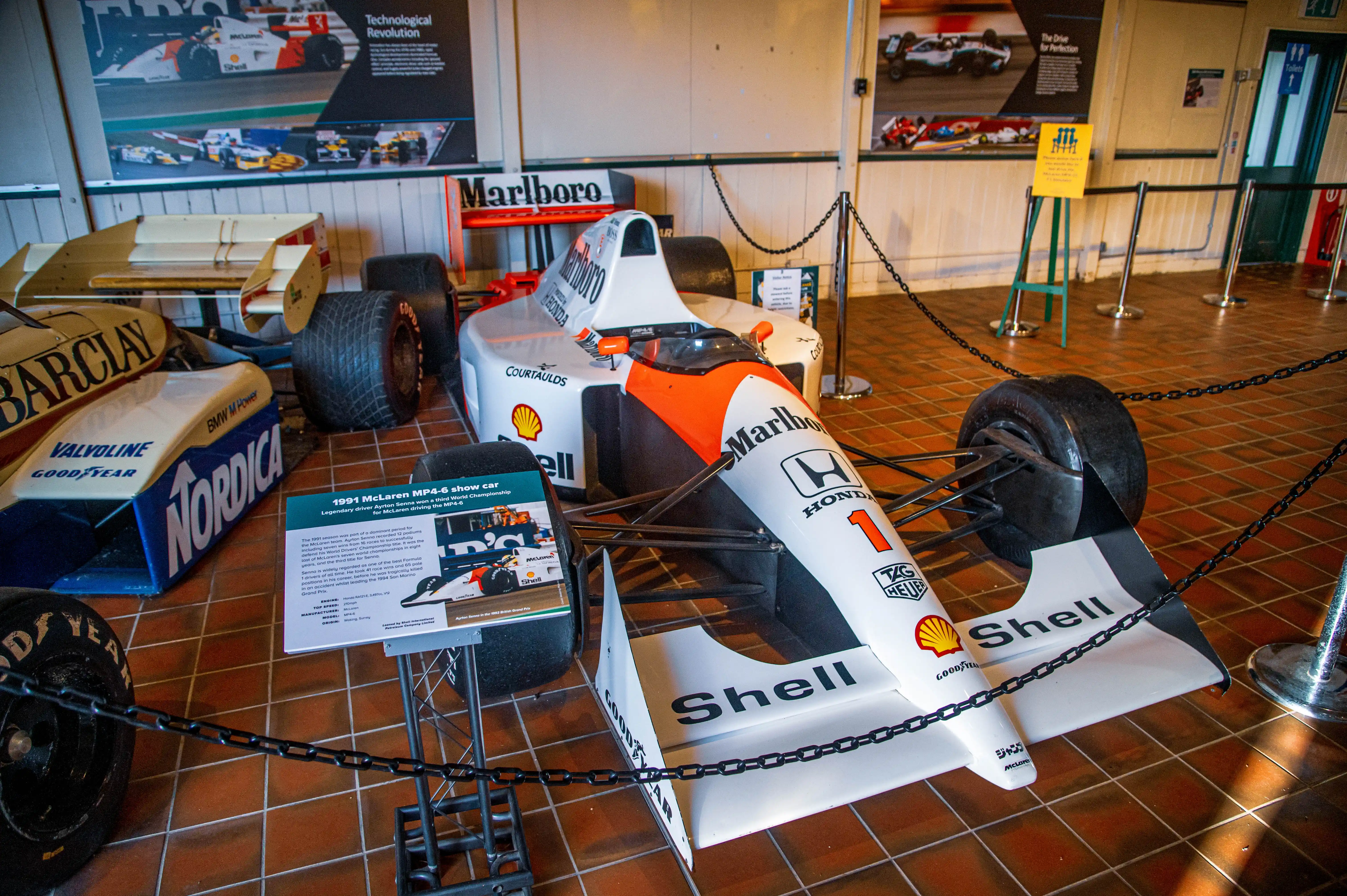
After the closure of the race track in 1939, the Jackson Shed fell into disuse. However, with the establishment of Brooklands Museum in 1991, the shed was restored to its original appearance and incorporated into the museum’s exhibits. Today, it stands as a testament to the golden age of British motorsport and a symbol of the innovation and passion that defined the early years of racing at Brooklands.

