Greater Manchester

Greater Manchester

United Kingdom

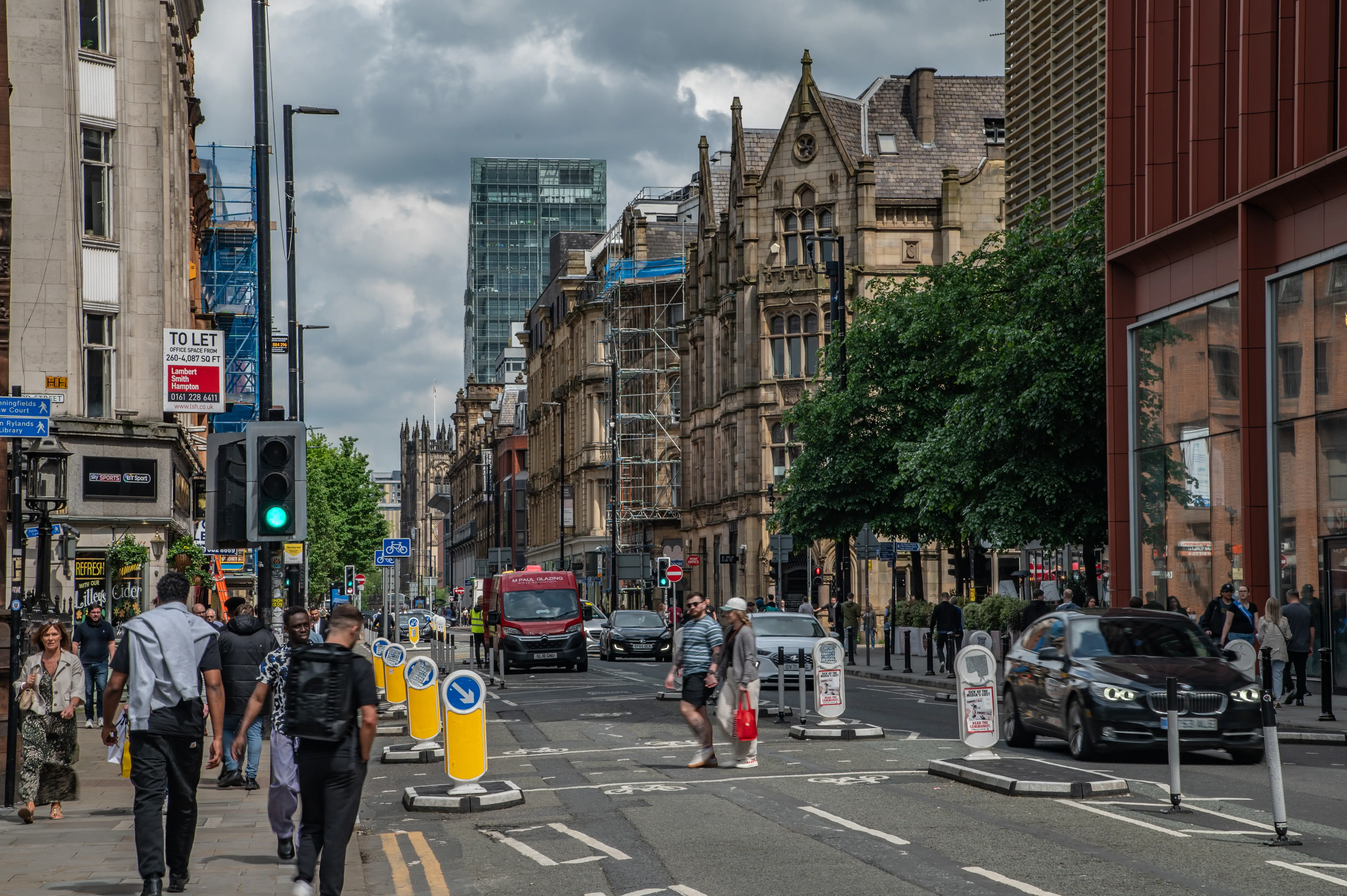
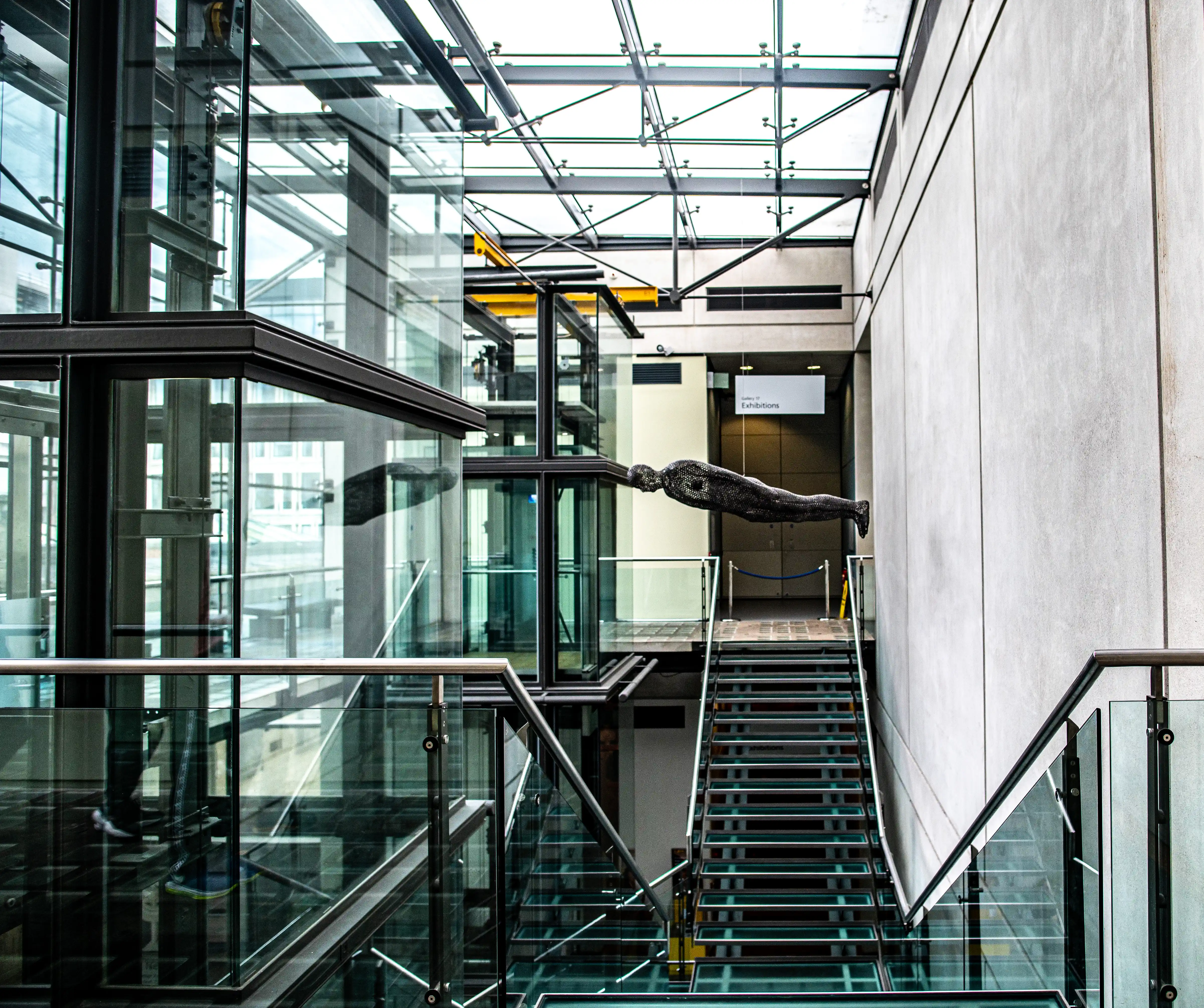
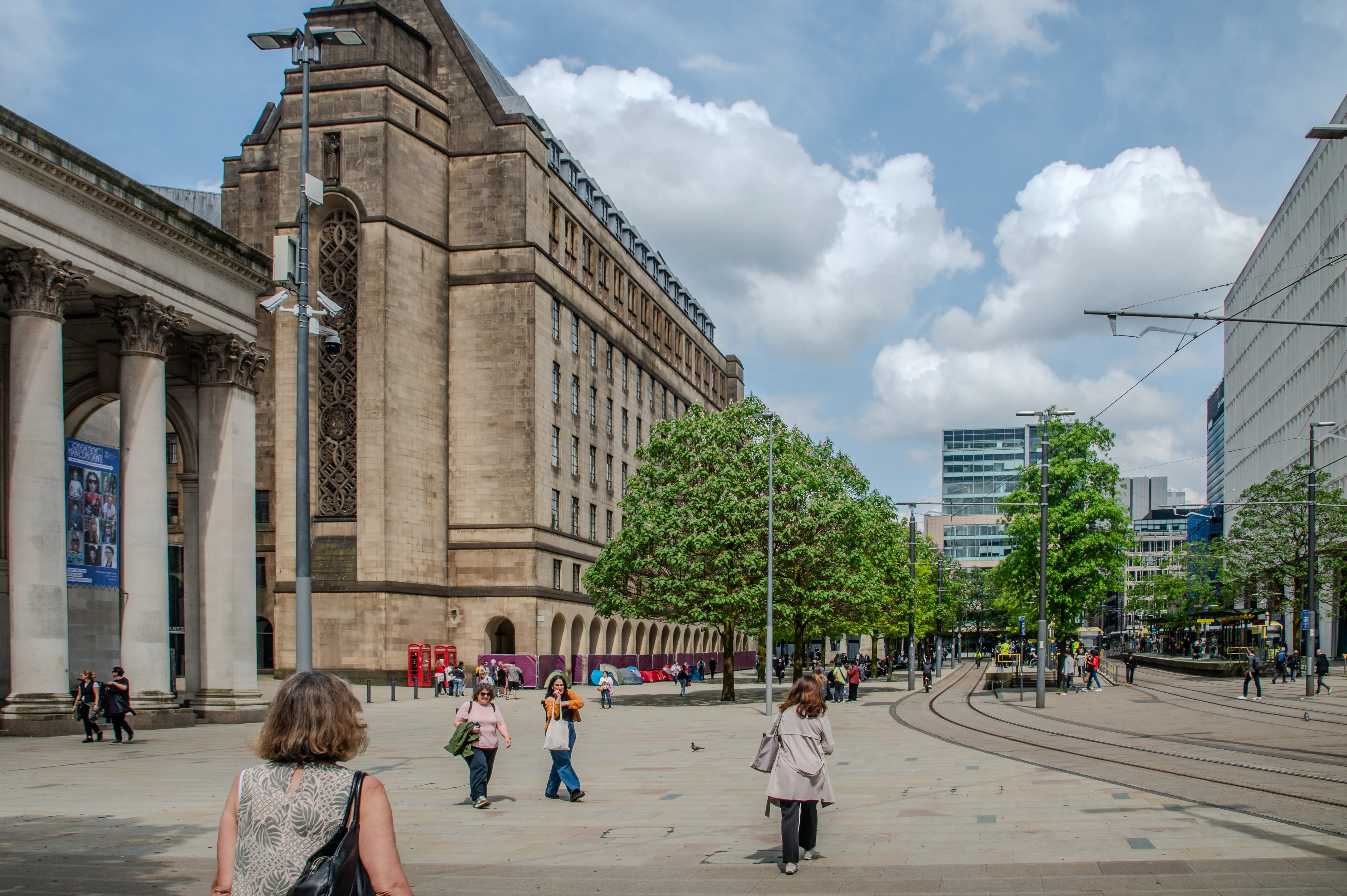
Greater Manchester is a metropolitan Manchester and city region in North West England, centered around the city of Manchester. It is one of the largest and most influential urban areas in the UK, with a rich industrial heritage, cultural diversity, and economic significance. Greater Manchester is known for its vibrant cities, historic landmarks, innovative industries, and thriving arts and music scenes. The region is a global hub for business, education, sports, and media, and it continues to shape the cultural and economic landscape of the UK.

Greater Manchester Gallery


1 / 14
image link to https://www.mgaylard.co.uk/UKGallery/ManchesterDean.html

2 / 14
image link to https://www.mgaylard.co.uk/UKGallery/ManchesterDeansgate.html#jr

3 / 14
image link to https://www.mgaylard.co.uk/UKGallery/ManchesterCivic.html

4 / 14
image link to https://www.mgaylard.co.uk/UKGallery/ManchesterCivic..html#peter

5 / 14
image link to https://www.mgaylard.co.uk/UKGallery/ManchesterCivic.html#canal

6 / 14
image link to https://www.mgaylard.co.uk/UKGallery/ManchesterCorrie.html

7 / 14
image link to https://www.mgaylard.co.uk/UKGallery/Manchester.html#castle

Greater Manchester

Established: 1974 (as a metropolitan Manchester)

Population: ~2.8 million (2021 estimate)

Area: 1,276 km² (493 sq mi)

Metropolitan Boroughs: 10 (Bolton, Bury, Manchester, Oldham, Rochdale, Salford, Stockport, Tameside, Trafford, Wigan)

Major Cities: Manchester, Salford, Bolton, Stockport

Governance: Greater Manchester Combined Authority (GMCA)

Official Website:

Historical Significance

Greater Manchester has a rich and diverse history that dates back to ancient times, with evidence of Roman settlements in the region. However, its modern identity was shaped by the Industrial Revolution in the 18th and 19th centuries, when the area became a global powerhouse for textiles, manufacturing, and trade. The city of Manchester, often referred to as the "Cottonopolis" due to its dominance in the cotton trade, was at the heart of this transformation.

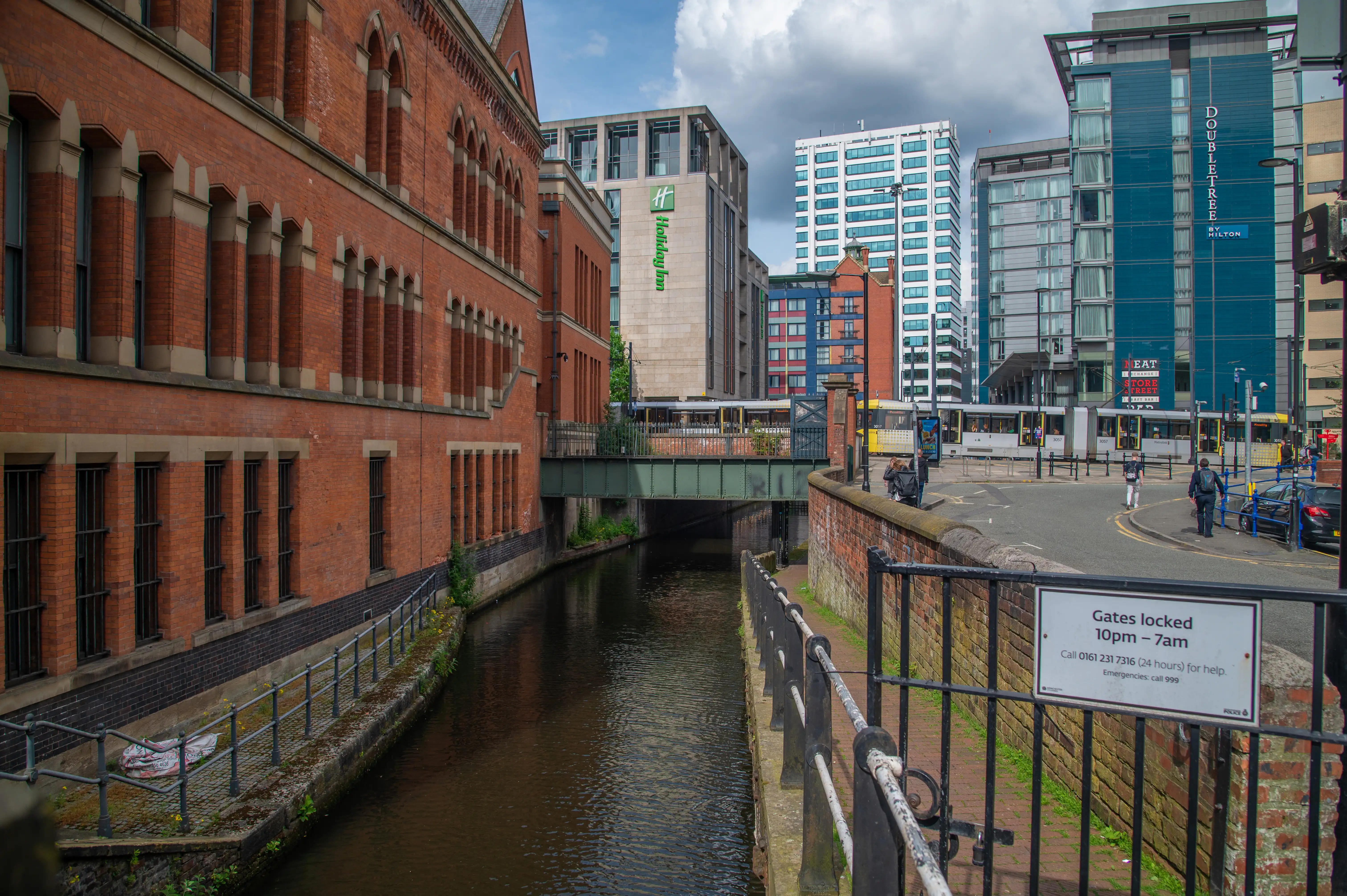
The construction of canals, such as the Bridgewater Canal and the Rochdale Canal, in the late 18th and early 19th centuries facilitated the transport of goods and fueled the region’s economic growth. The railway network further expanded Manchester’s connectivity, making it a key hub for trade and industry.

By the 20th century, Greater Manchester had evolved into a major urban and industrial region, attracting workers, immigrants, and businesses from around the world. The decline of traditional industries in the late 20th century led to economic challenges, but the region reinvented itself as a center for finance, technology, education, and culture.

In 1974, Greater Manchester was officially established as a metropolitan Manchester under the Local Government Act 1972. The Greater Manchester Combined Authority (GMCA) was later created in 2011 to coordinate strategic planning and economic development across the region. In 2017, Andy Burnham became the first directly elected Mayor of Greater Manchester, further strengthening the region’s governance and identity.

References

Text generated by Mistral AIMicrosoft CoPilot , and AI Image Describer
I might need a div here

Castlefield

Castlefield

ManchesterGreater Manchester,   M15 4,   United Kingdom

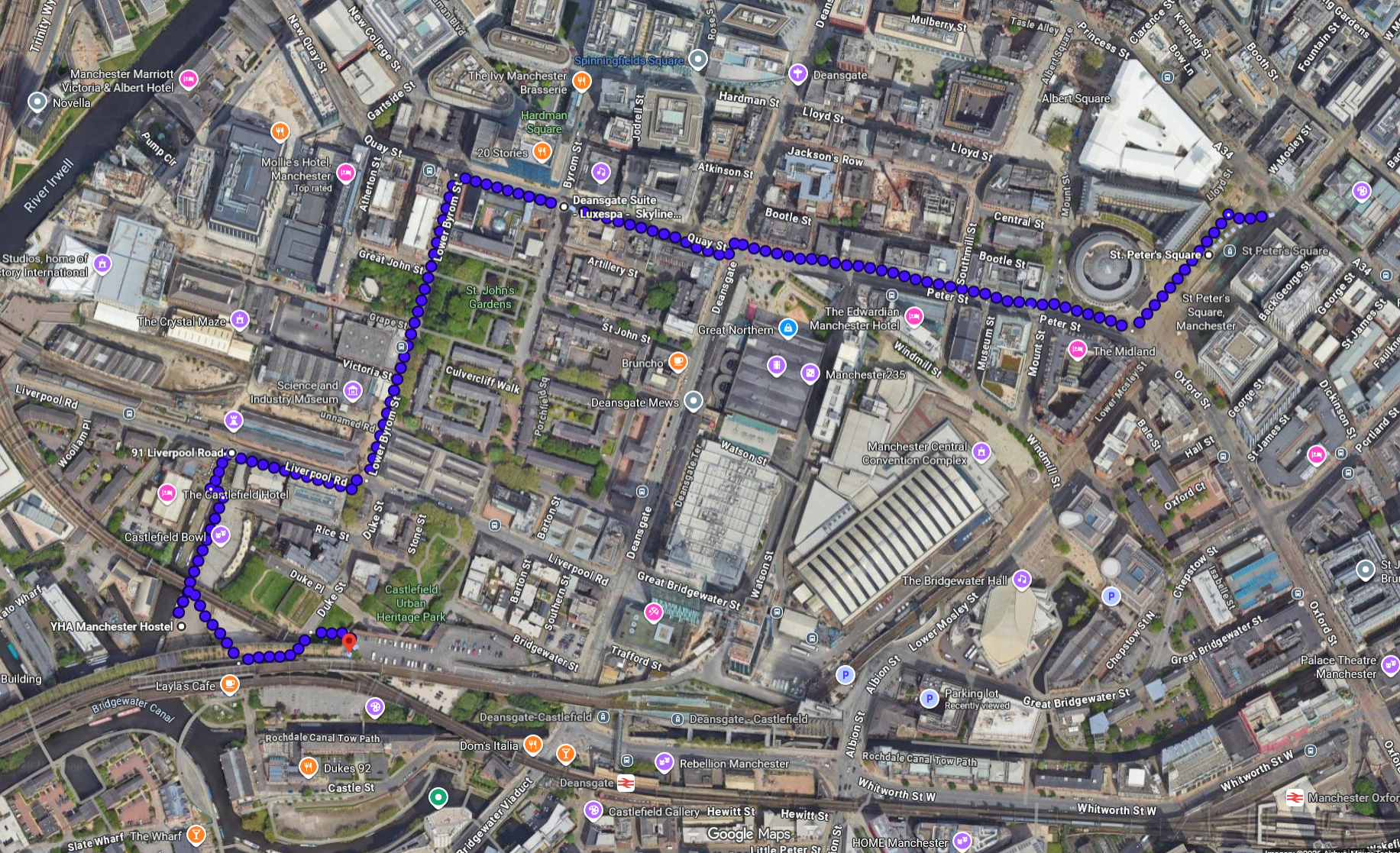
Castlefield is a historic urban village in Manchester, England, known for its rich Roman and industrial heritage, as well as its modern regeneration. Located just southwest of Manchester city center, Castlefield is one of the oldest parts of the city, with a history dating back to Roman times. Today, it is a vibrant and picturesque area, blending ancient ruins, Victorian warehouses, and contemporary apartments, making it a unique and attractive destination for visitors and locals alike.
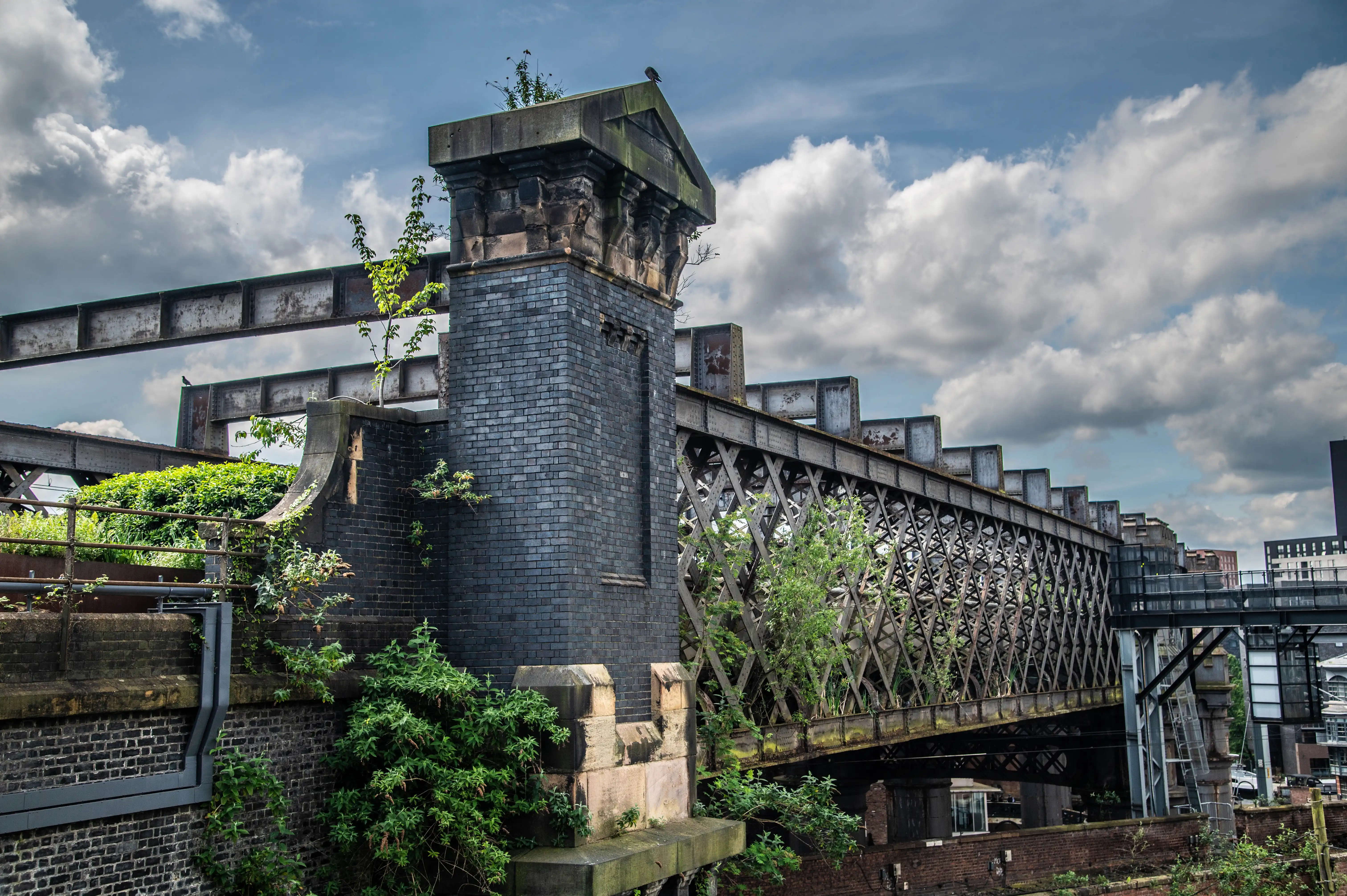
A close-up view of a dark brick Victorian railway bridge. Green plants and trees are growing over and through the metal structure. A bird is perched on top of a stone pillar on the bridge. The sky is cloudy.
The Unseen Garden of the Iron Bridge
photo by
©www.mgaylard.co.uk.
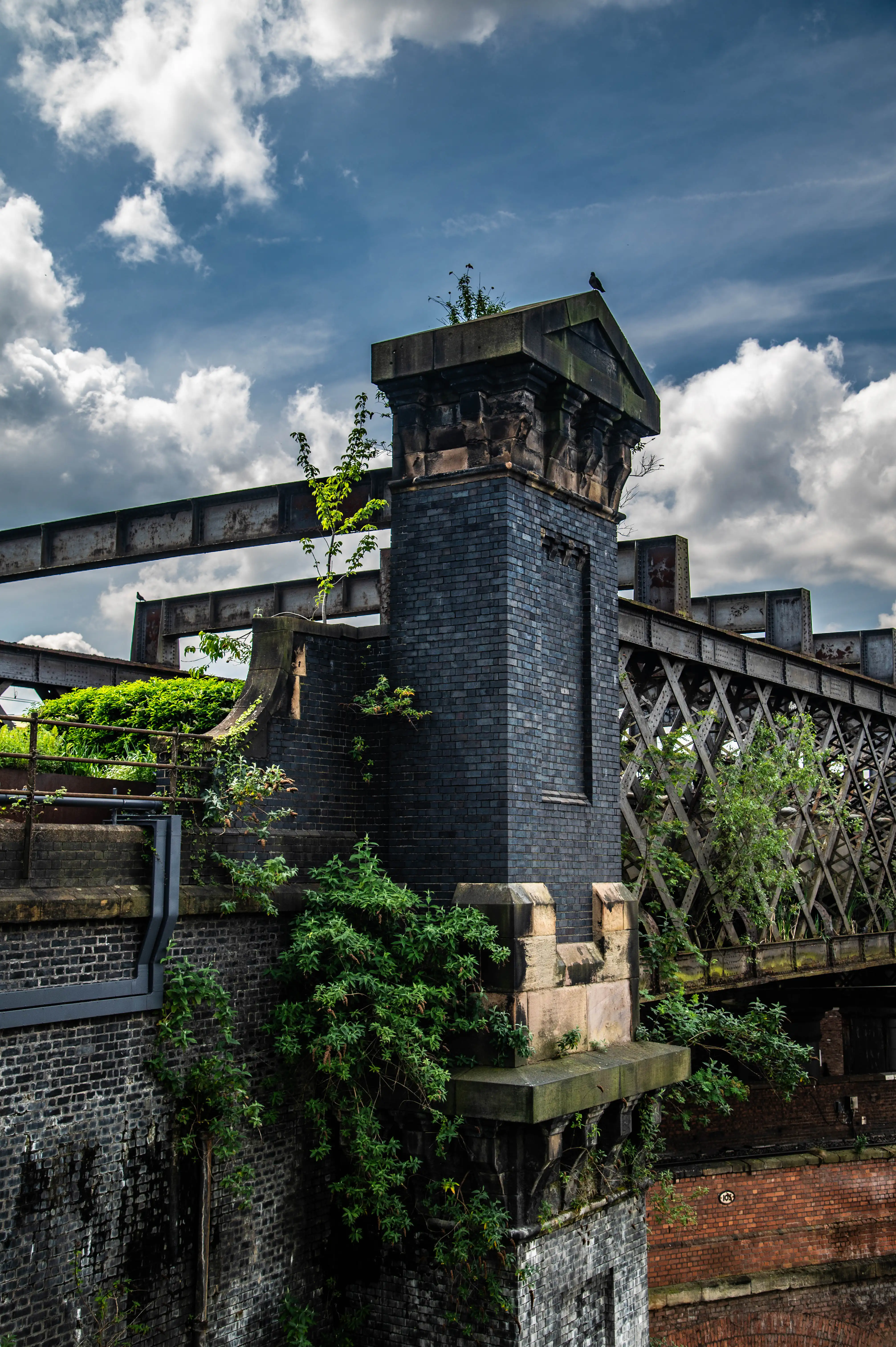
A dark brick pillar topped with ornate stonework stands against a cloudy blue sky. An old, rusted metal railway bridge with latticework is visible behind, intertwined with vegetation.
Industrial brick-and-steel bridge with natural reclamation  ‐ photo by ,
©www.mgaylard.co.uk .
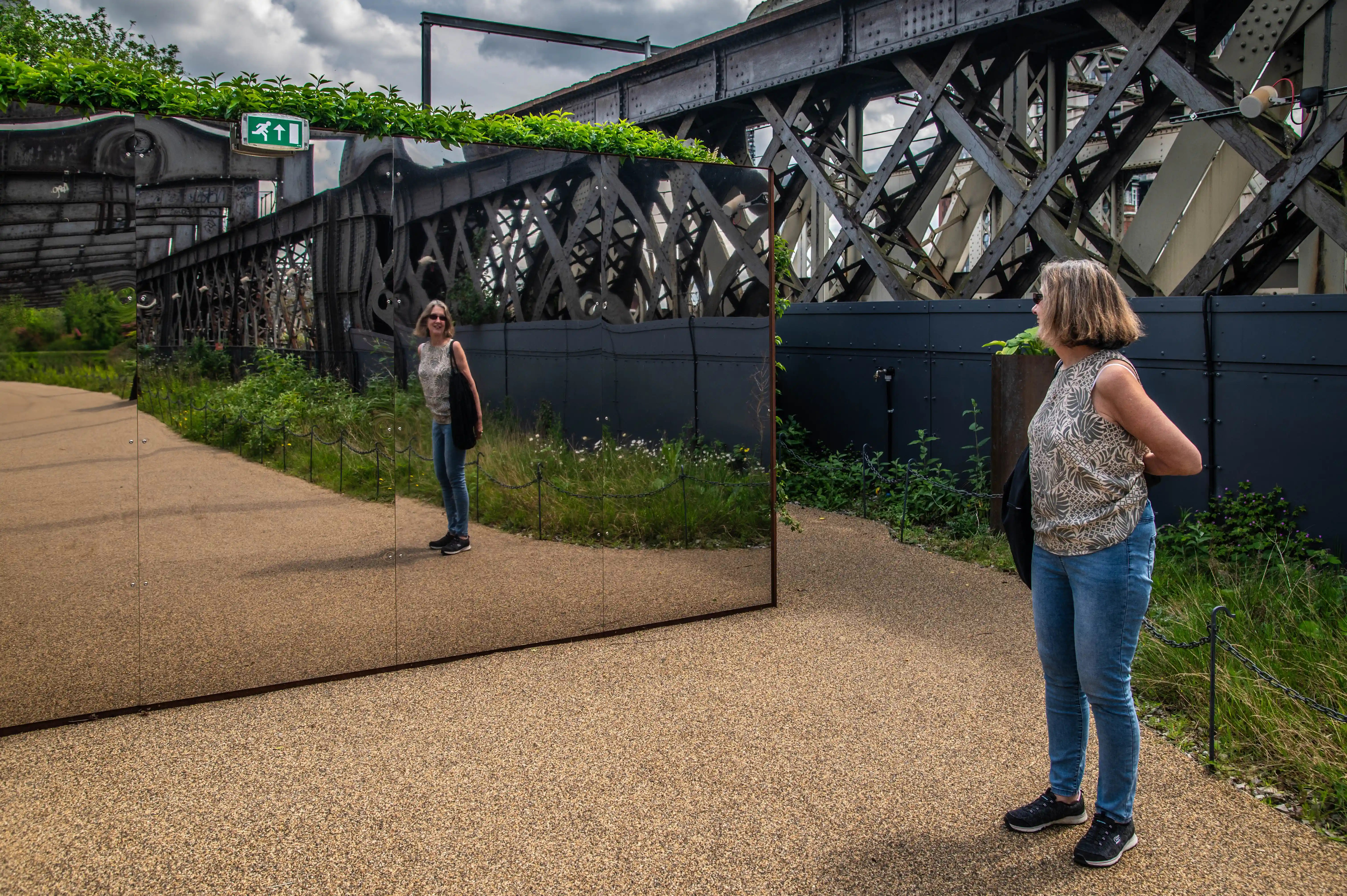
A woman in jeans and a patterned top stands on a gravel path, looking into a large reflective panel. The panel mirrors the intricate metalwork of an overhead bridge structure, lush greenery, and an emergency exit sign.
Reflection of Life Against Industrial Heritage  ‐ photo by ,
©www.mgaylard.co.uk .
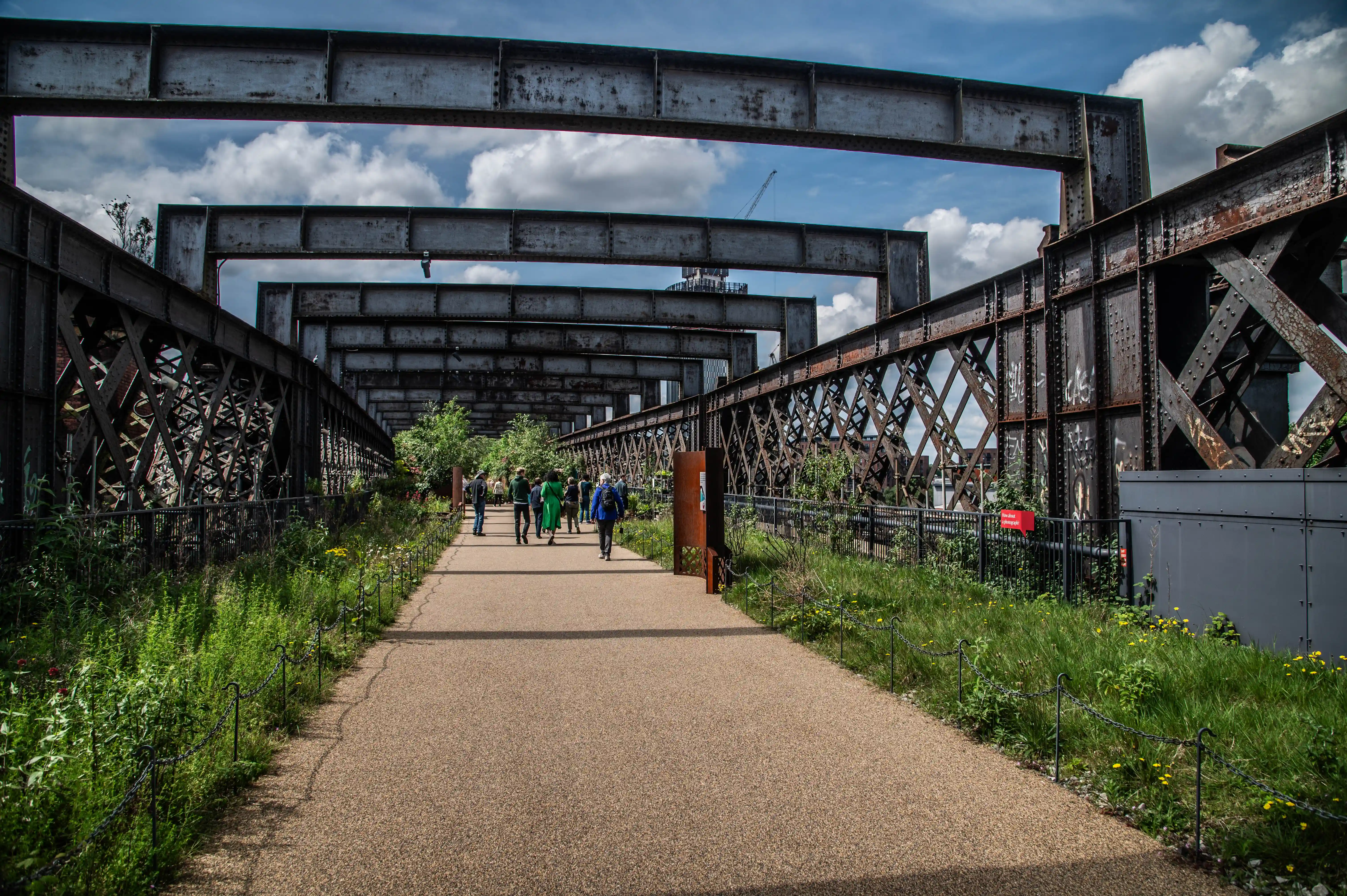
A walkway passes under a series of weathered metal railway bridge sections, with lush vegetation on either side and a few people walking away from the camera.
Urban Oasis: A Reimagined Railway  ‐ photo by ,
©www.mgaylard.co.uk .
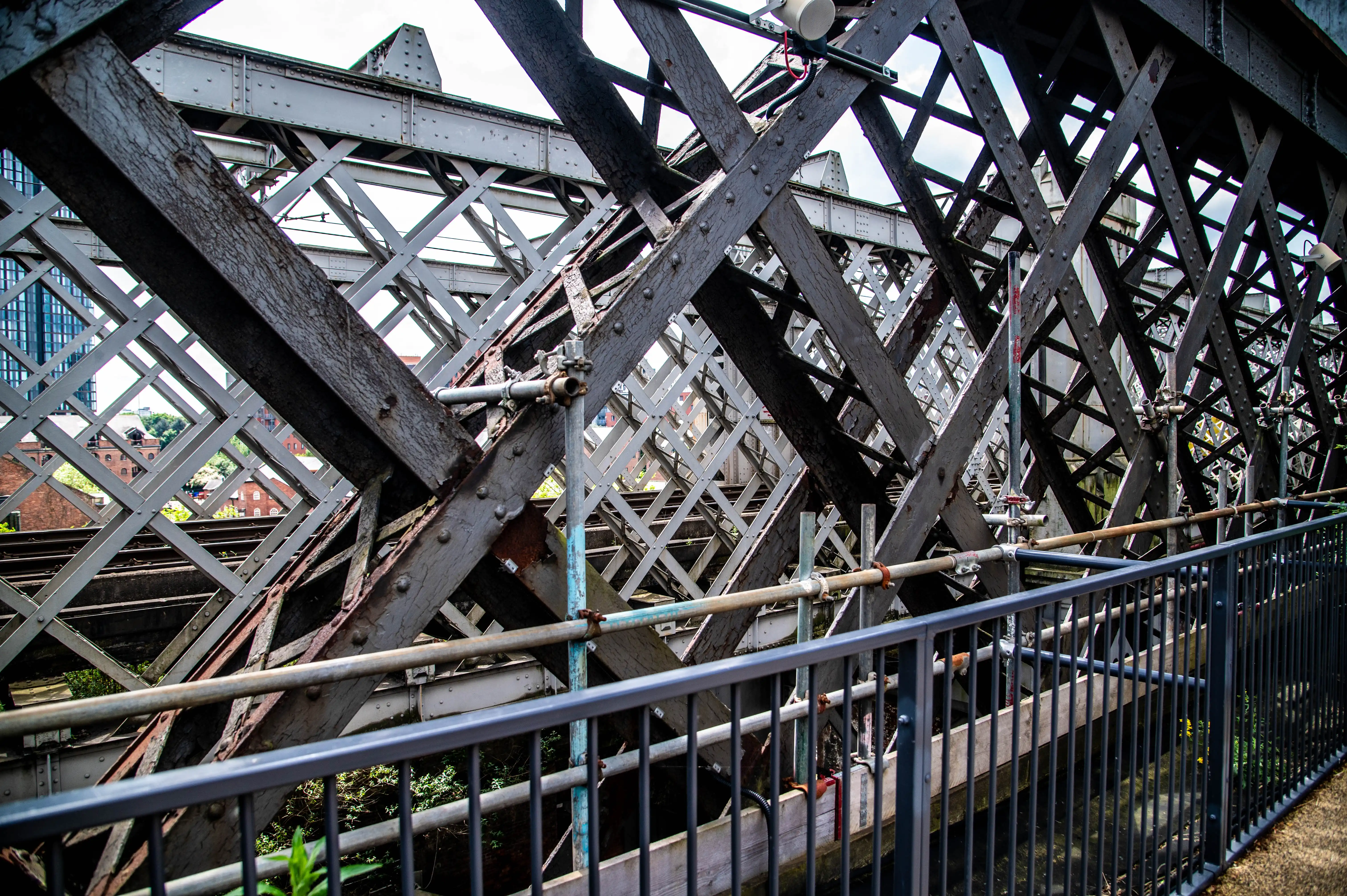
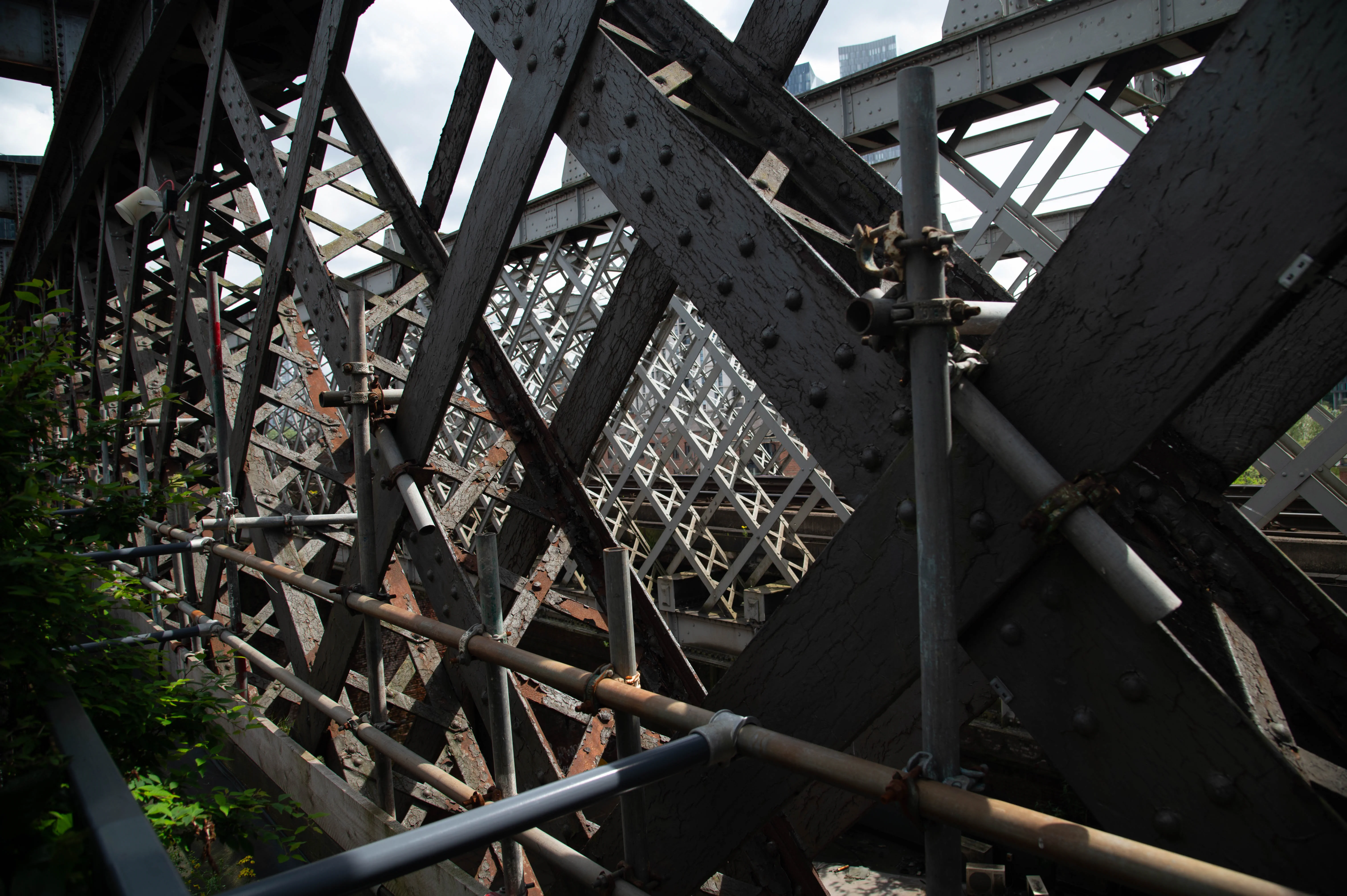
Detailed view of the crisscrossing beams and rivets of an old industrial bridge, with a glimpse of urban buildings and railway tracks in the background.
Weathered Industrial Bridge Lattice
photo by
©www.mgaylard.co.uk.
Detailed view of the crisscrossing beams and rivets of an old industrial bridge, with a glimpse of urban buildings and railway tracks in the background.
Castlefield Viaduct
photo by
©www.mgaylard.co.uk.
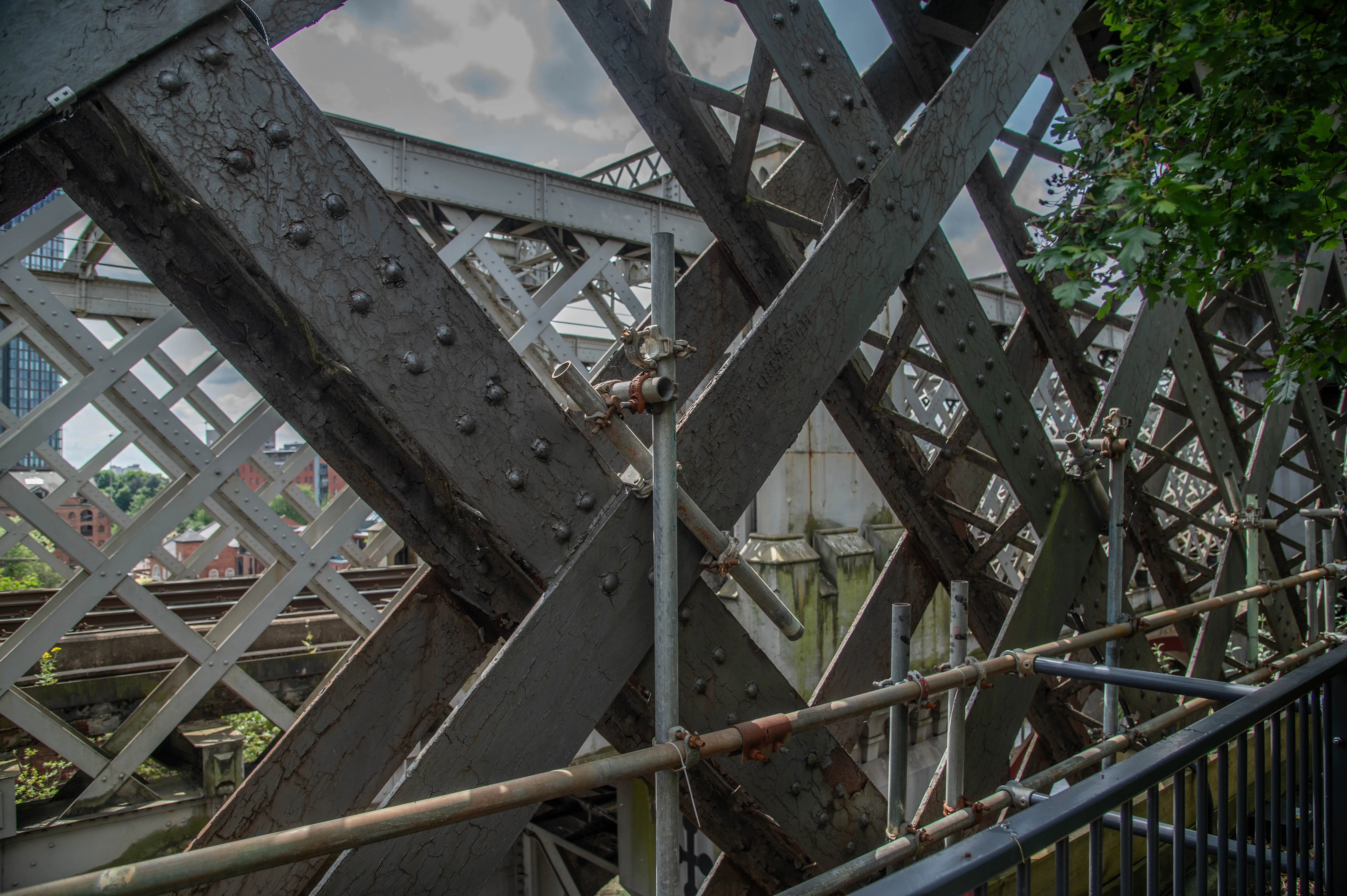
Close-up of a dark grey, riveted iron bridge structure with peeling paint, forming a complex lattice. Scaffolding pipes and clamps are attached to the structure. In the blurred background, railway tracks and brick buildings are visible under a cloudy sky.
Weathered Iron Lattice of an Industrial Bridge
photo by
©www.mgaylard.co.uk.
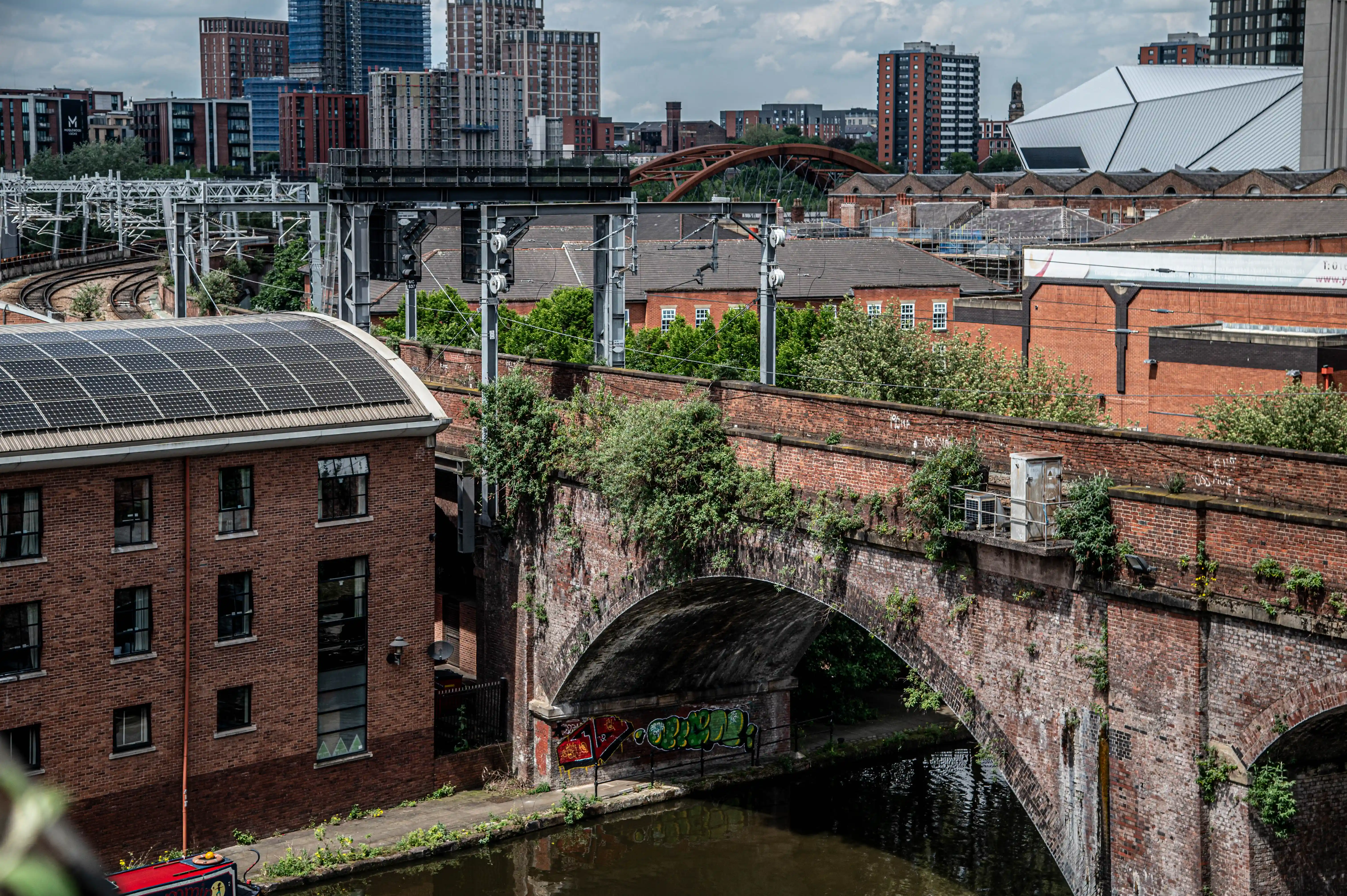
An old brick railway bridge with graffiti arches over a canal, with modern buildings and a stadium in the background.
Manchester's Urban Tapestry: Heritage Meets Modernity
photo by
©www.mgaylard.co.uk.
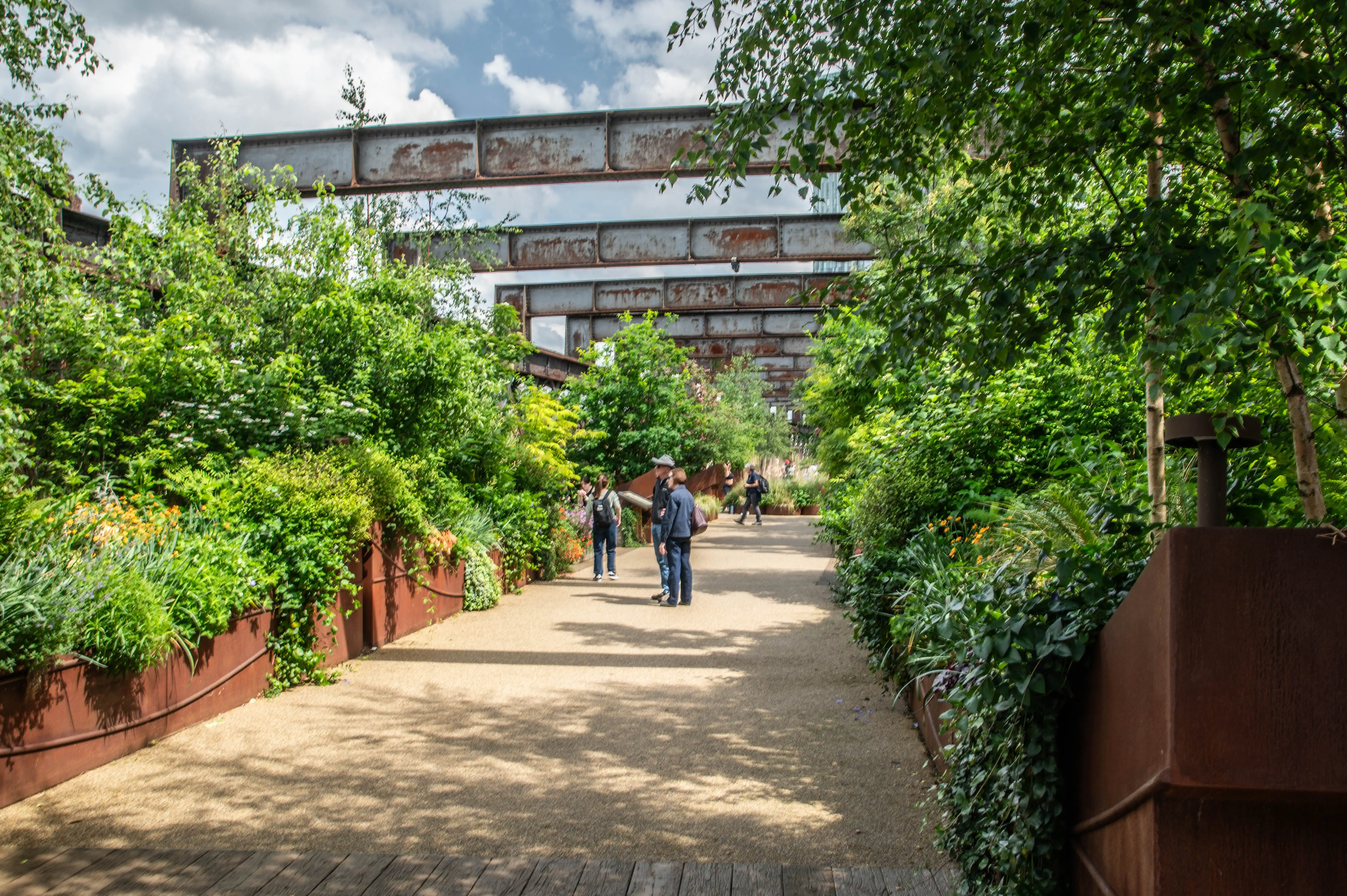
A wide, gravel pathway leads through a green space with lush vegetation on either side. Overhead, large rusty metal beams form an industrial skeletal structure. Several people are walking on the pathway.
Nature Reclaims Industrial Heritage
photo by
©www.mgaylard.co.uk.
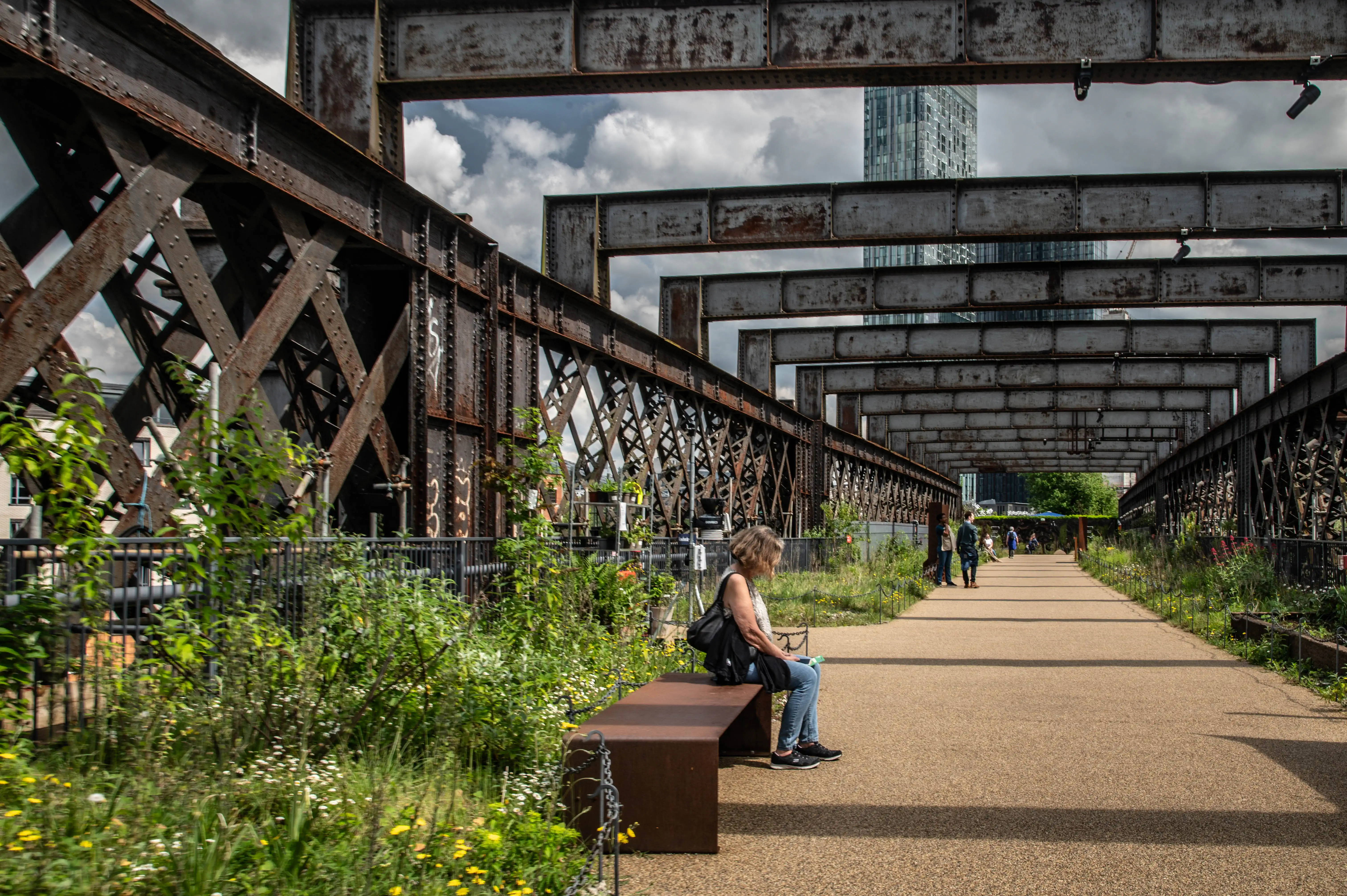
 A woman is seated on a rustic metal bench on a wide, sandy-coloured pathway. The pathway is flanked by lush green plants and flowers on one side and the imposing, rusty steel structure of an old railway bridge on the other. In the distance, more of the elevated structure recedes, leading towards a modern, glass-fronted skyscraper under a cloudy sky.
Industrial Heritage Reimagined as Urban Park
photo by
©www.mgaylard.co.uk.
Open the full set flickr button this page

Castlefield Viaduct

Castlefield Viaduct is a historic railway viaduct in Manchester, England, originally built in 1896 as part of the Cheshire Lines Committee railway network. Designed to carry trains into Manchester Central Station, the viaduct is a striking example of Victorian engineering, featuring iron and steel construction and a series of elegant arches. After the closure of Manchester Central Station in 1969, the viaduct was saved from demolition and repurposed as a pedestrian walkway in the 1980s, becoming a beloved landmark in the Castlefield Urban Heritage Park. Today, it serves as a scenic route for walkers, cyclists, and tourists, offering panoramic views of Manchester’s industrial heritage and modern skyline.

Castlefield Viaduct was constructed in 1896 as part of the Cheshire Lines Committee railway network, which aimed to improve rail connectivity in Manchester and the surrounding region. The viaduct was designed to carry trains into Manchester Central Station, a grand railway terminus that served as a major hub for passengers and goods. The station and viaduct were symbols of Manchester’s industrial and economic prowess during the late 19th and early 20th centuries.

The viaduct’s iron and steel construction showcased the engineering advancements of the Victorian era, reflecting Manchester’s role as a global leader in railway innovation. The series of arches supporting the viaduct were not only functional but also aesthetically striking, contributing to the architectural beauty of the structure.

By the mid-20th century, the decline of rail travel and the rise of road transport led to the closure of Manchester Central Station in 1969. The viaduct, no longer needed for its original purpose, fell into disuse and was threatened with demolition. However, in the 1980s, a campaign to preserve the viaduct as part of Manchester’s industrial heritage gained momentum. The viaduct was saved from demolition and repurposed as a pedestrian walkway, becoming a key feature of the Castlefield Urban Heritage Park.

Today, Castlefield Viaduct stands as a testament to Manchester’s ability to blend its industrial past with its modern present. It is a beloved landmark that connects the city’s historical roots with its contemporary urban landscape, offering visitors a unique perspective on Manchester’s evolution.

Design and Construction

  • Iron and Steel Construction – The viaduct was built using iron and steel, materials that were revolutionary for the time and reflected the industrial advancements of the Victorian era. The use of these materials allowed for a strong and durable structure that could support the weight of trains while spanning the urban landscape.
  • Series of Arches – The viaduct features a series of elegant arches that support the railway tracks above. These arches are a testament to the engineering skill of the era and contribute to the aesthetic appeal of the structure. The arches also create a rhythmic pattern that adds to the viaduct’s visual impact.
  • Elevation – The viaduct is elevated above the ground, allowing trains to cross over the urban landscape of Manchester. This elevation also provides scenic views for pedestrians walking along the viaduct today, offering a unique perspective on the city.

Regeneration and Modern Use

  • Pedestrian Walkway – As part of the regeneration of the Castlefield area in the 1980s, the viaduct was converted into a pedestrian walkway, allowing visitors to walk along the former railway line and enjoy scenic views of the city. The walkway is a popular route for locals and tourists alike.
  • Urban Green Space – The viaduct is now surrounded by urban green spaces, including Castlefield Urban Heritage Park, which features Roman ruins, canals, and modern landscapes. The park is a popular destination for history buffs, nature lovers, and those seeking a peaceful escape from the bustle of the city.
  • Lighting – The viaduct is illuminated at night, creating a striking visual effect that highlights its architectural beauty and makes it a popular spot for evening walks. The lighting also enhances the viaduct’s status as a landmark in Manchester’s skyline.

References

Text generated by a mix of the following tools: Microsoft CoPilotMistral AIxPrivoAI Image Describer
To the top
Powered by w3.css. The images are all stored on link to www.gaylard.co.uk Photostream on Flickr   This website is hosted by link to 123Reg Web Hosting