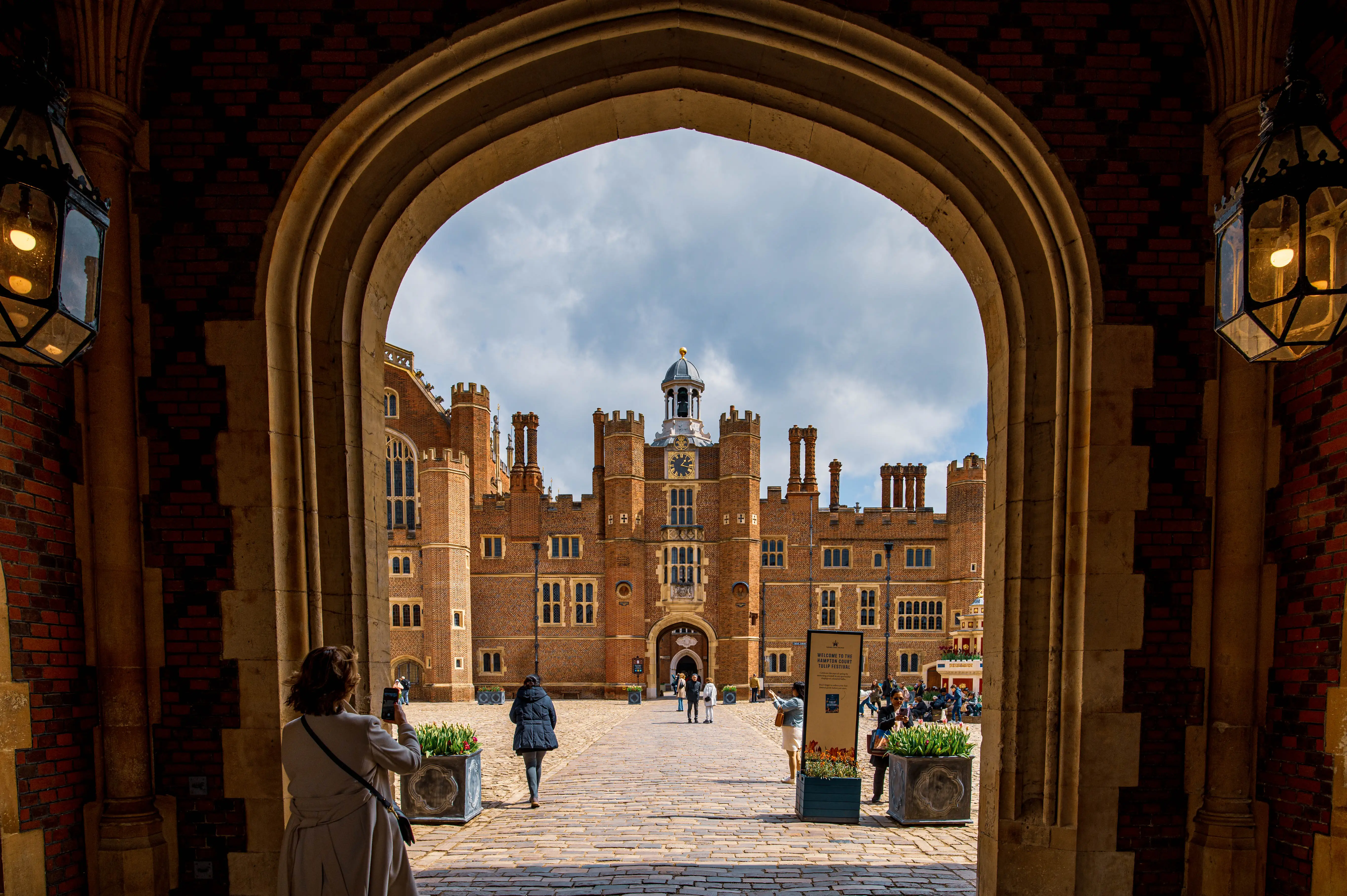


Hampton Court Palace was begun in 1515 by Cardinal Thomas Wolsey, the most powerful man in England after the king and a favorite of Henry VIII. Wolsey built the palace as a grand statement of his wealth and influence, featuring magnificent state rooms, ornate gardens, and lavish entertainment spaces that rivaled the king’s own palaces. However, Wolsey’s fall from grace came in 1528, when his failure to secure the annulment of Henry VIII’s marriage to Catherine of Aragon led the king to seize the palace for himself.
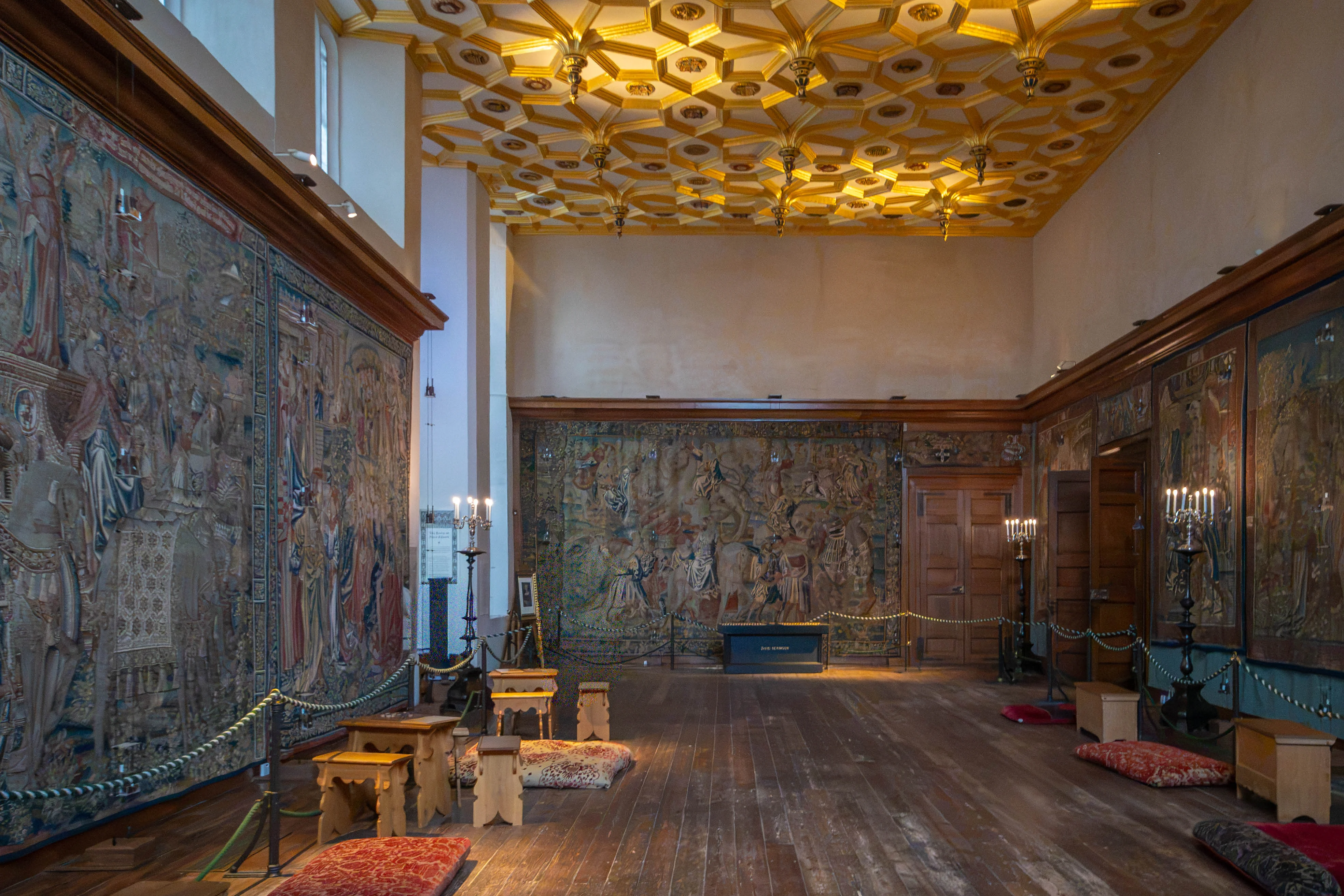
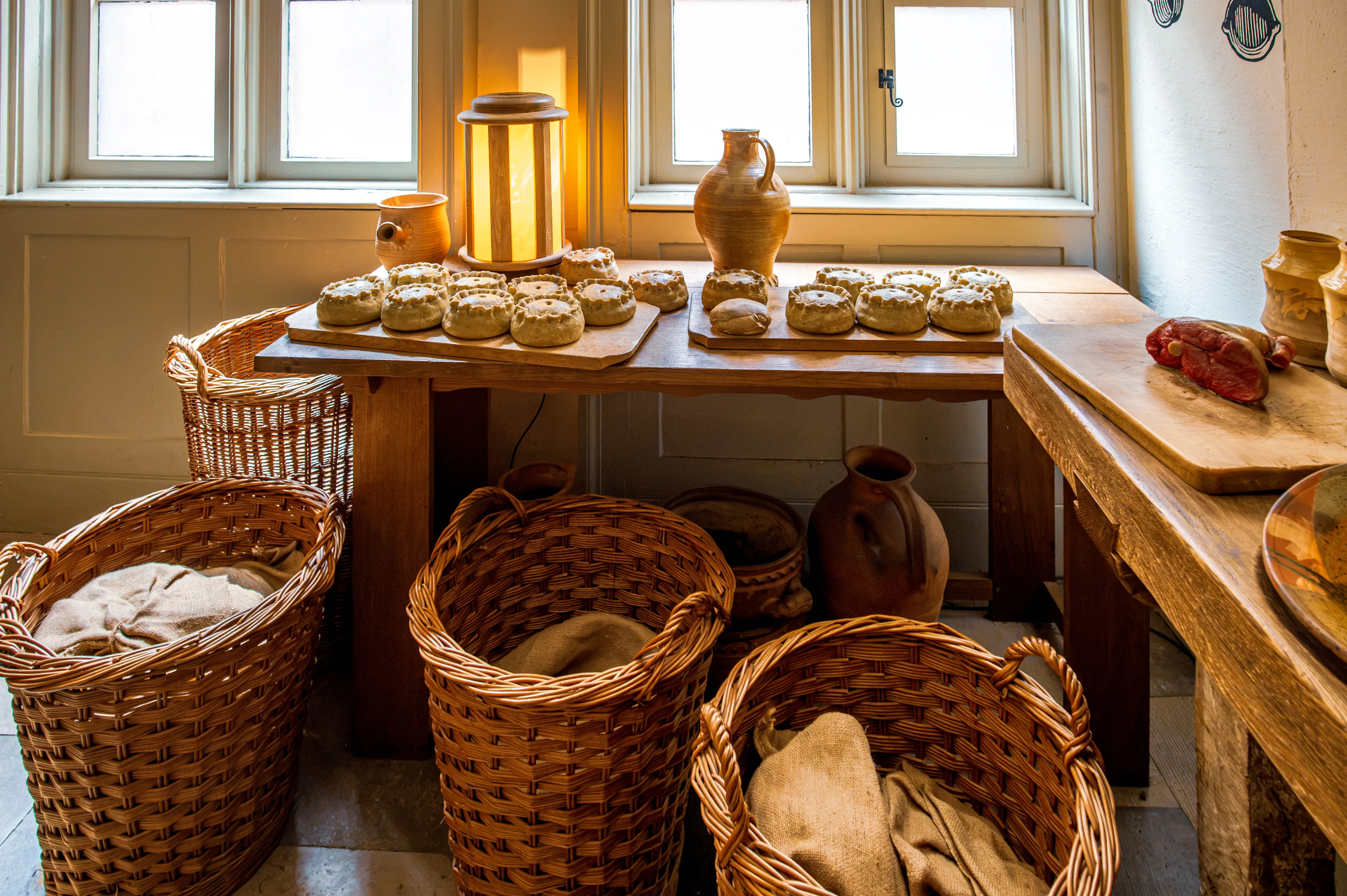
Under Henry VIII, Hampton Court became one of the most important royal residences in England. The king undertook massive building works, creating the magnificent Great Hall with its hammerbeam roof, the Chapel Royal, and the vast Tudor kitchens capable of feeding a court of over 600 people twice a day. The palace was the scene of many pivotal Tudor events, including the birth of Henry’s long-awaited son, the future Edward VI, in the Queen’s Apartments, and the fall and arrest of Catherine Howard, the king’s fifth wife, whose ghost is said to haunt the Haunted Gallery.
The palace continued to play a significant role under the Stuart monarchs. It was at Hampton Court that James I held his famous Hampton Court Conference in 1604, which led to the commissioning of the King James Bible. During the English Civil War, the palace escaped destruction, and after the Restoration of the monarchy in 1660, it became a favored residence of Charles II, who built new State Apartments for himself and his queen.
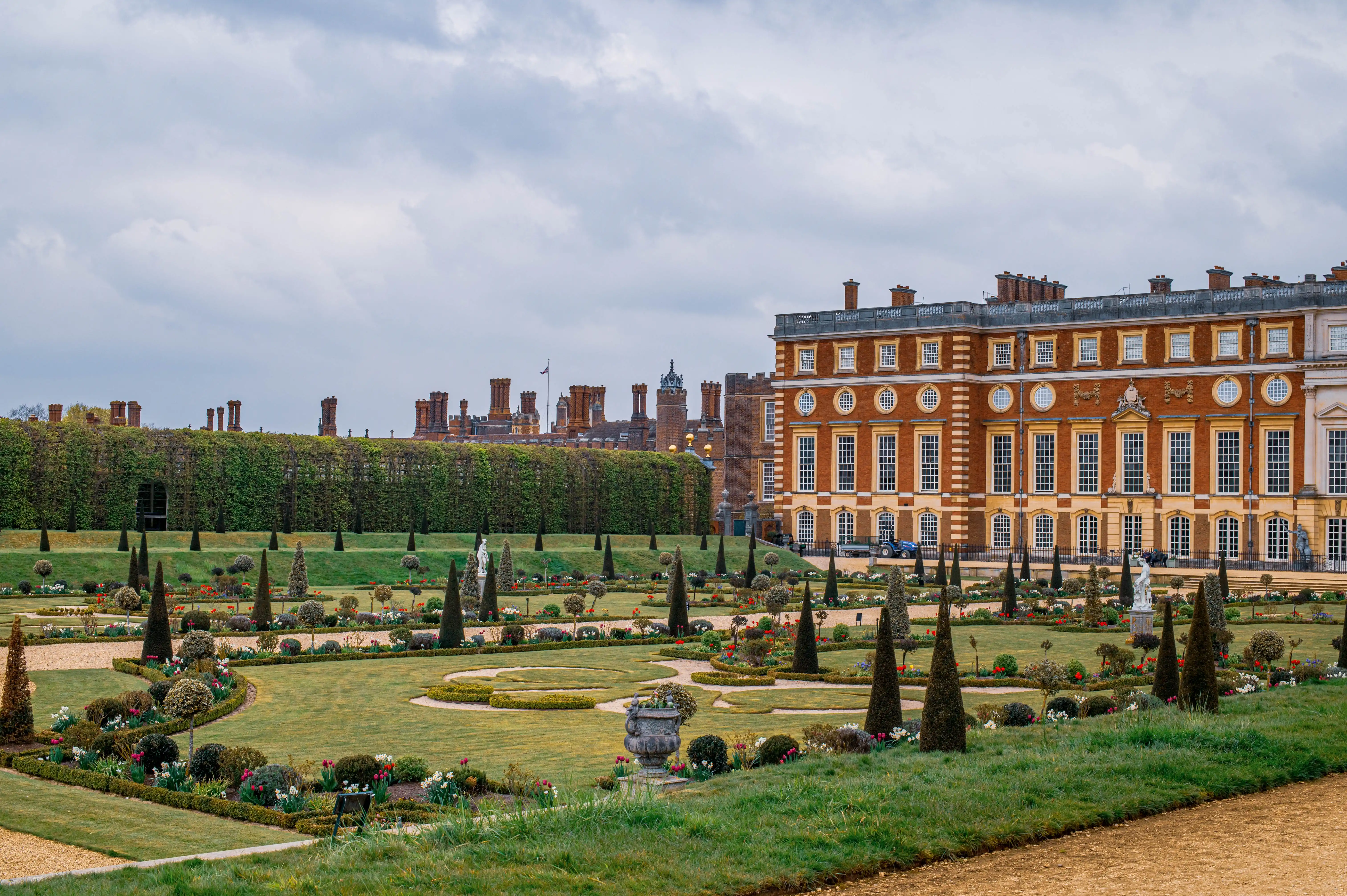
The palace’s most dramatic transformation came under William III and Mary II, who commissioned Sir Christopher Wren in 1689 to rebuild the Tudor palace in the English Baroque style, to rival the Palace of Versailles in France. Wren’s design replaced much of the Tudor state apartments with the elegant Fountain Court and the magnificent King’s and Queen’s State Apartments, which remain among the finest examples of Baroque architecture in Britain. The result is the palace’s unique architectural blend—a Tudor palace joined seamlessly to a Baroque one.
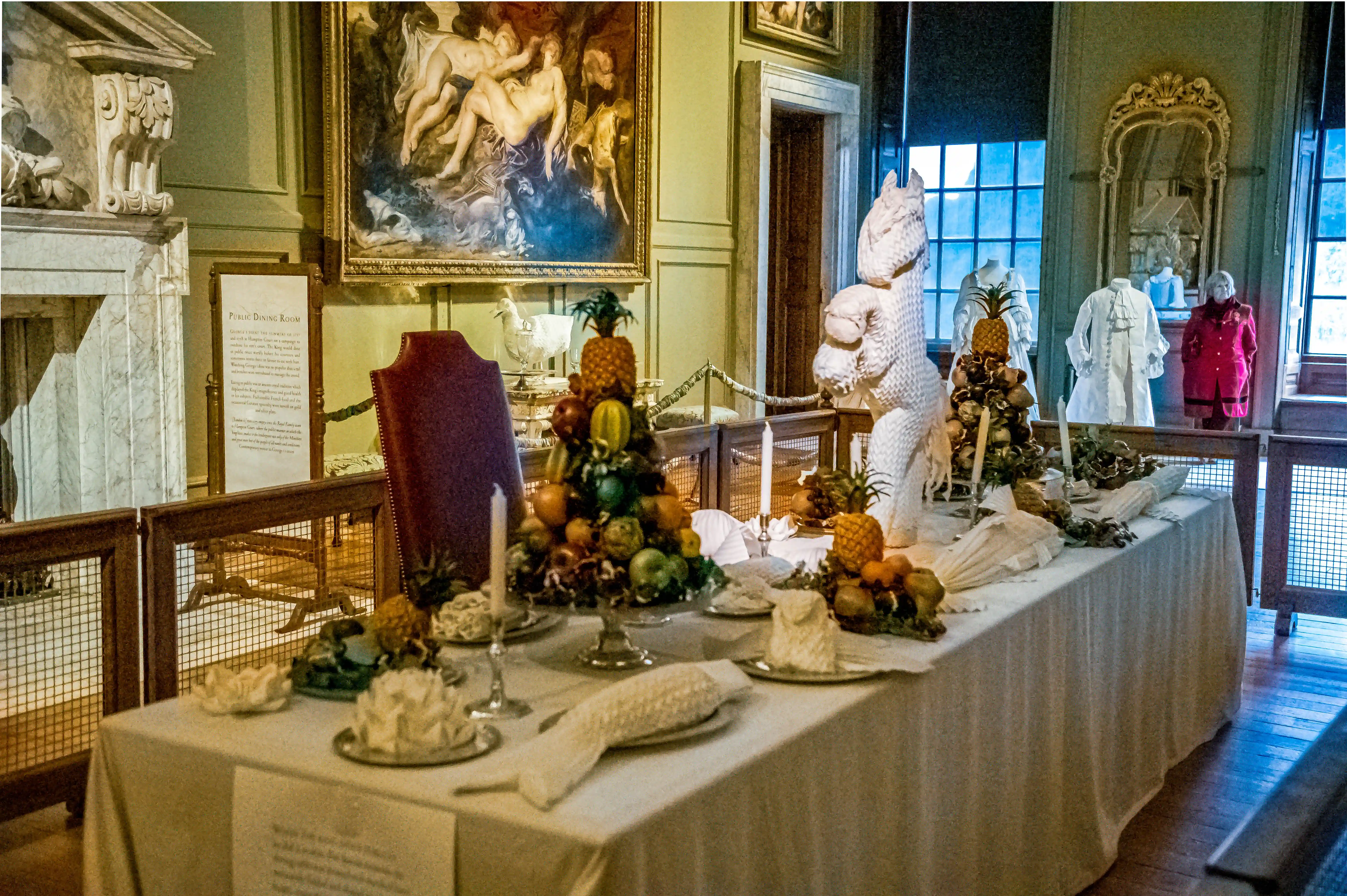
Under the Georgian monarchs, Hampton Court ceased to be a royal residence, and in 1838, Queen Victoria opened the palace to the public, beginning its modern role as a heritage site. In 1986, a major fire damaged the King’s Apartments and the Wolsey Closet, leading to an extensive restoration program that was completed in the 1990s. Today, the palace is managed by Historic Royal Palaces, an independent charity, and continues to welcome millions of visitors each year, standing as a living record of over 500 years of British royal history.

