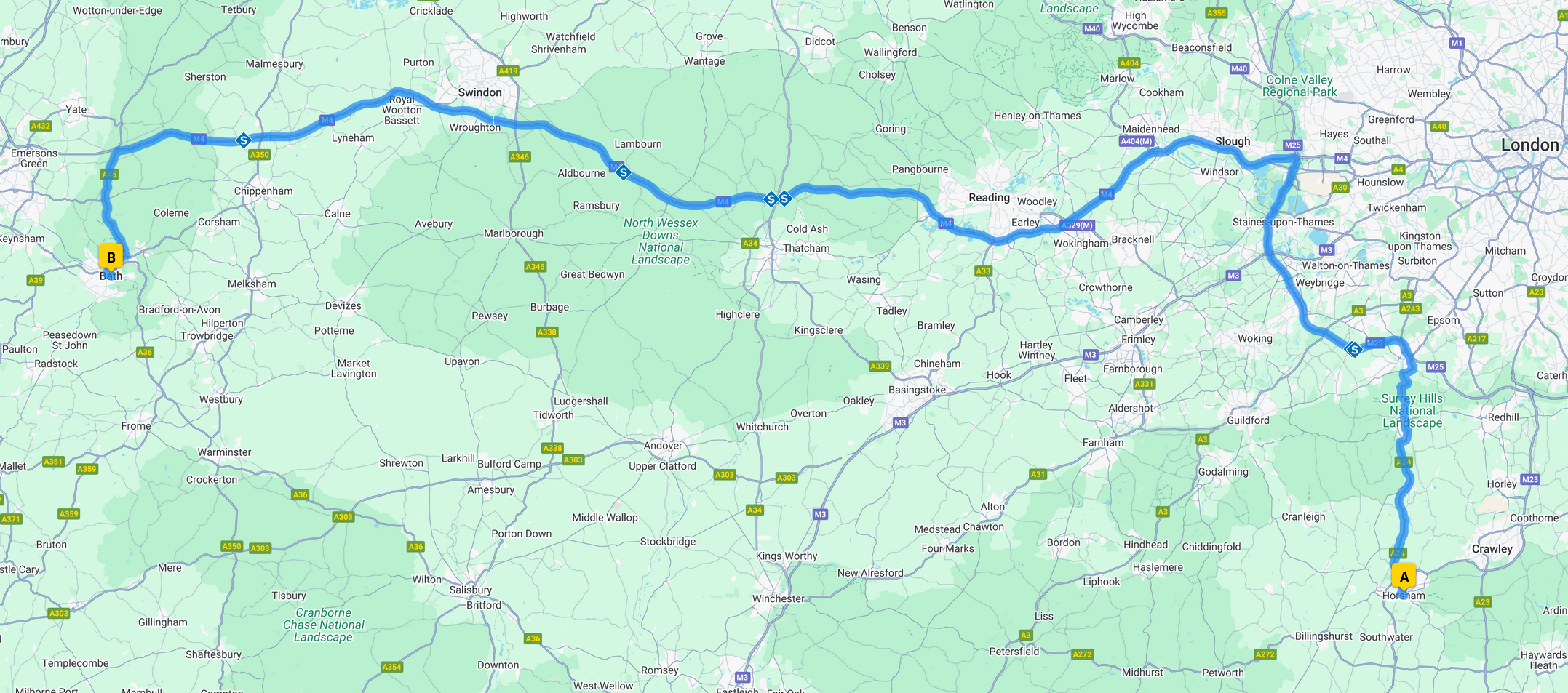
HOME

Bath

Roman Baths

Abbey Church YardBath1Somerset,   BA1 1LZ, United Kingdom

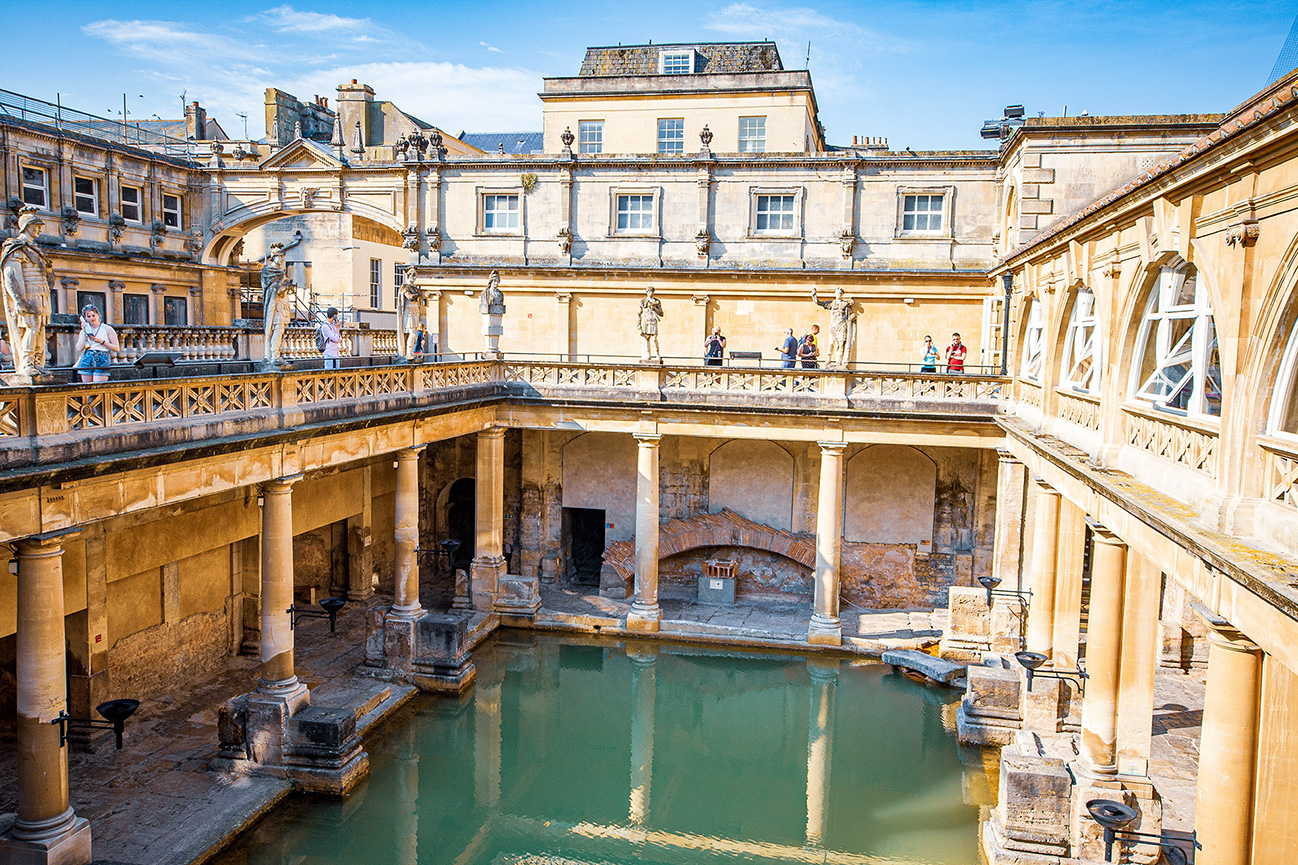
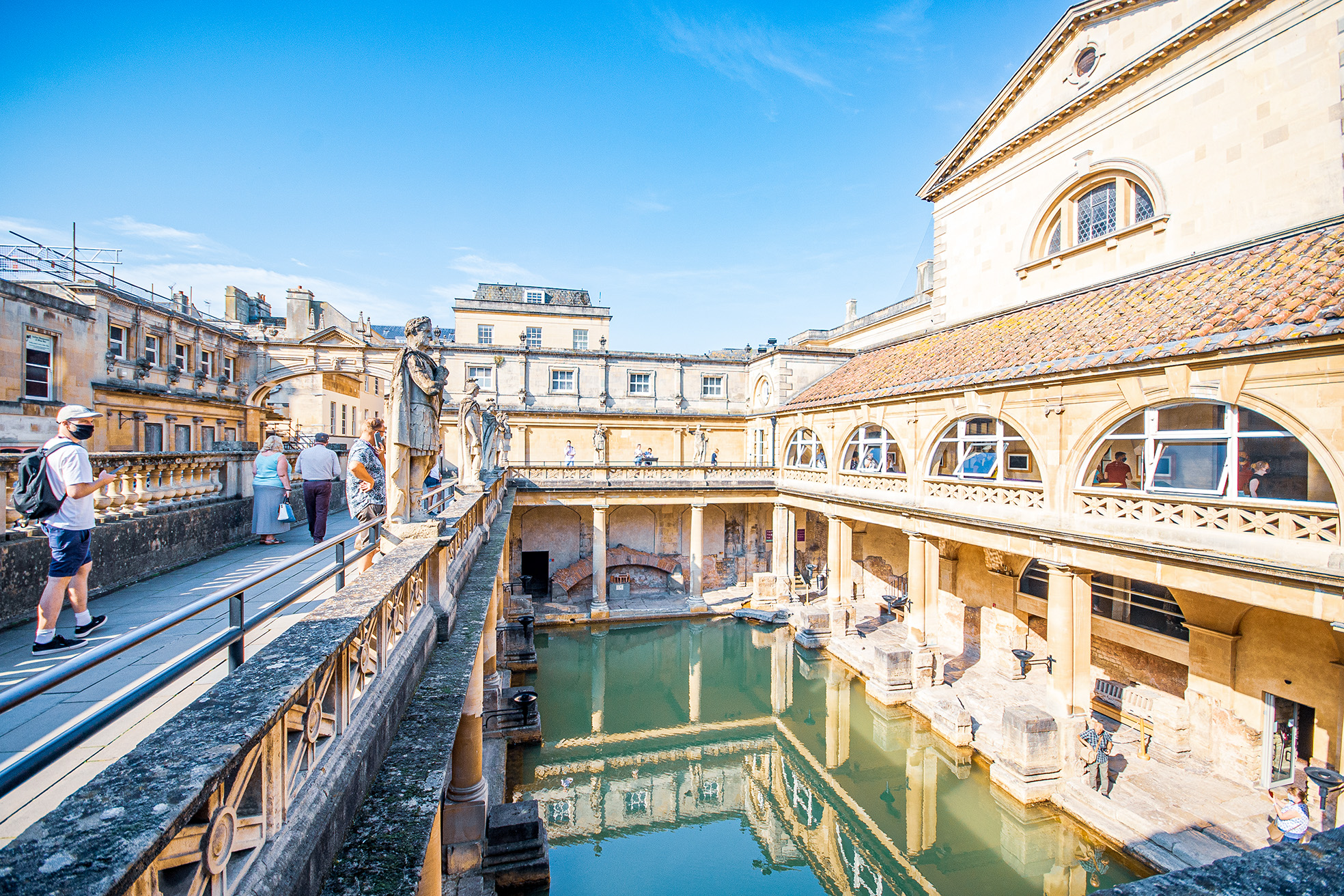
The Roman Baths in Bath, England, are one of the best-preserved ancient Roman sites in the world. Built around 70 AD as a thermal spa and socializing hub, the baths are renowned for their stunning Georgian architecture, natural hot springs, and rich history. Today, the site is a major tourist attraction, offering visitors a glimpse into Roman Britain and the opportunity to explore the Great Bath, the Sacred Spring, and the Roman Temple.
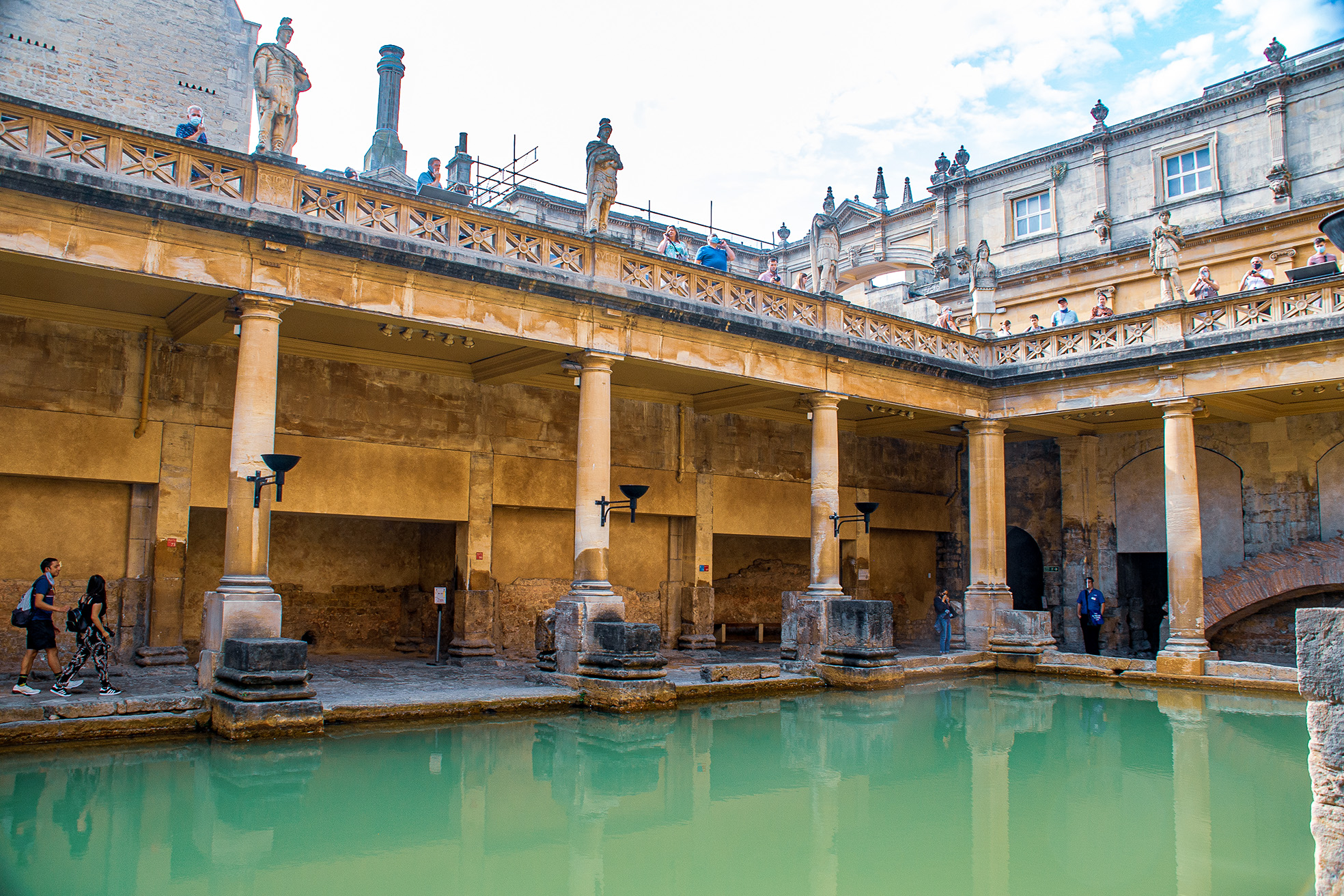
The image depicts the ancient Roman Baths in Bath, England. The scene shows a historic, open-air pool surrounded by classical Roman architecture, including columns and statues. The upper level features a terrace with people walking and observing the view. The buildings are constructed with light-colored stone, and the overall atmosphere is one of historical significance and architectural grandeur.
the ancient Roman Baths ‐ photo by ,
©www.mgaylard.co.uk.
The image depicts the ancient Roman Baths in Bath, England, showcasing the historic site's architectural beauty and the pool of water in the center. Visitors can be seen walking around the site, observing the well-preserved ruins and the surrounding structures.
showcasing the historic site's architectural beauty and the pool of water in the center ‐ photo by ,
©www.mgaylard.co.uk.
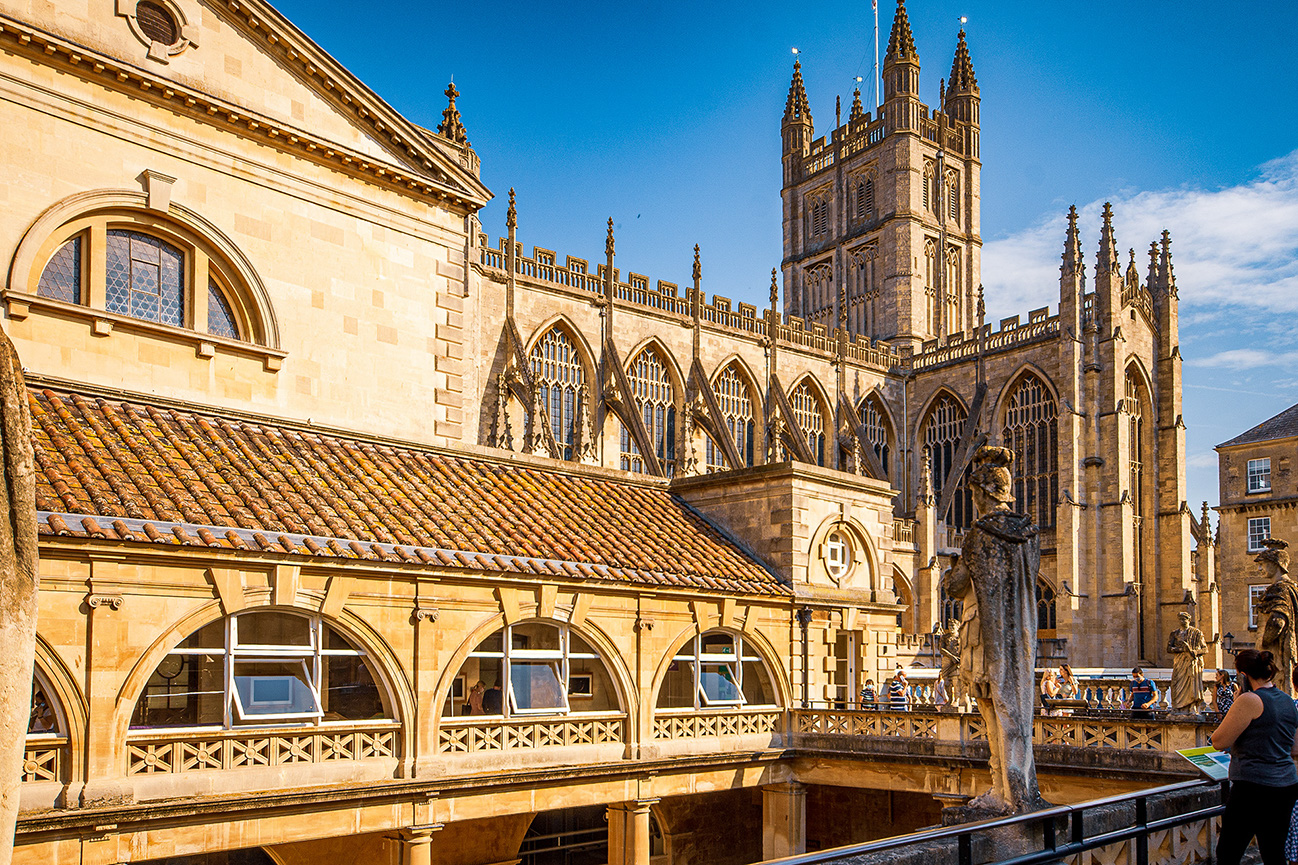
The image depicts a historic architectural structure, likely a cathedral or a large church, characterized by its Gothic style. The building features pointed arches, ribbed vaults, and flying buttresses. In the foreground, there is a bridge with arches and a statue of a person riding a horse. The scene is bustling with people, suggesting it is a popular tourist destiUK. The sky is clear and blue, indicating good weather.
View of Bath Abbey ‐ photo by ,
©www.mgaylard.co.uk.
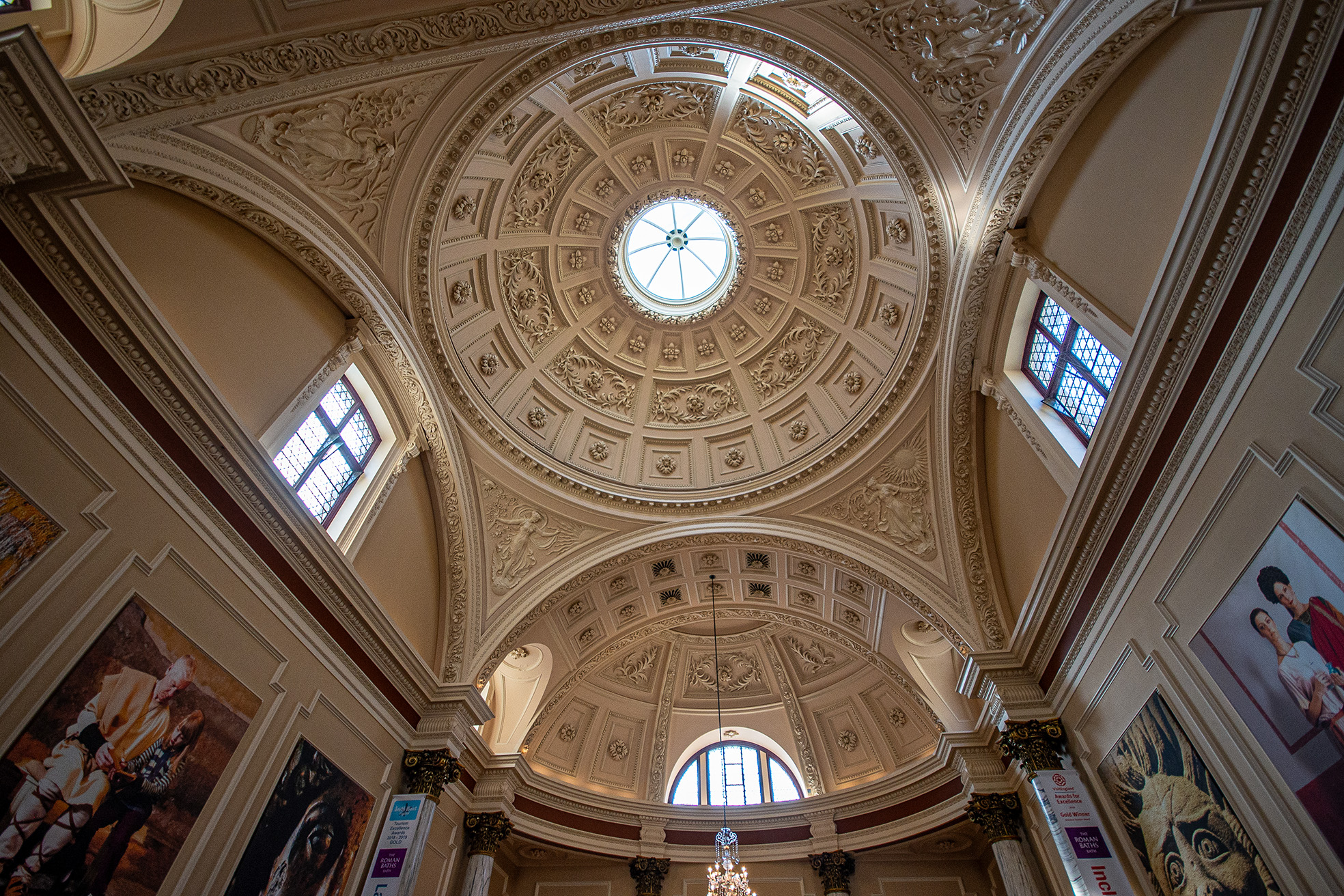
The image depicts the interior of a grand building, likely a museum or gallery, featuring an ornate, domed ceiling with intricate carvings and a central skylight. The walls are adorned with large paintings and decorative elements, and there are banners indicating exhibitions. The architectural style is classical, with detailed moldings and a sense of grandeur.
Pump Room Reception ‐ photo by ,
©www.mgaylard.co.uk.
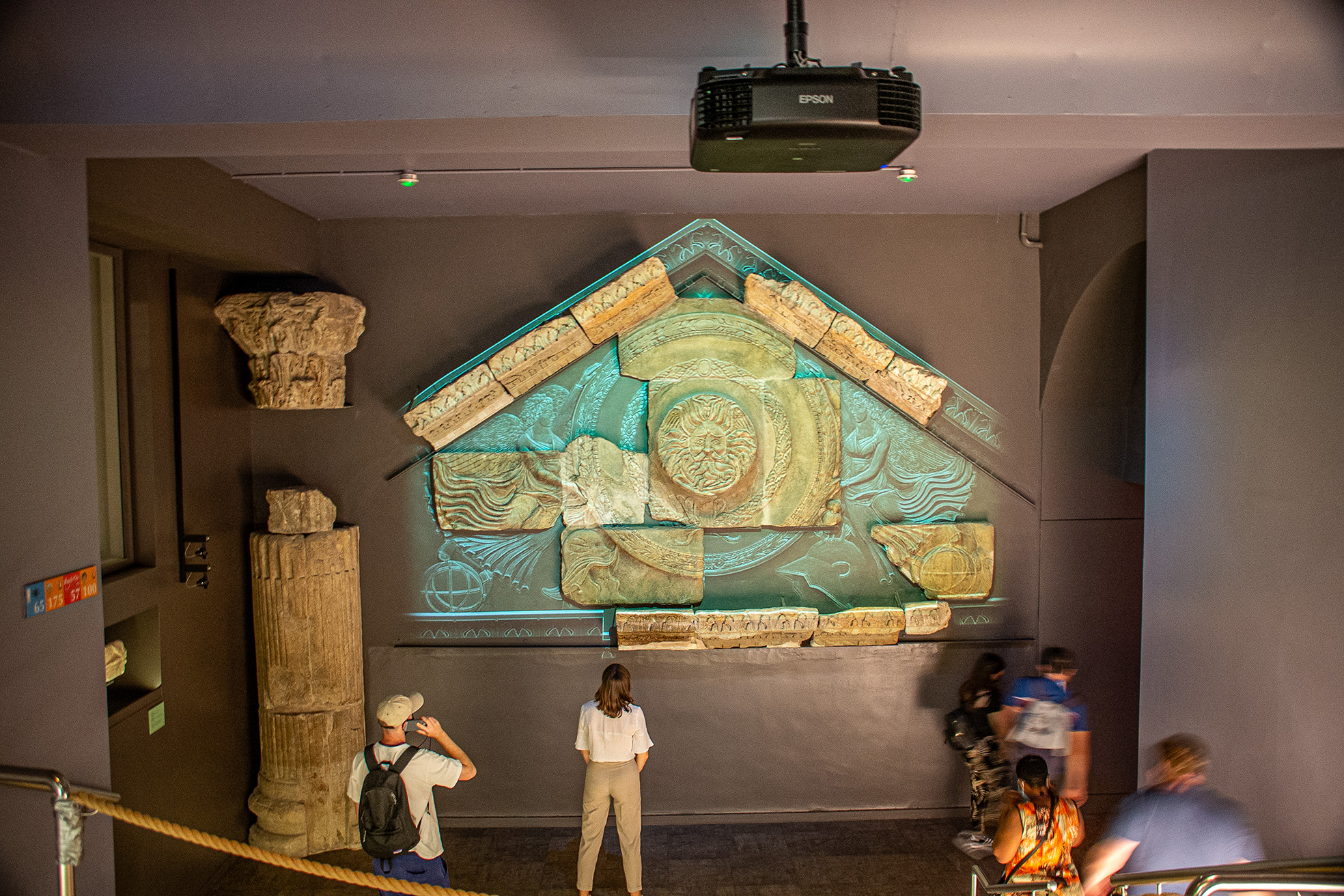
The image depicts a museum exhibit featuring an ancient, intricately designed artifact displayed on a wall. The artifact appears to be a reconstructed piece, possibly a frieze or a section of a larger structure, with detailed carvings and a central circular motif. Several visitors are observing the exhibit, with some taking photographs. The setting includes other ancient artifacts and a projector mounted on the ceiling.
a museum exhibit featuring an ancient, intricately designed artifact ‐ photo by ,
©www.mgaylard.co.uk.
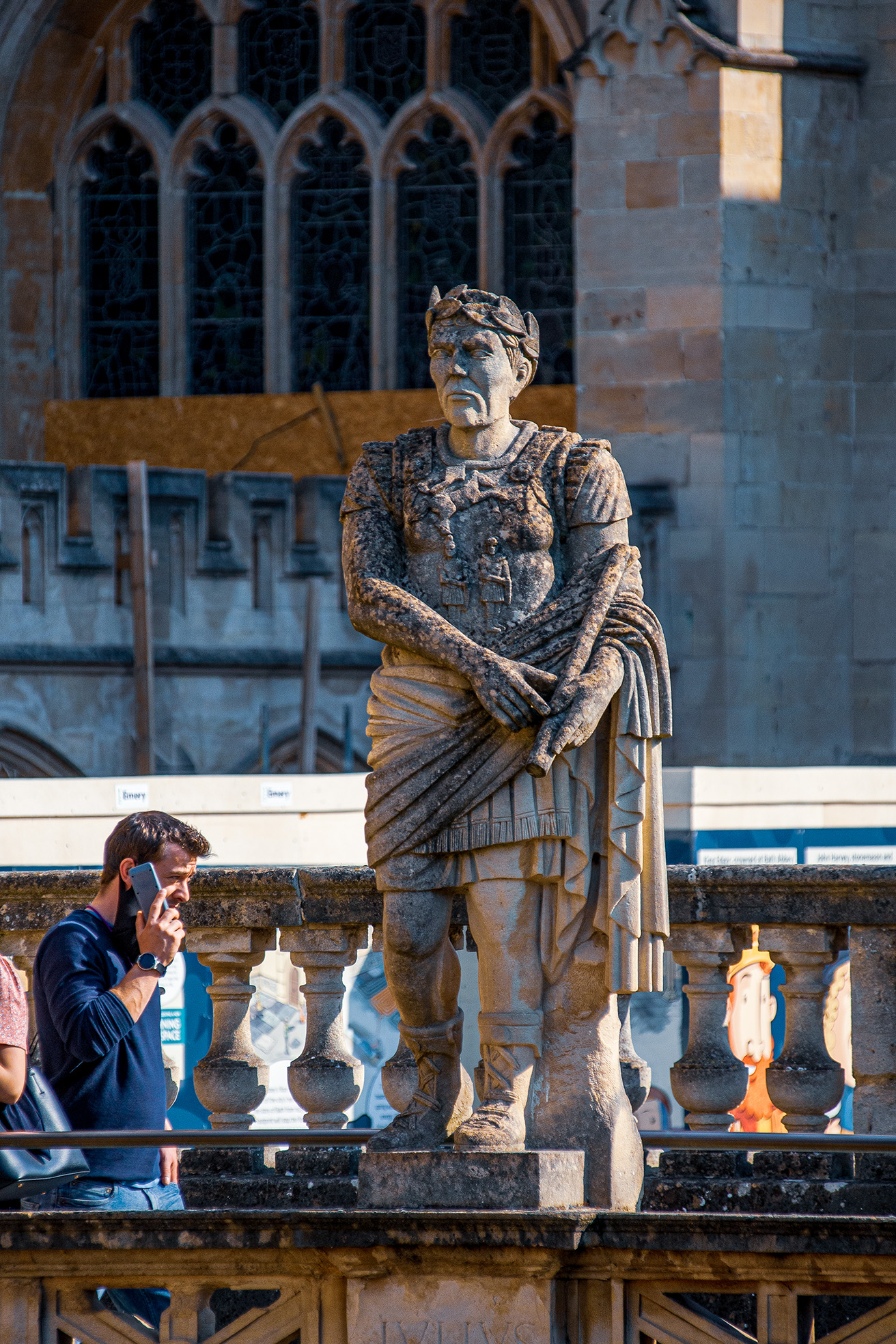
The image depicts a stone statue of a historical figure, possibly a knight or a king, standing in front of a Gothic-style building with intricate window designs. The statue is detailed, showing the figure in armor with a cloak draped over the shoulders. In the foreground, a man is seen talking on a mobile phone, leaning against a stone balustrade. The scene suggests a tourist Bath, likely a historical or cultural site.
stone statue of a historical figure ‐ photo by ,
©www.mgaylard.co.uk.
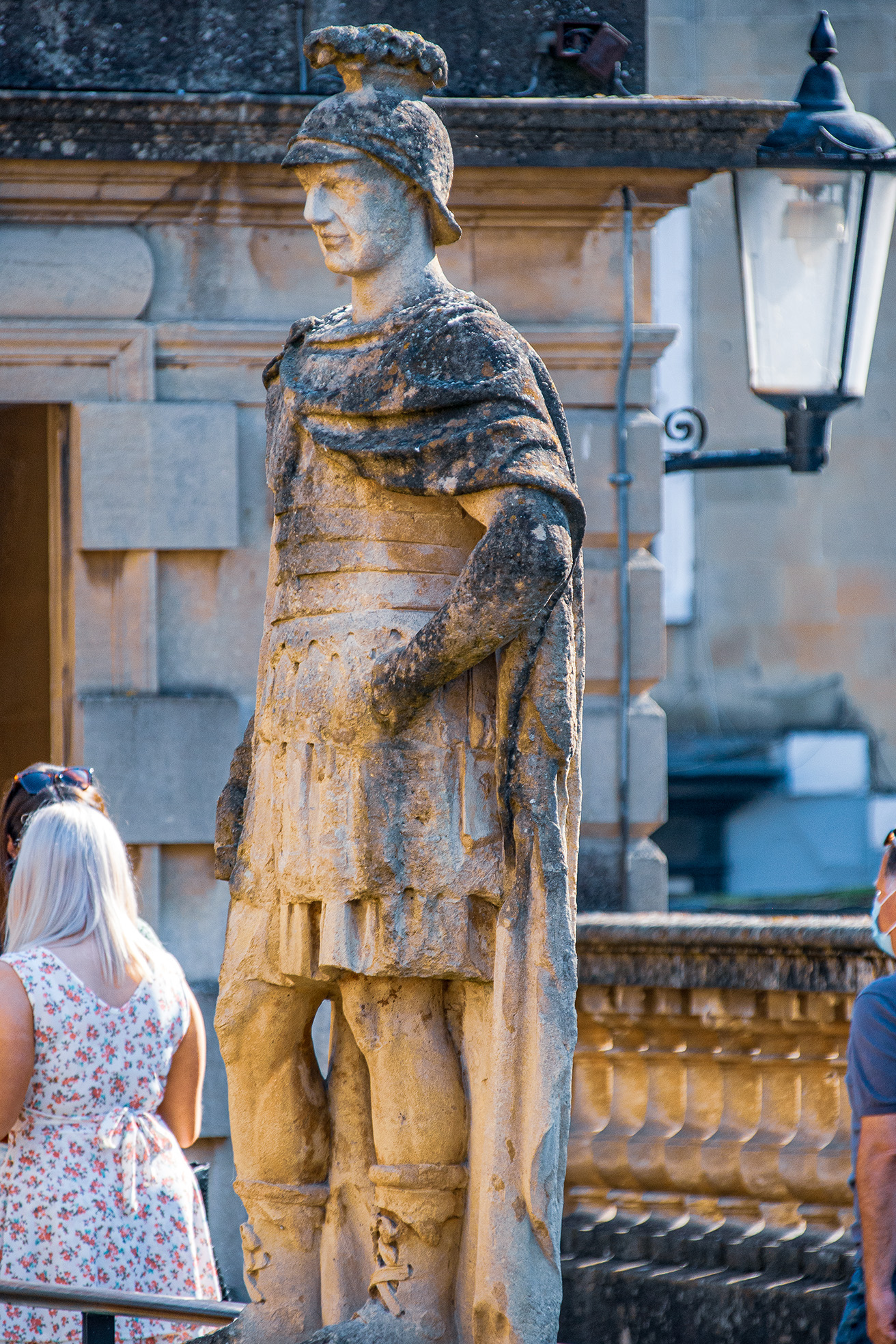
The image depicts a weathered stone statue of a Roman soldier wearing a helmet and armor, standing in front of a classical building with stone walls and a lamp post. The statue appears to be part of a historical or cultural site, with people observing and taking photos of it.
statue of a Roman soldier wearing a helmet and armor ‐ photo by ,
©www.mgaylard.co.uk.
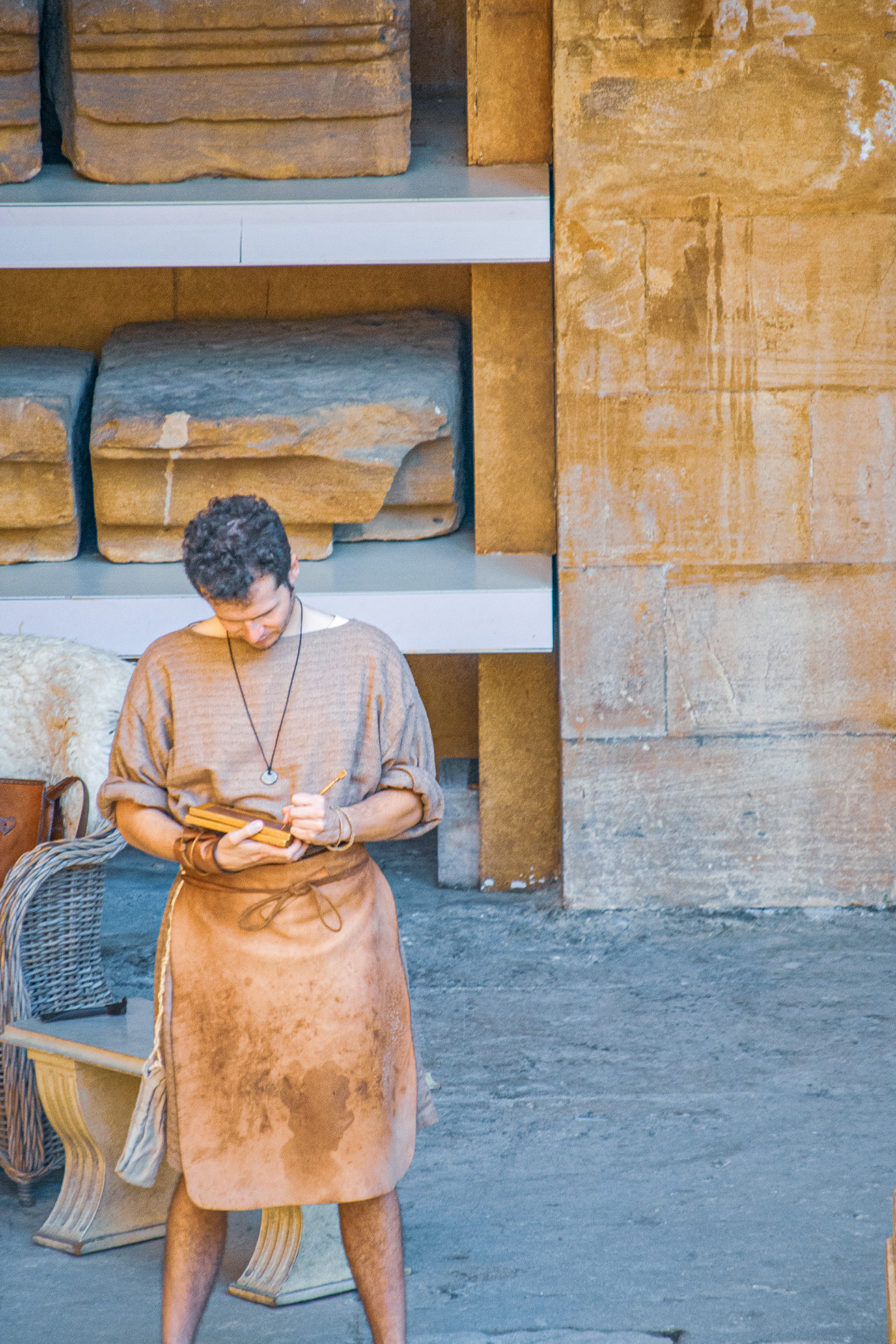
The image depicts a person dressed in ancient attire, possibly a historical reenactor or actor, engrossed in reading a scroll. The setting appears to be a historical or archaeological site, with large stone blocks and structures in the background. The individual is wearing a beige tunic and a necklace, and is standing on a stone floor. The overall scene suggests a historical or educational context, possibly related to ancient civilizations or historical reenactments.
a person dressed in ancient attire ‐ photo by ,
©www.mgaylard.co.uk.
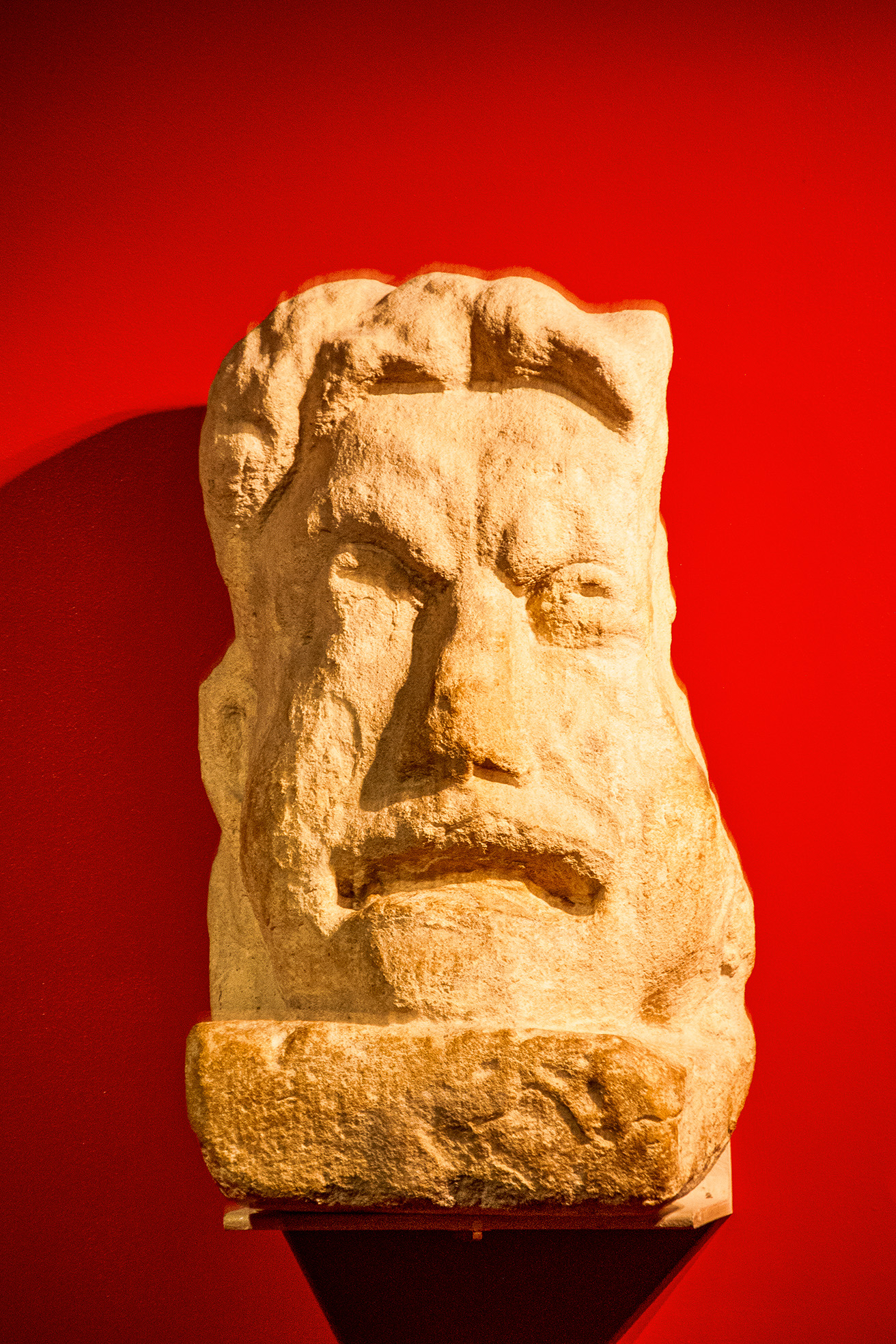
The image depicts an ancient stone sculpture of a bearded face with a serious expression, set against a red background. The sculpture appears to be of a man with detailed facial features, including prominent eyebrows, a strong nose, and a beard. The stone used is light-colored, and the sculpture is displayed on a pedestal. The red background enhances the contrast, highlighting the intricate details of the stone carving.
sculpture of a bearded face ‐ photo by ,
©www.mgaylard.co.uk.
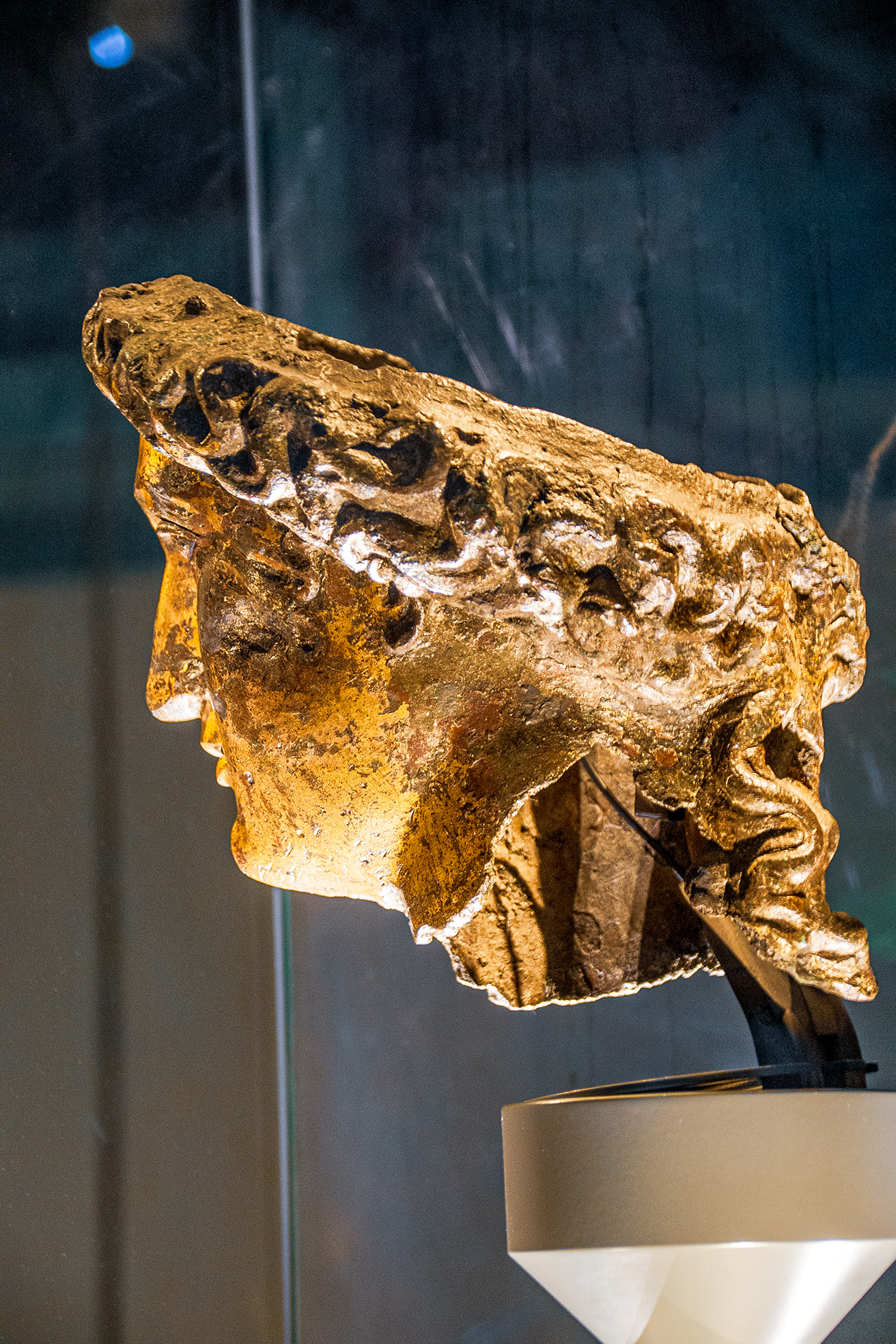
The image shows a statue of a head displayed in a museum setting. The statue is mounted on a stand and is illuminated by a spotlight from below, highlighting its detailed structure and texture.
statue of a head ‐ photo by ,
©www.mgaylard.co.uk.
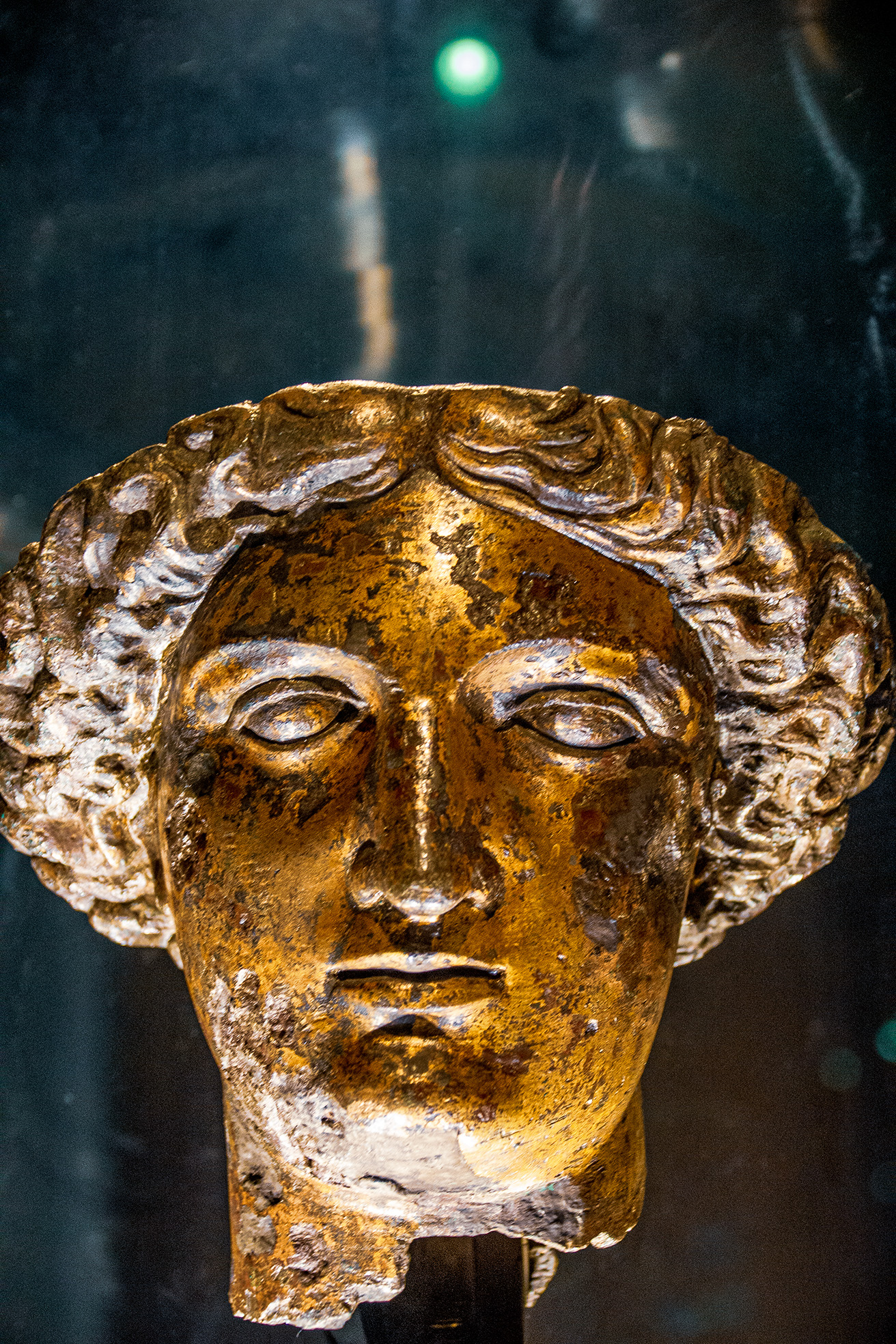
The image depicts an ancient golden artifact, specifically a mask, which appears to be made of metal. The mask has detailed features including wavy hair and pronounced facial characteristics. It is likely an artifact of historical or archaeological significance, possibly from ancient times. The mask is displayed against a dark background, highlighting its golden color and intricate design. The artifact is mounted on a stand, suggesting it is part of a museum or private collection.
an ancient golden artifact, specifically a mask ‐ photo by ,
©www.mgaylard.co.uk.
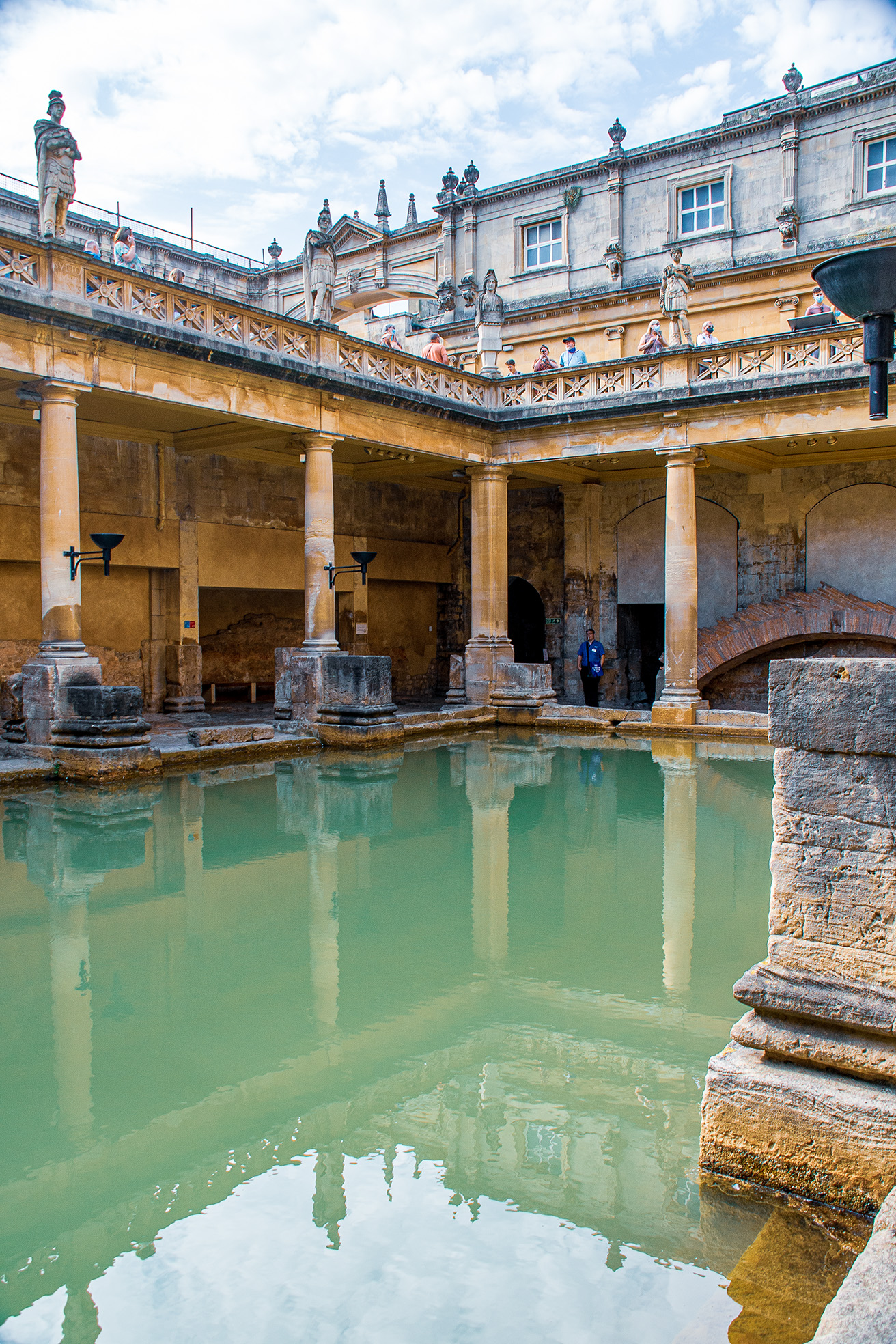
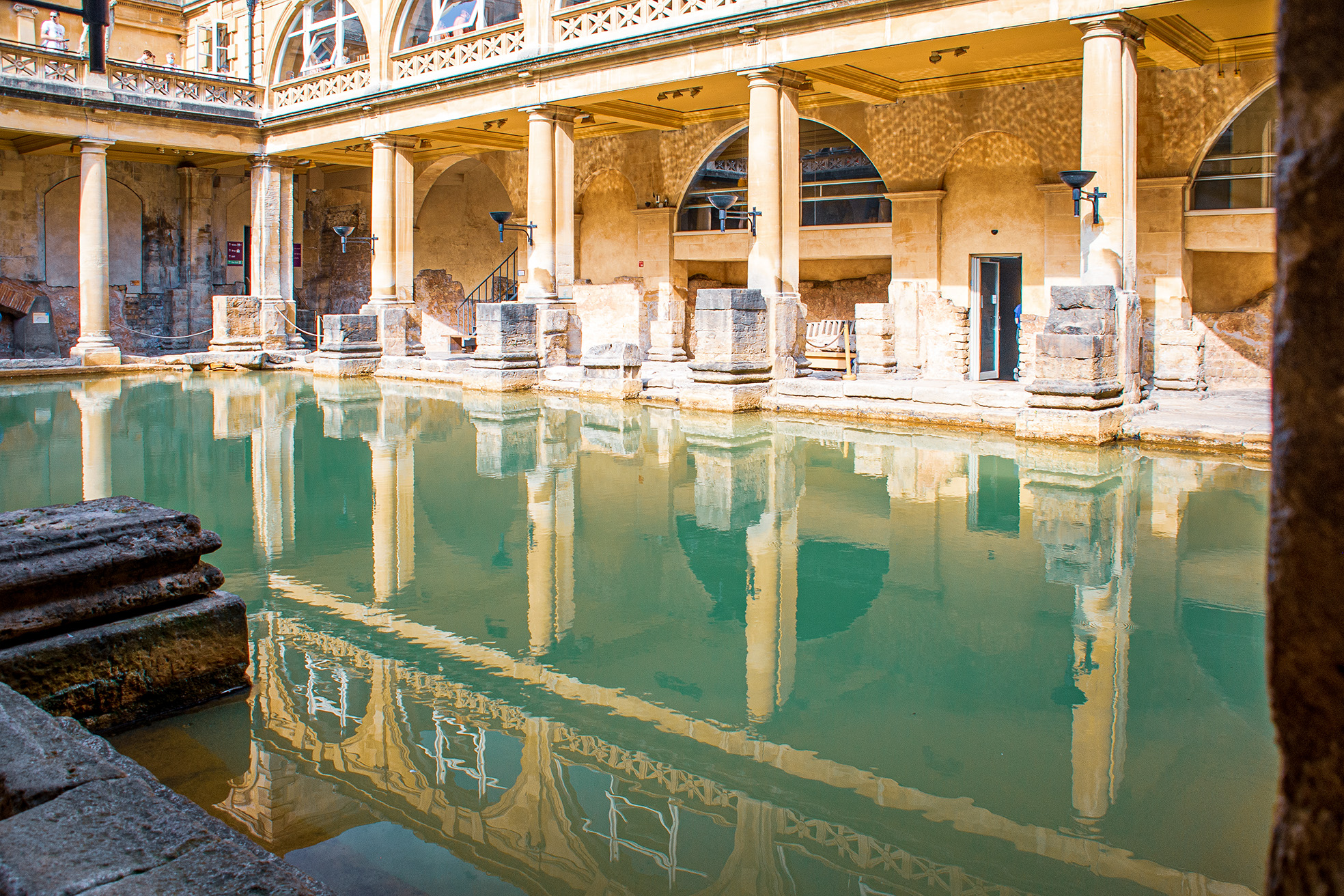
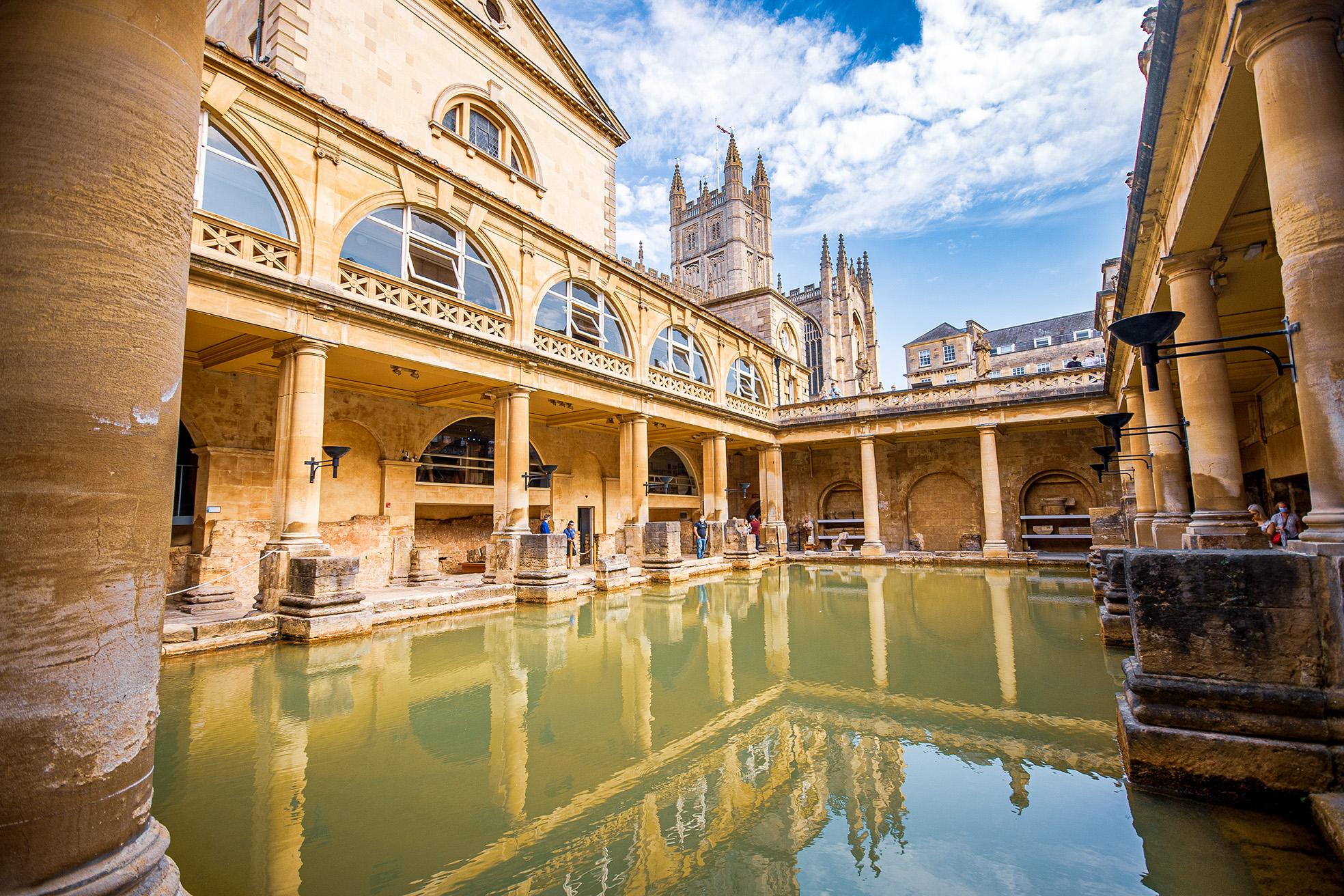
The image depicts the ancient Roman Baths in Bath, England. The scene shows a historic pool surrounded by classical architecture, including columns and statues. The water in the pool is greenish, reflecting the surrounding structures. There are people walking along the upper terrace, observing the site. The overall atmosphere is one of historical significance and architectural beauty.
a historic pool surrounded by classical architecture ‐ photo by ,
©www.mgaylard.co.uk.
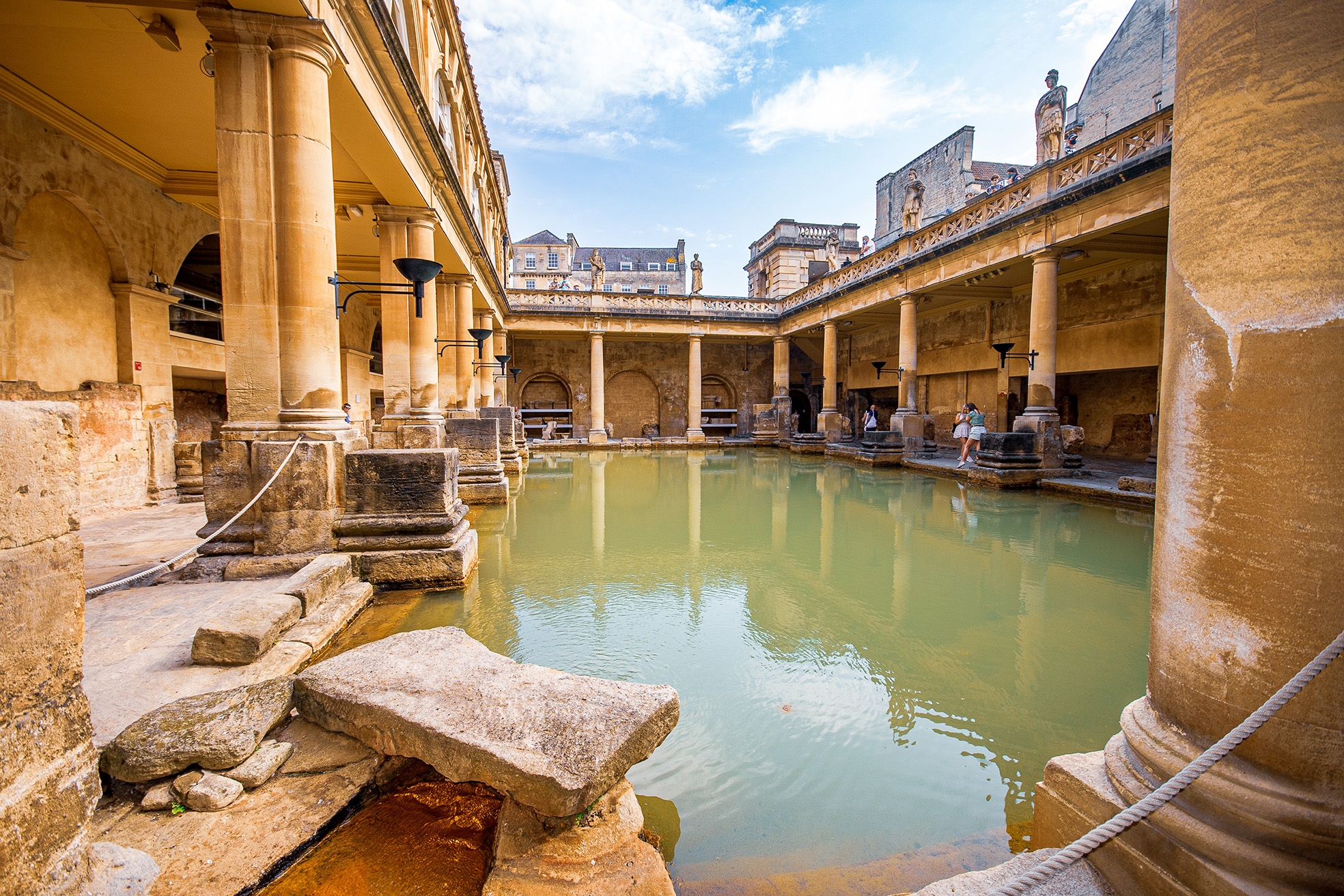
The image depicts the ancient Roman Baths in Bath, England. The scene shows a historic site with a large, greenish pool of water in the foreground, surrounded by stone columns and arches. Above the columns, there is a terrace with statues and people observing the view. The architecture is classical, with intricate details and a mix of stone and brick materials. The sky is partly cloudy, adding to the historic ambiance of the Bath.
a terrace with statues and people observing the view ‐ photo by ,
©www.mgaylard.co.uk.
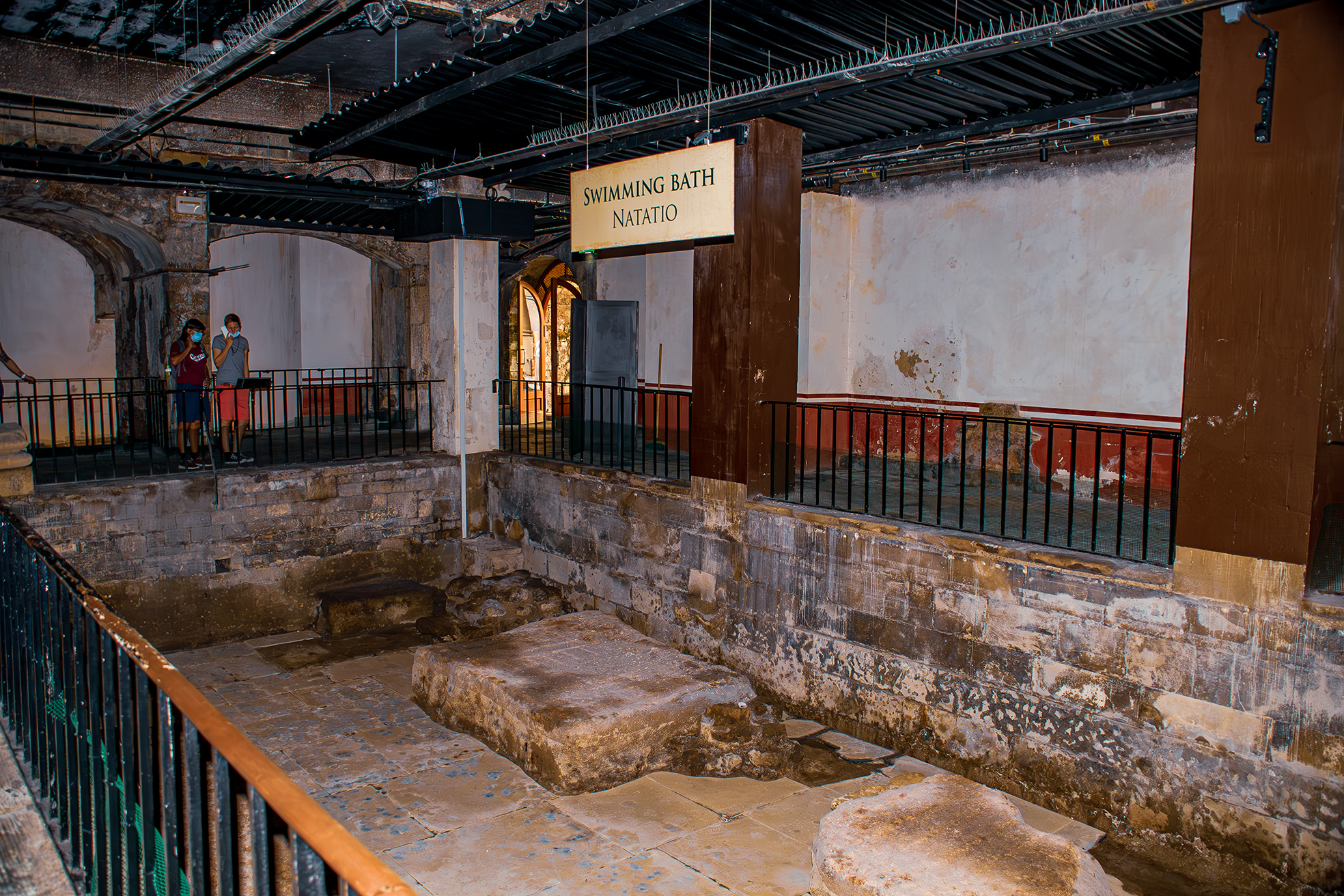
The image depicts an ancient Roman swimming bath, identified by a sign reading 'SWIMMING BATH NATATIO.' The structure features worn, stone walls and steps leading into the bath area, which appears to be partially filled with water. Two individuals are seen observing the site from a raised walkway, which is enclosed by metal railings. The ceiling above the walkway is equipped with modern lighting, suggesting the site is preserved and possibly open to the public for viewing.
SWIMMING BATH NATATIO ‐ photo by ,
©www.mgaylard.co.uk.
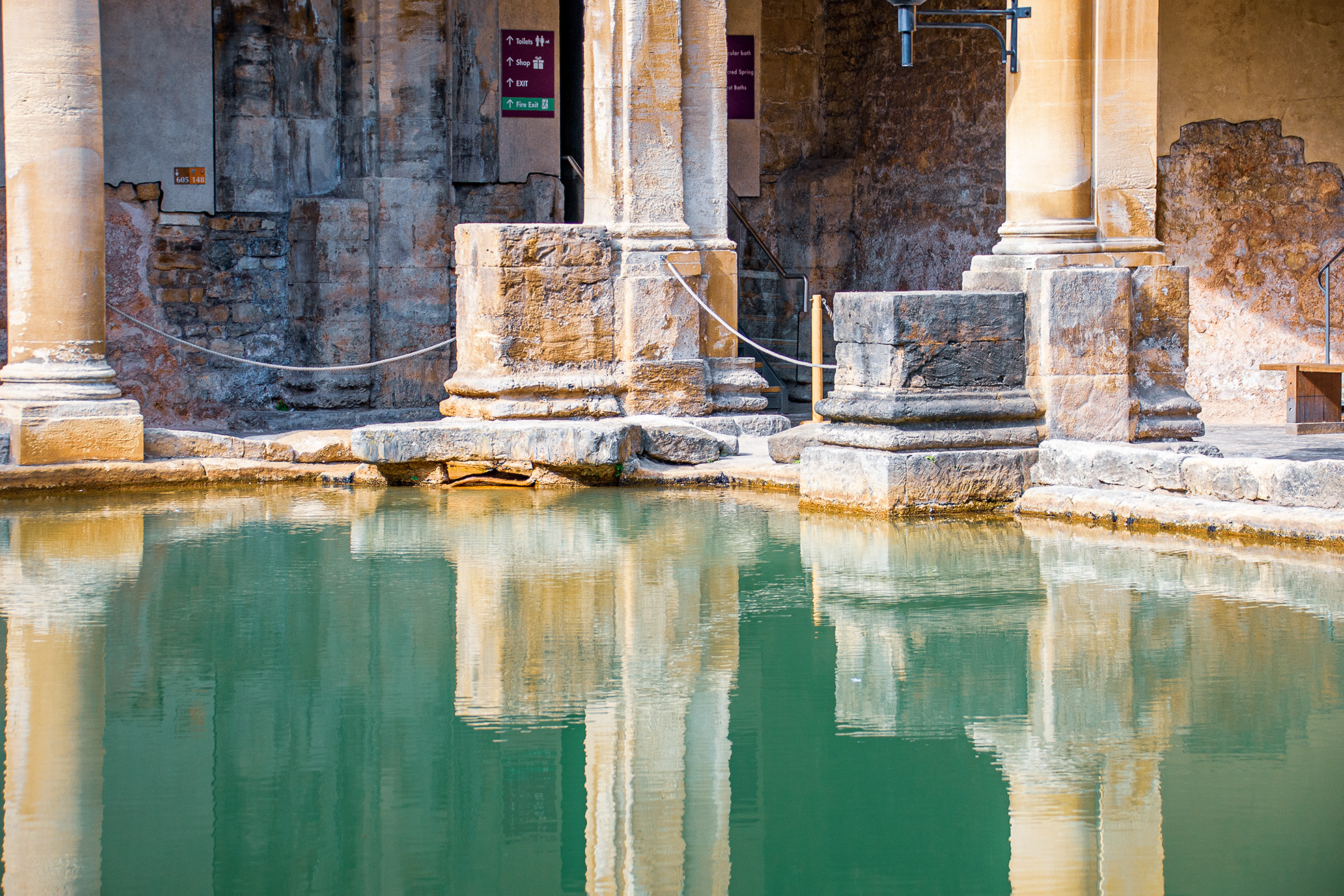
The image depicts an ancient Roman architectural site with a pool of water in the foreground. The structure features weathered stone columns and bases, reflecting the passage of time. The water in the pool is calm, mirroring the columns and parts of the structure. There are signs in the background indicating directions to various amenities such as toilets, shops, and exits. The overall scene suggests a historical or archaeological site, likely a Roman bath or similar structure.
The water in the pool is calm, mirroring the columns and parts of the structure ‐ photo by ,
©www.mgaylard.co.uk.
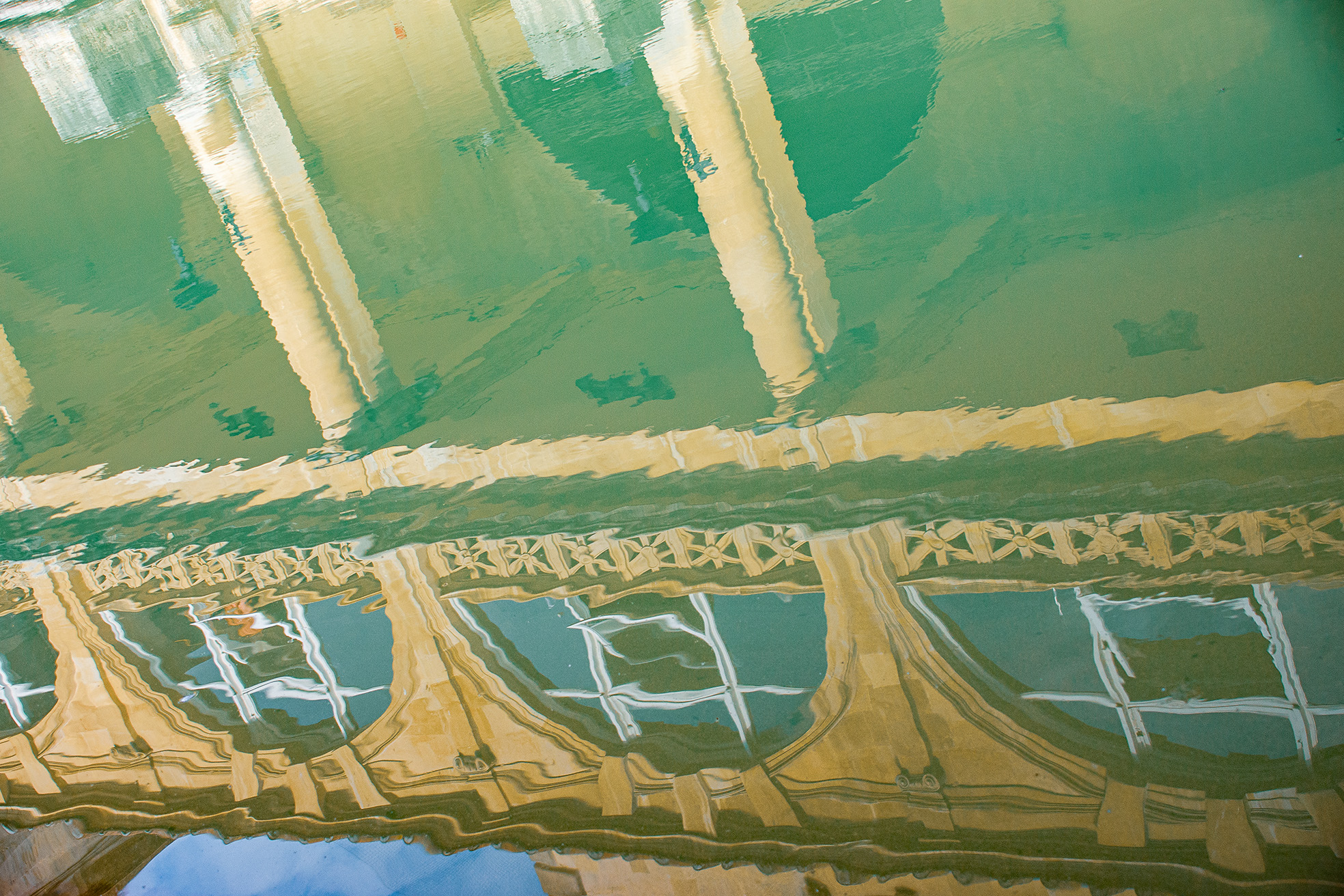
The image depicts the ancient Roman Baths in Bath, England. The scene shows a large, rectangular pool of predominantly green and brown, reflections of the building in the pool
The image depicts the ancient Roman Baths in Bath, England. The scene shows a large, rectangular pool of predominantly green and brown, reflections of the building in the pool ‐ photo by ,
©www.mgaylard.co.uk.
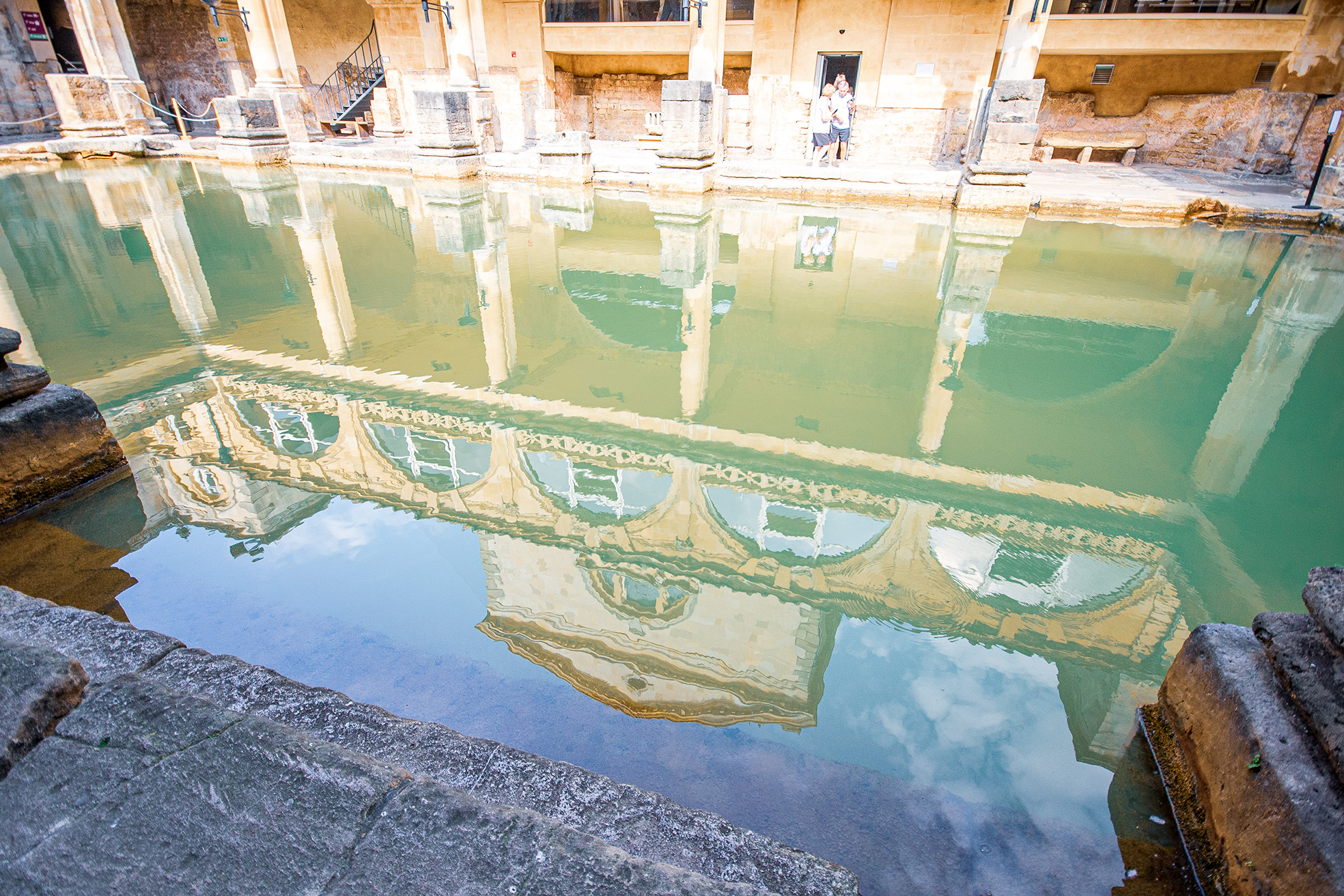
The image depicts the ancient Roman Baths in Bath, England. The scene shows a large, rectangular pool of greenish water surrounded by stone columns and arches. The architecture is classical, with a mix of well-preserved and weathered stonework. The upper level features intricate railings and large windows, while the lower level shows remnants of ancient stone structures. The overall atmosphere is serene, with the reflections in the water adding to the tranquility of the scene.
The upper level features intricate railings and large windows, while the lower level shows remnants of ancient stone structures. ‐ photo by ,
©www.mgaylard.co.uk.
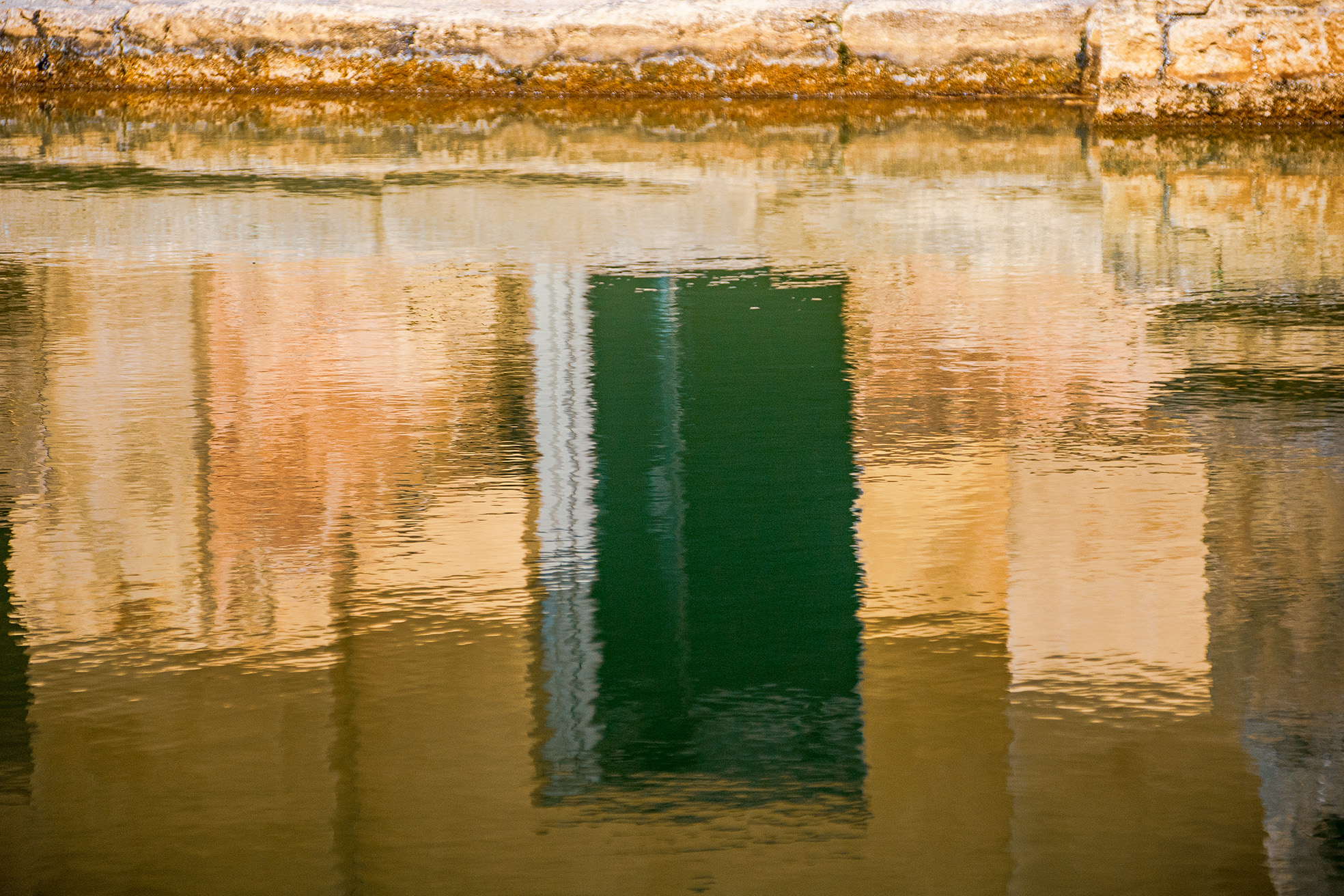
The image shows a close-up view of a rusty metal surface, possibly part of an old structure or machinery, with a reflective water surface below. The water reflects the rusty texture and colors of the metal, creating a distorted mirror image. The overall scene conveys a sense of decay and stillness, with the interplay of natural and man-made elements.
Reflection of a door ‐ photo by ,
©www.mgaylard.co.uk.
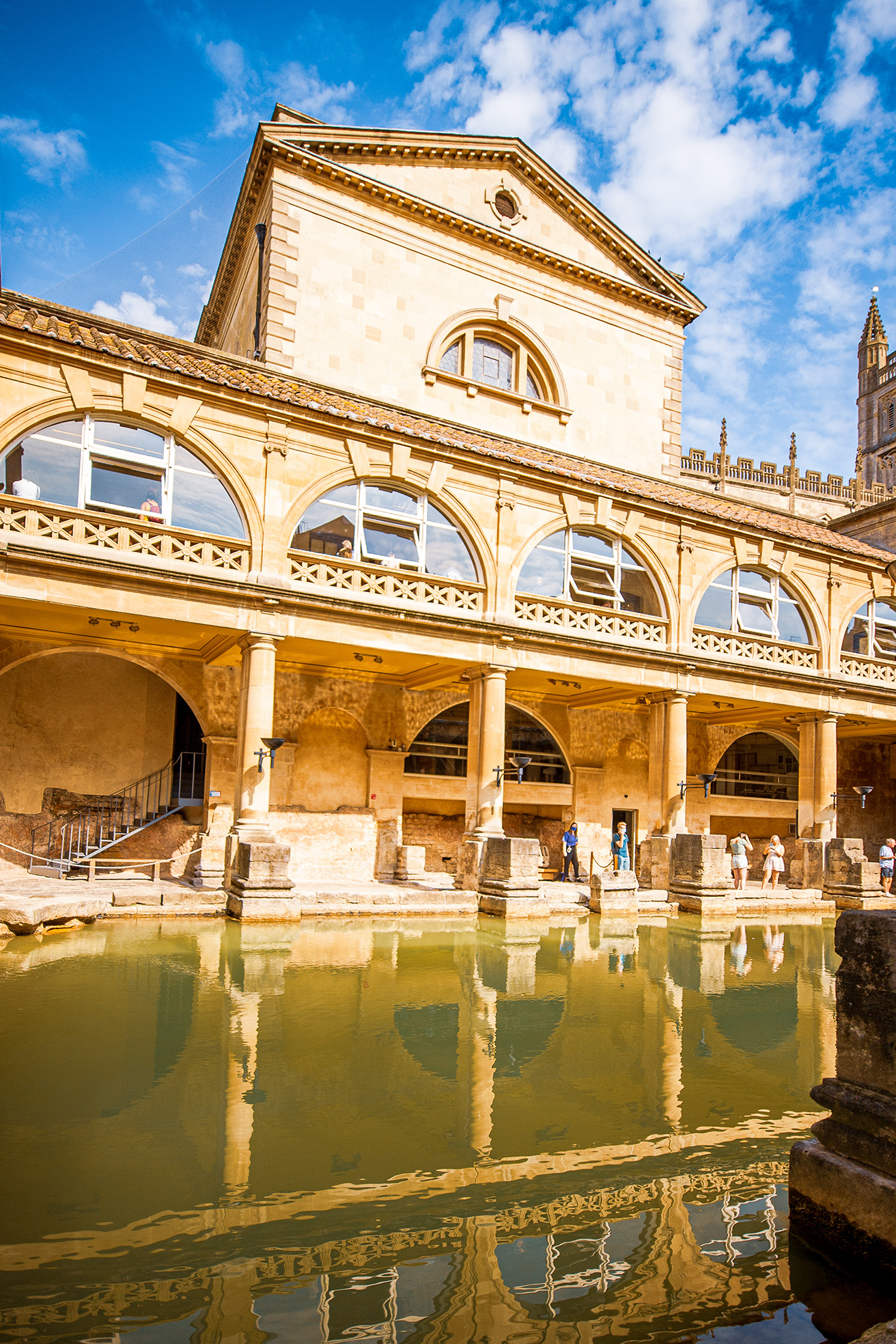
The image depicts the Roman Baths in Bath, England, showcasing the historic architecture and the ancient bathing pool. The structure features classic Roman design elements such as arches, columns, and intricate stonework. The pool reflects the building, creating a serene and picturesque scene. Visitors are seen walking around the site, indicating it is a popular tourist attraction. The sky is clear with a few clouds, adding to the overall bright and inviting atmosphere.
The pool reflects the building, creating a serene and picturesque scene ‐ photo by ,
©www.mgaylard.co.uk.
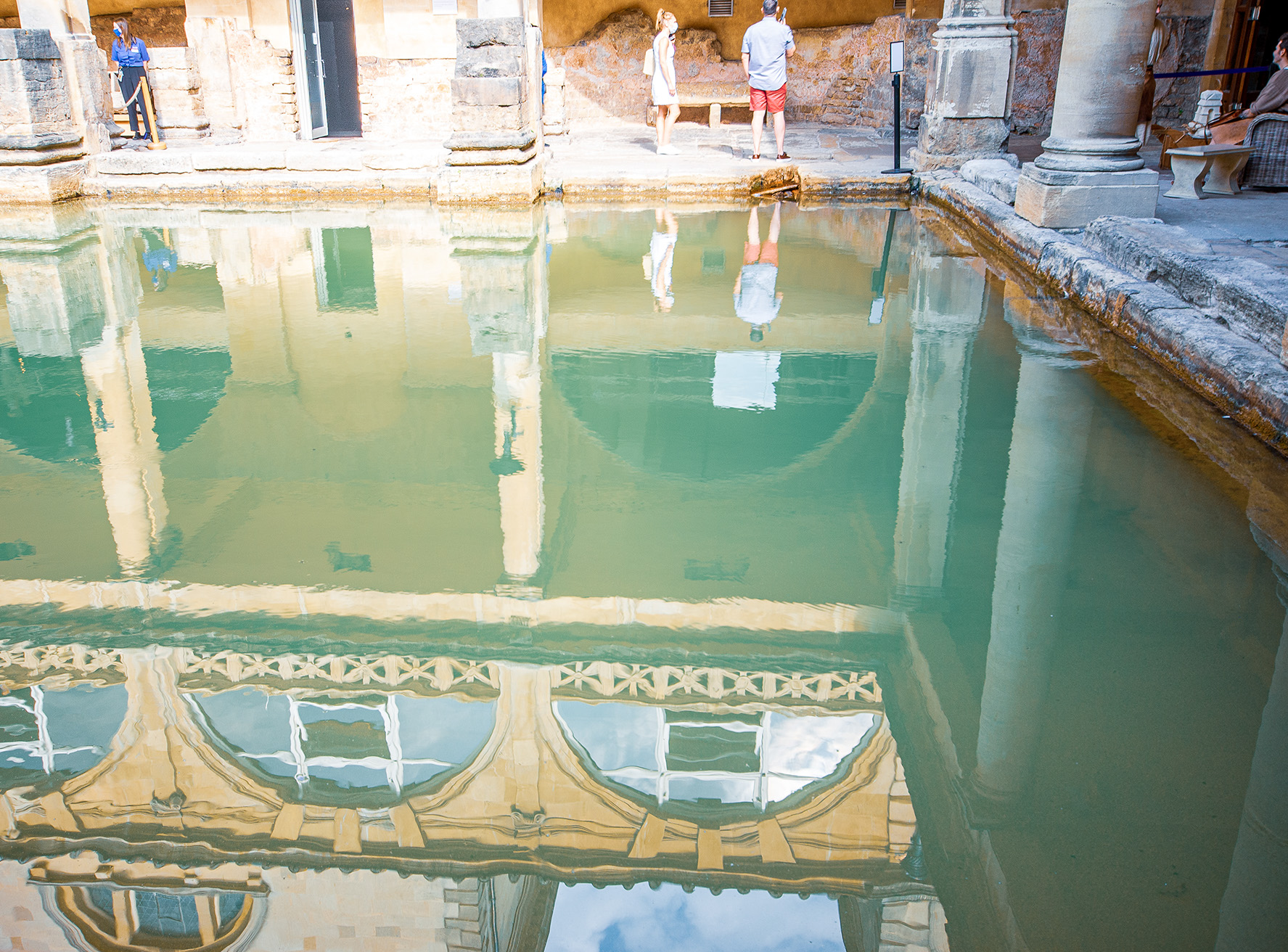
The image shows a historical Roman bath with a rectangular pool of greenish water, surrounded by stone columns and architectural details. Several people are standing and observing the bath, with their reflections visible in the water. The setting appears to be an ancient site, likely a tourist attraction, with stone walls and columns characteristic of Roman architecture.
Reflecting In The Great Bath ‐ photo by ,
©www.mgaylard.co.uk.
The image depicts an ancient Roman bathhouse, featuring a large, rectangular pool of water surrounded by stone columns and architectural ruins. The water in the pool is greenish and reflects the surrounding structures. Two people are standing near the edge of the pool, observing the site. The overall scene suggests a historical and archaeological setting, likely a popular tourist attraction.
Reflection ‐ photo by ,
©www.mgaylard.co.uk.
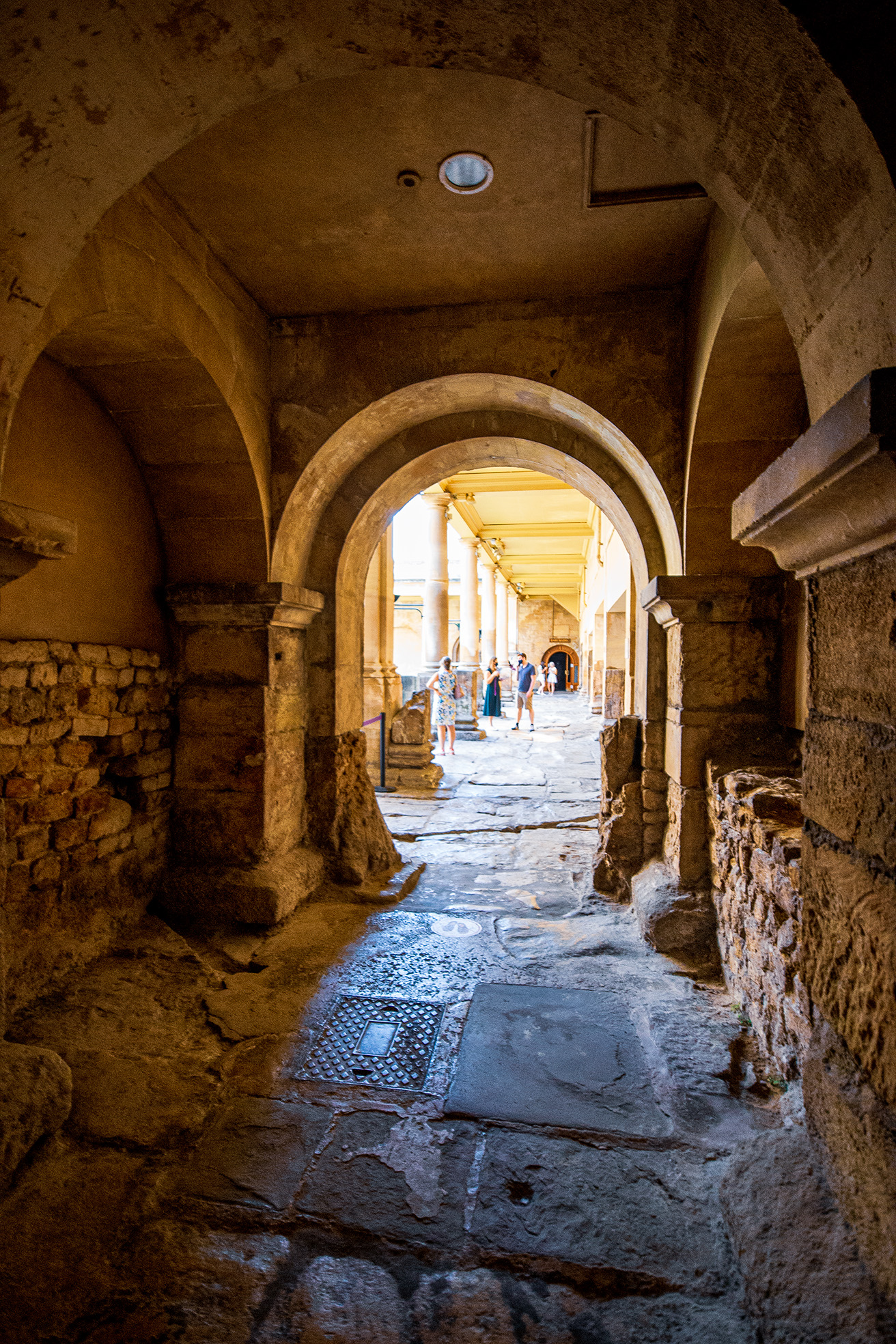
The image depicts a historical stone corridor with arched ceilings, leading to a courtyard with more arches and columns. The corridor is dimly lit, with light streaming in from the courtyard. The floor is made of stone slabs, and there are a few people walking and standing in the courtyard. The architecture suggests an ancient or medieval setting, possibly a historical site or ruin.
stone corridor with arched ceilings ‐ photo by ,
©www.mgaylard.co.uk.
The image depicts the ancient Roman Baths in Bath, England. The scene shows a historic, open-air pool surrounded by stone columns and arches. The architecture is Roman in style, with a mix of ancient and medieval elements. The sky is partly cloudy, and the water in the pool is greenish, reflecting the surrounding structures. In the background, a Gothic-style cathedral tower is visible.
The Great Bath ‐ photo by ,
©www.mgaylard.co.uk.
The image depicts the ancient Roman Baths in Bath, England. The scene shows a large, open-air pool surrounded by historic stone architecture, including columns and statues. The water in the pool is a greenish color, and the area is framed by weathered stone structures. A few people can be seen walking along the edges of the pool, and the sky above is partly cloudy. The overall atmosphere is one of historical significance and architectural grandeur.
Roman Baths in Bath,, open-air pool surrounded by historic stone architecture, including columns and statues ‐ photo by ,
©www.mgaylard.co.uk.
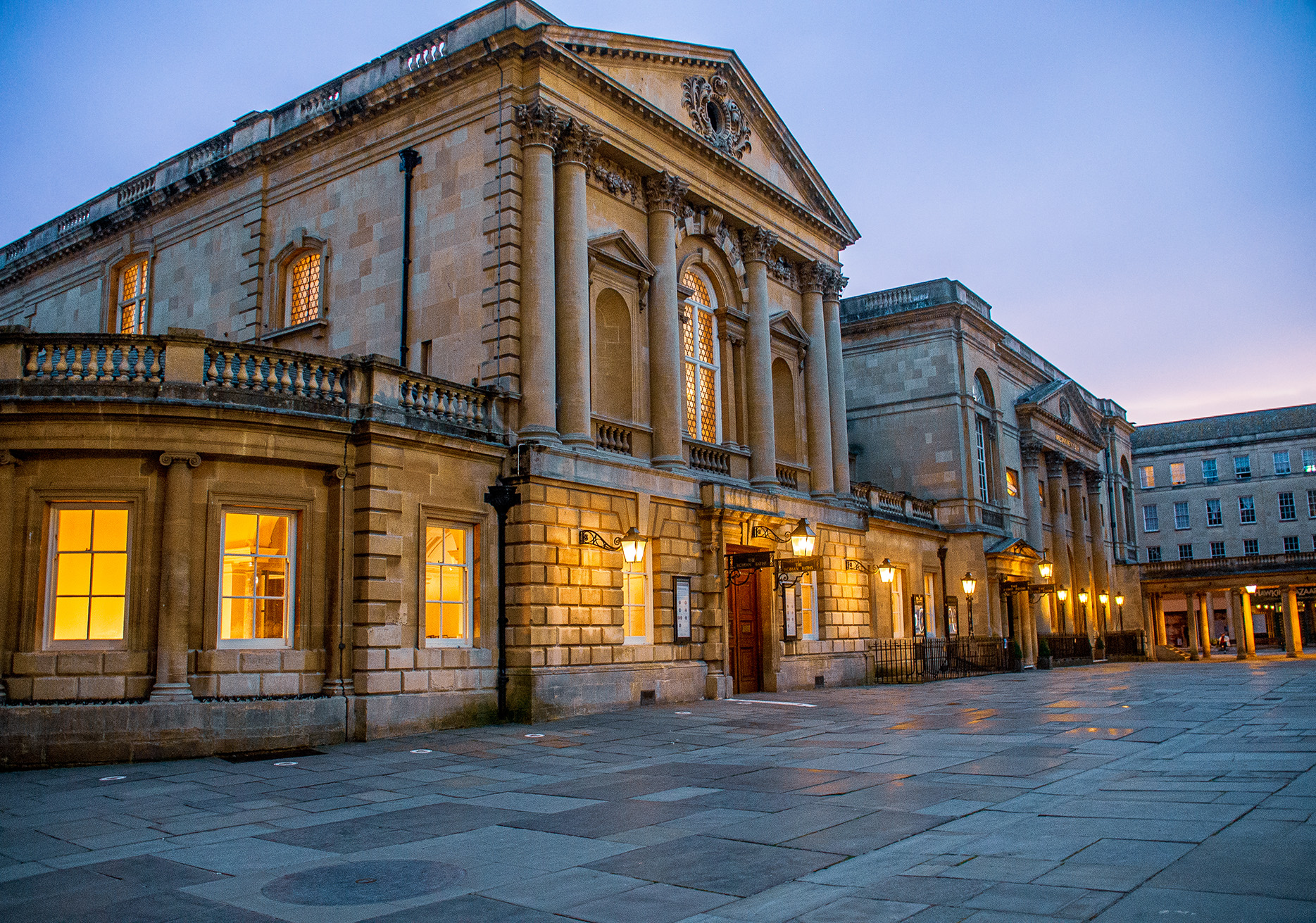
The image depicts a grand, historic building with classical architectural elements such as columns, pediments, and ornate detailing. The building is constructed from stone and features large windows that are illuminated from within, suggesting it is in use. The scene is captured during twilight, with a clear sky in the background. The structure is situated in a spacious, paved courtyard, and there are street lamps along the facade, adding to the elegant ambiance. The overall atmosphere is serene and majestic, indicative of an important or prestigious institution.
The Pump House in the evening ‐ photo by ,
©www.mgaylard.co.uk.
The image depicts an architectural scene of a courtyard or plaza surrounded by historic buildings with classical architectural elements such as columns, arches, and pediments. The buildings are illuminated by street lamps, creating a warm and inviting atmosphere. The courtyard features several benches and trash bins, and a few people can be seen walking or sitting, suggesting a public space likely located in a European city.
The Pump House in the evening ‐ photo by ,
©www.mgaylard.co.uk.
Open the full set flickr button this page

Roman Baths

The Roman Baths in Bath, England are one of the most significant historical sites in the United Kingdom, offering a glimpse into ancient Roman culture and architecture.

Historical Overview

The Roman Baths date back to around 70 AD and were built around the natural hot springs that were believed to have healing properties. The site was originally known as Aquae Sulis, meaning "the waters of Sulis," a Celtic goddess associated with the springs. The baths were not only a place for bathing but also a site of worship. The Romans built a temple to the goddess Sulis Minerva next to the baths.

Architectural Features

The Great Bath
This is the most iconic feature of the Roman Baths. It is an open-air pool lined with Mendip lead and still fed by natural hot springs that produce over 1,170,000 liters of water daily at 46°C.
Sacred Spring
The natural hot spring is the heart of the complex and was considered a direct link to the Underworld by the Romans.

Visitor Experience

Museum and Artefacts:
The Roman Baths include a museum that houses thousands of archaeological finds from pre-Roman and Roman Britain. Visitors can explore ancient pavements and chambers that were once used as changing rooms and tepid plunge pools.
Interactive Exhibits:
The site offers interactive exhibits and visual snippets that transport visitors back to Roman times, providing insights into the daily lives of the people who lived there.

Modern Recognition

UNESCO World Heritage Site
The Roman Baths are part of the city of Bath, which is designated as a UNESCO World Heritage Site due to its historical and cultural significance.
Tourist Attraction
Today, the Roman Baths are one of the most popular tourist attractions in the UK, drawing visitors from around the world to experience the rich history and architectural marvels of ancient Rome.

References

en.wikipedia.orgwildernessengland.comwww.romanbaths.co.ukvisitbath.co.ukwww.tripadvisor.co.uk , Text generated by Mistral AI

Bath Abbey

Bath Abbey

Abbey Church YardBathSomerset,   United Kingdom

Bath Abbey is a historic Anglican parish church and former Benedictine monastery in Bath, Somerset, England. Founded in the 7th century, the abbey is renowned for its stunning Gothic architecture, intricate fan vaulting, and its role as a place of worship and heritage for over 1,200 years. It is a major tourist attraction and a focal point of Bath’s UNESCO World Heritage site.
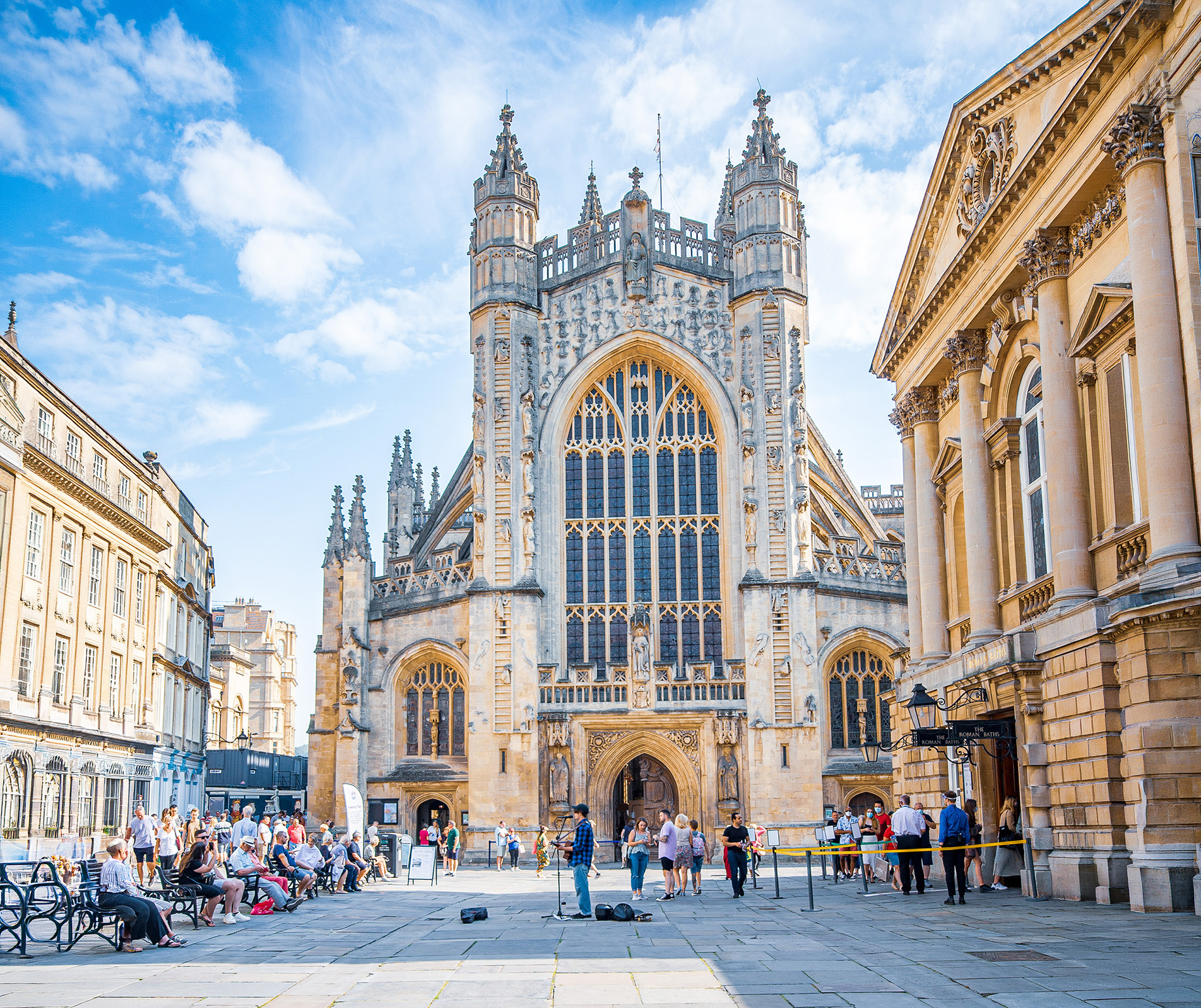
The image depicts a bustling scene in front of a grand, historic building, likely a cathedral or church, characterized by its large arched window with intricate tracery and two tall, ornate towers. The architecture is Gothic, with detailed stone carvings and pointed arches. The building is situated in a square with people sitting on benches, walking around, and engaging in various activities. The sky is clear with a few clouds, suggesting a pleasant day. The surrounding buildings have a similar historic architectural style, contributing to the overall aesthetic of the scene.
Abbey Church Yard ‐ photo by ,
©www.mgaylard.co.uk.
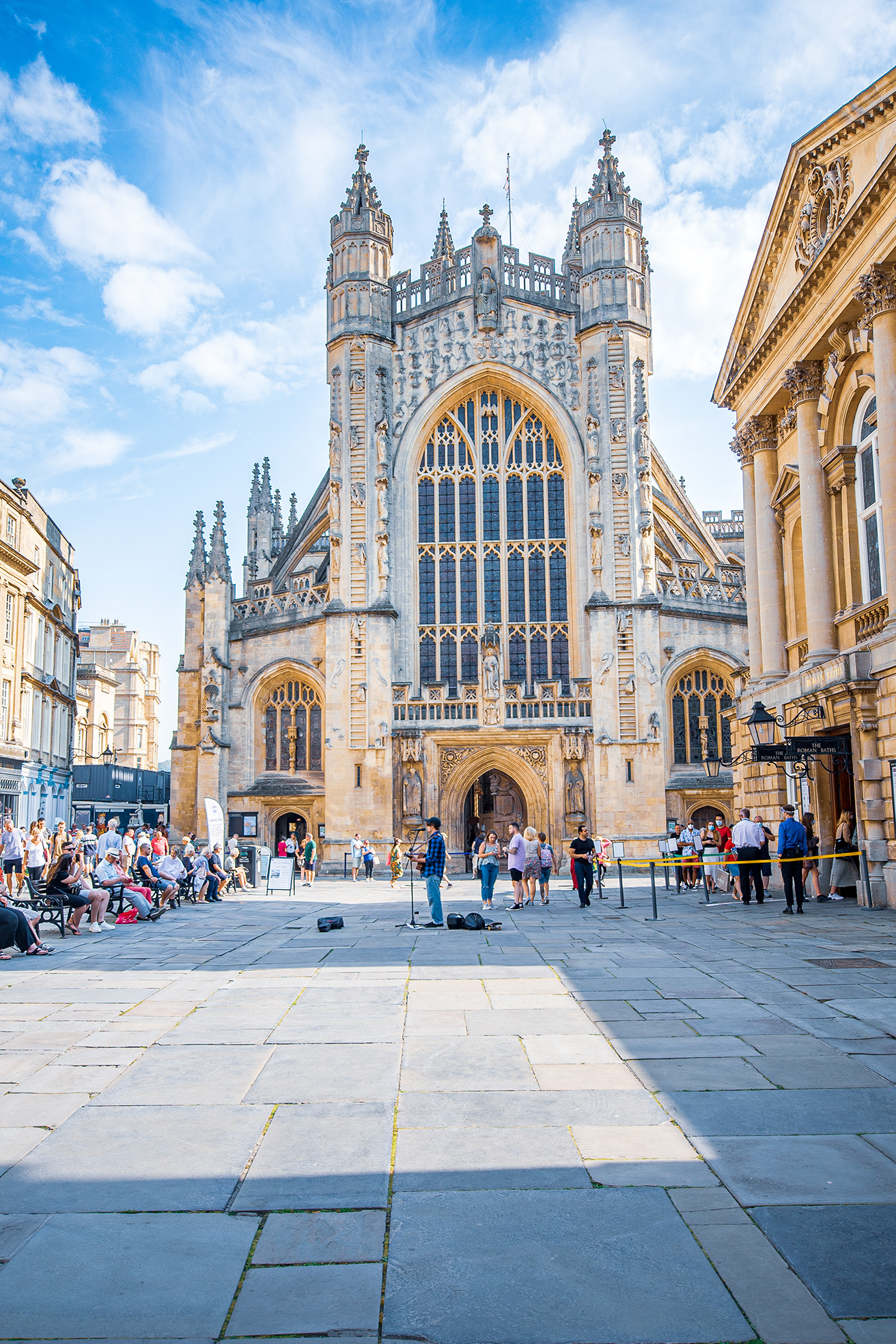
The image depicts a bustling scene in front of a large, ornate Gothic-style building, likely a cathedral or church, with intricate architectural details and large stained-glass windows. The sky is clear with a few clouds. People are gathered in the square, some sitting on benches, others standing or walking around. A street performer is playing a guitar in the foreground. The overall atmosphere is lively and vibrant, with tourists and visitors enjoying the historic and architectural beauty of the location.
View of Bath Abbey ‐ photo by ,
©www.mgaylard.co.uk.
The image depicts an ornate interior of a historic cathedral or church, featuring intricate Gothic architecture. The focal point is a large, elaborately decorated tomb or monument, likely of significant historical importance. The monument is surrounded by tall, intricately carved pillars and arches, with detailed stonework and stained glass windows in the background. The floor is made of polished stone, and there are informational plaques placed in front of the monument. The overall atmosphere is one of reverence and historical significance.
Ornate Interior Of The Abbey ‐ photo by ,
©www.mgaylard.co.uk.
The image depicts the interior of a grand cathedral, focusing on an ornate pipe organ situated high above the wooden paneling. The ceiling features intricate stonework and large stained-glass windows that allow natural light to illuminate the space, creating a serene and majestic atmosphere.
The ceiling features intricate stonework and large stained-glass windows that allow natural light to illuminate the space ‐ photo by ,
©www.mgaylard.co.uk.
The image depicts an ornate ceiling design featuring a central coat of arms surrounded by intricate floral patterns and ribbed vaulting. The coat of arms includes heraldic symbols and text, and is encased in a circular frame with a green background and red and blue decorative elements. The surrounding ceiling is composed of stone ribs and recessed floral motifs, creating a visually striking and symmetrical pattern.
an ornate ceiling design featuring a central coat of arms ‐ photo by ,
©www.mgaylard.co.uk.
The image depicts the interior of a grand Gothic cathedral, showcasing intricate stone carvings, pointed arches, and a large, ornate stained glass window. The ceiling features a fan vault, a characteristic element of Gothic architecture, with detailed patterns and ribbed structures. The stained glass window is composed of numerous panels, each filled with vibrant, colorful depictions of religious scenes and figures. The overall atmosphere is one of reverence and historical significance, highlighting the architectural splendor of Gothic cathedrals.
The ceiling features a fan vault ‐ photo by ,
©www.mgaylard.co.uk.
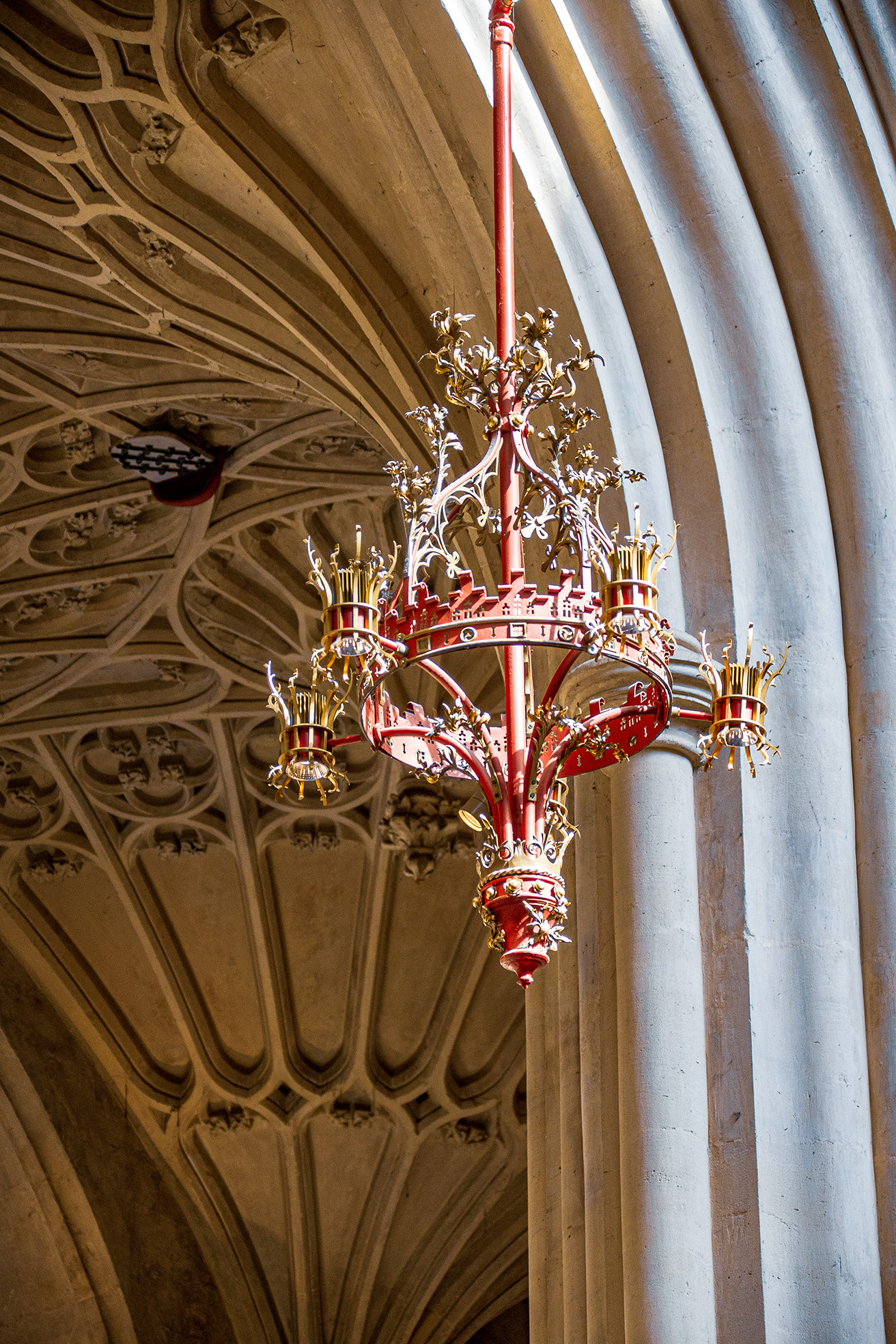
The image depicts an ornate, red and gold chandelier hanging from a ribbed, vaulted ceiling in what appears to be a cathedral or church. The ceiling features intricate stone carvings and ribbed arches, typical of Gothic architecture. The chandelier is elaborately designed with multiple branches and candle-like lights, adding to the grandeur of the setting.
an ornate, red and gold chandelier ‐ photo by ,
©www.mgaylard.co.uk.
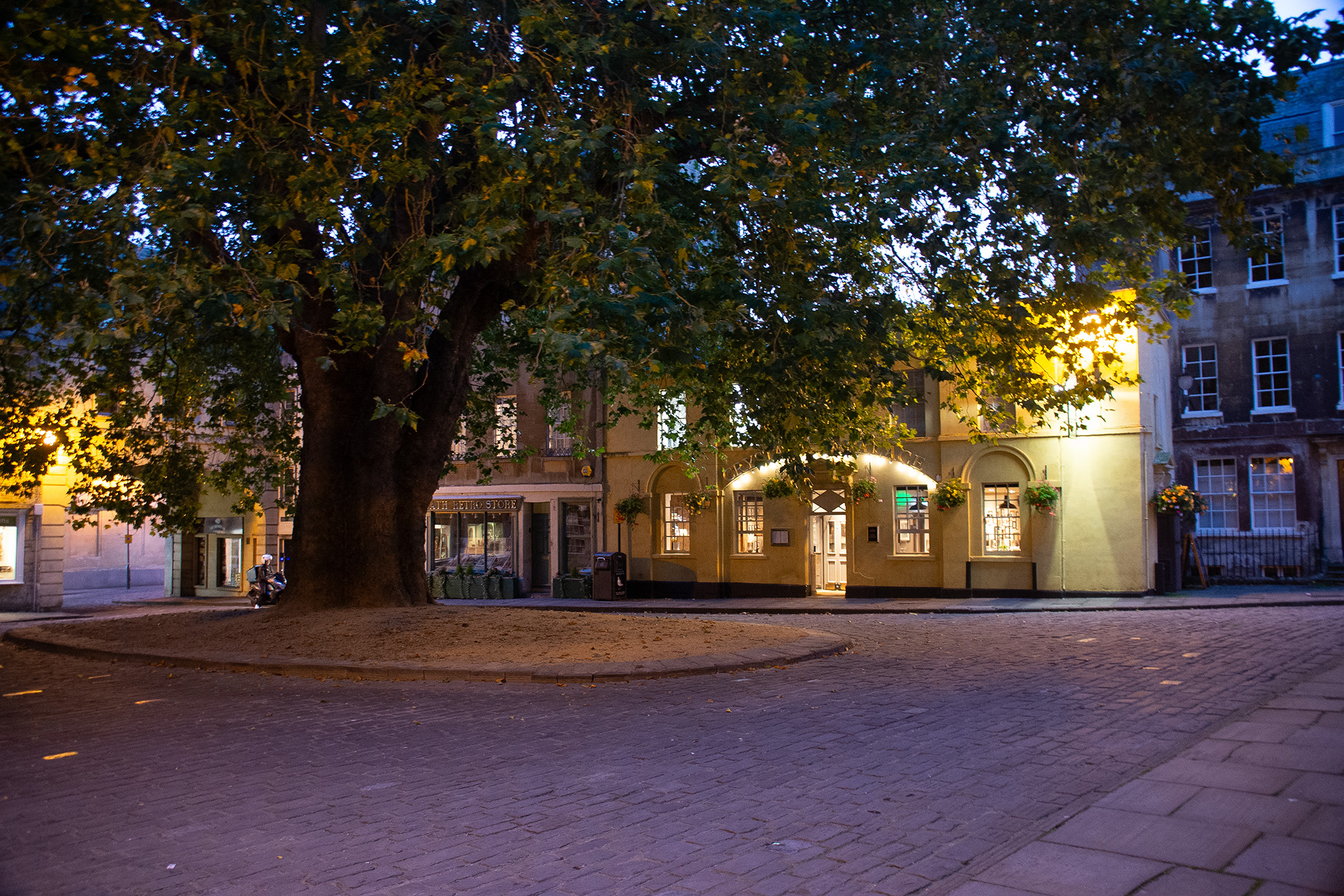
The image depicts a quiet, tree-lined street at dusk. The large tree in the foreground casts a shadow over the cobblestone pavement. The buildings in the background are softly illuminated, with one of them housing a shop named 'The Olde Curiosity Shop'. The scene is peaceful and serene, with no people visible and only a few lights on in the buildings.
The Crystal Palace ‐ photo by ,
©www.mgaylard.co.uk.
The image depicts a charming street scene in what appears to be a historic European town. The street is lined with old stone buildings, some with signs indicating businesses such as 'The Brownie Place' and 'Abbey Street.' There are colorful bunting flags strung across the street, adding a festive touch. People are seated at outdoor cafes, enjoying the pleasant weather. The street is narrow and cobblestoned, with a bicycle parked on the right side. The overall atmosphere is relaxed and inviting, suggesting a popular spot for locals and tourists alike.
Abbey Street ‐ photo by ,
©www.mgaylard.co.uk.
The image depicts a street scene in what appears to be a historic European city. The architecture is characterized by stone buildings with ornate details, including a prominent stone tower with a crest on top. The street is relatively quiet with a few pedestrians and some shops visible, including a jeweler and a clothing store. The overall atmosphere suggests a peaceful, early evening setting.
New Bond Street ‐ photo by ,
©www.mgaylard.co.uk.
The image depicts a narrow street lined with buildings on either side, leading towards a large, ornate church with a tall spire in the distance. The buildings are a mix of modern and traditional architecture, with shops and businesses on the ground floors. The sky is clear with a hint of dusk, casting a warm glow on the scene. The street appears to be in a quiet, possibly historic, European town.
New Bond Street ‐ photo by ,
©www.mgaylard.co.uk.
The image depicts a quaint, narrow street in what appears to be a historic European town. The street is lined with old, yellowish stone buildings featuring large windows and ornate architectural details. There are outdoor seating arrangements with tables and chairs under large umbrellas, suggesting the presence of cafes or restaurants. The street is paved with stone slabs and has a few pedestrians walking in the distance. The overall atmosphere is serene and inviting, with a clear blue sky overhead.
North Parade ‐ photo by ,
©www.mgaylard.co.uk.

Bath Abbey

The image depicts a street scene in what appears to be a historic European city. The architecture is characterized by stone buildings with ornate details, including a prominent stone tower with a crest on top. The street is relatively quiet with a few pedestrians and some shops visible, including a jeweler and a clothing store. The overall atmosphere suggests a peaceful, early evening setting.

Historical Overview

Origins: Bath Abbey has a rich history dating back over 1,200 years. The first church on the site was established in the 7th century as part of a Benedictine monastery. The site has undergone several transformations, including reconstructions in the 10th, 12th, and 16th centuries.
Coronation Site: In 973 AD, King Edgar was crowned at Bath Abbey, setting a precedent for future coronations in England.

Architectural Features

Gothic Architecture: The Abbey is one of the finest examples of Perpendicular Gothic architecture in England. Its unique features include the ladders of angels on the West Front and the stunning fan vaulting in the nave.
Design Inspiration: The design of the West Front was inspired by a dream of Bishop Oliver King, who envisioned angels ascending and descending into heaven.

Cultural and Religious Significance

Place of Worship: Bath Abbey remains a living church, with services held throughout the week. It is a place of worship and a significant historical site.
Historical Events: The Abbey has witnessed many important historical events and has been a center of religious activity for over a thousand years.

Modern Developments

Footprint Project: Recent projects like the Footprint Project have made the Abbey more accessible and environmentally friendly. This includes the use of heat from the nearby Roman Baths to heat the church and new underground facilities for choir rehearsals and learning spaces.
Stained Glass Windows: The Abbey is known for its magnificent stained glass windows, which have been restored and maintained over the centuries

References

en.wikipedia.orgwww.nationalchurchestrust.orgvisitbath.co.ukwww.bathabbey.org , Text generated by Mistral AI

Pulteney Bridge and the River Avon

Pulteney Bridge

Bridge StreetBathSomerset,   United Kingdom

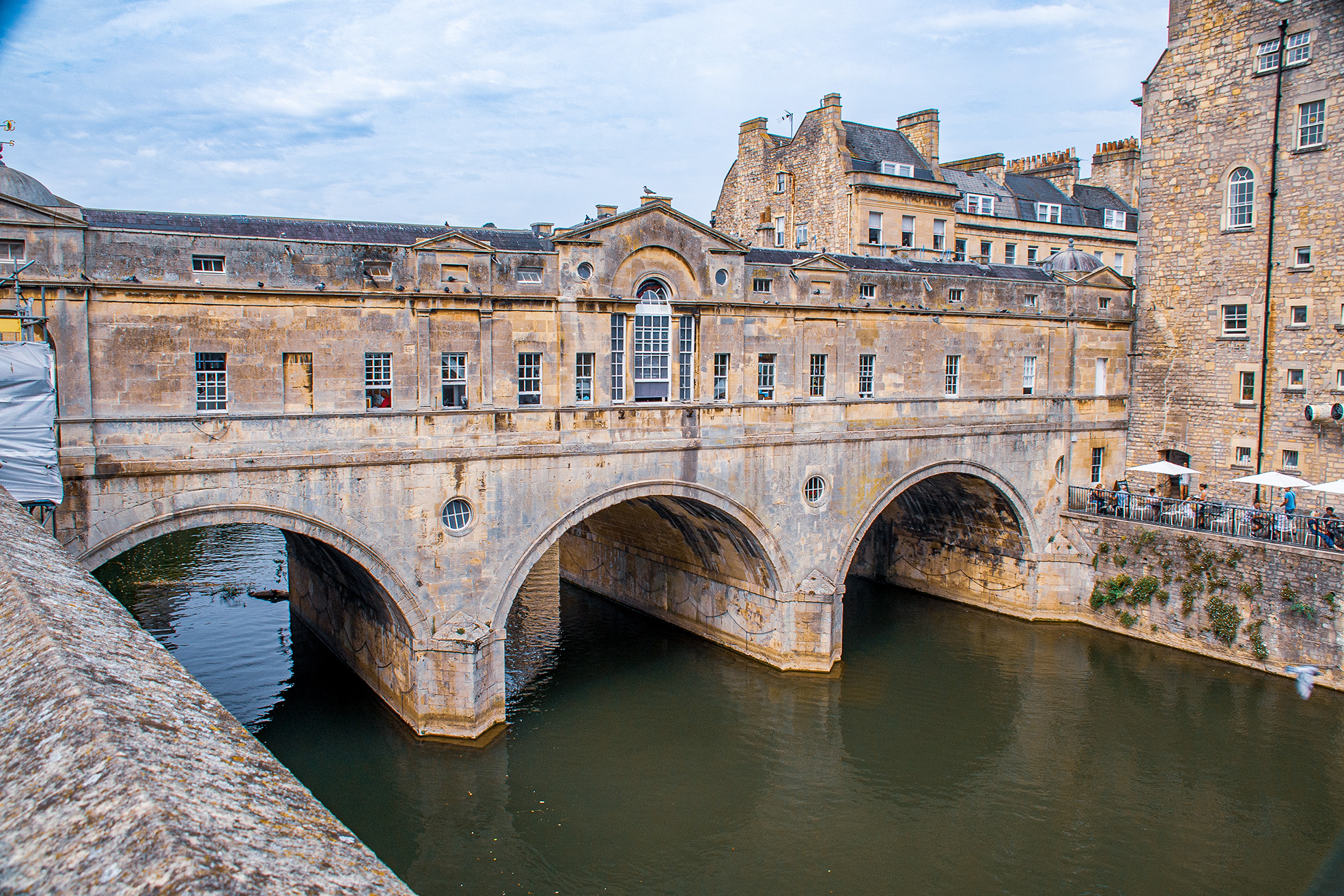
The image depicts the iconic Pulteney Bridge in Bath, England. This historic bridge spans the River Avon and is notable for the shops built into it, creating a unique architectural feature. The bridge is constructed of stone and features three wide arches. The buildings on the bridge have a classic Georgian architectural style, with large windows and chimneys. The scene is picturesque, with the river flowing calmly beneath the bridge and people visible enjoying the area.
This historic bridge spans the River Avon and is notable for the shops built into it ‐ photo by ,
©www.mgaylard.co.uk.
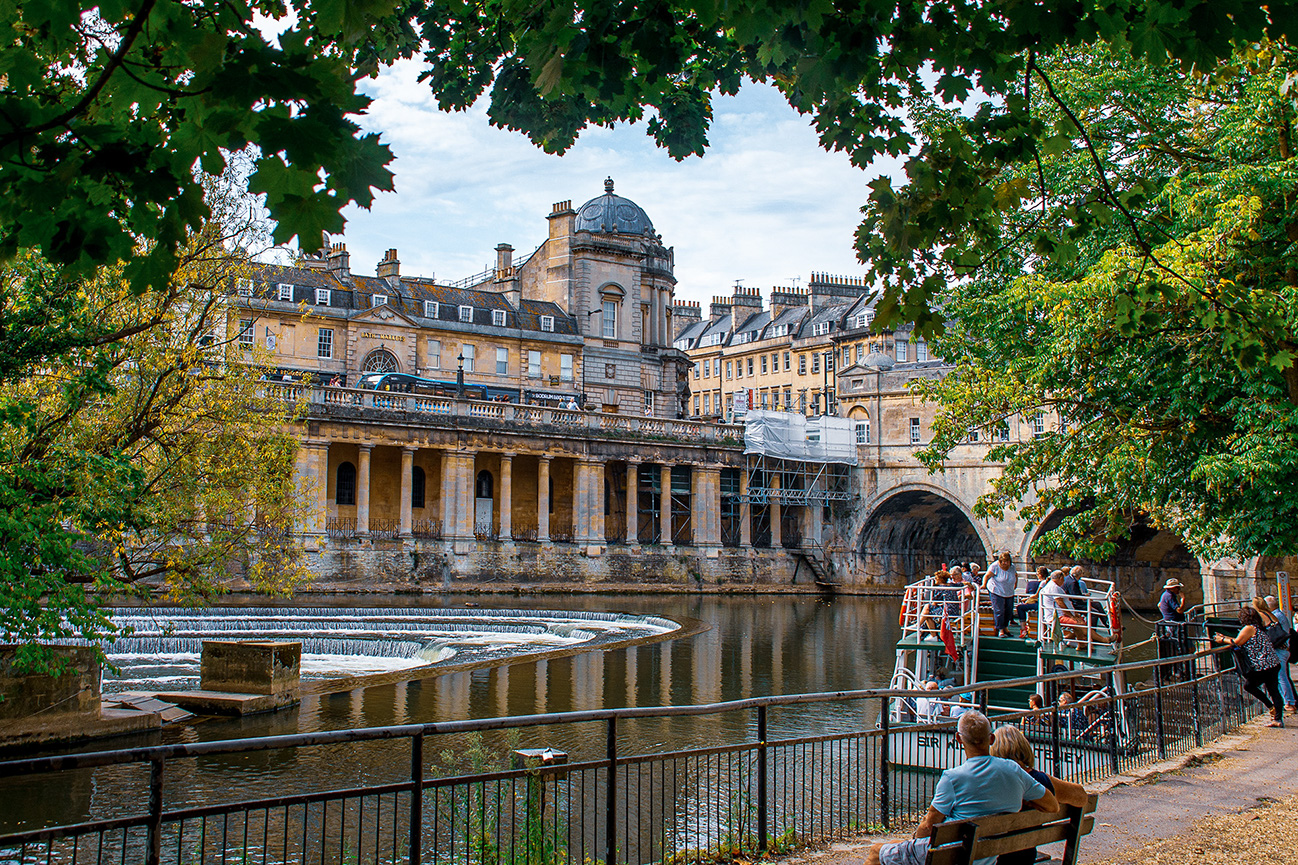
The image depicts the historic Pulteney Bridge in Bath, England. The bridge, which is unique for having shops across its full span, spans the River Avon. The architecture is classic Georgian style, with a large building atop the bridge. People are seen walking along the bridge and on a nearby boat. The scene is framed by lush green trees, adding a natural element to the urban setting.
The architecture is classic Georgian style, with a large building atop the bridg ‐ photo by ,
©www.mgaylard.co.uk.
The image depicts a scenic view of a river with a weir and a boat. The weir has a series of cascades, creating a picturesque effect. On the left side, there is a lush, green park with trees displaying autumn foliage. People are walking along the path in the park, and a boat is seen on the river, carrying passengers. The backdrop includes buildings and a clear sky, suggesting a pleasant day.
Pulteney Weir ‐ photo by ,
©www.mgaylard.co.uk.
The image depicts a scenic view of a canal with a series of cascading water steps, creating a visually appealing effect. In the background, there is a boat docked near a pathway lined with trees and people walking along the edge of the canal. The setting appears to be a park or a recreational area, with clear, calm water and a serene atmosphere.
Pulteney Weir ‐ photo by ,
©www.mgaylard.co.uk.
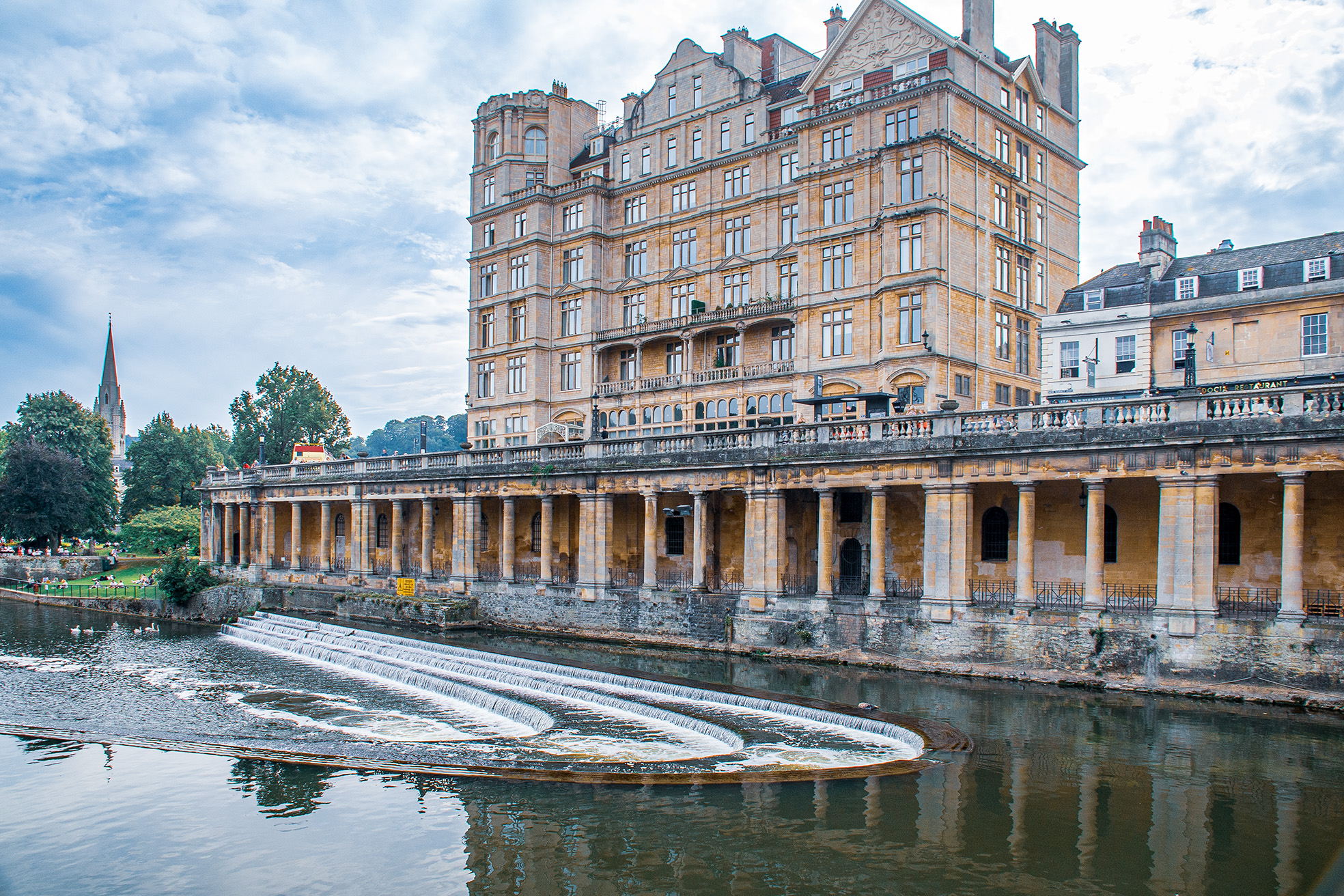
The image depicts the historic Bath Spa in Bath, England. The architecture features classic Georgian style with a multi-story building and a colonnade along the water's edge. The building is constructed with light-colored stone, and the scene includes a serene body of water with gentle cascades in the foreground. The sky is partly cloudy, and there are trees and other structures visible in the background, contributing to the picturesque setting.
Empire Hotel ‐ photo by ,
©www.mgaylard.co.uk.
The image depicts a row of Georgian-style townhouses, characterized by their uniform architecture and symmetrical windows. The buildings are made of light-colored stone and feature multiple chimneys on the roof. In front of the townhouses, several cars are parked along the street, and a few motorcycles are also visible. The scene includes a well-maintained grassy area with a path and a lamppost, suggesting a quiet, residential neighborhood. The overall atmosphere is calm and picturesque, typical of a historic and well-preserved urban area.
Queen Square ‐ photo by ,
©www.mgaylard.co.uk.
View of location ‐ photo by ,
©www.mgaylard.co.uk.
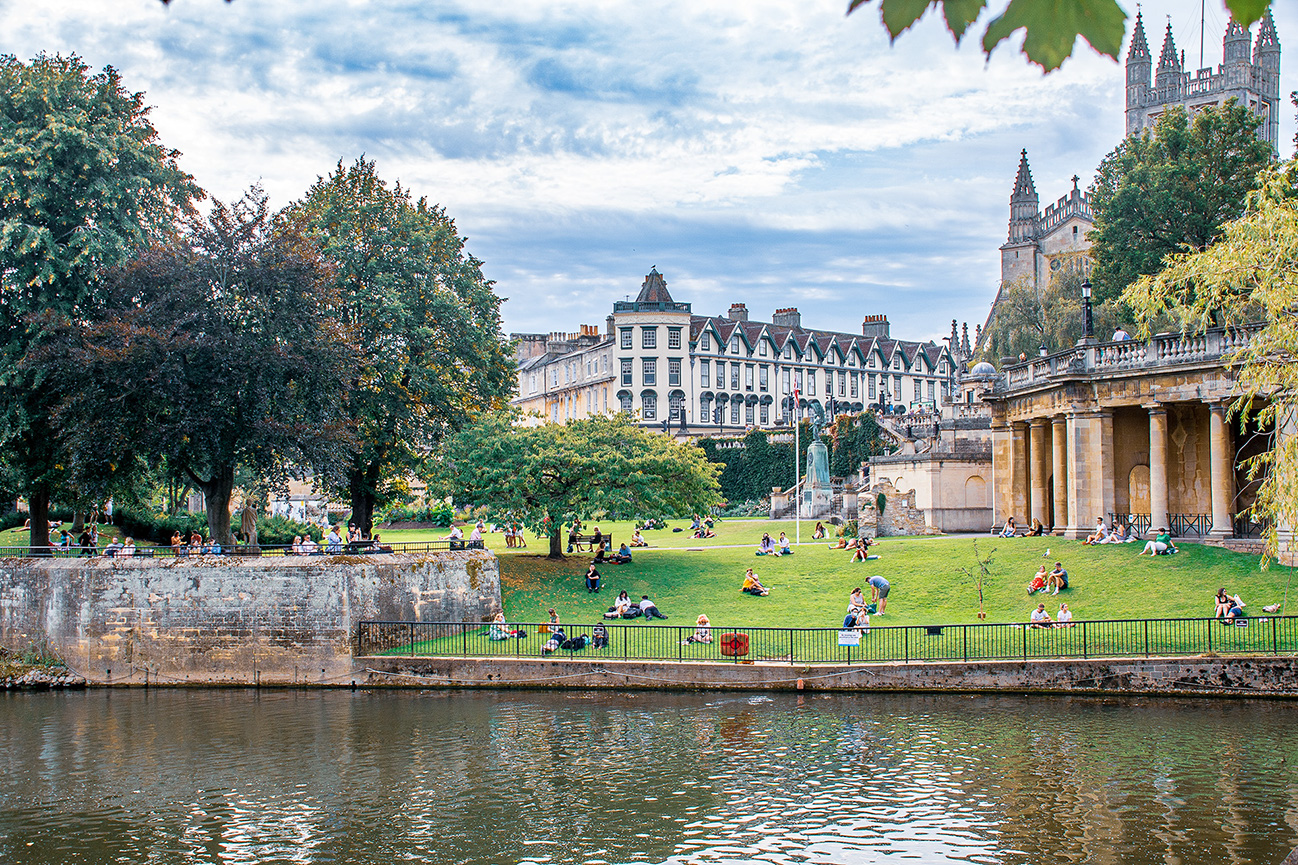
The image depicts a picturesque scene of a park in an academic setting, likely a university. The park features a large grassy area with numerous people relaxing, sitting, and enjoying the outdoors. In the background, there are historic buildings with classic architectural styles, including towers and ornate facades. The scene is framed by trees and a body of water in the foreground, adding to the serene atmosphere. The overall setting suggests a blend of natural beauty and historical architecture, creating a tranquil and inviting environment.
Bath City Parade Gardens ‐ photo by ,
©www.mgaylard.co.uk.
The image depicts a historic and grand Gothic-style building, likely a cathedral or university, with intricate stonework and large windows. The structure features multiple spires and a central tower with a flag flying at the top. The building is surrounded by lush greenery, including trees and shrubs, with people visible in the foreground enjoying the outdoor space. The sky above is partly cloudy, adding to the serene atmosphere.
Bath Abbey ‐ photo by ,
©www.mgaylard.co.uk.
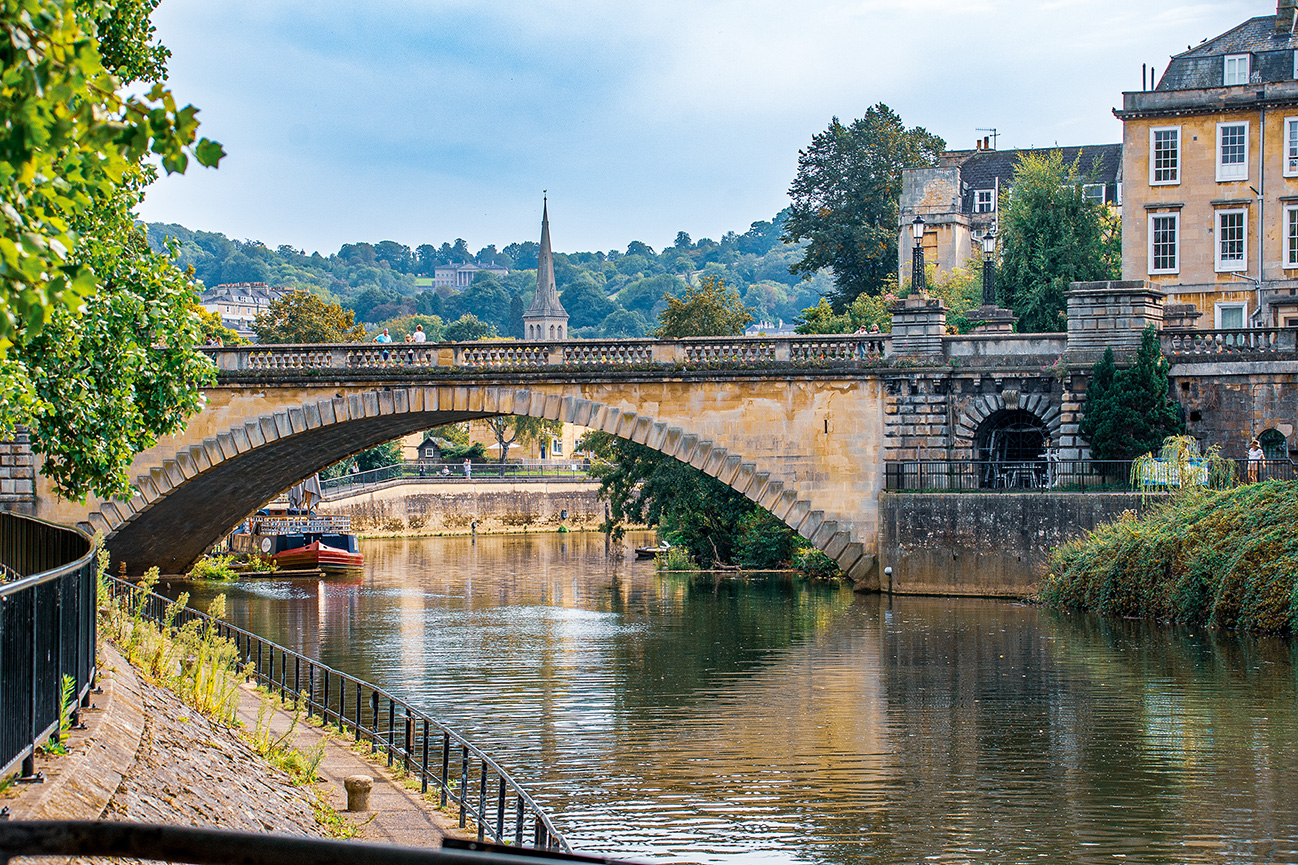
The image depicts a scenic view of a historic stone bridge arching over a calm river. The bridge is adorned with decorative balustrades and is flanked by stone buildings on either side. In the background, a spire rises above the tree line, adding to the picturesque setting. The river below reflects the bridge and surrounding greenery, creating a serene and picturesque scene. The area appears to be a blend of natural beauty and architectural elegance, likely in a quaint, historic town.
North Parade Bridge ‐ photo by ,
©www.mgaylard.co.uk.
The image depicts a scenic view of the Pulteney Bridge and the historic buildings along the River Avon in Bath, England. The Pulteney Bridge, notable for its shops and historic architecture, spans the river with a series of columns. On the left side of the image, people are seen relaxing on the grassy area near the river. The buildings exhibit classic Georgian architecture, with large windows and ornate details. In the background, the spire of Bath Abbey is visible, adding to the historic charm of the scene. The overall atmosphere is serene and picturesque, capturing the essence of this iconic location.
Empire Hotel ‐ photo by ,
©www.mgaylard.co.uk.
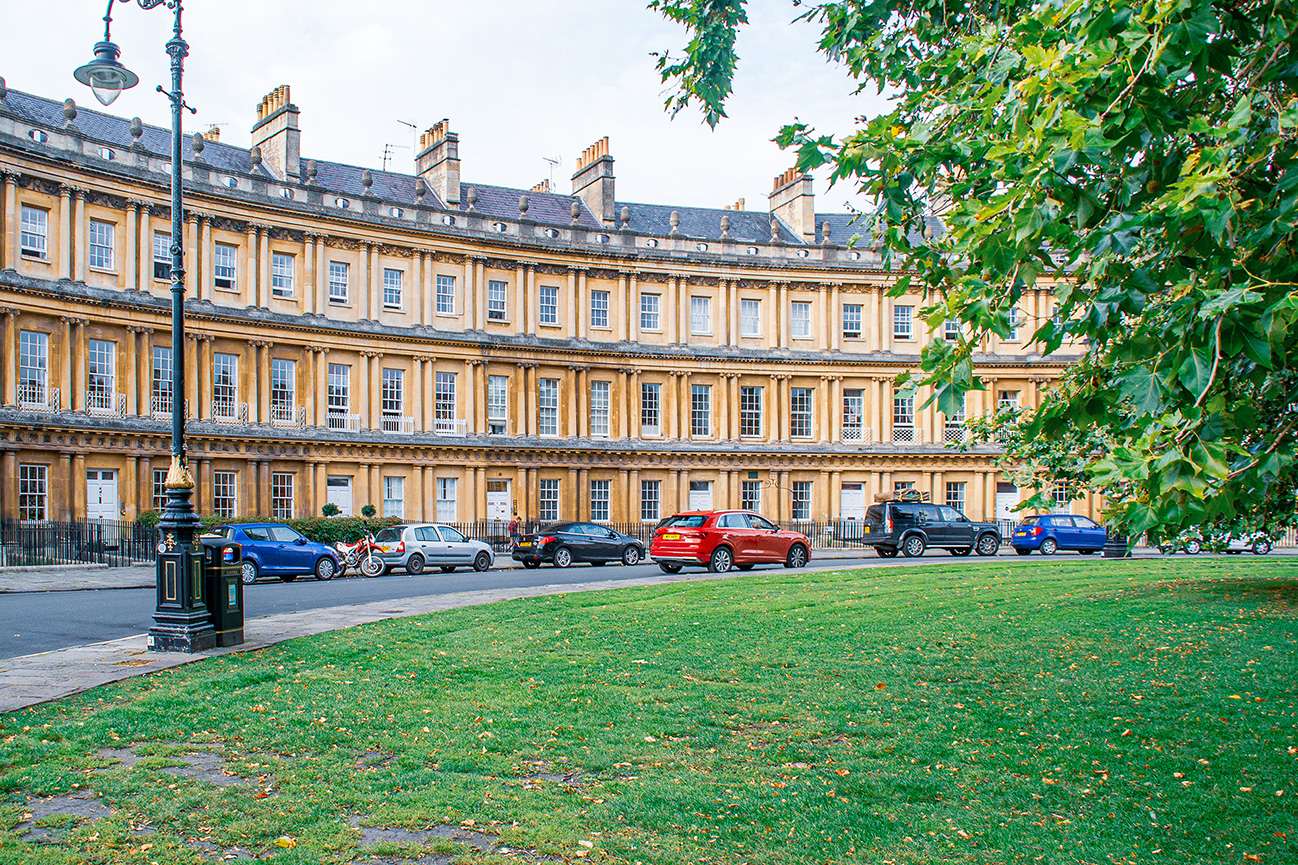
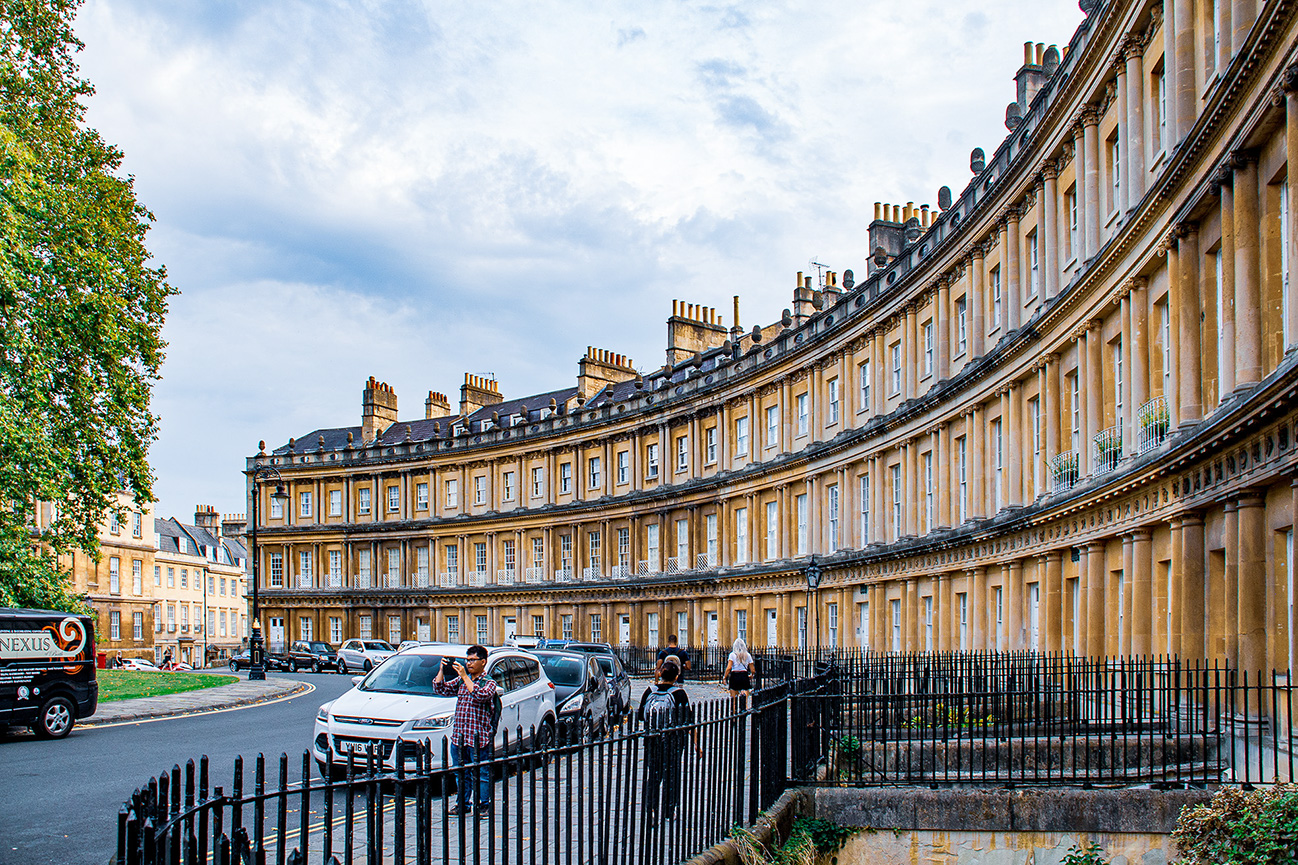
The image depicts a row of Georgian townhouses in a curved terrace formation, likely in Bath, England. The architecture features classic elements such as uniform facades, tall windows, and chimneys. The scene includes parked cars, a bus, and a few pedestrians. The sky is partly cloudy, and there is a tree on the left side of the image. The overall atmosphere is calm and picturesque.
Royal Crescent ‐ photo by ,
©www.mgaylard.co.uk.
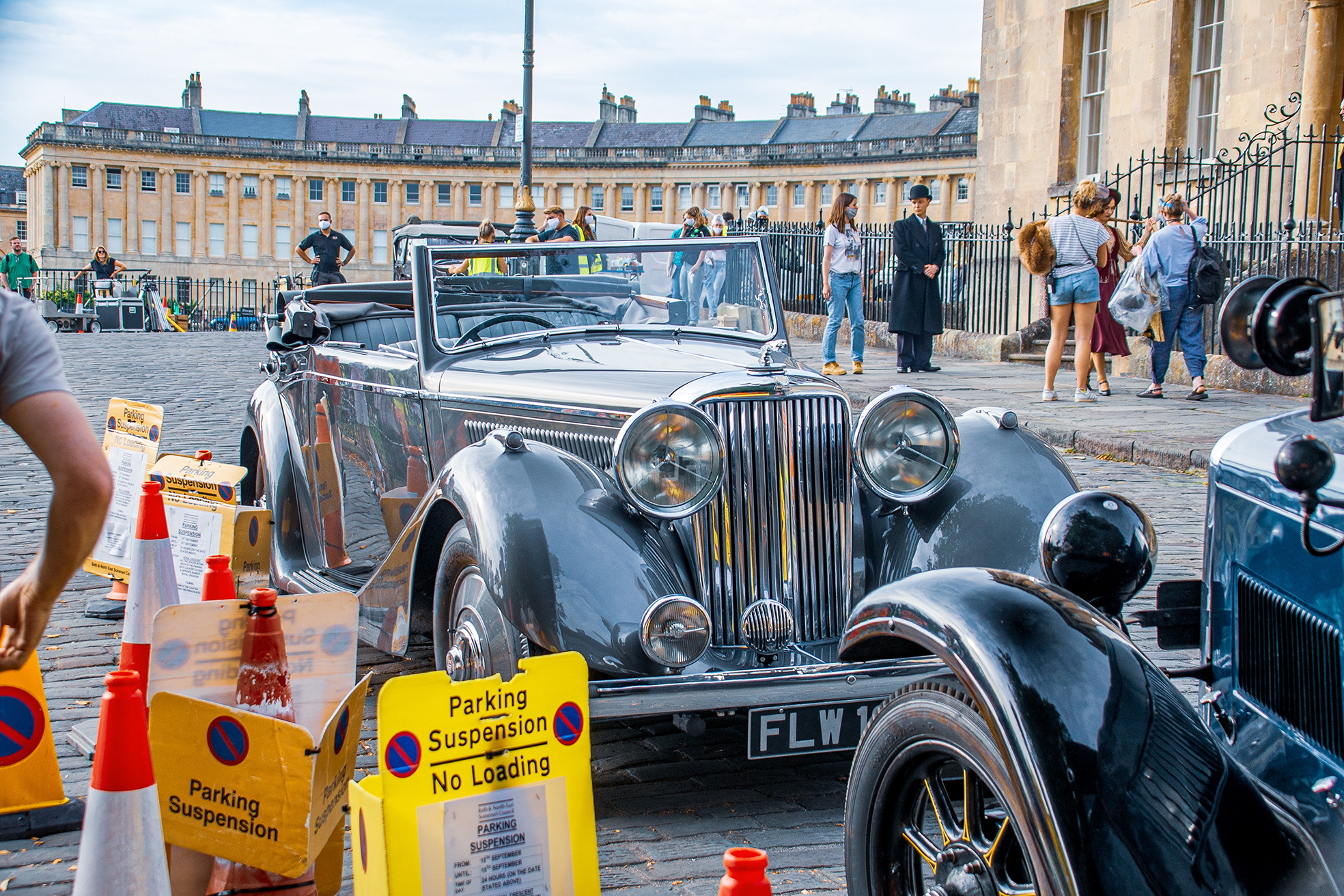
The image depicts a classic car parked in a historic square with a suspension parking sign nearby. People are gathered around, some taking photos, and the background features a large, elegant building with architectural details. The scene appears to be a public event or gathering, possibly a car show, with various individuals engaged in different activities.
Royal Crescent ‐ photo by ,
©www.mgaylard.co.uk.
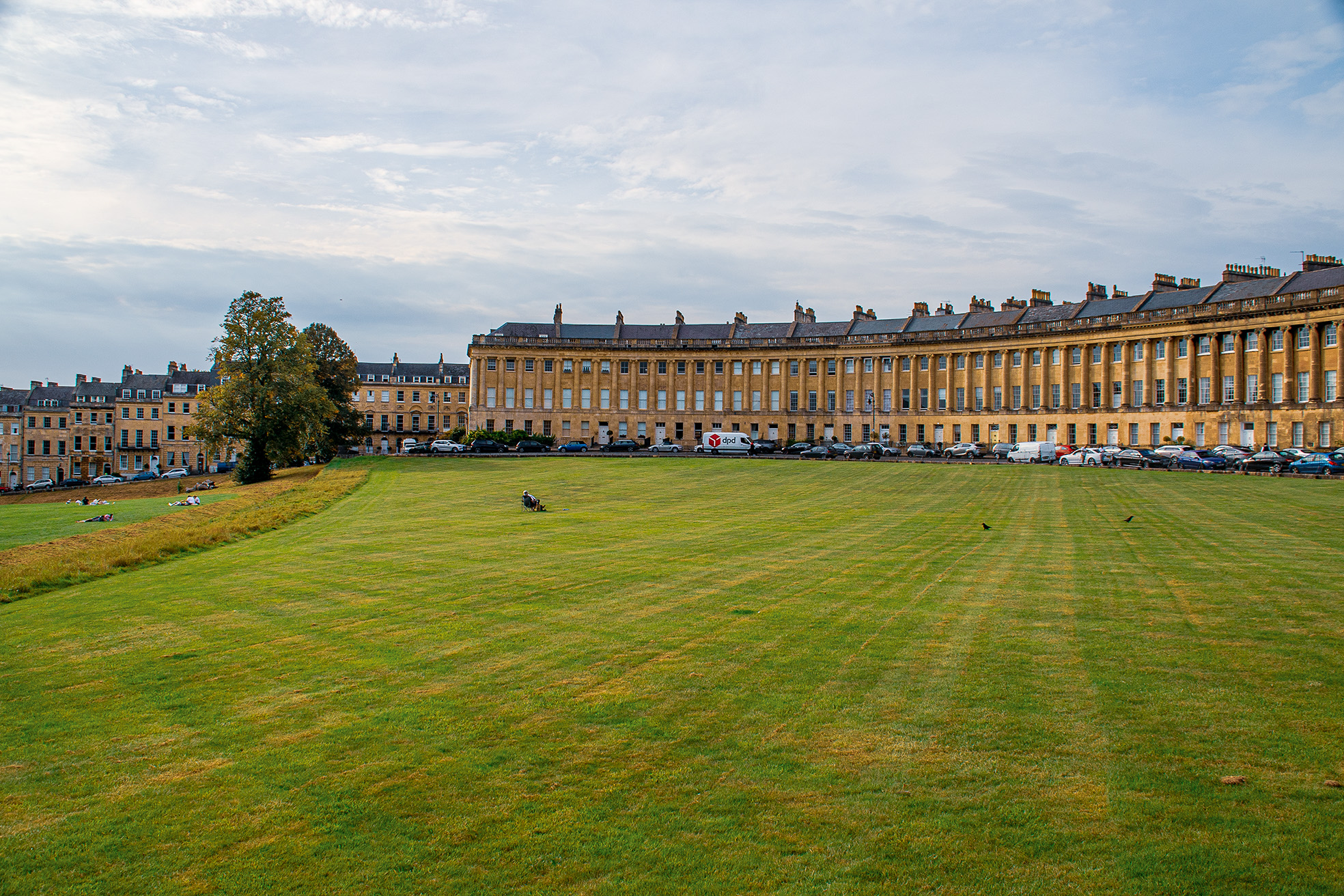
The image depicts a large, historic building with a symmetrical facade, featuring numerous windows and chimneys. In front of the building is a spacious, well-maintained grassy area with a few people and birds. The scene is set under a partly cloudy sky, and there are several parked cars along the street adjacent to the building.
Royal Crescent ‐ photo by ,
©www.mgaylard.co.uk.
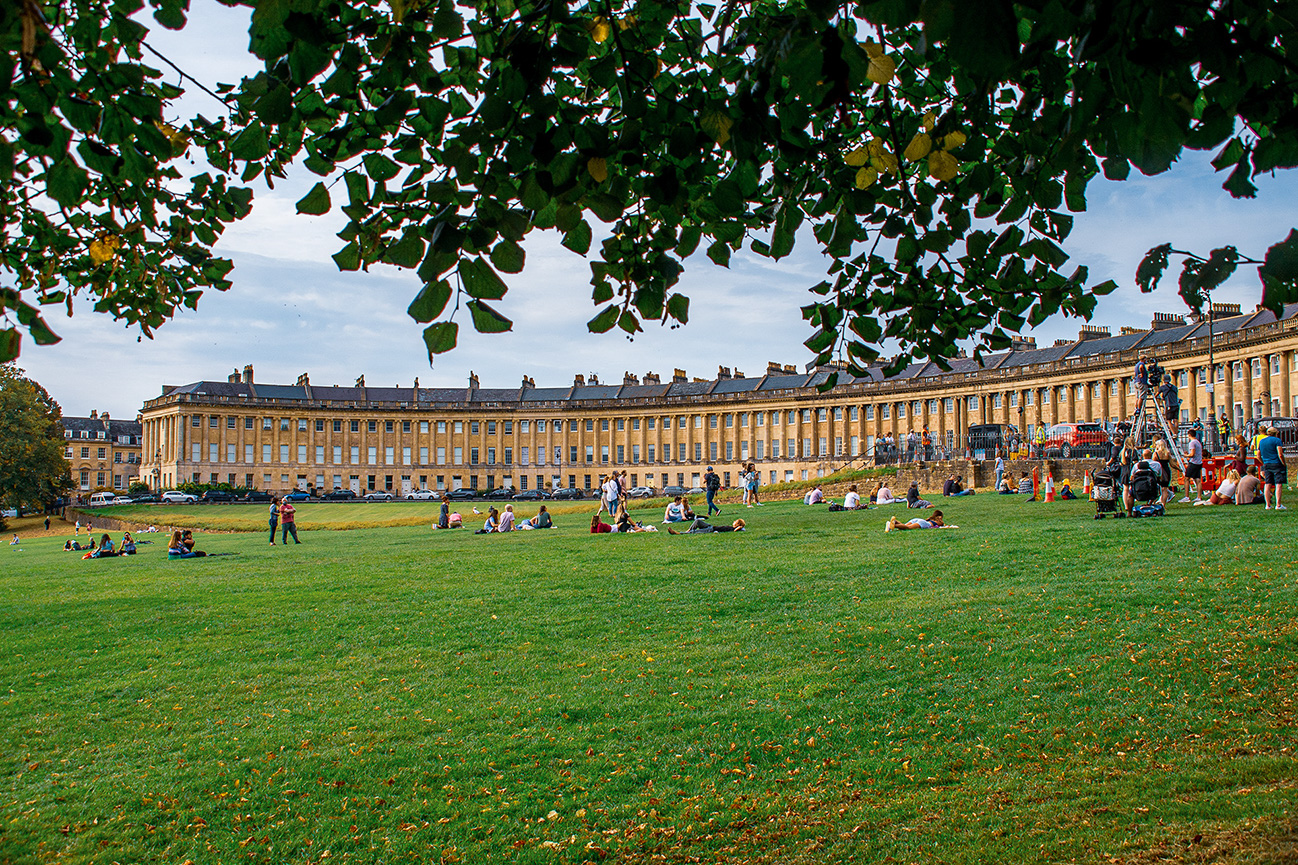
The image depicts a large, open green space with people relaxing and enjoying the outdoors. In the background, there is a long, historic building with classical architecture, featuring multiple windows and a uniform design. The scene is framed by tree branches at the top of the image, adding a natural border. The sky is partly cloudy, and there is some construction or filming equipment on the right side of the image.
Royal Crescent ‐ photo by ,
©www.mgaylard.co.uk.

Pulteney Bridge

Pulteney Bridge in Bath, England, is a historic and architecturally significant structure.

Historical Overview

Construction and Design: Pulteney Bridge was completed in 1774 and is one of only four bridges in the world with shops spanning both sides. It was designed by Robert Adam in the Palladian style and built to connect Bath with the land across the River Avon that the Pulteney family wished to develop.
Inspiration: The design of Pulteney Bridge was inspired by the Ponte Vecchio in Florence and the Ponte di Rialto in Venice, both of which Adam had visited.

Architectural Features

Grade I Listed Building: Pulteney Bridge is a Grade I listed building, reflecting its historical and architectural significance.
Shops and Structure: The bridge is unique for its shops lining both sides, making it appear more like a street than a bridge. It was originally designed to enhance the connection between Bath and the developing area of Bathwick.

Cultural and Historical Significance

Named After Frances Pulteney: The bridge is named after Frances Pulteney, the wife of William Johnstone Pulteney, a wealthy landowner in Georgian Bath.
Development Challenges: The construction of the bridge faced several challenges, including financial issues and the disruption caused by the American War of Independence, which delayed the development of Bathwick .

Modern Features and Recognition

Pulteney Weir: Nearby, the horseshoe-shaped weir was built between 1968 and 1972 to prevent flooding. This weir was featured in the 2012 film adaptation of Les Misérables as the scene of Javert’s suicide.
UNESCO World Heritage Site: Pulteney Bridge is part of the city of Bath, which is designated as a UNESCO World Heritage Site

References

visitbath.co.ukwww.buildinghistory.orgen.wikipedia.orgenglandrover.comwww.tripadvisor.com , Text generated by Mistral AI
To the top
Powered by w3.css. The images are all stored on link to www.gaylard.co.uk Photostream on Flickr   This website is hosted by link to 123Reg Web Hosting