

Fujairah is the only emirate of the UAE located entirely on the Gulf of Oman, giving it a distinct geography, history, and economic role compared with the Gulf-facing emirates. It combines deep antiquity, a strategic maritime position, and a rapidly modernising economy.
Geography and Setting
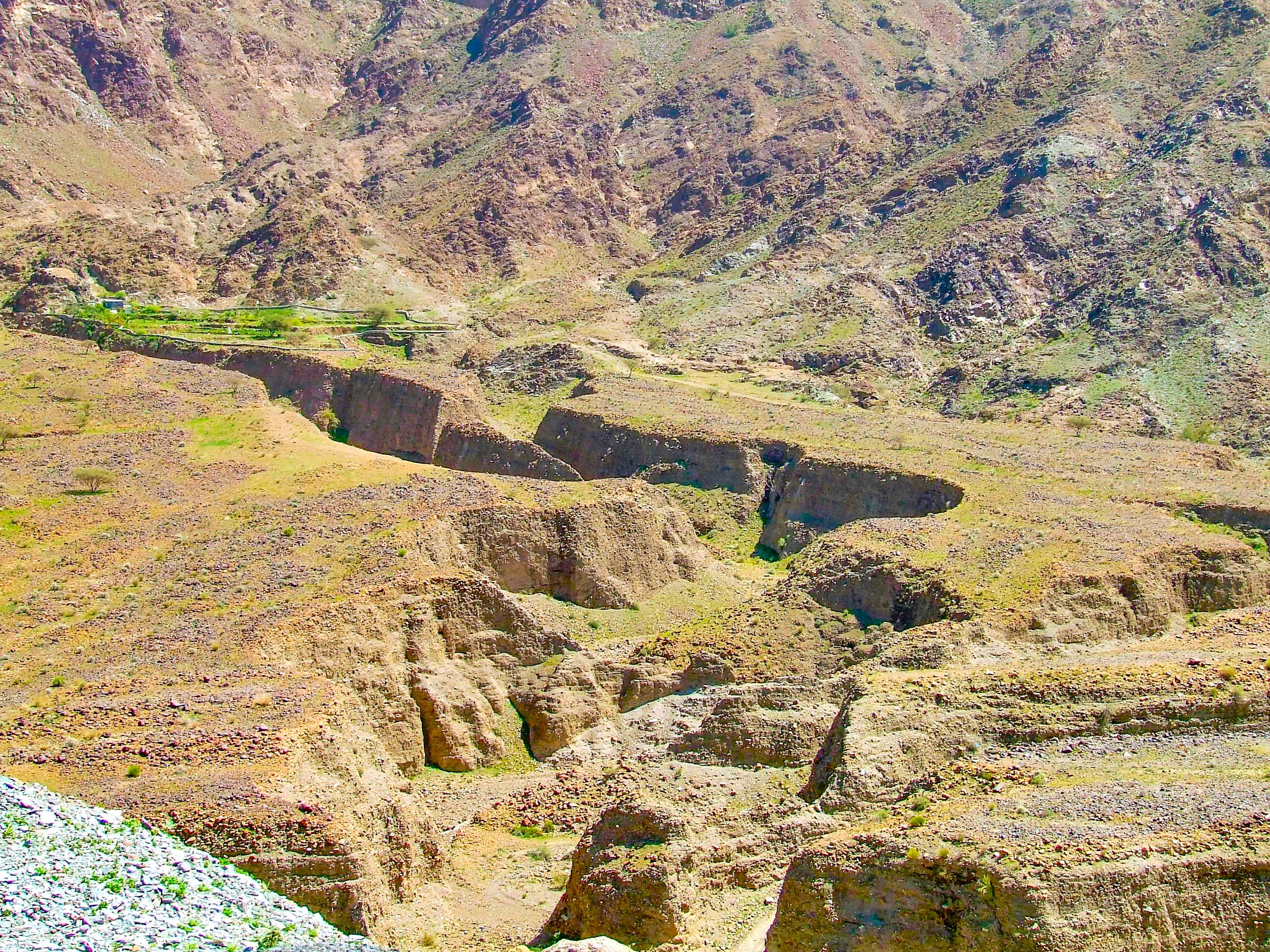
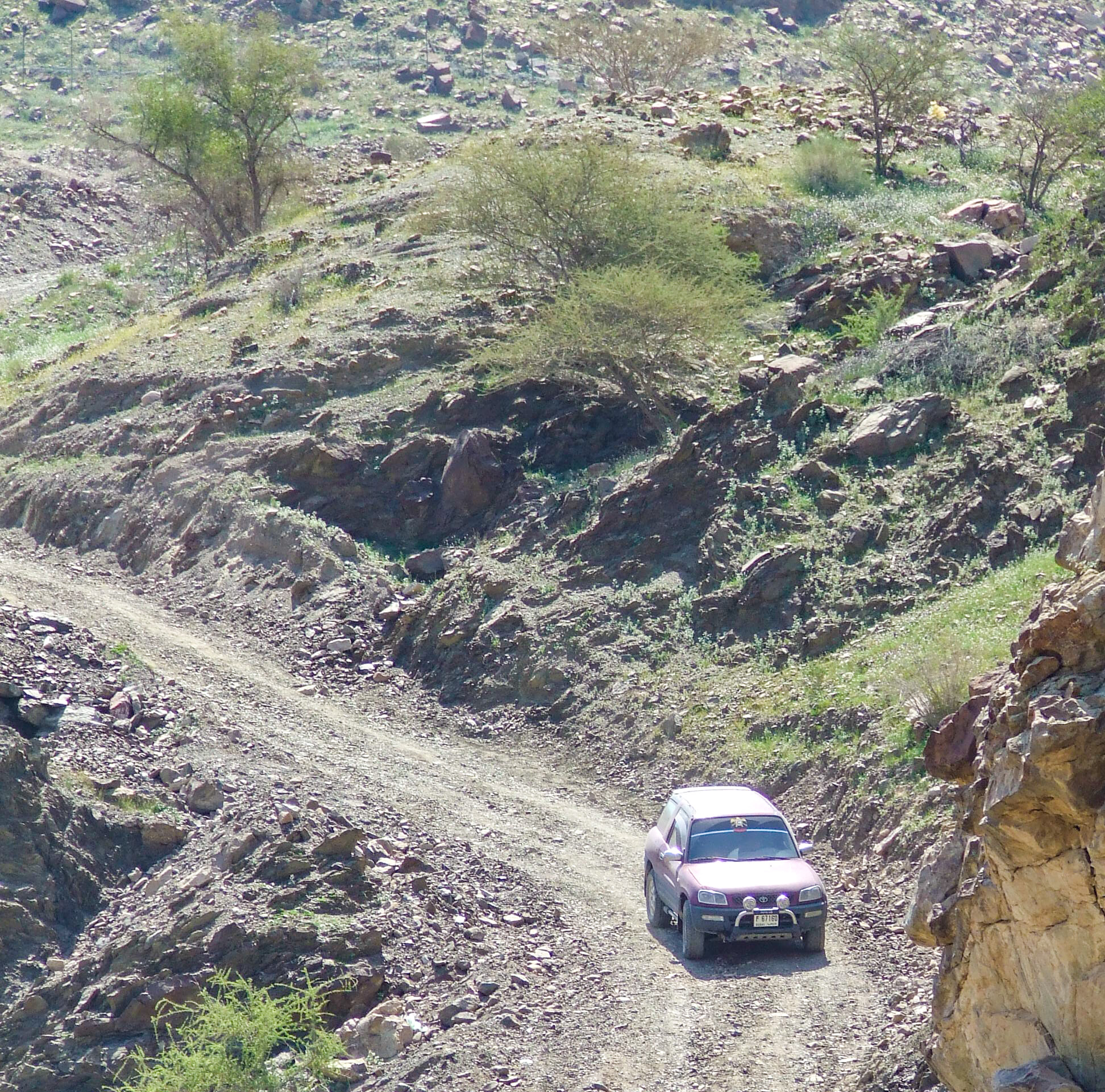
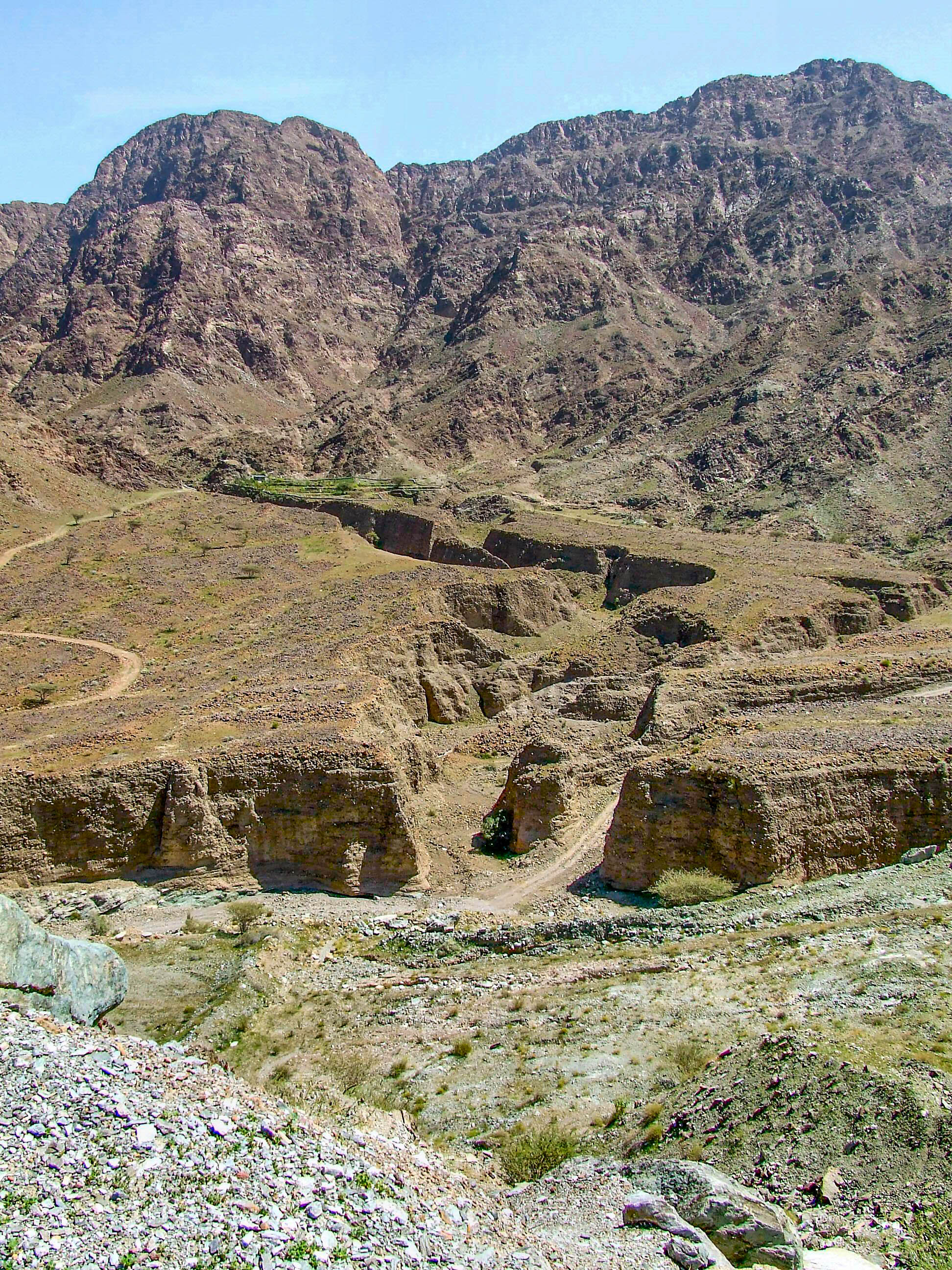
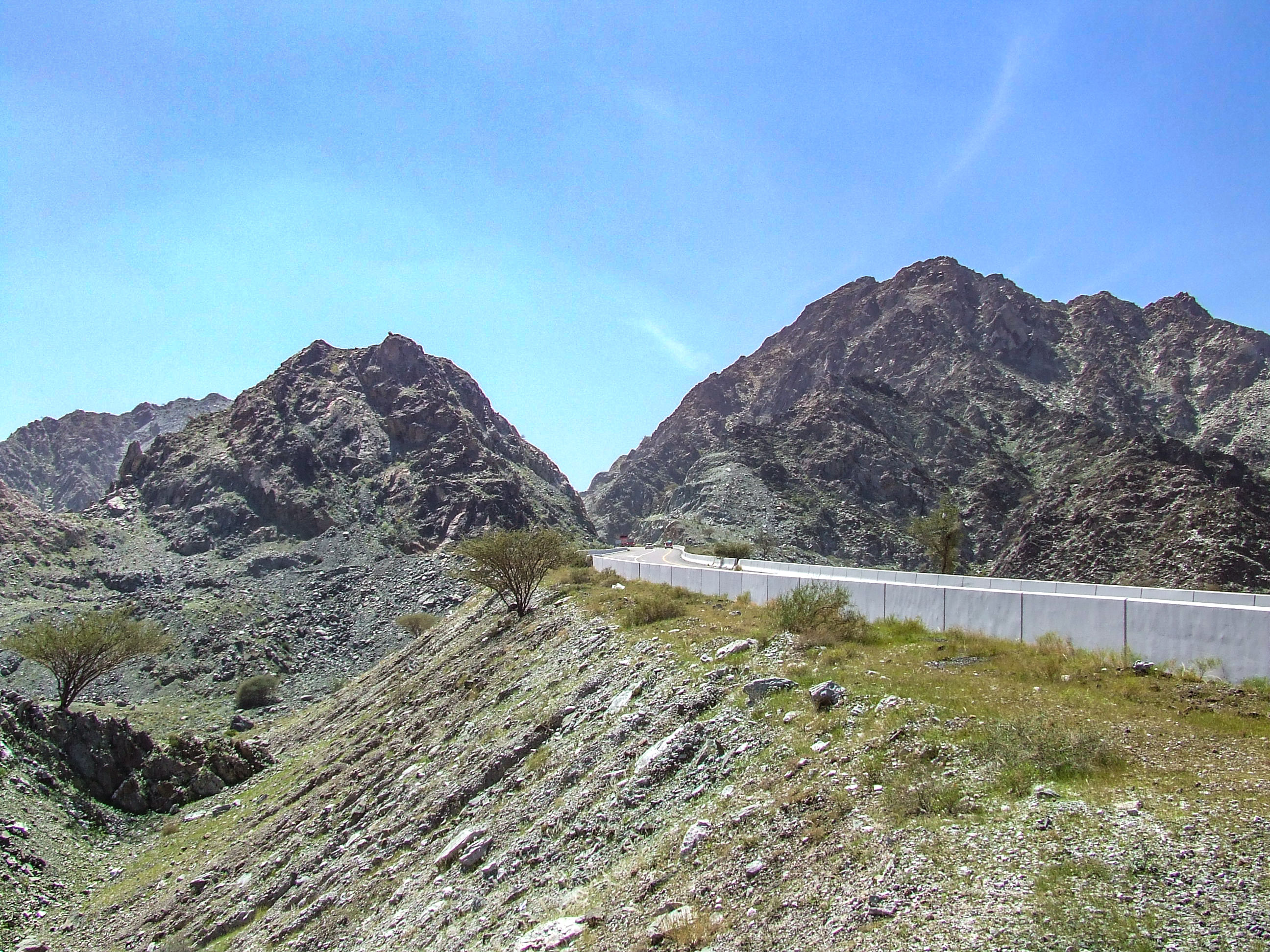
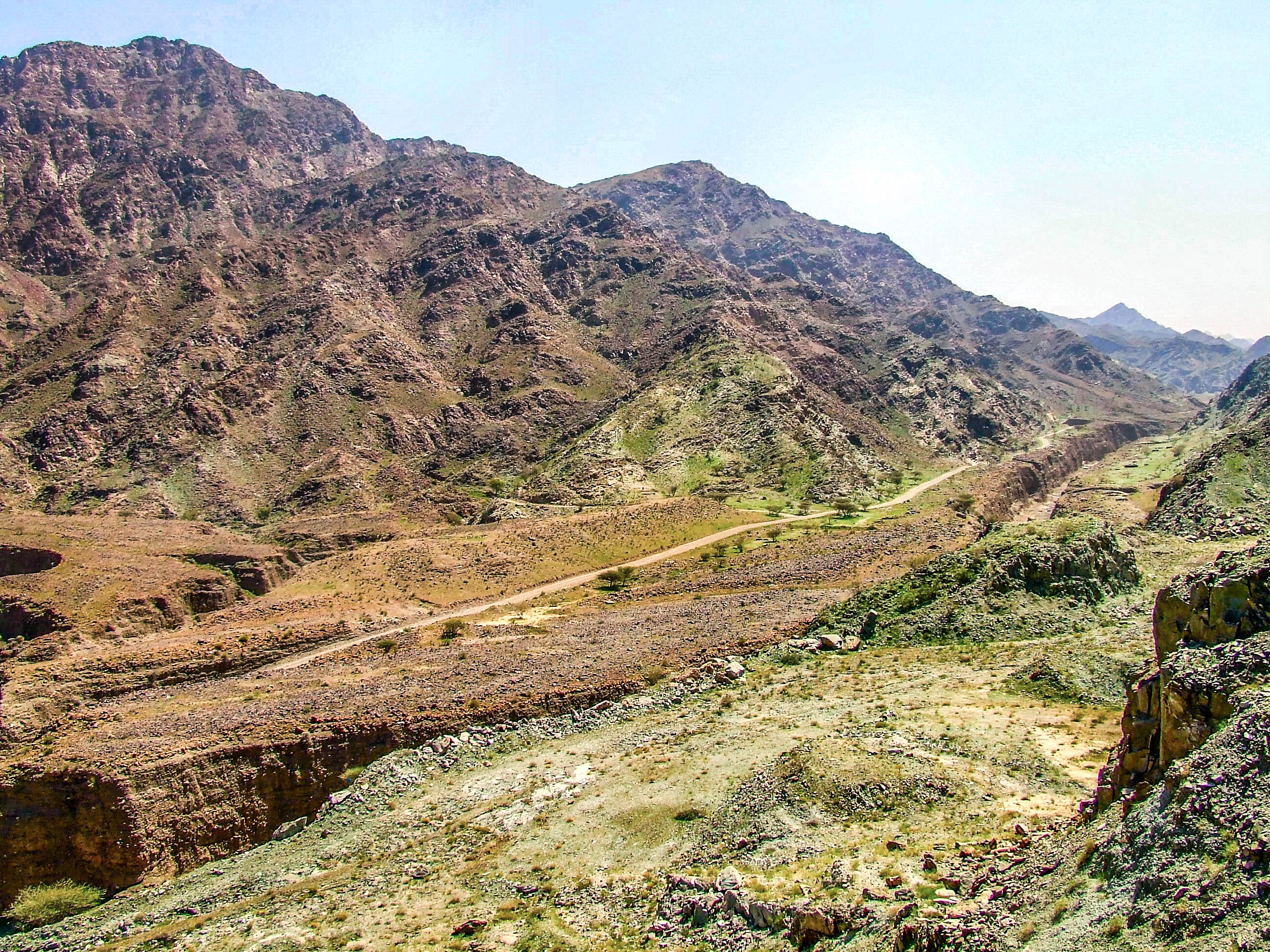
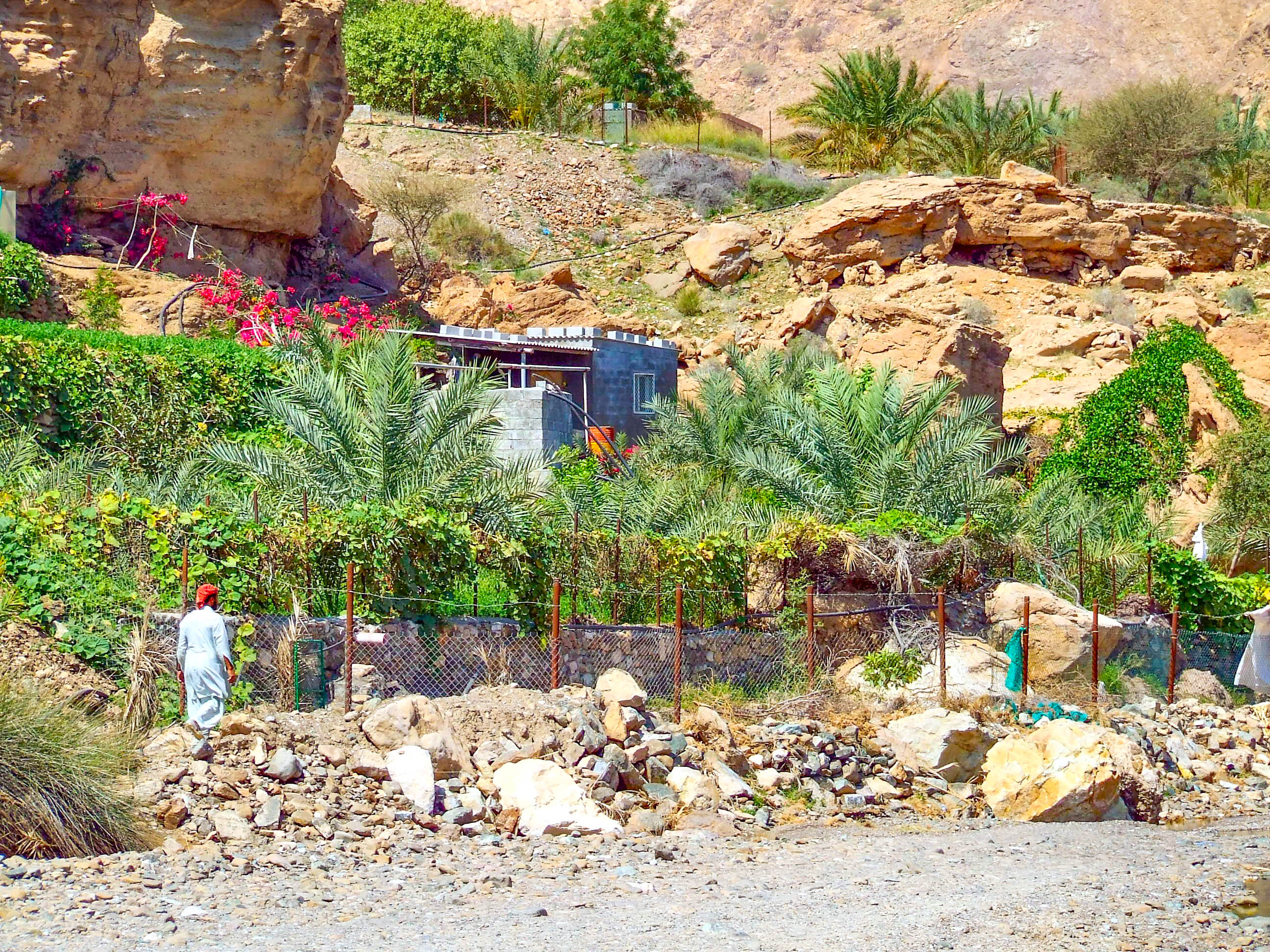
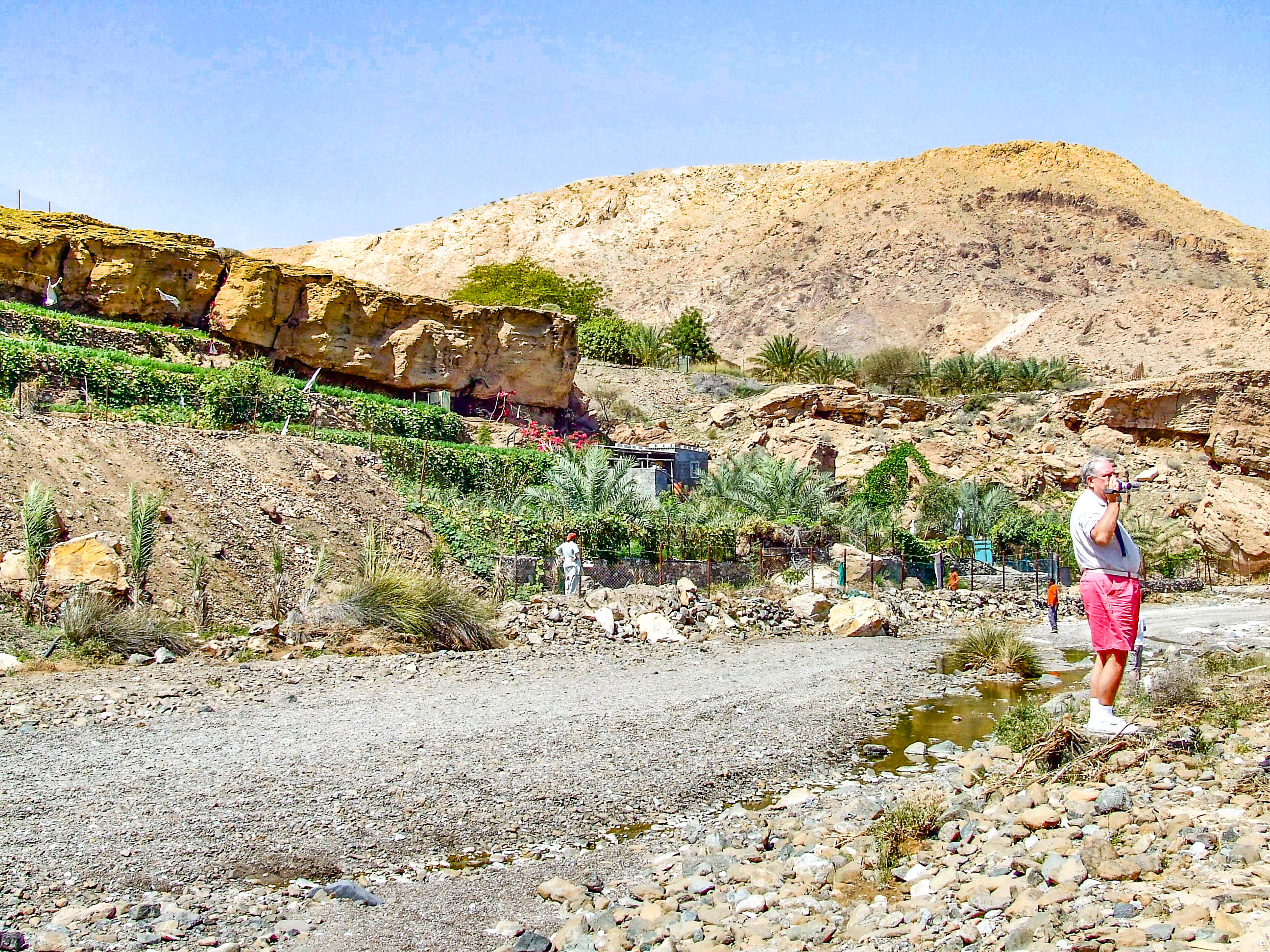
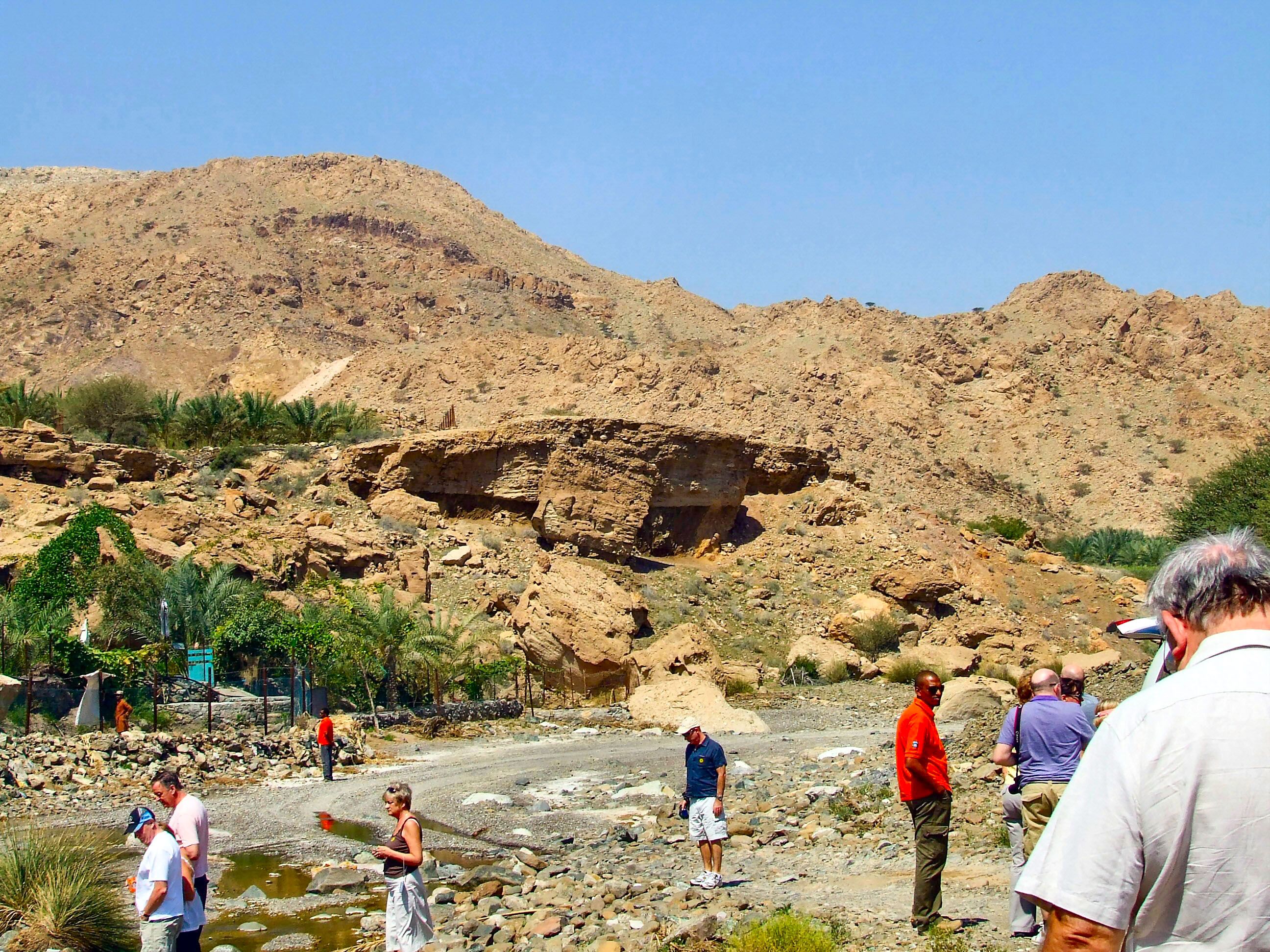
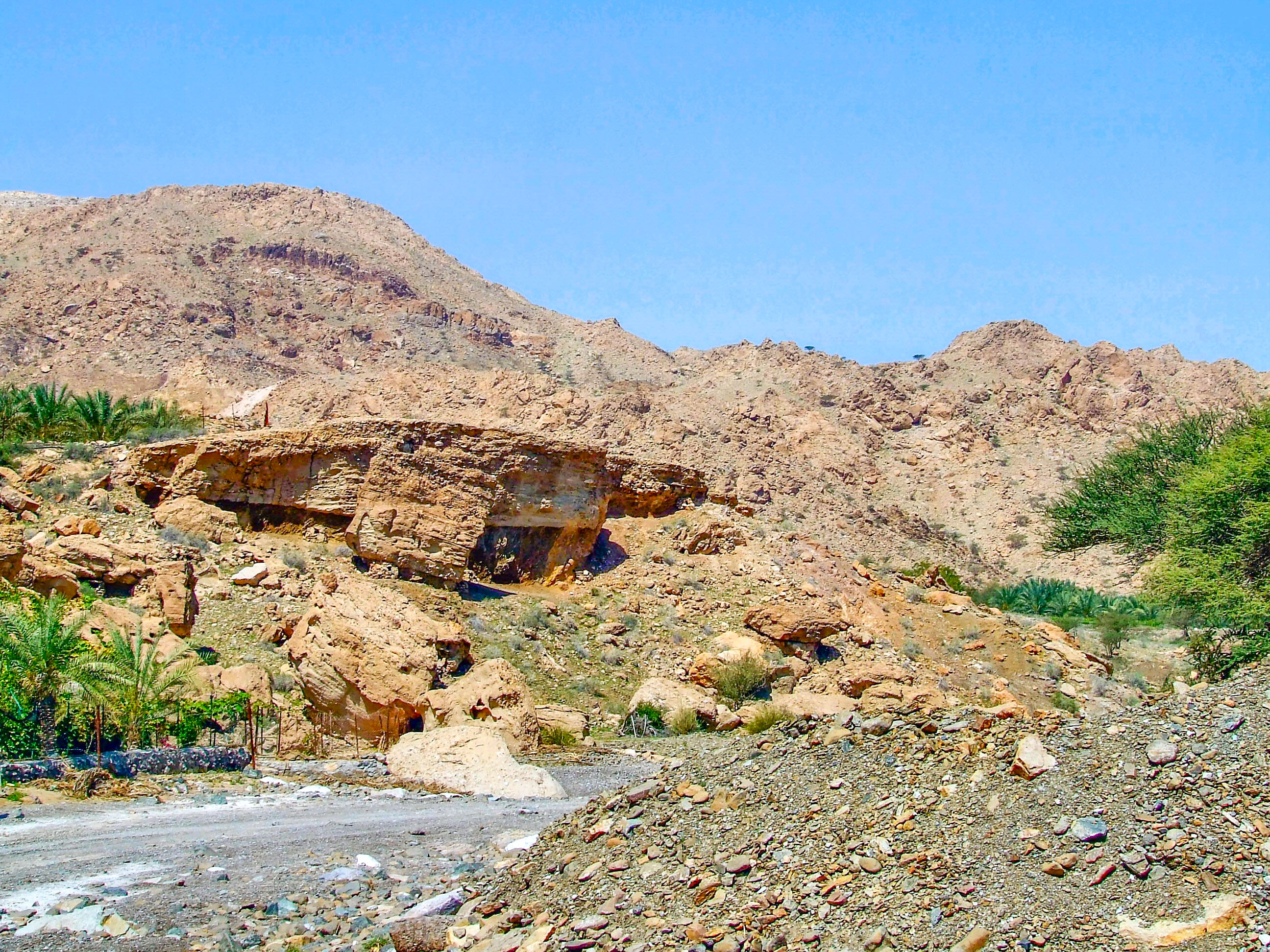
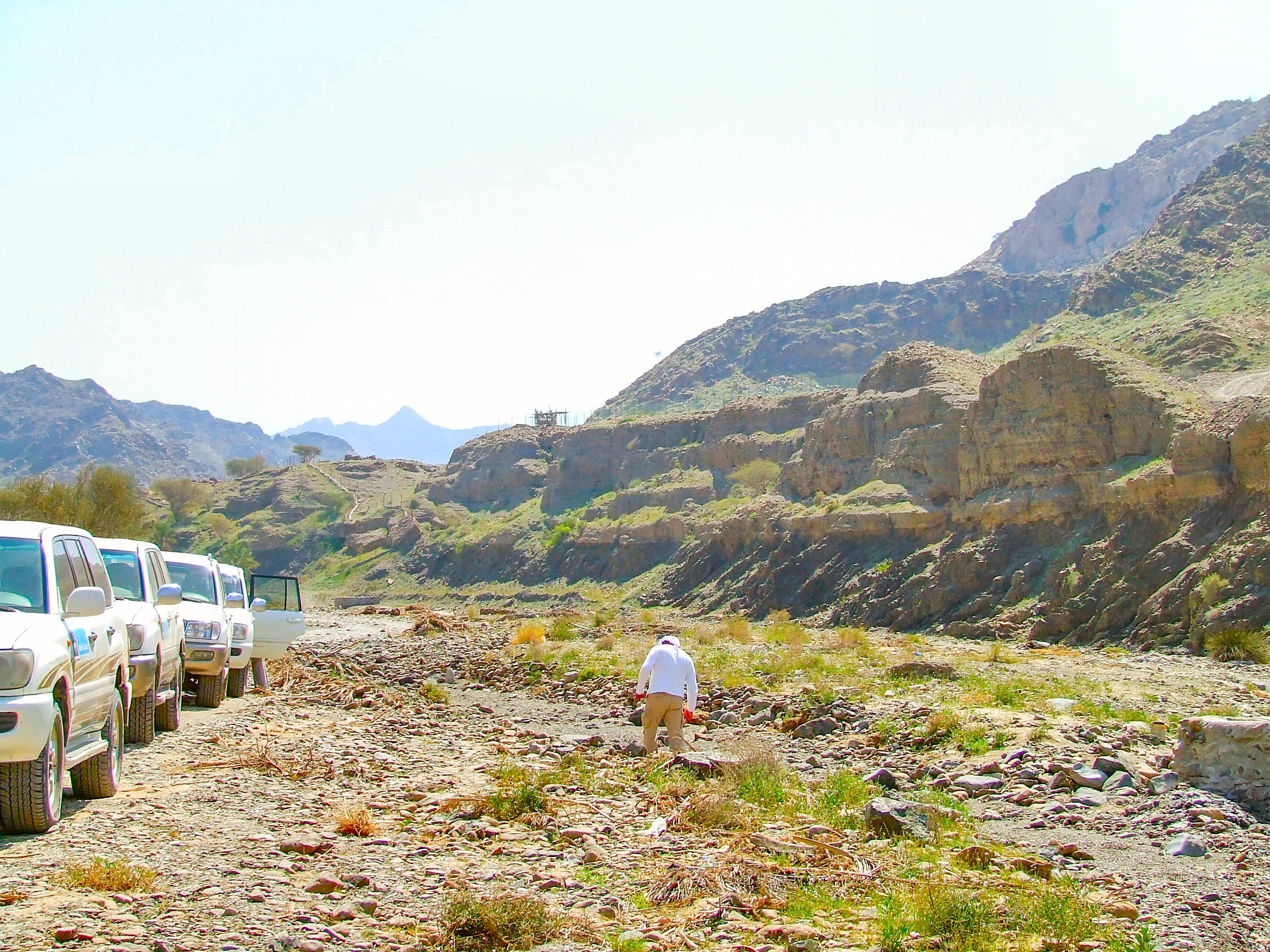
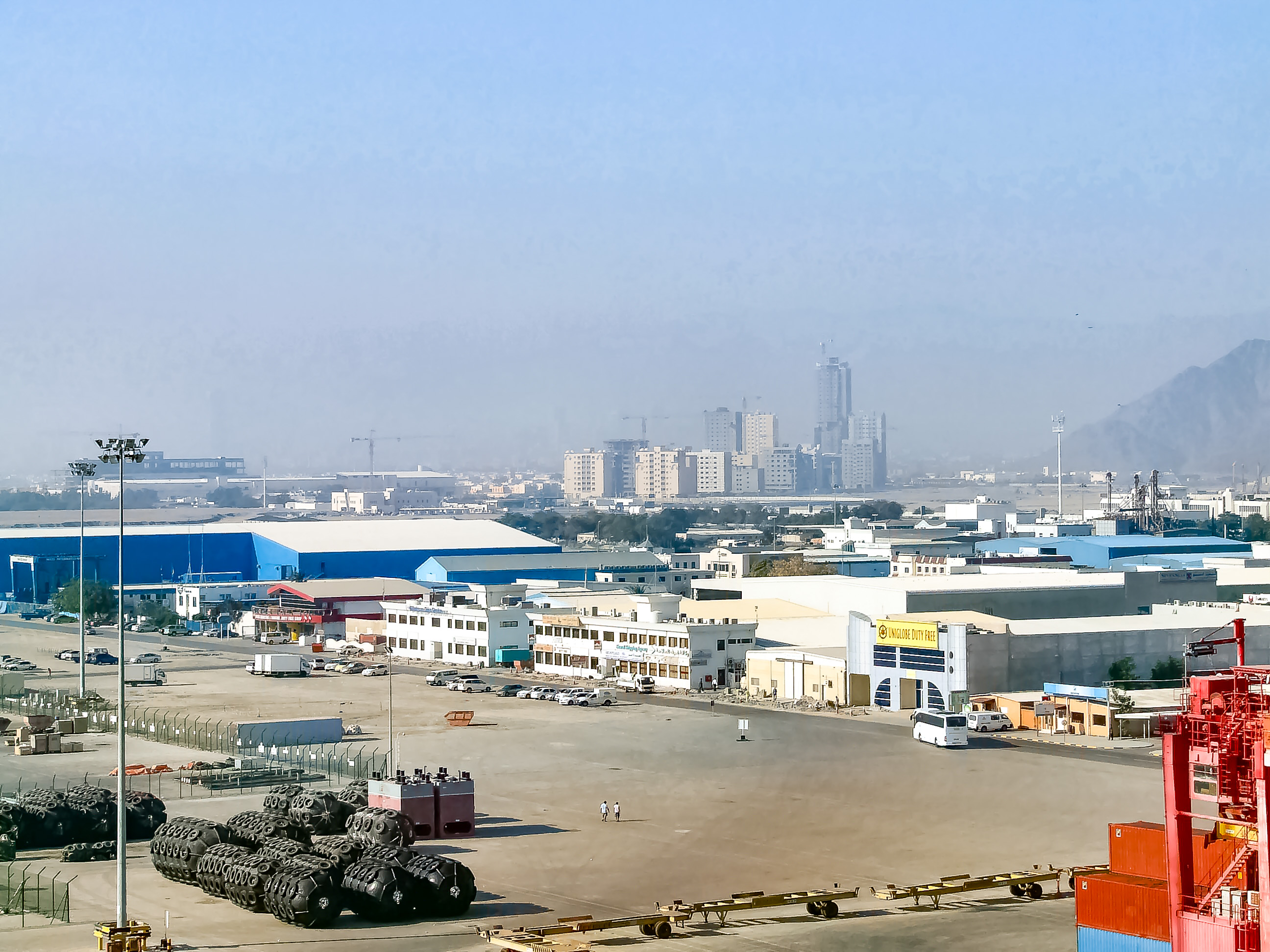
Fujairah sits on the eastern flank of the Hajar Mountains, which drop sharply to the Gulf of Oman. This creates a landscape of mountains, wadis, and a narrow coastal plain. It is the only UAE capital city on the east coast, facing the Indian Ocean rather than the Persian Gulf. Its location gives it cooler summers relative to inland areas, though the climate remains hot and arid, with around 120 mm of annual rainfall.Historical Background
Fujairah’s history is older and more independent than many assume.Ancient settlement: Archaeological evidence shows human presence stretching back thousands of years, with trade routes linking the region to Mesopotamia, Persia, and India. ?cite?turn0search_web1?
Al Sharqi rule: The emirate has long been governed by the Al Sharqi family, who maintained autonomy even when neighbouring tribes aligned with other powers. ?cite?turn0search_web1?
Trucial States era: In the 19th century, Fujairah entered treaties with Britain, becoming part of the Trucial States.
Joining the UAE: Fujairah became one of the seven founding emirates of the United Arab Emirates in 1971.
Strategic Importance
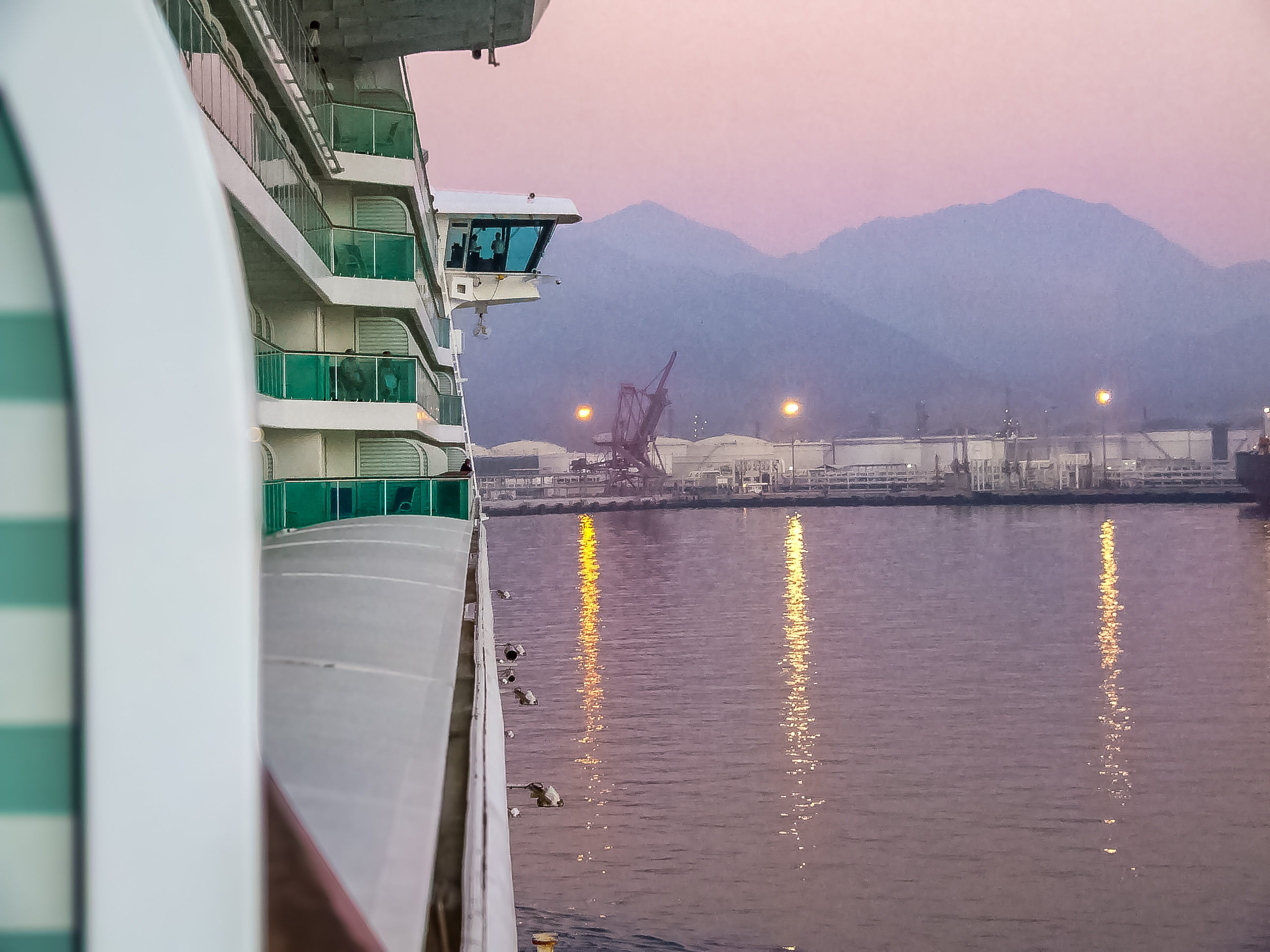
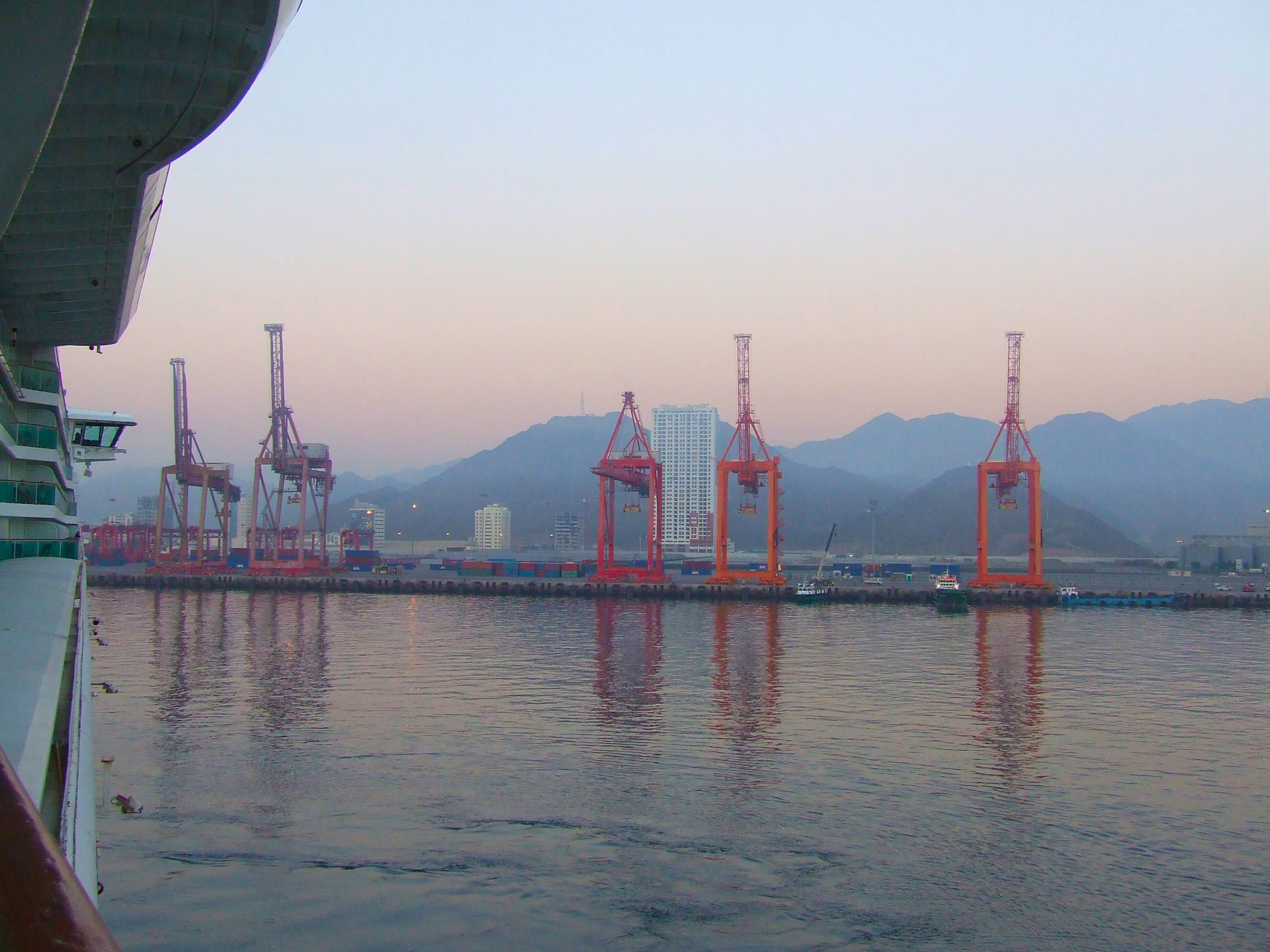
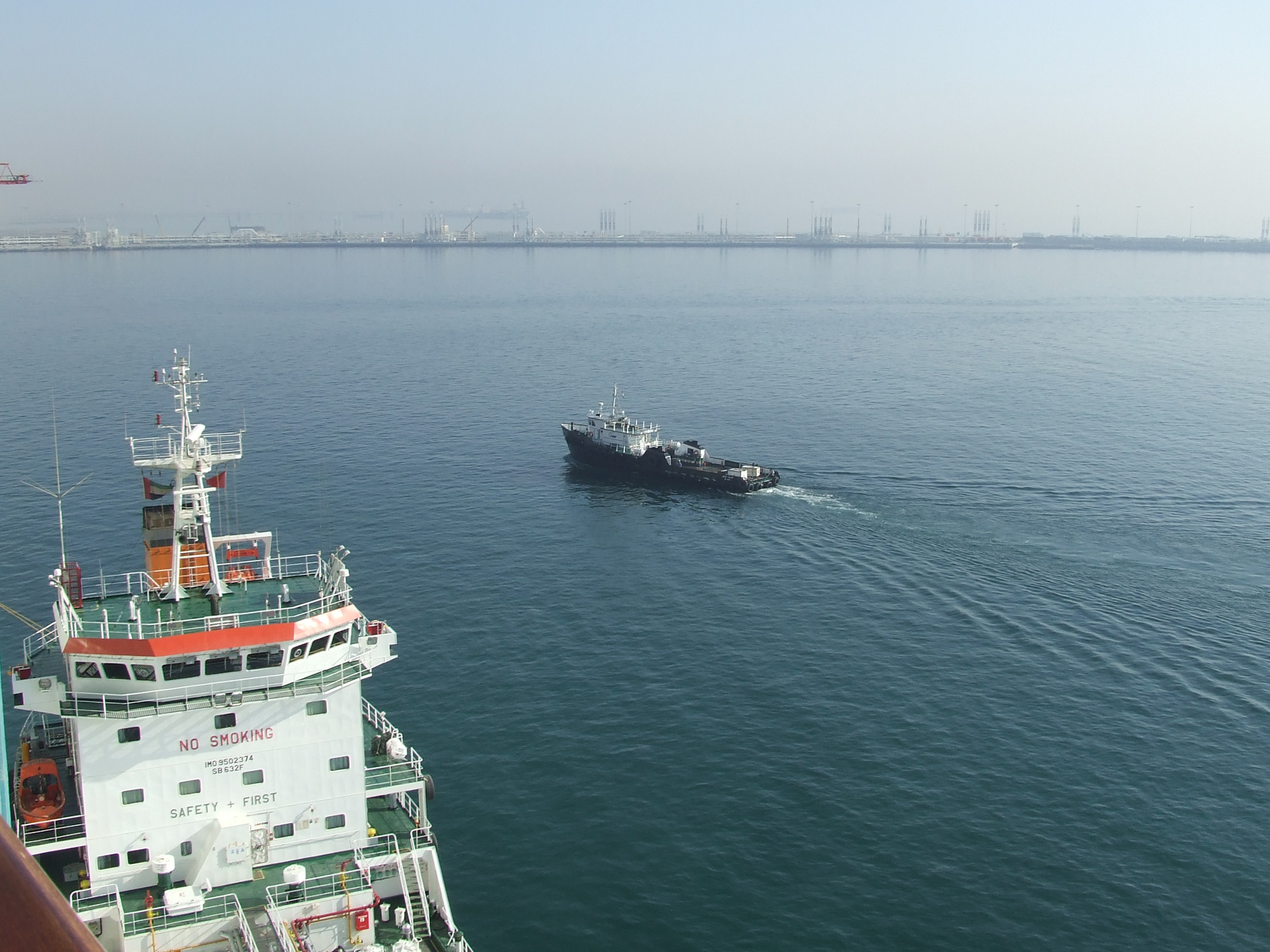
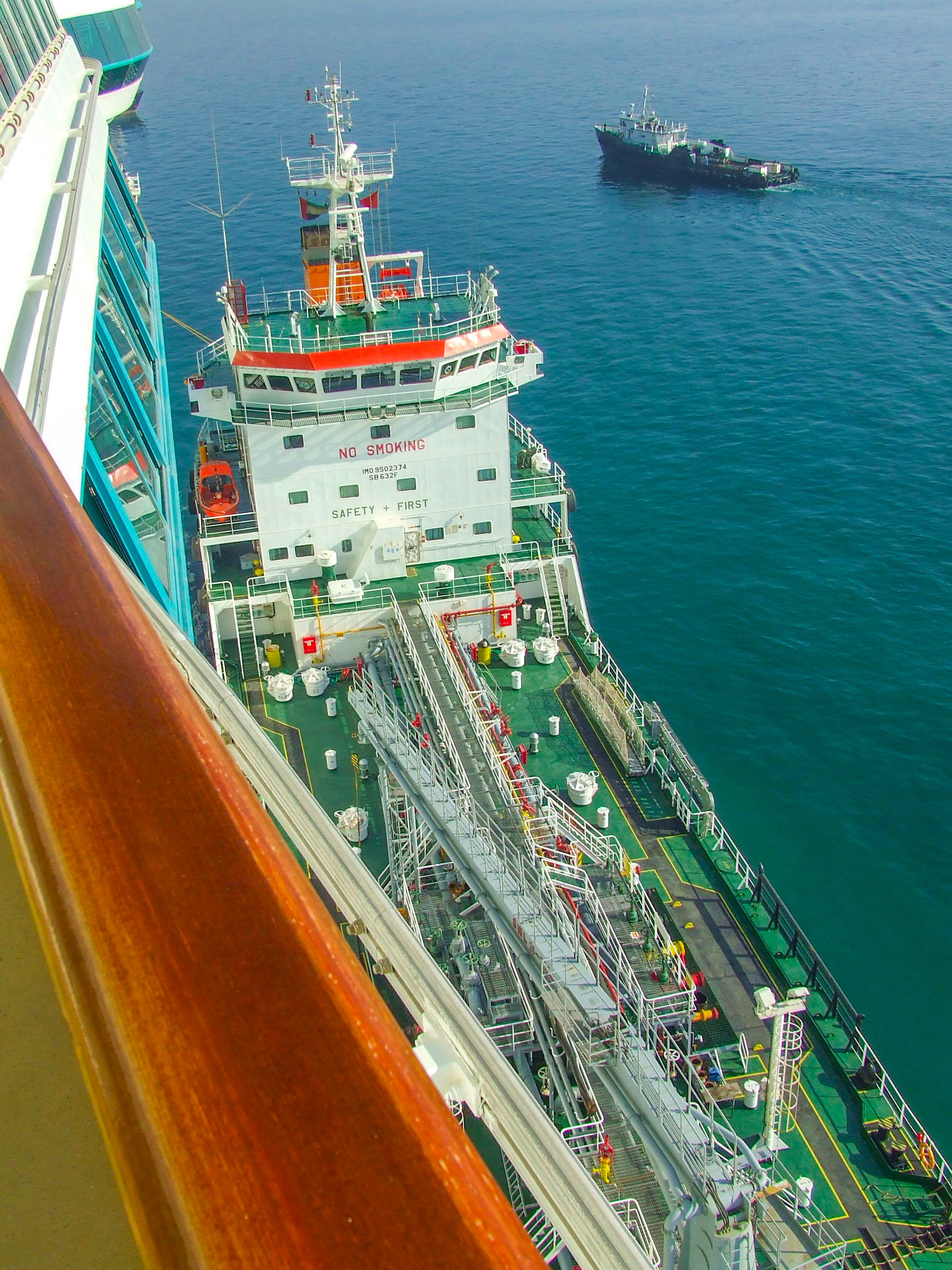
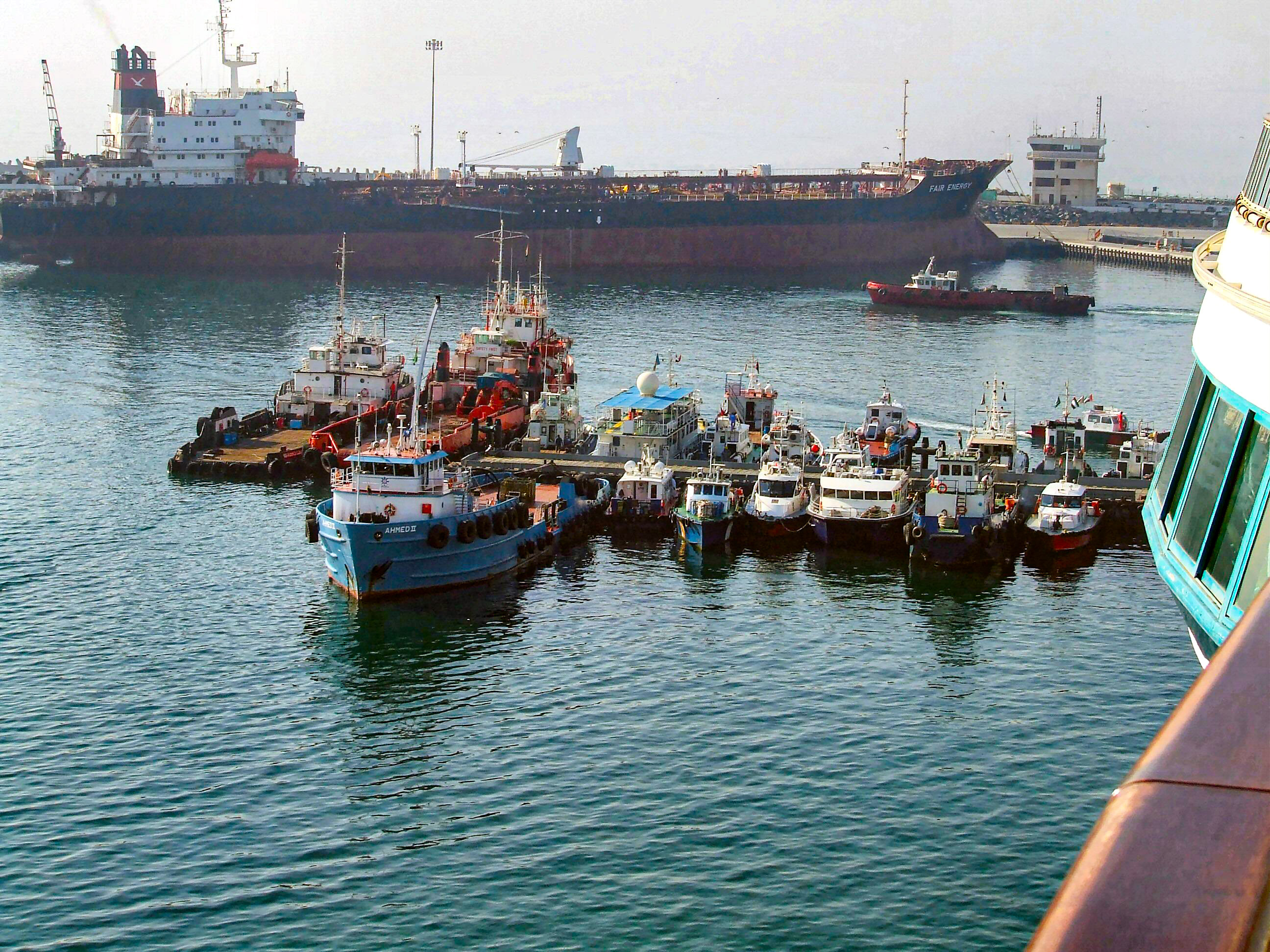
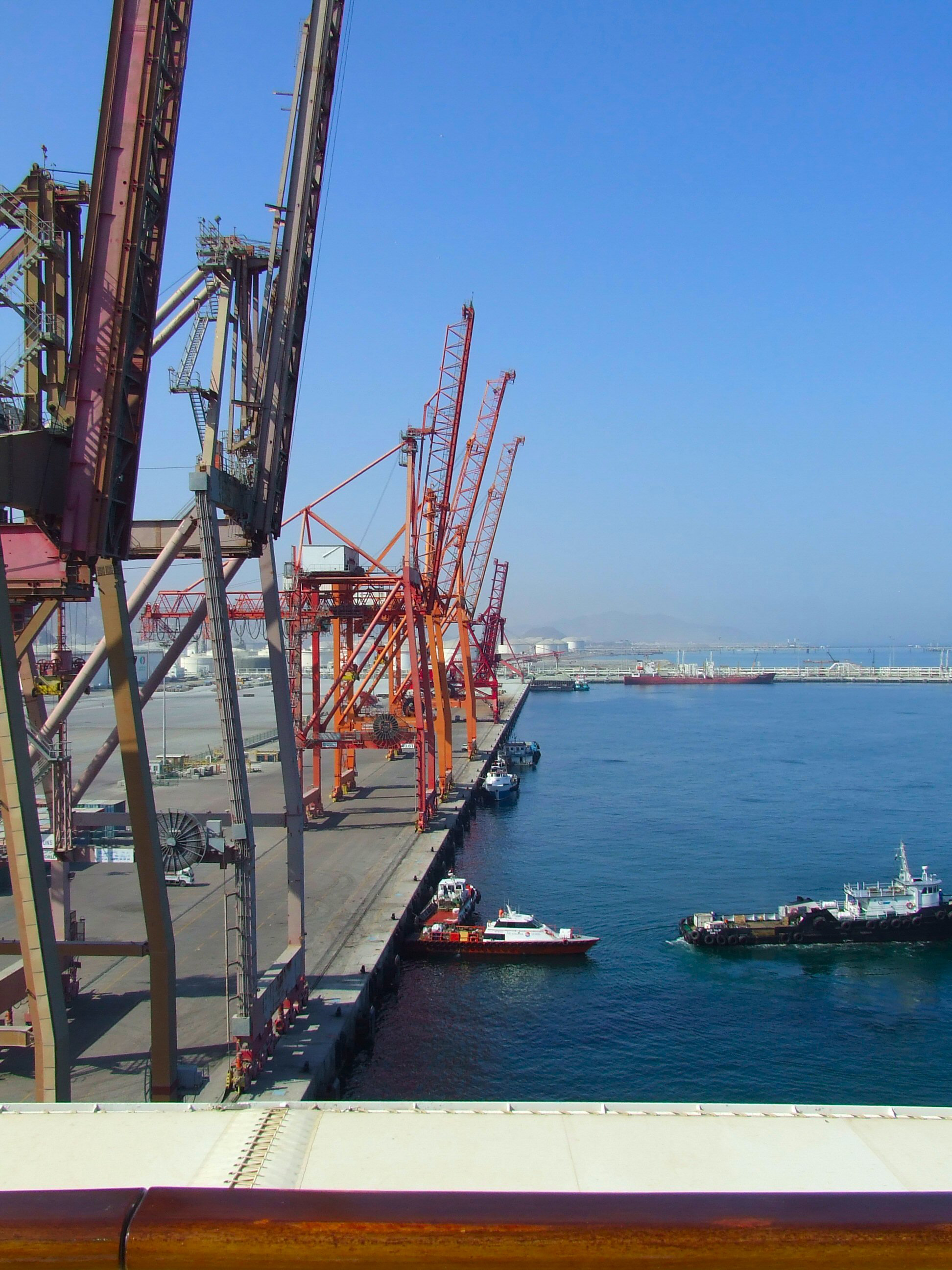
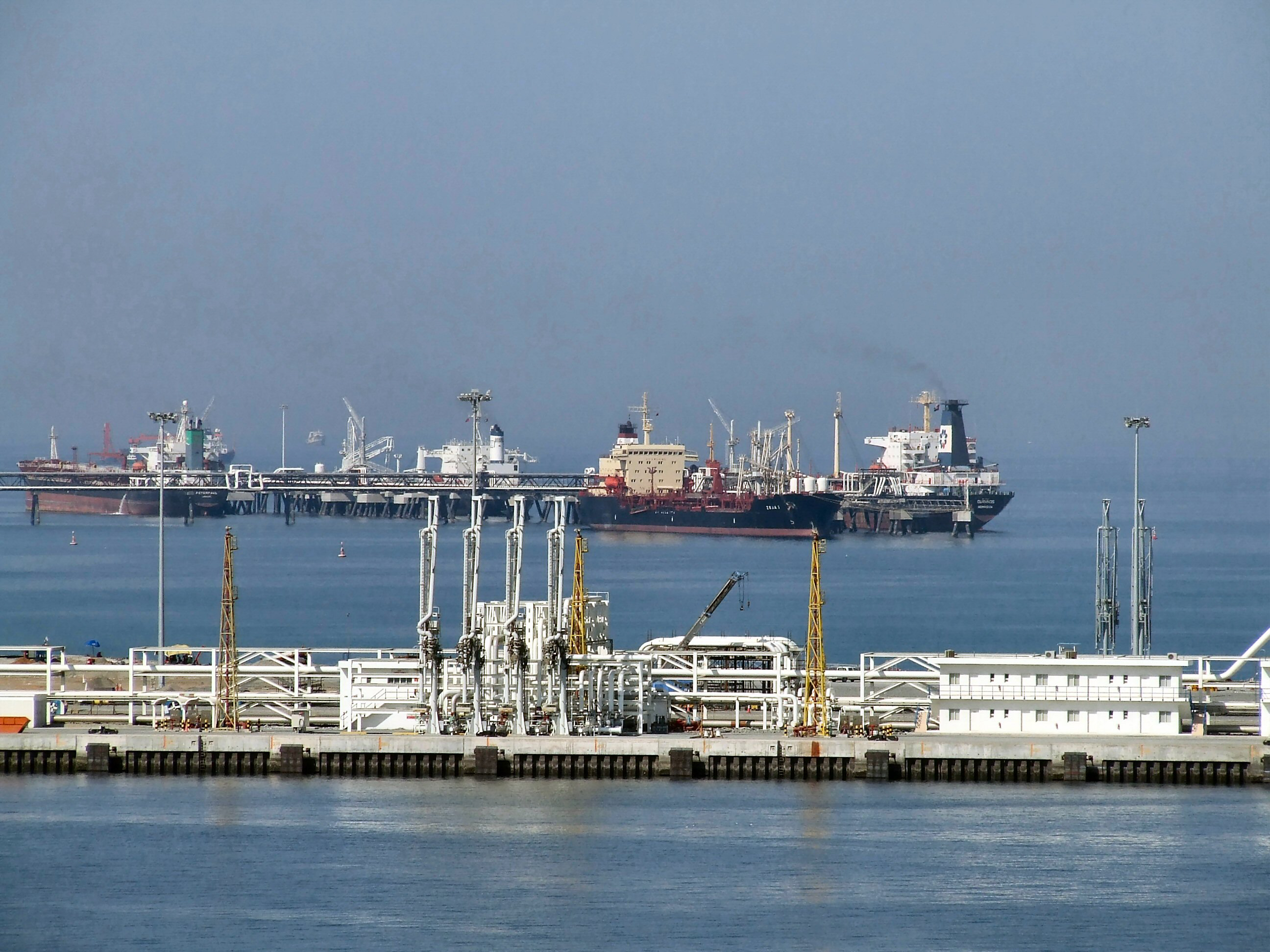
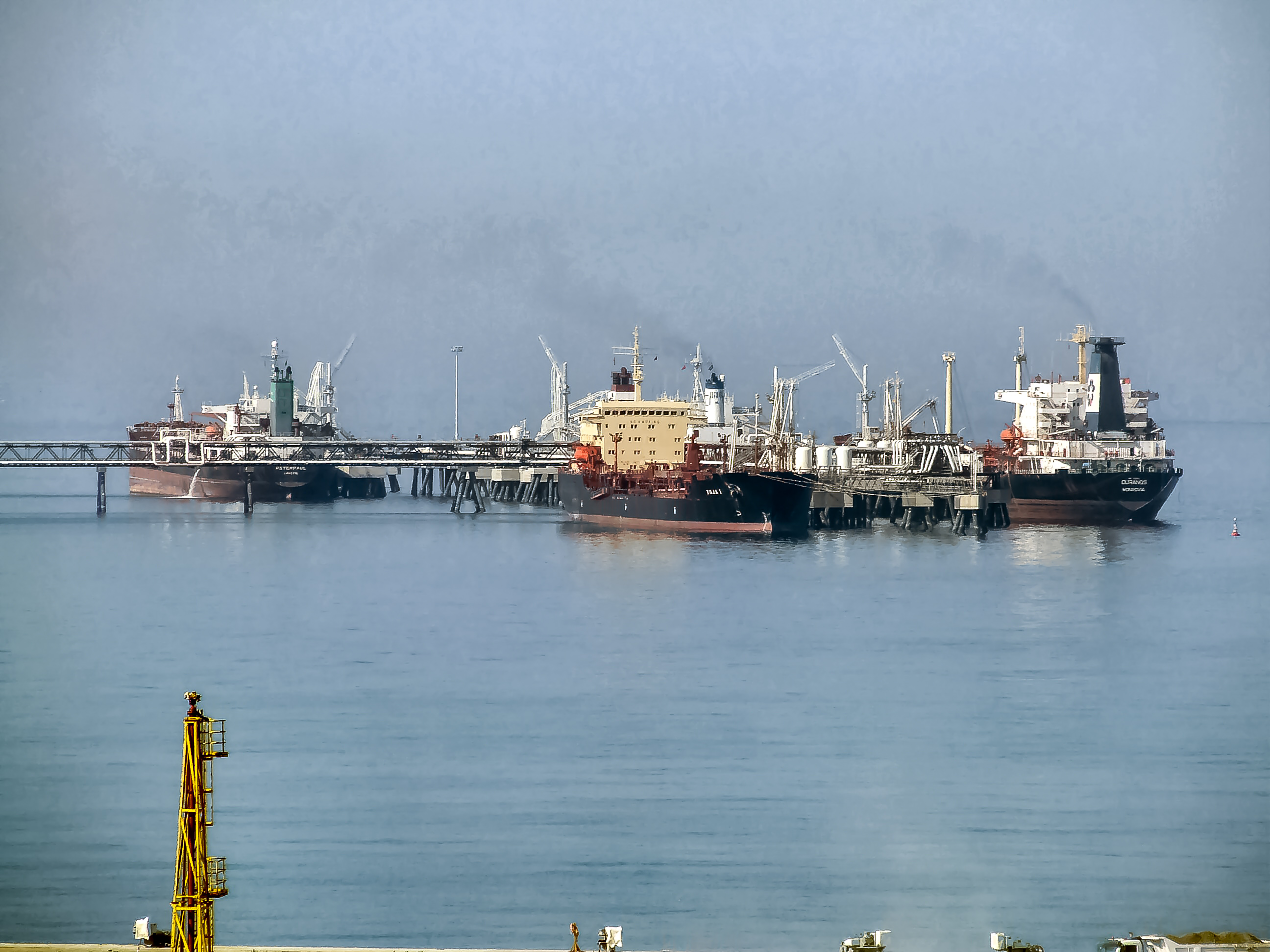
Fujairah’s position outside the Strait of Hormuz gives it unique geopolitical and economic value.It hosts one of the world’s largest bunkering (ship-refuelling) hubs, allowing vessels to avoid the chokepoint of the Strait.
The Port of Fujairah is a major global oil storage and export centre, used by both UAE and international companies.
Its location on the Indian Ocean makes it a key node for shipping, logistics, and energy security.