



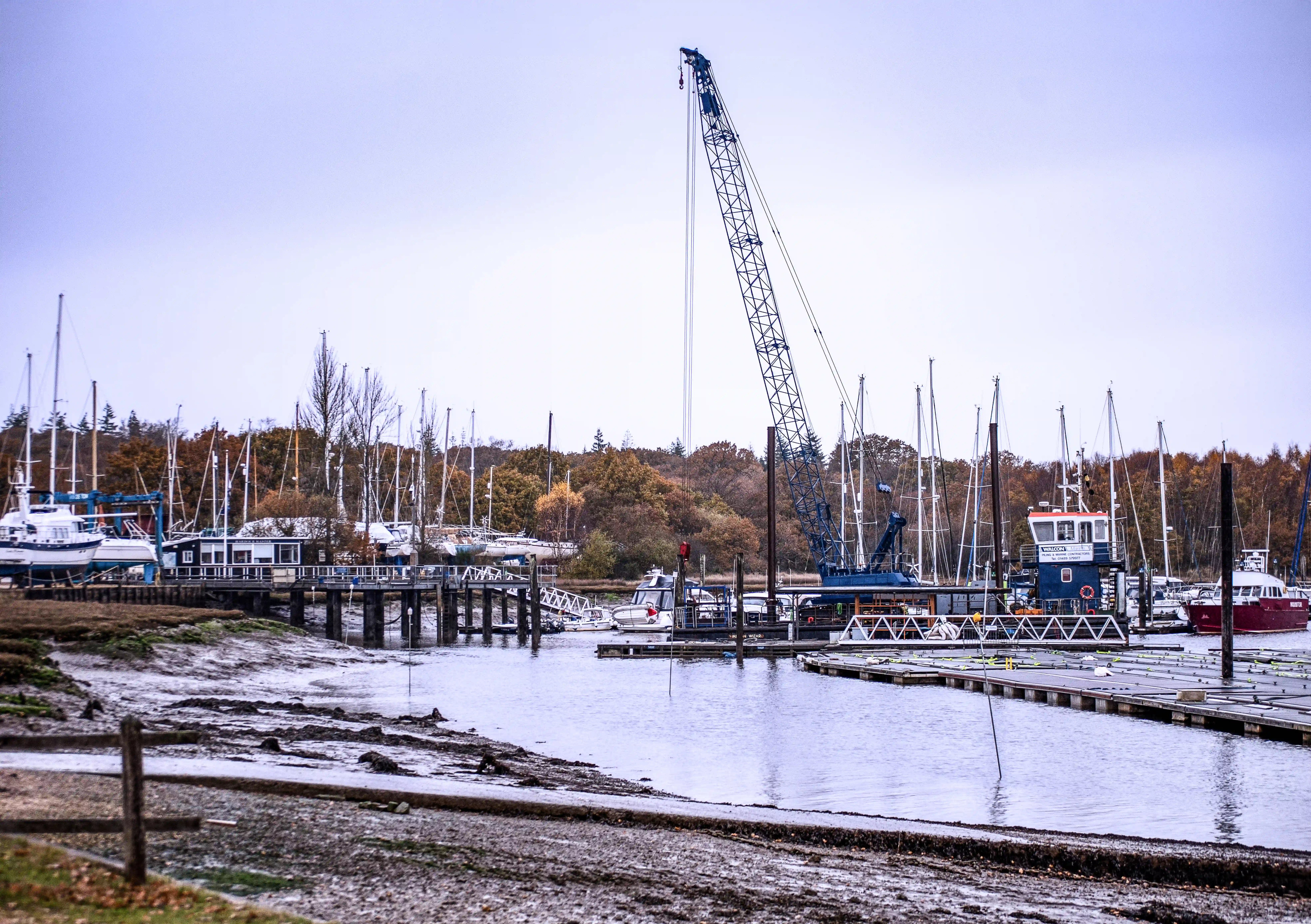
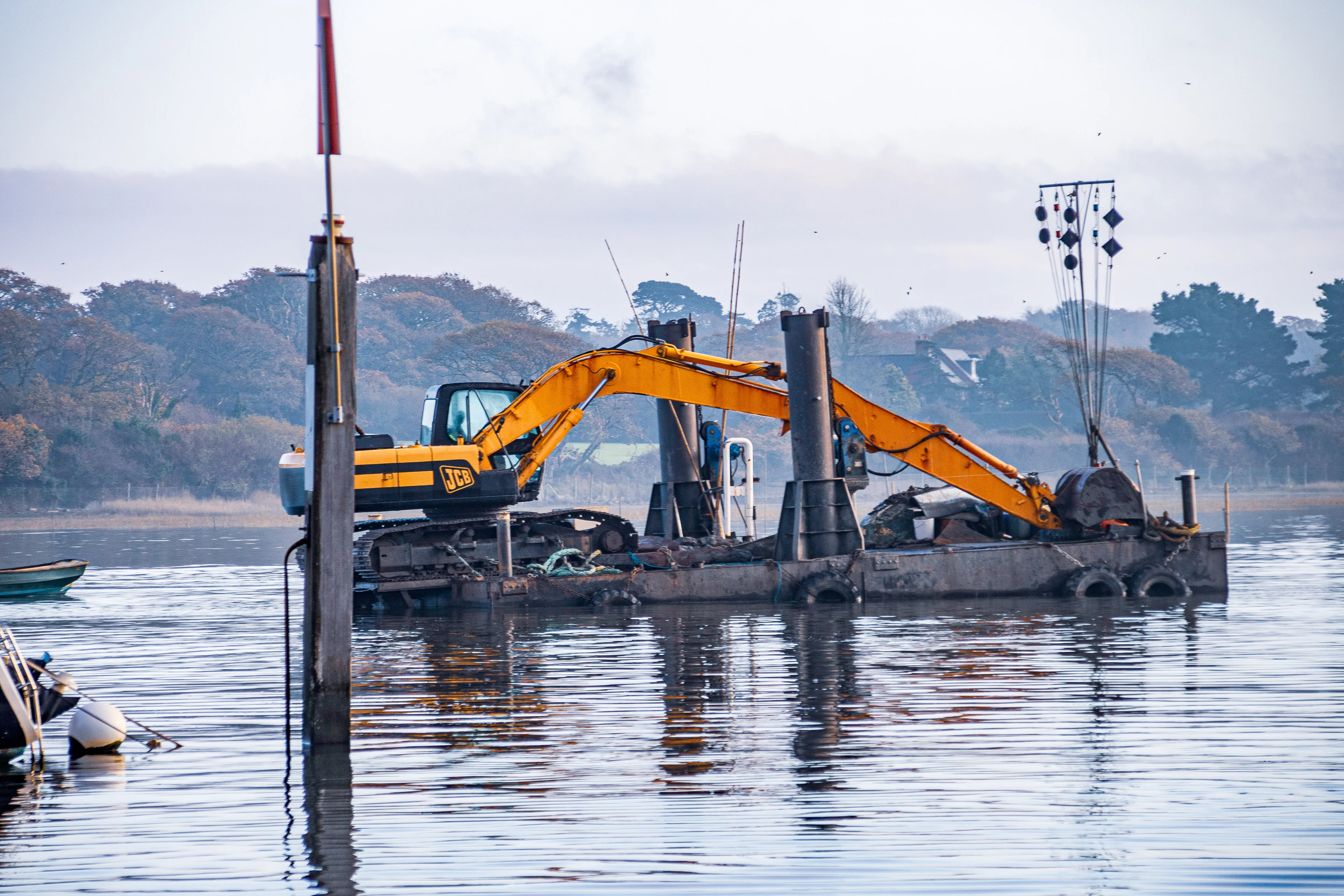



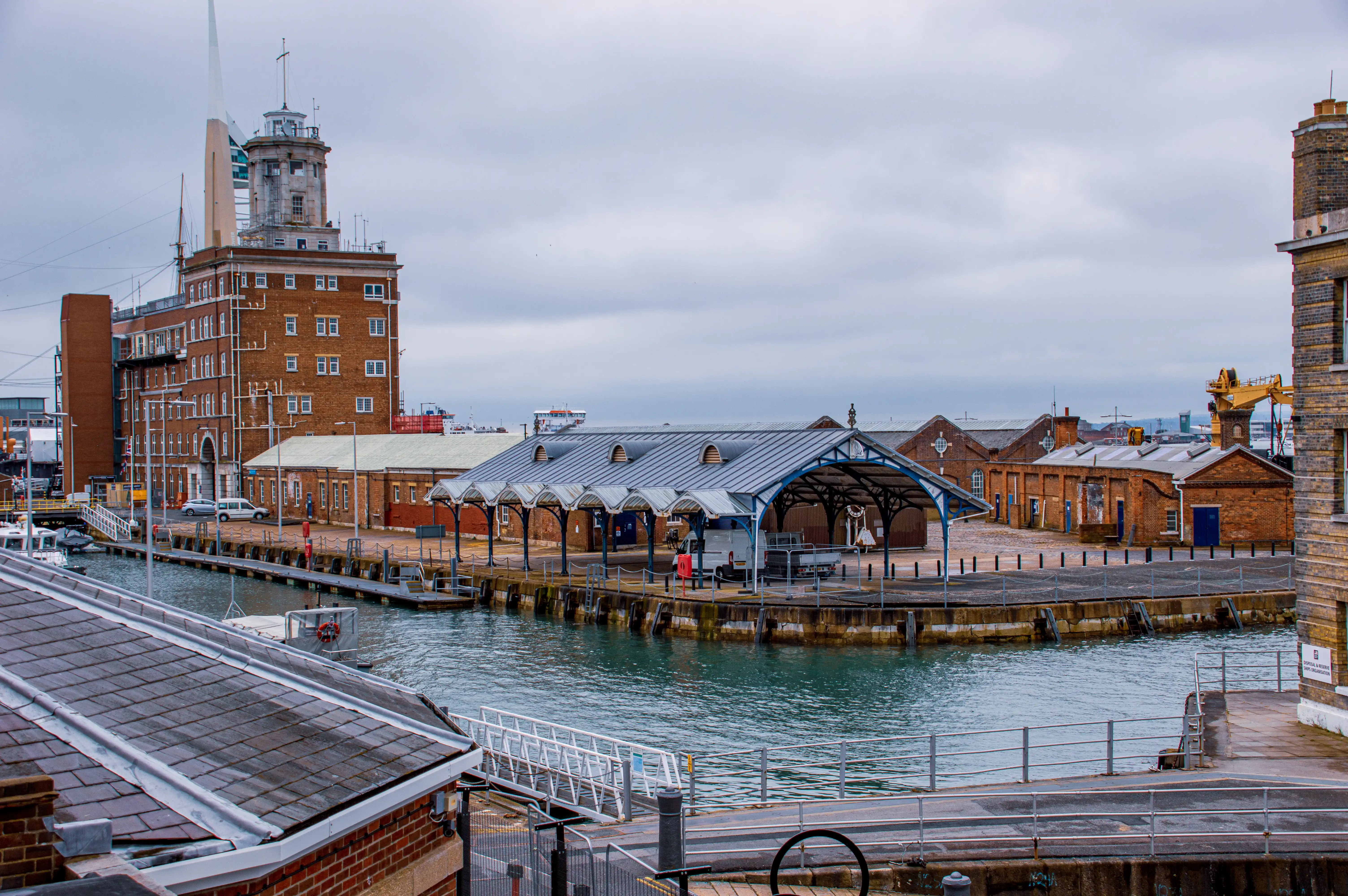




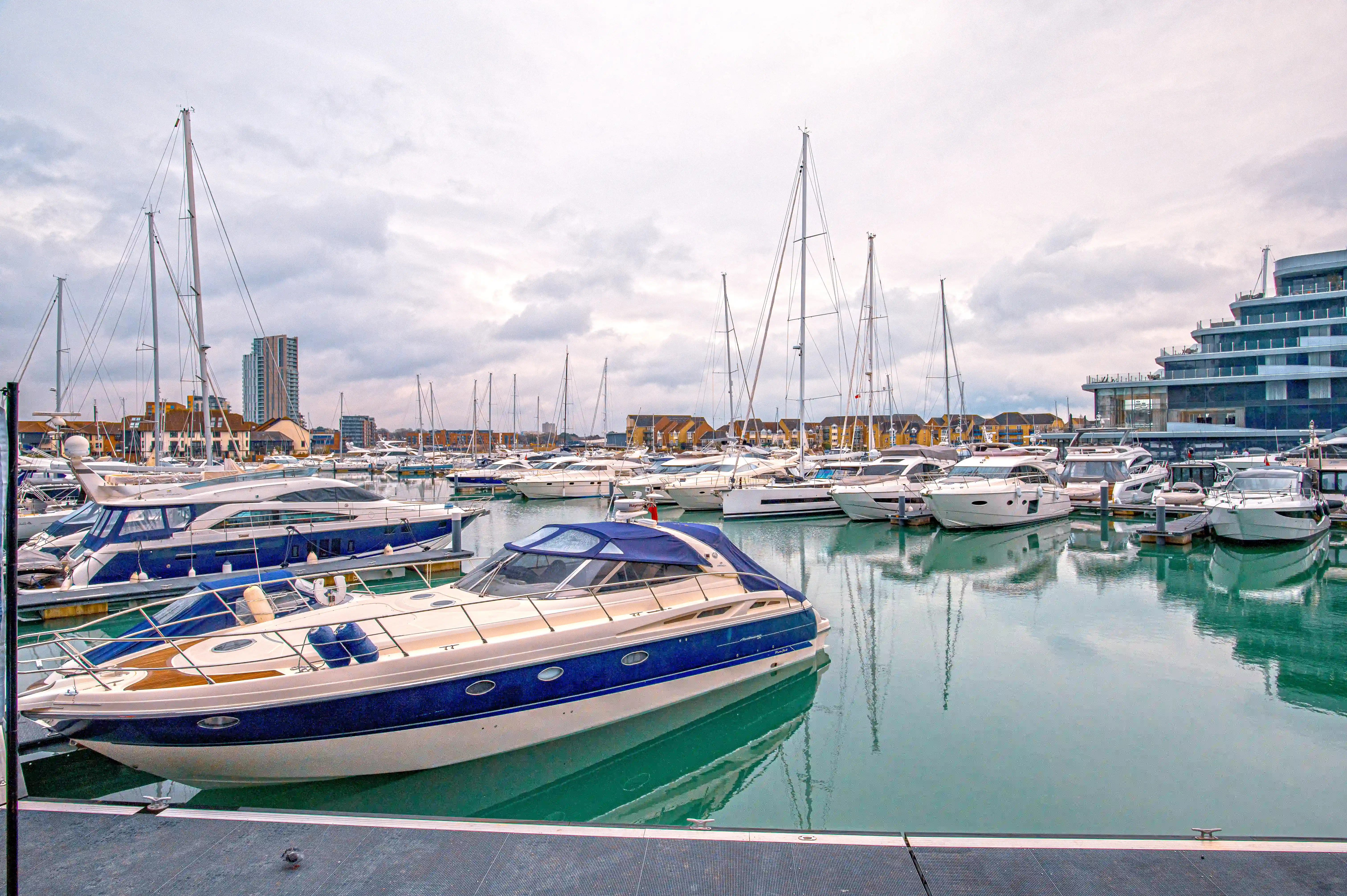

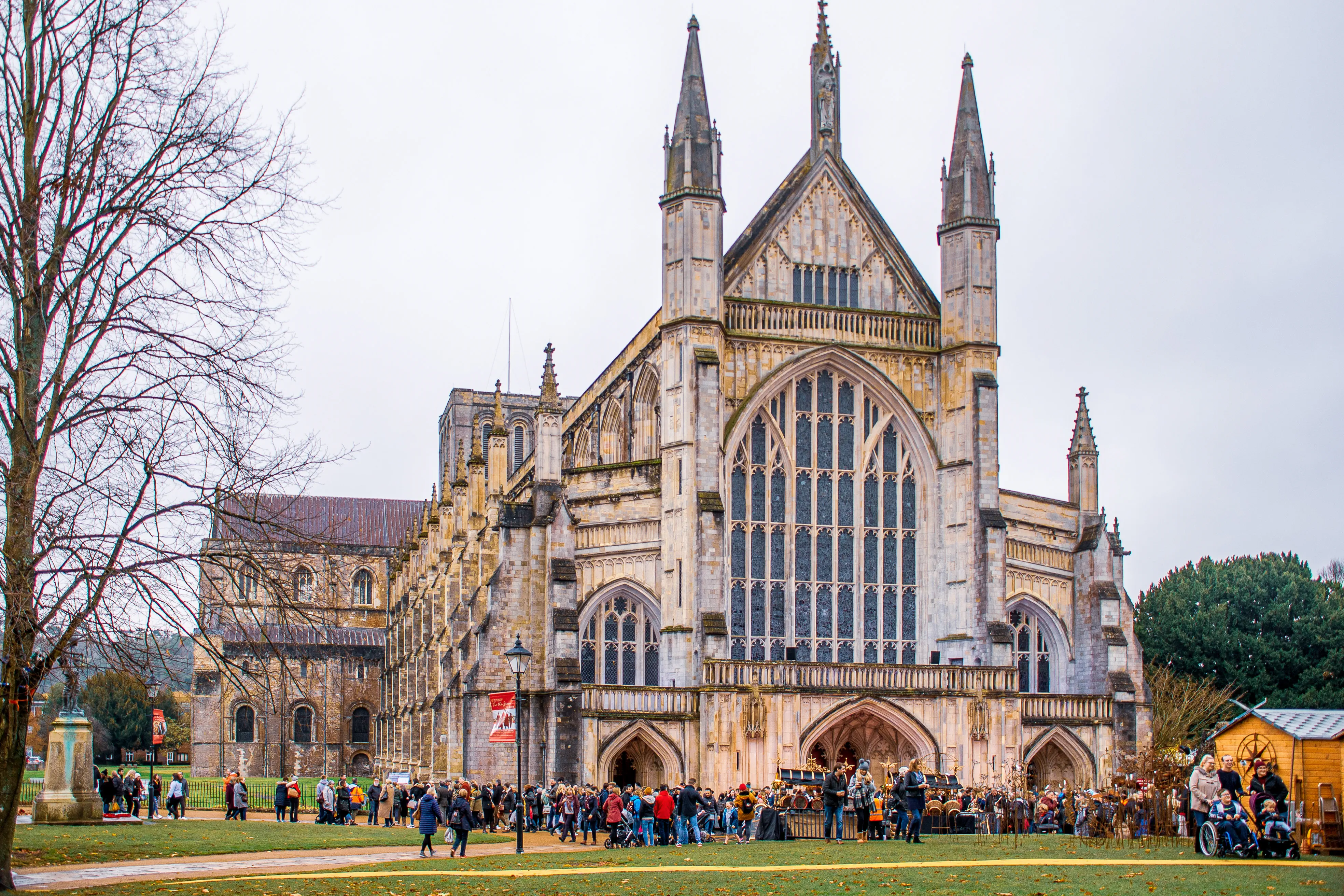

Hampshire is a county of contrasts and character, where rolling chalk downlands, ancient forests, and historic cities weave together a tapestry of England’s past and present. Stretching from the New Forest’s wild woodlands to the chalk cliffs of the South Downs, and from the maritime heritage of Portsmouth and Southampton to the literary haunts of Winchester and Jane Austen’s Chawton, Hampshire is a land of legend, innovation, and natural beauty.
A Landscape Shaped by Time
Hampshire’s story begins with its geography. The county’s chalk ridges, like the South Downs and Portsdown Hill, have been carved by time and human hands, leaving behind Iron Age hillforts, Roman roads, and medieval fields. The New Forest, once a royal hunting ground for William the Conqueror, remains one of England’s most unspoiled wildernesses, where wild ponies roam and ancient oak and beech trees stand as silent witnesses to a thousand years of history. The River Itchen and Test, famed for their crystal-clear waters, have sustained communities since prehistoric times, while the Solent’s shores—from the Isle of Wight to the harbors of Portsmouth and Southampton—have been gateways to the world, shaping Hampshire’s identity as a maritime powerhouseFrom Saxon Kings to Naval Might
Hampshire’s history is epic in scope. The county was the heart of Saxon England: Winchester, its ancient capital, was the seat of King Alfred the Great, who defended the realm against the Vikings and laid the foundations for a unified nation. Later, William the Conqueror made Winchester a royal stronghold, and the Norman kings built castles and abbeys that still dominate the landscape. By the Middle Ages, Hampshire was a hub of trade and pilgrimage, its wool and cloth sought after across Europe, its ports bustling with ships bound for the Continent.The Tudor and Stuart eras saw Hampshire’s maritime power grow. Henry VIII’s warships, including the Mary Rose, were built in Portsmouth, and the county became a vital naval base—a role it still plays today. The 18th and 19th centuries brought industrial innovation: Jane Austen wrote her novels in Chawton, while Isambard Kingdom Brunel launched his revolutionary SS Great Britain from Southampton. The Victorian era transformed Hampshire’s cities, with railways, docks, and grand civic buildings reshaping the landscape, while the world wars cemented its reputation as a center of military strategy and shipbuilding
A County of Culture and Innovation
Hampshire is not just a museum of the past—it’s a living, breathing landscape of culture and creativity. The county’s literary legacy is unmatched: Jane Austen’s home in Chawton, Charles Dickens’ connections to Portsmouth, and Keats’ inspiration in Winchester have left an indelible mark. Its musical heritage ranges from the cathedral choirs of Winchester to the rock and jazz scenes of Southampton, while its artistic traditions thrive in galleries like the City Art Gallery and the Hampshire Cultural Trust’s collections. Hampshire’s food and drink scene is equally rich. The watercress beds of Alresford, the oysters of the Solent, and the local ales and ciders reflect a farm-to-table ethos that dates back centuries. The county’s markets, from Winchester’s medieval stalls to Portsmouth’s historic dockyard traders, offer a taste of its diverse flavors, while its pubs and inns—many housed in Tudor or Georgian buildings—serve up history with every pintNatural Wonders and Outdoor Adventures
Hampshire’s natural beauty is legendary. The New Forest National Park, with its heathlands, ancient woodlands, and free-roaming ponies, is a haven for walkers, cyclists, and wildlife lovers. The South Downs Way offers spectacular views across rolling hills and chalk valleys, while the coastal paths of the Solent and Isle of Wight provide dramatic cliffs, hidden coves, and sailing paradises. For those who love the sea, Hampshire’s marinas and beaches—from the pebbled shores of Hayling Island to the sandy bays of Lepe—are perfect for sailing, kayaking, and fossil hunting.The county’s gardens and estates are equally breathtaking. Mottisfont Abbey, with its rose-filled courtyards, Houghton Lodge, a Regency riverside gem, and the Sir Harold Hillier Gardens, a botanical masterpiece, showcase Hampshire’s horticultural heritage. Meanwhile, family attractions like Paultons Park, Marwell Zoo, and the Milestones Museum blend history, nature, and fun for all ages

