HOME Egypt Abu Dhabi Dubai Fujairah

Oman

Oman

Oman is a country on the southeastern coast of the Arabian Peninsula, known for its ancient forts, vast deserts, stunning coastlines, and rich cultural heritage. Oman offers a blend of traditional Arabic charm and modern development, with attractions ranging from the historic capital of Muscat to the dramatic landscapes of Wahiba Sands and the fjords of Musandam.
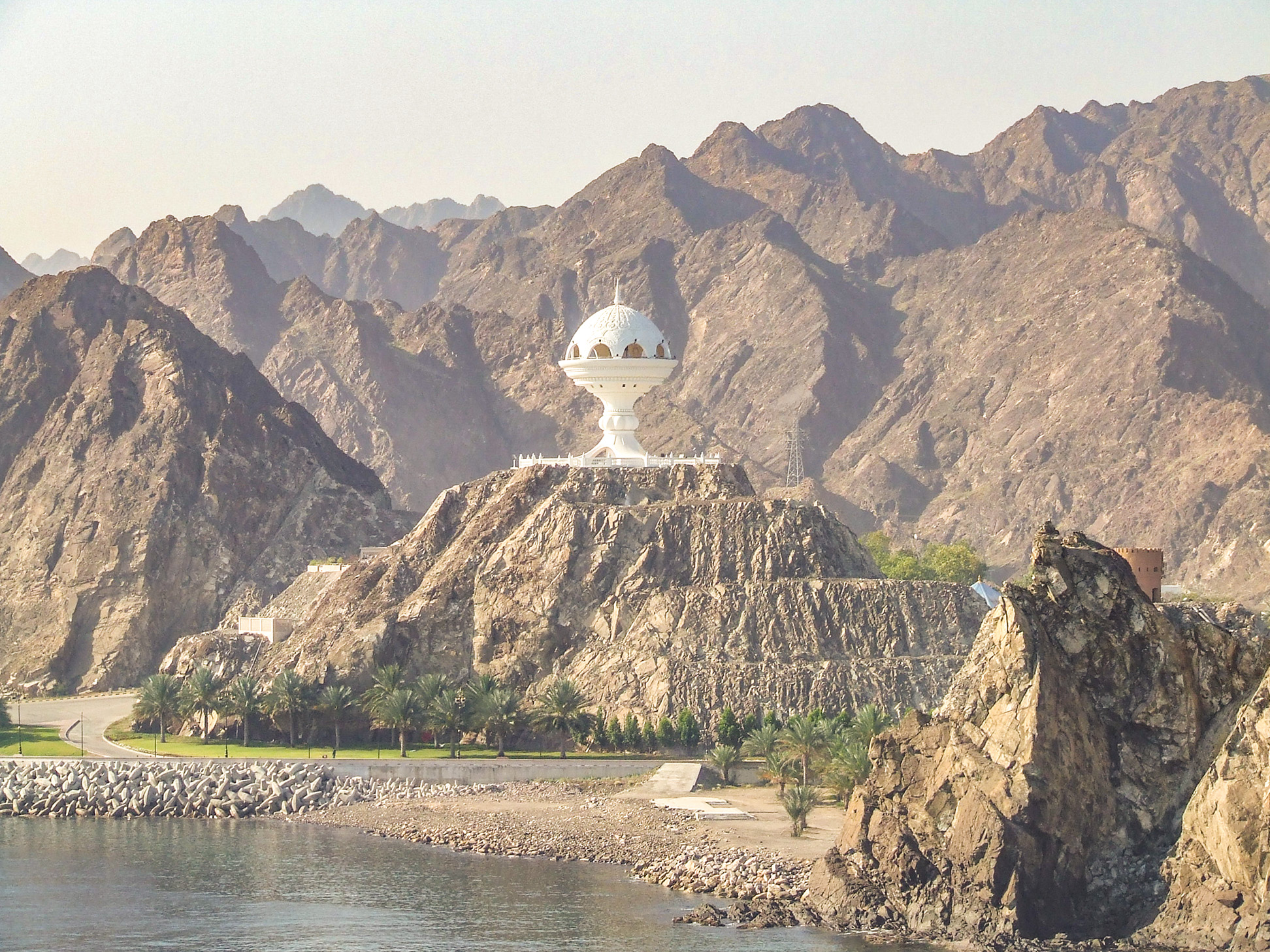
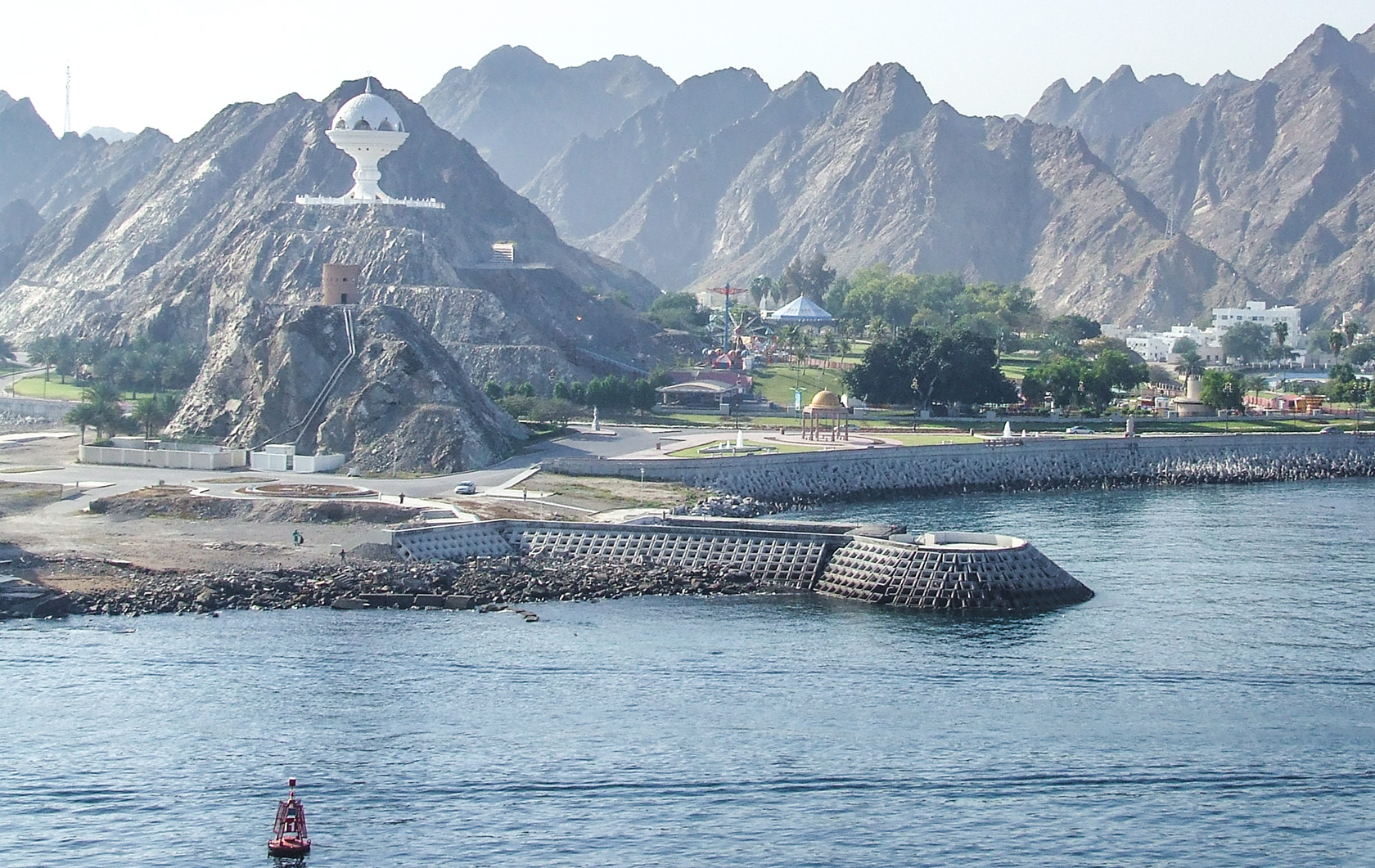
Riyam Censer
Riyam Censer ‐ photo by ,
©www.mgaylard.co.uk.

Riyam Censer (Frankincense Burner)

Al Saada Street Salalah

A giant white incense burner (a censer), perched on a hill in Riyam Park, overlooking the Muttrah corniche in Muscat. Built in the 1990s as part of Oman’s nation-building and beautification projects under Sultan Qaboos. It has become one of the most recognisable symbols of Muscat — almost a modern emblem of Omani heritage.

The Riyam Censer, also known as the Frankincense Burner, is a giant incense burner monument located in Salalah, Oman. This iconic landmark celebrates the region's historical role in the frankincense trade and is a symbol of Oman's cultural heritage. The monument is situated on a roundabout at the entrance to Salalah and is a popular spot for visitors. The censer symbolises Hospitality, Trade routes, Ritual purification, The ancient incense economy
 

Text generated by Microsoft CoPilot

Sultan Qaboos Grand Mosque in Muscat
Sultan Qaboos Grand Mosque in Muscat ‐ photo by ,
©www.mgaylard.co.uk.
a distinctive lattice-patterned dome
a distinctive lattice-patterned dome ‐ photo by ,
©www.mgaylard.co.uk.
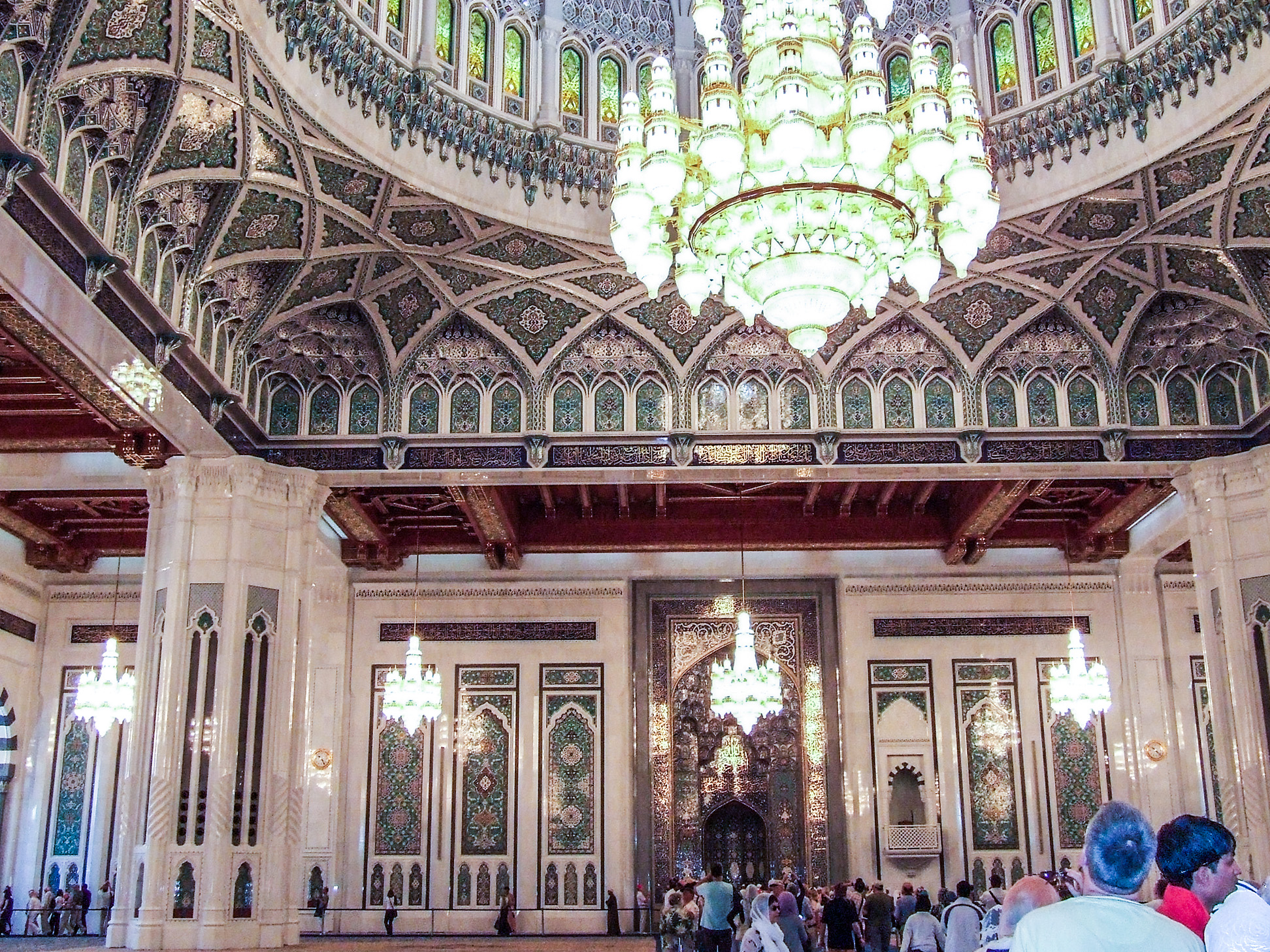
mosque interior, featuring ornate architecture
mosque interior, featuring ornate architecture ‐ photo by ,
©www.mgaylard.co.uk.
Islamic architectural elements such as arches, minarets
Library of Sultan Qaboos Grand Mosque ‐ photo by ,
©www.mgaylard.co.uk.
minaret
minaret ‐ photo by ,
©www.mgaylard.co.uk.
minaret
minaret ‐ photo by ,
©www.mgaylard.co.uk.
Interior of Grand Mosque
Interior of Grand Mosque ‐ photo by ,
©www.mgaylard.co.uk.
The ceiling is adorned with detailed patterns and stained glass windows
The ceiling is adorned with detailed patterns and stained glass windows ‐ photo by ,
©www.mgaylard.co.uk.
Chandelier
Chandelier ‐ photo by ,
©www.mgaylard.co.uk.
intricately designed chandelier
intricately designed chandelier ‐ photo by ,
©www.mgaylard.co.uk.
mosque, featuring intricate designs, tall columns, and large arched windows
mosque, featuring intricate designs, tall columns, and large arched windows ‐ photo by ,
©www.mgaylard.co.uk.
carpet with a blue background and a floral pattern
carpet with a blue background and a floral pattern ‐ photo by ,
©www.mgaylard.co.uk.
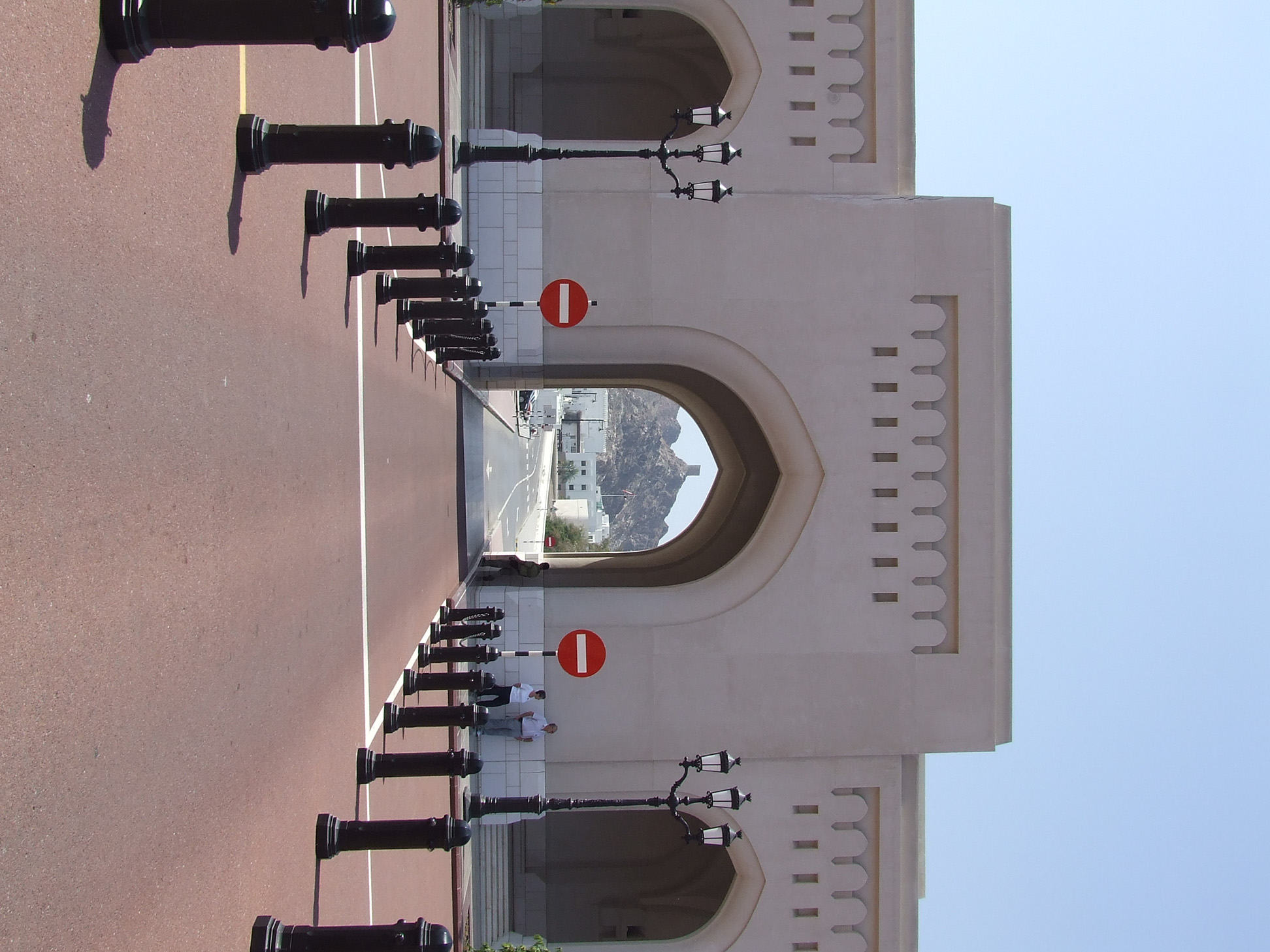
Al Alam Palace approach
Al Alam Palace approach ‐ photo by ,
©www.mgaylard.co.uk.
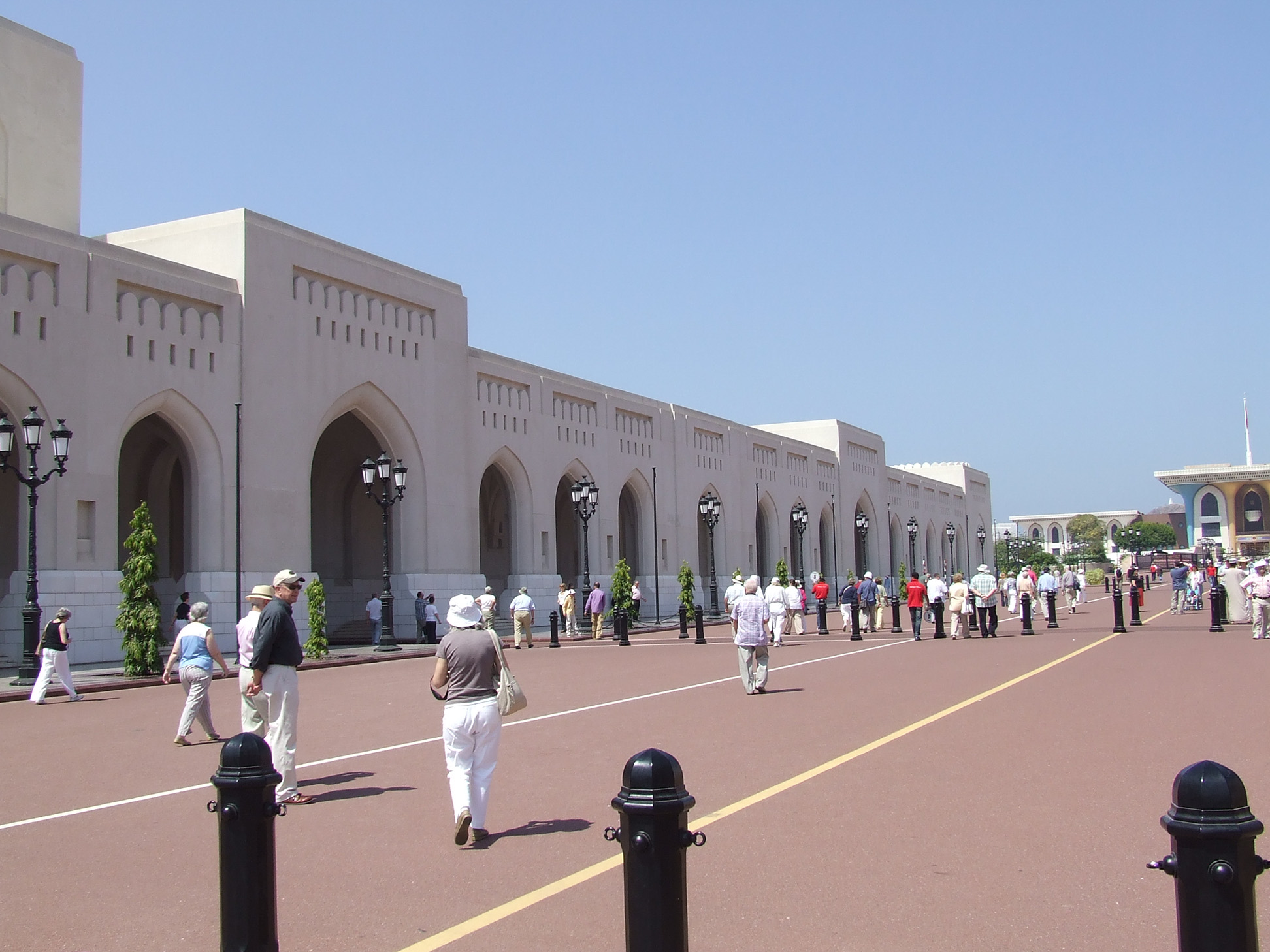
a large, open plaza
a large, open plaza ‐ photo by ,
©www.mgaylard.co.uk.
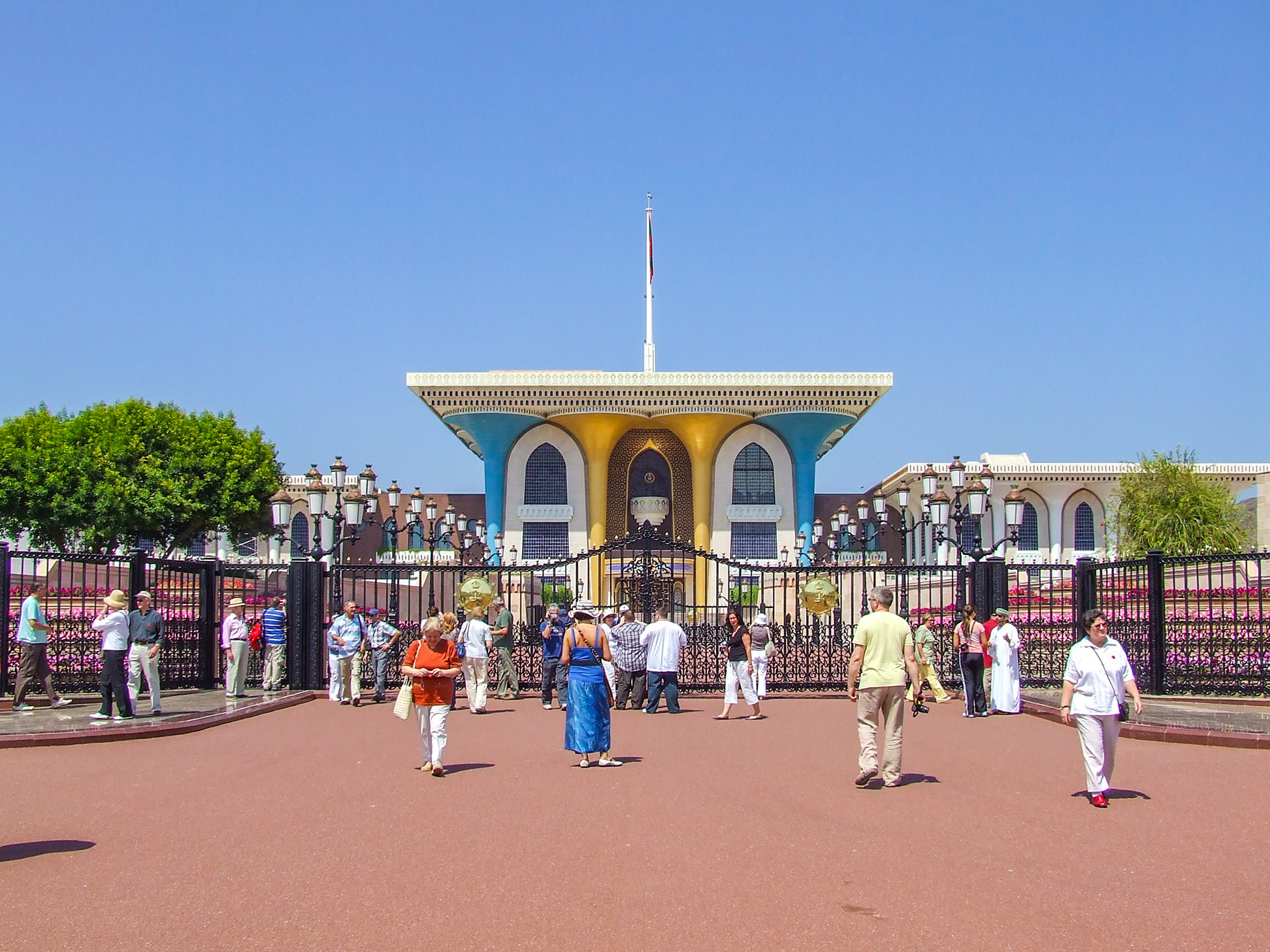
Al Alam Palace
Landmark ceremonial residence of the sultan, noted for its facade with bright blue & gold columns ‐ photo by ,
©www.mgaylard.co.uk.
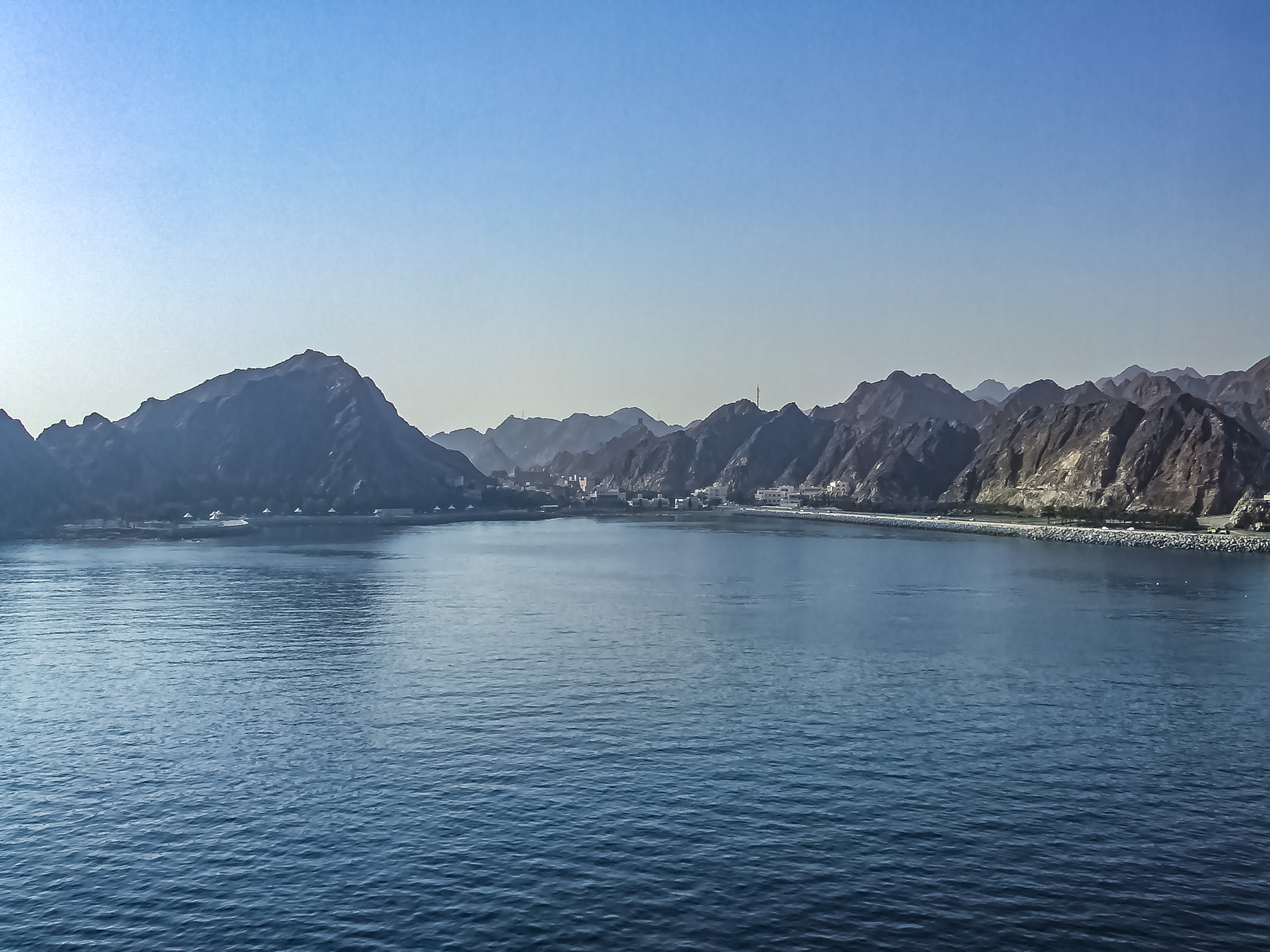
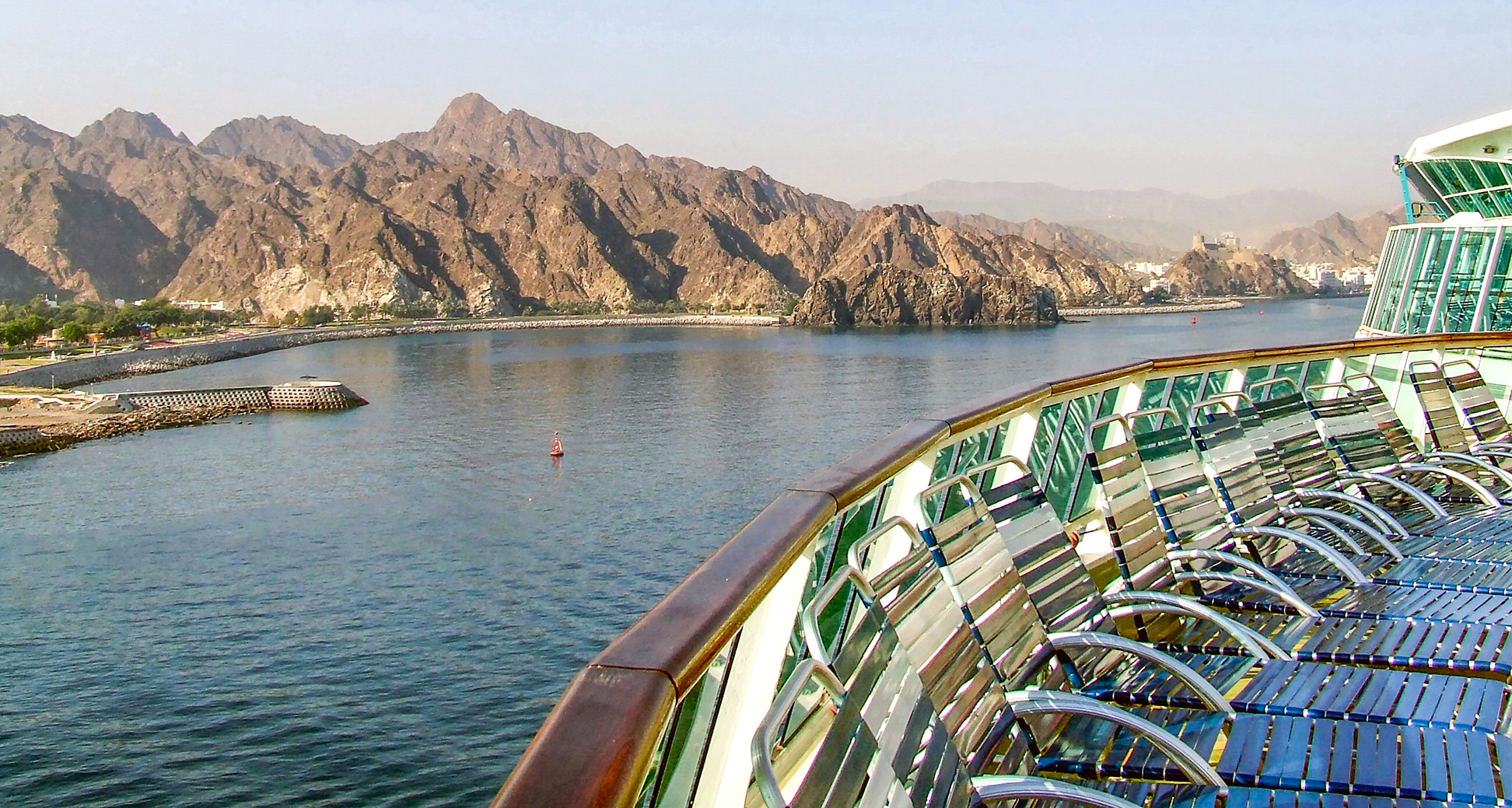
Arriving At Mutrah
Arriving At Mutrah ‐ photo by ,
©www.mgaylard.co.uk.
Arriving At Mutrah
Pilot Vessel ‐ photo by ,
“Al Qadir”Al-Qadir is one of the 99 Names of God in Islamic tradition. It’s a deeply meaningful term, and depending on how you want to approach it—linguistic, theological, historical, or mystical—it opens up several layers of interpretation.
©www.mgaylard.co.uk.
Riyam Censer
Riyam Censer ‐ photo by ,
©www.mgaylard.co.uk.
Riyam Censer
Riyam Censer ‐ photo by ,
©www.mgaylard.co.uk.
Mutrah Corniche
Mutrah Corniche ‐ photo by ,
©www.mgaylard.co.uk.
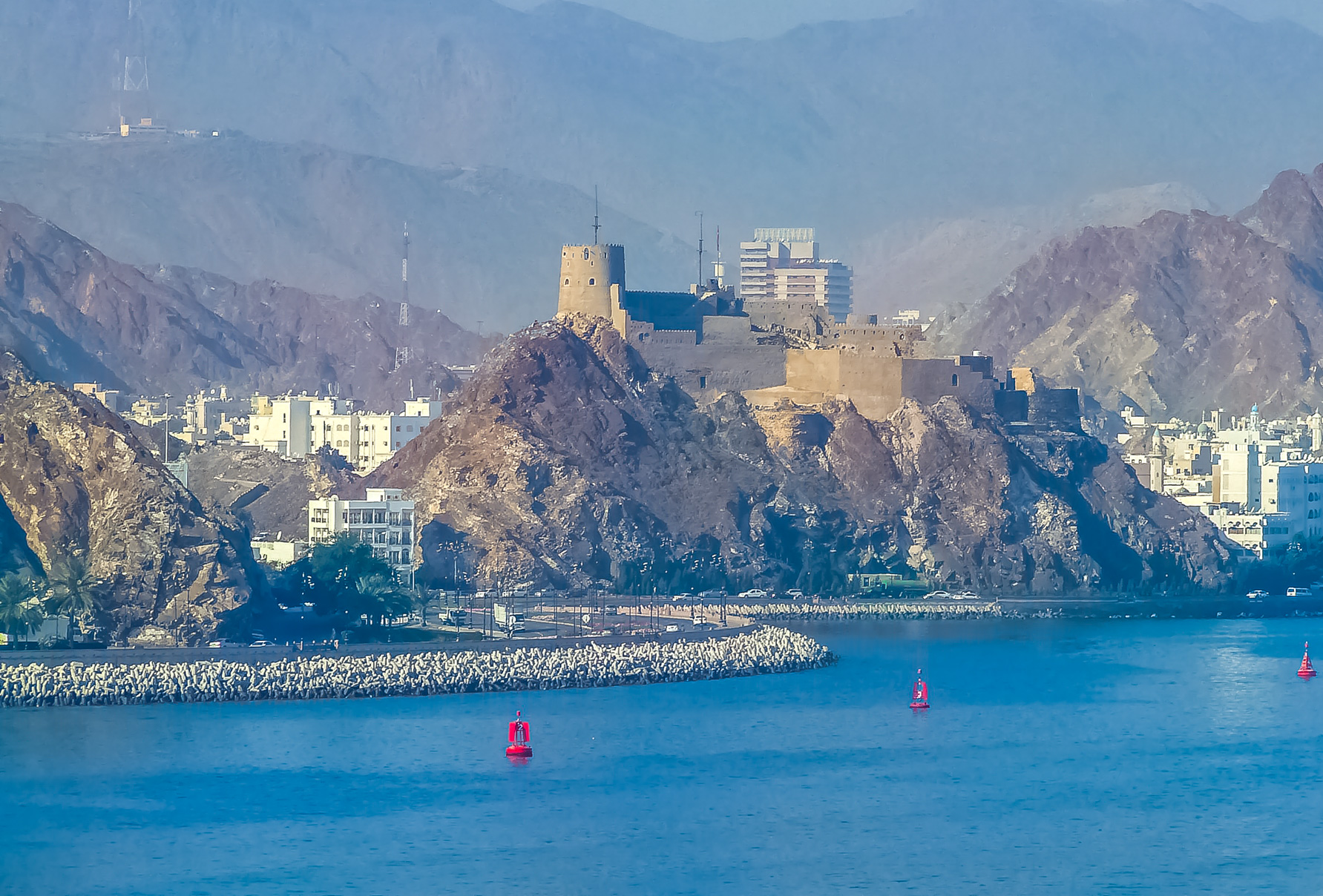
Mutrah Fort
Mutrah Fort ‐ photo by ,
©www.mgaylard.co.uk.
Sultan Qaboos Port
Sultan Qaboos Port ‐ photo by ,
©www.mgaylard.co.uk.
a traditional wooden sailboat
a traditional wooden sailboat ‐ photo by ,
©www.mgaylard.co.uk.
Open the full set flickr button this page

location

Oman occupies the southeastern coast of the Arabian Peninsula, facing both the Arabian Sea and the Gulf of Oman. Much of its interior is part of the Rub? al-Khali, a vast sandy and largely waterless desert region. Coastal zones, especially the northern coast and Dhofar, are far more fertile and historically productive.

Oman is a unitary Islamic absolute monarchy ruled by the Al Bu Said dynasty since 1744. The current Sultan is Haitham bin Tariq. The state includes two advisory bodies:
Council of State (Upper House)
Consultative Assembly (Lower House)
The Basic Law (1996, amended 2011 and 2021) functions as the constitution.

Historical Trajectory

Ancient period:
Renowned for frankincense and metalworking, Oman was a key node in Indian Ocean trade.
Portuguese occupation:
Muscat was seized by Portugal in 1507 and remained under Portuguese control until 1650.
Omani Empire:
From the 17th to 19th centuries, Oman became a regional power, with influence extending to Iran, Pakistan, and Zanzibar.
Modern era:
Oman remained formally sovereign but under strong British influence until the mid-20th century.
Text generated by Microsoft CoPilot
To the top
Powered by w3.css. The images are all stored on link to www.gaylard.co.uk Photostream on Flickr   This website is hosted by link to 123Reg Web Hosting