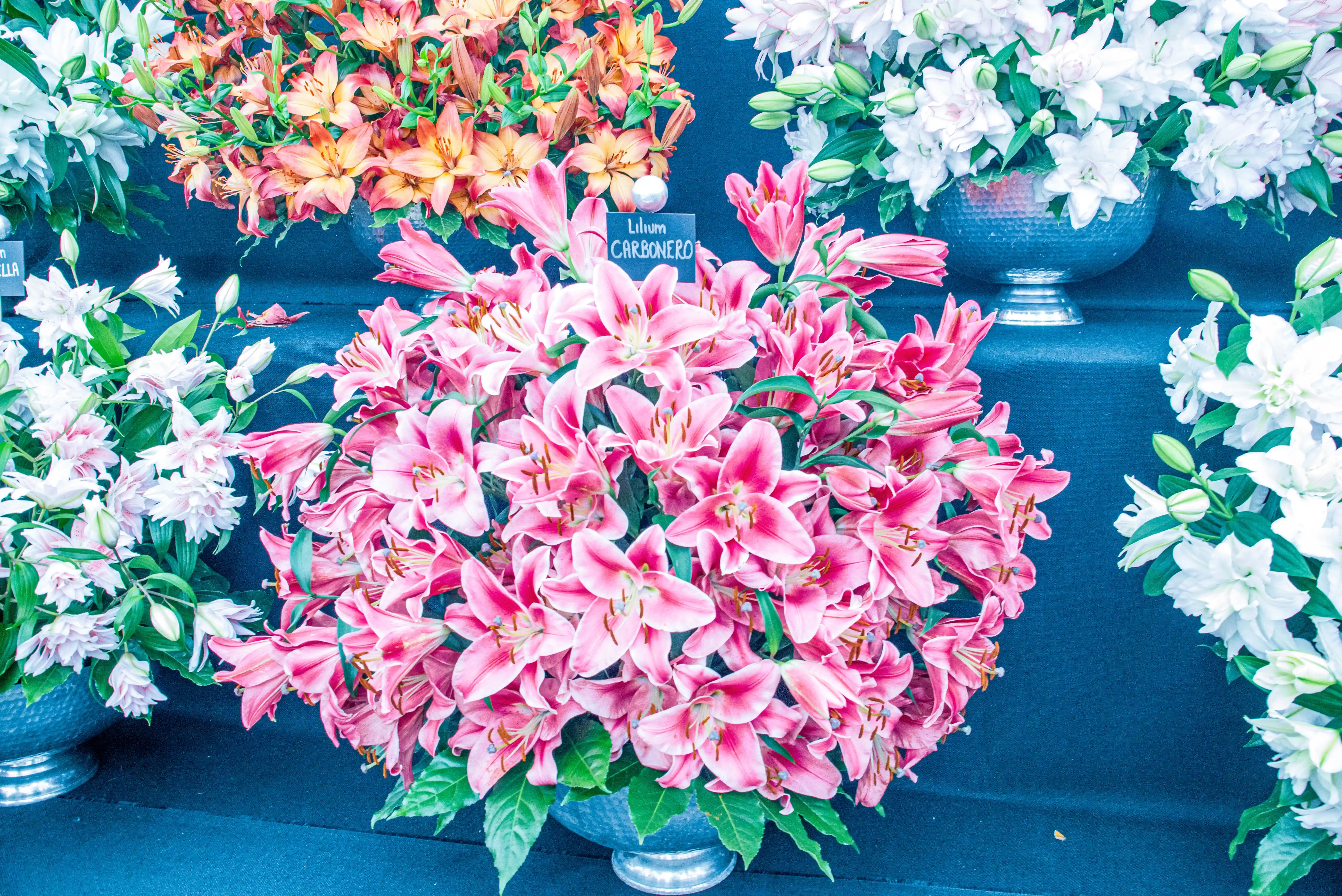
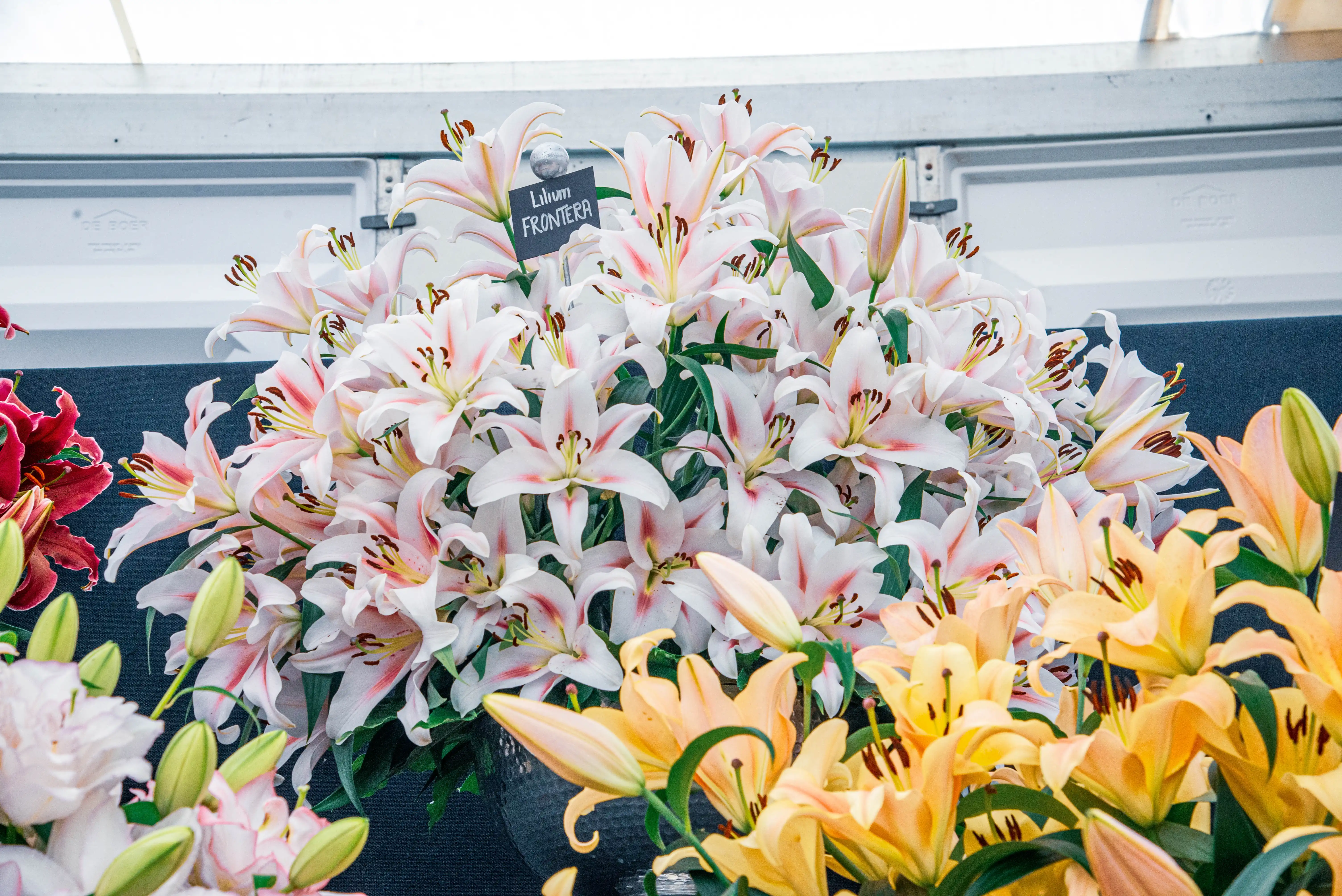
A Stunning Array of Lilium 'Carbonero' and Other Lily Varieties
Lily
Lily
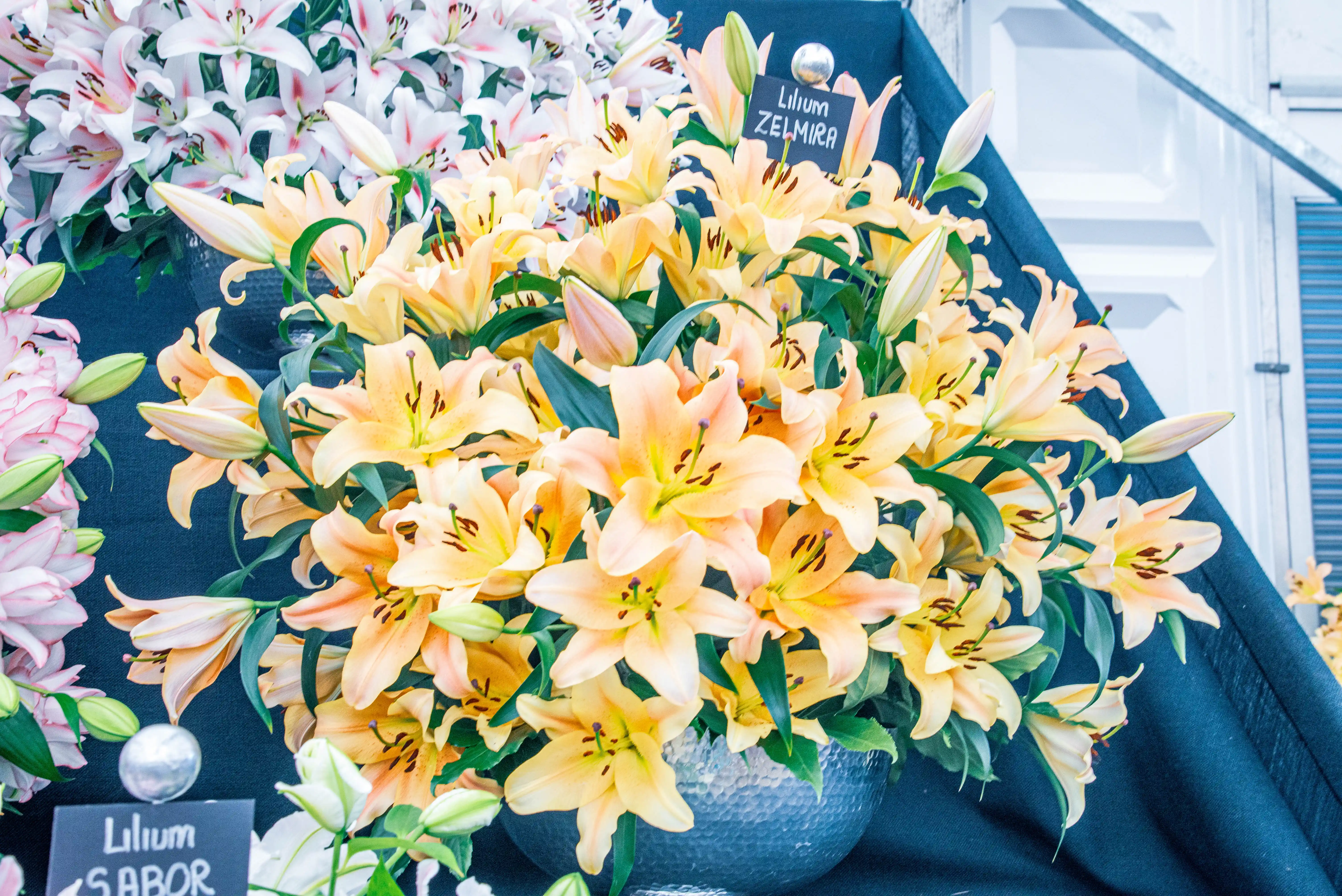
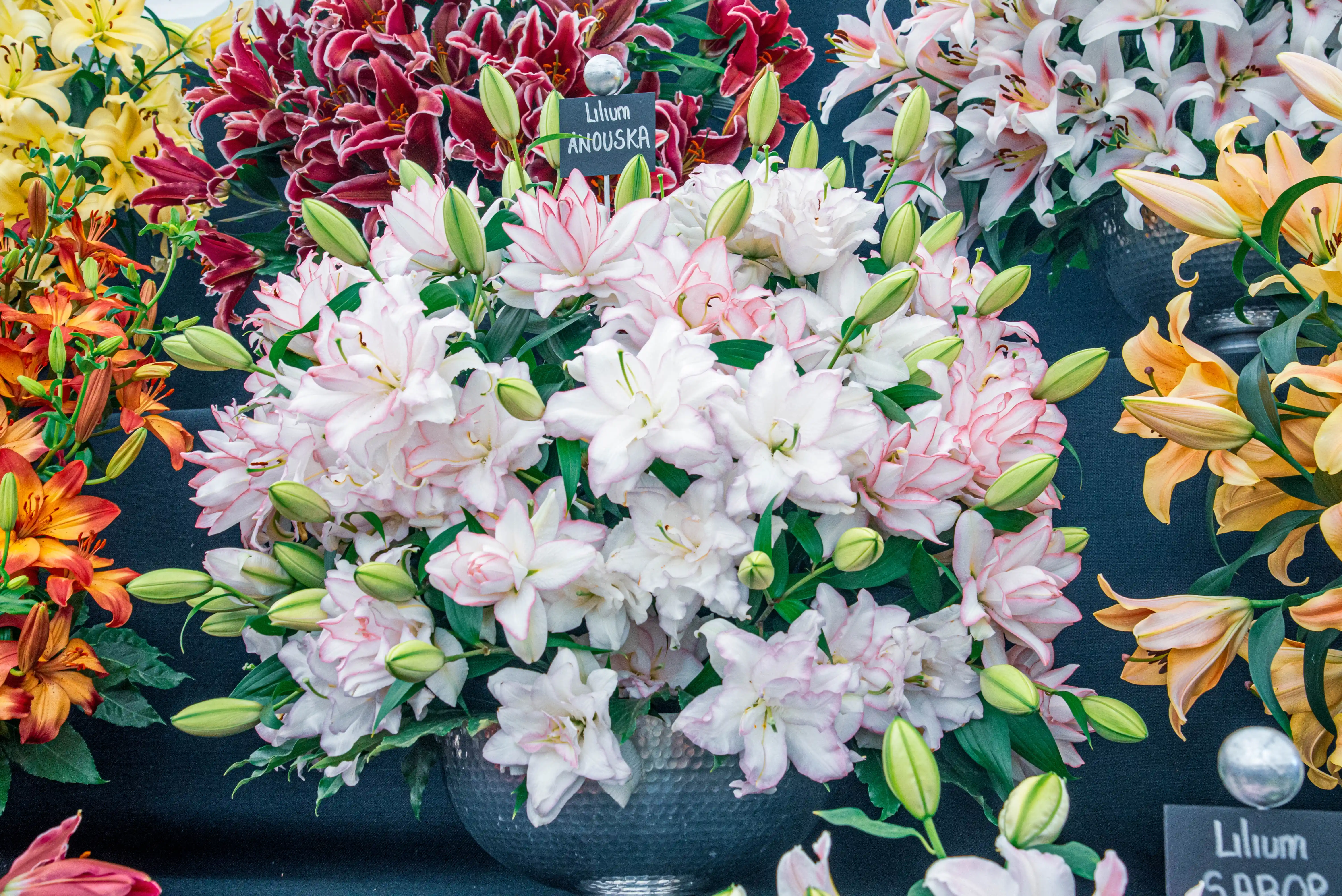
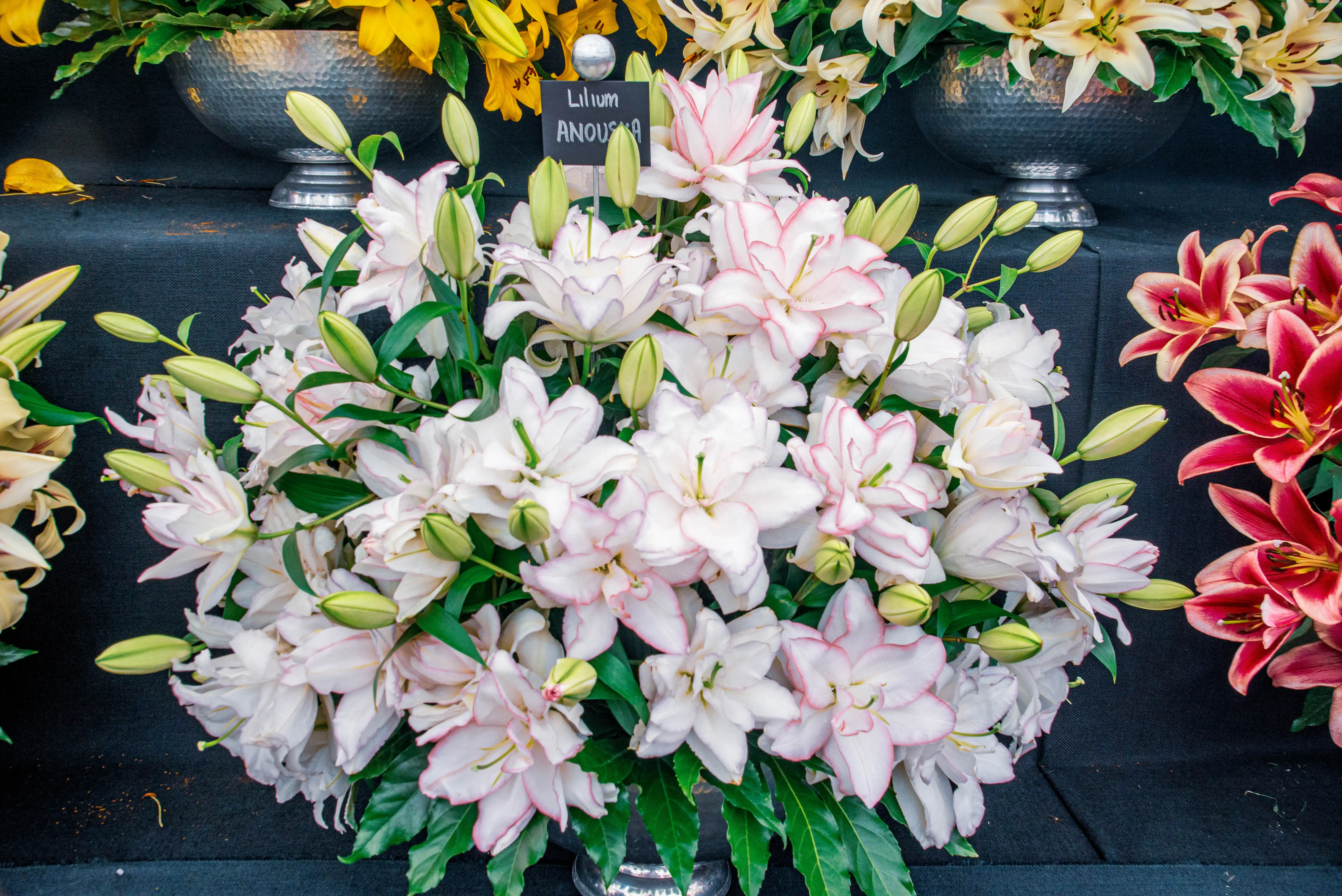
A vibrant display of assorted lilies, featuring the double-petalled 'Anouska' variety in white and pink, alongside the classic trumpeted 'Sabor' variety in orange.
Lily
Lily
Lily
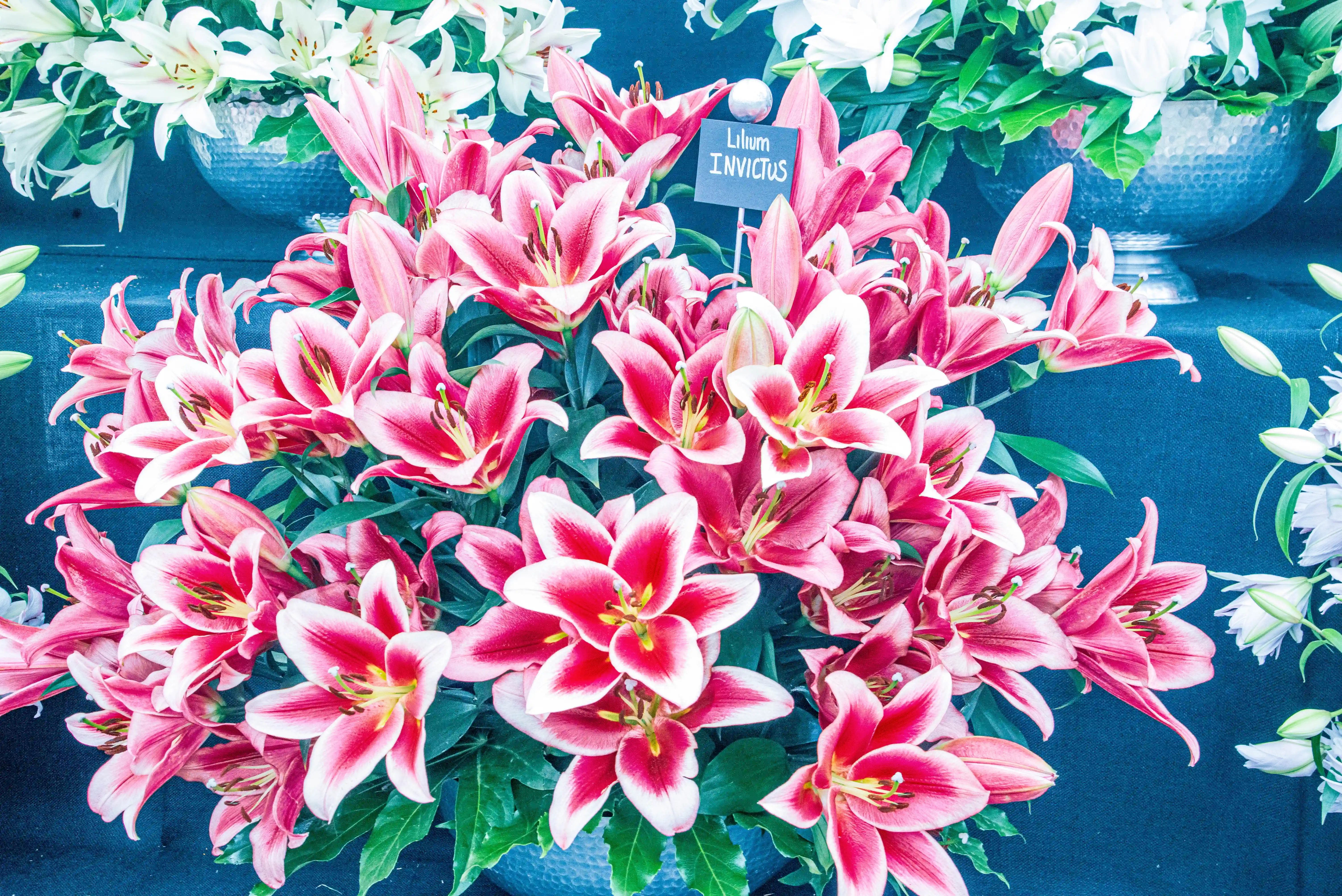
A Lush Bouquet of 'Lilium Invictus' Lilies
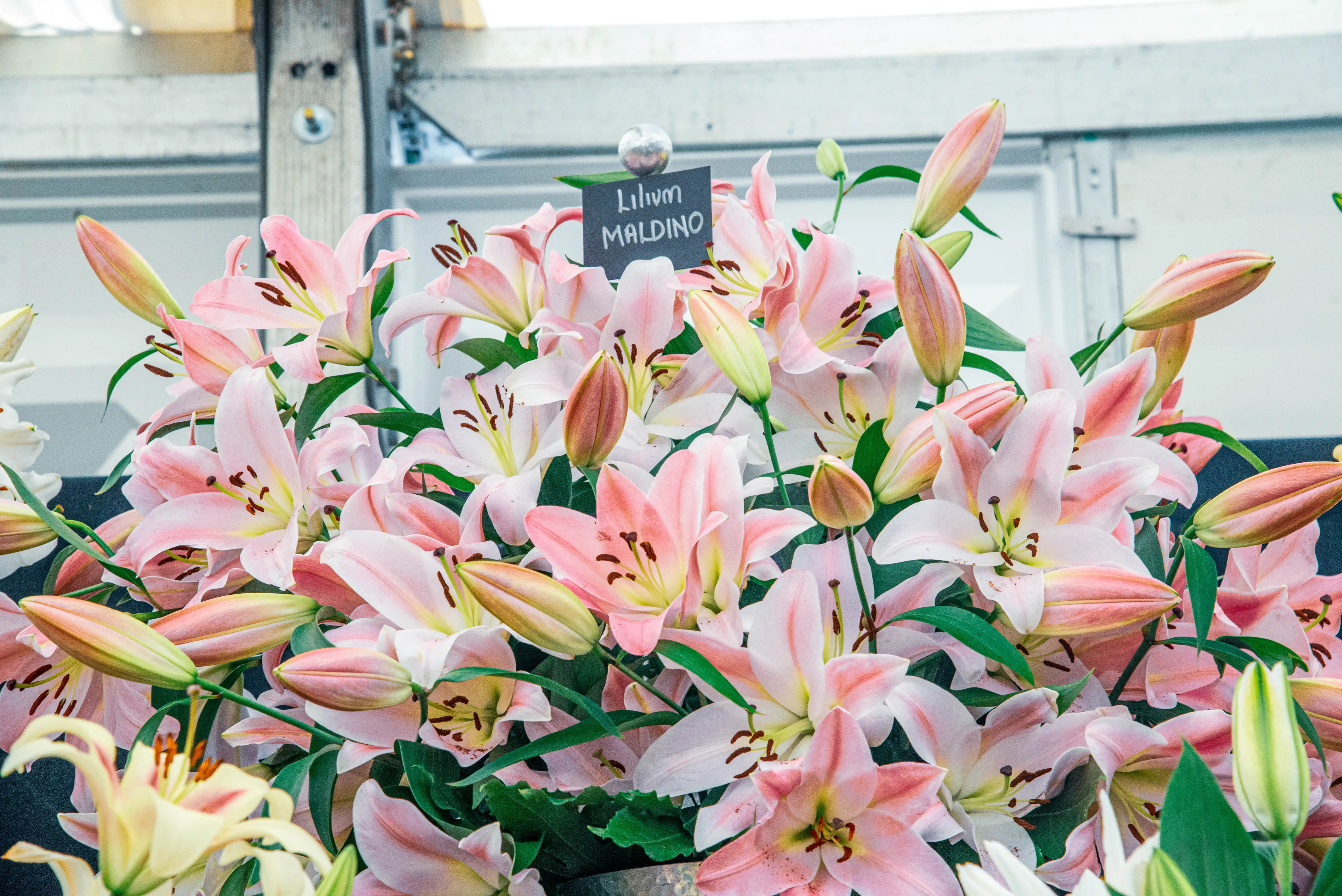
Lilium Maldino
Lily
Lilium 'Anouska' Double Lily Display
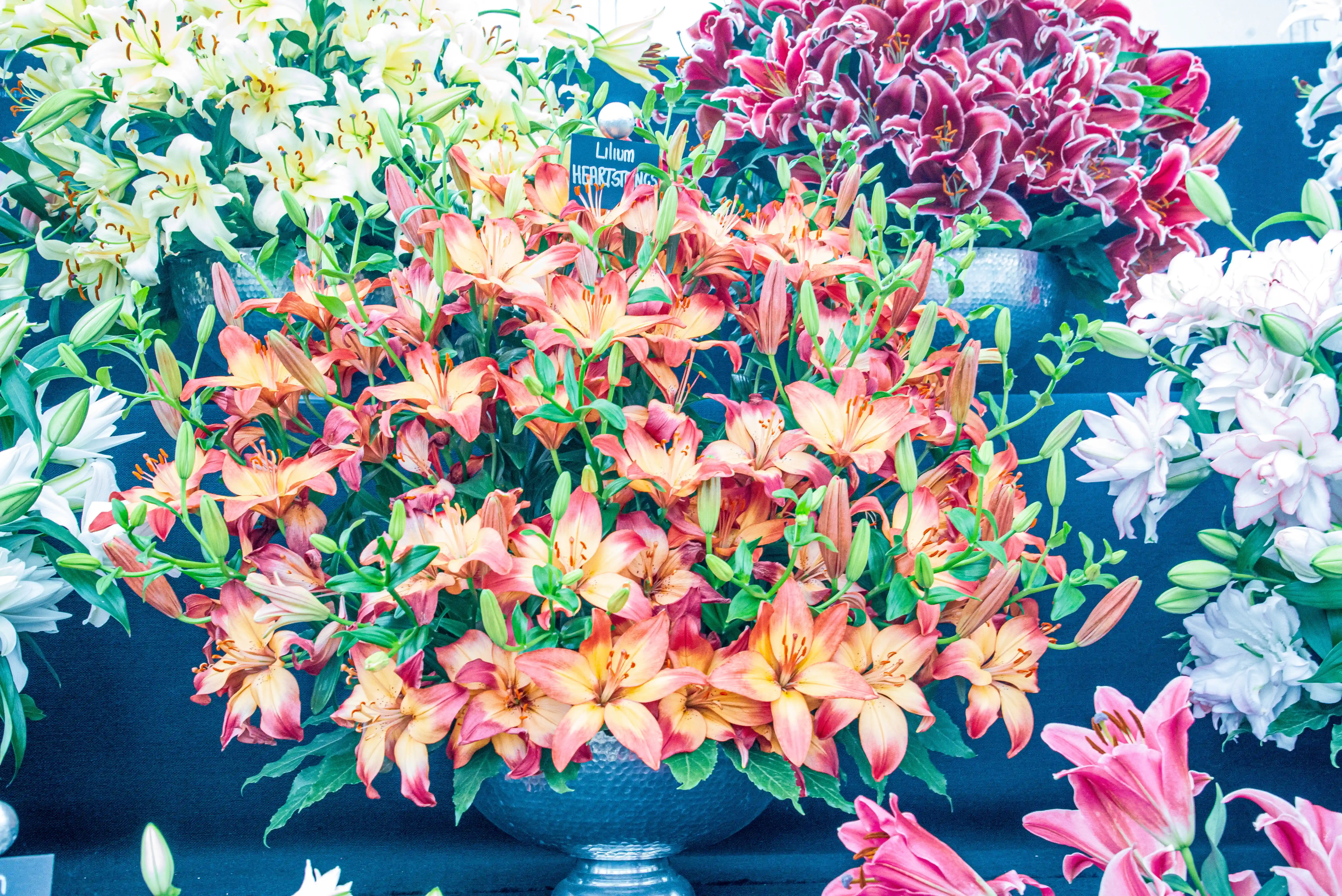
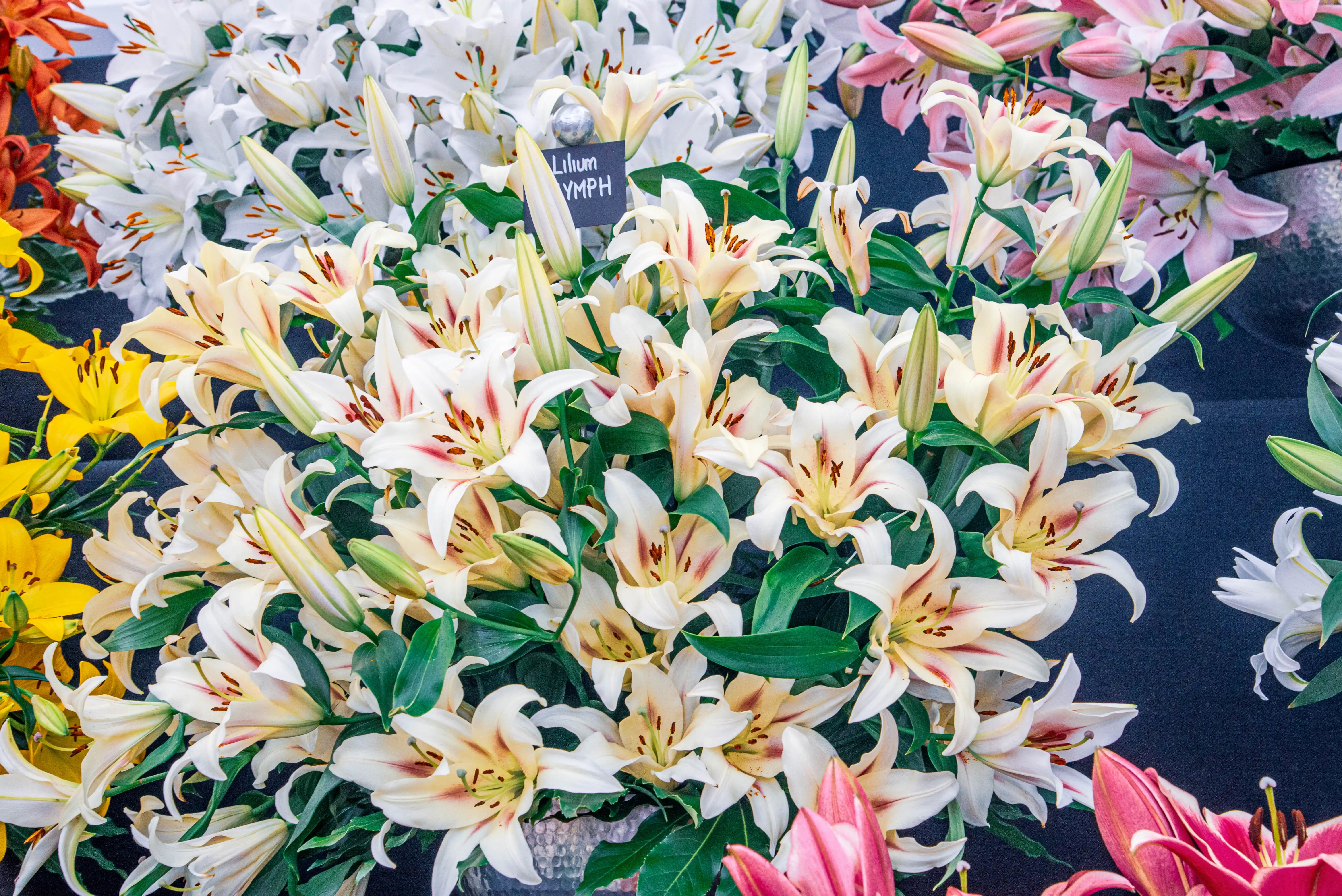
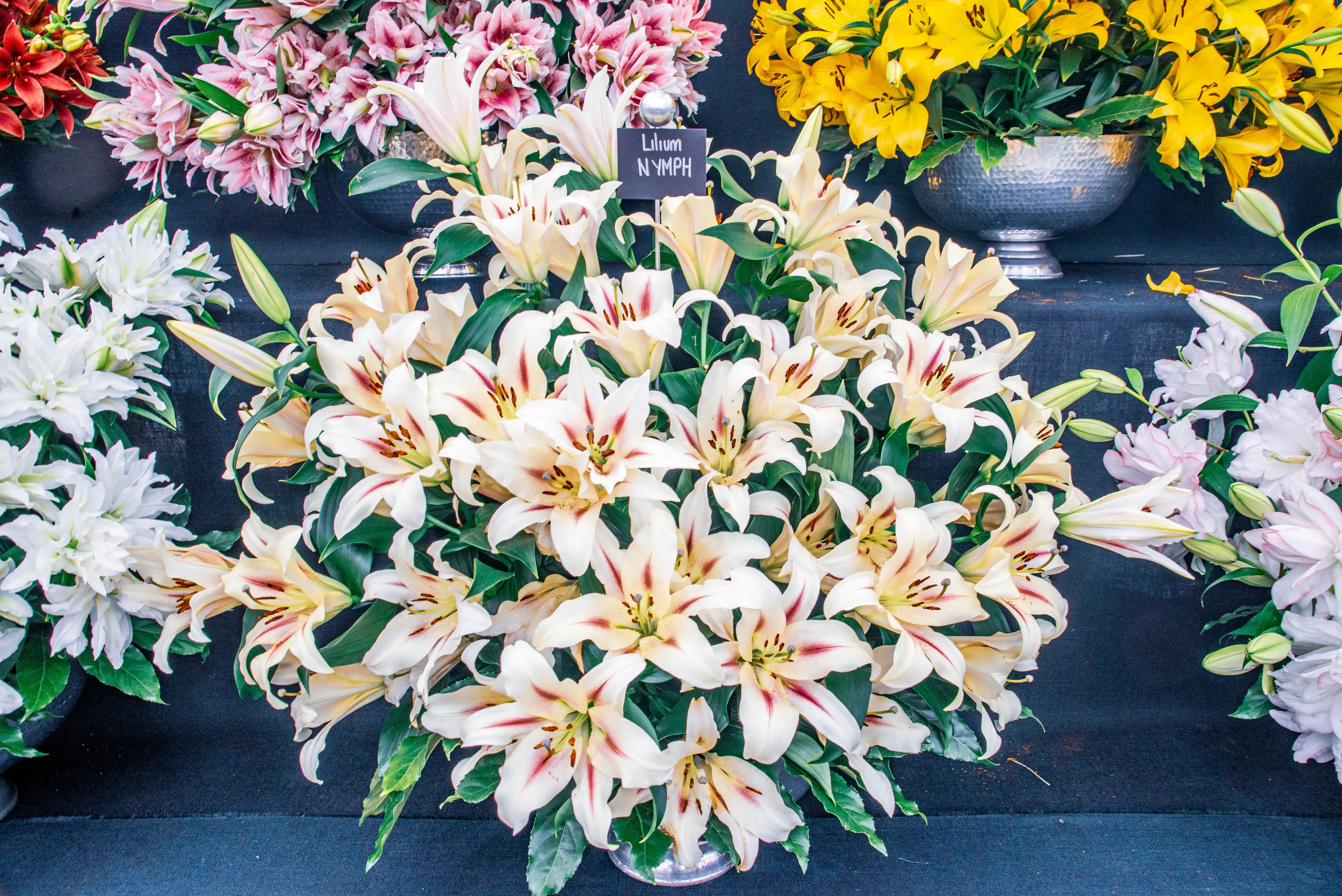
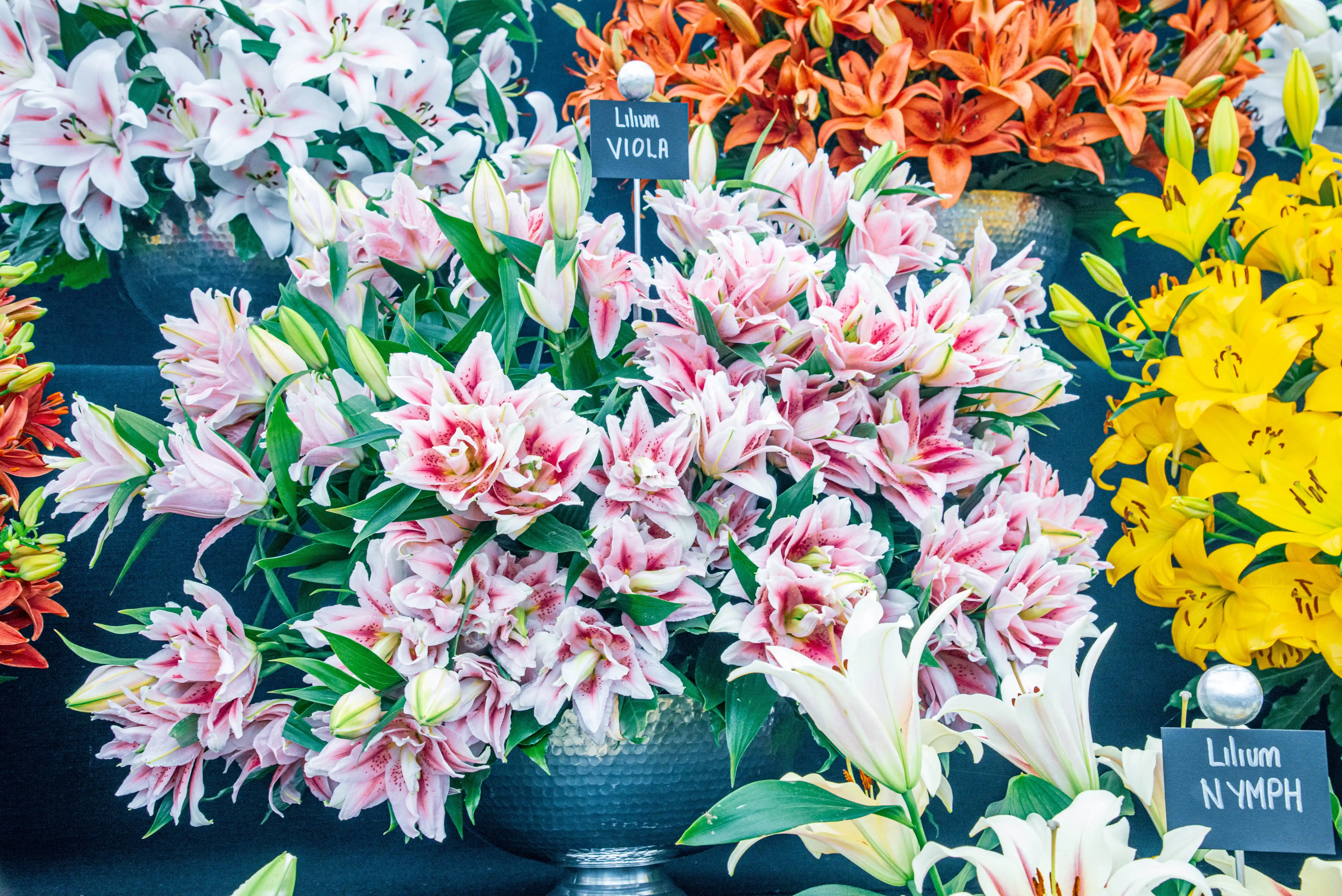
A Vibrant Assortment of Lilies: 'Lilium Nymph' and Others
Lily
Lily
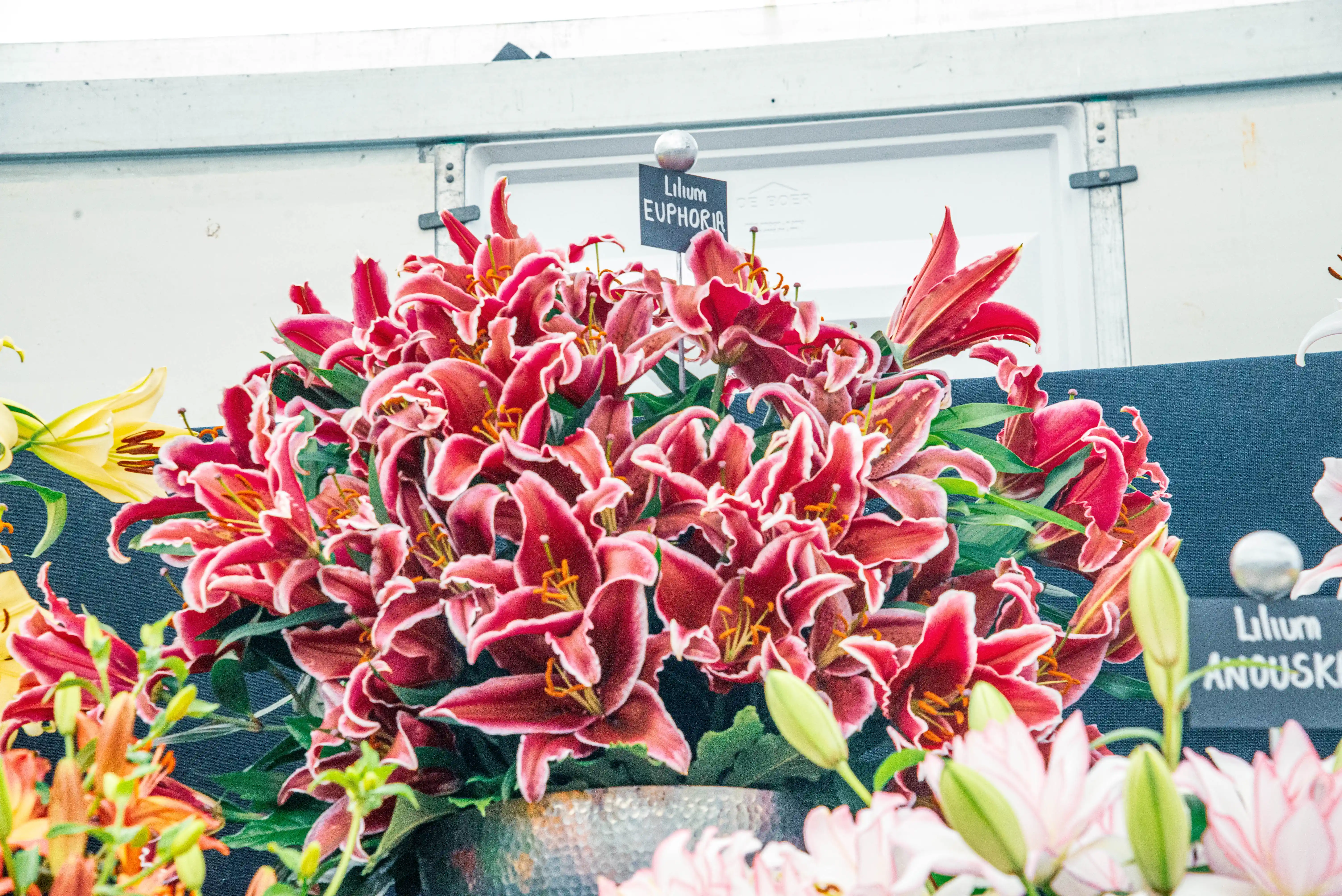
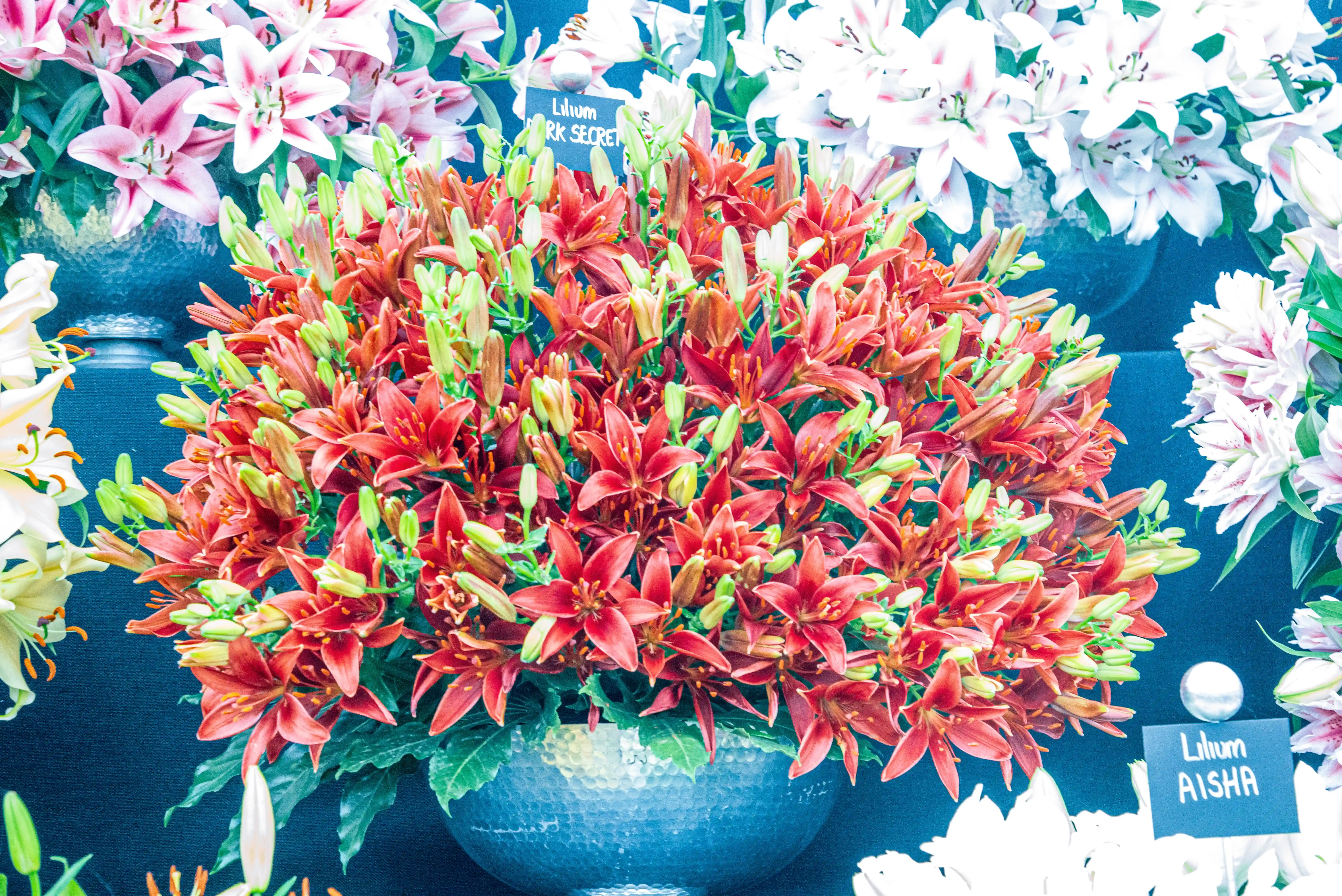
A Lush Display of Red Lily Blooms
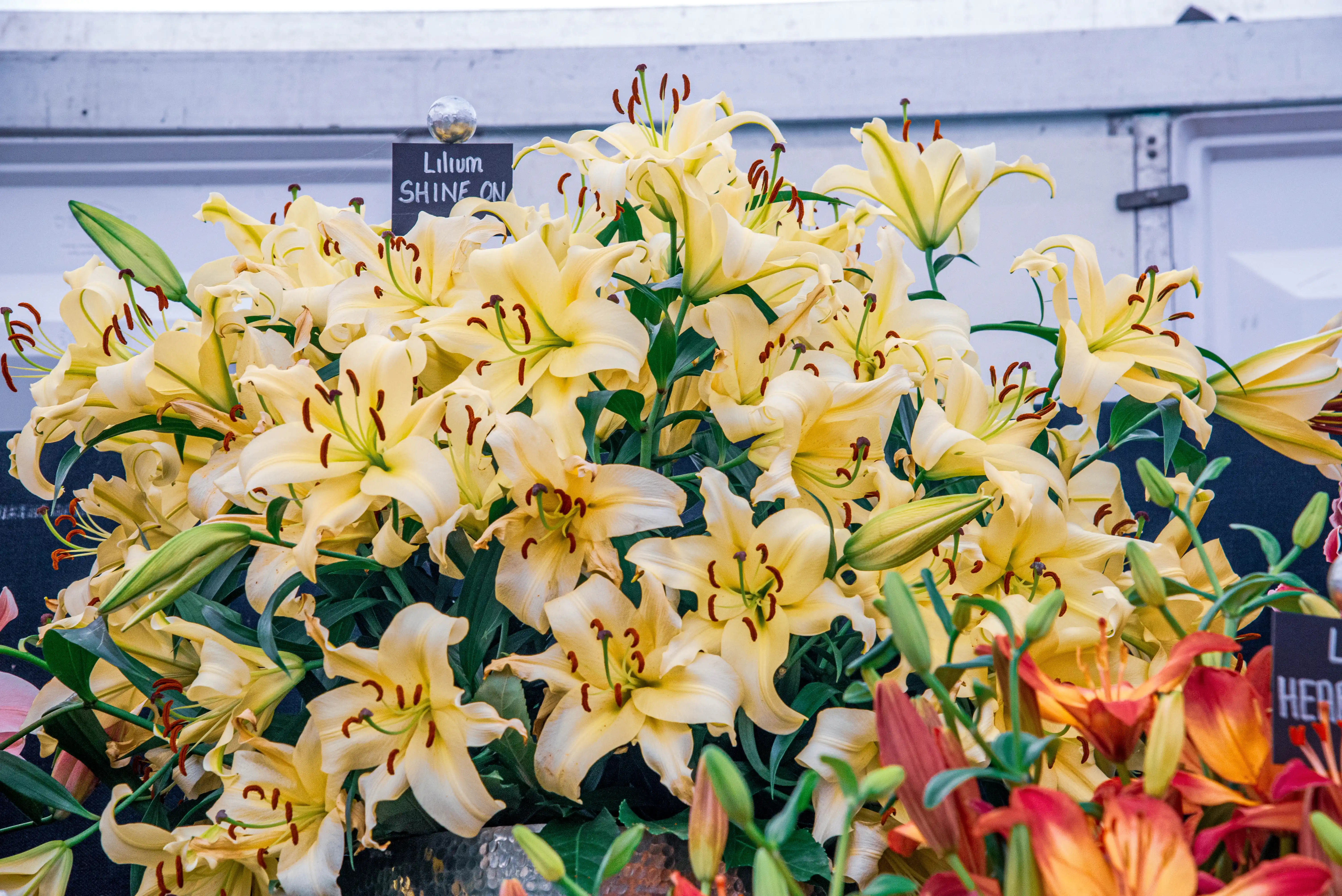
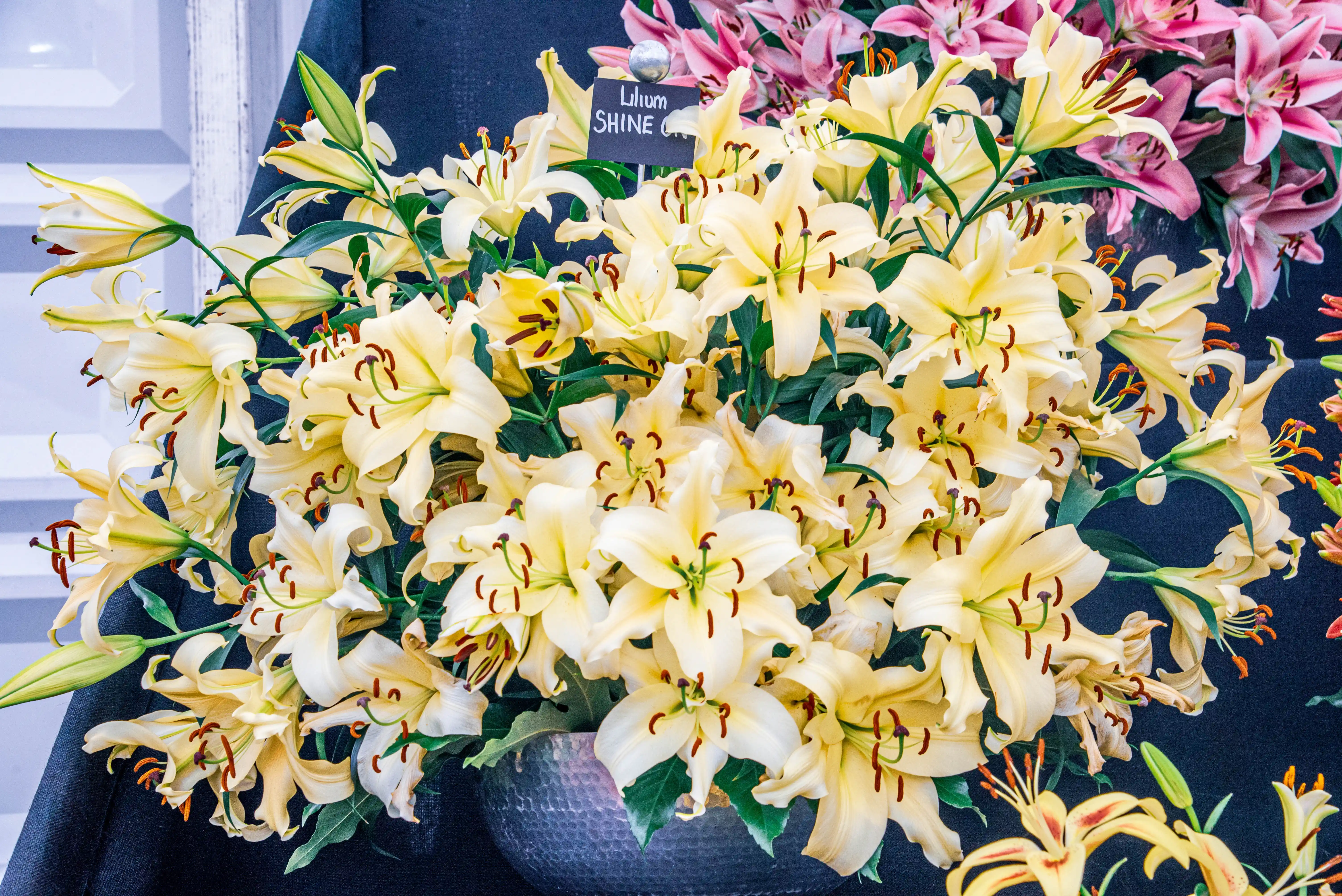
Lilium 'Shine' Display
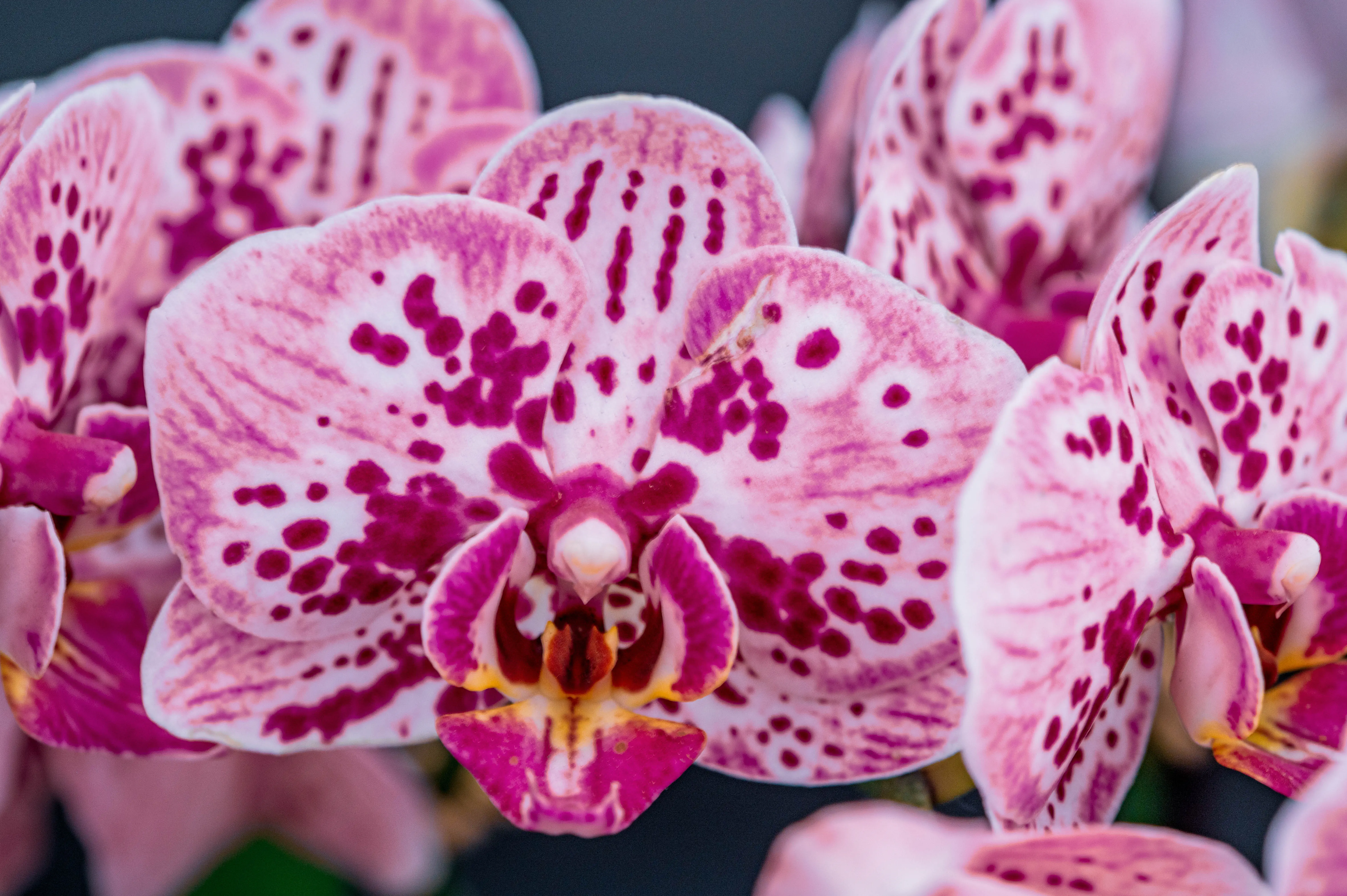
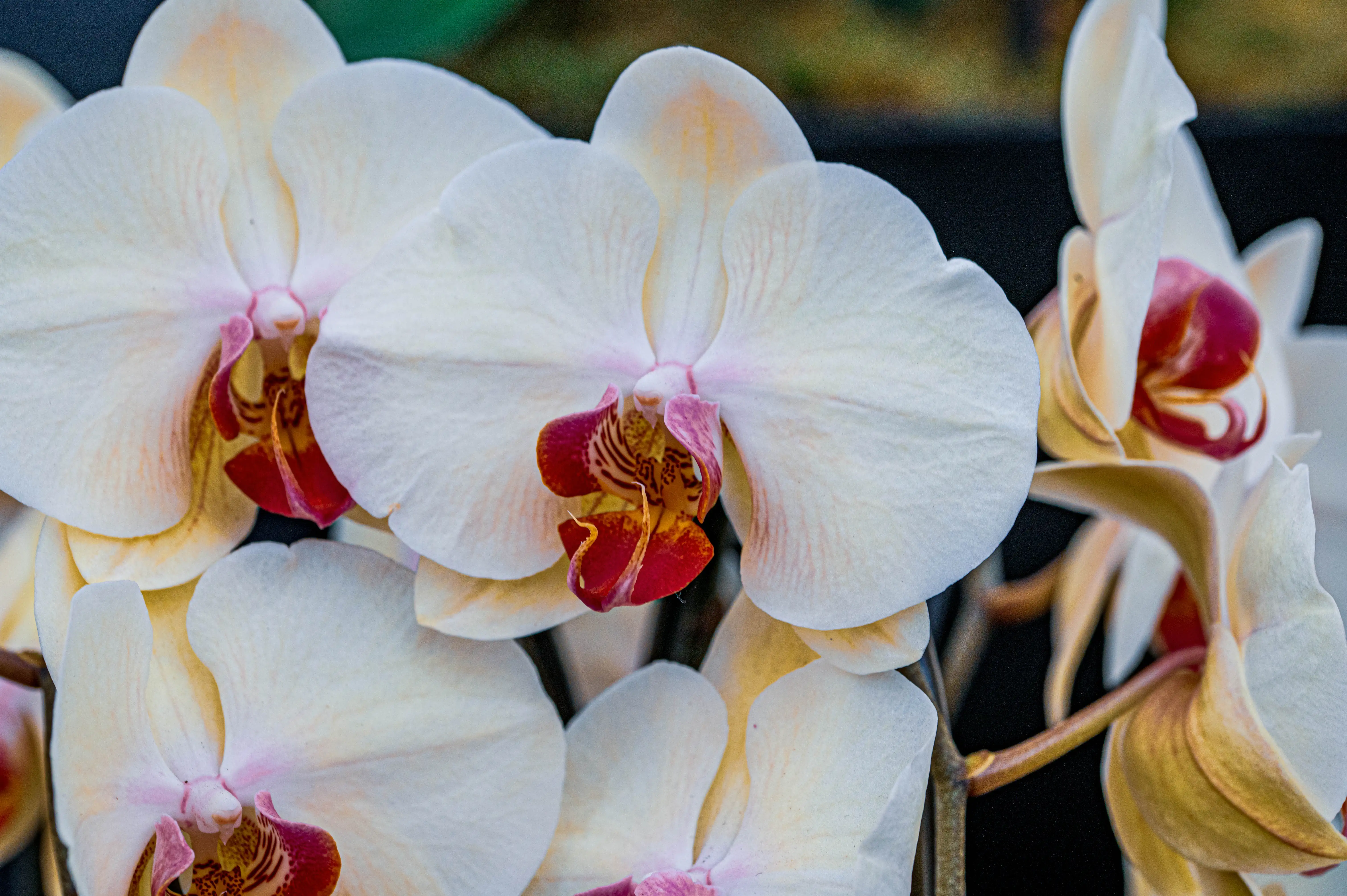
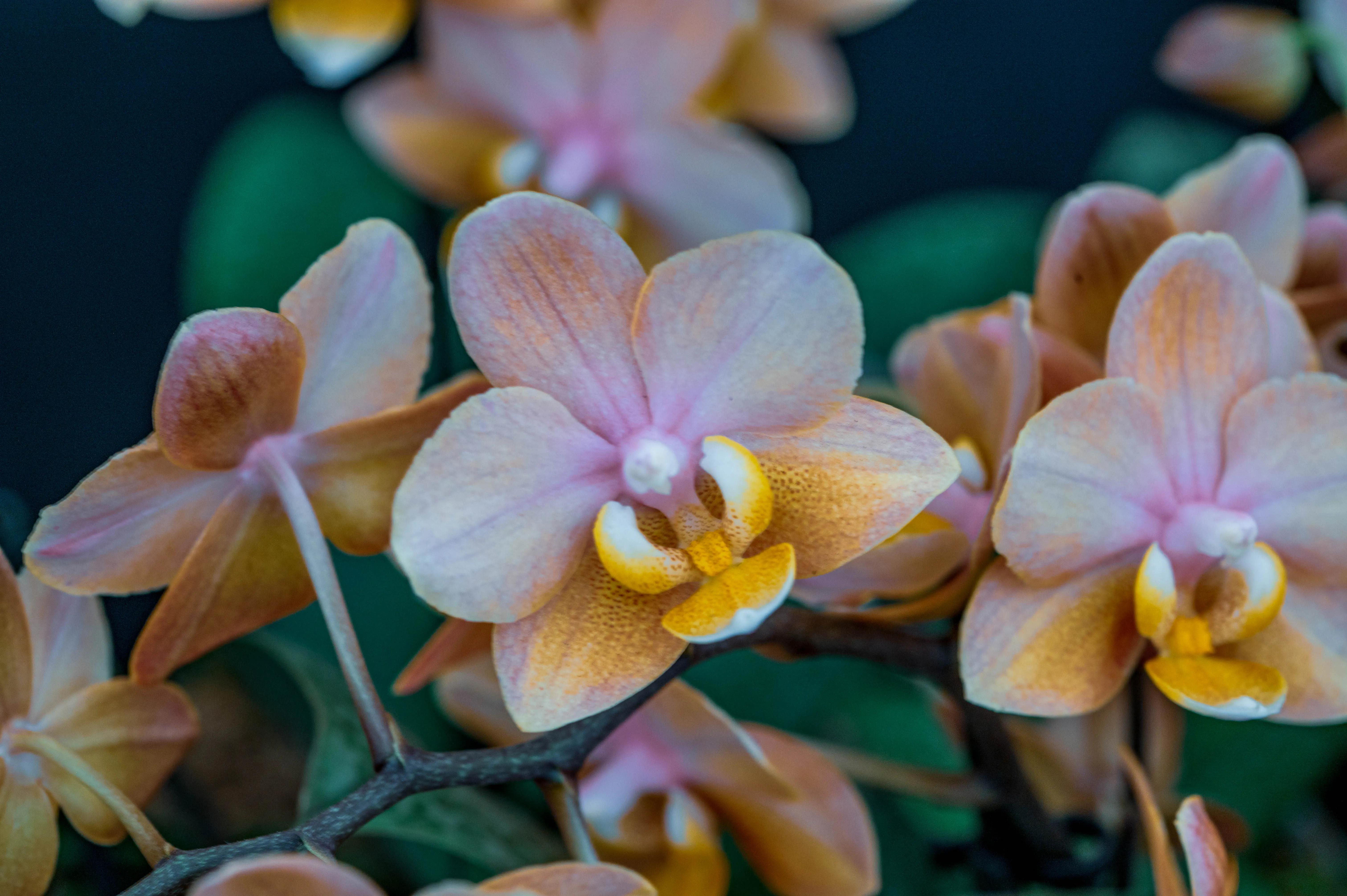
Close-up of Phalaenopsis Orchid Flowers
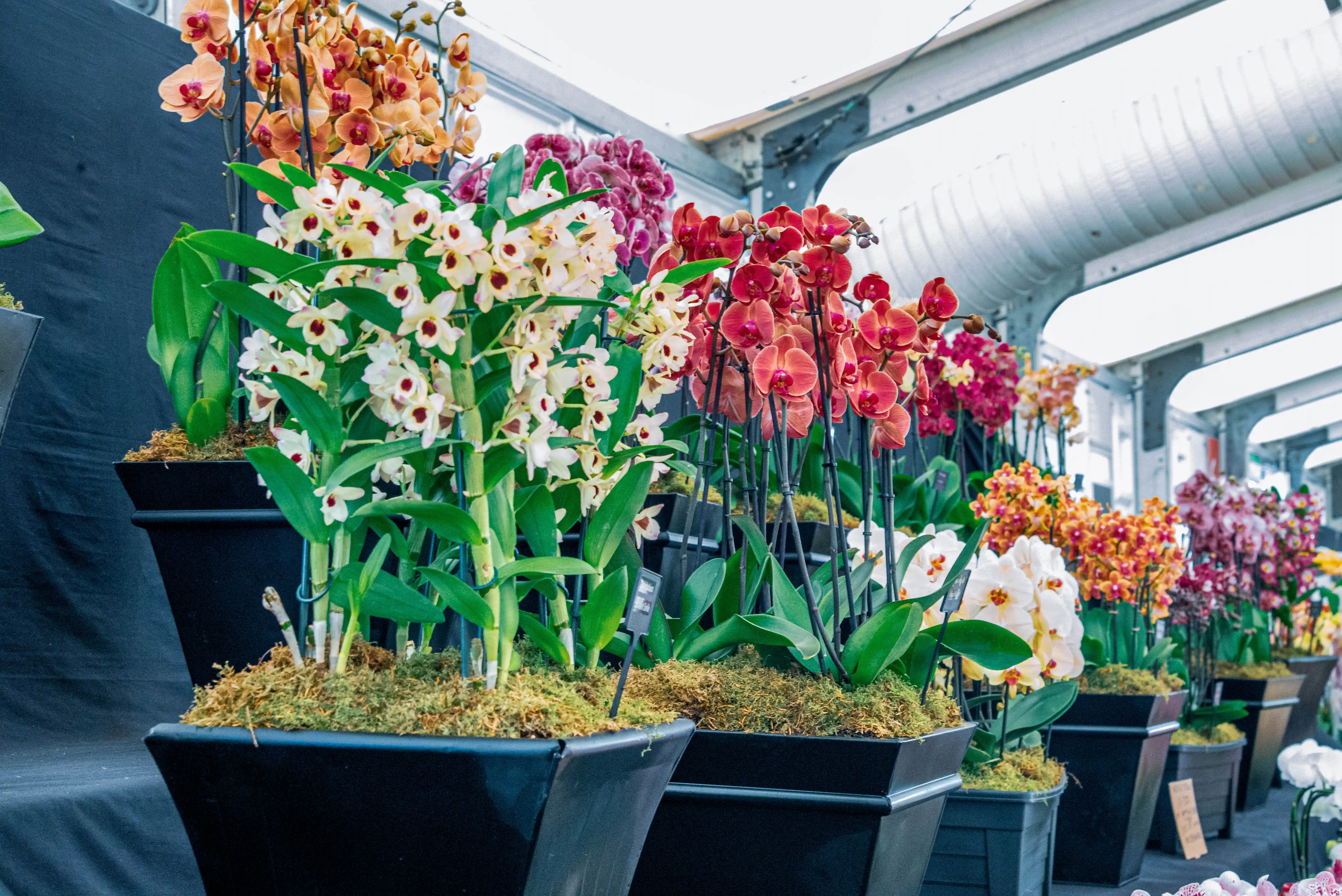
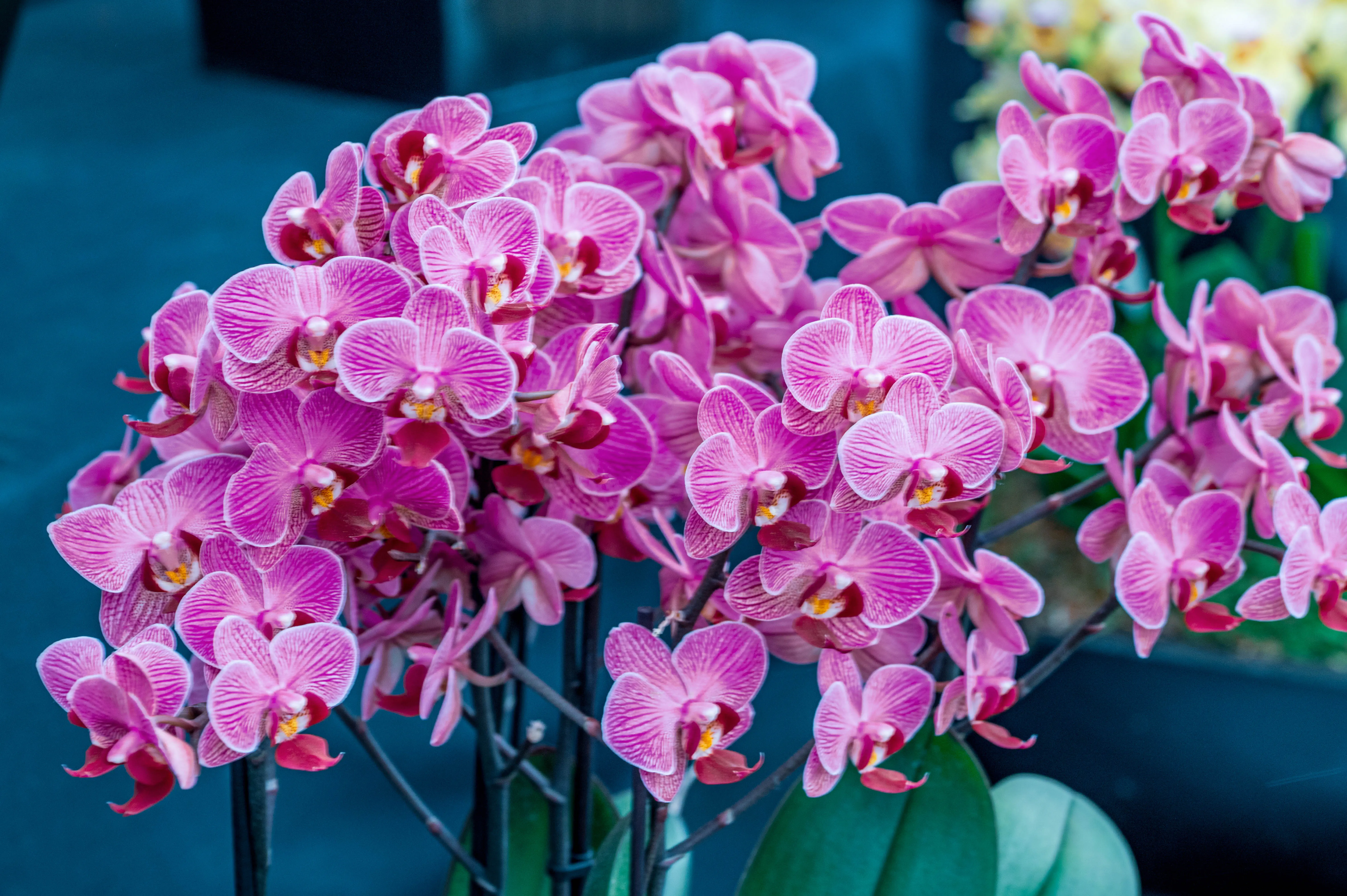
A Lush Assortment of Orchids in Full Bloom
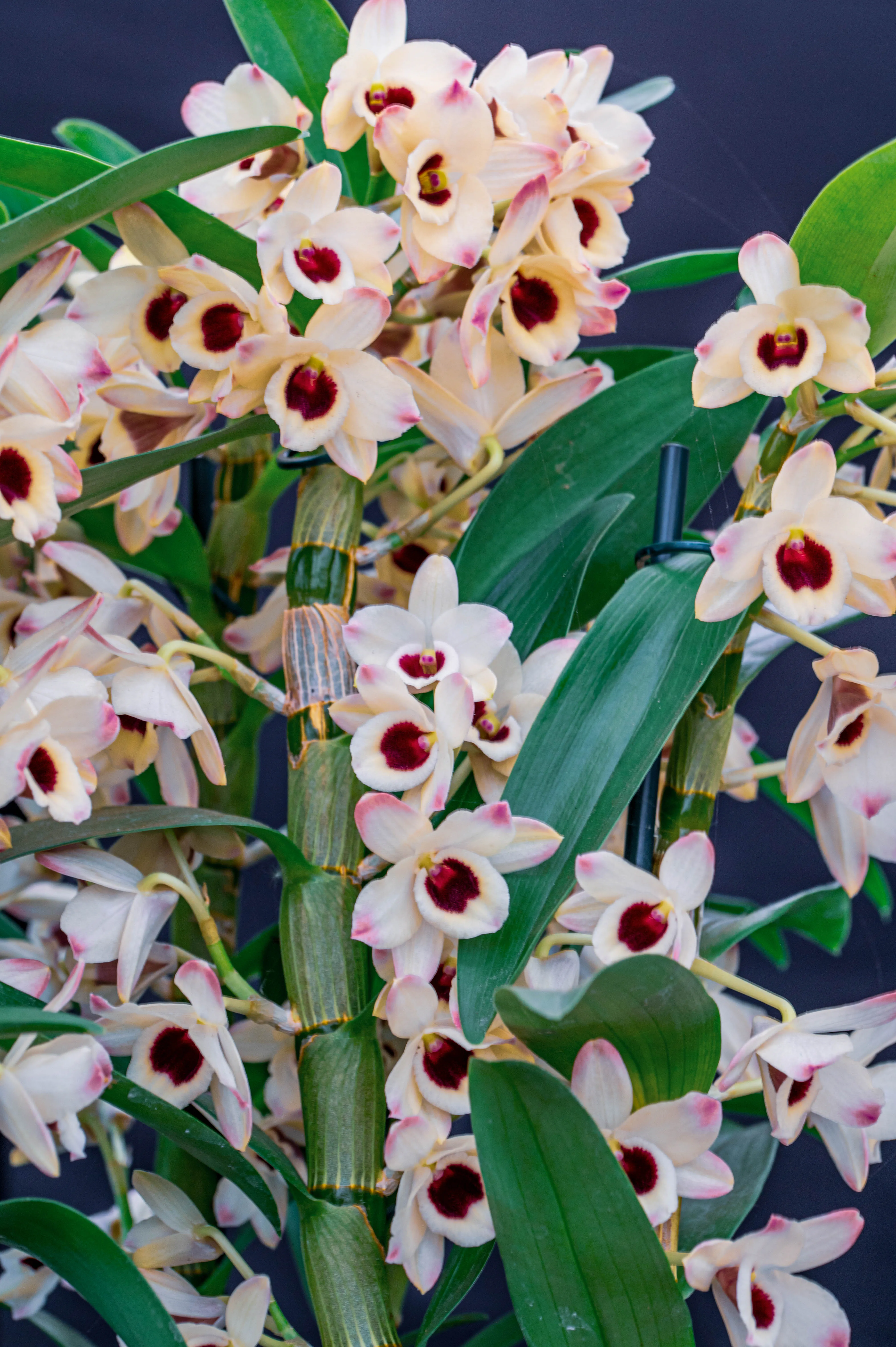
Orchid - Dendrobium
Phalaenopsis Orchid Bloom
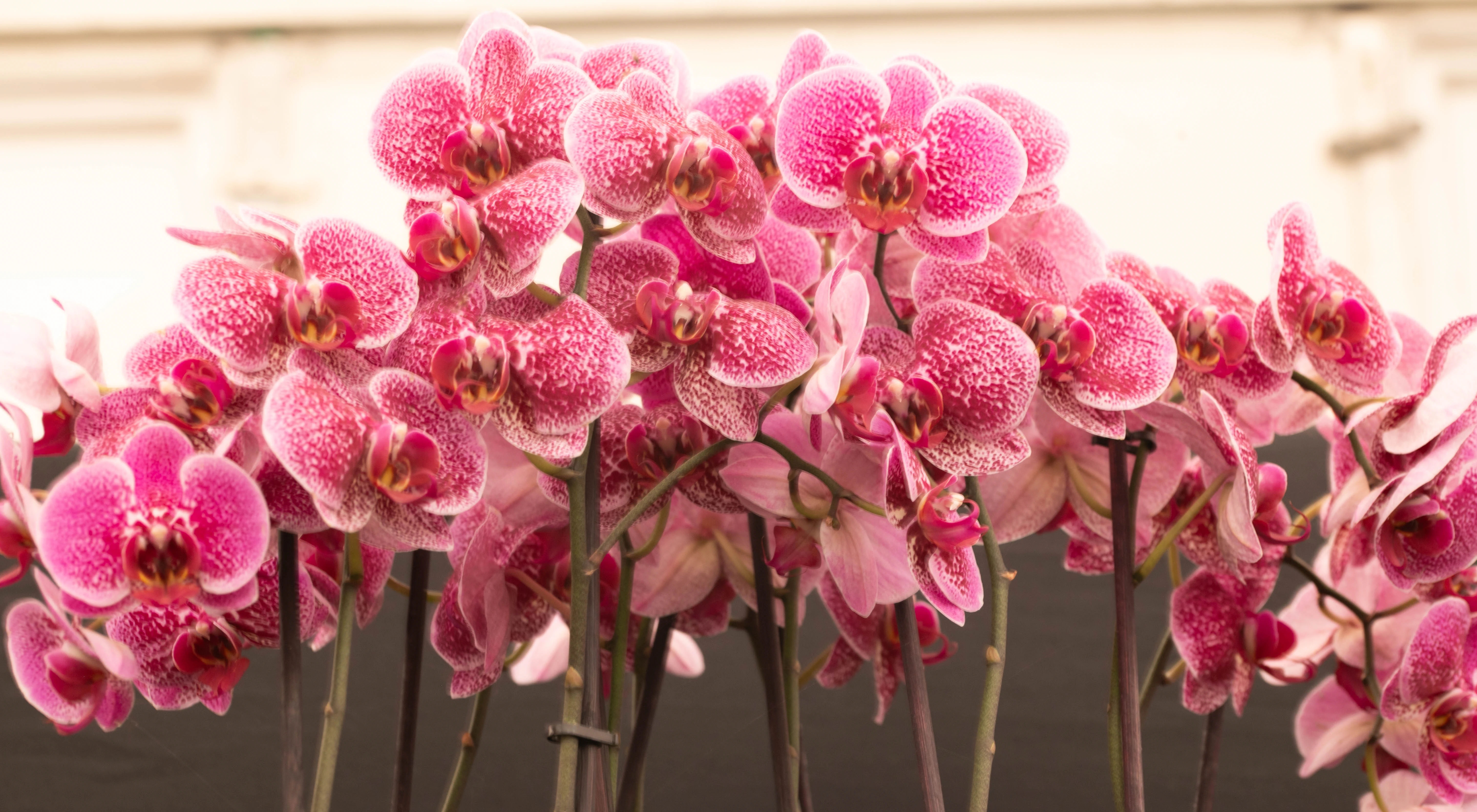
A Lush Bunch of Mottled Pink Phalaenopsis Orchids
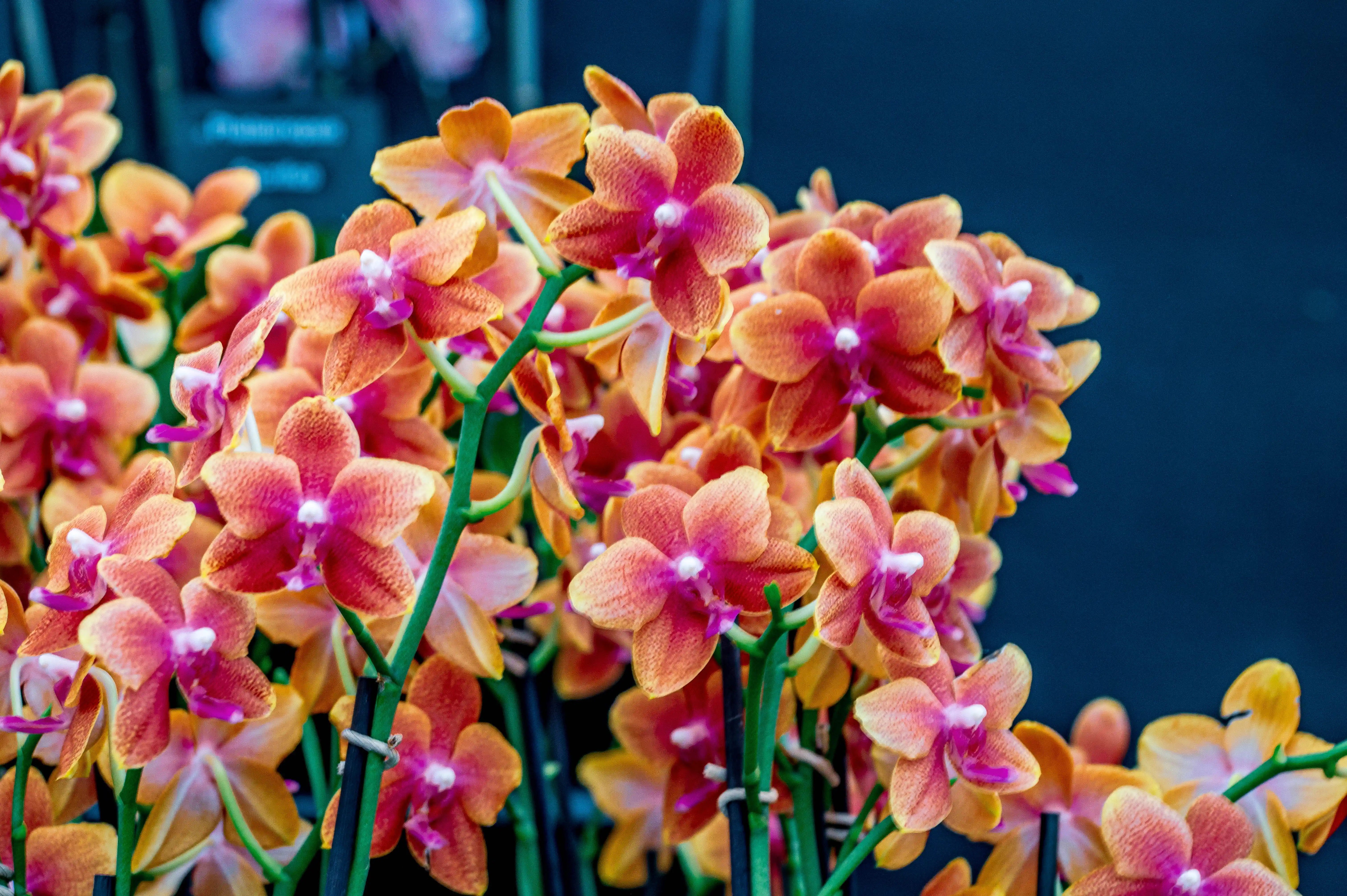
Phalaenopsis Orchid Cluster with Gradient Petals
Close-up of Orchid Blooms
A Close-Up of a Cluster of Pink Phalaenopsis Orchids
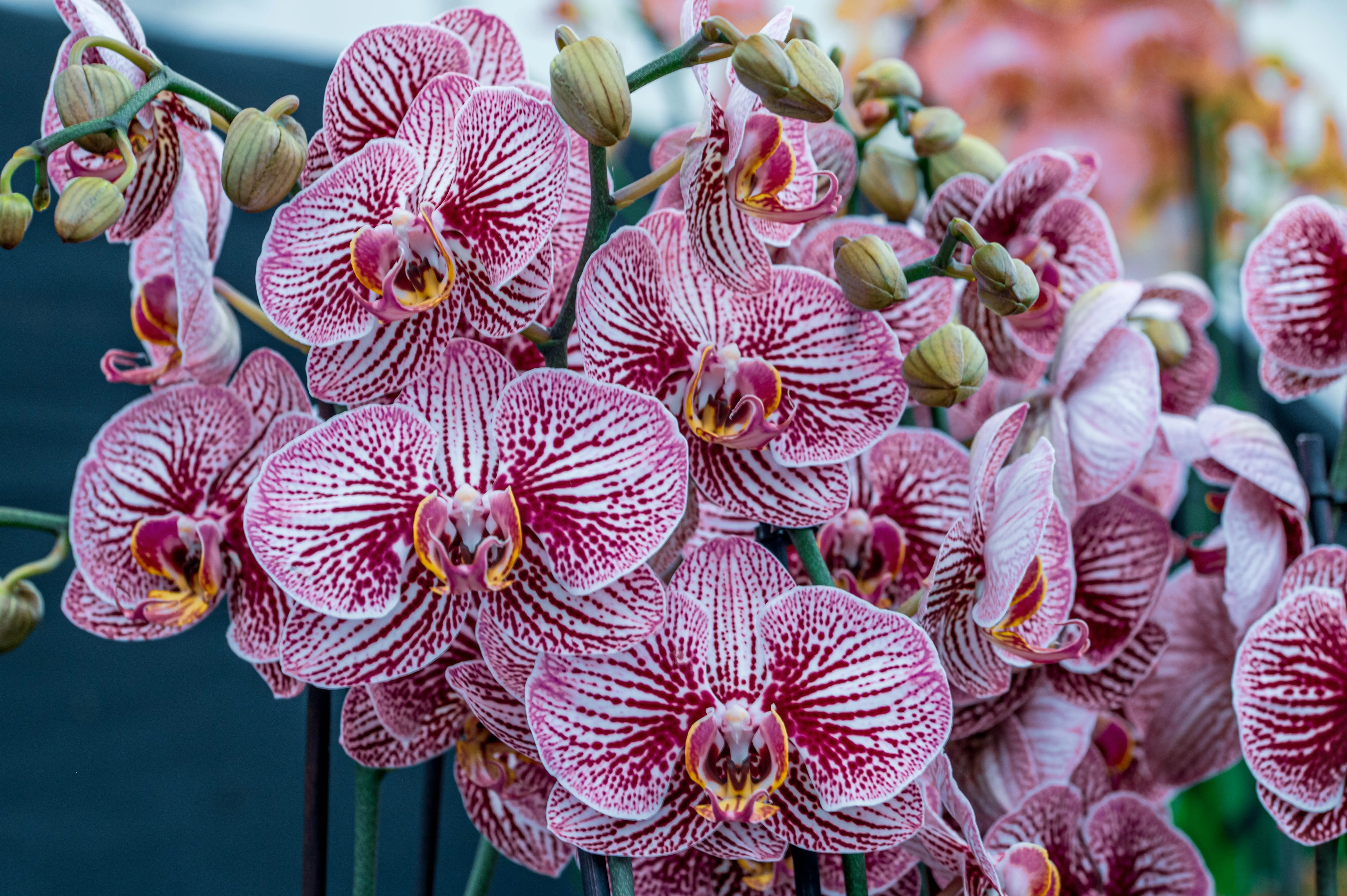
Close-up of a Cluster of Phalaenopsis Orchids in Bloom
Hampton Court Palace, Molesey Road,
East Molesey,
Surrey,
KT8 9AU,
United Kingdom
Key Facts
Founded: ·
Typical dates: Tuesday to Sunday in early July (most recently 1–6 July 2025", "the festival is now biennial, returning to Hampton Court in 2027)
Status: The world's largest flower show
Scale: 31 acres of showground in Home Park, attracting around 120,000 visitors per festival
Organiser: The Royal Horticultural Society, in partnership with Historic Royal Palaces
First held: July 1990, created by Historic Royal Palaces and Network SouthEast", "the first RHS show was 1993
Format: Show gardens, floral marquees, the Festival of Roses, trade stands, musicians and street food
Schedule: Now biennial — the 2026 show moves to Badminton Estate in Gloucestershire, with the festival returning to Hampton Court Palace in 2027
Historical Significance
The original Hampton Court Palace Flower Show was the brainchild of management consultant Adrian Boyd, who saw an opportunity to connect two organisations facing times of uncertainty: the newly created Historic Royal Palaces, looking for revenue after the dismemberment of the Department of the Environment, and Network SouthEast, seeking to make its rail services more profitable. The first show in July 1990 drew an estimated 300,000 visitors, with special trains laid on from Waterloo and porters wearing carnations in their hats — 70 per cent of visitors used rail. When Network SouthEast withdrew in 1992, the RHS won the competitive tender, and its first Hampton Court show in 1993, sponsored by the Daily Mail, was such a success that 1994's was declared the best outdoor public event of the year. The show rebranded as the Hampton Court Garden Festival in 2019, a name the RHS said better reflected the visitor experience", "the 2020 festival was cancelled due to the COVID-19 pandemic.
Key Features and Attractions
Show Gardens: The cutting edge of garden design, with dozens of display and show gardens competing for RHS medals, including Best in Show and the People's Choice awards.
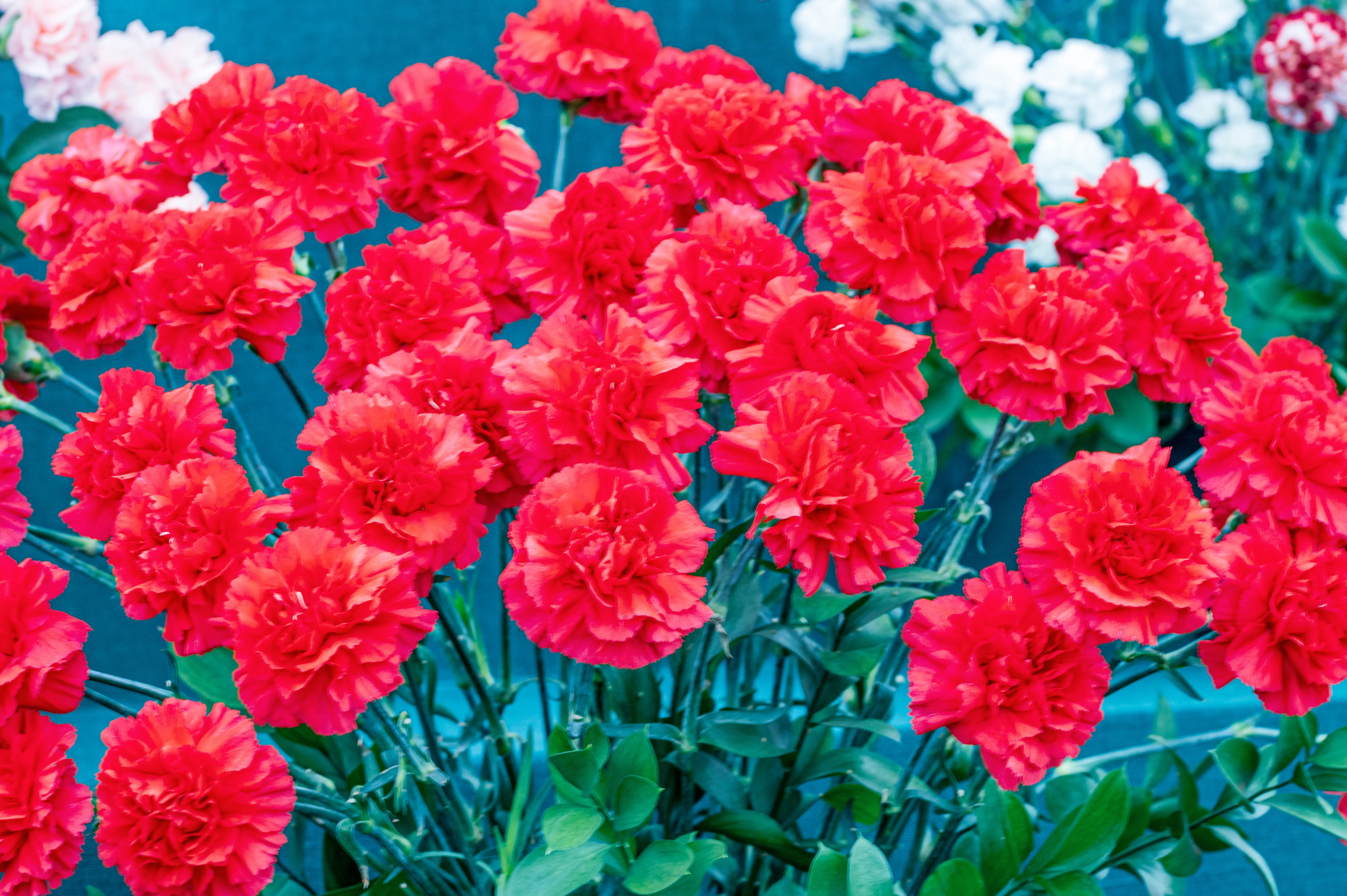
The Festival of Roses: A signature floral feature, fitting for a show that introduced its British Rose Festival back in 1991 with the Royal National Rose Society.
The Floral Marquee and plant sales: More flowers are sold per square mile at RHS Hampton than anywhere else in the UK, with nursery displays and rare plants from specialist growers.
The festival atmosphere: A laid-back feel compared to Chelsea, with musicians, street food and family-friendly spaces — on average 3,300 glasses of Pimm's, 17,000+ cups of Fairtrade tea and coffee, 11,000+ sandwiches and 2,800+ slices of cake are consumed during festival week.
Legacy gardens: Show gardens have been rebuilt for good causes — in 1998 a Hampton Court garden was rebuilt at the Royal Hospital for Neuro-disability, and award-winning gardens such as Davies White's 2017 Cauldwell children's wild garden have gone on to permanent homes.
How To Get There
How To Get There
Getting There From London Victoria
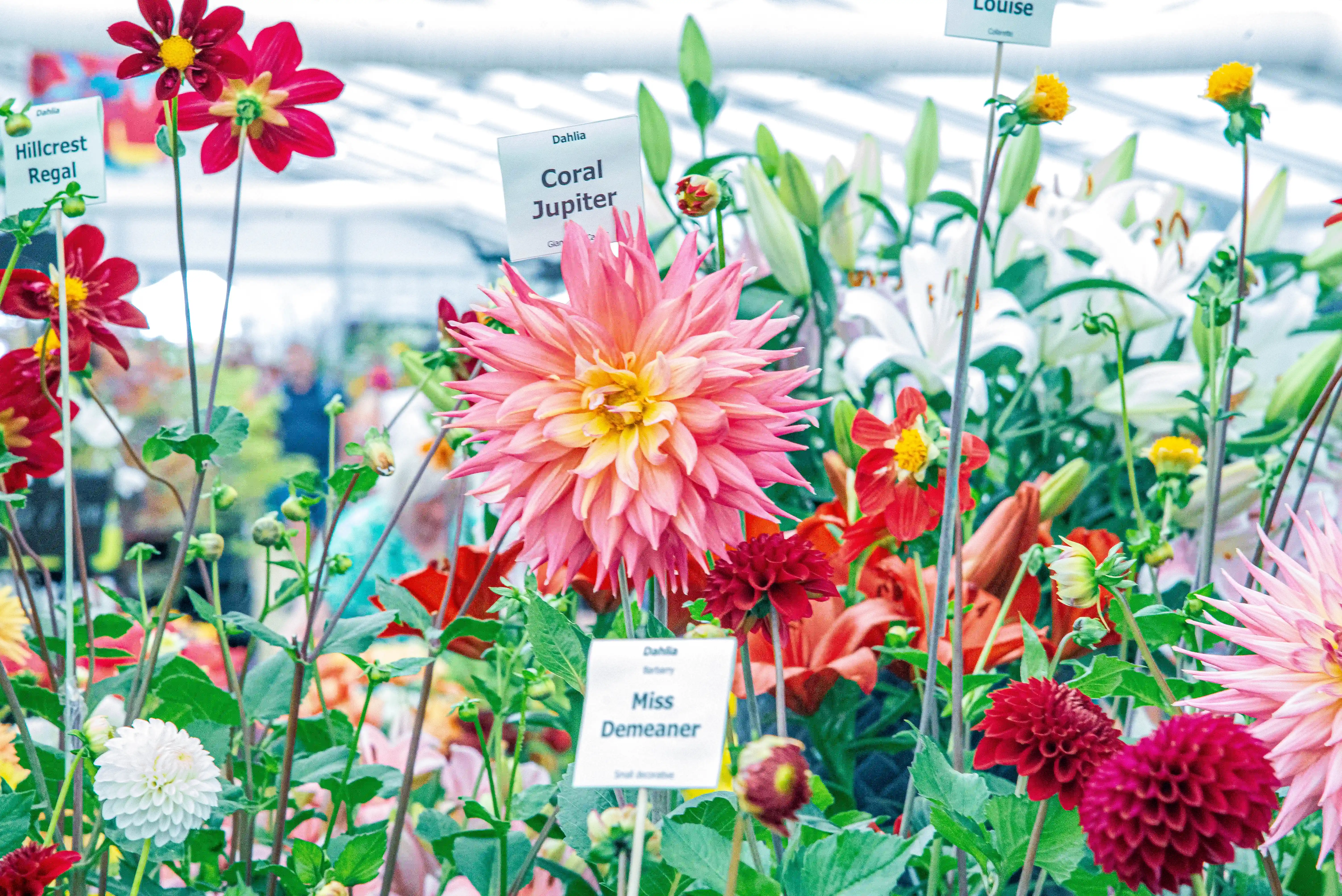
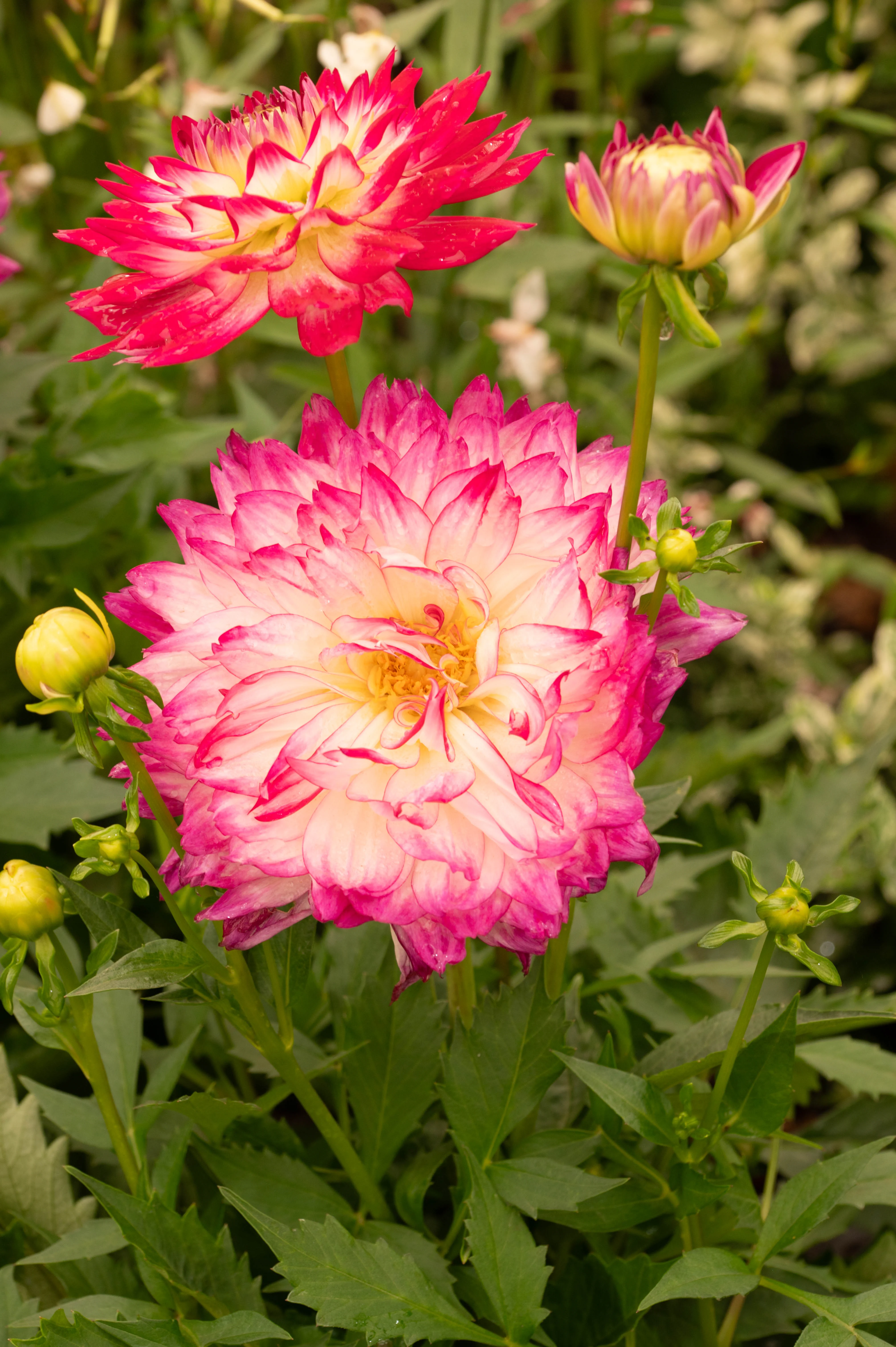
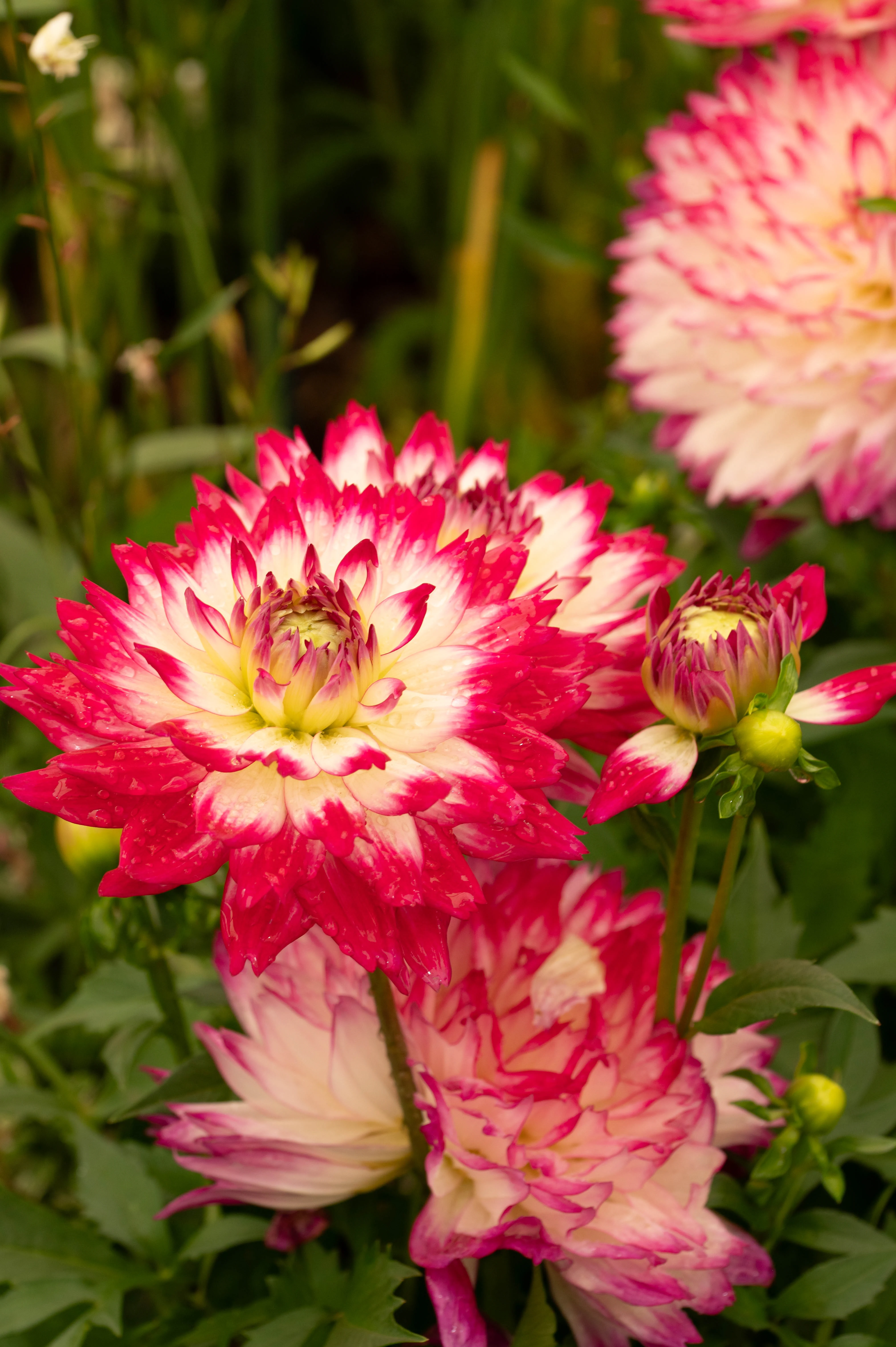
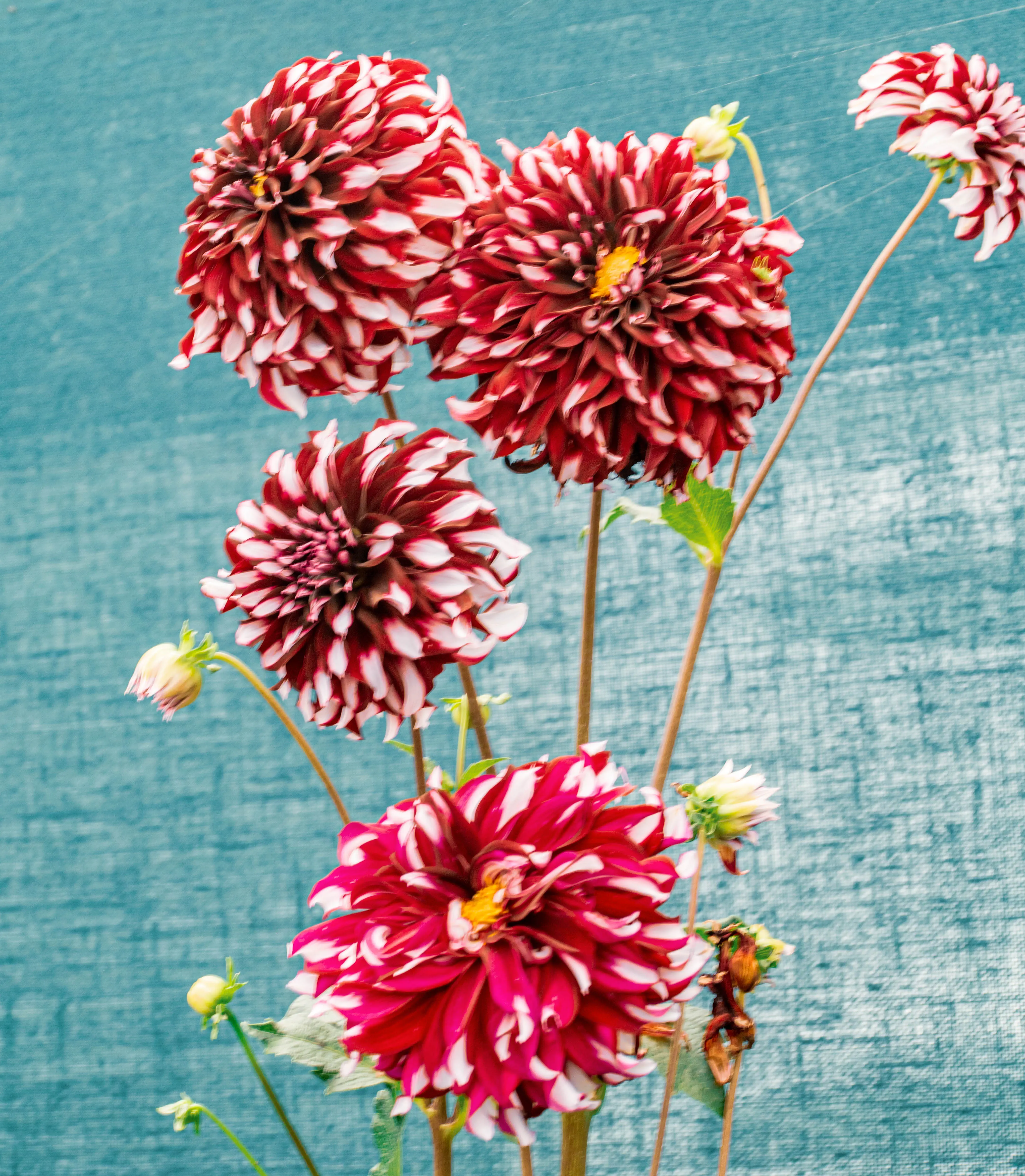
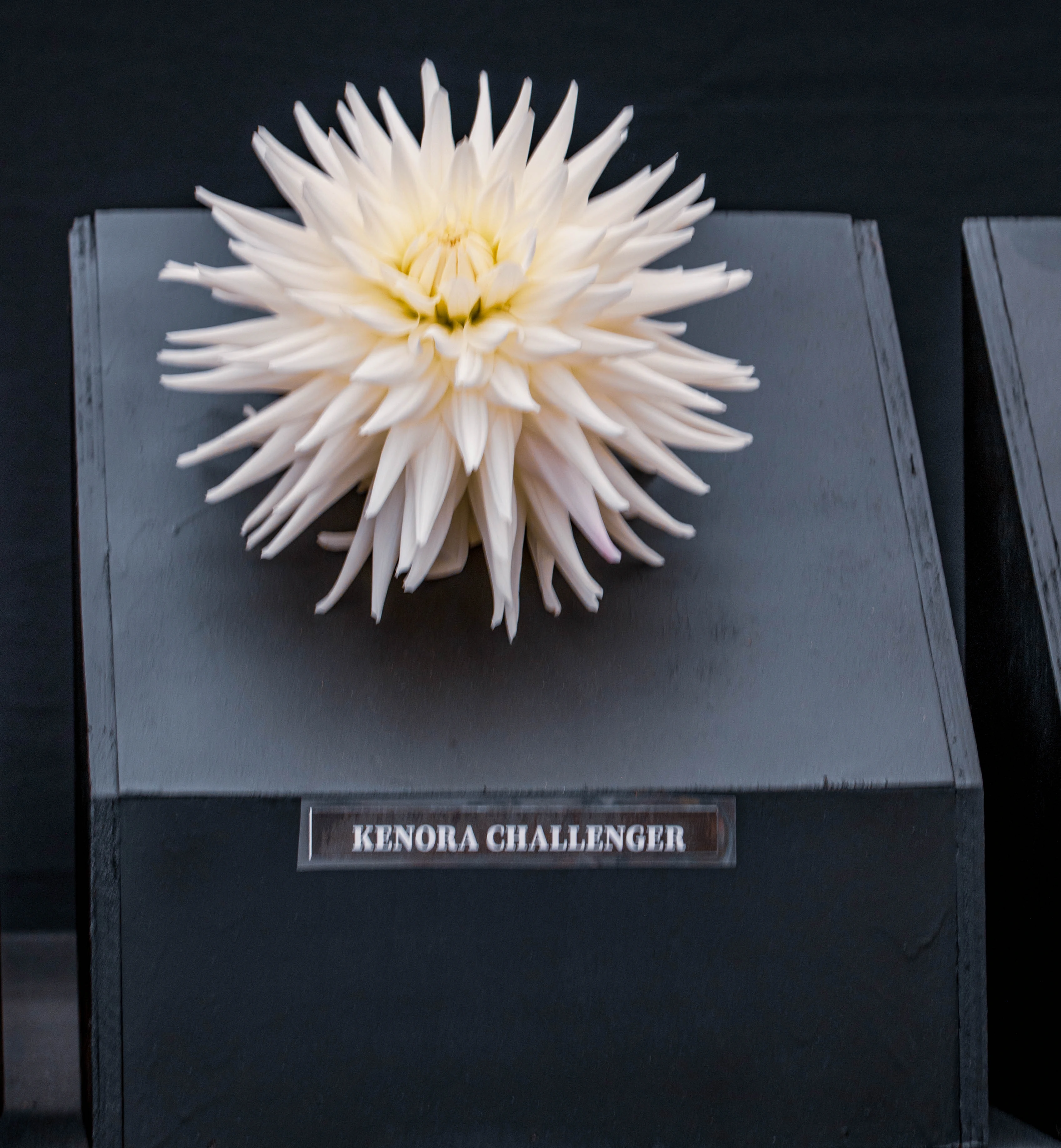
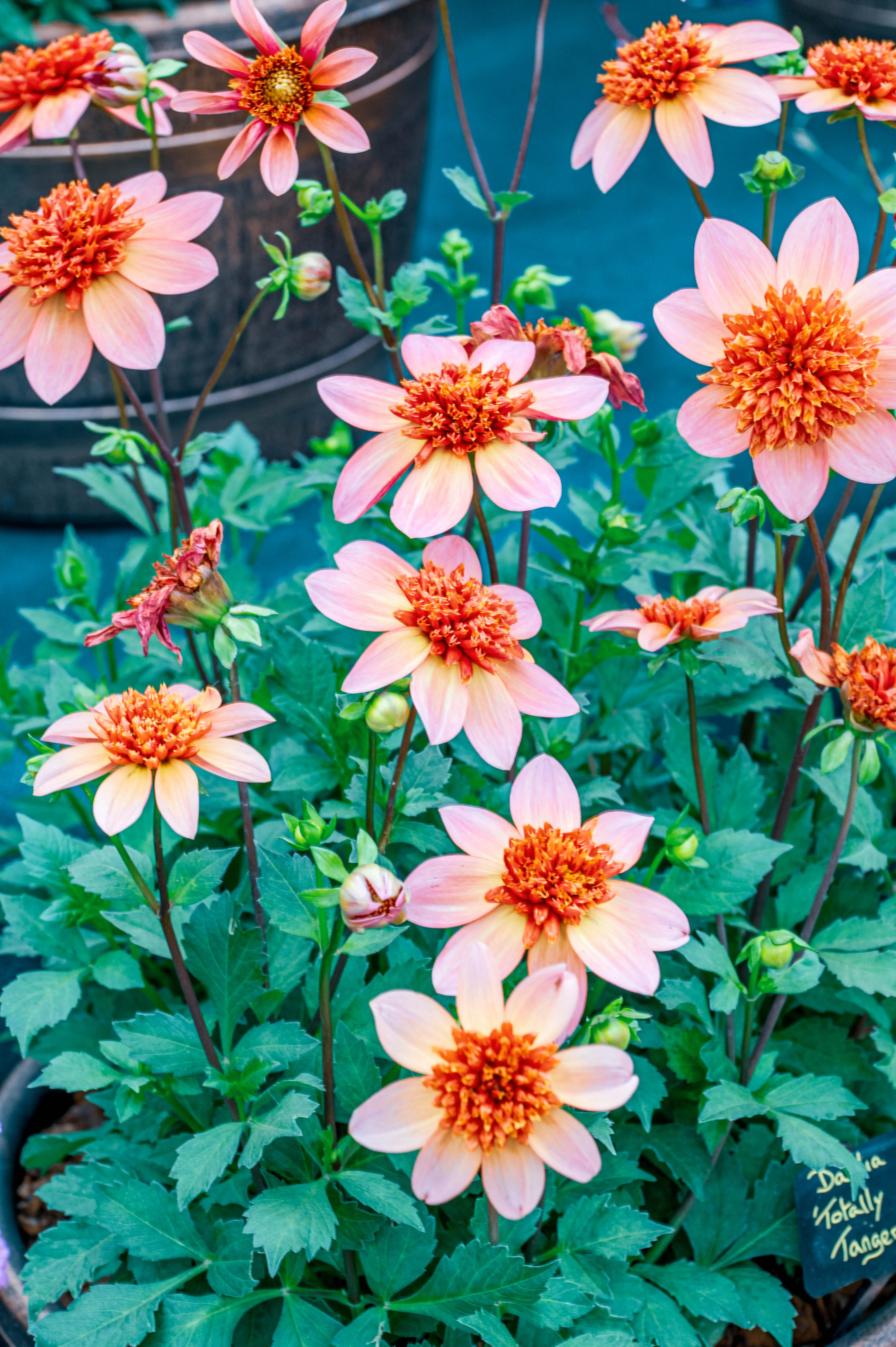
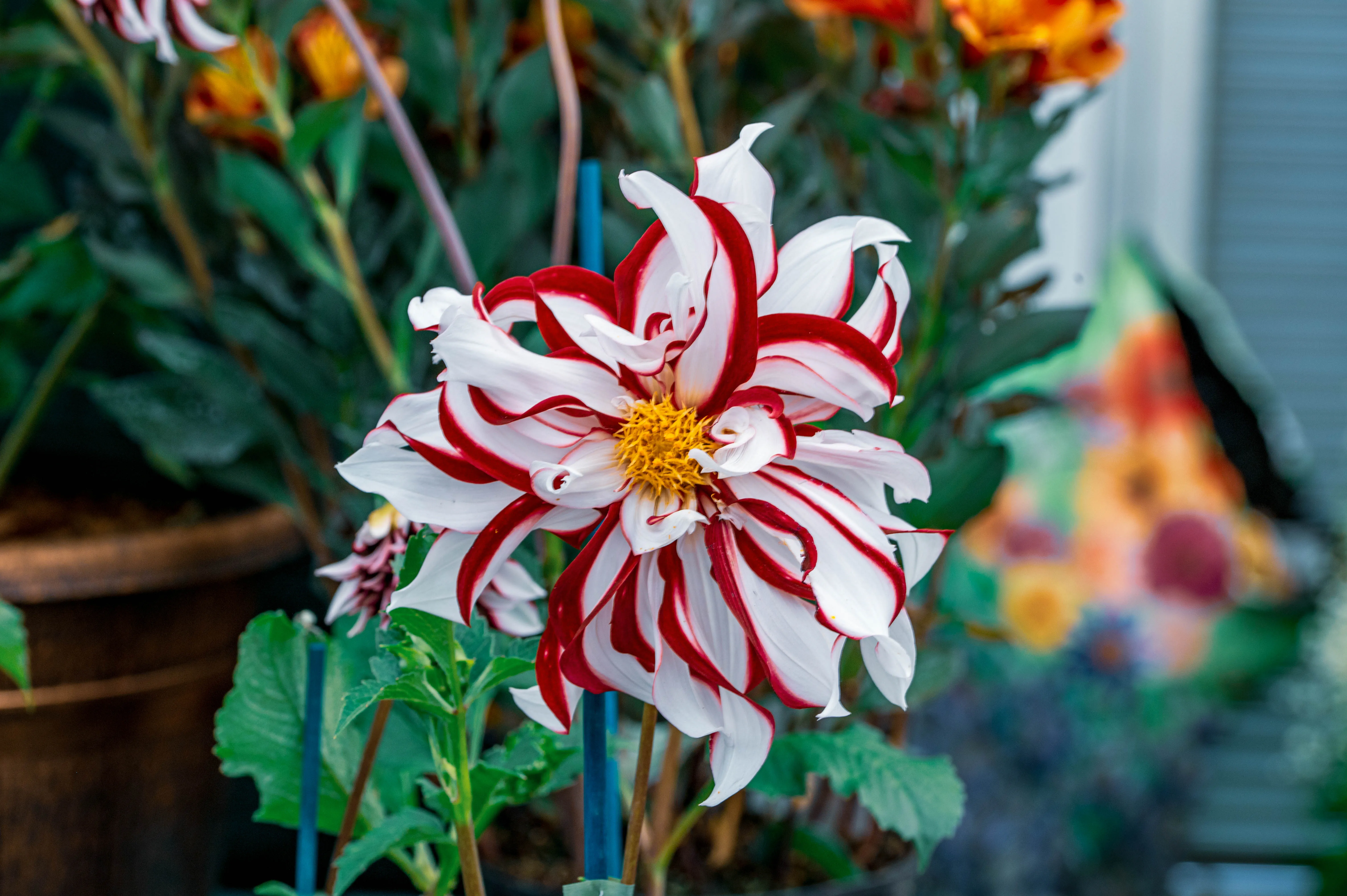
Dahlia
Key Facts
Type: Genus of tuberous perennial flowering plants in the family Asteraceae (aster family), tribe Coreopsideae
Species: 42 accepted species; the garden dahlia (D. × pinnata) is the type species
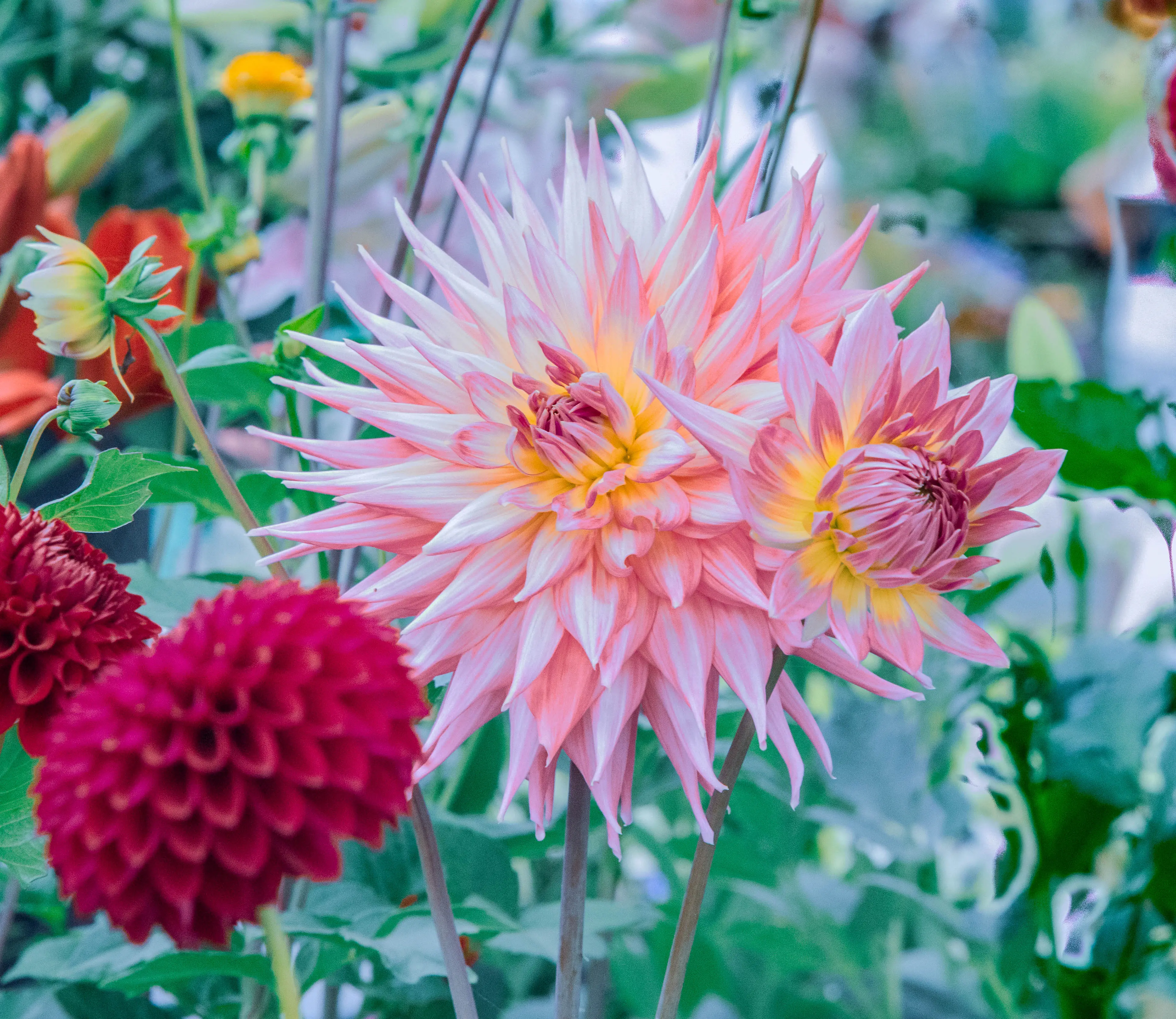
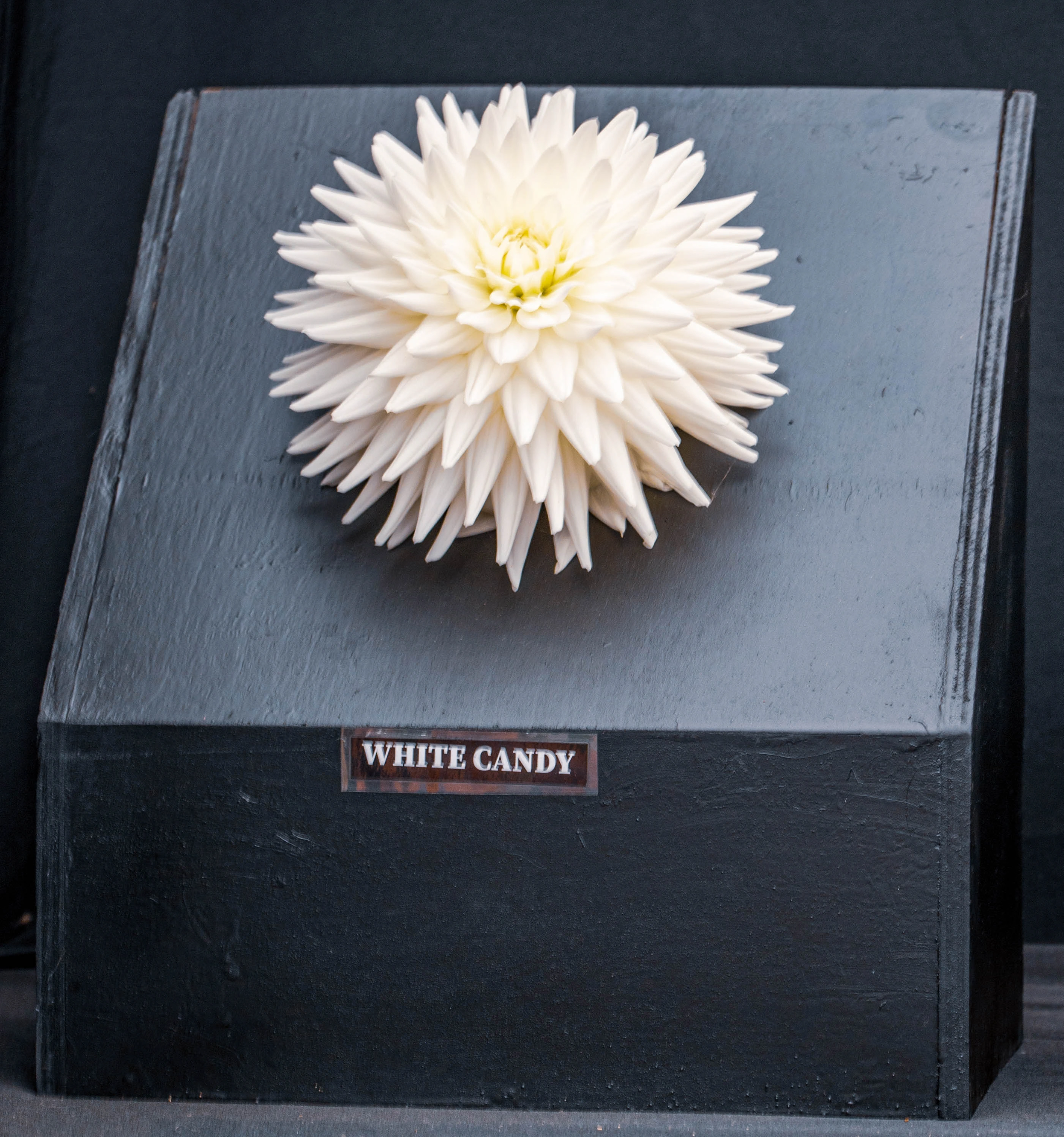
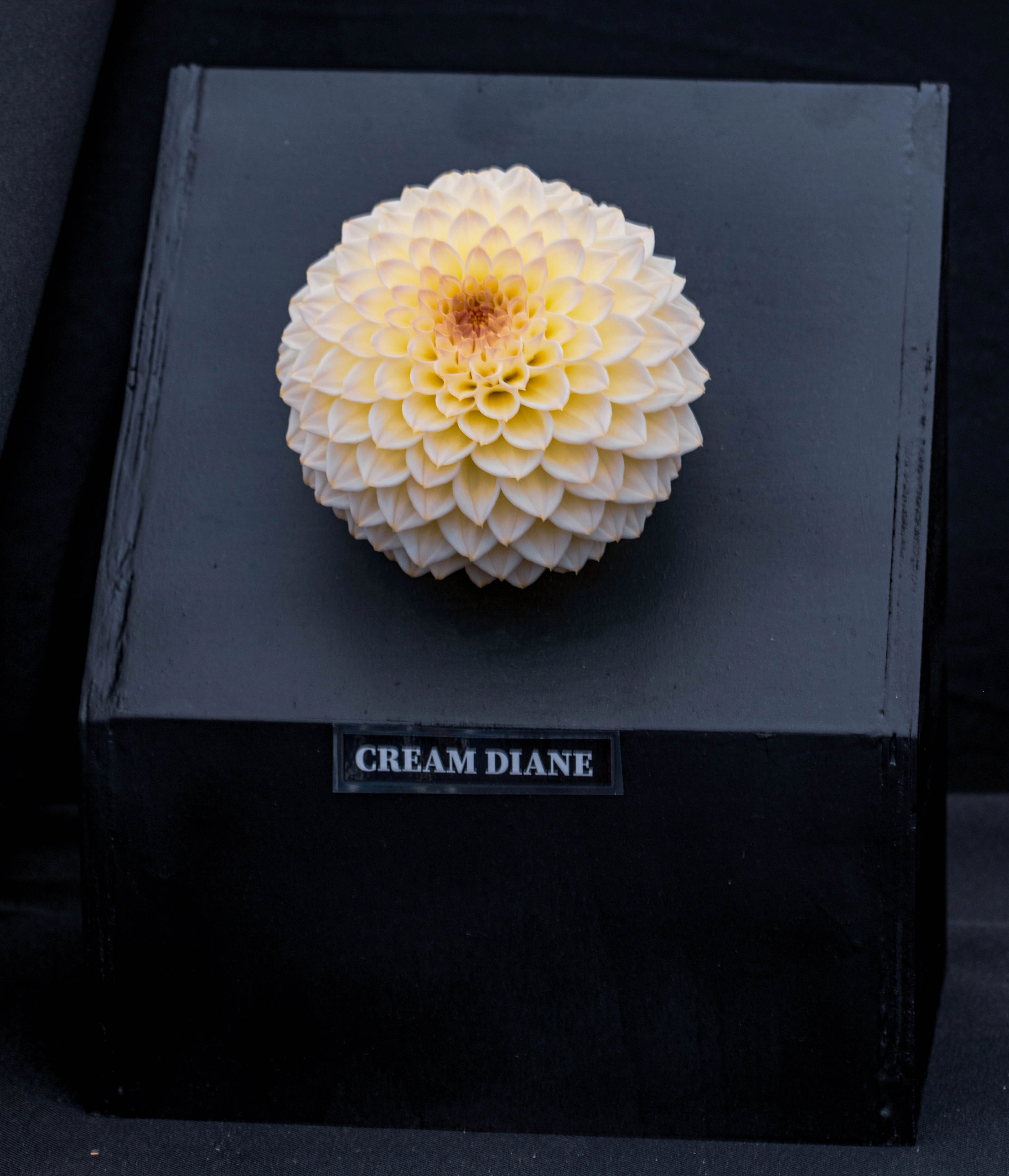
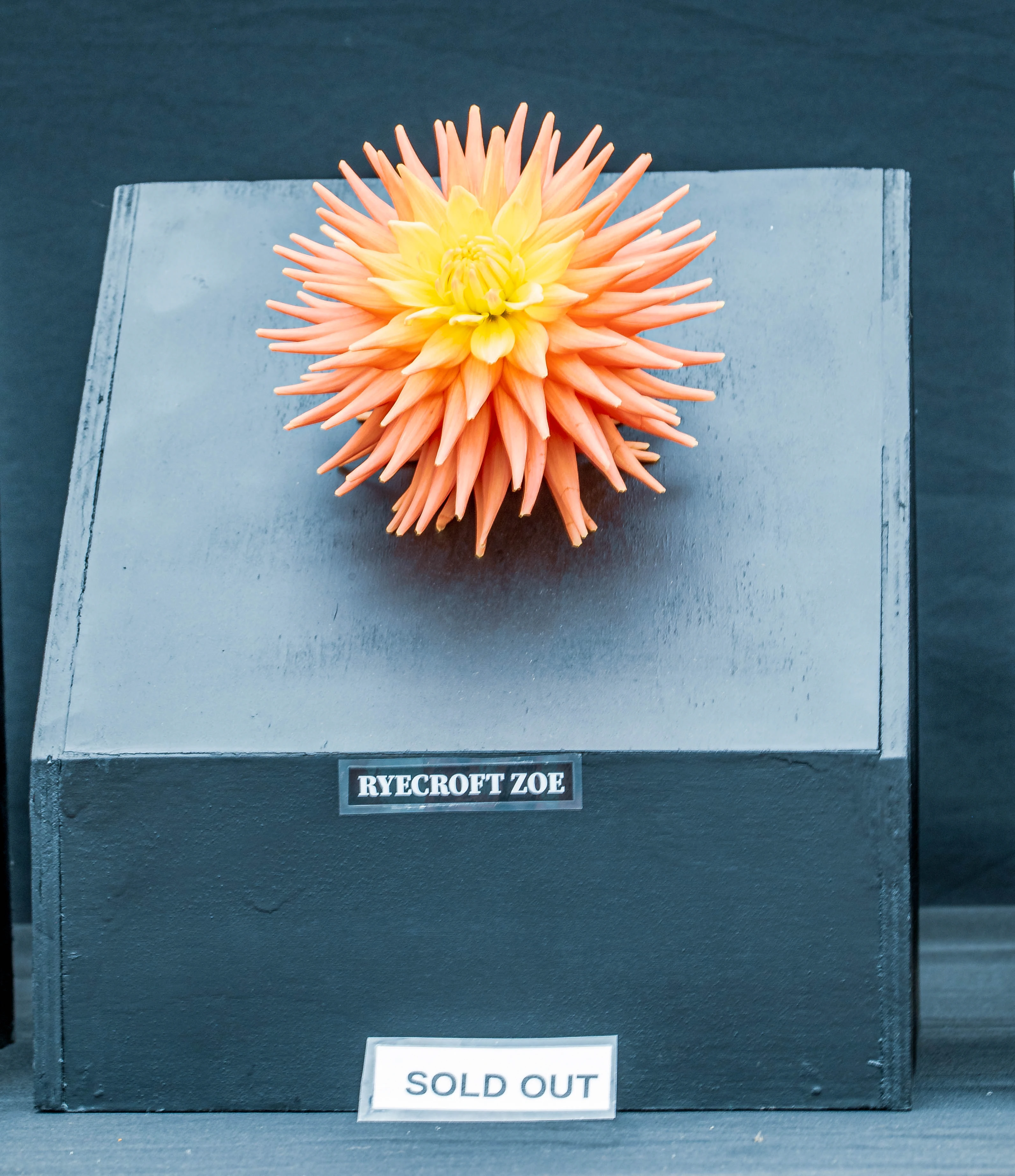
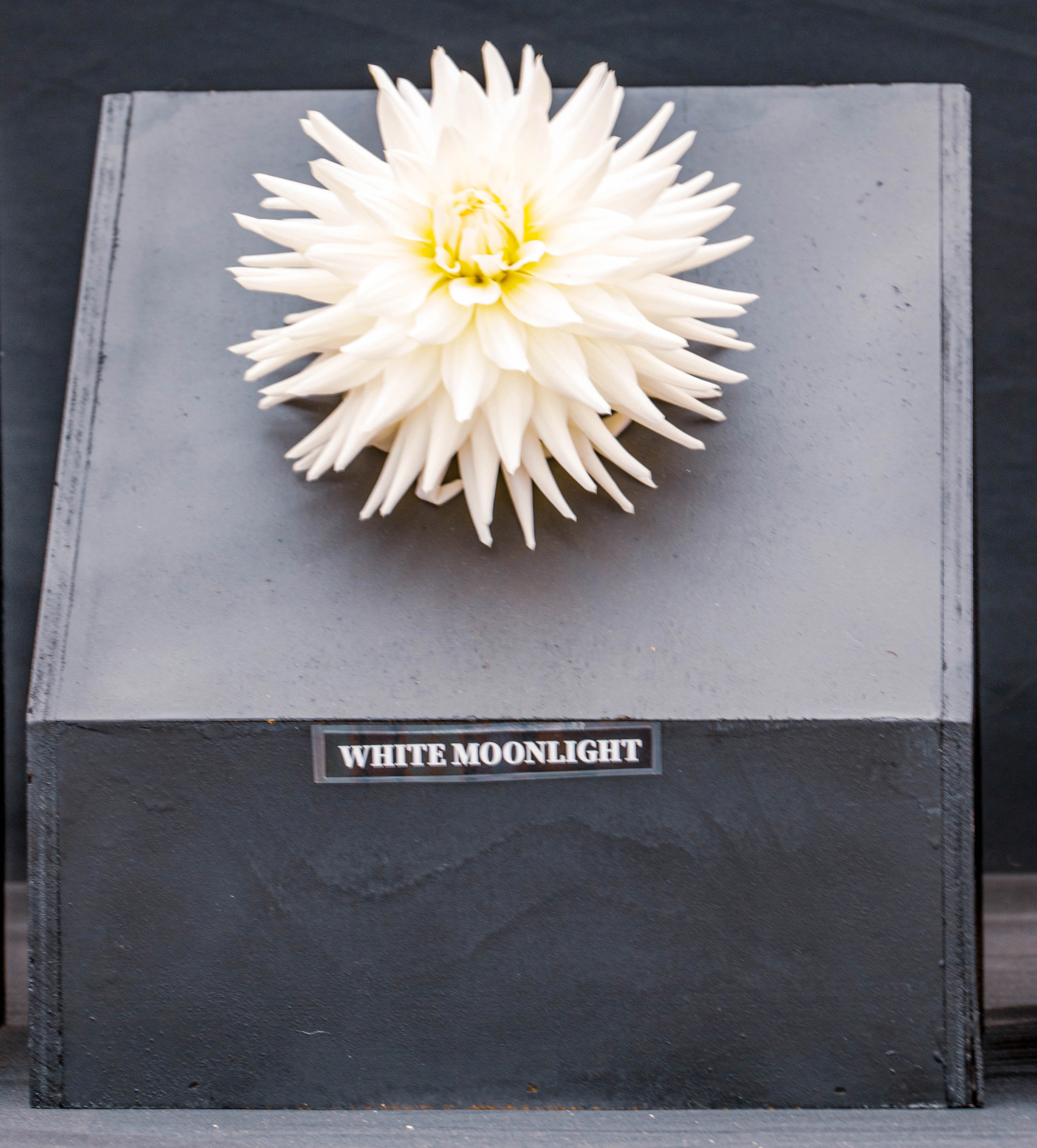
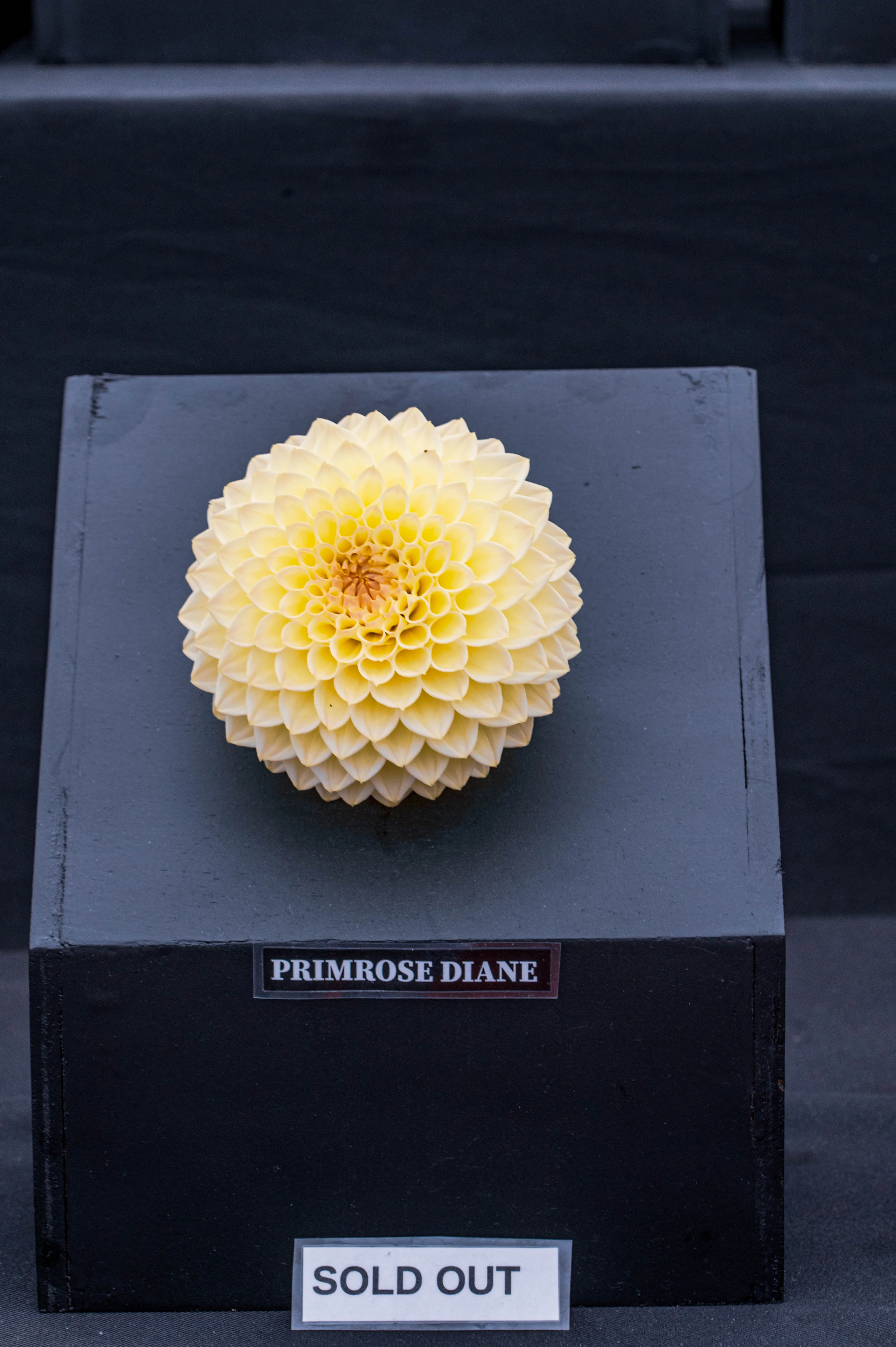
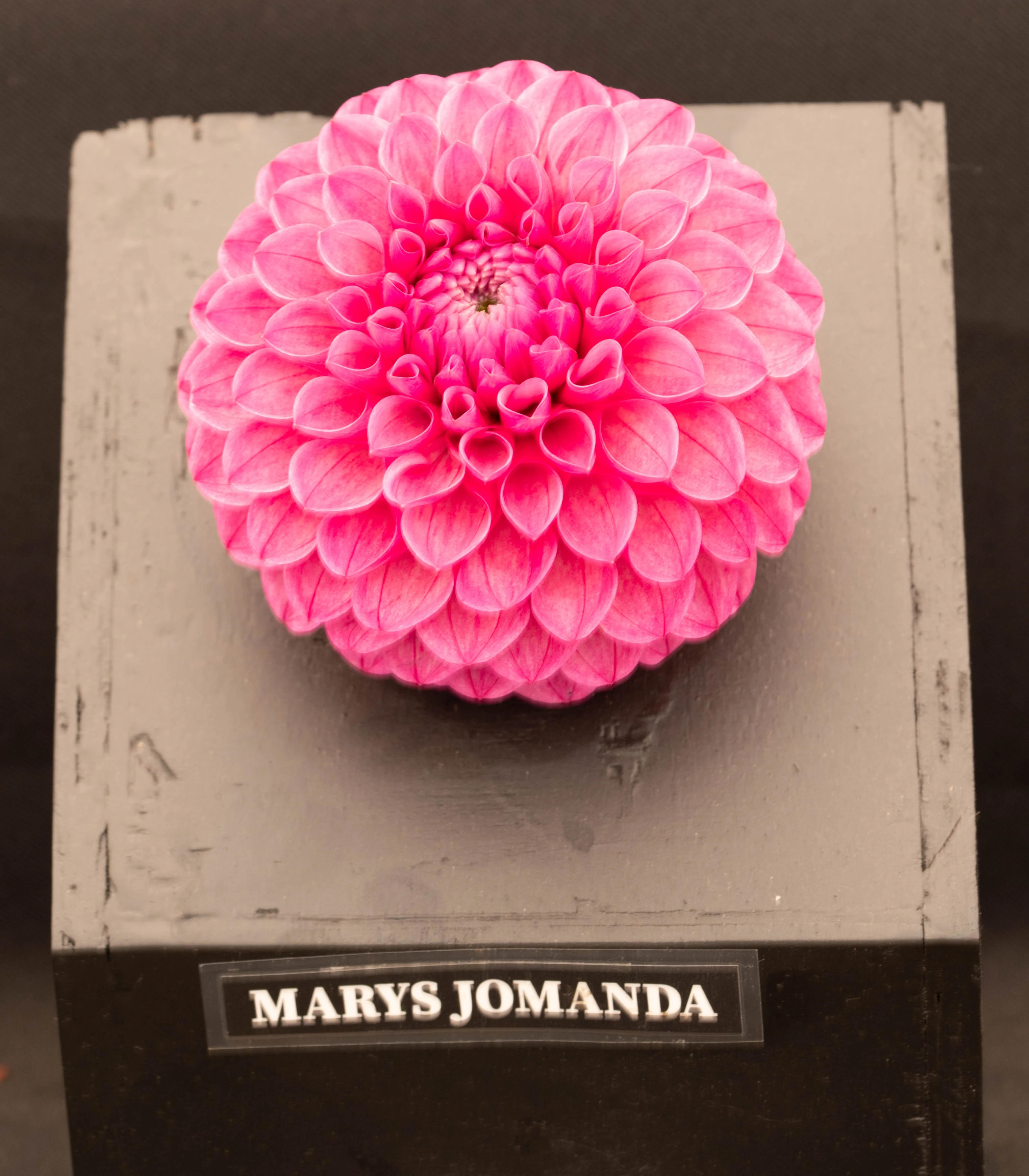
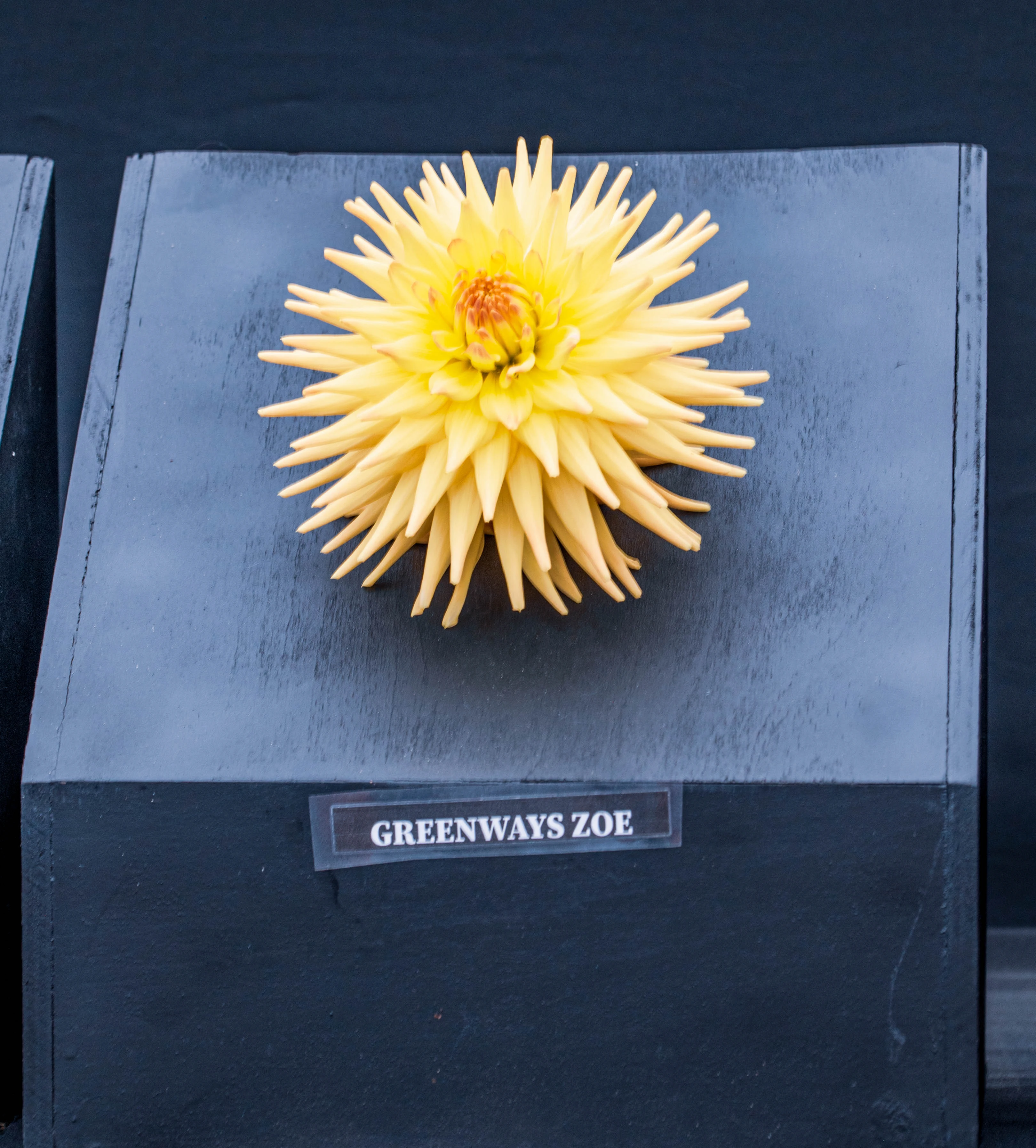
Cultivars: Over 57,000 varieties registered with the Royal Horticultural Society, grouped into 14 flower-form types including single-flowered, pompon, waterlily, decorative, cactus and double orchid
Bloom season: Mid- or late summer through to the first autumn frosts
Colours: Almost every colour except blue — dahlias lack the pigment needed for a true blue flower
National flower: Mexico
Historical Significance
Aztec heritage: Originally grown by the Aztecs as a food crop for their starchy root tubers; the Nahuatl name acocoxochitl means "water pipe flower", as the hollow stems of D. imperialis were used to carry water
Etymology: Named in honour of Anders Dahl, an 18th-century Swedish botanist and pupil of Linnaeus
Arrival in Europe: Sent from Mexico to the Botanical Gardens in Madrid towards the end of the 18th century; the botanist-priest Antonio José Cavanilles flowered and first described the dahlia in 1789
Hybridisation boom: Double dahlias were first bred in Germany in 1808; by 1820 around 100 varieties existed, rising to 2,000 within twenty years
Cactus dahlia: The famous cactus and decorative types derive from D. juarezii, imported as a tuber from Mexico to Holland in 1872 — named in memory of Benito Juárez, Mexico's former president
Distinctive Form and Structure
Roots: Fleshy tuberous roots — not true bulbs — grown from divisions, cuttings or seed
Habit: Erect, branched stems typically 70–120 cm tall, with the tree dahlia (D. imperialis) reaching far greater heights
Flower heads: Composite heads 6–10 cm across in the type species, ranging in cultivars from 5 cm to an impressive 30 cm diameter
Variation: Morphological variation is extreme — one 1920s hybridiser raised hundreds of families and never saw two identical plants
Key Species and Attractions
D. × pinnata (garden dahlia) — the type species, a hybrid likely of D. coccinea × D. sorensenii; the original wild form is presumed extinct
D. coccinea — red-flowered wild species, a parent of most modern hybrids
D. imperialis (tree dahlia) — tall species with hollow water-pipe stems, found from Mexico south to Colombia and Ecuador
D. campanulata — a 2003-described Oaxacan species with exceptionally large pendulous white-to-pink bell flowers and enormous tubers
Native Range
Native to the higher elevations and mountainous regions of Mexico and Central America — also found in Guatemala, Honduras, Nicaragua, El Salvador, Costa Rica, Belize, Colombia and Panama.
Growing Experience
Site and soil: Fertile, moist but well-drained soil (pH 6.5–7.5) in full sun; shelter taller varieties with stakes
Planting: Plant tubers after the last frost (late May–early June), spacing at least 60 cm apart; start early in pots under glass for earlier flowers
Care: Pinch out central tips for bushier growth; deadhead and feed regularly for continuous blooms into October
Overwintering: Not frost hardy — lift tubers in autumn, dry, and store frost-free in vermiculite or sand (in milder UK areas they may survive outdoors under an insulating mulch)
Pests: Watch for slugs, earwigs, aphids and red spider mite, especially on emerging spring shoots
Further Information
www.dahlia-nds.co.uk/ — the National Dahlia Society (founded 1882) is the world's oldest dahlia society;
www.dahlia.org — the American Dahlia Society recognises 29 cultivar groups.
Lily (Lilium)
Key Facts
Type: Genus of herbaceous perennial flowering plants growing from scaly bulbs, in the family Liliaceae
Species: 80–100 accepted species, with about 110 historically reported
Etymology:Lilium is the Latin form of the Greek leírion, generally assumed to refer to the white Madonna lily; the name is a Linnaean name
Flowers: Six petal-like tepals forming trumpets, bowls, funnels or turk's caps, in white, yellow, orange, red and pink, often fragrant
Cultural note: "True lilies" belong to Lilium — lily of the valley, daylilies, water lilies and flame lilies share the name but not the genus
Historical Significance
Ancient cultivation: Lilies are among the oldest cultivated plants — in Asia Minor during the 2nd millennium BCE the Madonna lily bulb was grown for a medicinal ointment, and the ancients raised the bulbs for food; the Greeks and Romans grew it for ornamental and medicinal purposes
Symbolism: The Madonna lily (L. candidum) has long been associated with purity in art and religion; Lilium philadelphicum is the floral emblem of Saskatchewan and appears on its flag
Plant hunting: The regal lily (L. regale) was discovered in the Min Valley of China in 1903 by Ernest "Chinese" Wilson, who later broke his leg collecting its bulbs — and afterwards walked with his "lily limp"; it became one of his greatest introductions
Classification: Harold Comber's 1949 sectional classification, based on morphology, bulbs, germination and geography, has organised the genus for over seventy years; its seven sections include the North American Pseudolirium (about 21 species) and the East Asian Archelirion, genetic foundation of the Oriental hybrids
Distinctive Form and Structure
Bulbs: Scaly, often white bulbs that overwinter underground; propagation by division, scaling or seed
Stems and leaves: Erect leafy stems bearing whorled or spirally arranged, usually narrow leaves; heights range from under 50 cm to 2 m in the regal lily
Flower forms: Trumpet (Easter lily, Madonna lily), bowl-shaped, turk's-cap (martagon) and pendant forms, borne in terminal racemes or umbels
Key Species and Attractions
Lilium candidum (Madonna lily) — the classic white trumpet lily of gardens and art; shallow planting and neutral to alkaline soil required
Lilium regale (regal lily) — vigorous 2 m perennial from China with fragrant 14 cm white trumpets flushed purple outside; tolerates ordinary soil and holds the RHS Award of Garden Merit
Lilium longiflorum (Easter lily) — long white trumpets, highly fragrant, a florist staple
Lilium lancifolium (tiger lily) — orange spotted pendant flowers of the Asiatic group
Lilium columbianum (Columbia lily) — western North American species whose bulbs were steamed and pit-cooked as a flavouring by Coast Salish and other indigenous peoples
Hybrid groups: Asiatic, Oriental, trumpet/Aurelian, martagon, species and interdivisional (LA, OT) lilies, classified by horticultural division codes
Native Range
Most species are native to the Northern Hemisphere across temperate climates and into the subtropics — across much of Europe, the Mediterranean, Asia to Japan, south to the Himalaya and the Philippines, and roughly 21 species in North America (the section Pseudolirium, restricted entirely to the New World).
Growing Experience
Site and soil: Rich, fertile but well-drained soil in sun or partial shade — bulbs rot in poorly drained soils
Planting: Plant bulbs from autumn to March (autumn preferred) with 15 cm of soil above them; the Madonna lily is the exception, planted shallow with the bulb tip just below the surface
Containers: Lilies grow superbly in pots, including woodland and martagon types for shadier spots
Aftercare: Allow foliage to die back naturally; when cutting for the vase leave at least a third of the stem
Pests: Watch for the scarlet lily beetle, which can quickly defoliate plants
Toxicity: All parts are highly toxic to cats
Further Information
www.rhs.org.uk/plants/lilies — the RHS lily guide, with AGM-awarded species and cultivars; many species and cultivars hold the RHS Award of Garden Merit.