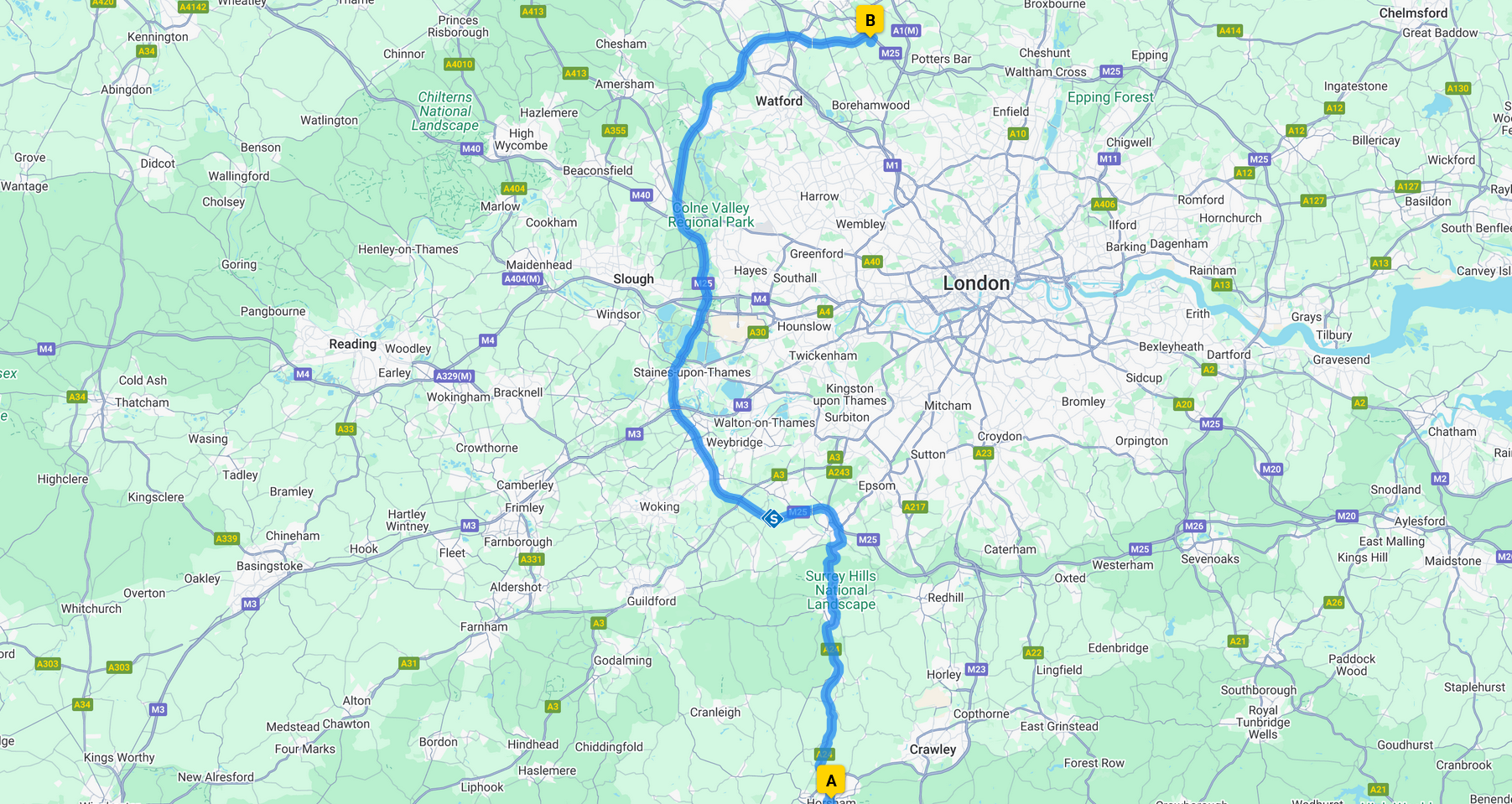
The de Havilland Aircraft Museum is located in London Colney, Hertfordshire (just off Junction 22 of the M25), and is Britain’s oldest aviation museum, dedicated to preserving the legacy of the de Havilland Aircraft Company. Its unique collection includes three de Havilland Mosquito aircraft (including the original WWII prototype), the fuselage of the world’s first jet airliner (Comet 1), the Sea Vixen, and a range of engines, missiles, and interactive exhibits. Visitors can explore inside several aircraft, learn about British aviation innovation, and enjoy a café and gift shop
de Havilland Aircraft Museum
Salisbury Hall, London Colney, Hertfordshire, AL2 1BU, United Kingdom
Key Features and Exhibits
Three de Havilland Mosquito Aircraft‚
Comet 1a (World’s First Jet Airliner)‚
de Havilland Vampire (Third Operational Jet Aircraft)‚
Tiger Moth Trainer‚
Airspeed Horsa Glider‚
de Havilland Rapide (Ongoing Restoration)‚
Interactive Flight Simulators‚
Aviation Technology Displays (Radar, Engines, Missiles)‚
Wartime Operations and Weapons Exhibits‚
Interior Access to Comet, Trident, and DH 146‚
Extensive Collection of Aero Engines‚
Gift Shop with Models, Books, and Merchandise<‚
Café with Aircraft-Themed Seating‚

photo by Michael Gaylard,
©www.mgaylard.co.uk.
Airspeed Horsa Glider
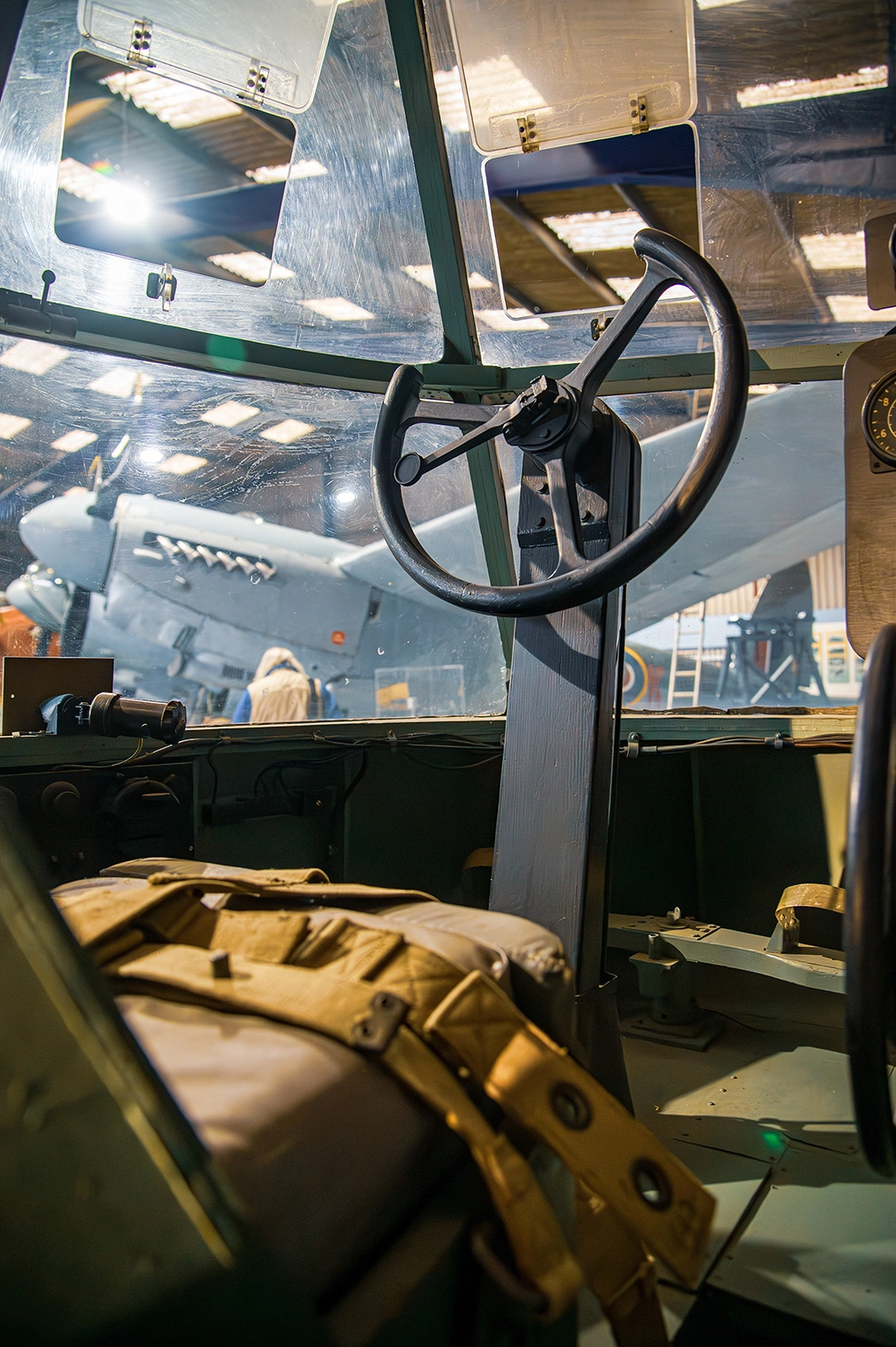
photo by Michael Gaylard,
©www.mgaylard.co.uk.
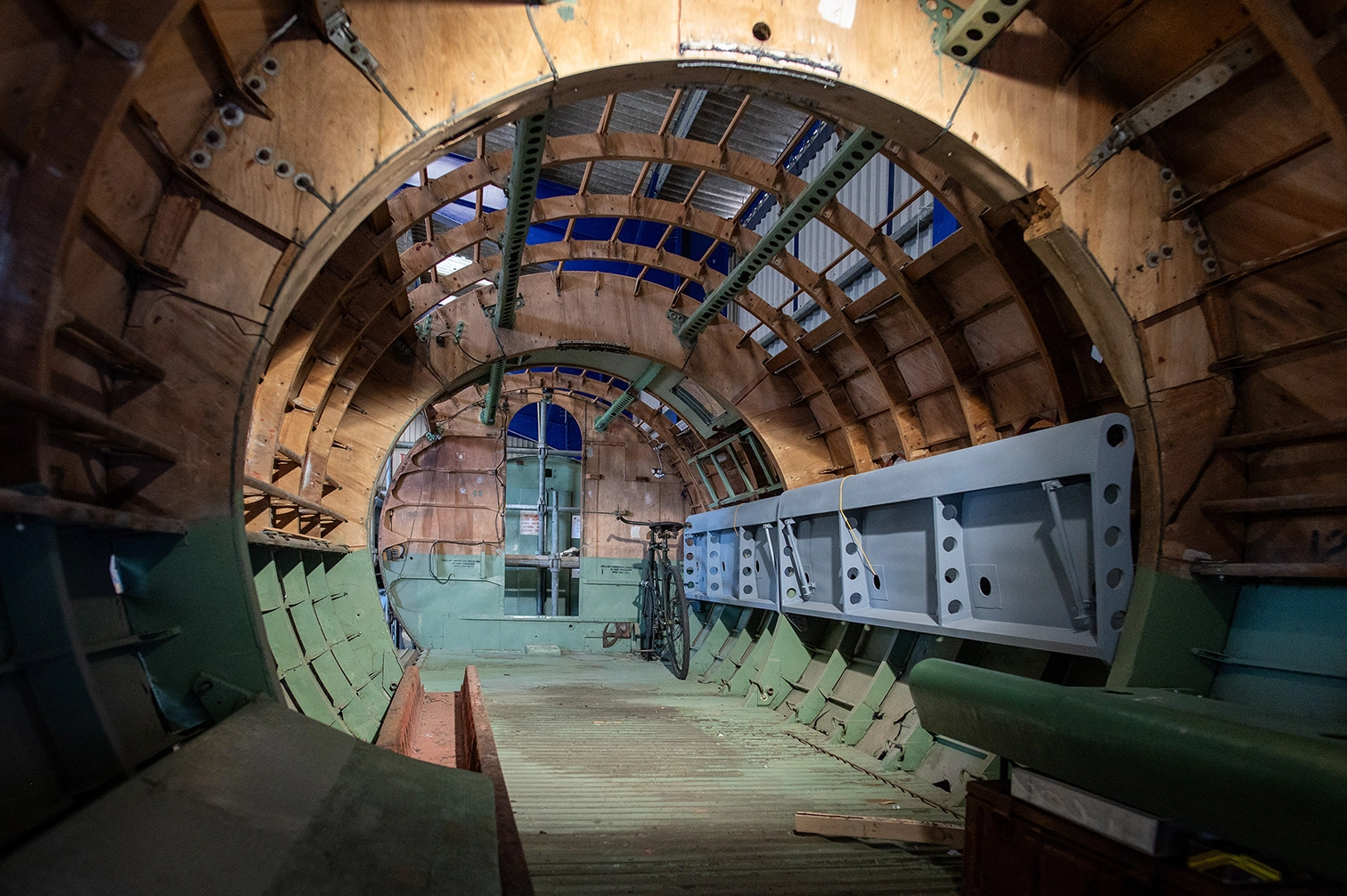
photo by Michael Gaylard,
©www.mgaylard.co.uk.
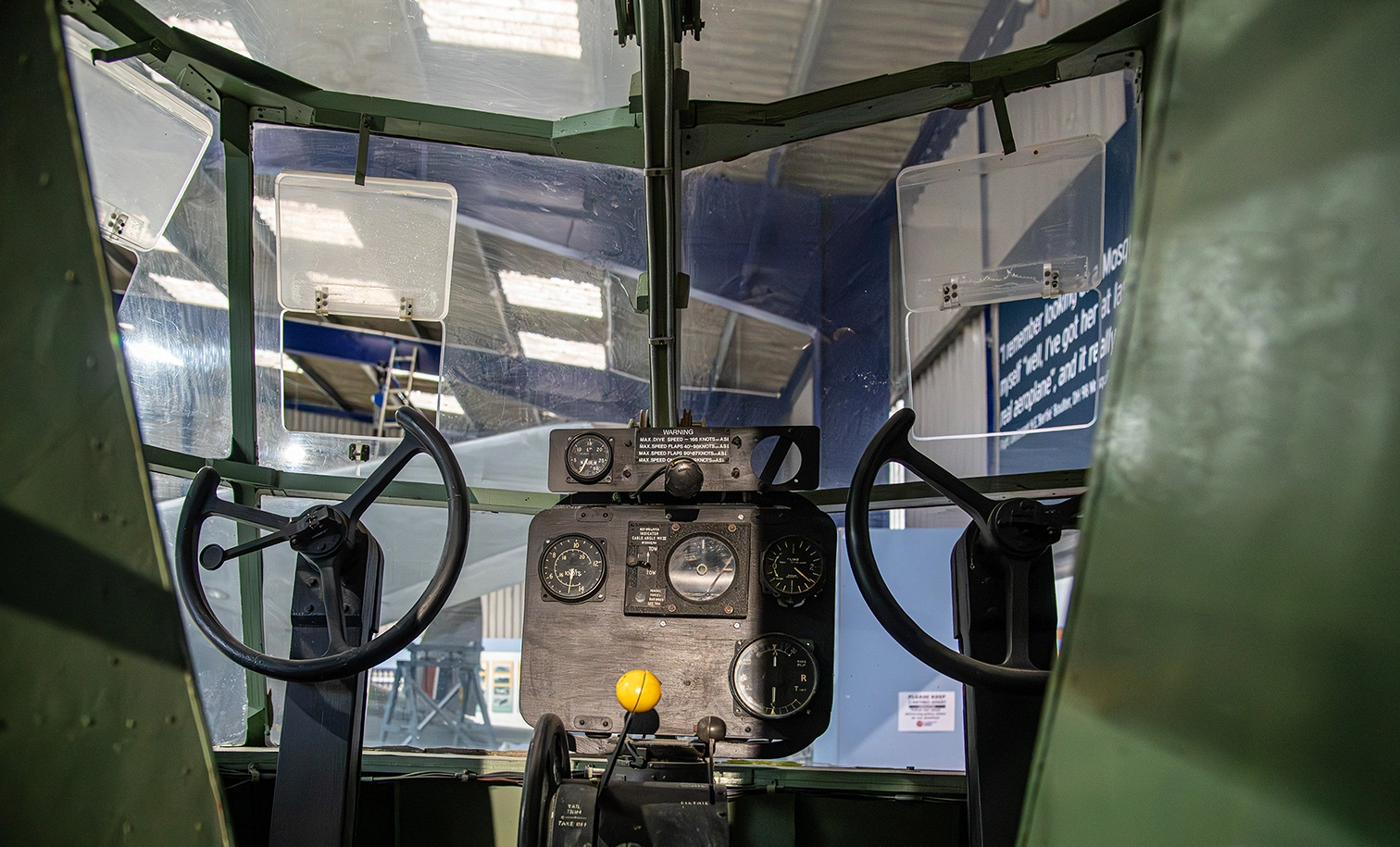
photo by Michael Gaylard,
©www.mgaylard.co.uk.
DH146/BAe.146 Whisper Jet
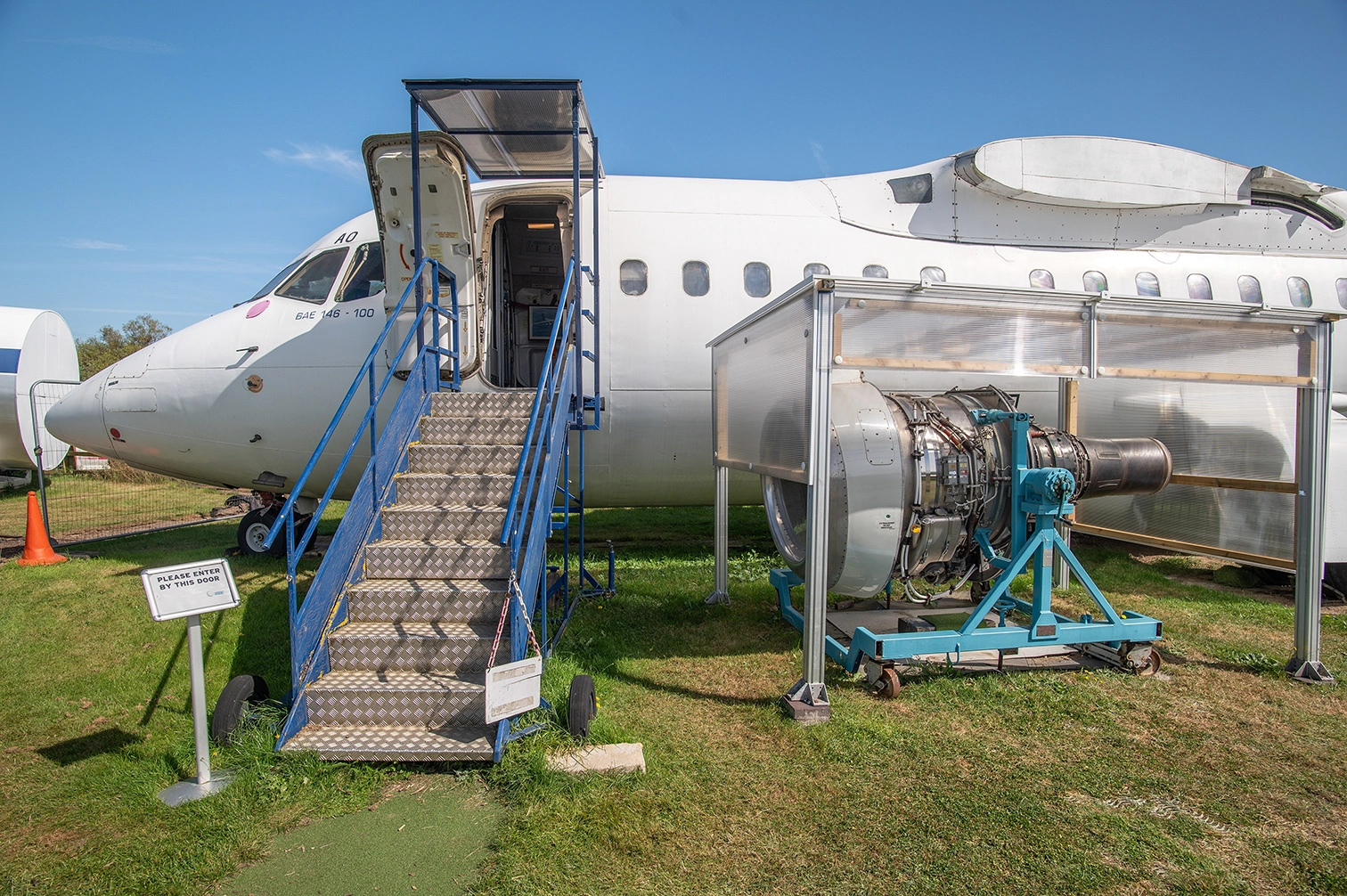
photo by Michael Gaylard,
©www.mgaylard.co.uk.
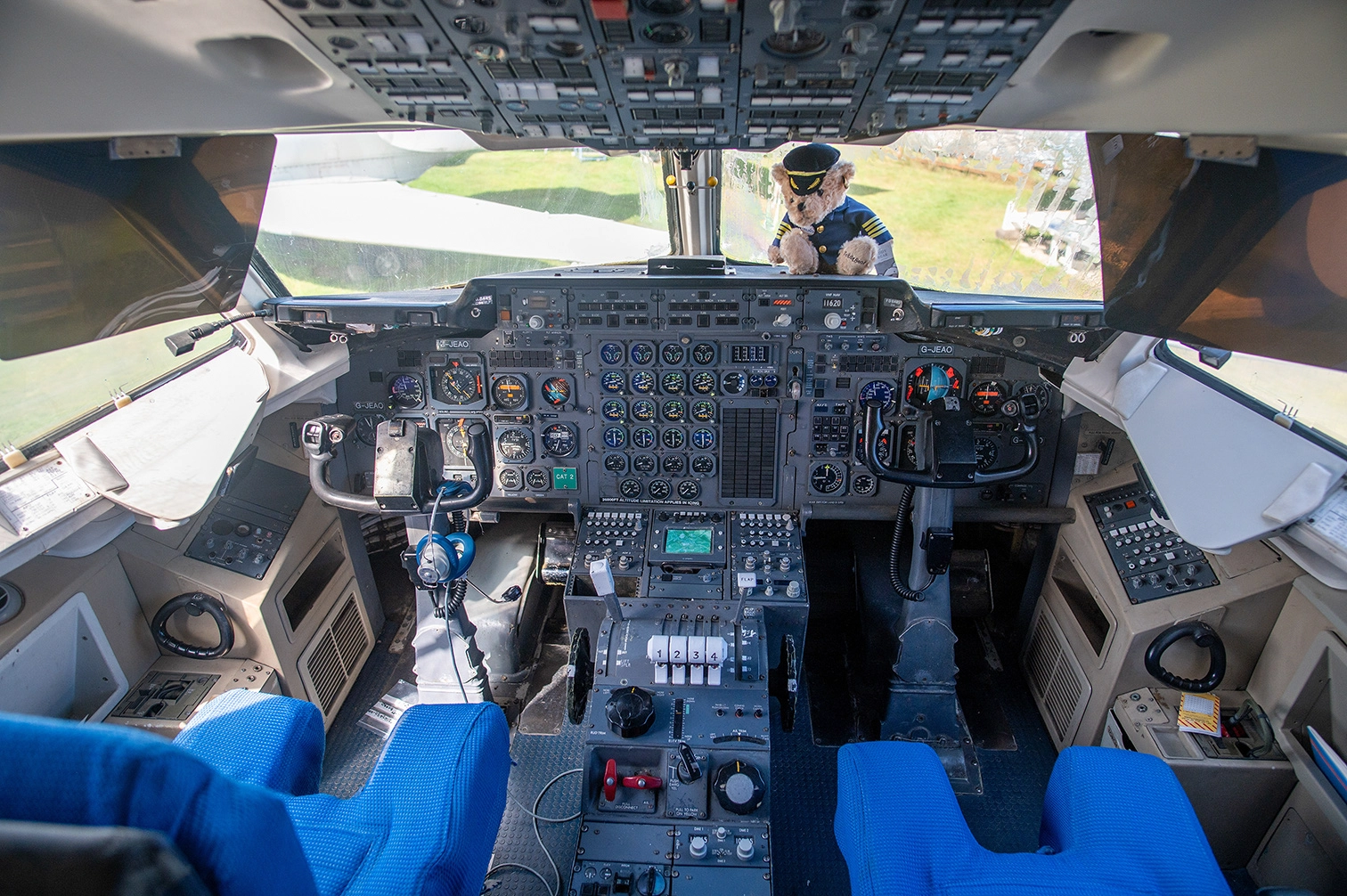
photo by Michael Gaylard,
©www.mgaylard.co.uk.
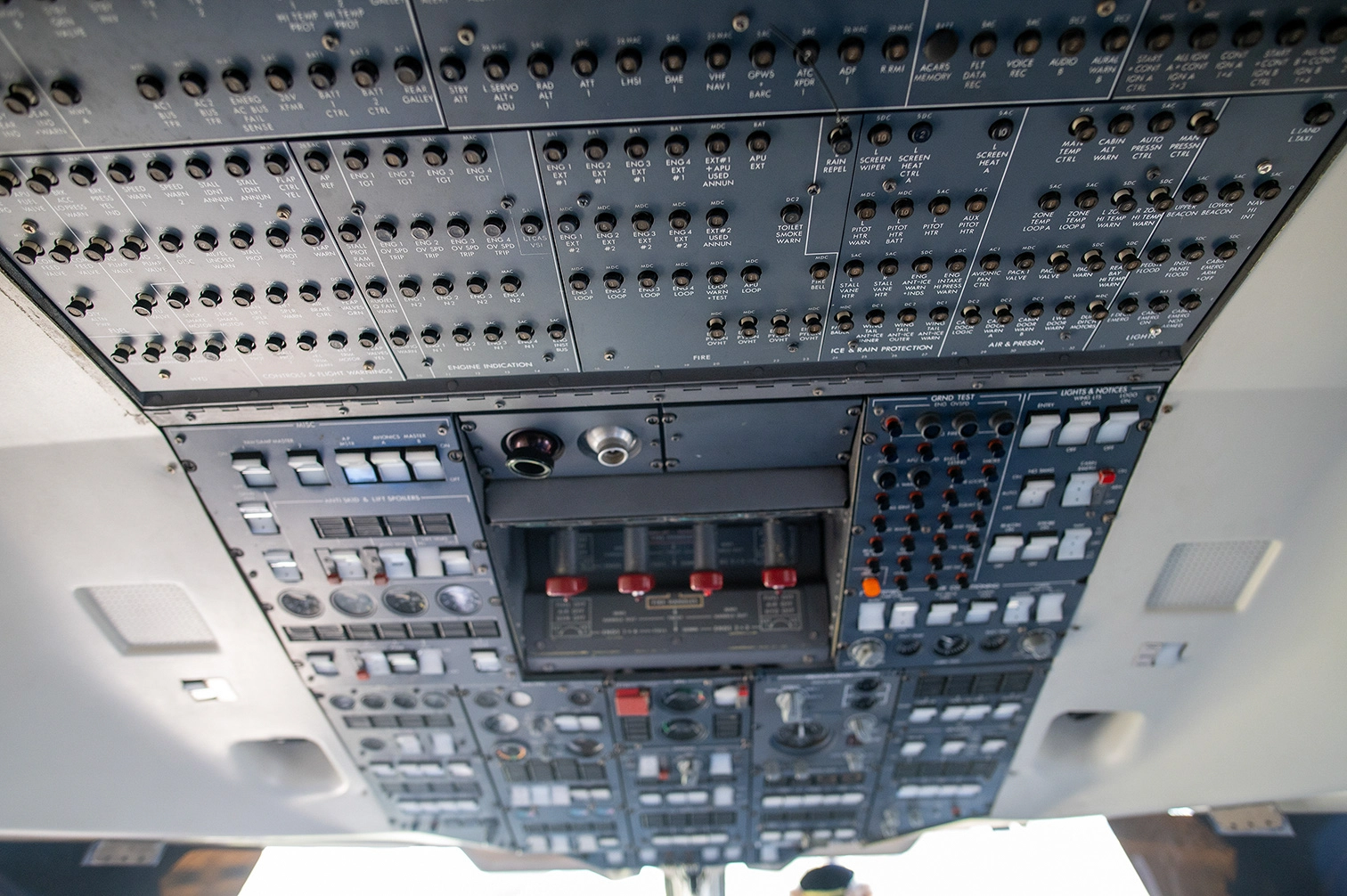
photo by Michael Gaylard,
©www.mgaylard.co.uk.
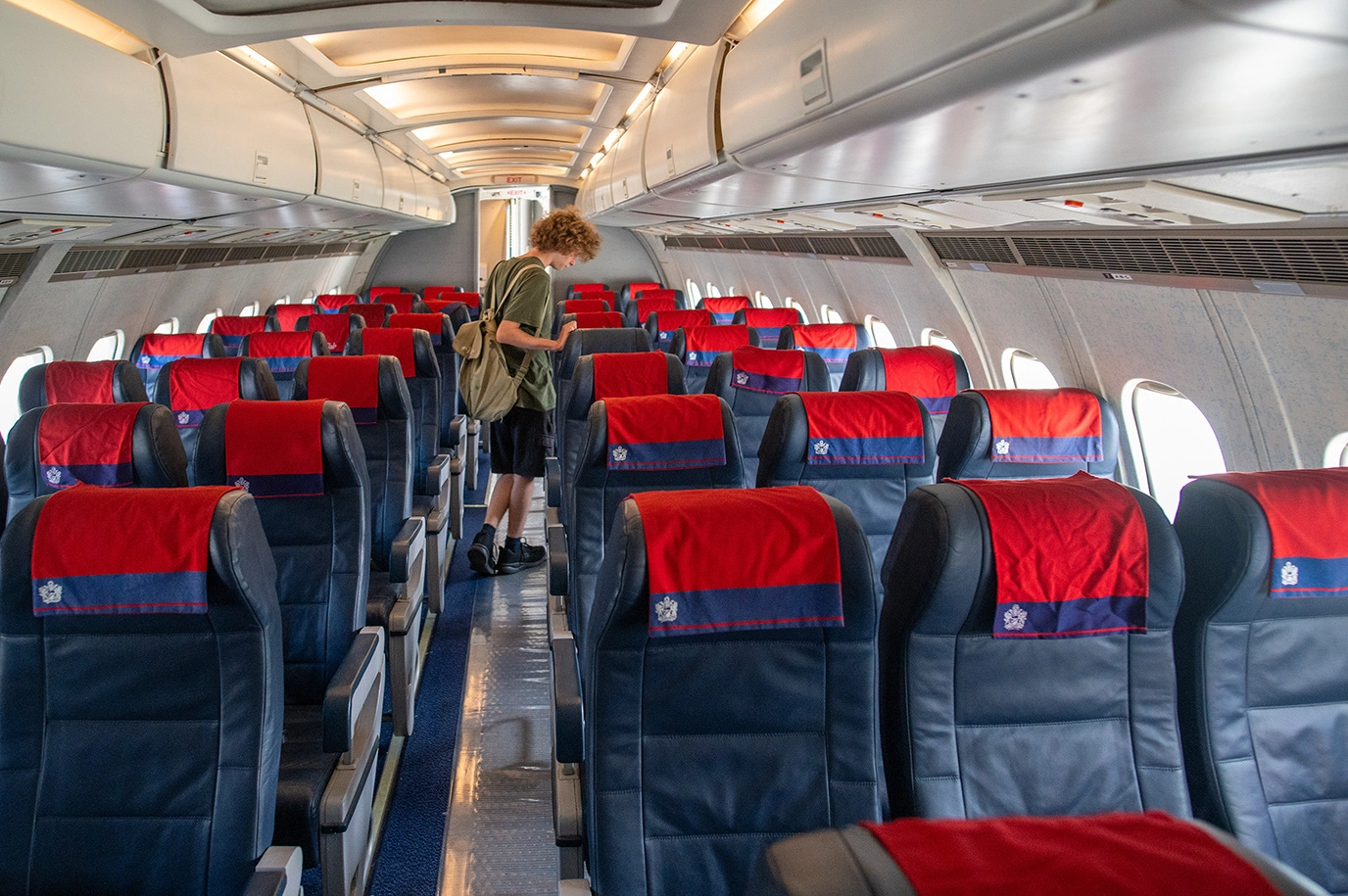
photo by Michael Gaylard,
©www.mgaylard.co.uk.
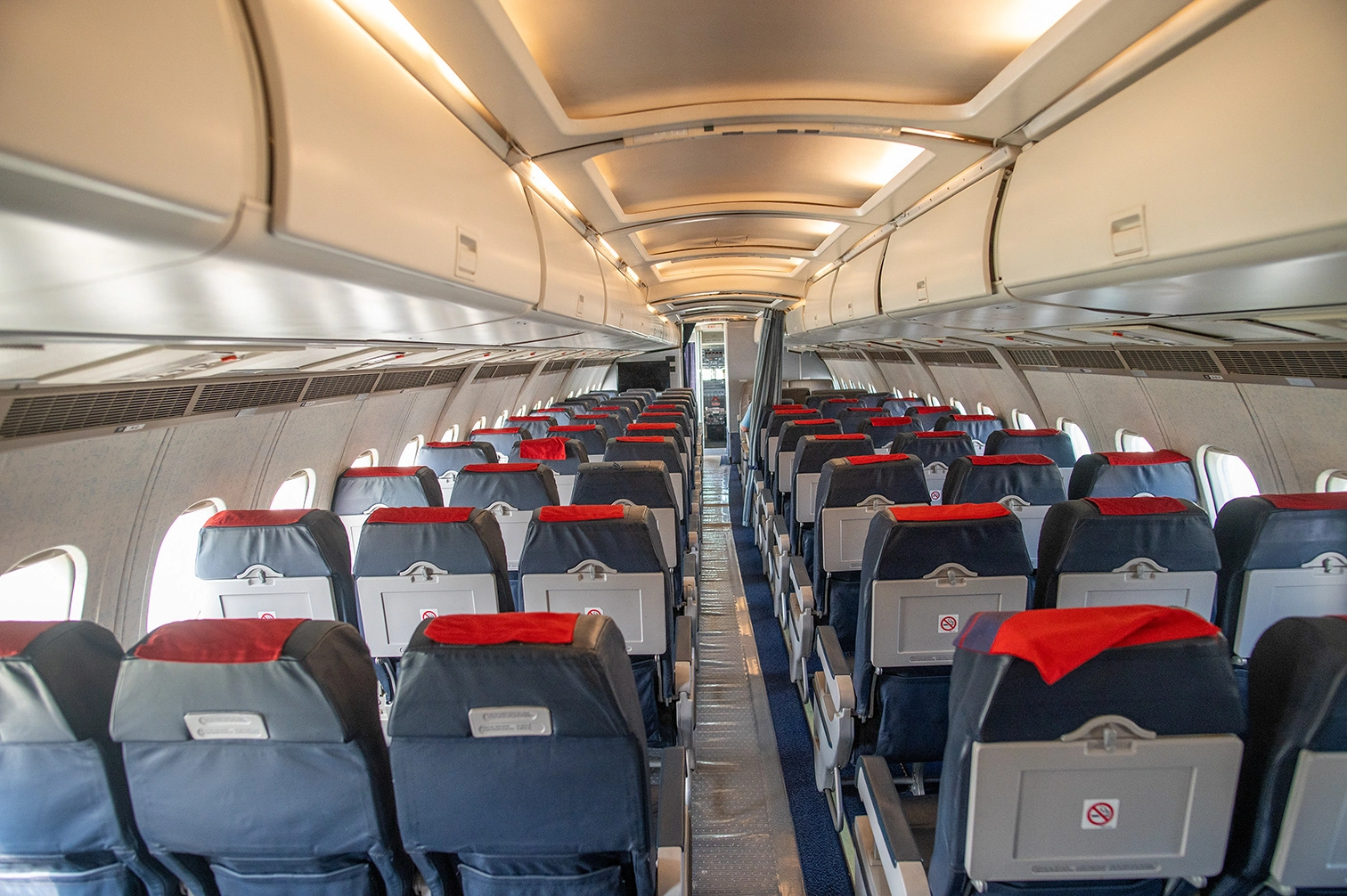
photo by Michael Gaylard,
©www.mgaylard.co.uk.
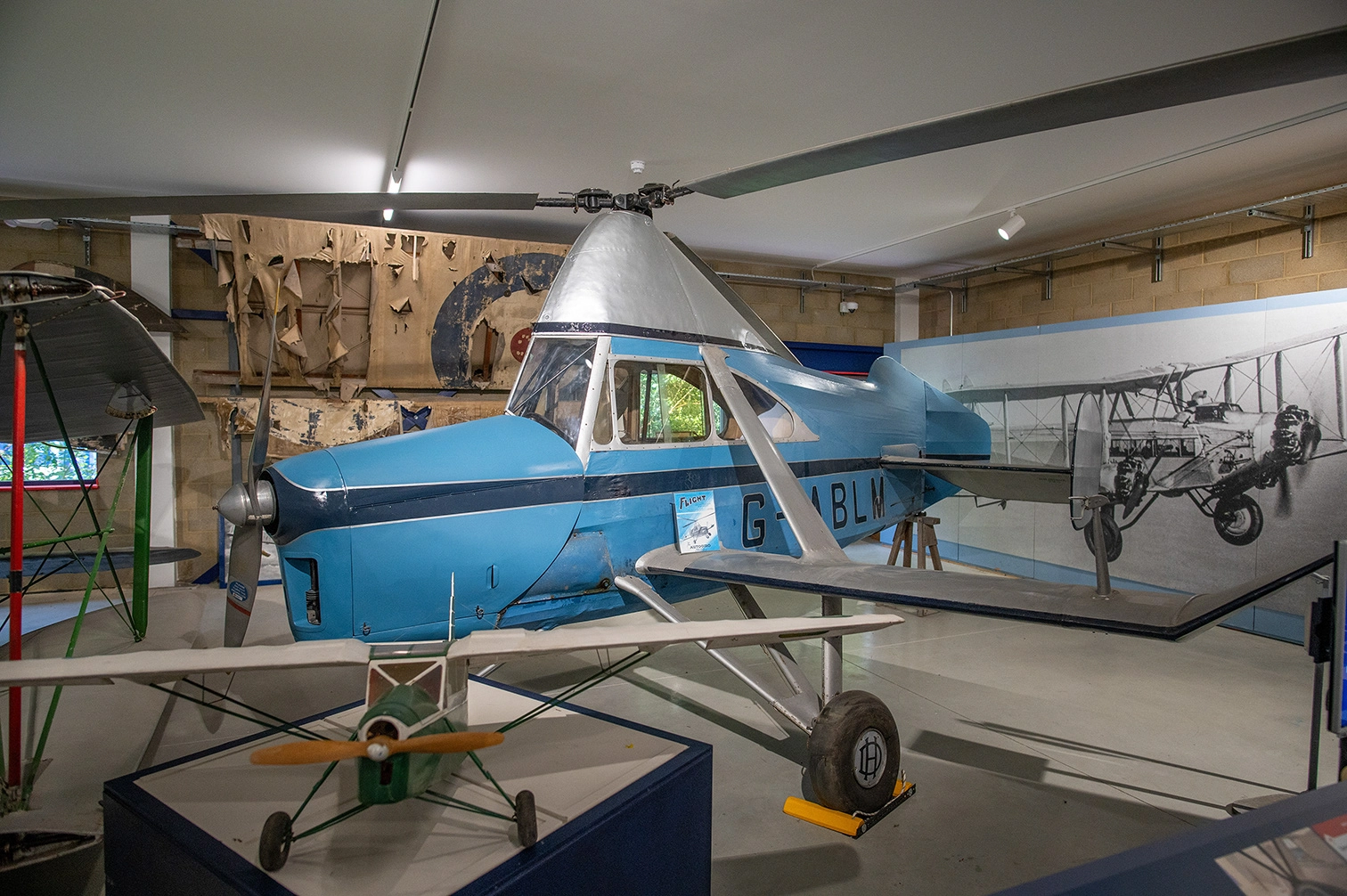
photo by Michael Gaylard,
©www.mgaylard.co.uk.
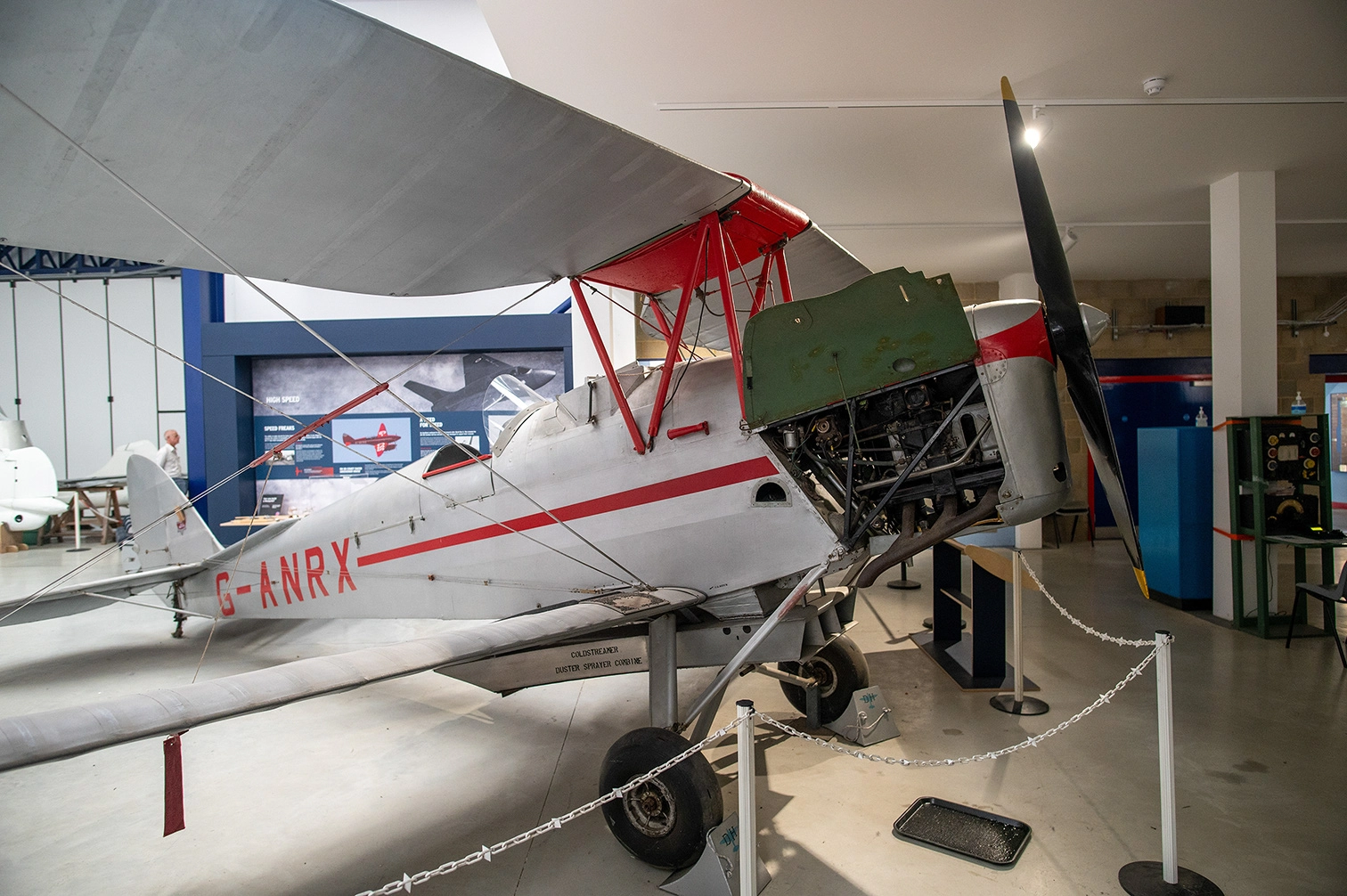
photo by Michael Gaylard,
©www.mgaylard.co.uk.
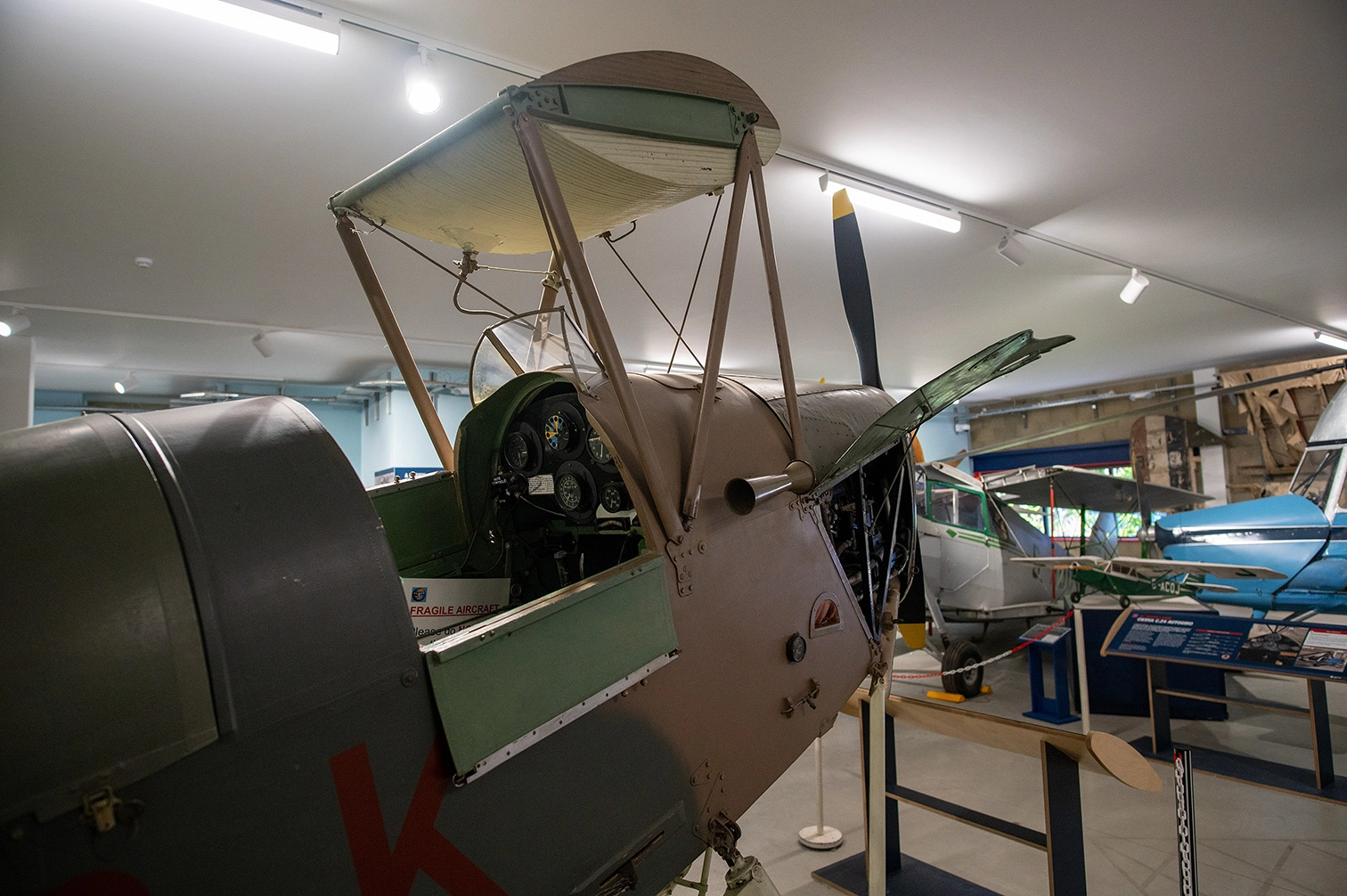
photo by Michael Gaylard,
©www.mgaylard.co.uk.
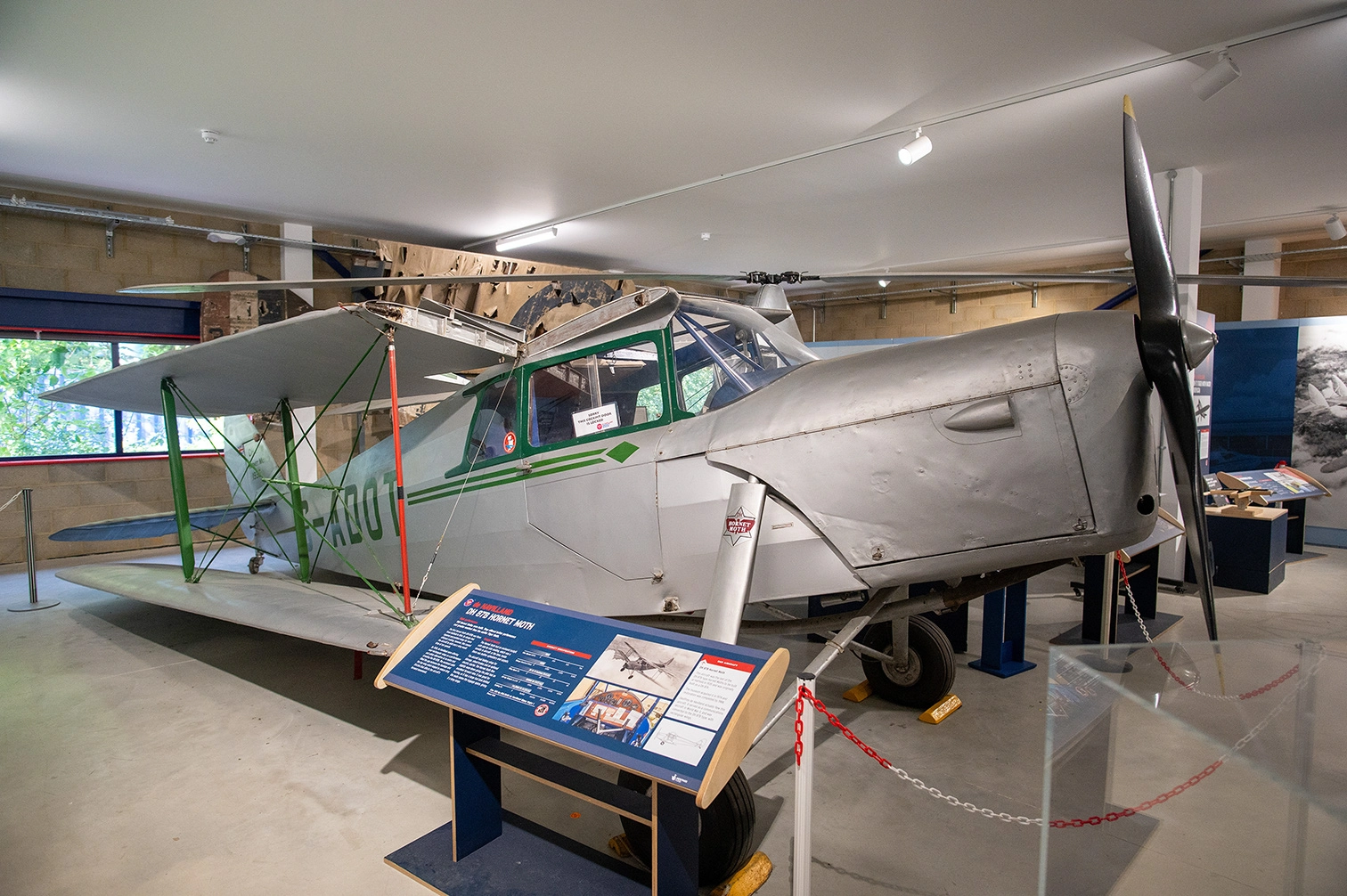
photo by Michael Gaylard,
©www.mgaylard.co.uk.
_20230905_780_4930.webp)
photo by Michael Gaylard,
©www.mgaylard.co.uk.
_20230905_780_4934.webp)
photo by Michael Gaylard,
©www.mgaylard.co.uk.
_20230905_780_4931-Enhanced-NR.webp)
photo by Michael Gaylard,
©www.mgaylard.co.uk.
DH98 Mosquito
_20230905_780_4840.webp)
photo by Michael Gaylard,
©www.mgaylard.co.uk.
_20230905_780_4844.webp)
photo by Michael Gaylard,
©www.mgaylard.co.uk.
_20230905_780_4971.webp)
photo by Michael Gaylard,
©www.mgaylard.co.uk.
_20230905_780_4964.webp)
photo by Michael Gaylard,
©www.mgaylard.co.uk.
_20230905_780_4972.webp)
photo by Michael Gaylard,
©www.mgaylard.co.uk.
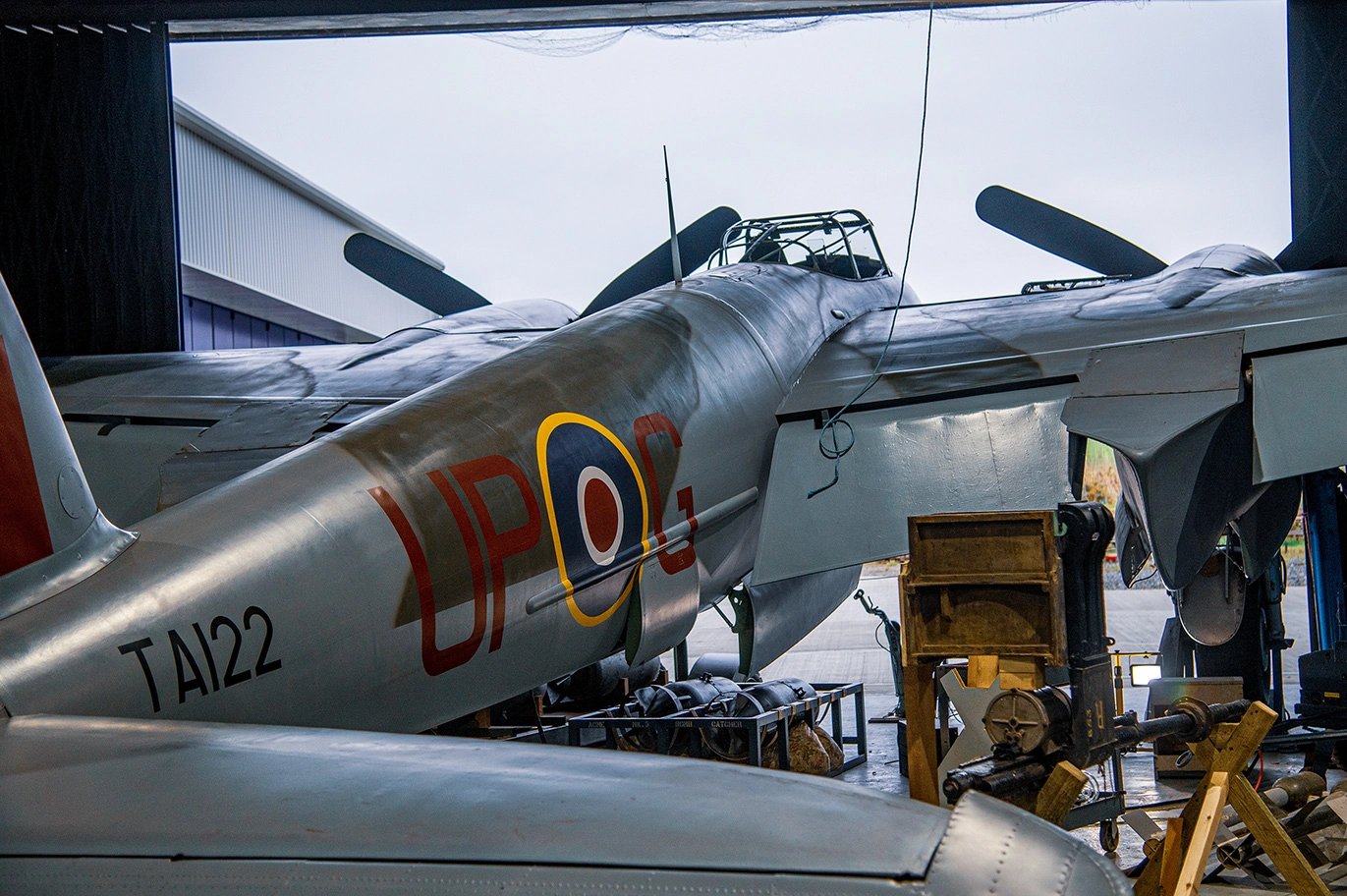
photo by Michael Gaylard,
©www.mgaylard.co.uk.
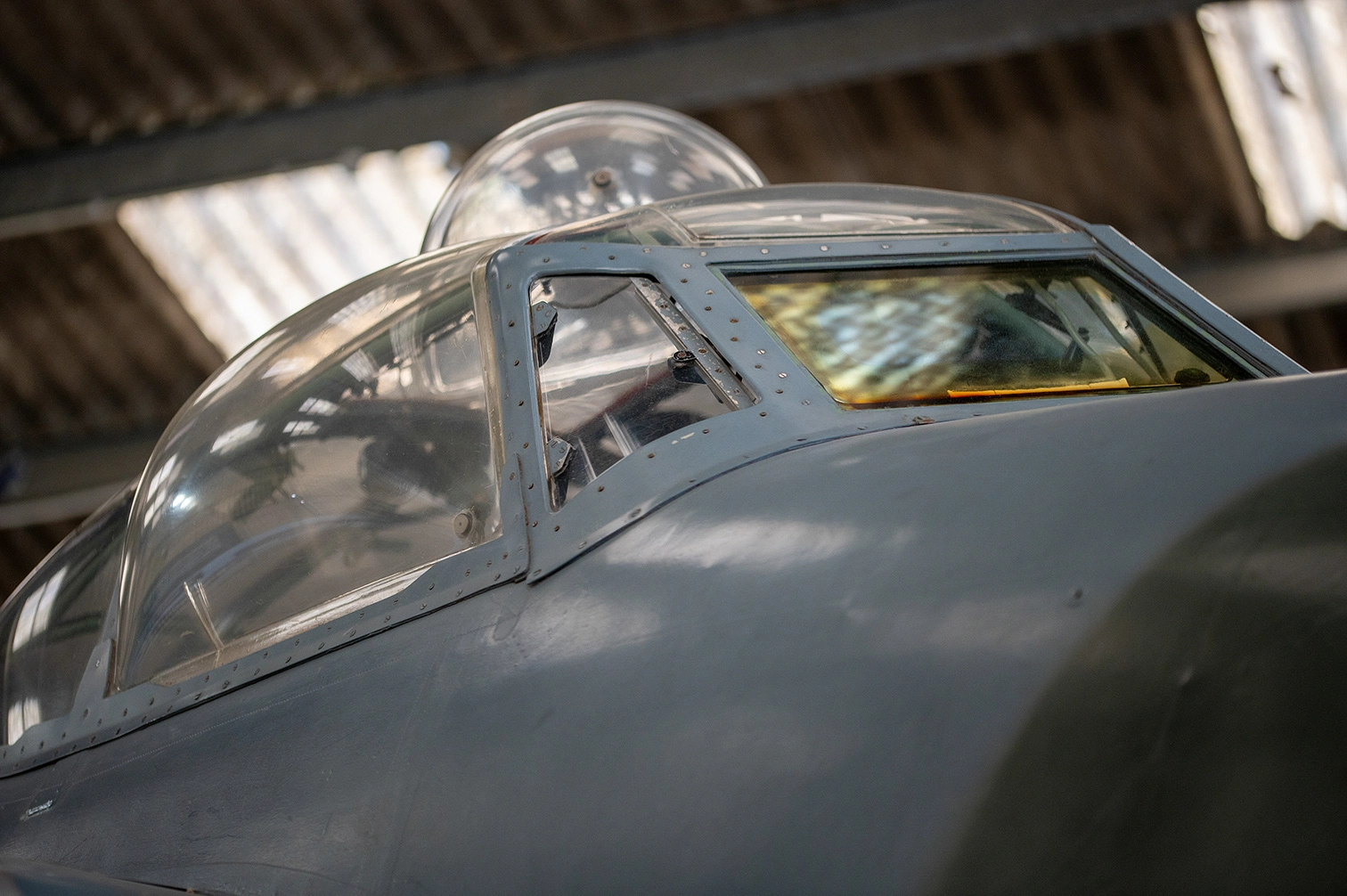
photo by Michael Gaylard,
©www.mgaylard.co.uk.
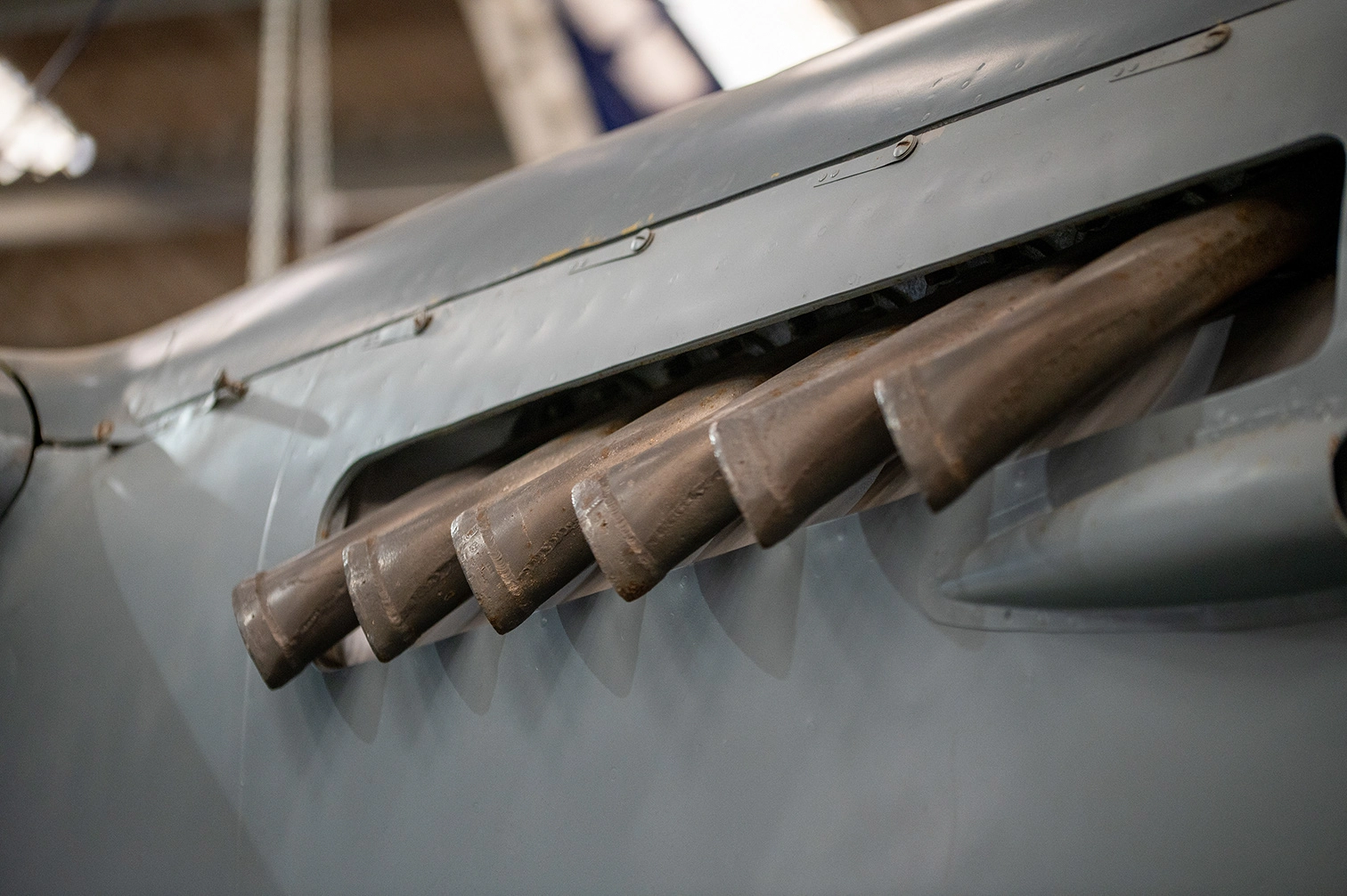
photo by Michael Gaylard,
©www.mgaylard.co.uk.
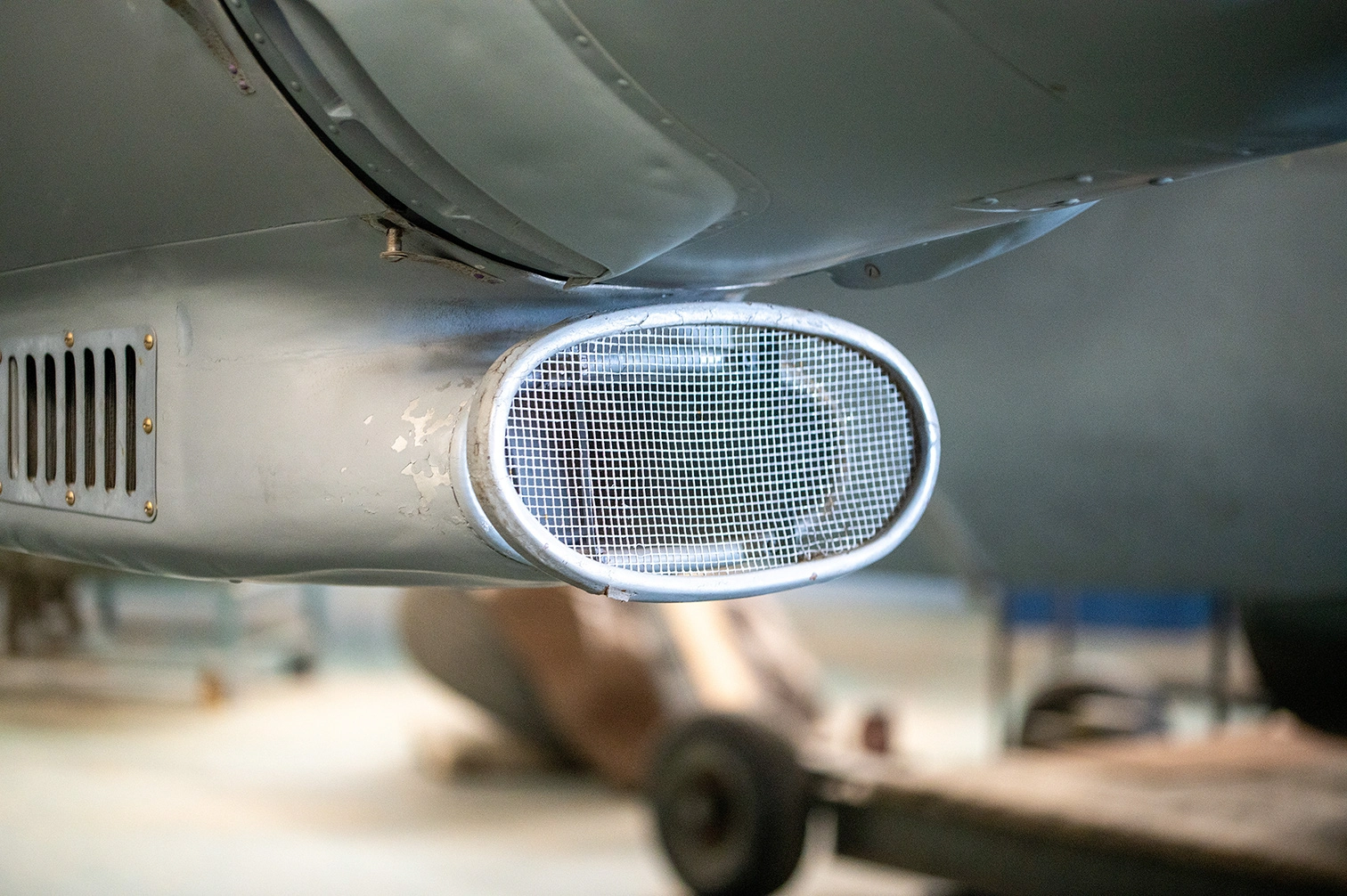
photo by Michael Gaylard,
©www.mgaylard.co.uk.
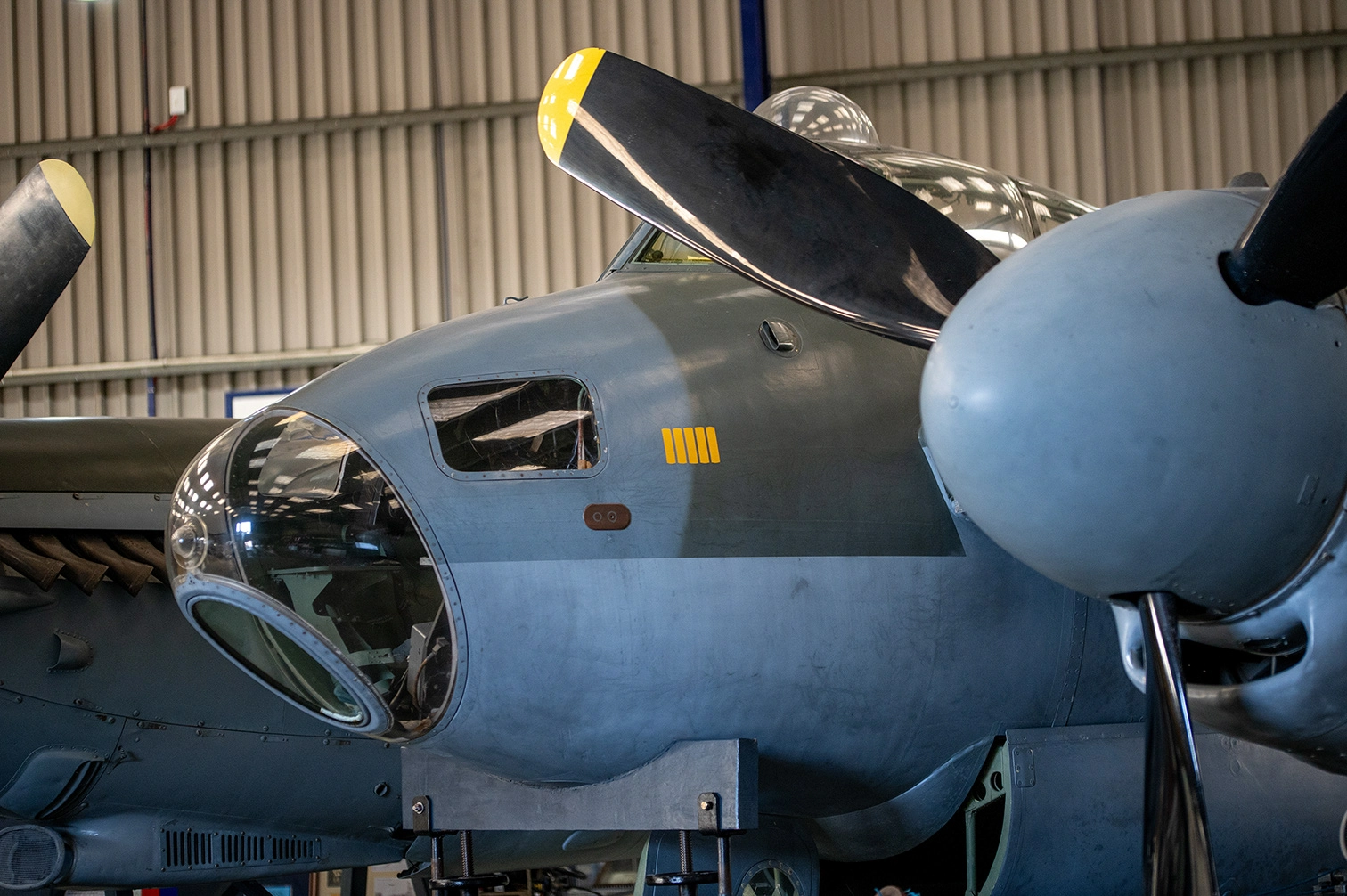
photo by Michael Gaylard,
©www.mgaylard.co.uk.
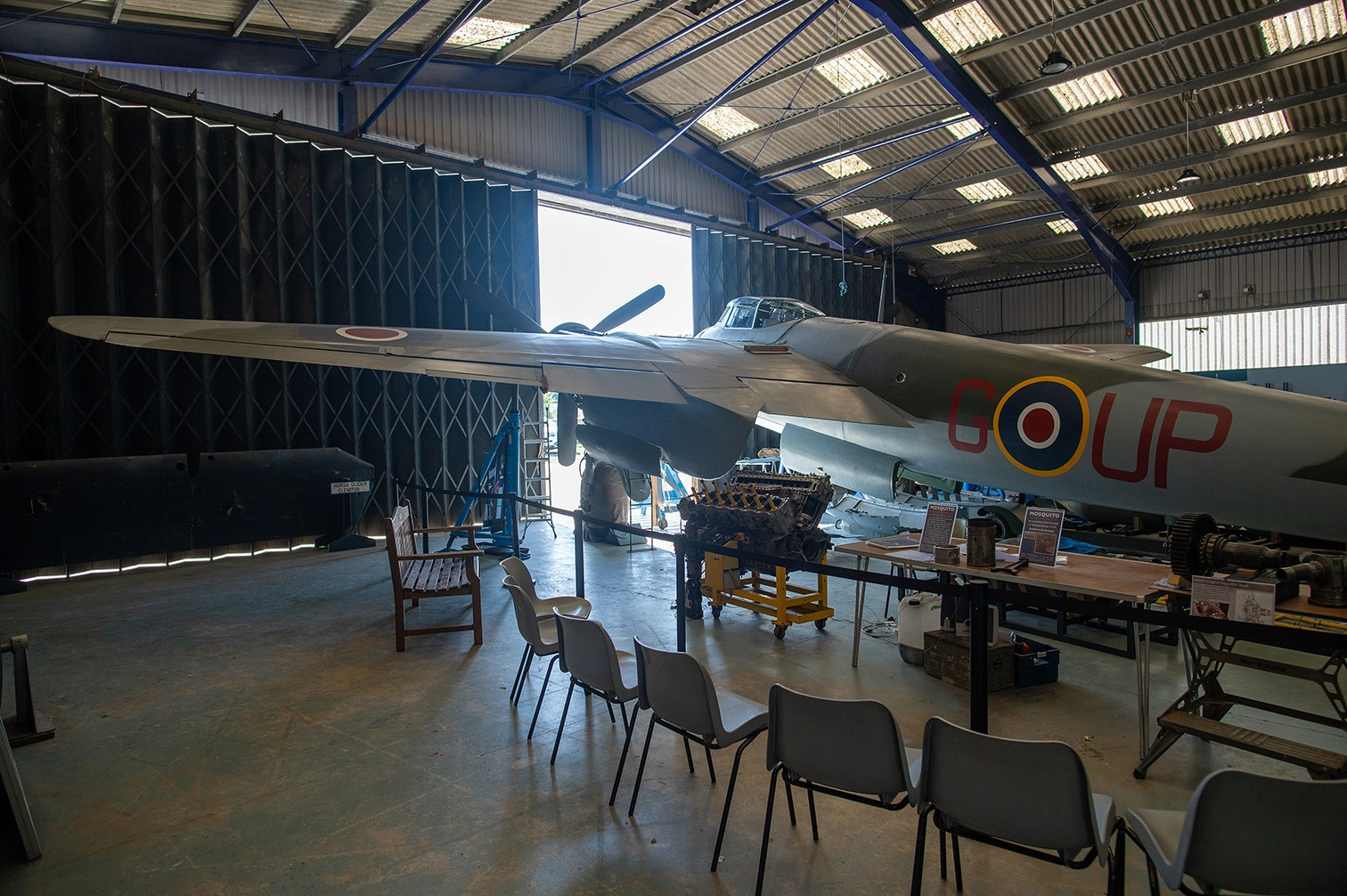
photo by Michael Gaylard,
©www.mgaylard.co.uk.
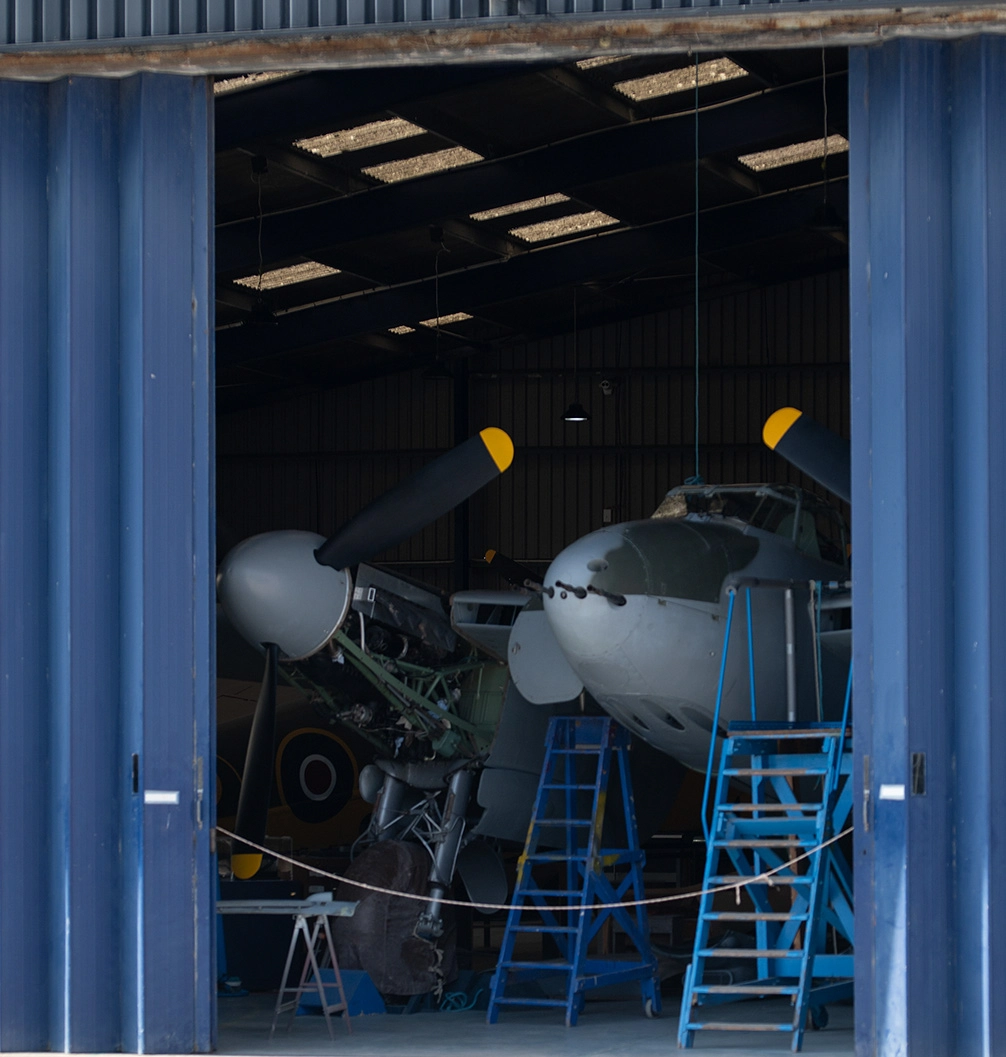
photo by Michael Gaylard,
©www.mgaylard.co.uk.
photo by Michael Gaylard,
©www.mgaylard.co.uk.

photo by Michael Gaylard,
©www.mgaylard.co.uk.
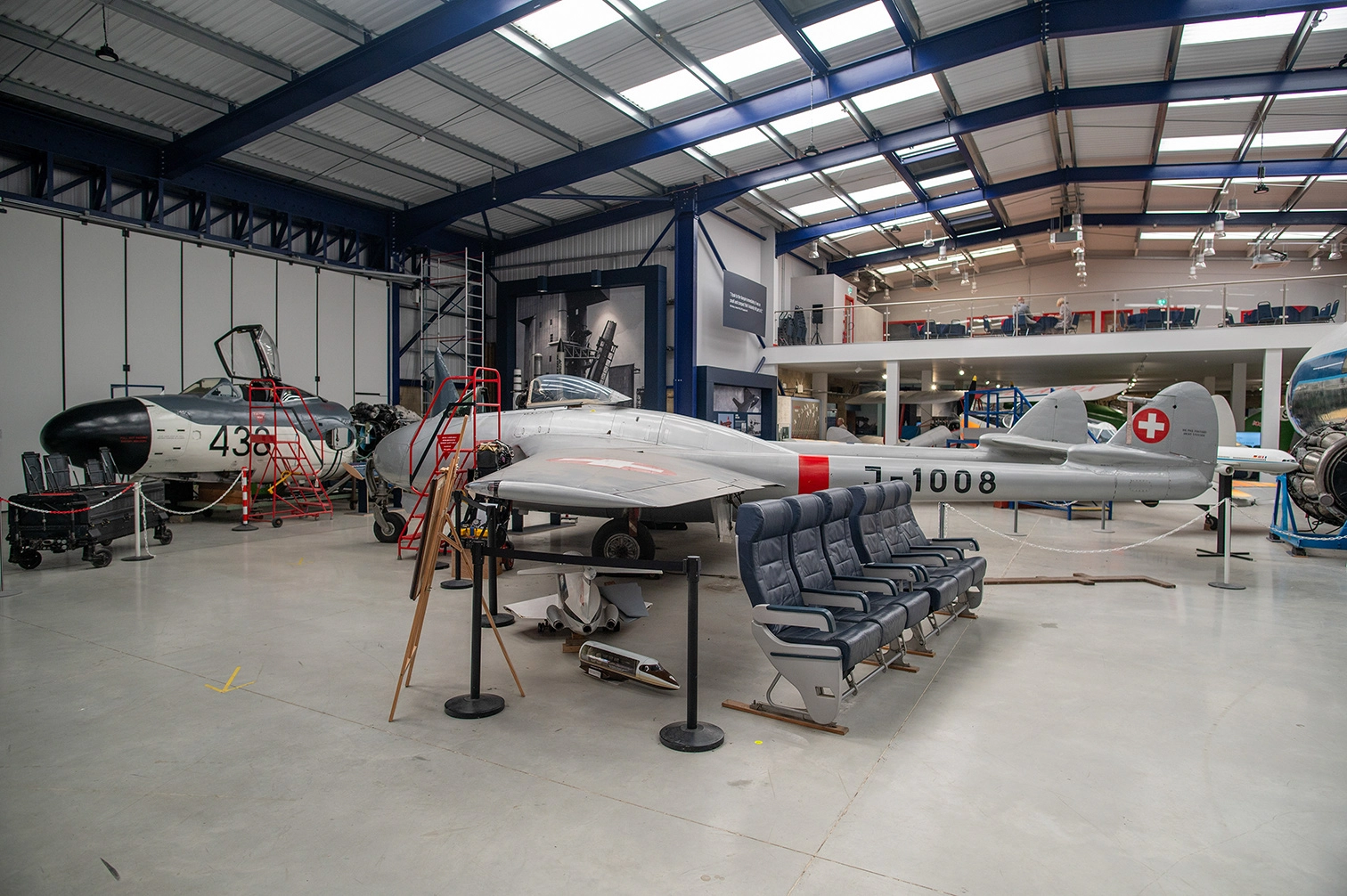
photo by Michael Gaylard,
©www.mgaylard.co.uk.
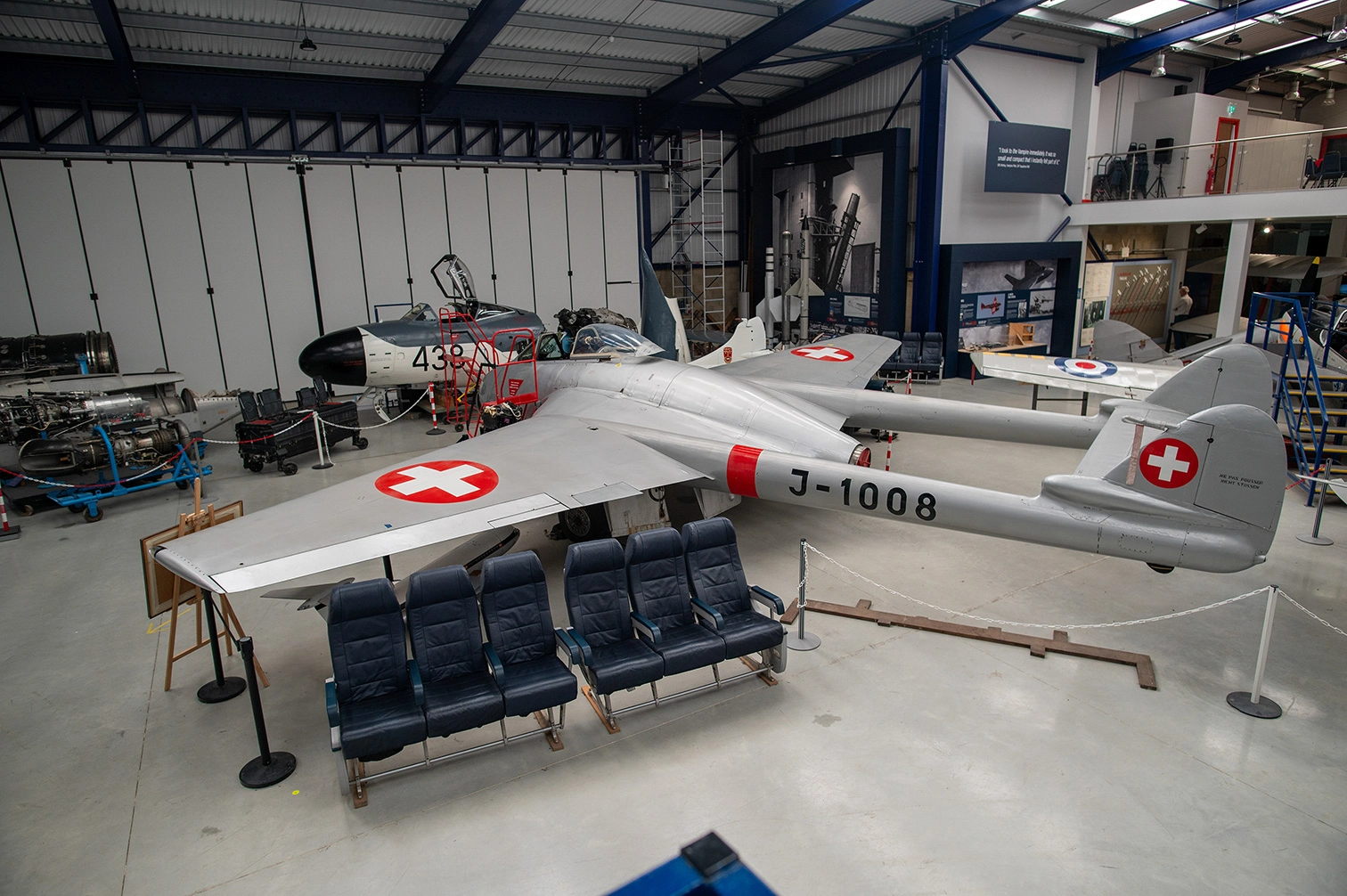
photo by Michael Gaylard,
©www.mgaylard.co.uk.
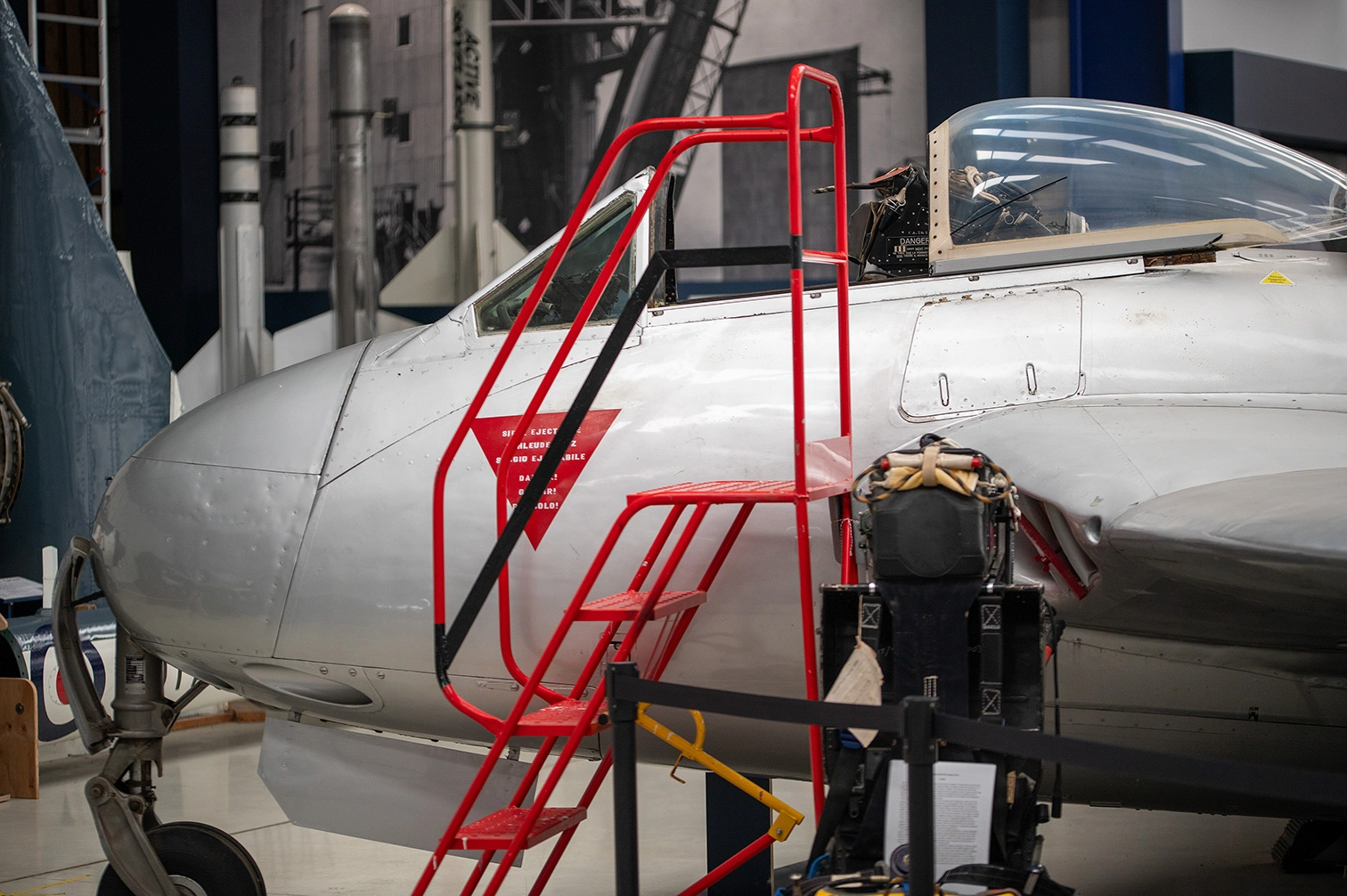
photo by Michael Gaylard,
©www.mgaylard.co.uk.
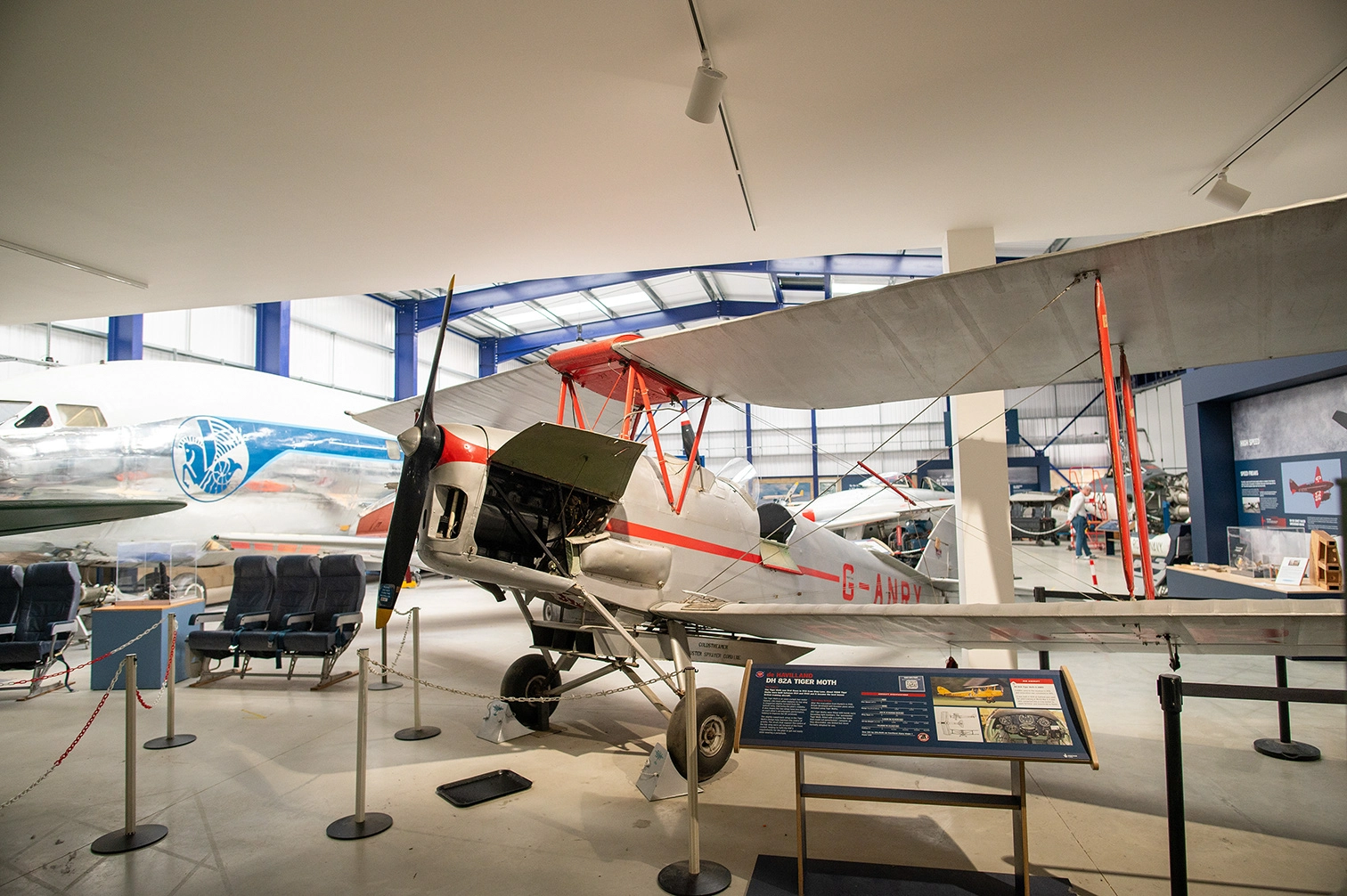
photo by Michael Gaylard,
©www.mgaylard.co.uk.
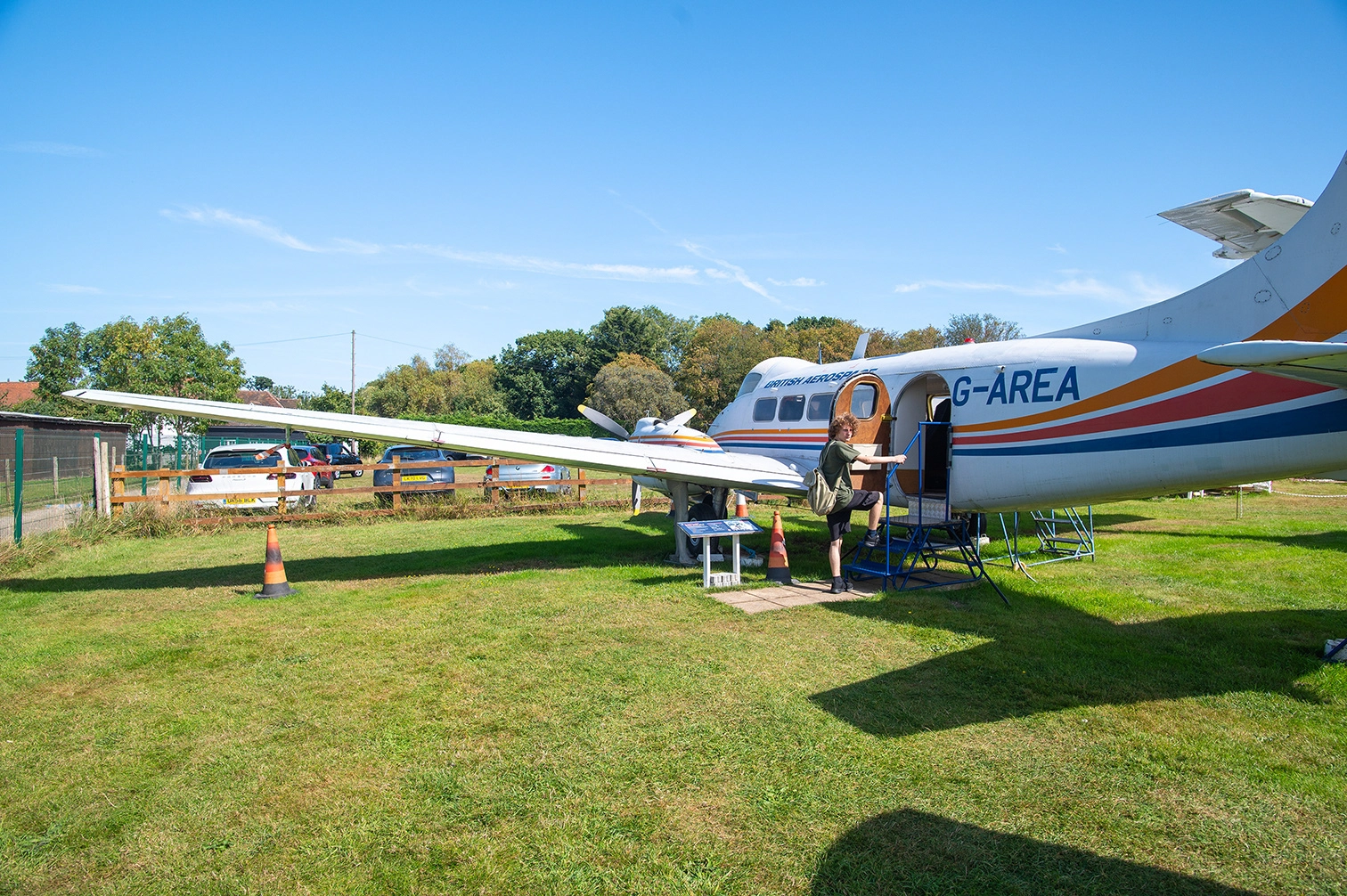
photo by Michael Gaylard,
©www.mgaylard.co.uk.
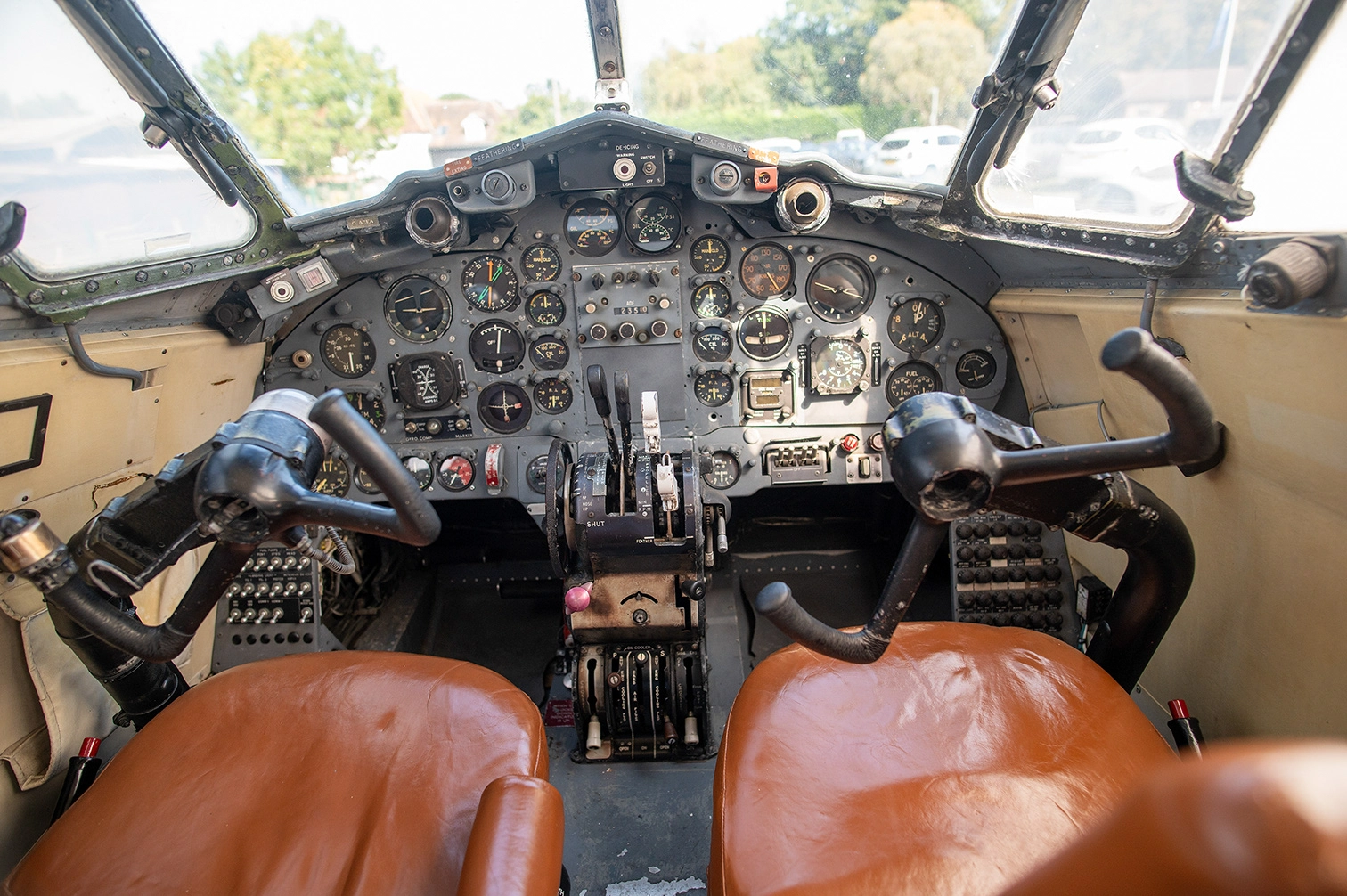
photo by Michael Gaylard,
©www.mgaylard.co.uk.
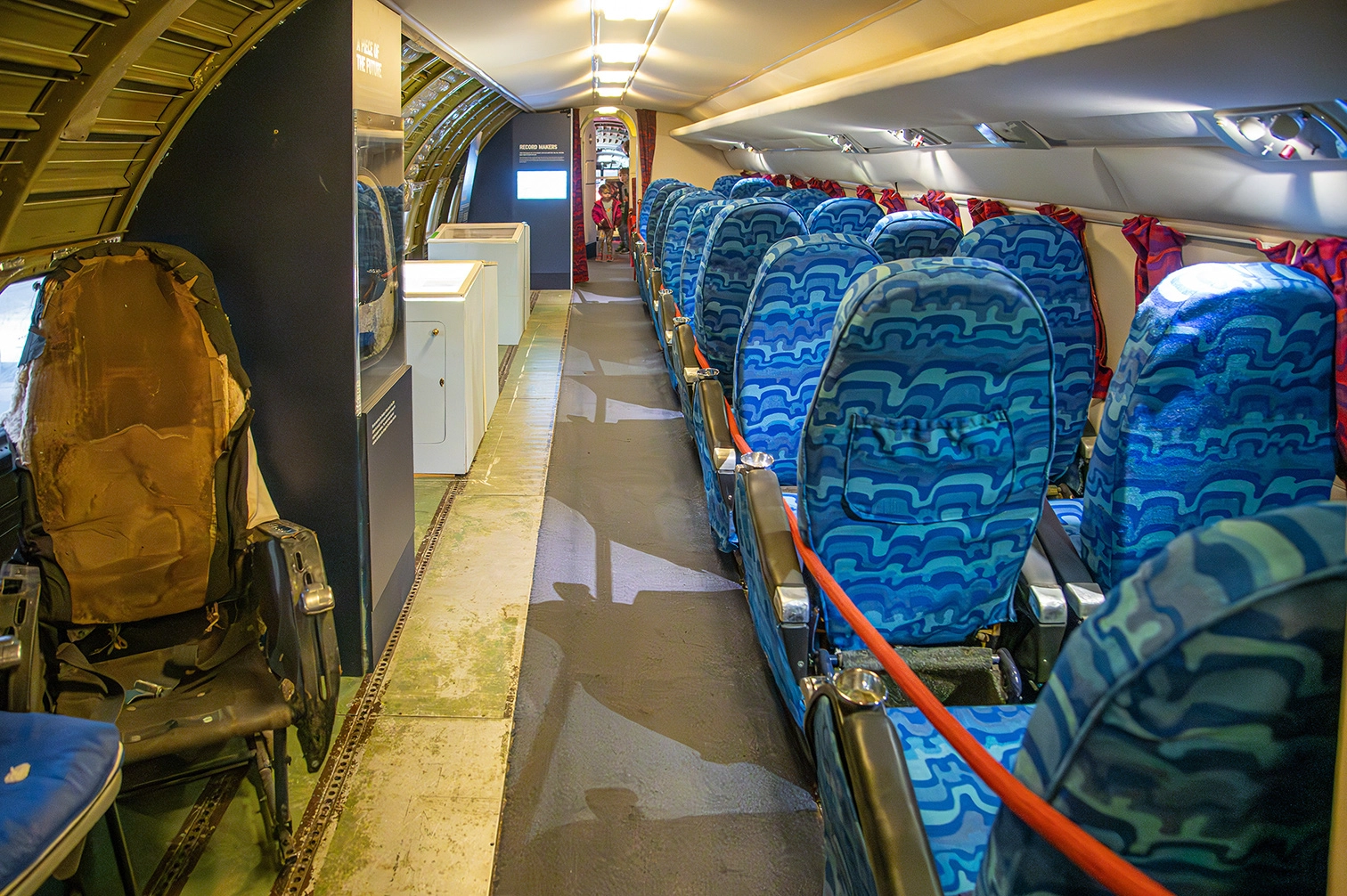
photo by Michael Gaylard,
©www.mgaylard.co.uk.
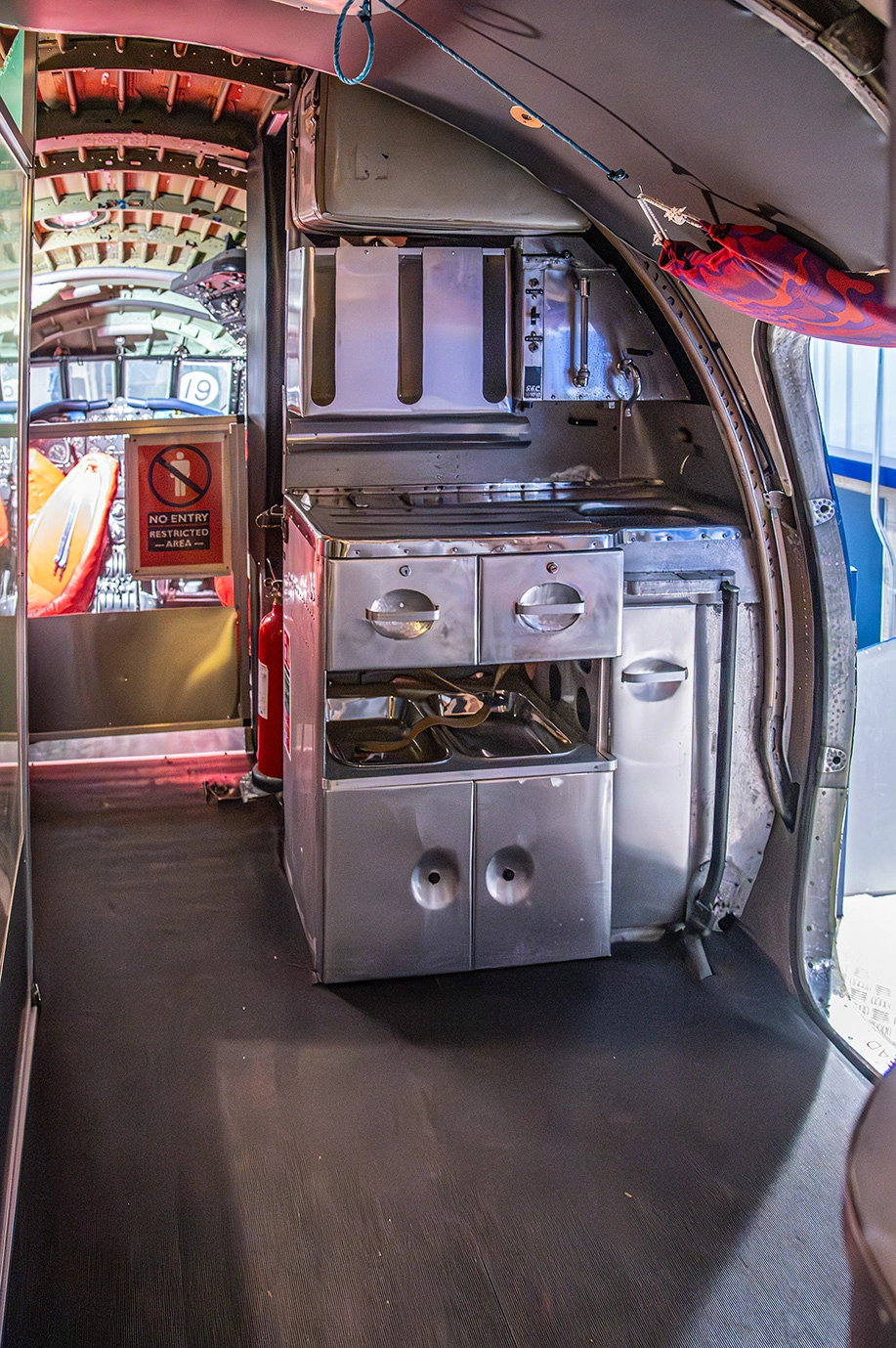
photo by Michael Gaylard,
©www.mgaylard.co.uk.
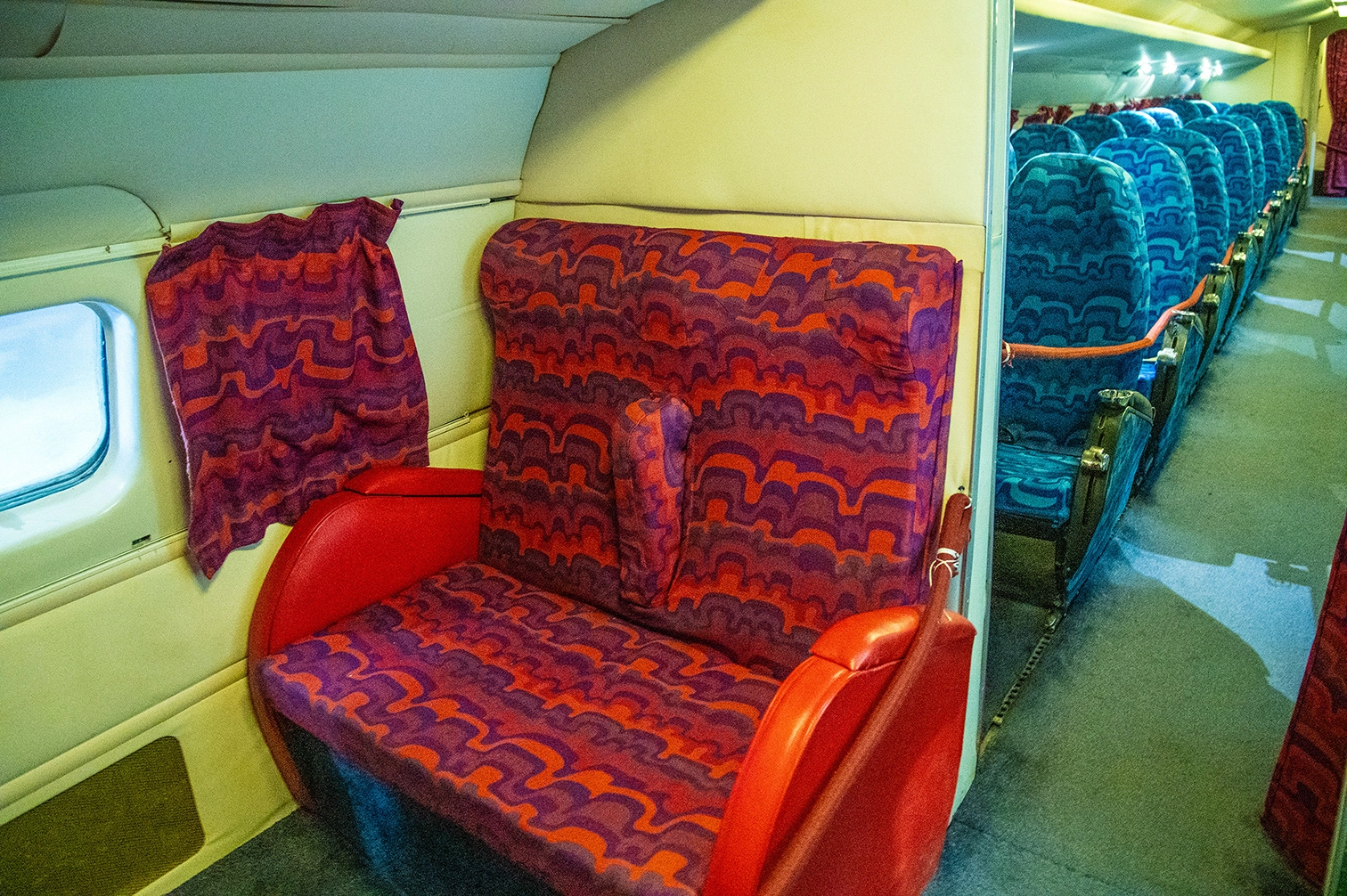
photo by Michael Gaylard,
©www.mgaylard.co.uk.
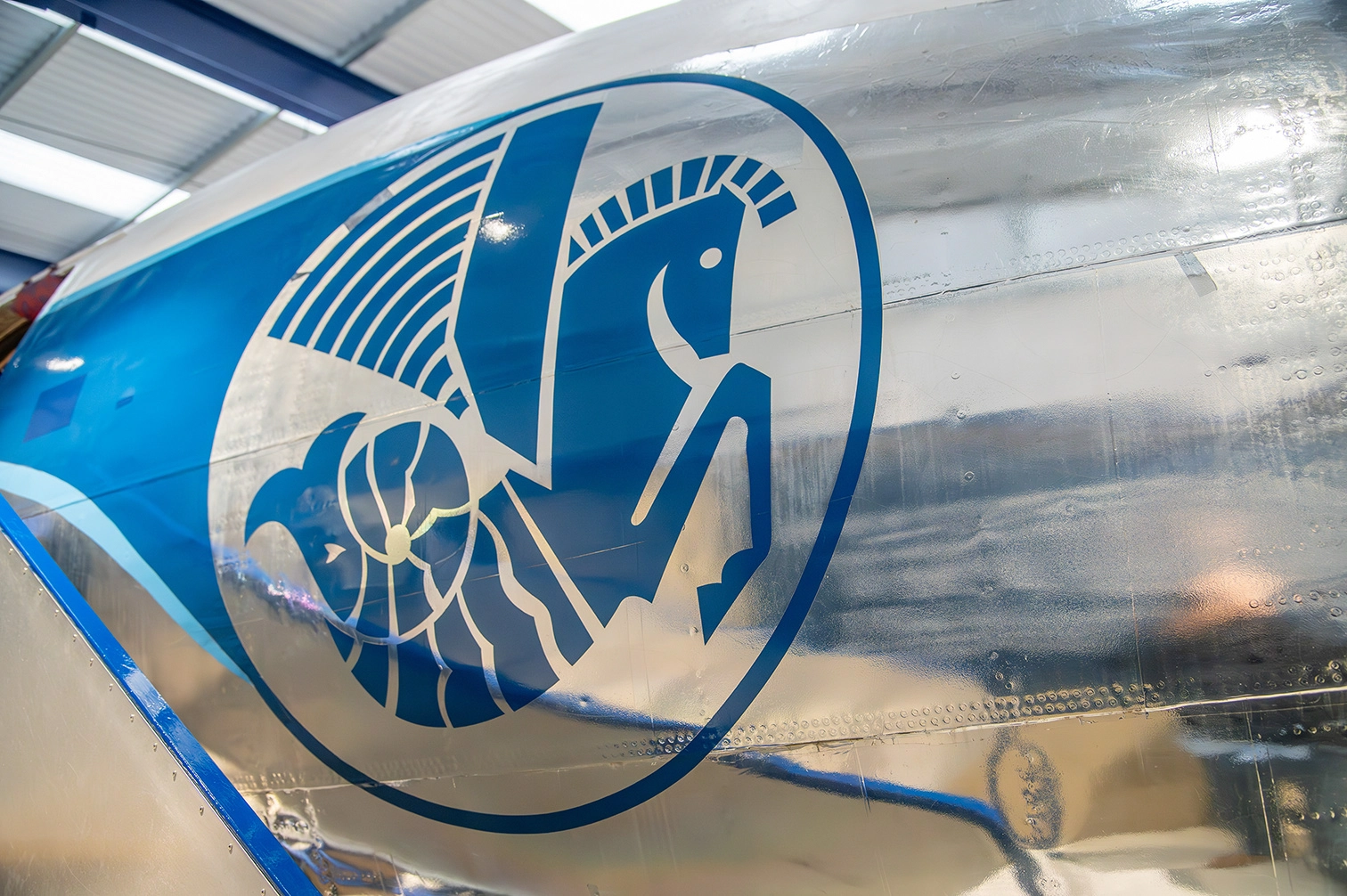
photo by Michael Gaylard,
©www.mgaylard.co.uk.

photo by Michael Gaylard,
©www.mgaylard.co.uk.

photo by Michael Gaylard,
©www.mgaylard.co.uk.

photo by Michael Gaylard,
©www.mgaylard.co.uk.

photo by Michael Gaylard,
©www.mgaylard.co.uk.
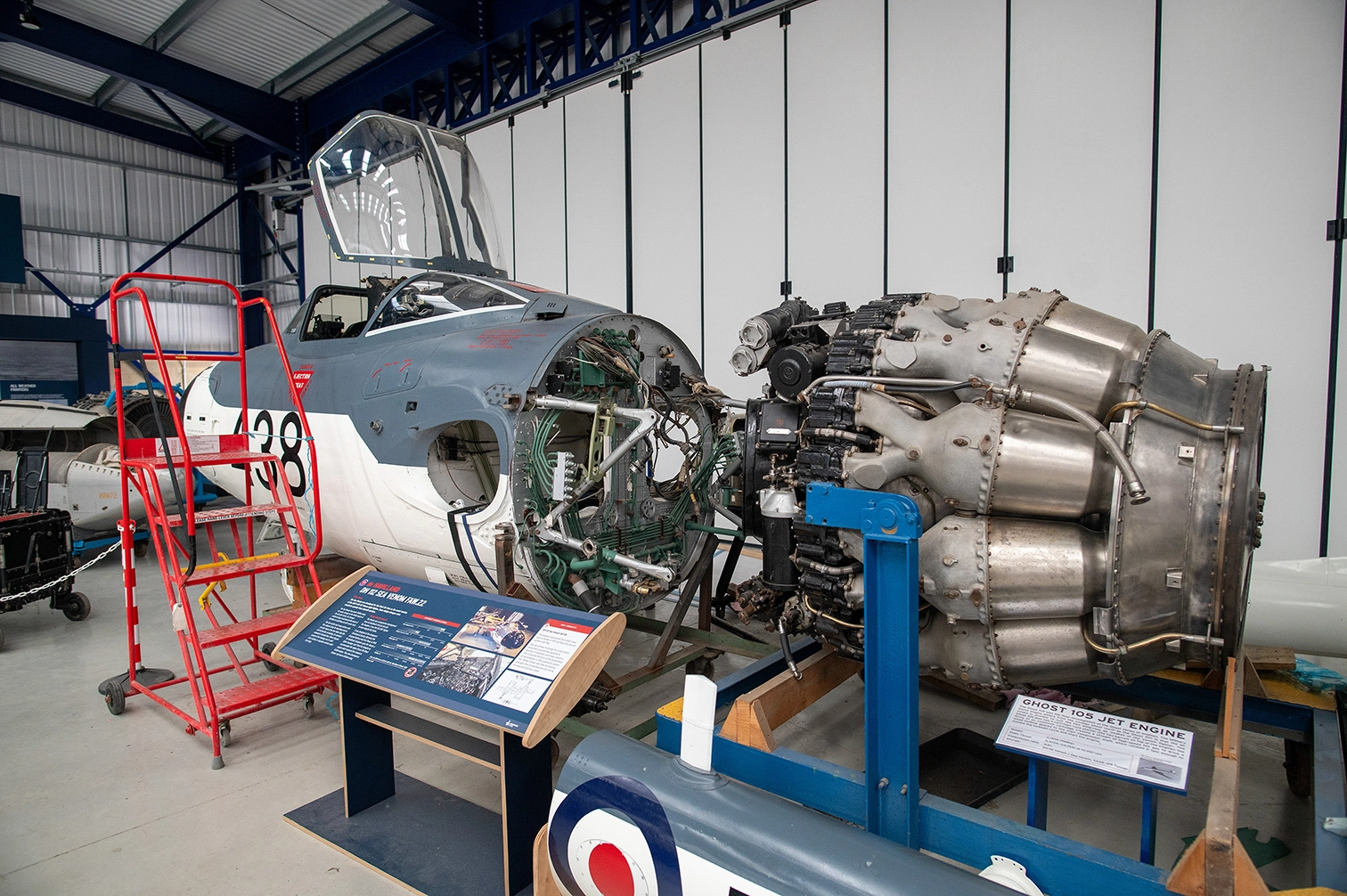
photo by Michael Gaylard,
©www.mgaylard.co.uk.
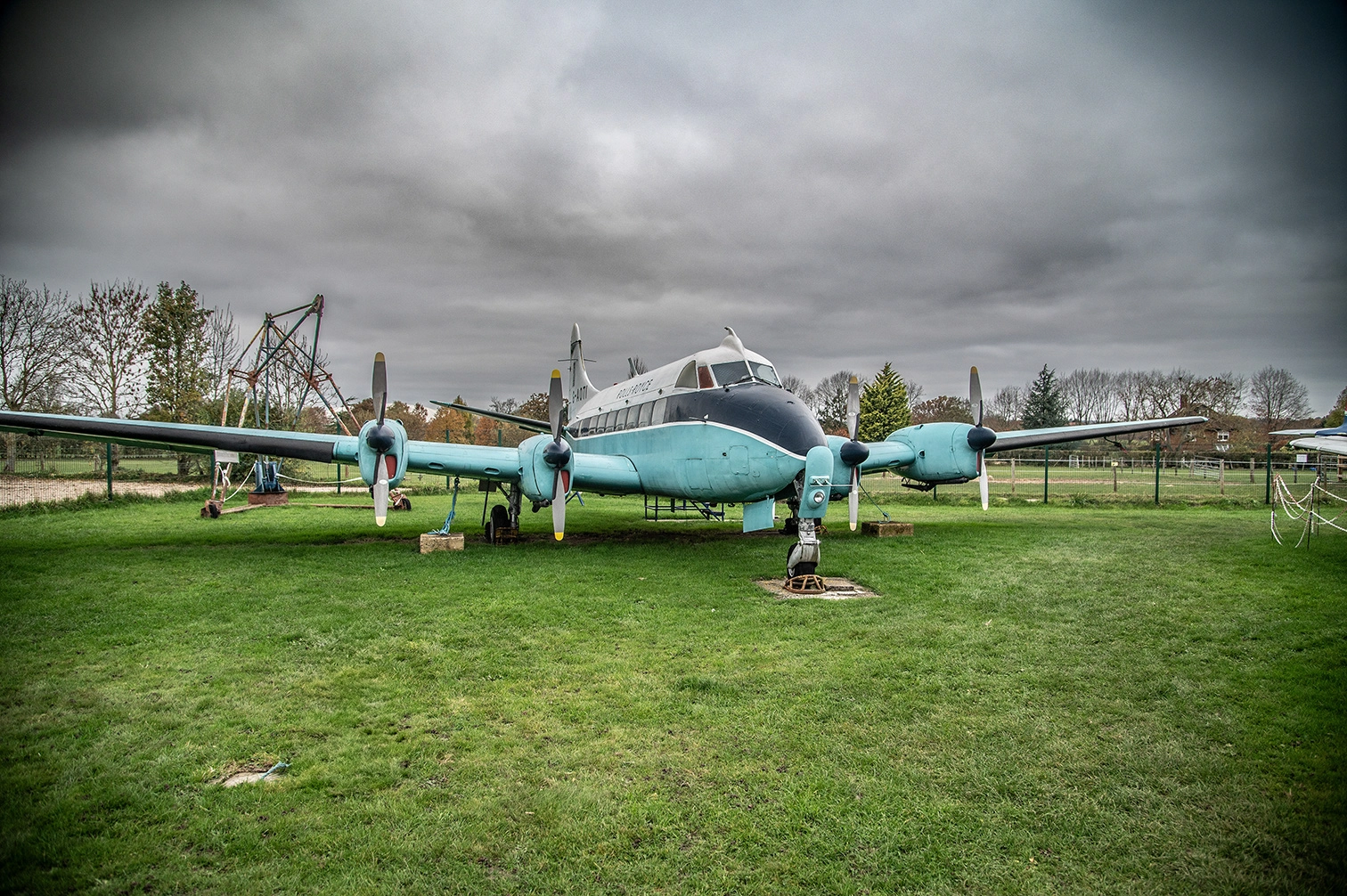
photo by Michael Gaylard,
©www.mgaylard.co.uk.
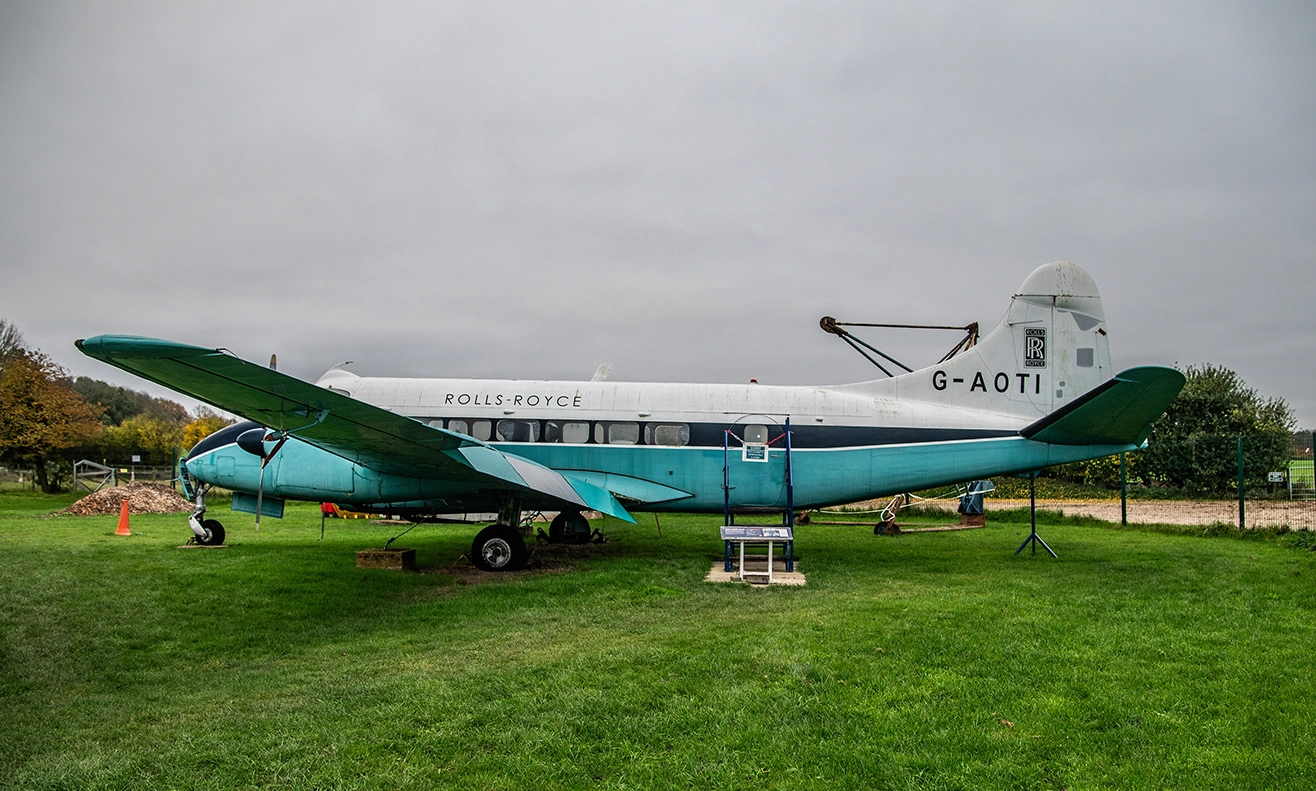
photo by Michael Gaylard,
©www.mgaylard.co.uk.
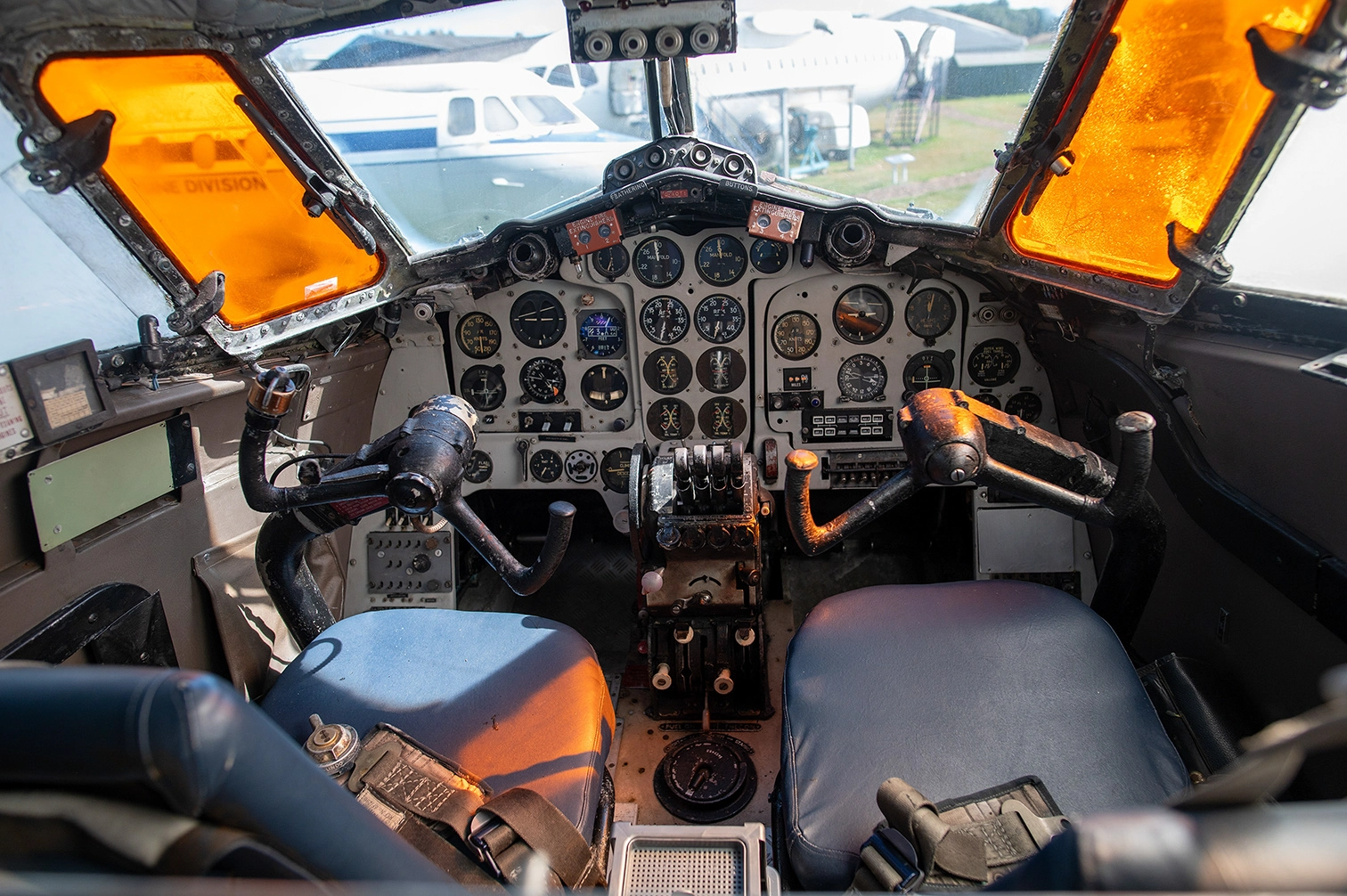
photo by Michael Gaylard,
©www.mgaylard.co.uk.
Open the full set
 Share this page
Share this page