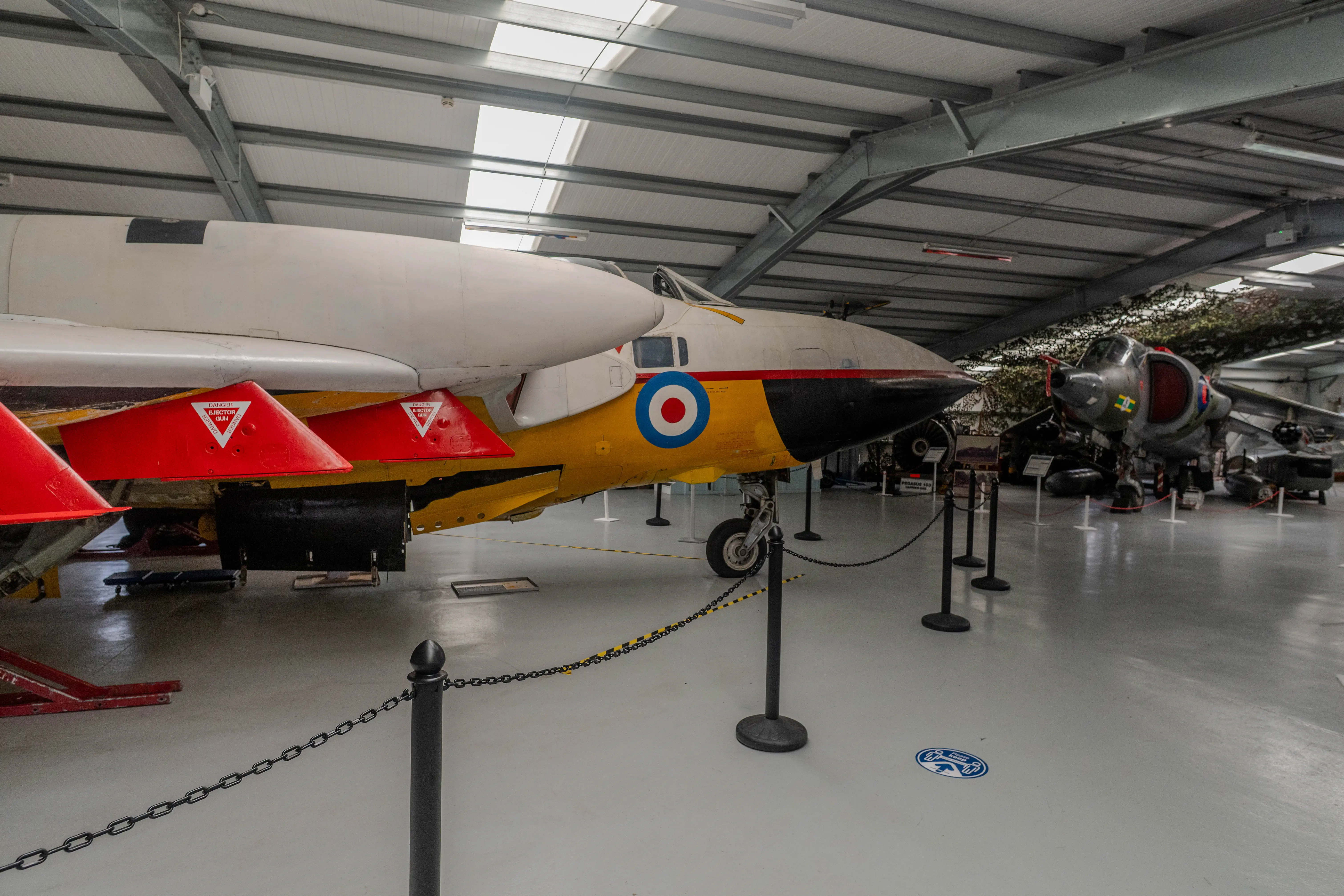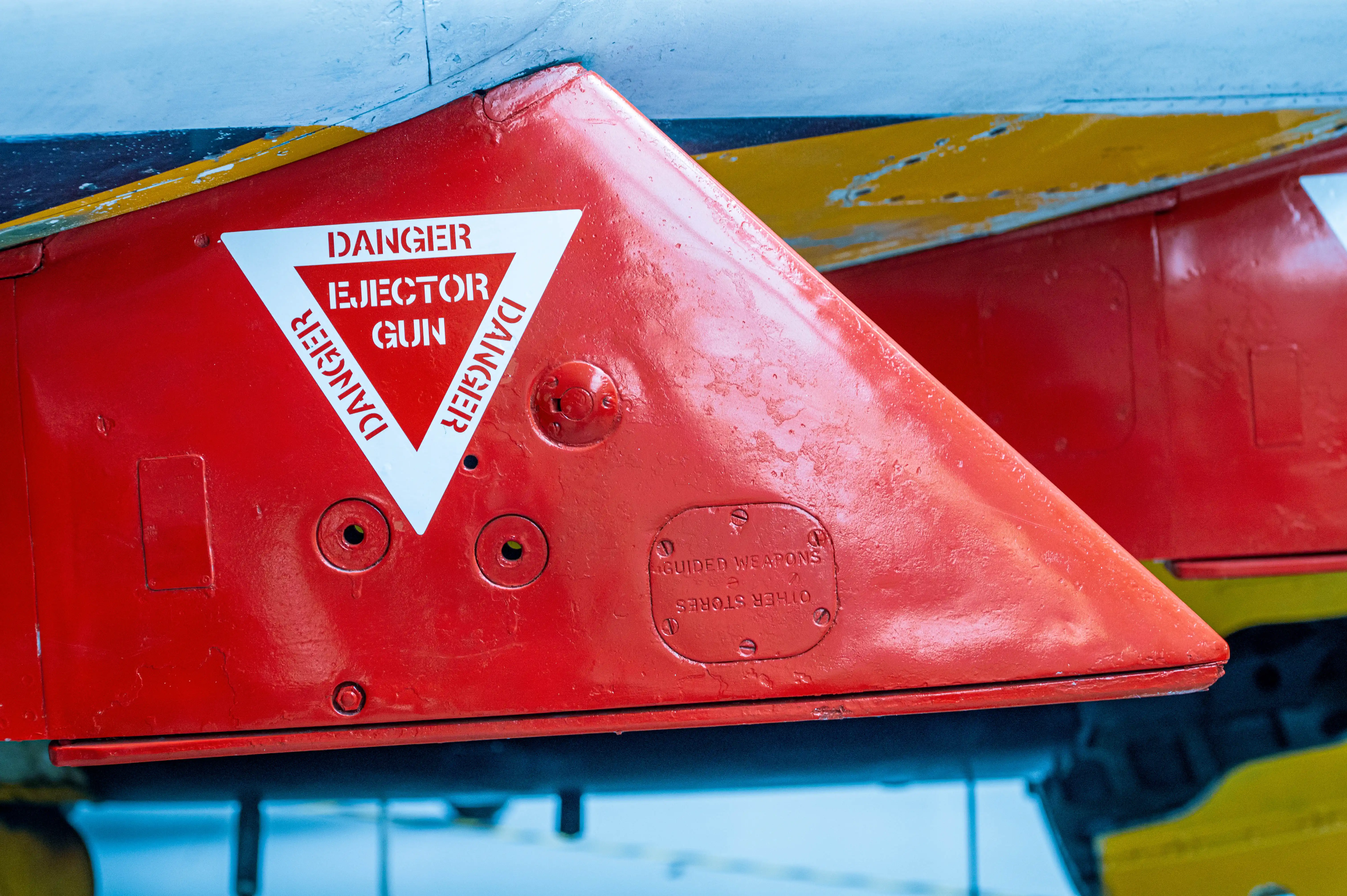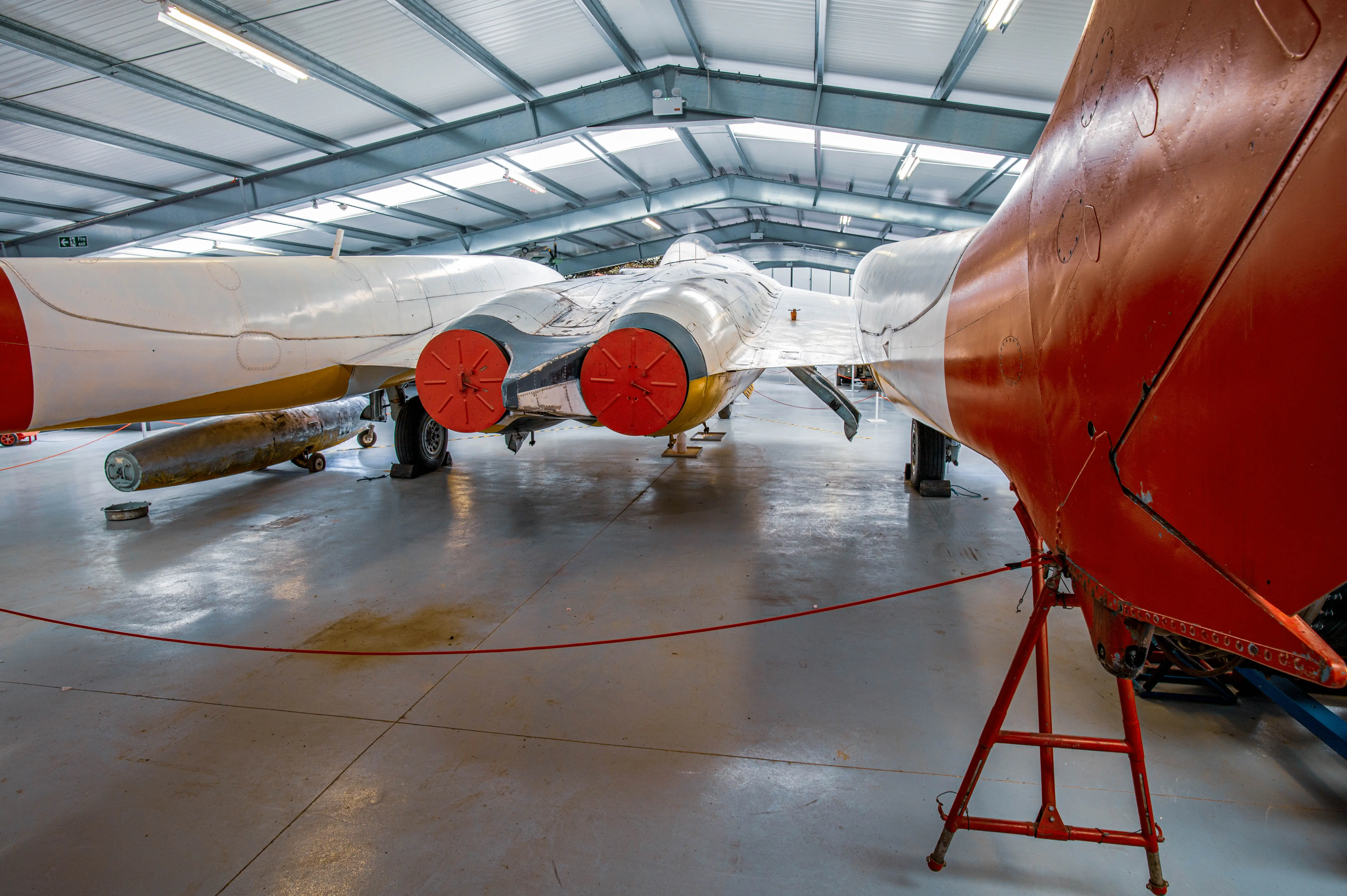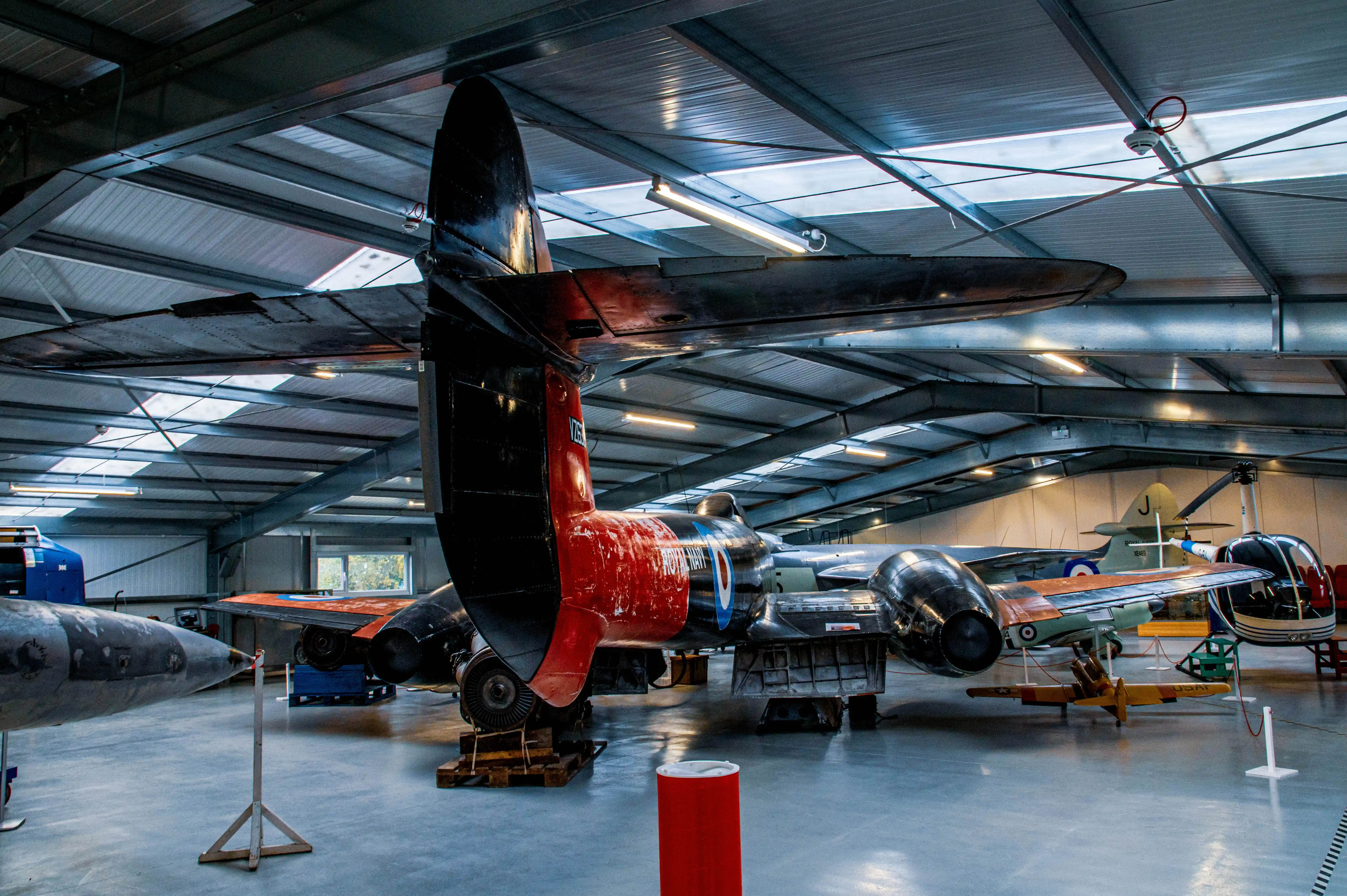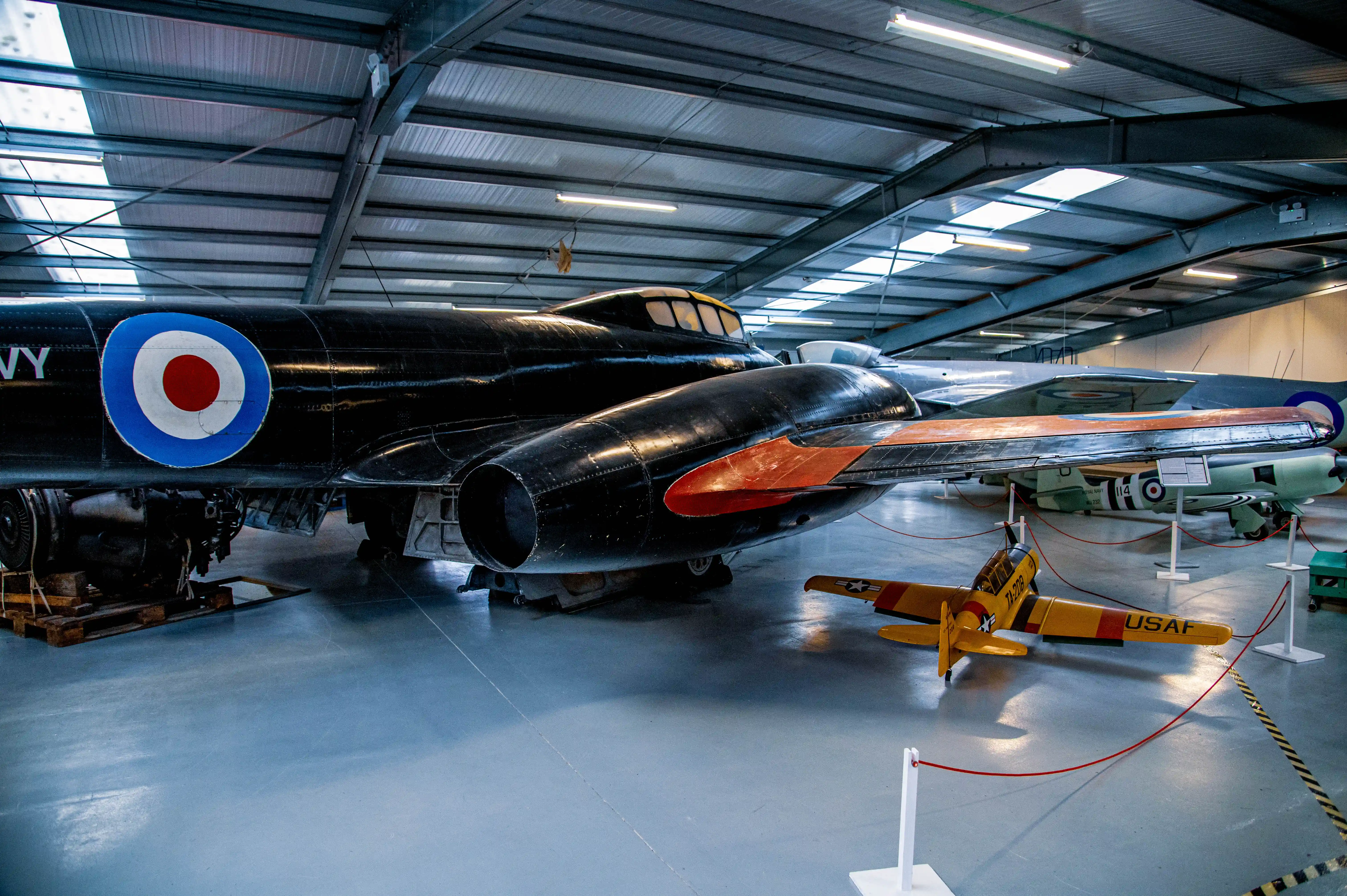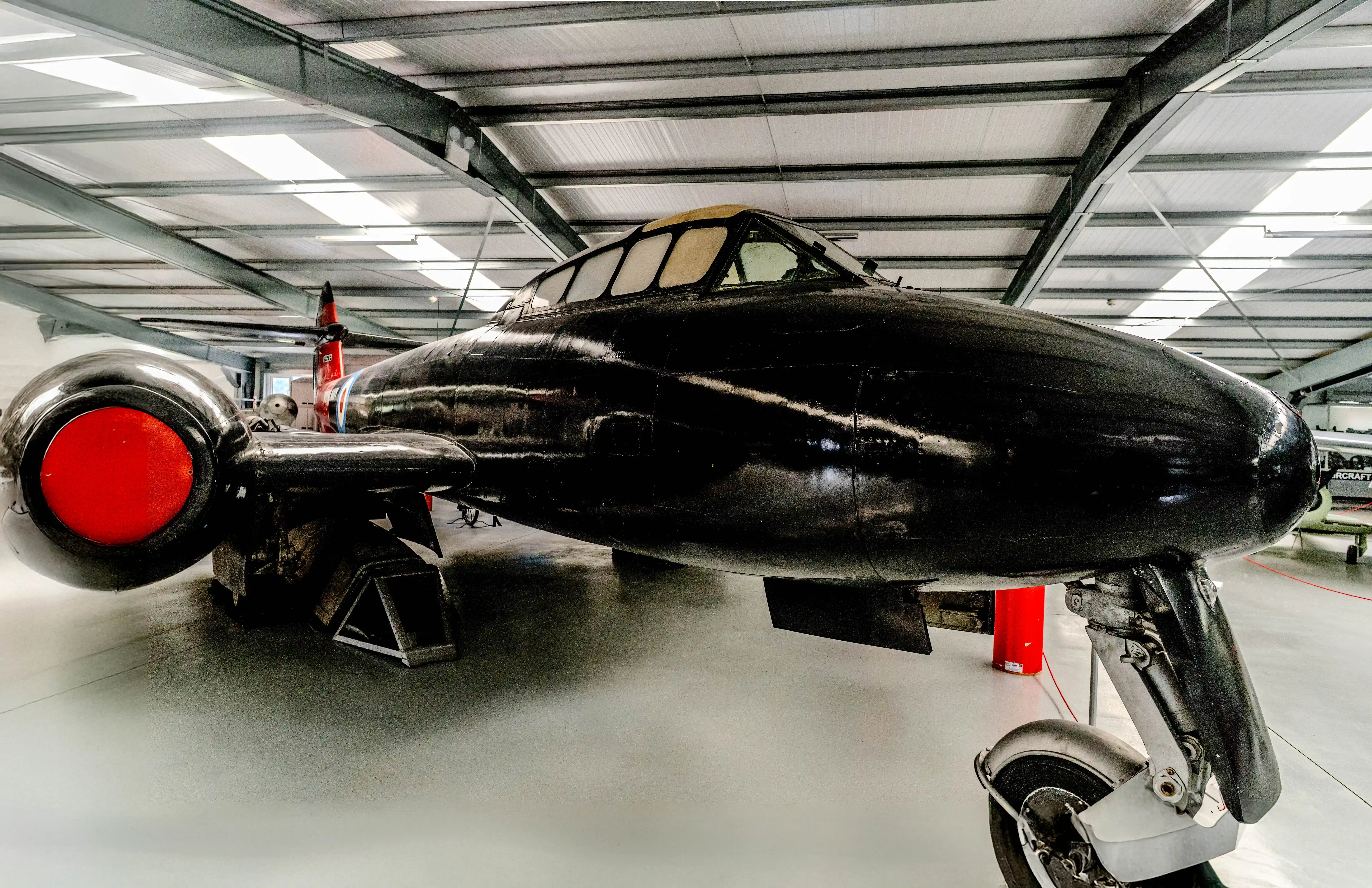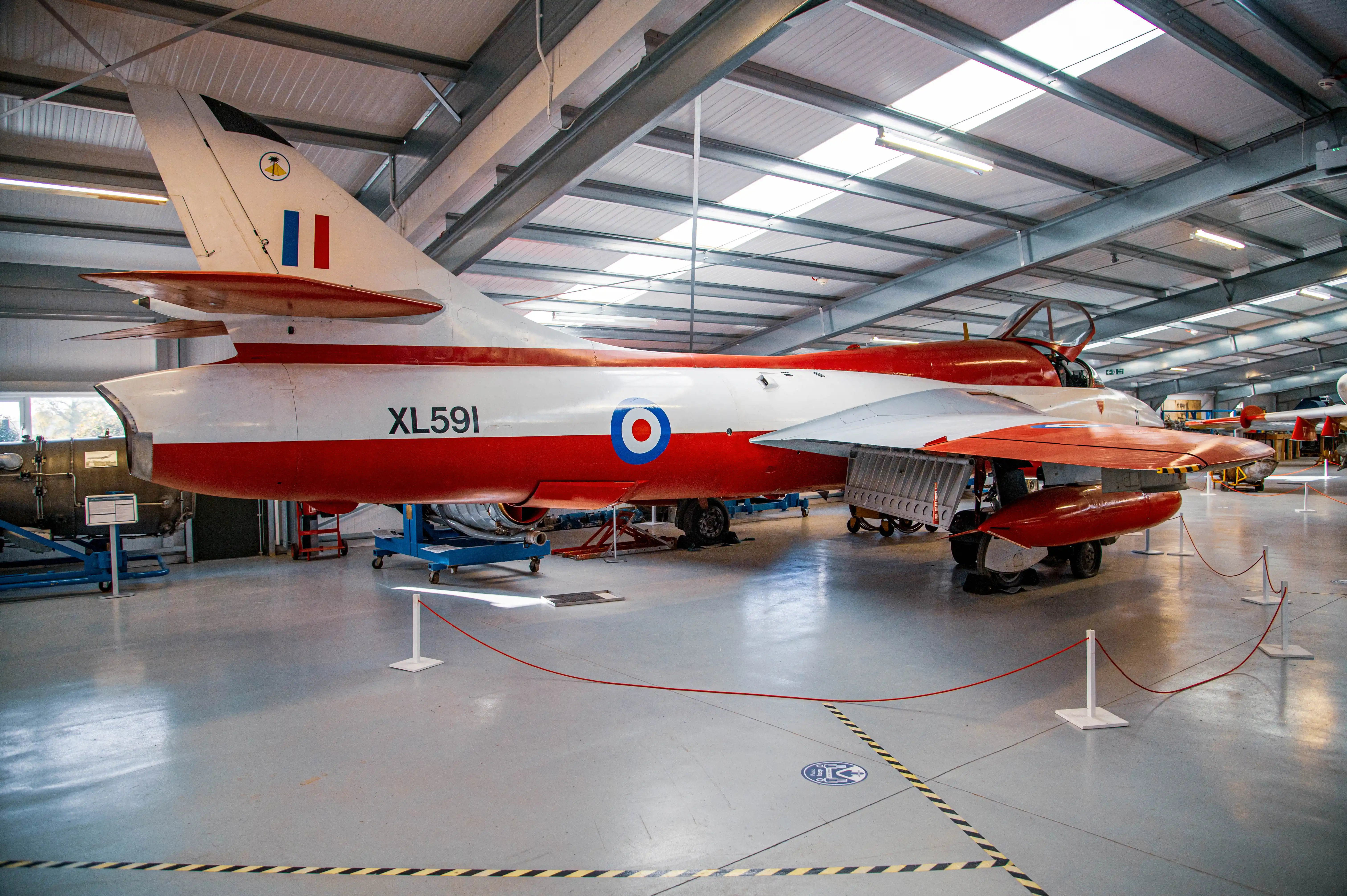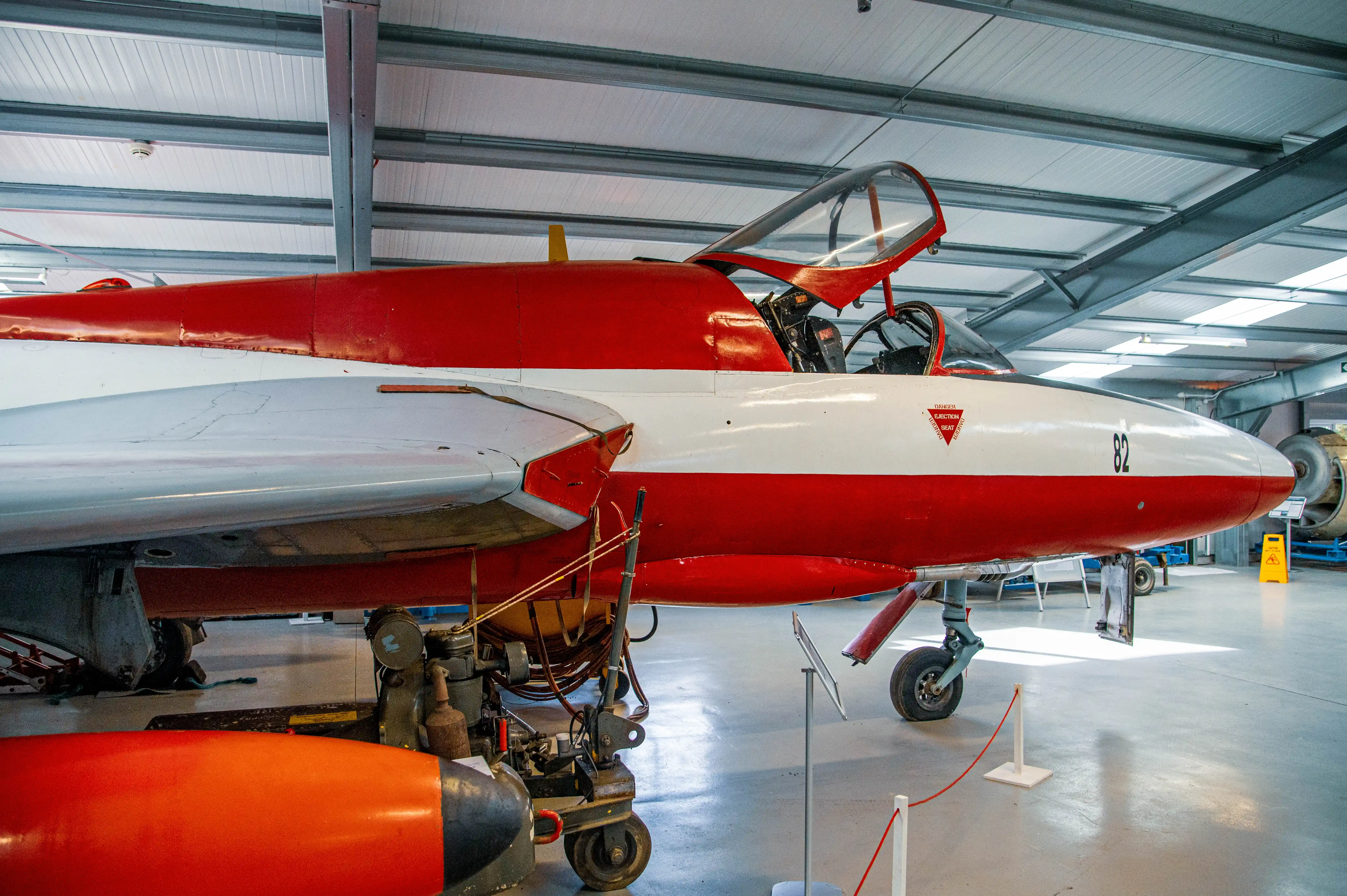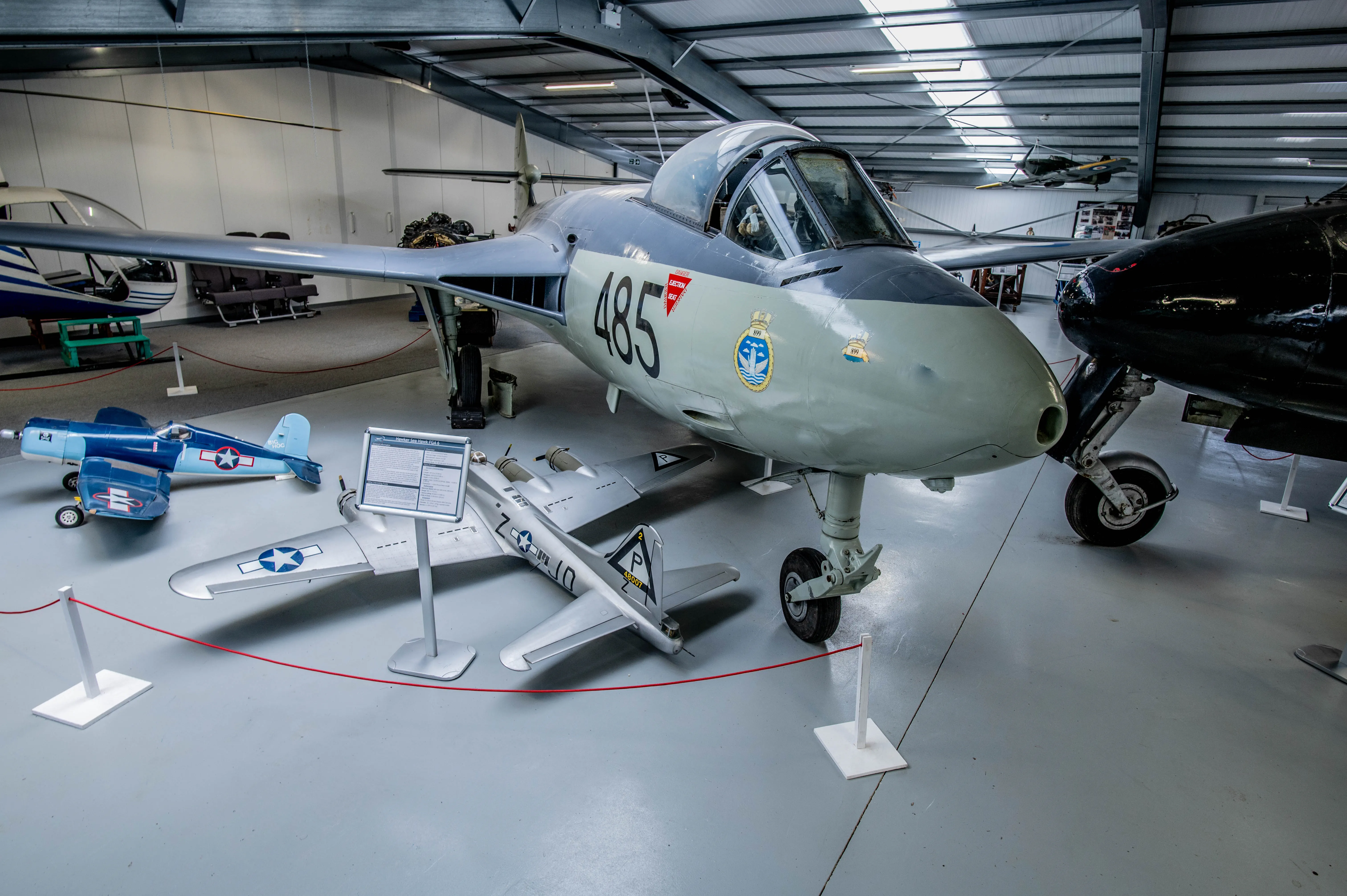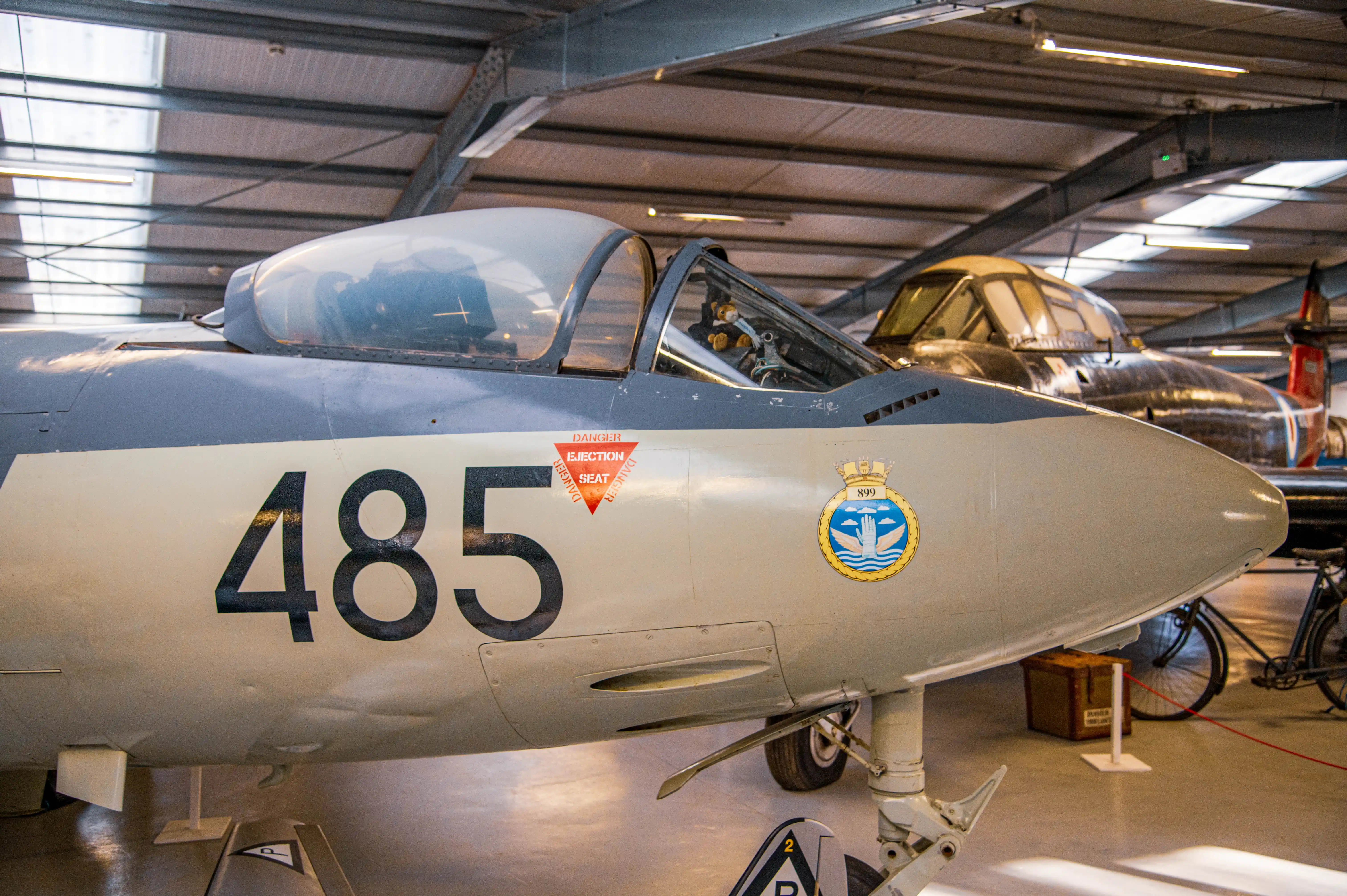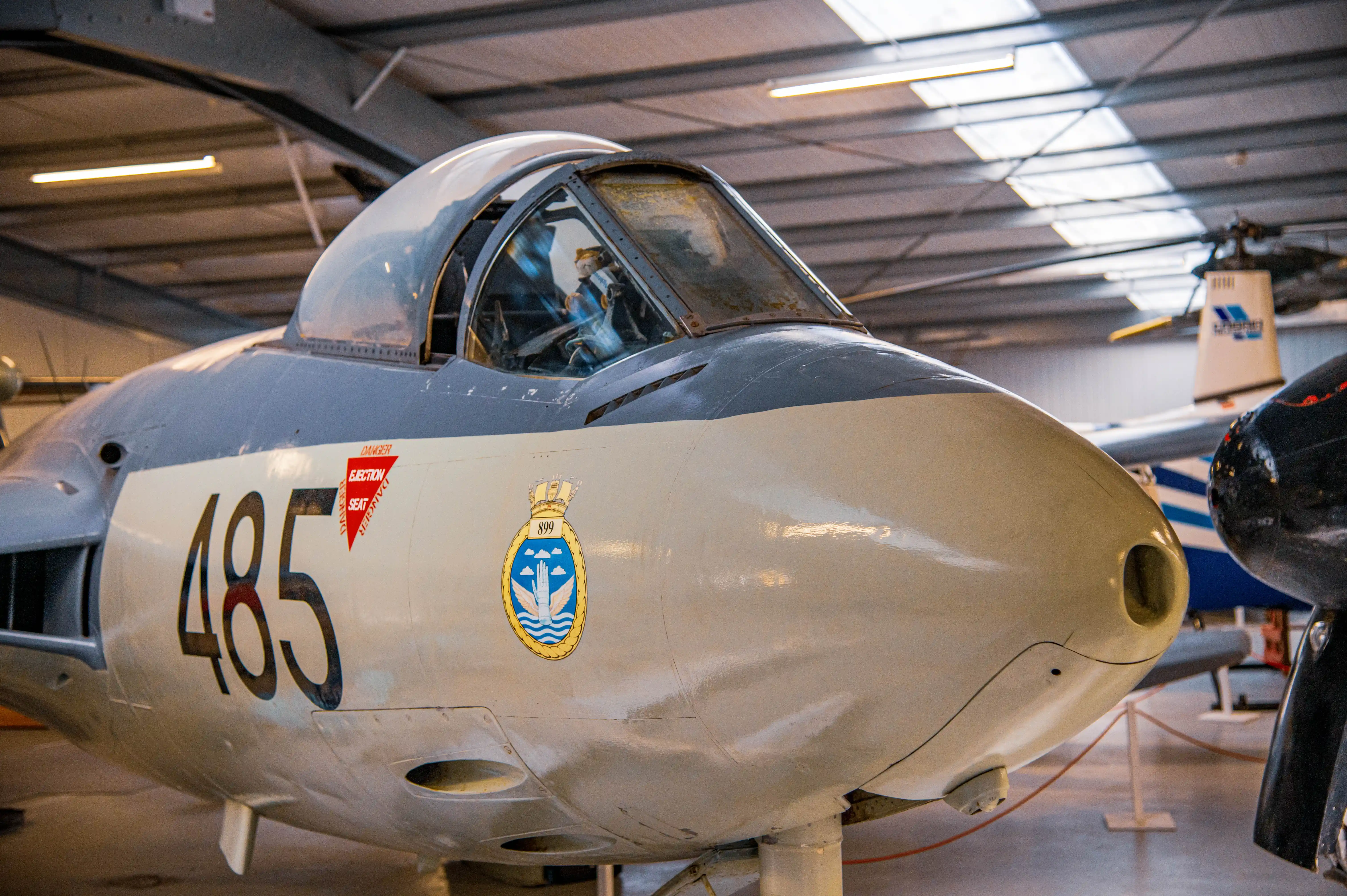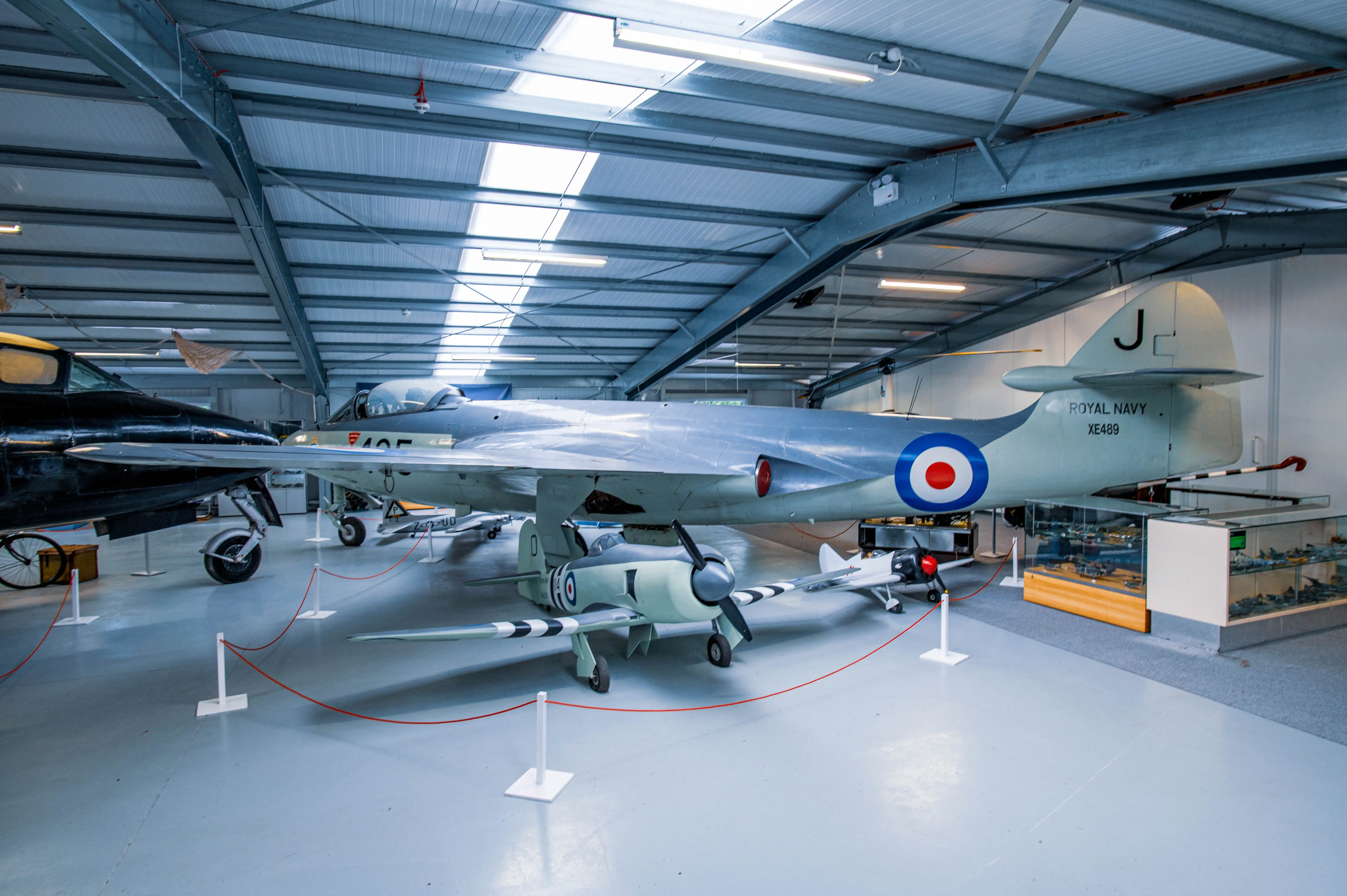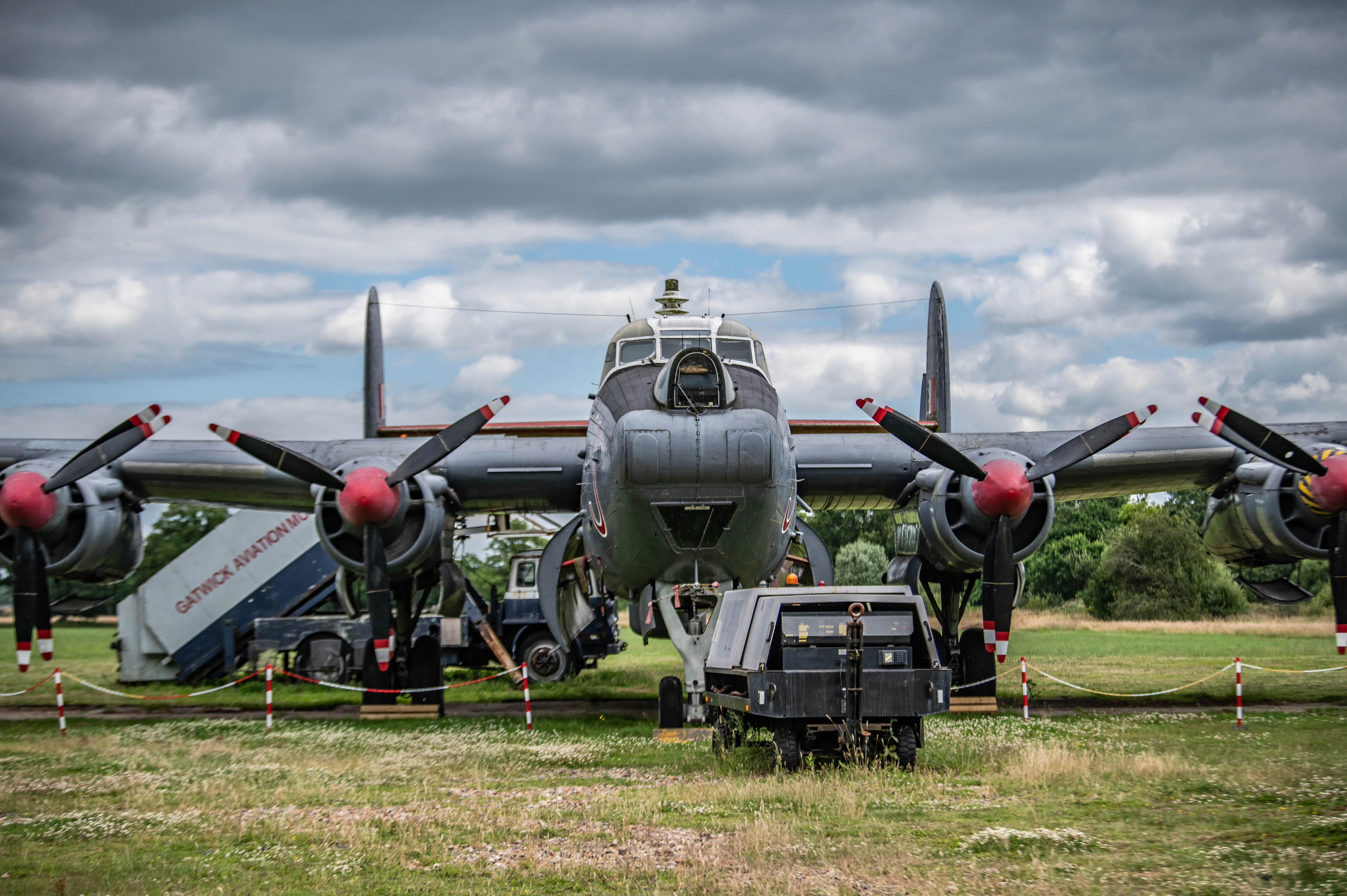
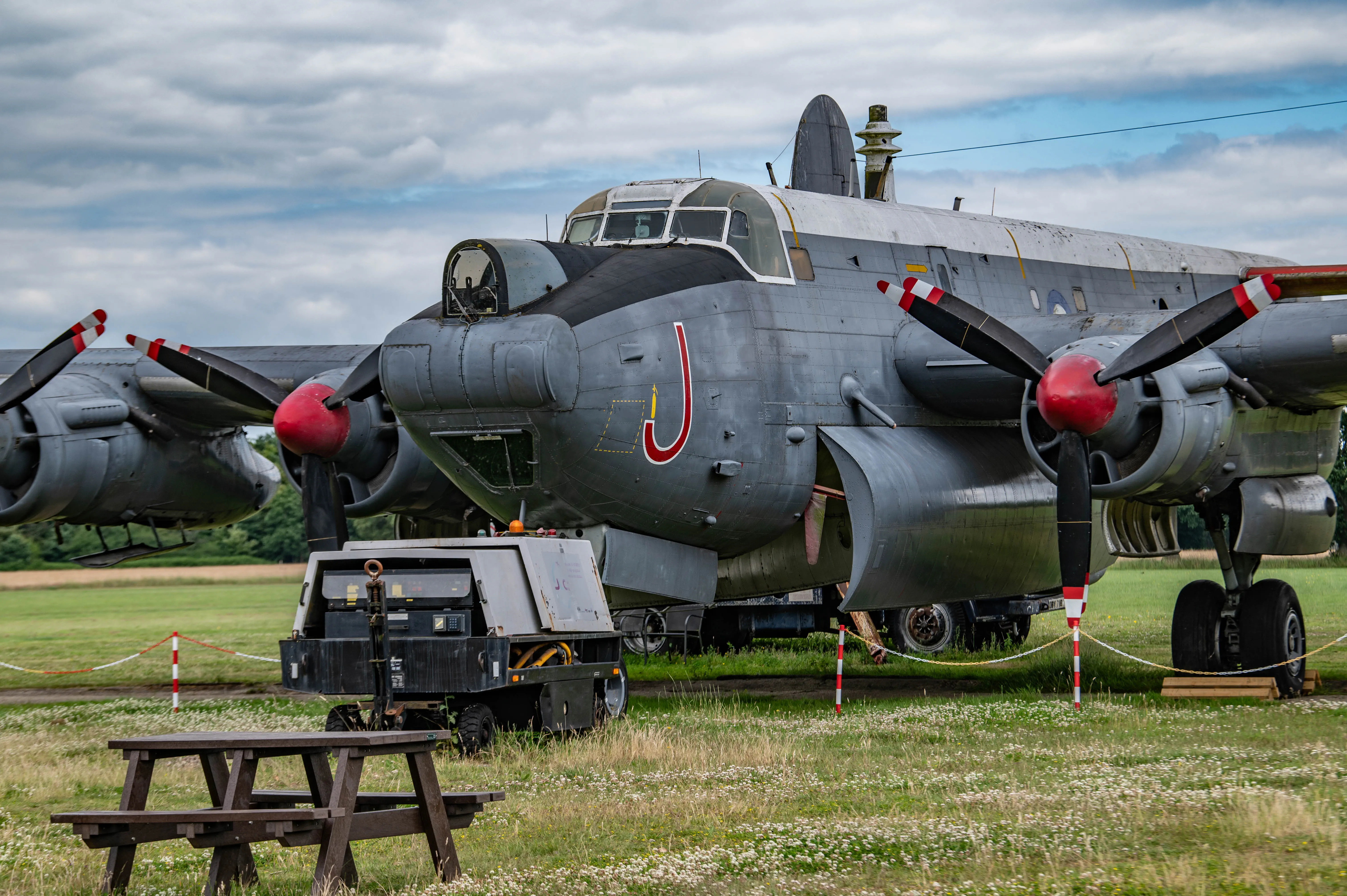

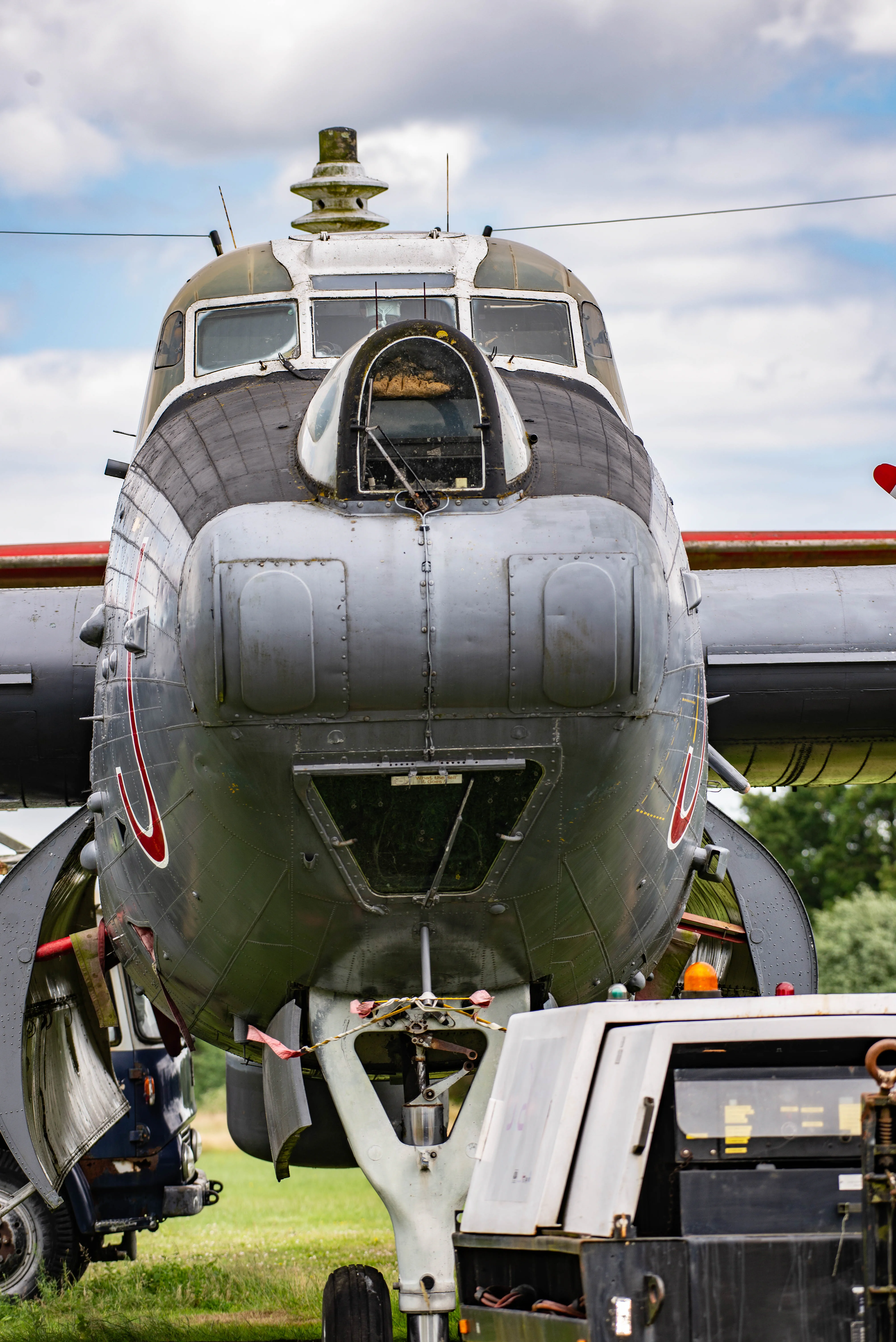
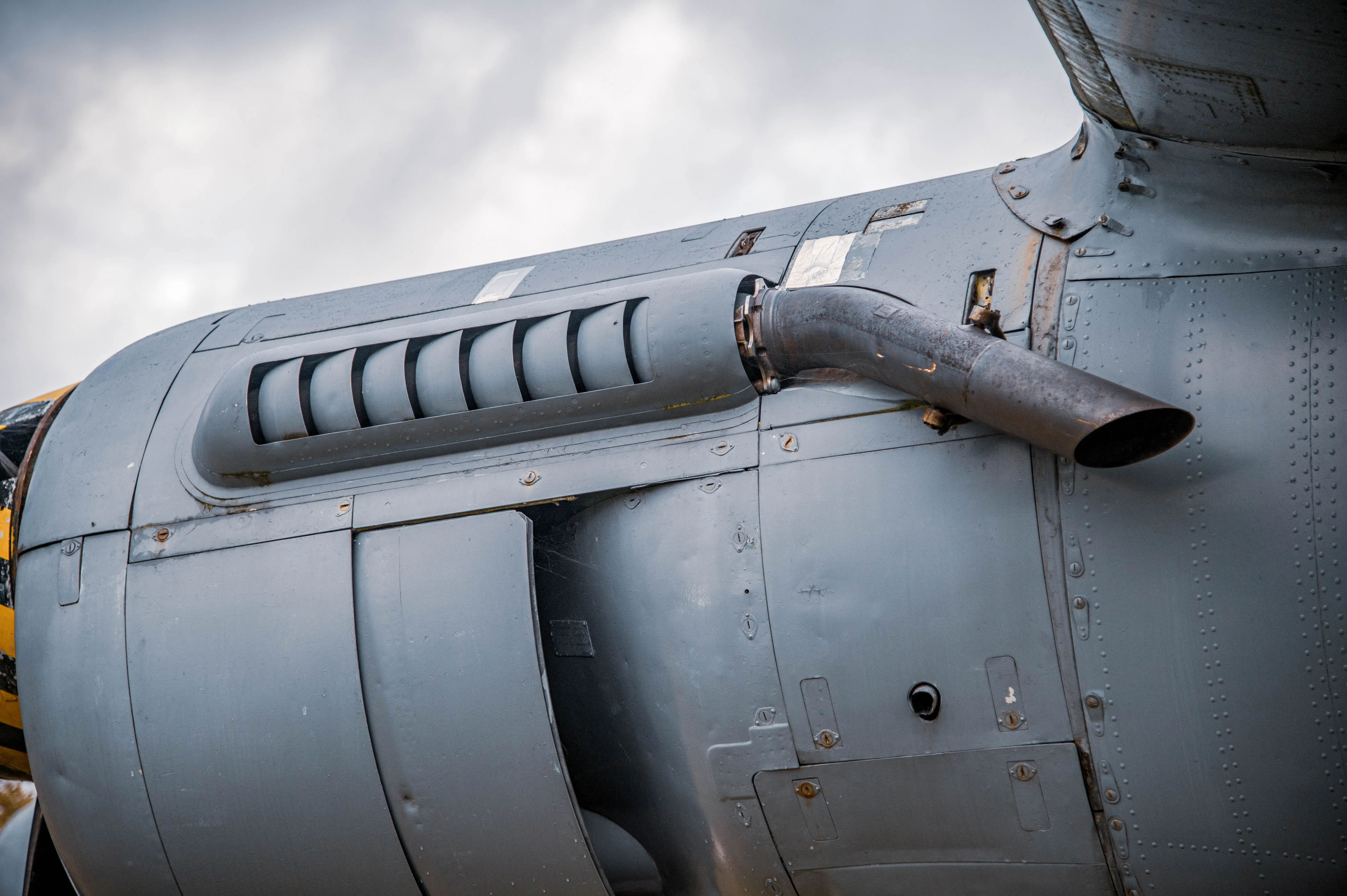
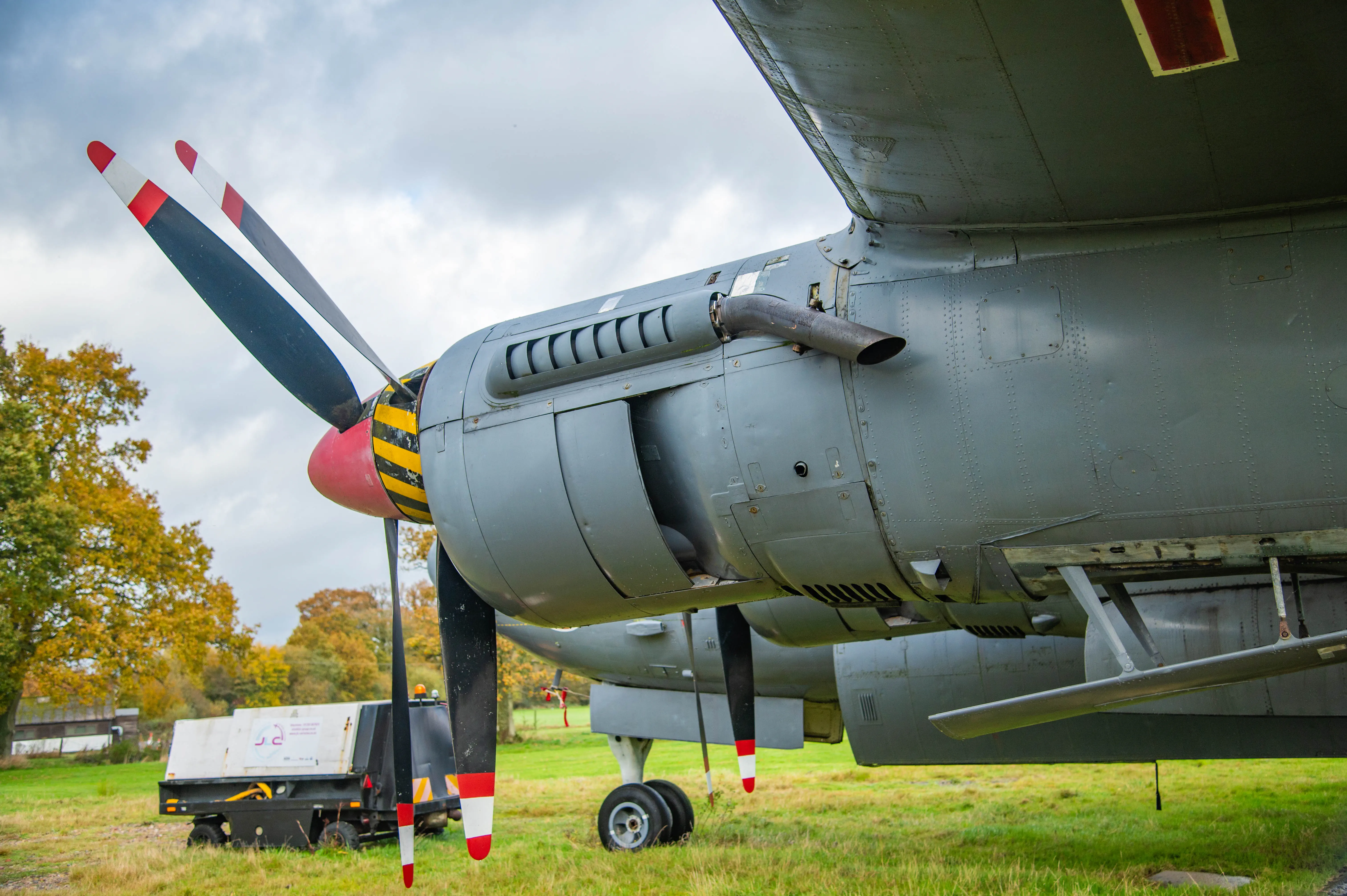
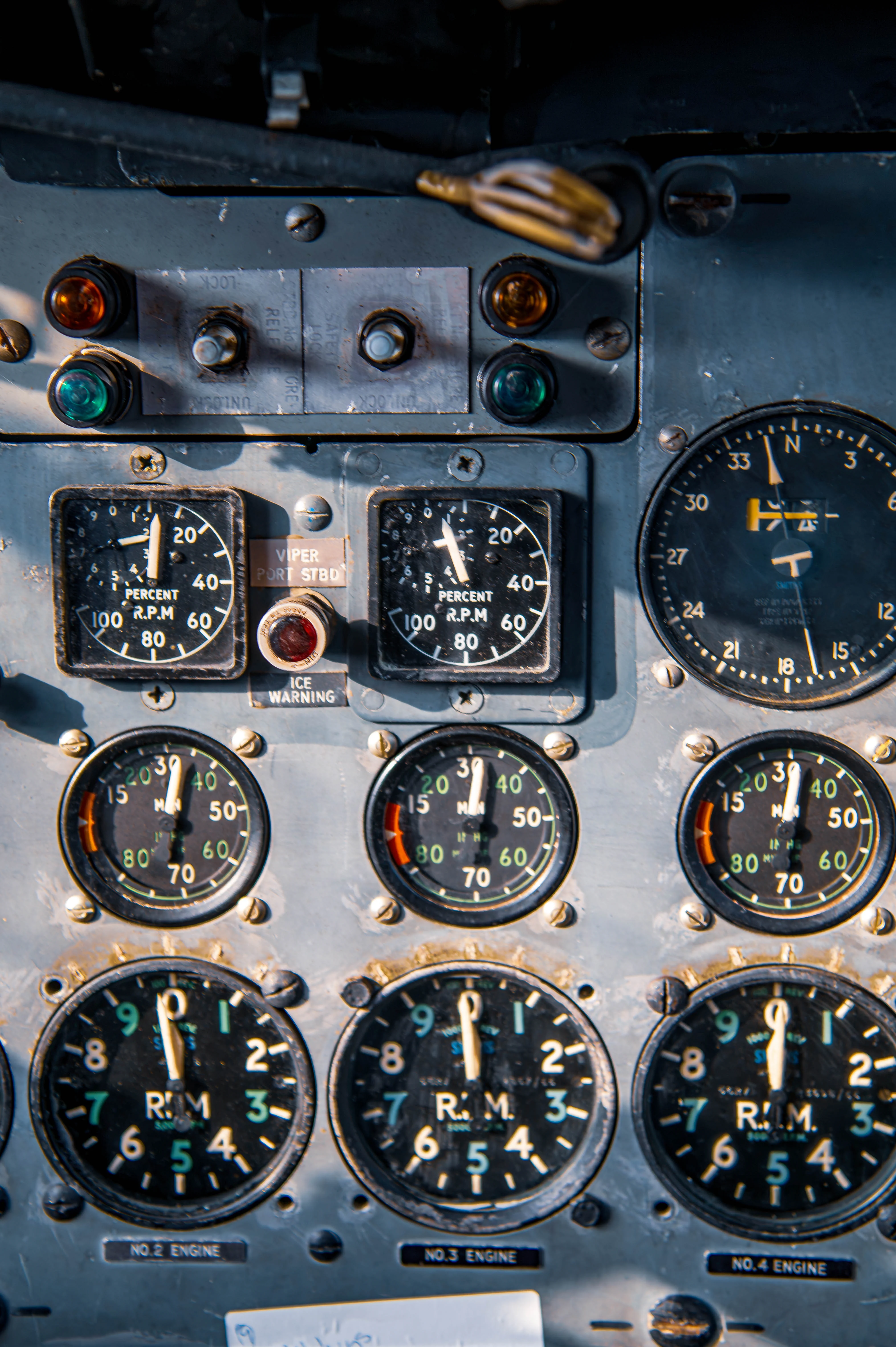
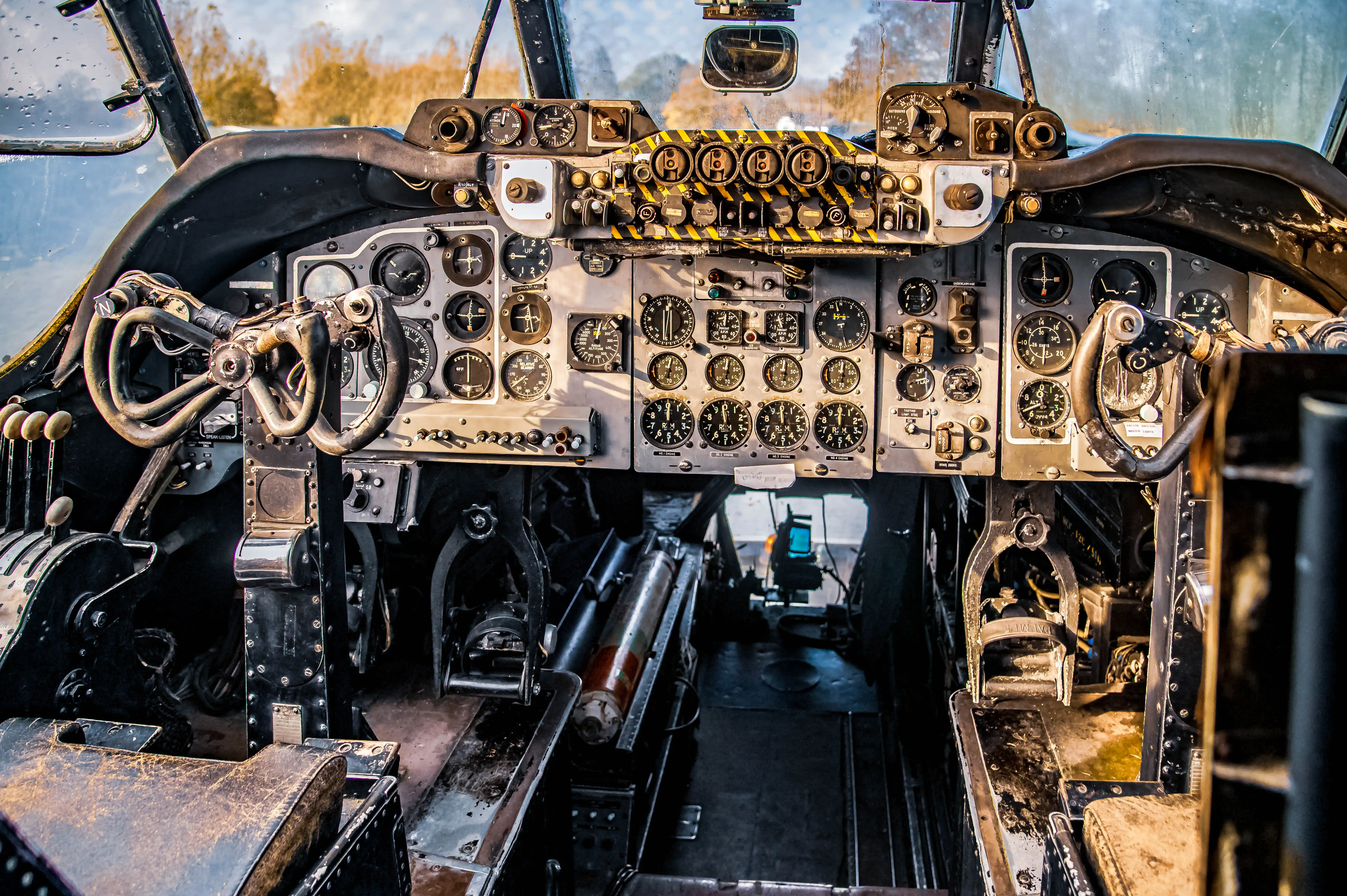
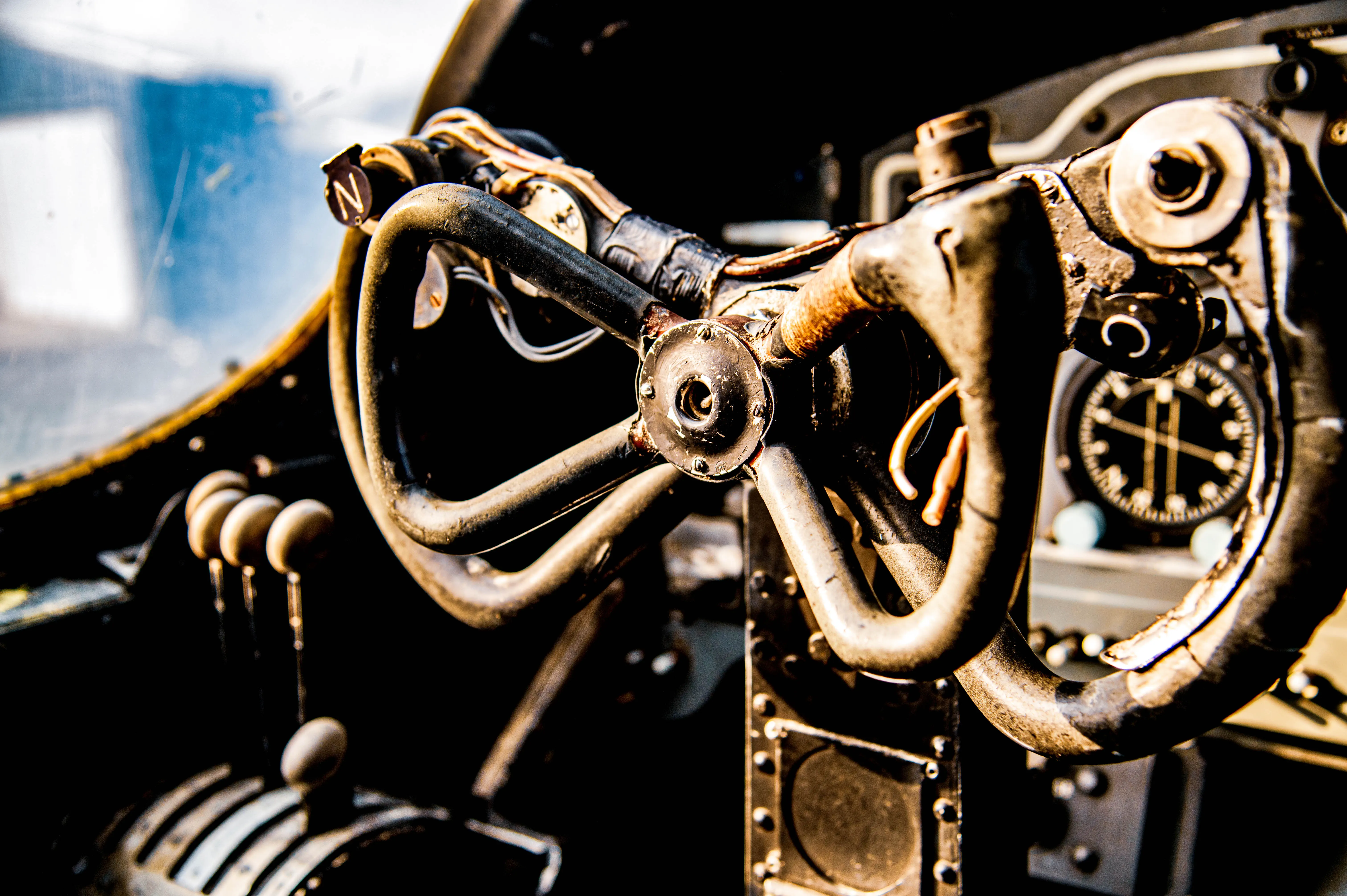
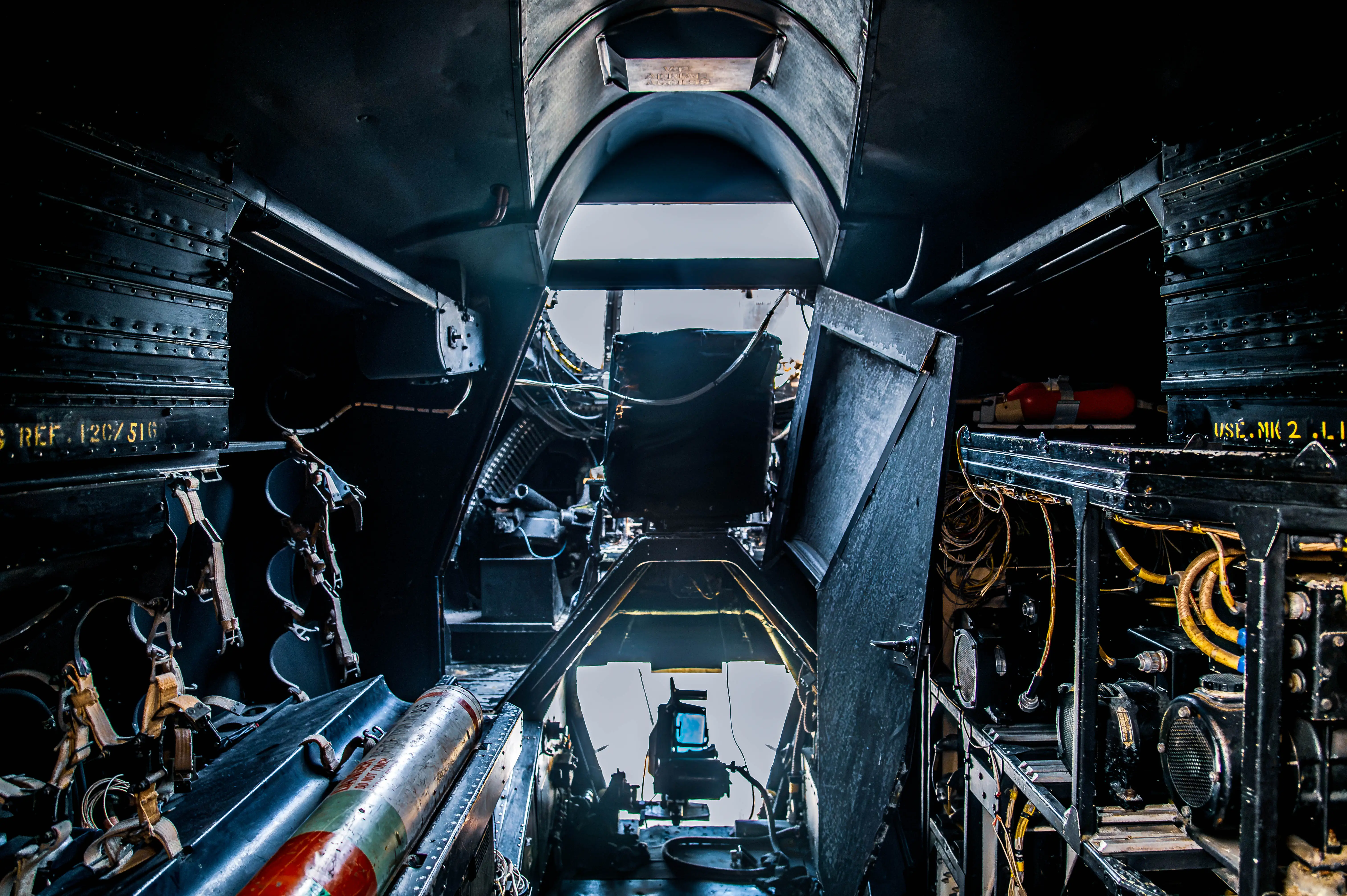
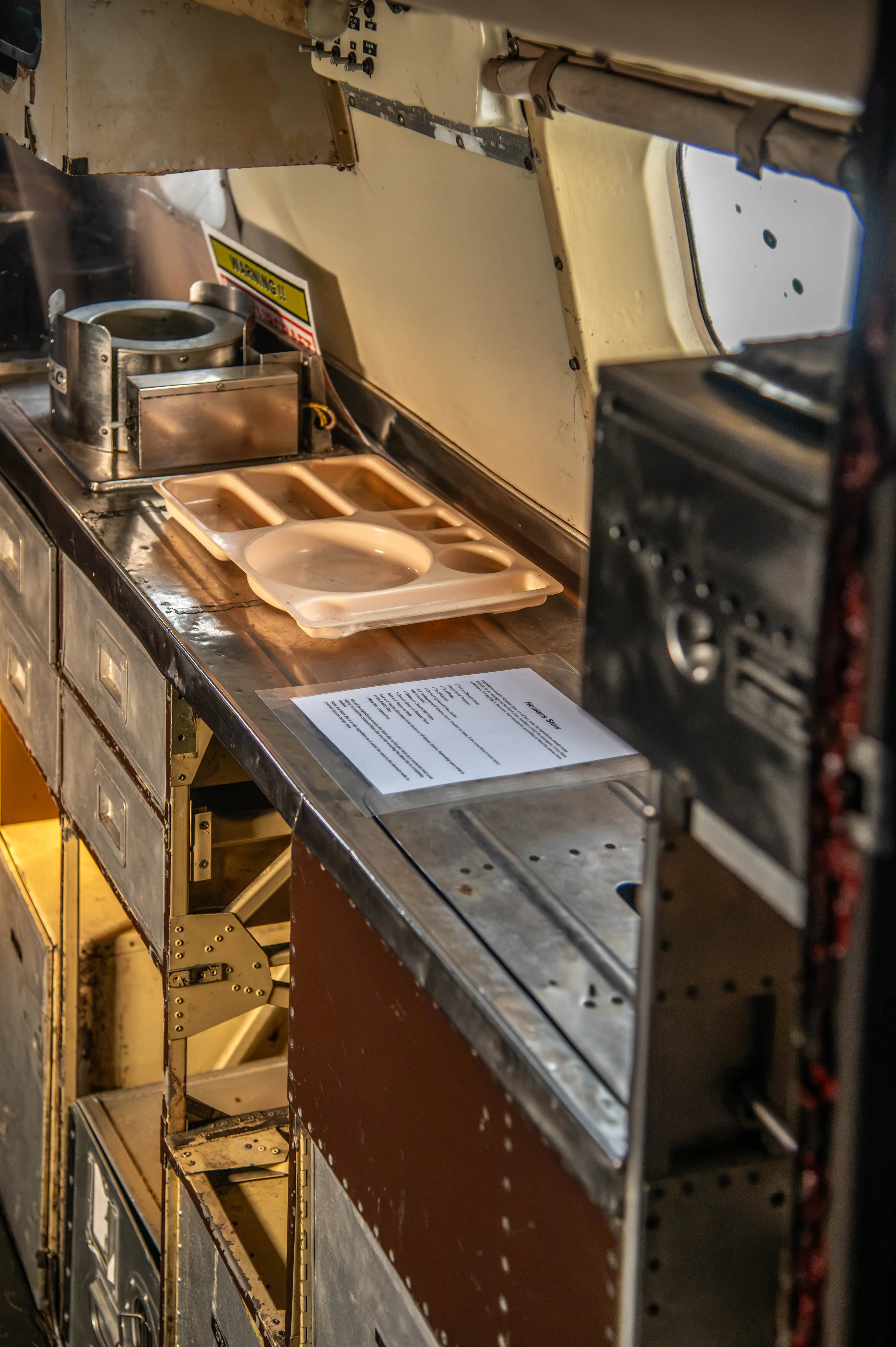
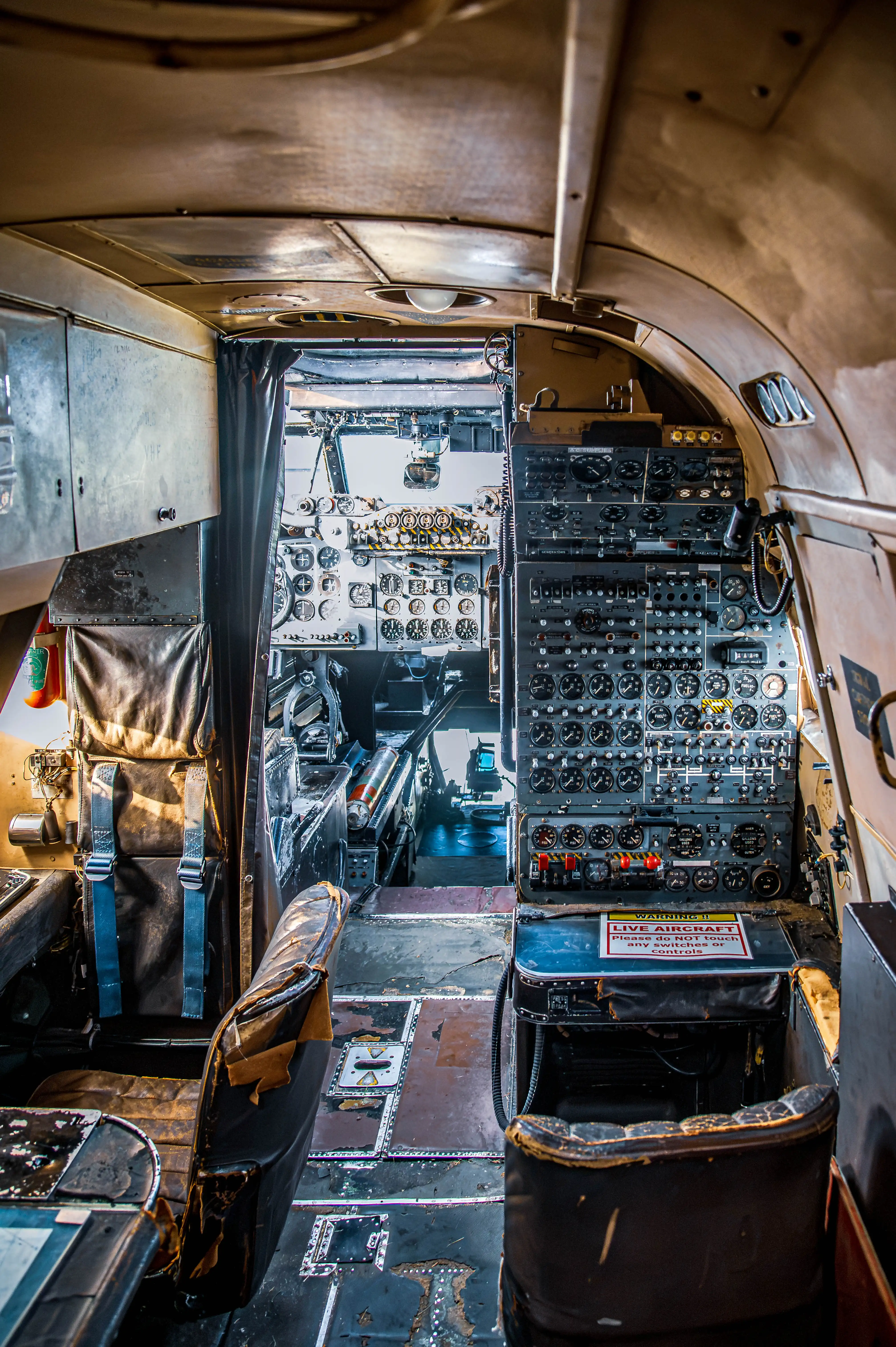
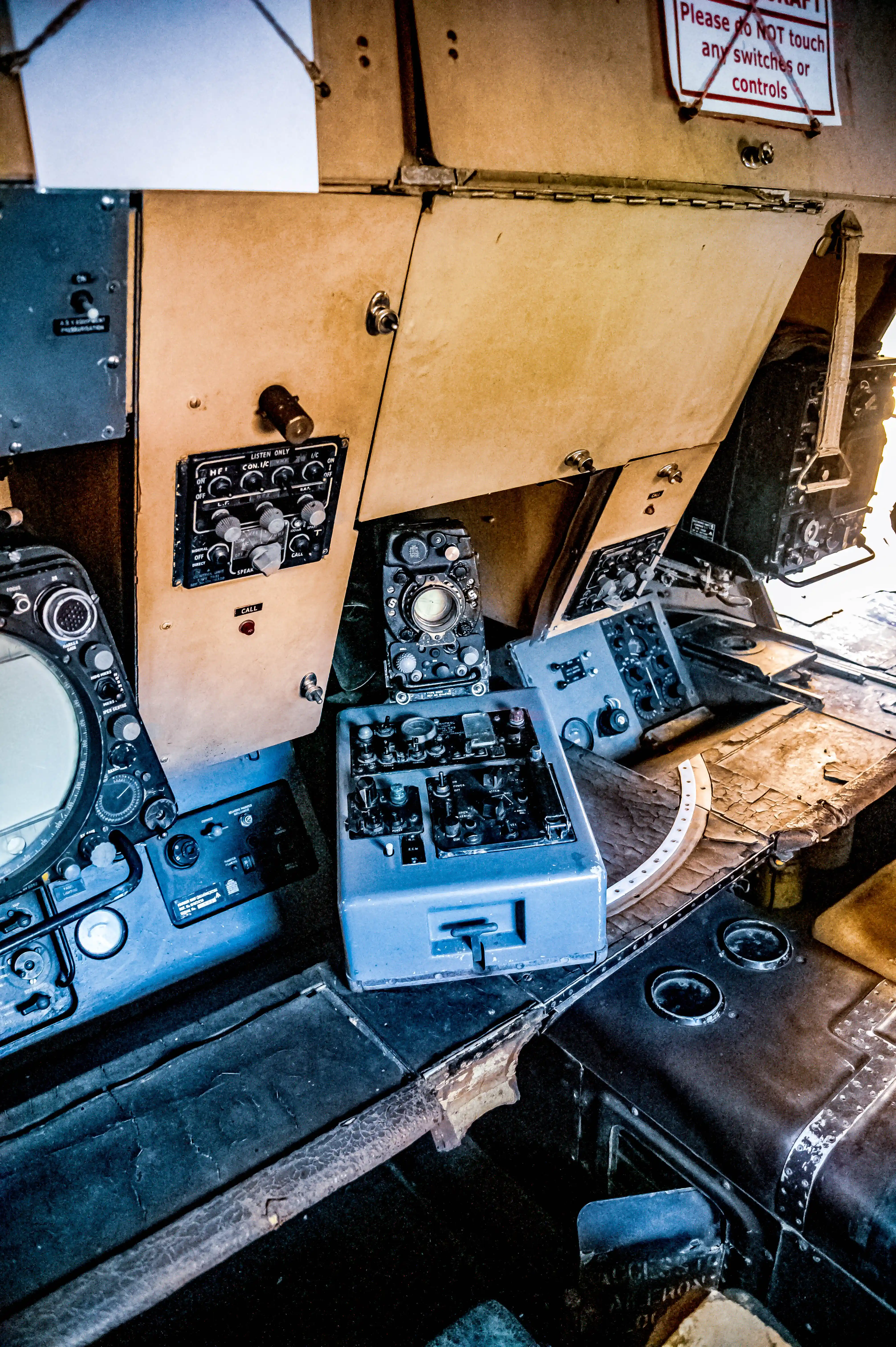
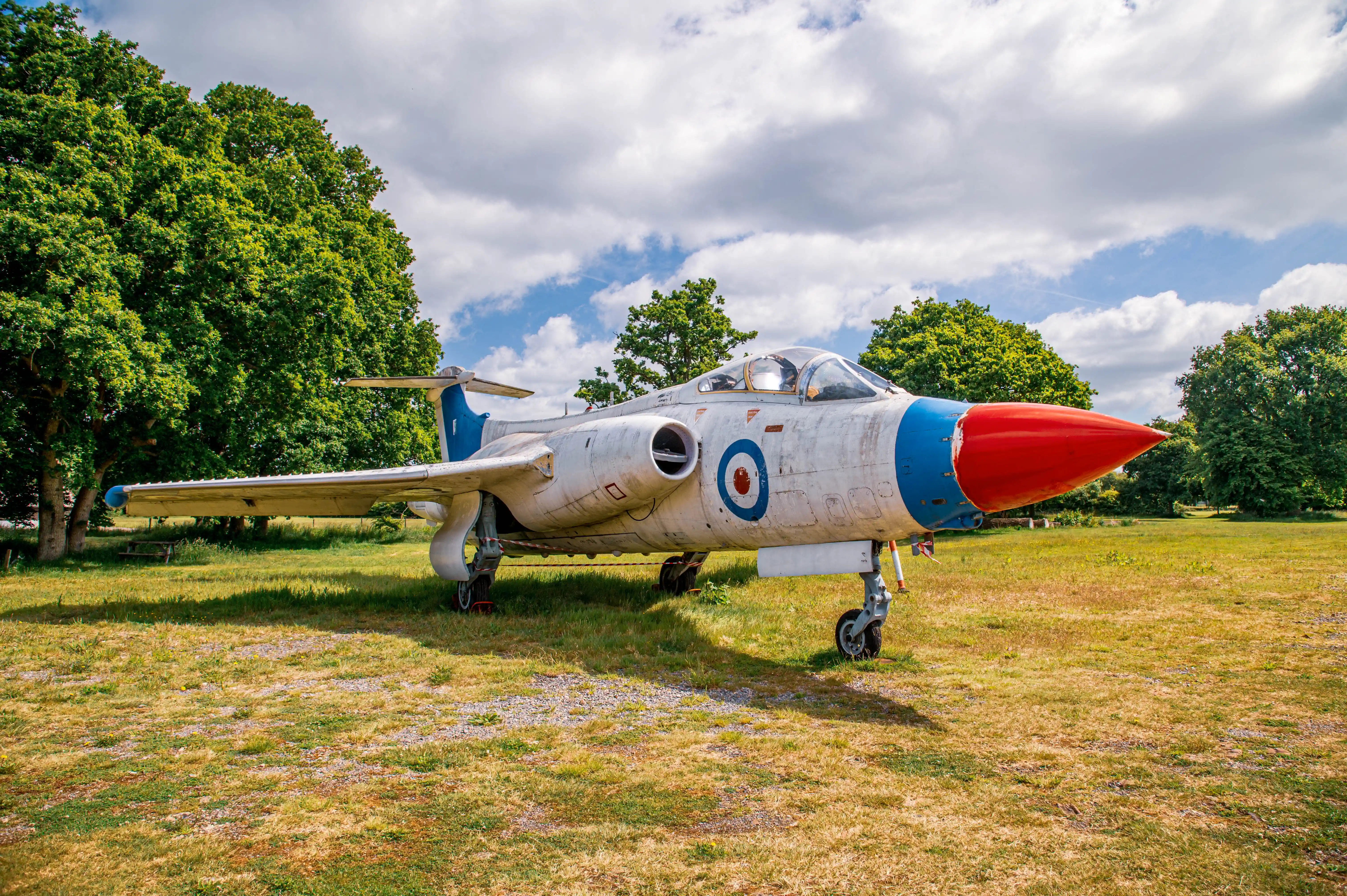
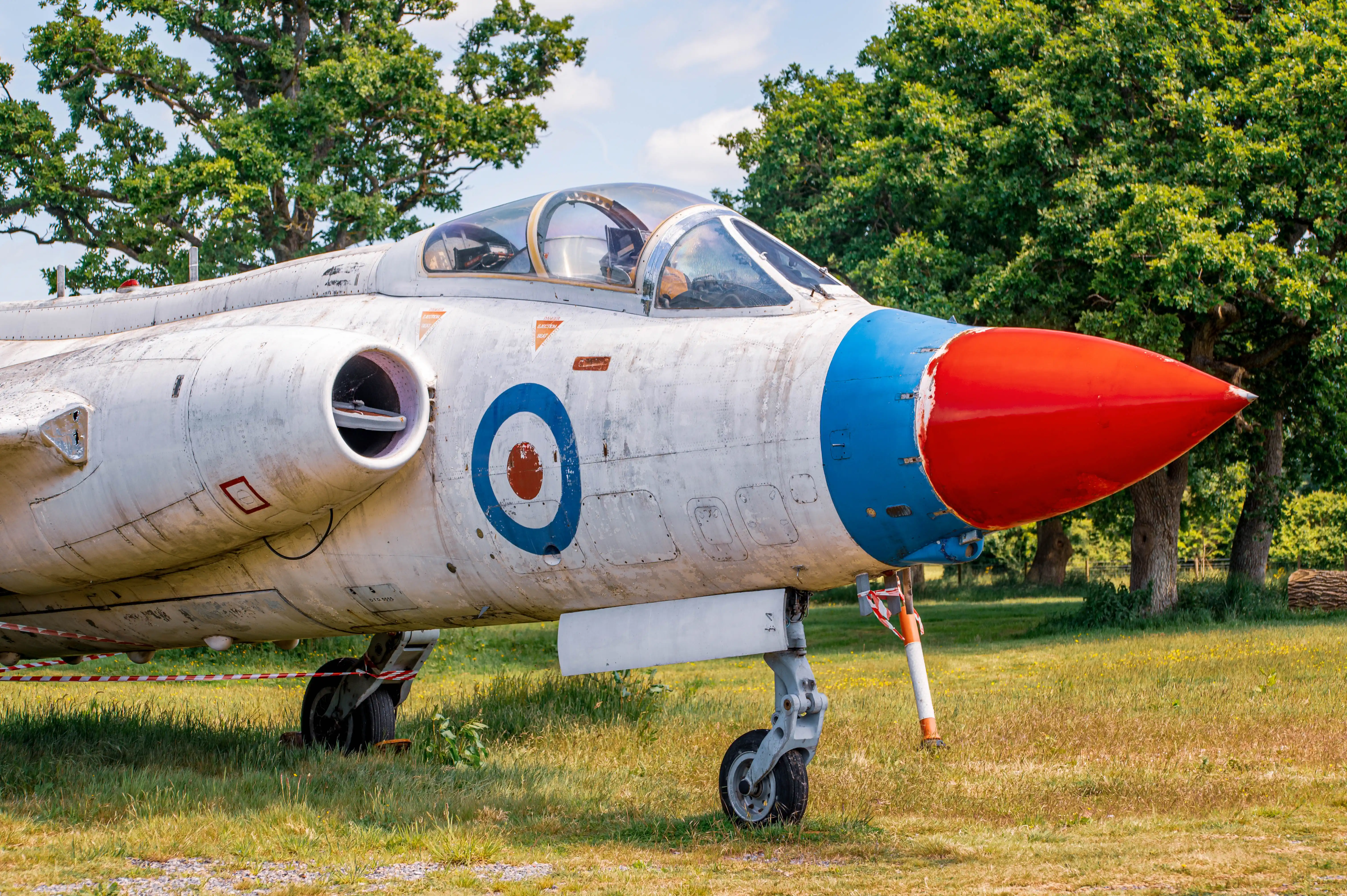
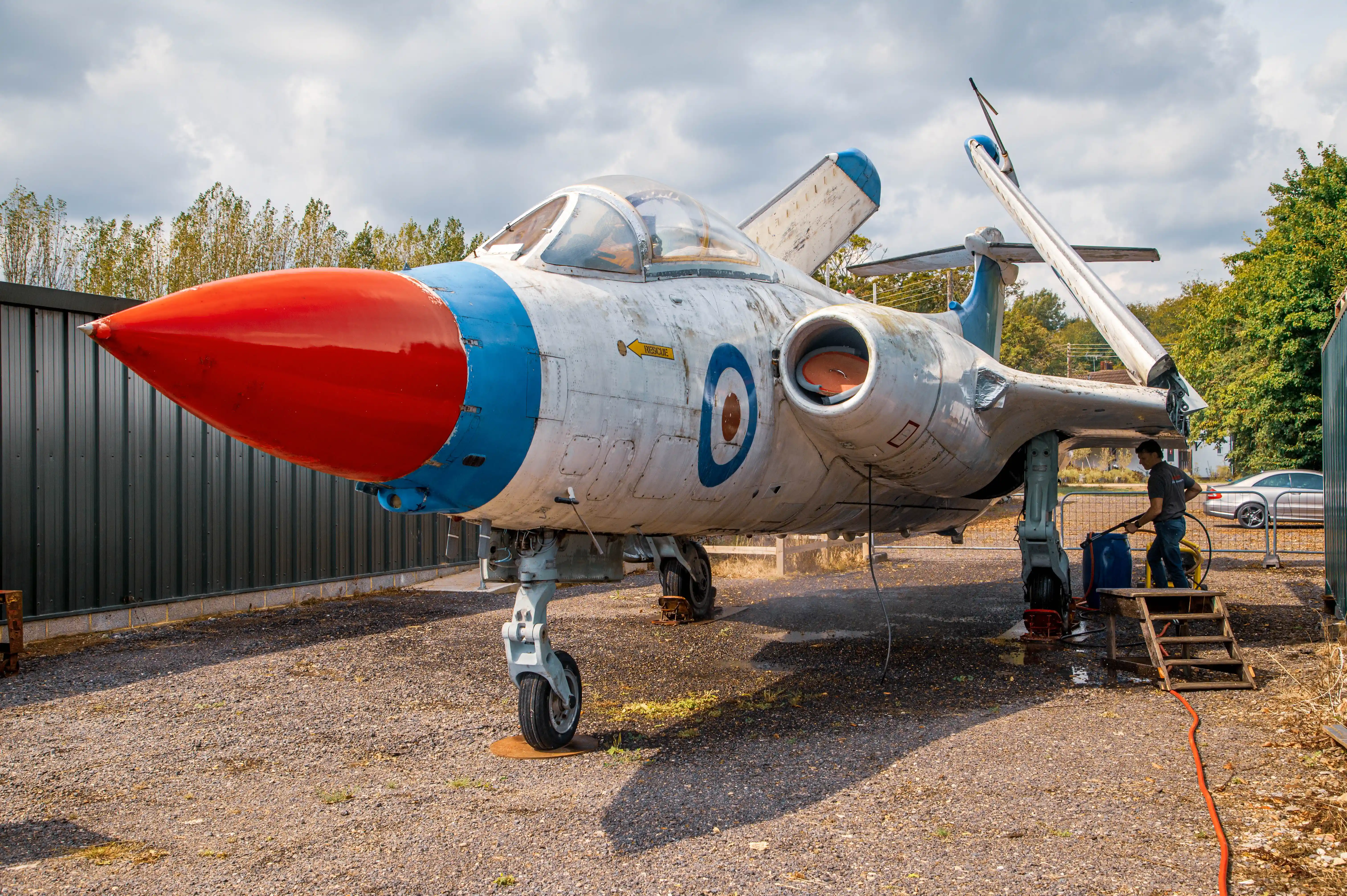
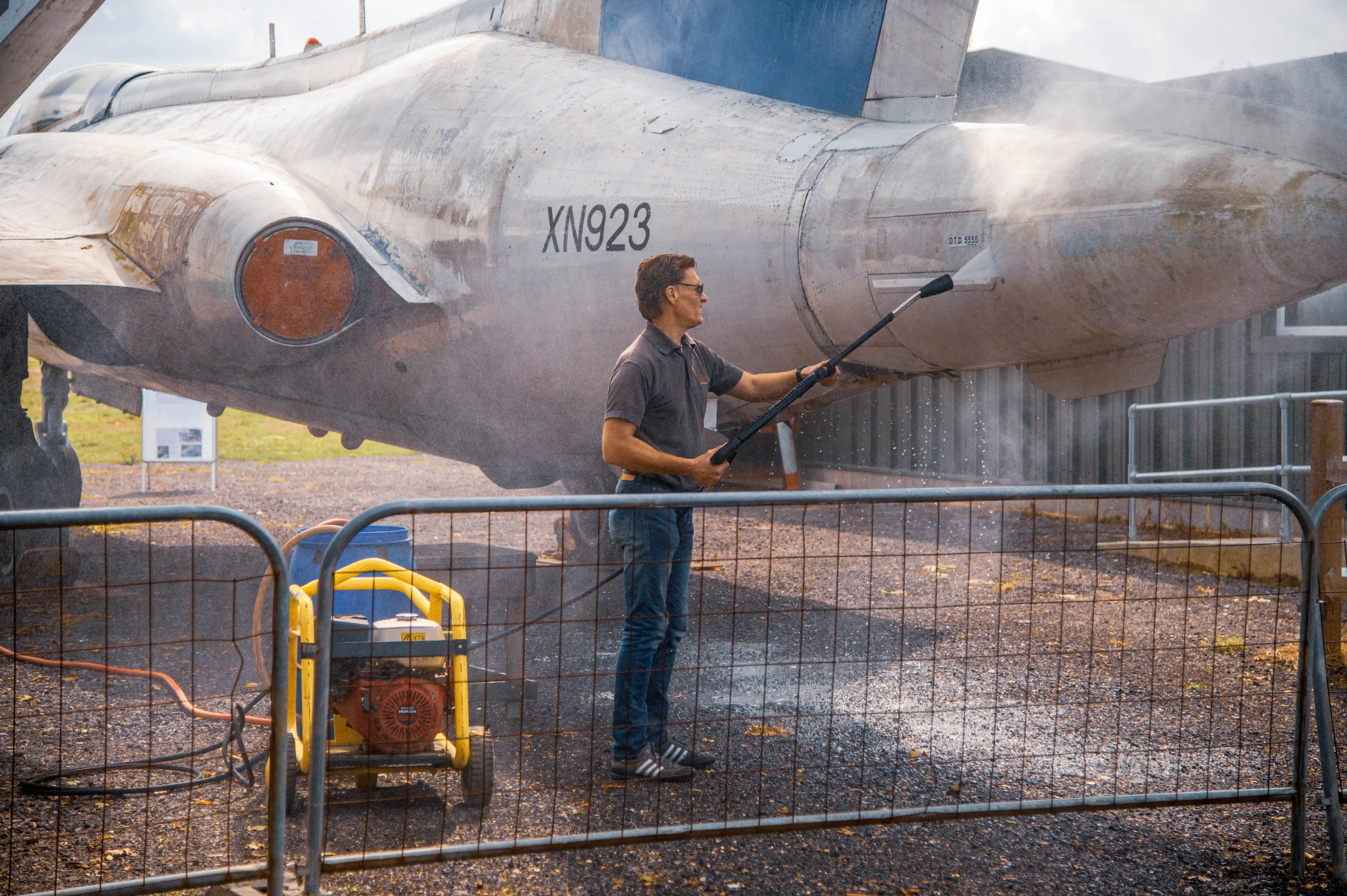
Manufacturer: Blackburn Aircraft
First Flight: 1958 (Buccaneer S1)
Introduced: 1962 (Royal Navy)
Retired: 1994 (RAF)
Role: Naval strike aircraft, later RAF nuclear-capable strike aircraft
Crew: 2 (pilot and navigator)
Notable Features: Low-level strike capability, rugged design, nuclear deterrence role
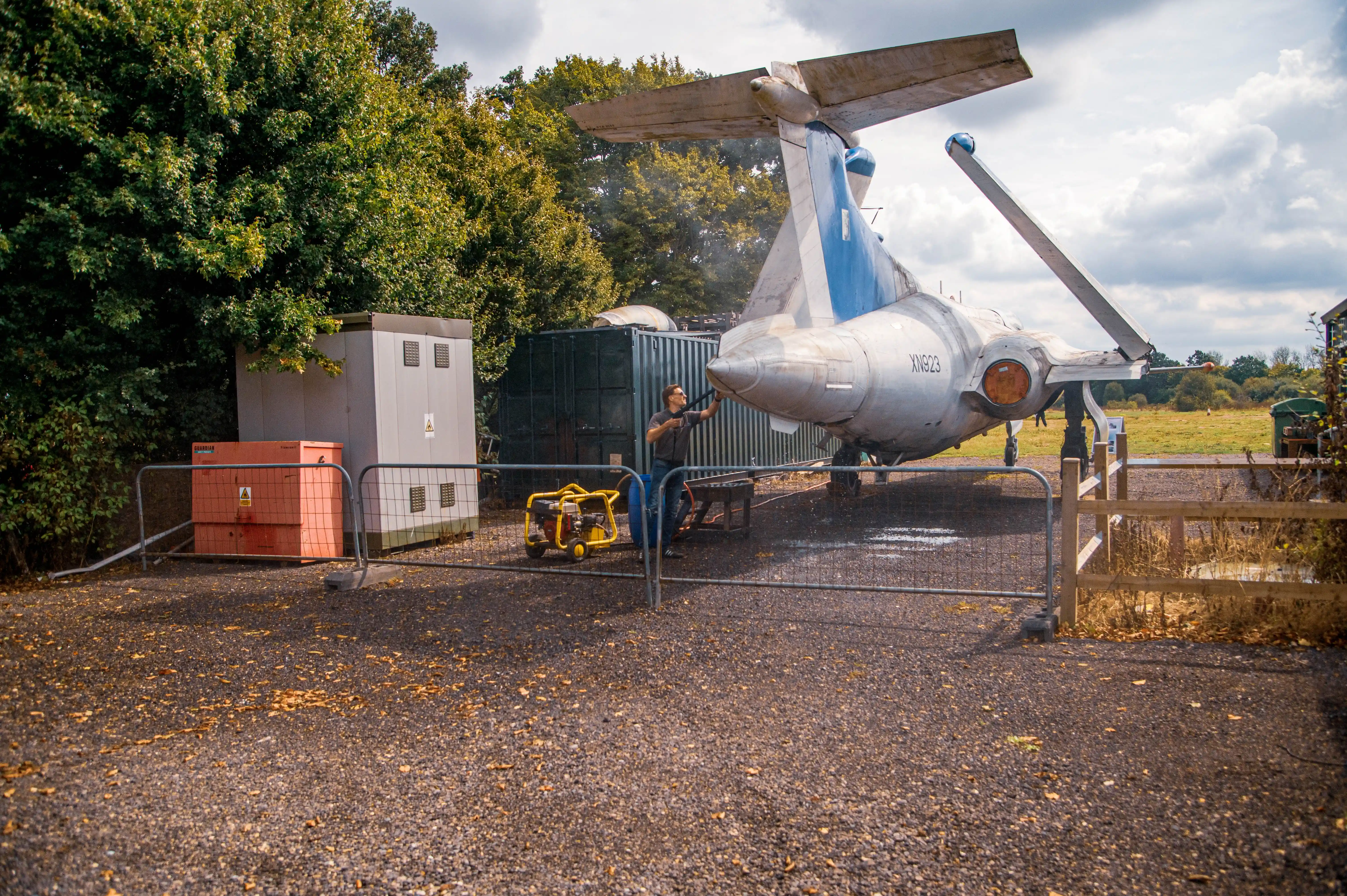
Serial Number: XN923
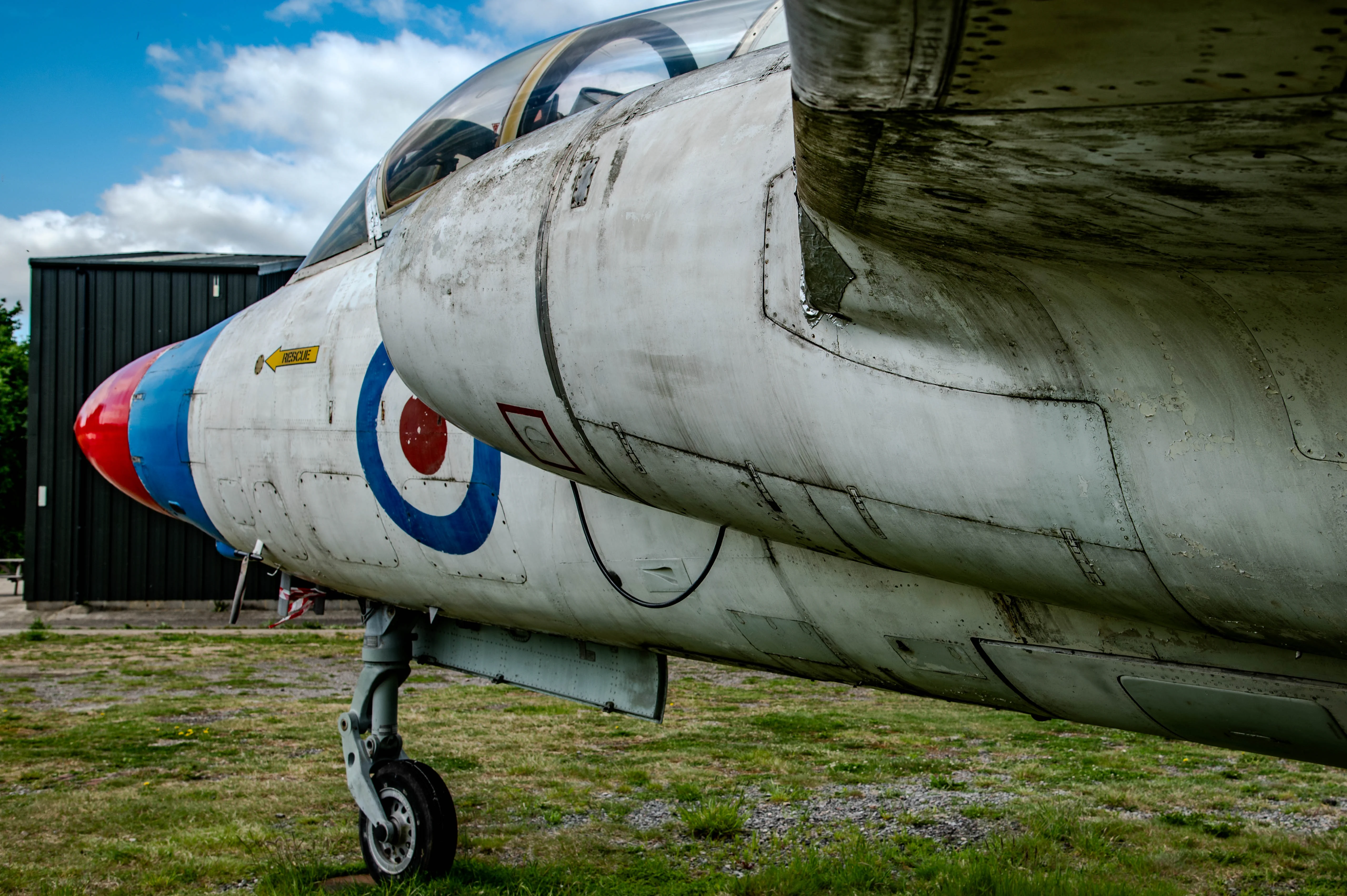
Variant: S1 (first production model)
Website: Wikipedia - Blackburn Buccaneer
Cultural Impact – The Buccaneer has a lasting cultural impact, appearing in books, documentaries, and films about British aviation and the Cold War. Its unique design and operational history continue to captivate aviation enthusiasts and historians.Educational Value – The Buccaneer S1 (XN923) serves as an educational tool, helping to teach future generations about the history of British aviation, Cold War operations, and the evolution of strike aircraft. Its preservation ensures that its legacy is remembered and celebrated.
Operational History
- Royal Navy Service – The Buccaneer S1 entered service with the Royal Navy in 1962 and was deployed on aircraft carriers such as the HMS Ark Royal and HMS Eagle. It was used for maritime strike and reconnaissance missions, providing the Navy with a versatile and reliable strike aircraft.
- RAF Service – In the late 1960s, the Buccaneer was transferred to the RAF and adapted for nuclear strike missions. It served as a key component of the UK’s nuclear deterrent and was used in NATO exercises and Cold War operations.
- Gulf War Service – Although the Buccaneer S1 (XN923) was retired before the Gulf War, later variants of the Buccaneer saw action in the conflict, providing precision strike capabilities and supporting coalition forces.