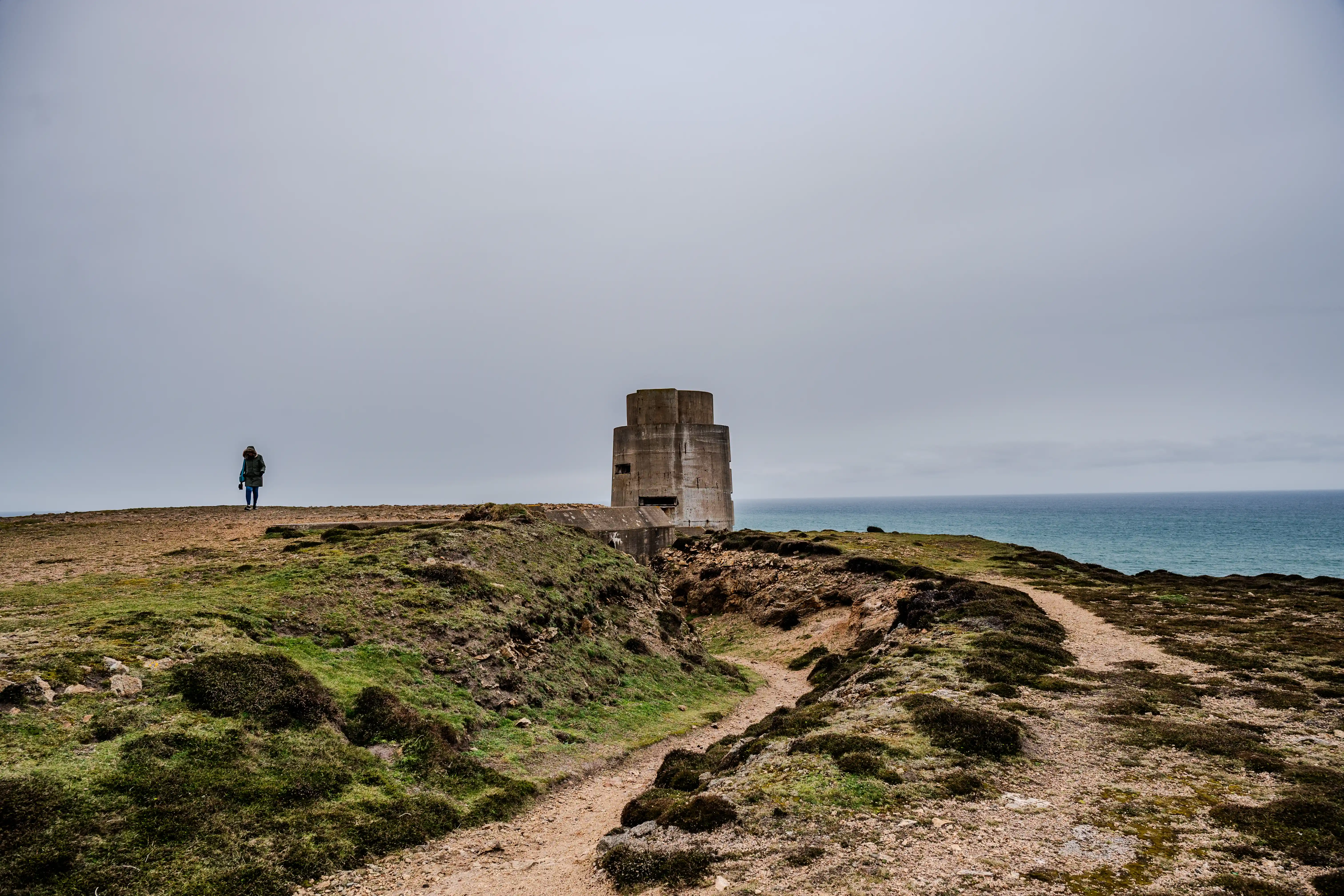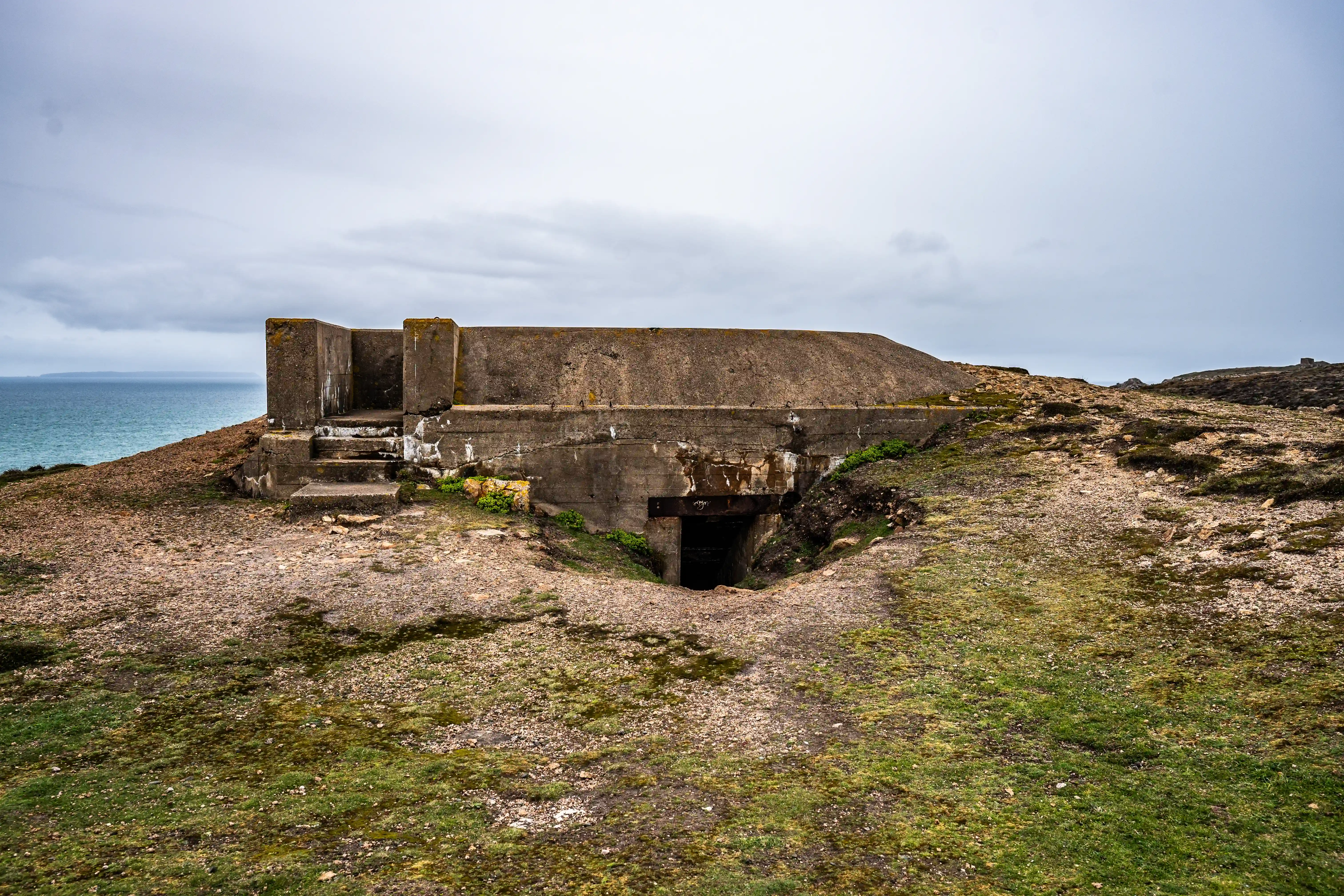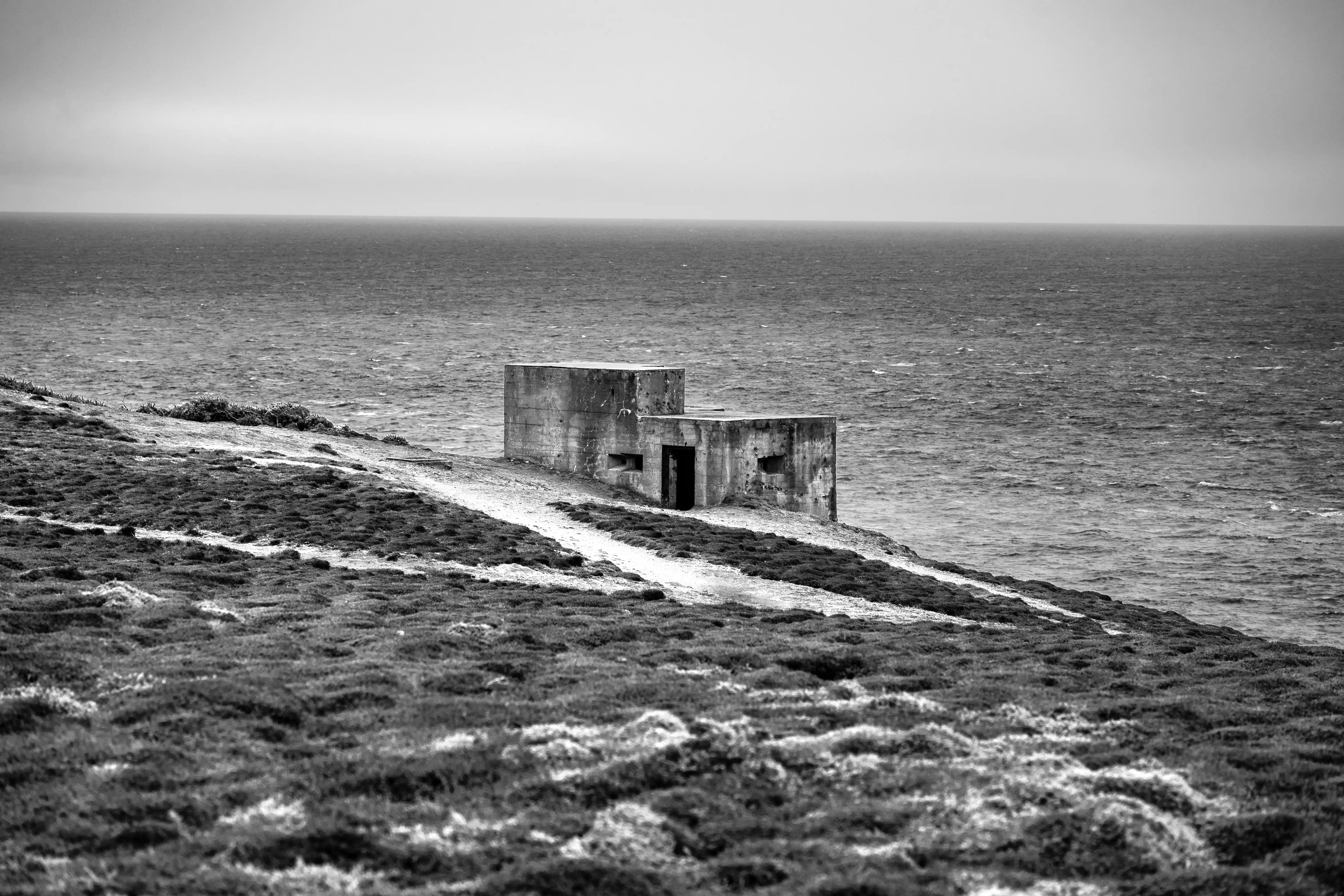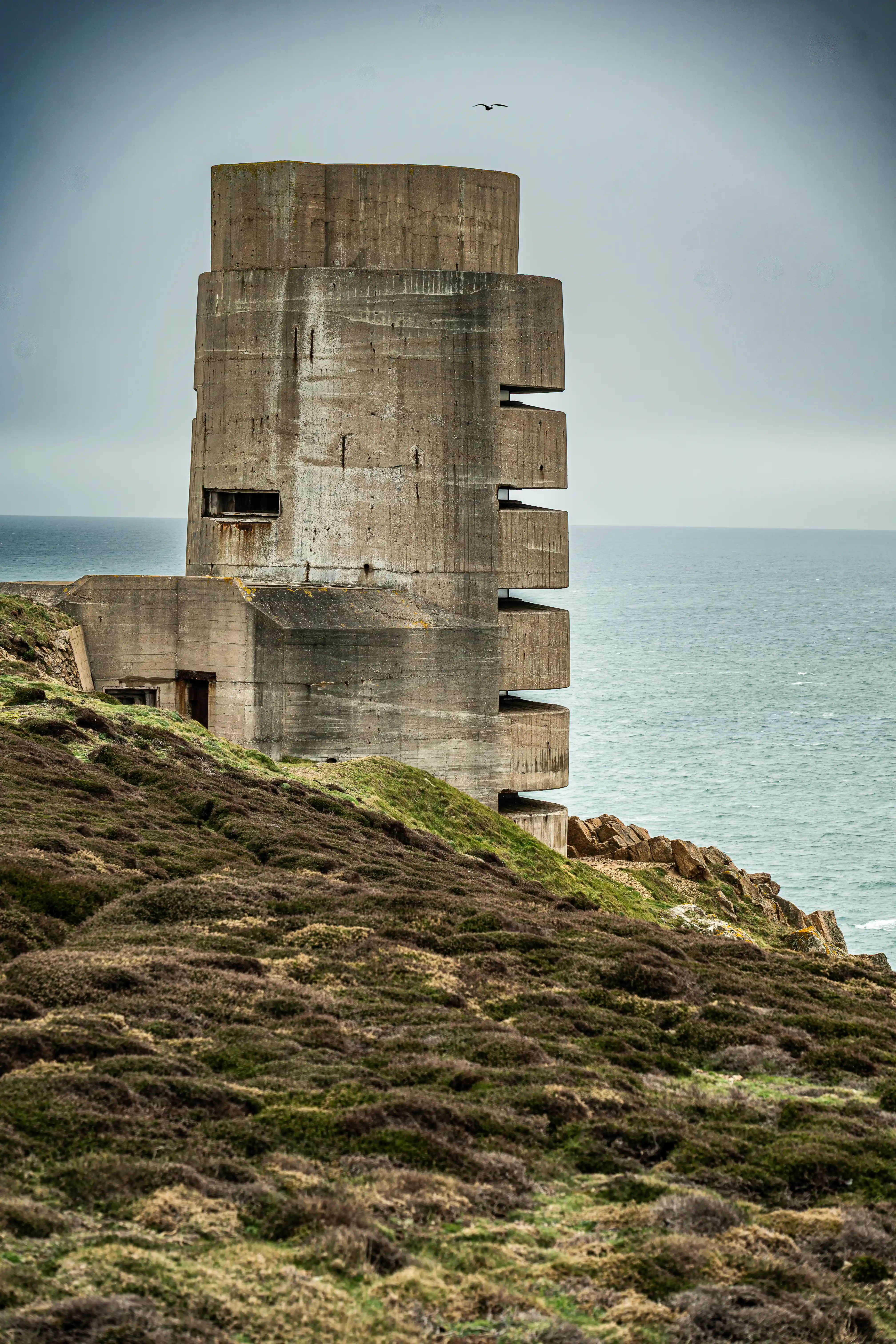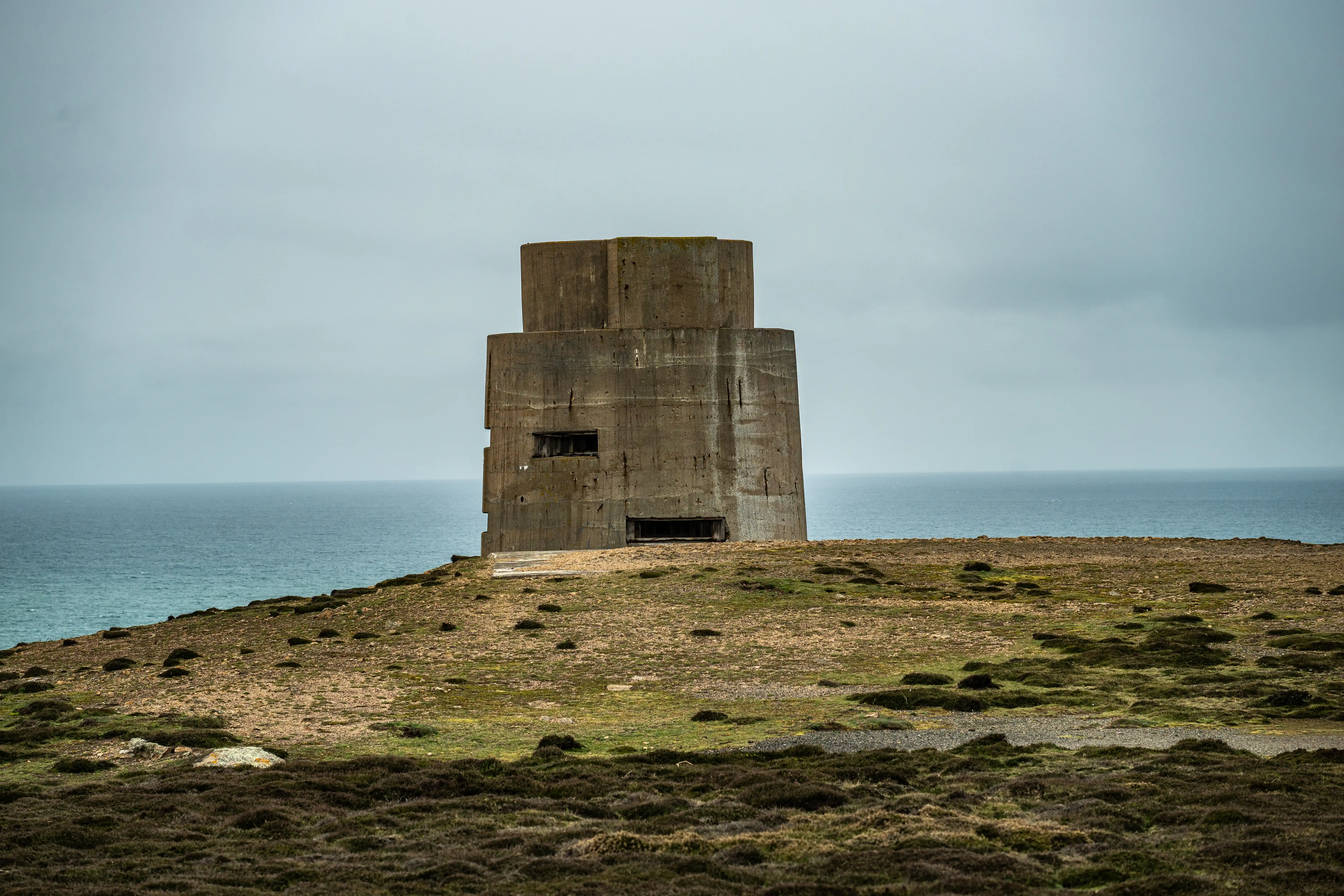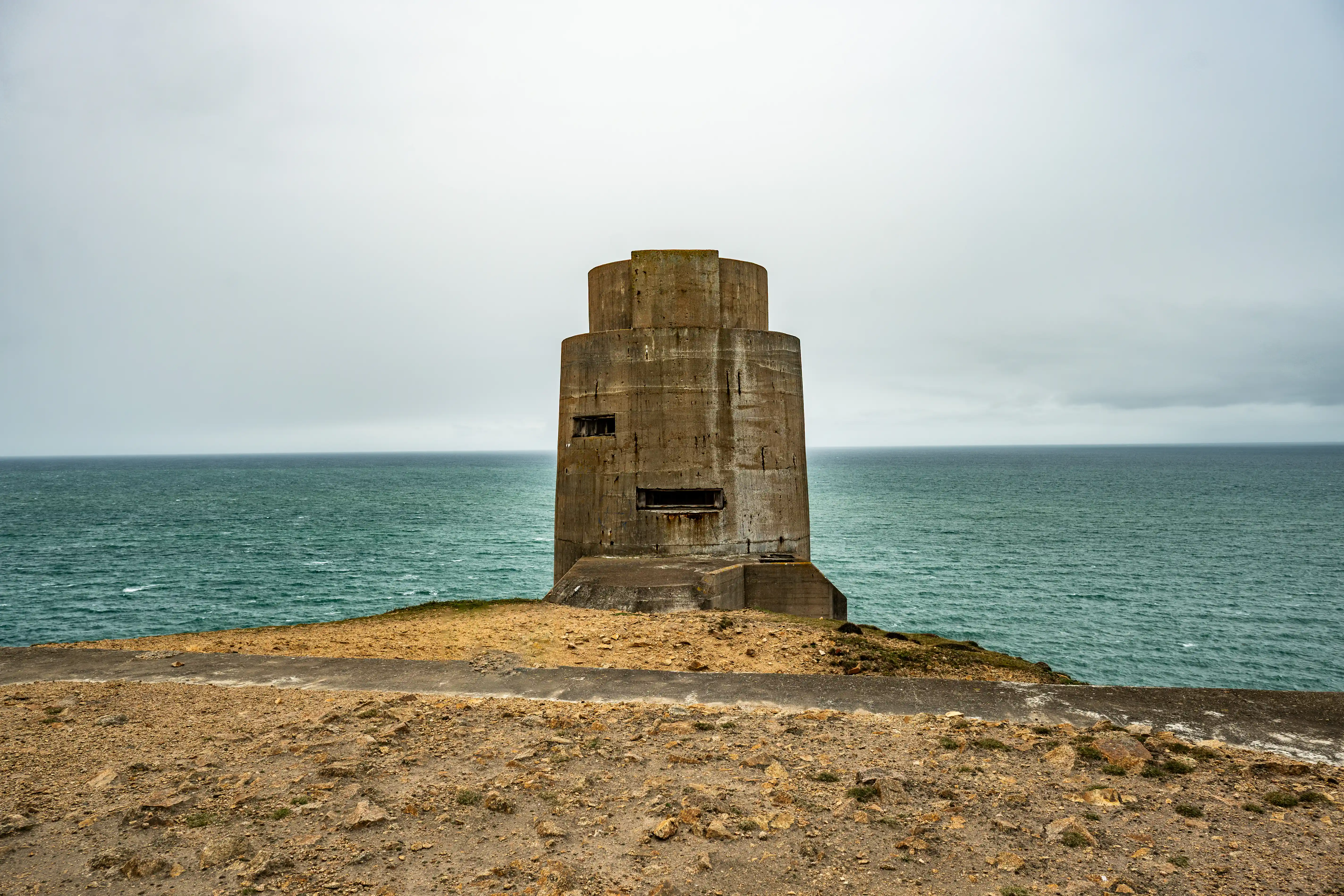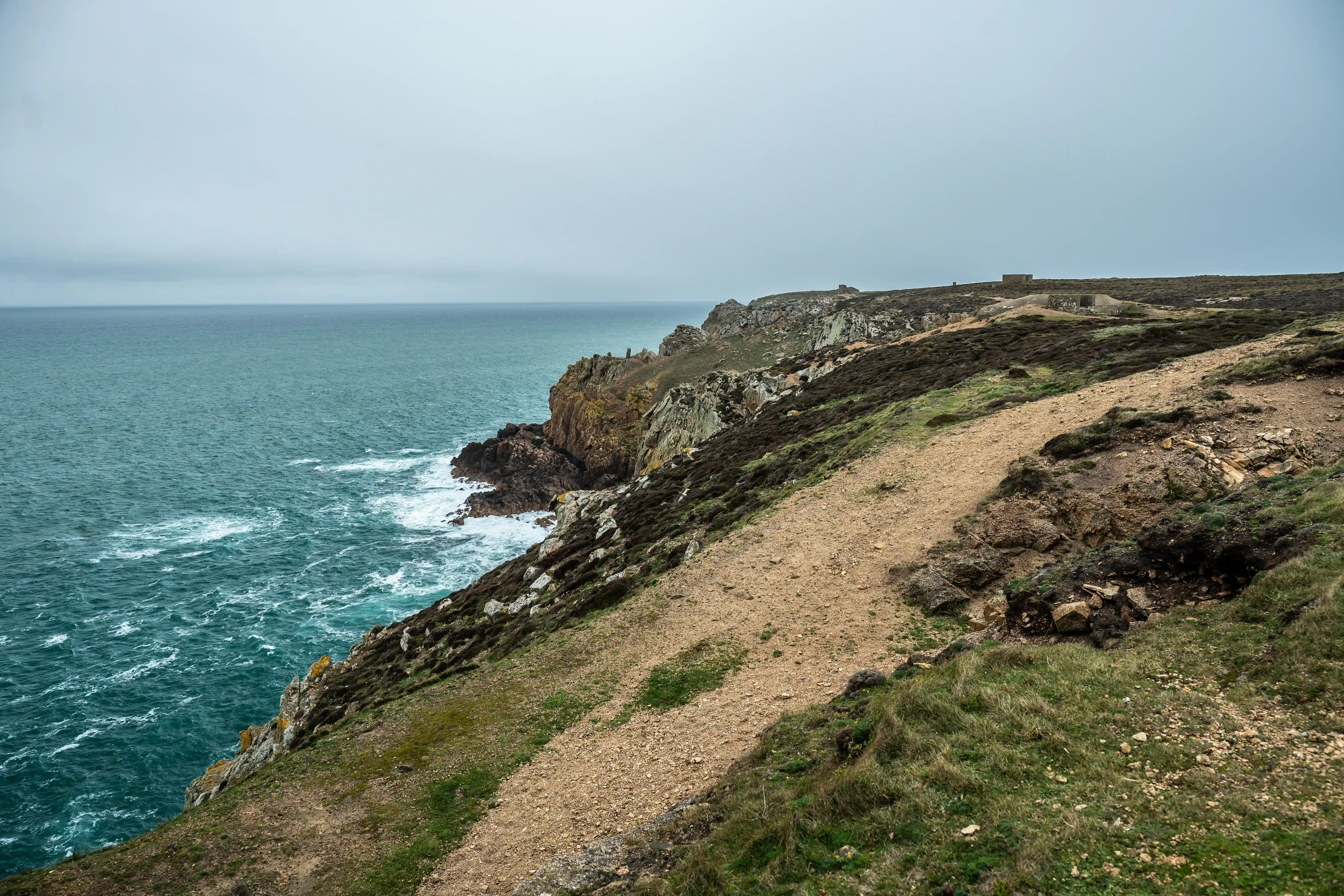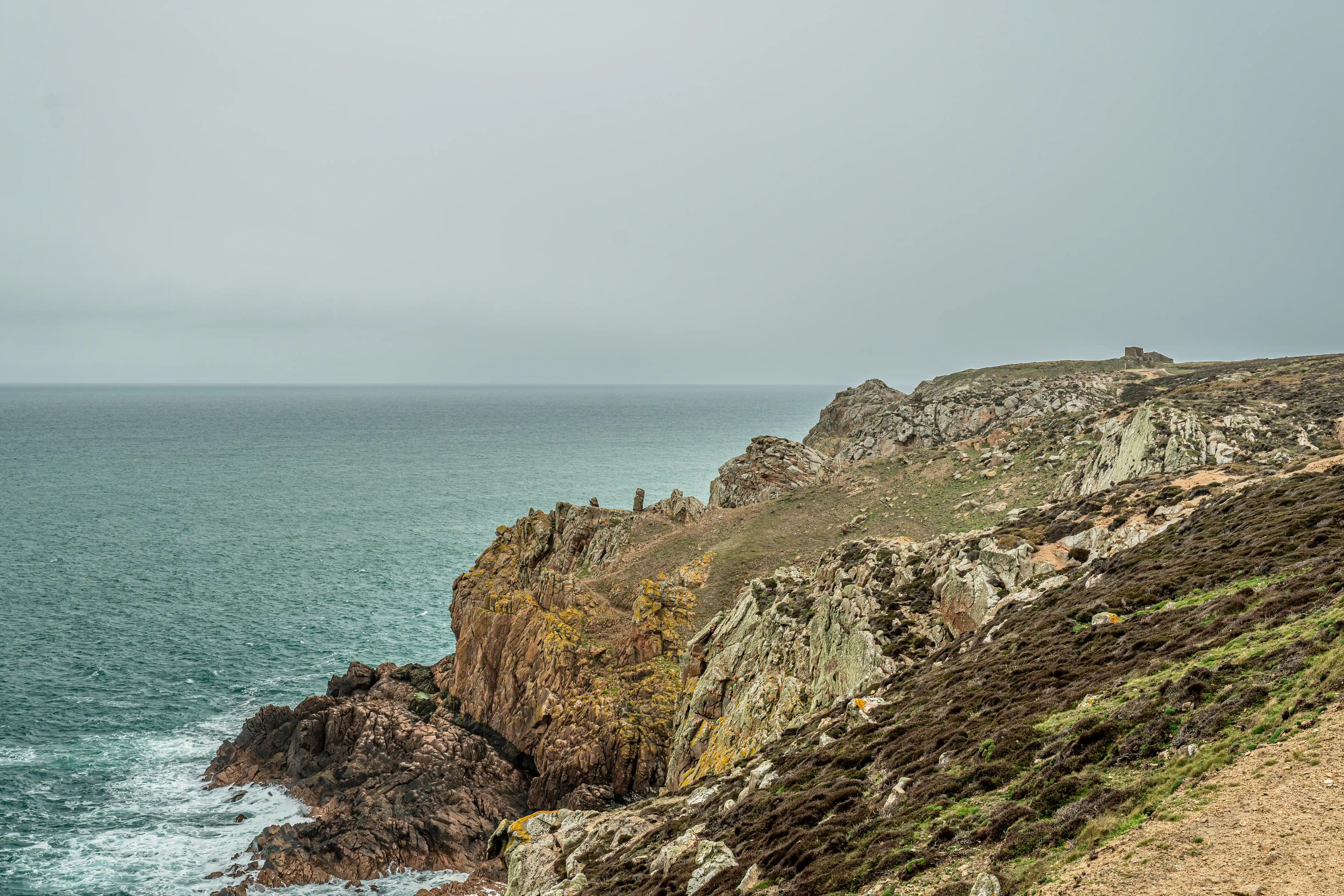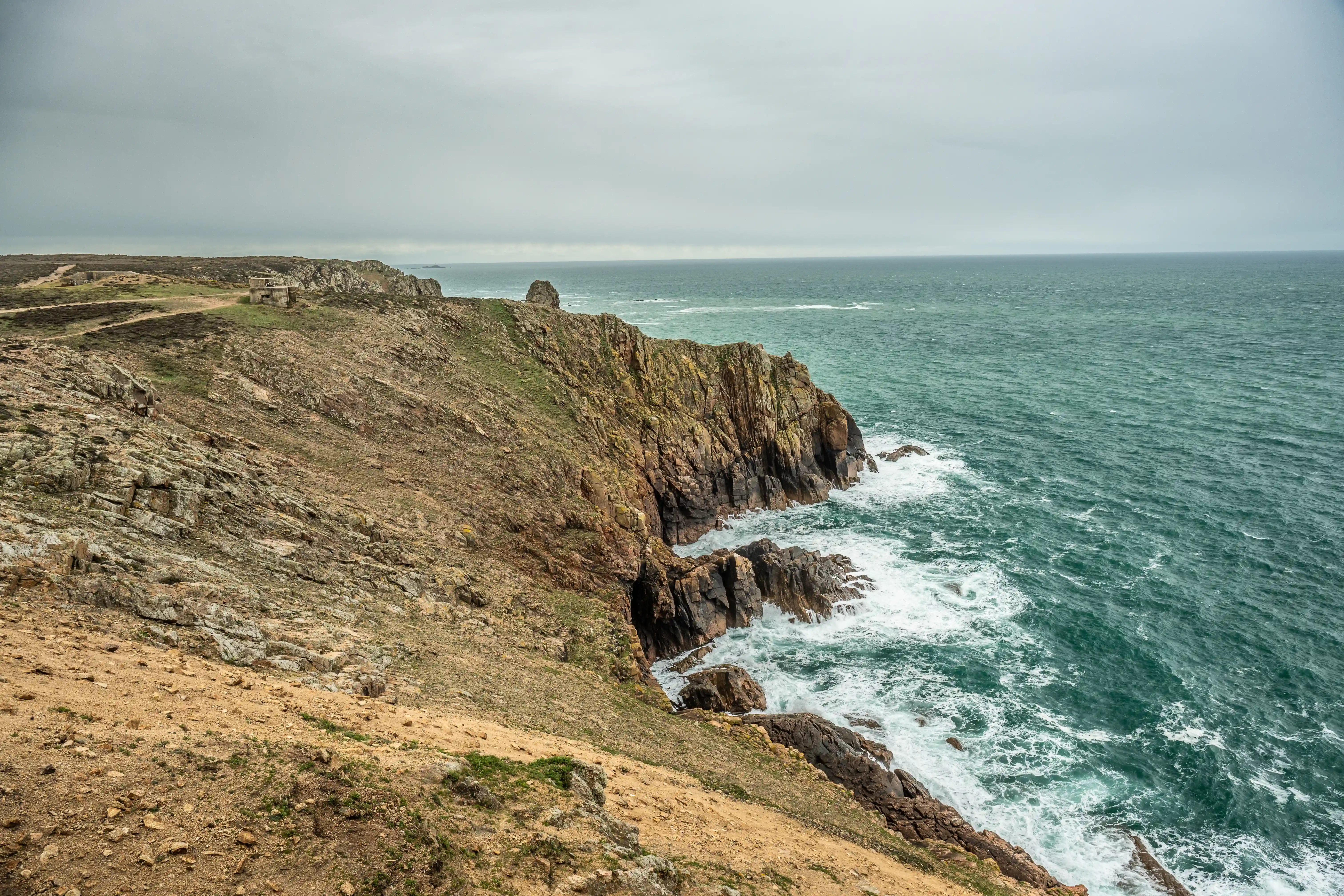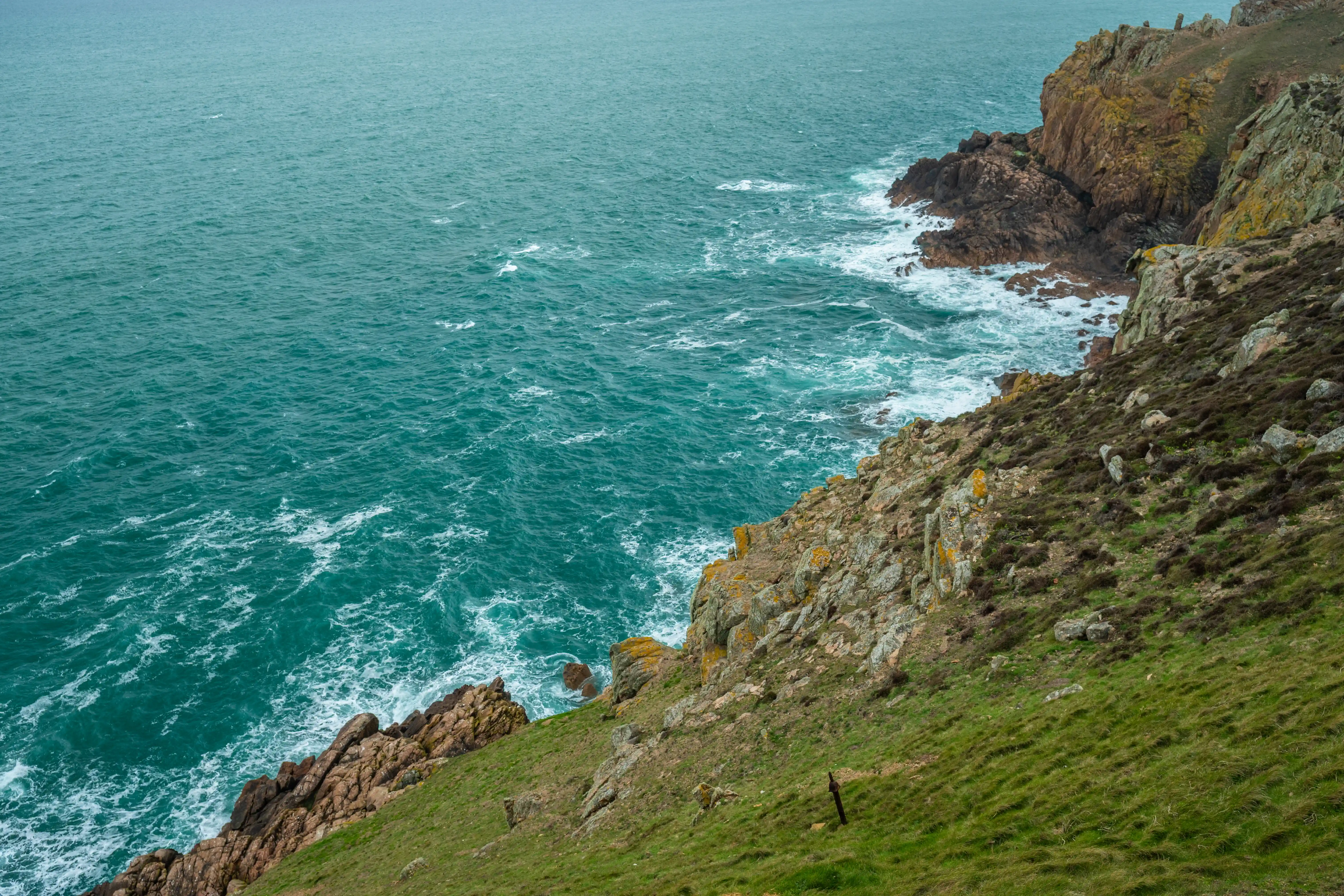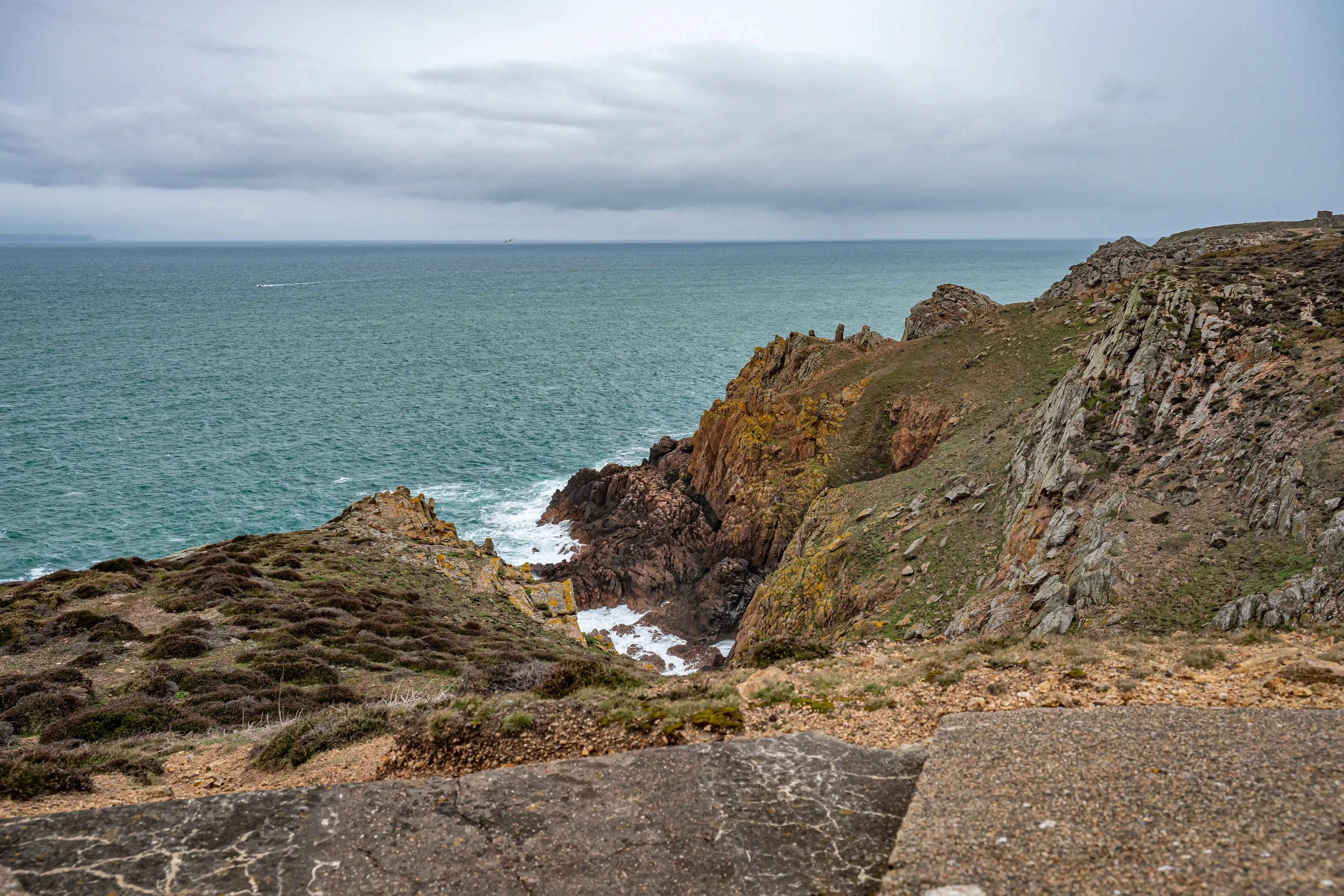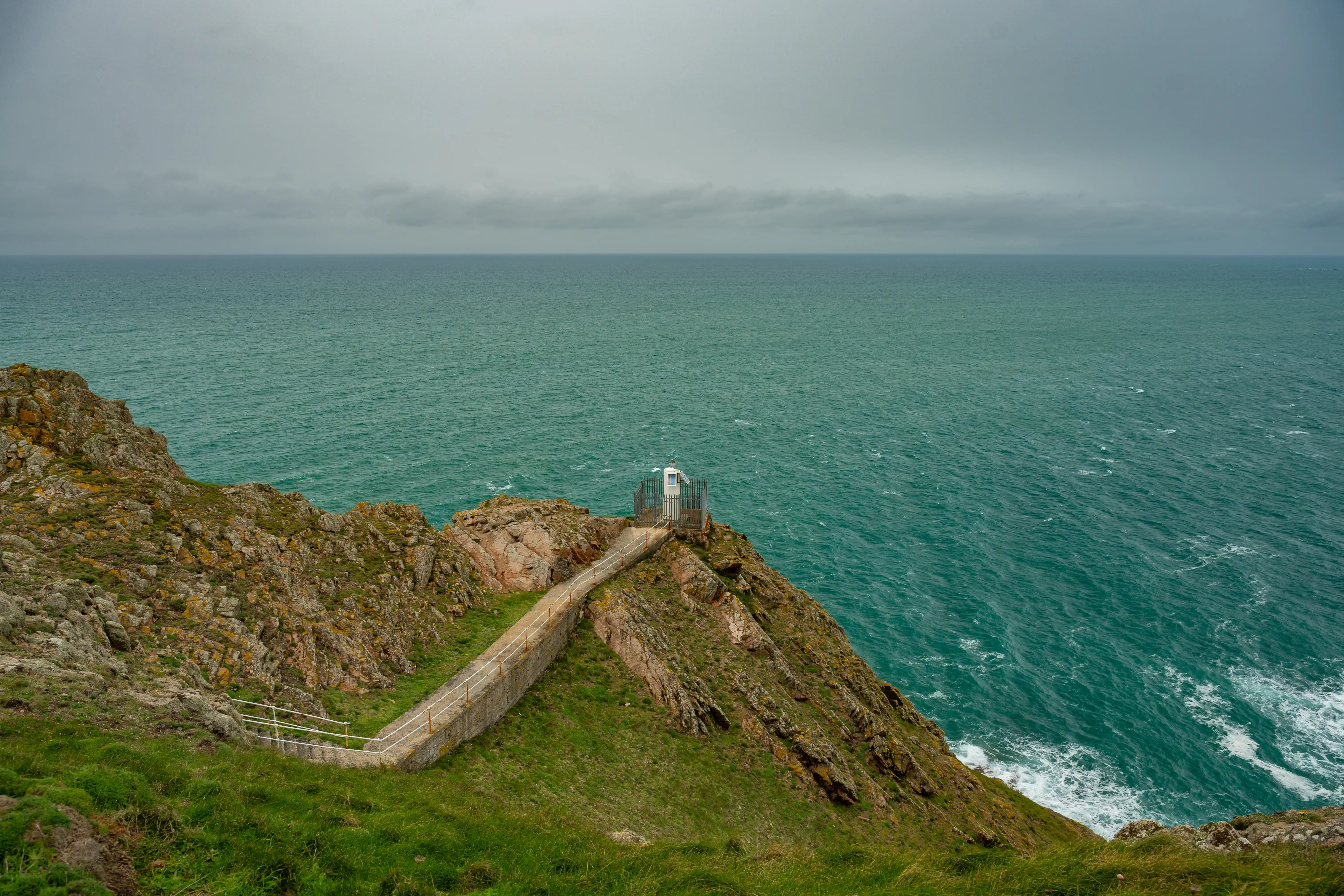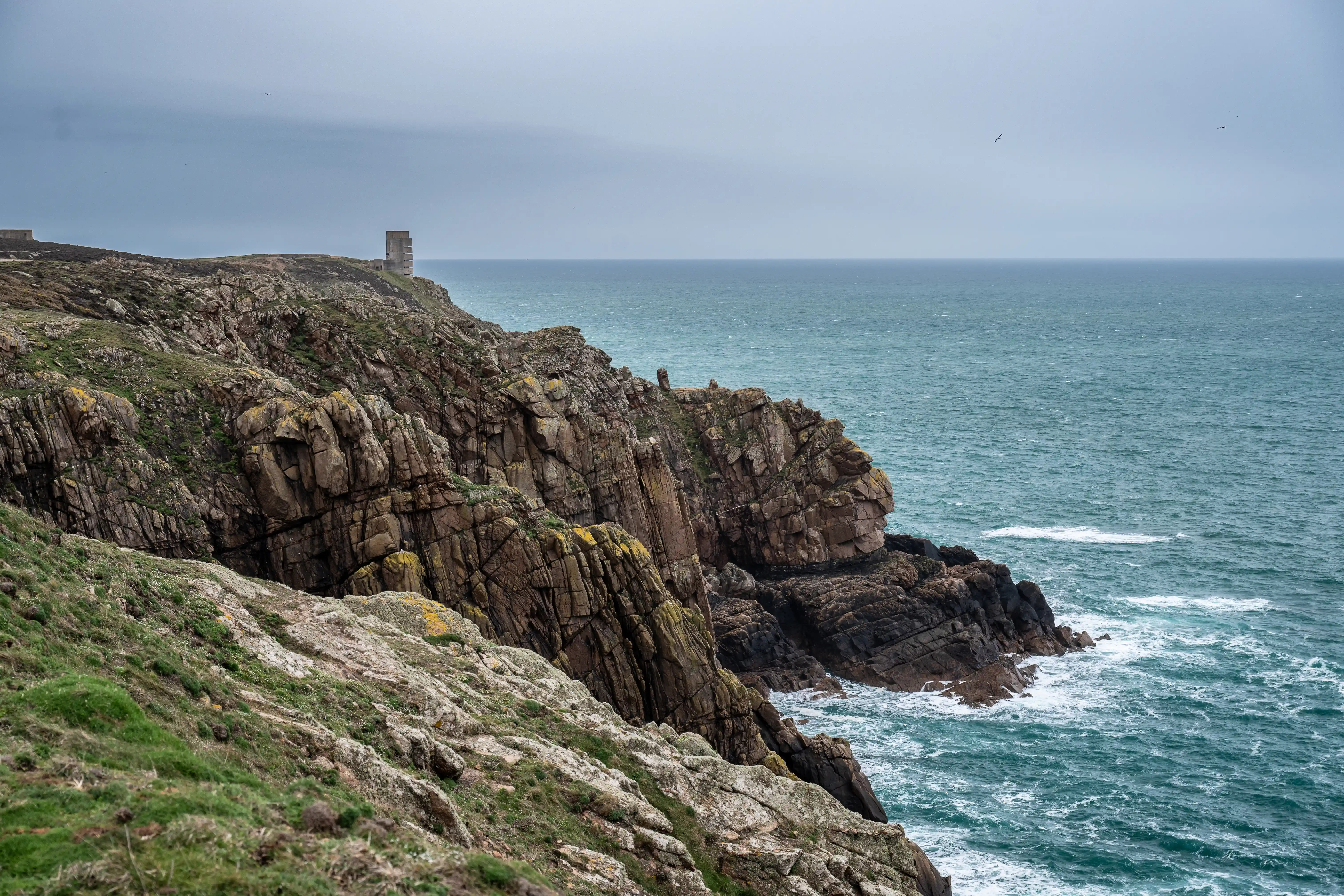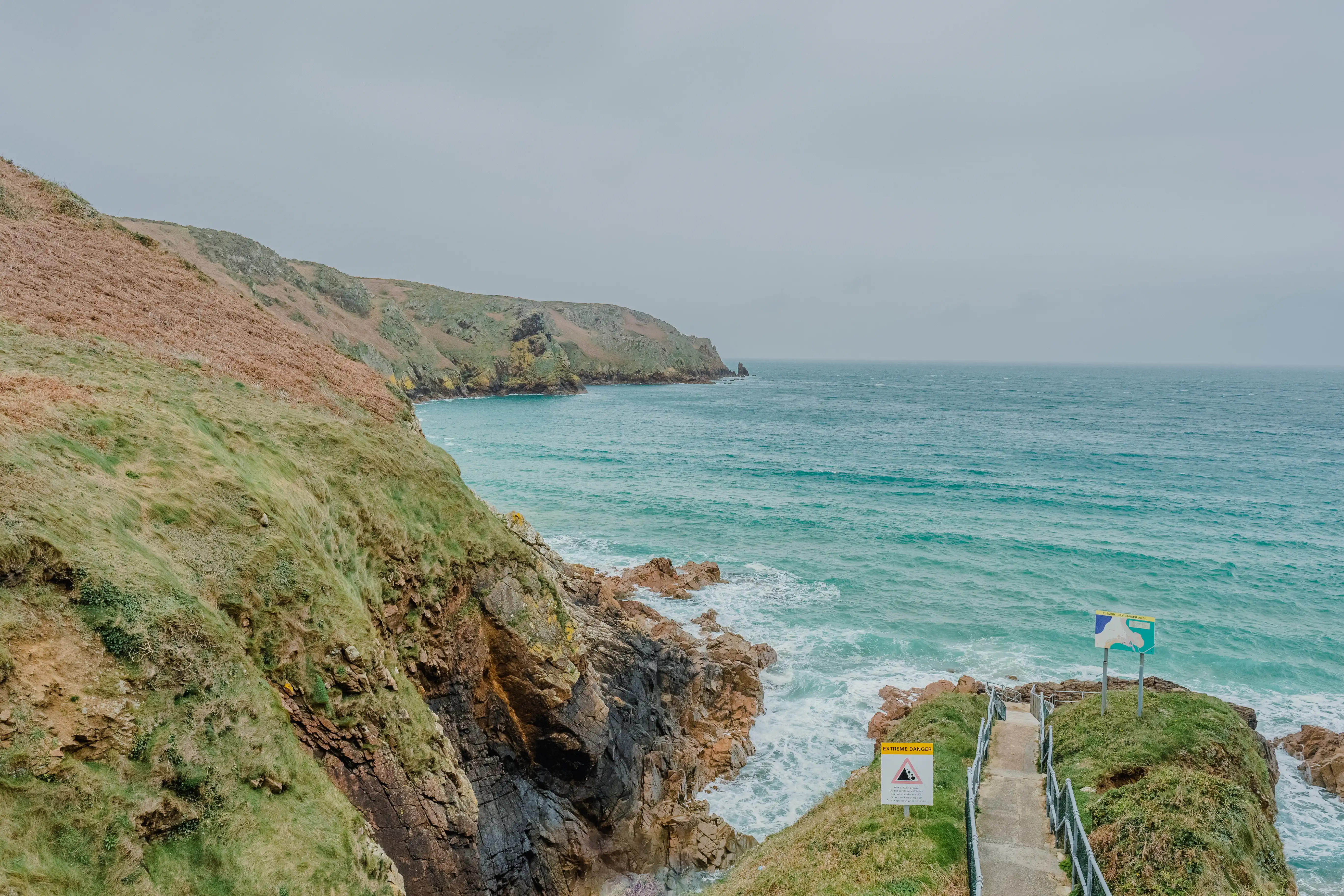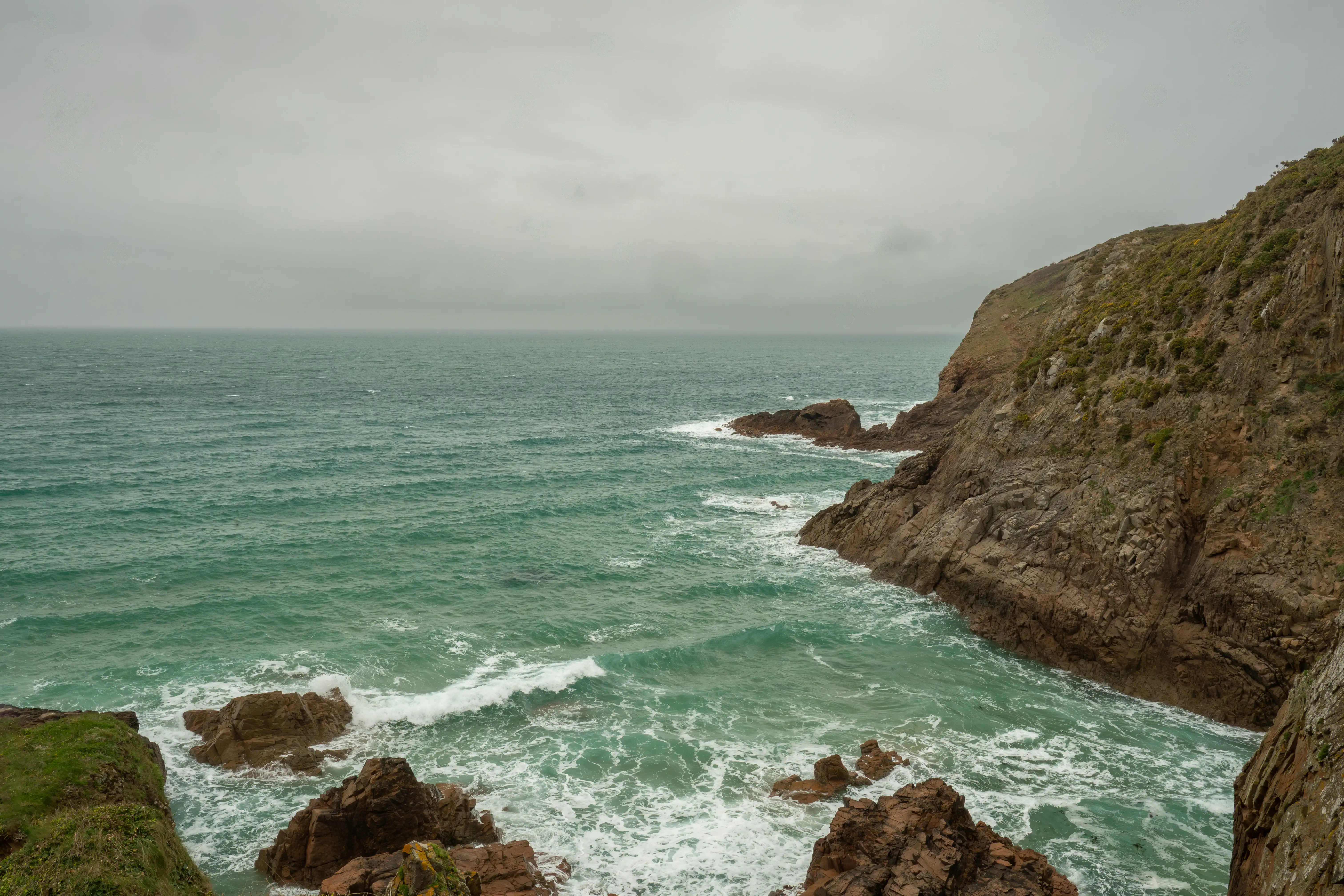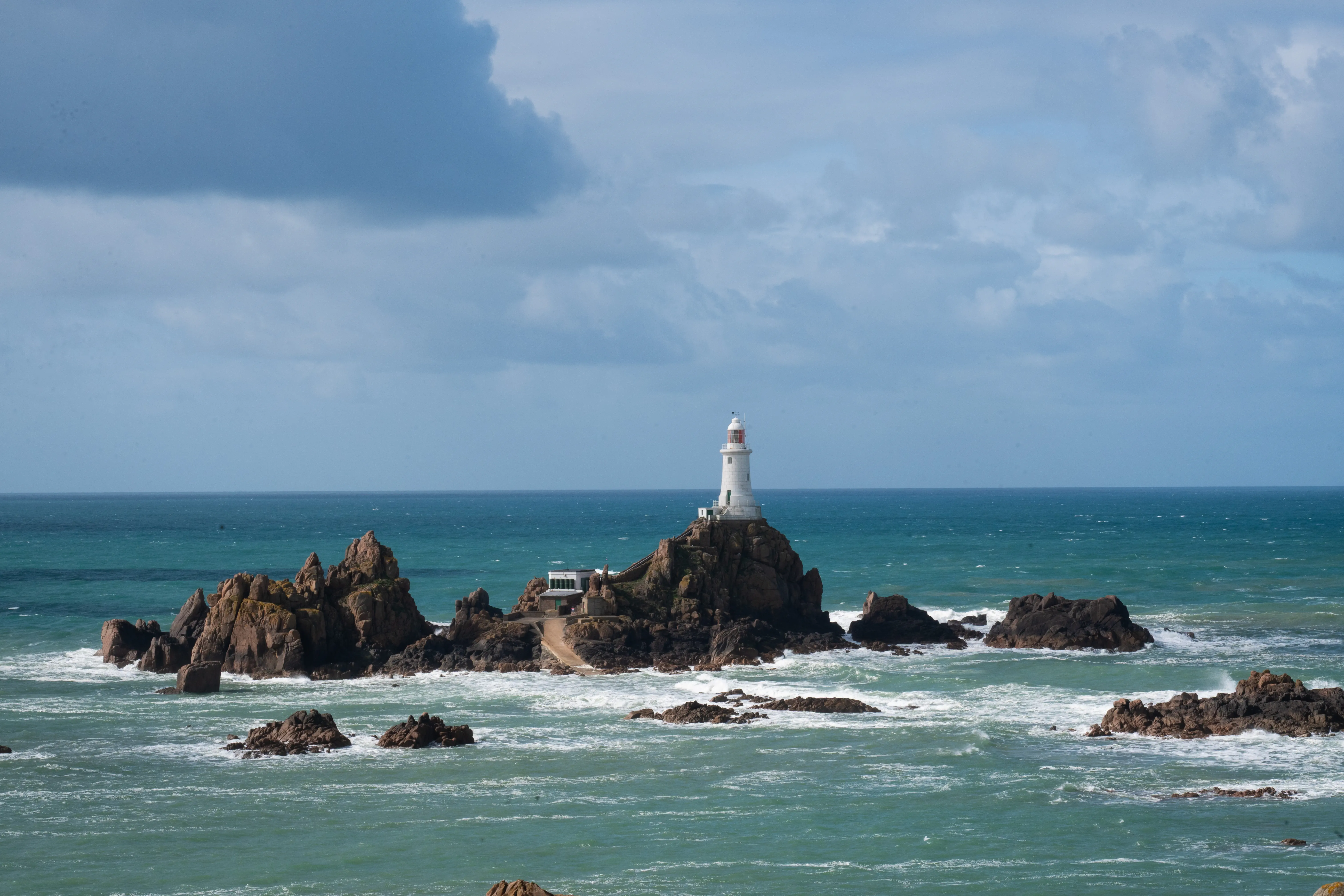
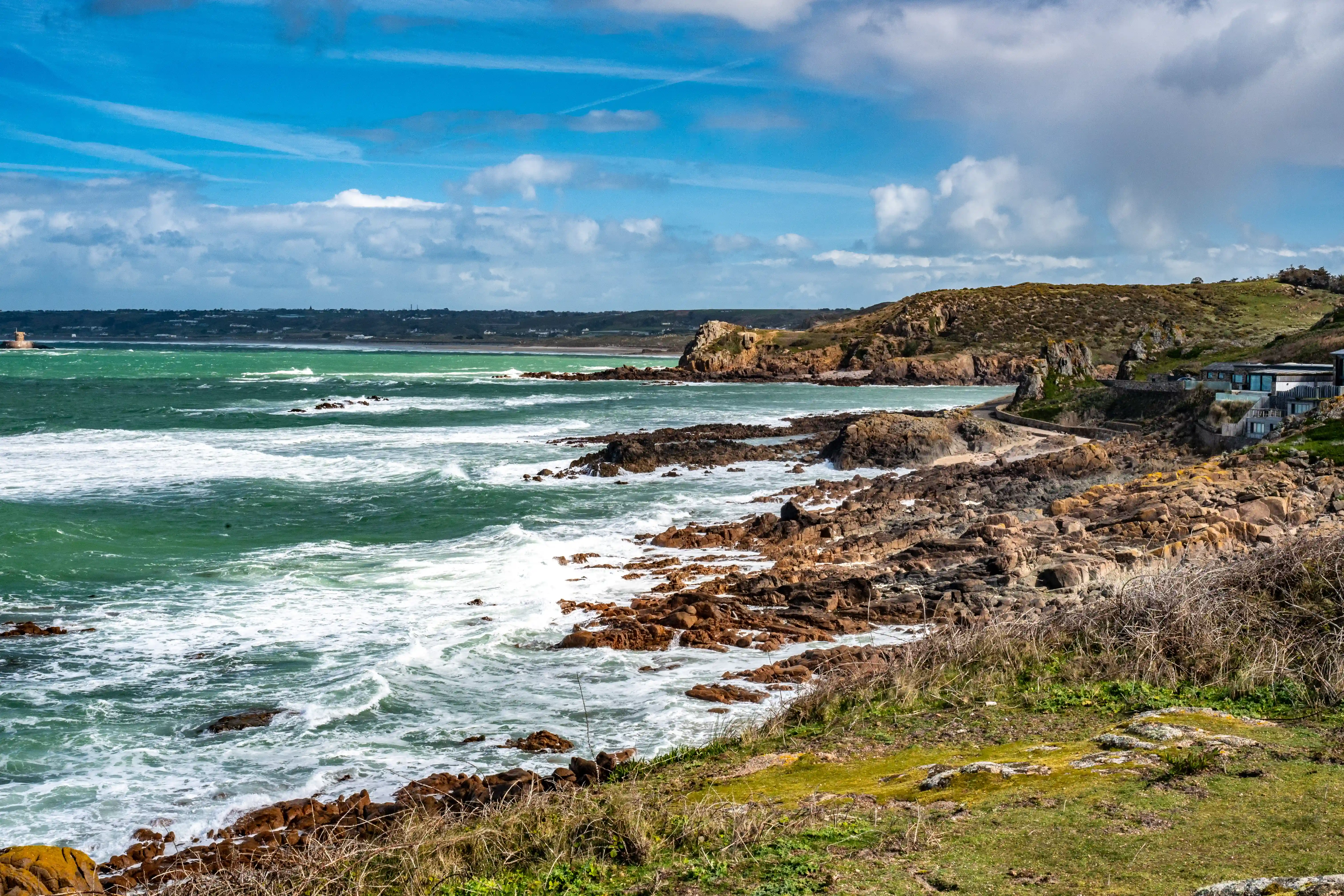
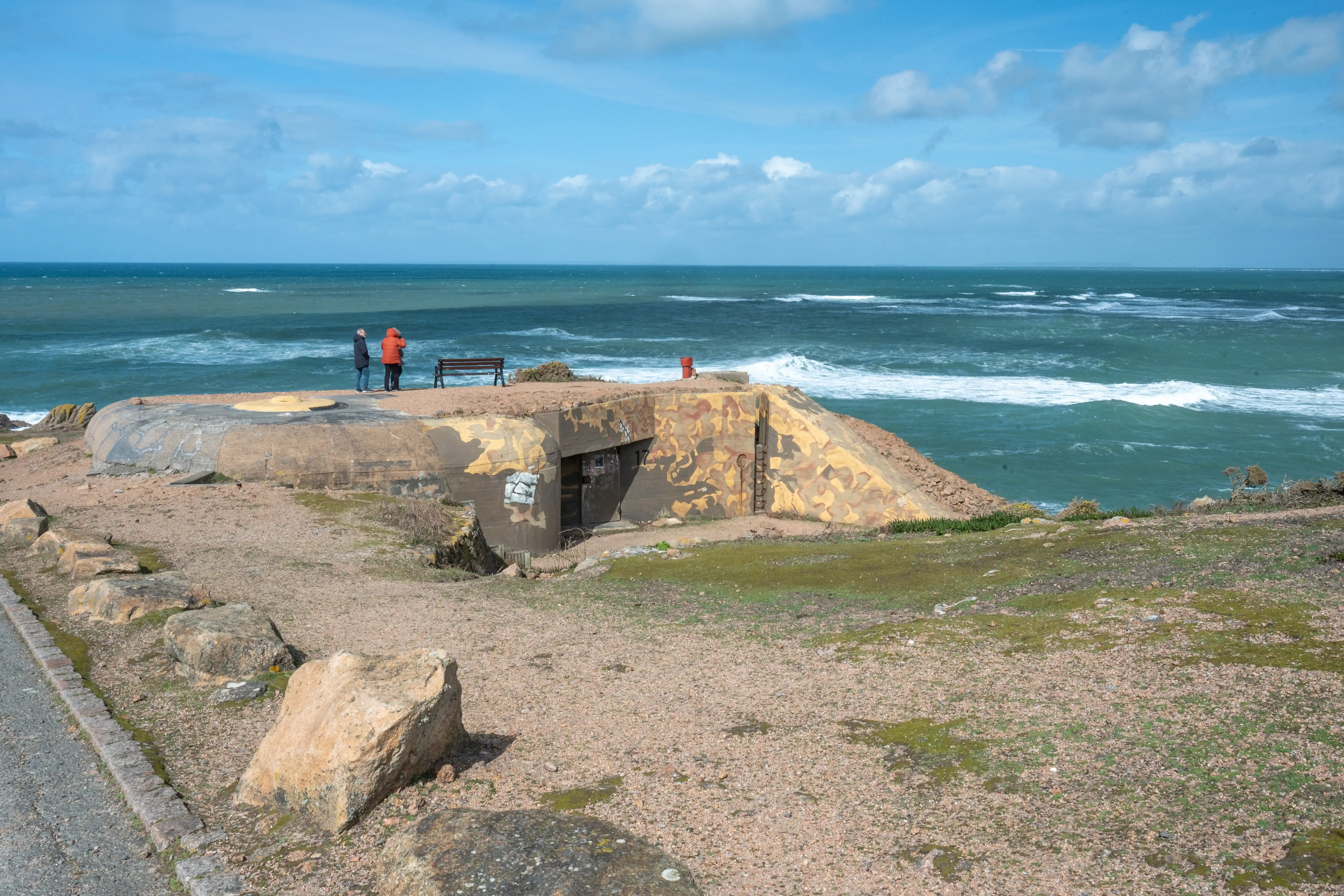
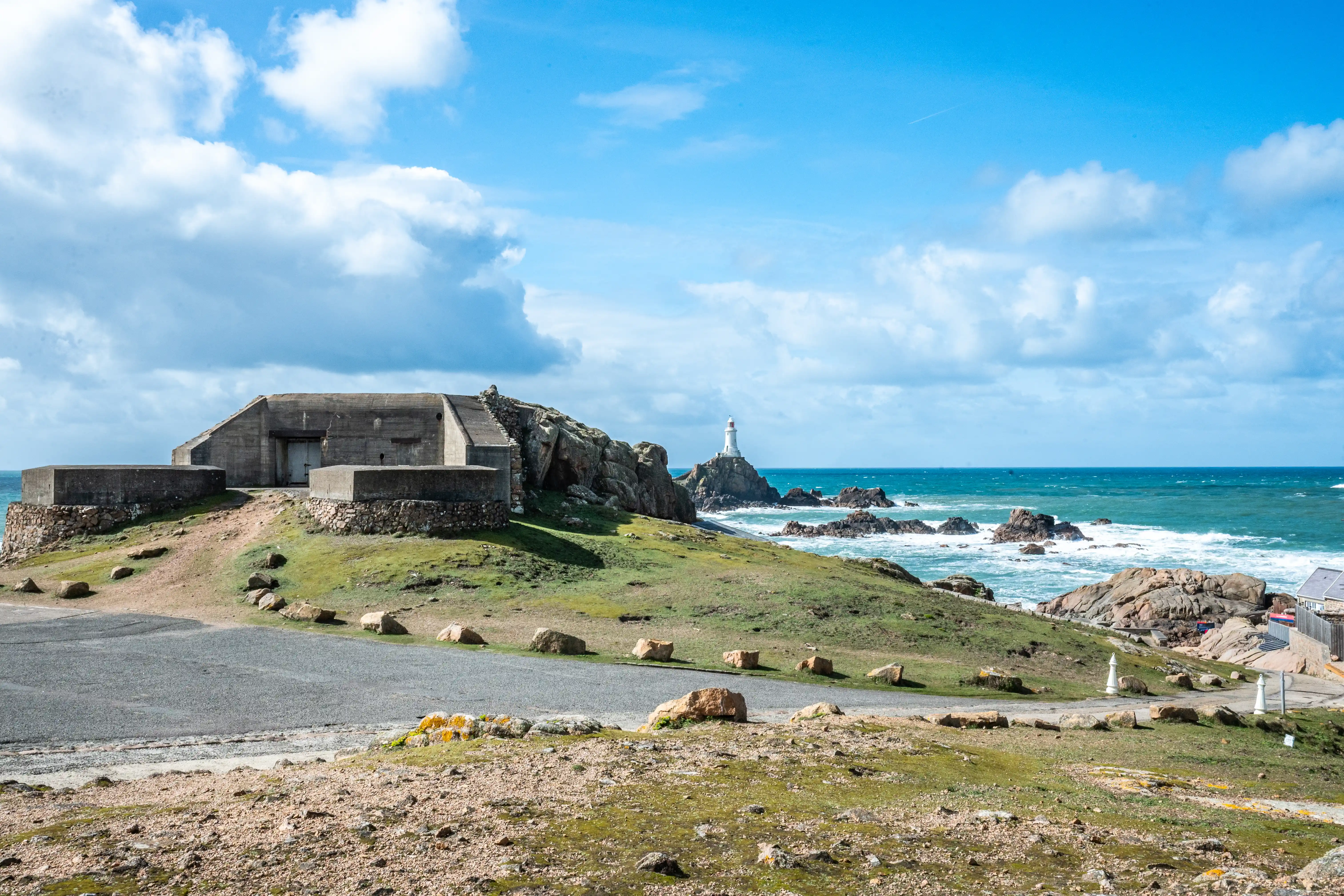
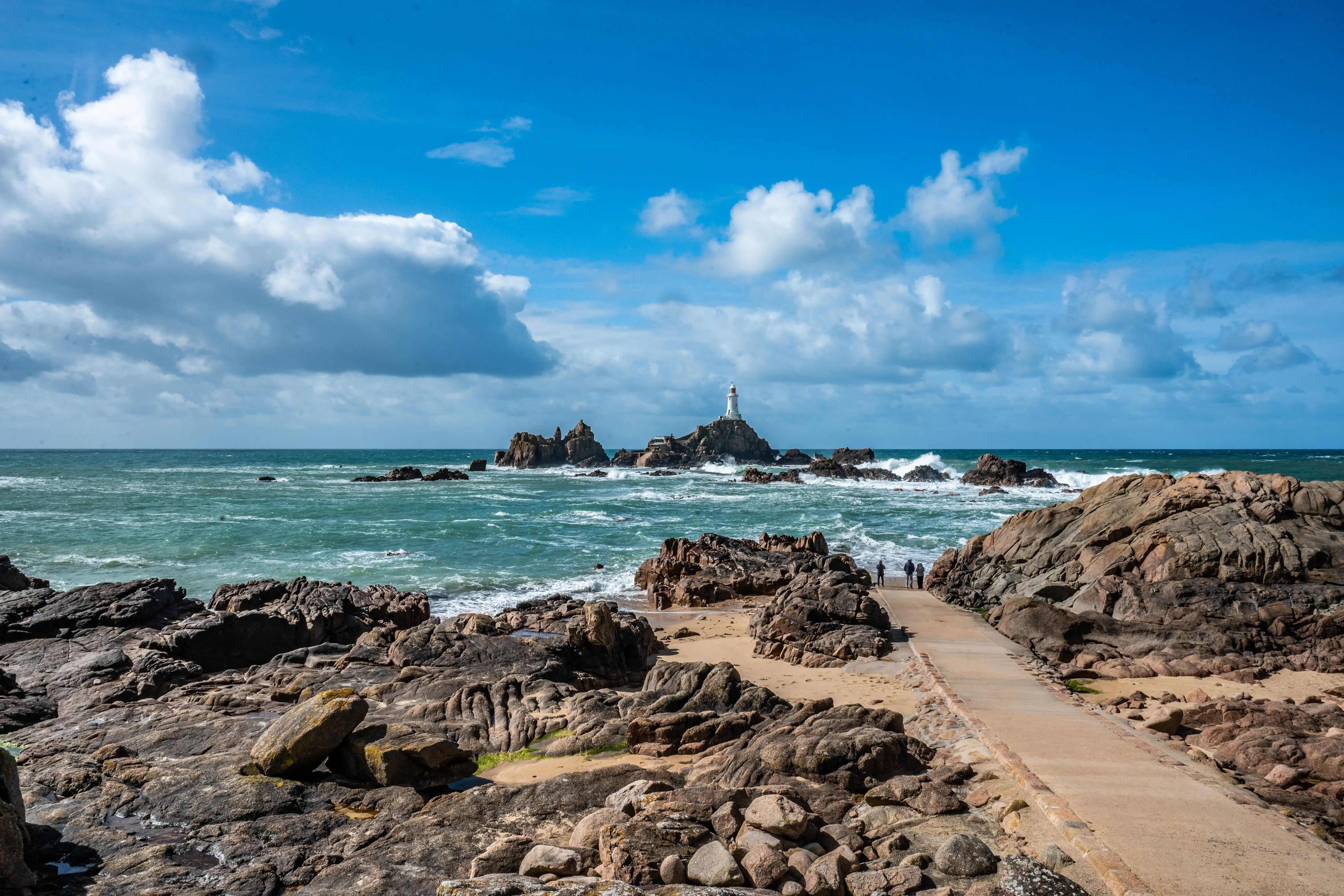

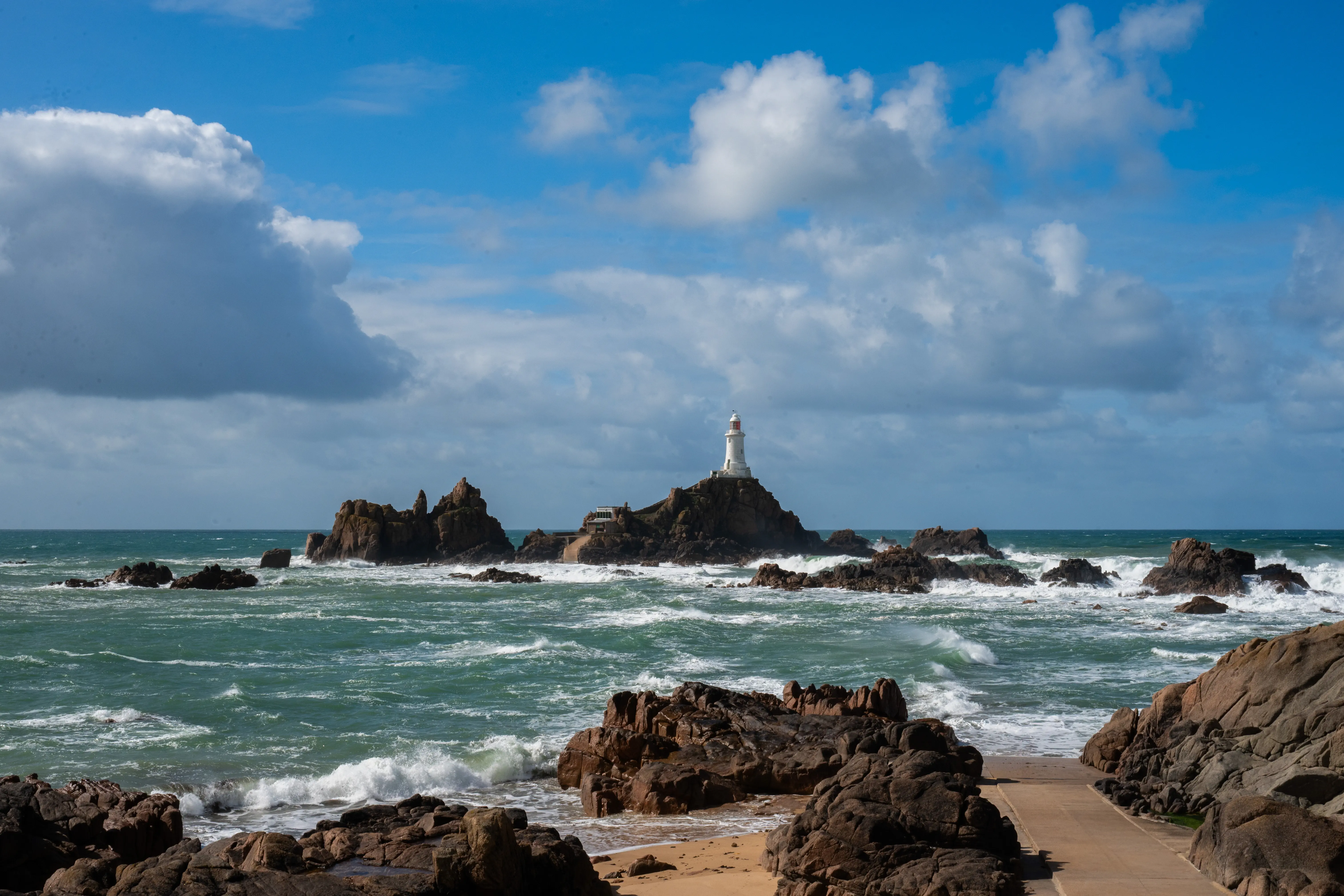
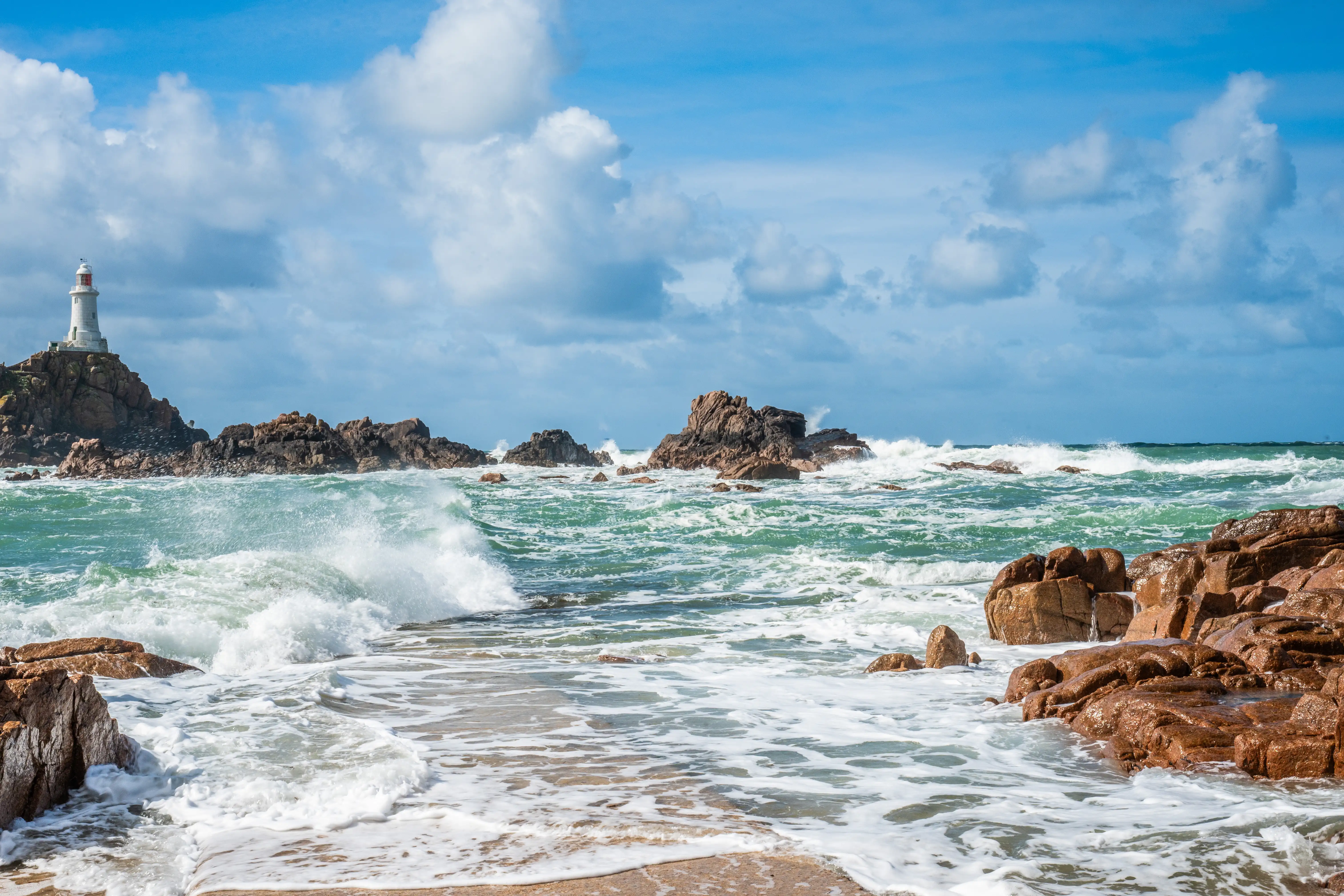
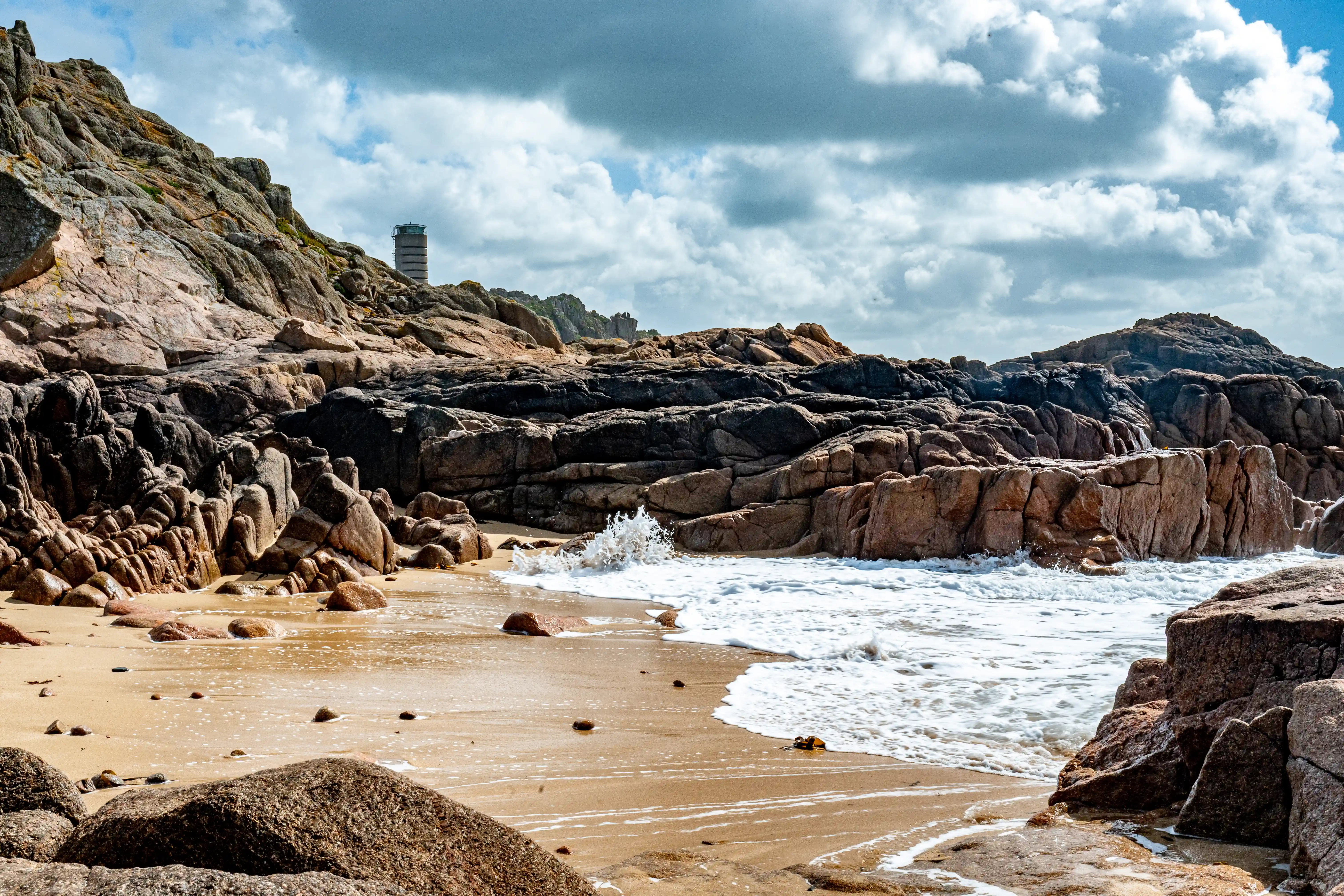
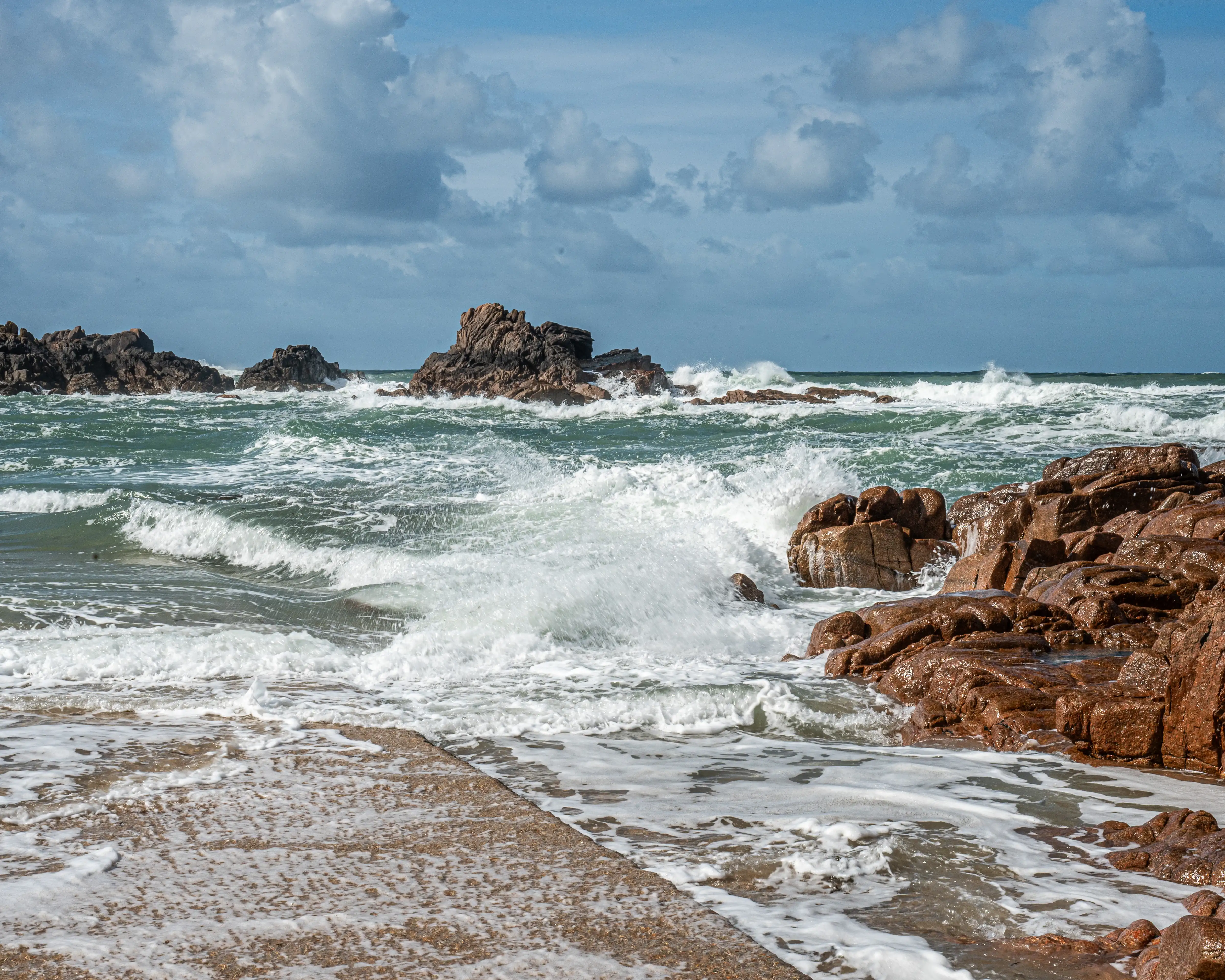


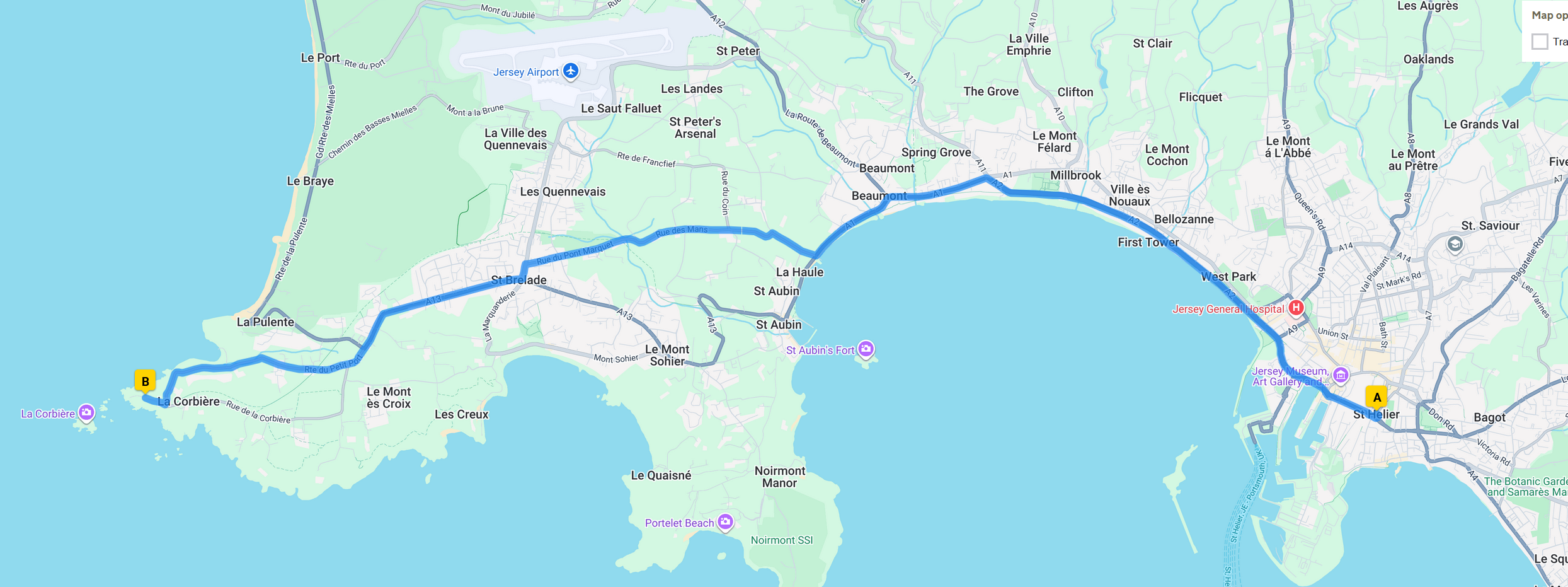
La Corbière is one of Jersey’s most iconic and dramatic landmarks, located on the southwest coast of the island. It’s a striking granite headland known for its rugged cliffs, lighthouse, and stunning coastal views.
A Beacon on the Edge of the Atlantic
La Corbière is Jersey’s most famous and photographed landmark, a striking lighthouse perched on a tidal island at the southwestern tip of the island in the parish of St. Brélade. Its name, derived from the Jèrriais word corbîn (meaning "crow"), translates to "a place where crows gather"—though today, seagulls are more likely to be seen soaring above its rugged rocks. For 150 years, since it was first lit on April 24, 1874, La Corbière has stood as a sentinel of the sea, guiding mariners through the treacherous waters and hidden rocks that have claimed countless ships over the centuries. The lighthouse’s white tower and lantern are a symbol of Jersey’s maritime heritage, and its dramatic setting—surrounded by the Atlantic’s crashing waves—makes it one of the most breathtaking spots on the islandA Feat of Victorian Engineering
La Corbière holds a special place in lighthouse history as the first lighthouse in the British Isles to be built of reinforced concrete. Designed to withstand the harsh Atlantic storms, its sturdy construction has allowed it to endure the test of time and tide. The lighthouse was automated in 1976, but its light remains a vital aid to navigation, with a range of over 25 kilometers (15.5 miles). The isophase light (alternating red and white sectors) warns sailors of the dangerous rocks that lie beneath the surface, a testament to the lighthouse’s enduring role in maritime safety.The tidal causeway that connects La Corbière to the mainland is one of its most unique features. At low tide, visitors can walk across the causeway, past rock pools and sandy beaches, to explore the lighthouse and its surroundings. A warning siren alerts visitors when the tide is returning, ensuring they can safely retreat before the sea cuts off the path.
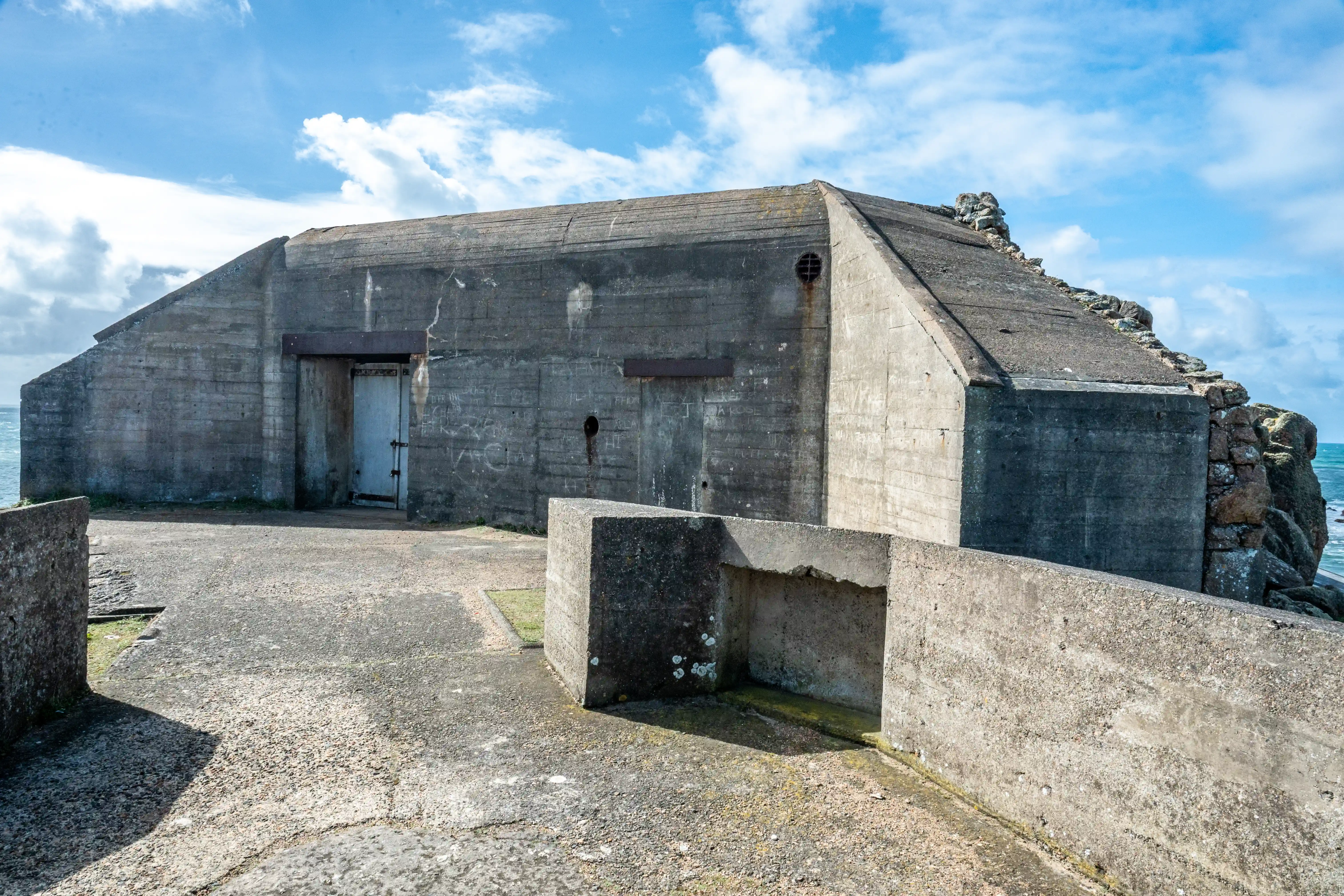
During World War II, the German occupying forces re-established a light railway along the same route to supply their coastal fortifications. A one-meter gauge line was laid, connecting St. Helier to La Corbière and branching off to a stone quarry at Ronez. Today, the Railway Walk is a peaceful and picturesque way to explore Jersey’s history, with interpretive signs along the route sharing the stories of the railway and the war.