The Cuthbert Riley 9hp Special is a historic and rare British lightweight car developed in the early 20th century by Cuthbert Riley, a pioneering engineer and racing driver. Based on the Riley 9hp chassis, the Special was a highly modified and performance-oriented version, designed for racing and sporting use. Known for its innovative engineering, agile handling, and success in motorsport, the Cuthbert Riley 9hp Special became a legendary figure in the history of British motoring and a symbol of the ingenuity and passion of early automotive enthusiasts.
Campbell Shed at Brooklands Museum,
Brooklands Museum, Brooklands Road, Weybridge, Surrey, KT13 0QN, United Kingdom
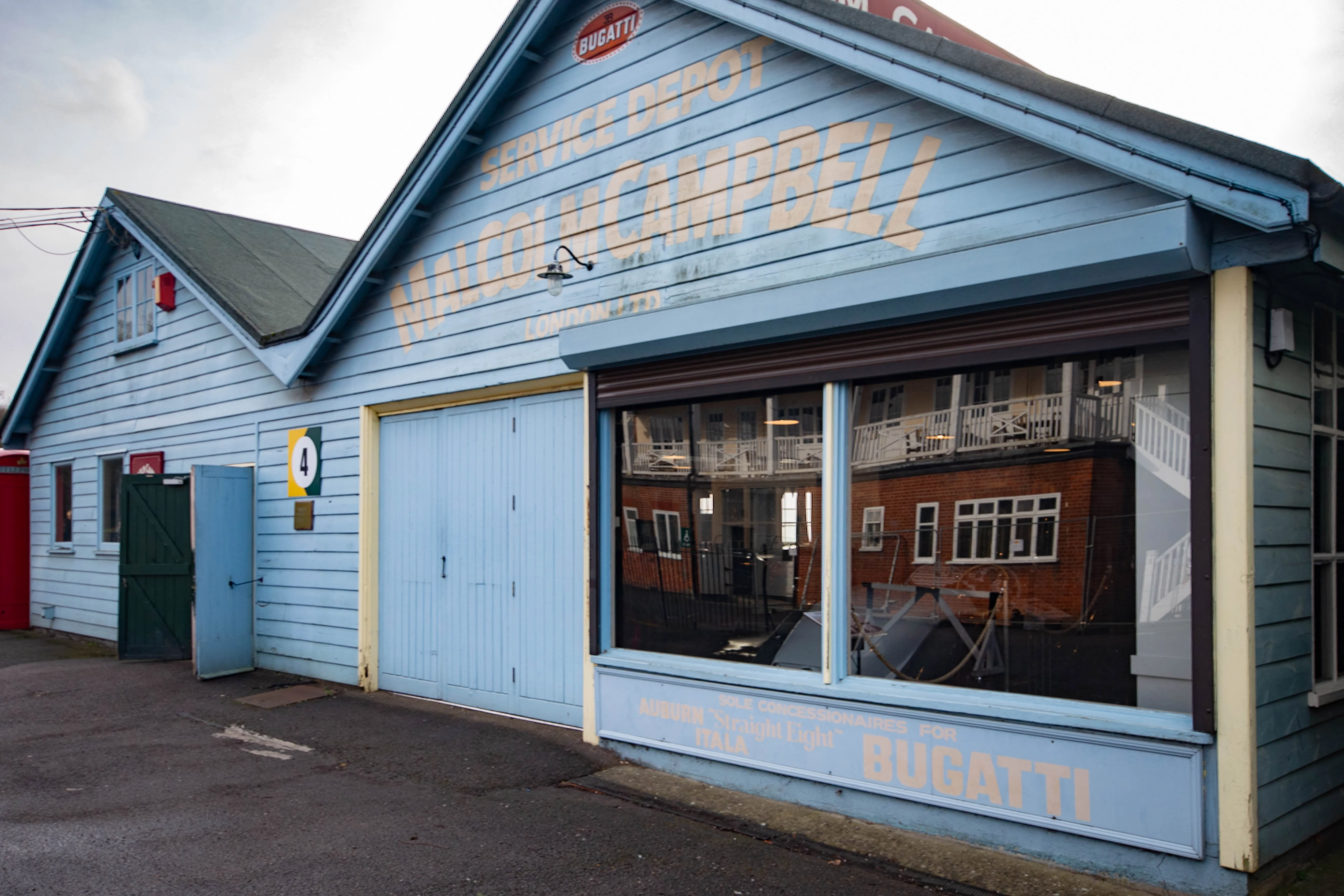
photo by Michael Gaylard
©www.mgaylard.co.uk.
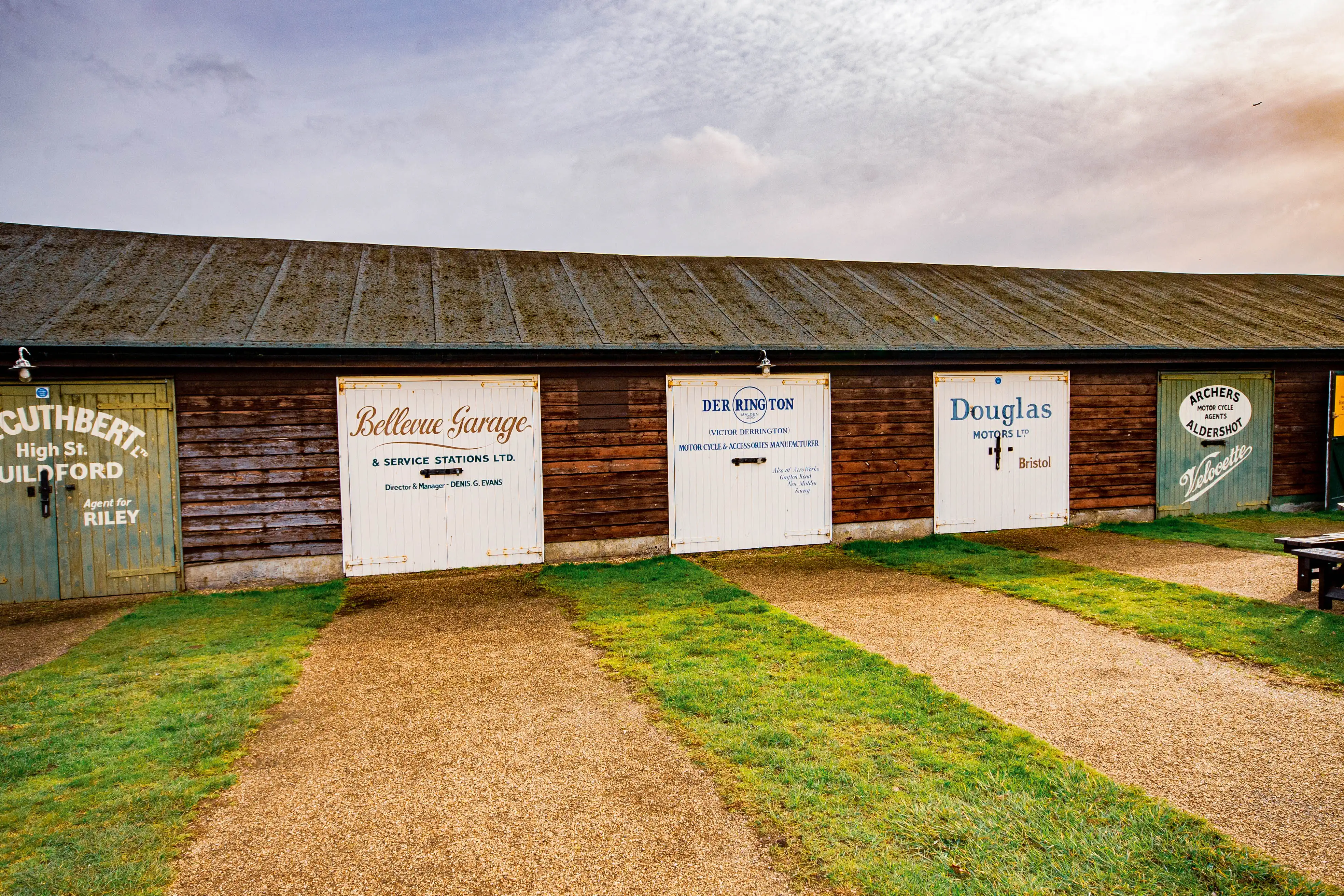
photo by Michael Gaylard
©www.mgaylard.co.uk.
photo by Michael Gaylard
©www.mgaylard.co.uk.
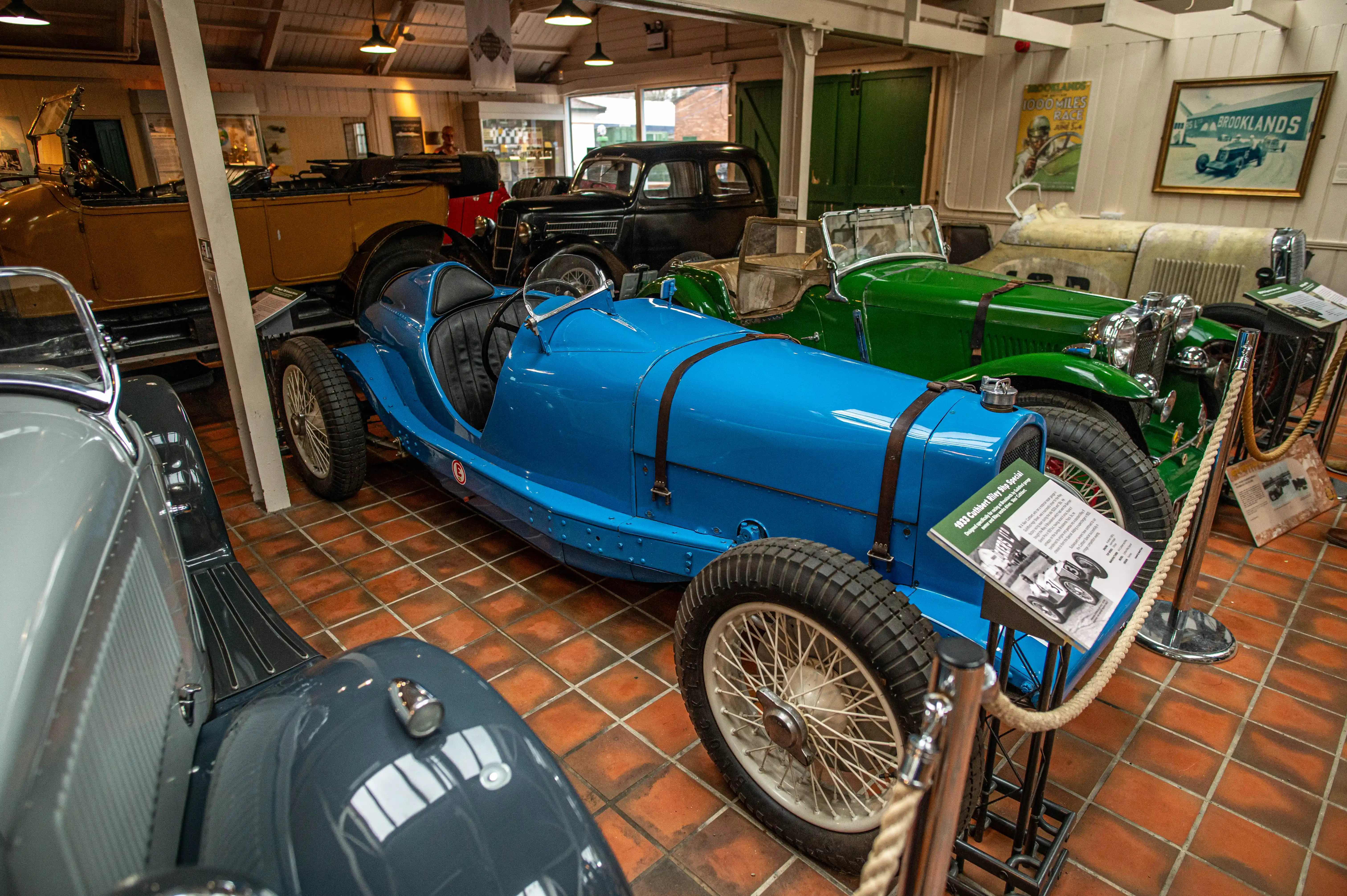
photo by Michael Gaylard
©www.mgaylard.co.uk.
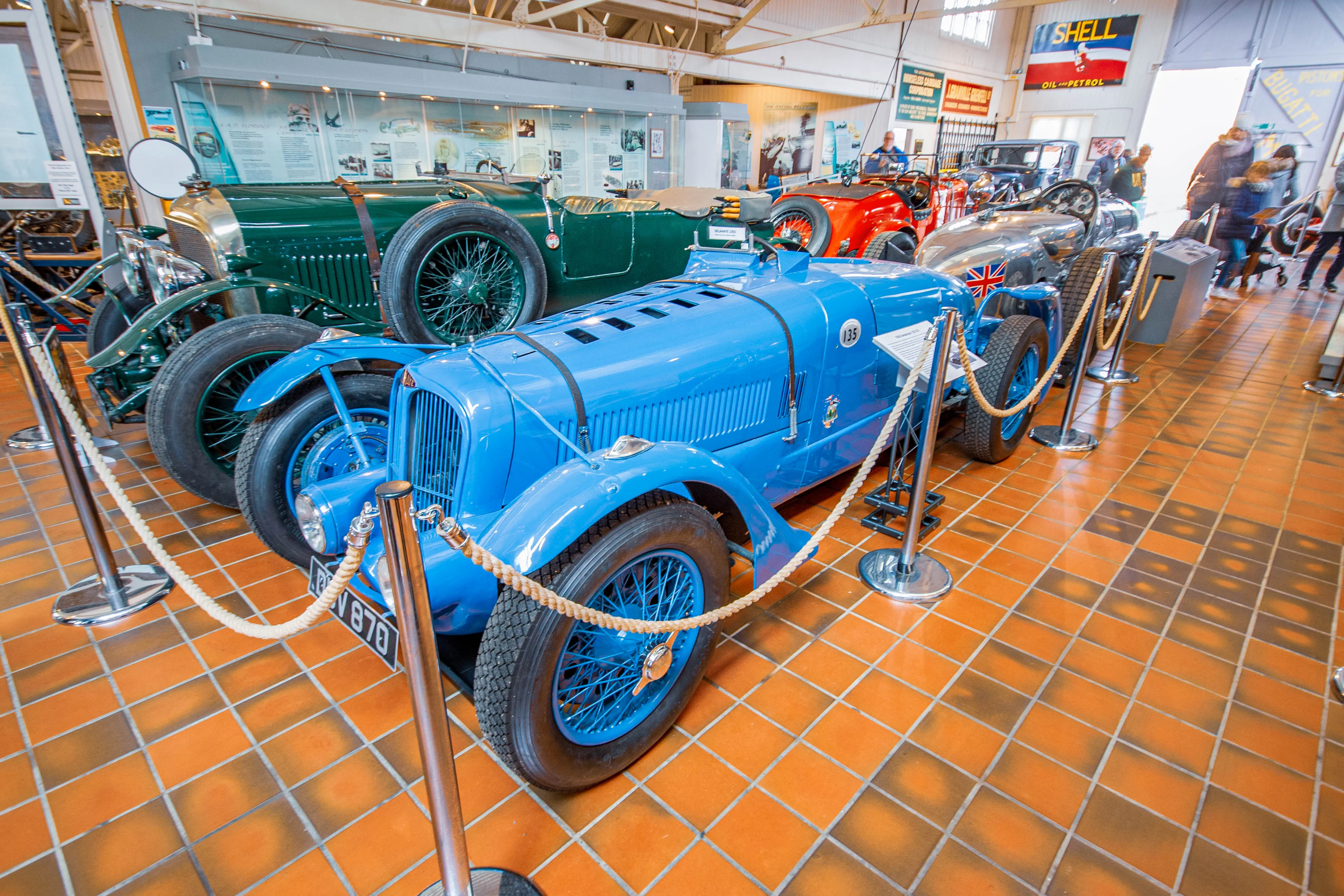
photo by Michael Gaylard
©www.mgaylard.co.uk.
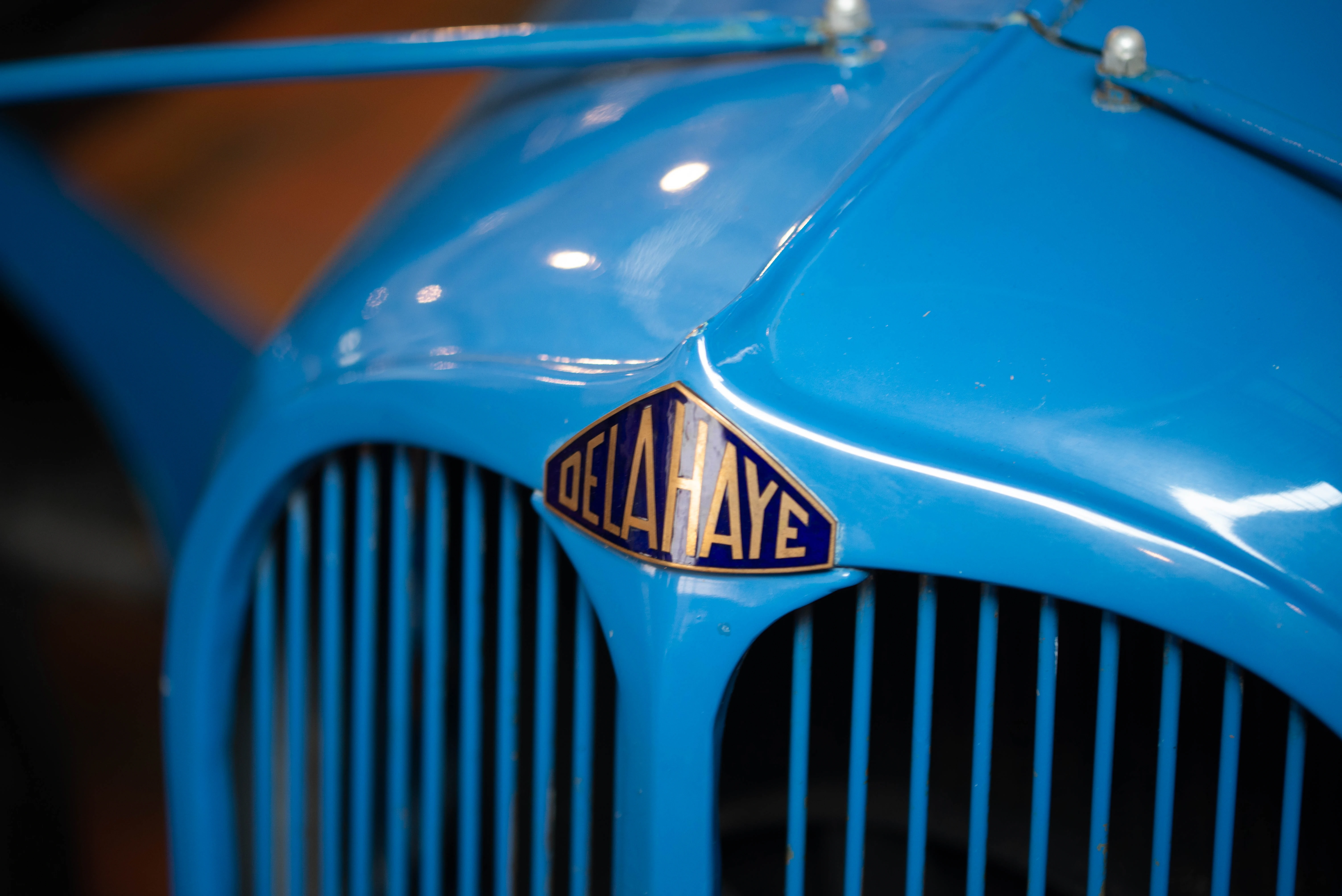
photo by Michael Gaylard
©www.mgaylard.co.uk.
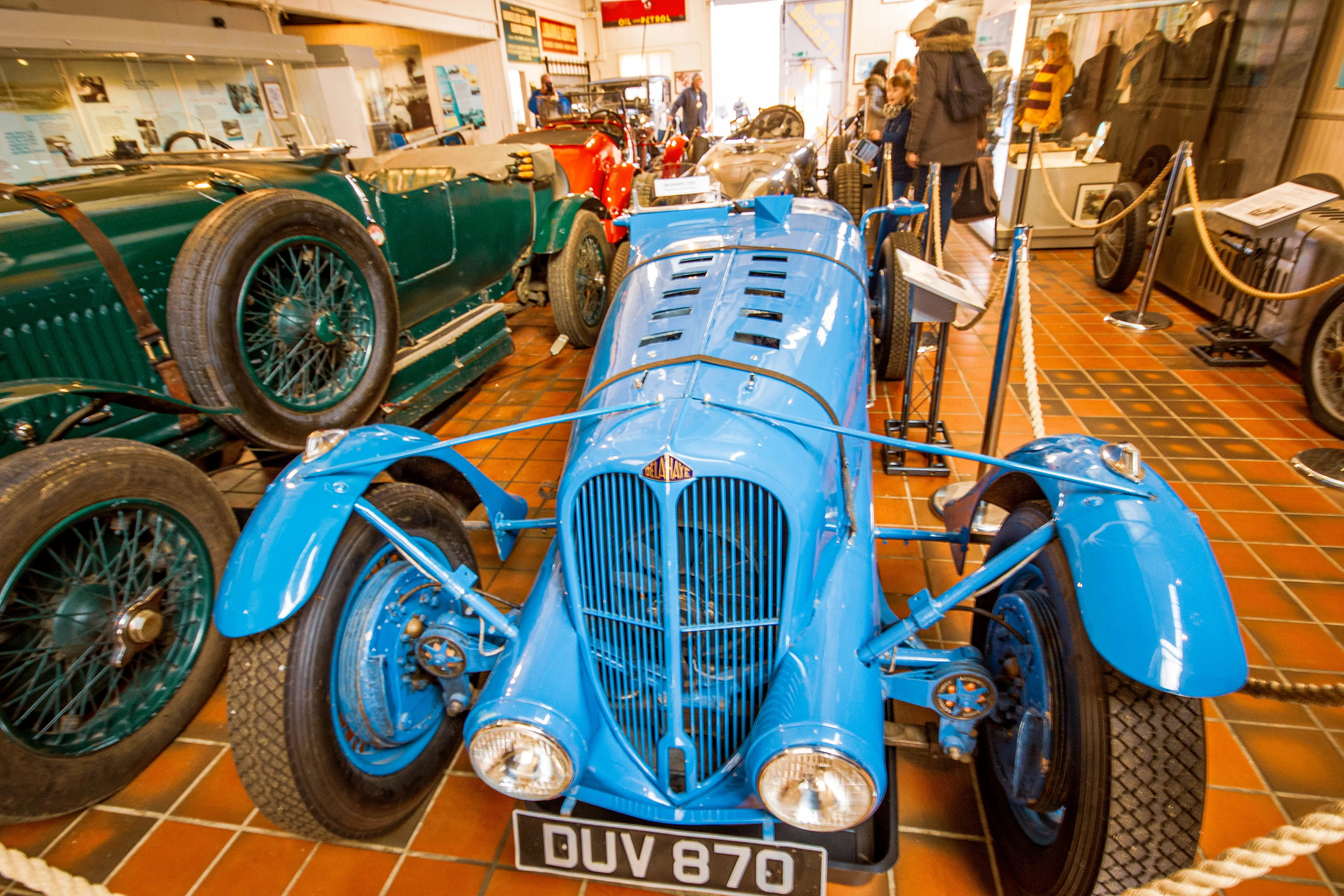
photo by Michael Gaylard
©www.mgaylard.co.uk.
Overview
- Manufacturer: Delahaye
- Production Years: 1935–1940 (135 series), 1936–1939 (135 S Competition Roadster)
- Designer: Jean François (chassis), Figoni et Falaschi (bodywork)
- Engine: 3.5L or 4.5L V12
- Transmission: 4-speed manual (Cotal pre-selector gearbox in some models)
- Body Style Roadster (2-door, open-top)
- Notable Features: V12 engine, lightweight construction, aerodynamic styling, luxury appointments
- Nickname: "The Queen of the Road"
- Website: Wikipedia - Delahaye 135
The Delahaye 135 series was introduced in 1935 as a luxury car designed to compete with the finest European automobiles of the era. The 135 S Competition Roadster, introduced in 1936, was the sporting variant of the 135 series, designed for both road and race track use. It was developed to showcase Delahaye’s engineering prowess and to compete in the most prestigious motorsport events of the time, including the 24 Hours of Le Mans, Grand Prix races, and international rallies.
The bodywork of the 135 S Competition Roadster was designed by Figoni et Falaschi, one of the most prestigious coachbuilders in France. The aerodynamic and elegant design of the roadster was not only visually stunning but also functionally advanced, with a lightweight construction that enhanced performance and handling. The luxurious appointments, including fine leather upholstery, polished wood trim, and chrome accents, made the 135 S a symbol of sophistication and style
The bodywork of the 135 S Competition Roadster was designed by Figoni et Falaschi, one of the most prestigious coachbuilders in France. The aerodynamic and elegant design of the roadster was not only visually stunning but also functionally advanced, with a lightweight construction that enhanced performance and handling. The luxurious appointments, including fine leather upholstery, polished wood trim, and chrome accents, made the 135 S a symbol of sophistication and style
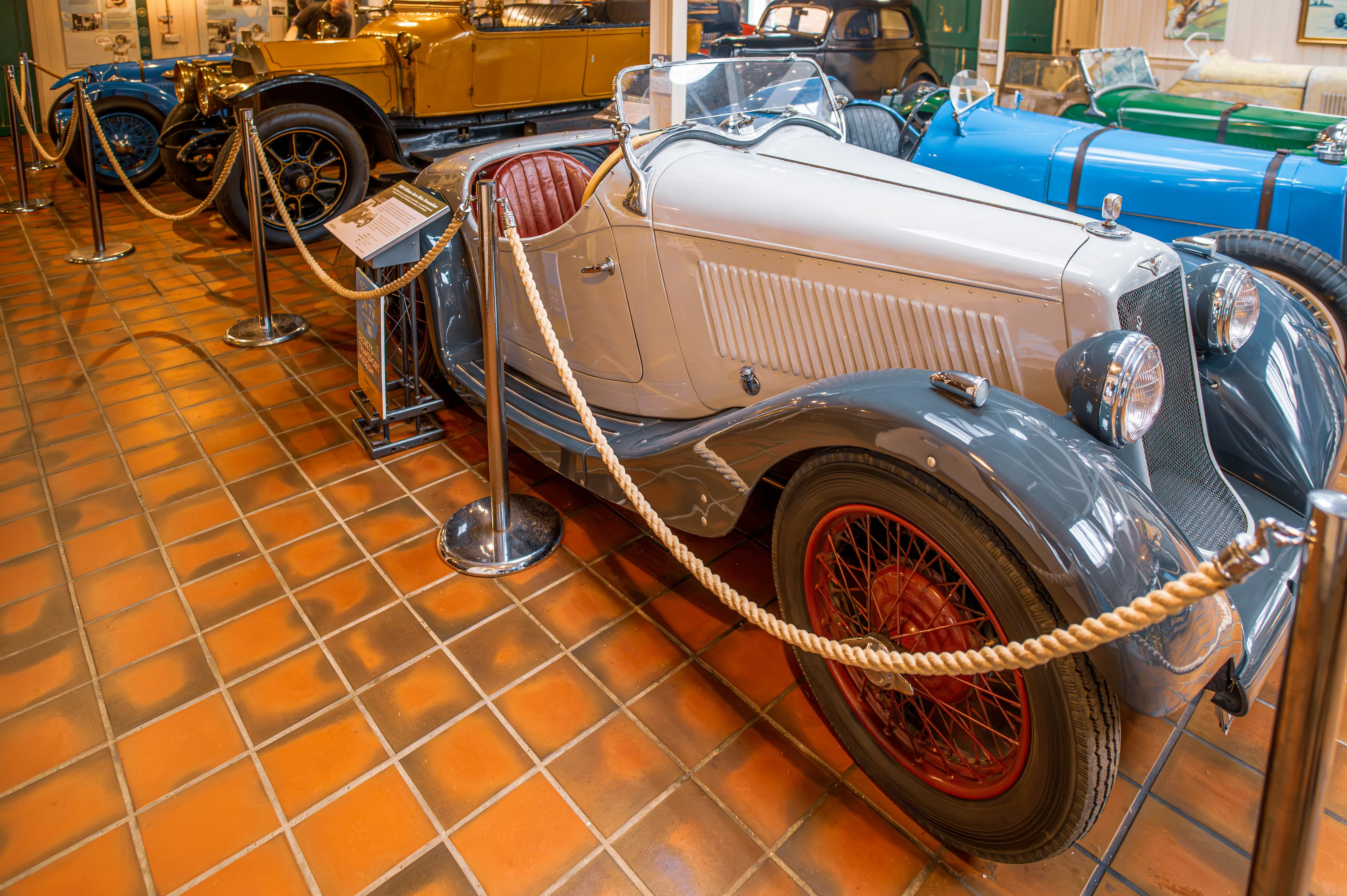
photo by Michael Gaylard
©www.mgaylard.co.uk.
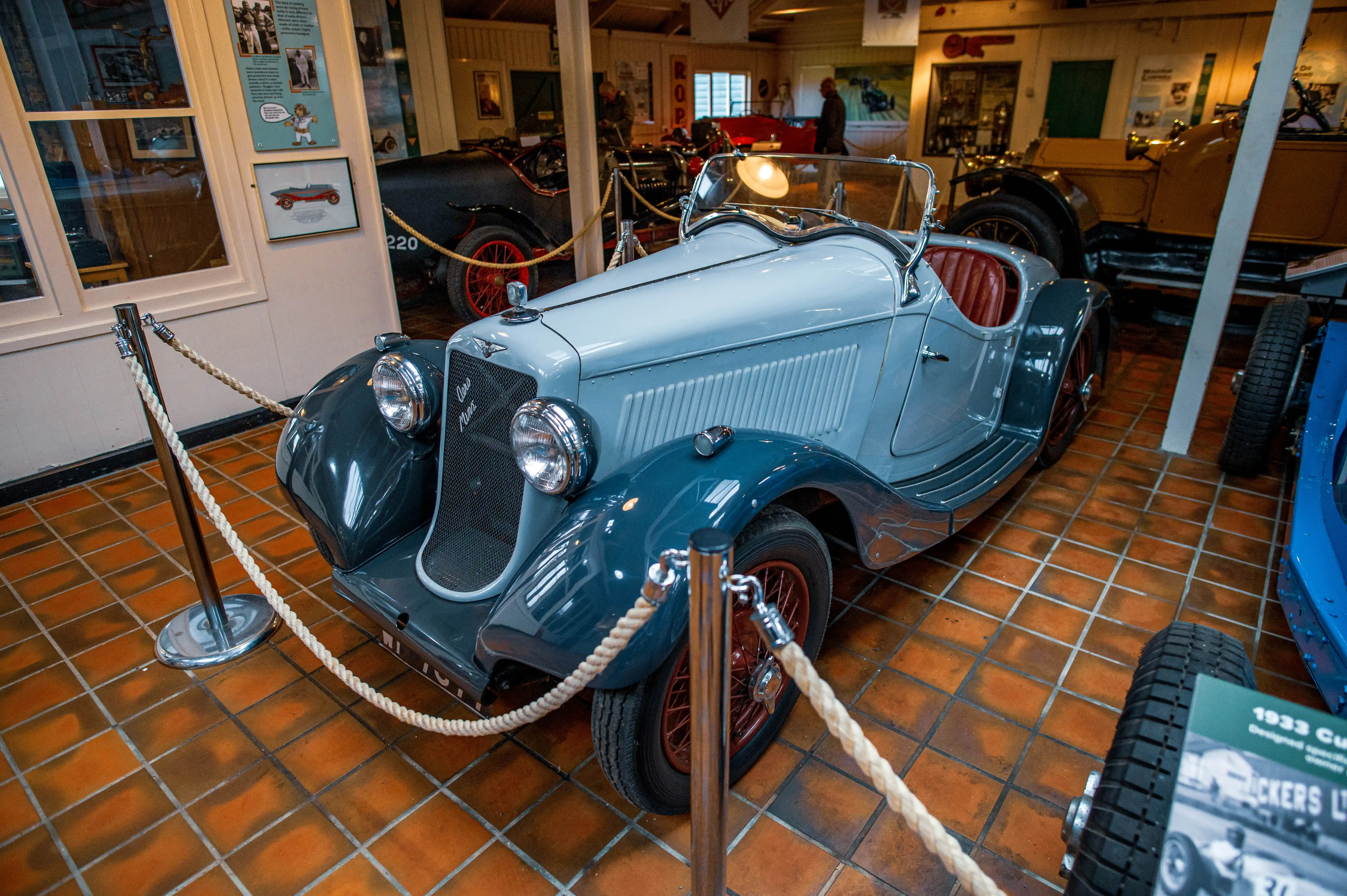
photo by Michael Gaylard
©www.mgaylard.co.uk.
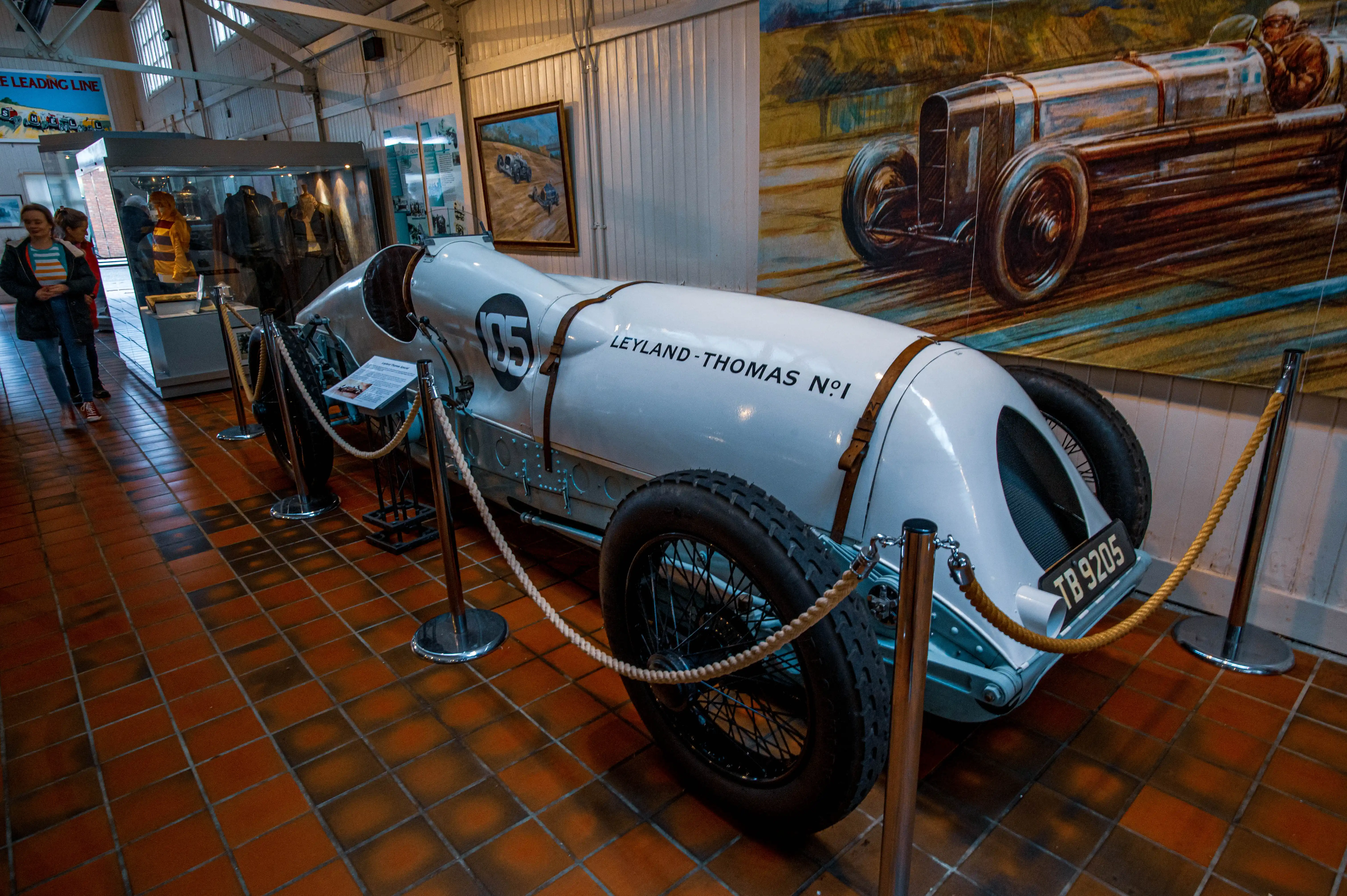
photo by Michael Gaylard
©www.mgaylard.co.uk.
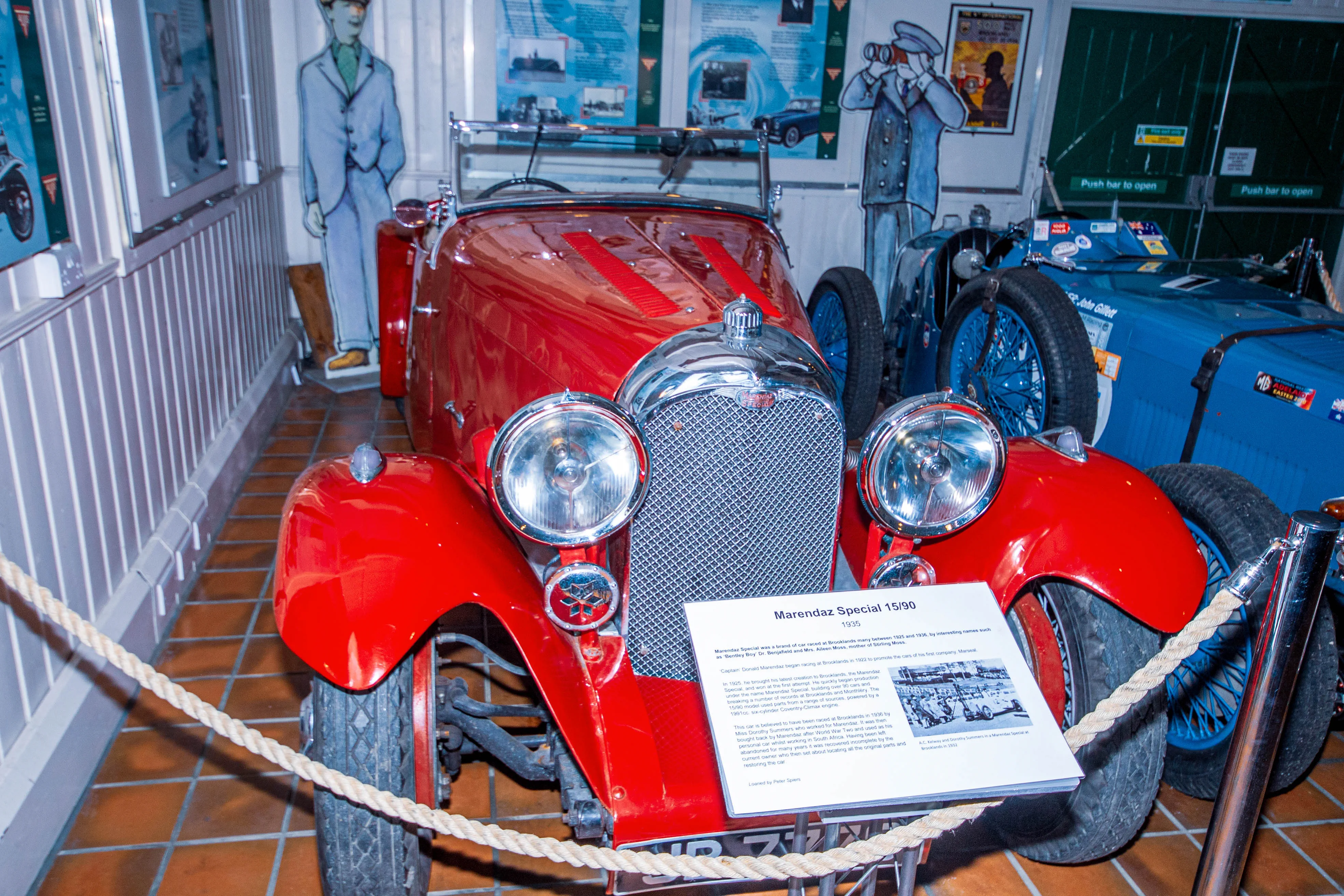
photo by Michael Gaylard
©www.mgaylard.co.uk.
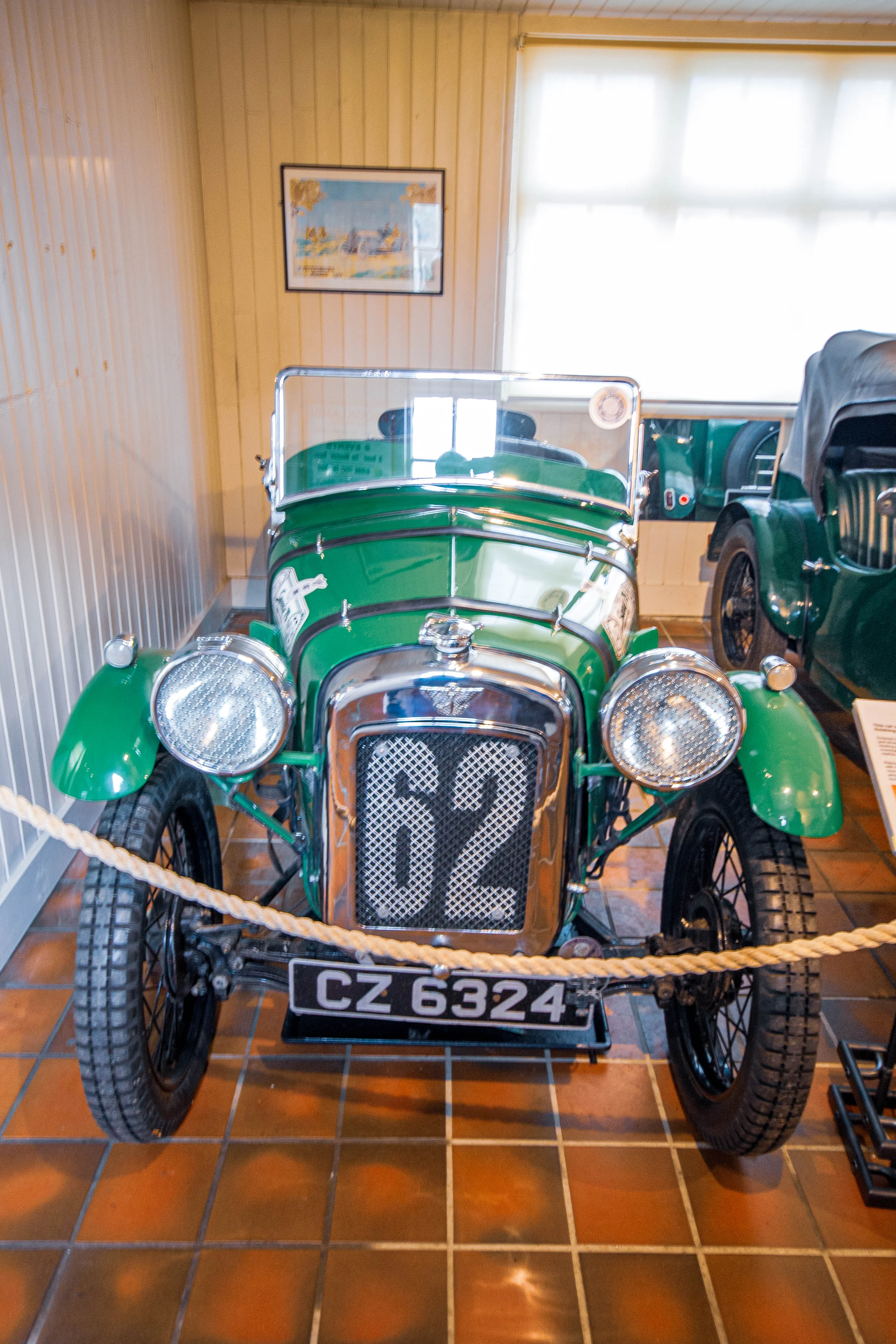
photo by Michael Gaylard
©www.mgaylard.co.uk.
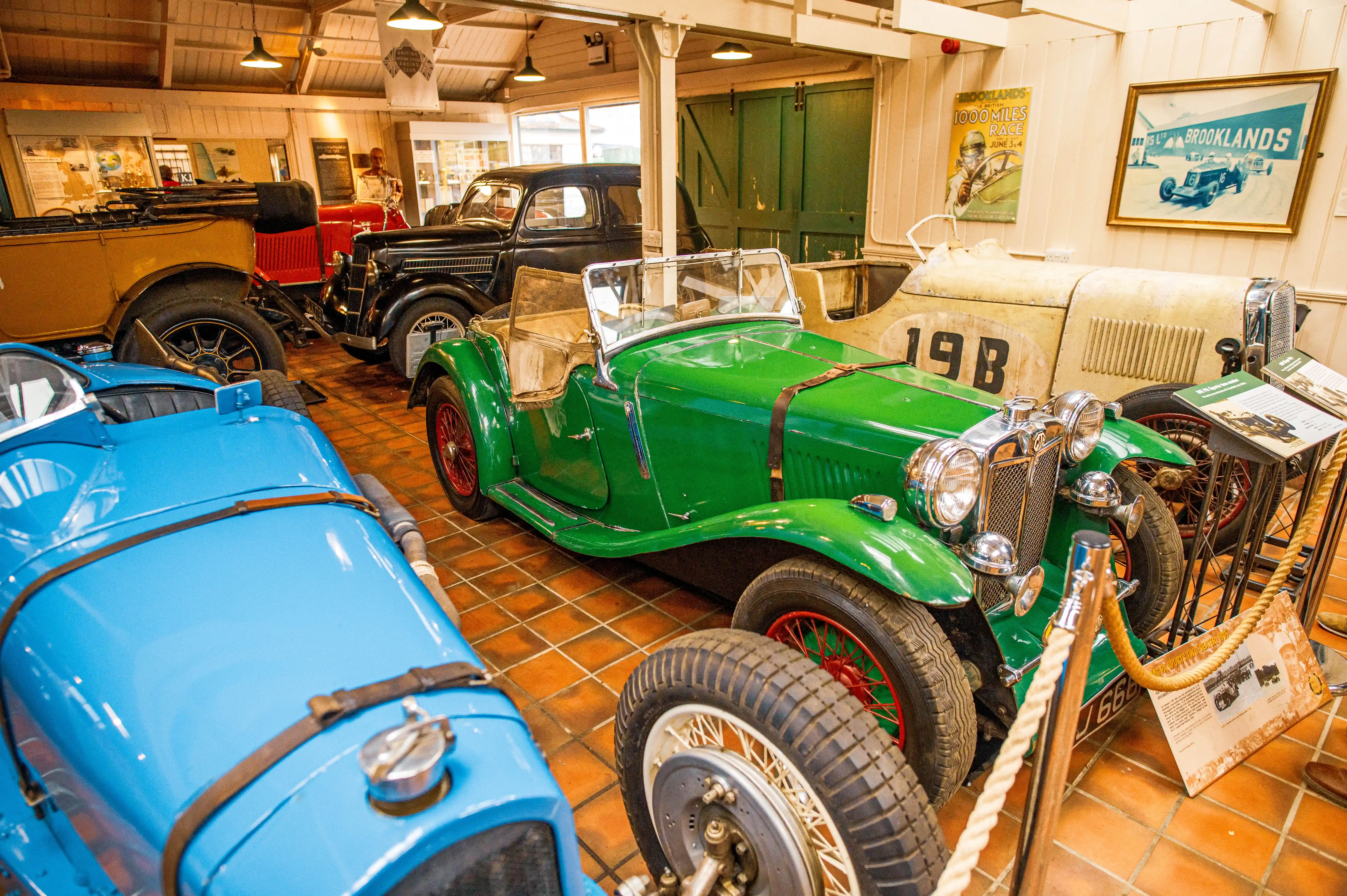
photo by Michael Gaylard
©www.mgaylard.co.uk.
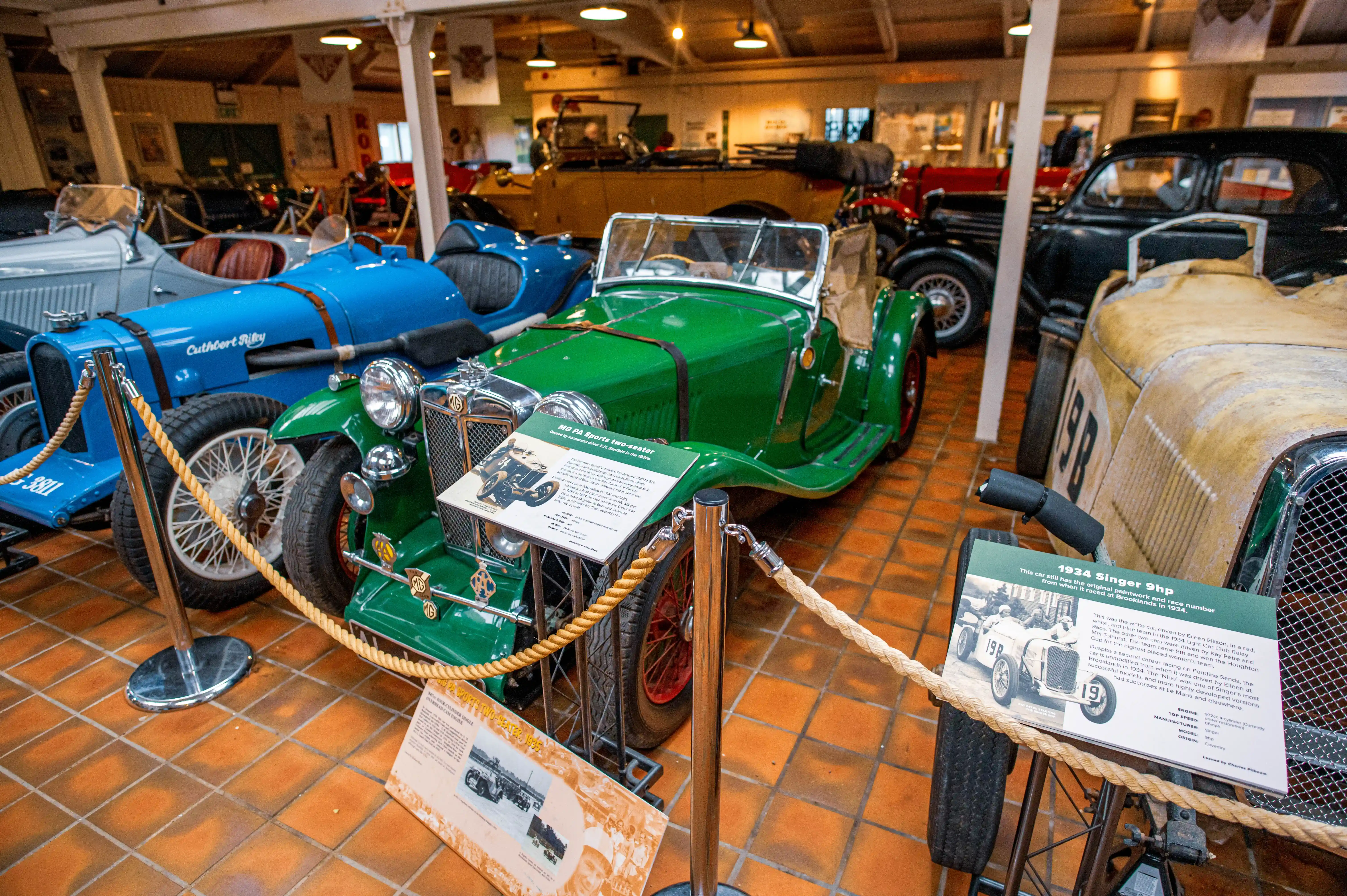
photo by Michael Gaylard
©www.mgaylard.co.uk.
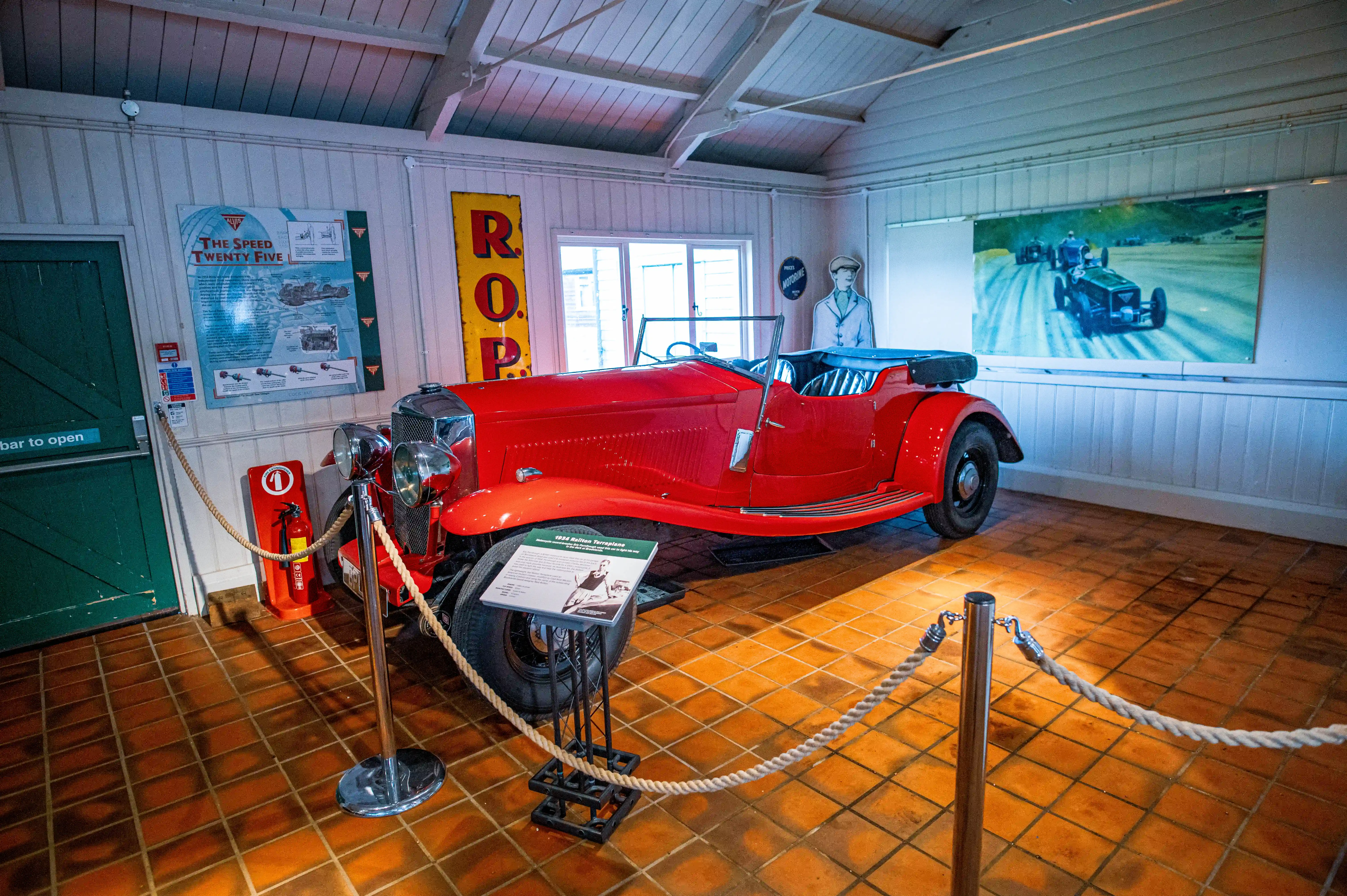
photo by Michael Gaylard
©www.mgaylard.co.uk.
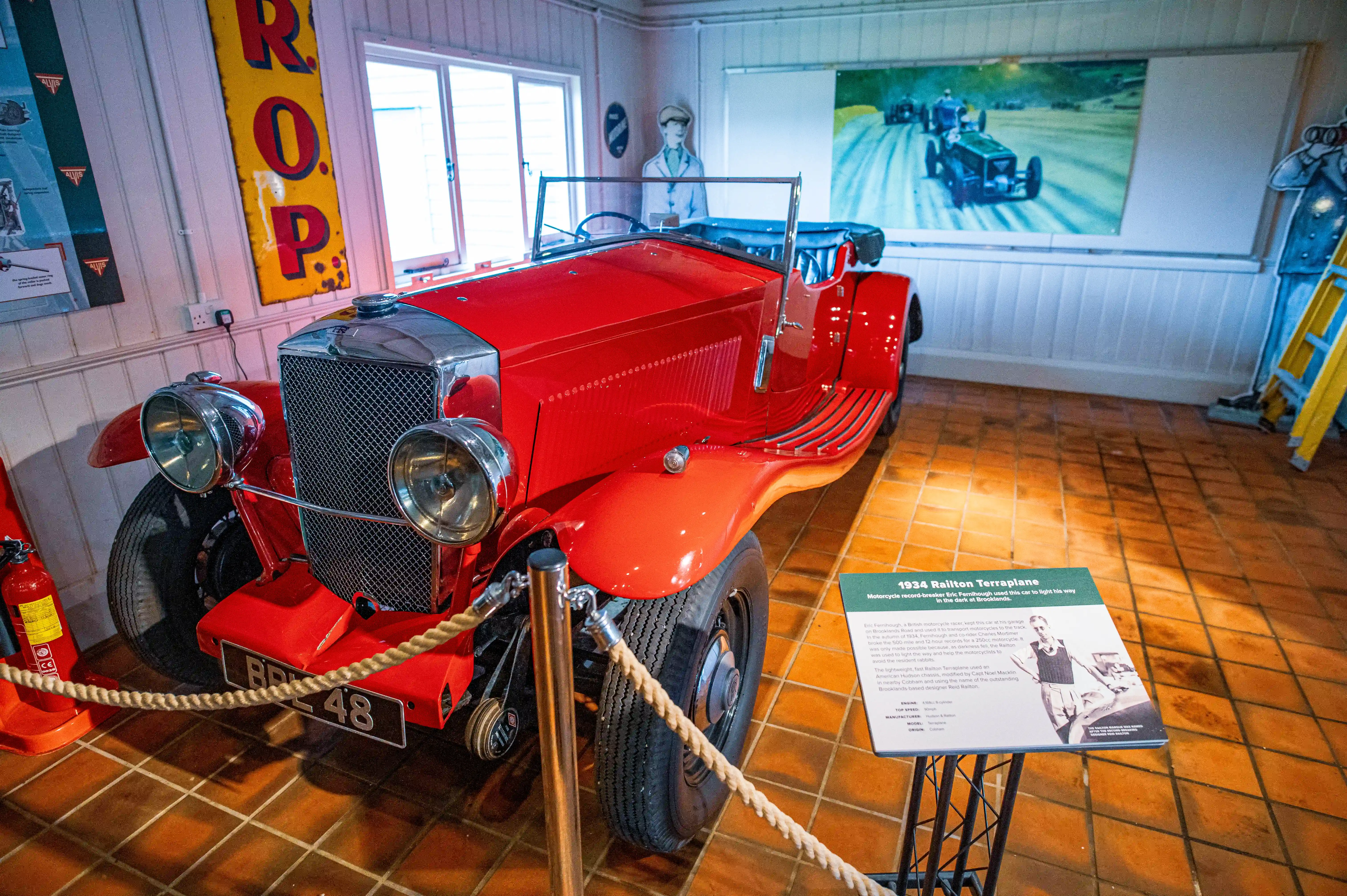
photo by Michael Gaylard
©www.mgaylard.co.uk.
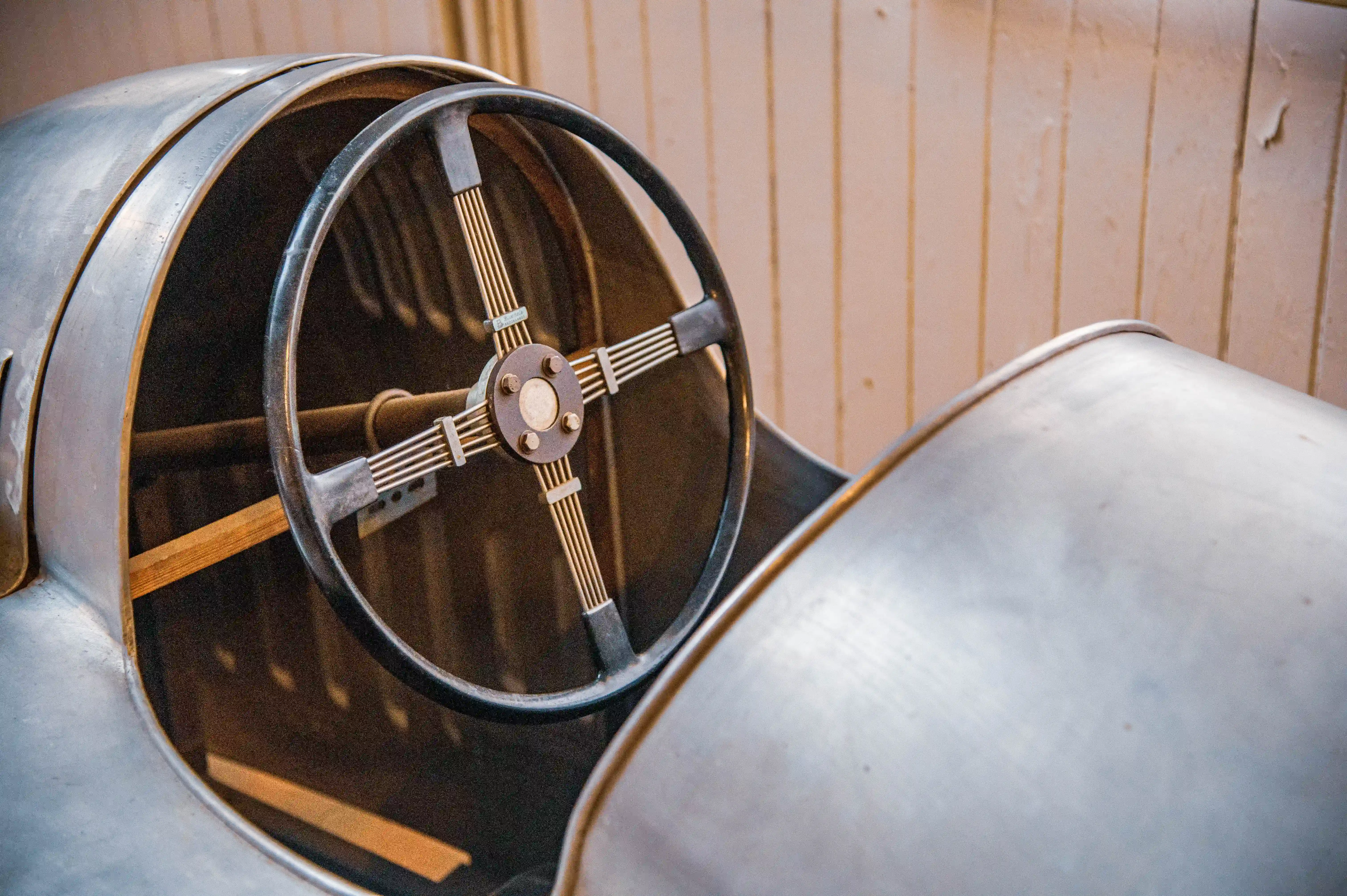
photo by Michael Gaylard
©www.mgaylard.co.uk.
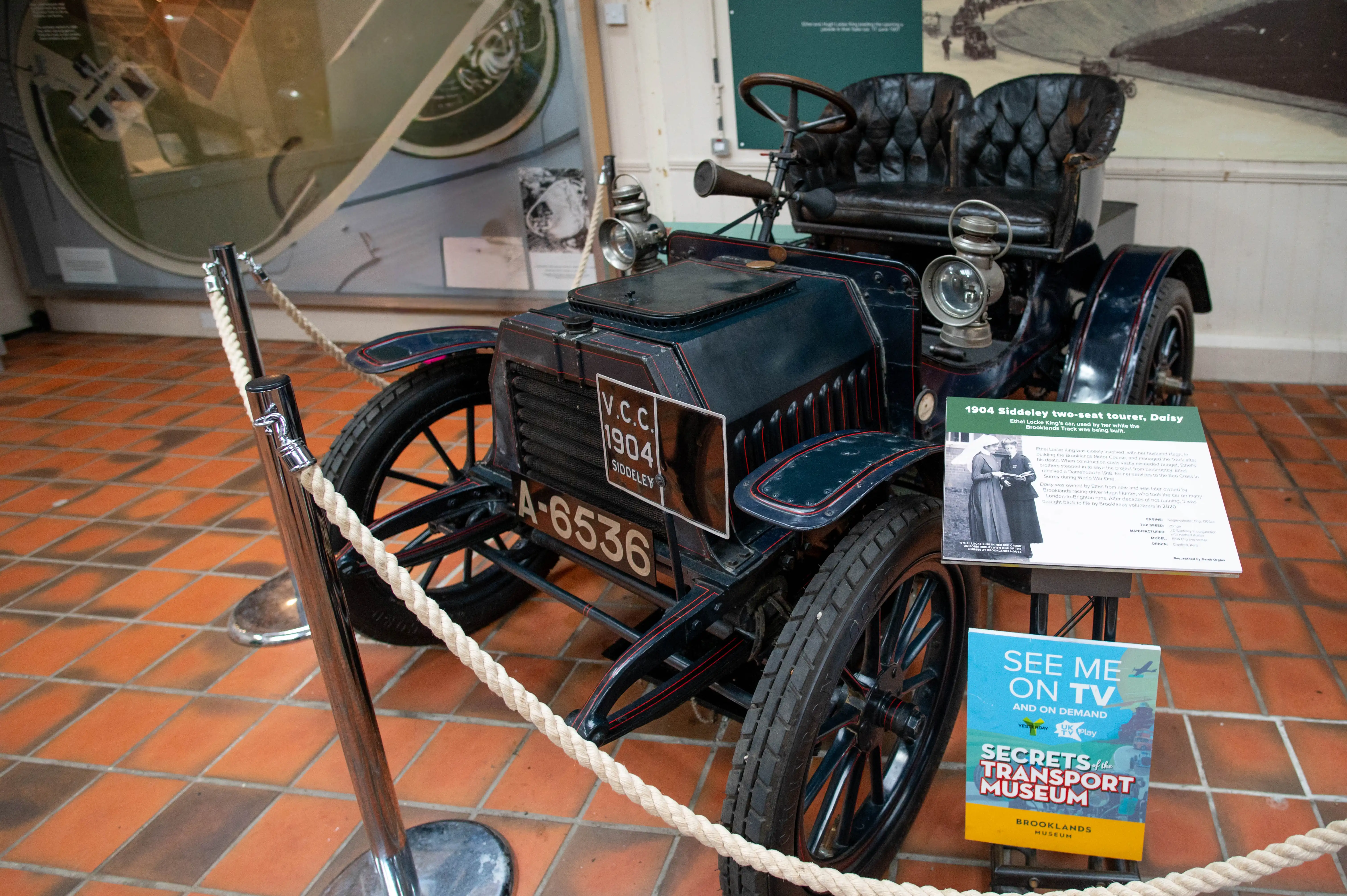
photo by Michael Gaylard
©www.mgaylard.co.uk.
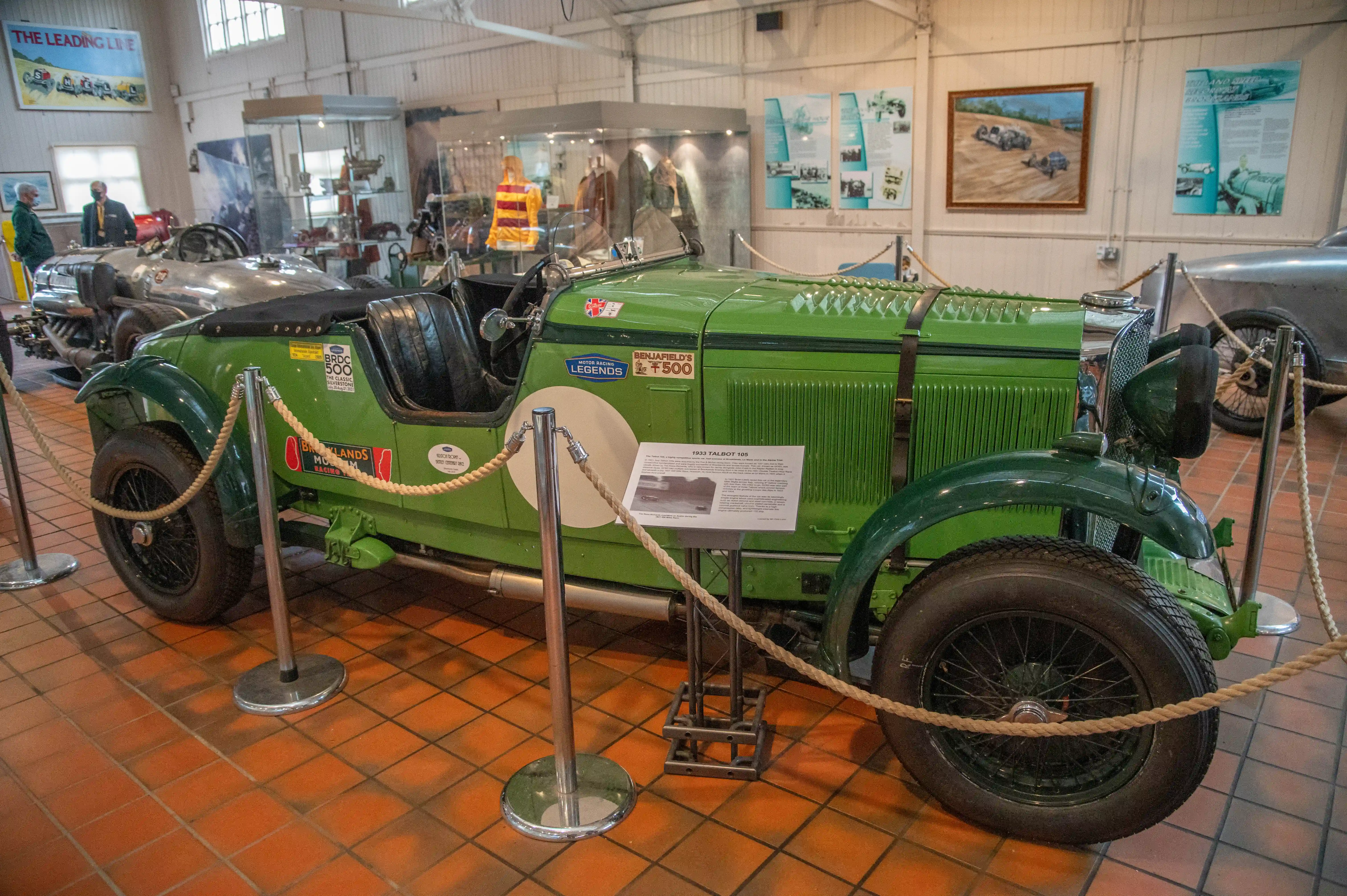
photo by Michael Gaylard
©www.mgaylard.co.uk.
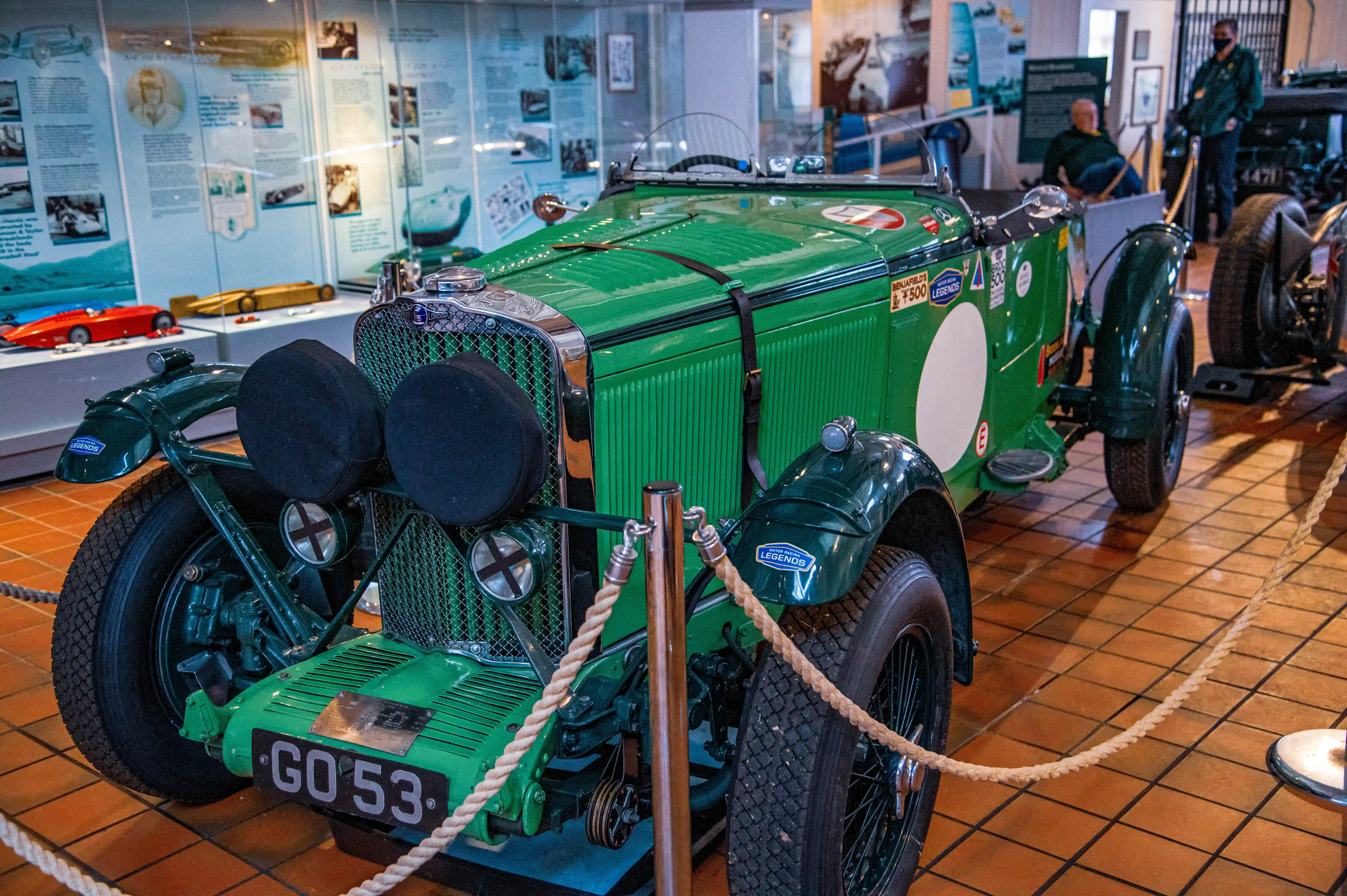
photo by Michael Gaylard
©www.mgaylard.co.uk.
Open the full set
 Share this page
Share this page

Campbell Shed
Built: Early 20th century (originally part of Brooklands race track)
Original Use: Pit stop, workshop, and storage for Sir Malcolm Campbell’s record-breaking cars
Notable Vehicles: Blue Bird, Railton Special, and other Campbell cars
Type: Historic motorsport shed and museum exhibit
Notable Features: Original wooden construction, restored to historic appearance, Campbell memorabilia, historic vehicles
Website: Brooklands Museum - Campbell Shed
The Campbell Shed was originally built in the early 20th century as part of the Brooklands race track, which opened in 1907 as the world’s first purpose-built motor racing circuit. The shed was used as a pit stop, workshop, and storage area for the racing cars that competed on the track, including those driven by Sir Malcolm Campbell, one of the most celebrated figures in British motorsport history.
Sir Malcolm Campbell was a pioneering racing driver and land speed record holder who achieved global fame for his daring and innovative feats behind the wheel. Campbell broke the land speed record nine times between 1924 and 1935, and he was the first person to exceed 300 mph (483 km/h) in a car, a feat he accomplished in 1935 in his Campbell-Railton Blue Bird at Daytona Beach, Florida. His connection to Brooklands was deep and enduring, as the track was where he began his career and achieved many of his early successes.
The Campbell Shed became synonymous with Campbell’s record-breaking achievements. It was here that his iconic cars, such as the Blue Bird and the Railton Special, were prepared, maintained, and refined for their historic runs. The shed was a hub of activity during race days and record attempts, where mechanics, engineers, and Campbell himself worked tirelessly to push the boundaries of speed and performance.
After World War II, the Campbell Shed fell into disuse, but with the establishment of Brooklands Museum in 1991, it was restored to its original appearance and incorporated into the museum’s exhibits. Today, the shed stands as a testament to Campbell’s legacy and the golden age of British motorsport, preserving the memory of his achievements and the history of land speed records at Brooklands.

