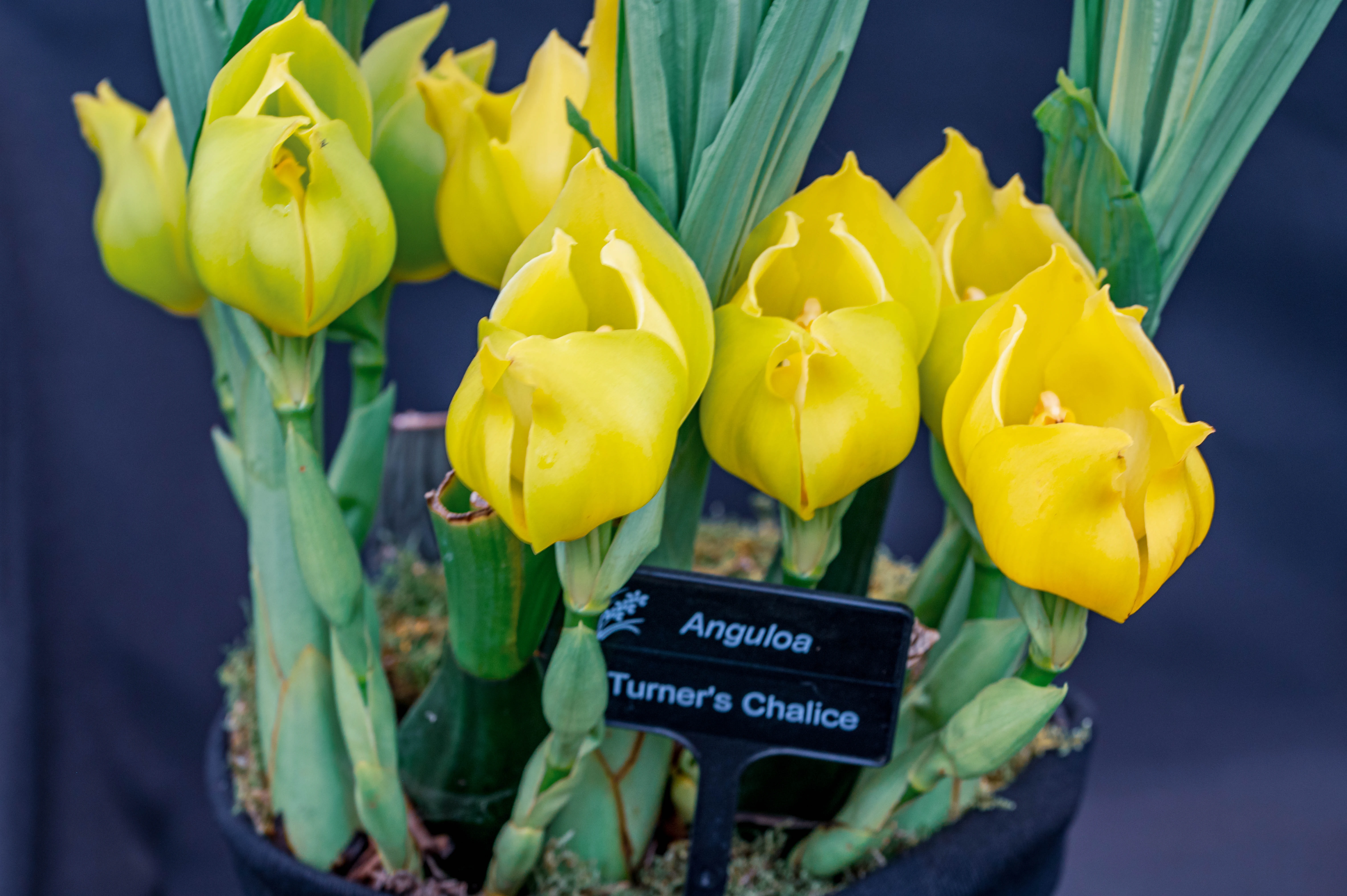
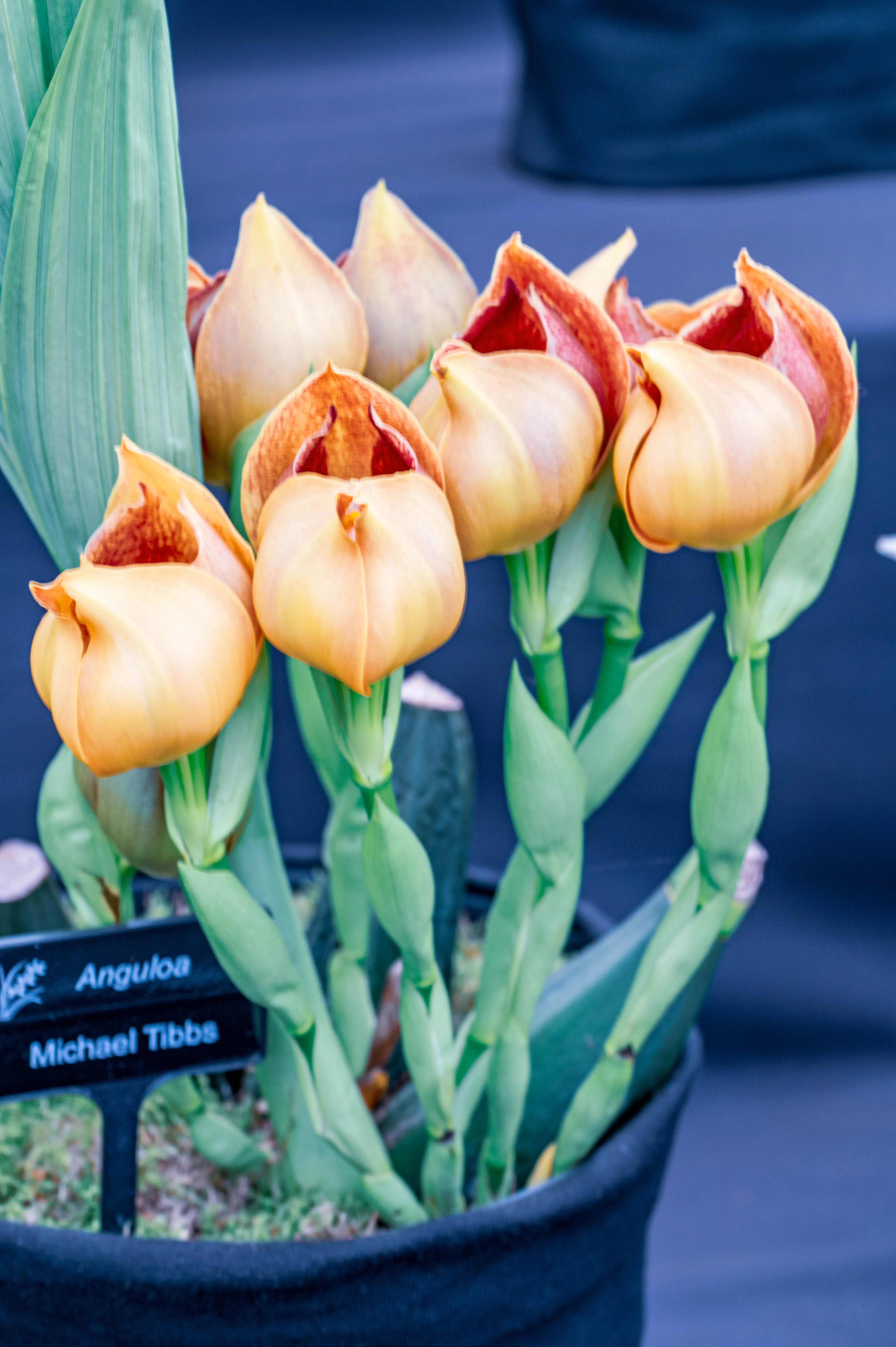
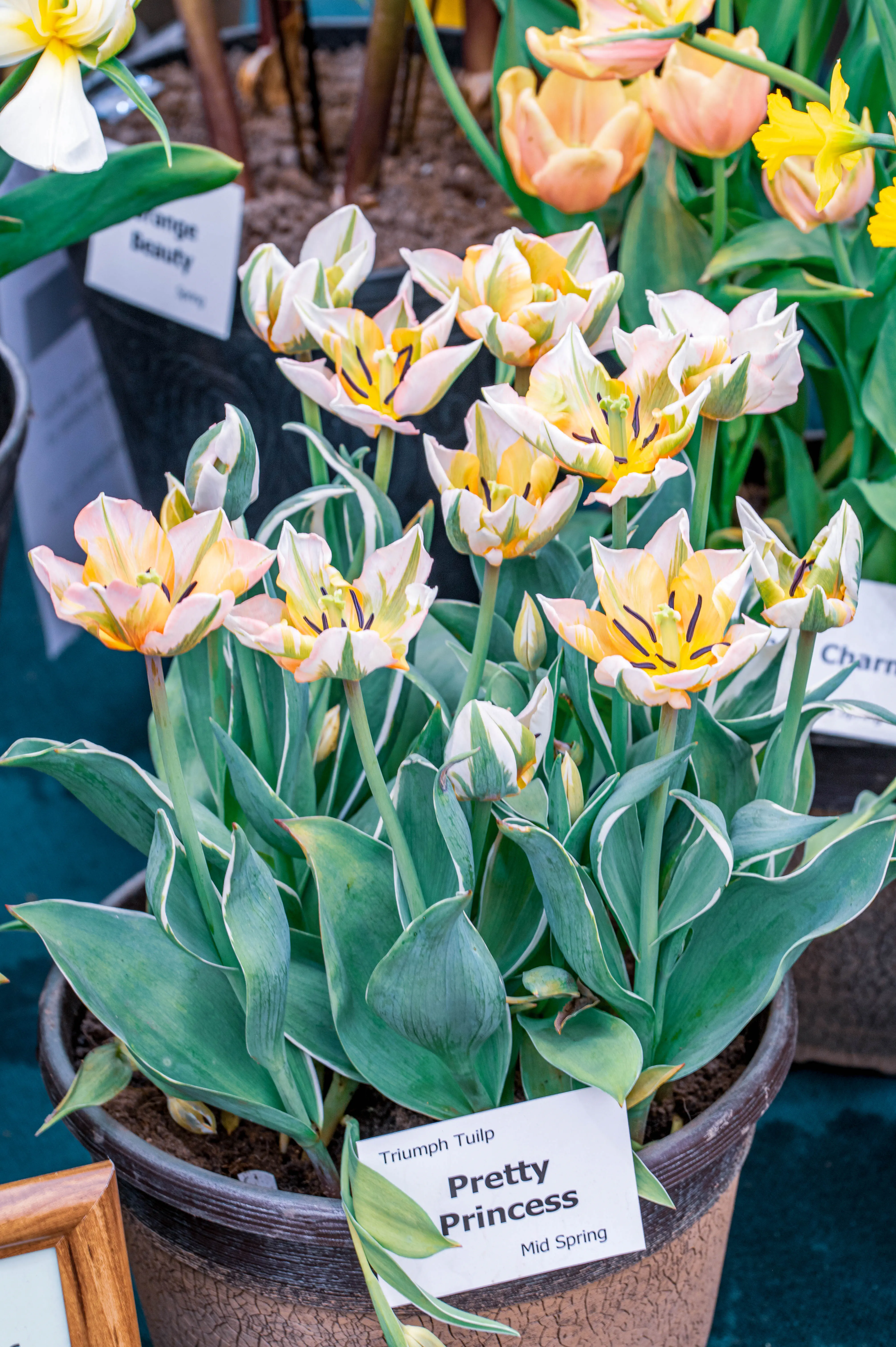
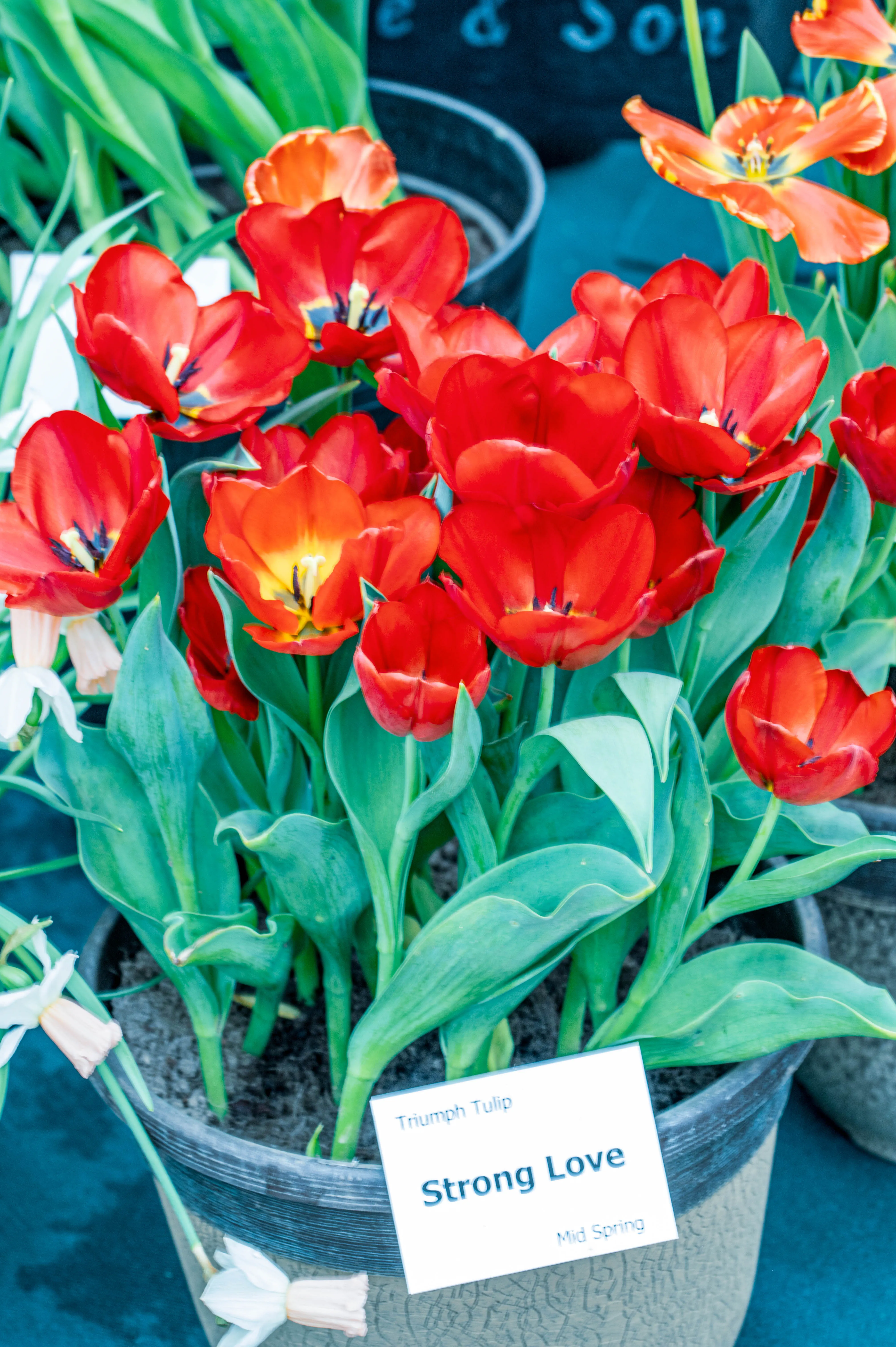
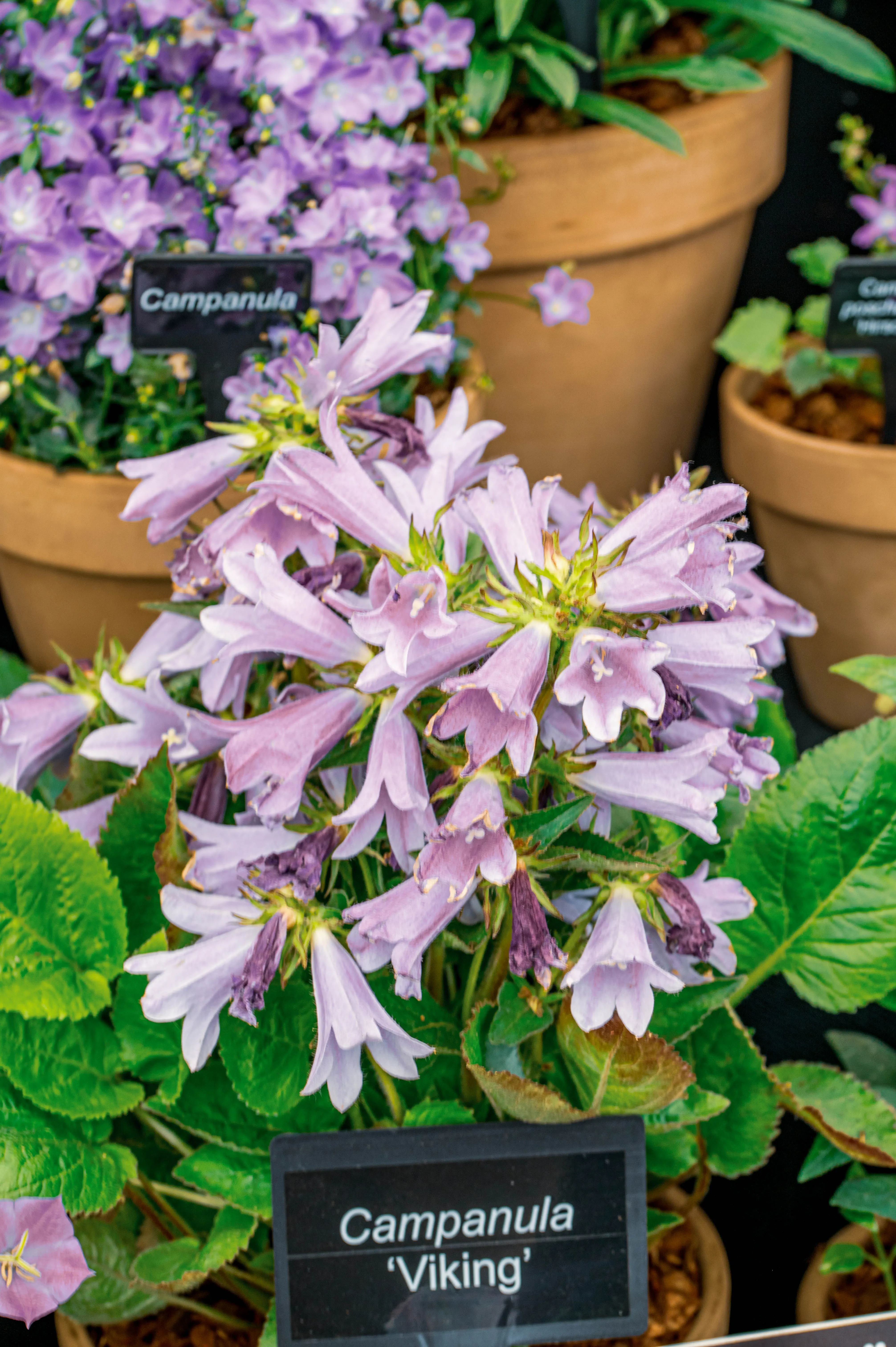
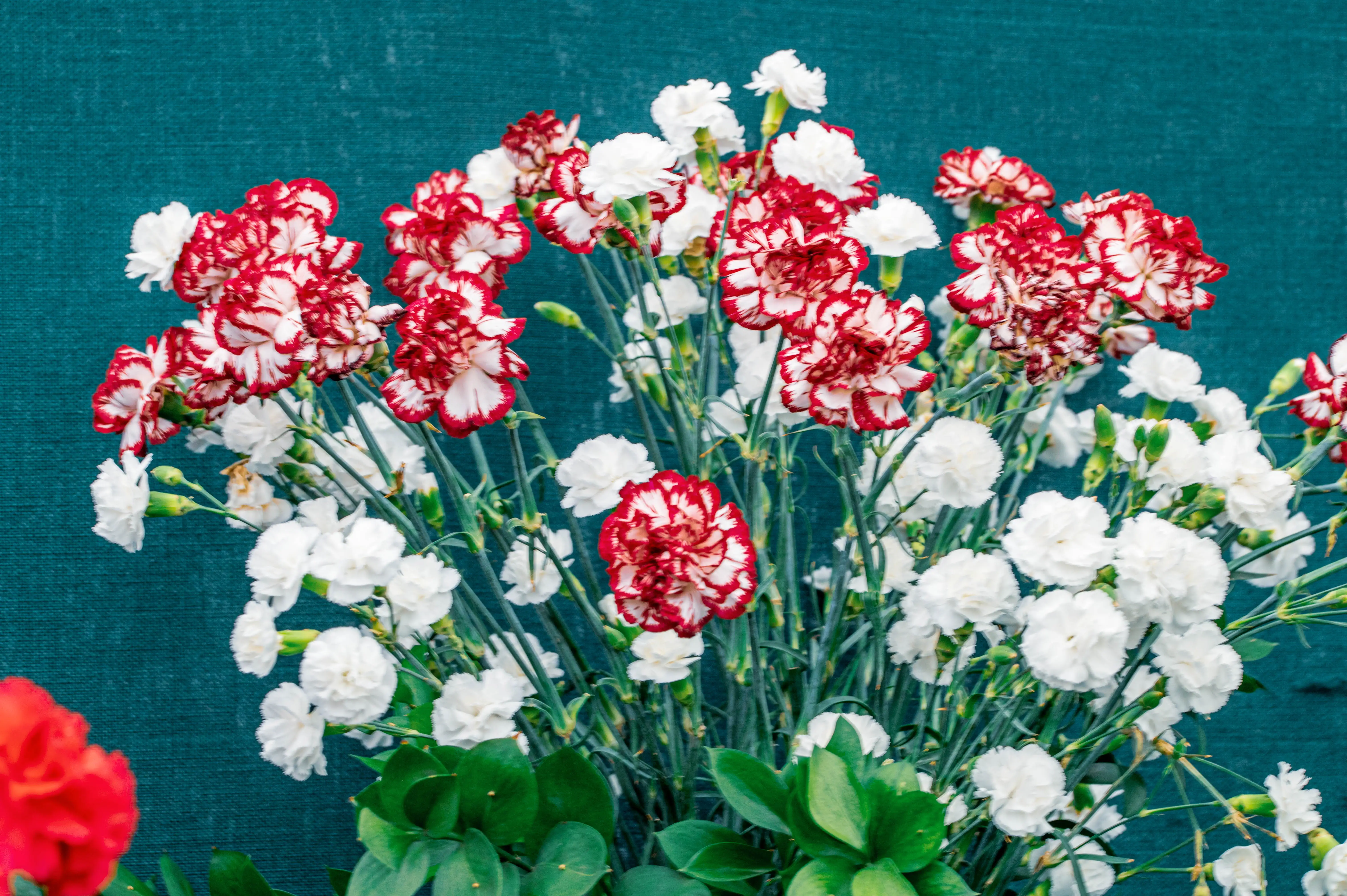
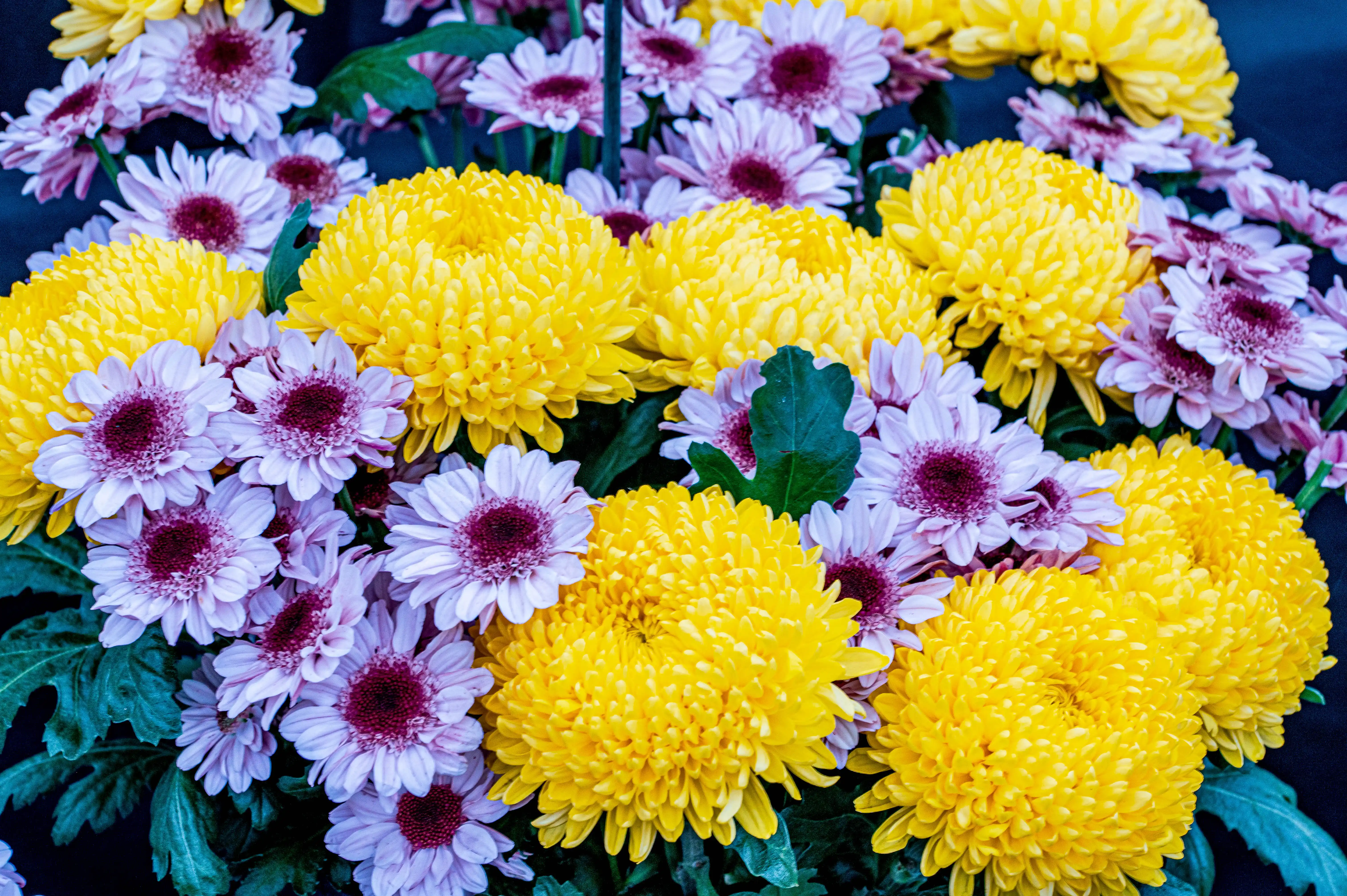
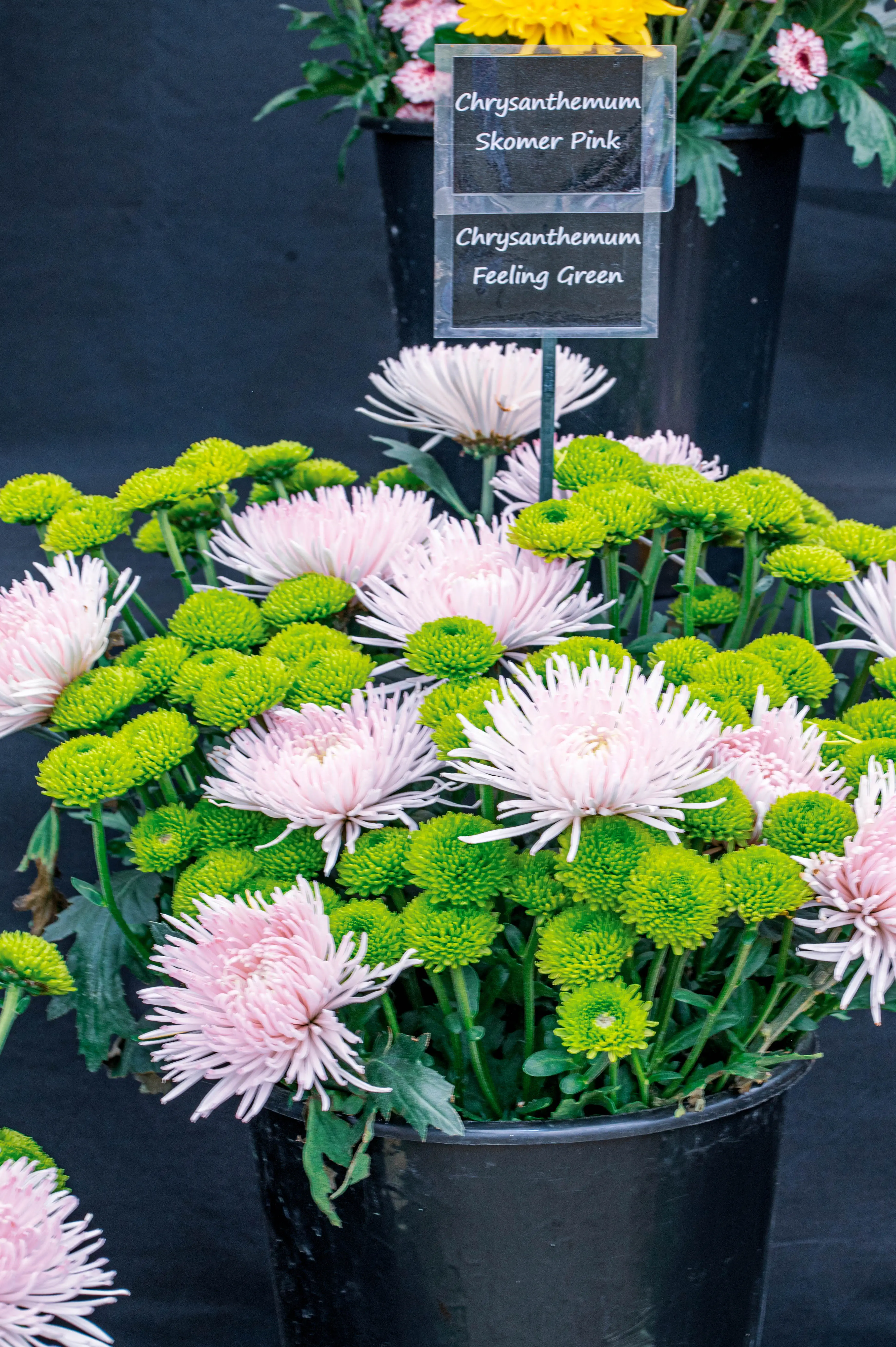
Hampton Court Palace, Molesey Road,
East Molesey,
Surrey,
KT8 9AU,
United Kingdom
Key Facts
Founded: ·
Typical dates: Tuesday to Sunday in early July (most recently 1–6 July 2025", "the festival is now biennial, returning to Hampton Court in 2027)
Status: The world's largest flower show
Scale: 31 acres of showground in Home Park, attracting around 120,000 visitors per festival
Organiser: The Royal Horticultural Society, in partnership with Historic Royal Palaces
First held: July 1990, created by Historic Royal Palaces and Network SouthEast", "the first RHS show was 1993
Format: Show gardens, floral marquees, the Festival of Roses, trade stands, musicians and street food
Schedule: Now biennial — the 2026 show moves to Badminton Estate in Gloucestershire, with the festival returning to Hampton Court Palace in 2027
Historical Significance
The original Hampton Court Palace Flower Show was the brainchild of management consultant Adrian Boyd, who saw an opportunity to connect two organisations facing times of uncertainty: the newly created Historic Royal Palaces, looking for revenue after the dismemberment of the Department of the Environment, and Network SouthEast, seeking to make its rail services more profitable. The first show in July 1990 drew an estimated 300,000 visitors, with special trains laid on from Waterloo and porters wearing carnations in their hats — 70 per cent of visitors used rail. When Network SouthEast withdrew in 1992, the RHS won the competitive tender, and its first Hampton Court show in 1993, sponsored by the Daily Mail, was such a success that 1994's was declared the best outdoor public event of the year. The show rebranded as the Hampton Court Garden Festival in 2019, a name the RHS said better reflected the visitor experience", "the 2020 festival was cancelled due to the COVID-19 pandemic.
Key Features and Attractions
Show Gardens: The cutting edge of garden design, with dozens of display and show gardens competing for RHS medals, including Best in Show and the People's Choice awards.
The Festival of Roses: A signature floral feature, fitting for a show that introduced its British Rose Festival back in 1991 with the Royal National Rose Society.
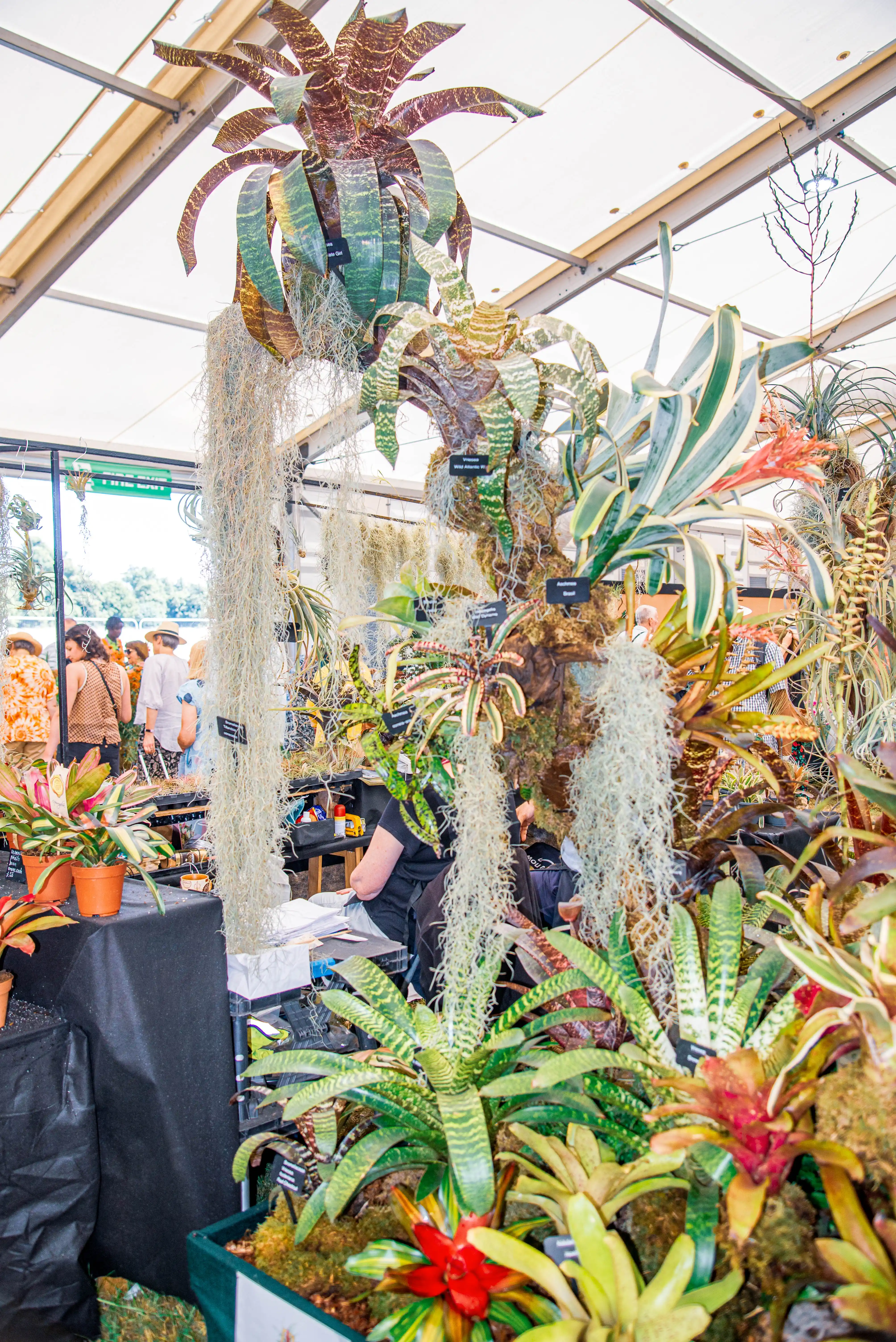
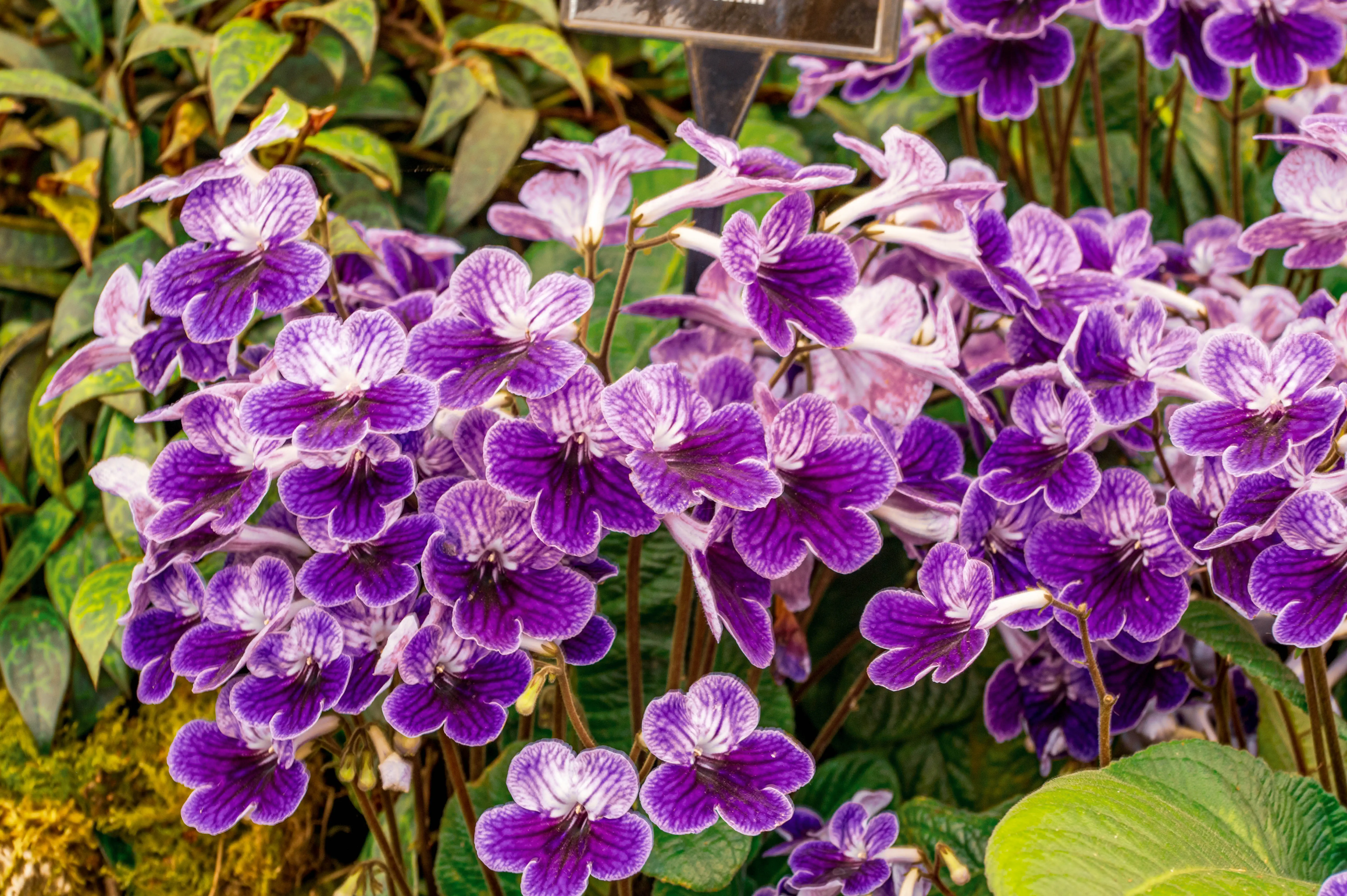
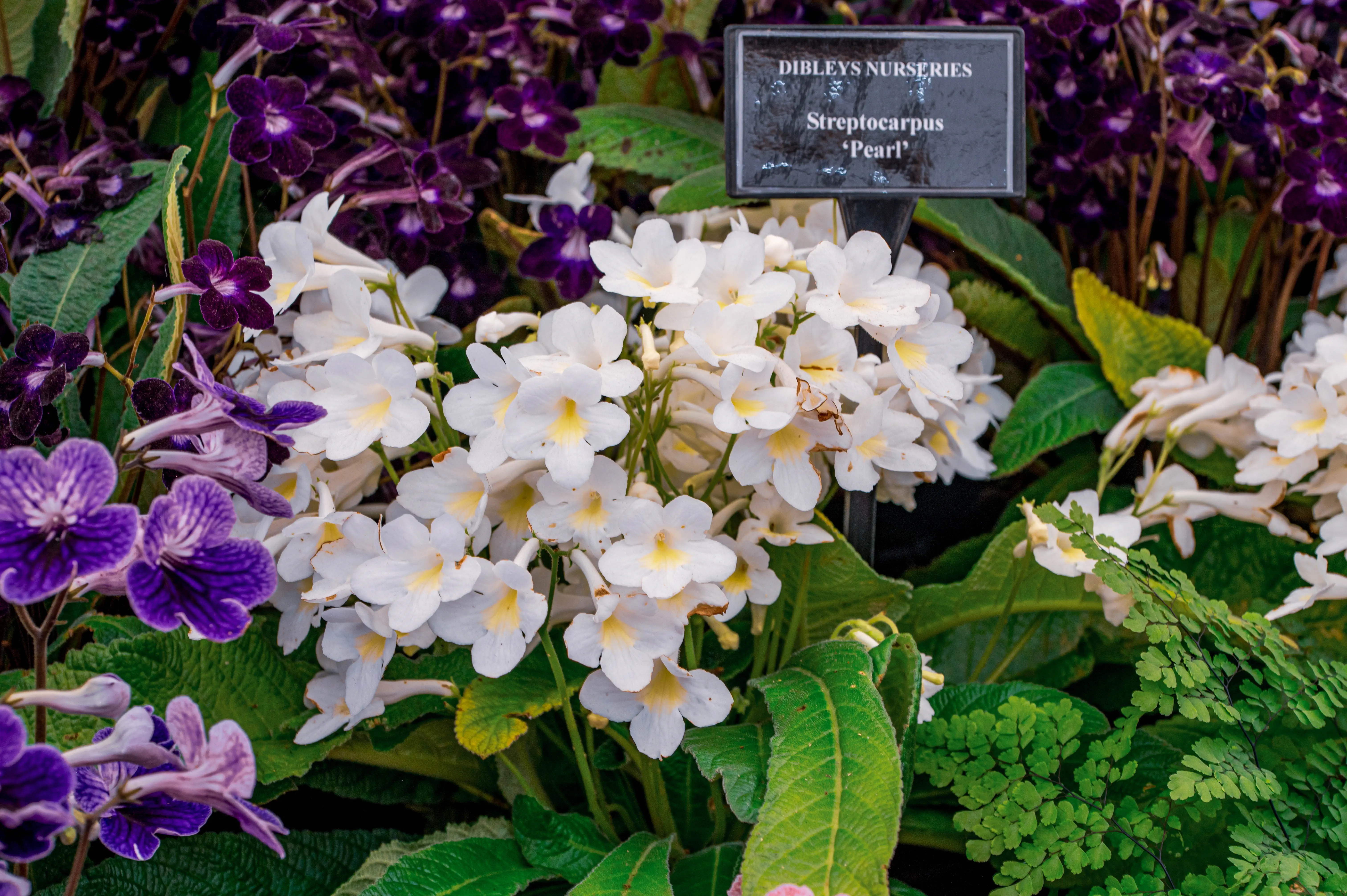
The Floral Marquee and plant sales: More flowers are sold per square mile at RHS Hampton than anywhere else in the UK, with nursery displays and rare plants from specialist growers.
The festival atmosphere: A laid-back feel compared to Chelsea, with musicians, street food and family-friendly spaces — on average 3,300 glasses of Pimm's, 17,000+ cups of Fairtrade tea and coffee, 11,000+ sandwiches and 2,800+ slices of cake are consumed during festival week.
Legacy gardens: Show gardens have been rebuilt for good causes — in 1998 a Hampton Court garden was rebuilt at the Royal Hospital for Neuro-disability, and award-winning gardens such as Davies White's 2017 Cauldwell children's wild garden have gone on to permanent homes.
How To Get There
How To Get There
Getting There From London Victoria
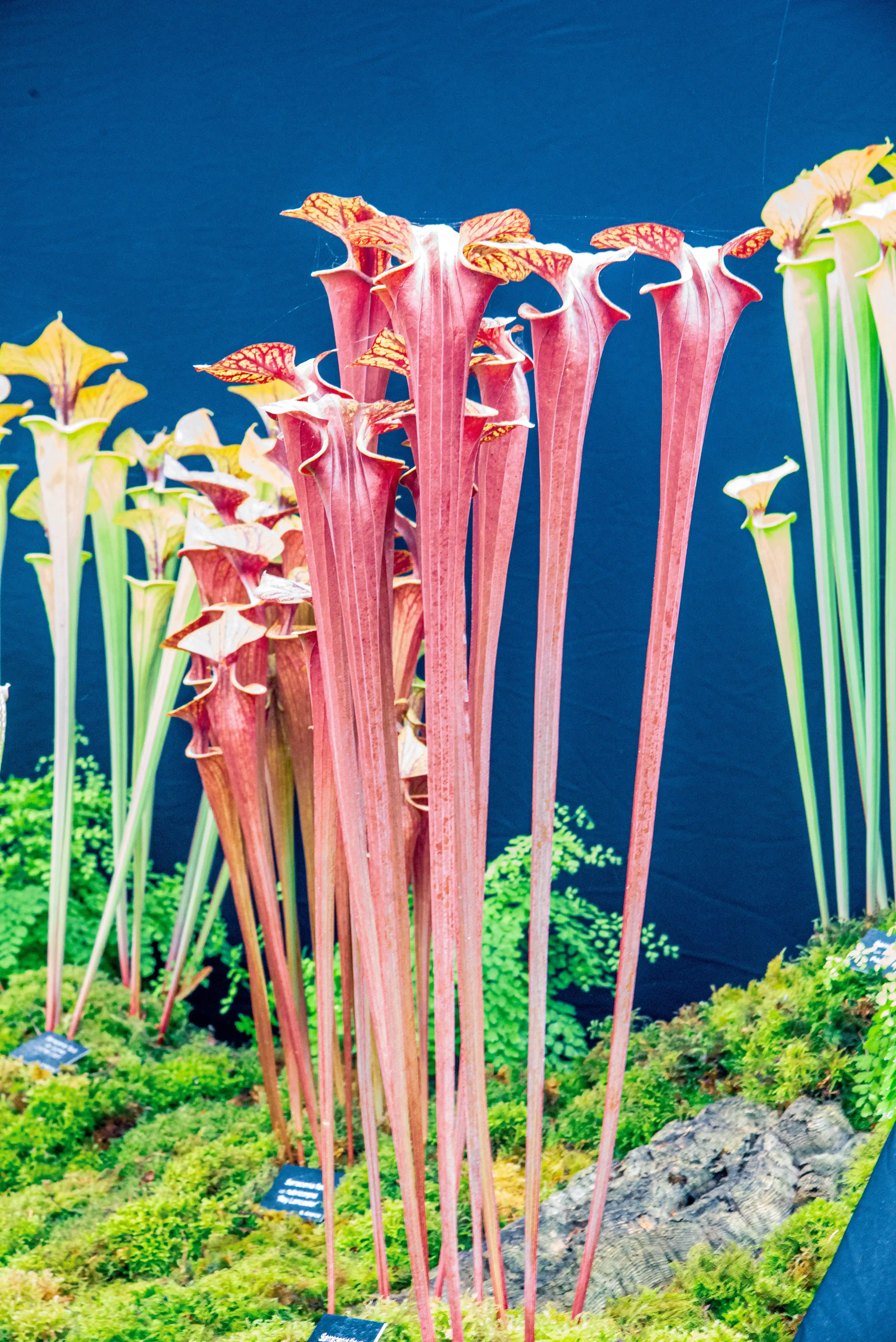
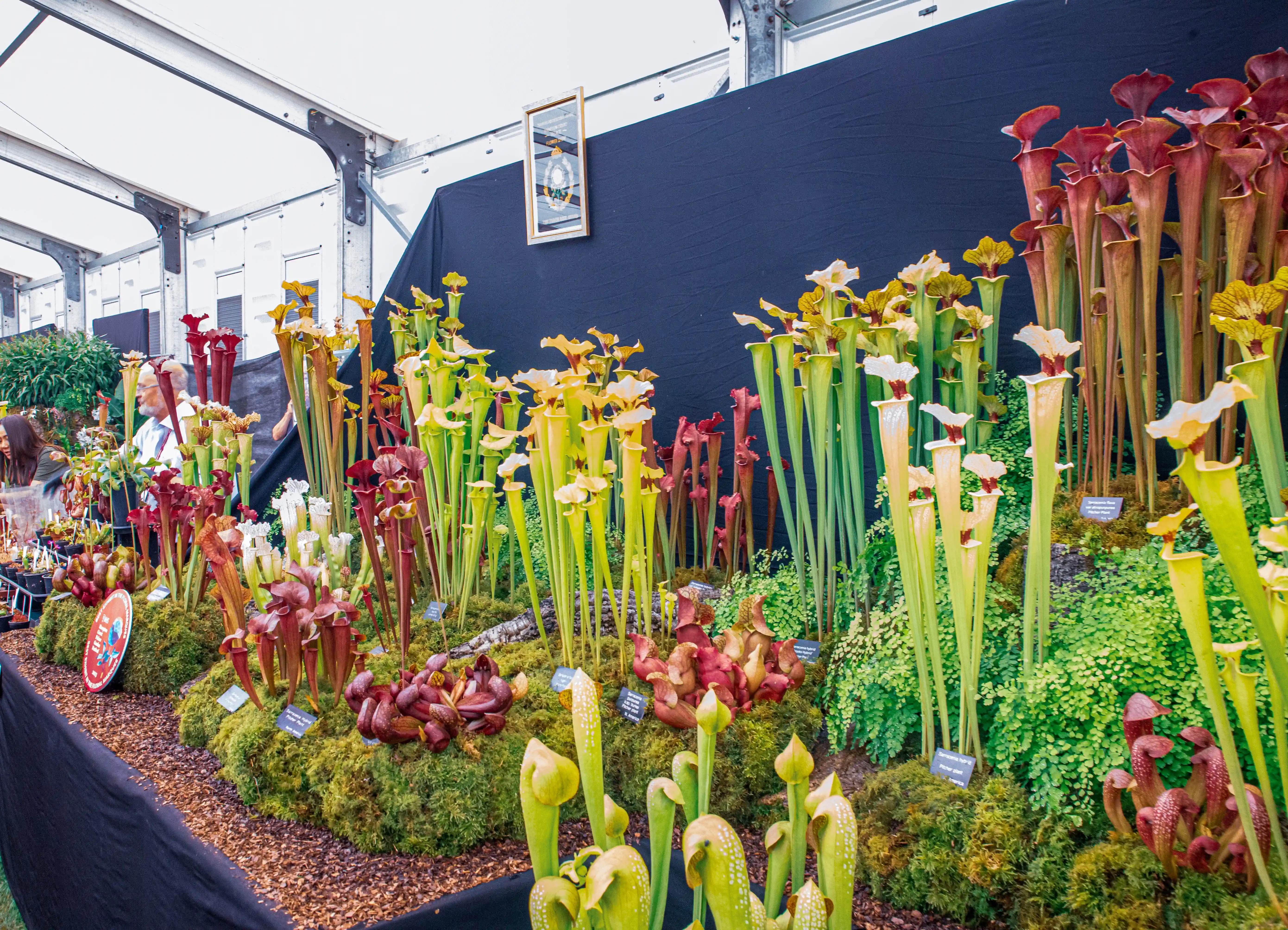
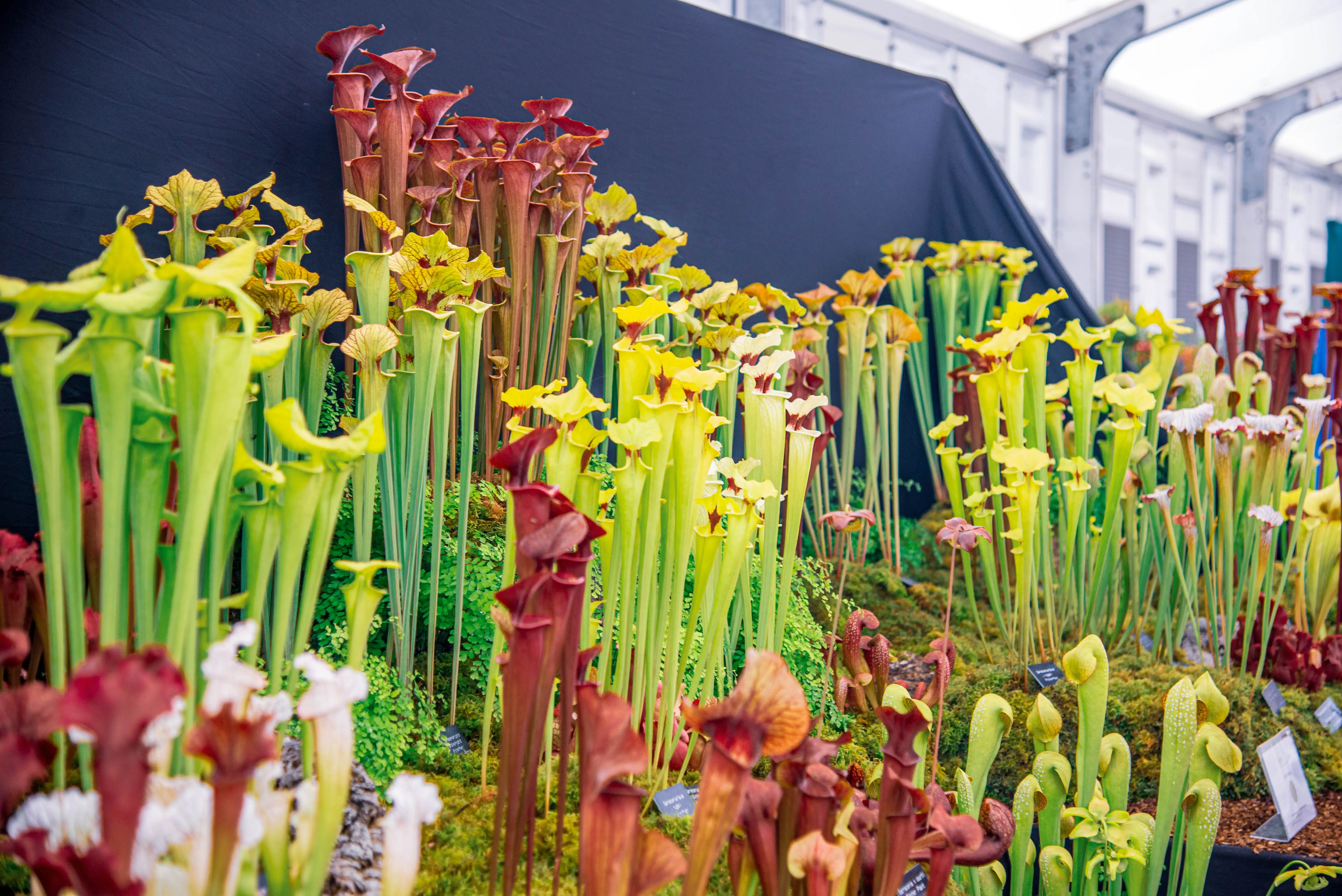
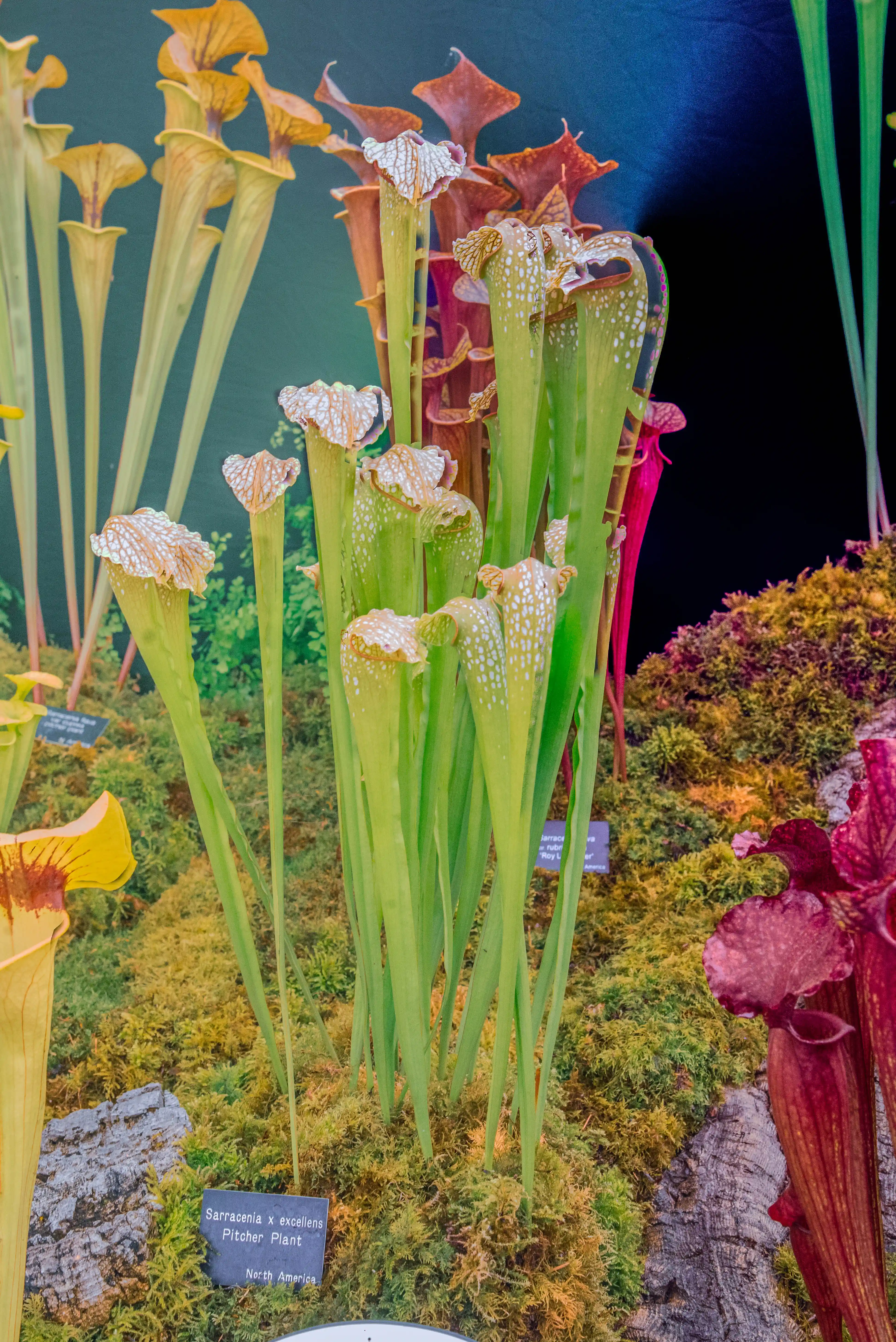
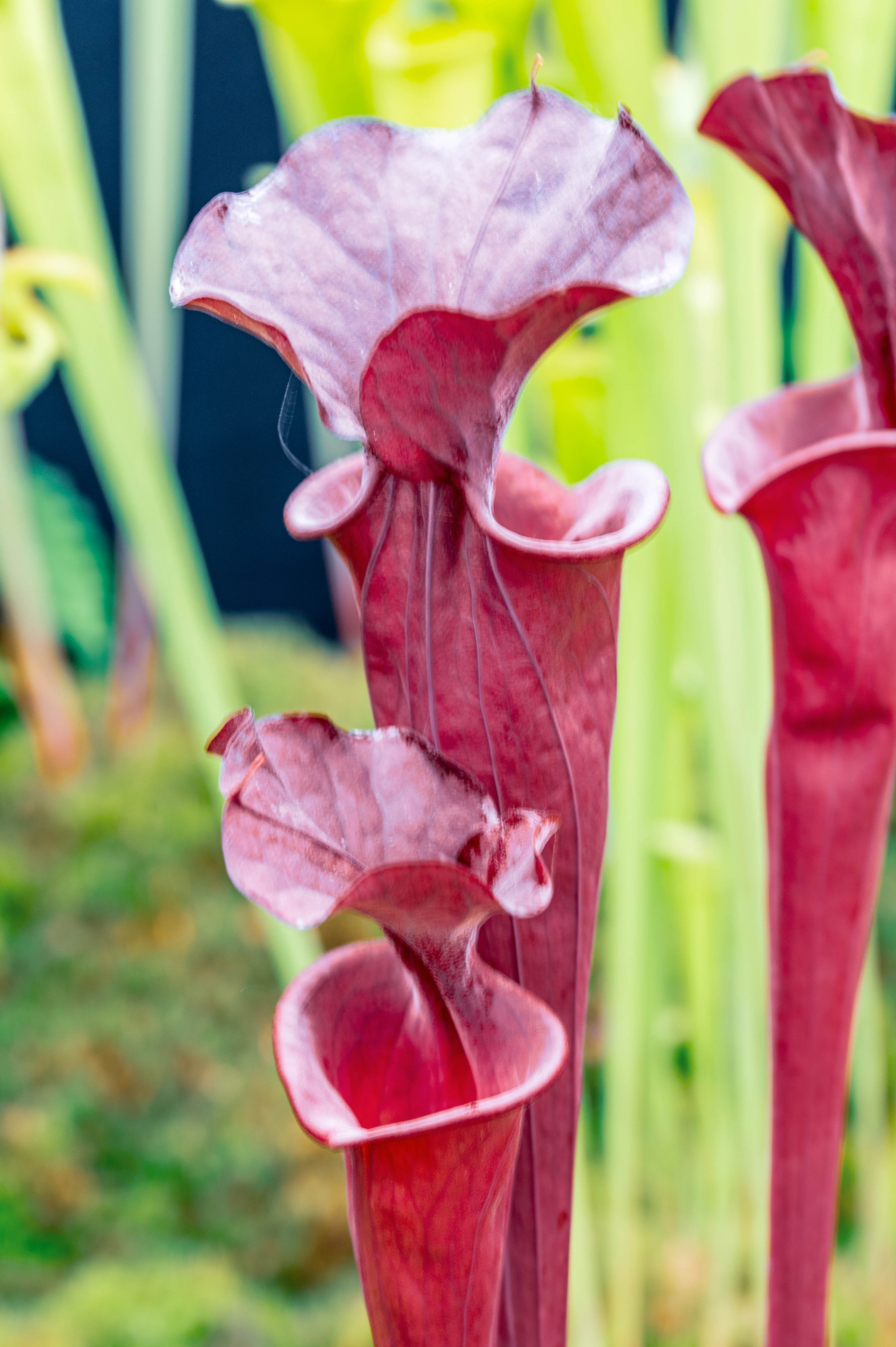
Sarracenia (Trumpet Pitchers)
Key Facts
Type: Genus of carnivorous, rhizomatous herbaceous perennials in the family Sarraceniaceae (order Ericales), alongside the allied genera Darlingtonia and Heliamphora
Species: 8 to 11 recognised species (taxonomy unsettled), with numerous subspecies and varieties, up to 22 natural hybrids and many man-made cultivars
Etymology: Named after Dr Michel Sarracen, a 17th–18th-century French physician and botanist of Montpellier
Trapping mechanism: Hollow tubular "pitcher" leaves passively capture prey — insects are lured by nectar, glistening surfaces and colouration, then prevented from escaping by downward-pointing hairs and slippery walls, drowning in the enzyme-filled liquid below
Chromosomes: 2n = 26
Conservation: The entire genus is listed under CITES, the Convention on International Trade in Endangered Species
Historical Significance
Early observation: In 1793 William Bartram noted in his travels that numerous insects were caught in the pitchers, but doubted the plant benefited
Proven carnivorous: It was not until 1887 that research by Joseph H. Mellichamp proved the genus's carnivorous nature
Scientific study: Edgar Wherry's field surveys of the 1930s greatly expanded knowledge, followed by the work of C. Ritchie Bell, Donald E. Schnell, Frederick W. Case and T. Lawrence Mellichamp through to the 2000s
Habitat ecology: Pitchers host entire ecosystems — S. purpurea pitchers digest prey with the help of a community of bacteria and insect larvae living inside
Distinctive Form and Structure
Growth: Evergreen or herbaceous perennials growing from a short, round horizontal rhizome that can live 10–30 years, radiating leaves outward and upward
Pitchers: Modified leaf stems ("phyllodes") forming erect trumpets up to 120 cm in the crimson pitcher plant, or squat open pitchers in S. purpurea; colours range through red, purple, white, green, yellow and copper
Windows:S. minor and S. psittacina have domed pitchers with translucent white patches — "false exits" that lure prey deeper inside, convergent with Darlingtonia
Flowers: Solitary, nodding cup-shaped flowers in spring on tall scapes, in colours from cream and yellow to pink and red; S. alata shows remarkable floral colour variation
Key Species and Attractions
S. purpurea (purple pitcher plant) — hardiest species (to Zone 3 / H6), squat rainwater-filled pitchers; the best choice for UK outdoor growing and naturalised in bogs in Ireland and Britain
S. flava (yellow trumpet) — tall erect trumpets that fill with flies, wasps, ants and moths by season's end
S. leucophylla (crimson/white-topped pitcher) — pitchers over 120 cm; the showy var. tarnok has pinecone-like double flowers
S. minor (hooded pitcher) — green hooded pitchers 25–30 cm (giant forms to 120 cm in the Okefenokee), the southernmost-ranging species
S. psittacina (parrot pitcher) — frequently submerged in habitat, catching water arthropods and even tadpoles
S. alata (pale trumpet) — Gulf Coast species of longleaf pine savannas with highly variable flower colour
Native Range
Indigenous to the eastern seaboard of the United States, Texas, the Great Lakes area and south-eastern Canada, with most species concentrated in the south-east US — particularly northern Florida and southern Georgia and Alabama — in nutrient-poor, acidic, water-saturated bogs, savannas and wet meadows.
Growing Experience
Site: Full sun for at least eight hours a day is imperative; grow in unheated greenhouses, conservatories, south-facing windowsills or outdoor bog gardens
Compost and water: Acidic, low-nutrient bog mix; water with rainwater, distilled or deionised water only — tap water minerals damage the roots; stand containers in a saucer of rainwater or sink into a bog garden
Planting: Keep the rhizome crown above soil level; never fertilise
Winter: A cold winter dormancy is essential — most tolerate frost; reduce watering to keep just damp, and trim brown pitchers two or three times over winter
Propagation: Seed, rhizome division (late February–March) or rhizome cuttings; outdoor plants catch all the prey they need
Hardiest choice:S. purpurea for outdoor UK cultivation; several species and hybrids hold the RHS Award of Garden Merit
Further Information
https://www.rhs.org.uk/plants/16461/sarracenia/details — the RHS genus profile and Award of Garden Merit listings;
https://tomscarnivores.com/resources/how-to-grow-pitcher-plants/ — a detailed grower's guide.
Foxglove (Digitalis purpurea)
Key Facts
Type: Herbaceous biennial (sometimes short-lived perennial) in the plantain family, Plantaginaceae
Etymology: The common name derives from "folksglove" — the glove of the "good folk" or fairies; the genus name Digitalis is Latin for "finger-like"
Life cycle: Biennial and monocarpic — a rosette of downy grey-green leaves in year one, a tall flowering spike in year two, then the plant dies, persisting only through prolific self-seeding
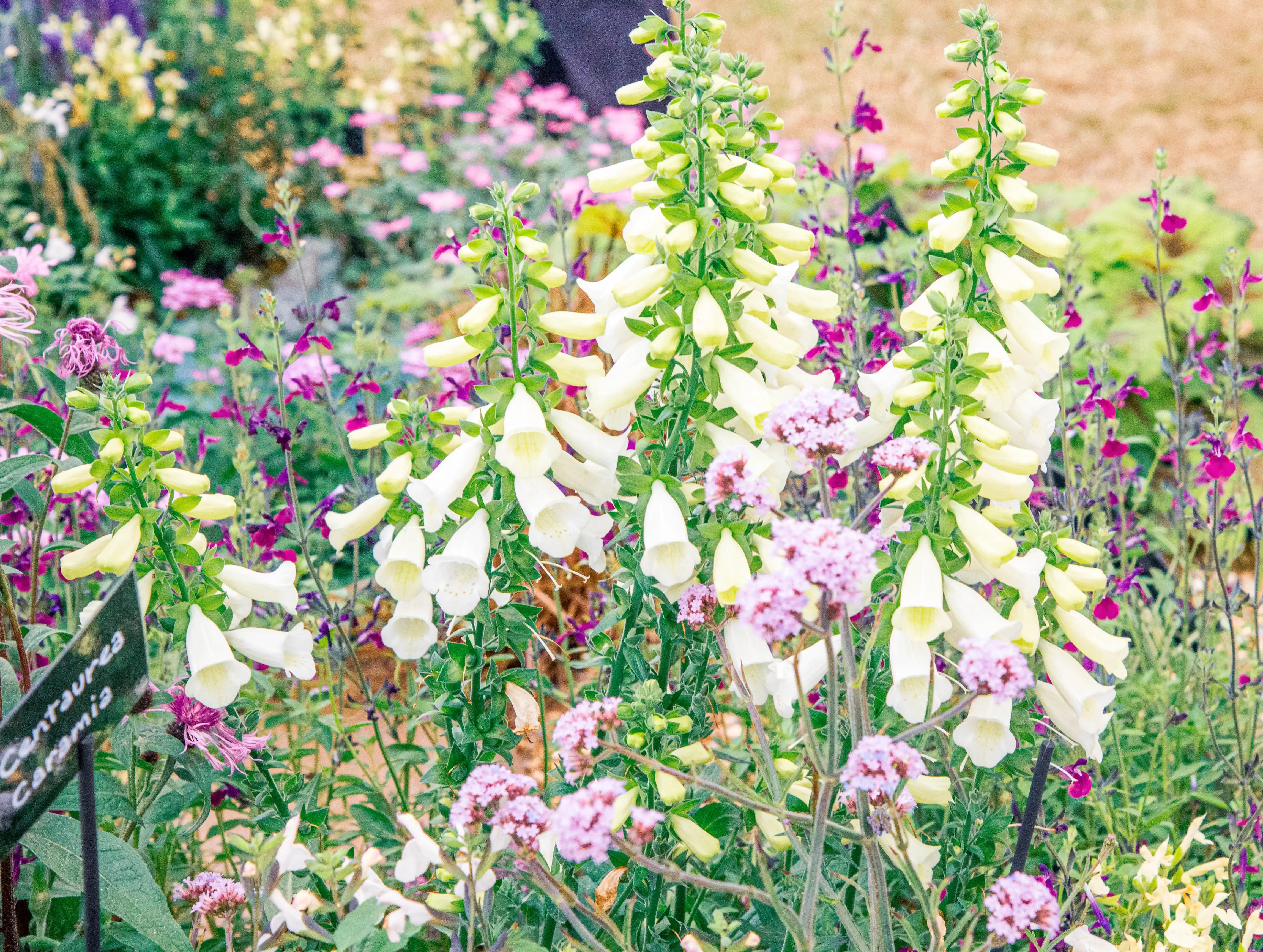
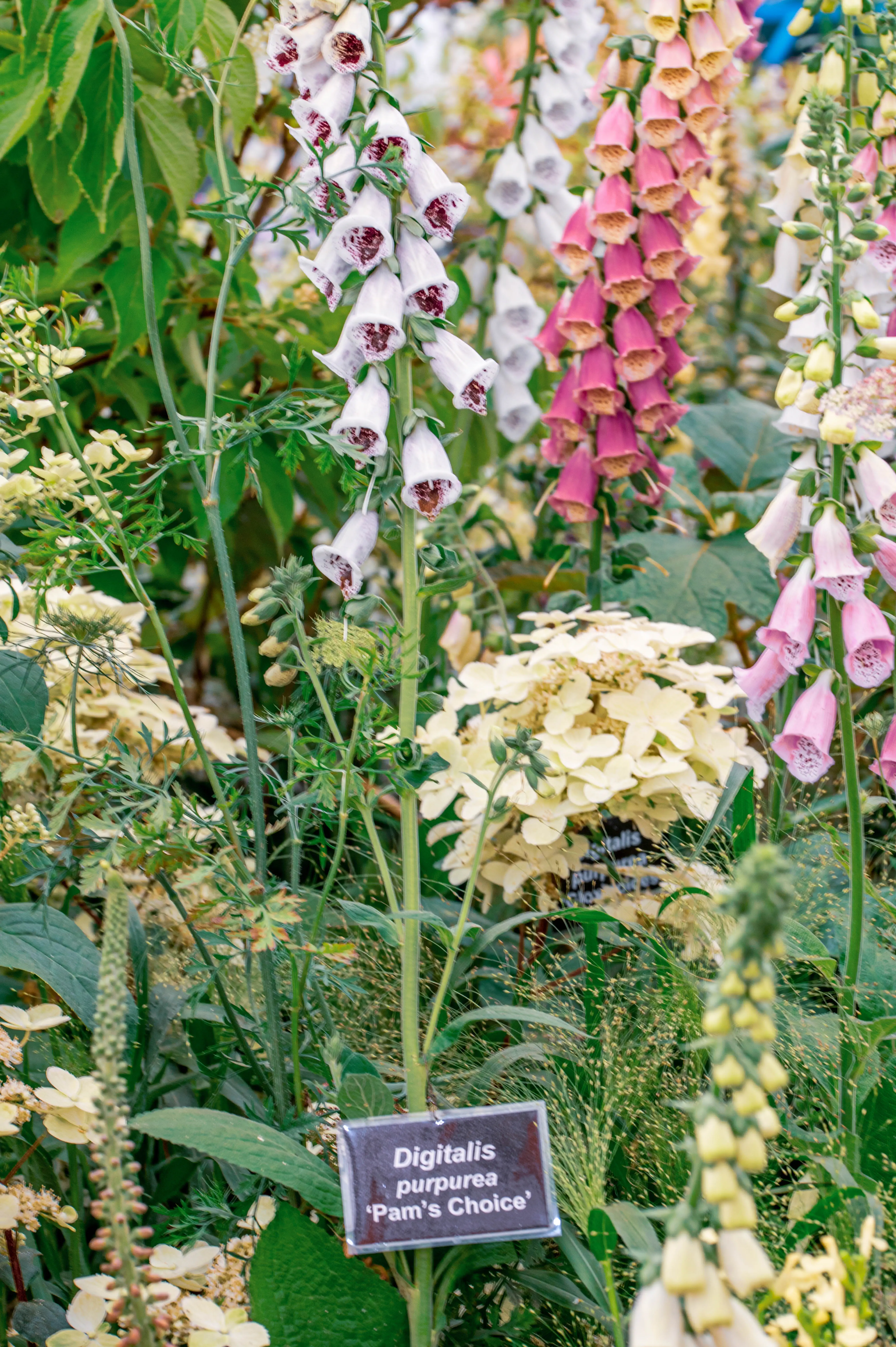
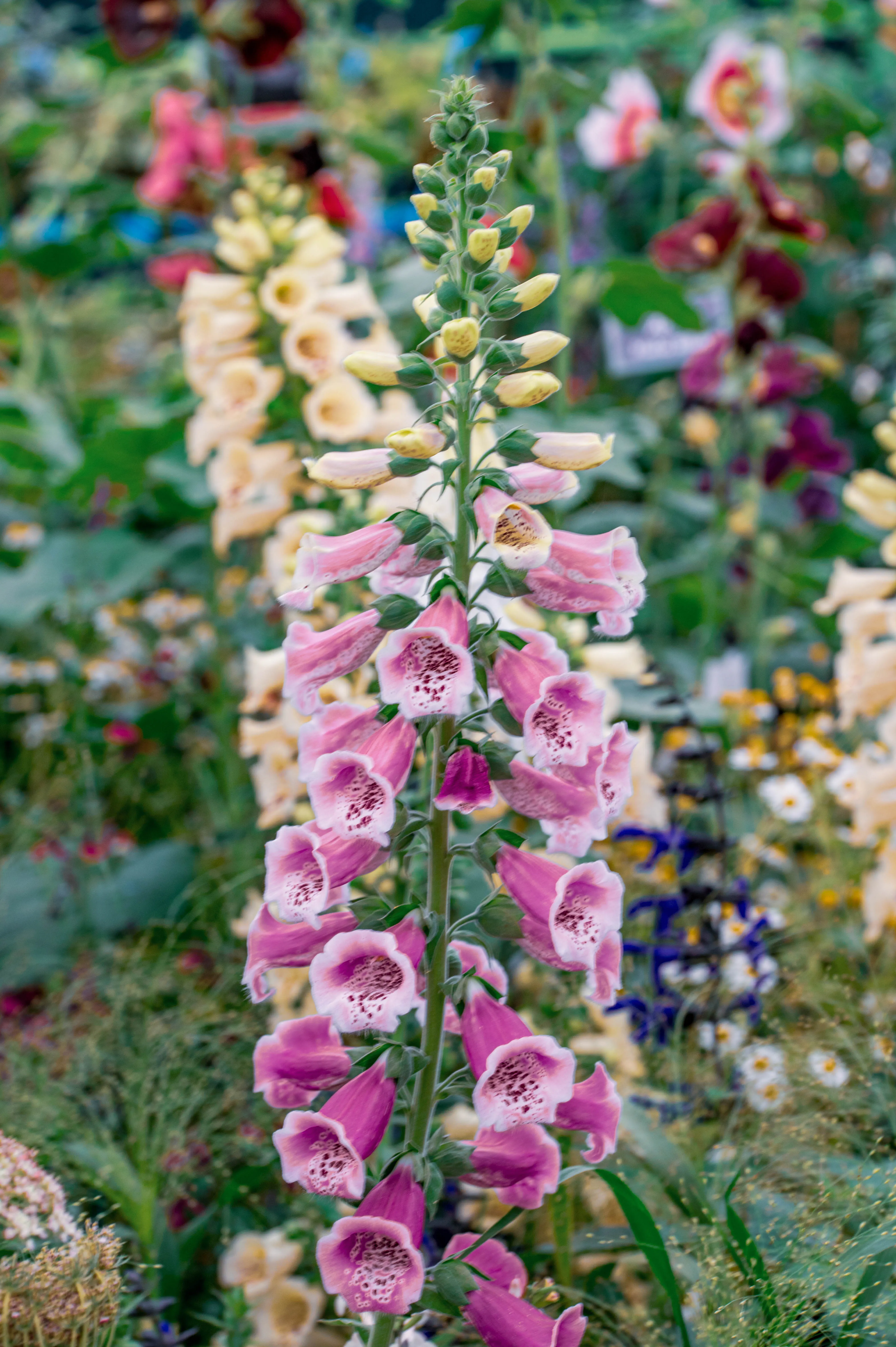
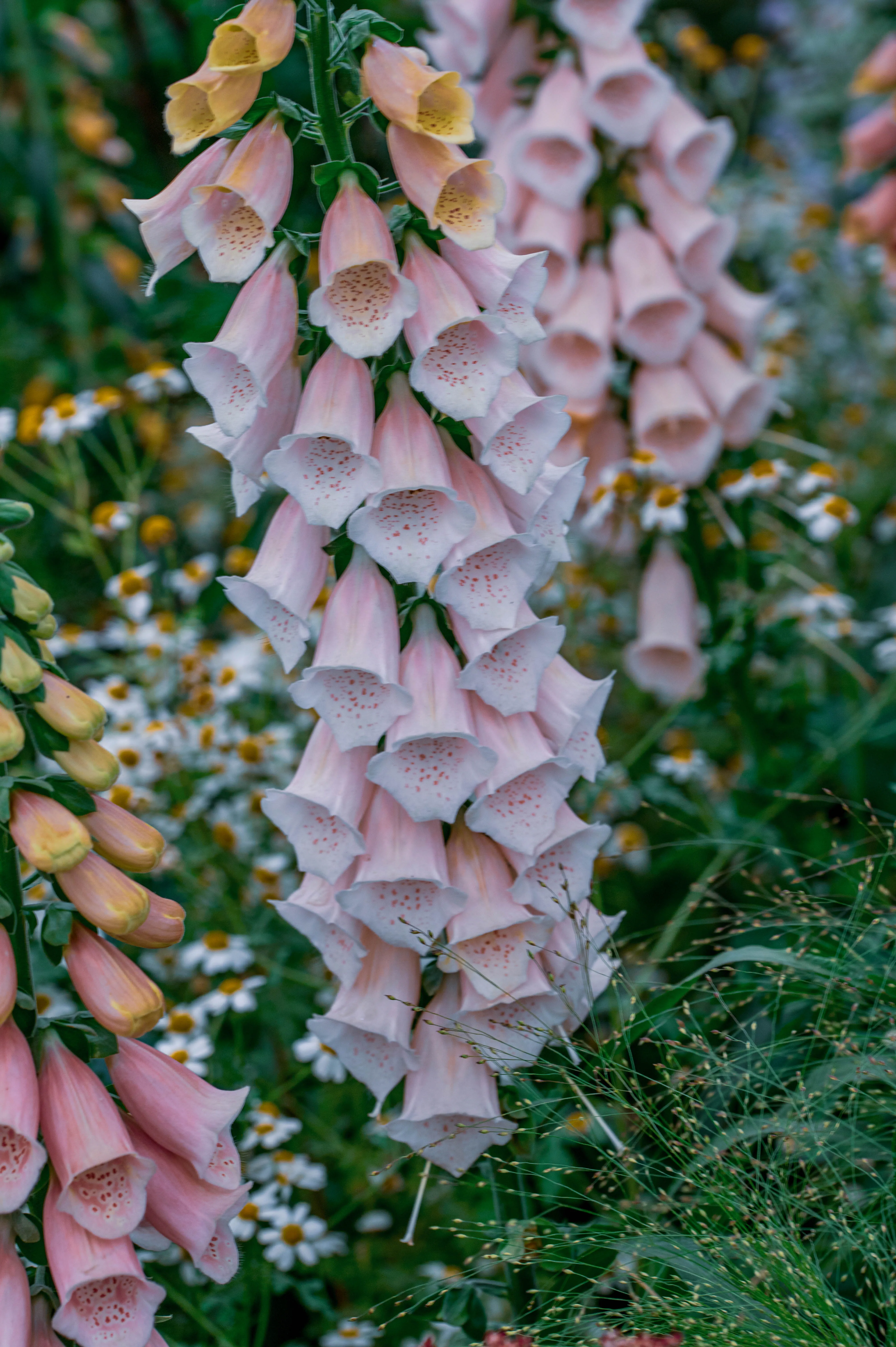
Flowers: Showy terminal racemes of tubular, pendent, heavily spotted flowers, typically purple but also pink, rose, yellow or white; 1–2 m tall
Blooming: Early summer, June to July
Wildlife: Nectar-rich flowers on the RHS Plants for Pollinators list — bumblebees climb right inside the flower tube; food plant for the foxglove pug moth and frosted orange moth
Toxicity: All parts are poisonous and can be fatal — two to three dried leaves may represent a lethal dose
Historical Significance
Early medicine: Mentioned in herbals as early as the tenth century and by 1250 as a treatment for heart disease symptoms; used as an expectorant and for epilepsy, swellings and sore throats
Withering's breakthrough: In 1775 the English physician William Withering learned of the plant from a Shropshire herbalist treating dropsy; his 1785 account established that an infusion of foxglove leaves could slow and strengthen the heartbeat, stimulating the kidneys to clear excess fluid
Modern drugs: Withering's work led to the isolation of the cardiac glycosides digitoxin and digoxin, used to treat heart failure and atrial fibrillation — the classic example of a plant-derived medicine
Wartime effort: During World War II, County Herb Committees collected wild D. purpurea seed when German blockades caused medicine shortages; the plant was grown to supply leaves for digitalis production
Folklore: In medieval tradition the speckled bells were believed to be fairy haunts — the spots said to be fairy fingerprints left from nocturnal adventures
Distinctive Form and Structure
Leaves: Spirally arranged, simple, 10–35 cm long, woolly with grey-white glandular hairs, forming a tight basal rosette
Flower spike: One-sided raceme of thimble-shaped, pendent tubular flowers with spotted interiors, on stems 1–2 m tall (up to 2.5 m per the RHS)
Seed: Capsules splitting to release numerous tiny 0.1–0.2 mm seeds — a single plant can produce one to two million
Toxin mechanism: Cardiac glycosides inhibit the Na?/K?-ATPase pump, raising intracellular calcium and increasing the force of heart muscle contraction — therapeutic at exactly the right dose, fatal only slightly beyond it
Key Species and Varieties
D. purpurea (common foxglove) — the classic biennial cottage garden plant, hardy to H7
D. grandiflora (large yellow foxglove) — hardiest perennial species, pale yellow bells with brown netted markings, RHS Award of Garden Merit
D. ferruginea (rusty foxglove) — tall perennial with rusty copper-brown flowers and an evergreen winter rosette
D. lutea (straw foxglove) — pale cream-yellow perennial, AGM holder and pollinator favourite
D. lanata (Grecian foxglove) — the species whose leaves supply digoxin for modern medicine
Camelot Series & Digiplexis — F1 hybrids flowering in their first year, and the sterile, long-flowering Digitalis × Isoplexis crosses
Native Range
Native to western, south-west and west-central Europe and North Africa — including the UK, Ireland, France, Spain, Portugal, Germany, Belgium, Norway, Sweden and Morocco, plus Corsica and Sardinia — growing in woodland clearings, heaths, hedgerows and mountainsides; widely naturalised in North America, where the USDA lists it as an invasive and noxious weed in some western states.
Growing Experience
Site: Woodland-edge conditions — dappled or partial shade, sheltered from strong winds; tolerates full sun in cooler gardens
Soil: Moist, humus-rich, free-draining soil (pH 5.5–7.0); avoid very wet or very dry positions — crown rot from poor drainage is the main cause of failure
Sowing: Surface-sow seed May to July — the seed needs light to germinate, so never cover it; germination takes two to three weeks
Spacing: 30–60 cm apart; plant rosettes out in autumn for flowering the following June
Maintenance: Deadhead the main spike to encourage side shoots, leaving two or three to set seed; no staking or feeding needed
Self-seeding: Allow some seed to ripen and fall — colonies sustain themselves indefinitely with offspring replacing parents
Safety: Always wear gloves when handling — toxic to humans, dogs, cats and horses; never confuse the leaves with comfrey
Further Information
https://www.rhs.org.uk/plants/foxglove/growing-guide — the RHS foxglove guide and plant profile (hardiness H7, AGM varieties);
https://powo.science.kew.org/taxon/urn:lsid:ipni.org:names:802077-1/general-information — Kew's species profile.
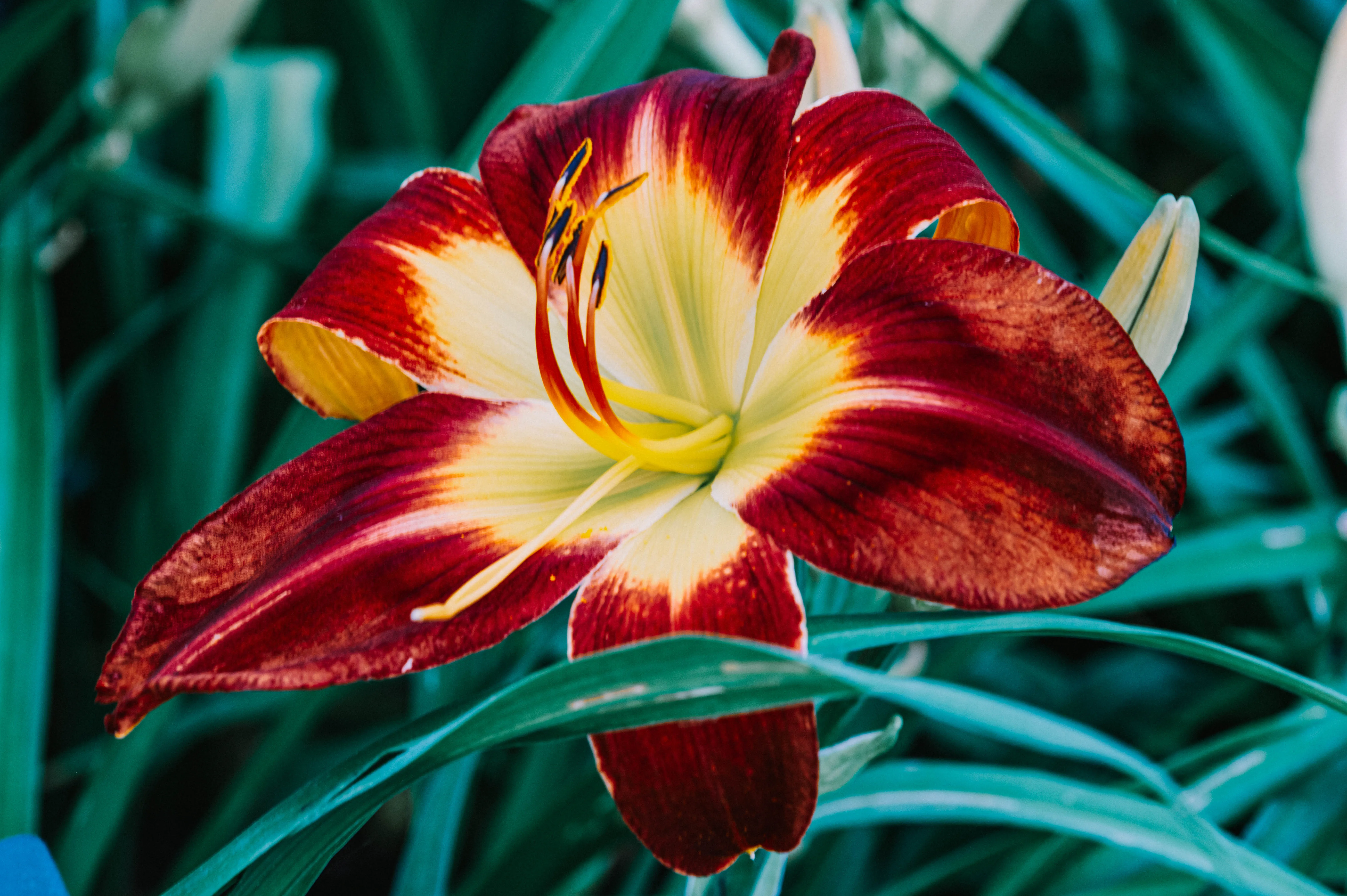
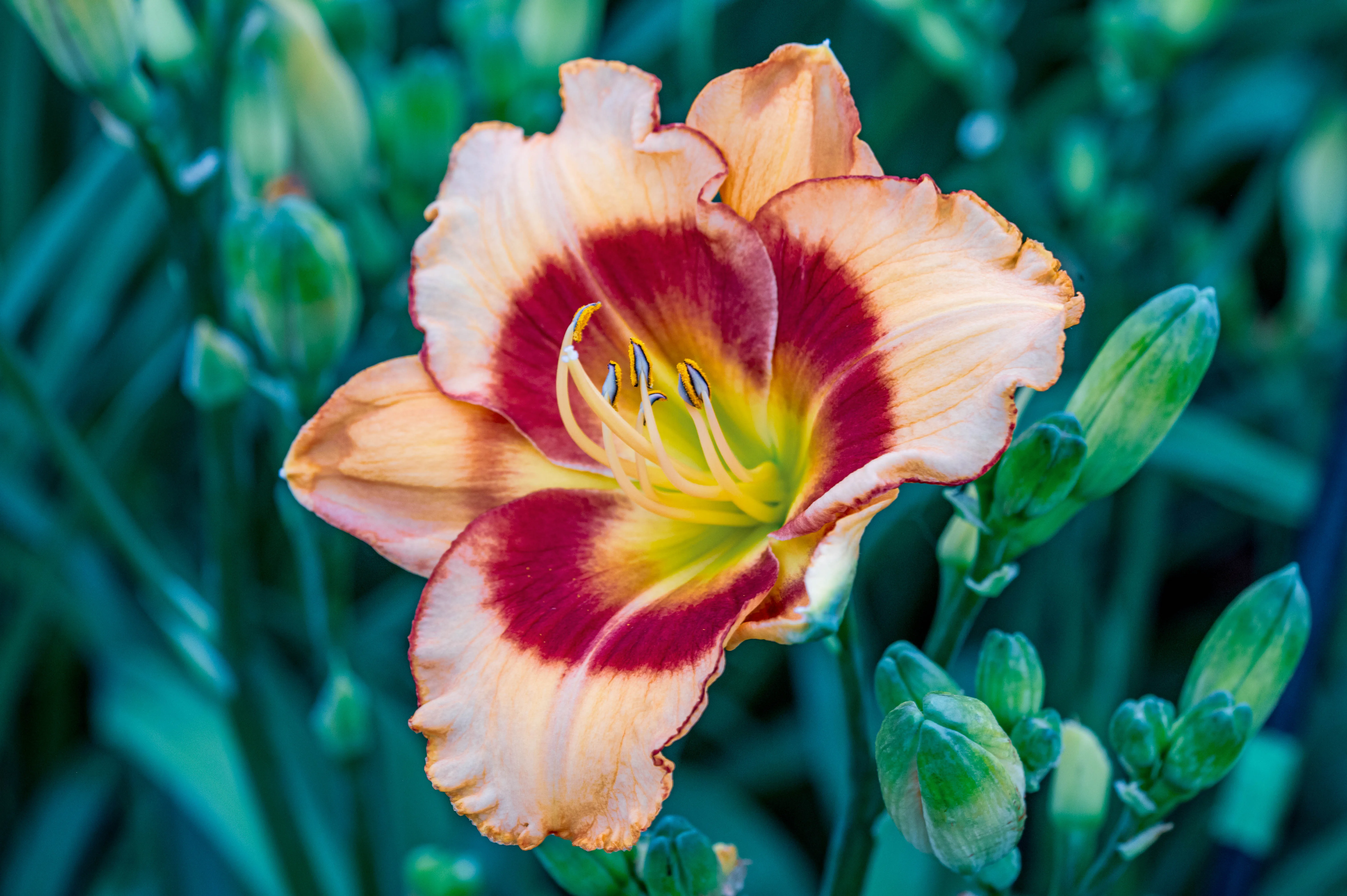
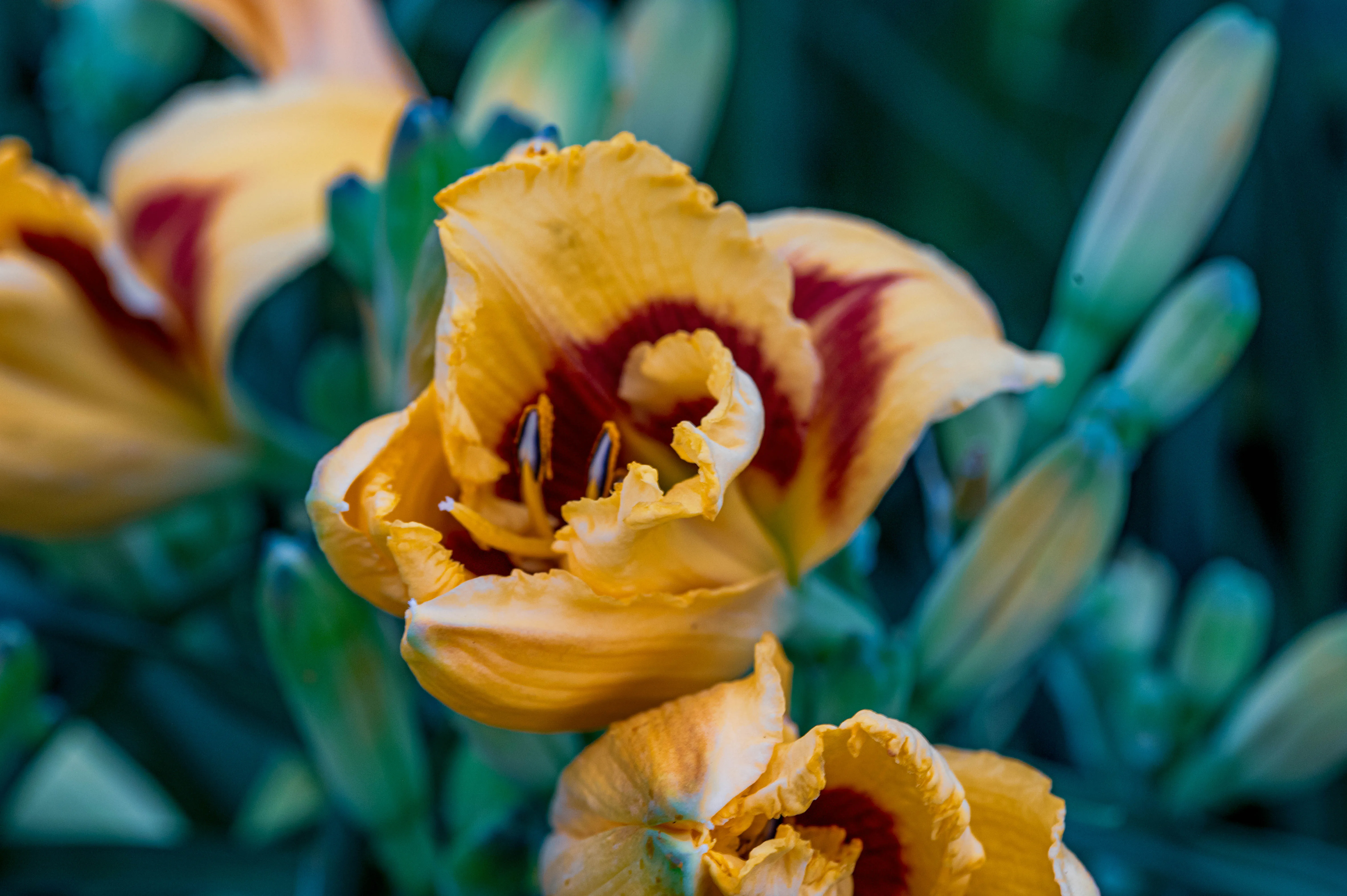
Daylily (Hemerocallis)
Key Facts
Type: Genus of clump-forming, evergreen or herbaceous perennials in the family Asphodelaceae (subfamily Hemerocallidoideae) — despite the common name, not a true lily and not in the genus Lilium
Etymology: From the Greek hemera "day" and kallos "beauty", referring to the day-long life of each flower
Flowers: Funnel-shaped, six-tepalled flowers 5–15 cm across on leafless scapes 30–120 cm tall; each lasts one day but scapes carry many buds opening in succession over weeks
Colours: Wild species are yellow, orange and rusty red; breeding has produced near-whites, pastels, pinks, vivid reds, purples and blends — everything except a true blue
Cultivars: Over 80,000 registered with the American Daylily Society, the sole internationally recognised registrant
Edibility: Flowers, young shoots and tubers of some species are edible and widely used in Chinese and Japanese cooking
Toxicity: All parts seriously — often fatally — toxic to cats, causing kidney failure
Historical Significance
Ancient heritage: Daylilies have grown wild for millennia across China, Mongolia, Korea and Japan; thousand-year-old Chinese paintings show orange daylilies remarkably similar to modern garden flowers
Botanical naming: Given the name Hemerocallis by the Swedish naturalist Carl Linnaeus in 1753
Journey west: Probably first brought to Europe along the silk routes; European immigrants carried the roots to North America, where the tawny daylily naturalised by the early 1800s
Modern breeding: Since the 1930s, hybridisers in the United States and England have transformed the genus from three basic colours into today's vast range
Tetraploid revolution: Tetraploid daylilies, with double the chromosomes, offer larger flowers, more intense colours, sturdier scapes and greater breeding potential
Distinctive Form and Structure
Roots: Thickened, fleshy, often tuberous roots — not scaly bulbs like true lilies — spreading by short rhizomes into dense clumps
Leaves: Arching, strap-shaped, keeled basal leaves arranged in two ranks, 30–90 cm long
Scapes: Leafless flowering stems carrying ten to twenty-plus buds in succession, so a clump blooms for weeks despite the day-long flowers
Fruit: Three-chambered capsules splitting to release black seeds
Key Species and Attractions
H. fulva (tawny/ditch lily) — orange-red foundational species of most cultivars; triploid forms spread vegetatively and it has become invasive in parts of North America
H. lilioasphodelus (lemon lily) — the fragrant yellow foundational species, alongside H. fulva
H. minor (dwarf daylily) — Siberian to Korean species 50 cm tall with scentless yellow flowers eaten as a traditional food in China
'Stella de Oro' — the most popular daylily in cultivation: compact (30 cm), fragrant canary-yellow, repeat-flowering and multi-award-winning
'Corky' and AGM hybrids — many hybrids hold the RHS Award of Garden Merit for reliability in British gardens
Native Range
Native to eastern Asia — China, Mongolia, Korea, Japan, southern Siberia and the Russian Far East — from the Caucasus and Himalaya eastwards; no species is native to North America, though H. fulva and the lemon lily have naturalised widely there and across Europe after long cultivation.
Growing Experience
Site: Full sun (at least six hours) for best flowering; tolerates part shade with reduced bloom — hardy to H7 in the UK, USDA zones 3–9
Soil: Fertile, moist but well-drained soil of almost any type, pH 6.0–7.0; tolerates clay, sand and drought once established
Planting: Set the crown about 2.5 cm below the soil surface, spacing 45–60 cm apart
Feeding and watering: Light feeder — apply a low-nitrogen balanced fertiliser in spring; water weekly during dry spells to prolong flowering
Maintenance: Deadhead daily for tidiness; remove finished scapes at the base; divide congested clumps every three to five years in spring or early autumn
Pests: Watch for hemerocallis gall midge, aphids, slugs, snails and thrips
Cat safety: Never plant where cats can nibble the foliage or brush against pollen
Further Information
https://daylilies.org/ — the American Daylily Society, official international cultivar registrant;
https://www.rhs.org.uk/plants/43382/hemerocallis-stella-de-oro/details — RHS profile of the benchmark repeat-flowerer.