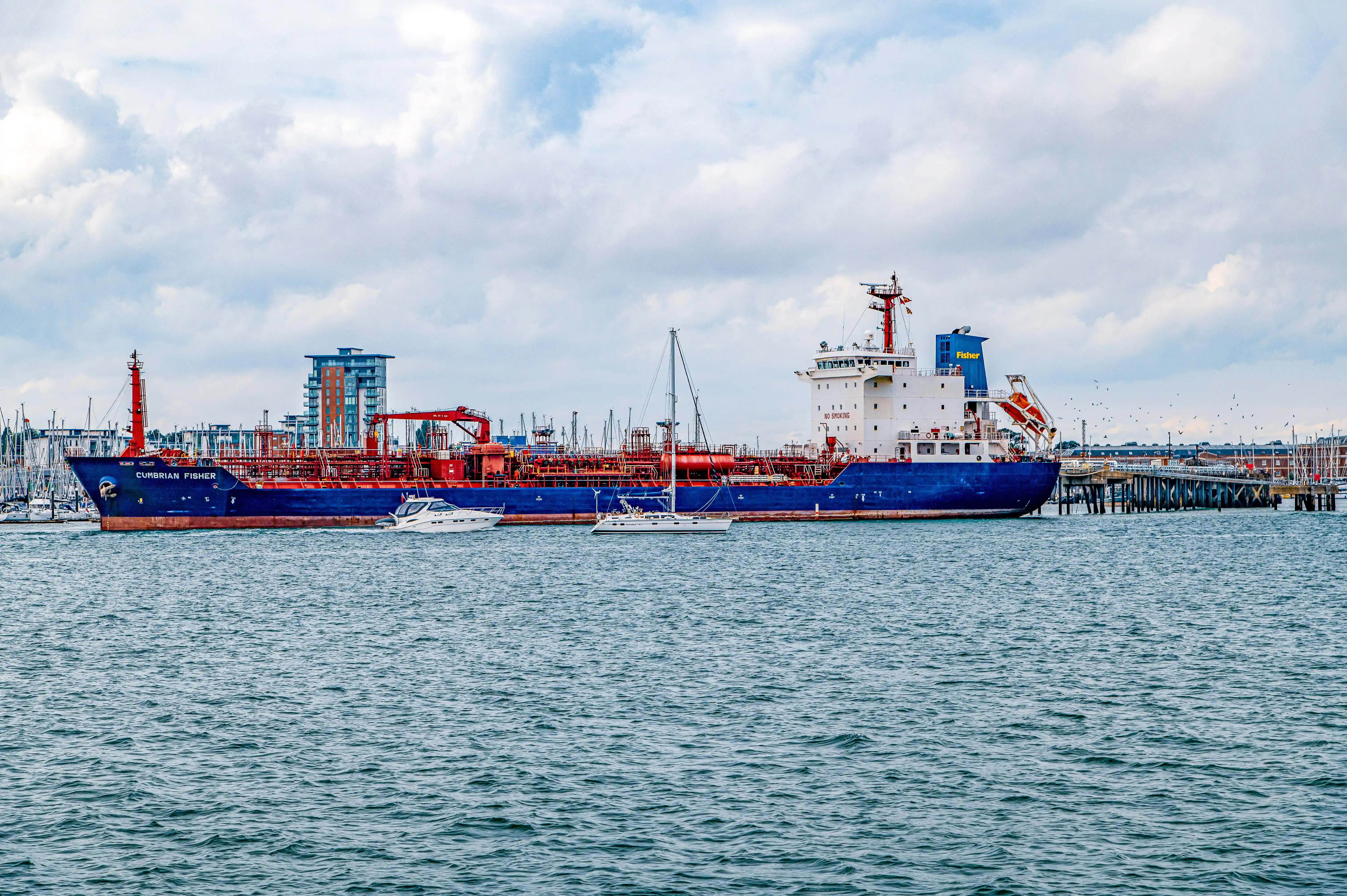
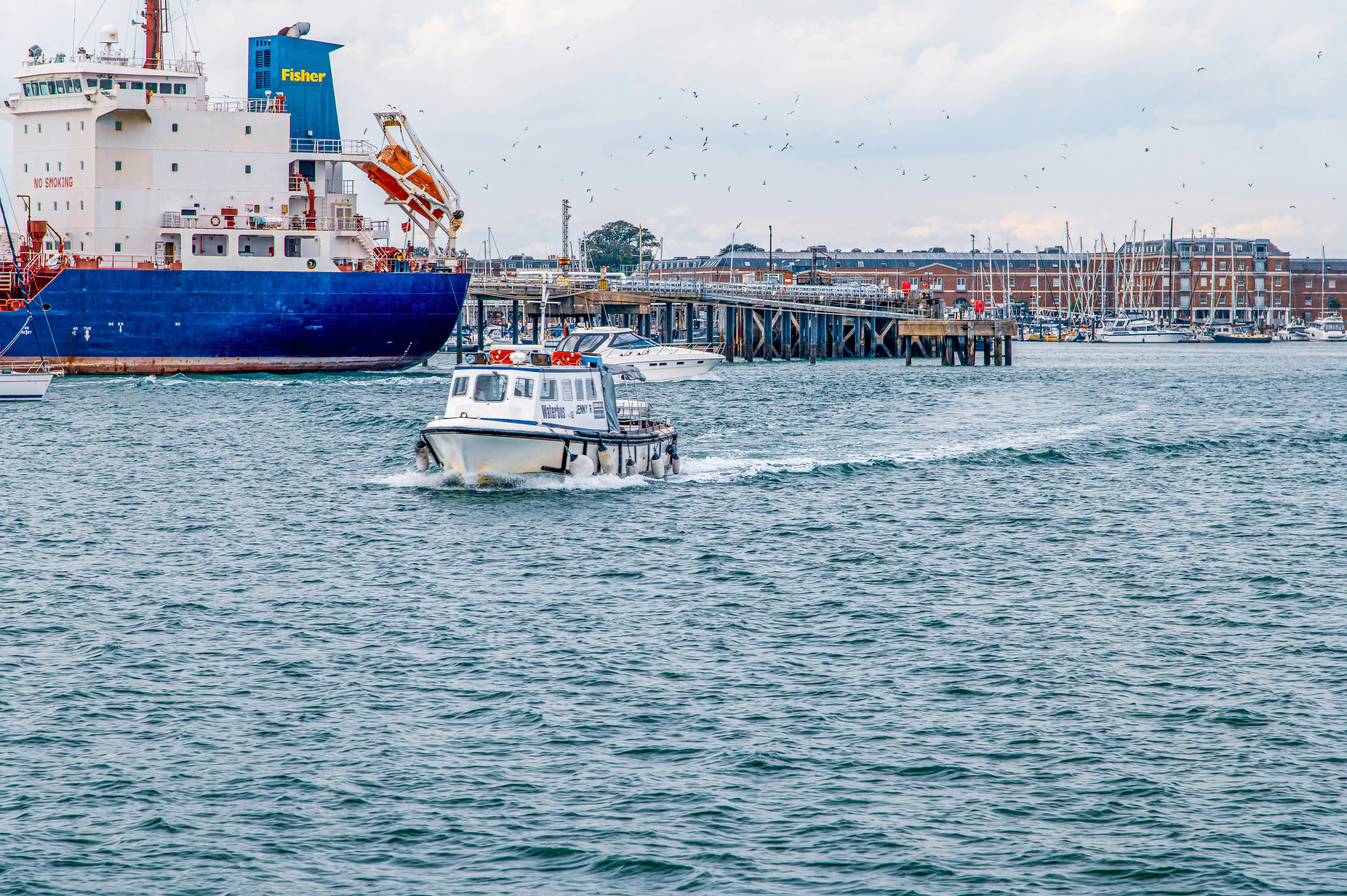
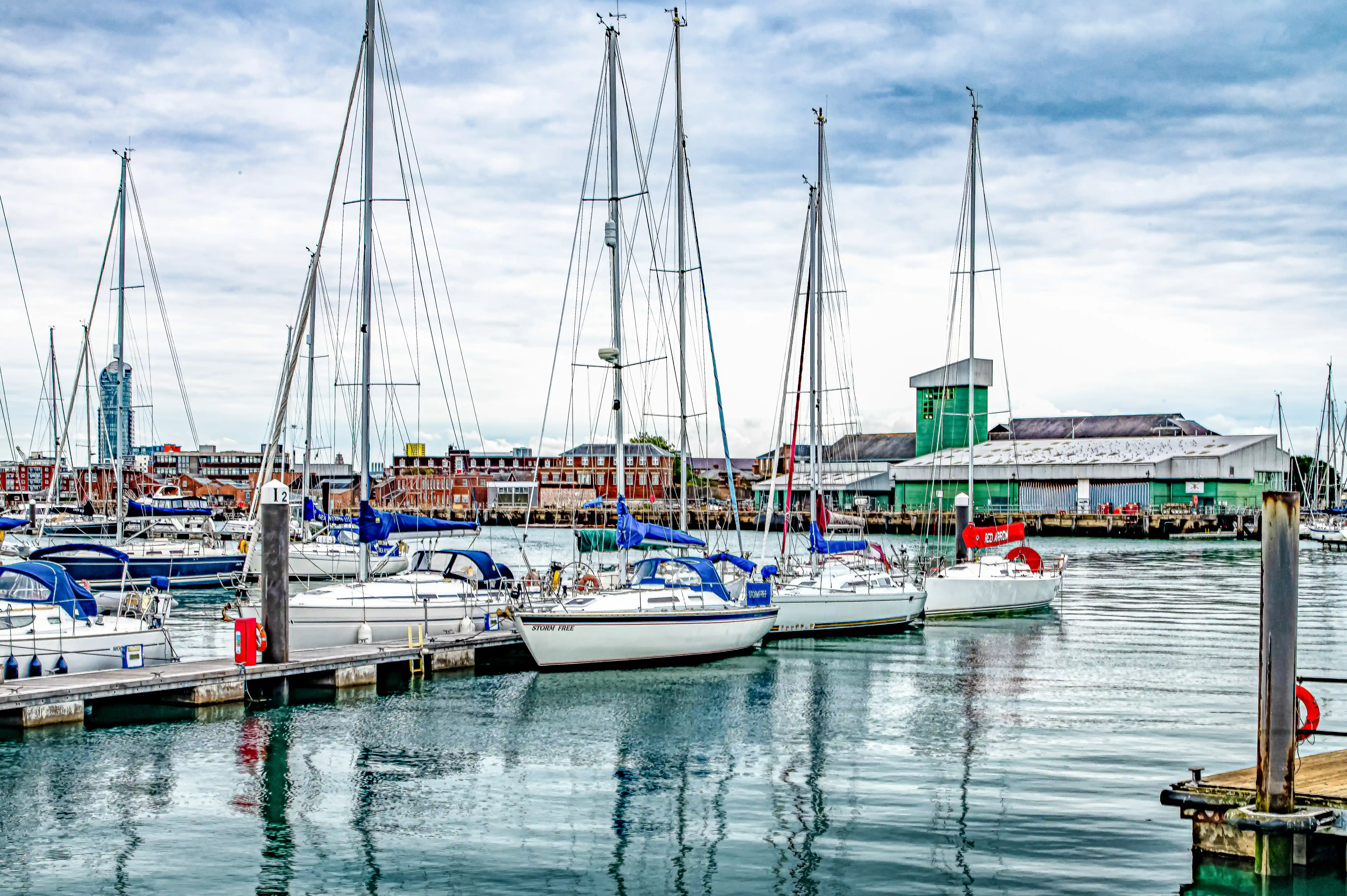
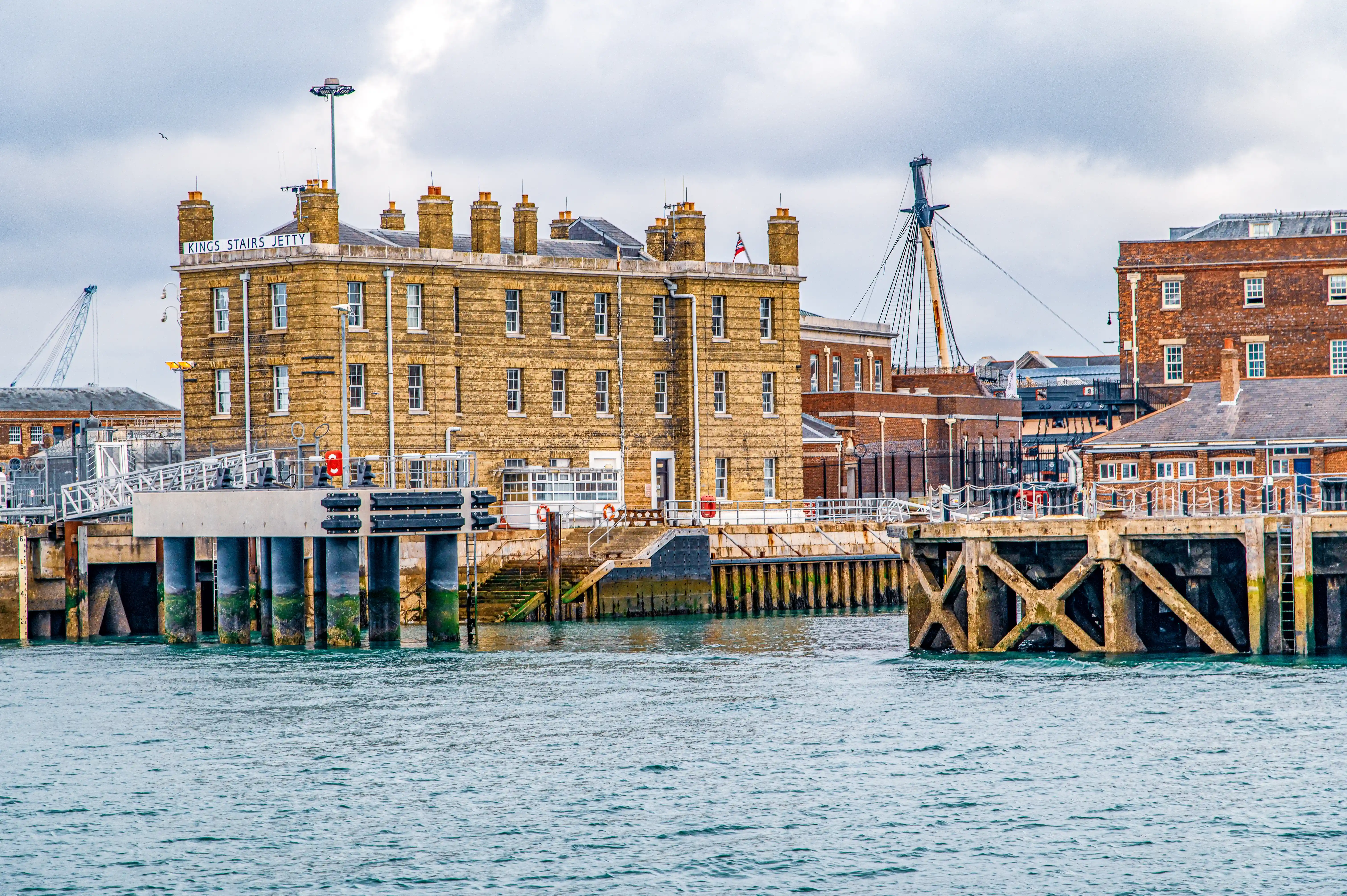
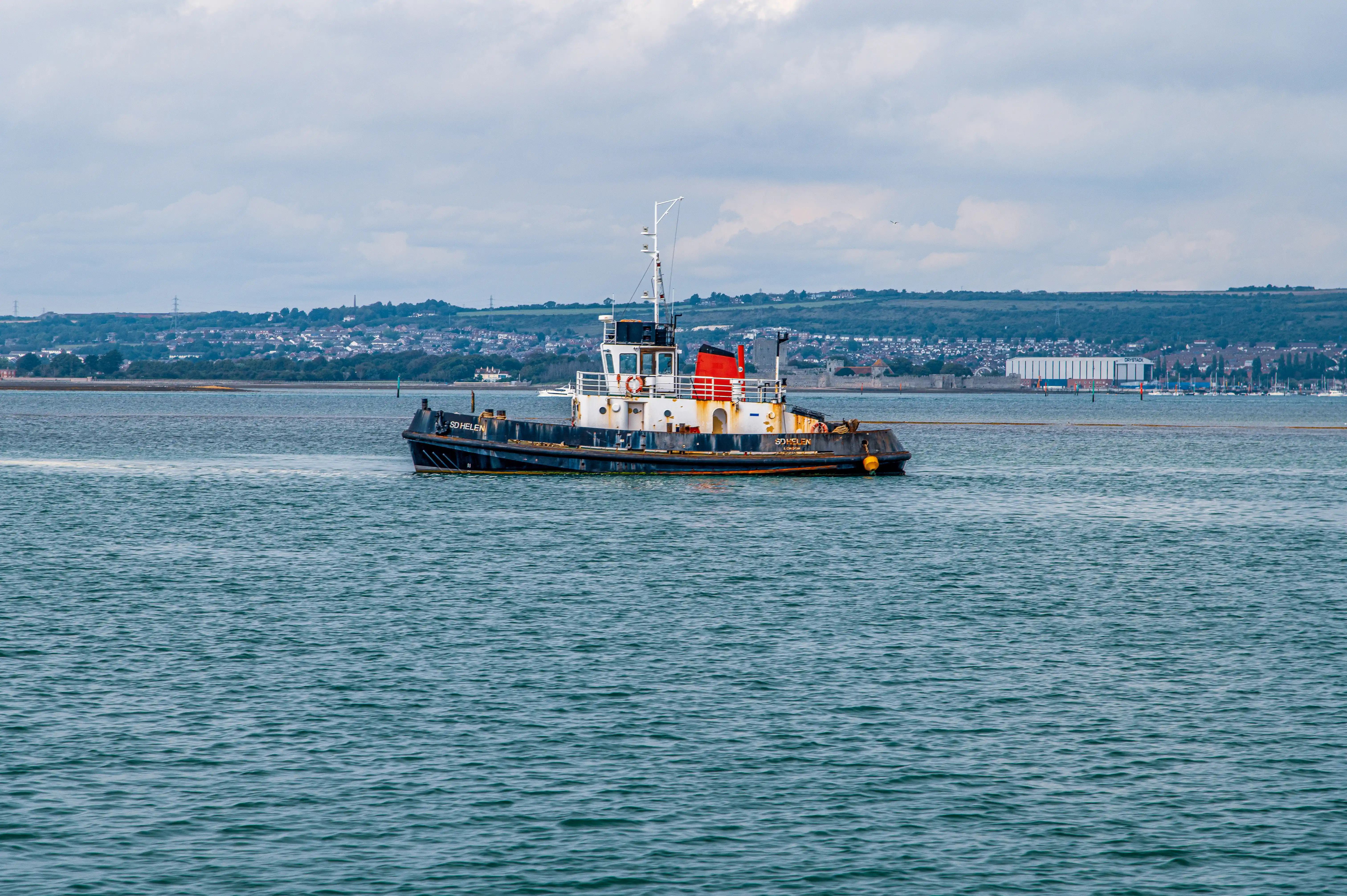
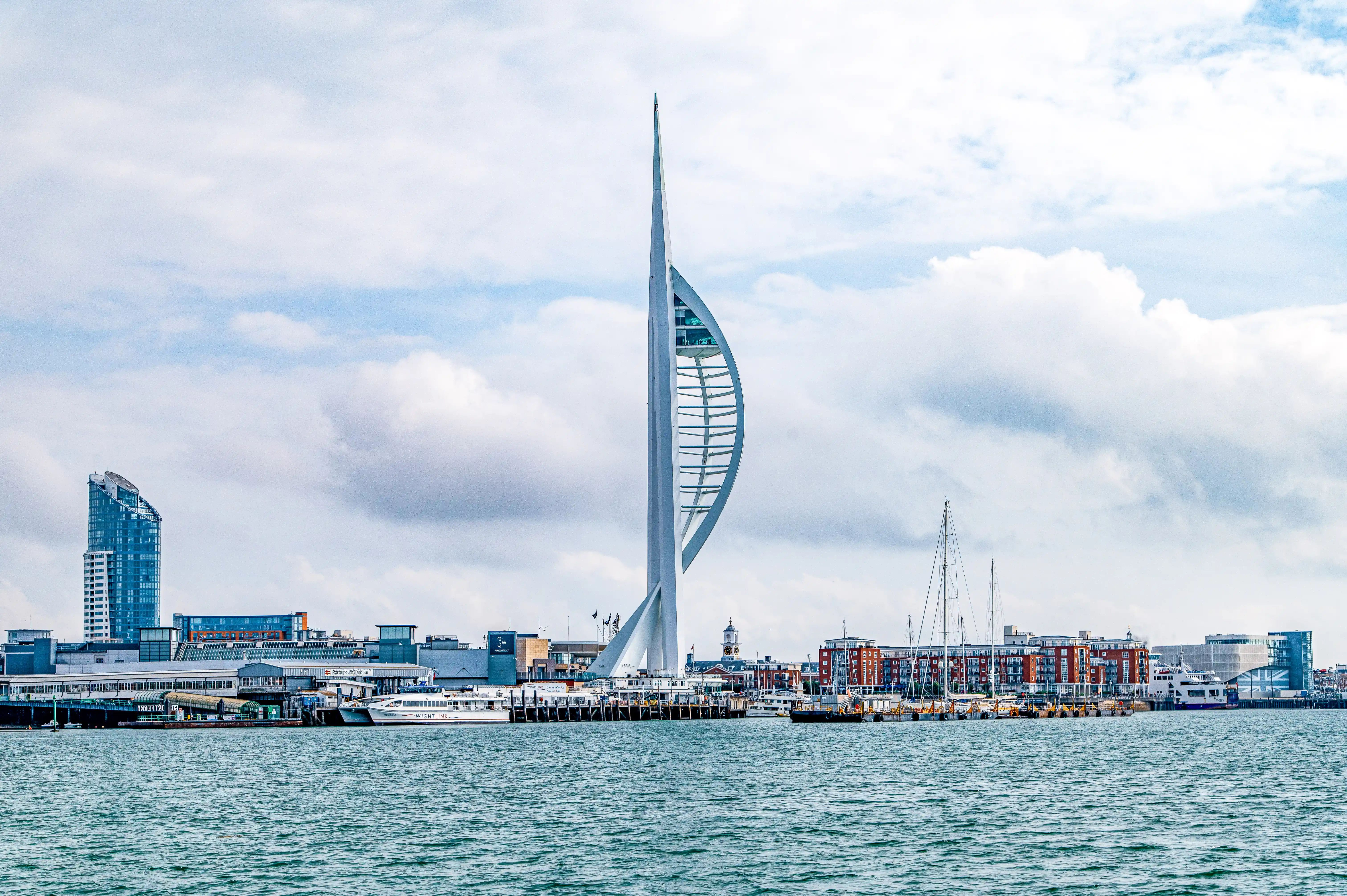
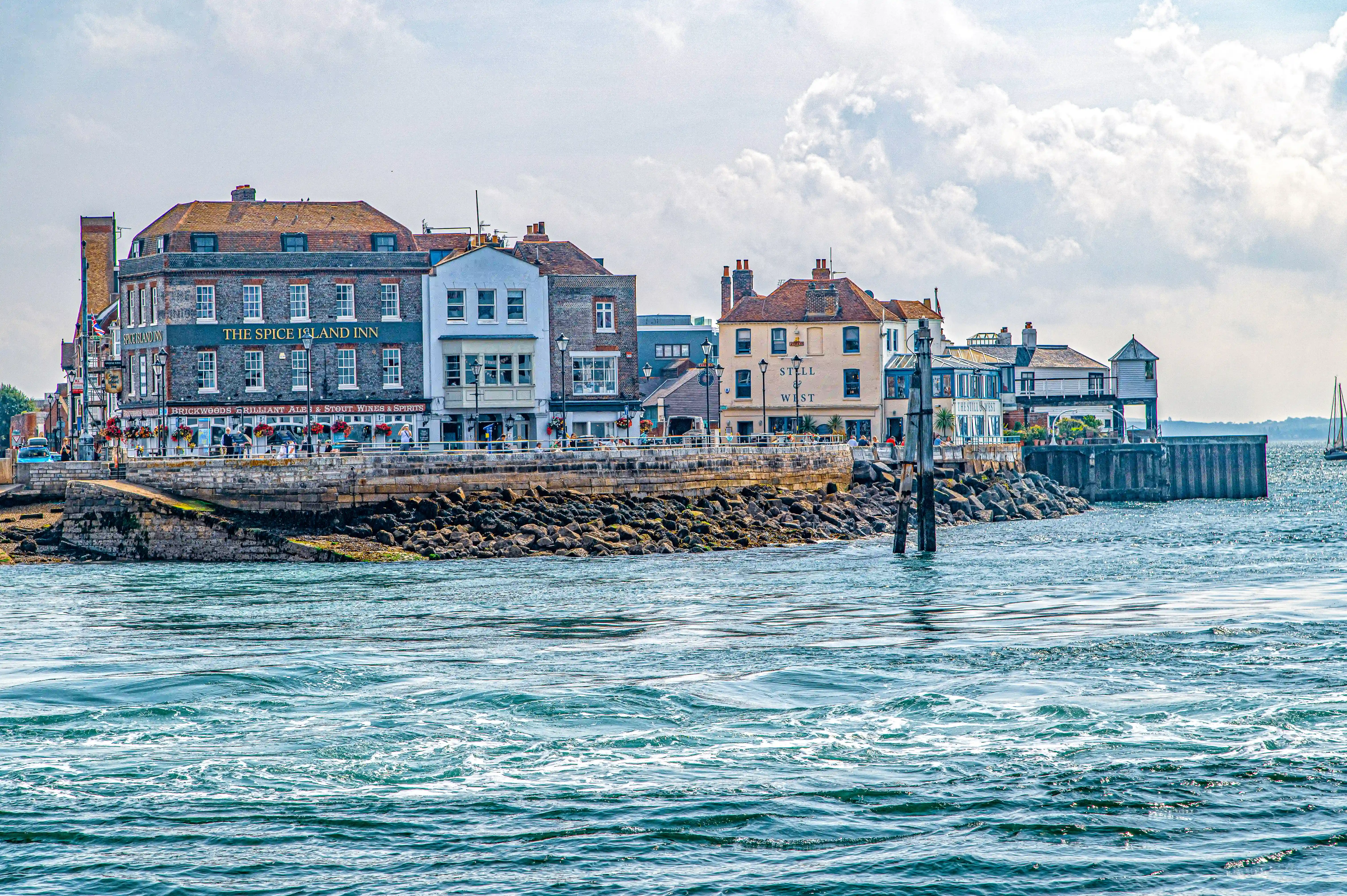
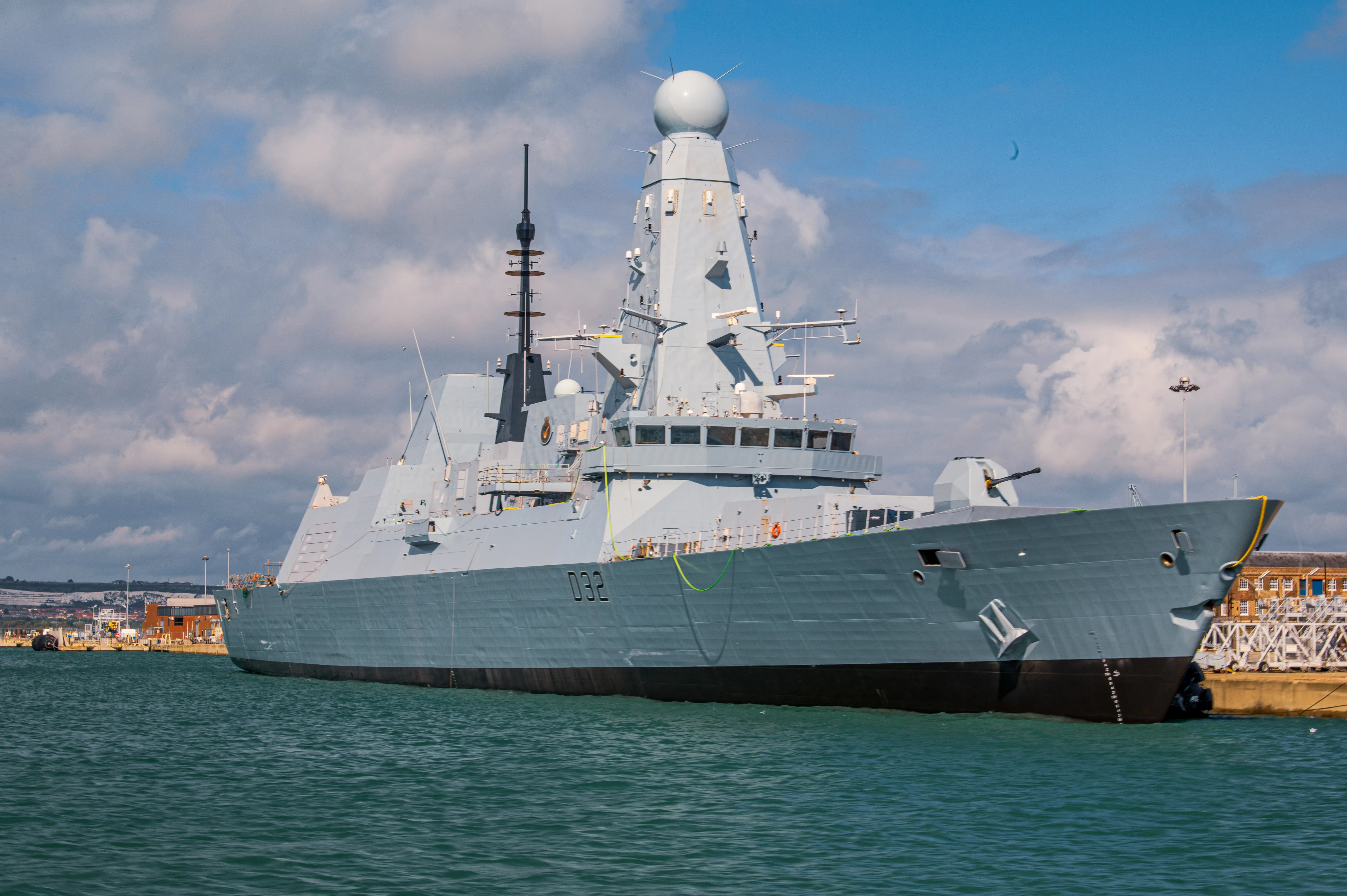
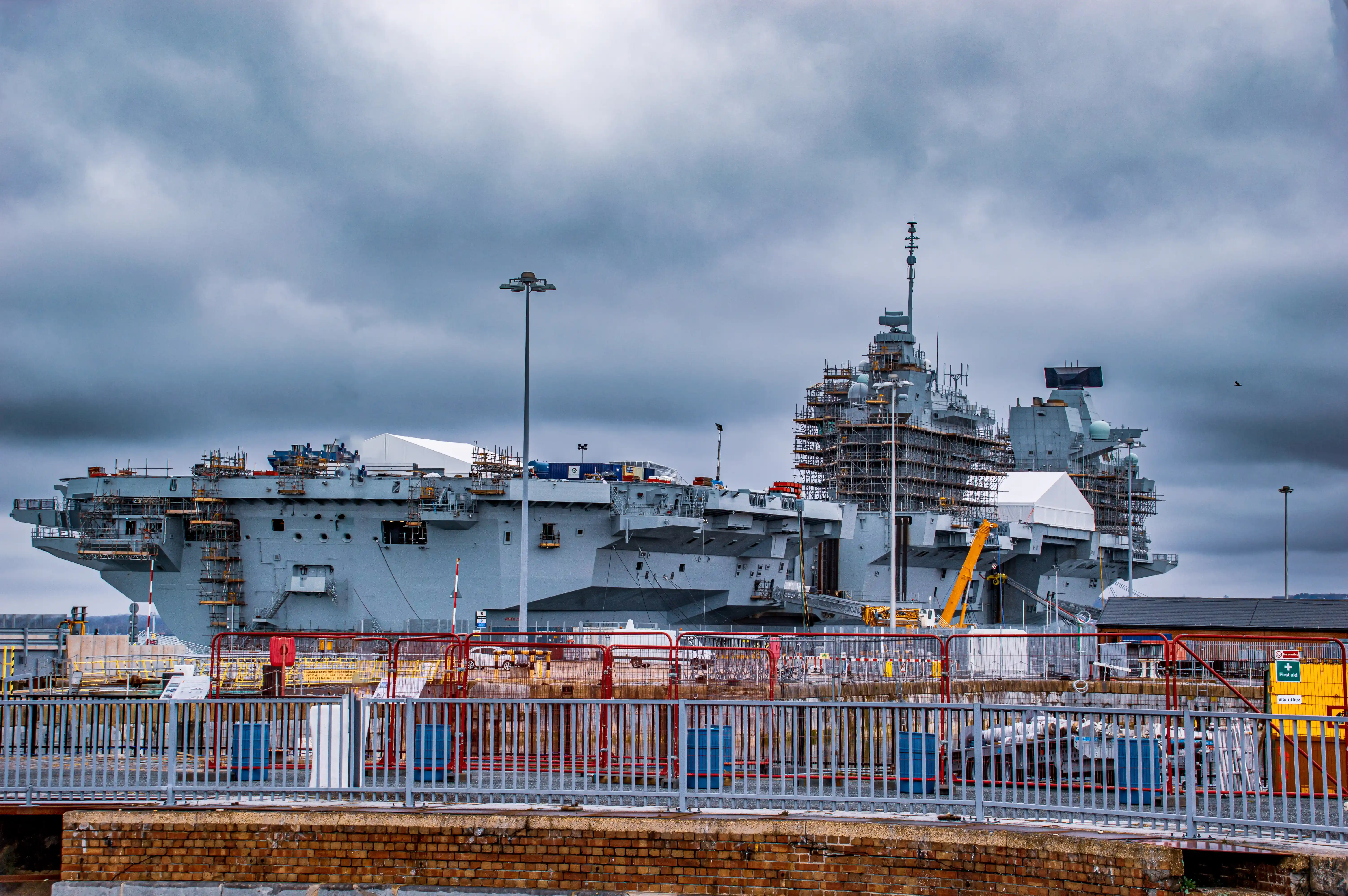
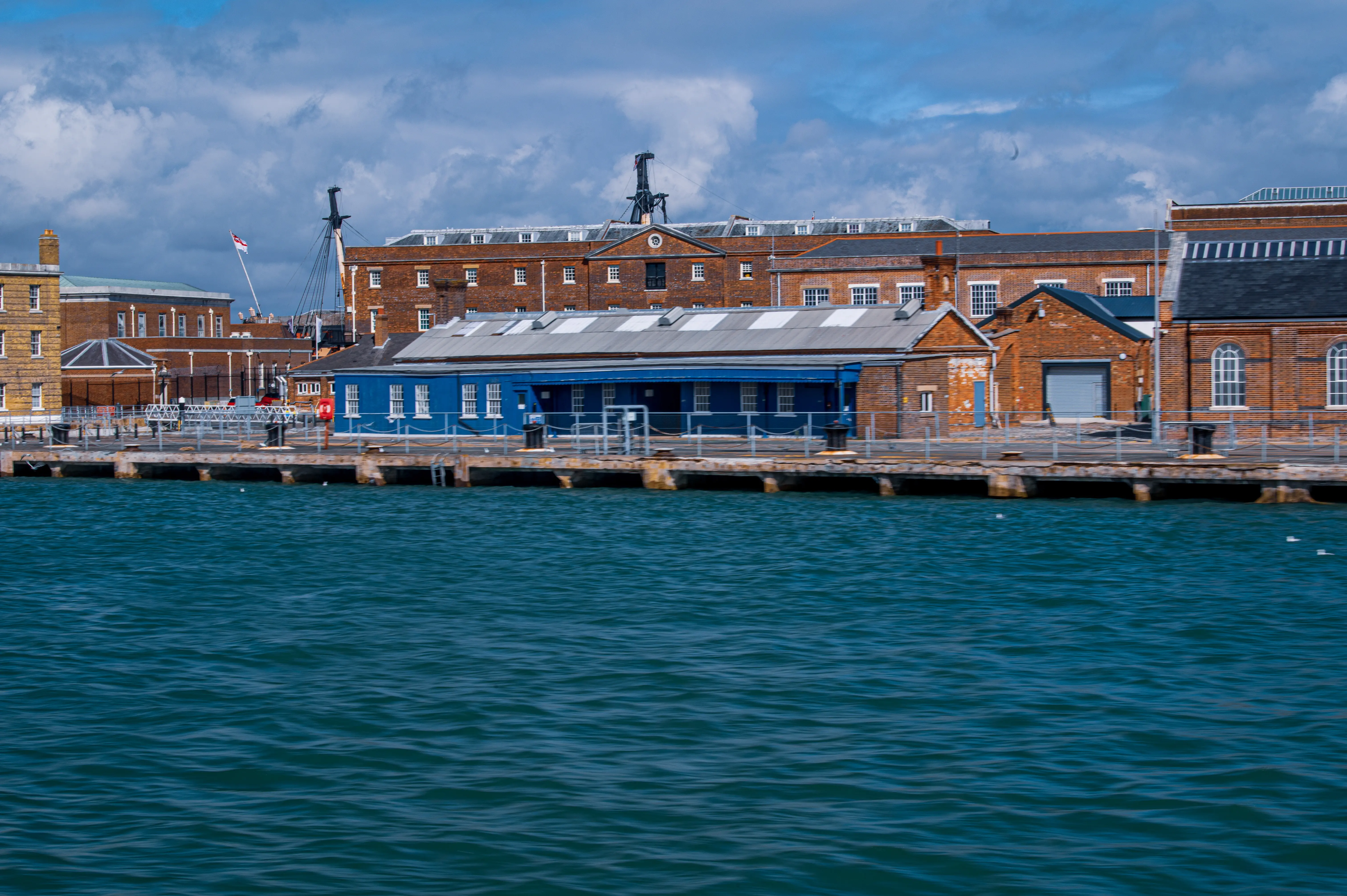
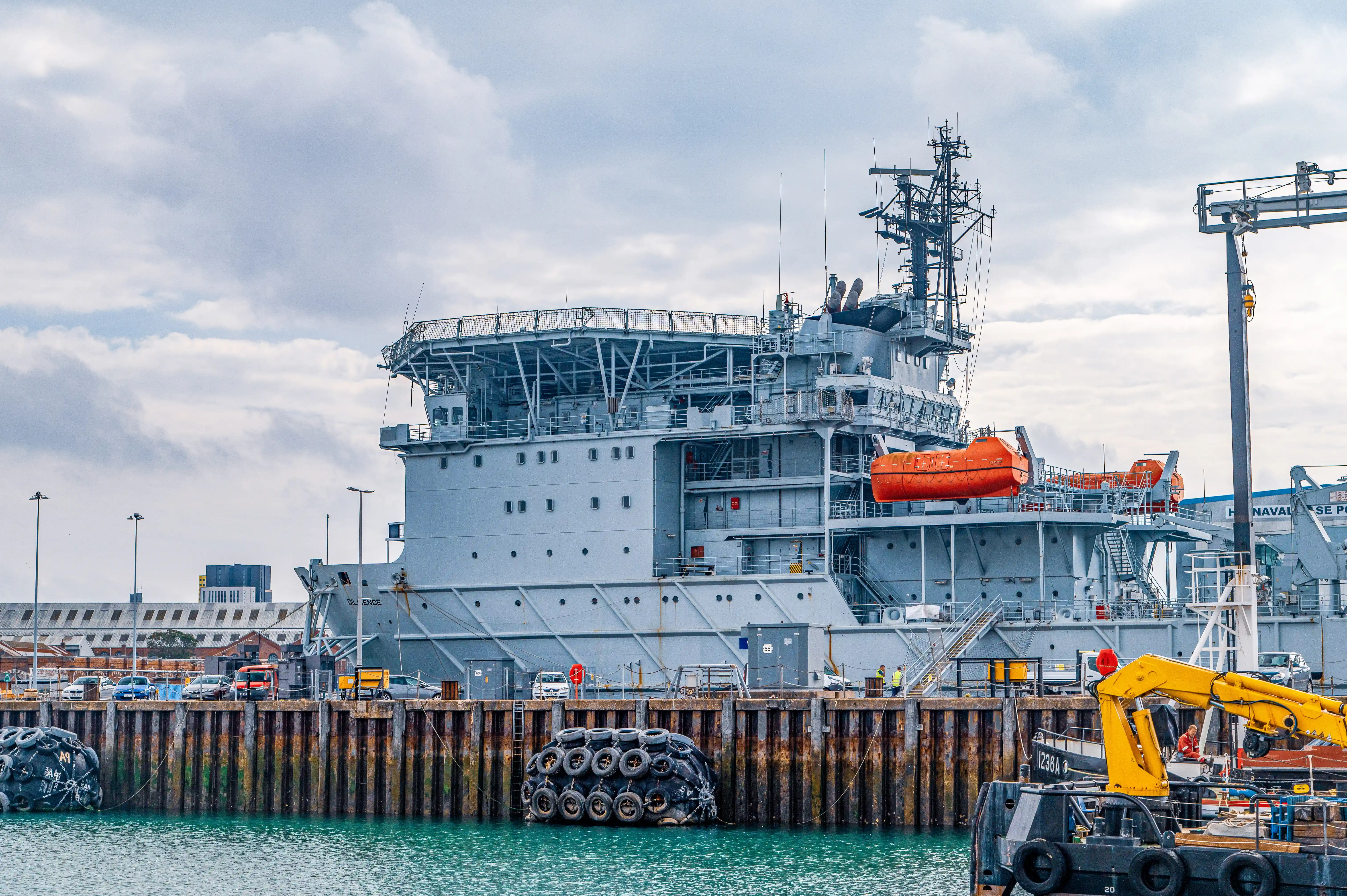
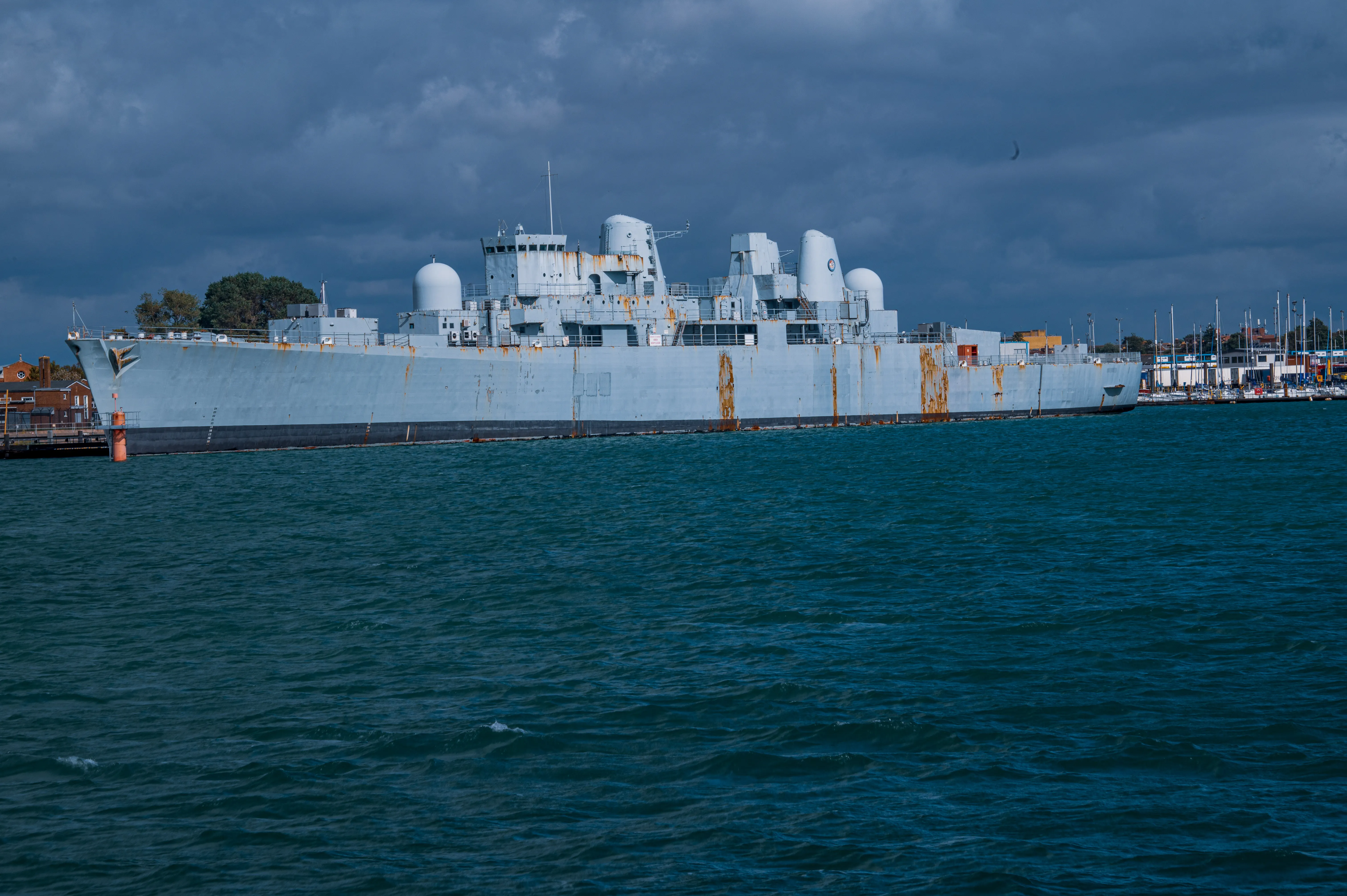
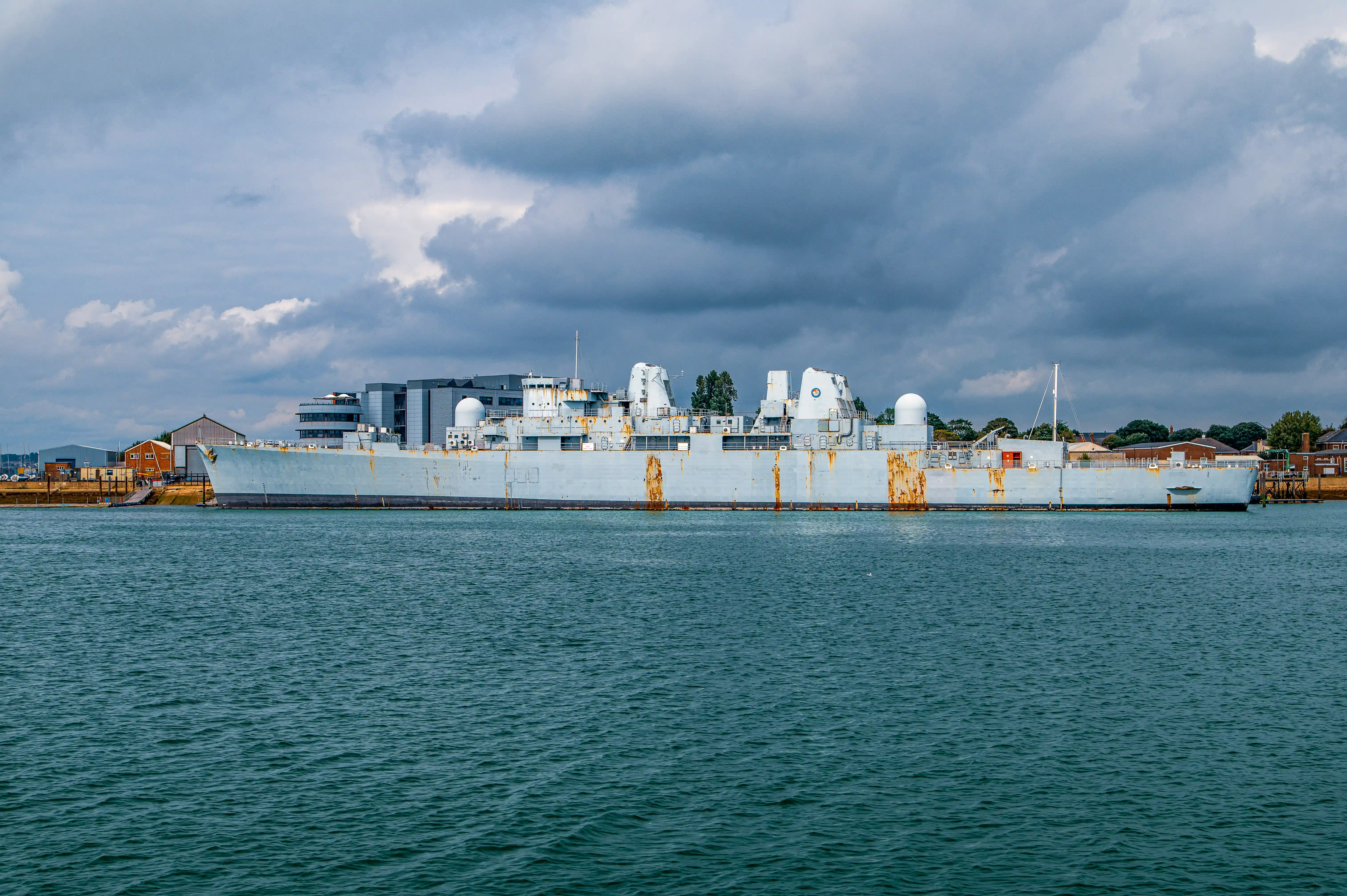
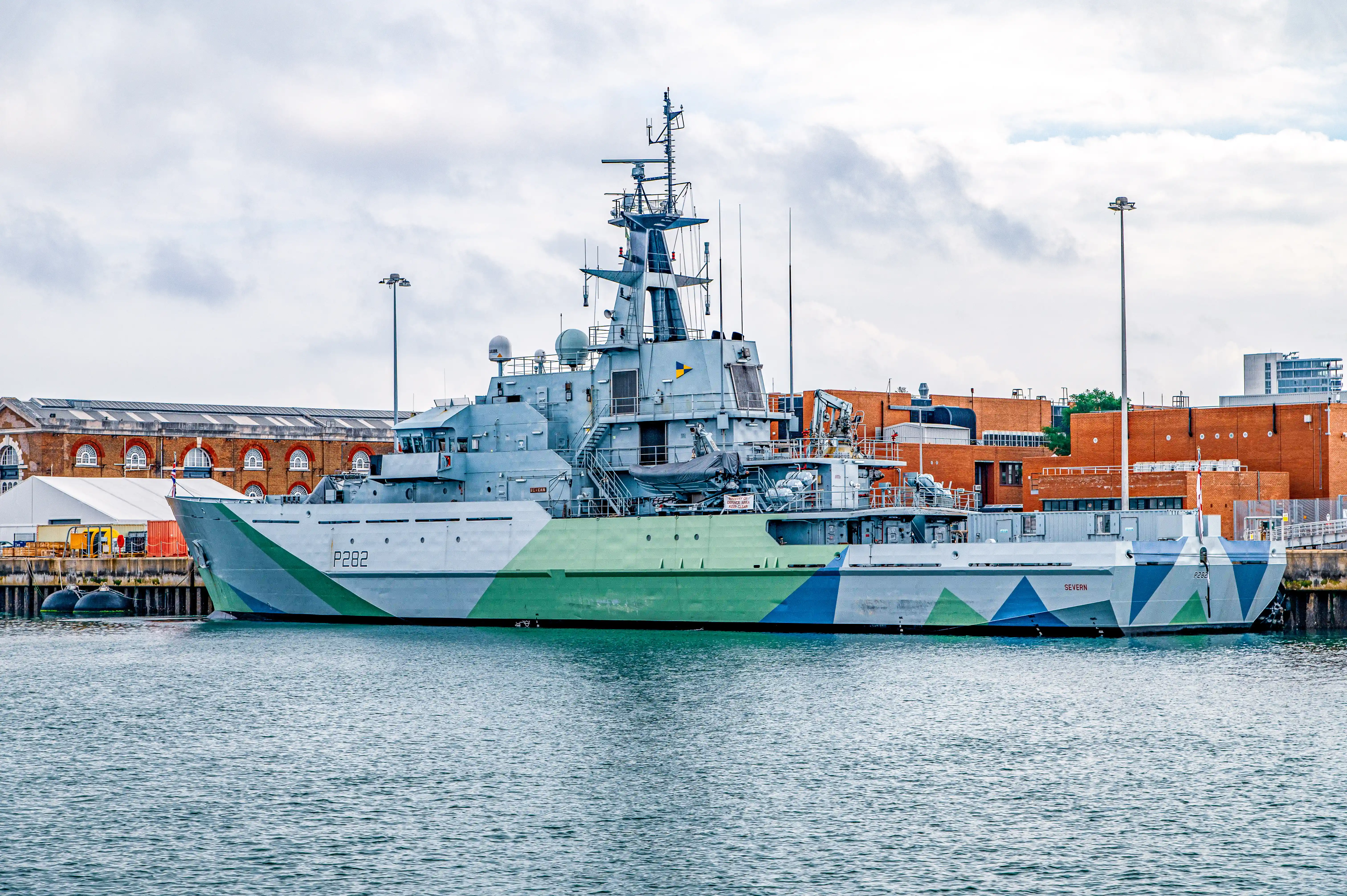
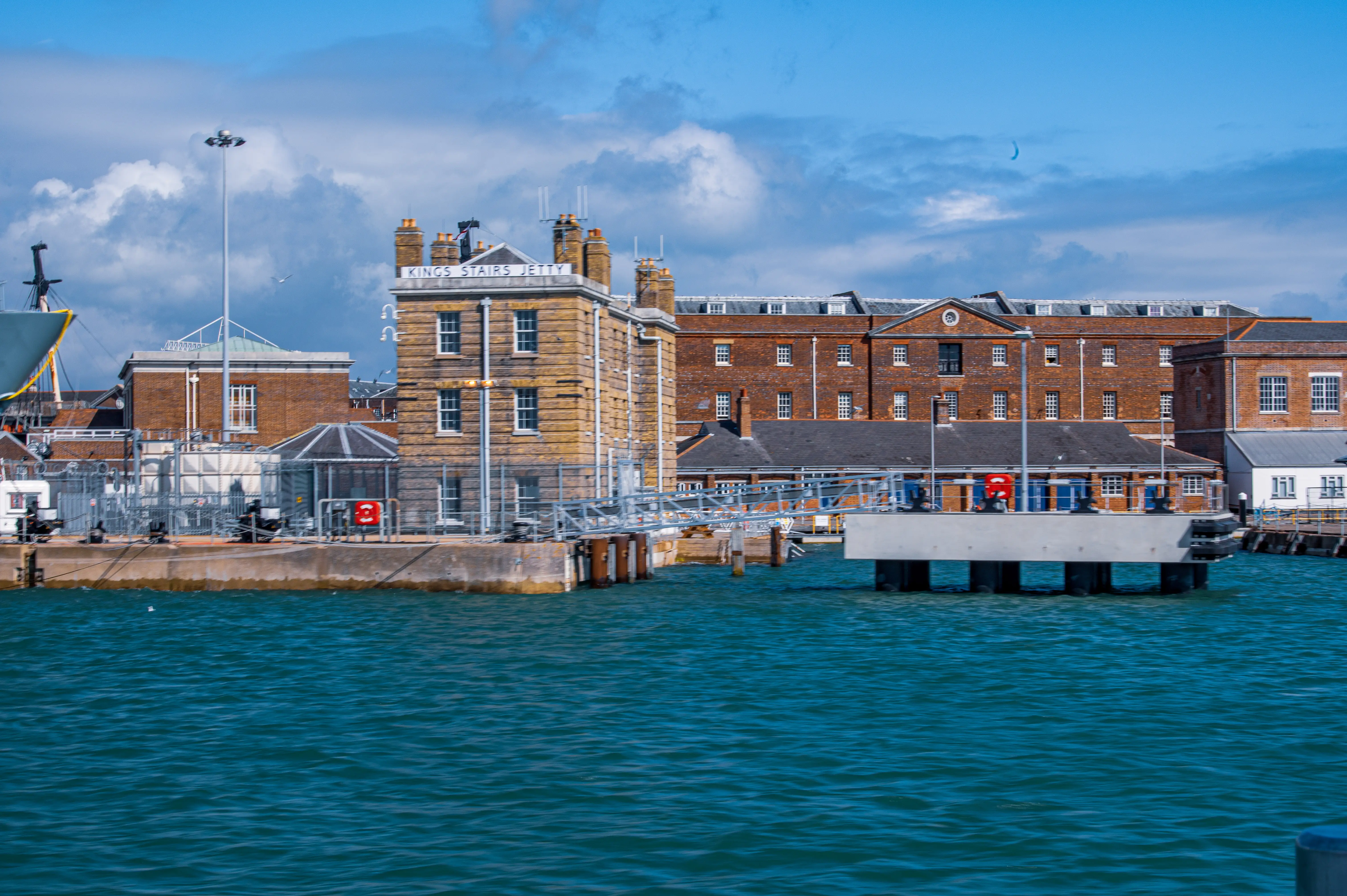
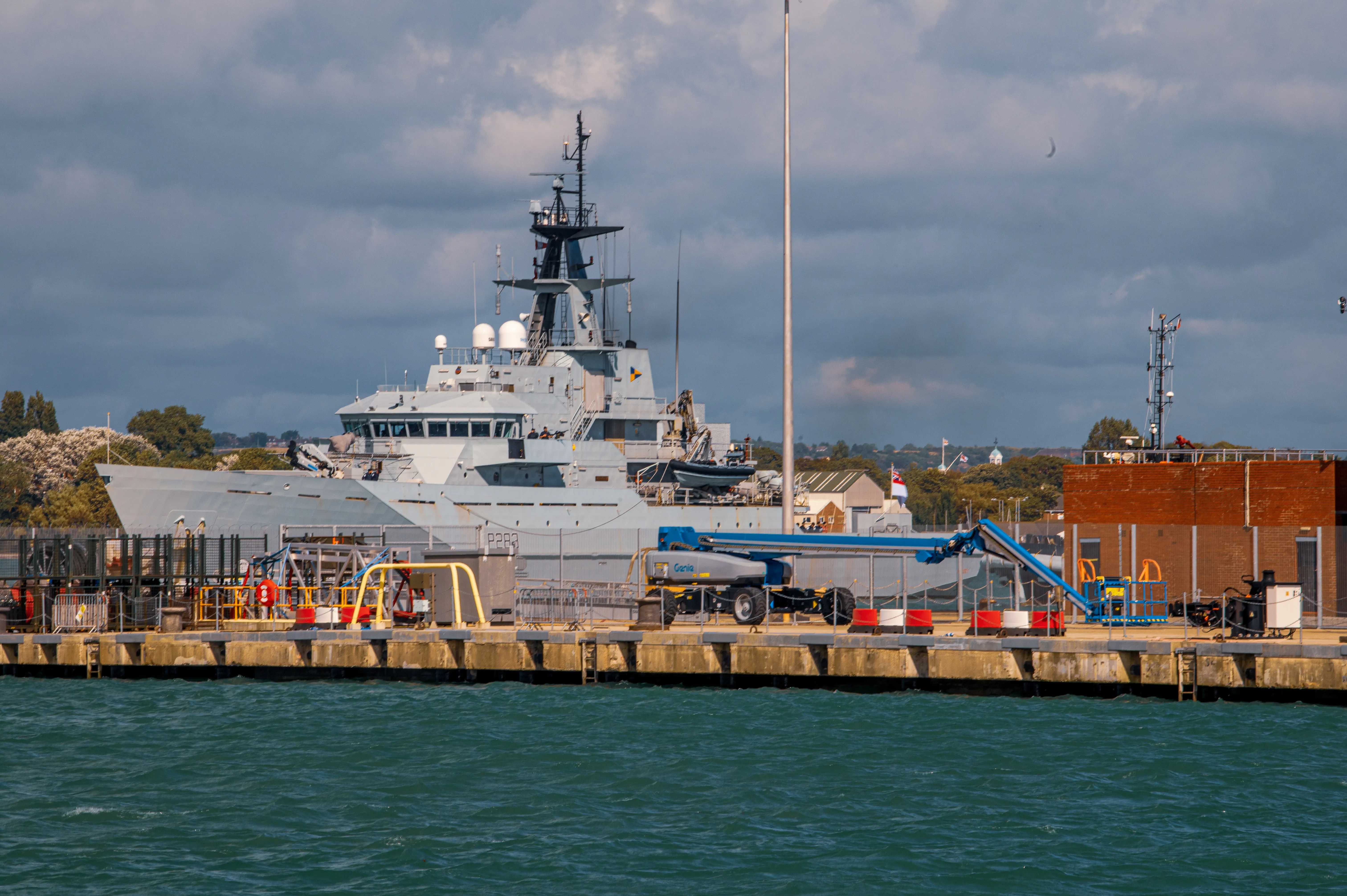
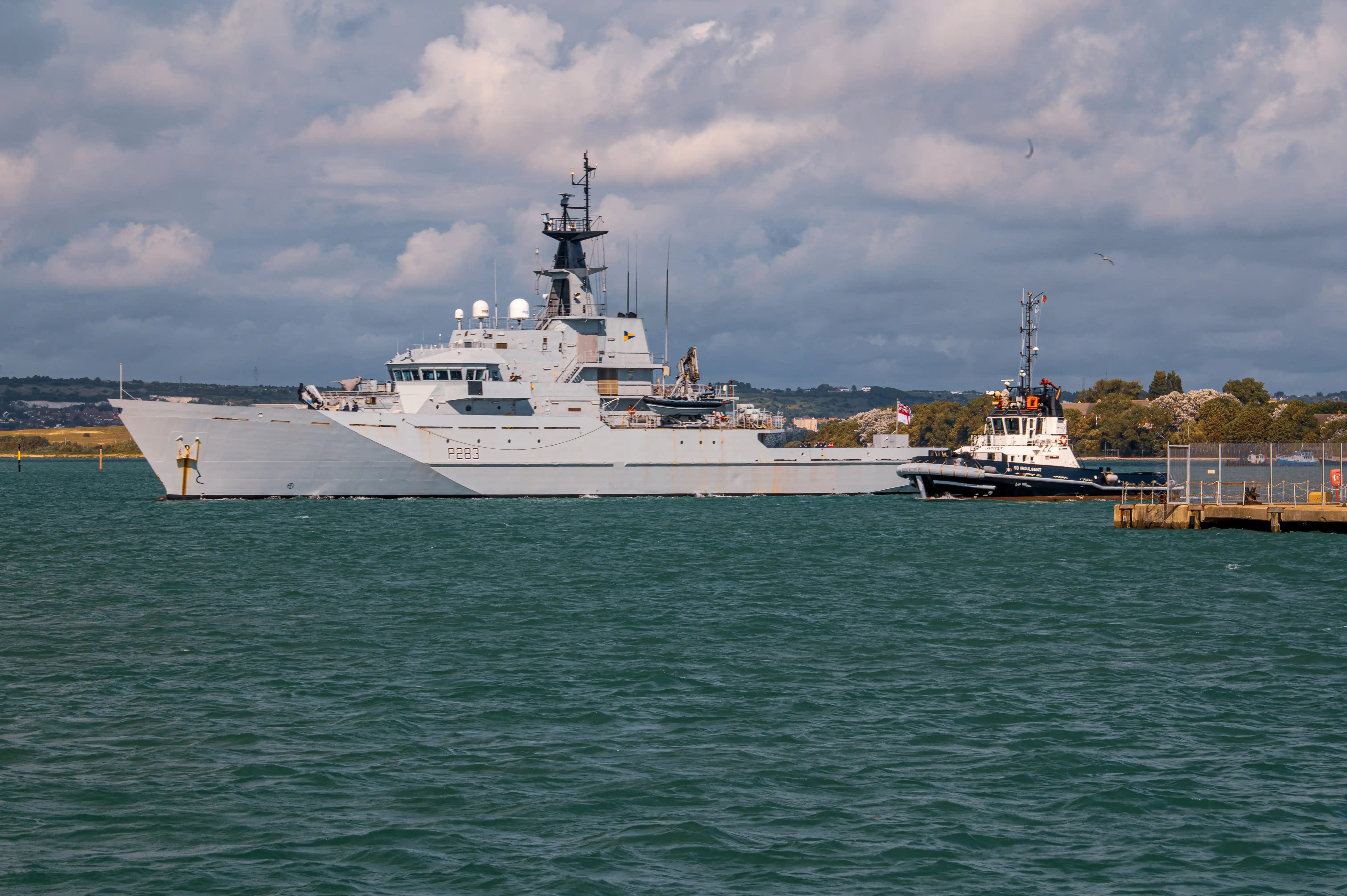
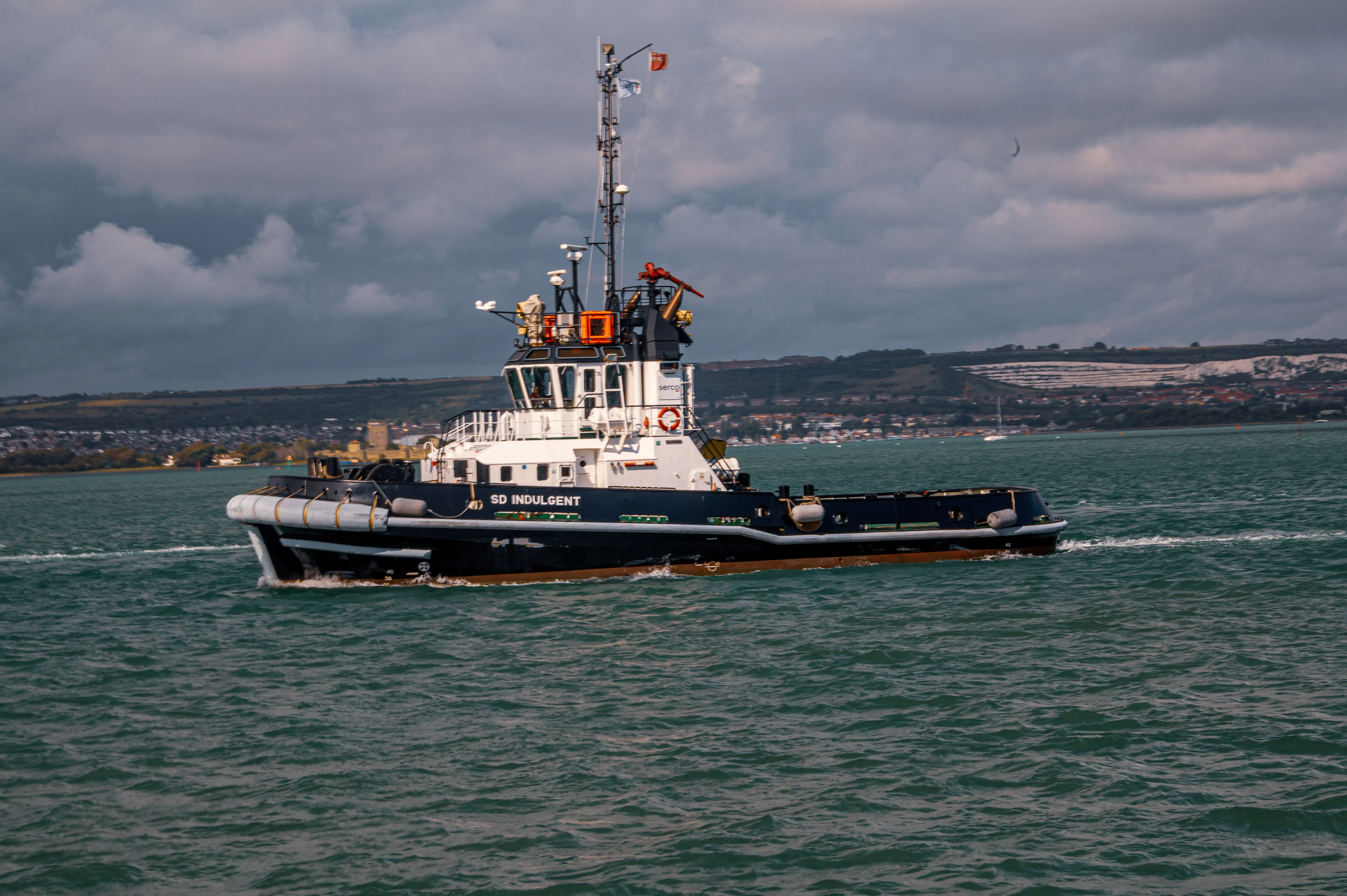
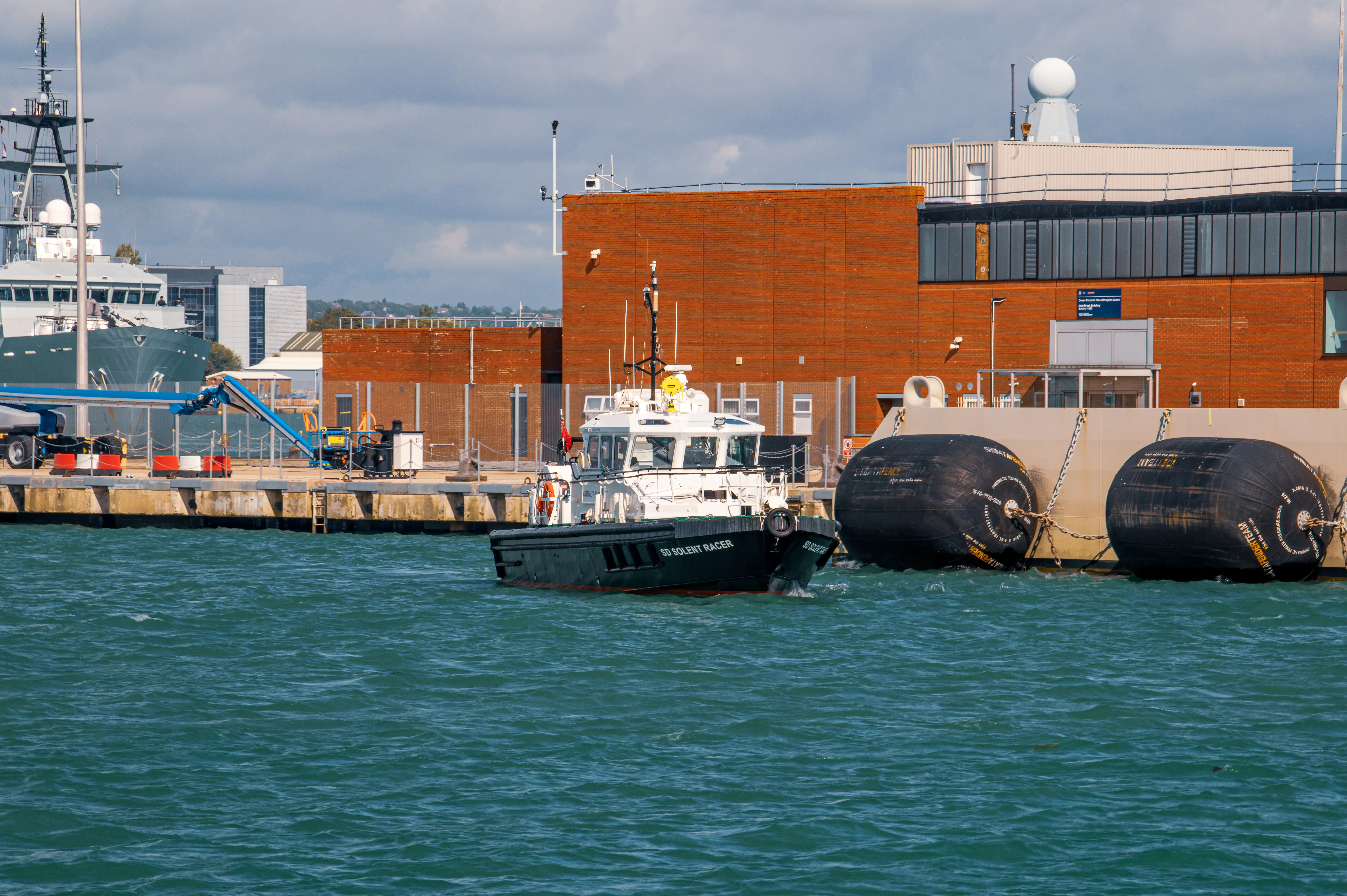
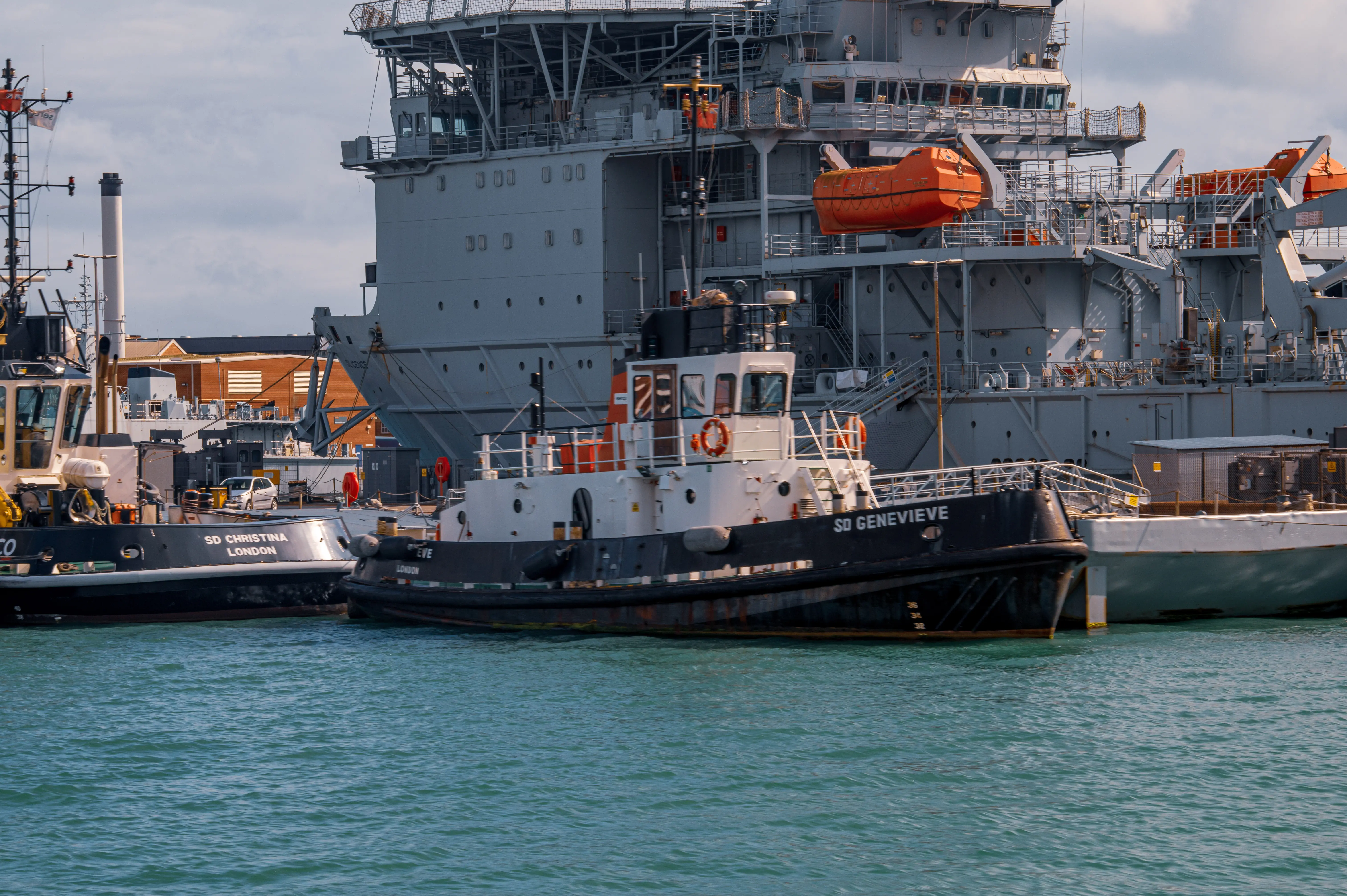
Portsmouth Harbour is the historic heart of Britain’s naval power, a natural deep-water haven that has shaped the city’s identity for over 800 years. Here, you’ll find iconic ships like HMS Victory (Nelson’s flagship at Trafalgar), the Mary Rose (Henry VIII’s Tudor warship), and HMS Warrior (the world’s first iron-hulled warship), all part of the Portsmouth Historic Dockyard—a world-class museum complex where visitors can explore working dockyards, submarines, and interactive exhibits, including harbour tours that showcase both historic and modern Royal Navy vessels. The harbour is also a vibrant waterfront destination, with Gunwharf Quays (shopping and dining), the Spinnaker Tower (offering panoramic views), and easy access to the Isle of Wight ferries and coastal walks along Southsea Seafront
A Natural Fortress Shaped by History
Portsmouth Harbour is more than a stretch of water—it is a cradle of British naval power, a natural fortress that has sheltered fleets and shaped empires for over a thousand years. Carved into the southern coast of England, the harbour’s deep, sheltered waters and narrow entrance made it an ideal haven for ships, from the Roman galleys that once anchored at Portchester to the mighty warships of the Royal Navy. The harbour’s defenses, from the medieval Round Tower to the Victorian forts that crown Portsdown Hill, tell a story of constant vigilance. In the 16th century, a massive chain was strung across the harbour mouth, a barrier that could be raised to block invaders or lowered to welcome home the fleet. This was the stage for some of Britain’s most dramatic maritime moments: the burning of Portsmouth by the French in 1338, the launch of Henry VIII’s Mary Rose, and the embarkation of troops for D-Day in 1944
The Dockyard That Built an Empire
For centuries, Portsmouth Harbour has been the lifeblood of the Royal Navy. The dockyard, founded by Henry VII in 1495, became the birthplace of legendary ships—from Nelson’s Victory to the modern aircraft carriers HMS Queen Elizabeth and HMS Prince of Wales. The harbour’s coves and quays have witnessed the comings and goings of explorers, admirals, and ordinary sailors, their stories etched into the timber and stone of the historic docks. The Camber, once the heart of the fishing fleet, still hums with the rhythm of the tide, while the modern International Port welcomes cruise ships and ferries, linking Portsmouth to the Isle of Wight and the Continent. The harbour’s waters, dredged and deepened over the centuries, remain a vital artery, connecting the city to the wider world
A Harbour of Heroes and Everyday Life
Portsmouth Harbour is not just a military stronghold; it is a living, breathing part of the city. The Solent’s tides bring a constant ebb and flow of activity—yachts bobbing in the marinas, fishing boats unloading their catch, and the ever-present comings and goings of naval vessels. The harbour’s islands, like Whale Island and Horsea Island, are home to training establishments and naval bases, their names a roll call of Britain’s maritime heritage. The waterfront, with its mix of historic buildings and modern developments like Gunwharf Quays, is a place where the past and present coexist. Here, the echoes of Nelson’s fleet and the clamor of the dockyards blend with the laughter of visitors strolling along the esplanade, the clink of glasses in quayside pubs, and the cry of gulls wheeling overhead
A Gateway to Adventure and Memory
For those who stand on the harbour’s edge, Portsmouth is a place where history is not just remembered but felt. The Historic Dockyard, with its iconic ships and museums, offers a journey through time, from the Tudor Mary Rose to the Cold War submarines. The harbour tours reveal the secrets of the naval base, while the ferries carry visitors across the Solent to the Isle of Wight or the open sea. Whether you’re watching the sunset over the Spinnaker Tower, tracing the steps of sailors in the old town, or simply enjoying the salt tang of the air, Portsmouth Harbour is a reminder of the enduring bond between this city and the sea—a bond that has shaped its past and will guide its future