Winchester Cathedral is one of Europe’s largest and most historic cathedrals, renowned for its stunning Gothic architecture, the longest medieval nave in Europe, and its role as a major pilgrimage site since the 11th century. The cathedral is the final resting place of Jane Austen and Saxon kings, houses the Winchester Bible (a 12th-century illuminated manuscript), and features beautiful stained glass, a tranquil cloister, and regular choral services, making it a must-visit for history, architecture, and music lovers
Winchester
Hampshire, ", " SO23, United Kingdom
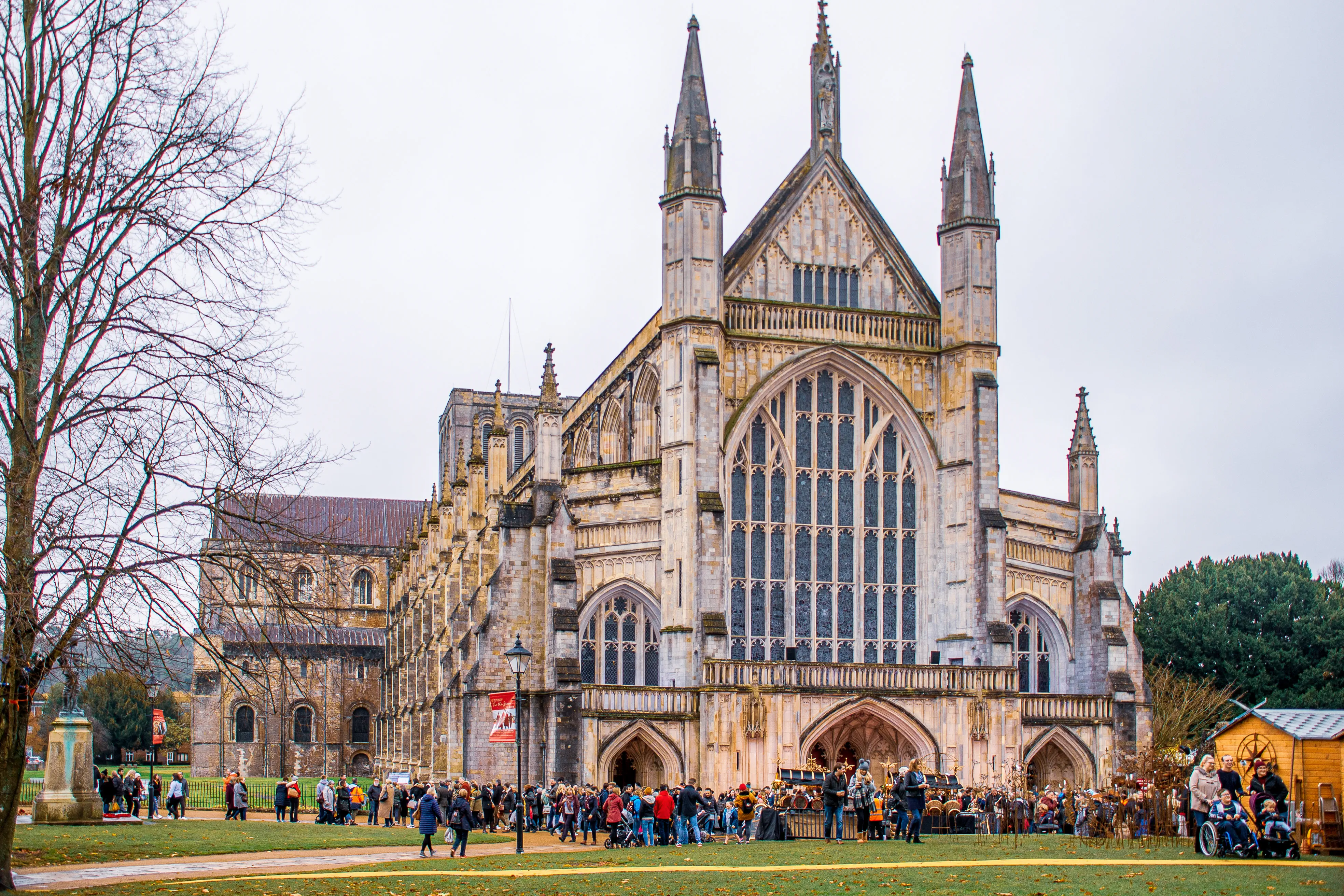
photo by Michael Gaylard,
©www.mgaylard.co.uk.

photo by Michael Gaylard,
©www.mgaylard.co.uk.

photo by Michael Gaylard,
©www.mgaylard.co.uk.
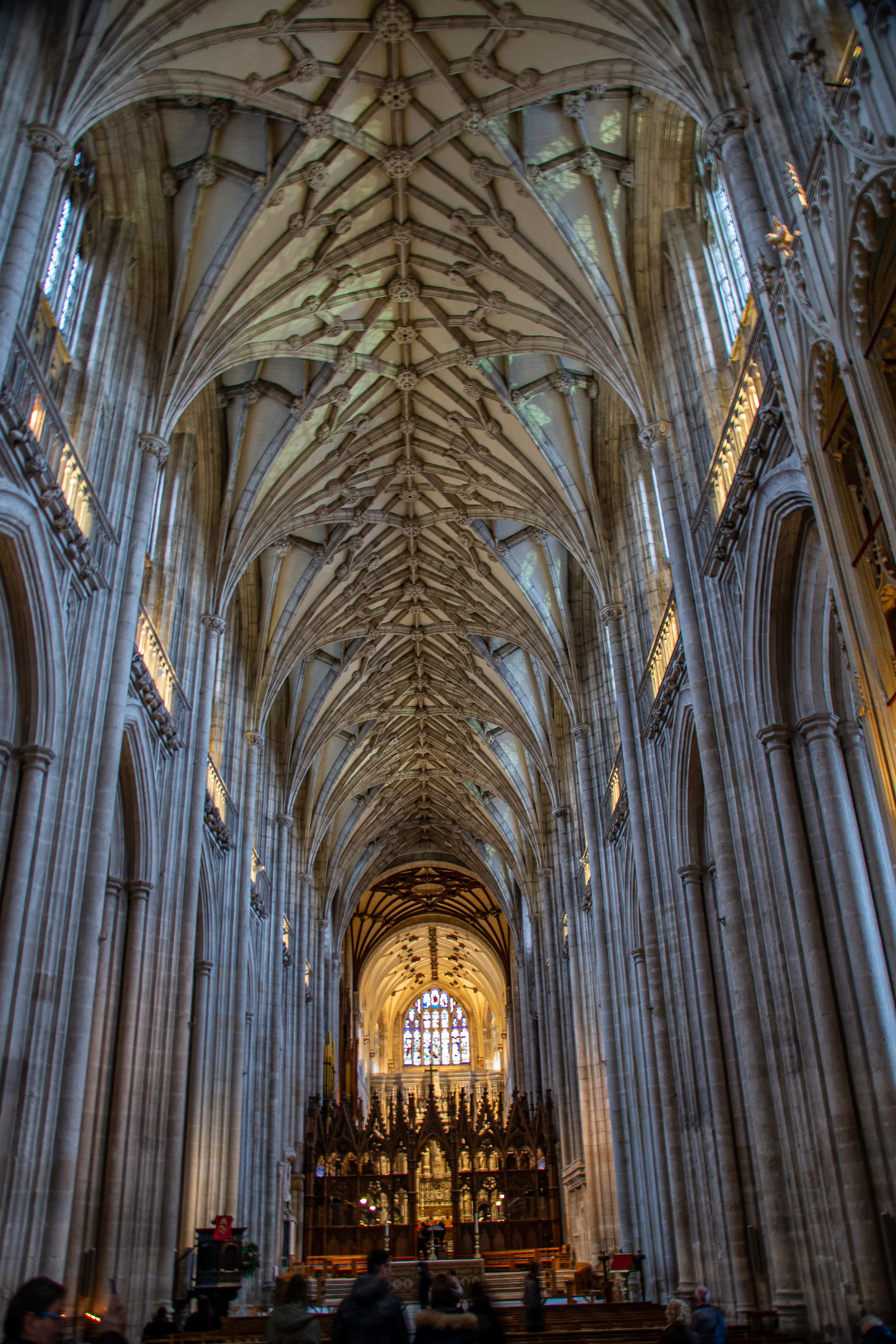
photo by Michael Gaylard,
©www.mgaylard.co.uk.
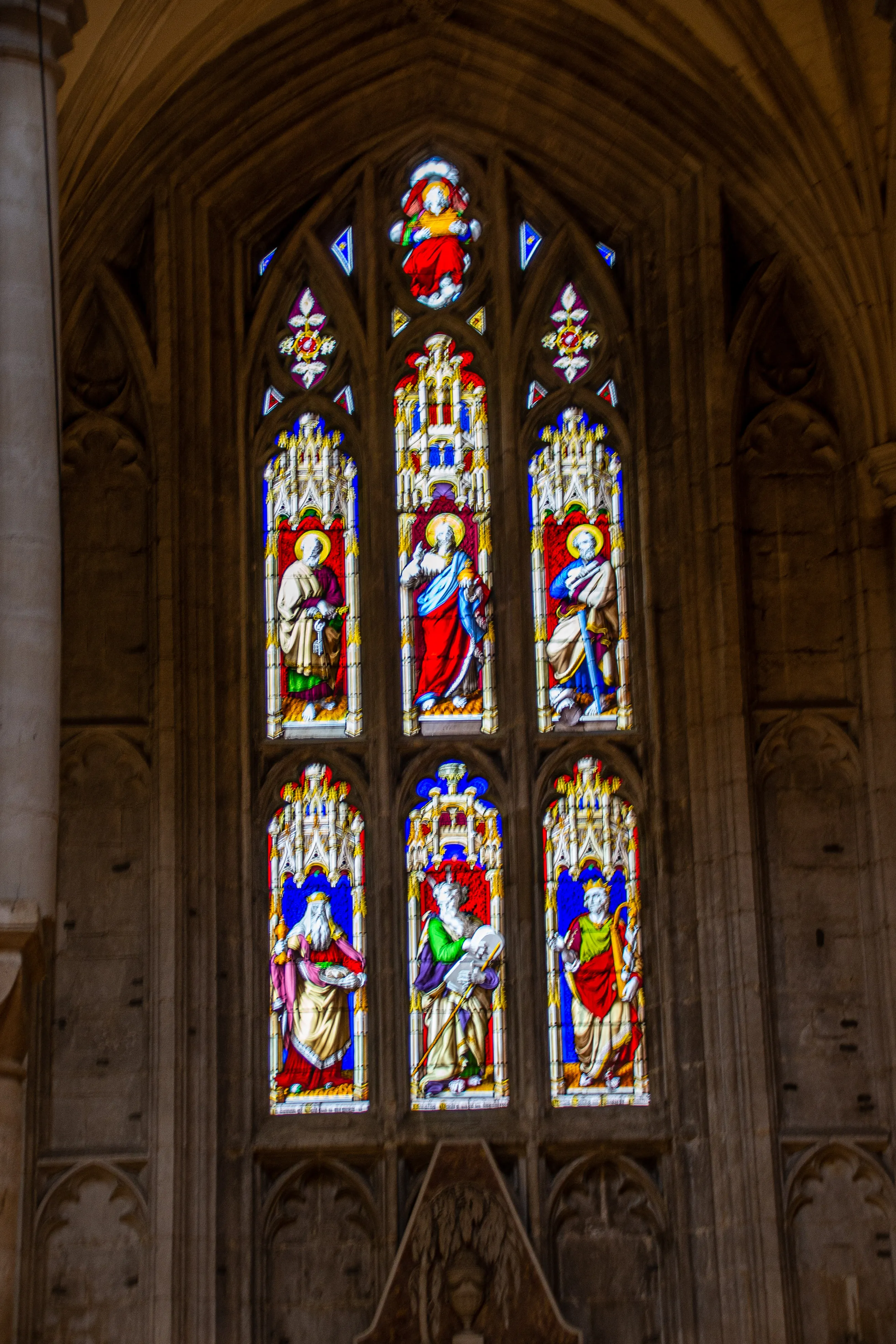
photo by Michael Gaylard,
©www.mgaylard.co.uk.
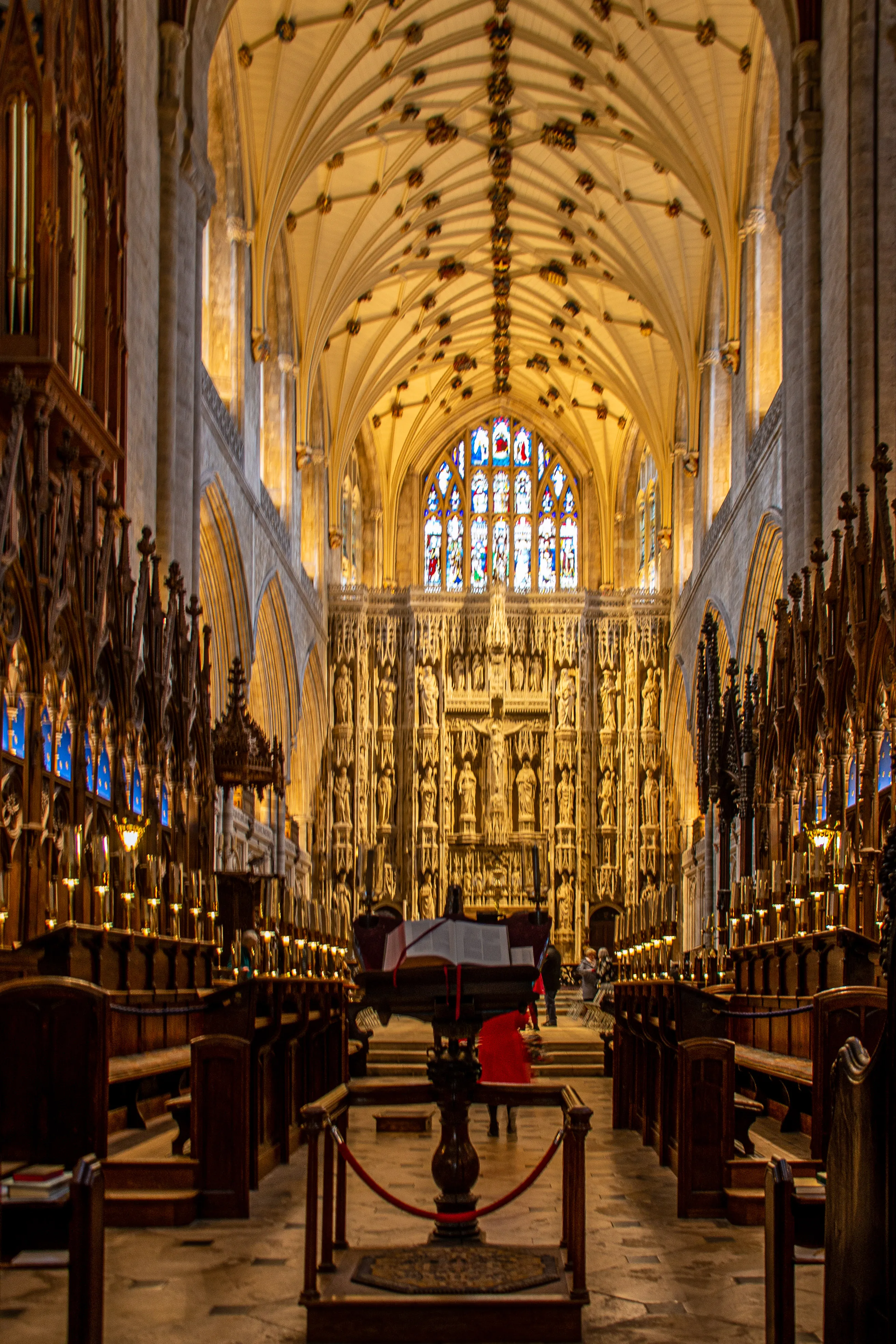
photo by Michael Gaylard,
©www.mgaylard.co.uk.
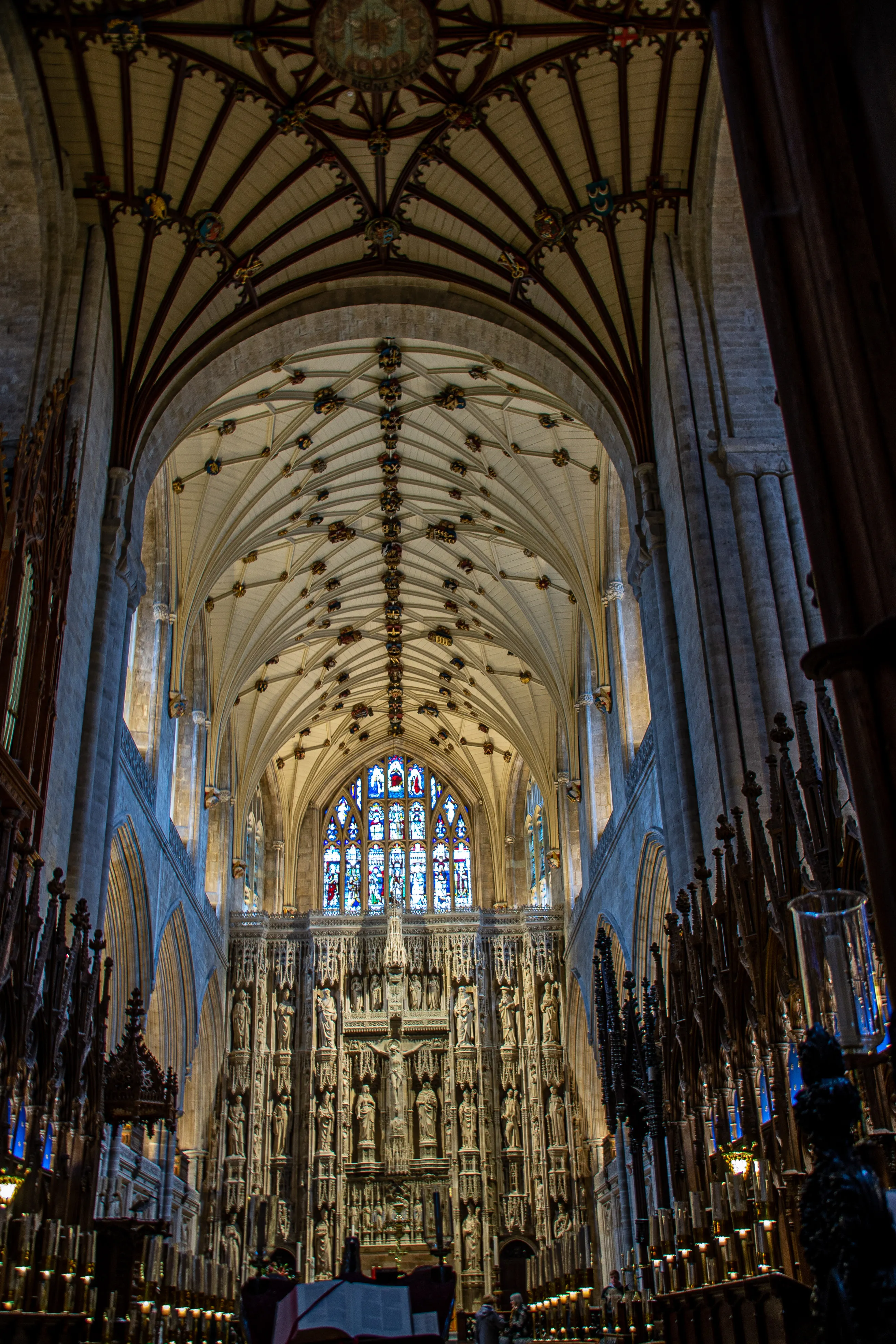
photo by Michael Gaylard,
©www.mgaylard.co.uk.
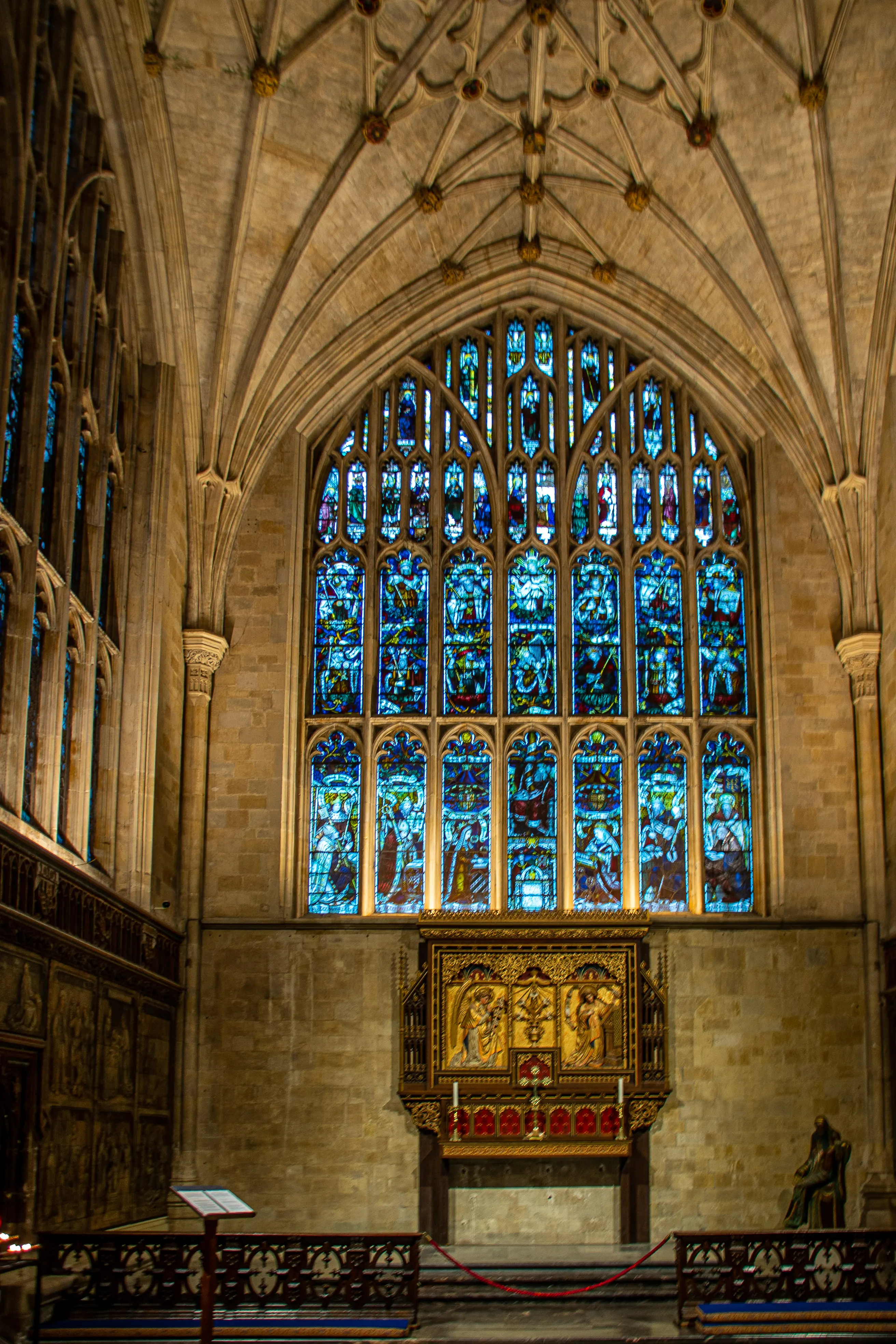
photo by Michael Gaylard,
©www.mgaylard.co.uk.
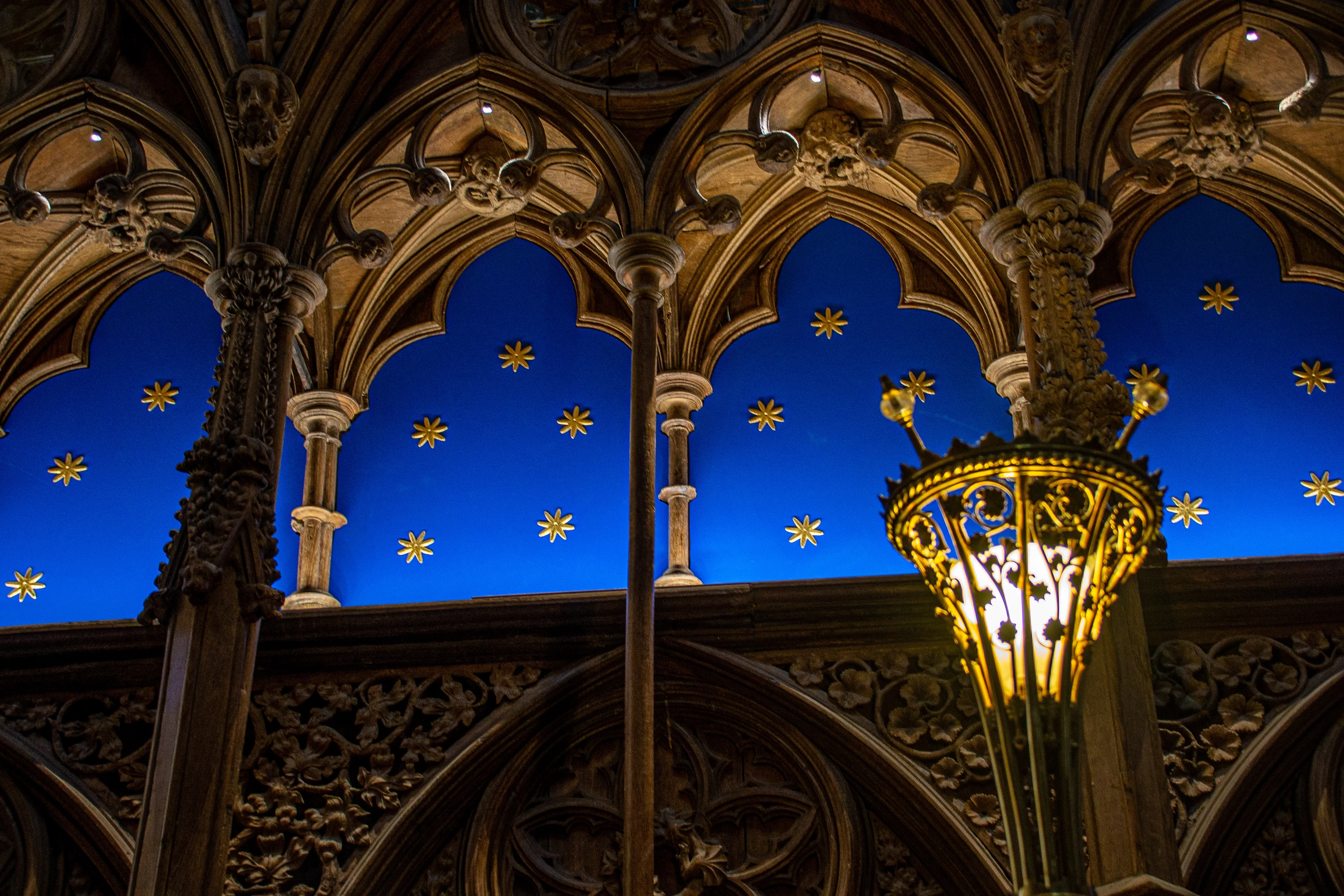
photo by Michael Gaylard,
©www.mgaylard.co.uk.
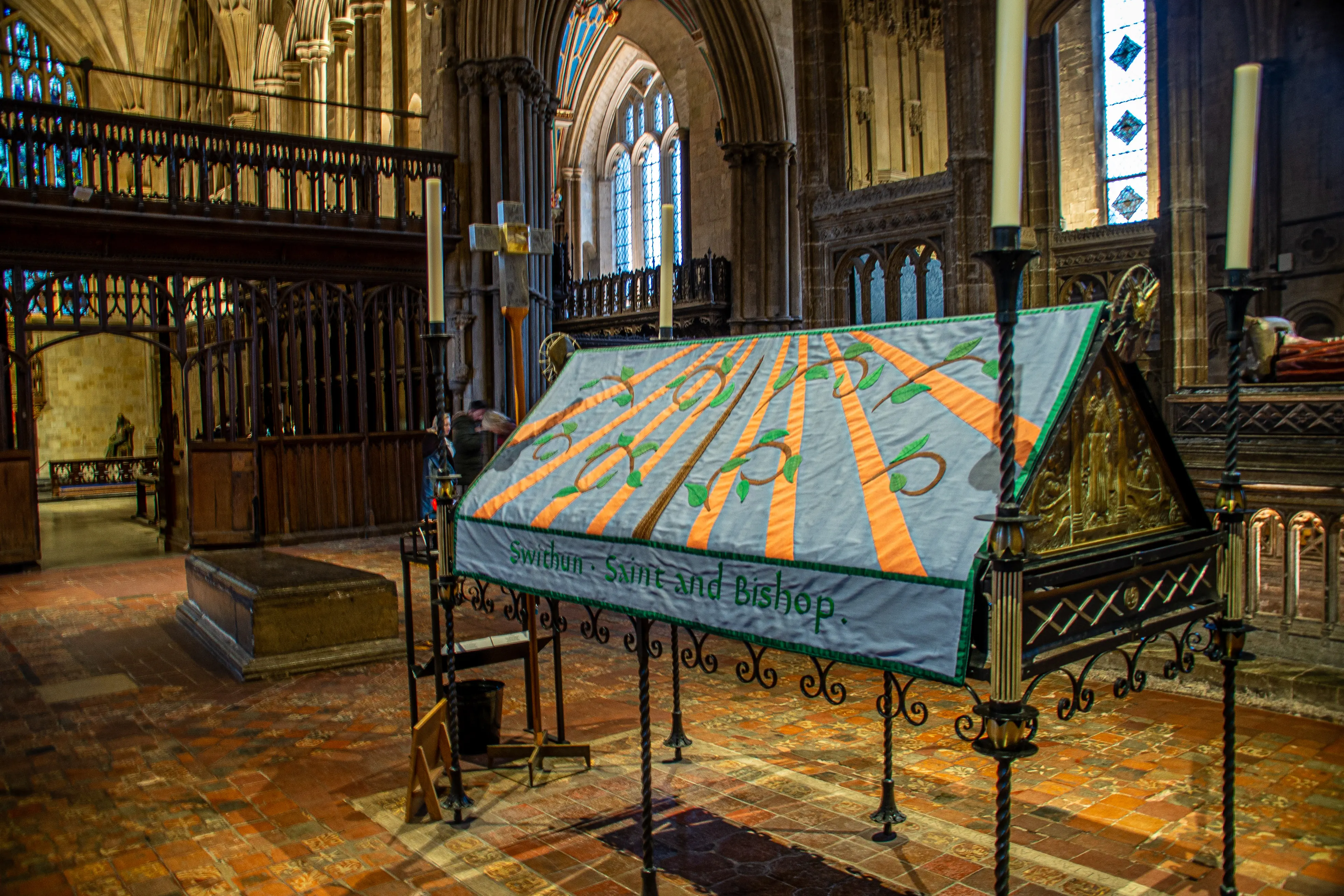
photo by Michael Gaylard,
©www.mgaylard.co.uk.
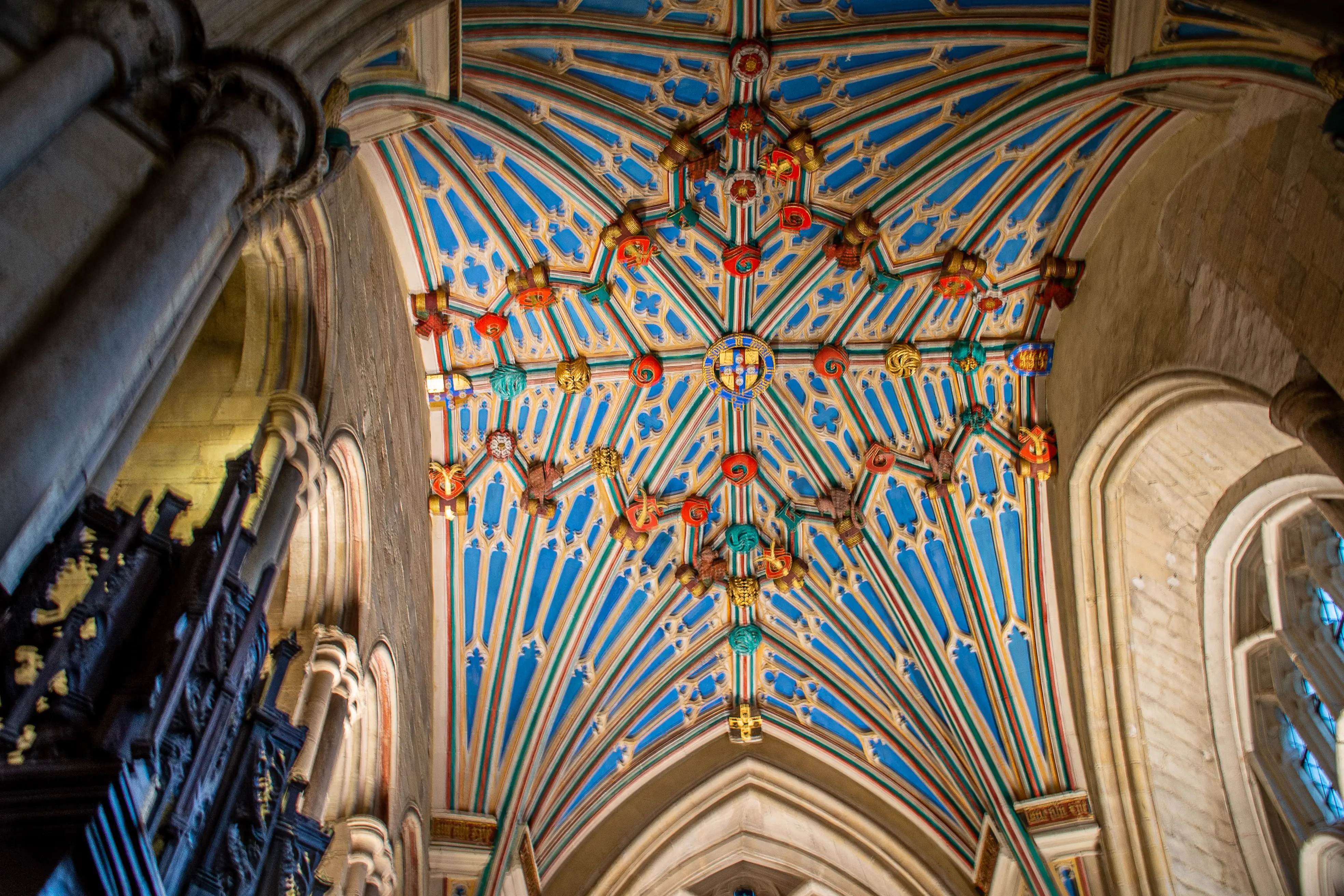
photo by Michael Gaylard,
©www.mgaylard.co.uk.
photo by Michael Gaylard,
©www.mgaylard.co.uk.

photo by Michael Gaylard,
©www.mgaylard.co.uk.

photo by Michael Gaylard,
©www.mgaylard.co.uk.

photo by Michael Gaylard,
©www.mgaylard.co.uk.

photo by Michael Gaylard,
©www.mgaylard.co.uk.

photo by Michael Gaylard,
©www.mgaylard.co.uk.
The Great Hall, Winchester is the surviving ceremonial heart of medieval Winchester Castle, renowned for its 13th-century architecture and the iconic Round Table associated with Arthurian legend. It is one of the finest medieval halls in England, built under Henry III between 1222–1235.
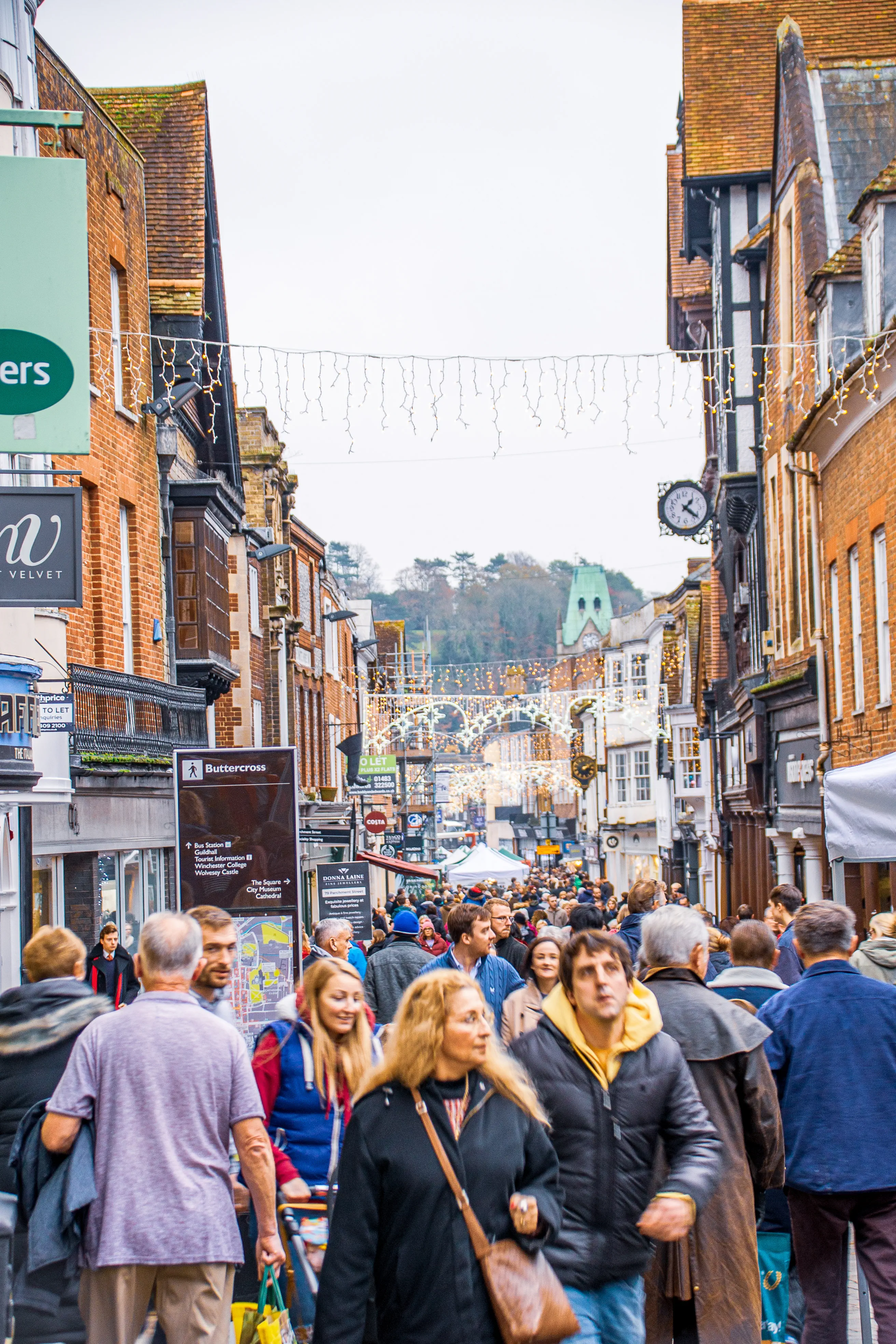
photo by Michael Gaylard,
©www.mgaylard.co.uk.

photo by Michael Gaylard,
©www.mgaylard.co.uk.
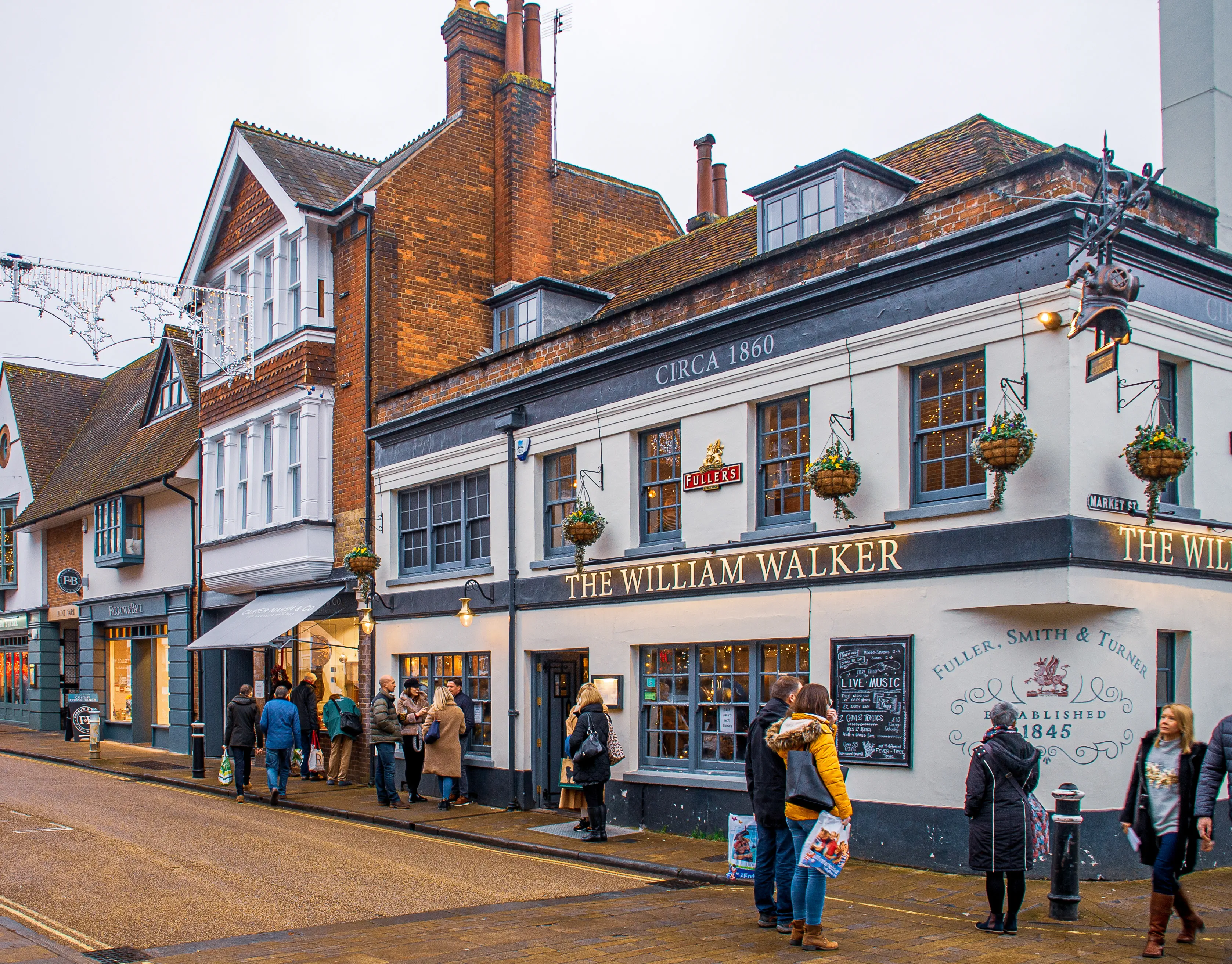
photo by Michael Gaylard,
©www.mgaylard.co.uk.
Open the full set
 Share this page
Share this page

Winchester: The Ancient Heart of England
Winchester, Hampshire, is a historic cathedral city and England’s ancient capital, famous for its medieval architecture, rich heritage, and vibrant cultural scene. Highlights include Winchester Cathedral (home to Jane Austen’s grave and the longest nave in Europe), the Great Hall (displaying the legendary King Arthur’s Round Table), the City Museum, and the Winchester Science Centre & Planetarium. The city also offers charming independent shops, award-winning restaurants, scenic riverside walks, and easy access to the South Downs National Park, making it a perfect blend of history, culture, and countryside.

