HMS Victory

HMS Victory

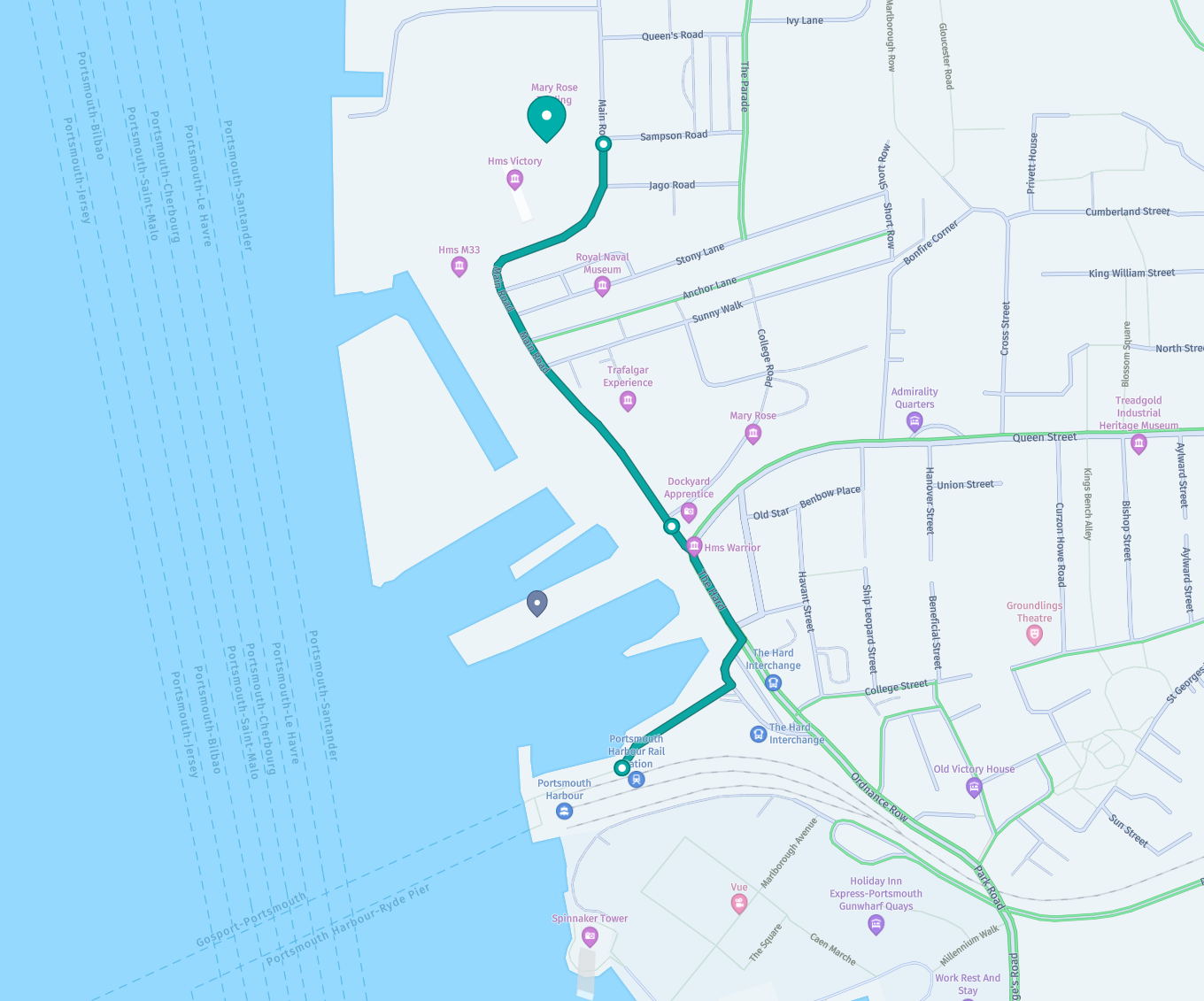
Victory GateHM Naval BasePortsmouth,   PO1 3LJ,   United Kingdom

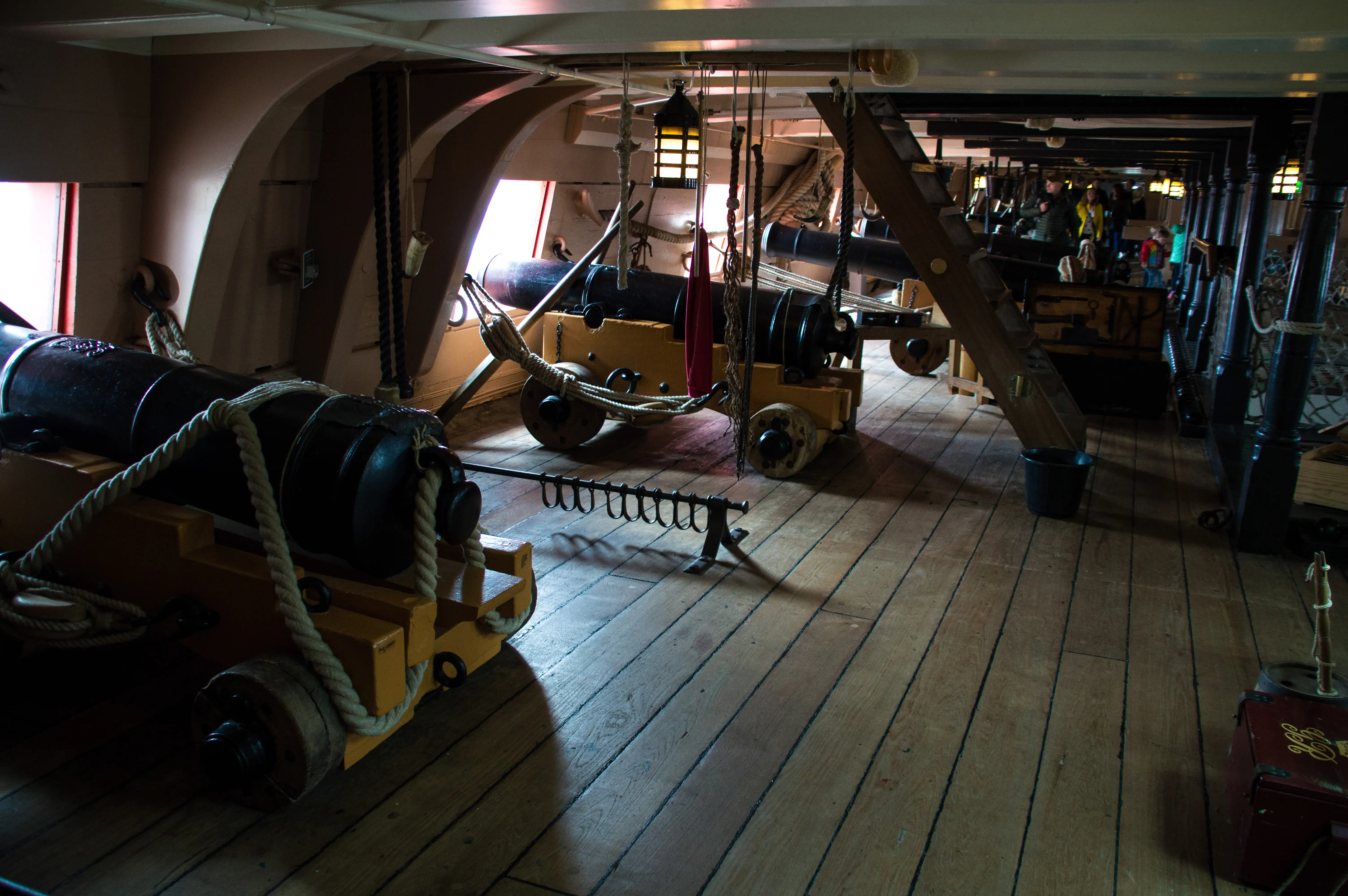
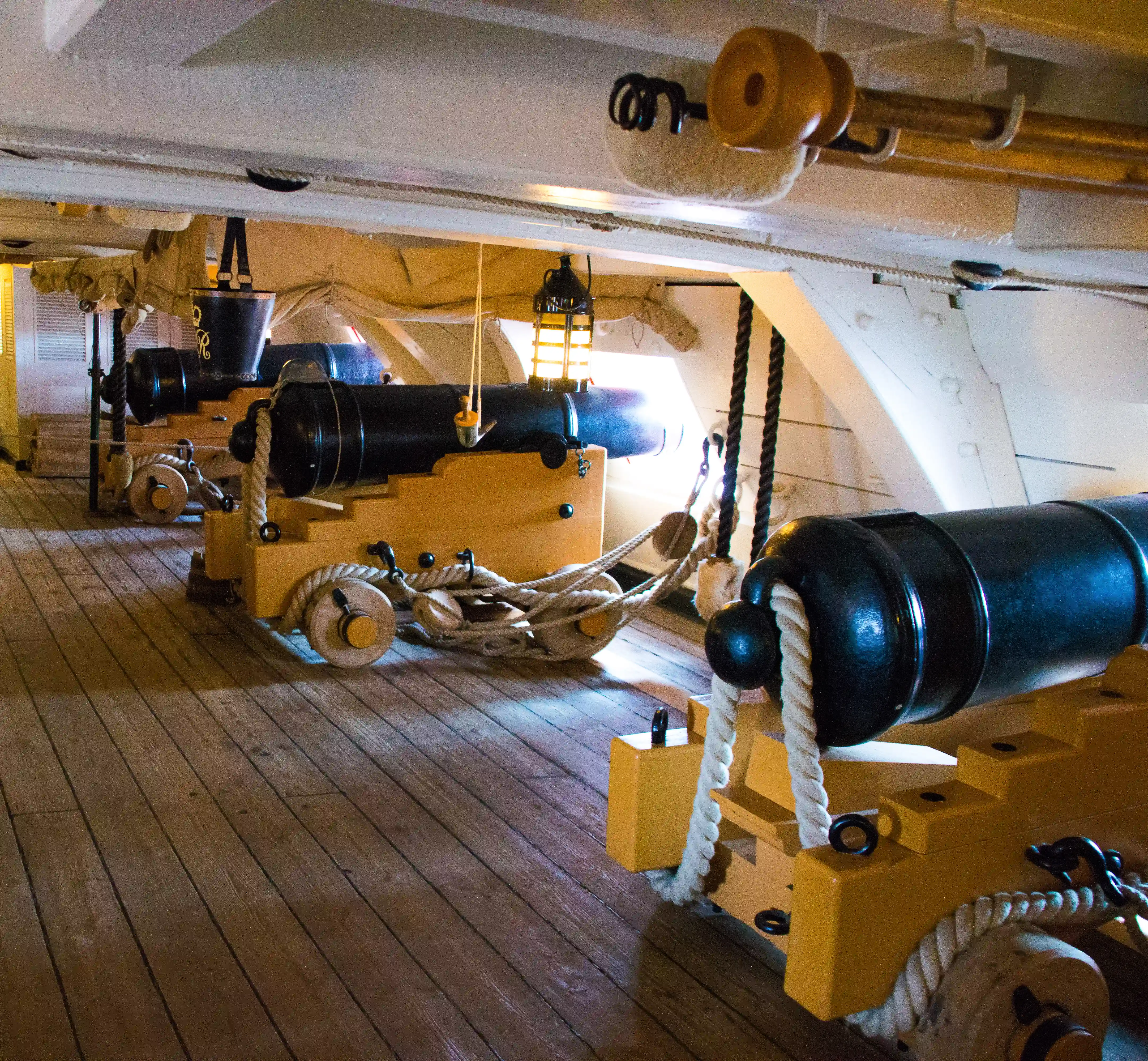
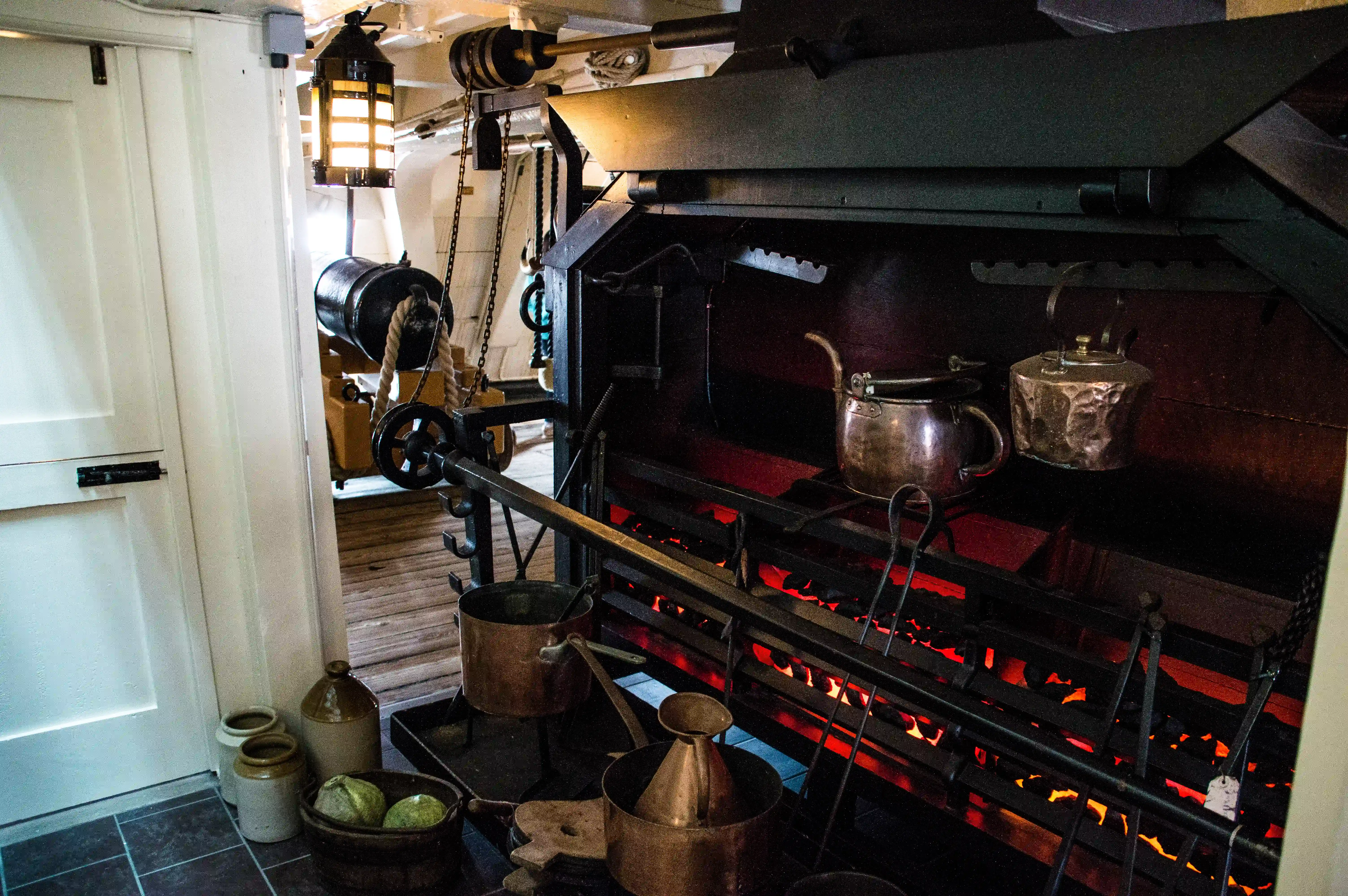
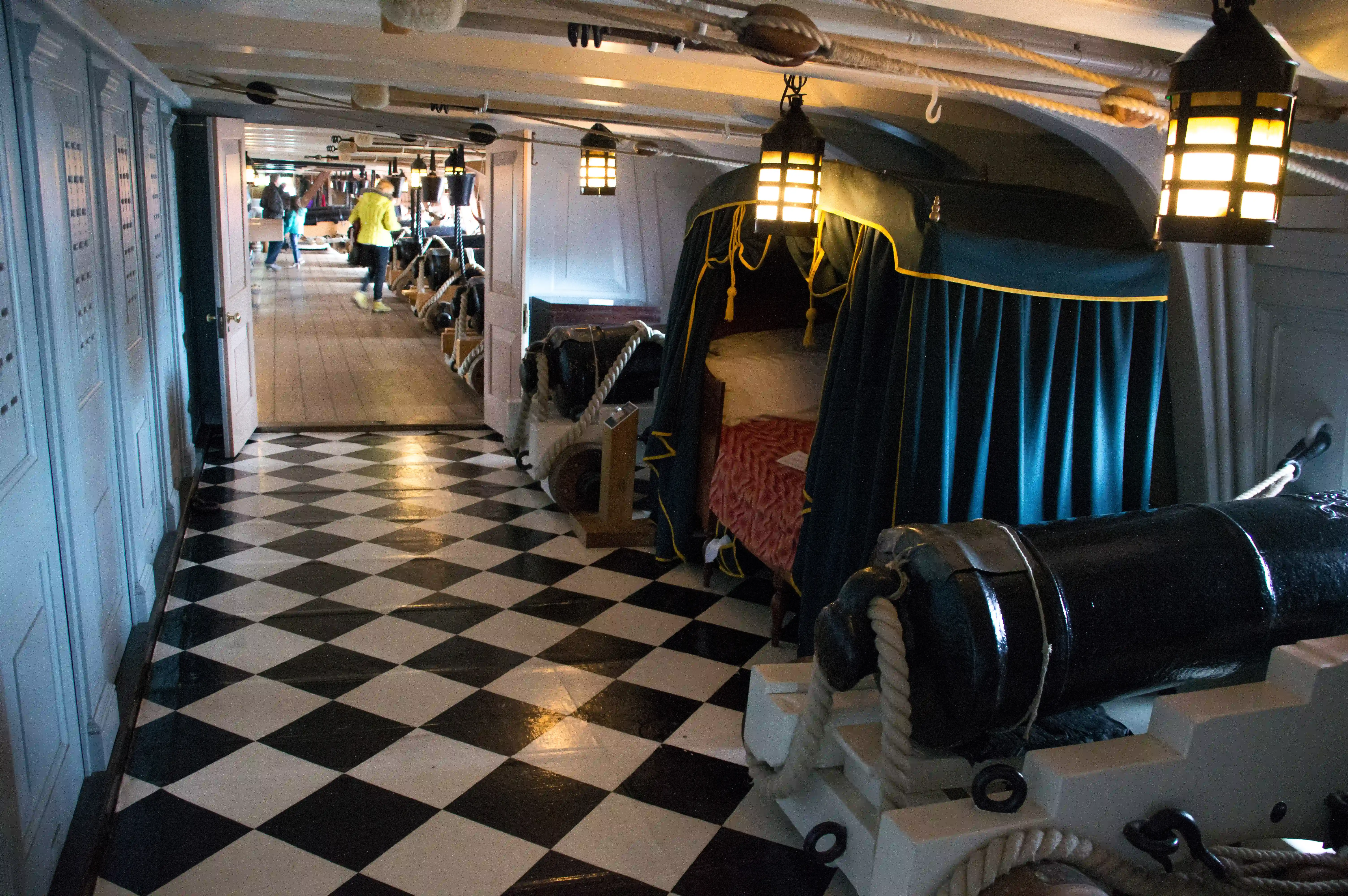
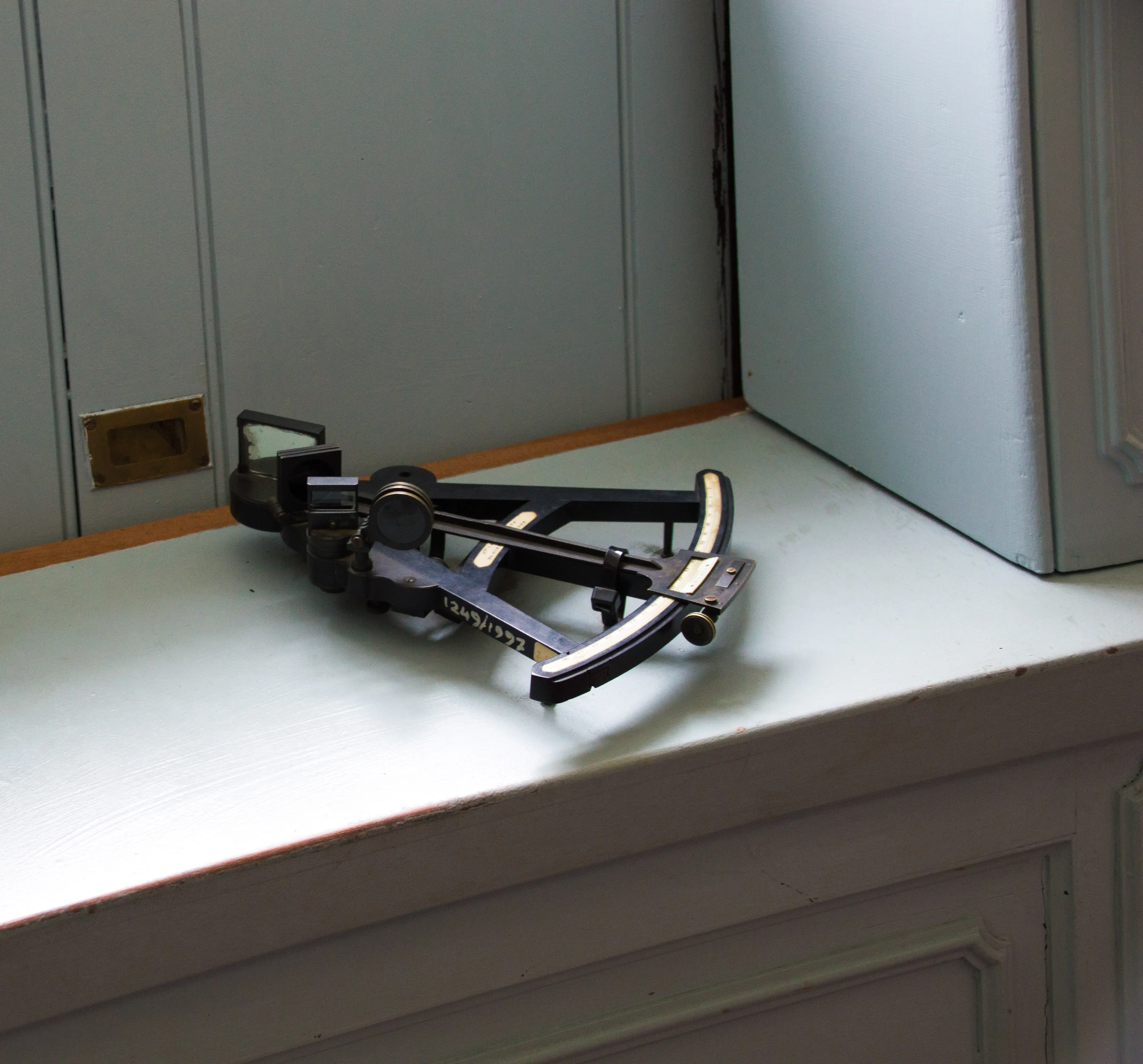
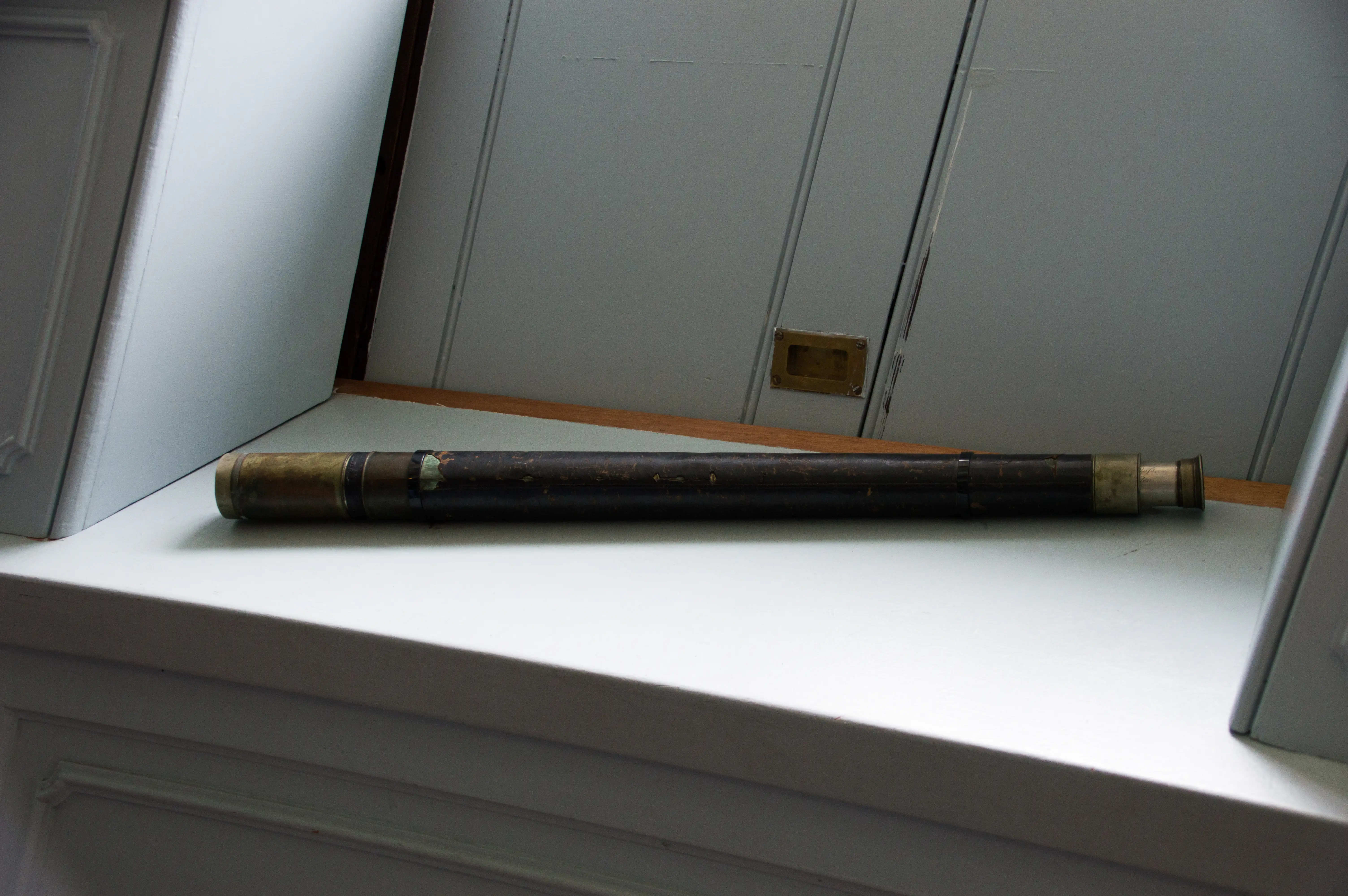
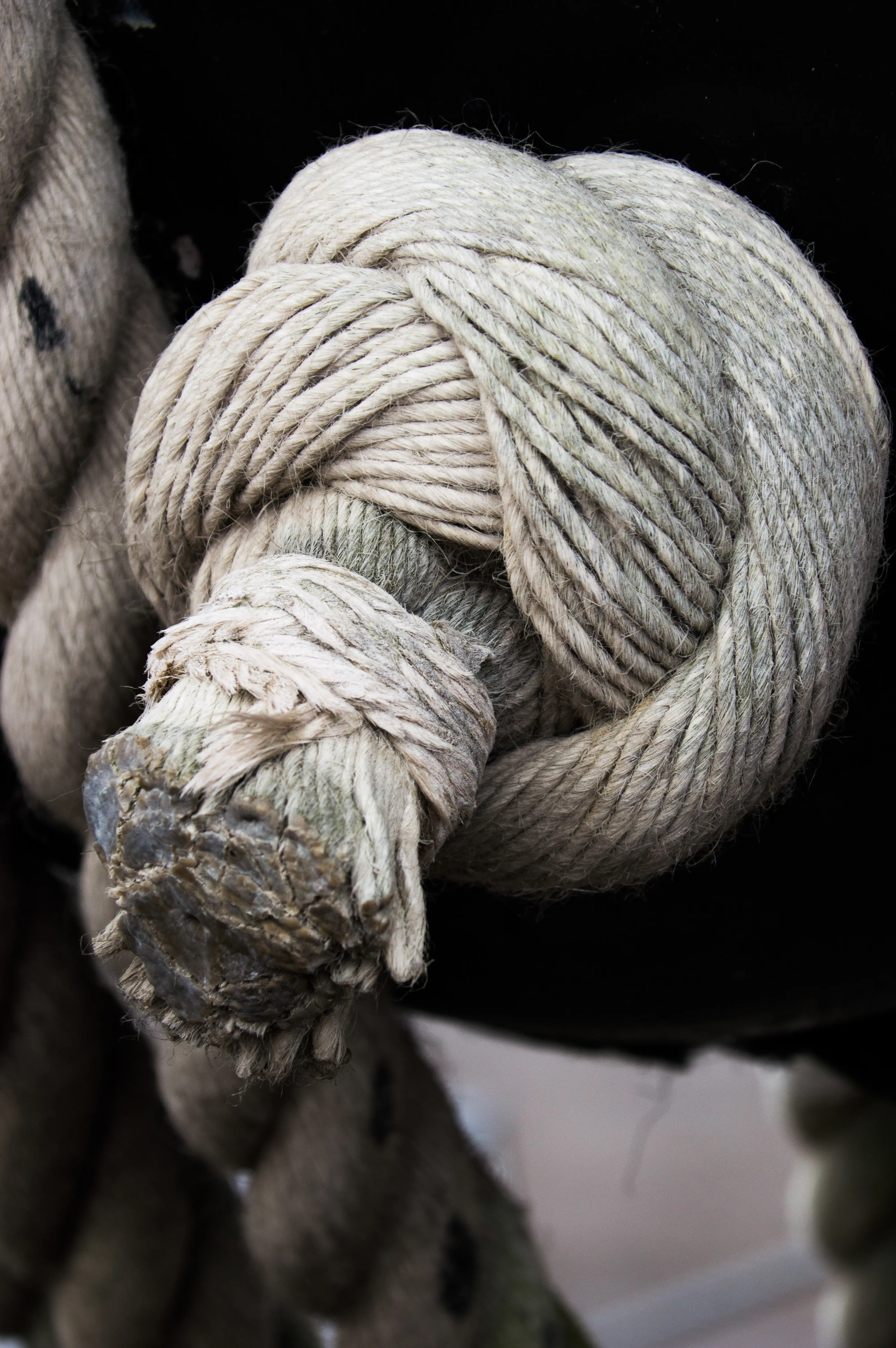
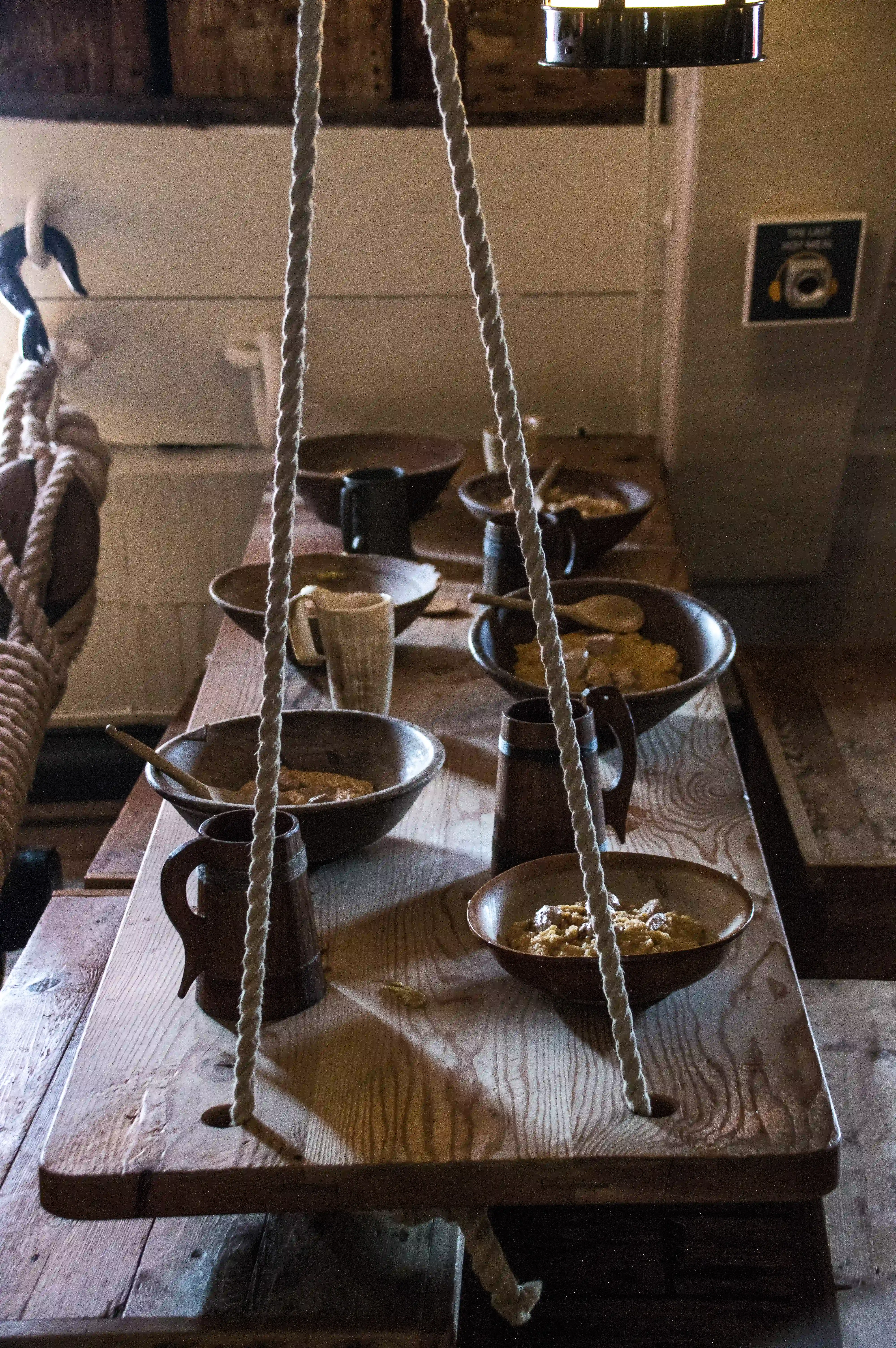
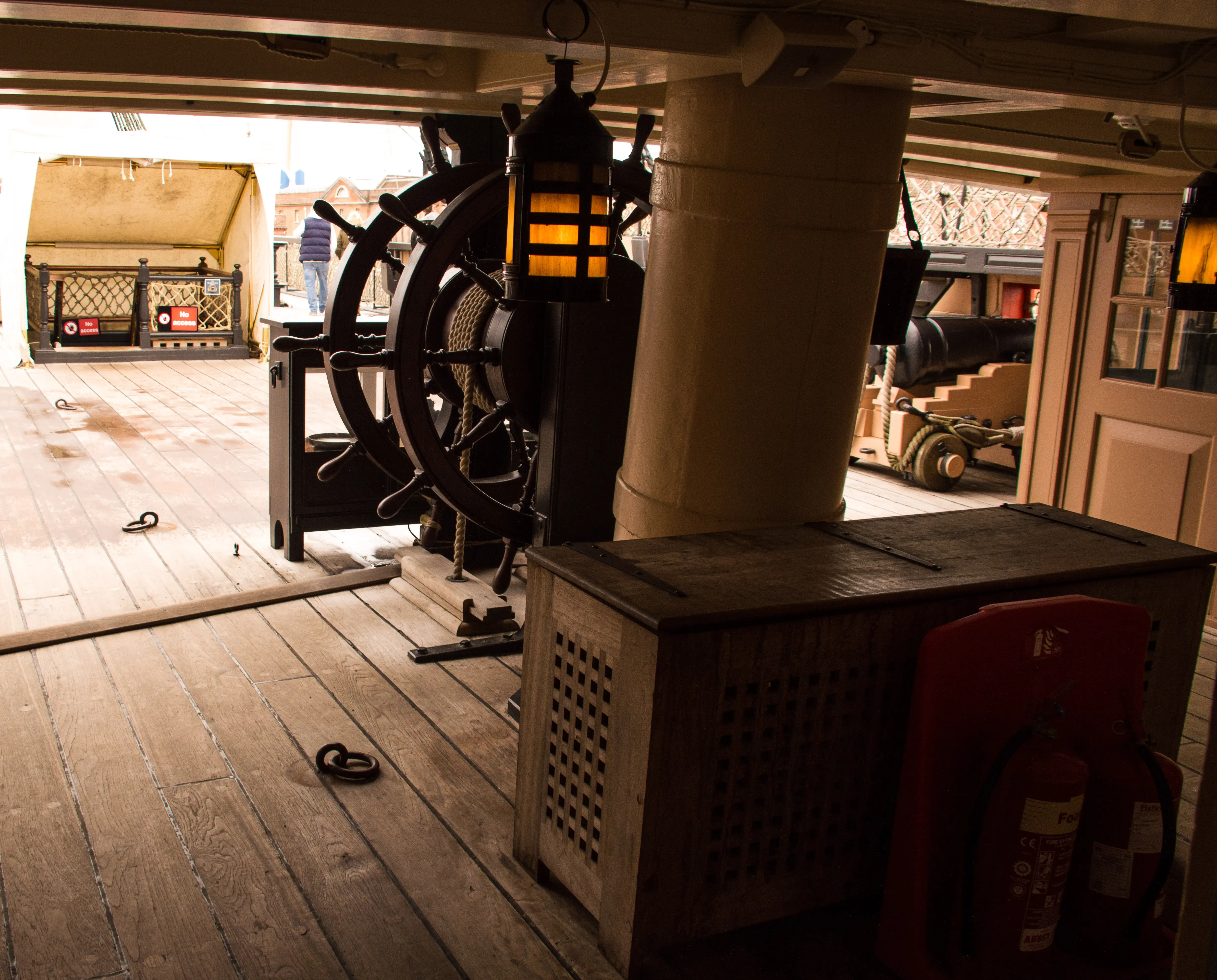
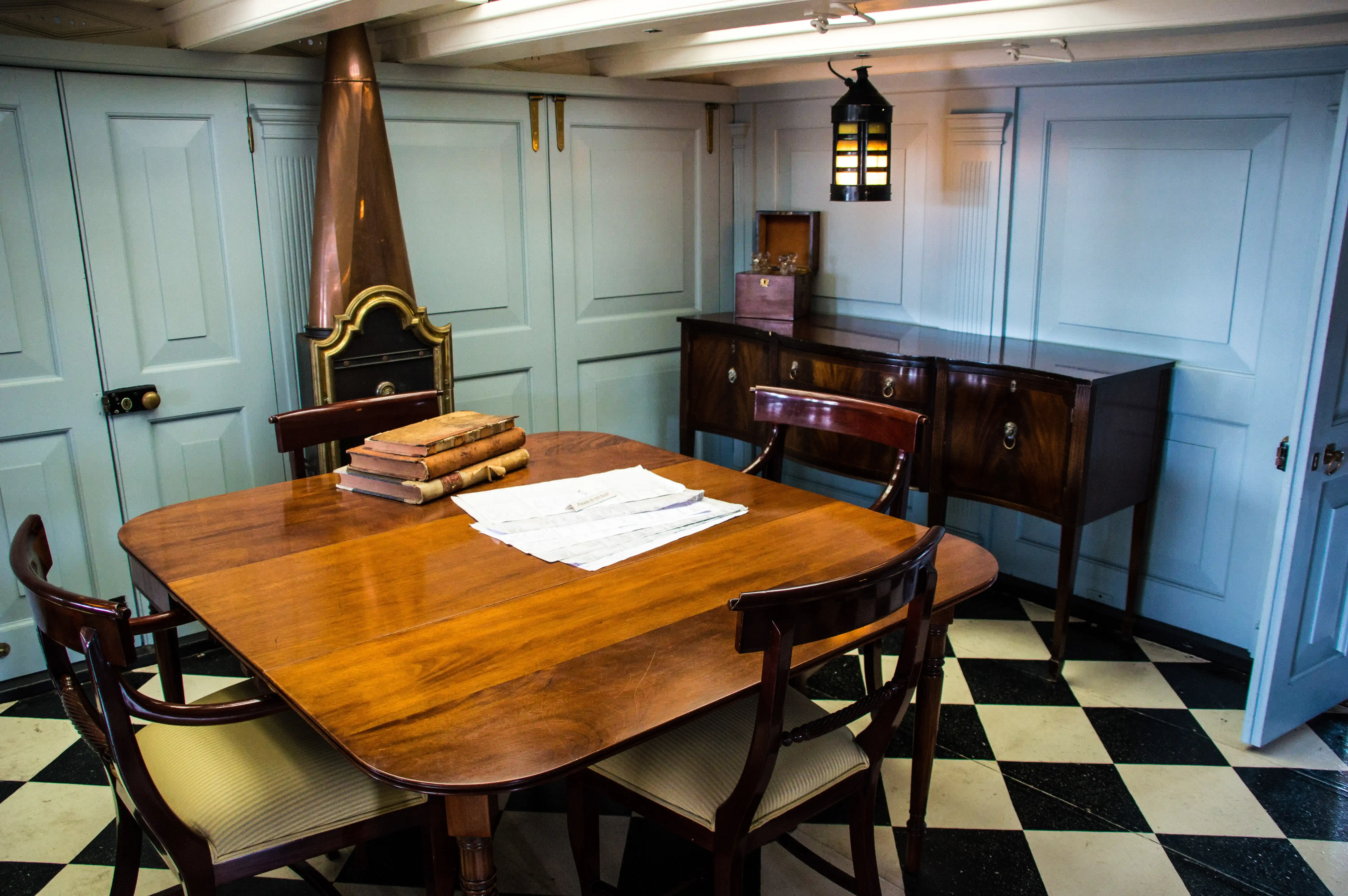
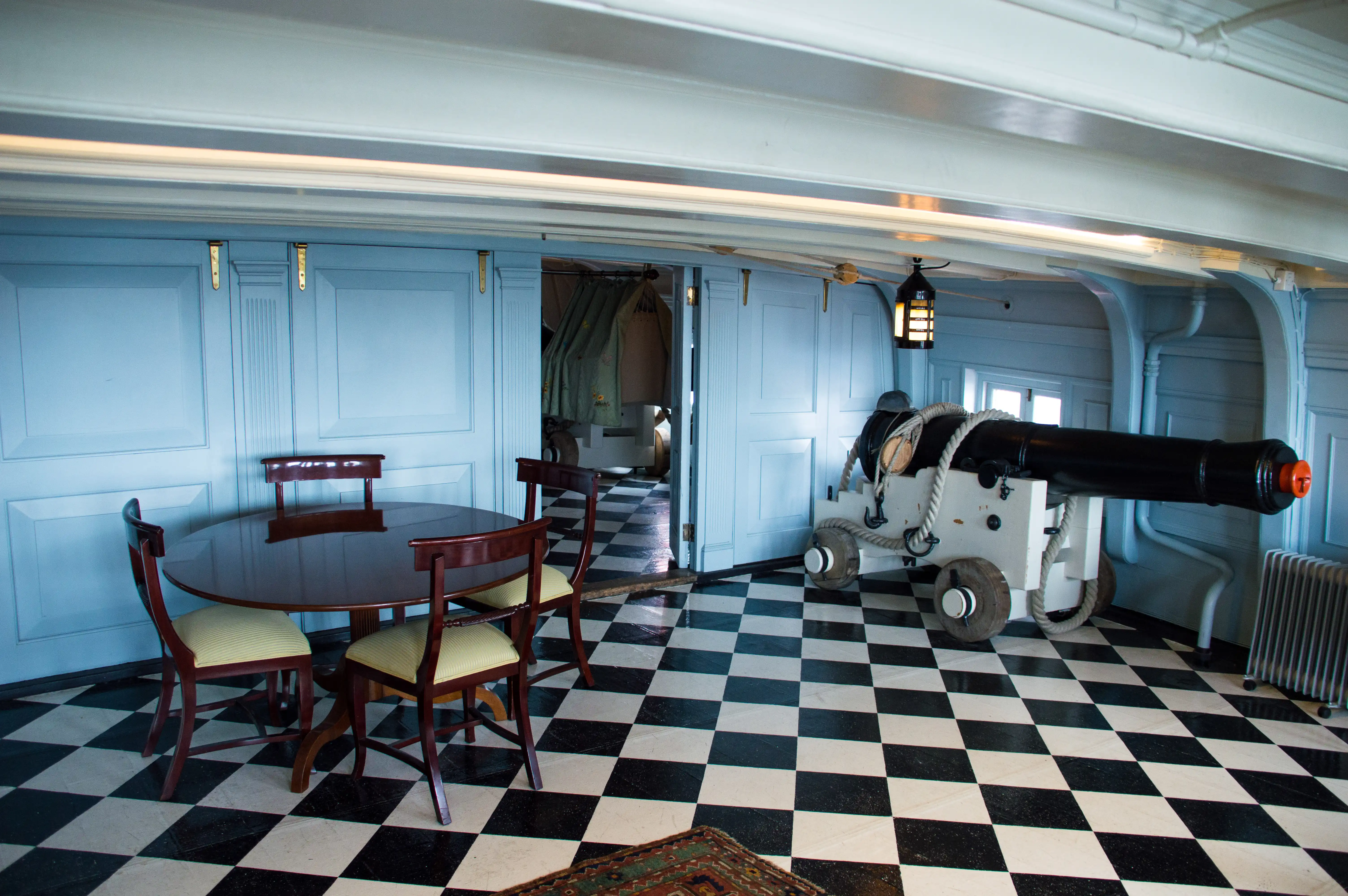
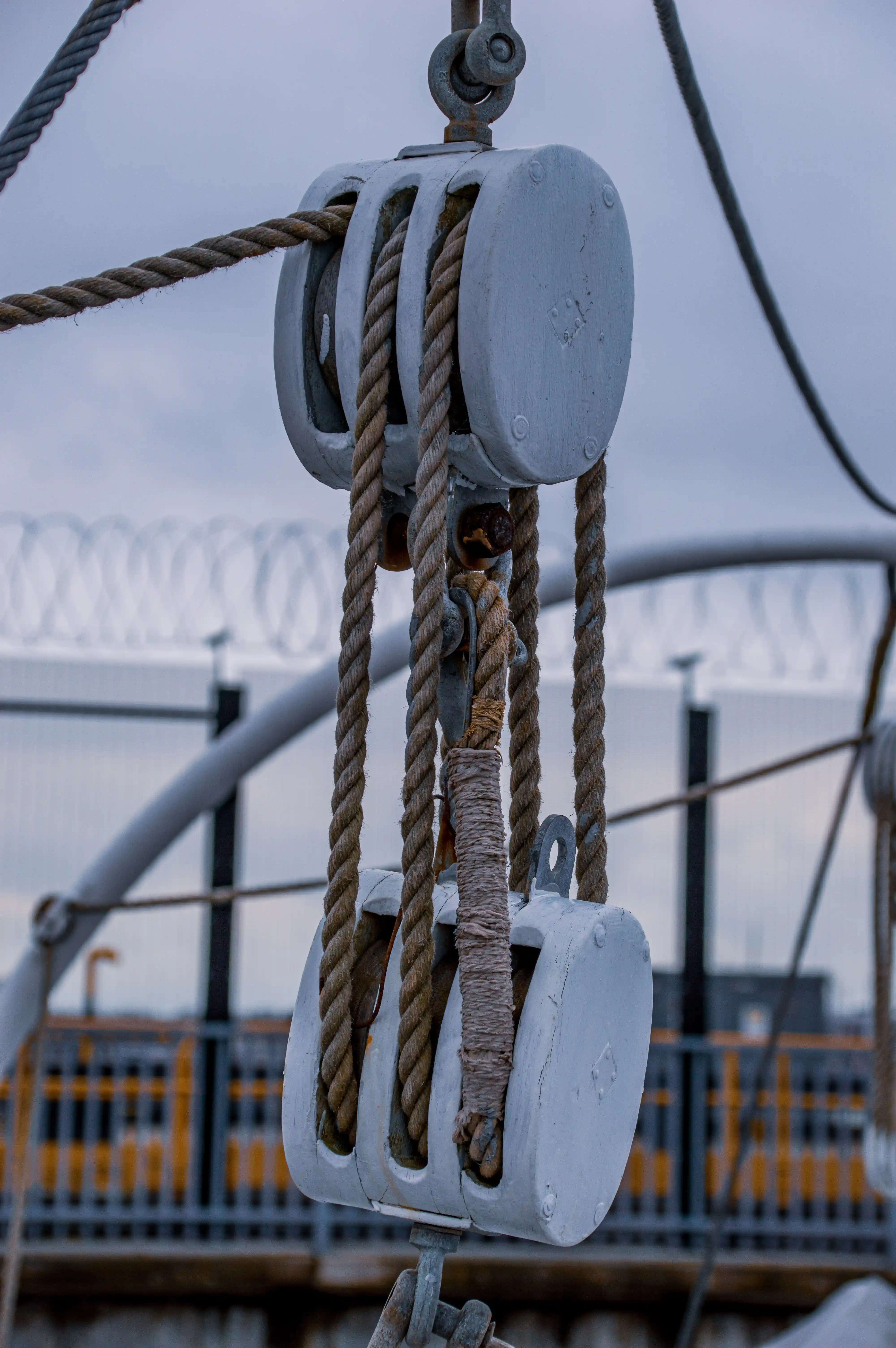
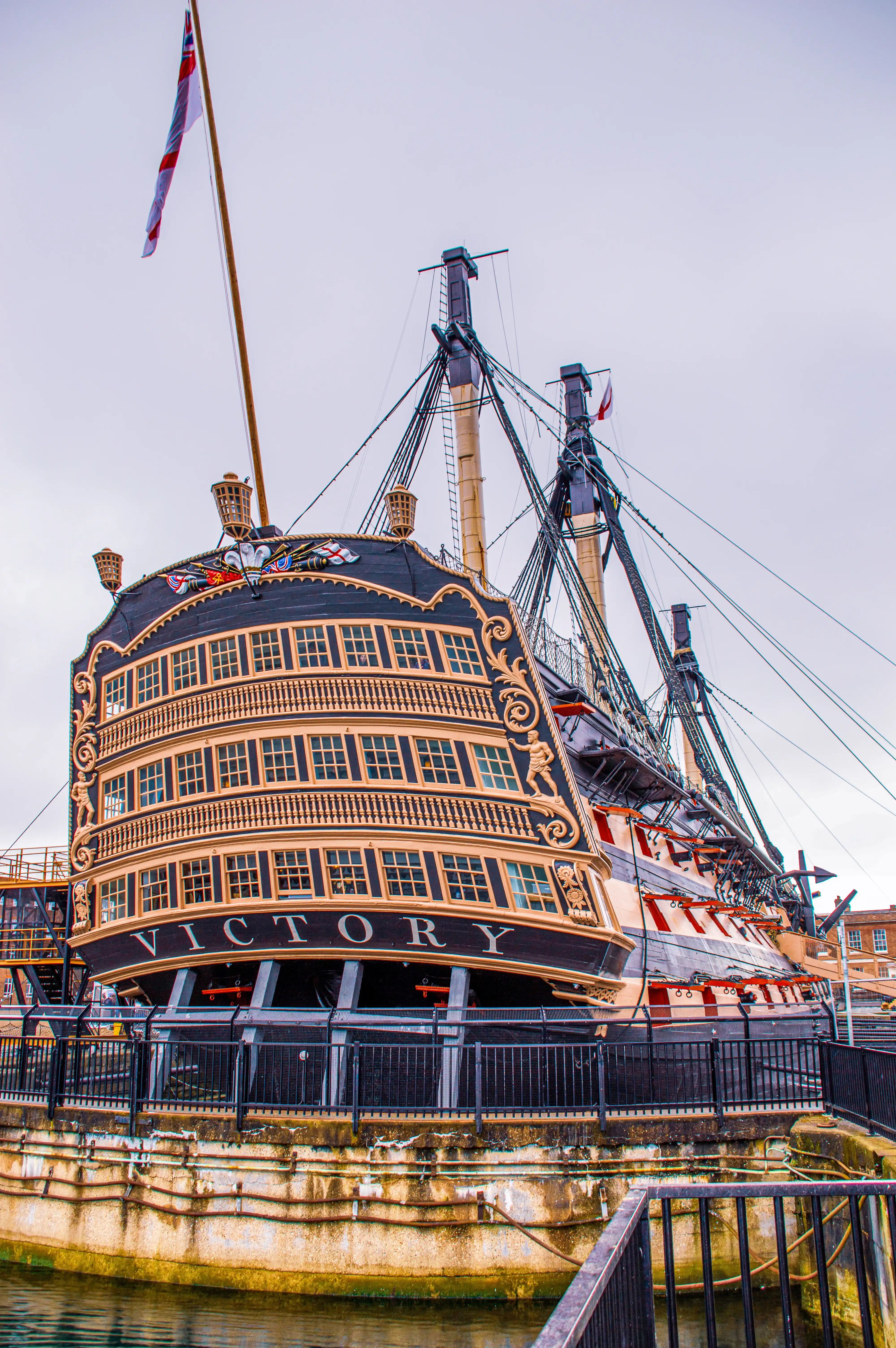
HMS Victory is the world’s oldest commissioned naval ship and one of the most famous warships in history. Launched in 1765, she is best known as Lord Nelson’s flagship at the Battle of Trafalgar in 1805. Now preserved as a museum ship at Portsmouth Historic Dockyard, HMS Victory offers visitors a unique opportunity to explore the ship’s rich history, experience life aboard an 18th-century warship, and learn about her pivotal role in British naval heritage.
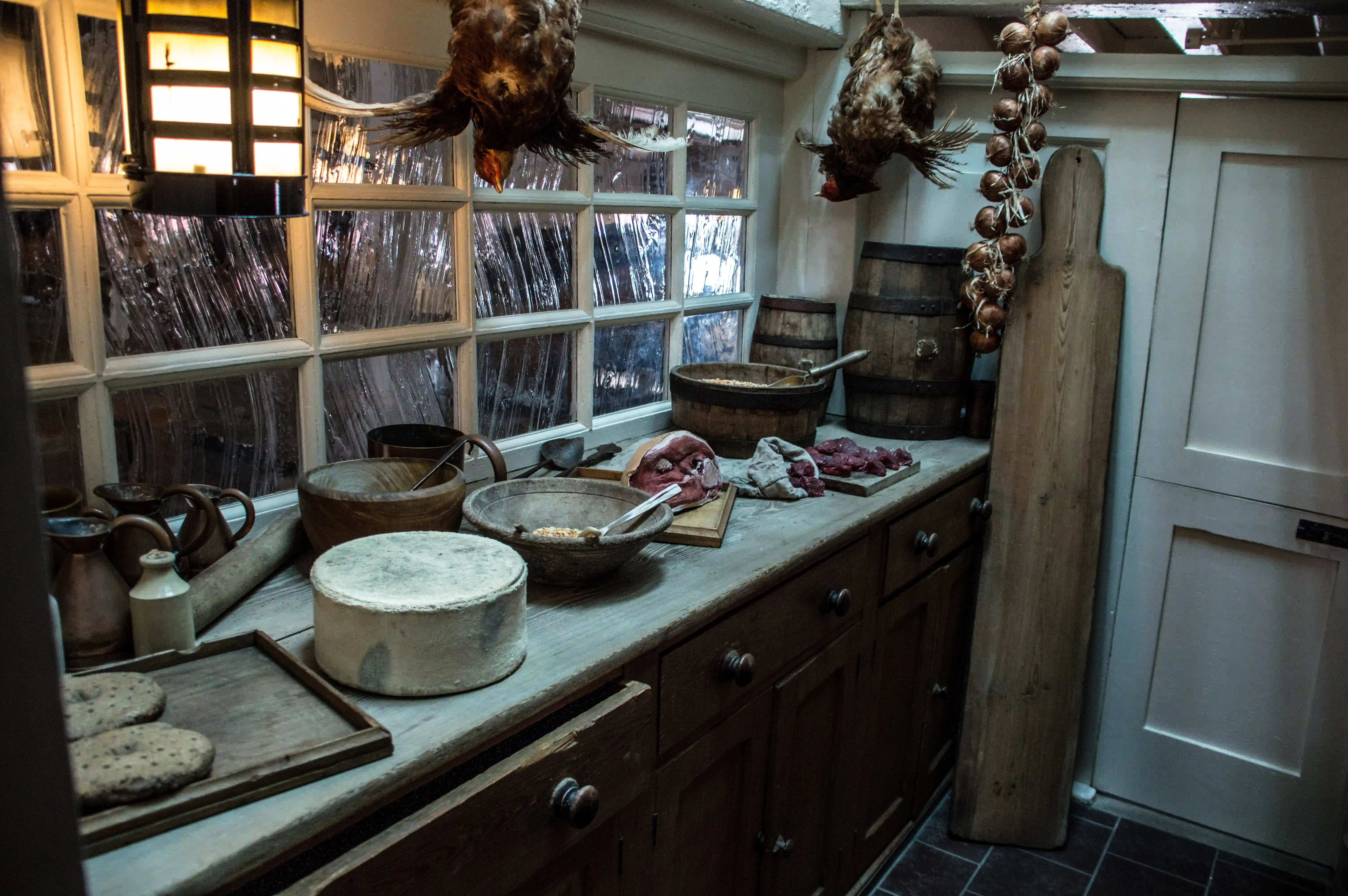
View of location ‐ photo by ,
©www.mgaylard.co.uk.
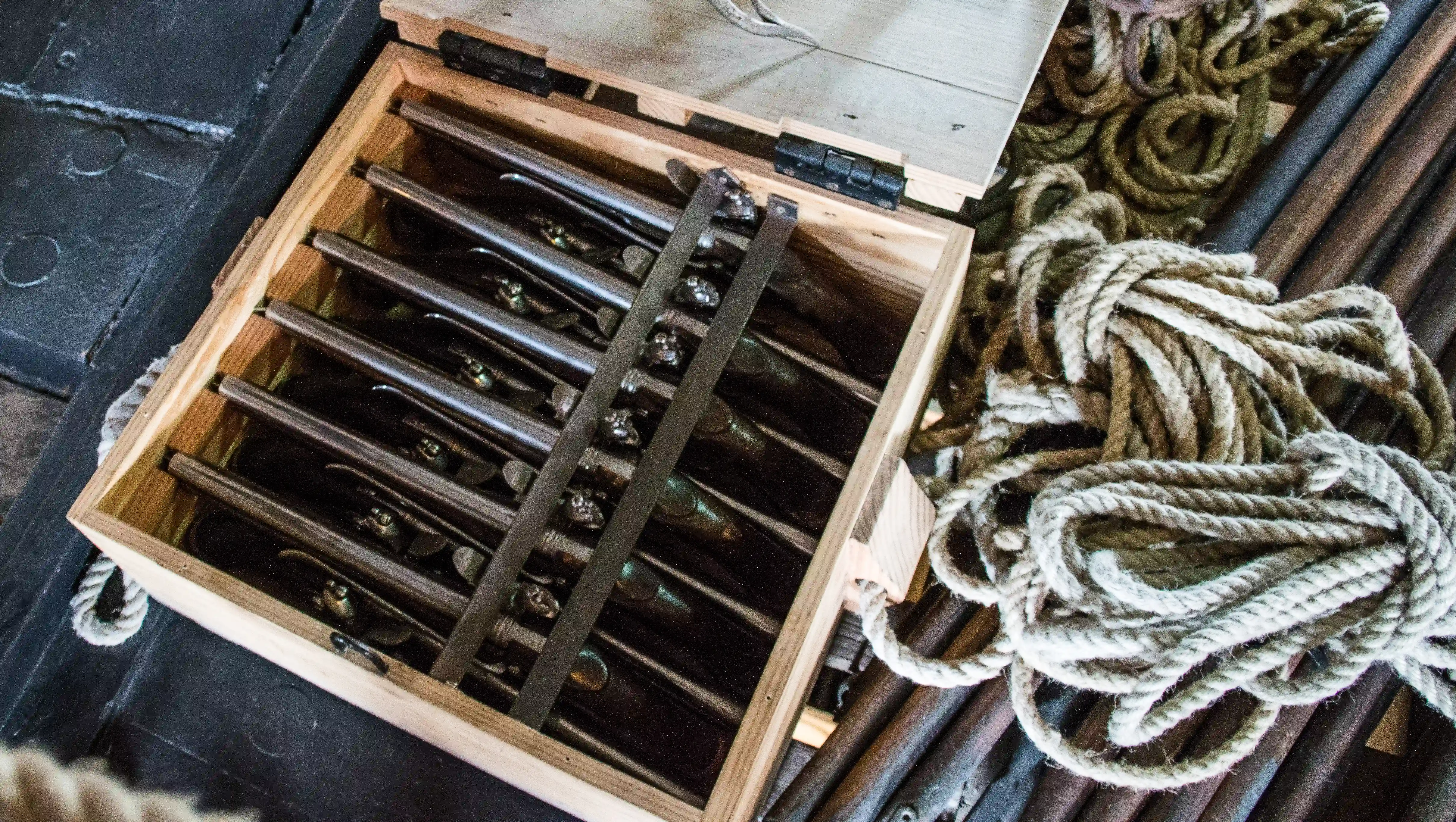
View of location ‐ photo by ,
©www.mgaylard.co.uk.
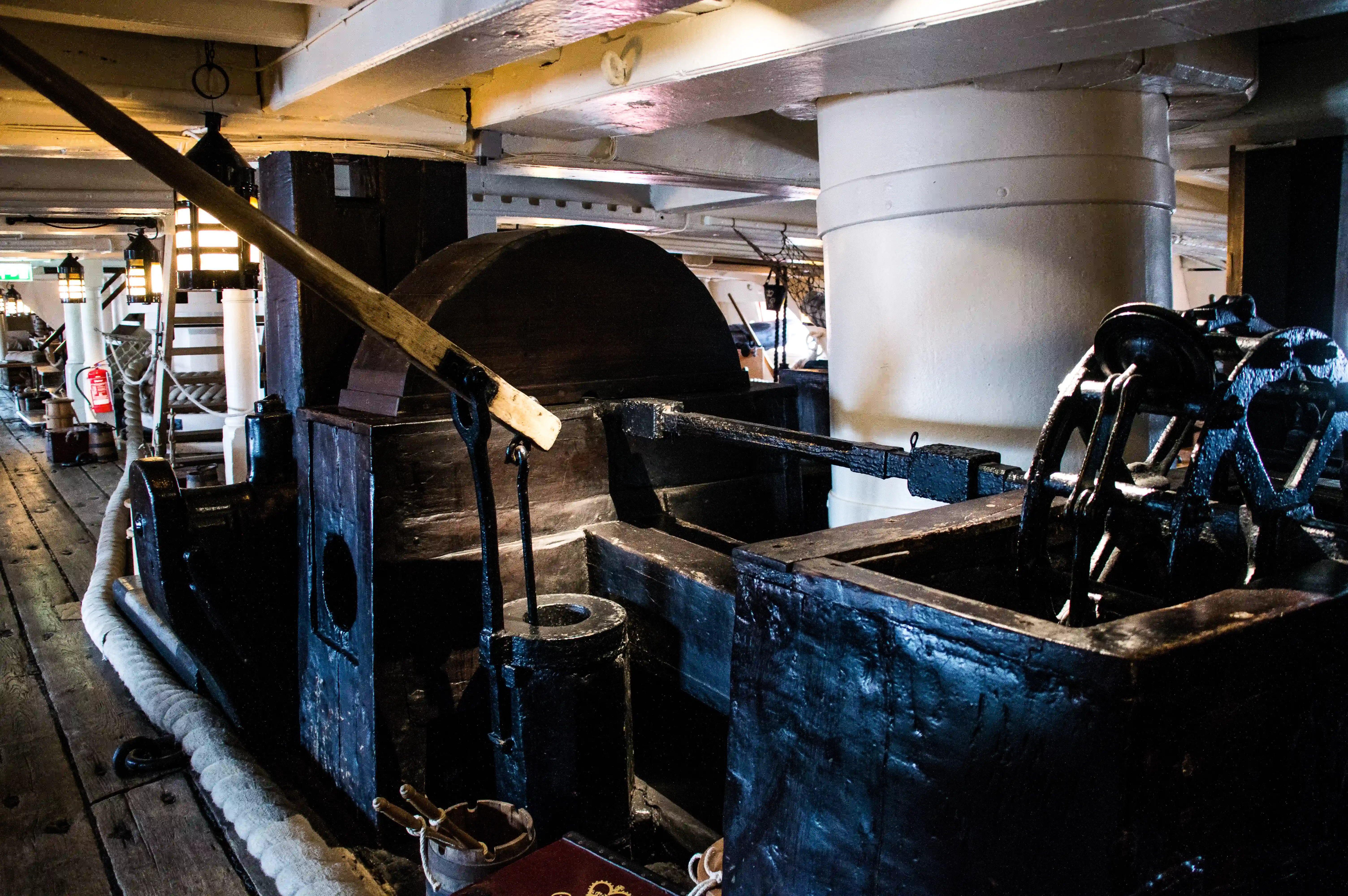
View of location ‐ photo by ,
©www.mgaylard.co.uk.
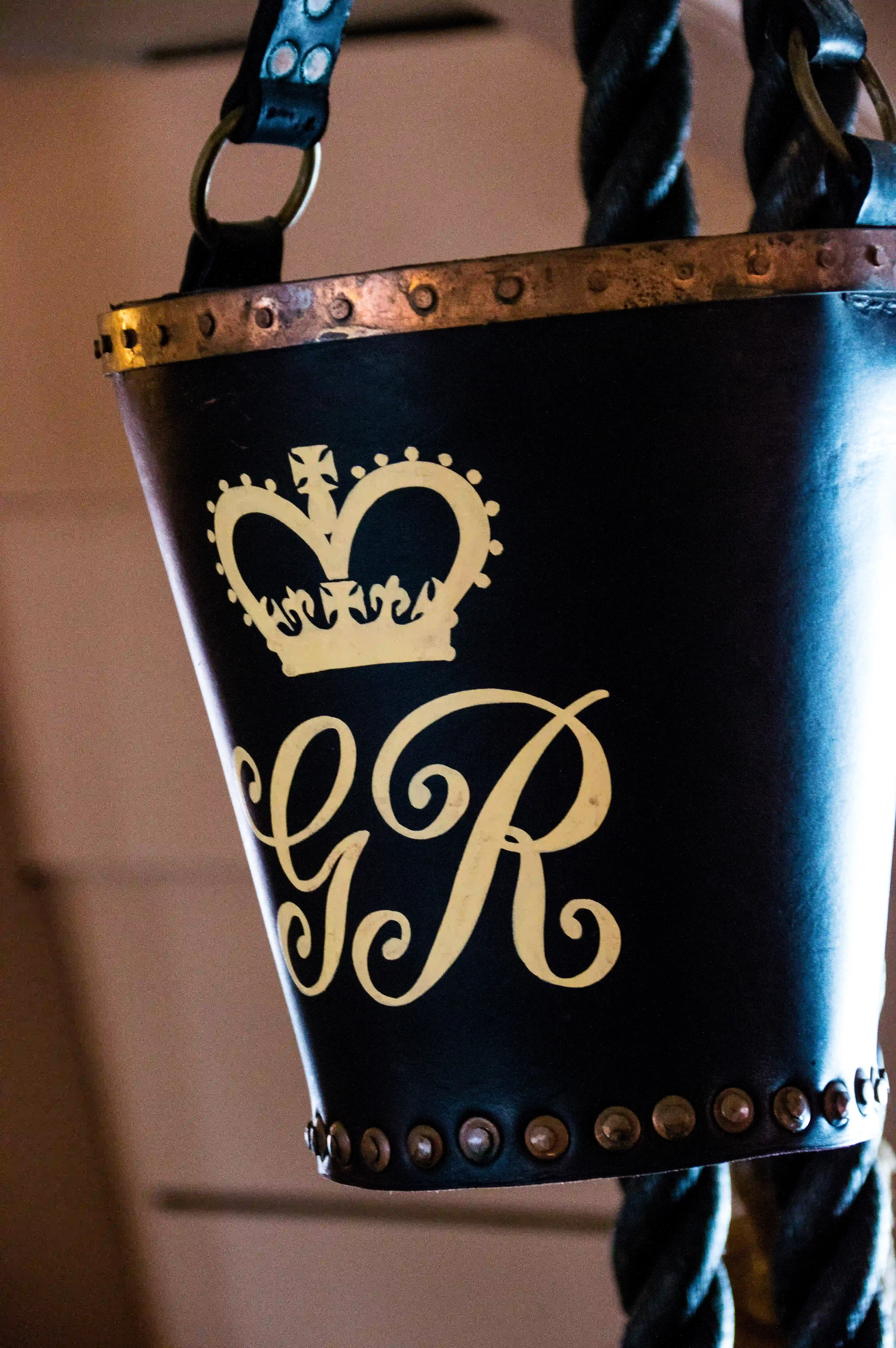
View of location ‐ photo by ,
©www.mgaylard.co.uk.
View of location ‐ photo by ,
©www.mgaylard.co.uk.
View of location ‐ photo by ,
©www.mgaylard.co.uk.
View of location ‐ photo by ,
©www.mgaylard.co.uk.
View of location ‐ photo by ,
©www.mgaylard.co.uk.
View of location ‐ photo by ,
©www.mgaylard.co.uk.
View of location ‐ photo by ,
©www.mgaylard.co.uk.
View of location ‐ photo by ,
©www.mgaylard.co.uk.
View of location ‐ photo by ,
©www.mgaylard.co.uk.
View of location ‐ photo by ,
©www.mgaylard.co.uk.
View of location ‐ photo by ,
©www.mgaylard.co.uk.
View of location ‐ photo by ,
©www.mgaylard.co.uk.
View of location ‐ photo by ,
©www.mgaylard.co.uk.
View of location ‐ photo by ,
©www.mgaylard.co.uk.
View of location ‐ photo by ,
©www.mgaylard.co.uk.
View of location ‐ photo by ,
©www.mgaylard.co.uk.
Open the full set flickr button this page

HMS Victory: The Ship That Shaped a United Kingdom

HMS Victory is a 104-gun first-rate ship of the line of the Royal Navy, best known as Lord Nelson’s flagship at the Battle of Trafalgar in 1805. Launched in 1765, she is now preserved as a museum ship in Portsmouth Historic Dockyard, making her the oldest naval ship still in commission.

A First-Rate Legend

HMS Victory is more than a ship—she is a symbol of British naval power, a floating monument to the age of sail, and the oldest commissioned warship in the world. Launched in 1765 at Chatham Dockyard, she was designed by Sir Thomas Slade as a first-rate ship of the line, the largest and most formidable class of warship in the Royal Navy. Built from the timber of over 6,000 trees—90% oak—her three decks bristled with 104 guns, a floating fortress capable of unleashing devastating broadsides. Yet her true fame came not from her firepower alone, but from the man who made her his flagship: Vice-Admiral Horatio Nelson. It was aboard Victory that Nelson led the British fleet to its greatest triumph at the Battle of Trafalgar in 1805, a victory that secured Britain’s dominance at sea for a century and turned Nelson into a United Kingdomal hero

From Battle to Immortality

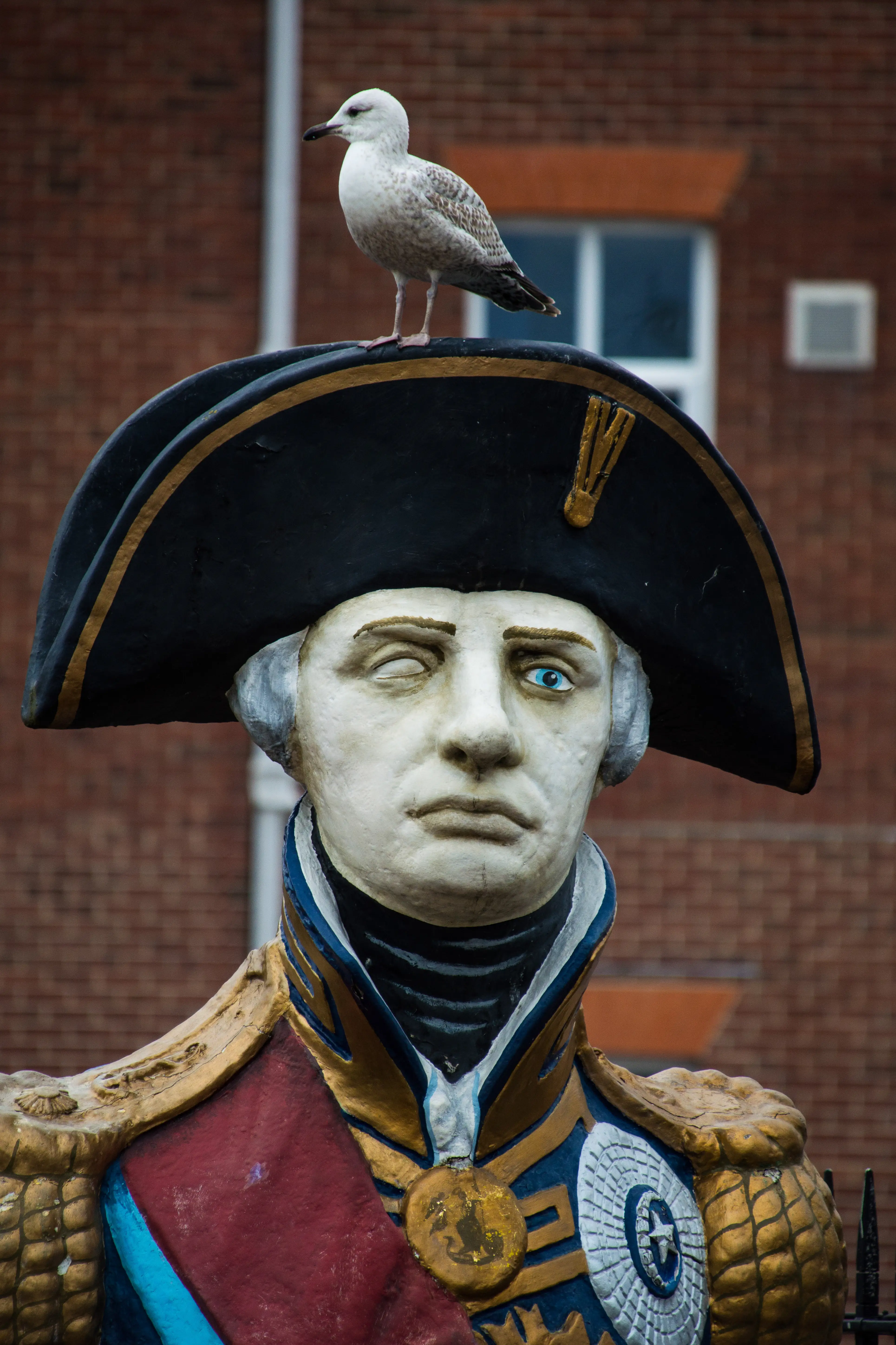
Victory’s career spanned some of the Royal Navy’s most defining moments. She served in the American Revolutionary War, the French Revolutionary Wars, and the Napoleonic Wars, her decks witness to the clamor of battle and the quiet resolve of sailors. At Trafalgar, she was at the heart of the action, her guns roaring as Nelson’s flagship broke the Franco-Spanish line. It was here, in the heat of battle, that Nelson fell, mortally wounded by a French sharpshooter. His body was brought below to the ship’s cockpit, where he died knowing he had won a decisive victory. The spot where he fell is marked to this day, a shrine to the man and the ship that became inseparable in British memory

A Ship Preserved in Time

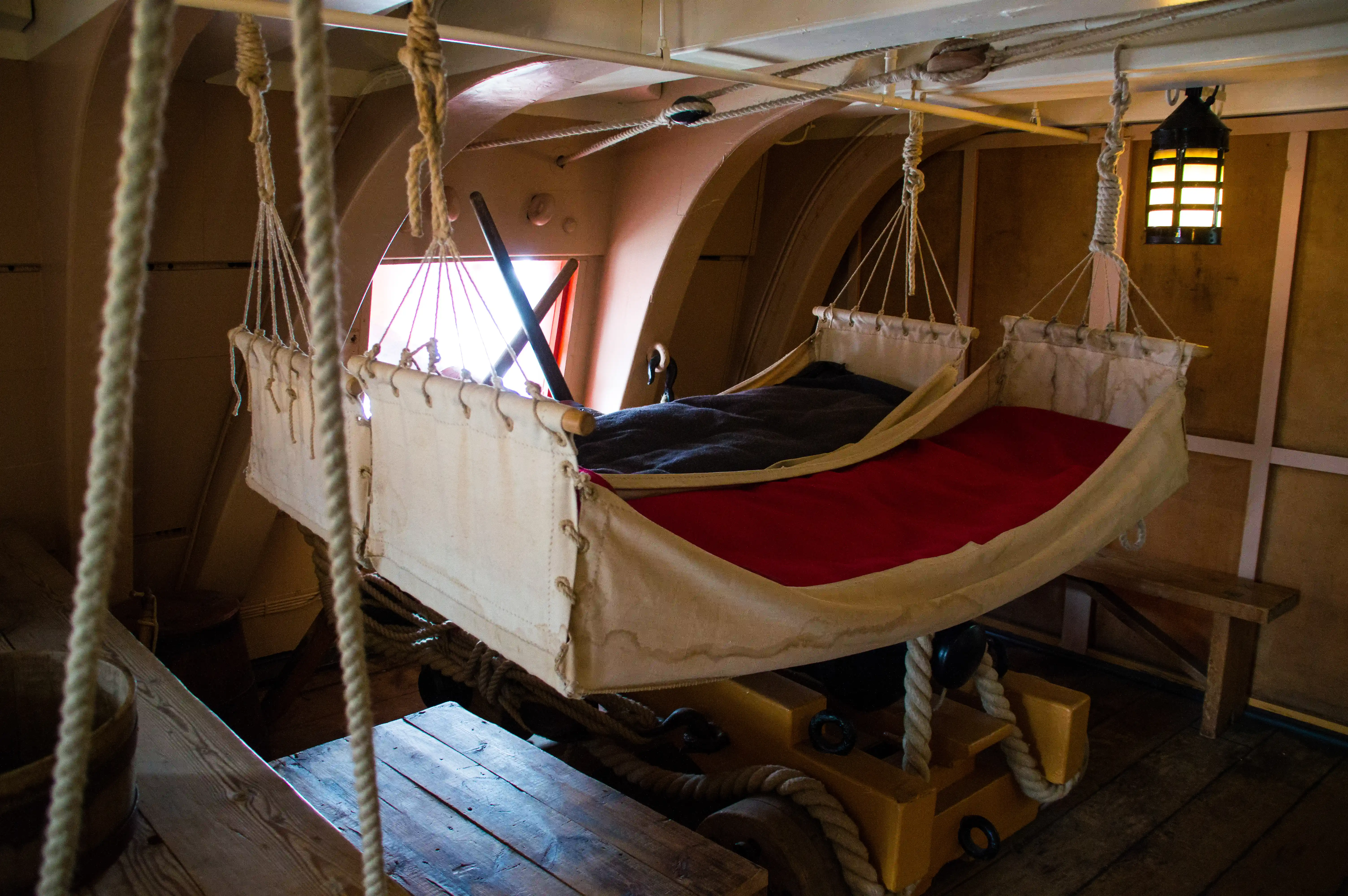
After Trafalgar, Victory’s active days were over, but her story was far from finished. She became a floating relic, a symbol of Nelson’s legacy, and in 1922 was moved to a permanent dry dock in Portsmouth Historic Dockyard. Here, she has been lovingly preserved, her timbers and rigging meticulously maintained by generations of shipwrights and conservators. Today, visitors can walk her decks, stand where Nelson fell, and explore the labyrinth of spaces that once housed 850 sailors. The Victory Gallery and ongoing conservation projects, like The Big Repair, ensure that her story—from the roar of her guns to the quiet creak of her timbers—continues to inspire. She is not just a museum piece, but a living link to the age of sail, a ship that still flies the flag as the flagship of the First Sea Lord

A Monument to Naval Heritage

HMS Victory is more than a historic vessel; she is a United Kingdomal treasure. As part of the United Kingdomal Historic Fleet and a cornerstone of Portsmouth Historic Dockyard, she draws visitors from around the world, all eager to stand where Nelson stood, to touch the wood that once bore the brunt of battle, and to marvel at the craftsmanship of an era when ships like her ruled the waves. Her survival is a testament to the skill of those who built her, the courage of those who sailed her, and the dedication of those who have preserved her. For over 260 years, Victory has been a witness to history—and she continues to write her story, one plank, one cannon, one visitor at a time

References

en.wikipedia.orgwww.nmrn.org.ukwww.rmg.co.ukwww.United Kingdomalhistoricships.org.ukwww.historyhit.com , Text generated by Mistral AI

HMS M.33

HMS M.33

No.1 Dry DockHM Naval BasePortsmouth,   PO1 3LJ,   United Kingdom

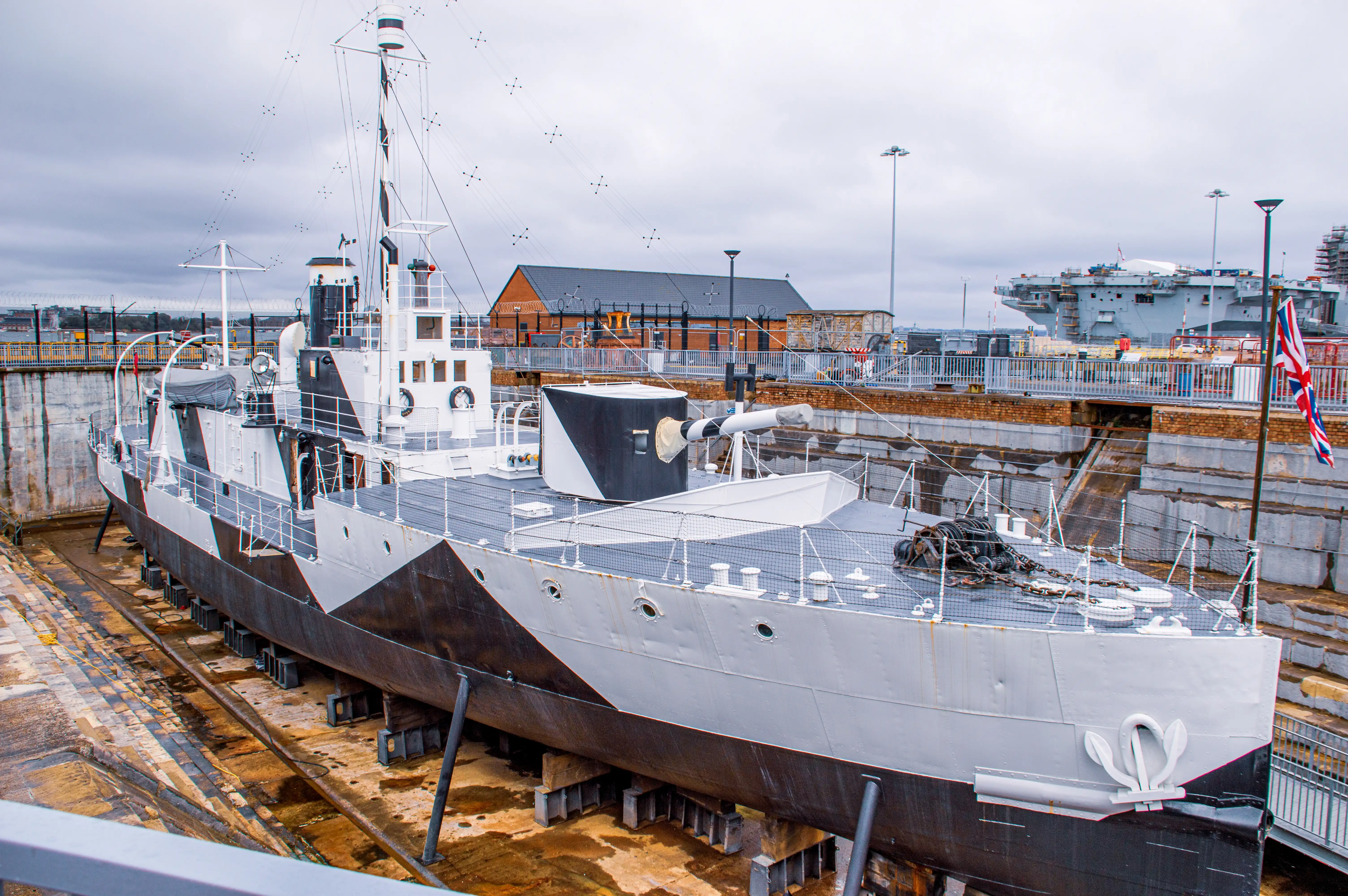
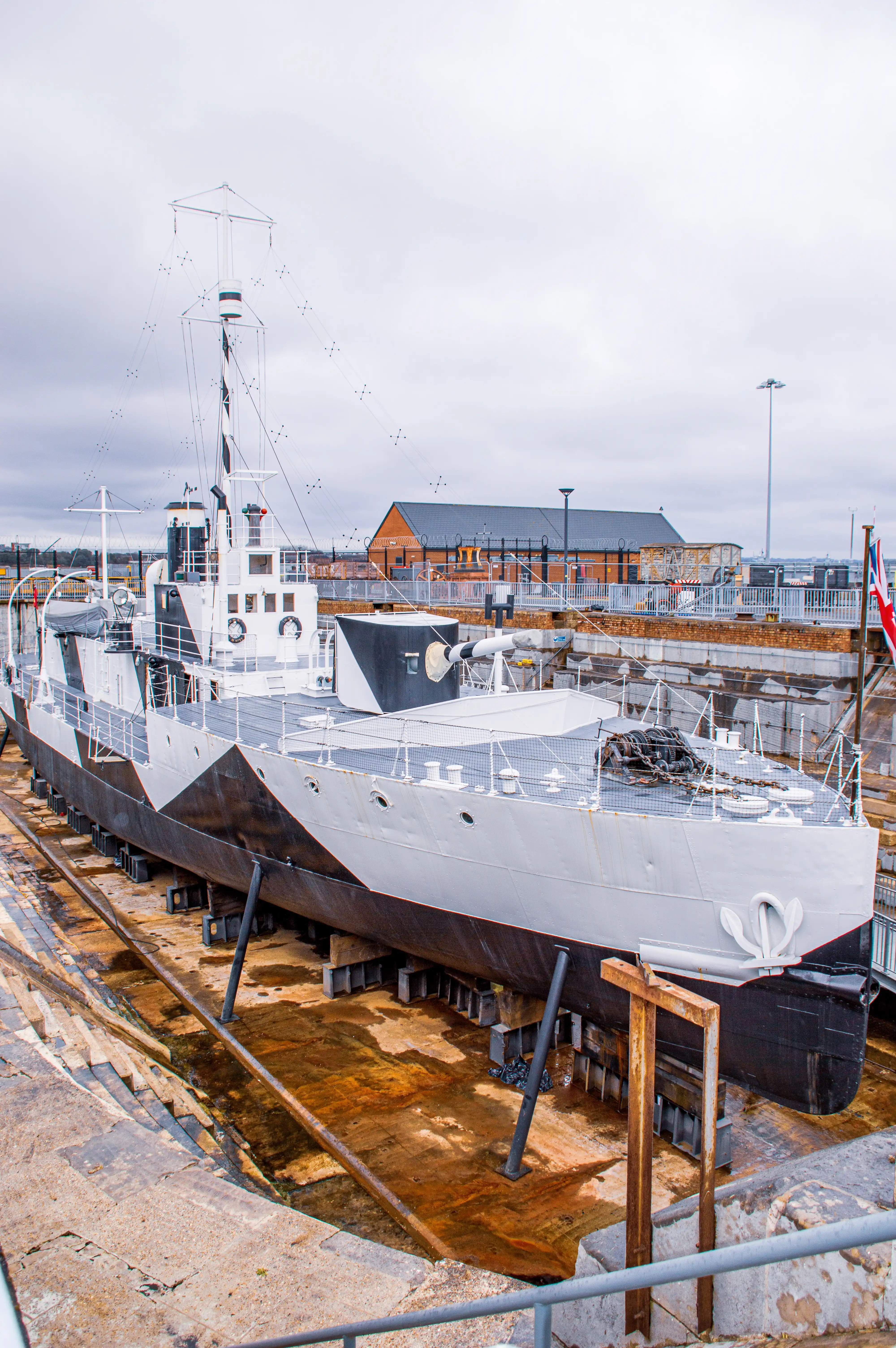
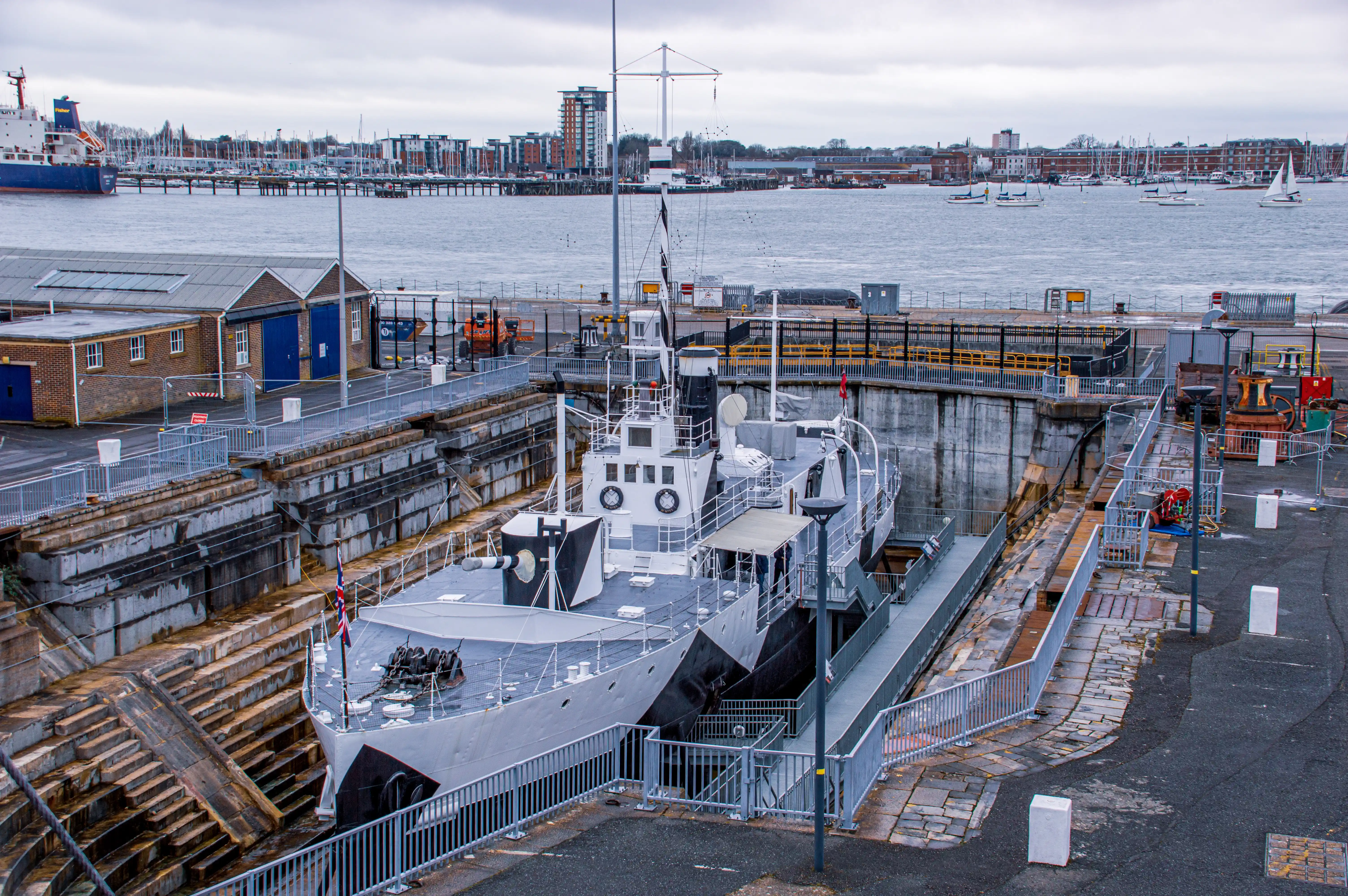
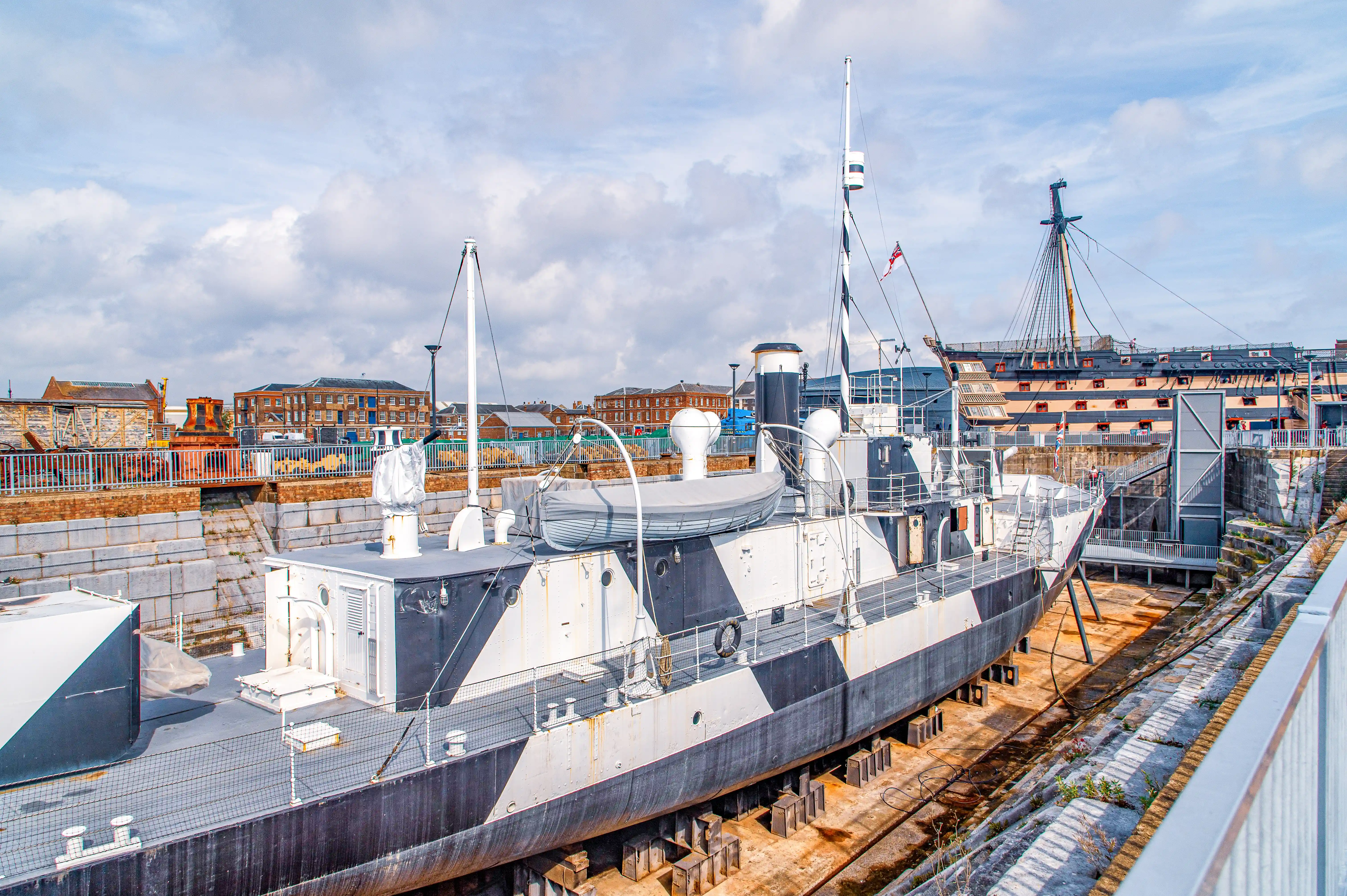
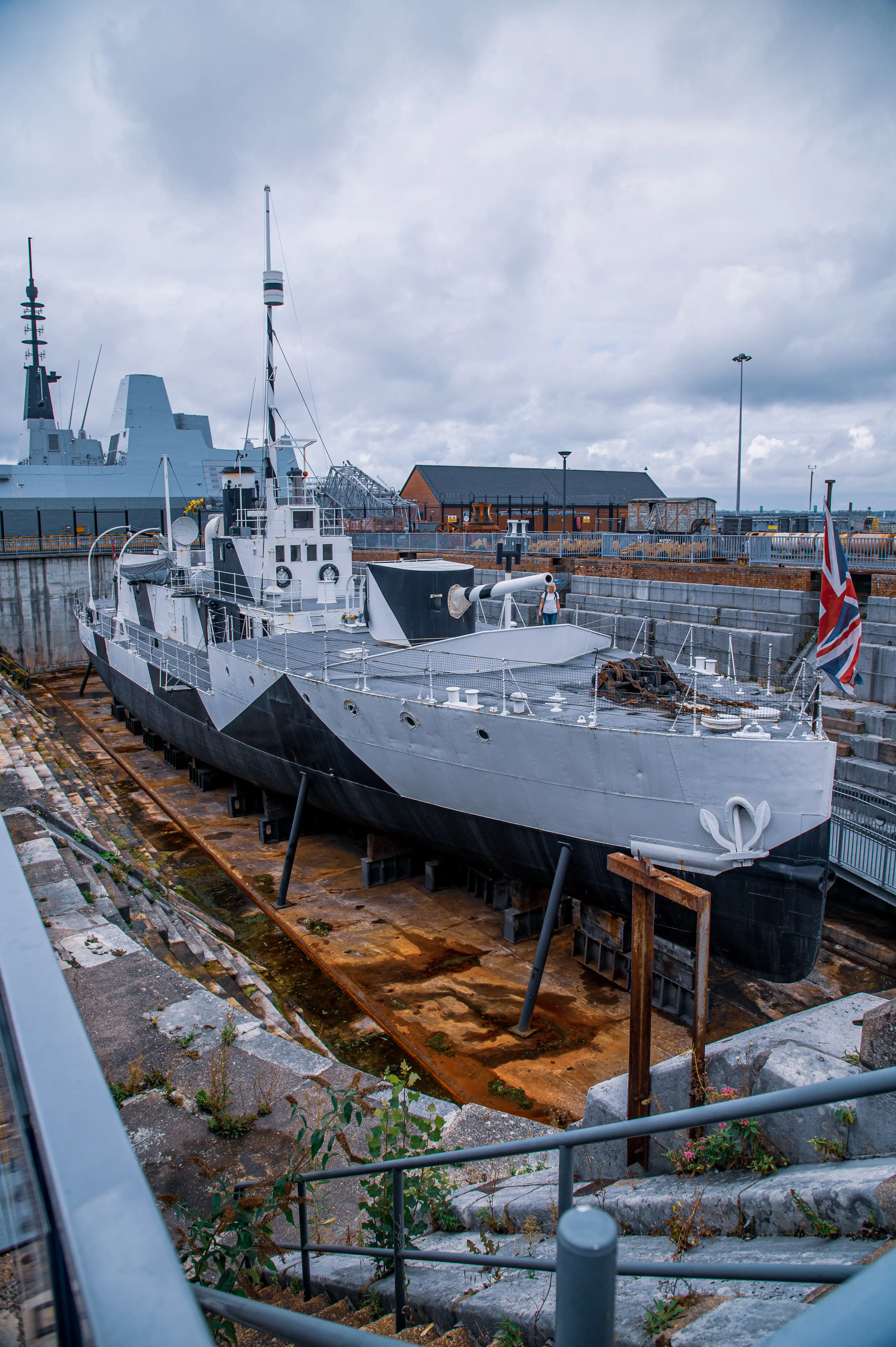
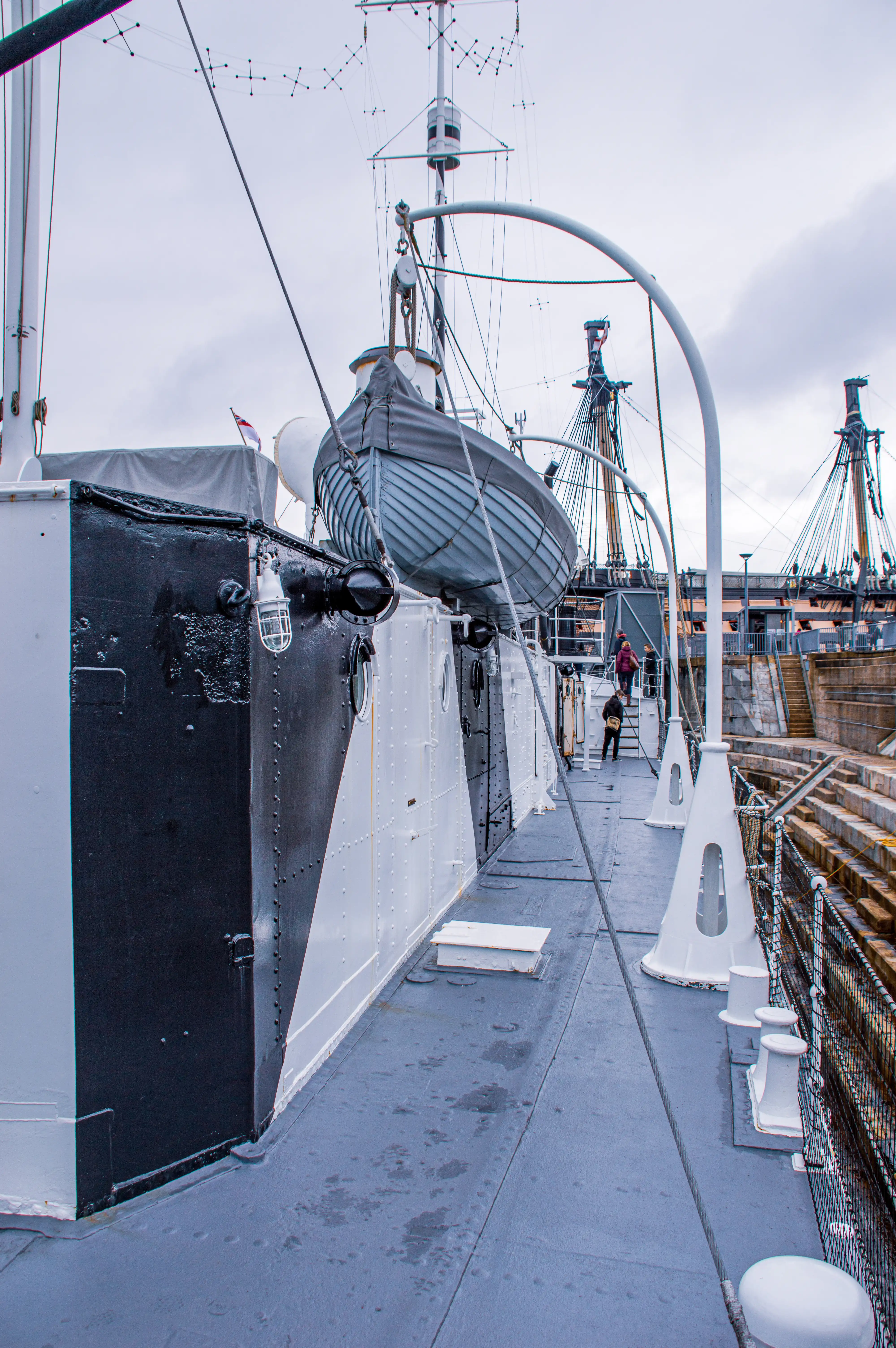
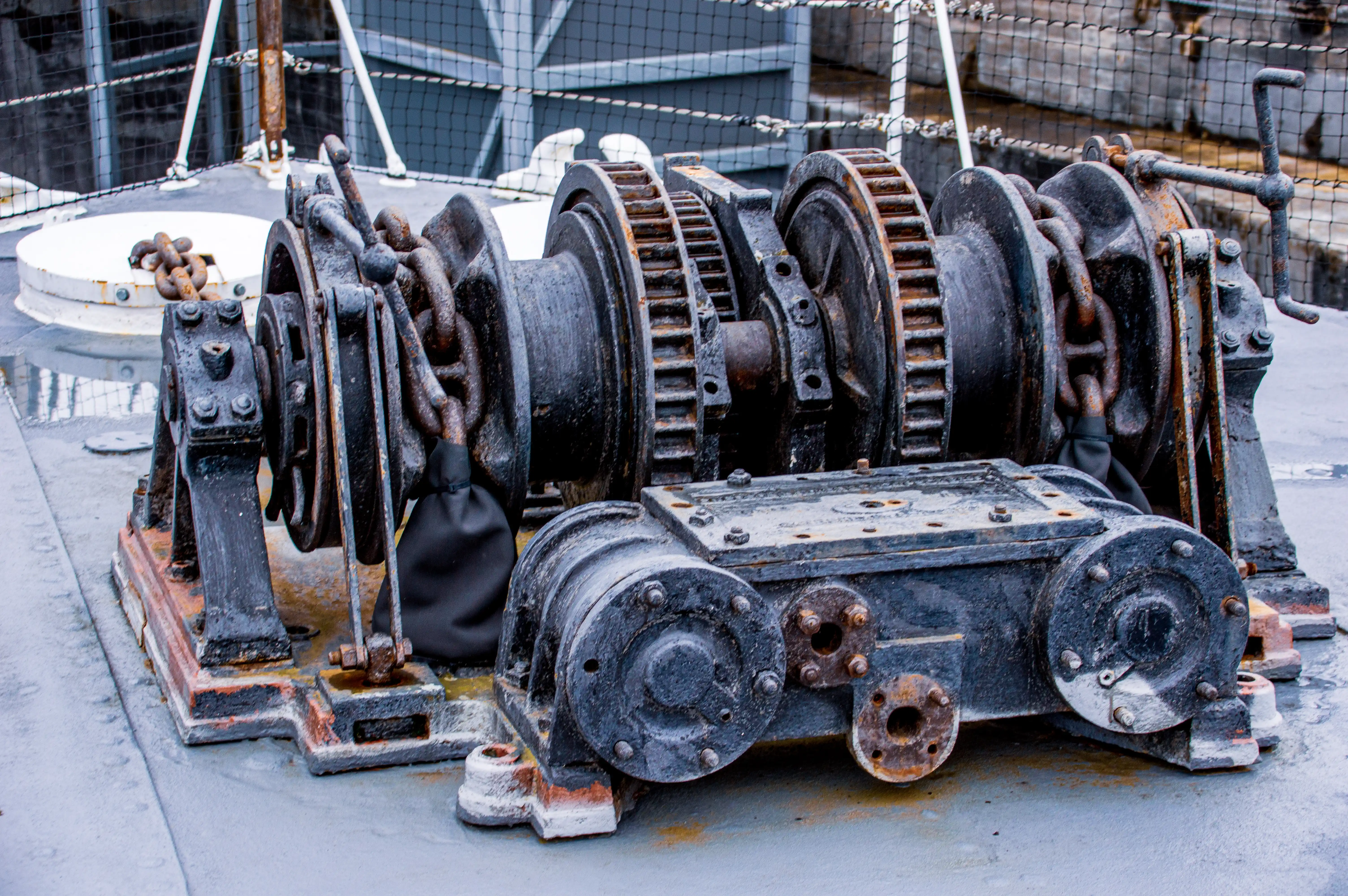
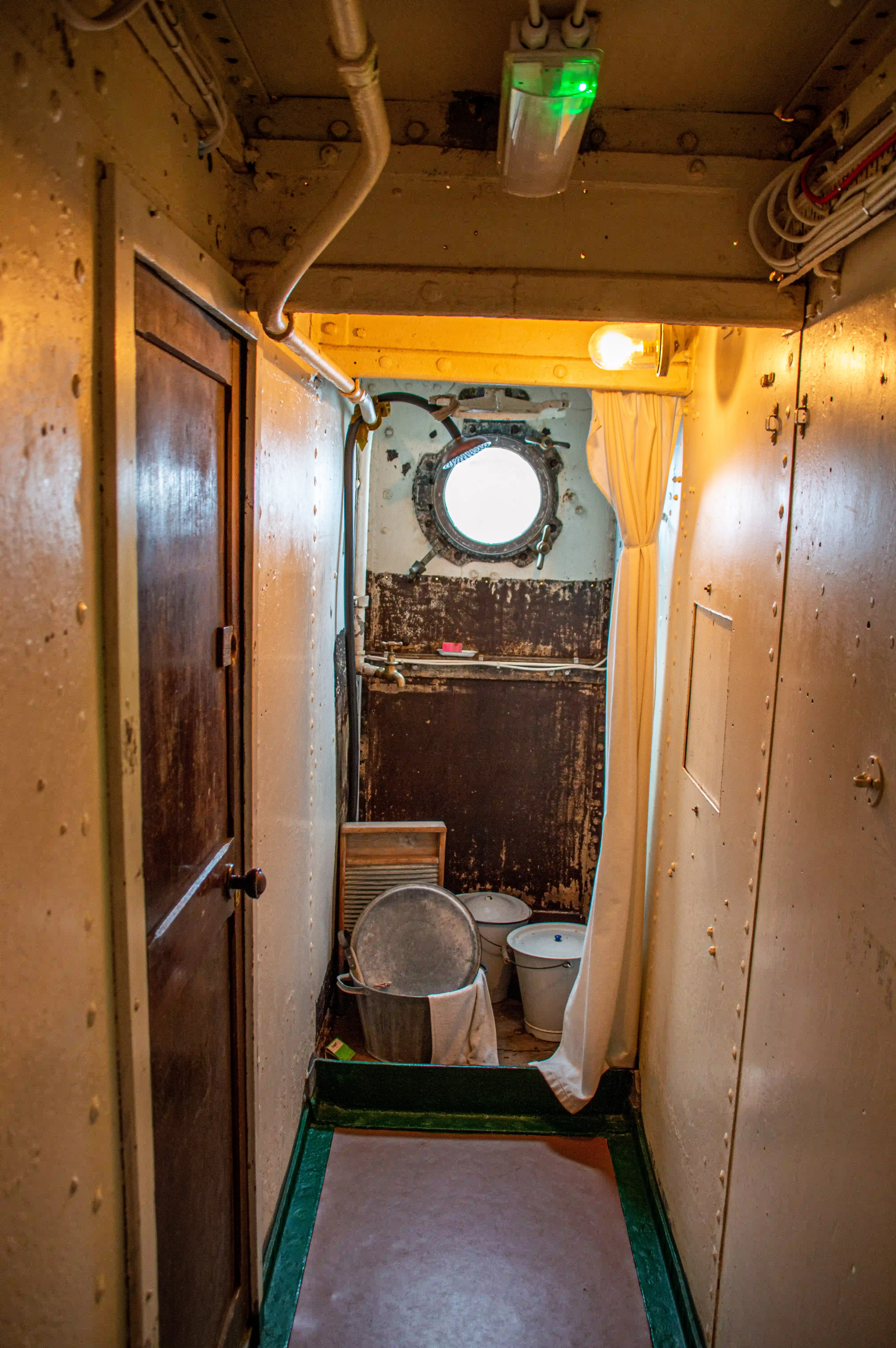
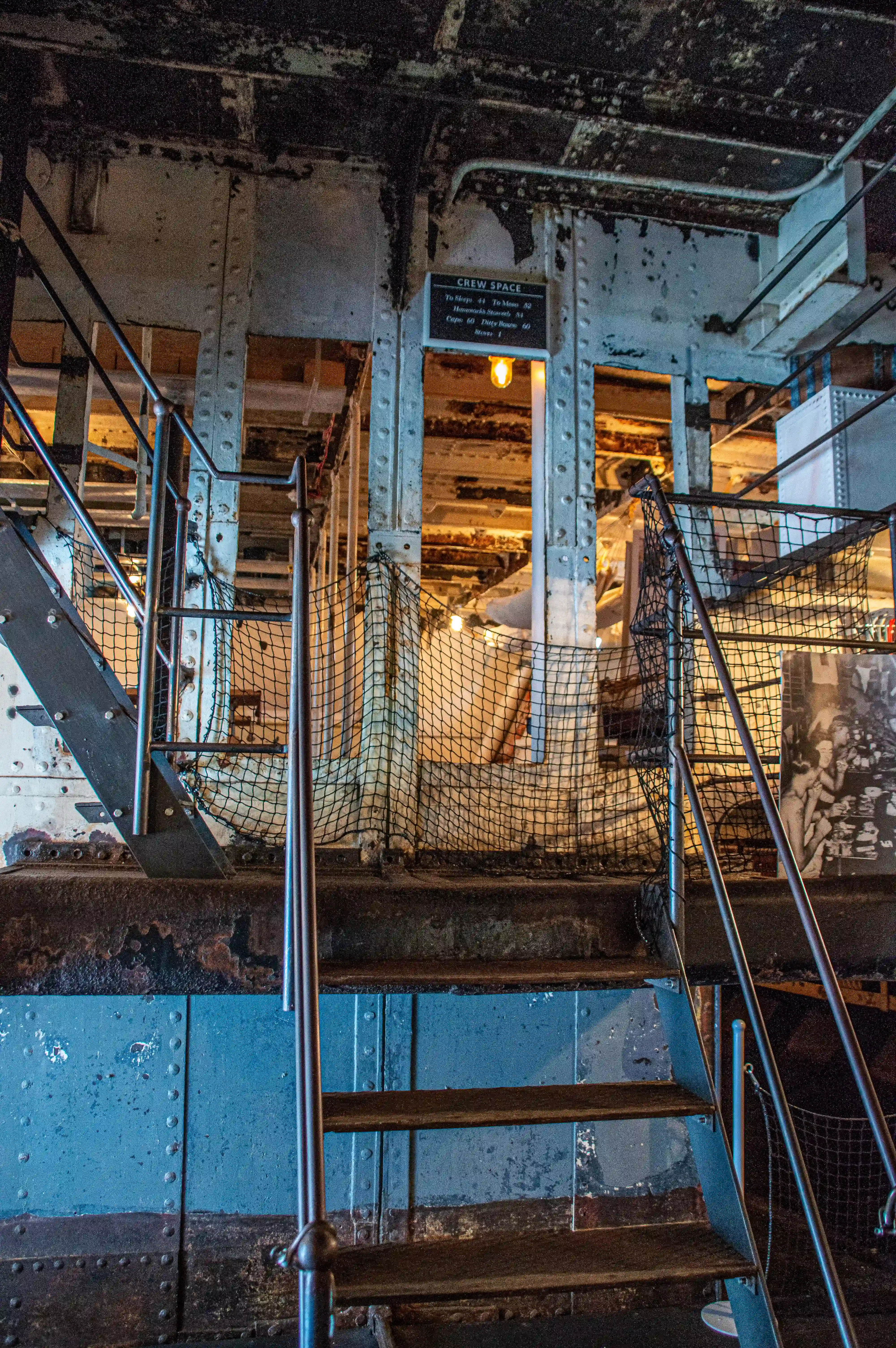
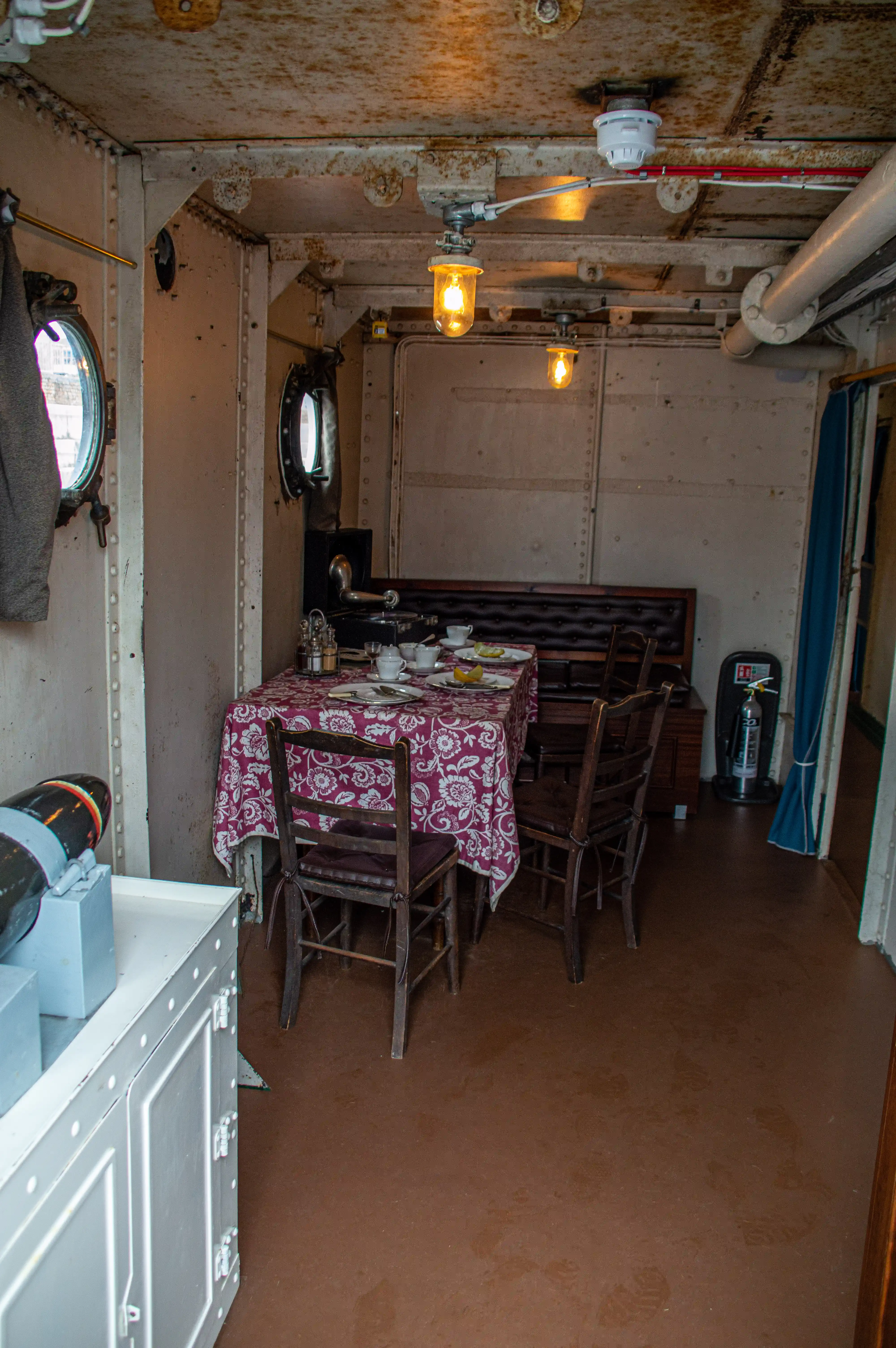
HMS M.33 is an M29-class monitor of the Royal Navy, built in 1915 and one of only three surviving Royal Navy warships from World War I. She is the sole survivor of the Gallipoli Campaign and played a significant role in both World War I and the Russian Civil War. Today, HMS M.33 is preserved as a museum ship at Portsmouth Historic Dockyard, offering visitors a unique opportunity to explore her cramped spaces, learn about her remarkable history, and experience the conditions faced by her crew.
View of location ‐ photo by ,
©www.mgaylard.co.uk.
View of location ‐ photo by ,
©www.mgaylard.co.uk.
View of location ‐ photo by ,
©www.mgaylard.co.uk.
View of location ‐ photo by ,
©www.mgaylard.co.uk.
View of location ‐ photo by ,
©www.mgaylard.co.uk.
View of location ‐ photo by ,
©www.mgaylard.co.uk.
View of location ‐ photo by ,
©www.mgaylard.co.uk.
View of location ‐ photo by ,
©www.mgaylard.co.uk.
View of location ‐ photo by ,
©www.mgaylard.co.uk.
View of location ‐ photo by ,
©www.mgaylard.co.uk.
View of location ‐ photo by ,
©www.mgaylard.co.uk.
View of location ‐ photo by ,
©www.mgaylard.co.uk.
View of location ‐ photo by ,
©www.mgaylard.co.uk.
View of location ‐ photo by ,
©www.mgaylard.co.uk.
View of location ‐ photo by ,
©www.mgaylard.co.uk.
View of location ‐ photo by ,
©www.mgaylard.co.uk.
Open the full set flickr button this page

HMS M.32: A Forgotten Monitor of the Great War

HMS M.33 is one of the few surviving Royal Navy warships from World War I, originally built as an M29-class monitor and launched in 1915. She is best known for her active role in the Gallipoli Campaign, providing naval gunfire support to Allied forces. After the war, M.33 served in various roles, including as a mine-laying training ship, and is now preserved as a museum ship at Portsmouth Historic Dockyard, where she offers visitors a unique glimpse into naval history and the First World War experienc

A Monitor Born of Desperation

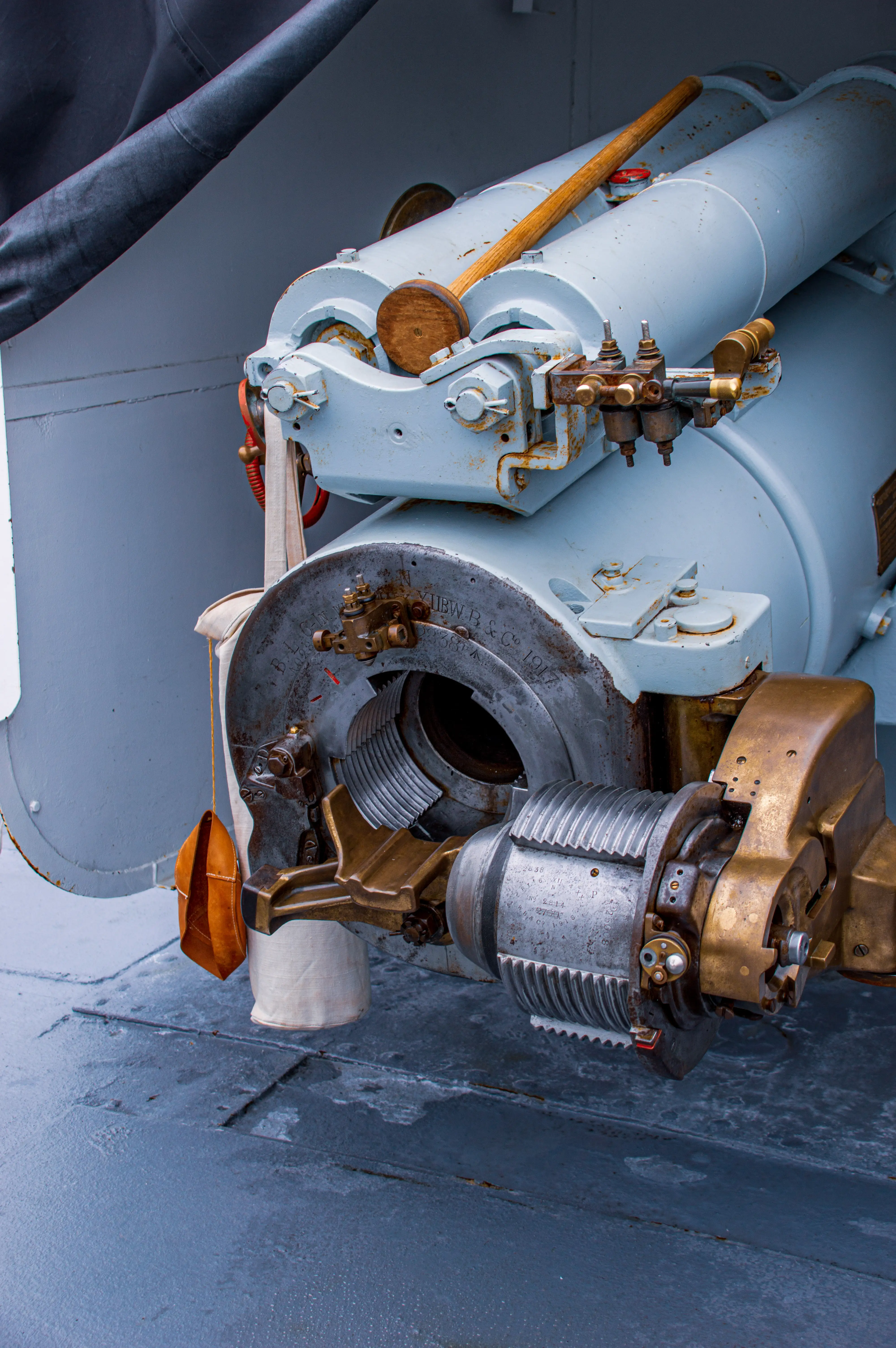
HMS M.33 is a survivor—a relic of a class of ships built in haste and designed to die young. Launched in 1915 as part of the Royal Navy’s M29-class monitors, she was one of five vessels ordered by Winston Churchill, then First Lord of the Admiralty, to provide firepower in shallow waters where larger warships dared not venture. Monitors like M.33 were crude but effective: flat-bottomed, lightly armored, and armed with a single 6-inch gun fore and aft, they were built to bombard coastal targets, not to win beauty contests. Their mission was simple—get close to shore, pound the enemy, and retreat before counterfire could respond. M.33 was rushed into service just in time for the Gallipoli Campaign, where she supported the ill-fated landings at Suvla Bay and Anzac Cove, her guns roaring in support of the ANZAC troops ashore

From Gallipoli to the White Sea: A Ship’s Many Lives

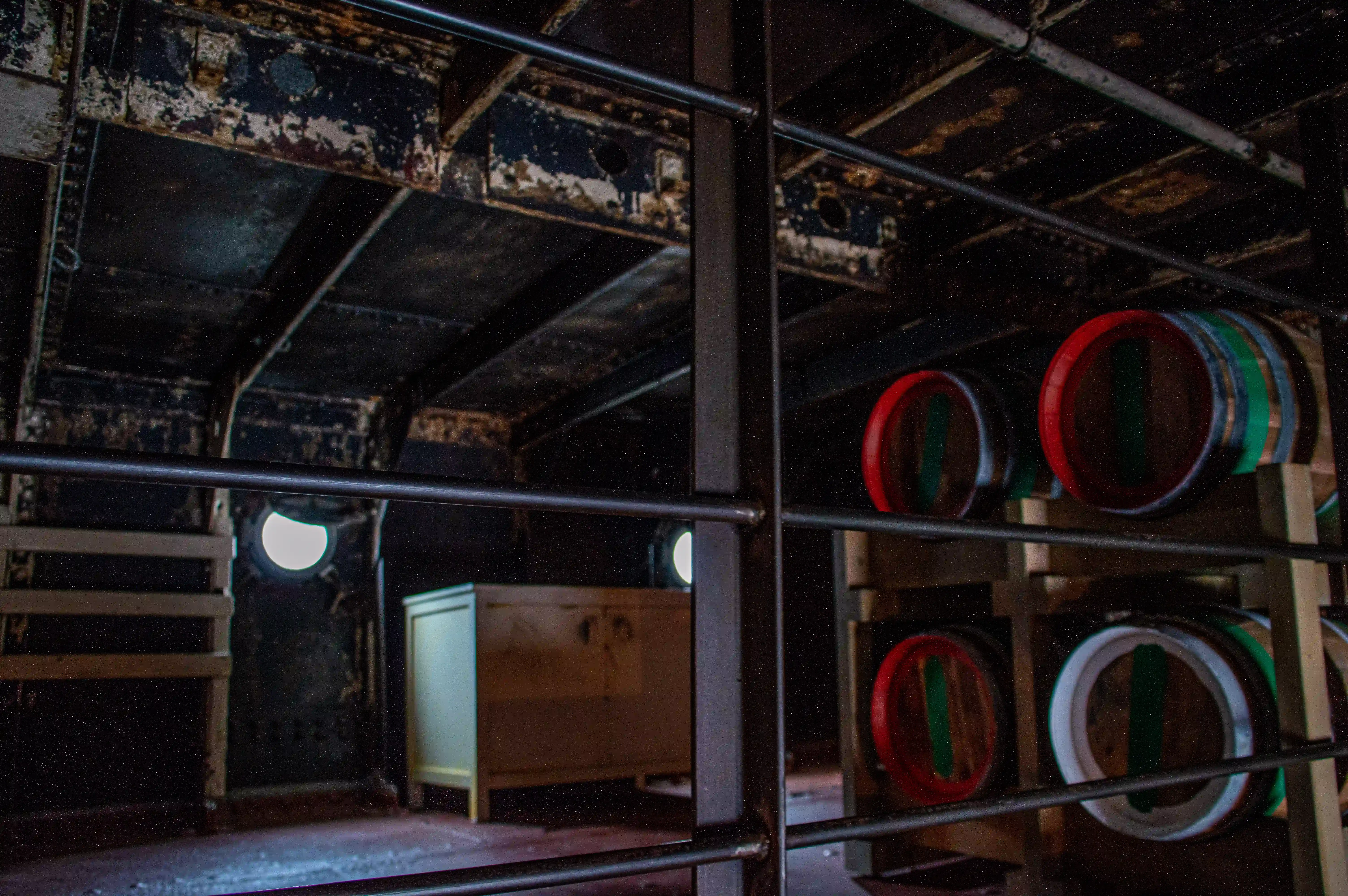
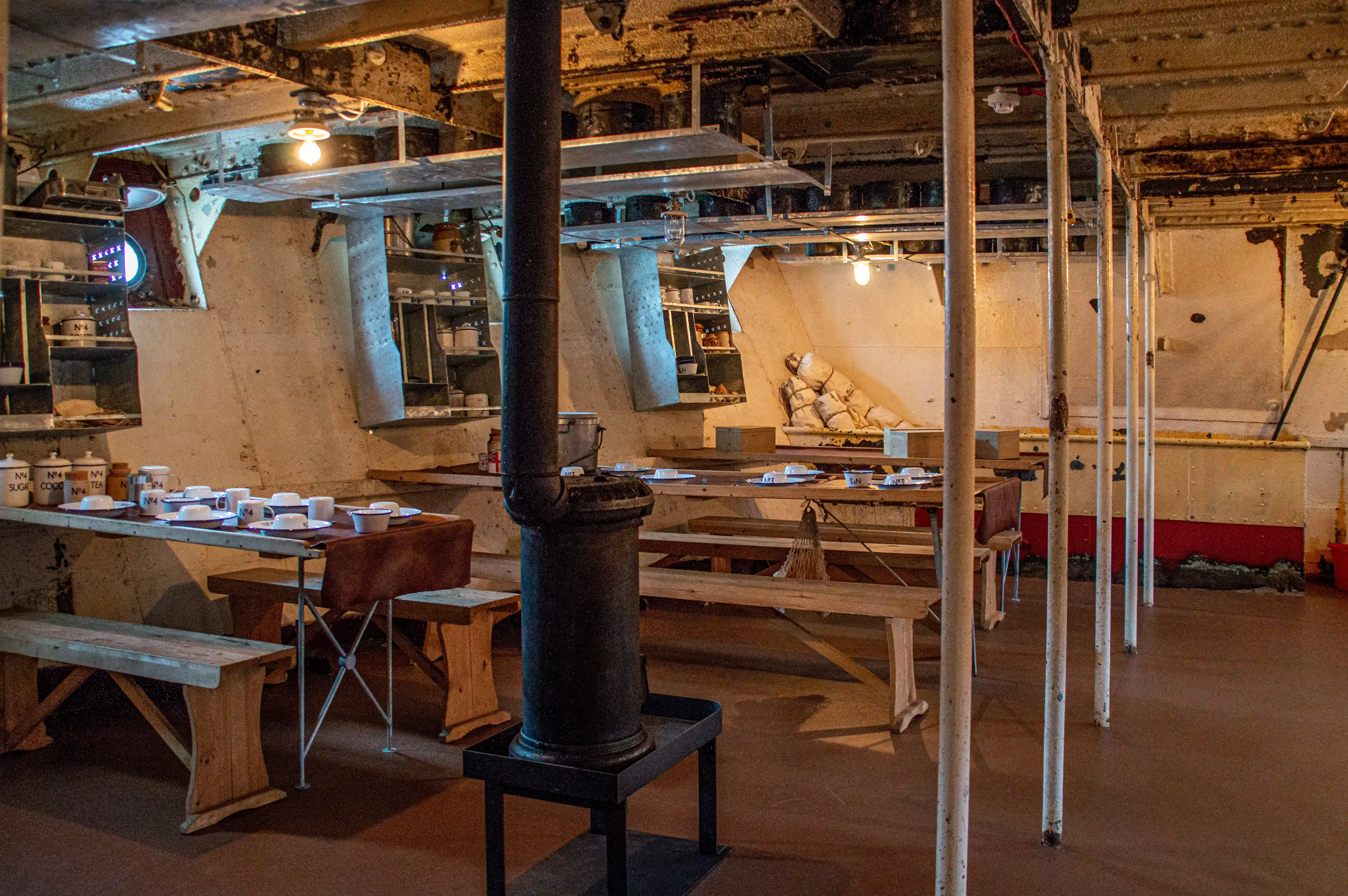
After Gallipoli, M.33’s career took her to the frozen waters of Northern Russia in 1919, where she joined a small Allied flotilla supporting White Russian forces against the Bolsheviks during the Russian Civil War. But her story didn’t end there. Unlike most of her sister ships, scrapped after the war, M.33 was repurposed again and again: as a minelayer (renamed HMS Minerva), a training vessel, a fuelling hulk, and even a boom defence workshop. She was the ultimate naval chameleon, adapting to whatever role the Royal Navy required. By the 1980s, she had been saved from the breaker’s yard, first by a preservation trust in Hartlepool and later by Hampshire County Council, which returned her to Portsmouth. After a meticulous restoration, she opened to the public in 2015, her dazzle camouflage and cramped crew spaces offering a vivid glimpse into the harsh realities of life aboard a First World War monitor

A Class of Ships Built to Be Expendable

The M15-class monitors were never intended to last. Their rushed construction and minimalist design reflected the desperation of wartime, and most were scrapped or repurposed within a decade of their launch. Today, only one of these monitors survives: HMS M.33, preserved in Portsmouth Historic Dockyard as a rare relic of the Gallipoli Campaign and the First World War at sea. M.32, like most of her sisters, faded into obscurity, her brief but intense career a footnote in the story of naval innovation during the Great War

A Time Capsule of Naval History

Today, HMS M.33 is one of only three surviving Royal Navy ships from the First World War (alongside HMS Caroline and HMS President), and the sole survivor of the Gallipoli Campaign. Moored in Portsmouth Historic Dockyard, just a stone’s throw from HMS Victory, she is a stark contrast to the grandeur of Nelson’s flagship—a small, utilitarian vessel that tells a different kind of naval story. Her immersive exhibits, including a digital projection of the Gallipoli landings and restored crew quarters, bring her past to life. Visitors can stand on her deck, peer into her 6-inch gun turrets, and imagine the thunder of her broadsides echoing across the Dardanelles. Despite her modest size, M.33 earned a reputation as the "Lucky Ship"—she escaped the heavy losses of Gallipoli and outlasted nearly all her contemporaries, a testament to her sturdy construction and the resourcefulness of those who served aboard her

A Monument to the Forgotten Fleet

HMS M.33 is more than a museum ship; she is a tangible link to a often-overlooked chapter of naval history. Monitors like her were the unsung workhorses of the Great War—unglamorous, expendable, but vital. Her survival is a stroke of luck, her restoration a labor of love. For those who step aboard, she offers a rare chance to connect with the sailors who endured the cramped conditions, the deafening gunfire, and the constant danger of the Gallipoli Campaign. In a dockyard filled with legendary vessels, M.33 stands as a reminder that sometimes, the most extraordinary stories come from the smallest ships

References

en.wikipedia.orgwww.nmrn.org.ukwww.nationalhistoricships.org.ukbitaboutbritain.comhistoricdockyard.co.uk , Text generated by Mistral AI

HMS Alliance

HMS Alliance

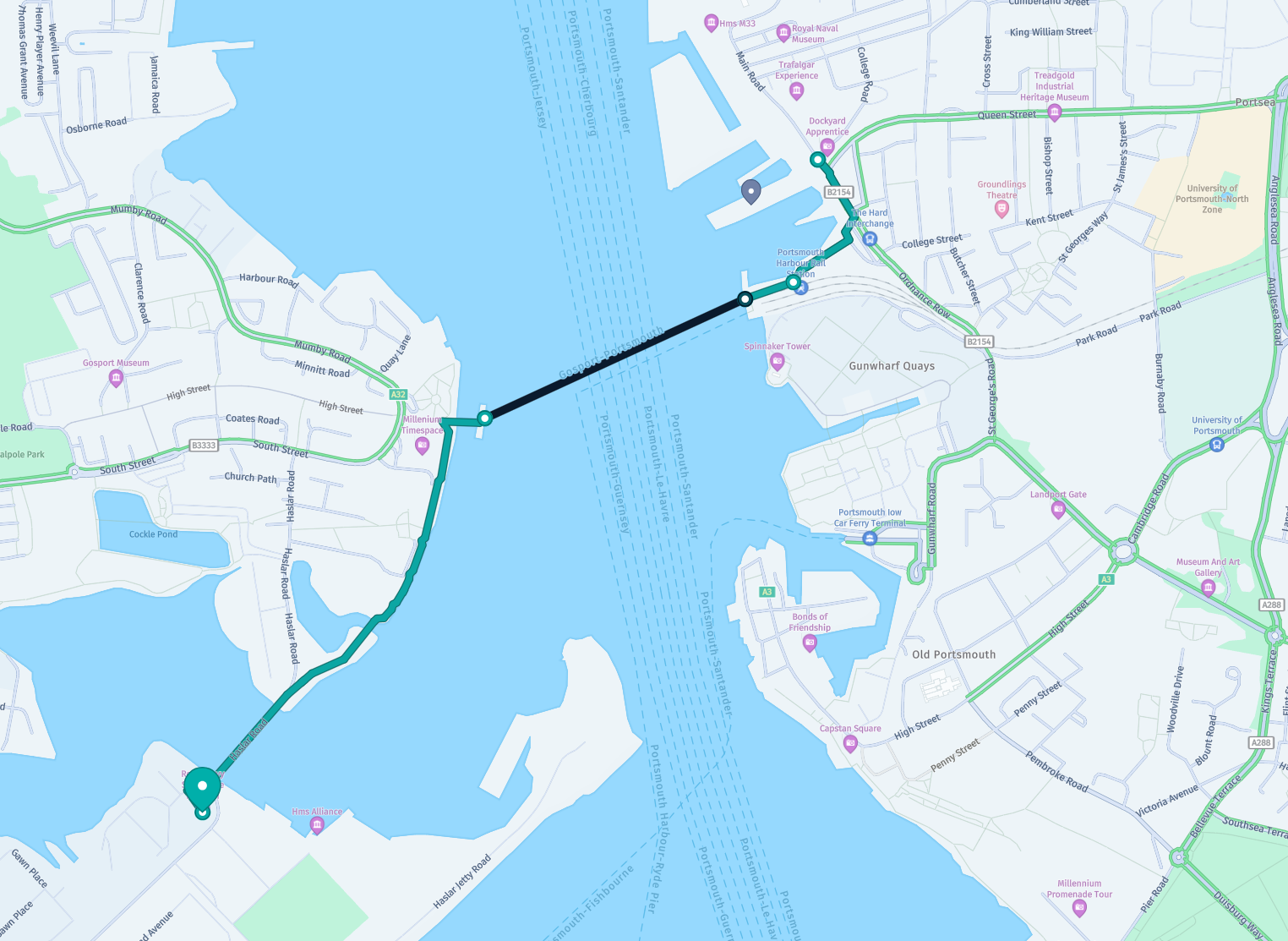
Haslar Jetty RoadGosportHampshire,   PO12 2AS,   United Kingdom

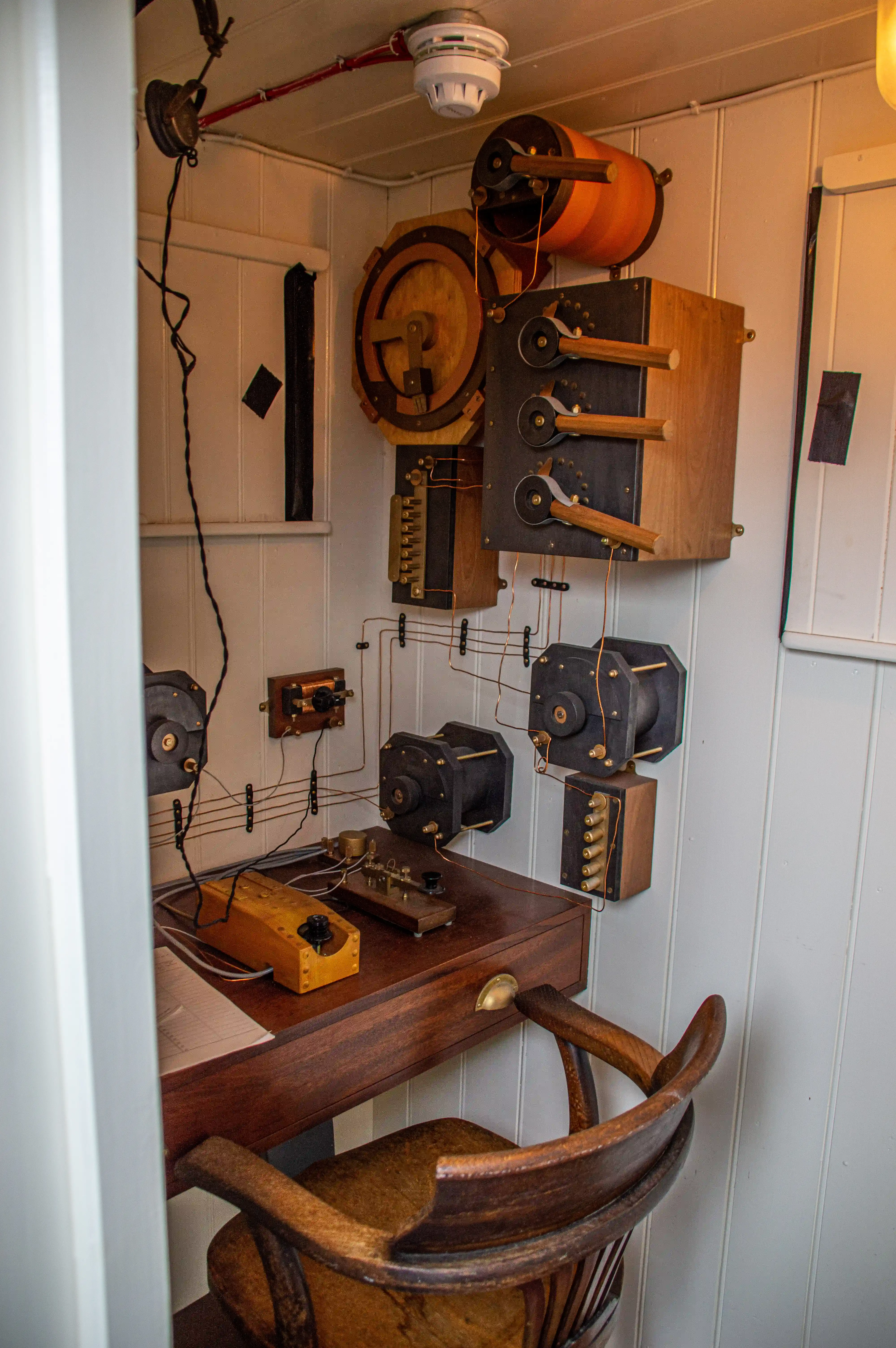
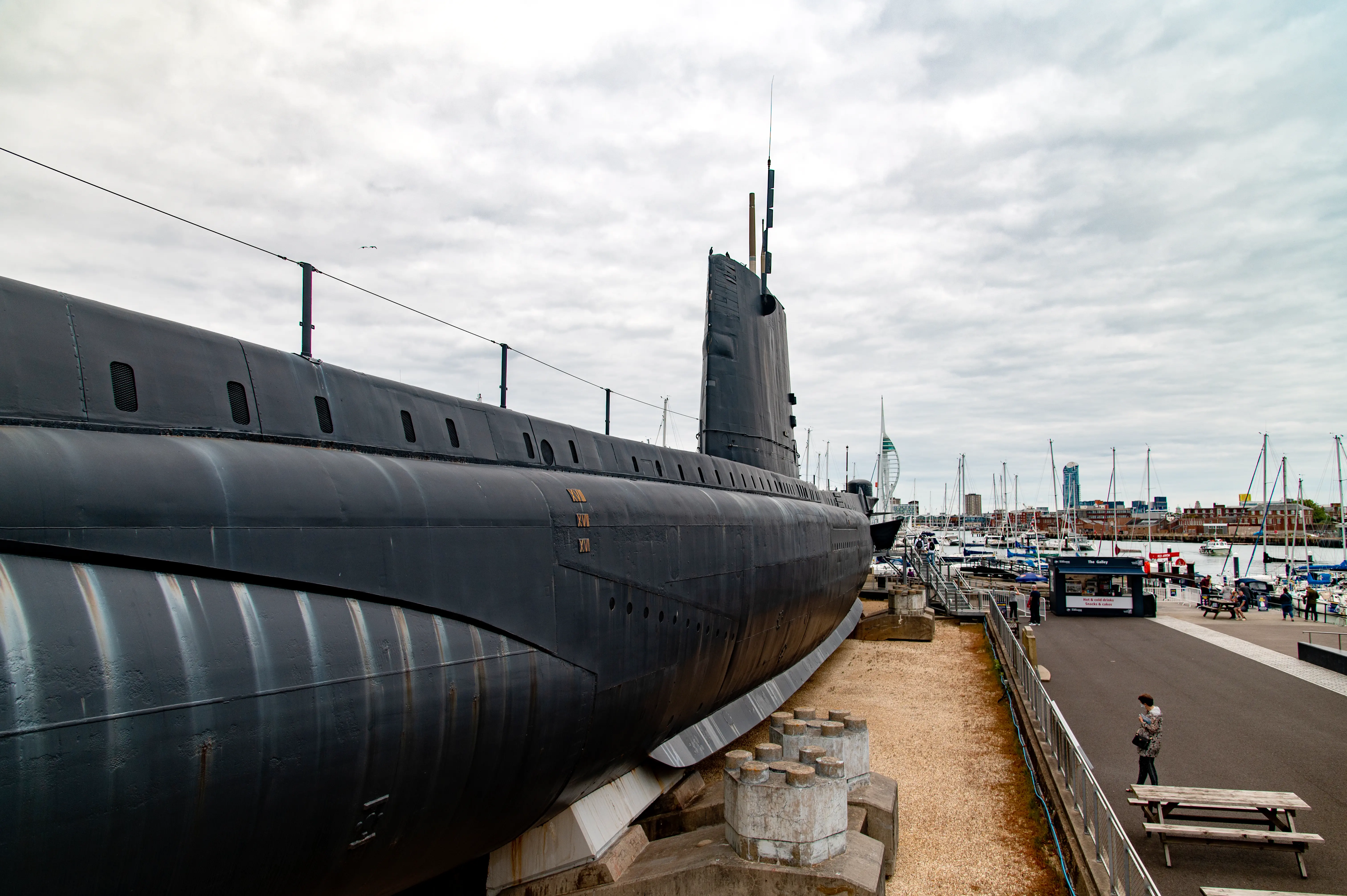
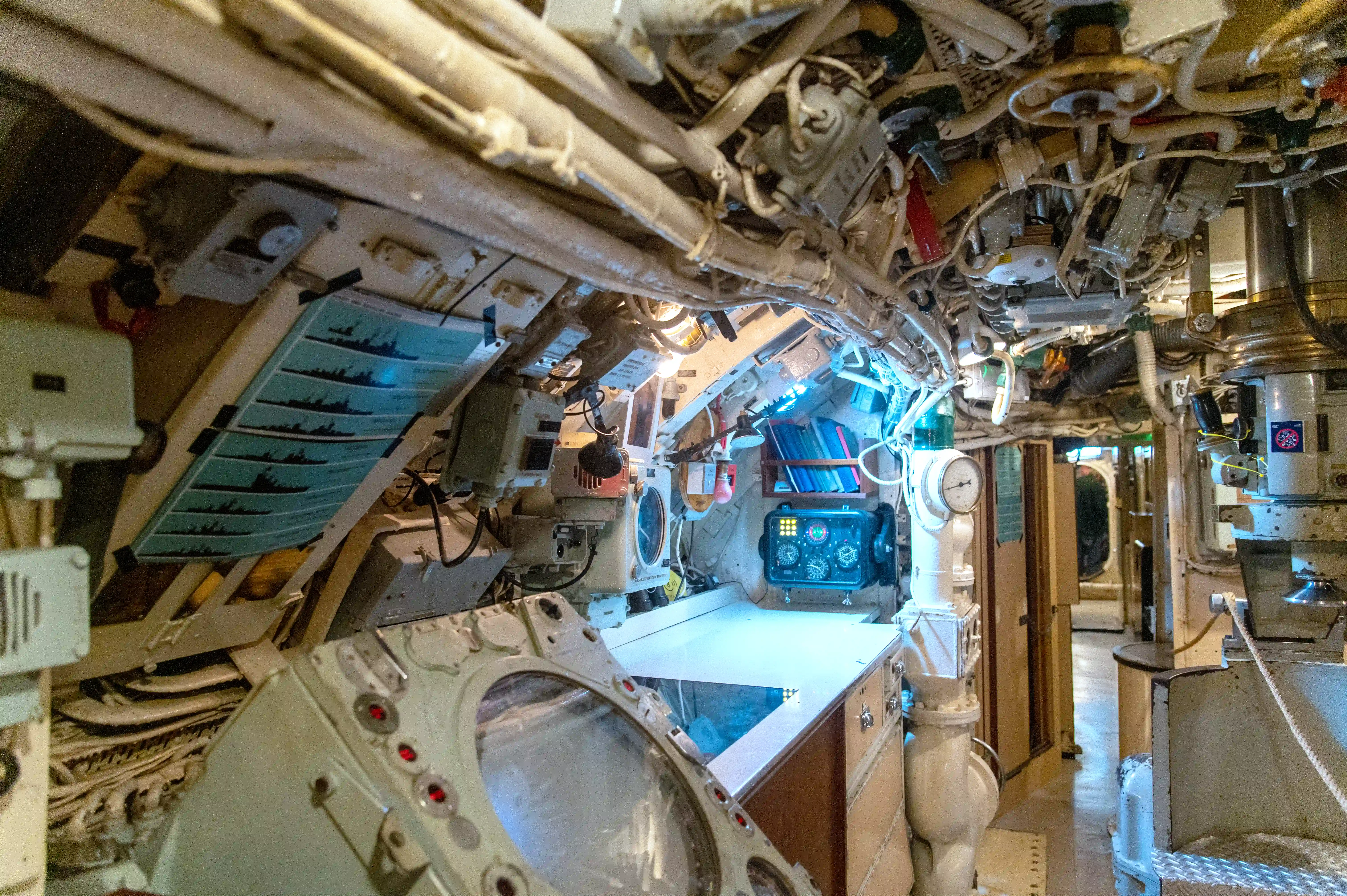
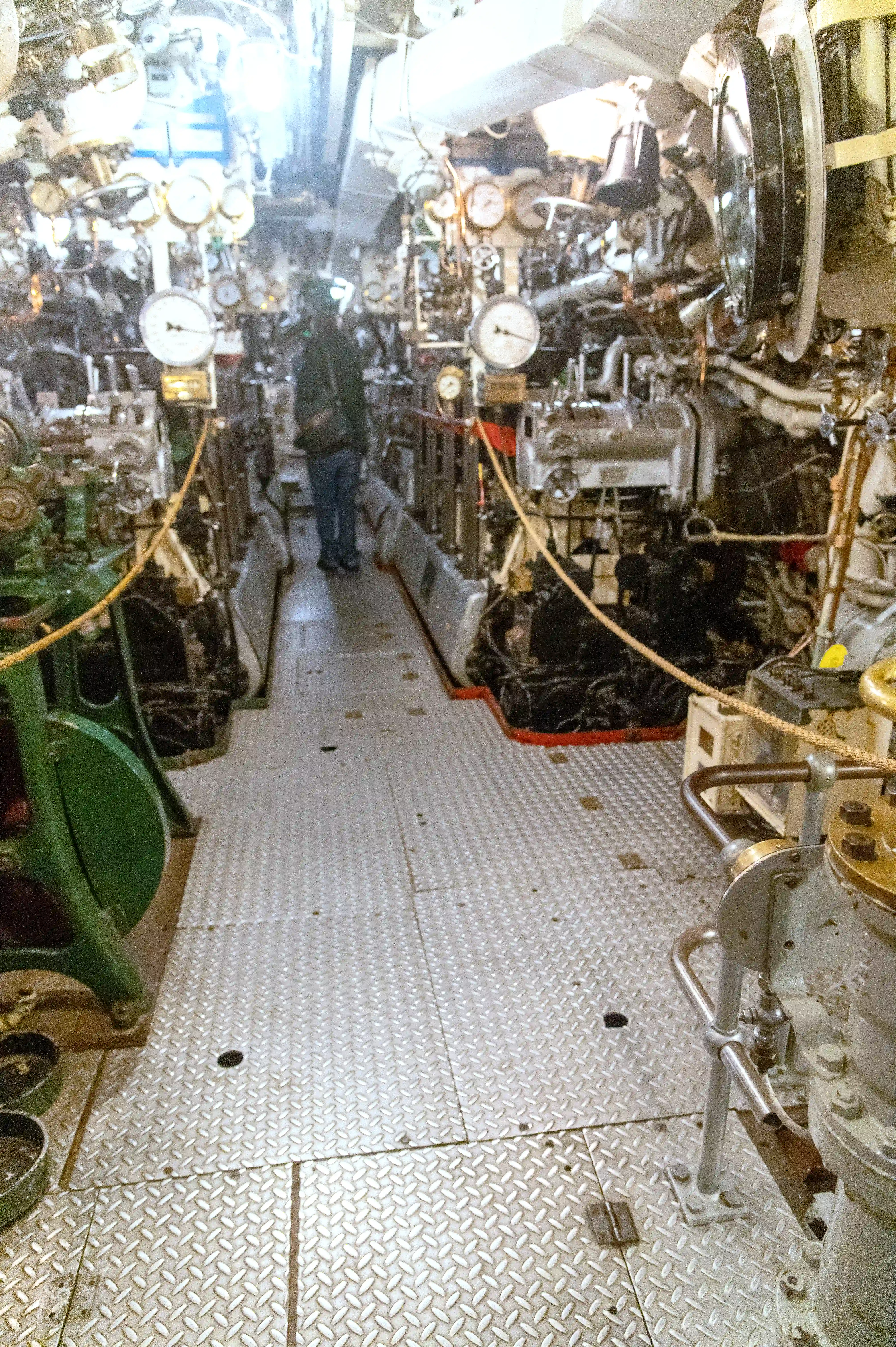
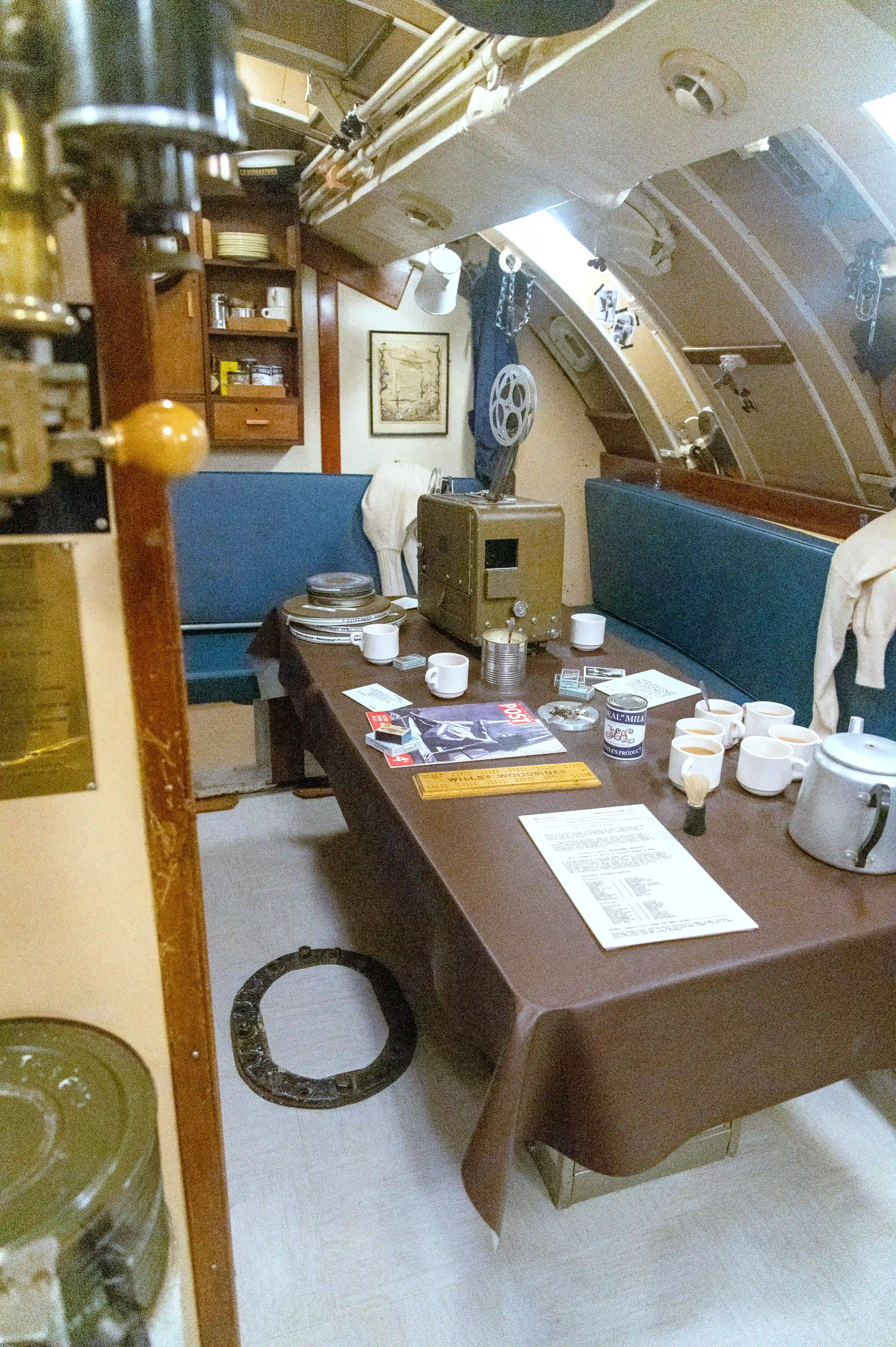
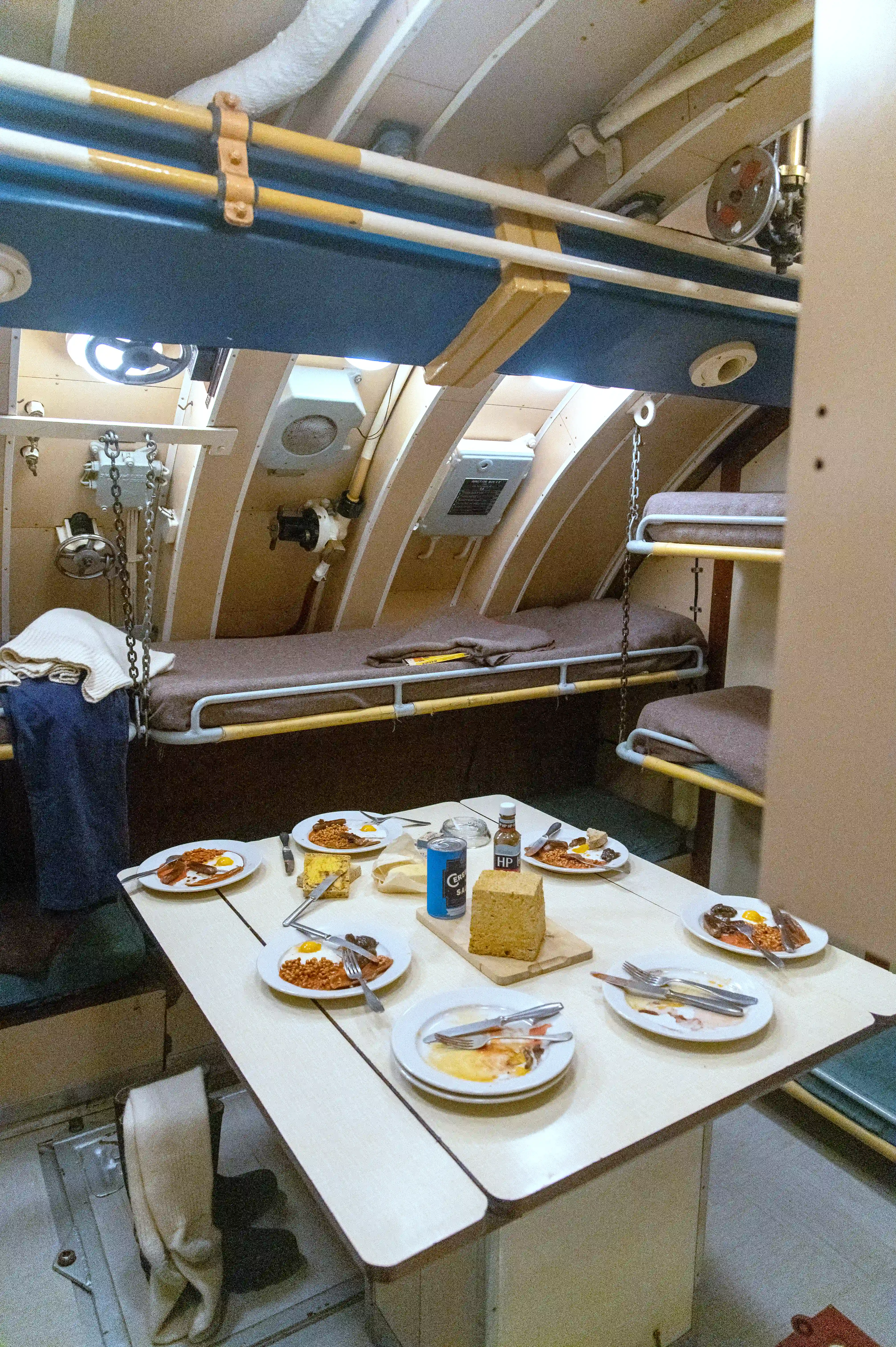
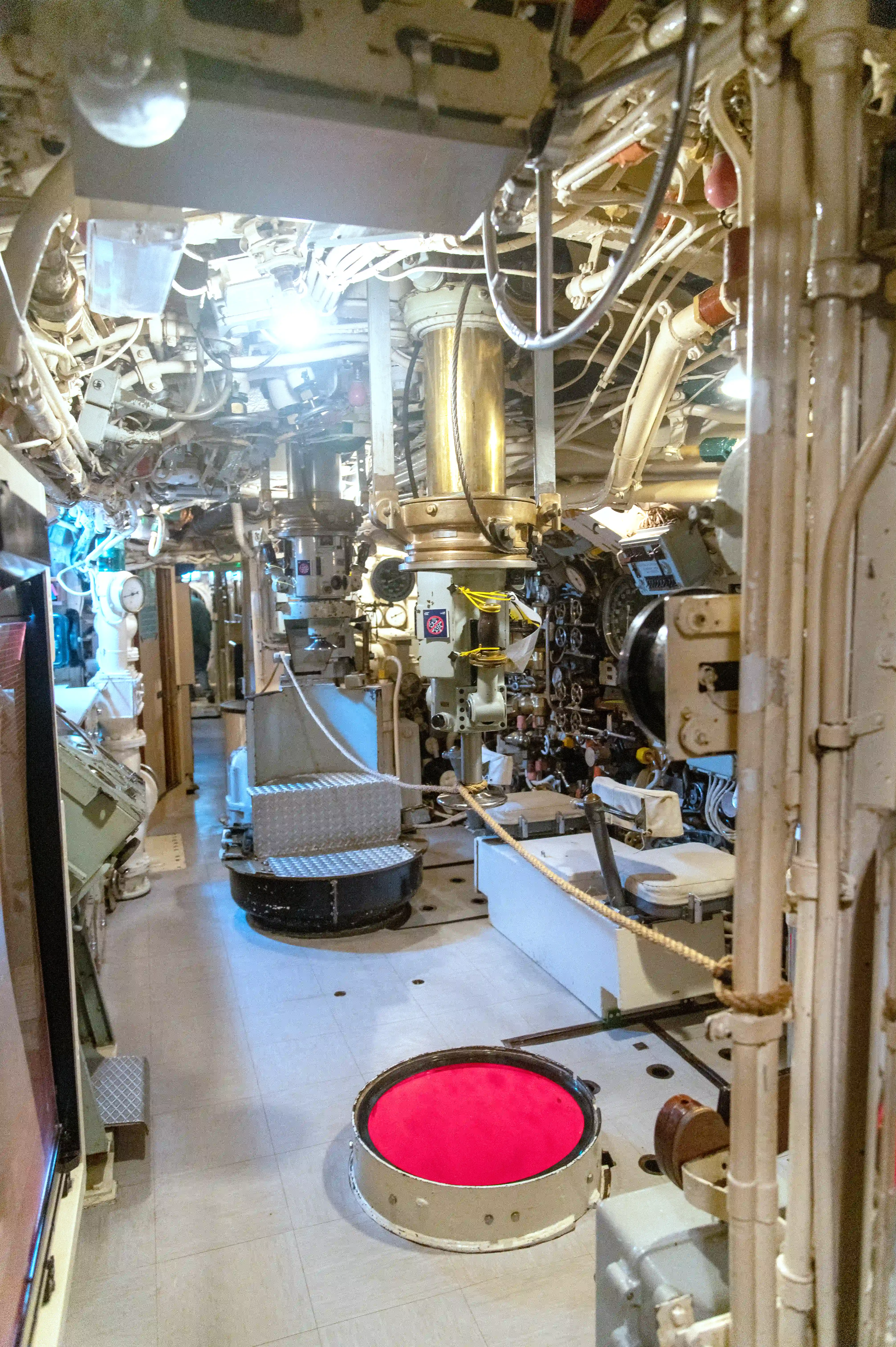
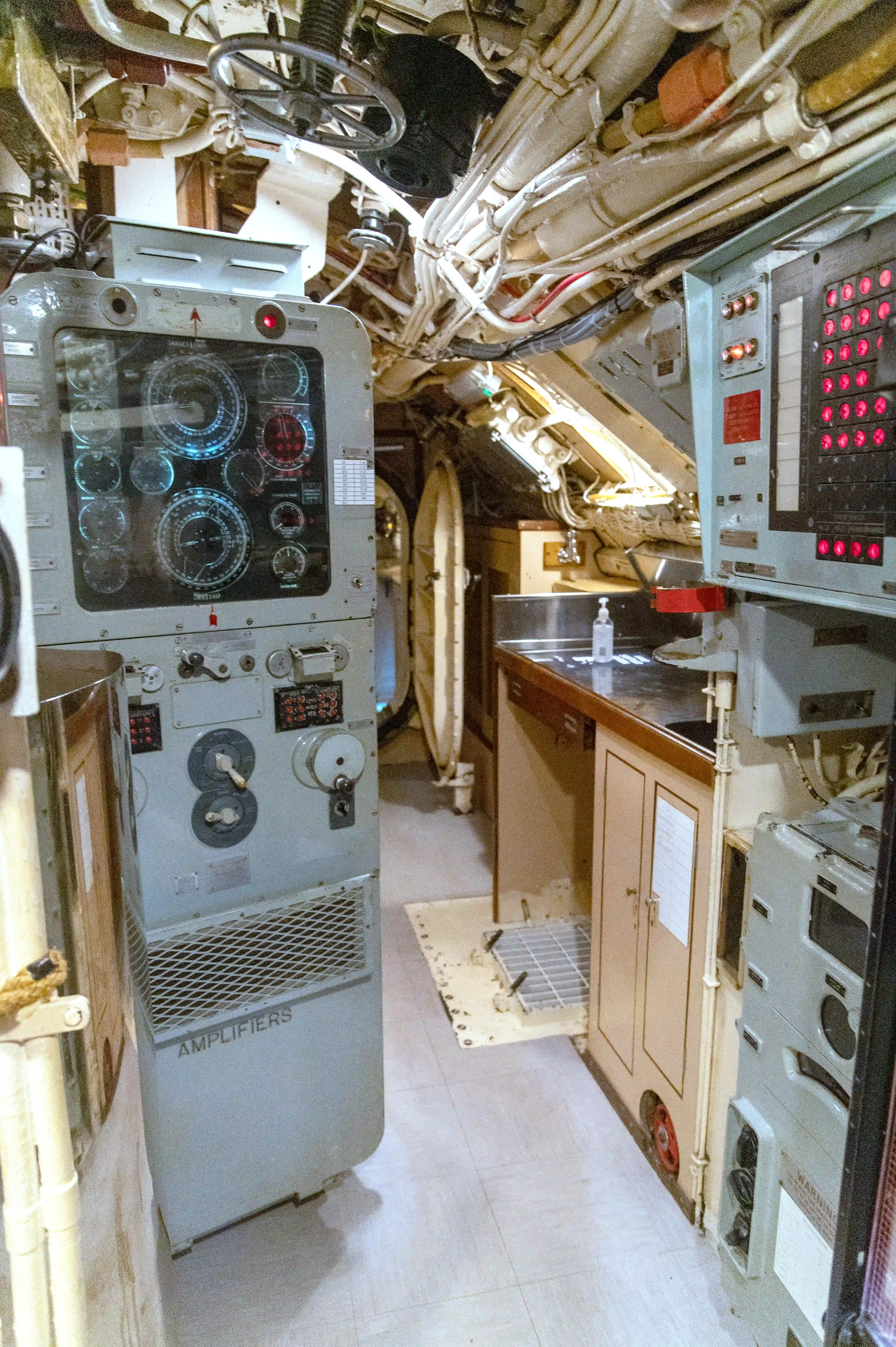
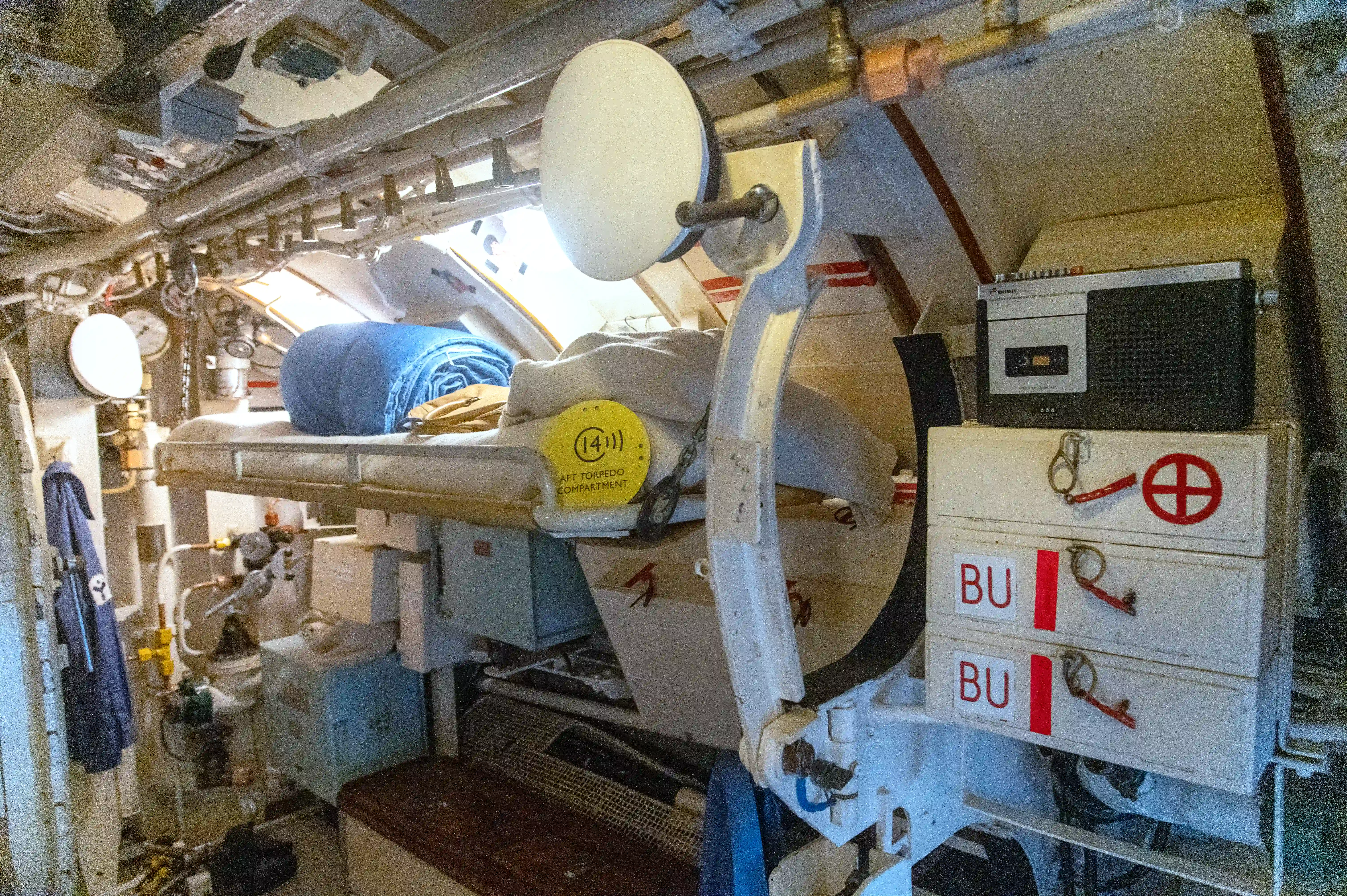
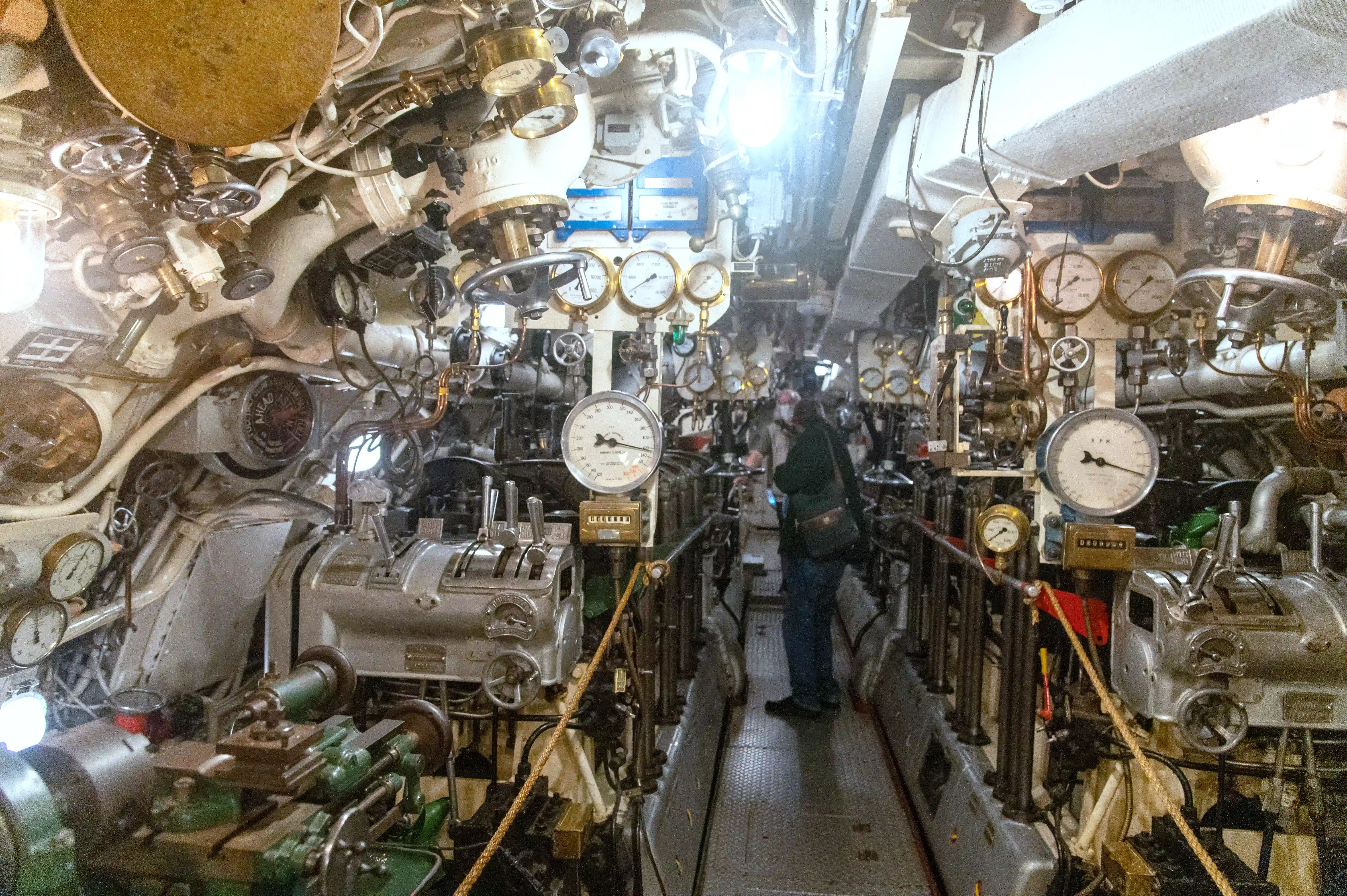
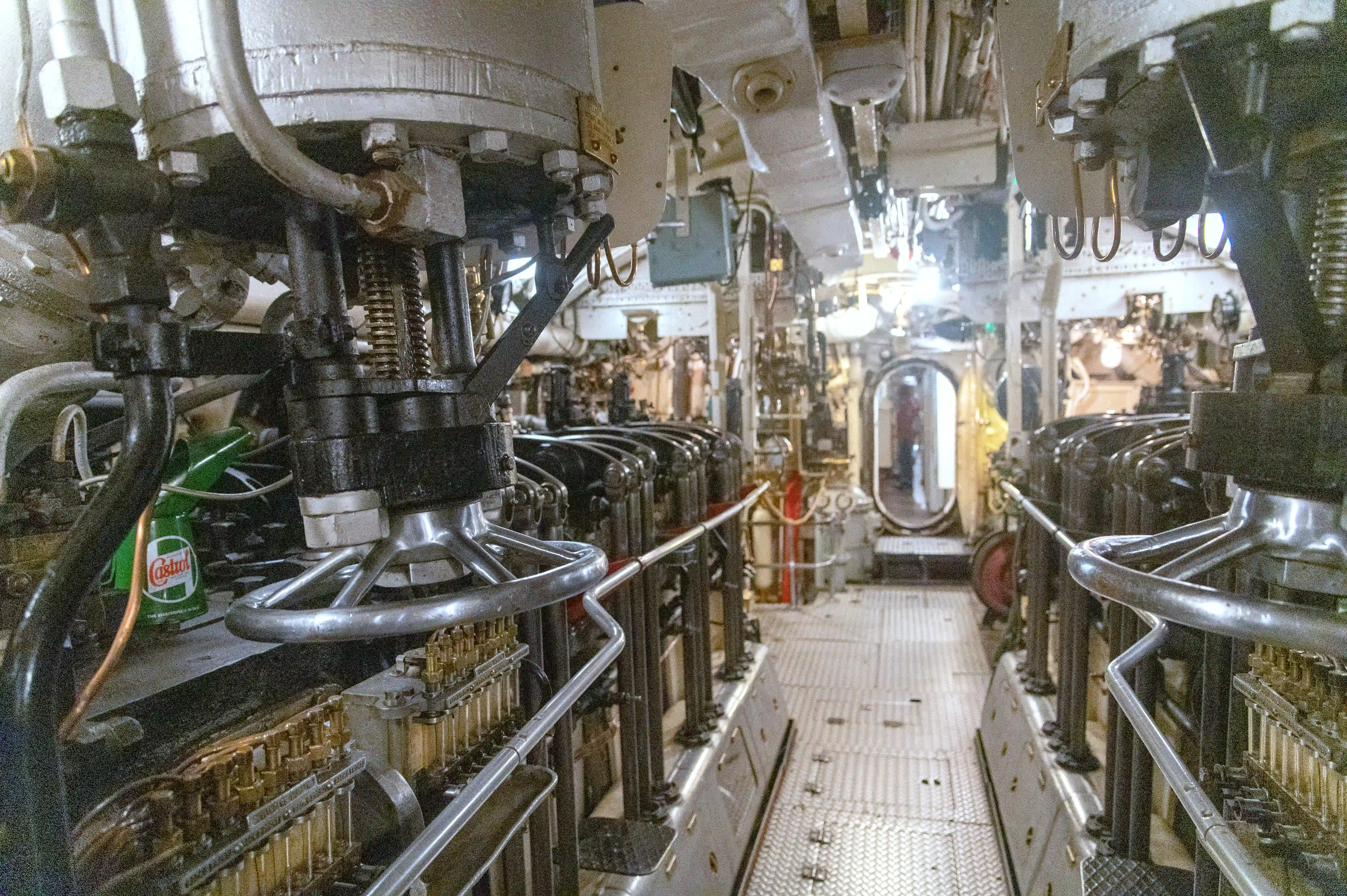
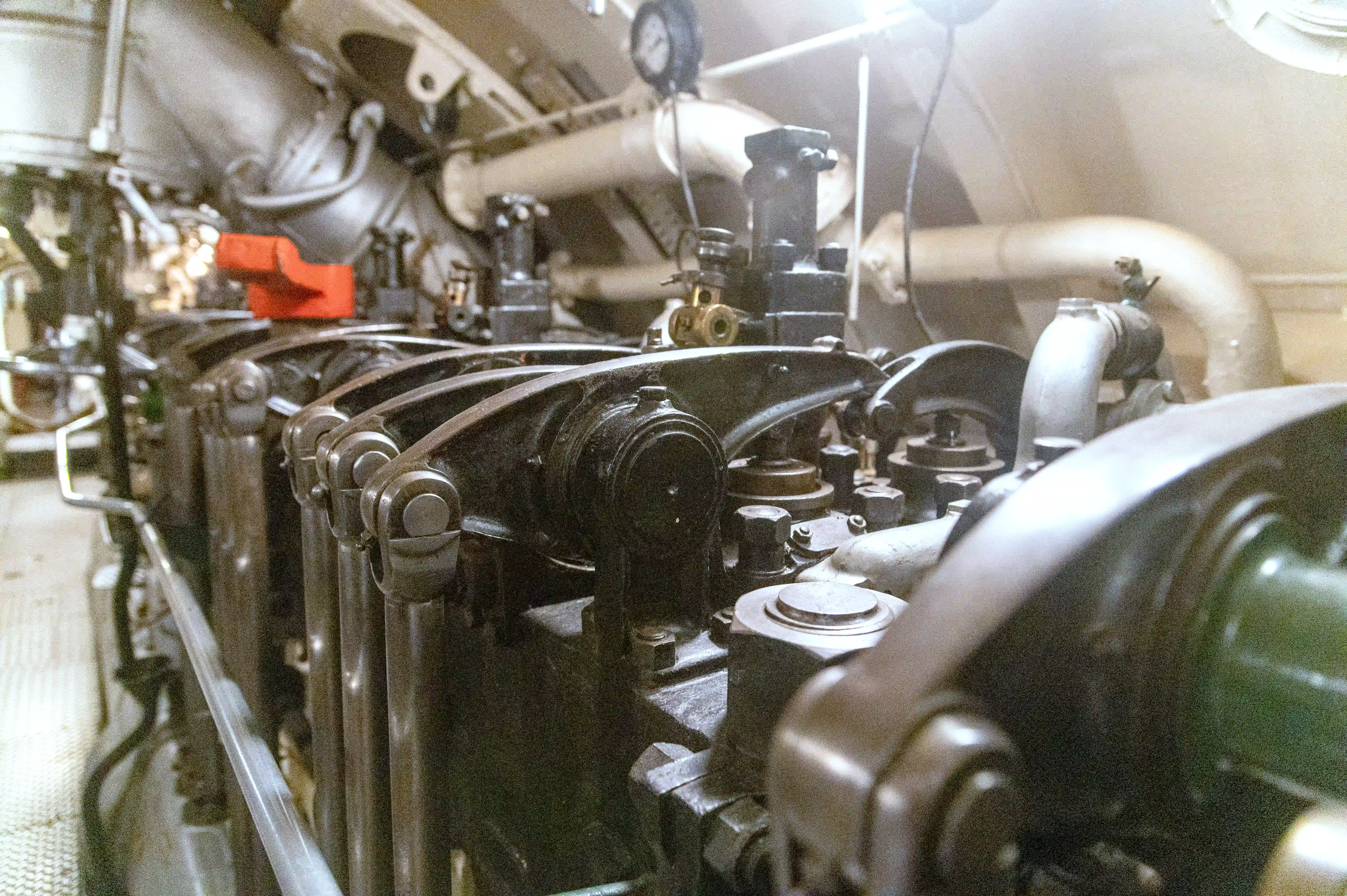
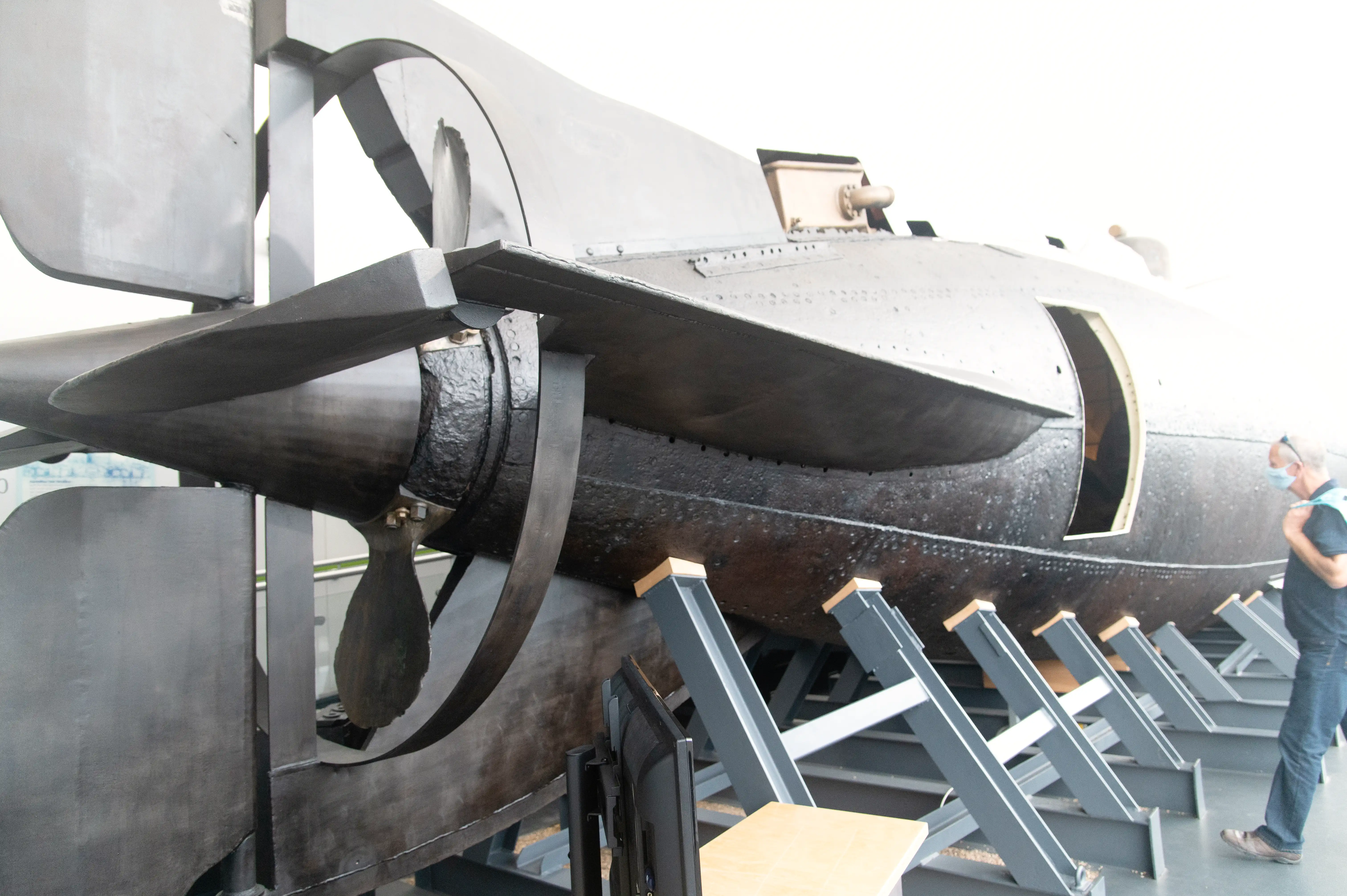
HMS Alliance is the only surviving British A-class (Amphion-class) submarine from the Second World War era. Launched in 1945, she represents a pivotal moment in naval engineering and submarine design. HMS Alliance served in the Royal Navy for over 26 years, including during the Cold War and the Indonesian Confrontation. Today, she is preserved as a museum ship at the Royal Navy Submarine Museum in Gosport, offering visitors a unique opportunity to explore life aboard a historic submarine and learn about the experiences of submariners.
View of location ‐ photo by ,
©www.mgaylard.co.uk.
View of location ‐ photo by ,
©www.mgaylard.co.uk.
View of location ‐ photo by ,
©www.mgaylard.co.uk.
View of location ‐ photo by ,
©www.mgaylard.co.uk.
View of location ‐ photo by ,
©www.mgaylard.co.uk.
View of location ‐ photo by ,
©www.mgaylard.co.uk.
View of location ‐ photo by ,
©www.mgaylard.co.uk.
View of location ‐ photo by ,
©www.mgaylard.co.uk.
View of location ‐ photo by ,
©www.mgaylard.co.uk.
View of location ‐ photo by ,
©www.mgaylard.co.uk.
View of location ‐ photo by ,
©www.mgaylard.co.uk.
View of location ‐ photo by ,
©www.mgaylard.co.uk.
View of location ‐ photo by ,
©www.mgaylard.co.uk.
View of location ‐ photo by ,
©www.mgaylard.co.uk.
View of location ‐ photo by ,
©www.mgaylard.co.uk.
View of location ‐ photo by ,
©www.mgaylard.co.uk.
View of location ‐ photo by ,
©www.mgaylard.co.uk.
View of location ‐ photo by ,
©www.mgaylard.co.uk.
View of location ‐ photo by ,
©www.mgaylard.co.uk.
View of location ‐ photo by ,
©www.mgaylard.co.uk.
View of location ‐ photo by ,
©www.mgaylard.co.uk.
View of location ‐ photo by ,
©www.mgaylard.co.uk.
Open the full set flickr button this page
HMS Alliance: The Silent Guardian of Britain’s Submarine Legacy

HMS Alliance (P417/S67) is an Amphion-class (or A-class) submarine of the Royal Navy, laid down during World War II and completed in 1947. She is the only surviving British submarine from the Second World War era and now serves as a museum ship at the Royal Navy Submarine Museum in Gosport, offering visitors a firsthand look at life aboard a Cold War-era submarine and honoring the legacy of British submariners

Born in War, Forged for the Cold War

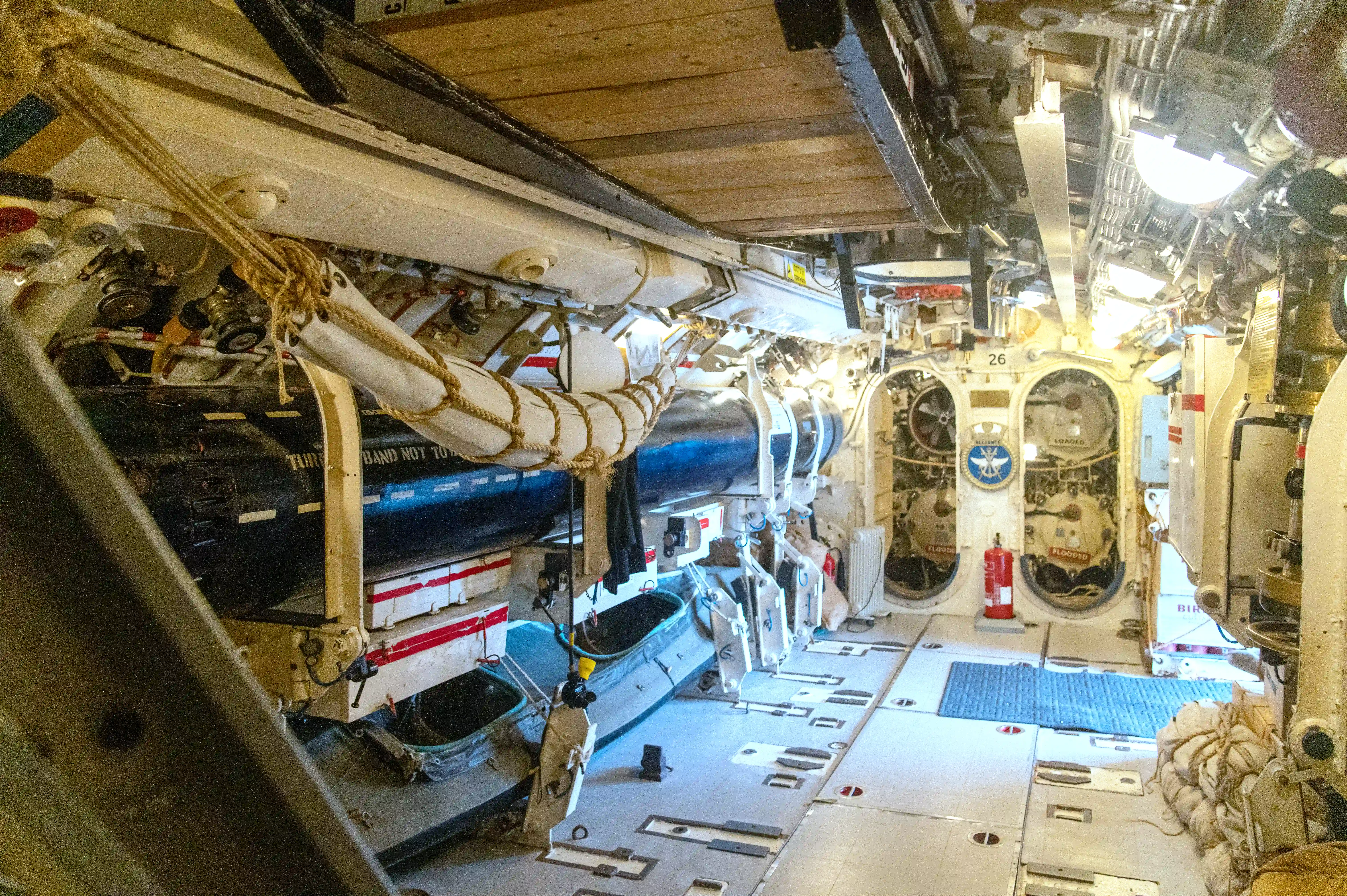
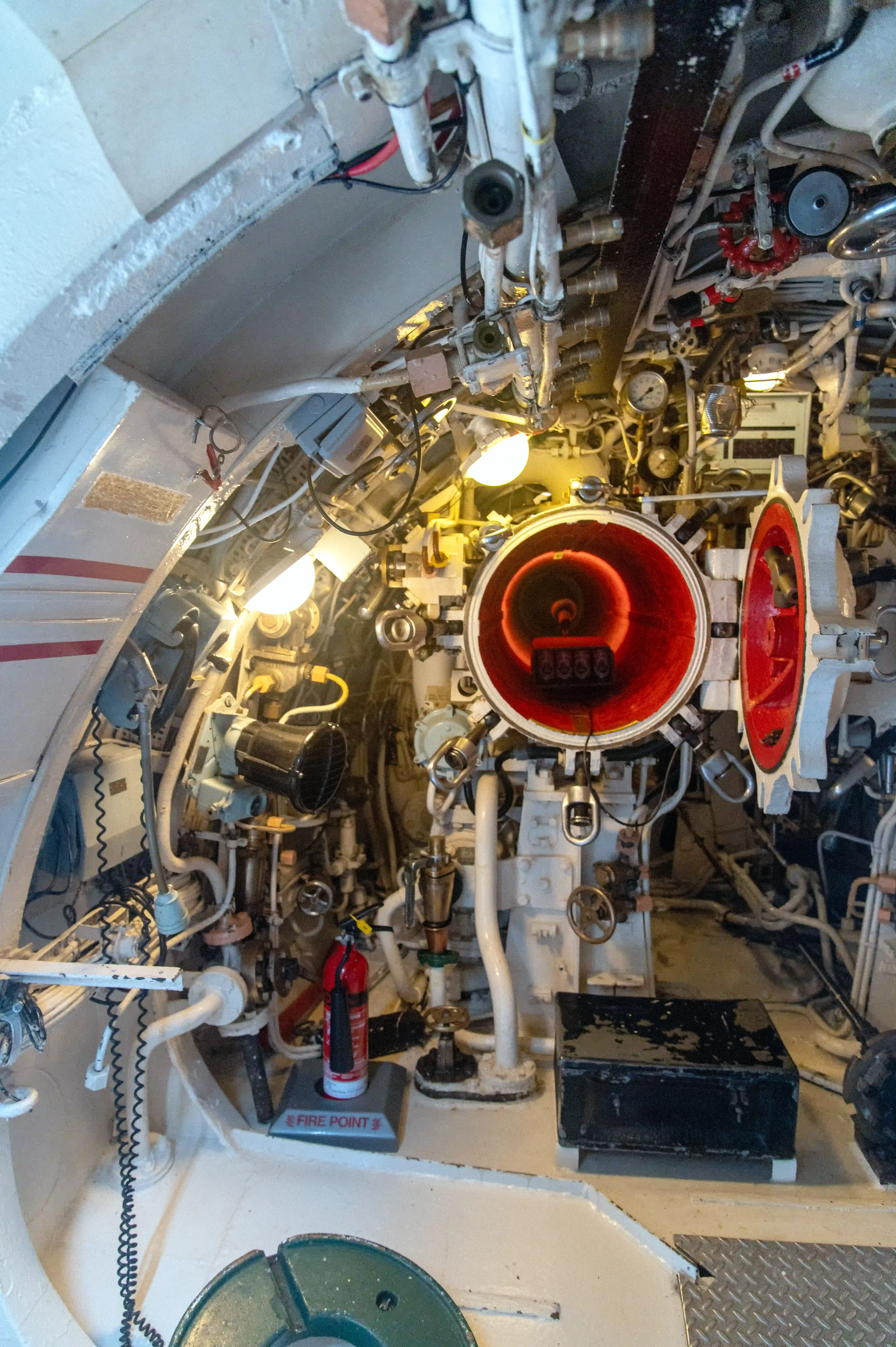
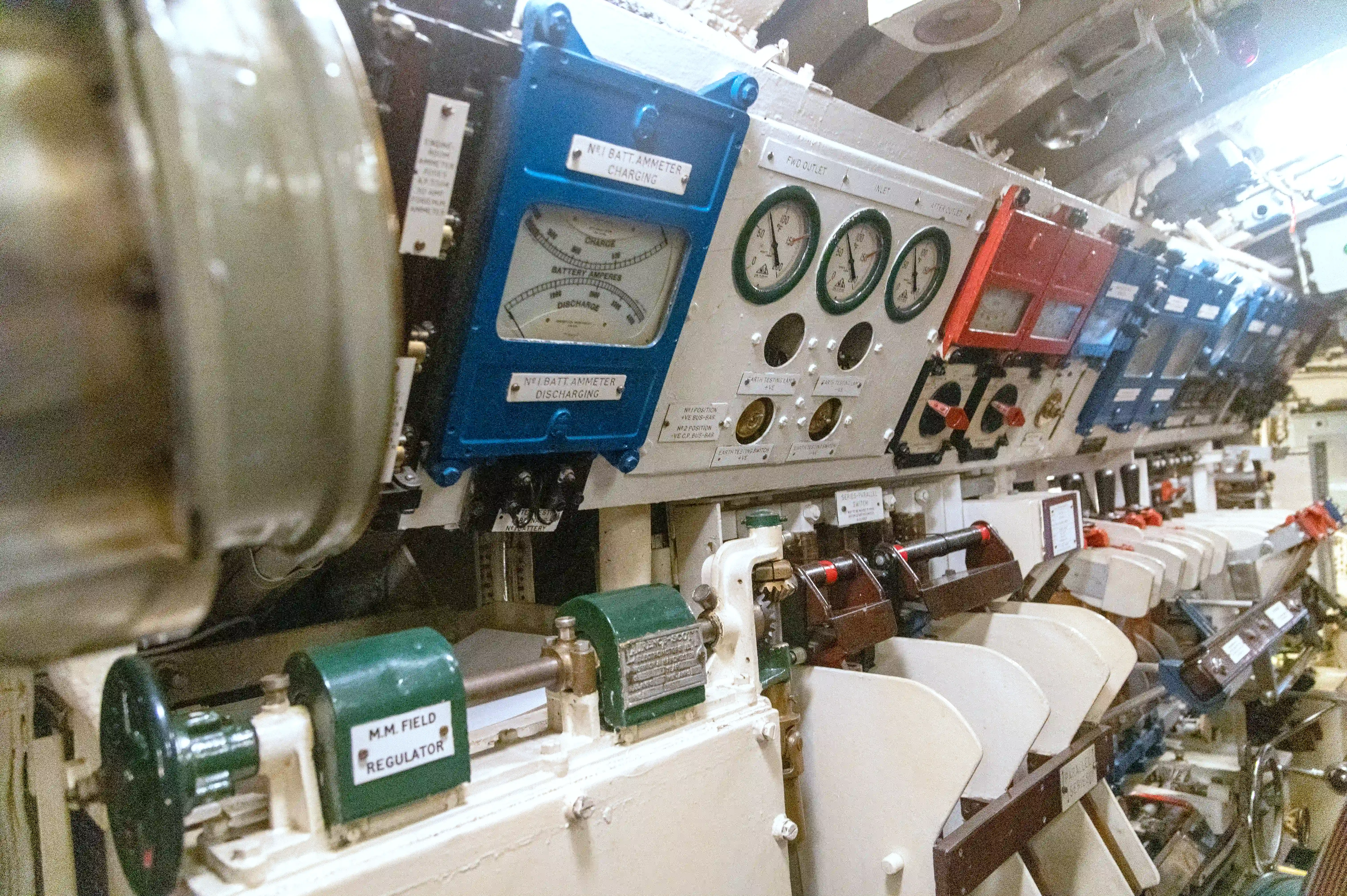
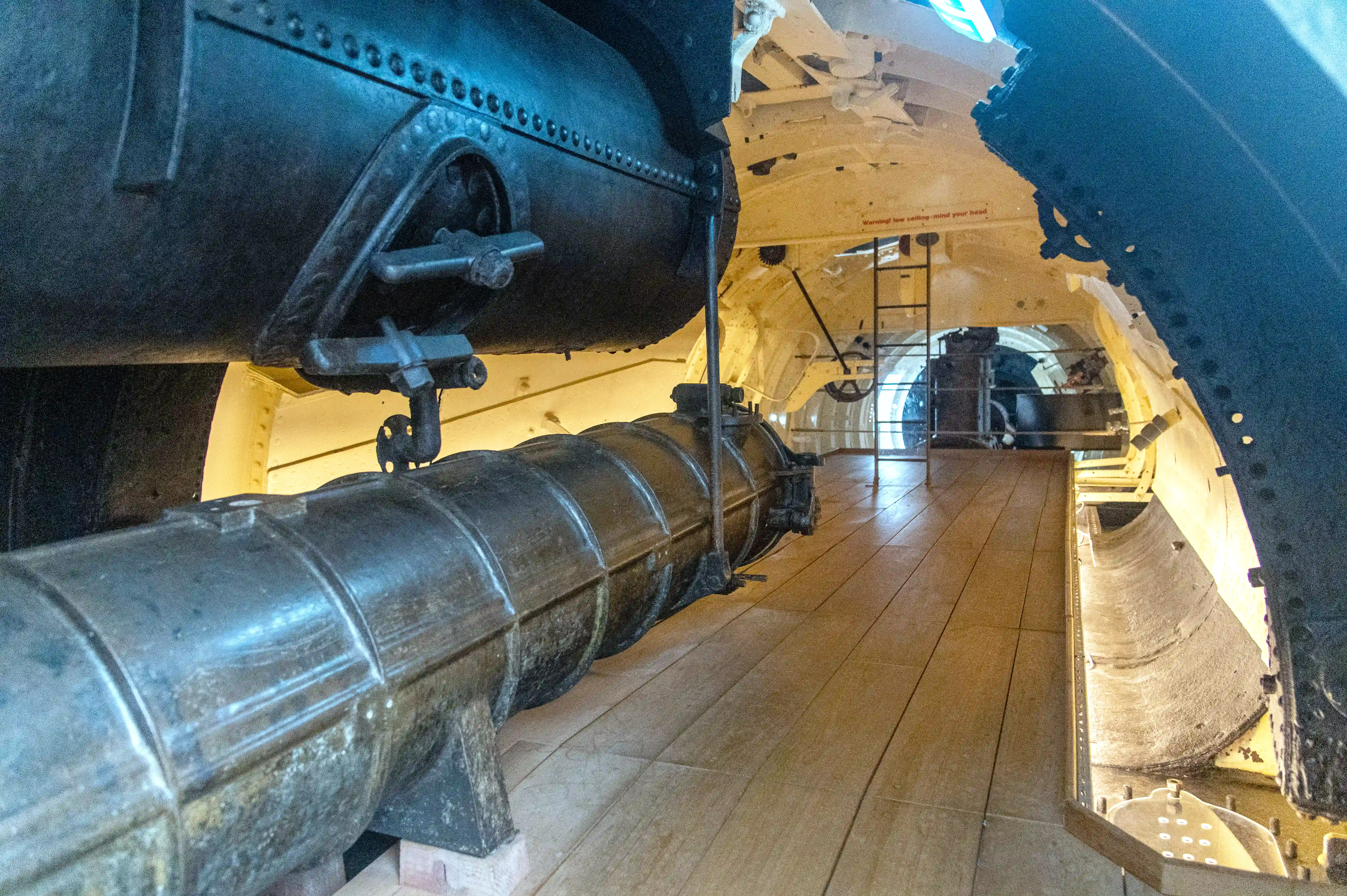
HMS Alliance is the last surviving British submarine from the Second World War era, a steel leviathan that embodies the evolution of undersea warfare. Laid down in 1945 as part of the A-class (Amphion-class), she was built in response to the urgent need for long-range, fast submarines capable of operating in the Pacific as the war’s focus shifted eastward. Though launched too late to see combat, her design reflected the lessons of wartime urgency: streamlined, powerful, and built to endure. Commissioned in 1947, Alliance spent her early years testing the limits of submerged endurance, diving deep off the Canary Islands to simulate the grueling conditions of Cold War patrols. Armed with six torpedo tubes (including two external "single-shot" tubes) and a 4-inch deck gun, she was a hybrid of wartime firepower and post-war innovation, a bridge between the age of surface raids and the silent, unseen battles of the nuclear era
A Career of Secrecy and Service

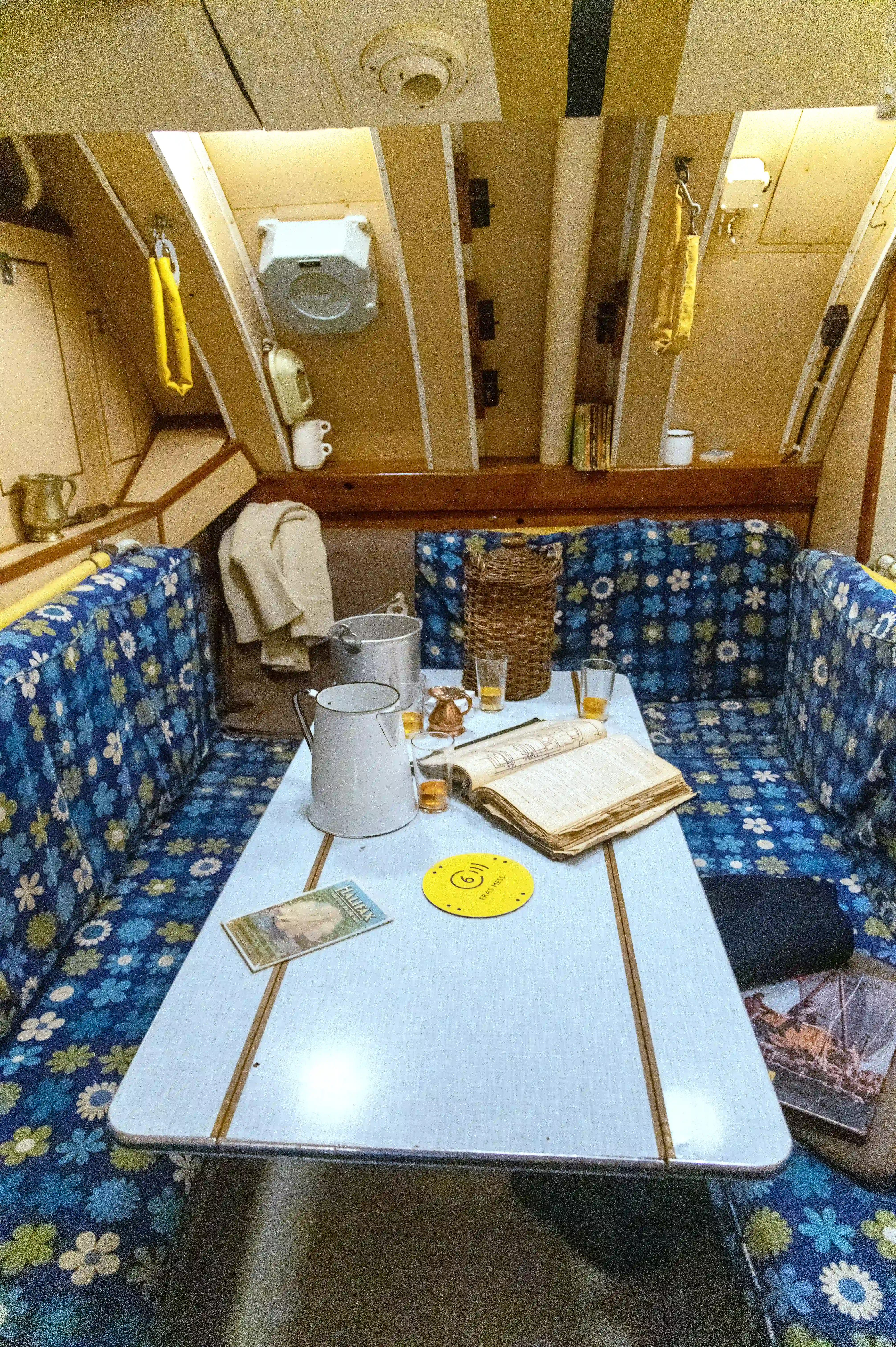
For 28 years, Alliance served as a frontline submarine, a training vessel, and a testbed for new technologies. She patrolled the icy waters of the Arctic, hunted Soviet submarines during the Cold War, and endured the clamor and cramped conditions that defined life aboard a diesel-electric boat. Her crew of 60 lived in a world of recycled air, precise routines, and constant vigilance—a microcosm of the Royal Navy’s "Silent Service," where every sound could mean detection or disaster. In 1973, she was withdrawn from active duty, but her mission was far from over. As a static training submarine at HMS Dolphin, she prepared generations of submariners for the challenges of life beneath the waves, her bulkheads echoing with the footsteps of those who would later serve in nuclear boats

From Warship to Memoria

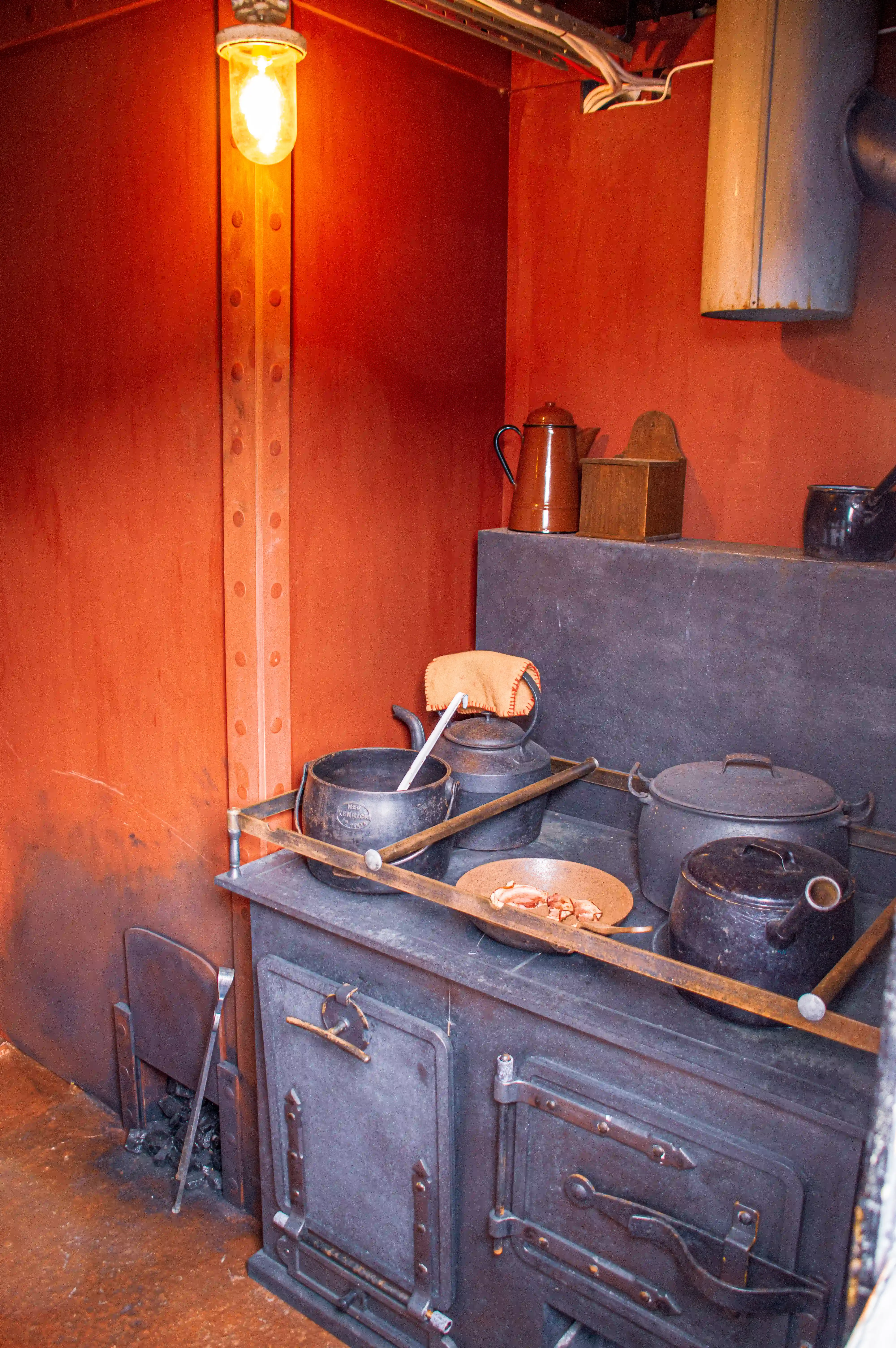
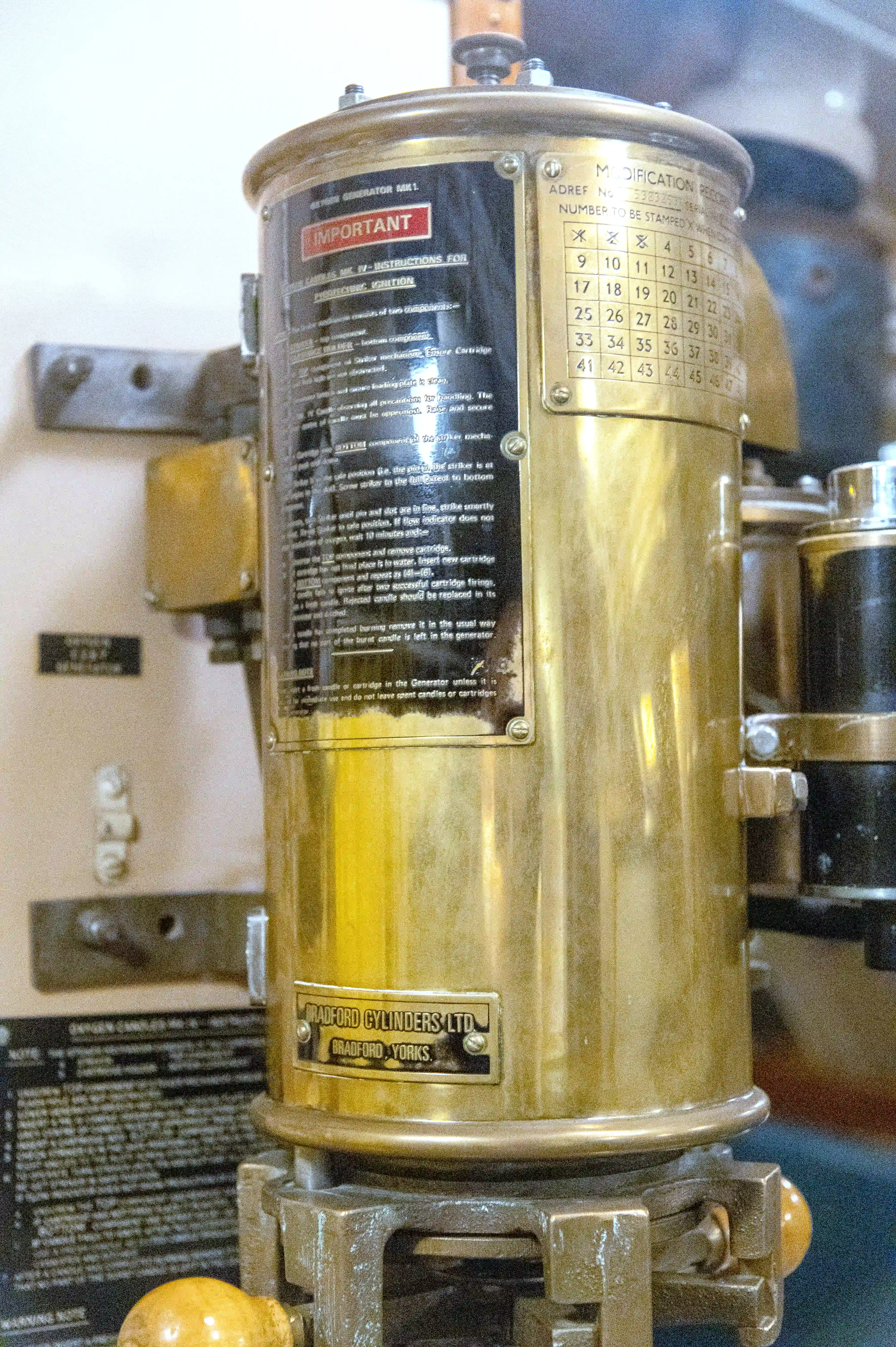
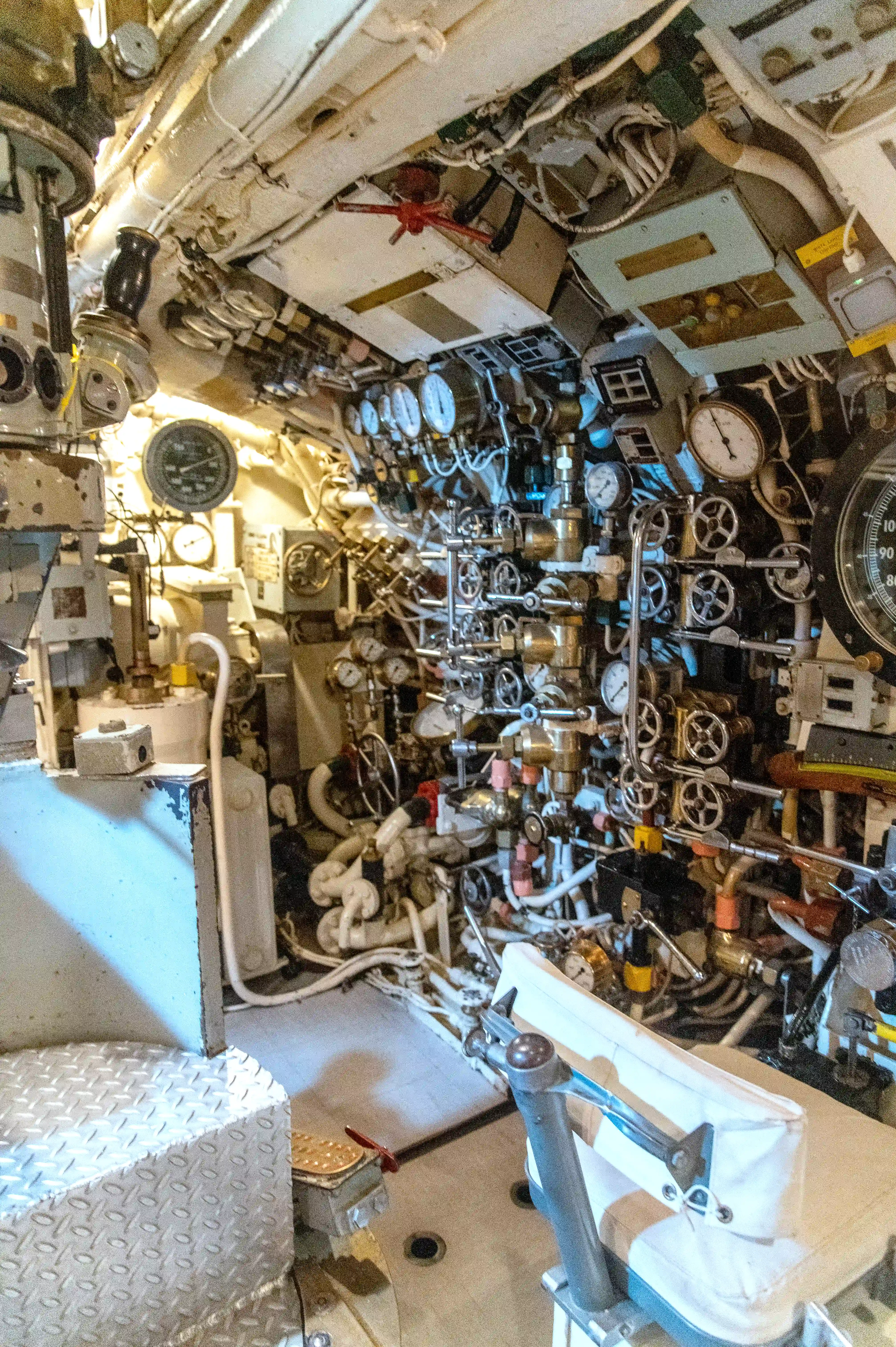
l Today, HMS Alliance rests in Gosport’s Royal Navy Submarine Museum, a memorial to the 4,334 submariners lost in both world wars and the 739 who perished in peacetime accidents. Her preservation is a labor of love: a £11 million restoration has stabilized her hull, reopened her conning tower, and created a new gallery to tell her story. Visitors can step aboard, peer through her periscopes, and stand in the control room where crews once plotted silent, deadly maneuvers. The submarine’s original fittings, from her torpedo tubes to her galley, offer a haunting glimpse into the claustrophobic world of underwater warfare. Alliance is not just a relic; she is a living testament to the courage, ingenuity, and sacrifice of those who served in the Royal Navy’s submarine fleet

A Symbol of the Silent Service

HMS Alliance is more than a museum piece—she is a symbol of resilience. She represents the transition from the daring surface raids of the Second World War to the stealthy, high-stakes patrols of the Cold War. Her survival is a tribute to the submariners who called her home, the engineers who kept her running, and the historians who ensure her story is never forgotten. For those who walk her decks, she offers a rare chance to hear the echoes of the past: the hum of her engines, the tension of a dive, the unspoken bond of a crew who trusted their lives to a steel tube beneath the sea. Alliance stands as a guardian of submarine heritage, a reminder that some of the most pivotal battles in history were fought not on the open ocean, but in the silent depths

References

www.nmrn.org.uken.wikipedia.orgwww.nationalhistoricships.org.ukwww.nmrn.org.uk/heritage.baesystems.com , Text generated by Mistral AI
To the top
Powered by w3.css. The images are all stored on link to www.gaylard.co.uk Photostream on Flickr   This website is hosted by link to 123Reg Web Hosting