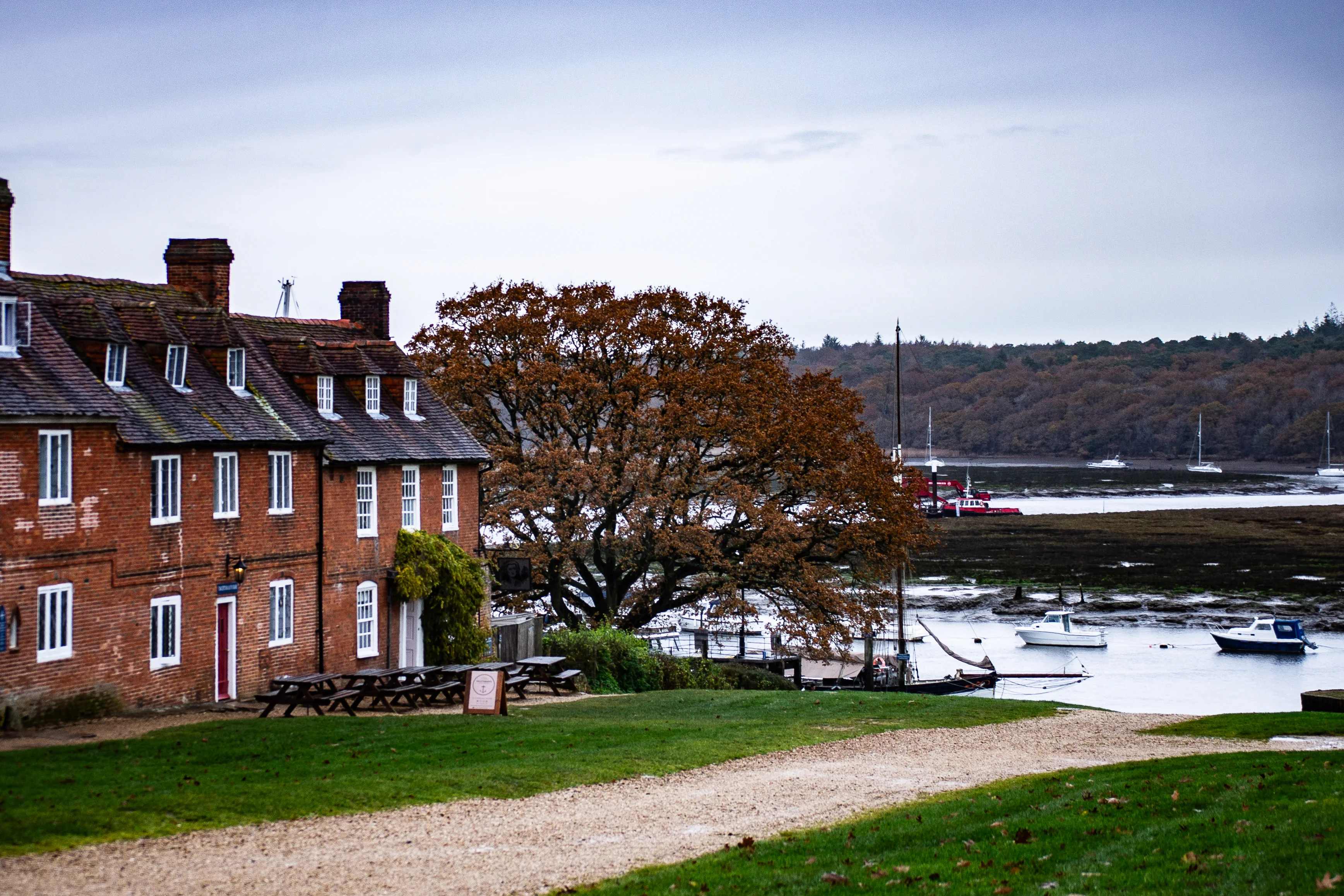
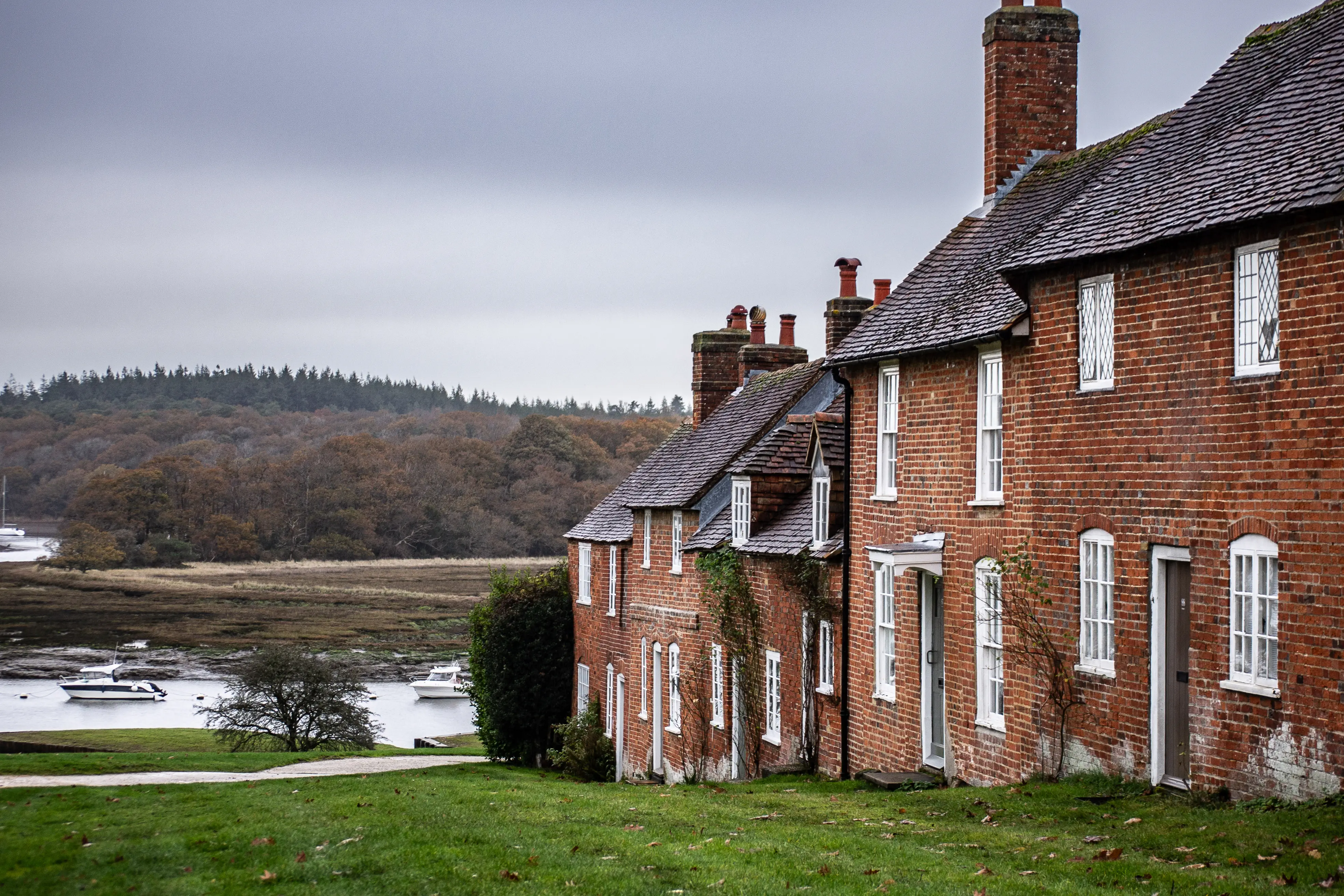
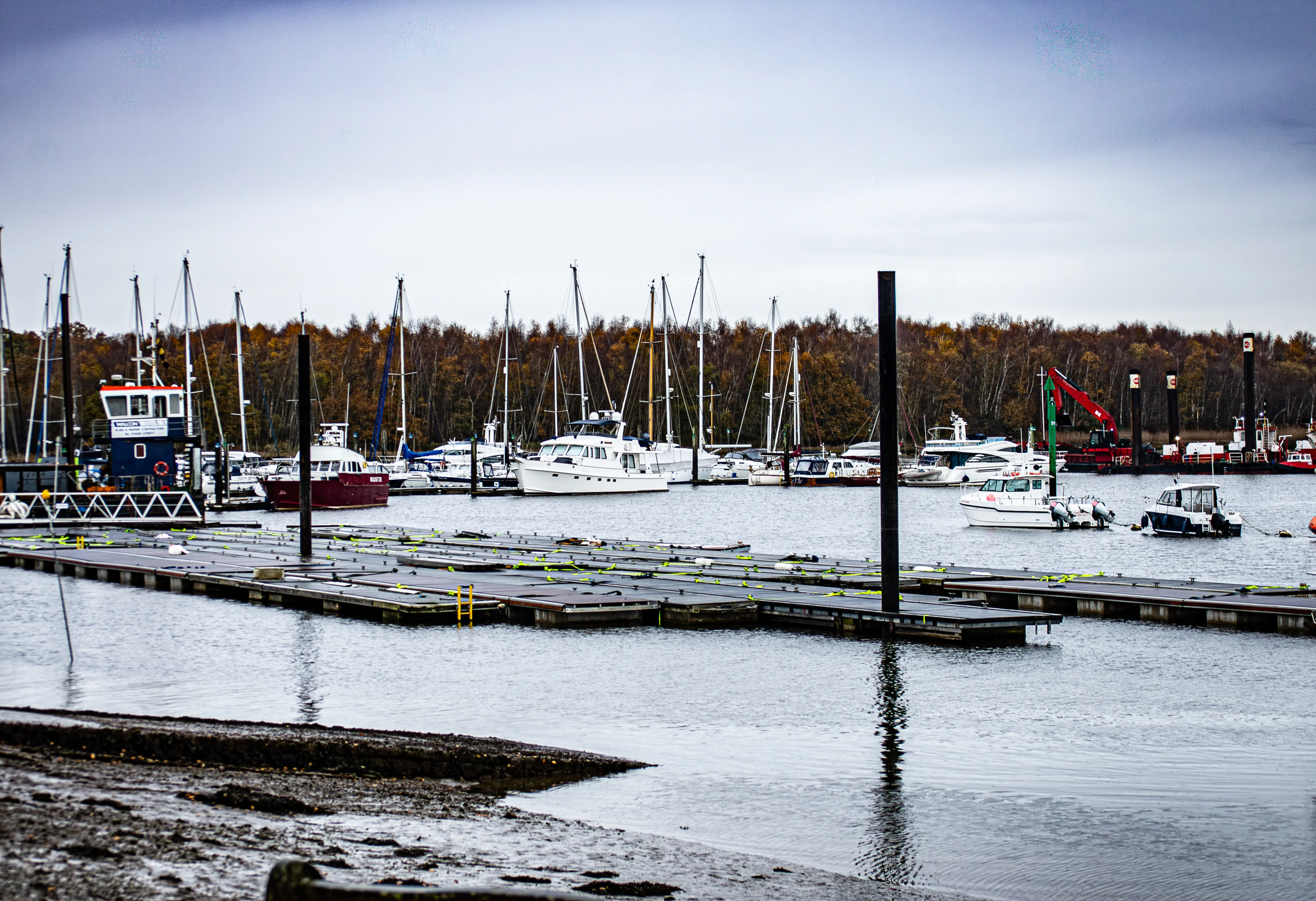
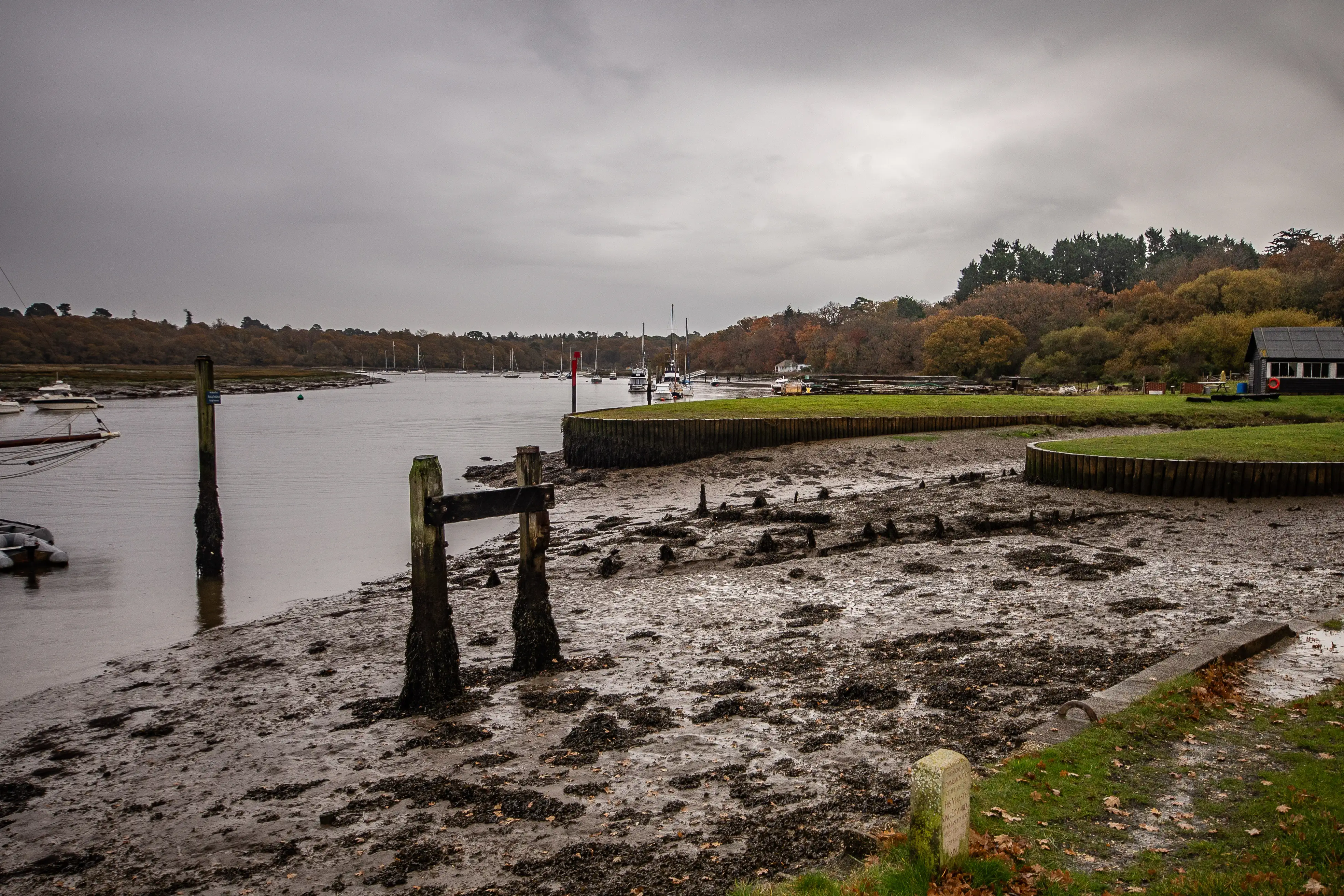
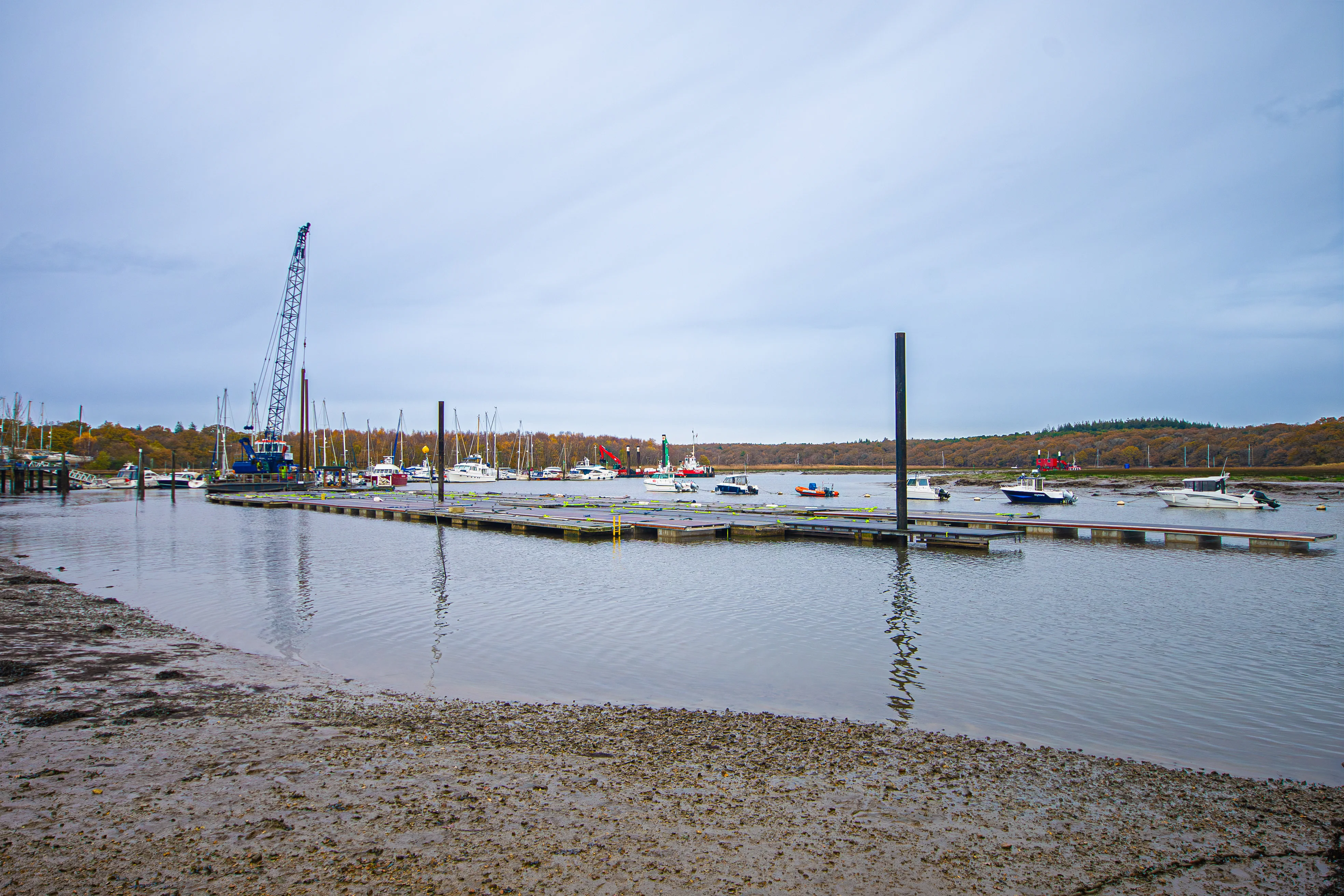
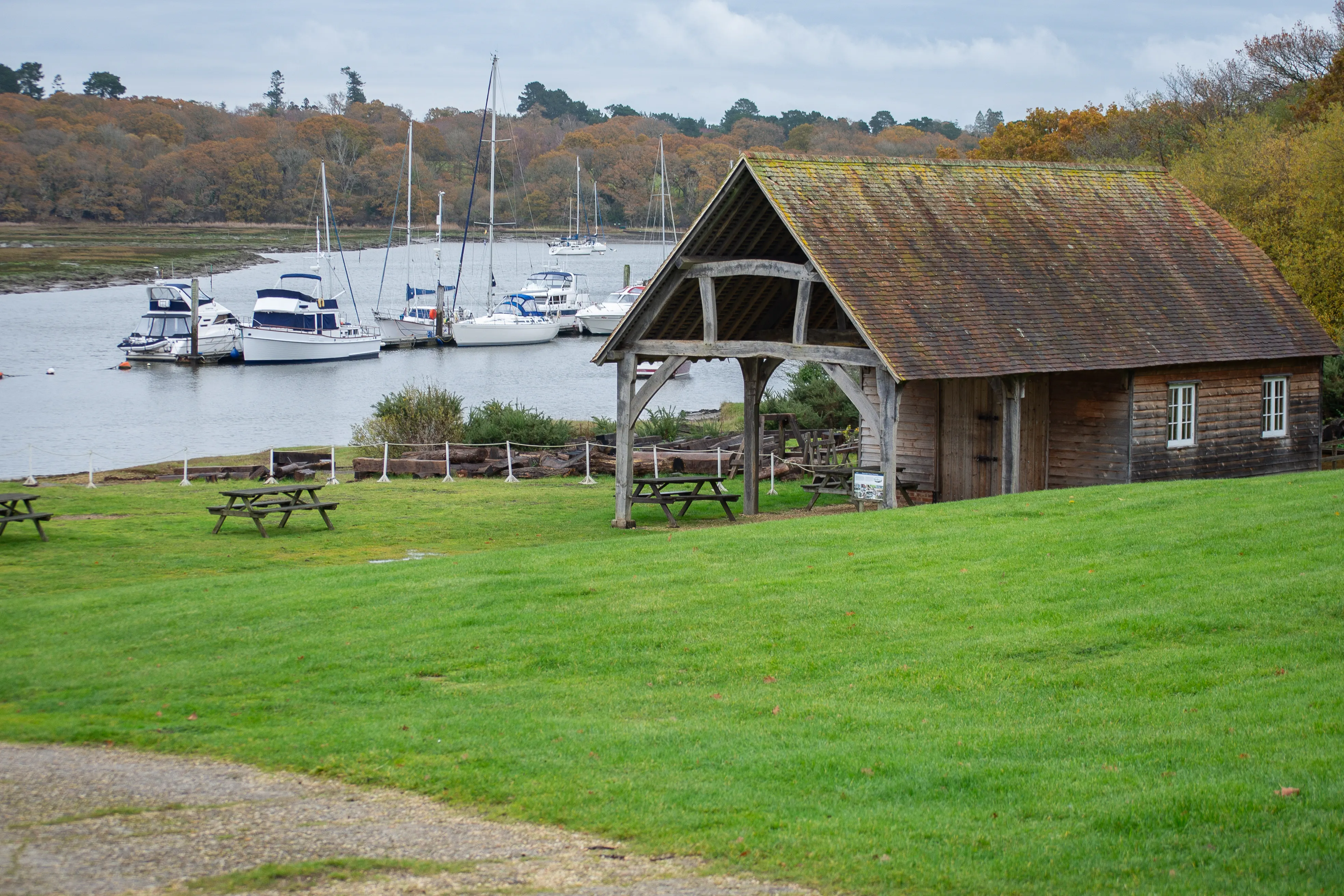
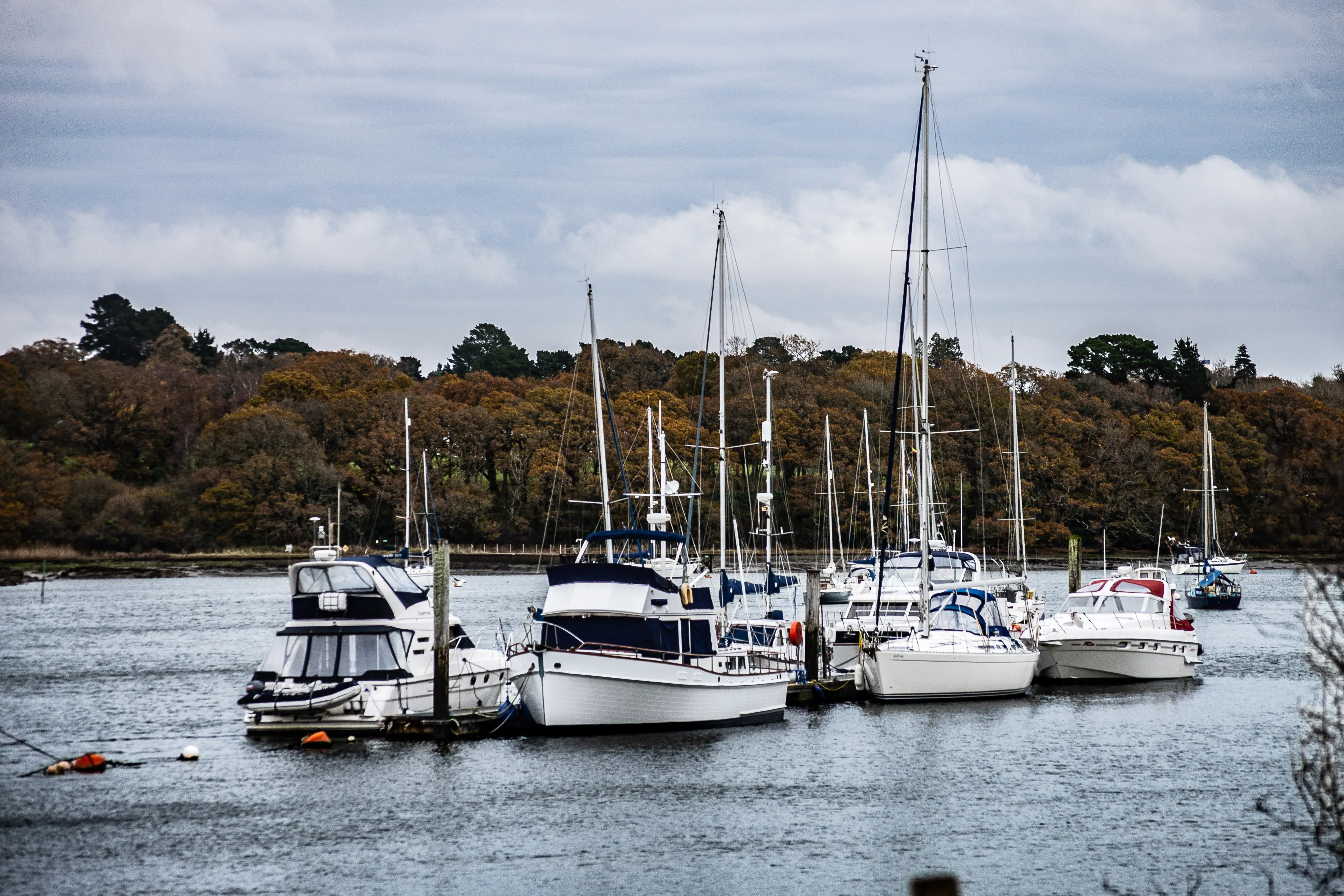
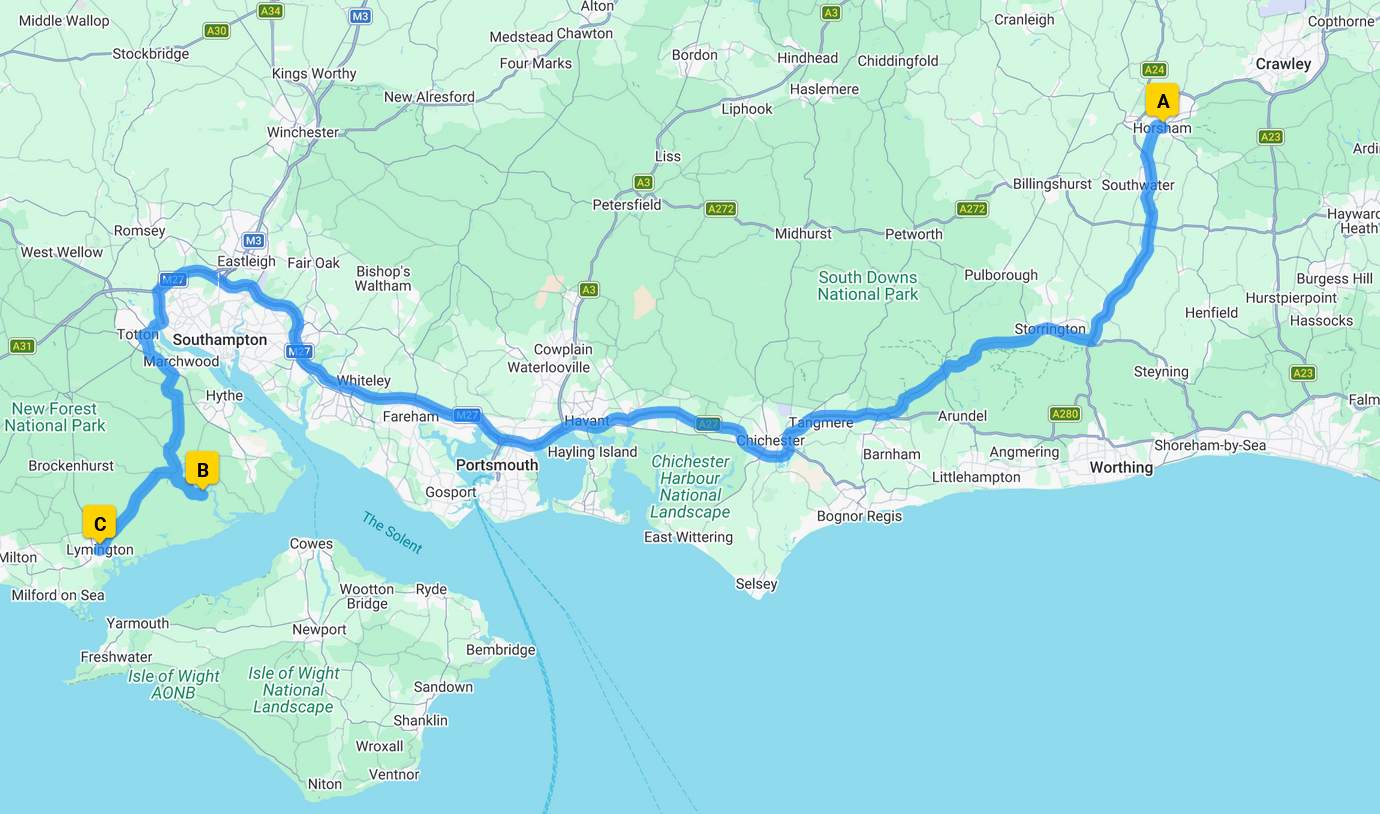
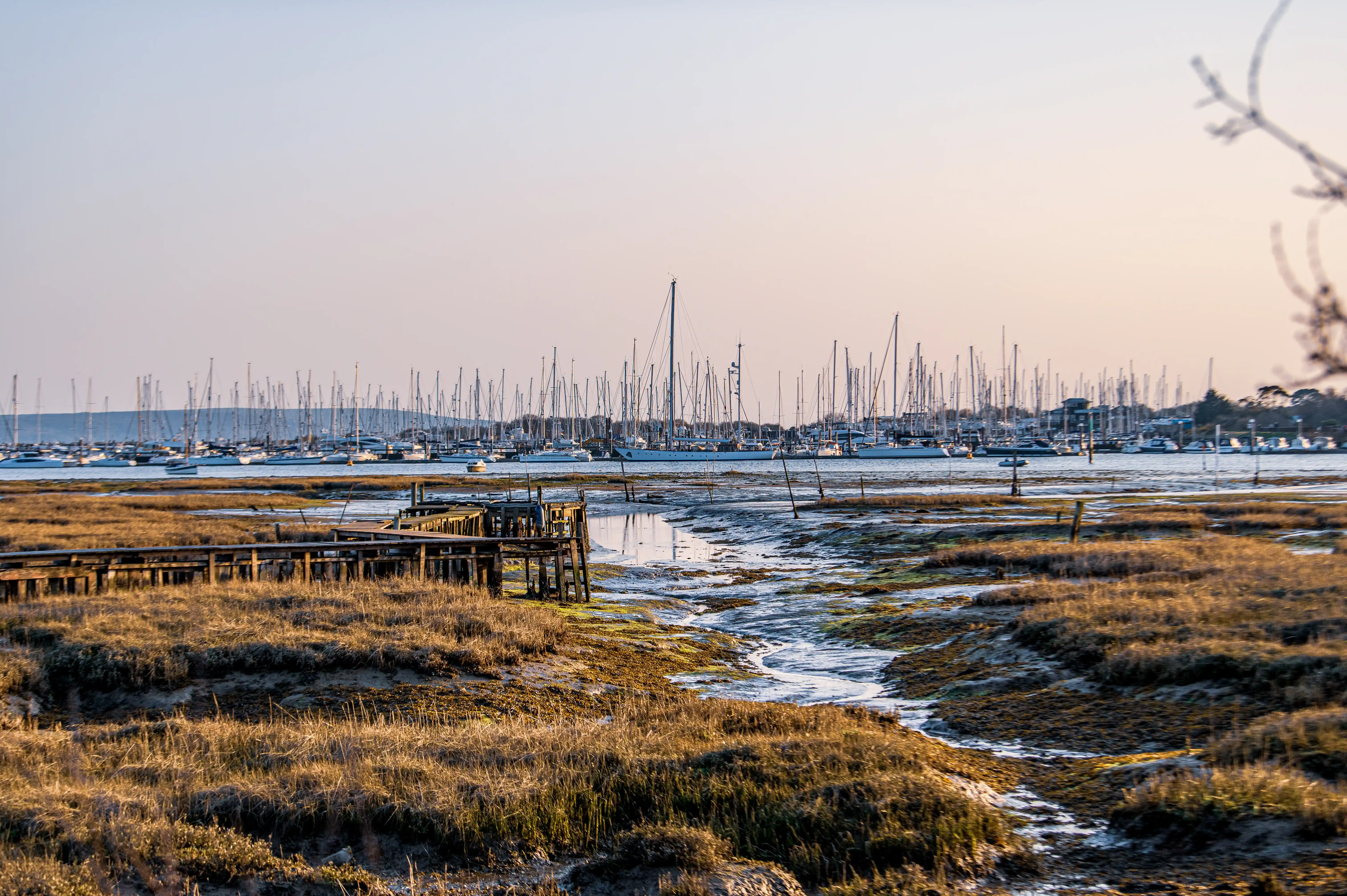
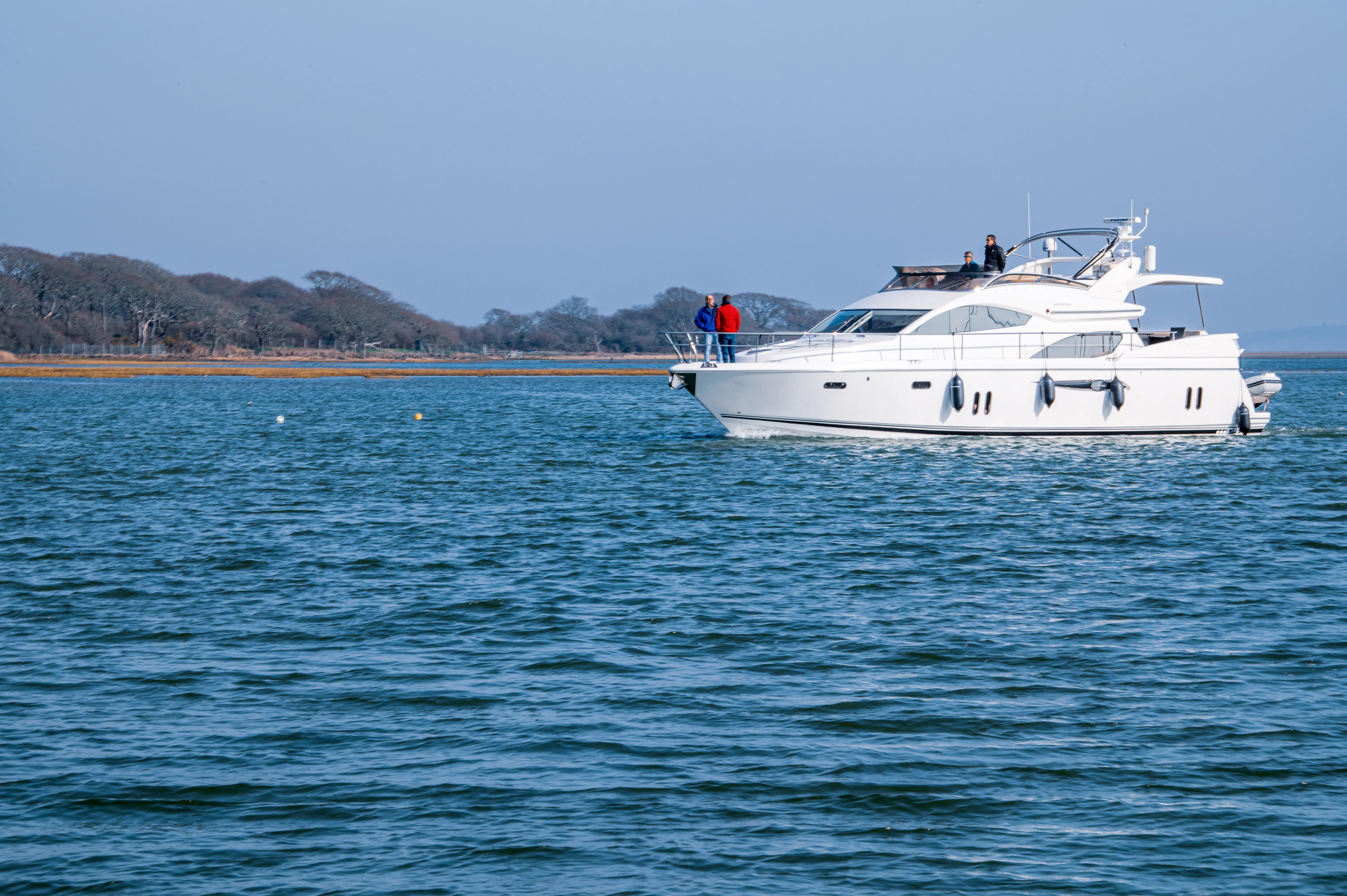
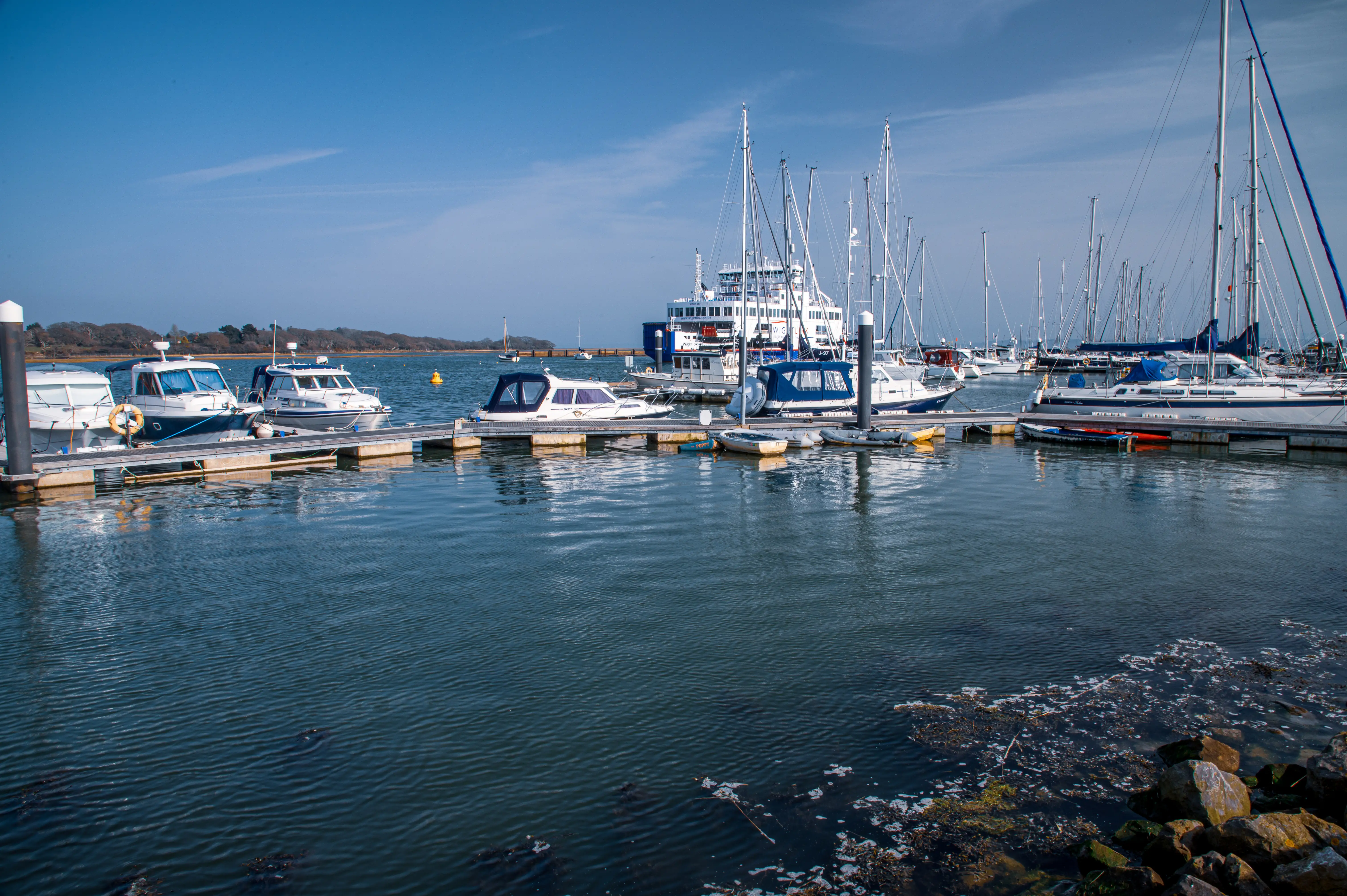
Lymington is a charming Georgian market town on the Hampshire coast, nestled between the New Forest National Park and the Solent, renowned for its maritime heritage, bustling Saturday market (dating back to the 13th century), and two large marinas filled with yachts and fishing boats. The town offers a mix of **historic High Street shops, the historic Lymington Sea Water Baths (UK’s oldest, since 1833), St Barbe Museum & Art Gallery, and easy access to the Isle of Wight ferry, as well as scenic walks to Hurst Castle and the Lymington-Keyhaven Nature Reserve
From Saxon Roots to a Thriving Port
Lymington’s story begins in the 6th century, when Saxon settlers founded a hamlet they called limen tun—“elm farm” or “marshy river settlement”—on the banks of the river that still bears its name. By the 13th century, under the patronage of Baldwin de Redvers, Lymington had grown into a flourishing borough, its charter granting its people the freedom to elect their own leaders and hold their own courts. The town’s natural harbor, sheltered by the Solent and the Isle of Wight, made it a hub for trade, particularly in salt—harvested from the nearby marshes—and later, as a center for shipbuilding and smuggling. The medieval street plan, centered around St Thomas’ Church, still echoes the town’s ancient origins, while the High Street’s independent shops and bustling Saturday market keep its spirit as a vibrant community alive
Smugglers, Sailors, and the Sea
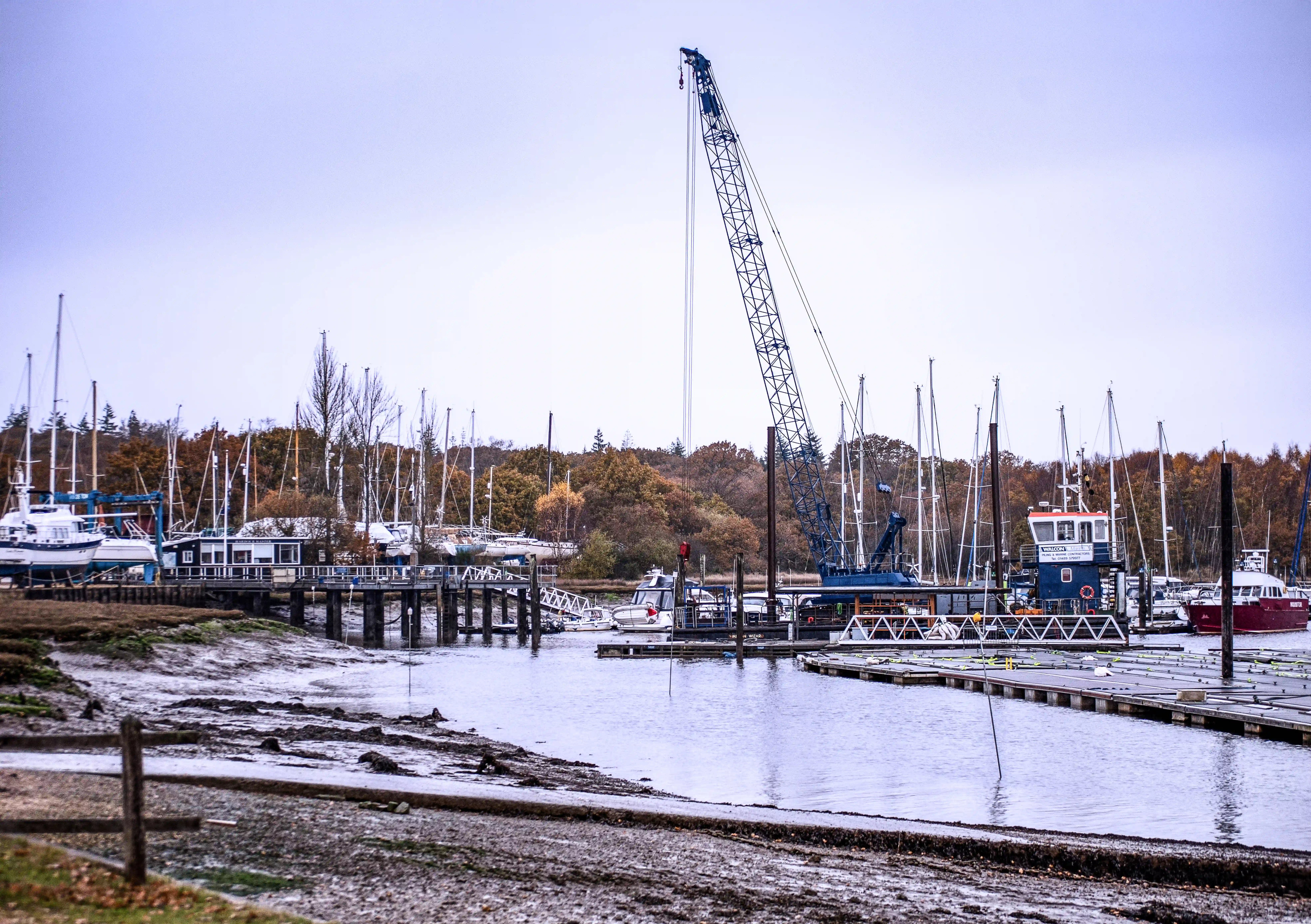
For centuries, Lymington’s fortunes have been tied to the tides. The town’s harbor, one of the most picturesque on the south coast, has been a haven for fishermen, merchants, and—according to local legend—smugglers, whose hidden tunnels and clandestine cargoes add a layer of romance to its history. By the 18th century, Lymington had become a center for yacht building, its skilled craftsmen shaping the sleek hulls that would glide across the Solent. Today, the harbor is lined with marinas brimming with yachts, and the town’s sailing clubs host world-renowned regattas, from the Royal Lymington Cup to the Etchells Worlds. The annual Cowes Week sees the town buzz with sailors and spectators, a testament to Lymington’s enduring love affair with the sea
A Town of Georgian Elegance and Modern Vitality
Lymington’s Georgian architecture, with its elegant facades and bow-fronted windows, lends the town a timeless charm. The High Street, a mix of independent boutiques, galleries, and cafés, invites leisurely strolls, while the historic St Barbe Museum offers a deep dive into the town’s past, from its salt-making heritage to its role in the New Forest’s rich tapestry. Just a short ferry ride away lies Hurst Castle, where Charles I was imprisoned before his execution, a stark reminder of the tumultuous events that once swept through this quiet corner of Hampshire. The town’s open-air sea baths, the oldest in the UK, and the nearby New Forest’s ancient woodlands and heaths provide endless opportunities for outdoor adventure, from coastal walks along the Solent Way to cycling through the forest’s dappled glades
A Gateway to the Isle of Wight and Beyond
Lymington’s connection to the sea is as strong as ever. The ferry to Yarmouth, operating since the 19th century, carries visitors across the Solent in just 40 minutes, offering stunning views of the Needles and the island’s chalk cliffs. The town’s proximity to the New Forest—with its wild ponies, historic villages, and unspoiled landscapes—makes it an ideal base for exploring one of England’s most beloved national parks. Whether you’re savoring fresh seafood at a quayside restaurant, browsing the Saturday market, or setting sail into the Solent’s sparkling waters, Lymington offers a blend of history, natural beauty, and maritime adventure that is uniquely its own