








A Square of Royal Splendor and Historical Significance
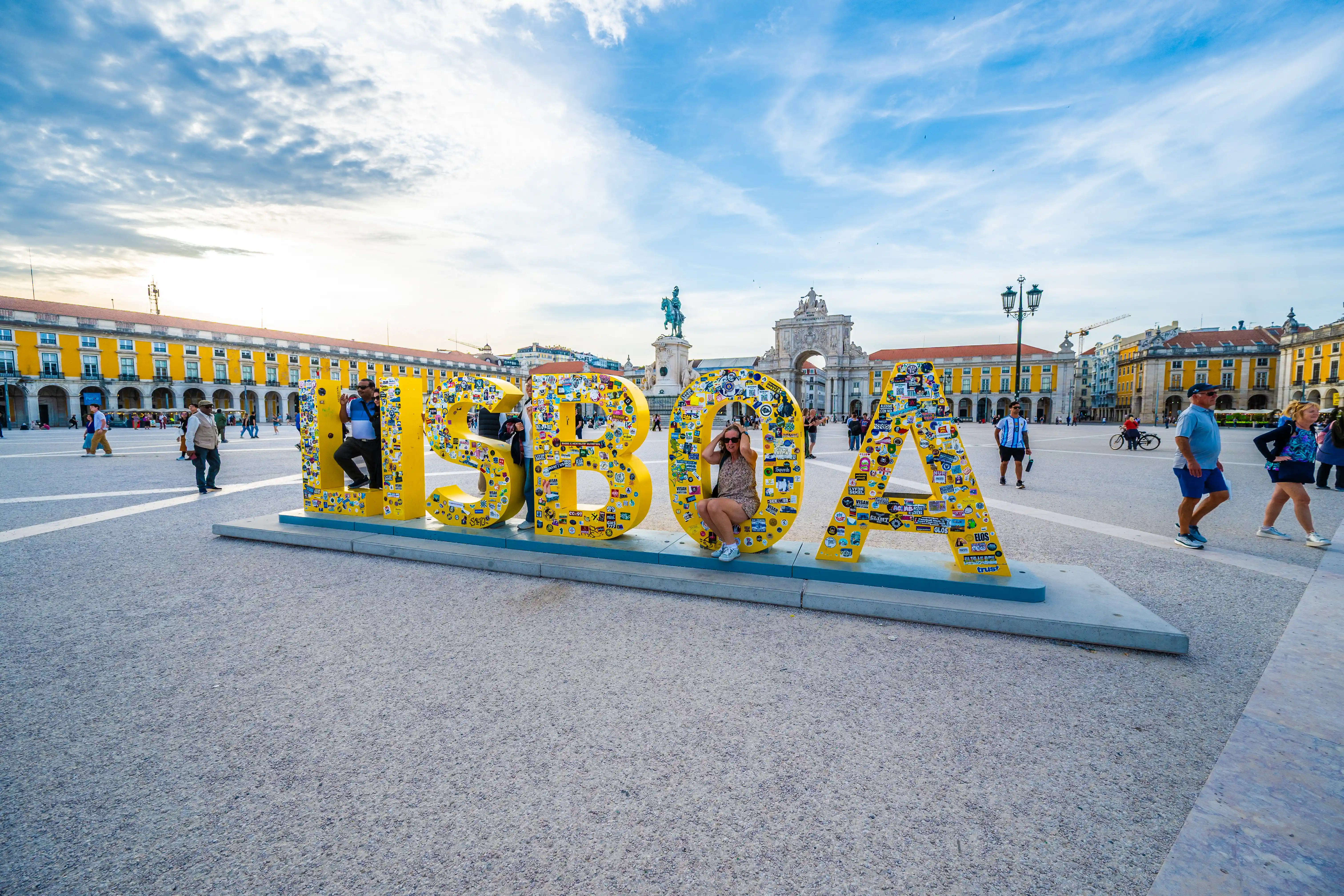
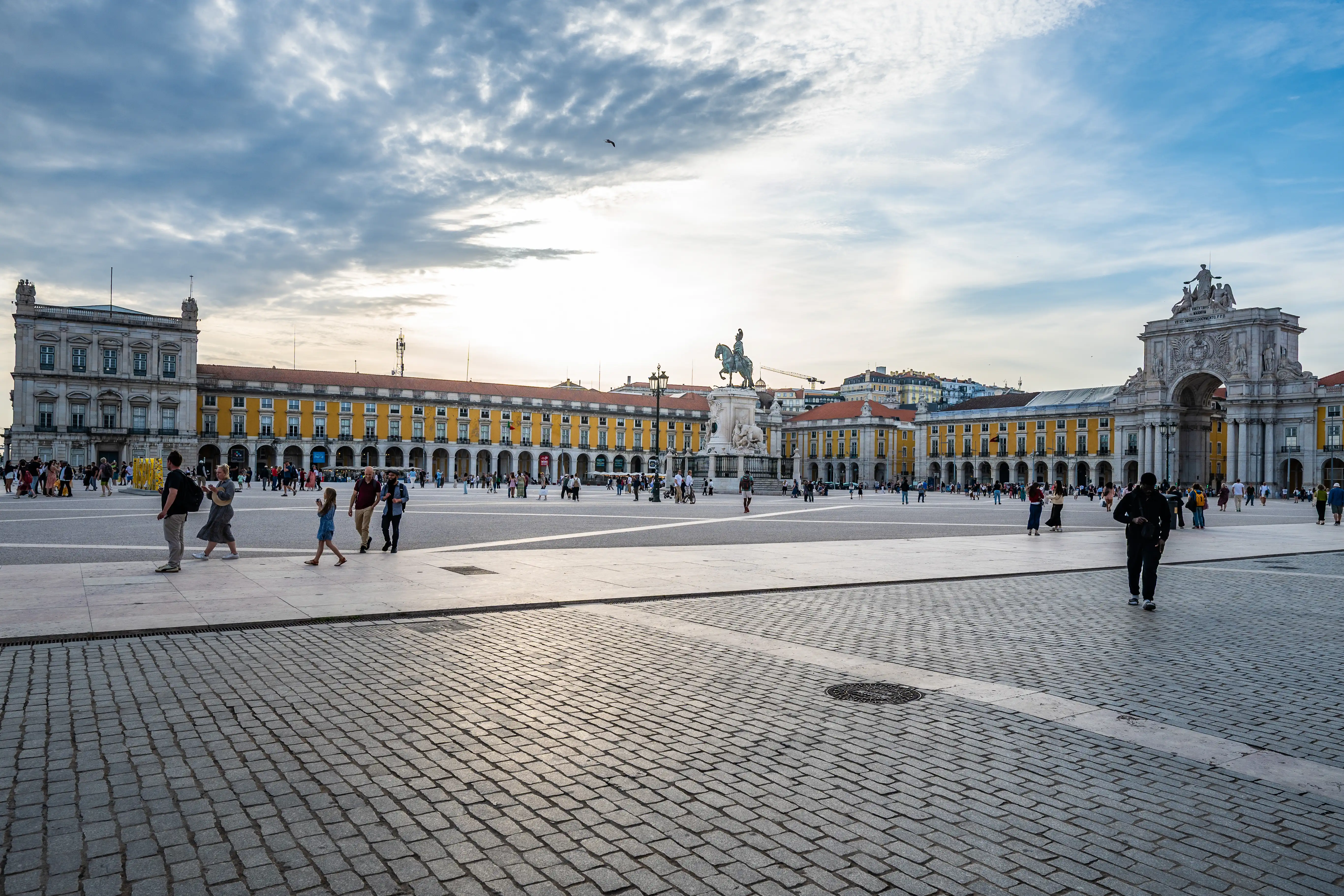
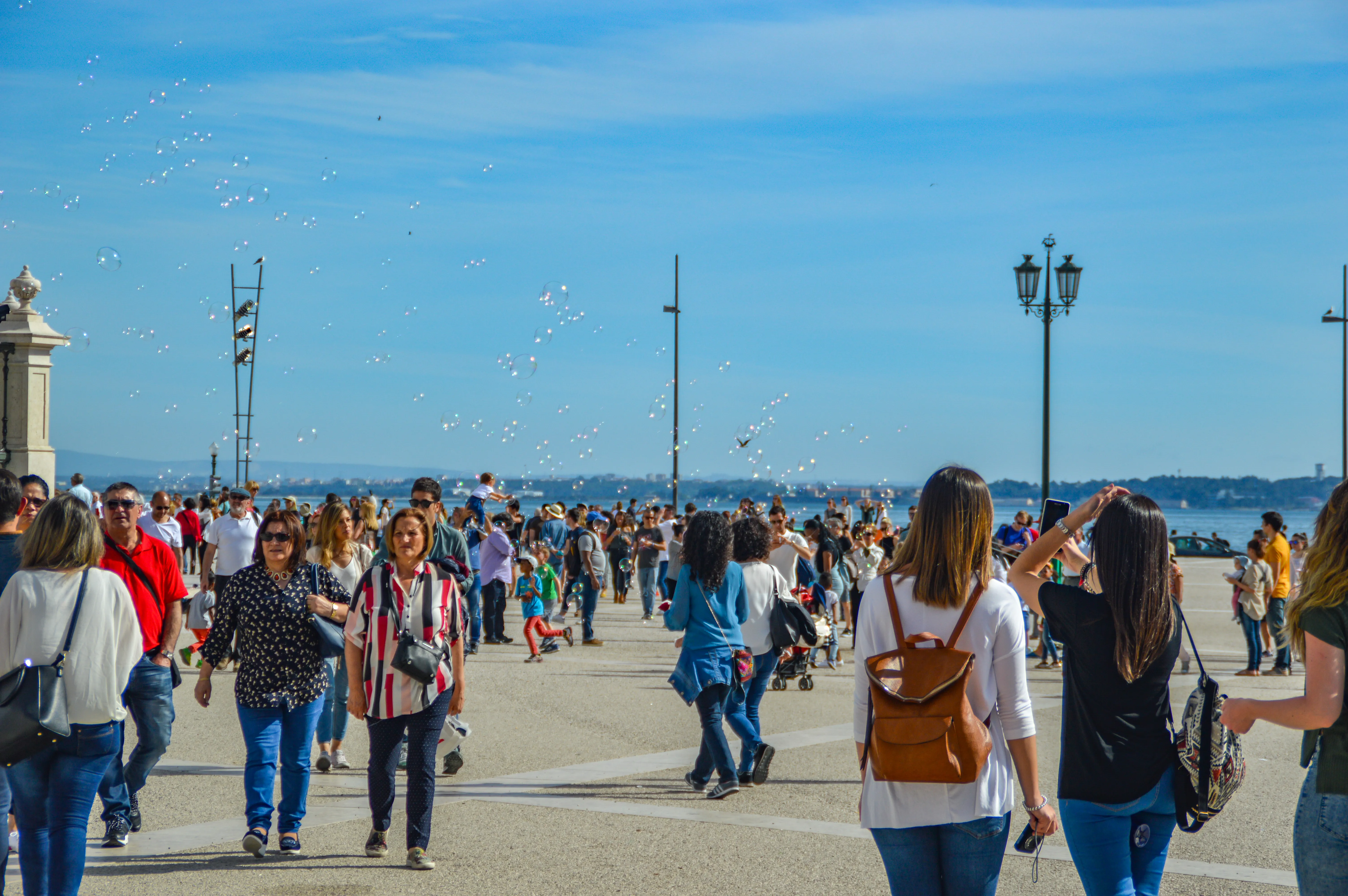
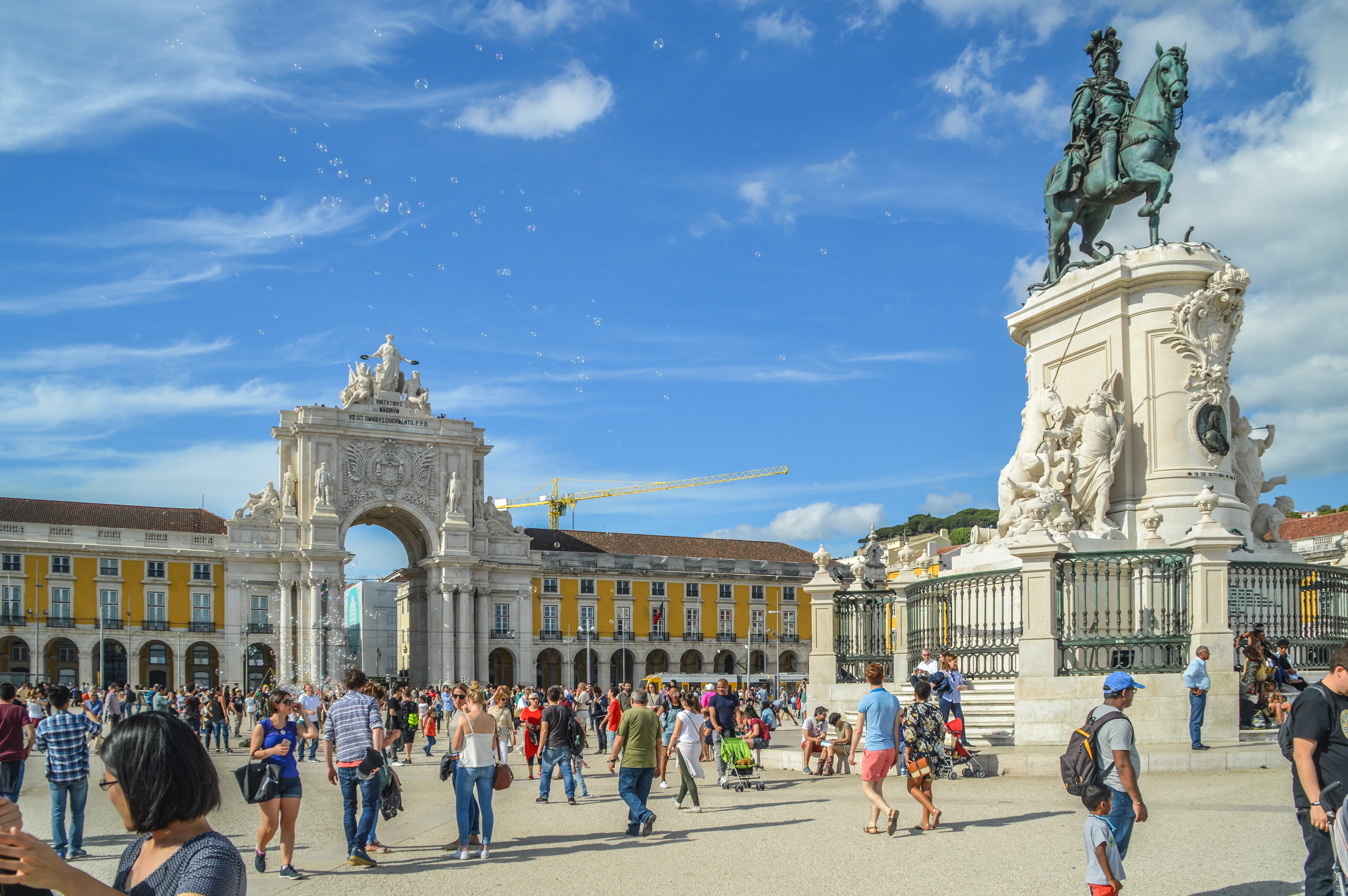
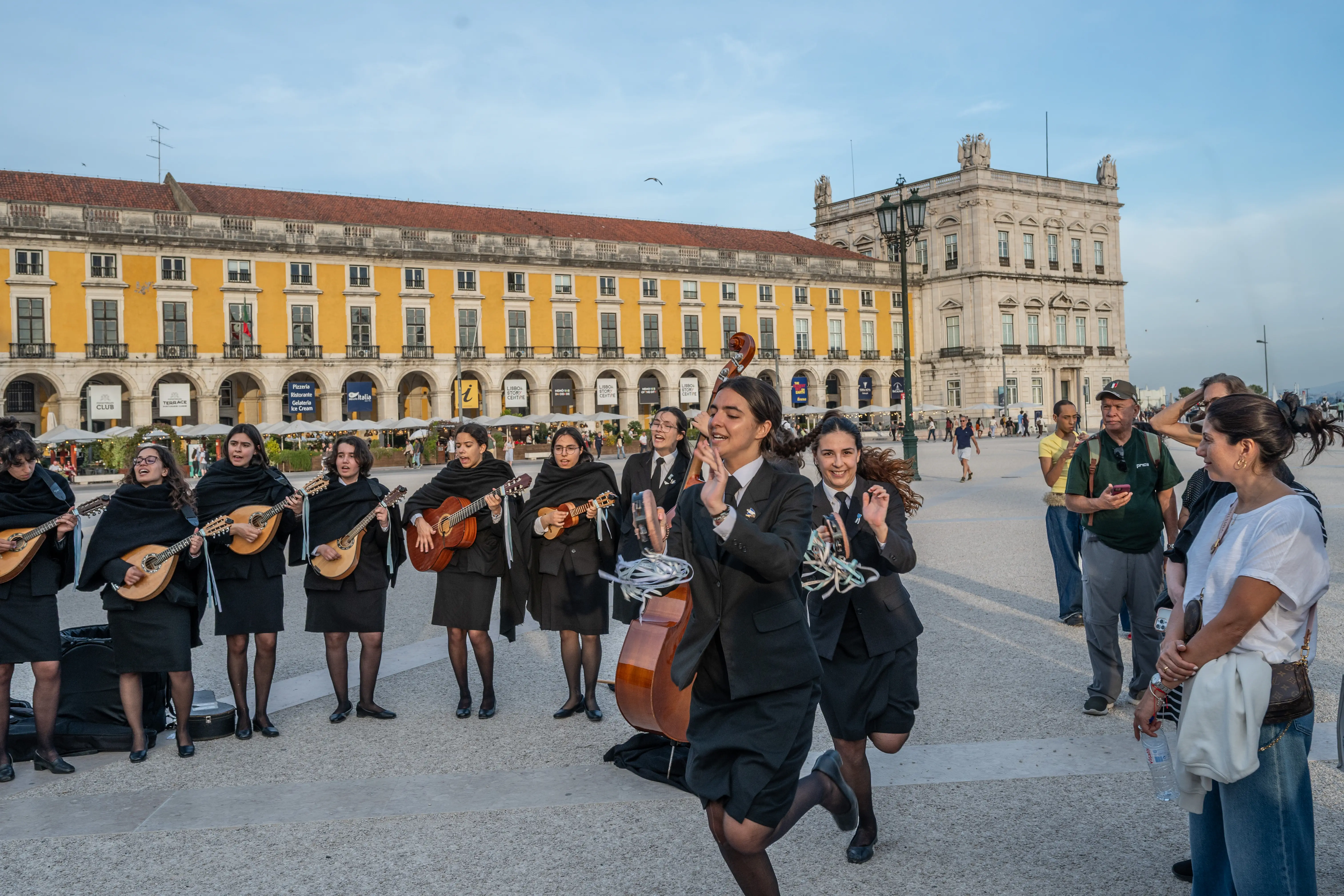
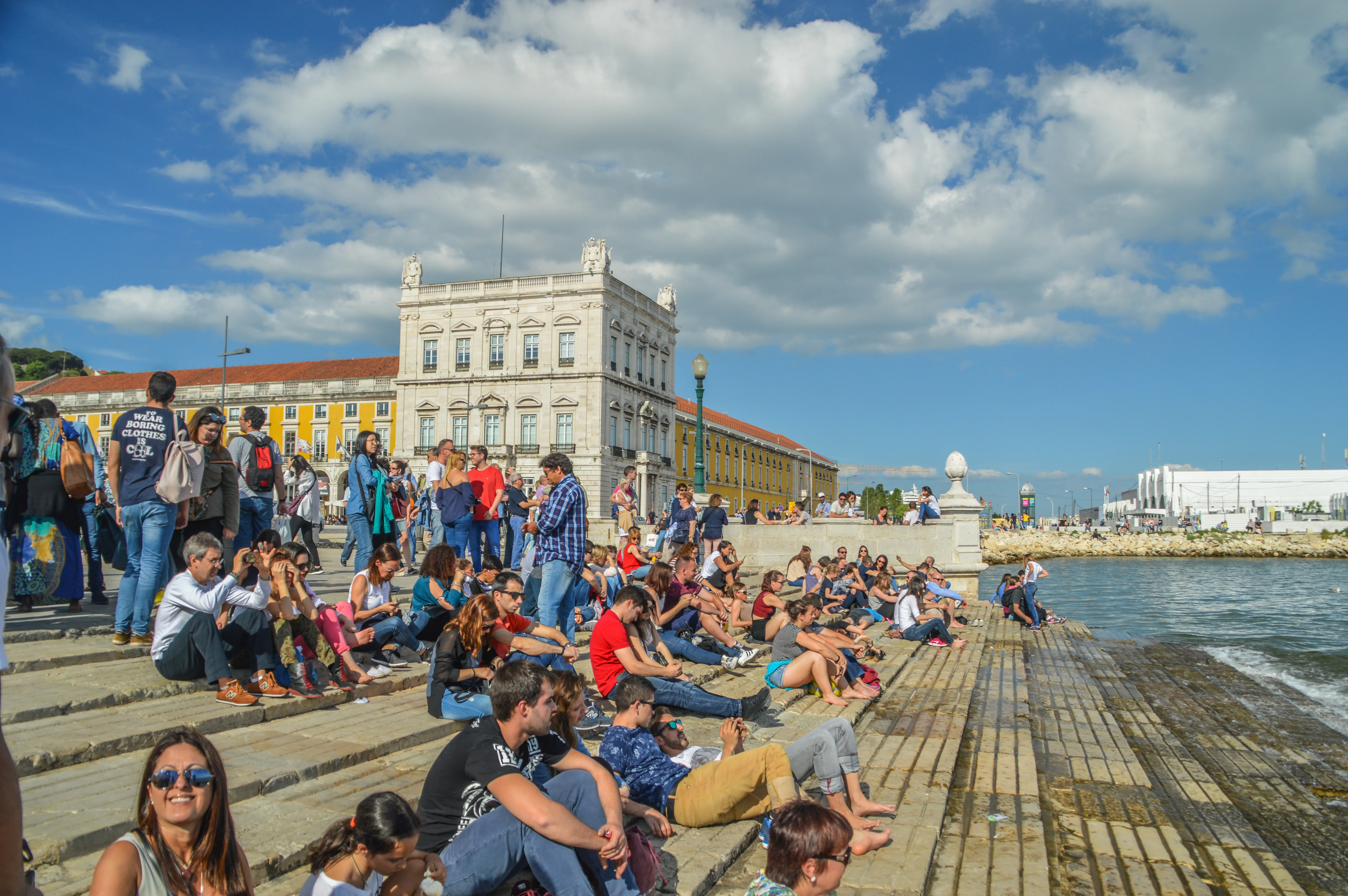
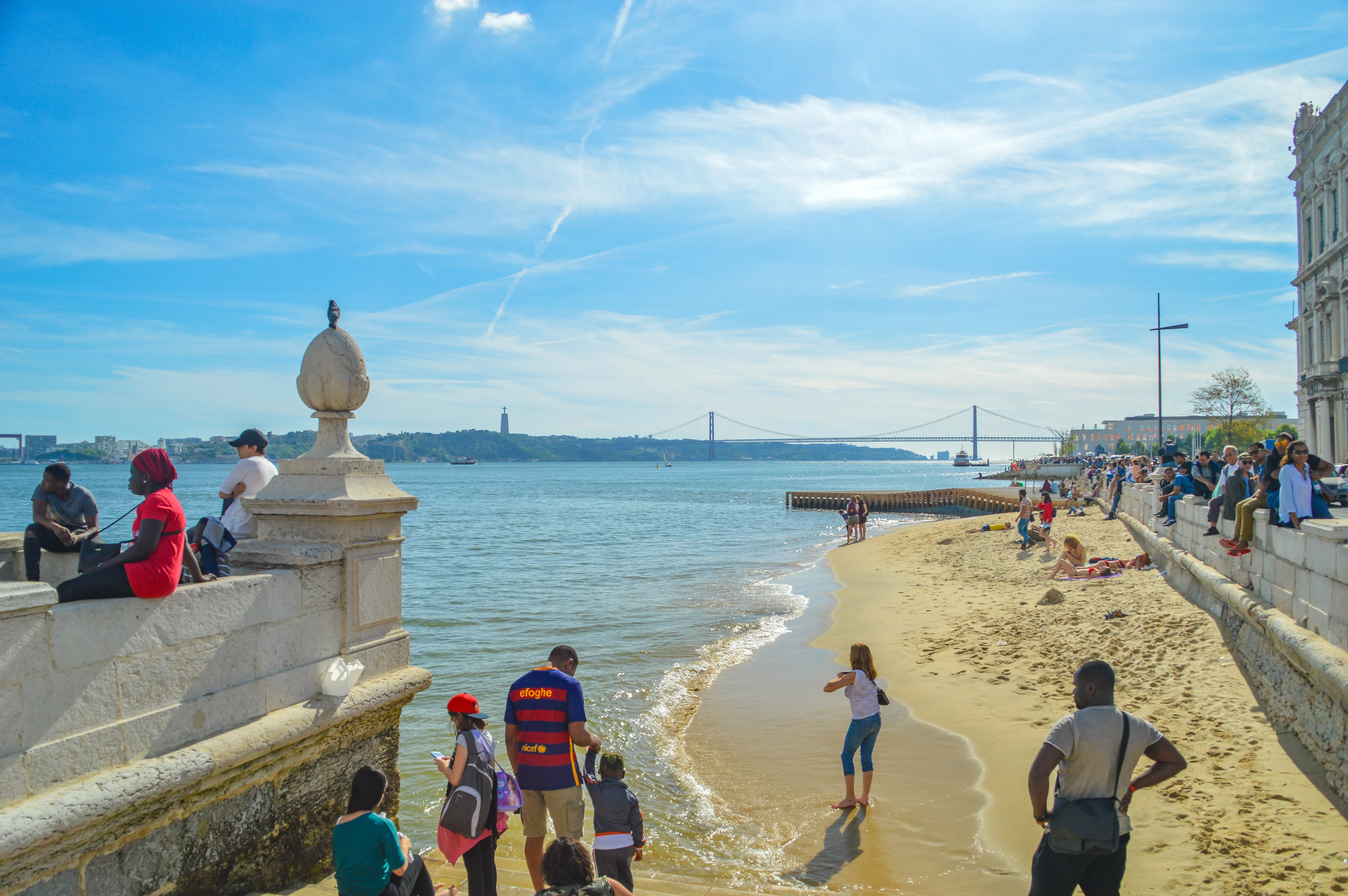
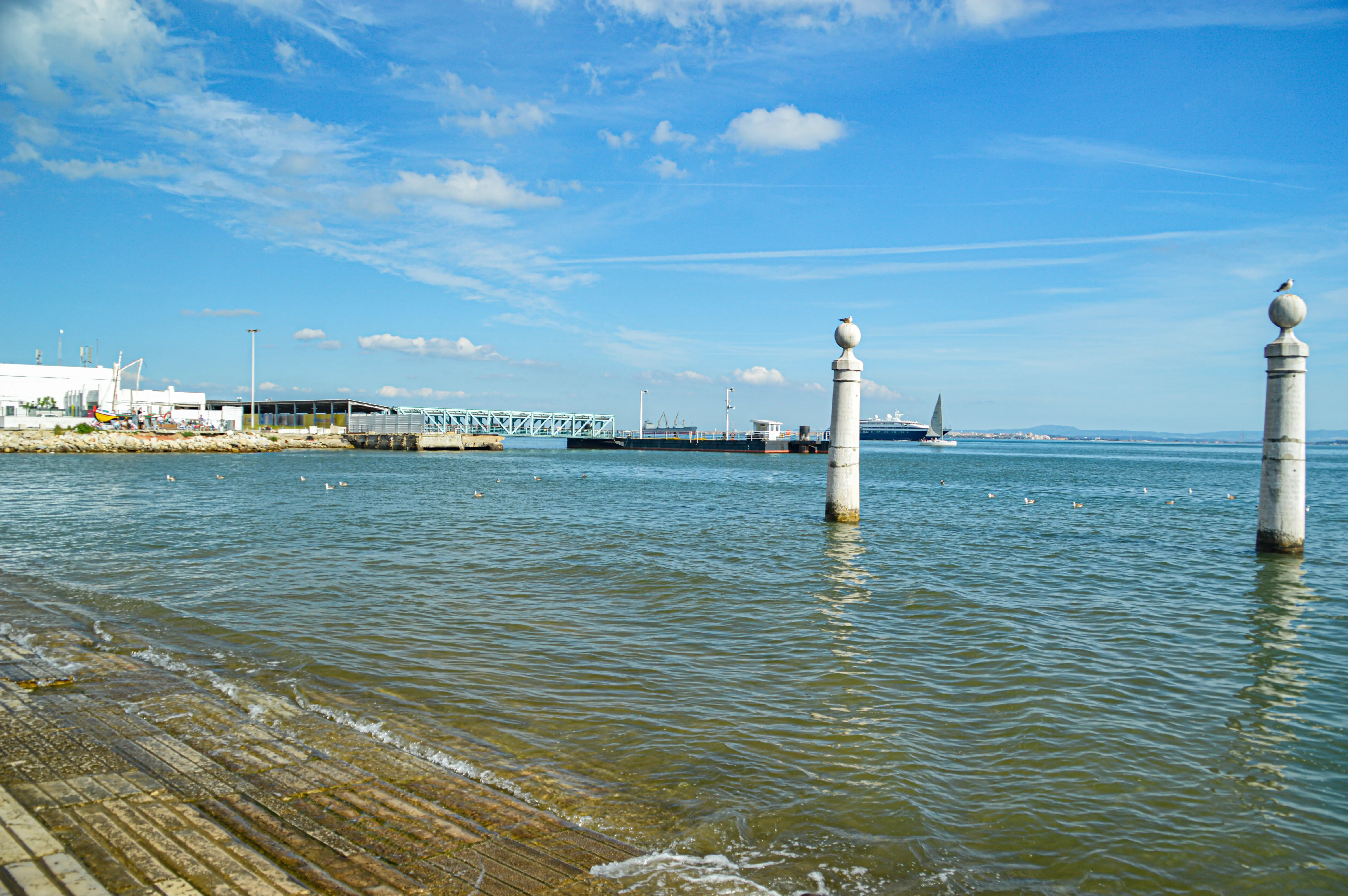
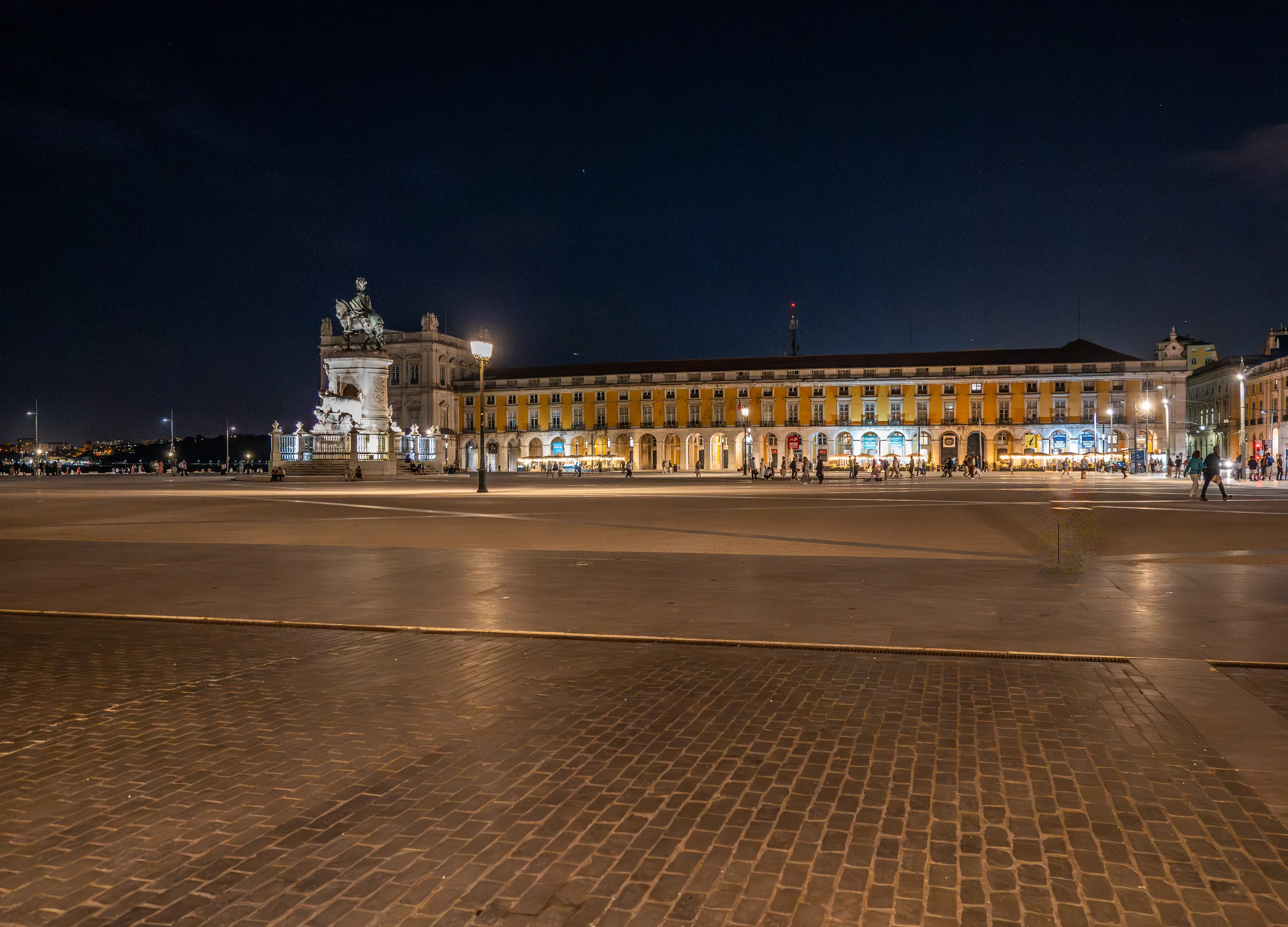
Praça do Comércio (Commerce Square) is one of Lisbon’s most iconic and grand public spaces, a vast, open plaza that faces the Tagus River and serves as the heart of the city’s historic and cultural life. Known as Terreiro do Paço (Palace Square) until the 19th century, the square was built on the site of the former Ribeira Palace, which was destroyed in the devastating earthquake of 1755. The reconstruction of the square was a key part of the Marquis of Pombal’s vision to rebuild Lisbon after the disaster, transforming it into a symbol of the city’s resilience and enlightenment. The square’s name reflects its historical role as the center of commerce and trade in Lisbon. During the Age of Discoveries, the Ribeira Palace was the royal residence and the seat of power for Portugal’s maritime empire. The palace’s waterfront location made it a hub for traders, explorers, and dignitaries from around the world, and the square that replaced it continued this tradition of trade and exchange.
A Masterpiece of Pombaline Architecture
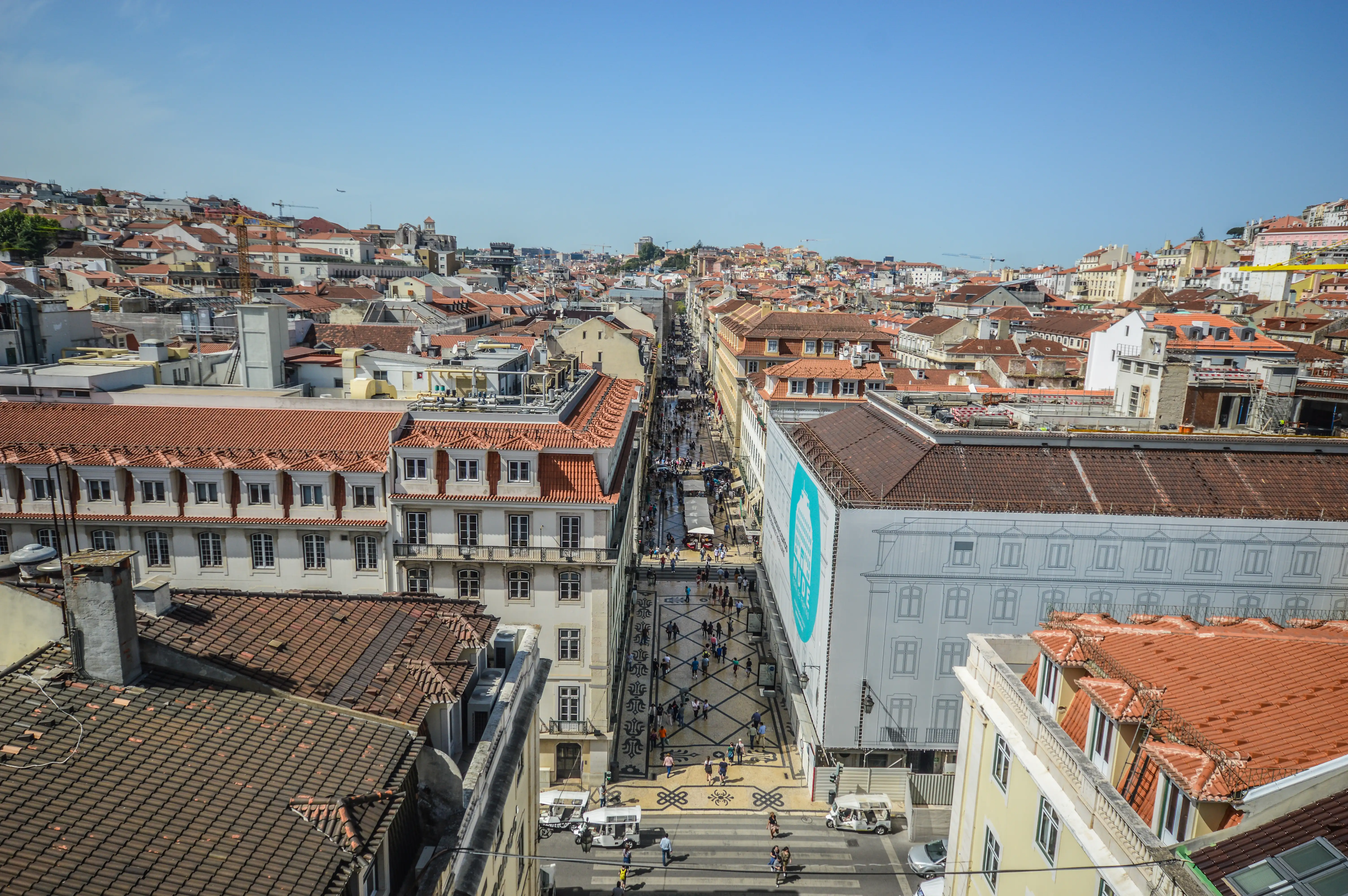
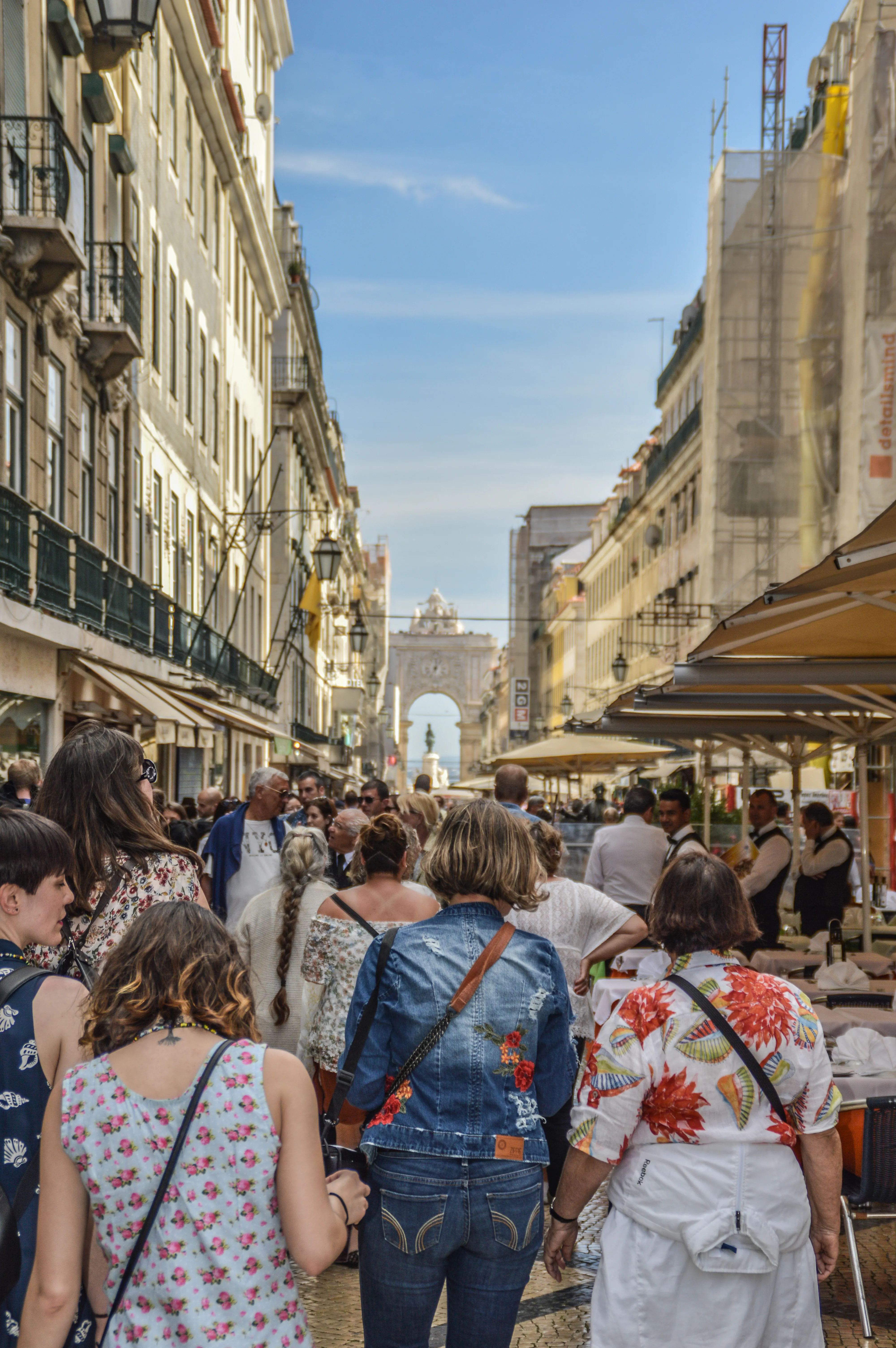
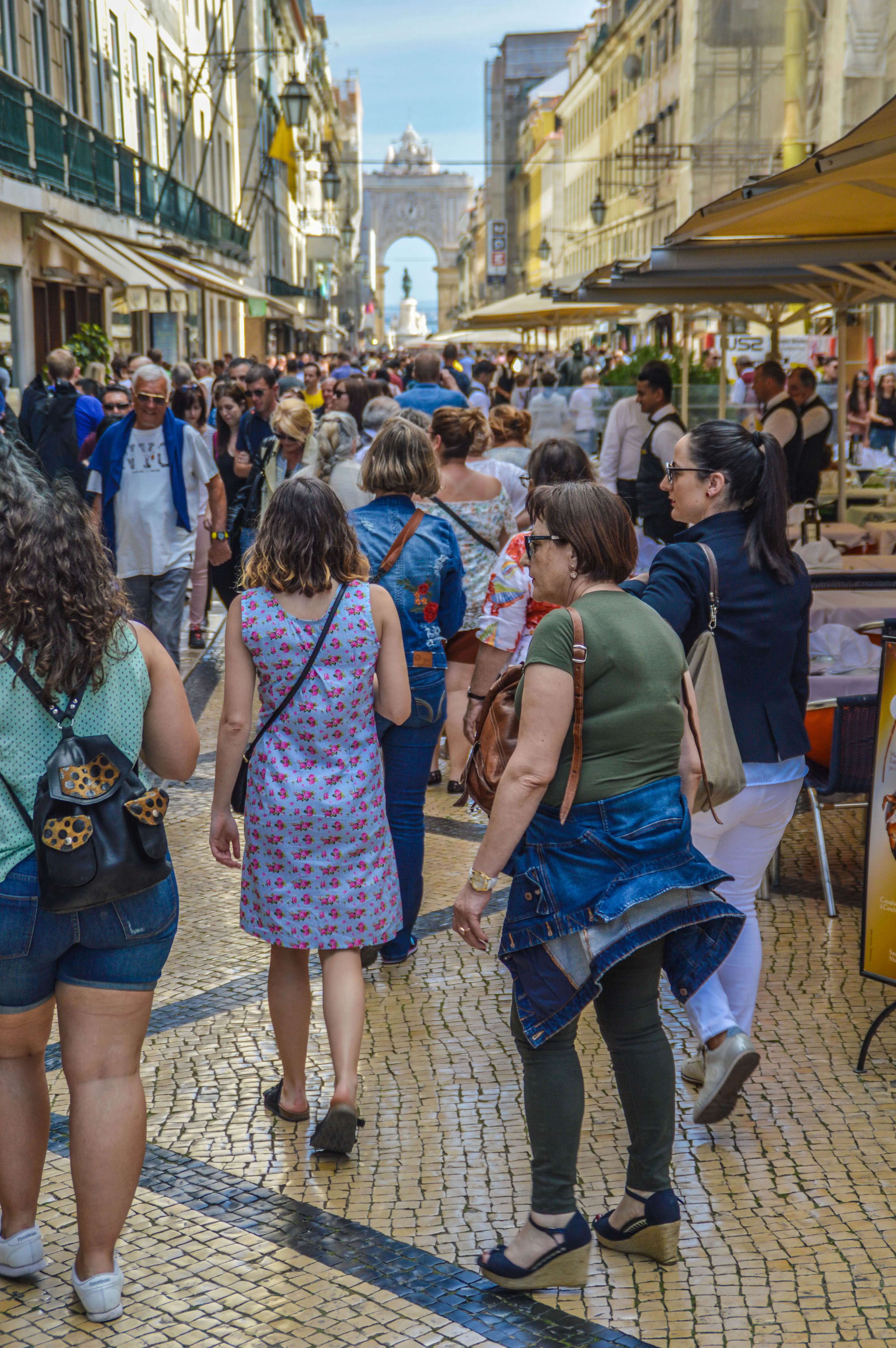
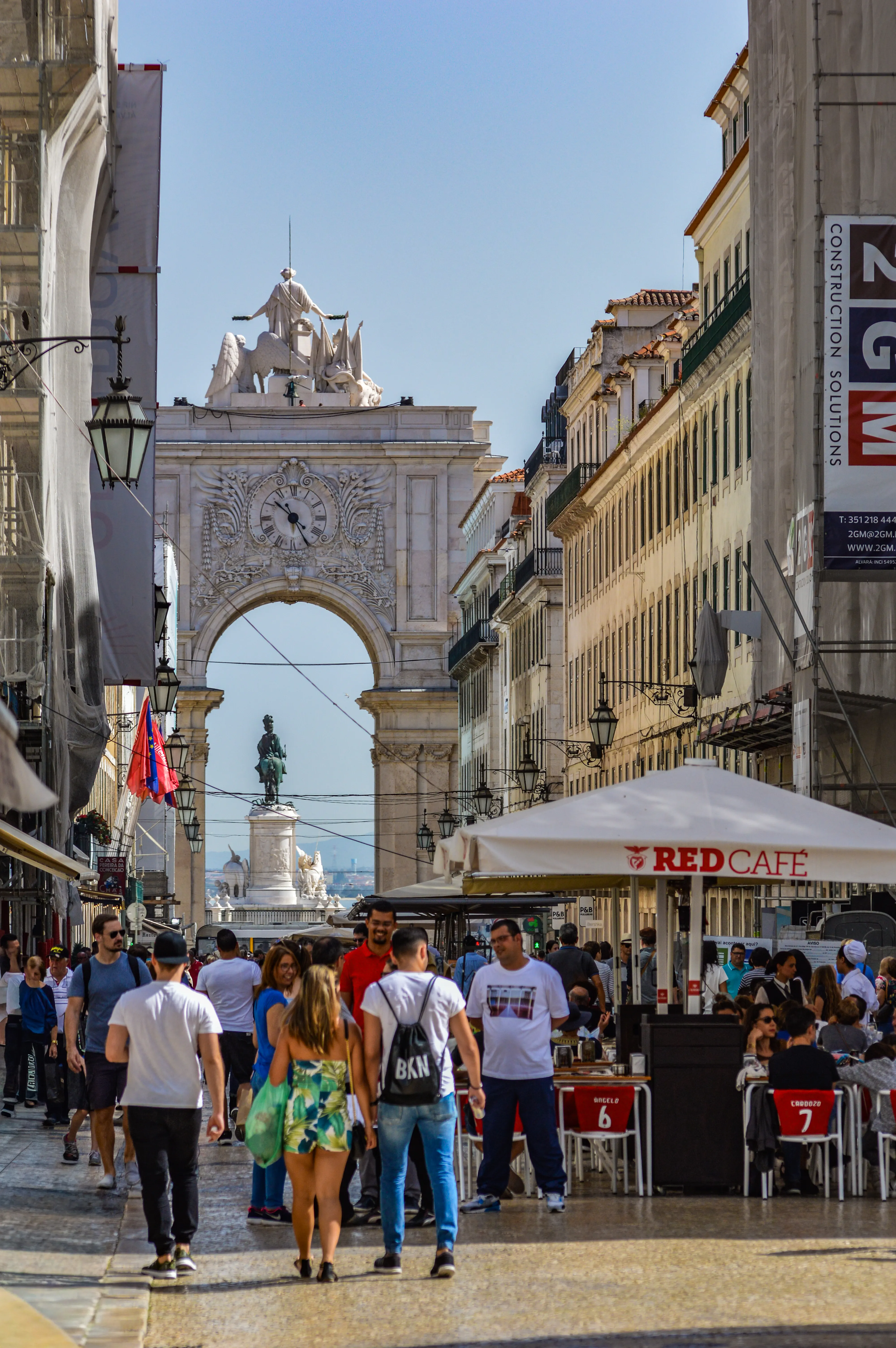
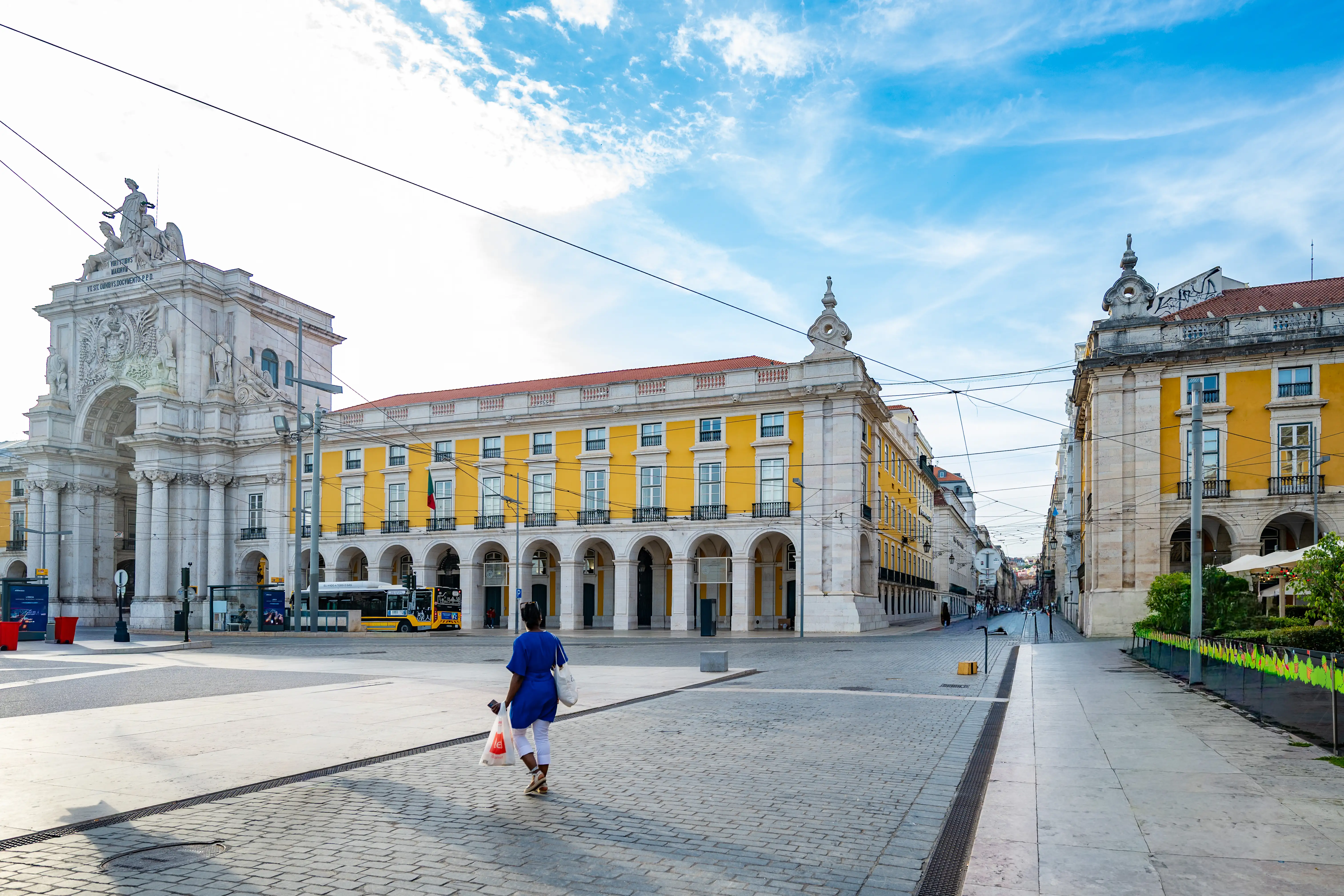
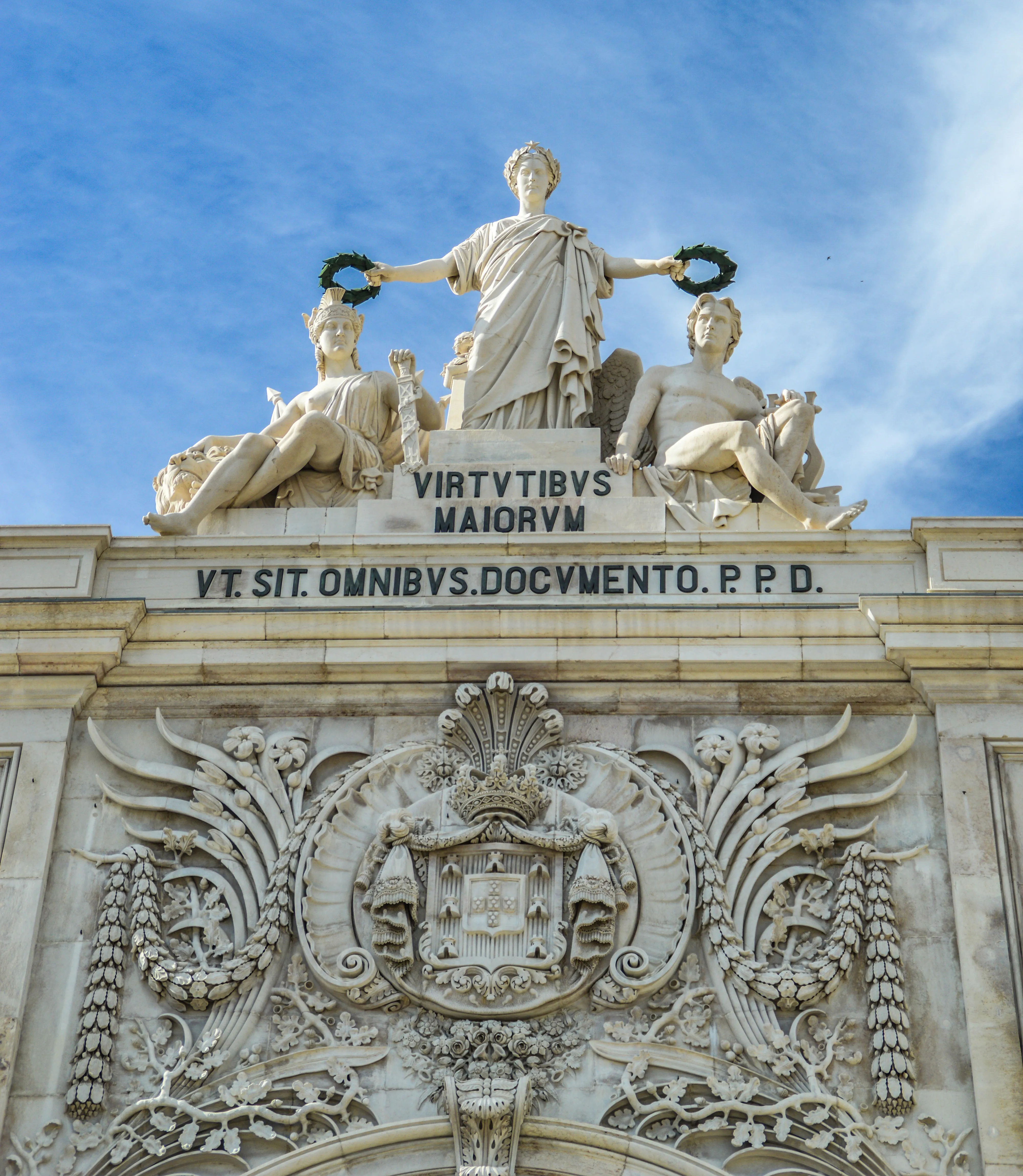
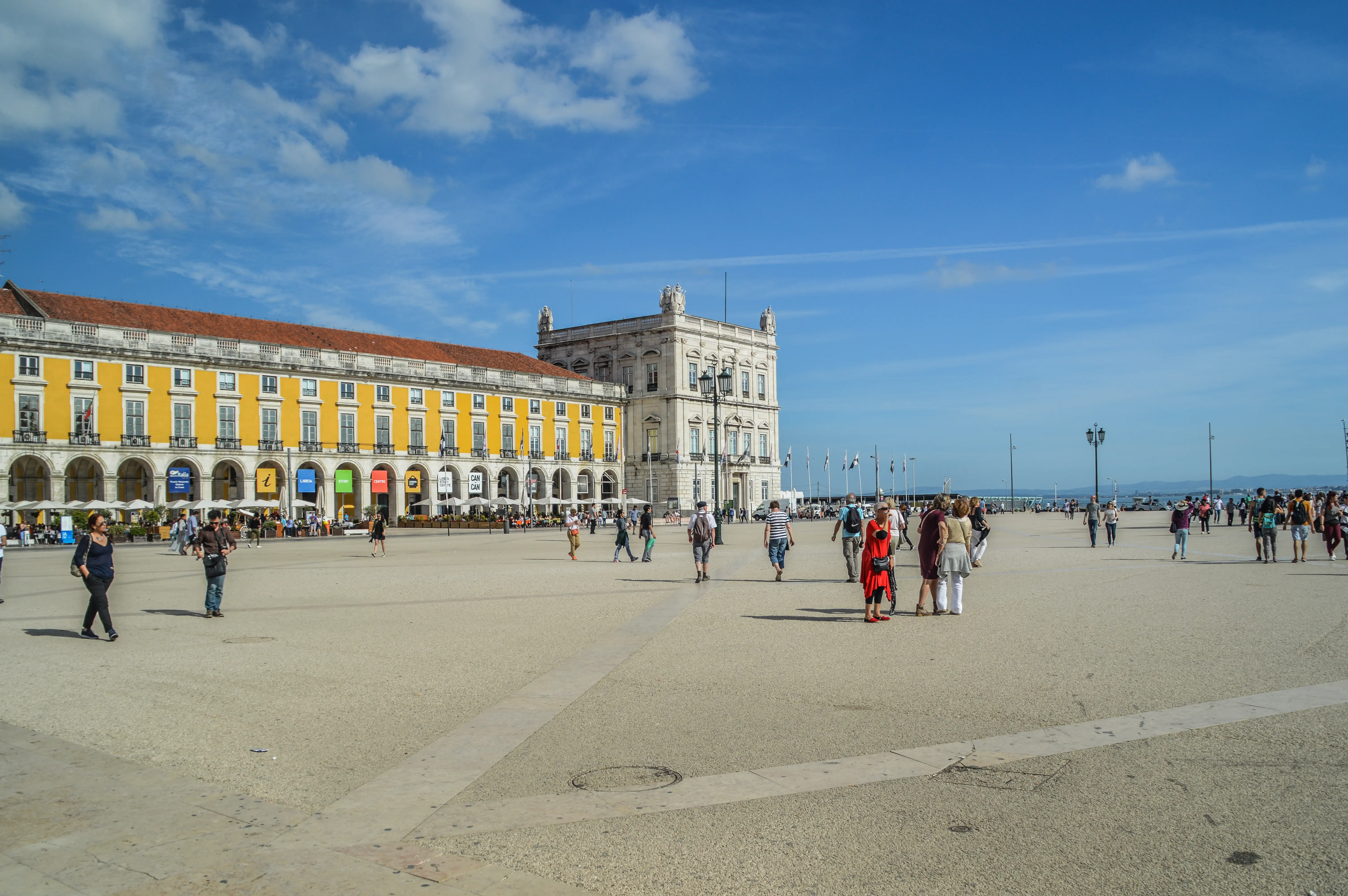
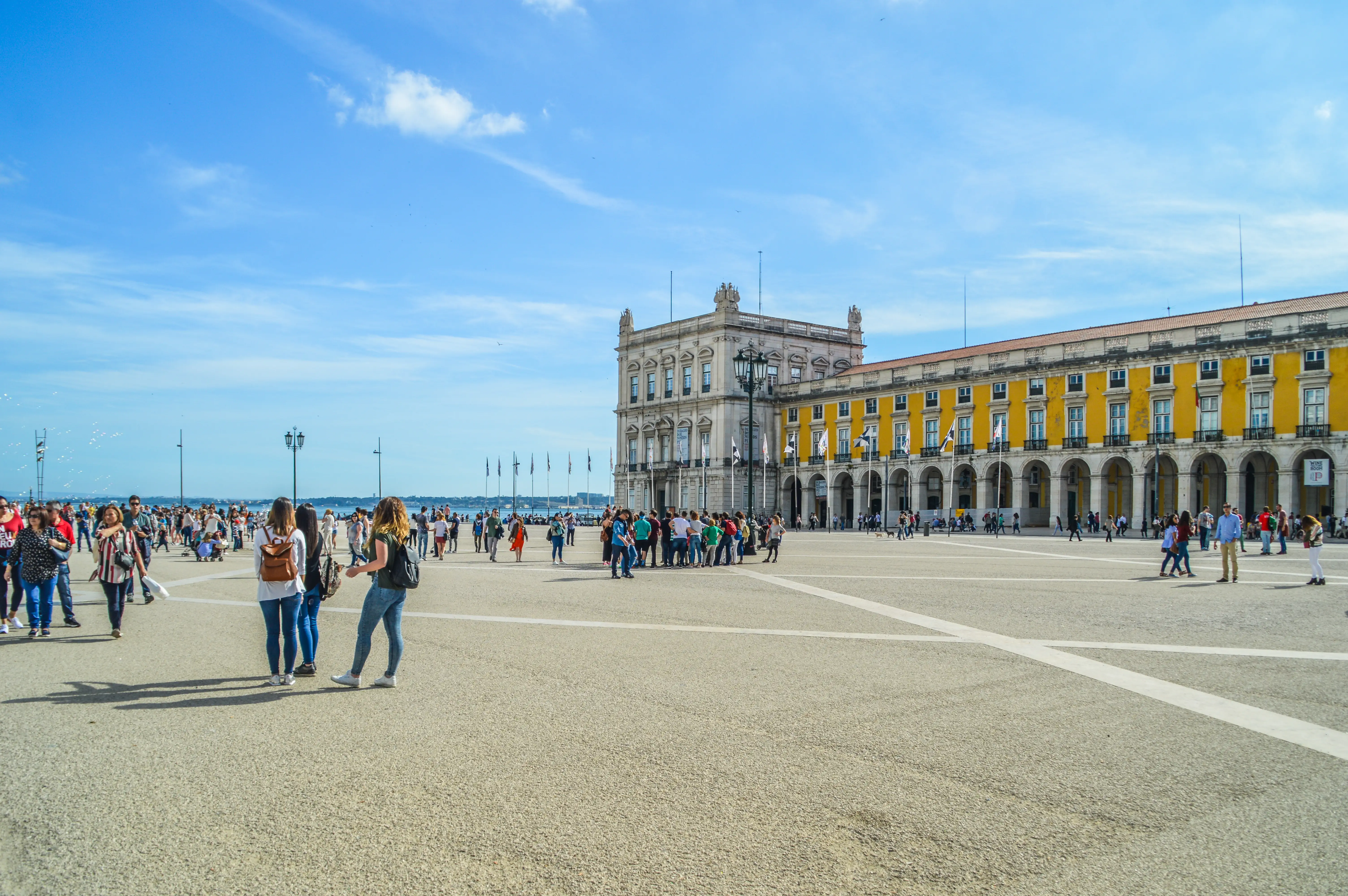
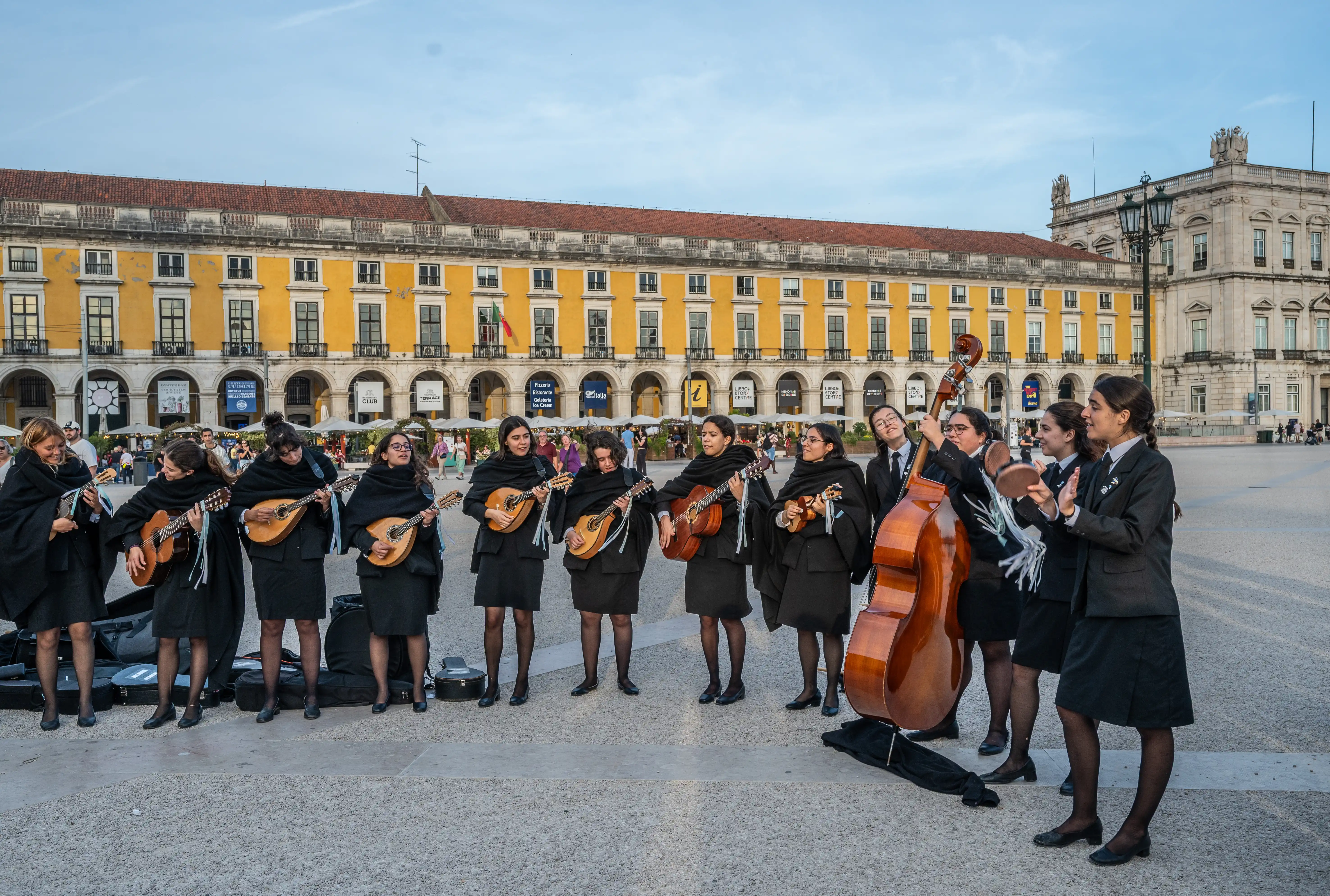
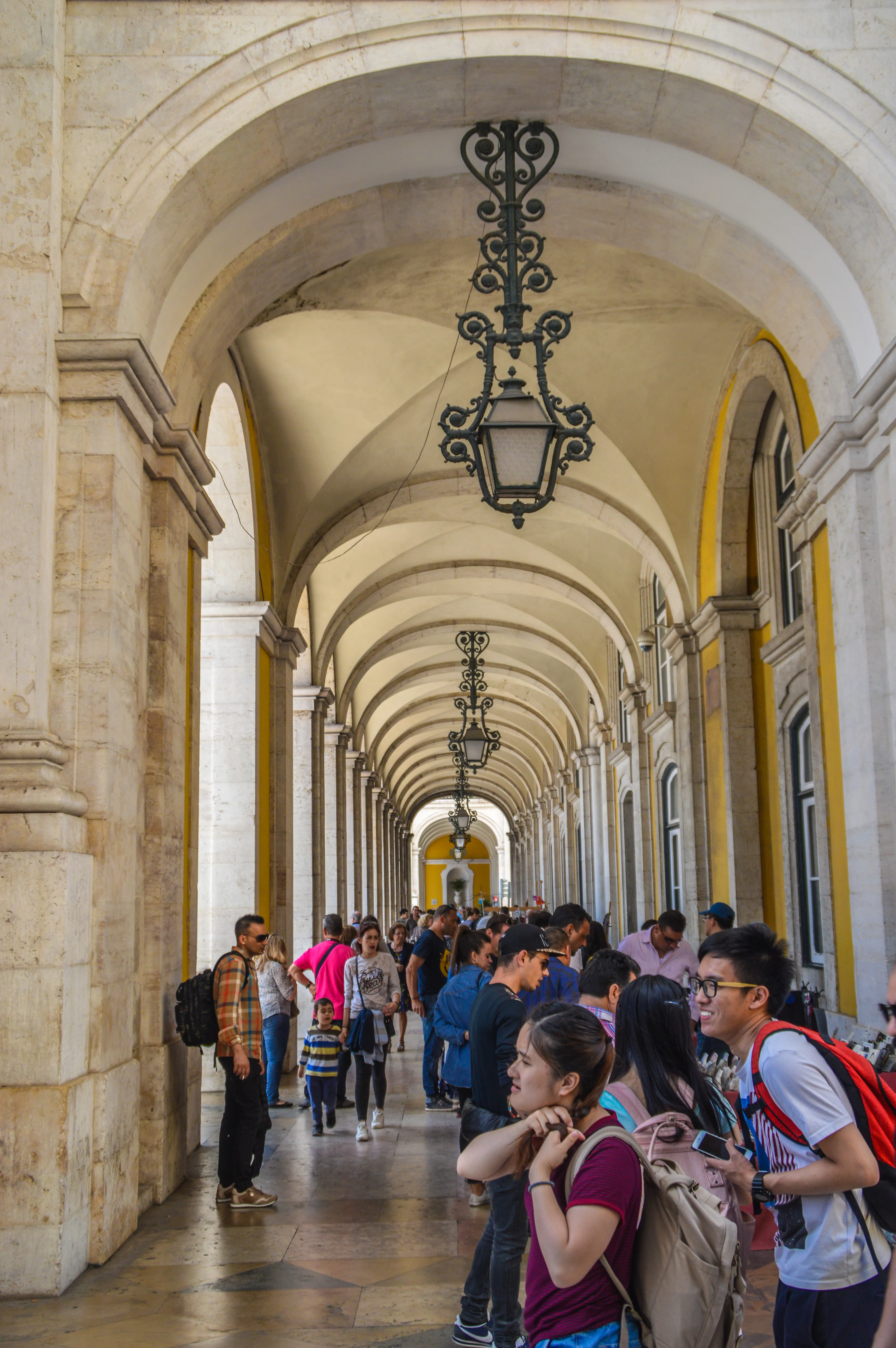
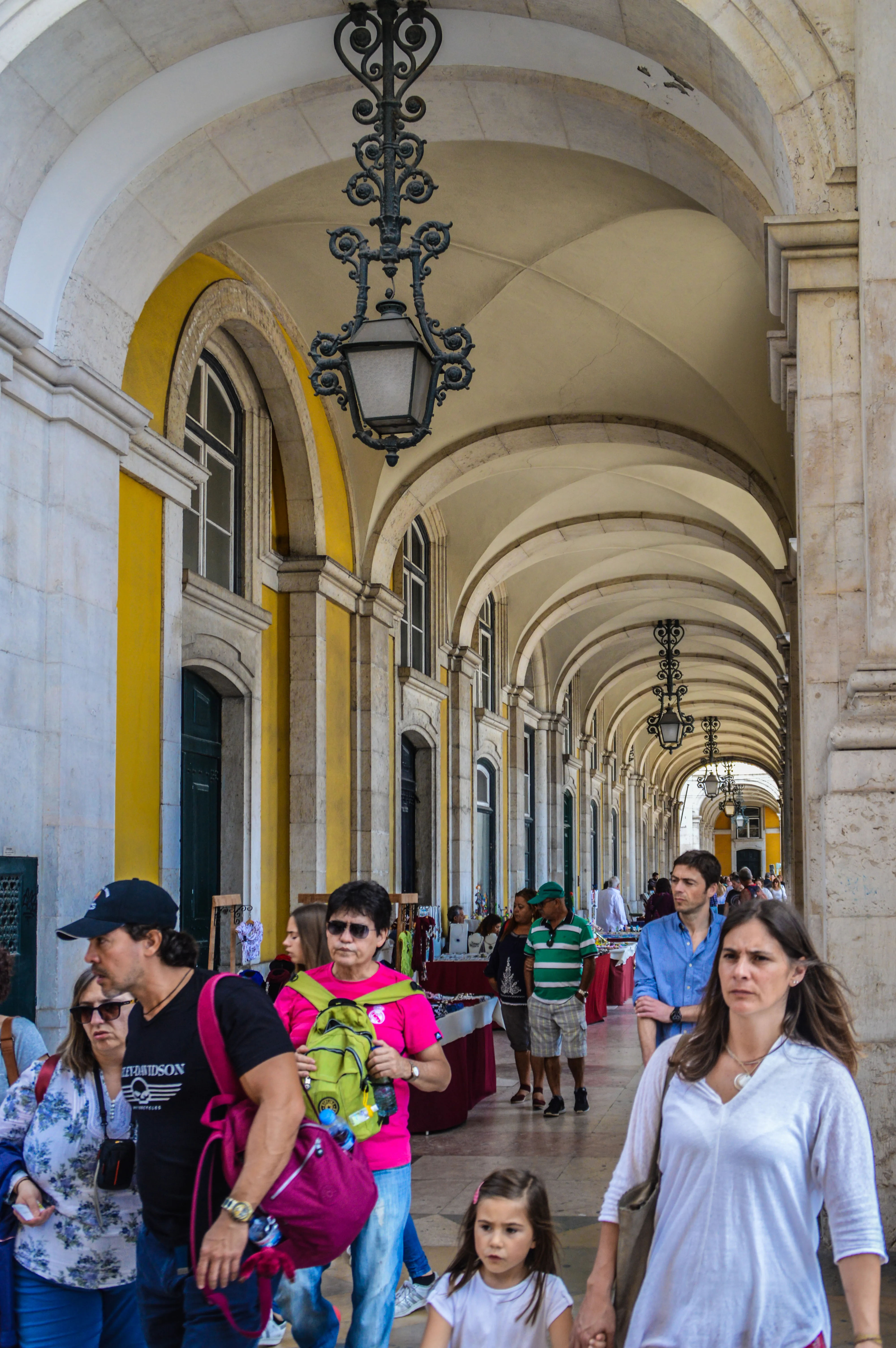
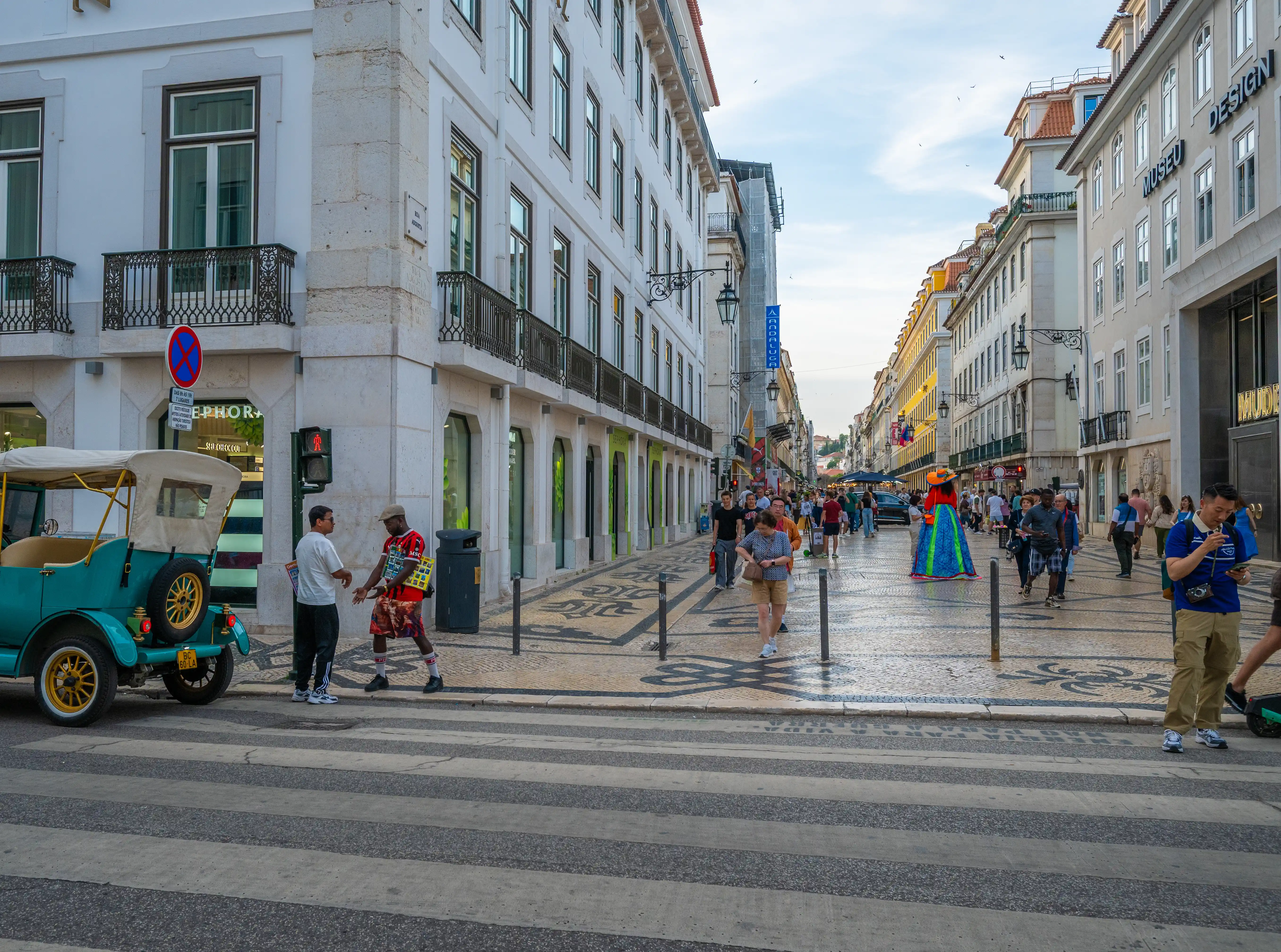
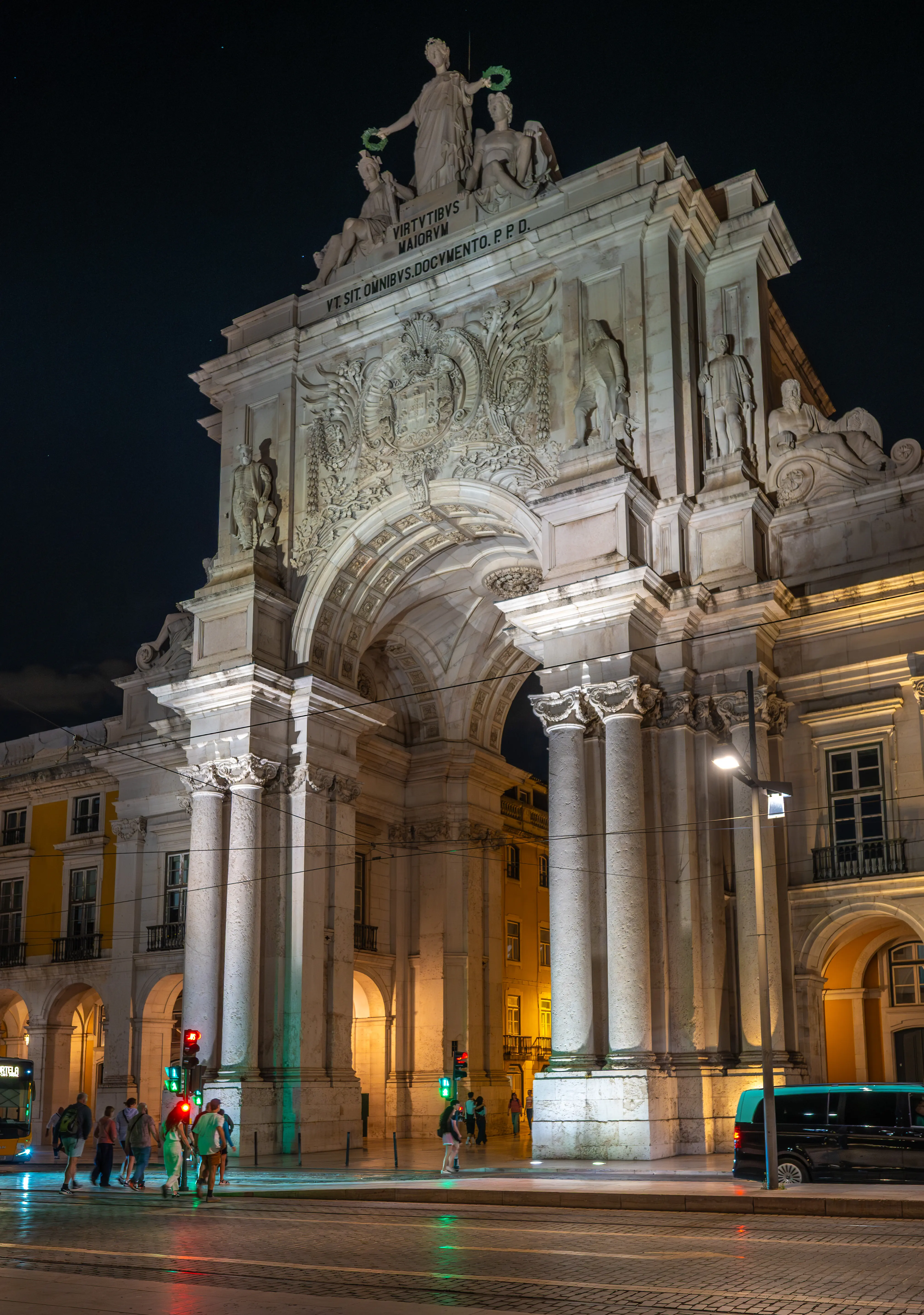
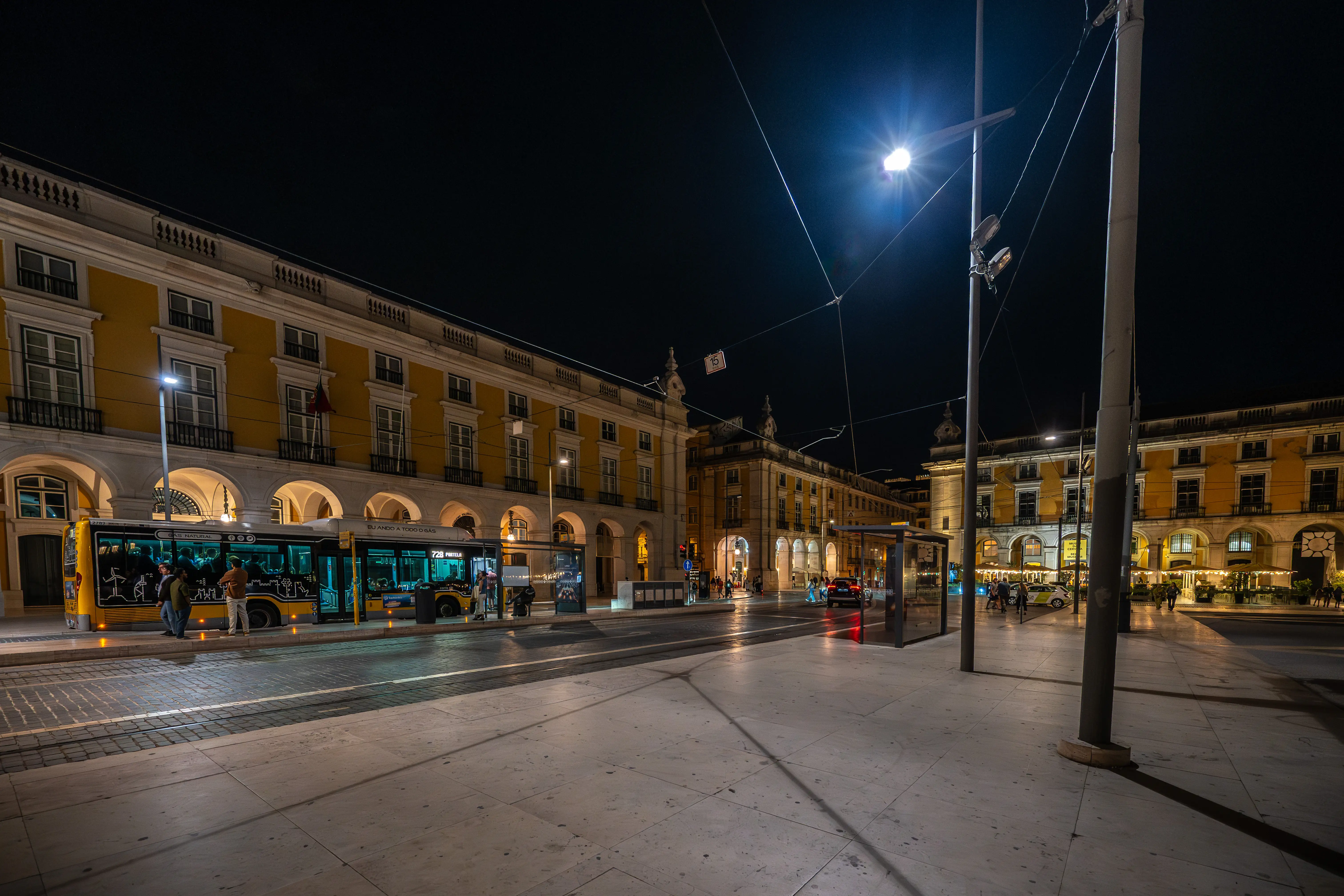
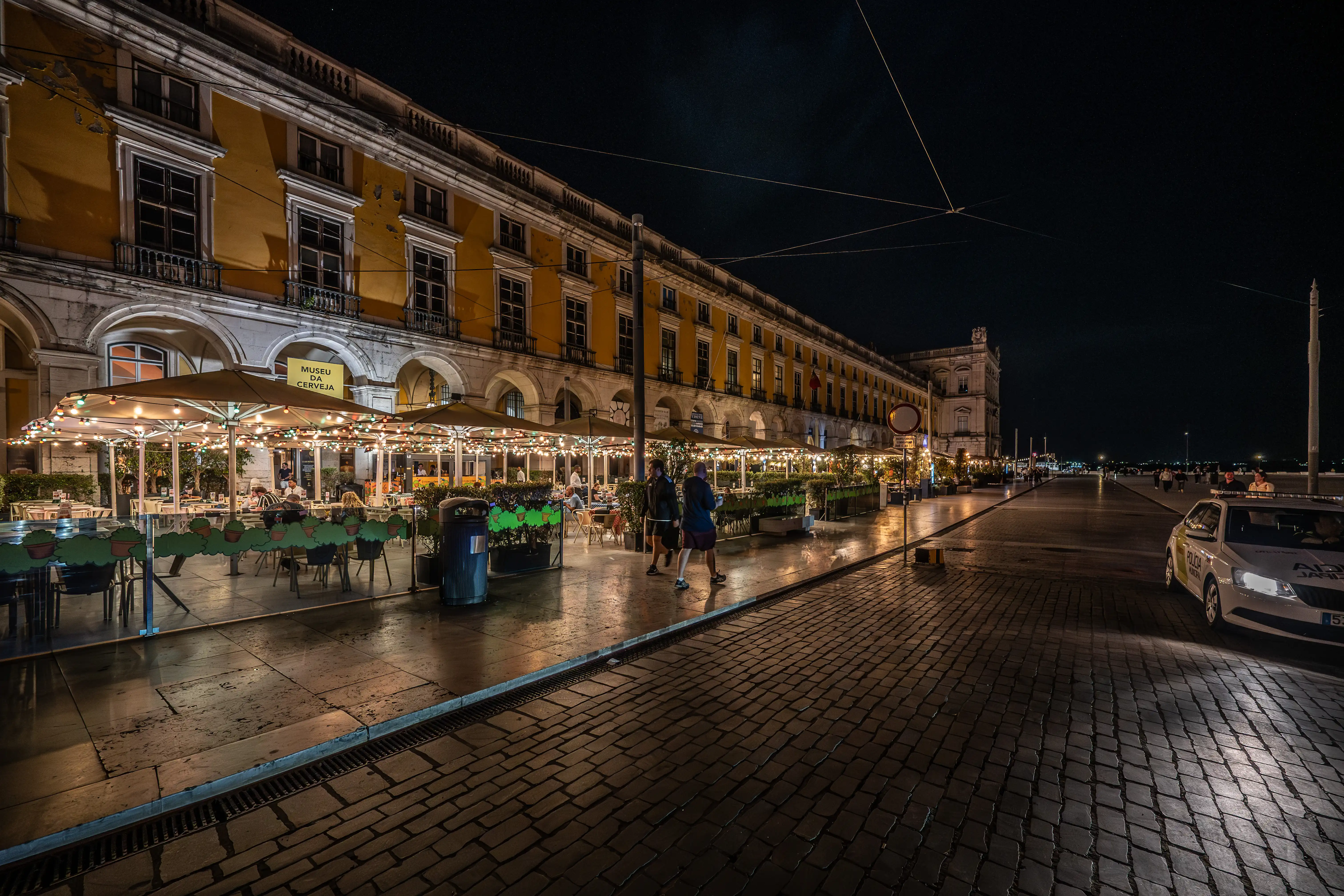
The Praça do Comércio is a masterpiece of 18th-century Pombaline architecture, designed by Eugénio dos Santos and Carlos Mardel under the direction of the Marquis of Pombal. The square is rectangular in shape, measuring 170 meters (558 feet) by 170 meters, and is surrounded by grand, uniform buildings with arcaded ground floors and yellow ochre façades. The buildings house government offices, shops, cafés, and restaurants, and their symmetrical design reflects the enlightened urban planning of the Pombaline era.The most striking feature of the square is the Arco da Rua Augusta, a triumphal arch that connects Praça do Comércio to Rua Augusta, one of Lisbon’s main shopping streets. The arch was completed in 1873 and is adorned with statues of historical figures, including Vasco da Gama, the Marquis of Pombal, and King José I. At the top of the arch, a clock and a bell tower provide a focal point for the square, while the inscription "Virgiliis Majoribus" (For the Greater Heroes) pays homage to the explorers and visionaries who shaped Portugal’s history.