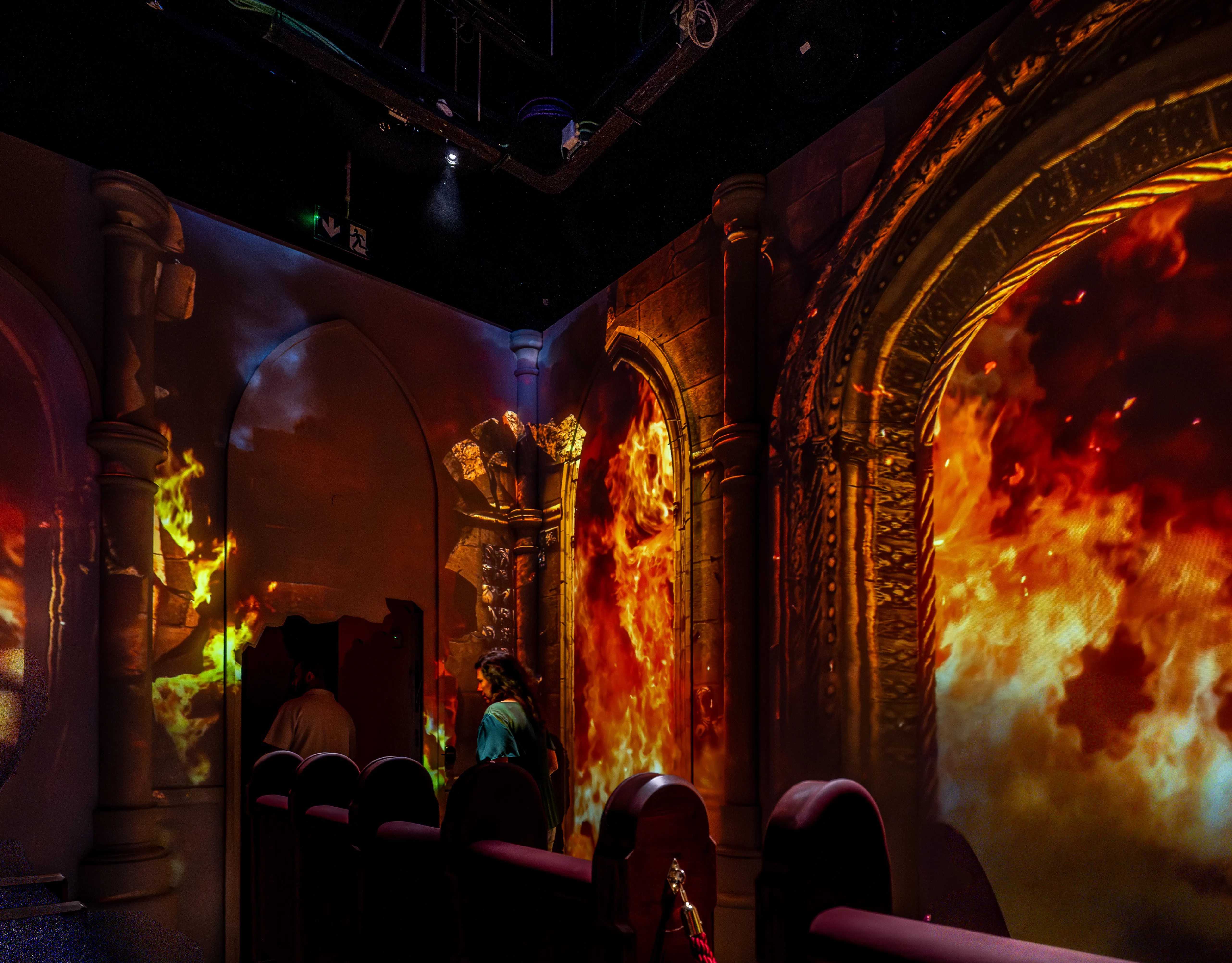



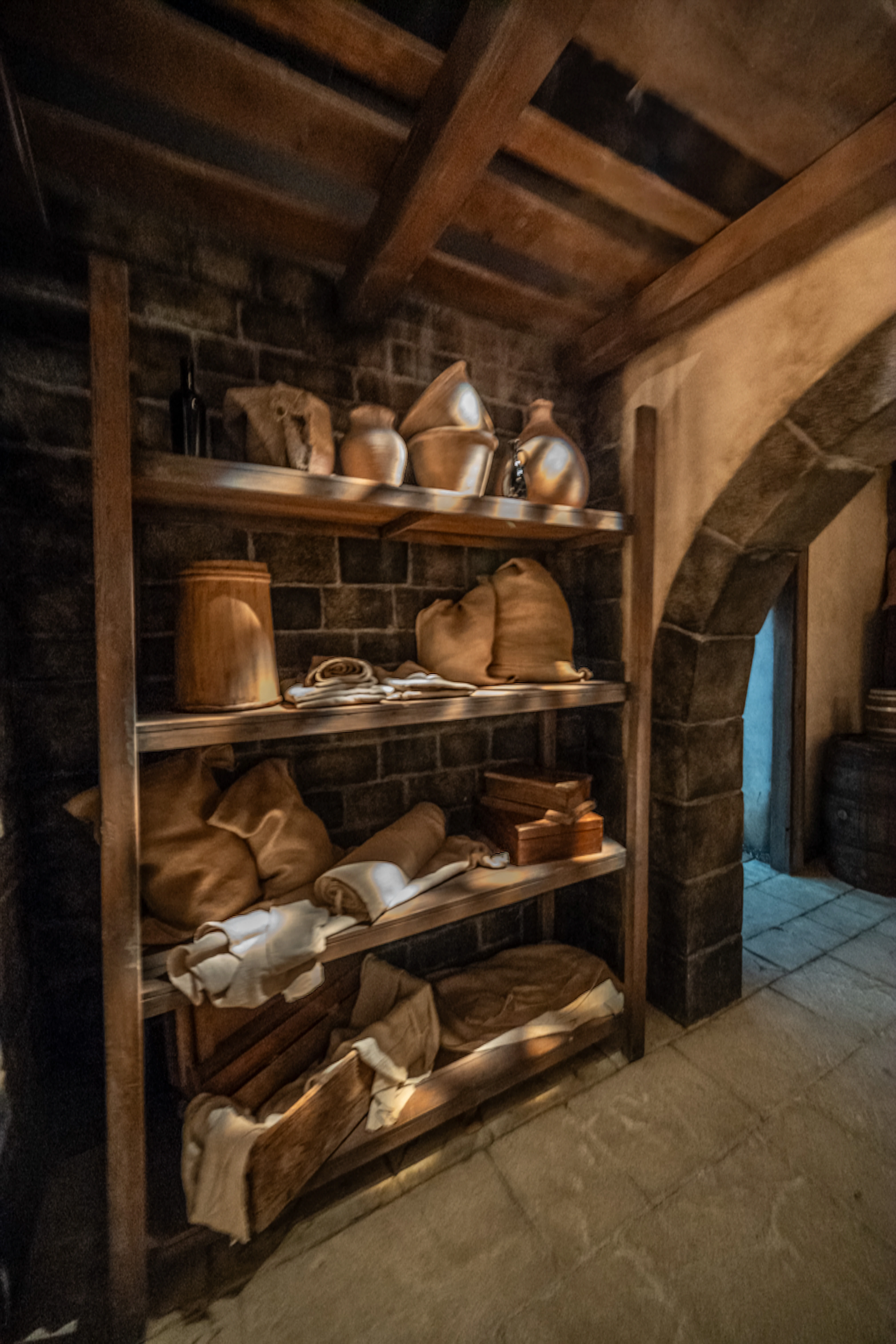
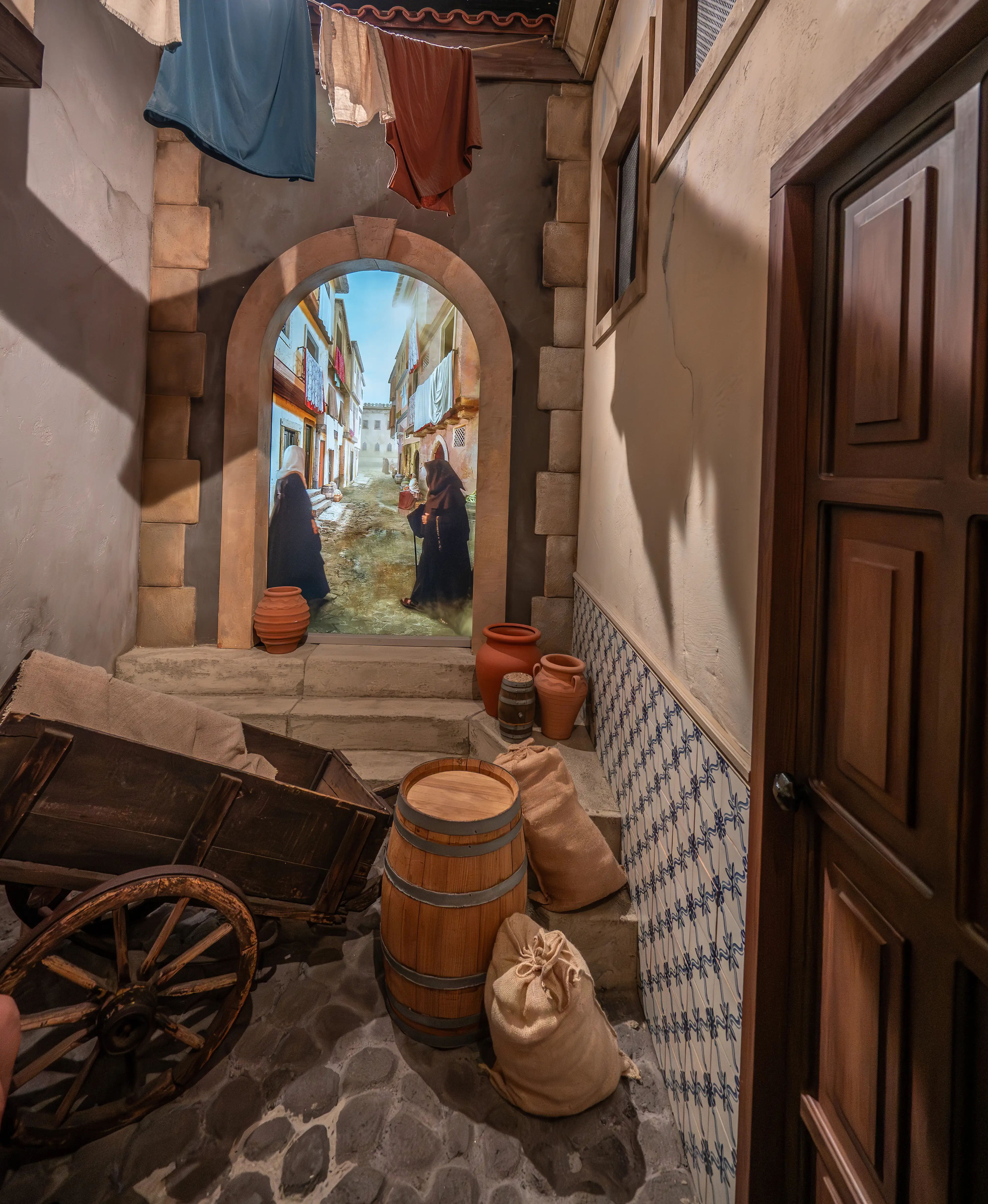
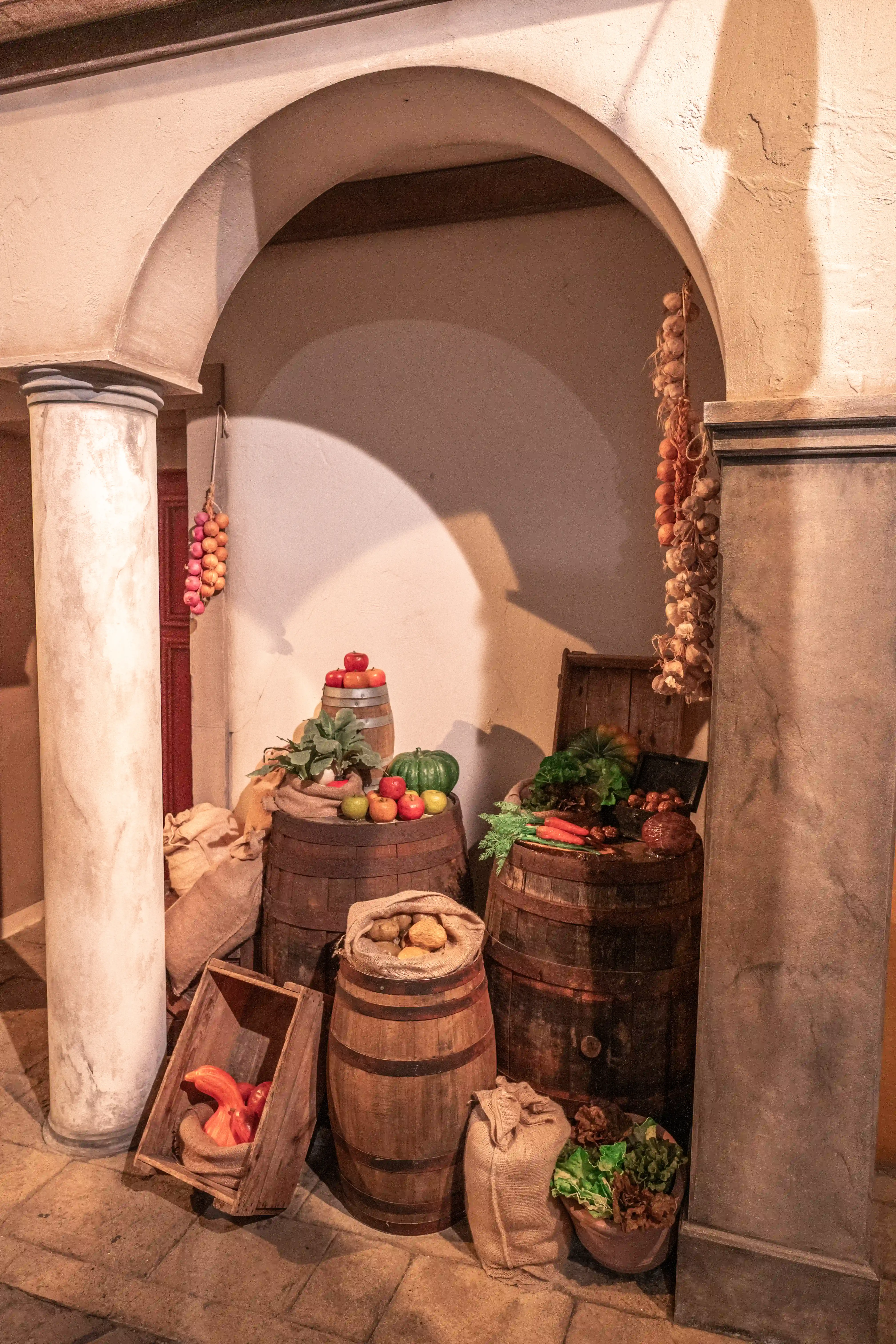
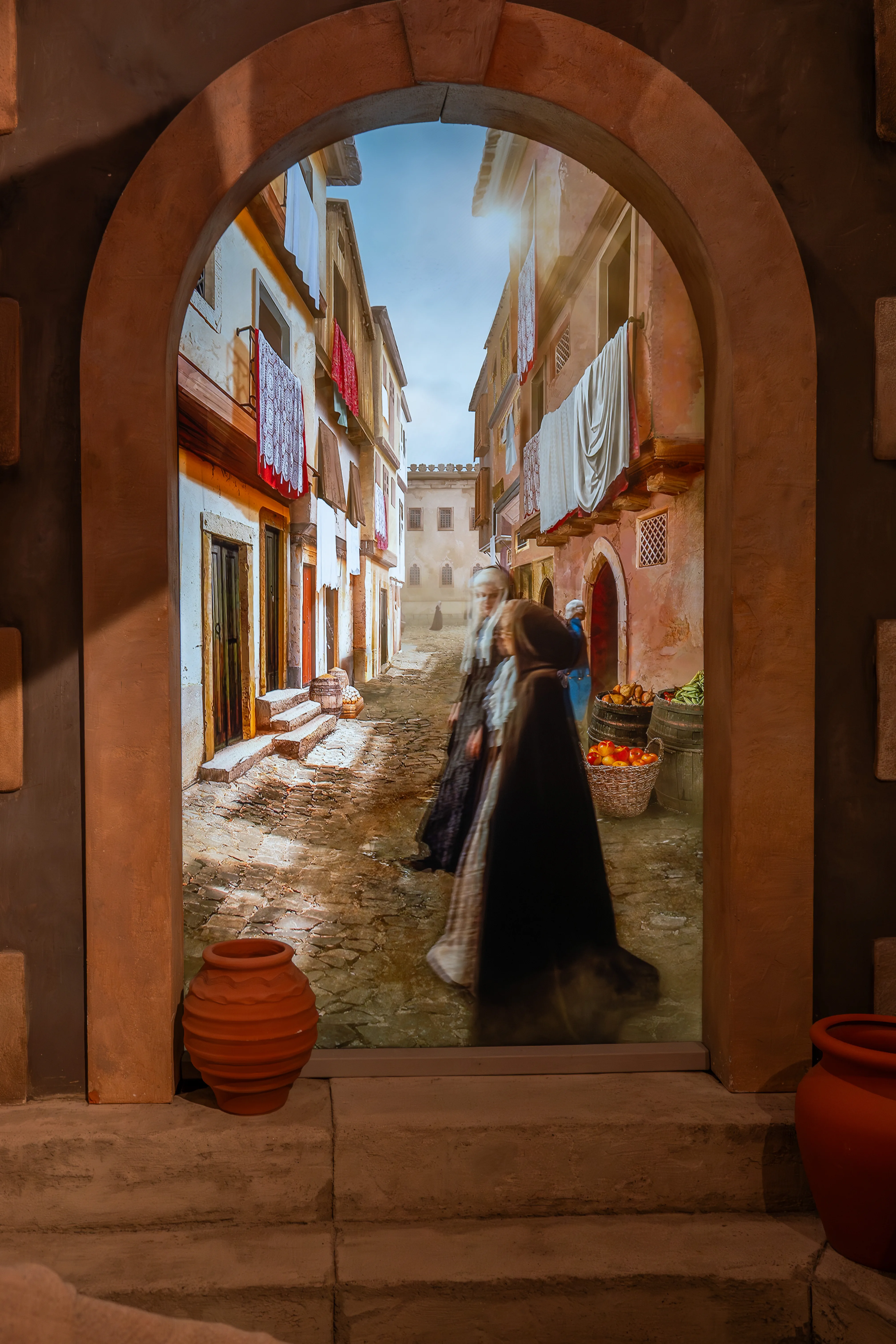
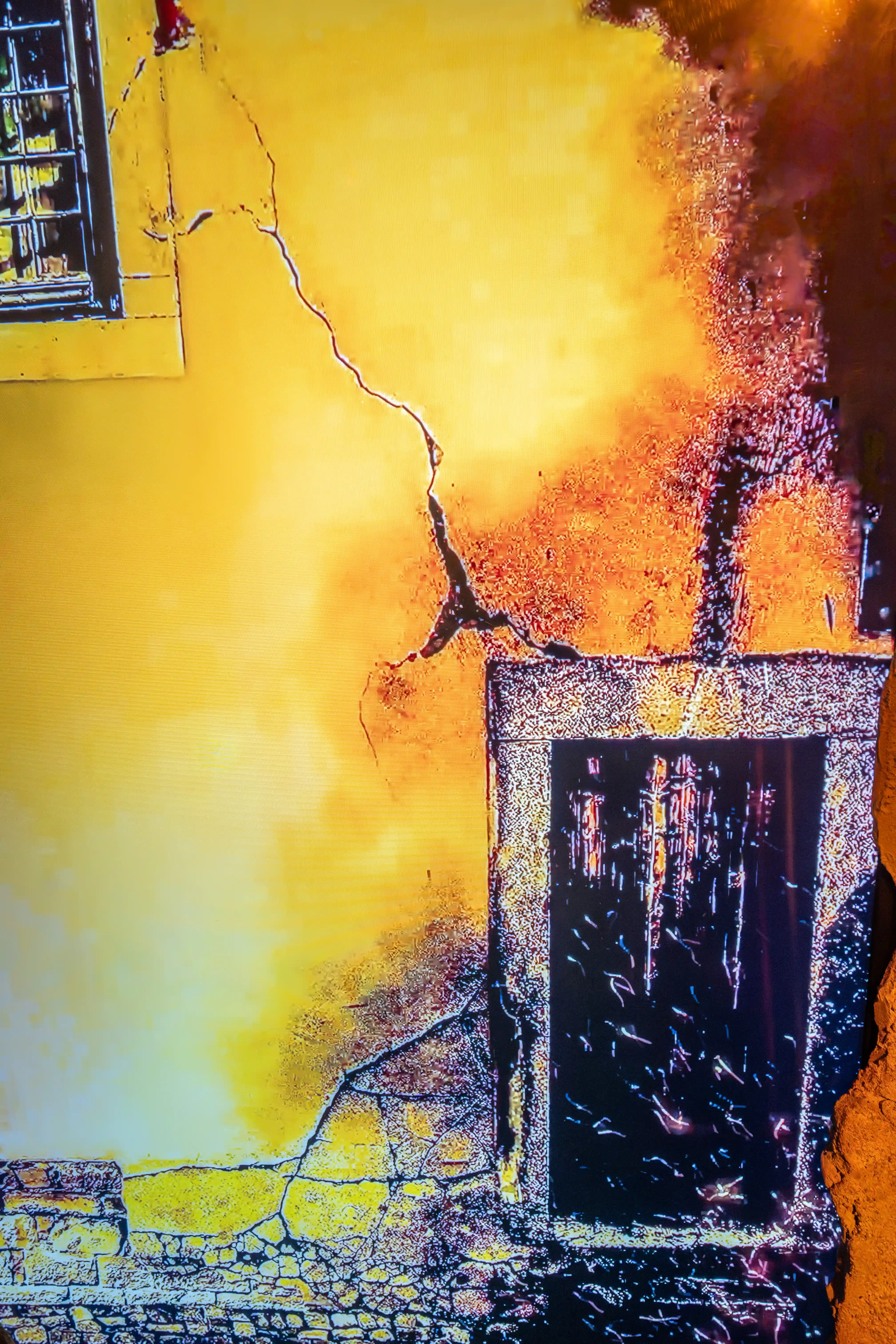
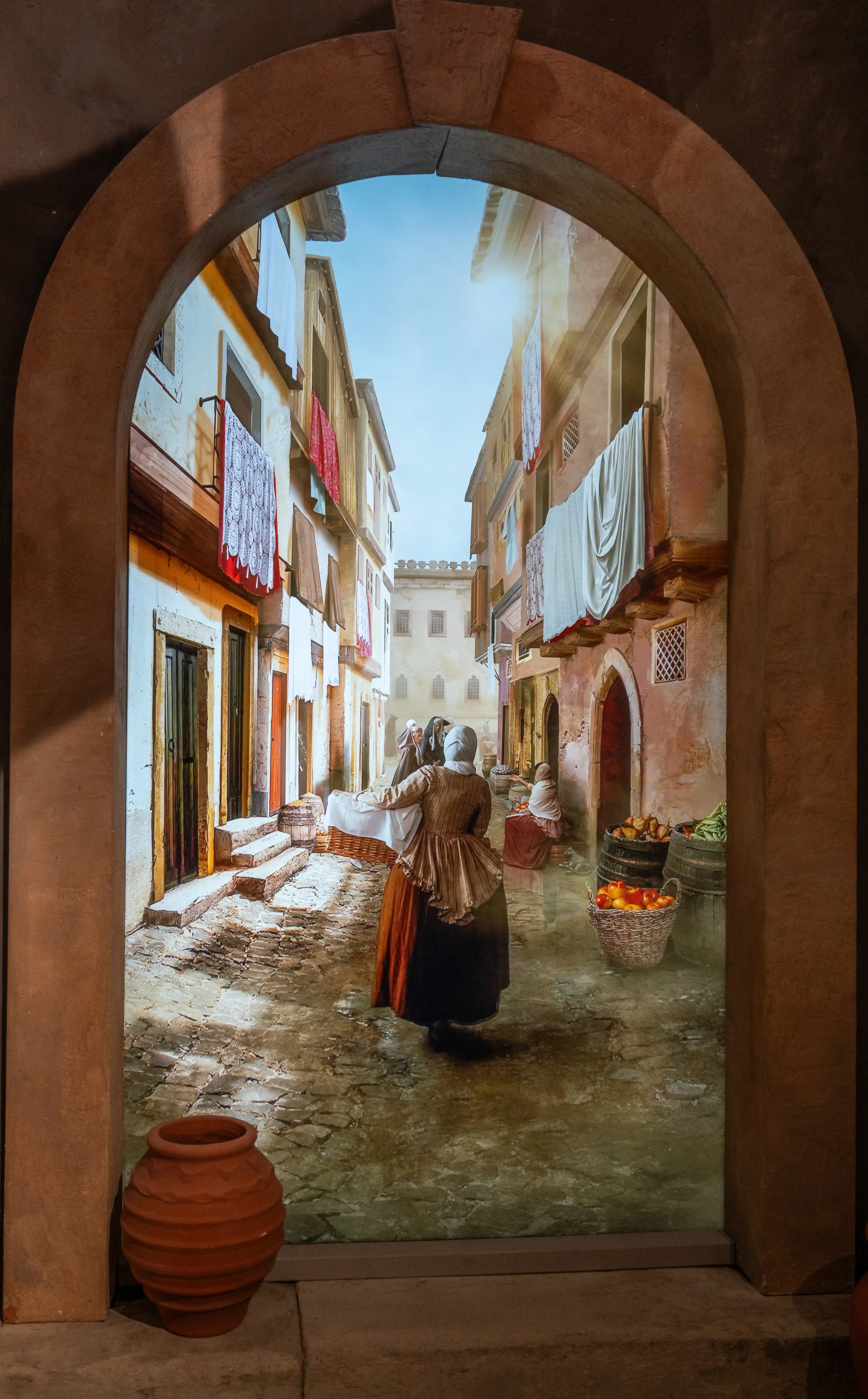
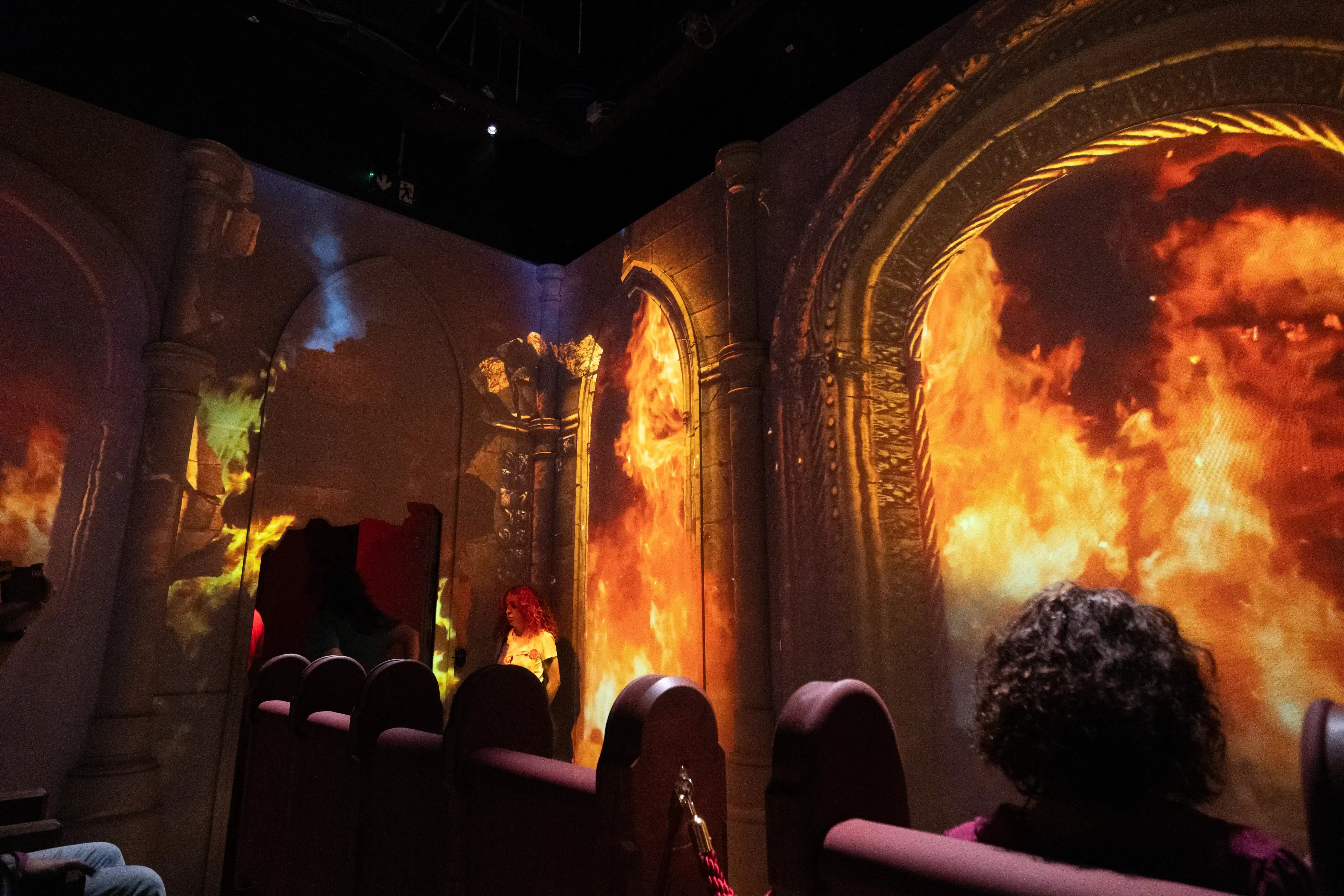
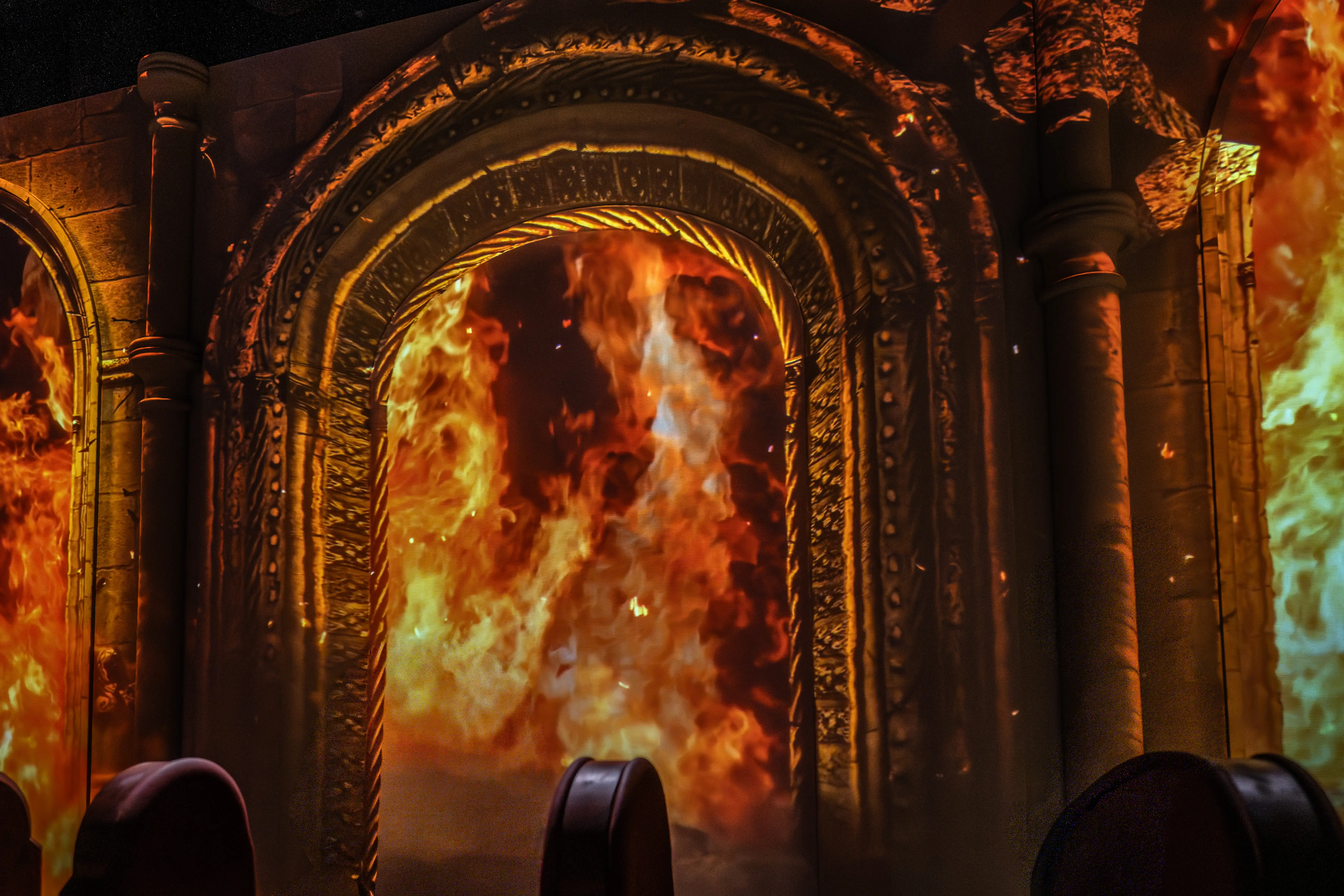

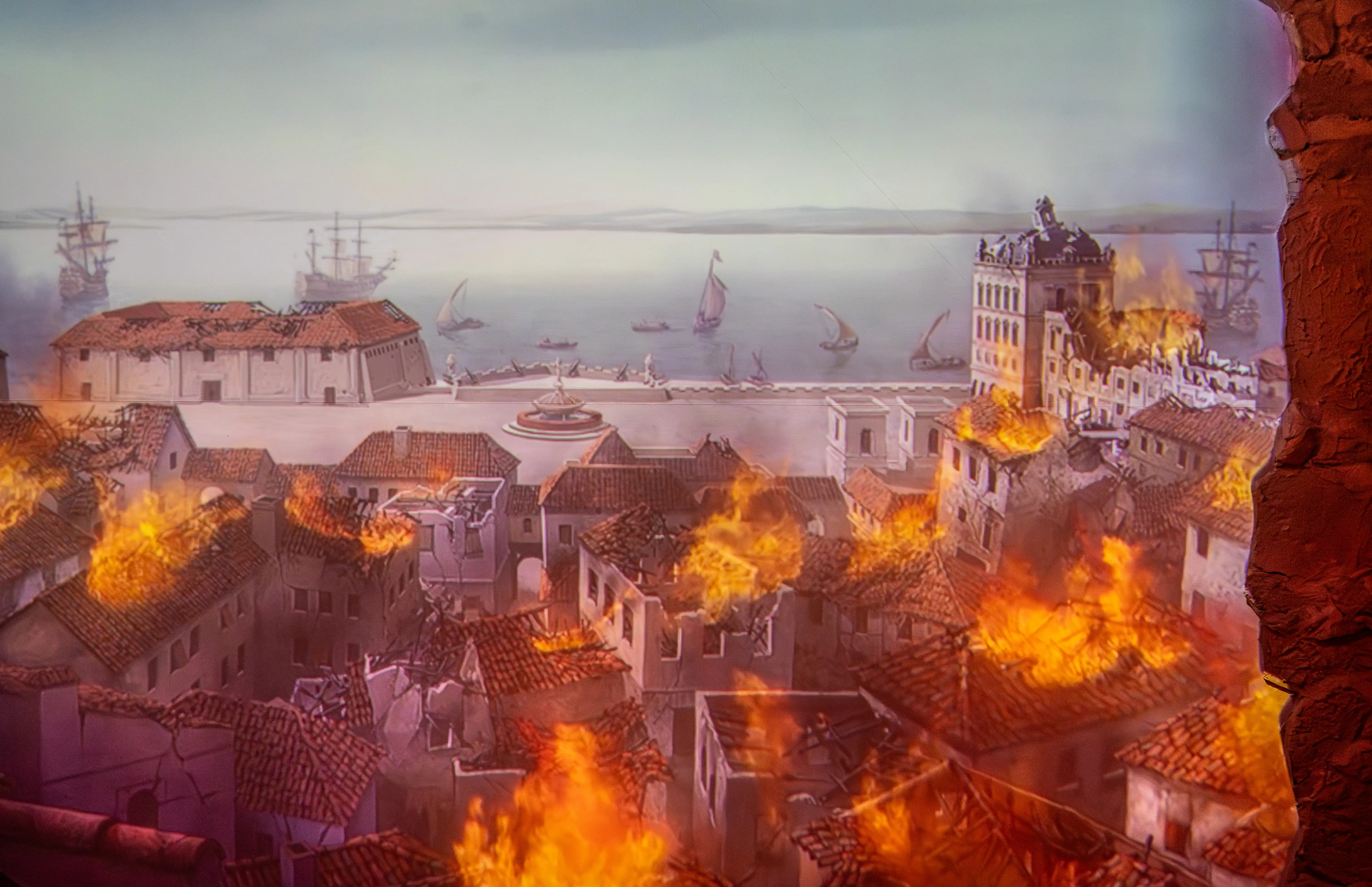



The 1755 Lisbon earthquake was one of the most devastating natural disasters in European history, striking on November 1, 1755, at around 9:40 AM. The earthquake, followed by a tsunami and fires, destroyed much of Lisbon and killed an estimated 30,000 to 100,000 people. The disaster had a profound impact on Portugal and the world, influencing science, philosophy, and urban planning. The Marquis of Pombal, Portugal’s prime minister at the time, led the reconstruction of Lisbon with a focus on earthquake-resistant architecture and modern urban planning, which became a model for cities around the world. The earthquake also sparked debates among European intellectuals, including Voltaire and Rousseau, about the nature of God, the problem of evil, and the role of science in society. Quake – Museu do Terramoto explores these themes and more, offering visitors a comprehensive and immersive understanding of the earthquake’s legacy.
Quake – Museu do Terramoto
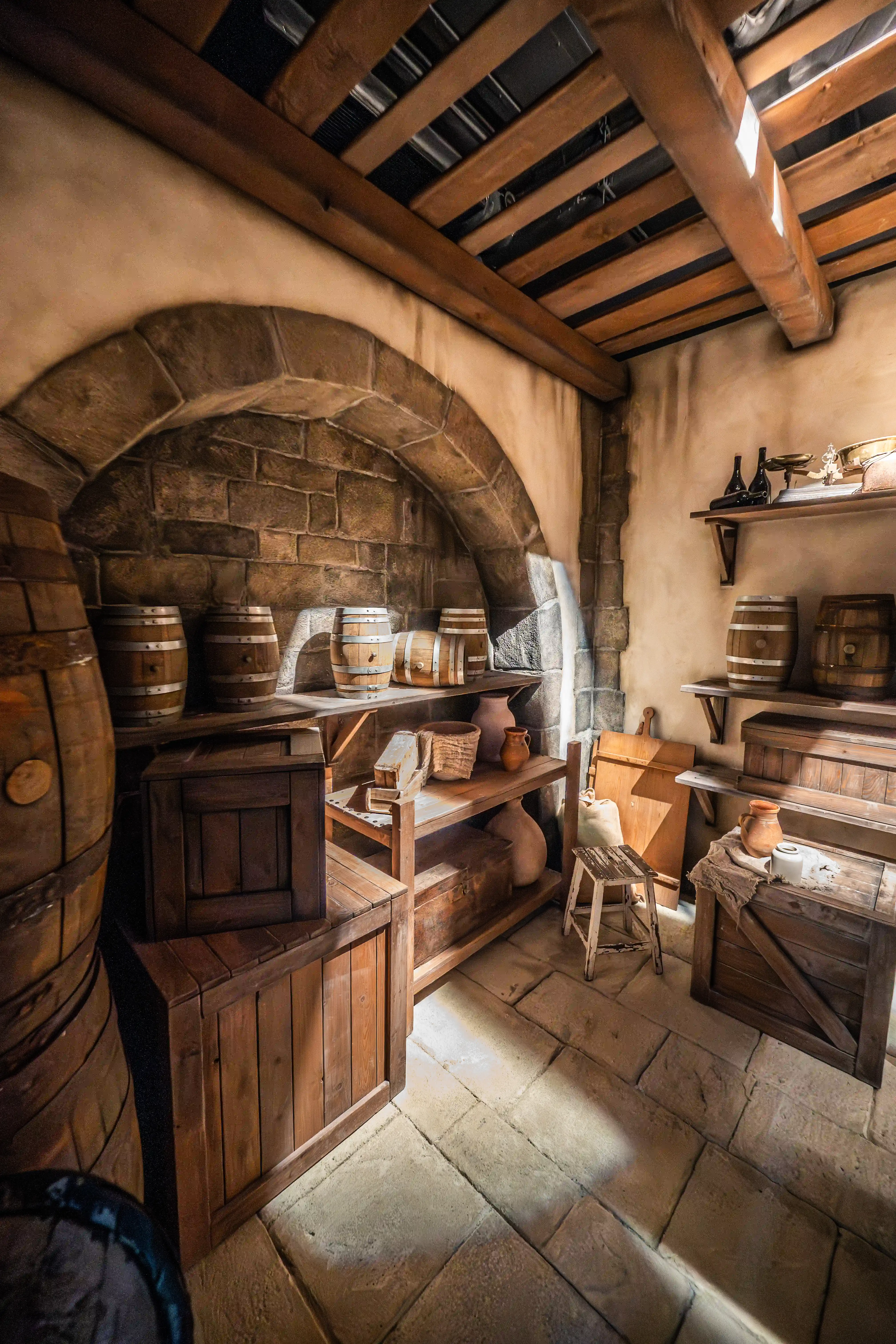
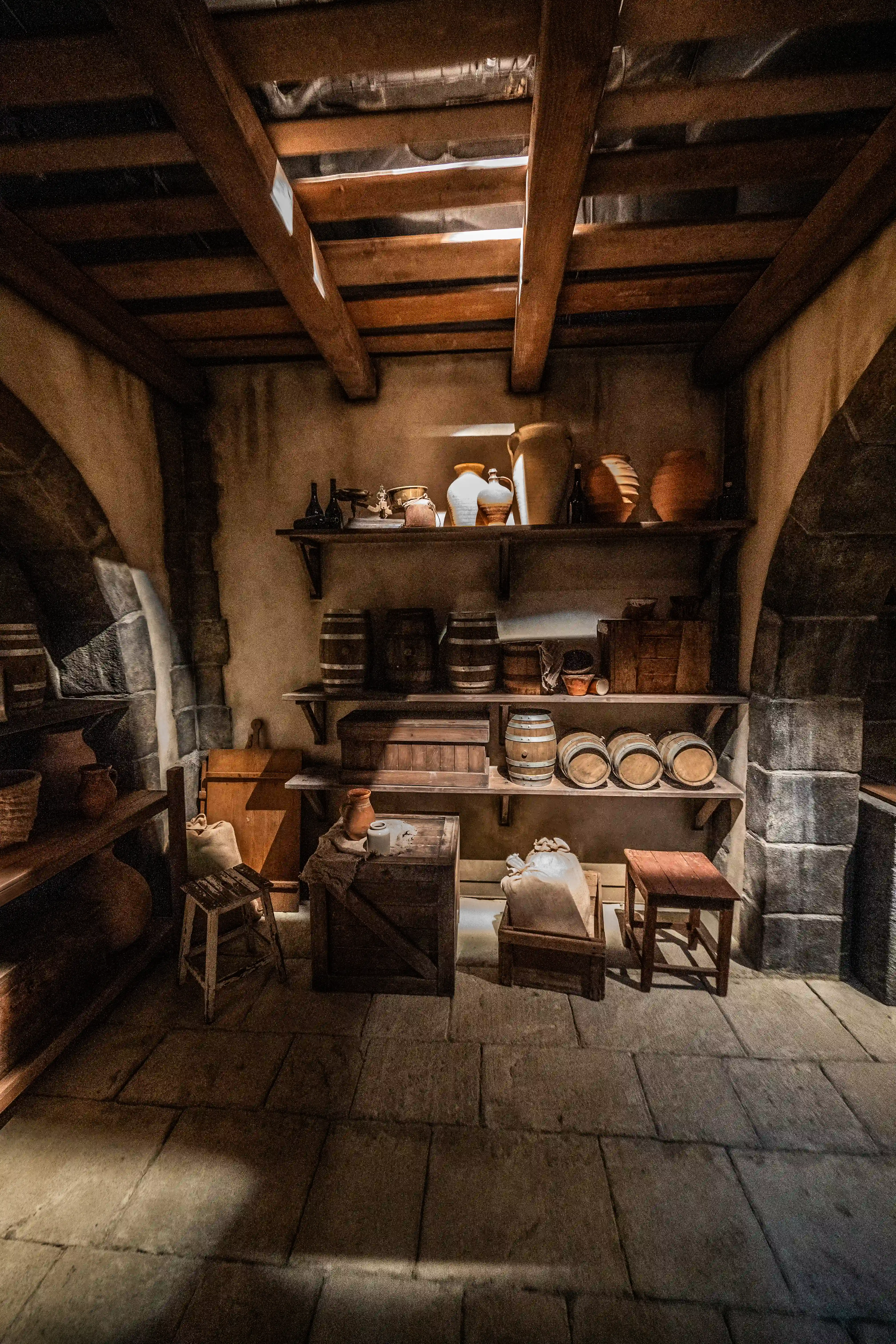
Today, Quake – Museu do Terramoto is a must-visit destination for anyone interested in the history, science, and cultural impact of the 1755 Lisbon earthquake. The museum’s interactive exhibits, multisensory experiences, and educational programs make it a unique and engaging attraction for visitors of all ages. By exploring the causes, consequences, and global significance of the earthquake, Quake provides a deeply immersive and thought-provoking experience that highlights the resilience of Lisbon and its people. The museum also serves as a center for learning and discussion, hosting events, lectures, and workshops on topics related to seismology, disaster preparedness, and urban planning.
