HOME

Belem

Belem

LisbonLisbon District,   postcode,   Portugal

Belém is one of Lisbon’s most historic and iconic districts, located along the northern bank of the Tagus River. Known as the birthplace of Portugal’s Age of Discoveries, Belém is home to some of the country’s most famous landmarks, including the Belém Tower, Jerónimos Monastery, and Monument to the Discoveries. This district is a UNESCO World Heritage Site and a symbol of Portugal’s maritime history, cultural richness, and architectural brilliance. Belém’s cobblestone streets, historic monuments, and scenic riverfront make it a must-visit destiPortugal for anyone exploring Lisbon.
Stone sculptures of historical Portuguese explorers and figures sitting in a procession on a large, triangular monument against a bright blue sky.
Padrão dos Descobrimentos - A Majestic Tribute to Portuguese Exploration ‐ photo by ,
©www.mgaylard.co.uk.

Mosteiro dos Jerónimos
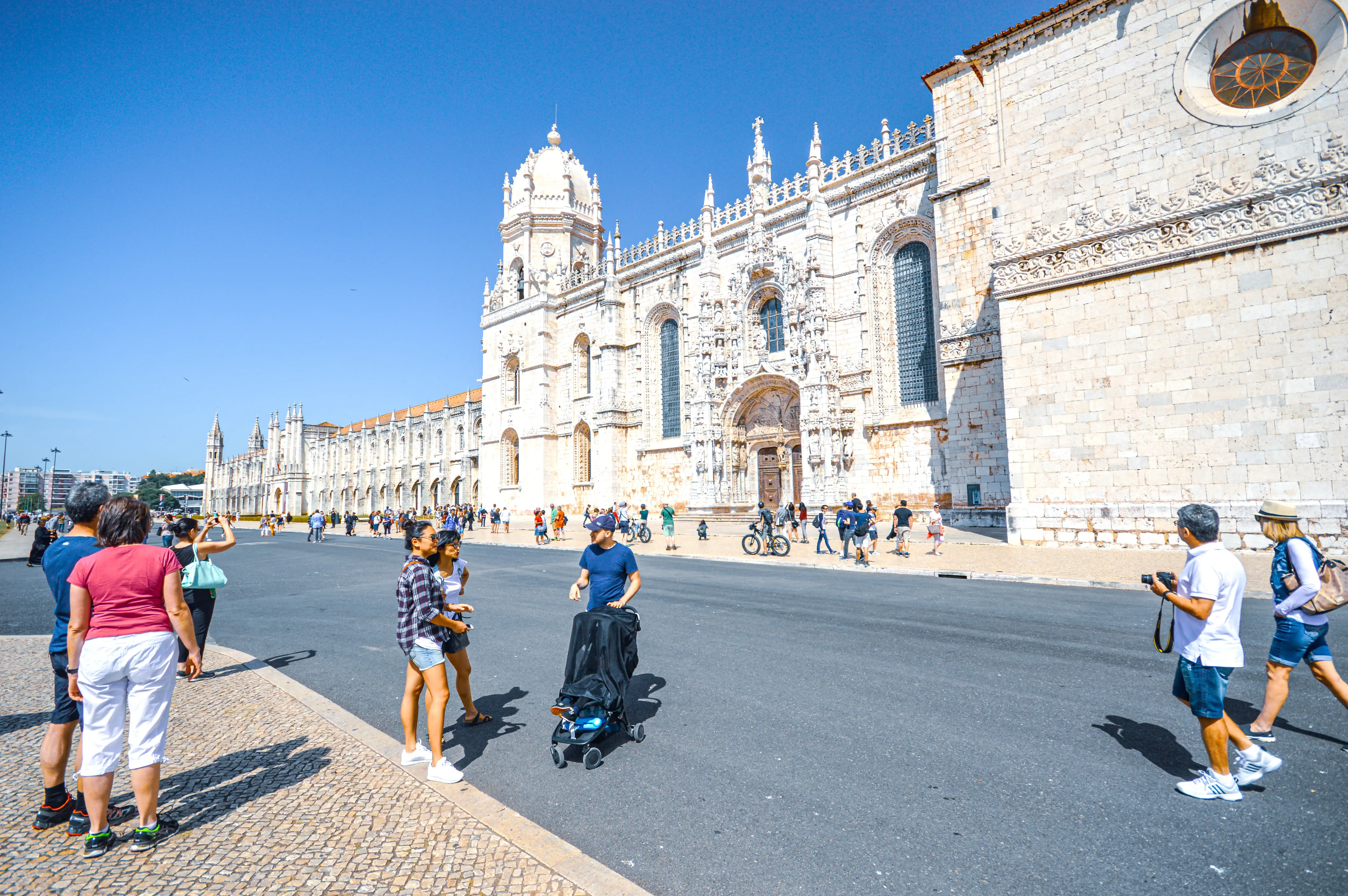
Wide view of the Jerónimos Monastery in Lisbon, Portugal, under a clear blue sky, with numerous tourists walking on the pavement and road in front of the historic building.
Igreja Santa Maria de Belem - Jerónimos Monastery, Lisbon, Portugal - A Sunny Day with Tourists ‐ photo by ,
©www.mgaylard.co.uk.
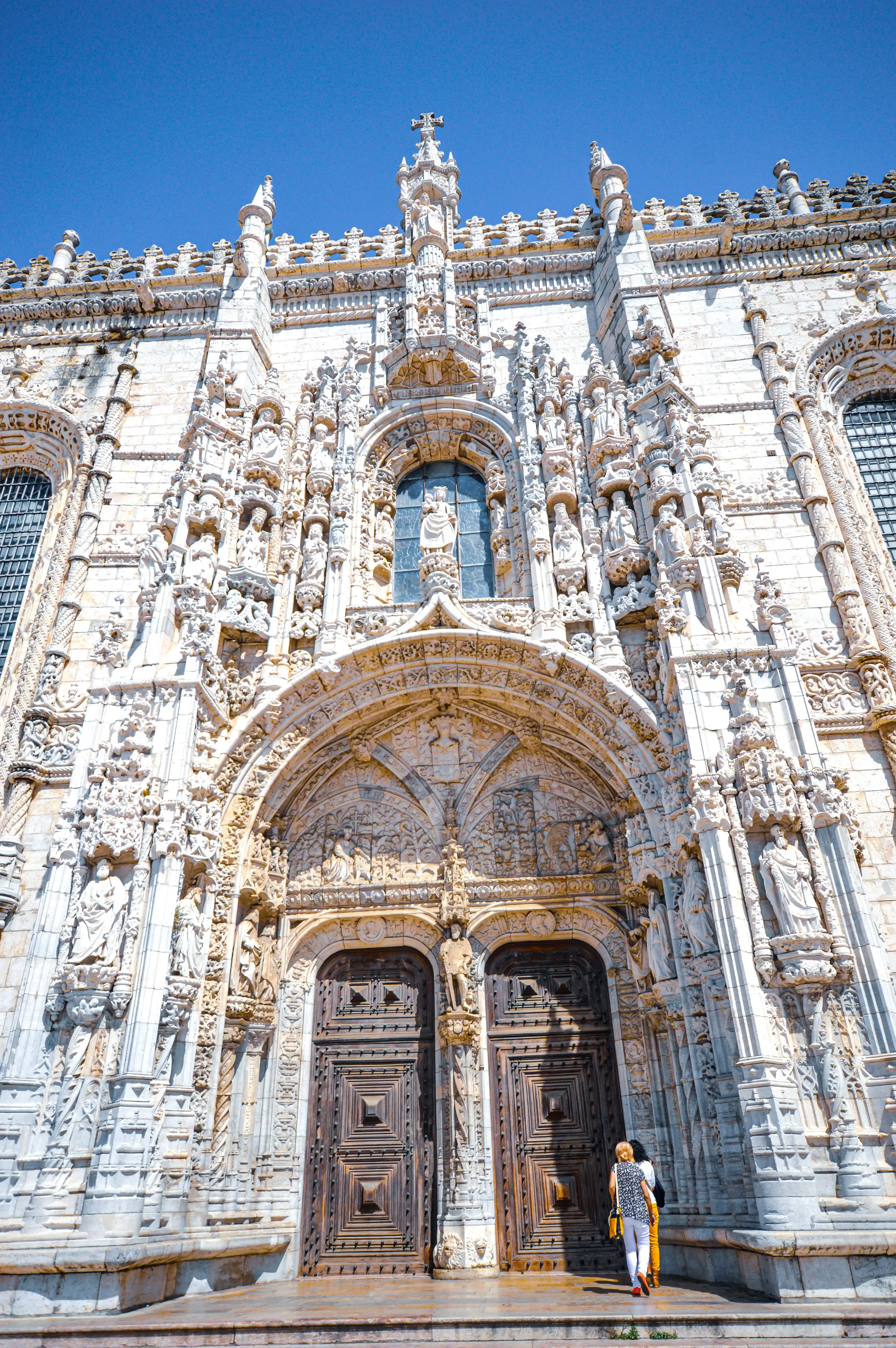
A wide, ornate stone facade of a large building, likely a monastery or church, with detailed carvings and statues. Two figures are visible at the bottom right, facing the entrance. The sky above is a clear, vibrant blue.
Jerónimos Monastery, Lisbon - Ornate Facade and Entrance ‐ photo by ,
©www.mgaylard.co.uk.
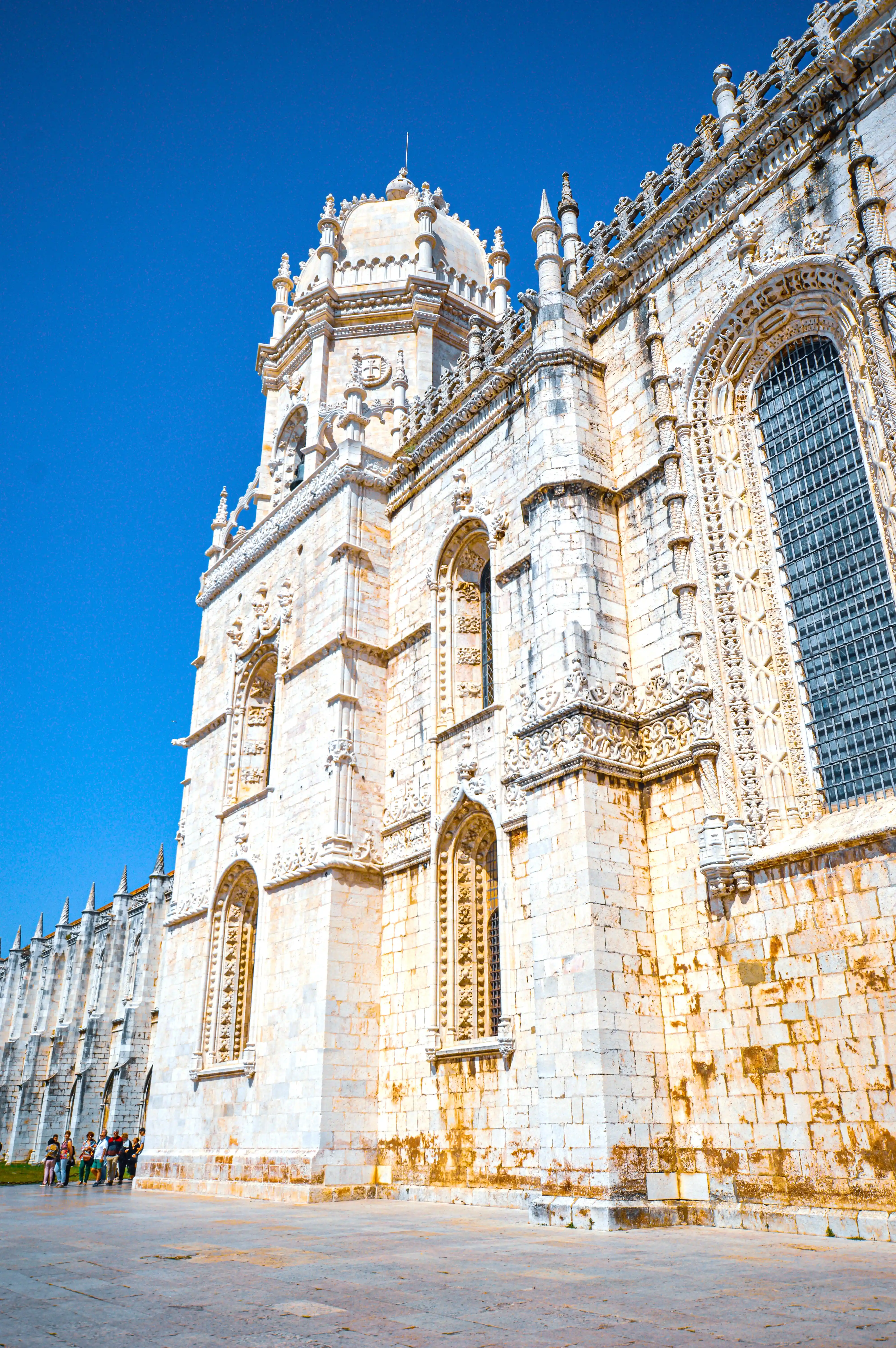
The Jerónimos Monastery, a UNESCO World Heritage site in Lisbon, Portugal, with detailed Manueline architecture and a bright blue sky.
Jerónimos Monastery, Lisbon, Portugal ‐ photo by ,
©www.mgaylard.co.uk.
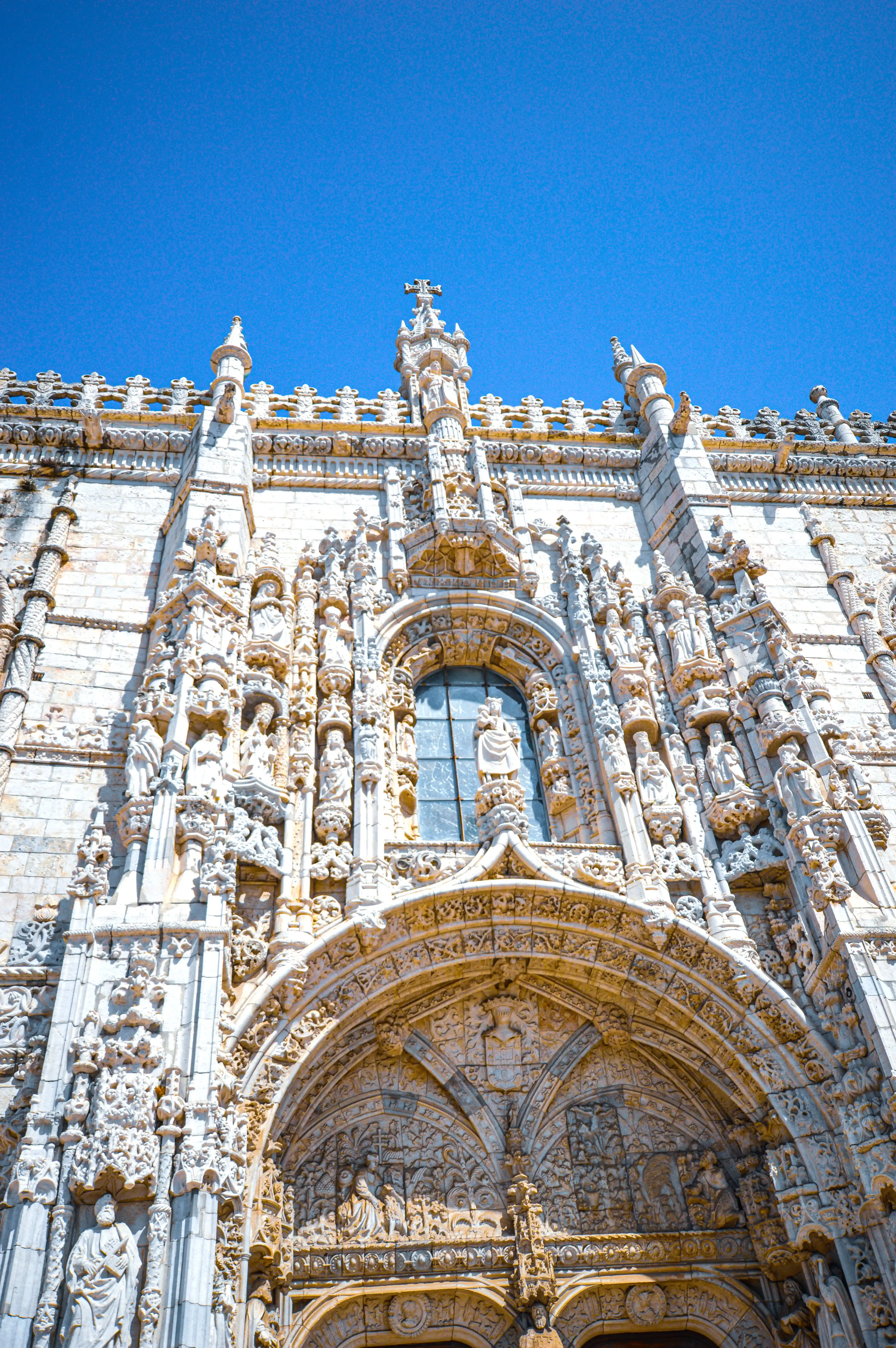
Close-up view of an ornate white stone Gothic building facade with detailed sculptures and arches against a bright blue sky.
Ornate Gothic Architecture Detail with Blue Sky ‐ photo by ,
©www.mgaylard.co.uk.

The Jerónimos Monastery (Mosteiro dos Jerónimos) is a masterpiece of Manueline architecture in Belém, Lisbon, built in the 16th century to commemorate Vasco da Gama’s voyage to India. A UNESCO World Heritage Site, it is renowned for its intricate stone carvings, grand cloisters, and the tombs of Portuguese explorers, including Vasco da Gama and Luís de Camões, and remains one of Portugal’s most visited and iconic landmarks.

Jardim Afonso de Albuquerque and Jardim da Praca do Imperio
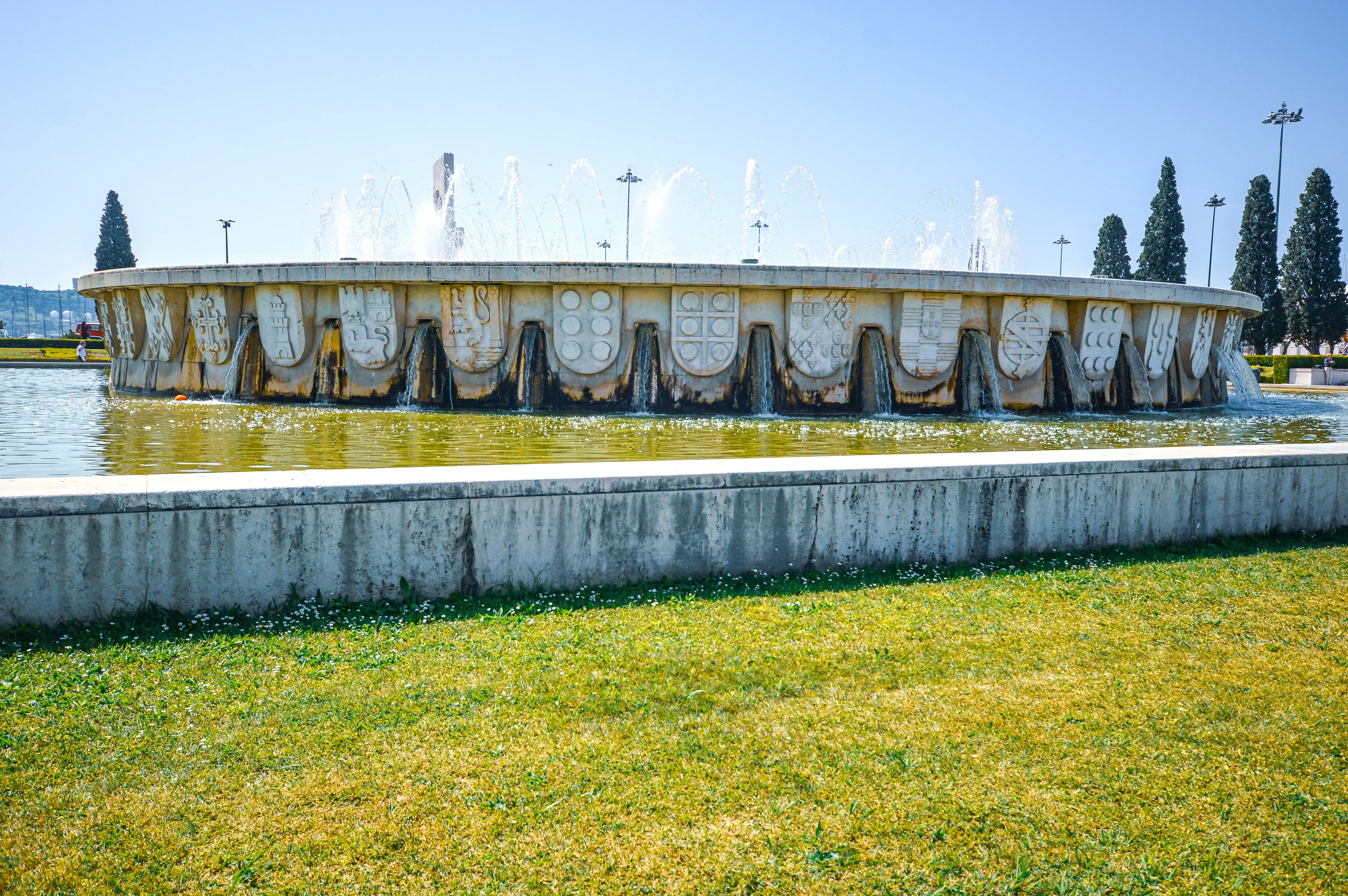
A circular fountain with detailed stone carvings and flowing water, set against a backdrop of trees and a blue sky.
Chafariz com Brasoes - Fountain with Coat of Arms Carvings and Water Display ‐ photo by ,
©www.mgaylard.co.uk.
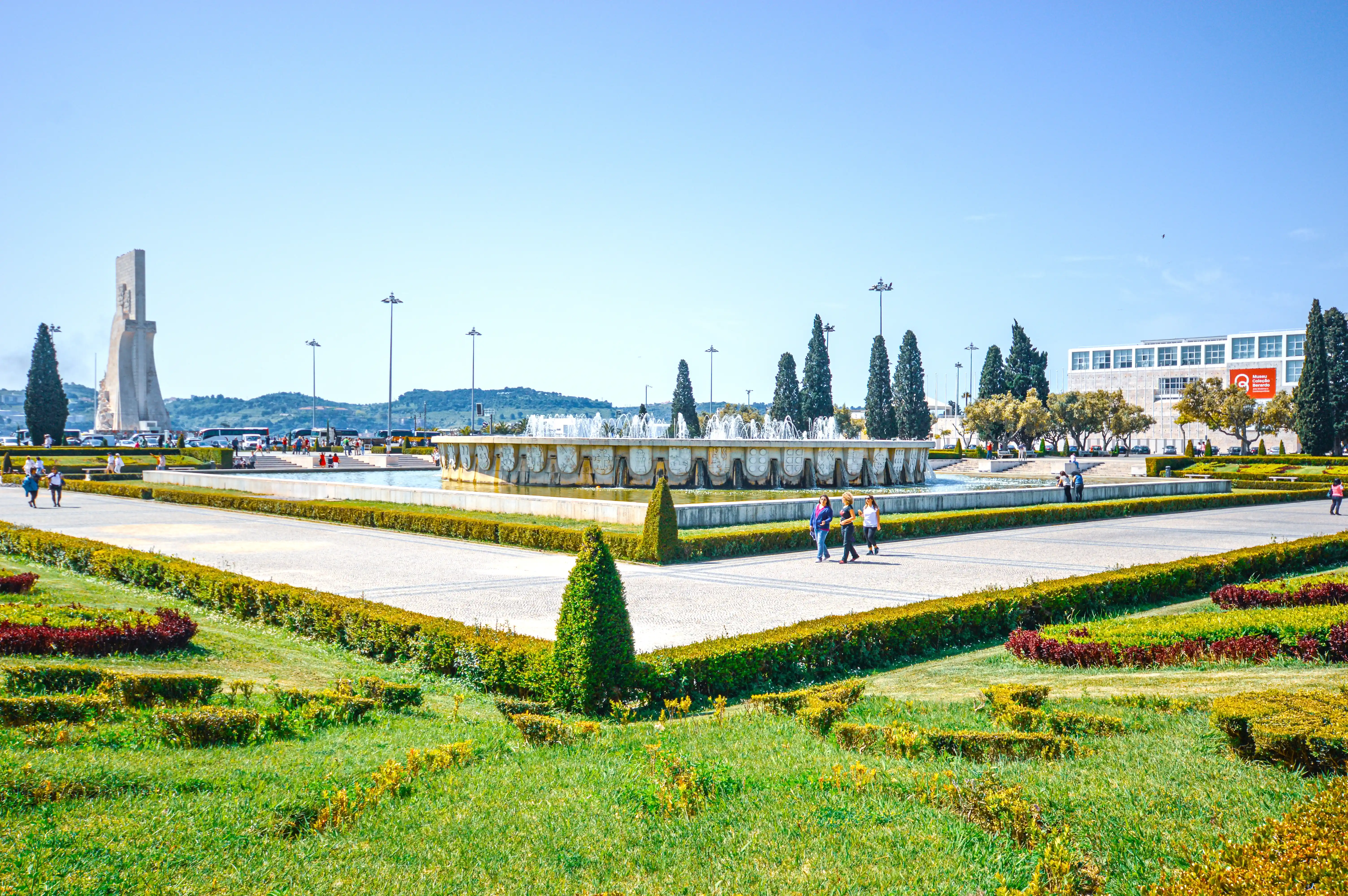
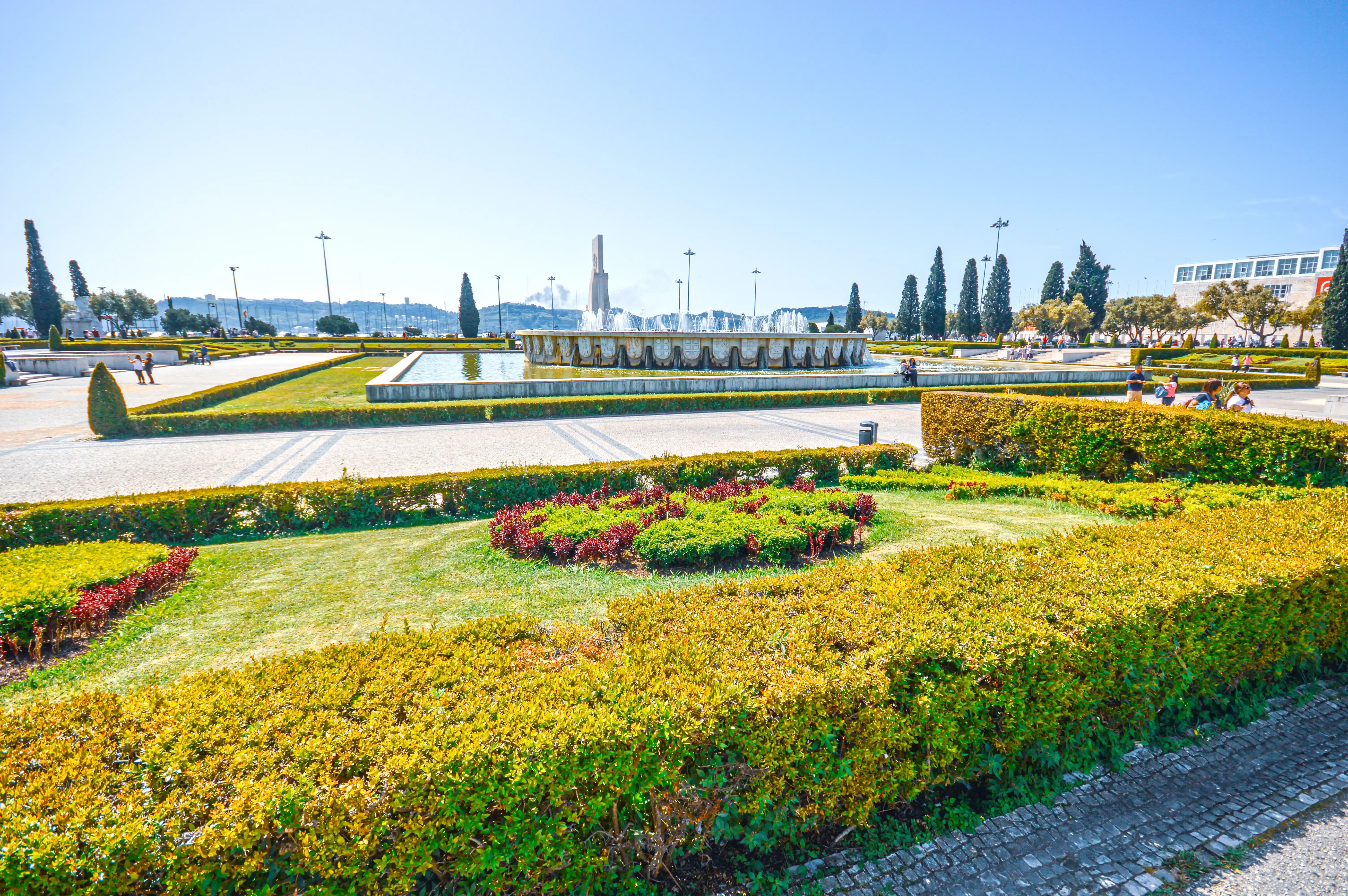
A wide view of a sunny public plaza in Lisbon, Portugal, with a large circular fountain in the centre and a tall, stone monument on the left.
Jardim da Praca do Imperio - A wide view of a sunny public plaza in Lisbon, Portugal, with a large circular fountain in the centre and a tall, stone monument on the left. ‐ photo by ,
©www.mgaylard.co.uk.
A wide shot of a large, circular fountain in full spray, surrounded by meticulously kept hedges and flowerbeds in a public park. Several people are visible walking and standing in the park on a sunny day with a clear blue sky.
Lisbon's Monumental Fountain and Gardens ‐ photo by ,
©www.mgaylard.co.uk.
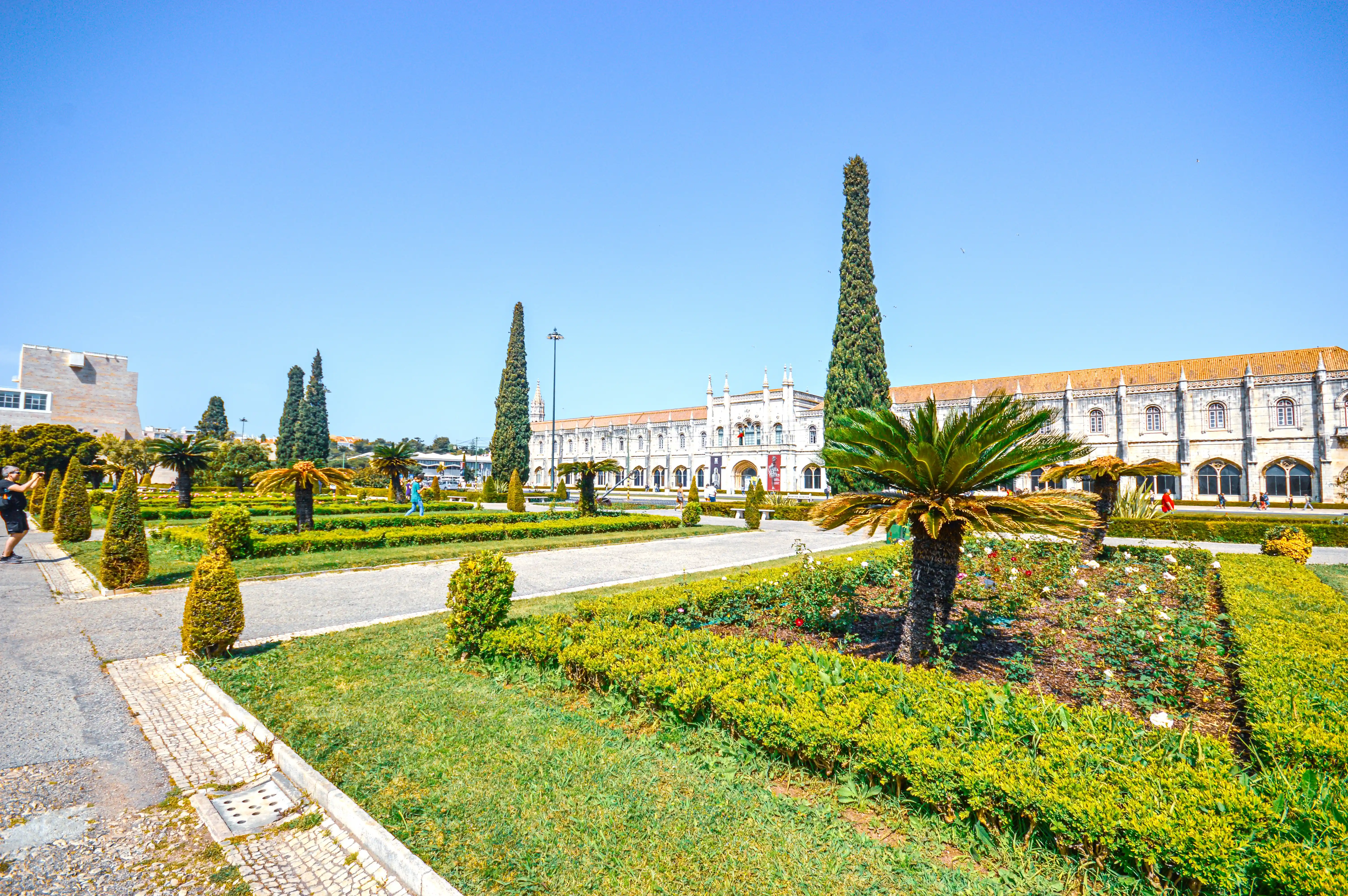
Jerónimos Monastery in Lisbon with manicured gardens and palm trees under a clear blue sky.
Jerónimos Monastery Gardens, Lisbon ‐ photo by ,
©www.mgaylard.co.uk.

Tagus River

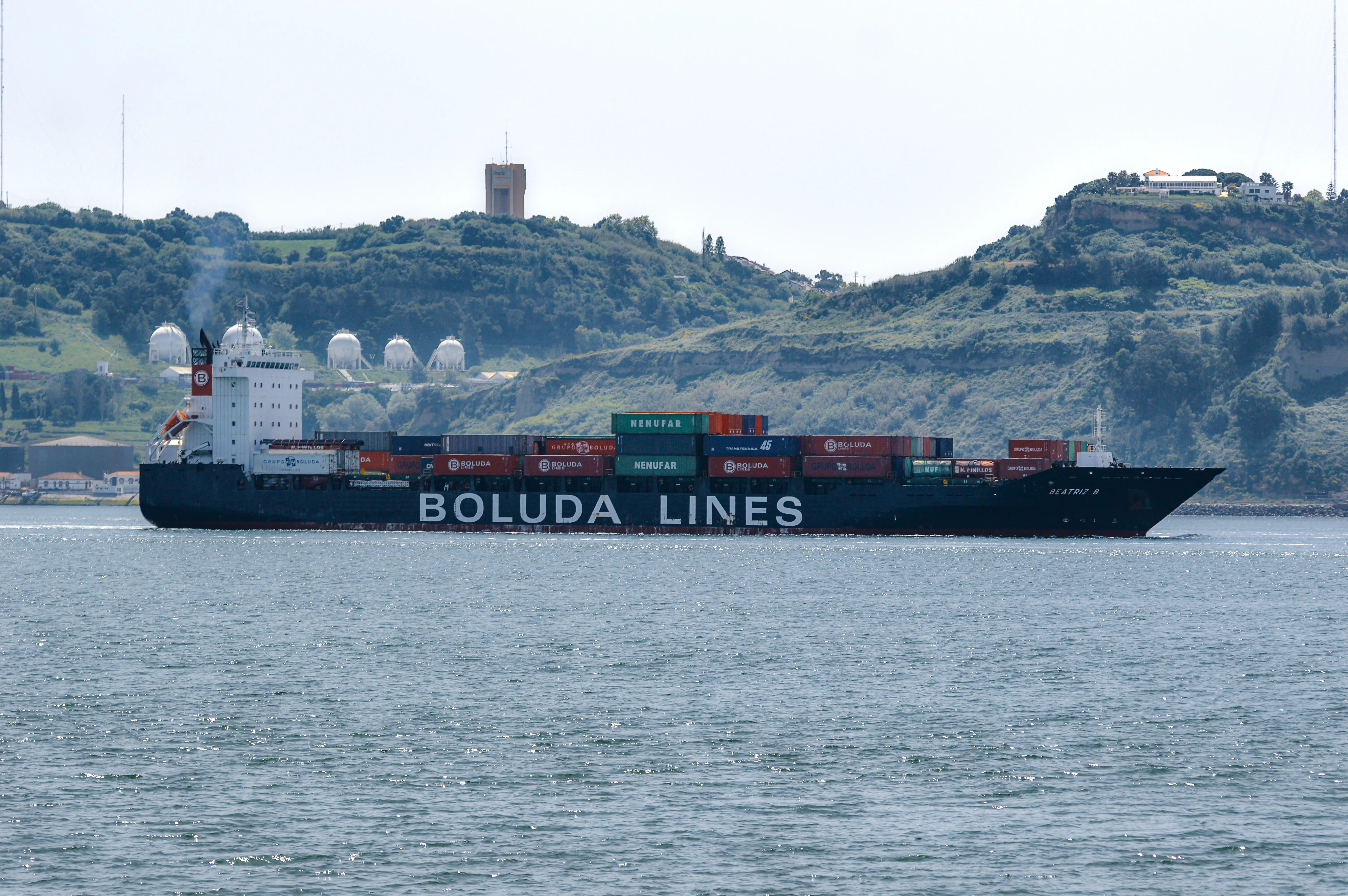
A black and dark grey container ship named 'Beatriz B' with
Boluda Lines Beatriz B ‐ photo by ,
©www.mgaylard.co.uk.
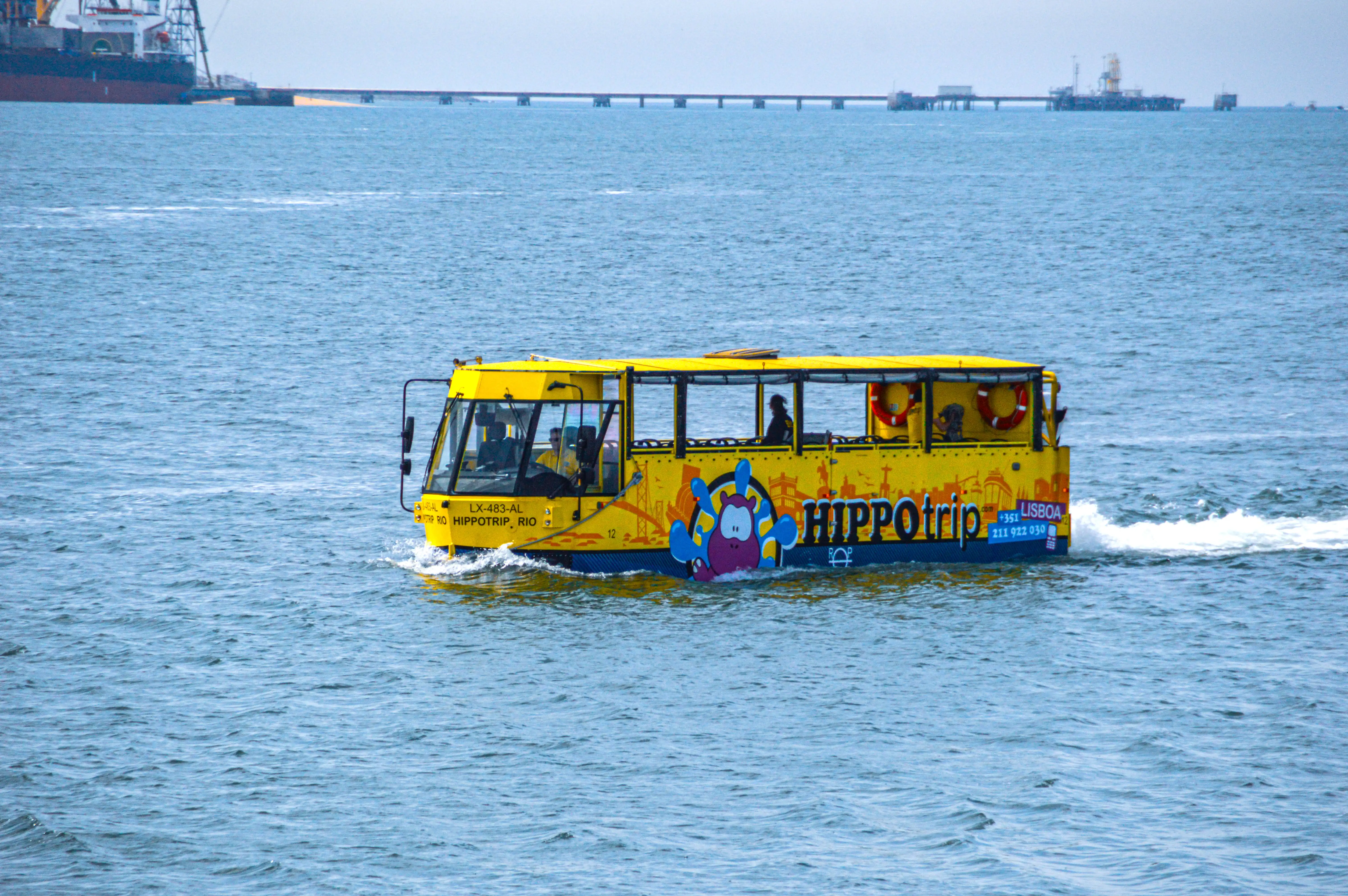
A yellow amphibious bus, branded
Hippotrip Amphibious Bus in Lisbon Waters ‐ photo by ,
©www.mgaylard.co.uk.

The Tagus River (Rio Tejo in Portuguese, Río Tajo in Spanish) is the longest river on the Iberian Peninsula, stretching 1,007 km (626 miles) from its source in Spain’s Sierra de Albarracín to its estuary in Lisbon, Portugal, where it meets the Atlantic Ocean. It is Portugal’s most important river, historically vital for trade, exploration, and culture, and today it defines Lisbon’s stunning waterfront, supports diverse ecosystems, and offers scenic views, river cruises, and recreational activities.
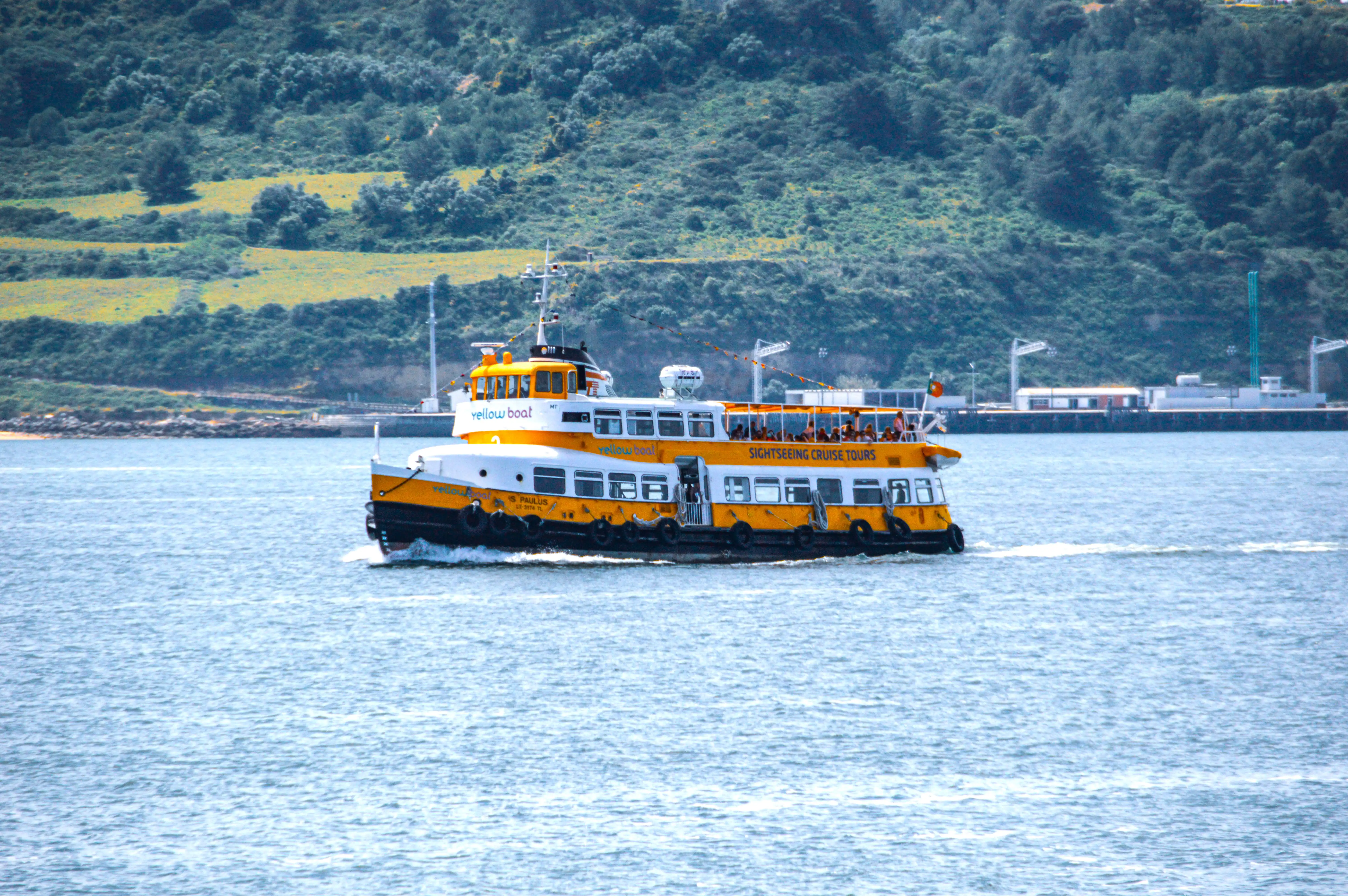
A yellow and white sightseeing boat named
Yellow Boat Sightseeing Cruise Tour ‐ photo by ,
©www.mgaylard.co.uk.
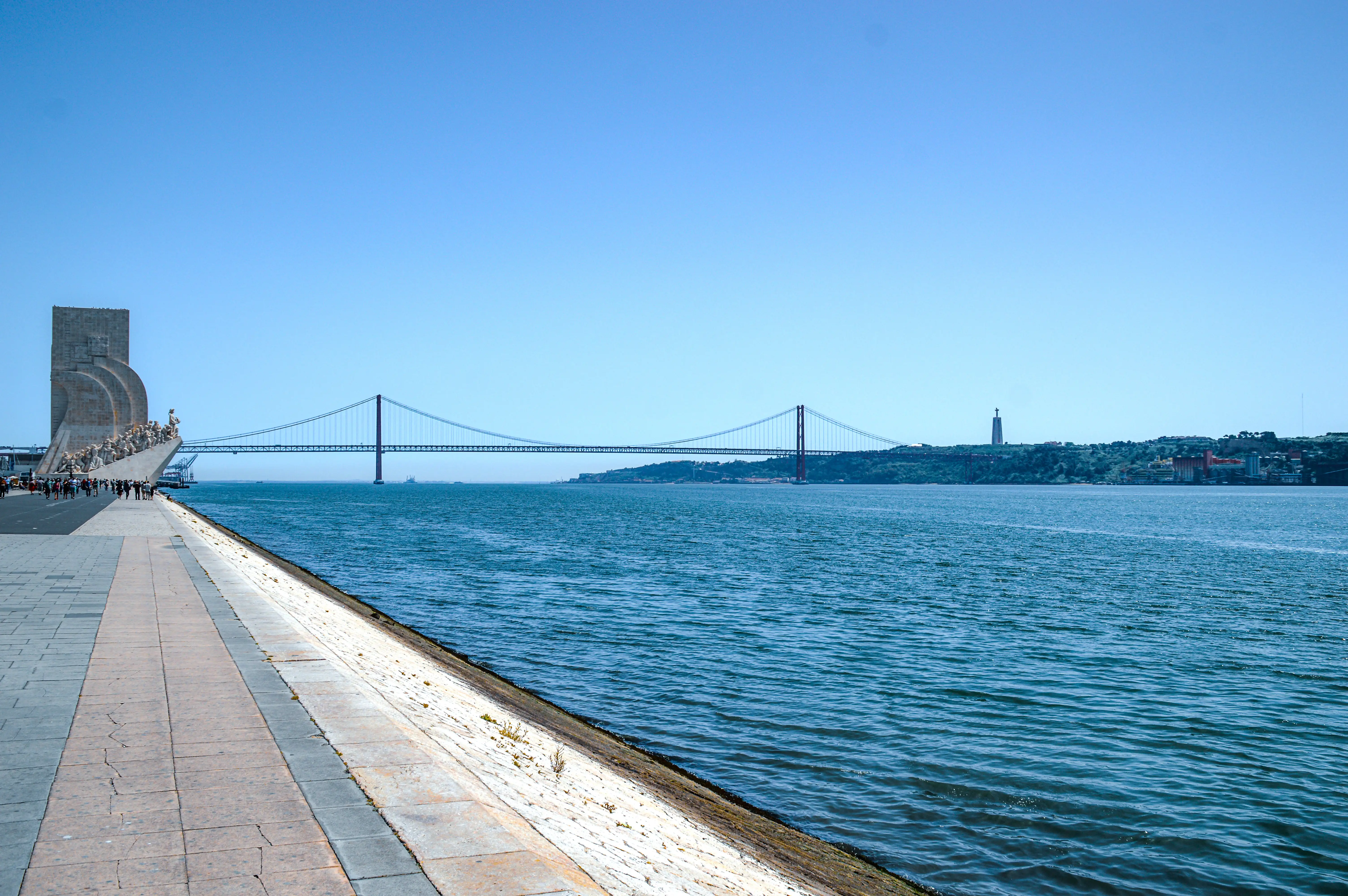
The Monument to the Discoveries on the left and the 25 de Abril Bridge spanning the Tagus River in Lisbon, Portugal, under a clear blue sky.
Lisbon's Riverside Majesty: Monument to Discoveries and 25 de Abril Bridge ‐ photo by ,
©www.mgaylard.co.uk.

The 25 de Abril Bridge is an iconic suspension bridge in Lisbon, Portugal, spanning the Tagus River and connecting the city center to Almada. Named after the 1974 Carnation Revolution, it closely resembles San Francisco’s Golden Gate Bridge and is a symbol of Lisbon’s skyline, offering stunning views and serving as a key transportation link for both vehicles and trains.
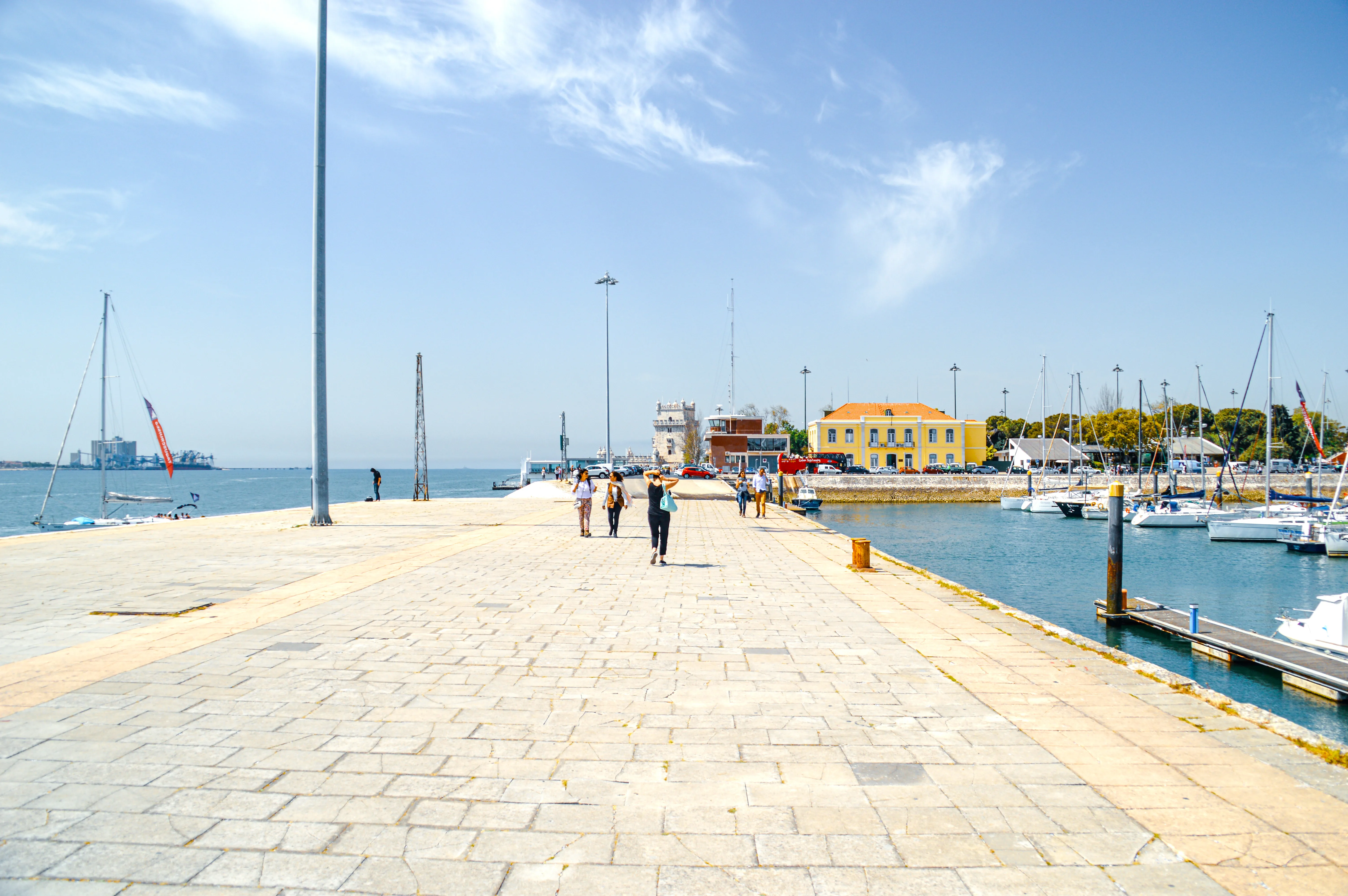
People walking on a stone promenade next to a marina filled with sailboats under a clear blue sky.
A bright and sunny day unfolds along a stone-paved promenade bordering a harbour filled with white sailboats. Several people are casually strolling along the walkway, enjoying the scenic view of the water and the buildings in the background, including a distinctive yellow building and a tower. ‐ photo by ,
©www.mgaylard.co.uk.
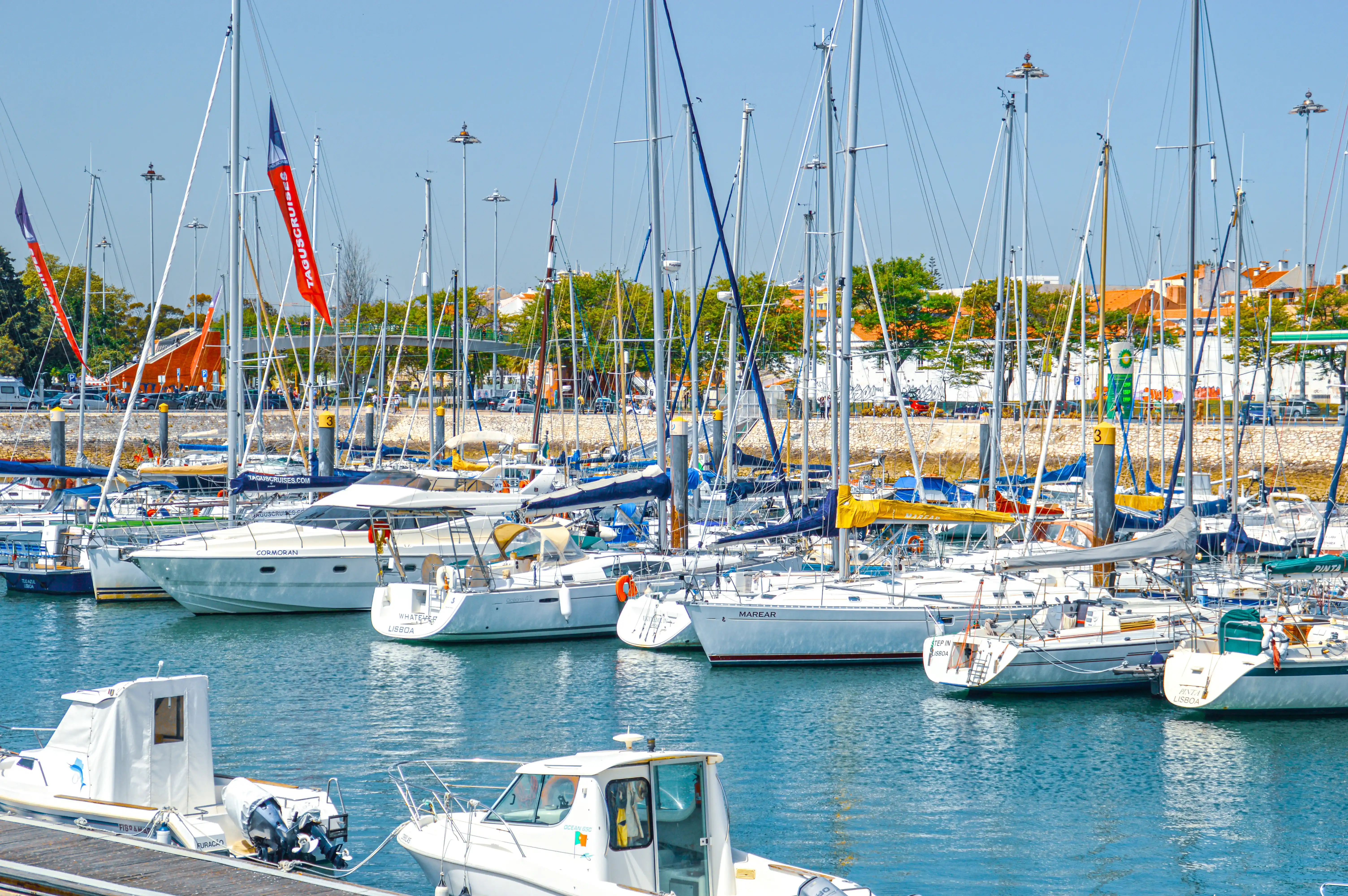
A wide shot of a marina packed with white sailboats of various sizes, their masts reaching towards a clear blue sky. Some boats have colourful flags and sails, and in the background, there are trees, buildings, and a road with cars.
Marina with Sailboats and Motorboats Under a Clear Sky ‐ photo by ,
©www.mgaylard.co.uk.

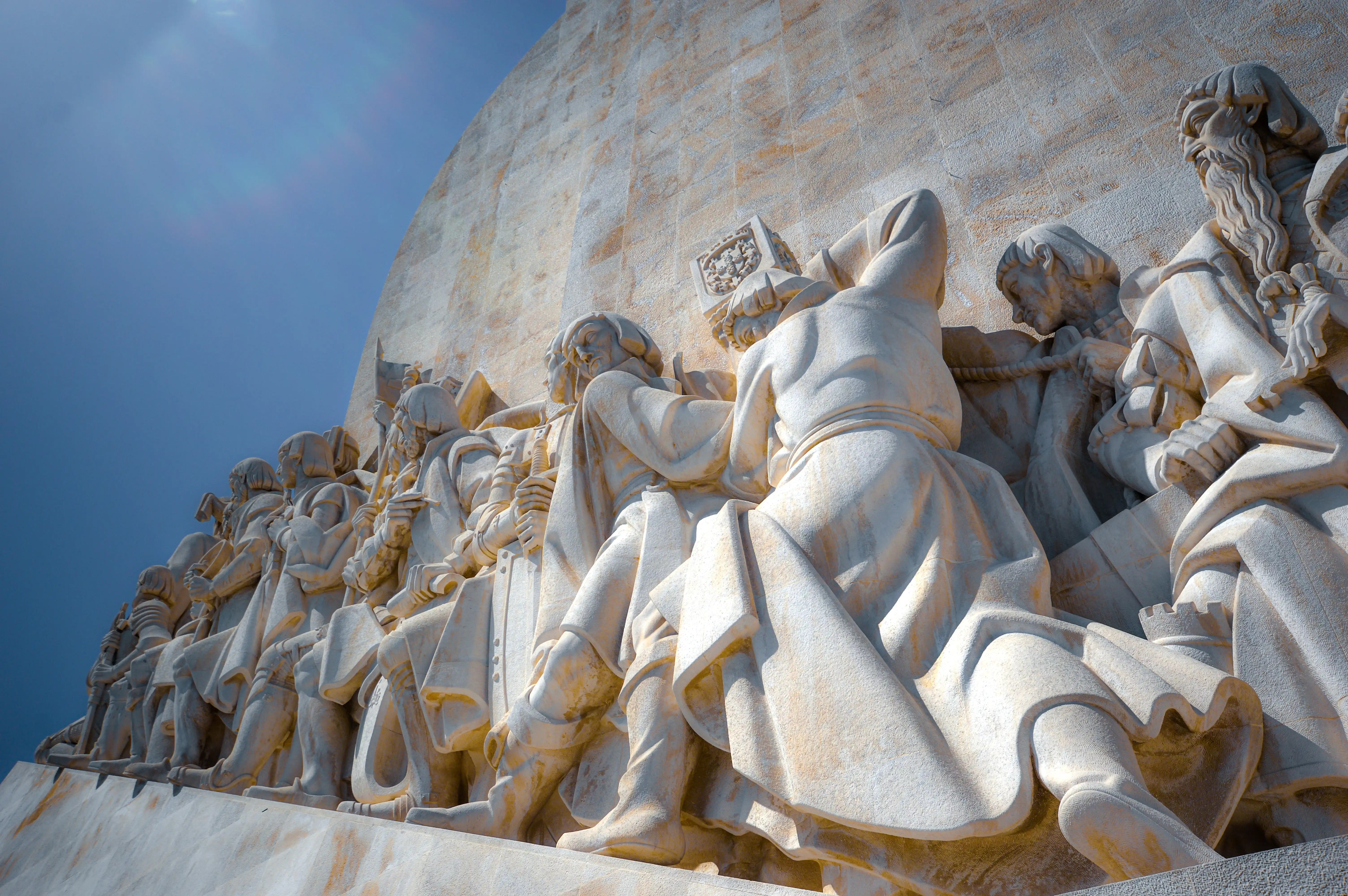
Close-up of a pale stone monument featuring a line of carved figures in historical dress, viewed from below against a bright blue sky with a sun flare.
Padrão dos Descobrimentos - The Age of Discovery Monument, Lisbon ‐ photo by ,
©www.mgaylard.co.uk.

The Padrão dos Descobrimentos (Monument to the Discoveries) is a striking 20th-century monument in Belém, Lisbon, built in 1960 to celebrate Portugal’s Age of Discoveries. Shaped like a ship’s prow, it features 33 statues of explorers, navigators, and historical figures led by Prince Henry the Navigator, and offers panoramic views of the Tagus River and Belém’s landmarks from its observation deck.
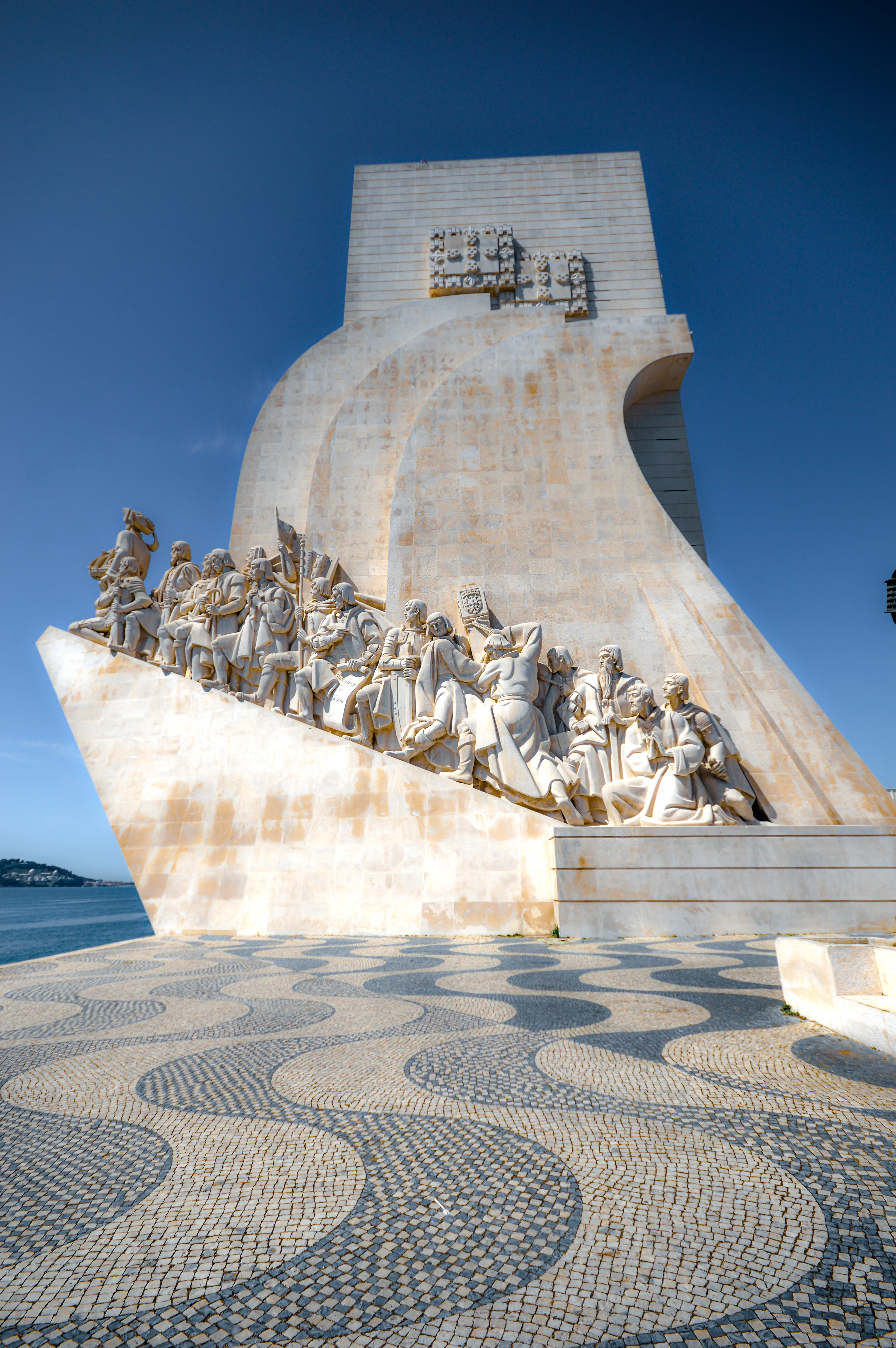
The Monument to the Discoveries in Lisbon, Portugal, featuring carved figures on a ship's prow-shaped structure, under a bright blue sky. The foreground shows a patterned cobblestone walkway.
Padrão dos Descobrimentos ‐ photo by ,
©www.mgaylard.co.uk.
Stone sculptures of historical Portuguese explorers and figures sitting in a procession on a large, triangular monument against a bright blue sky.
Padrão dos Descobrimentos - A Majestic Tribute to Portuguese Exploration ‐ photo by ,
©www.mgaylard.co.uk.
Close-up view of detailed stone sculptures of men in historical dress on a monument, set against a bright blue sky.
Padrão dos Descobrimentos ‐ photo by ,
©www.mgaylard.co.uk.

Torre de Belém

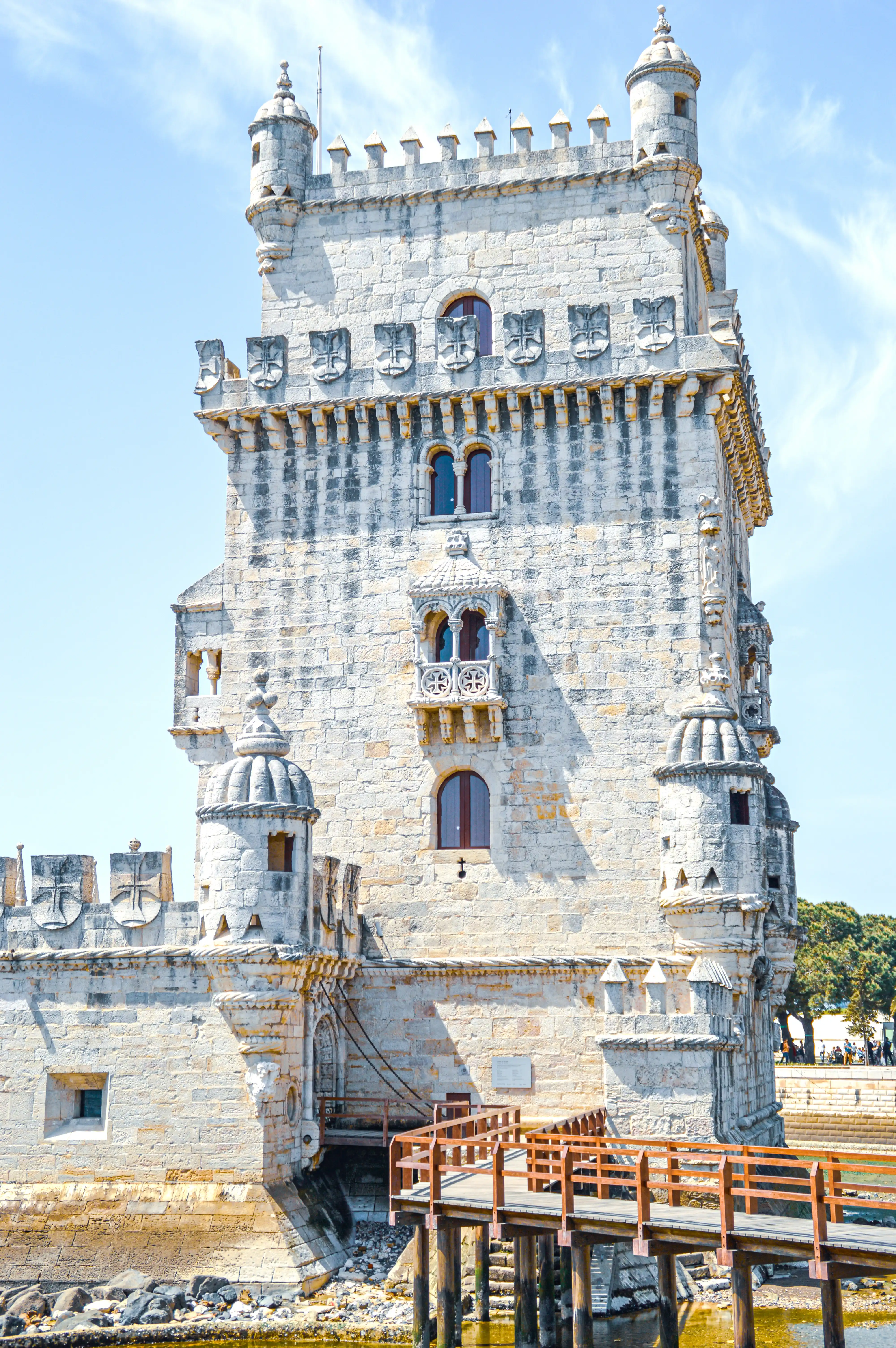
Front view of the historic Belém Tower in Lisbon, Portugal, a stone fortification with ornate details, accessed by a wooden bridge over water.
Belém Tower - Lisbon's Iconic Riverside Fortress ‐ photo by ,
©www.mgaylard.co.uk.
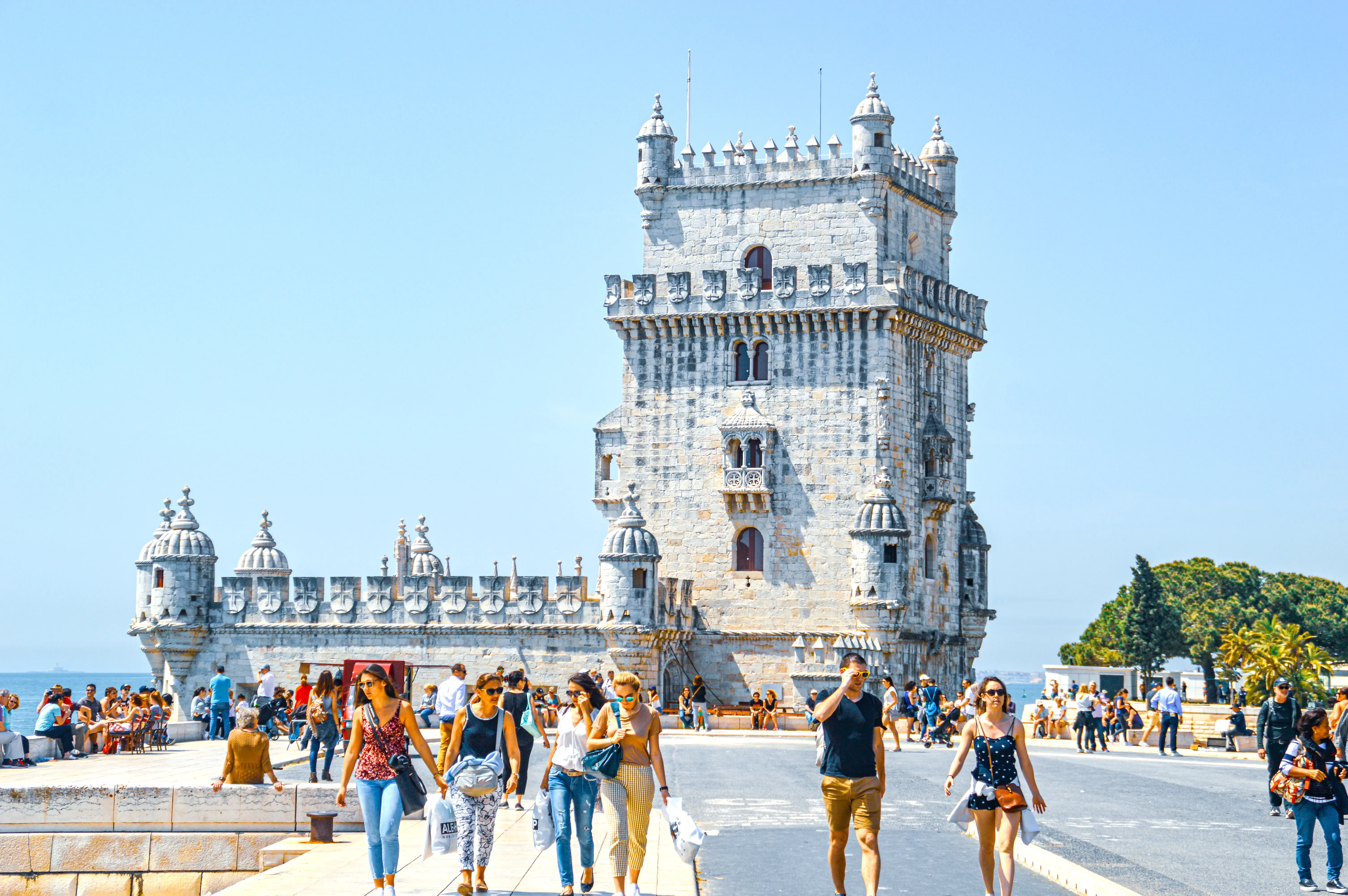
Tourists walk along the waterfront in front of the historic Belém Tower in Lisbon on a bright, sunny day.
Belém Tower, Lisbon - Tourists Enjoy a Sunny Day ‐ photo by ,
©www.mgaylard.co.uk.
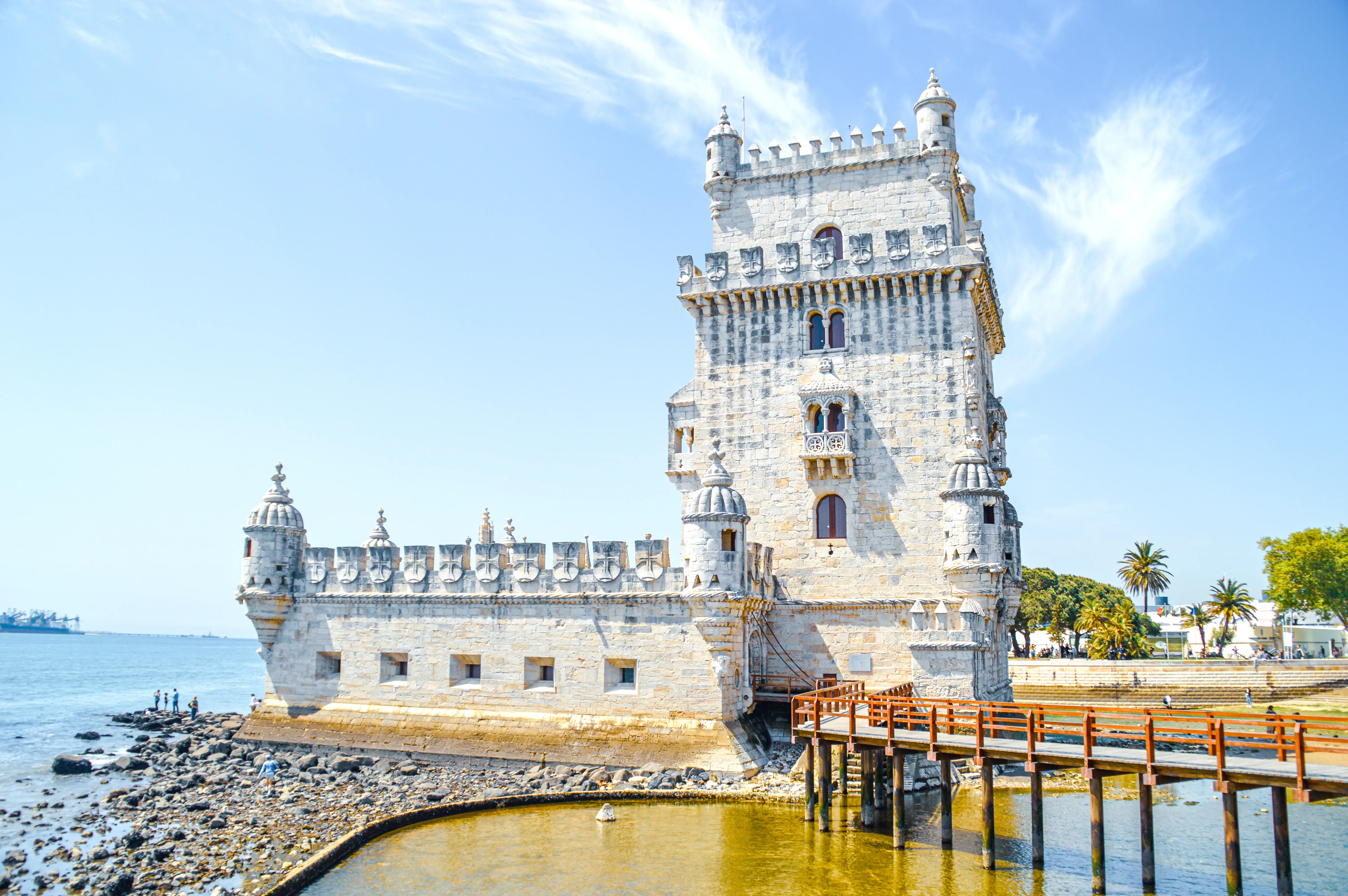
A wide-angle shot of the Belem Tower in Lisbon, Portugal, a stone fortress with ornate turrets and battlements, situated on the edge of the Tagus River. A wooden pier extends towards the tower from the right, and a rocky shoreline with a few people is visible on the left. The sky is clear blue with some thin clouds.
Belem Tower, Lisbon, Portugal - Historic Riverside Fortress on a Sunny Day ‐ photo by ,
©www.mgaylard.co.uk.

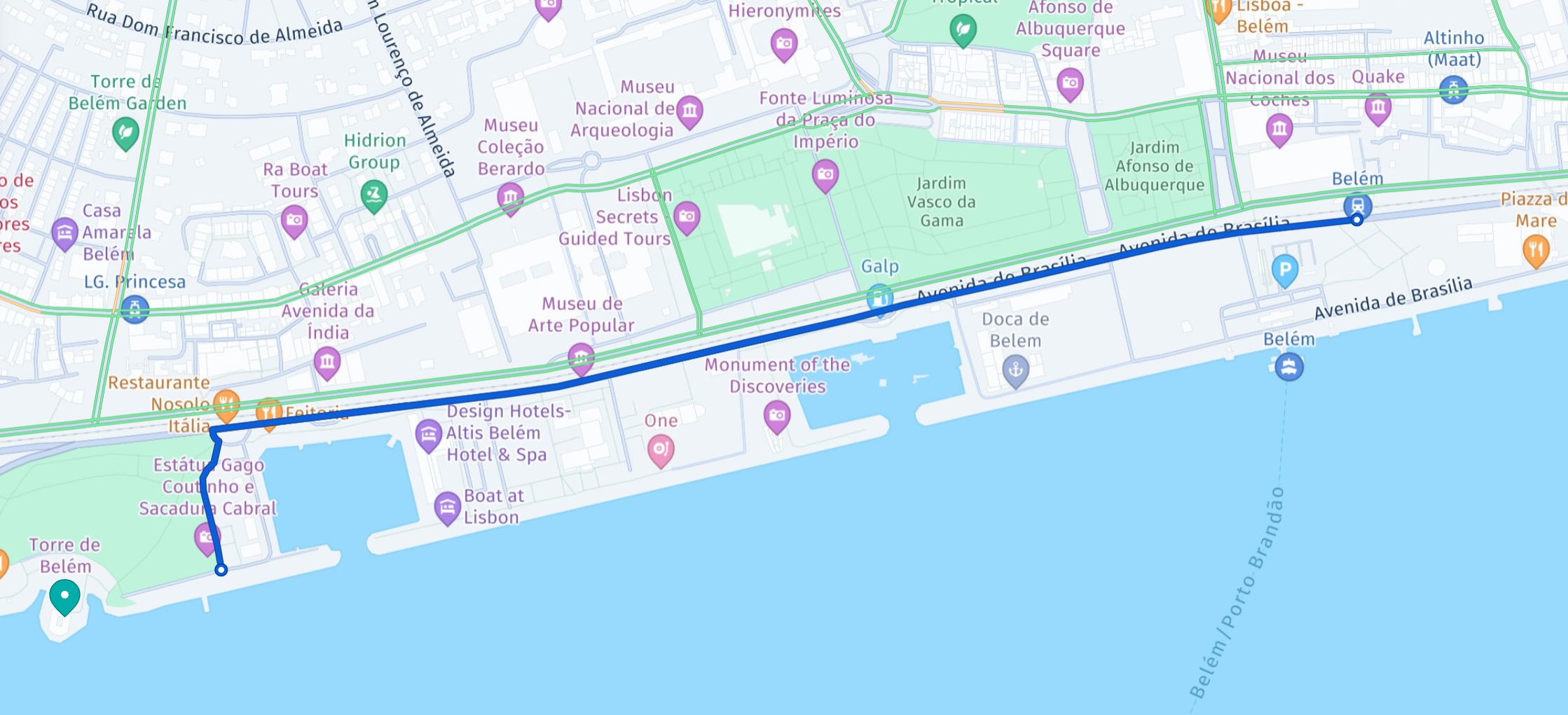
The Belém Tower (Torre de Belém) is a 16th-century fortified tower in Belém, Lisbon, built as a defensive structure and ceremonial gateway to the city during the Age of Discoveries. A UNESCO World Heritage Site and a symbol of Portugal’s maritime history, it is renowned for its intricate Manueline architecture, stone carvings, and scenic riverside location, making it one of Lisbon’s most iconic landmarks.

Open the full set flickr button this page

Belém

Belém played a pivotal role in Portugal’s Age of Discoveries (15th–16th centuries), when explorers like Vasco da Gama, Ferdinand Magellan, and Bartolomeu Dias set sail from its shores to explore the world. The district’s landmarks, such as the Belém Tower and Jerónimos Monastery, were built to celebrate and commemorate these voyages, which established Portugal as a global maritime power. Belém’s cultural and architectural heritage reflects its importance as a center of trade, religion, and exploration. The district’s UNESCO World Heritage Sites and historic monuments are a testament to Portugal’s rich history and its contributions to global exploration and culture.

Today, Belém is one of Lisbon’s most visited and beloved districts, attracting millions of tourists each year. It serves as a cultural and historical hub, offering a mix of iconic landmarks, museums, and culinary experiences. Belém’s scenic riverfront, historic charm, and vibrant atmosphere make it a must-visit for anyone exploring Lisbon. The district’s cultural events, exhibitions, and festivals ensure that its heritage is celebrated and preserved for future generations. Whether you’re exploring its UNESCO-listed monuments, sampling pastéis de nata, or enjoying a river cruise, Belém offers a memorable and enriching experience.
Text generated by Mistral AIMicrosoft CoPilotAI Image Describer
To the top
Powered by w3.css. The images are all stored on link to www.gaylard.co.uk Photostream on Flickr   This website is hosted by link to 123Reg Web Hosting