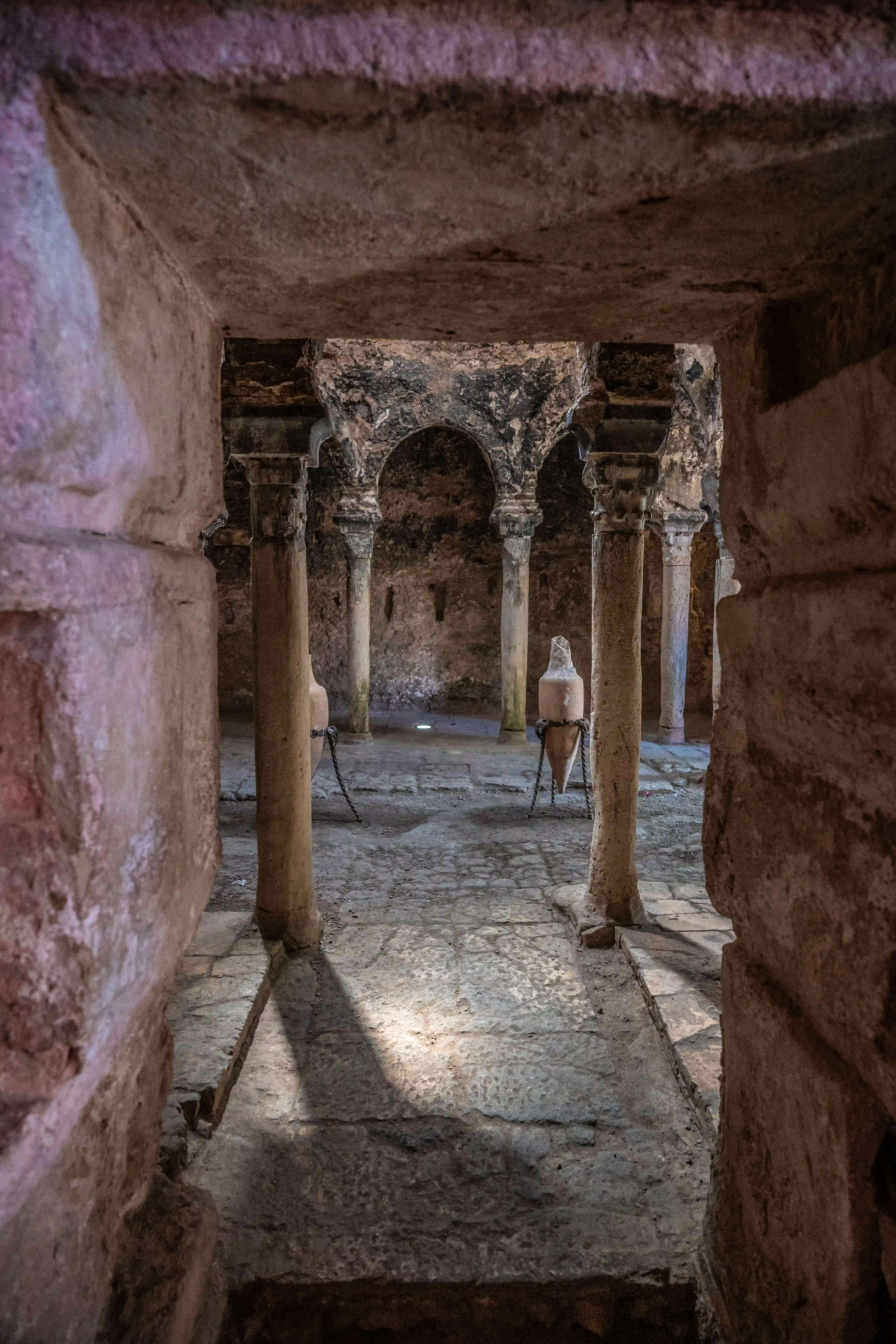
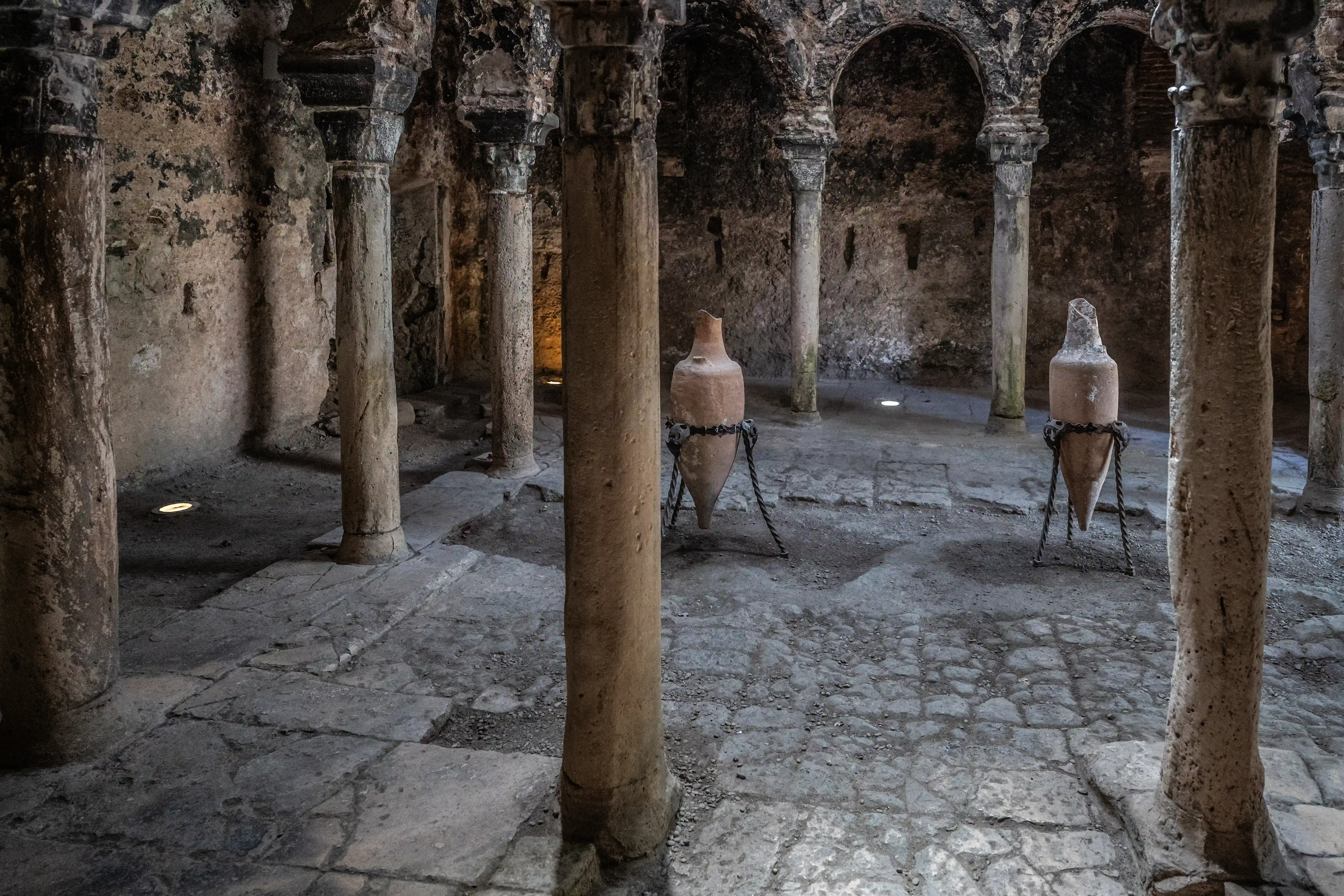
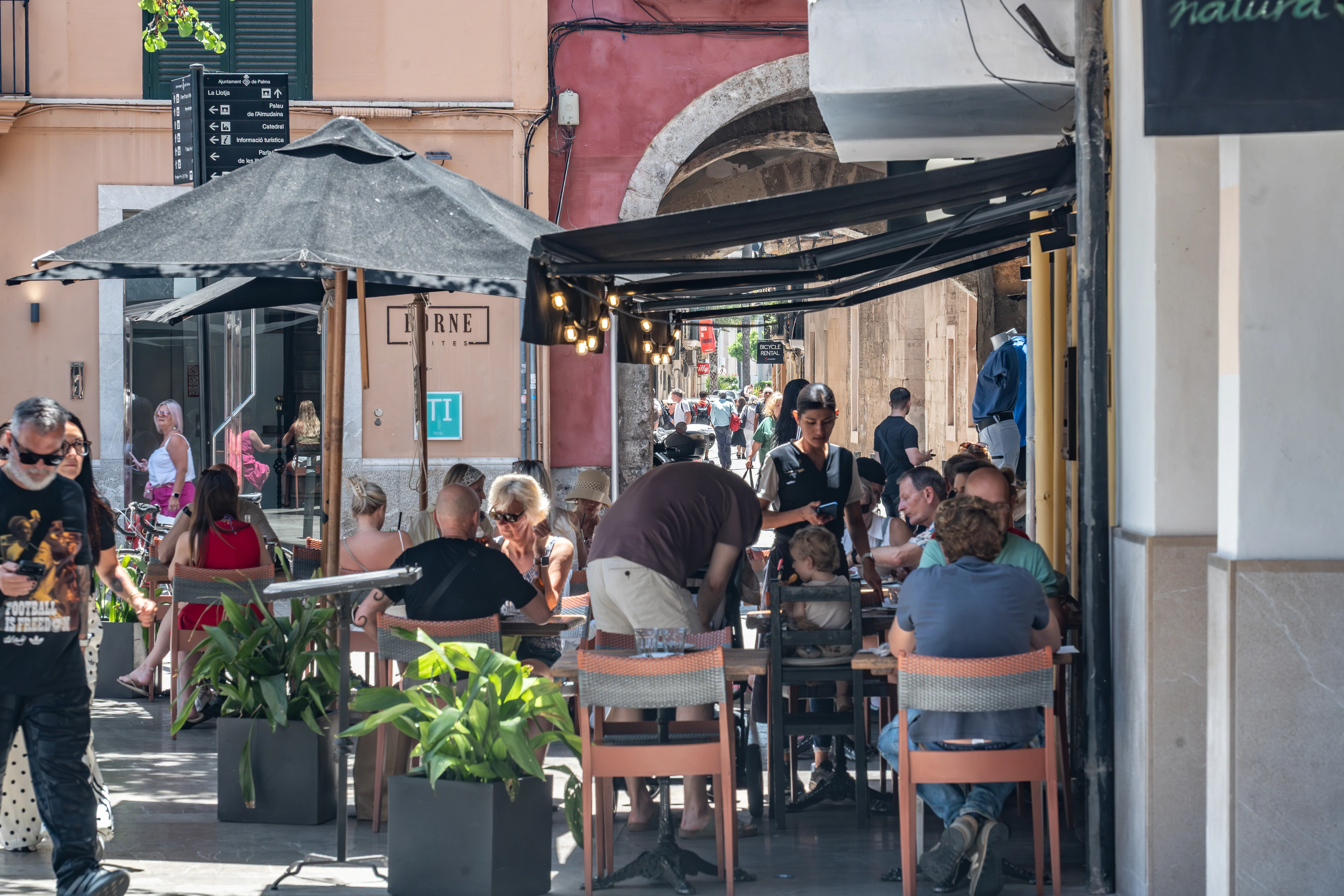
The Banys Àrabs (Arab Baths) are a 10th-century Moorish bathhouse located in Palma de Mallorca, Spain, and are among the few surviving examples of Islamic architecture on the island. The site features horseshoe arches, a central courtyard with a pond, and a tranquil garden, offering a glimpse into Mallorca’s Moorish past and serving as a museum for visitors.
Palma de Mallorca ,
Palma de Mallorca, Balearic Islands, 07001, Spain
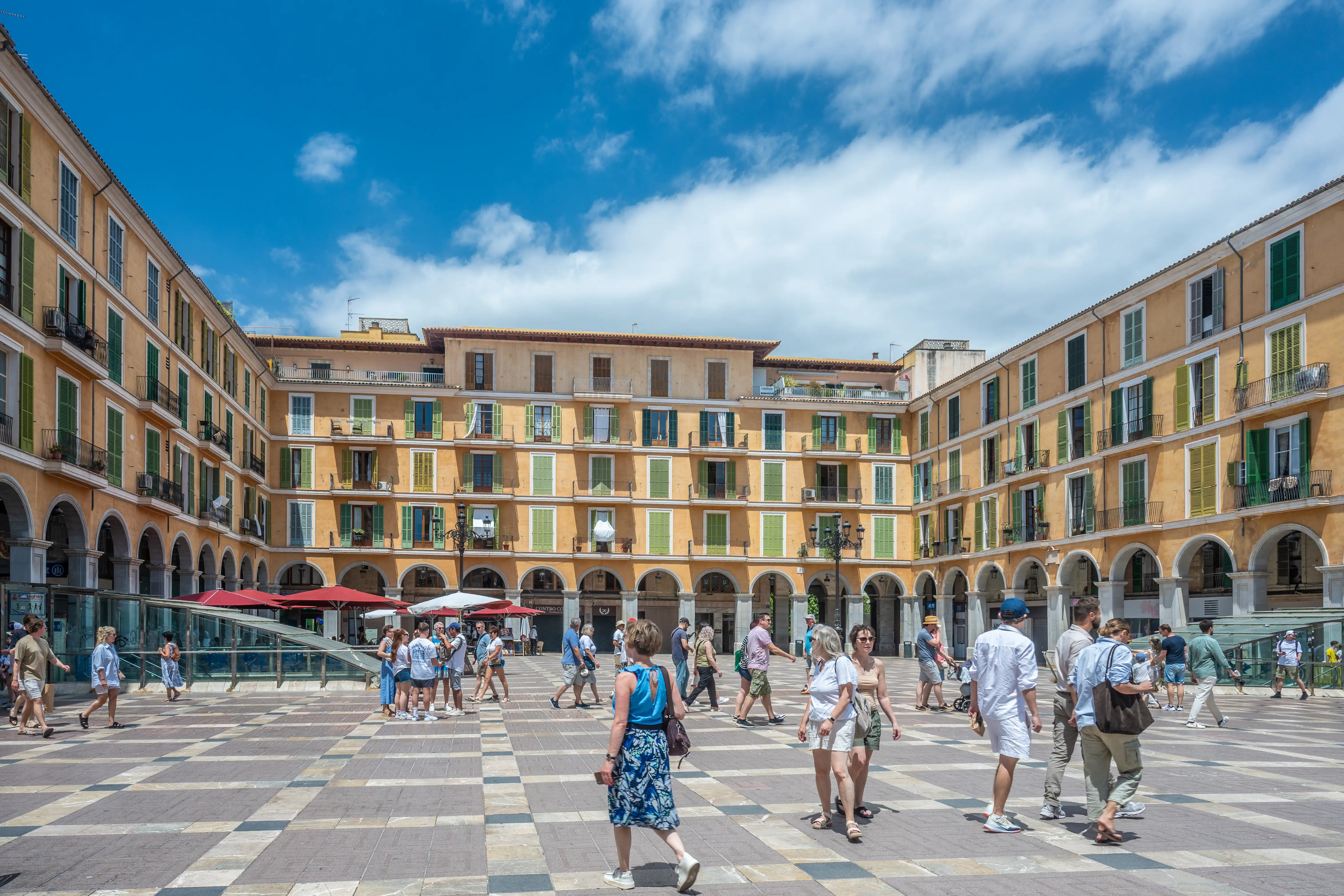
©www.mgaylard.co.uk.
Banys Àrabs
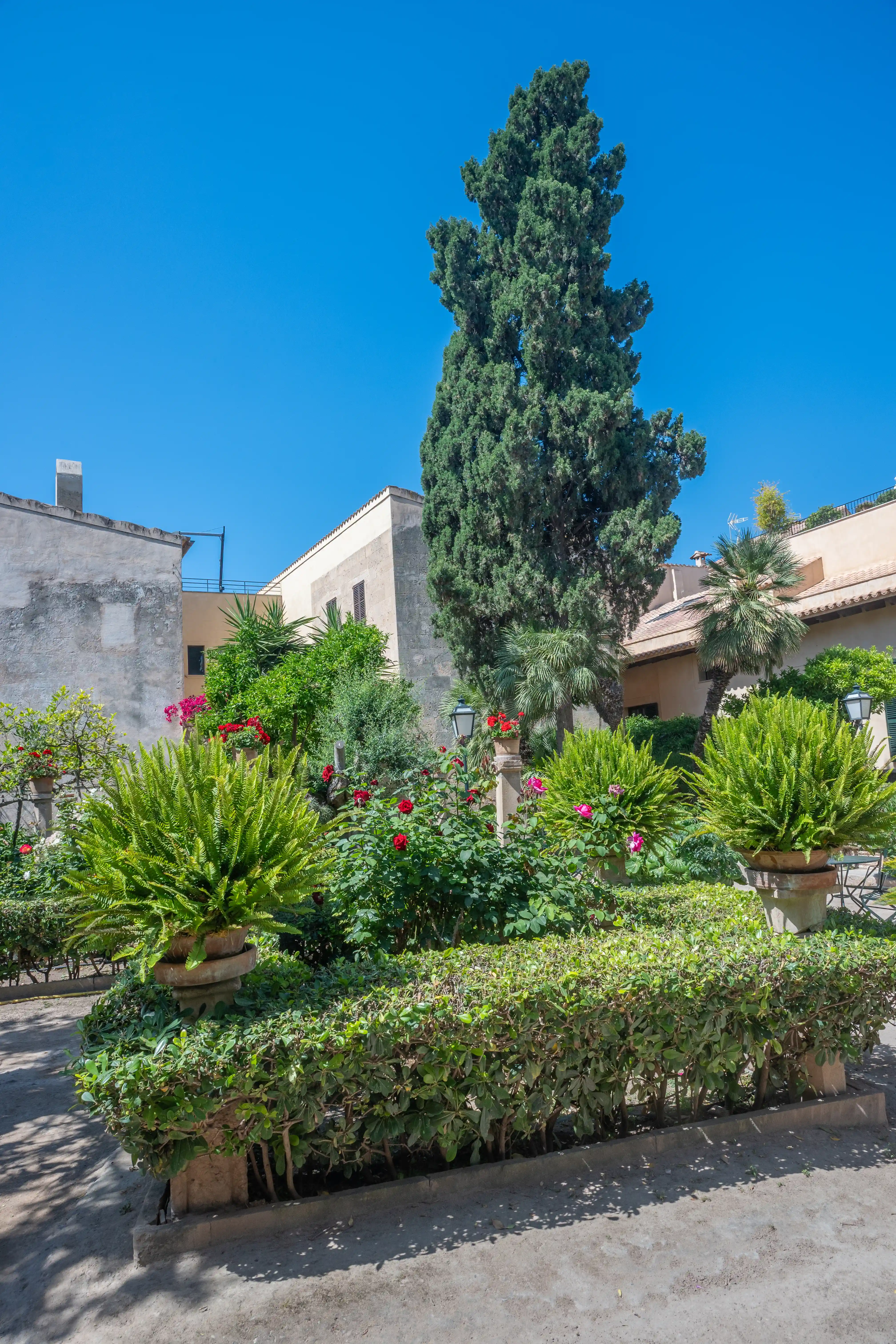
©www.mgaylard.co.uk.

©www.mgaylard.co.uk.
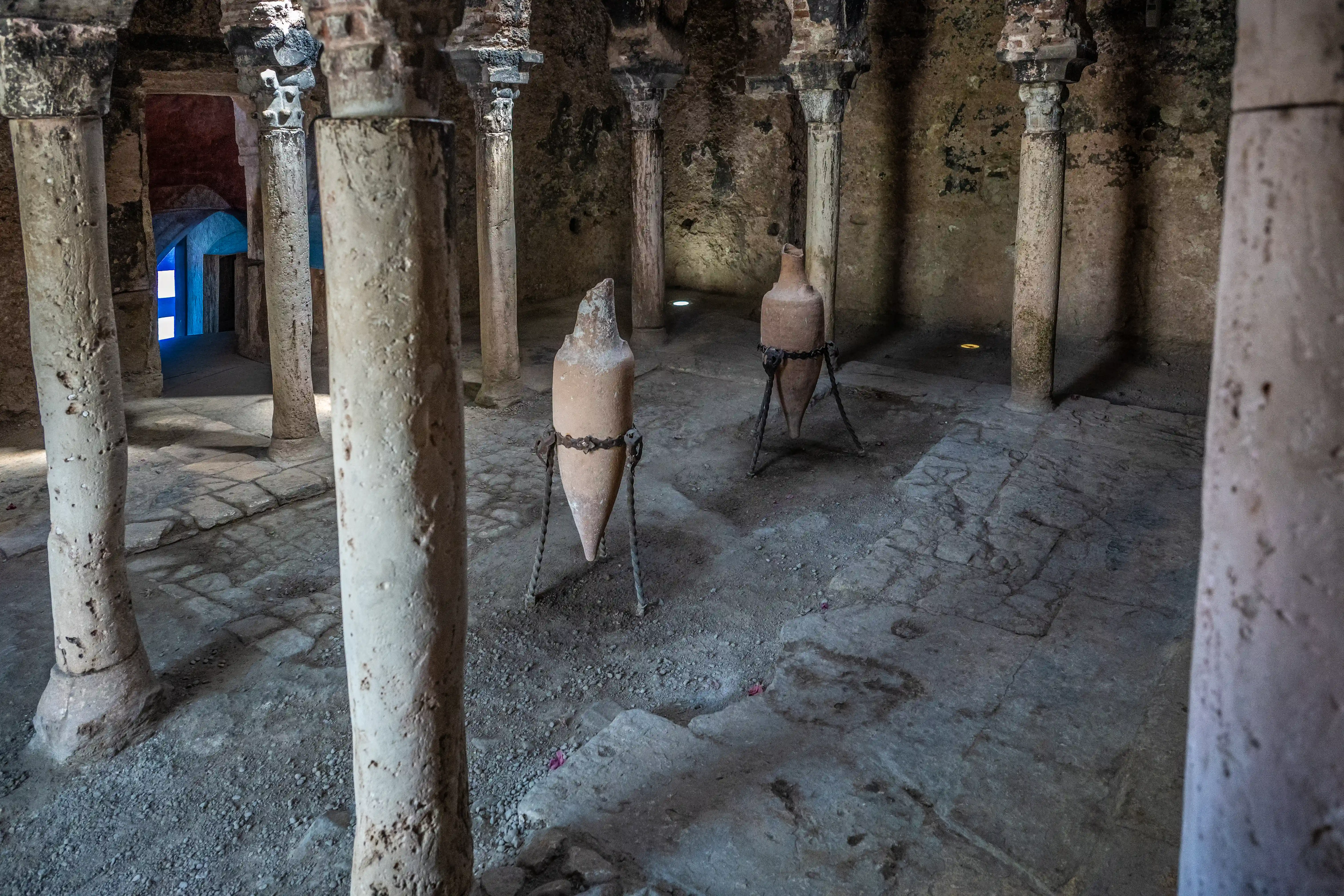
©www.mgaylard.co.uk.
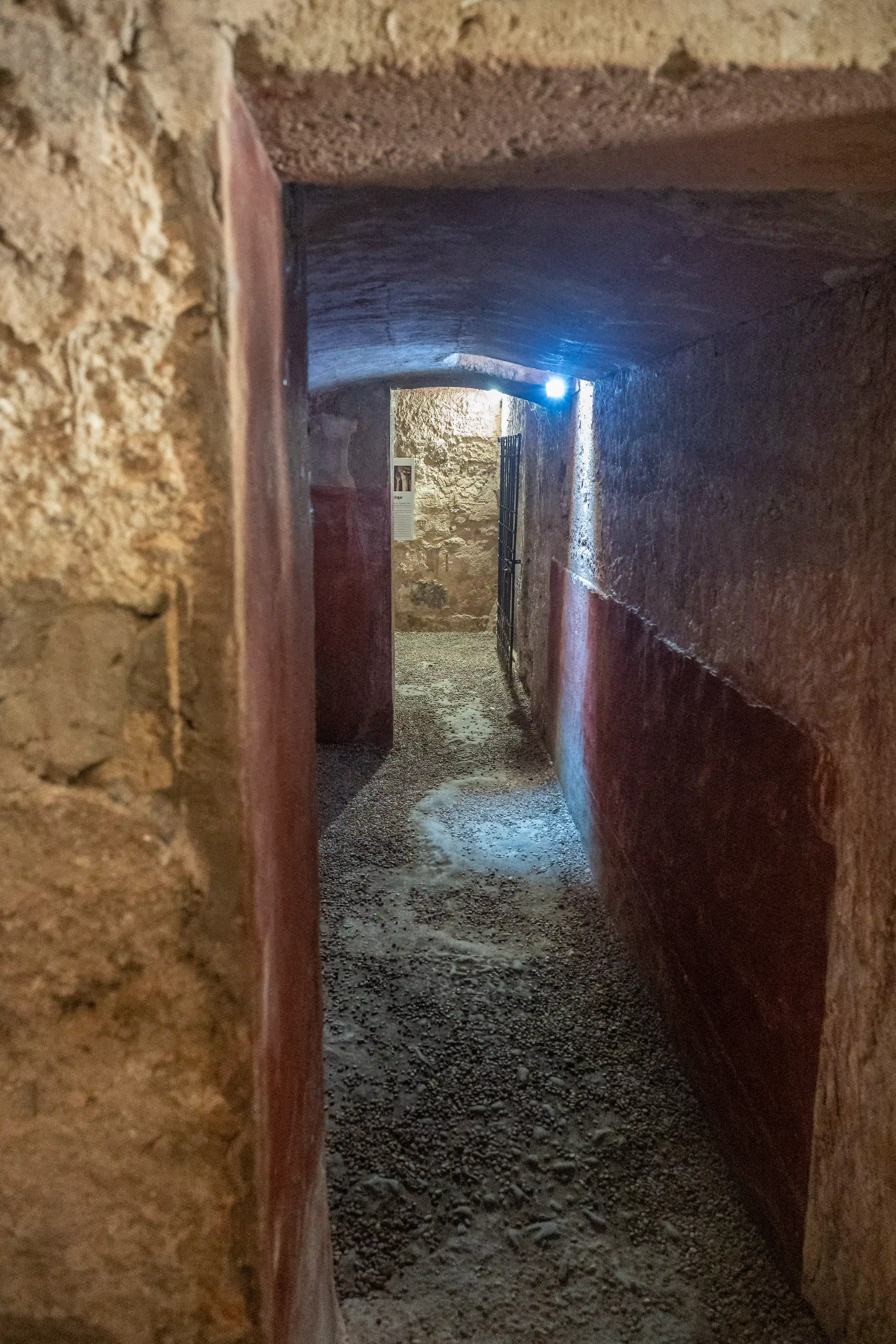
©www.mgaylard.co.uk.
©www.mgaylard.co.uk.

©www.mgaylard.co.uk.
©www.mgaylard.co.uk.
©www.mgaylard.co.uk.
©www.mgaylard.co.uk.
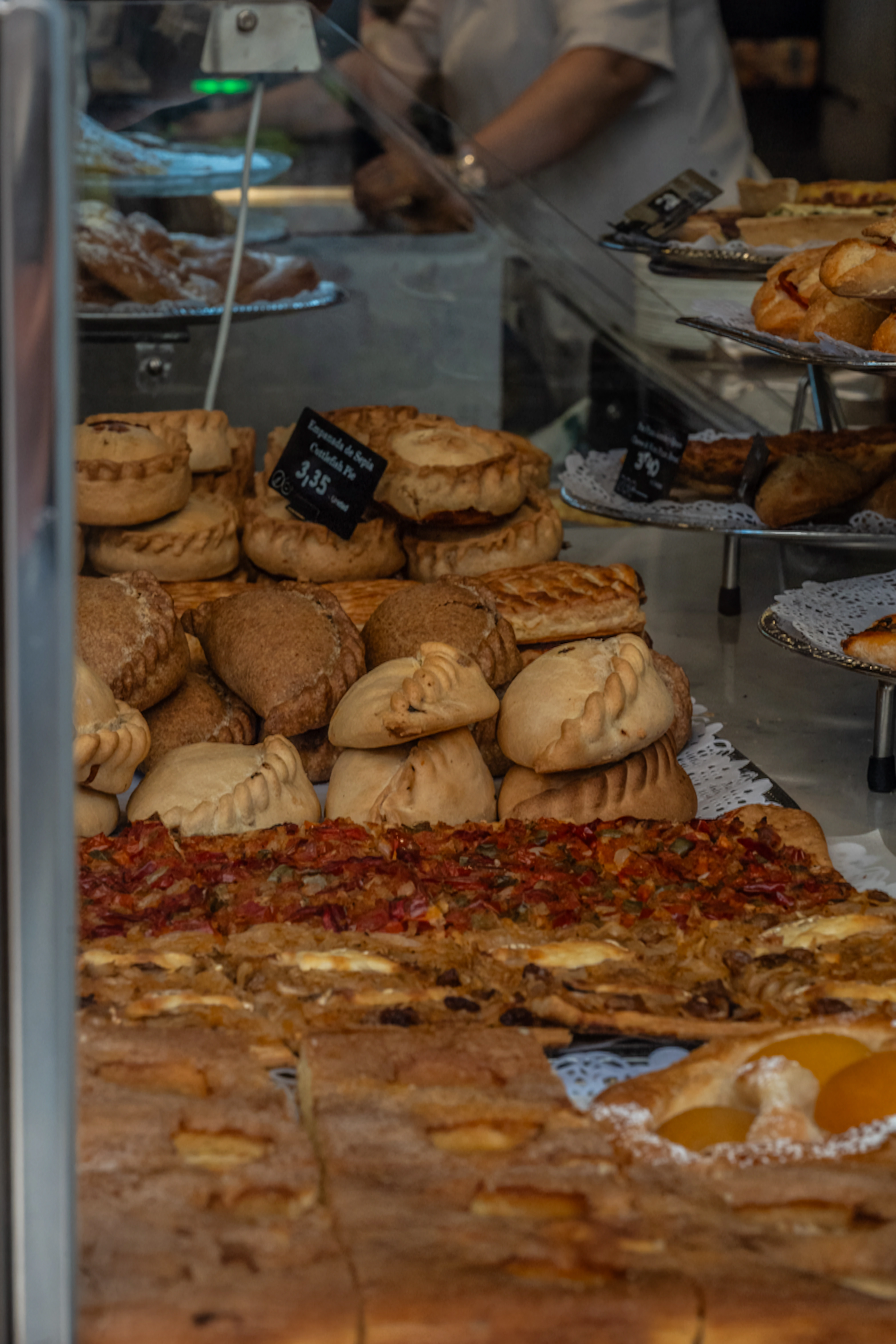
©www.mgaylard.co.uk.
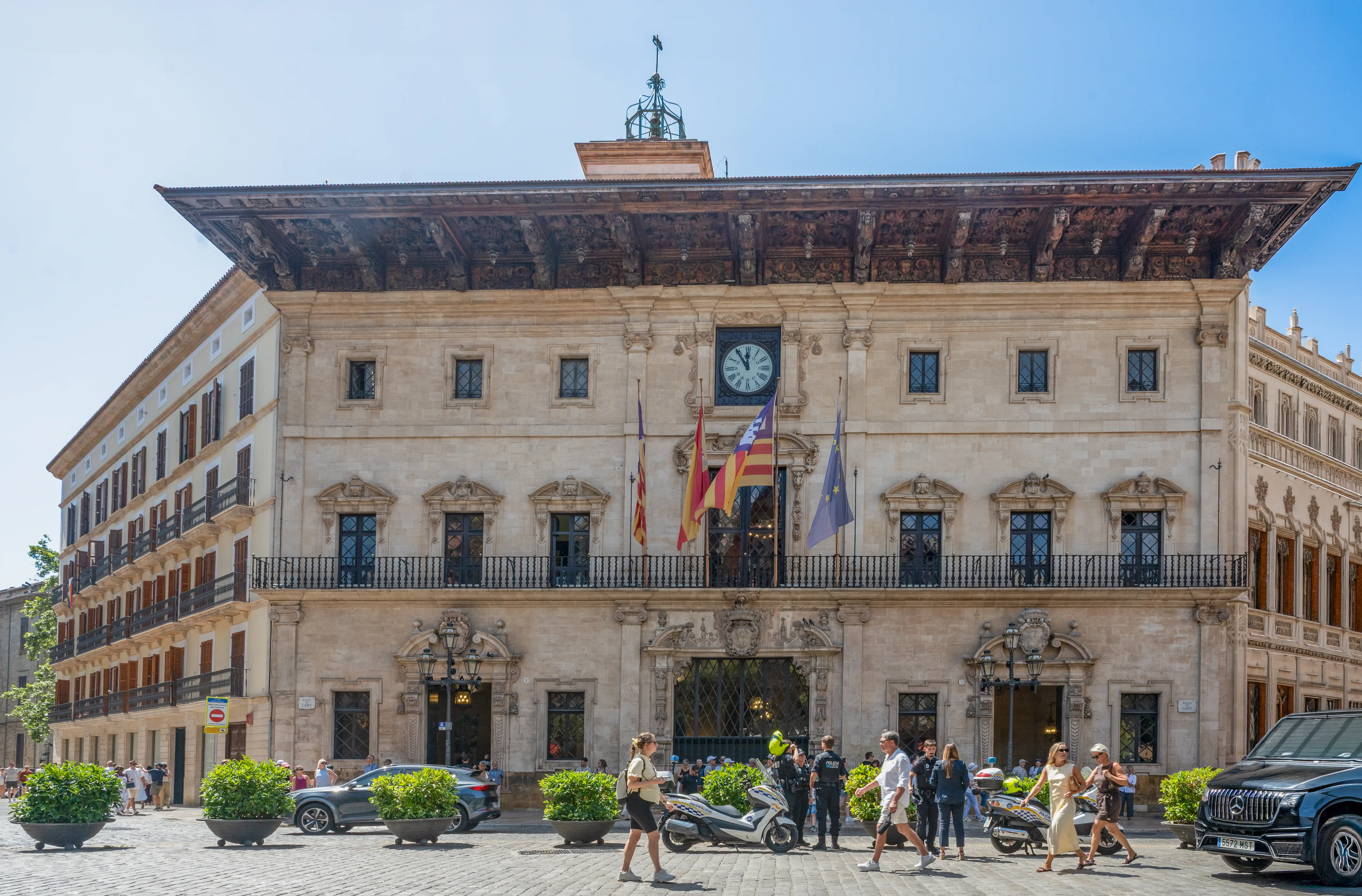
©www.mgaylard.co.uk.
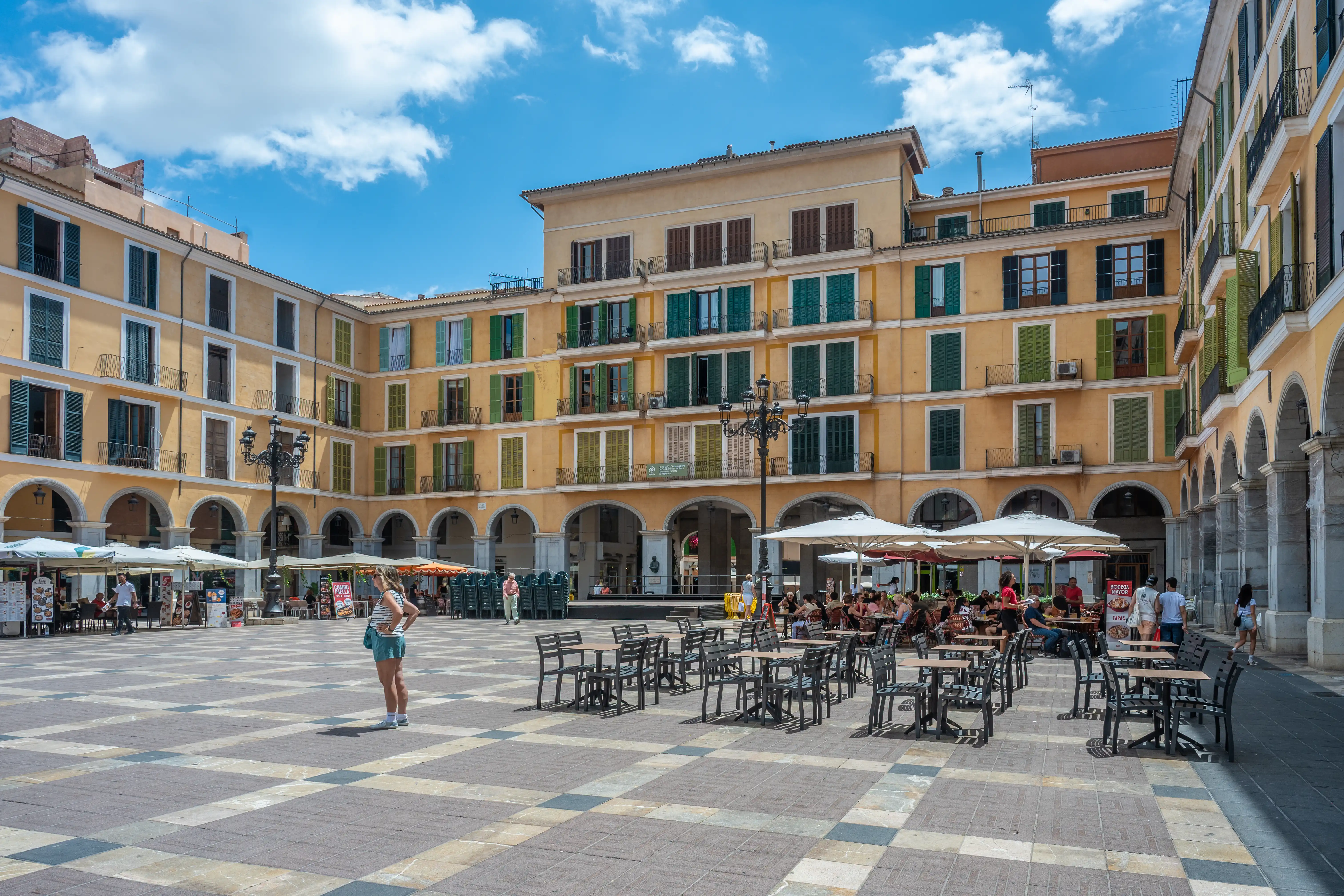
©www.mgaylard.co.uk.
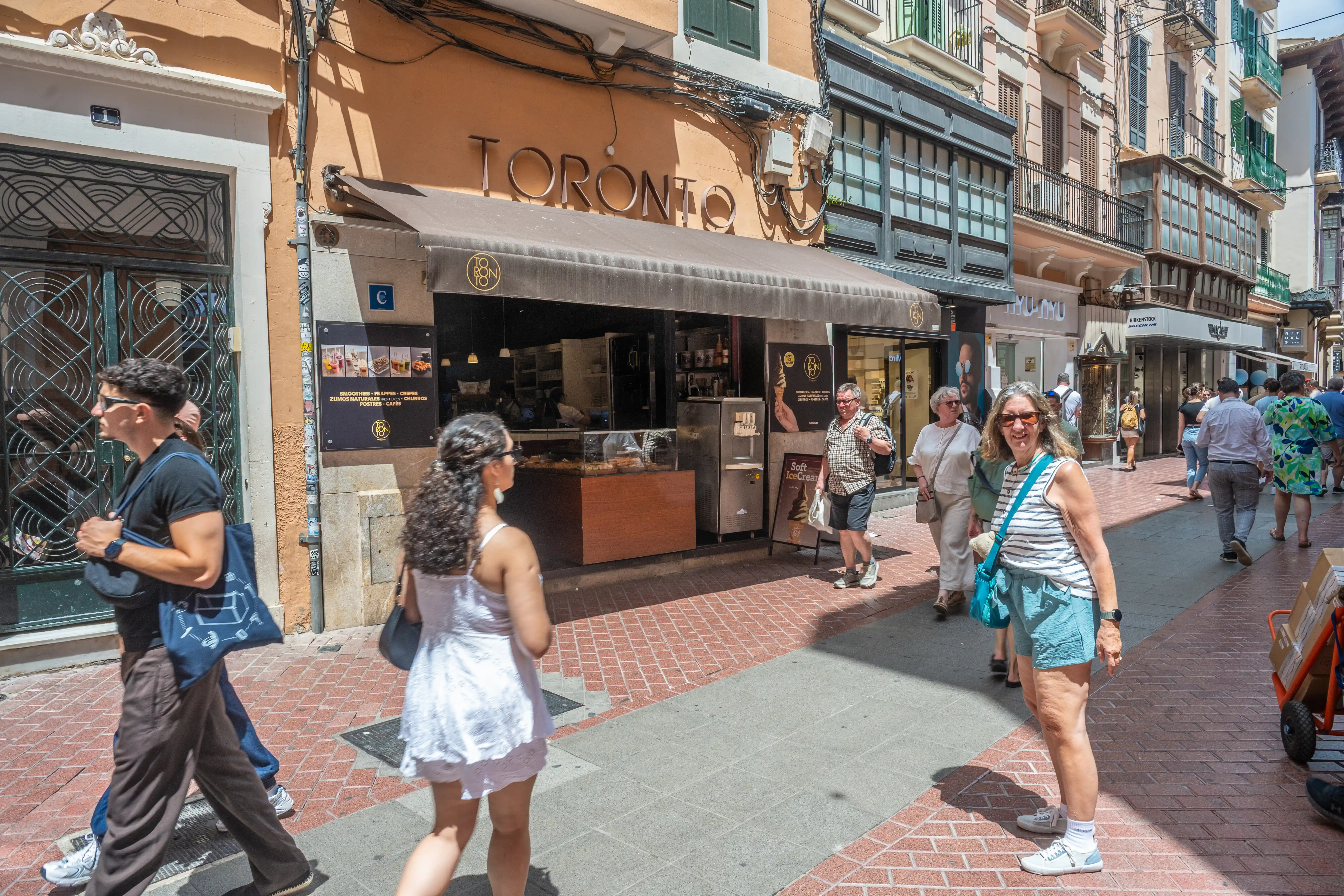
©www.mgaylard.co.uk.
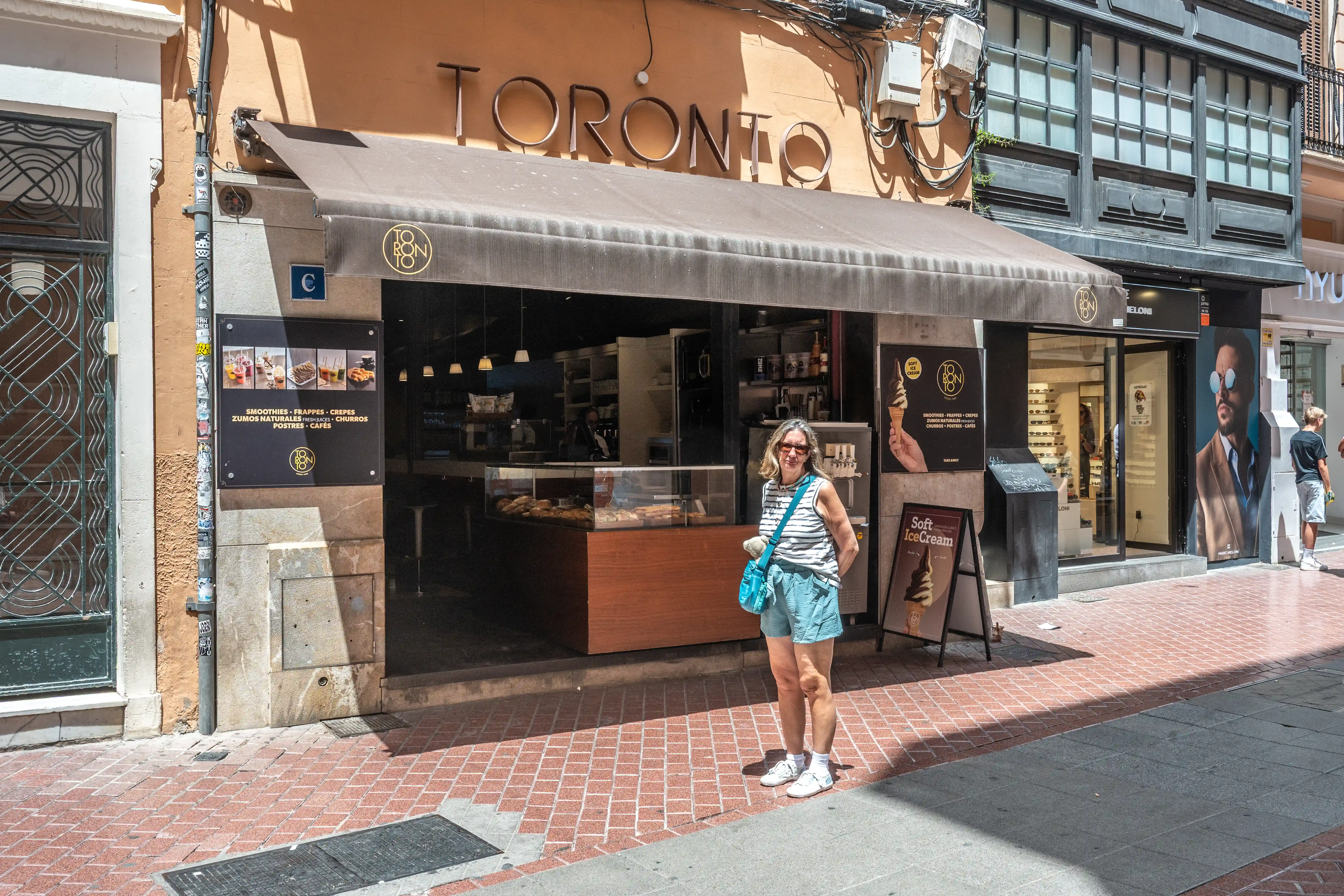
©www.mgaylard.co.uk.
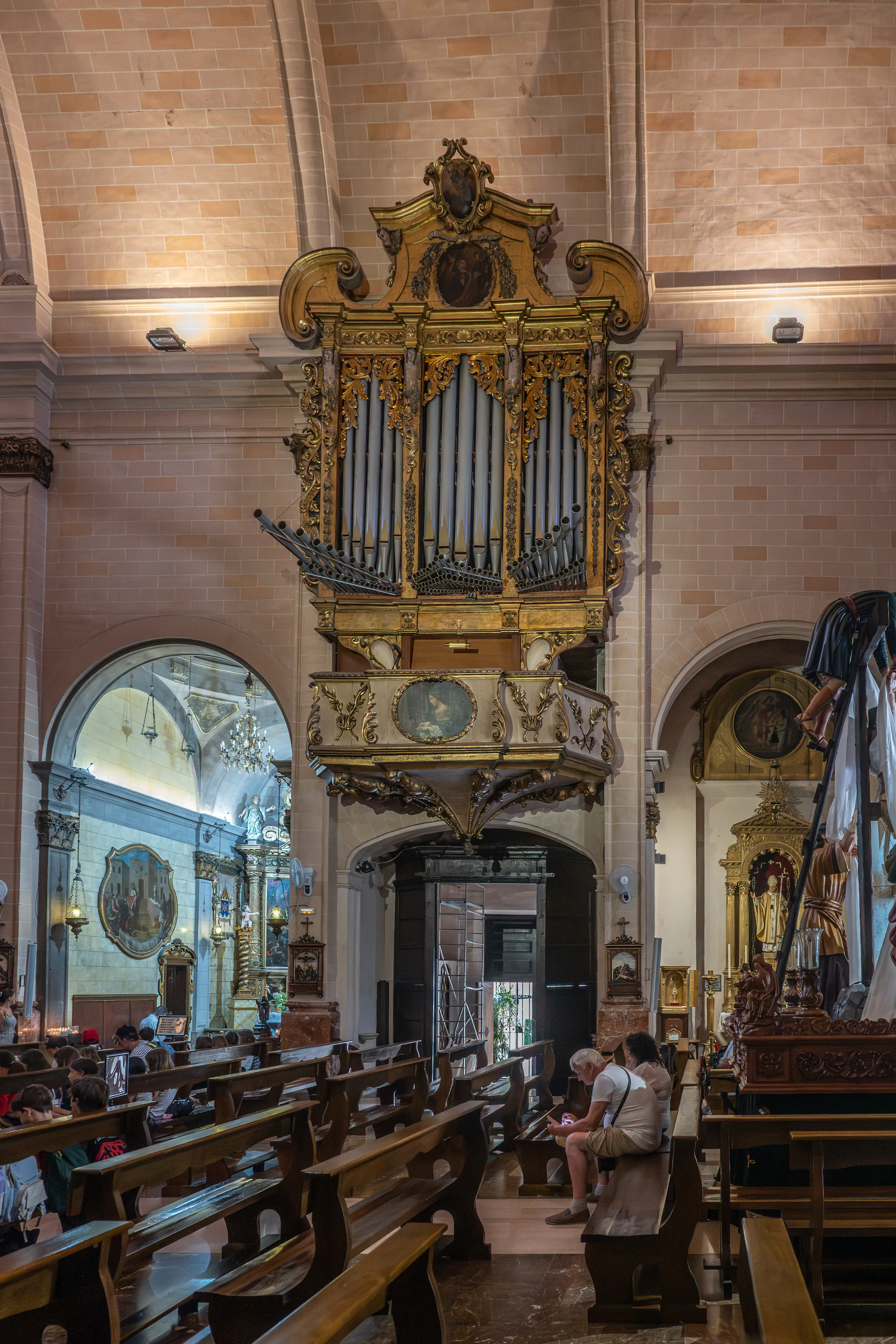
©www.mgaylard.co.uk.
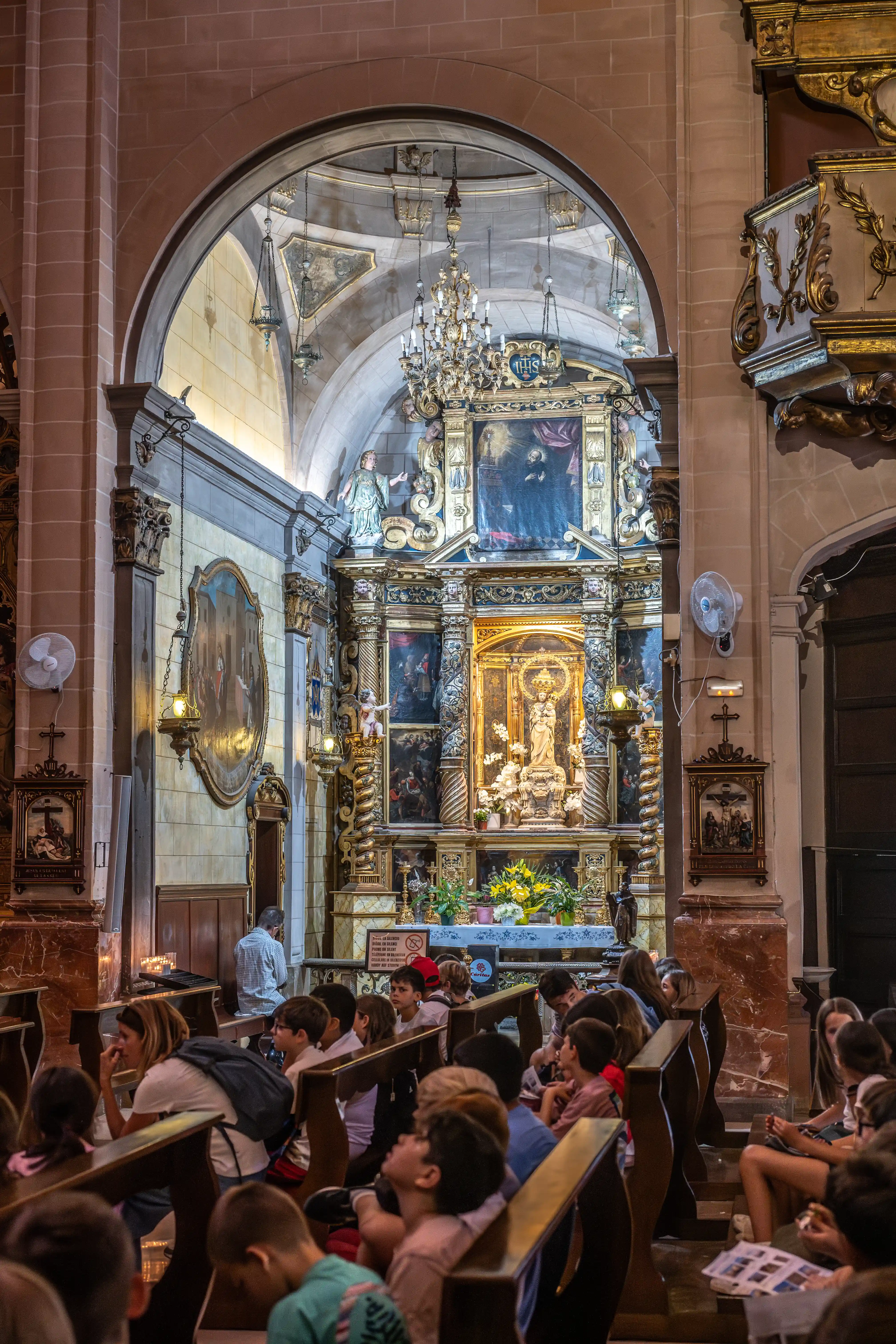
©www.mgaylard.co.uk.
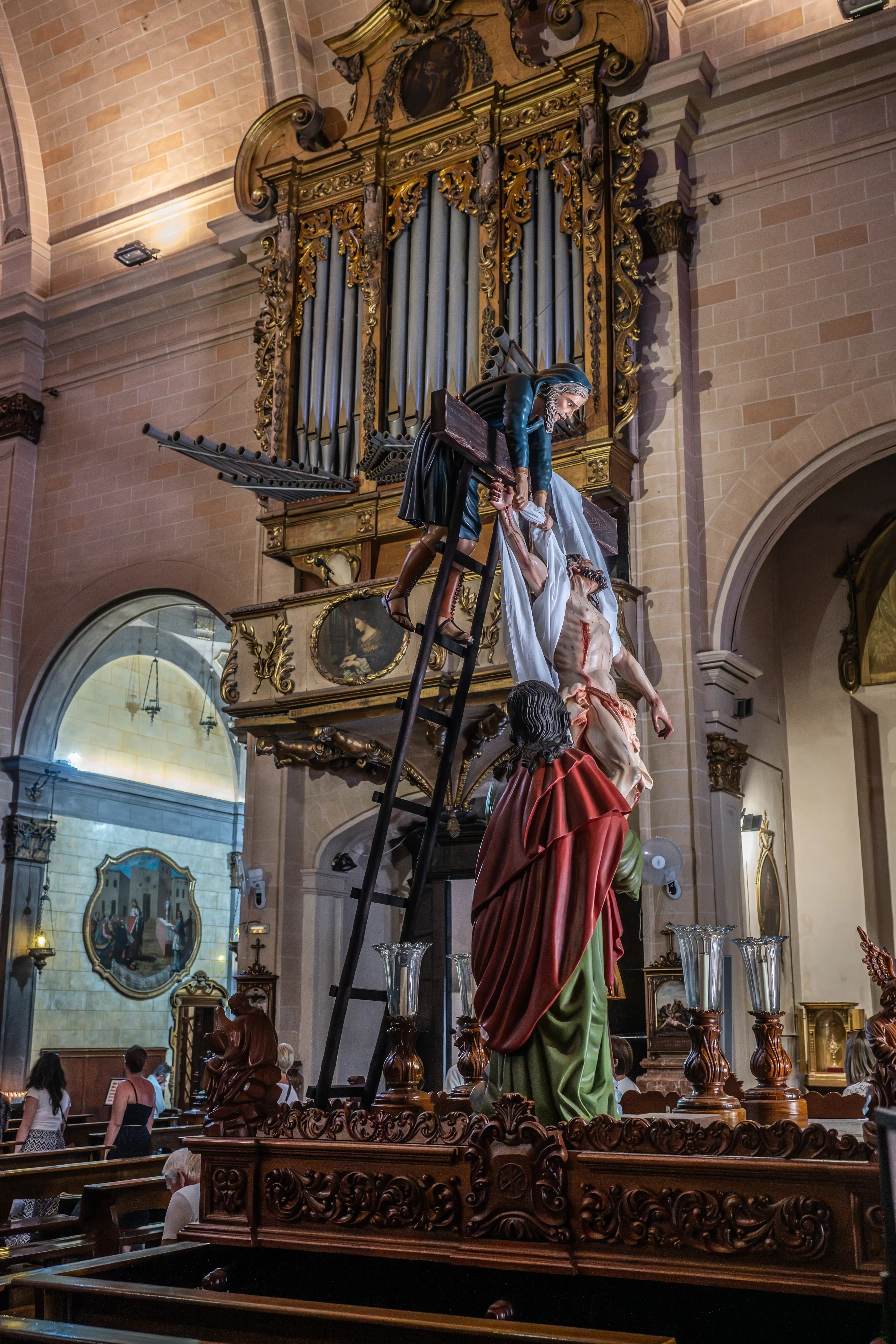
©www.mgaylard.co.uk.

©www.mgaylard.co.uk.

©www.mgaylard.co.uk.
©www.mgaylard.co.uk.
Open the full set
 Share this page
Share this page
Palma
Palma de Mallorca has a rich and diverse history that dates back to prehistoric times, with evidence of early settlements in the Talayotic culture (Bronze Age megalithic structures). The city was later inhabited by the Phoenicians, Greeks, and Romans, who established it as a strategic Mediterranean port. In the 10th century, Palma was conquered by the Moors, who left a lasting influence on the city’s architecture, culture, and agriculture. The Christian reconquest in 1229, led by King James I of Aragon, marked the beginning of Palma’s integration into the Kingdom of Mallorca and its transformation into a flourishing medieval city. Over the centuries, Palma became a center of trade, culture, and maritime exploration, and its Gothic cathedral, royal palace, and historic old town reflect its layered past. Today, Palma is a vibrant and cosmopolitan capital, blending its rich history with modern allure.
Today, Palma de Mallorca is the cultural, economic, and political heart of the Balearic Islands. It serves as a vibrant capital city that attracts visitors with its stunning architecture, historic landmarks, and Mediterranean charm. Palma’s cultural scene, including its museums, art galleries, and festivals, makes it a hub for the arts, while its shopping, dining, and nightlife offer a lively and diverse experience. The city’s scenic harbor, palm-lined boulevards, and historic old town create a unique and captivating atmosphere that blends tradition with modernity. Whether you’re exploring its Gothic cathedral, relaxing on a beach, or sampling Mallorcan cuisine, Palma promises an unforgettable experience.
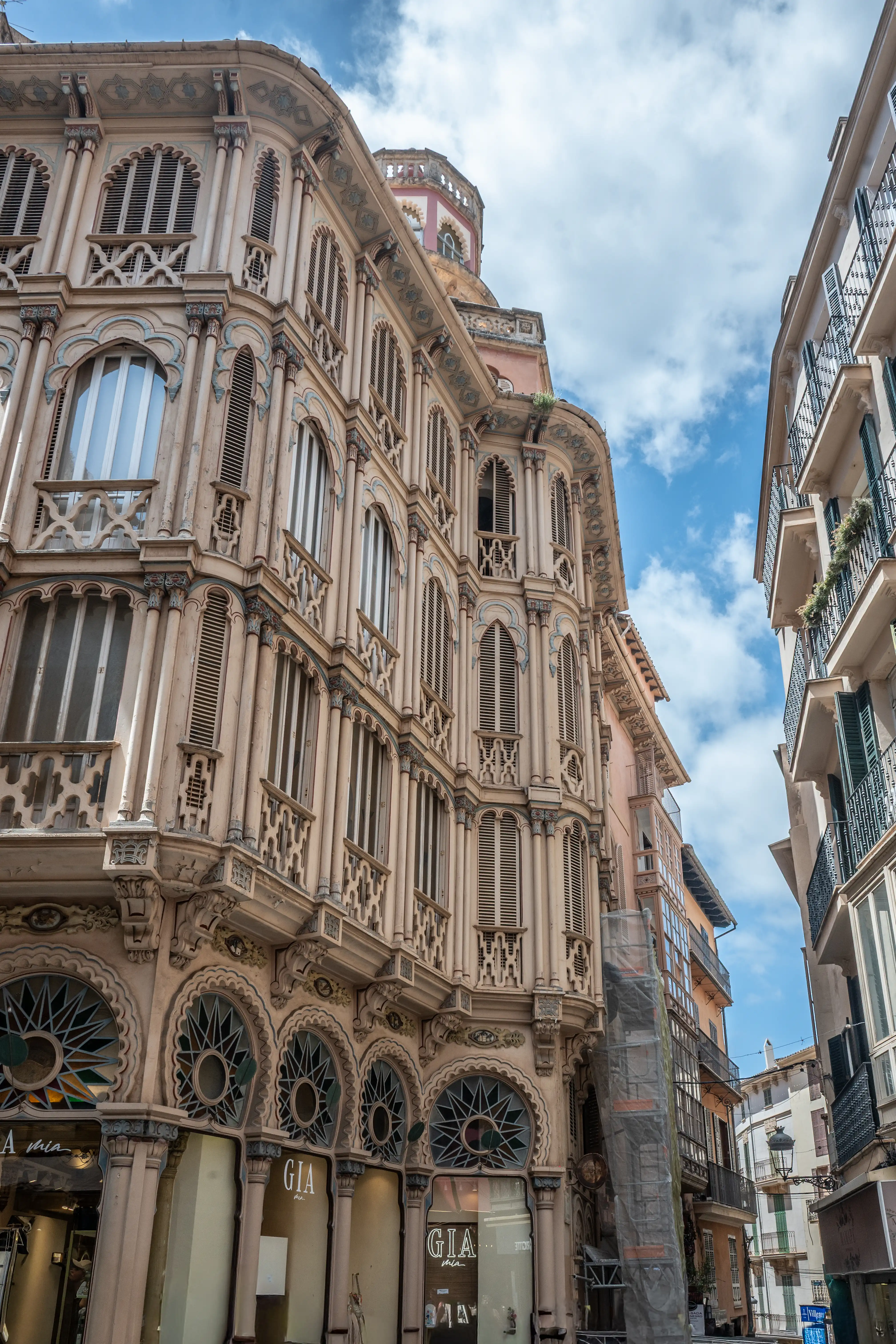
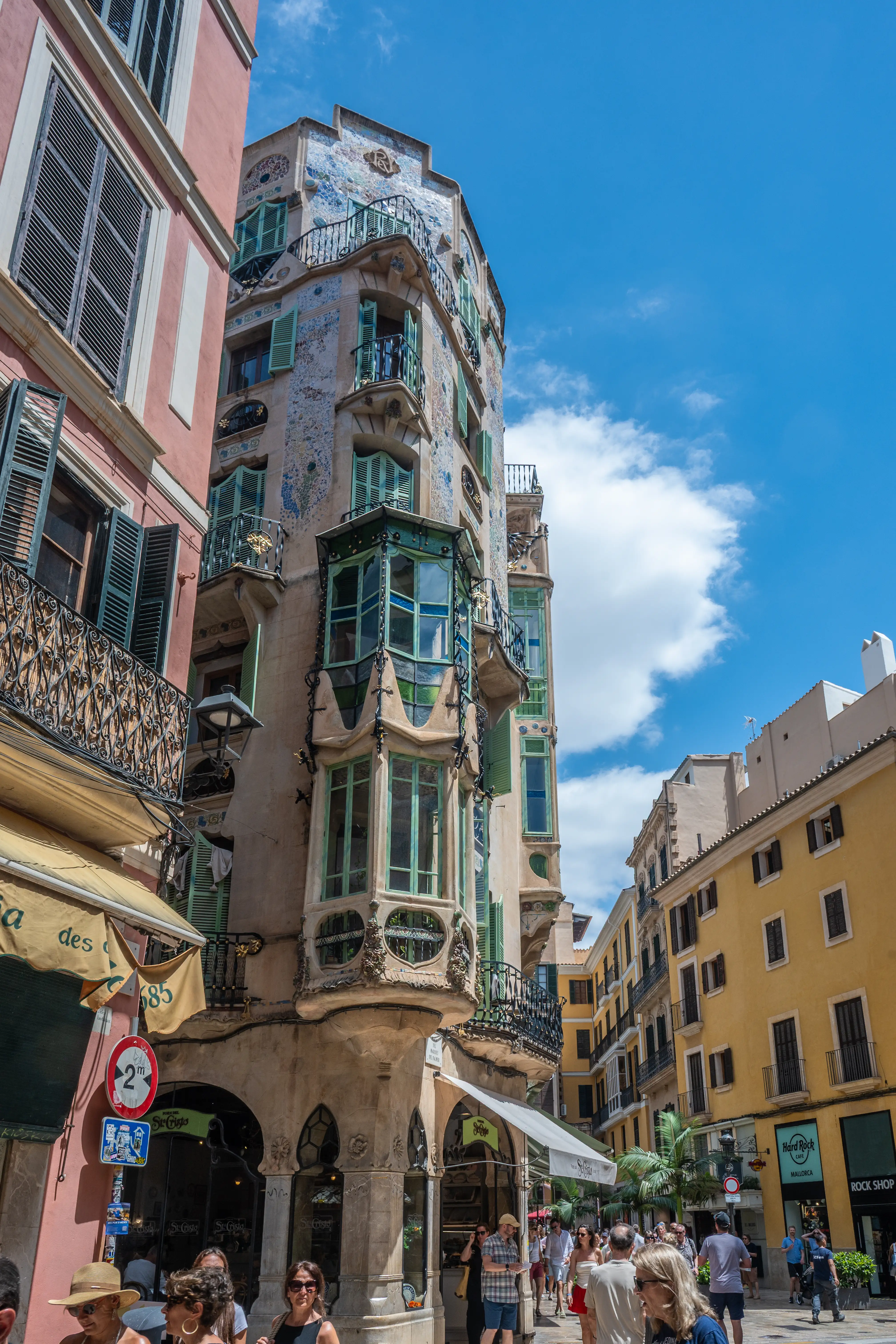
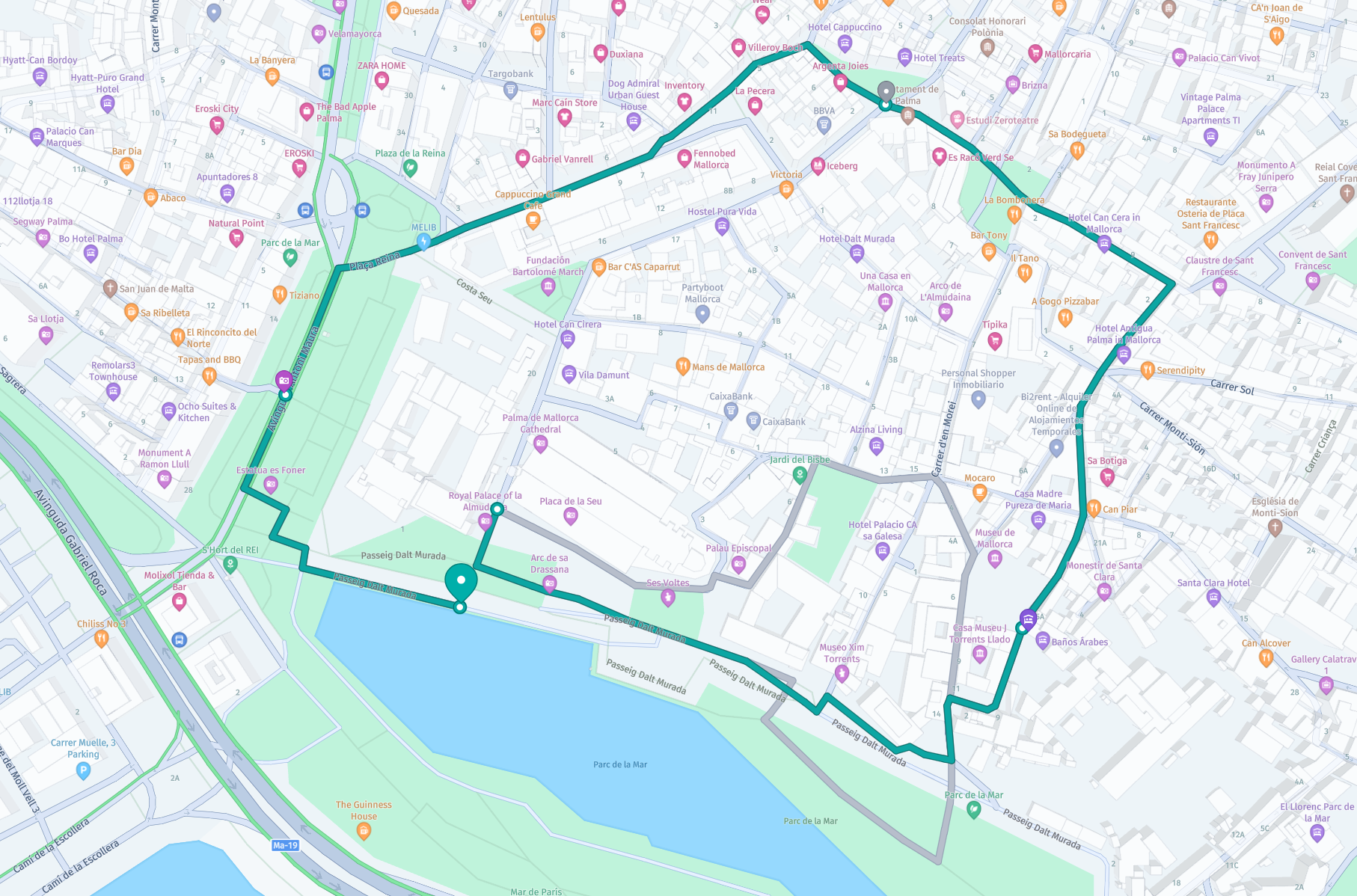
Visitors to Palma de Mallorca can expect a rich and diverse experience that caters to a wide range of interests. Exploring the historic old town, with its Gothic cathedral, Moorish influences, and charming streets, offers a glimpse into the city’s layered past. The Passeig Marítim (waterfront promenade) and Parc de la Mar provide opportunities for leisurely strolls, cycling, or simply enjoying the views of the harbor and cathedral. Palma’s cultural attractions, such as the Es Baluard contemporary art museum and Fundació Miró Mallorca, showcase its vibrant arts scene, while its shopping and dining options offer a taste of Mallorcan and international cuisine. Day trips to nearby villages, beaches, and natural parks add to the city’s appeal, making Palma a memorable and well-rounded destination.
Visitors to Palma de Mallorca can expect a rich and diverse experience that caters to a wide range of interests. Exploring the historic old town, with its Gothic cathedral, Moorish influences, and charming streets, offers a glimpse into the city’s layered past. The Passeig Marítim (waterfront promenade) and Parc de la Mar provide opportunities for leisurely strolls, cycling, or simply enjoying the views of the harbor and cathedral. Palma’s cultural attractions, such as the Es Baluard contemporary art museum and Fundació Miró Mallorca, showcase its vibrant arts scene, while its shopping and dining options offer a taste of Mallorcan and international cuisine. Day trips to nearby villages, beaches, and natural parks add to the city’s appeal, making Palma a memorable and well-rounded destination.
