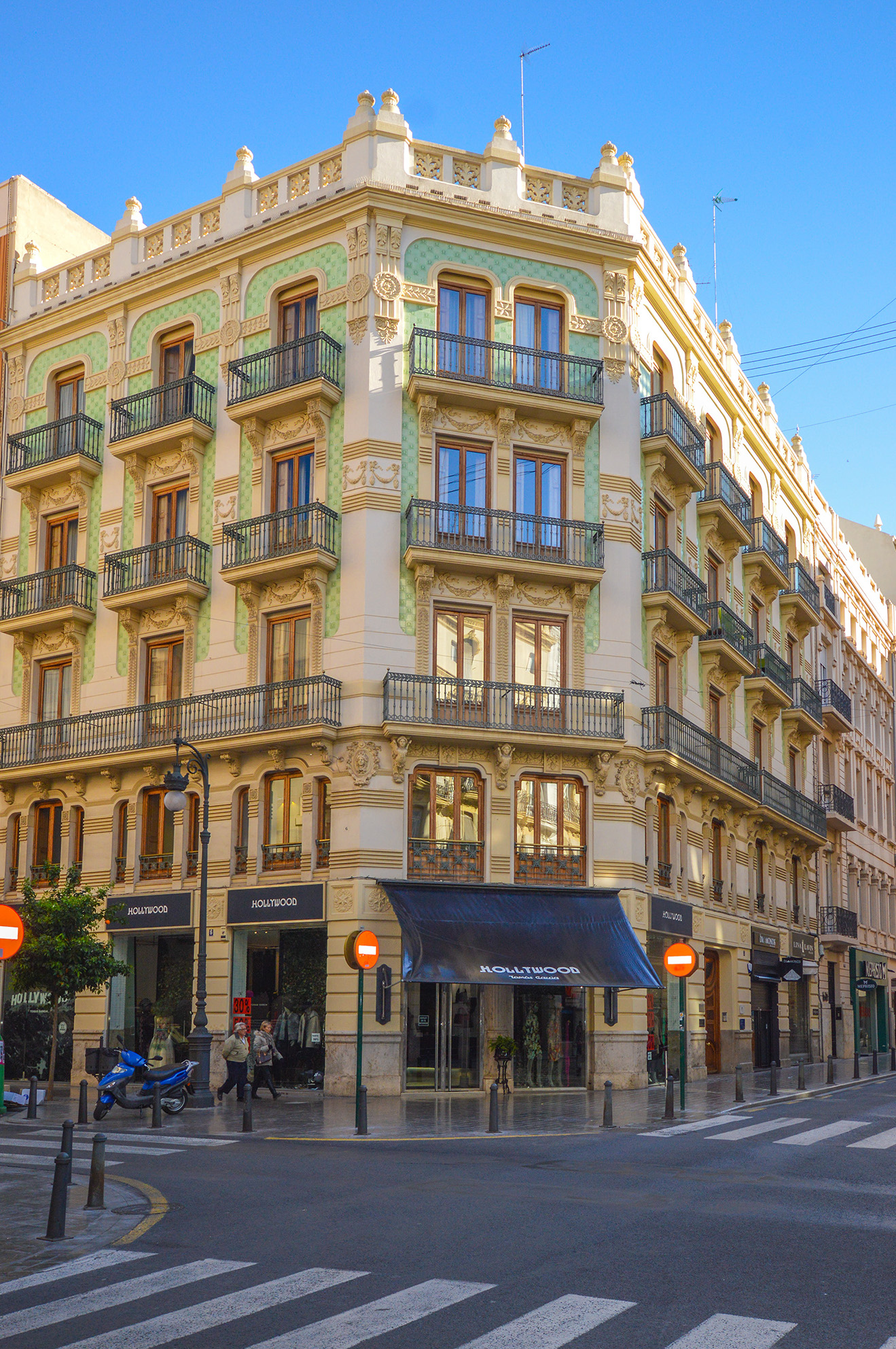
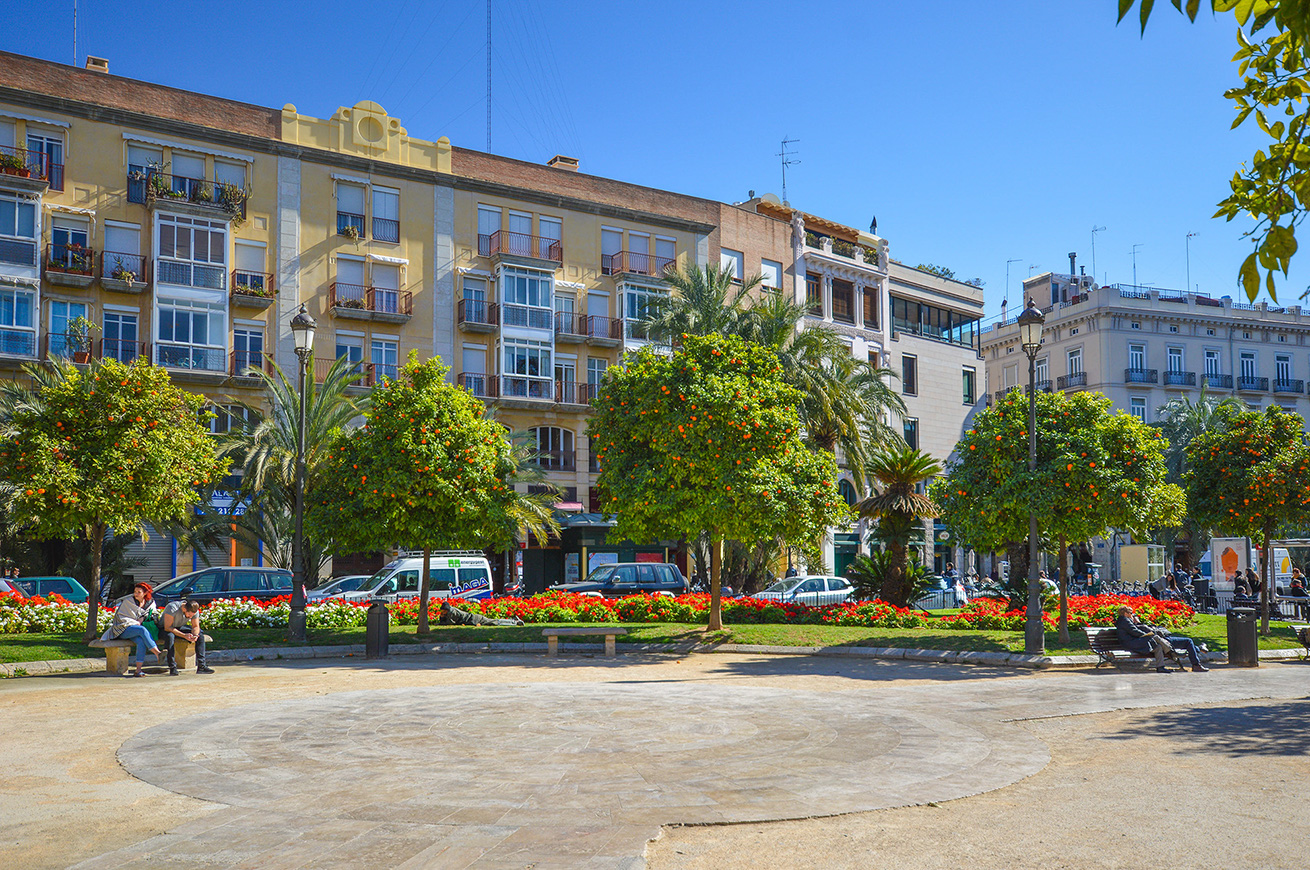
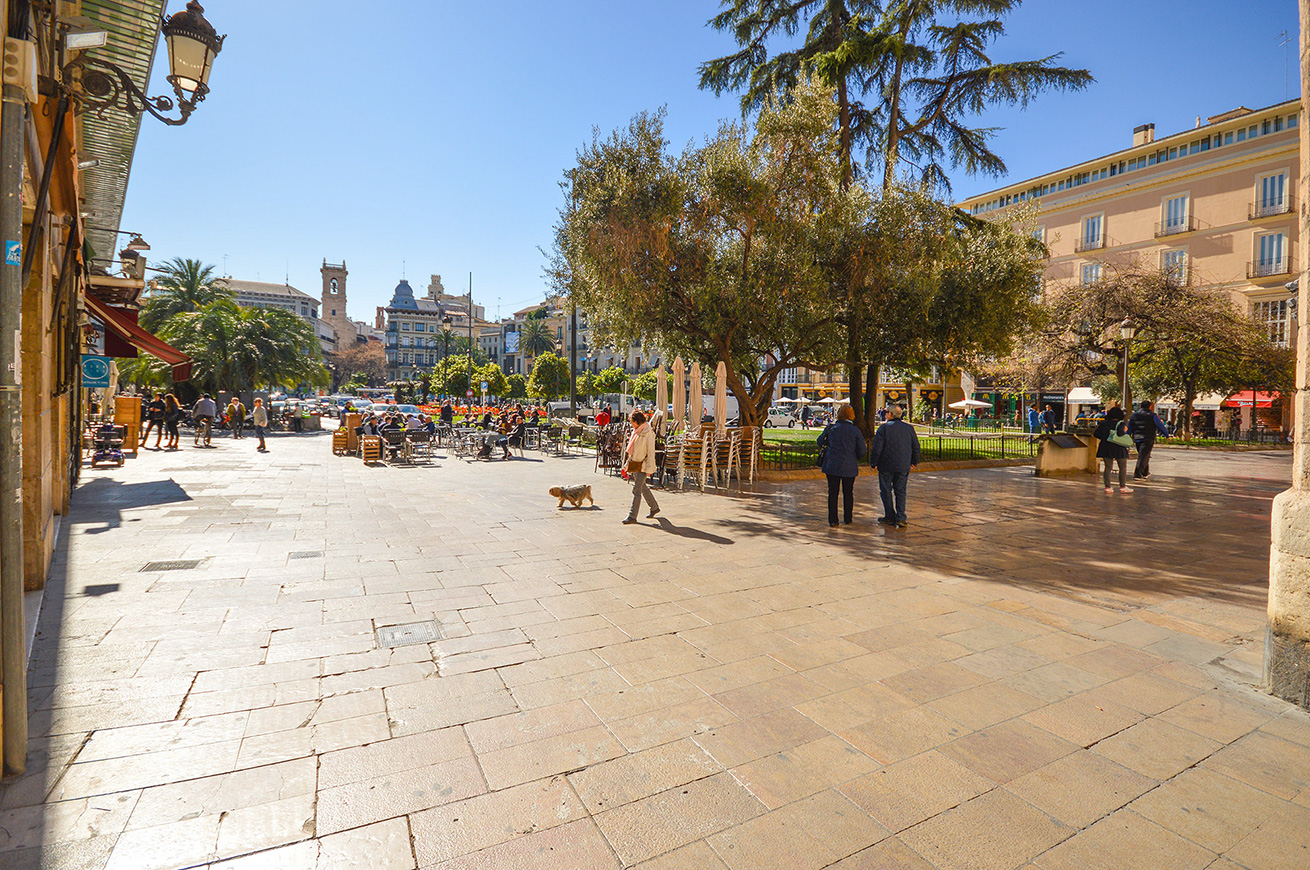
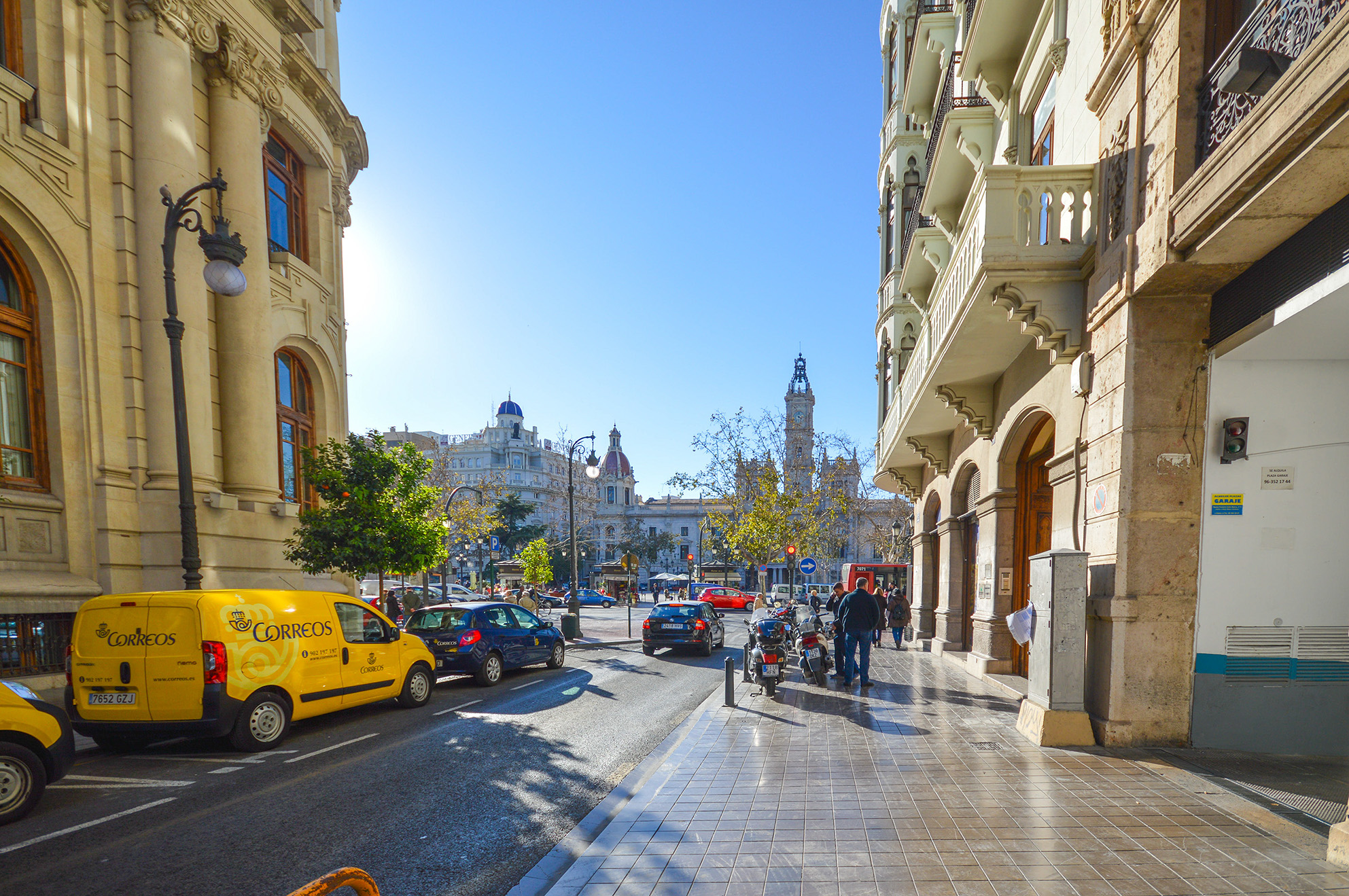
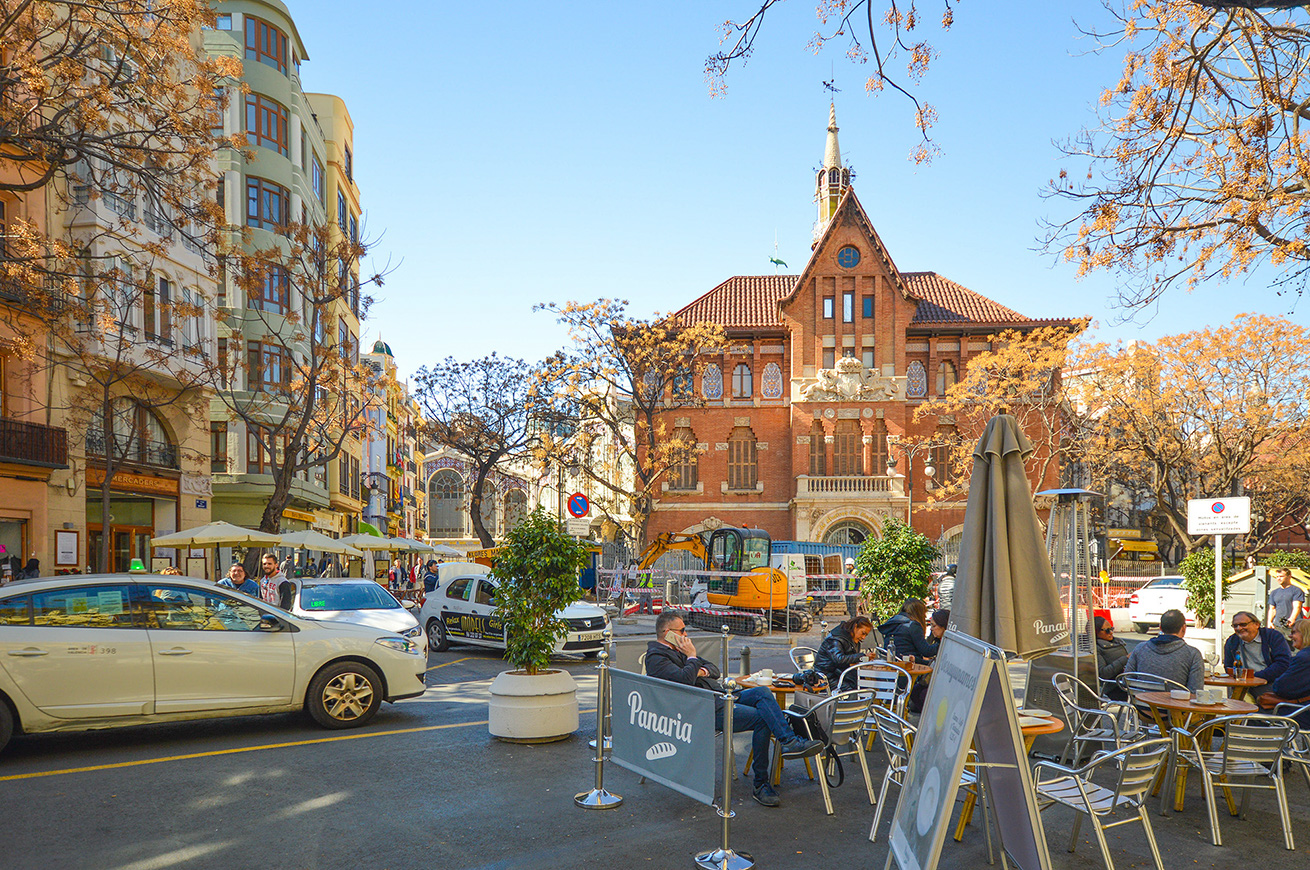
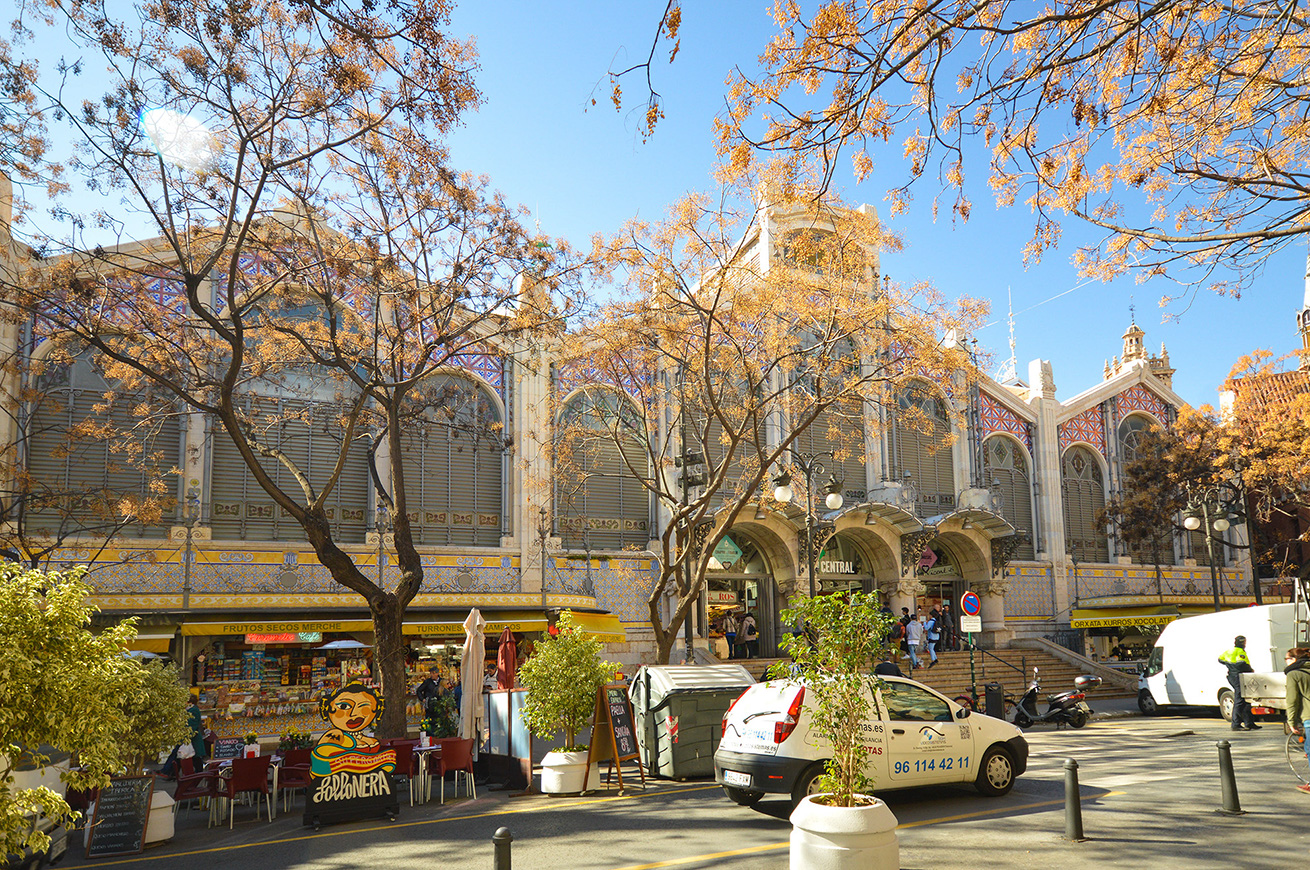
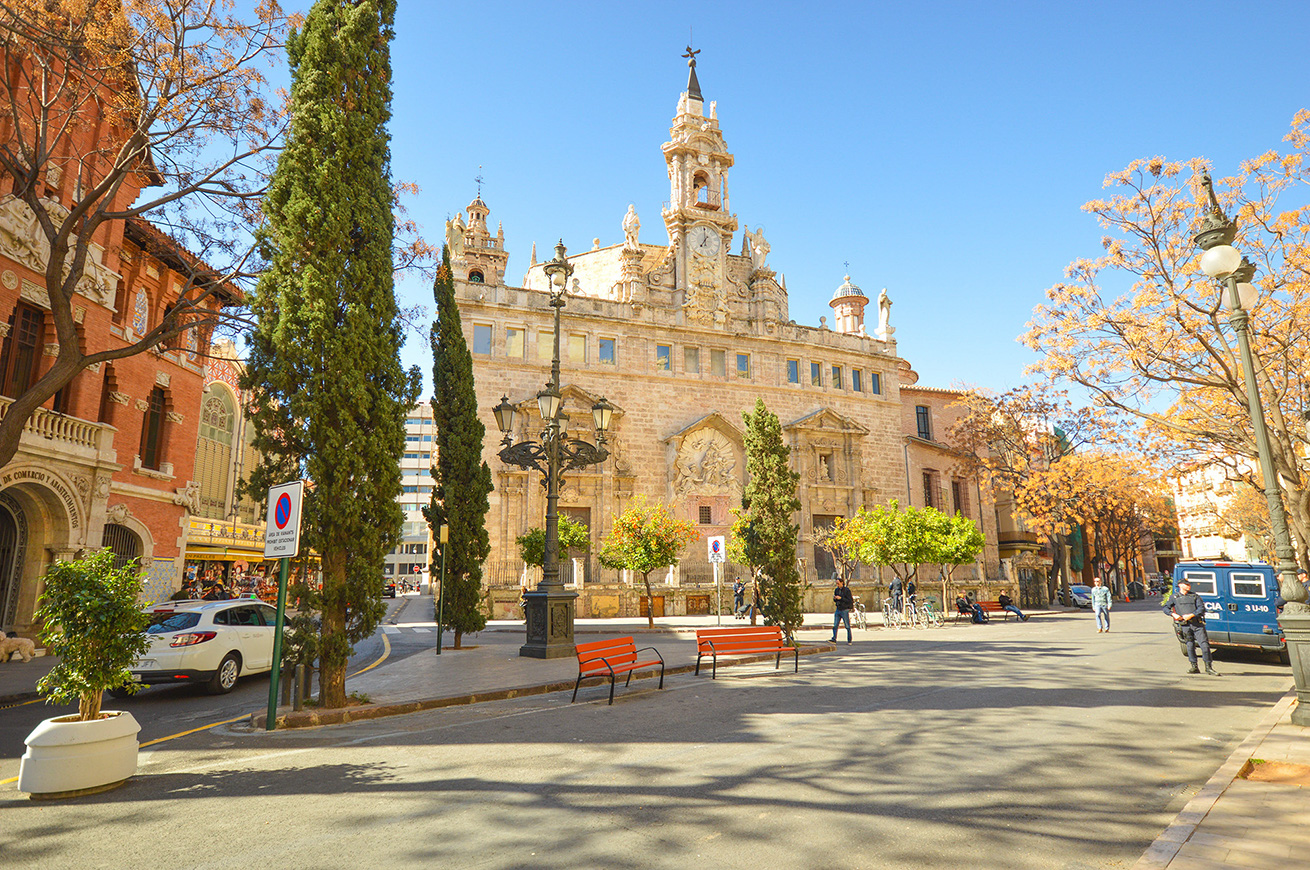
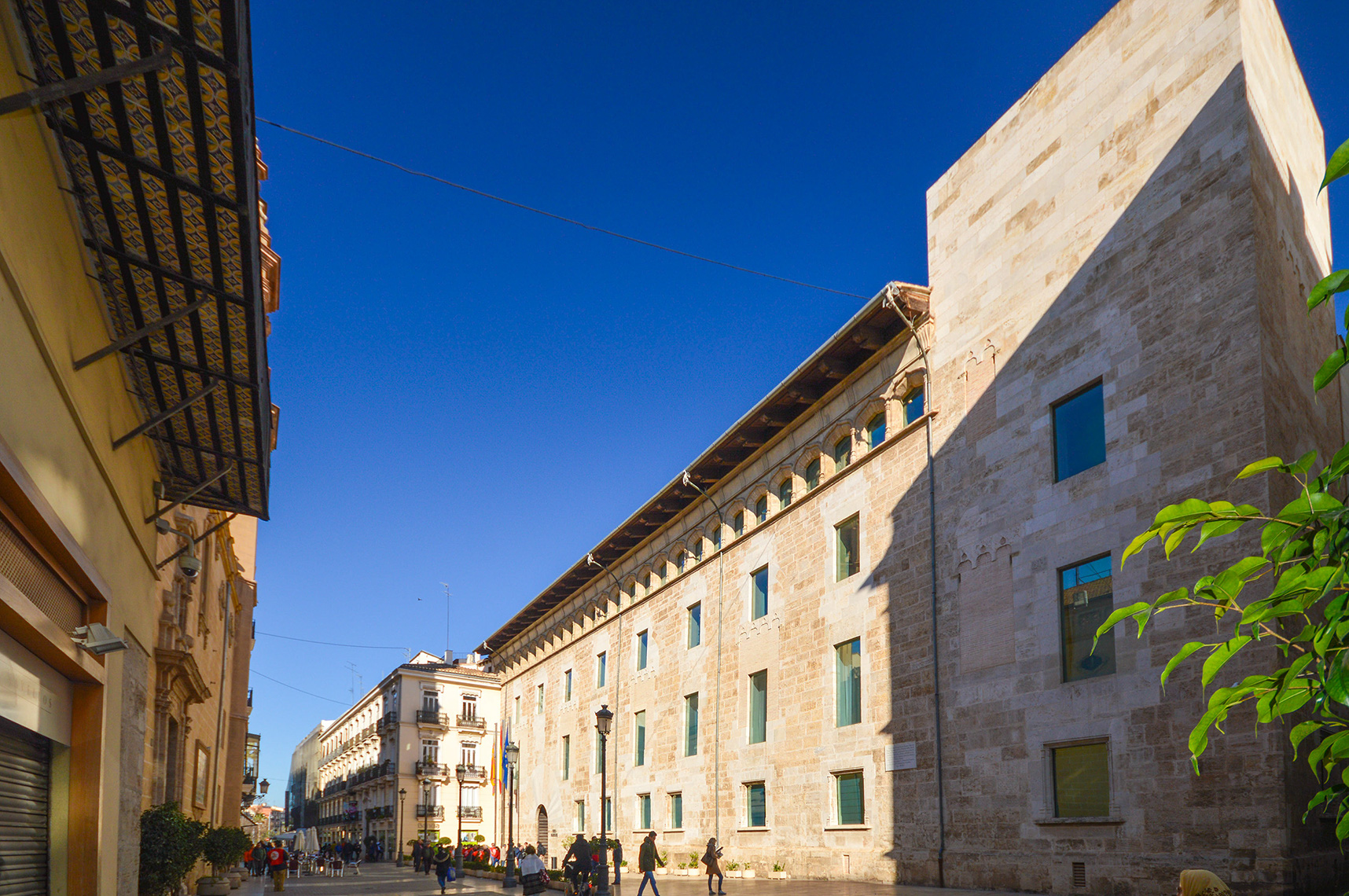

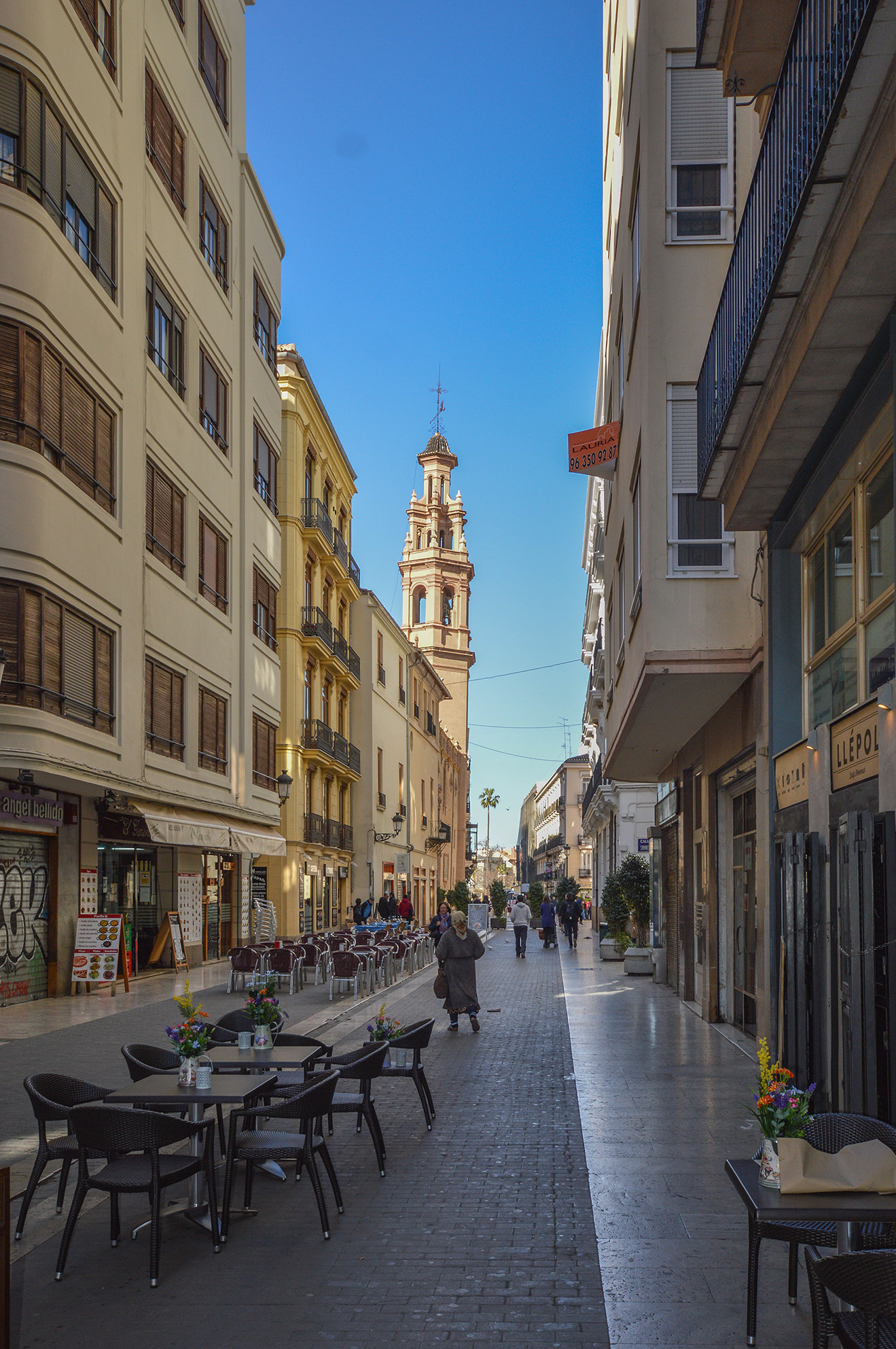

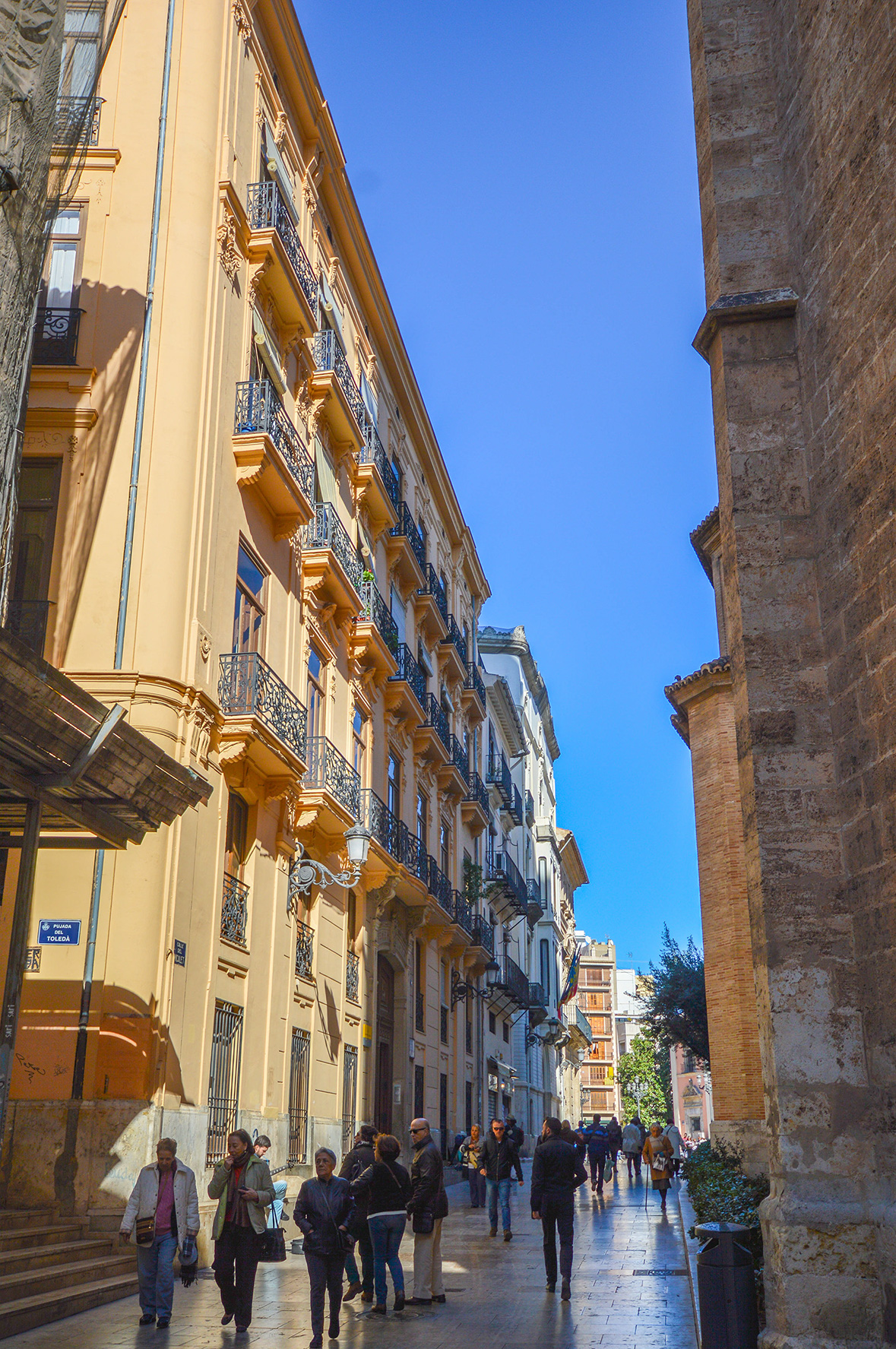
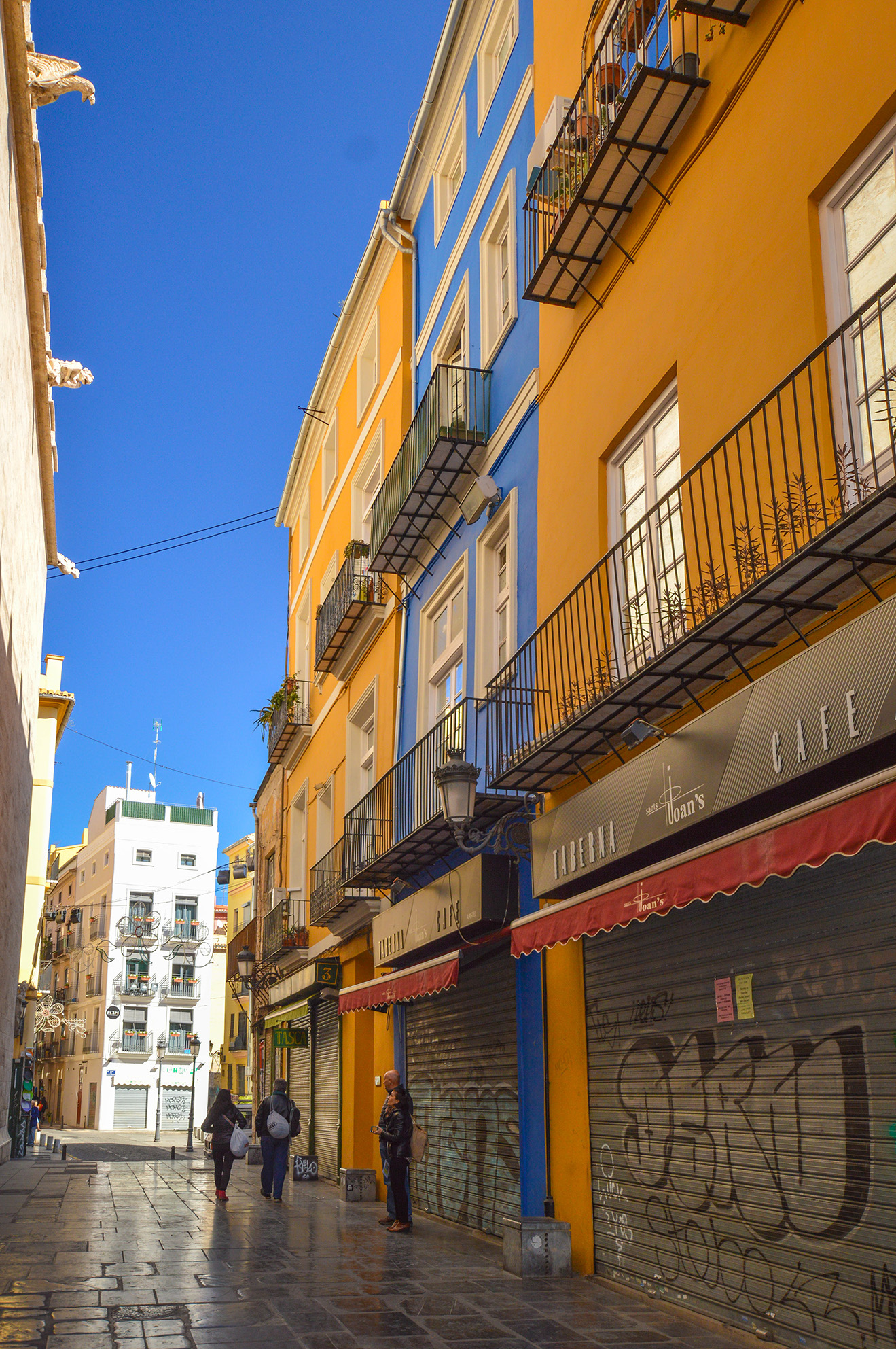
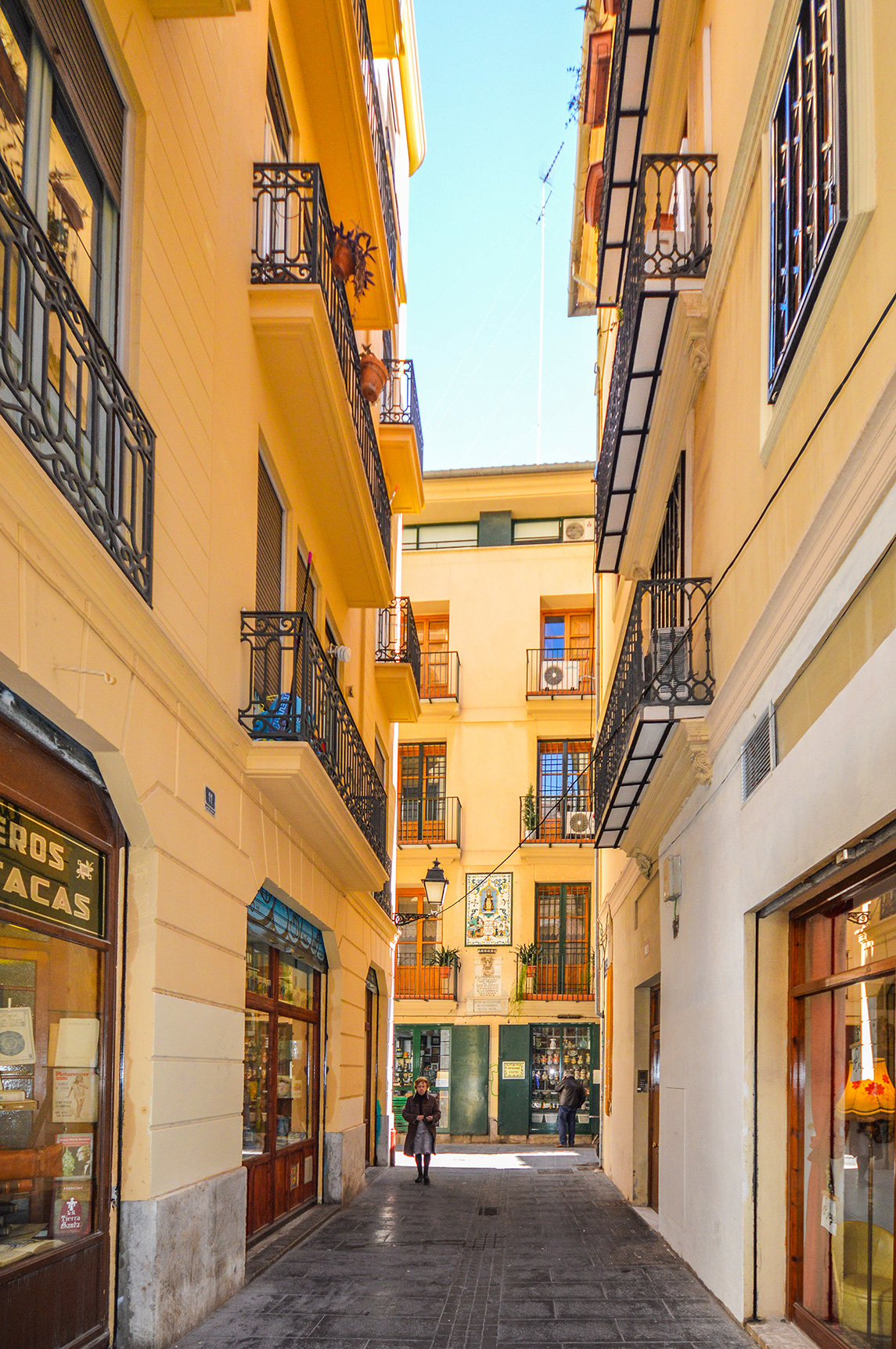



Ciutat Vella is the historic centre of Valencia, the oldest and most symbolically charged district in the city. It’s a compact, walkable core where Roman Valentia, the Islamic medina, the Christian Gothic city, and the modern civic capital all overlap in a single urban bowl.
Ciutat Vella is a palimpsest — each era still visible in the streets.
You can still see the forum, baths, and street grid in the archaeological museum.
Traces of the Moorish walls run through the district.
Water systems and street names preserve this layer.
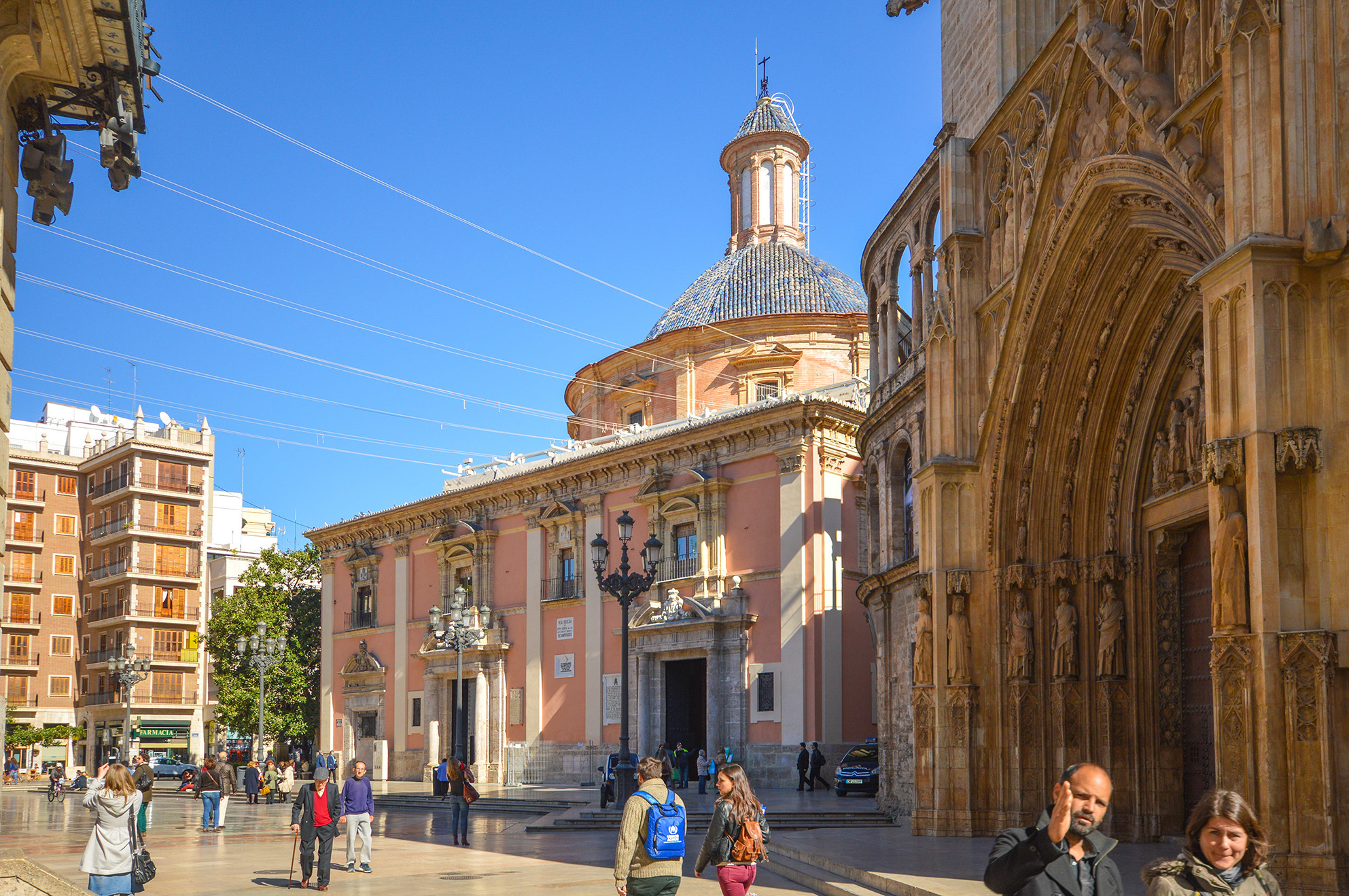
Valencia Cathedral with its blend of Romanesque, Gothic, and Baroque.
Torres de Serranos and Torres de Quart, the great city gates.
Transformation of the Turia riverbed into a green corridor.
Roman (138 BCE onwards)
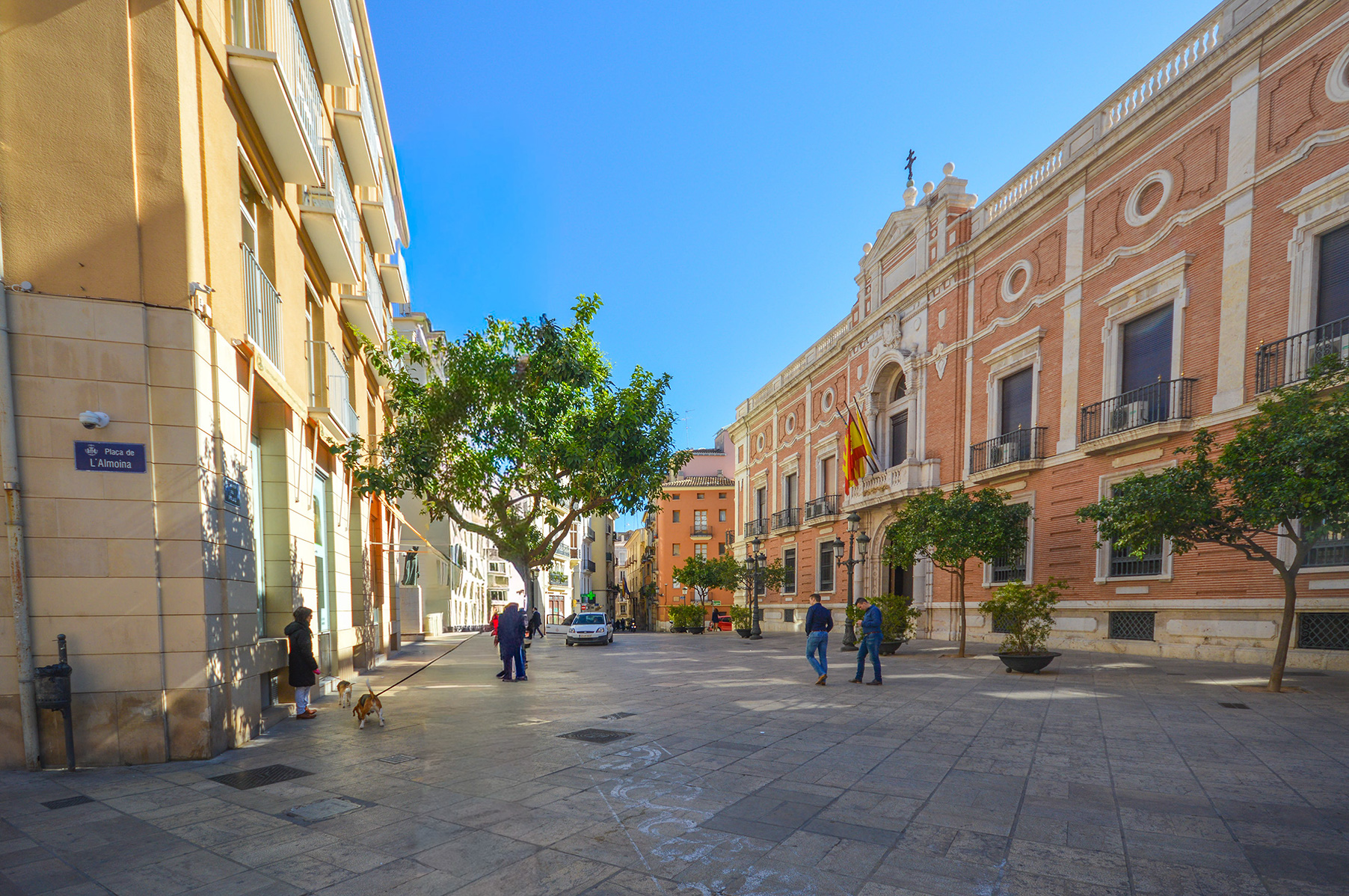
The original Roman city (Valentia) sits beneath Plaza de la Almoina.You can still see the forum, baths, and street grid in the archaeological museum.
Islamic (8th–13th century)
The medina street pattern survives in El Carmen and La Seu.Traces of the Moorish walls run through the district.
Water systems and street names preserve this layer.
Christian Gothic (13th–15th century)
La Lonja de la Seda — a UNESCO masterpiece of Mediterranean Gothic.Valencia Cathedral with its blend of Romanesque, Gothic, and Baroque.
Torres de Serranos and Torres de Quart, the great city gates.
Baroque & Neoclassical
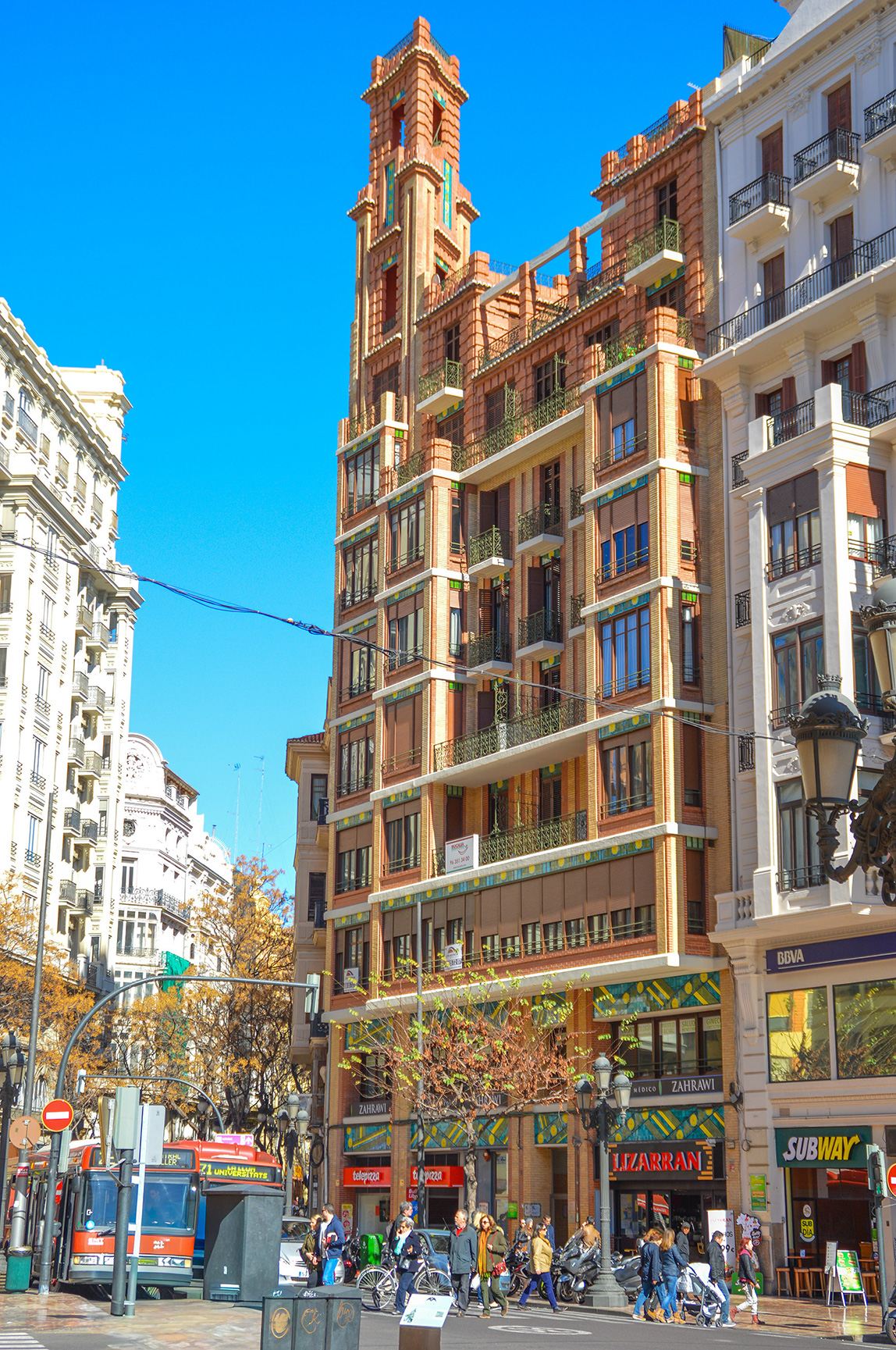
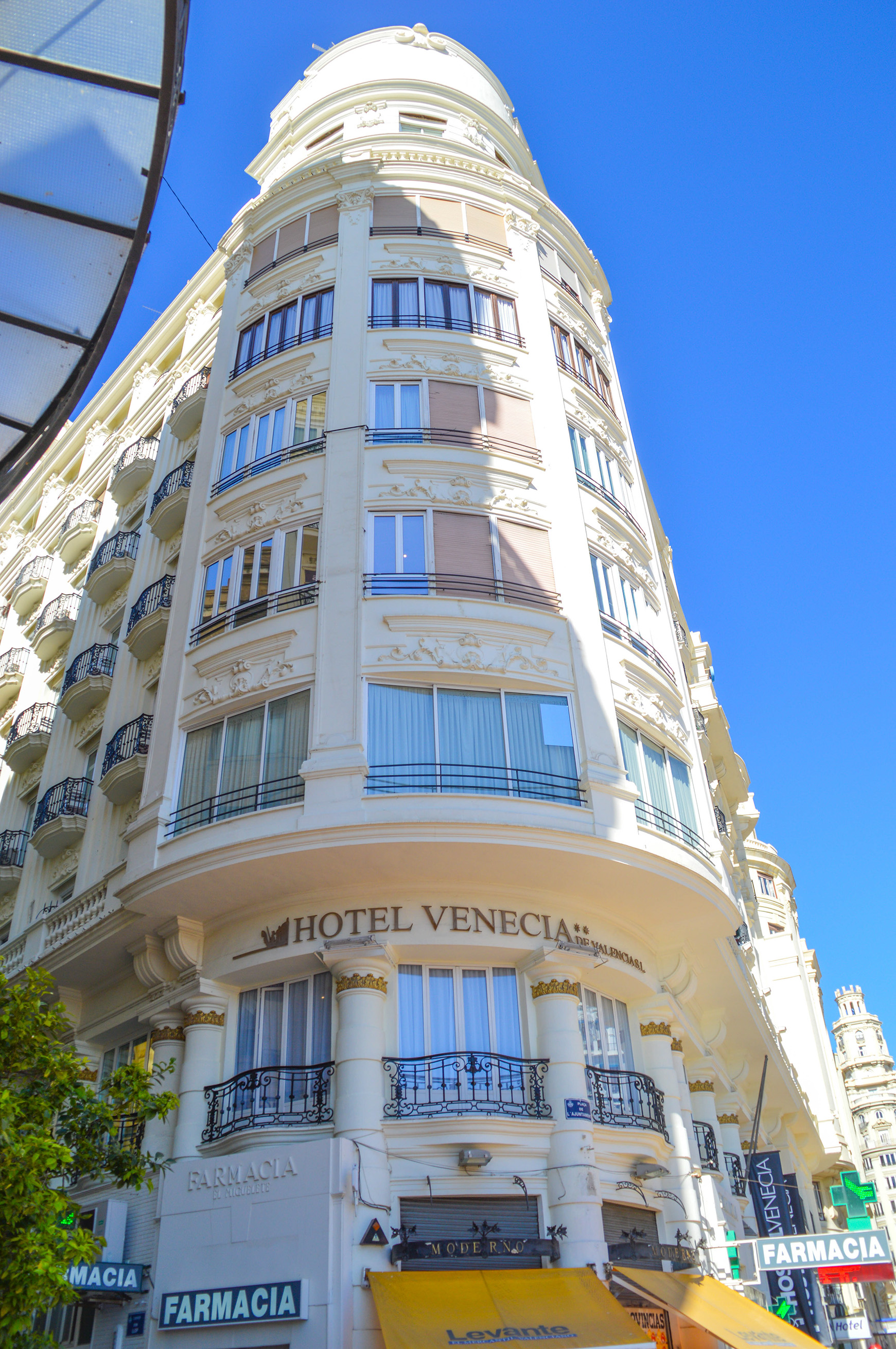
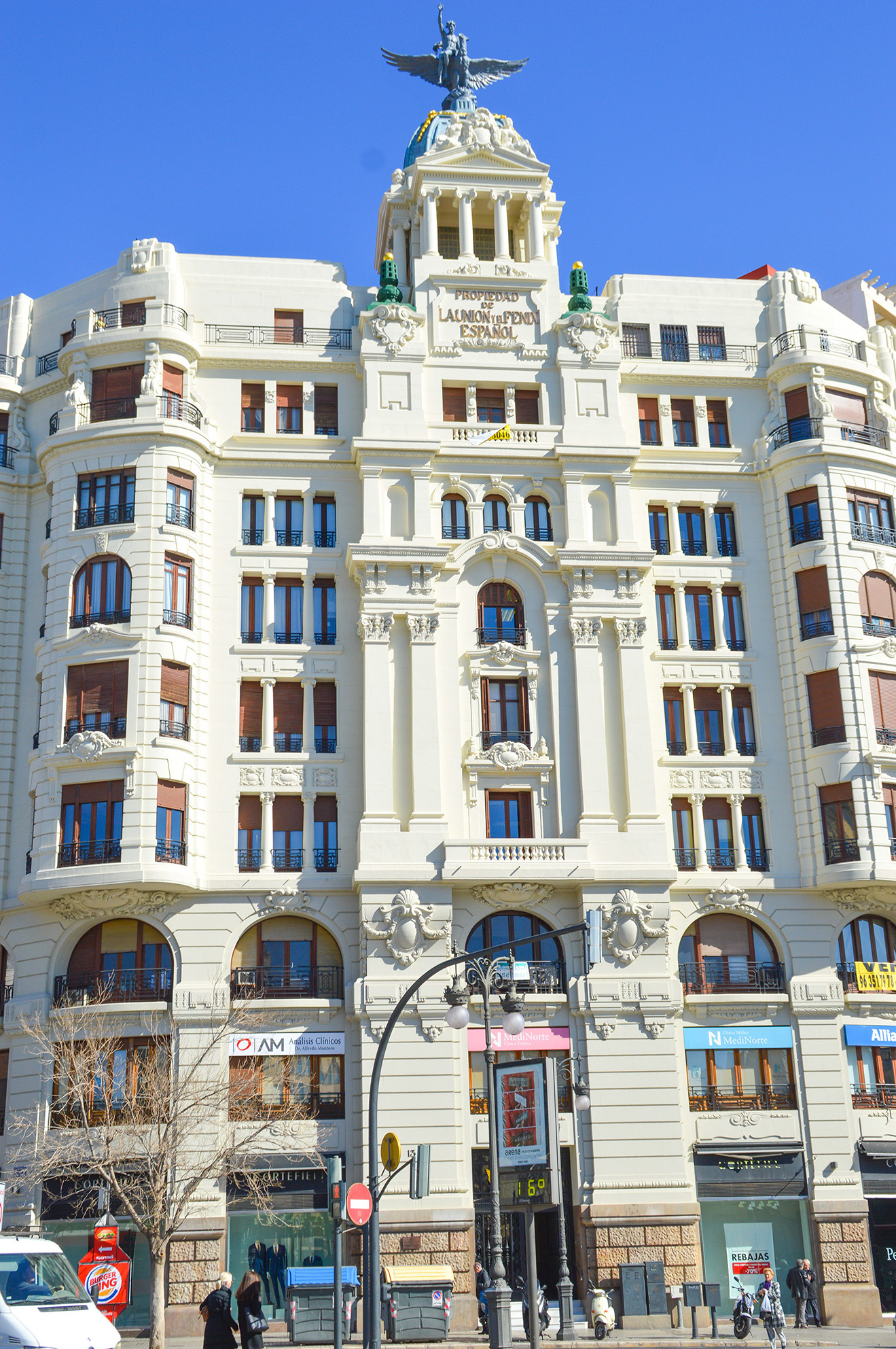
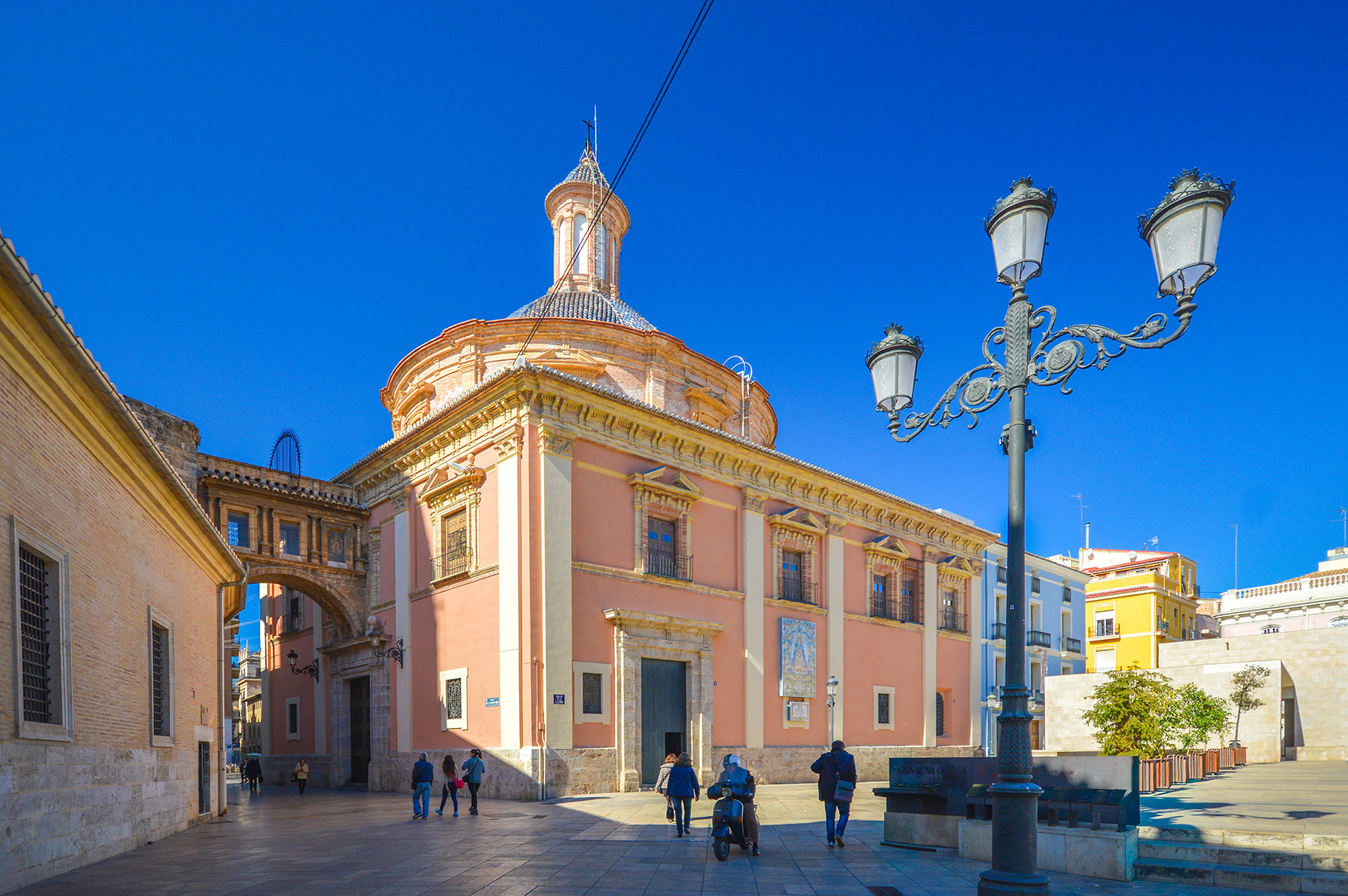
Churches, palaces, and civic buildings reshape the medieval fabric.19th–20th century modernity
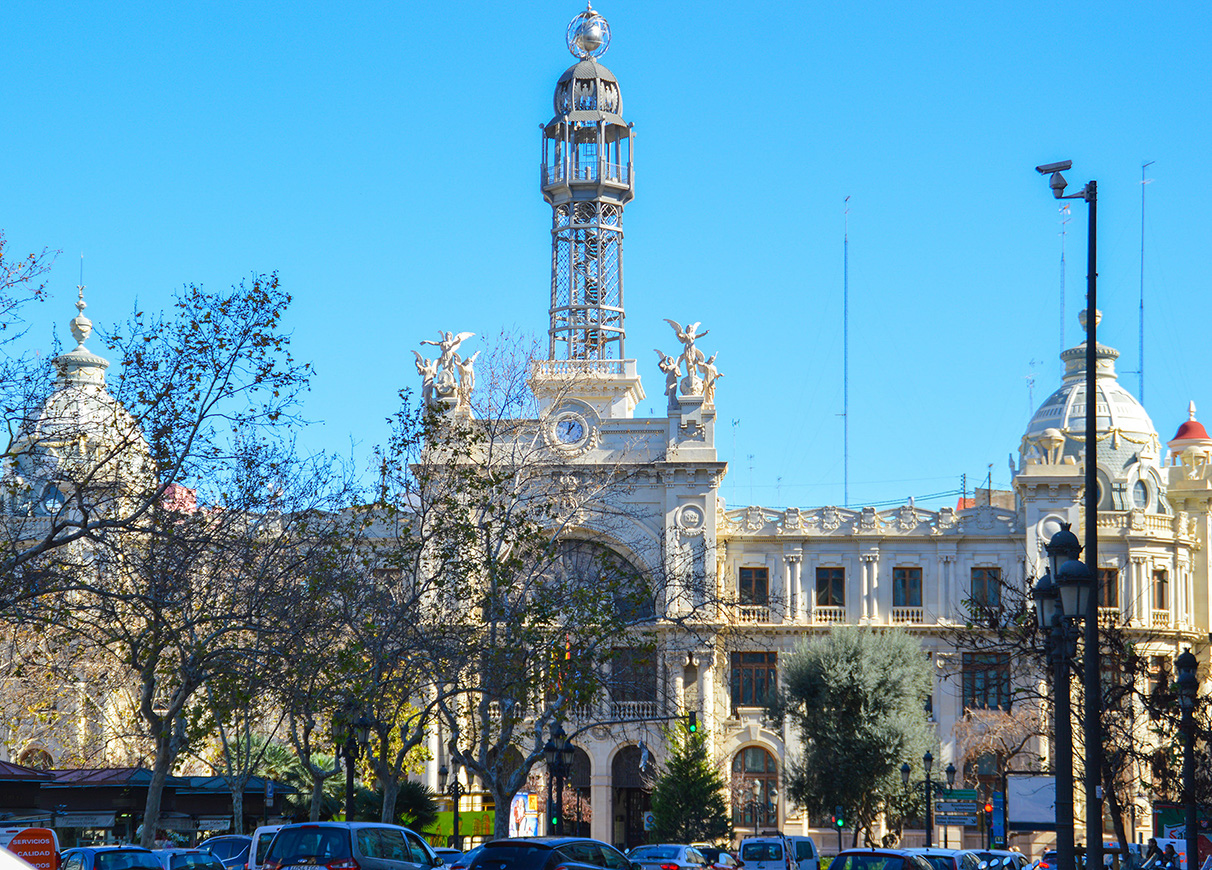
Plaza del Ayuntamiento and surrounding boulevards.Transformation of the Turia riverbed into a green corridor.

