Mallorca’s Fortress of Faith and History
A Sanctuary Perched on a Hilltop
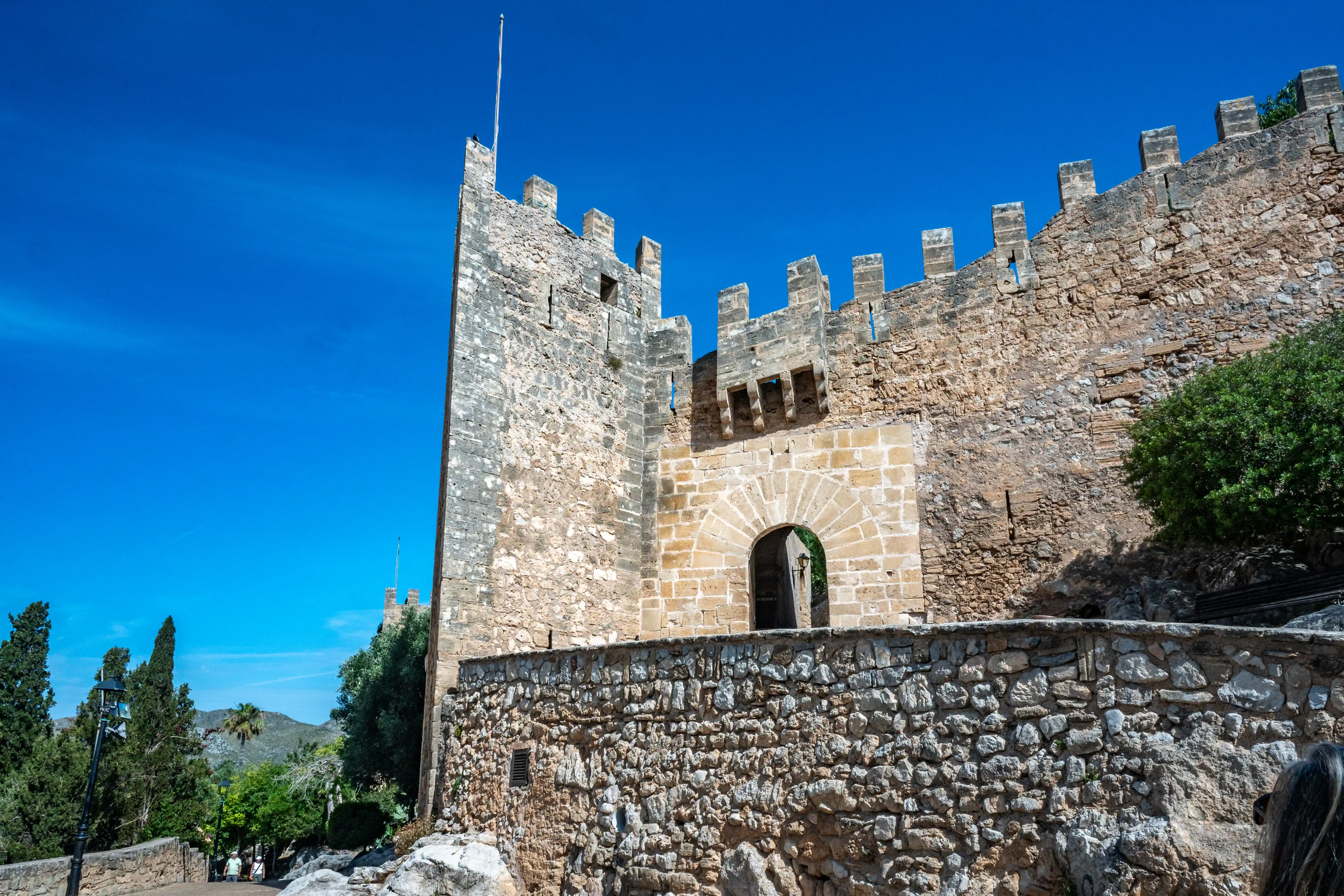
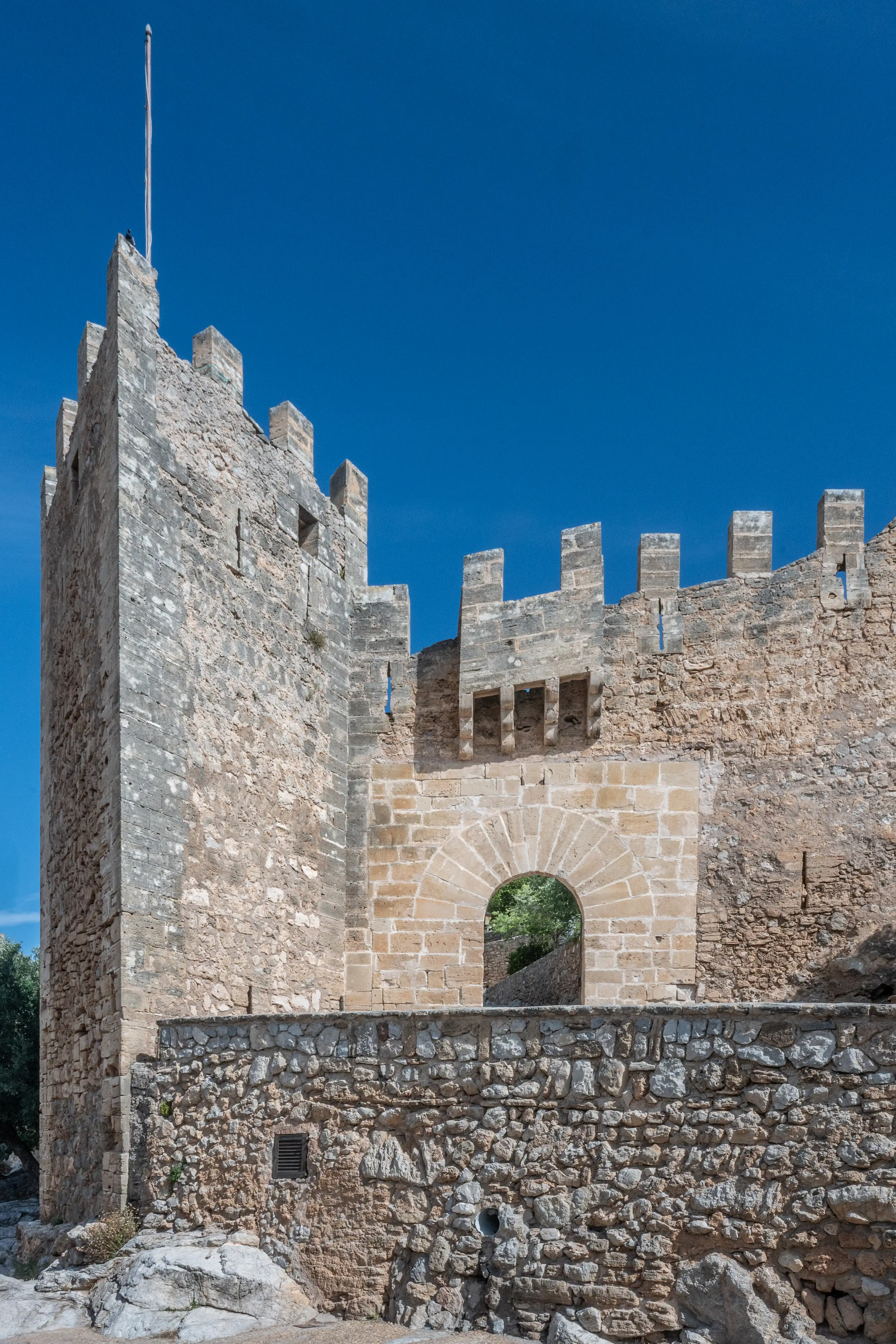
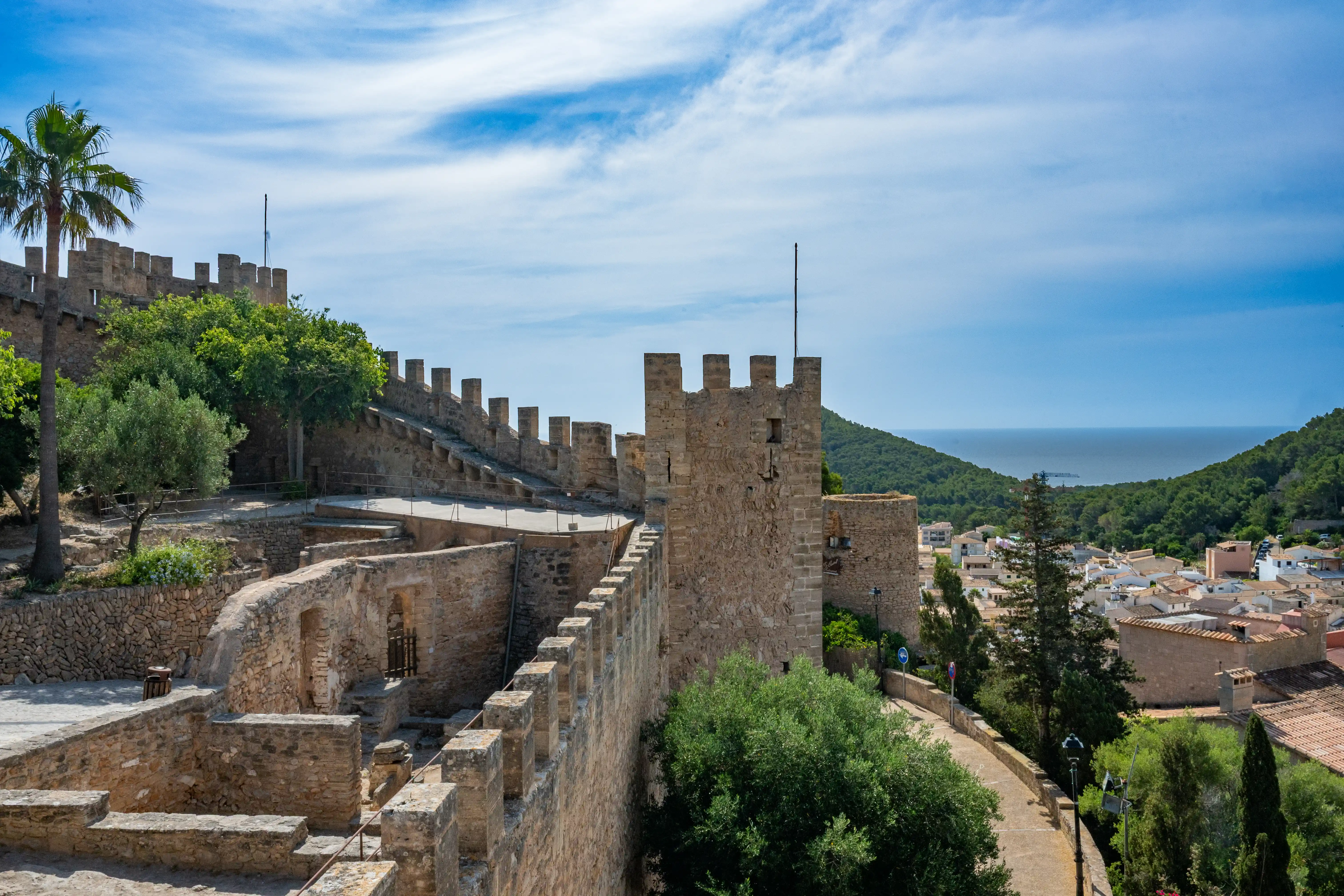
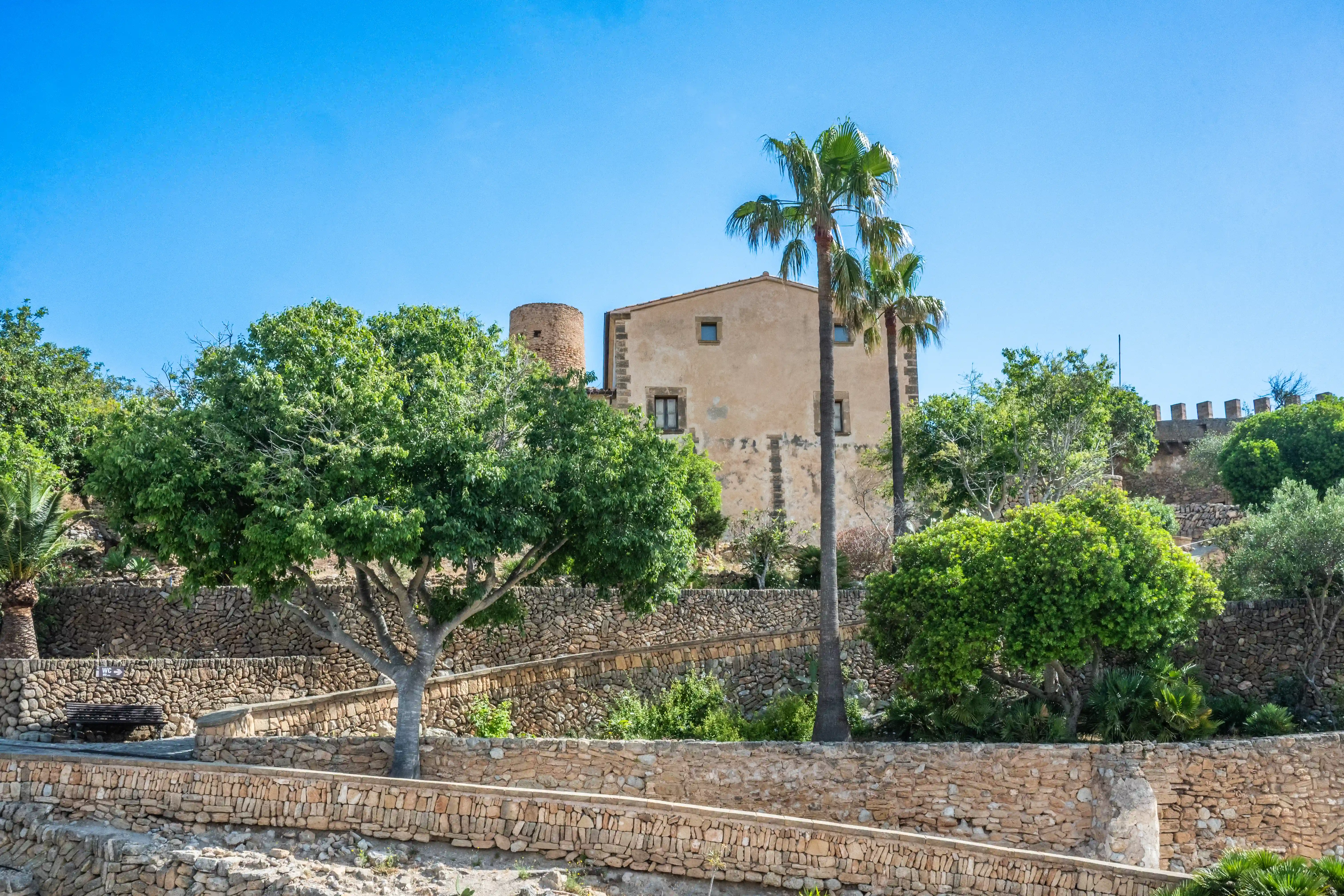
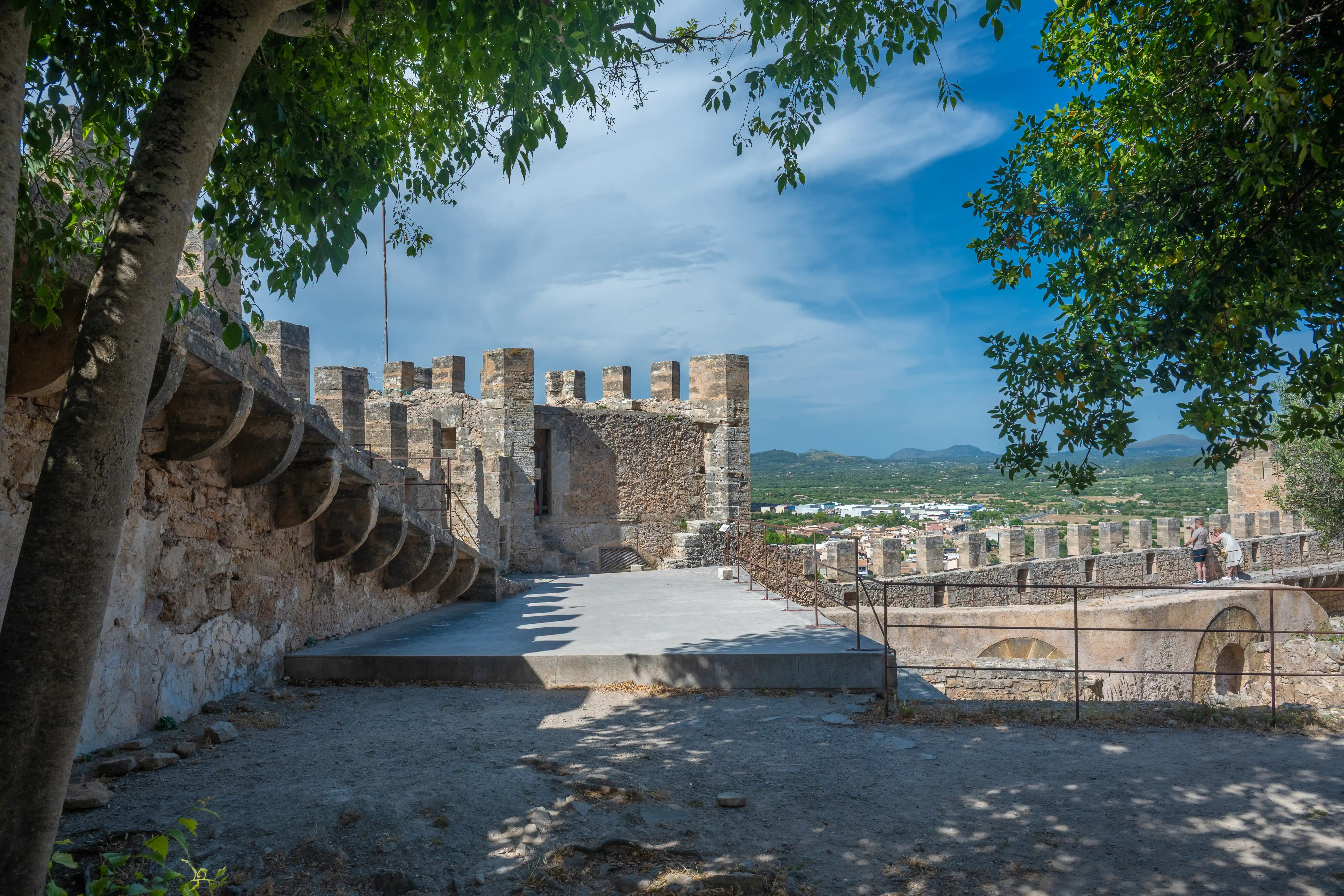
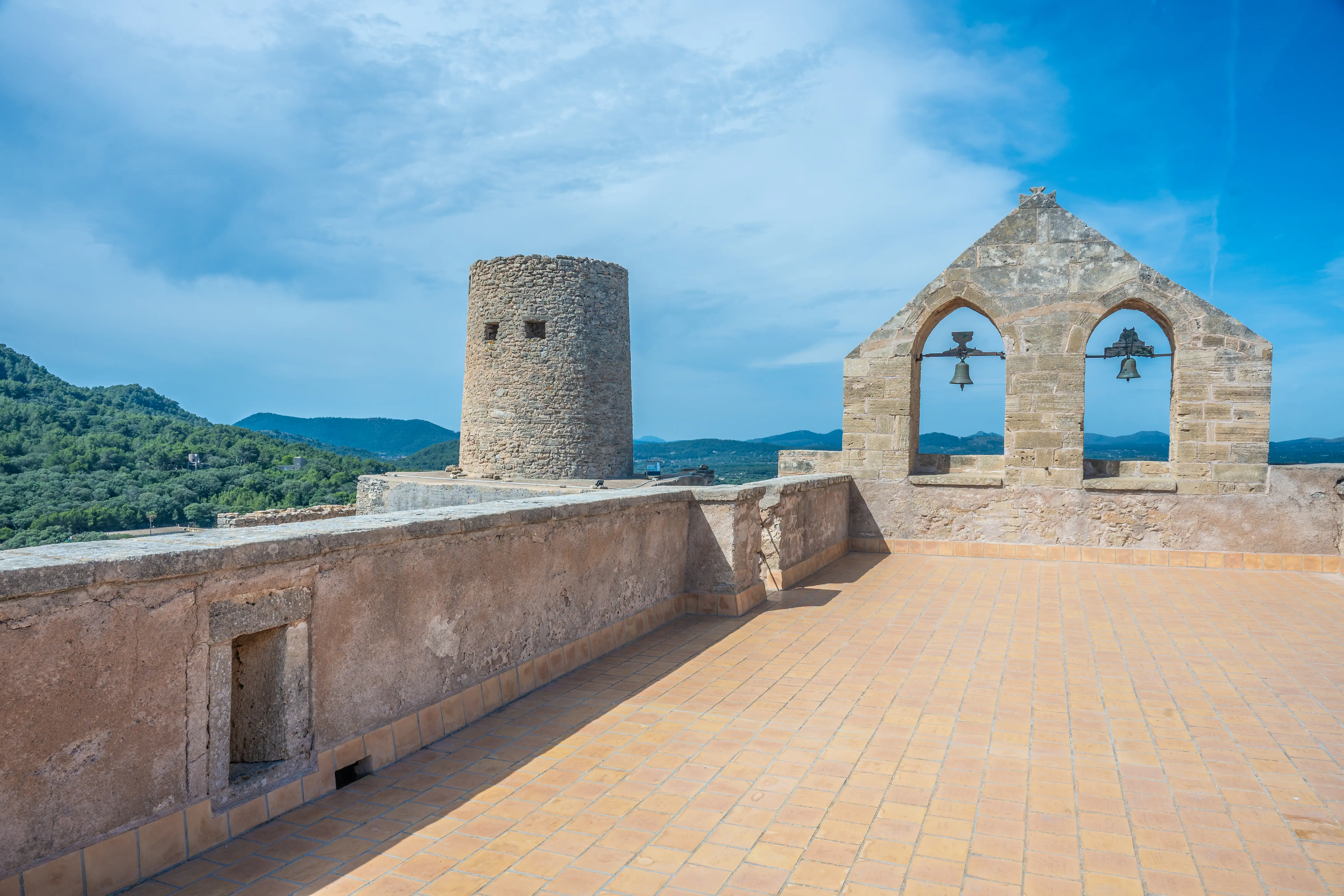
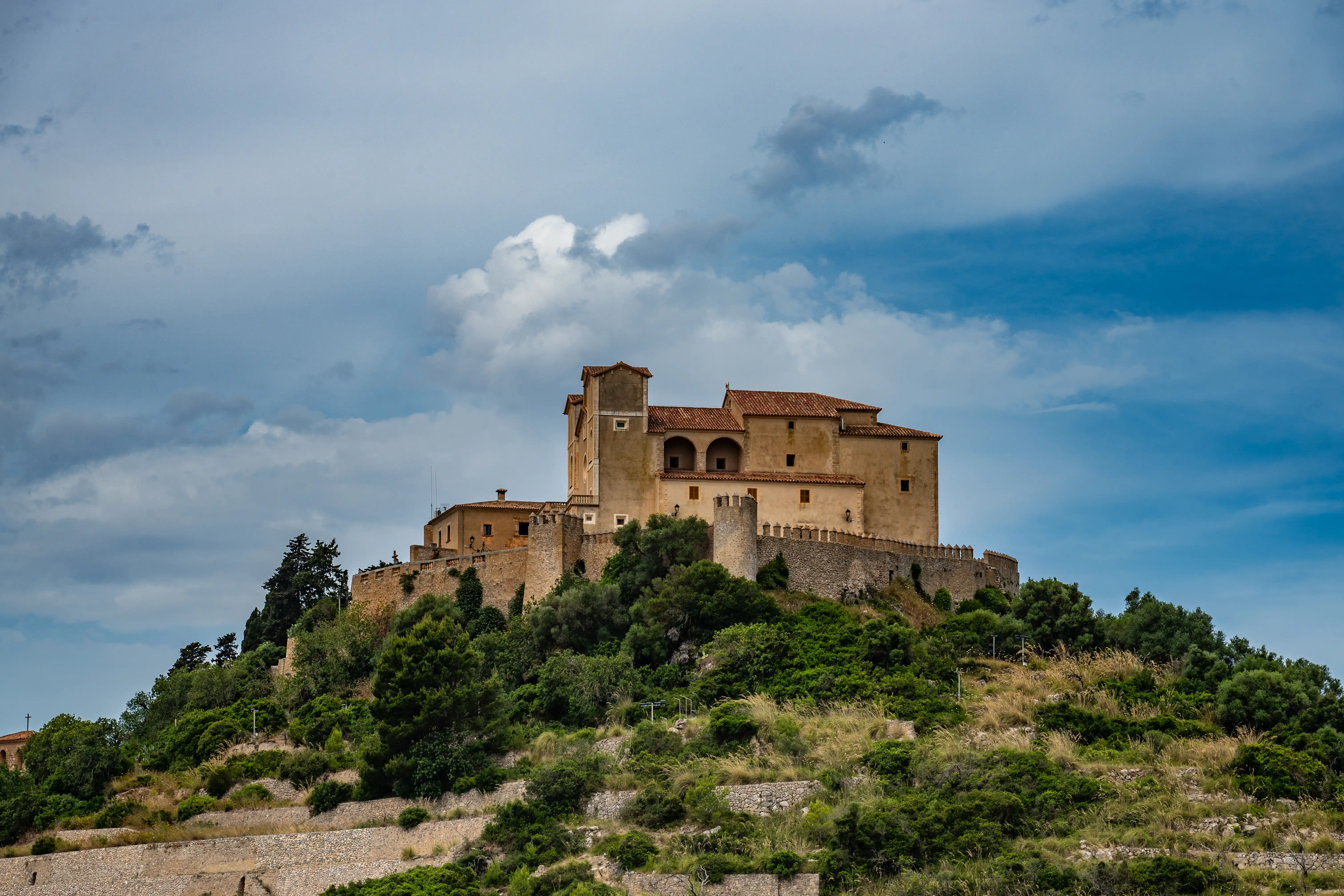
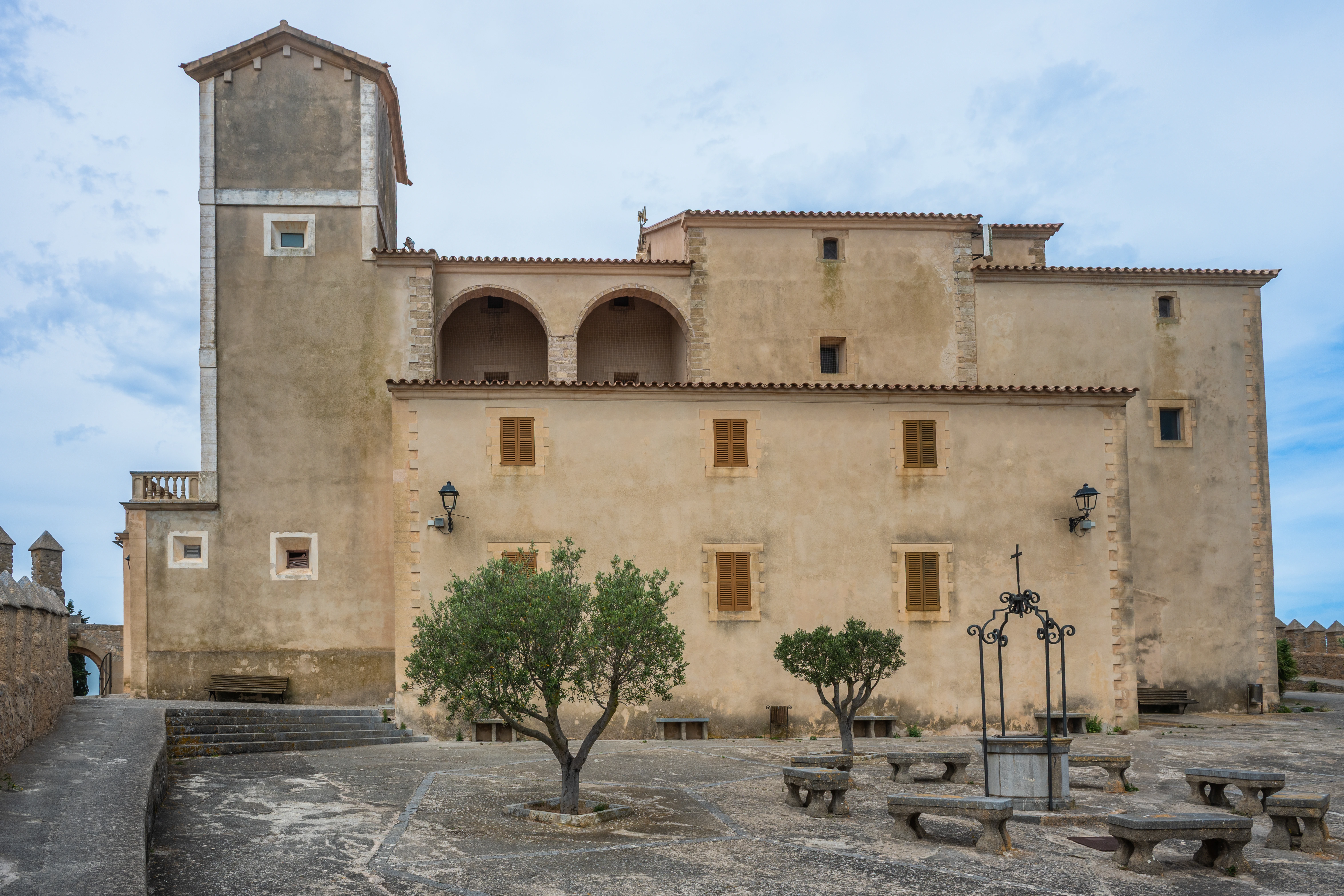
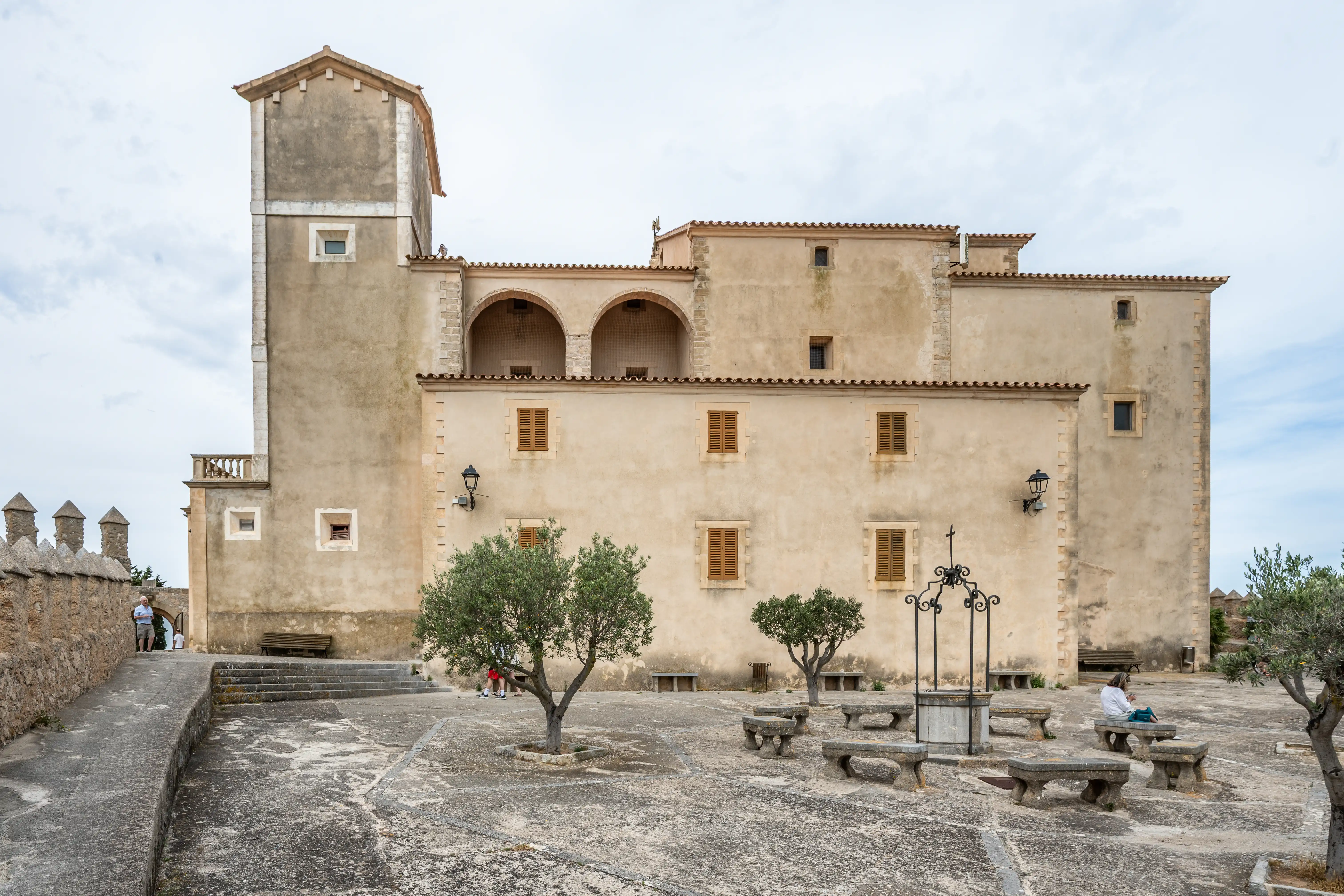
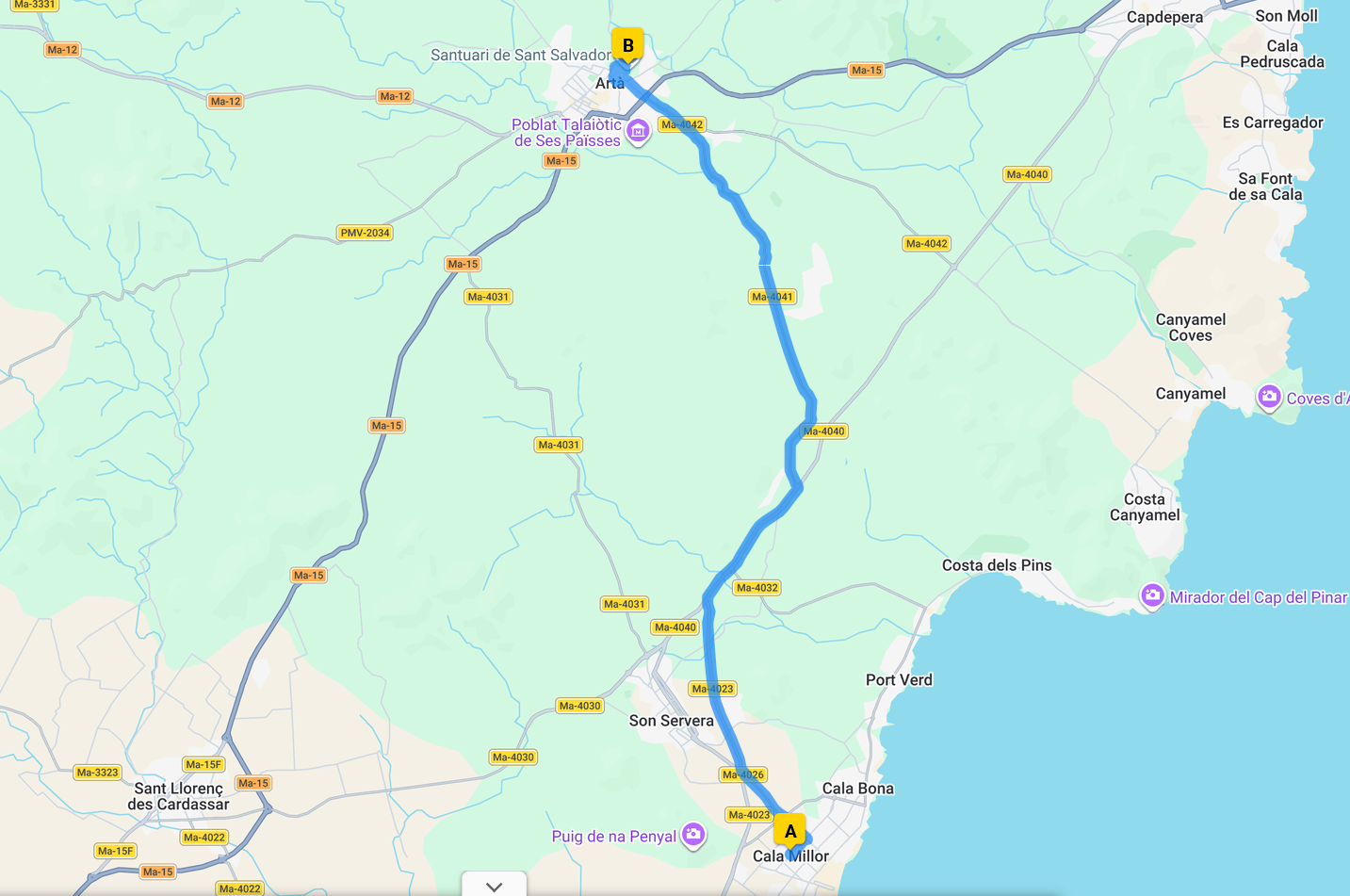
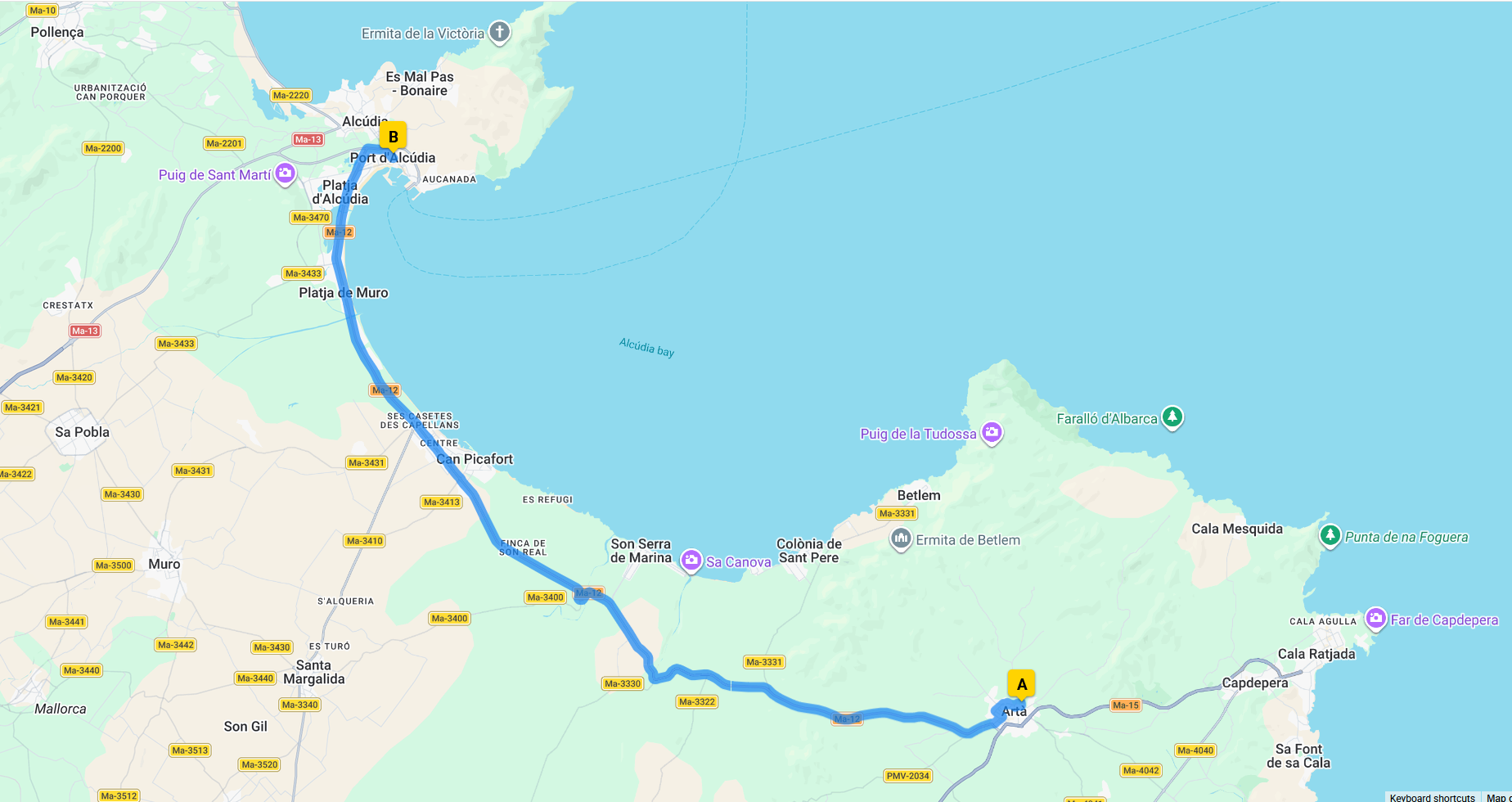
The Santuari de Sant Salvador is a fortified monastery complex located on the Puig de Sant Salvador, a 182-meter (597-foot) hill overlooking the town of Artà in northeastern Mallorca. This iconic landmark is one of the most emblematic buildings in Artà, visible from afar and offering panoramic views of the town, the surrounding countryside, and the Mediterranean Sea. The sanctuary is a testament to Mallorca’s rich religious and military history, blending spirituality, architecture, and defense in a single, breathtaking site.
A History of Faith and Fortresses
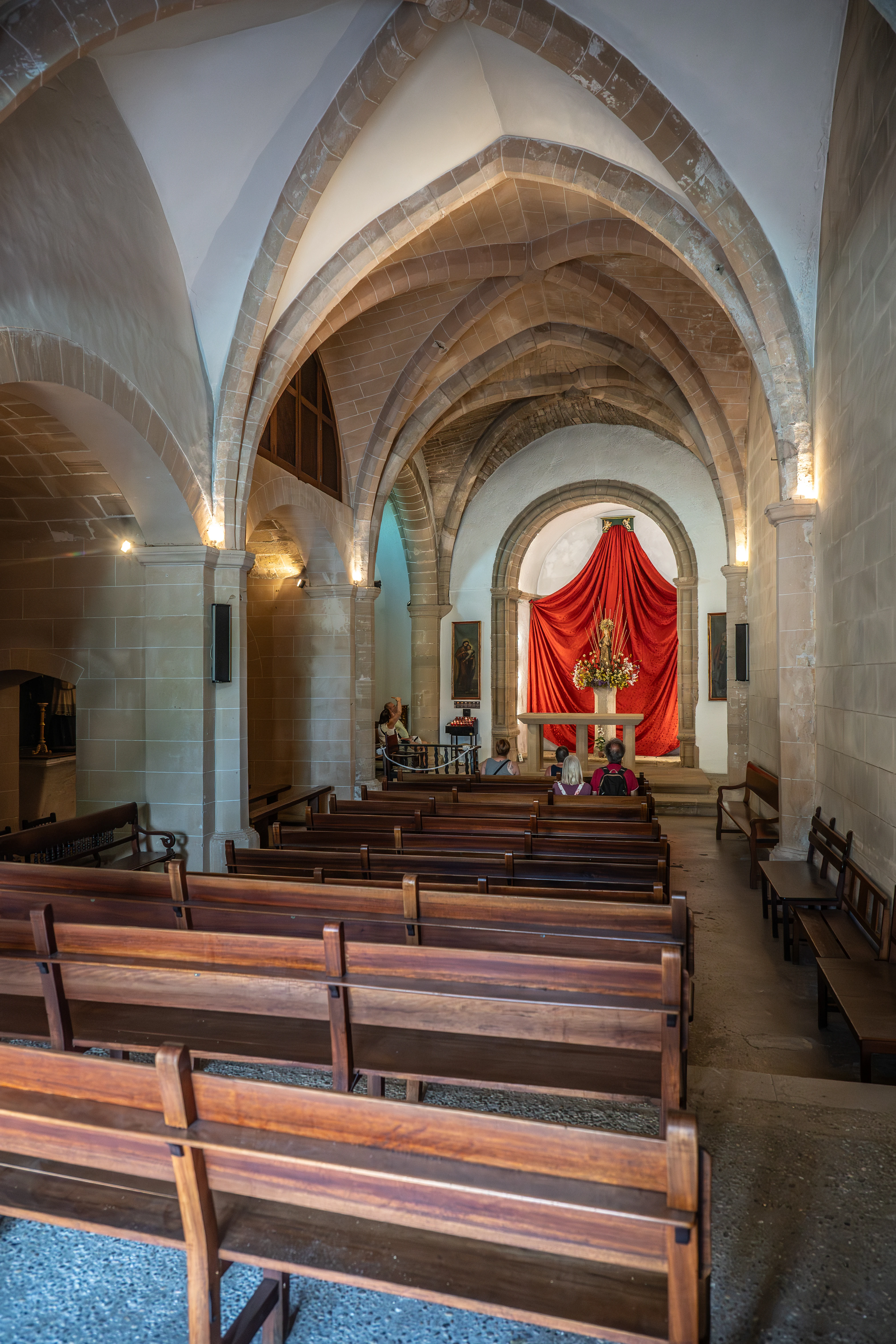
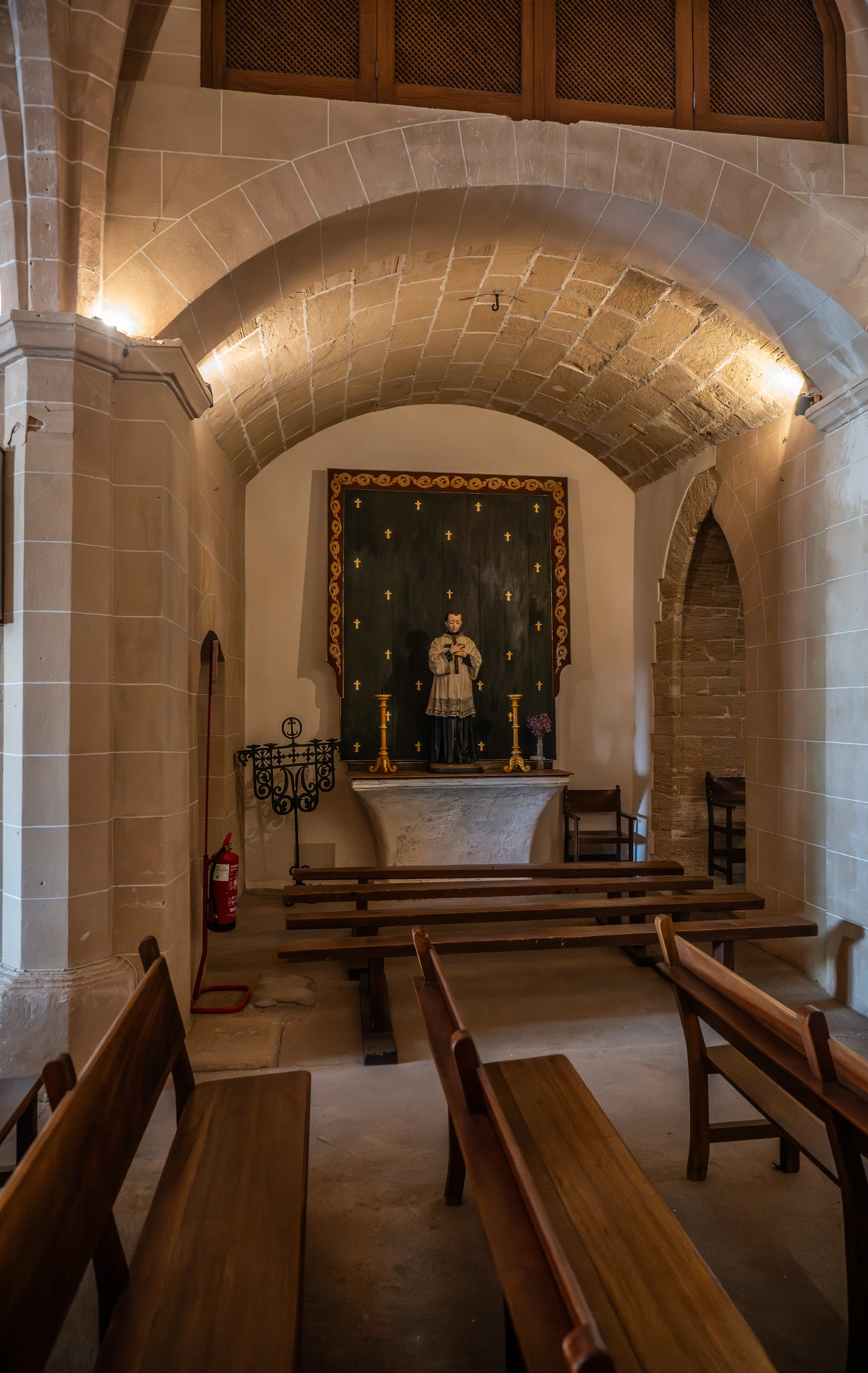
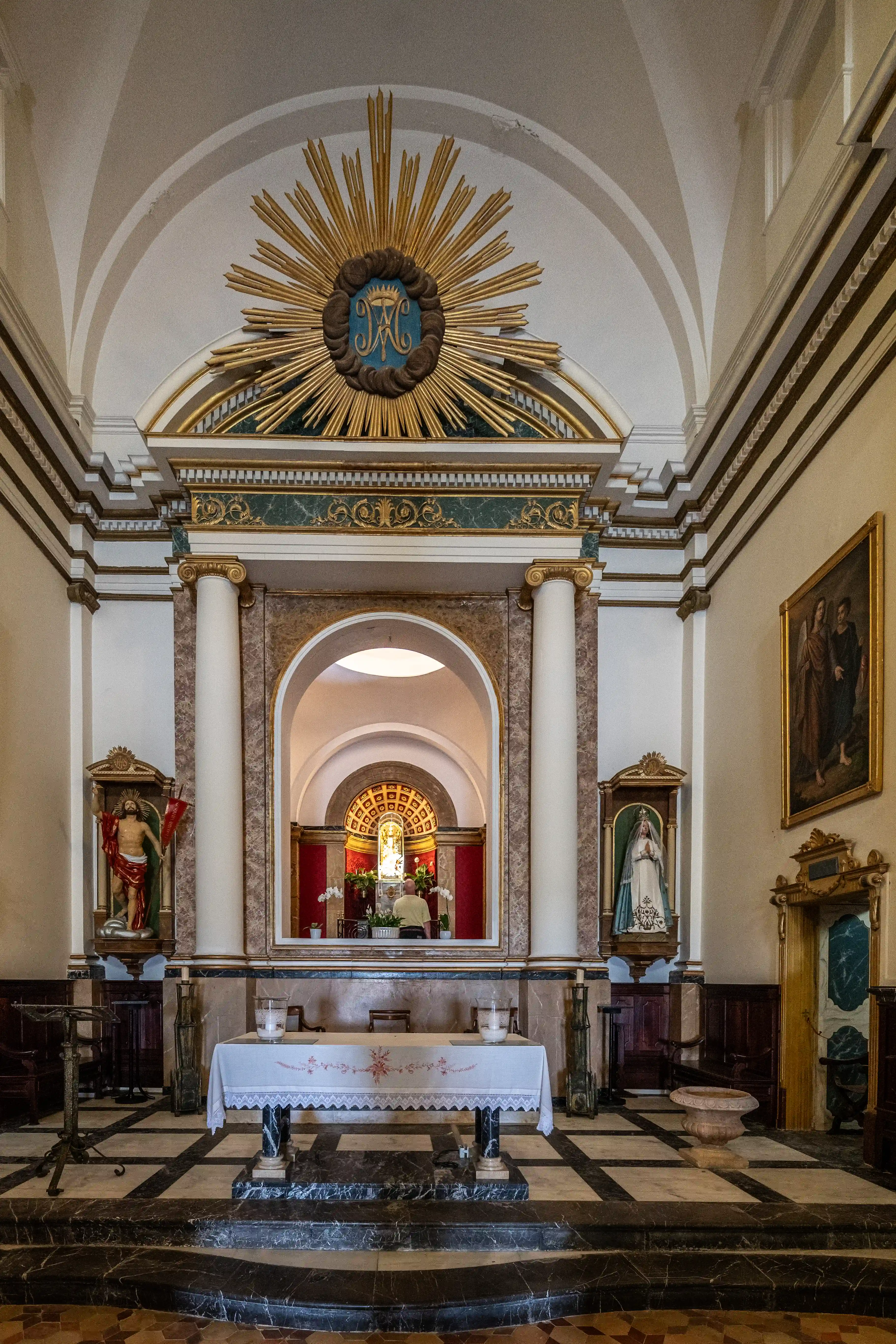
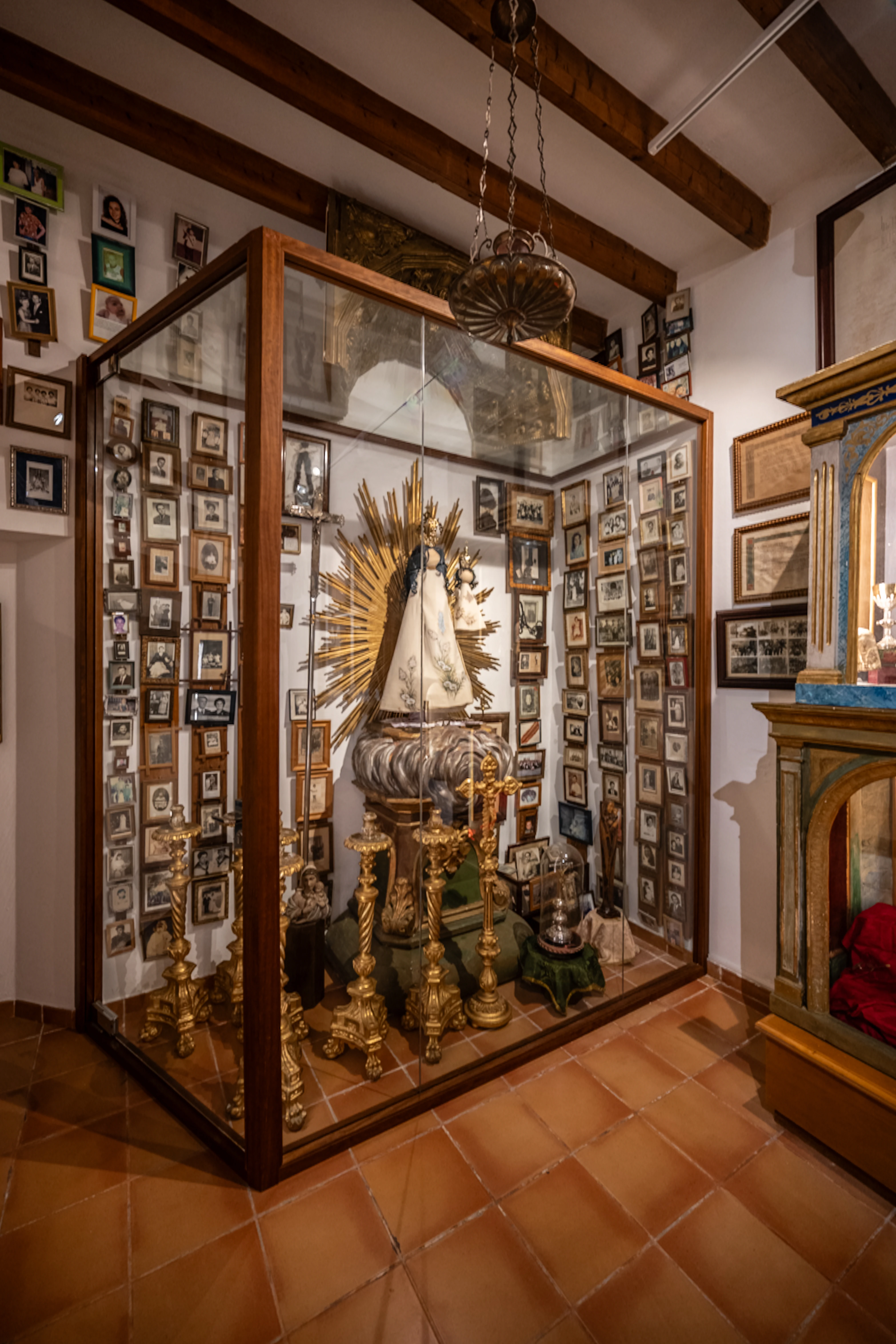
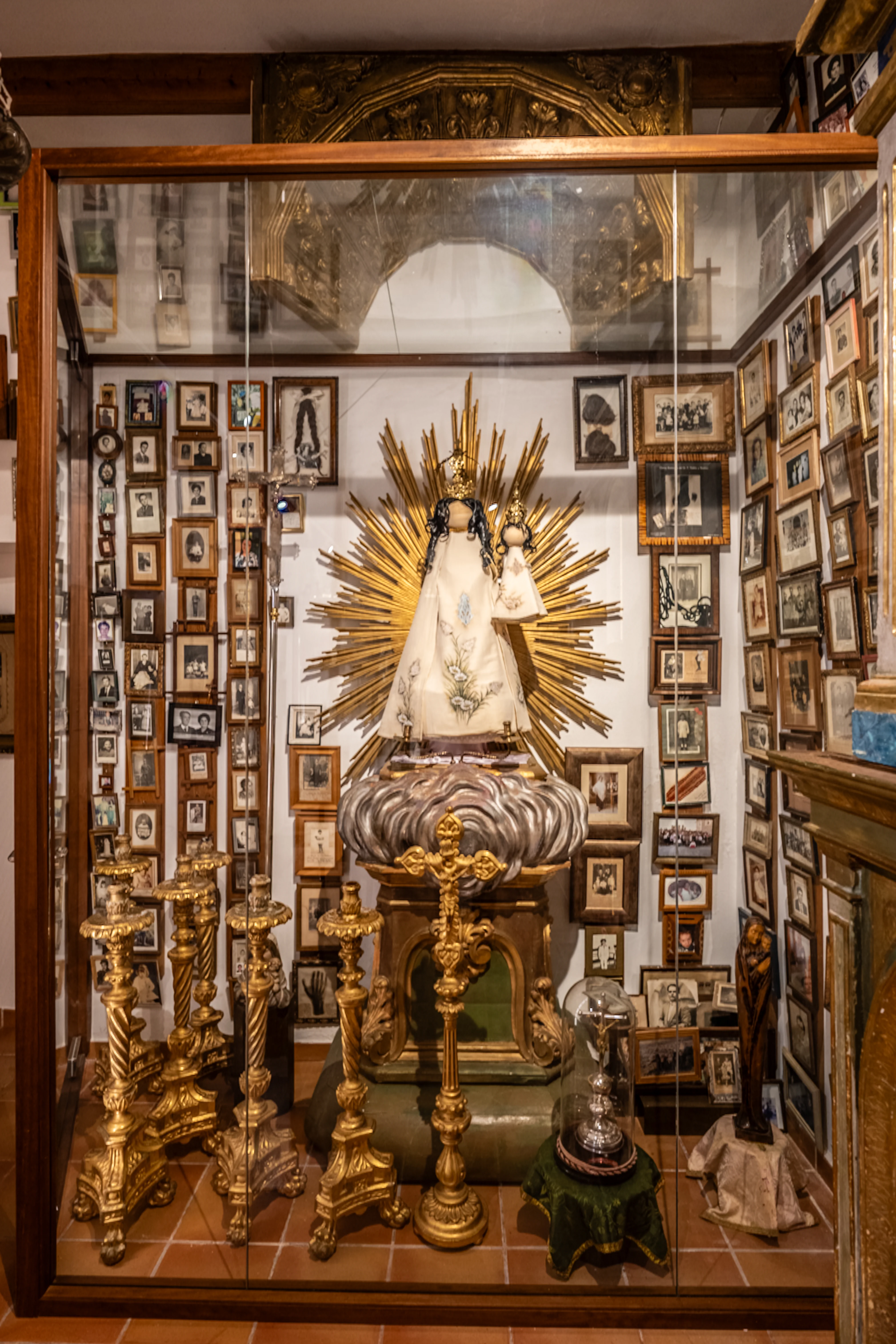
The origins of Santuari de Sant Salvador trace back to the 13th century, when a small chapel was built on the site to honor the Virgin of Sant Salvador, the patron saint of Artà. According to legend and historical records, a wooden statue of the Virgin Mary was brought to Mallorca in the 12th century by Premonstratensian monks who accompanied King Jaume I during the Christian reconquest of the island in 1229. Initially, the statue was housed in the Monastery of Bellpuig, near Artà, but in the 15th century, it was moved to the Santuari de Sant Salvador, where it became the focus of pilgrimage and devotion.
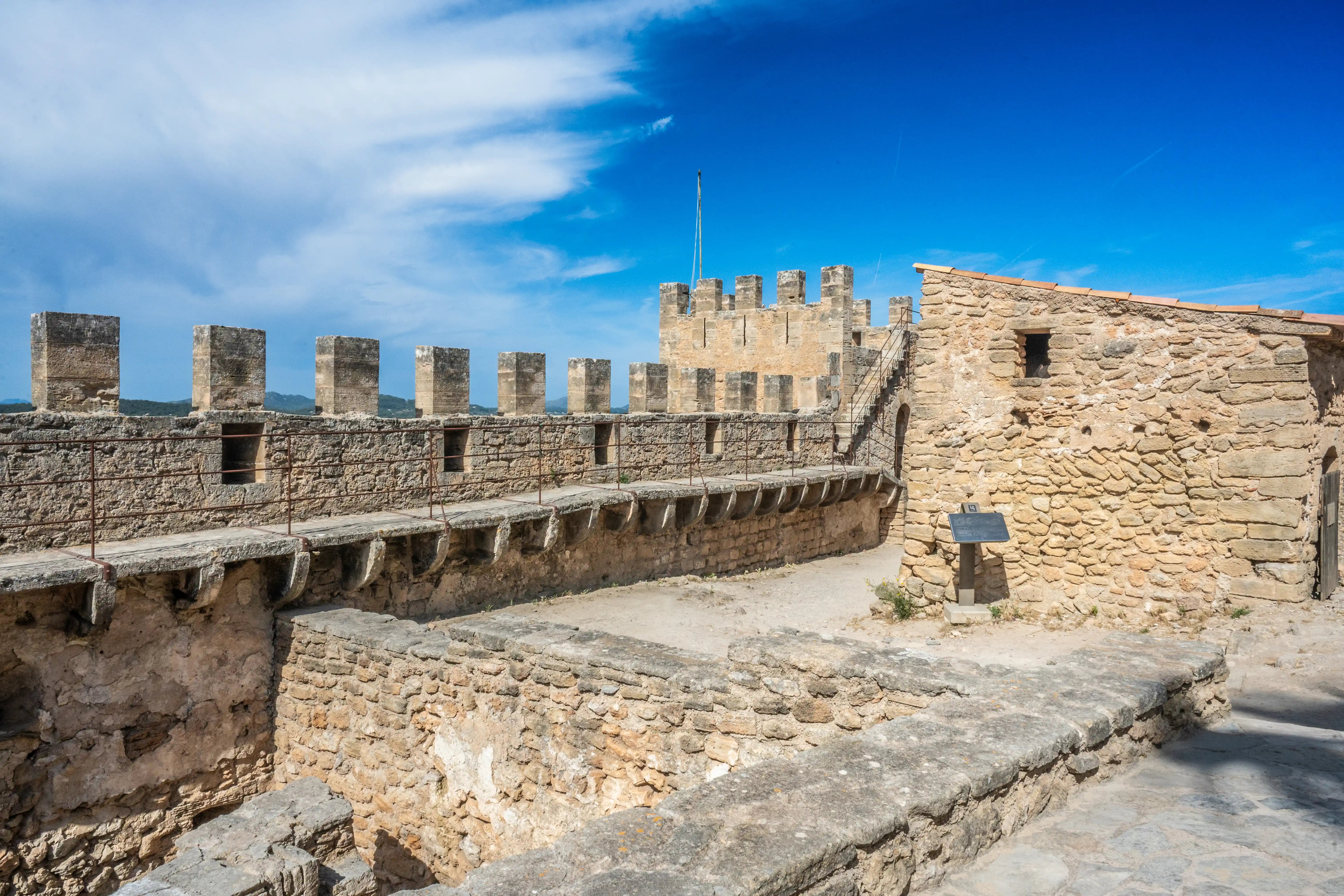
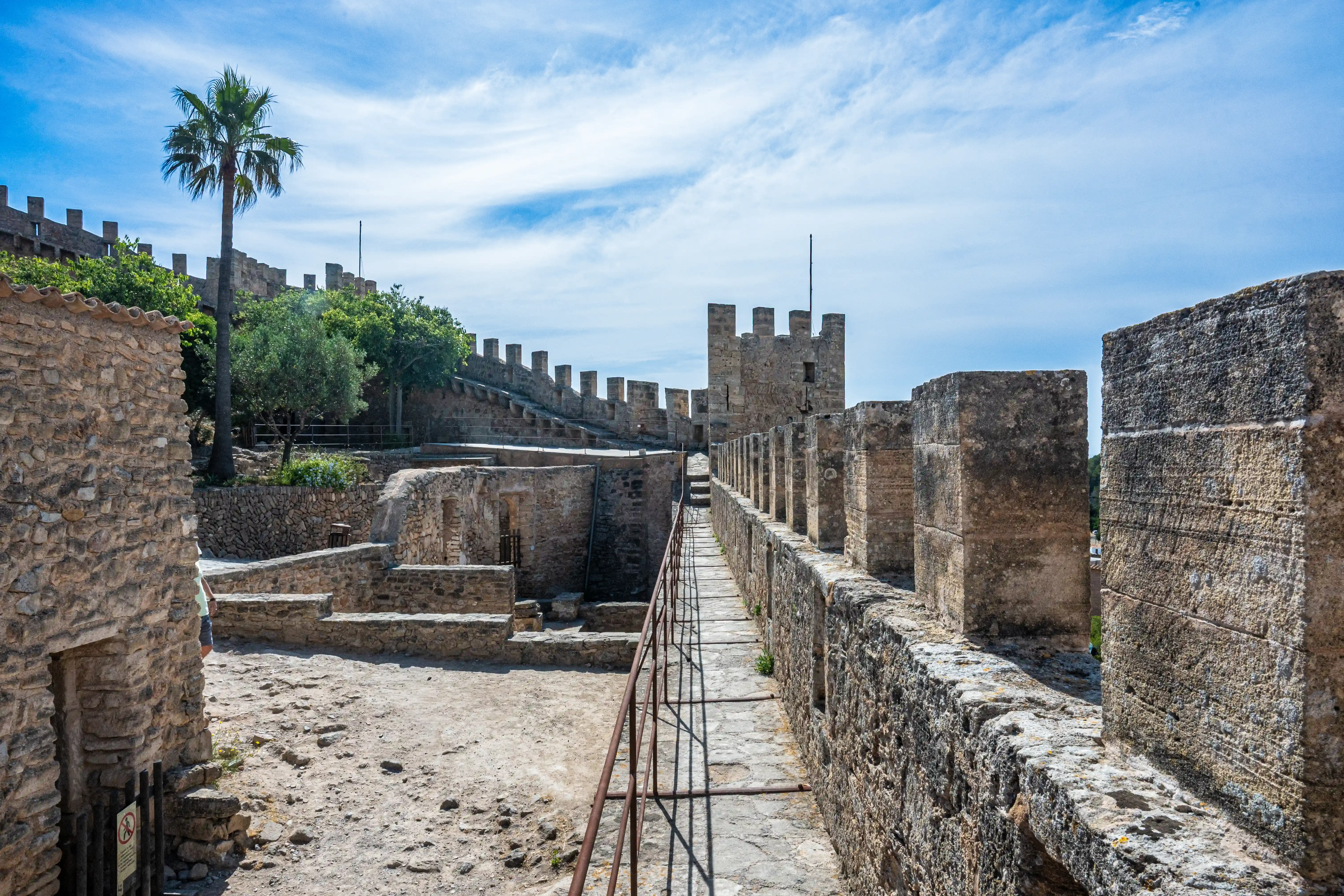
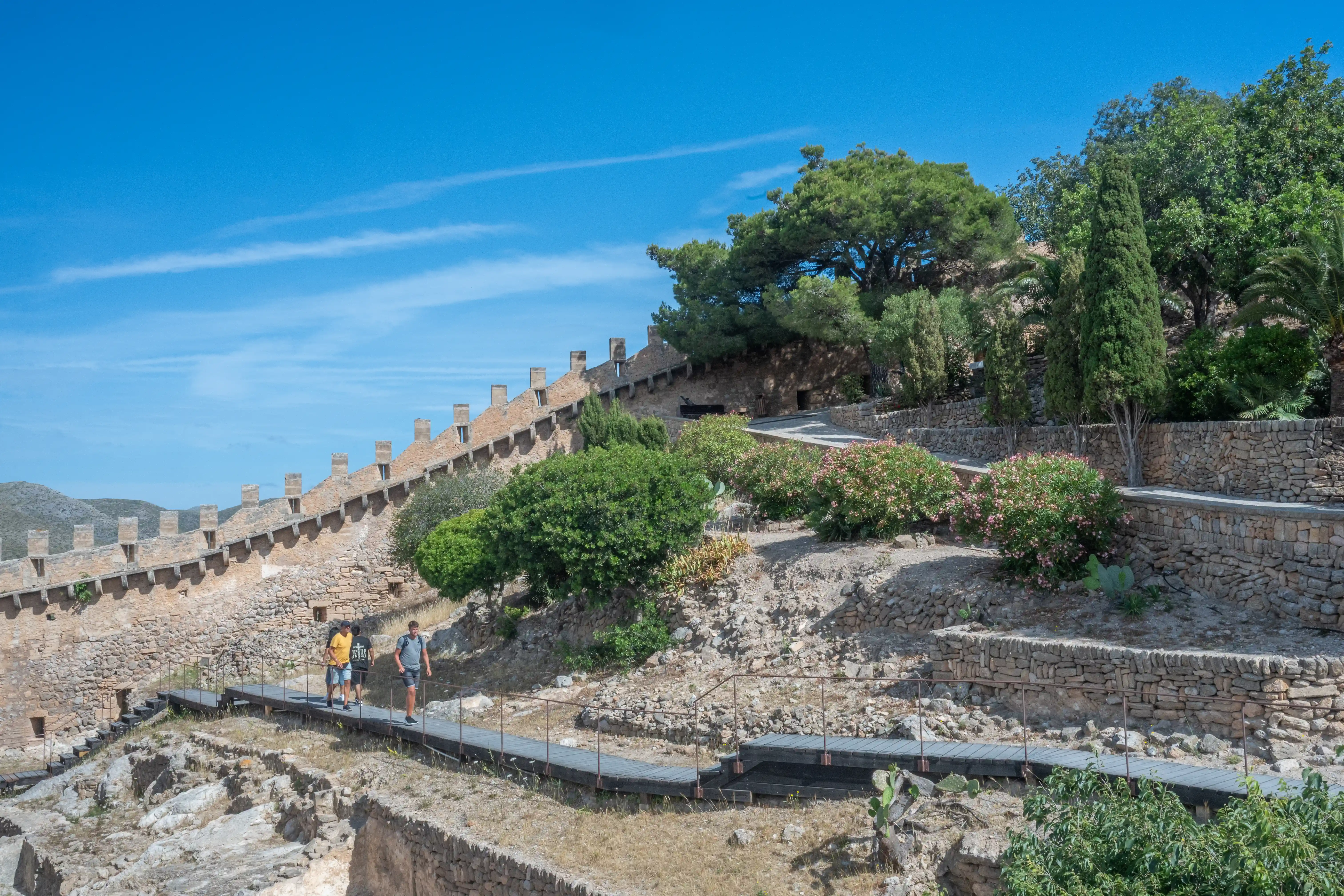
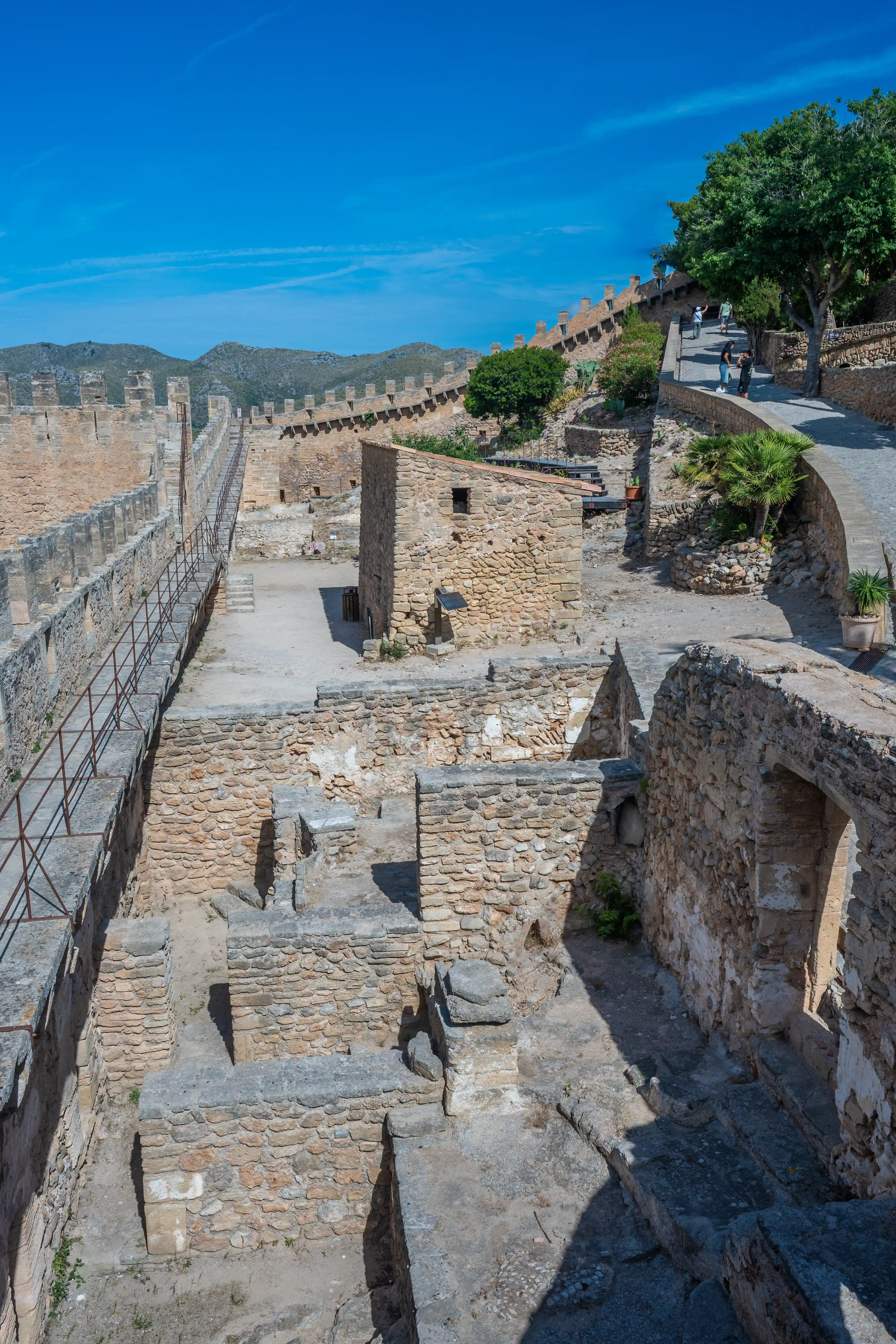
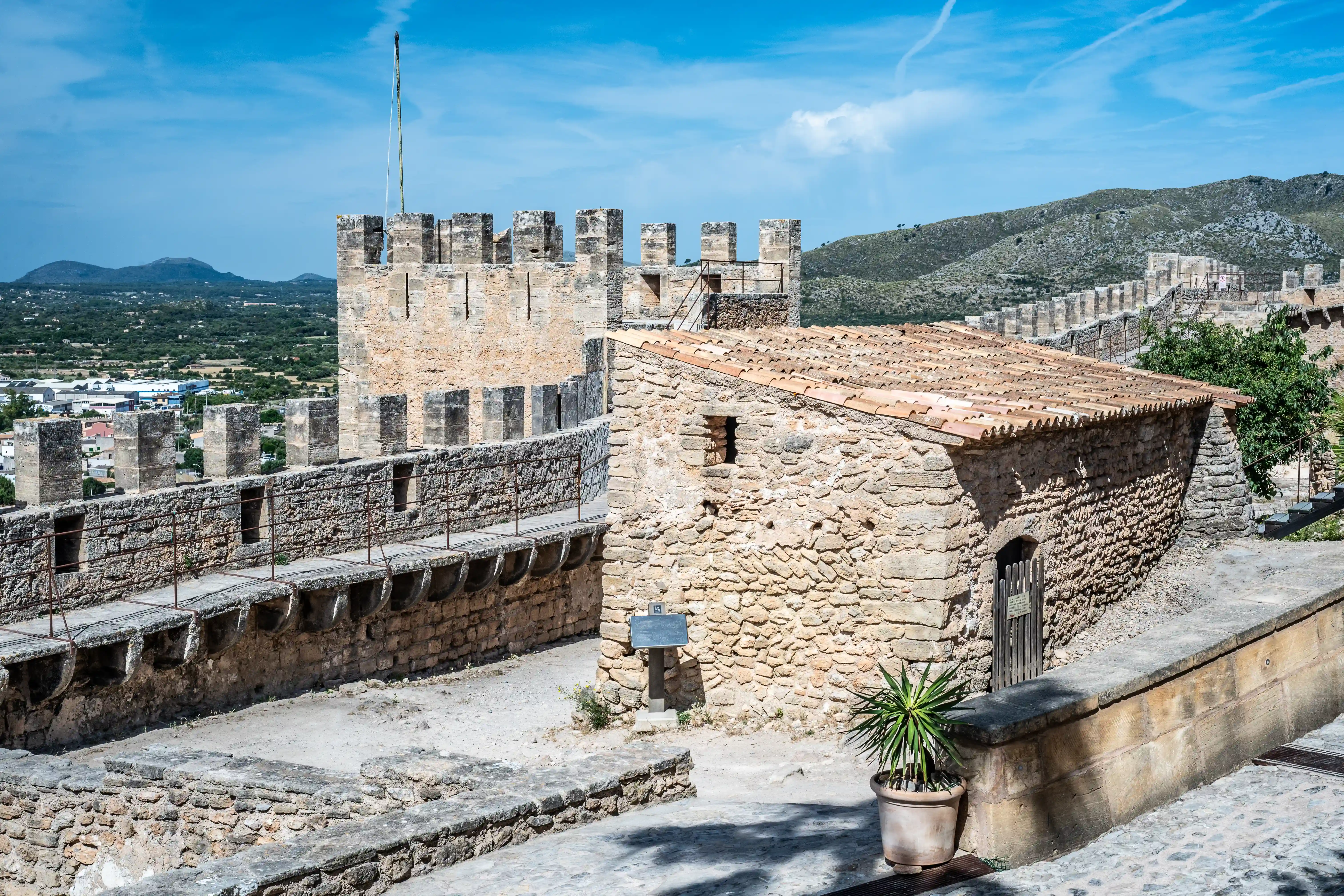
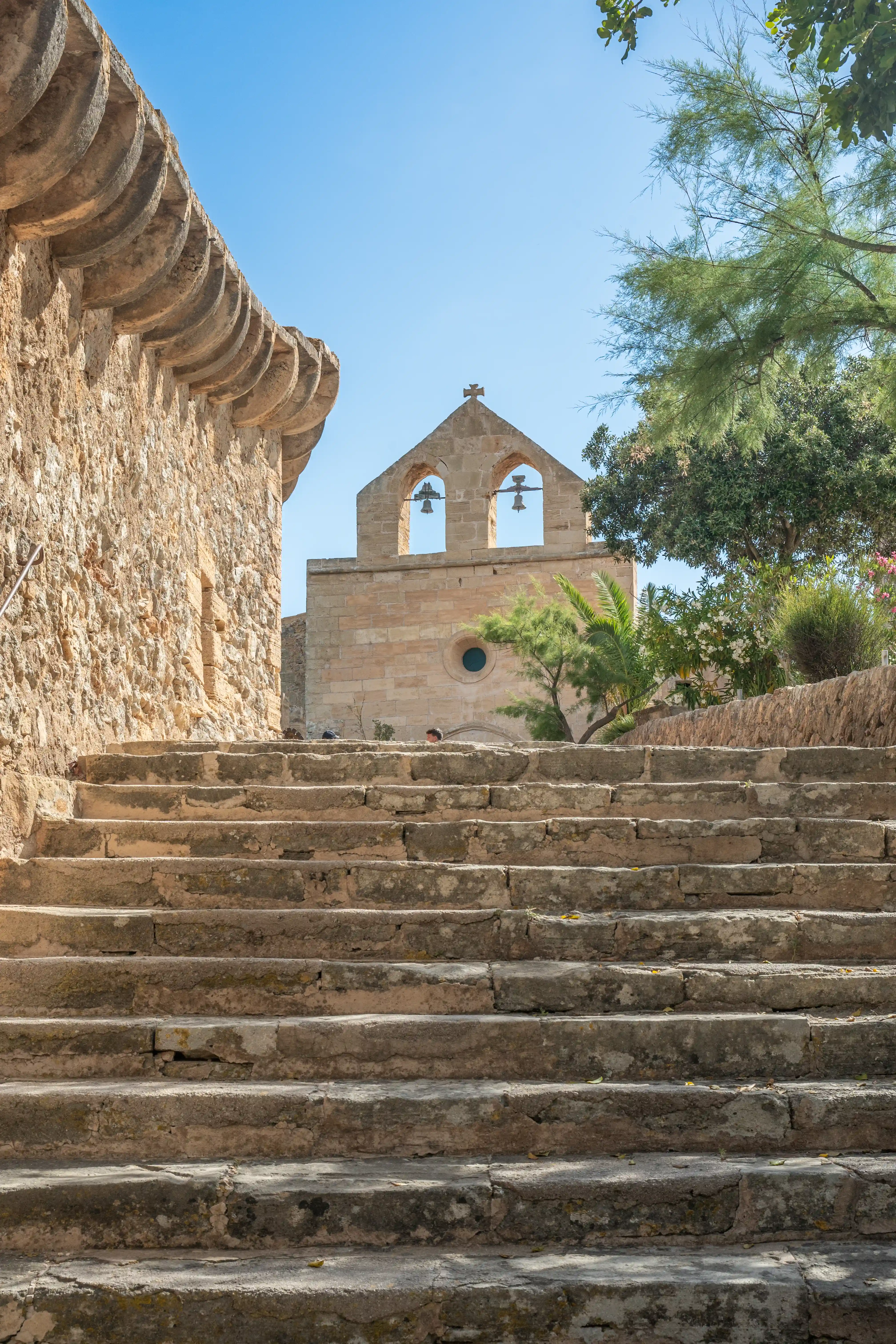
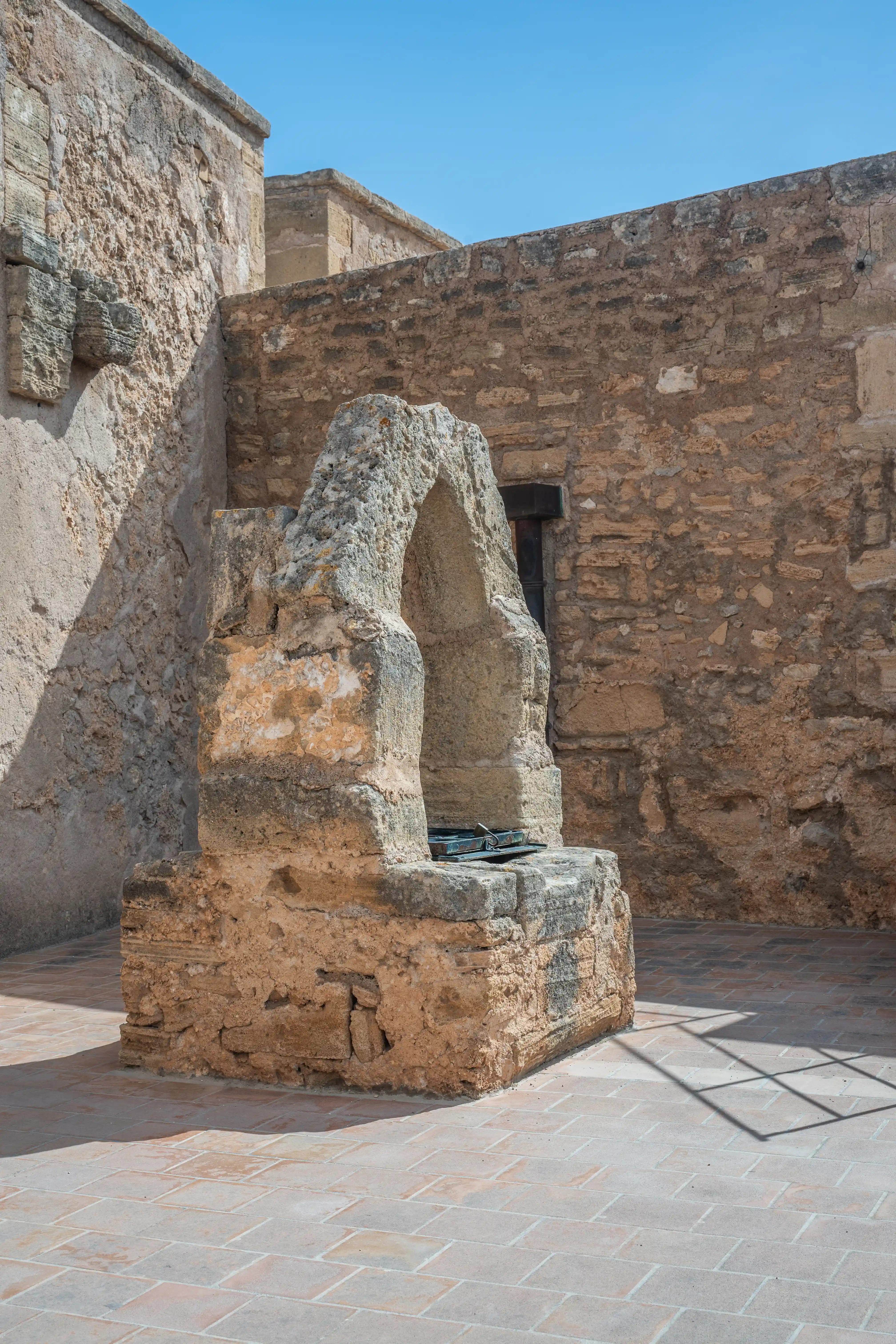
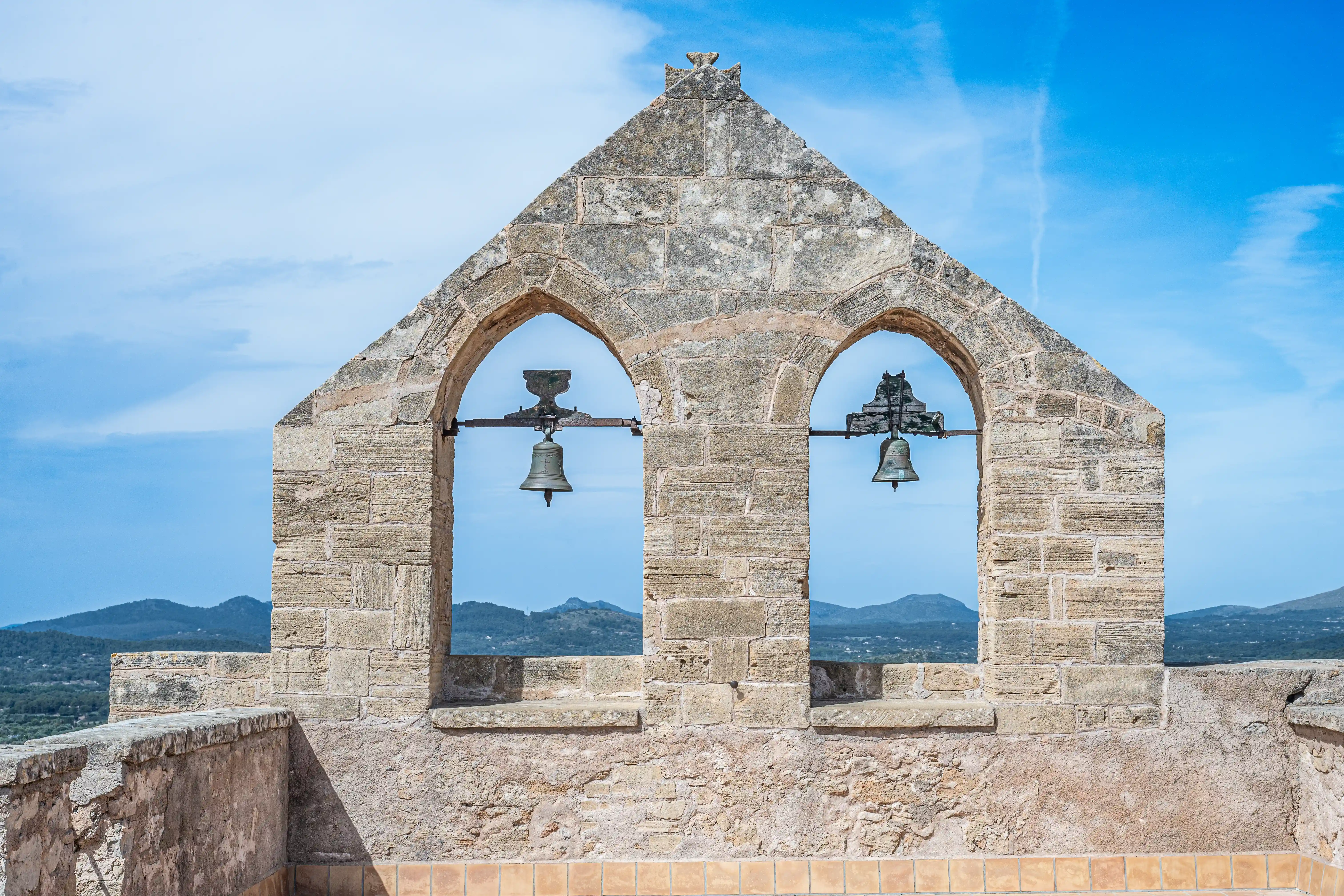
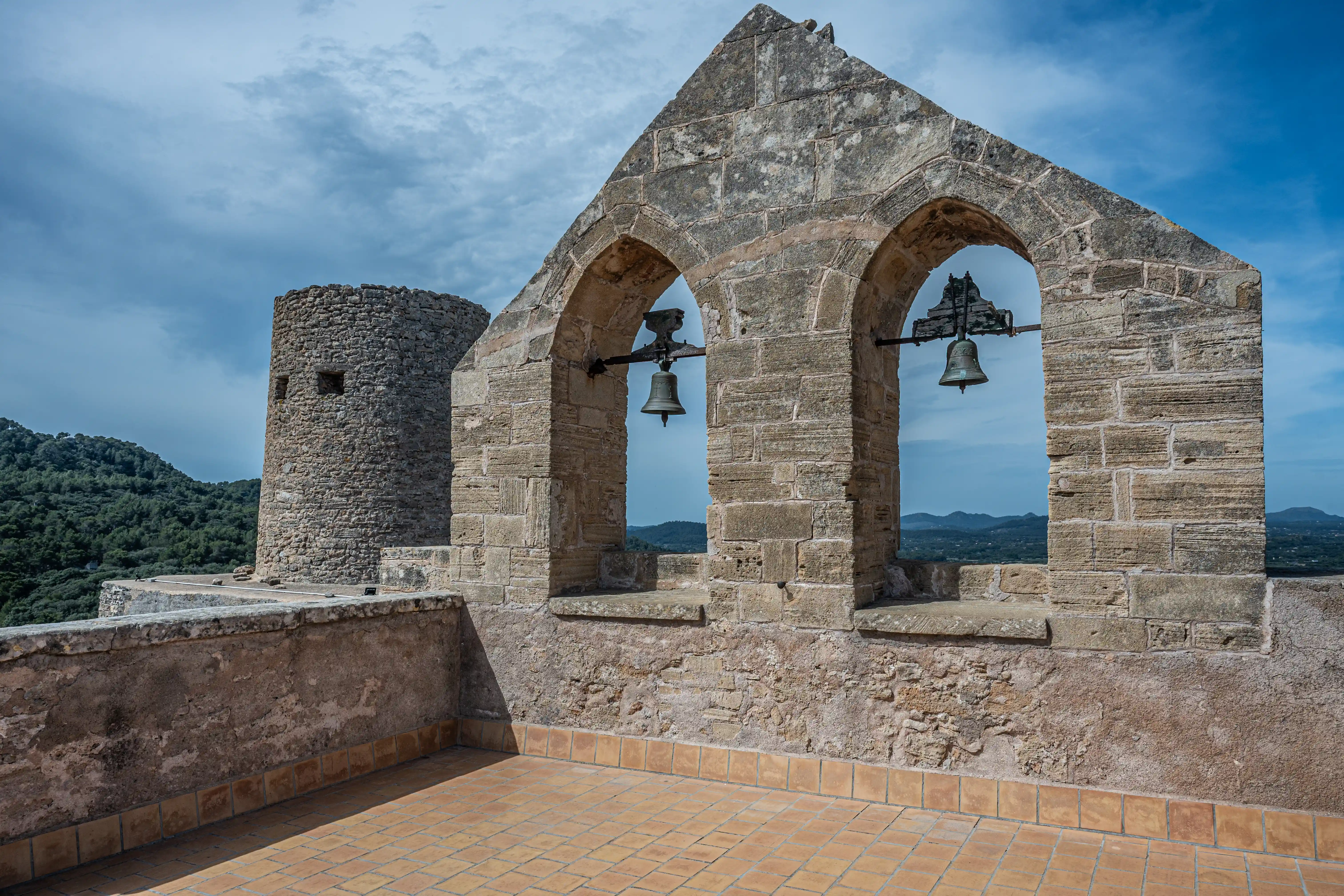
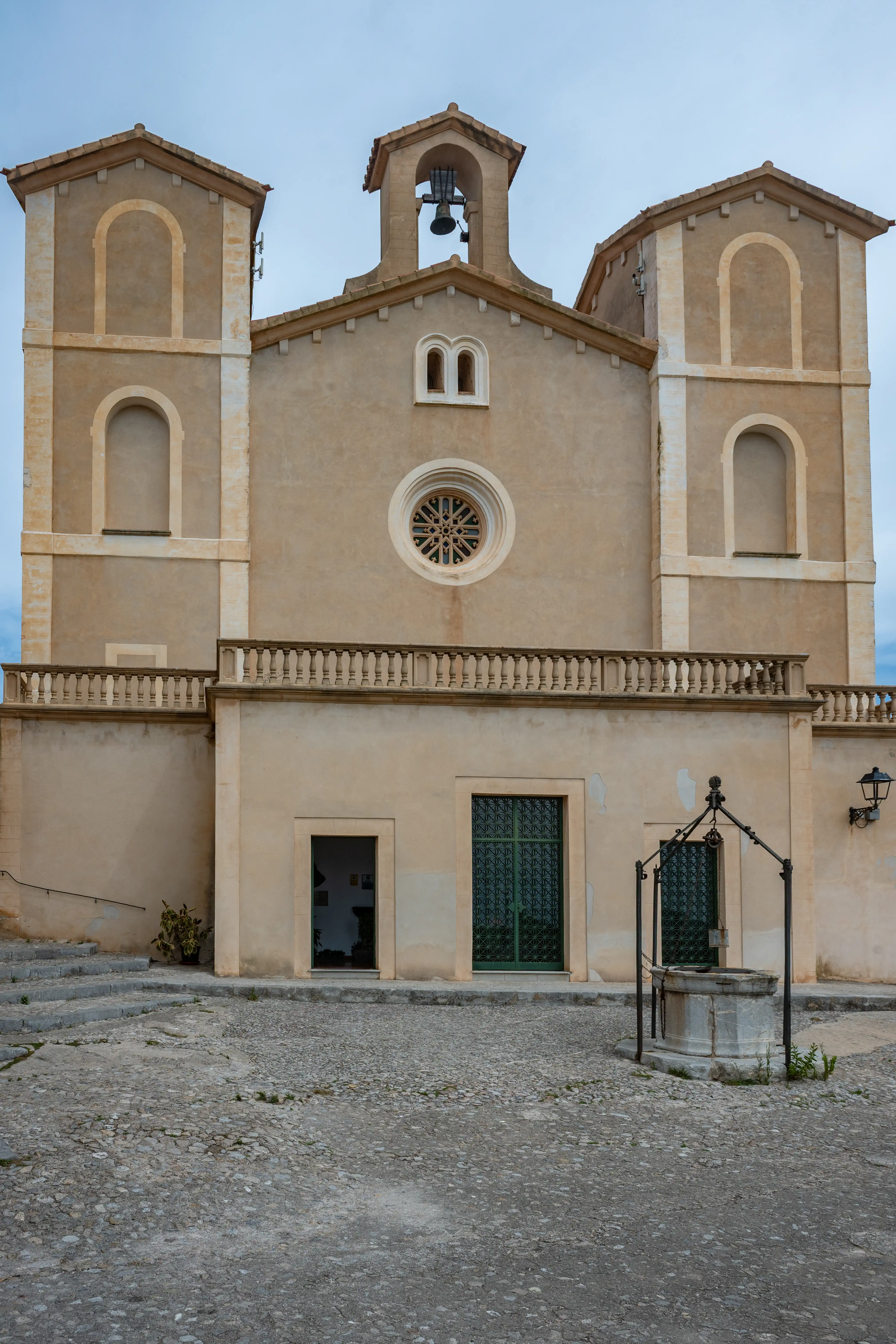
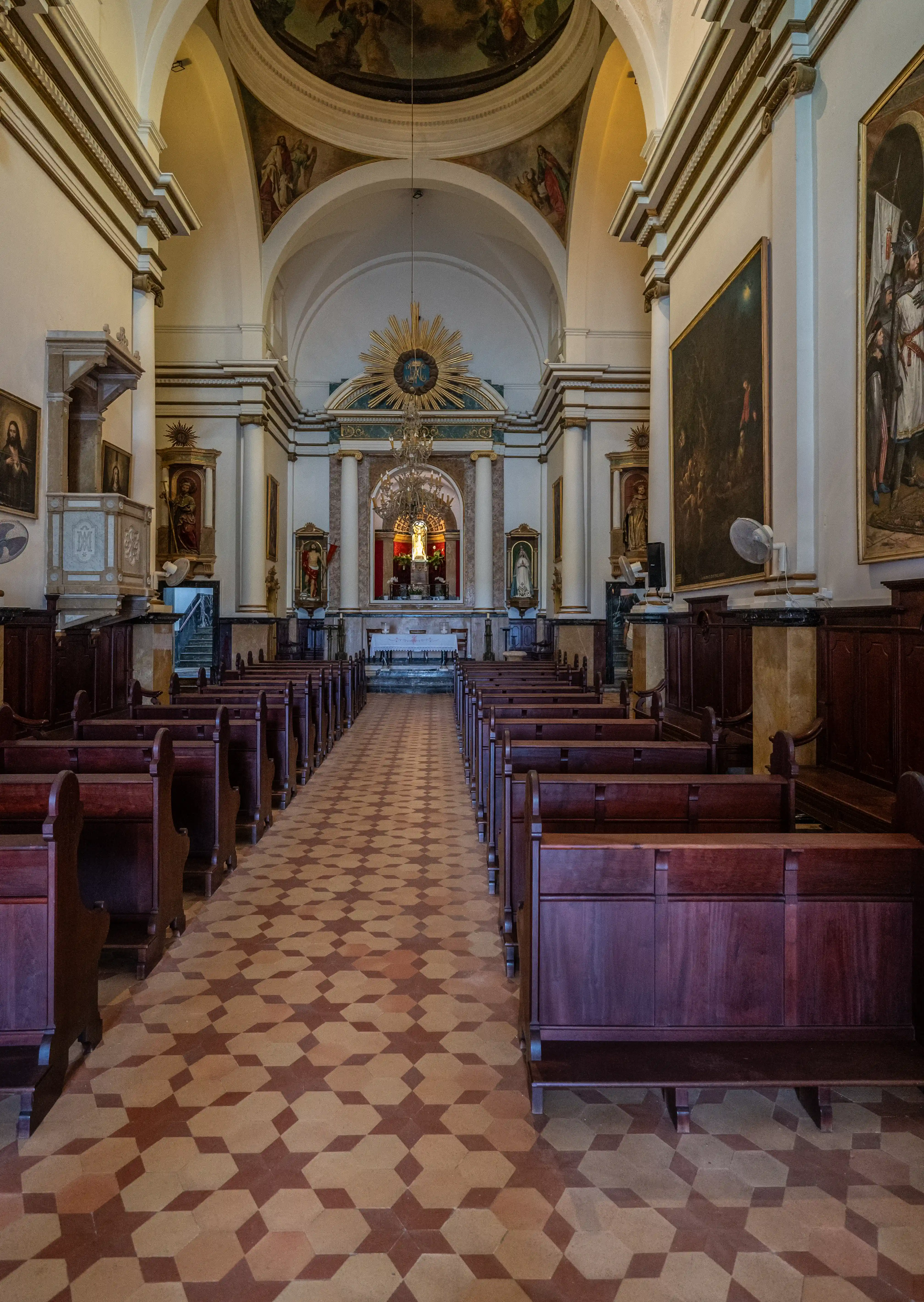
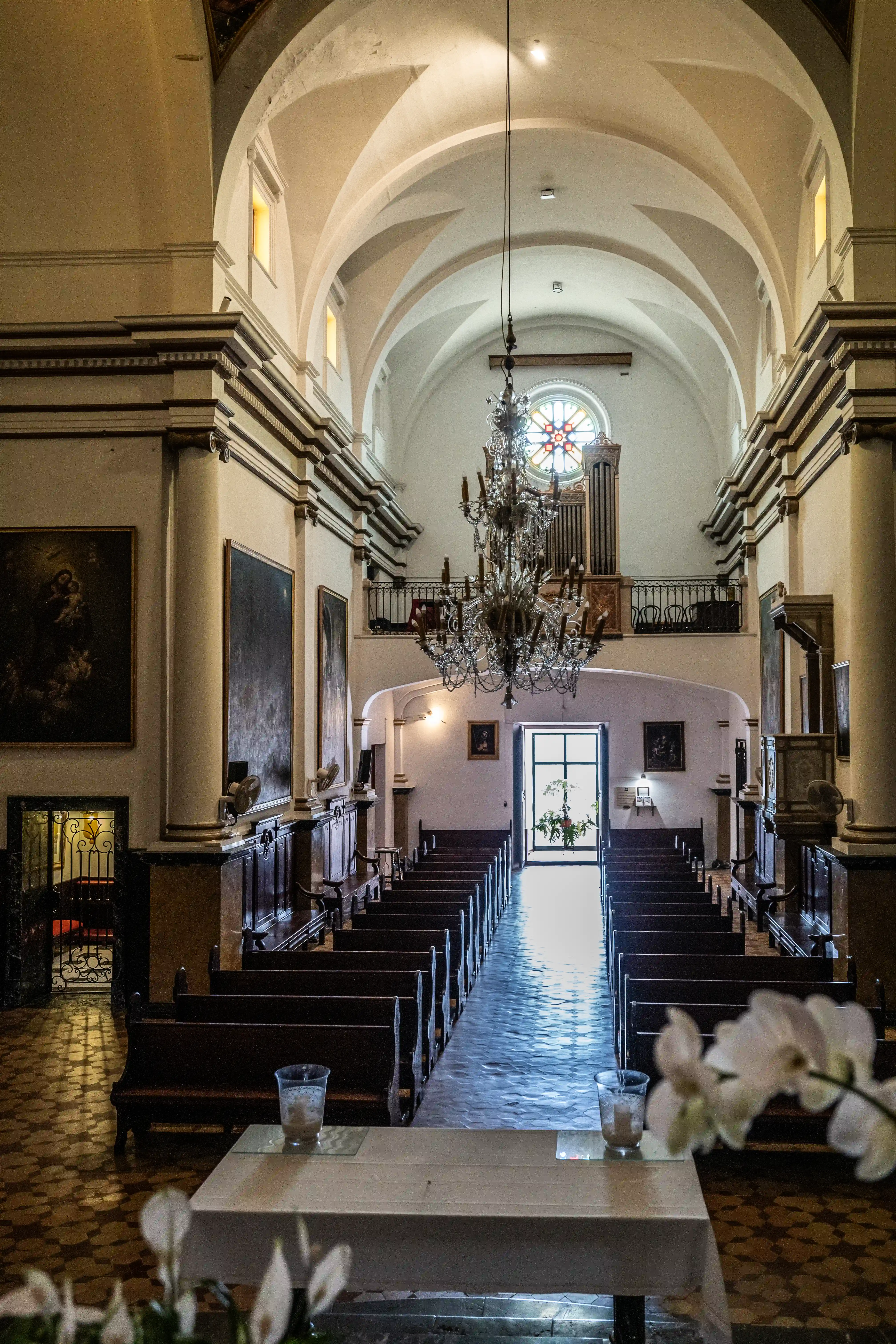
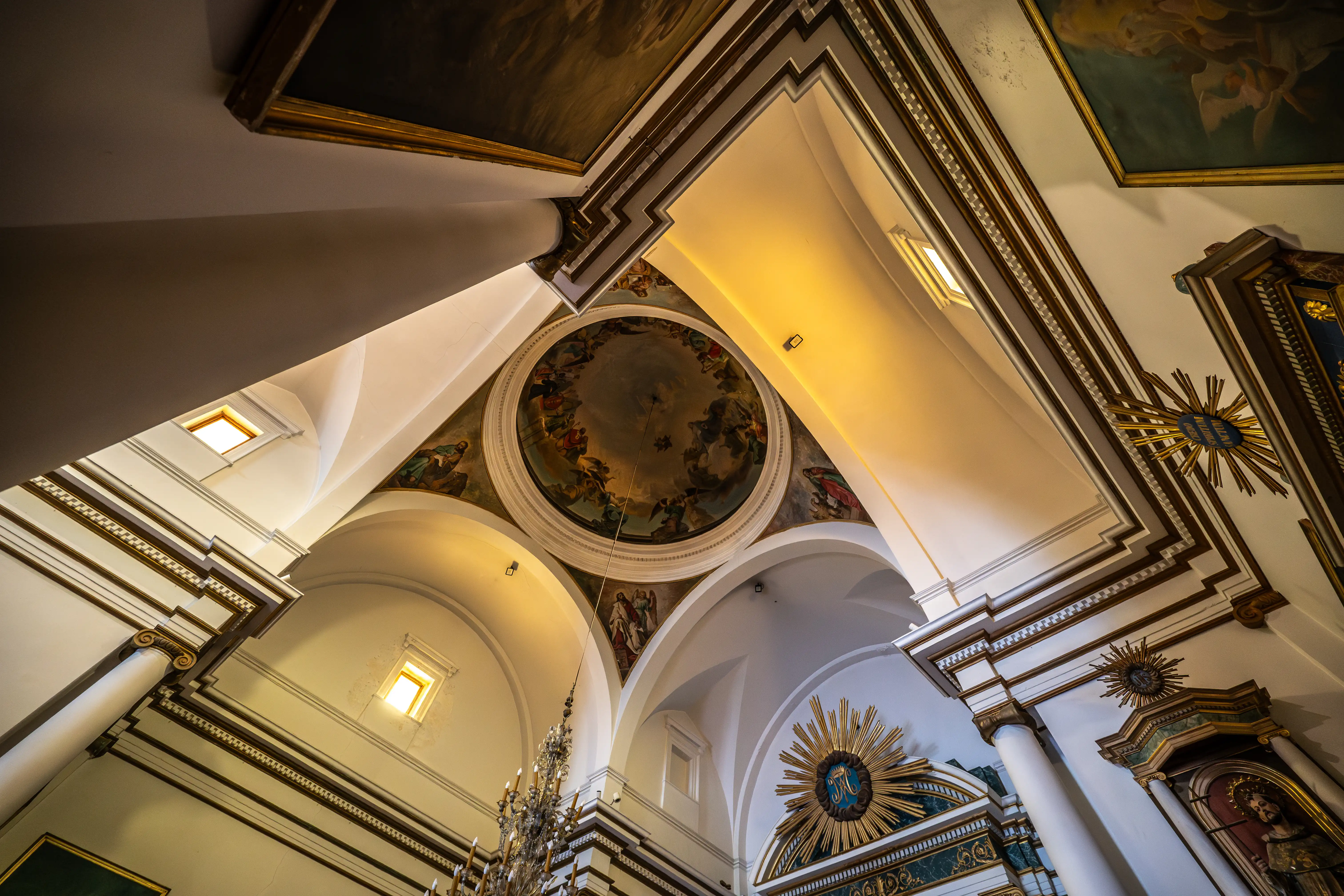
The current church was constructed between 1825 and 1832, replacing an earlier Gothic-style church that had been consecrated in 1248 on the site of a former mosque. The plague of 1820 devastated the original church, leading to its reconstruction in the 19th century. The sanctuary’s fortified walls, which date back to the Moorish era, were expanded after the Catalan conquest of Mallorca and now enclose the complex, giving it the appearance of a fortress. The one-meter-thick walls include seven watchtowers, with the main tower, Sant Miquel, standing as a symbol of the sanctuary’s defensive past.
Text generated by Mistral AI
, Text generated by Microsoft CoPilot
, AI Image Describer