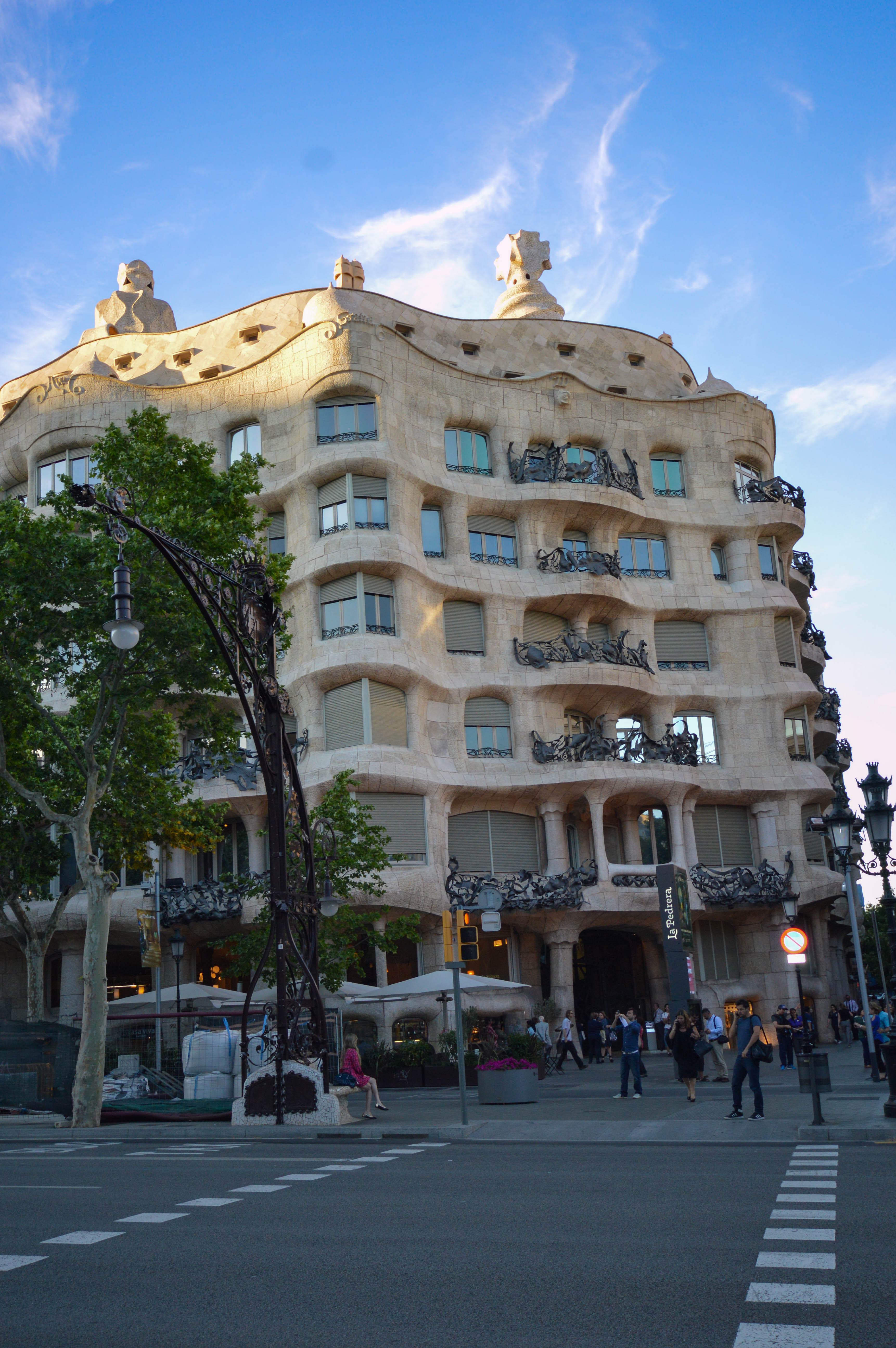
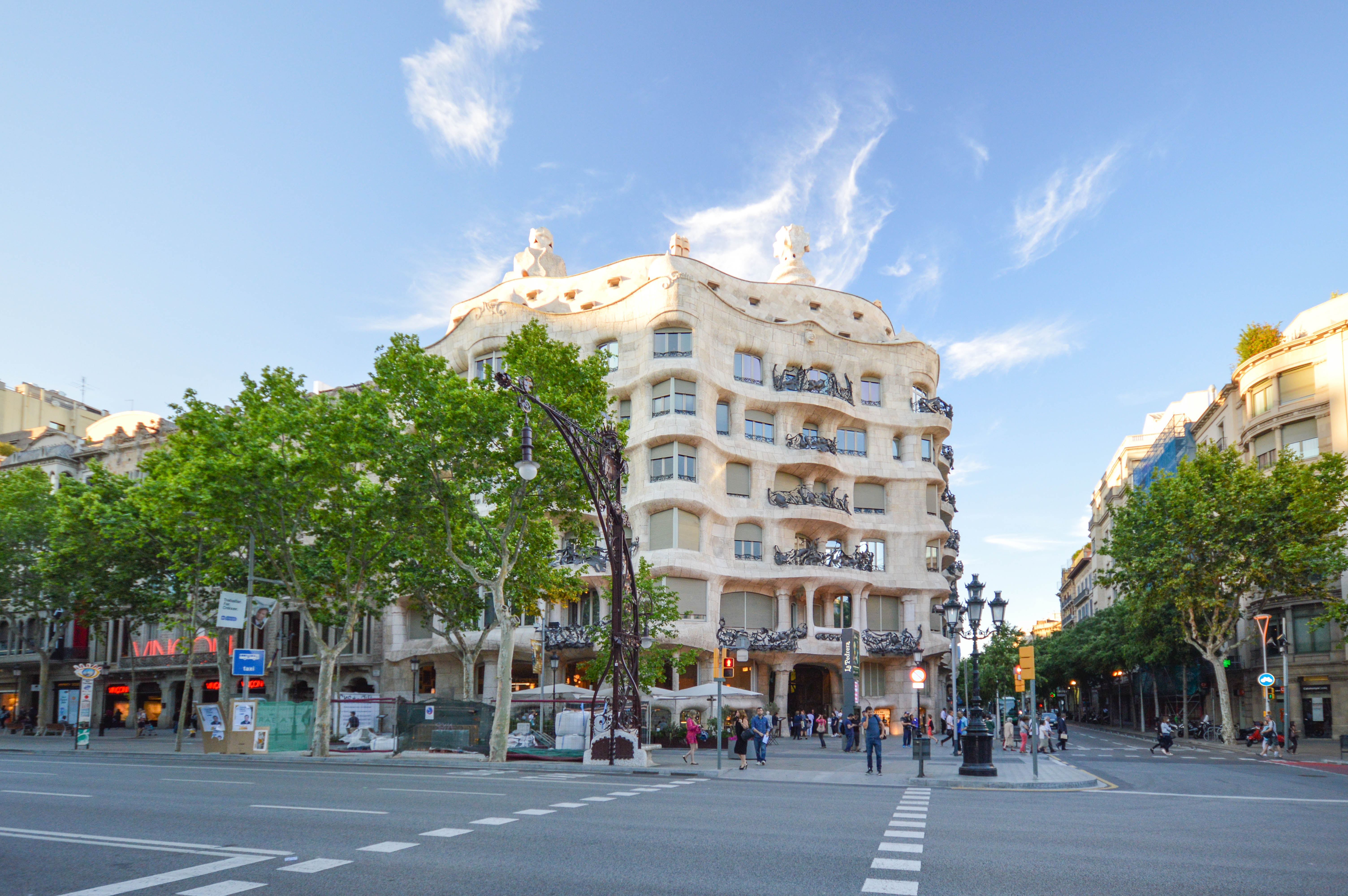
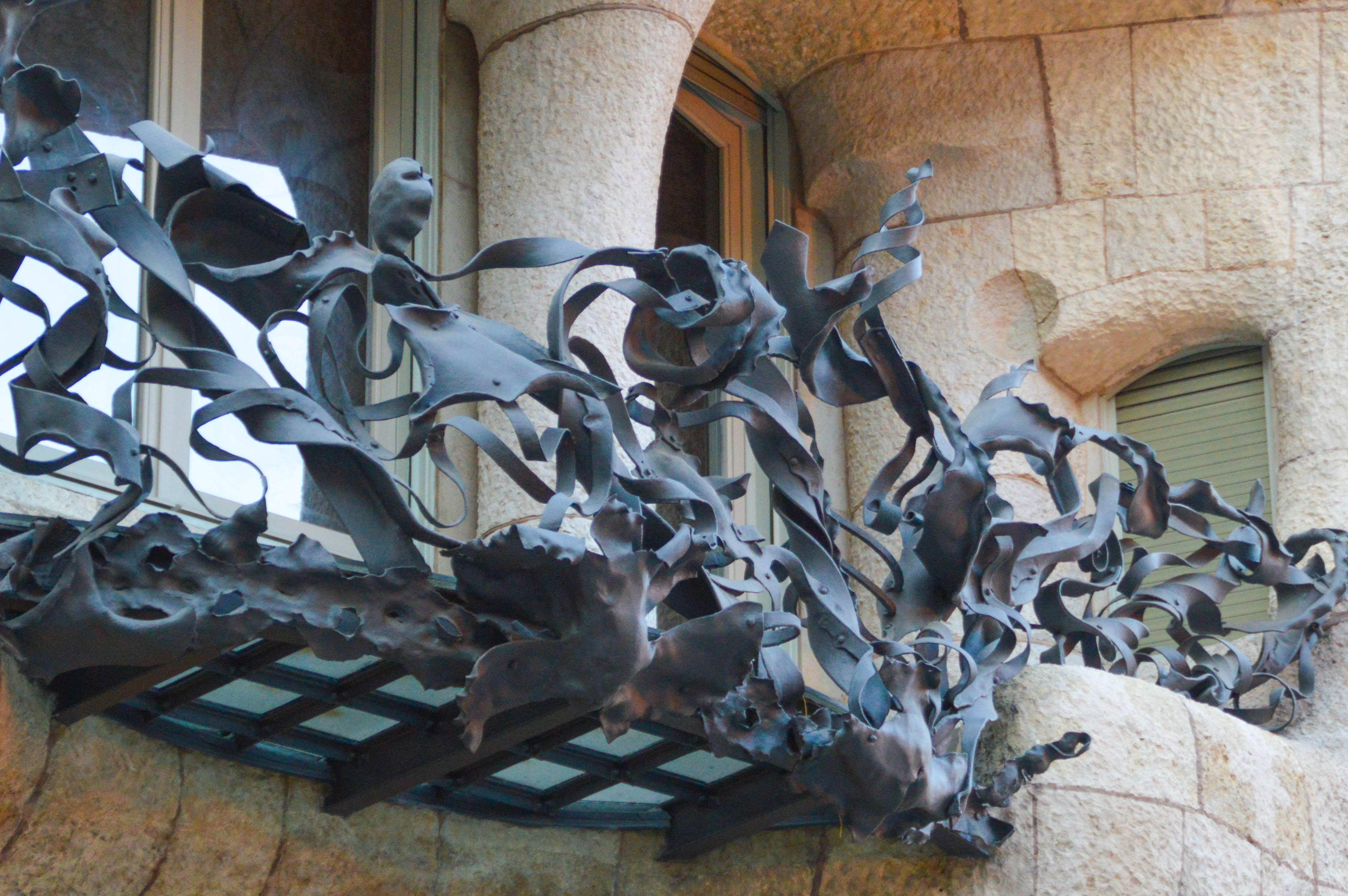
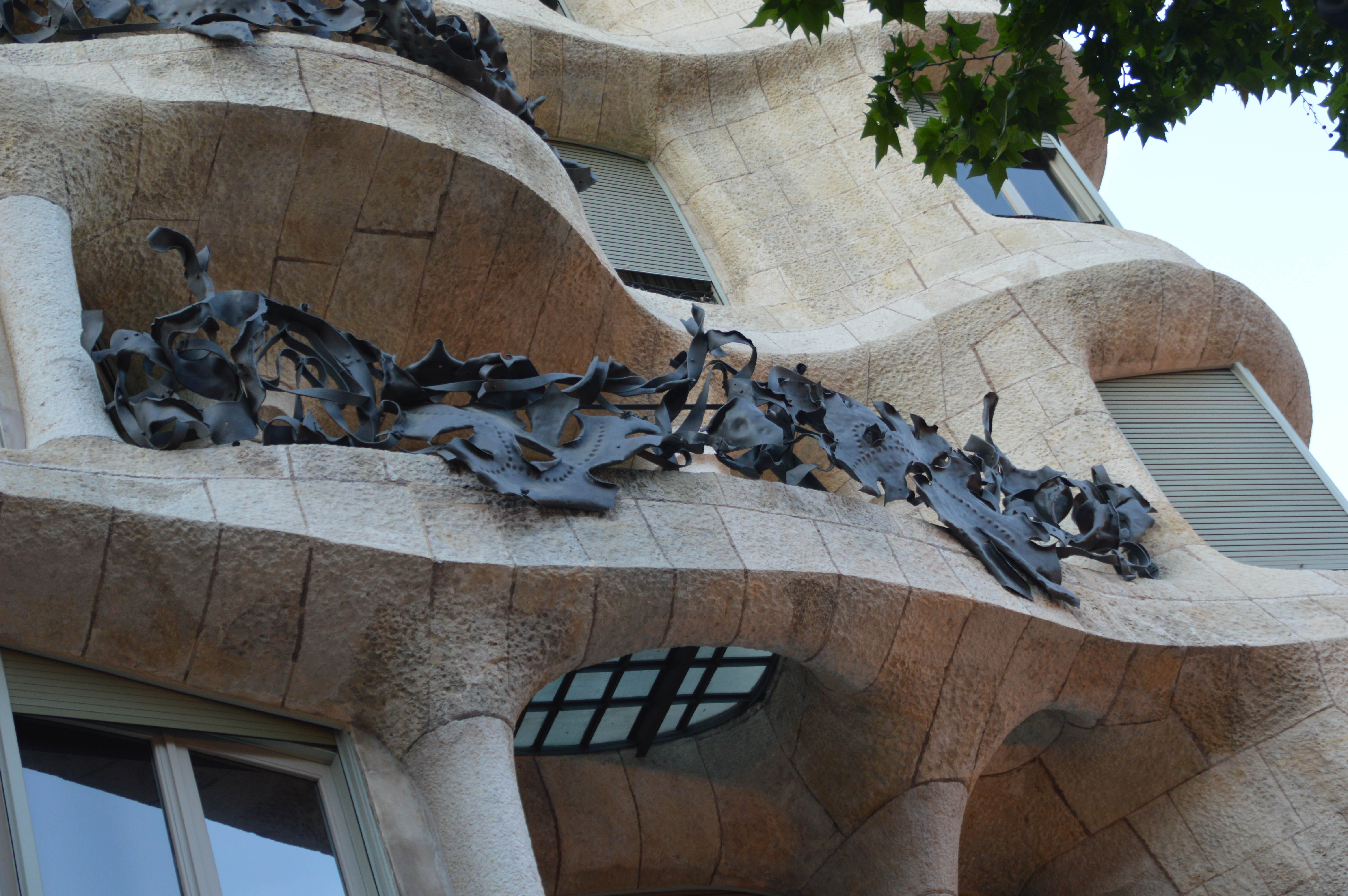
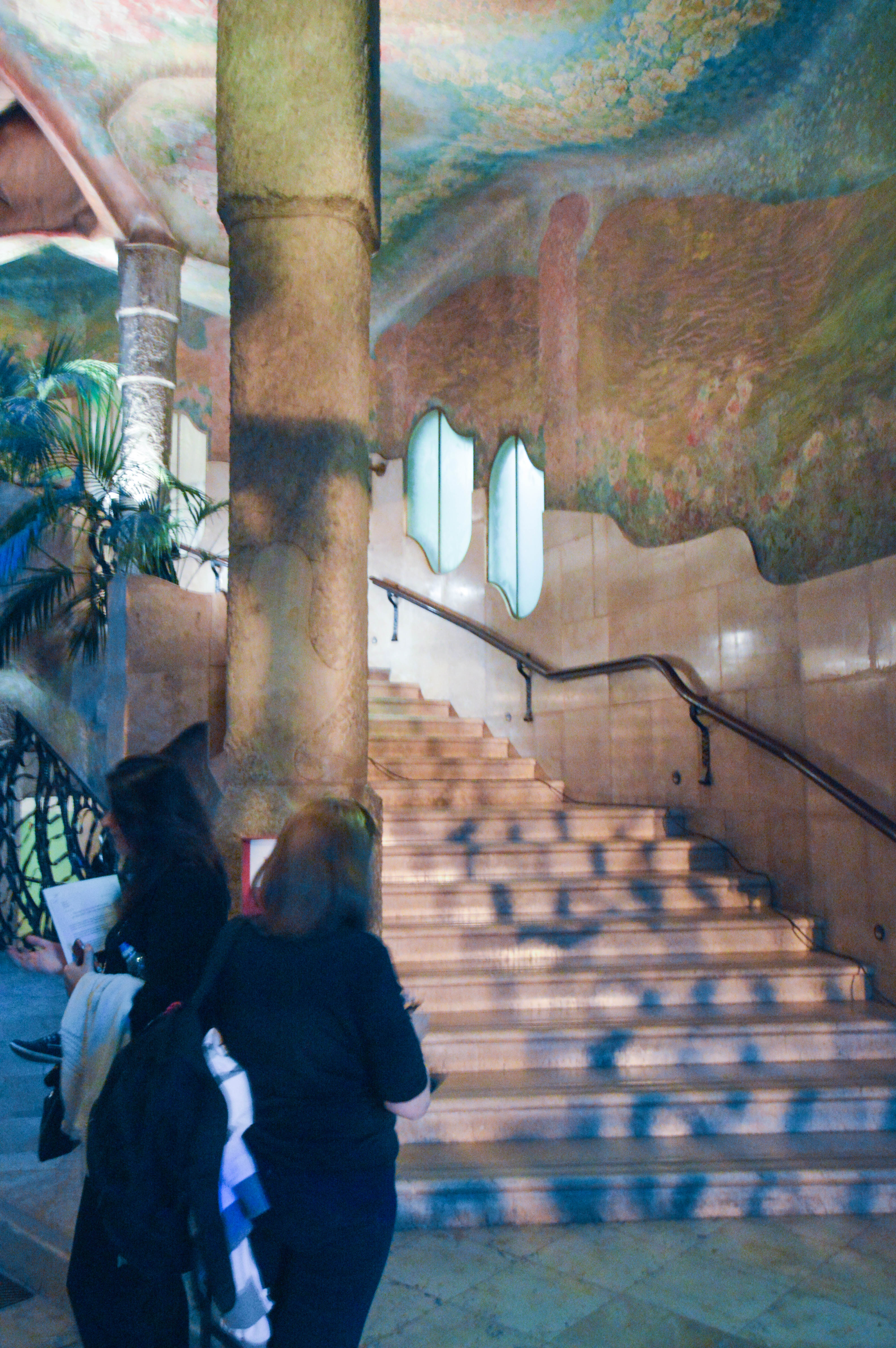
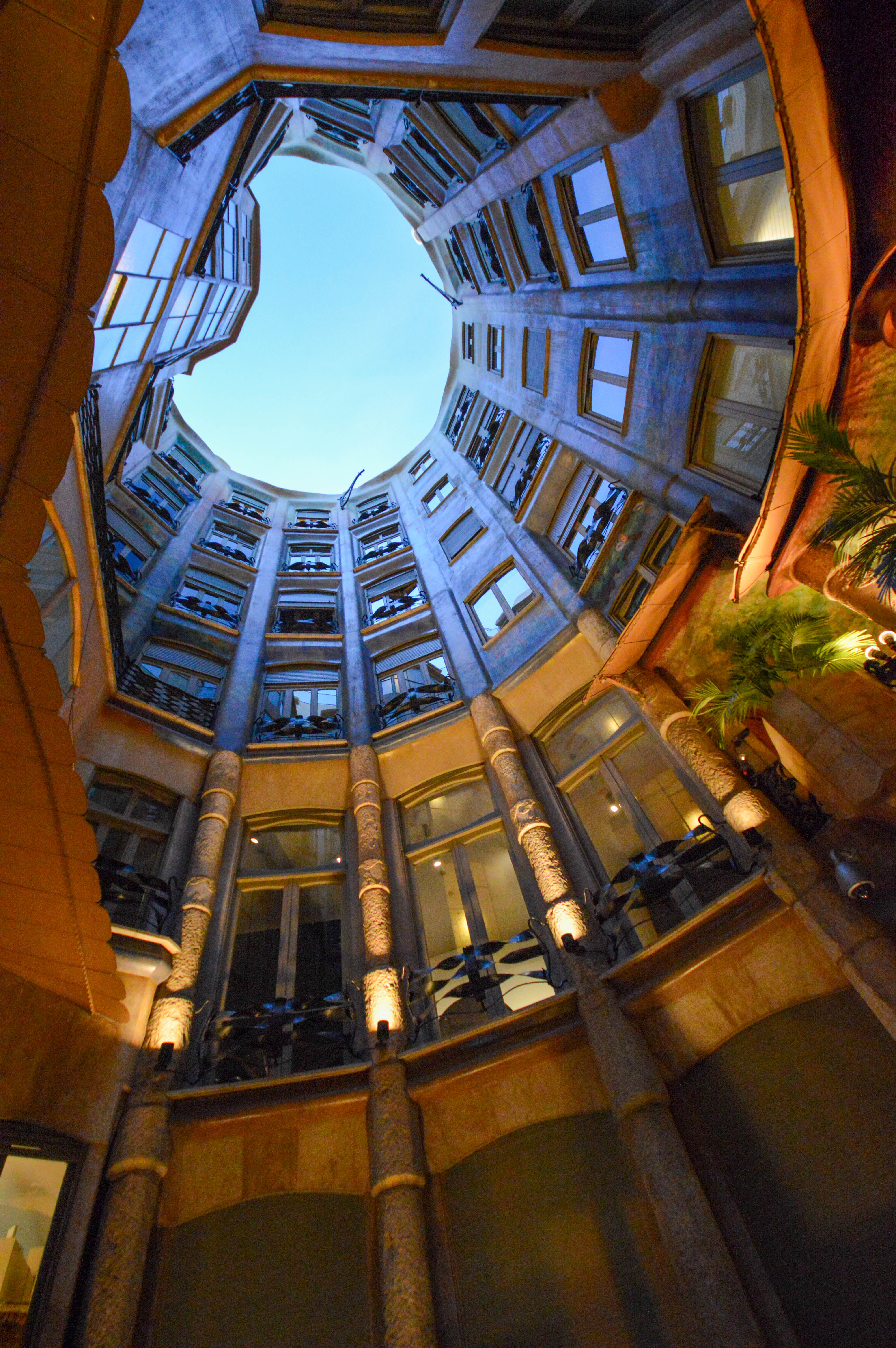
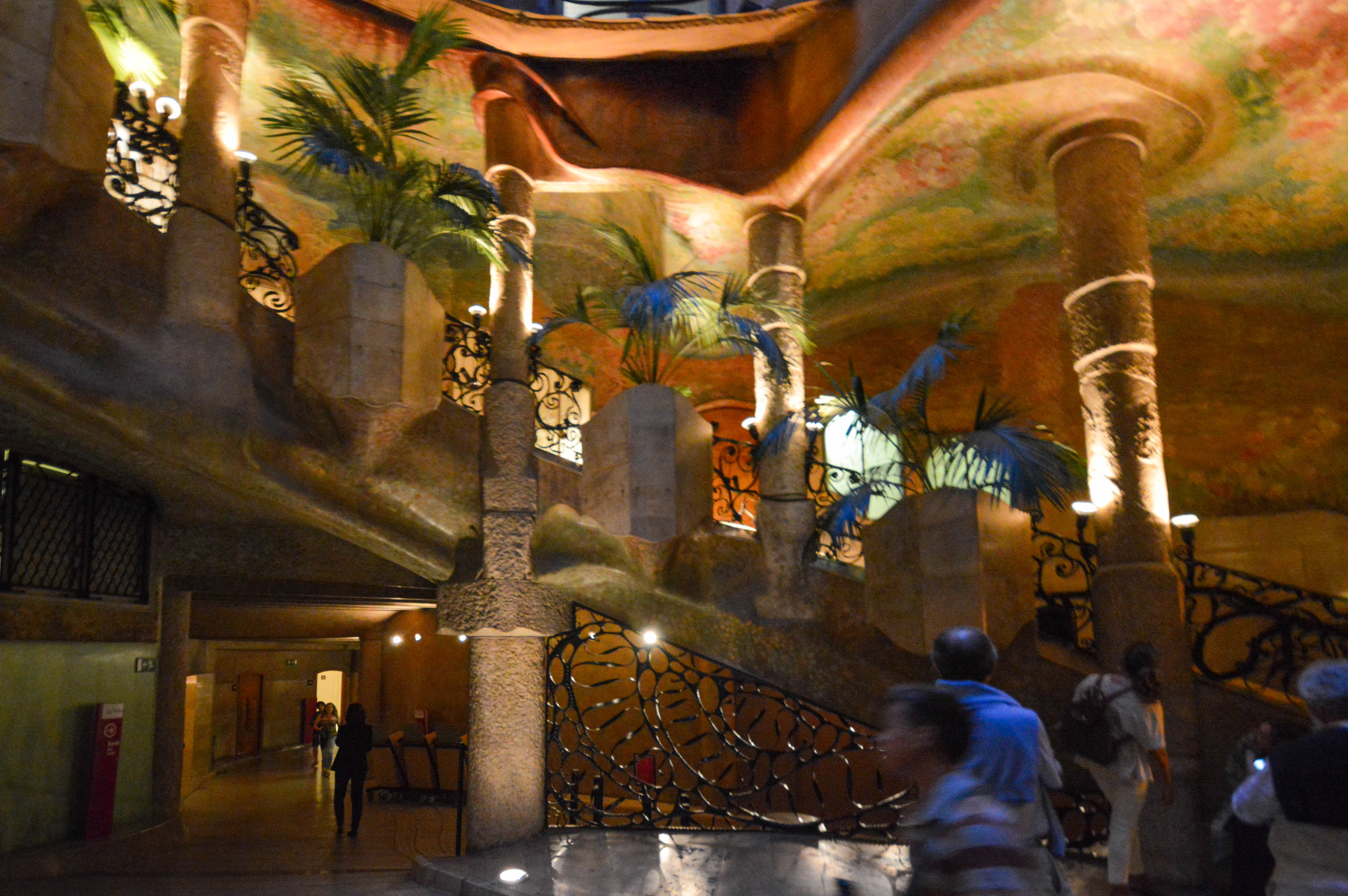
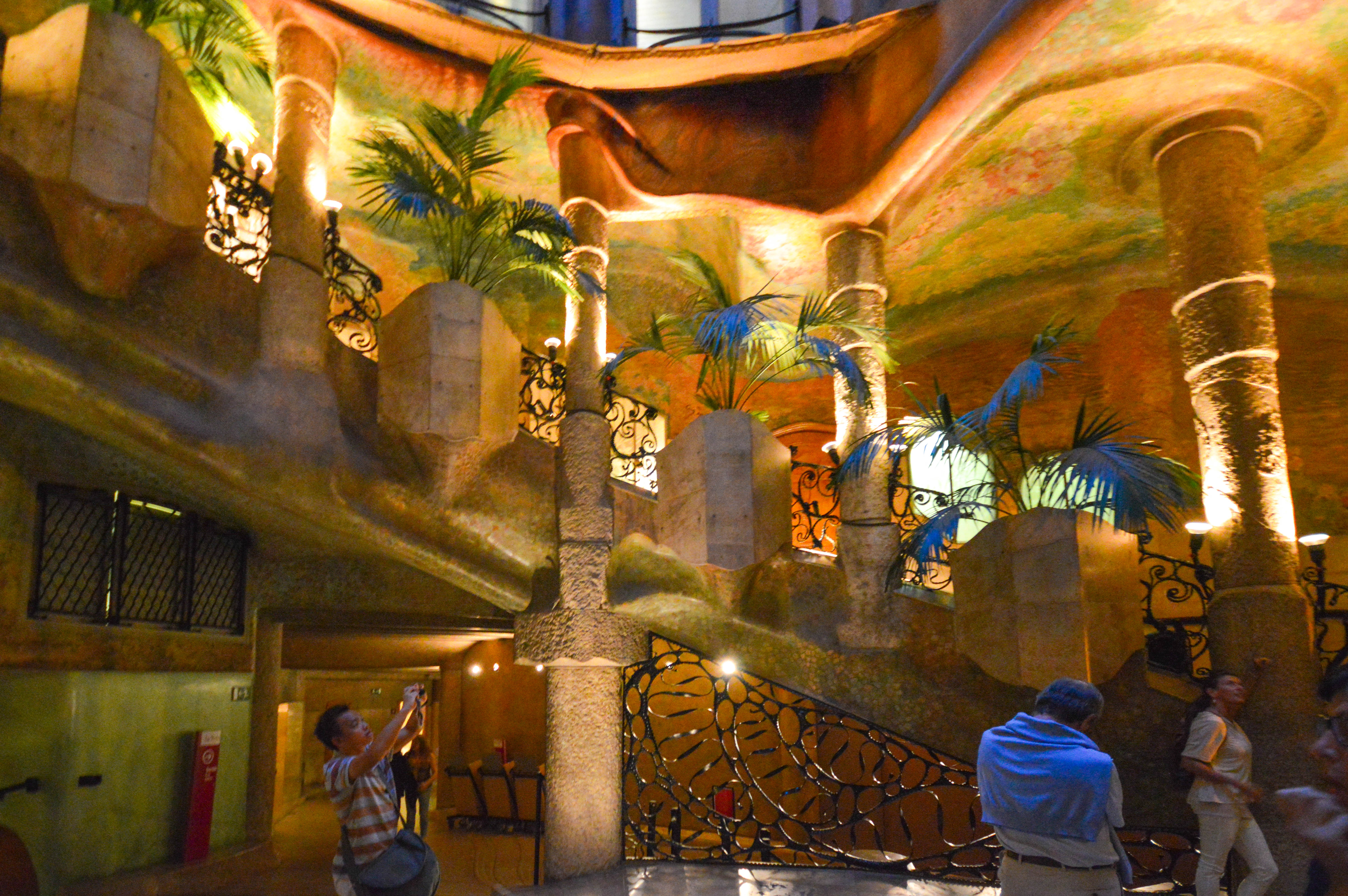
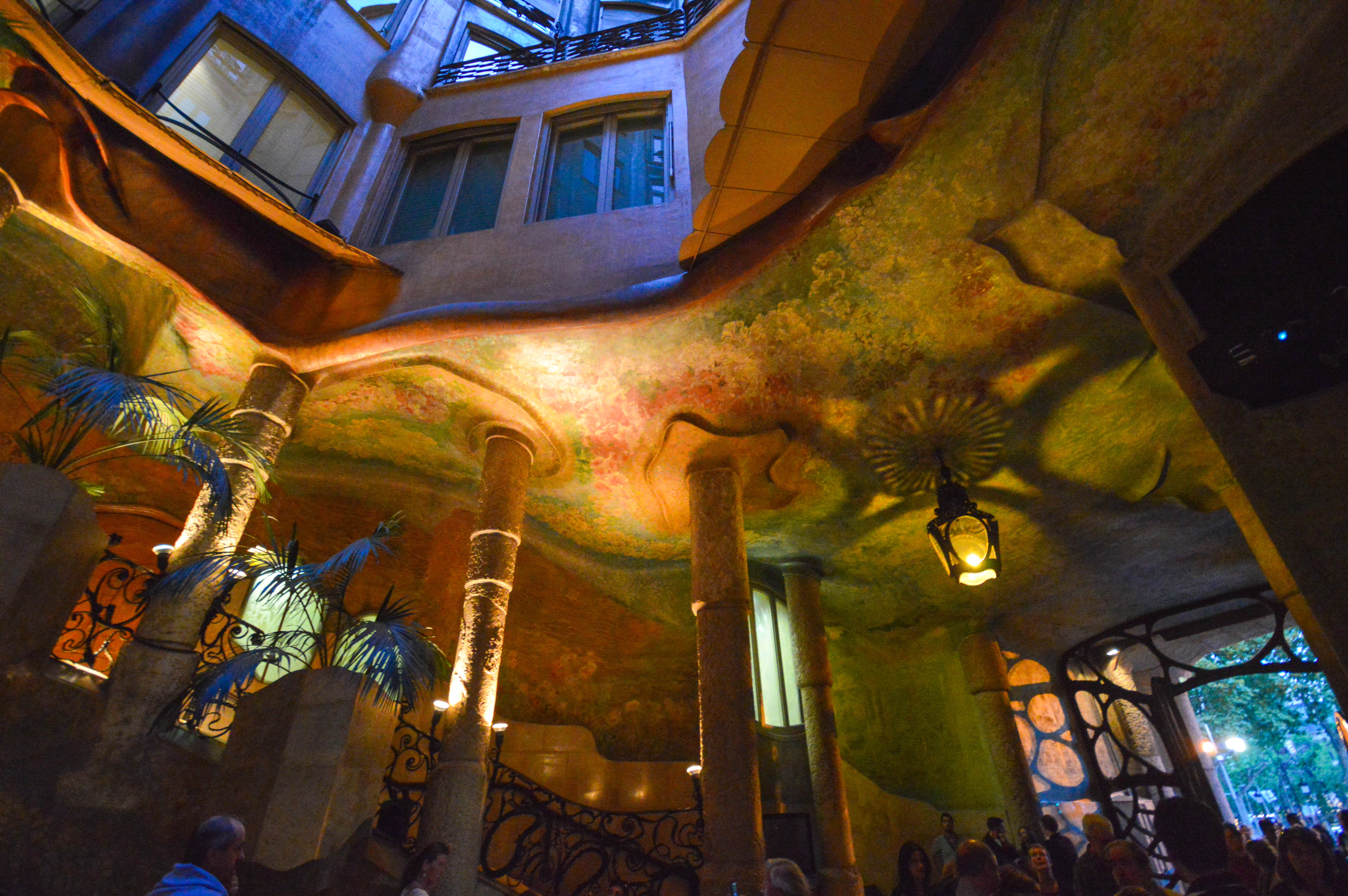
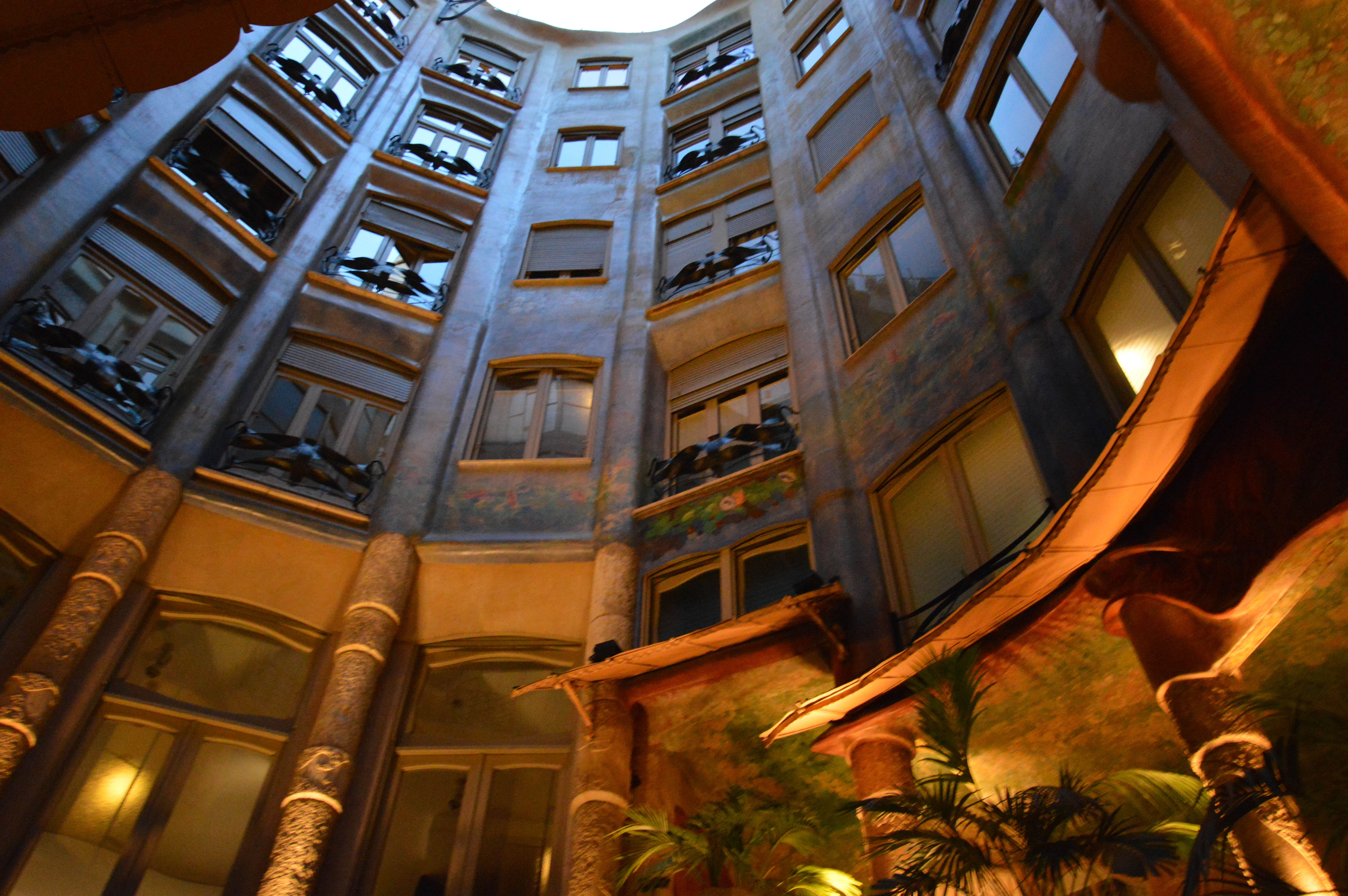
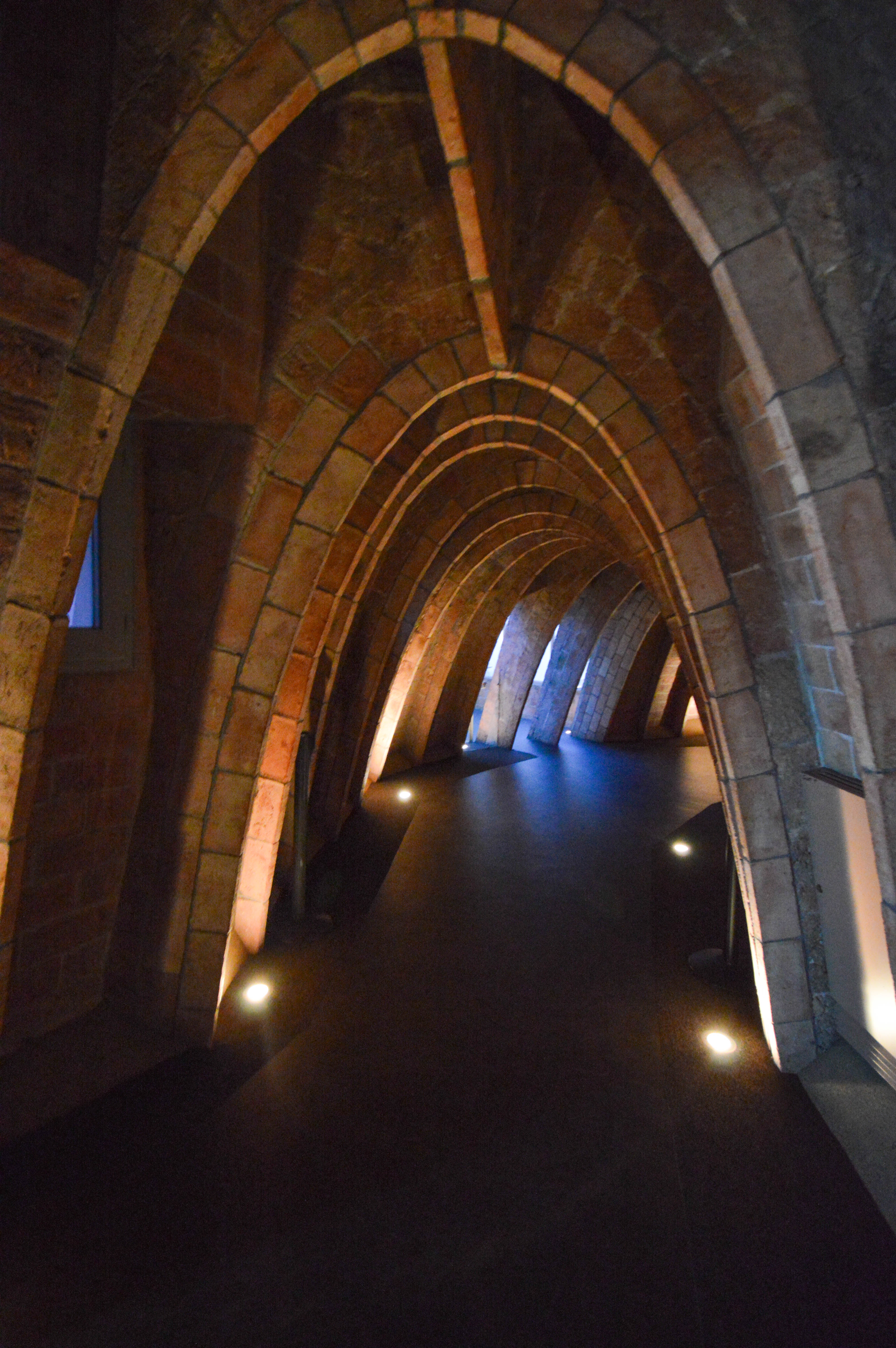
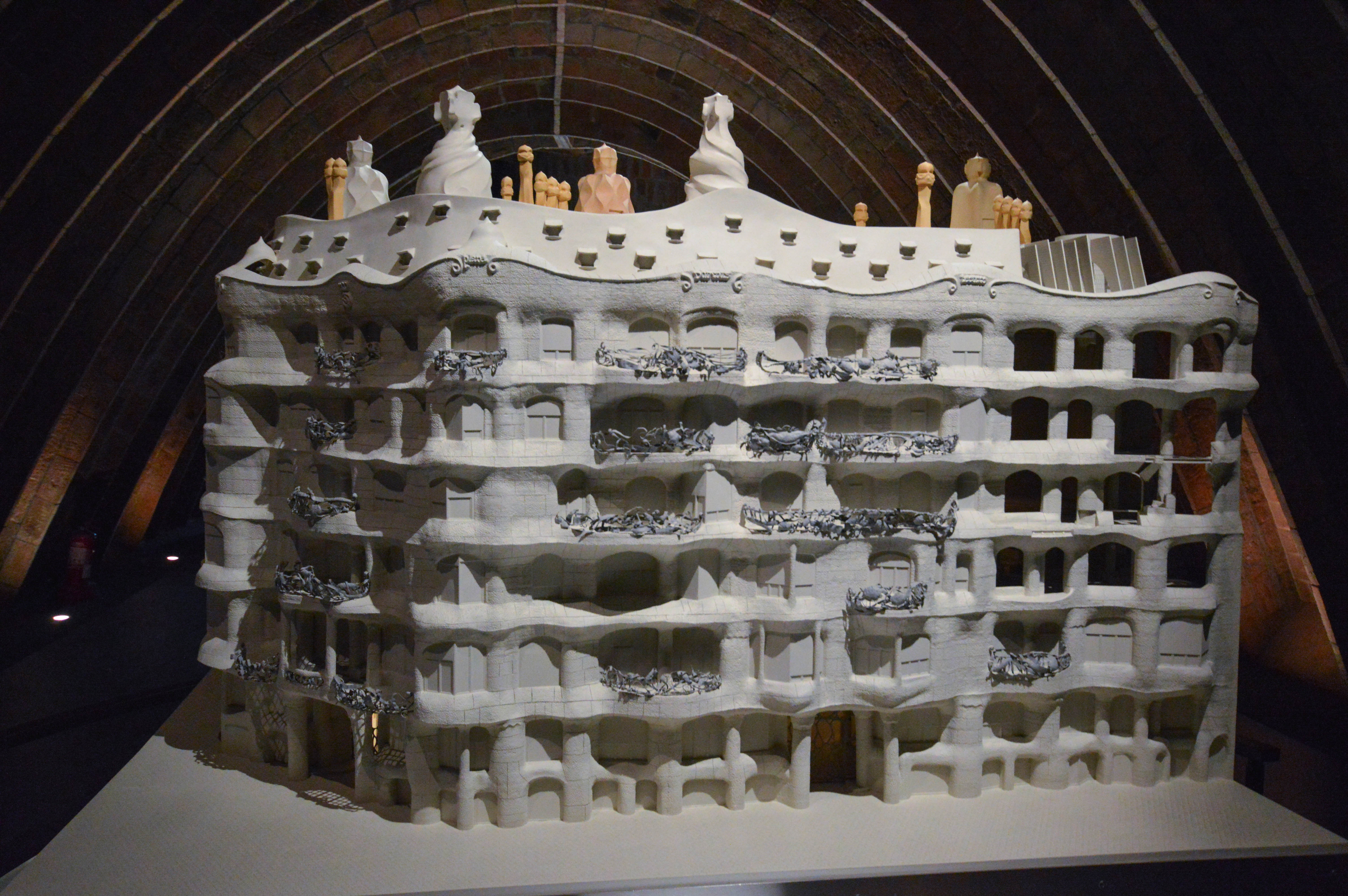
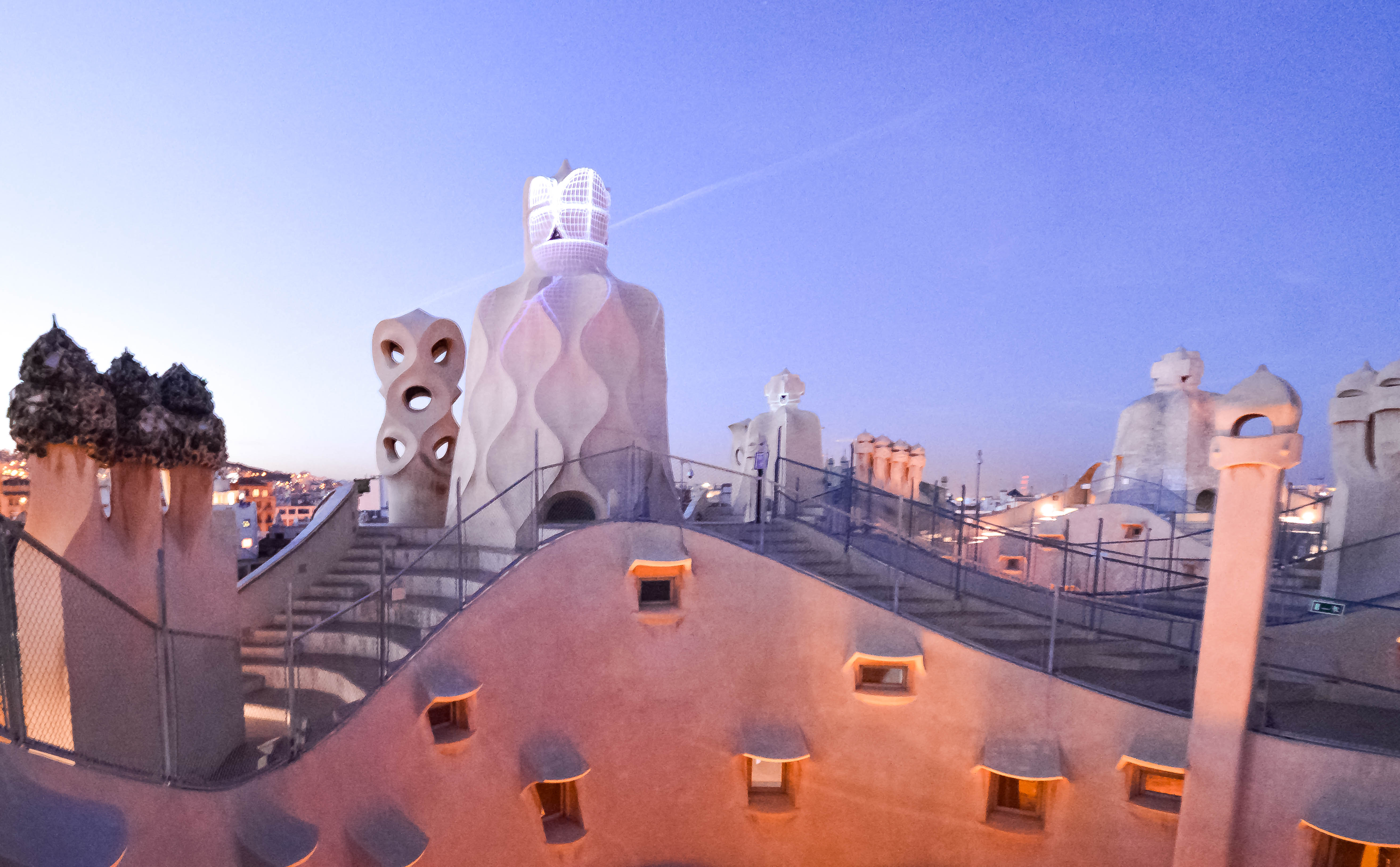
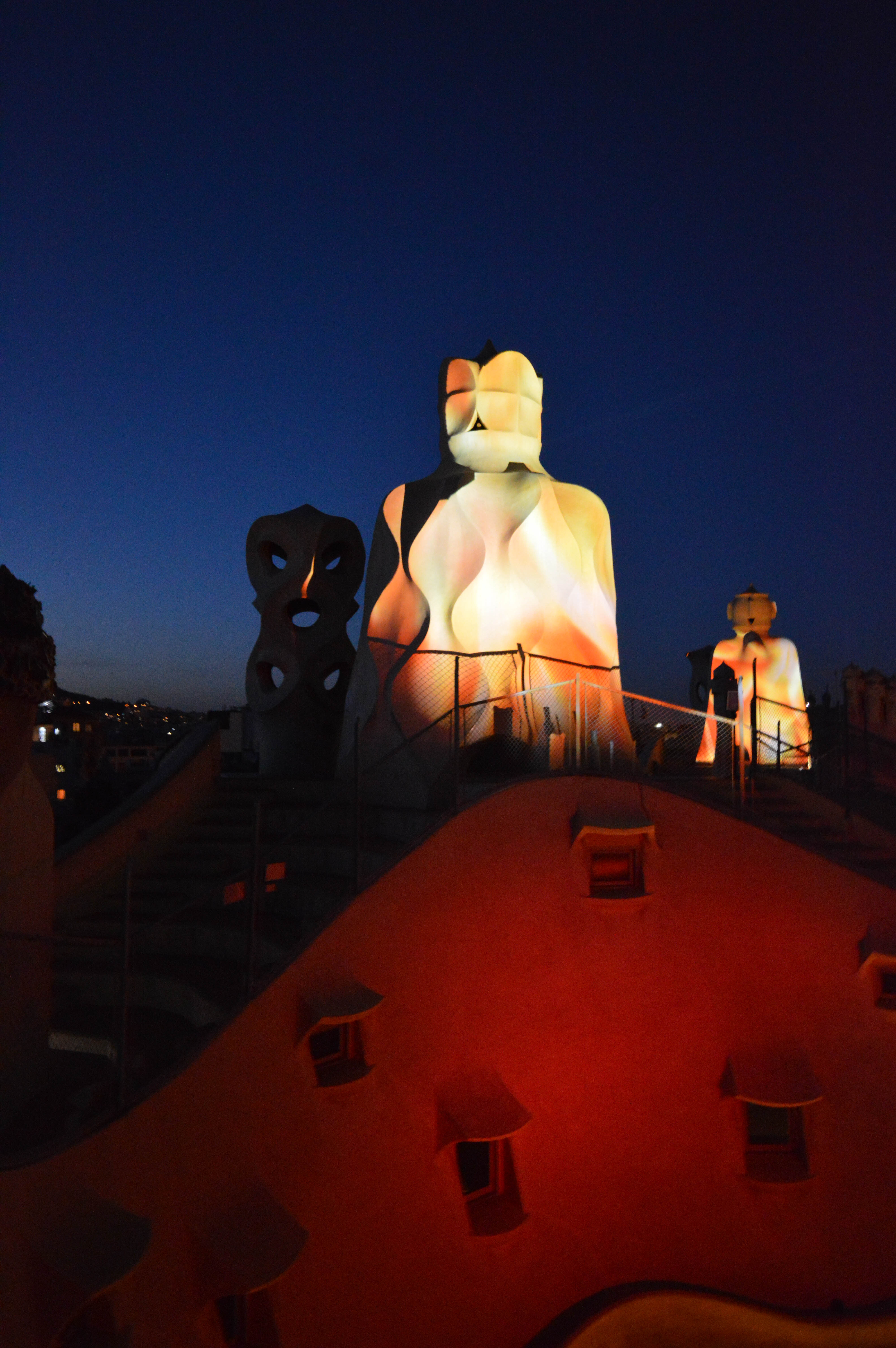
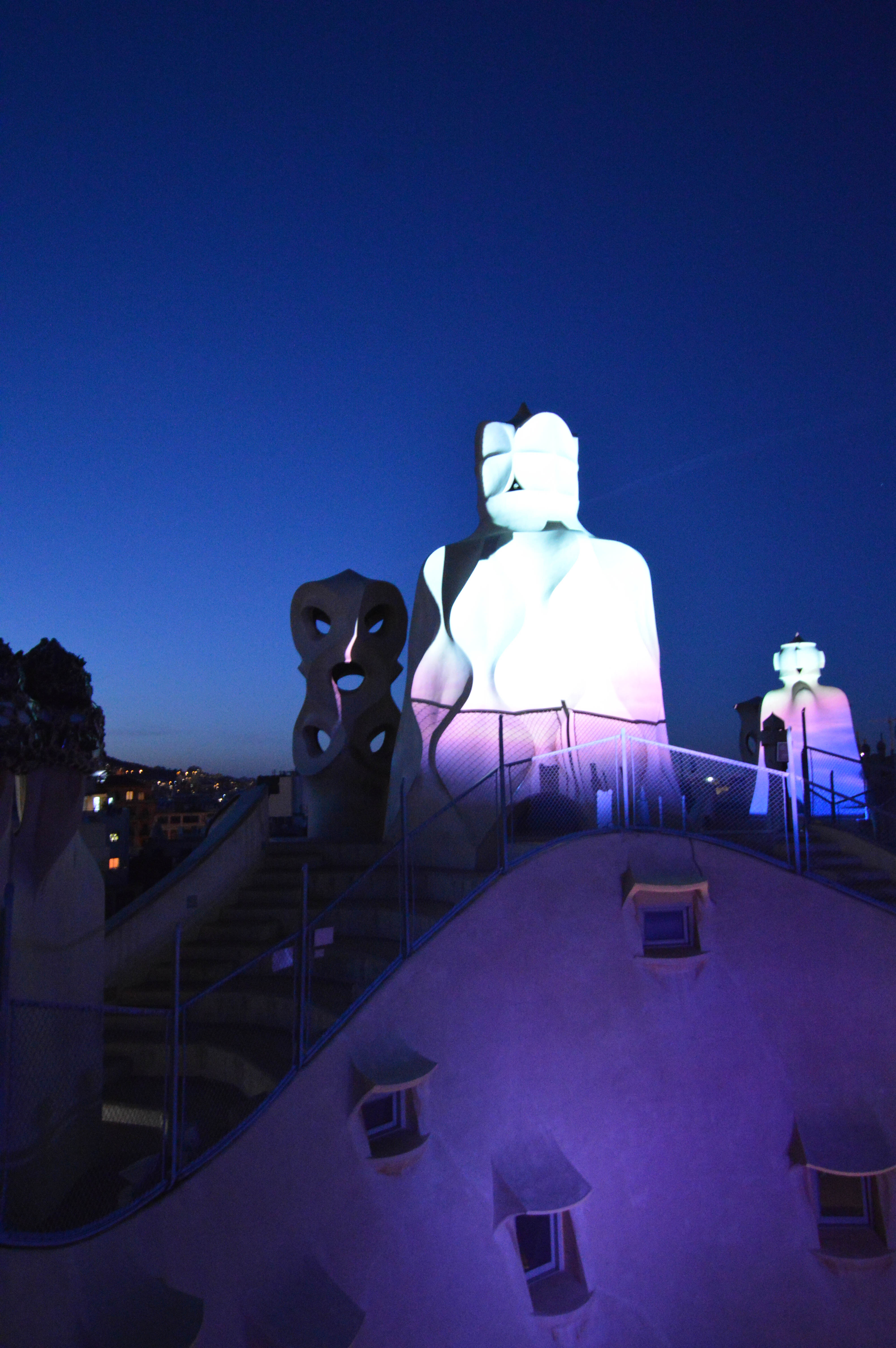
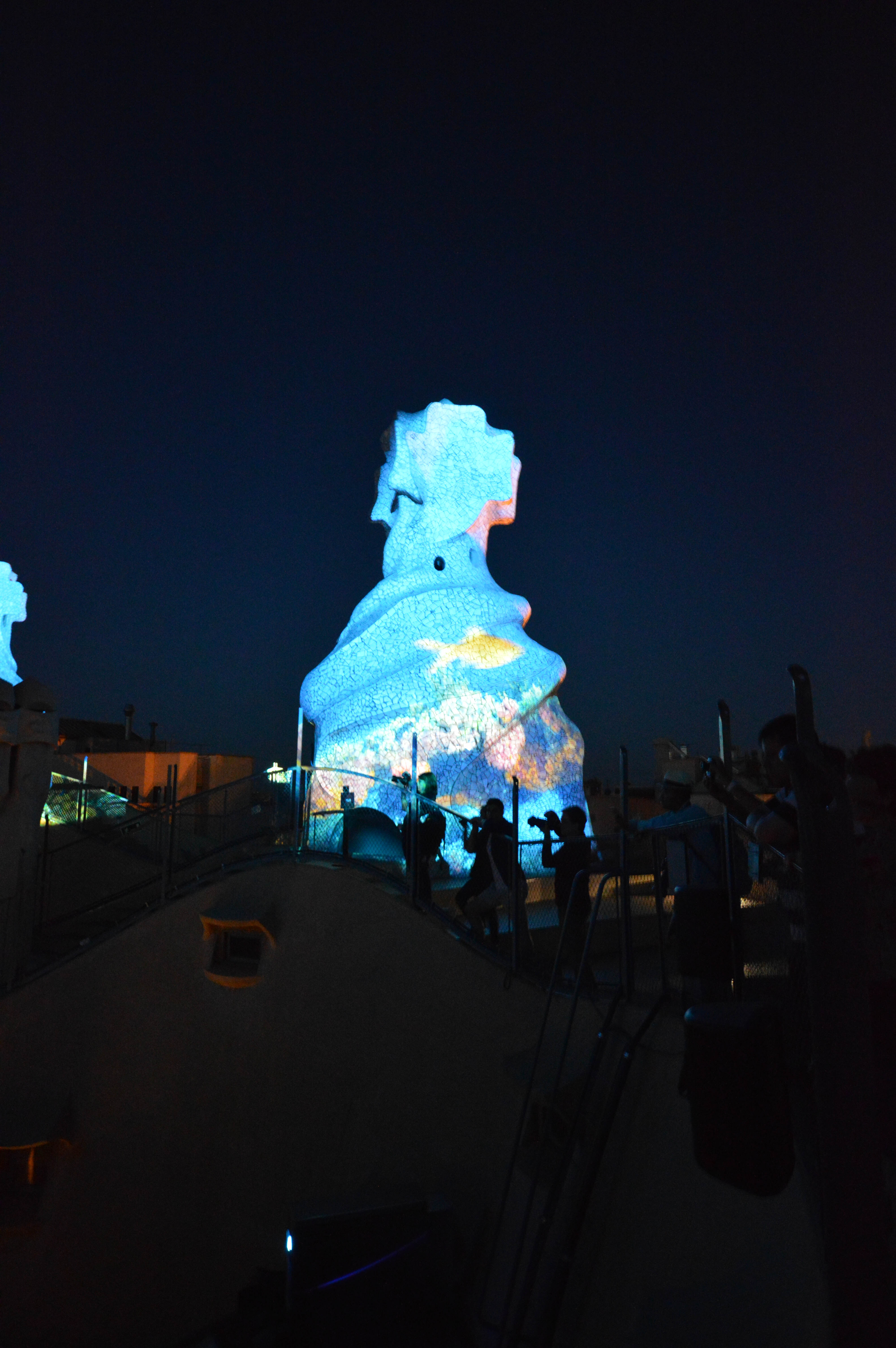
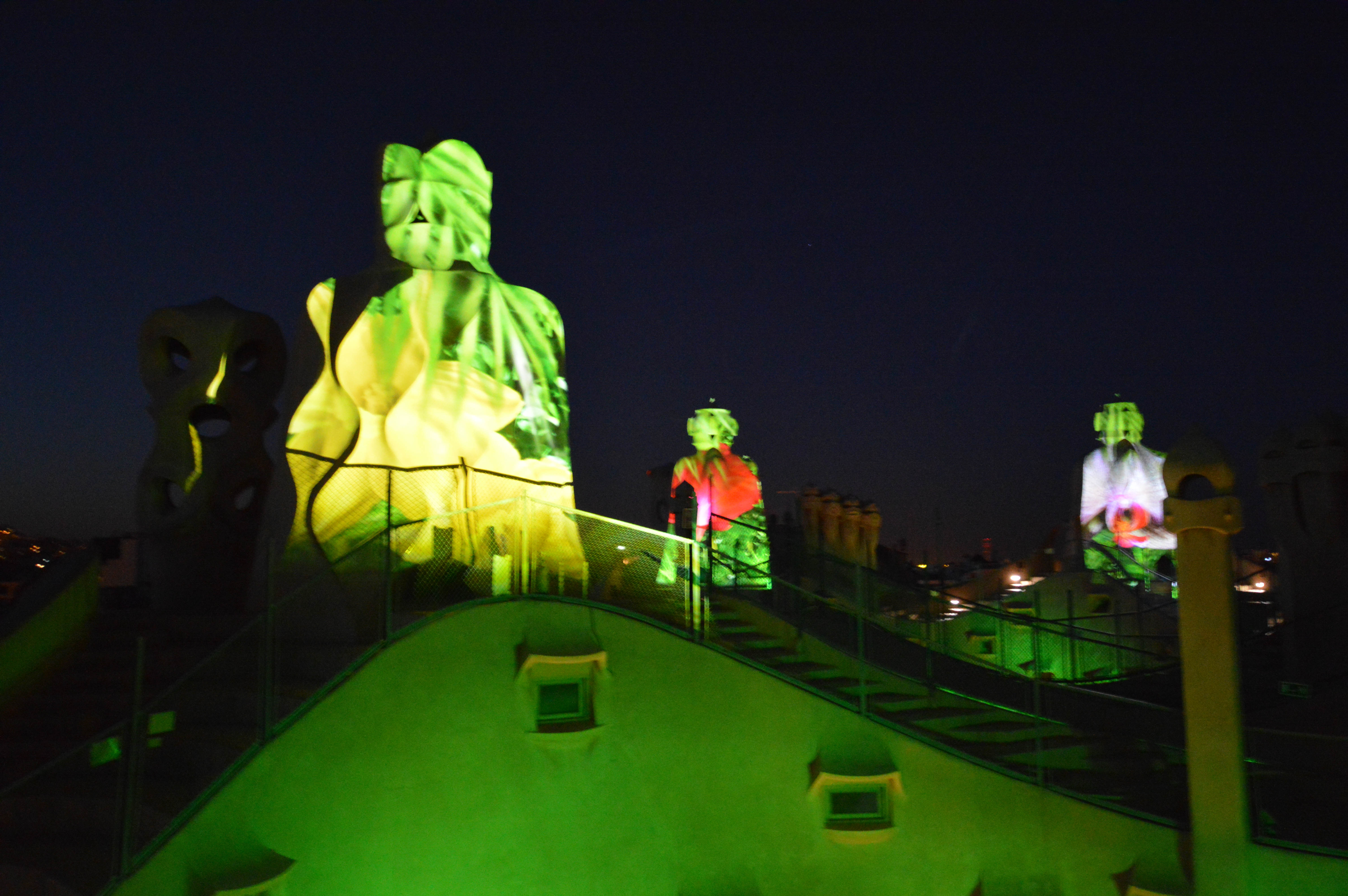
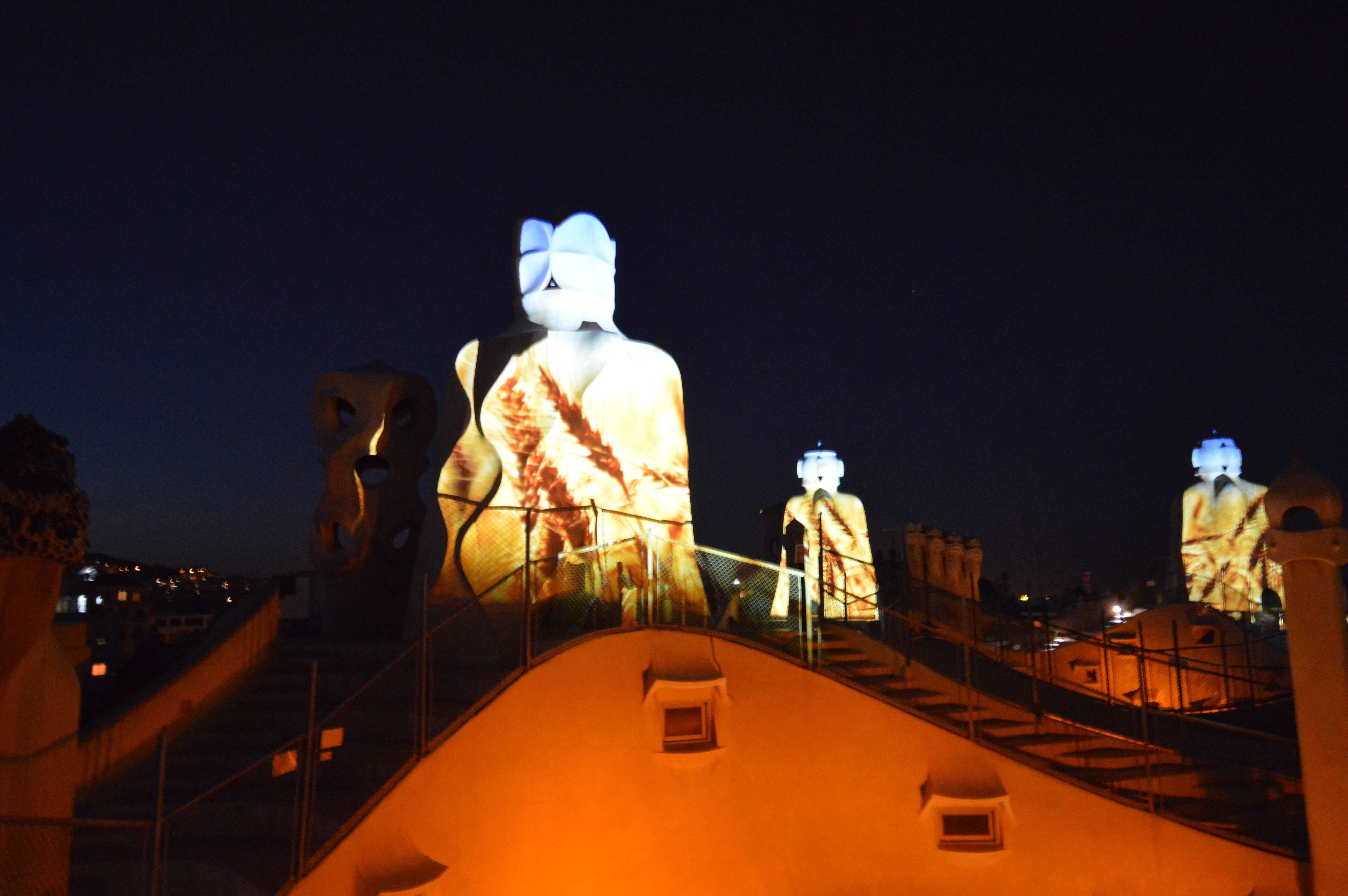
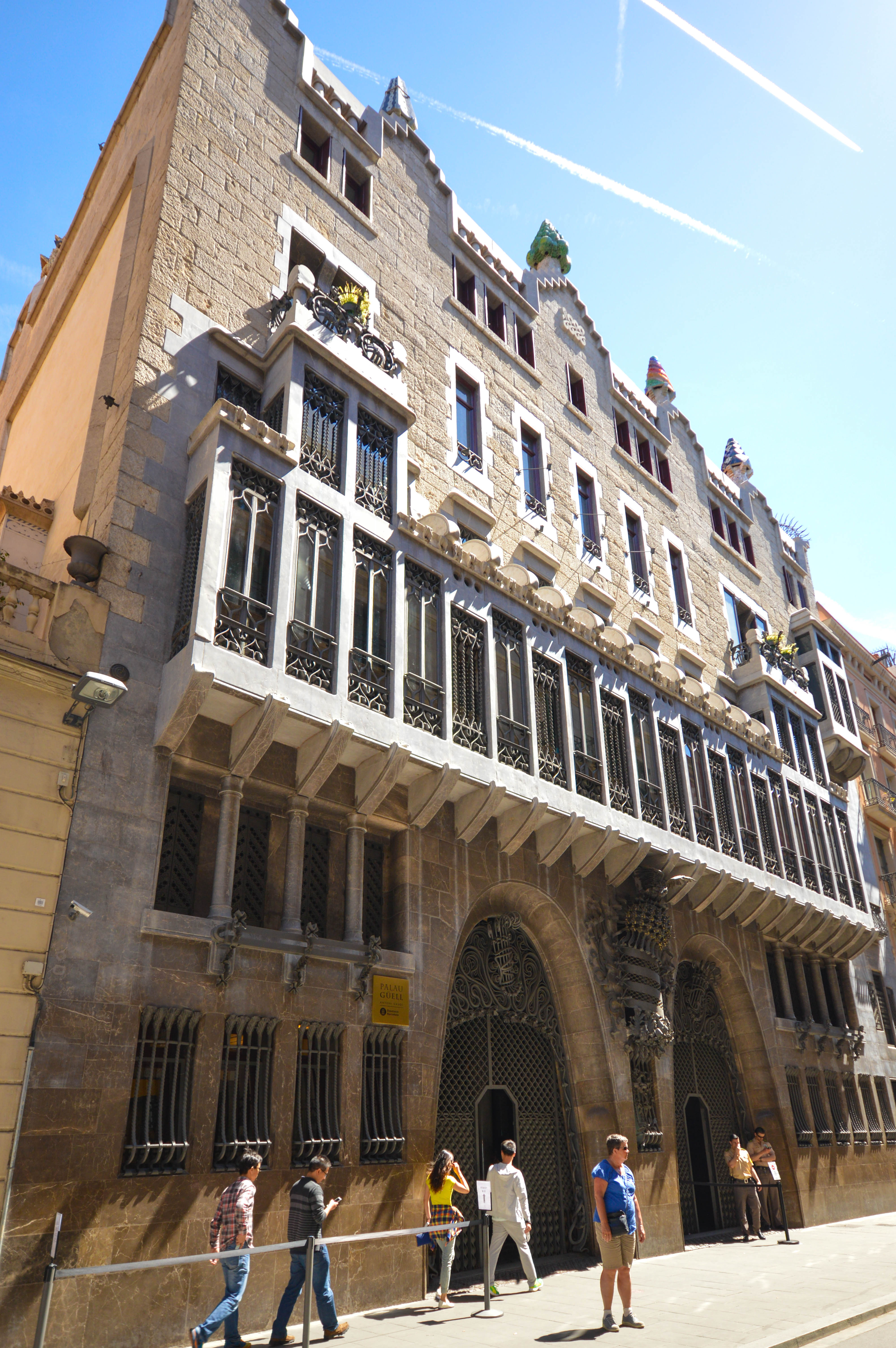
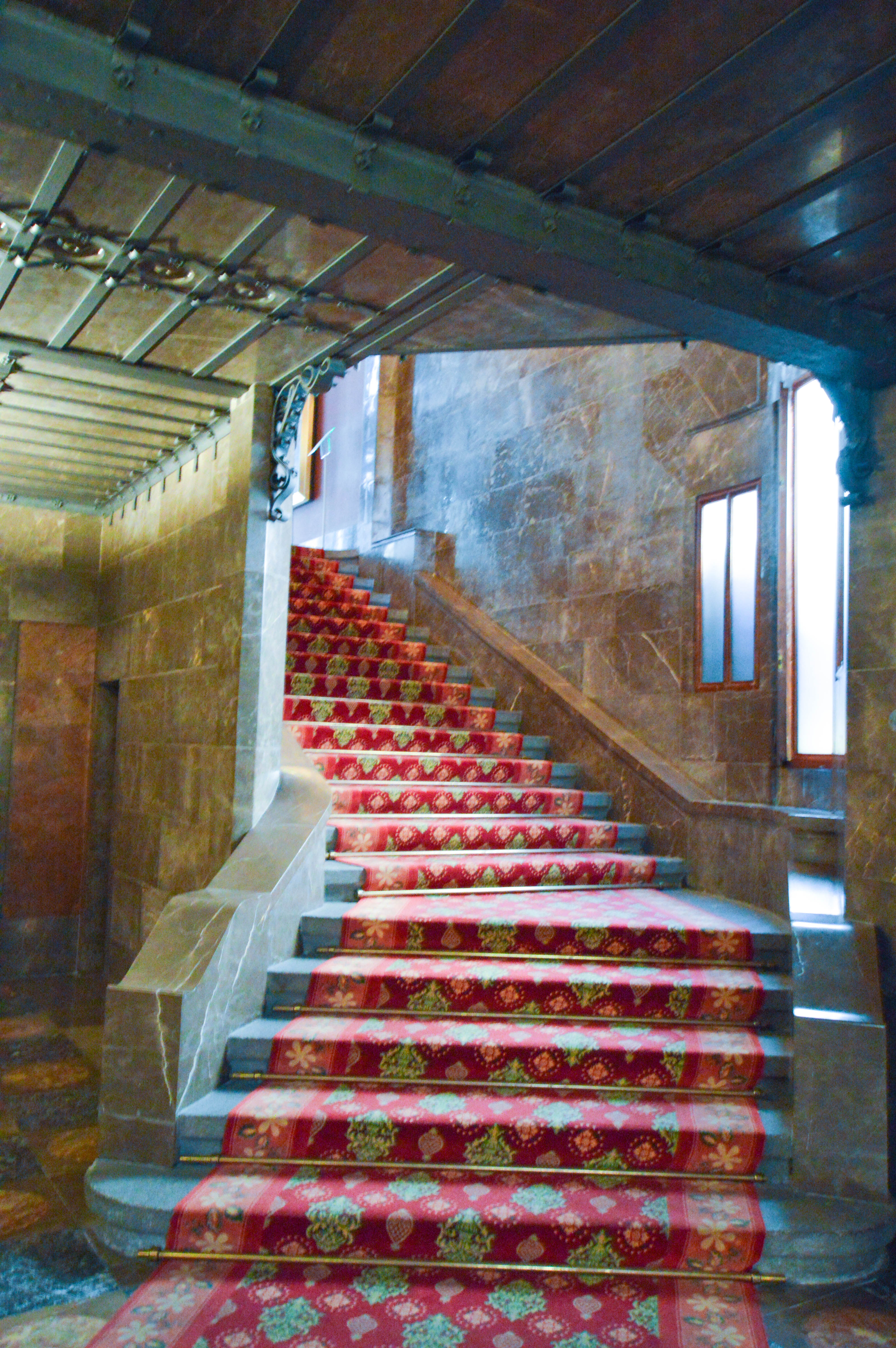
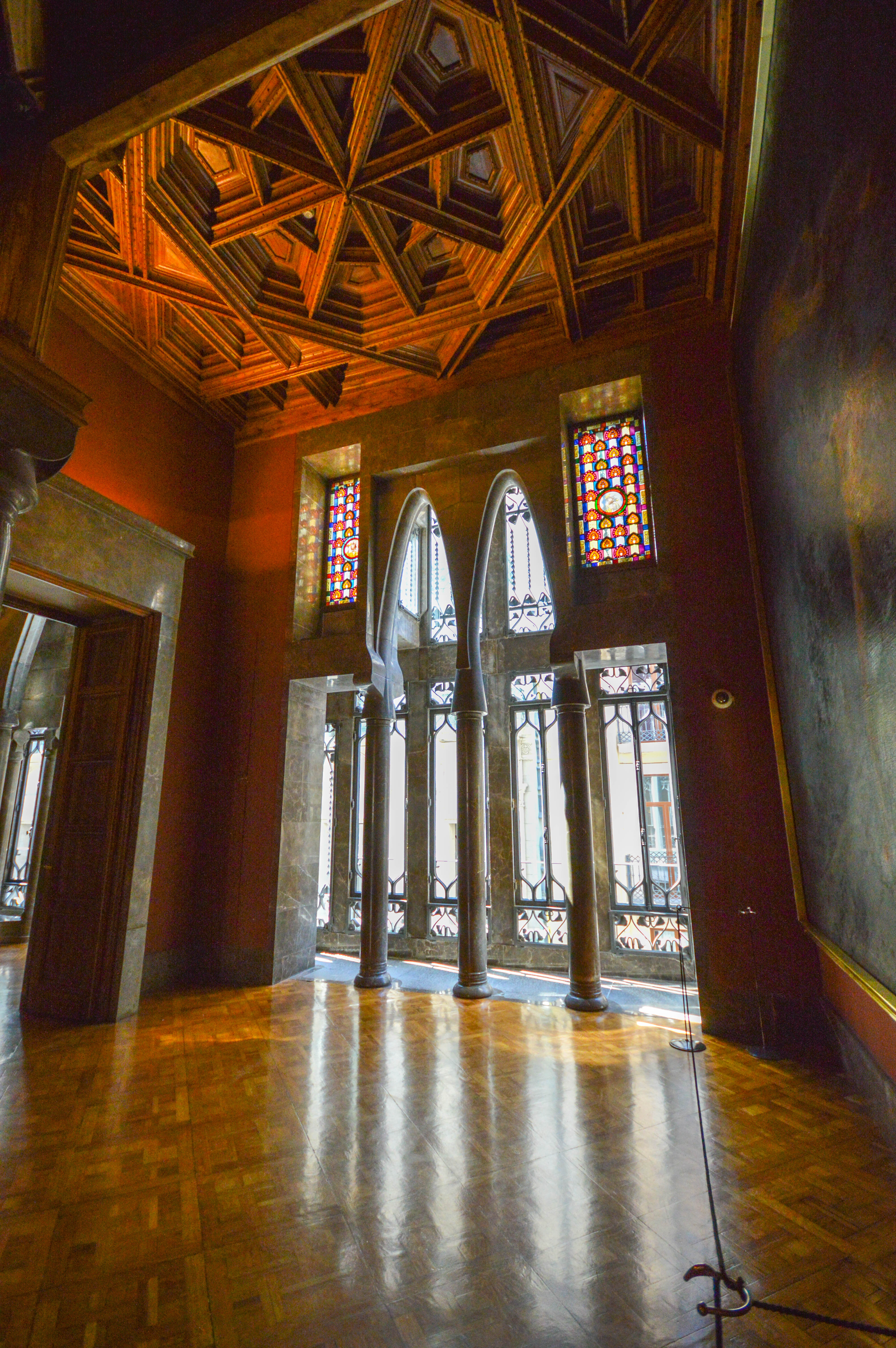
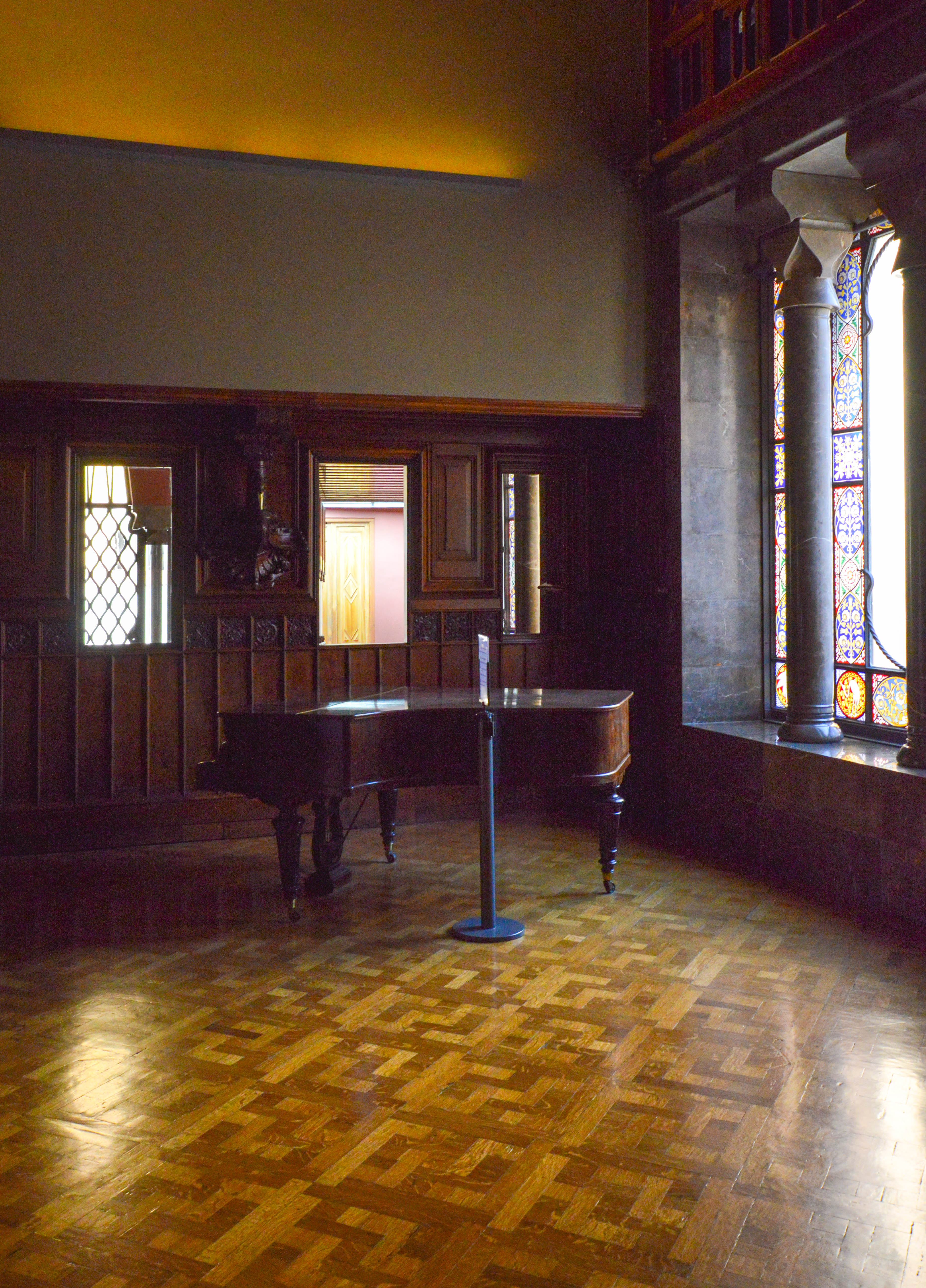
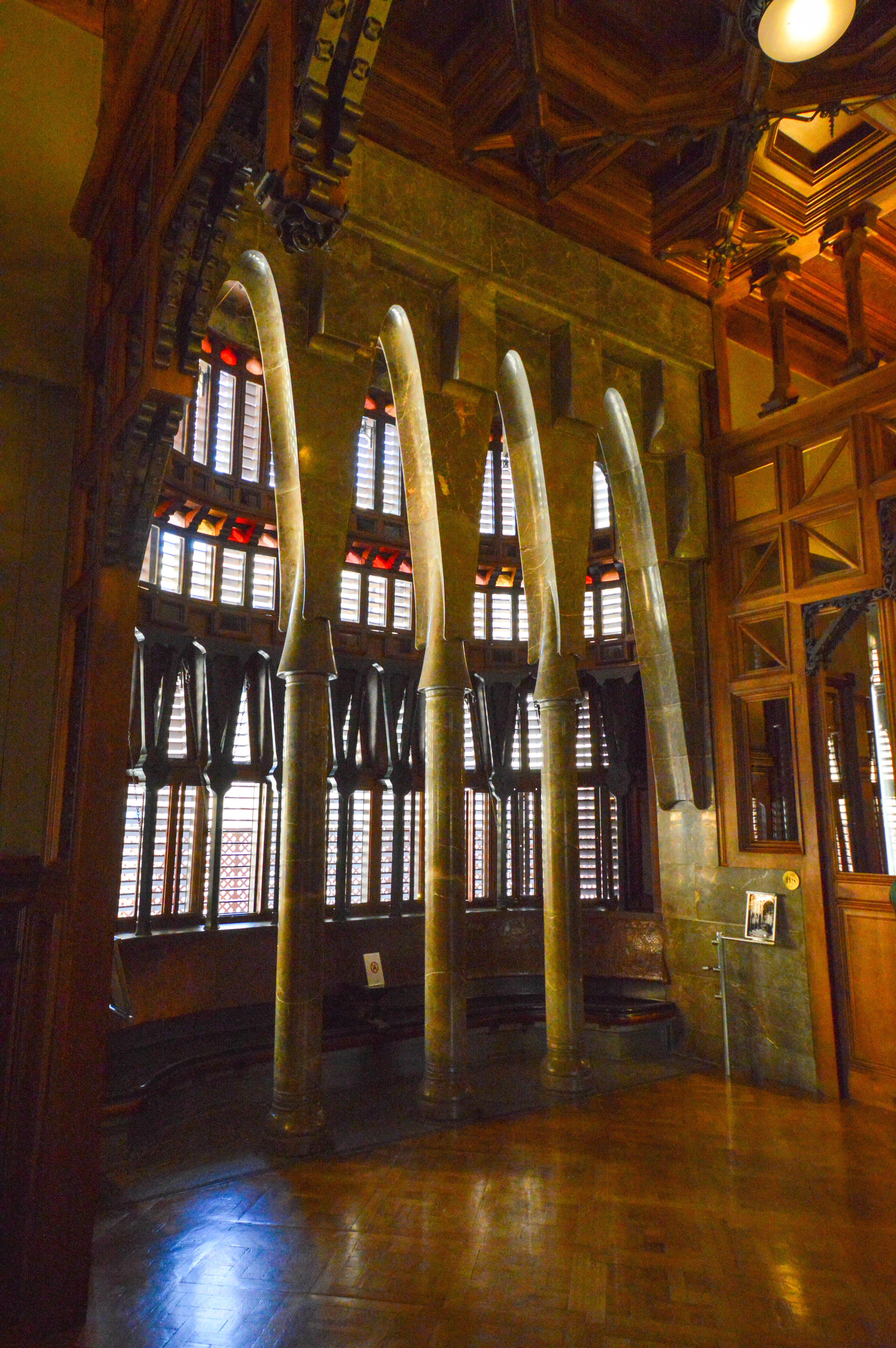
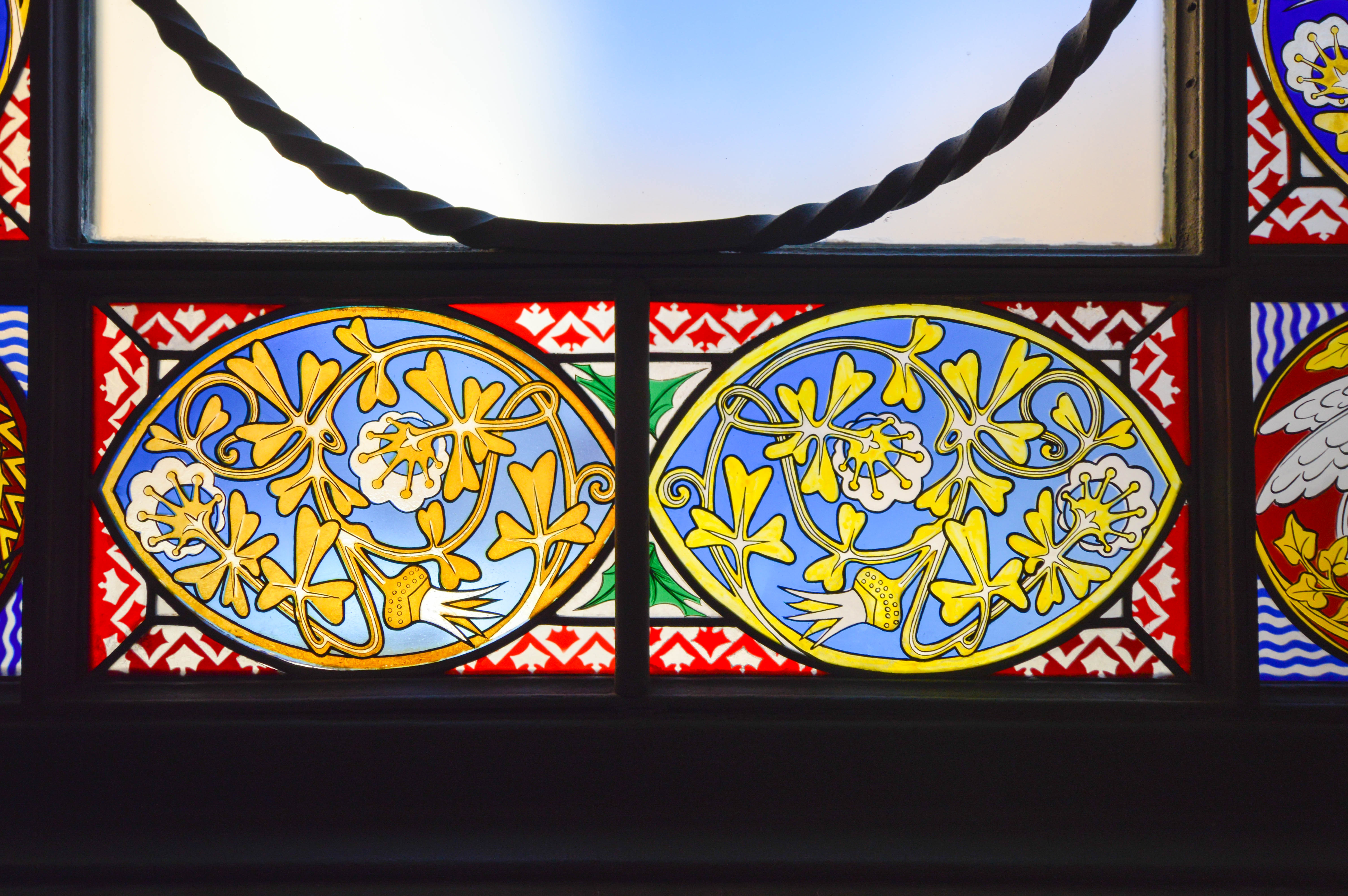
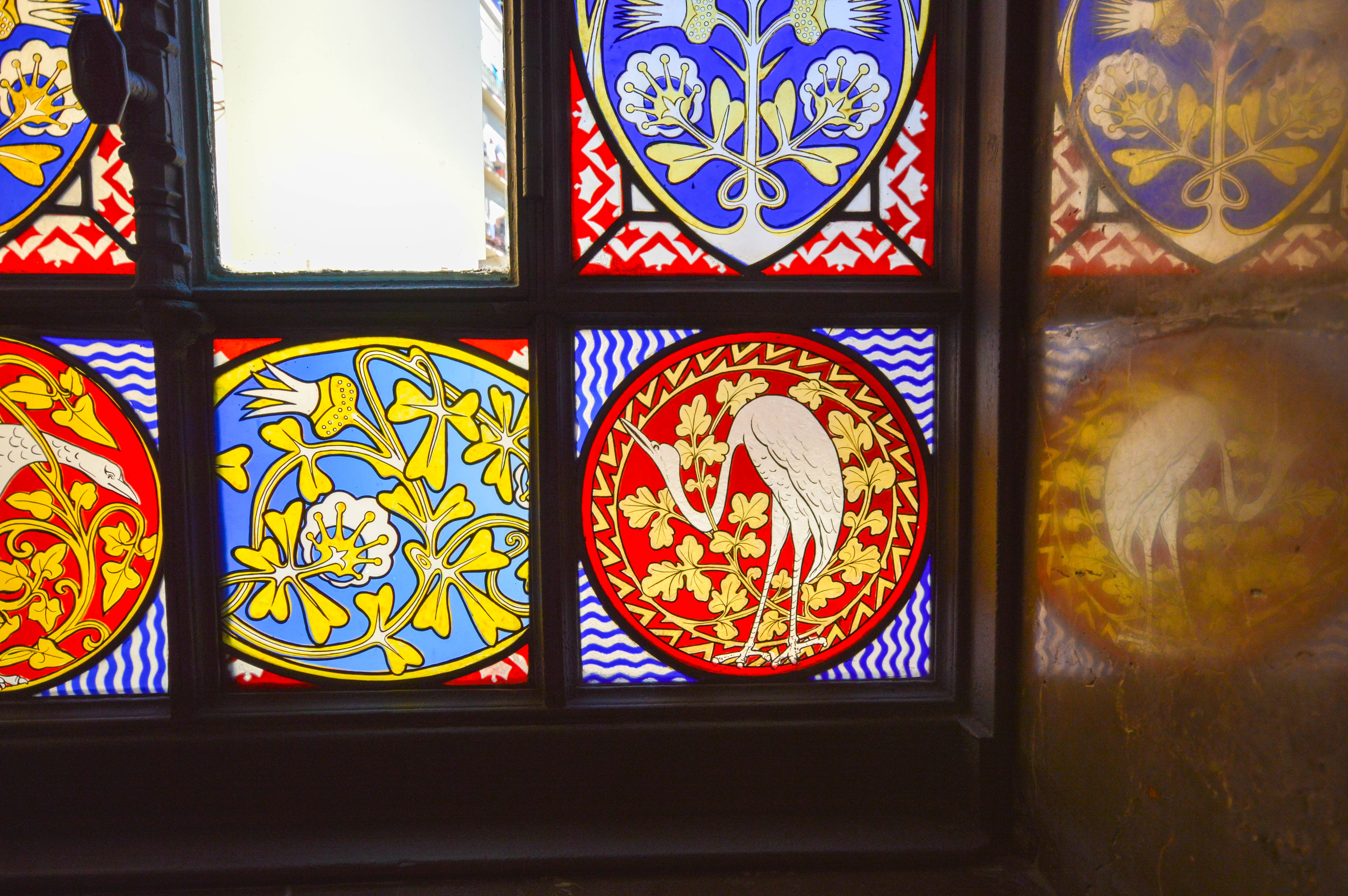
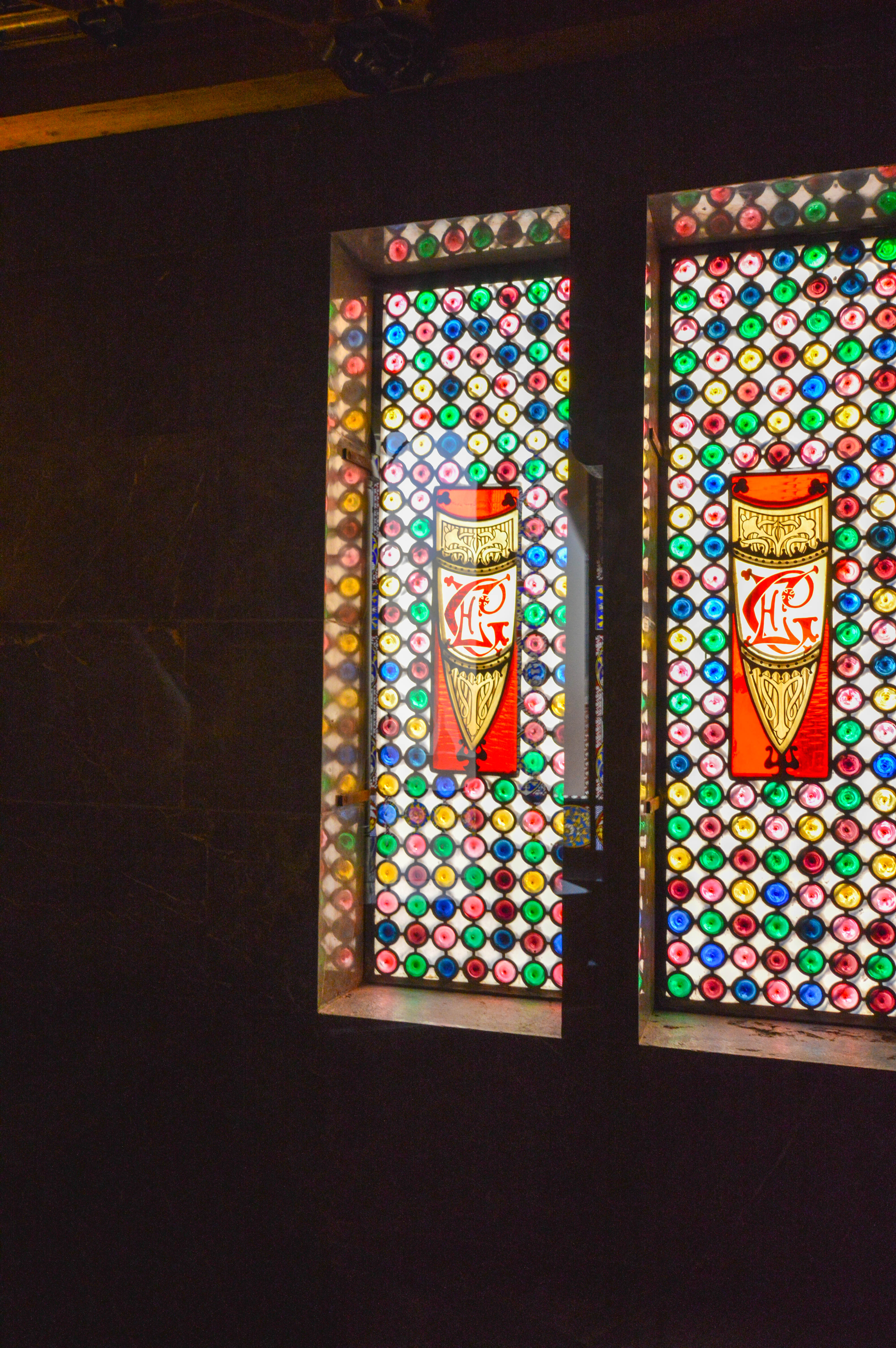
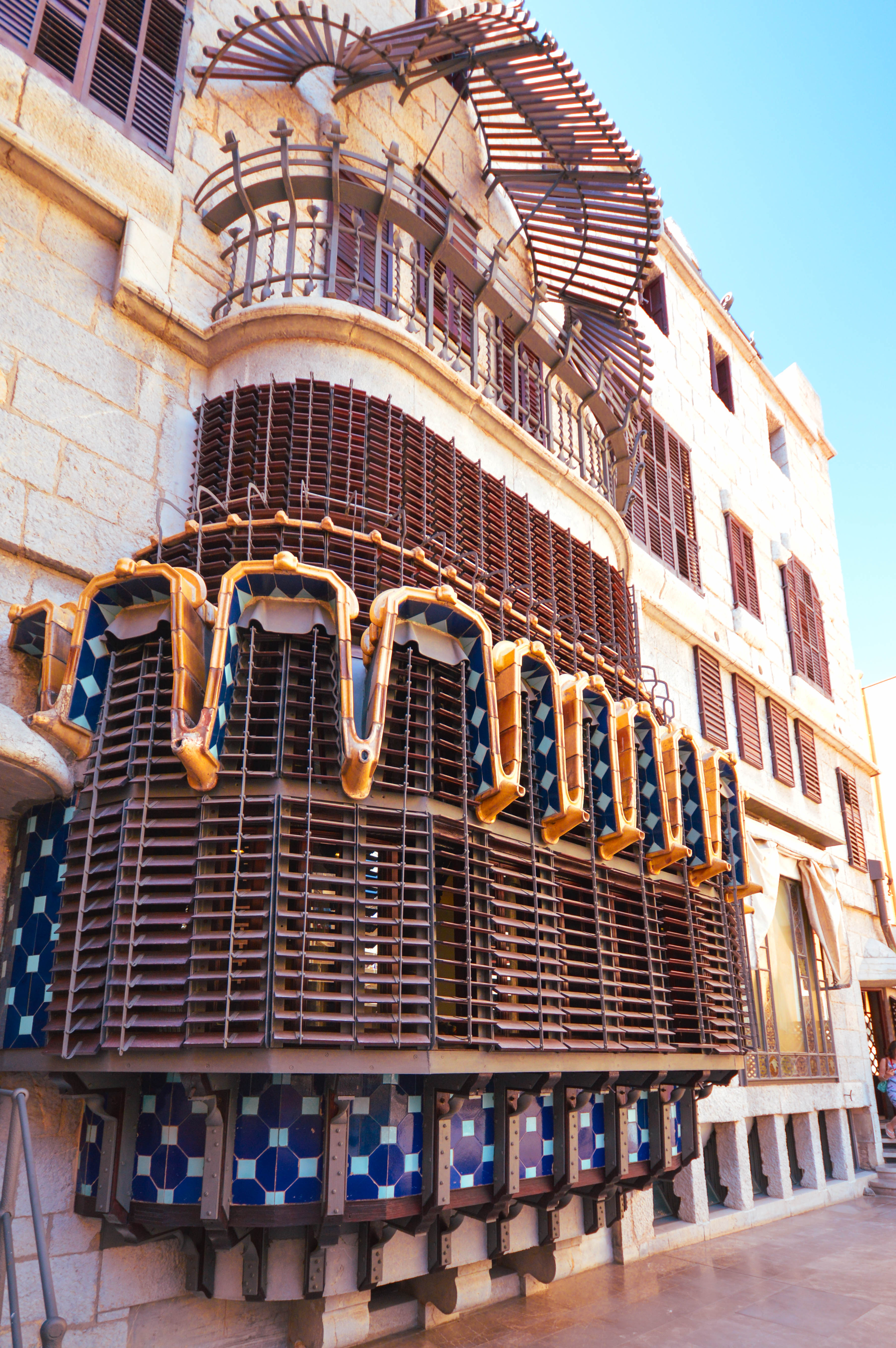
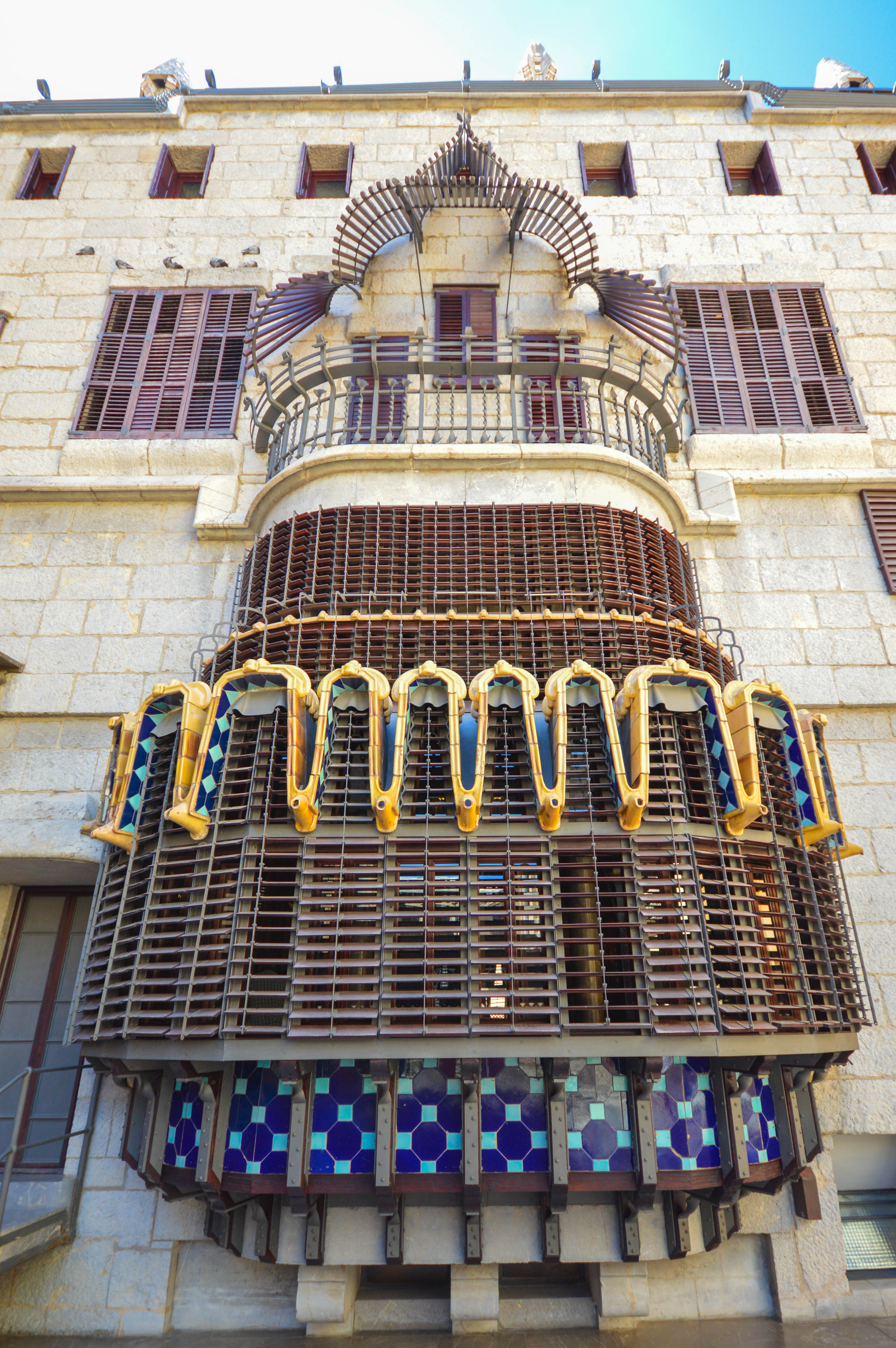
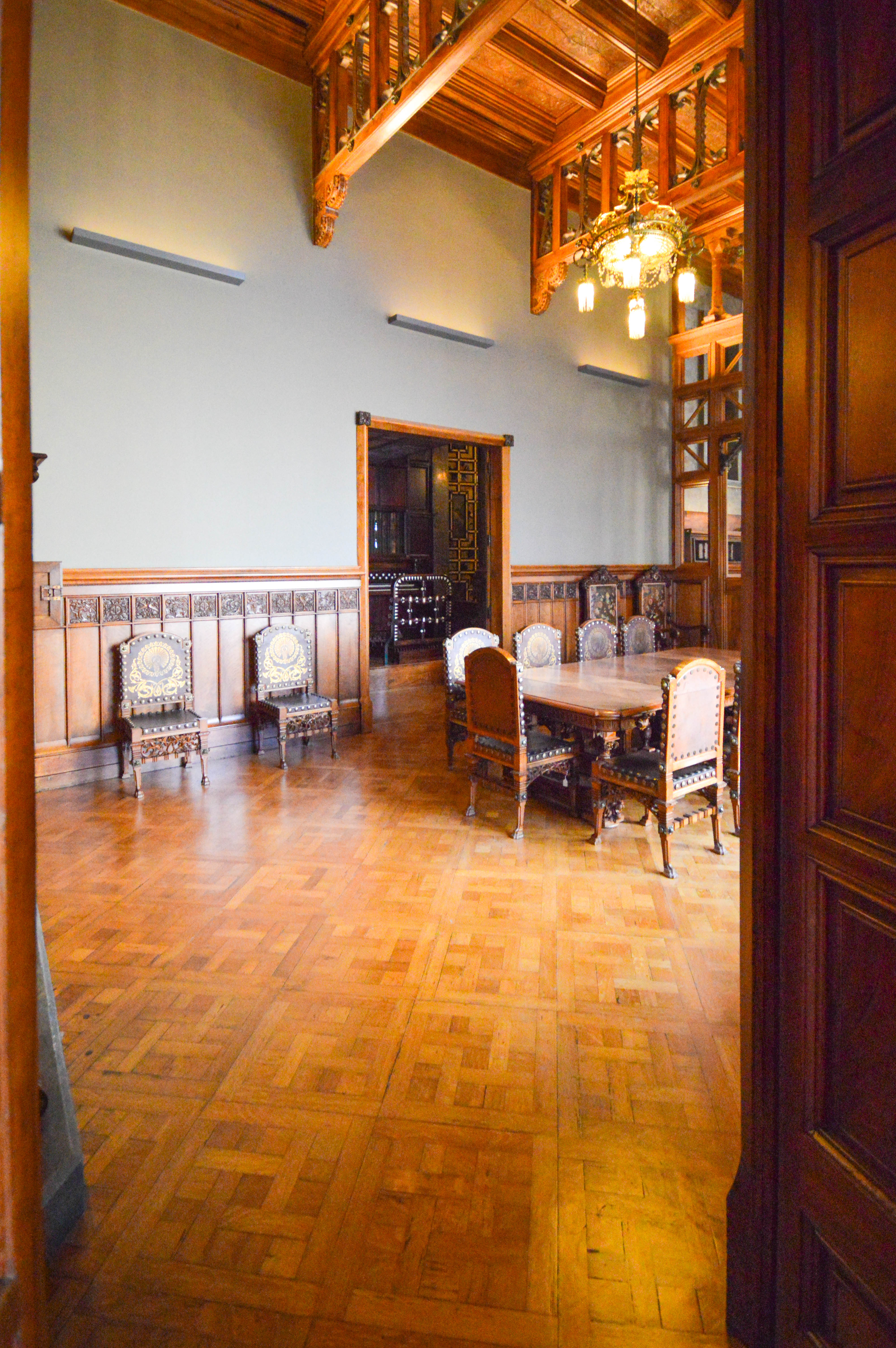
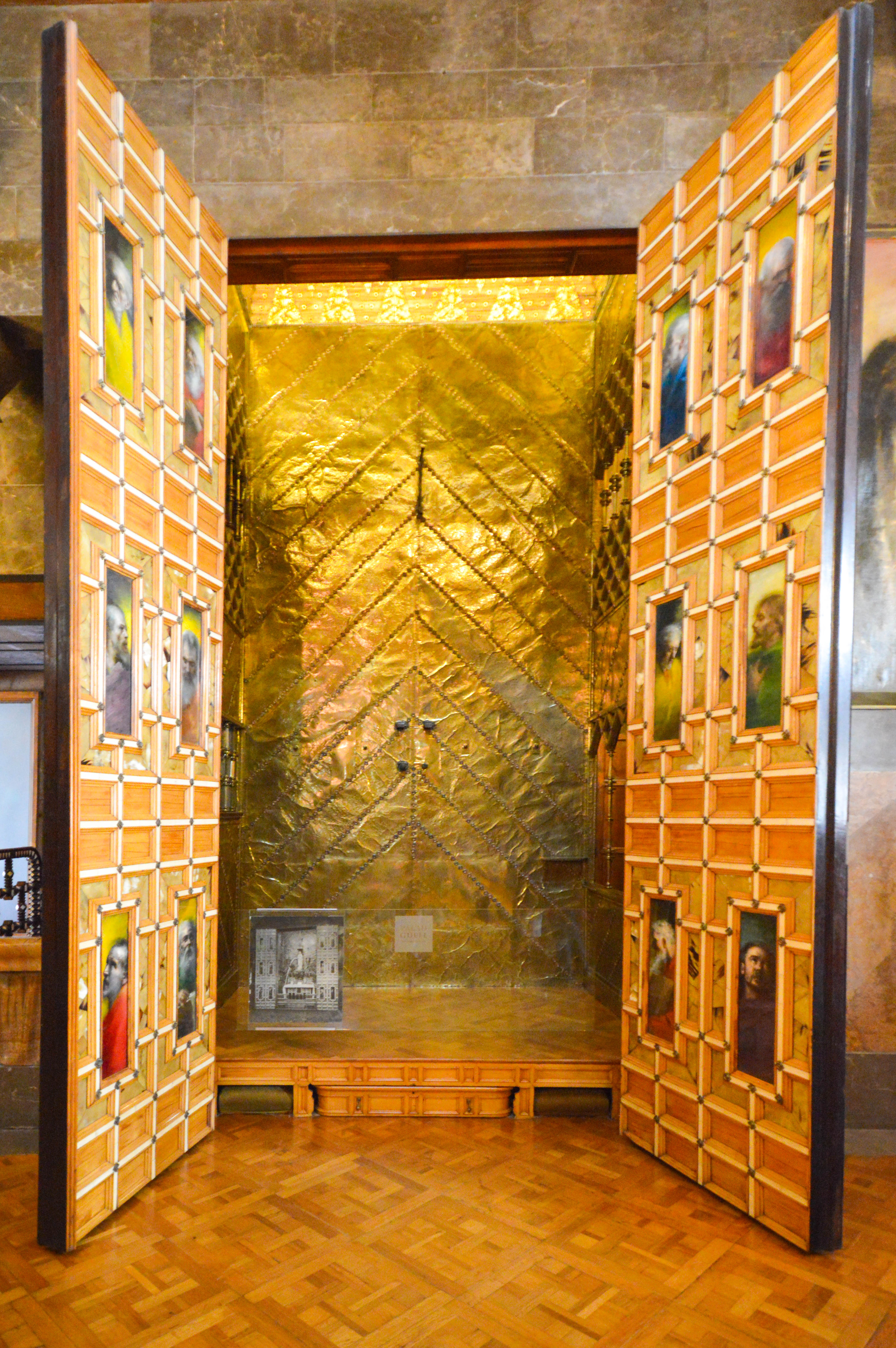
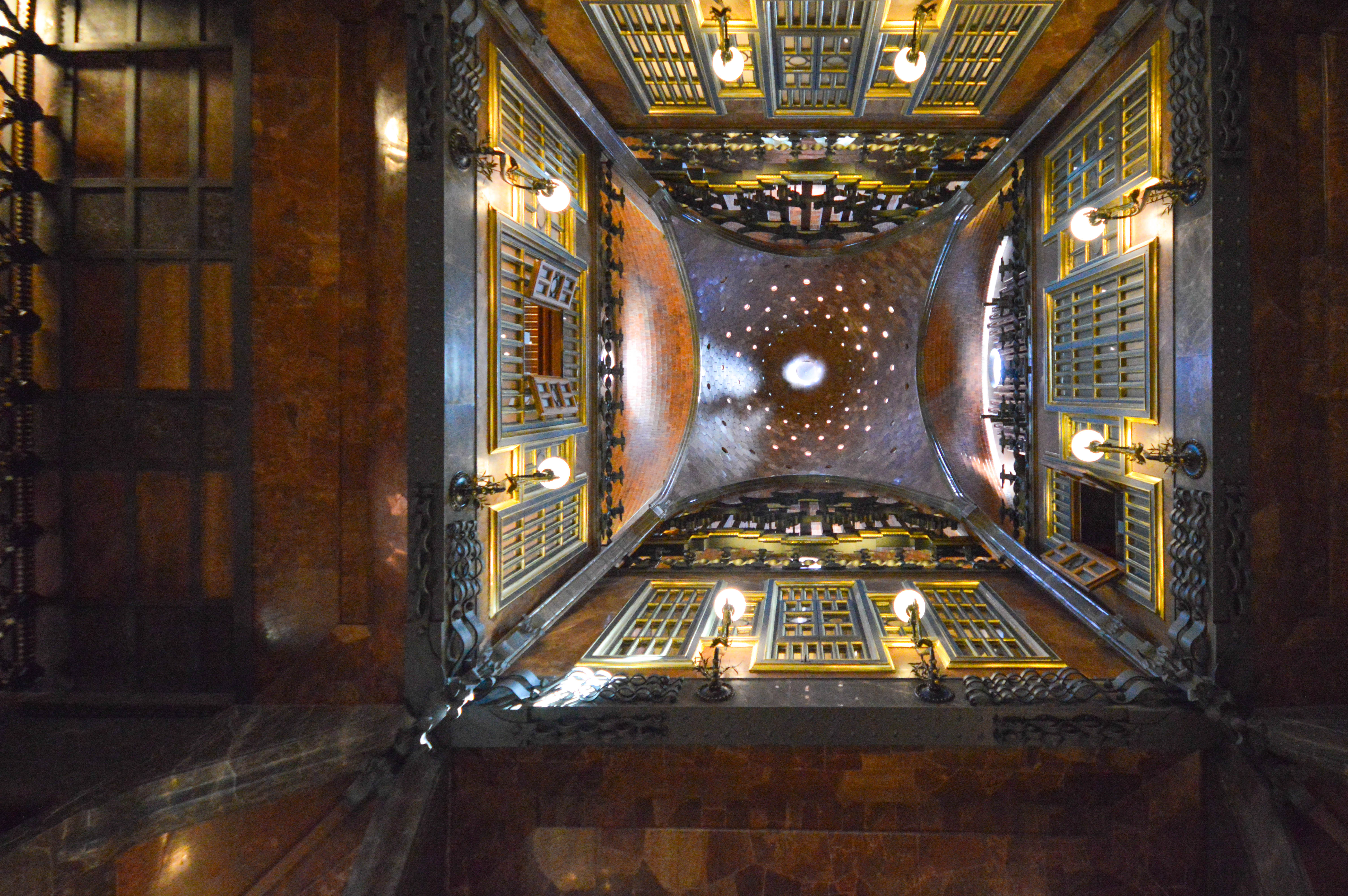
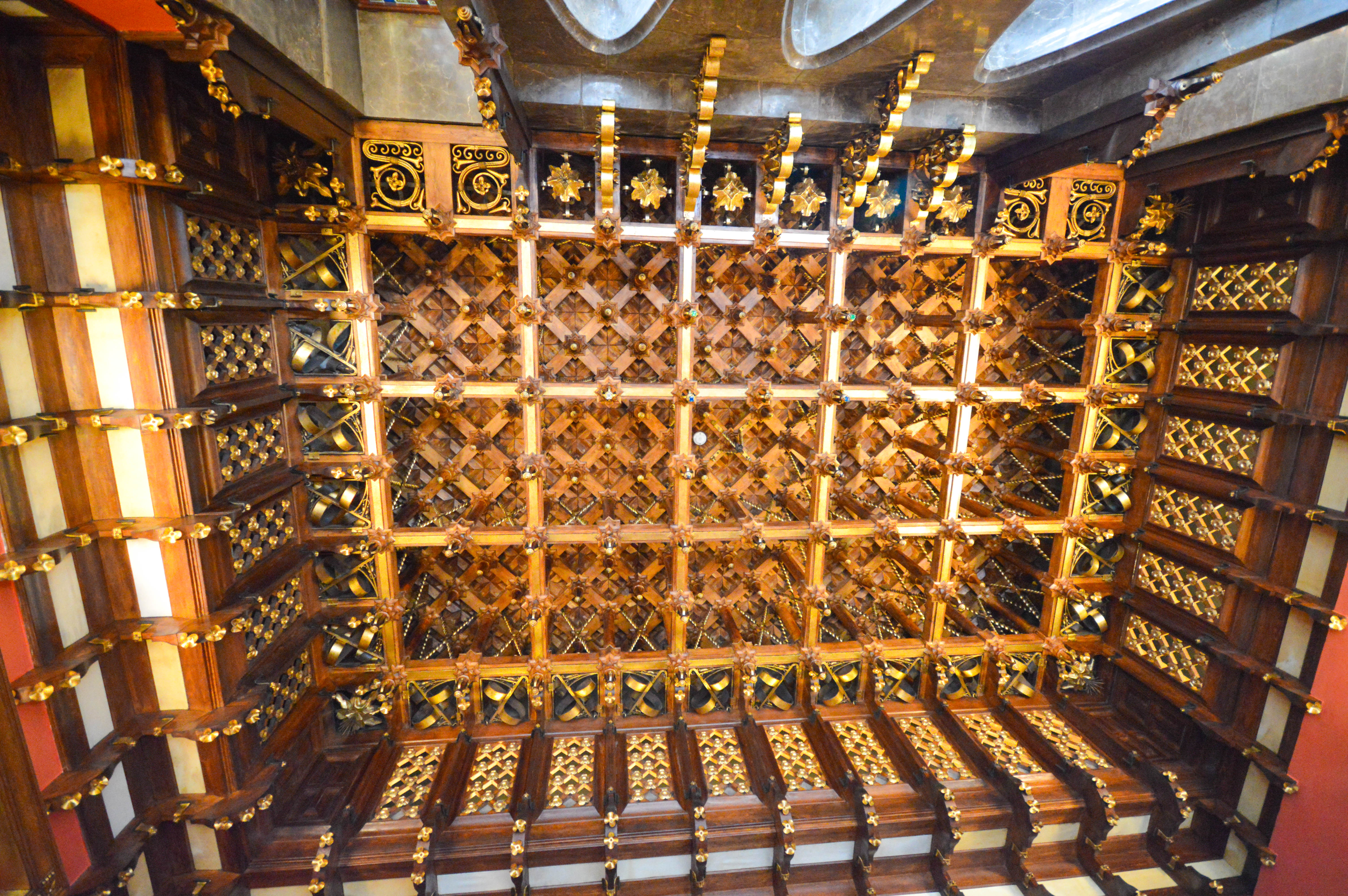
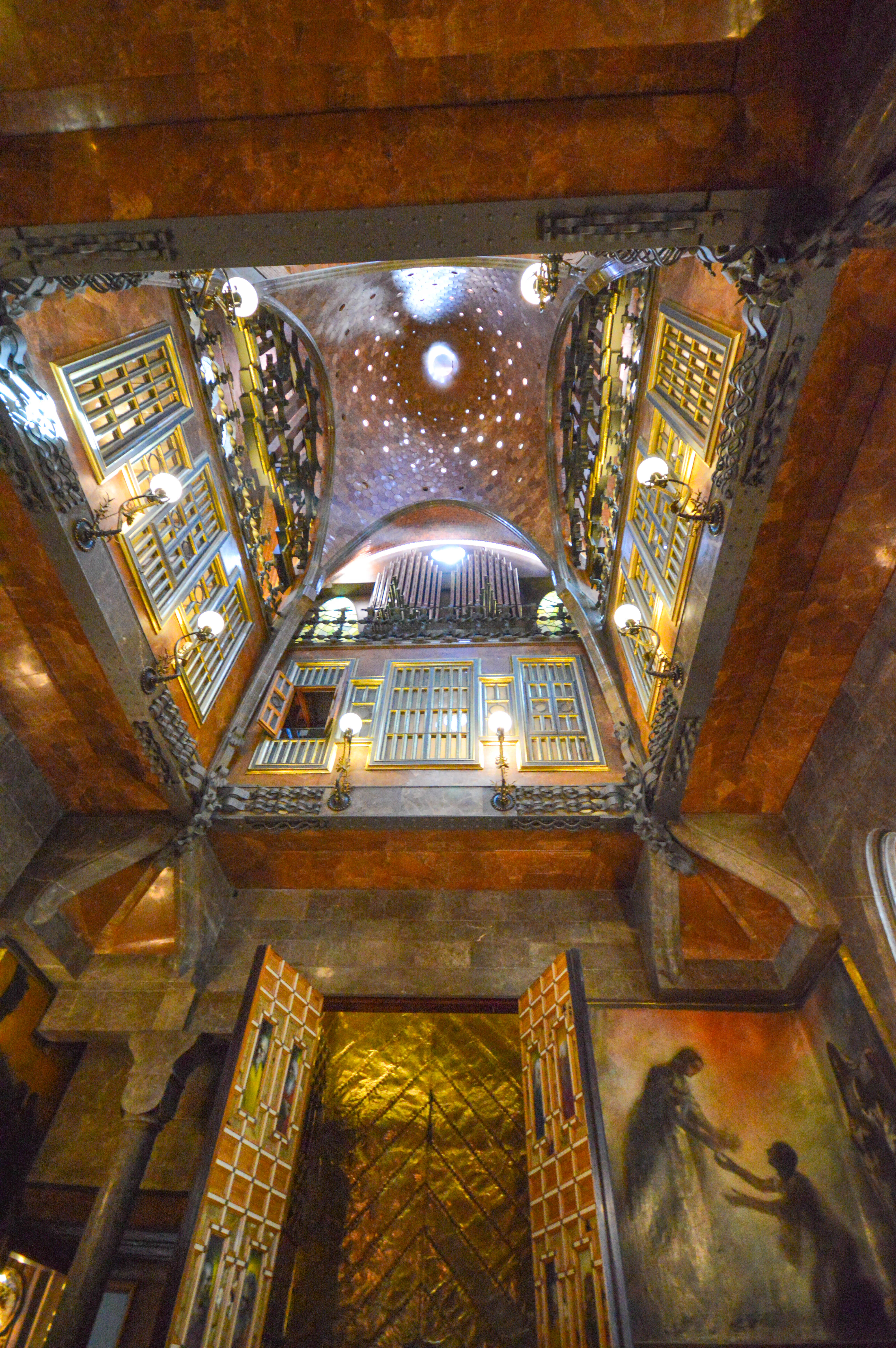
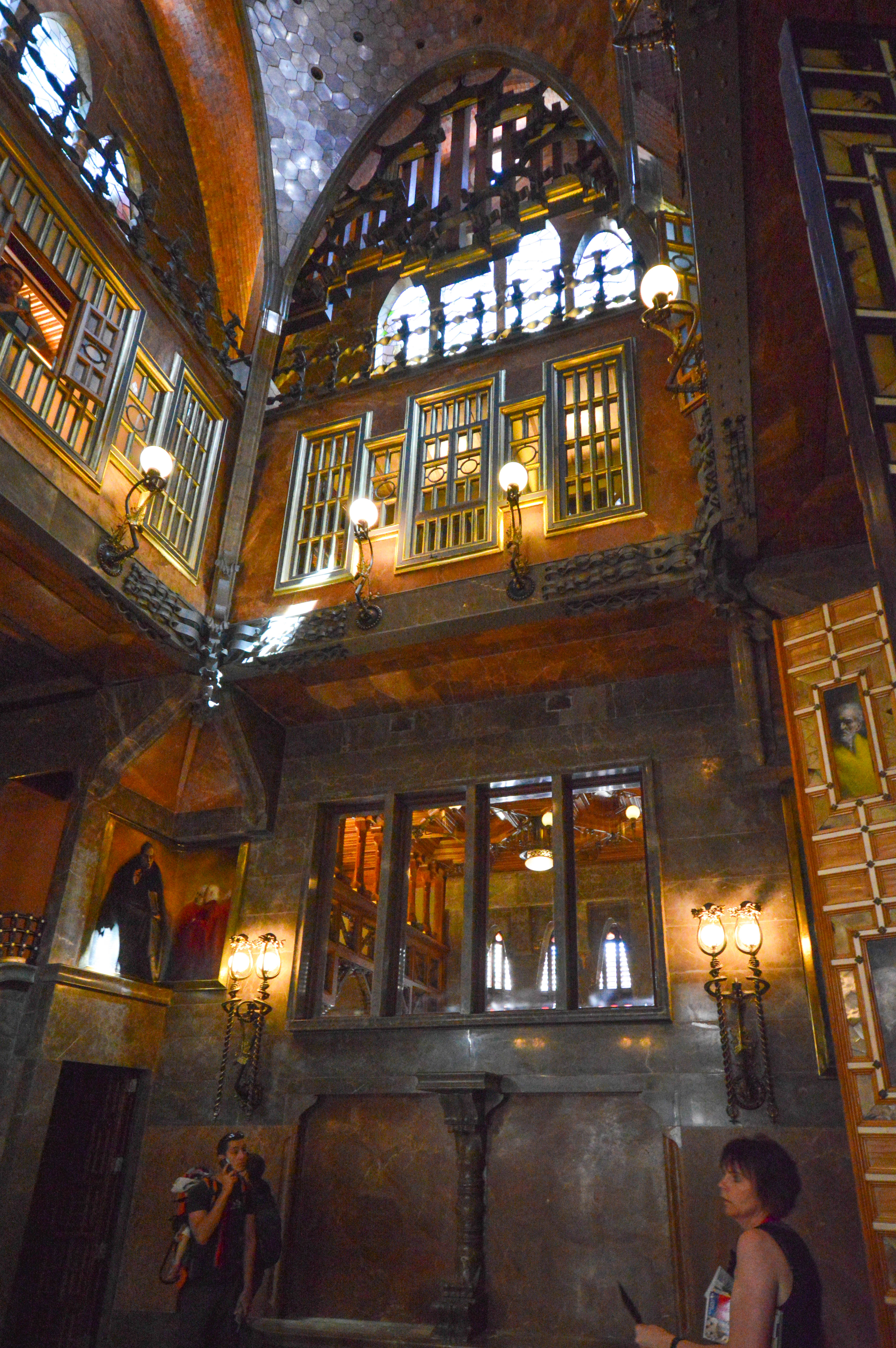
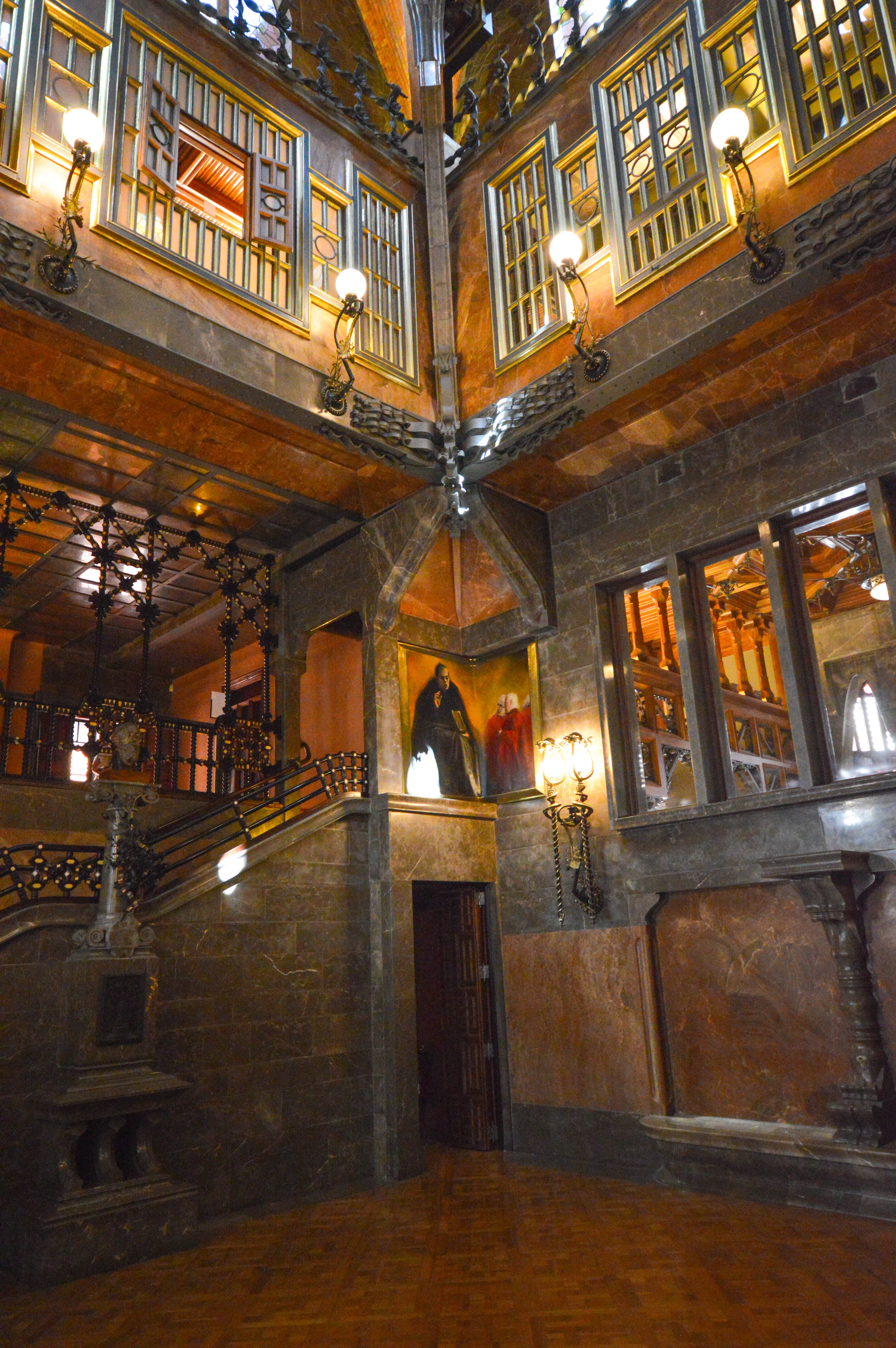
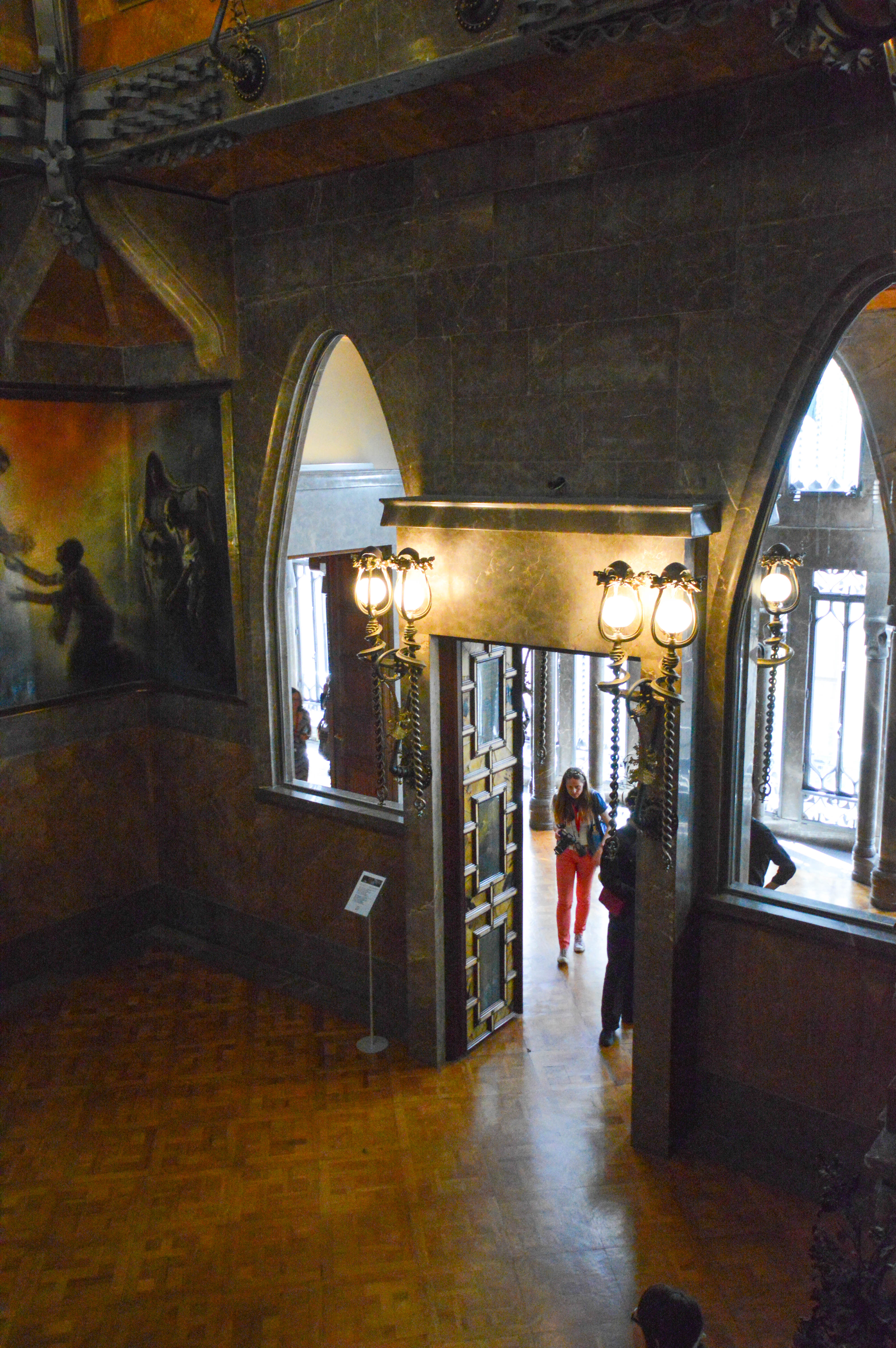
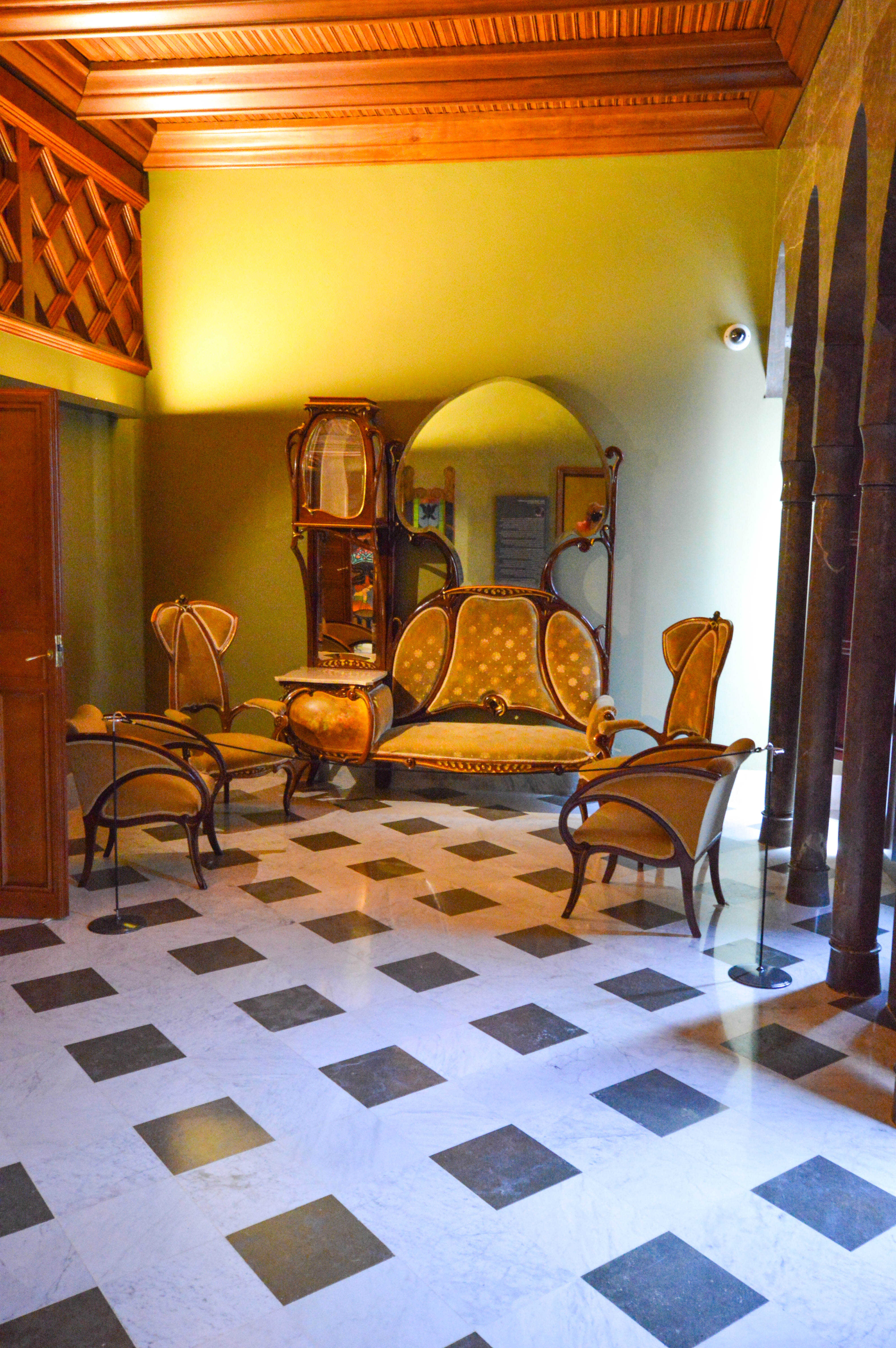
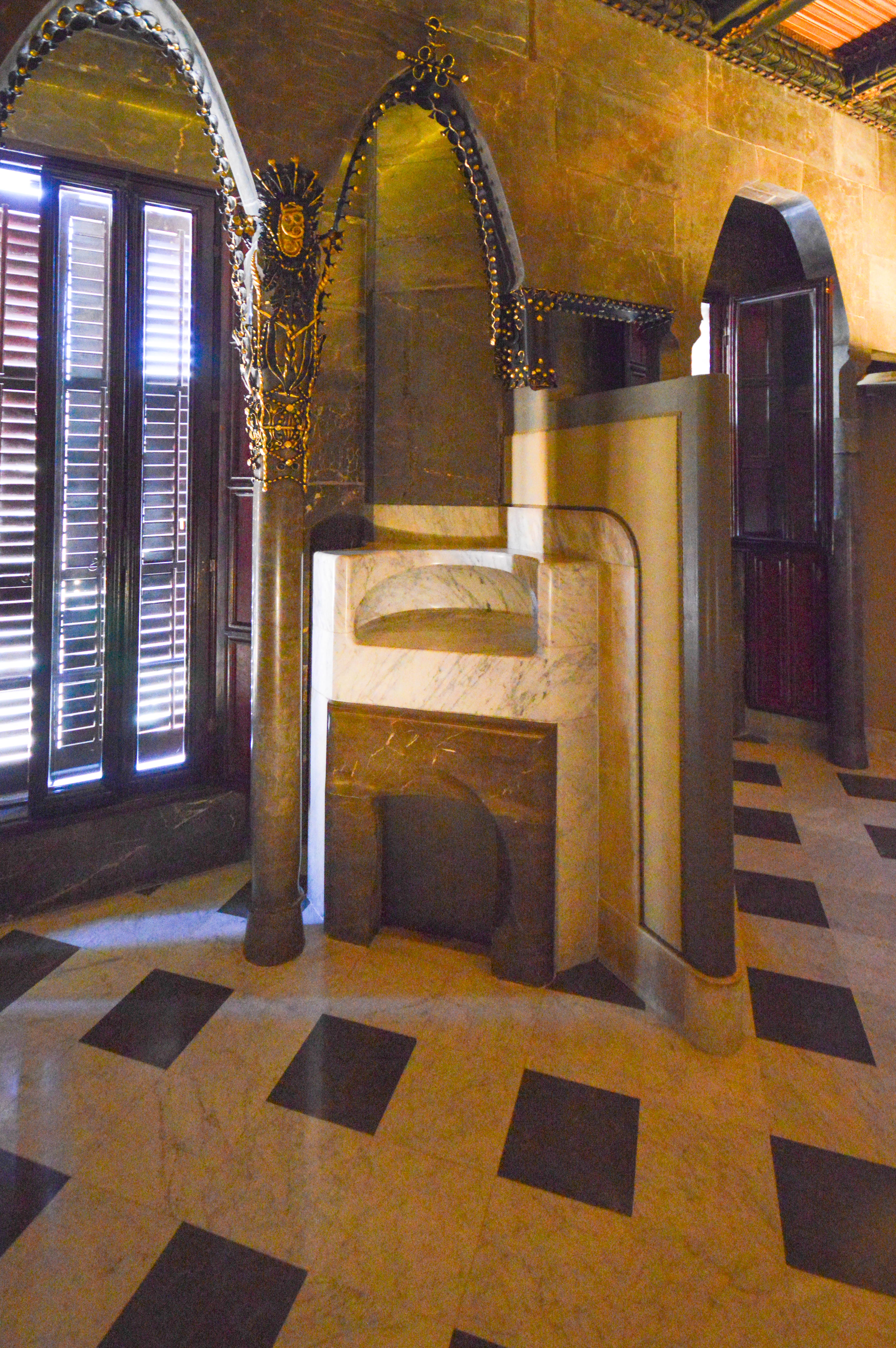
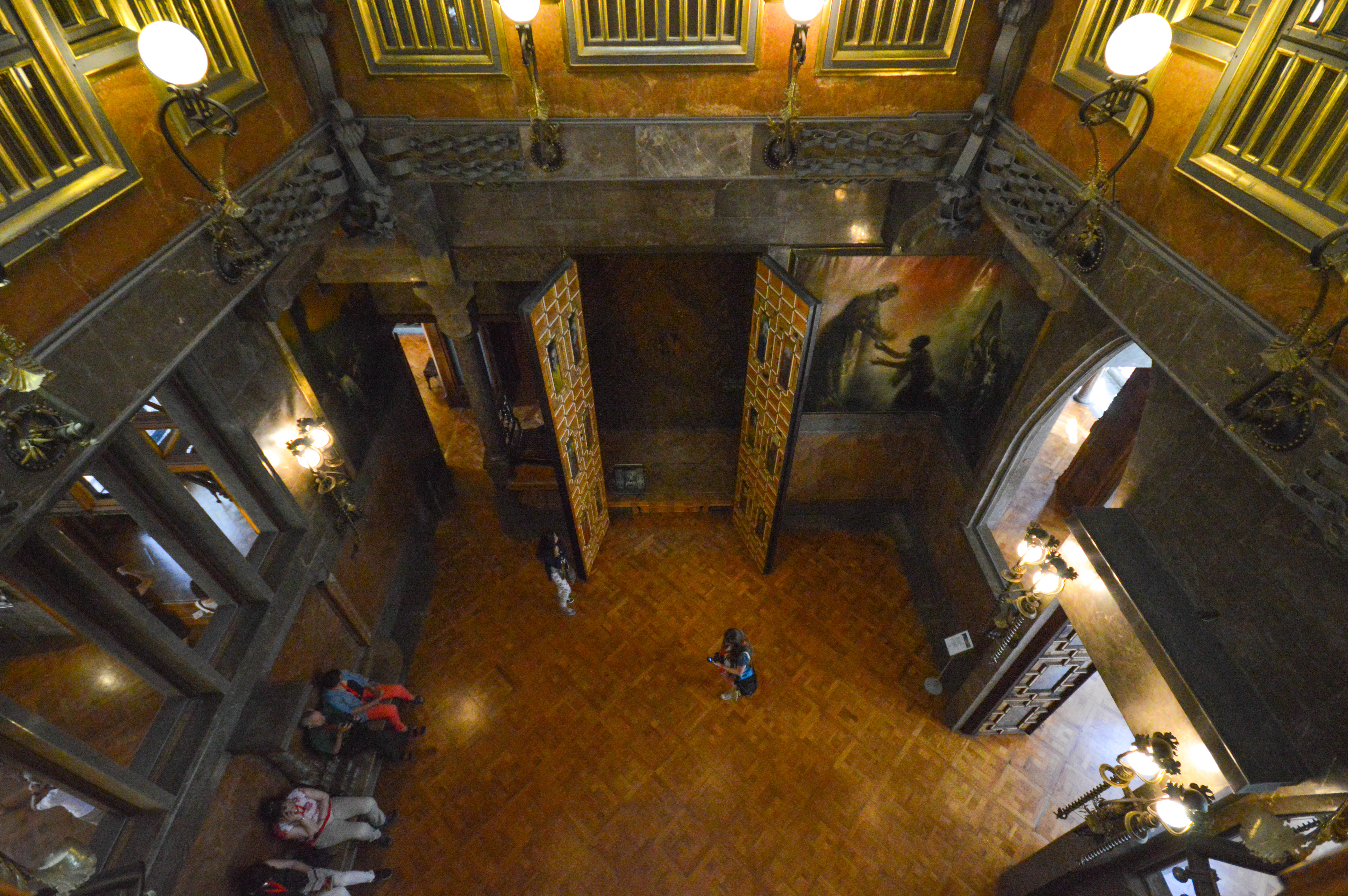
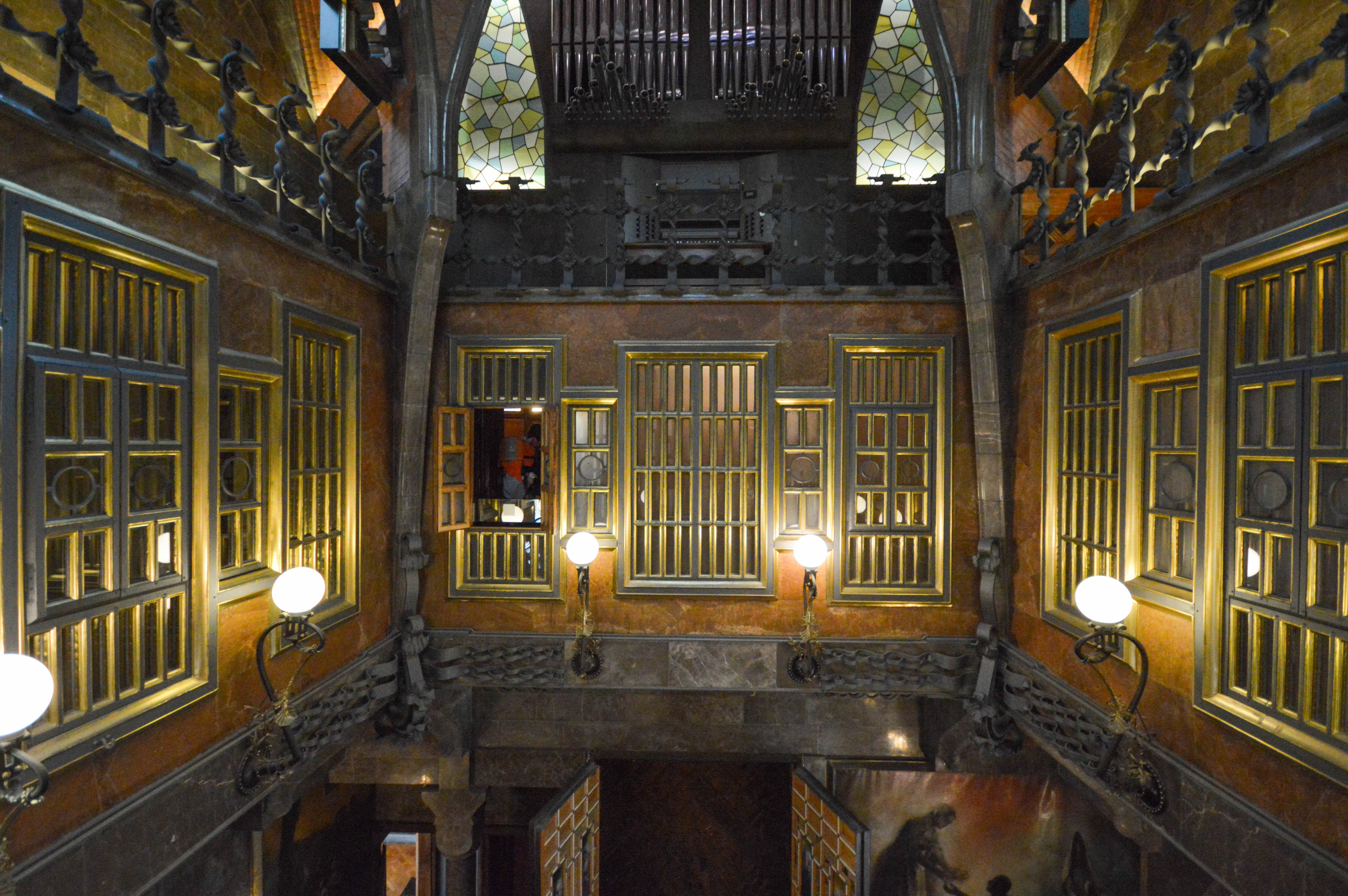
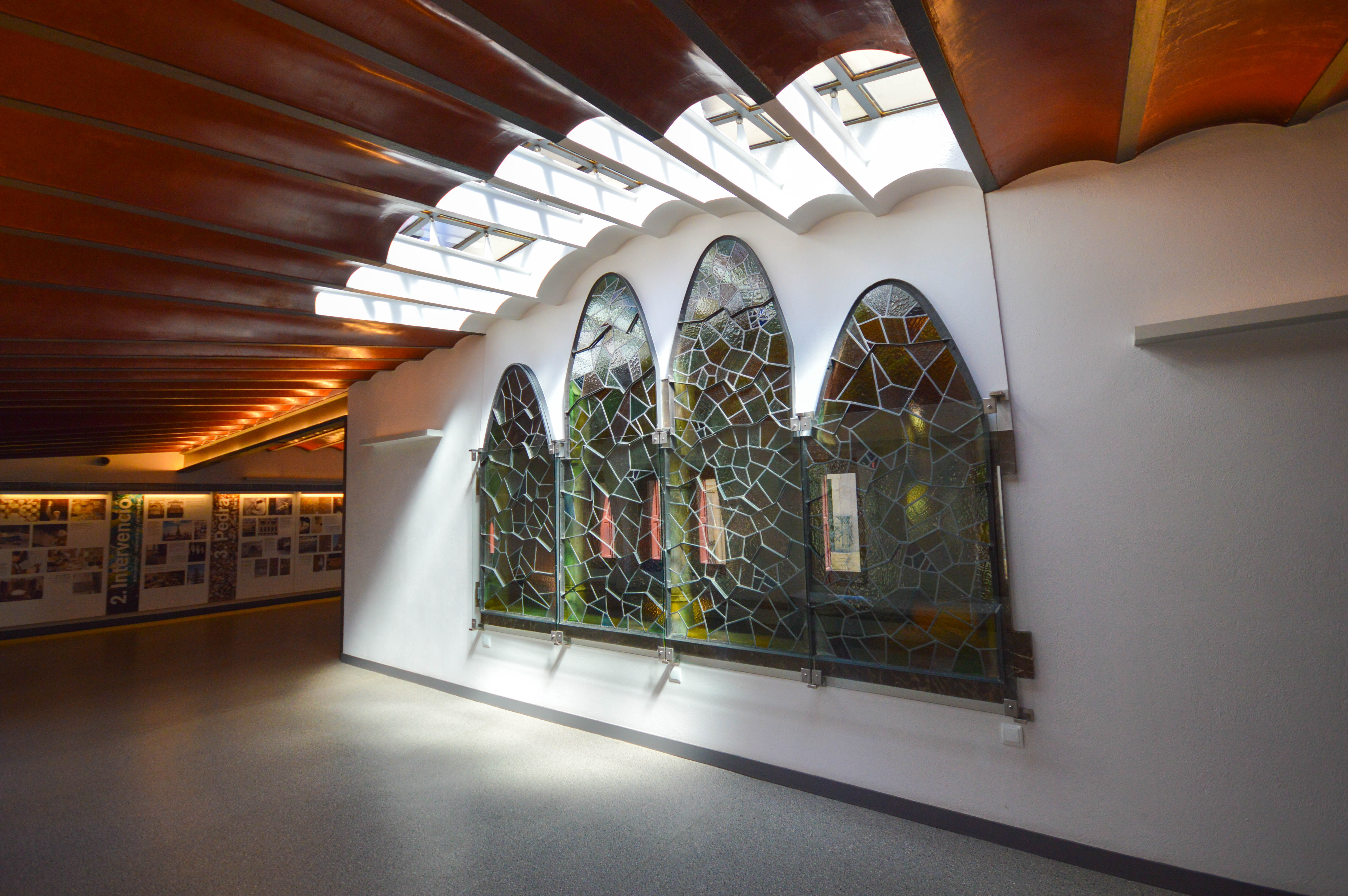
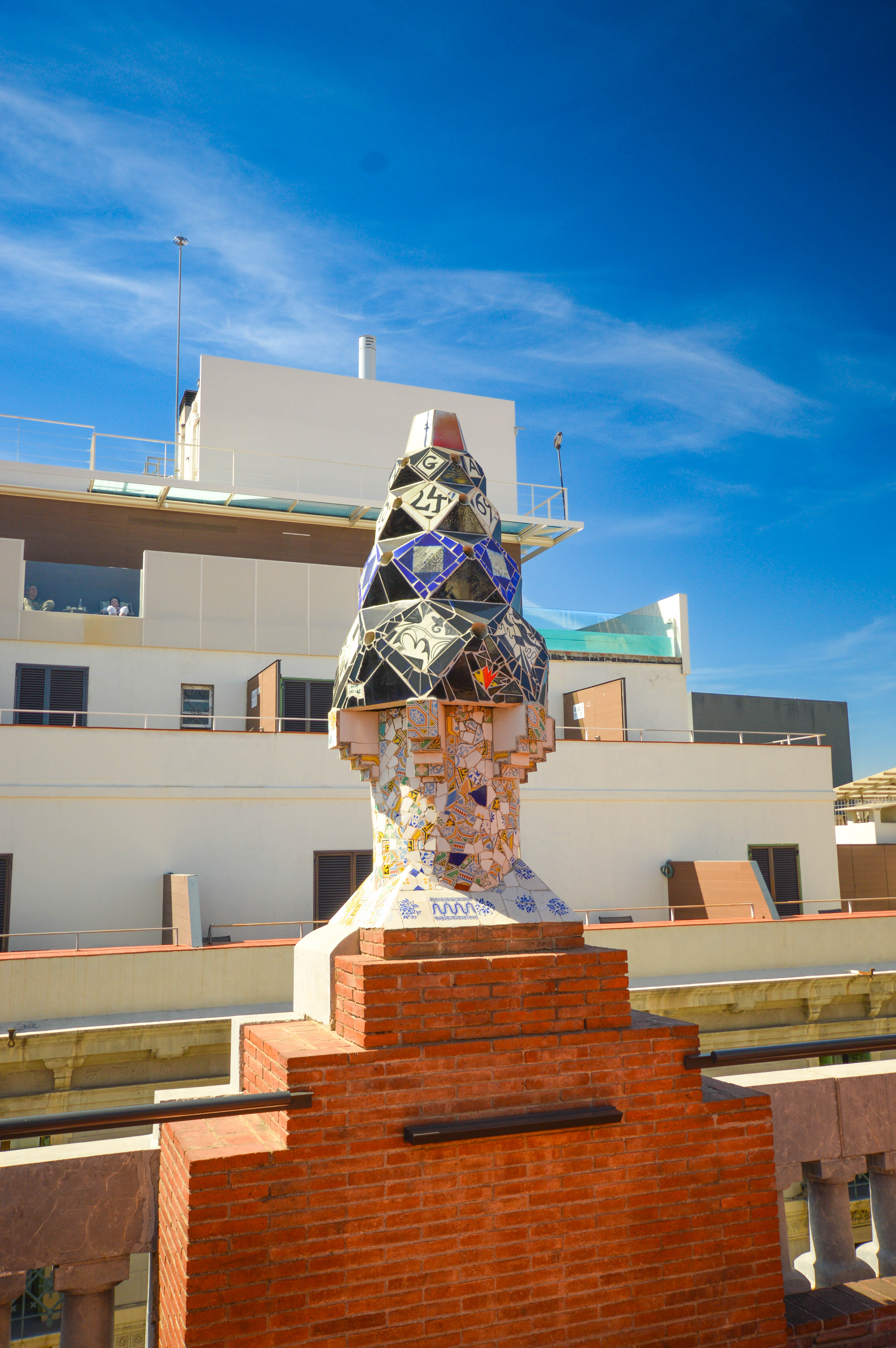
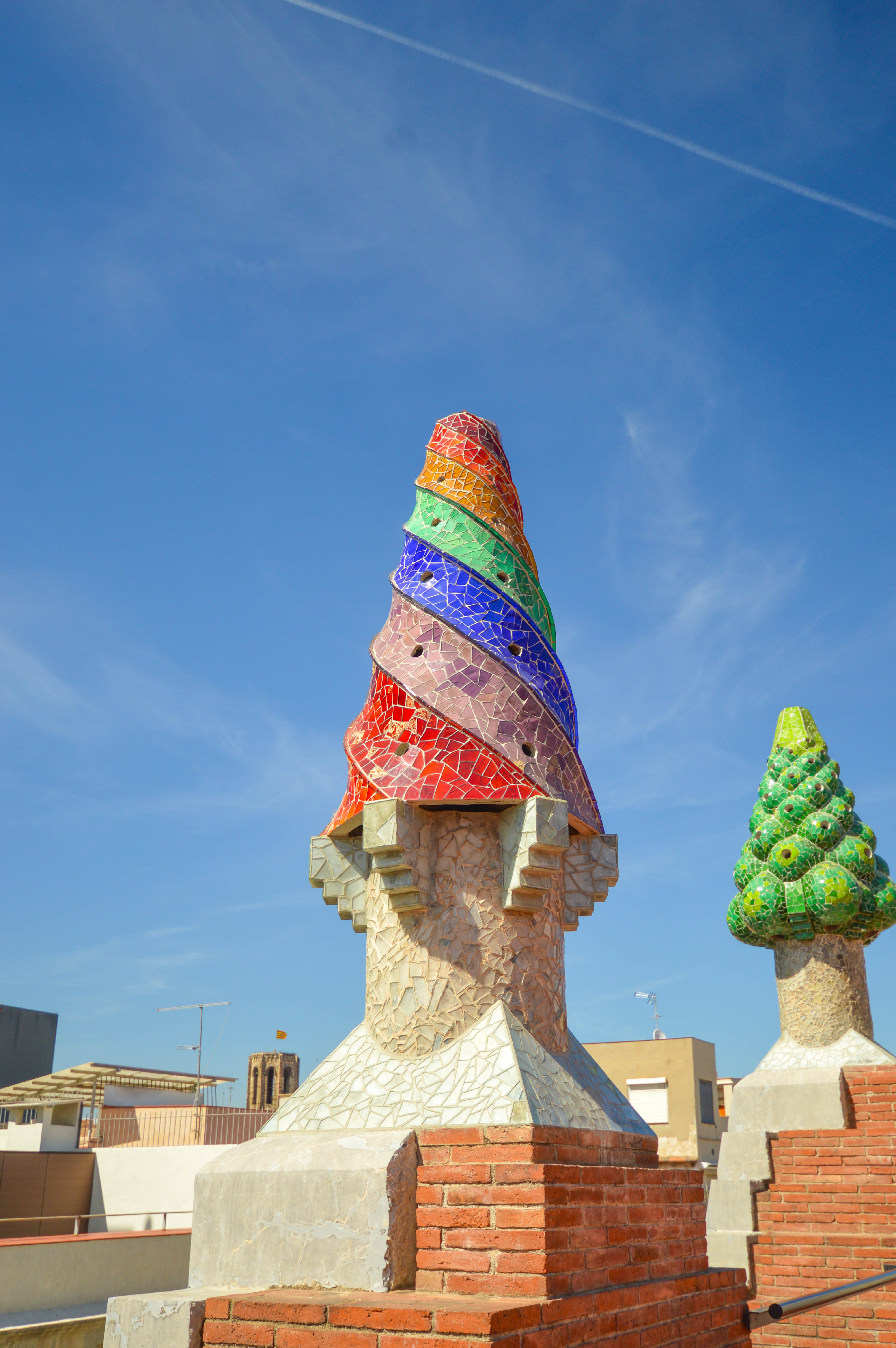
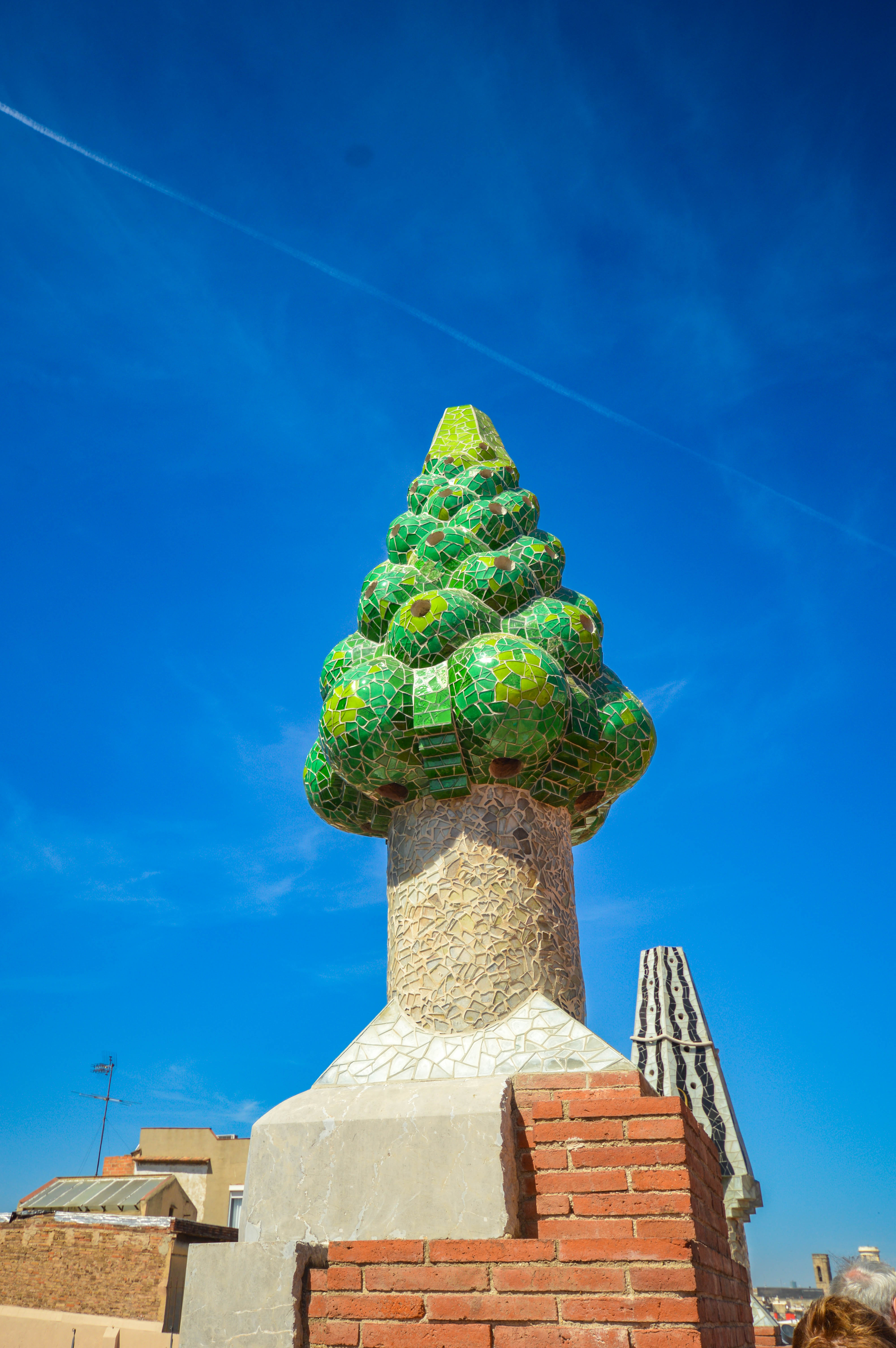
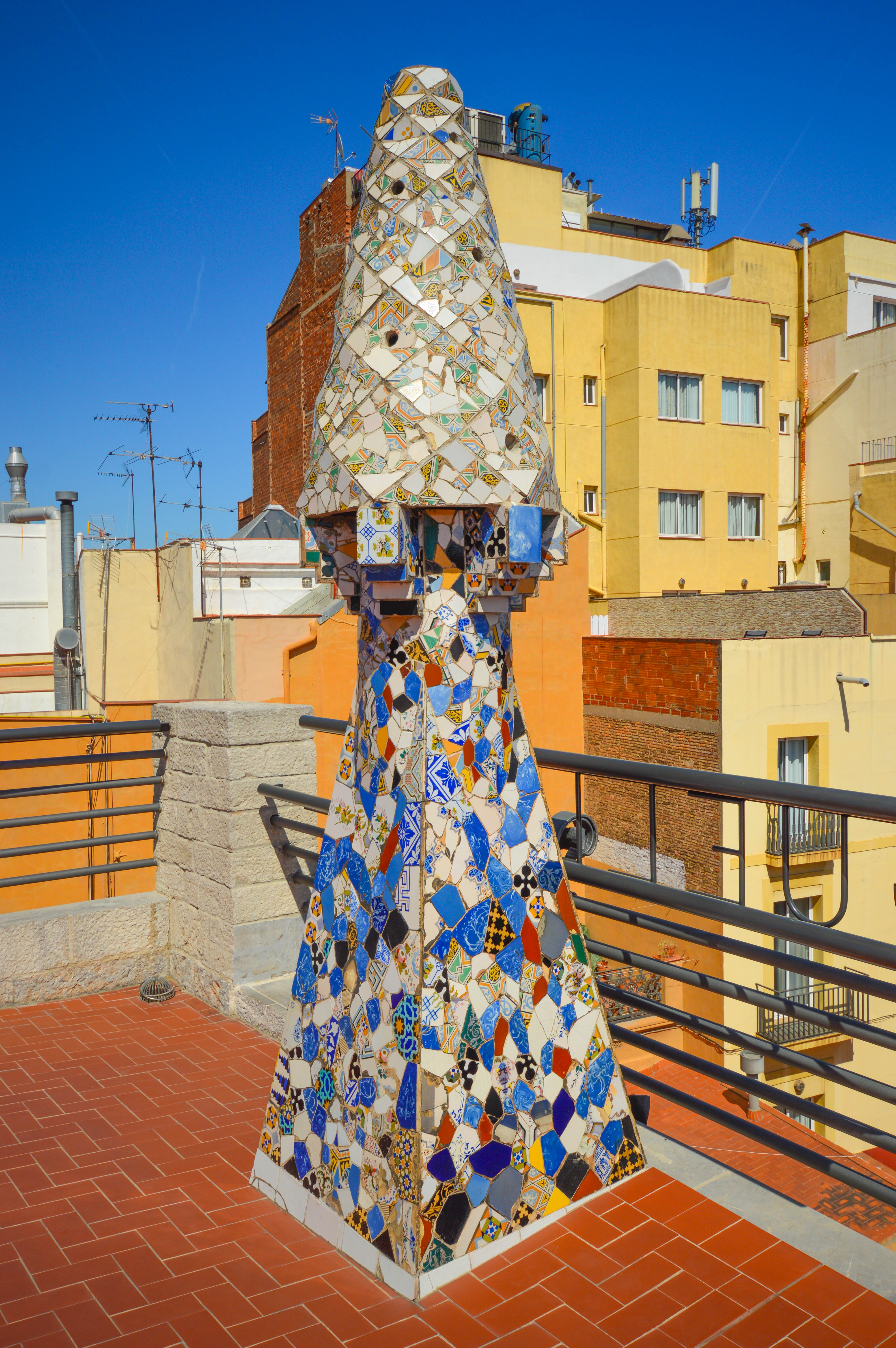
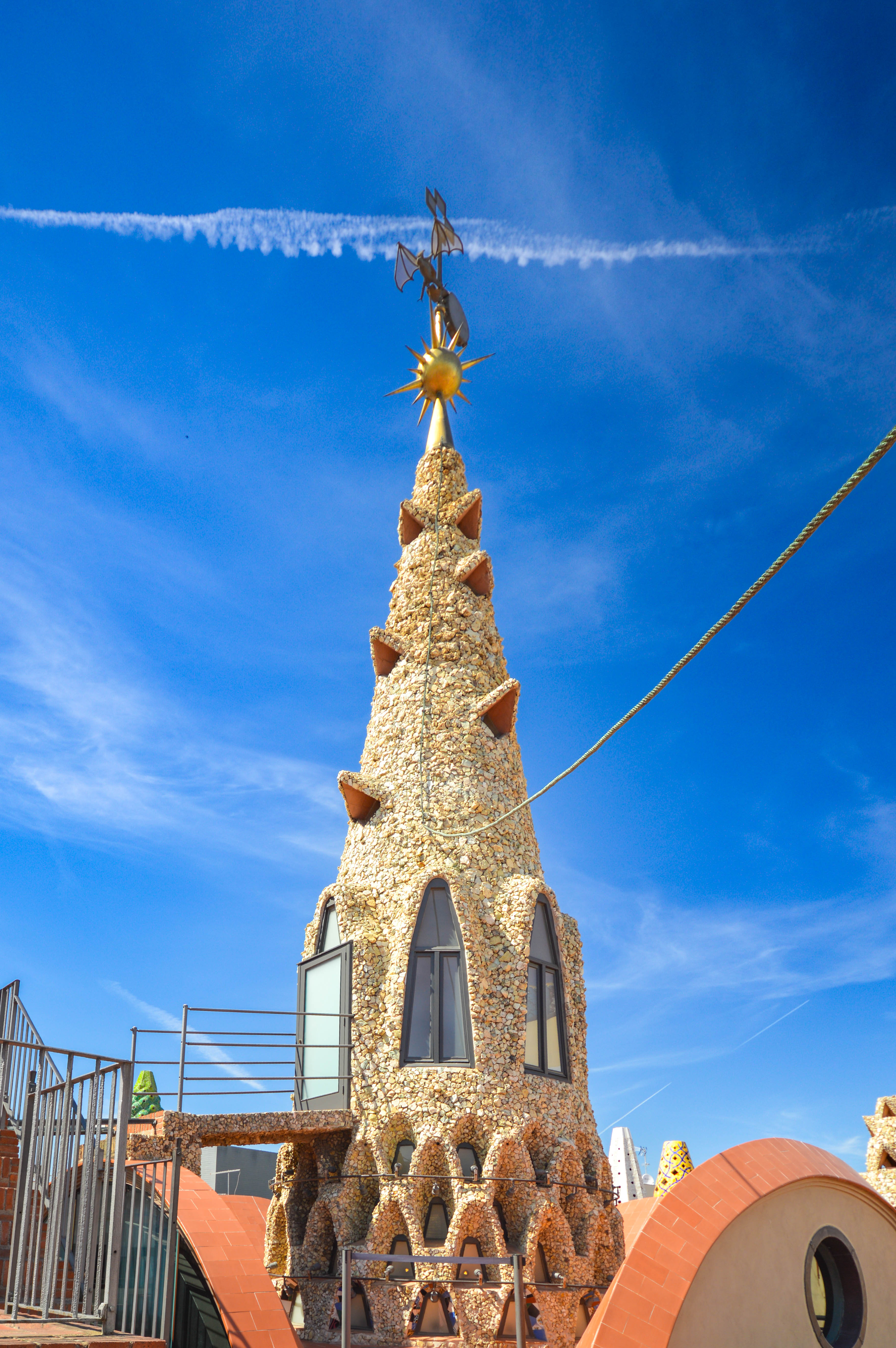
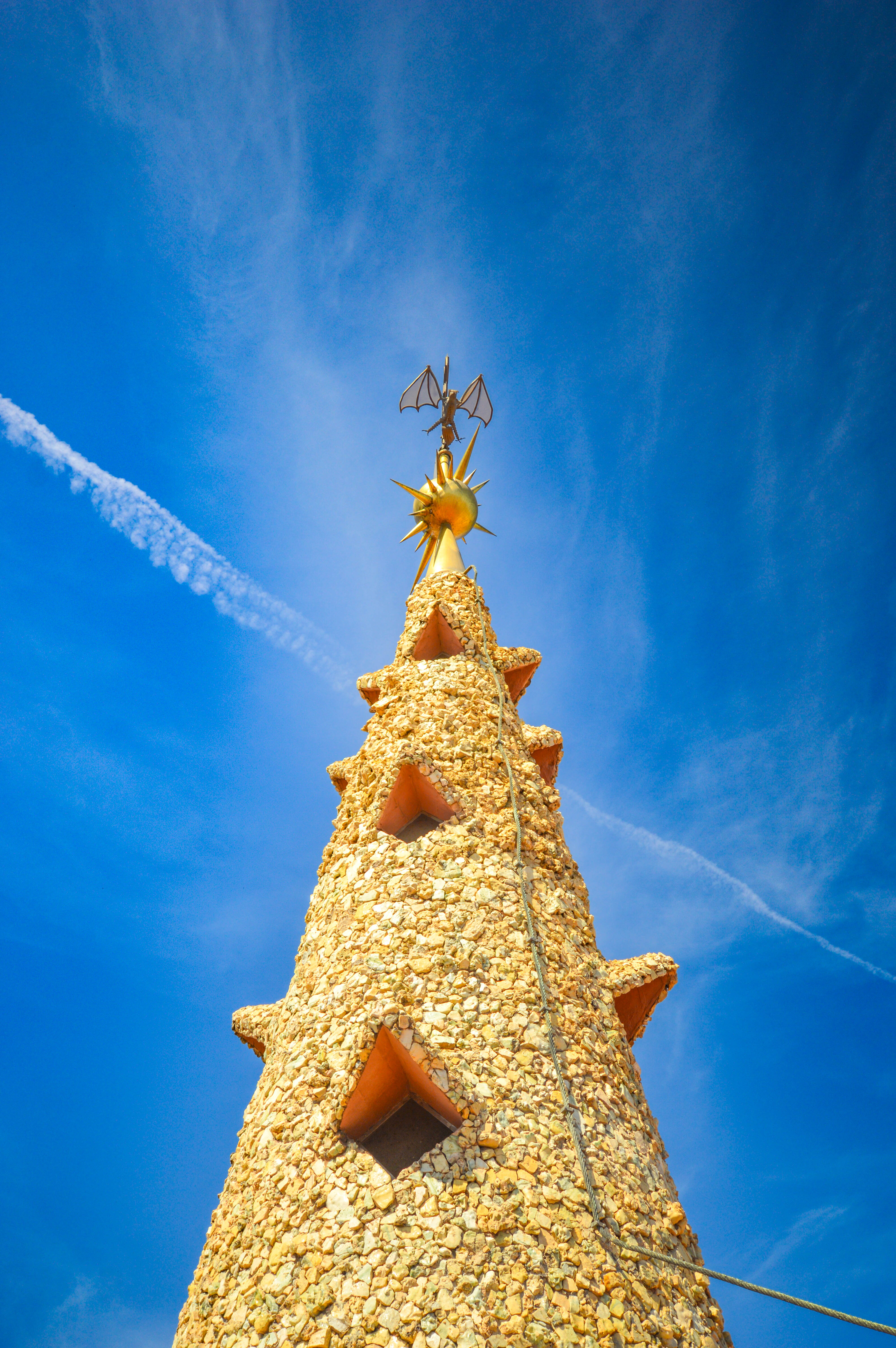
Casa Batlló is Antoni Gaudí’s celebrated, UNESCO-listed modernist masterpiece on Passeig de Gràcia 43 in Barcelona, famed for its organic, skeletal façade, colourful trencadís mosaics, and a dragon-scale roof; it was redesigned by Gaudí between 1904–1906 and is open to the public with guided and self-guided visits (check the official site for tickets and times).
Casa Batlló
Passeig de Gràci, Barcelona, Catalunya, Spain
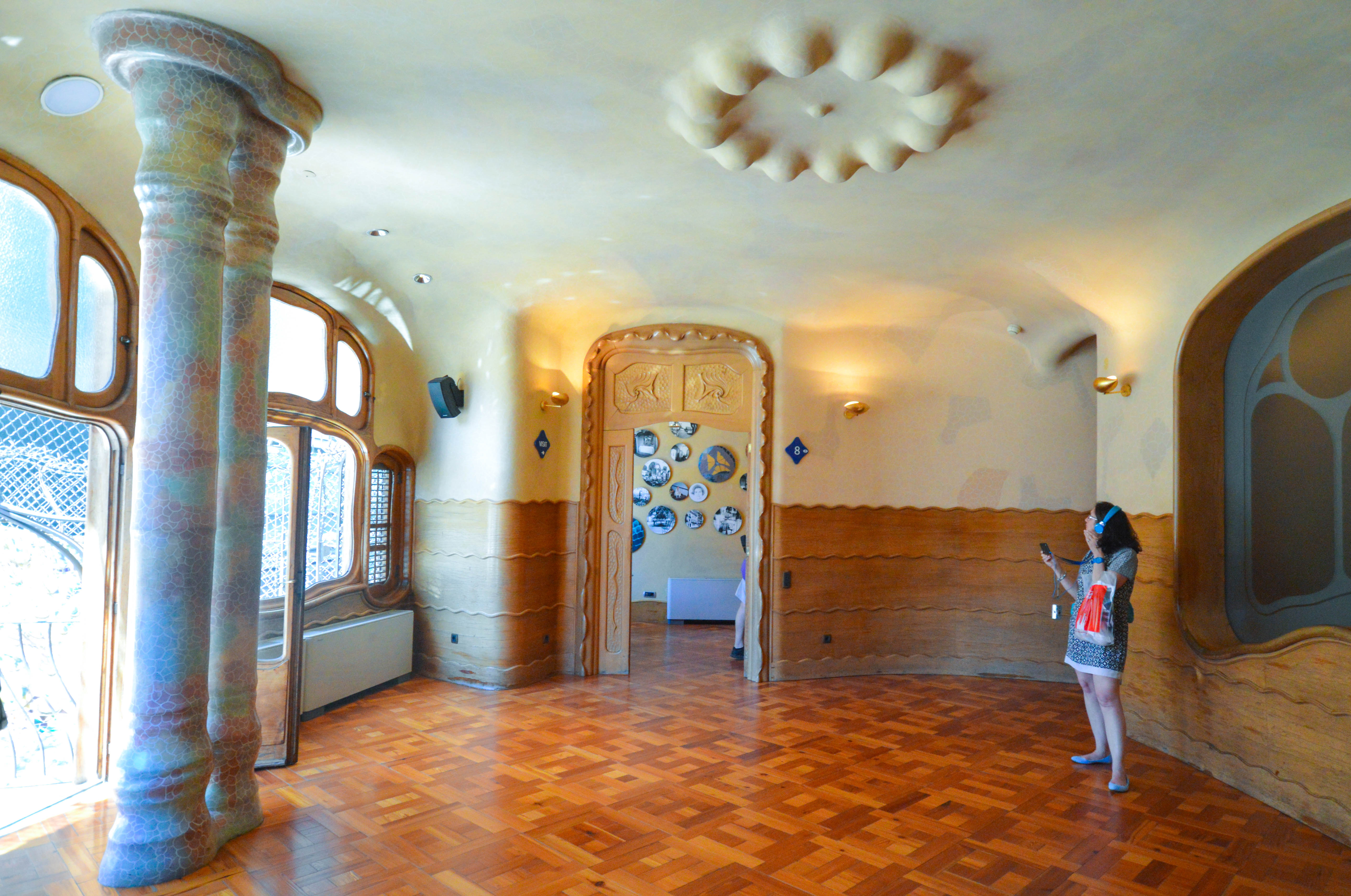
photo by Michael Gaylard,
©www.mgaylard.co.uk.
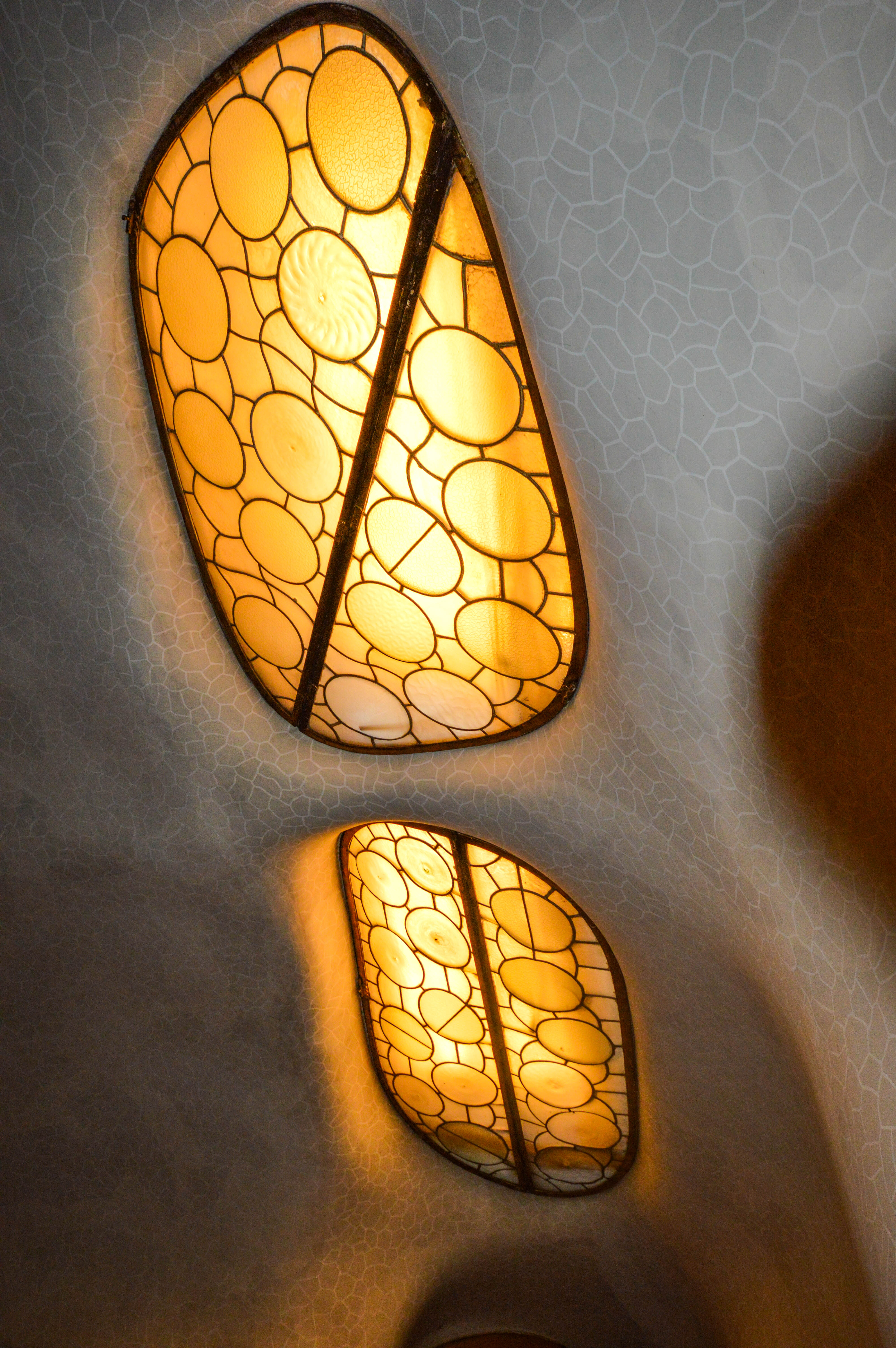
photo by Michael Gaylard,
©www.mgaylard.co.uk.
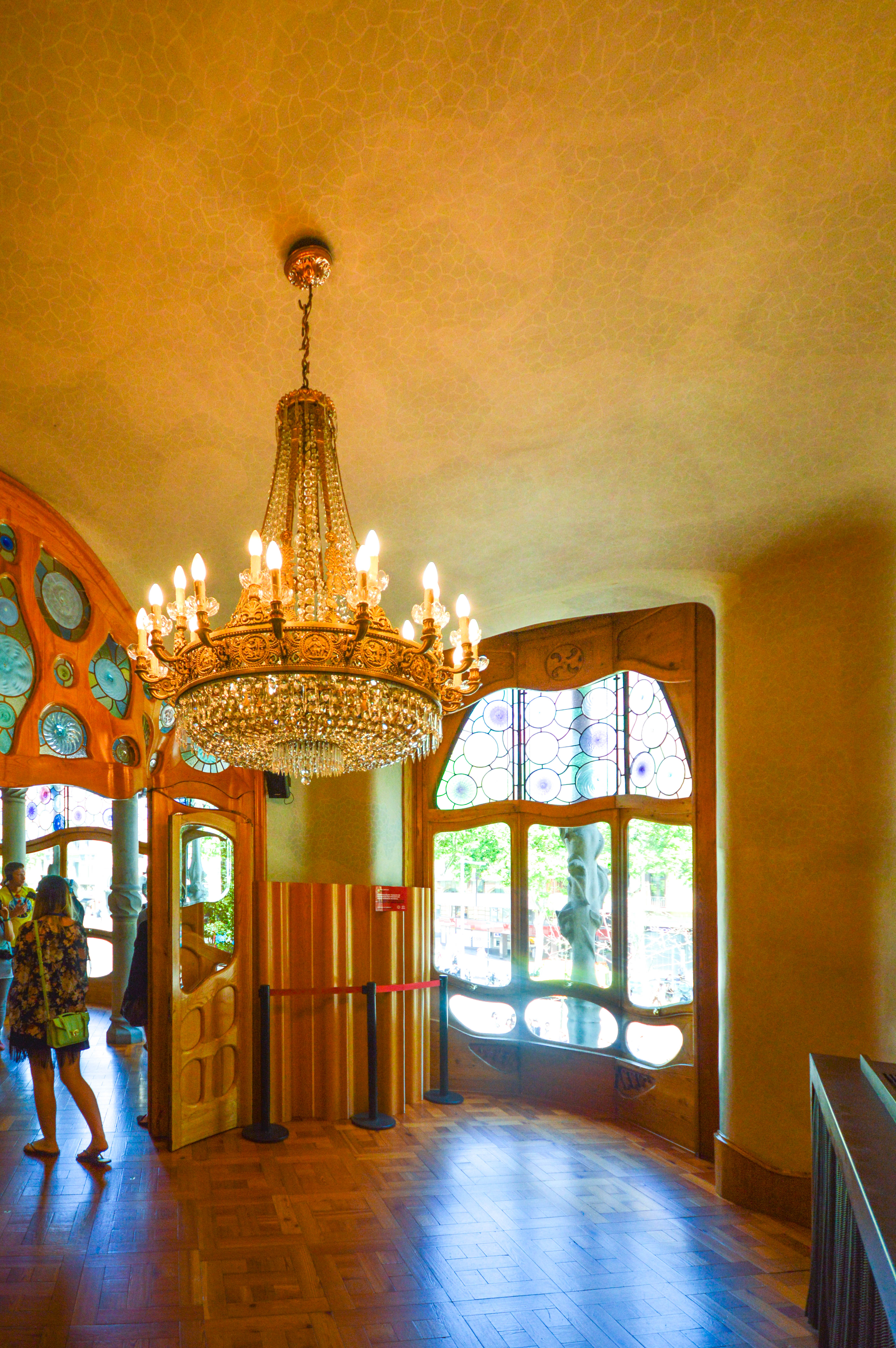
photo by Michael Gaylard,
©www.mgaylard.co.uk.
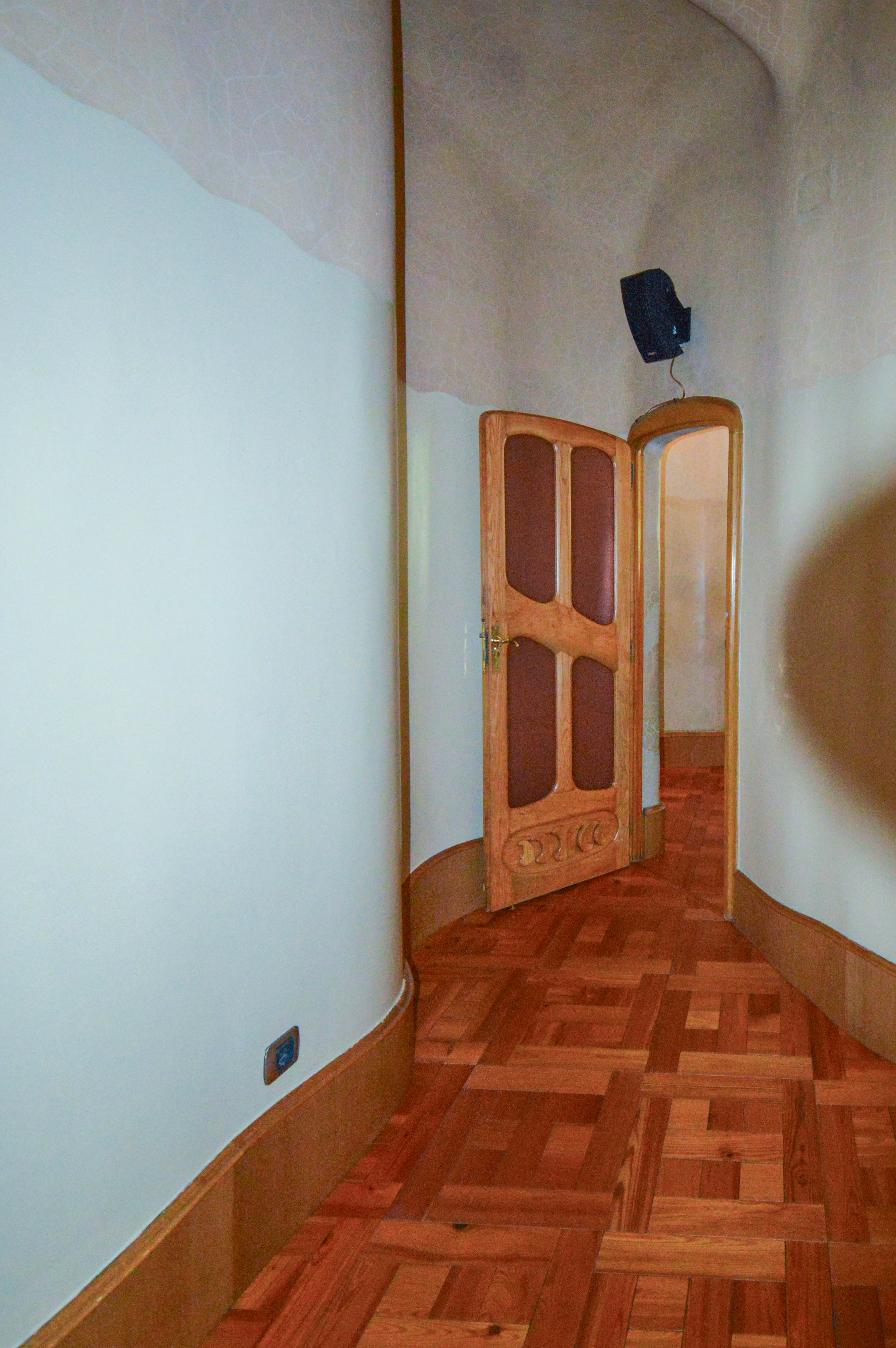
photo by Michael Gaylard,
©www.mgaylard.co.uk.
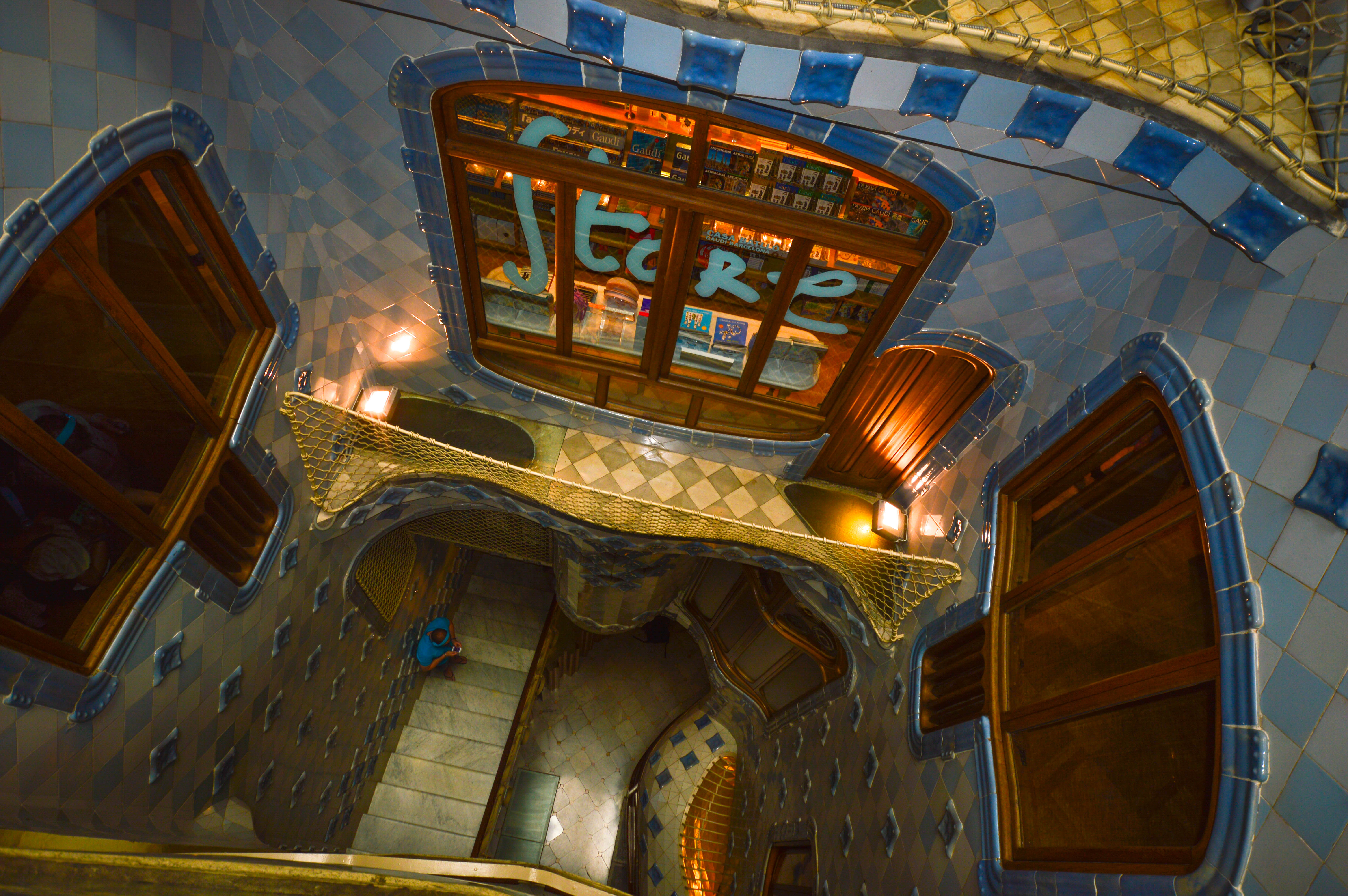
photo by Michael Gaylard,
©www.mgaylard.co.uk.
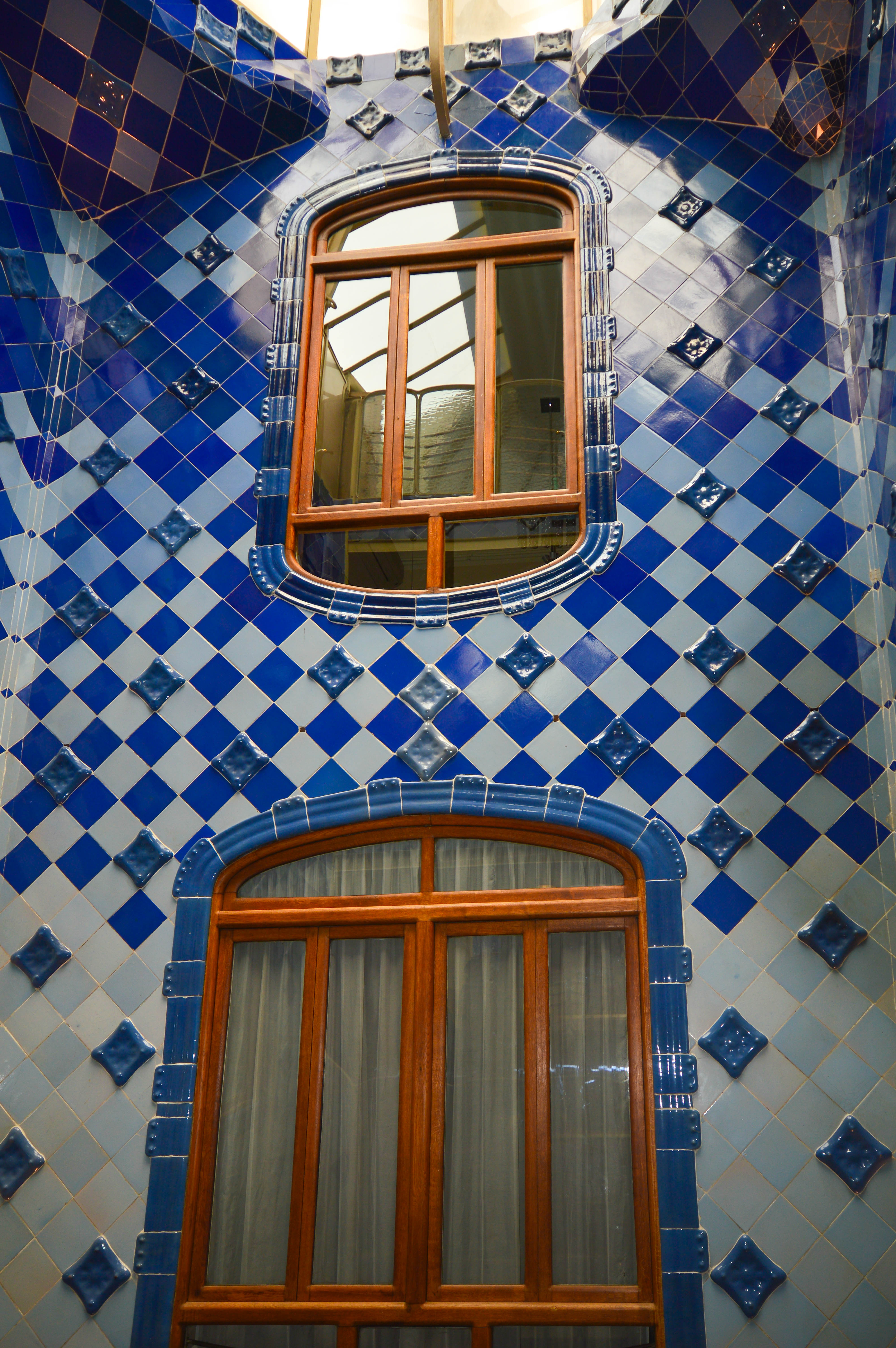
photo by Michael Gaylard,
©www.mgaylard.co.uk.
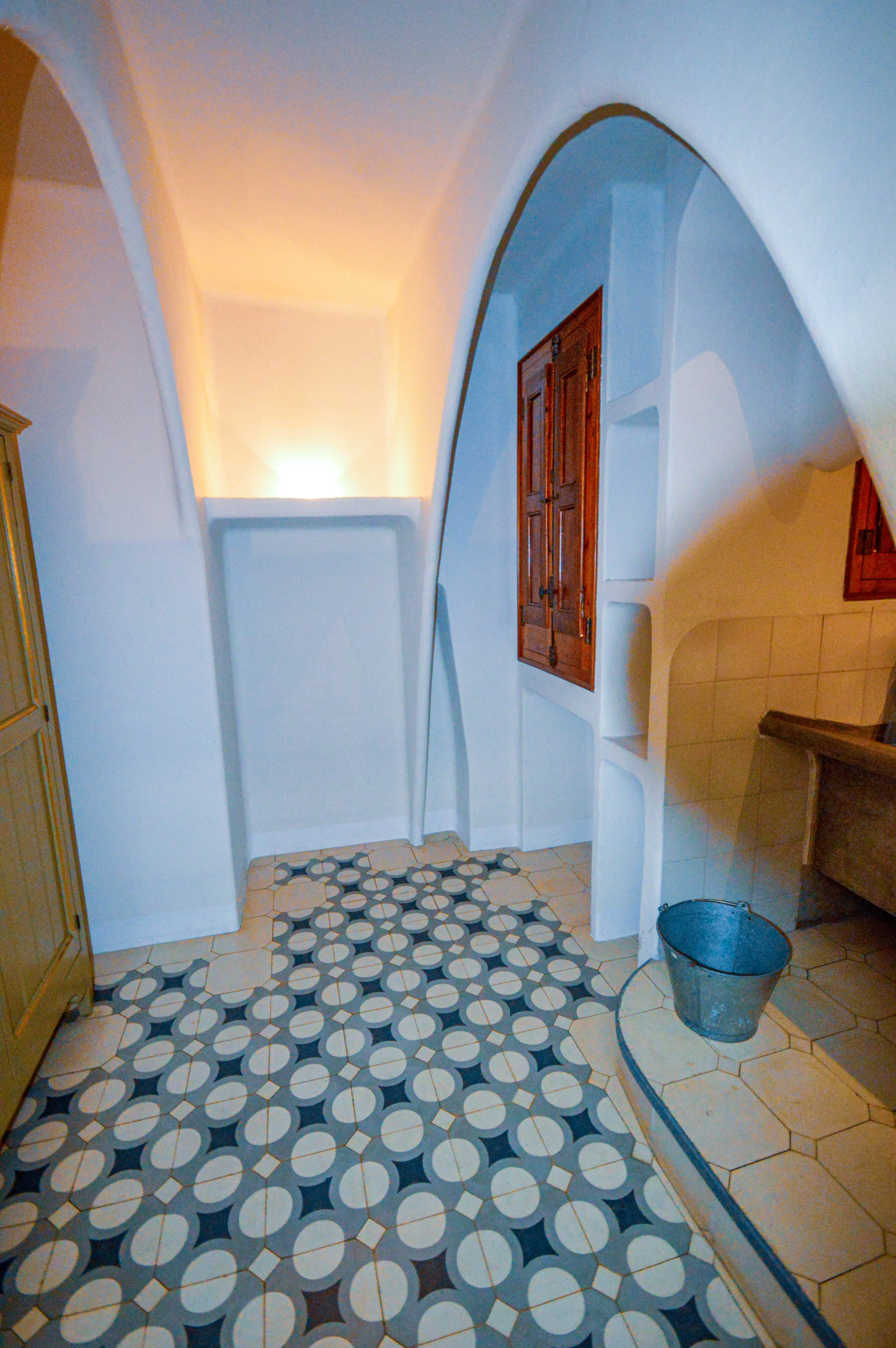
photo by Michael Gaylard,
©www.mgaylard.co.uk.
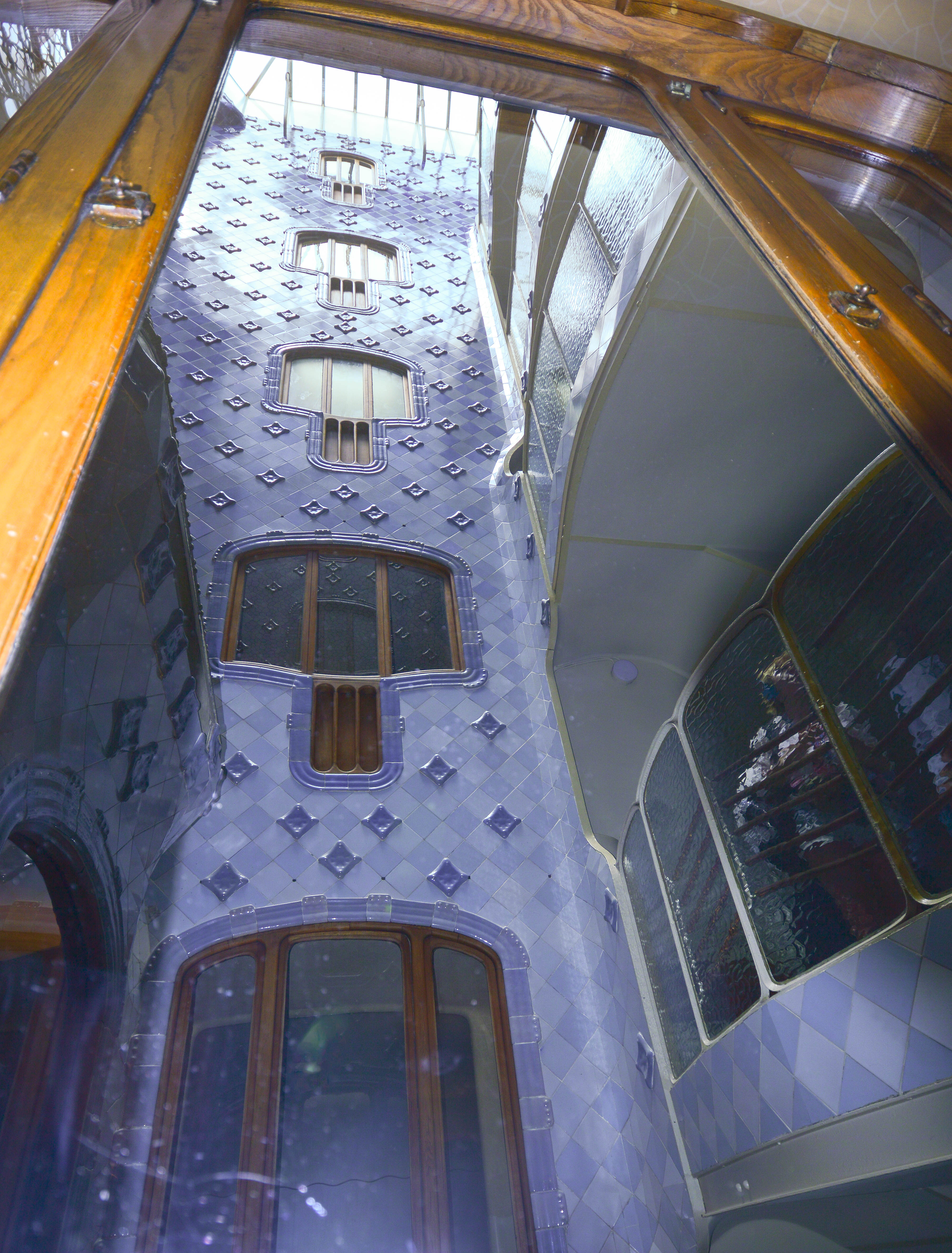
photo by Michael Gaylard,
©www.mgaylard.co.uk.
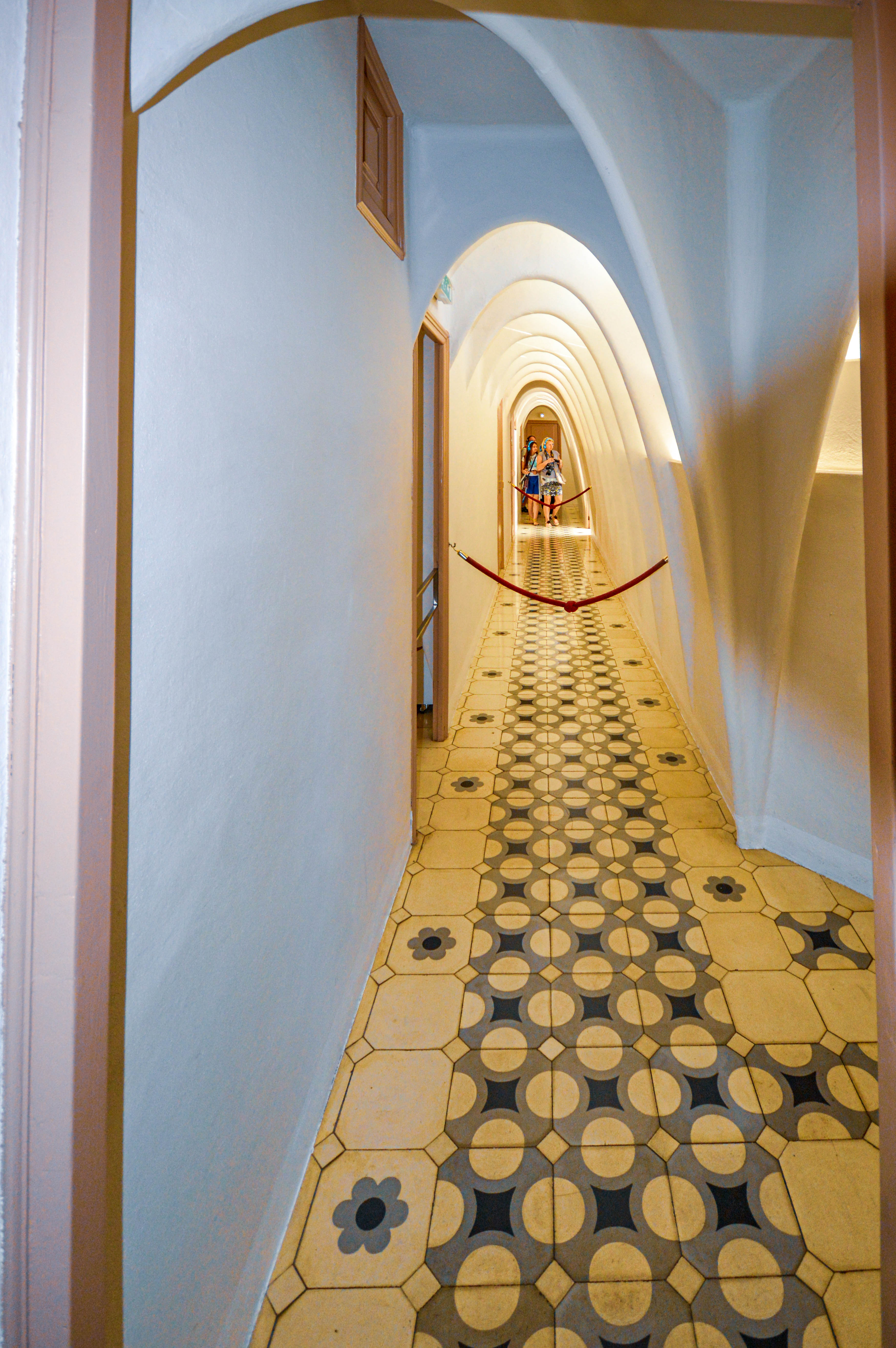
photo by Michael Gaylard,
©www.mgaylard.co.uk.
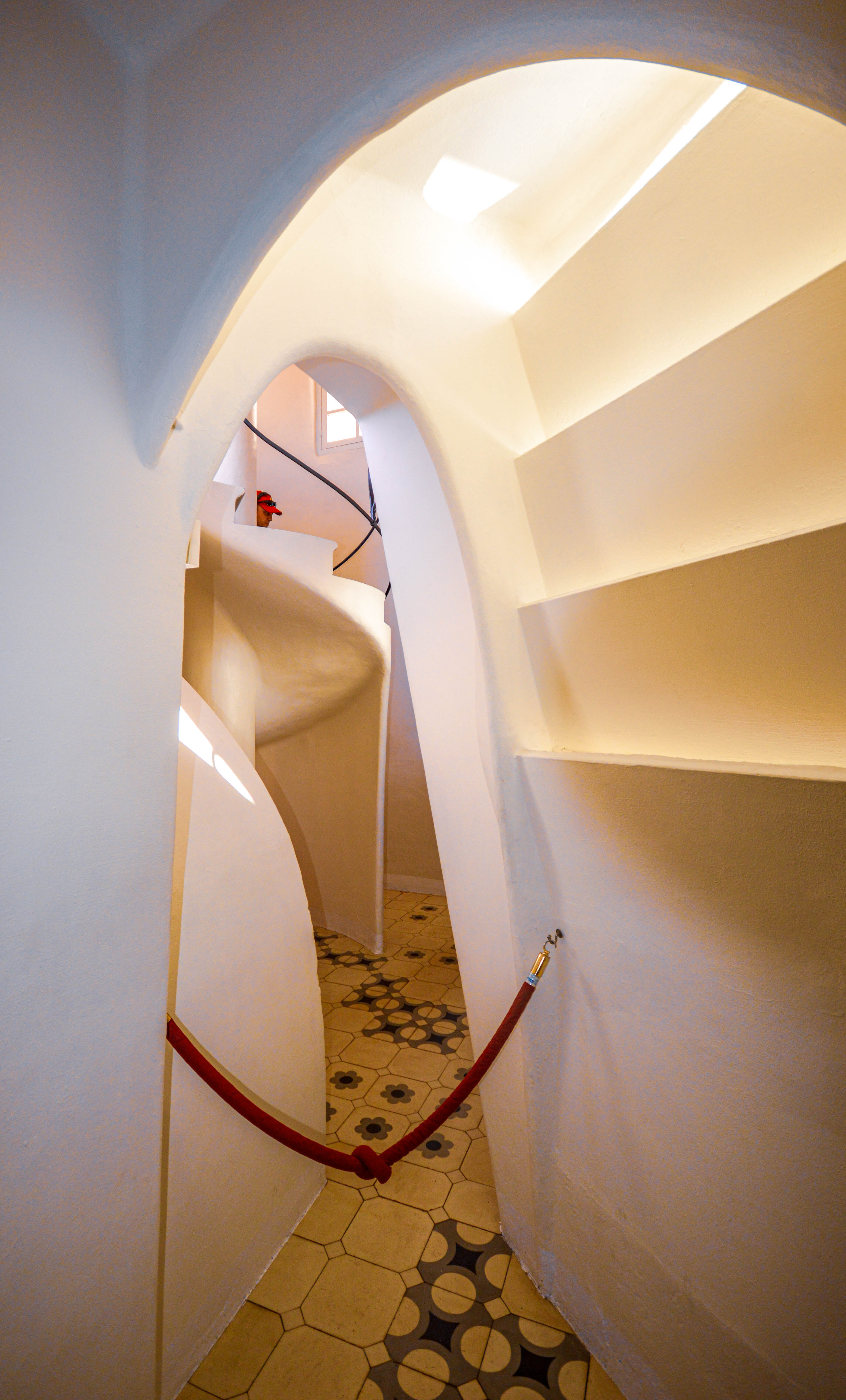
photo by Michael Gaylard,
©www.mgaylard.co.uk.
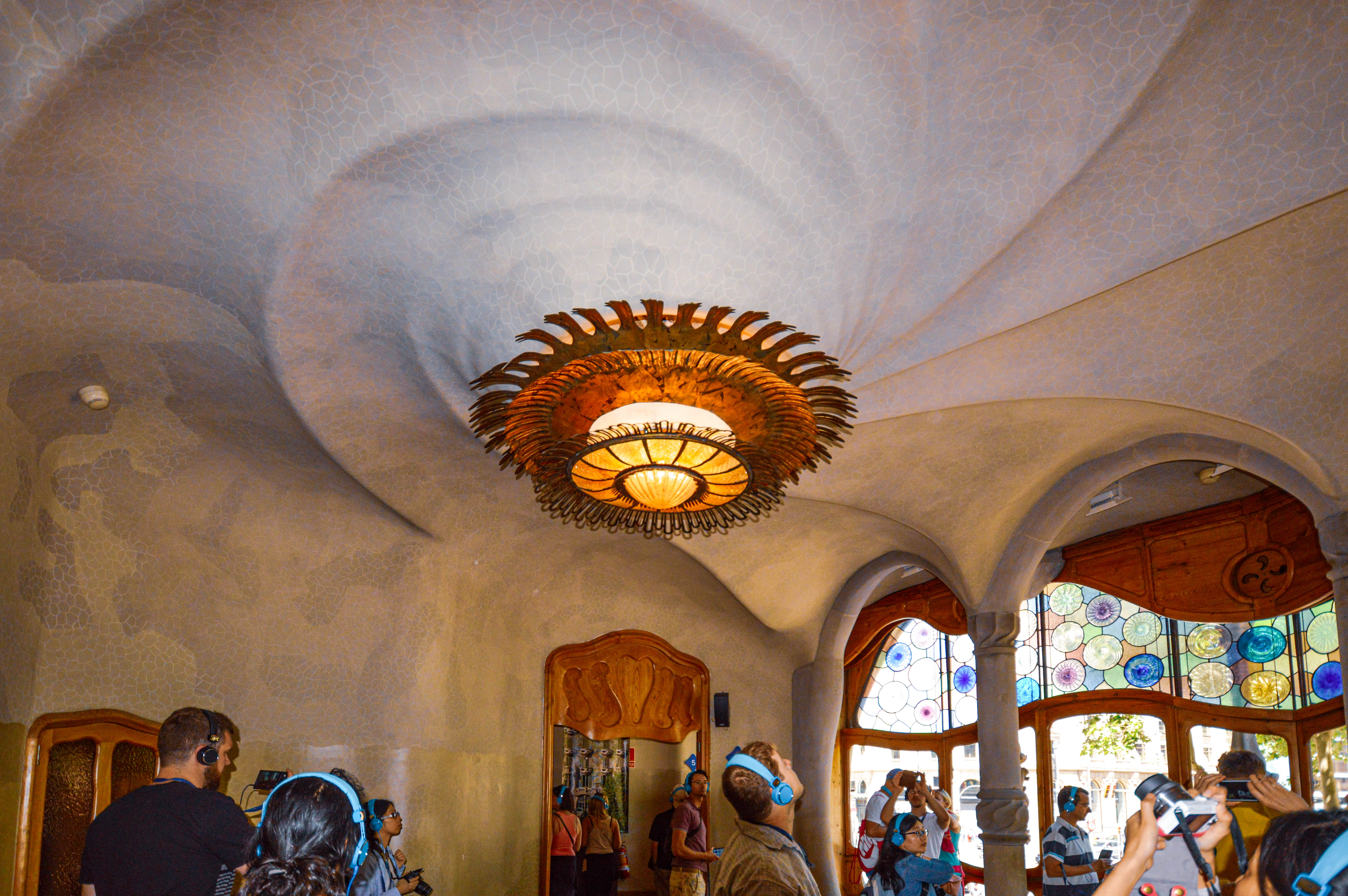
photo by Michael Gaylard,
©www.mgaylard.co.uk.
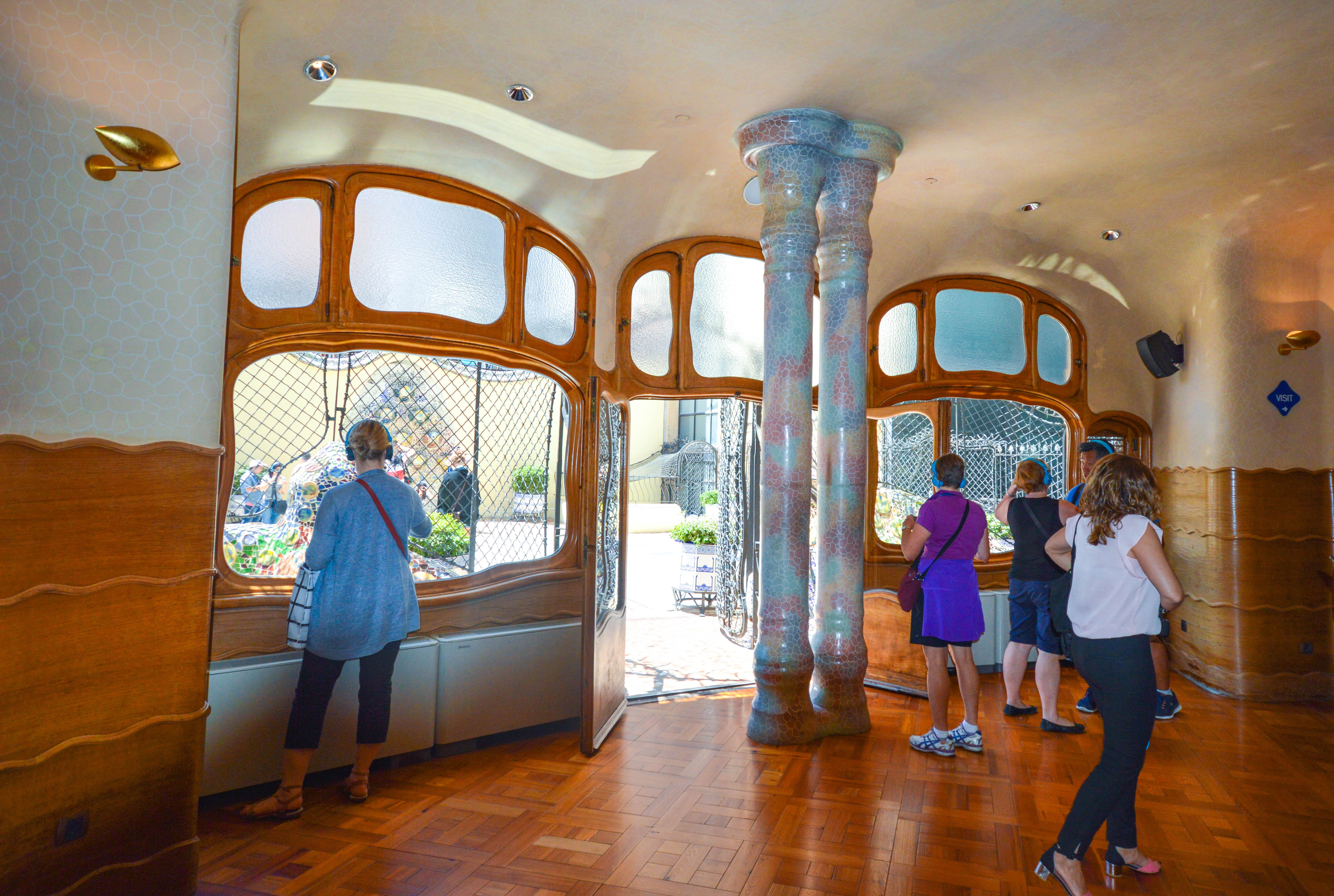
photo by Michael Gaylard,
©www.mgaylard.co.uk.
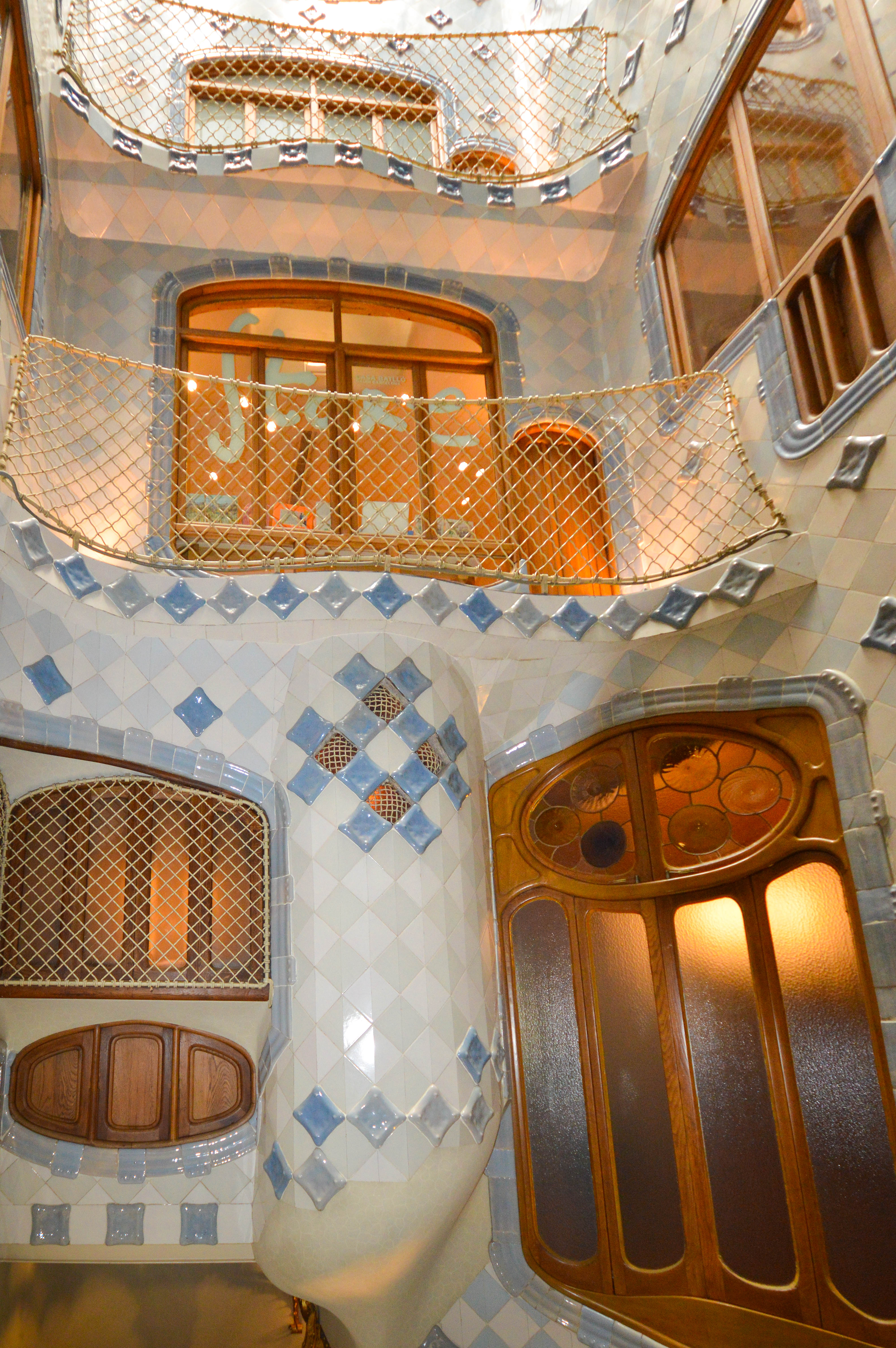
photo by Michael Gaylard,
©www.mgaylard.co.uk.
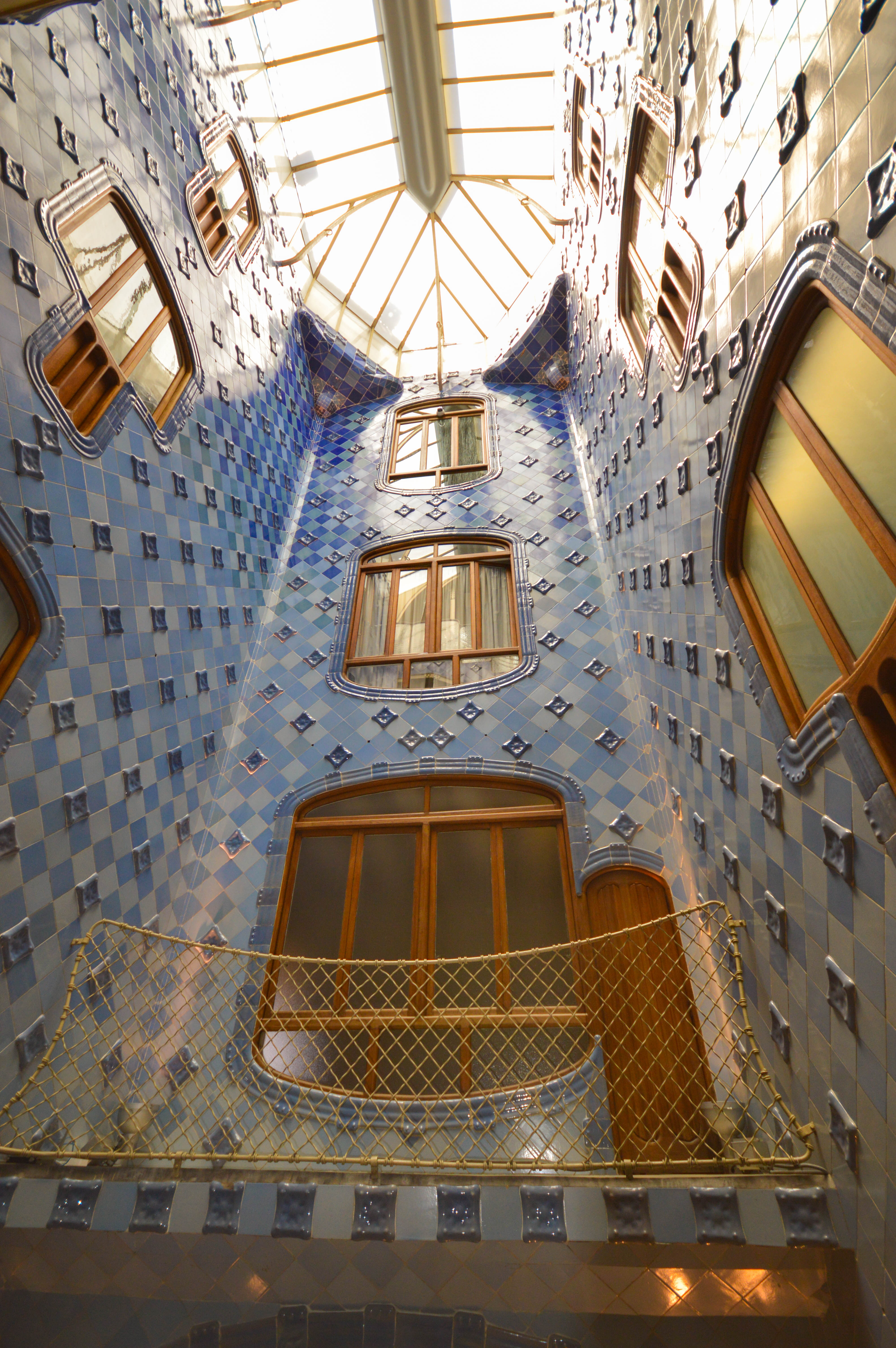
photo by Michael Gaylard,
©www.mgaylard.co.uk.
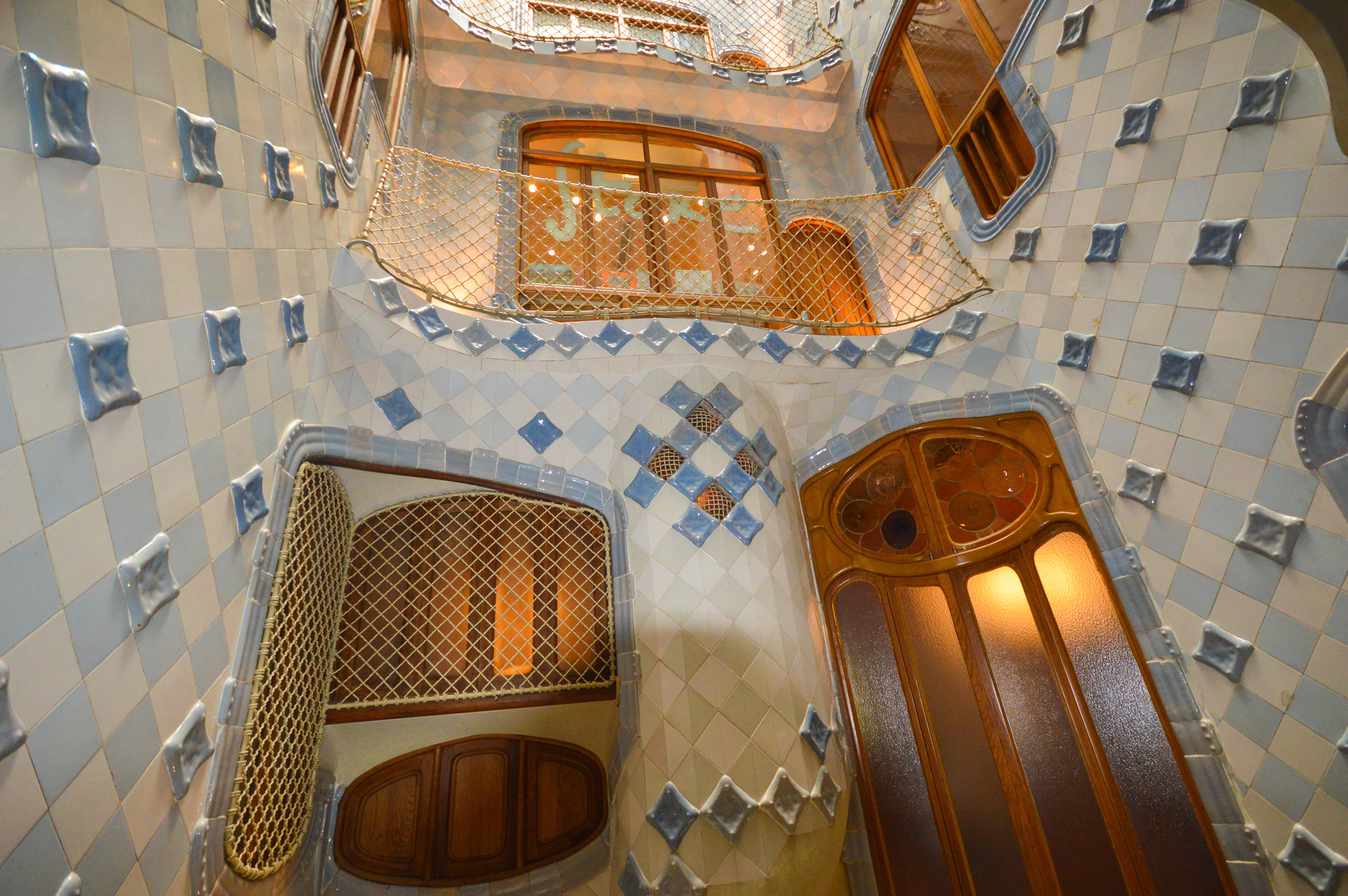
photo by Michael Gaylard,
©www.mgaylard.co.uk.
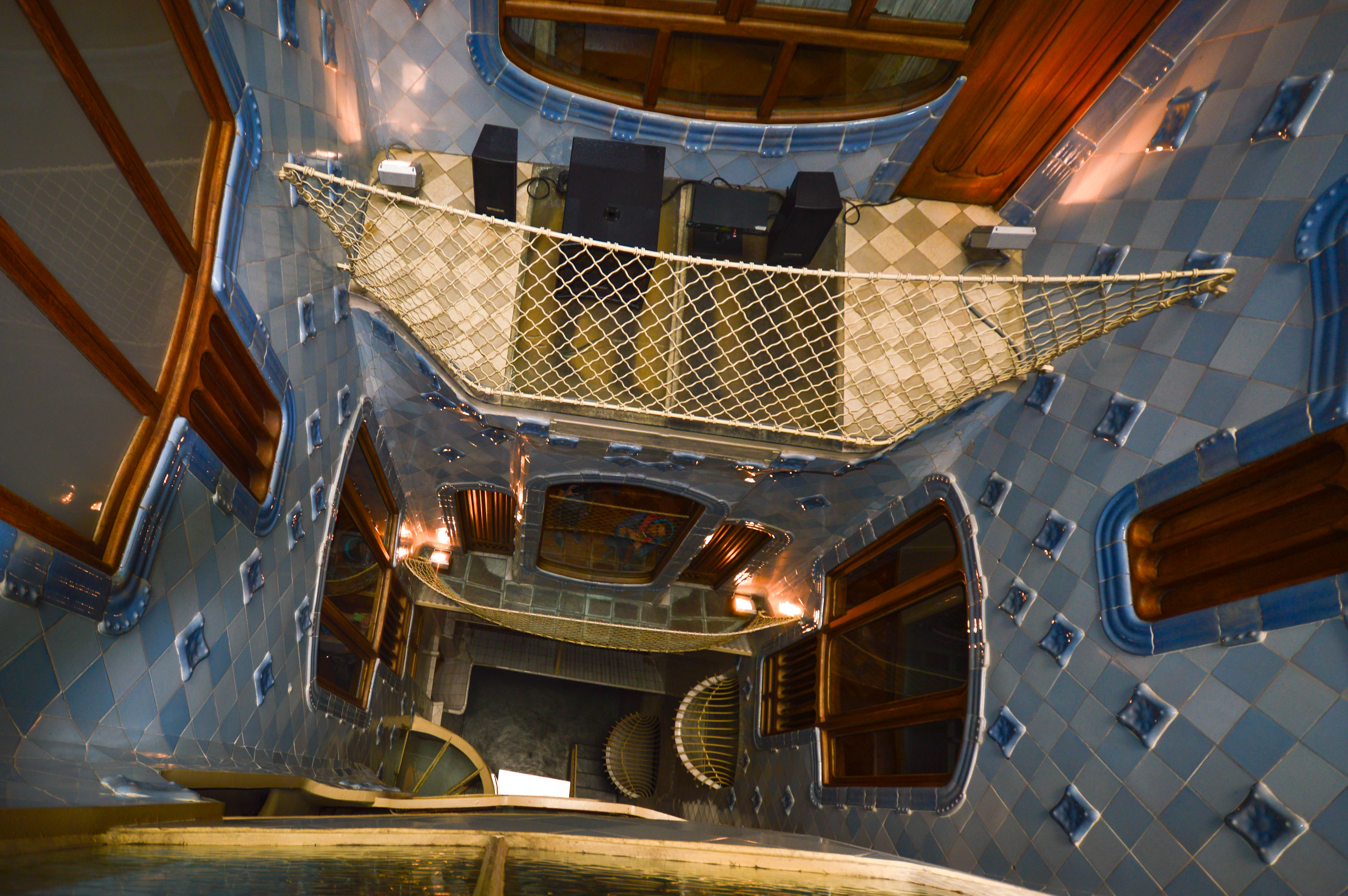
photo by Michael Gaylard,
©www.mgaylard.co.uk.
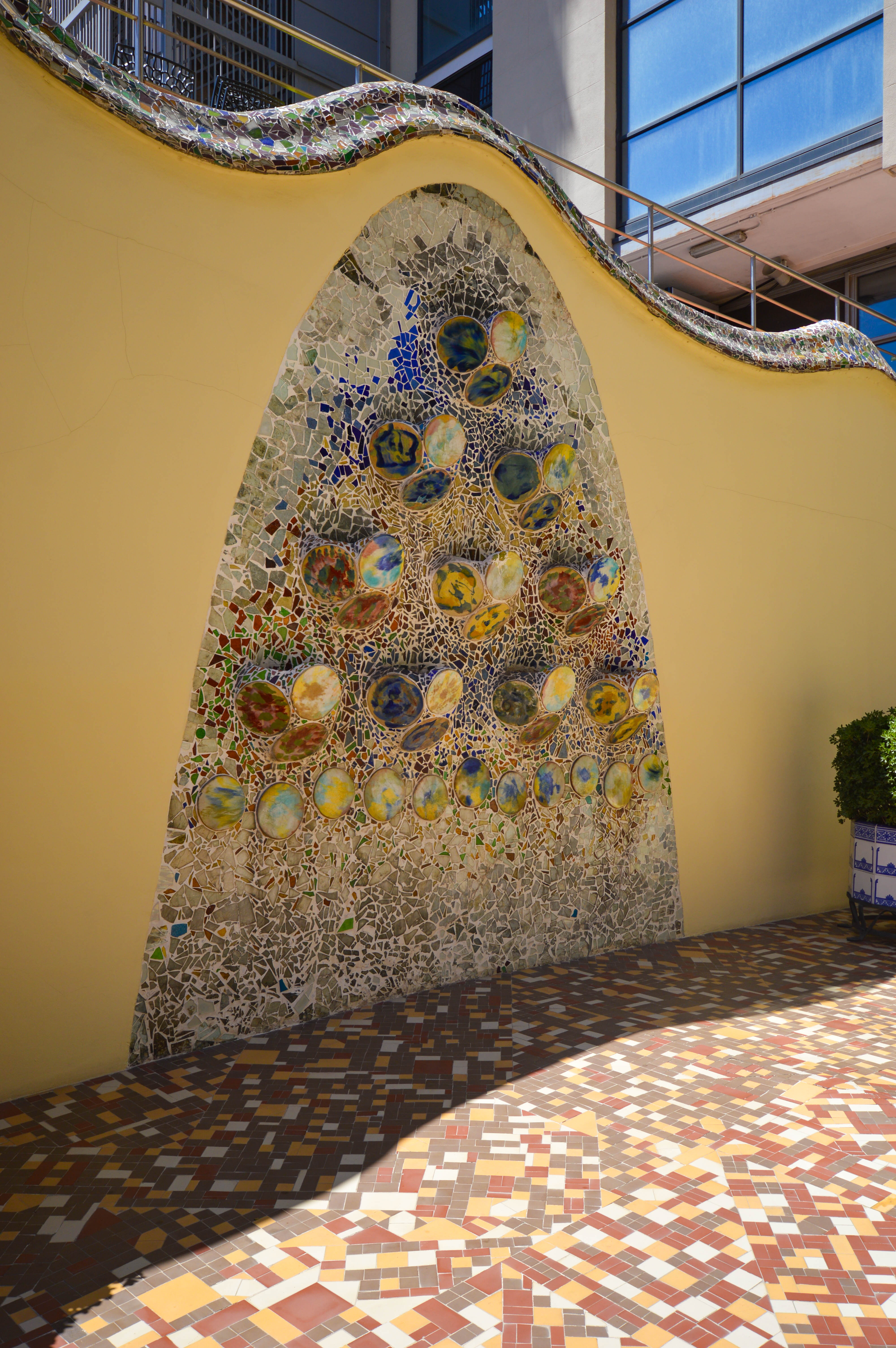
photo by Michael Gaylard,
©www.mgaylard.co.uk.
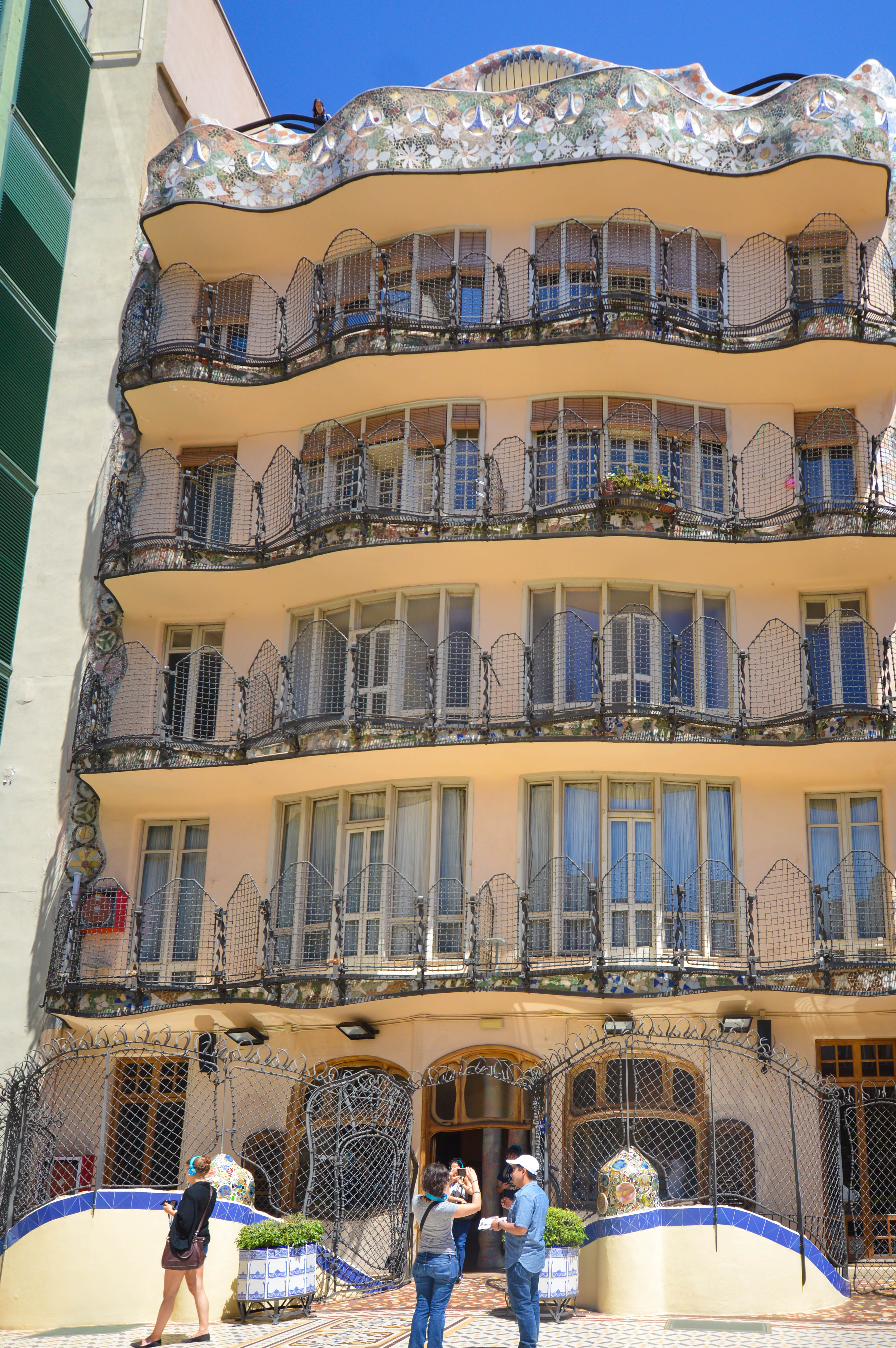
photo by Michael Gaylard,
©www.mgaylard.co.uk.
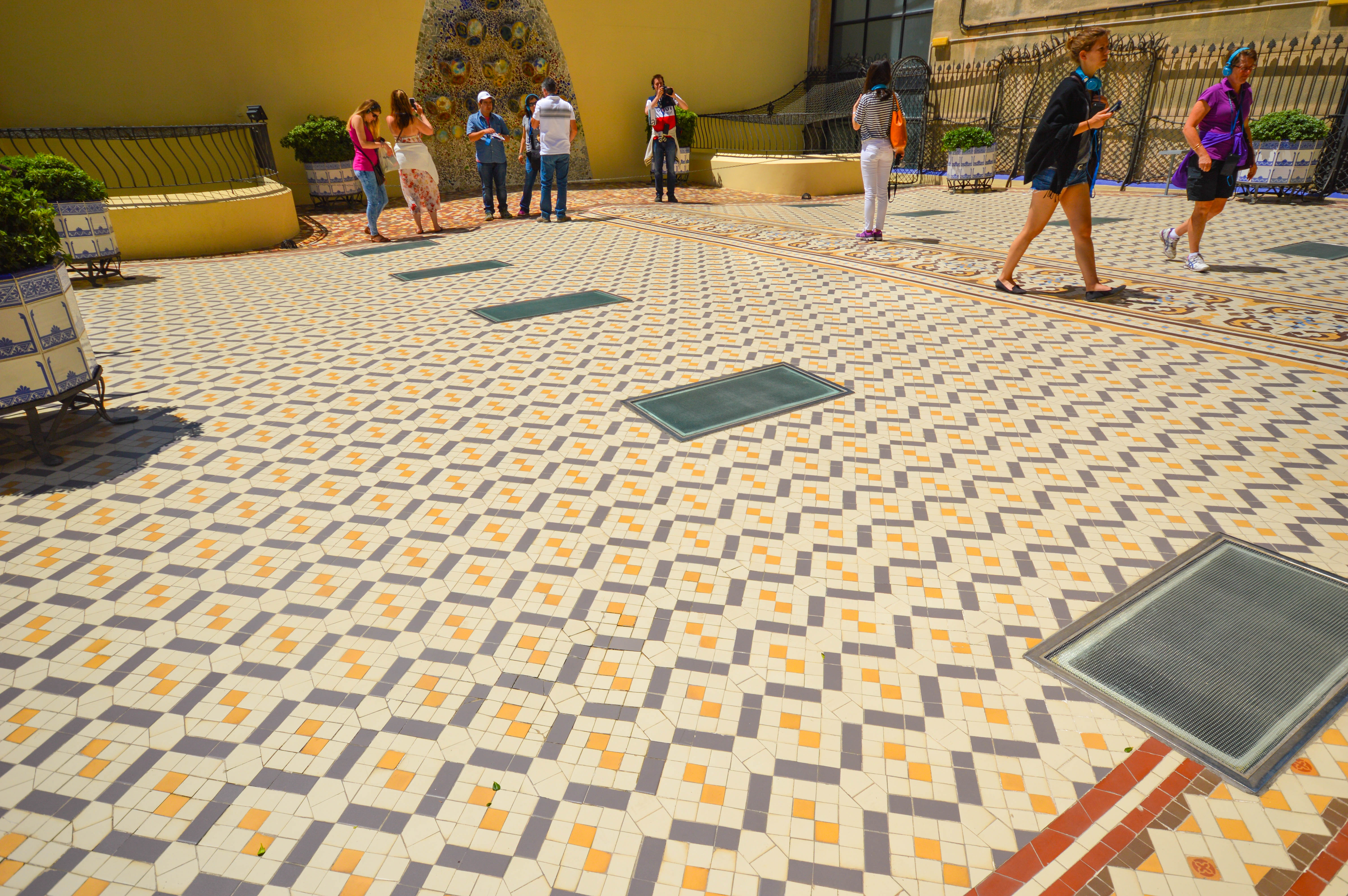
photo by Michael Gaylard,
©www.mgaylard.co.uk.
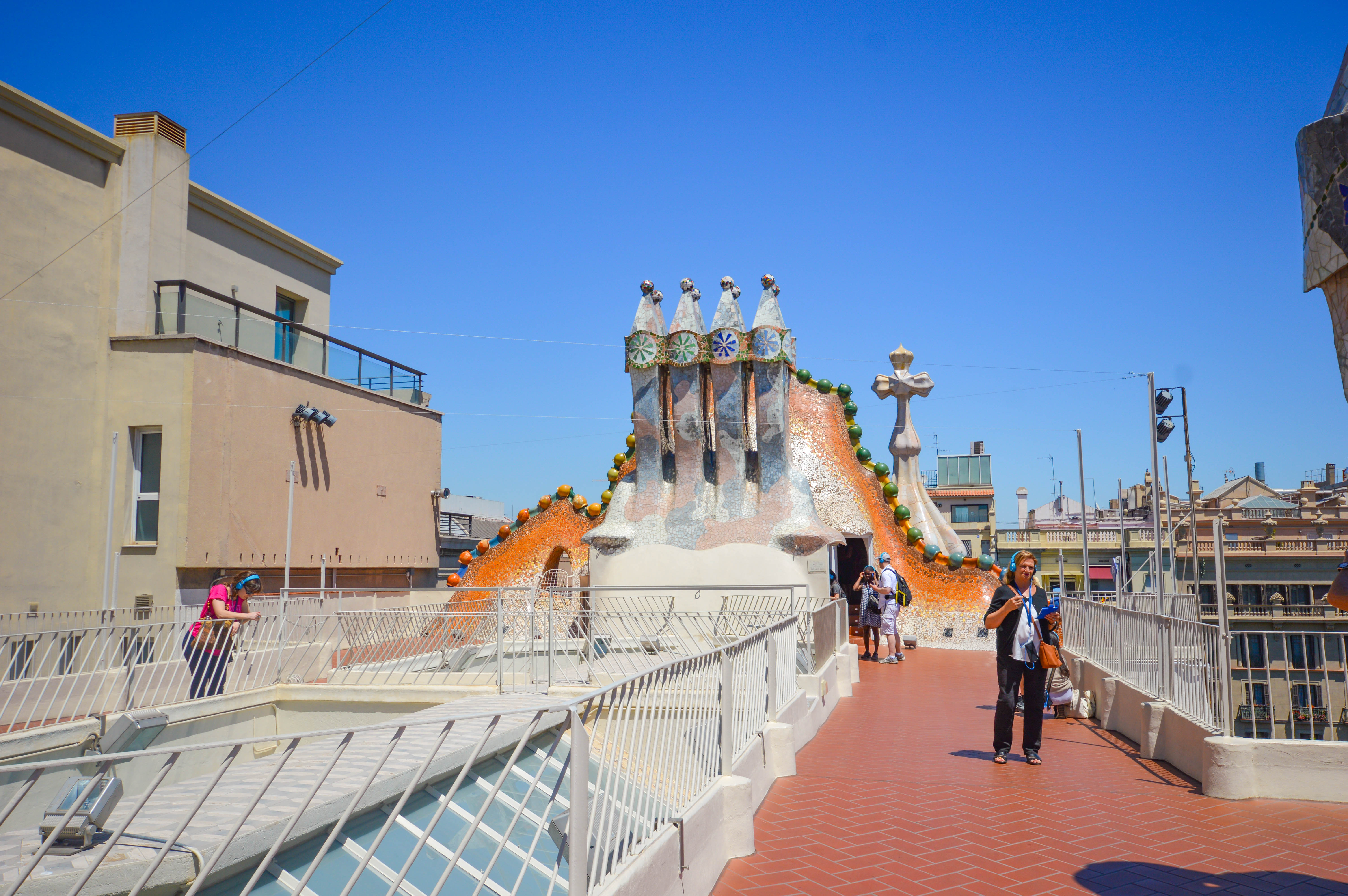
photo by Michael Gaylard,
©www.mgaylard.co.uk.
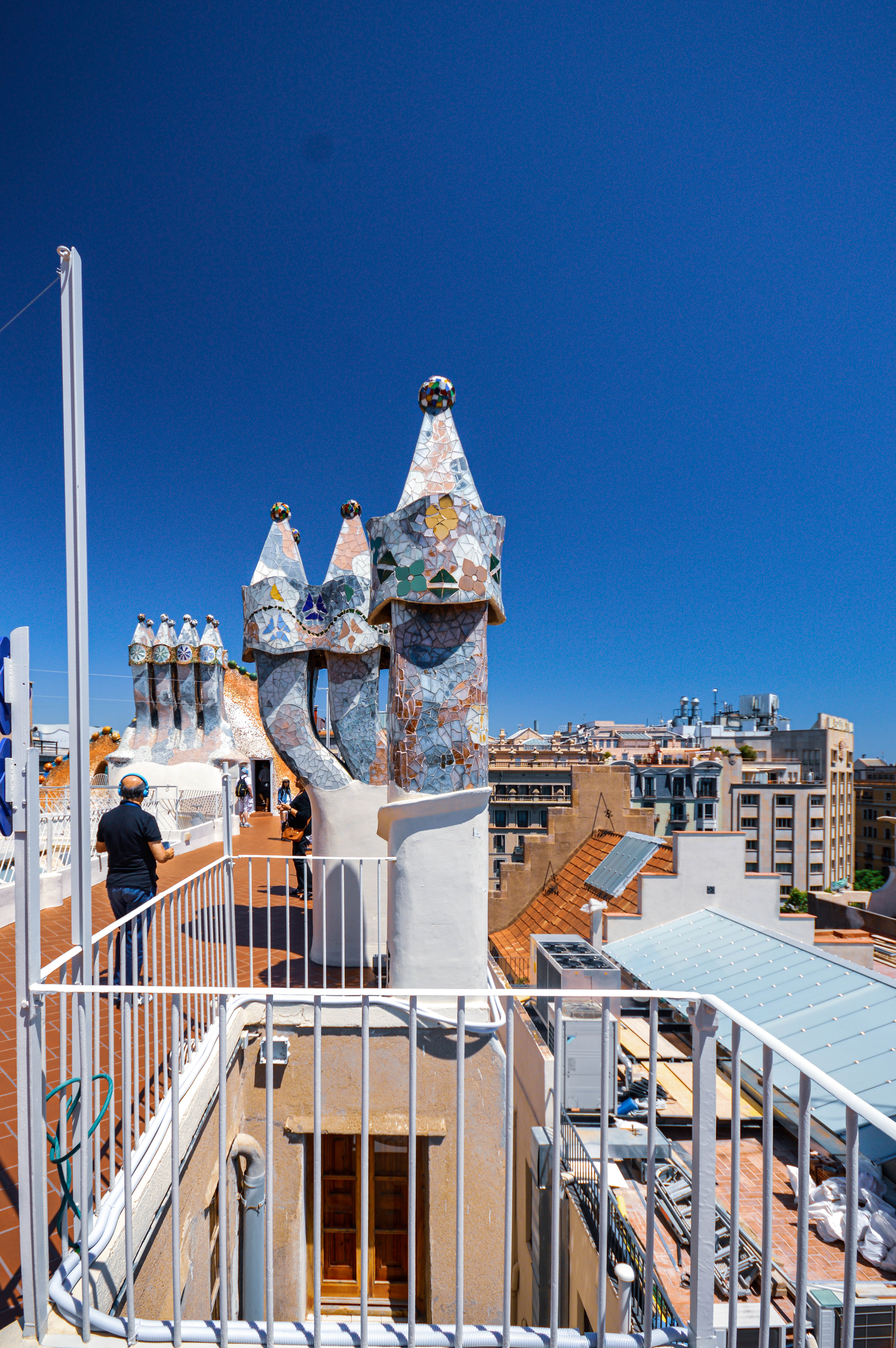
photo by Michael Gaylard,
©www.mgaylard.co.uk.
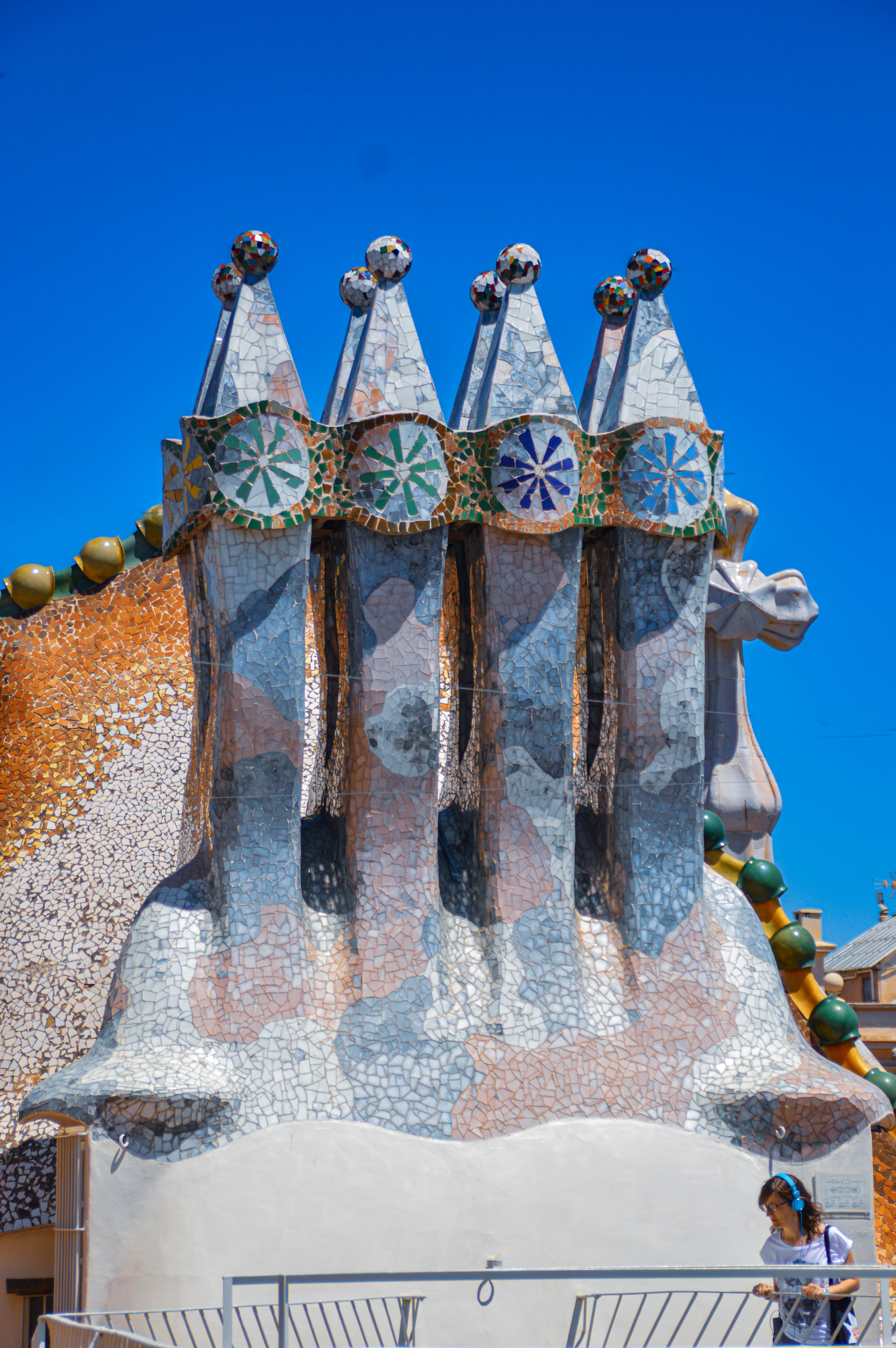
photo by Michael Gaylard,
©www.mgaylard.co.uk.
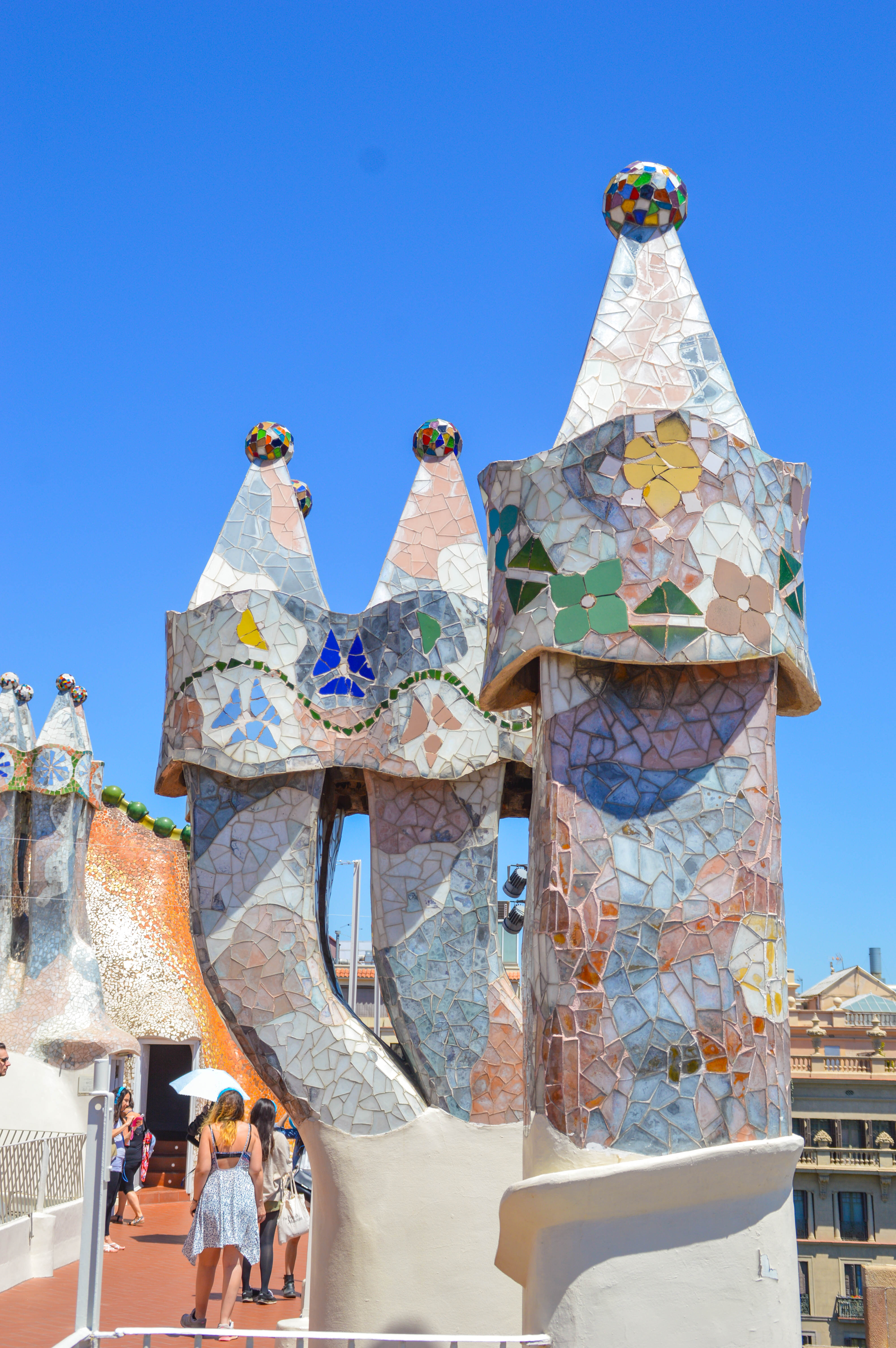
photo by Michael Gaylard,
©www.mgaylard.co.uk.
Open the full set  Share this page
Share this page