HOME

The Works Of Antoni Gaudi

La Sagrada Família

Carrer de MallorcaBarcelonaCatalunya,   Spain

La Sagrada Família is a large unfinished Roman Catholic basilica in Barcelona, Spain, designed by the renowned architect Antoni Gaudí. Construction began in 1882 and continues to this day, making it one of the most famous and visited landmarks in the world. The basilica is known for its unique architecture, combining Gothic and Art Nouveau forms.
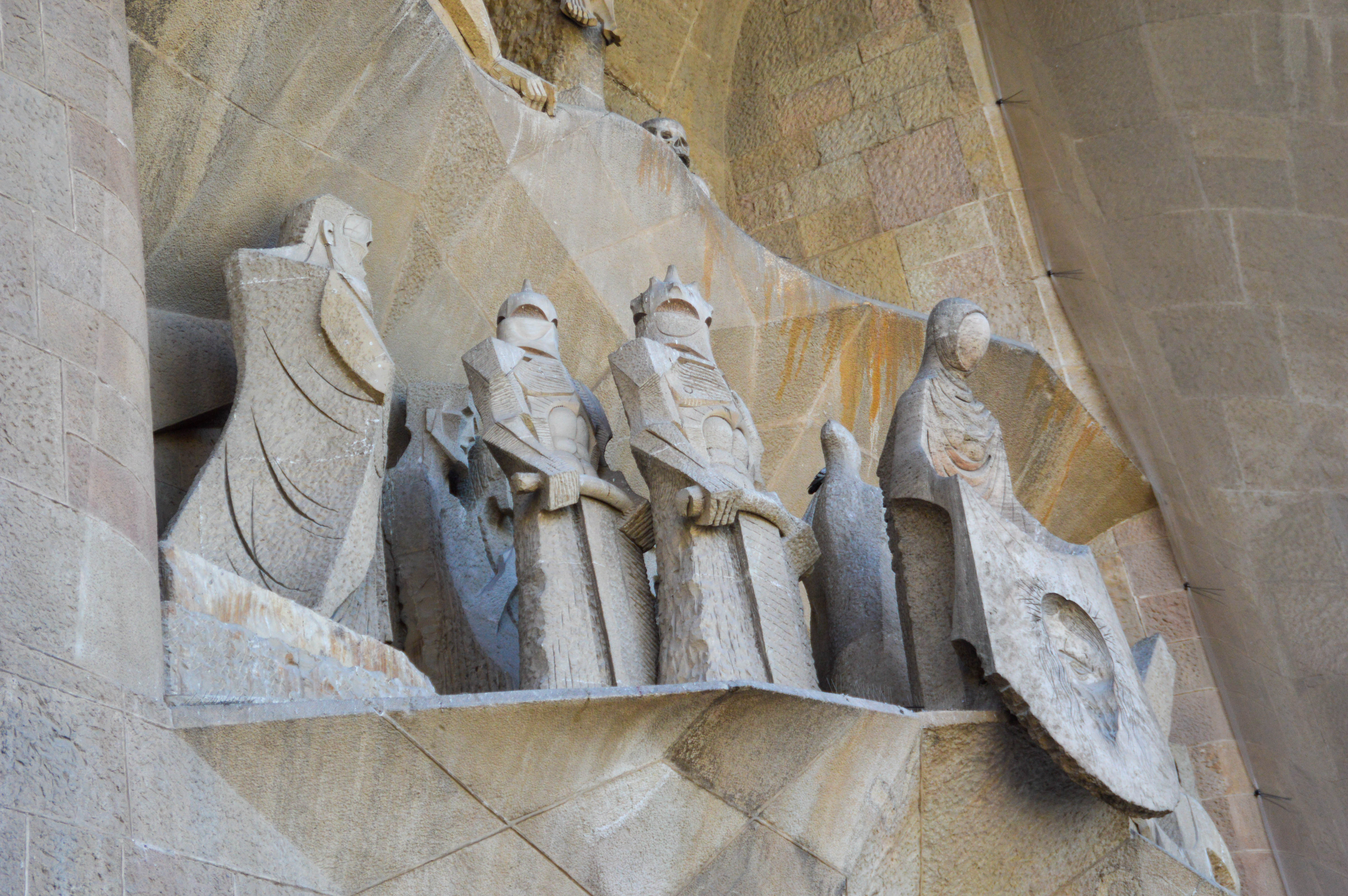
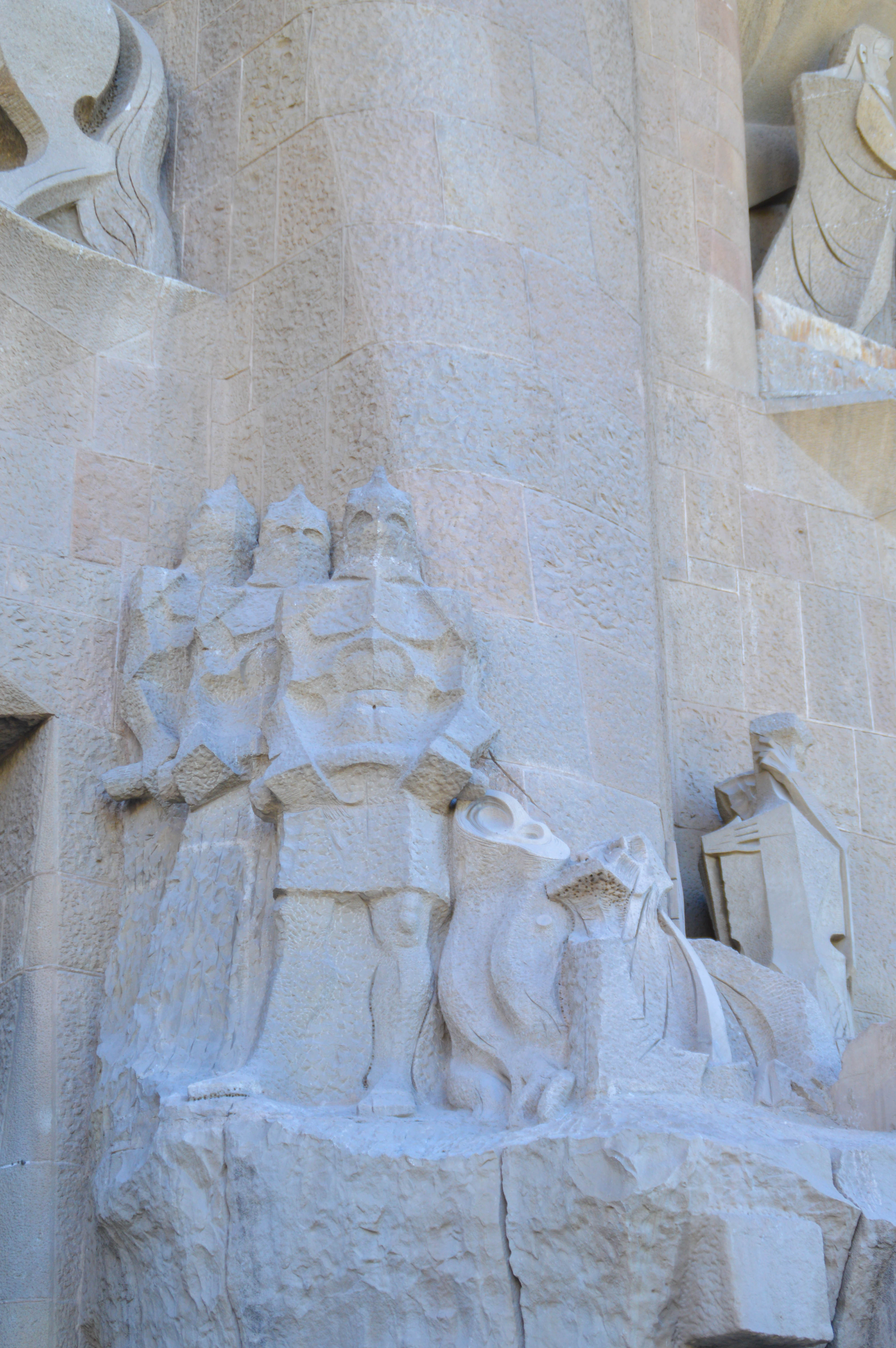
Passion Facade
Passion Facade ‐ photo by ,
©www.mgaylard.co.uk.
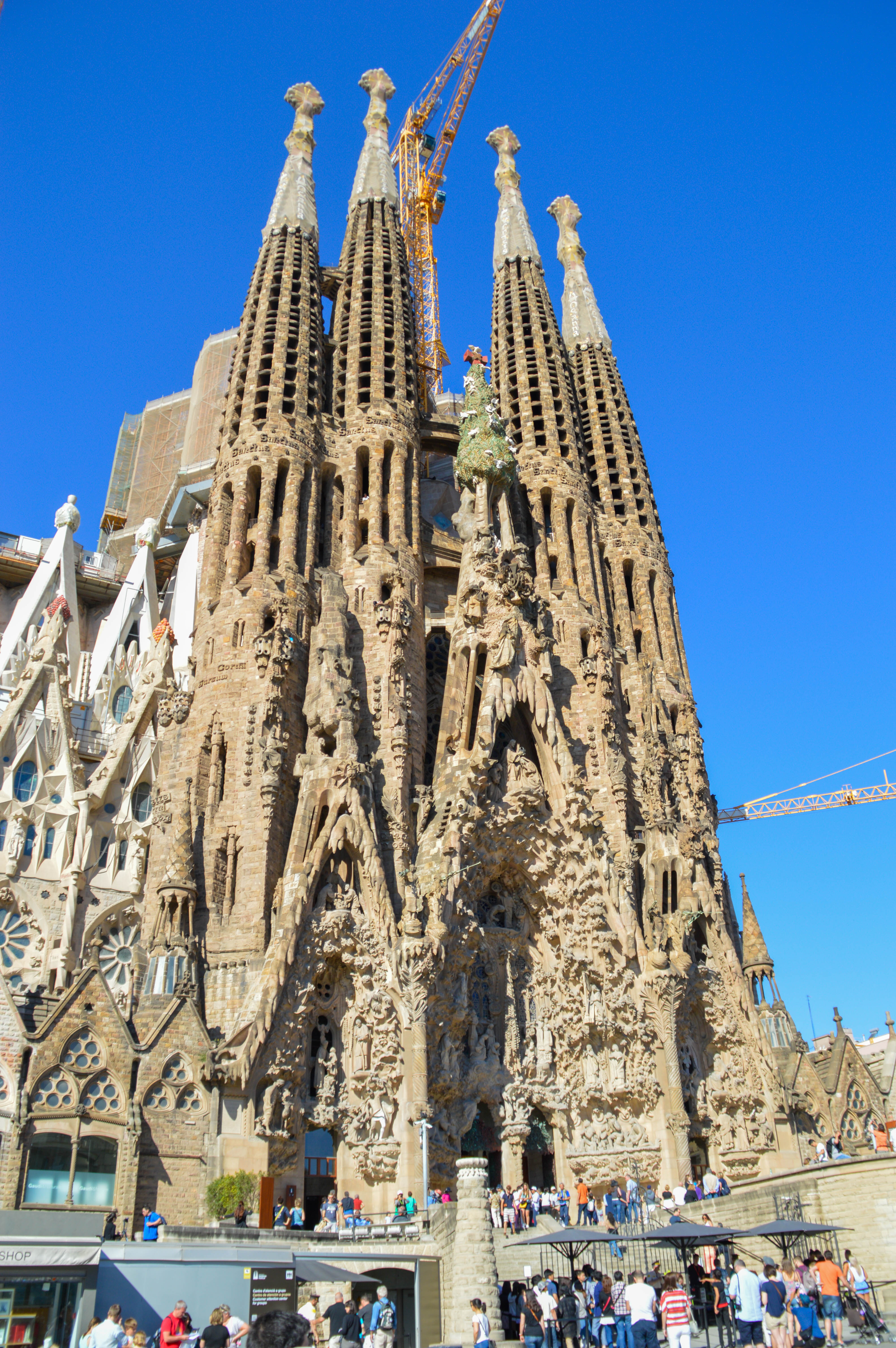
La Sagrada Familia Exterior
La Sagrada Familia Exterior ‐ photo by ,
©www.mgaylard.co.uk.
La Sagrada Familia Exterior
La Sagrada Familia Exterior ‐ photo by ,
©www.mgaylard.co.uk.
La Sagrada Familia Exterior
La Sagrada Familia Exterior ‐ photo by ,
©www.mgaylard.co.uk.
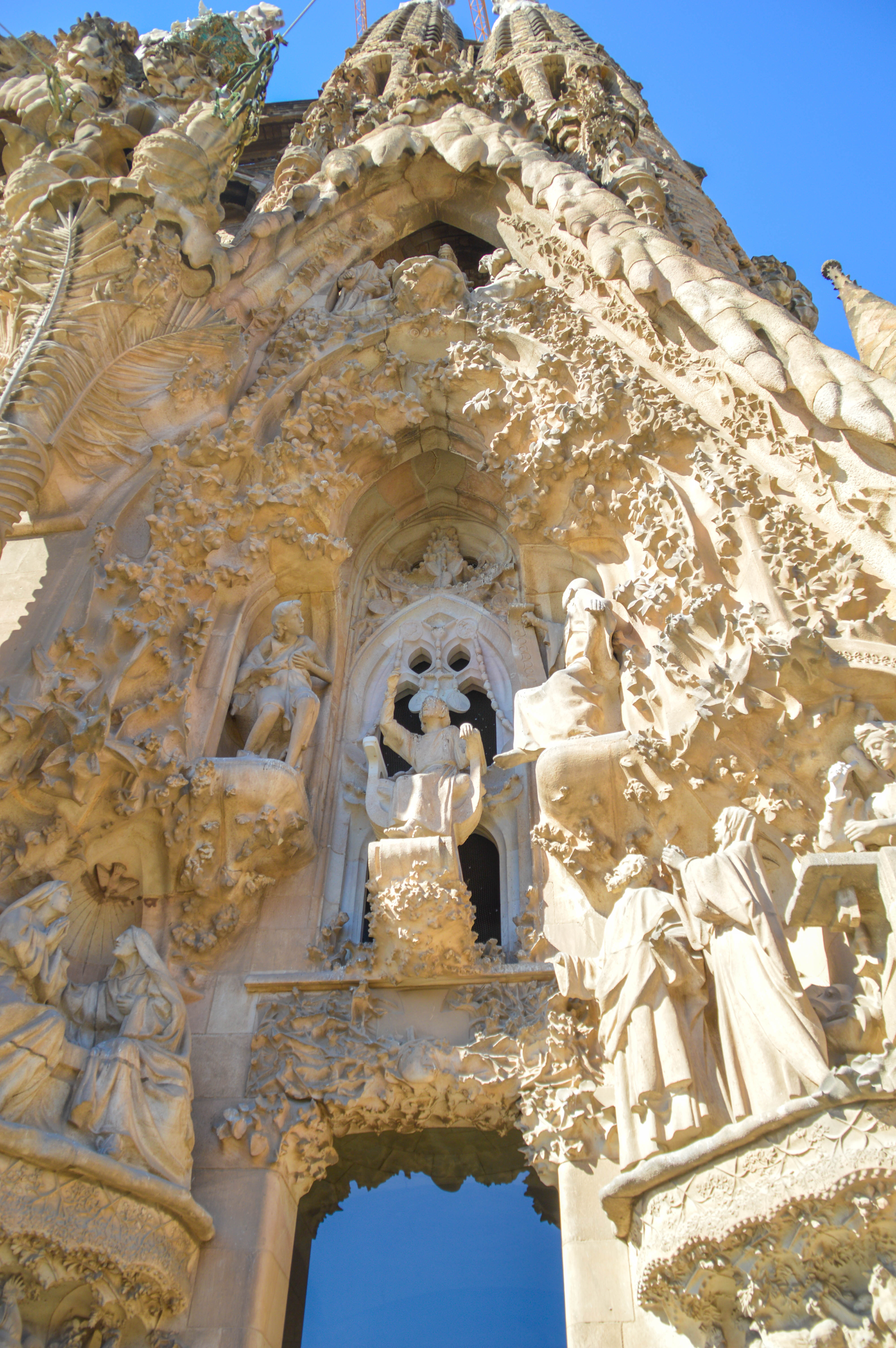
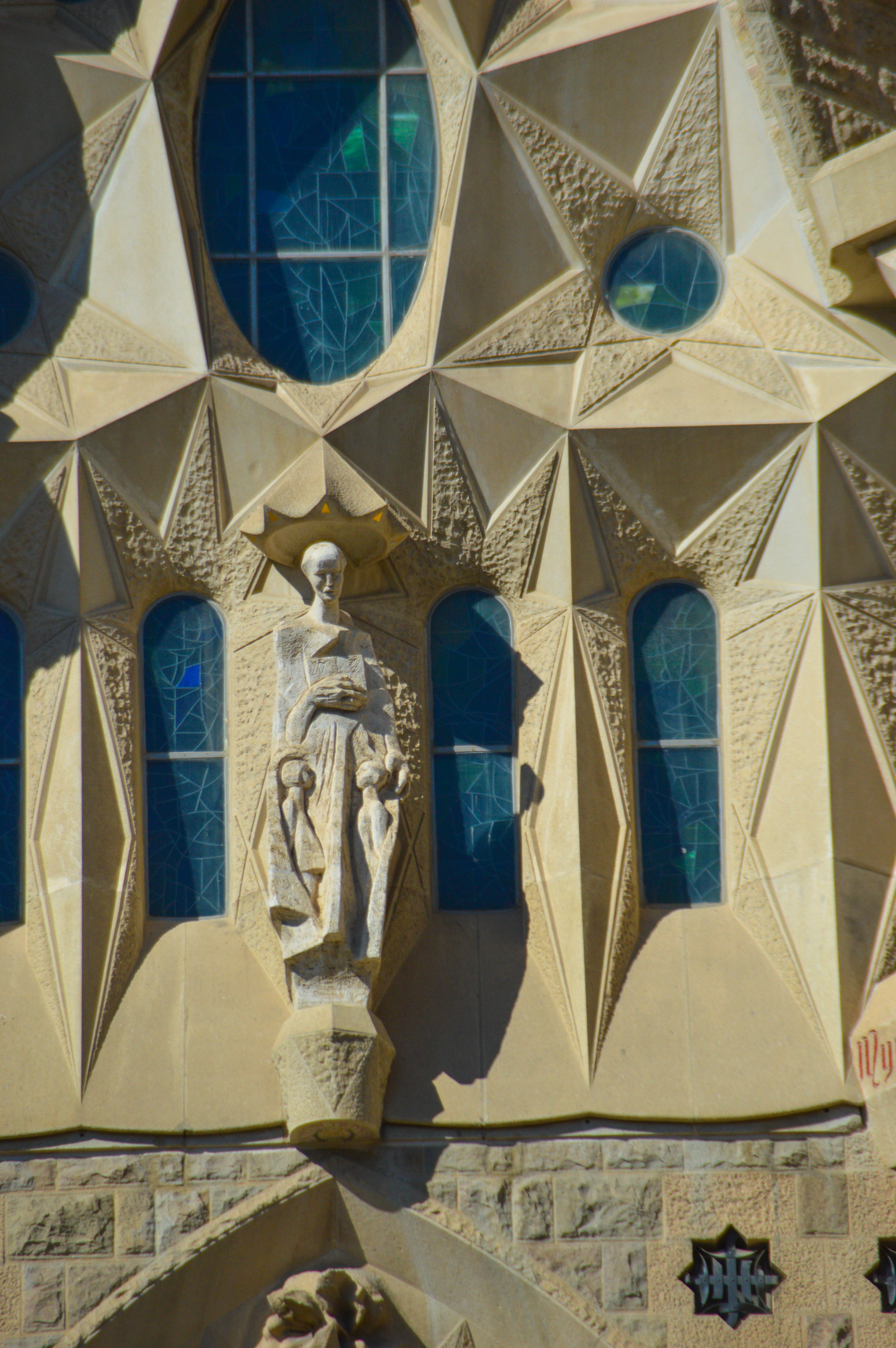
architectural details and a statue
architectural details and a statue ‐ photo by ,
©www.mgaylard.co.uk.
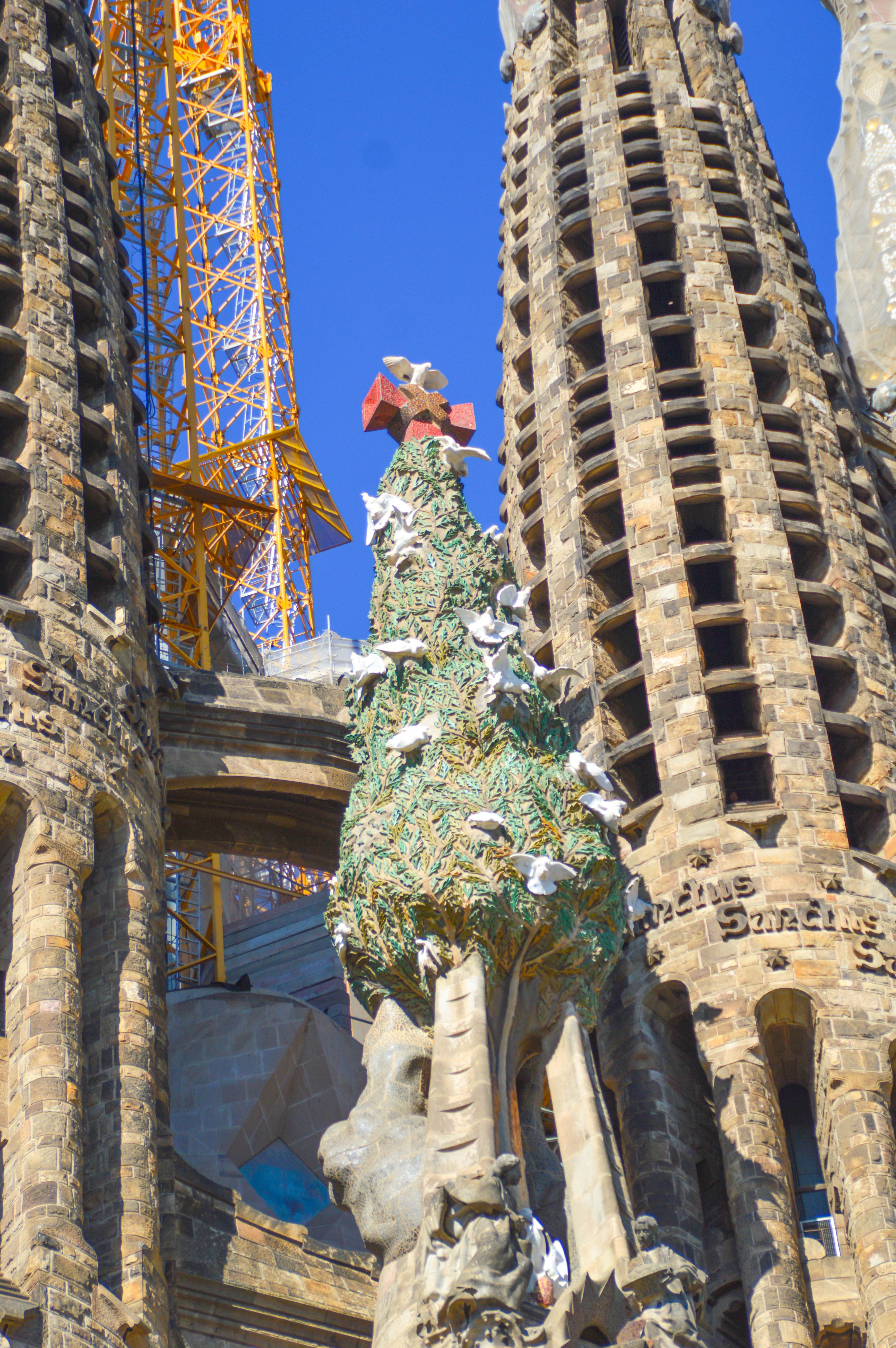
Sagrada Familia,
tree decoration ‐ photo by ,
©www.mgaylard.co.uk.
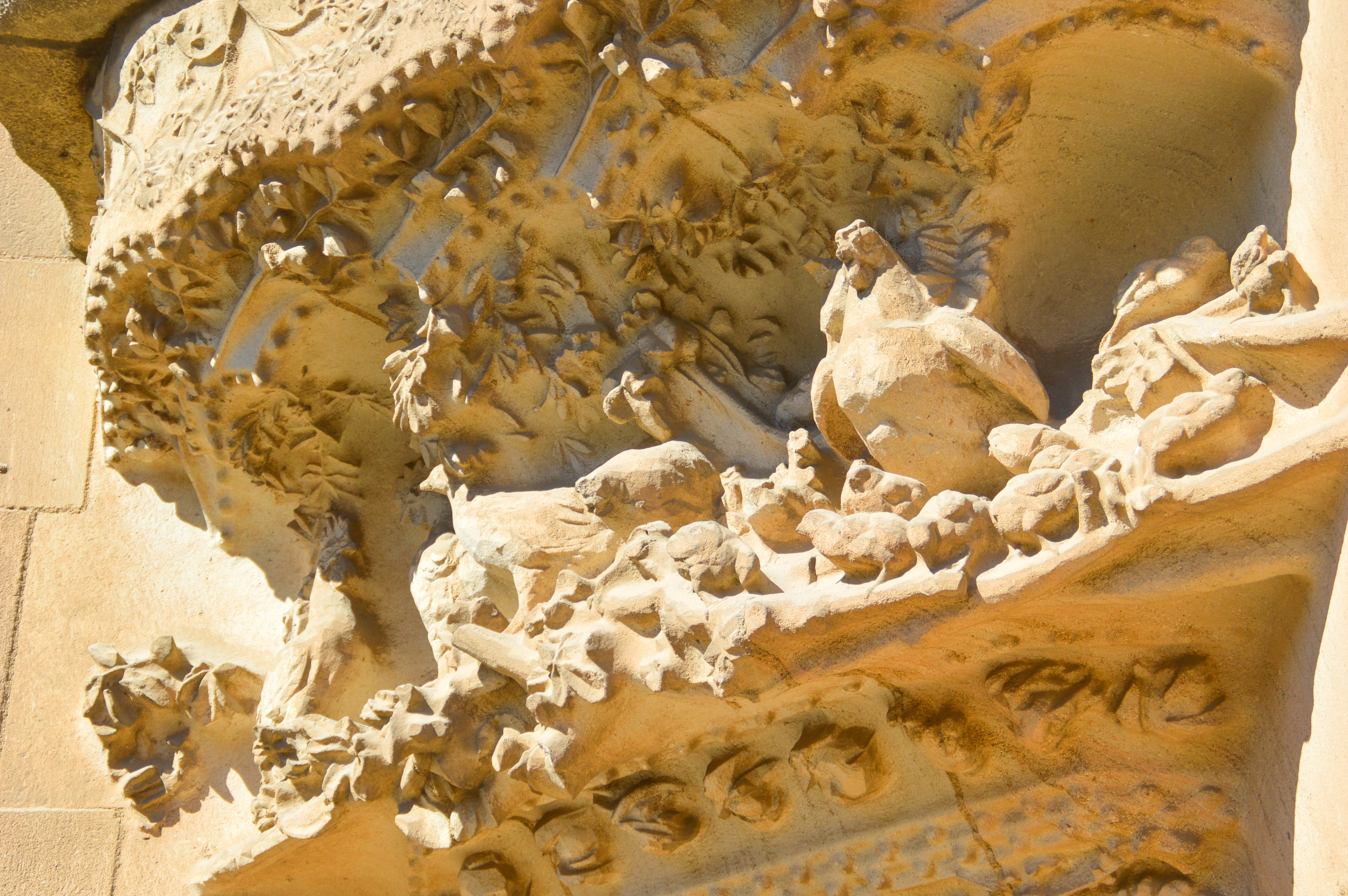
carving featuring a variety of animals
carving featuring a variety of animals ‐ photo by ,
©www.mgaylard.co.uk.
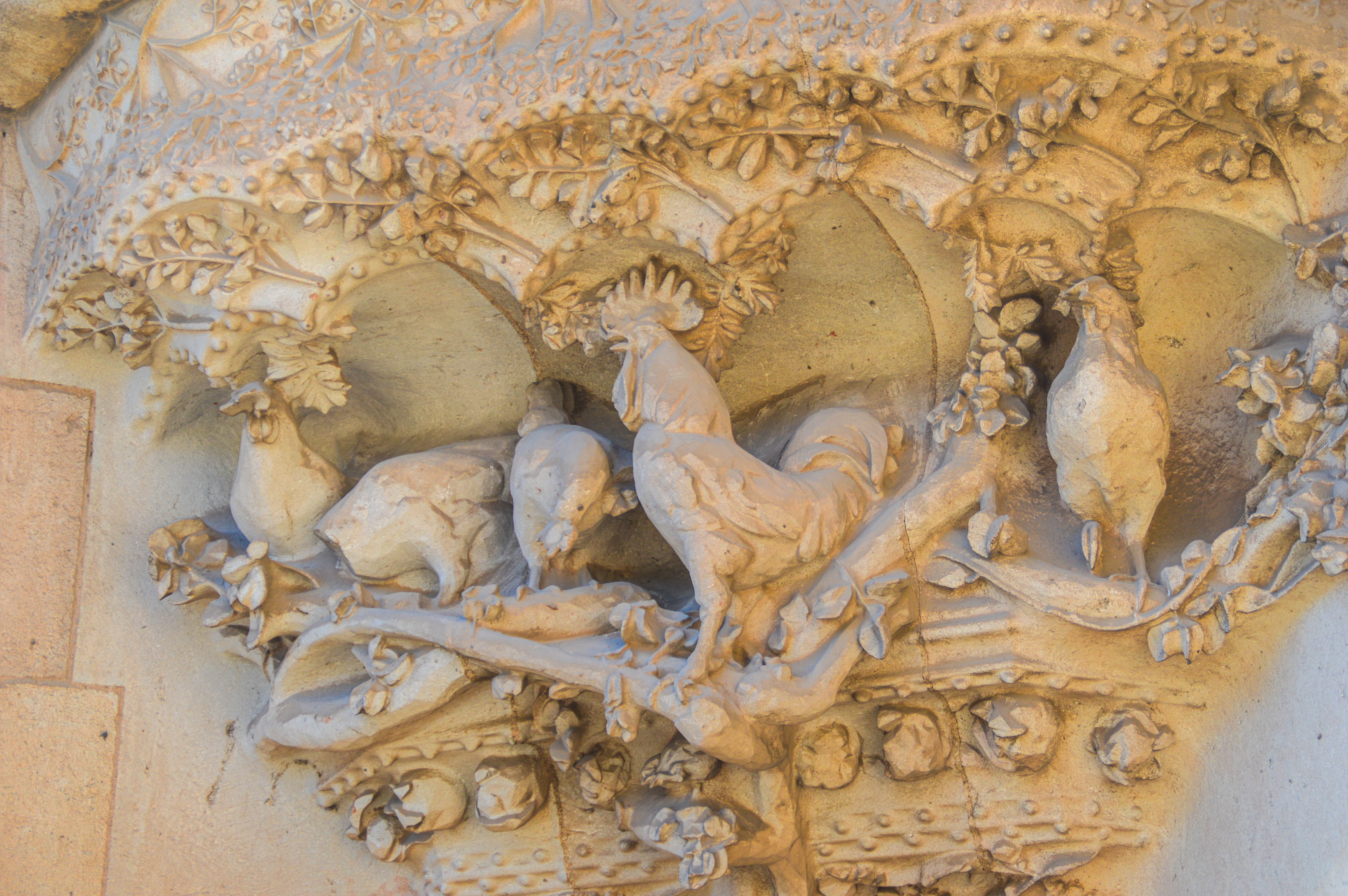
carving featuring a rooster and three chicks
carving featuring a rooster and three chicks ‐ photo by ,
©www.mgaylard.co.uk.
abstract and stylized figures
abstract and stylized figures ‐ photo by ,
©www.mgaylard.co.uk.
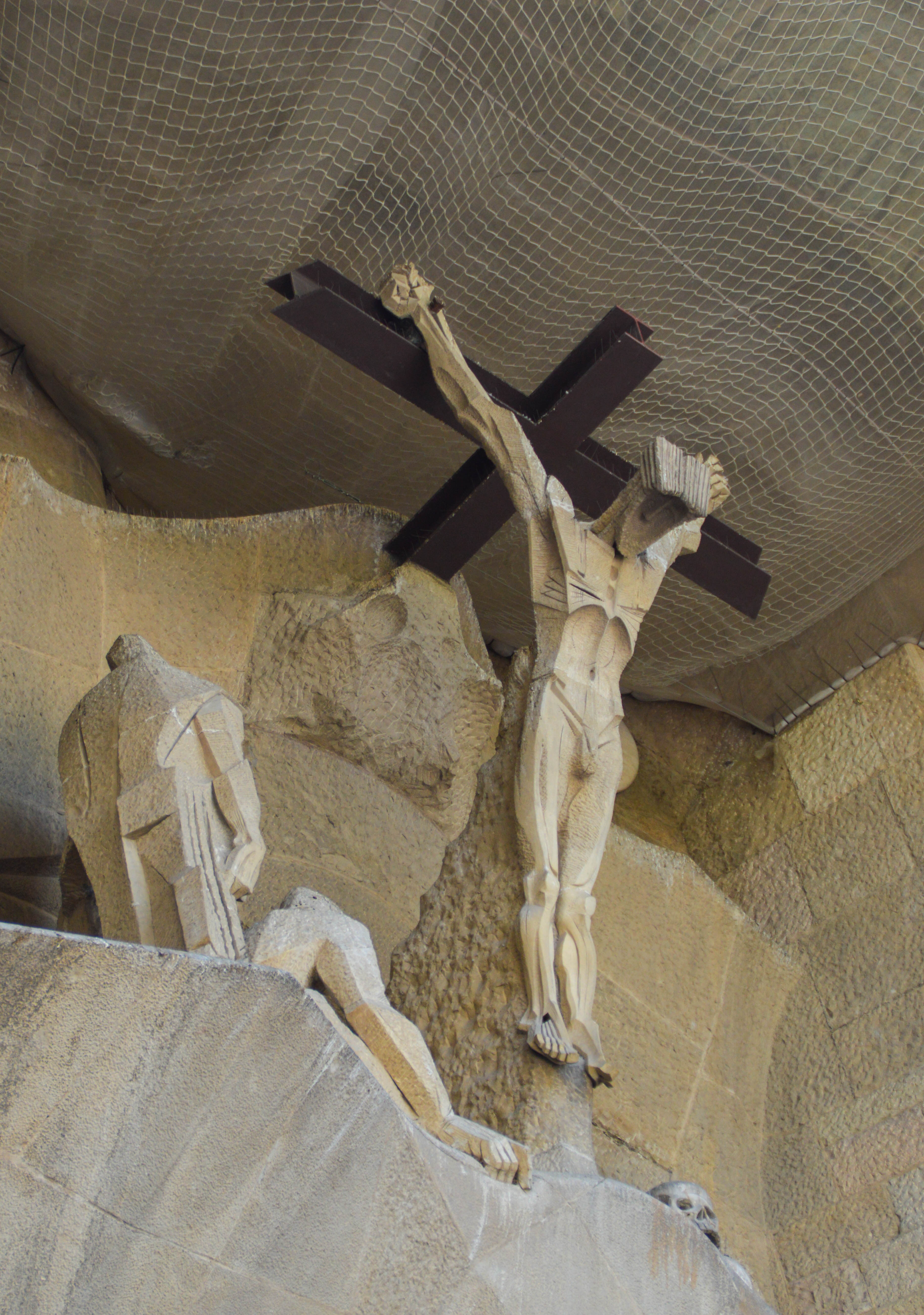
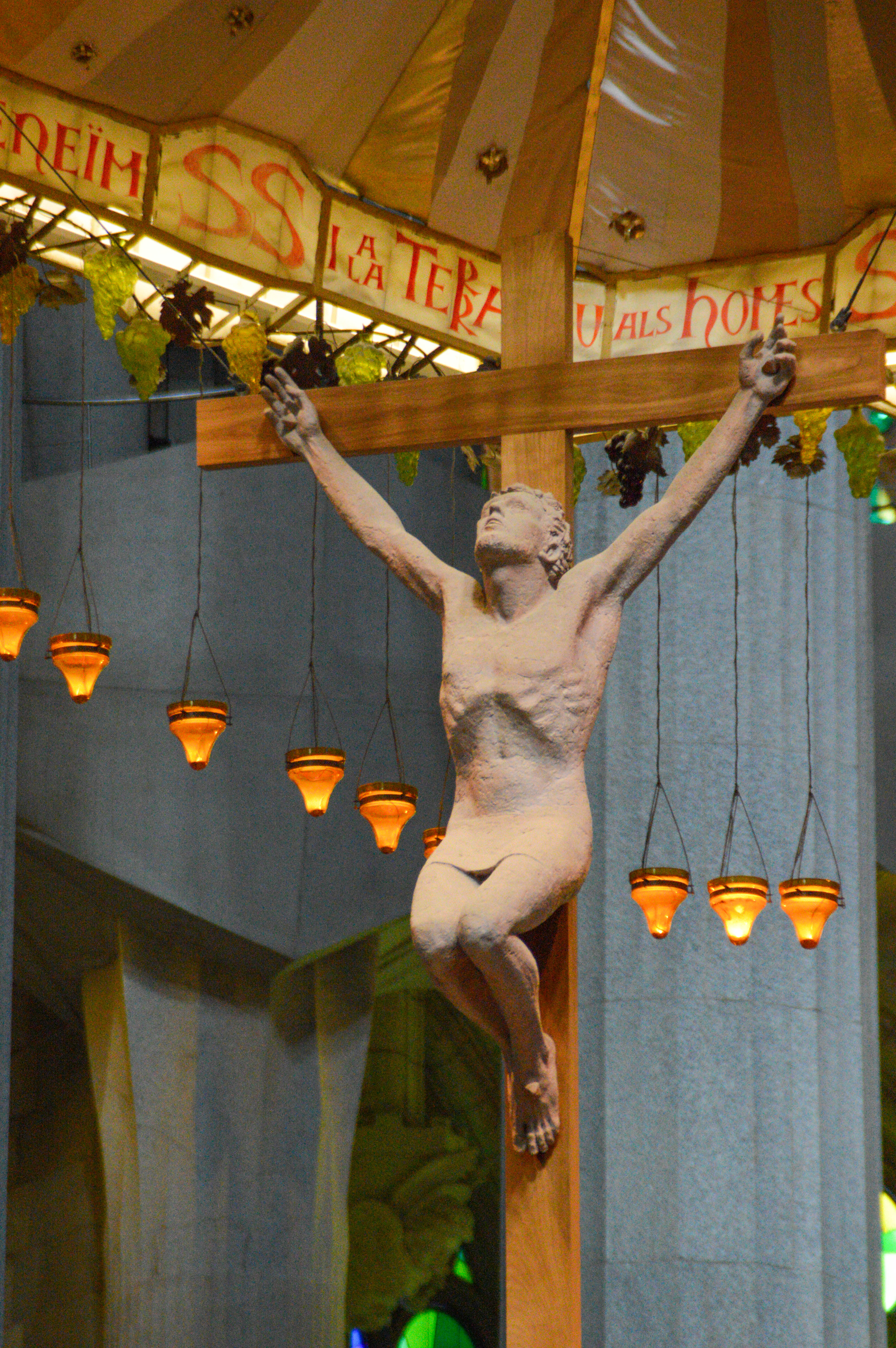
The image depicts a religious sculpture of the crucifixion of Jesus Christ, with Jesus on the cross and other figures around him, set within a rocky, cave-like environment with a netting overhead.
the crucifixion of Jesus Christ ‐ photo by ,
©www.mgaylard.co.uk.
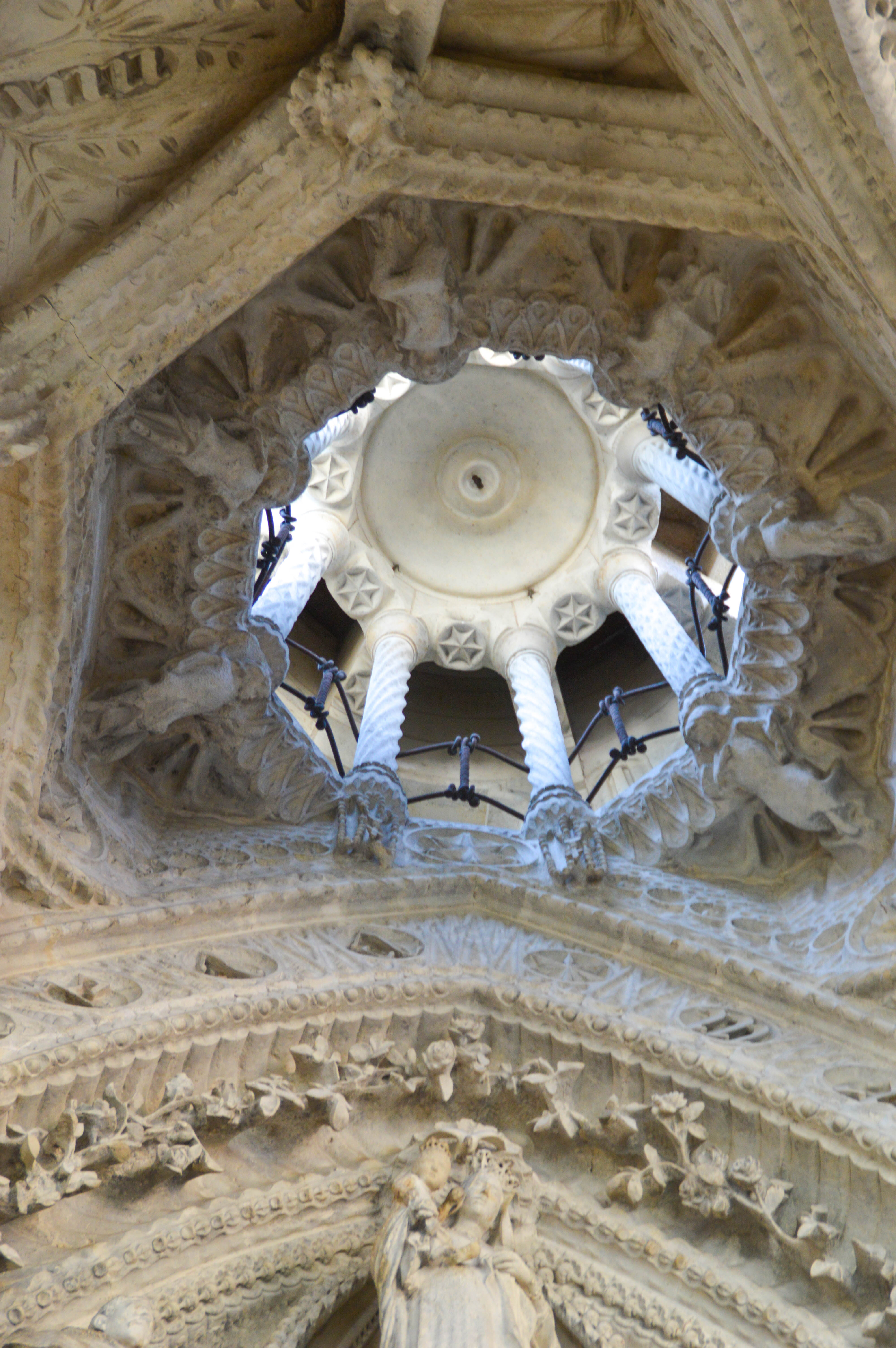
The image depicts an intricately carved stone ceiling, featuring a central circular motif surrounded by detailed floral and geometric patterns. The ceiling includes elaborate sculptures of angels and other figures, with chains hanging from the structure, adding to the ornate design.
carved stone ceiling ‐ photo by ,
©www.mgaylard.co.uk.
looking out from a tower
looking out from a tower ‐ photo by ,
©www.mgaylard.co.uk.
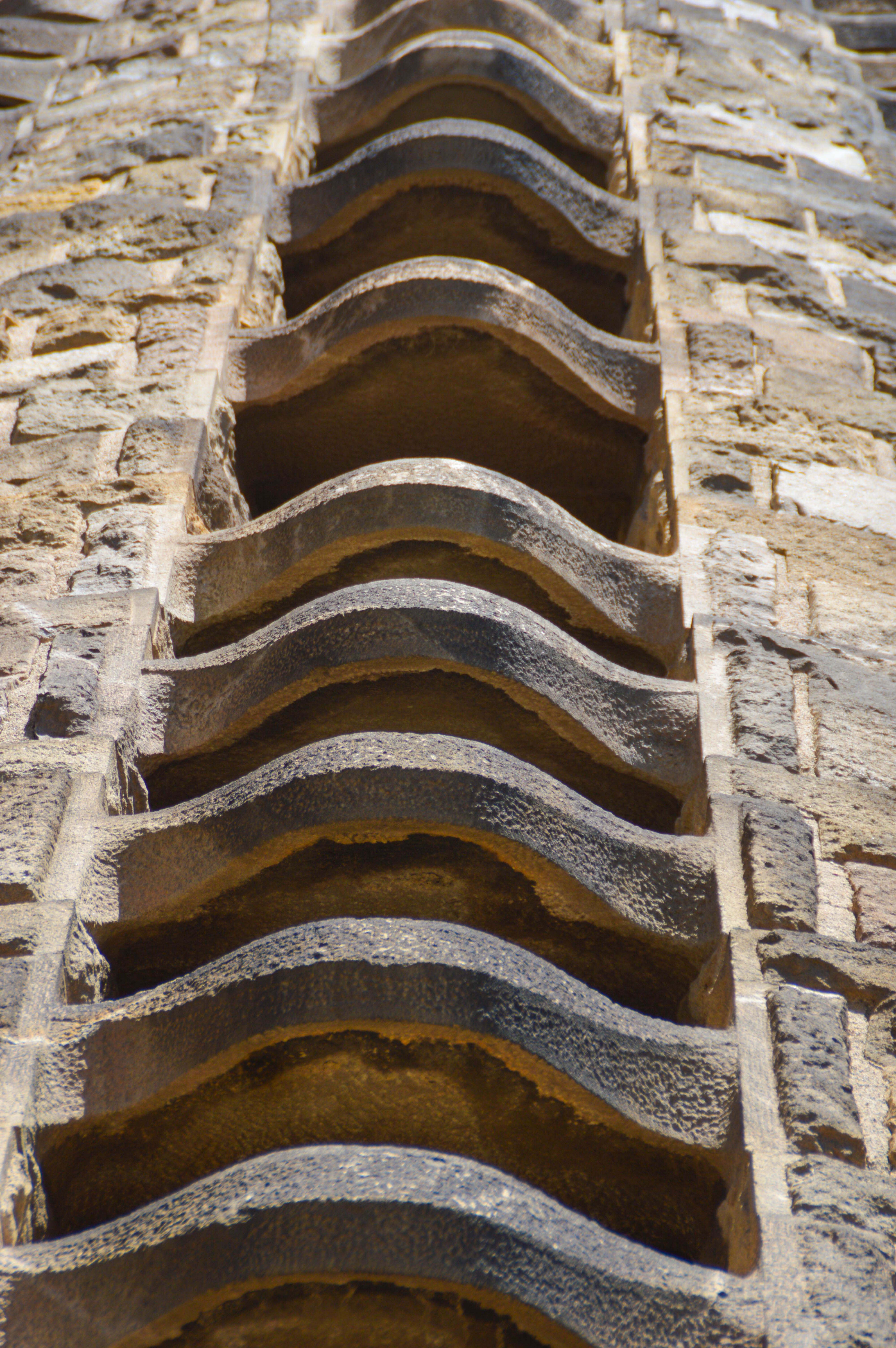
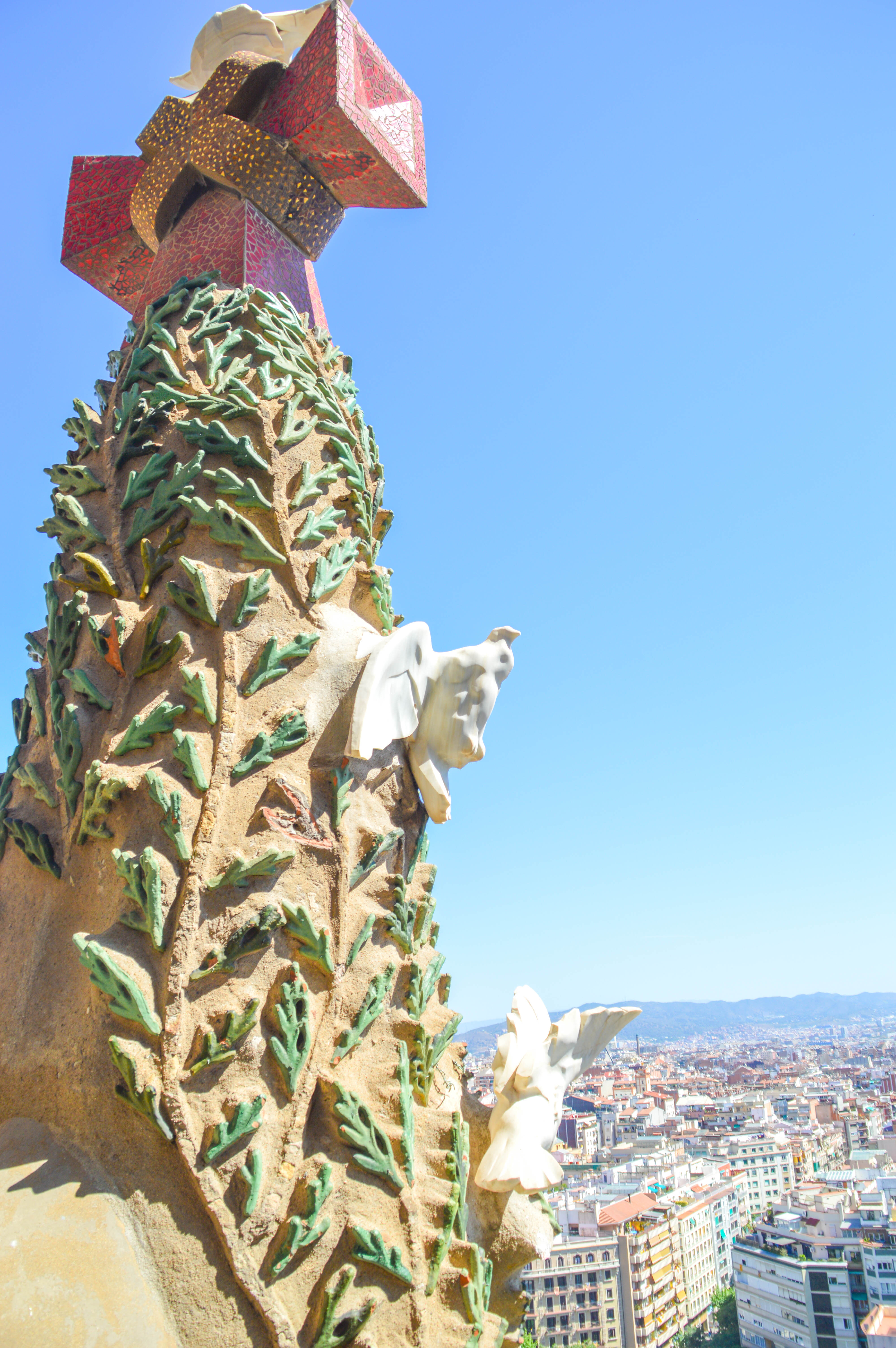
looking up a tower exterior
looking up a tower exterior ‐ photo by ,
©www.mgaylard.co.uk.
a close-up view of a section of the Sagrada Familia
a close-up view of a section of the Sagrada Familia ‐ photo by ,
©www.mgaylard.co.uk.
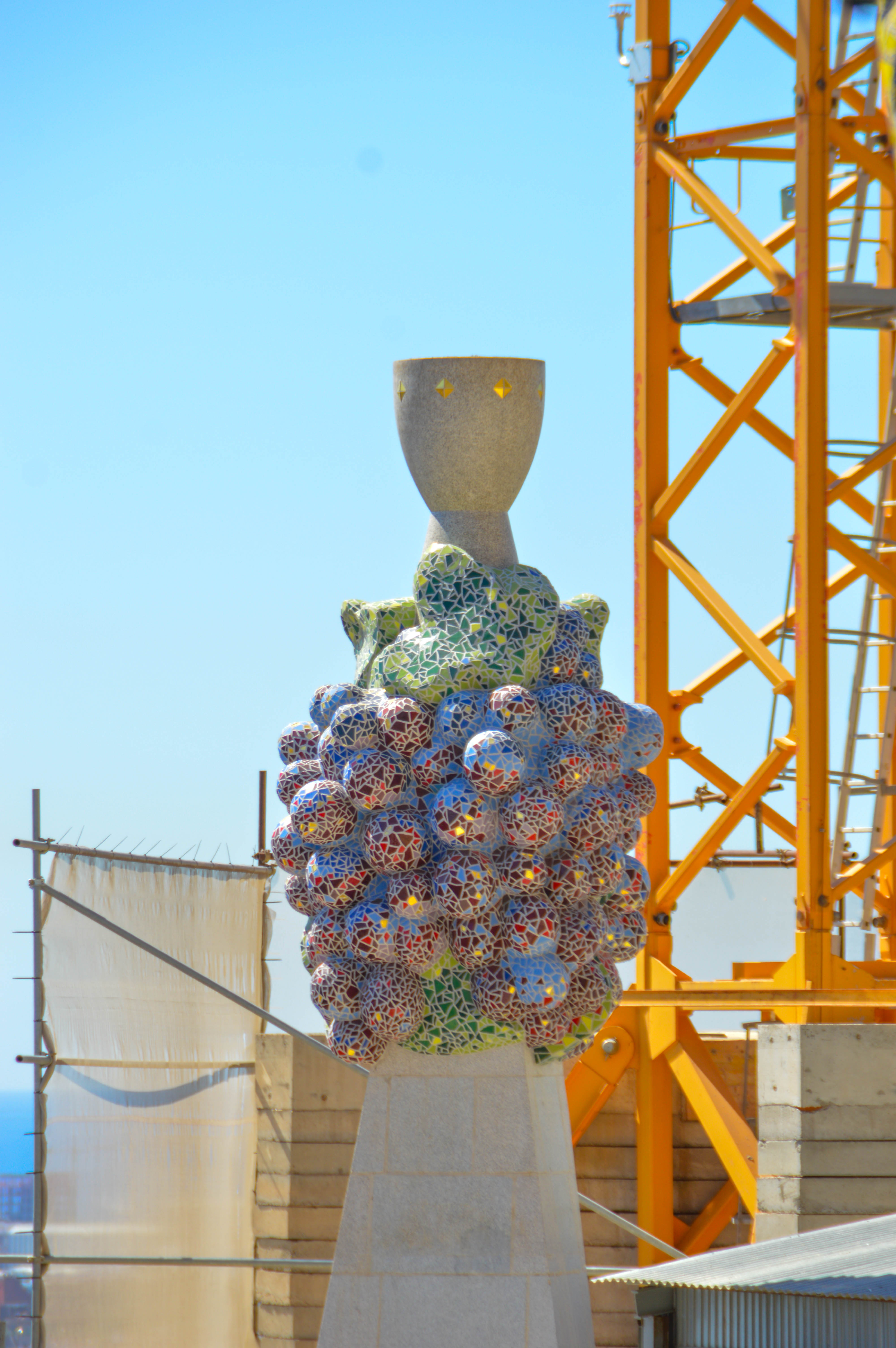
The image shows a colorful mosaic sculpture with a large, ornate base and a simple, wide-mouthed vase on top. The sculpture is situated on a stone pedestal and is surrounded by a construction site with scaffolding and a yellow crane.
colorful mosaic sculpture ‐ photo by ,
©www.mgaylard.co.uk.
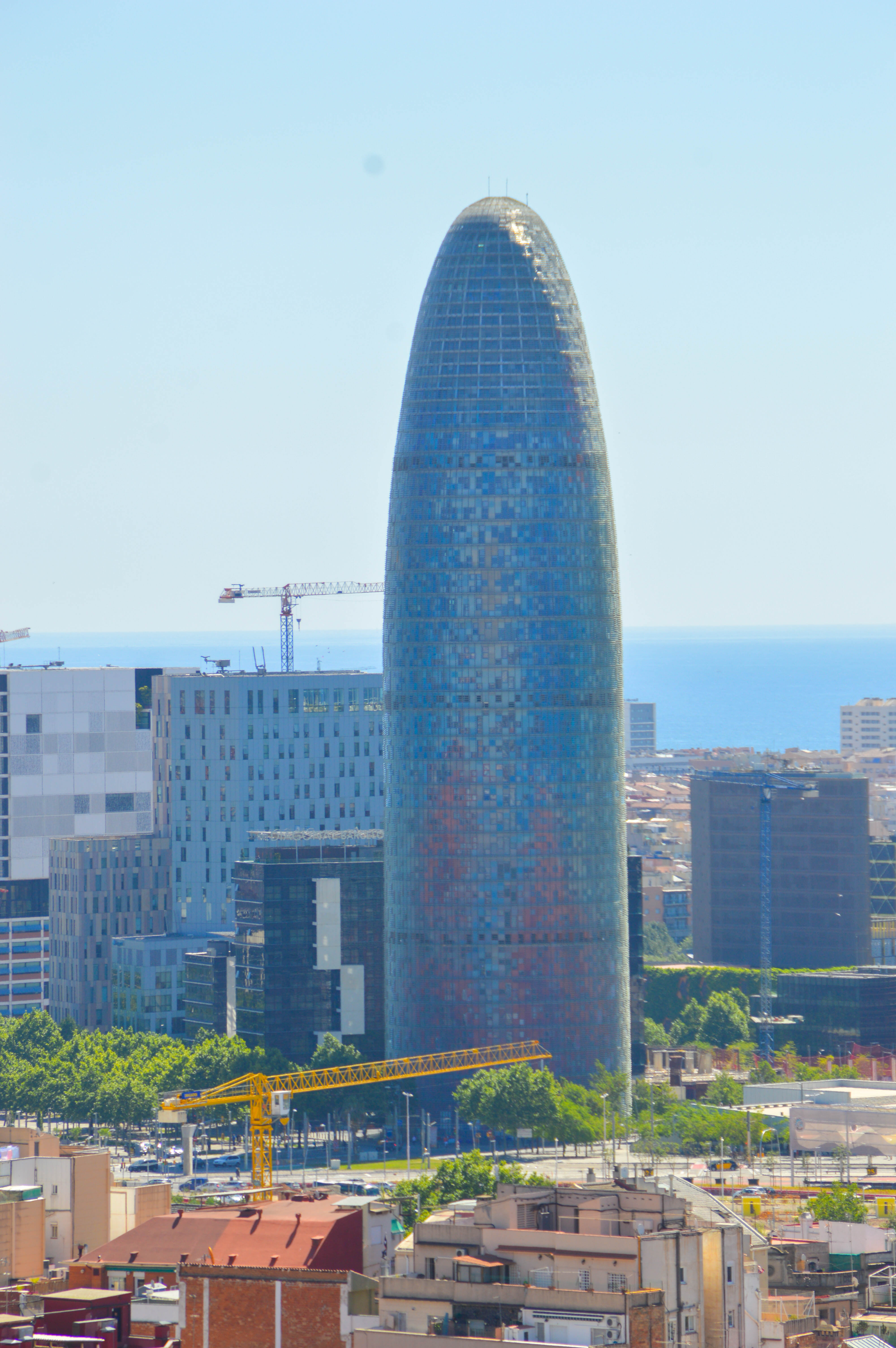
The image depicts a cityscape with a prominent, uniquely designed tall building that resembles a bottle gourd or a vase. This building is surrounded by other modern structures and is situated near the coast, as the sea is visible in the background. There are construction cranes in the vicinity, indicating ongoing development. The area around the tall building includes a mix of older, smaller buildings and green spaces.
cityscape ‐ photo by ,
©www.mgaylard.co.uk.
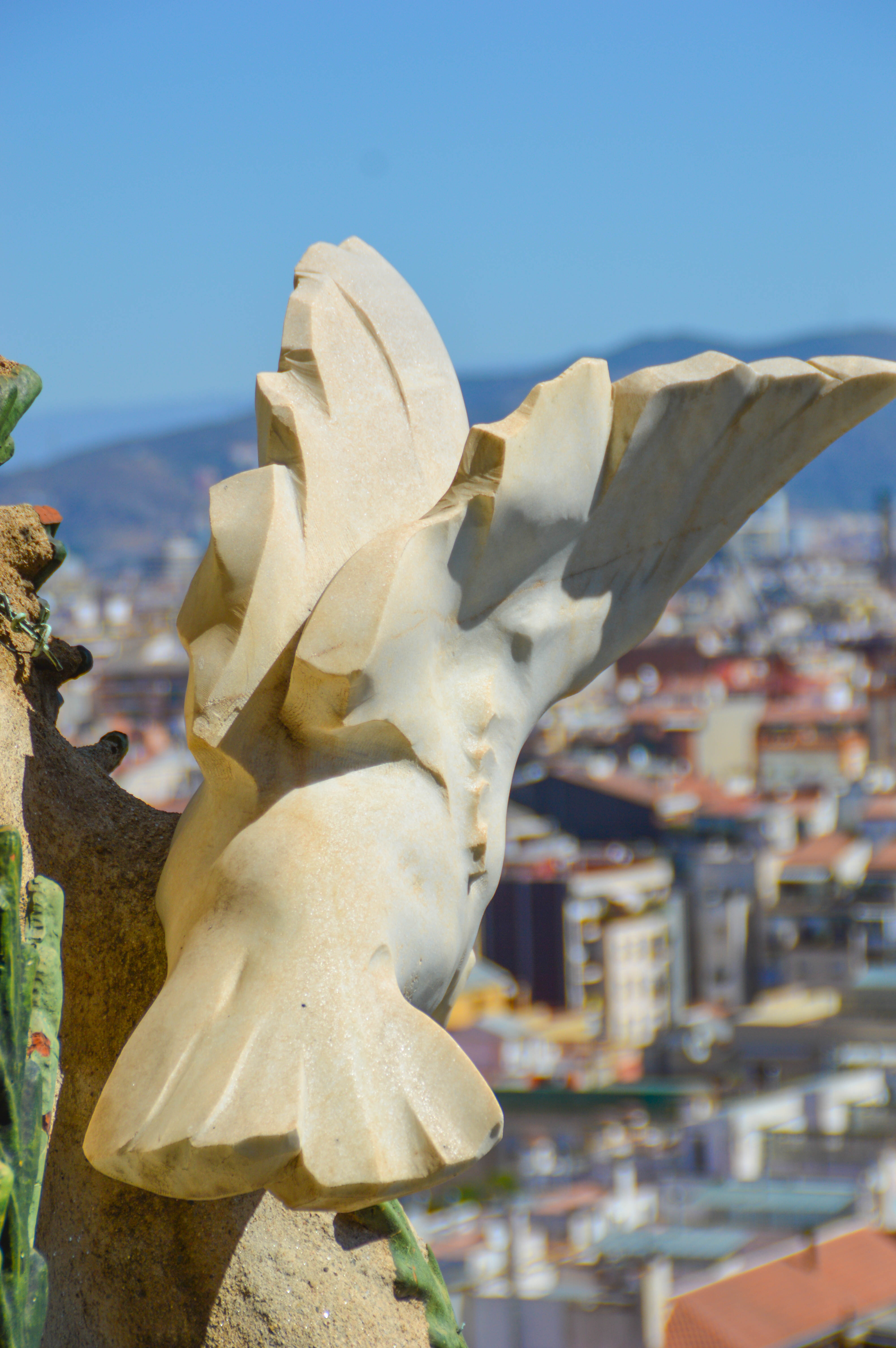
The image depicts a close-up view of a sculpted stone figure, likely a gargoyle, with a cityscape in the background. The figure has a stylized, abstract appearance with angular features and appears to be part of a larger architectural structure. The cityscape in the background shows a mix of buildings with various colors and architectural styles, under a clear blue sky.
Bird Sculpture ‐ photo by ,
©www.mgaylard.co.uk.
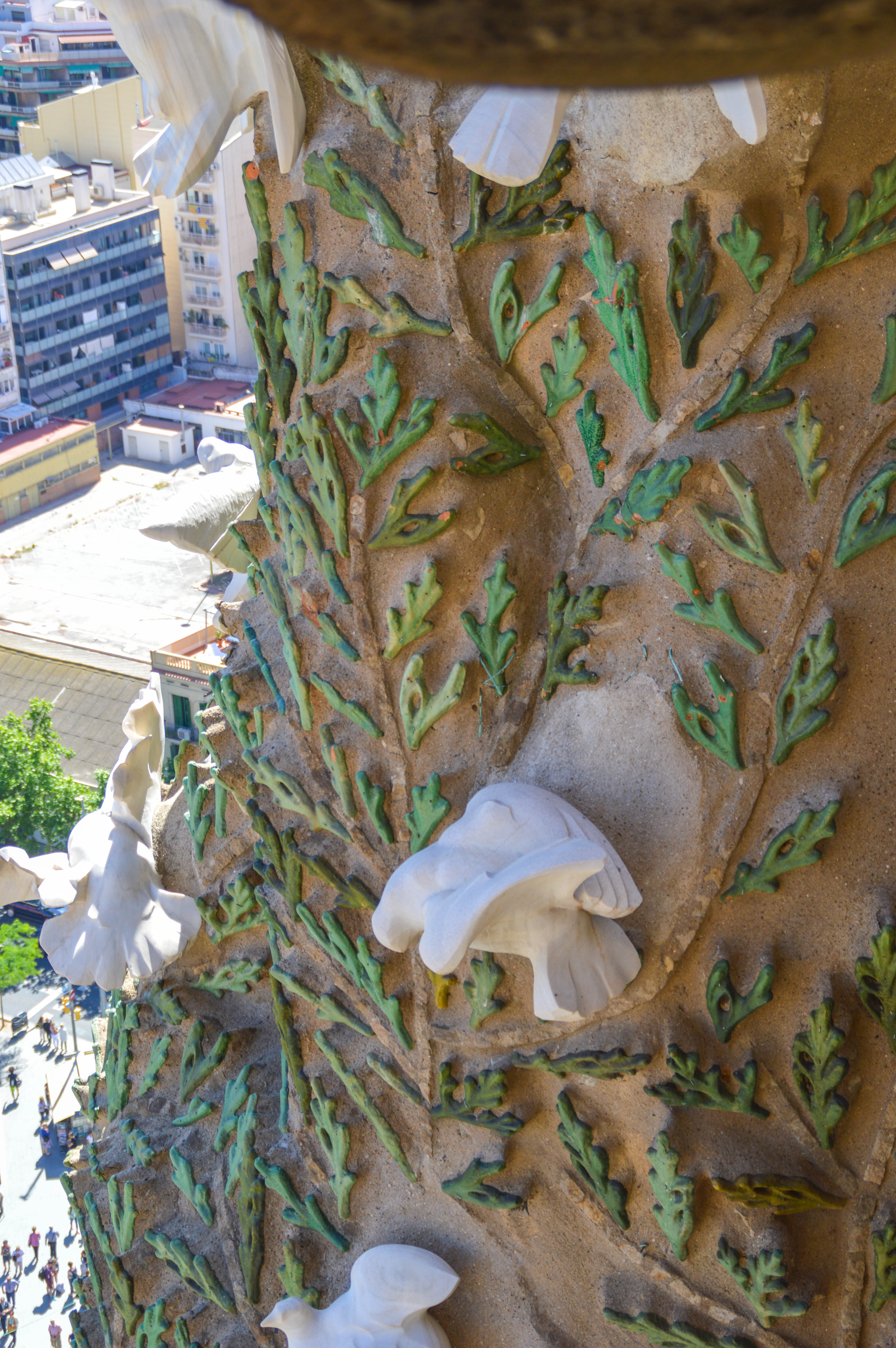
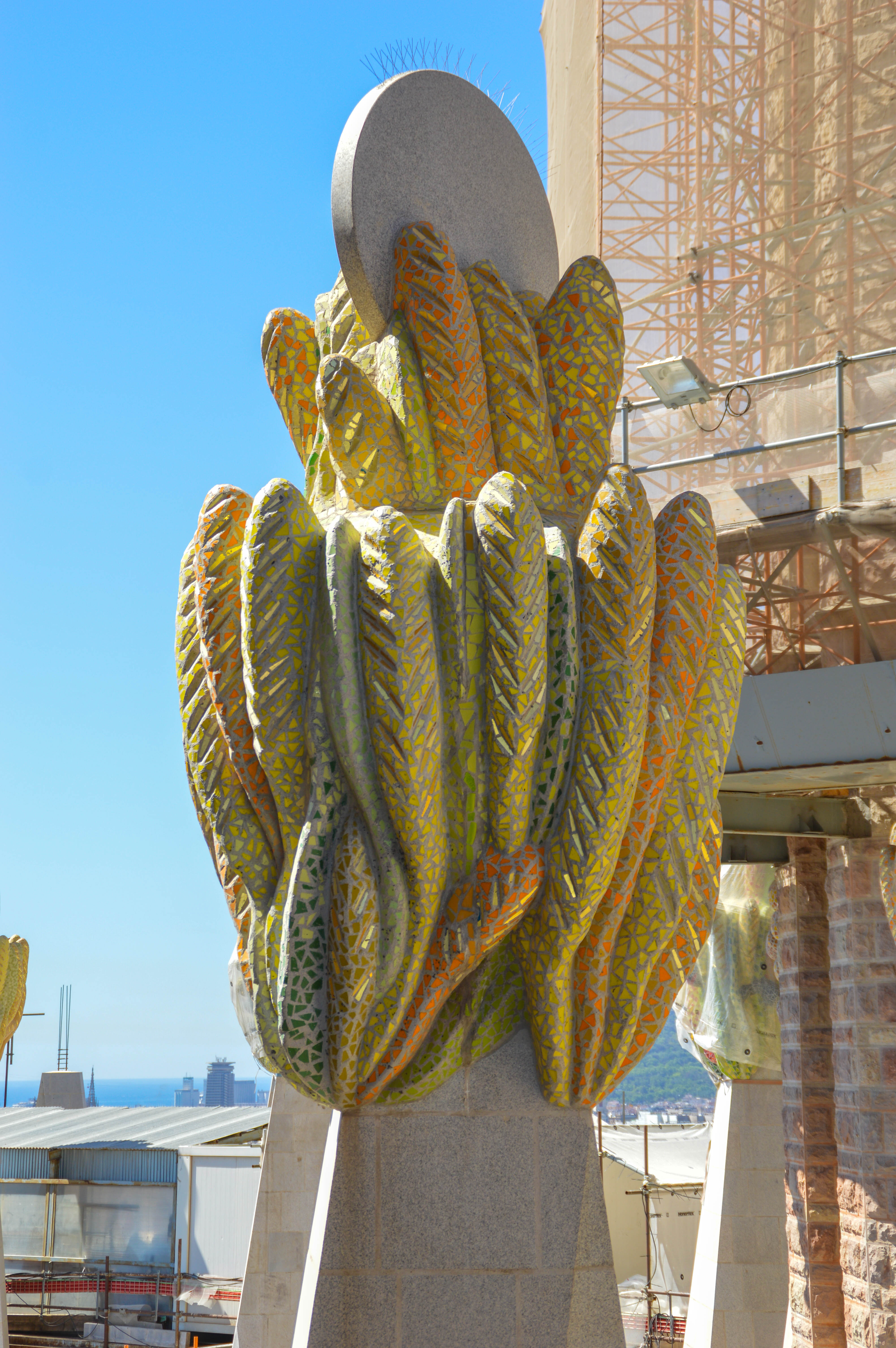
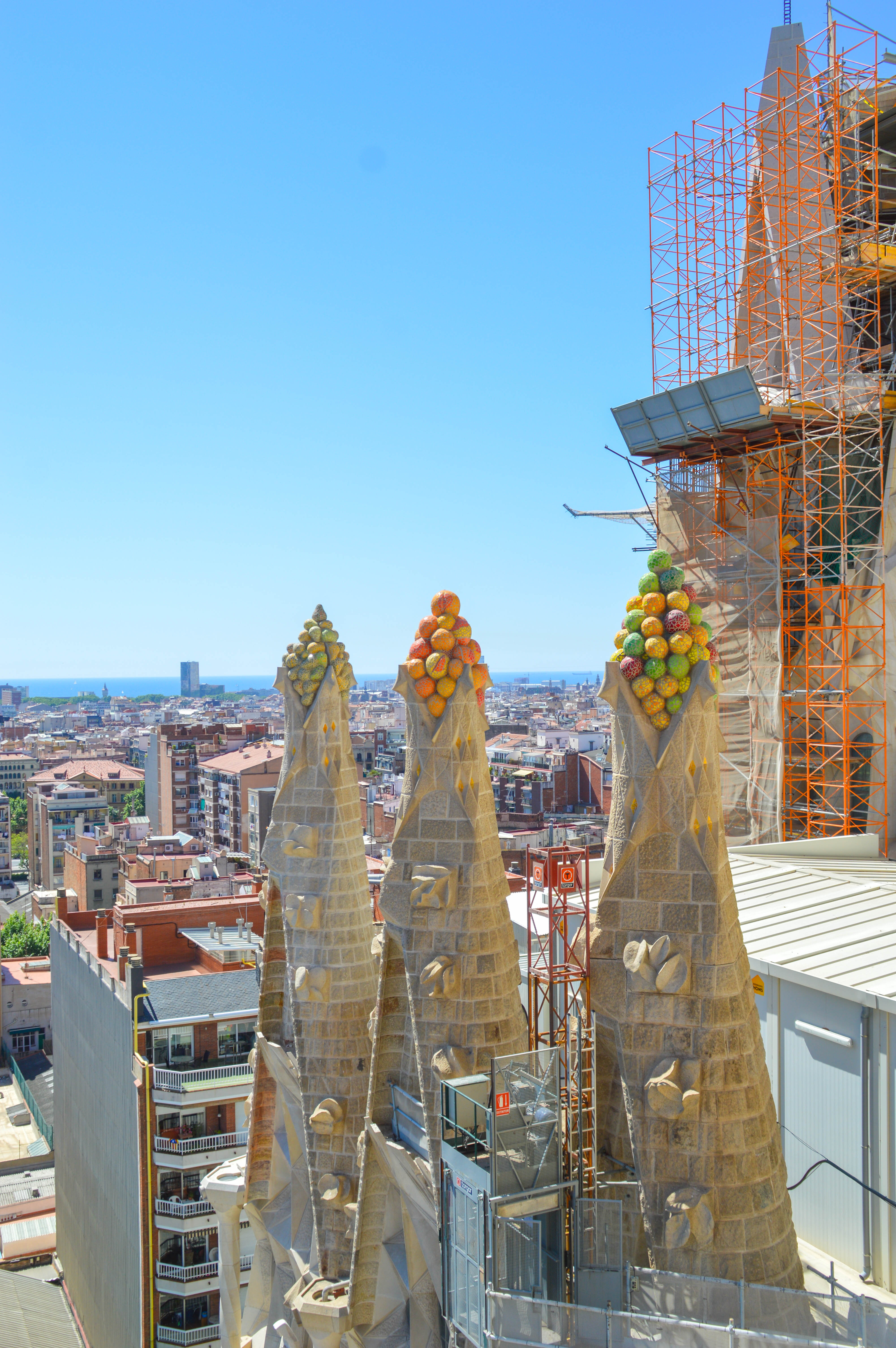
The image depicts a detailed view of the chimney-like decorations on the roof of the Sagrada Familia, a renowned architectural work by Antoni Gaudí located in Barcelona, Spain. The chimneys are adorned with intricate mosaics and sculptural elements, showcasing Gaudí's distinctive and imaginative style. The background reveals a panoramic view of the city of Barcelona under a clear blue sky.
chimney-like decoration ‐ photo by ,
©www.mgaylard.co.uk.
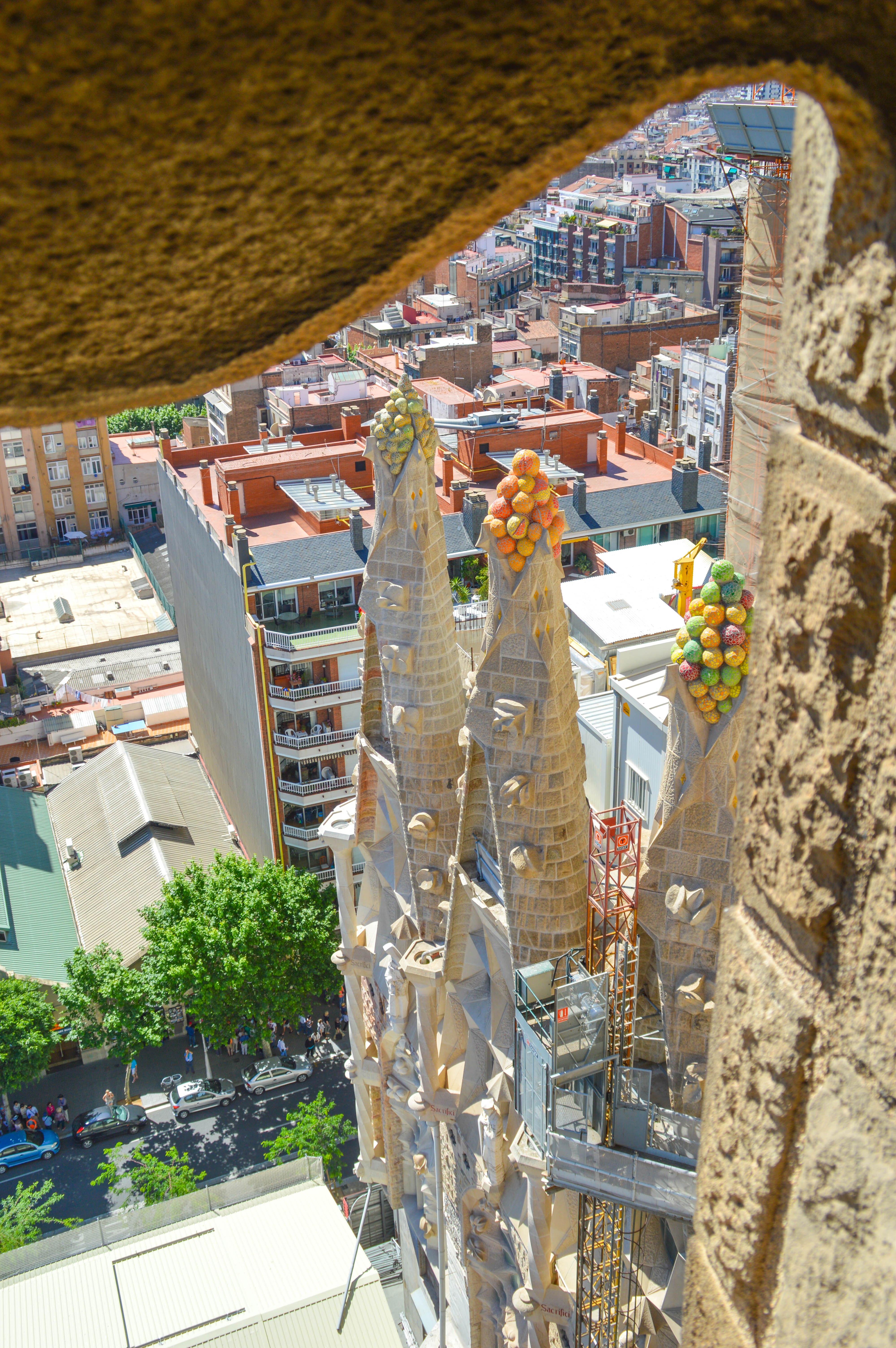
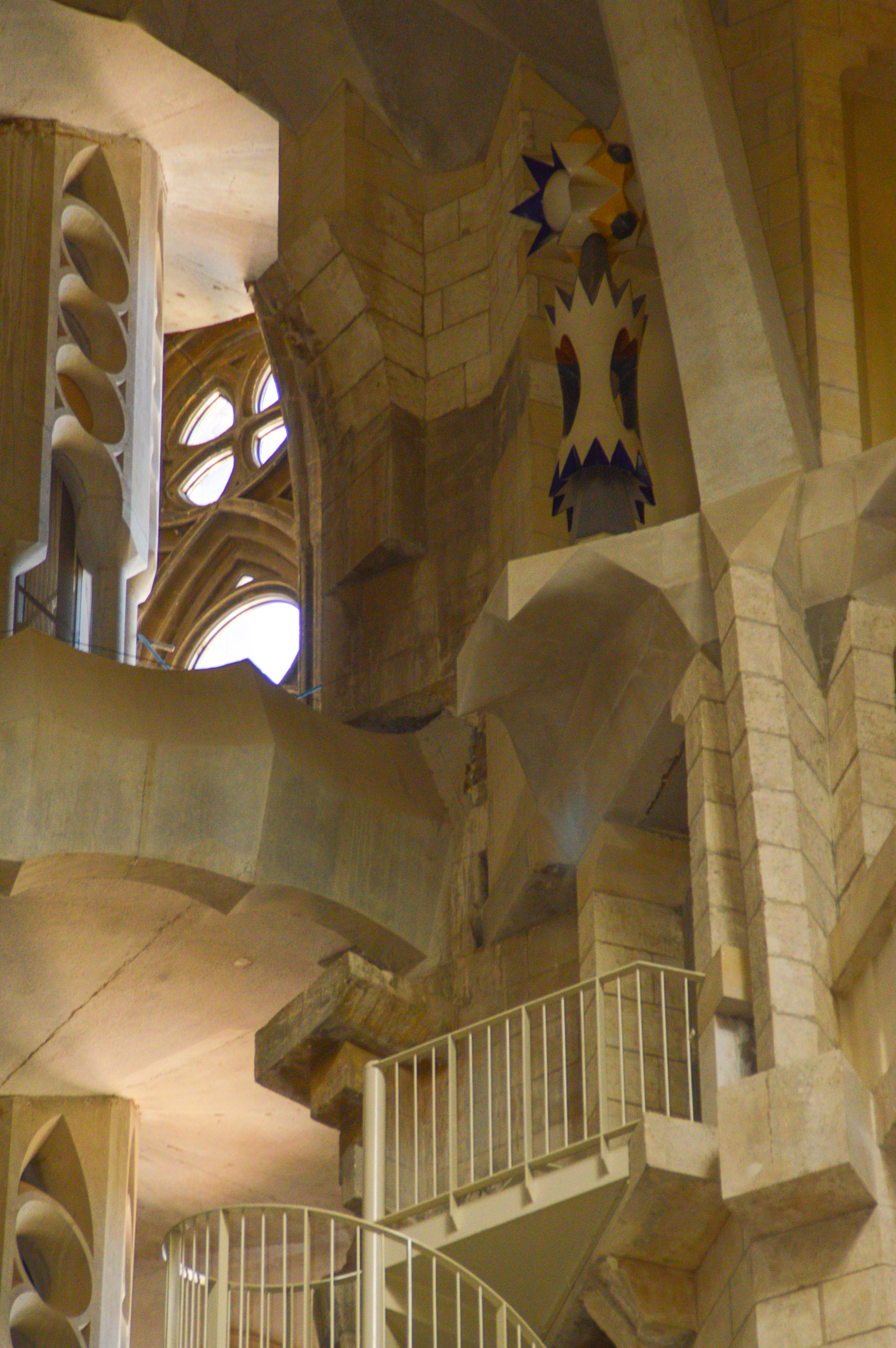
stone arch or window
stone arch or window ‐ photo by ,
©www.mgaylard.co.uk.
distinctive spires
distinctive spires ‐ photo by ,
©www.mgaylard.co.uk.
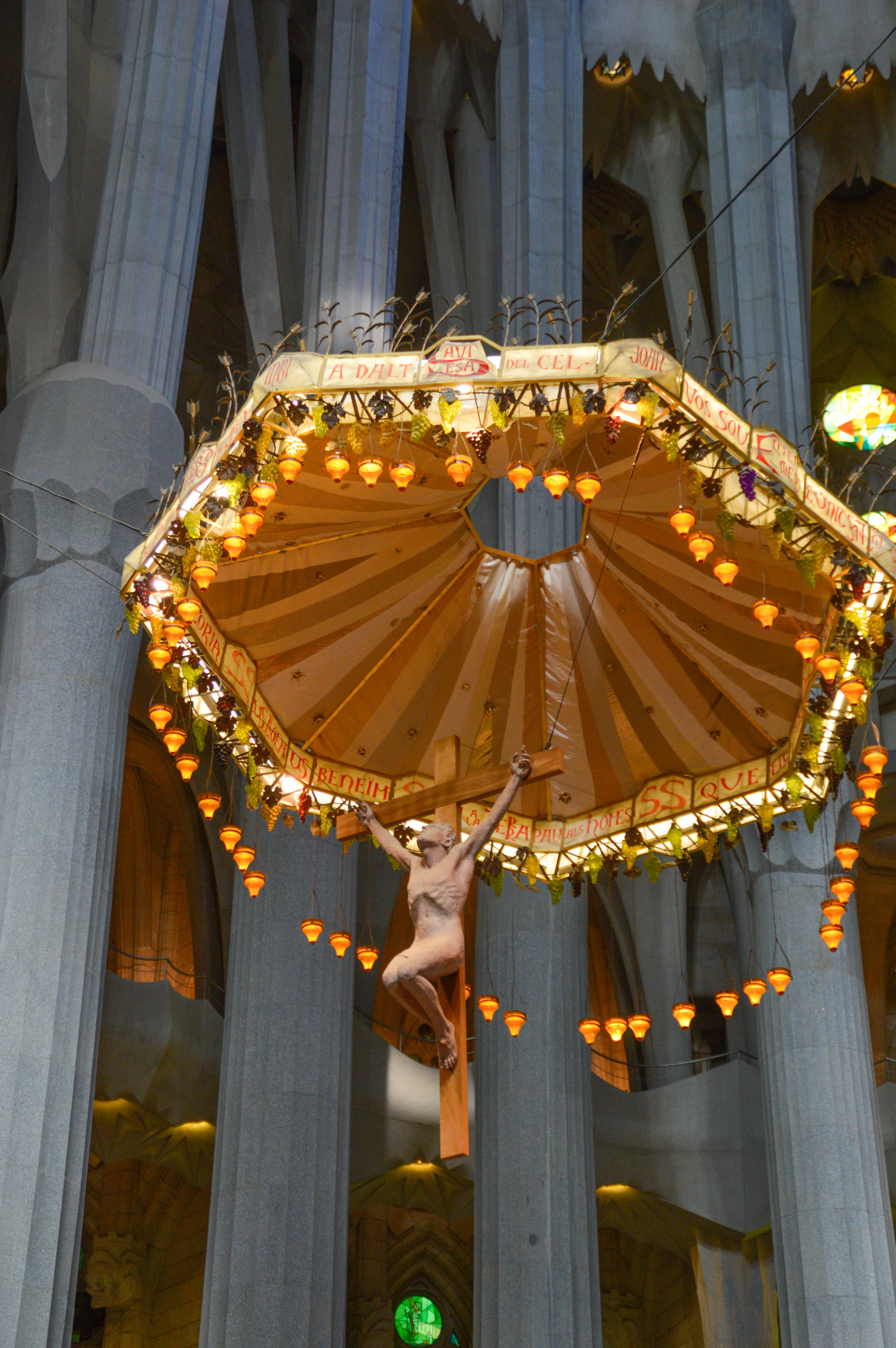
canopy structure
canopy structure ‐ photo by ,
©www.mgaylard.co.uk.
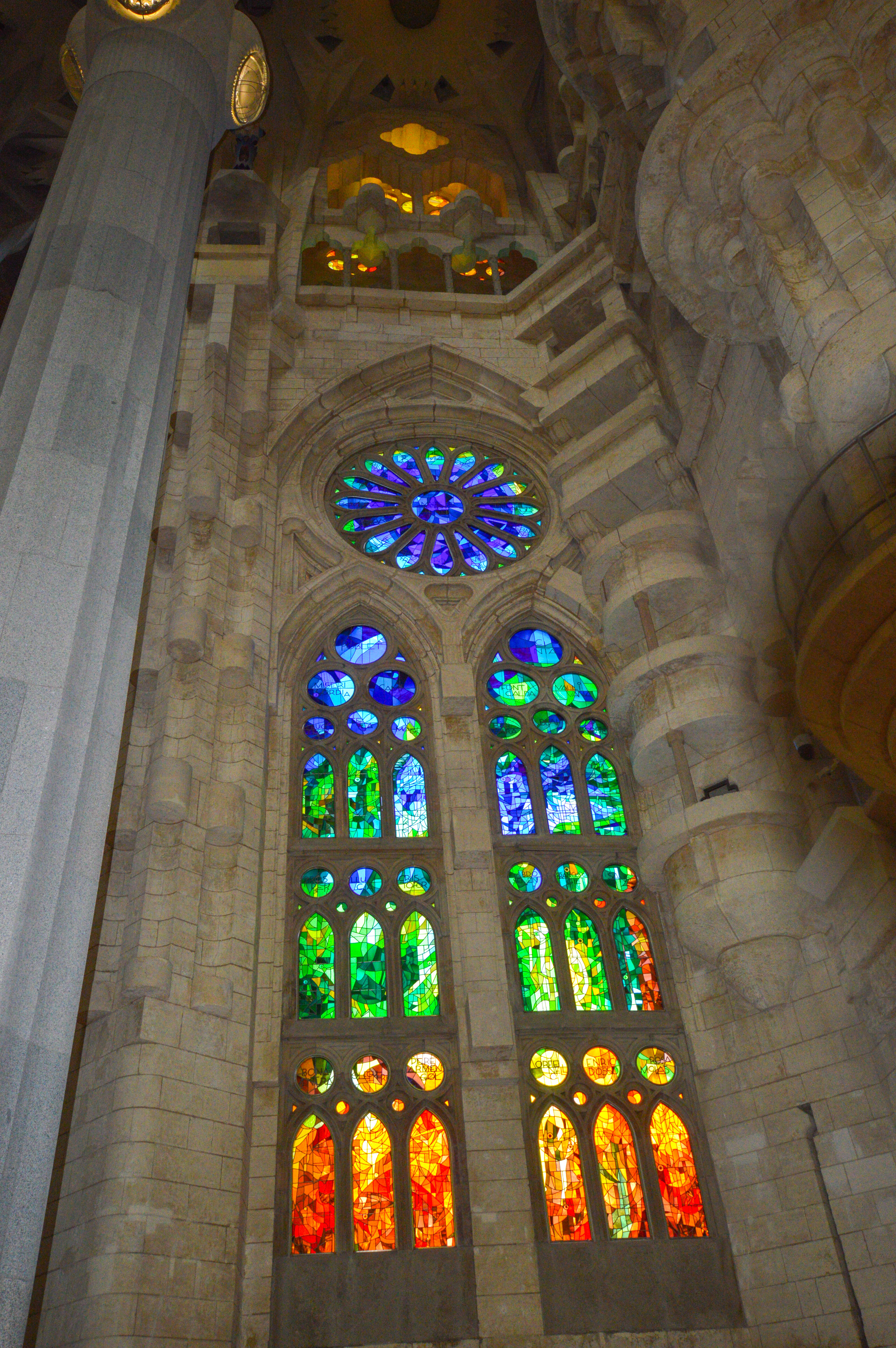
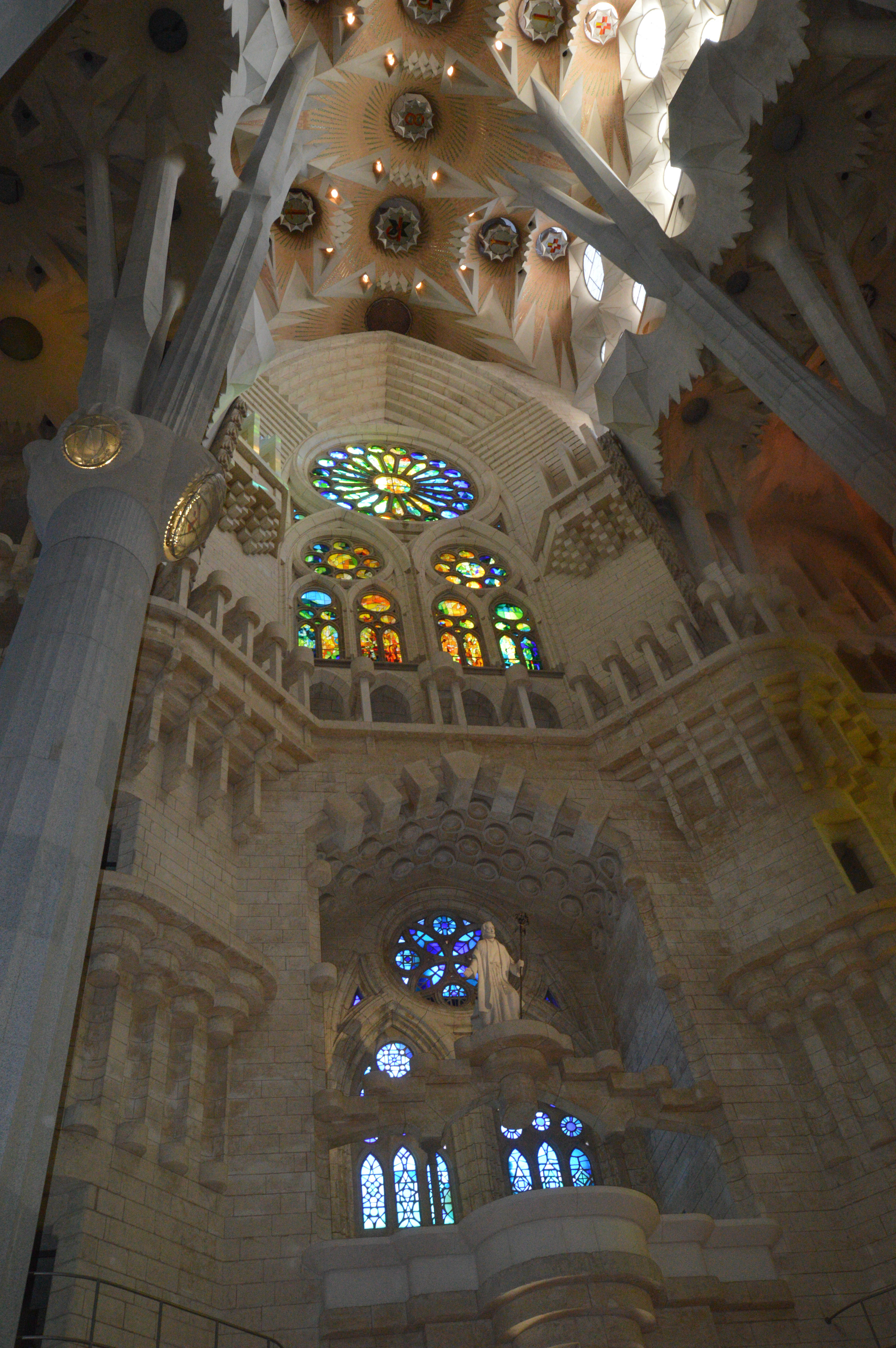
interior
At the top, there is a large circular rose window surrounded by smaller, decorative windows ‐ photo by ,
©www.mgaylard.co.uk.
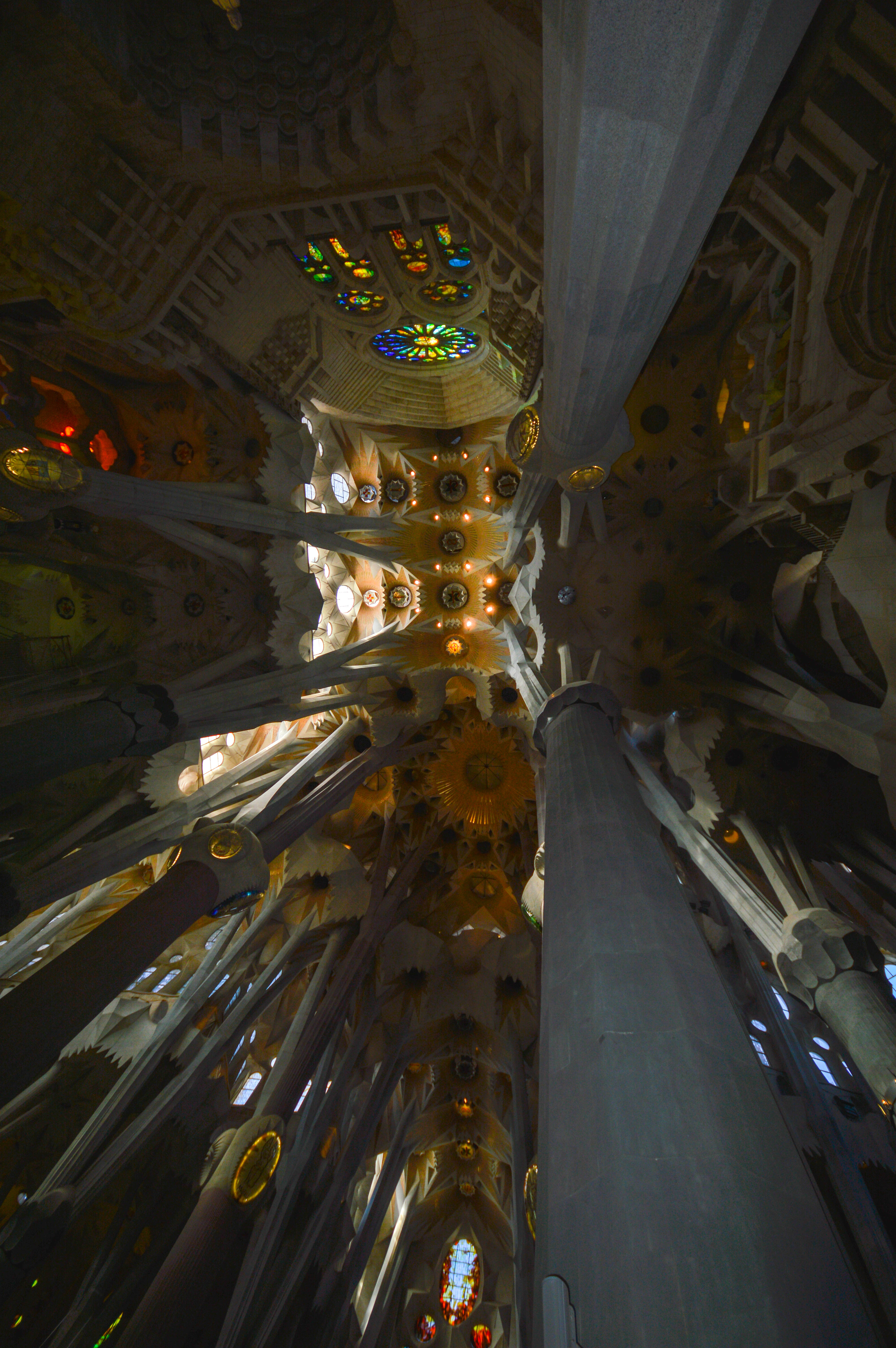
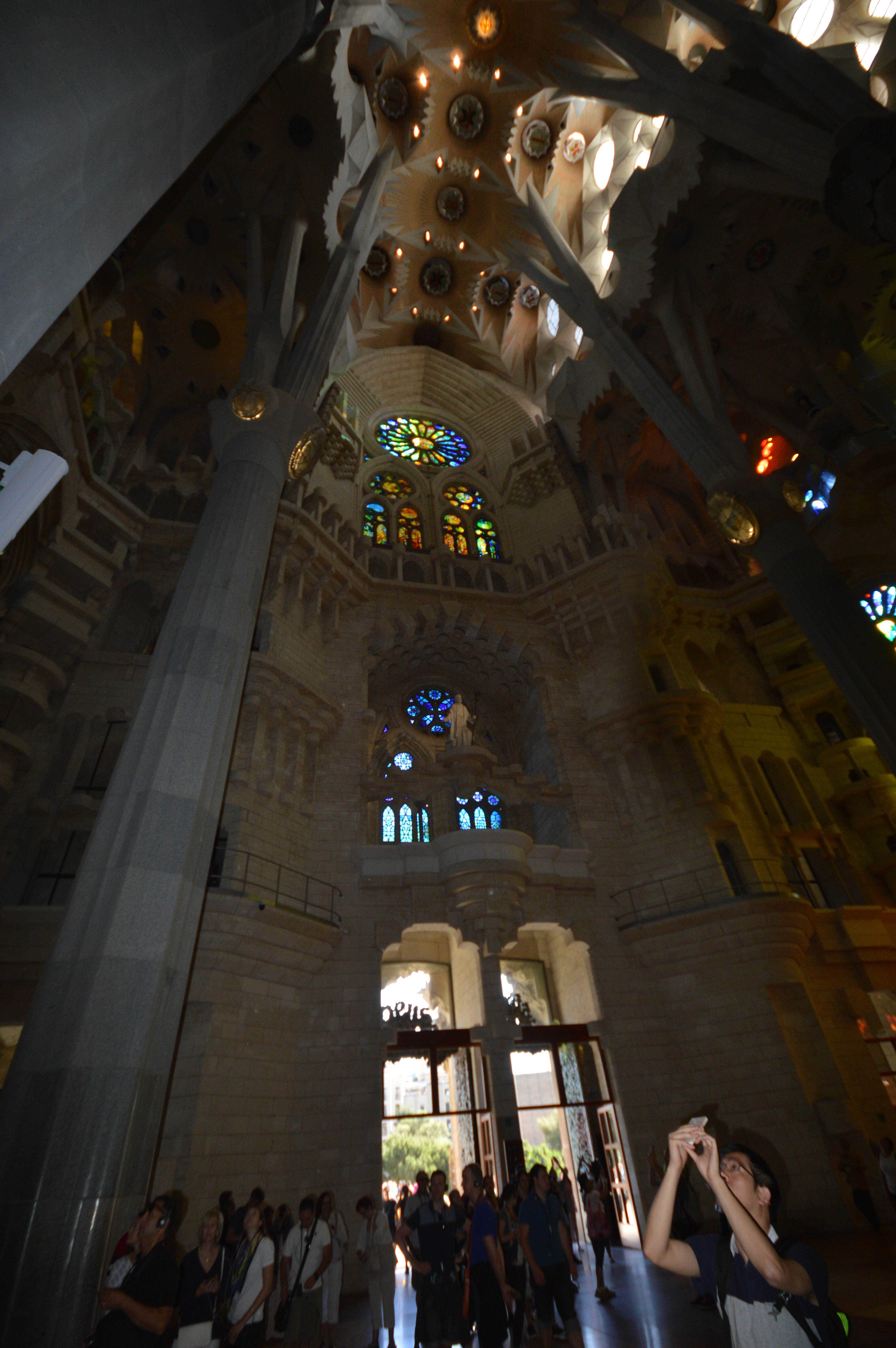
The perspective is from a low angle, looking upwards towards the ceiling
The perspective is from a low angle, looking upwards towards the ceiling ‐ photo by ,
©www.mgaylard.co.uk.
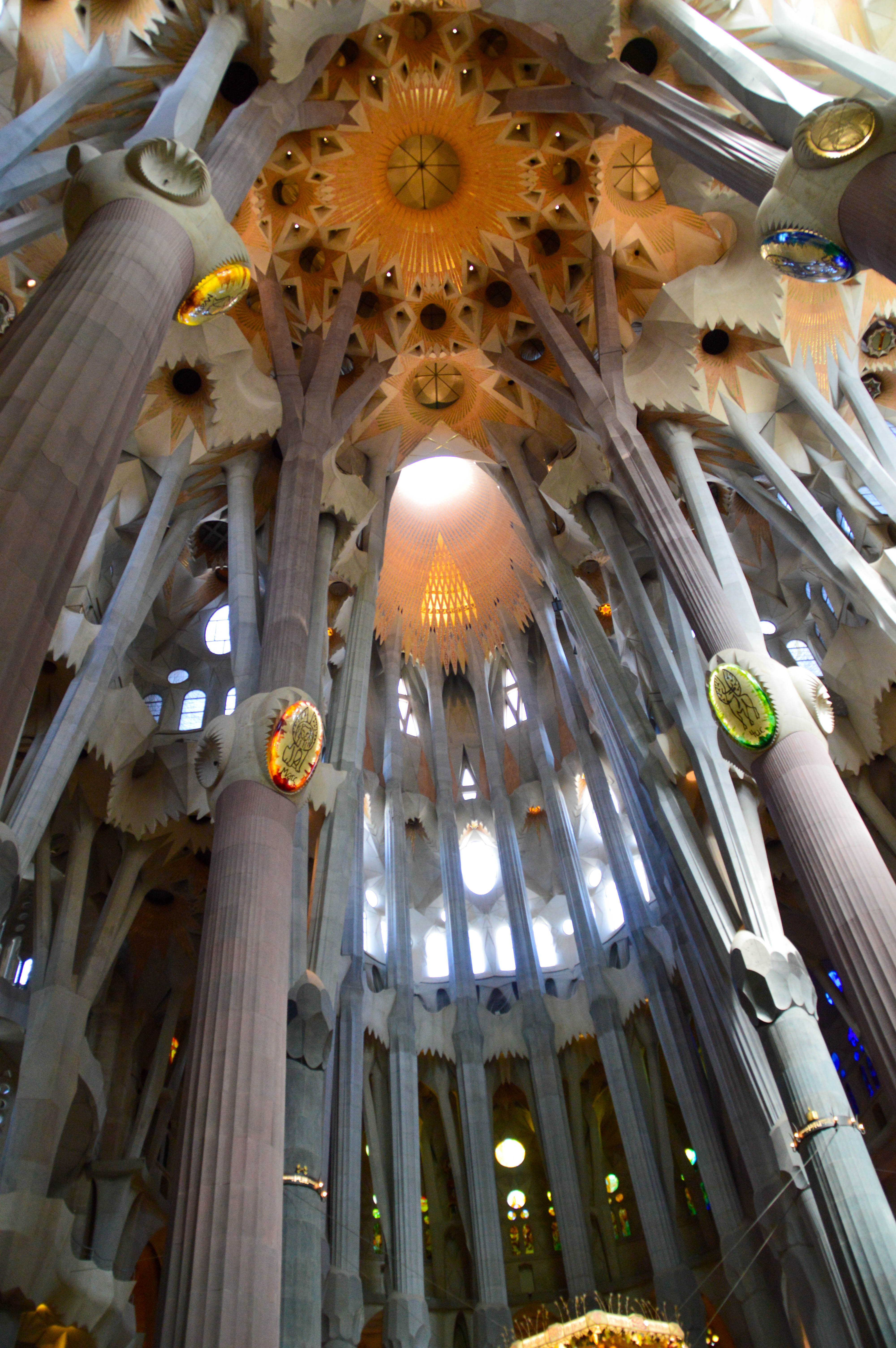
interior of the Sagrada Familia
interior of the Sagrada Familia ‐ photo by ,
©www.mgaylard.co.uk.
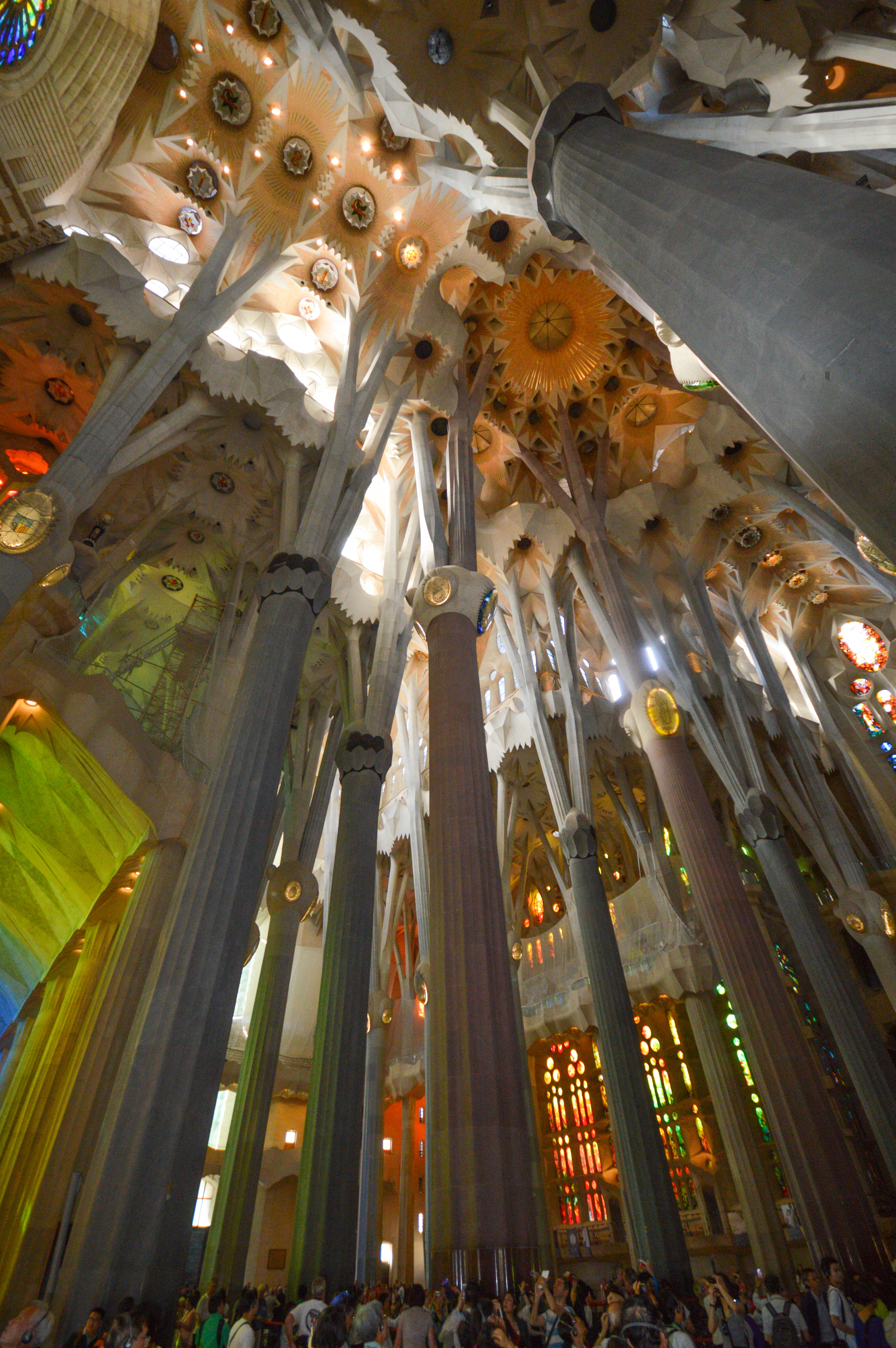
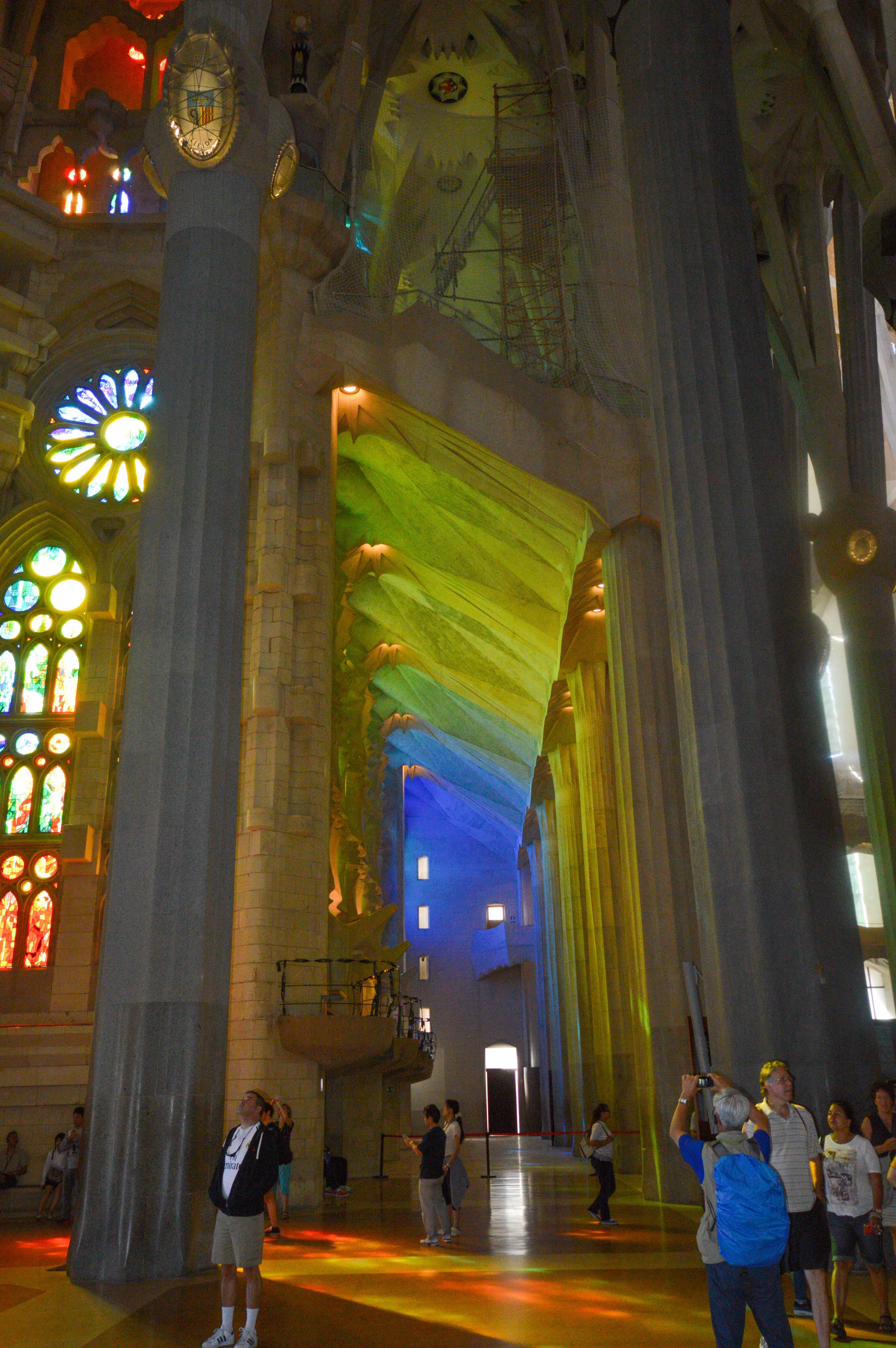
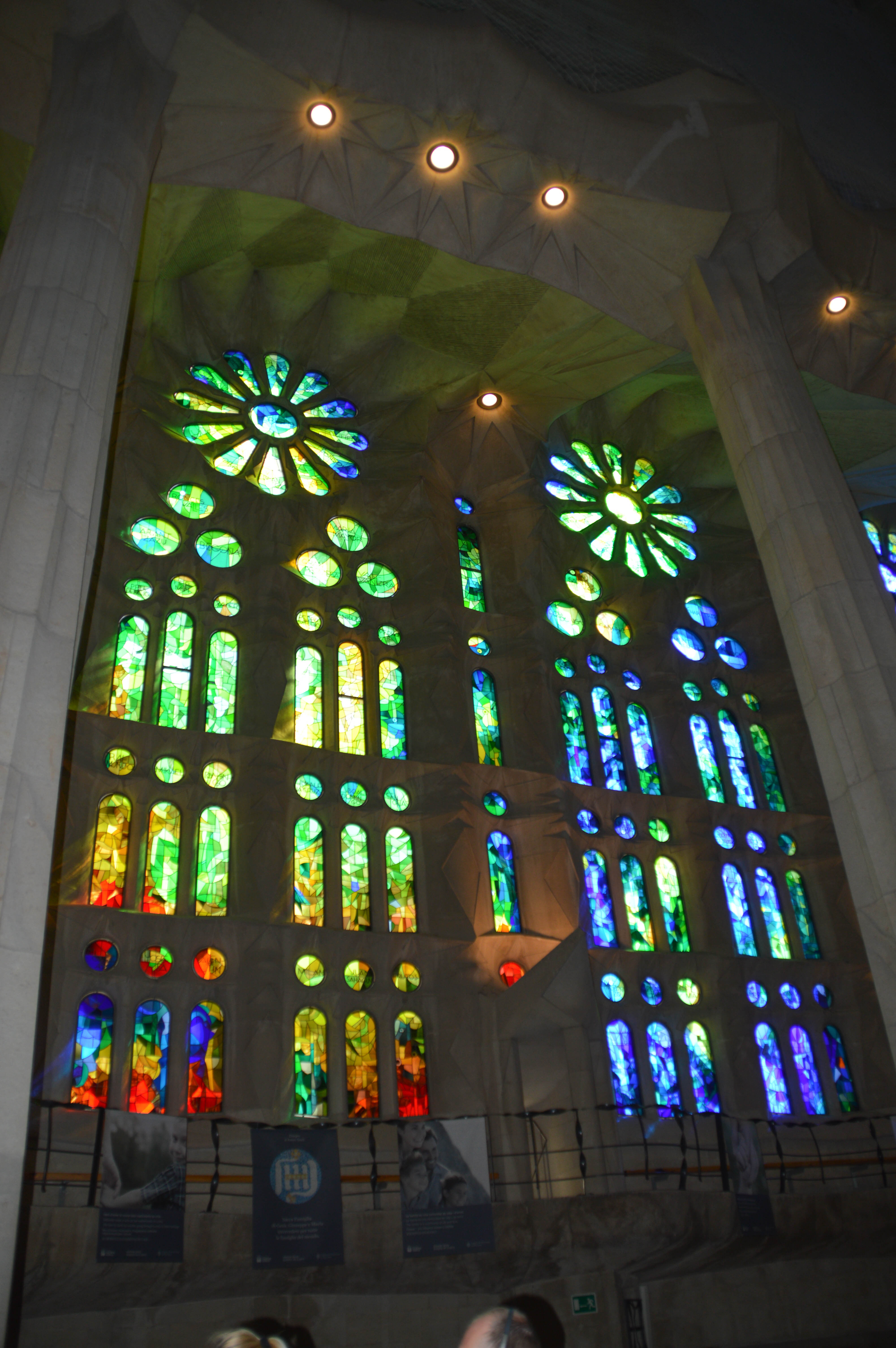
grand columns and stained glass windows
grand columns and stained glass windows ‐ photo by ,
©www.mgaylard.co.uk.
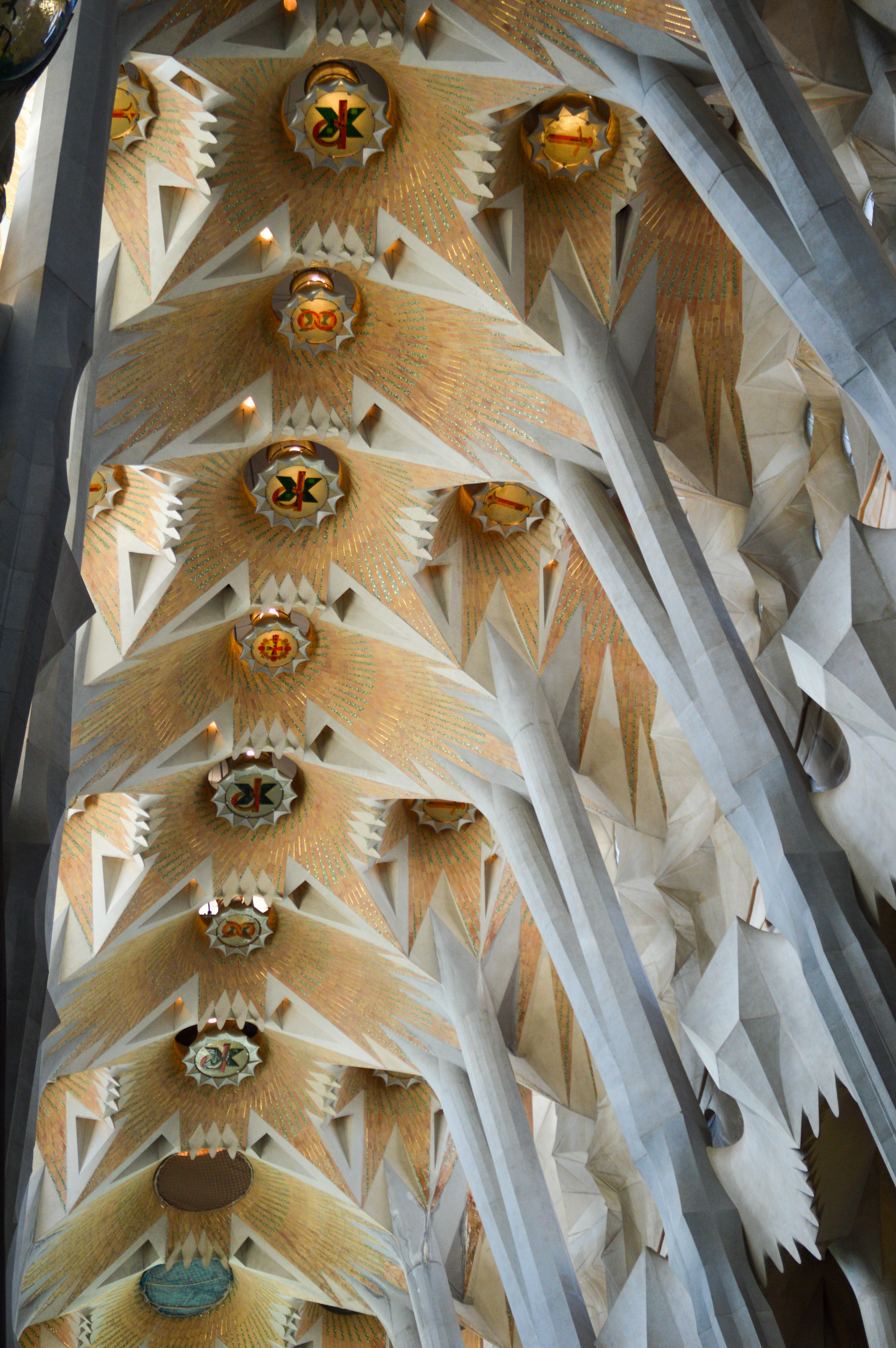
The ceiling showcases a complex design with various geometric patterns and symbols
The ceiling showcases a complex design with various geometric patterns and symbols ‐ photo by ,
©www.mgaylard.co.uk.
the interior of the Sagrada Familia
the interior of the Sagrada Familia ‐ photo by ,
©www.mgaylard.co.uk.
canopy is adorned with numerous small lanterns and floral decorations
canopy is adorned with numerous small lanterns and floral decorations ‐ photo by ,
©www.mgaylard.co.uk.
PAPA
PAPA ‐ photo by ,
©www.mgaylard.co.uk.
a high, vaulted ceiling
a high, vaulted ceiling ‐ photo by ,
©www.mgaylard.co.uk.
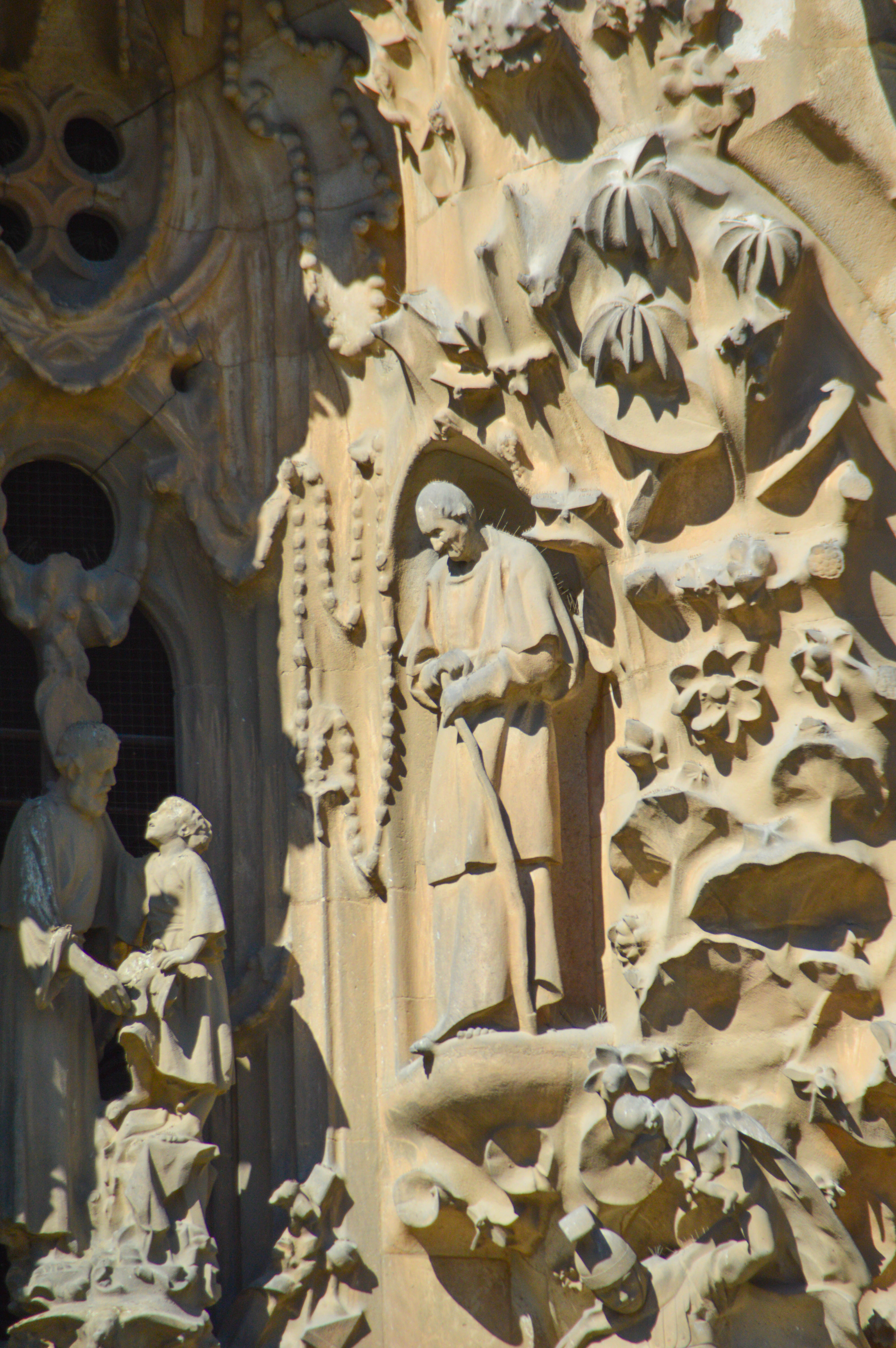
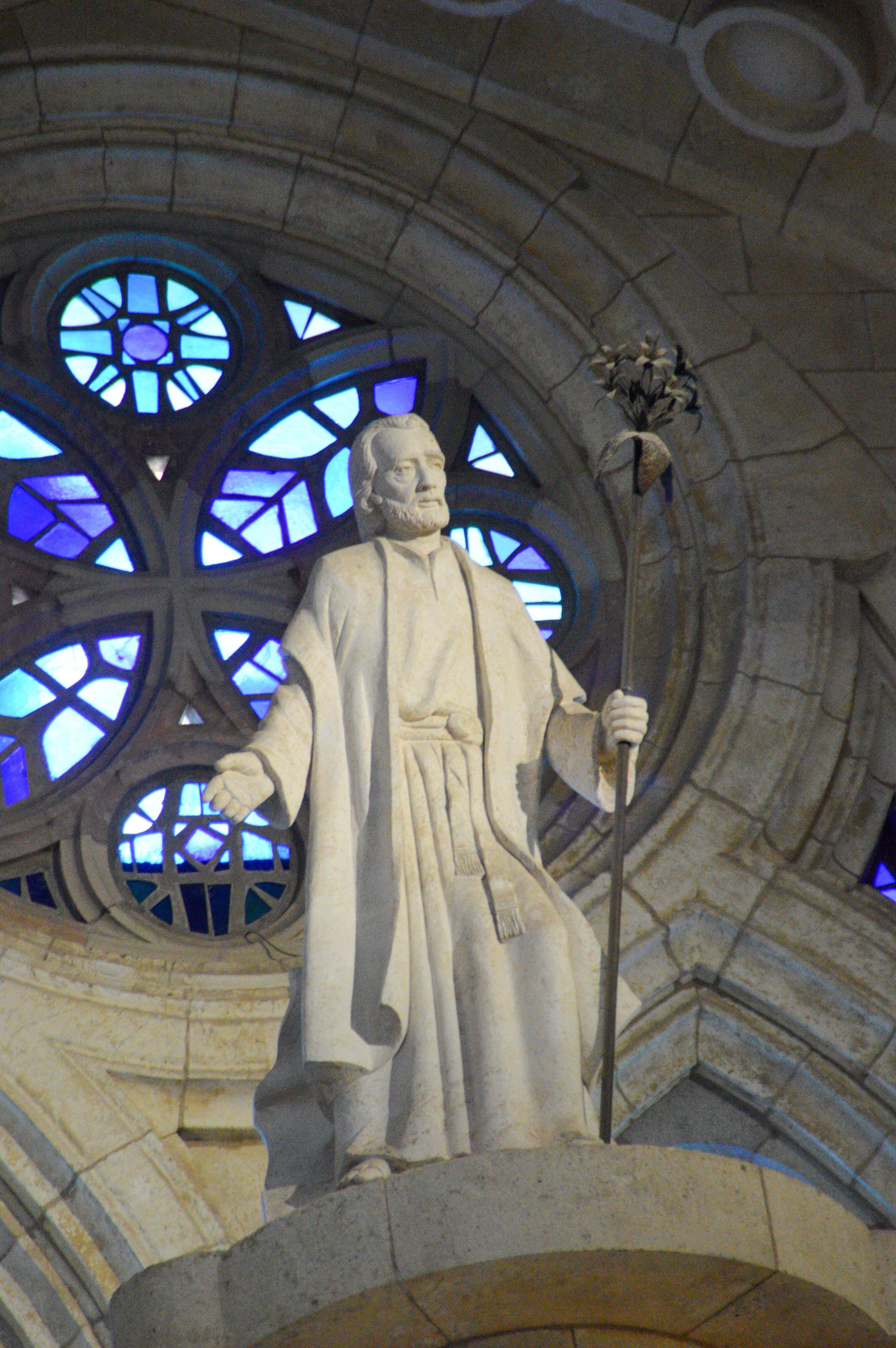
stone statue
stone statue ‐ photo by ,
©www.mgaylard.co.uk.
crucifixion of Jesus Christ
crucifixion of Jesus Chris ‐ photo by ,
©www.mgaylard.co.uk.
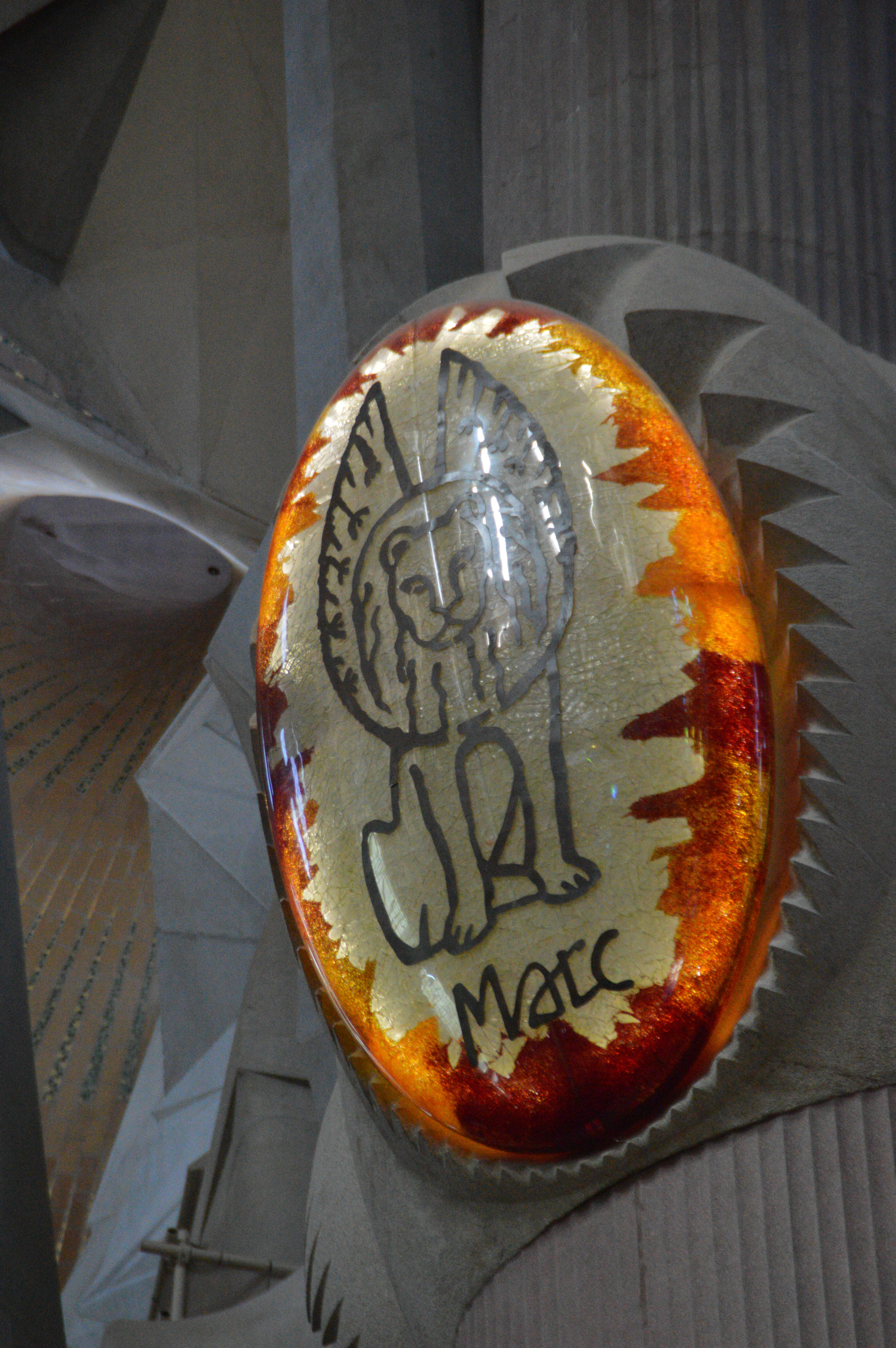
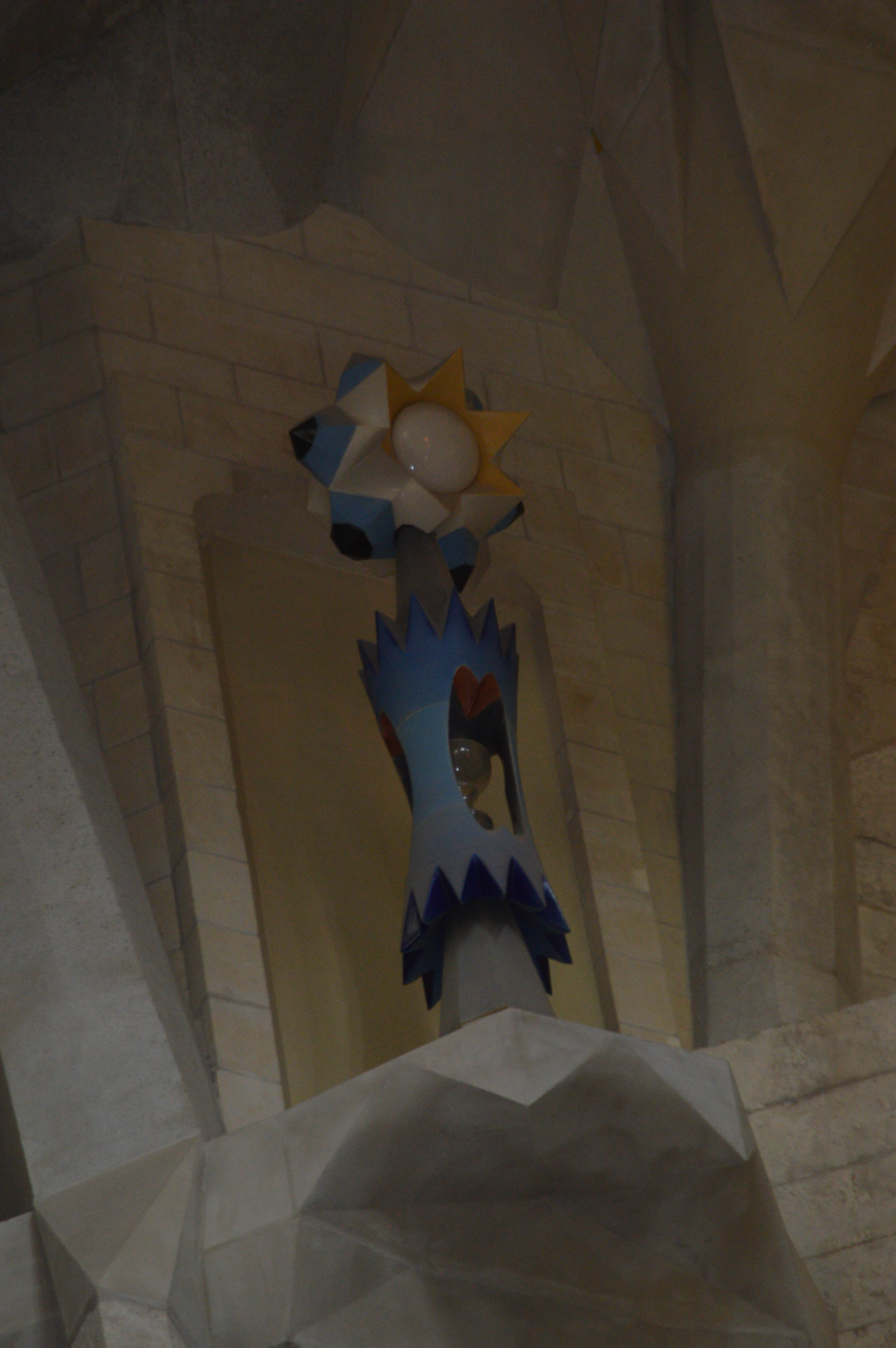
decorative sculpture mounted on a wall
decorative sculpture mounted on a wall ‐ photo by ,
©www.mgaylard.co.uk.
View of Gaudi ‐ photo by ,
©www.mgaylard.co.uk.
intricate stone carvings
intricate stone carvings ‐ photo by ,
©www.mgaylard.co.uk.
combining Gothic and Art Nouveau elements
combining Gothic and Art Nouveau elements ‐ photo by ,
©www.mgaylard.co.uk.
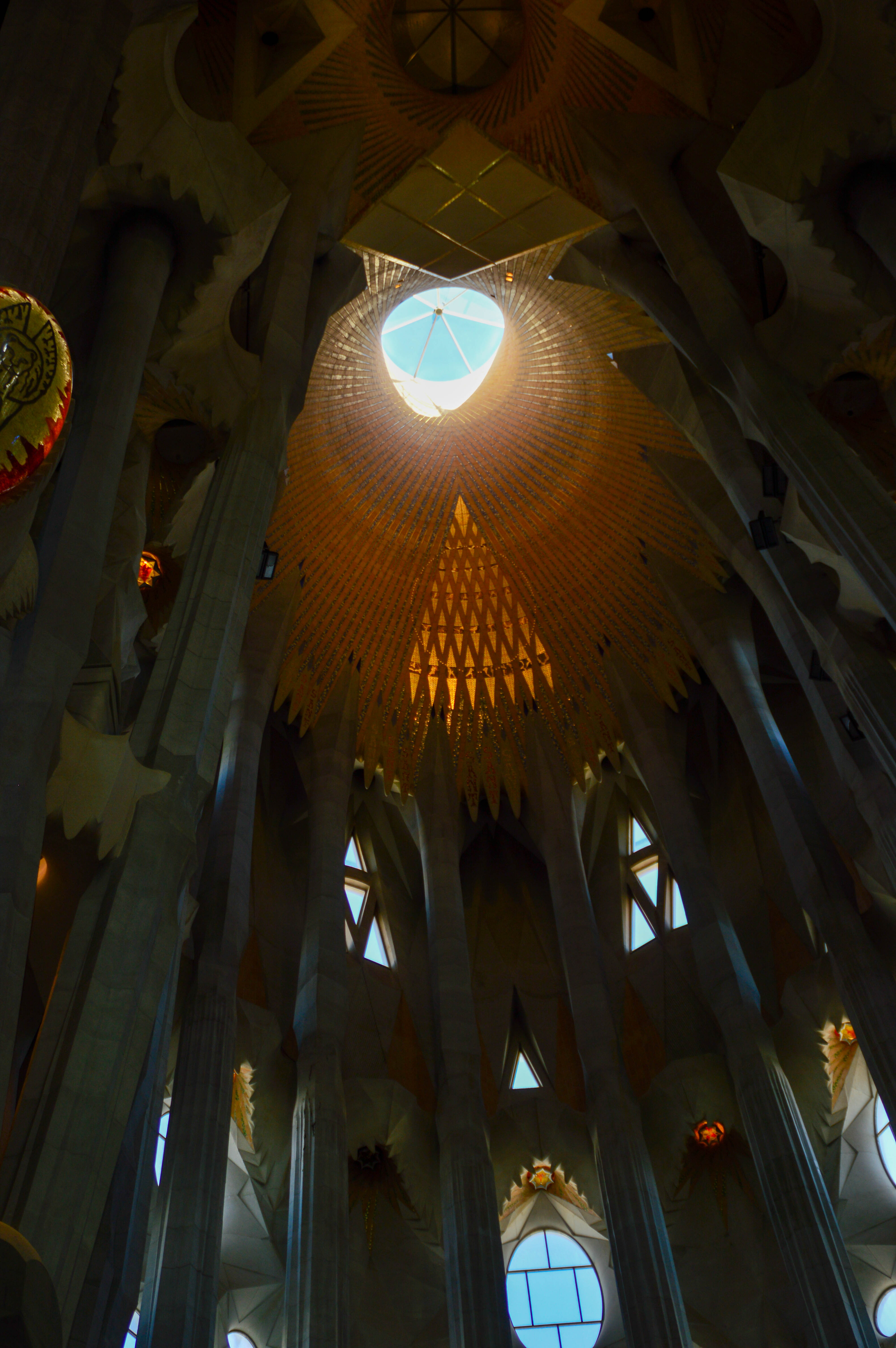
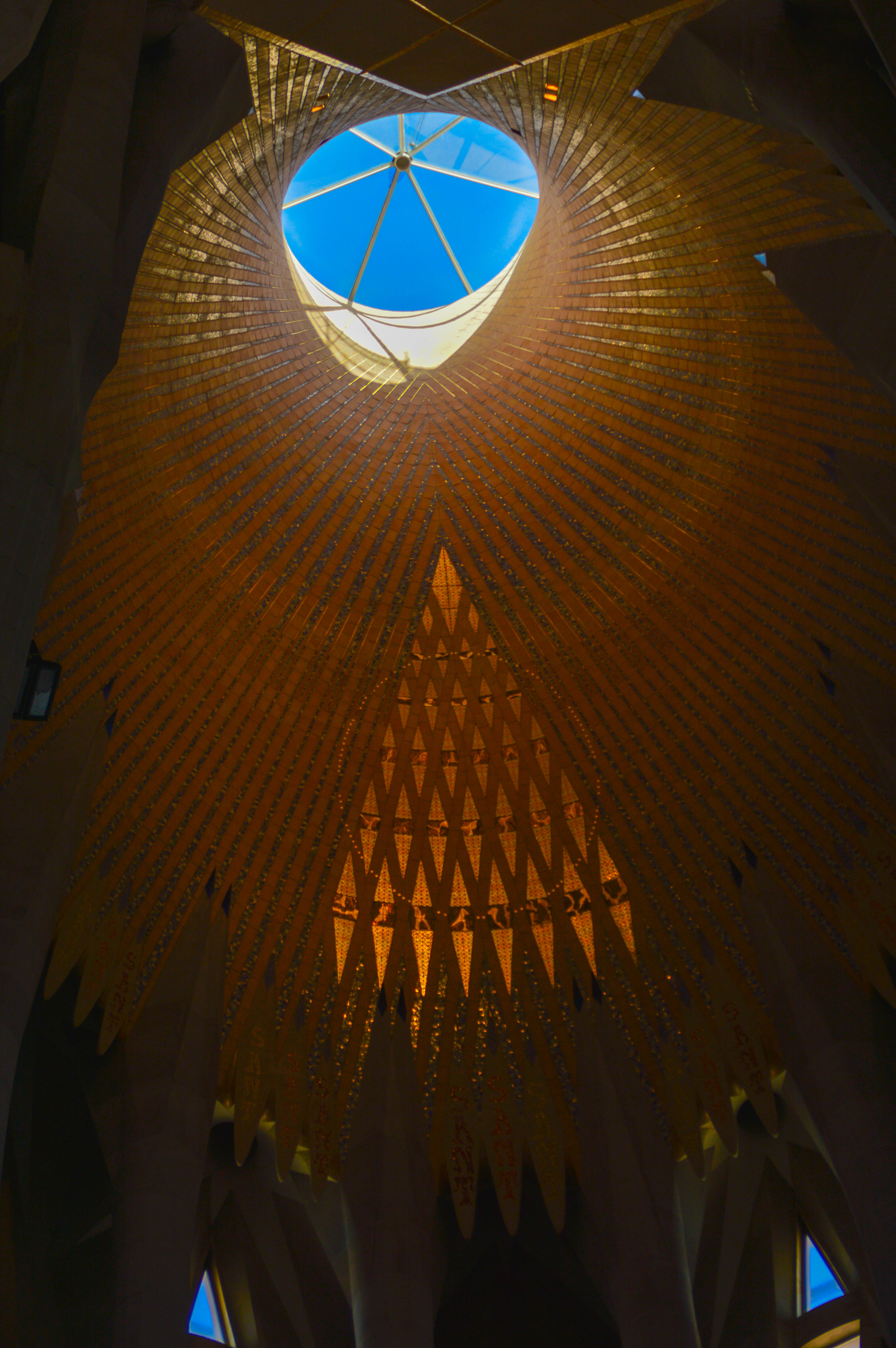
a large, circular skylight that allows natural light to flood the space
a large, circular skylight that allows natural light to flood the space ‐ photo by ,
©www.mgaylard.co.uk.
a central skylight allowing natural light to stream in
a central skylight allowing natural light to stream in ‐ photo by ,
©www.mgaylard.co.uk.
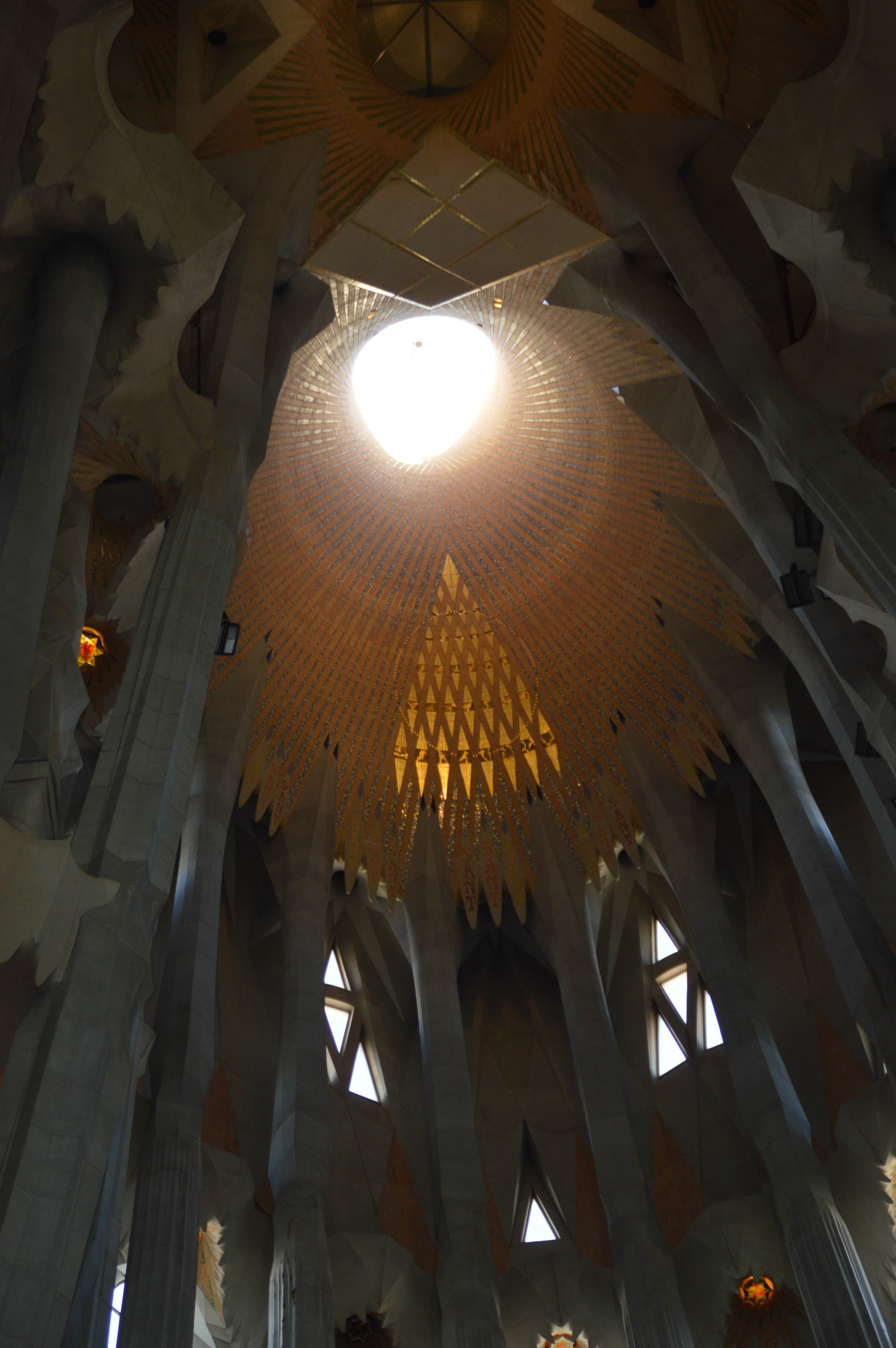
conical structure with a circular opening at the top, allowing natural light to illuminate the space
conical structure with a circular opening at the top, allowing natural light to illuminate the space ‐ photo by ,
©www.mgaylard.co.uk.
 a prominent figure with a helmet-like head and a flowing garment
a prominent figure with a helmet-like head and a flowing garment ‐ photo by ,
©www.mgaylard.co.uk.
crucifixion of Jesus Chris
crucifixion of Jesus Chris ‐ photo by ,
©www.mgaylard.co.uk.
carved stone ceiling
carved stone ceiling ‐ photo by ,
©www.mgaylard.co.uk.
Open the full set flickr button this page

Sagrada Família

The Sagrada Família in Barcelona is one of the most iconic buildings in the world: a vast, still-unfinished basilica designed by the Catalan architect Antoni Gaudí. Construction began in 1882 and continues today, making it the largest unfinished Catholic church in existence.

The Basílica de la Sagrada Família, rising above the Eixample district of Barcelona, is one of the most iconic and enigmatic architectural projects in the world. Conceived in the late nineteenth century and still under construction nearly a century and a half later, the Sagrada Família is not only a testament to the genius of Antoni Gaudí but also a living symbol of the city’s spiritual, cultural, and artistic aspirations. This report provides an exhaustive exploration of the basilica’s historical origins, architectural innovations, symbolic program, construction timeline, and its enduring significance within the context of Catalan Modernisme and global heritage. It also examines the roles of key architects and artisans, the visitor experience, and the basilica’s place among both Gaudí’s oeuvre and the great cathedrals of Europe. The report concludes with an analysis of recent developments, current status, and the projected completion of this extraordinary monument.
The origins of the Sagrada Família are rooted in the religious fervor and social movements of late nineteenth-century Catalonia. The project was initially promoted by Josep Maria Bocabella, a bookseller and devout Catholic, who founded the Asociación Espiritual de Devotos de San José (Spiritual Association of the Devotees of Saint Joseph) in 1866. Inspired by a pilgrimage to Rome and the Basilica della Santa Casa in Loreto, Bocabella envisioned a monumental church in Barcelona dedicated to the Holy Family, intended as an expiatory temple—built entirely from private donations as an act of penance and devotion.

Floor Plan

Latin cross with five naves, transept, apse, and ambulatory. Traditional cathedral layout, modernized by Gaudí

Facades

Nativity (East), Passion (West), Glory (South) symbolising Birth, death/resurrection, and glory of Christ.

Towers

There are 18 in total: 12 Apostles, 4 Evangelists, Virgin Mary, Jesus Christ representing the hierarchy of Christian figures.

Columns

Tree-like, branching, double-twist columns for Forest symbolism, structural innovation.

Vaults

Hyperboloid and paraboloid forms, Catalan vault technique that delivers Lightness, strength, and natural light
One of Gaudí’s most significant contributions is the development of the double-twist, tree-like column. Each column begins with a polygonal or star-shaped base, twisting as it rises and branching at the capital to support the vaults above. This system distributes loads efficiently and evokes the natural forms of trees, reinforcing the basilica’s organic aesthetic and spiritual symbolism.
The Nativity Facade, facing east, is the oldest and only facade substantially completed during Gaudí’s lifetime (1894–1930). It is a celebration of the birth of Jesus and the joy of creation, characterized by exuberant ornamentation, natural motifs, and intricate sculpture. Gaudí personally supervised its design and execution, employing sculptors such as Llorenç Matamala, Jaume Busquets, and Carles Mani, and using real-life models for many figures.
The Passion Facade, facing west, was begun in 1954 and completed in 1976, based on Gaudí’s sketches and models. Gaudí intended this facade to be stark, austere, and “as if made of bones,” in dramatic contrast to the Nativity Facade. The sculptural program was entrusted to Josep Maria Subirachs (1986–2005), whose angular, expressionist style sparked both admiration and controversy.

References

sagradafamilia.orgen.wikipedia.orgblog.sagradafamilia.orgvisitarsagradafamilia.com , Text generated by Microsoft CoPilot

Antoni Gaudi

Antoni Gaudí i Cornet was a Catalan architect and designer from Spain, known as the greatest exponent of Catalan Modernism. Gaudí's works have a highly individualized, sui generis style. Most are located in Barcelona, including his main work, the church of the Sagrada Família.

Gaudí's work was influenced by his passions in life: architecture, nature, and religion. He considered every detail of his creations which he integrated into his architecture crafts such as ceramics, stained glass, wrought ironwork forging, and carpentry. He also introduced new techniques in the treatment of materials, such as trencadís which used waste ceramic pieces.

Gaudí's work enjoys global popularity and continuing admiration and study by architects. His masterpiece, the still-incomplete Sagrada Família, is the most-visited monument in Spain.[7] Between 1984 and 2005, seven of his works were declared World Heritage Sites by UNESCO.

en.wikipedia.org
To the top
Powered by w3.css. The images are all stored on link to www.gaylard.co.uk Photostream on Flickr   This website is hosted by link to 123Reg Web Hosting