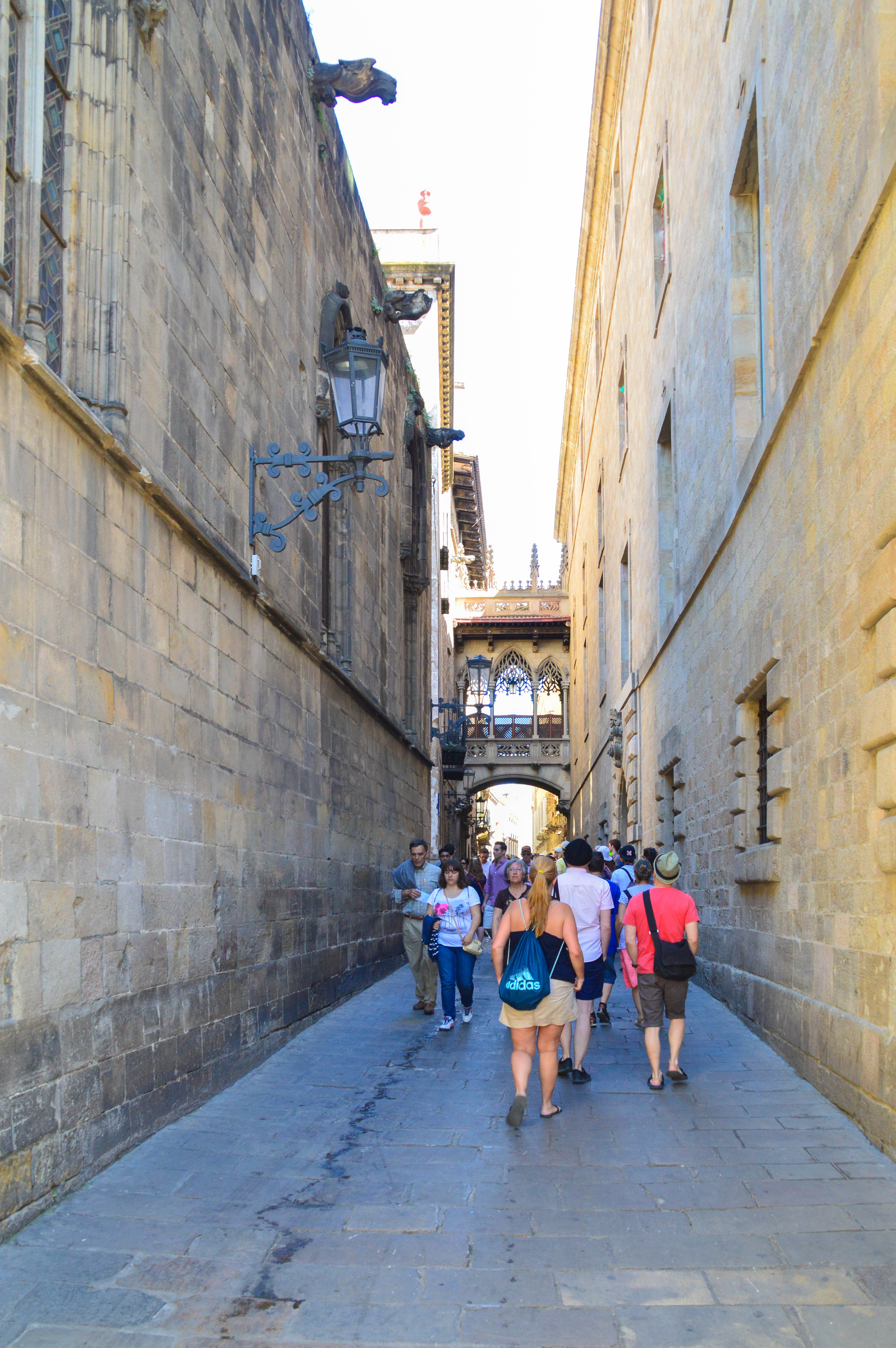
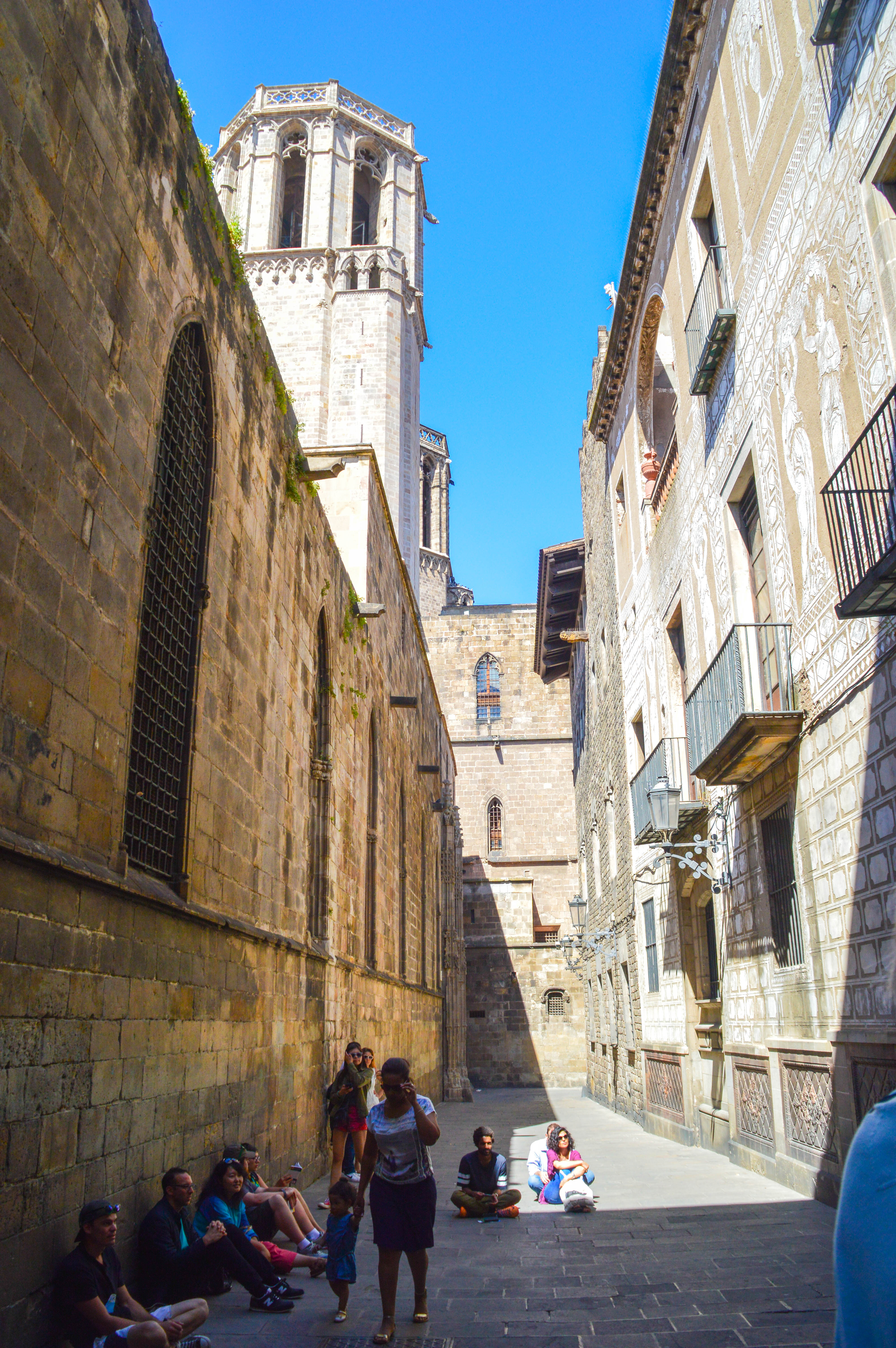
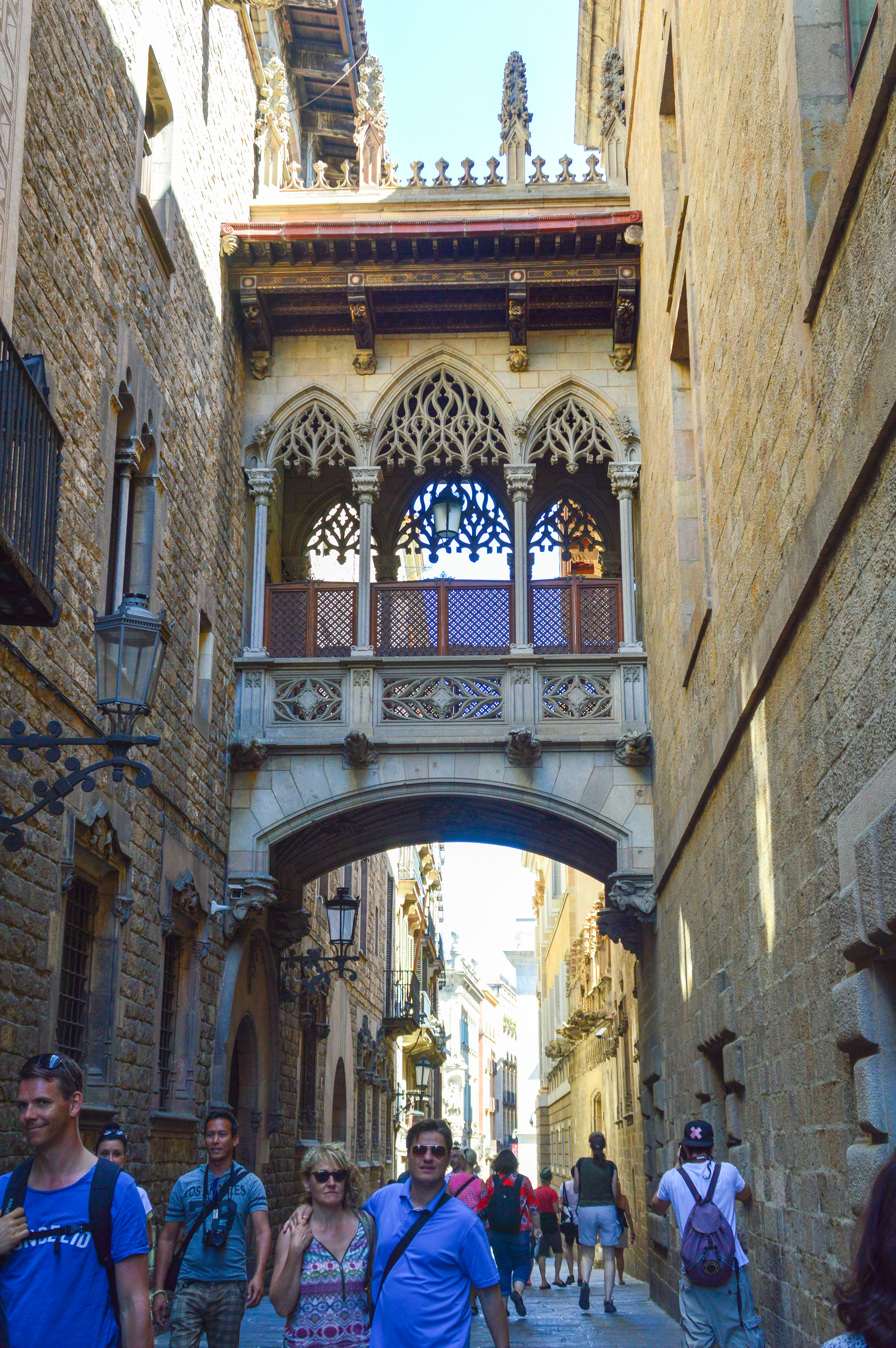
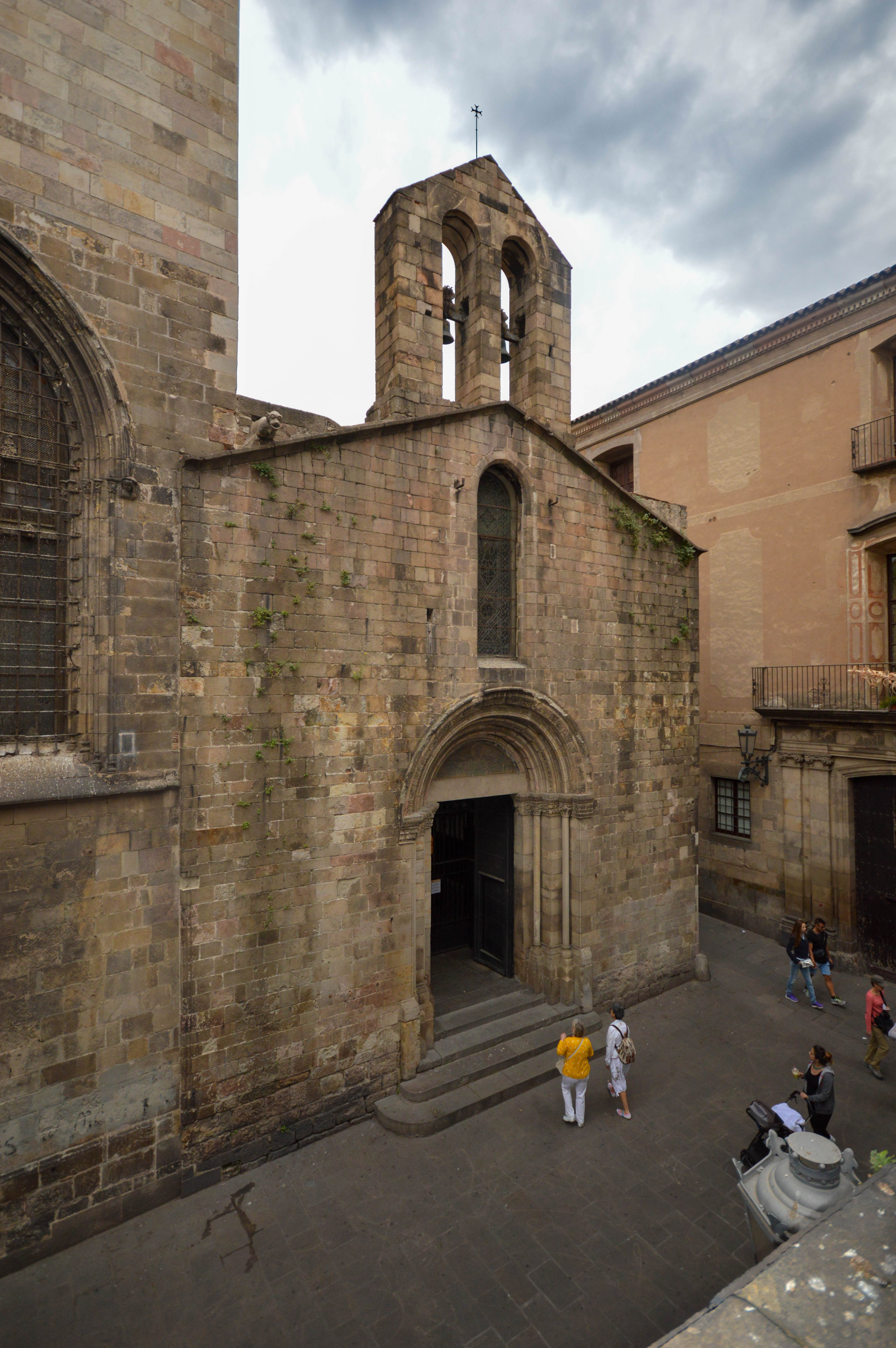
Museu d’Història de Barcelona
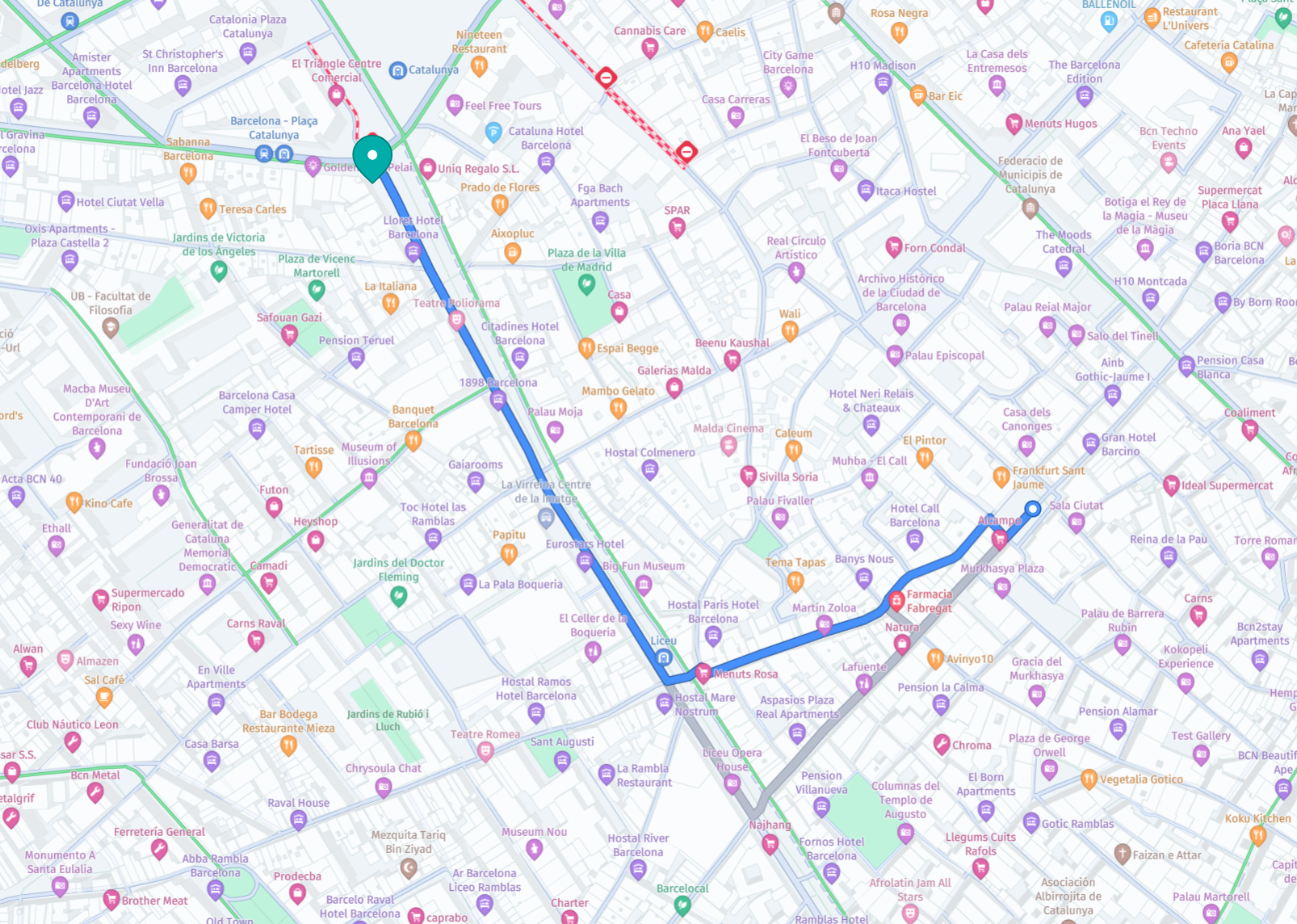
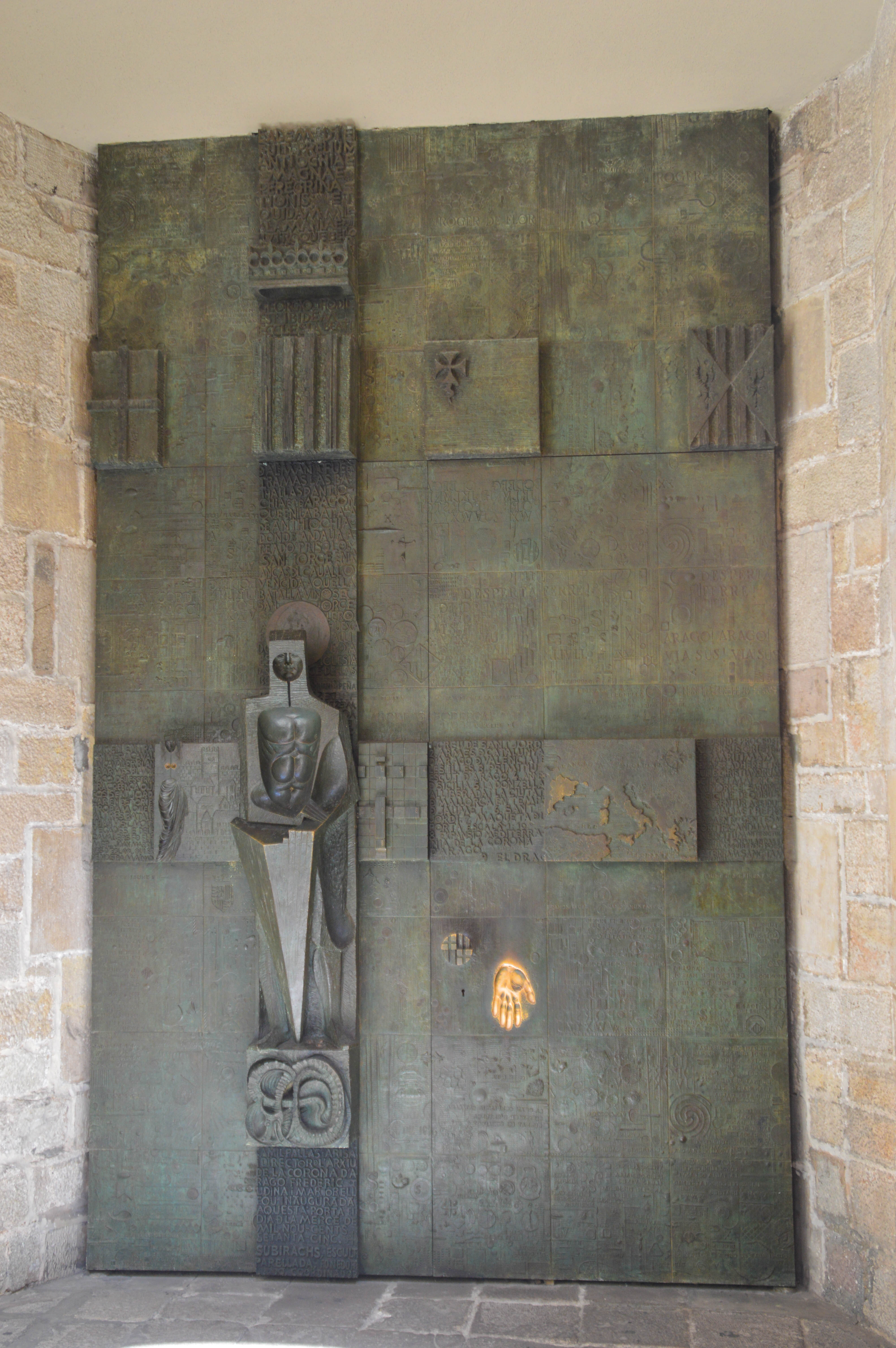
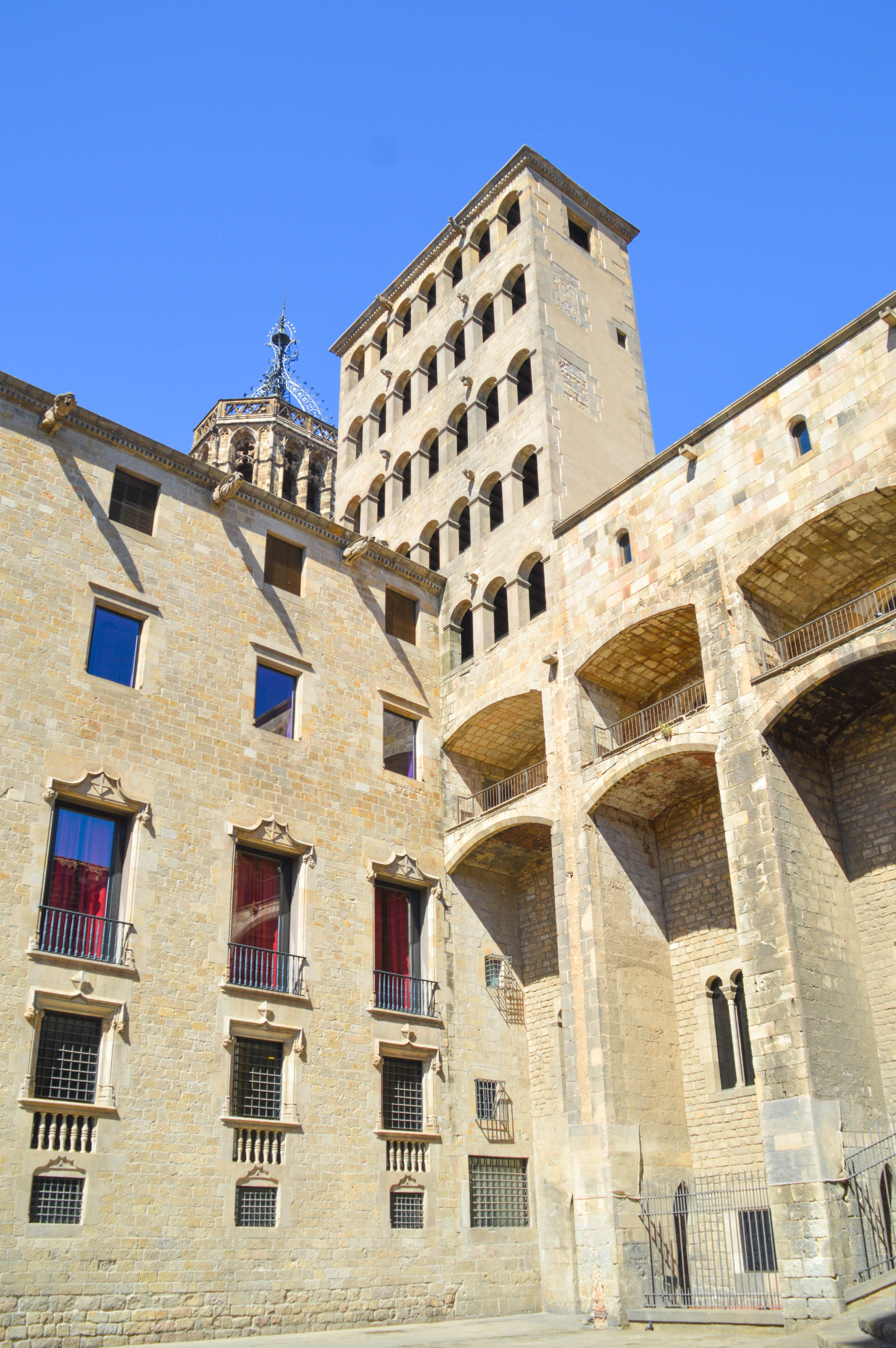
The English name is the Museum of the History of Barcelona. MUHBA is a city museum network that preserves and interprets Barcelona’s historical and archaeological heritage, with its main headquarters at Plaça del Rei in the Gothic Quarter
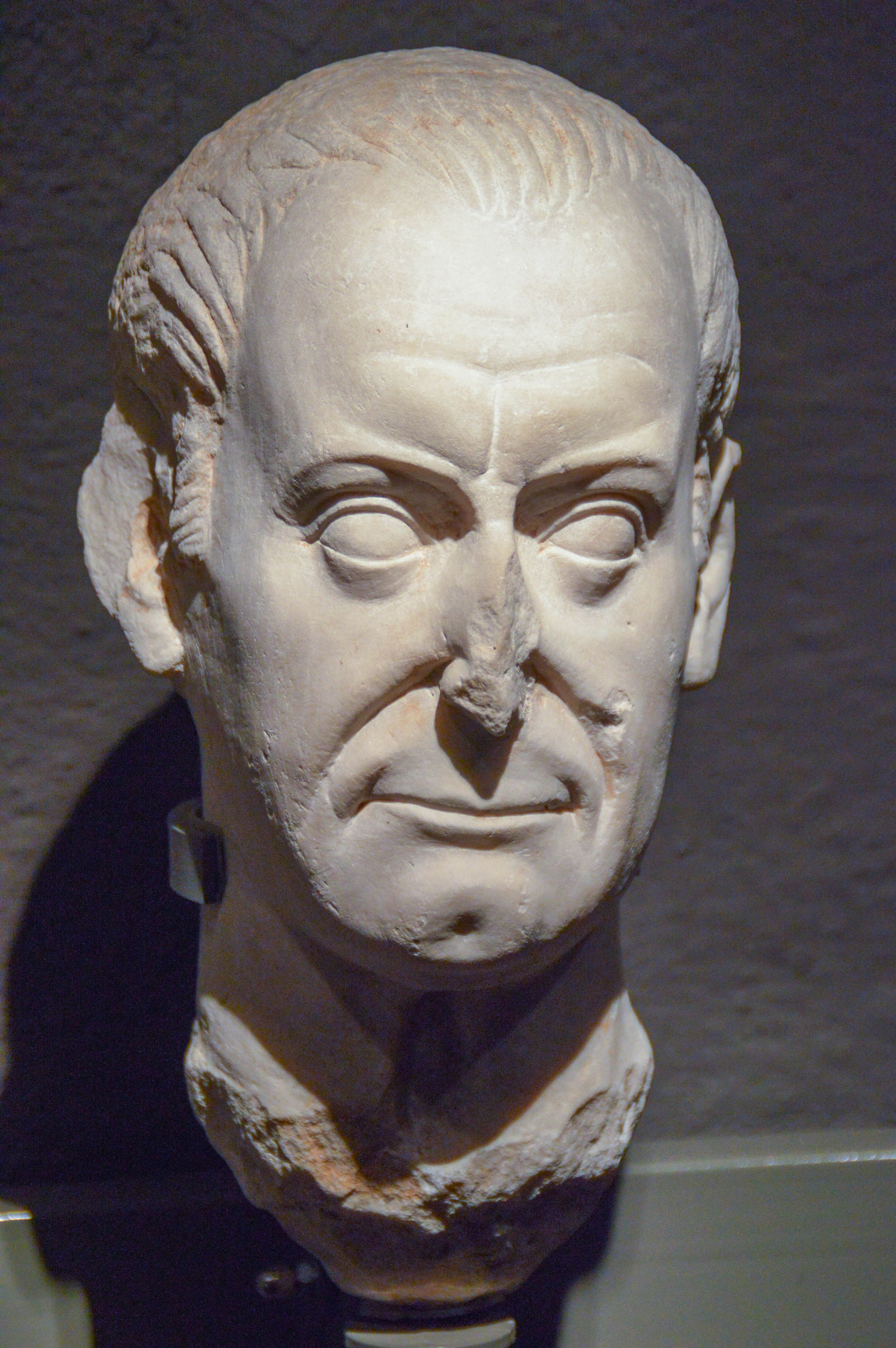
MUHBA is not a single building but a network of heritage sites and museums across Barcelona that together tell the city’s story from Roman times to the present day. Its collections and sites include Roman ruins (Barcino), medieval buildings, civil-war shelters, industrial heritage, and Gaudí-related locations. The museum’s remit is to conserve, research, communicate, and exhibit the city’s historical remains.
Headquarters: Casa Padellàs at Plaça del Rei in the Gothic Quarter.
Founding: MUHBA was inaugurated in 1943 and grew from archaeological discoveries made while relocating Casa Padellàs in the early 20th century.
Highlights: the archaeological site under Plaça del Rei (Roman Barcino remains), the Temple of Augustus columns, El Call (the medieval Jewish quarter), El Born site, and several 20th-century sites such as anti-aircraft shelters.
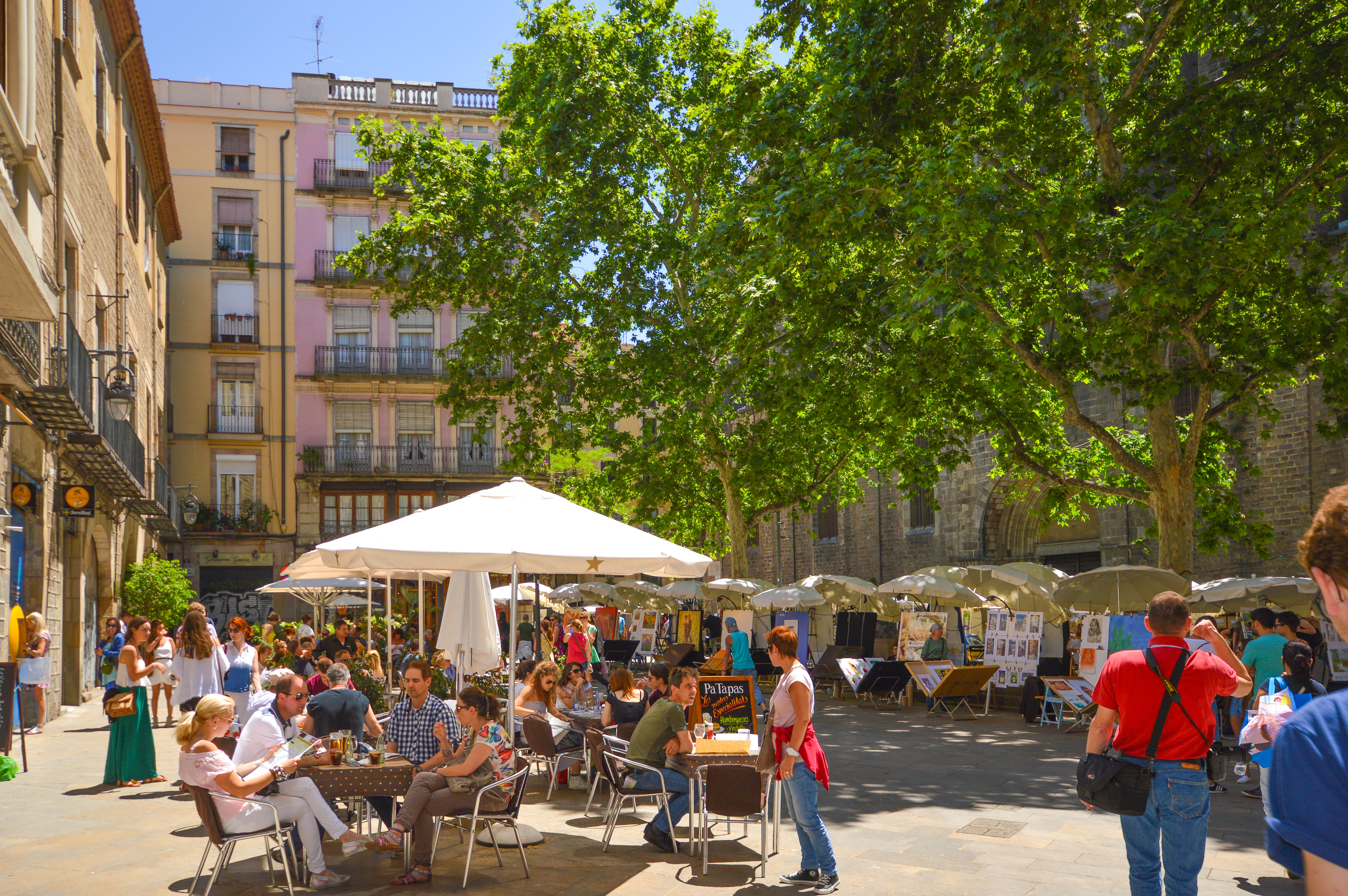
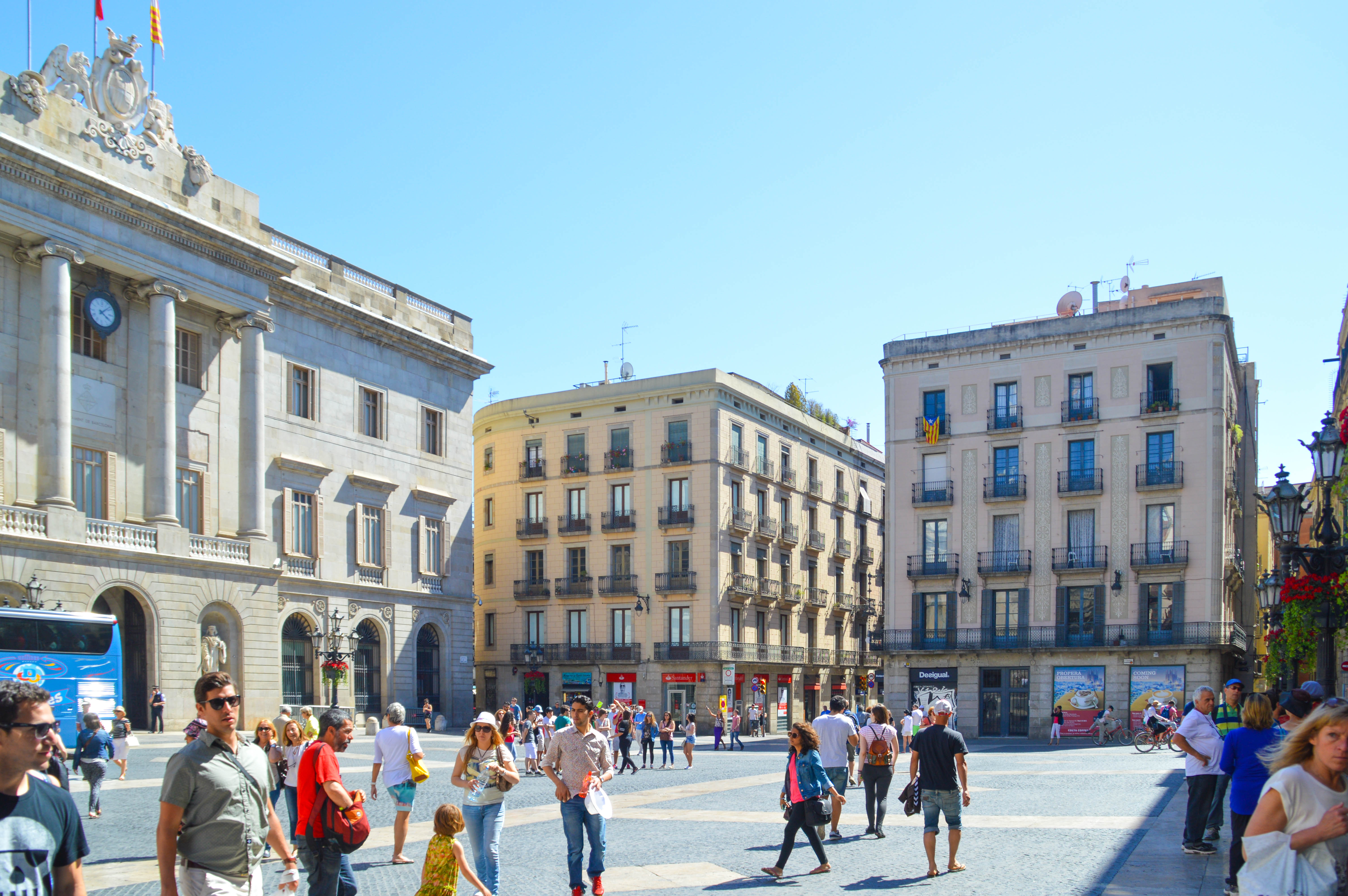
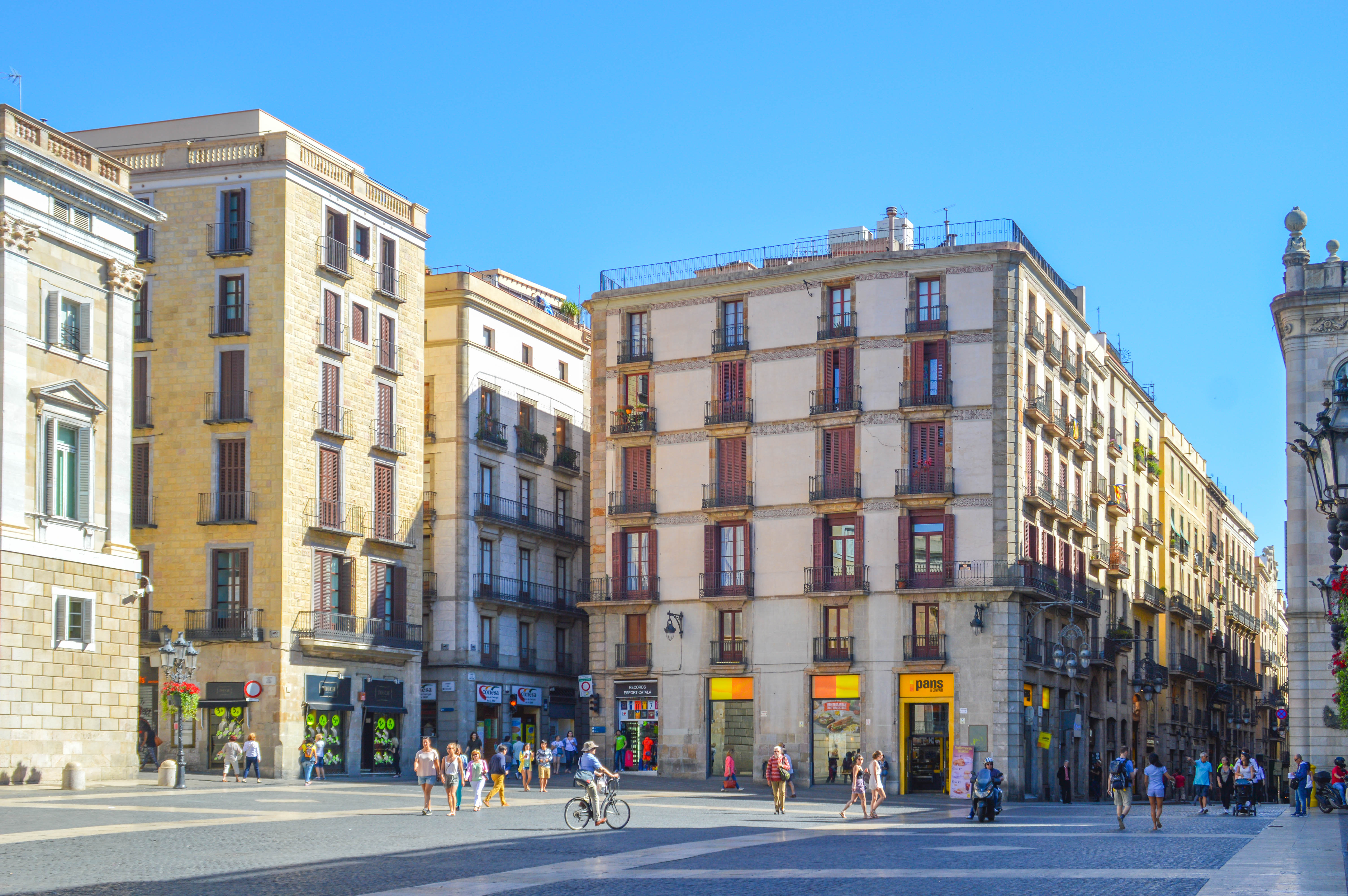
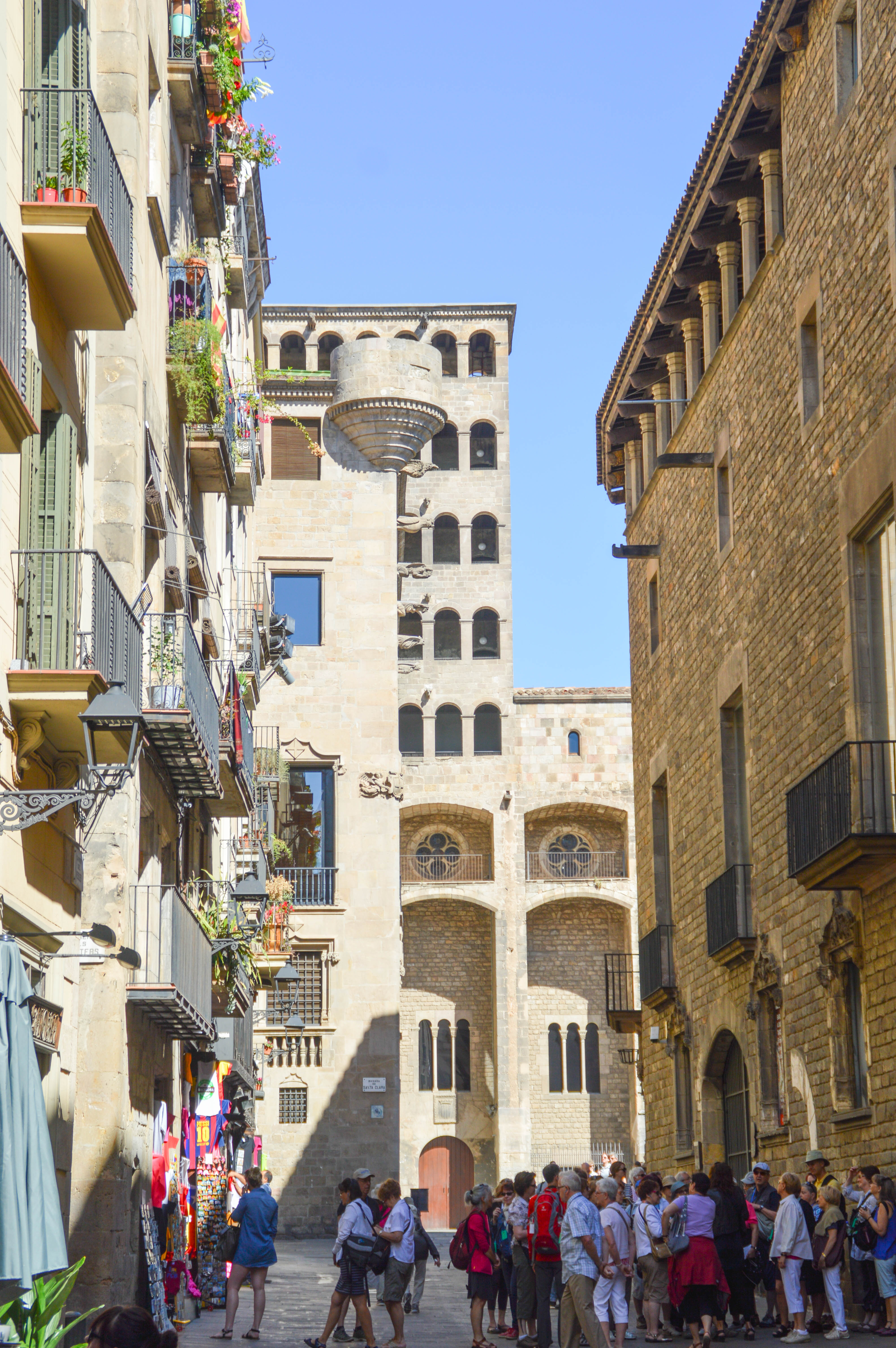
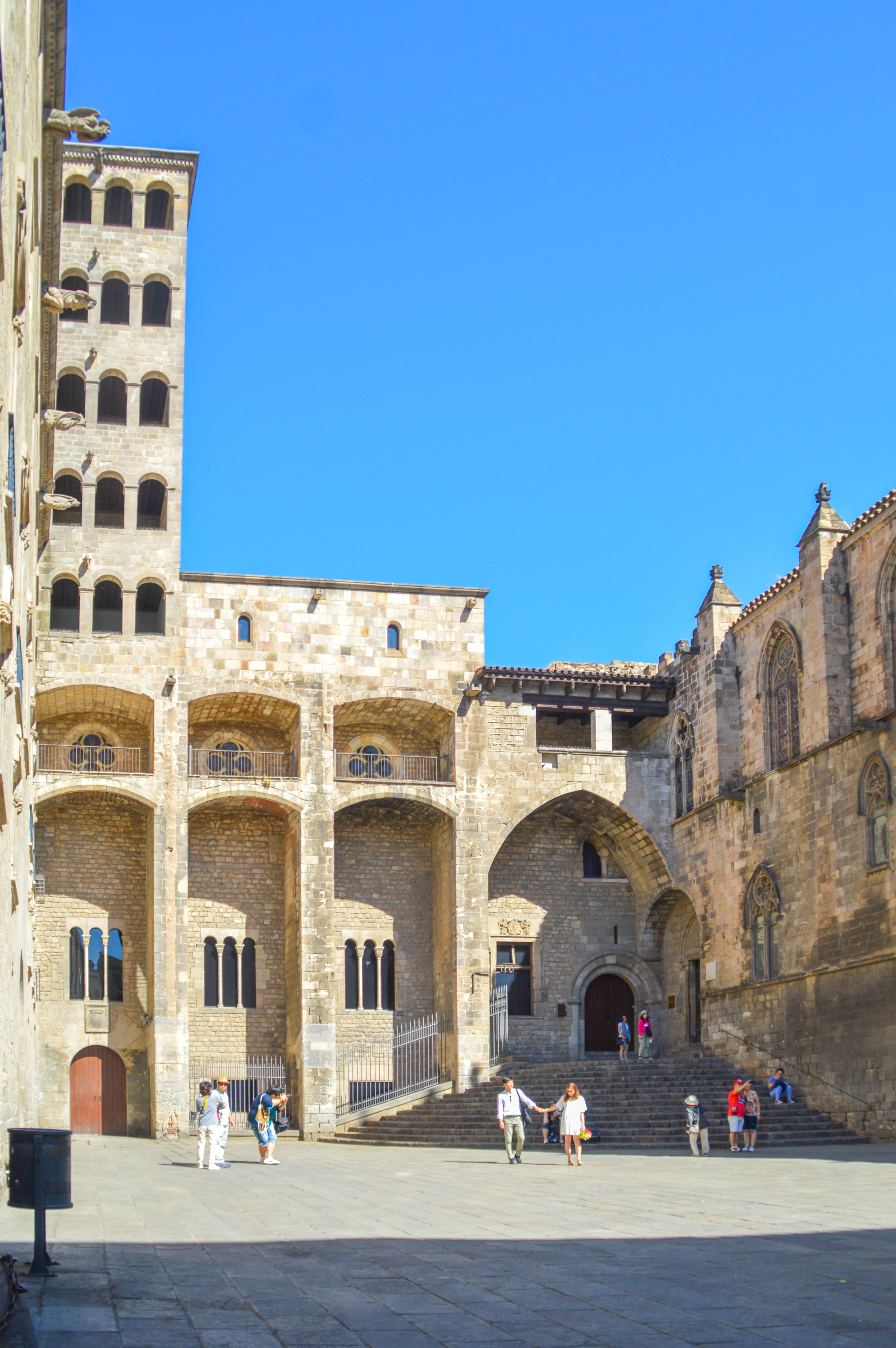
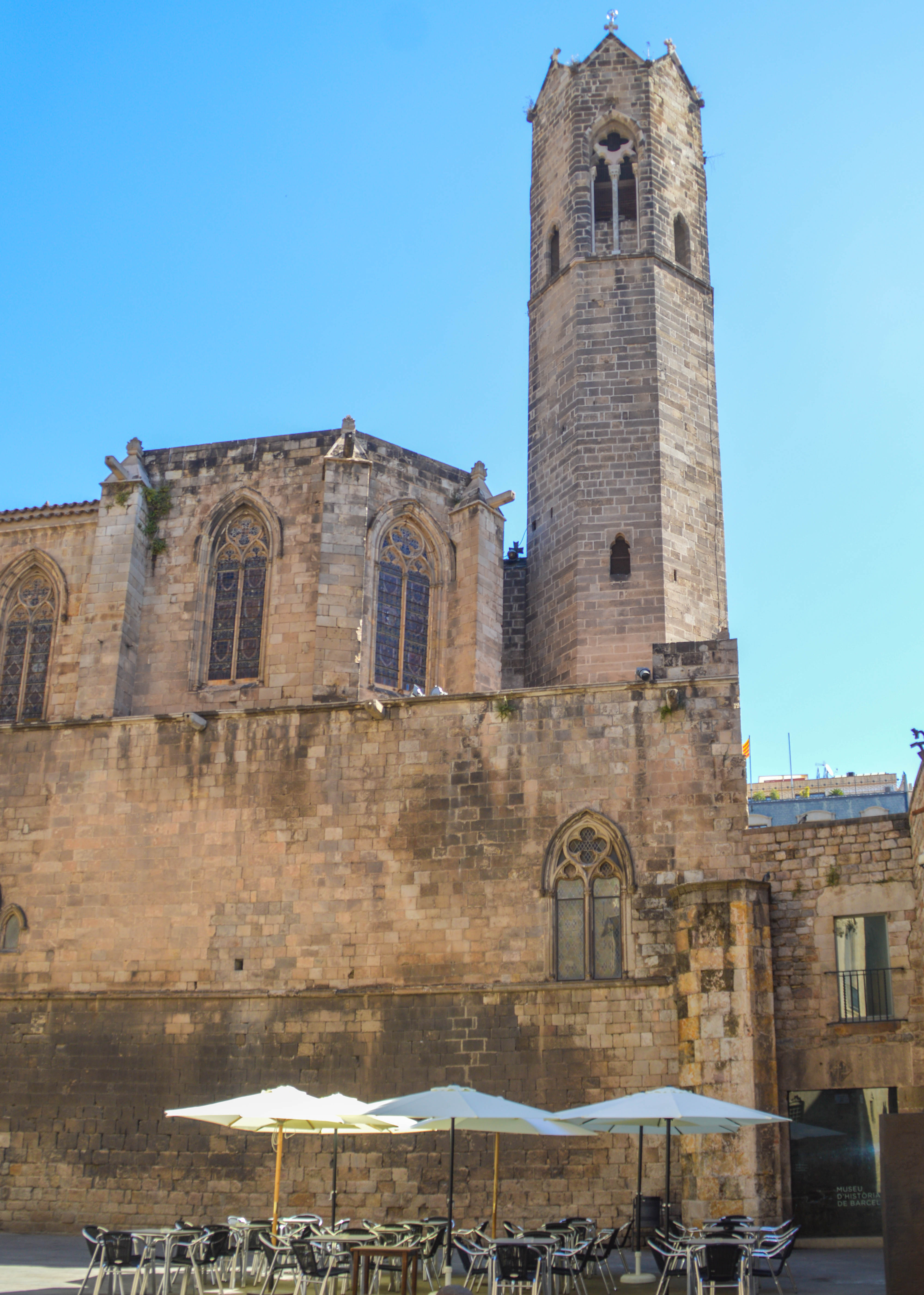
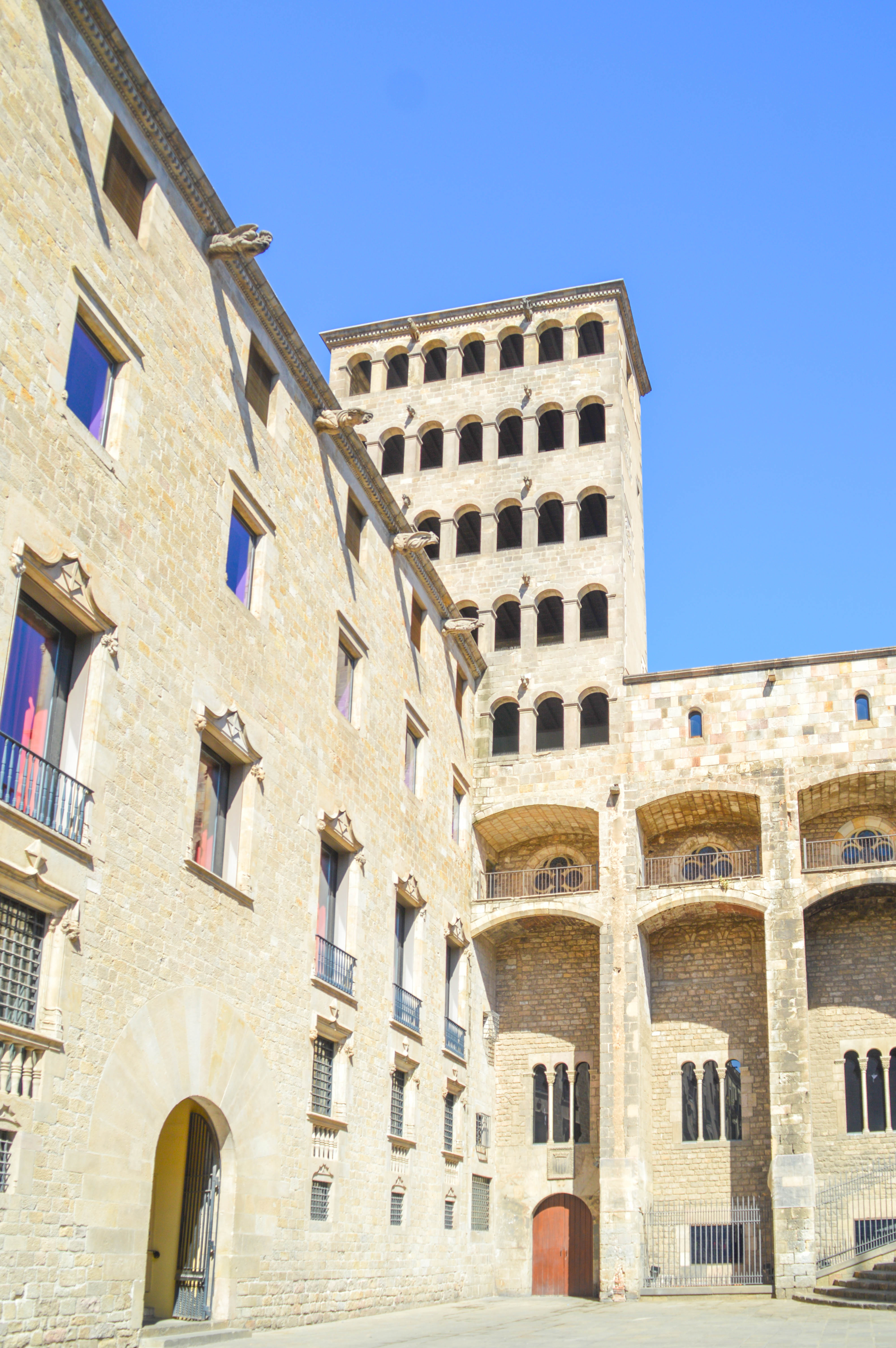
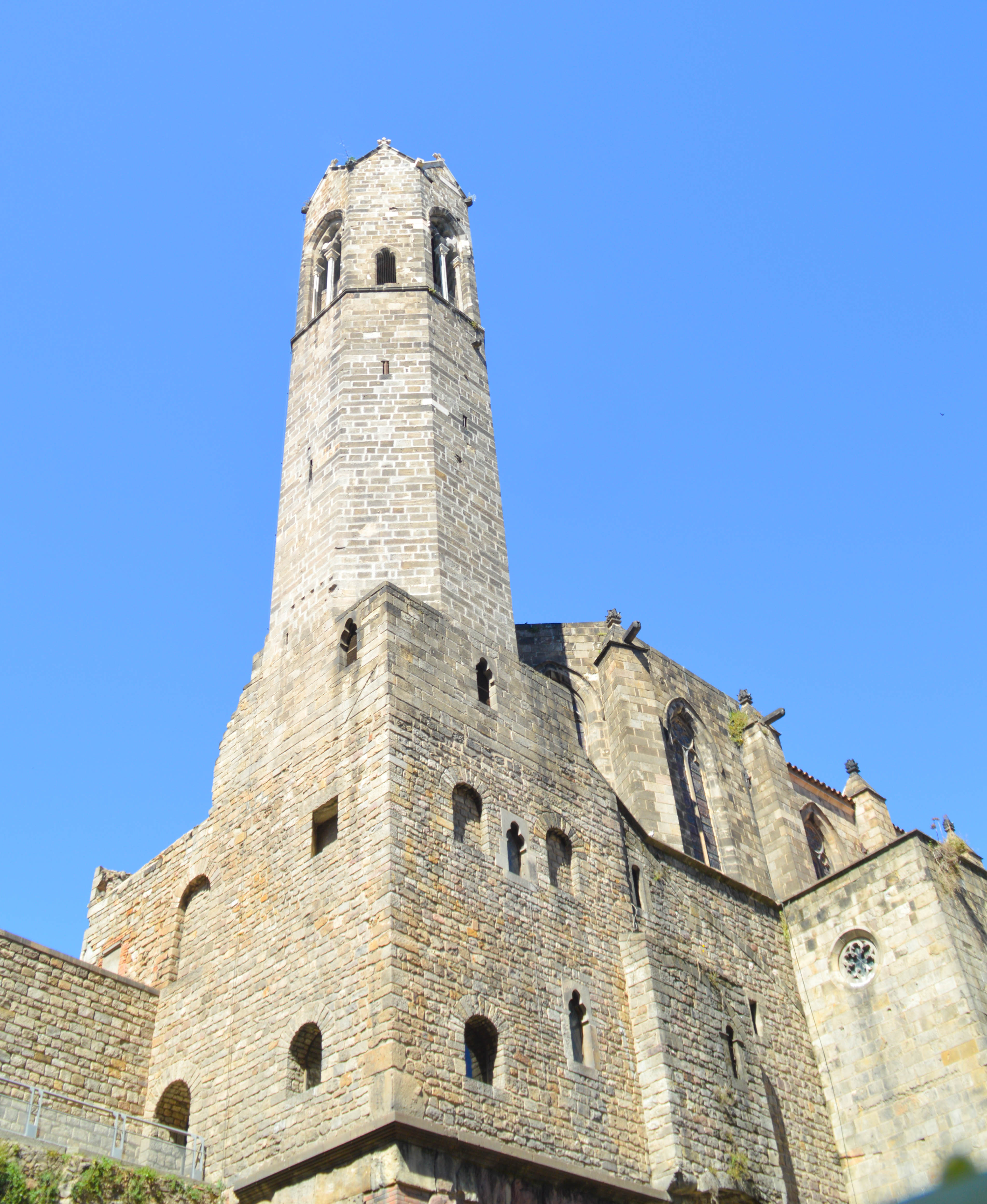
Plaça del Rei is Barcelona’s medieval “King’s Square,” the historic core of the city’s royal and civic life and today the main site of the Museum of the History of Barcelona (MUHBA), where you can see Roman, Visigothic and medieval remains beneath a Gothic palace complex.
Historical significance
This square was the political and ceremonial heart of medieval Barcelona. The Palau Reial Major (Grand Royal Palace) and its halls were the residence and administrative center for counts and later kings of Barcelona and Aragon. The square is traditionally linked to major historical moments, including accounts that Christopher Columbus was received here after his return from the Americas.
Main buildings and highlights
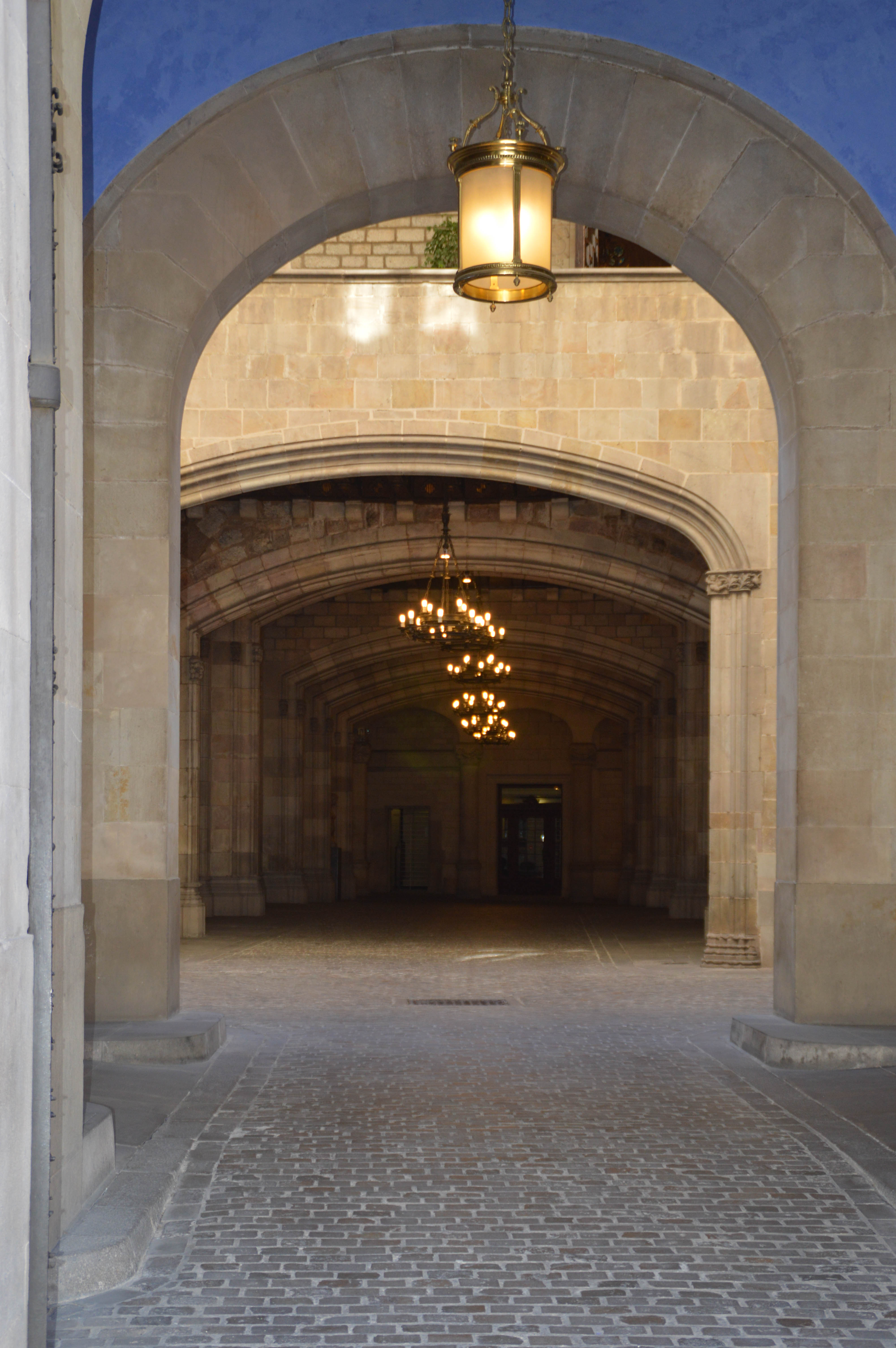
Saló del Tinell — a large 14th-century Gothic ceremonial hall notable for its massive arches and medieval atmosphere; it’s one of the square’s architectural anchors.
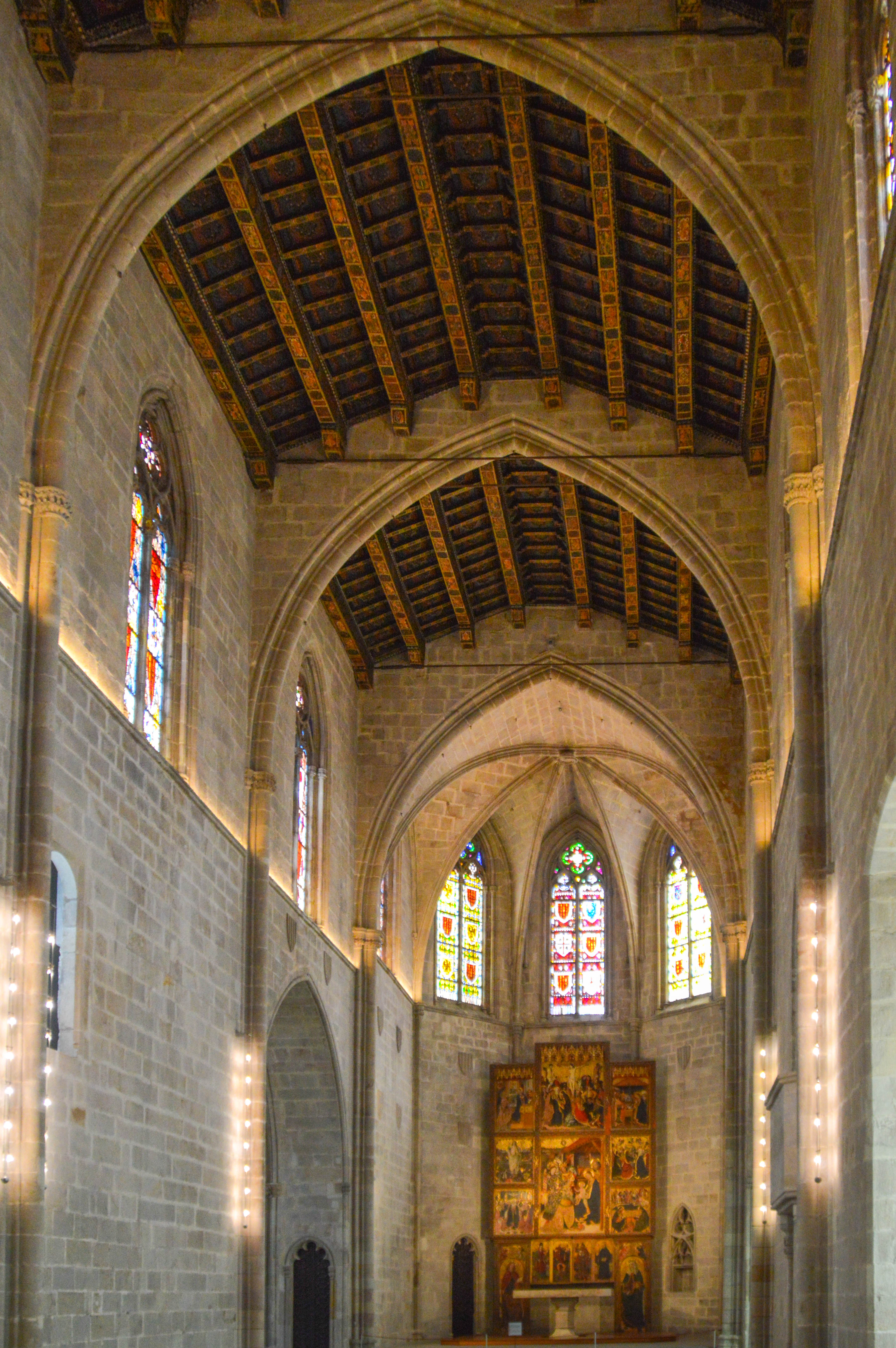
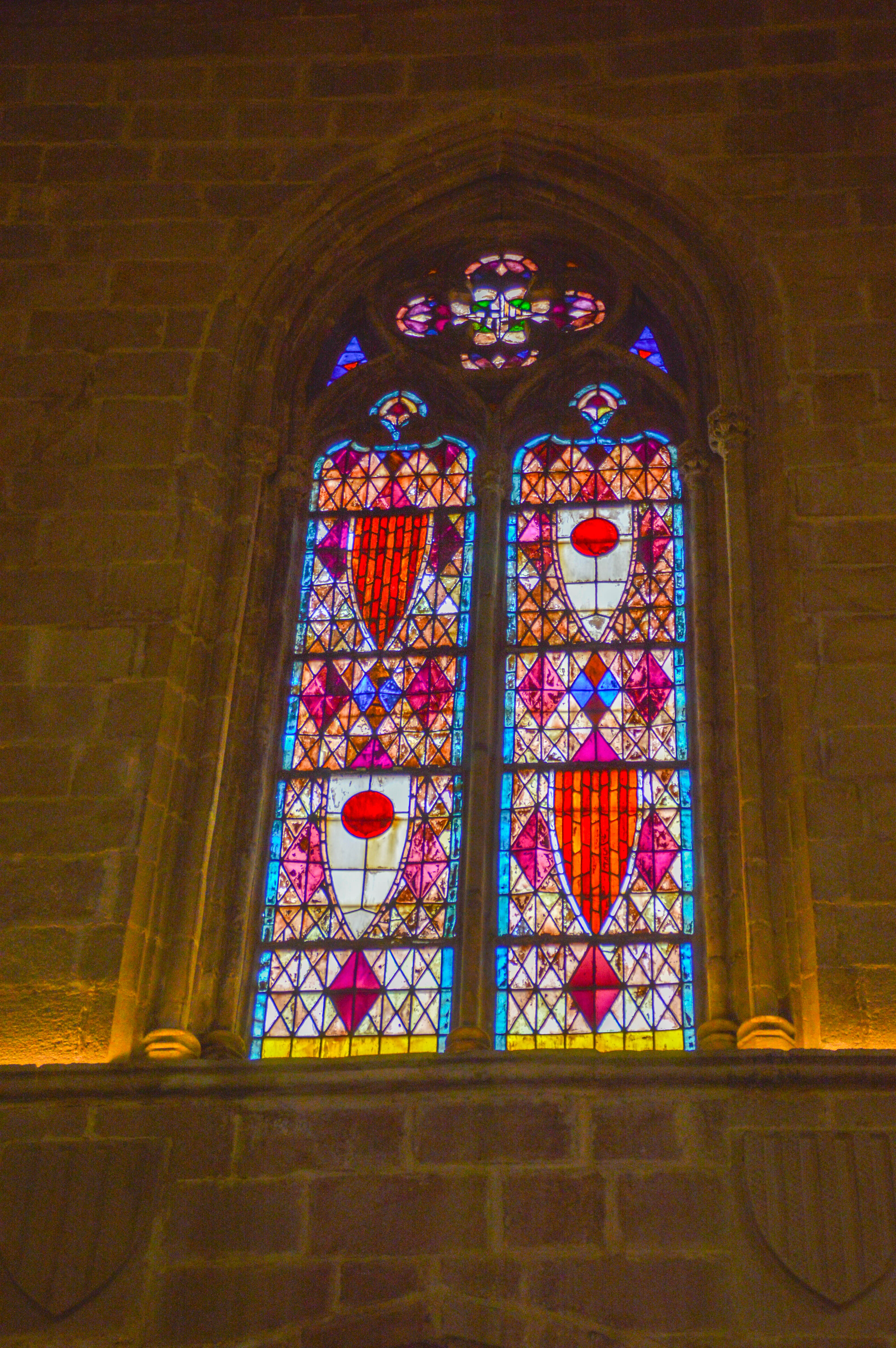
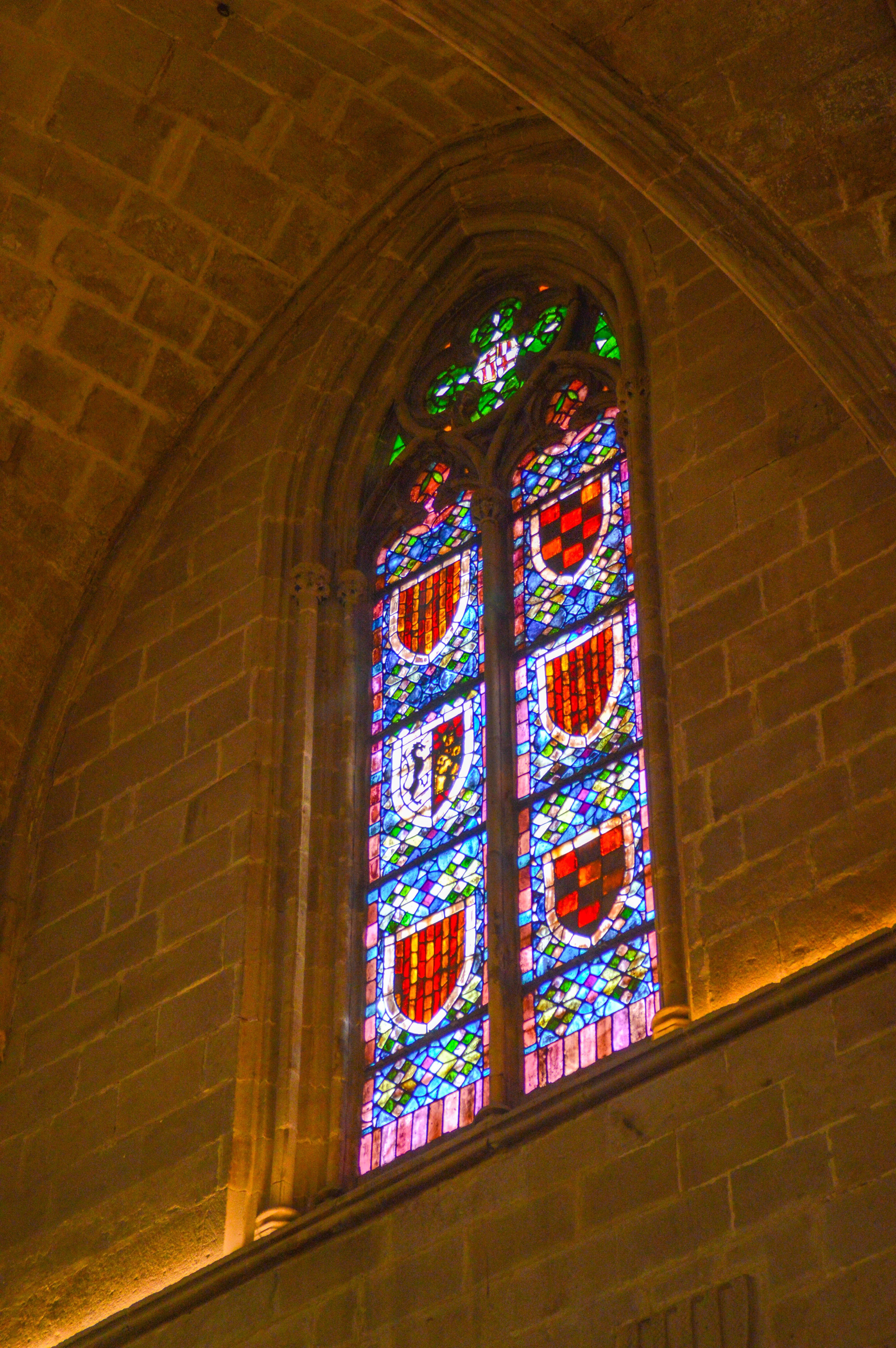
Chapel of Santa Àgata — a royal chapel from the early 14th century that contains important Gothic art, including a notable altarpiece.
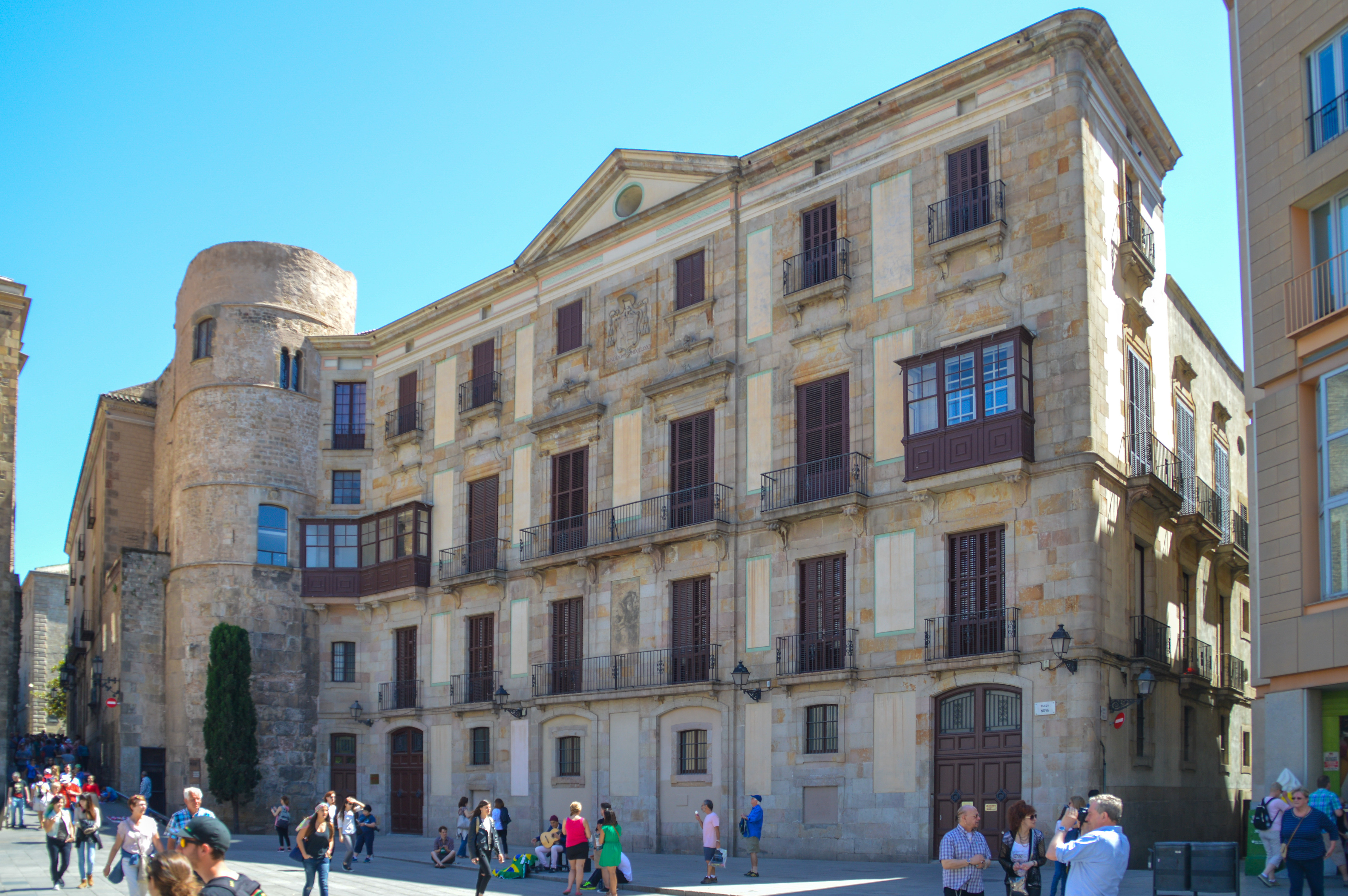
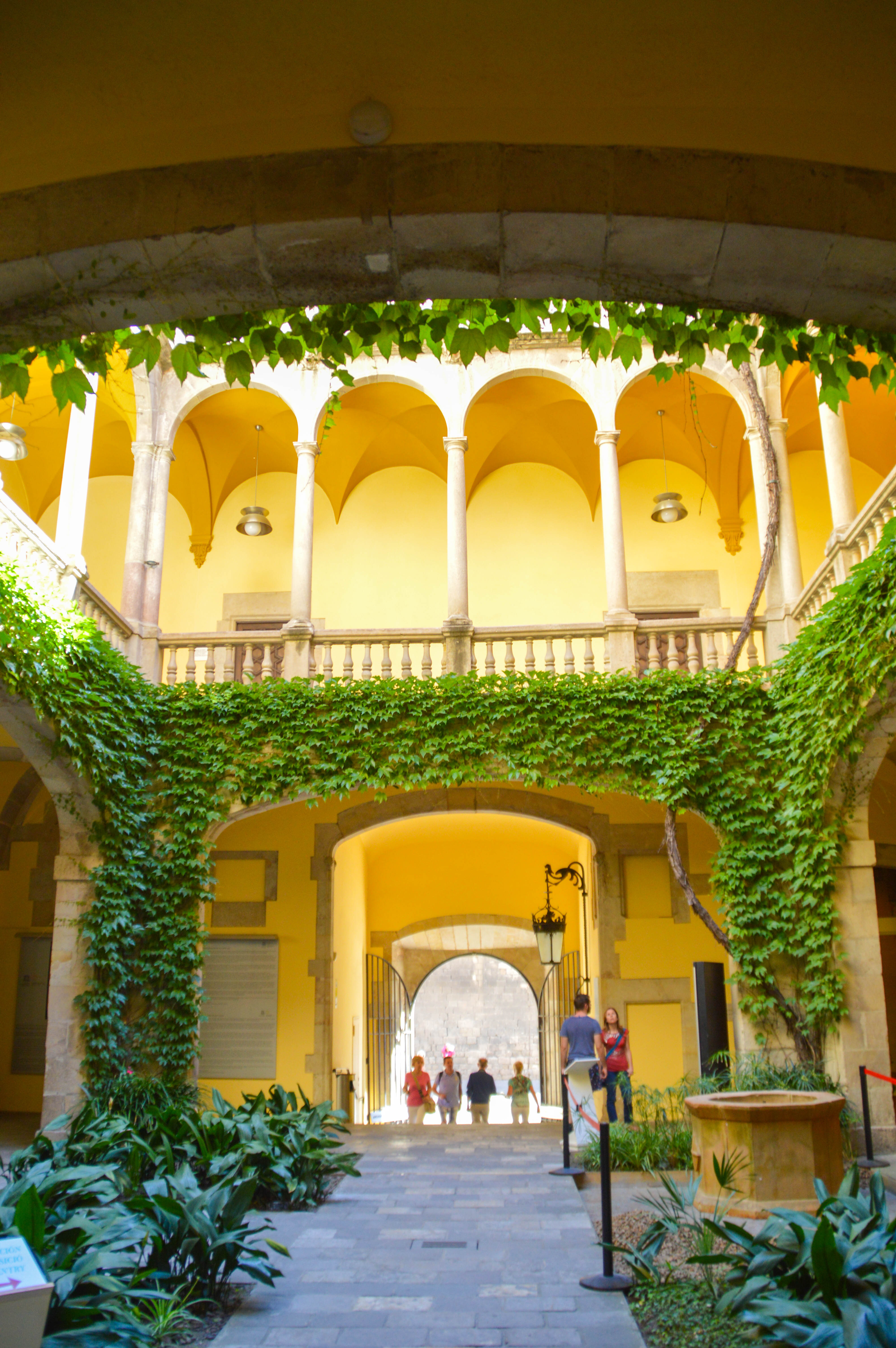
Casa Padellàs — a late Gothic palace moved to the square in the 20th century; it now houses MUHBA exhibitions about Barcelona’s urban history.
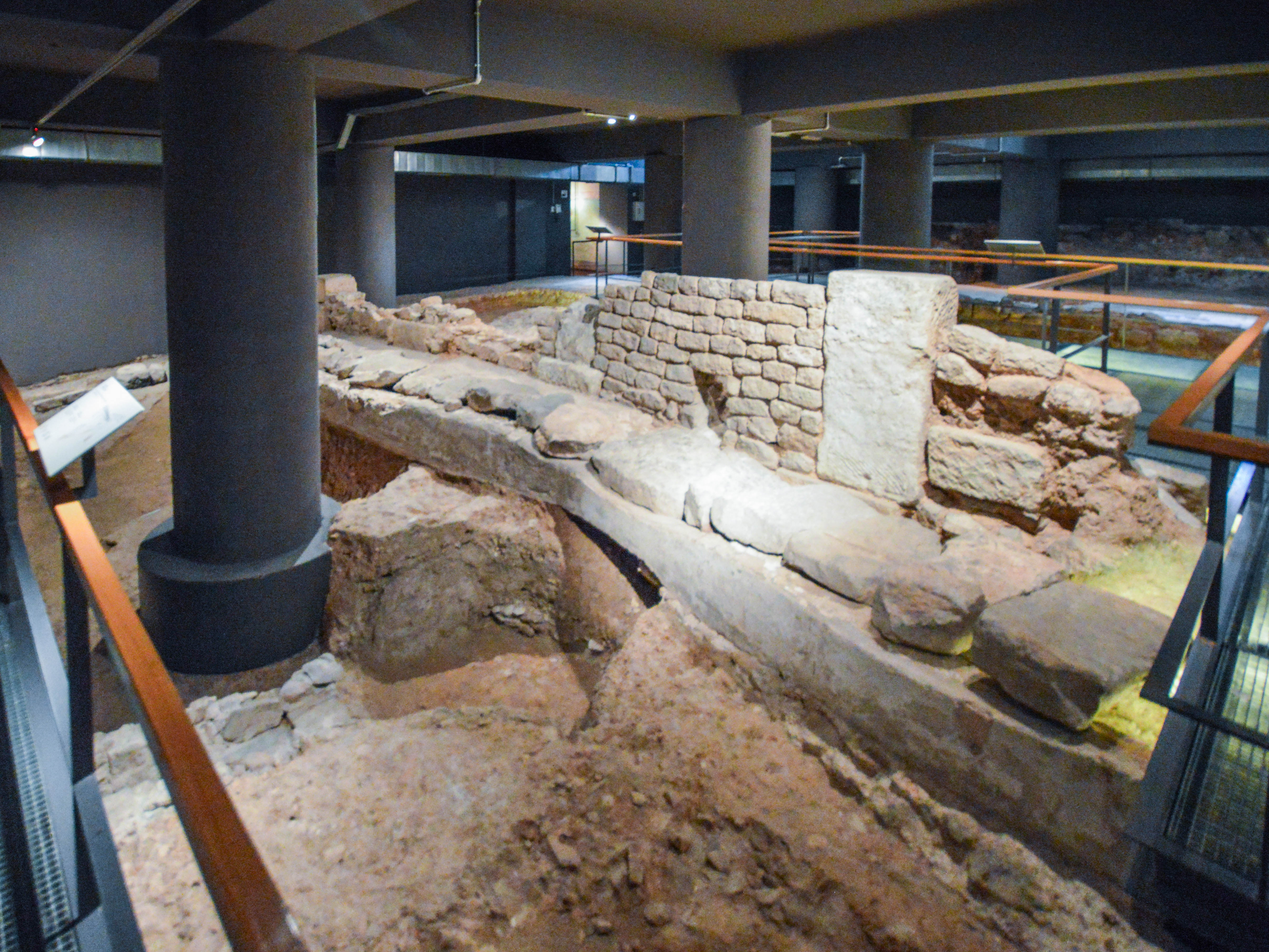
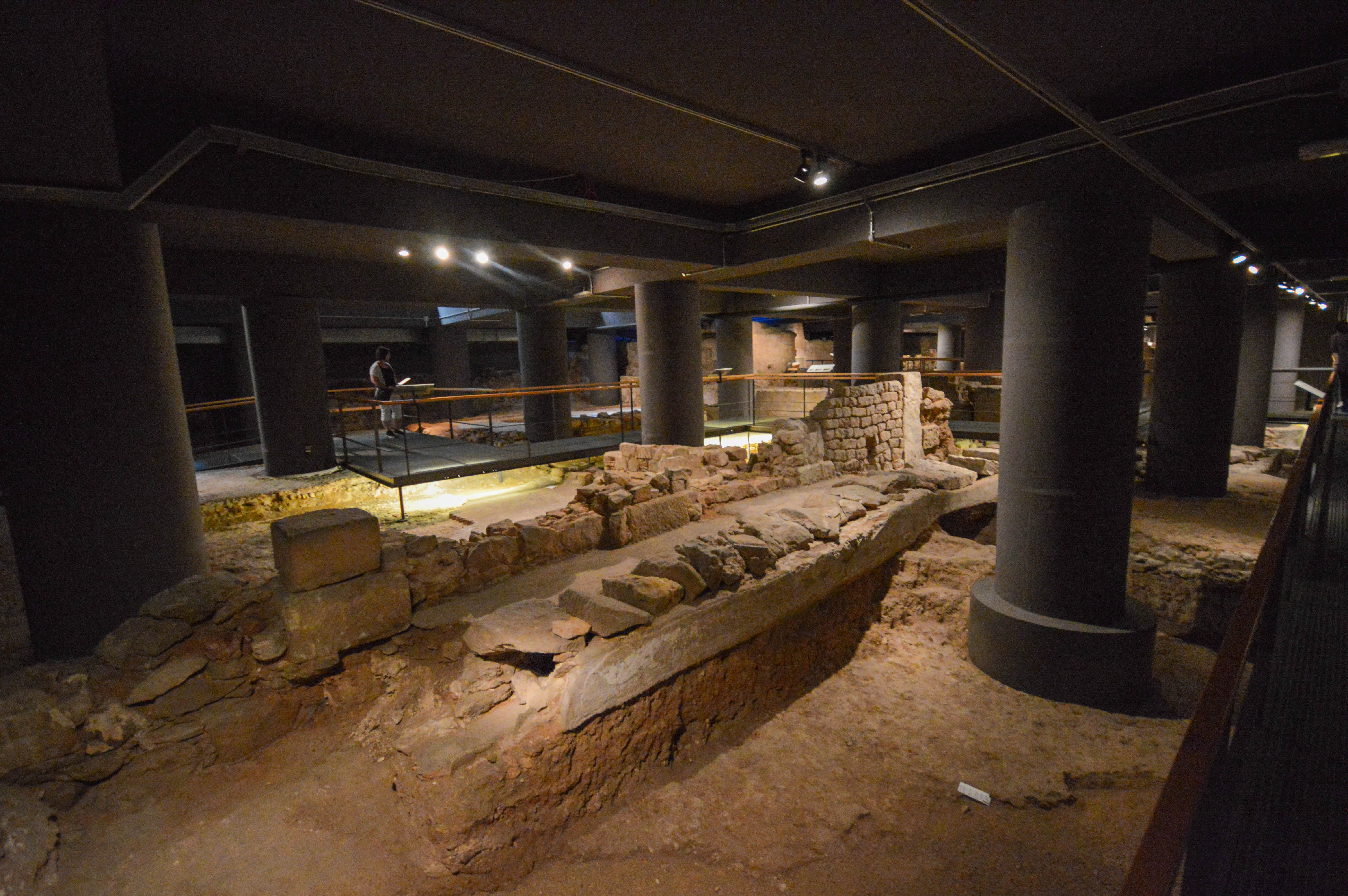
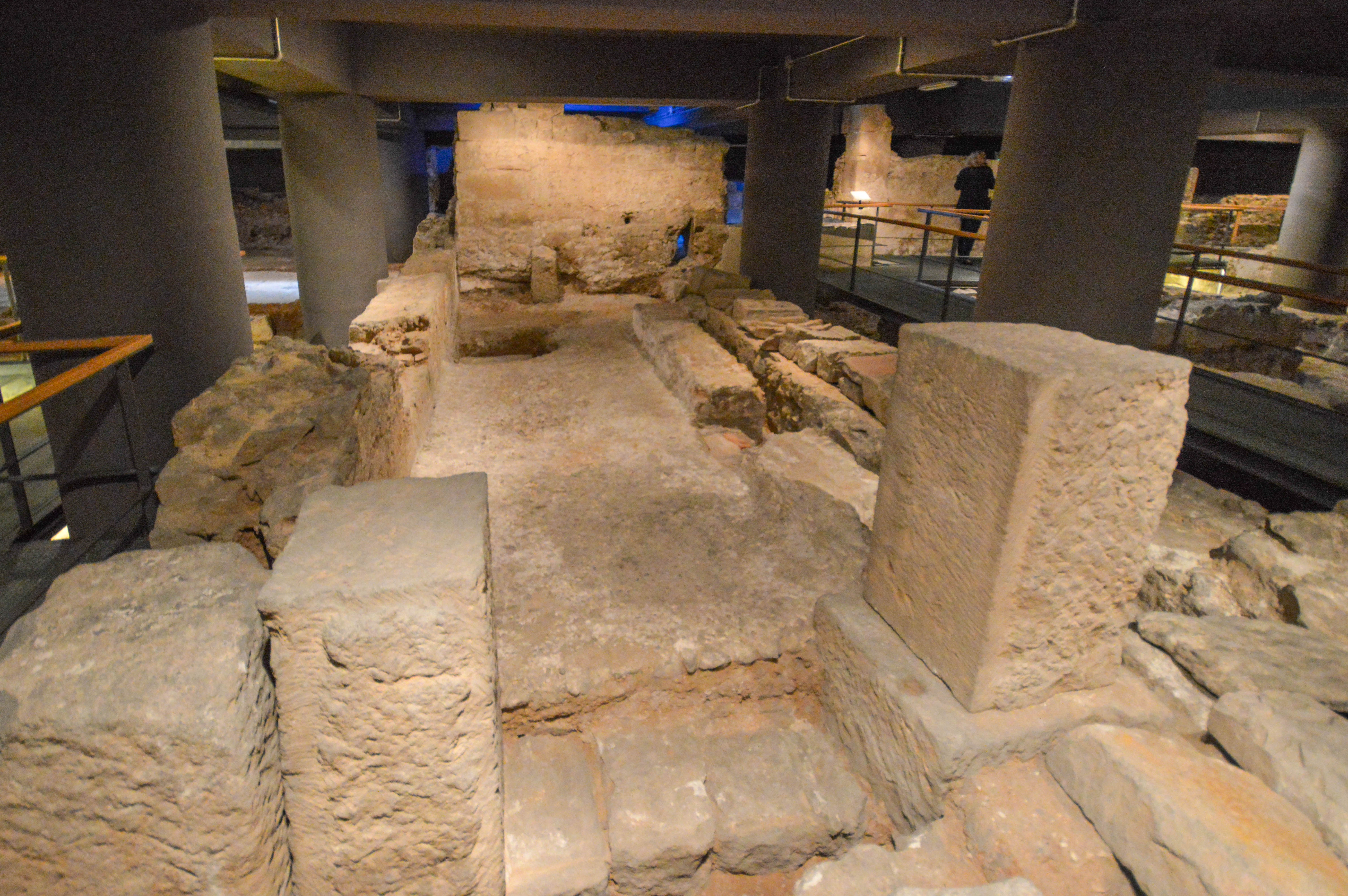
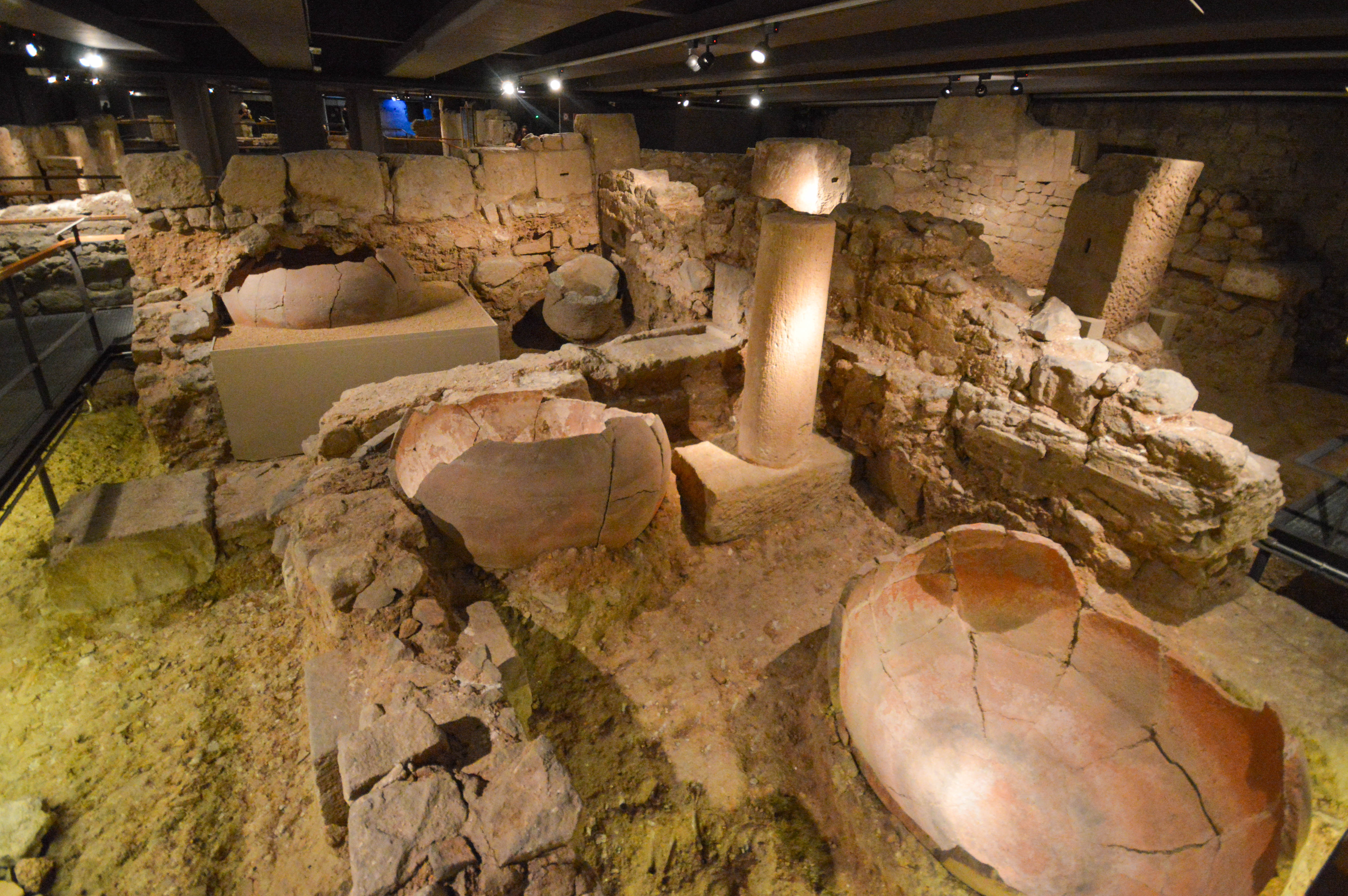
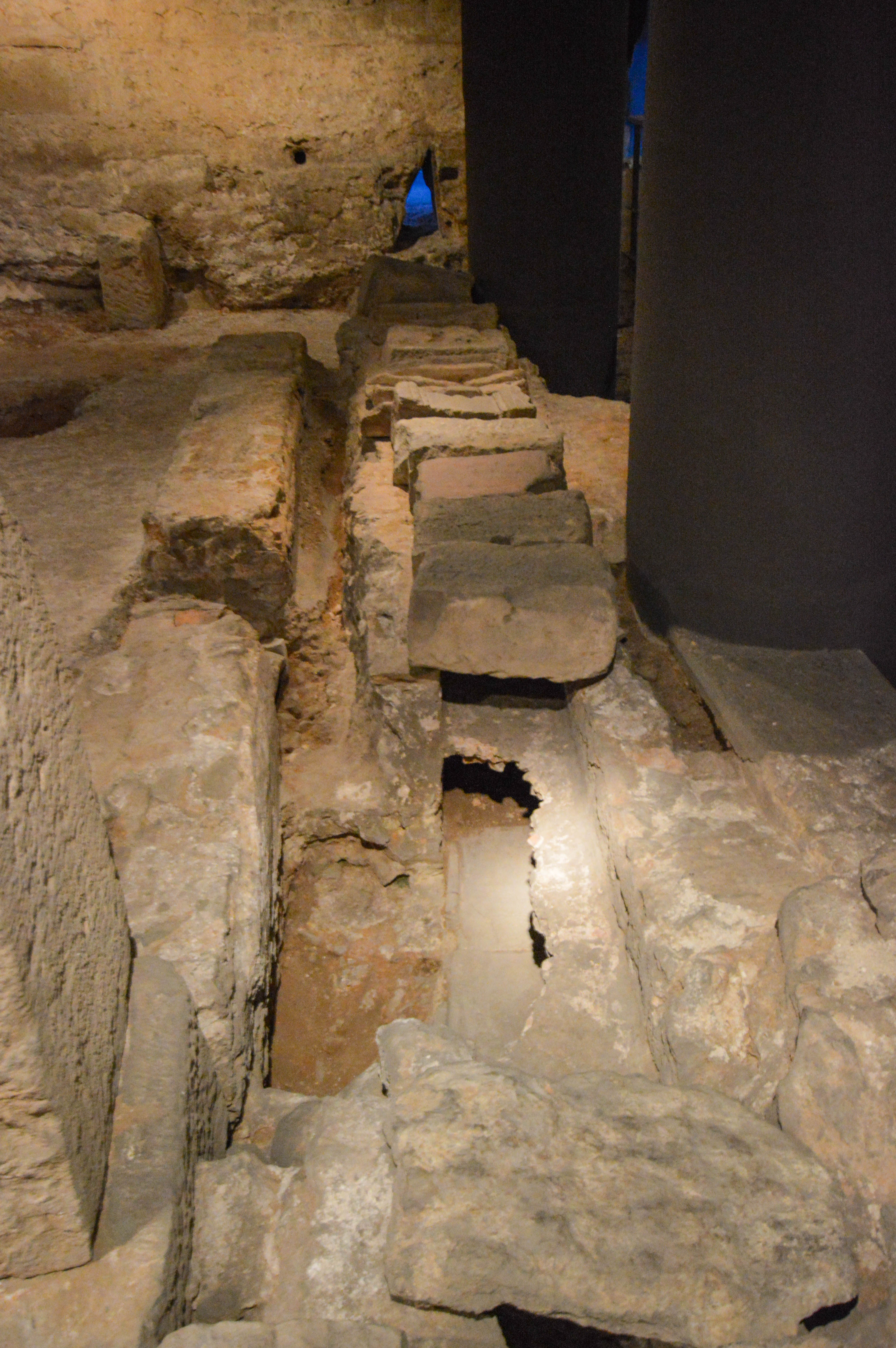
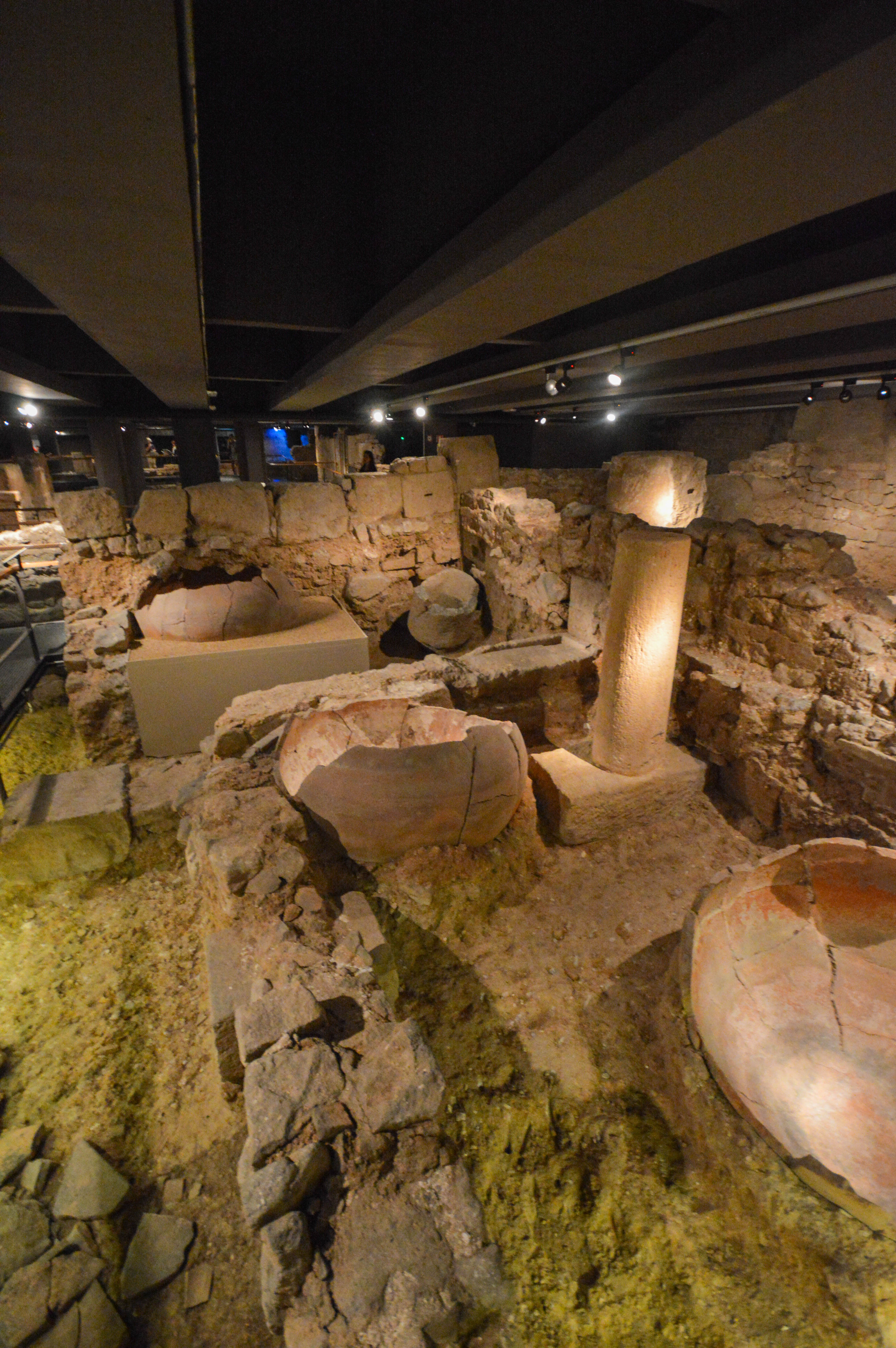
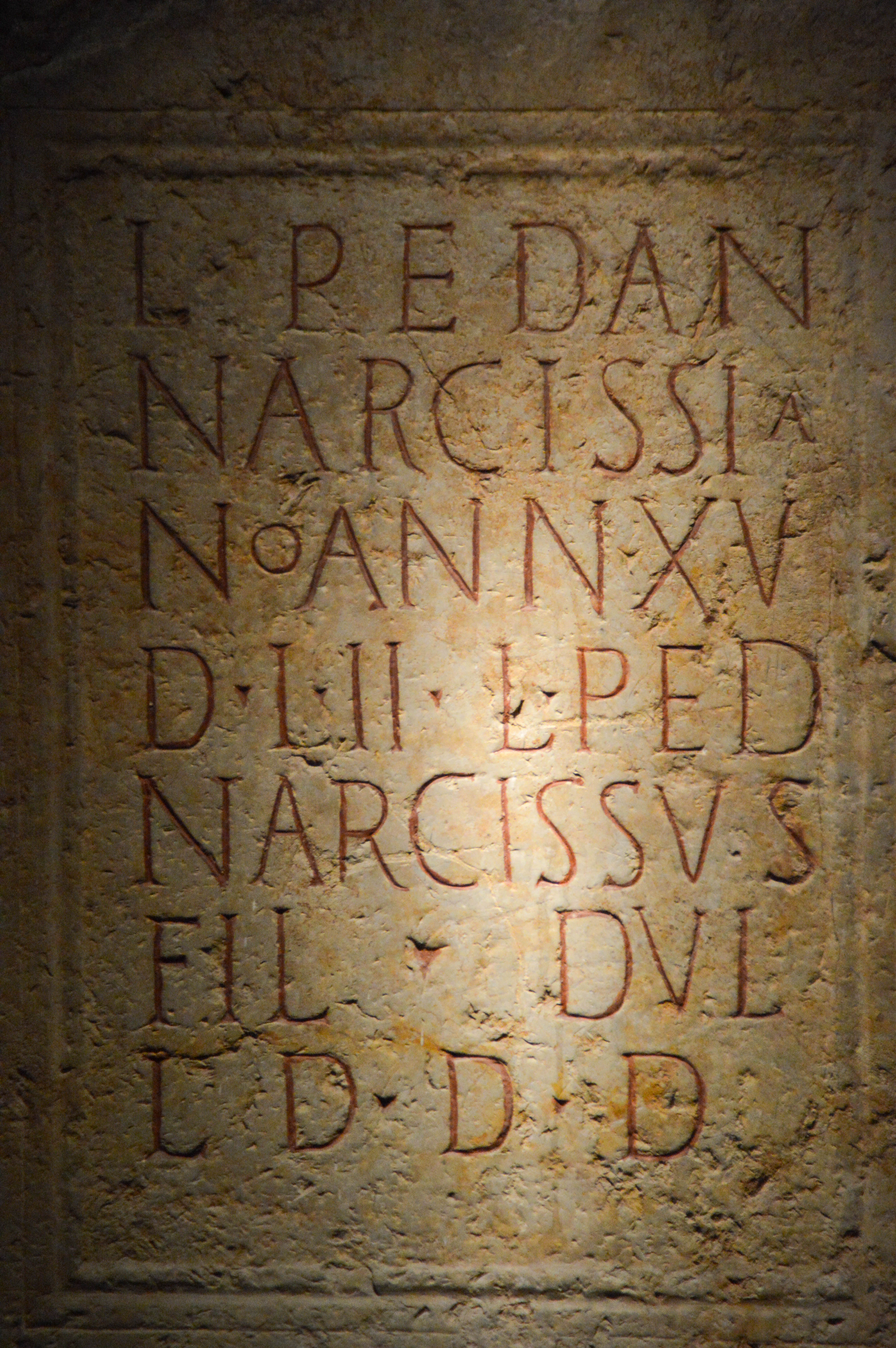
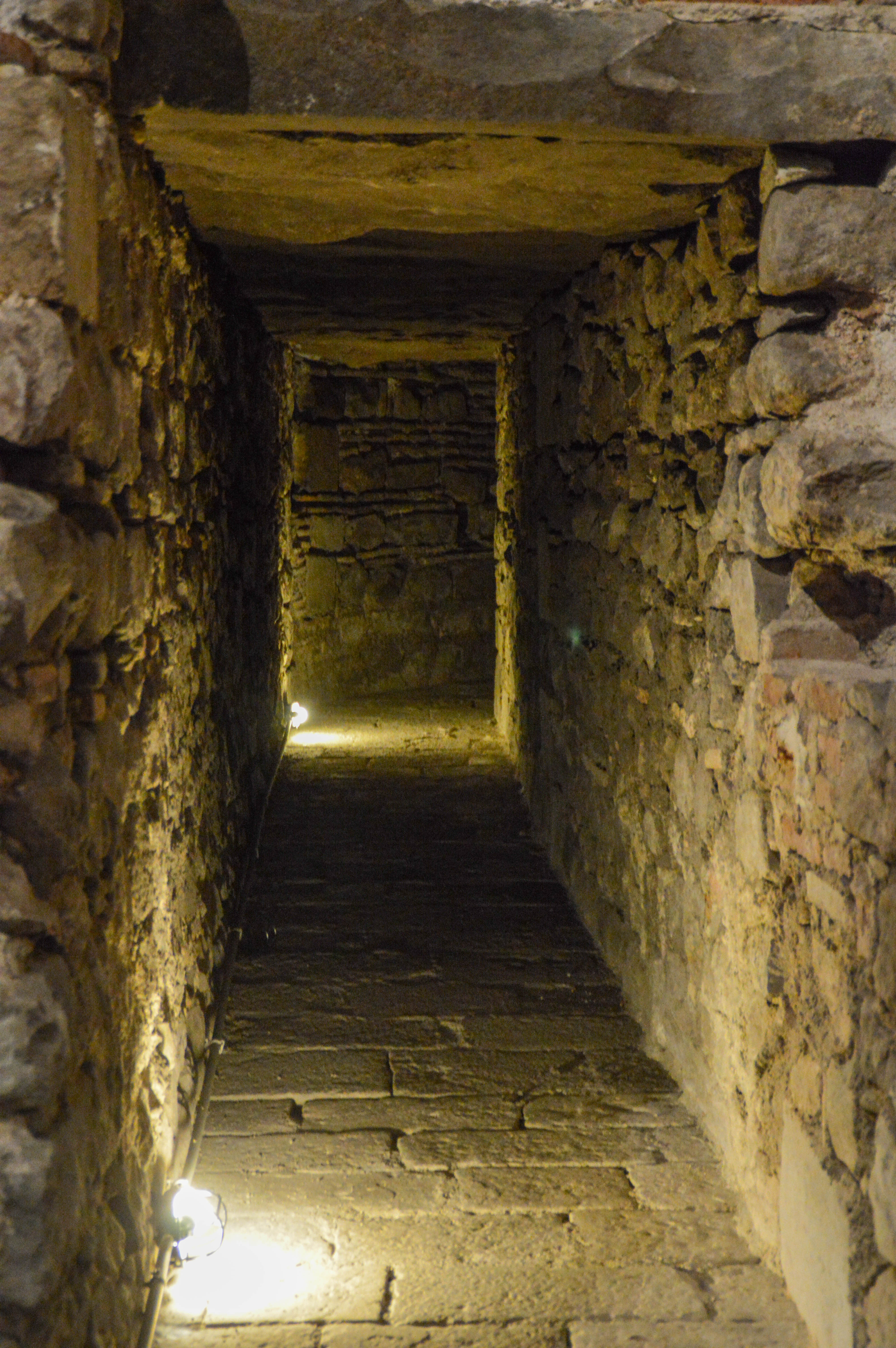
MUHBA archaeological route — subterranean remains from the 1st century BC through the early medieval period: streets, workshops, a fish-salting factory, laundries, and parts of the Roman wall. Seeing the underground Barcino is the single most distinctive experience here.
References
en.wikipedia.org
,
www.barcelona.cat
,
www.barcelona.com
,
irbarcelona.org
,
www.barcelona.cat (Placa del Rei)
, Text generated by Microsoft CoPilot
, Text generated by Mistral AI
, generated by Google's AI Image Describer