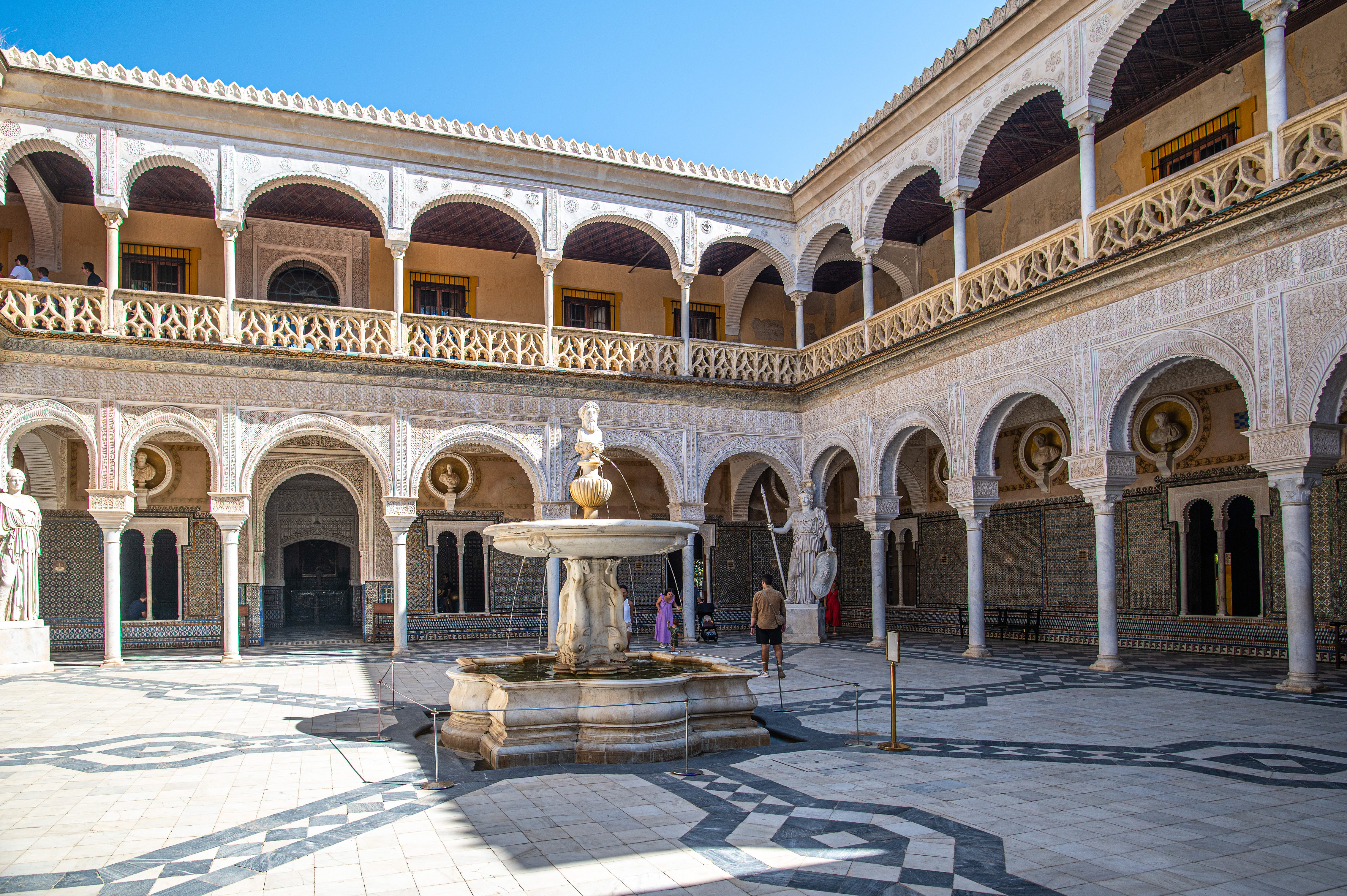
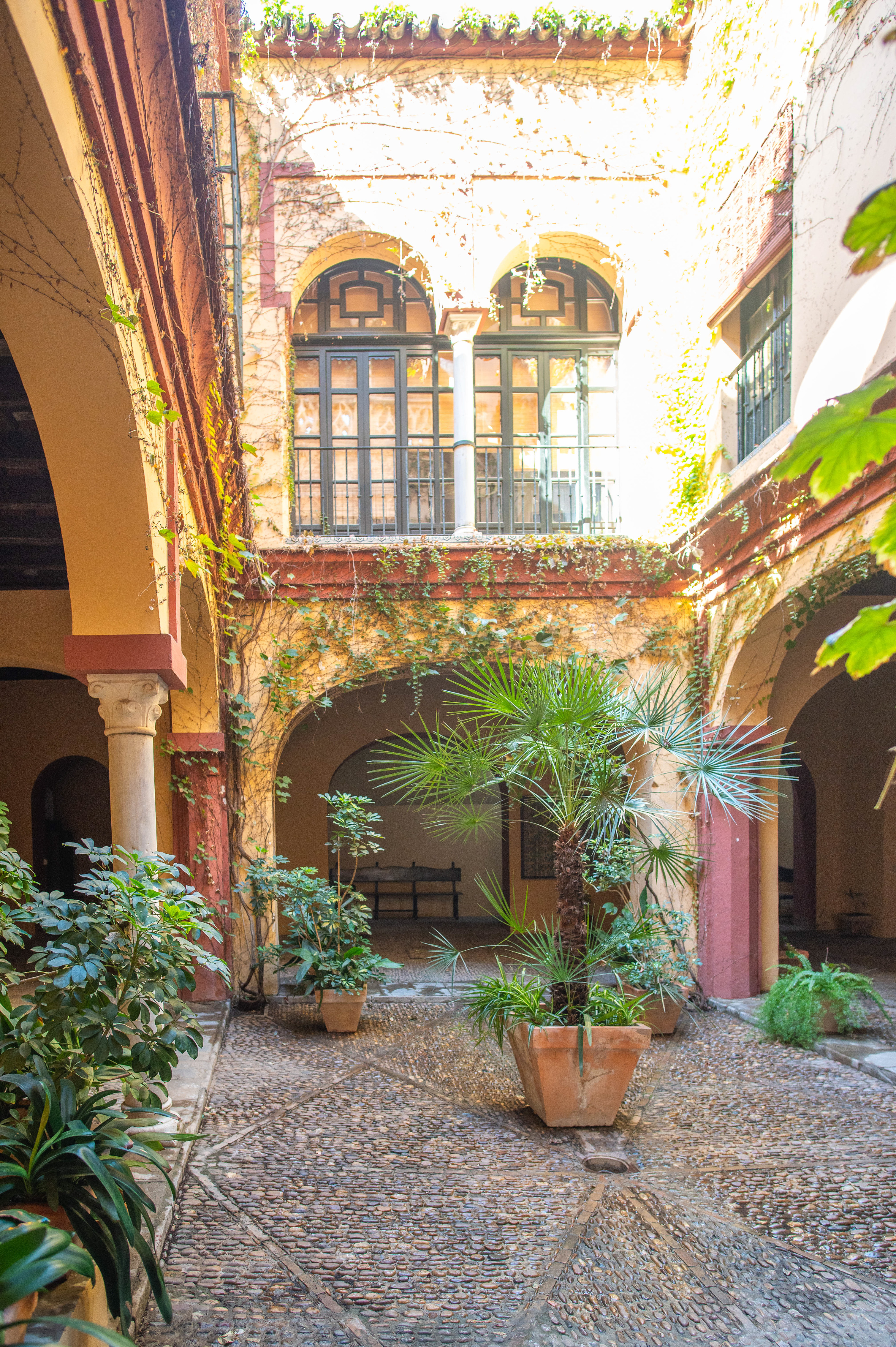
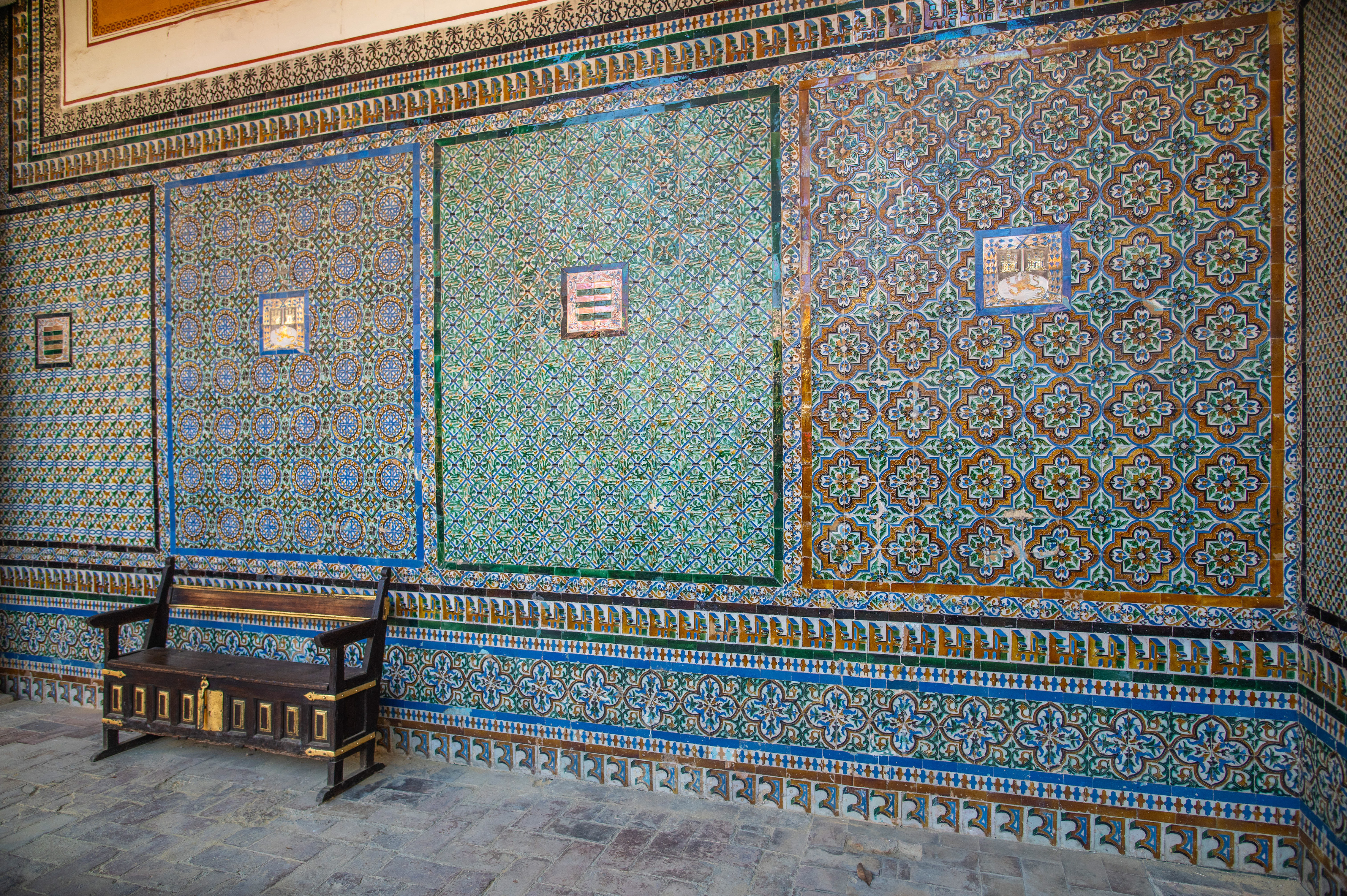
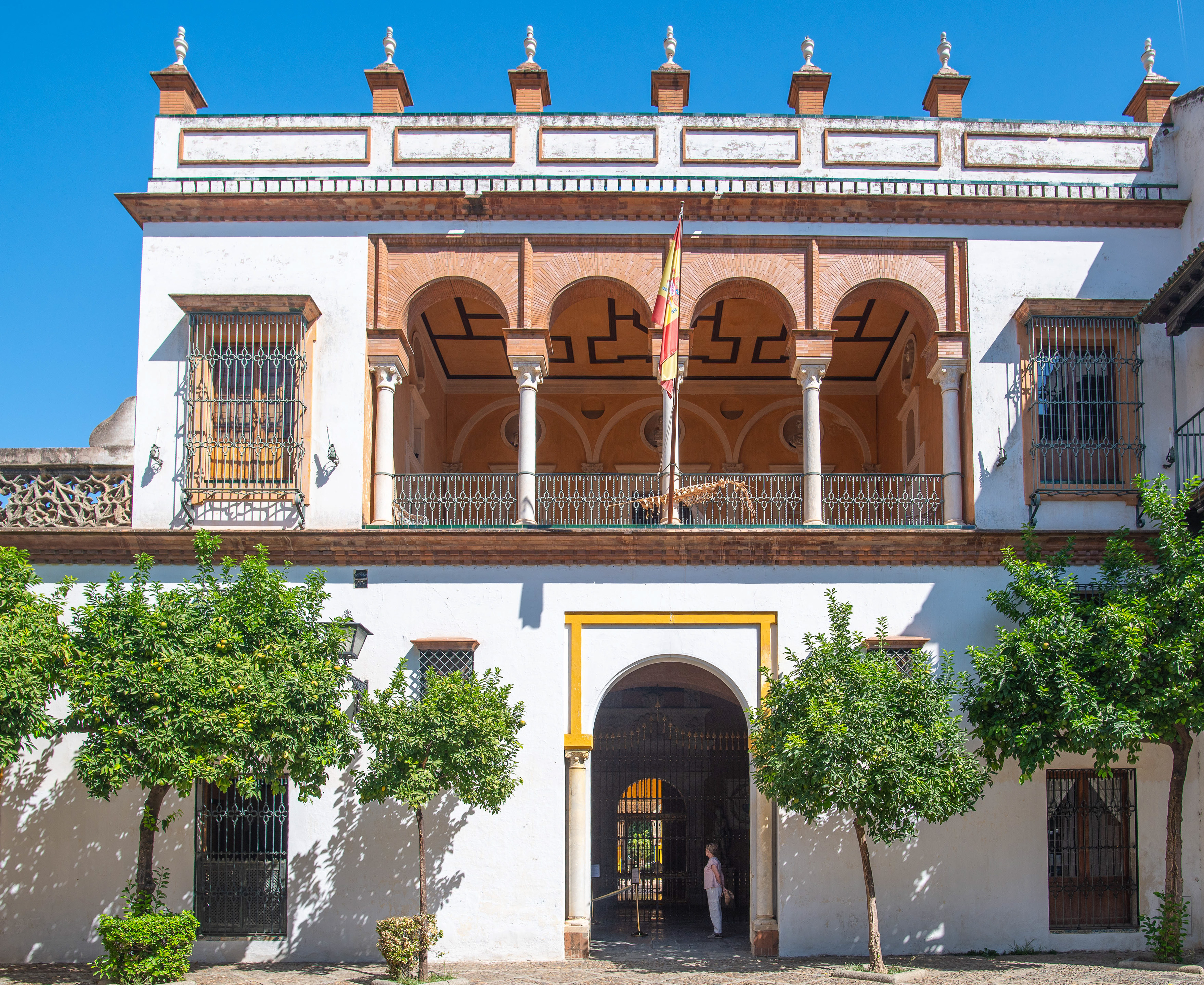
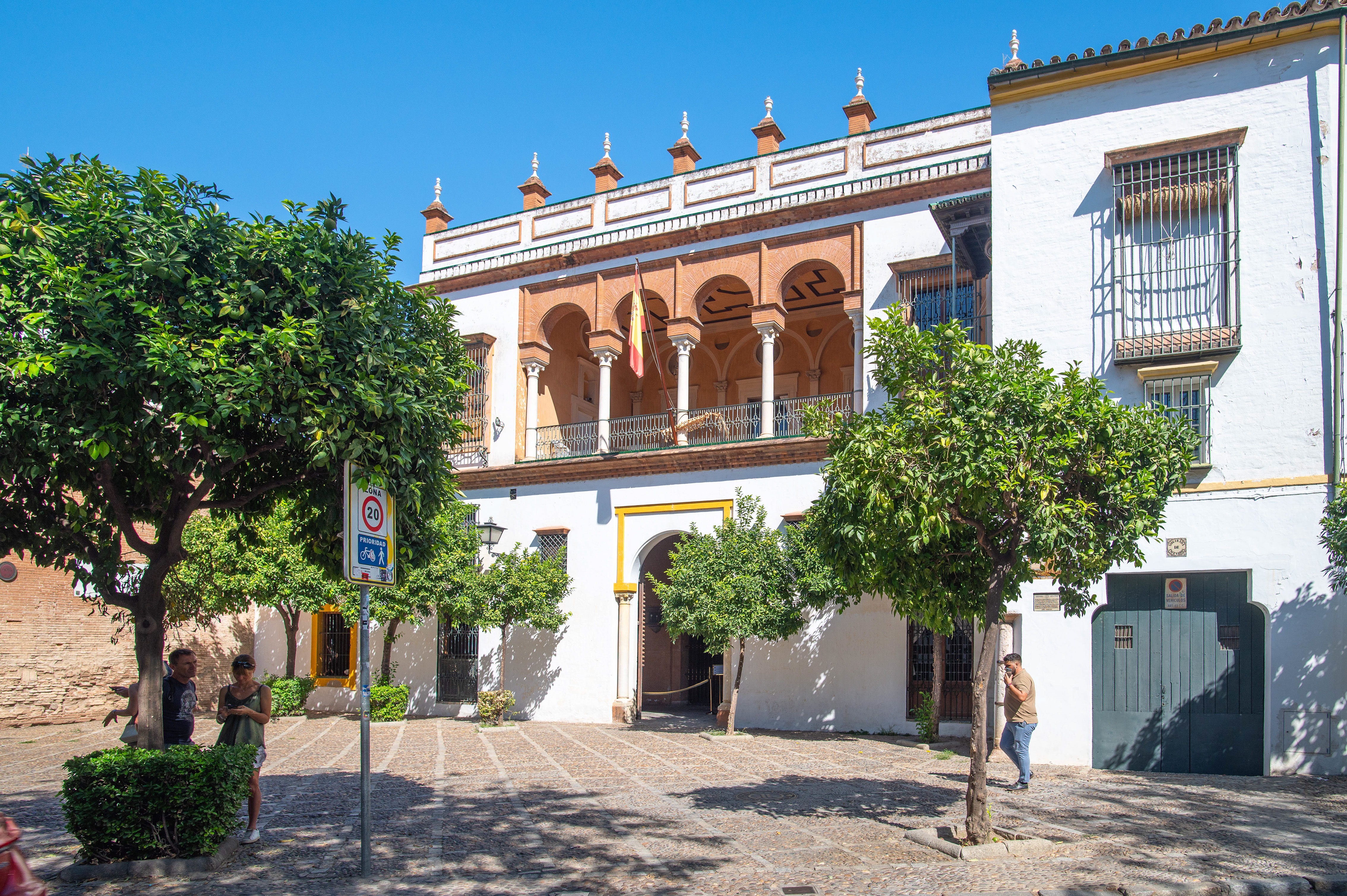
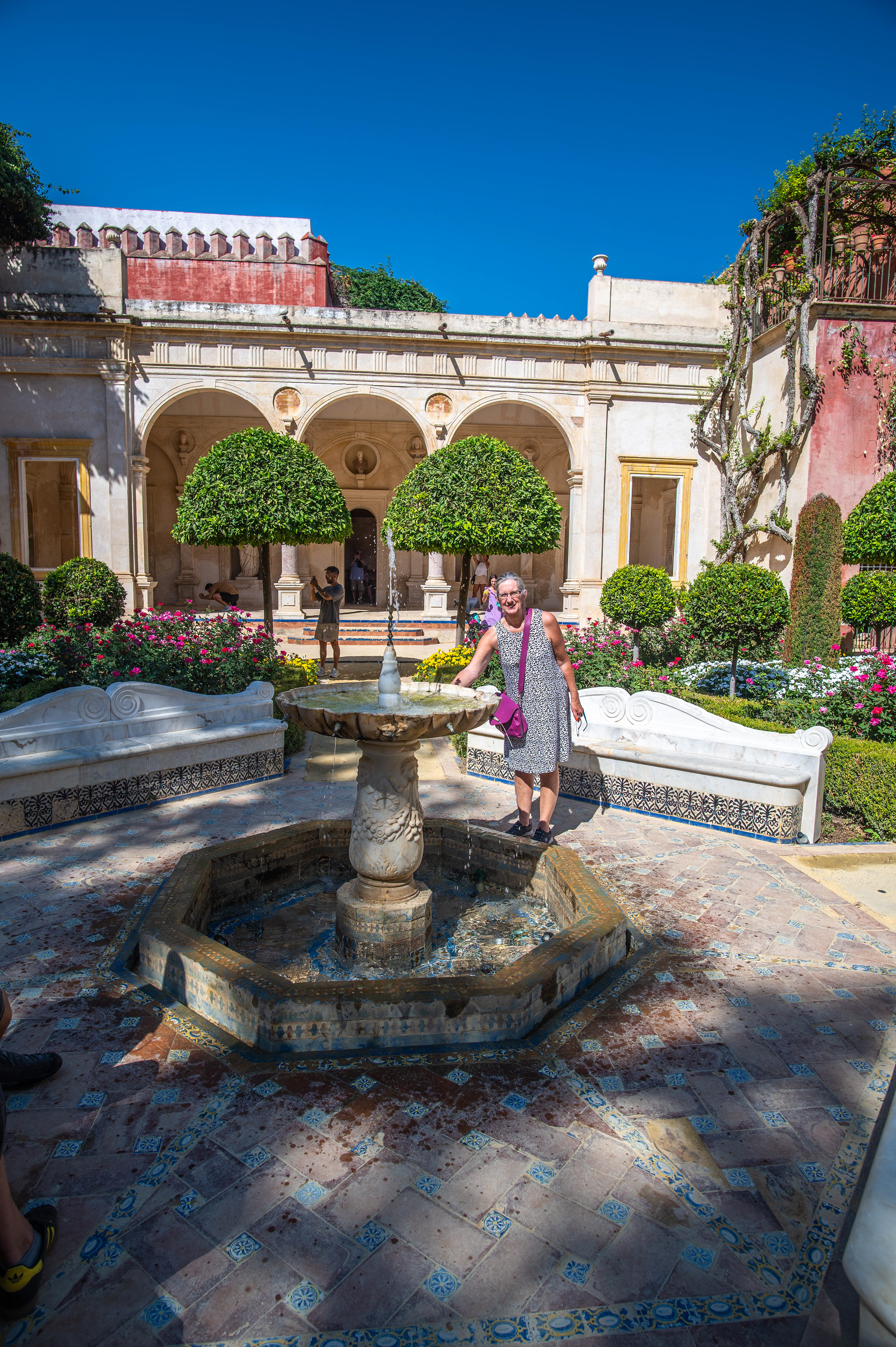
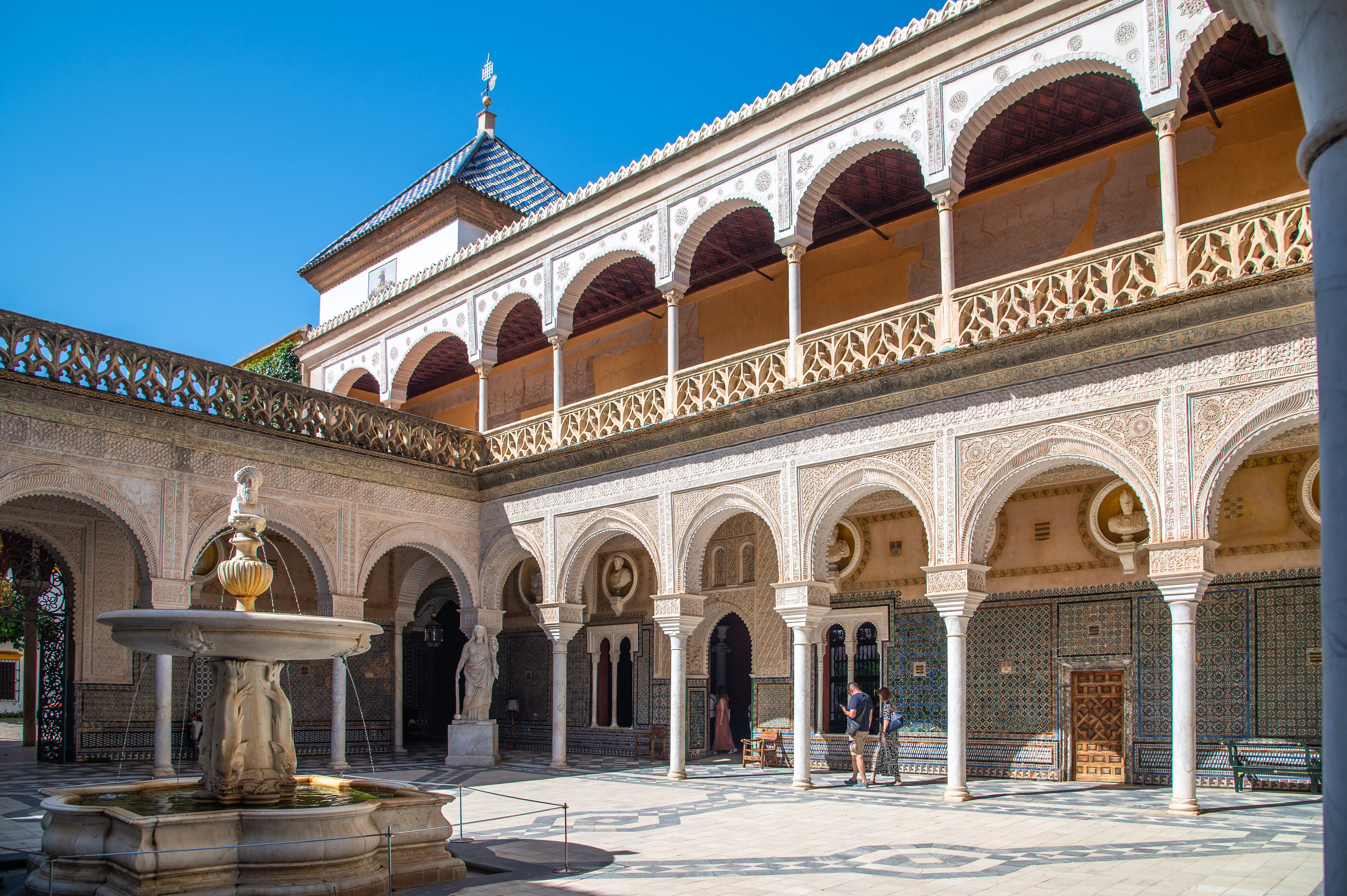

Casa de Pilatos is a 15th–16th-century Andalusian palace in Seville commonly called “Pilate’s House,” famed for its mix of Gothic, Mudéjar and Italian Renaissance styles, an exceptional early-modern azulejo collection, and its continued ownership by the Dukes of Medinaceli.
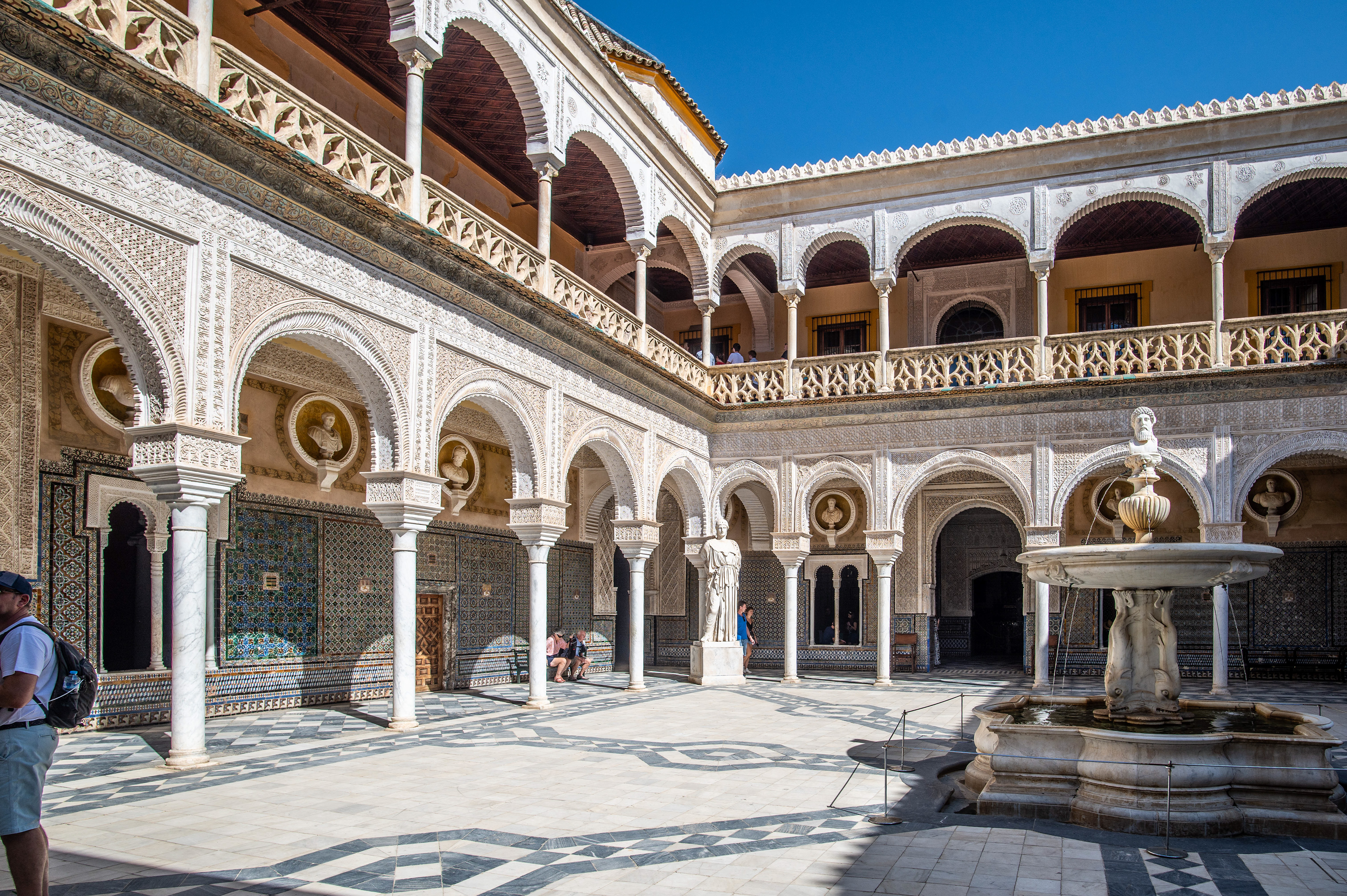
Casa de Pilatos (Pilate’s House) sits in Seville’s historic centre near the Alcázar and the Cathedral. It began as a late-Medieval palace and was substantially rebuilt and ornamented during the 16th century, becoming a prototype of the Andalusian civil palace.
History
Construction began in 1483 under Pedro Enríquez de Quiñones and continued through the 16th century under the Enríquez de Ribera family. The popular name “Casa de Pilatos” comes from Don Fadrique’s 1519 pilgrimage to Jerusalem and the establishment of a local Vía Crucis that linked the palace to the Passion narrative; rooms were later named after Passion episodes. The palace was declared a National Monument in 1931.
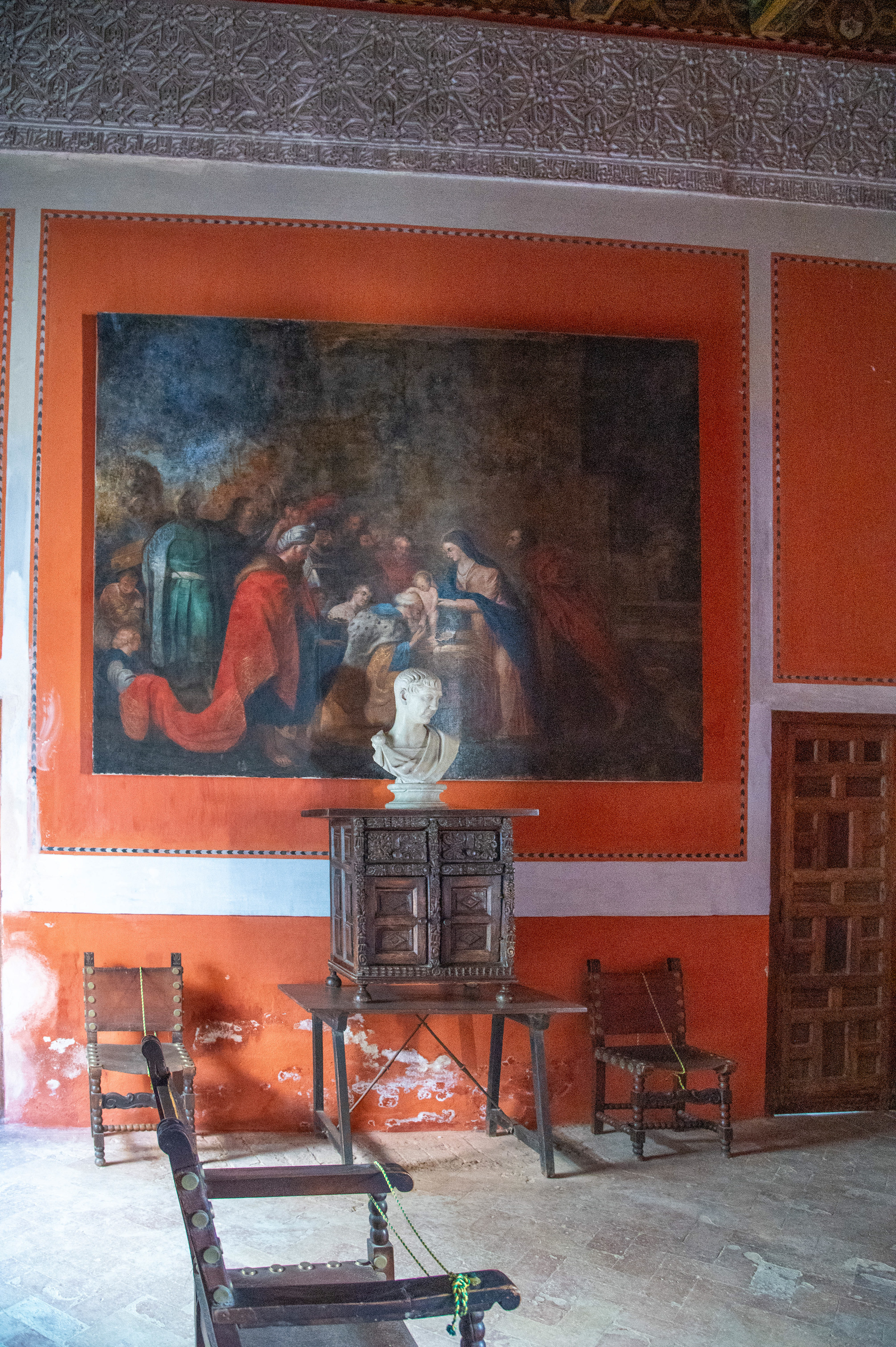
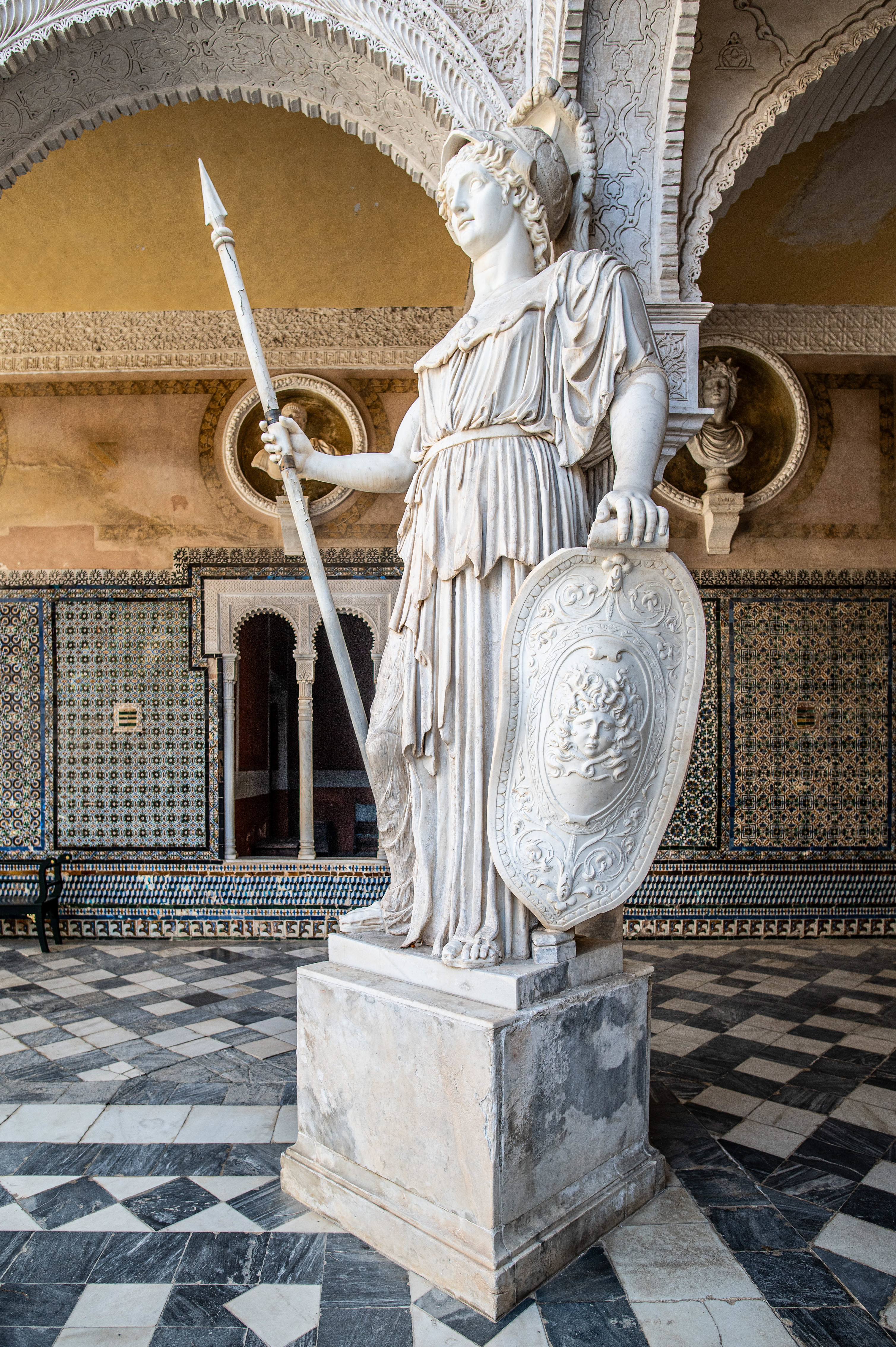
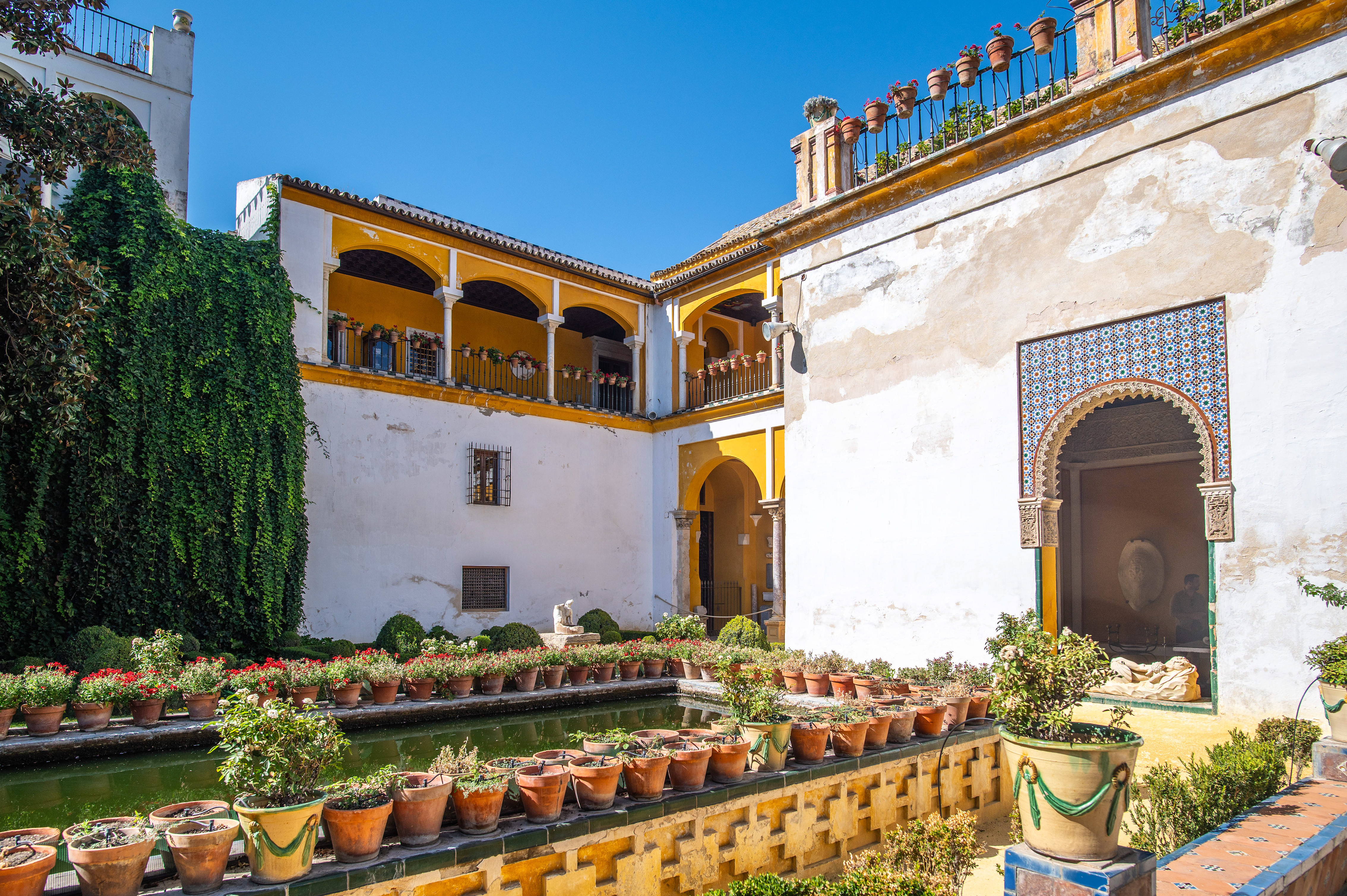
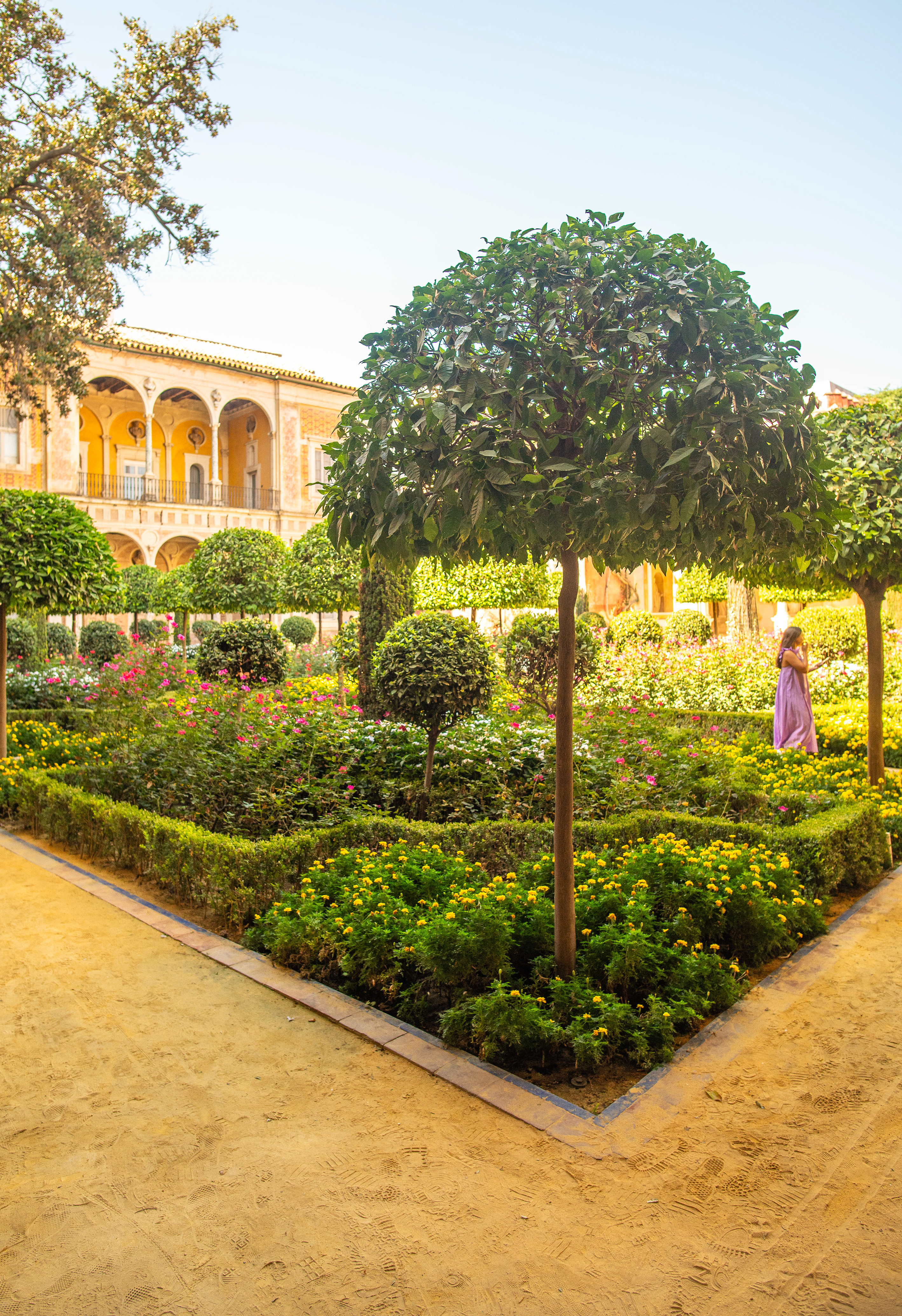
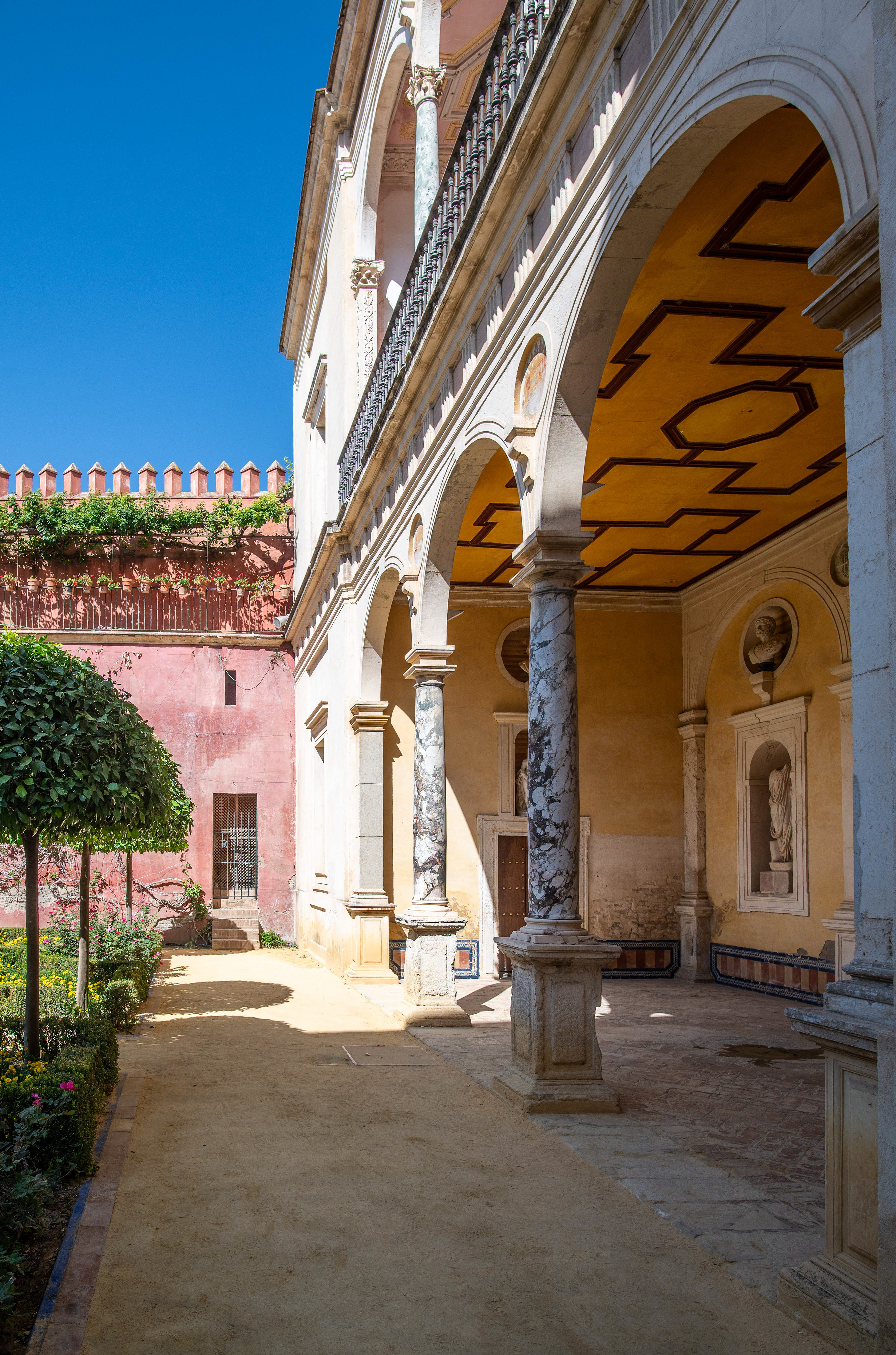
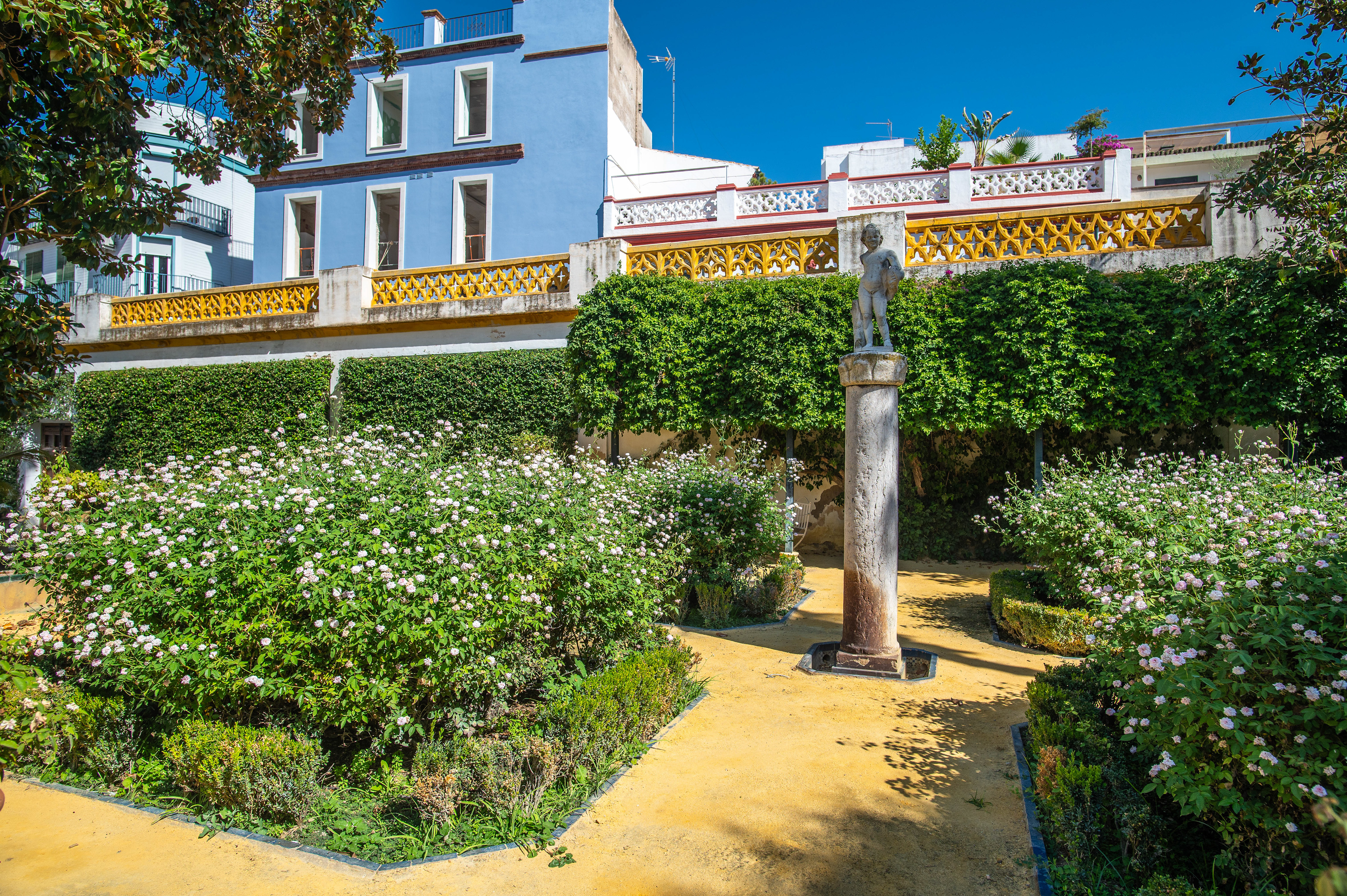
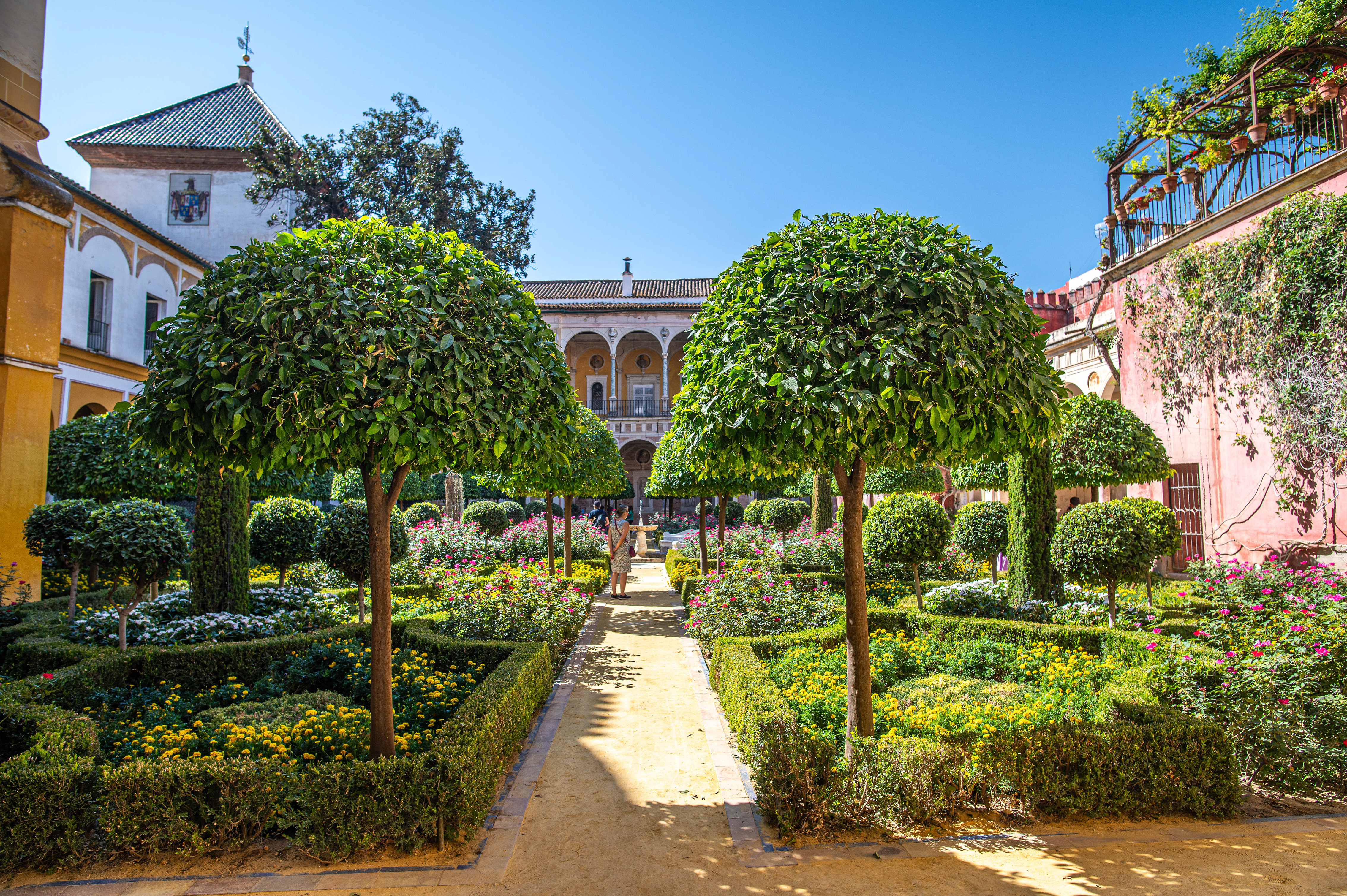
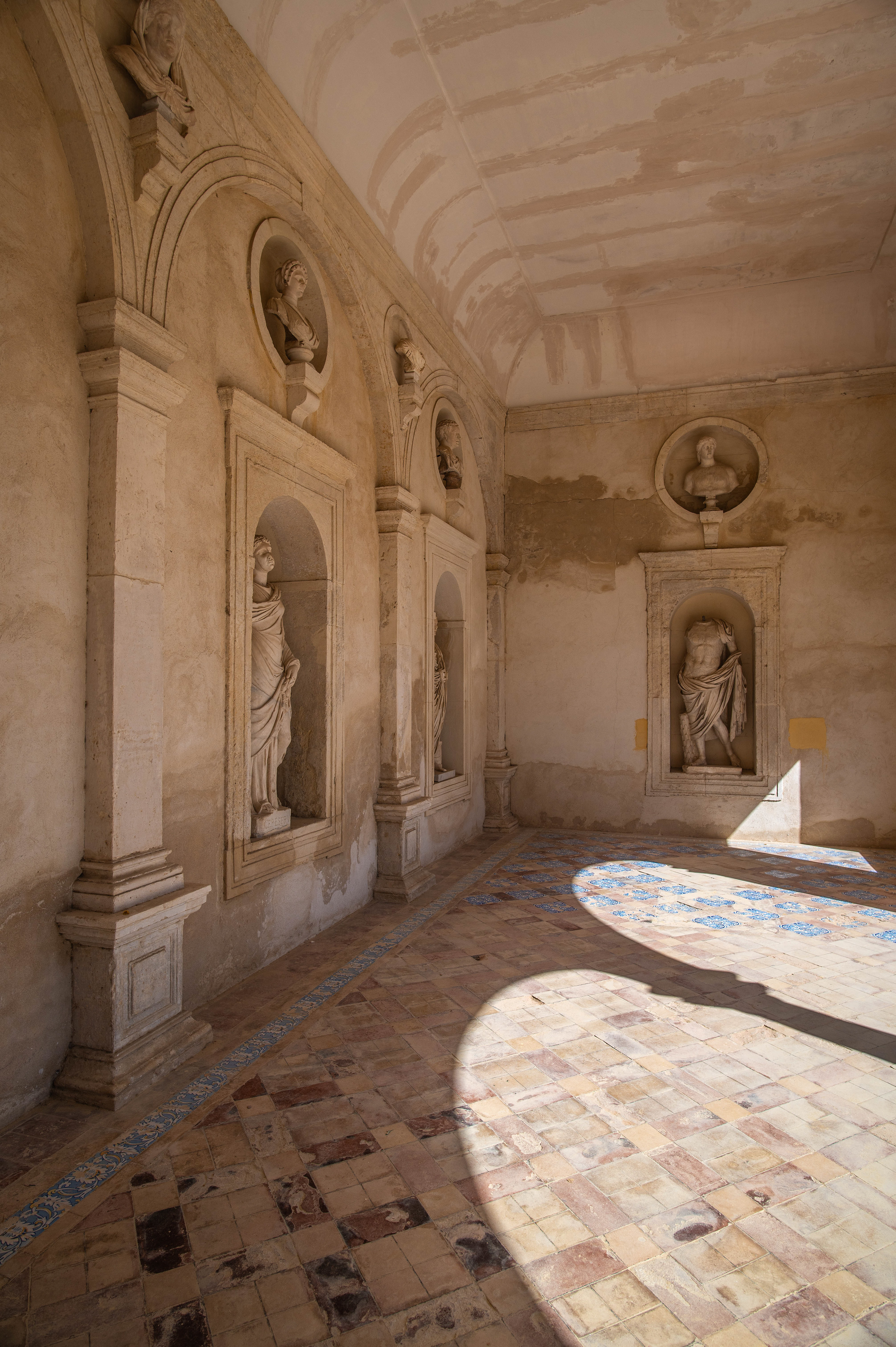
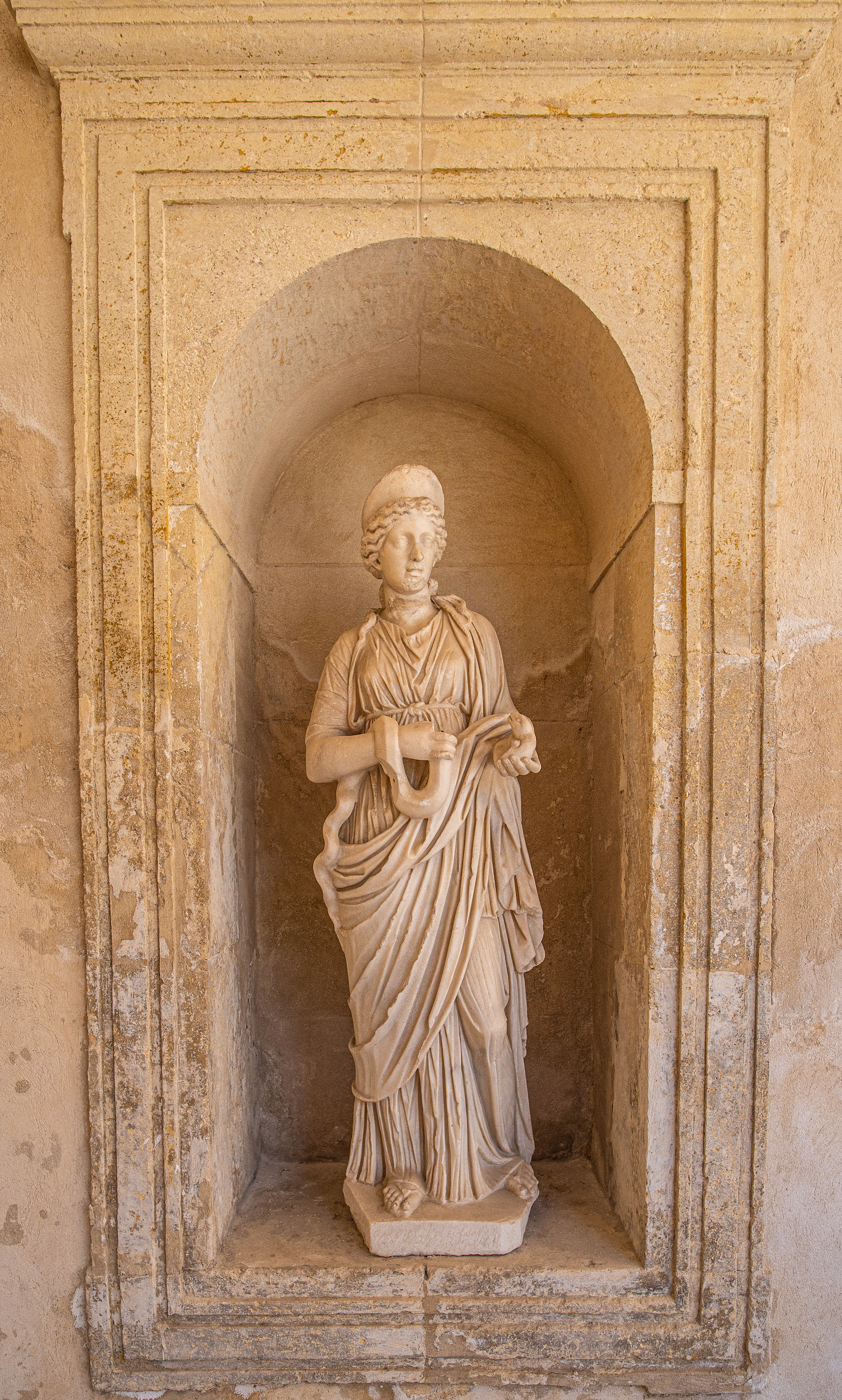
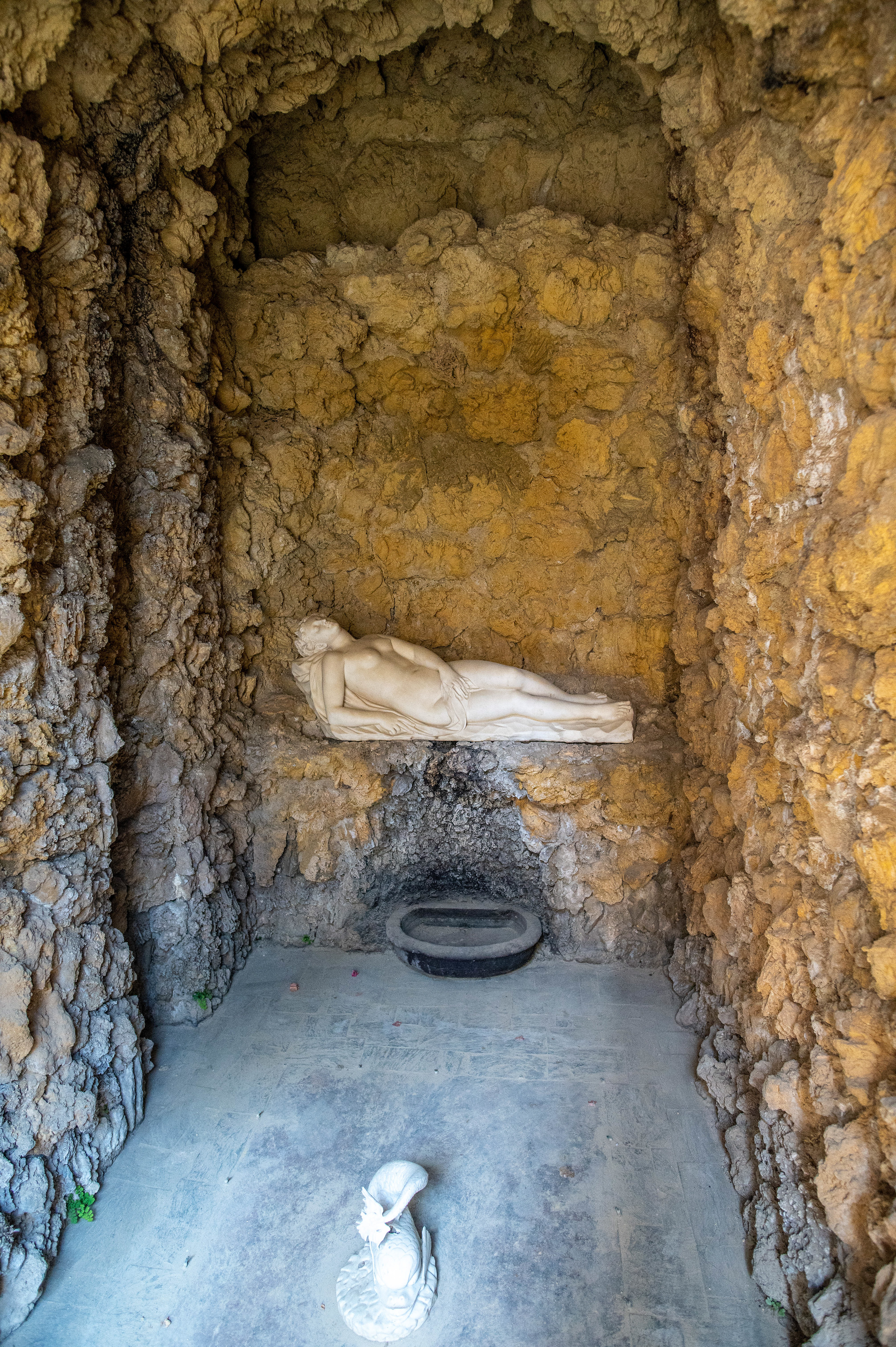
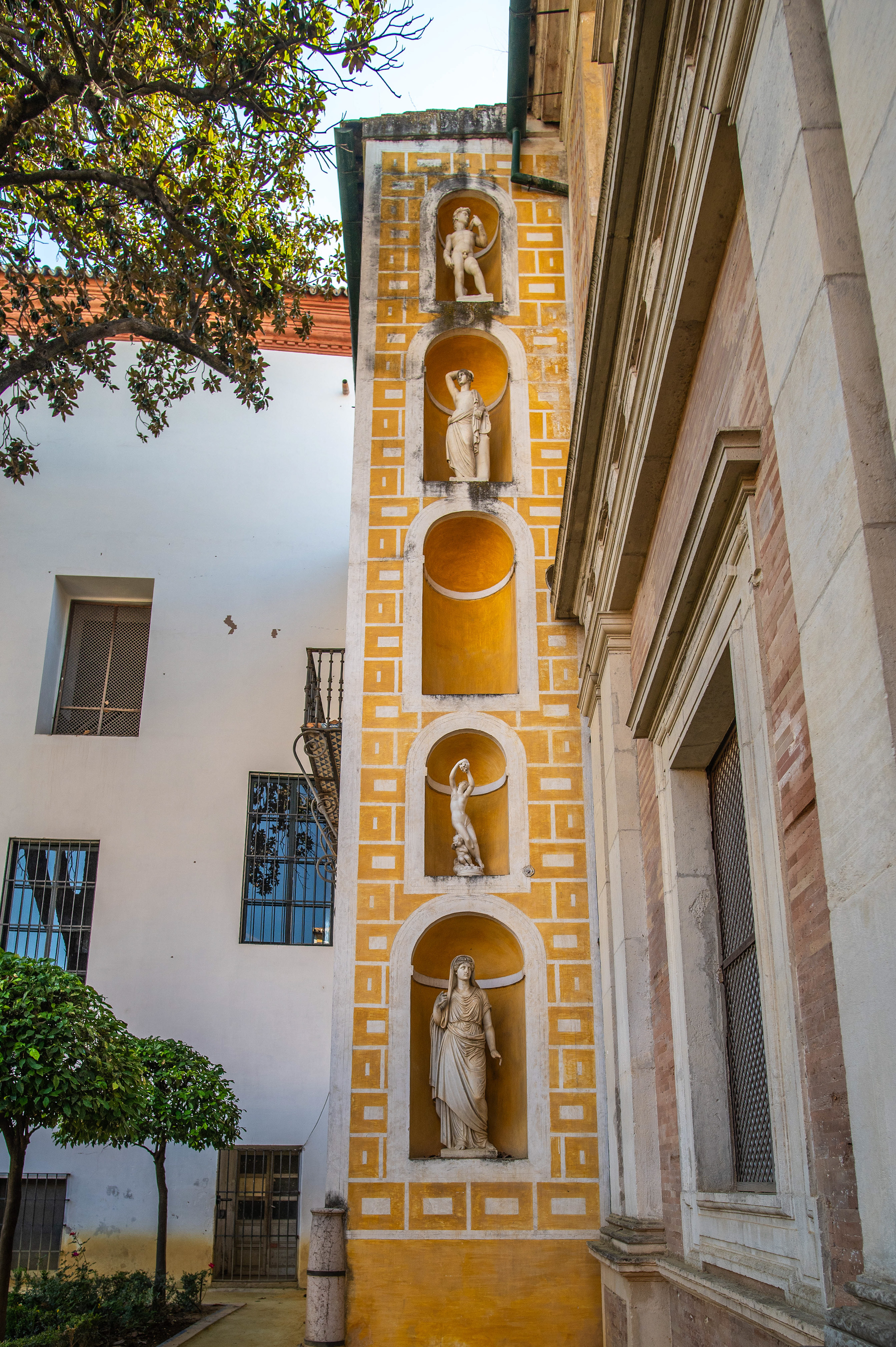
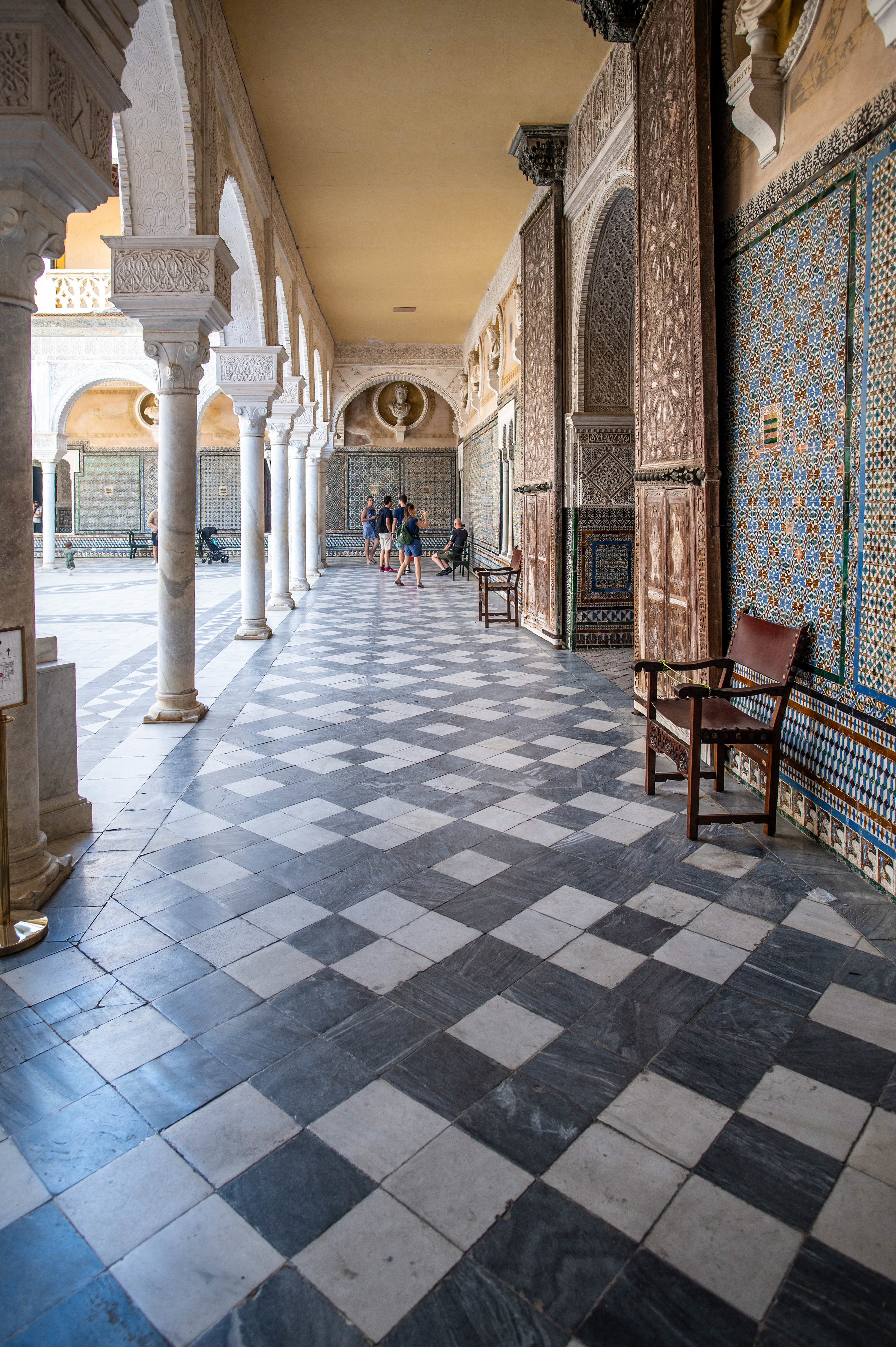
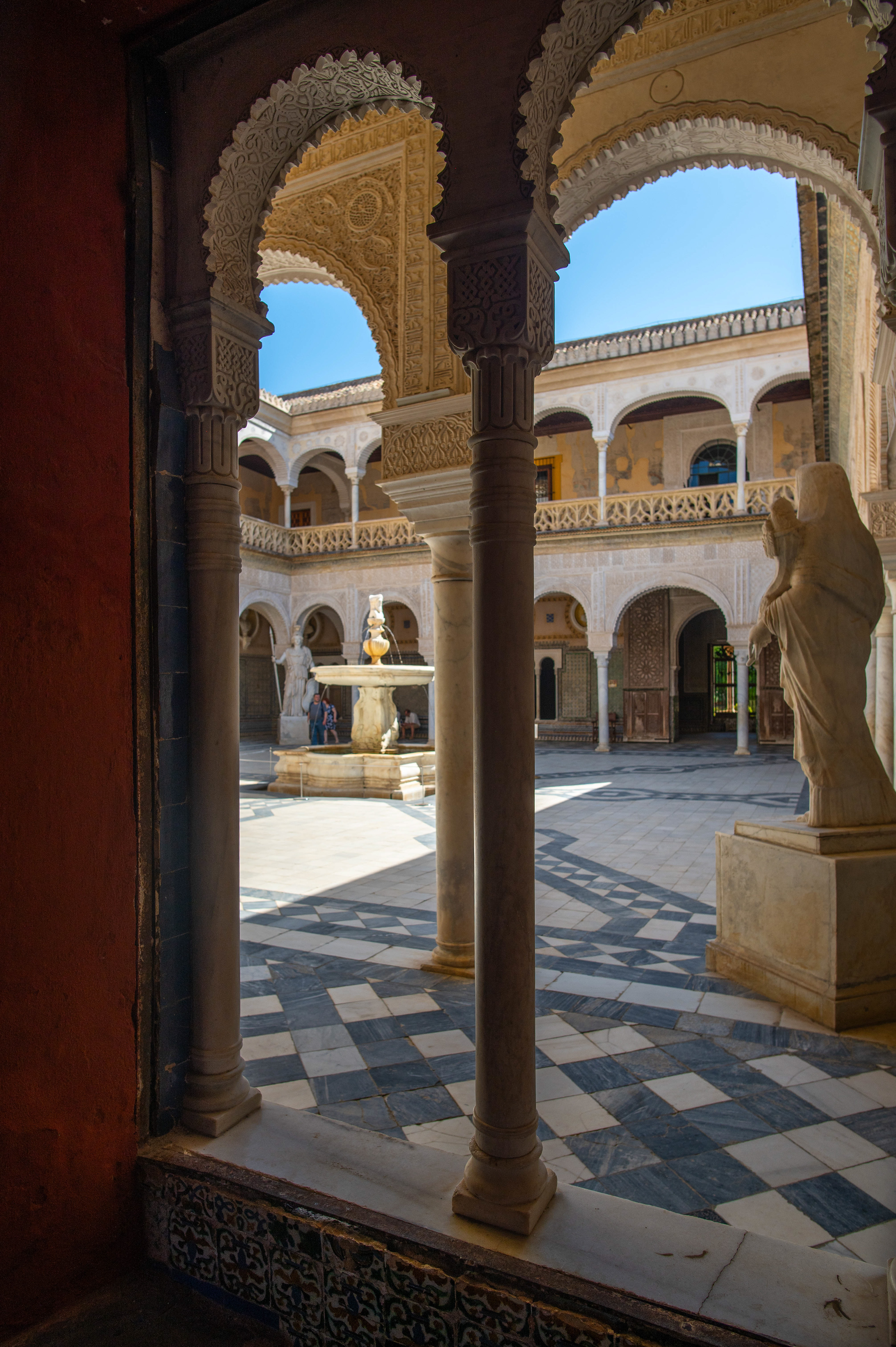
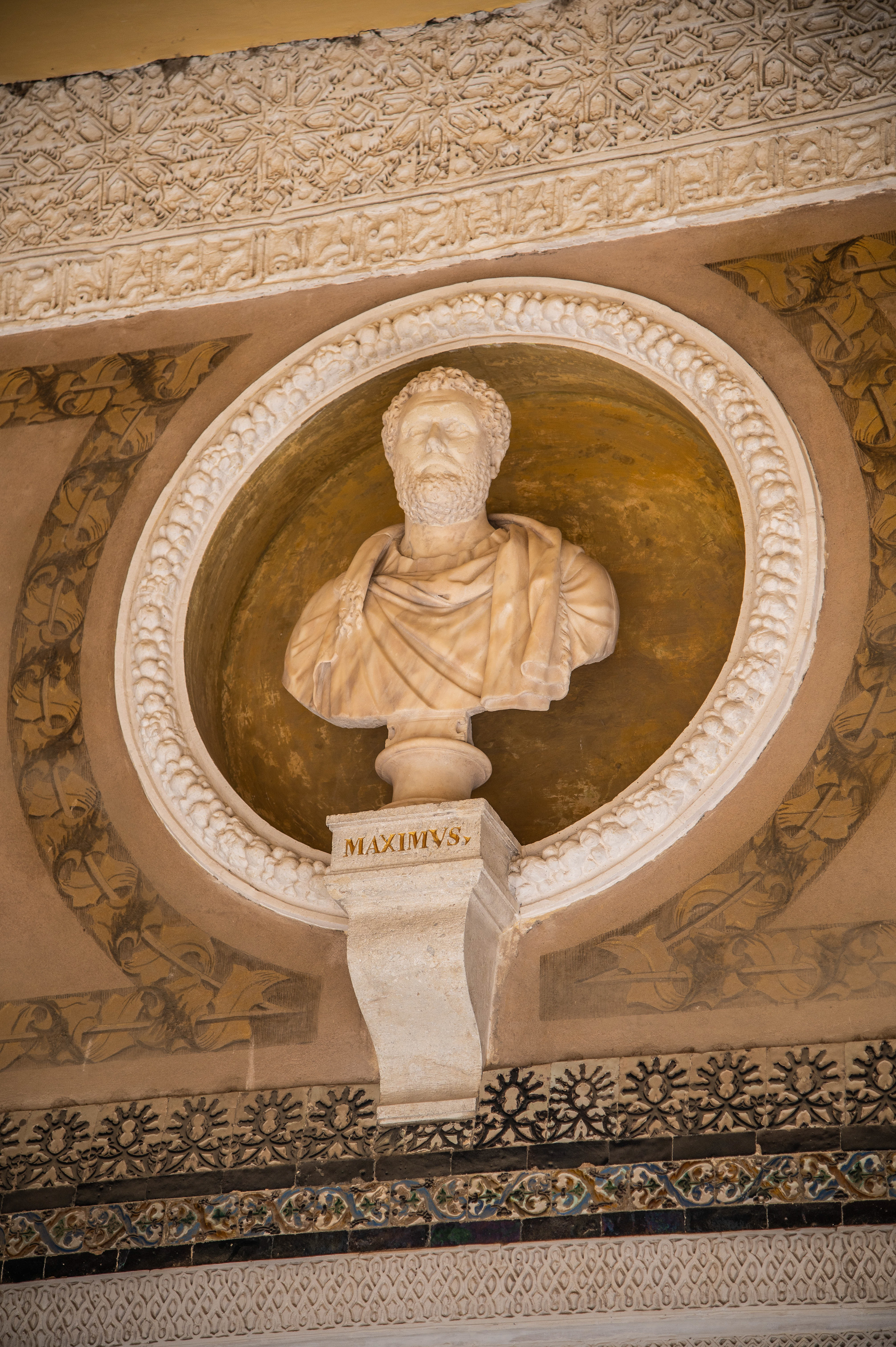
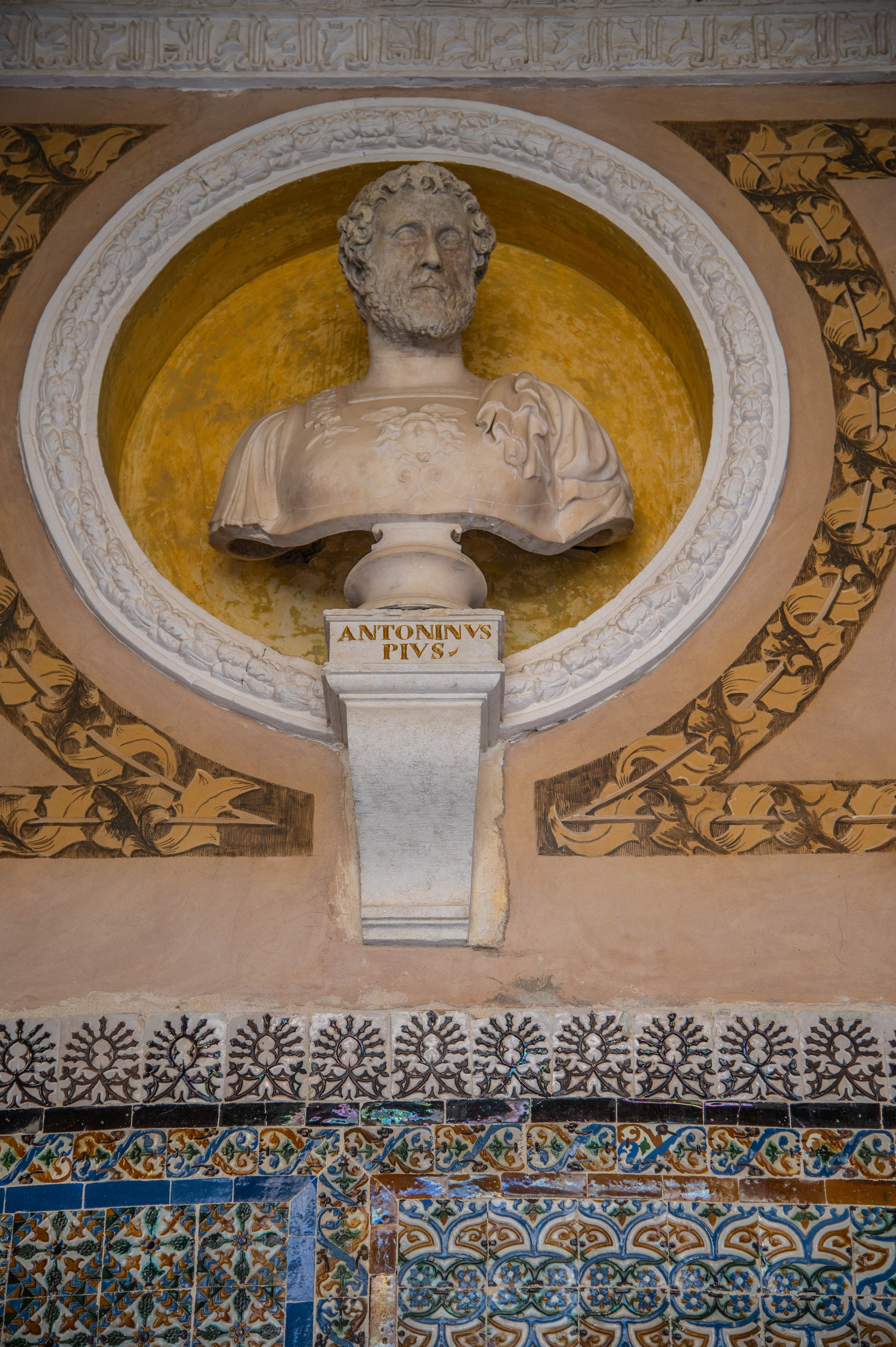
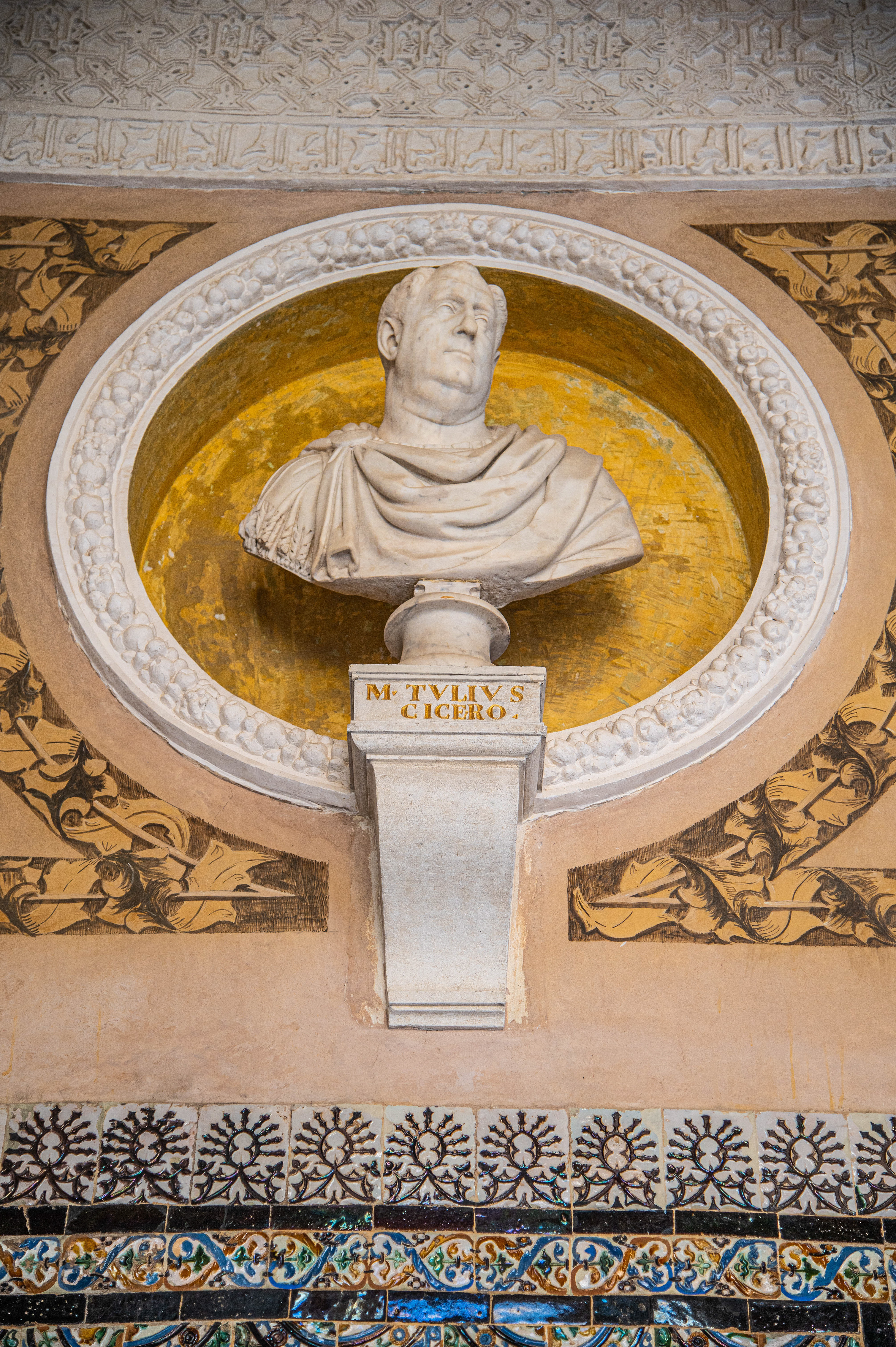
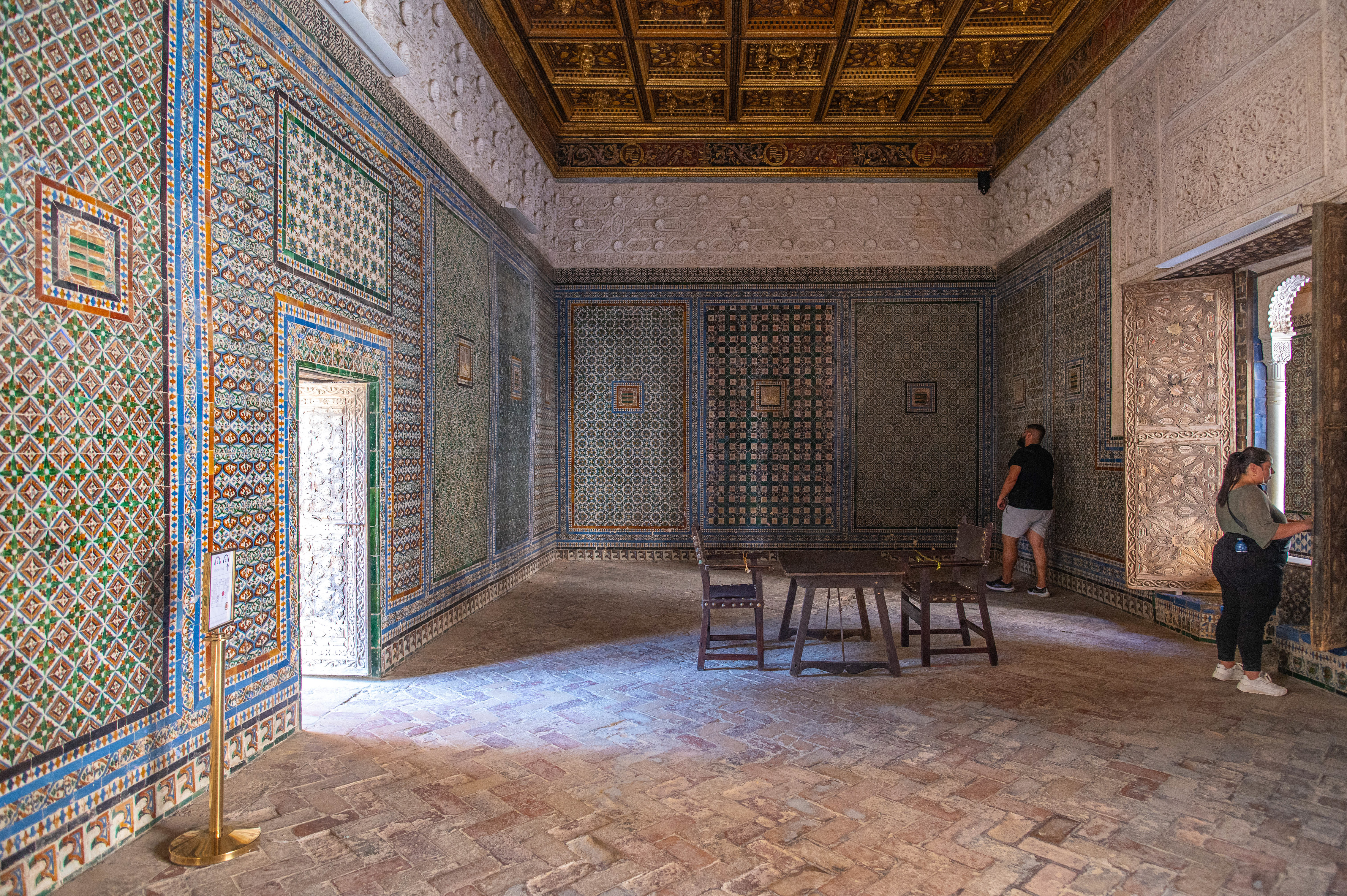
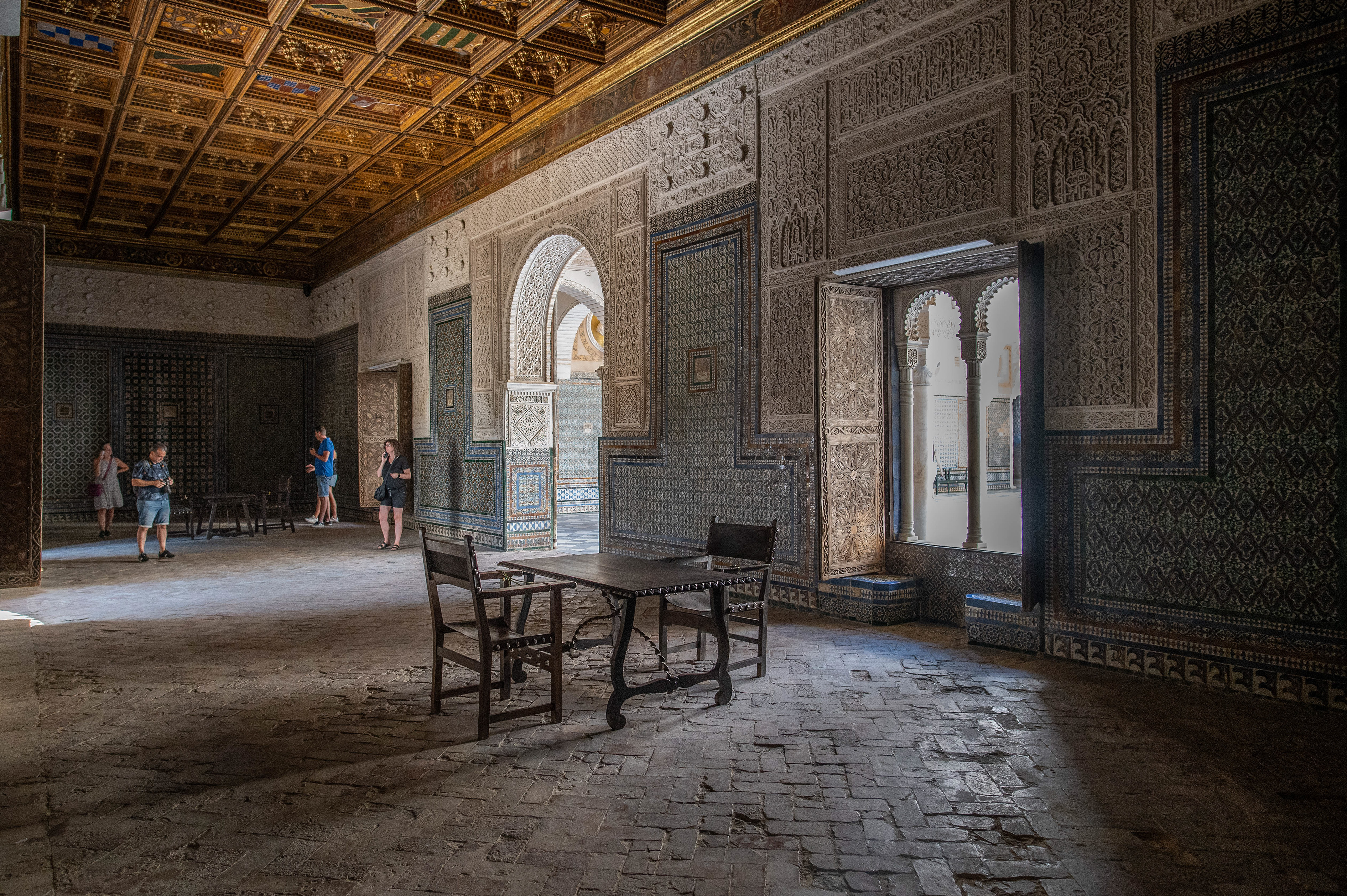
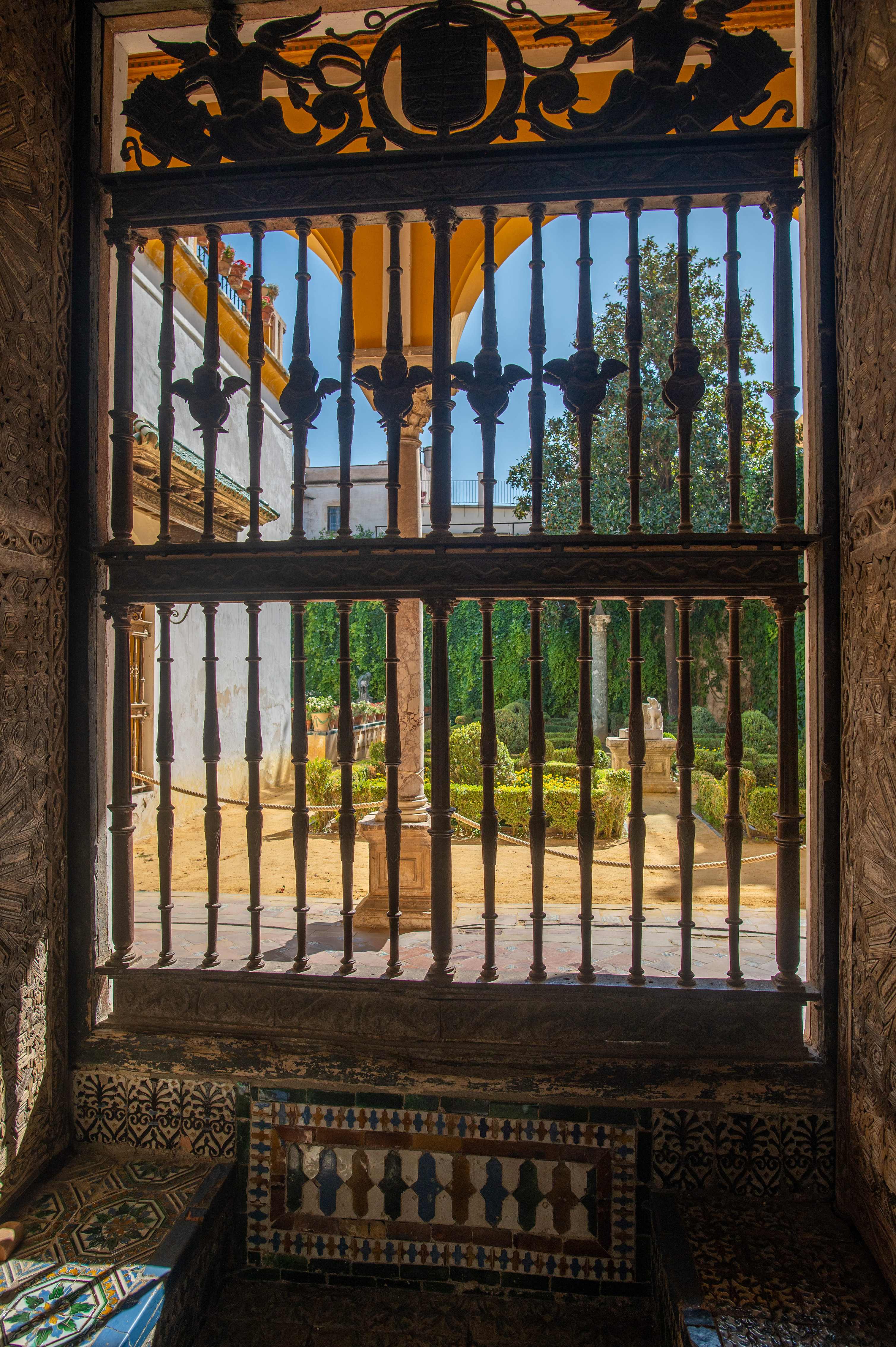
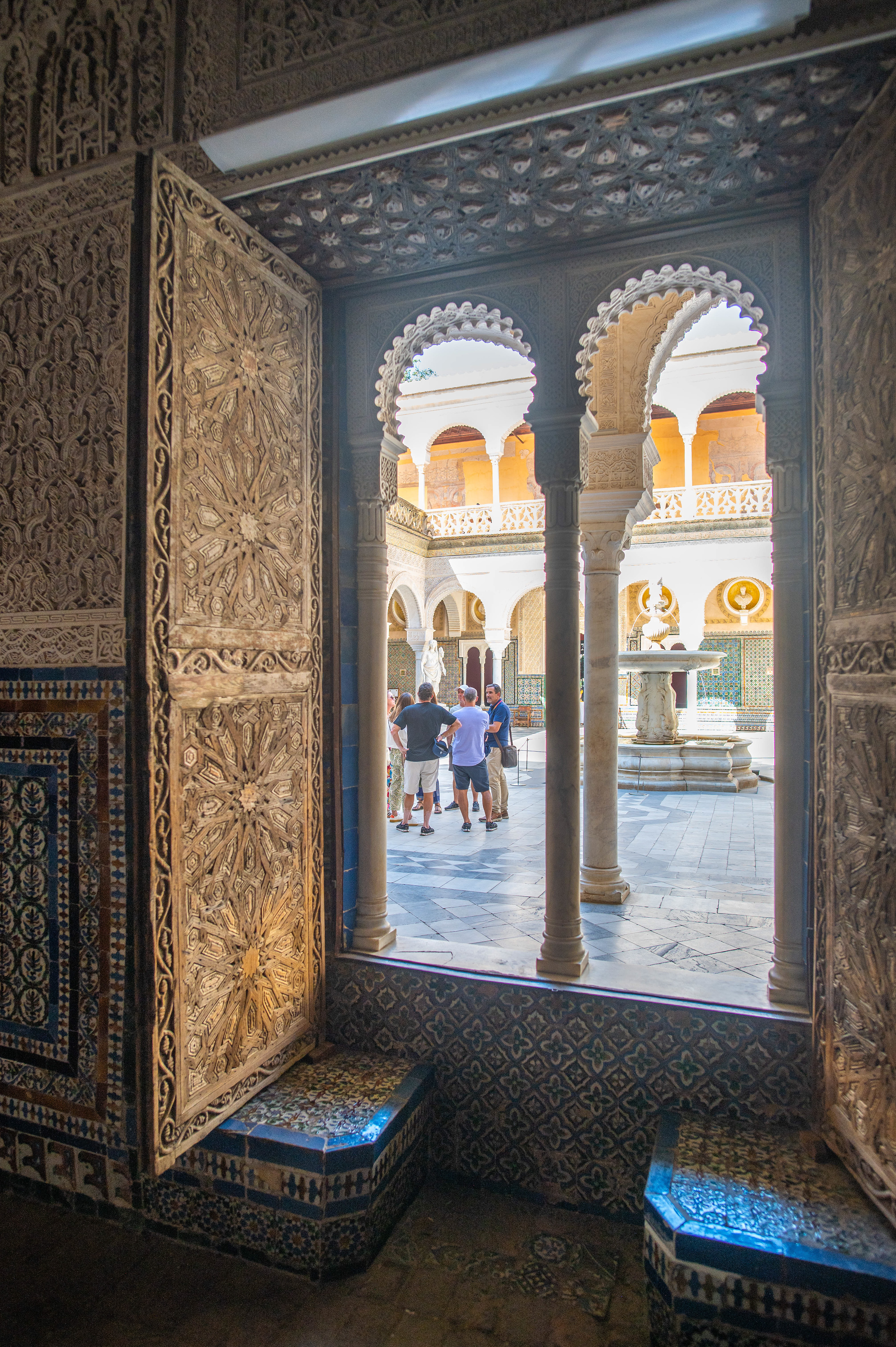
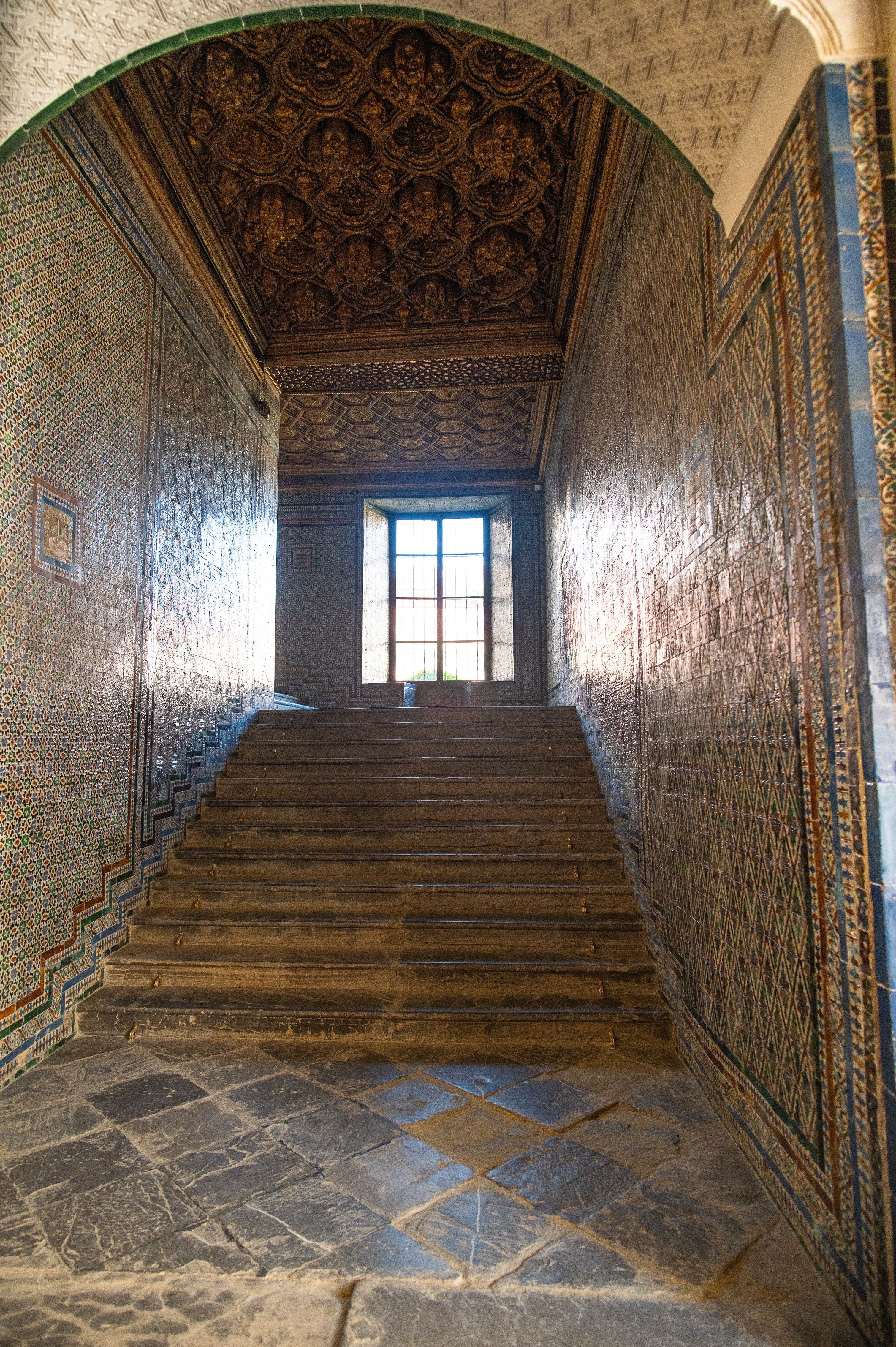
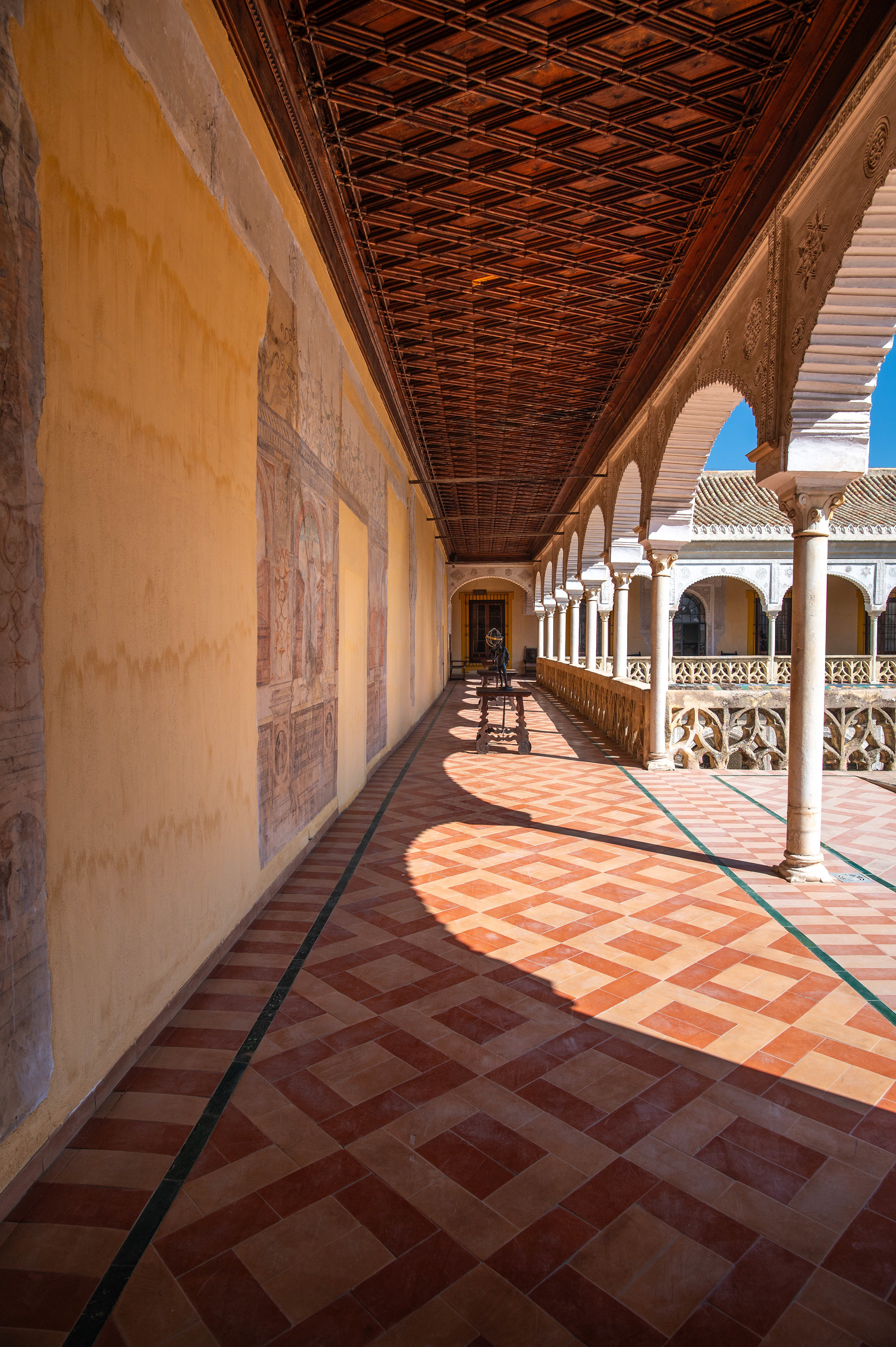
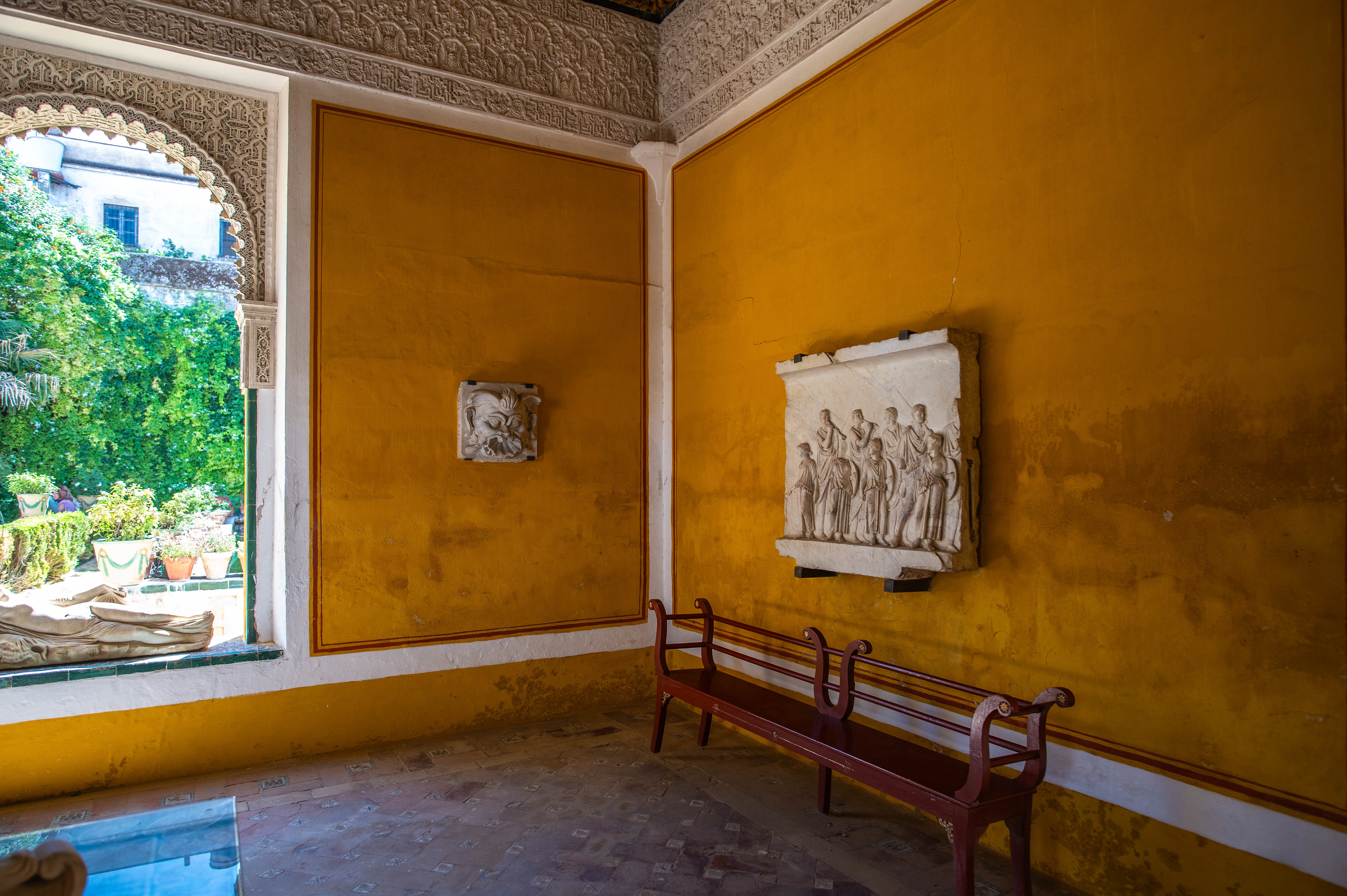
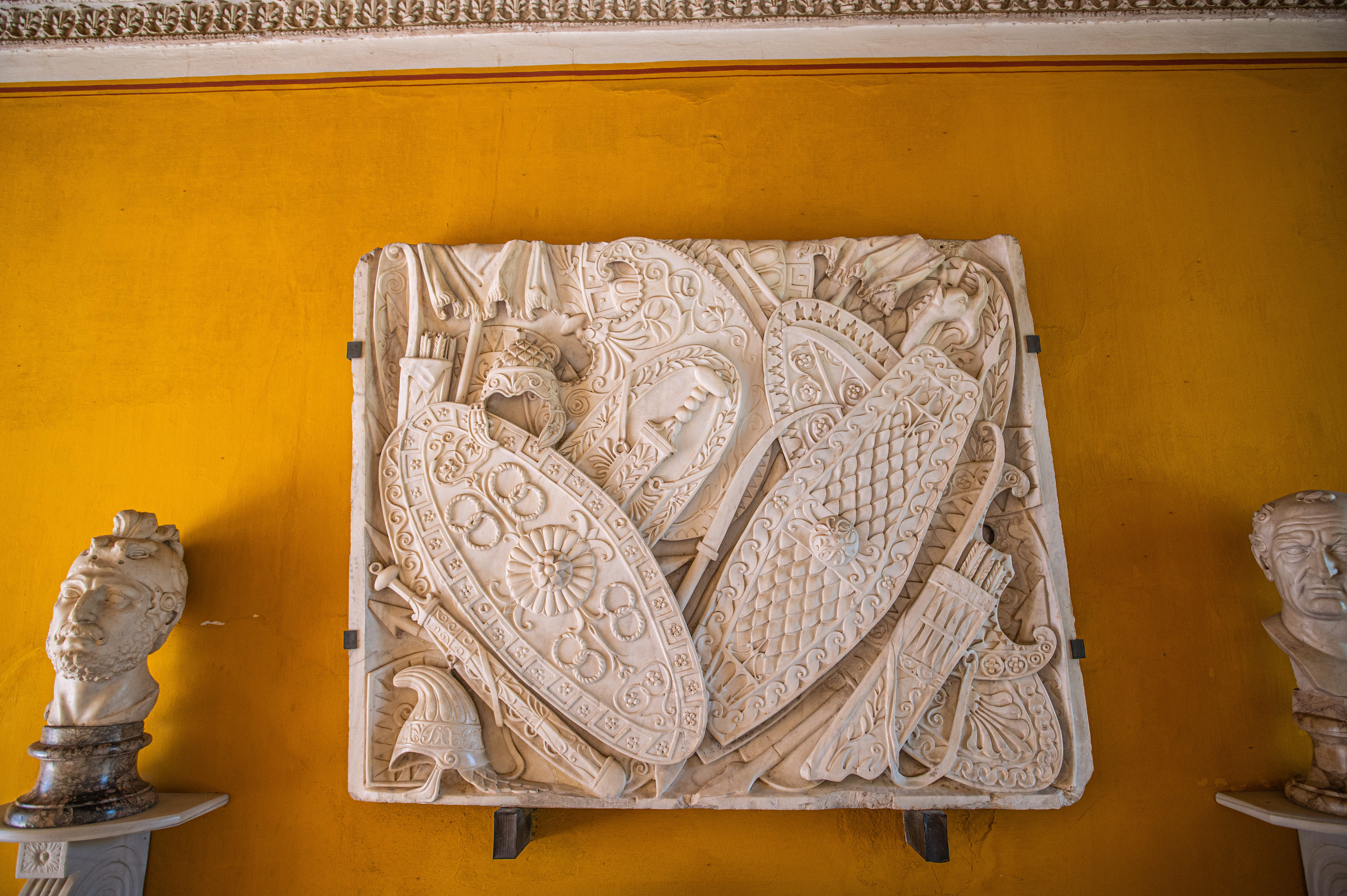
The building is a harmonious synthesis of Gothic, Mudéjar, Renaissance and later Romantic interventions, with a Renaissance marble entrance gate (designed 1529) and richly tiled courtyards. Around 150 distinct azulejo designs from the 1530s form one of the largest early-modern tile collections in the world. The palace also houses Roman busts and classical statuary, and retains two formal 16th-century gardens.

