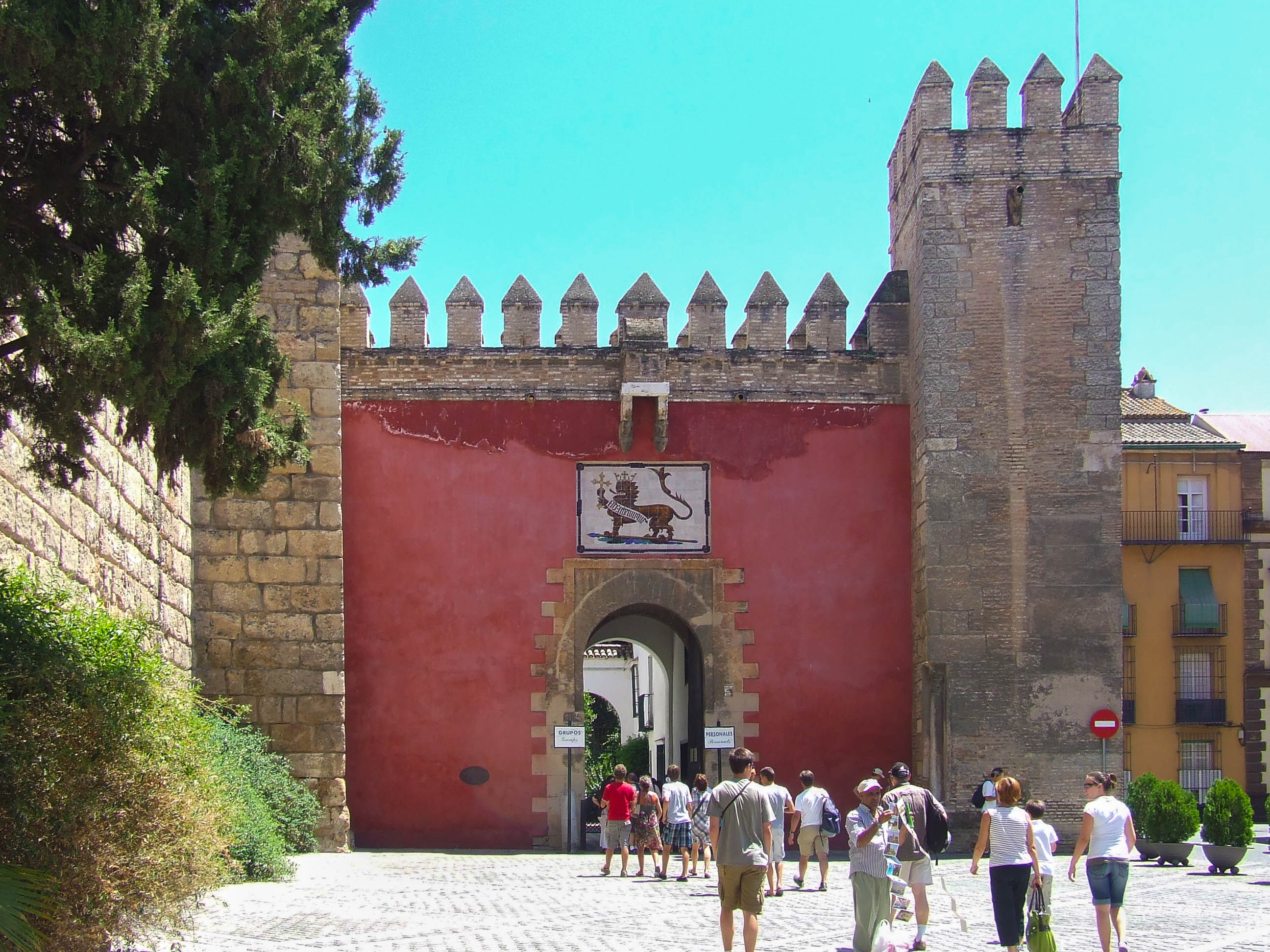
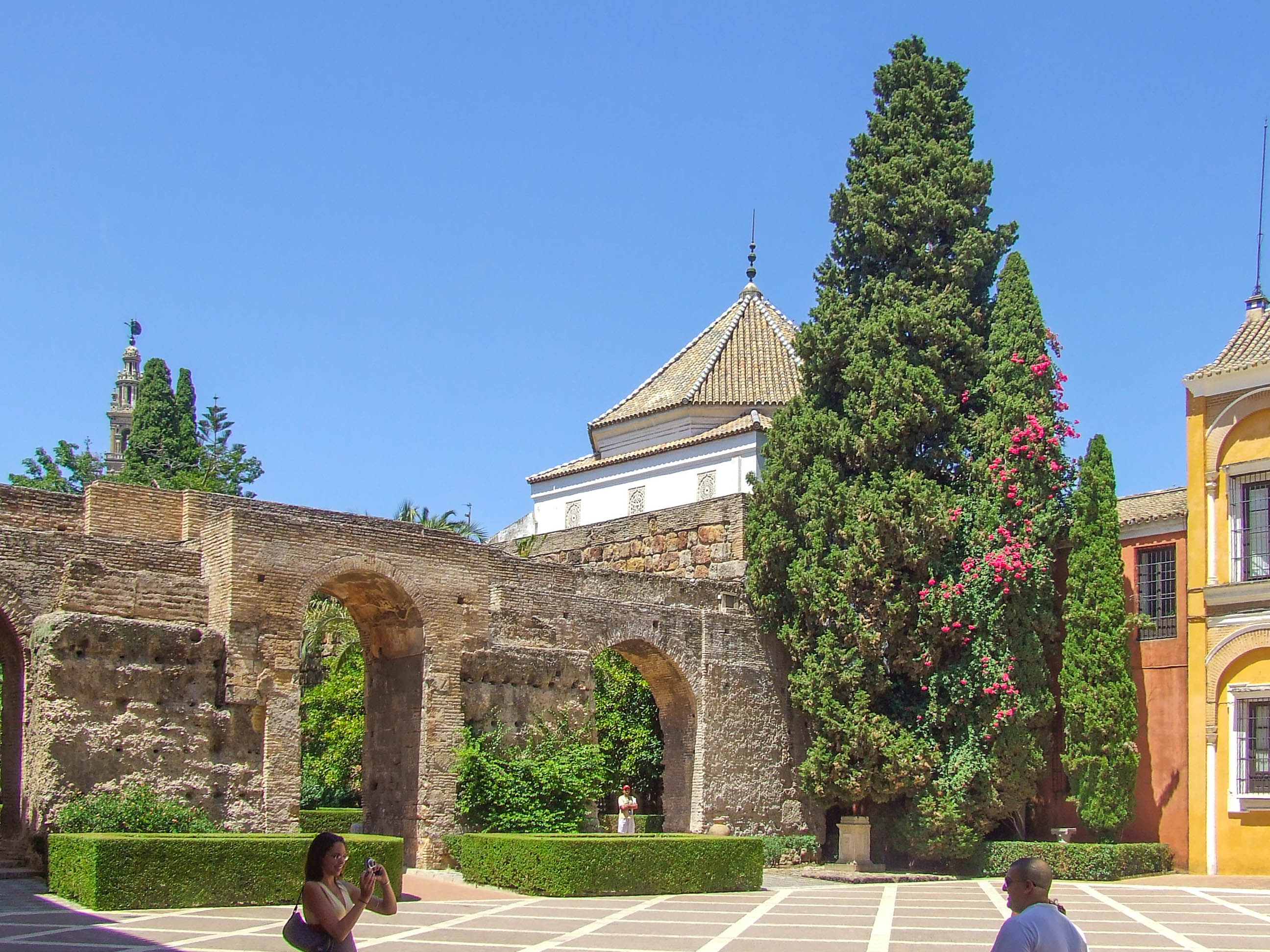
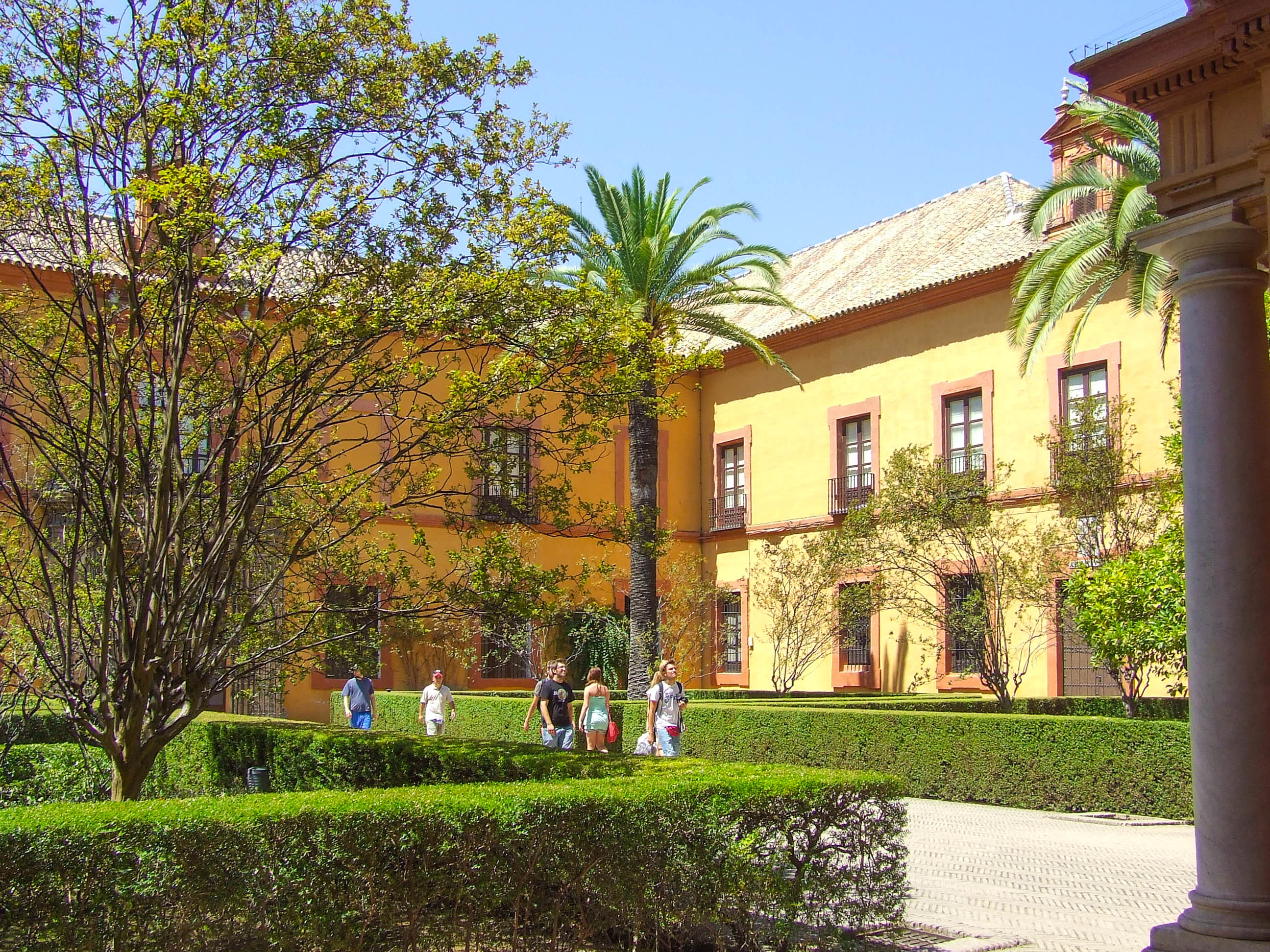

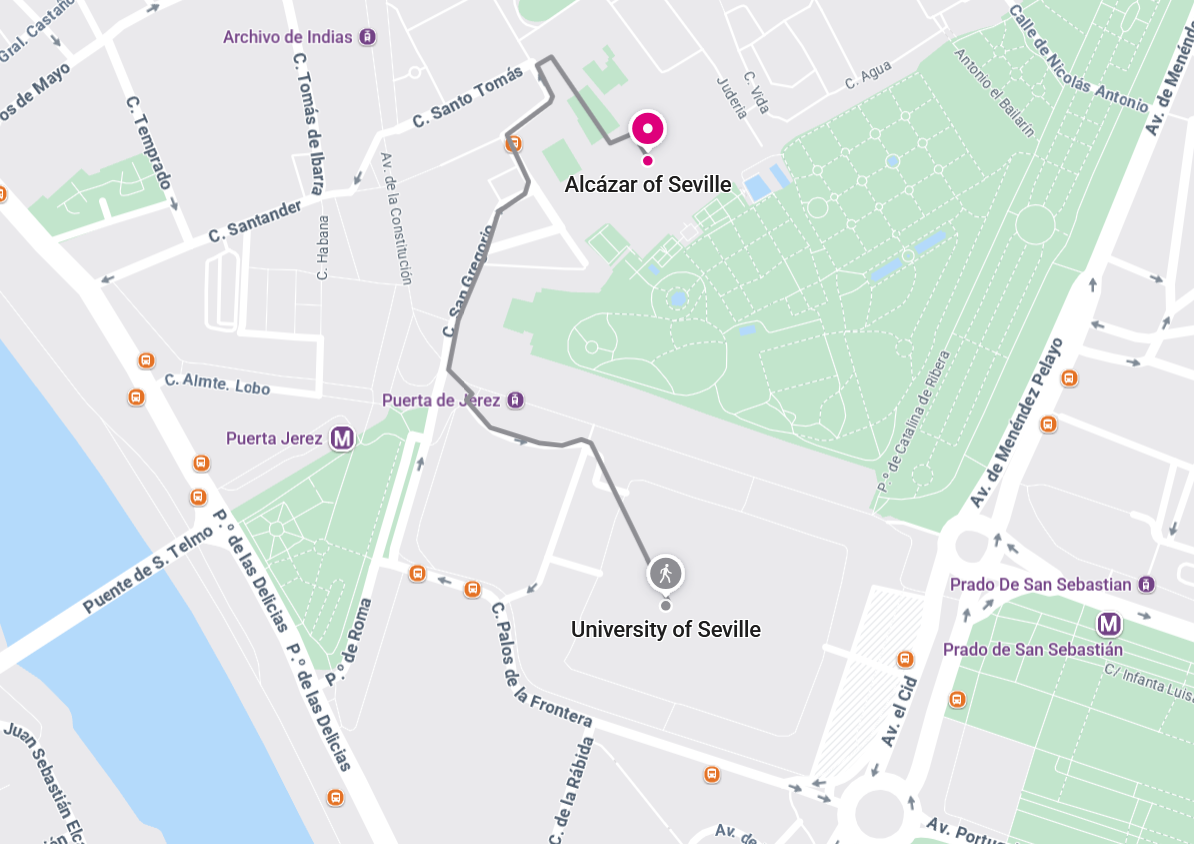
The Real Alcázar of Seville is a living royal palace complex—one of the oldest in Europe—famous for its exceptional Mudéjar architecture, layered history from Islamic fortress to Christian royal residence, and richly planted gardens; it is a UNESCO World Heritage site and still used by the Spanish royal family.
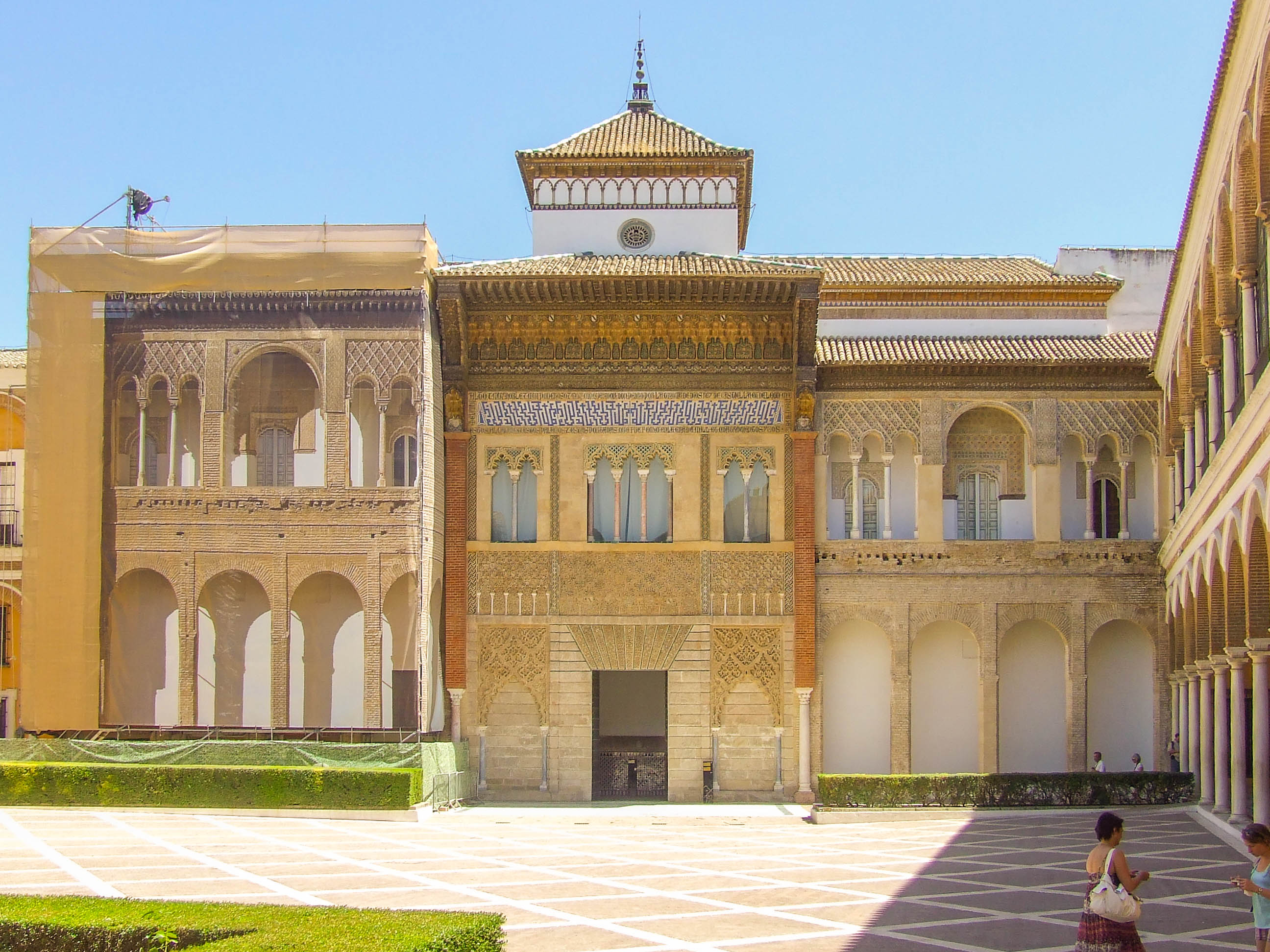
The site began as an Islamic citadel in the 10th century and was expanded by later Muslim dynasties; after the Castilian conquest in 1248 it was progressively rebuilt, most famously under King Pedro I in the 14th century, who commissioned the Mudéjar palace that defines much of the complex today.
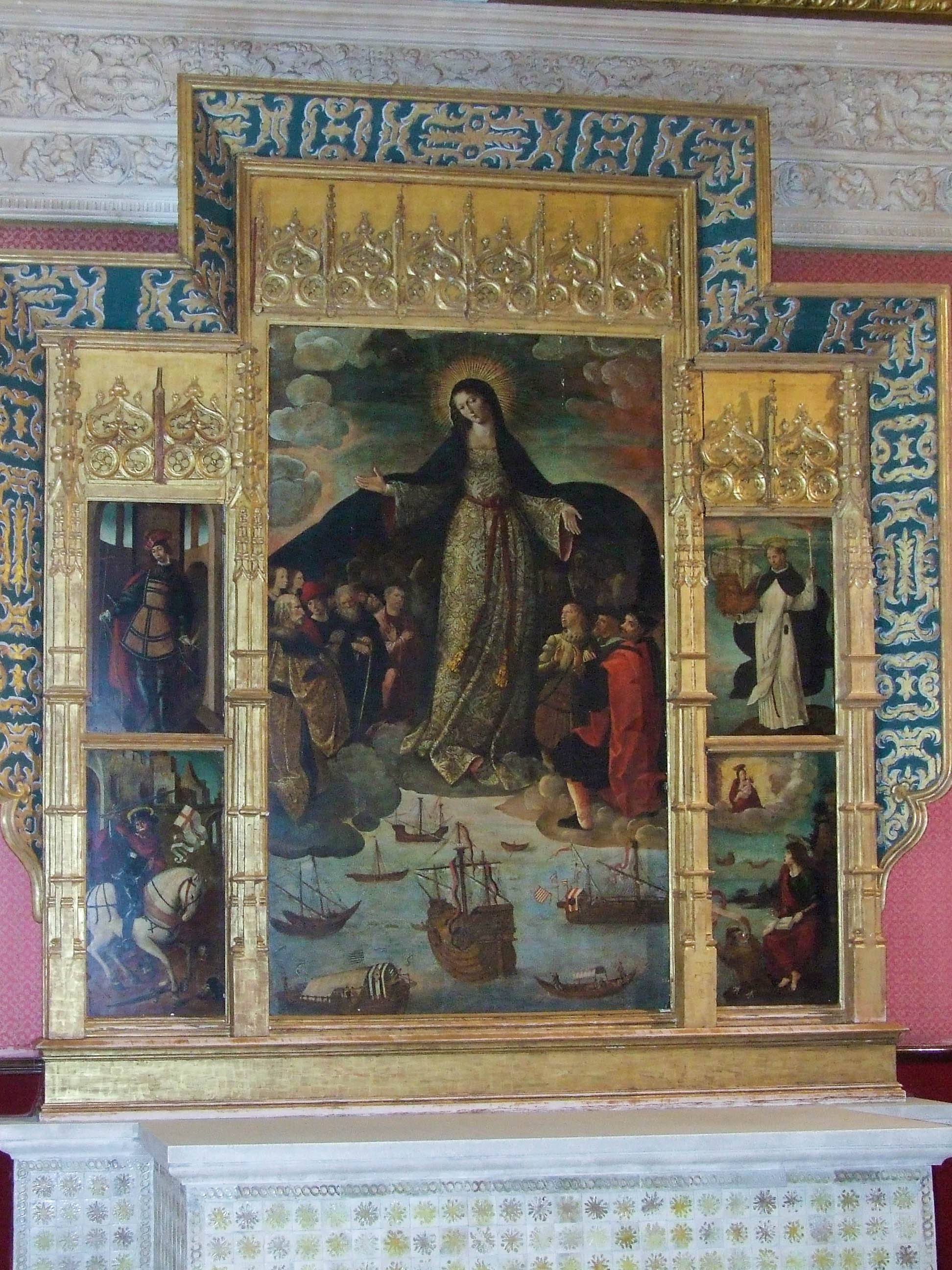
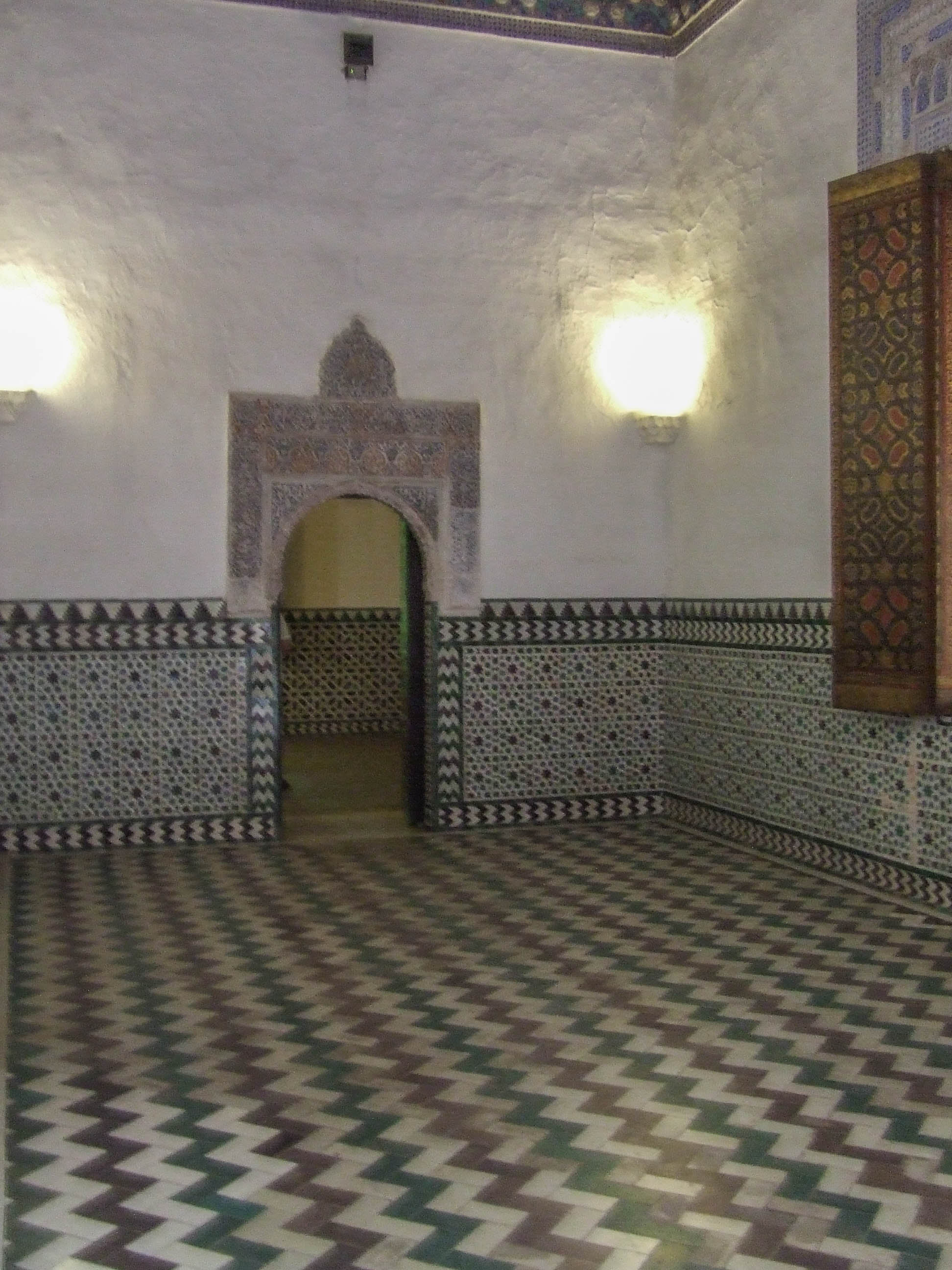
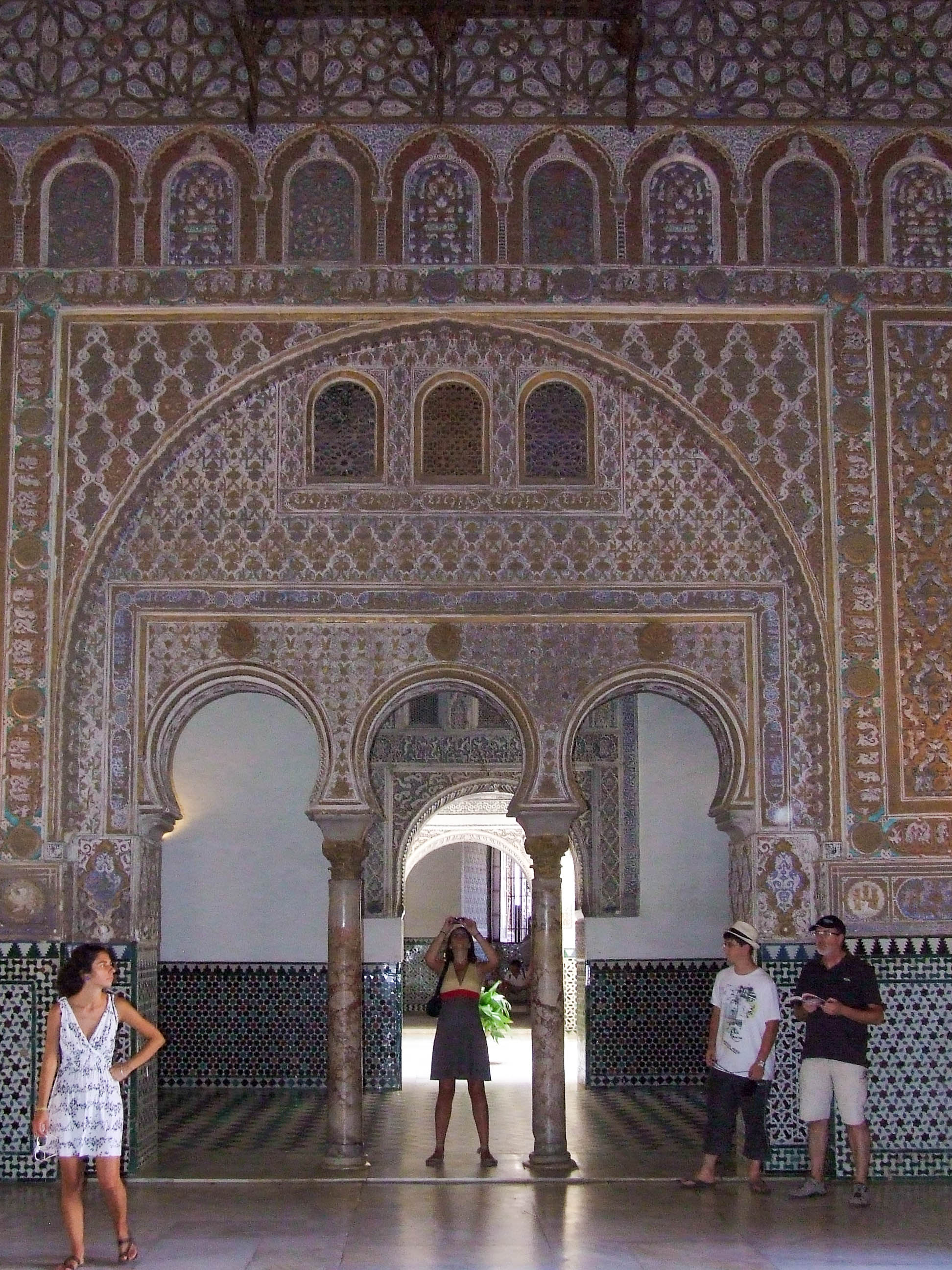
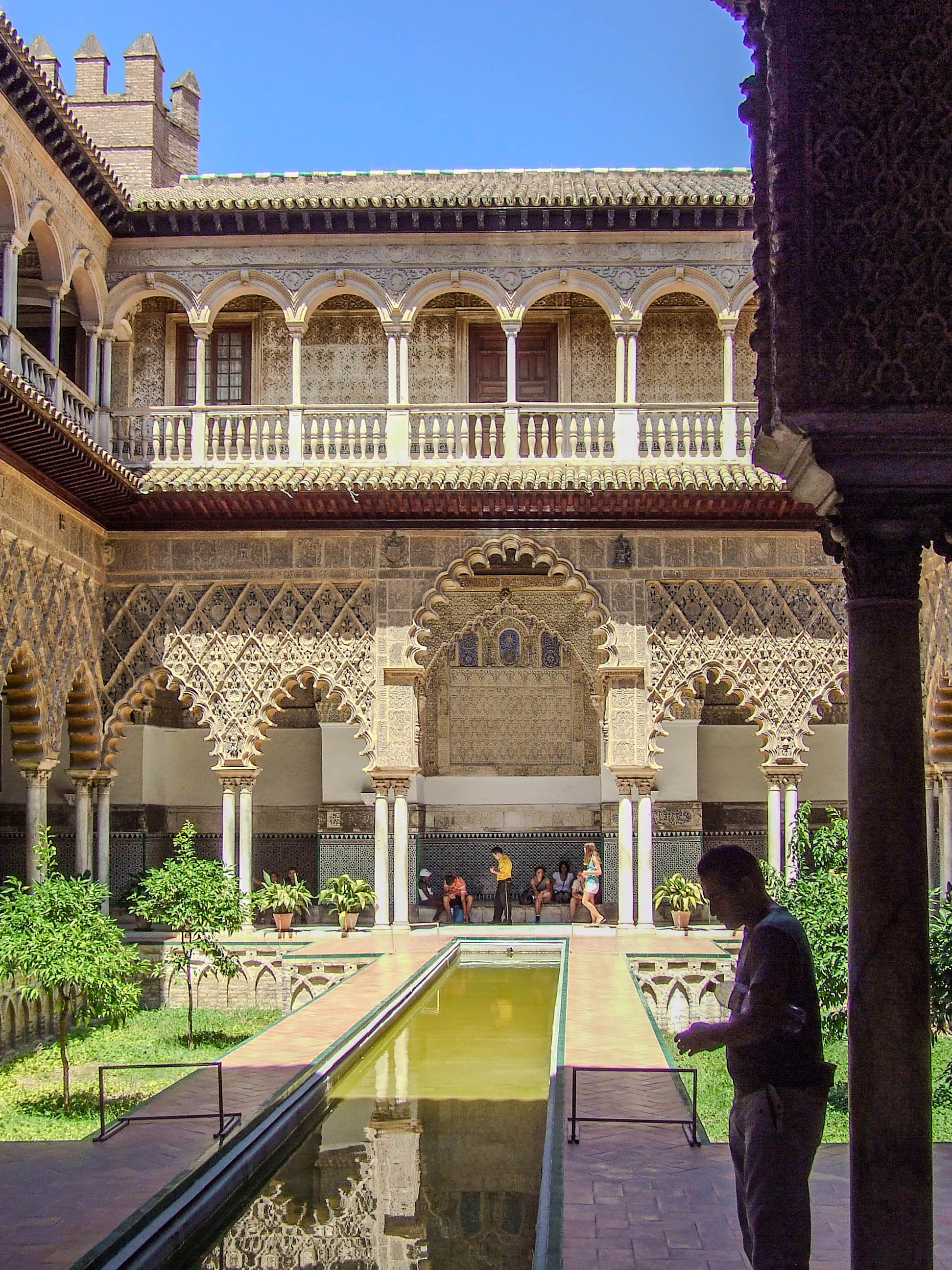
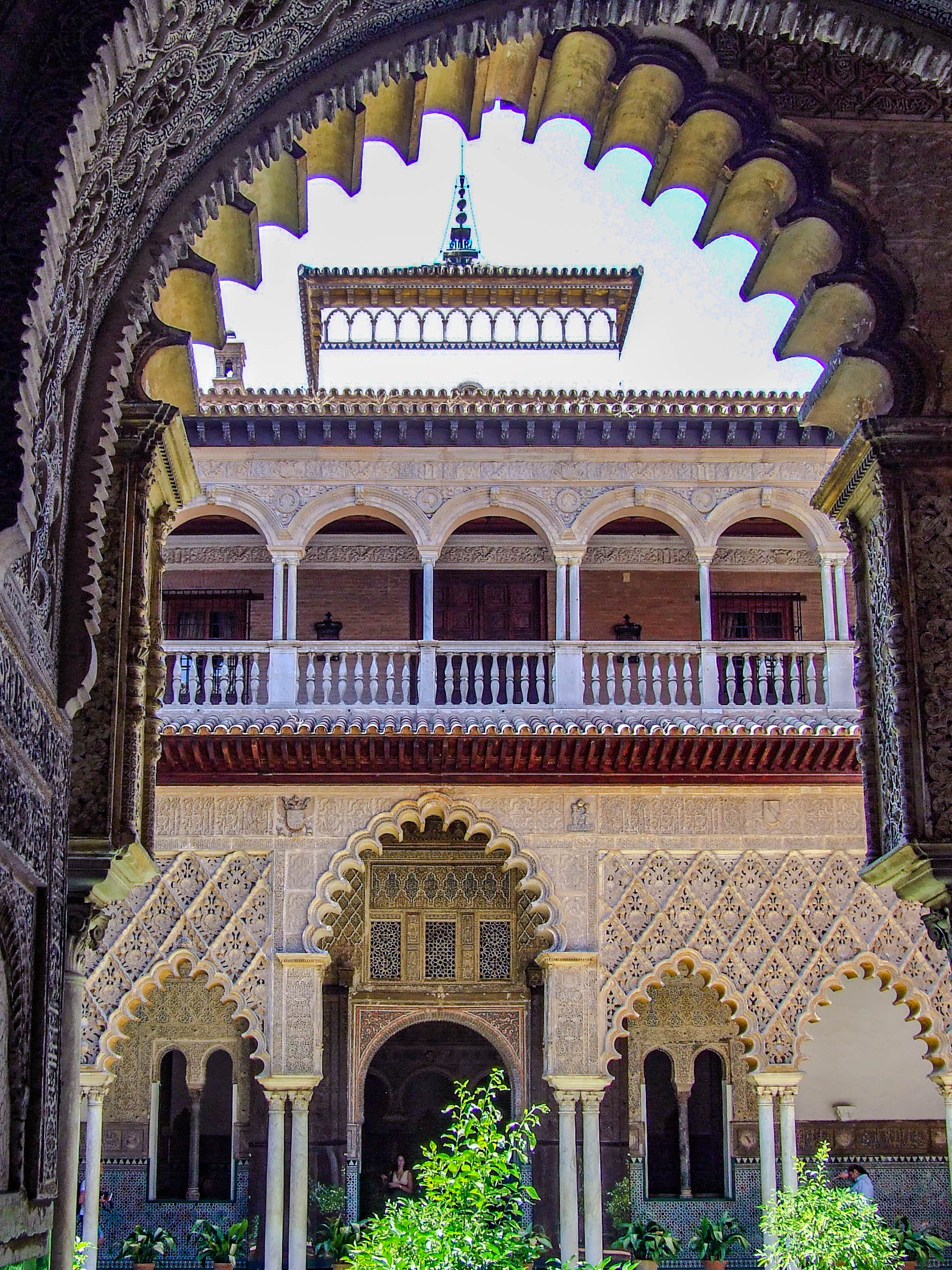
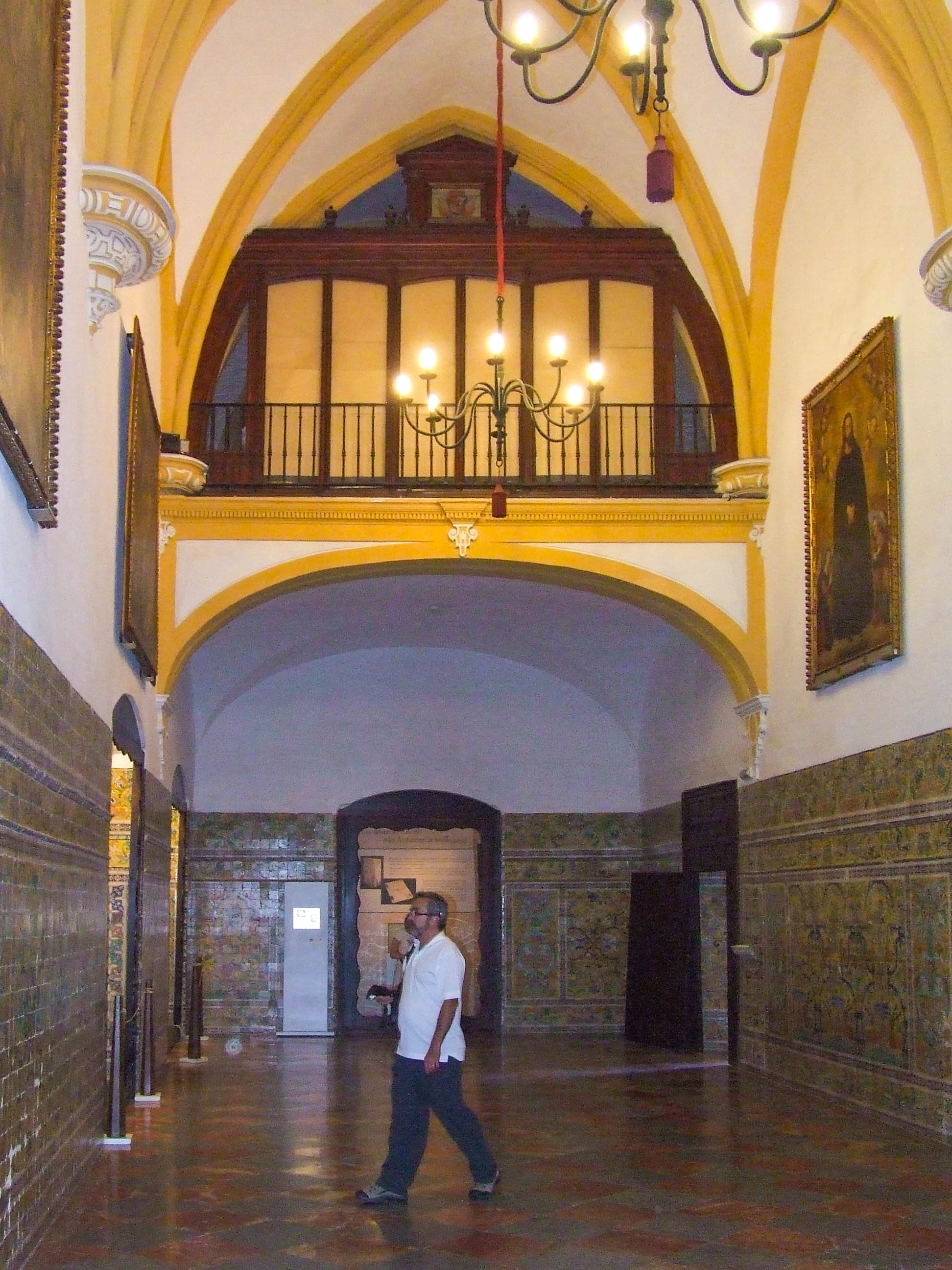
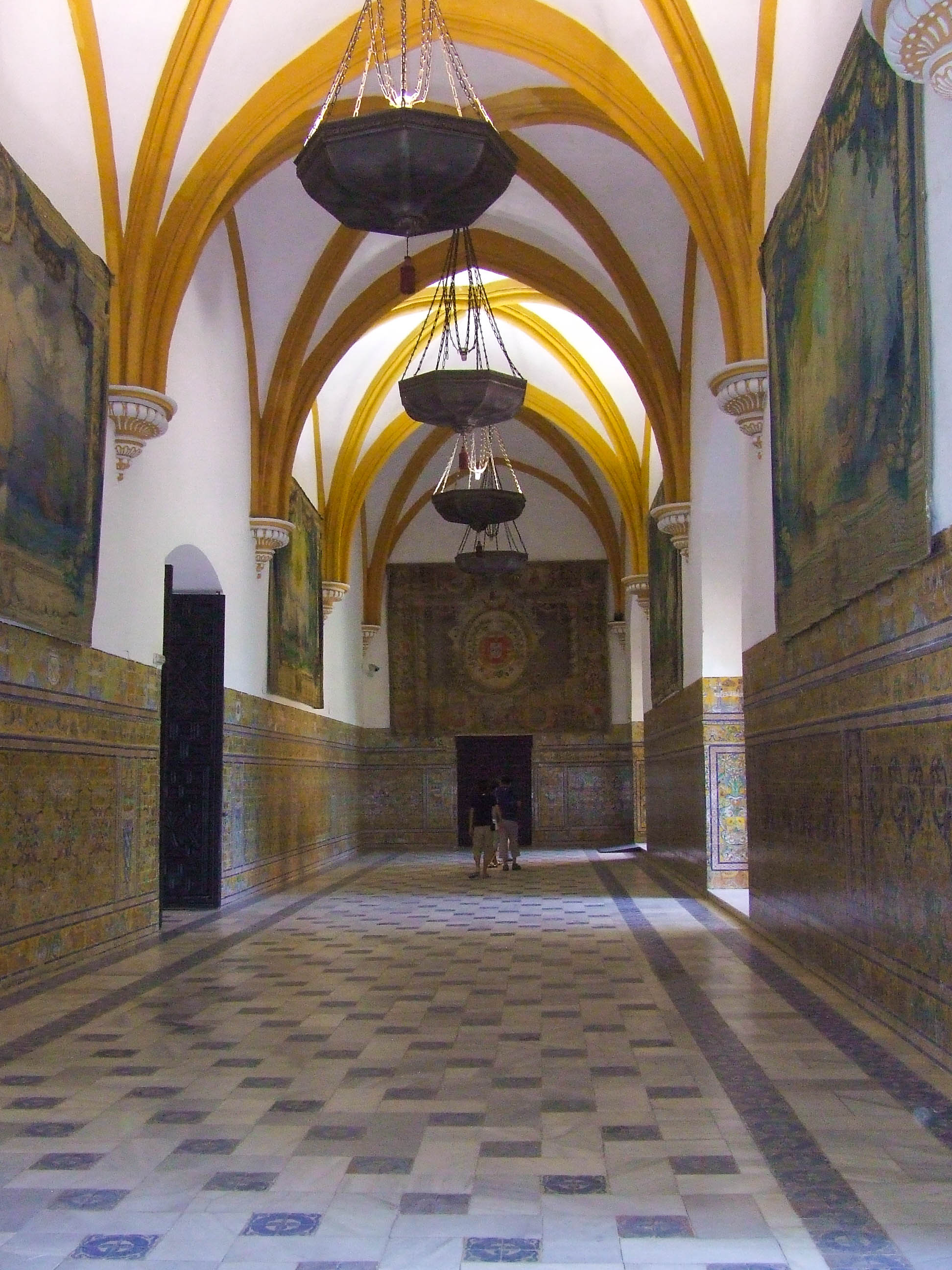
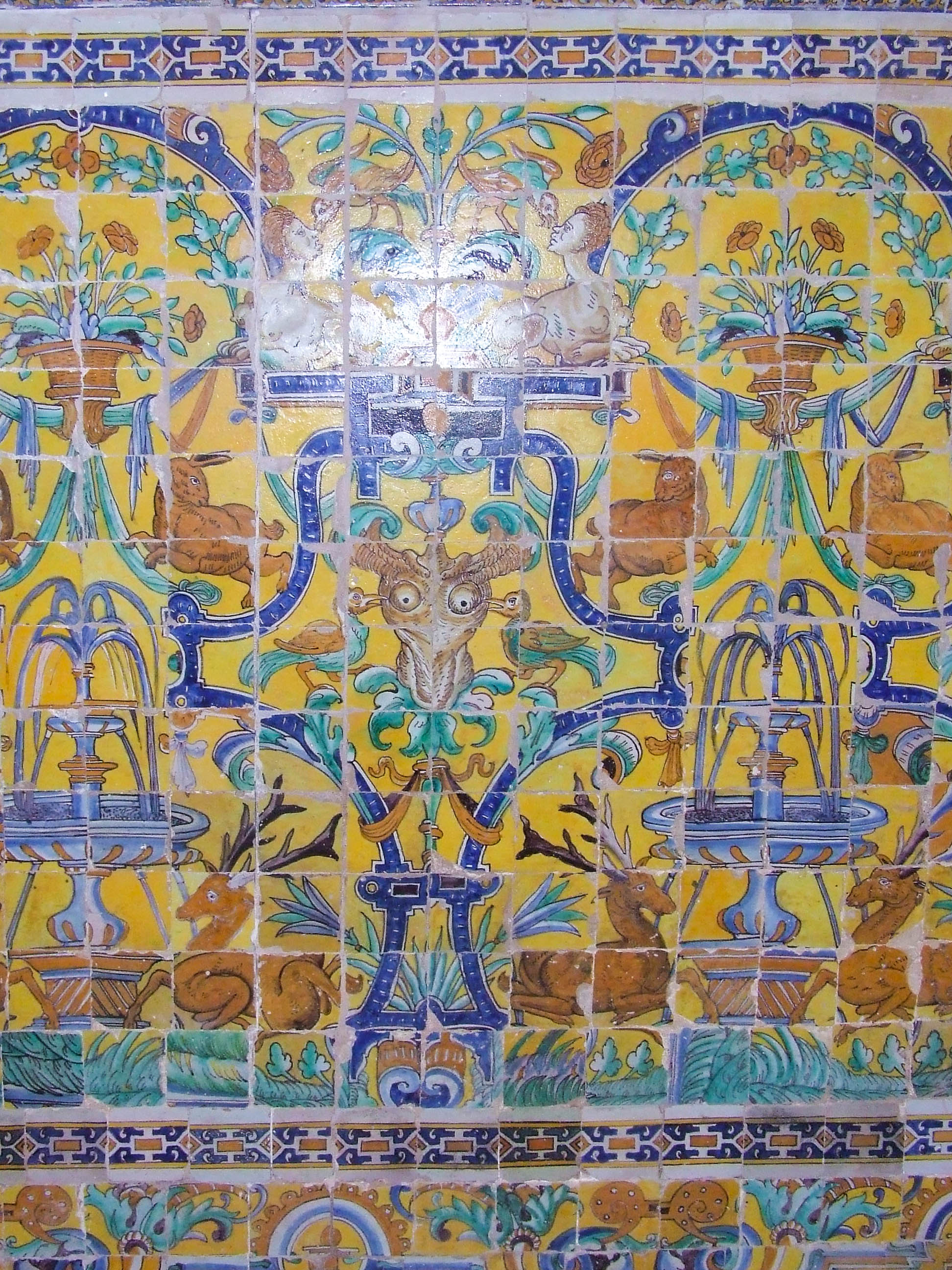
The Alcázar’s best-known spaces include the Patio de las Doncellas (Courtyard of the Maidens) and the Salón de Embajadores (Hall of Ambassadors)—masterpieces of carved stucco, tilework and wooden artesonado ceilings that exemplify Mudéjar craftsmanship. Later additions introduce Gothic and Renaissance wings, producing a layered architectural dialogue visible as you move through the palace
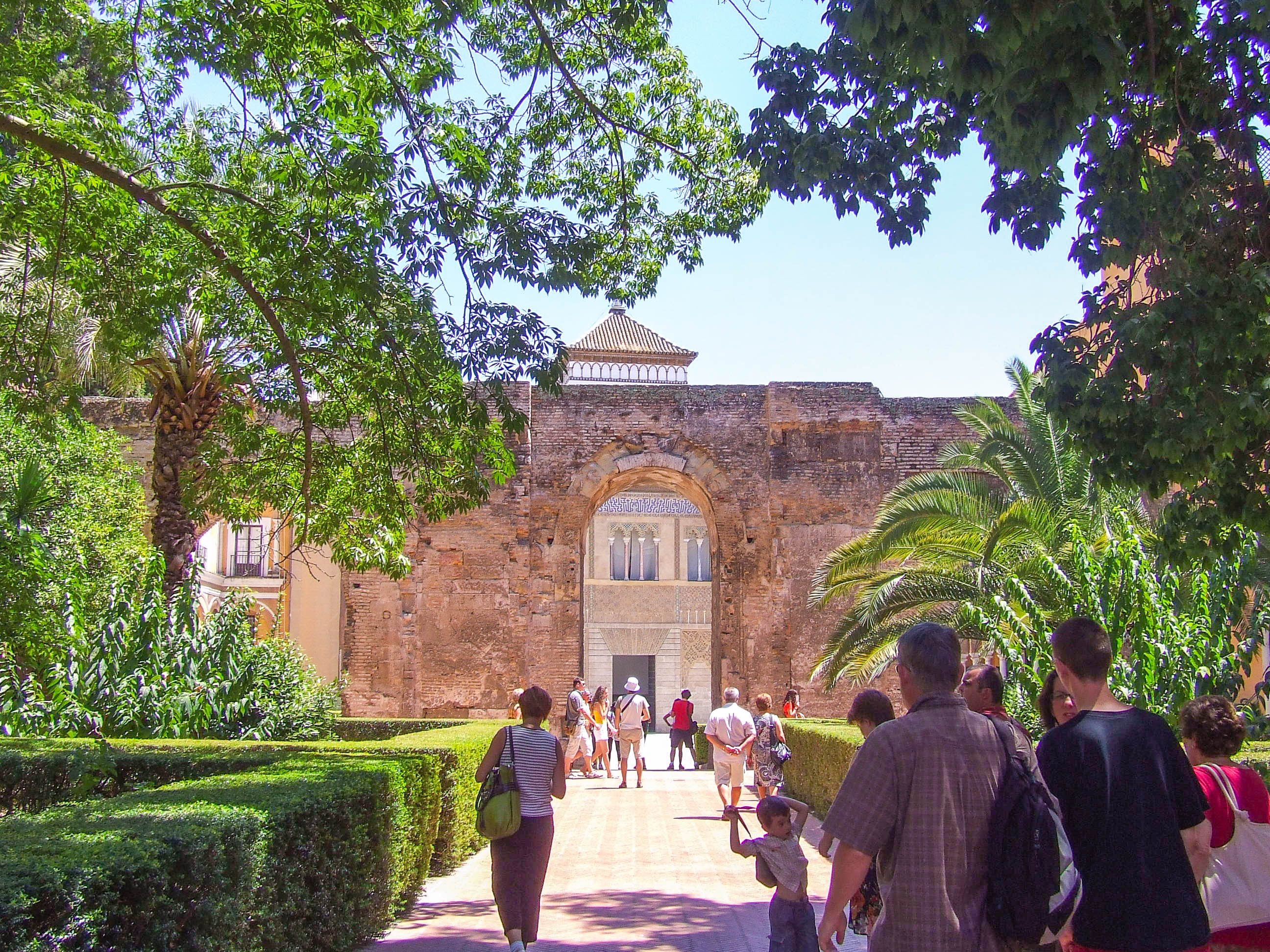
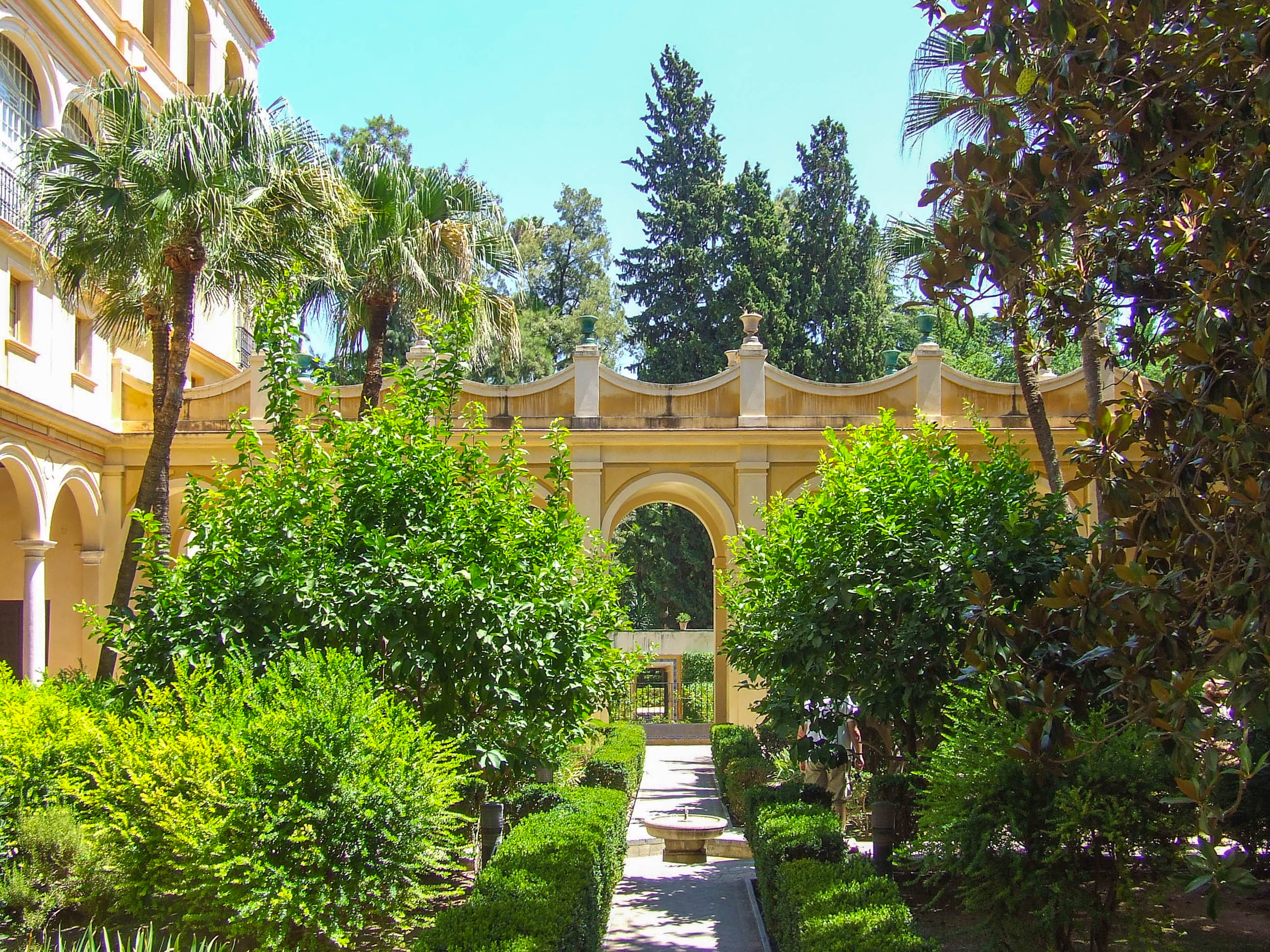
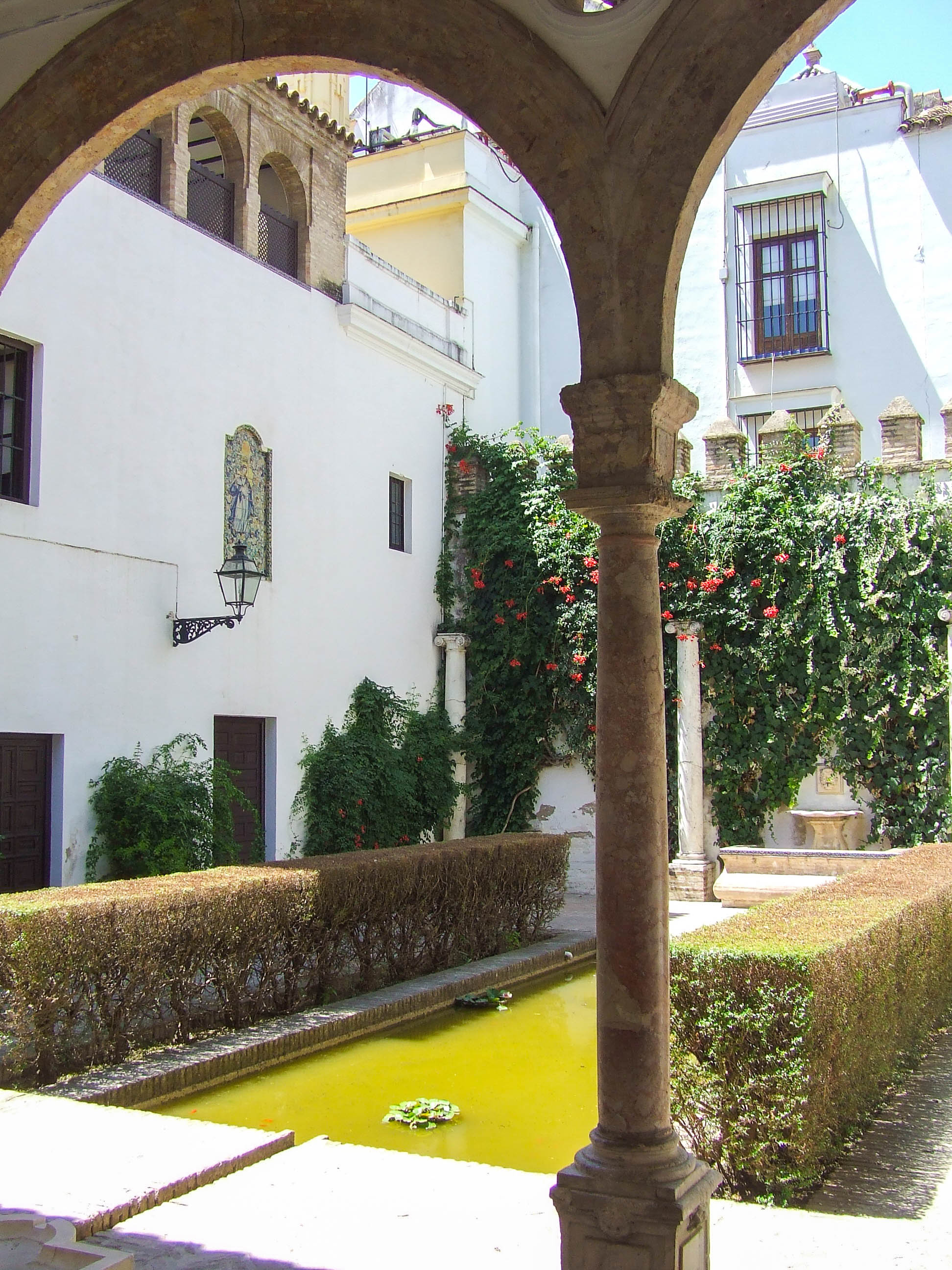
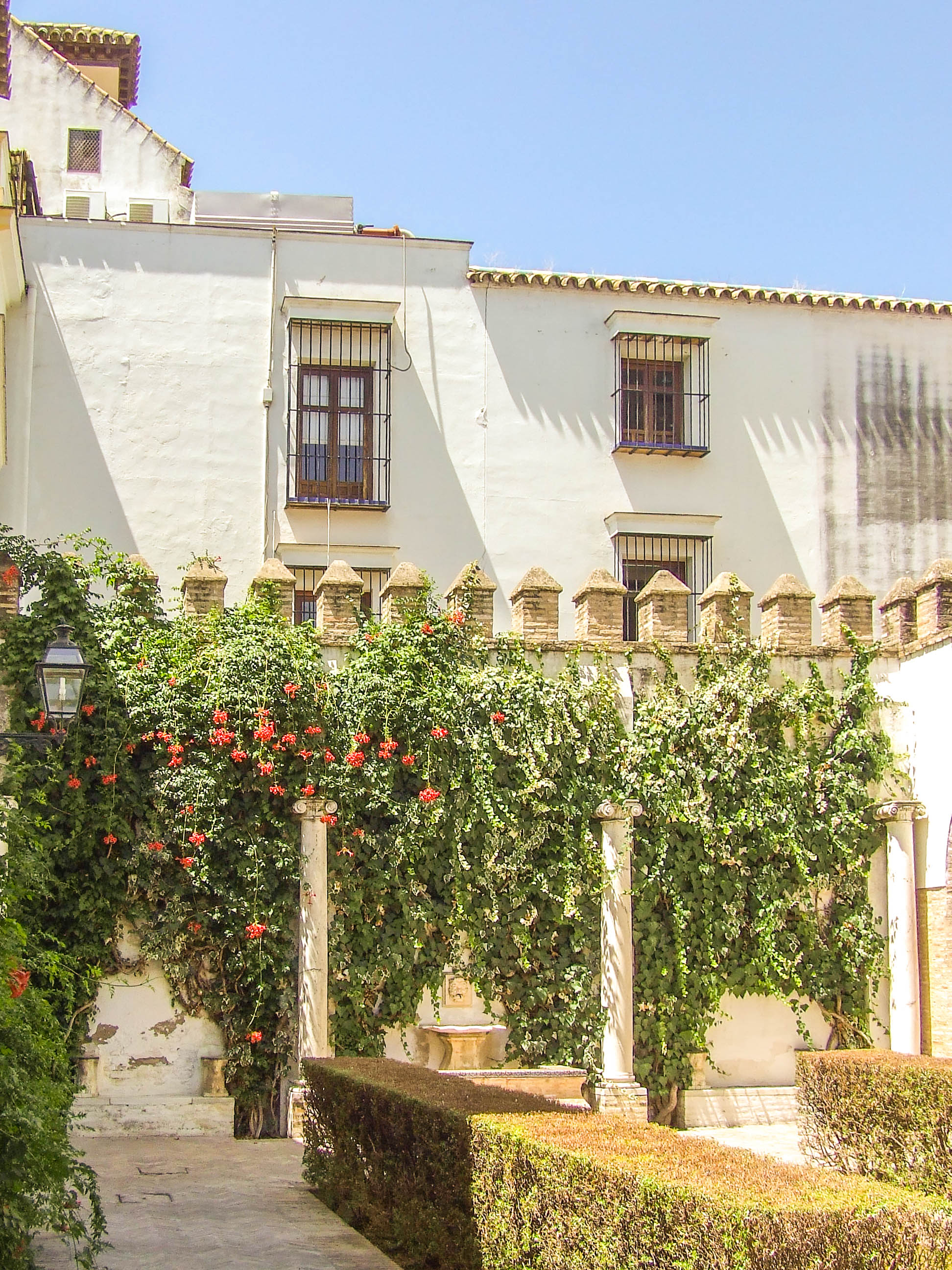
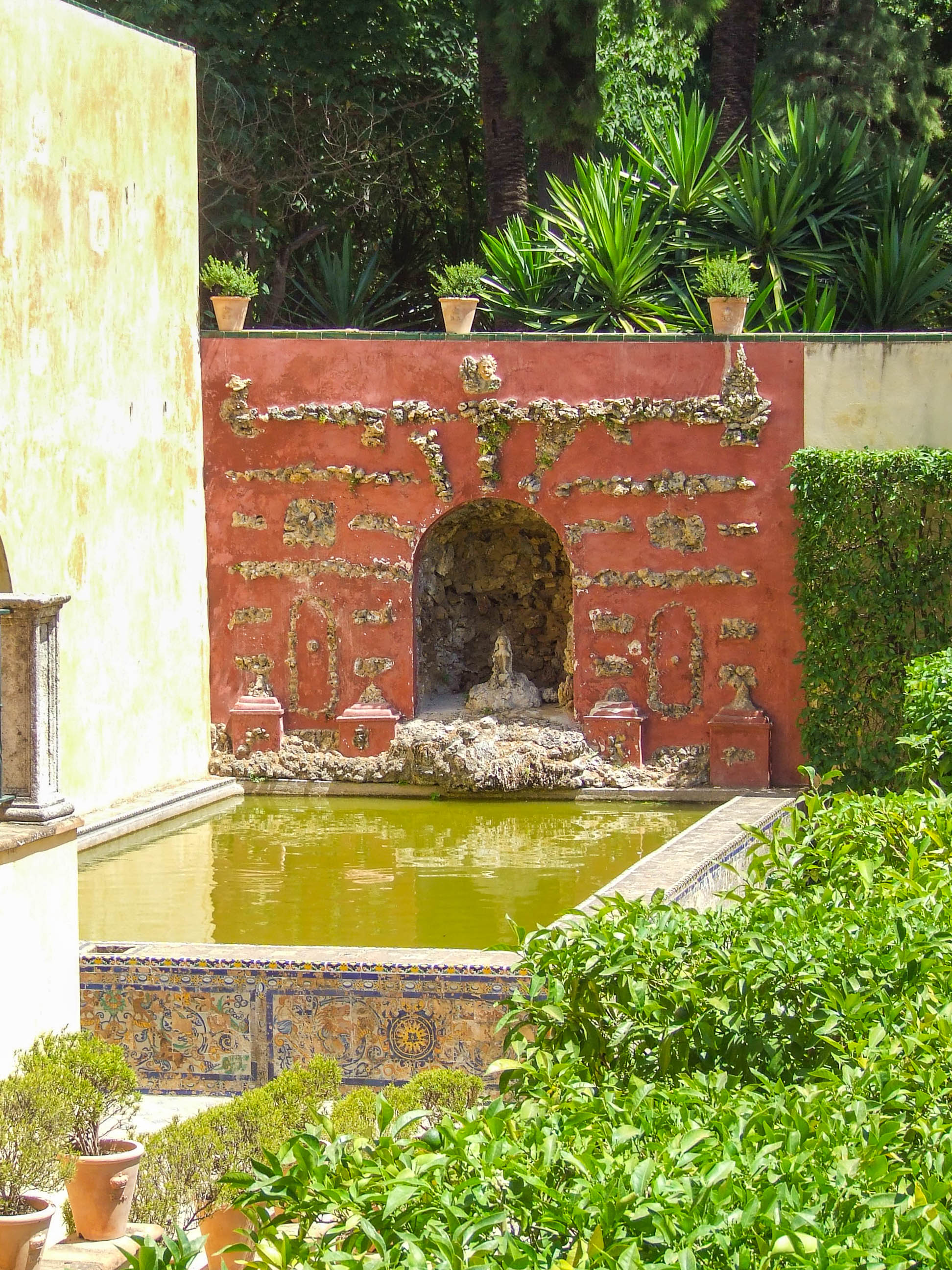
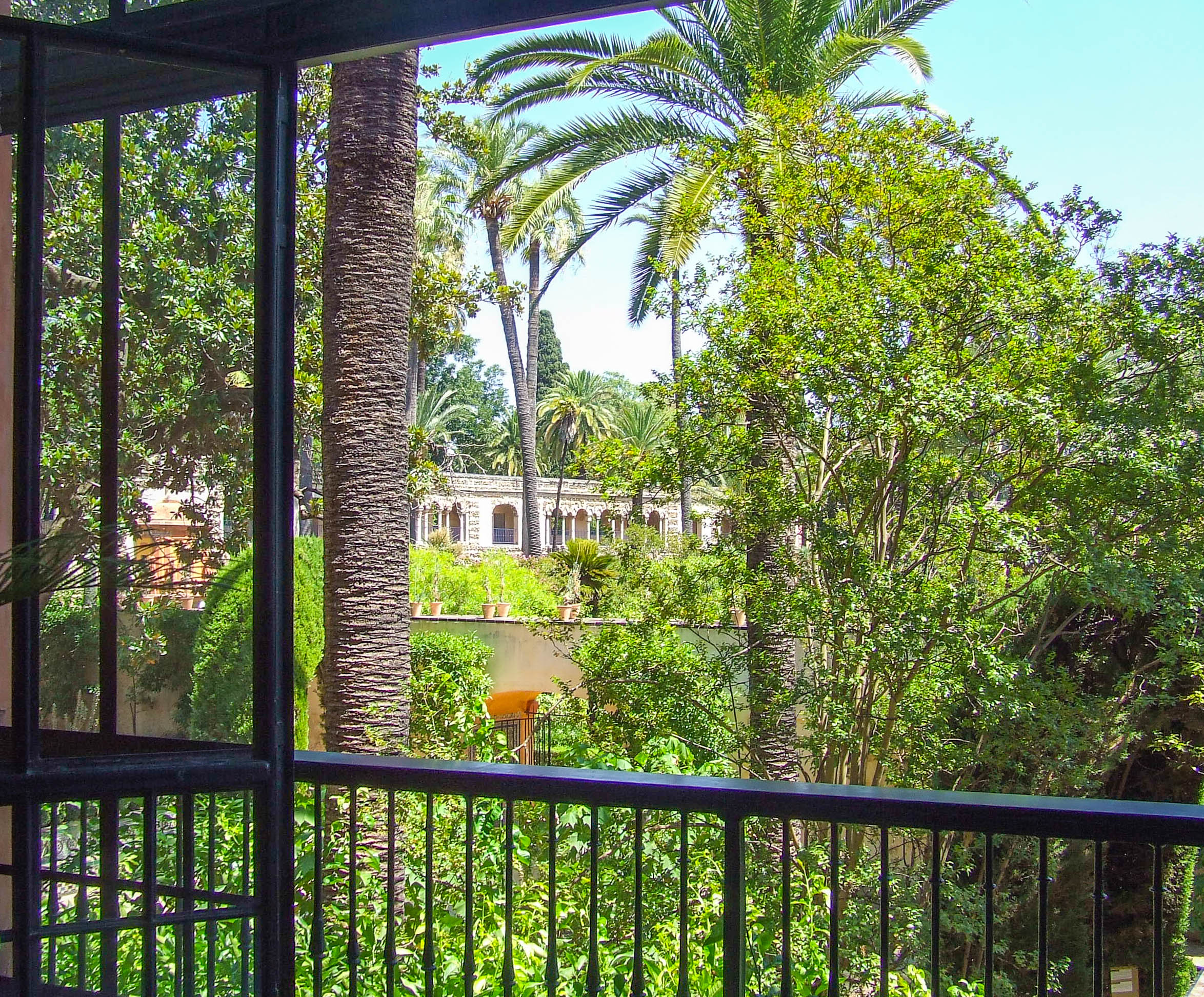
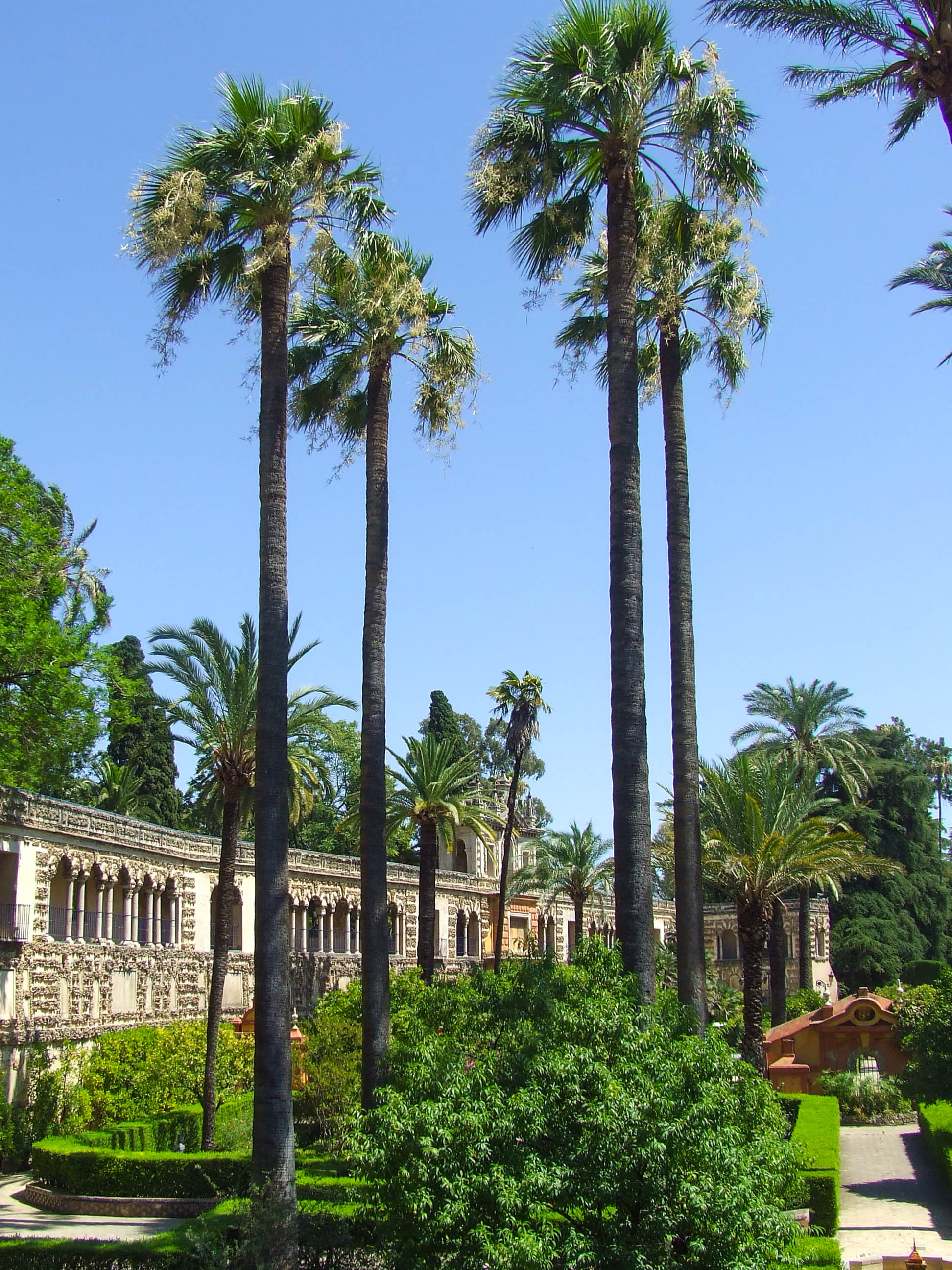
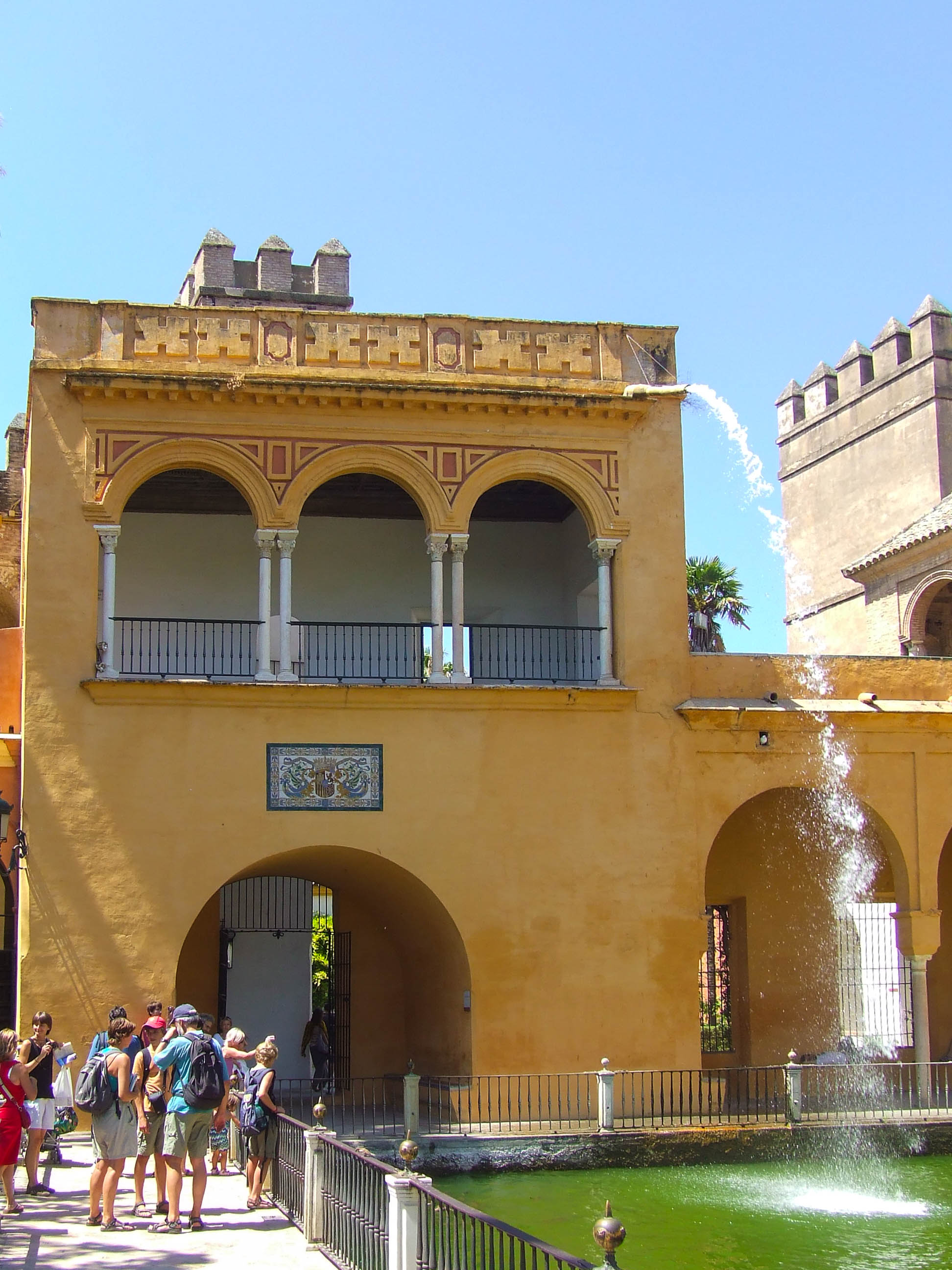
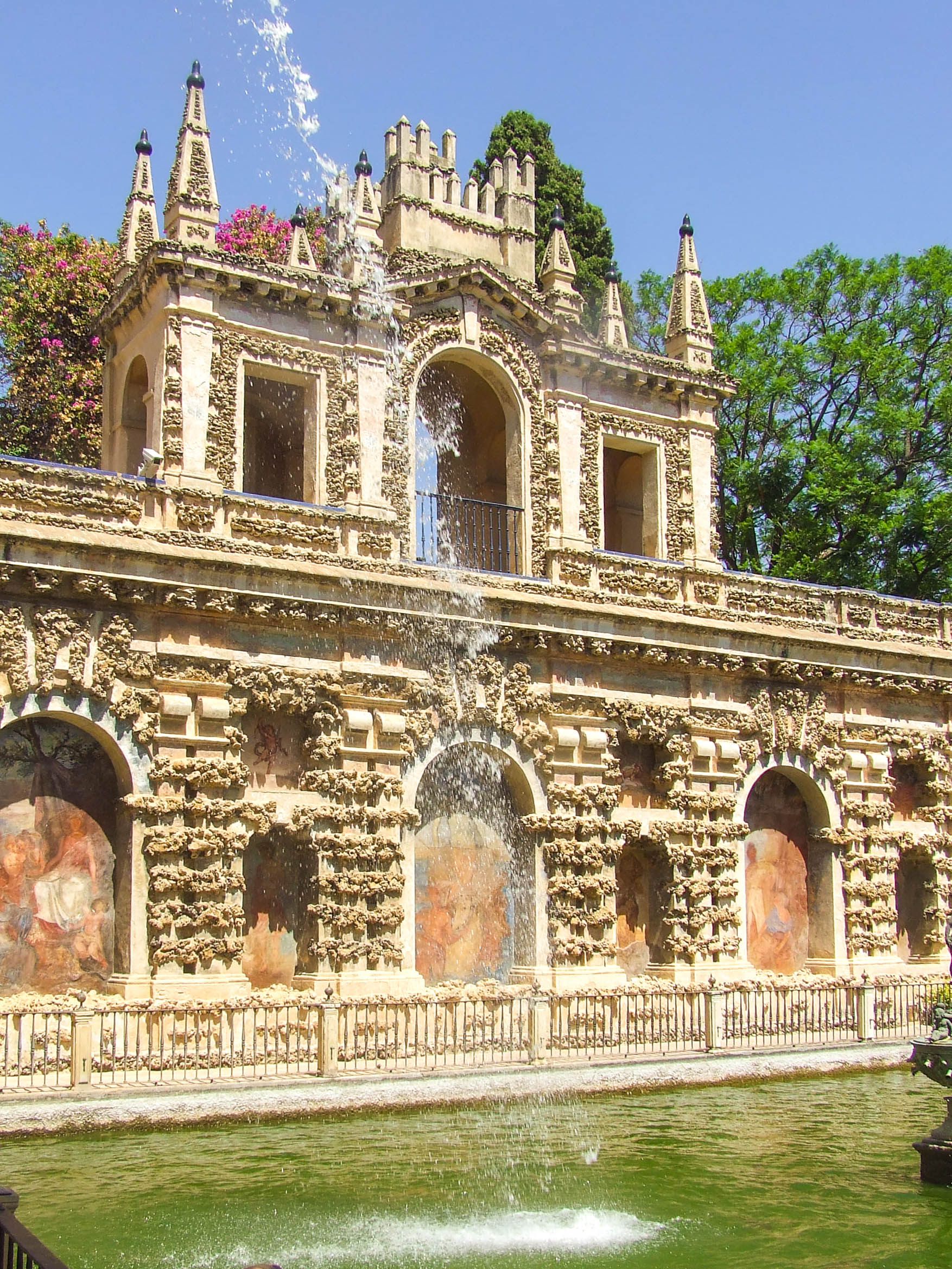
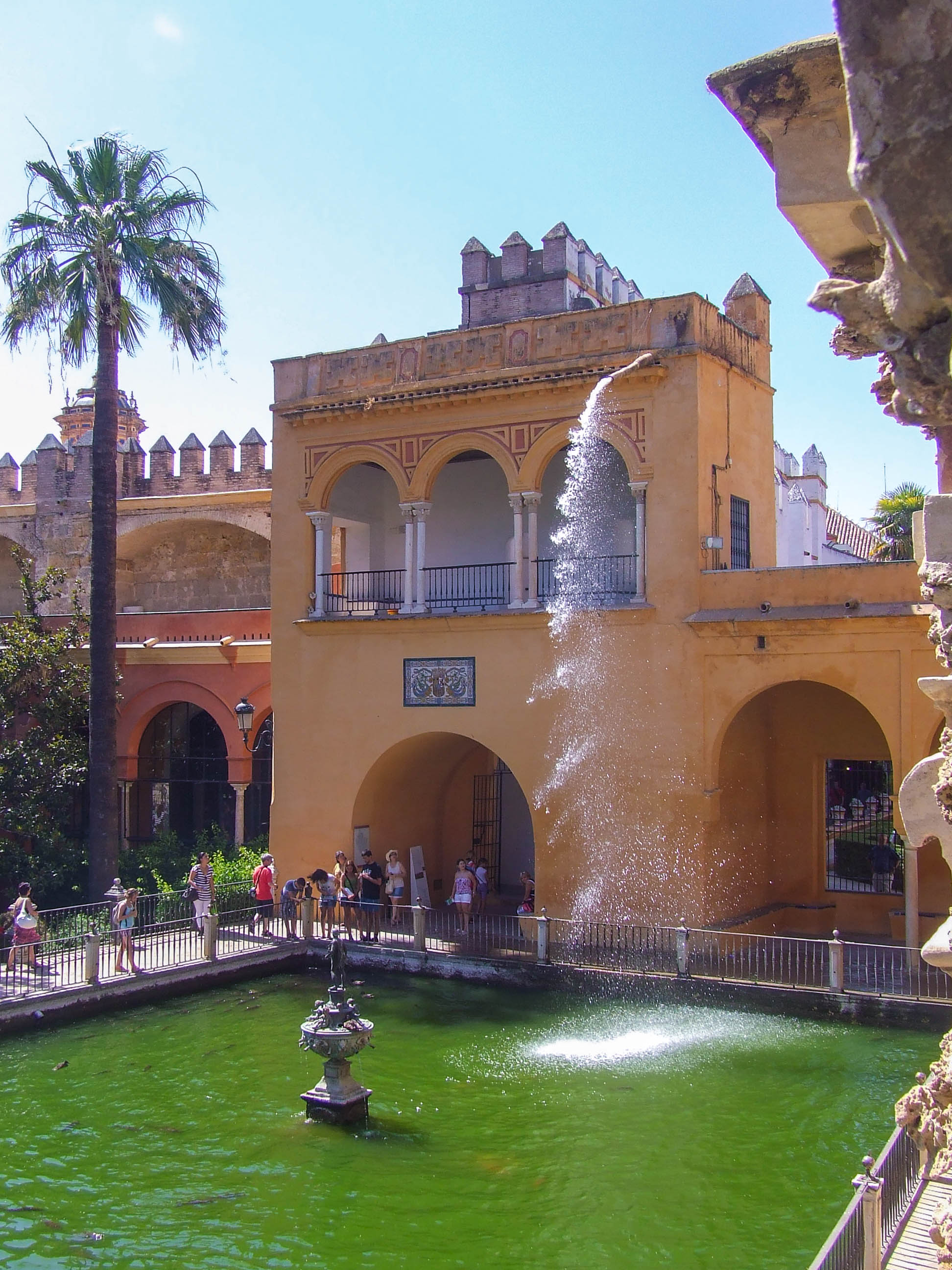
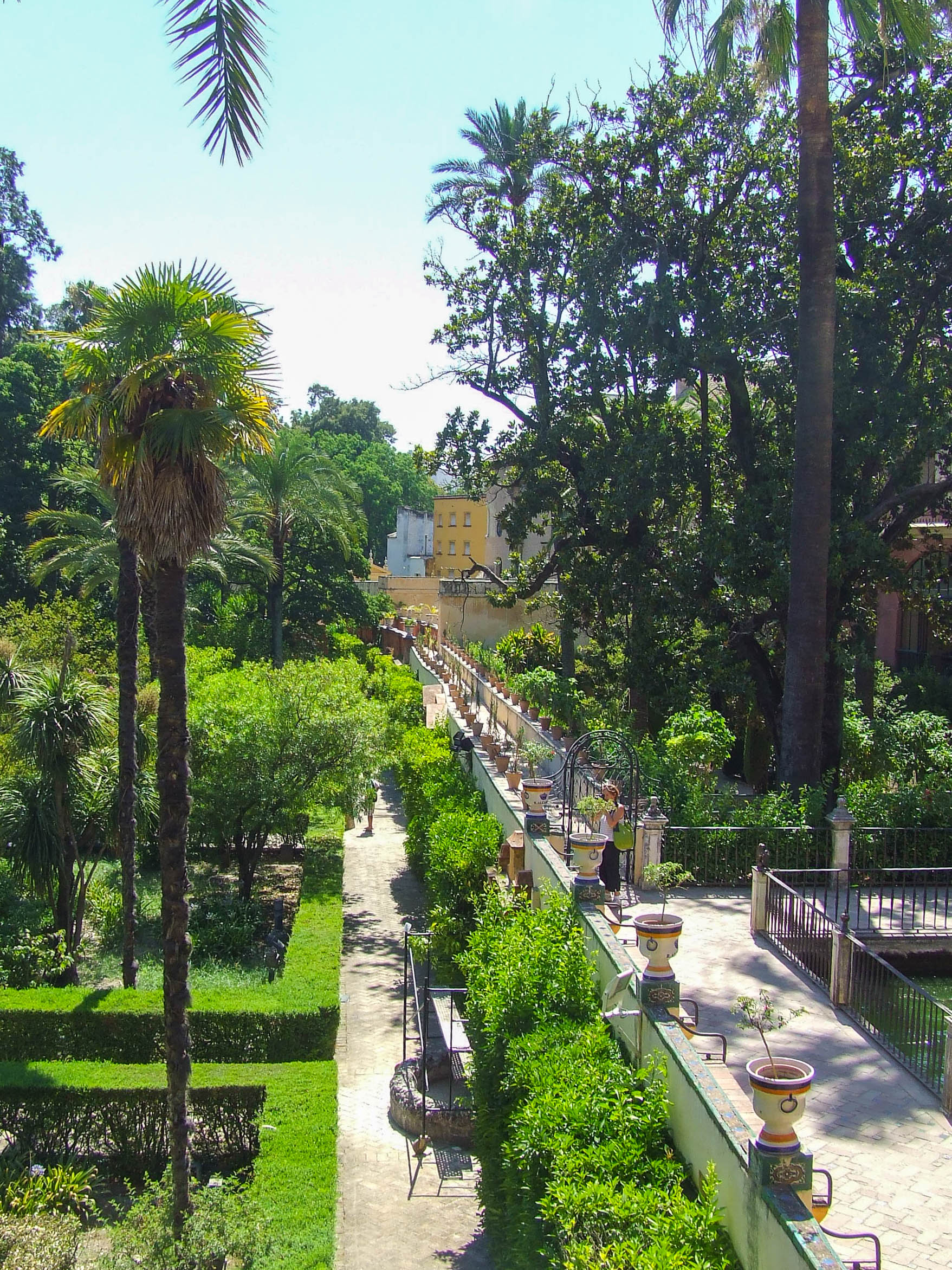
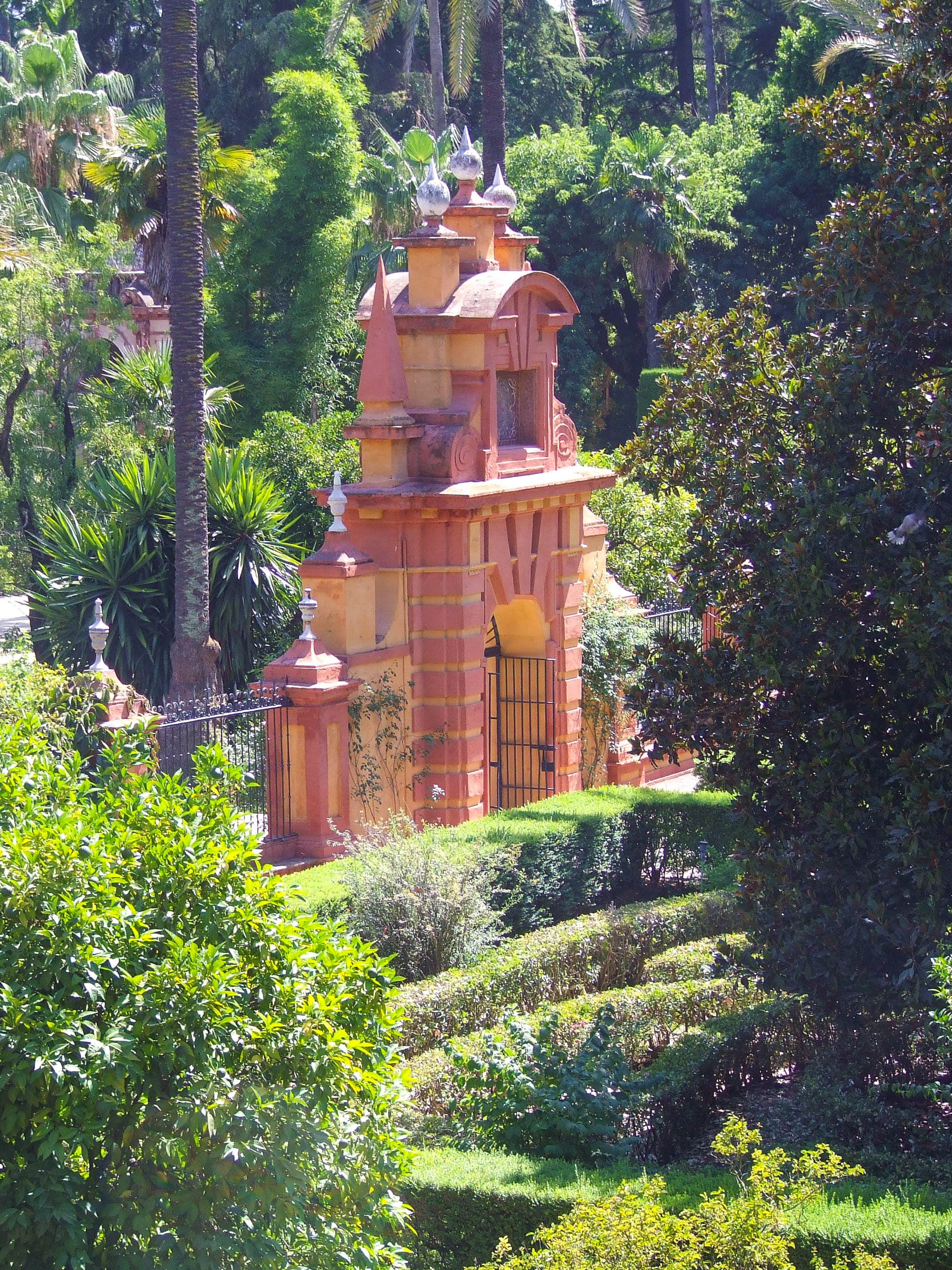
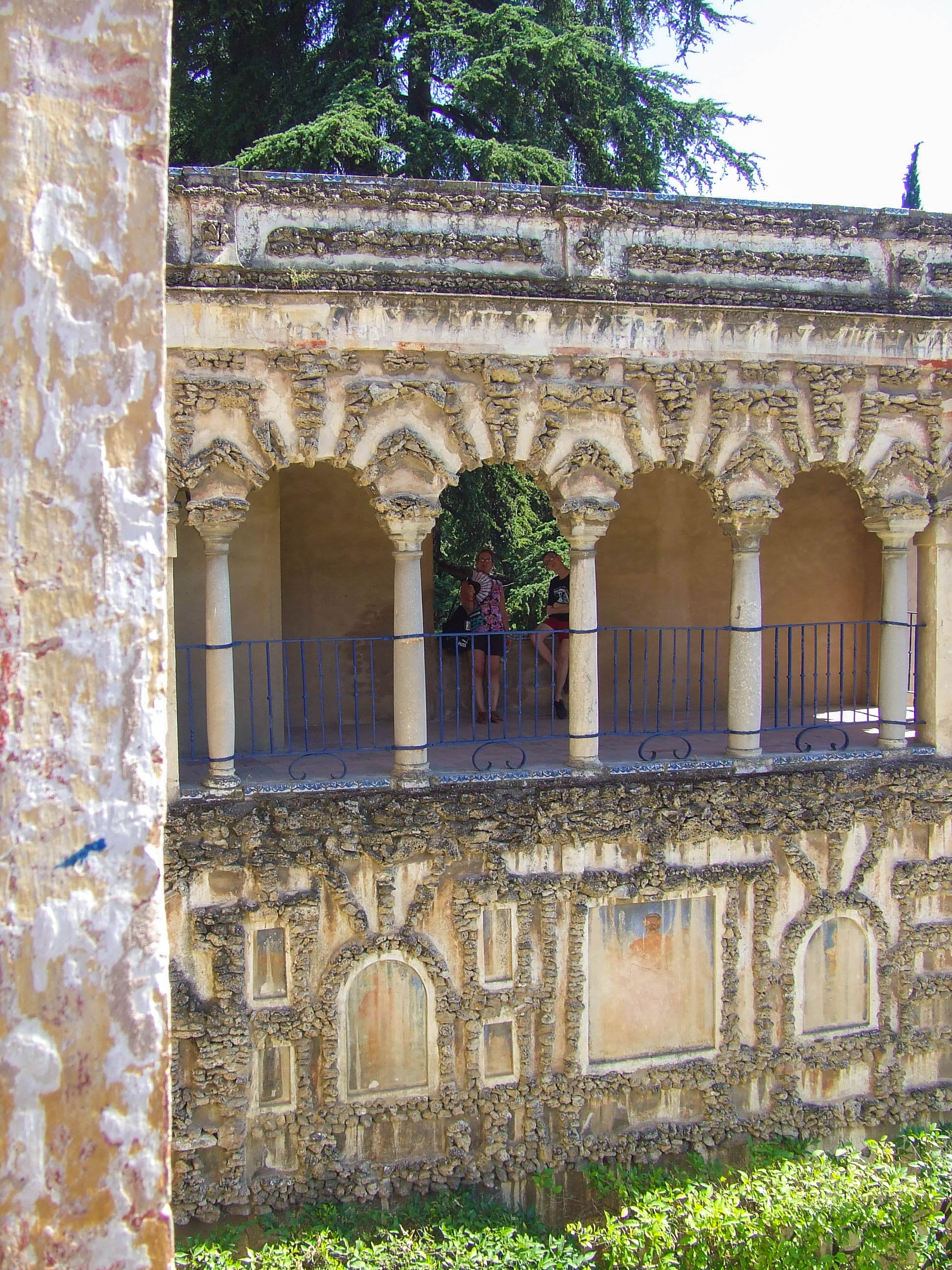
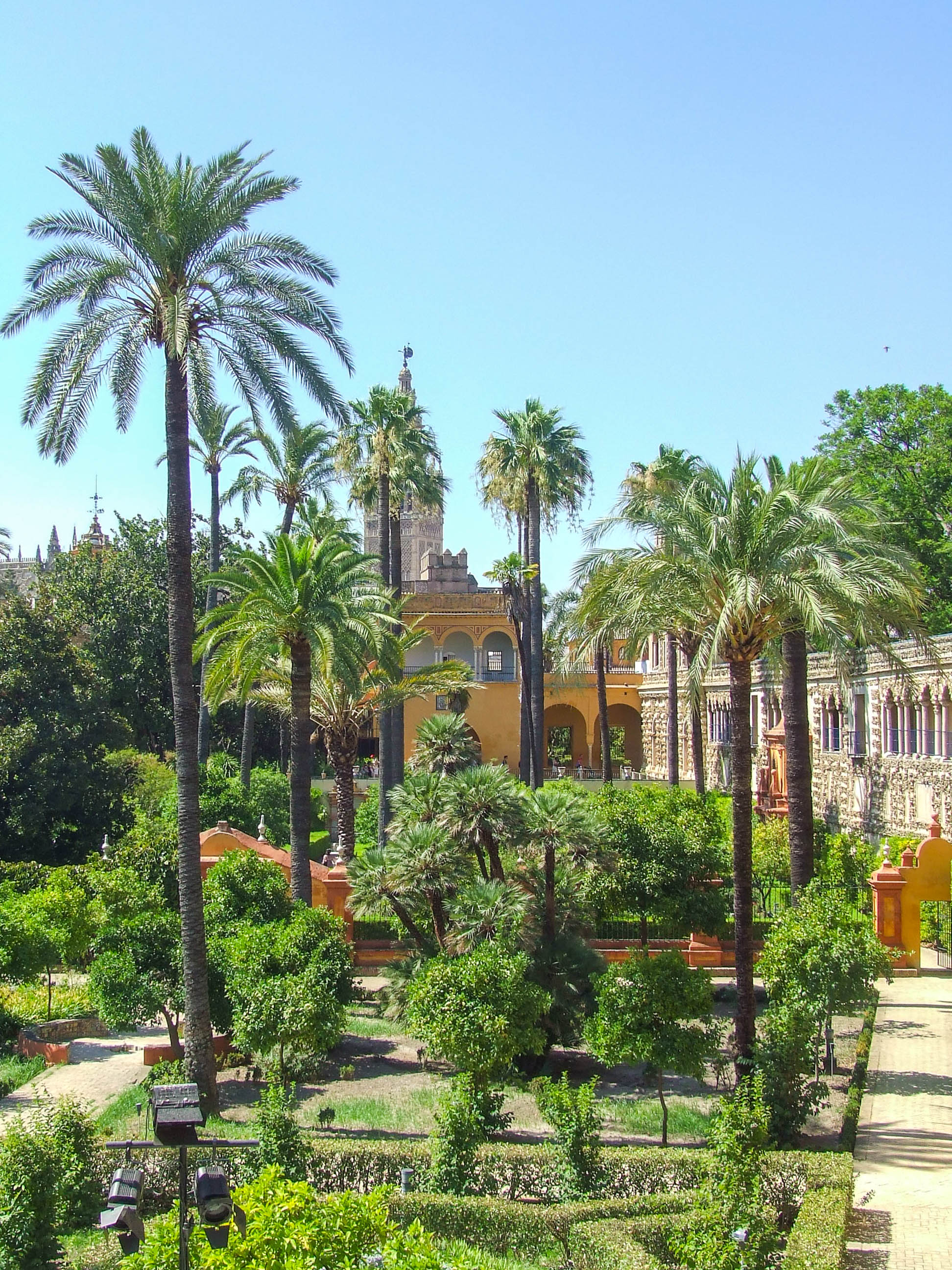
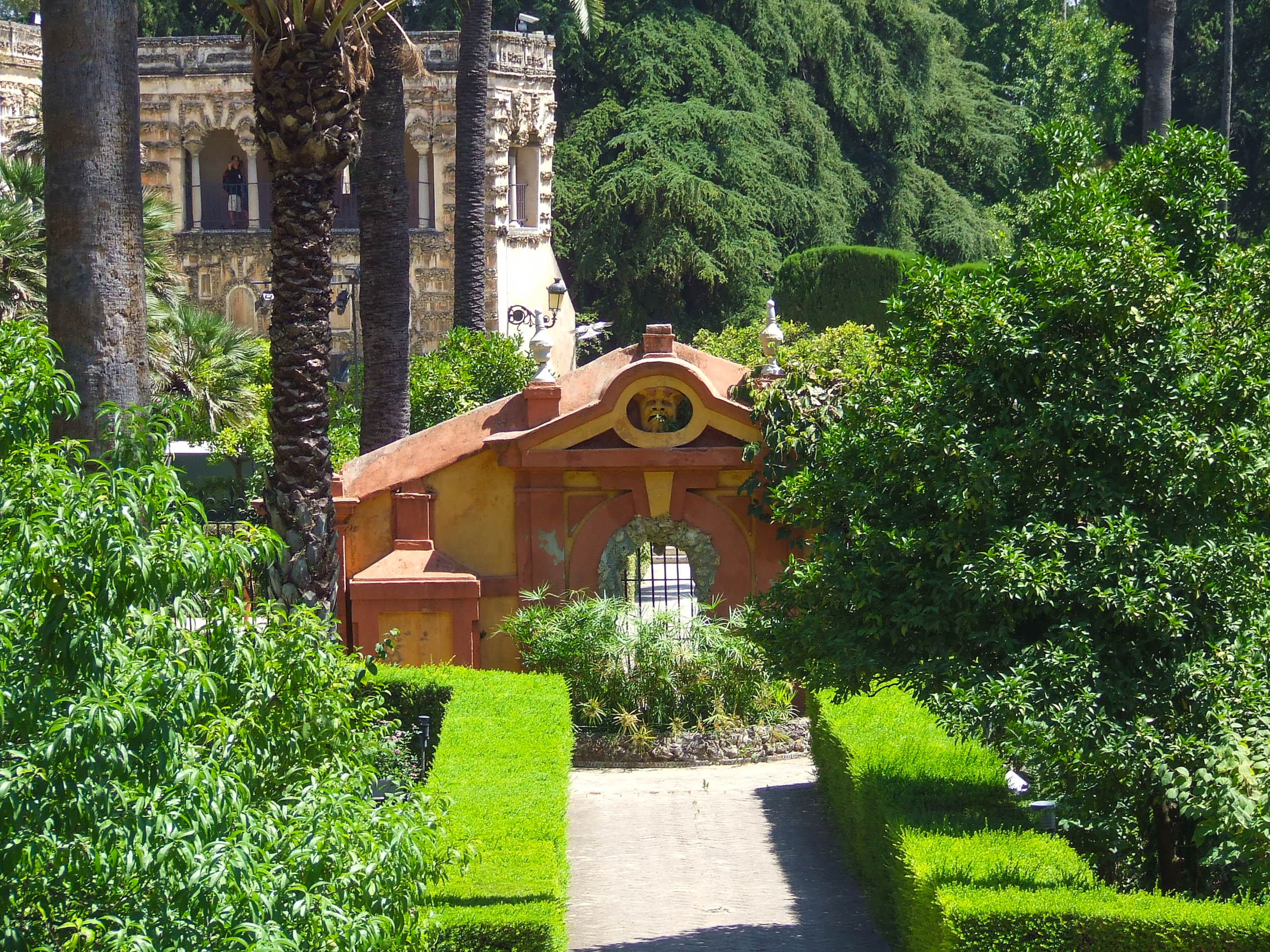
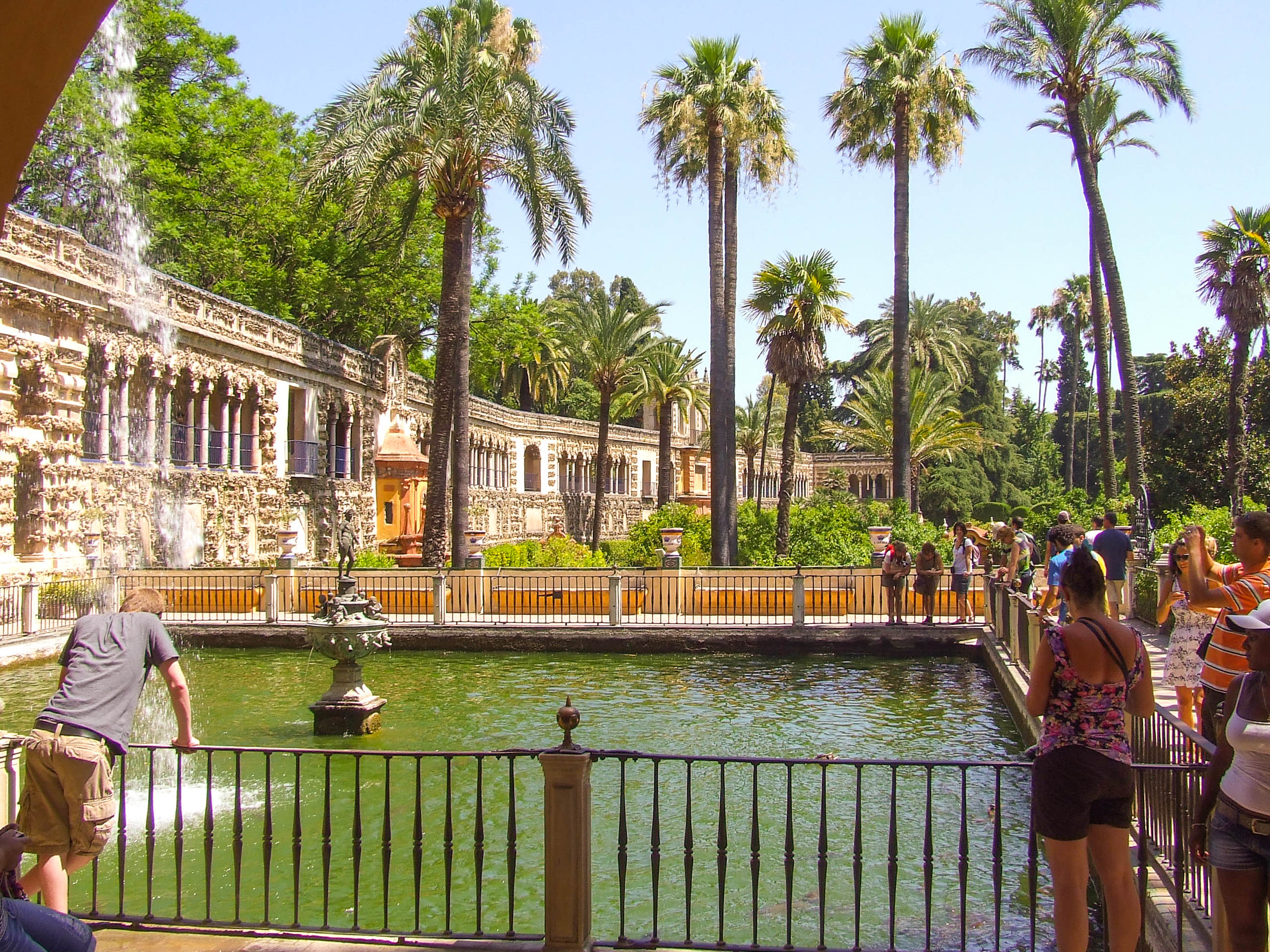
The palace gardens are an essential part of the Alcázar’s experience: formal terraces, shaded arcades, fountains and reflecting pools create cool microclimates and framed vistas. Water—both functional and decorative—has been reworked over centuries, turning former service reservoirs into ornamental ponds and axial fountains that punctuate the garden sequence. The gardens are as much a historical palimpsest as the buildings, with plantings and layouts reflecting Renaissance and later tastes
The Alcázar is Europe’s oldest royal palace still in use, valued for its exceptional preservation of Mudéjar art and for its continuous occupation by royalty; it forms a UNESCO World Heritage ensemble together with Seville Cathedral and the General Archive of the Indies. Its living status means parts of the upper floors remain closed when the royal family is in residence, but most historic circuits are open to visitors.

