HOME

Avenida de la Constitución

Avenida de la Constitución

SevilleAndalusia,   Spain

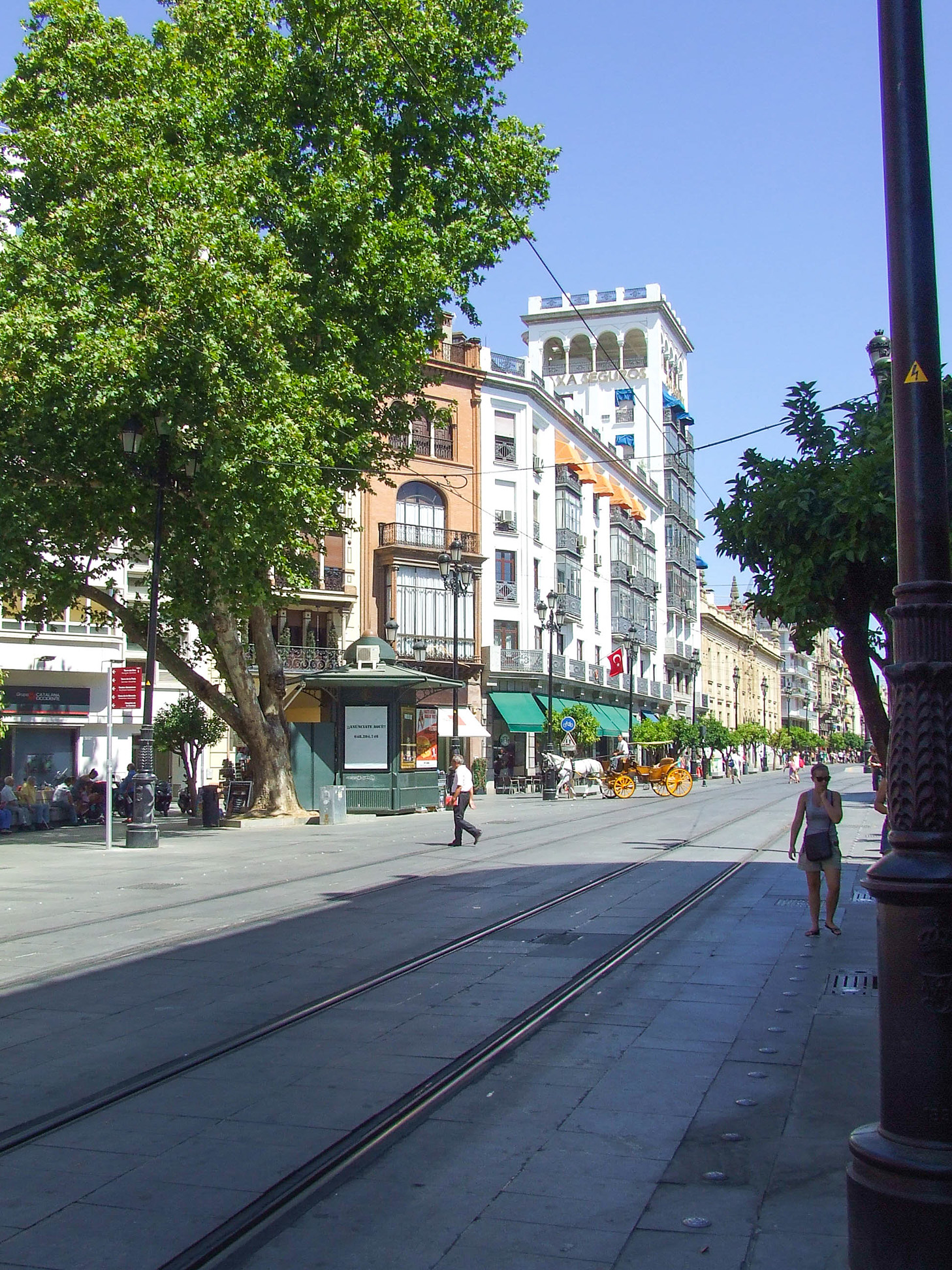
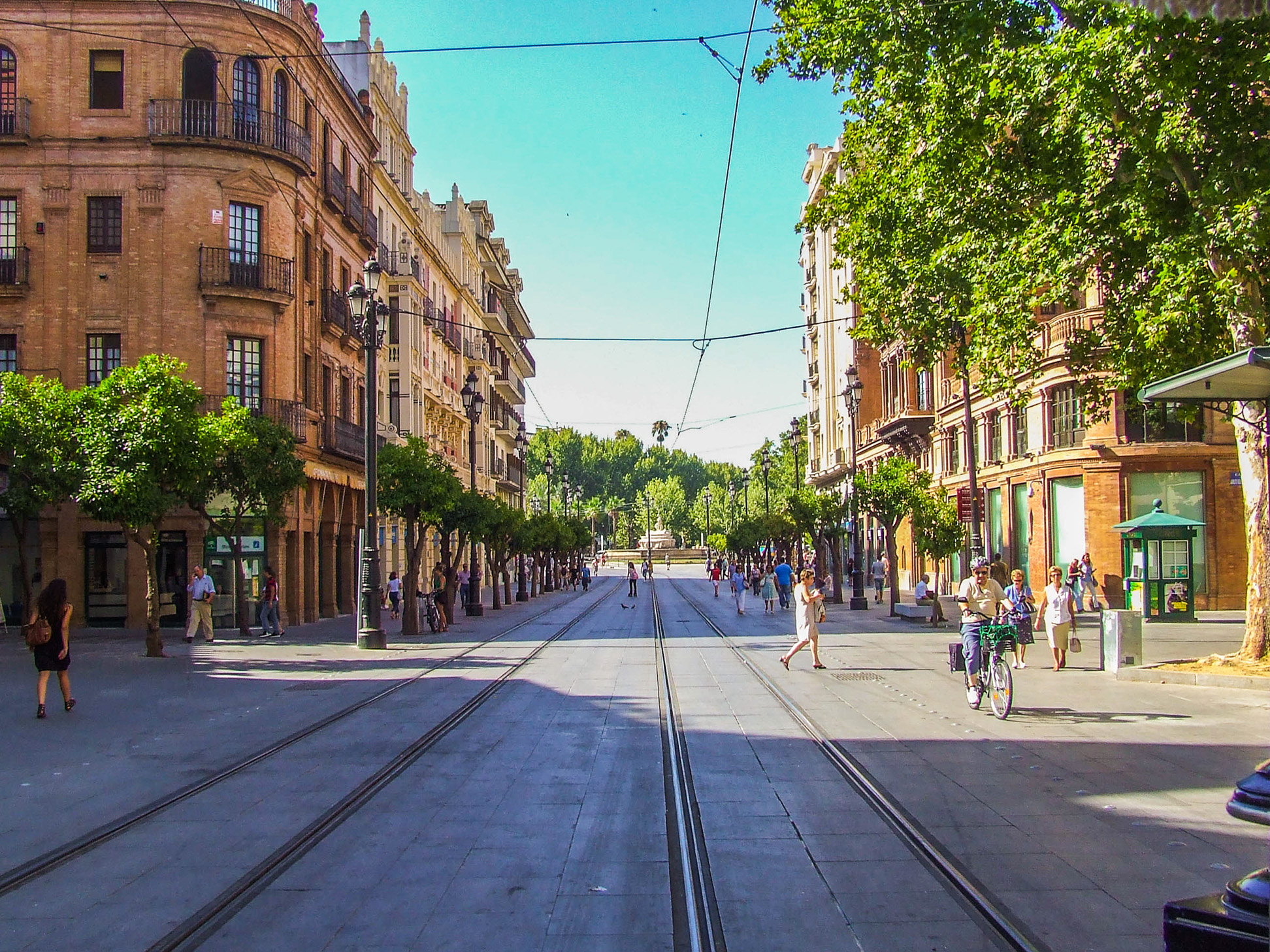
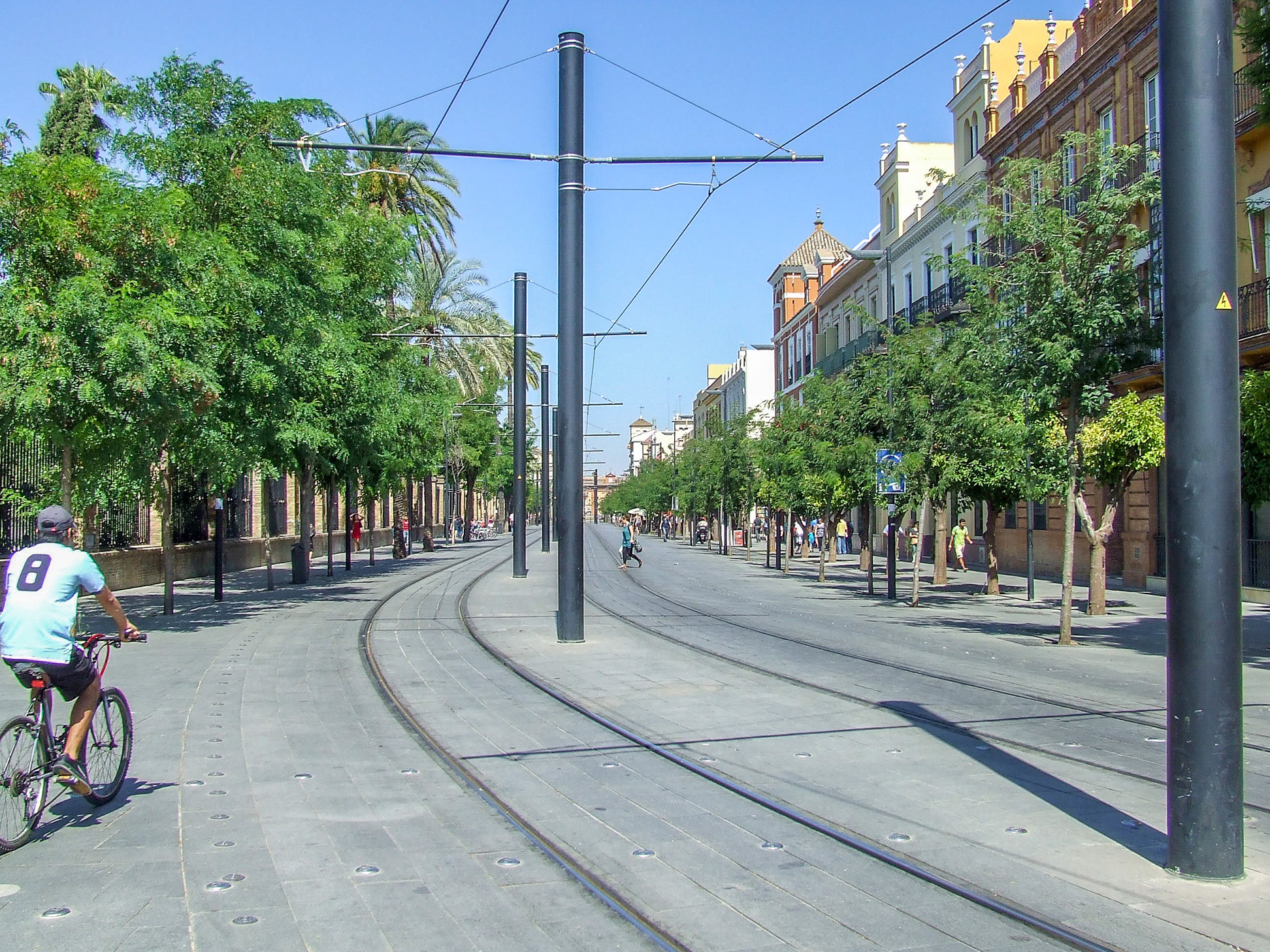
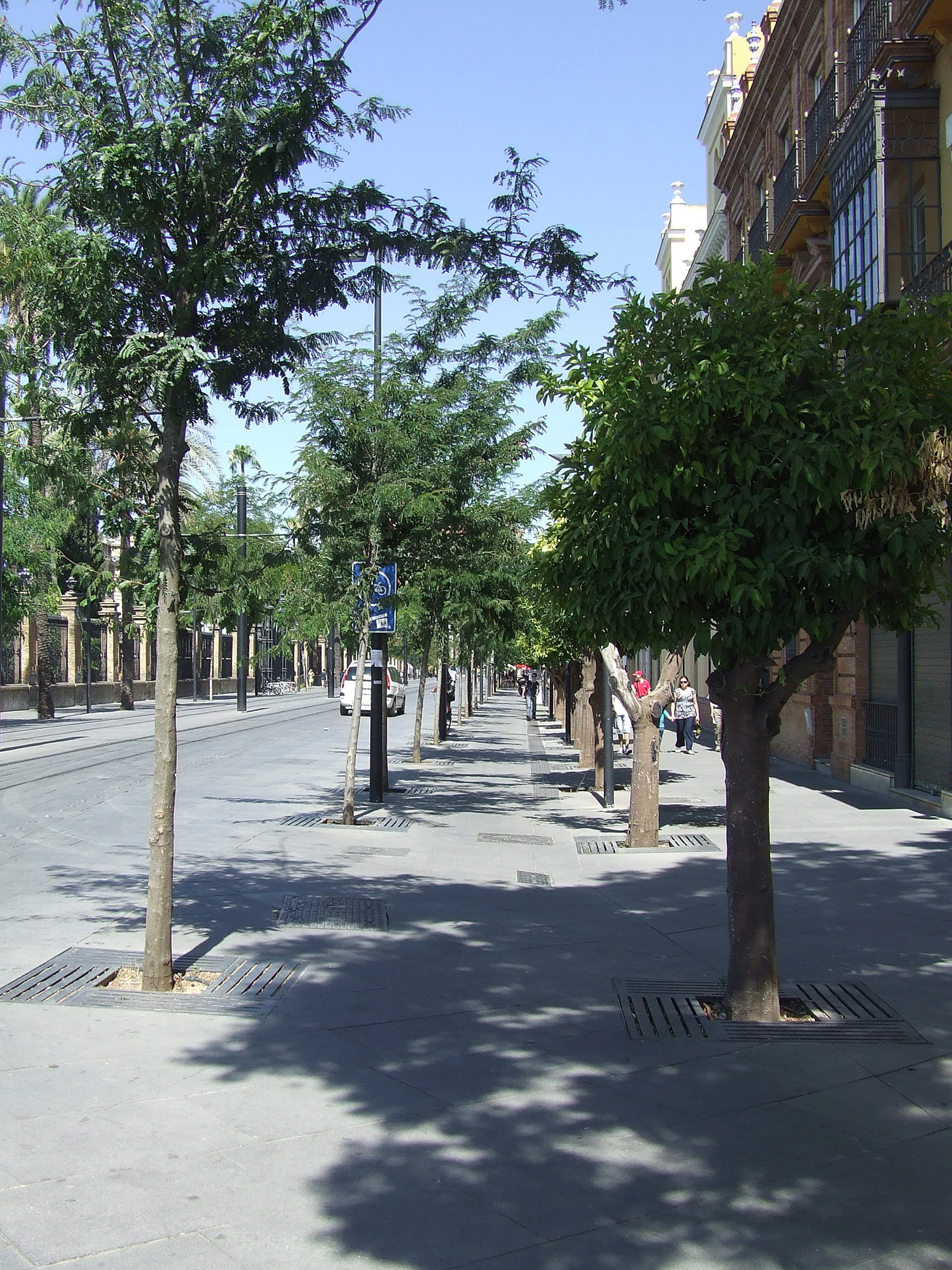
Avenida de la Constitución is one of the most iconic streets in Seville, Spain. It runs through the heart of the city, connecting Plaza de San Francisco to the Guadalquivir River. The avenue is lined with historic buildings, shops, and cafes, and is a central hub for both locals and tourists. It is particularly famous for its role in Seville's vibrant cultural and social life.
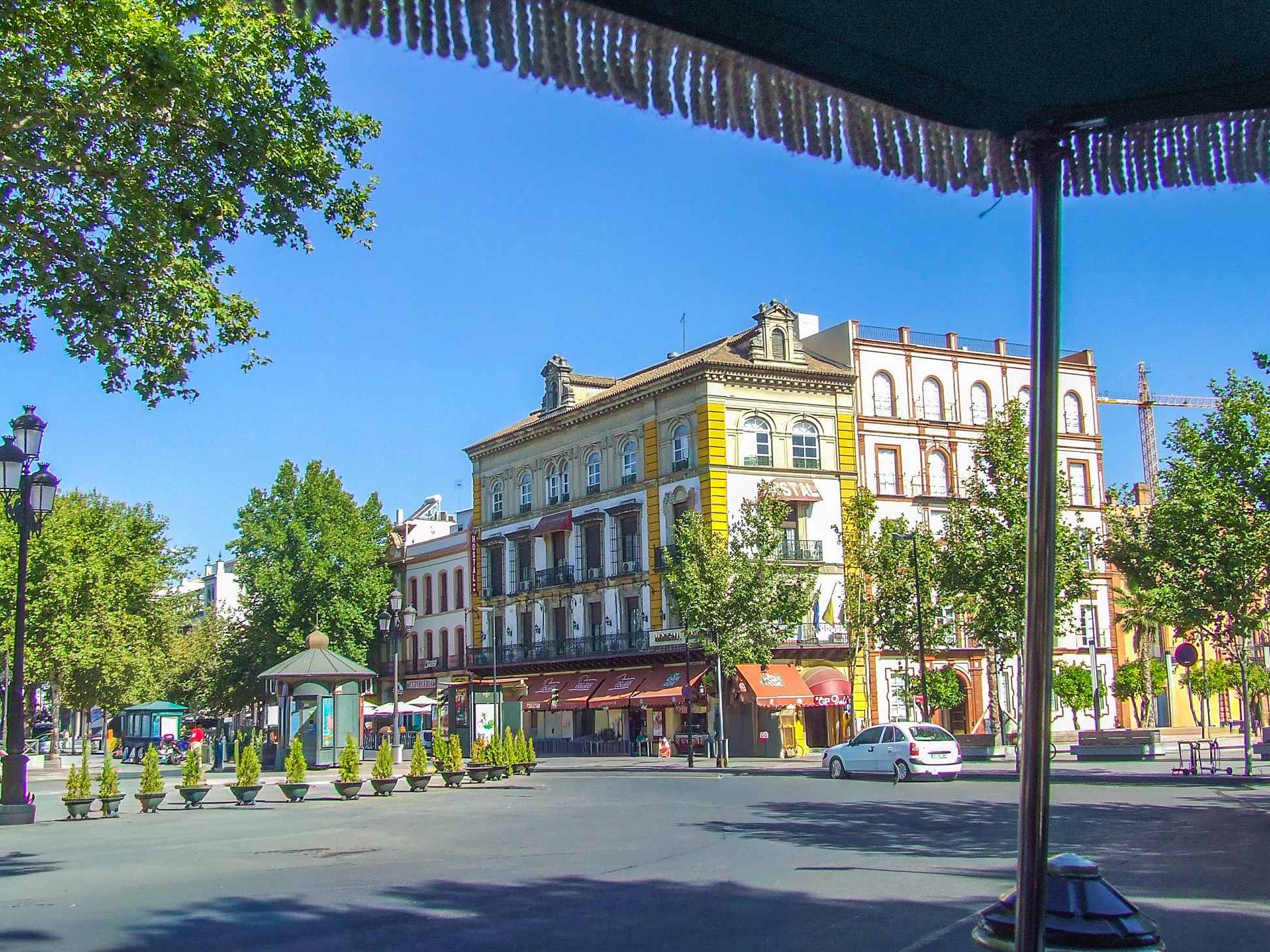
Fuente de Híspalis de Puerta de Jerez
Near the Fuente de Híspalis de Puerta de Jerez ‐ photo by ,
©www.mgaylard.co.uk.
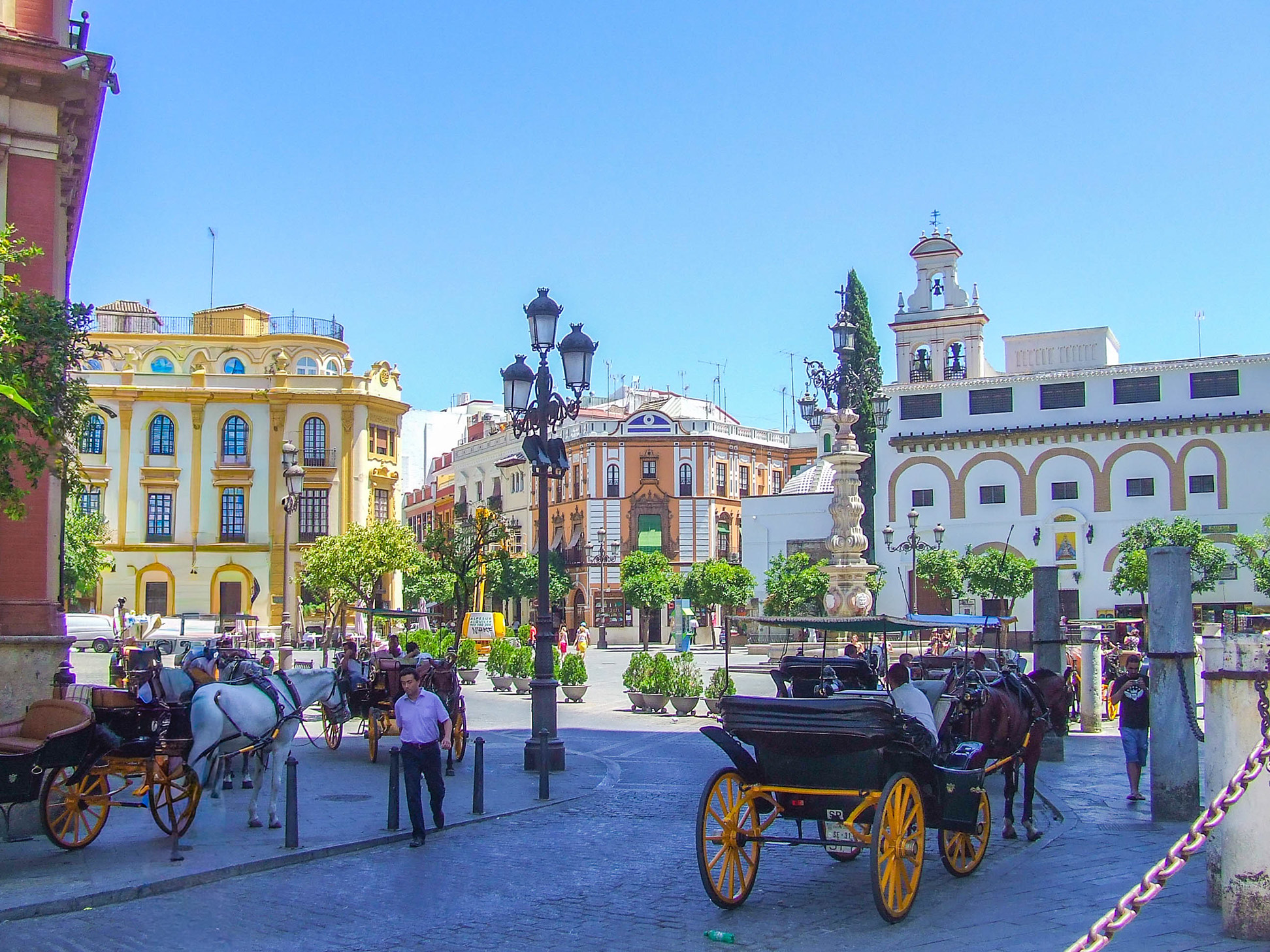
Near the Fuente de Híspalis de Puerta de Jerez
Near the Fuente de Híspalis de Puerta de Jerez ‐ photo by ,
©www.mgaylard.co.uk.
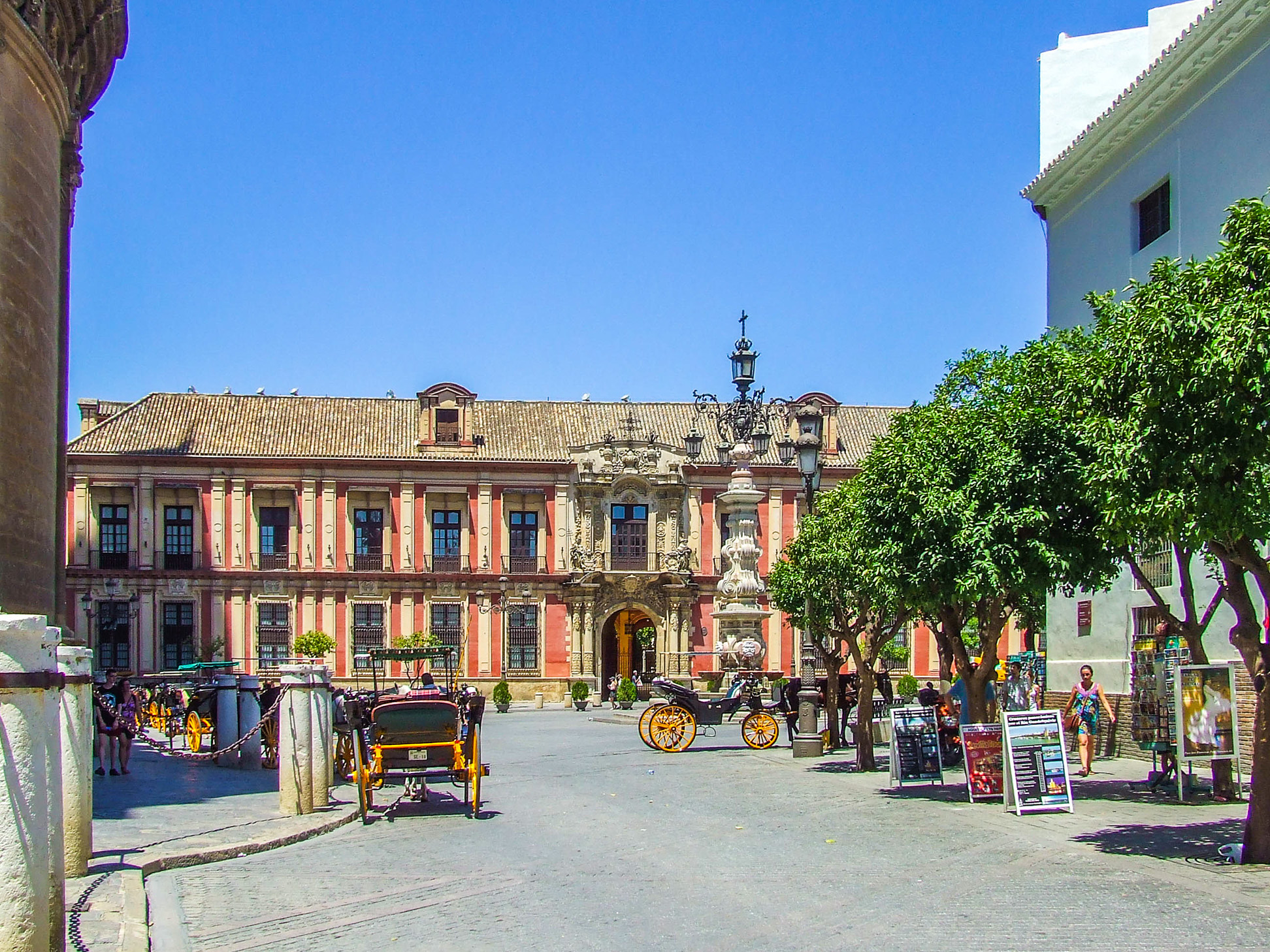
opposite Archivo de Indias
Casco Antiguo, the Old Quarter, opposite Archivo de Indias ‐ photo by ,
©www.mgaylard.co.uk.
Casco Antiguo, the Old Quarter
Casco Antiguo, the Old Quarter ‐ photo by ,
©www.mgaylard.co.uk.
Calle San Fernando
Calle San Fernando ‐ photo by ,
©www.mgaylard.co.uk.
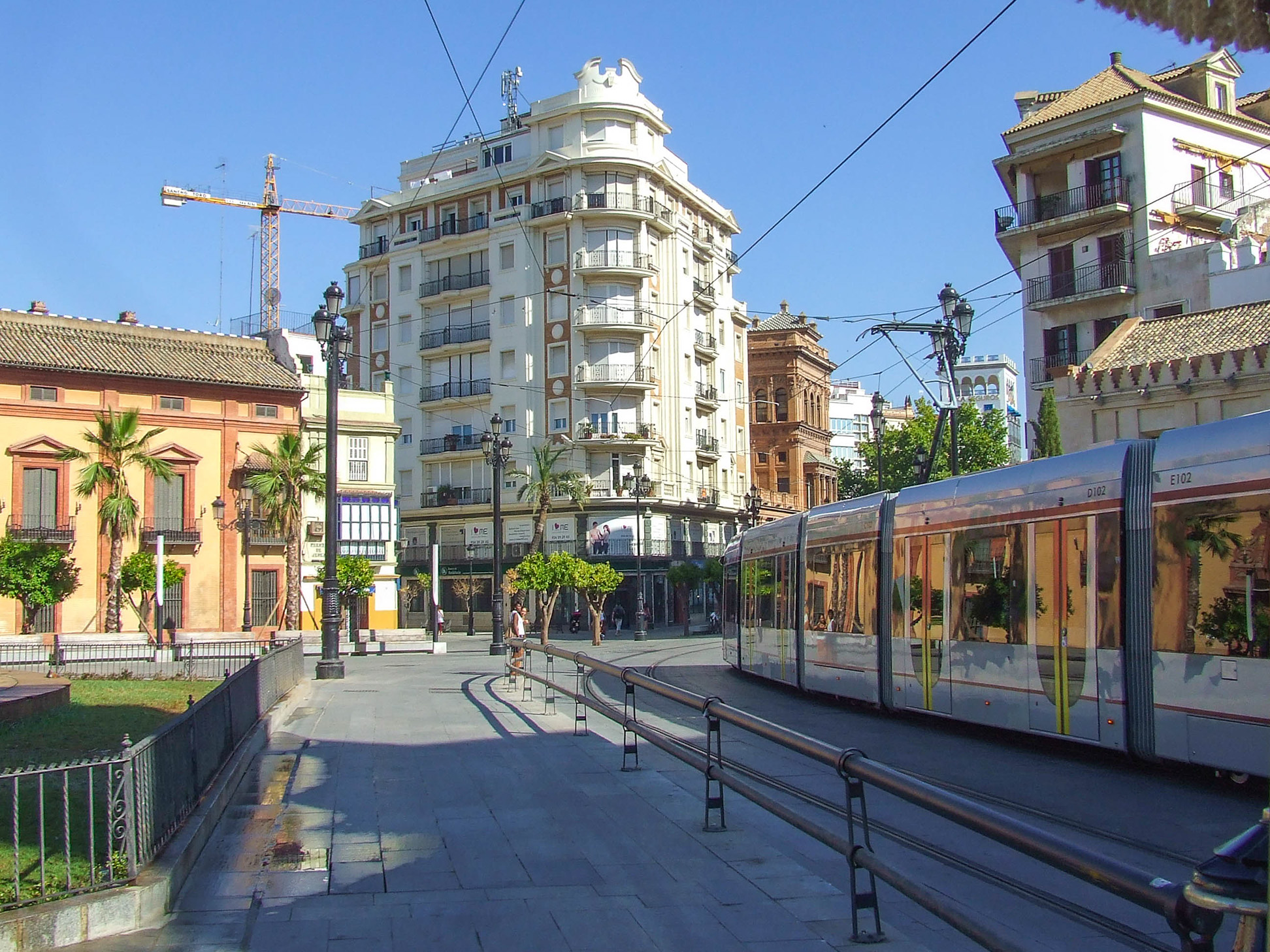
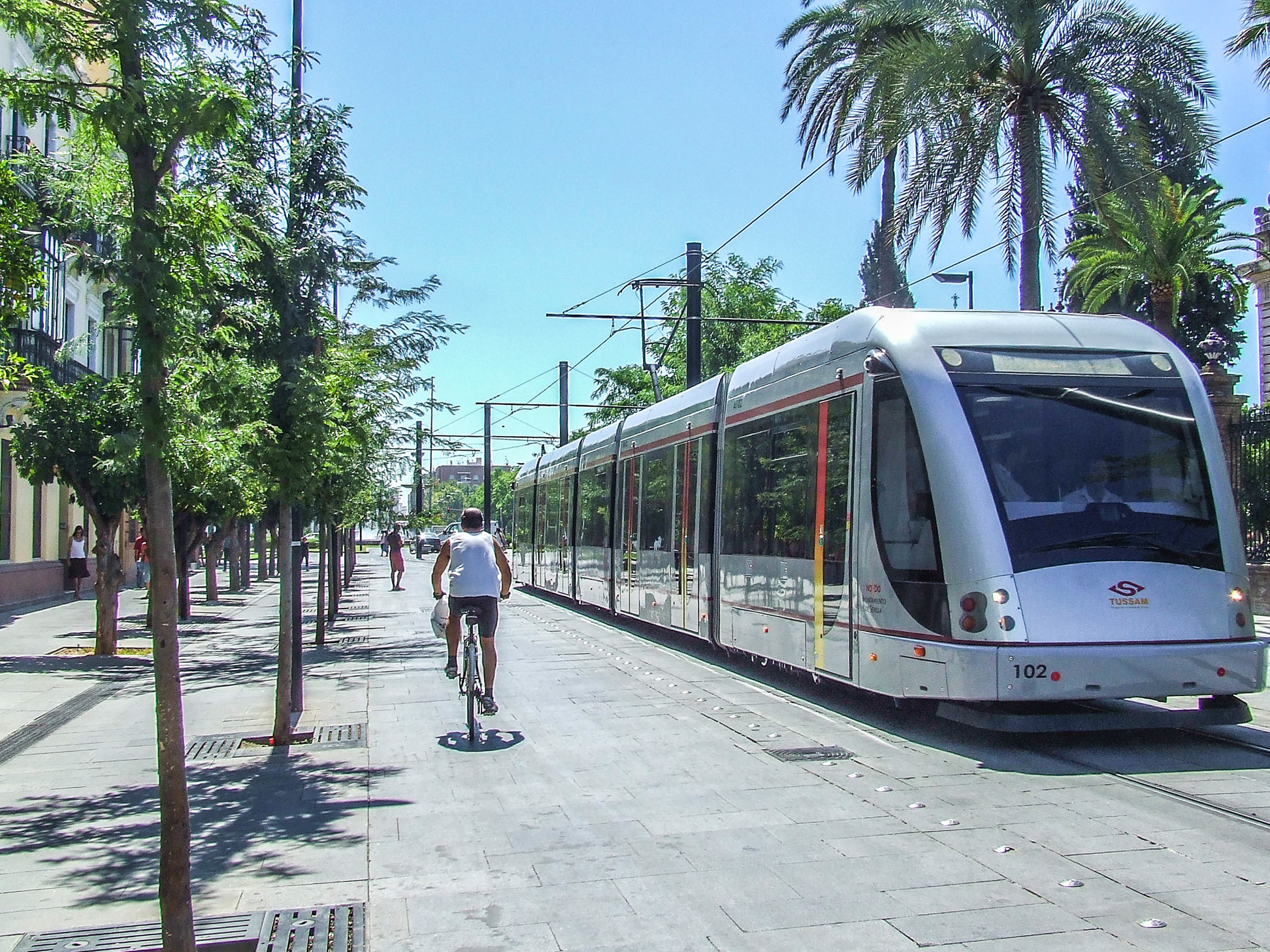
modern tram
modern tram ‐ photo by ,
©www.mgaylard.co.uk.
modern tram
modern tram ‐ photo by ,
©www.mgaylard.co.uk.
Hotel Alfonso XIII
Hotel Alfonso XIII ‐ photo by ,
©www.mgaylard.co.uk.
Hotel Alfonso XIII
Hotel Alfonso XIII ‐ photo by ,
©www.mgaylard.co.uk.
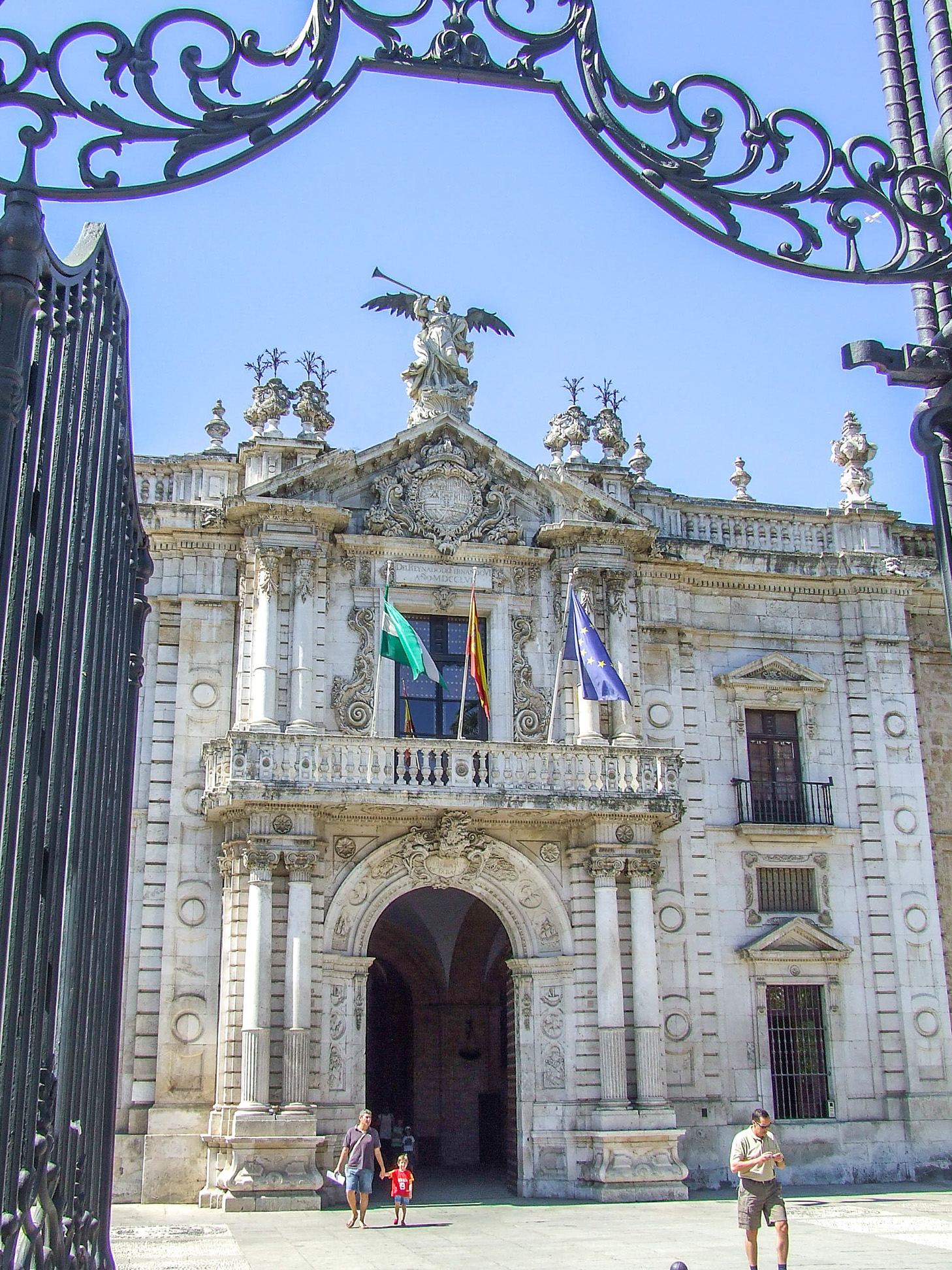
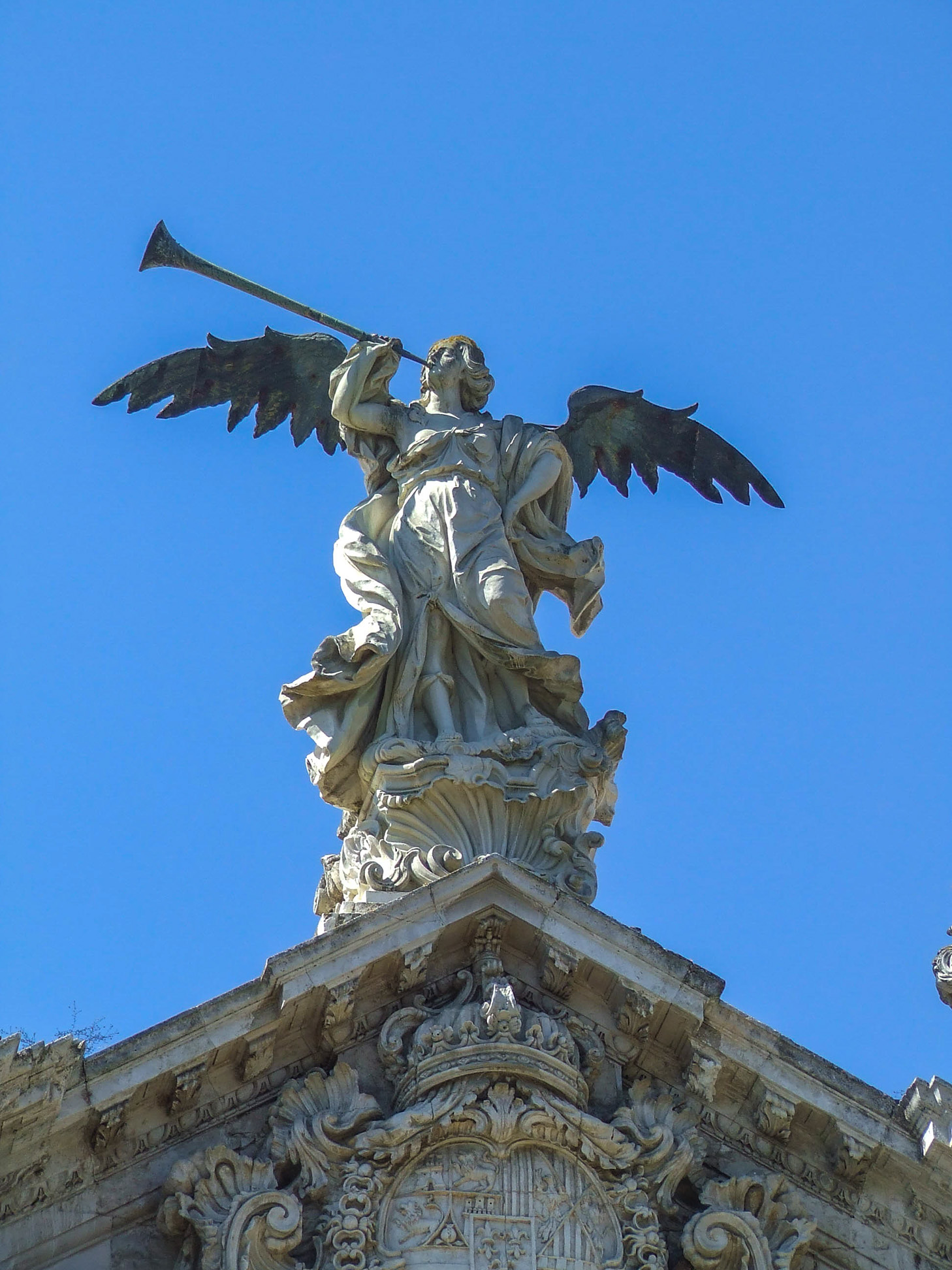
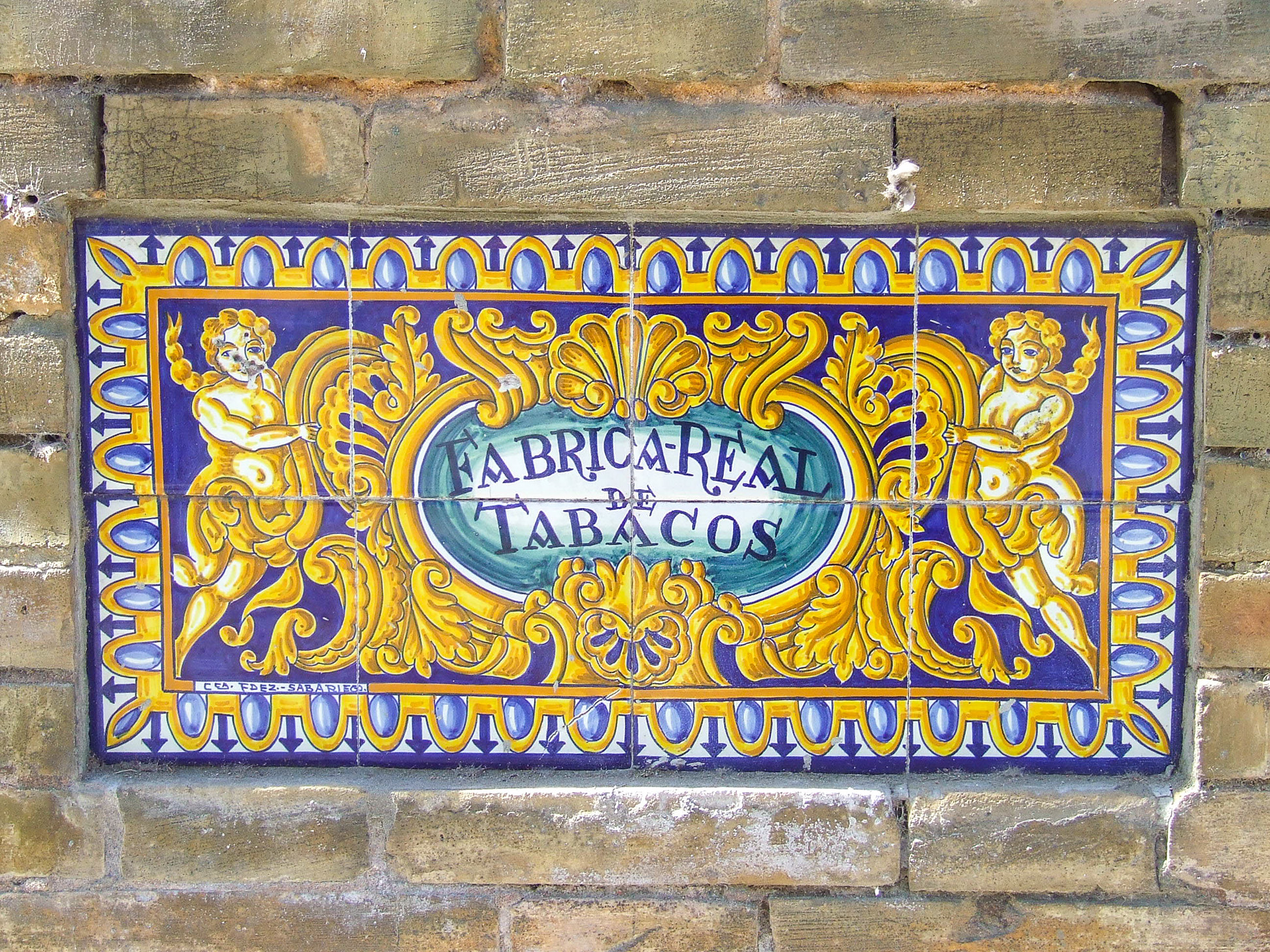
Fábrica de Tabacos
Fábrica de Tabacos ‐ photo by ,
©www.mgaylard.co.uk.
Hotel Alfonso XIII is a Luxury Collection hotel in Seville, commissioned by King Alfonso XIII to host international dignitaries for the 1929 Ibero-American Exhibition. Considered a cultural landmark of the city, located right beside the Reales Alcázares and close to the Cathedral in the historic Santa Cruz quarter. Known for its Moorish-influenced architecture, Andalusian design, and richly decorated interiors that reflect Sevillian heritage.
Fábrica de Tabacos
Fábrica de Tabacos ‐ photo by ,
©www.mgaylard.co.uk.
Fábrica de Tabacos
Fábrica de Tabacos ‐ photo by ,
©www.mgaylard.co.uk.
Palacio Arzobispal
Palacio Arzobispal ‐ photo by ,
©www.mgaylard.co.uk.
Beyond its industrial role, the tobacco factory became famous as the setting for Bizet’s opera Carmen, which was based on Prosper Mérimée’s novella of the same name.
The character of Carmen was created by French writer Prosper Mérimée in his 1845 novella Carmen. Mérimée was inspired by his travels in Spain and the fiery, independent spirit of Andalusian women, particularly those working in the tobacco factories. Carmen is a gypsy cigarette girl working at the Seville tobacco factory. She is passionate, free-spirited, and defiant. Her story revolves around her tumultuous love affair with Don José, a naive soldier, which leads to jealousy, betrayal, and ultimately tragedy. The opera’s vibrant music, including the Habanera and Toreador Song, has made it one of the most performed operas worldwide.
Puente de Isabel II
Puente de Isabel II ‐ photo by ,
©www.mgaylard.co.uk.
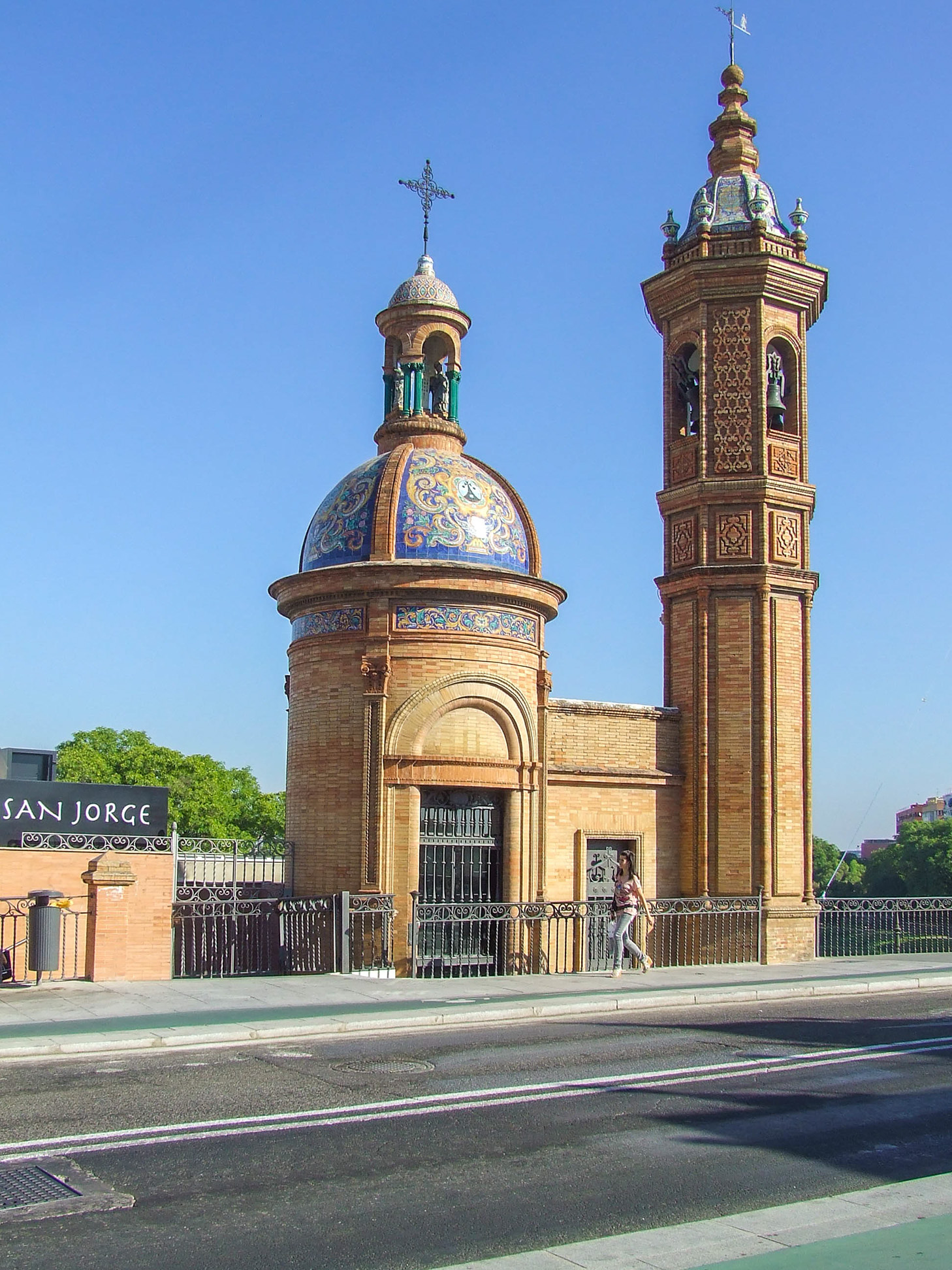
Capilla Virgen del Carmen
Capilla Virgen del Carmen ‐ photo by ,
©www.mgaylard.co.uk.
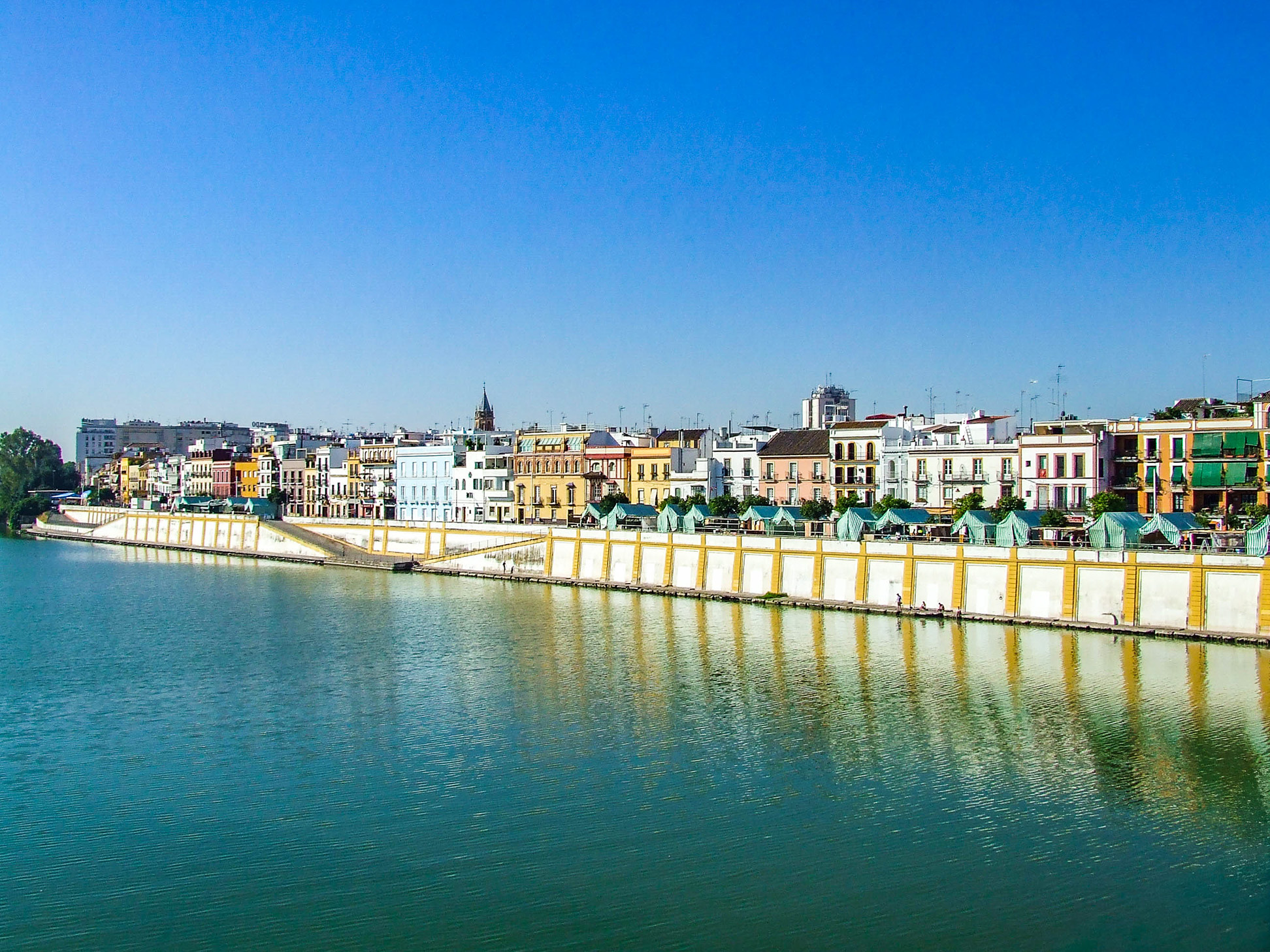
Canal de Alfonso XIII
Canal de Alfonso XIII ‐ photo by ,
©www.mgaylard.co.uk.
The canal connects the Guadalquivir River to the port’s docks, allowing ships to bypass the river’s shallower sections and access the port more efficiently. It was constructed in the early 20th century (completed in 1926) during the reign of King Alfonso XIII, after whom it is named. The canal was designed to improve navigation and access to Seville’s port, facilitating trade and economic growth.
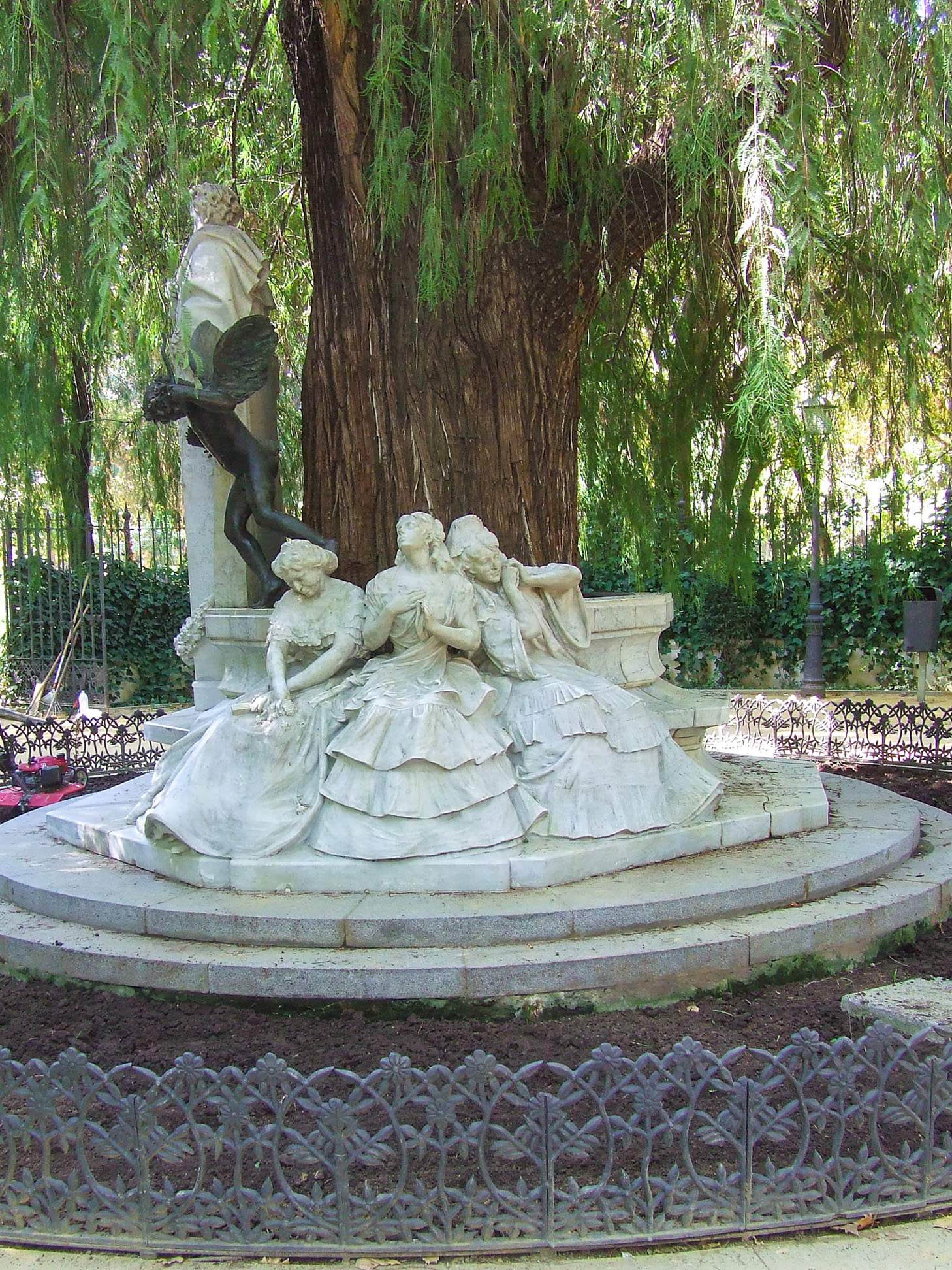
Jardines del Prado de San Sebastián
Jardines del Prado de San Sebastián ‐ photo by ,
©www.mgaylard.co.uk.
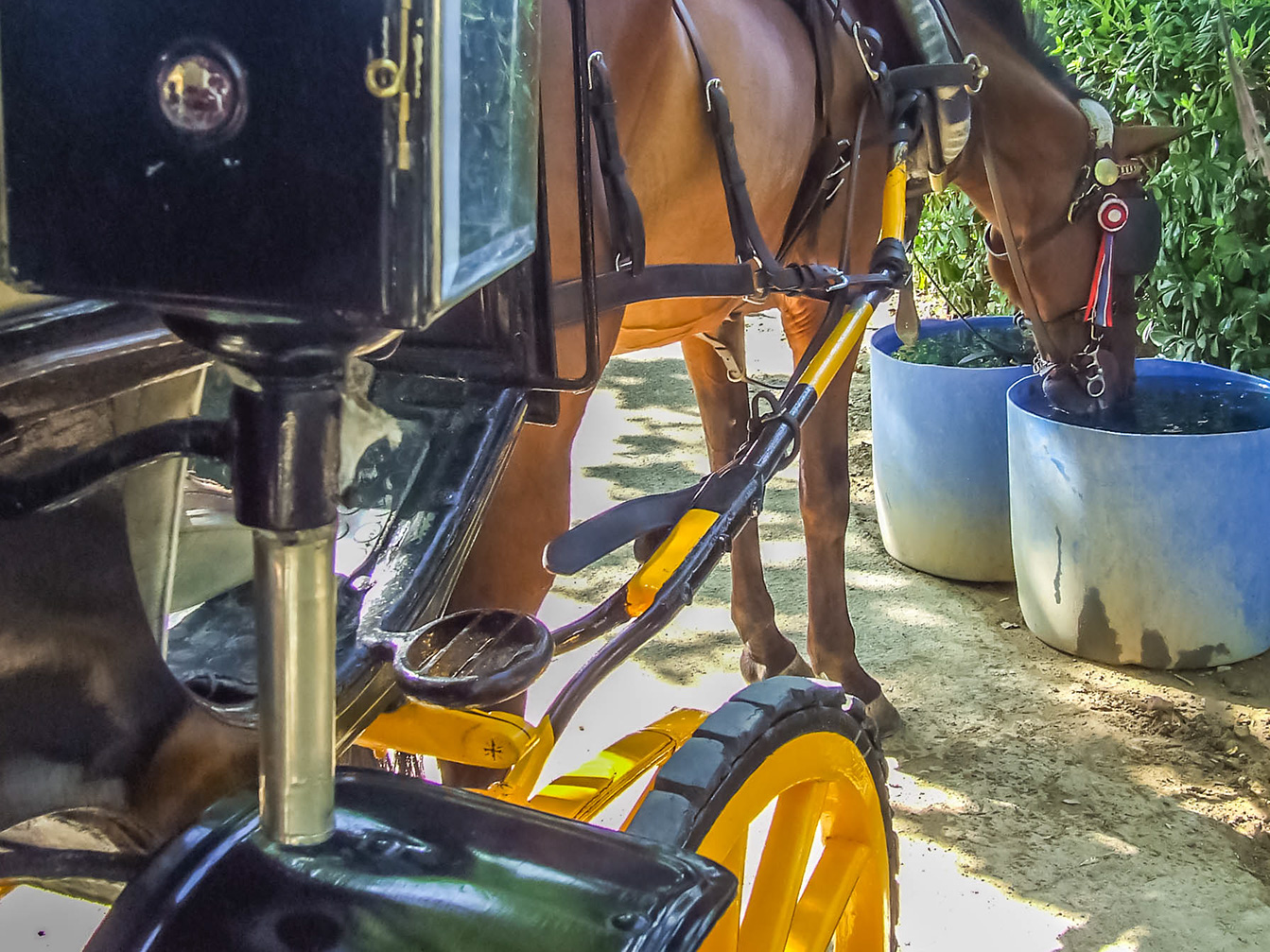
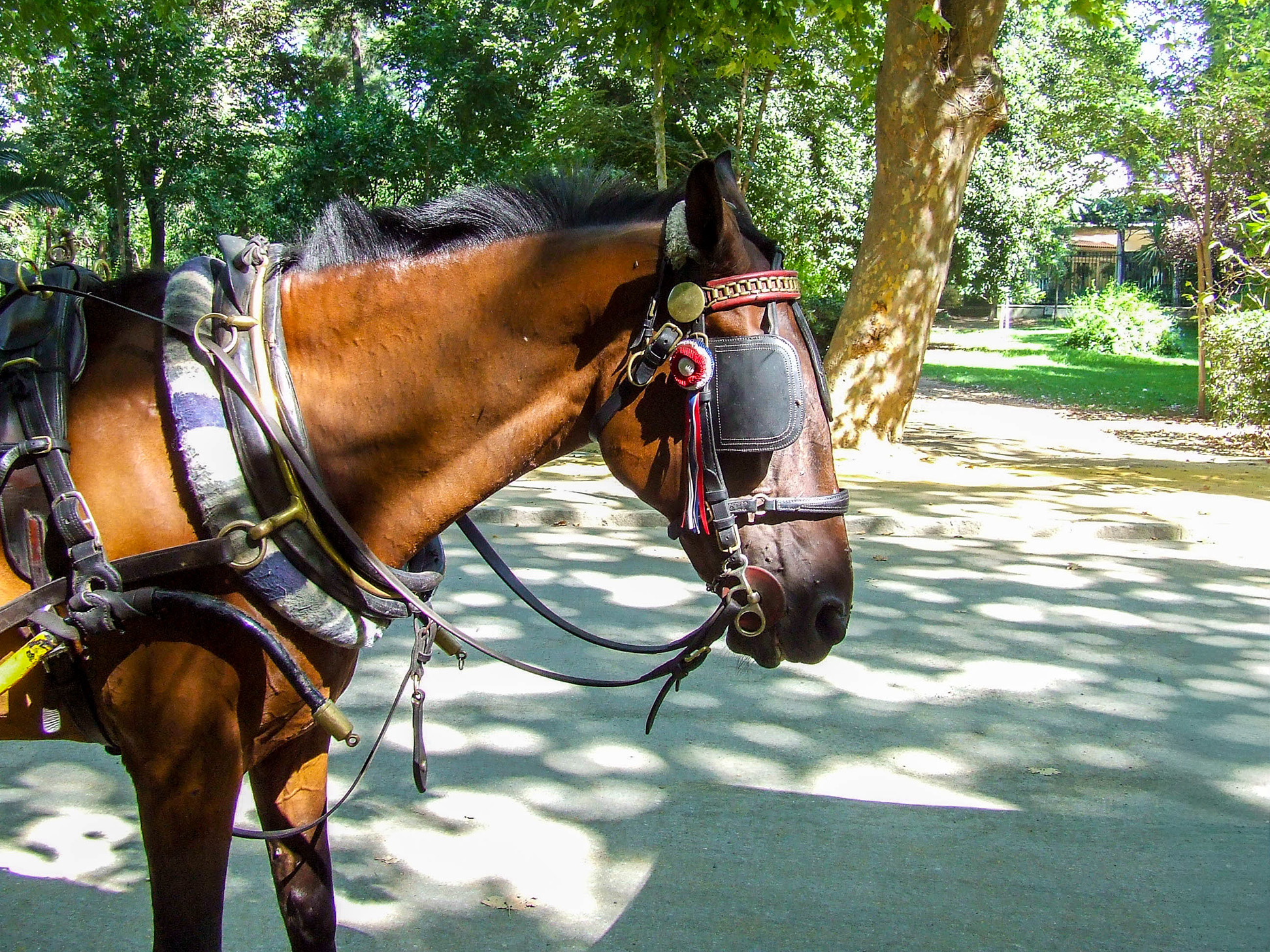
Jardines del Prado de San Sebastián
Horse On A Break ‐ photo by ,
©www.mgaylard.co.uk.
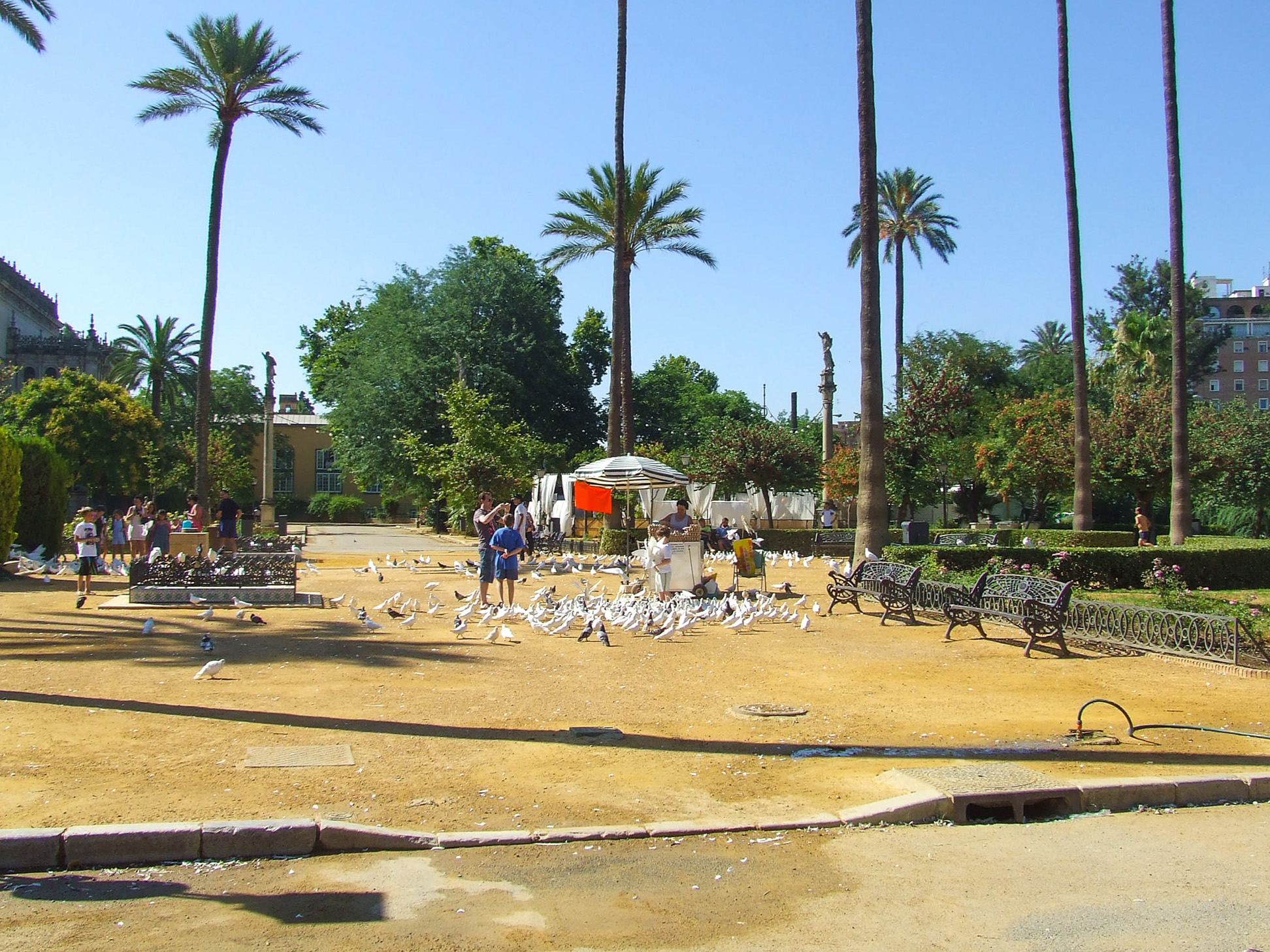
Jardines del Prado de San Sebastián
several people and numerous pigeons ‐ photo by ,
©www.mgaylard.co.uk.
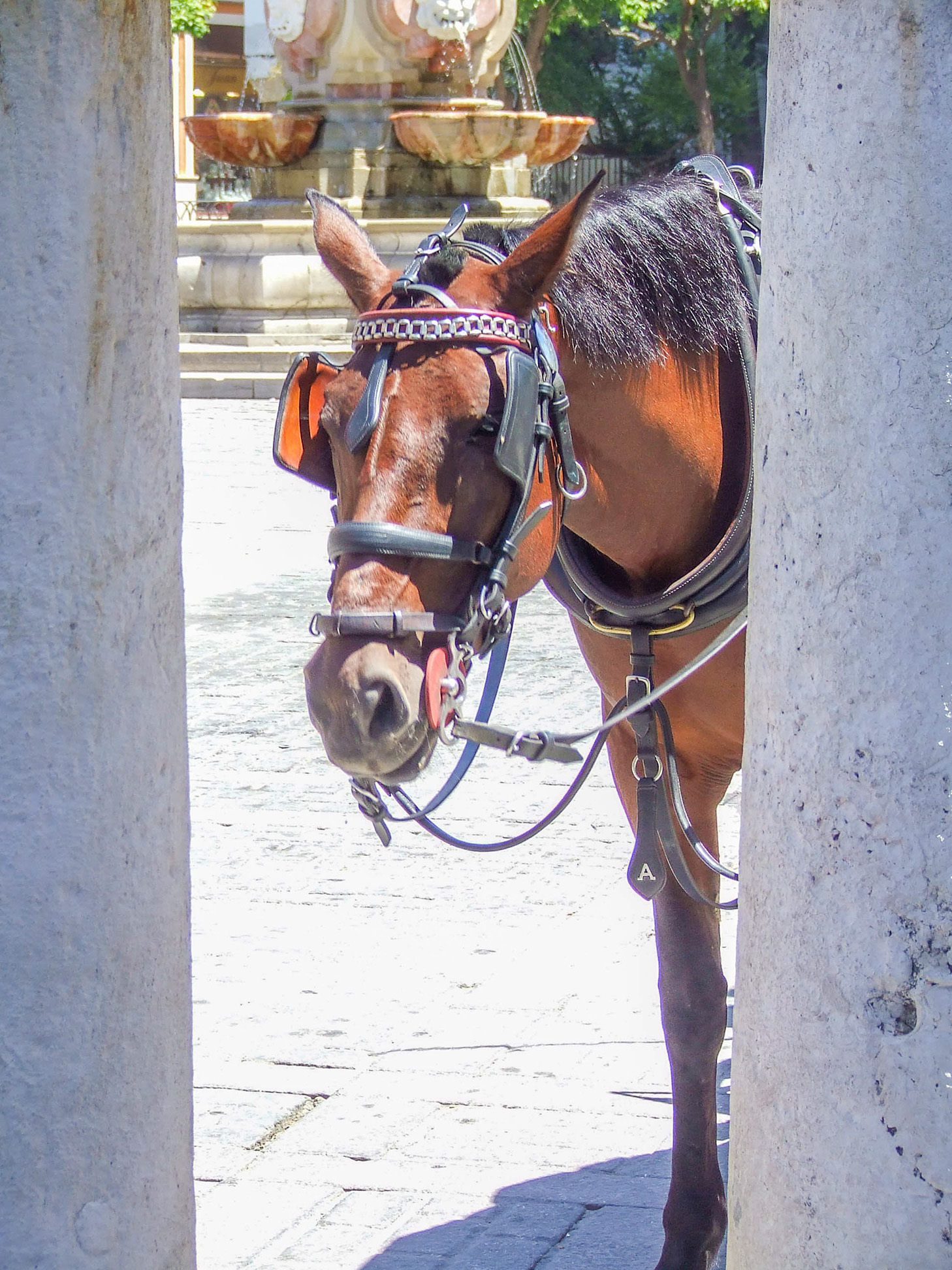
On A Break
On A Break ‐ photo by ,
©www.mgaylard.co.uk.
Hot Horse
Hot Horse ‐ photo by ,
©www.mgaylard.co.uk.
Plaza Virgen de los_Reyes
Plaza Virgen de los_Reyes ‐ photo by ,
©www.mgaylard.co.uk.
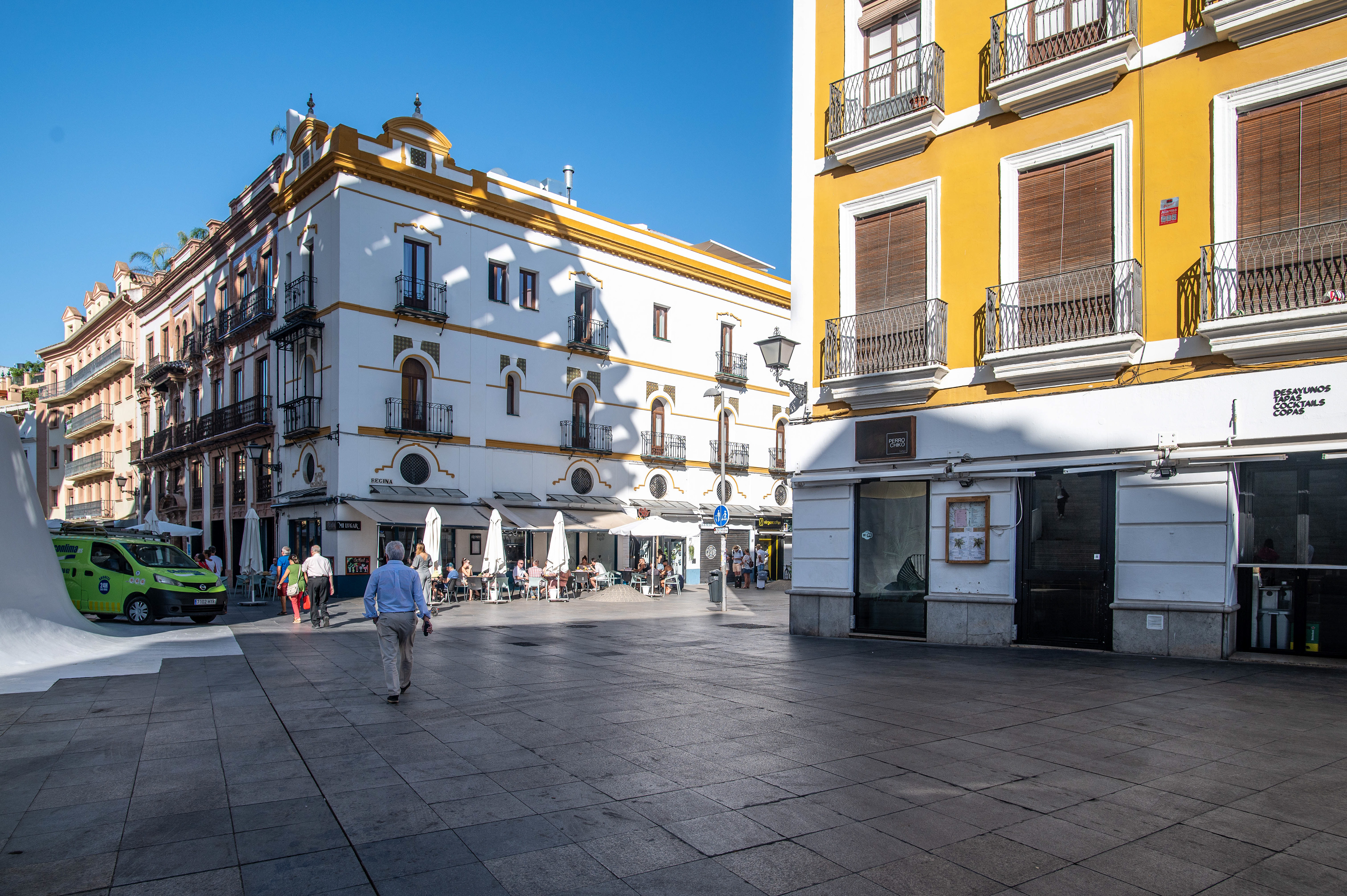
Plaza de la Encarnación
Plaza de la Encarnación ‐ photo by ,
©www.mgaylard.co.uk.
Open the full set flickr button this page

Avenida de la Constitución

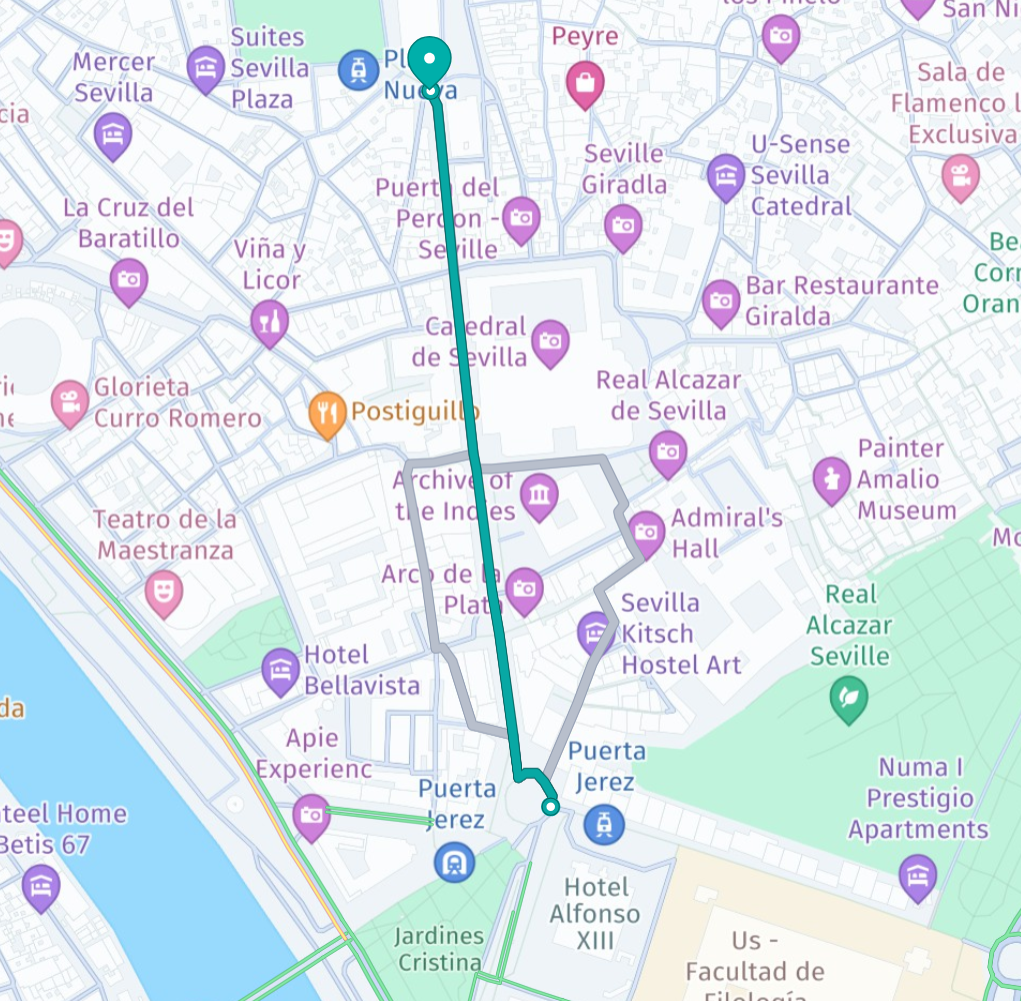
Avenida de la Constitución is Seville’s short but central ceremonial avenue — a 600-metre stretch linking Puerta de Jerez with Plaza Nueva that runs beside the Cathedral and the City Hall and concentrates many of the city’s most important historic landmarks and civic functions.

It is a bustling pedestrian avenue that connects some of Seville’s most iconic landmarks, including the Seville Cathedral, the Giralda, and the Archivo de Indias. The avenue was renamed in honor of the Spanish Constitution of 1978, symbolizing Spain’s transition to democracy.
The avenue’s route has deep medieval roots: it gained prominence after the construction of the great mosque (later the cathedral) in the 12th century and especially after the Castilian conquest in 1248, when merchants, Genoese traders and artisans clustered around the cathedral steps and the nearby market areas. Over centuries it hosted book printers, silversmiths and the Lonja (merchant exchange), later becoming consolidated into the single Avenida de la Constitución through early 20th-century urban reforms implemented around 1911 and tied to the city’s preparations for the Ibero-American Exposition of 1929.
Walking the avenue you pass Plaza Nueva, the Seville City Hall, the Seville Cathedral (and its famous steps), the Iglesia del Sagrario site (formerly the Fuente del Hierro), and the General Archive of the Indies — institutions that together tell the story of Seville’s civic, religious and commercial power from the medieval period through the Age of Discovery. The avenue also connects directly to Puerta de Jerez and the riverfront promenades, making it a natural axis for processions and tourist routes.
Avenida de la Constitución functions as both a ceremonial boulevard and a daily urban thoroughfare. It hosts religious processions (notably during Holy Week), civic parades, and is lined with cafés and benches that make it a popular promenade for locals and visitors. Its proximity to major monuments concentrates foot traffic, guided tours, and street life, while its scale — relatively short and walkable — makes it ideal for a compact historical circuit.

References

en.wikipedia.orgwww.wikiwand.comwww.leviathanencyclopedia.cowww.tripadvisor.com , Text generated by Microsoft CoPilot , and by Mistral AI
To the top
Powered by w3.css. The images are all stored on link to www.gaylard.co.uk Photostream on Flickr   This website is hosted by link to 123Reg Web Hosting