HOME

Archivo das Indias, Seville

Archivo General de Indias

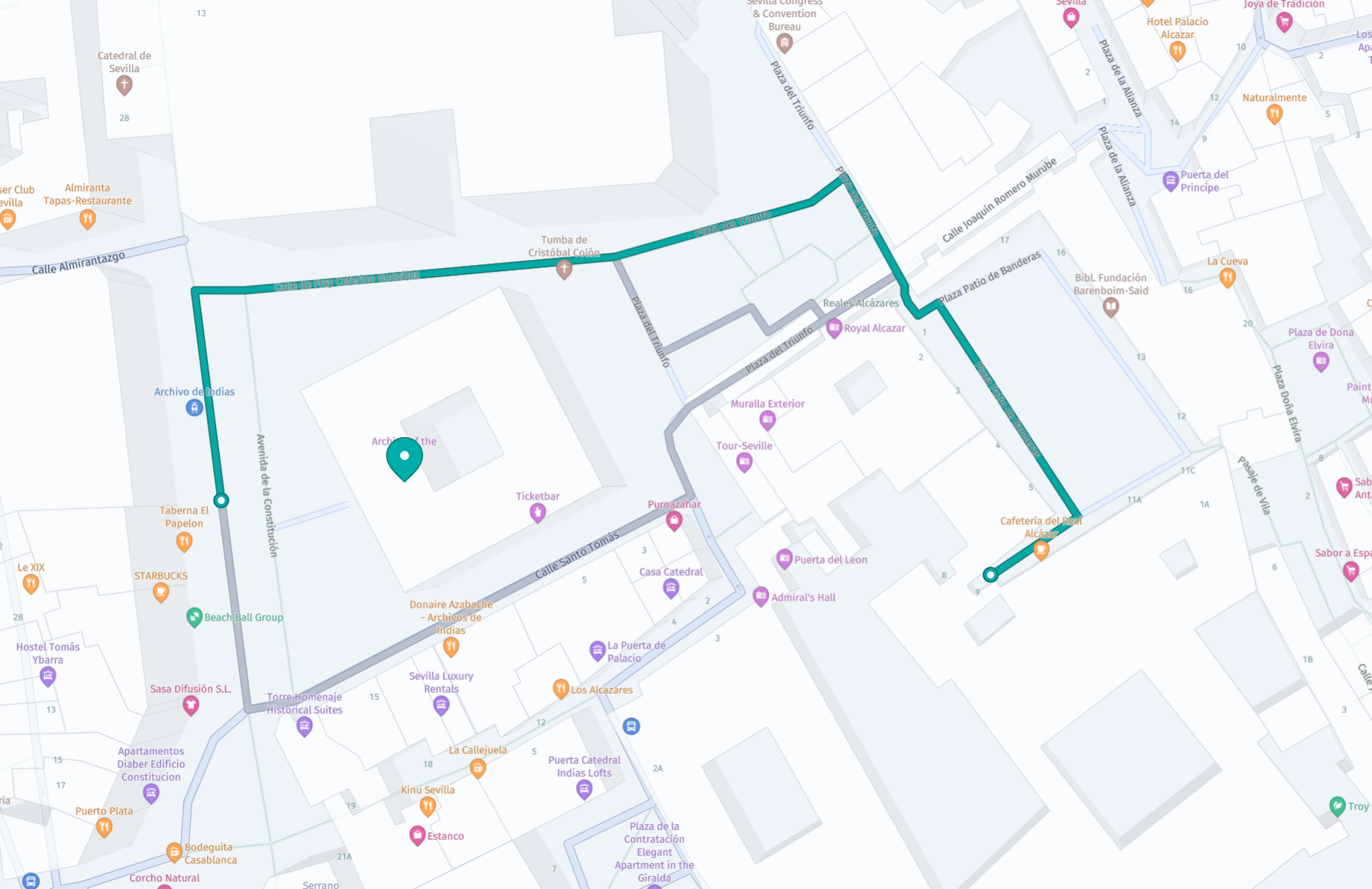
Av. de la ConstituciónSevilleAndalusia,   Spain

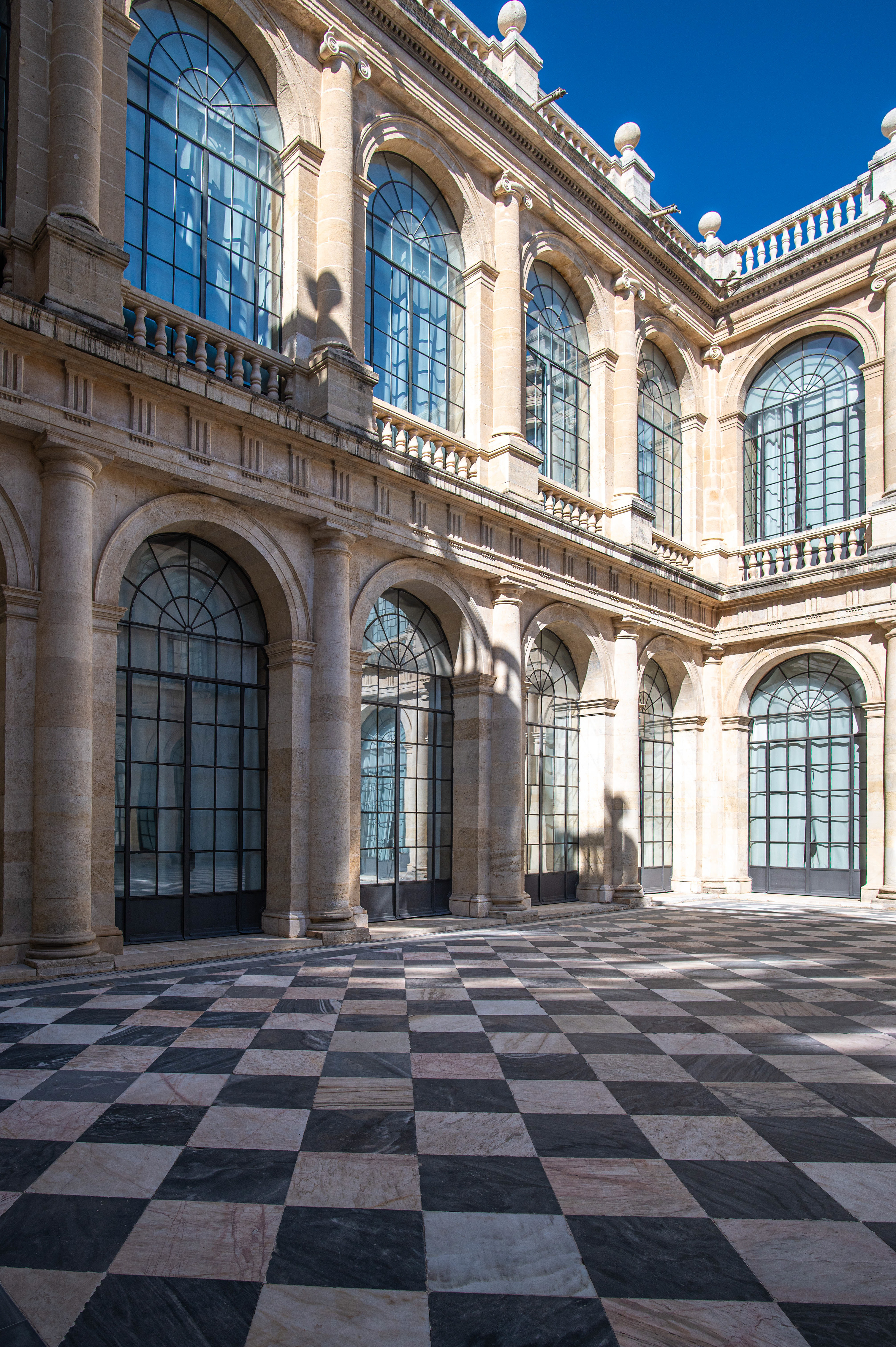
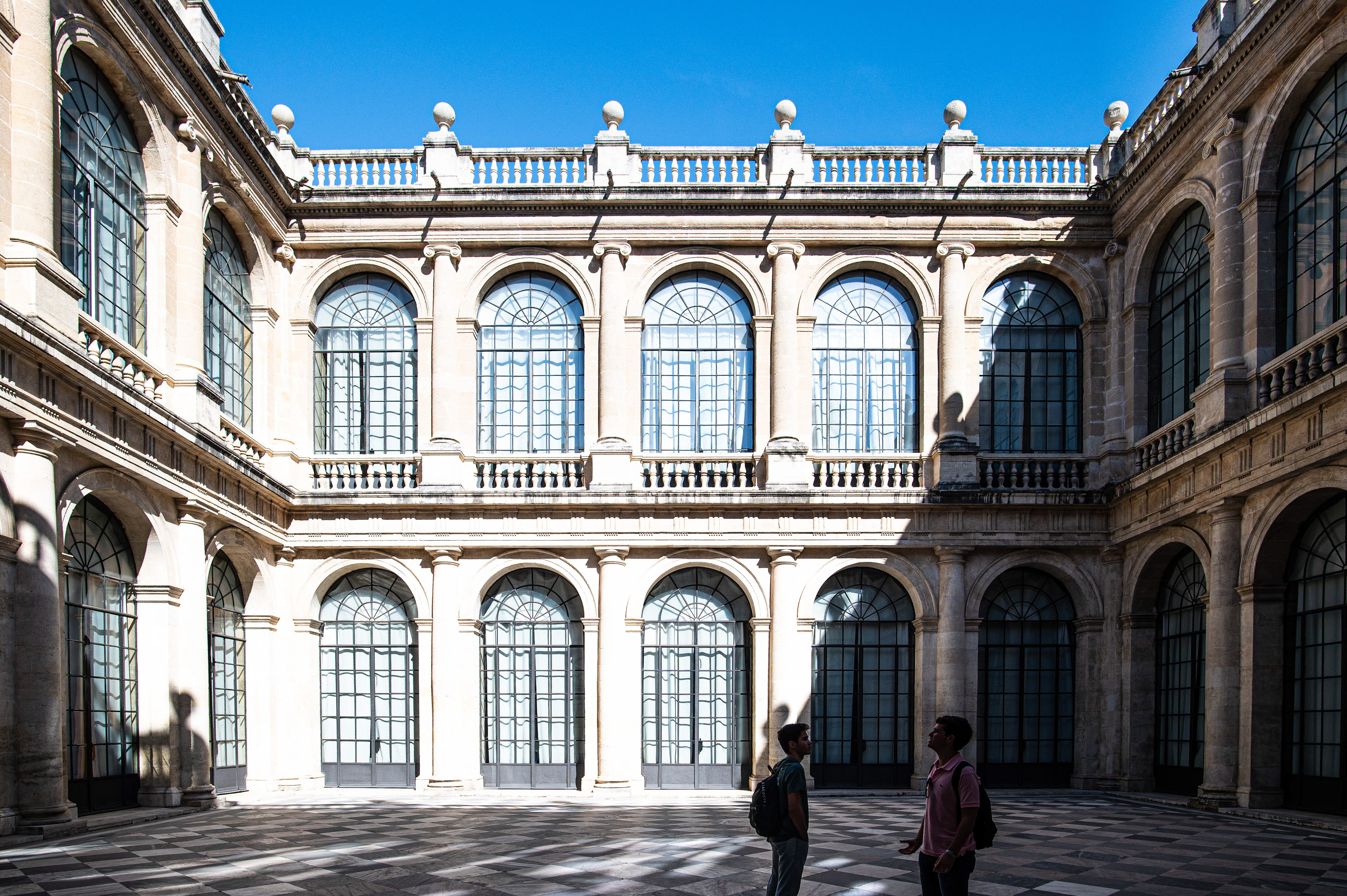
courtyard
courtyard ‐ photo by ,
©www.mgaylard.co.uk.
architectural courtyard
architectural courtyard ‐ photo by ,
©www.mgaylard.co.uk.
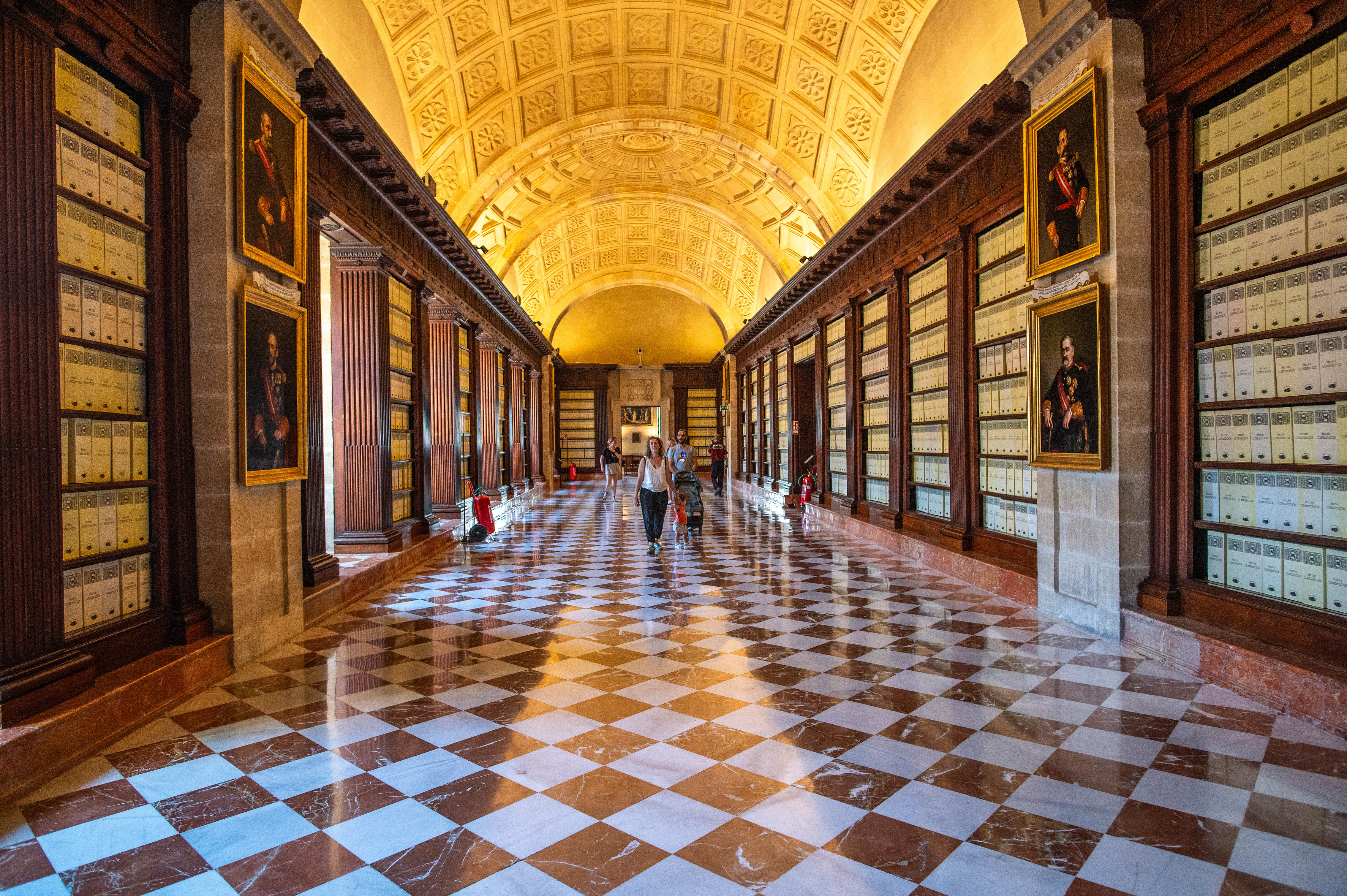
grand hallway
grand hallway ‐ photo by ,
©www.mgaylard.co.uk.
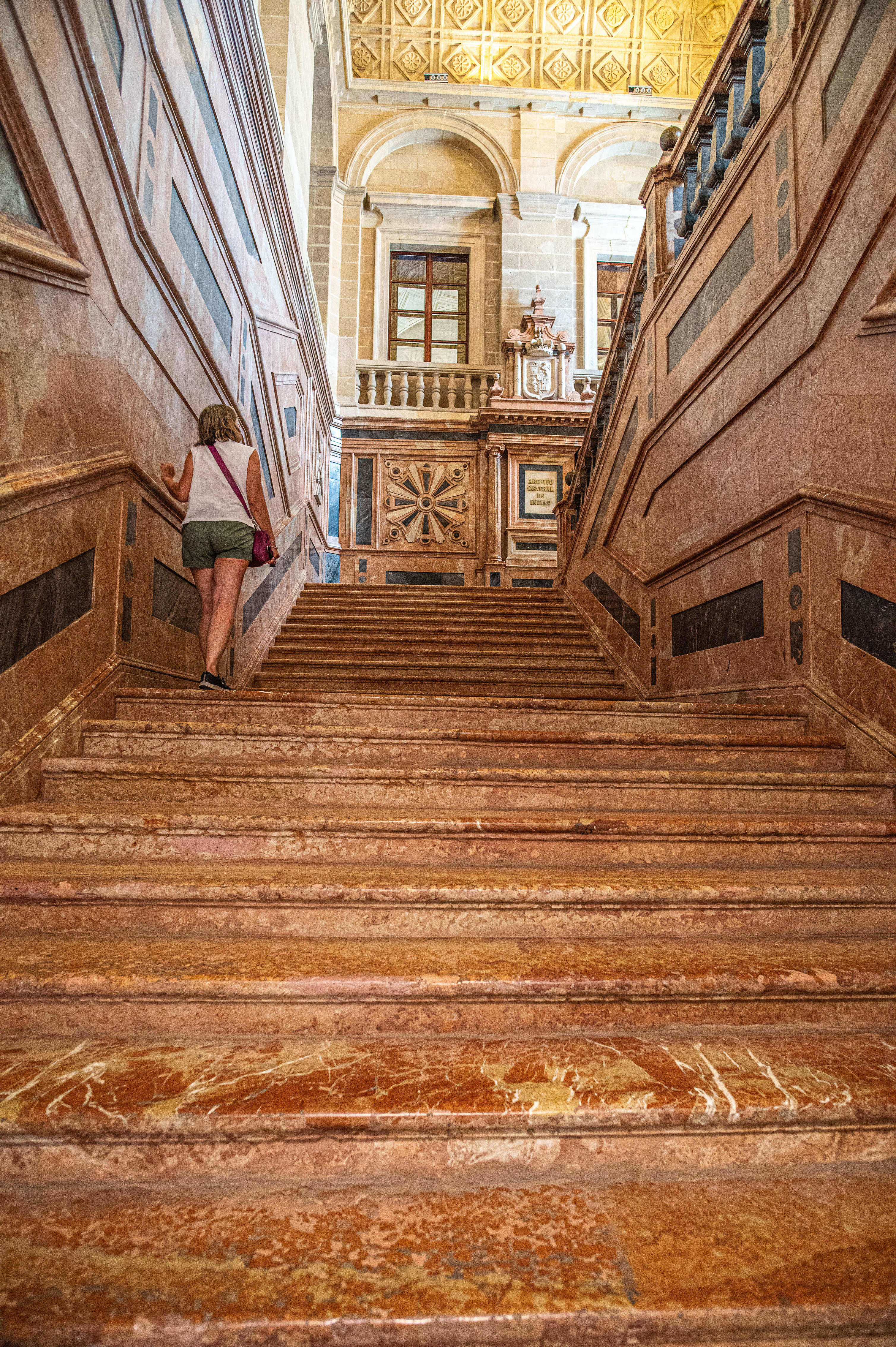
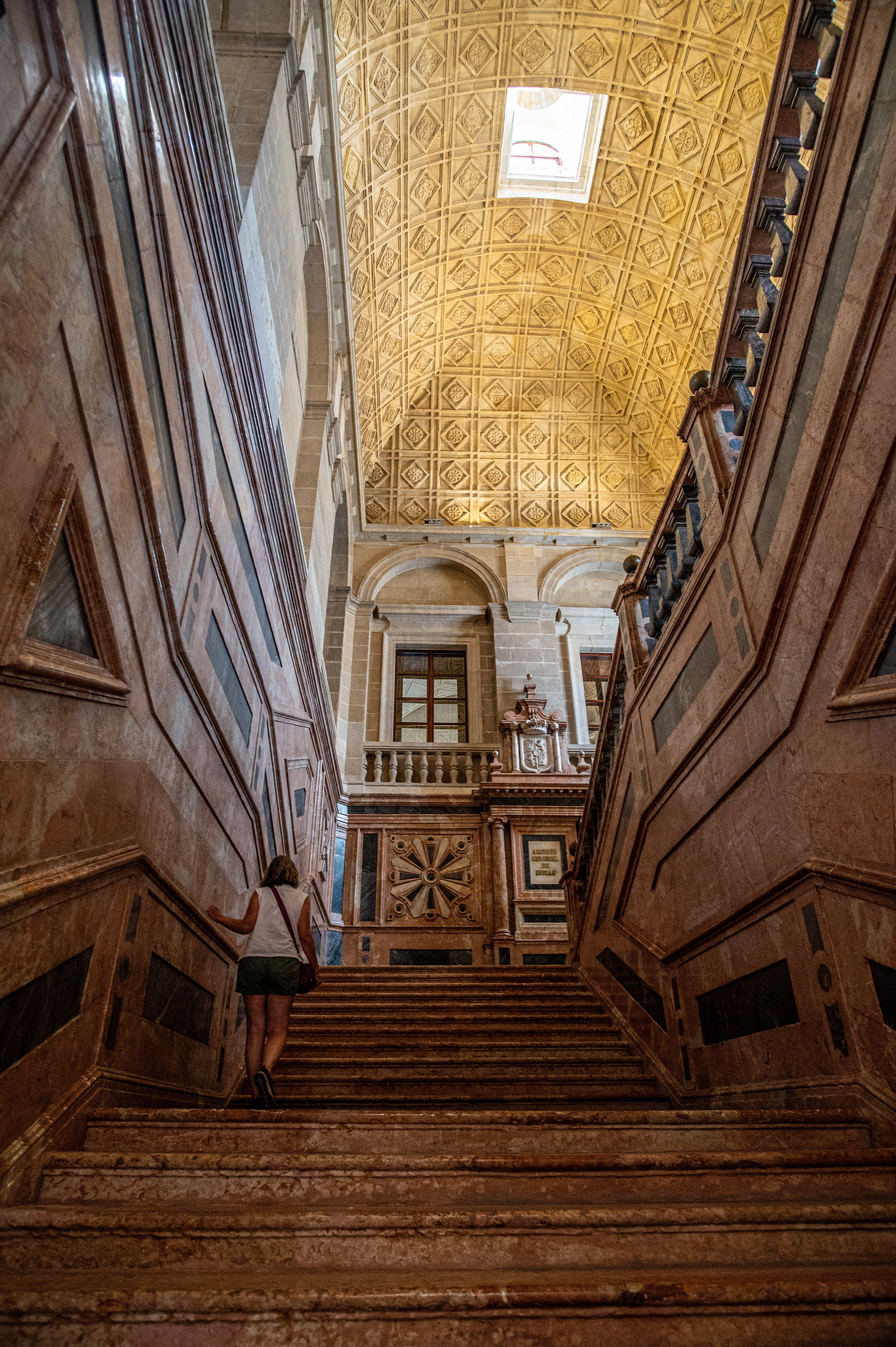
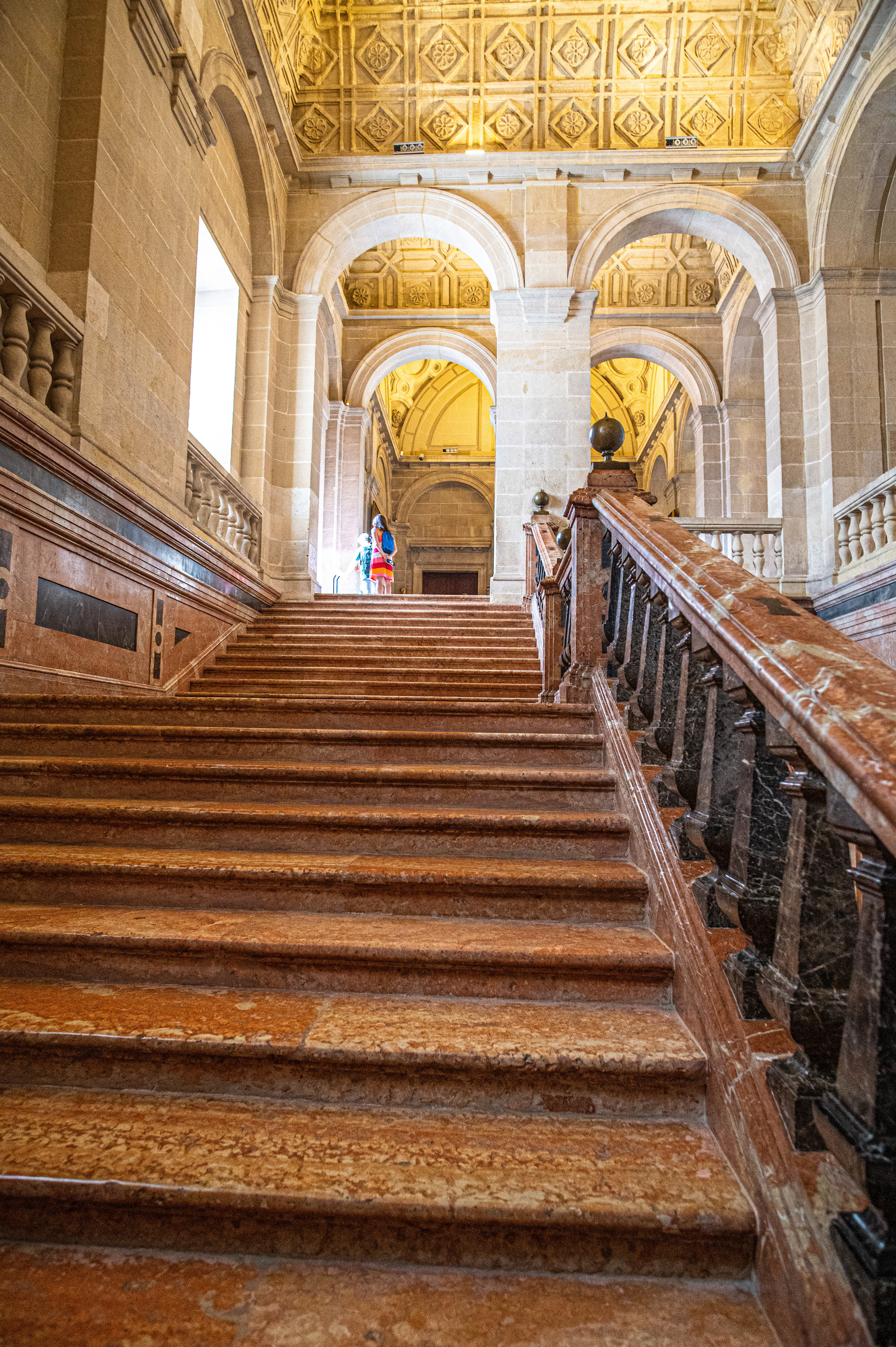
grand, ornate staircase
grand, ornate staircase ‐ photo by ,
©www.mgaylard.co.uk.
Staircase Ceiling
Staircase Ceiling ‐ photo by ,
©www.mgaylard.co.uk.
wide, marble staircase
wide, marble staircase ‐ photo by ,
©www.mgaylard.co.uk.
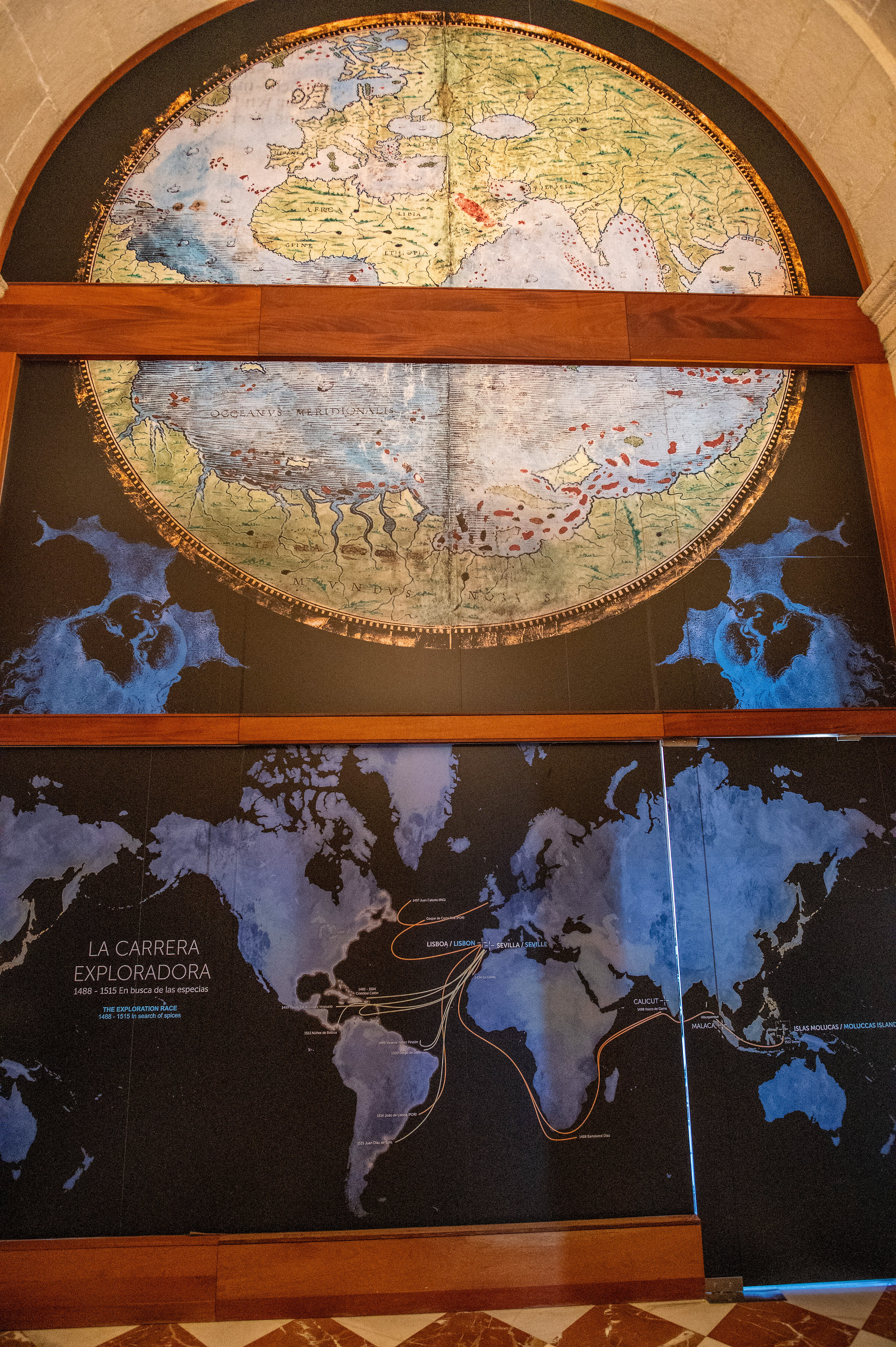
three maps related to historical exploration
three maps related to historical exploration ‐ photo by ,
©www.mgaylard.co.uk.
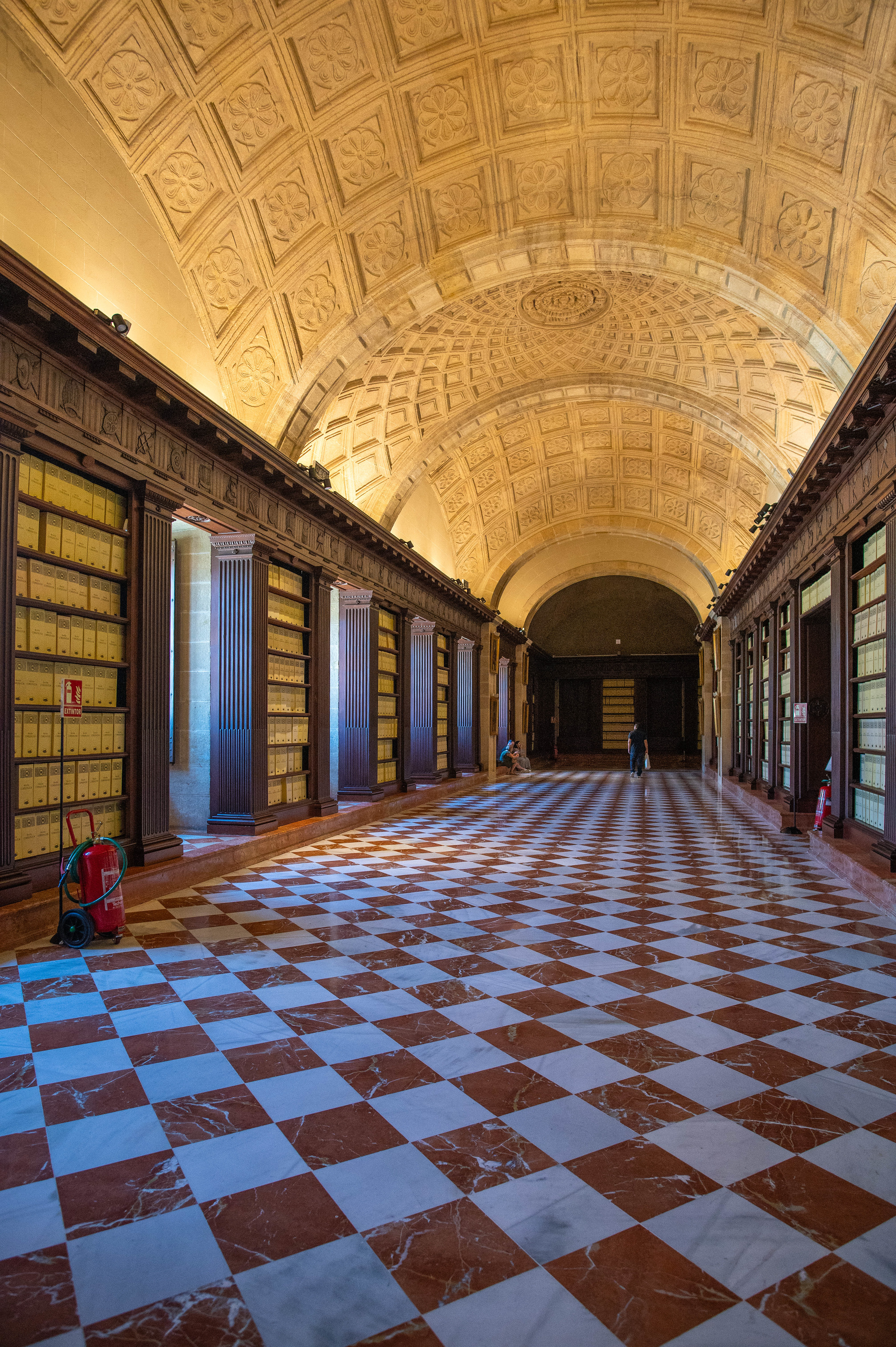
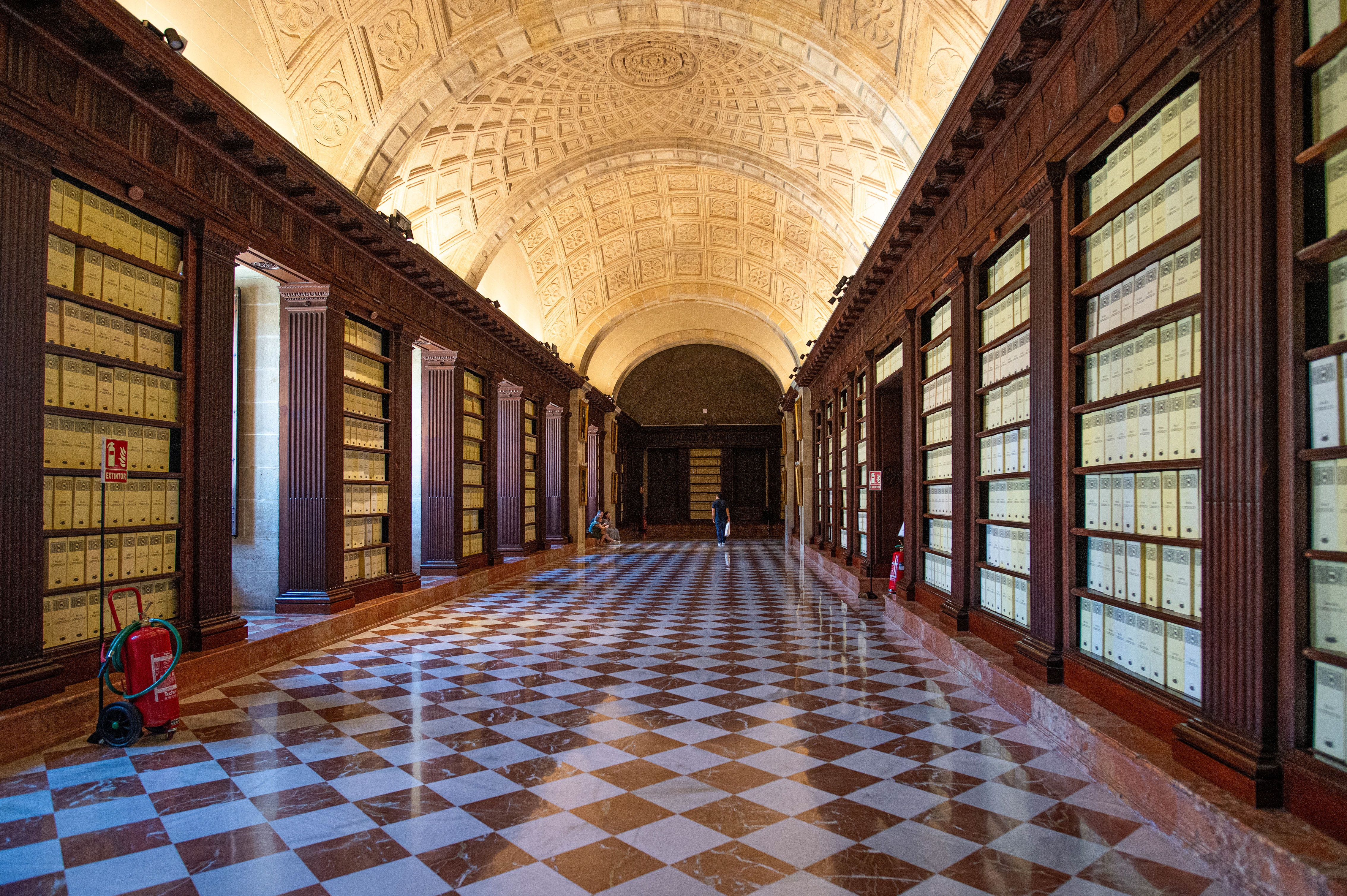
Archive Shelves
Archive Shelves ‐ photo by ,
©www.mgaylard.co.uk.
Archive Shelves
Archive Shelves ‐ photo by ,
©www.mgaylard.co.uk.
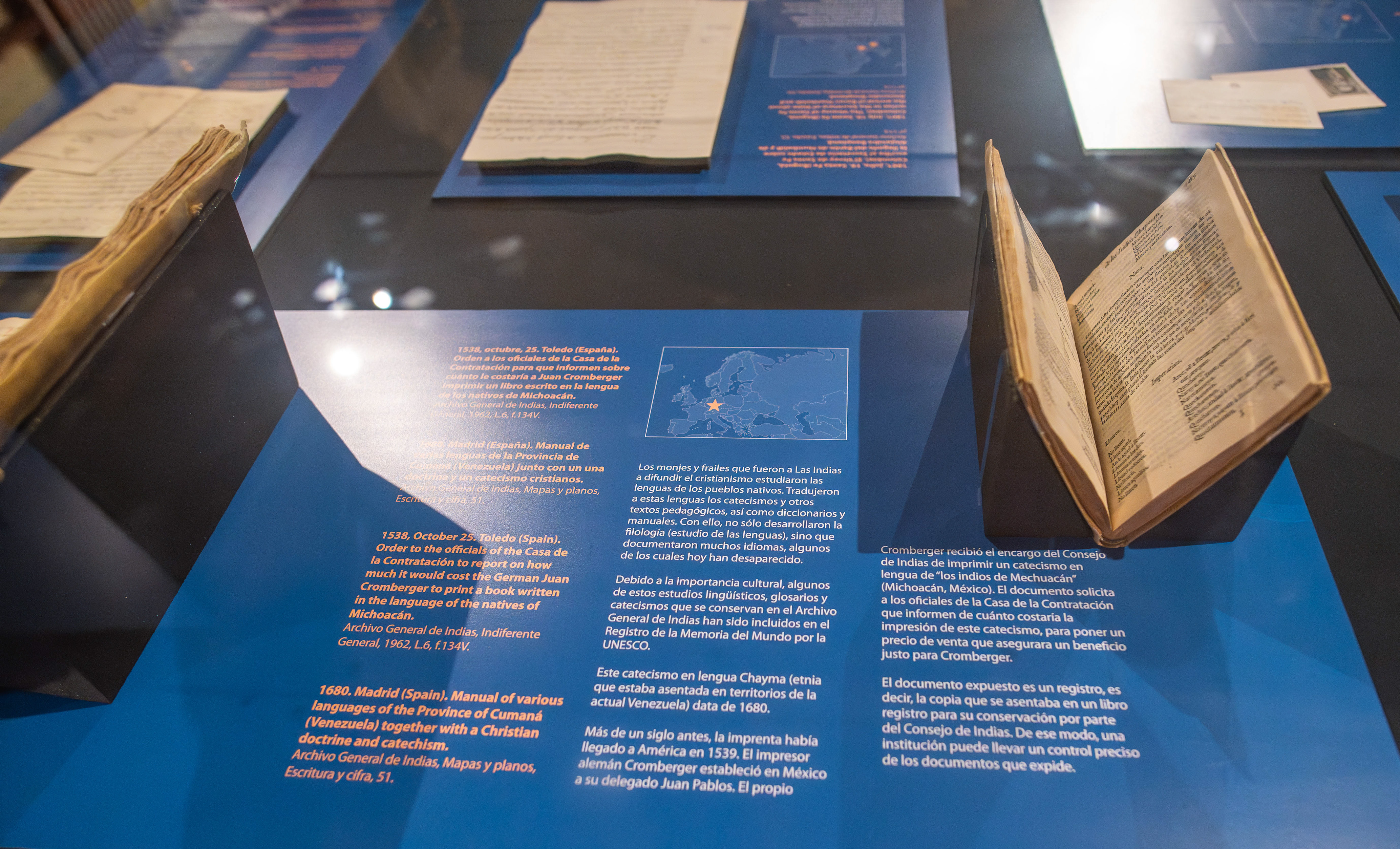
The document discusses historical orders
The document discusses historical orders ‐ photo by ,
©www.mgaylard.co.uk.
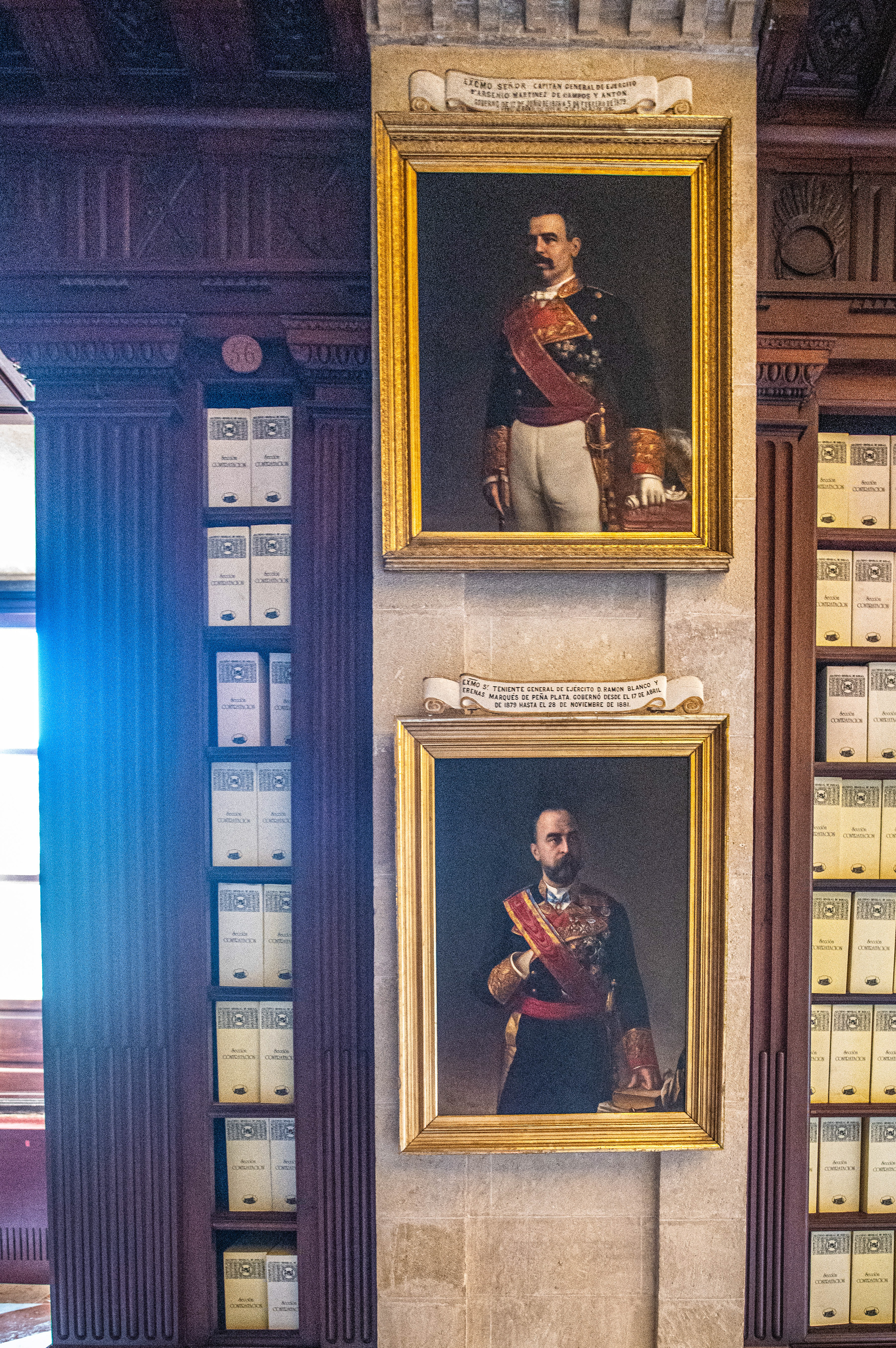
portraits
portraits ‐ photo by ,
©www.mgaylard.co.uk.
numerous framed portraits
ornate hallway ‐ photo by ,
©www.mgaylard.co.uk.
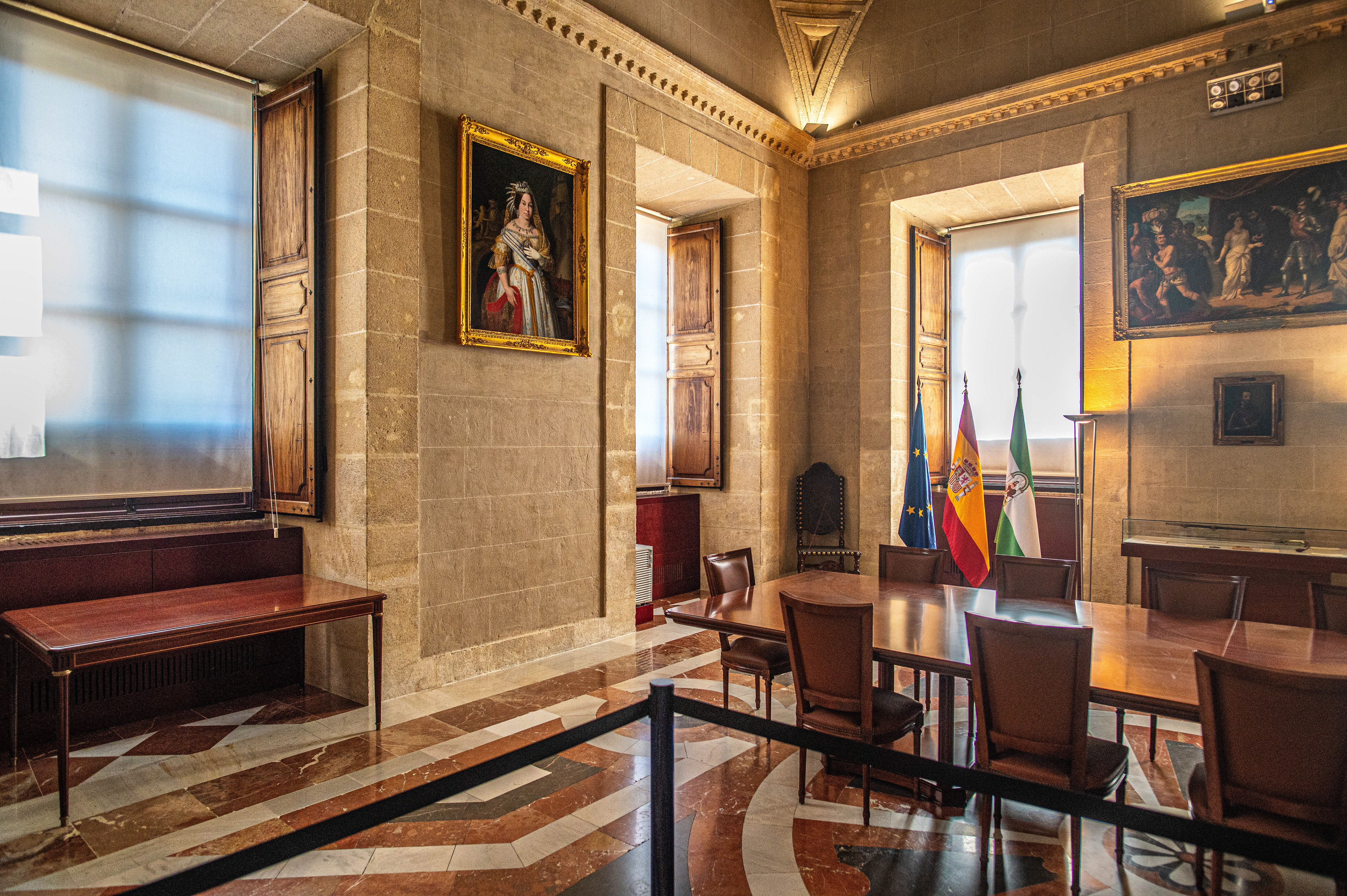
formal room
formal room ‐ photo by ,
©www.mgaylard.co.uk.
Open the full set flickr button this page

Archivo General de Indias

The Archivo General de Indias is the General Archive of the Indies in Seville — a late-16th-century Renaissance building that since 1785 houses Spain’s central documentary collection on its American and Philippine territories, with roughly 43,000 files, 80 million pages and 8,000 maps; it is a UNESCO World Heritage site located between the Cathedral and the Alcázar.

Overview

The Archivo General de Indias was created in 1785 by order of King Charles III to centralize records relating to the administration of Spain’s overseas territories; it occupies the former Casa Lonja de Mercaderes (the merchants’ exchange), a Renaissance building completed in the late 16th century and associated with architect Juan de Herrera. The archive preserves an unparalleled documentary record of exploration, administration and trade between Spain and the Americas and the Philippines, and was inscribed as part of Seville’s World Heritage ensemble in 1987.

What’s notable inside

Collections: About 43,000 archival bundles, some 80 million pages and roughly 8,000 maps and drawings documenting voyages, royal decrees, commercial records and colonial administration — including material connected to figures such as Columbus and Pizarro.
Architecture: the building’s central stone courtyard, grand staircase and Renaissance symmetry are highlights even if you do not view original documents.
Exhibitions: the Archive runs rotating temporary exhibitions that present selected documents and maps for public viewing; only a portion of the holdings is on display at any time.
References

legacy.visitasevilla.esalcazarofseville.comen.wikipedia.org , Text generated by Microsoft CoPilot

Basilica de la Macarena

Calle BécquerSalvadorAndalusia,   Spain

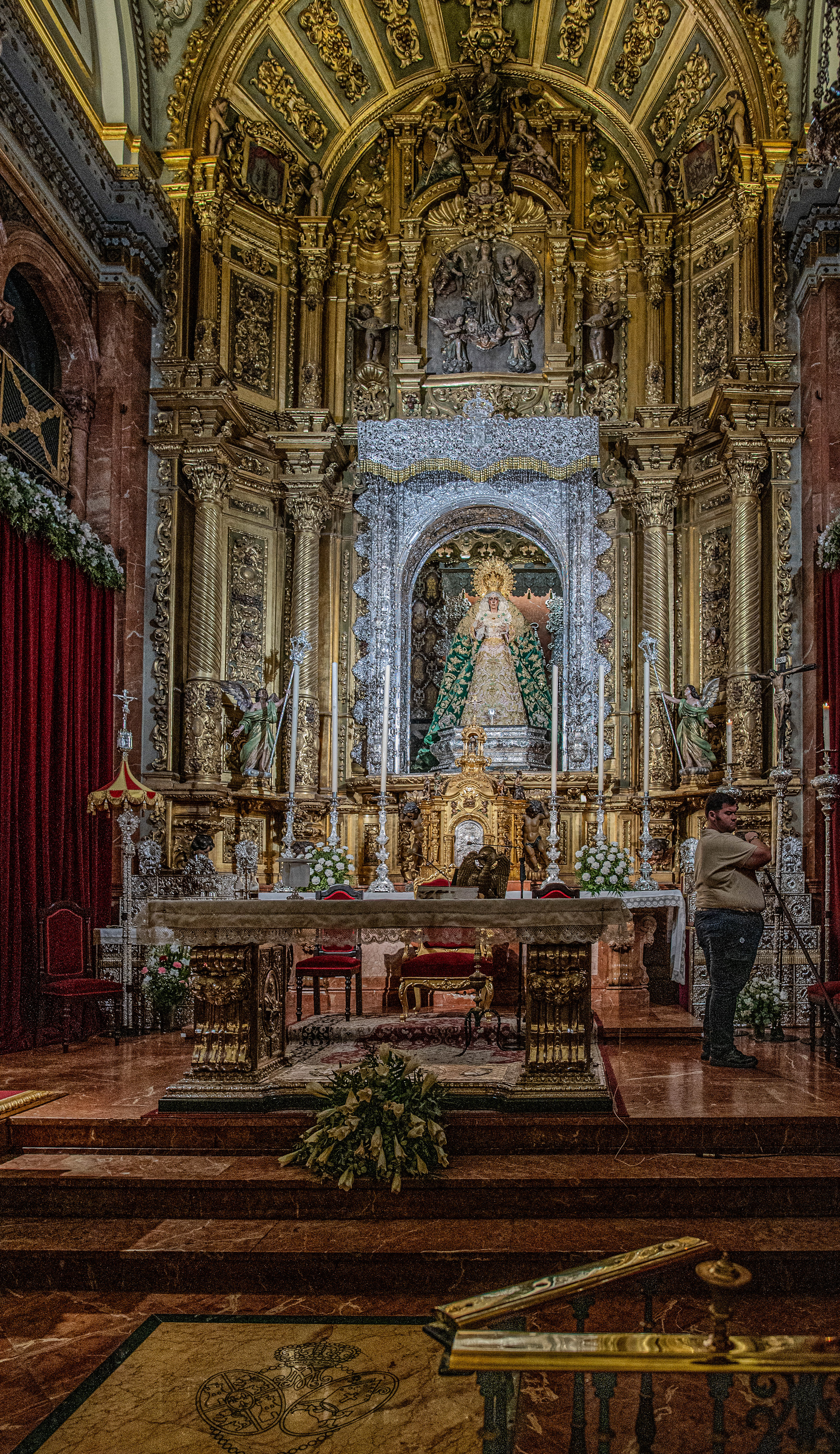
The Basilica de la Macarena is a prominent basilica located in Seville, Spain. It is home to the venerable image of Nuestra Señora de la Esperanza Macarena, one of the most revered icons in Seville, especially during the Semana Santa (Holy Week) processions. The basilica is a significant site for both religious pilgrims and tourists, known for its beautiful architecture and spiritual importance.
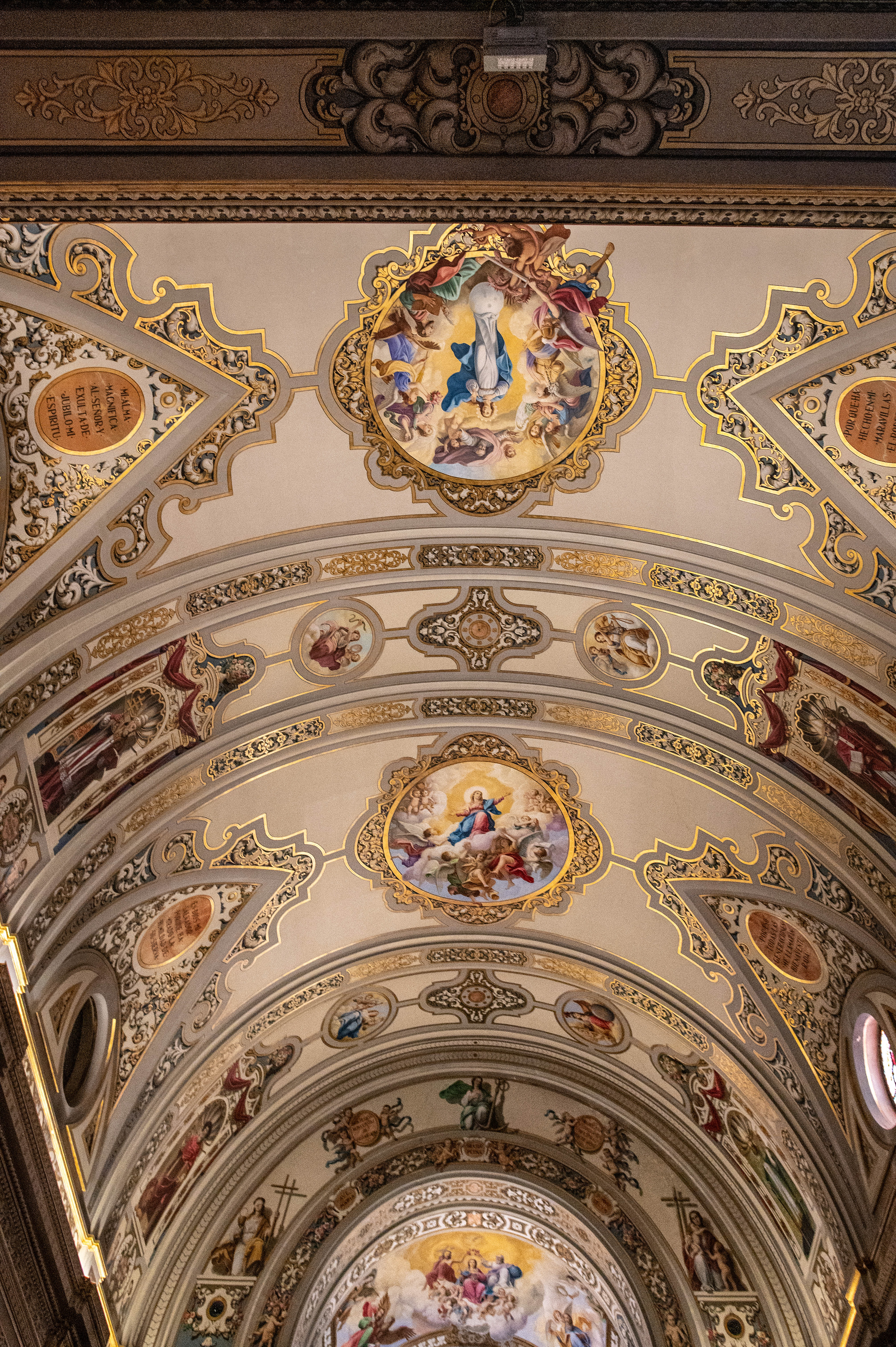
frescoes with religious themes
frescoes with religious themes ‐ photo by ,
©www.mgaylard.co.uk.
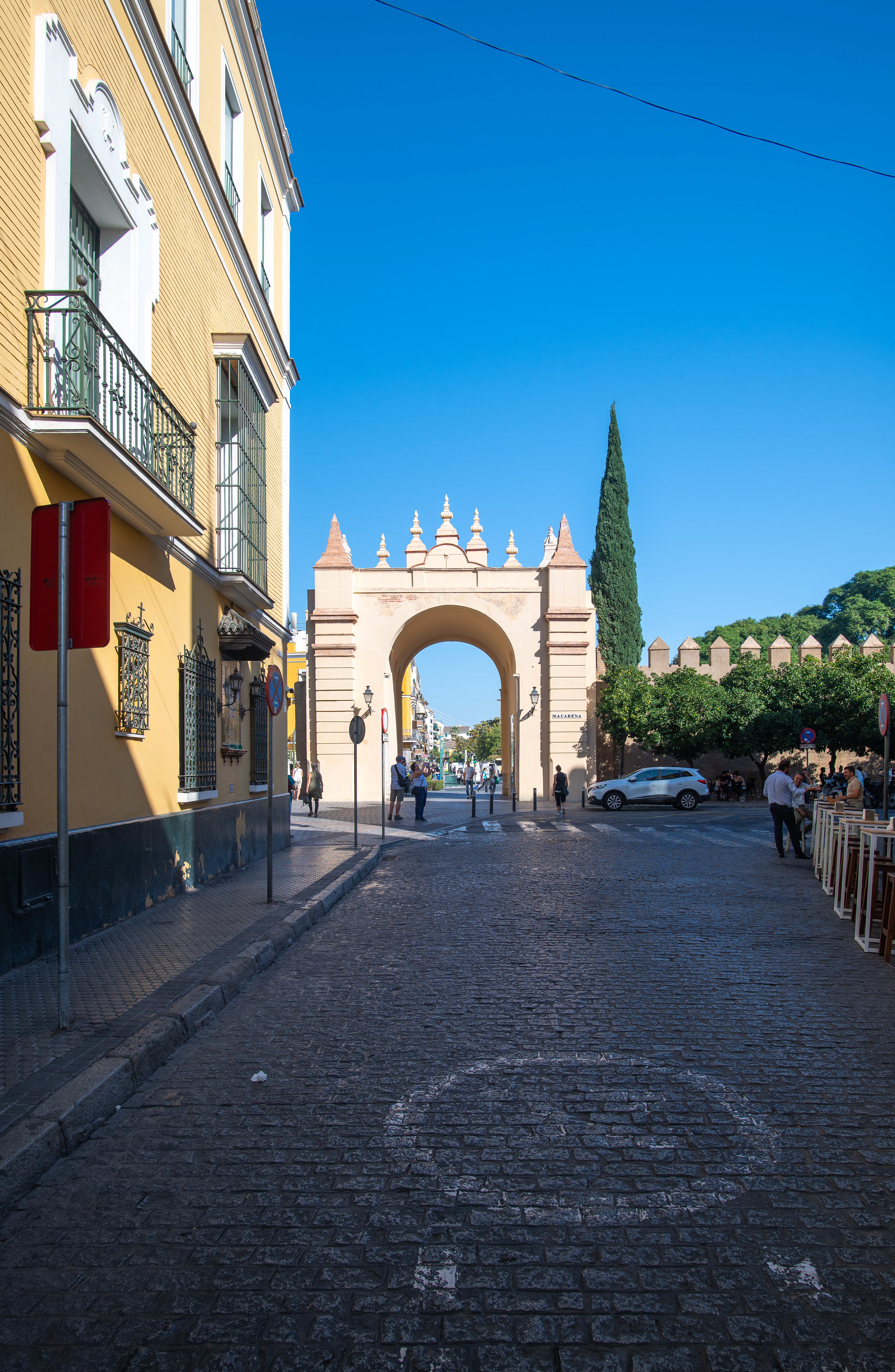
scene leading to a large, ornate archway
scene leading to a large, ornate archway ‐ photo by ,
©www.mgaylard.co.uk.
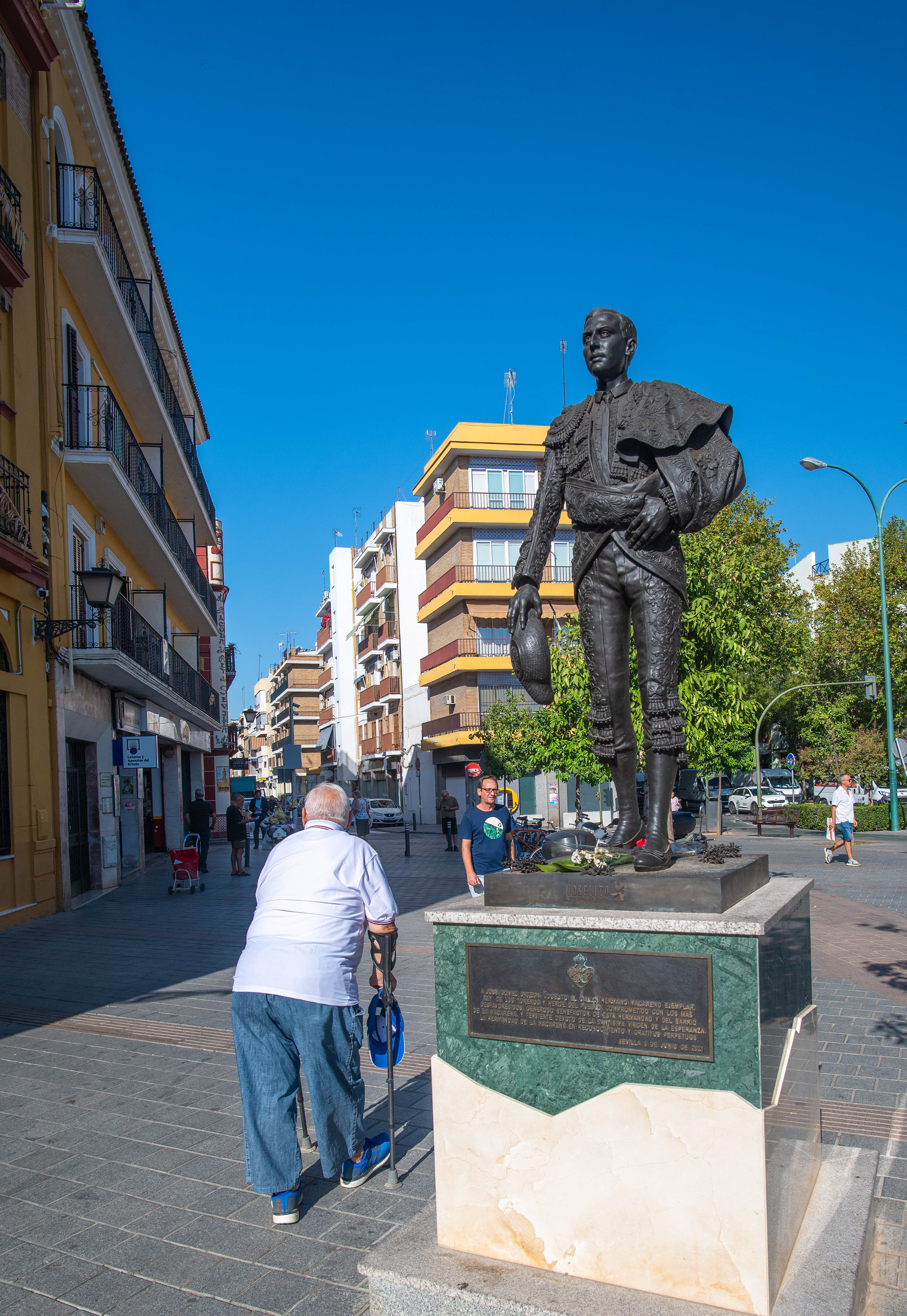
bullfighter, holding a cape and a bull's horn
bullfighter, holding a cape and a bull's horn ‐ photo by ,
©www.mgaylard.co.uk.
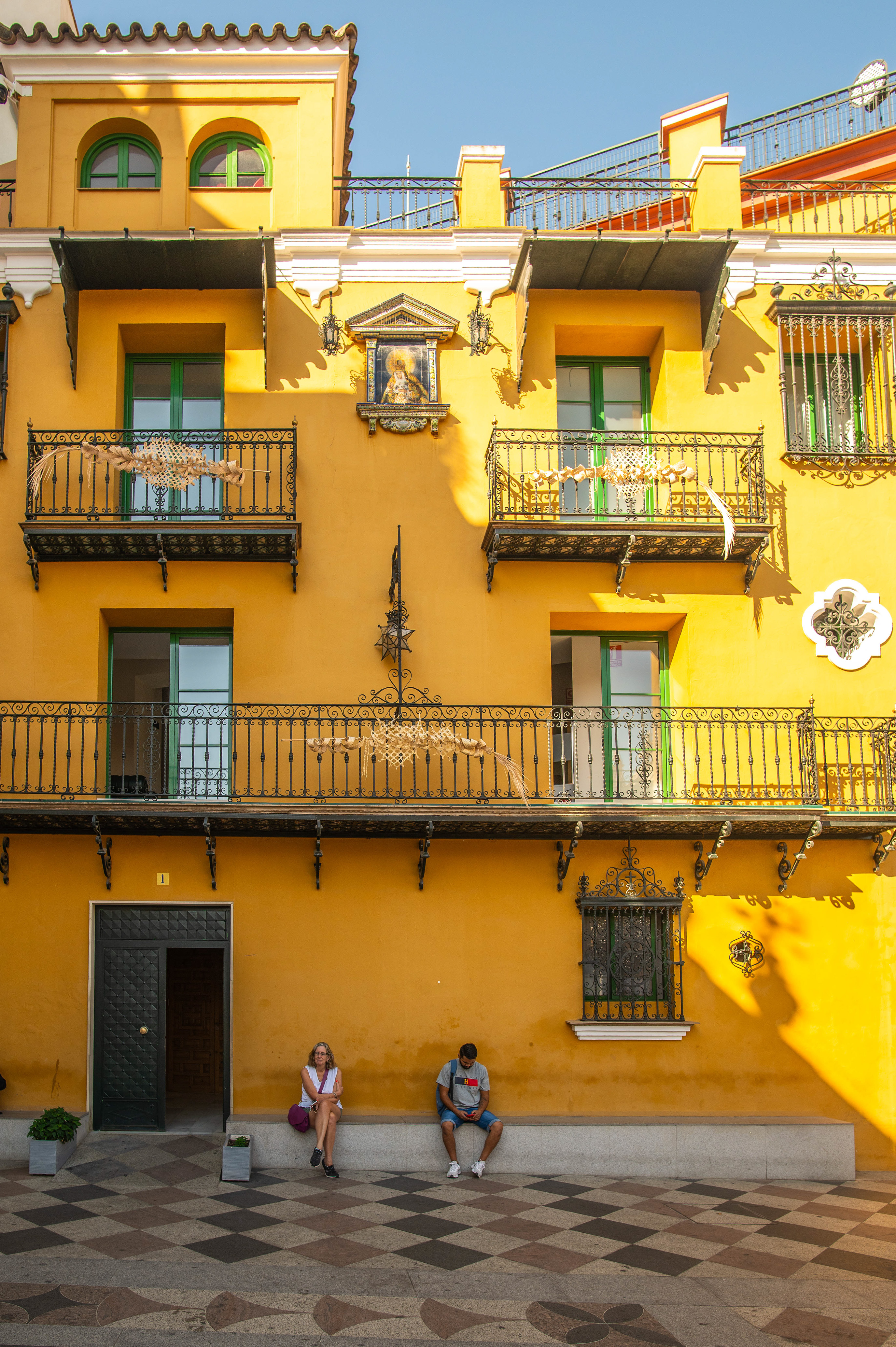
green window frames and doors
green window frames and doors ‐ photo by ,
©www.mgaylard.co.uk.
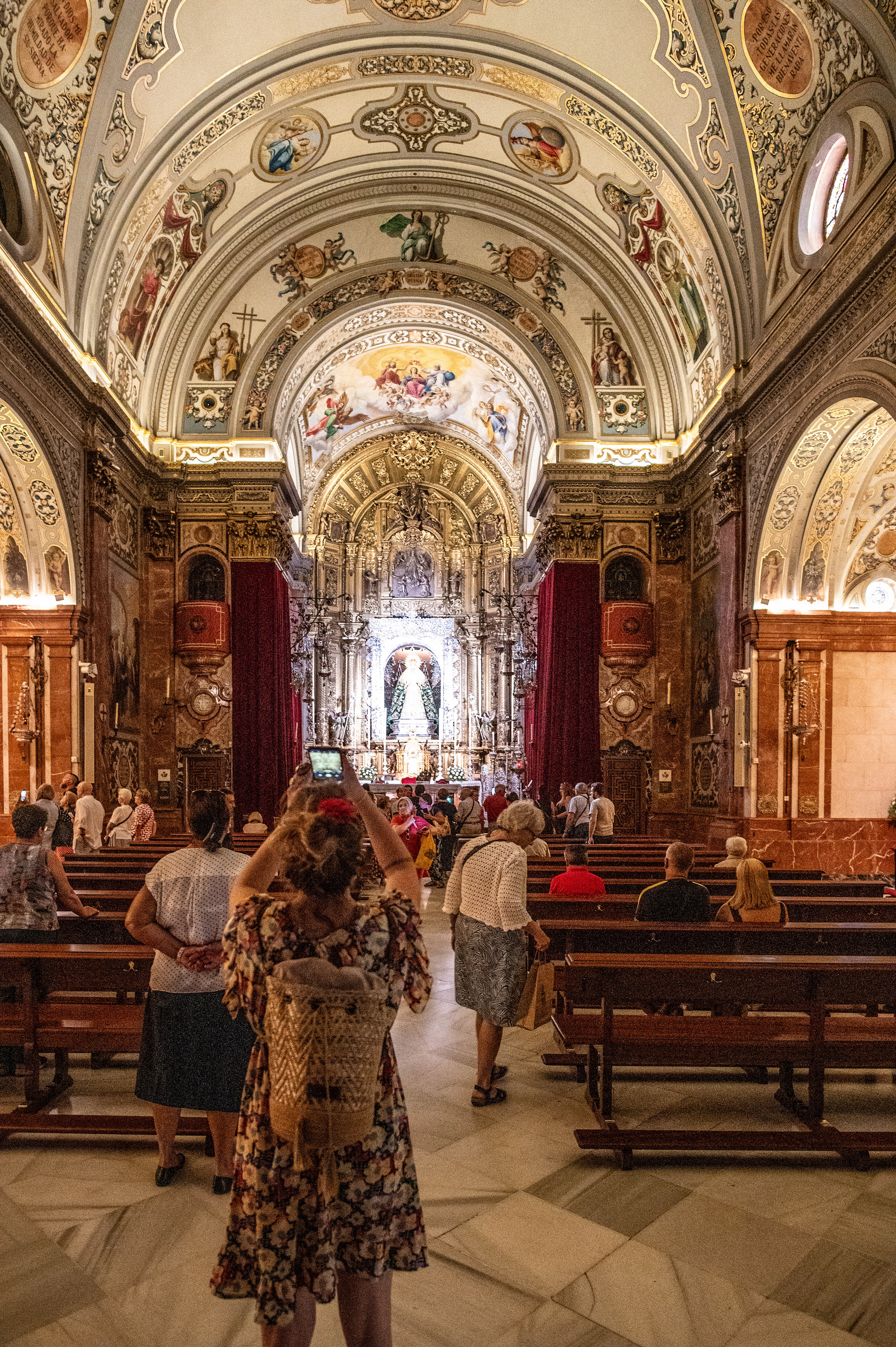
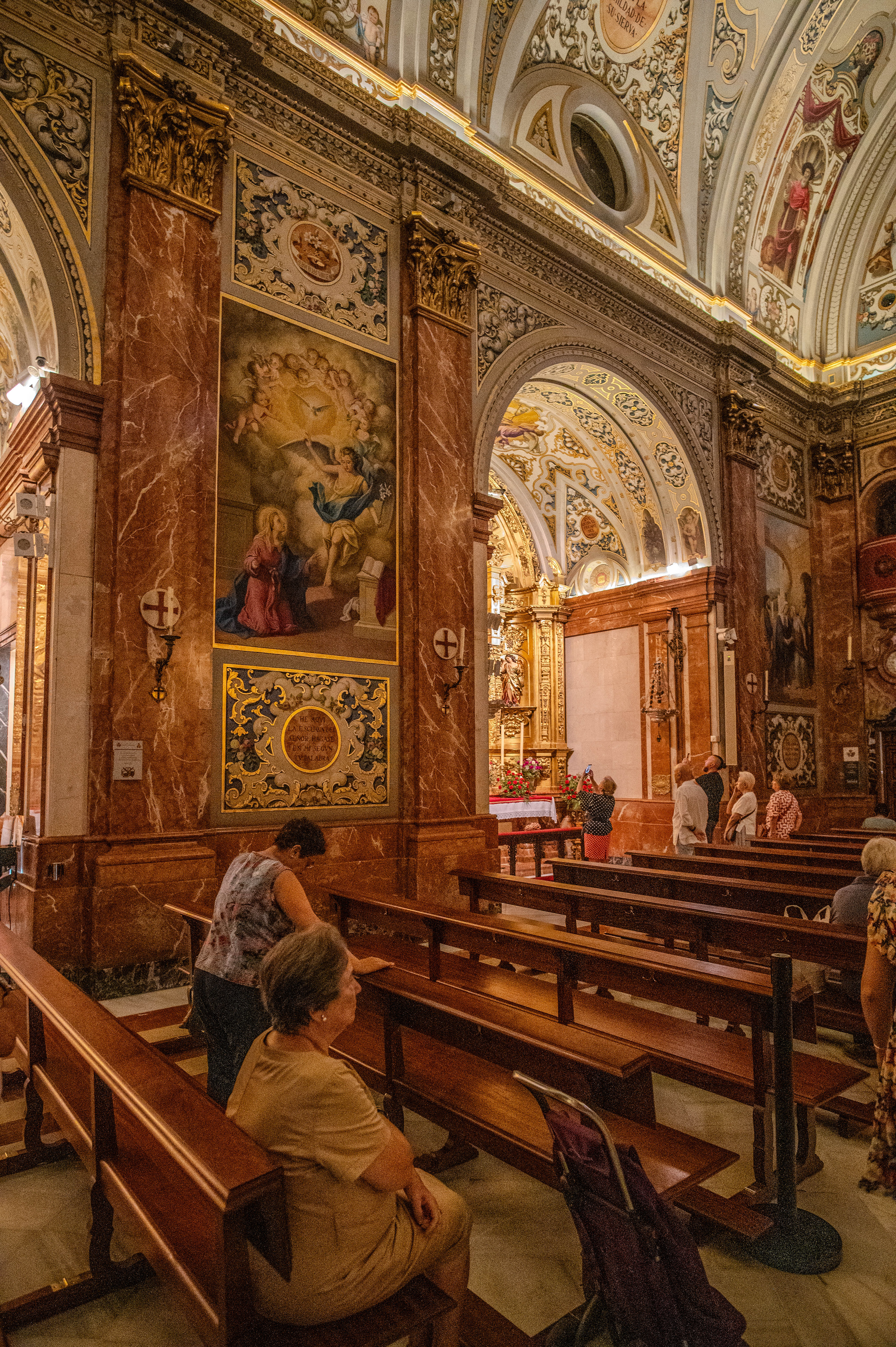
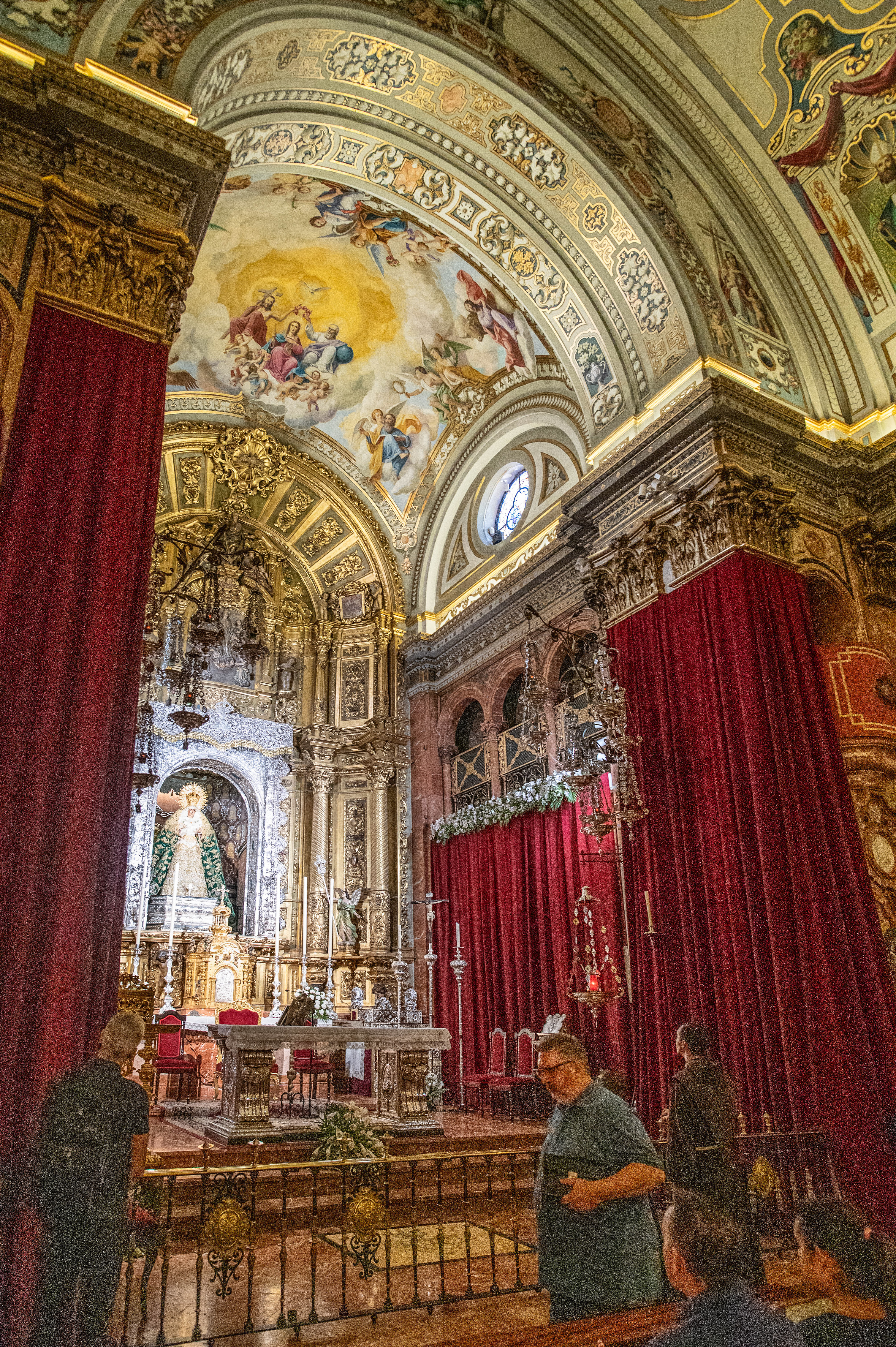
richly decorated church
richly decorated church ‐ photo by ,
©www.mgaylard.co.uk.
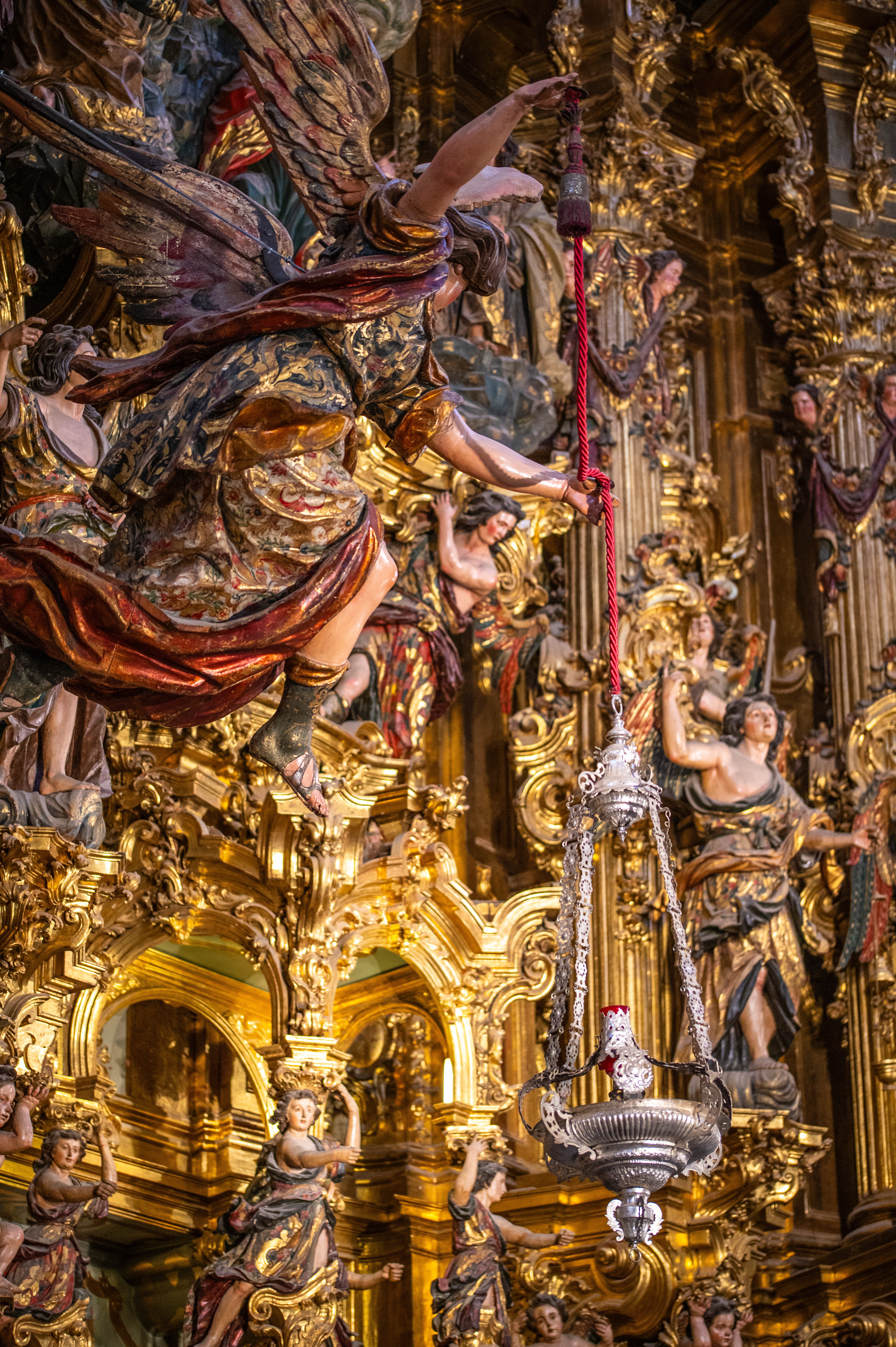
gold detailing and religious statues
gold detailing and religious statues ‐ photo by ,
©www.mgaylard.co.uk.
depictions of angels and divine figures
depictions of angels and divine figures ‐ photo by ,
©www.mgaylard.co.uk.
intricate frescoes and gold accents
intricate frescoes and gold accents ‐ photo by ,
©www.mgaylard.co.uk.
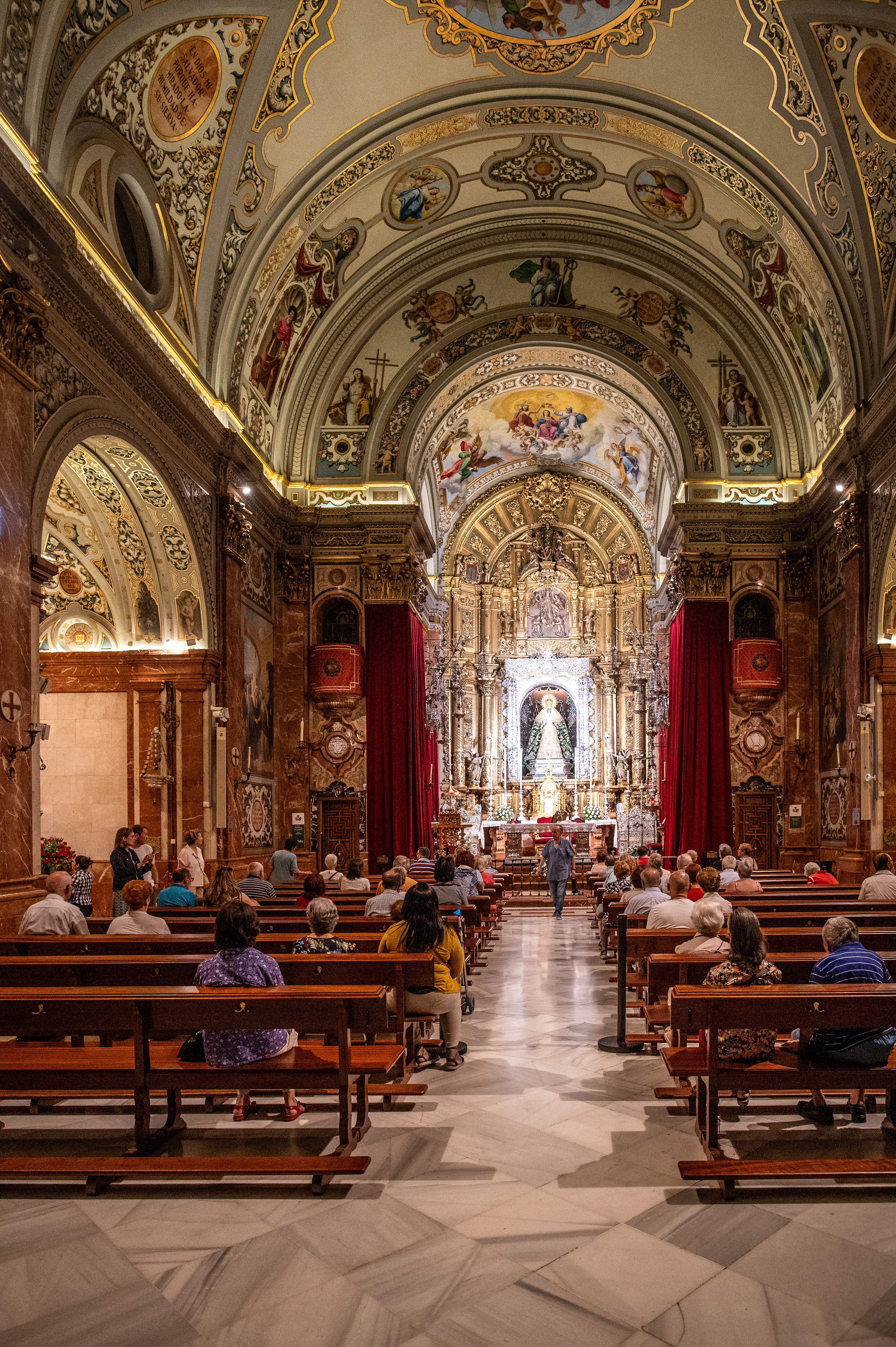
people are seated in the pews
people are seated in the pews ‐ photo by ,
©www.mgaylard.co.uk.
gold designs, statues, and religious icons
gold designs, statues, and religious icons ‐ photo by ,
©www.mgaylard.co.uk.
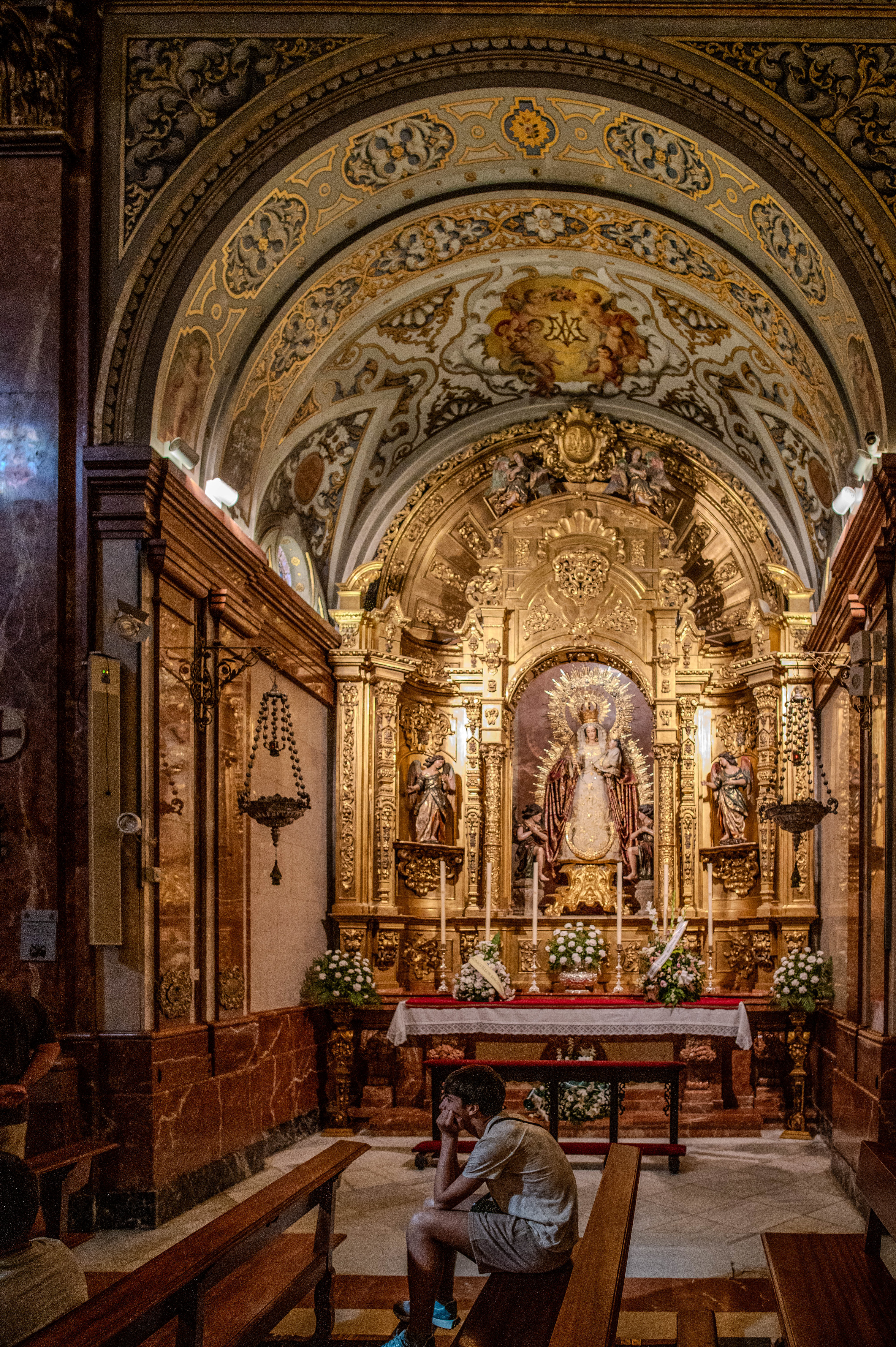
elaborately decorated altar
elaborately decorated altar ‐ photo by ,
©www.mgaylard.co.uk.
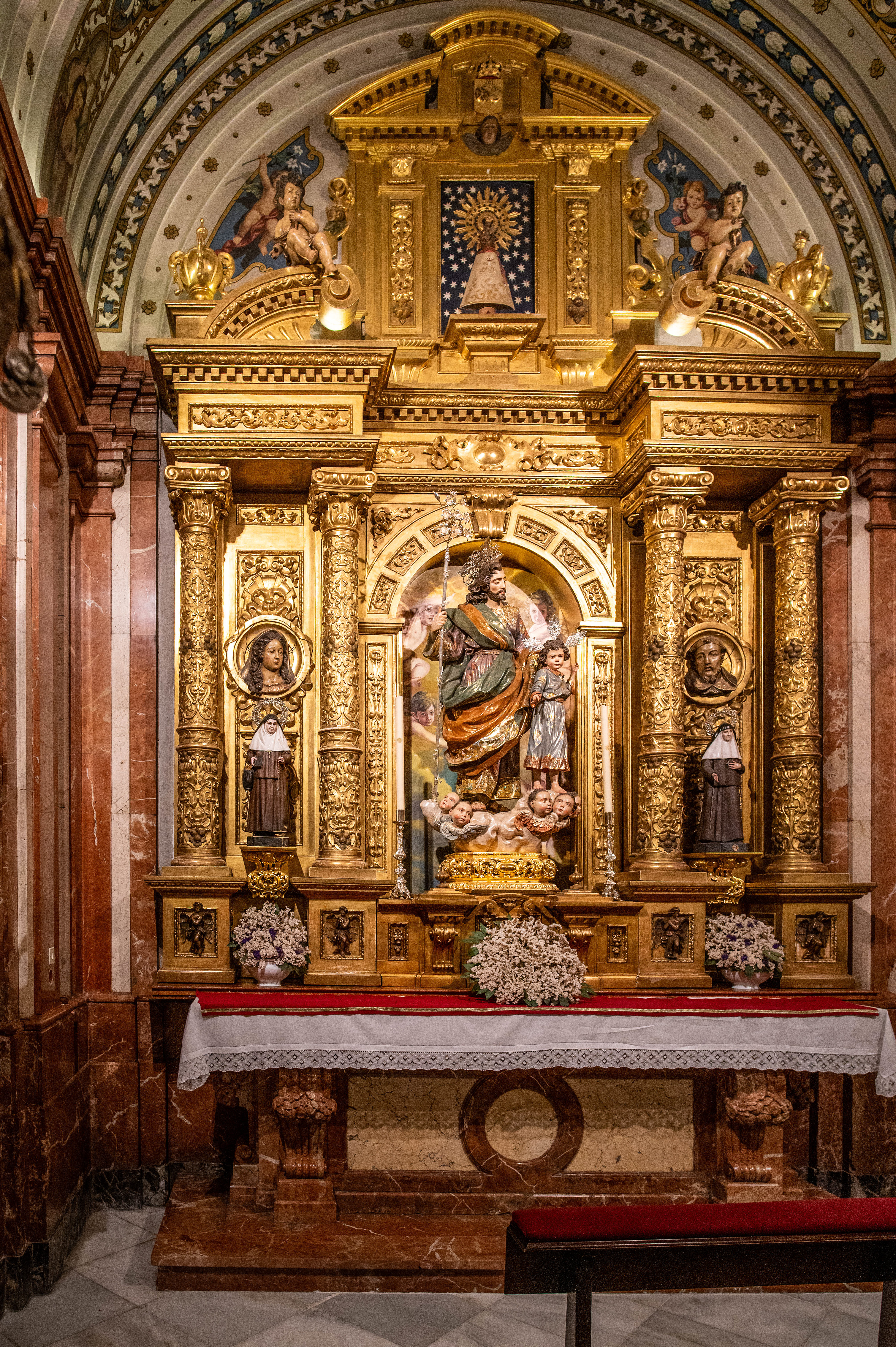
ornate altar
ornate altar ‐ photo by ,
©www.mgaylard.co.uk.
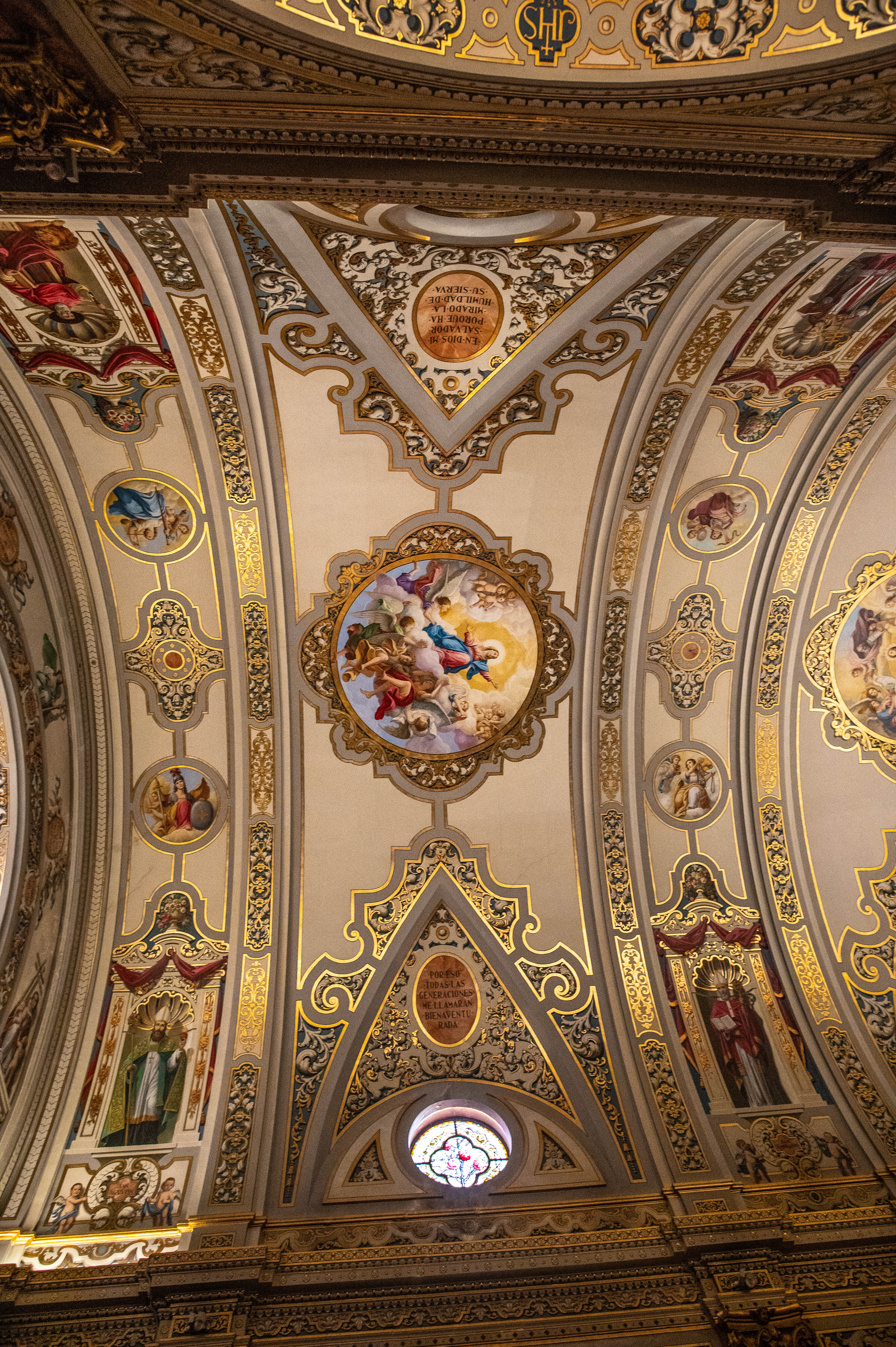
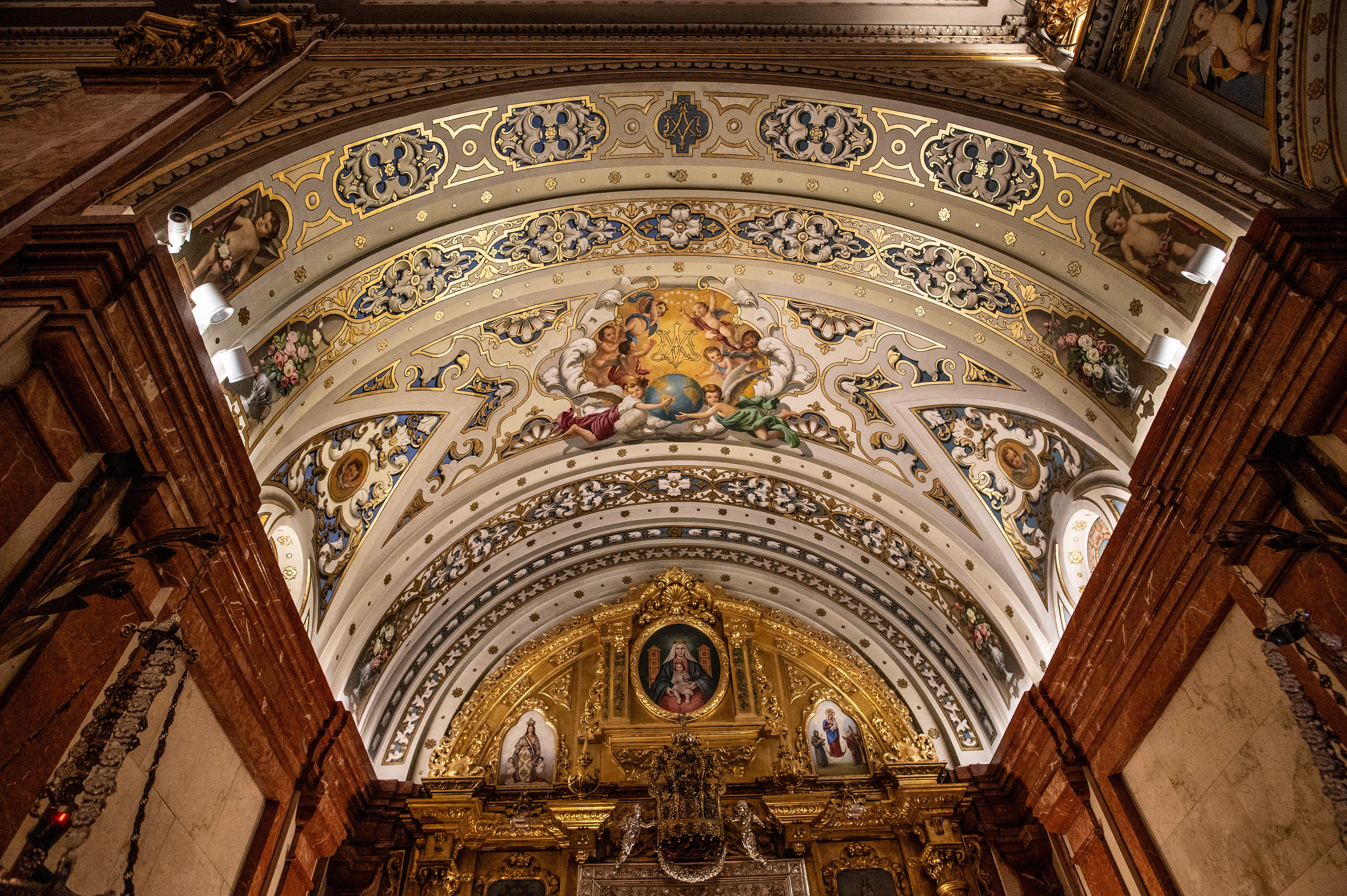
decorated ceiling
decorated ceiling ‐ photo by ,
©www.mgaylard.co.uk.
Open the full set flickr button this page

Basílica de la Macarena

The Spanish name Basílica de la Macarena is rendered in English as the Basilica of the Macarena (often expanded to Basilica of Our Lady of Hope — La Macarena), the neo-Baroque church in Seville that houses the venerated statue La Virgen de la Esperanza Macarena and is the spiritual centre of the Hermandad de la Macarena.

Overview and significance

The Basilica of the Macarena sits in Seville’s Macarena district, beside the historic Arco de la Macarena. It was built to replace the brotherhood’s earlier chapel destroyed in the Spanish Civil War and was consecrated in 1949; the building was later declared a basilica in 1966. The church is the home of La Virgen de la Esperanza Macarena, the iconic Marian statue central to Seville’s Holy Week (Semana Santa) processions and local devotion.

Architecture and interior highlights

The basilica was designed by Aurelio Gómez Millán in an Andalusian neo-Baroque style: a single nave with a barrel vault, side chapels, multicoloured marbles, frescoes by Rafael Rodríguez, and gilded wooden altarpieces by the Juan Pérez Calvo workshop. The presbytery contains the dressing room and jewel-decorated vestments of the Virgin, and the façade features a porch with marble columns and a niche symbolising the virtue of Hope.

References

www.tripadvisor.co.ukaudiala.comsevilleboattour.comwww.hermandaddelamacarena.es , Text generated by Microsoft CoPilot , Text generated by Mistral AI , generated by Google's Gemini AI

Iglesia Colegial del Divino Salvador

Plaza del SalvadorSevilleAndalusia,   Spain

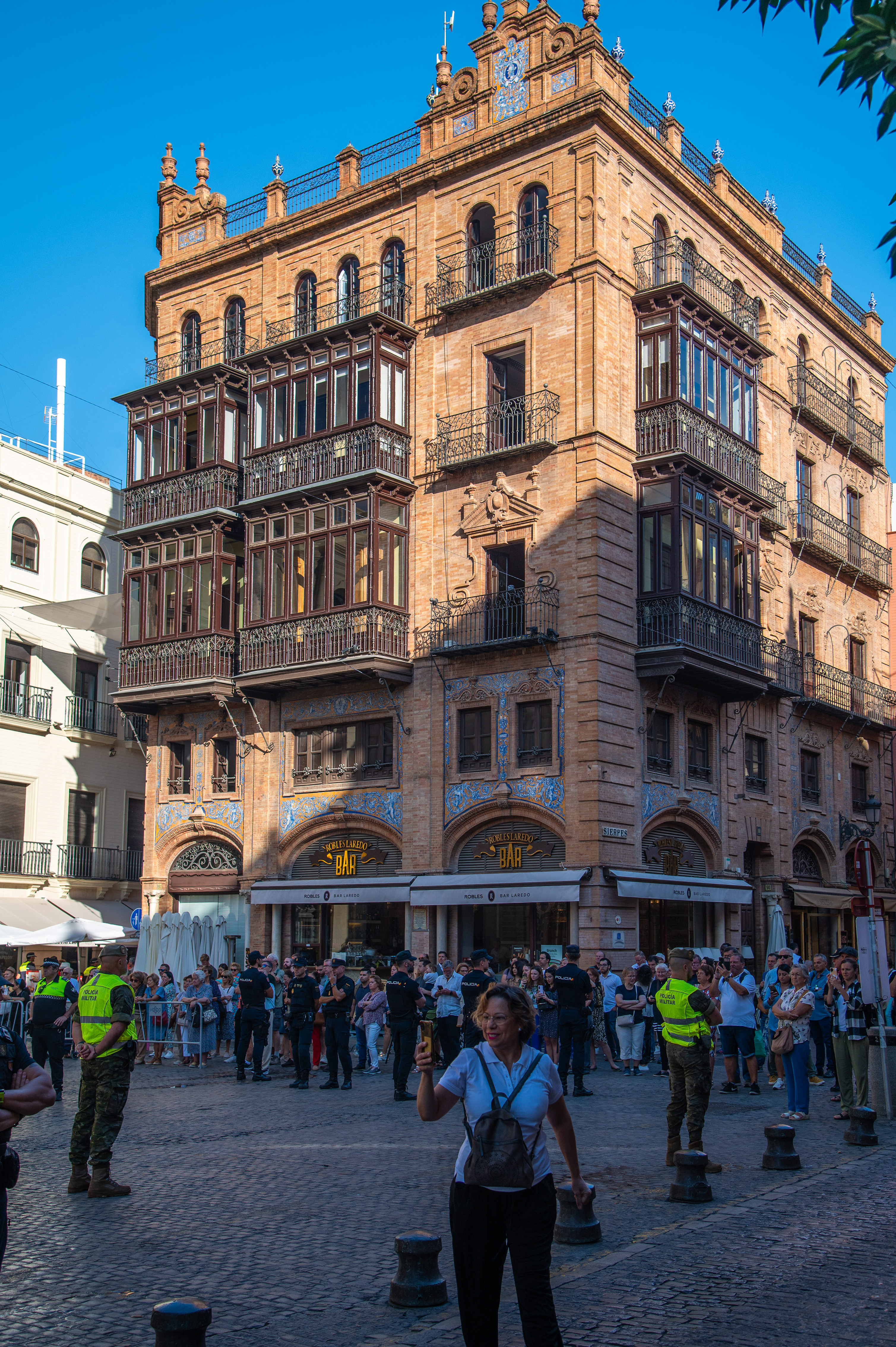
Plaza de San Francisco
Plaza de San Francisco ‐ photo by ,
©www.mgaylard.co.uk.
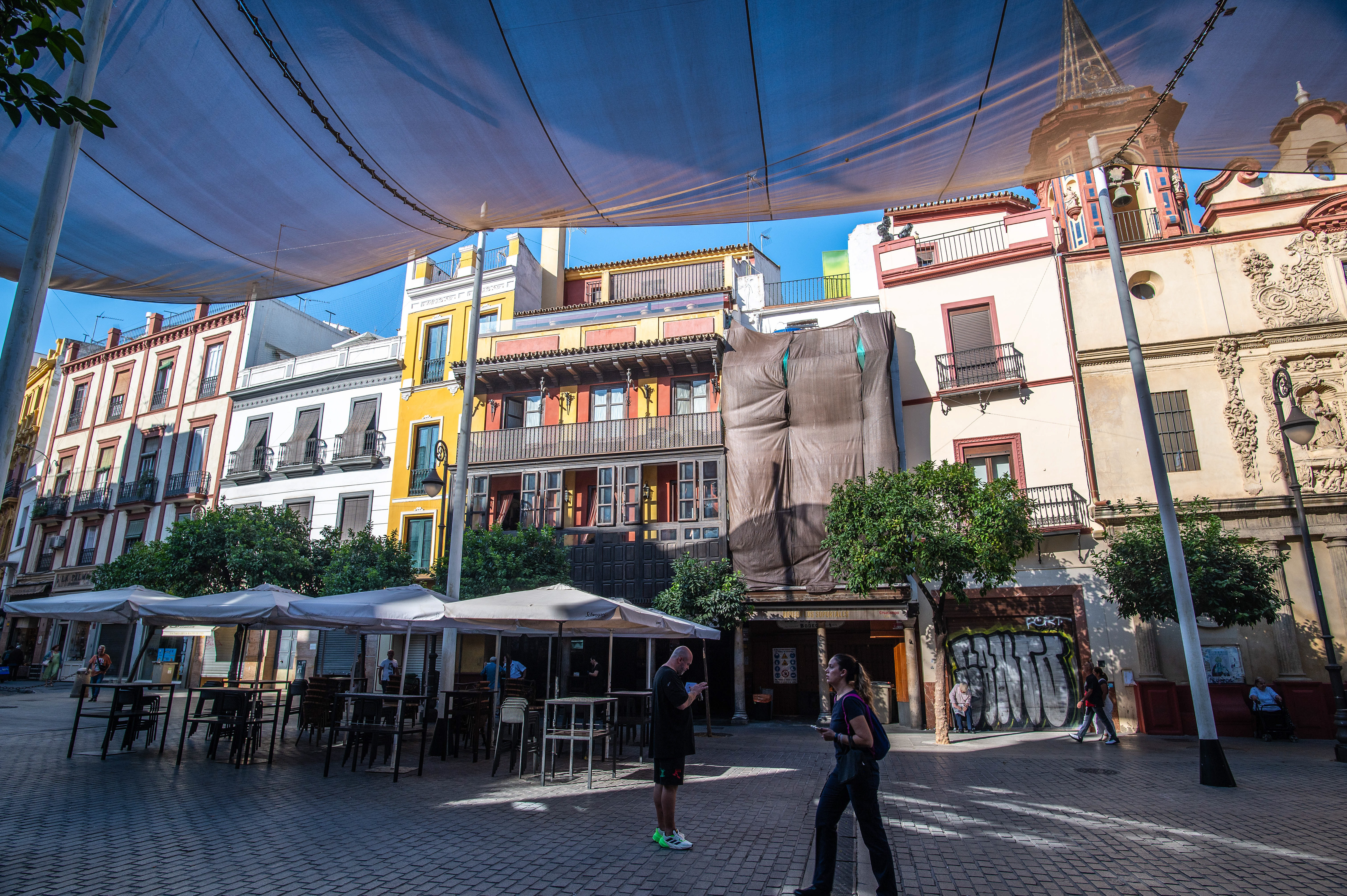
Plaza de San Francisco
Plaza de San Francisco ‐ photo by ,
©www.mgaylard.co.uk.
Plaza de San Francisco
Plaza de San Francisco ‐ photo by ,
©www.mgaylard.co.uk.
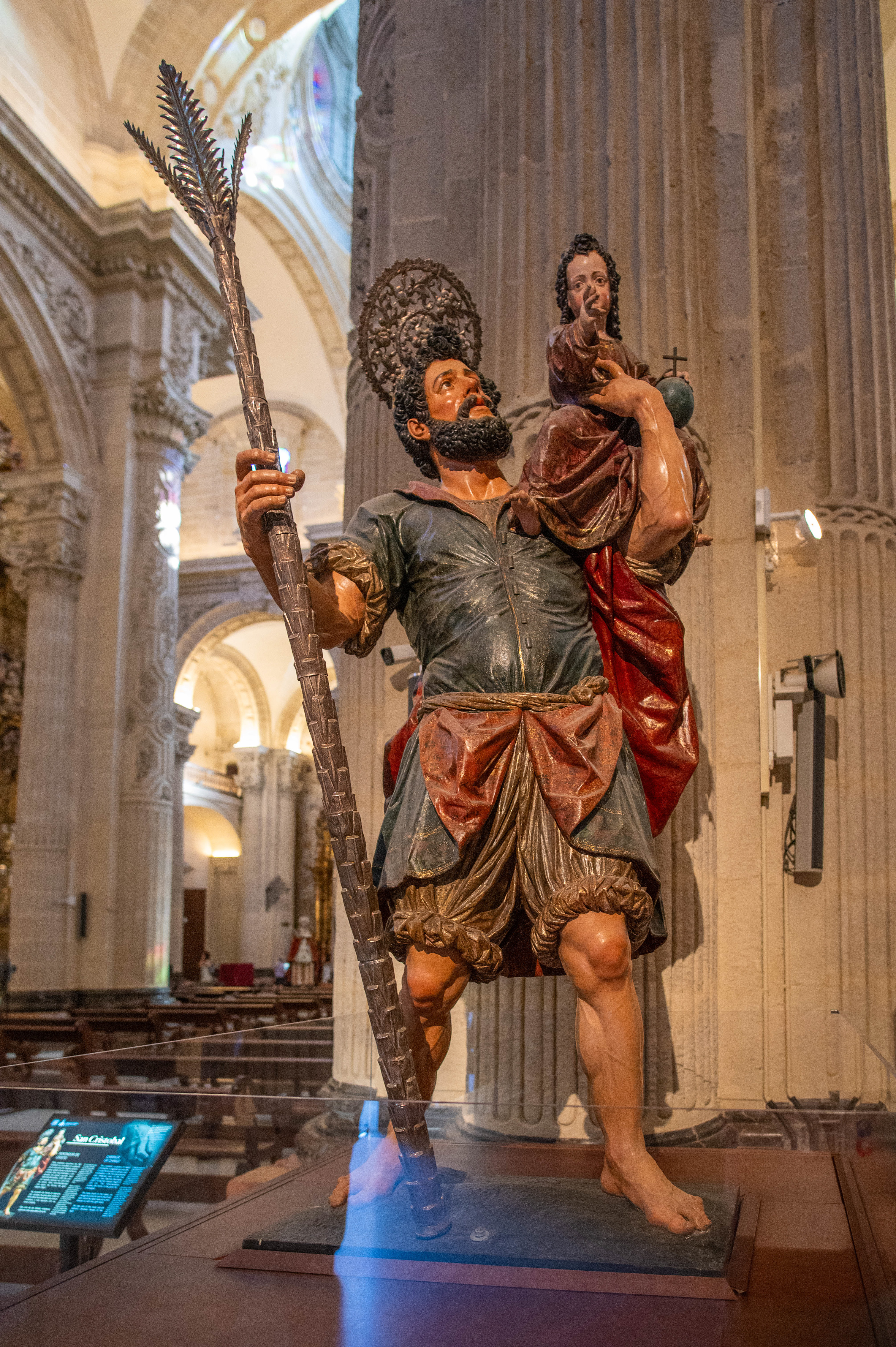
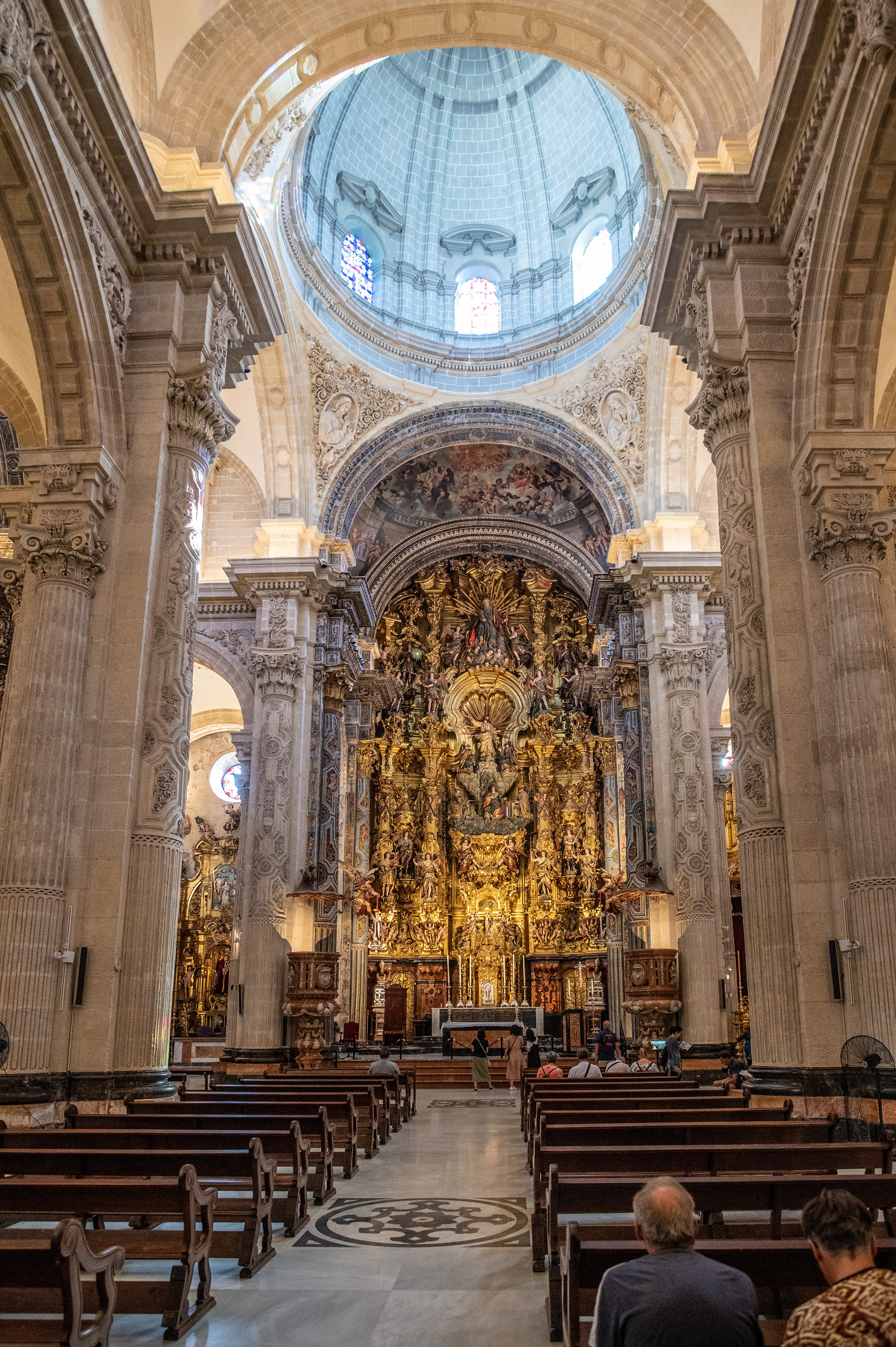
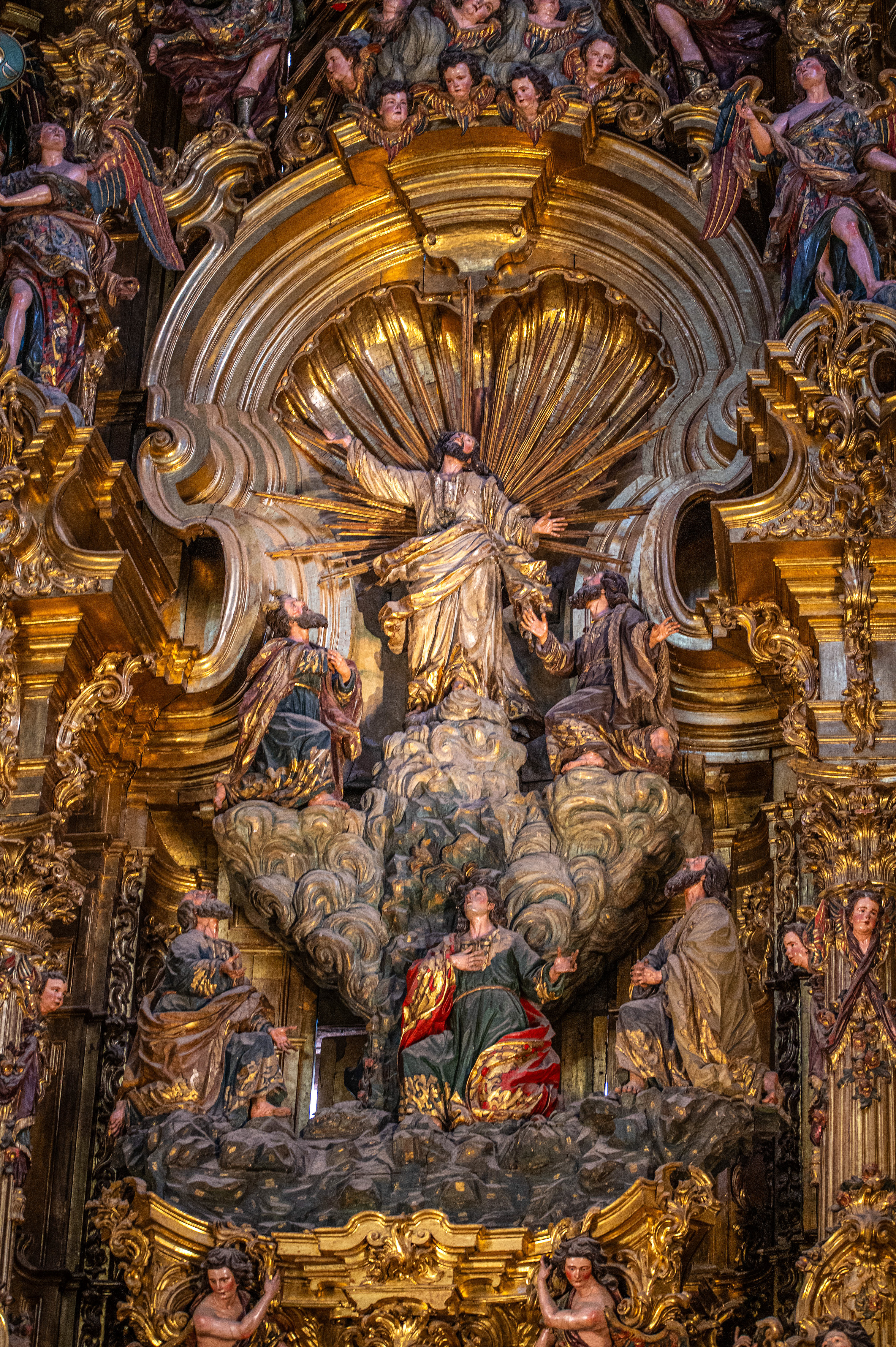
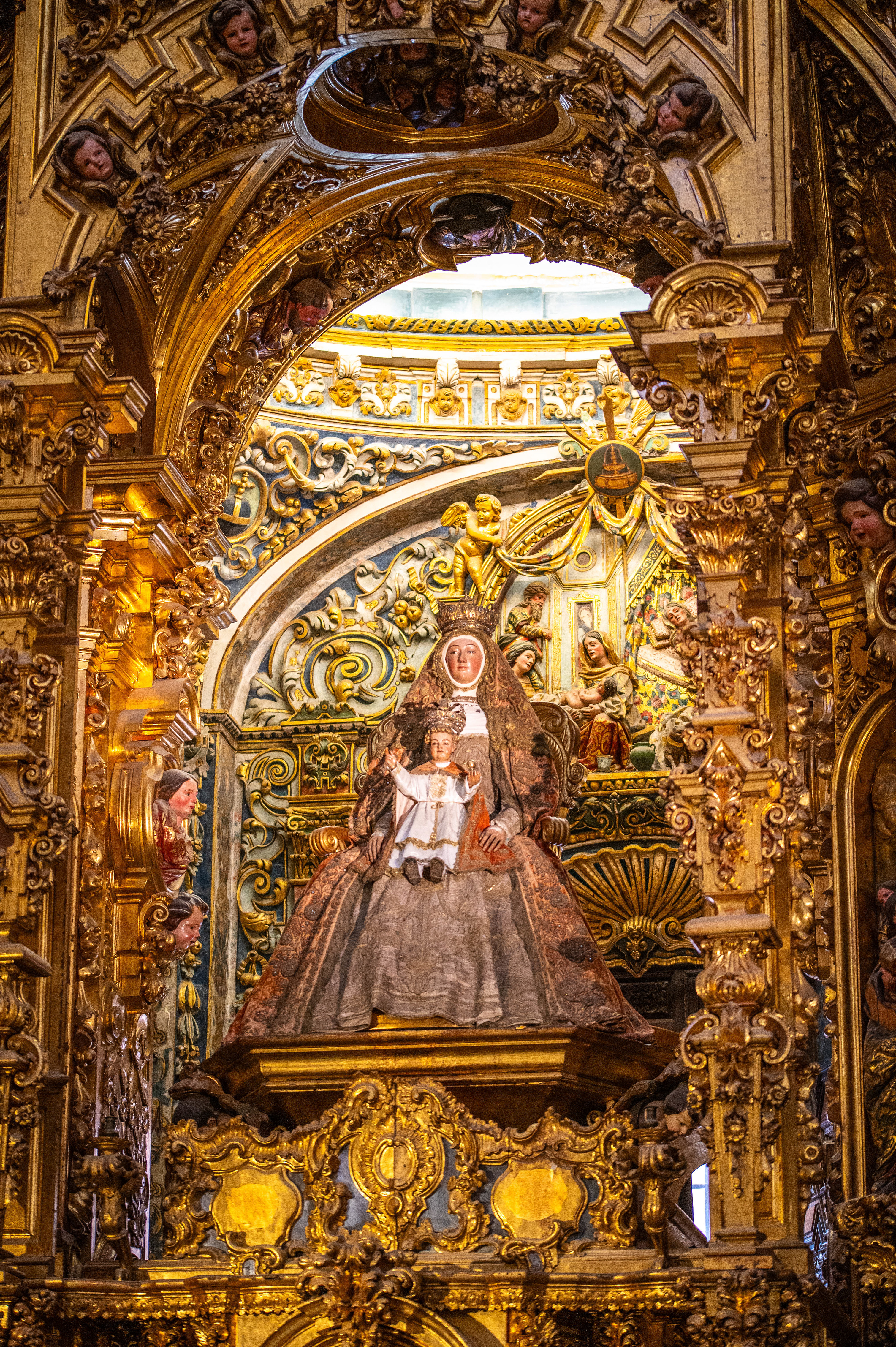
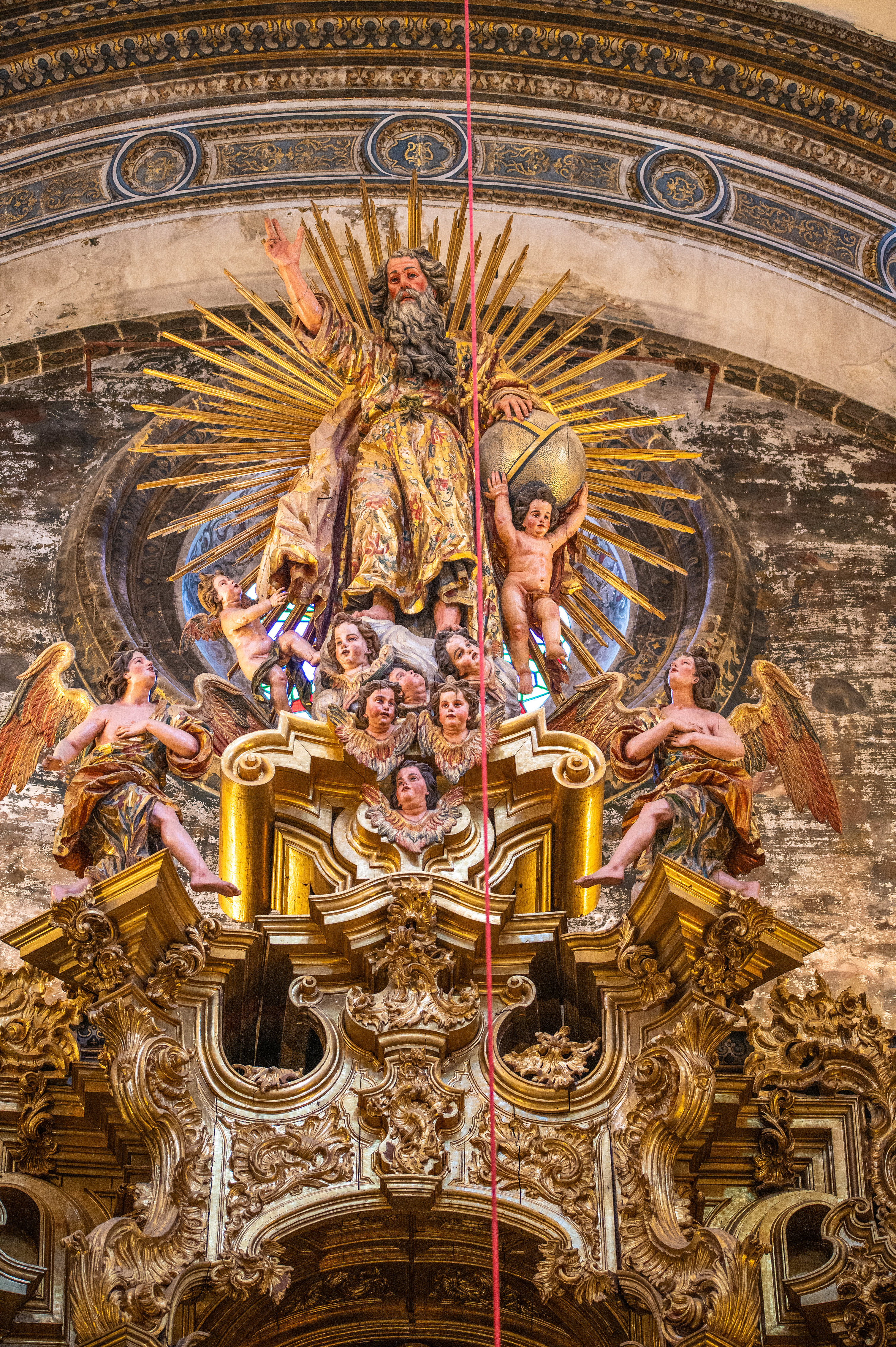
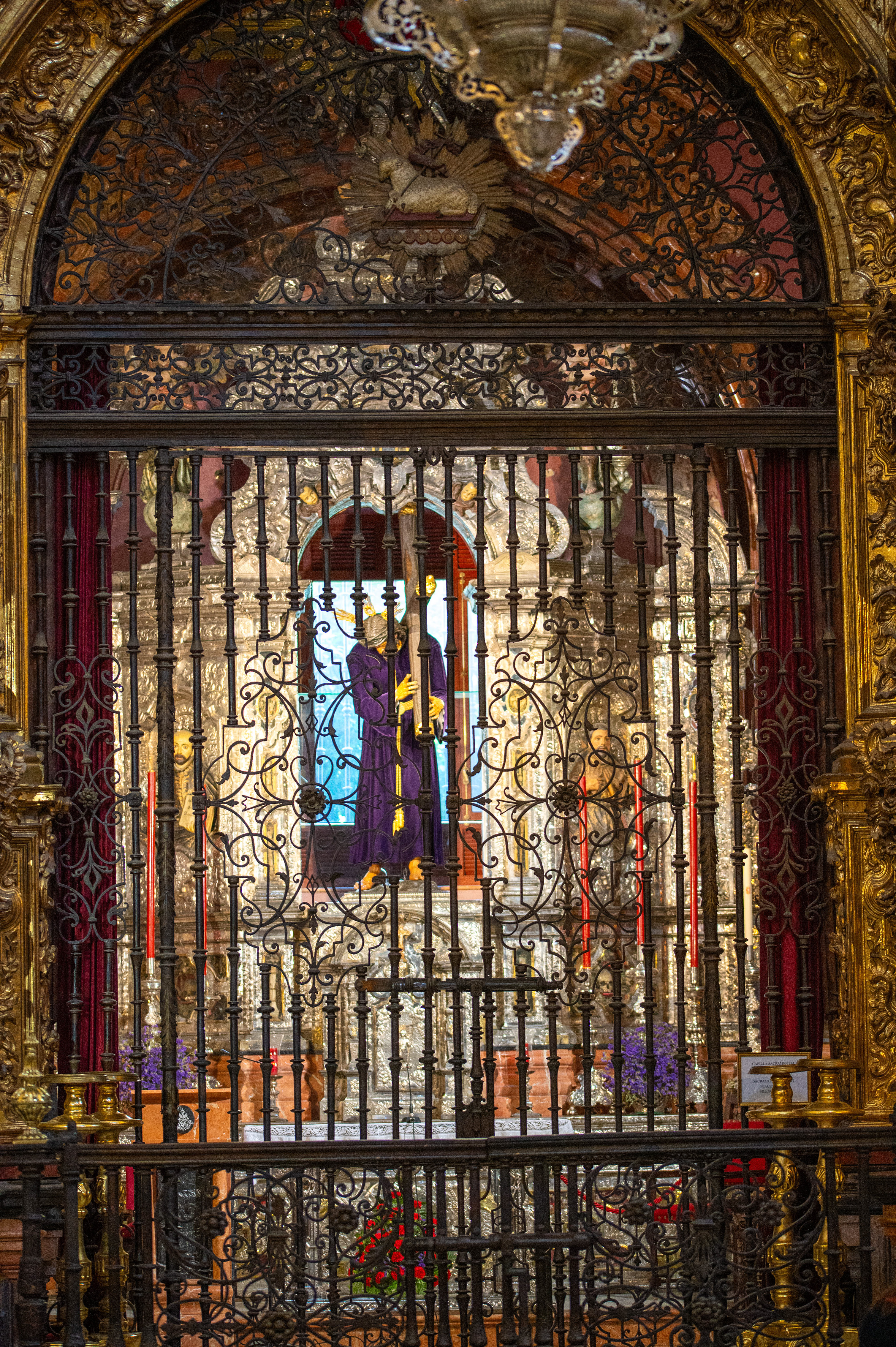
Church Interior
Church Interior ‐ photo by ,
©www.mgaylard.co.uk.
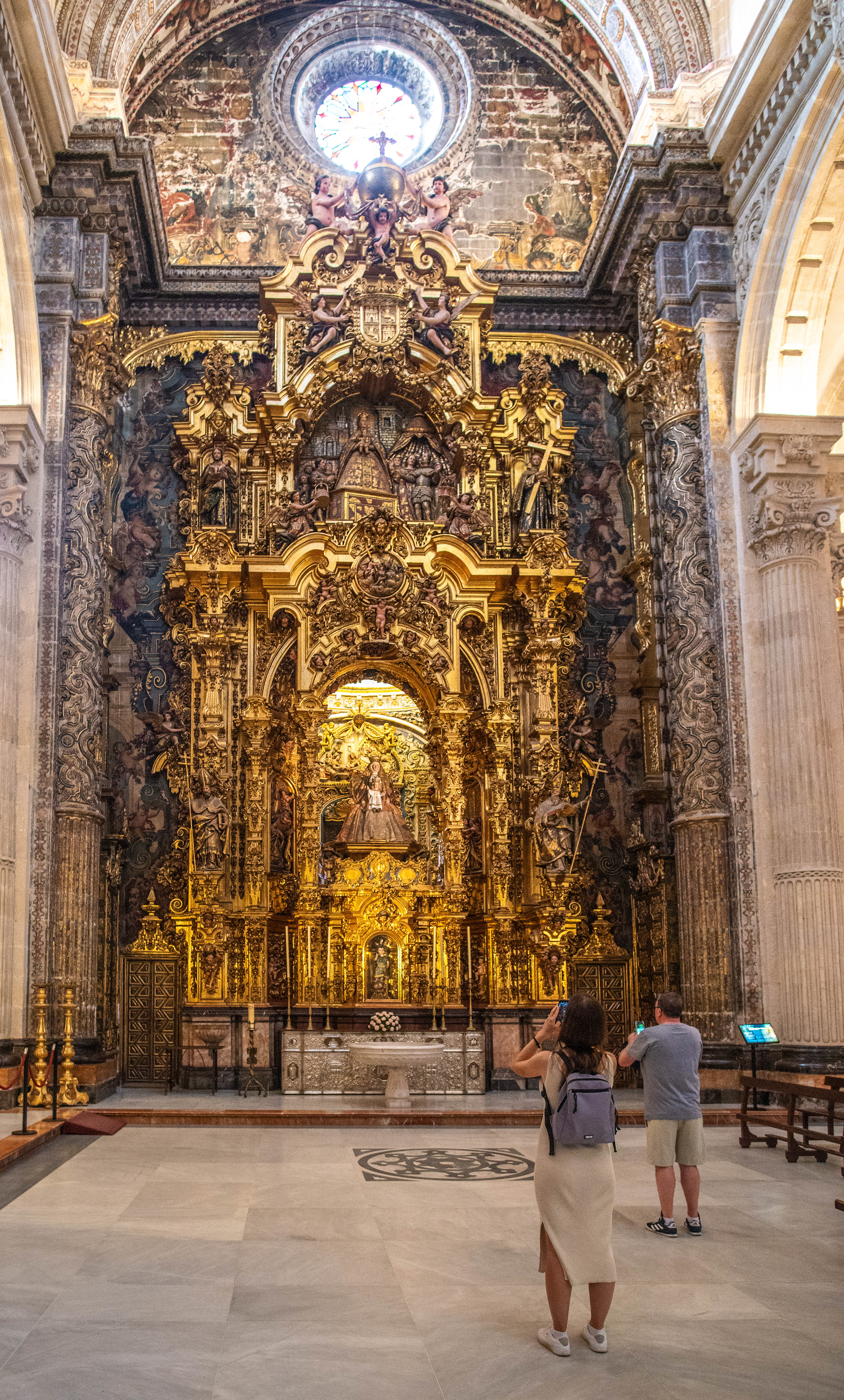
Church Interior
Church Interior ‐ photo by ,
©www.mgaylard.co.uk.
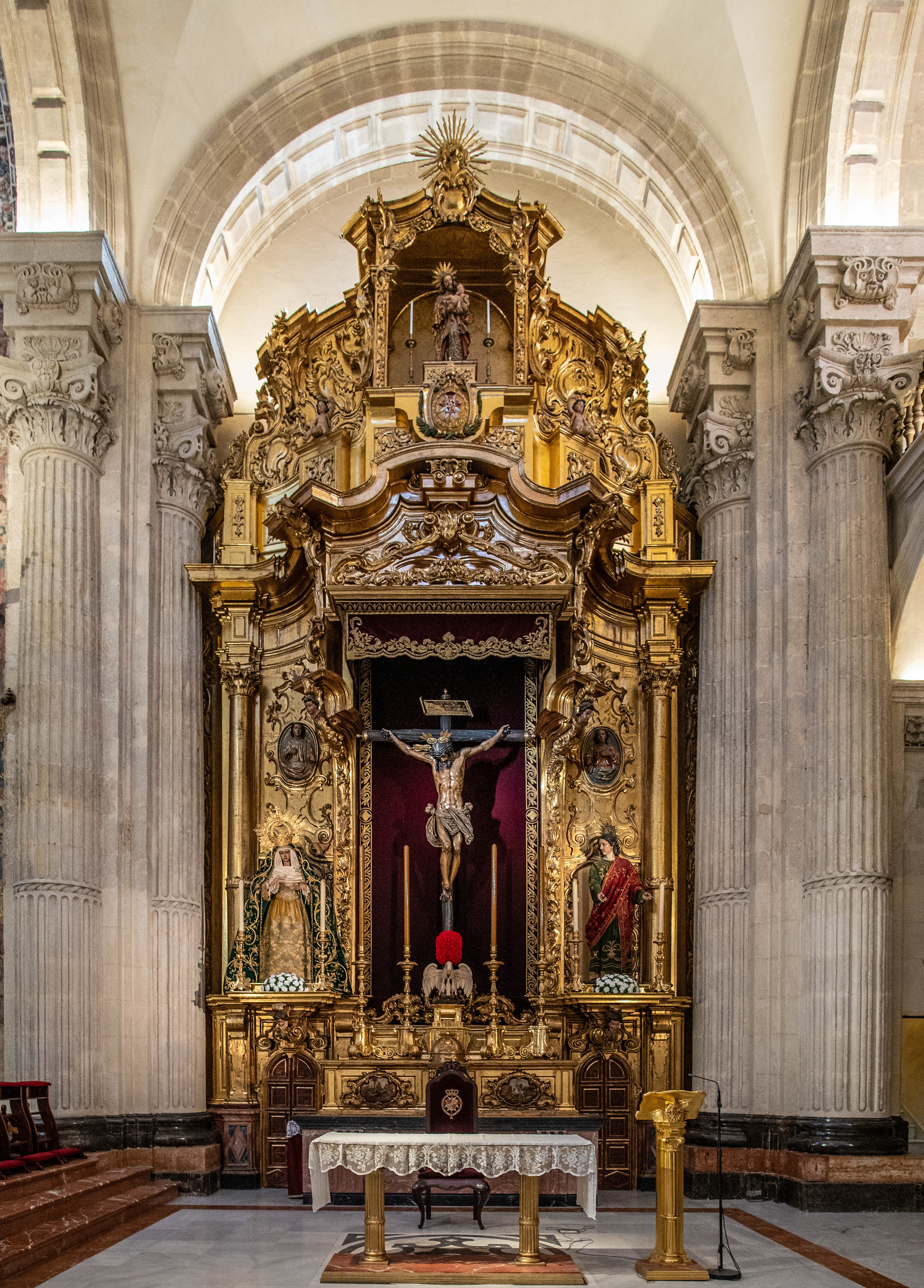
Church Interior
Church Interior ‐ photo by ,
©www.mgaylard.co.uk.
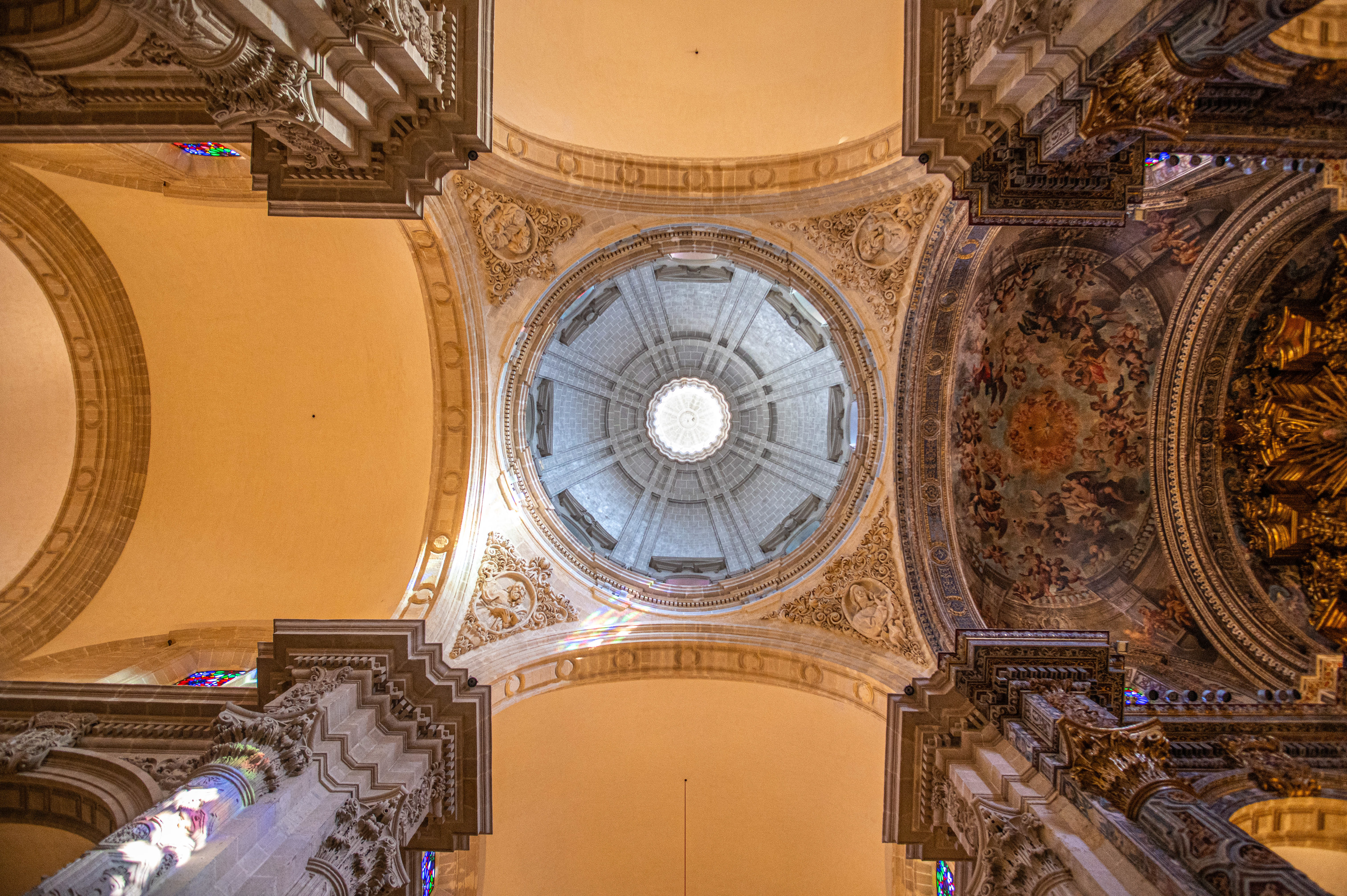
Church Interior
Church Interior ‐ photo by ,
©www.mgaylard.co.uk.
Church Interior
Church Interior ‐ photo by ,
©www.mgaylard.co.uk.
Church Interior
Church Interior ‐ photo by ,
©www.mgaylard.co.uk.
Church Interior
Church Interior ‐ photo by ,
©www.mgaylard.co.uk.
Church Interior
Church Interior ‐ photo by ,
©www.mgaylard.co.uk.
Church Interior
Church Interior ‐ photo by ,
©www.mgaylard.co.uk.
Church Interior
Church Interior ‐ photo by ,
©www.mgaylard.co.uk.
Church Interior
Church Interior ‐ photo by ,
©www.mgaylard.co.uk.
Church Interior
Church Interior ‐ photo by ,
©www.mgaylard.co.uk.
Church Interior
Church Interior ‐ photo by ,
©www.mgaylard.co.uk.
Church Interior
Church Interior ‐ photo by ,
©www.mgaylard.co.uk.
Church Interior
Church Interior ‐ photo by ,
©www.mgaylard.co.uk.
Open the full set flickr button this page

Salvador

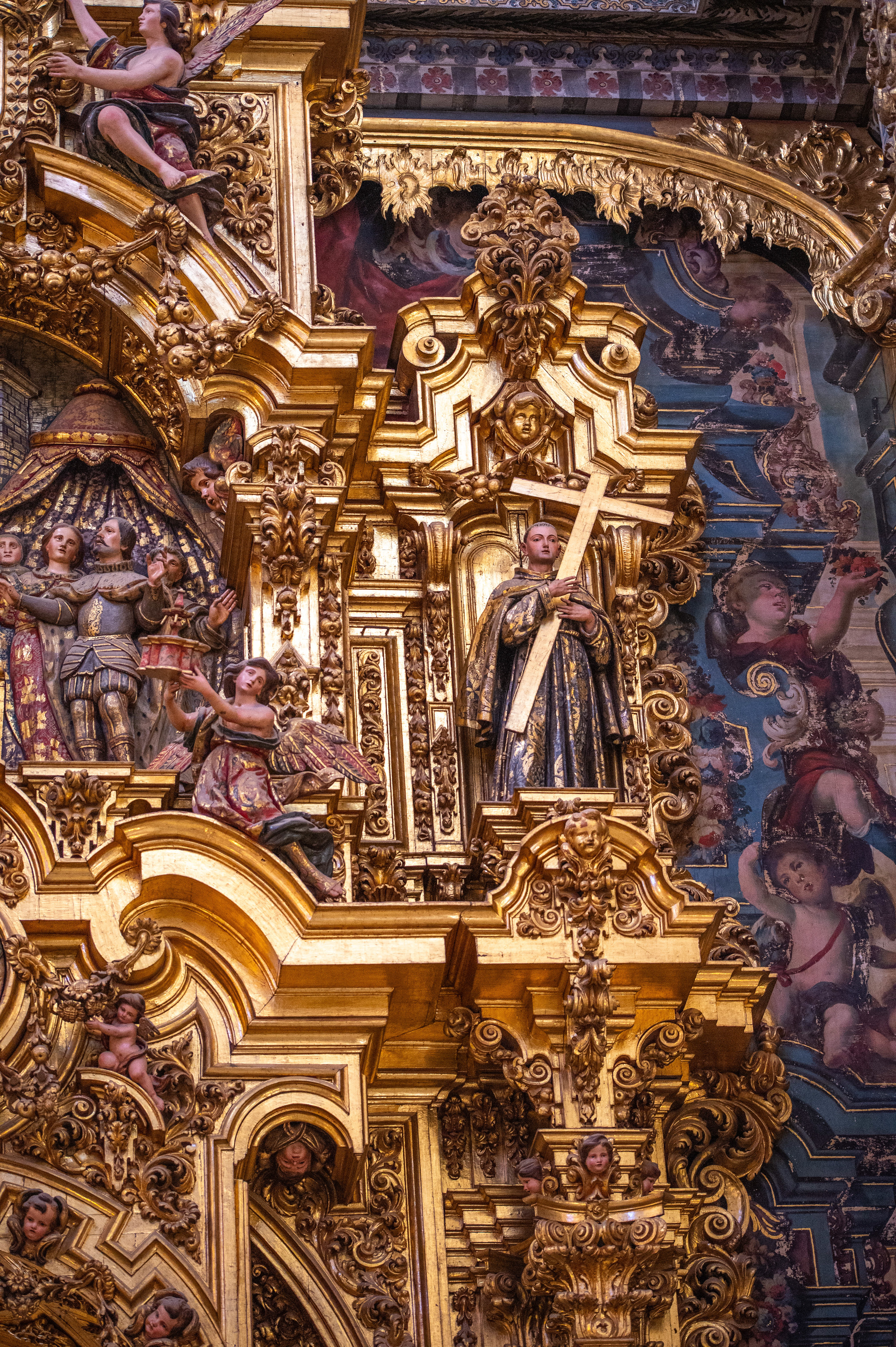
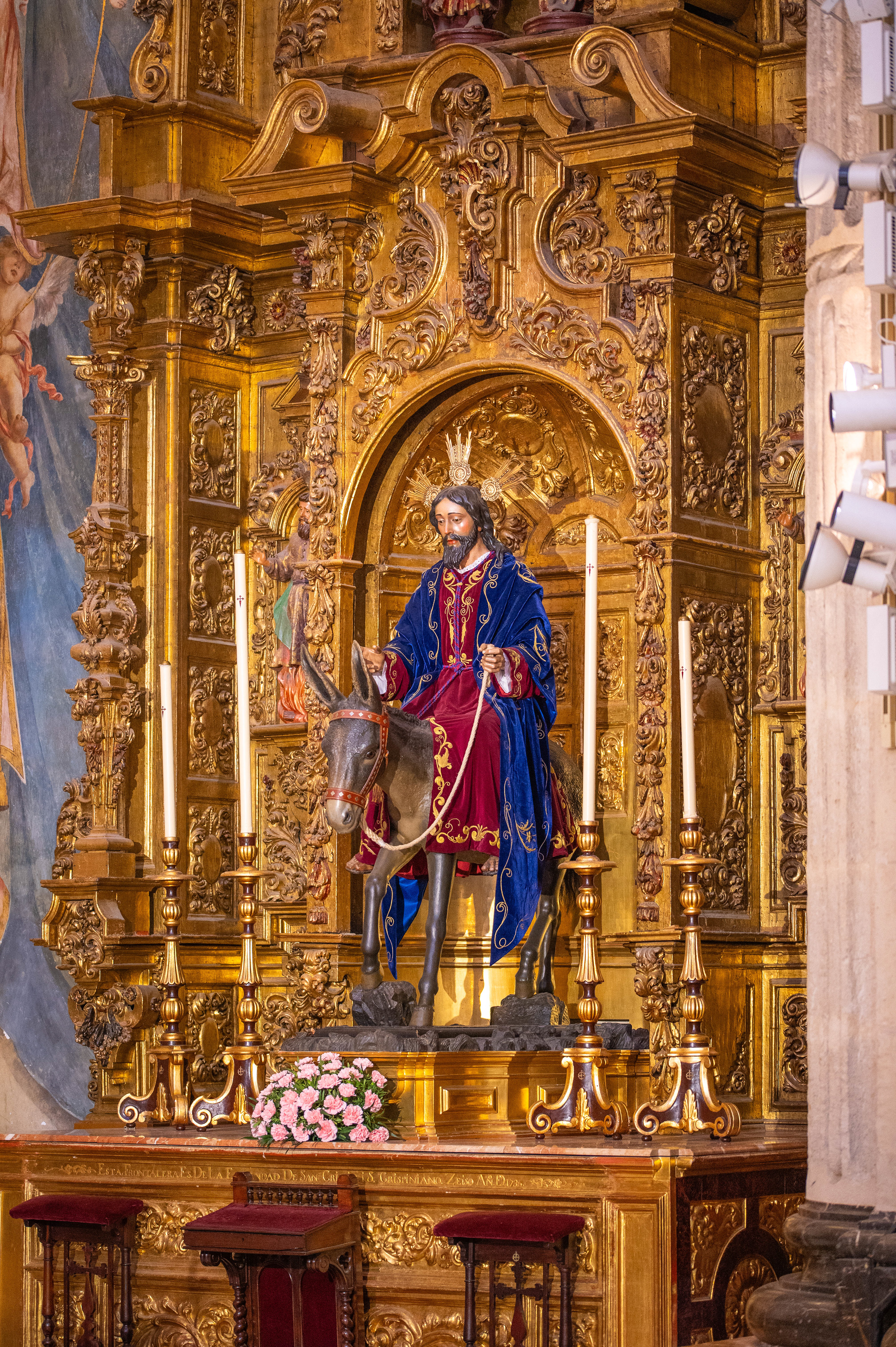
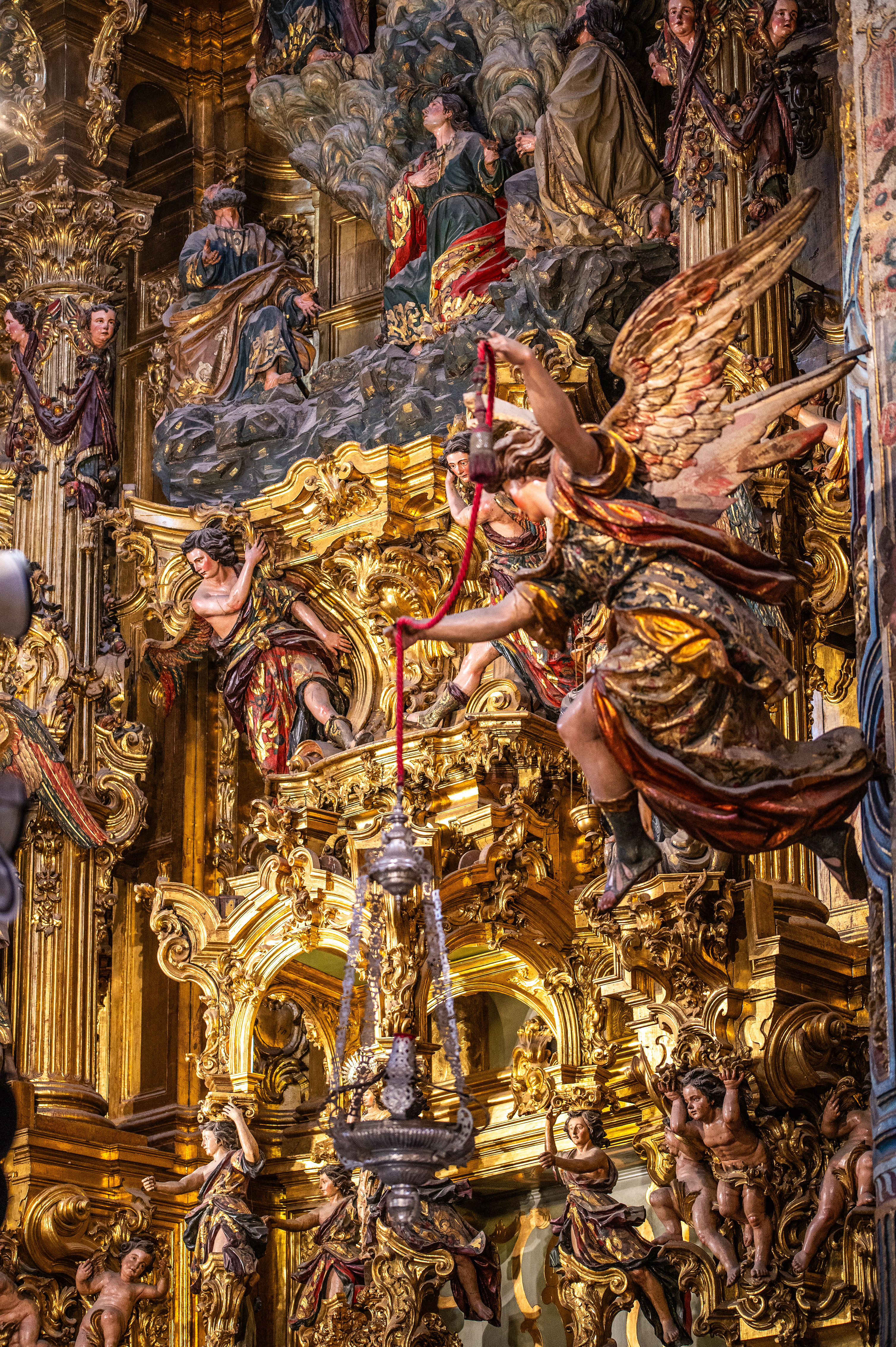
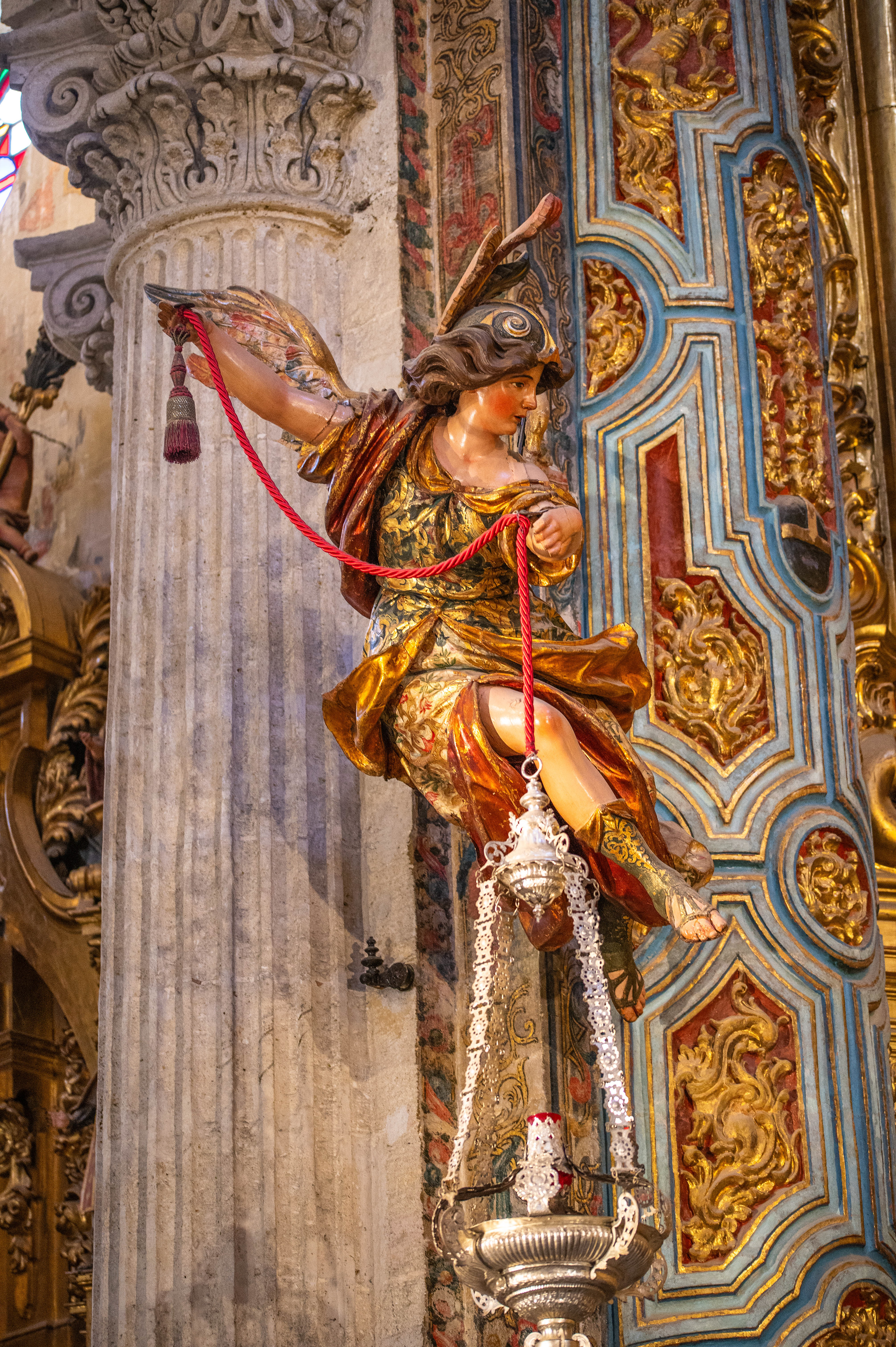
The name Iglesia Colegial del Divino Salvador is rendered in English as the Collegiate Church of the Divine Savior (commonly shortened to the Church of El Salvador), the large Baroque church in Seville that is the city’s second-most important temple after the Cathedral.

Overview

The Collegiate Church of the Divine Savior (Spanish: Iglesia Colegial del Divino Salvador or Iglesia del Salvador) stands on Plaza del Salvador in Seville and is celebrated as the largest church in the city after the Cathedral. The present Baroque building occupies a site with continuous sacred use since Roman and Visigothic times, later becoming the great mosque of Ibn Adabbas before Christian reconquest and subsequent rebuilding.

History and architecture

The current church was constructed in the late 17th–early 18th centuries: building works began in 1674 and the finished Baroque temple was consecrated in 1712. Key architects associated with the project include Esteban García and Leonardo de Figueroa, and the interior is noted for its gilded woodwork, major altarpieces, sculptures, paintings and rich Sevillian Baroque decoration. Archaeological traces in the church patio reveal layers from Roman and Visigothic occupation, underlining the site’s long religious continuity.

References

sevillecityguide.comwww.catedraldesevilla.eses.wikipedia.org , Text generated by Microsoft CoPilot
To the top
Powered by w3.css. The images are all stored on link to www.gaylard.co.uk Photostream on Flickr   This website is hosted by link to 123Reg Web Hosting