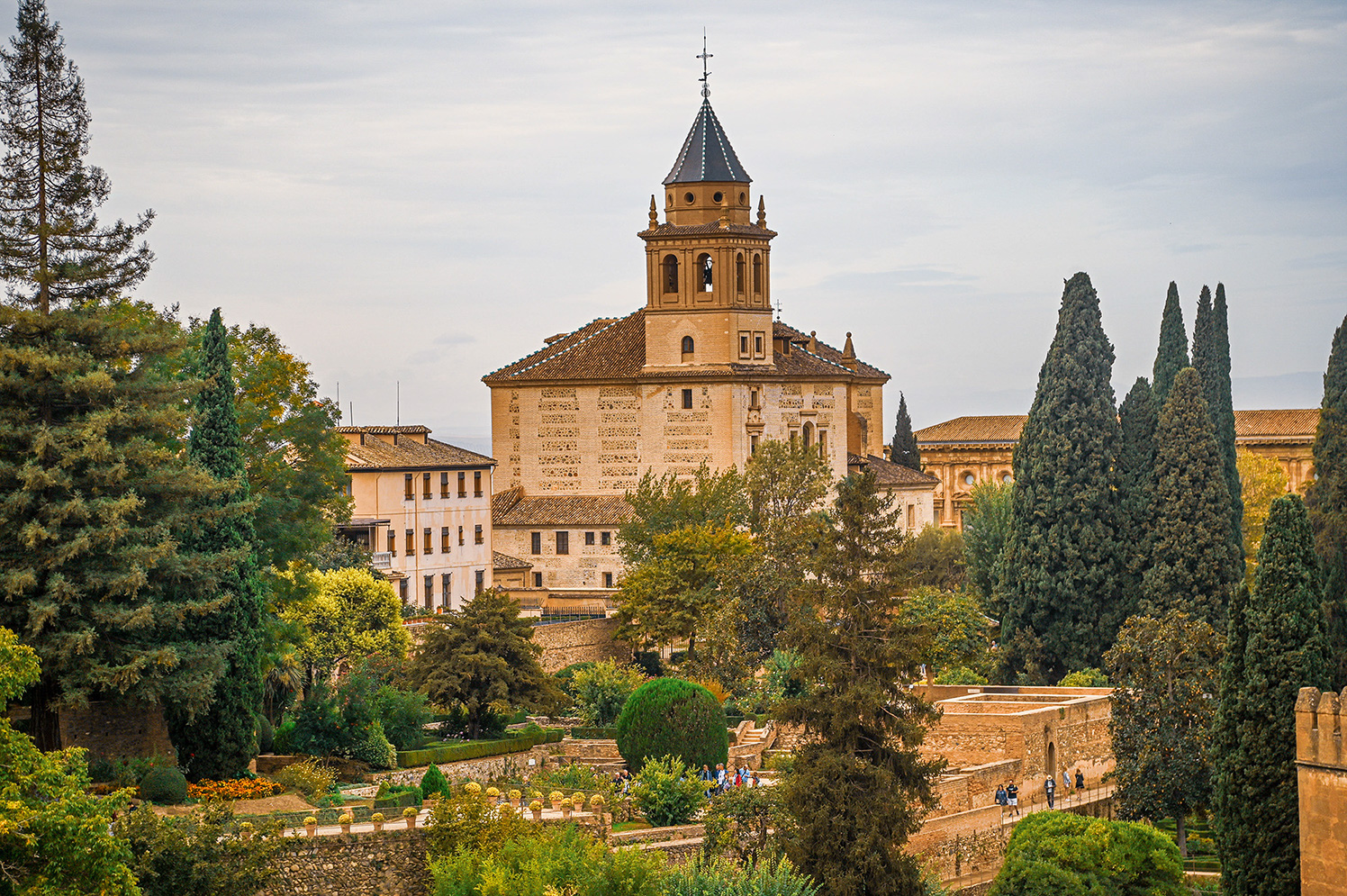

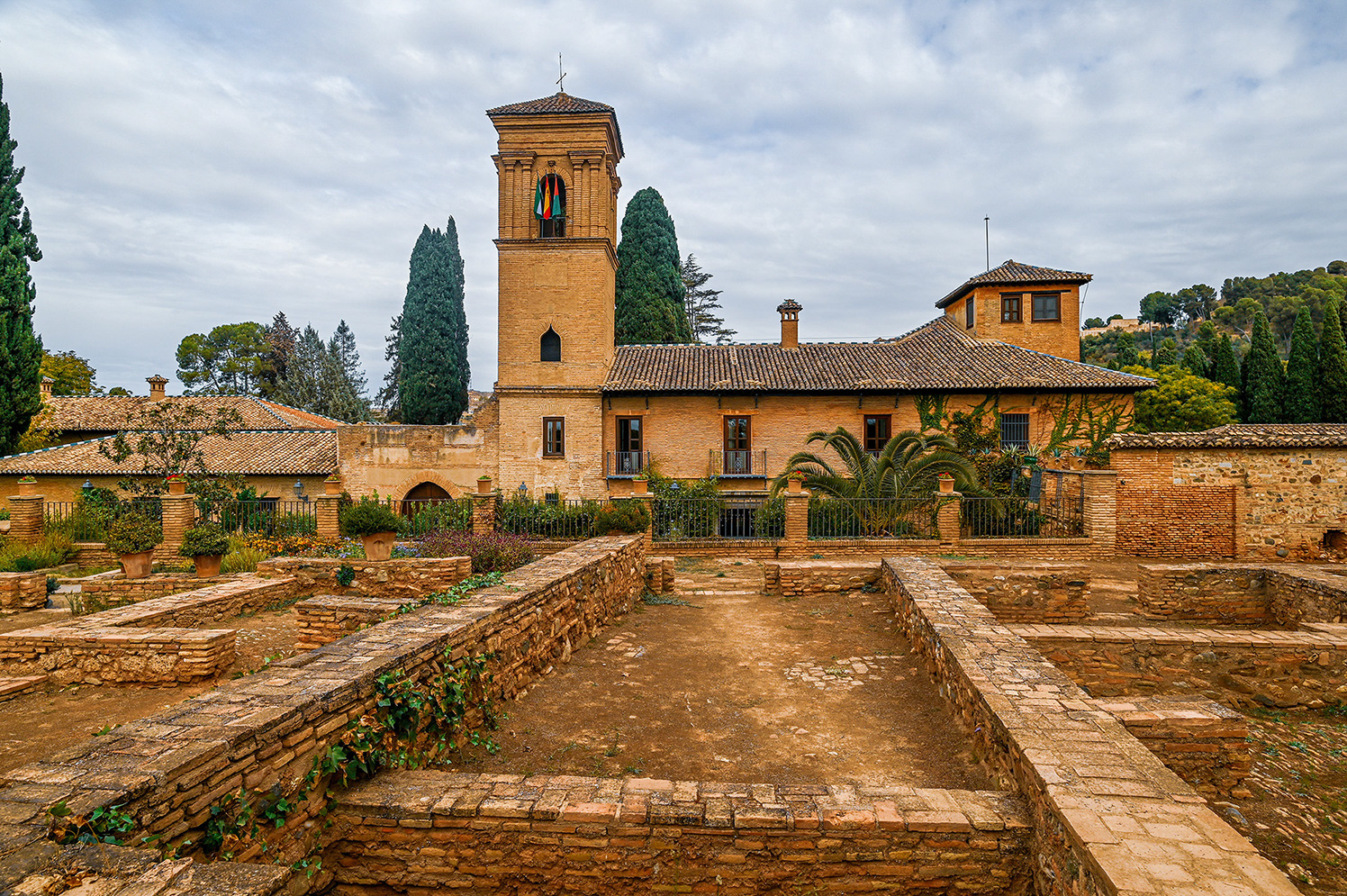
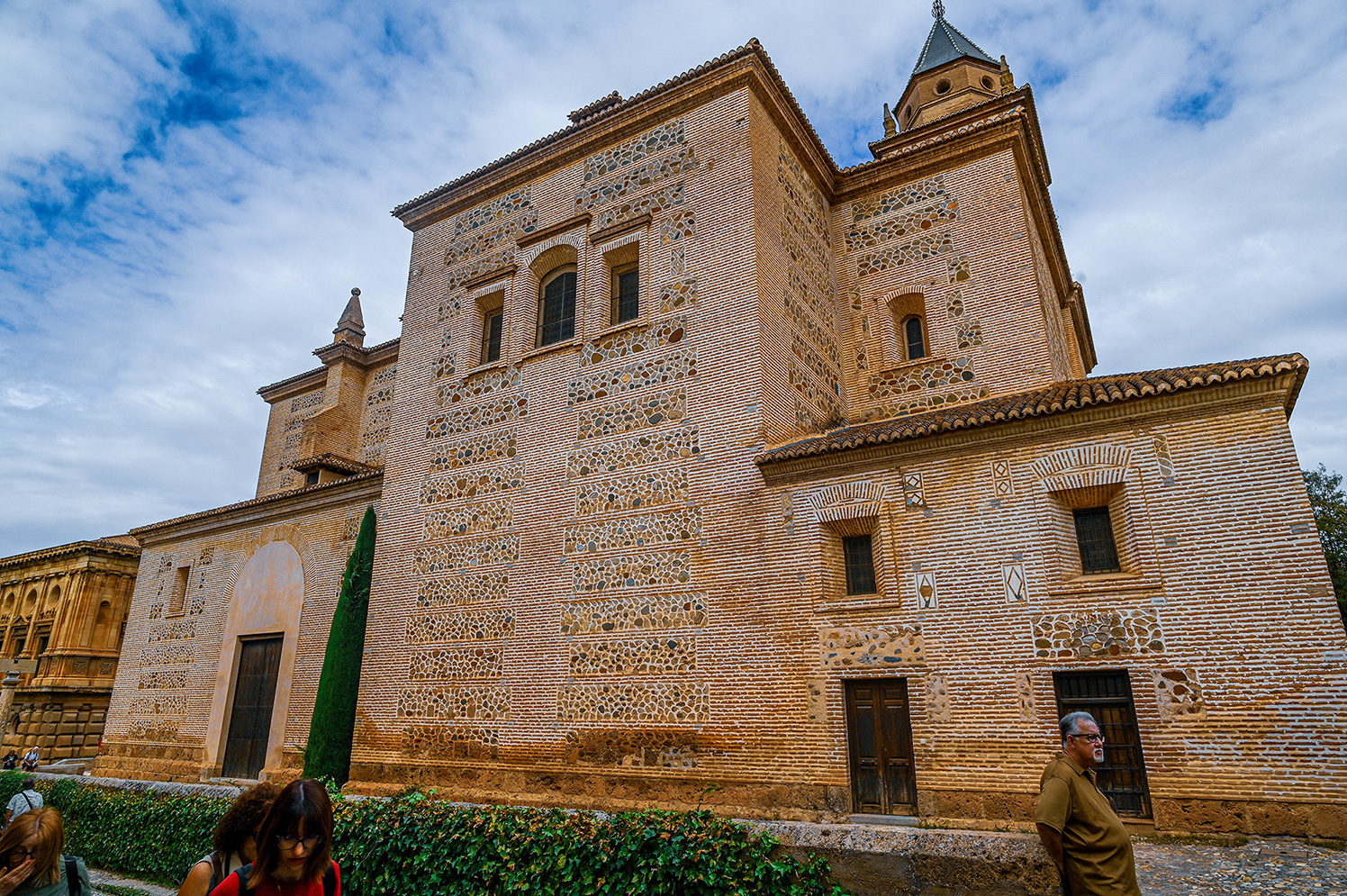
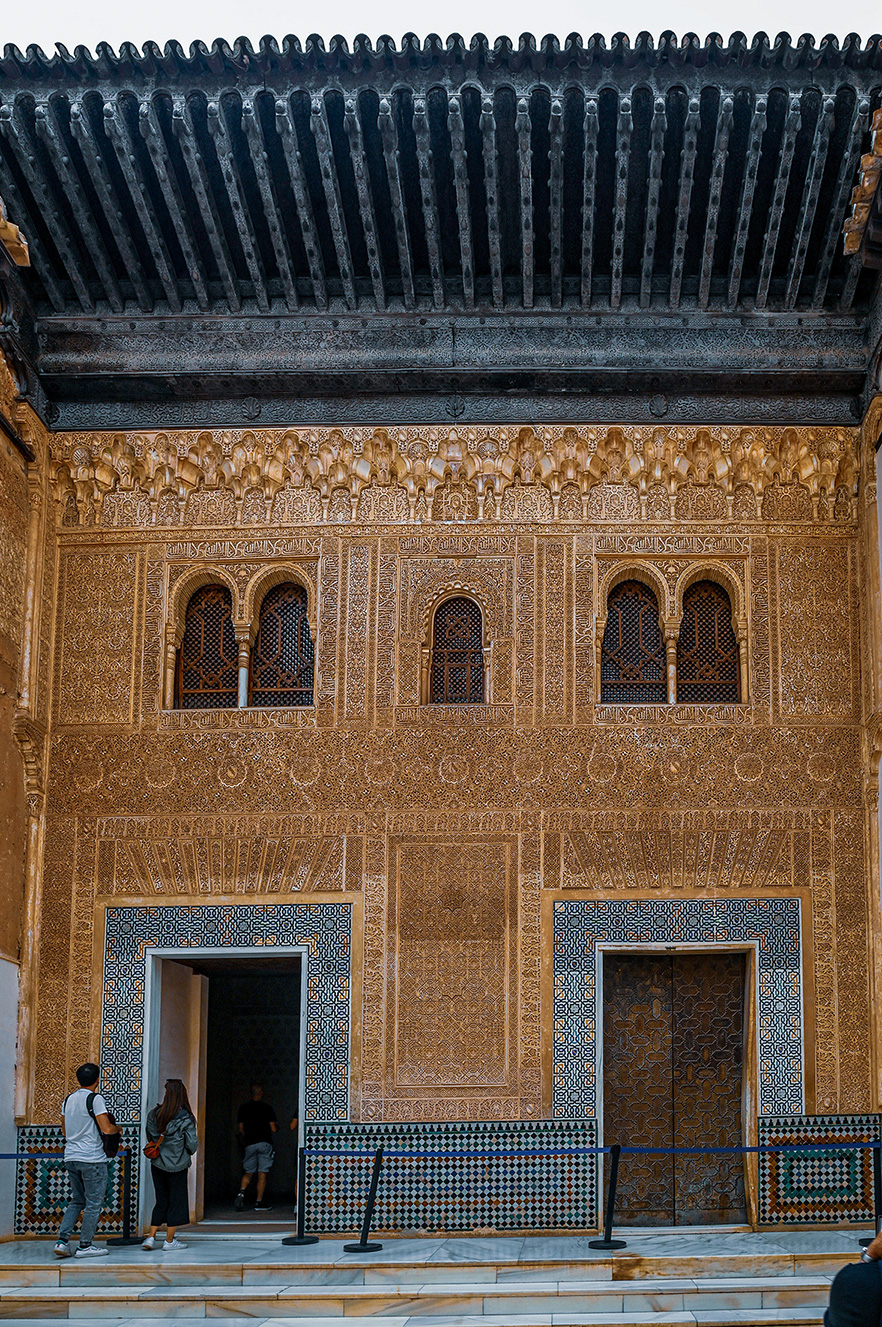
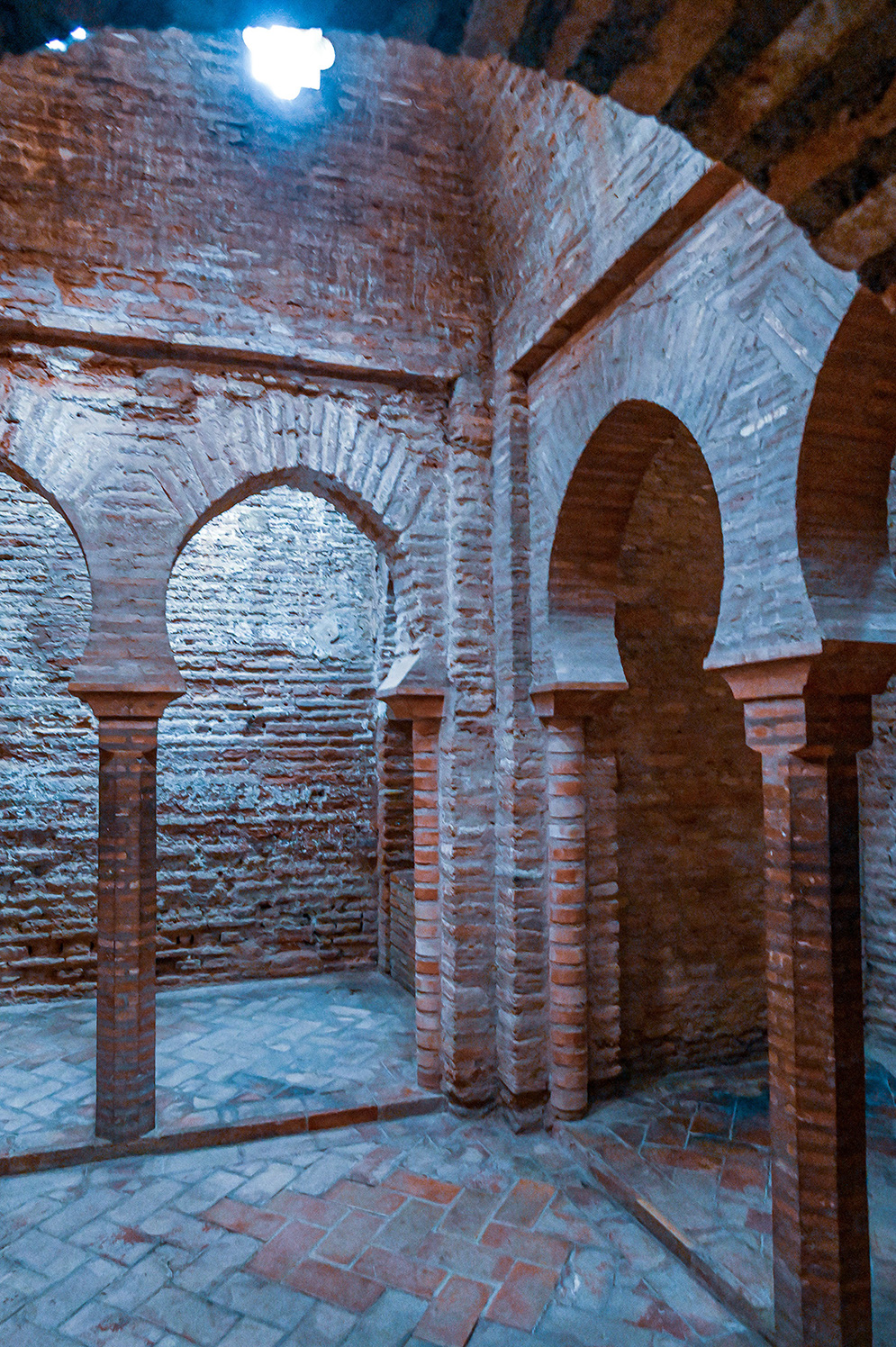
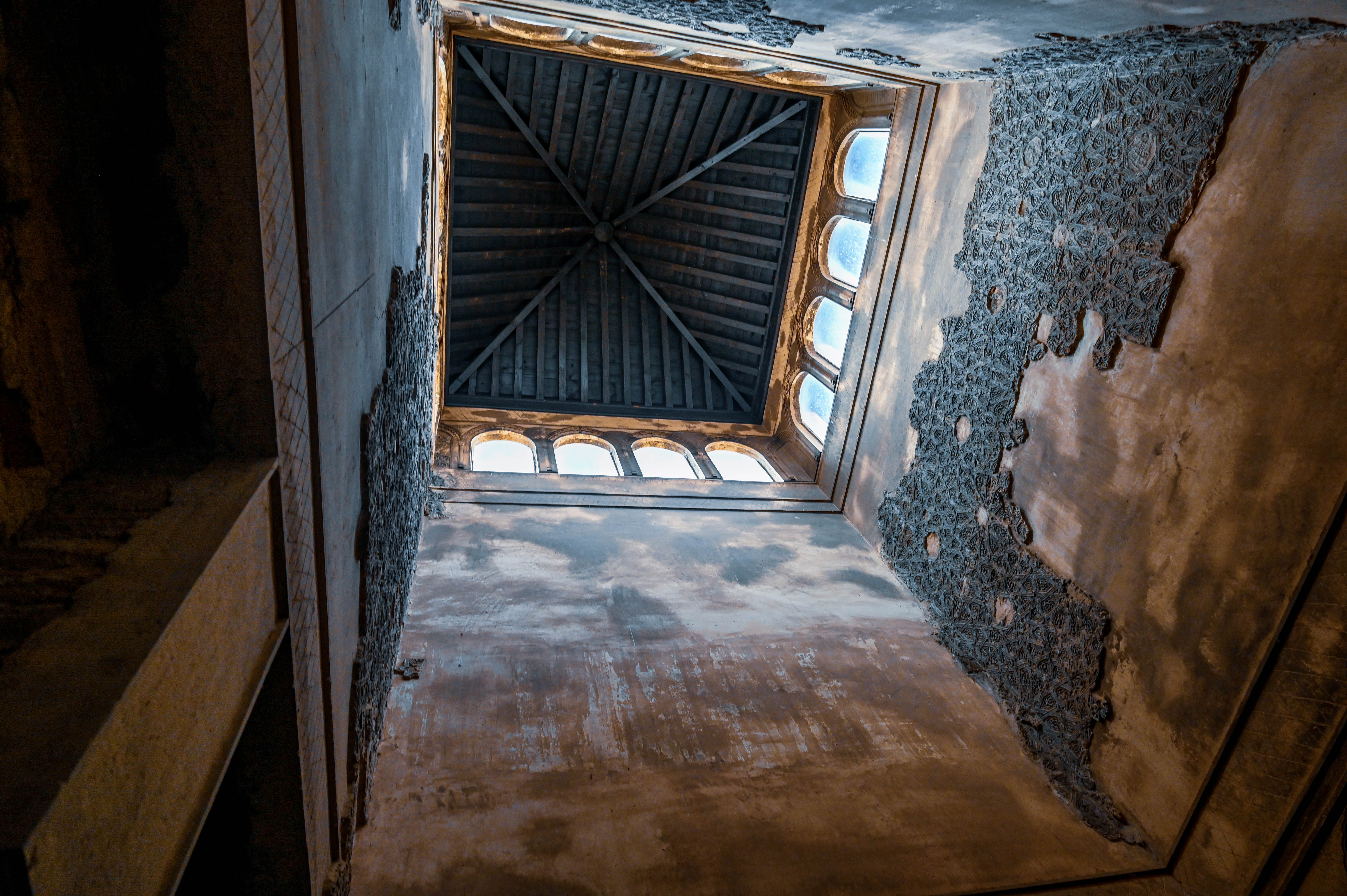
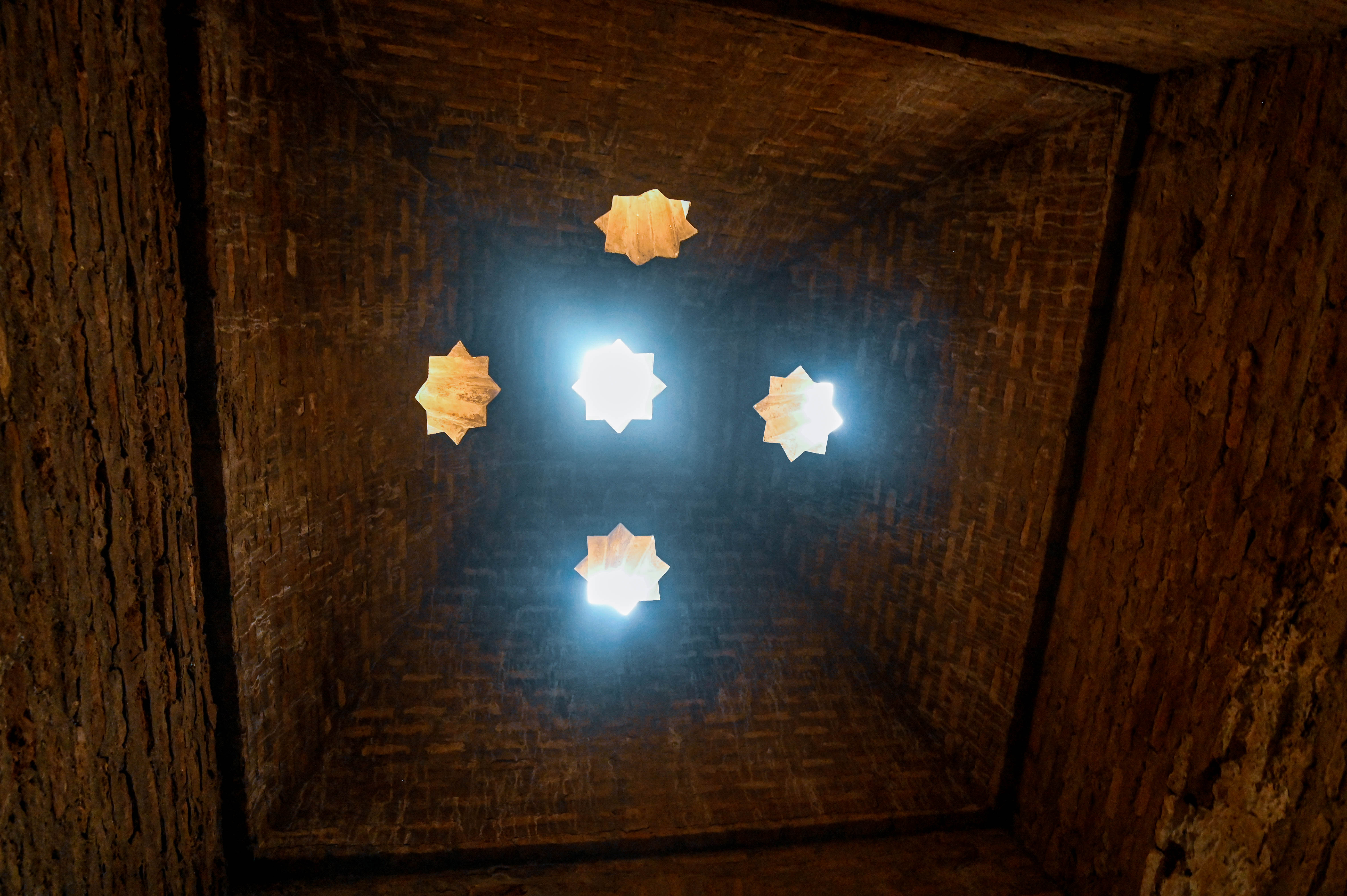


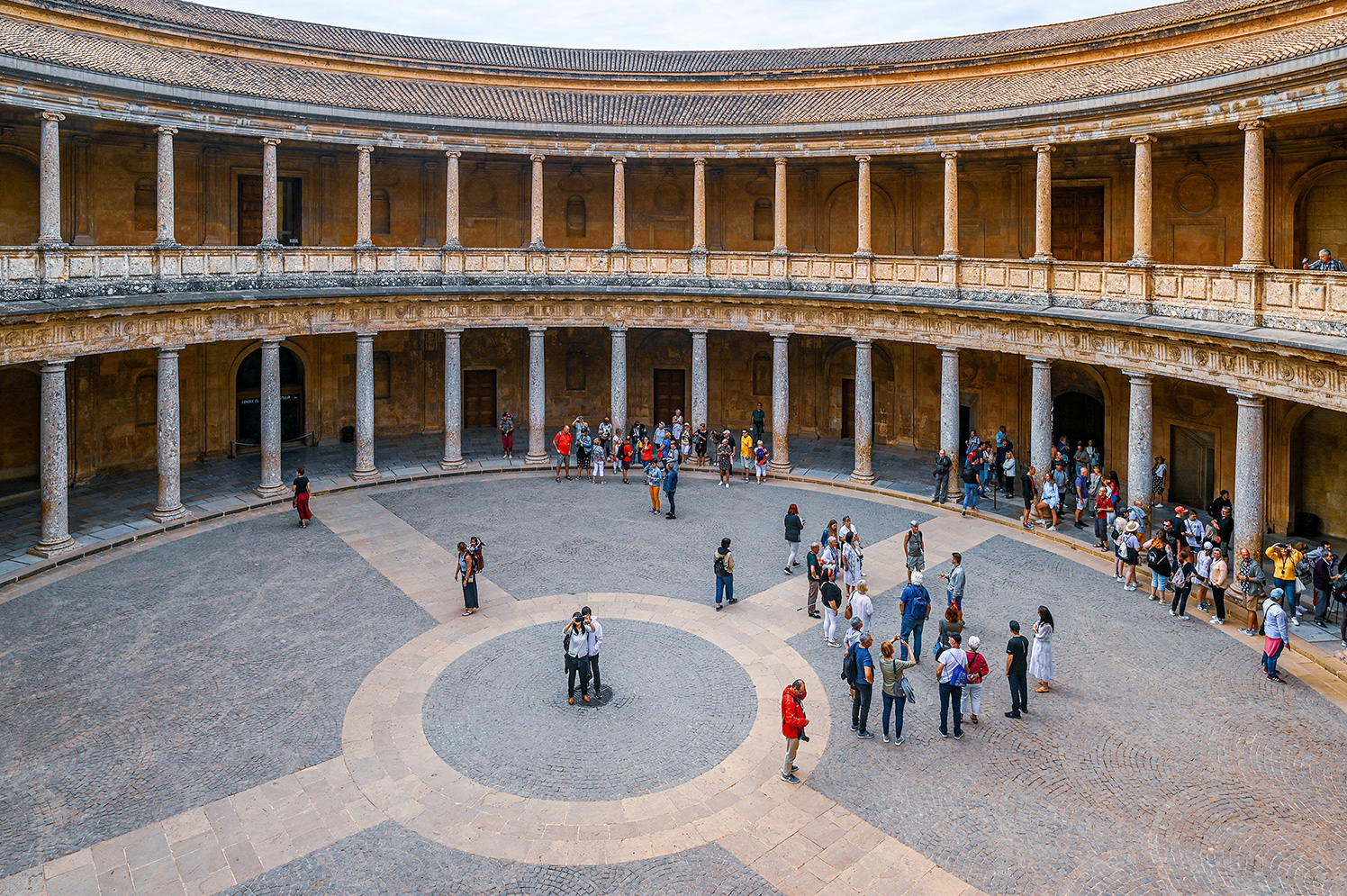


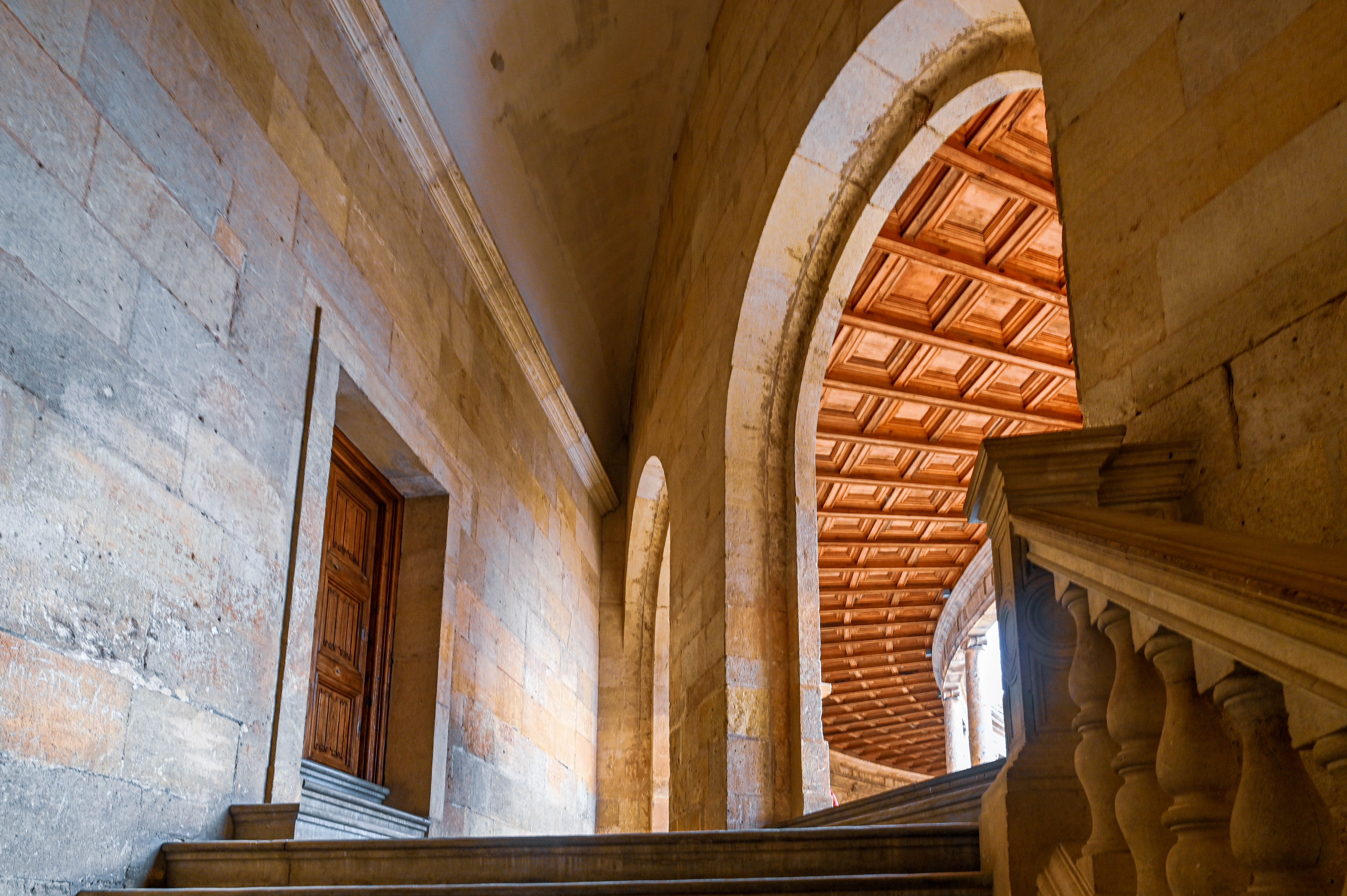
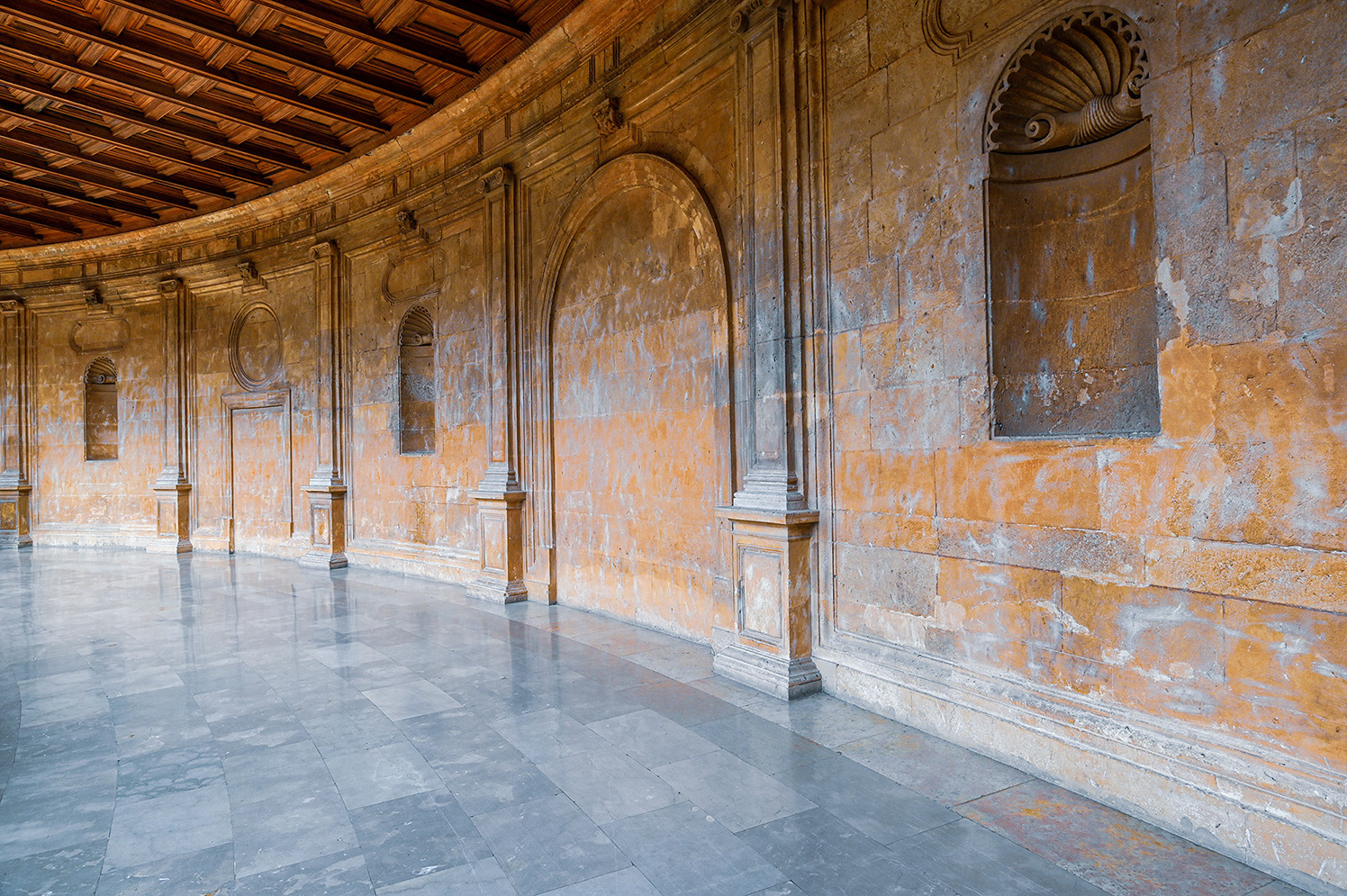

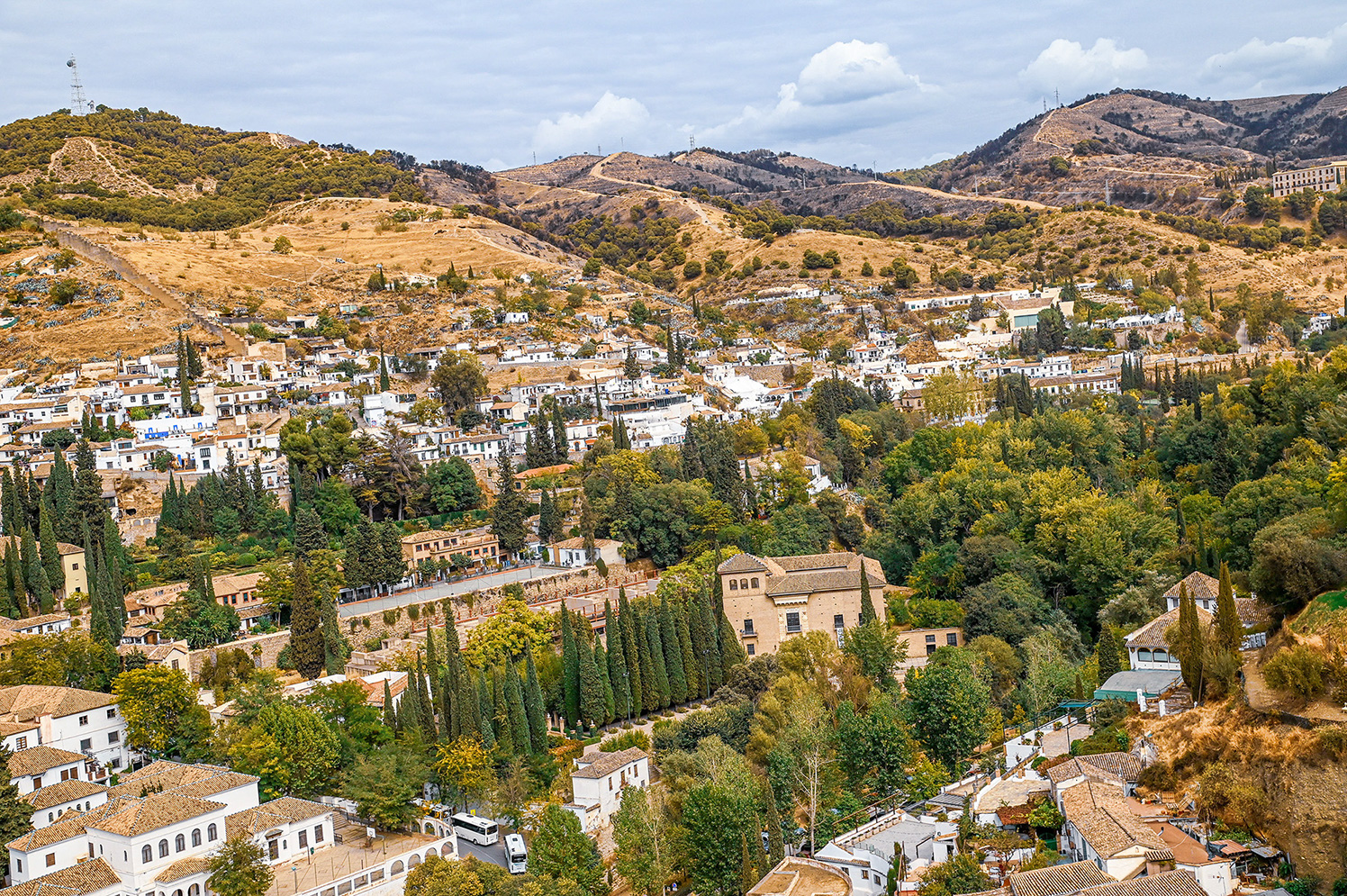
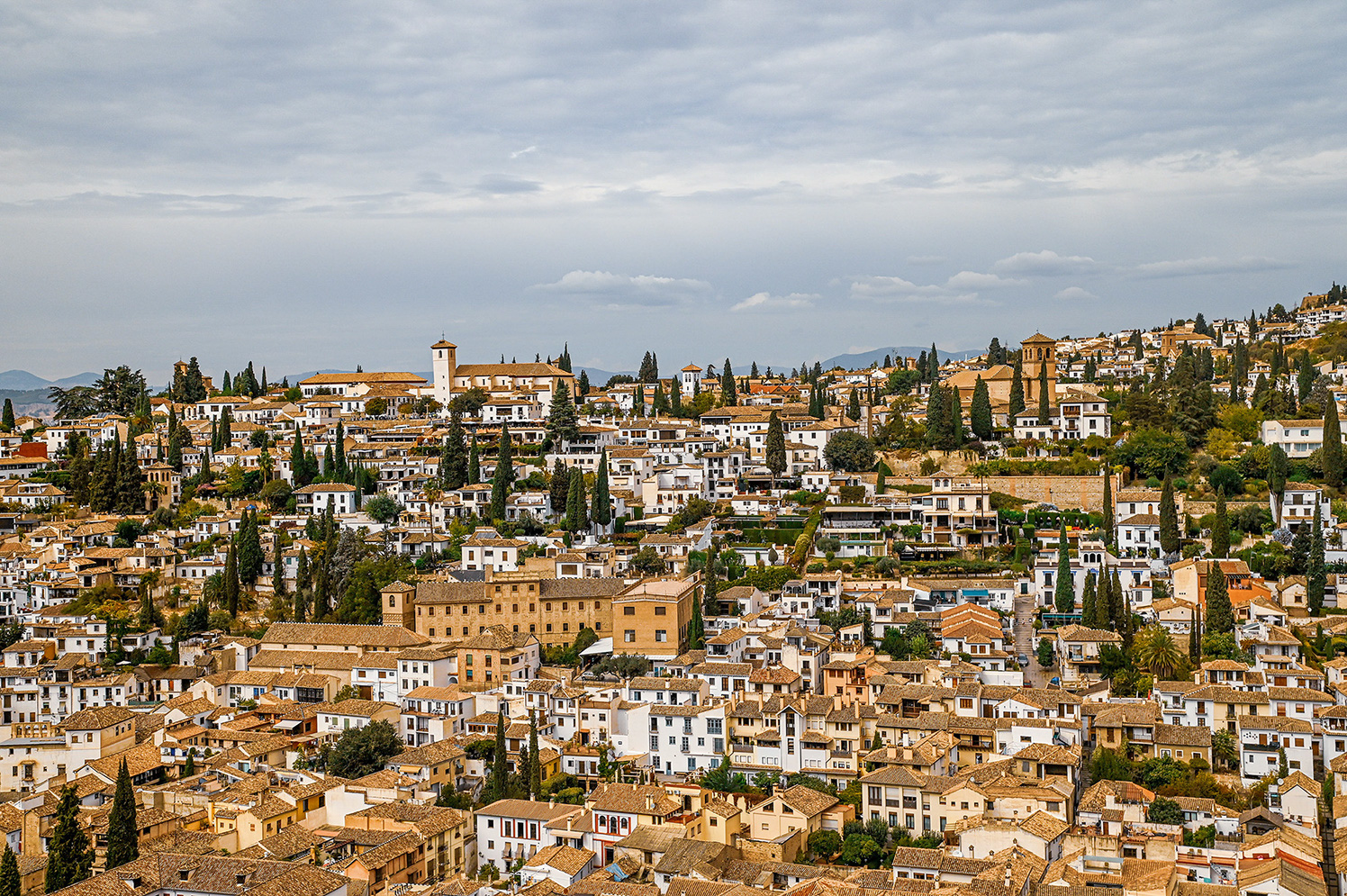

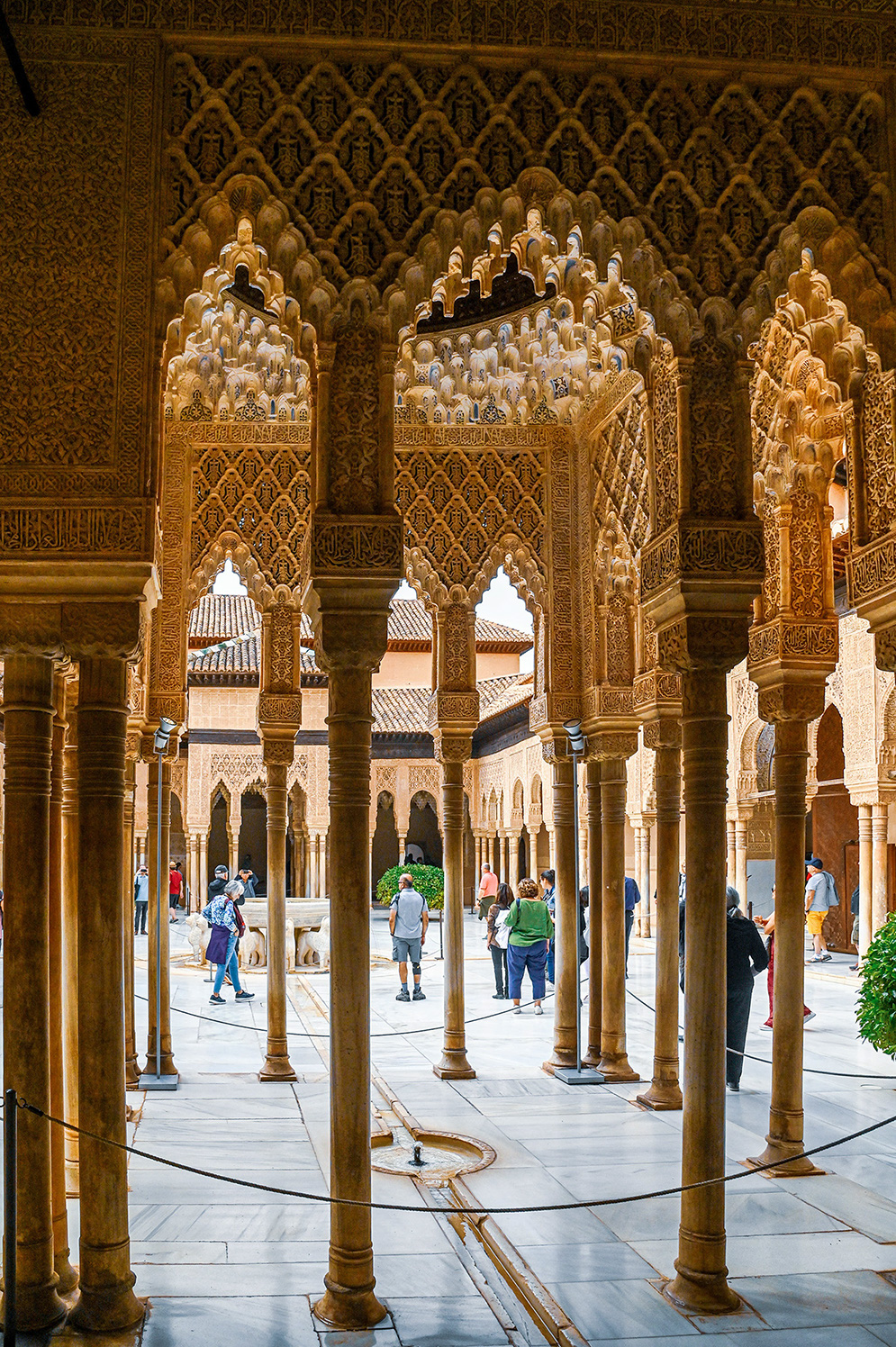
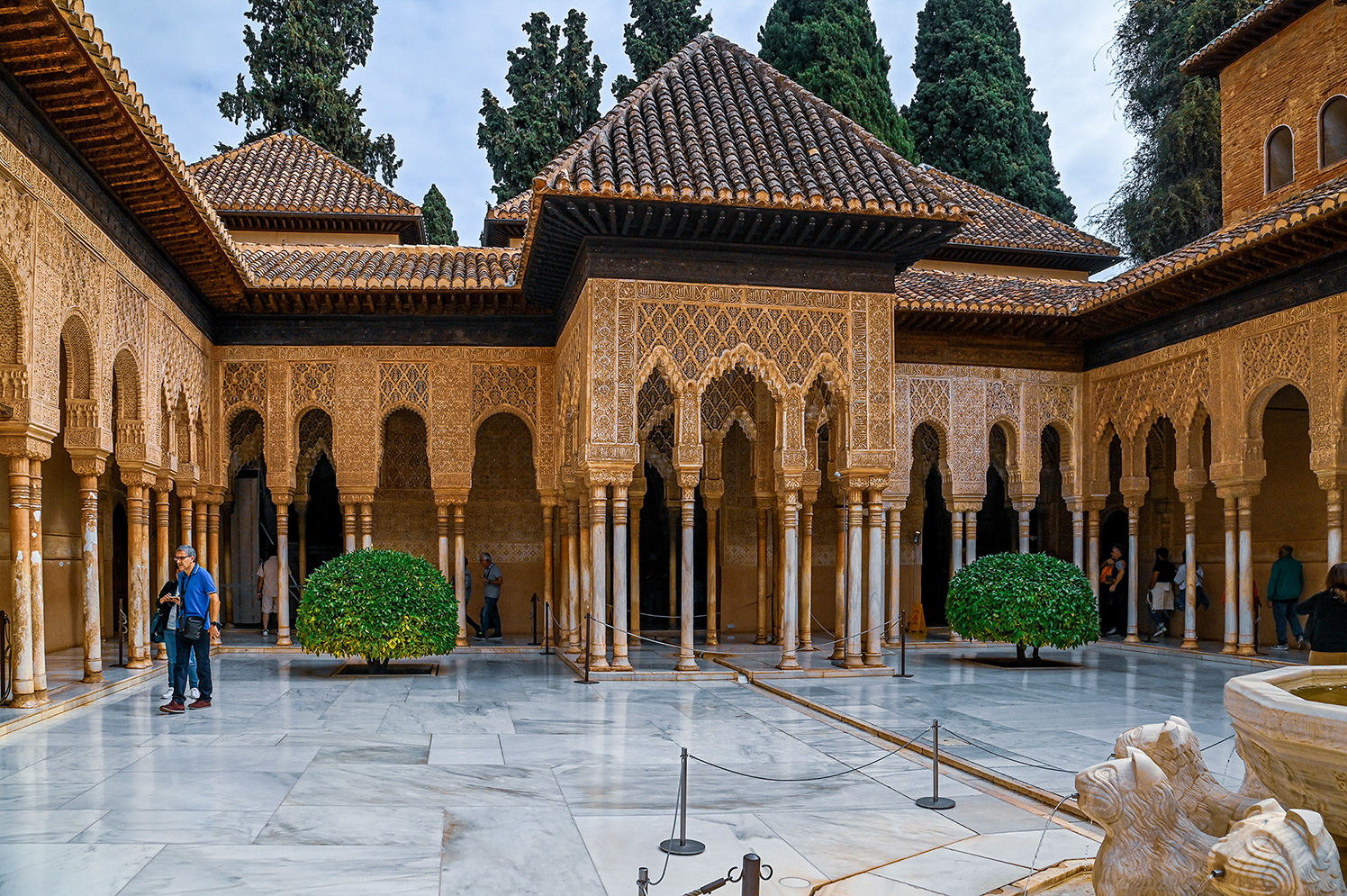
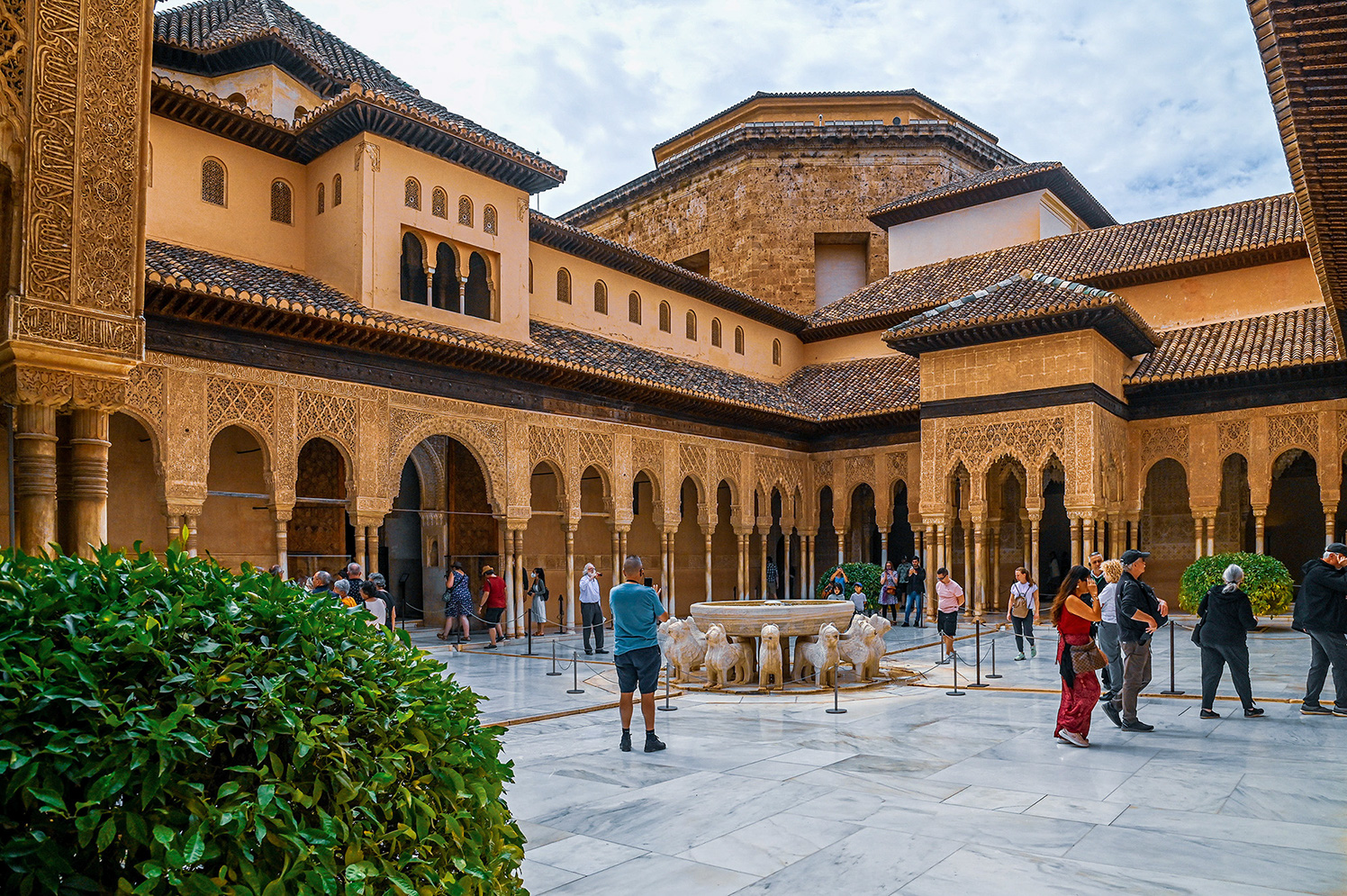
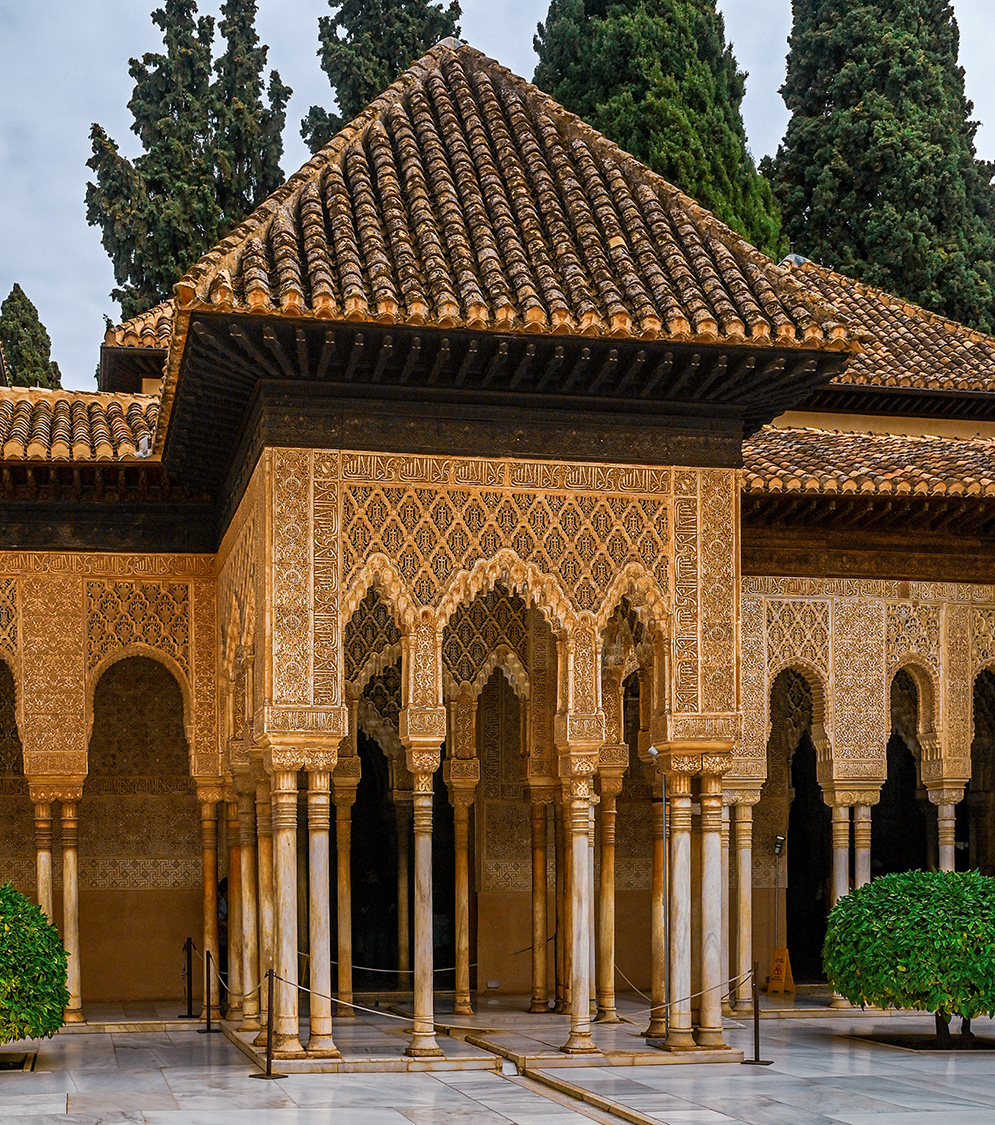
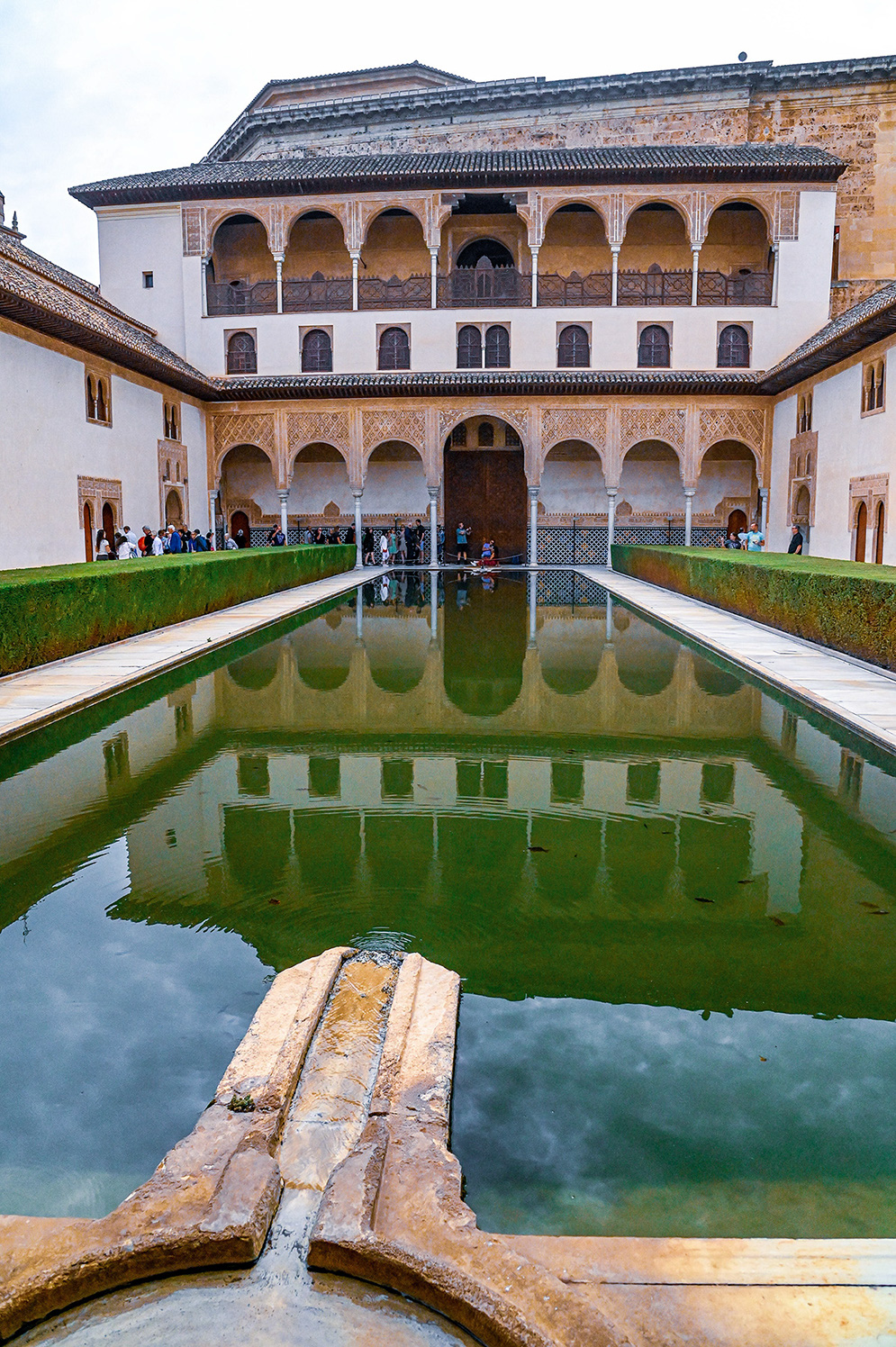


The Nasrid Palaces are the ceremonial and residential heart of the Alhambra in Granada: a 13th–15th century Nasrid dynasty complex famed for the Comares and Palace of the Lions, exquisite stucco, muqarnas, and water-centered courtyards
What they are: The Nasrid Palaces form the royal palaces of the Emirate of Granada, built and expanded mainly in the 14th century under rulers such as Yusuf I and Muhammad V.
UNESCO & significance: They are part of the Alhambra, Generalife and Albayzín World Heritage Site and represent a pinnacle of Islamic art in al-Andalus.
UNESCO & significance: They are part of the Alhambra, Generalife and Albayzín World Heritage Site and represent a pinnacle of Islamic art in al-Andalus.
Principal components and highlights
Mexuar: Public/administrative reception spaces that lead visitors from the public to private realms.Comares Palace (Hall of the Ambassadors): The sultan’s ceremonial hall with a monumental wooden dome symbolizing the cosmos.
Court of the Myrtles: A reflective pool framed by myrtle hedges and richly decorated façades.
Palace of the Lions: Built under Muhammad V; famous for the Court of the Lions with its central fountain supported by twelve marble lions and intricate muqarnas and stucco work.
Private chambers (Harem, Hall of the Kings): Intimate rooms with narrative and epigraphic decoration.
Architectural and artistic features
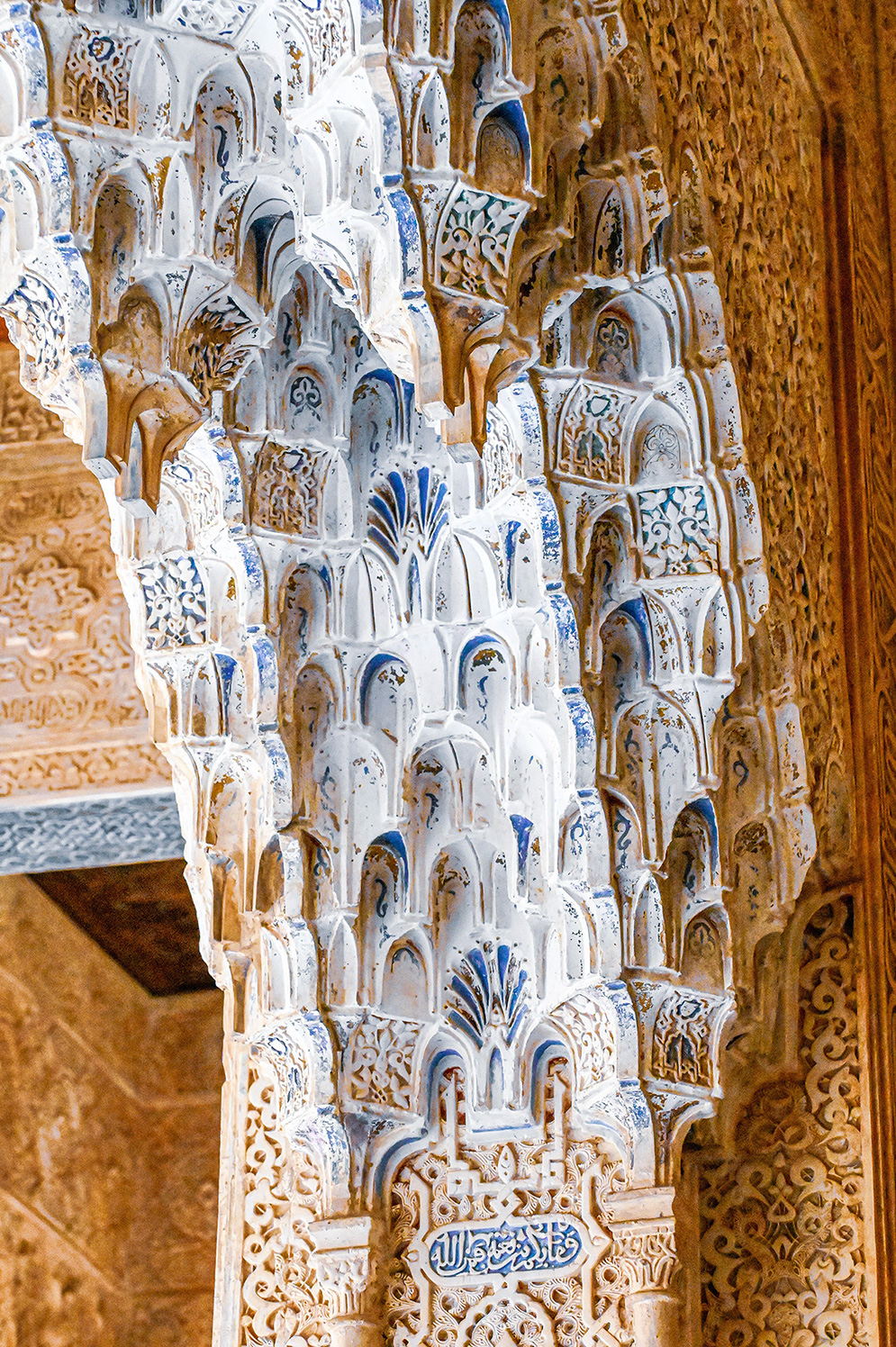
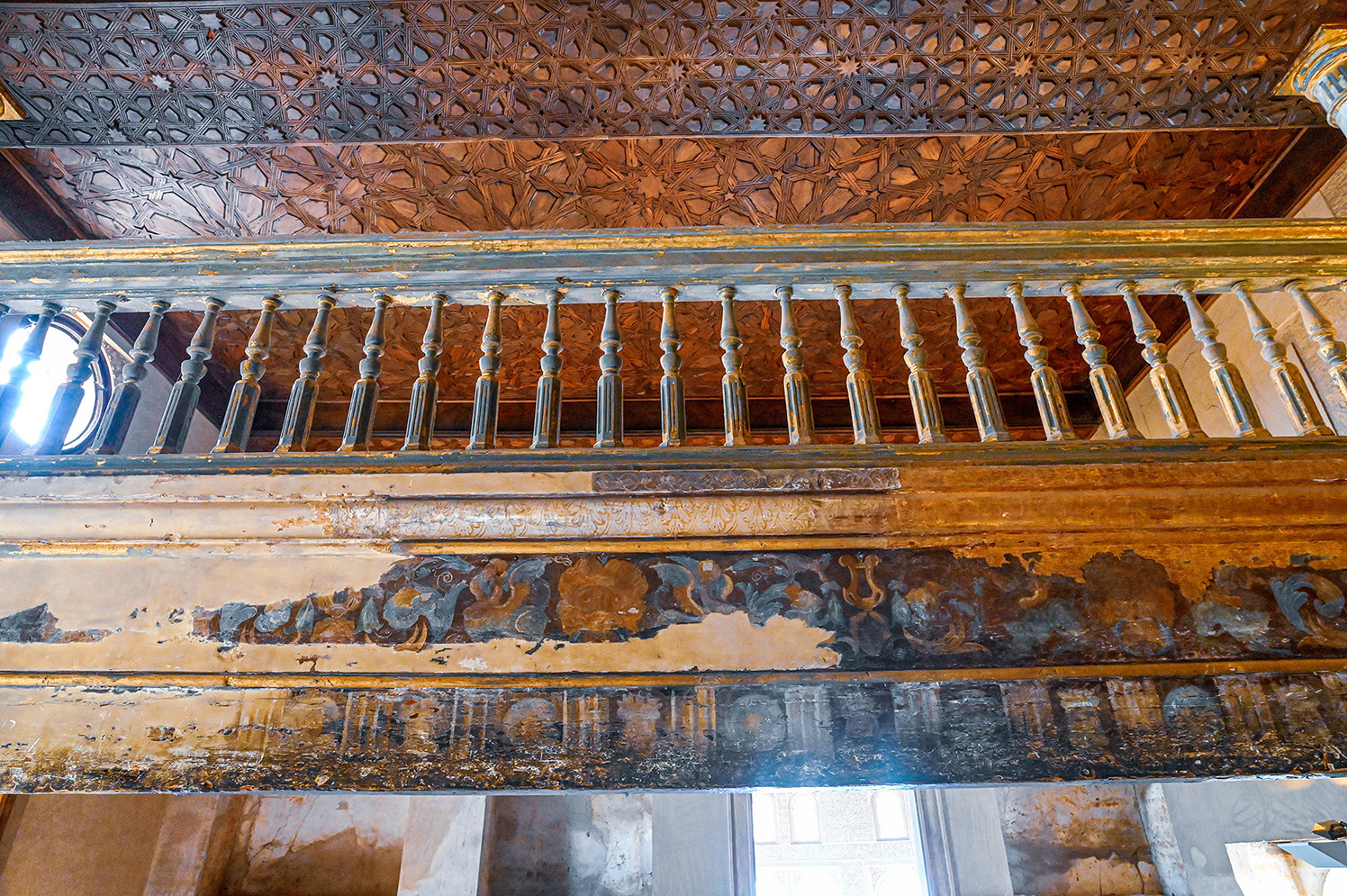
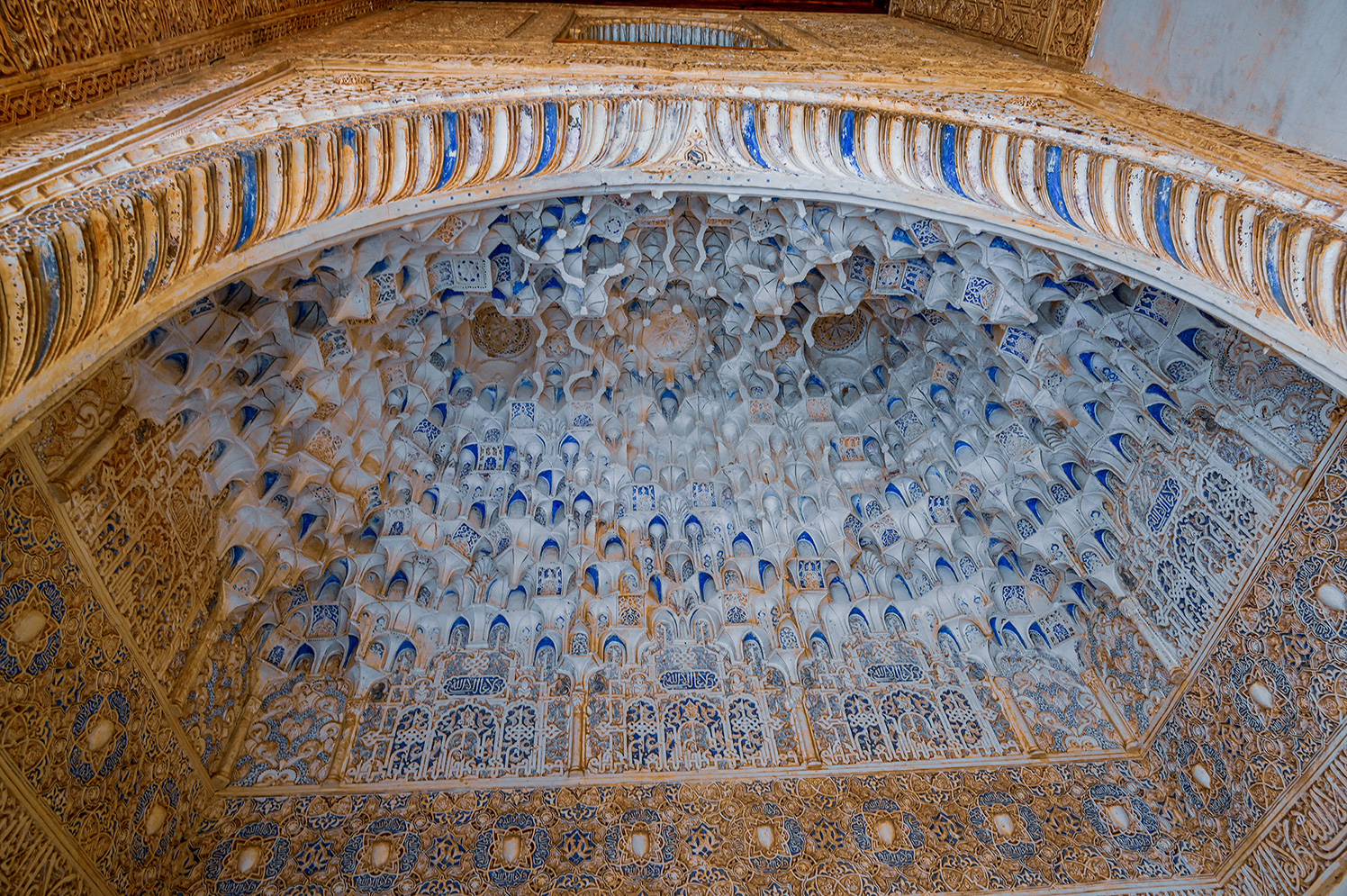
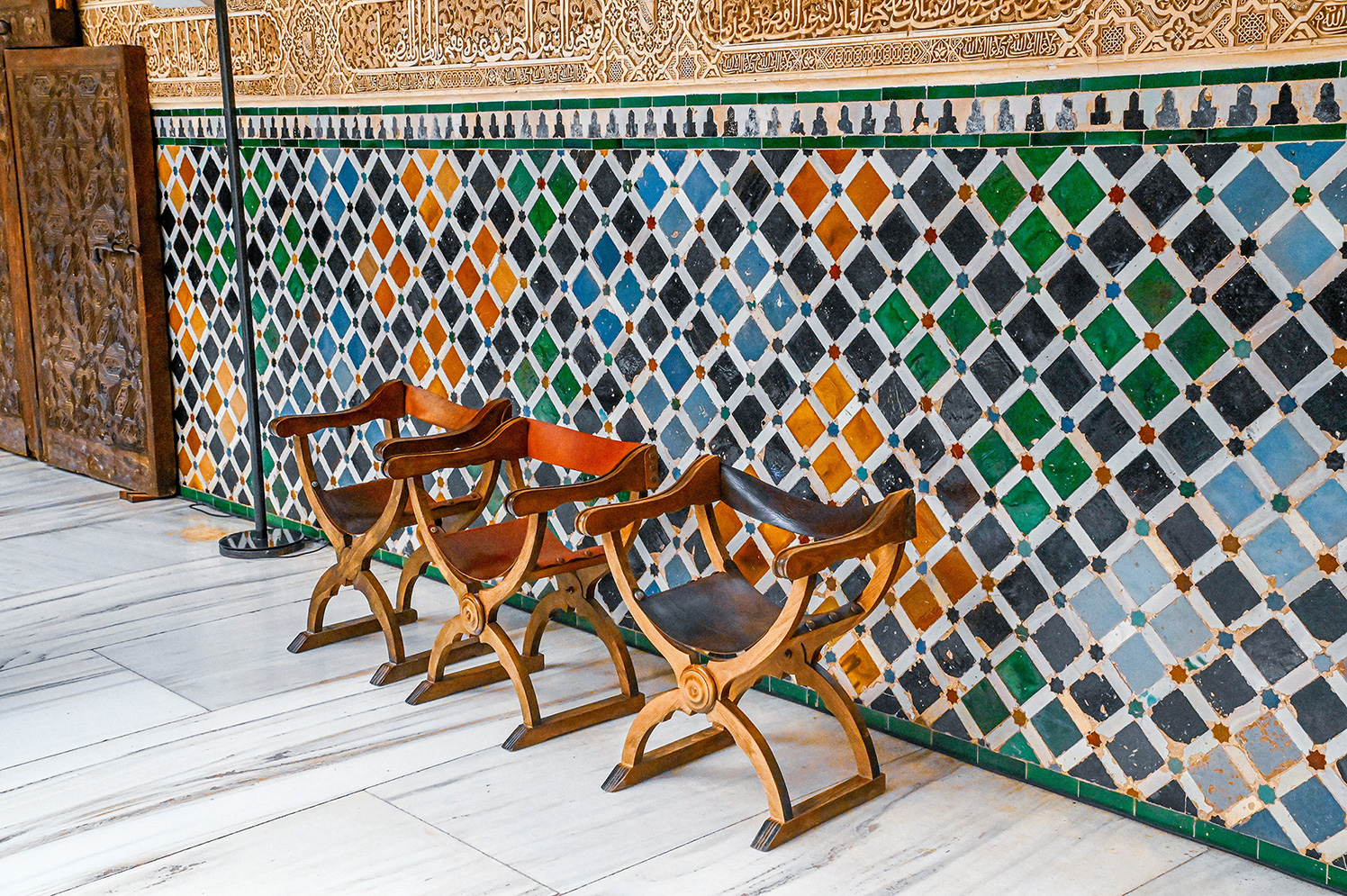
Decoration: Extensive stucco reliefs, calligraphy, geometric and vegetal motifs, and muqarnas vaulting are defining elements.Water and light: Courtyards use pools, channels and axial layouts to control light, reflection and cooling — a core design principle of Nasrid palaces.
Compared with other medieval Iberian palaces, the Nasrid Palaces combine courtly ceremonial spaces with highly refined ornamental programs and an integrated hydraulic system, making them unique in Western Islamic architecture.

