HOME Places Things Home ABOUT CONTACT

Cordoba

Cordoba

Andalusia,   Spain

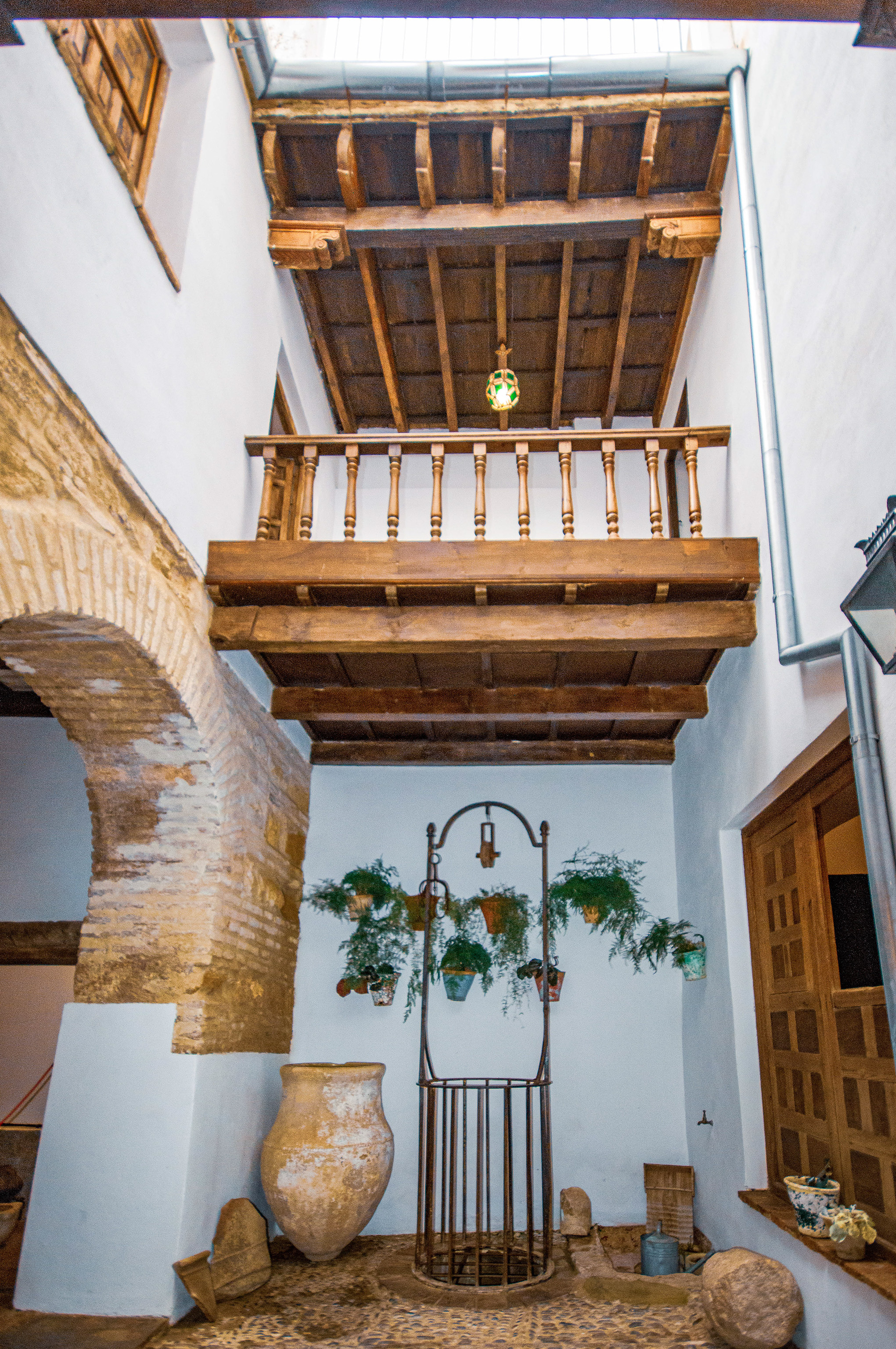
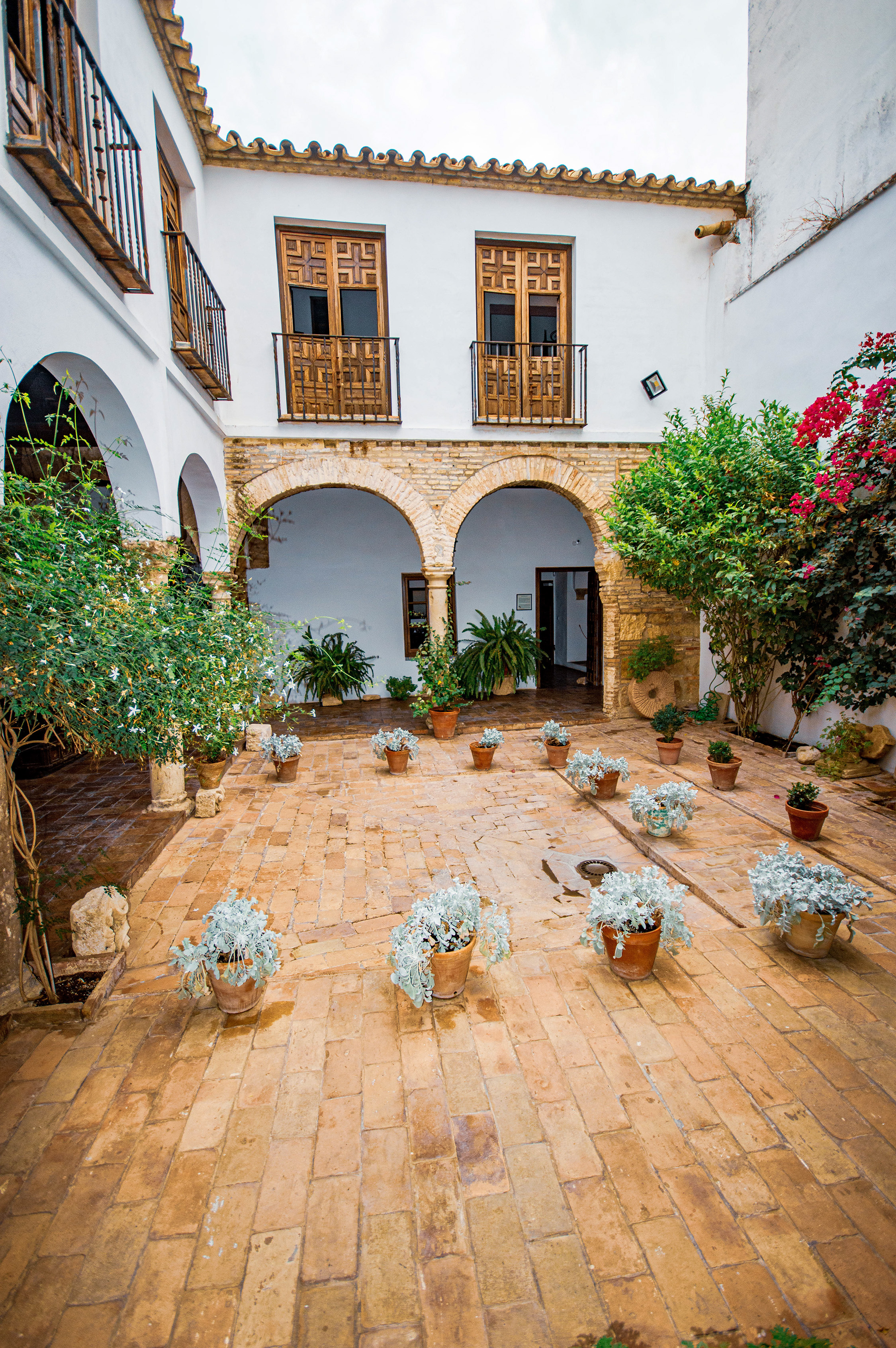
Córdoba is a historic city located in the Andalusia region of southern Spain. Known for its rich cultural heritage, Córdoba was once the capital of the Islamic Caliphate and is famous for its stunning architecture, including the UNESCO-listed Mosque-Cathedral of Córdoba. The city is also renowned for its charming patios, vibrant festivals, and delicious Andalusian cuisine.
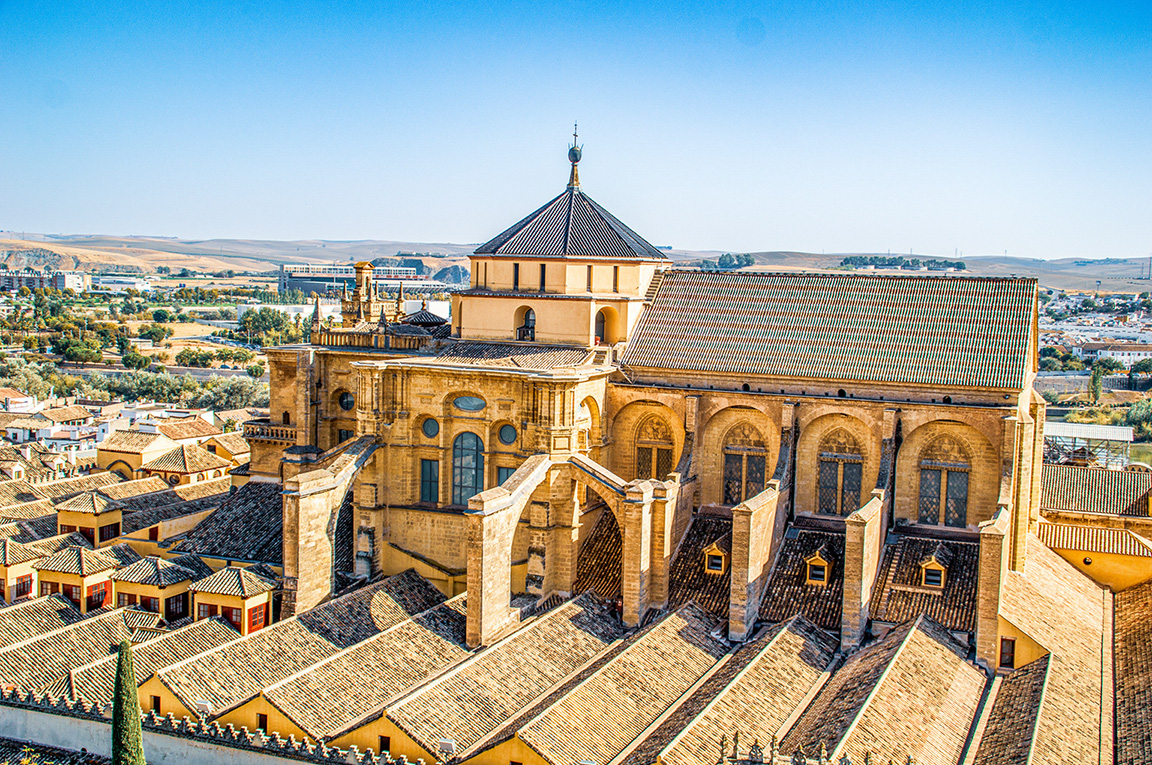
rooftops
View of Cordoba Rooftops ‐ photo by ,
©www.mgaylard.co.uk.
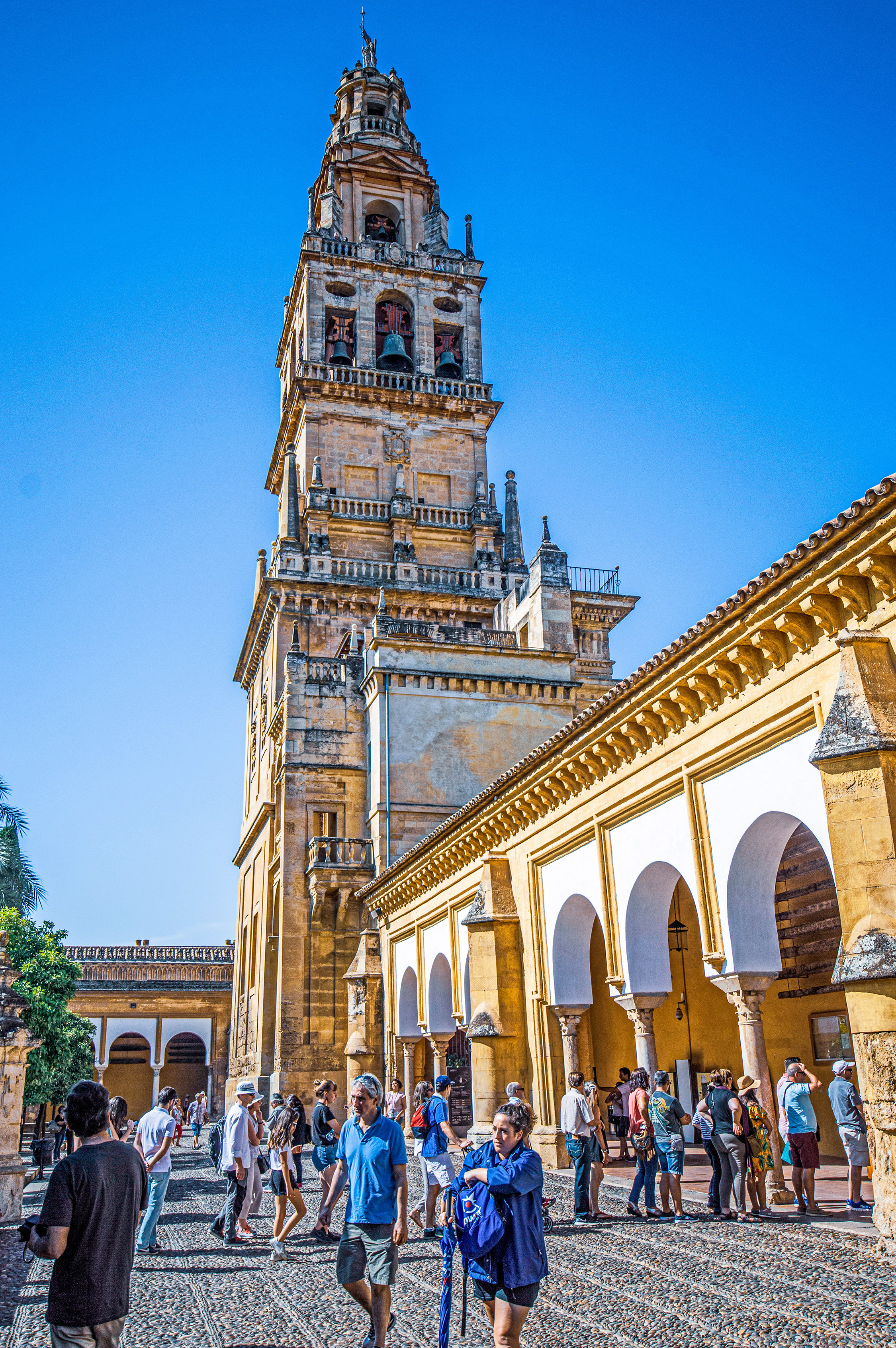
Torre-campanario de la Mezquita-Catedral de Córdoba
Torre-campanario de la Mezquita-Catedral de Córdoba ‐ photo by ,
©www.mgaylard.co.uk.
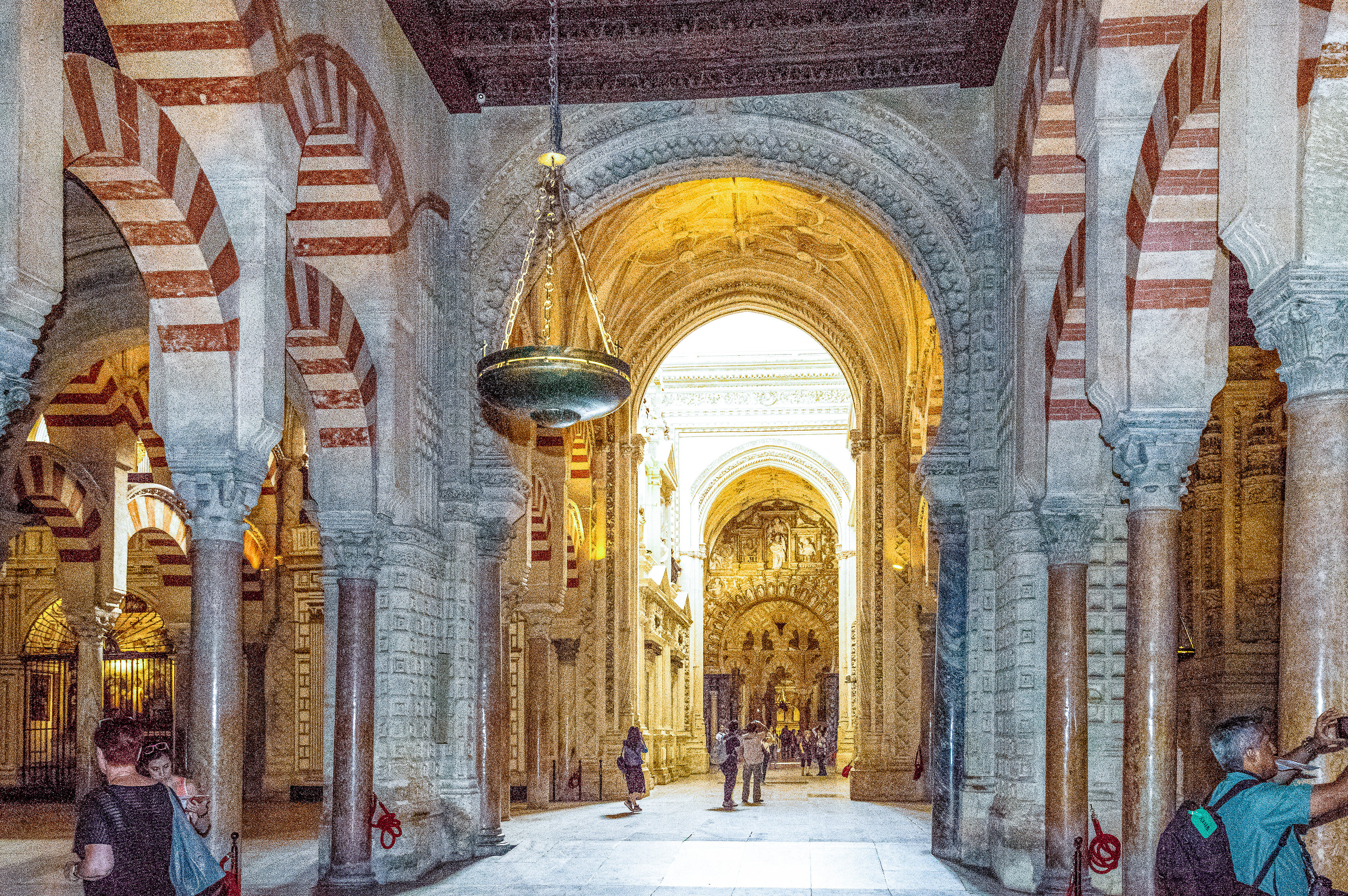
striped columns
striped columns of the Mezquita-Catedral de Córdoba ‐ photo by ,
©www.mgaylard.co.uk.
View of Mezquita-Catedral de Córdoba ‐ photo by ,
©www.mgaylard.co.uk.
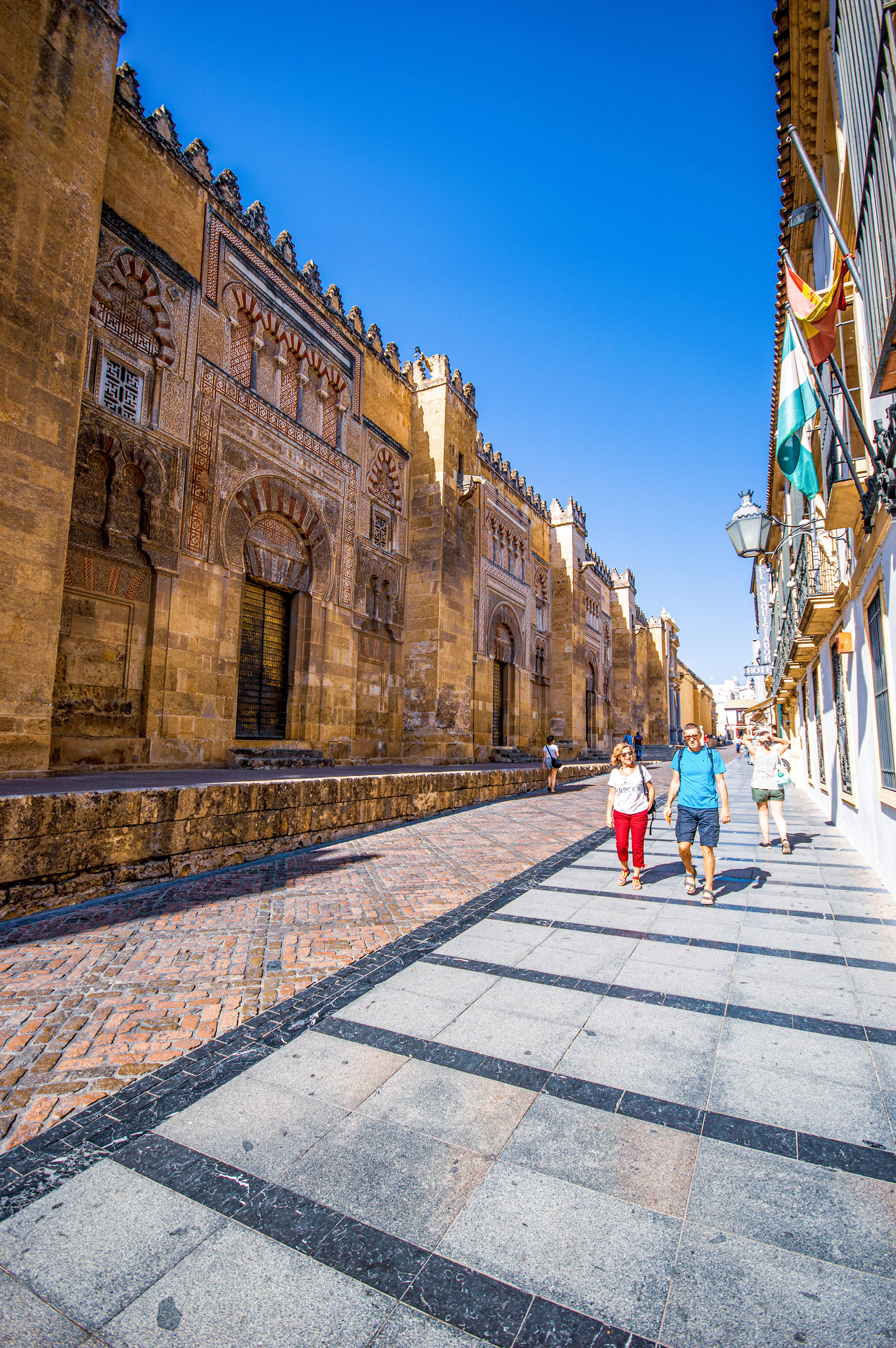
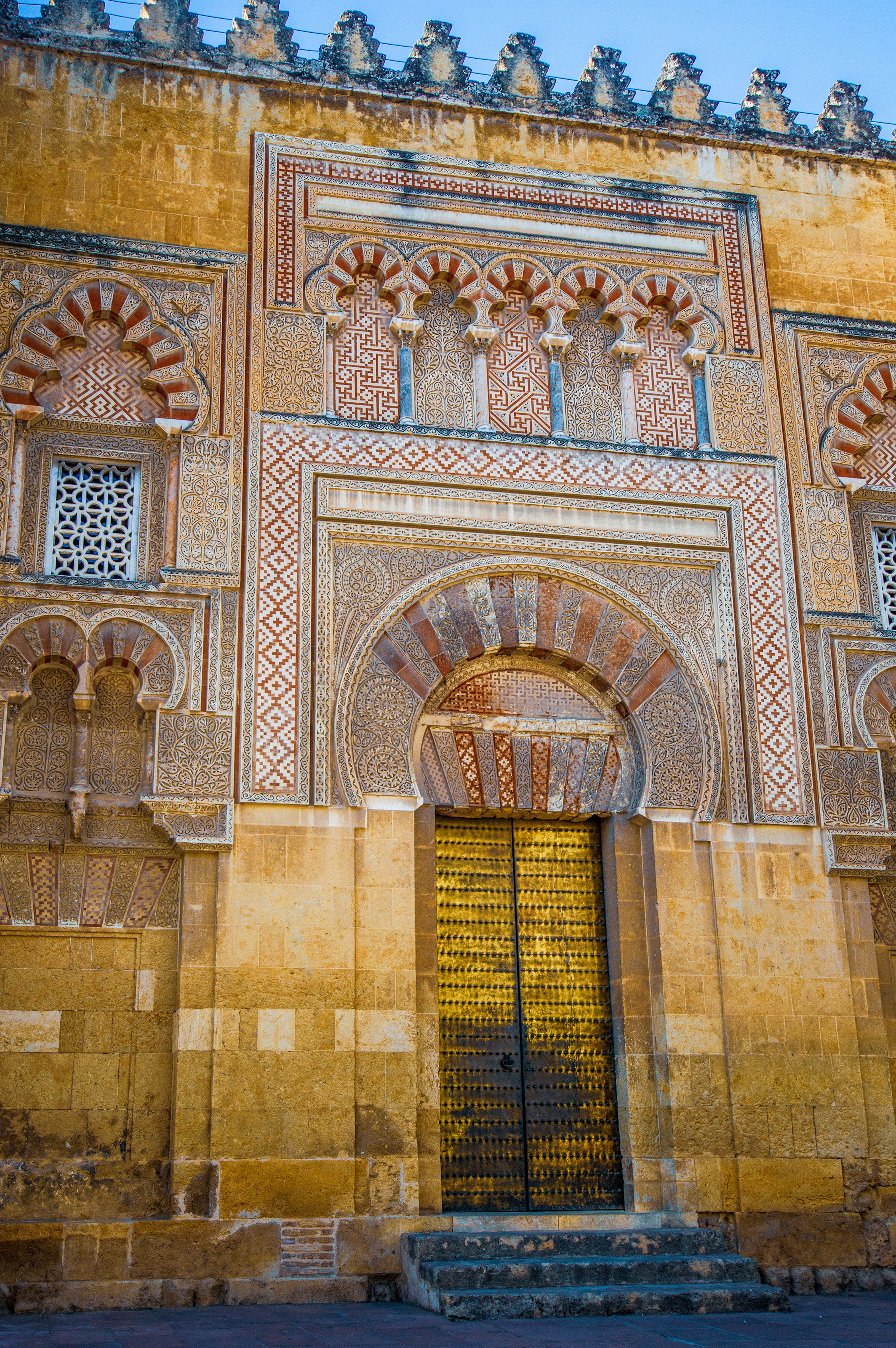
Puerta de San José. Mezquita-Catedral de Córdob
Puerta de San José. Mezquita-Catedral de Córdoba ‐ photo by ,
©www.mgaylard.co.uk.
Puerta de San José. Mezquita-Catedral de Córdoba
Puerta de San José. Mezquita-Catedral de Córdoba ‐ photo by ,
©www.mgaylard.co.uk.
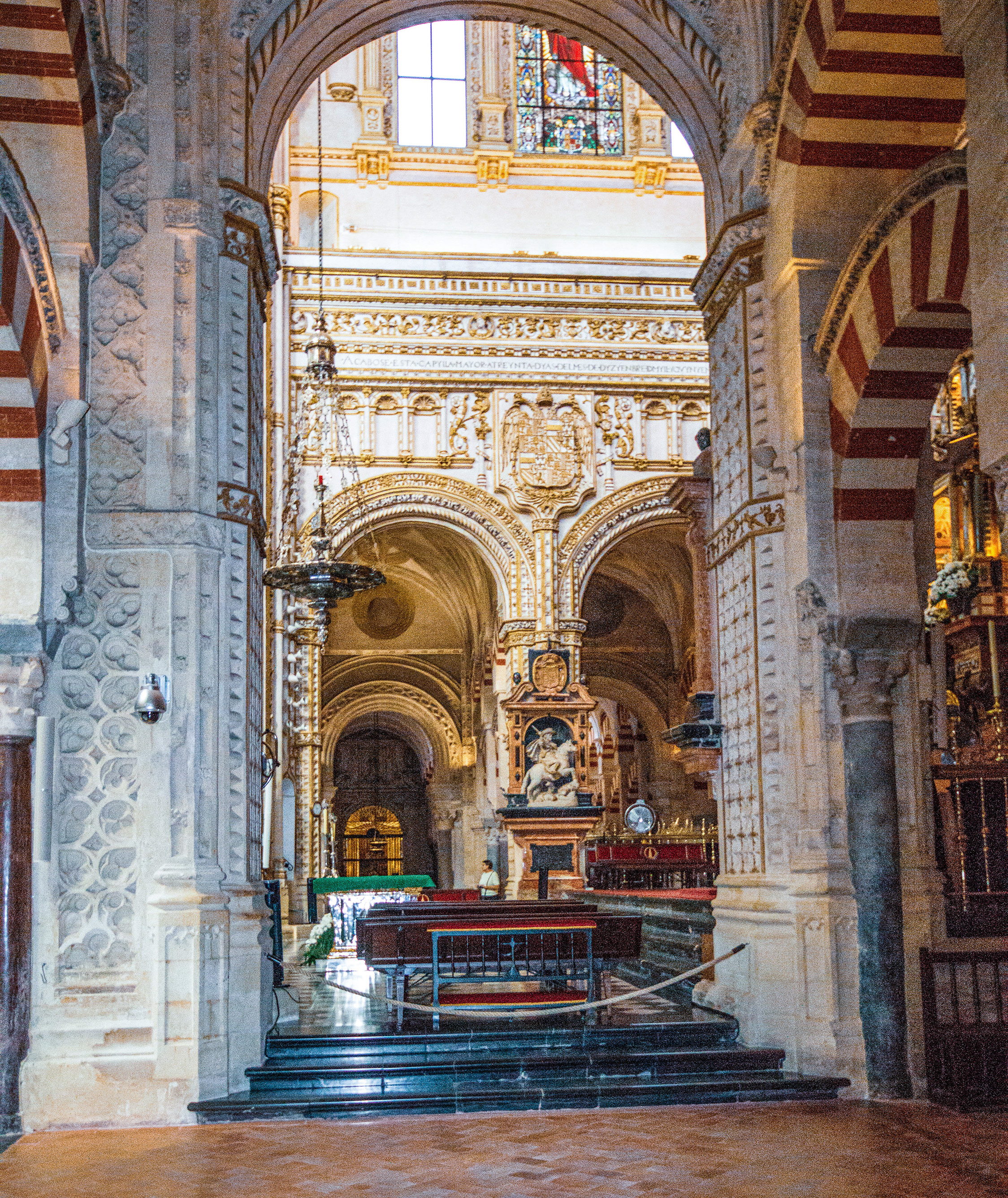
interior
interior ‐ photo by ,
©www.mgaylard.co.uk.
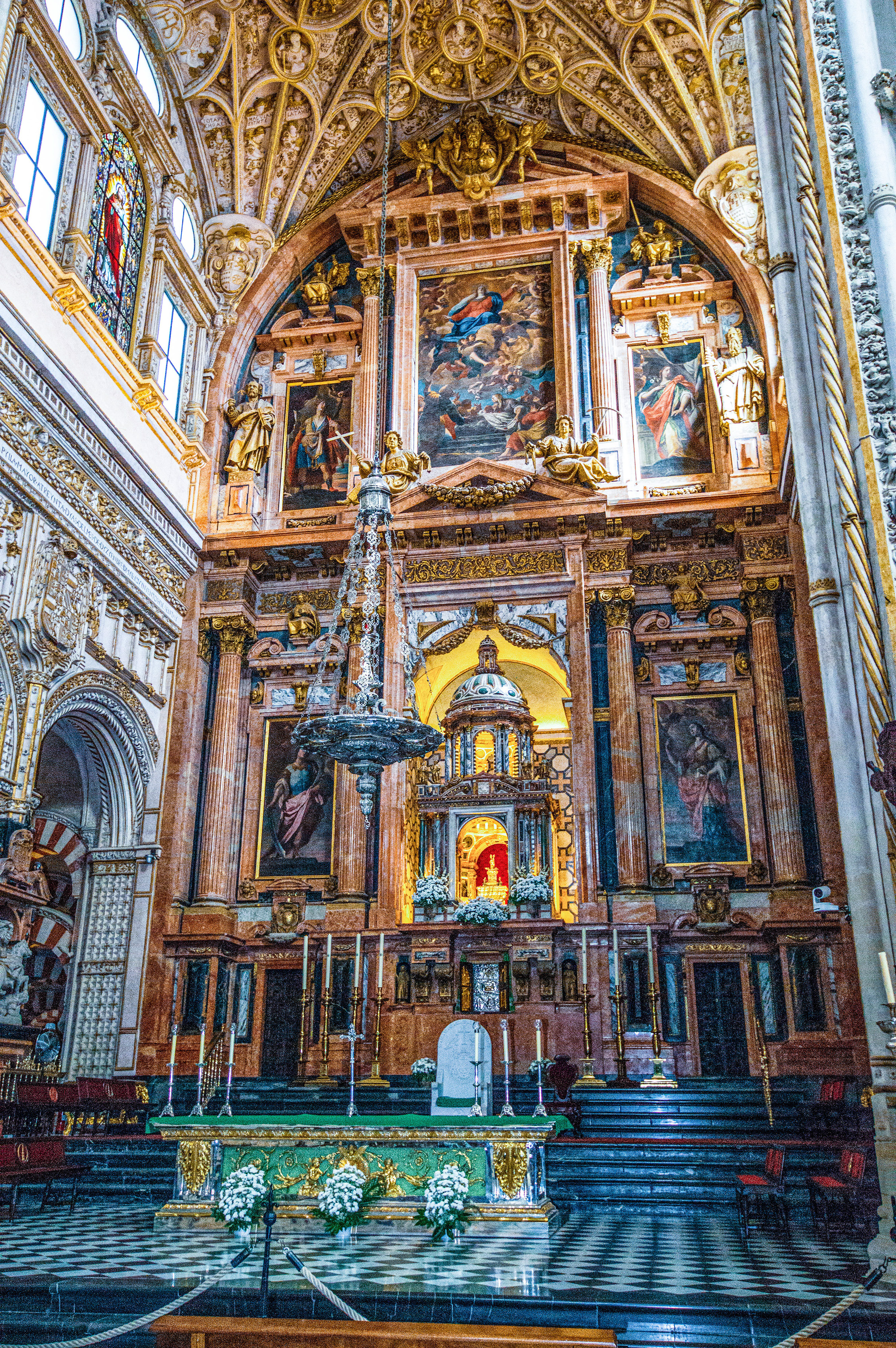
ornate altar
ornate altar ‐ photo by ,
©www.mgaylard.co.uk.
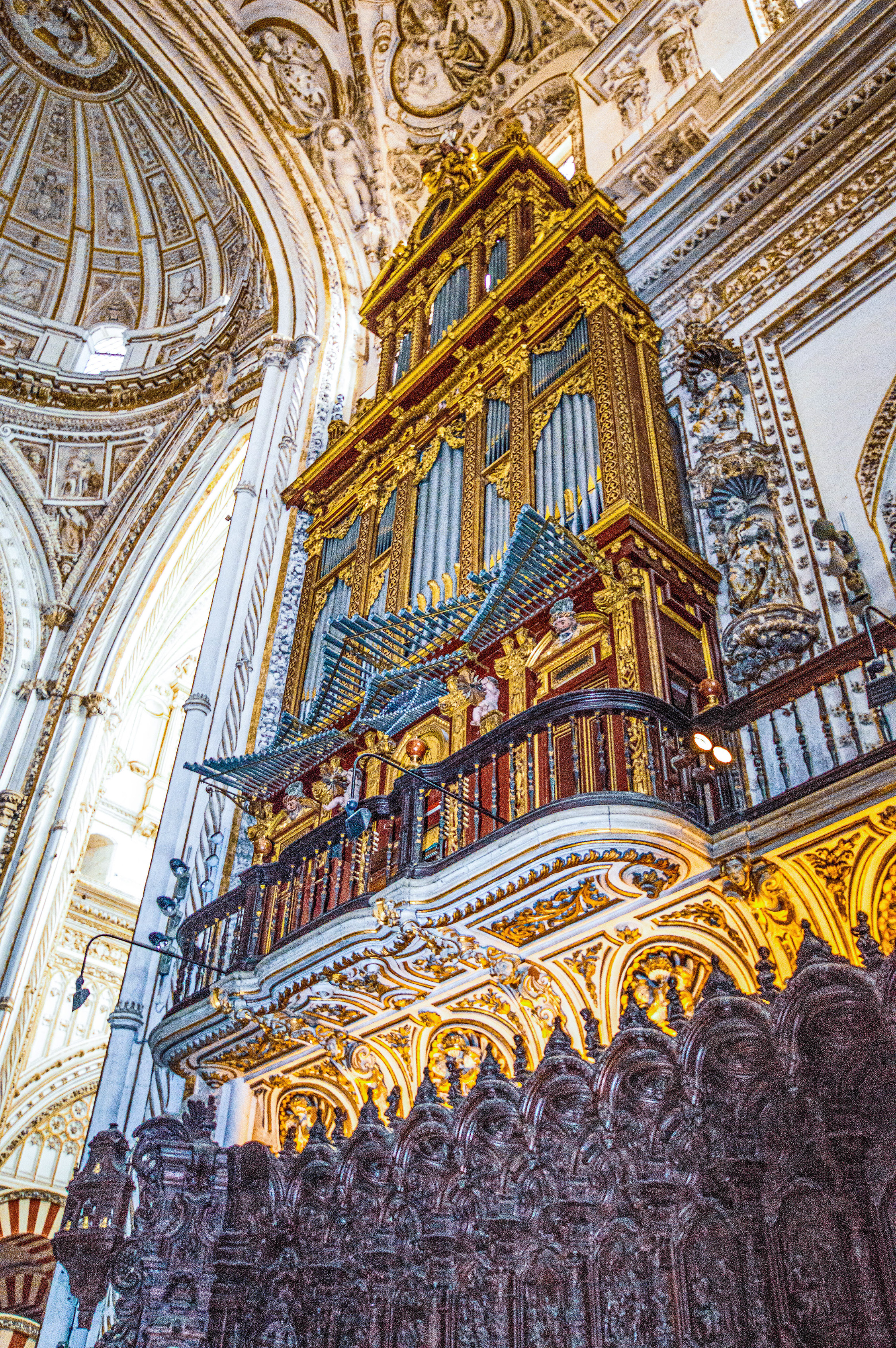
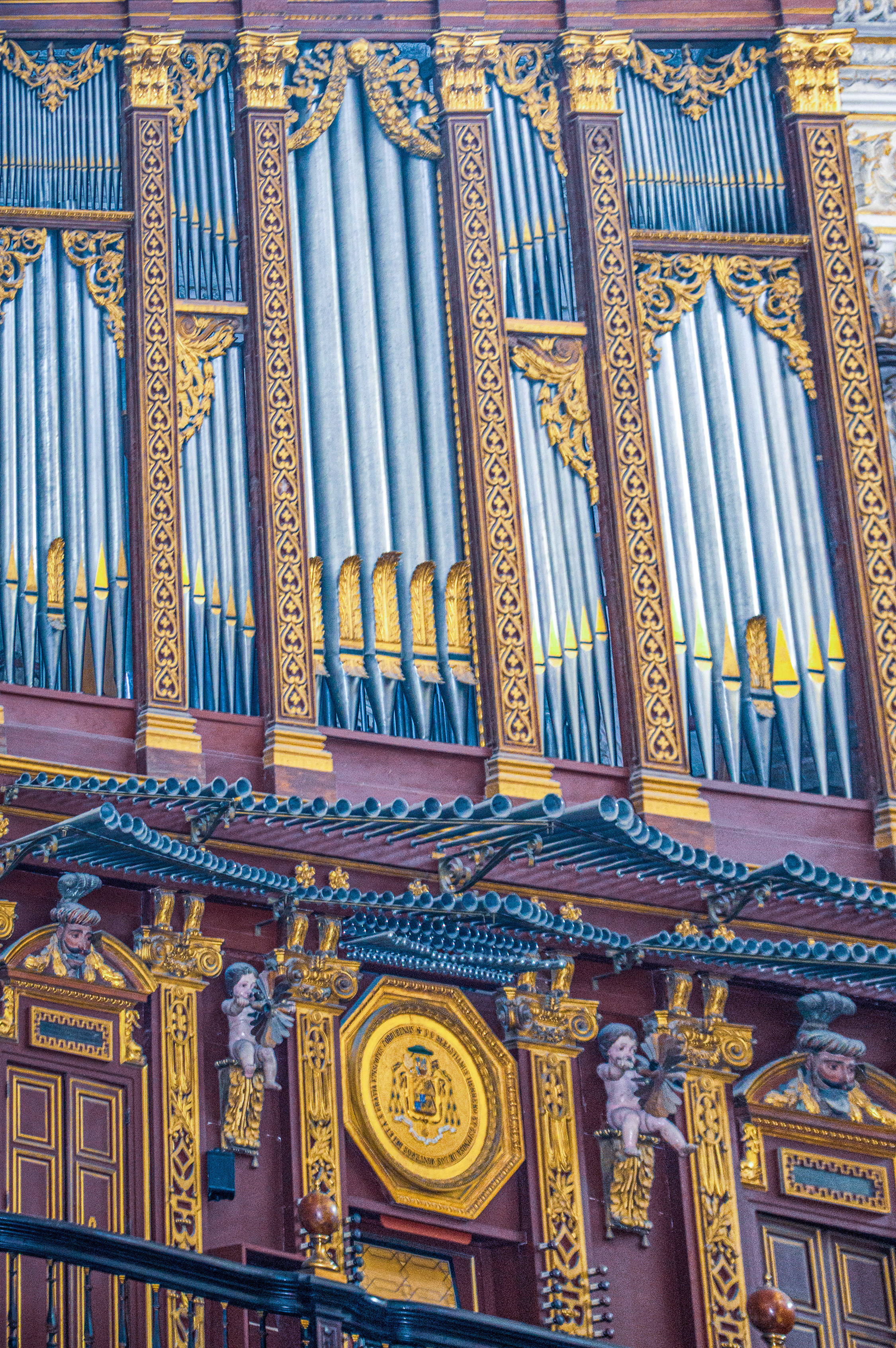
elaborately decorated pipe organ with gold and red accents
elaborately decorated pipe organ with gold and red accents ‐ photo by ,
©www.mgaylard.co.uk.
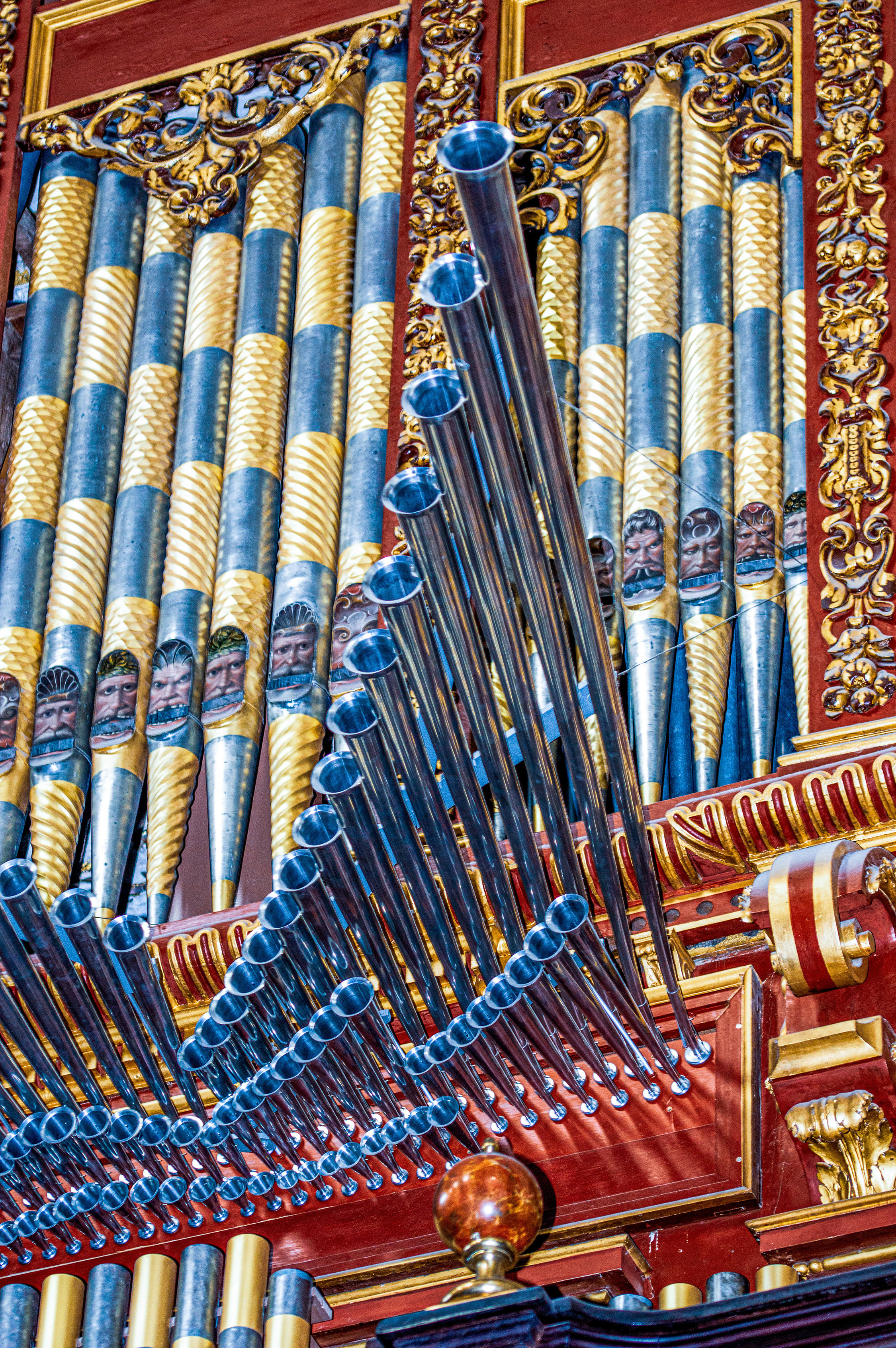
intricate and ornate pipes of a pipe organ
intricate and ornate pipes of a pipe organ ‐ photo by ,
©www.mgaylard.co.uk.
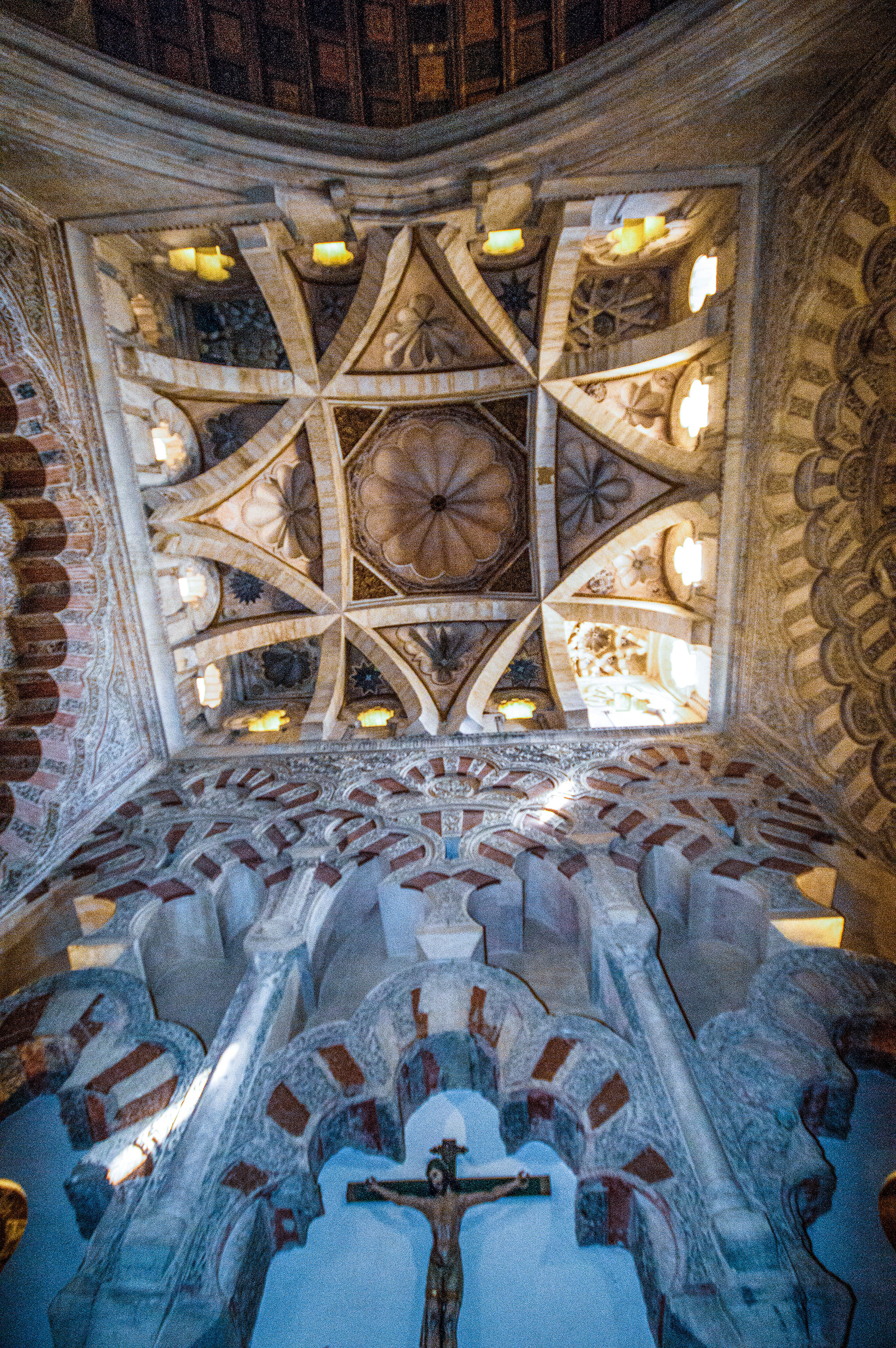
Where The Light Shines On Two Religions
Where The Light Shines On Two Religions ‐ photo by ,
©www.mgaylard.co.uk.
ornate pipe organ
ornate pipe organ ‐ photo by ,
©www.mgaylard.co.uk.
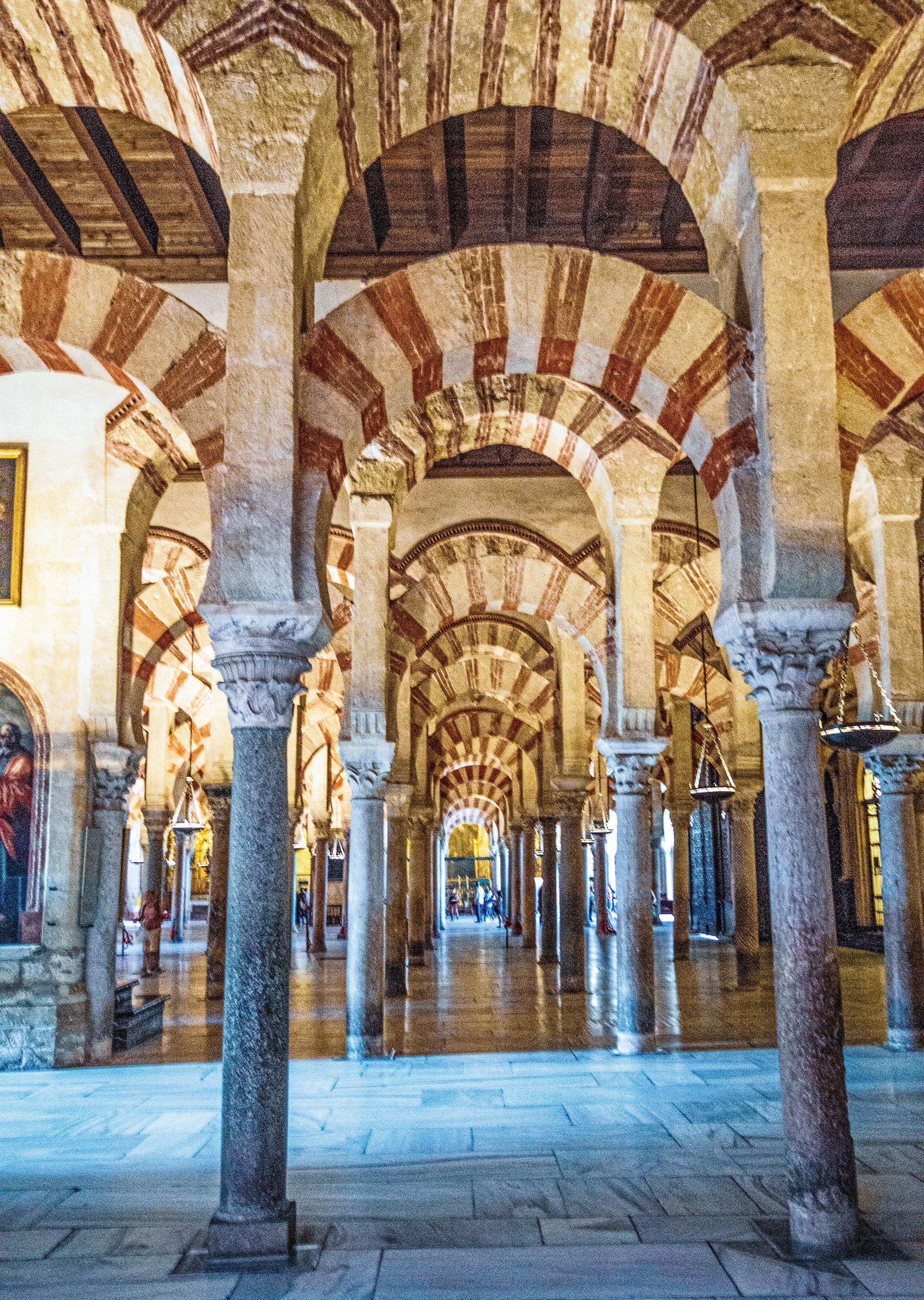
arches and columns
arches and columns ‐ photo by ,
©www.mgaylard.co.uk.
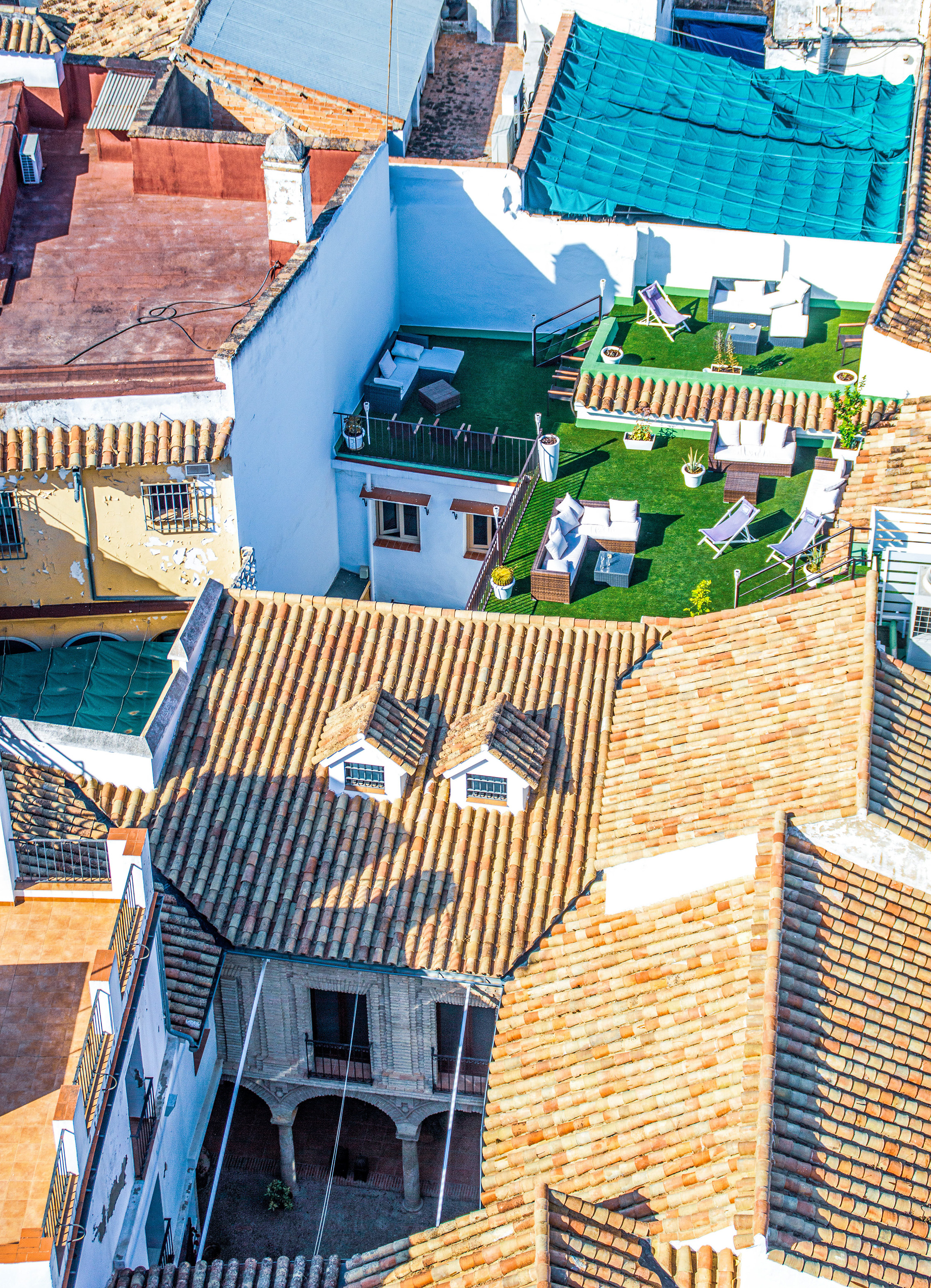
a rooftop garden
View of a rooftop garden  ‐ photo by ,
©www.mgaylard.co.uk.
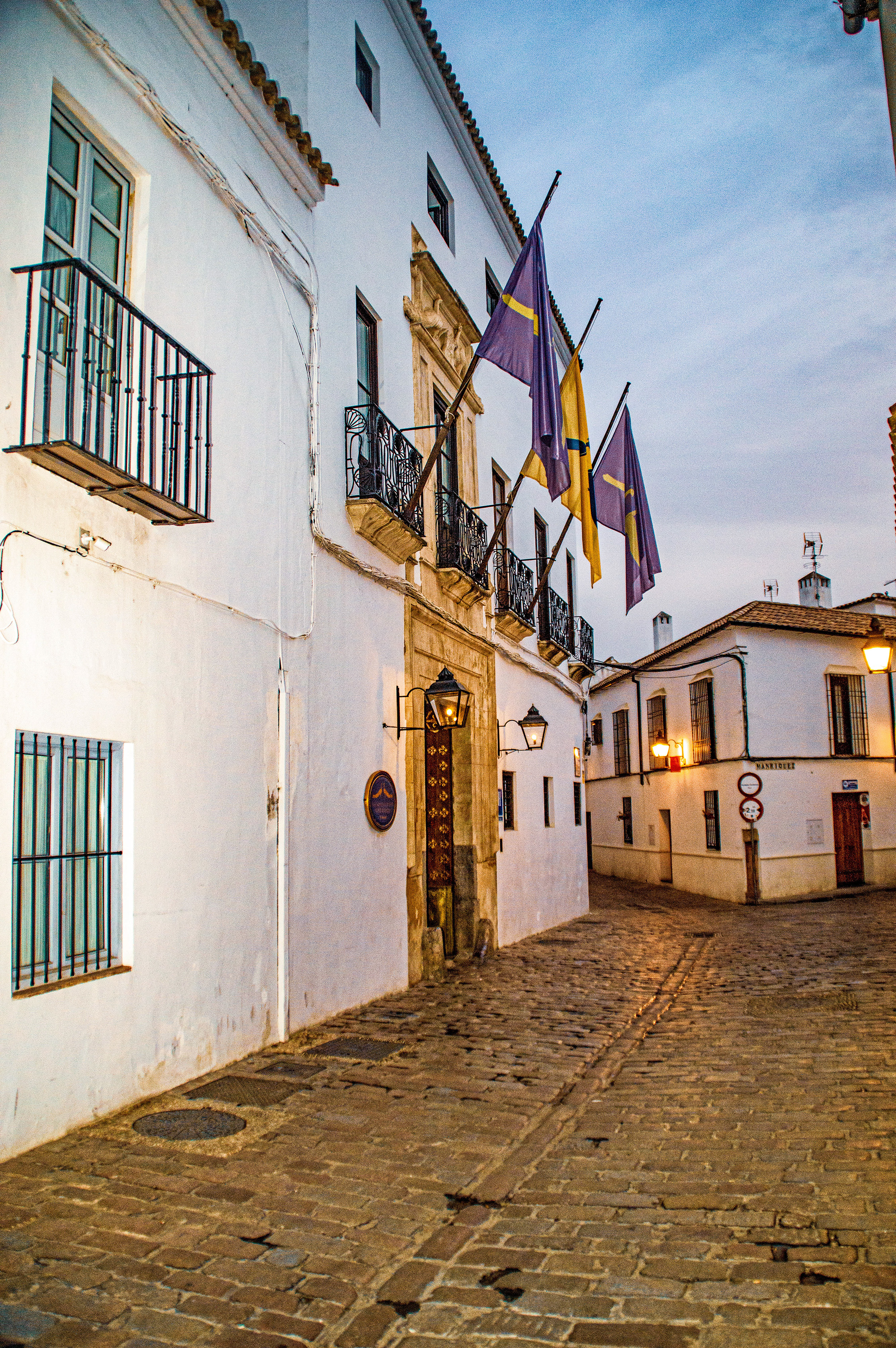
La Judería
La Judería ‐ photo by ,
©www.mgaylard.co.uk.
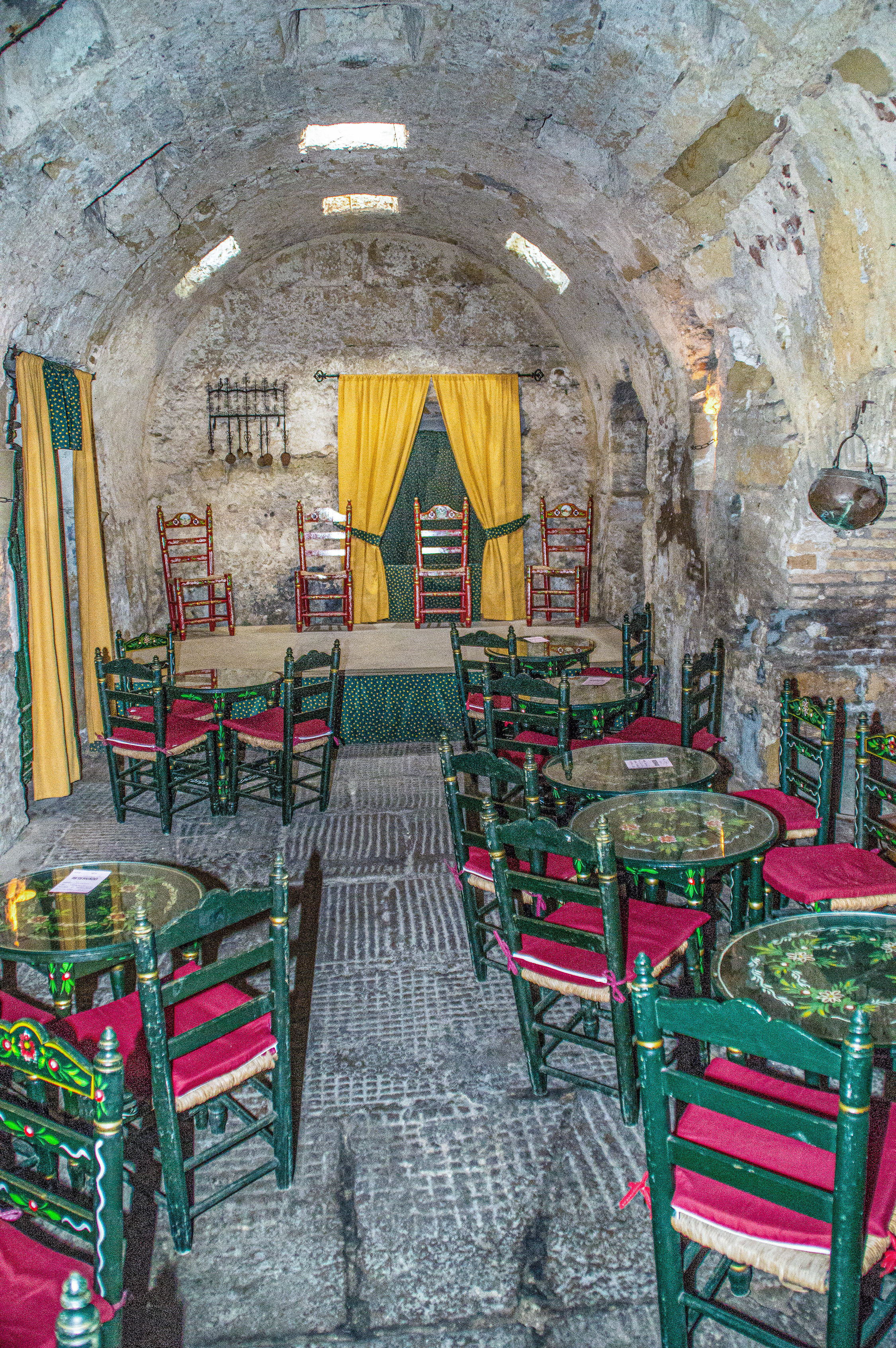
Flamenco Cafe
Flamenco Cafe ‐ photo by ,
©www.mgaylard.co.uk.
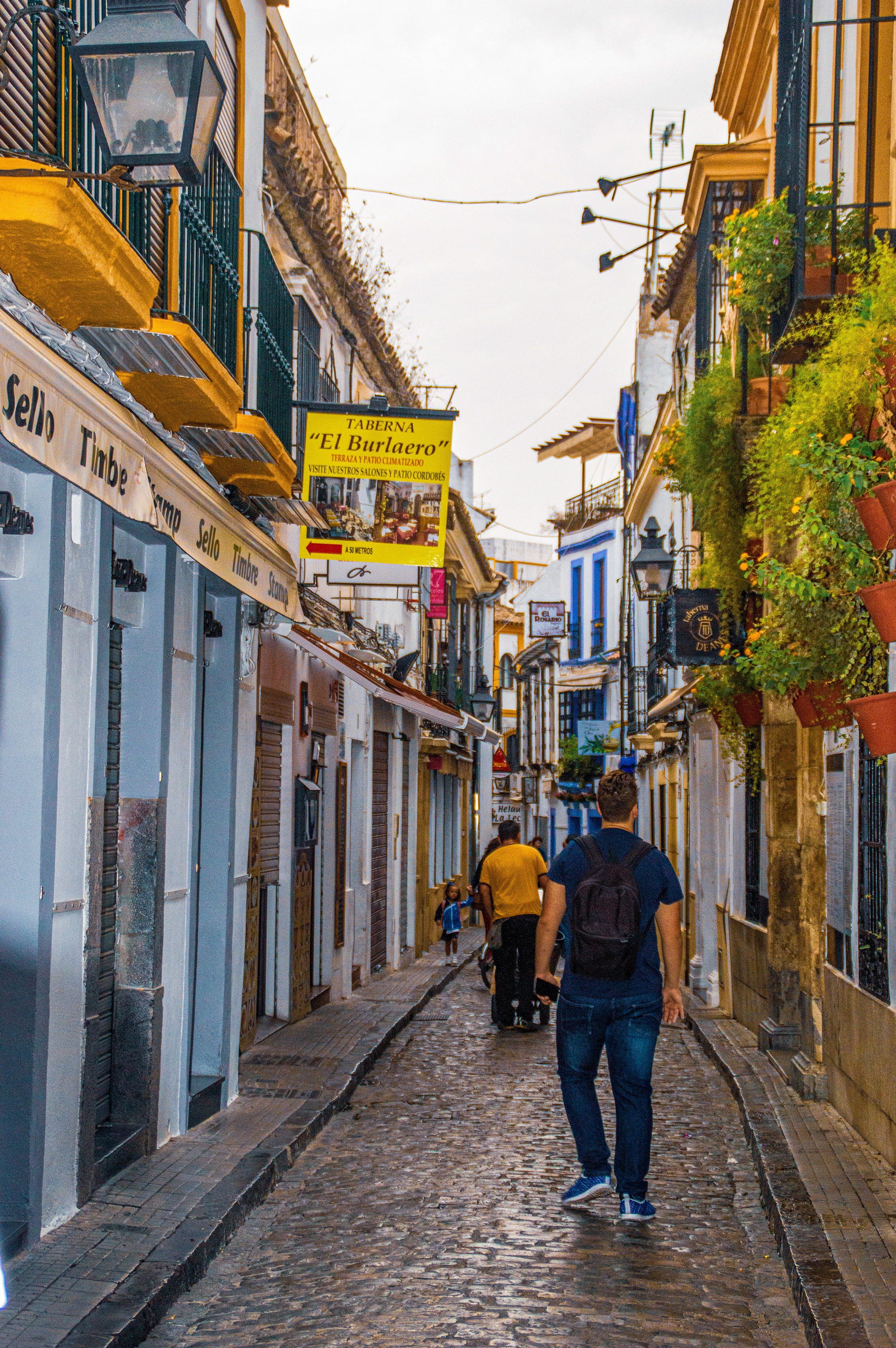
Taberna El Burlaero
Taberna El Burlaero ‐ photo by ,
©www.mgaylard.co.uk.
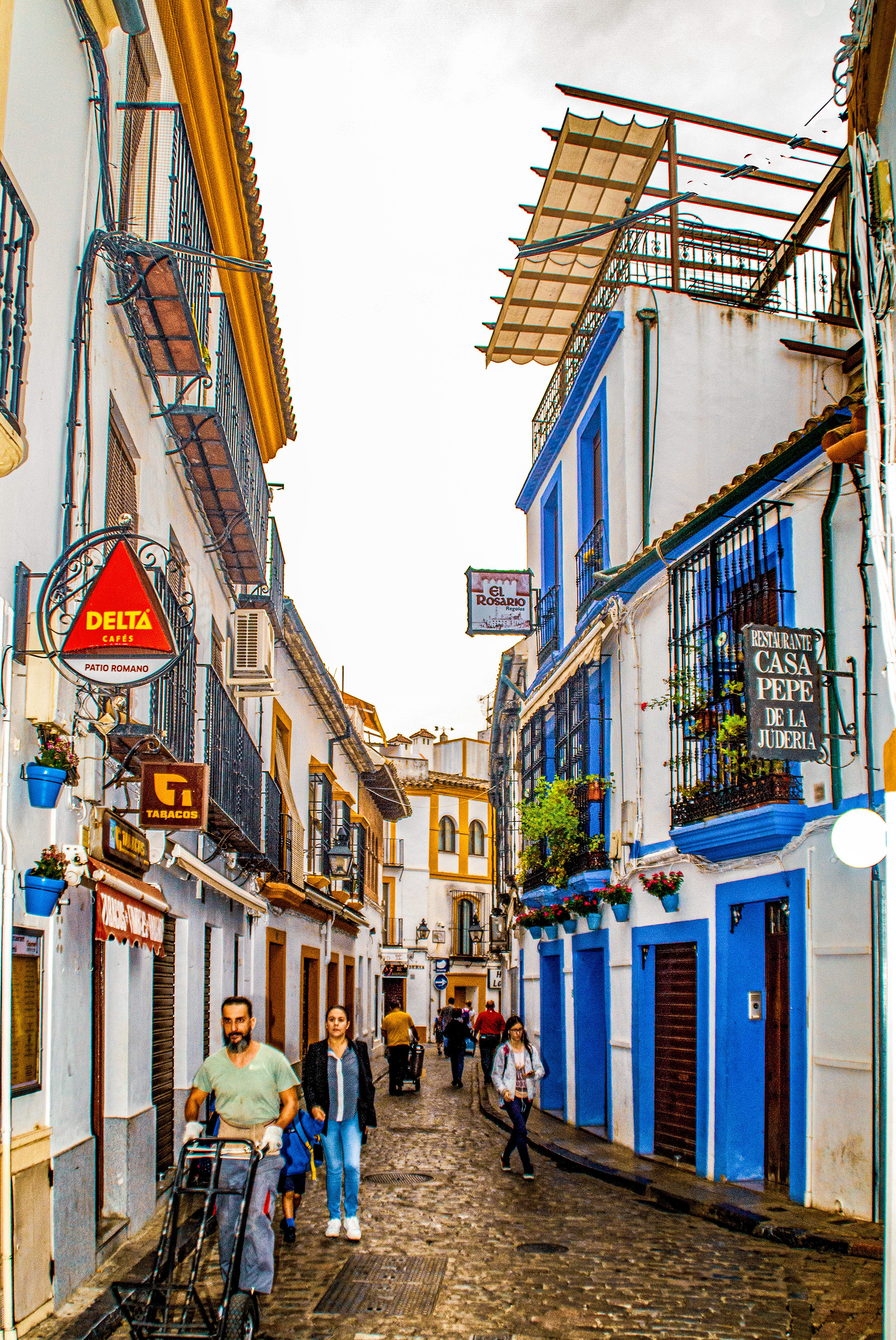
Casa Pepe de la Juderia
Casa Pepe de la Juderia ‐ photo by ,
©www.mgaylard.co.uk.
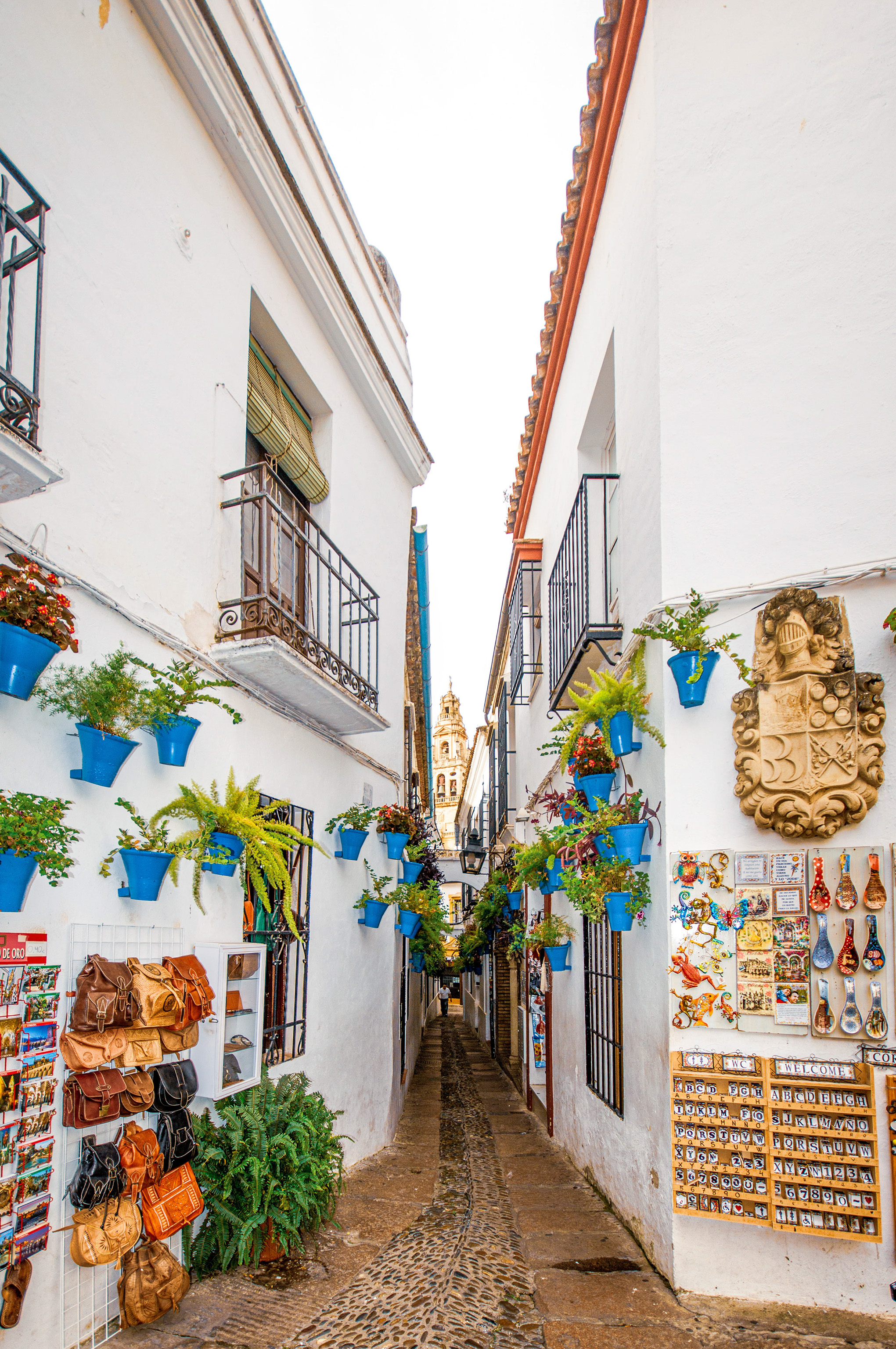
Calleja de las Flores
Calleja de las Flores ‐ photo by ,
©www.mgaylard.co.uk.
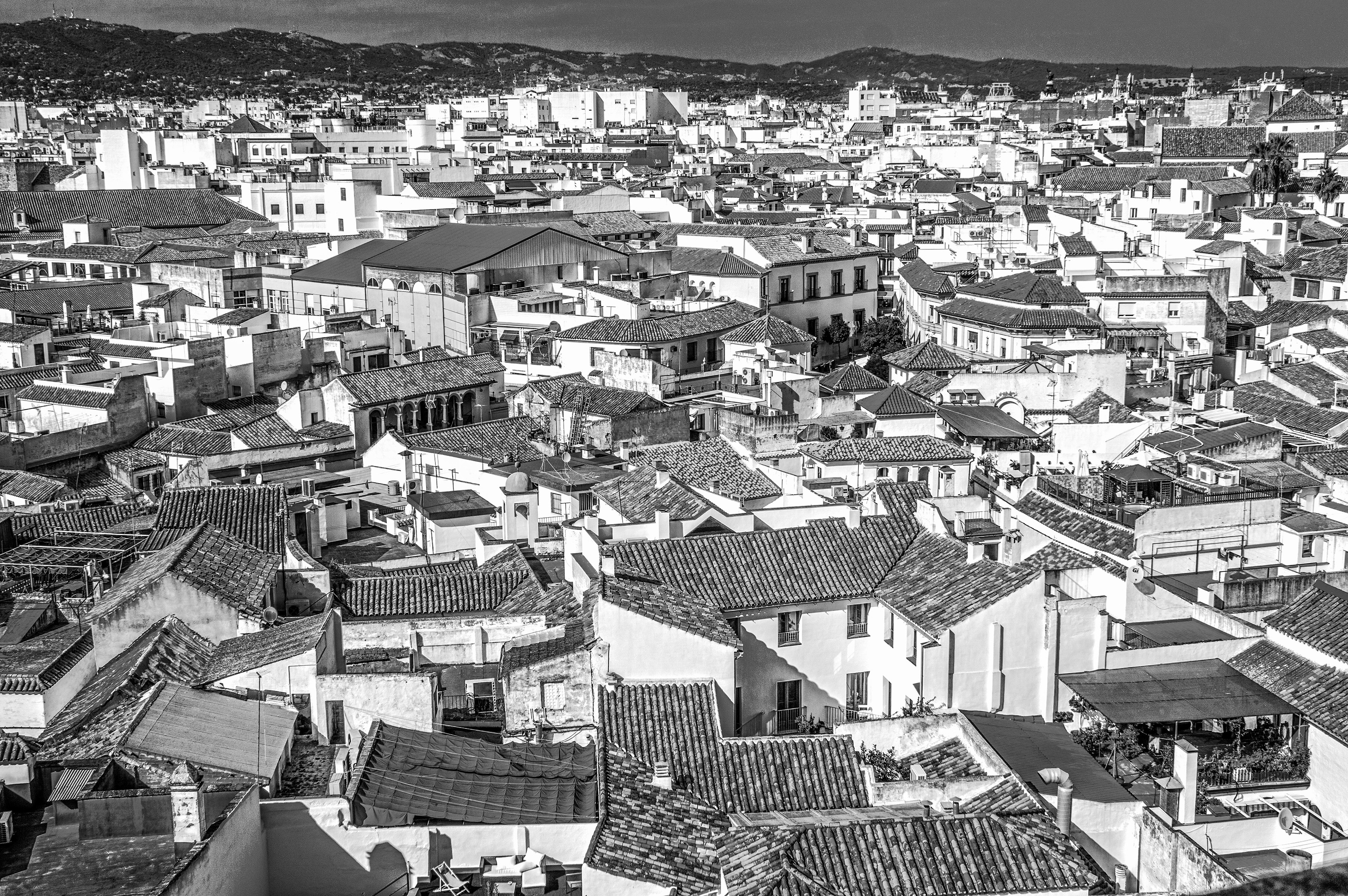
Rooftops
Rooftopsa ‐ photo by ,
©www.mgaylard.co.uk.
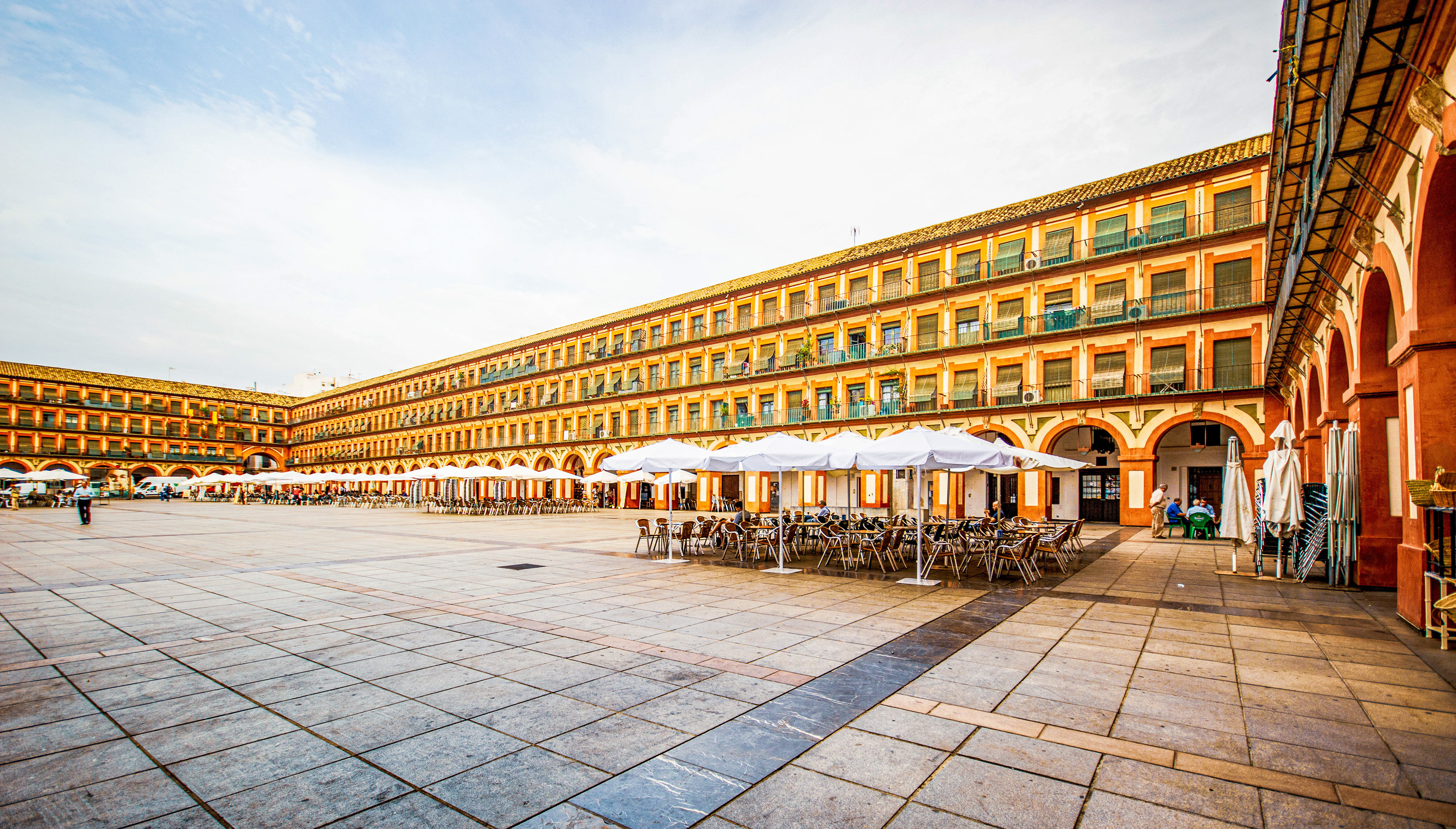
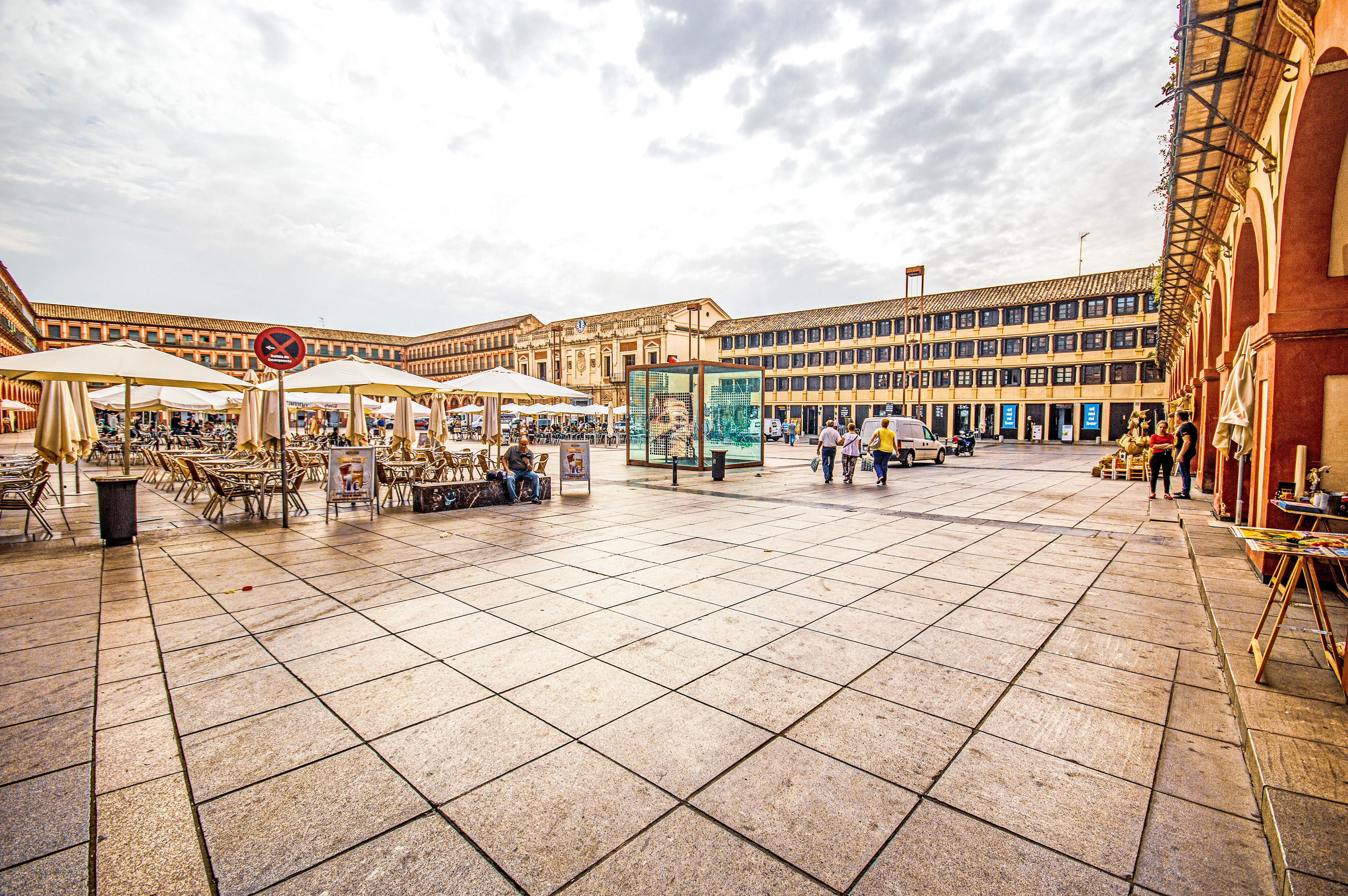
Plaza de la Corredera
View of Plaza de la Corredera ‐ photo by ,
©www.mgaylard.co.uk.
Plaza de la Corredera
Plaza de la Corredera ‐ photo by ,
©www.mgaylard.co.uk.
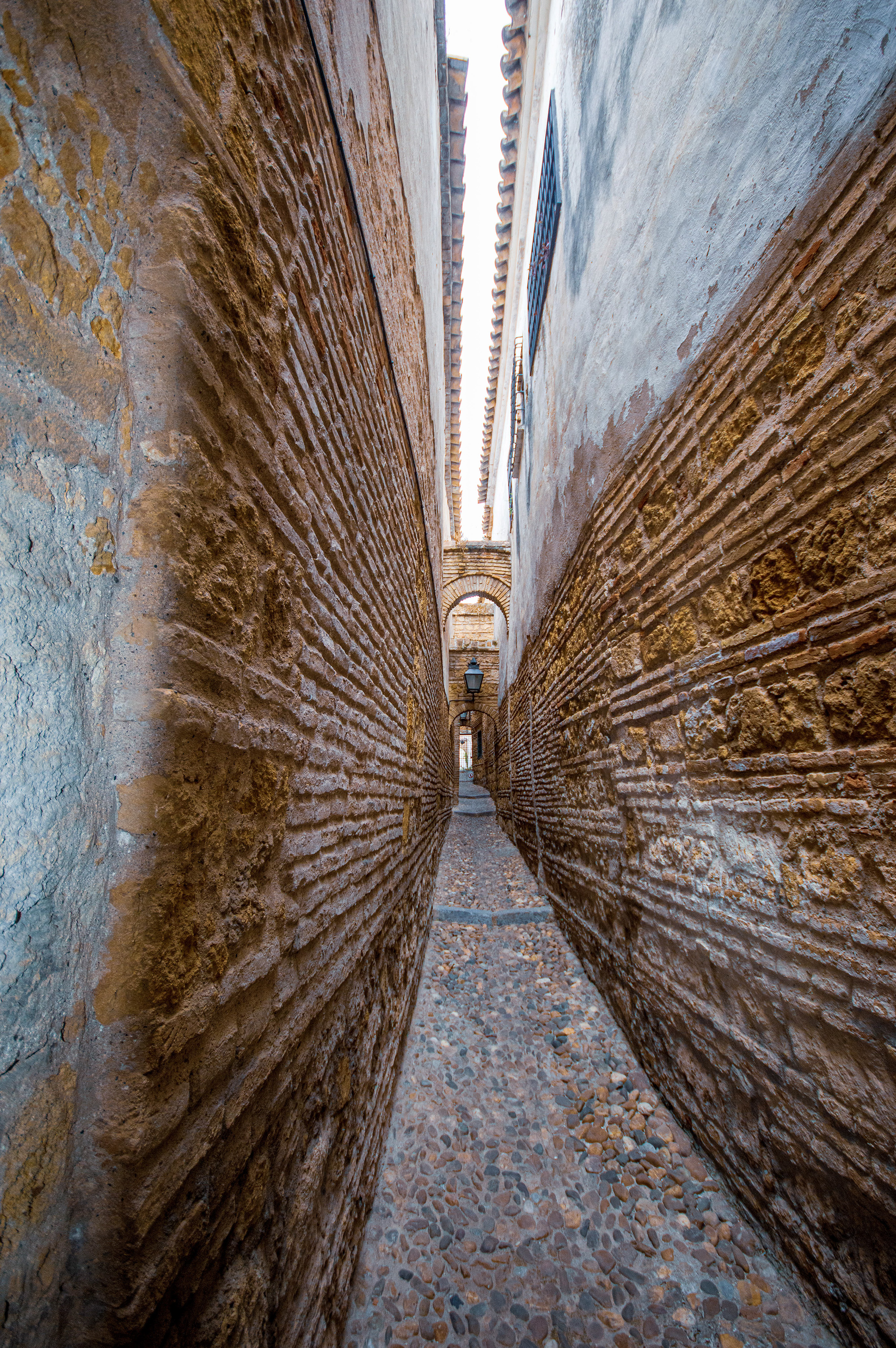
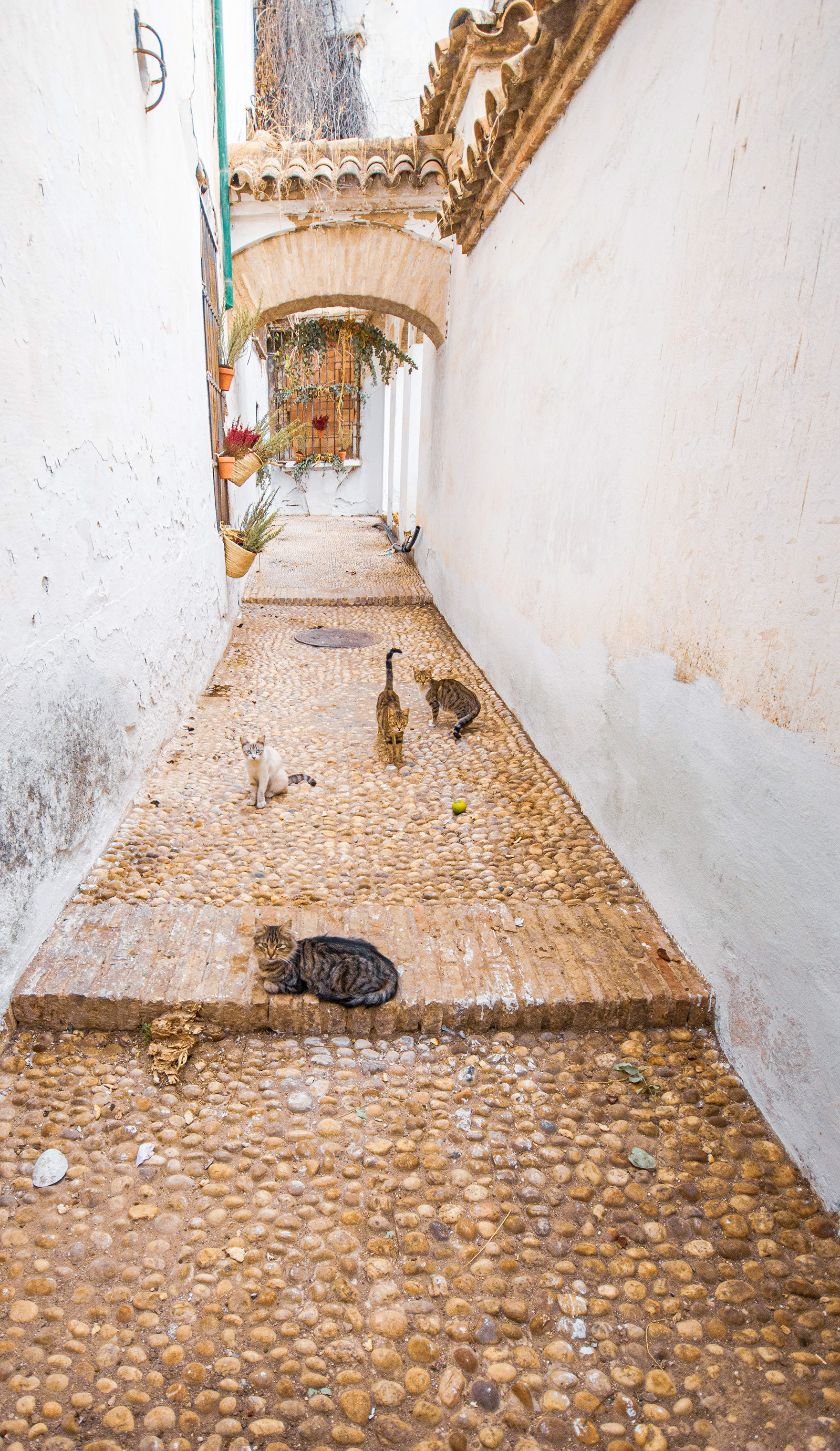
cobblestone alleyway with tall, closely set brick walls
Los Siete Infantes de Lara ‐ photo by ,
©www.mgaylard.co.uk.
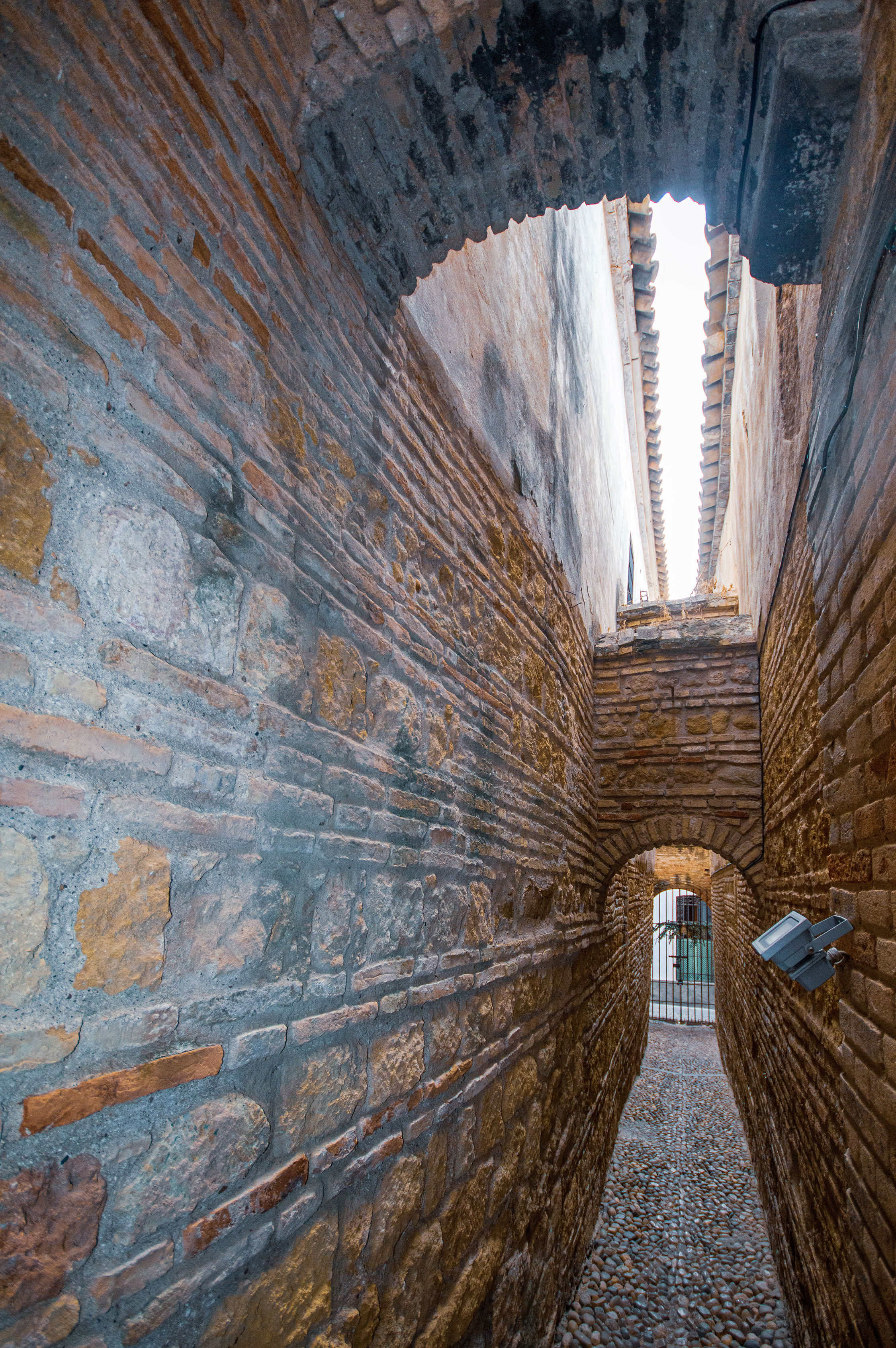
Los Siete Infantes de Lara
Los Siete Infantes de Lara ‐ photo by ,
©www.mgaylard.co.uk.
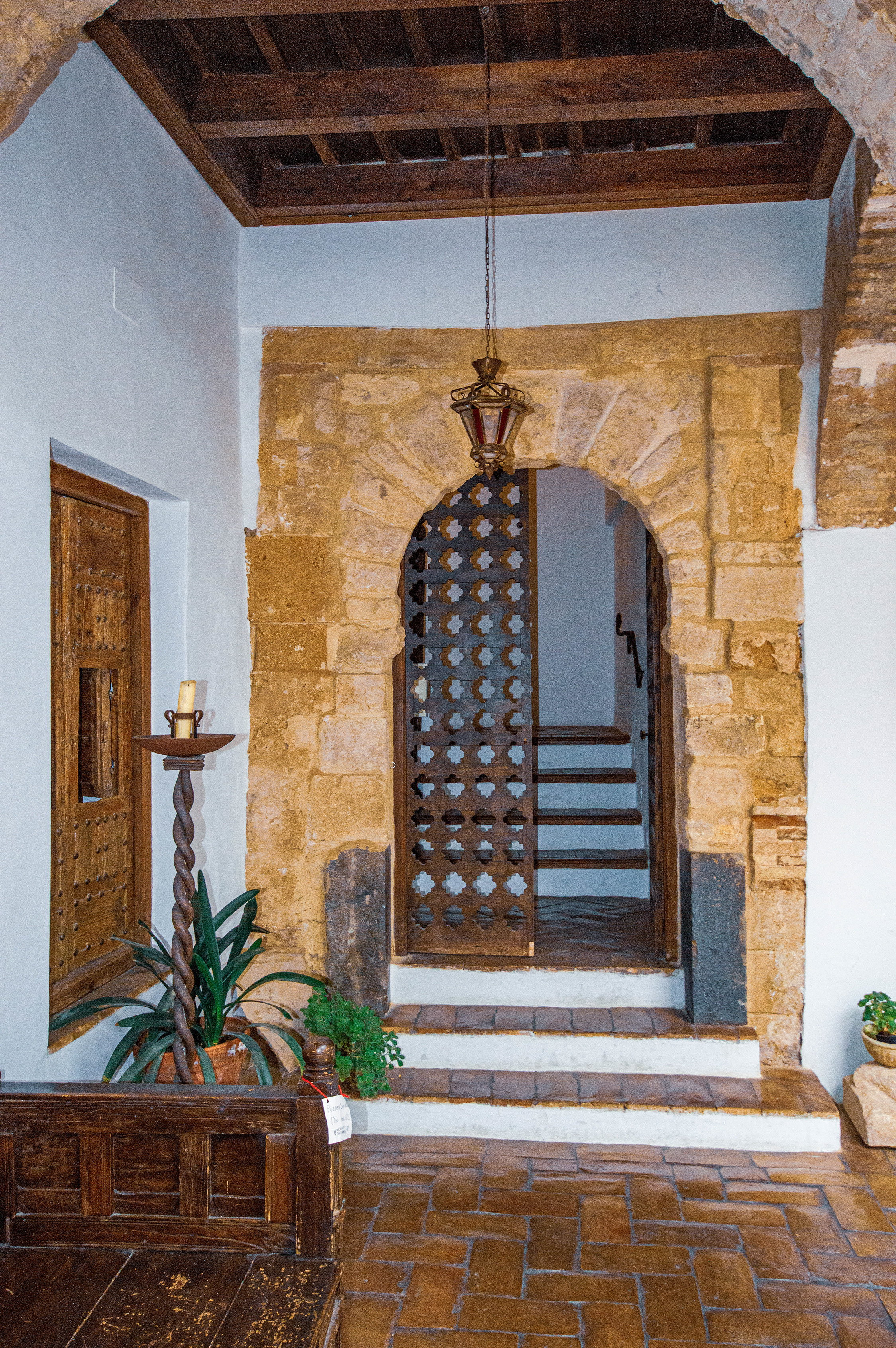
Casa de las Cabezas
Casa de las Cabezas ‐ photo by ,
©www.mgaylard.co.uk.
Casa de las Cabezas
Casa de las Cabezas ‐ photo by ,
©www.mgaylard.co.uk.
Casa de las Cabezas
Casa de las Cabezas ‐ photo by ,
©www.mgaylard.co.uk.
Casa de las Cabezas
Casa de las Cabezas ‐ photo by ,
©www.mgaylard.co.uk.
Open the full set flickr button this page

Cordoba

Córdoba is one of Spain’s most historically significant cities, known for its extraordinary blend of Roman, Islamic, Jewish, and Christian heritage. Located in Andalusia, on the Guadalquivir River, it is the capital of the Province of Córdoba and home to over 324,000 residents.

Historical Overview

Roman & Visigothic Roots
Originally a Roman colony, Córdoba grew into an important administrative and economic centre.
It later became part of the Visigothic Kingdom before the Islamic conquest in the 8th century.
The Umayyad Golden Age
In the 8th–10th centuries, Córdoba became the capital of the Emirate and later the Caliphate of Córdoba, ruled by the Umayyads.
During this period, it was a major centre of learning, renowned for philosophy, medicine, astronomy, and poetry.
By the 10th century, it was one of the largest cities in Europe.
Christian Reconquest
In 1236, Córdoba was taken by the Crown of Castile and became the head of the Kingdom of Córdoba.

UNESCO World Heritage

Córdoba has multiple UNESCO recognitions:
Historic Centre of Córdoba
Includes the Mezquita–Cathedral, Jewish Quarter, Roman Bridge, and surrounding medieval streets./strong>
Inscribed in 1984, expanded later to include the entire historic centre./strong>
Madinat al-Zahra
A 10th-century palace-city built by Caliph Abd al-Rahman III.
Located 10 km from Córdoba; declared a World Heritage Site in 2018.
Festival de los Patios
Córdoba’s courtyard festival, celebrated each May, is recognised as UNESCO Intangible Cultural Heritage

Major Sights

Mezquita–Cathedral (Great Mosque)
One of the most iconic buildings in the world.
Begun in 785 CE as a mosque; converted into a cathedral after 1236.
Famous for its forest of red-and-white arches and its unique fusion of Islamic and Christian architecture.
Alcázar de los Reyes Cristianos
A fortress-palace built by Christian monarchs known for its gardens, towers, and Roman mosaics.
Jewish Quarter (La Judería)
Narrow medieval streets, whitewashed houses, and the Córdoba Synagogue, one of only three medieval synagogues preserved in Spain.
Roman Bridge & Calahorra Tower
A striking Roman-era bridge spanning the Guadalquivir, with a defensive tower at its southern end.

Córdoba is a city where civilisations overlap visibly—Roman walls, Islamic arches, Jewish courtyards, and Christian towers coexist within a walkable historic centre. It is a living example of cultural layering, coexistence, and architectural brilliance.

References

en.wikipedia.orgwww.spain.infowww.tripadvisor.co.u , Text generated by Microsoft CoPilot
To the top
Powered by w3.css. The images are all stored on link to www.gaylard.co.uk Photostream on Flickr   This website is hosted by link to 123Reg Web Hosting