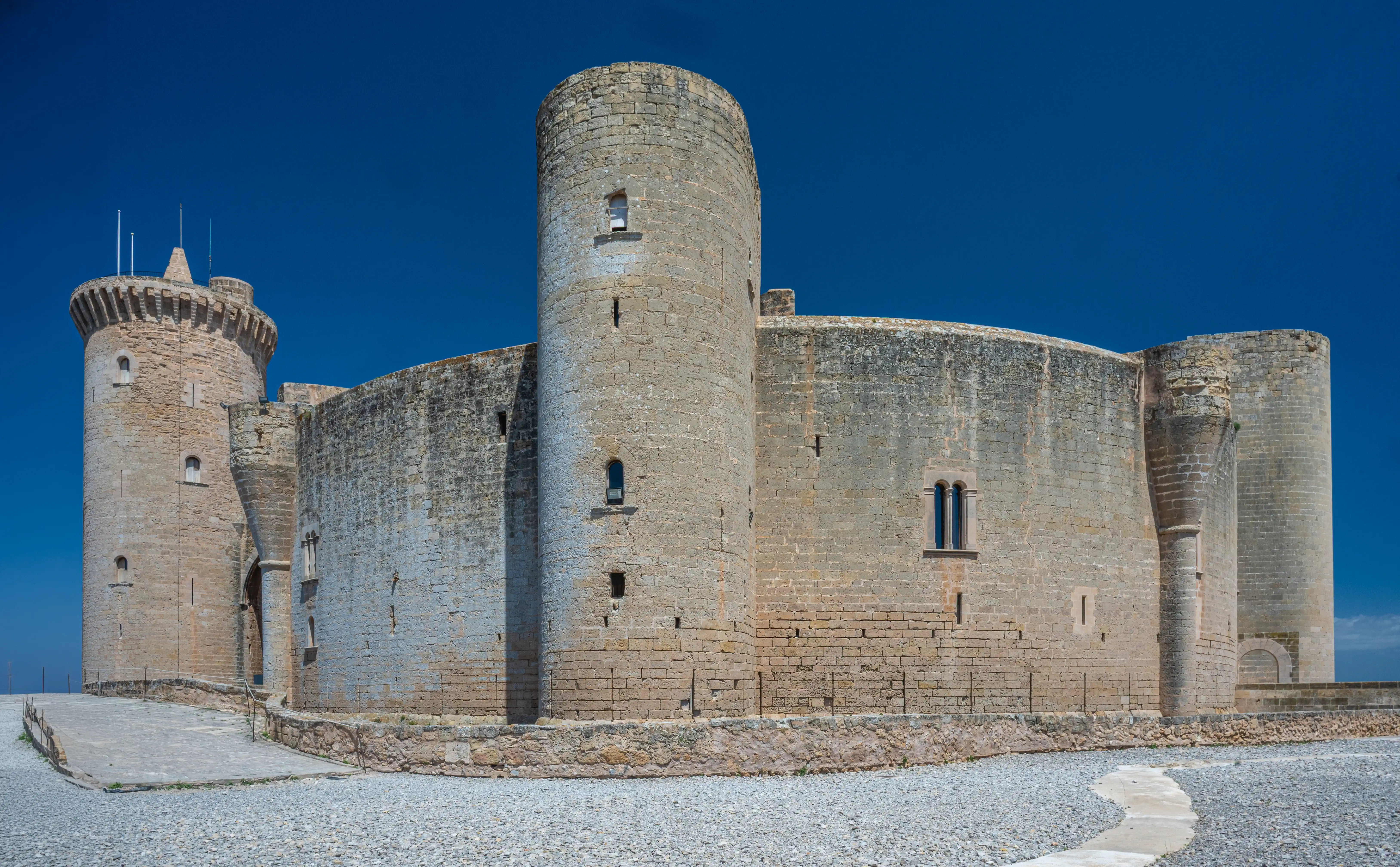
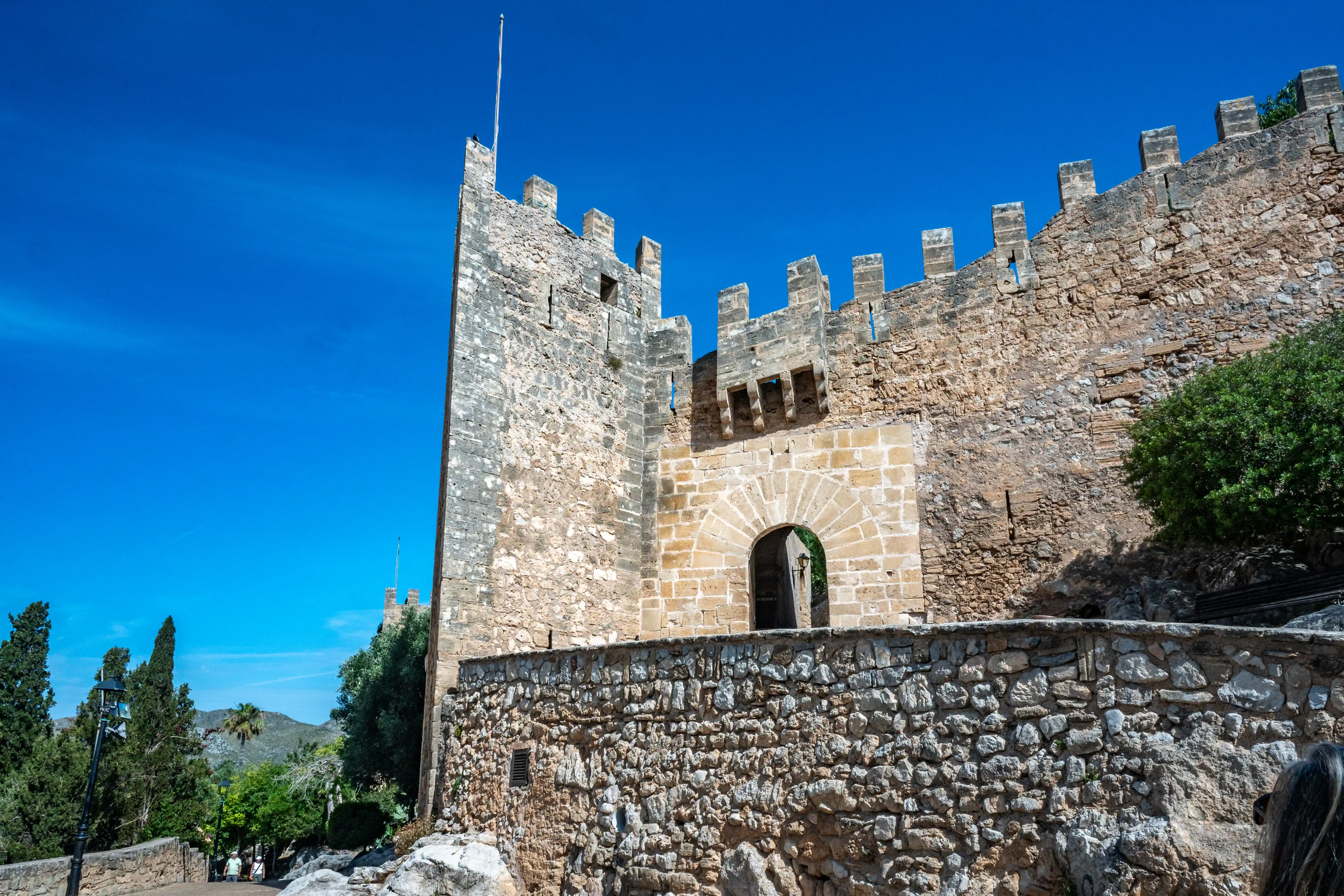
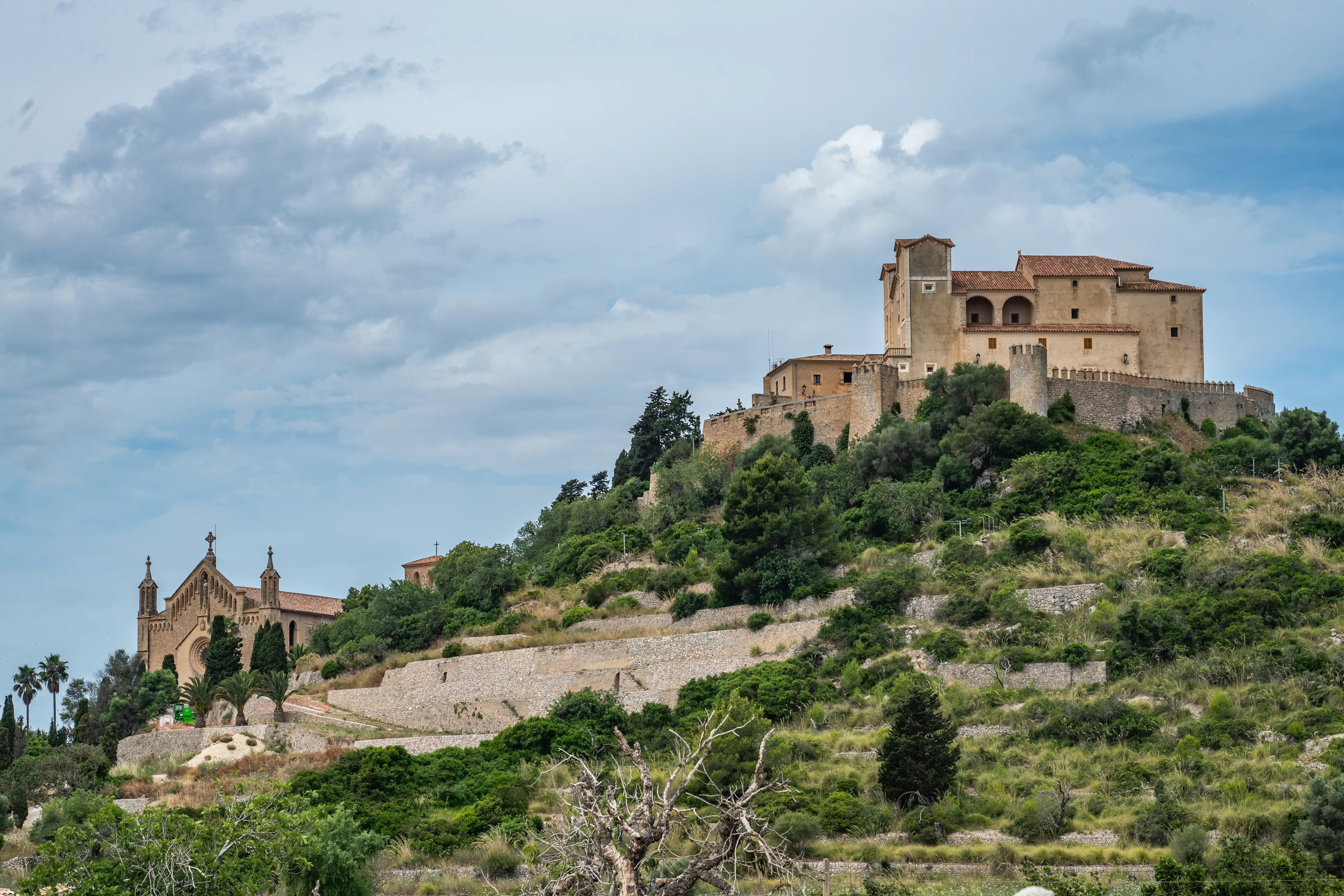

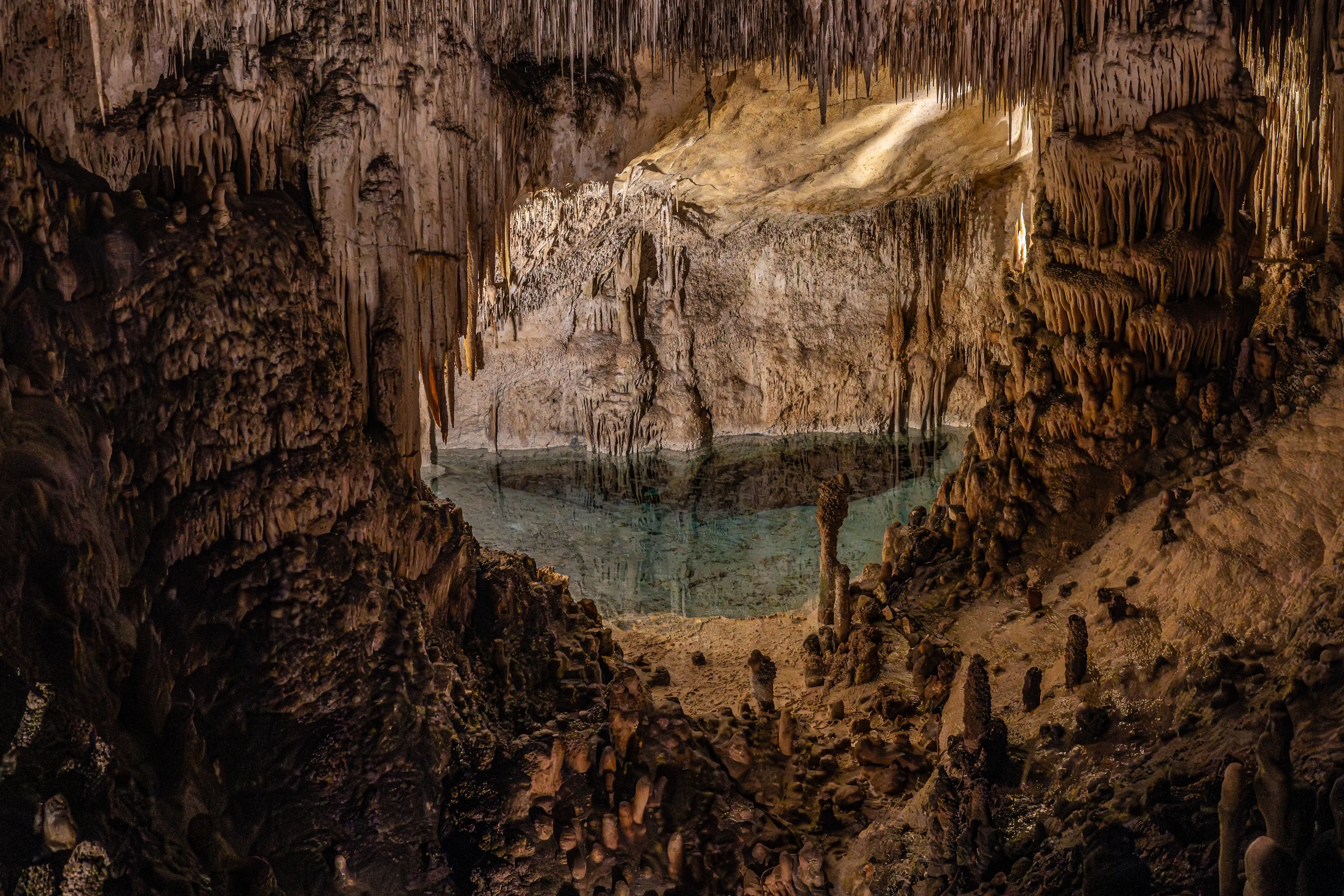
Mallorca has a rich and layered history that dates back to prehistoric times, with evidence of early human settlements in its talayotic sites (megalithic stone structures). The island was later inhabited by the Phoenicians, Greeks, and Romans, who left behind a legacy of trade, culture, and architecture. In the Middle Ages, Mallorca was ruled by the Moors, whose influence is still visible in the island’s architecture, agriculture, and language. The Christian reconquest in the 13th century, led by King James I of Aragon, marked the beginning of Mallorca’s integration into the Kingdom of Mallorca and later the Crown of Aragon. Over the centuries, Mallorca became a strategic Mediterranean hub for trade, culture, and maritime exploration. Today, the island’s diverse heritage is reflected in its landscapes, traditions, and people, making it a unique and fascinating destination.
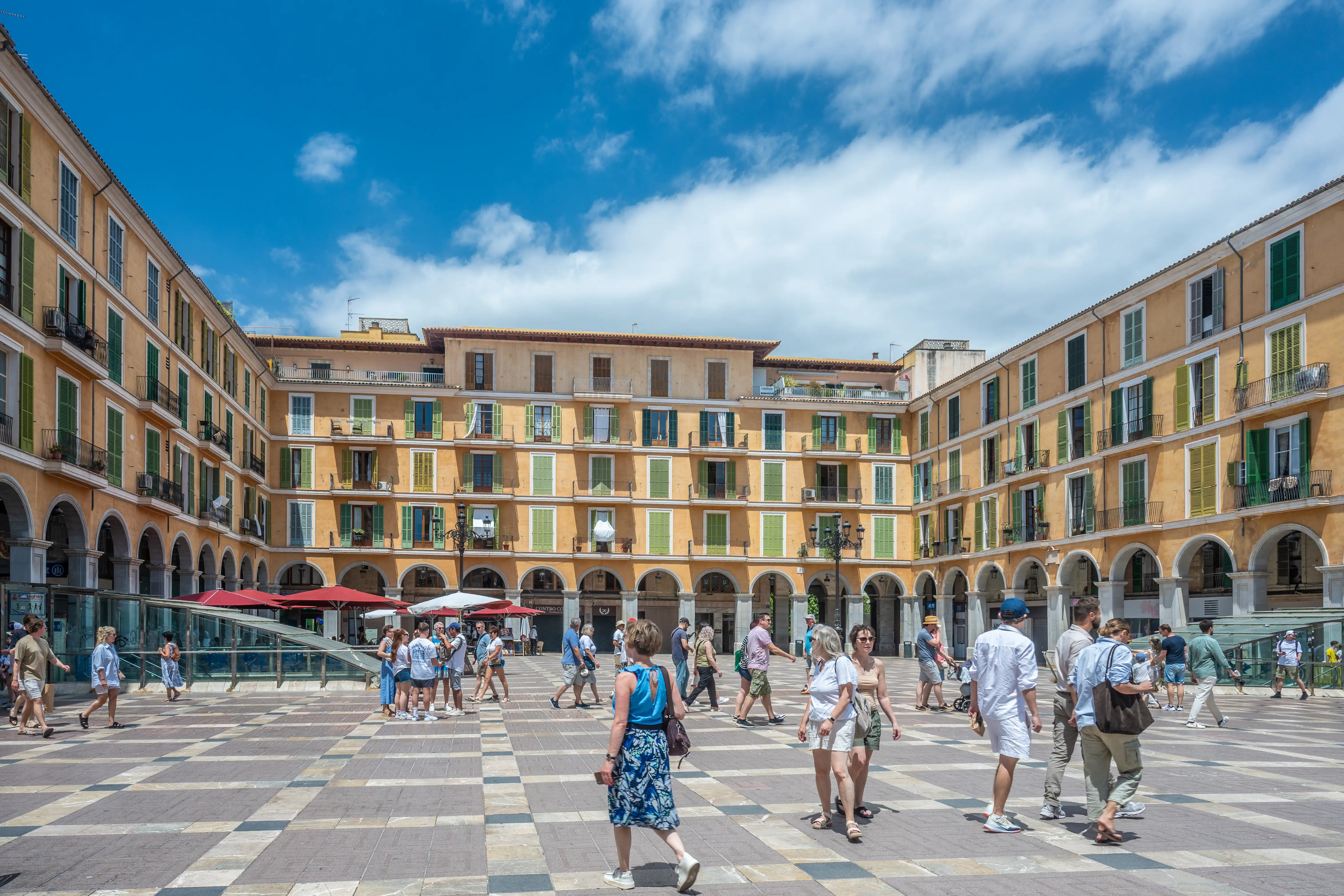
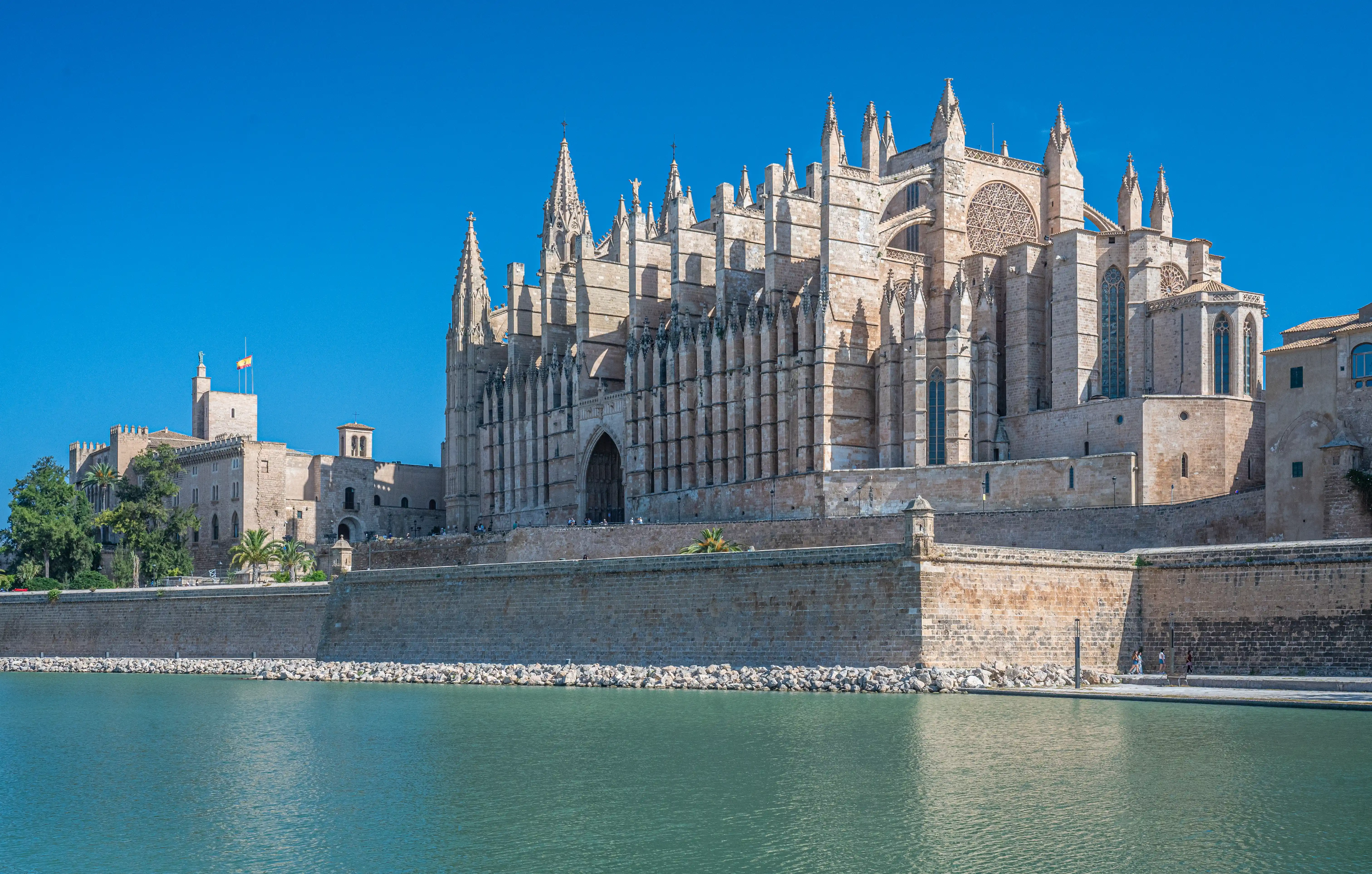
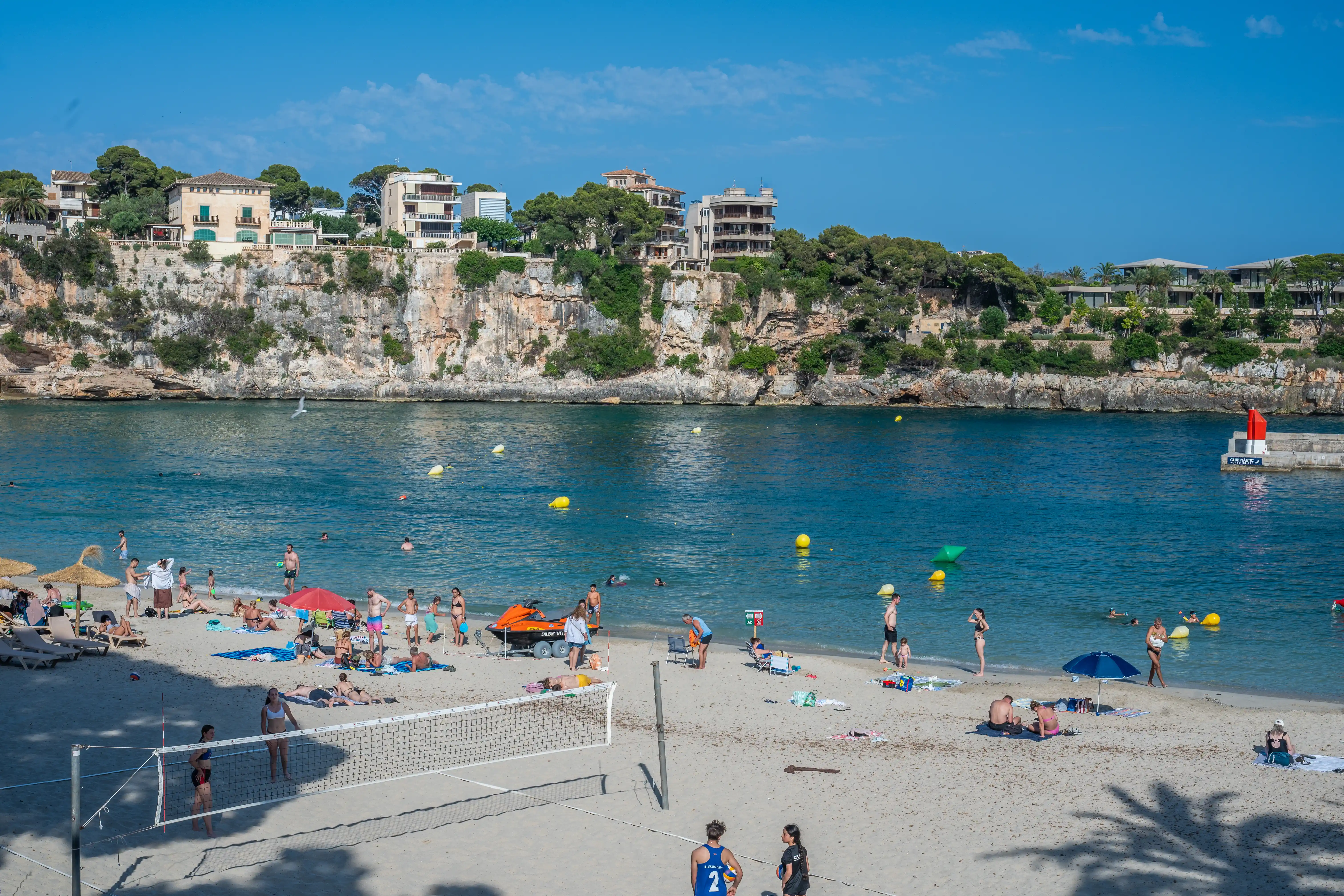
Visitors to Mallorca can expect a diverse and enriching experience that caters to a wide range of interests. Exploring the historic streets of Palma, with its Gothic cathedral and Moorish influences, offers a glimpse into the island’s rich past. The Tramuntana Mountains provide opportunities for hiking, cycling, and scenic drives, while Mallorca’s pristine beaches and coastal coves are perfect for relaxation and water sports. The island’s cultural and culinary traditions, including its local festivals, markets, and gastronomy, add depth and authenticity to any visit. Whether you’re exploring the natural beauty of Parc Natural de s’Albufera, sampling Mallorcan wines and cuisine, or simply soaking in the Mediterranean sun, Mallorca offers a memorable and well-rounded experience.

