Avenida Rei Humberto II de Itália,
Cascais,
Lisbon District,
2750-800,
Portugal
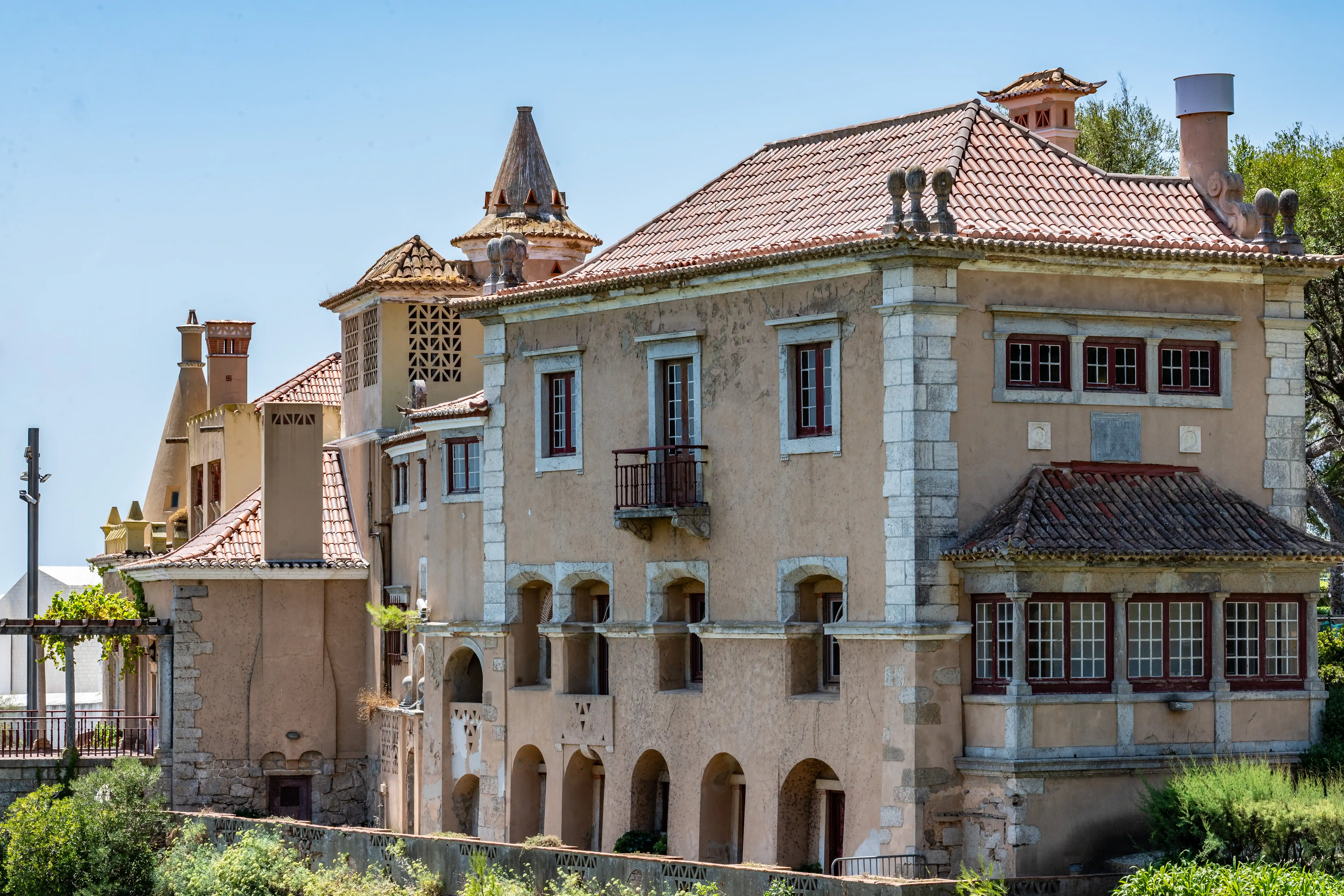
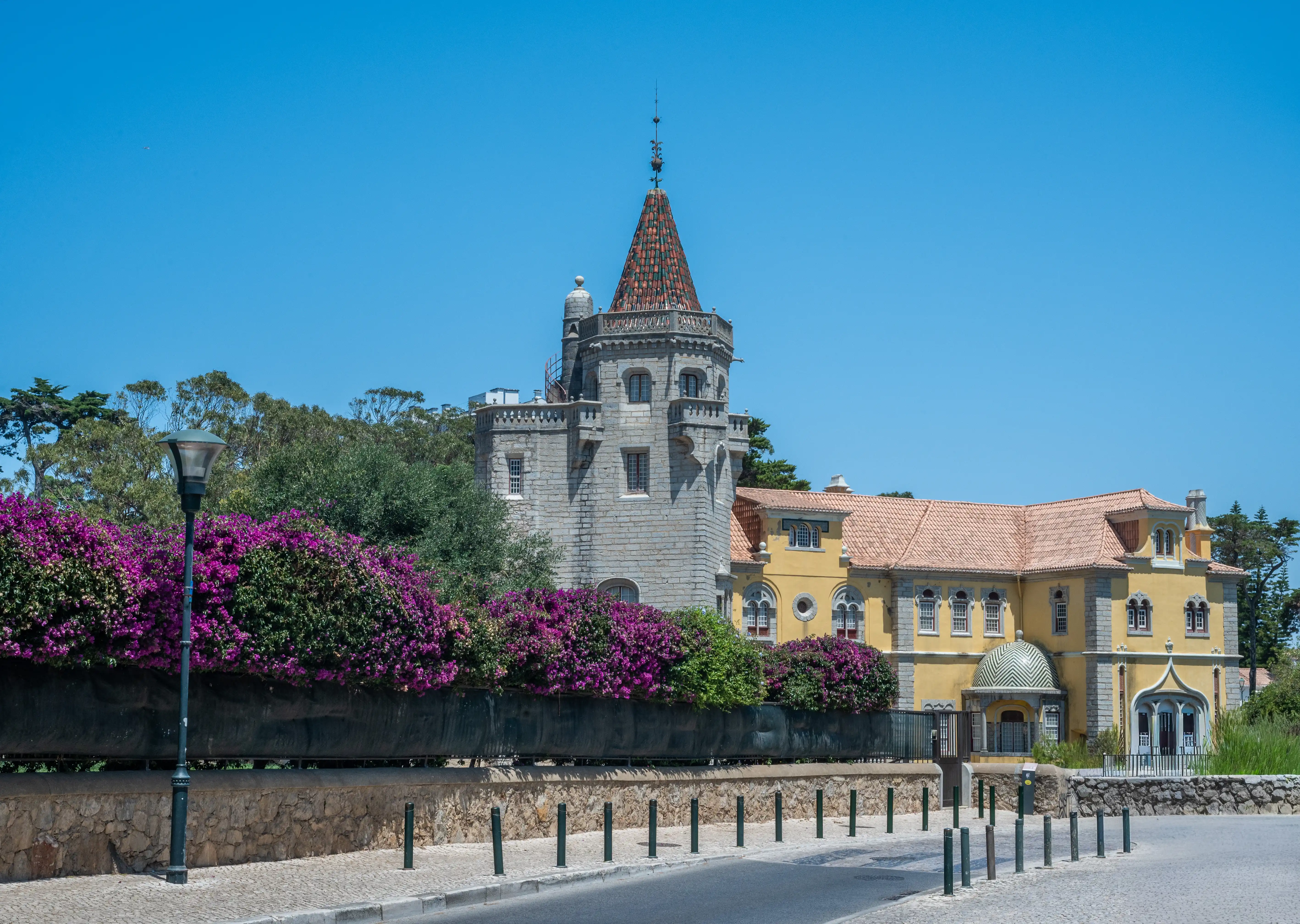
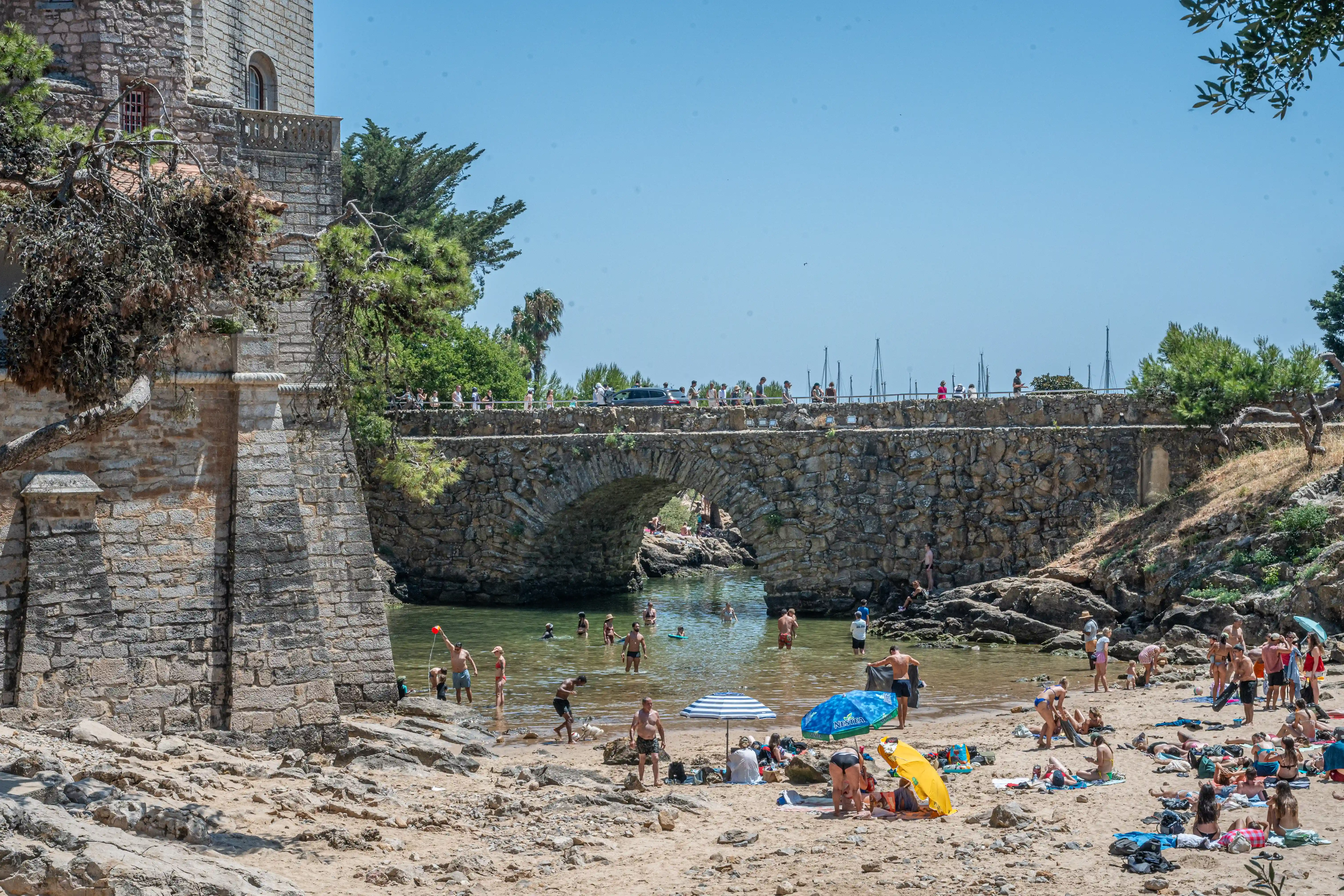
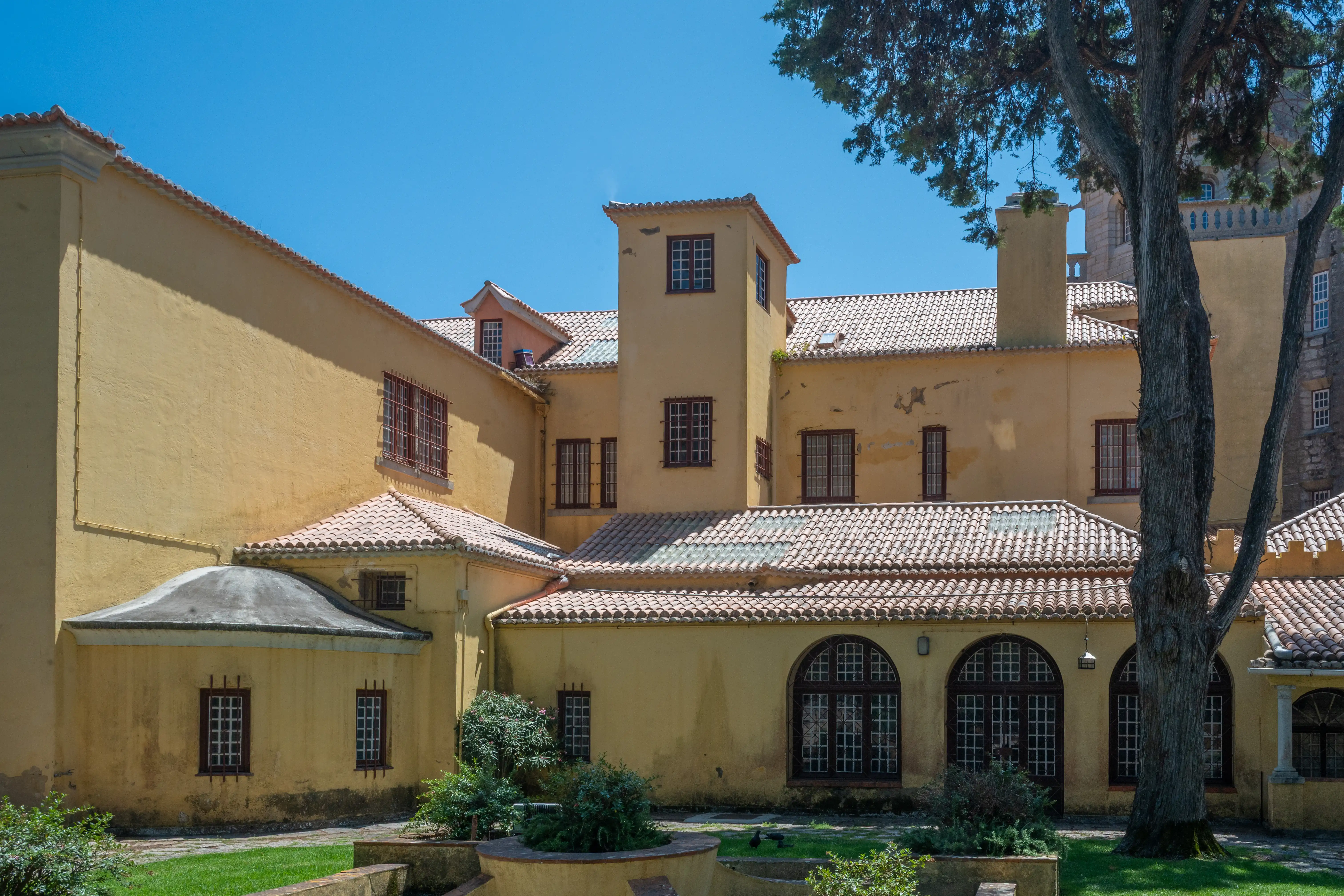
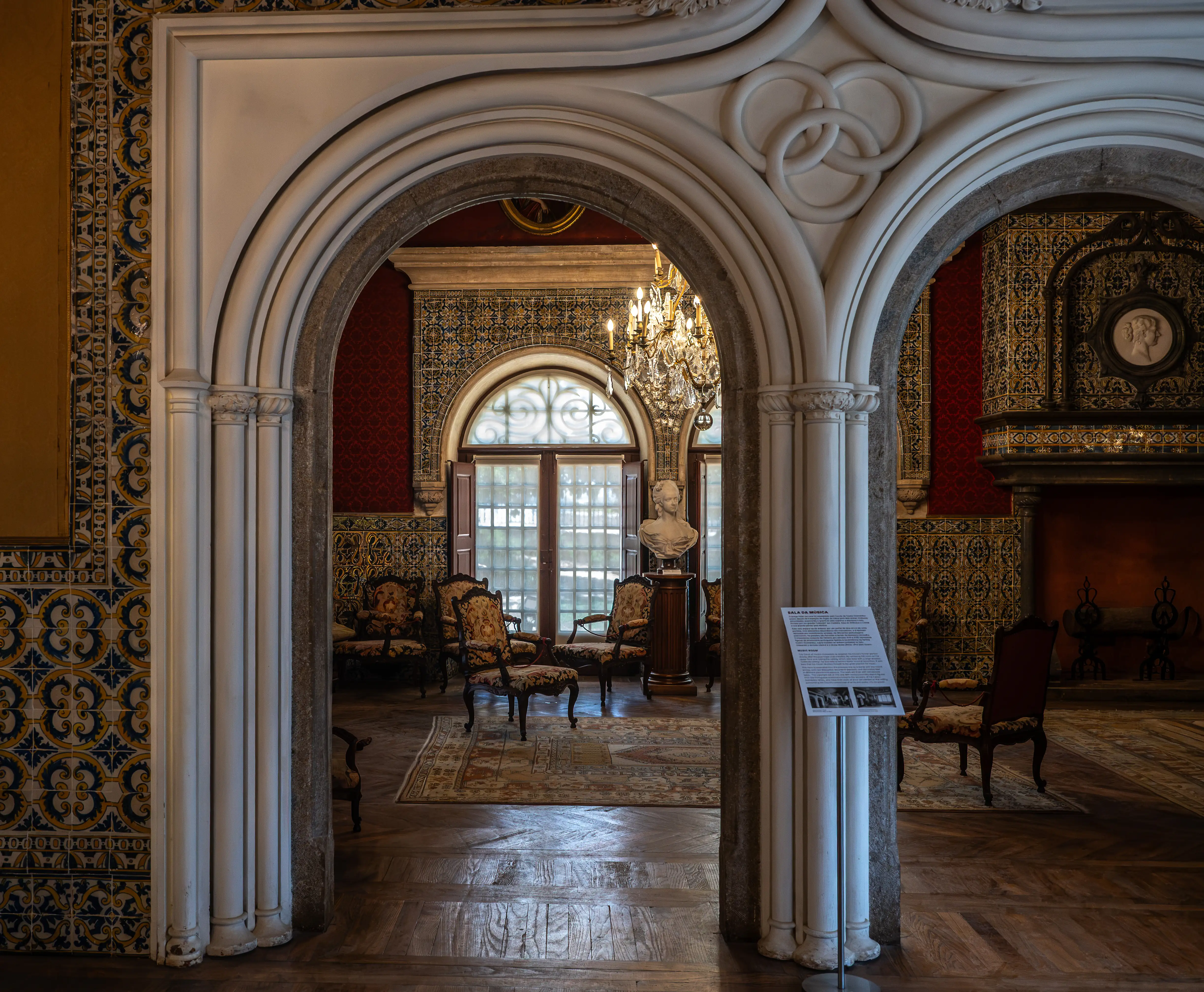
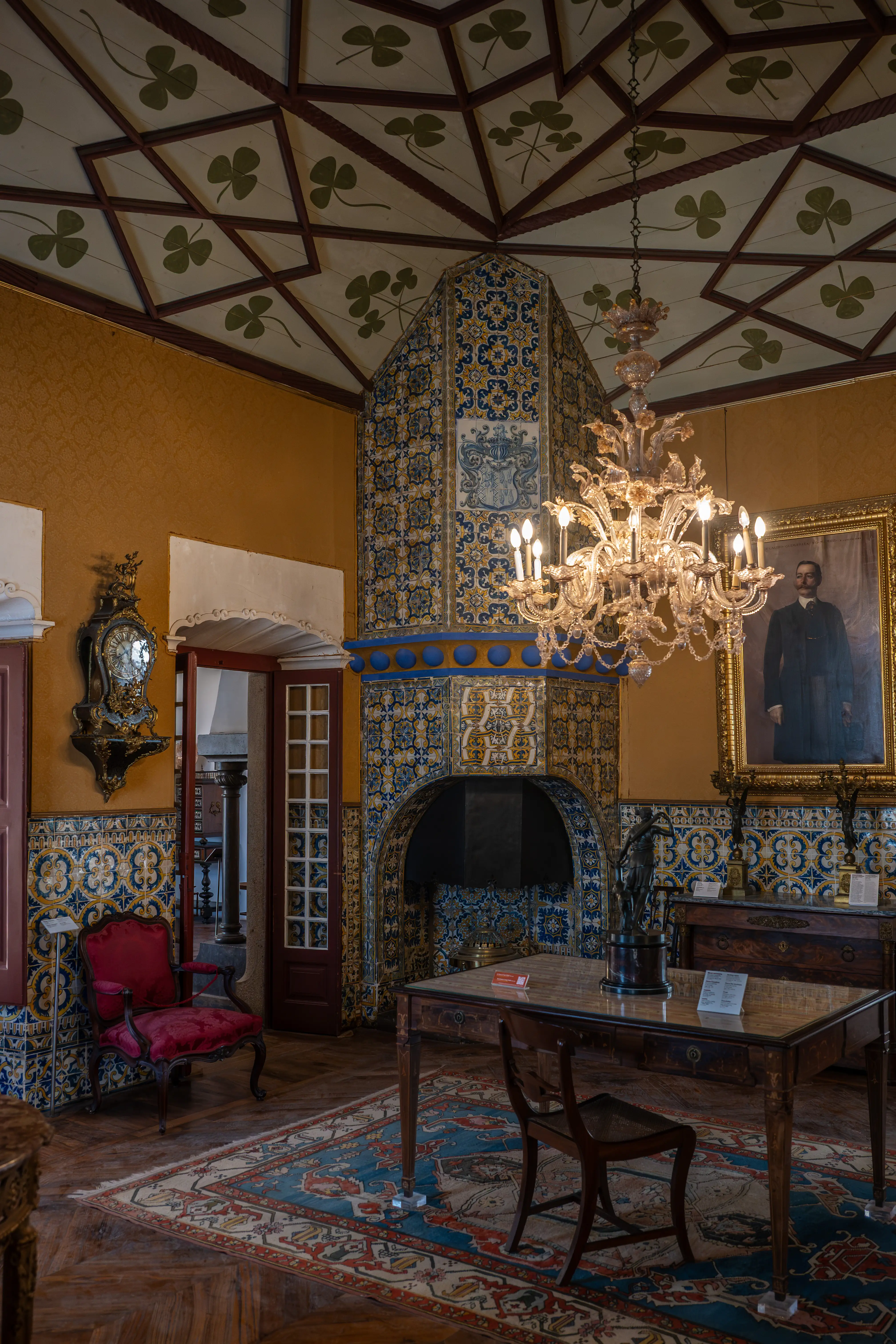
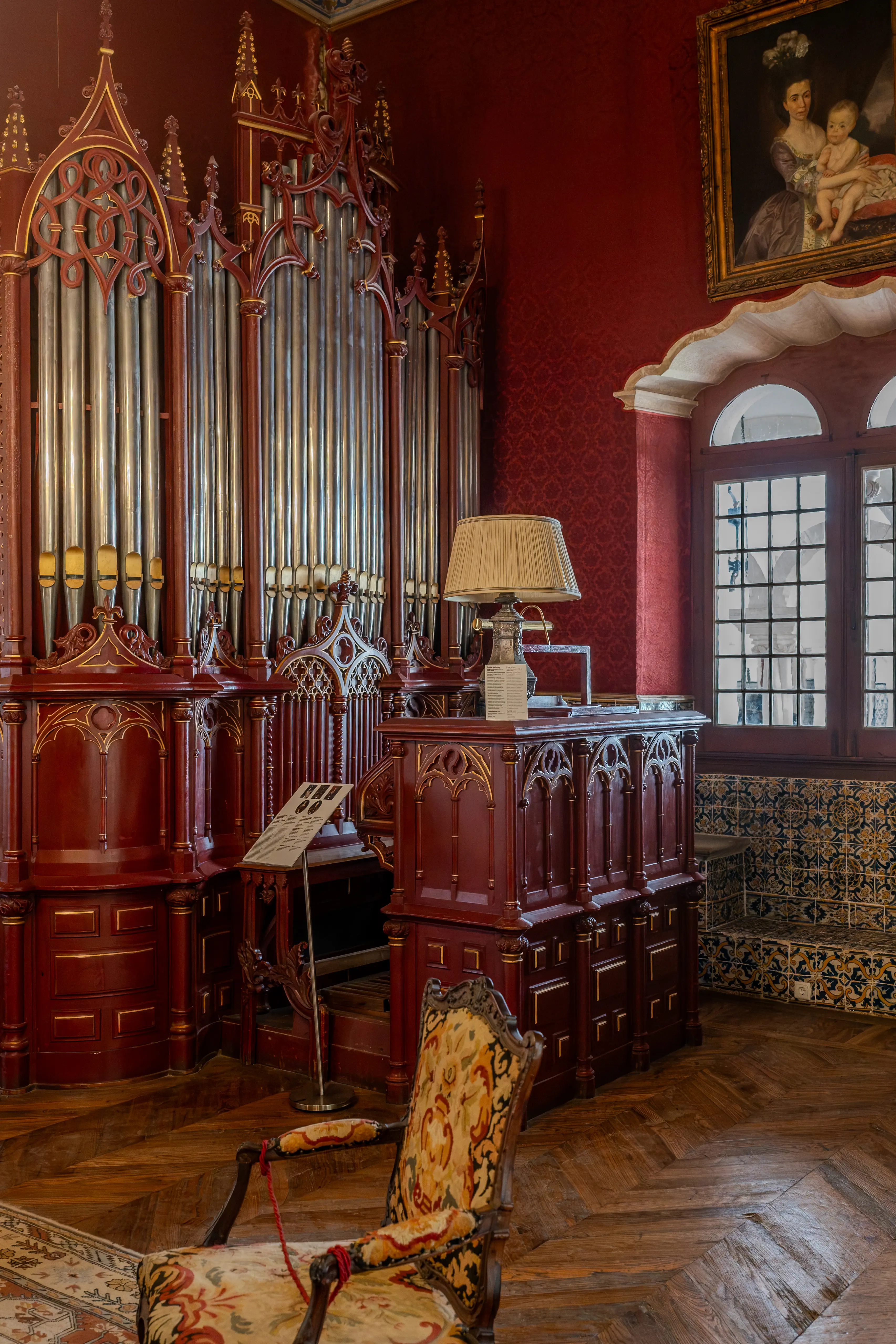
Museu Condes de Castro Guimarães is a 19th-century romanticist palace and museum located in Cascais, Portugal. Built in 1867 by Jorge O’Neill, a wealthy Irish-Portuguese nobleman, the palace is a stunning example of Romantic-era architecture, blending Gothic Revival, Manueline, and Moorish influences. The museum is dedicated to the history, art, and legacy of the Condes de Castro Guimarães (Counts of Castro Guimarães), and it houses a rich collection of furniture, paintings, ceramics, and decorative arts from the 16th to the 19th centuries. Surrounded by lush gardens and a scenic park, the museum offers visitors a glimpse into the aristocratic life and cultural heritage of Portugal.
Romanticist Palace – The palace is a stunning example of 19th-century Romanticist architecture, designed by Jorge O’Neill to reflect his eclectic tastes and aristocratic lifestyle. The building blends Gothic Revival, Manueline, and Moorish influences, creating a unique and visually striking structure.
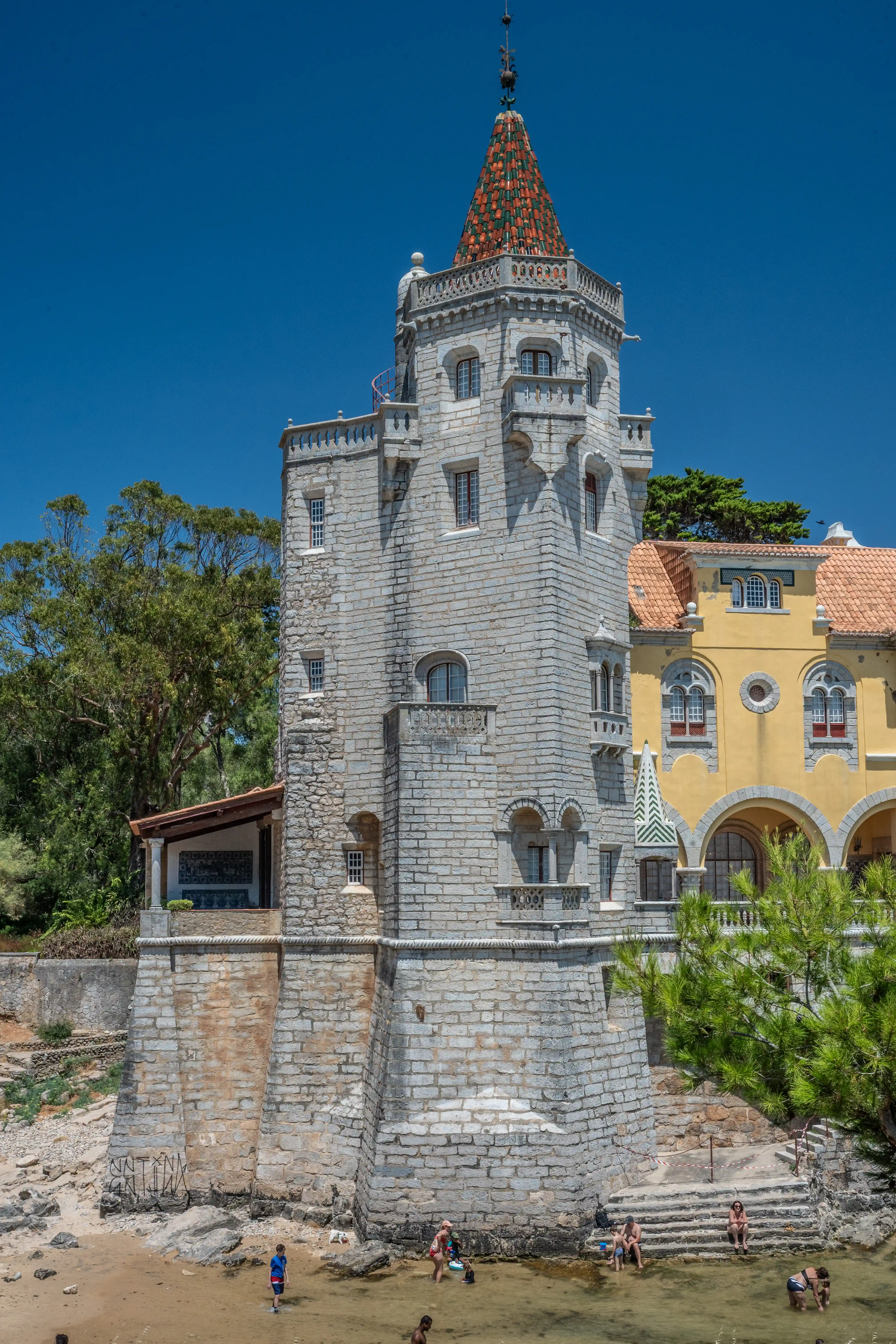
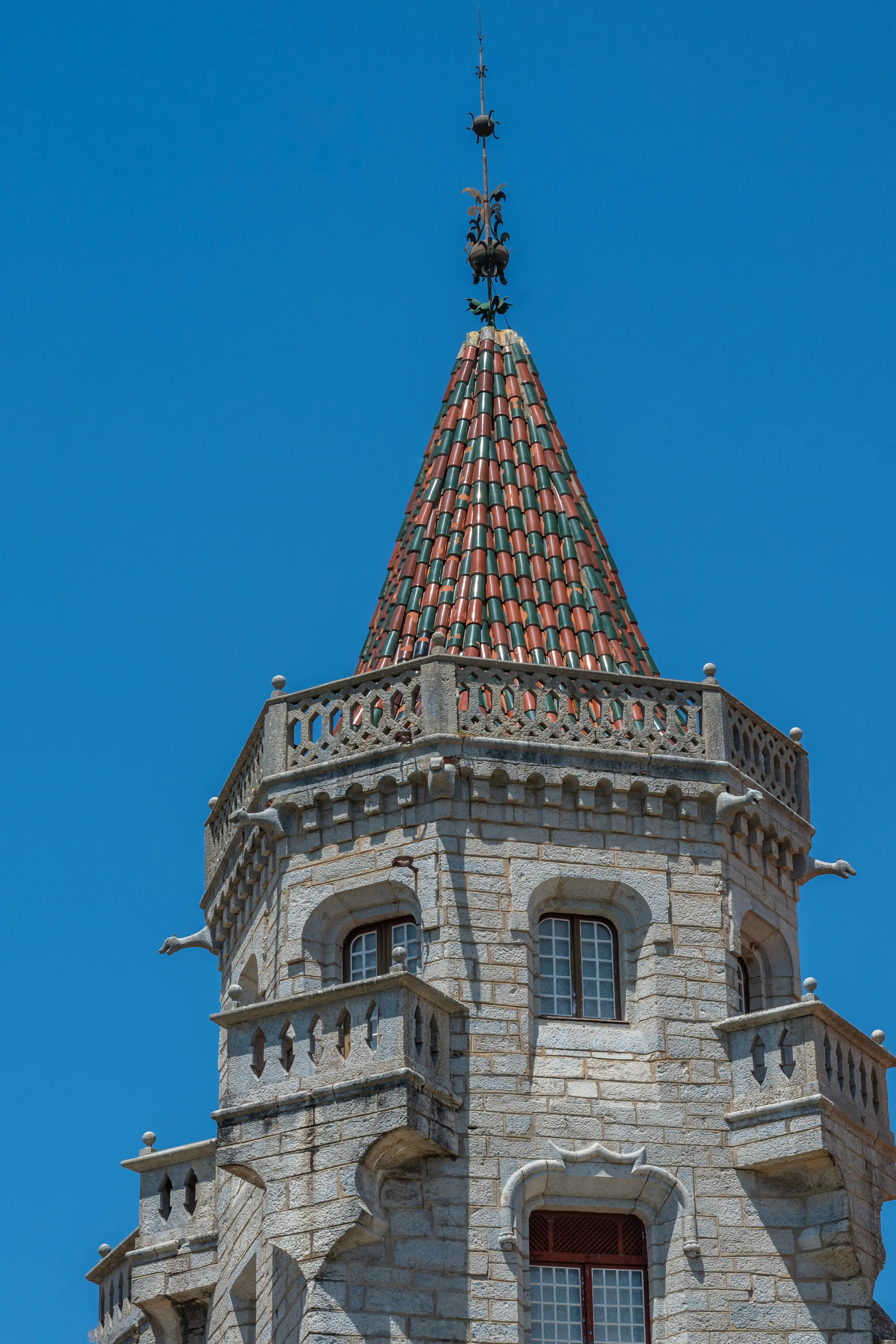
Gothic Revival Facade – The palace’s facade features pointed arches, ornate carvings, and turrets, reminiscent of medieval Gothic castles. This design reflects the Romantic-era fascination with medieval architecture.
Manueline Windows – The palace includes Manueline-style windows, characterized by their intricate stone carvings and maritime motifs. These windows are a testament to Portugal’s Age of Discoveries and its rich architectural heritage.
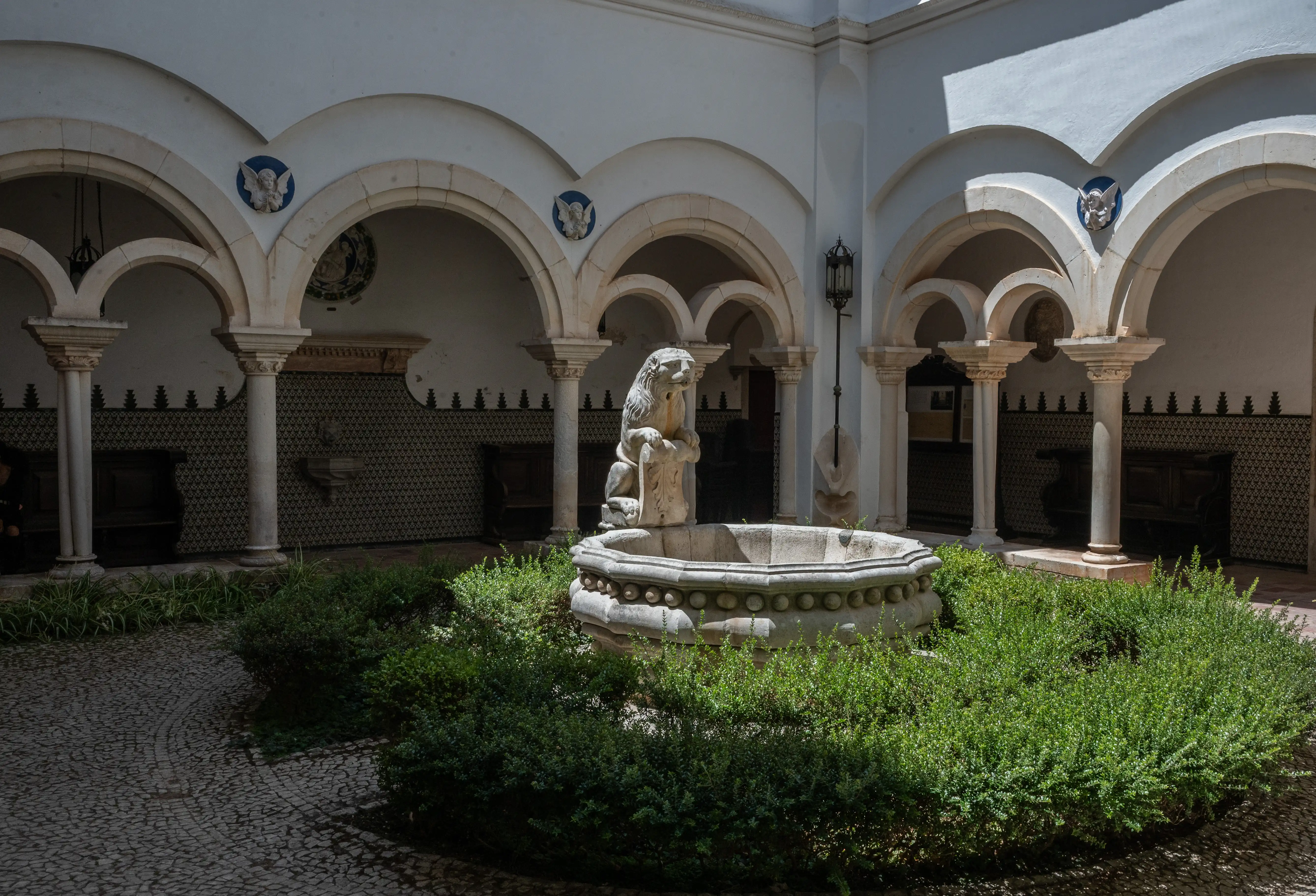
Moorish Courtyard – The palace features a Moorish-inspired courtyard, with geometric patterns, tilework, and a central fountain. The courtyard is a peaceful and scenic space, reflecting the influence of Islamic architecture in Portugal.
Tower – A tall tower offers panoramic views of Cascais, the Atlantic Ocean, and the surrounding landscape. The tower is a highlight of the palace and a popular spot for photography.
Museum Collections
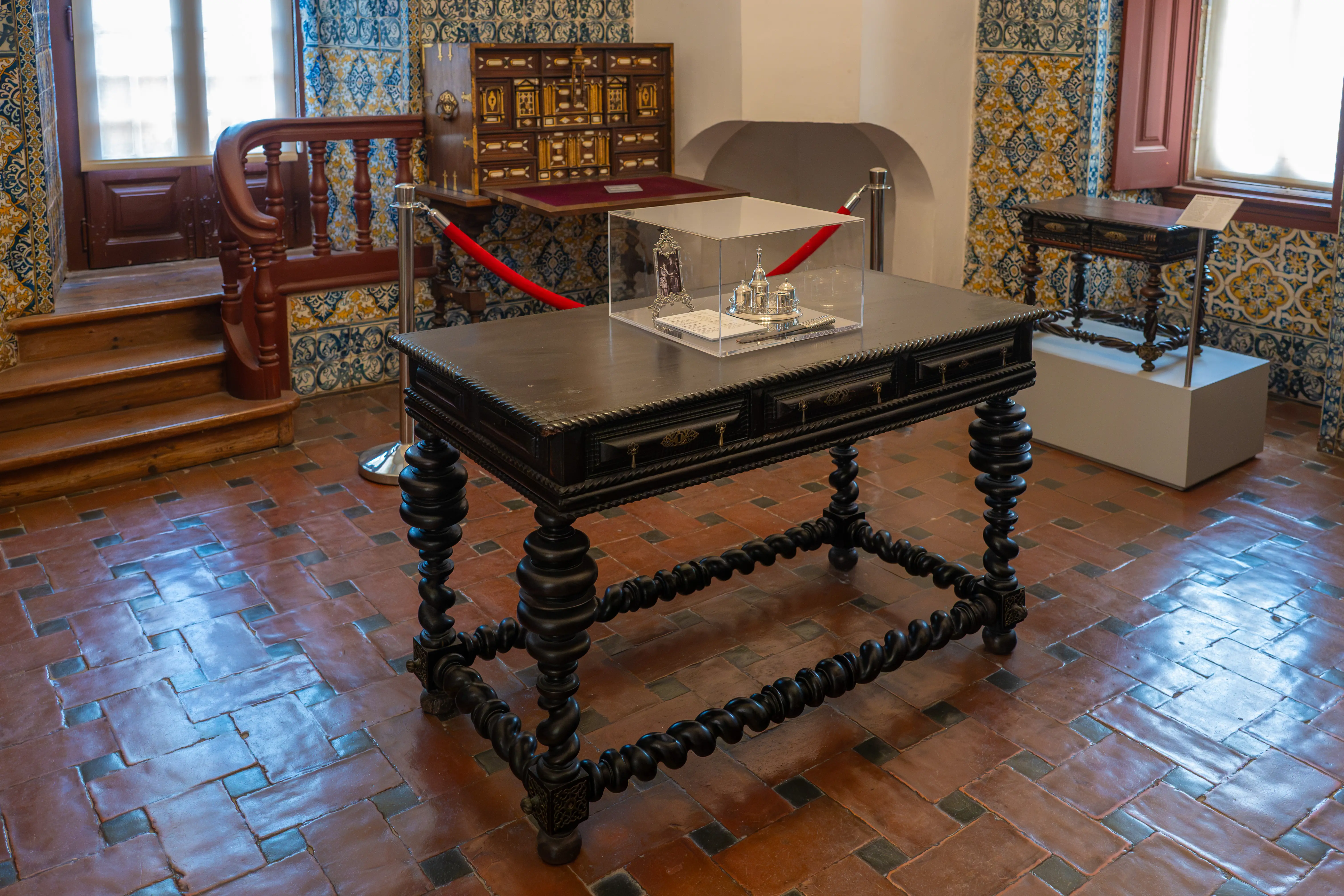
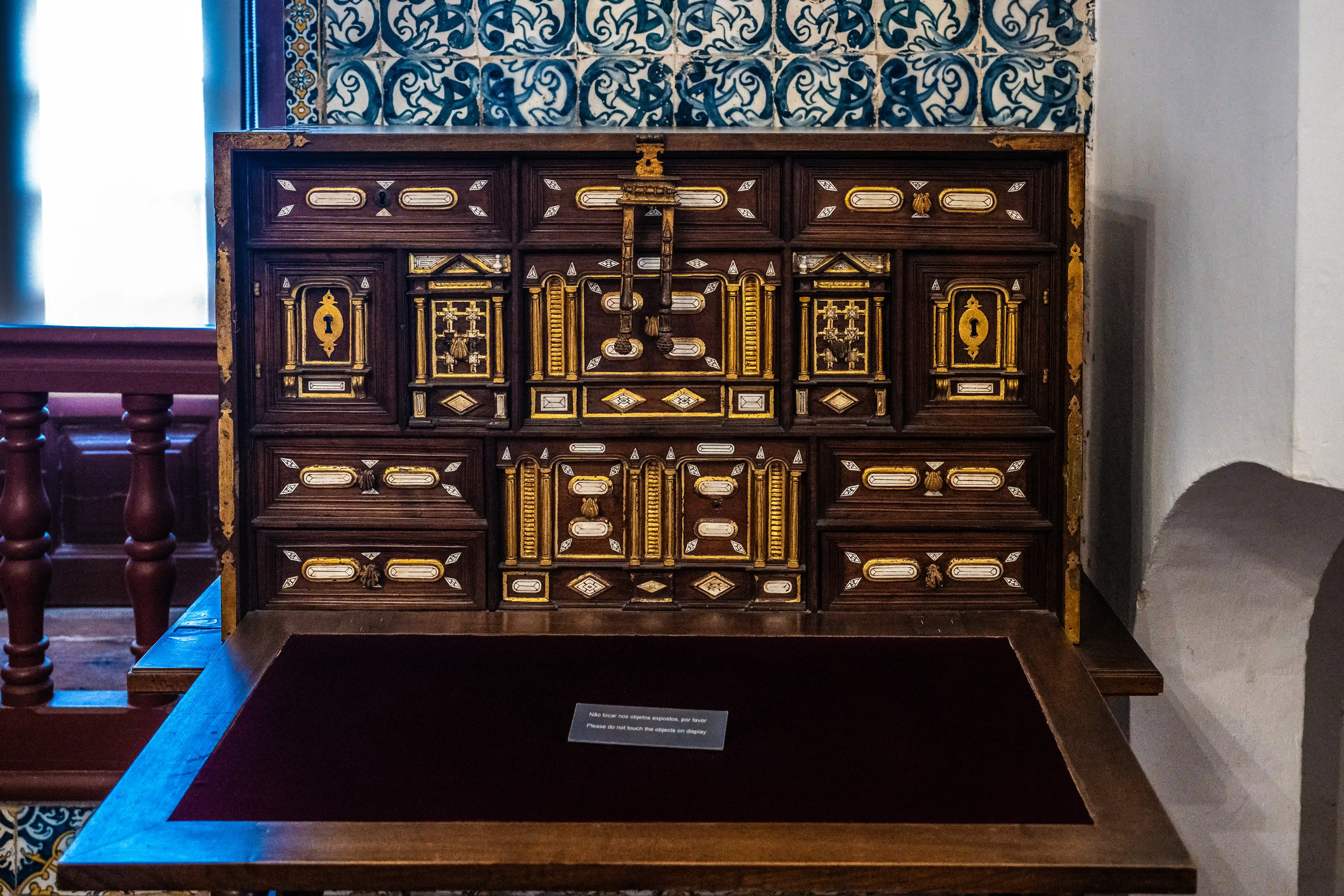
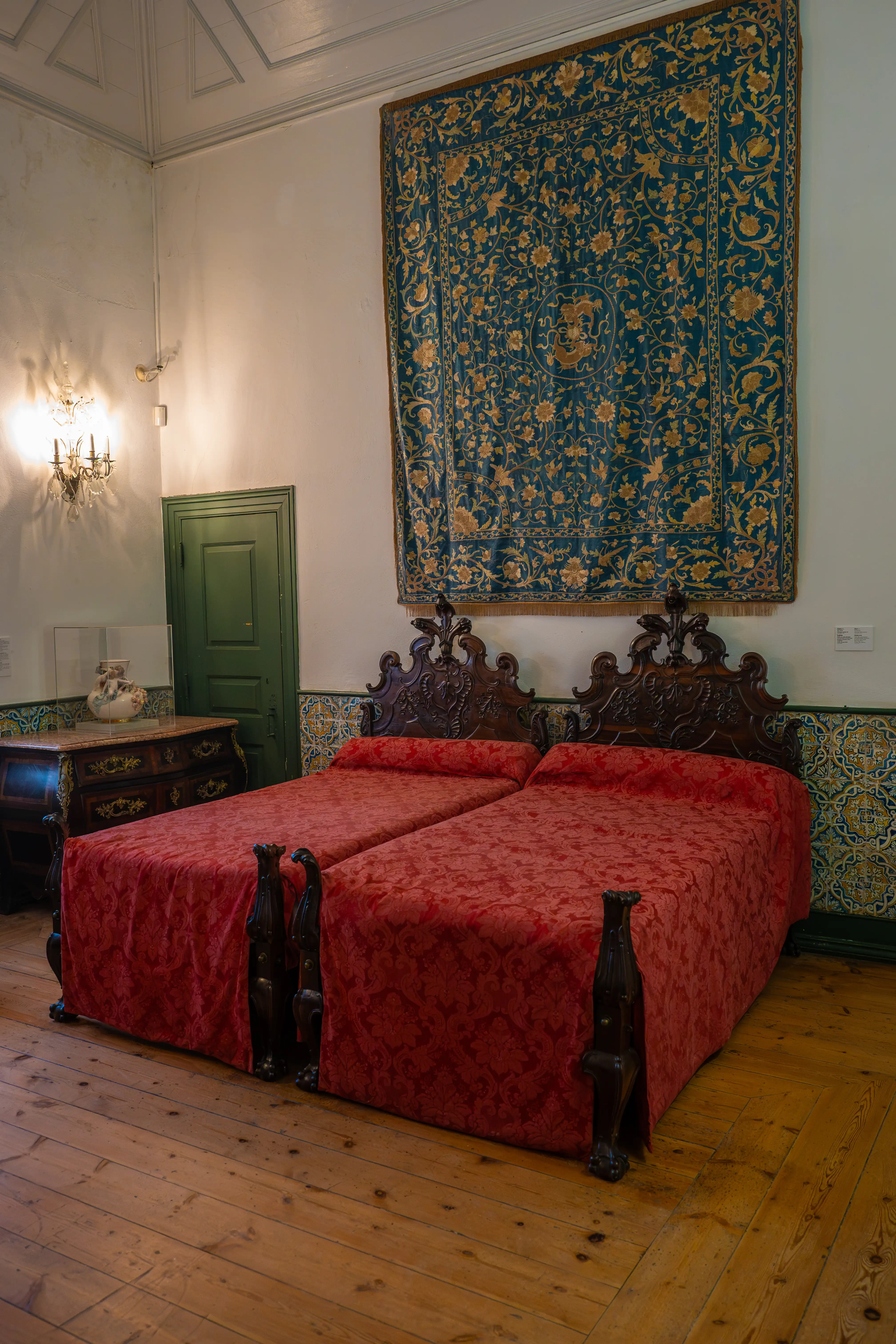
Furniture – The museum houses a collection of 16th- to 19th-century furniture, including Portuguese, European, and Oriental pieces. Highlights include Renaissance chests, Baroque cabinets, and Indio-Portuguese lacquered furniture.
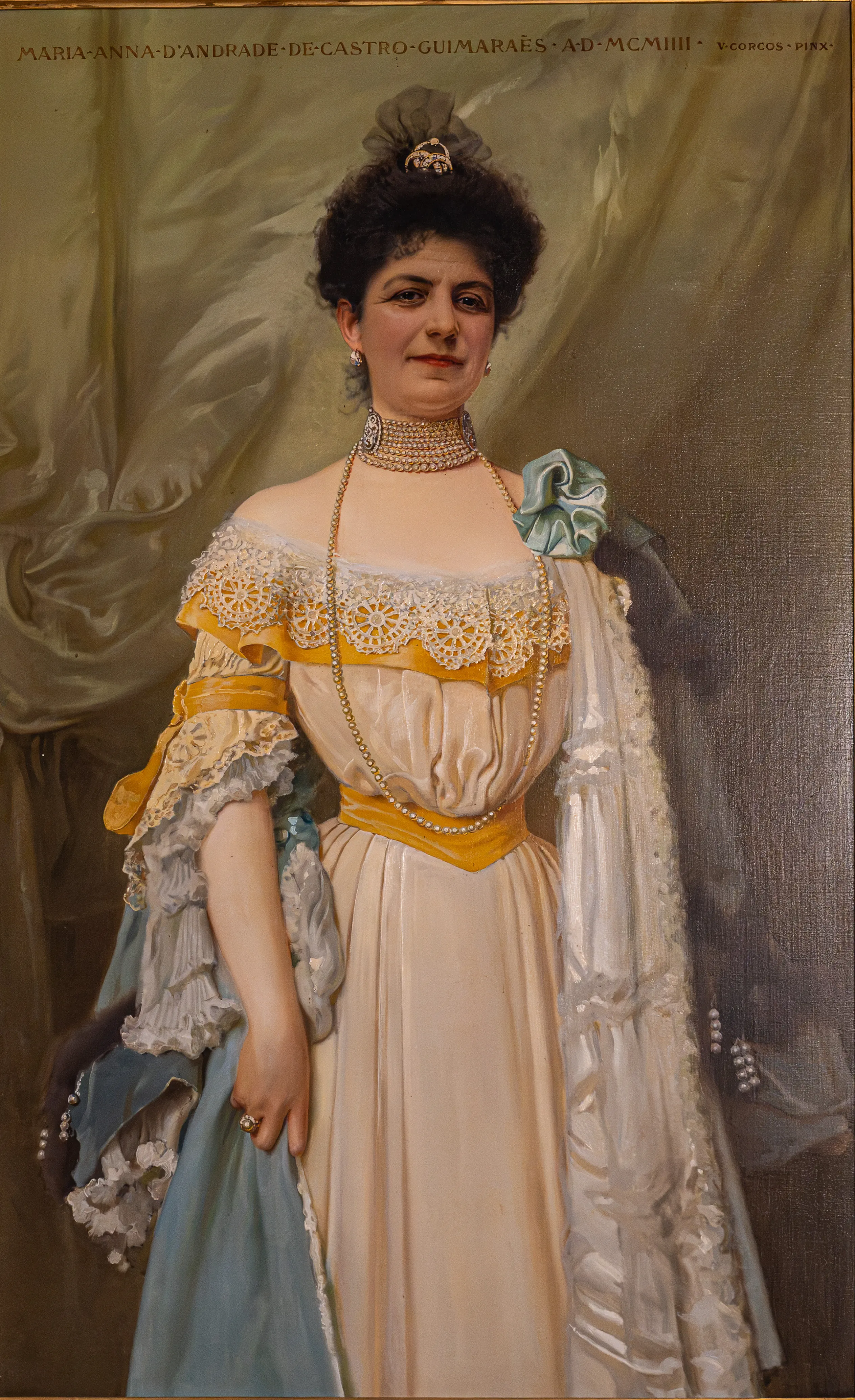
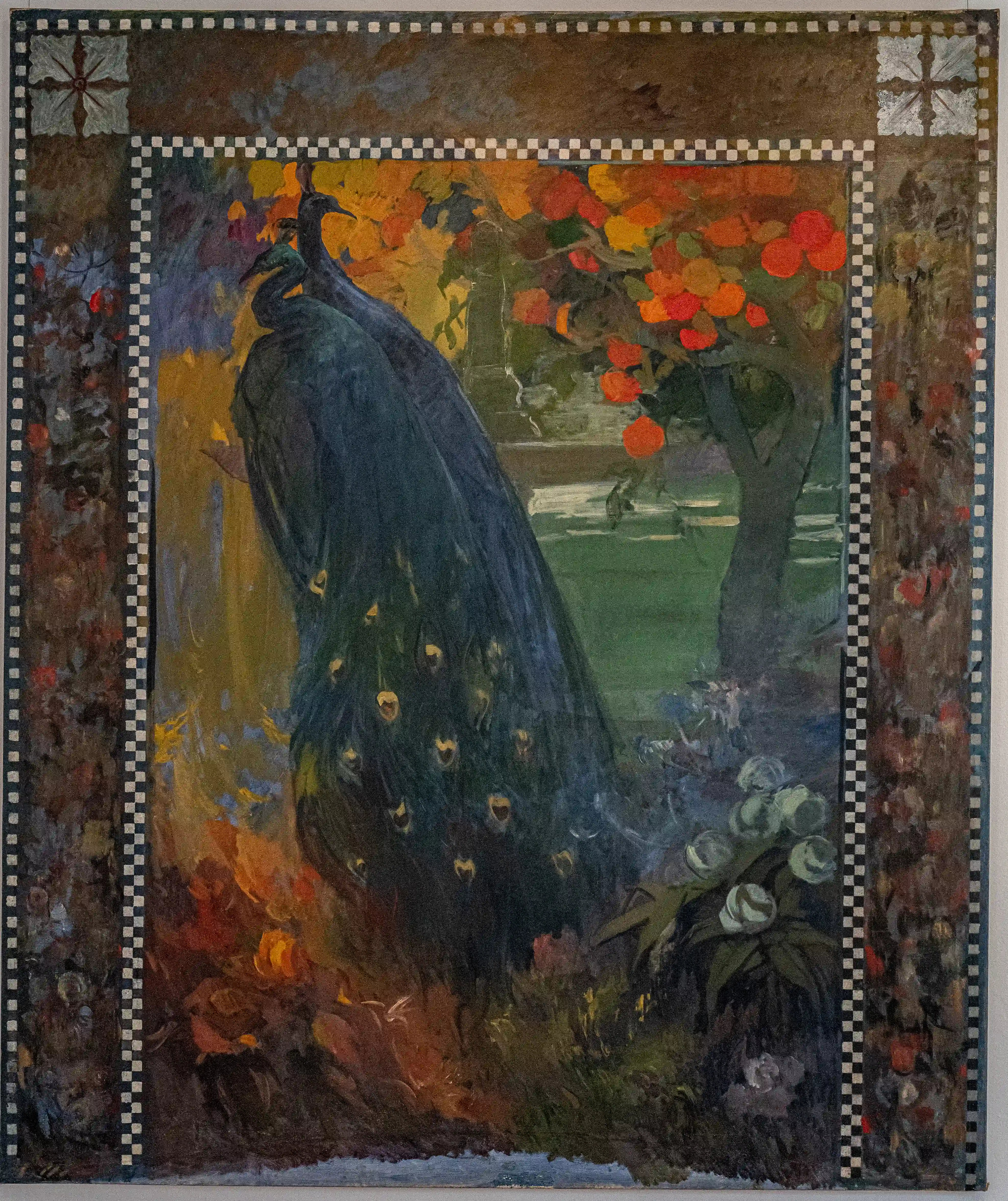
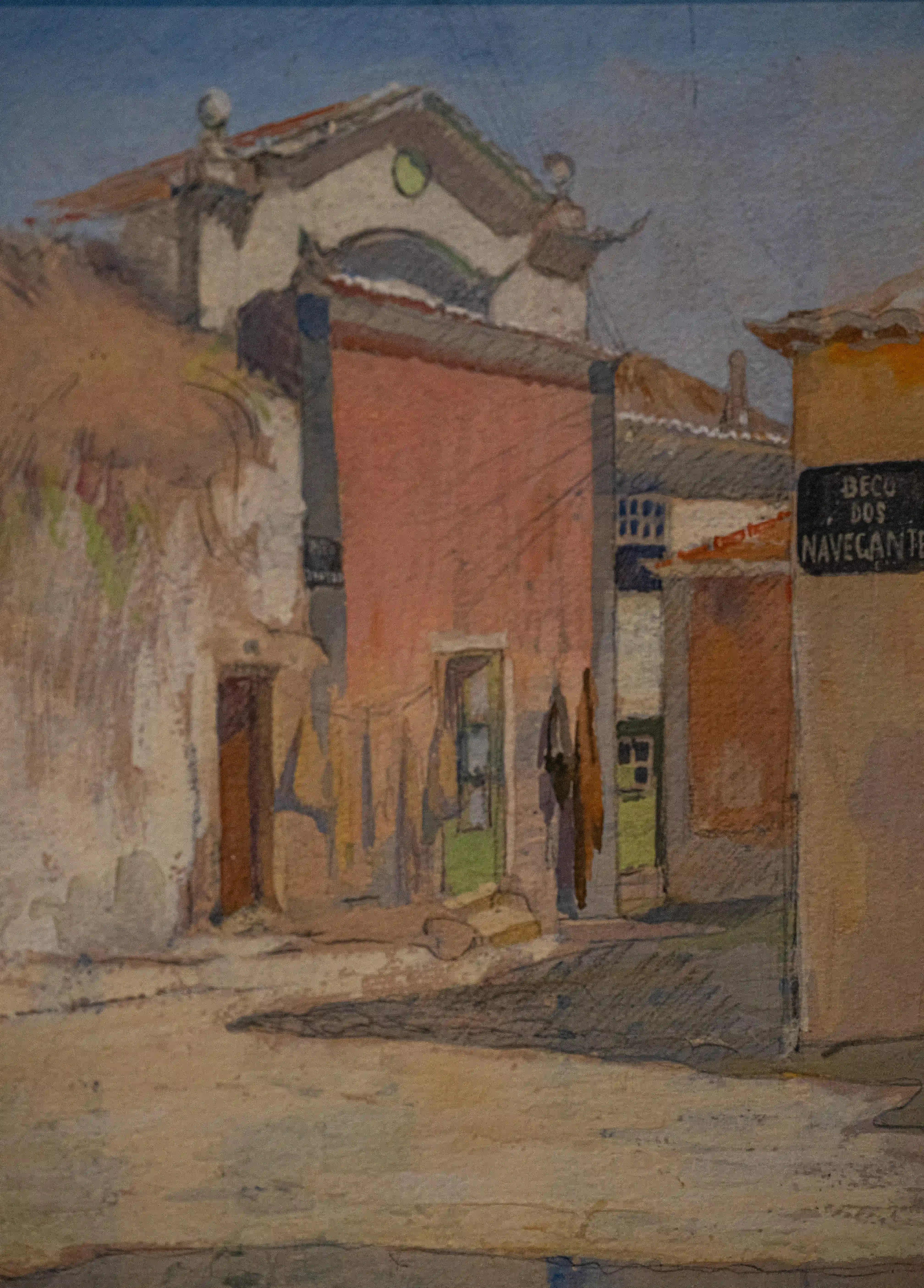
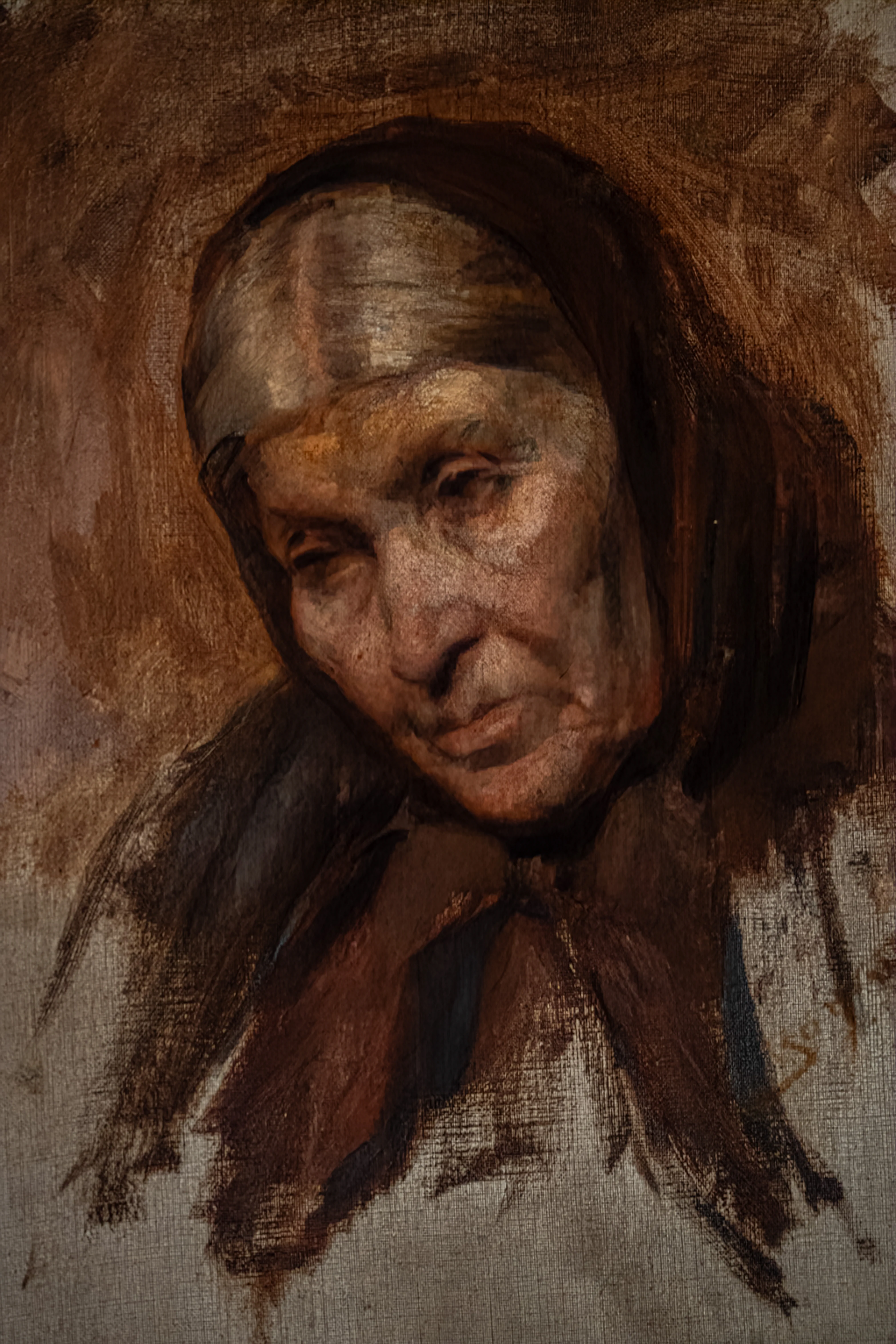
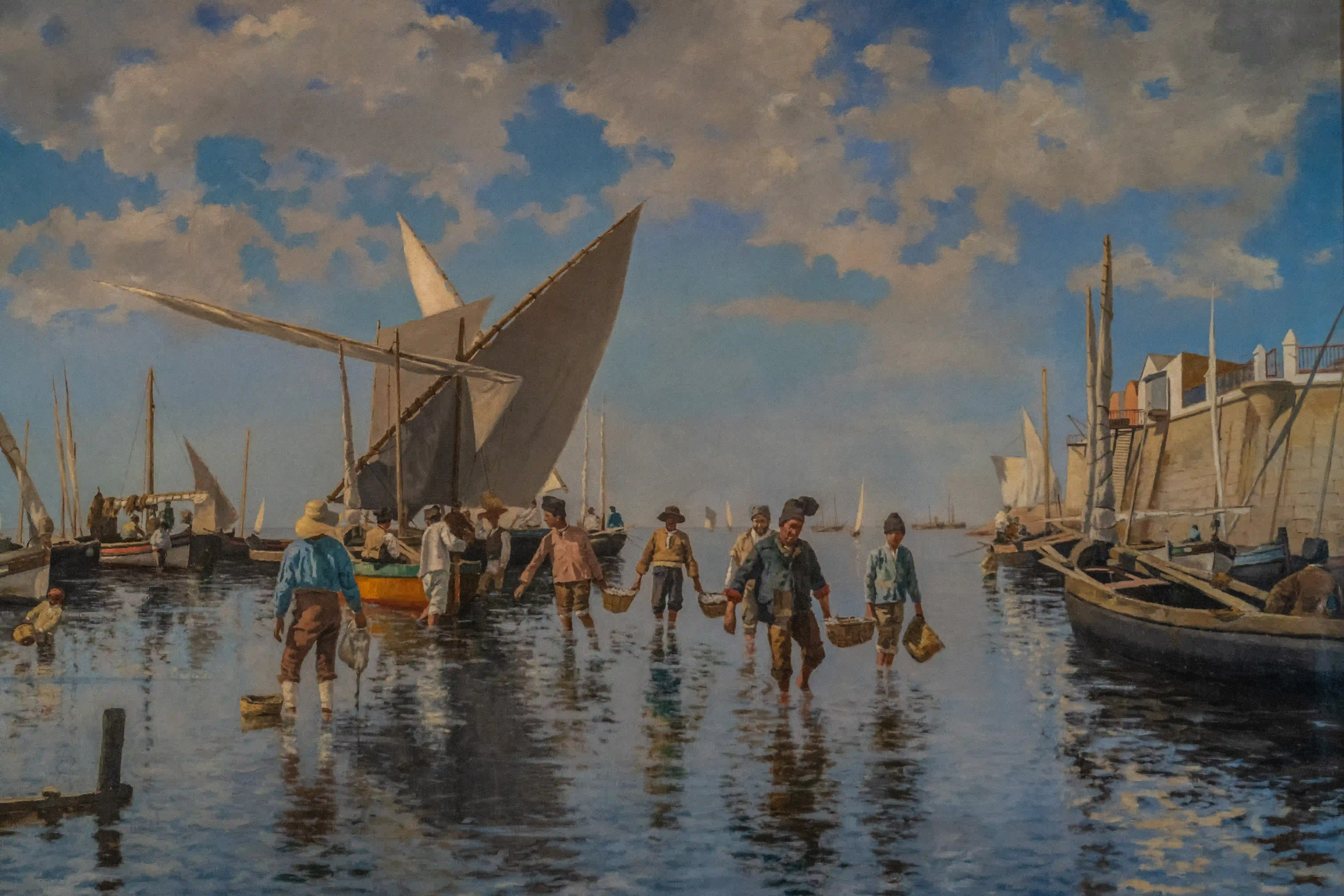
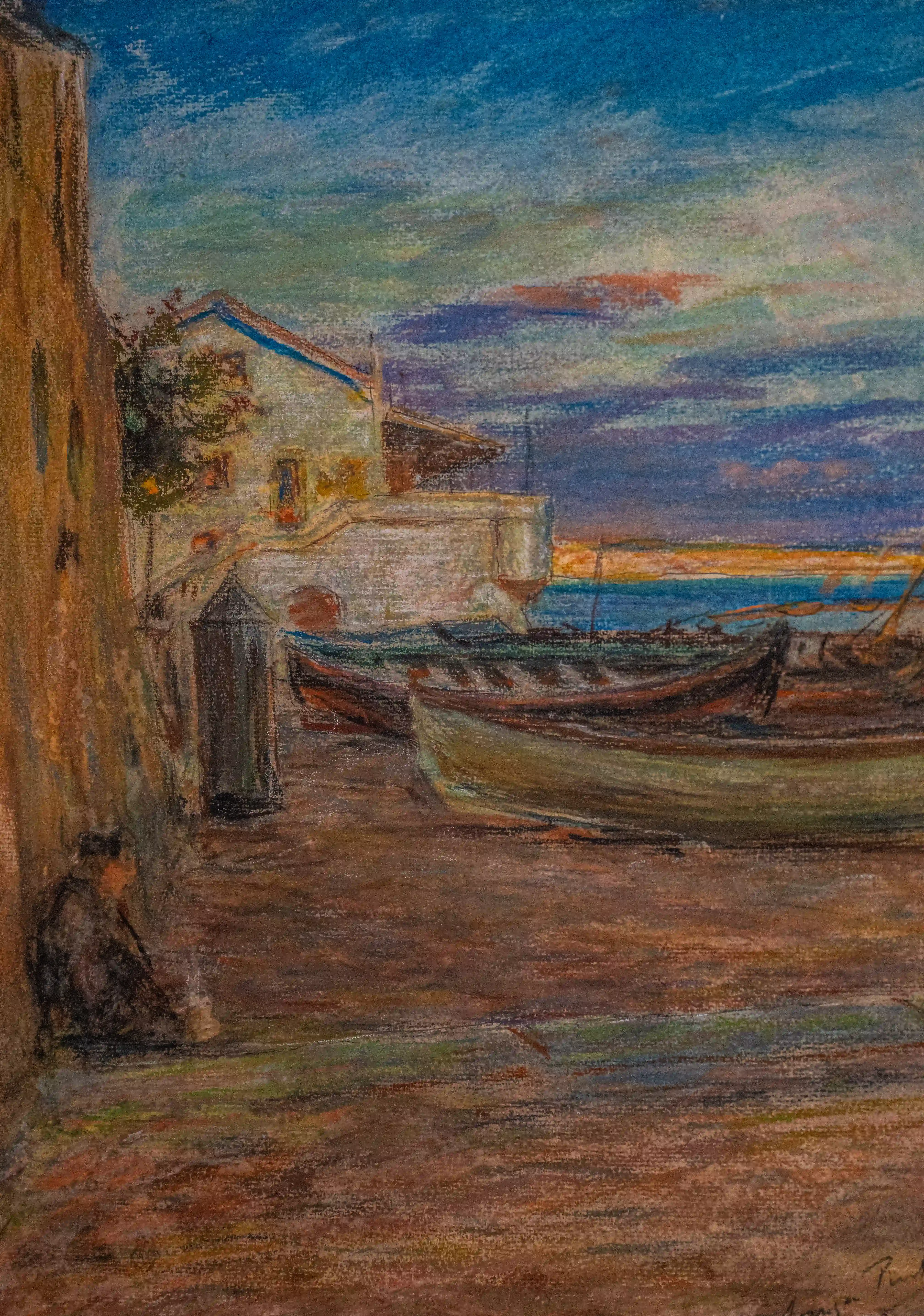
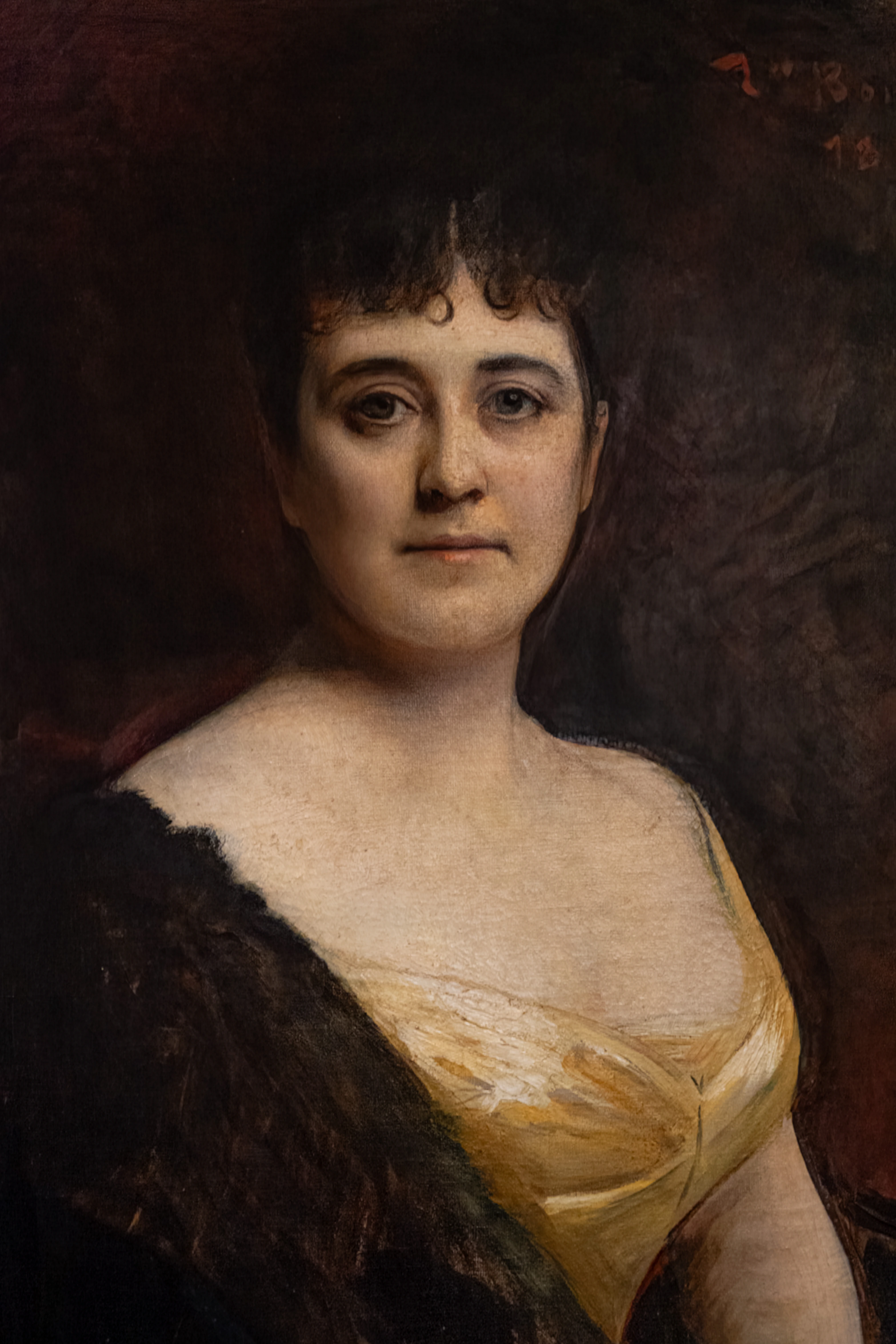
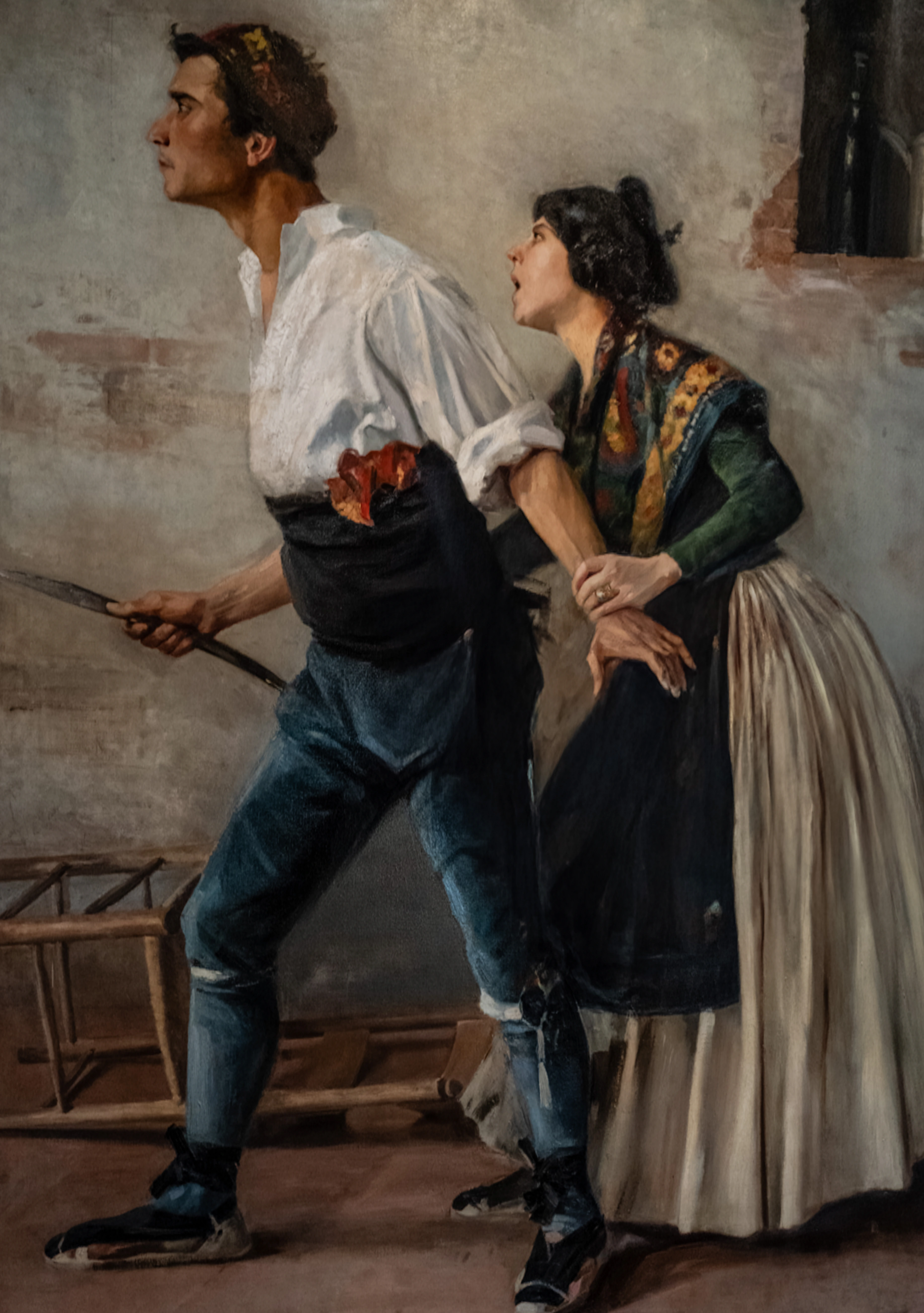
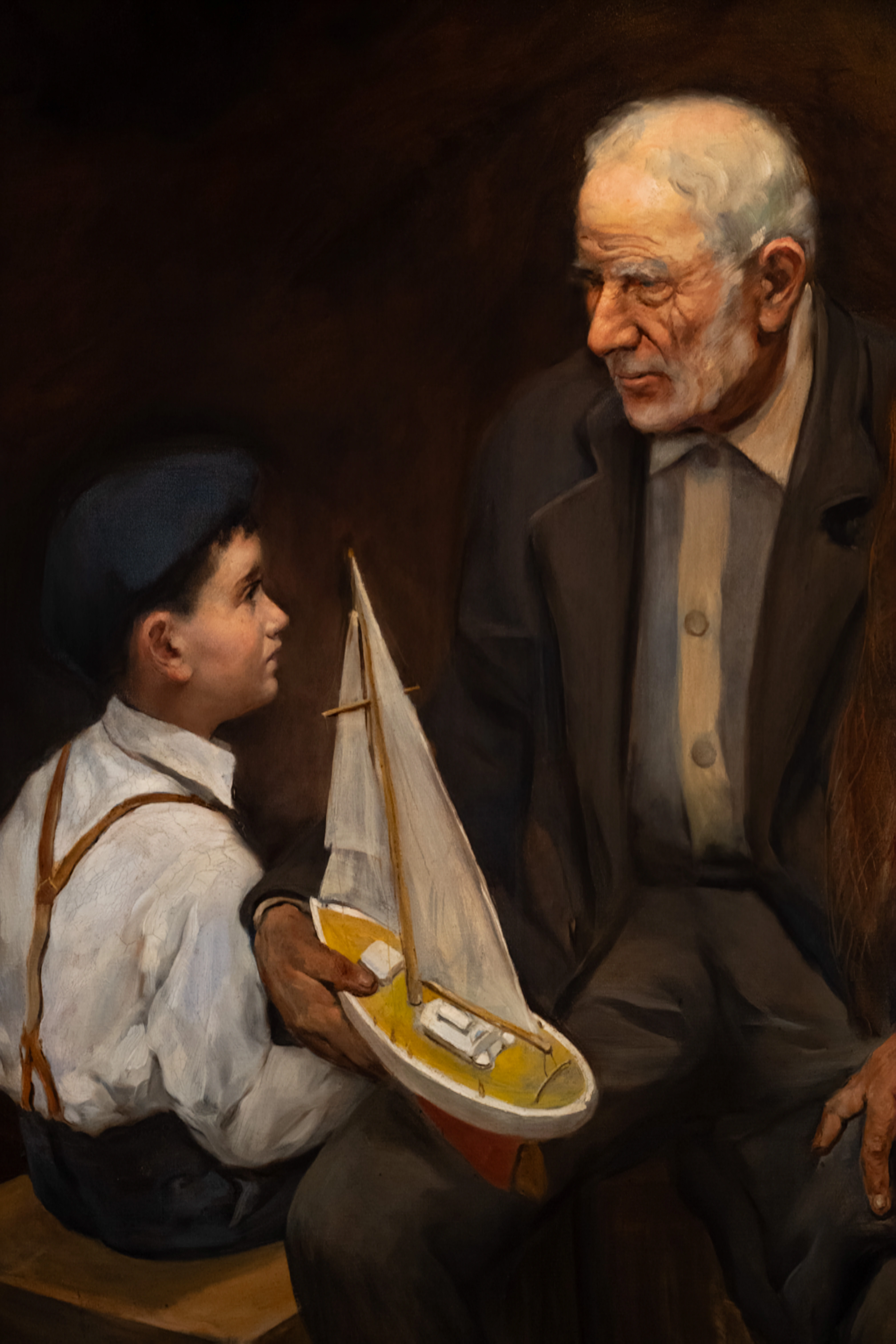
Paintings – The museum features a collection of paintings from the 16th to the 19th centuries, including Portuguese, European, and Asian works. Notable pieces include portraits, religious paintings, and landscapes.
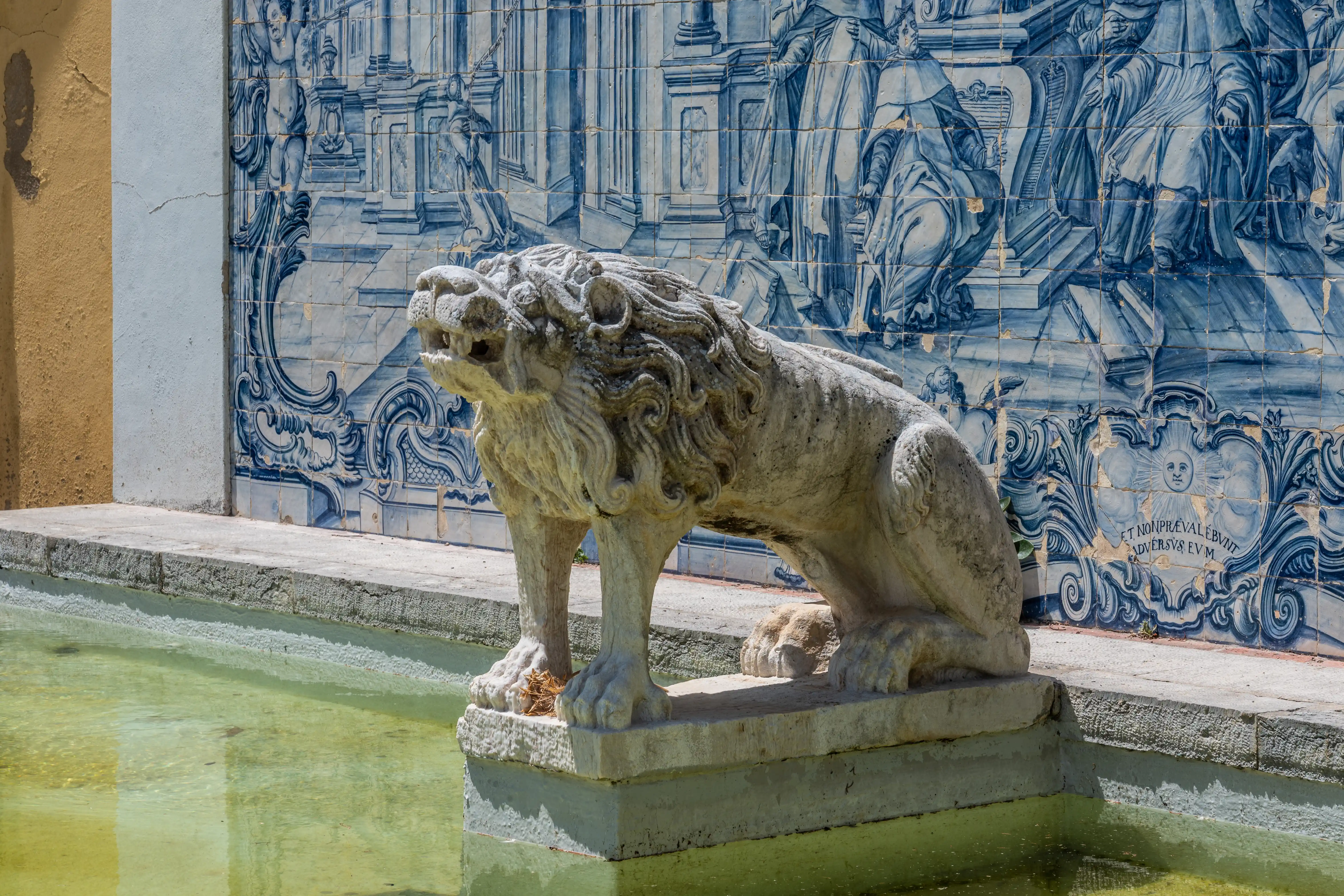
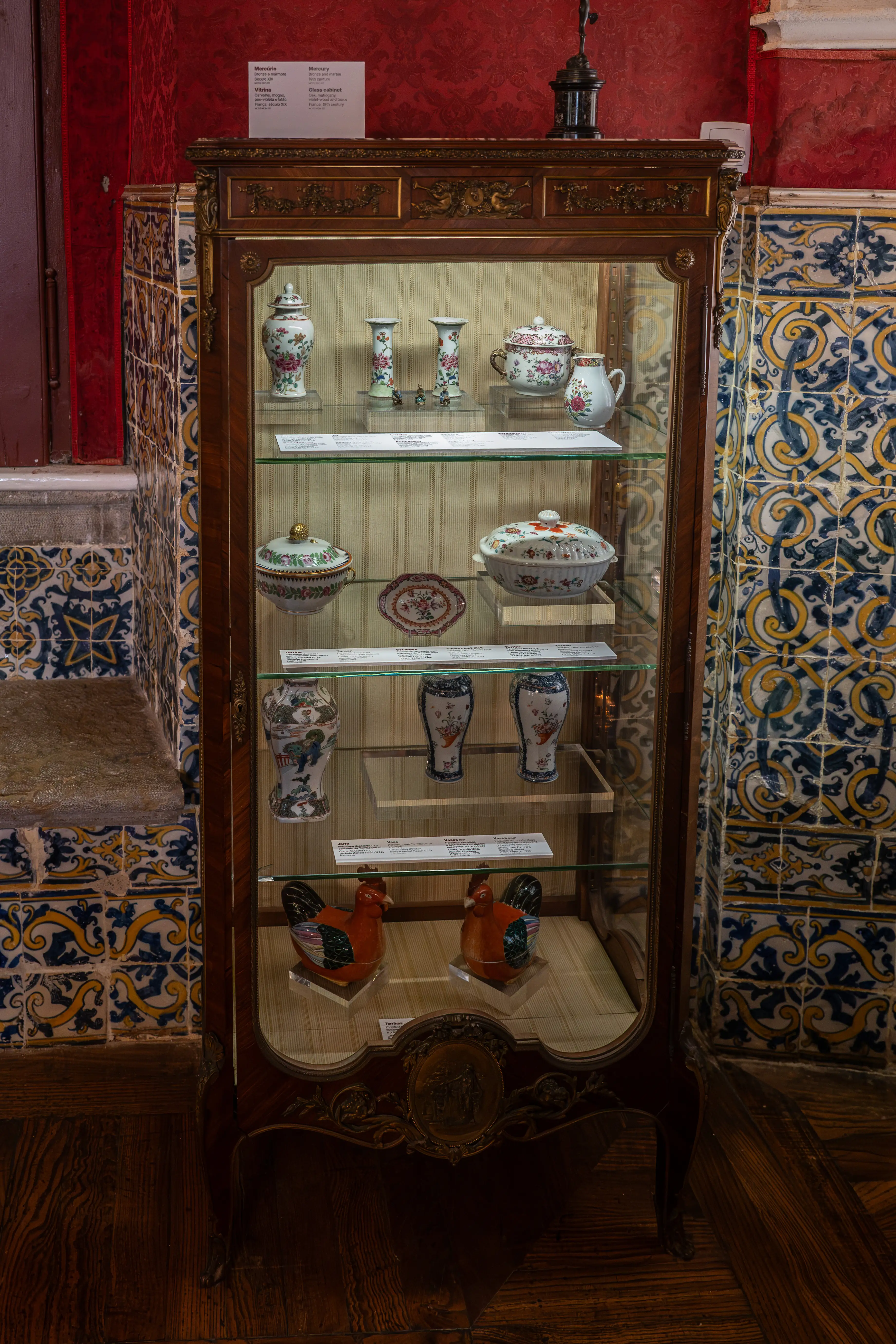
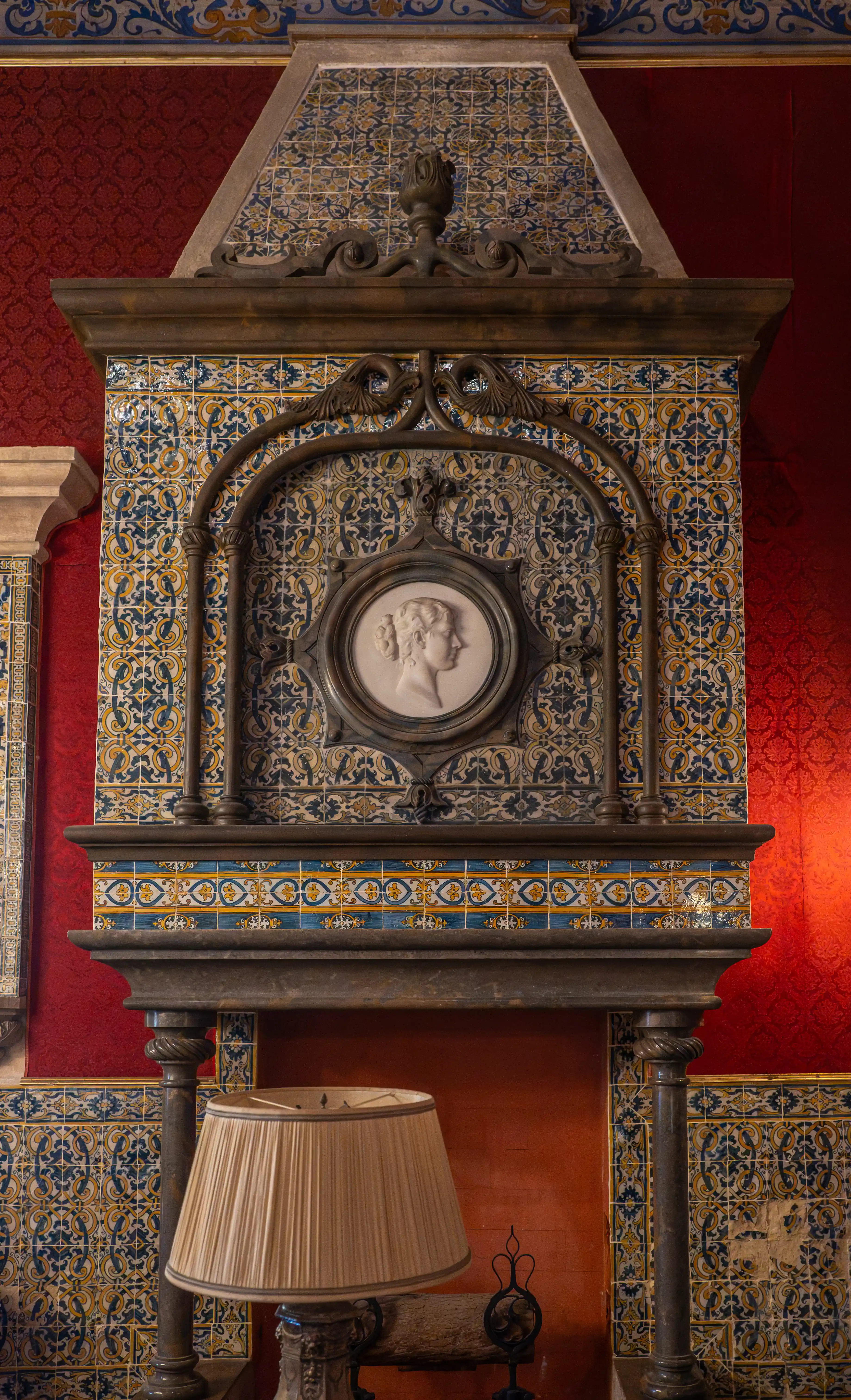
Ceramics – The museum showcases a collection of ceramics, including Portuguese azulejos (tiles), Chinese porcelain, and European pottery. The azulejos are a highlight of the collection, reflecting Portugal’s rich tradition of tilework.
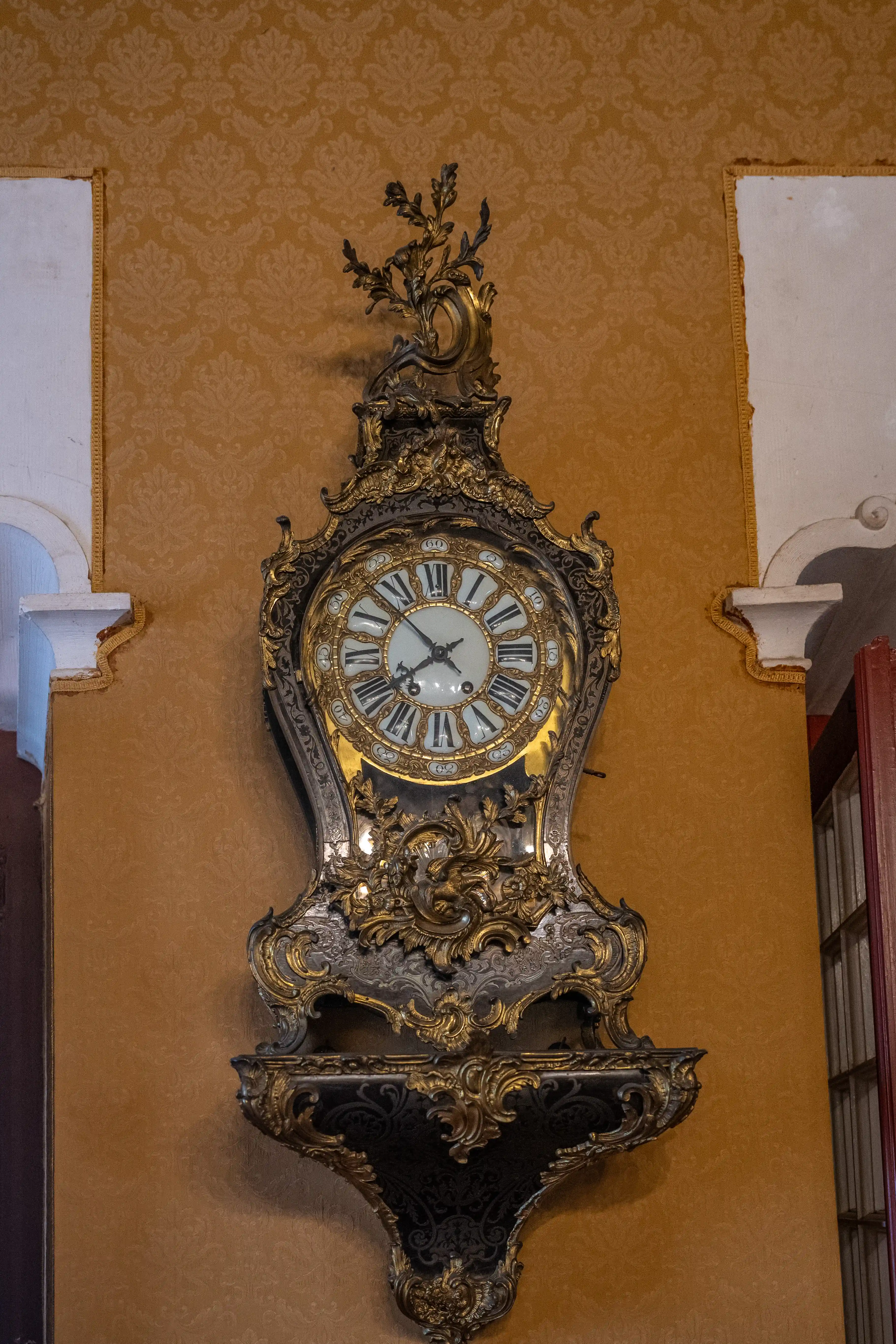
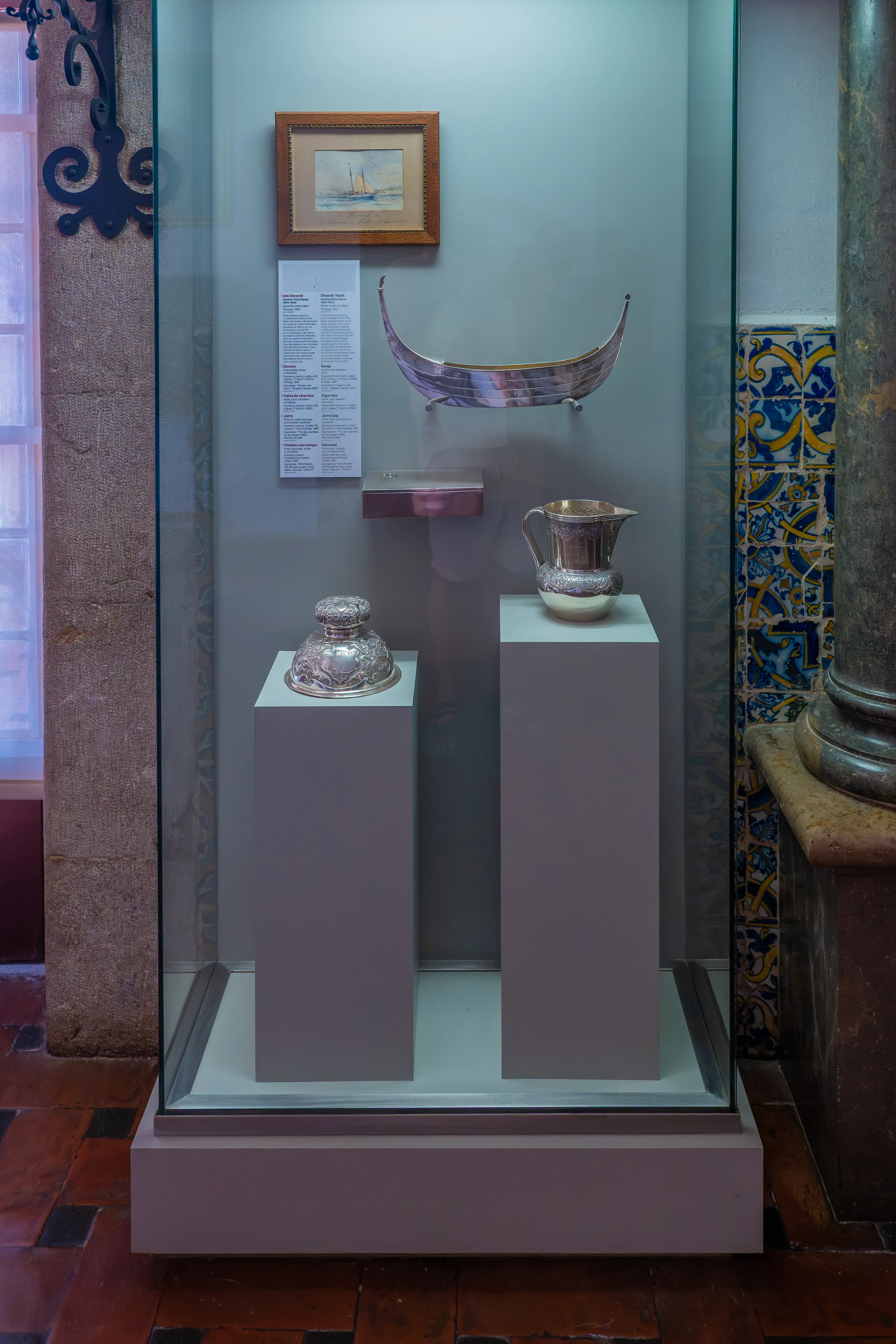
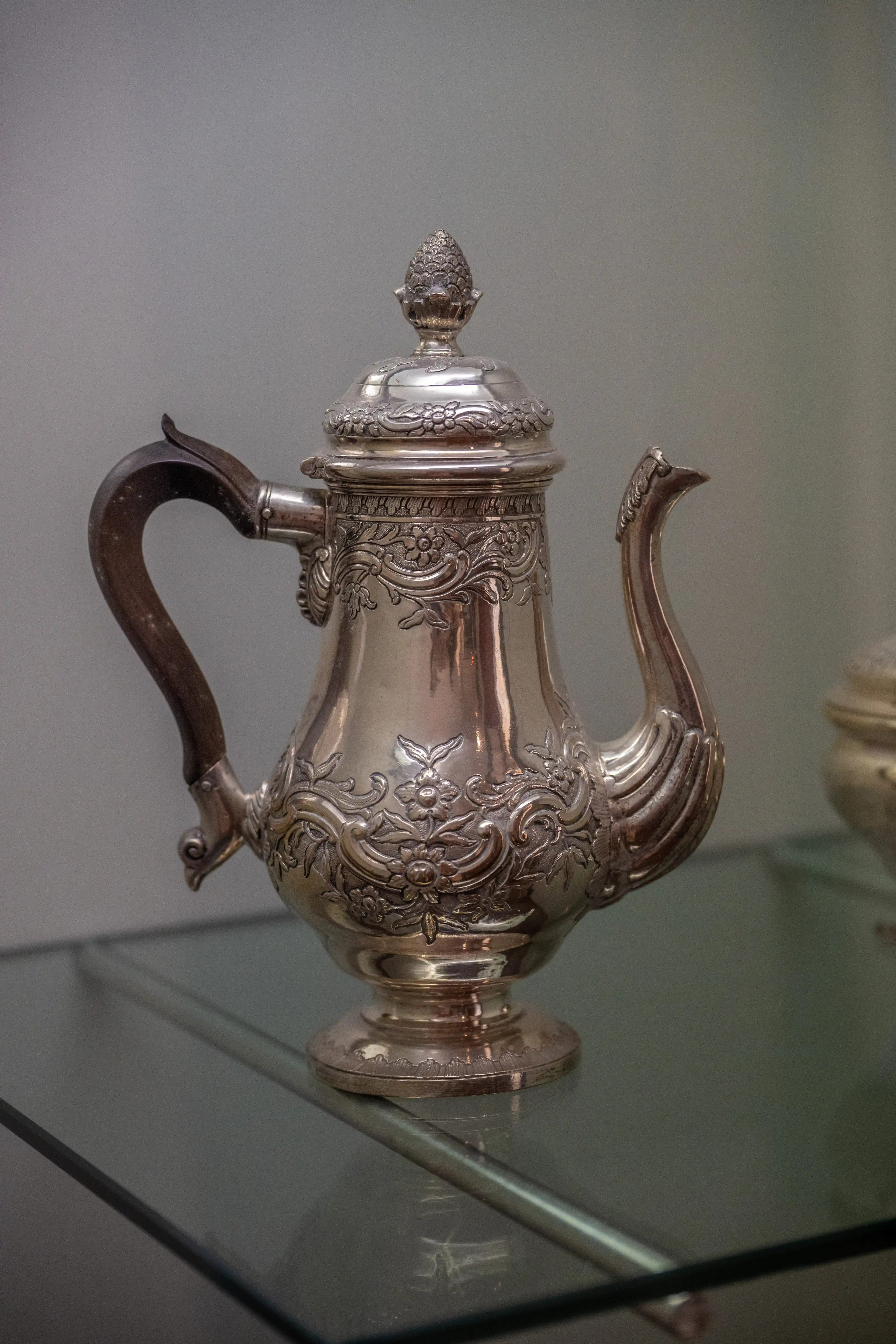
Decorative Arts – The museum features a variety of decorative arts, including sculptures, clocks, and silverware. These items reflect the aristocratic lifestyle and cultural heritage of the Condes de Castro Guimarães.
Personal Collections – The museum displays personal collections of the Condes de Castro Guimarães, including books, letters, and photographs that provide insights into their lives, travels, and cultural interests.