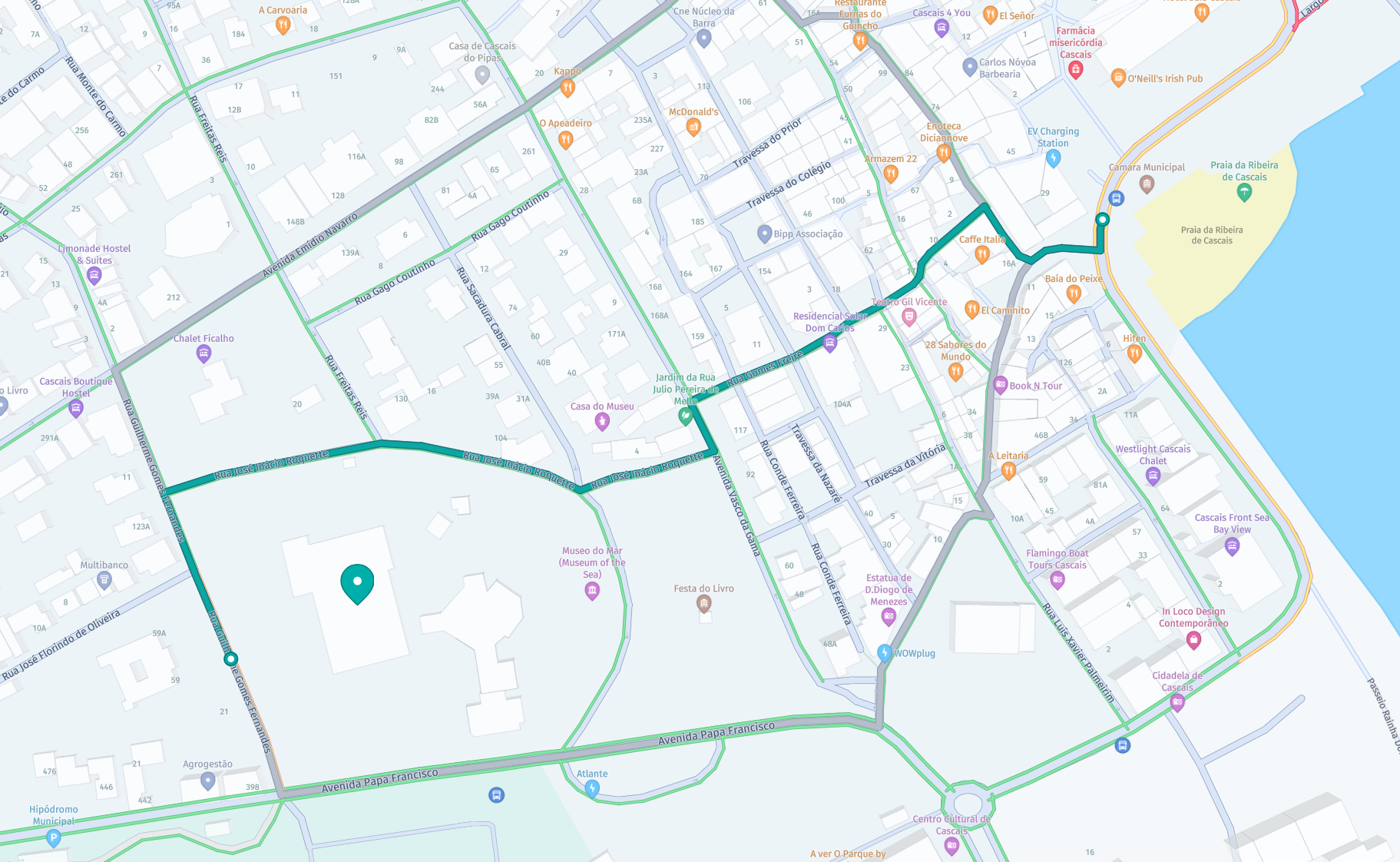
Casa das Histórias Paula Rego,
Avenida da República, 300, Cascais, Lisbon District, 2750-475, Portugal
photo by Michael Gaylard
©www.mgaylard.co.uk.
The Bad Girls Series by Paula Rego
photo by Michael Gaylard
©www.mgaylard.co.uk.
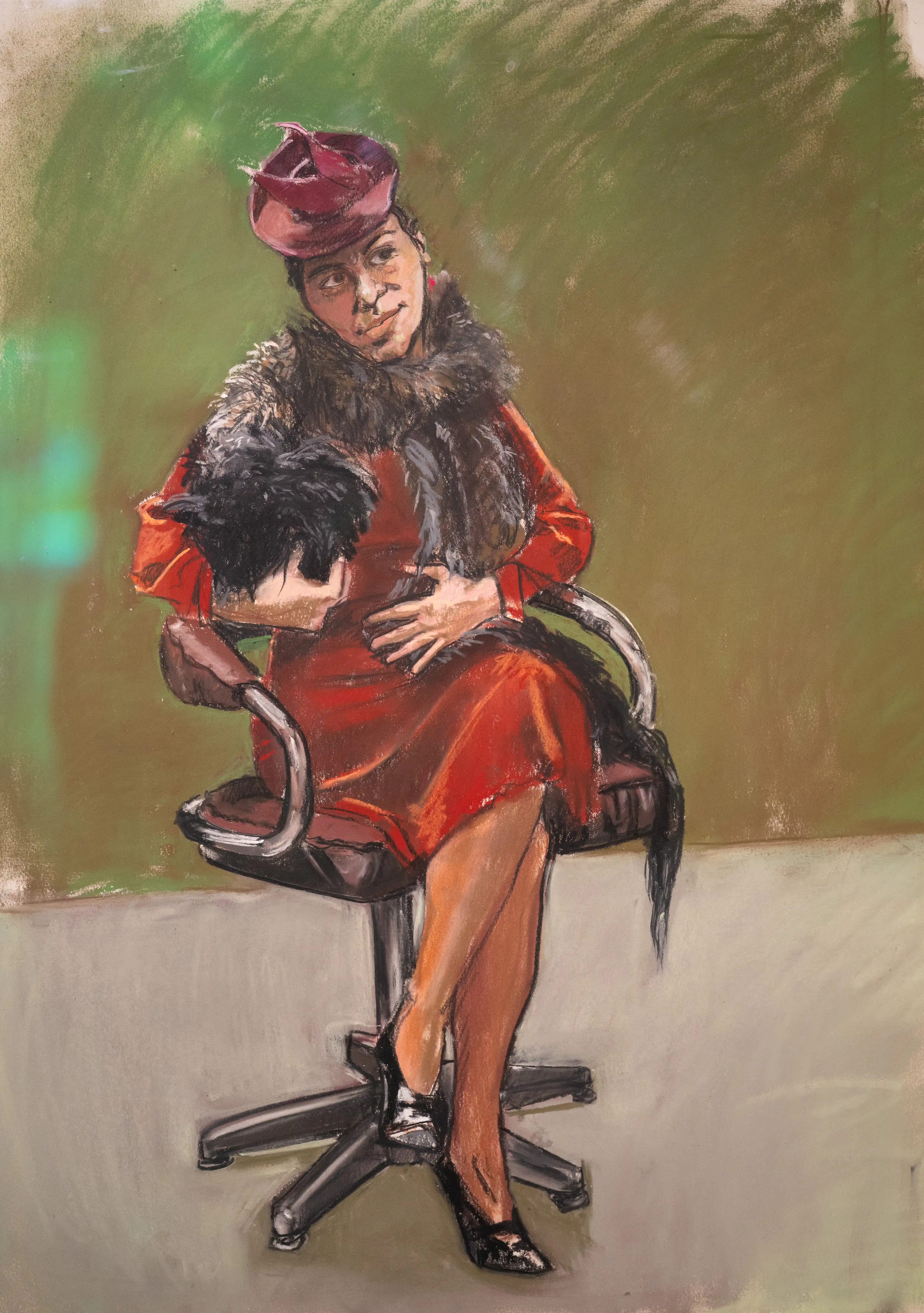
photo by Michael Gaylard
©www.mgaylard.co.uk.
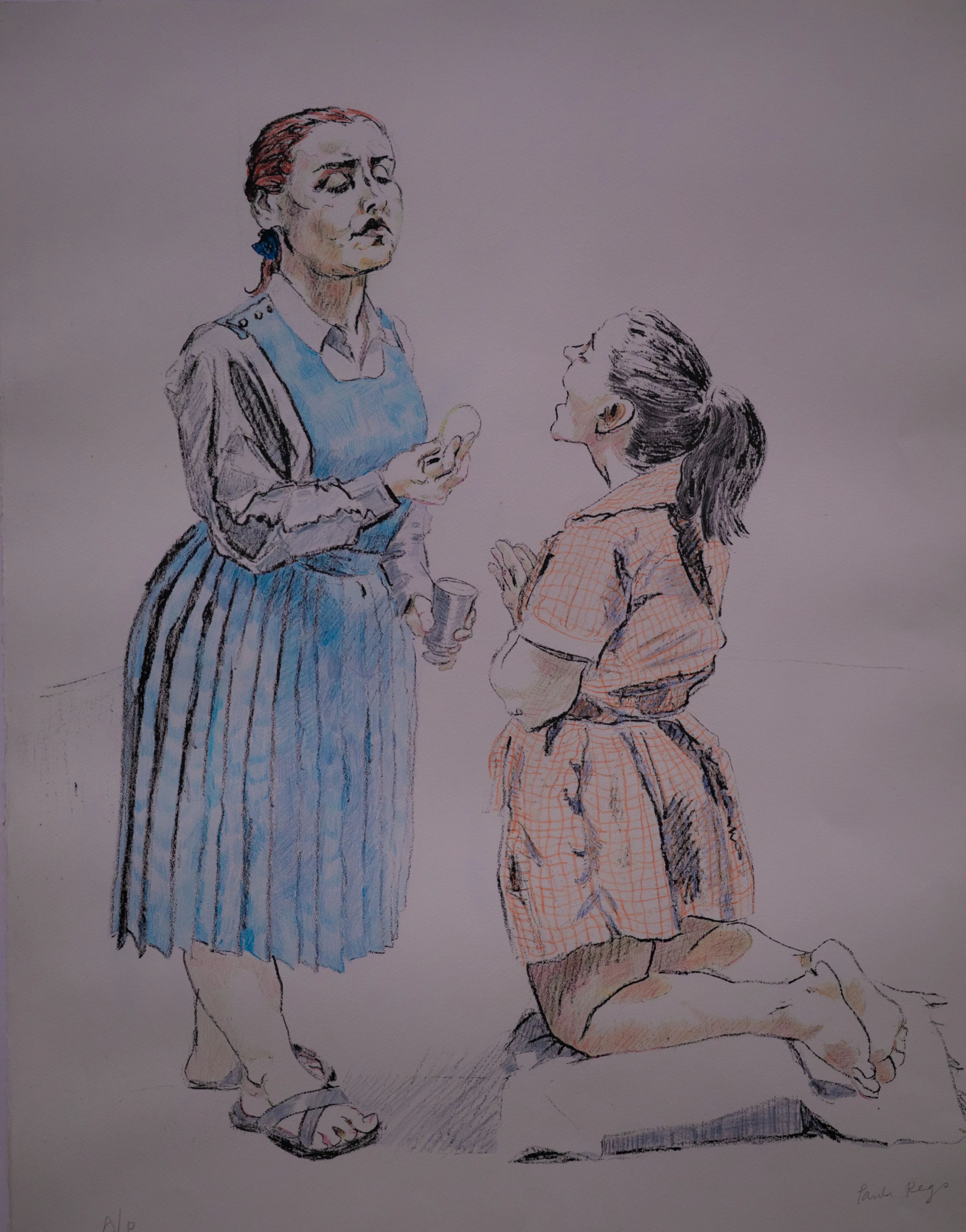
photo by Michael Gaylard
©www.mgaylard.co.uk.
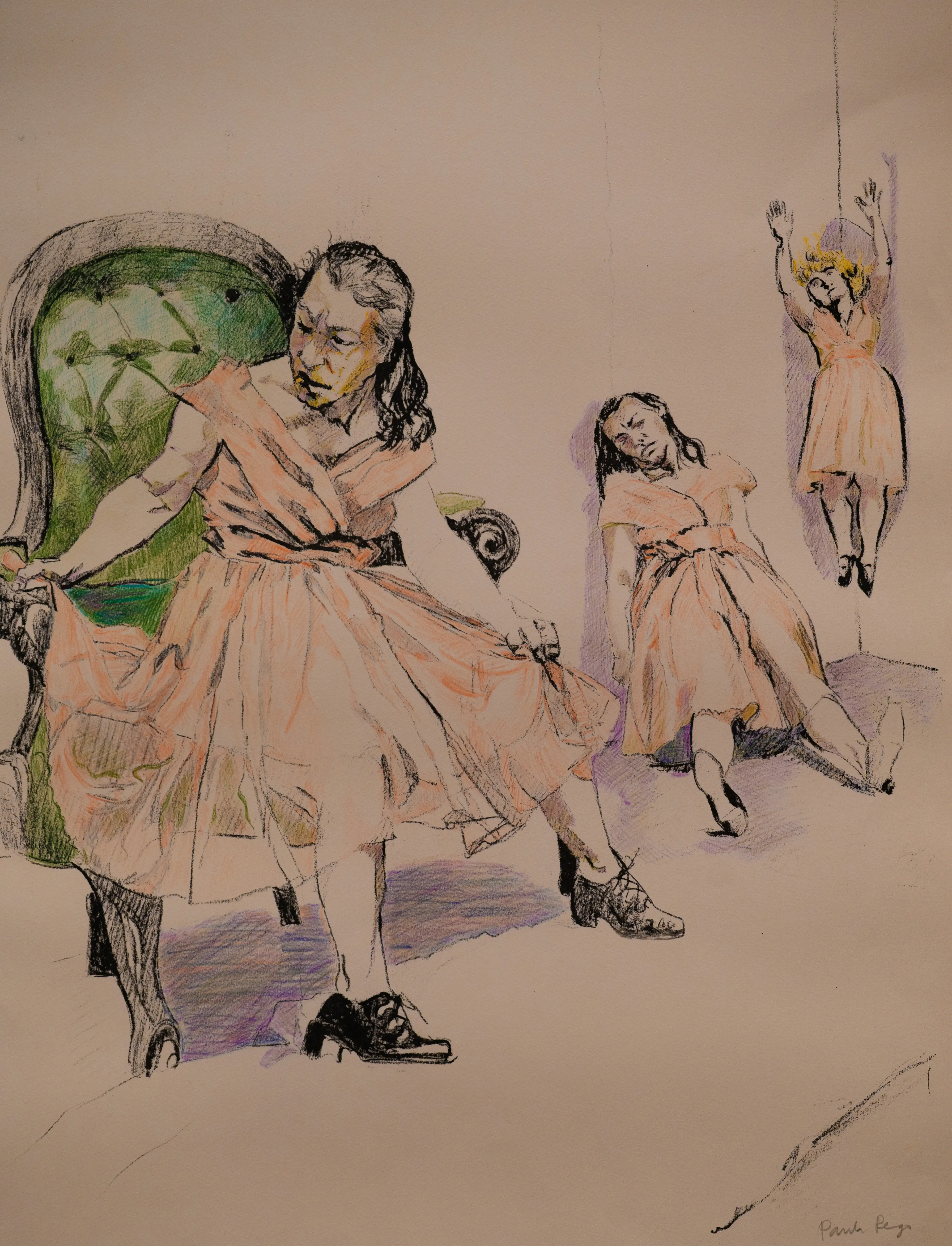
photo by Michael Gaylard
©www.mgaylard.co.uk.
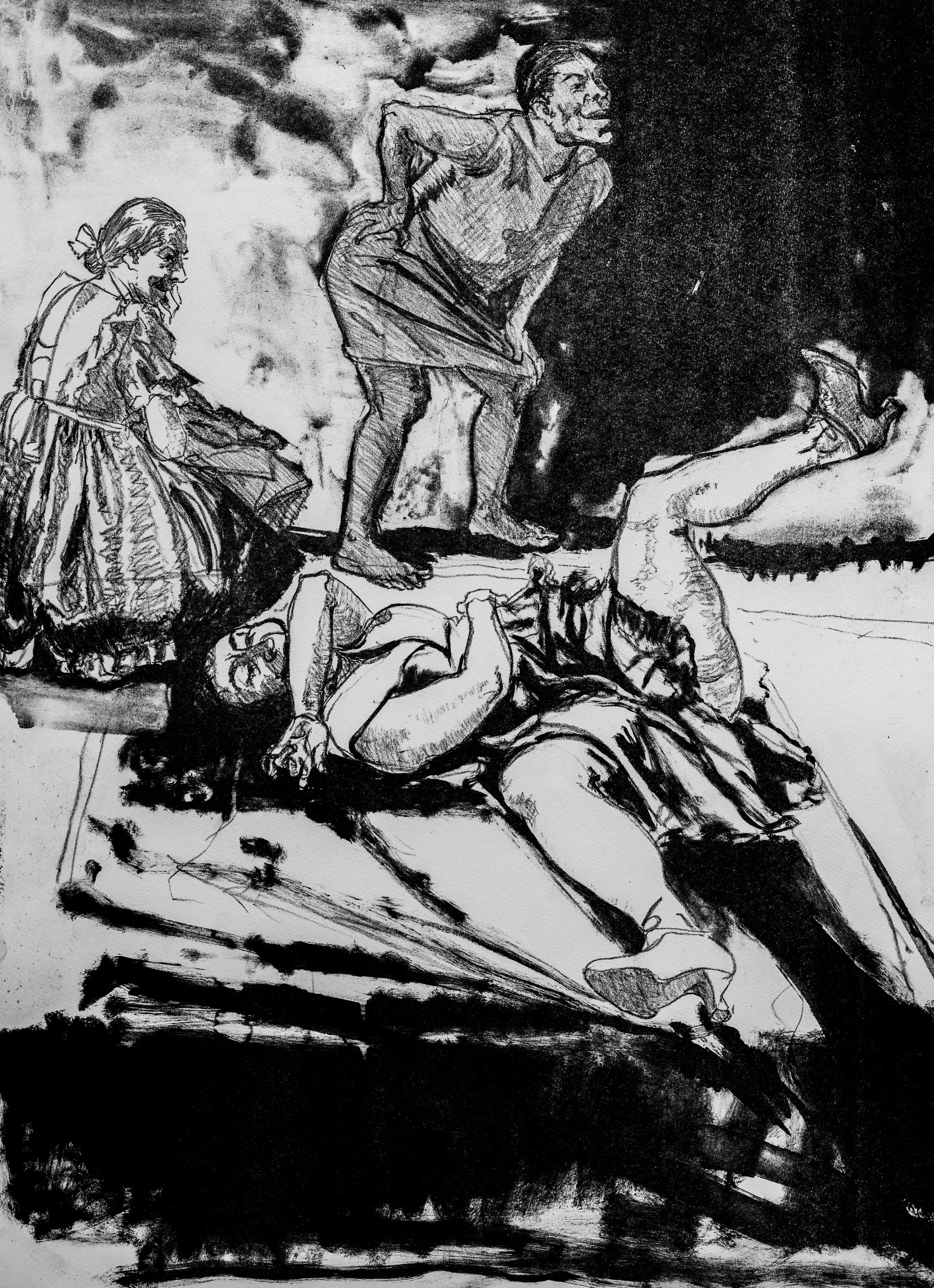
photo by Michael Gaylard
©www.mgaylard.co.uk.
photo by Michael Gaylard
©www.mgaylard.co.uk.
photo by Michael Gaylard
©www.mgaylard.co.uk.
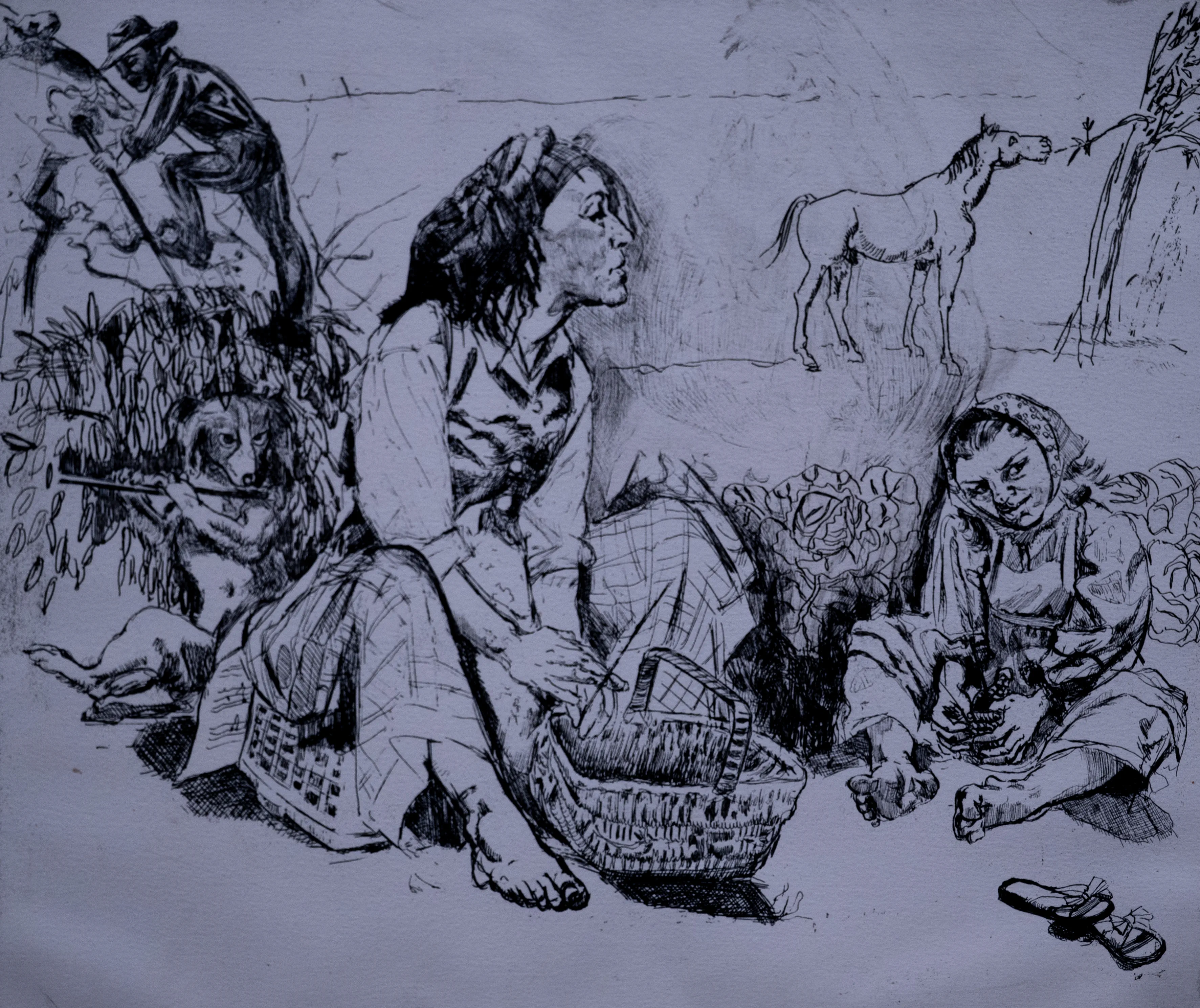
photo by Michael Gaylard
©www.mgaylard.co.uk.
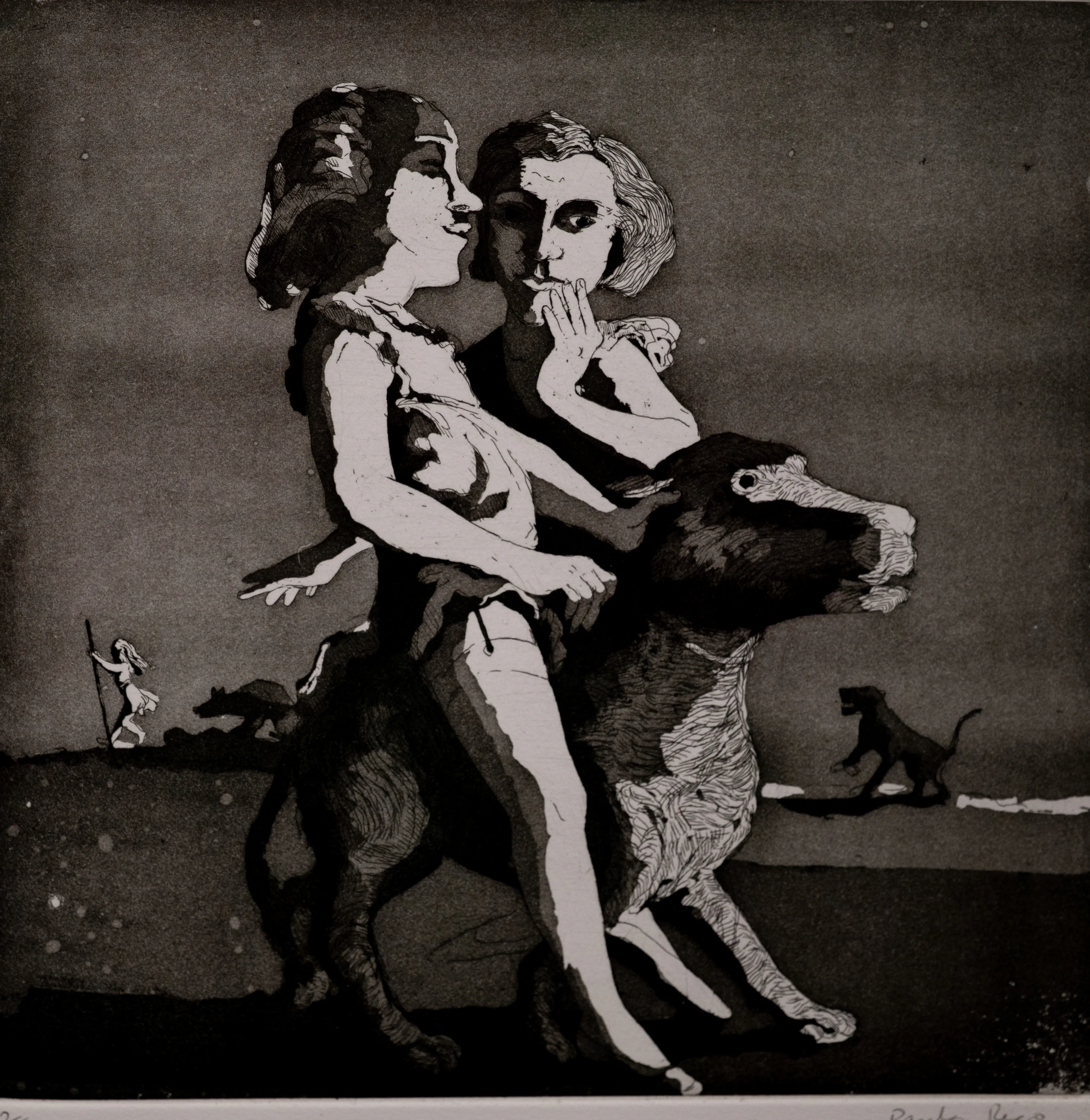
photo by Michael Gaylard
©www.mgaylard.co.uk.
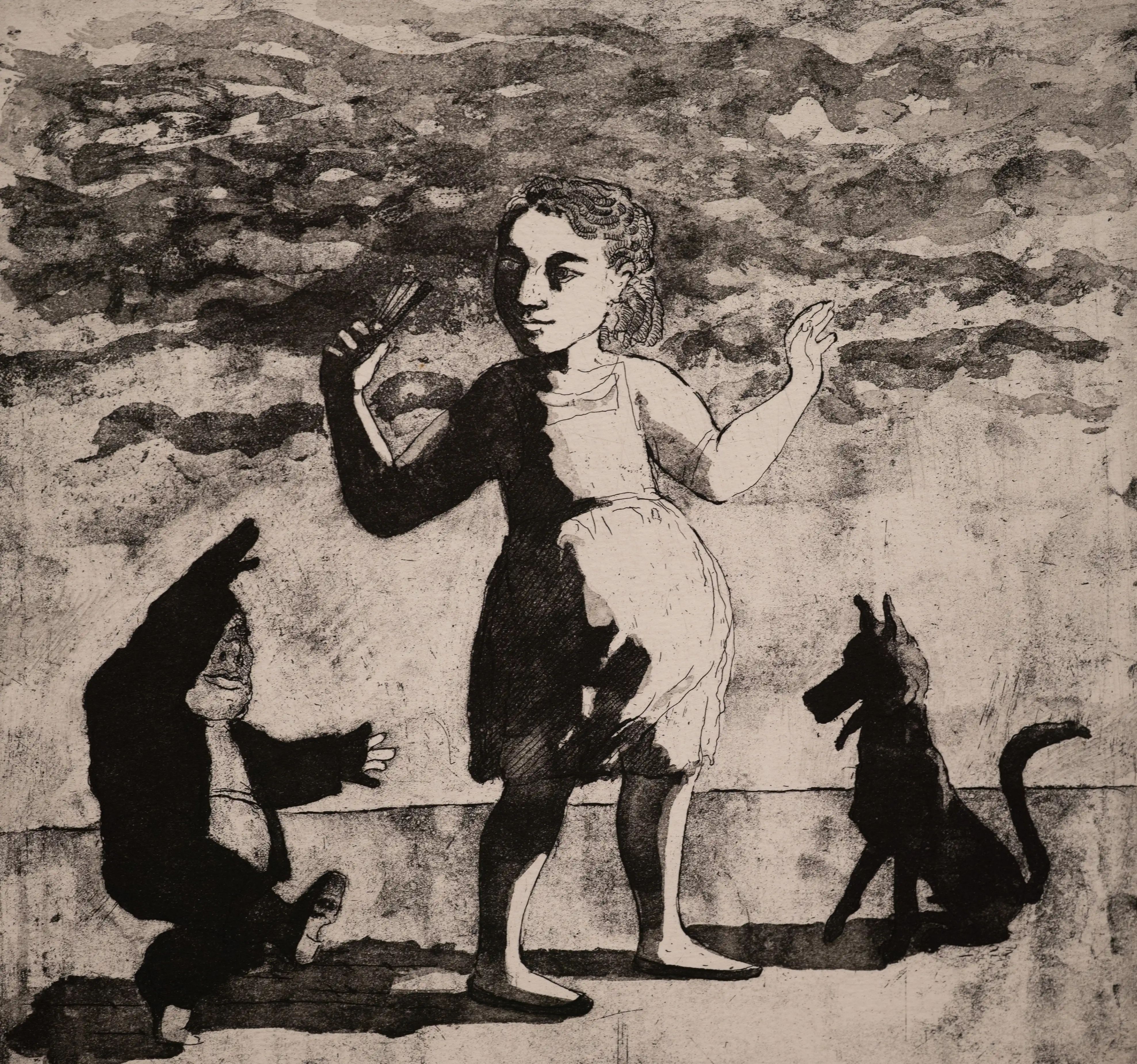
photo by Michael Gaylard
©www.mgaylard.co.uk.
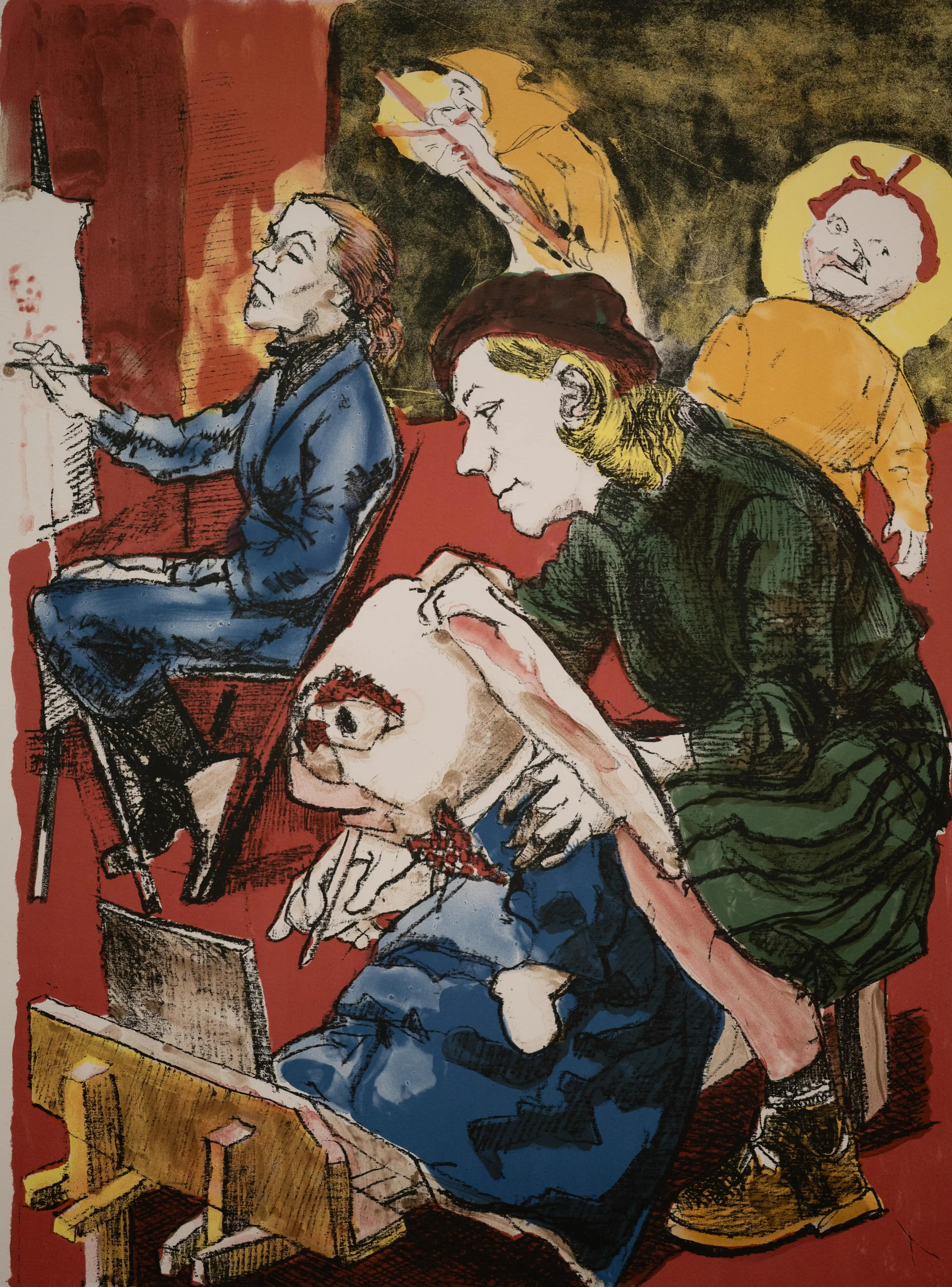
photo by Michael Gaylard
©www.mgaylard.co.uk.
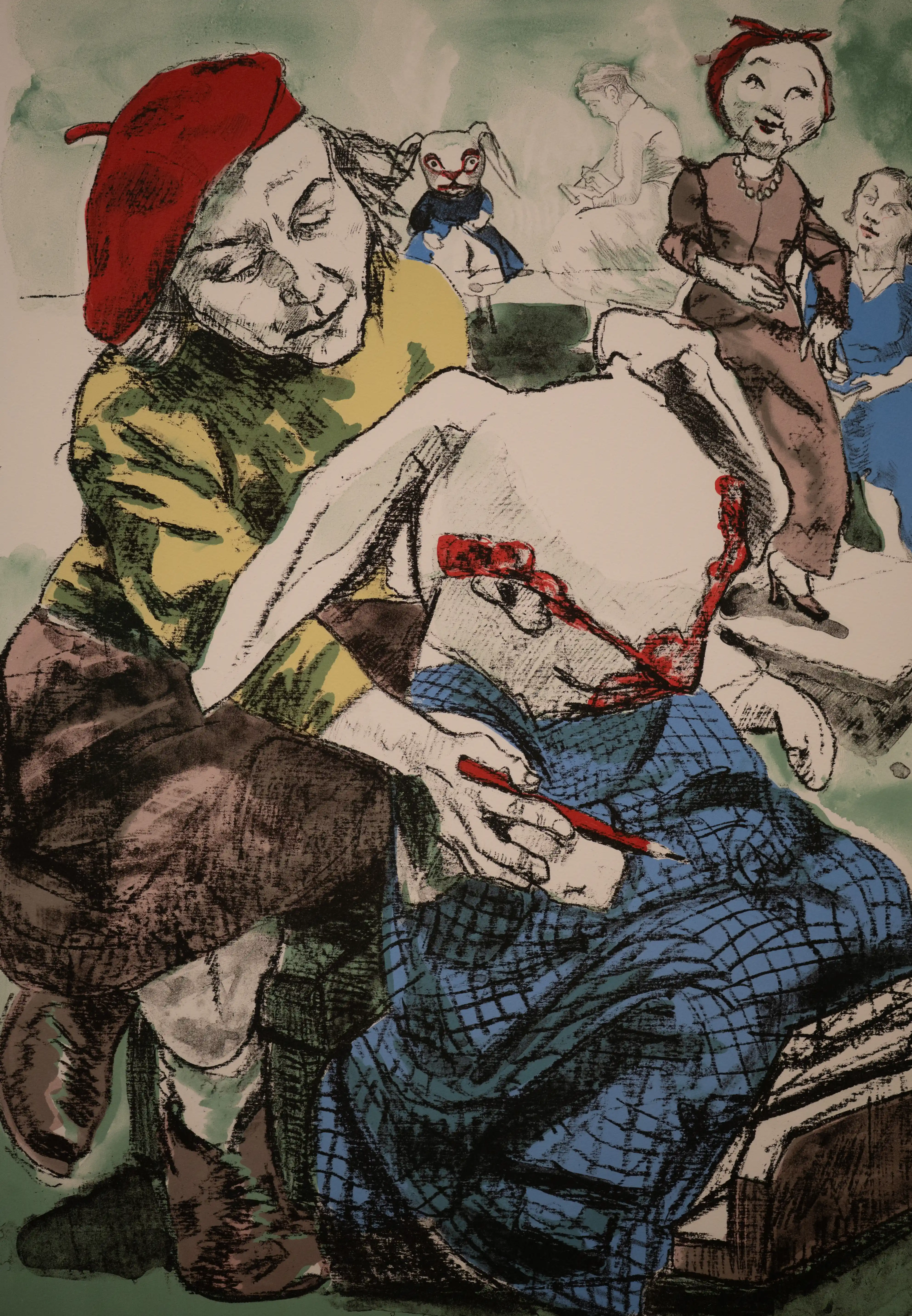
photo by Michael Gaylard
©www.mgaylard.co.uk.
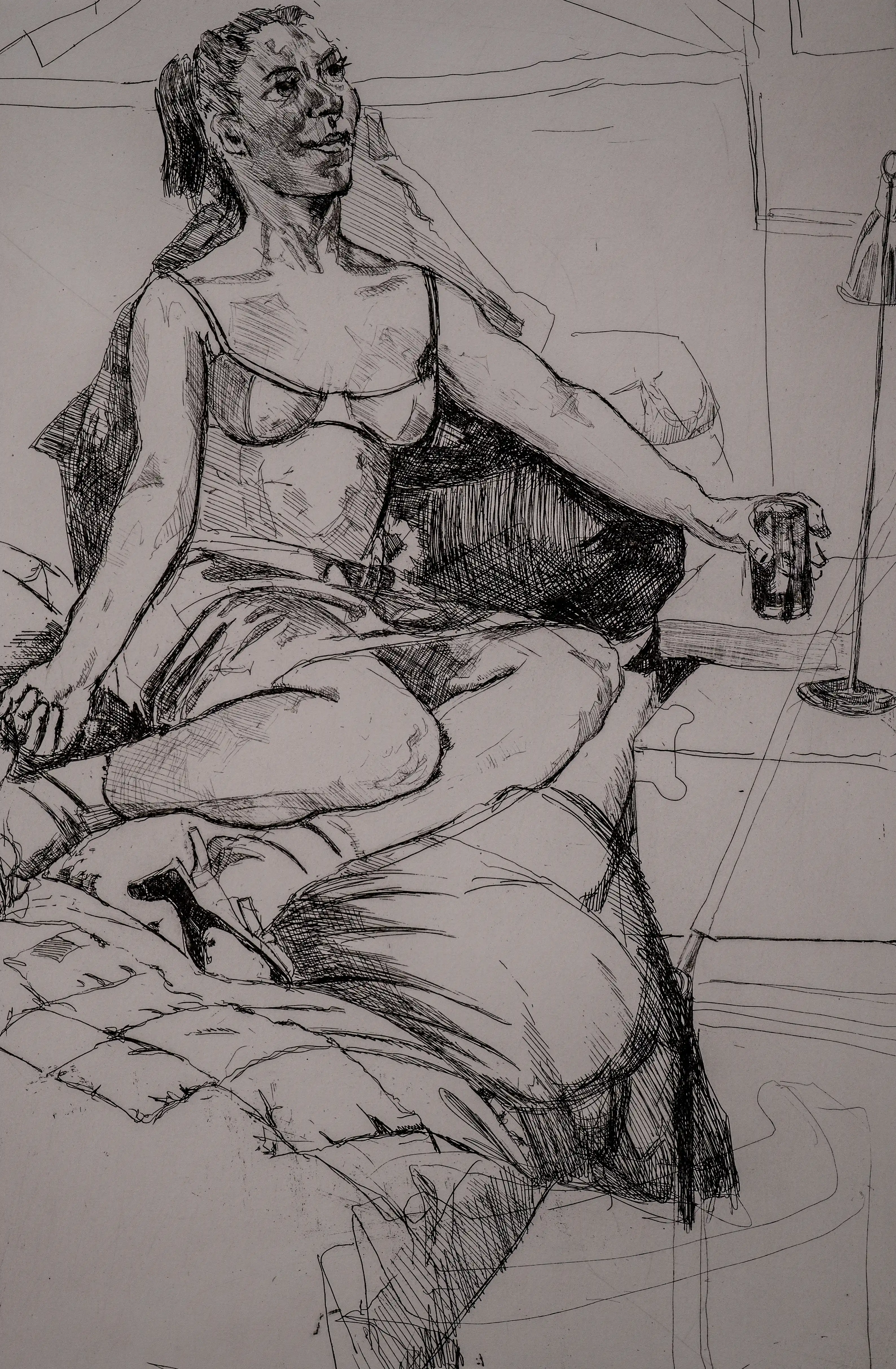
photo by Michael Gaylard
©www.mgaylard.co.uk.
Artistic Context and Themes
*The Bad Girls* series was created during a pivotal period in Paula Rego’s career, as she deepened her exploration of feminist themes and challenged societal expectations of women. The series reflects her personal experiences, political views, and engagement with feminist discourse in the 1990s, a decade marked by global conversations about gender, power, and identity.Key Themes
- Female Rebellion – The series depicts young girls in acts of defiance, such as smoking, swearing, or adopting aggressive postures. These images subvert traditional notions of femininity and celebrate female agency and resistance.
- Power Dynamics – Rego explores power struggles between genders, generations, and social classes. The girls in *The Bad Girls* often dominate the composition, asserting their presence and authority in ways that challenge male-dominated spaces.
- Societal Critique – The series critiques patriarchal norms, religious hypocrisy, and social oppression. Rego uses satire and irony to expose the absurdity and injustice of societal expectations placed on women and girls.
- Sexuality and Innocence – *The Bad Girls* blurs the line between innocence and sexuality, depicting young girls in suggestive or provocative poses that question societal taboos around female sexuality and agency.
- Surrealism and Symbolism – The series employs surreal and symbolic elements, such as distorted proportions, exaggerated features, and dreamlike settings, to amplify the emotional and psychological depth of the works.
- Group Dynamics – Many works in the series feature groups of girls, exploring collective identity, solidarity, and the power of female communities. These compositions often highlight the tension between individuality and conformity.
The Witches of Pendle Sketches by Paula Rego
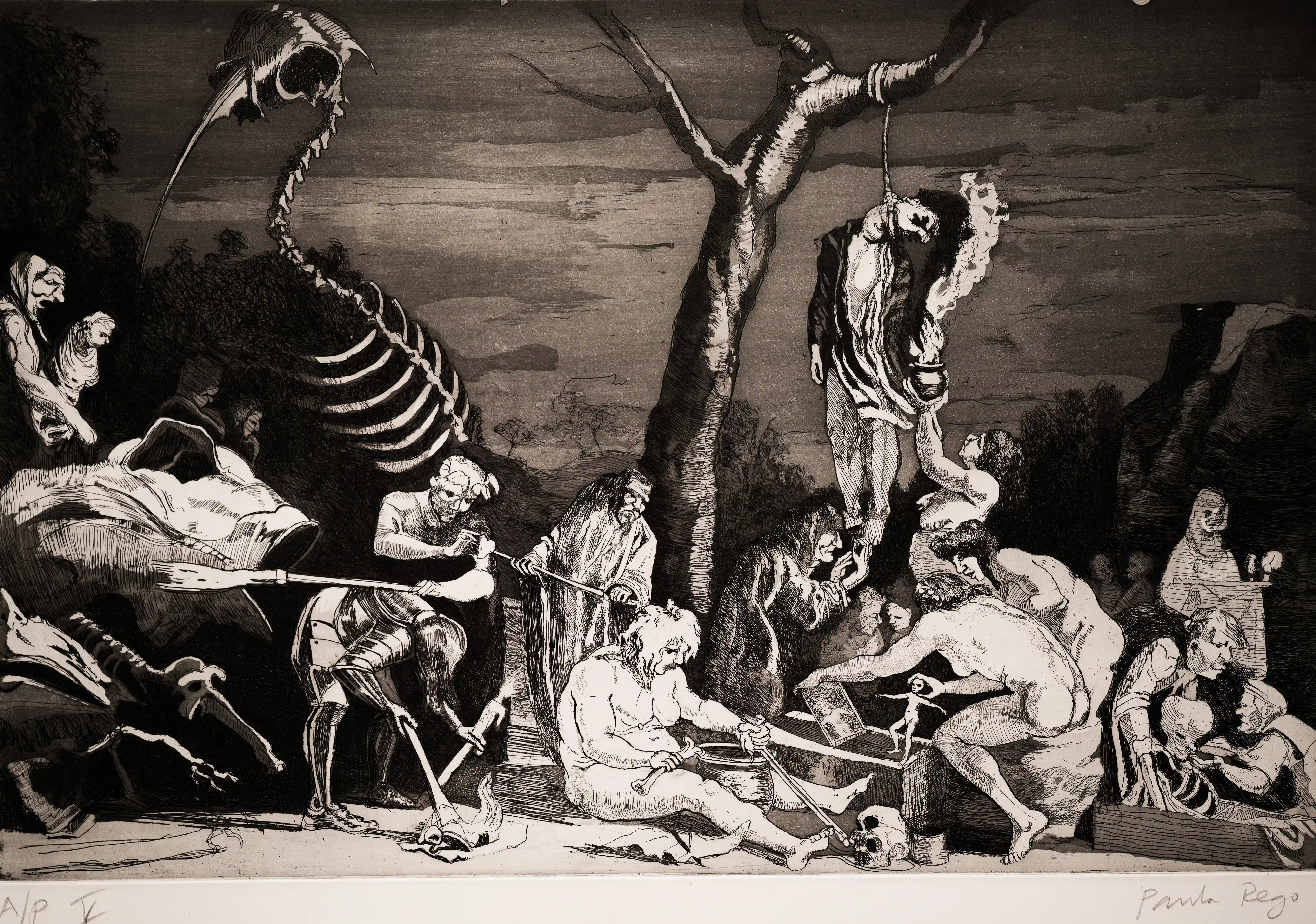
photo by Michael Gaylard
©www.mgaylard.co.uk.
Historical Context and Inspiration
Paula Rego, who spent much of her life in England, was deeply affected by the story of the Pendle witches. She saw parallels between their persecution and the broader struggles of women throughout history, particularly the ways in which women have been silenced, oppressed, and scapegoated by patriarchal societies. The sketches in *The Witches of Pendle* series are her artistic response to this historical injustice, using visual storytelling to reclaim the voices and dignity of the accused women.
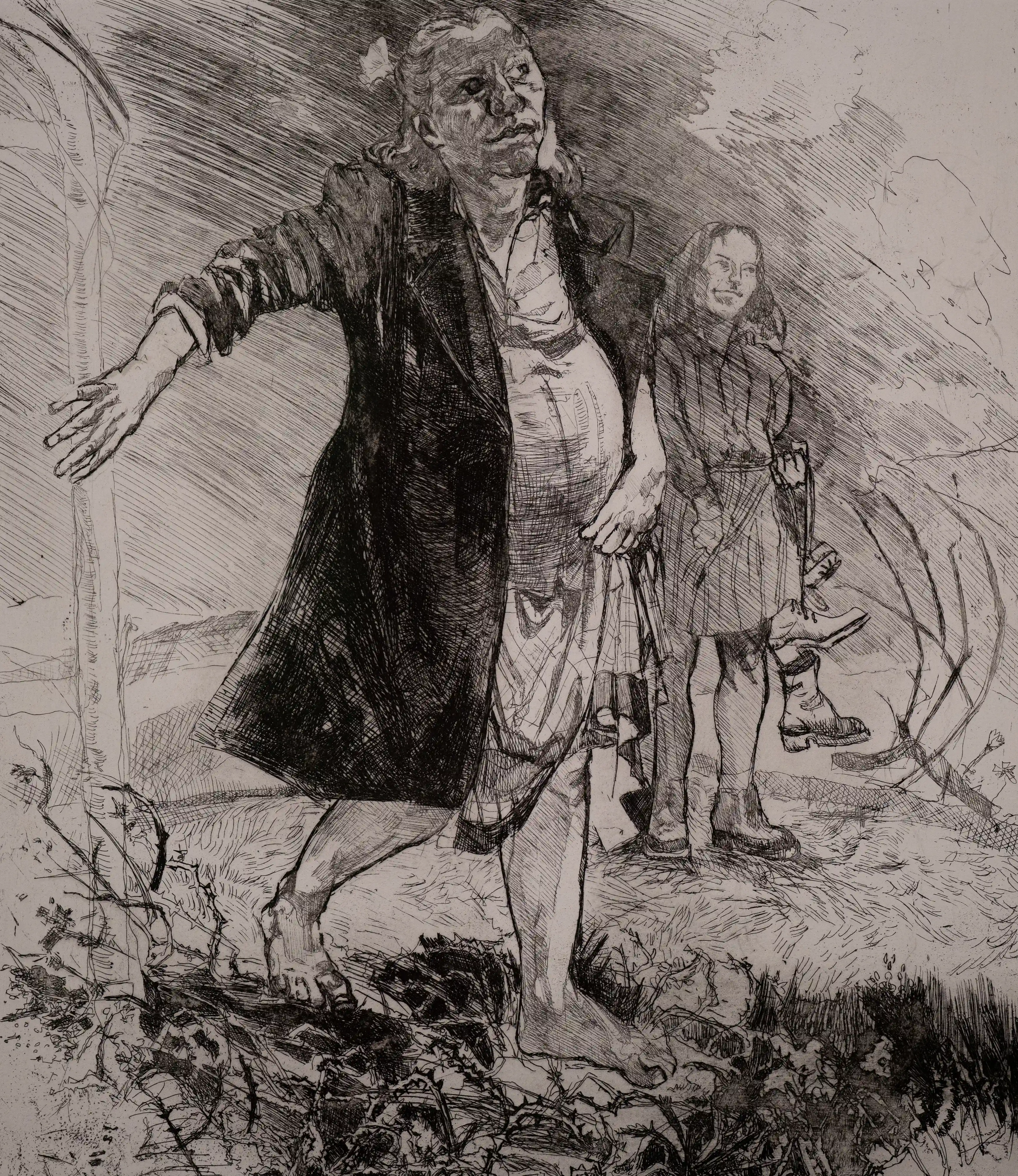
photo by Michael Gaylard
©www.mgaylard.co.uk.
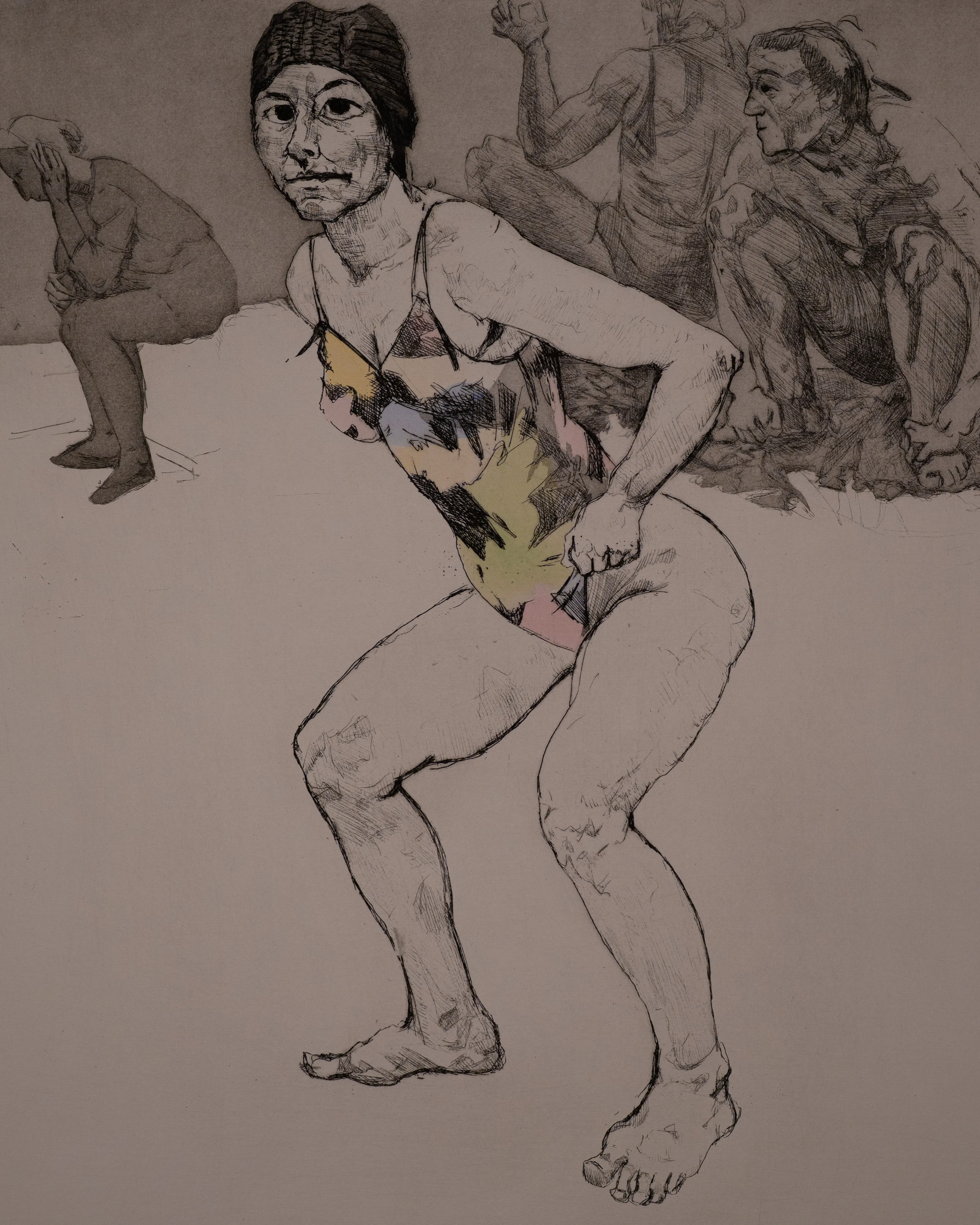
photo by Michael Gaylard
©www.mgaylard.co.uk.
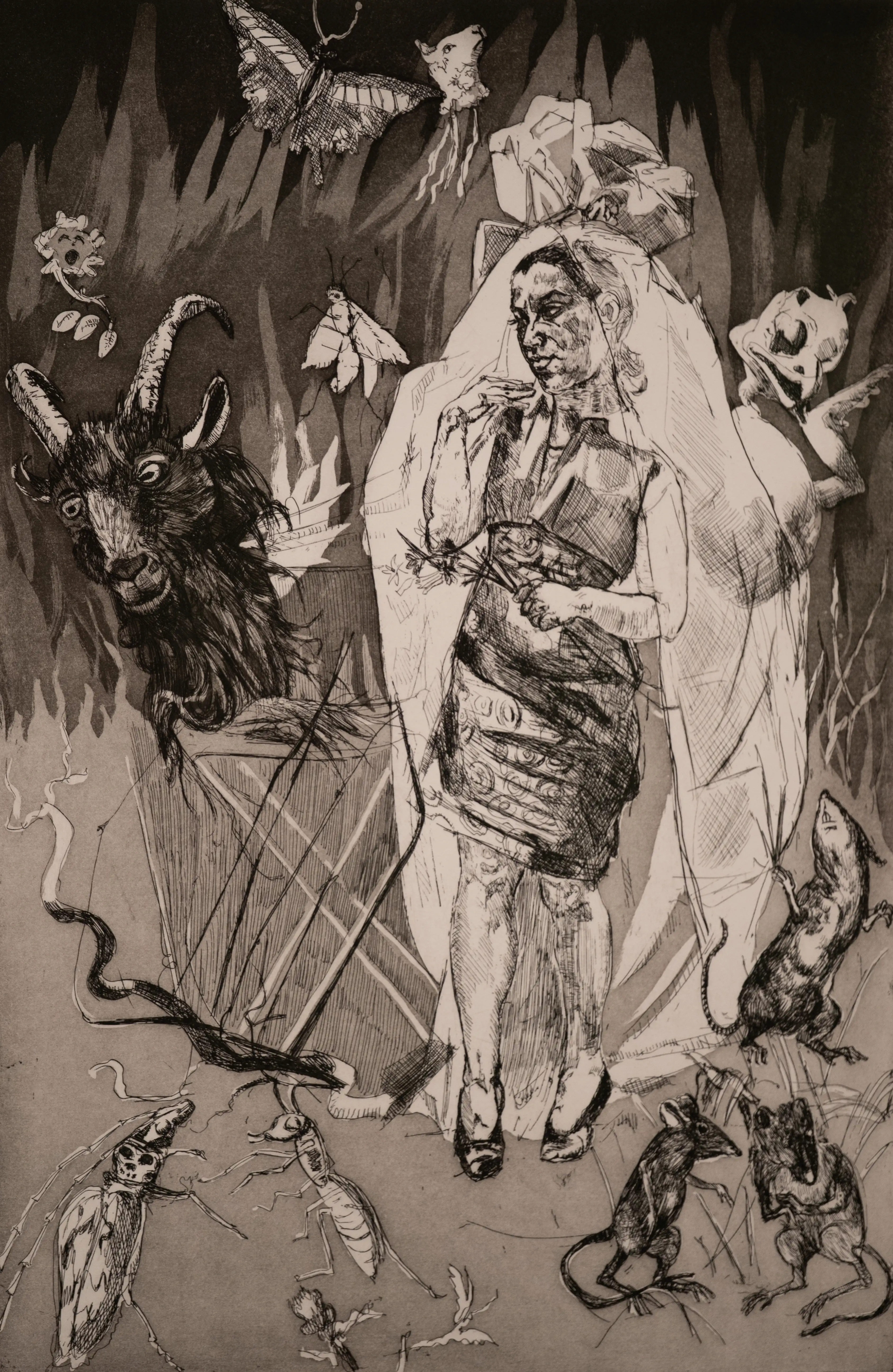
photo by Michael Gaylard
©www.mgaylard.co.uk.
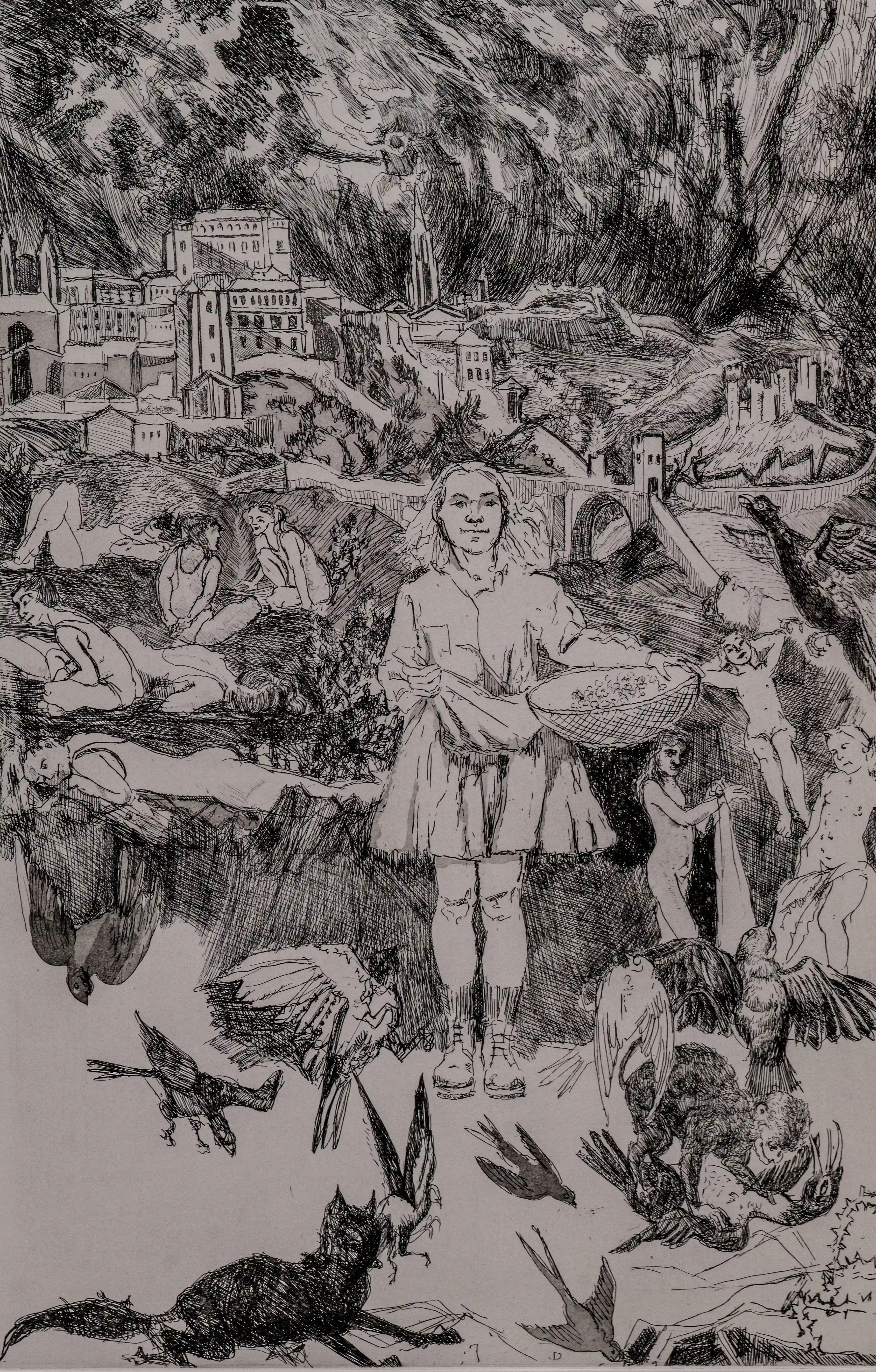
photo by Michael Gaylard
©www.mgaylard.co.uk.
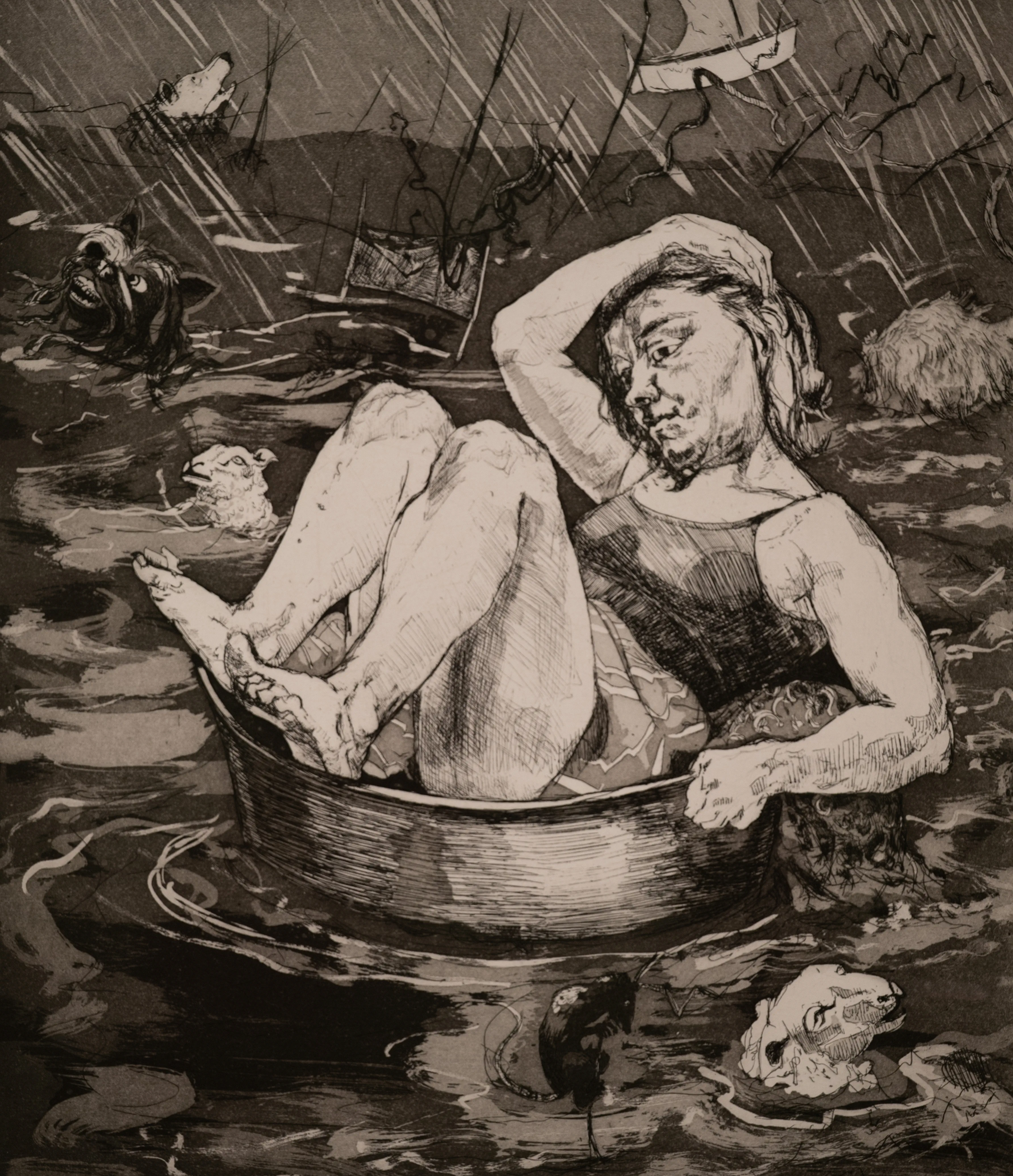
photo by Michael Gaylard
©www.mgaylard.co.uk.
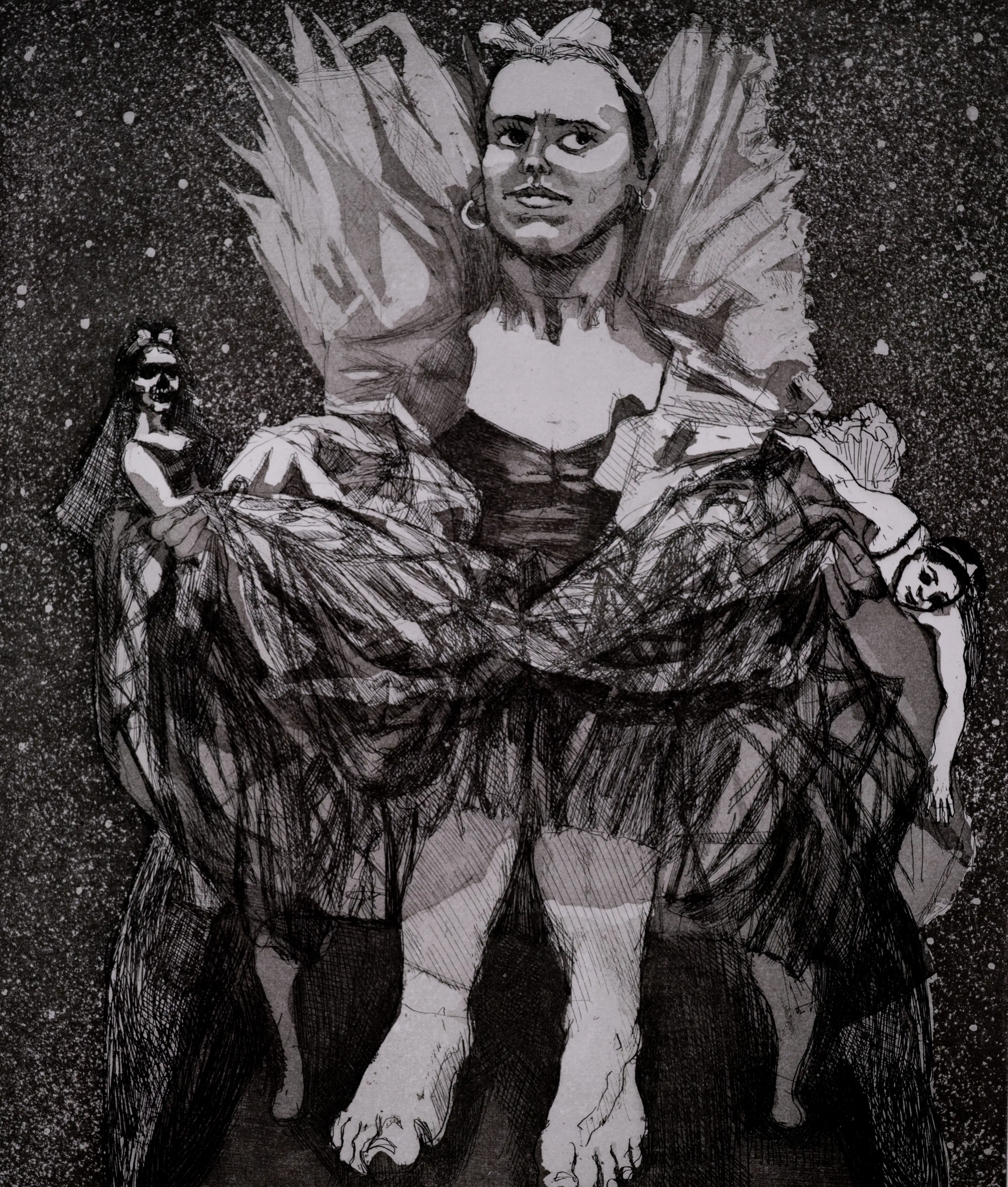
photo by Michael Gaylard
©www.mgaylard.co.uk.
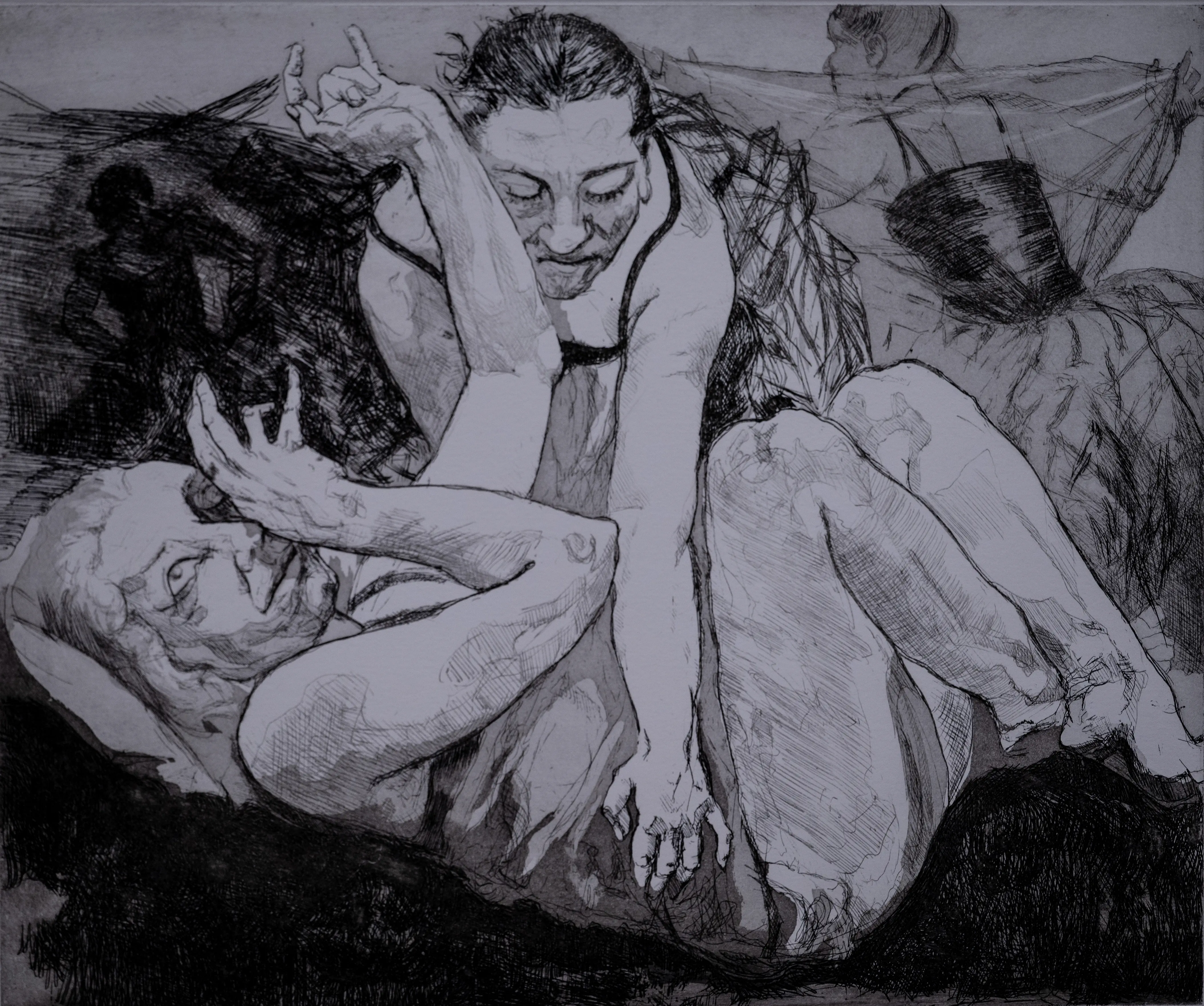
photo by Michael Gaylard
©www.mgaylard.co.uk.
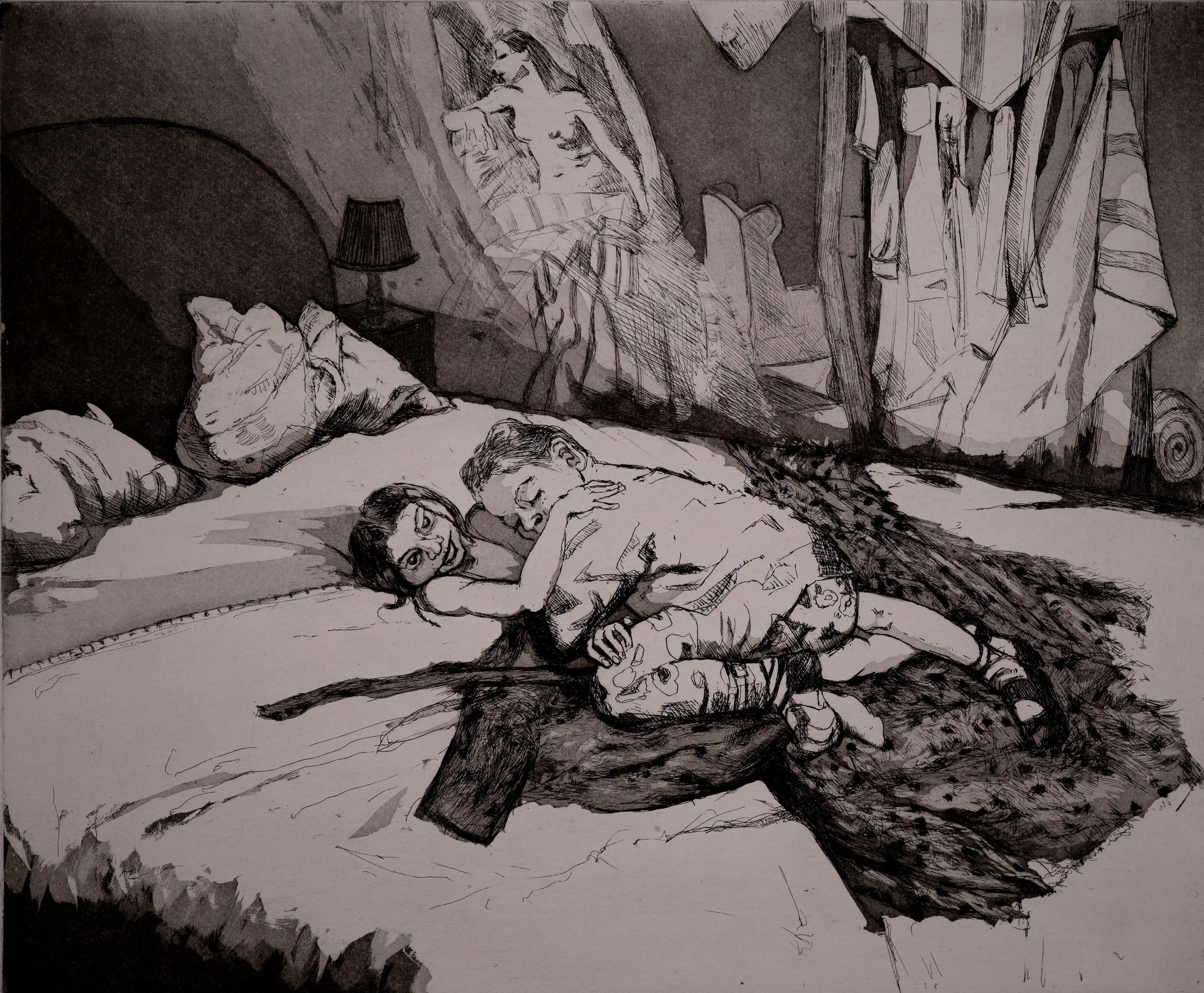
photo by Michael Gaylard
©www.mgaylard.co.uk.
Key Themes
- Persecution and Injustice – The sketches explore the persecution of the Pendle witches as a metaphor for the broader oppression of women. Rego’s works highlight the injustice of the trials and the ways in which women have been targeted by societal and religious institutions.
- Power and Marginalization – The series examines the power dynamics that led to the marginalization and execution of the Pendle witches. Rego’s sketches often depict the accused women as both victims and defiant figures, challenging the narratives of power and control that led to their persecution.
- The Supernatural and the Real – The sketches blend supernatural elements (such as flying figures, animals, and eerie landscapes) with realistic depictions of the accused witches. This fusion creates a sense of unease and mystery, reflecting the blurred lines between reality and superstition in the witch trials.
- Feminine Solidarity – Rego’s sketches often depict the Pendle witches as a collective, emphasizing their solidarity and shared experience. This theme celebrates the strength and resilience of women in the face of persecution and adversity.
- Gender and Oppression – The series critiques the gendered nature of the witch trials, where women were disproportionately targeted due to misogyny, superstition, and societal fears. Rego’s works expose the ways in which women’s bodies and voices have been controlled and suppressed throughout history.
Symbolism
- Animals – Rego often includes animals in her sketches, such as dogs, cats, and birds, which symbolize companionship, protection, or the supernatural. In the context of *The Witches of Pendle*, animals may also represent the accused witches’ connection to nature and their perceived "otherness" in society.
- Flying Figures – Some sketches depict the Pendle witches as flying figures, a symbol of freedom and transcendence. This imagery challenges the earthly constraints placed on women and reclaims their agency in a supernatural realm.
- Dark Landscapes – The sketches often feature dark, moody landscapes, such as forests, cliffs, and stormy skies, which reflect the emotional and psychological turmoil of the witch trials. These landscapes also evoke a sense of isolation and danger, mirroring the experiences of the accused women.
- Distorted Figures – Rego’s distorted and exaggerated figures in the sketches amplify the emotional intensity of the scenes. The distortions convey the psychological and physical toll of persecution, as well as the supernatural and otherworldly aspects of the witch trials.
The Jane Eyre Series by Paula Rego
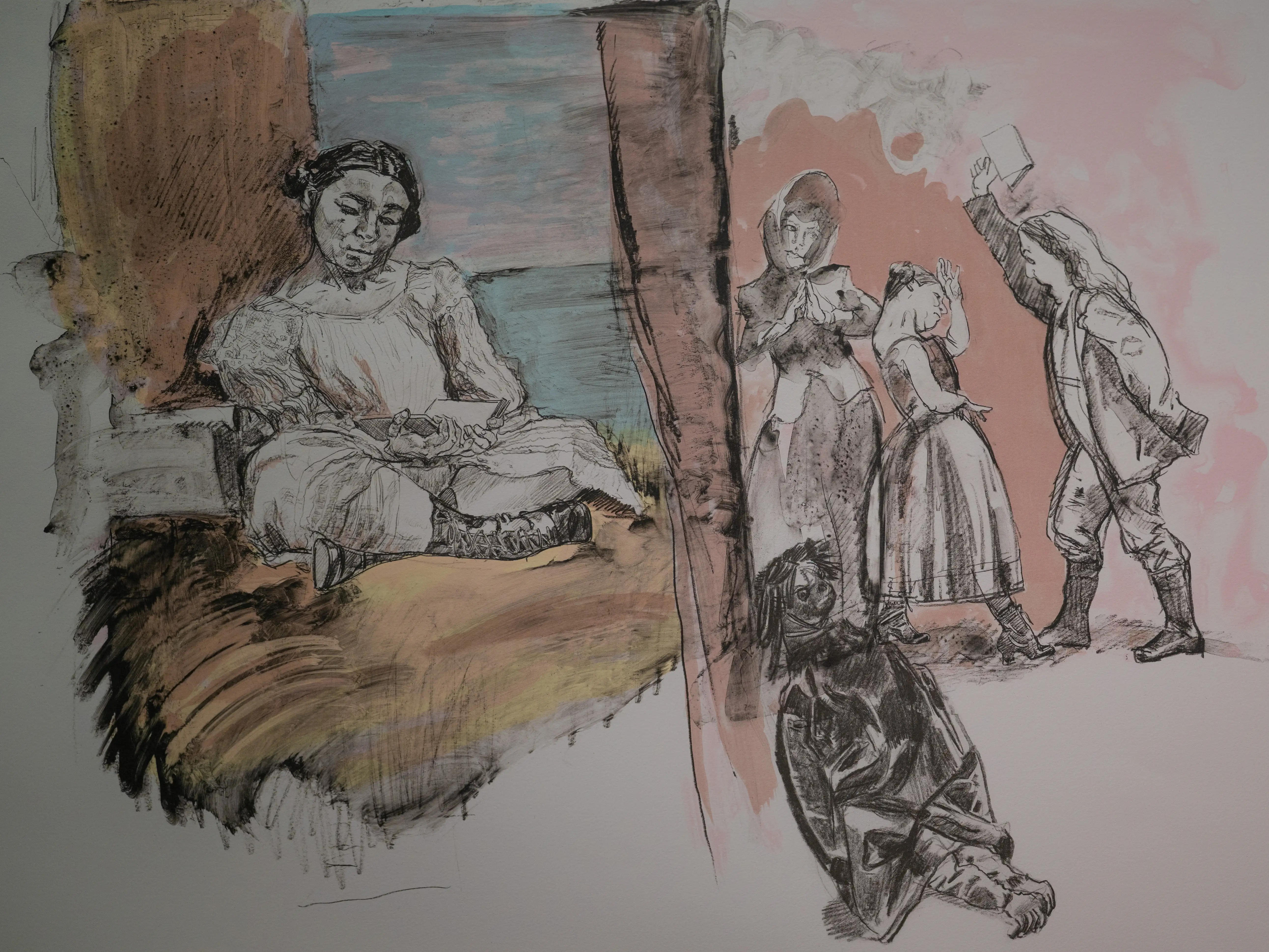
photo by Michael Gaylard
©www.mgaylard.co.uk.
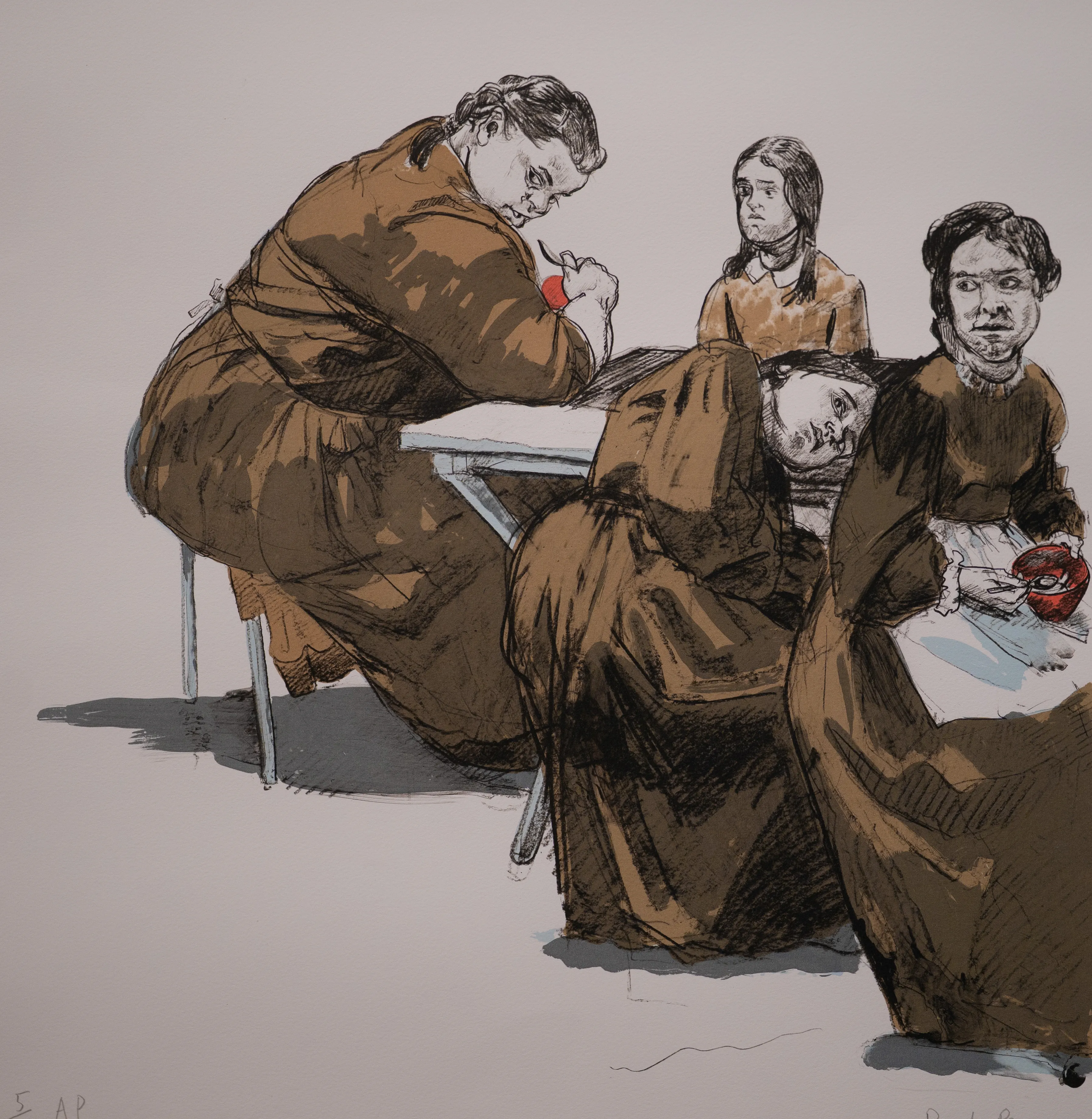
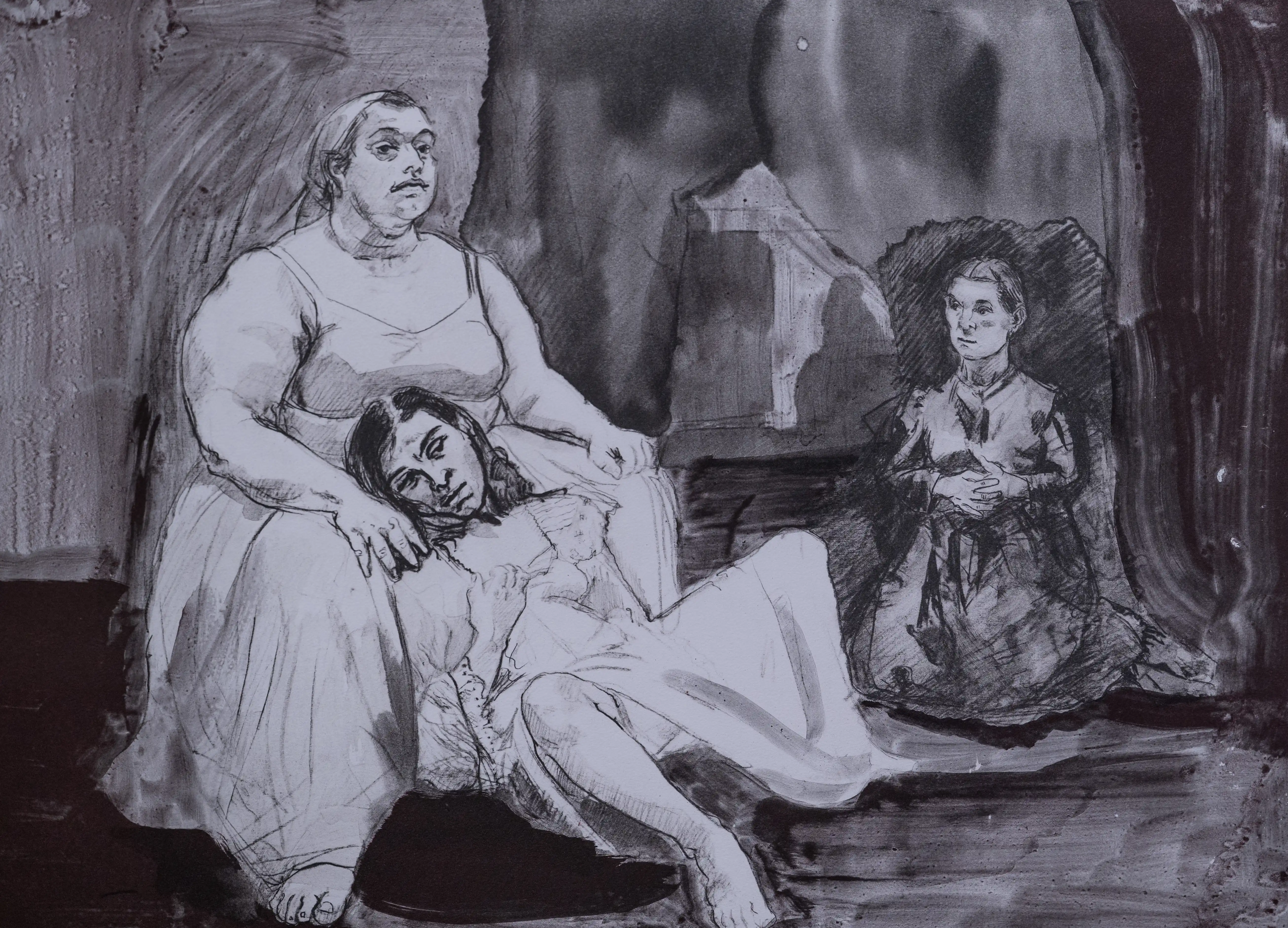
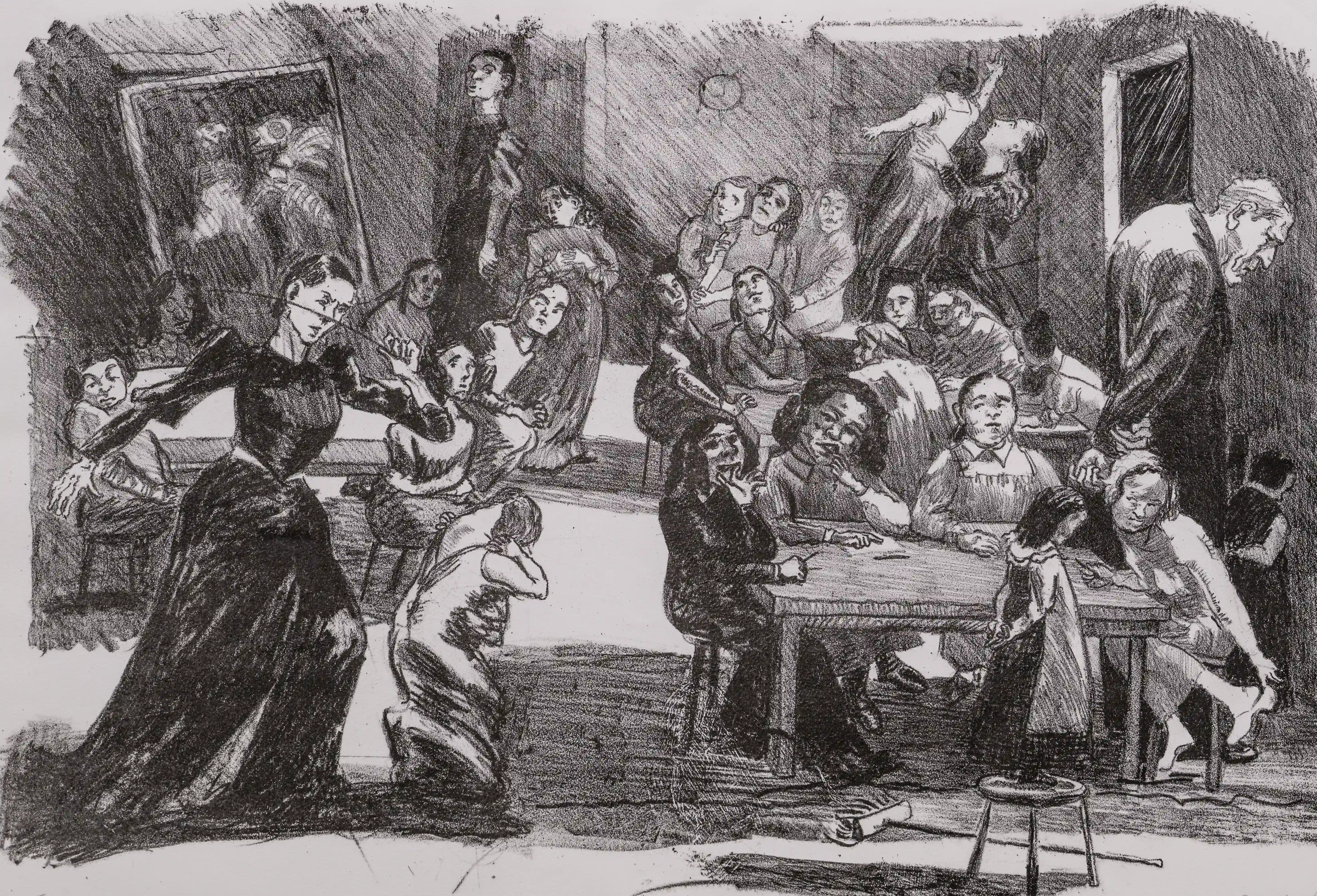
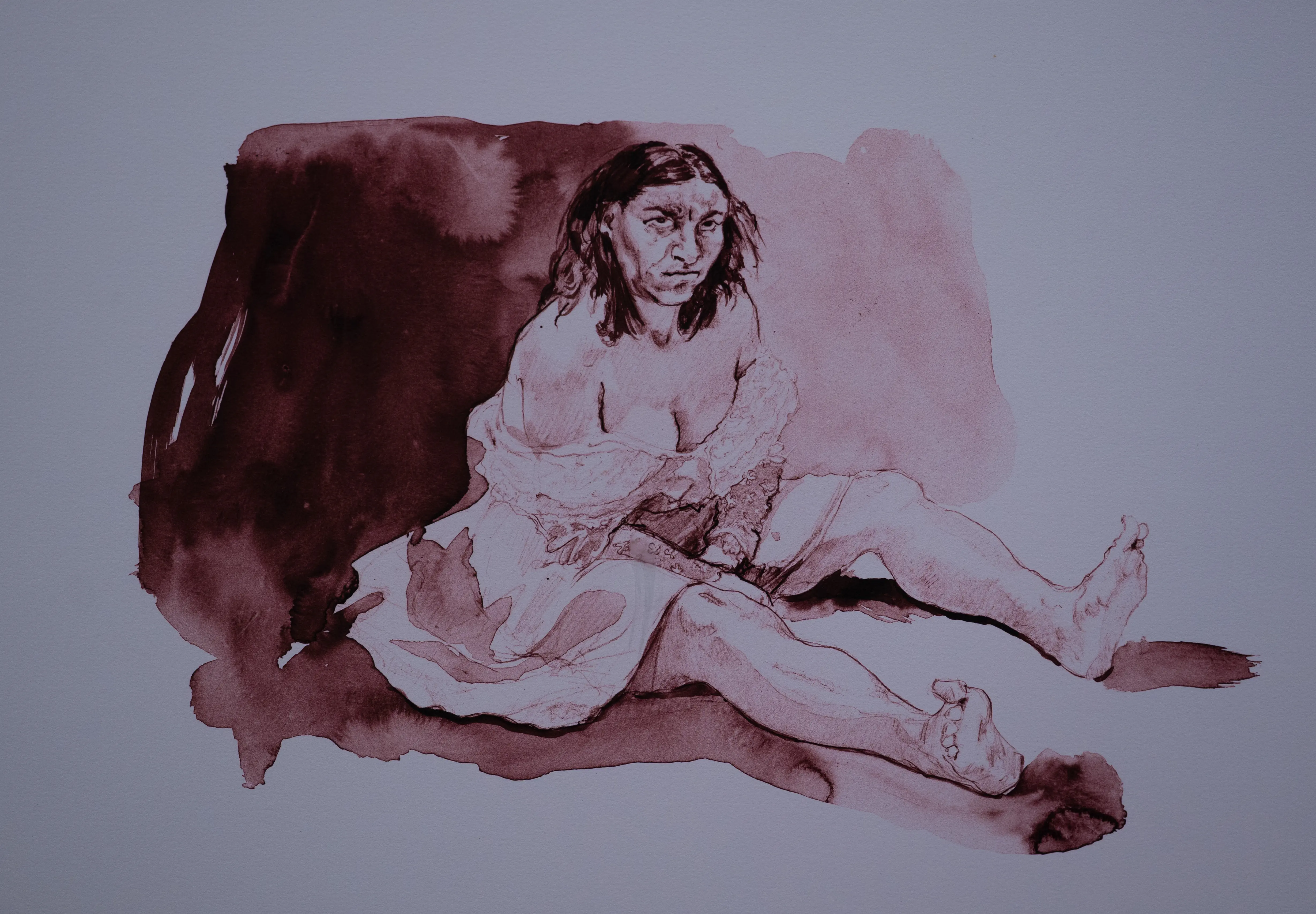
Rego, who had a deep connection to literature and storytelling, was drawn to Jane Eyre’s character as a symbol of female resilience and defiance. She saw parallels between Jane’s struggles and her own experiences as a woman and an artist navigating a male-dominated world. The *Jane Eyre* series is Rego’s visual reinterpretation of the novel, using her expressive and narrative-driven style to explore Jane’s emotional and psychological journey.
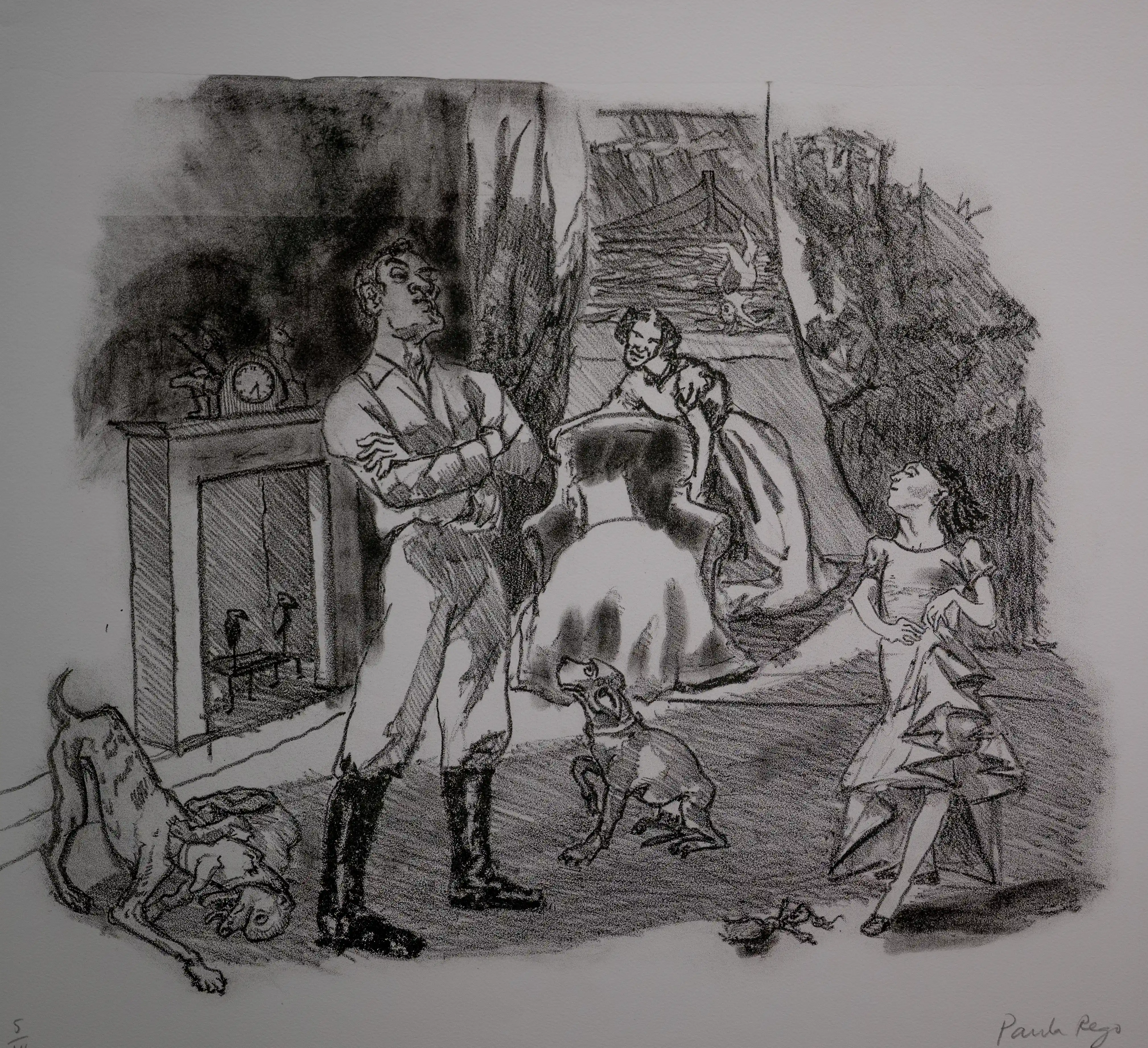
photo by Michael Gaylard
©www.mgaylard.co.uk.
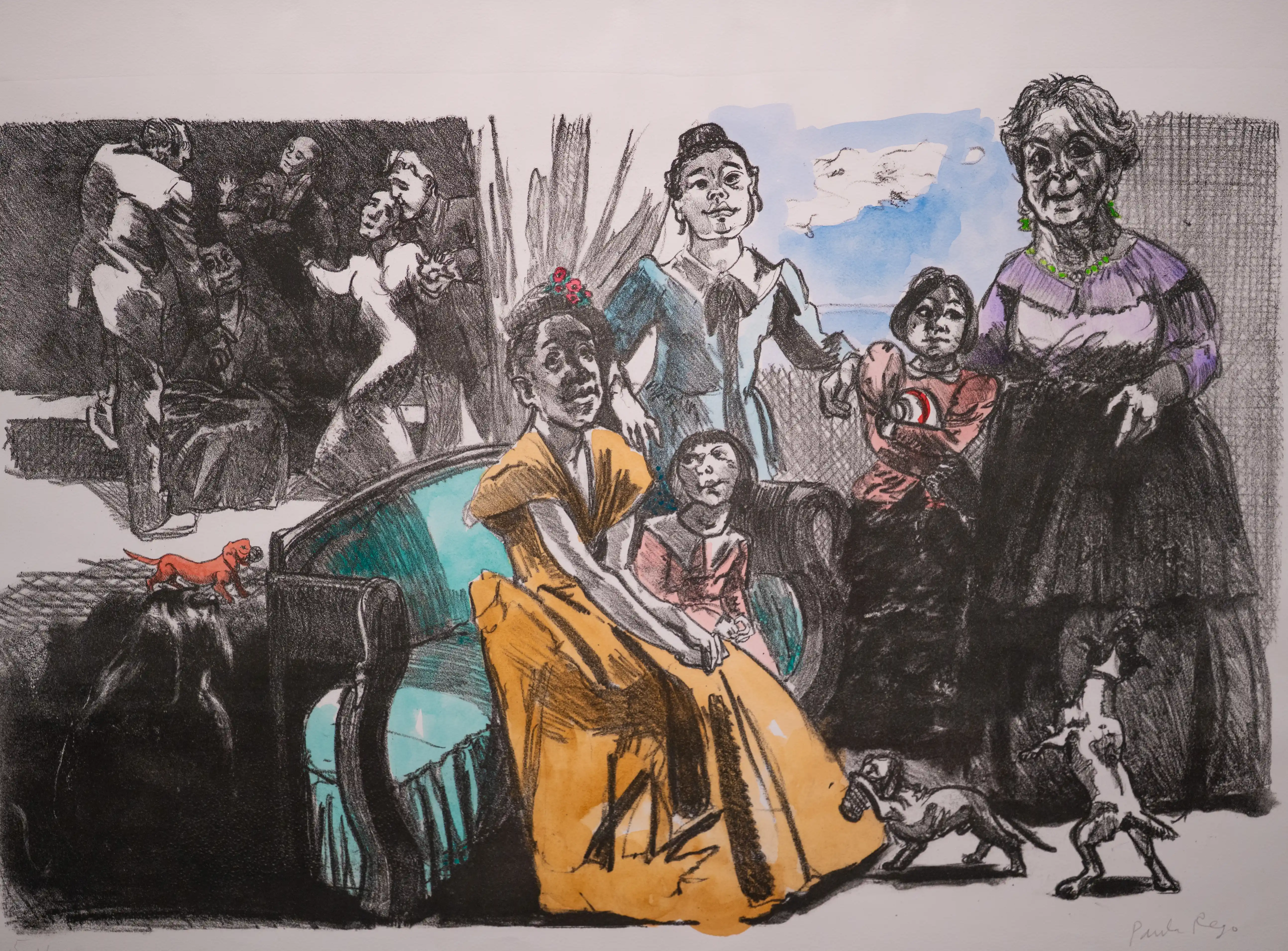
photo by Michael Gaylard
©www.mgaylard.co.uk.
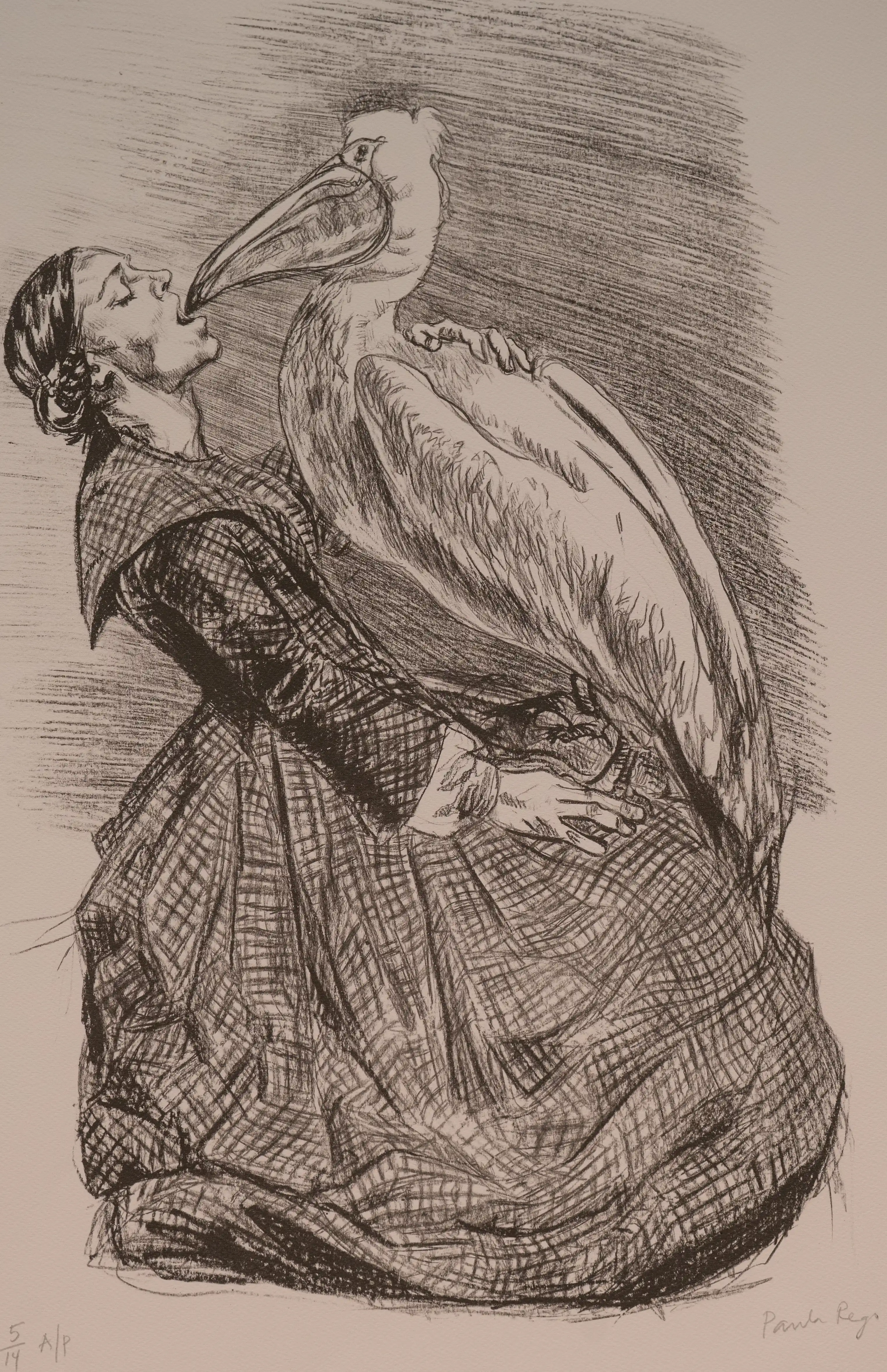
photo by Michael Gaylard
©www.mgaylard.co.uk.
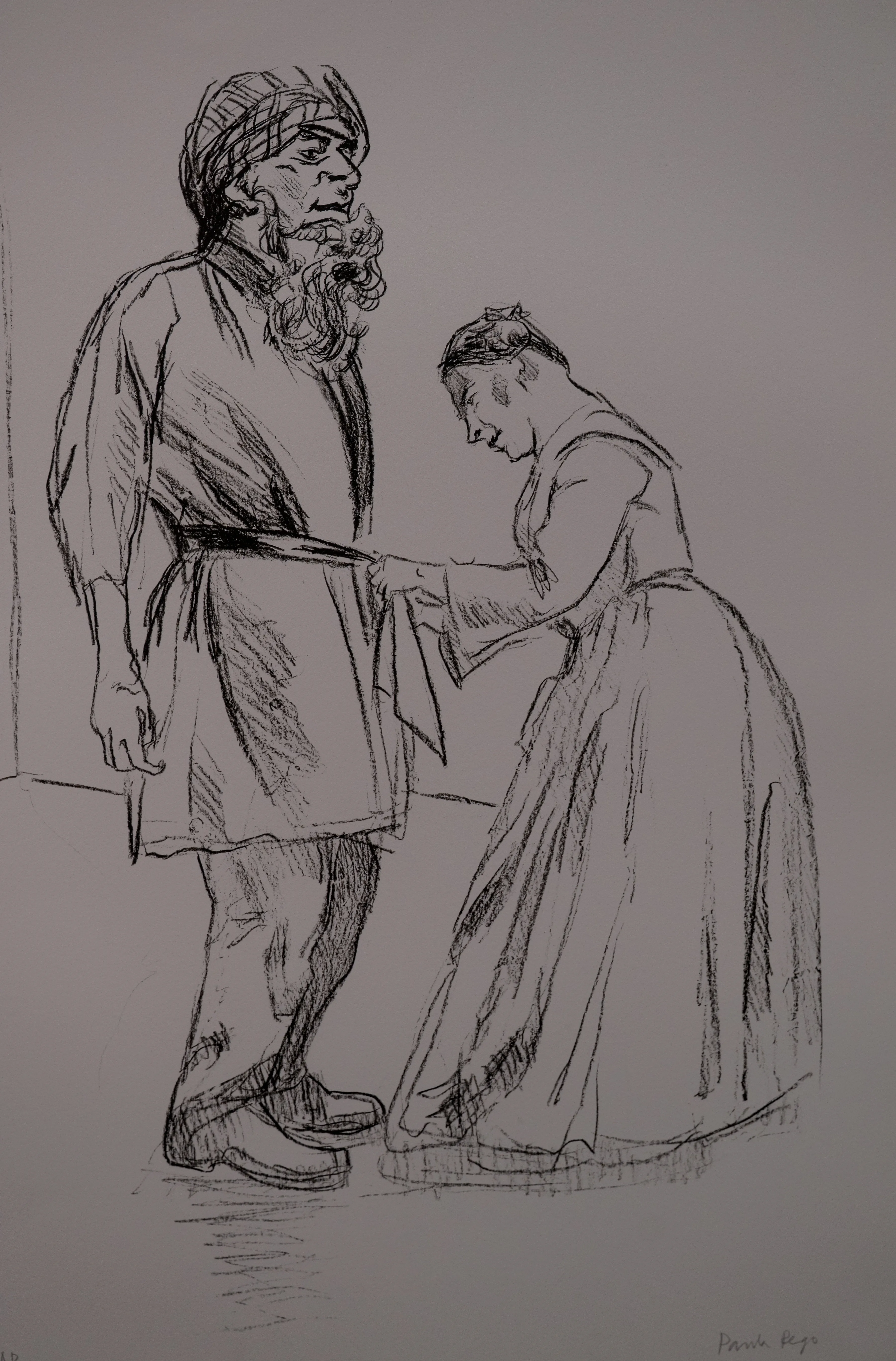
photo by Michael Gaylard
©www.mgaylard.co.uk.
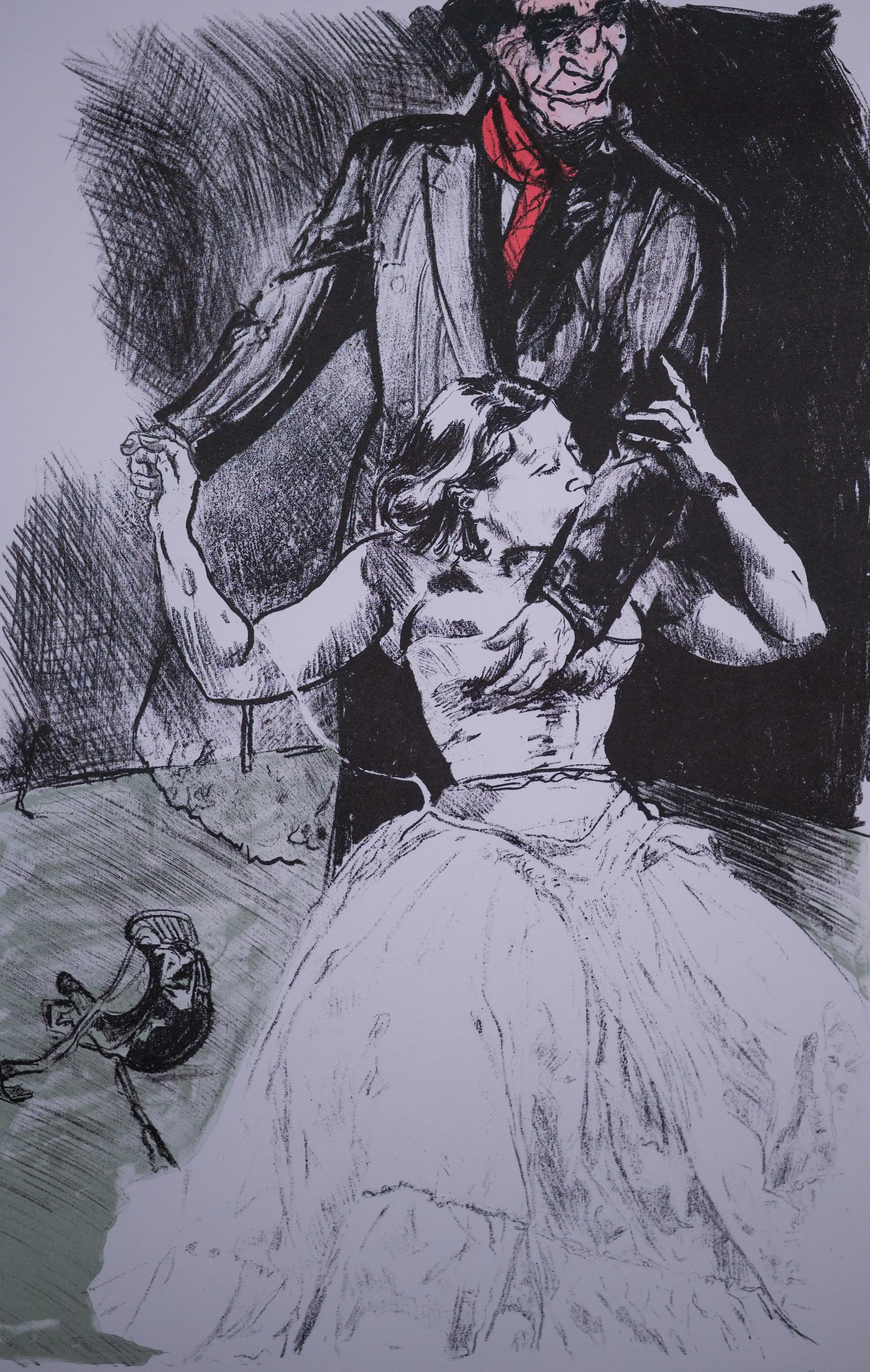
photo by Michael Gaylard
©www.mgaylard.co.uk.
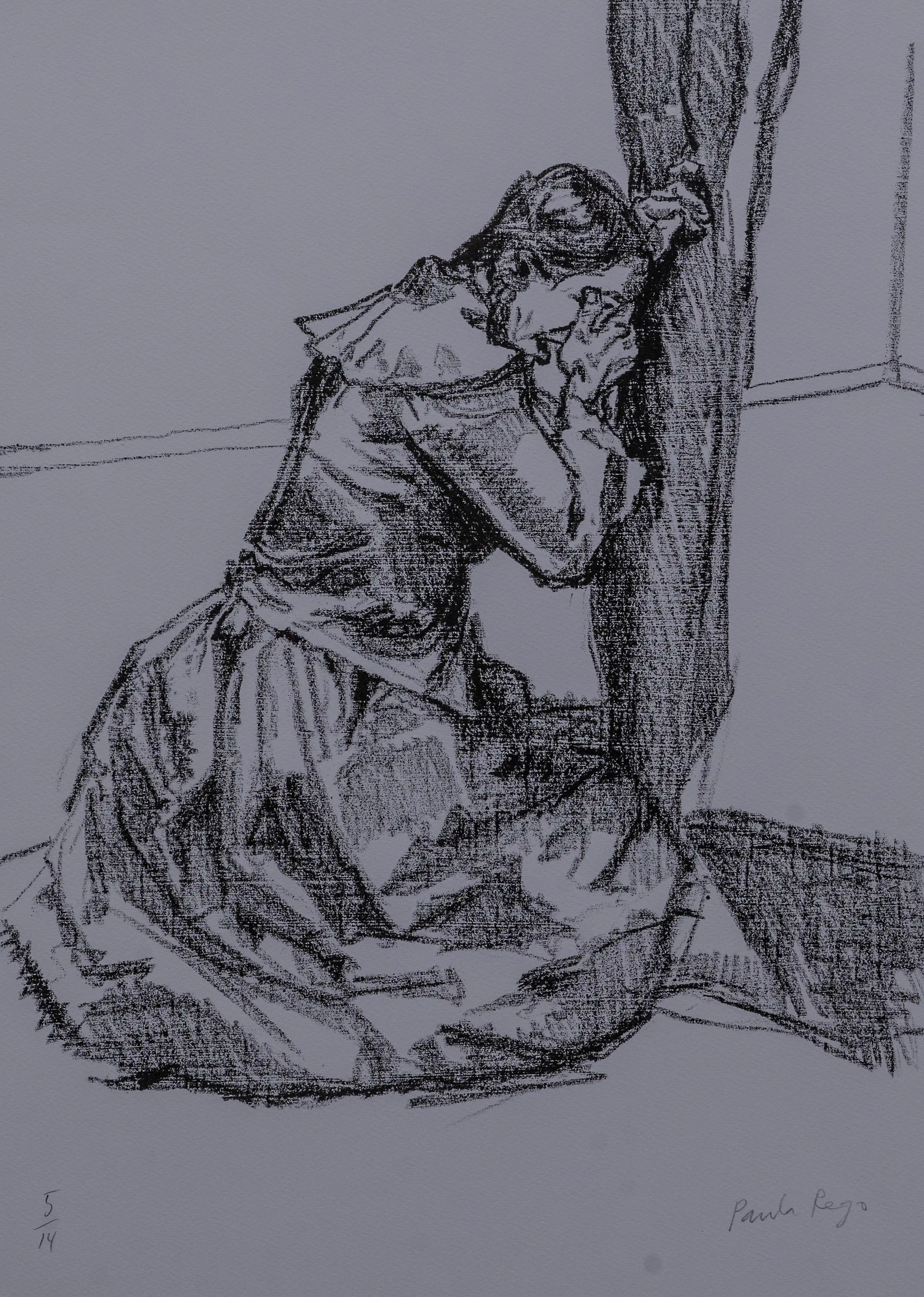
photo by Michael Gaylard
©www.mgaylard.co.uk.
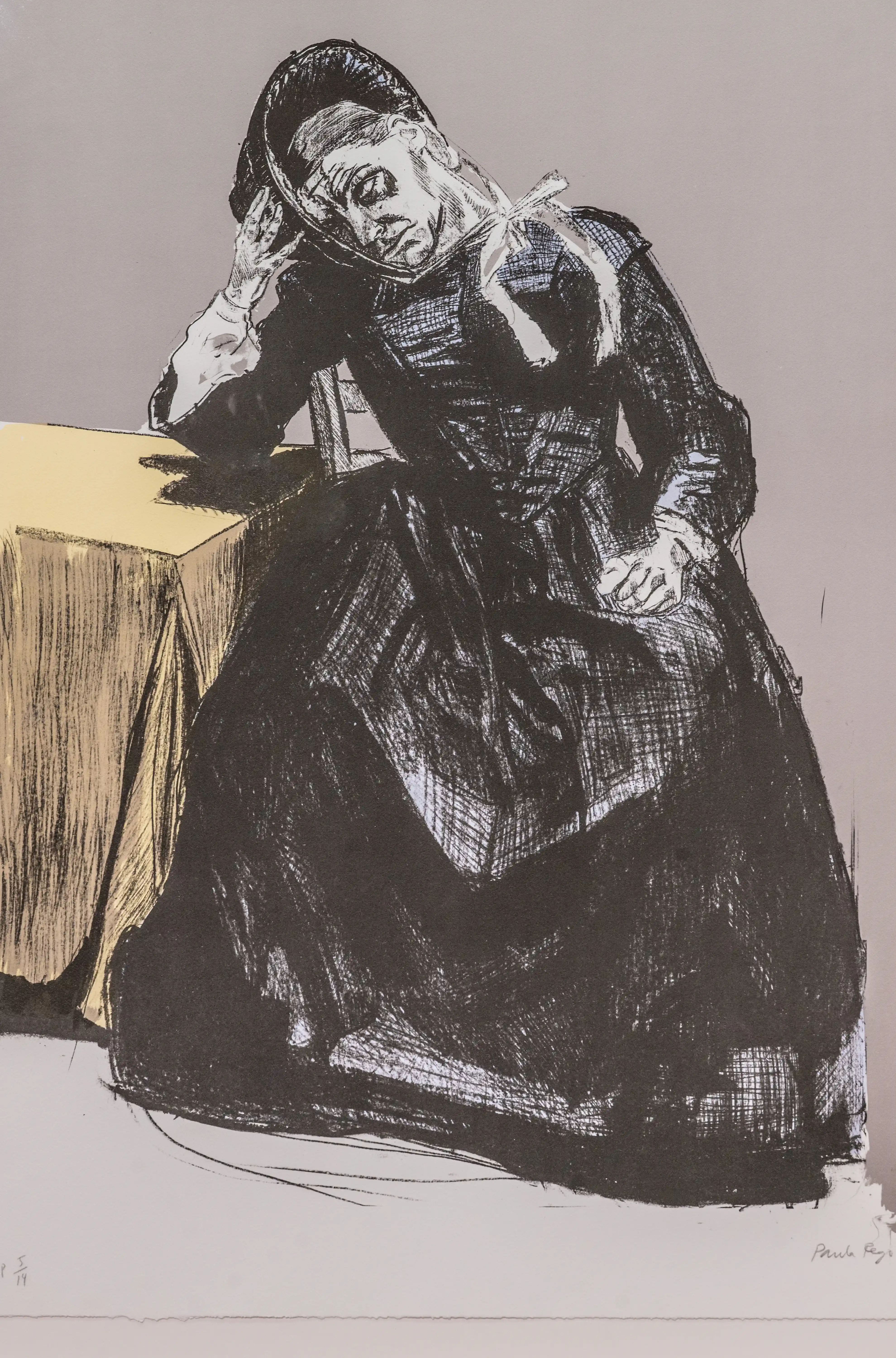
photo by Michael Gaylard
©www.mgaylard.co.uk.
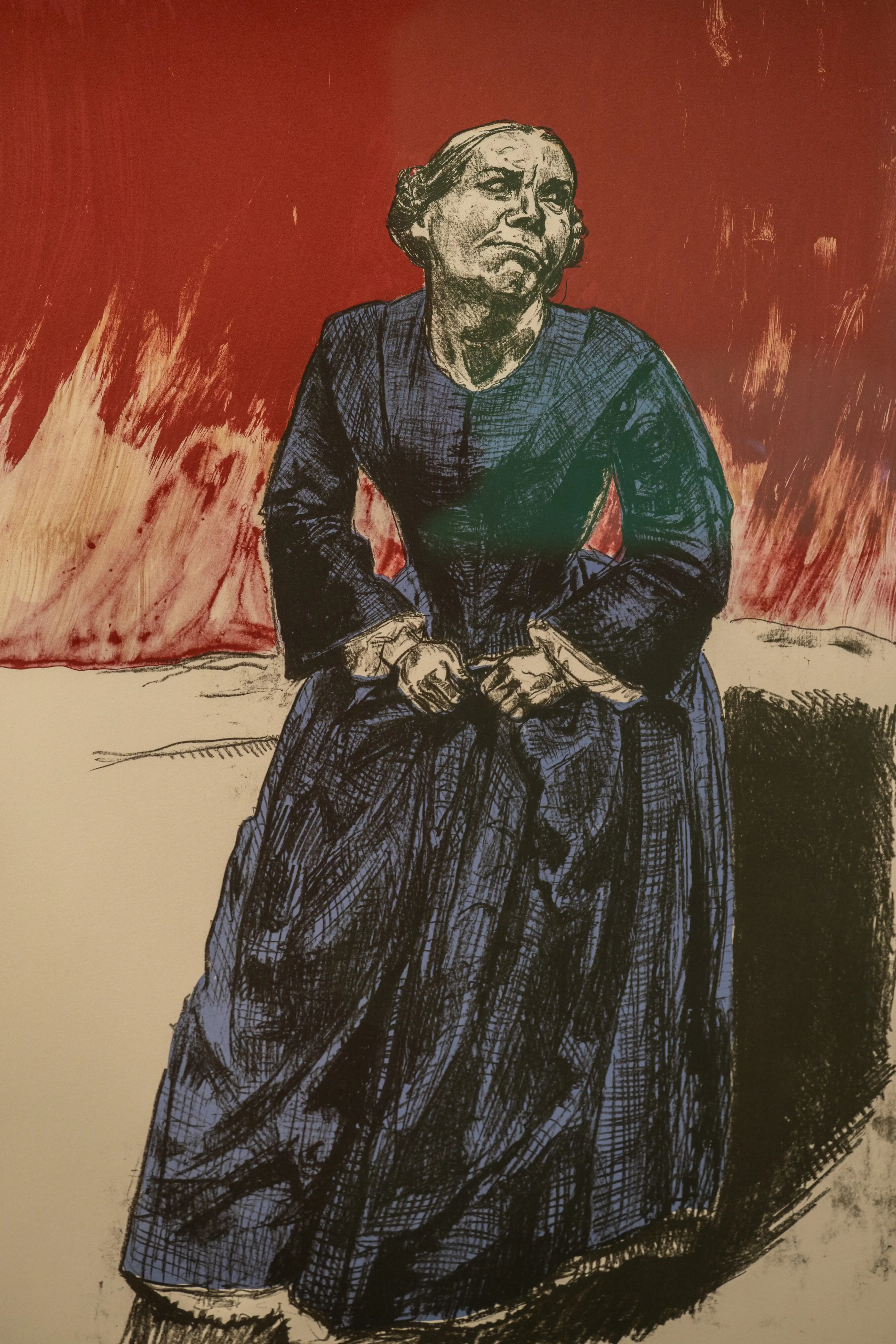
photo by Michael Gaylard
©www.mgaylard.co.uk.
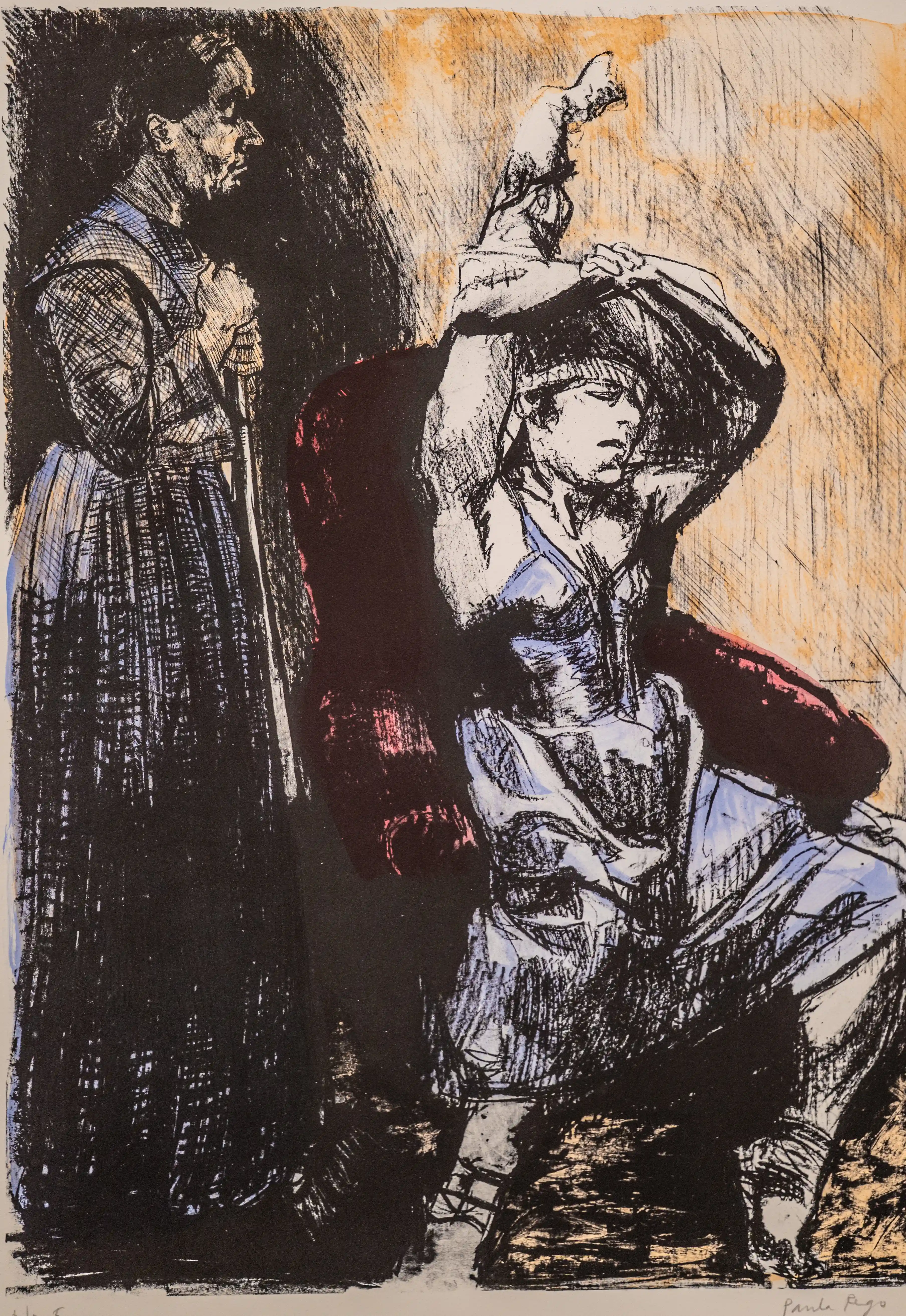
photo by Michael Gaylard
©www.mgaylard.co.uk.
©www.mgaylard.co.uk .
©www.mgaylard.co.uk .
©www.mgaylard.co.uk .
©www.mgaylard.co.uk .
Themes and Symbolism
Key Themes
- Identity and Self-Discovery – The series explores Jane Eyre’s journey of self-discovery, as she navigates the constraints of society and asserts her independence. Rego’s works capture Jane’s emotional and psychological growth, from her early struggles as an orphan to her ultimate assertion of self-worth.
- Oppression and Resilience – The series examines the oppression Jane faces as a woman in a patriarchal society, including her experiences at Lowood School, Thornfield Hall, and her relationship with Mr. Rochester. Rego’s works highlight Jane’s resilience in the face of adversity and societal expectations.
- Love and Morality – The series delves into Jane’s complex relationship with Mr. Rochester, exploring themes of love, morality, and the struggle for equality in their relationship. Rego’s works capture the emotional intensity of Jane’s internal conflict between her love for Rochester and her moral principles.
- Female Agency and Independence – The series celebrates Jane’s assertion of her independence and agency, as she refuses to be defined by the expectations of others. Rego’s works emphasize Jane’s strength and determination to live life on her own terms.
- The Supernatural and the Psychological – The series blends supernatural and psychological elements, such as Jane’s encounters with Bertha Mason (the "madwoman in the attic") and her dreamlike visions. Rego’s works explore the blurred lines between reality and the subconscious, reflecting Jane’s emotional and psychological state.
Symbolism
- Jane Eyre as a Symbol of Female Resilience – In Rego’s series, Jane Eyre is often depicted as a strong, determined figure, symbolizing female resilience and defiance in the face of oppression and adversity.
- Mr. Rochester and Power Dynamics – Mr. Rochester is often depicted in dark, imposing forms, representing the power dynamics in his relationship with Jane. Rego’s works explore the tension between Jane’s desire for love and her need for independence.
- Bertha Mason and the "Madwoman in the Attic" – Bertha Mason, the mysterious and tragic figure hidden in Thornfield Hall’s attic, is a key symbol in the series. Rego’s depictions of Bertha explore themes of madness, repression, and the consequences of patriarchal control.
- Lowood School and Institutional Oppression – Scenes from Jane’s time at Lowood School often symbolize institutional oppression and the struggle for education and independence. Rego’s works capture the harshness and isolation of Jane’s early life.
- Thornfield Hall and the Gothic – Thornfield Hall, with its dark, gothic atmosphere, is a recurring symbol in the series. Rego’s depictions of the hall explore themes of mystery, secrecy, and the supernatural.
 Share this page
Paula Rego
Artistic Style and Political Allegory
Paula Rego’s work is deeply rooted in storytelling and allegory, often using symbolic figures and surreal scenes to explore power dynamics, political critique, and social commentary. Her art can be seen as a visual parallel to political cartoons or shadow plays, where figures and gestures (like pointing fingers or accusatory poses) convey layers of meaning about blame, division, or moral conflict.
Key Themes in Rego’s Political and Satirical Art
- Power and Oppression – Rego’s works often depict hierarchies of power, such as in her *Dog Women* series, where human-animal hybrids symbolize oppression, vulnerability, or resistance. These themes resonate with political allegories where groups (like the elephants in your description) confront or condemn individuals or systems.
- Gender and Feminism – A central theme in Rego’s oeuvre is the exploration of gender roles and feminist perspectives. Her *Abortion Series* (1998–1999) uses bold, confrontational imagery to critique patriarchal control over women’s bodies, much like a satirical cartoon exposing societal hypocrisy.
- Political Division and Accusation – Works like *War* (2003) address conflict and division, with figures in tense, accusatory poses—akin to the elephants pointing fingers in your shadow play example. Rego’s art often visualizes the human cost of political strife, using symbolism to indict systems or ideologies.
- Personal and Collective Memory – Rego’s art draws from Portuguese folklore, history, and her own life, reimagining traditional stories to comment on contemporary issues. This approach mirrors how political cartoons use familiar symbols (e.g., elephants for a party) to critique current events.
- Surrealism and Satire – Her blend of surrealism and satire creates dreamlike yet biting critiques. For example, *The Dance* (1988) uses exaggerated, almost caricatured figures to explore group dynamics and power struggles, much like the dramatic tension in your described illustration.
Notable Works with Political or Satirical Undertones
Works Reflecting Political and Social Commentary
- The Dog Women Series (1990s)
- Description: Features women with dog-like traits in powerful or submissive poses, symbolizing the duality of female strength and societal oppression.
- Political Parallel: Similar to elephants as symbols of a political party, the dog-women embody collective identities while critiquing systems of control.
- The Abortion Series (1998–1999)
- Description: A raw, emotionally charged series addressing abortion rights, using distorted figures and stark compositions to convey pain, defiance, and solidarity.
- Political Parallel: The accusatory tone of the series mirrors the blame and division in your shadow play, where figures point at a fallen individual—here, Rego points at societal failures to protect women’s autonomy.
- War (2003)
- Description: A large-scale triptych depicting the horrors of war, with chaotic, intertwined figures in dark, somber tones.
- Political Parallel: The collective chaos and accusatory gestures in the painting evoke the political division in your description, where groups confront individuals (or ideologies).
- Peter Pan Series (1990s)
- Description: Reimagines *Peter Pan* with dark, surreal twists, exploring themes of lost innocence and power.
- Political Parallel: The subversion of a children’s story acts as satire, much like how political cartoons use familiar symbols (e.g., elephants) to critique authority.
Connection to Political Cartoons and Shadow Plays
Paula Rego’s art shares striking similarities with political cartoons and shadow plays in its use of symbolism, allegory, and satire to convey complex socio-political messages. Here’s how her work aligns with the themes in your description:
- Symbolic Figures – Just as the elephants in your illustration symbolize a political party, Rego often uses animals, hybrids, or exaggerated human figures (e.g., dog-women) to represent groups or ideologies.
- Accusatory Gestures – The pointing fingers of the elephants mirror Rego’s use of confrontational poses (e.g., in *The Abortion Series* or *War*), where figures accuse, blame, or challenge the viewer or societal norms.
- Monochromatic and Stark Contrasts – Your description mentions a monochromatic illustration", "Rego’s works like *War* or *The Dance* also use dark, stark palettes to heighten drama and tension.
- Layered Narratives – Both Rego’s art and political cartoons use visual metaphors to unpack complex issues. For example, the fallen figure in your image could parallel Rego’s depictions of vulnerable or oppressed individuals in her works.
- Public and Political Context – The faint word "FOR" in your image suggests a public forum or debate. Rego’s art often engages with public discourse, such as her response to political events (e.g., the *Abortion Series* during Portugal’s abortion law debates).
Legacy and Influence in Political Art
Paula Rego’s legacy as a pioneer of narrative and political art continues to inspire artists and activists who use visual storytelling to challenge power structures. Her ability to blend personal and political themes—much like the allegorical elephants in your description—has made her work timeless and universally resonant.
Rego’s fearless exploration of taboo subjects (e.g., abortion, war, gender violence) and her use of satire and symbolism have paved the way for contemporary artists to use art as a tool for social critique. Her influence extends beyond painting into illustration, printmaking, and even political cartooning, where visual metaphors (like those in your shadow play) communicate complex ideas with immediate impact.
