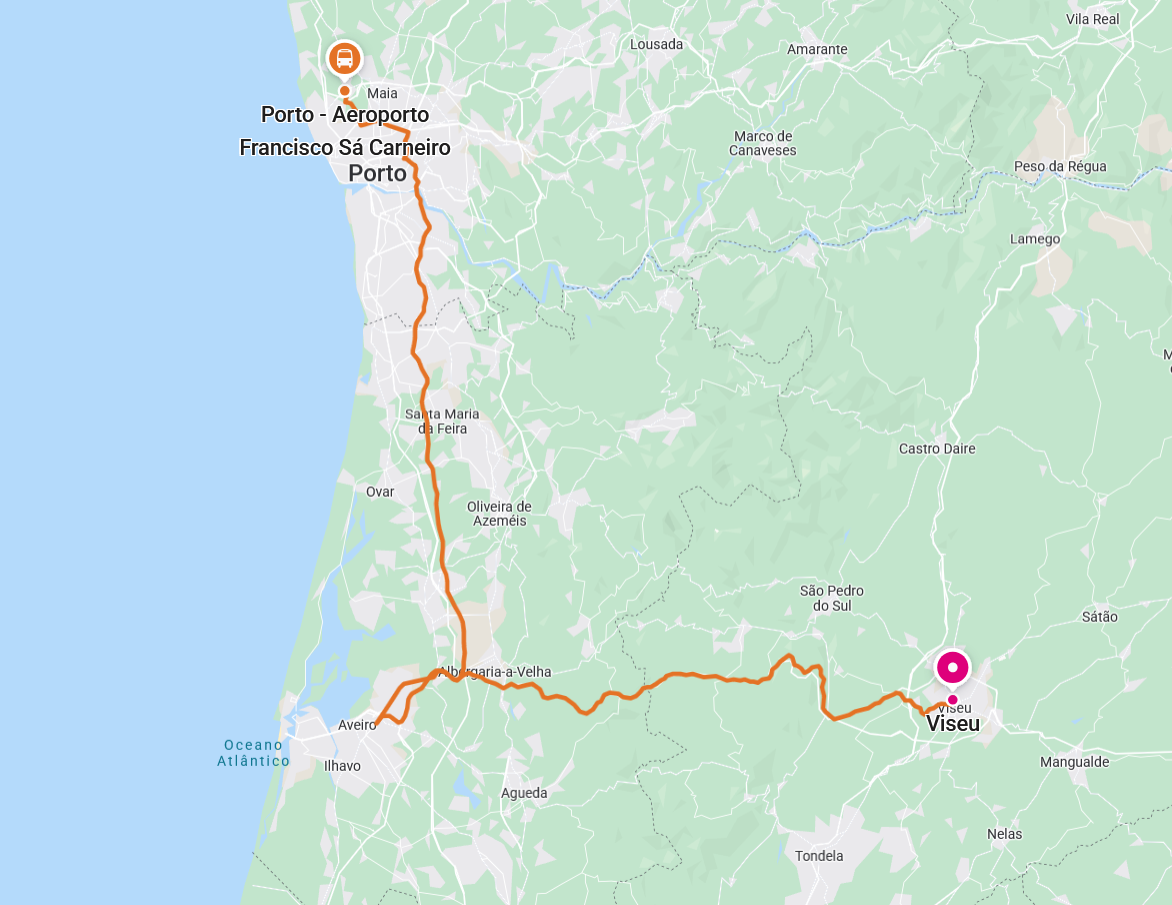
HOME Viseu Aveiro Costa Nova Do Prado Museo do Caramulo (Motor Museum)

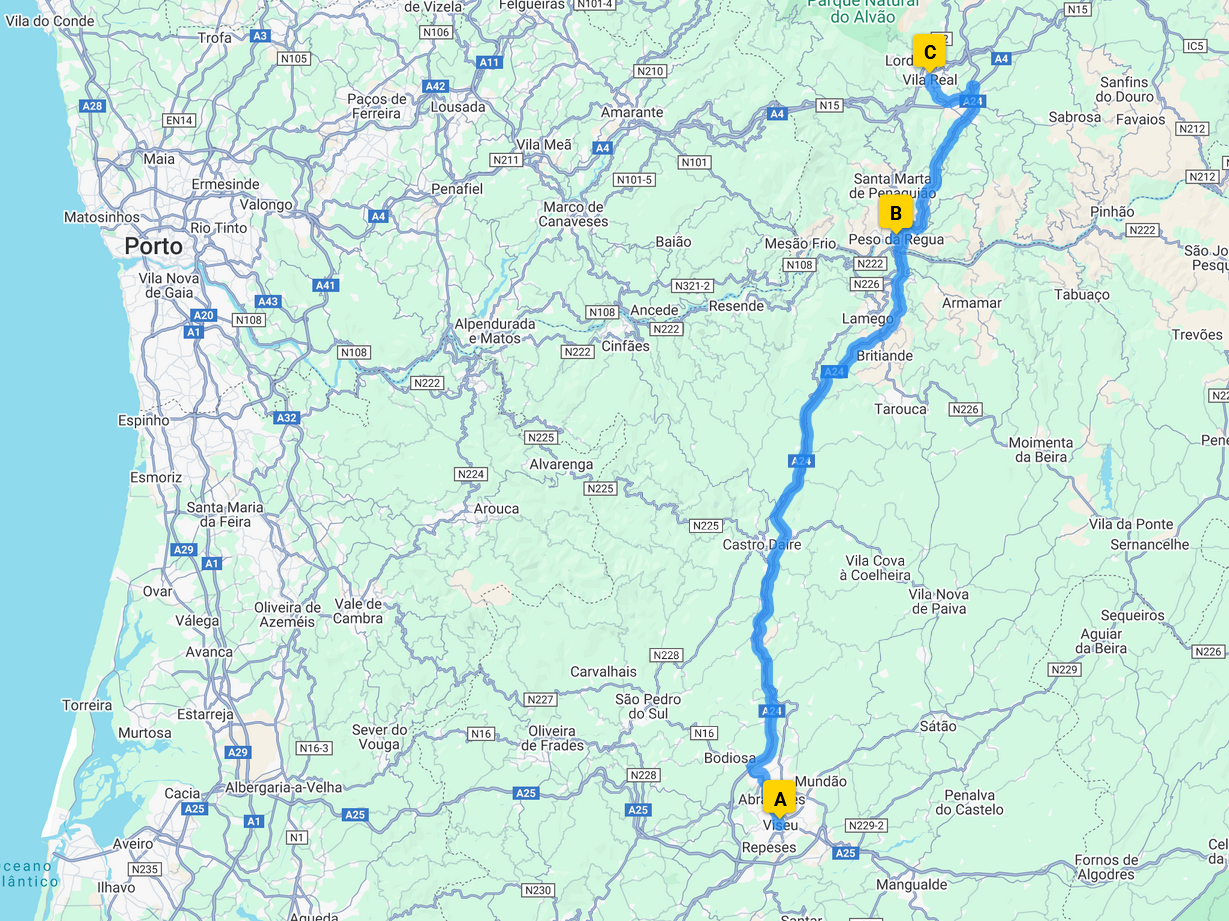
Viseu

Viseu

Centro,   Portugal

Viseu is a historic city in the Centro Region of Portugal, known for its medieval streets, rich cultural heritage, and proximity to the Dão wine region. Often called the "Queen of Beira Alta," Viseu offers a blend of history, art, and gastronomy, making it a popular destiPortugal for visitors.
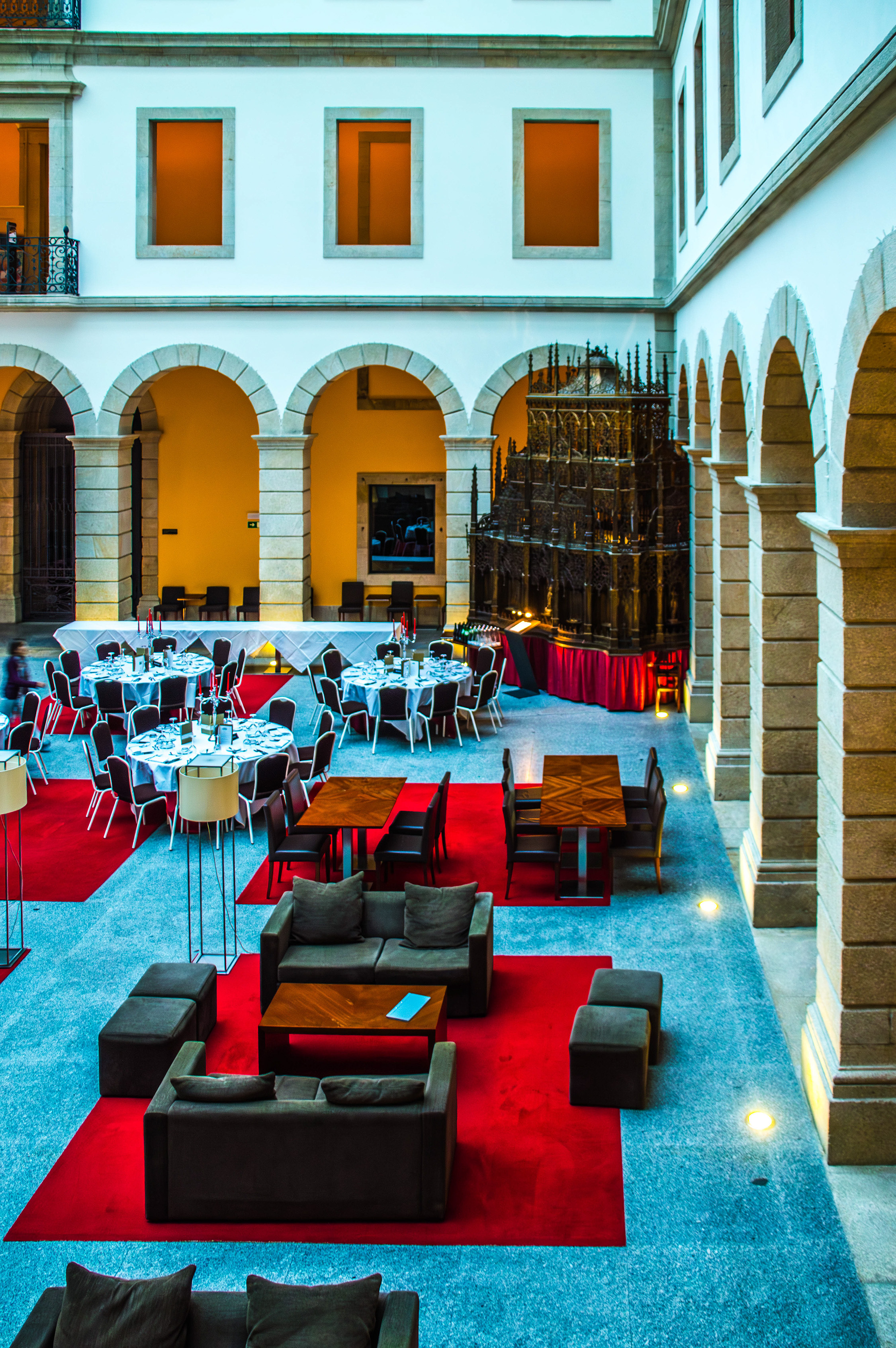
Pousada Hotel Dining Courtyard
Pousada Hotel Dining Courtyard ‐ photo by ,
©www.mgaylard.co.uk.
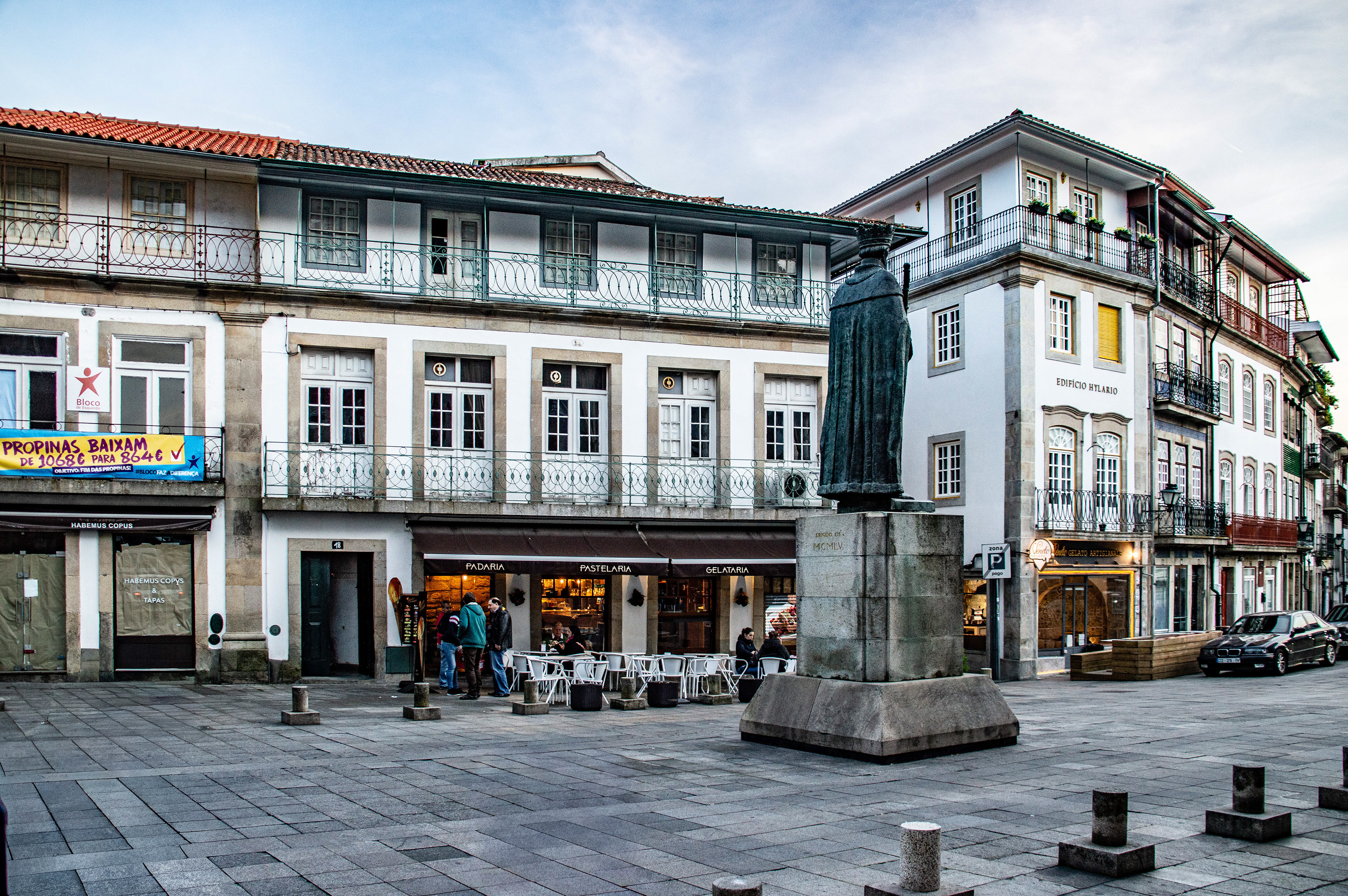
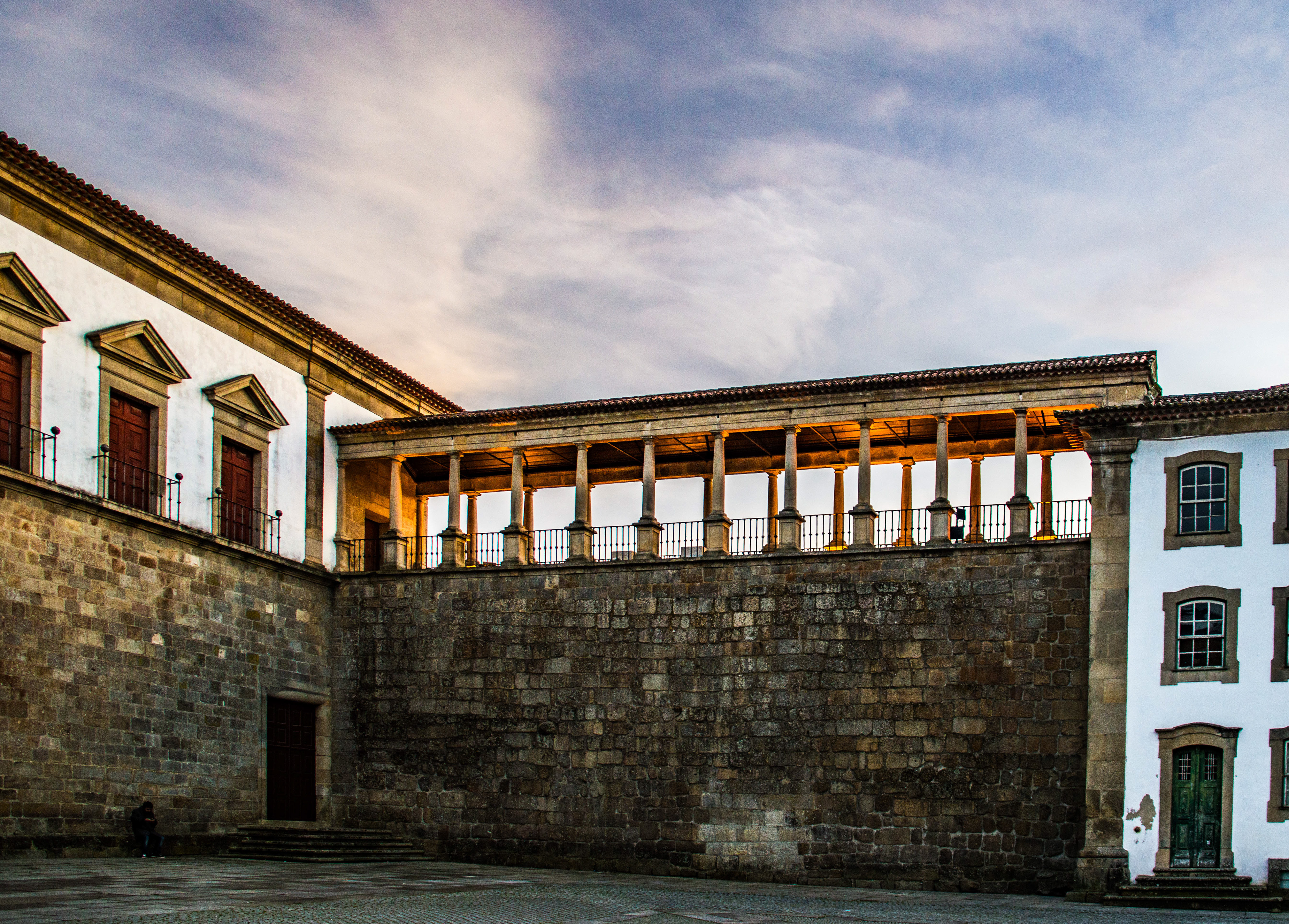
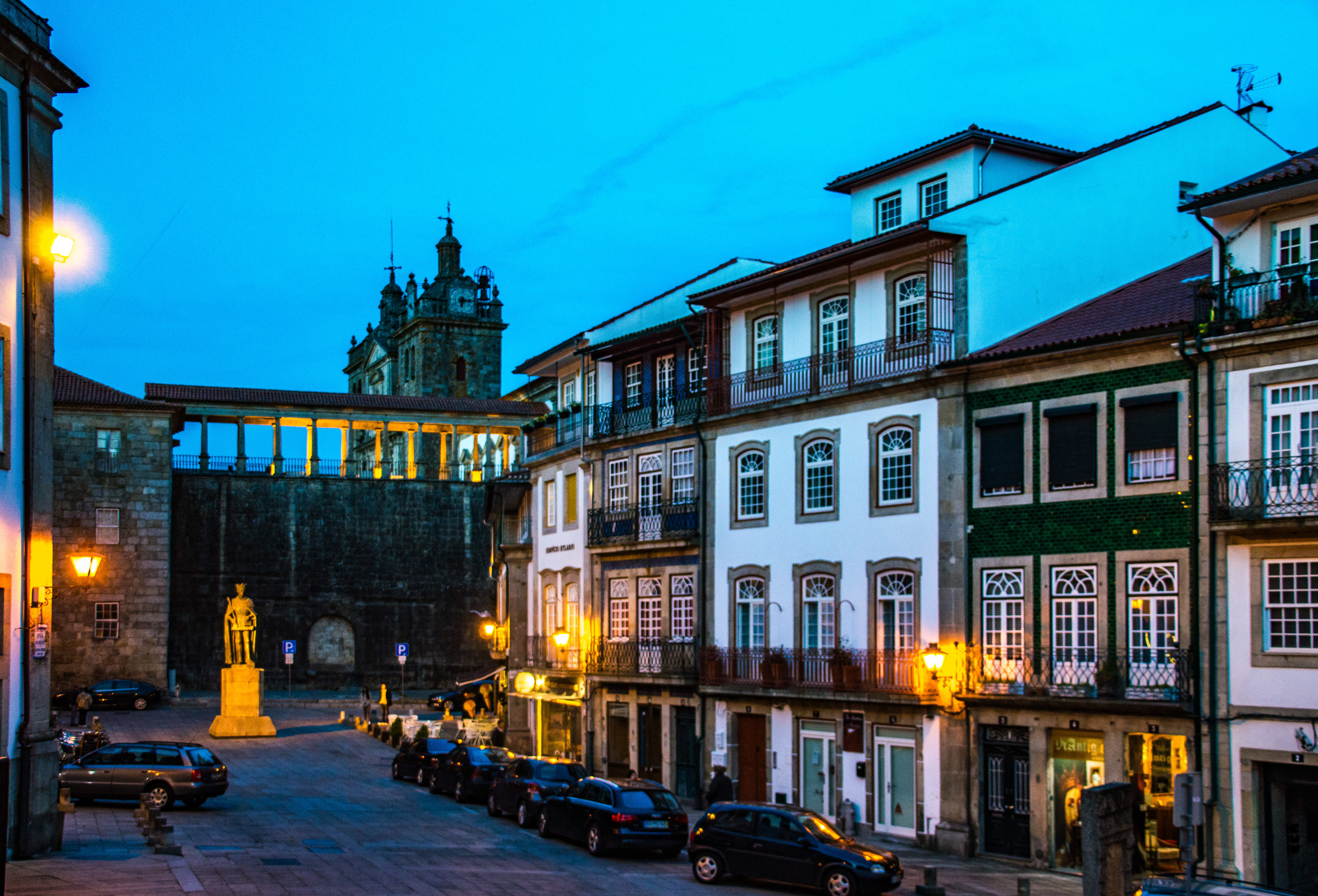
Praça da Sé
Praça da Sé ‐ photo by ,
©www.mgaylard.co.uk.
the evening
the evening ‐ photo by ,
©www.mgaylard.co.uk.
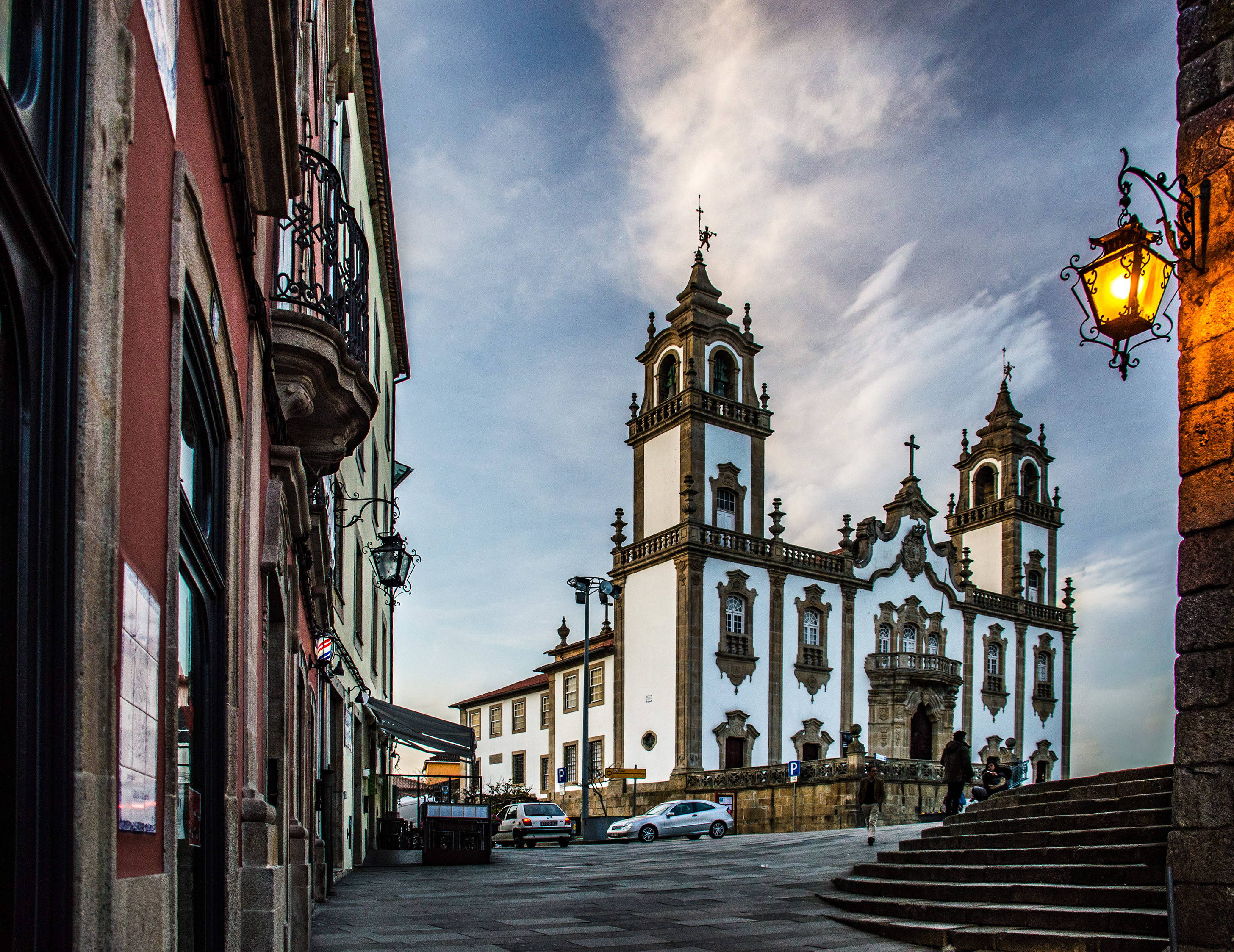
Igreja da Misericordia de Viseu
Igreja da Misericordia de Viseu ‐ photo by ,
©www.mgaylard.co.uk.
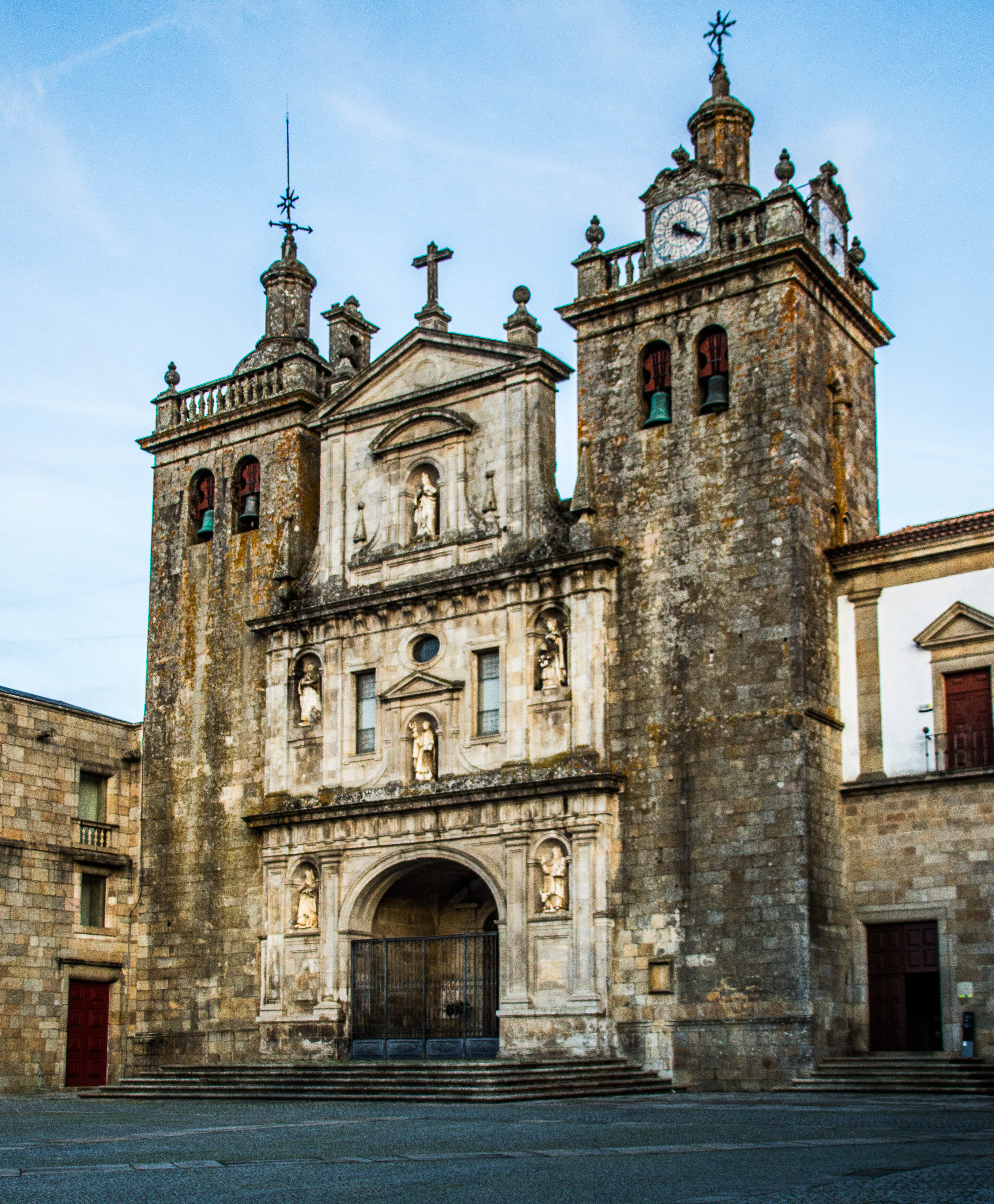
Sé Catedral de Viseu
Sé Catedral de Viseu ‐ photo by ,
©www.mgaylard.co.uk.
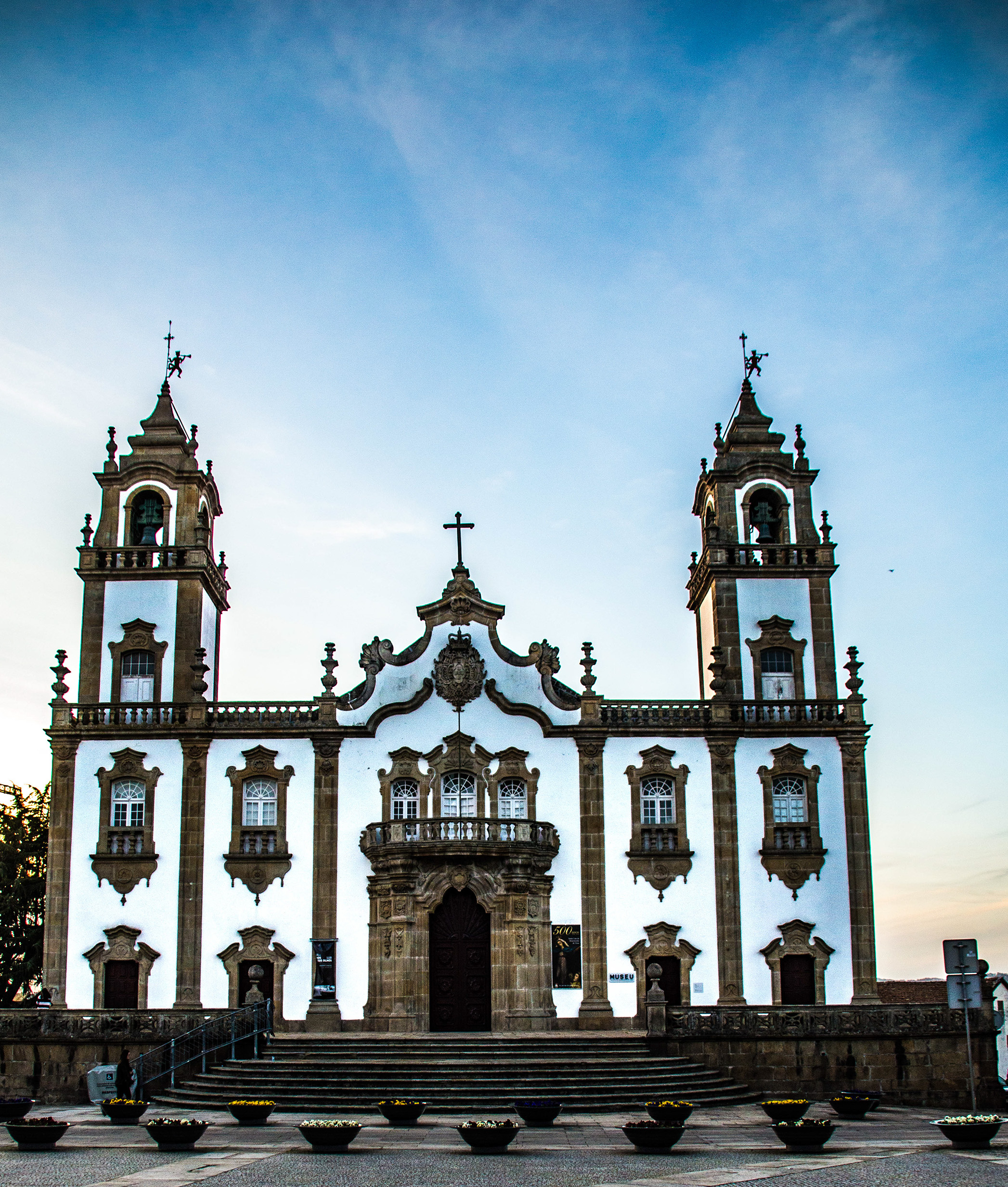
Igreja da Misericordia de Viseu
Igreja da Misericordia de Viseu ‐ photo by ,
©www.mgaylard.co.uk.
Sé Catedral de Viseu
Sé Catedral de Viseu ‐ photo by ,
©www.mgaylard.co.uk.
Praça de D. Duarte
Praça de Dom Duarte ‐ photo by ,
©www.mgaylard.co.uk.
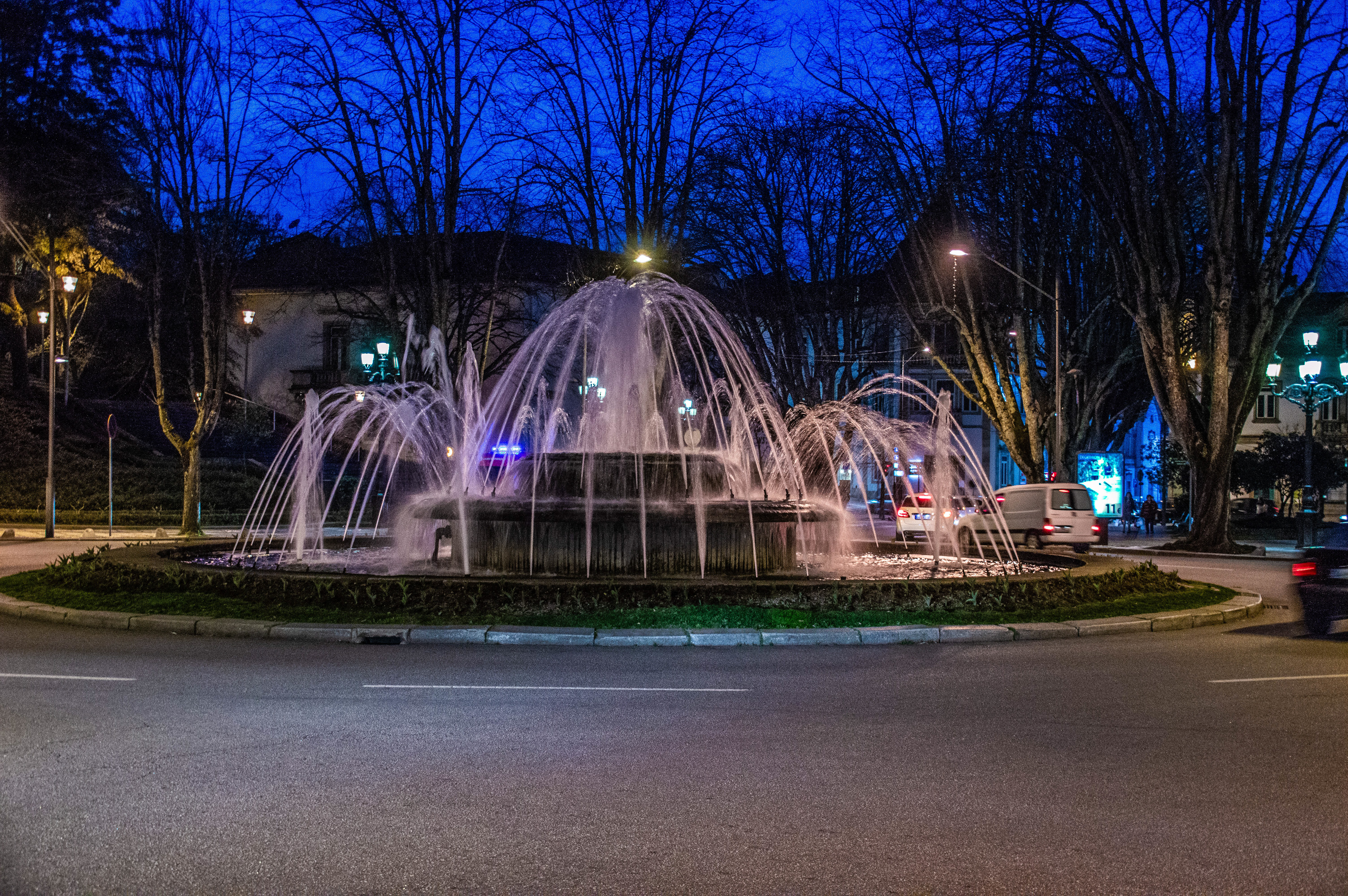
Fonte Luminosa
Fonte Luminosa ‐ photo by ,
©www.mgaylard.co.uk.
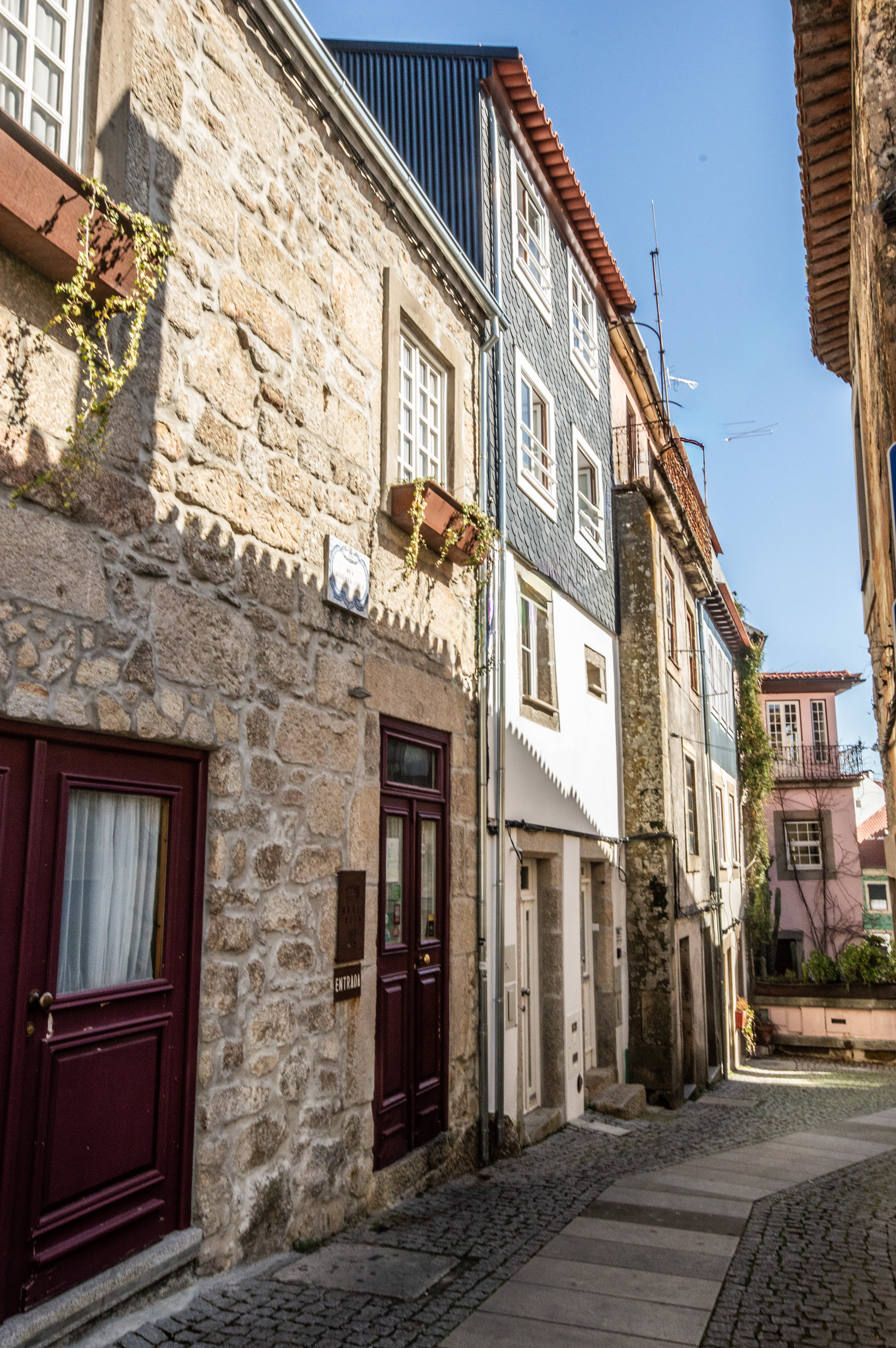
cobblestone street ‐ photo by ,
©www.mgaylard.co.uk.
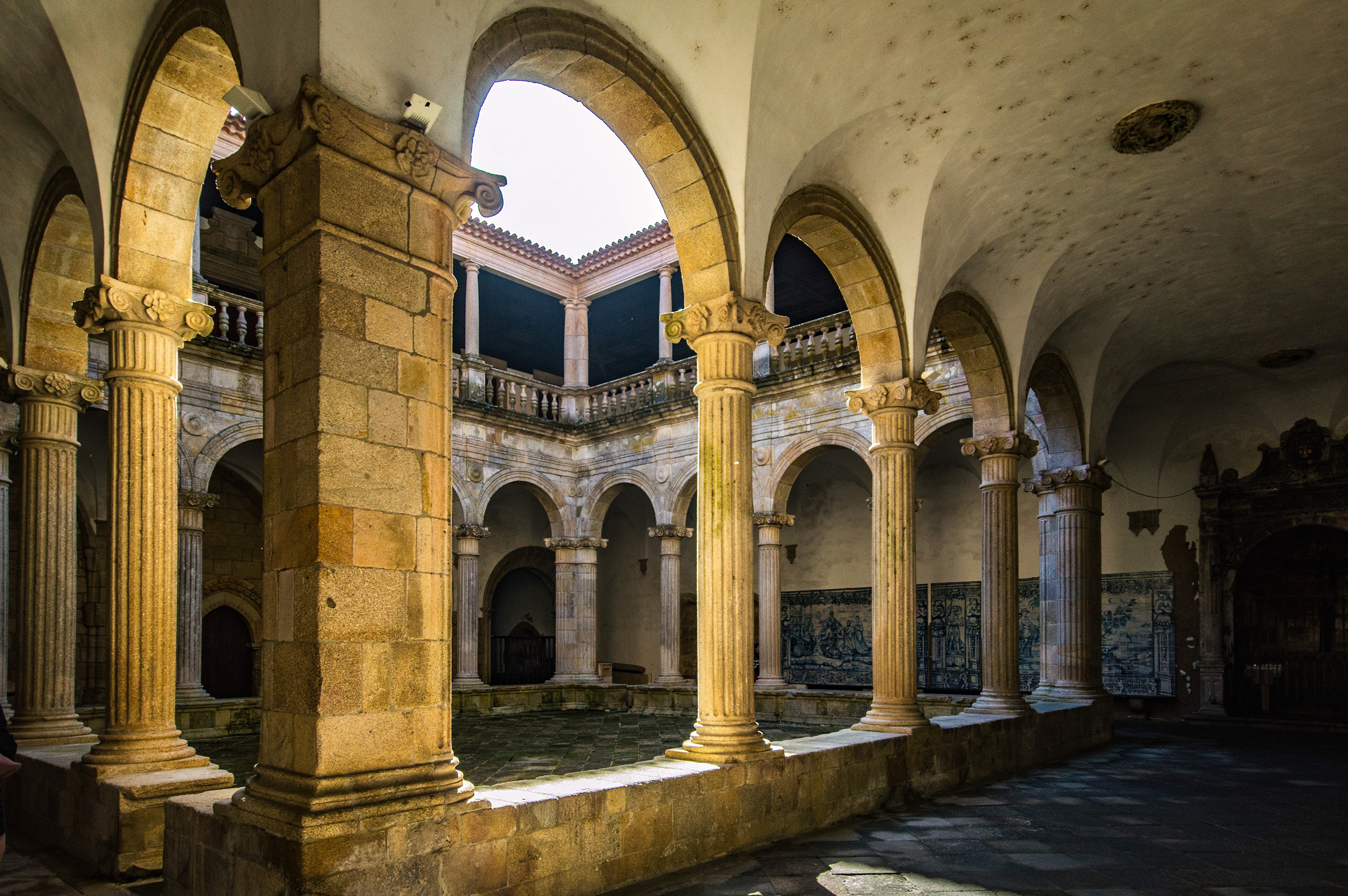
two-story cloister
two-story cloister ‐ photo by ,
©www.mgaylard.co.uk.
stone buildings with balconies
stone buildings with balconies ‐ photo by ,
©www.mgaylard.co.uk.
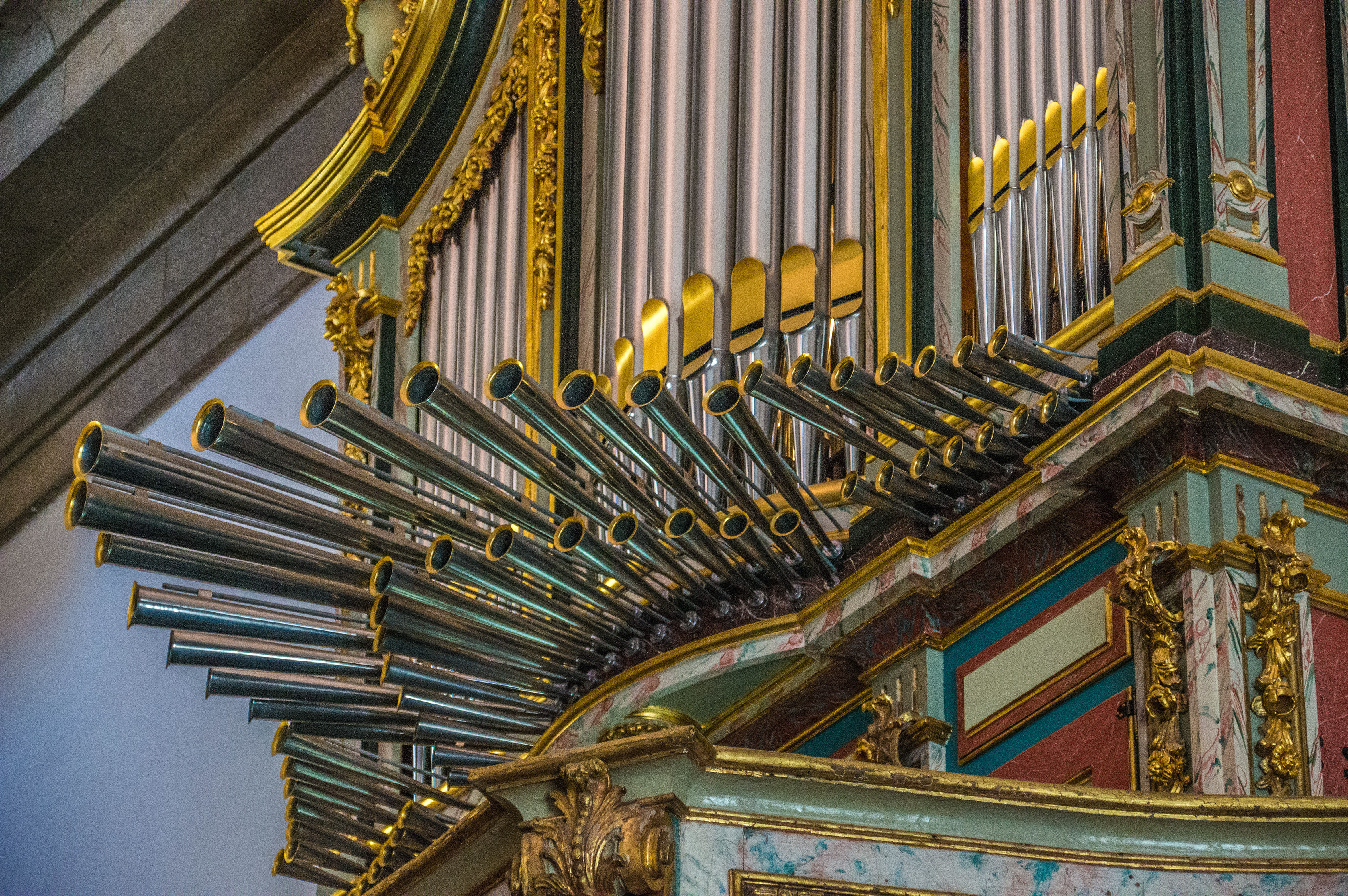
ornate details of a pipe organ
ornate details of a pipe organ ‐ photo by ,
©www.mgaylard.co.uk.
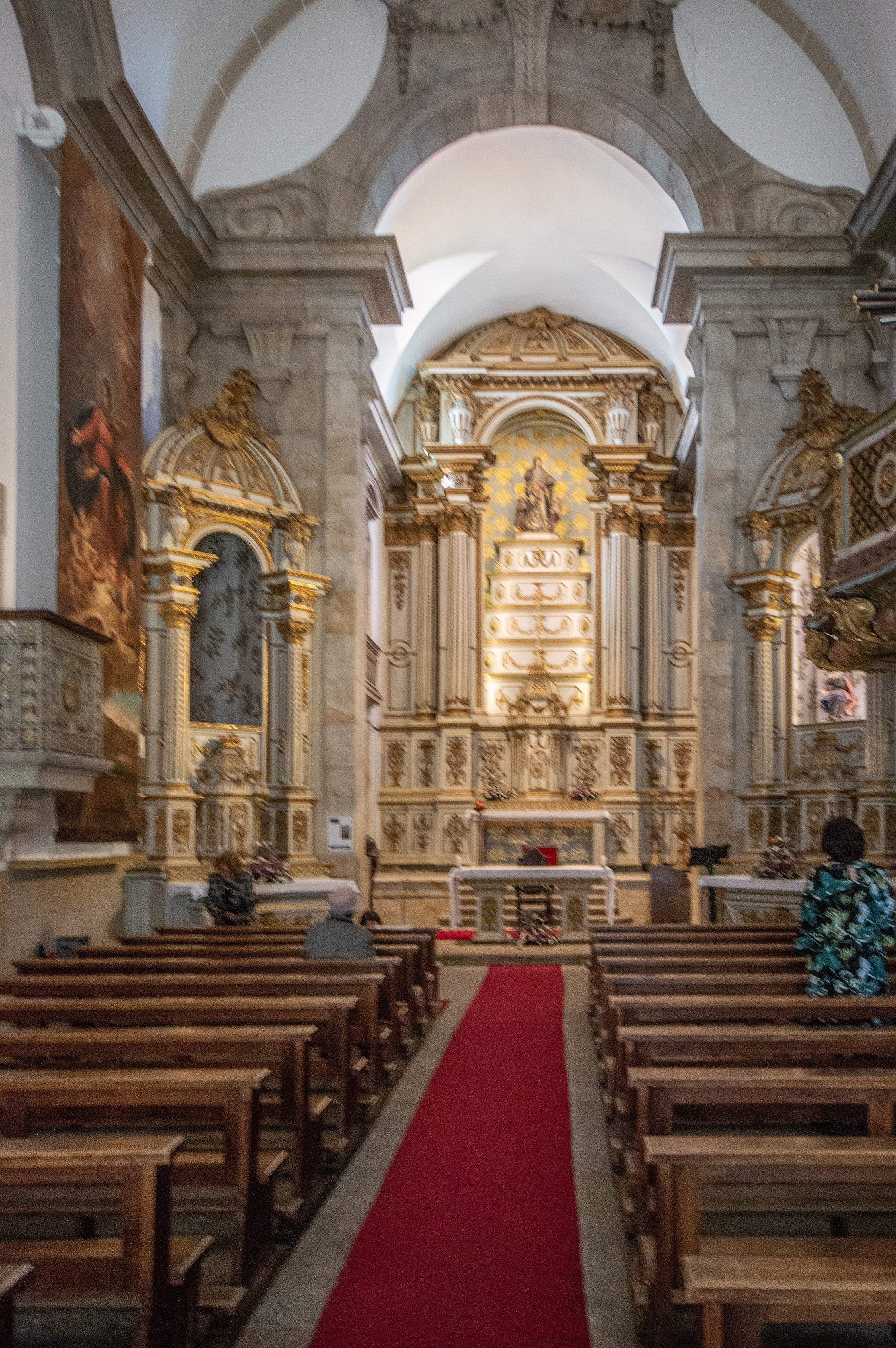
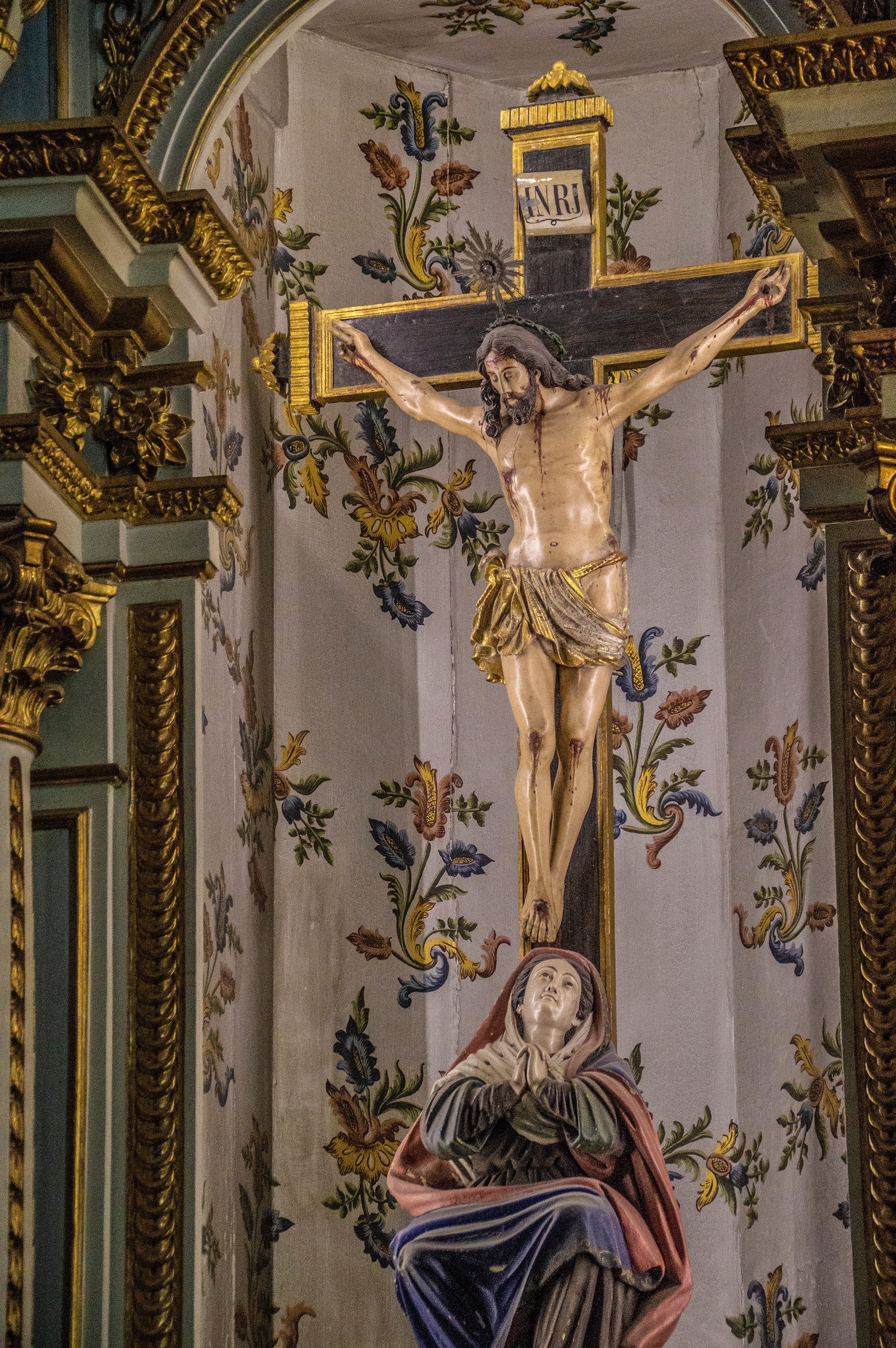
Sé Catedral de Viseu
Sé Catedral de Viseu ‐ photo by ,
©www.mgaylard.co.uk.
Sé Catedral de Viseu
Sé Catedral de Viseu ‐ photo by ,
©www.mgaylard.co.uk.
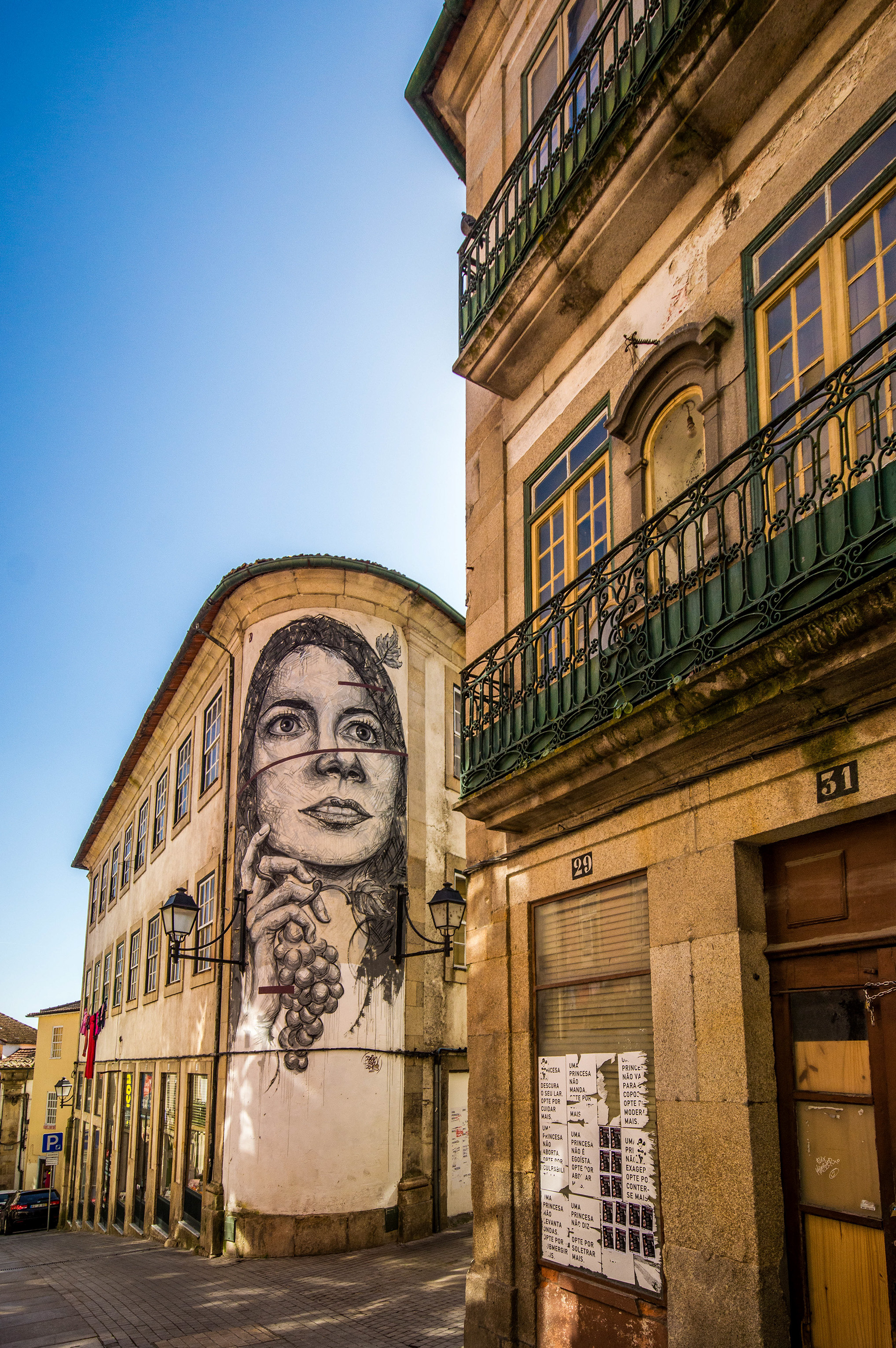
mural
mural ‐ photo by ,
©www.mgaylard.co.uk.
Open the full set flickr button this page

Viseu

Is a city and municipality in Portugal’s Centro Region, serving as the capital of the Viseu district.
Population: about 103,500 in the municipality, and it anchors the wider Viseu Dão Lafões region with over 267,000 inhabitants.
Historically, it’s tied to Viriathus, the Lusitanian leader who resisted Roman rule..

Roman crossroads: Viseu sat at the intersection of major Roman roads linking Mérida, Lisbon, and Galicia.
Civic and ecclesiastical power: It became a diocese in the 6th century, and its cathedral still dominates the city’s symbolic skyline.
Cultural hub: The Grão Vasco Museum holds some of Portugal’s most important Renaissance works — a natural fit for your gallery-semantic mapping.
Landscape and wine: It’s the heart of the Dão wine region, surrounded by vineyards and pine forests.
References

portugaltravelguide.comen.wikipedia.org , Text generated by Microsoft CoPilot , Text generated by Mistral AI , generated by Google's Gemini AI

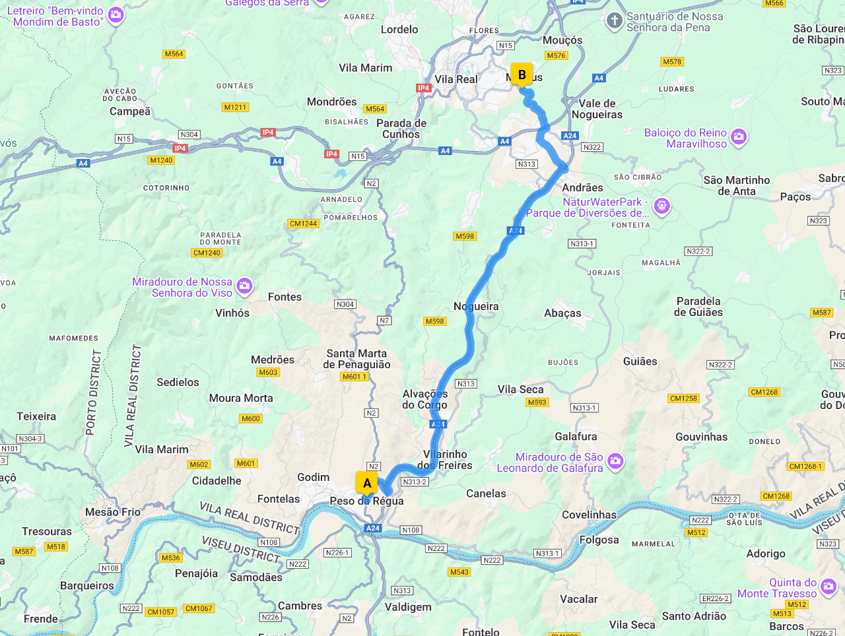
Peso da Régua,

Vila Real,   Portugal

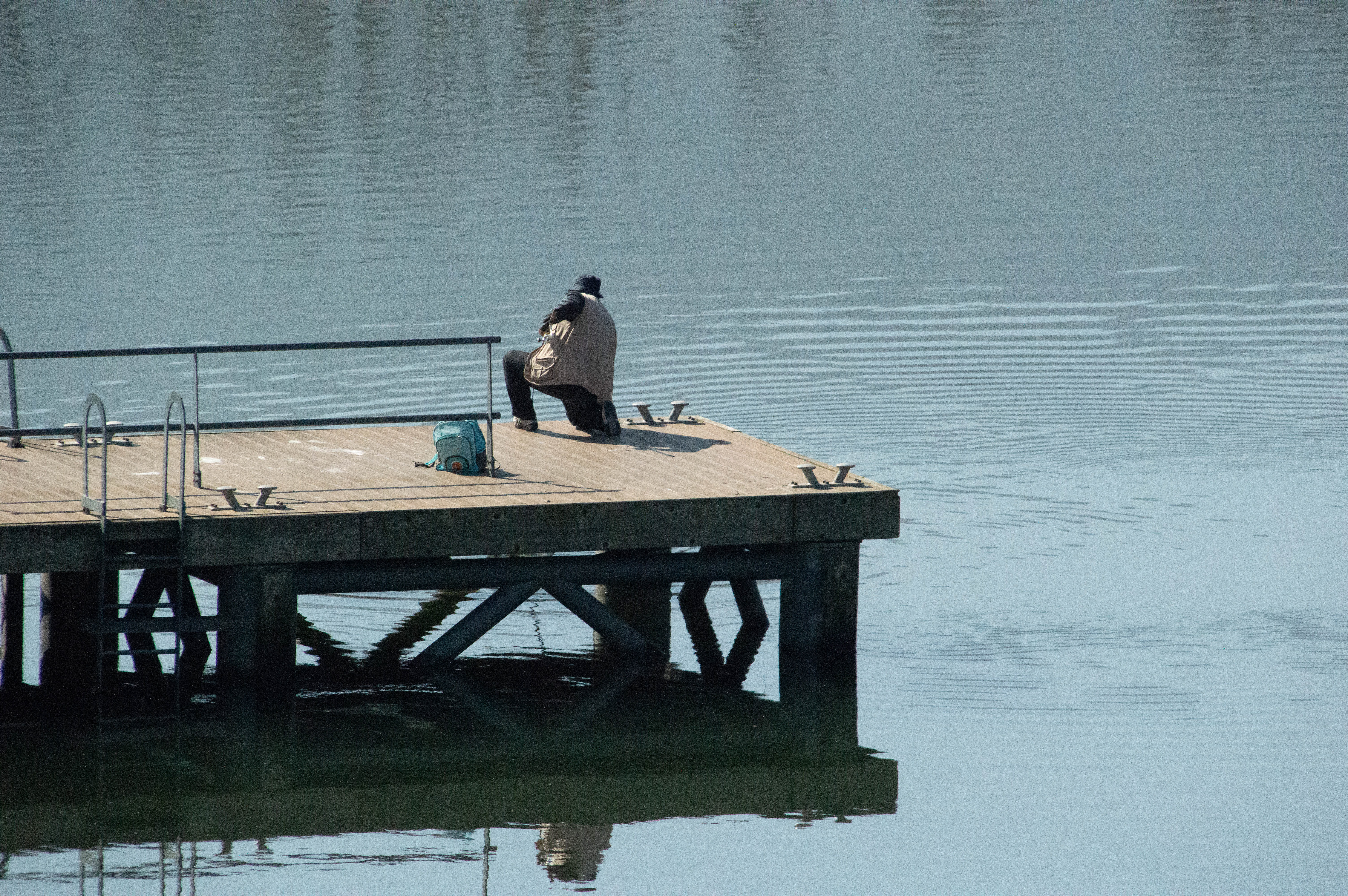
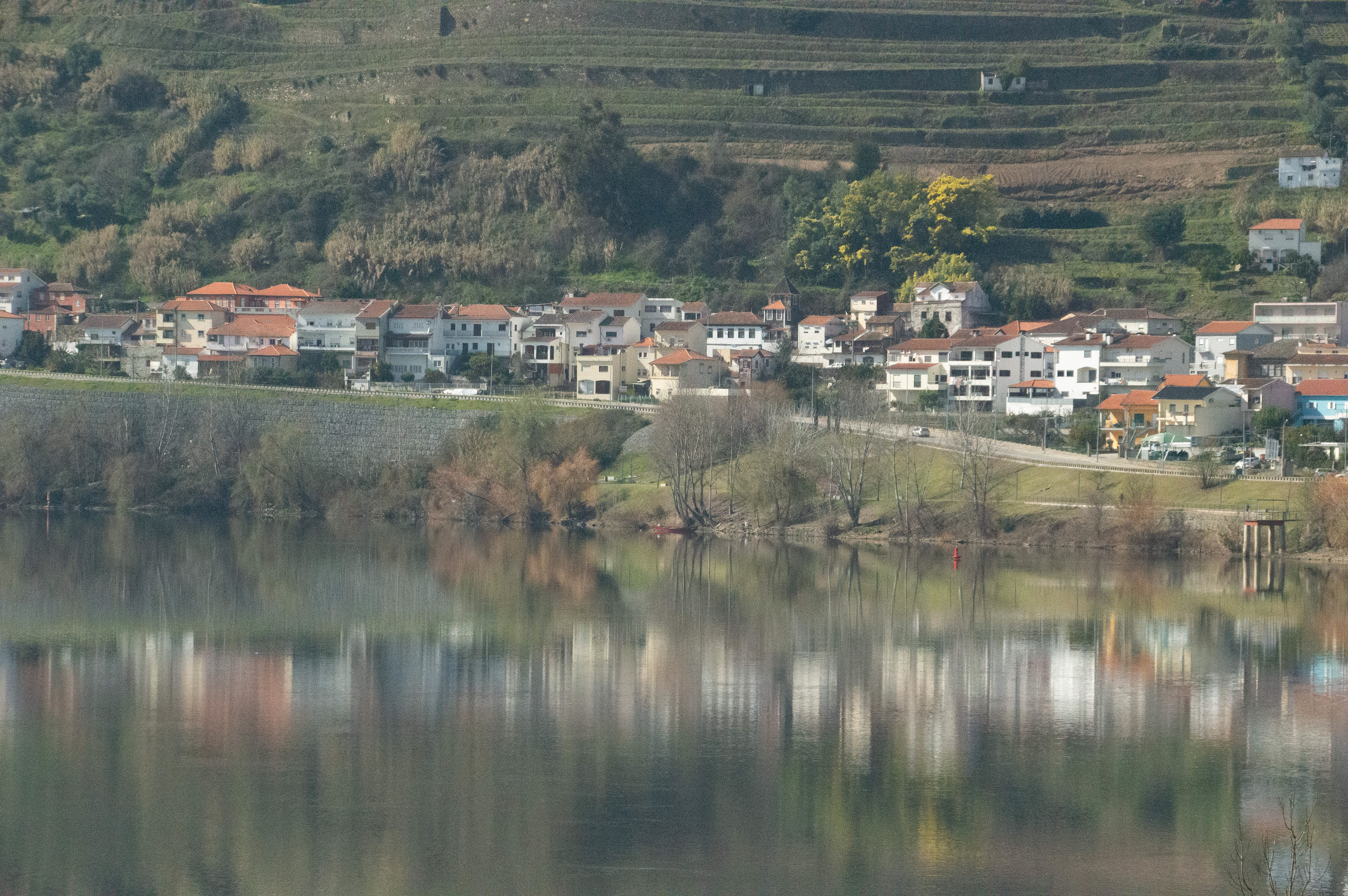
Refelctions On The River
Refelctions On The River ‐ photo by ,
©www.mgaylard.co.uk.
Refelctions On The River
Refelctions On The River ‐ photo by ,
©www.mgaylard.co.uk.
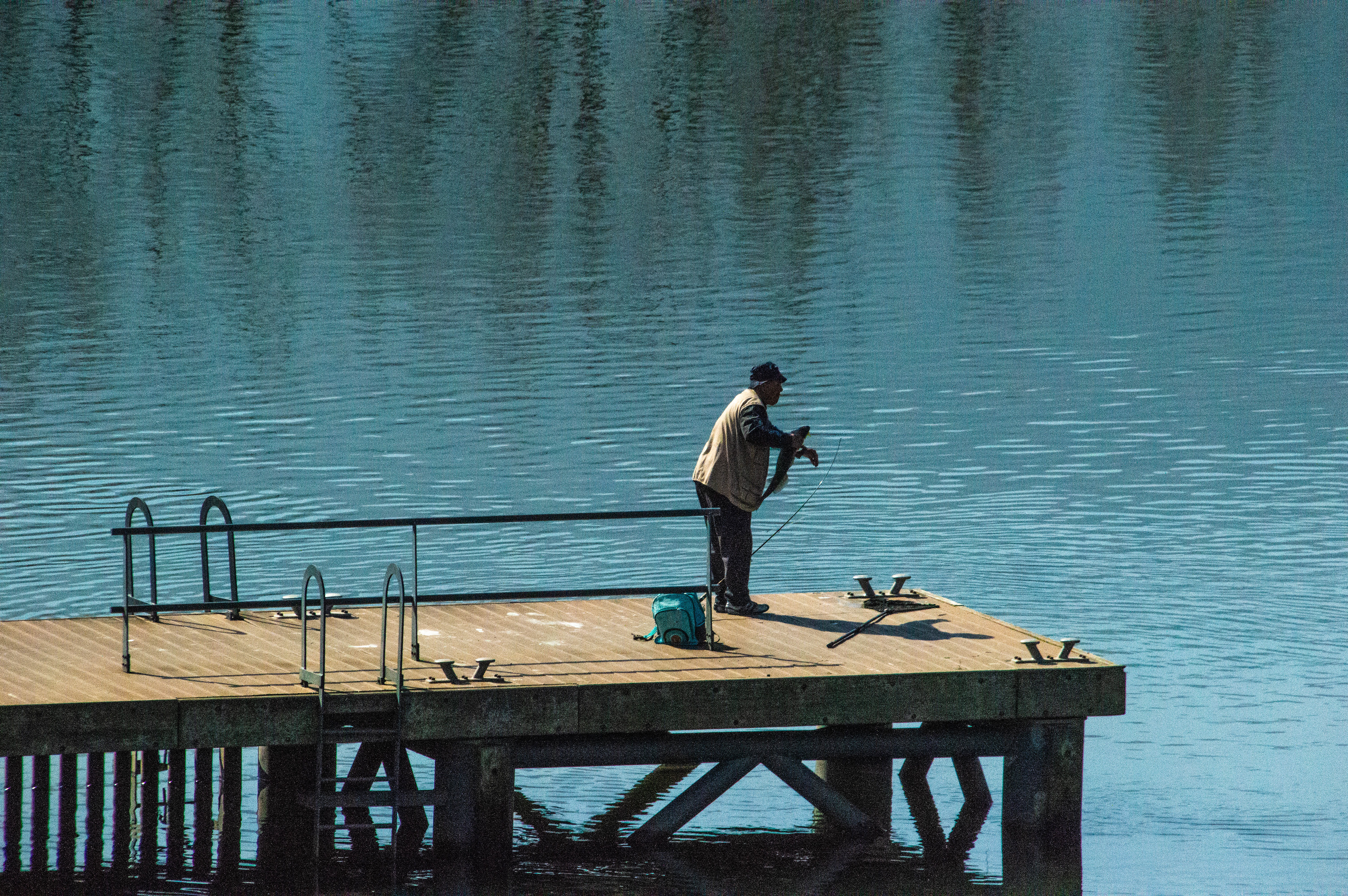
Fisherman
Fisherman ‐ photo by ,
©www.mgaylard.co.uk.
Fisherman
Fisherman ‐ photo by ,
©www.mgaylard.co.uk.
Open the full set flickr button this page

Peso da Régua

Peso da Régua sits at the heart of the Douro’s dramatic geography — the river’s long, muscular bend, the terraced vineyards, and the flow of wine, labour, and history all converging into a single civic node. It’s a place defined by movement: boats, trains, barrels, and stories passing through a landscape carved by human hands over centuries.

Peso da Régua is the historic nerve centre of Port wine production and distribution. Its position on the Douro River made it the natural gathering point for wine from the Baixo Corgo and beyond.
Strategic river port: Régua served as the main embarkation point for wine transported downriver to Vila Nova de Gaia in traditional rabelo boats.
Early viticulture: Archaeological evidence shows grape cultivation here since Roman times, thanks to fertile riverbanks and schist soils ideal for vines.
Demarcation of the Douro: Régua played a central role in the 18th-century demarcation of the Douro wine region — one of the world’s first regulated appellations.
Casa do Douro: Founded in 1932, this institution in Régua became the administrative heart of vineyard registration and quality control for Port wine.

How Wine Moved Through Peso da Régua


For centuries, barrels were loaded in Régua and shipped down the Douro in rabelo boats — a dangerous journey through rapids before the river was dammed. Régua was the key consolidation point for these shipments.
The arrival of the Douro railway in the 19th century transformed the trade:
Faster, safer transport of barrels to Porto
Expansion of vineyard production upstream
égua became a major rail hub for wine logistics

Storage, Cooperage, and Trade


Warehouses for aging and storing wine
Cooperages for barrel production
Merchant houses coordinating sales and export flow

References

www.itimaker.comportugaltravelguide.comwww.winalist.com , Text generated by Microsoft CoPilot , Text generated by Mistral AI , generated by Google's Gemini AI

Casa de Mateus

Vila RealPortugal

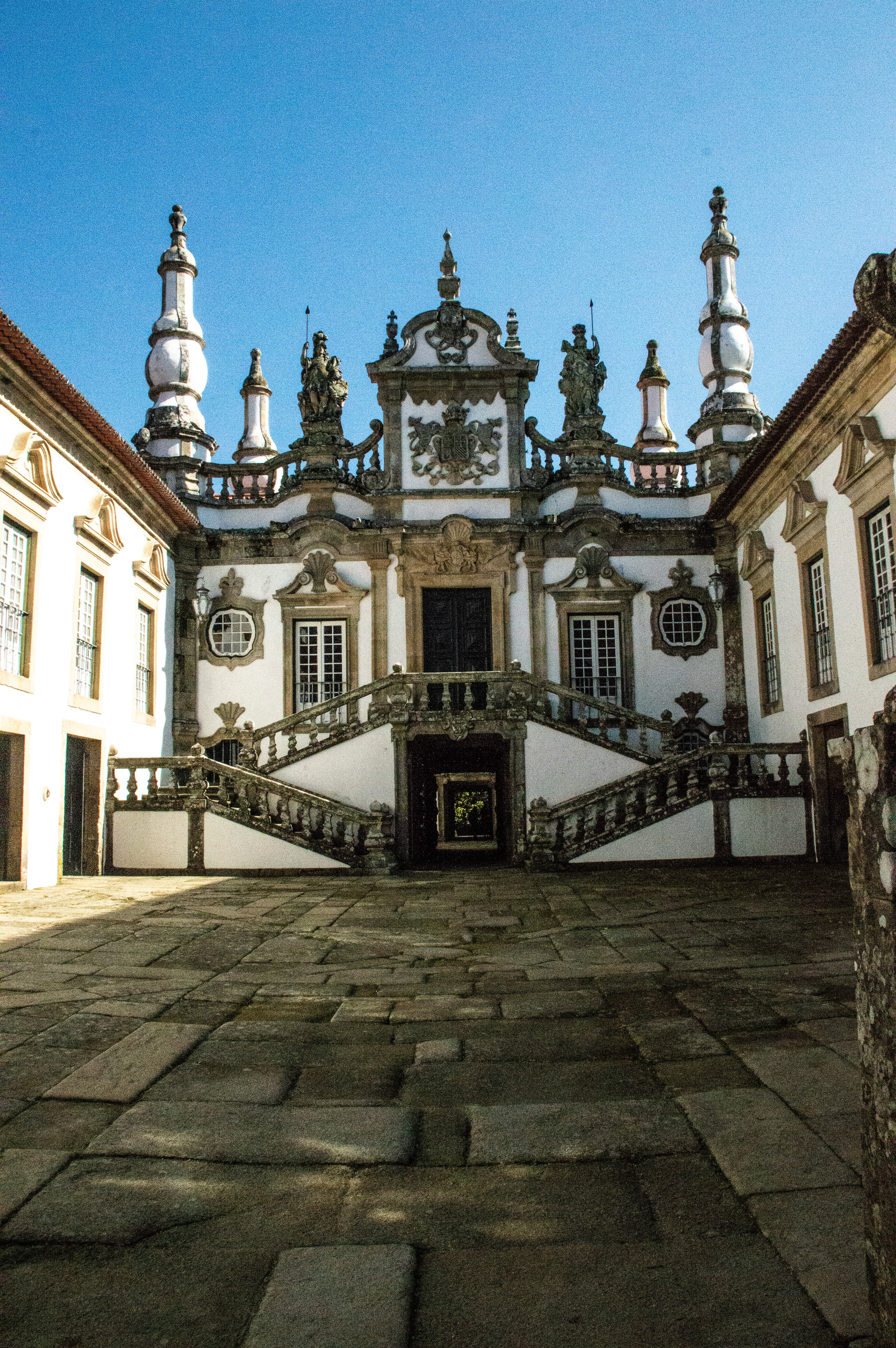
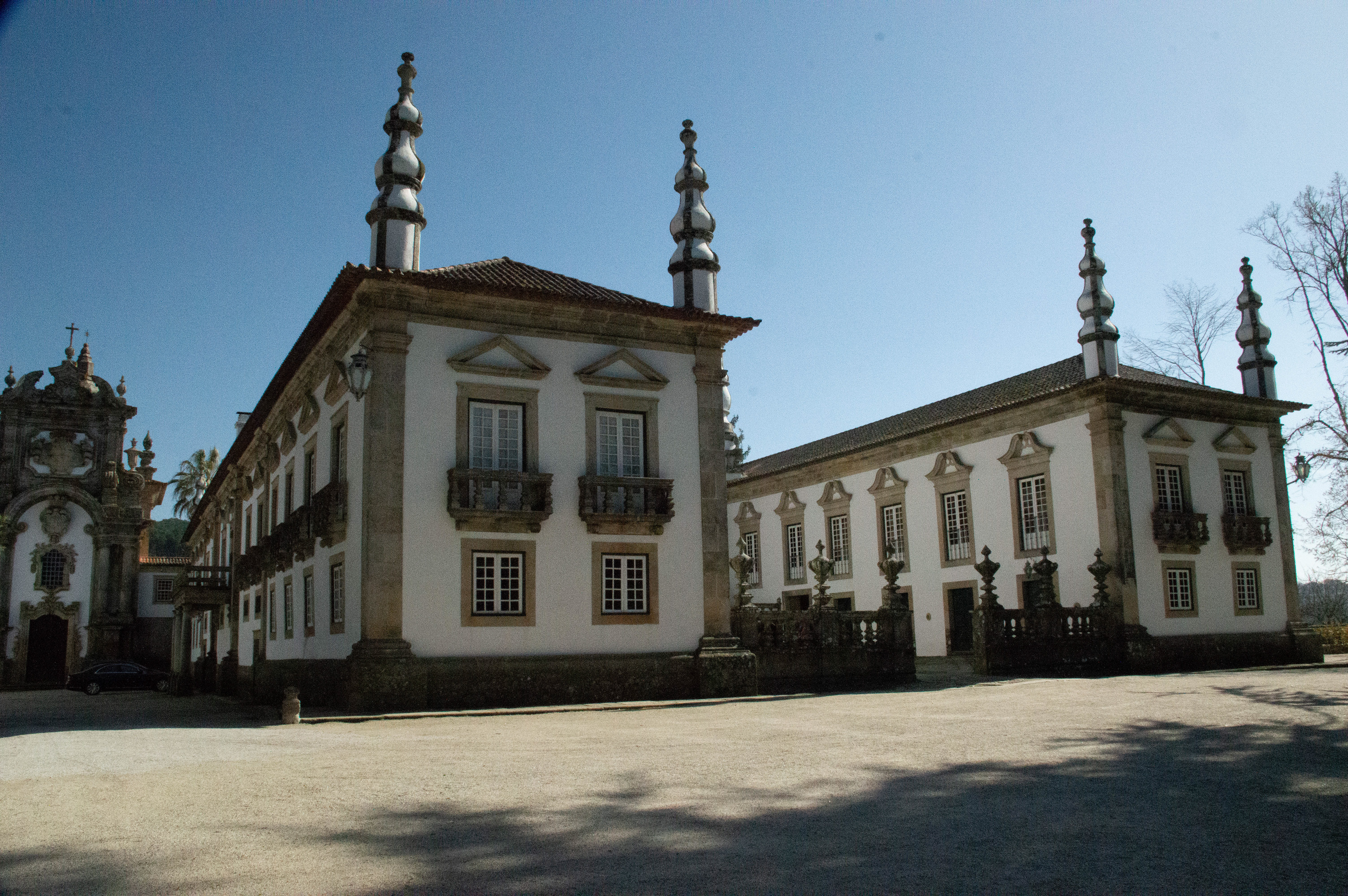
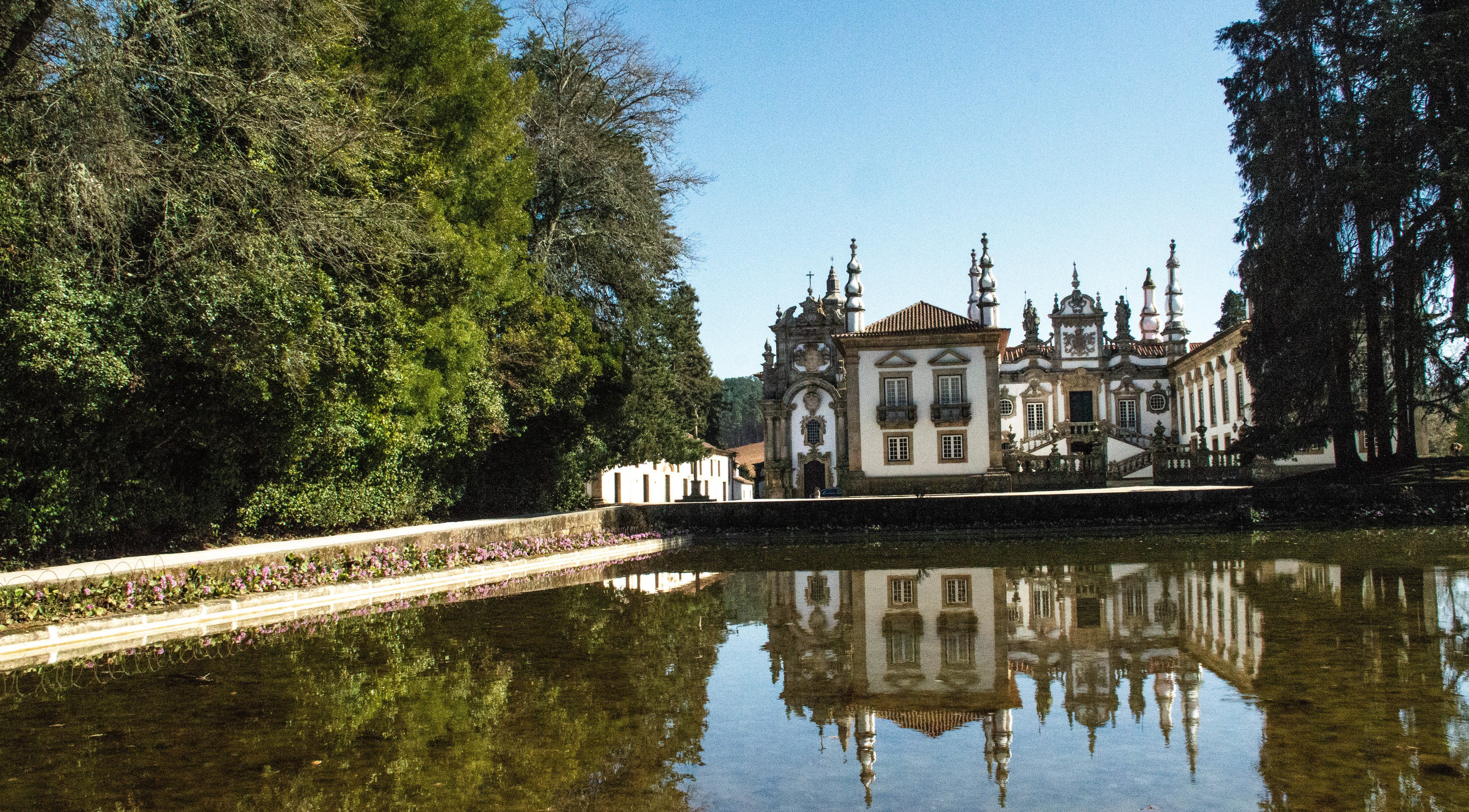
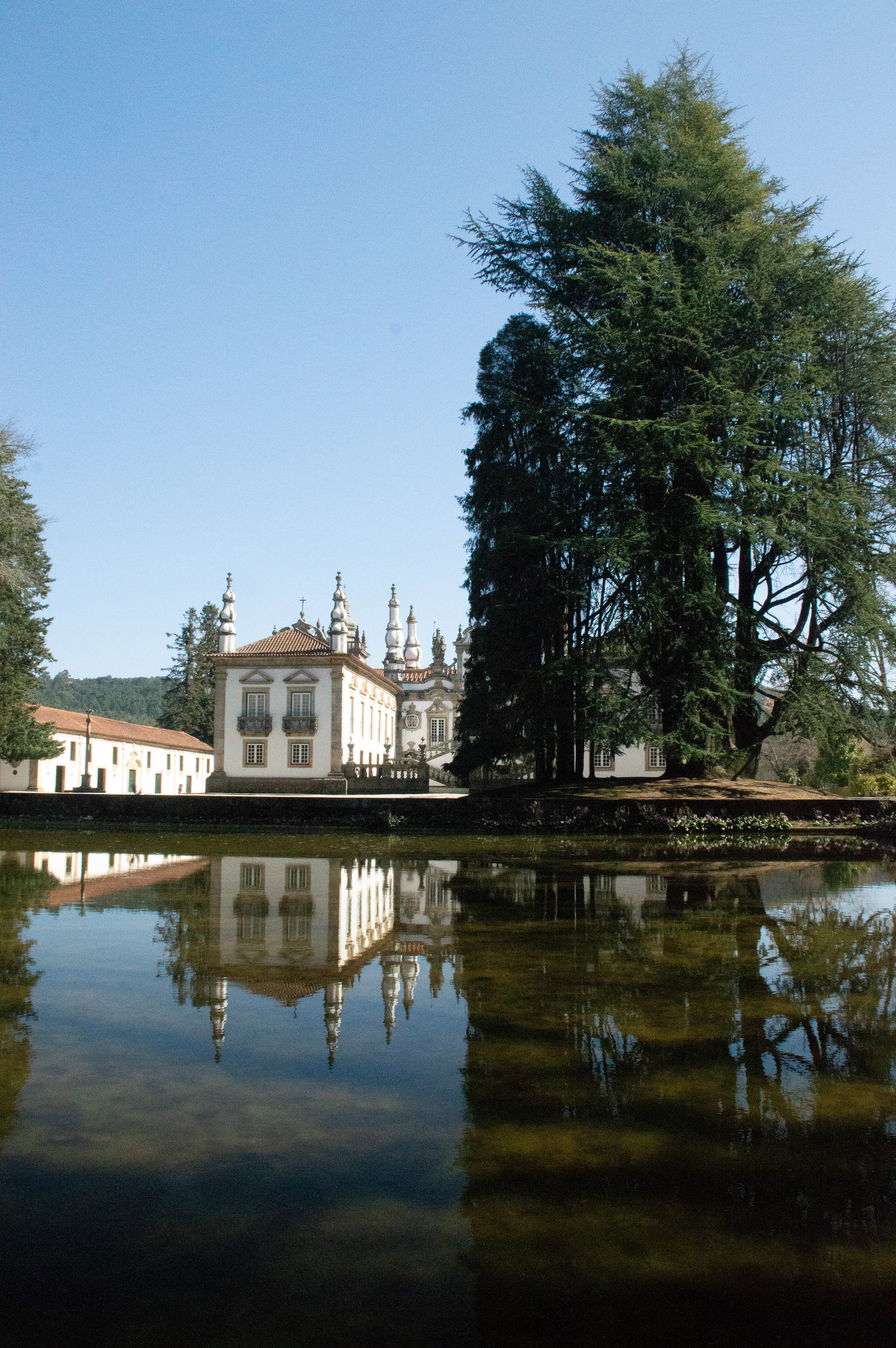
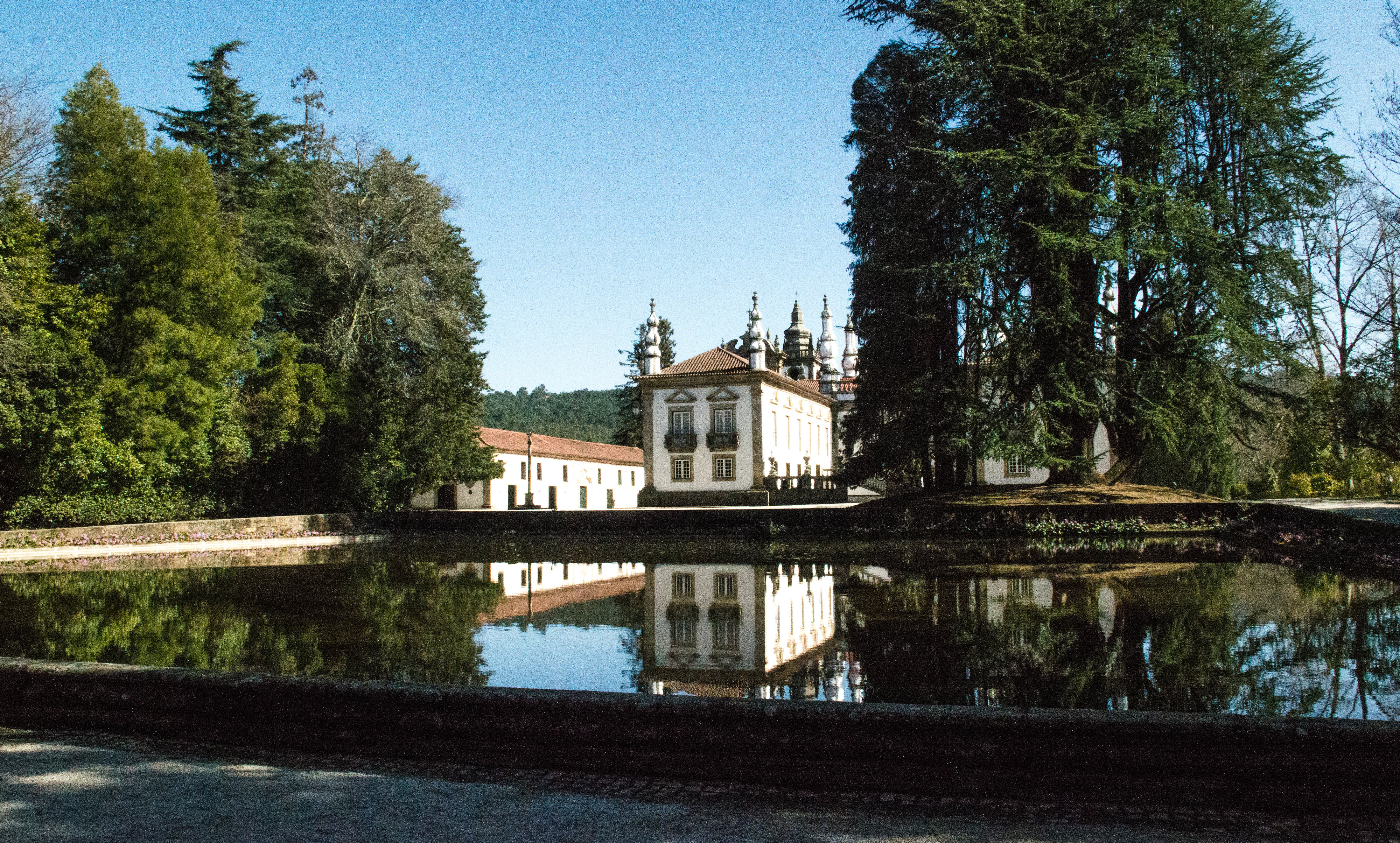
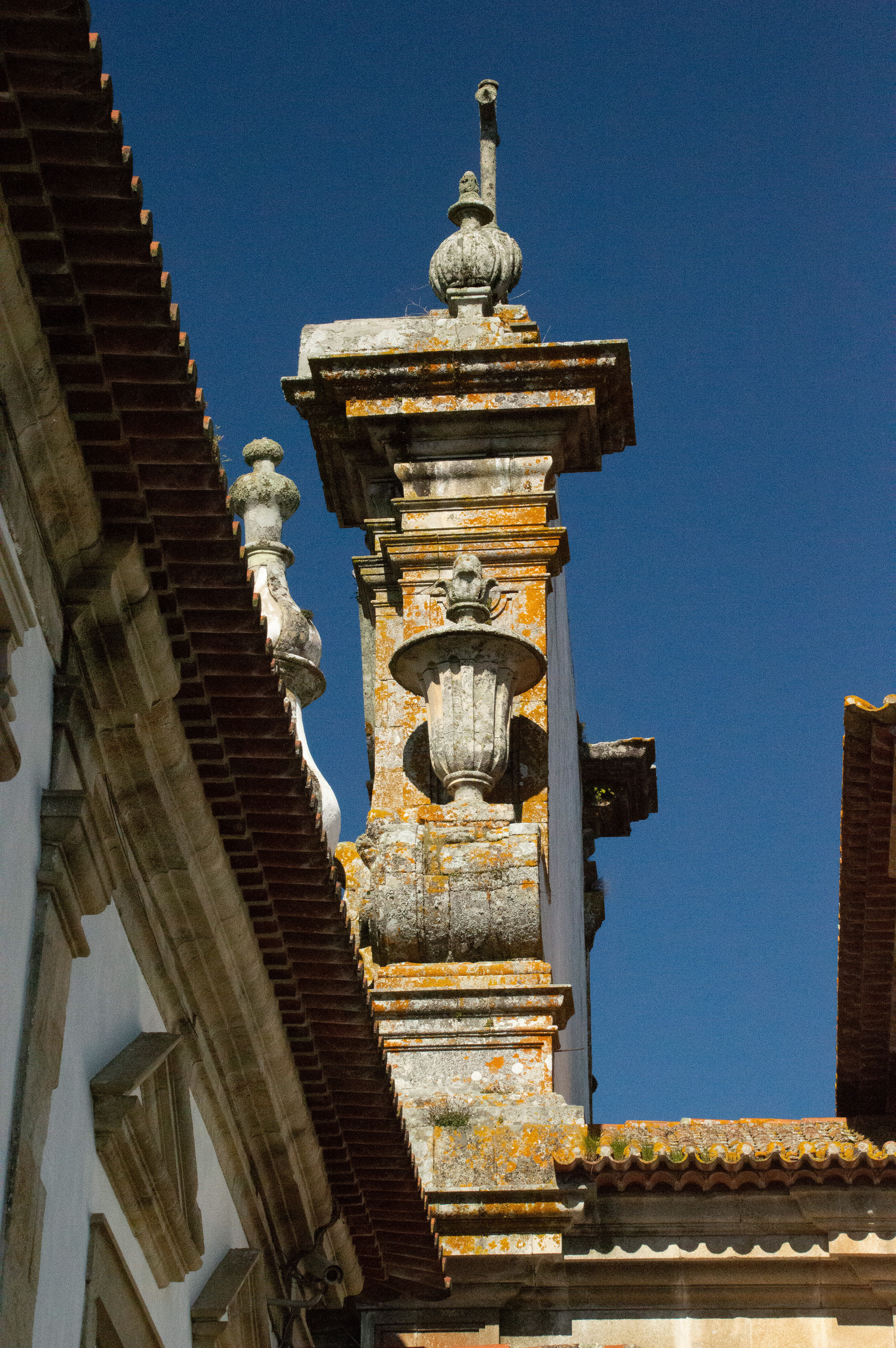
Casa de Mateus is a magnificent Baroque palace located near Vila Real, Portugal. Known for its exquisite architecture, lush gardens, and association with the famous Mateus Rosé wine, the estate is a cultural and historical landmark, often featured on the wine's label.
ornate architectural structure with a symmetrical design
ornate architectural structure with a symmetrical design ‐ photo by ,
©www.mgaylard.co.uk.
classical architectural
classical architectural ‐ photo by ,
©www.mgaylard.co.uk.
a grand, ornate building
a grand, ornate building ‐ photo by ,
©www.mgaylard.co.uk.
a tranquil and picturesque atmosphere
a tranquil and picturesque atmosphere ‐ photo by ,
©www.mgaylard.co.uk.
serene scene
serene scene ‐ photo by ,
©www.mgaylard.co.uk.
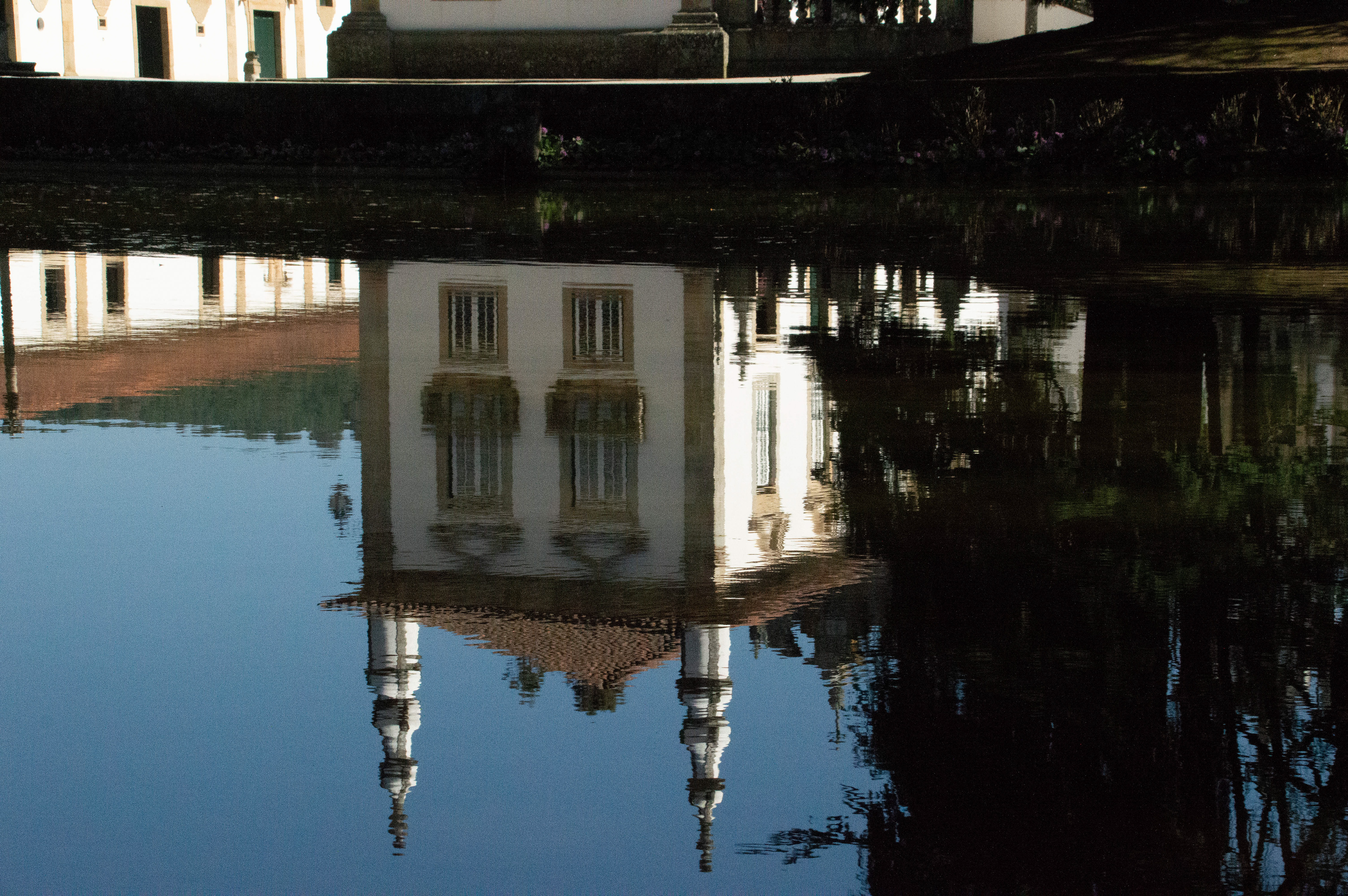
building reflected in calm water
building reflected in calm water ‐ photo by ,
©www.mgaylard.co.uk.
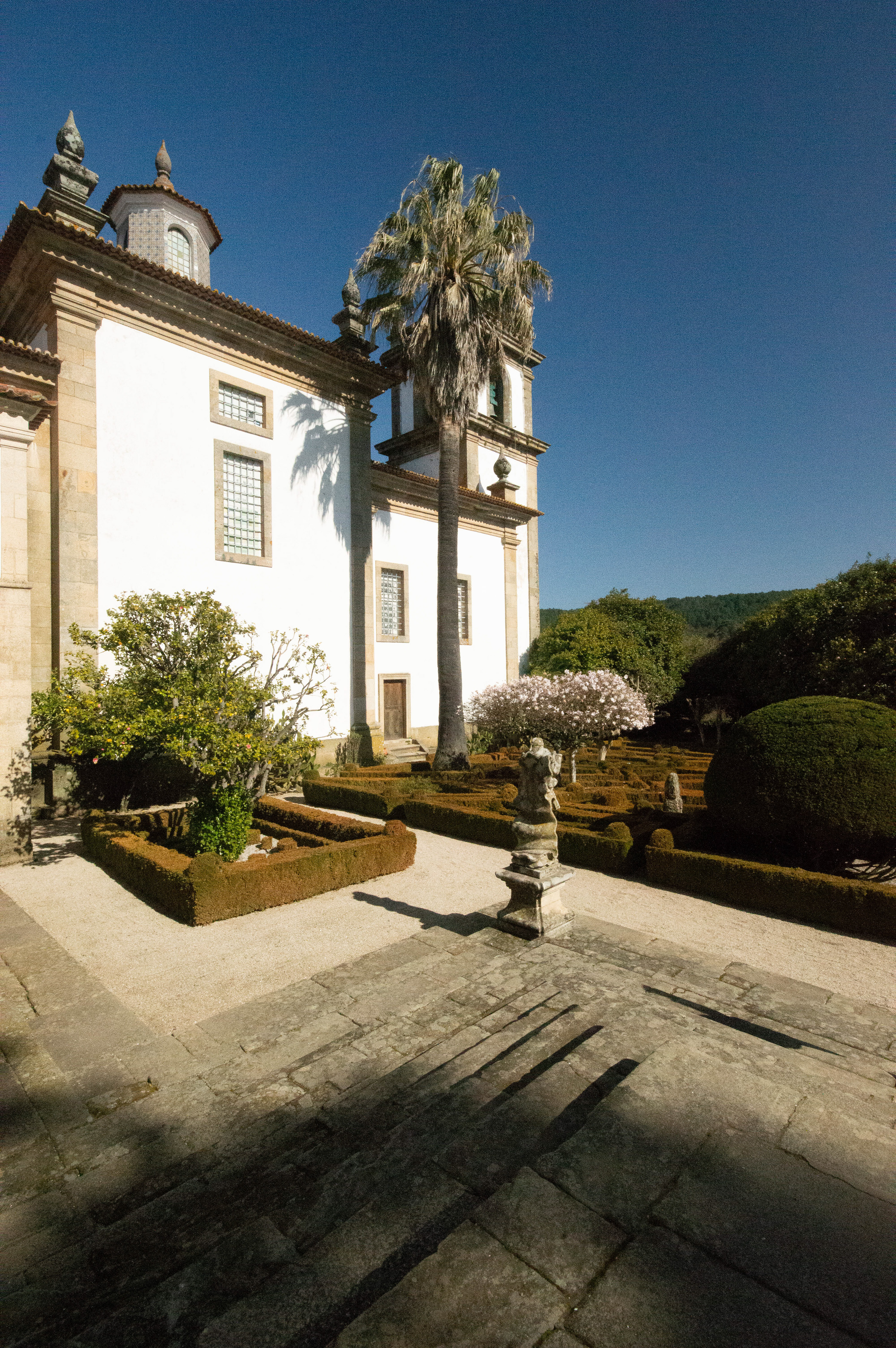
church with a well-maintained garden
church with a well-maintained garden ‐ photo by ,
©www.mgaylard.co.uk.
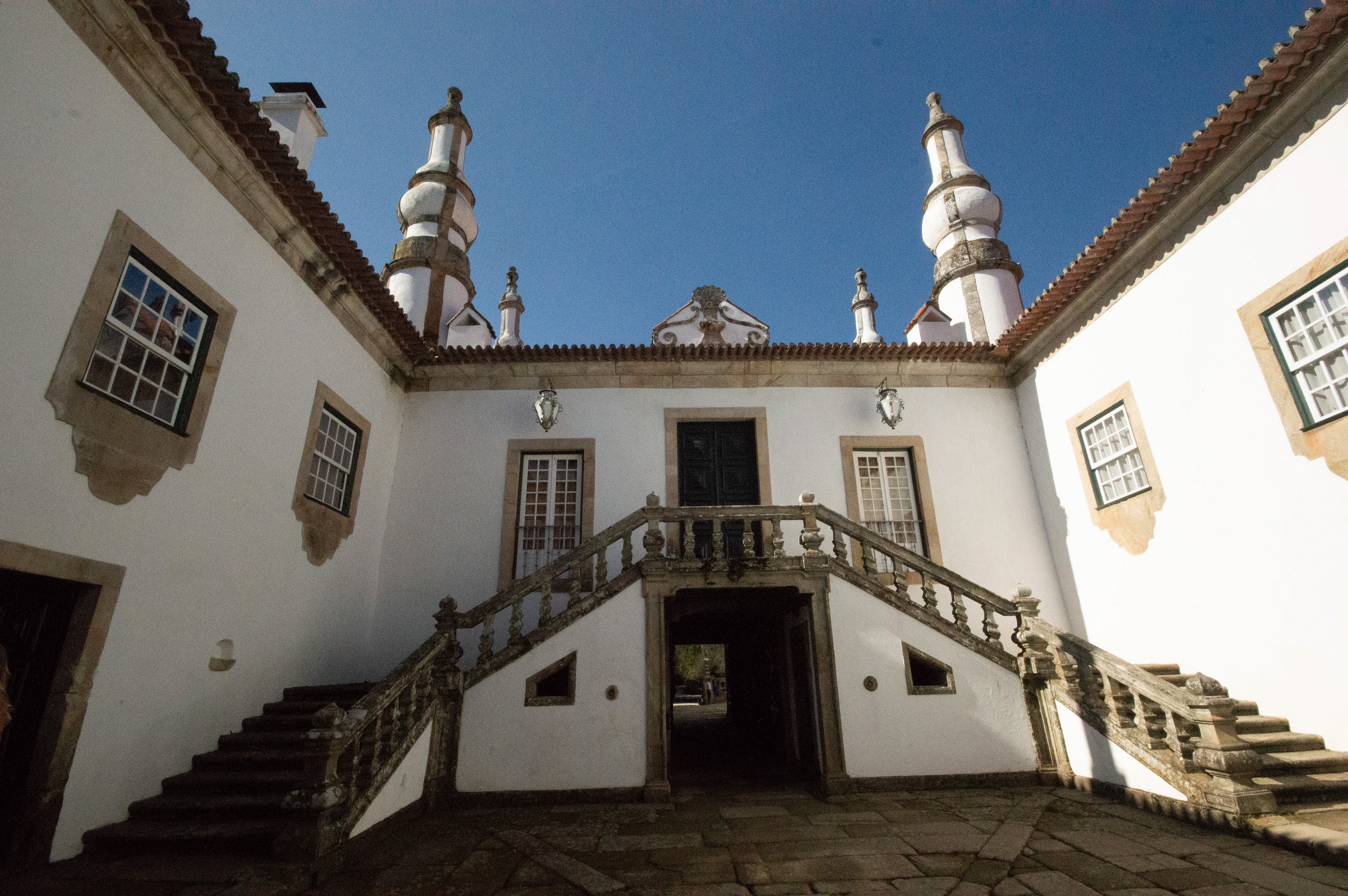
architectural structure with a central staircase leading to an upper level
architectural structure with a central staircase leading to an upper level ‐ photo by ,
©www.mgaylard.co.uk.
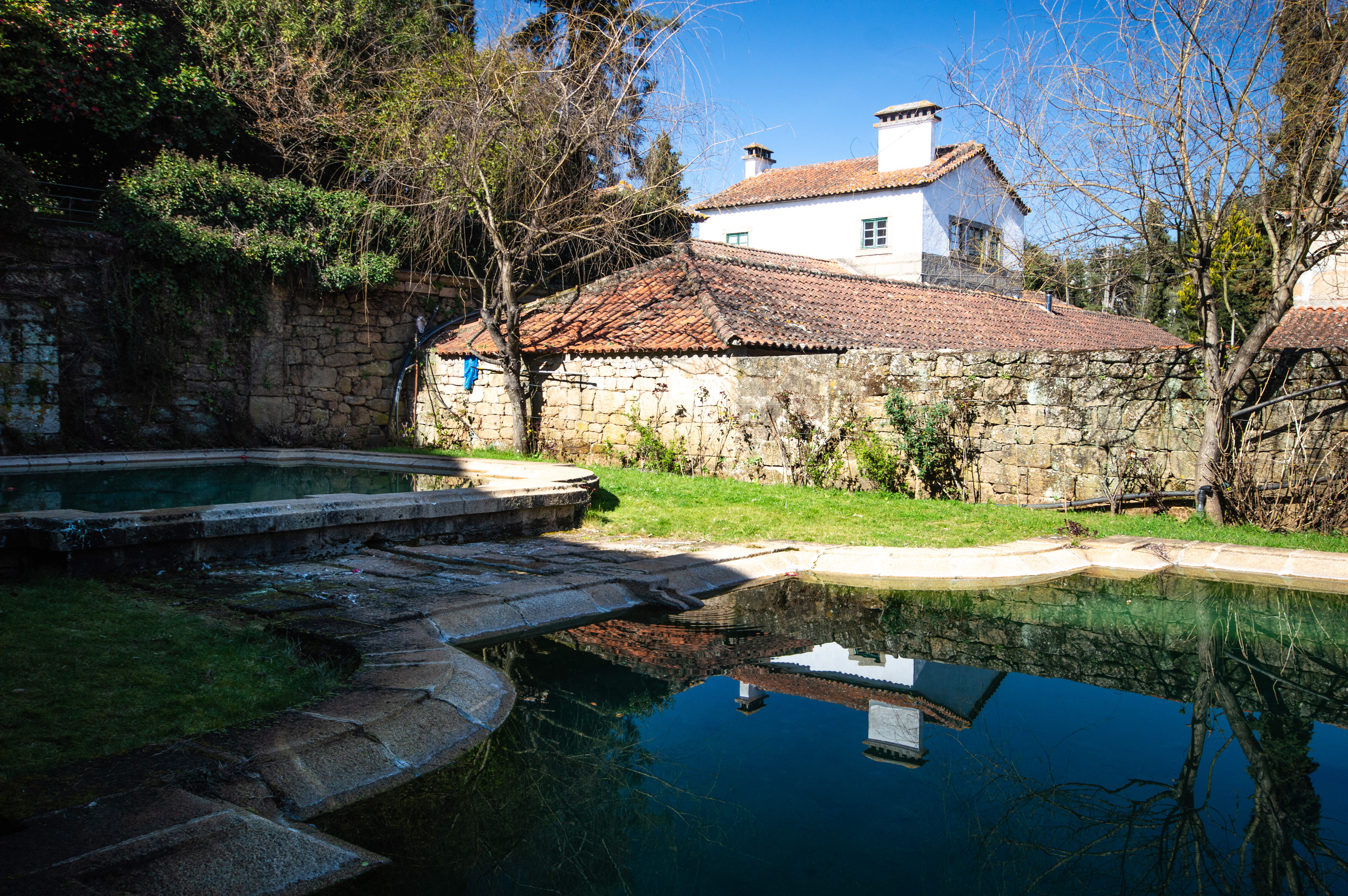
a clear, reflective pool
a clear, reflective pool ‐ photo by ,
©www.mgaylard.co.uk.
architectural structure
architectural structure ‐ photo by ,
©www.mgaylard.co.uk.
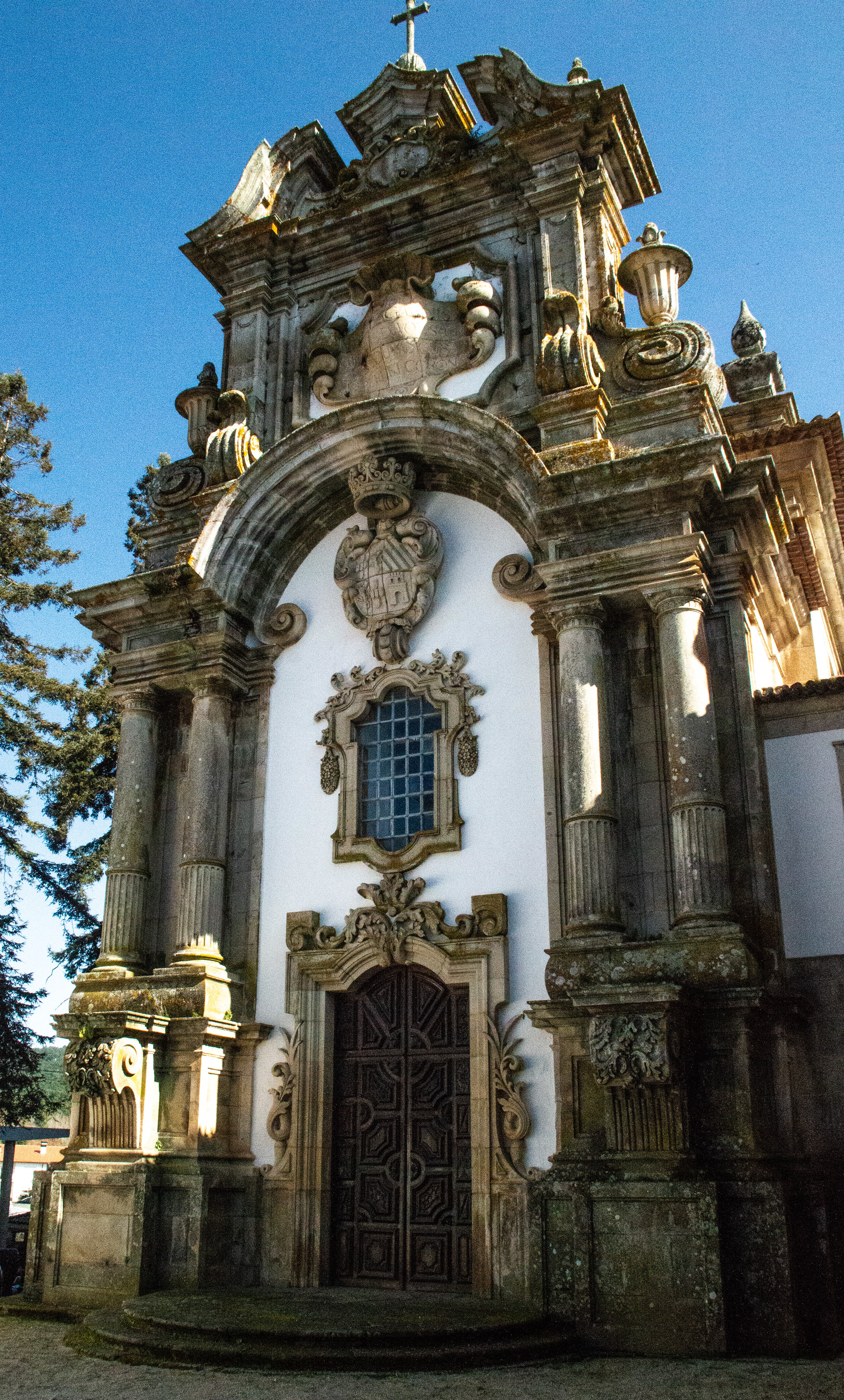
entrance to a historic building or church
entrance to Casa Mateus ‐ photo by ,
©www.mgaylard.co.uk.
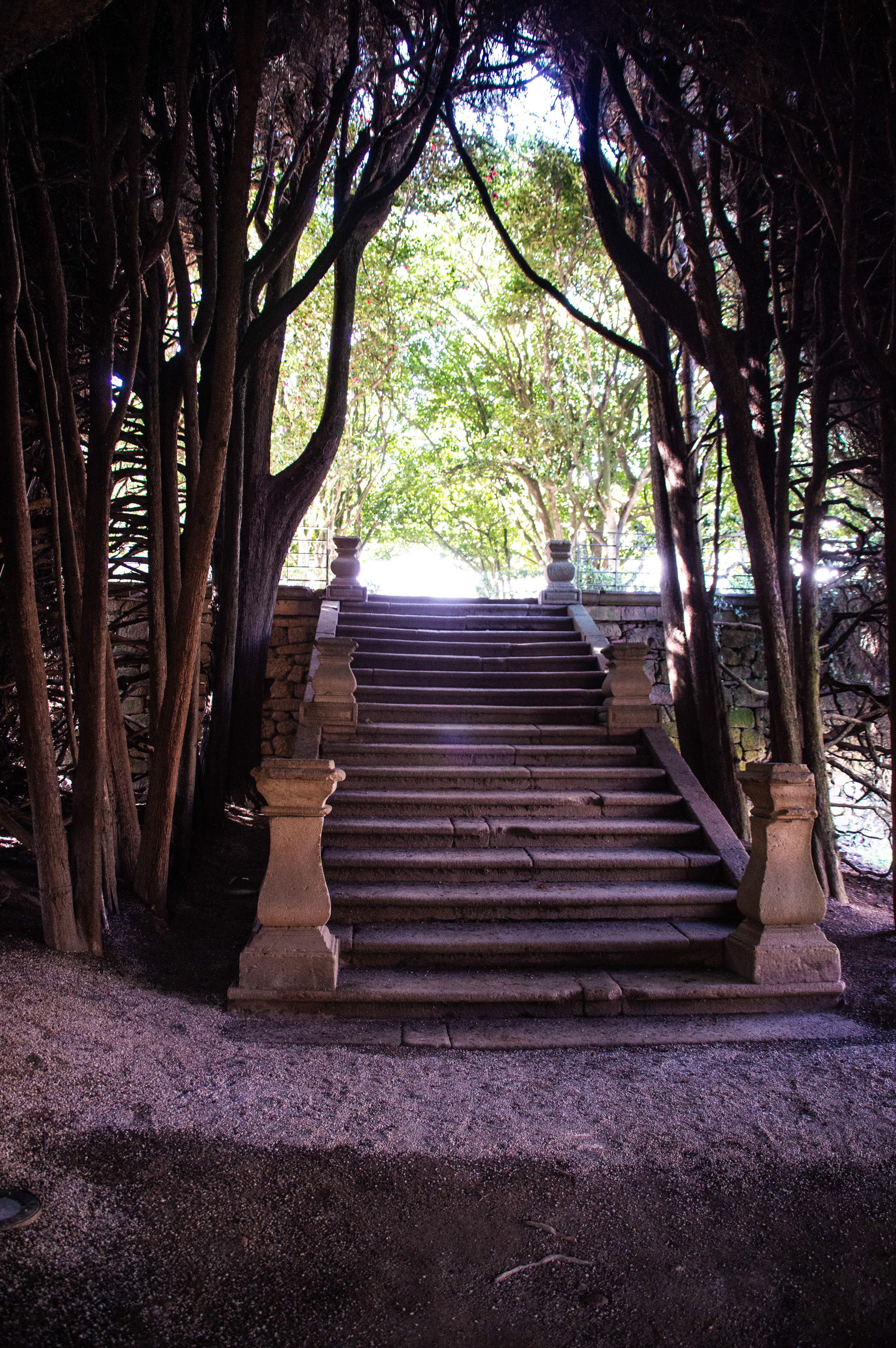
stone staircase framed by trees and greenery
stone staircase framed by trees and greenery ‐ photo by ,
©www.mgaylard.co.uk.
Open the full set flickr button this page

Fundação da Casa de Mateus

The Fundação da Casa de Mateus is the steward of one of Portugal’s most iconic Baroque estates — a masterpiece of 18th-century architecture attributed to Nicolau Nasoni.

An 18th-century palace and gardens, considered one of the finest examples of Portuguese Northern Baroque.
A site with richly decorated interiors: carved wood ceilings, period furniture, 17th–18th-century paintings, silverware, ceramics, and a library containing a notable edition of Os Lusíadas.
A cultural institution run by the Mateus Foundation, which hosts music, literature, sculpture, and ceramics events — festivals, seminars, exhibitions, and more.
A landscape defined by its reflecting lake, formal gardens, and a sequence of rooms that narrate centuries of Portuguese history, as highlighted in visitor descriptions.

It’s also the estate that lends its name and image to the globally known Mateus Rosé wine, though the wine itself is produced independently; the palace’s silhouette became an iconic label through a mid-20th-century licensing agreement.

References

www.visitportugal.comwww.tripadvisor.comen.wikipedia.org , Text generated by Microsoft CoPilot

Vila Real

Trás-os-Montes e Alto Douro,   Portugal

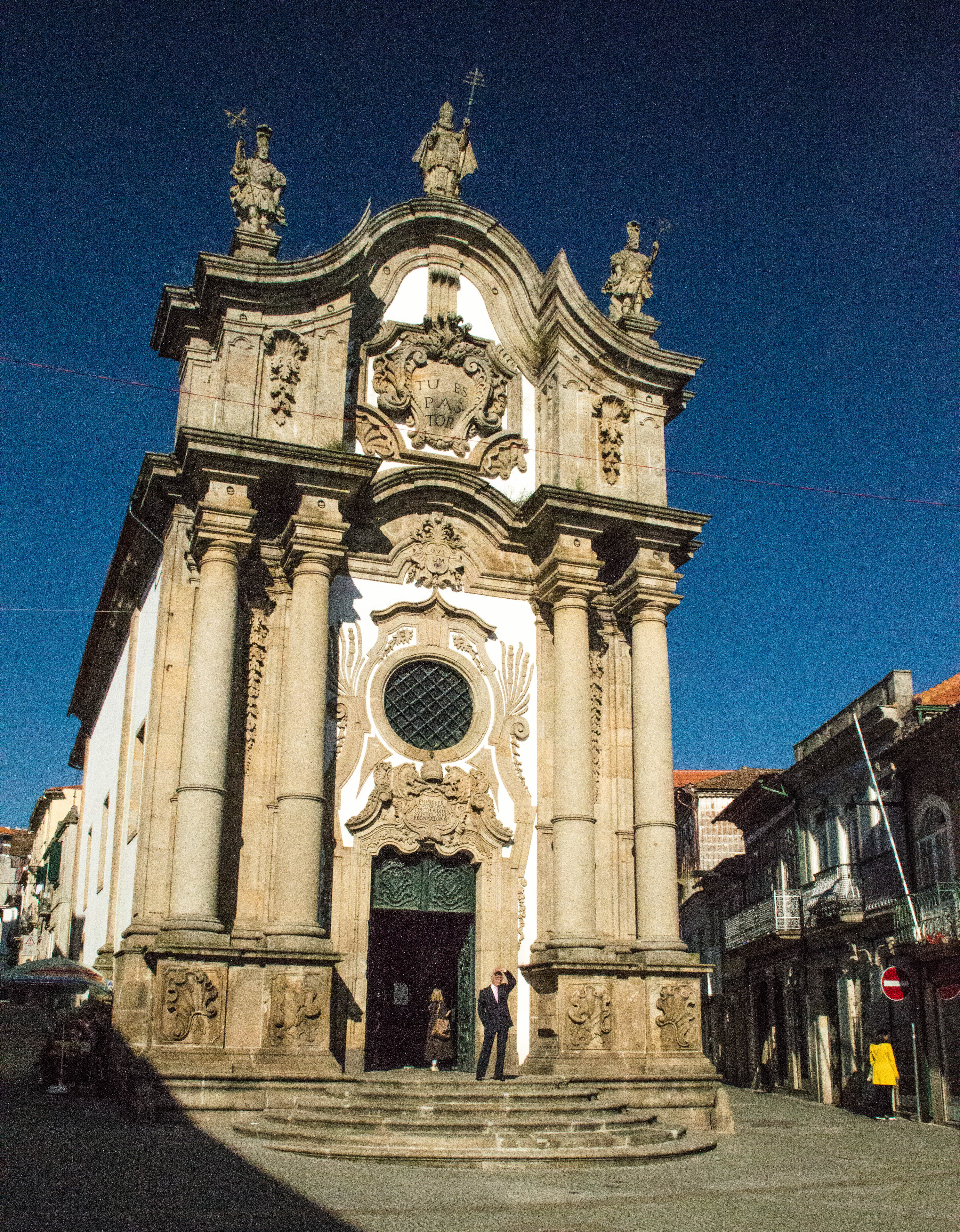
Vila Real is a historic city in the Trás-os-Montes e Alto Douro region of Portugal. Known for its Baroque architecture, lush landscapes, and proximity to the Douro Valley wine region, Vila Real offers a blend of cultural heritage, natural beauty, and gastronomic delights.
ornate church facade with intricate architectural details and statues
ornate church facade with intricate architectural details and statues ‐ photo by ,
©www.mgaylard.co.uk.
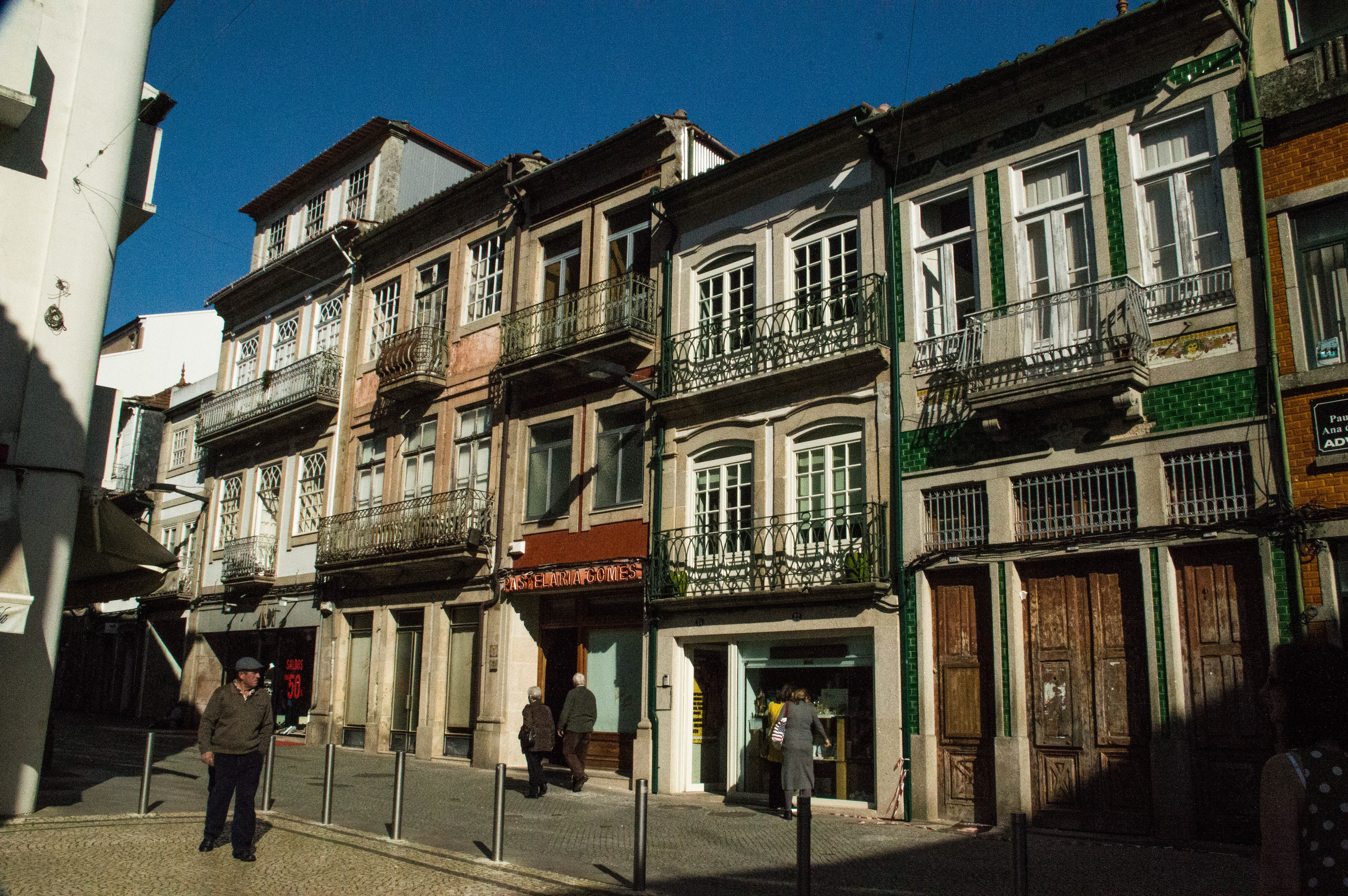
Restaurante Gomes
Restaurante Gomes ‐ photo by ,
©www.mgaylard.co.uk.
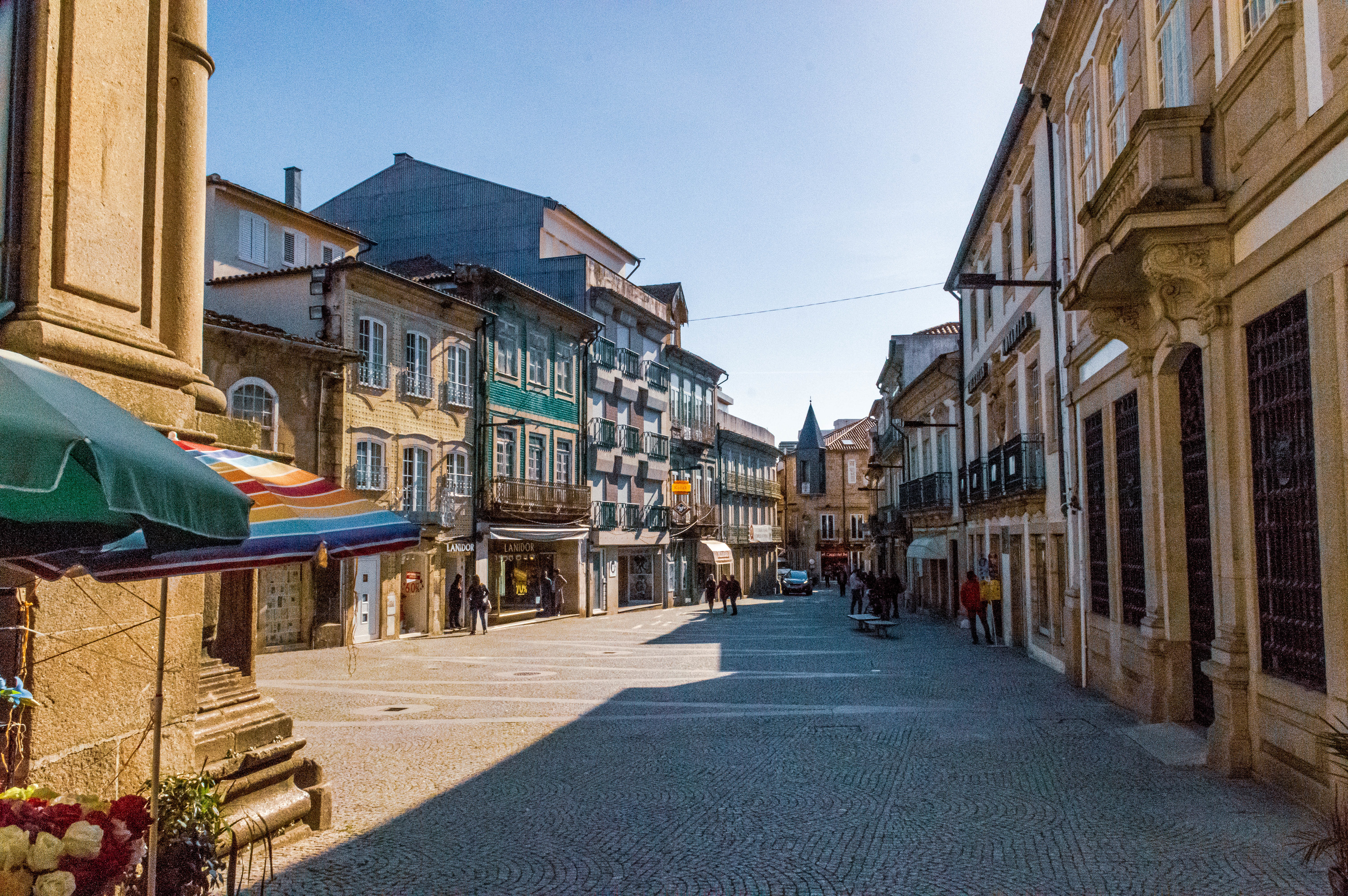
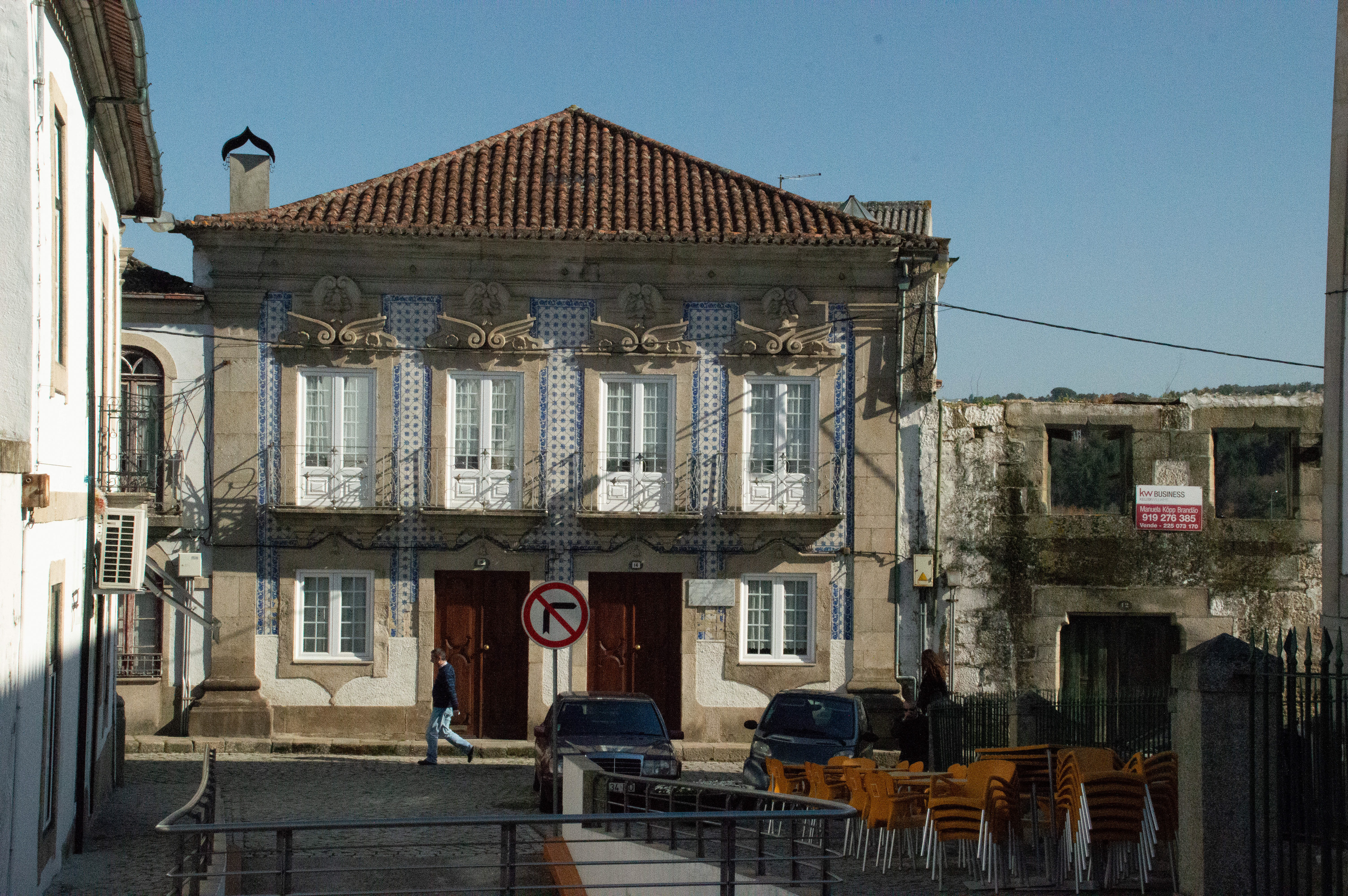
 The street is lined with old, multi-story buildings featuring a mix of architectural styles
The street is lined with old, multi-story buildings featuring a mix of architectural styles ‐ photo by ,
©www.mgaylard.co.uk.
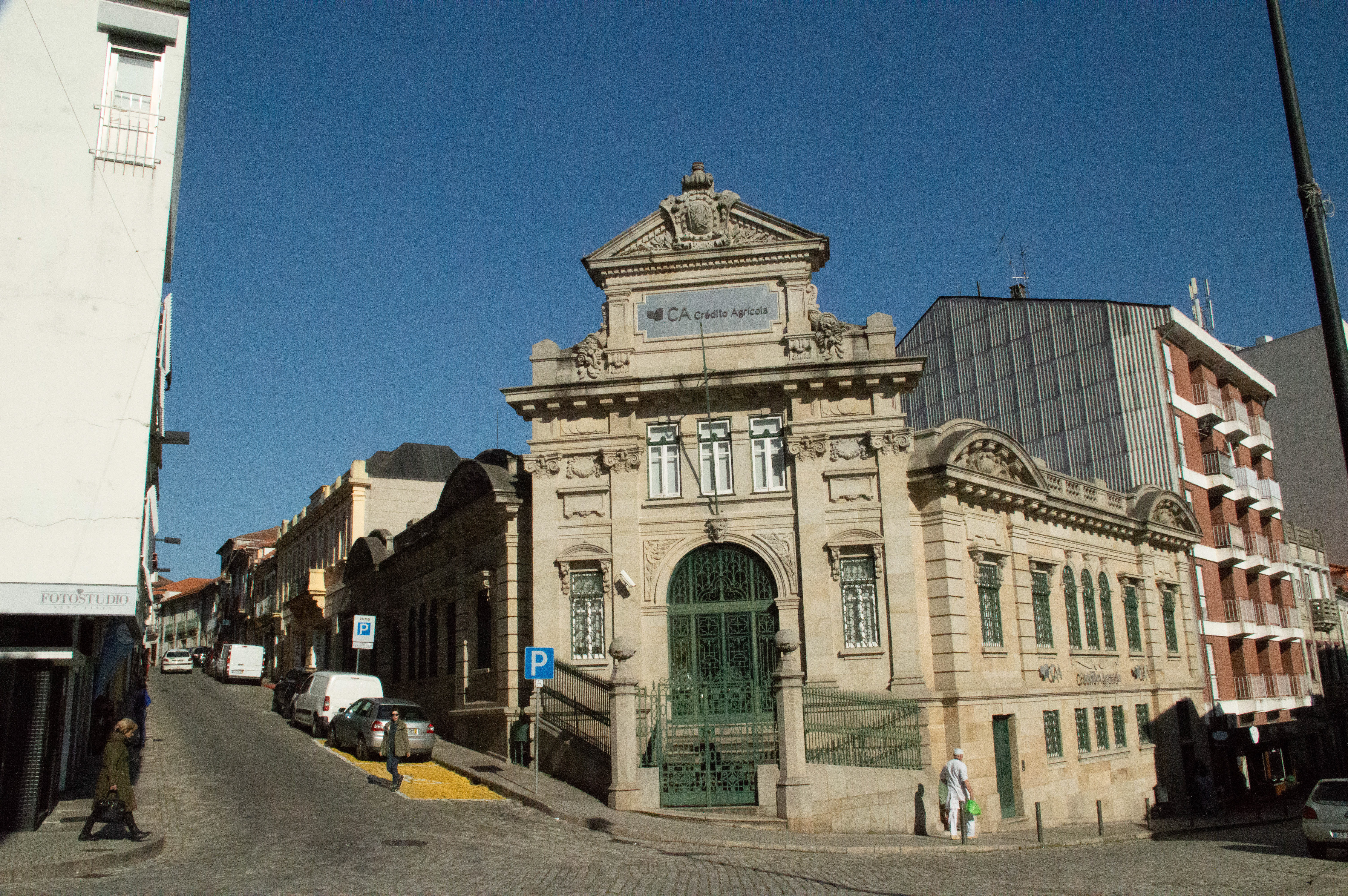
Crédito Agrícola
Crédito Agrícola ‐ photo by ,
©www.mgaylard.co.uk.
ecorative blue and white tile work
ecorative blue and white tile work ‐ photo by ,
©www.mgaylard.co.uk.
Open the full set flickr button this page

Vila Real

Vila Real is the capital and largest city of the Vila Real District in northern Portugal. It stands on a 450-metre-high plateau above the deep gorges of the Corgo and Cabril rivers — a geography that gives the city its distinctive dramatic setting.

- Known historically as the “Royal Town” because so many noble families built manors here in the 16th–17th centuries. Many of these houses still display coats of arms and family crests, especially around the old centre and Carreira Garden. The region shows Paleolithic habitation and a significant Roman presence at Panóias and its sanctuary.

References

en.wikipedia.orgwww.beportugal.comwww.visitportugal.com , Text generated by Microsoft CoPilot
To the top
Powered by w3.css. The images are all stored on link to www.gaylard.co.uk Photostream on Flickr   This website is hosted by link to 123Reg Web Hosting