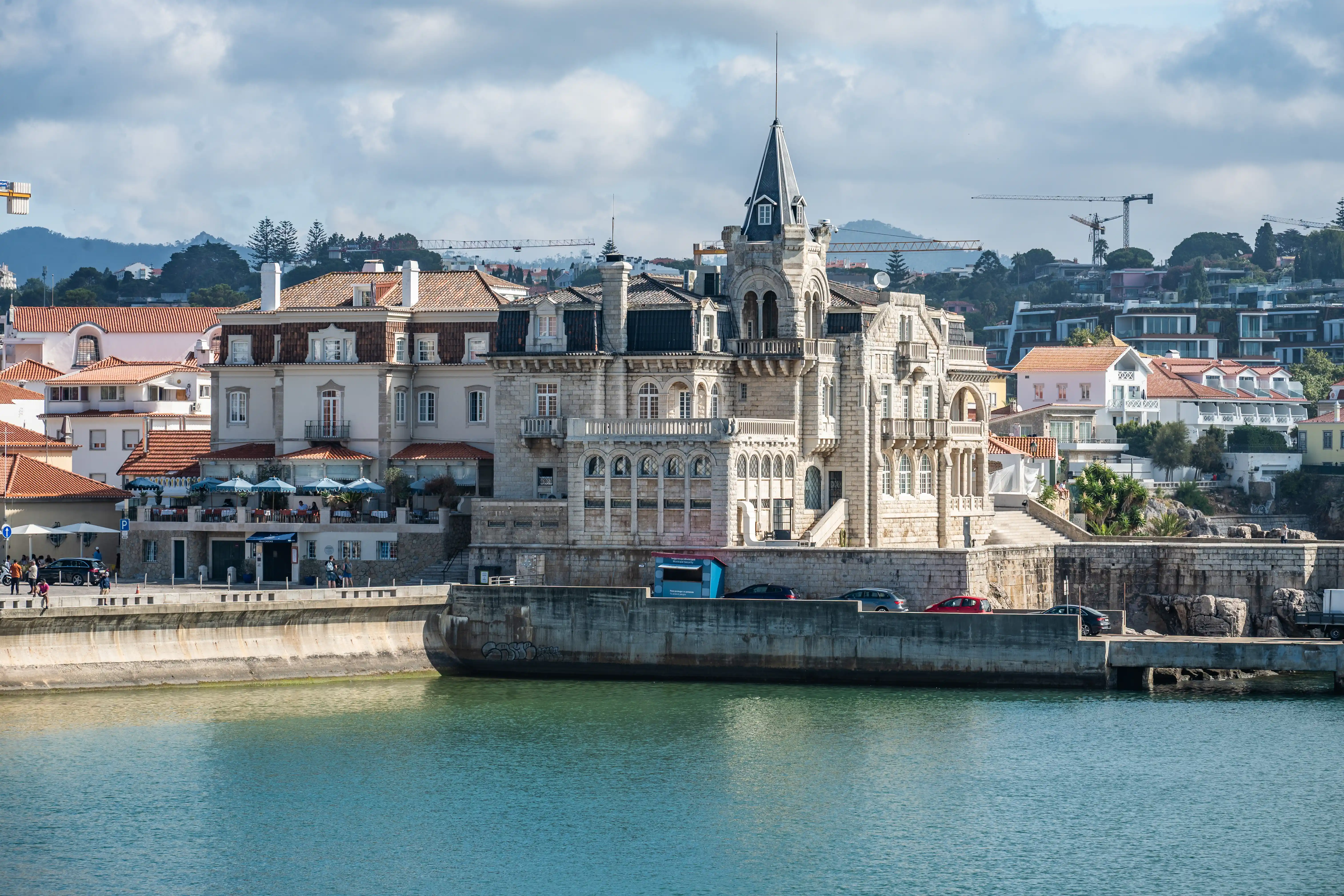
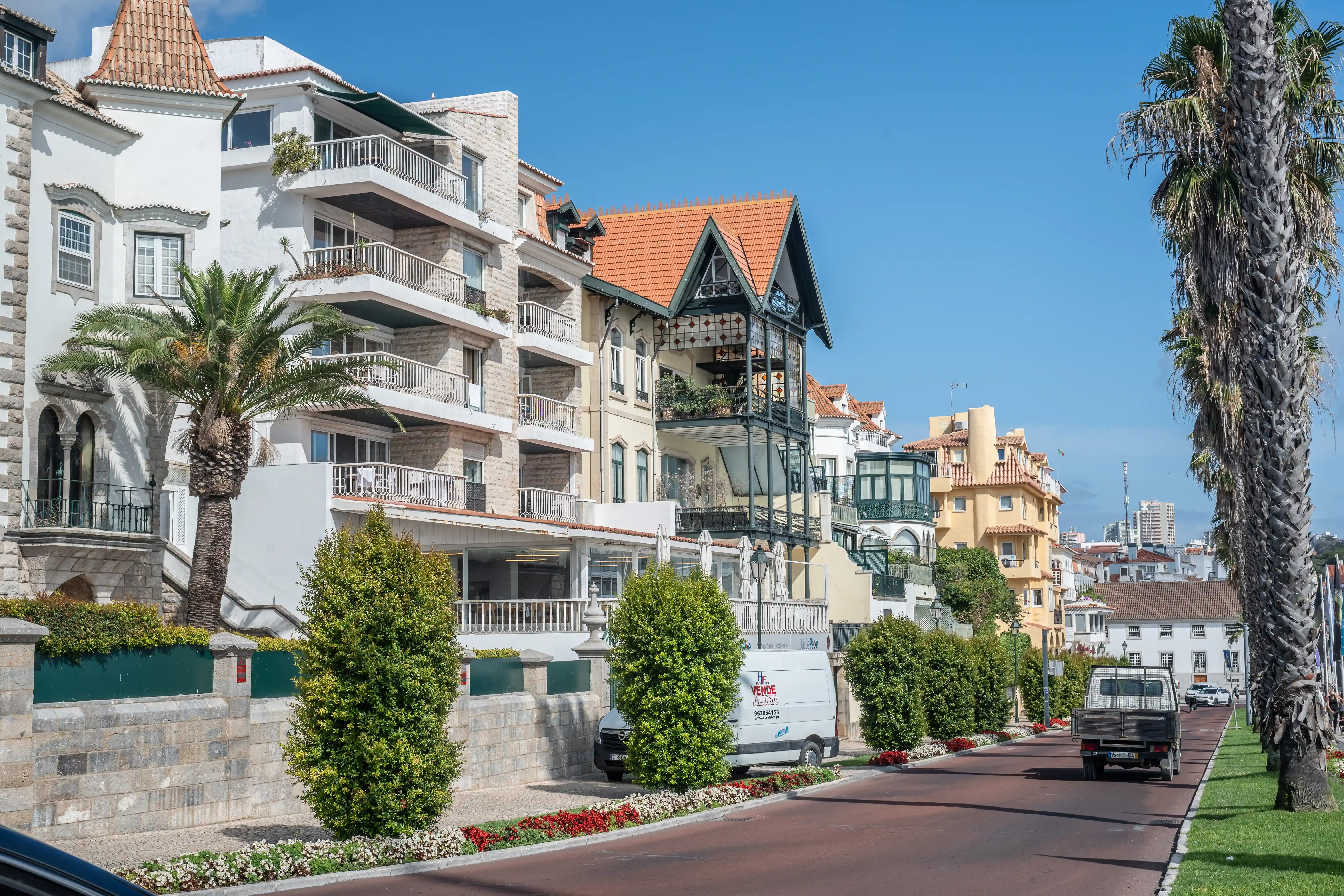
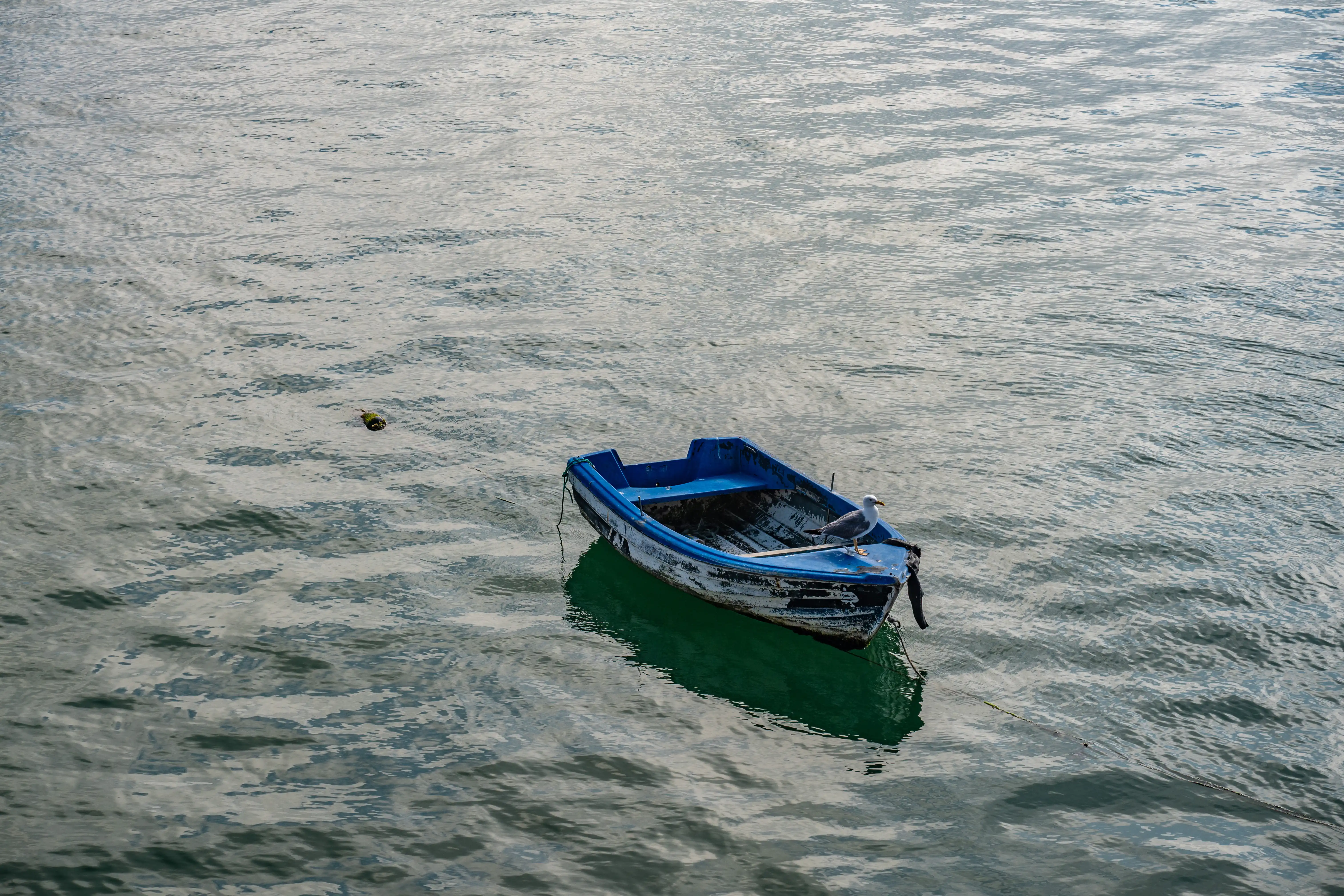
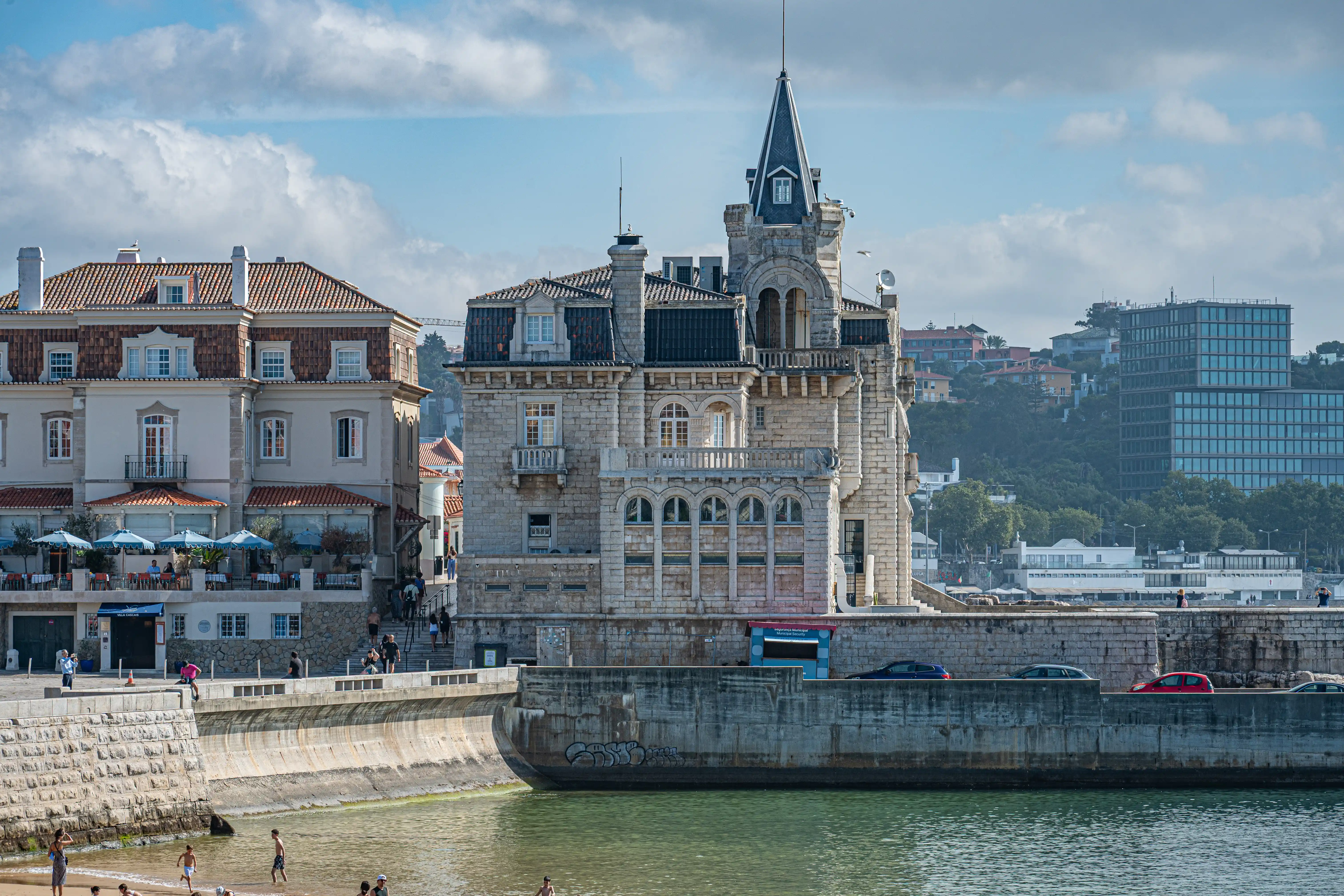
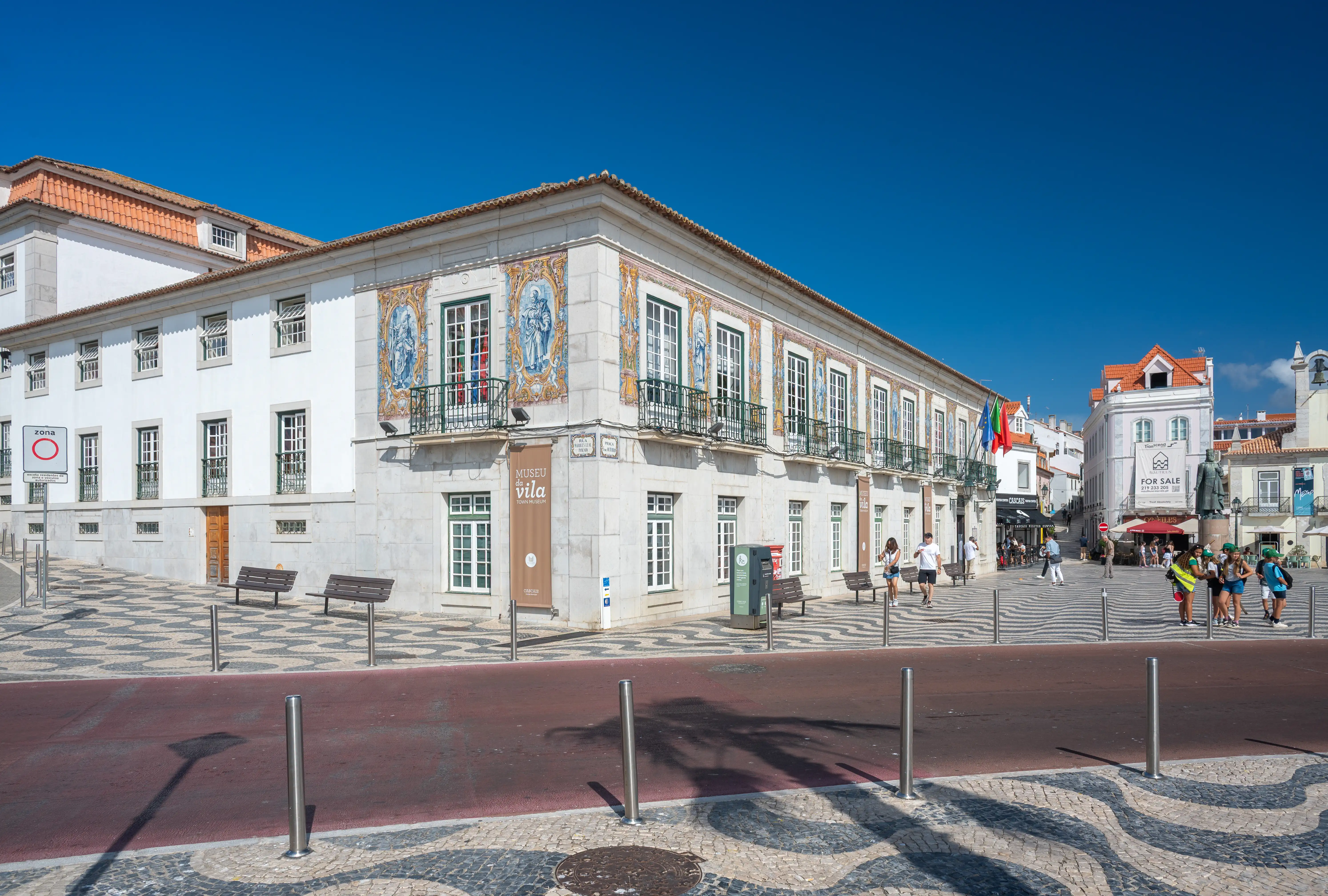
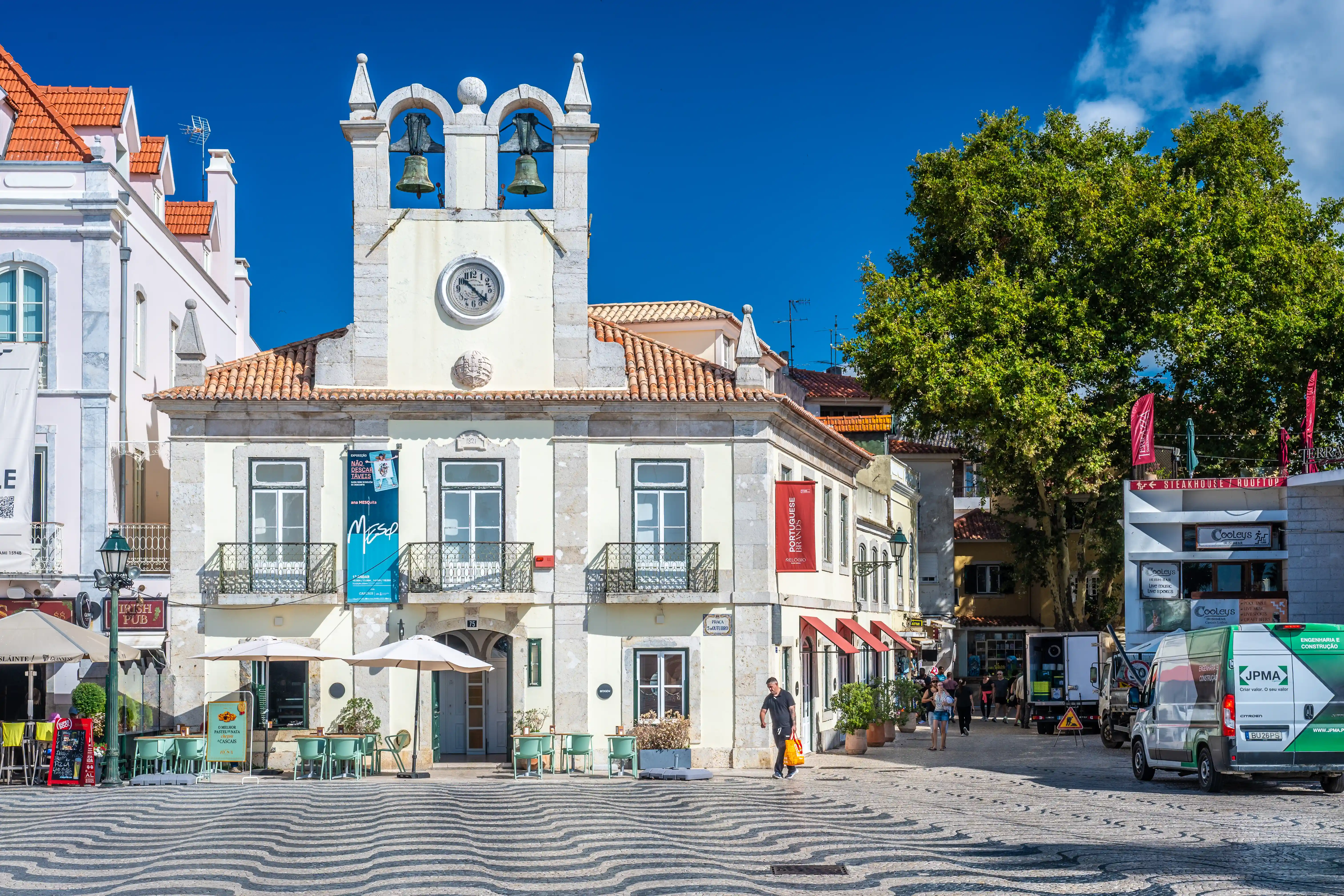
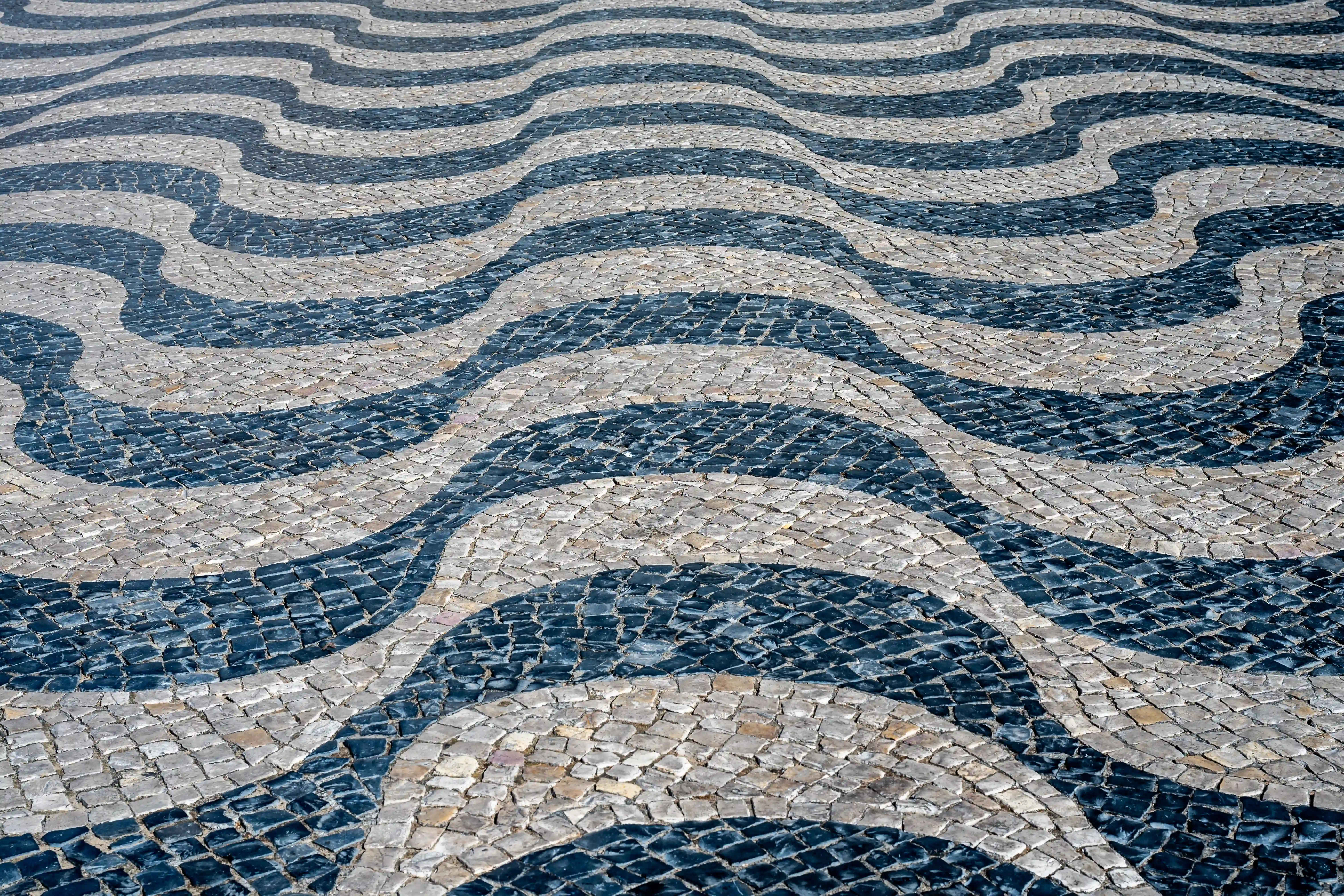
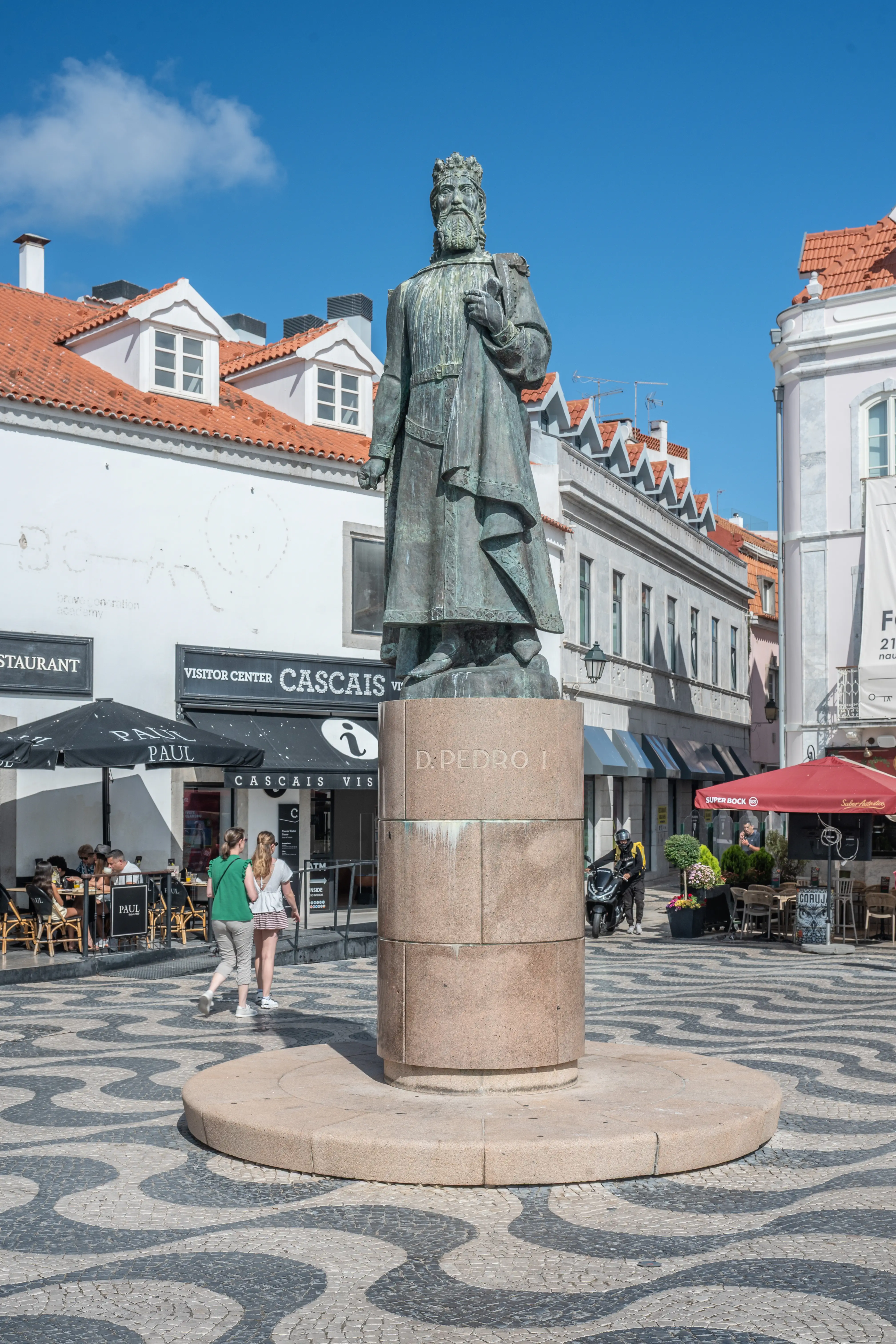
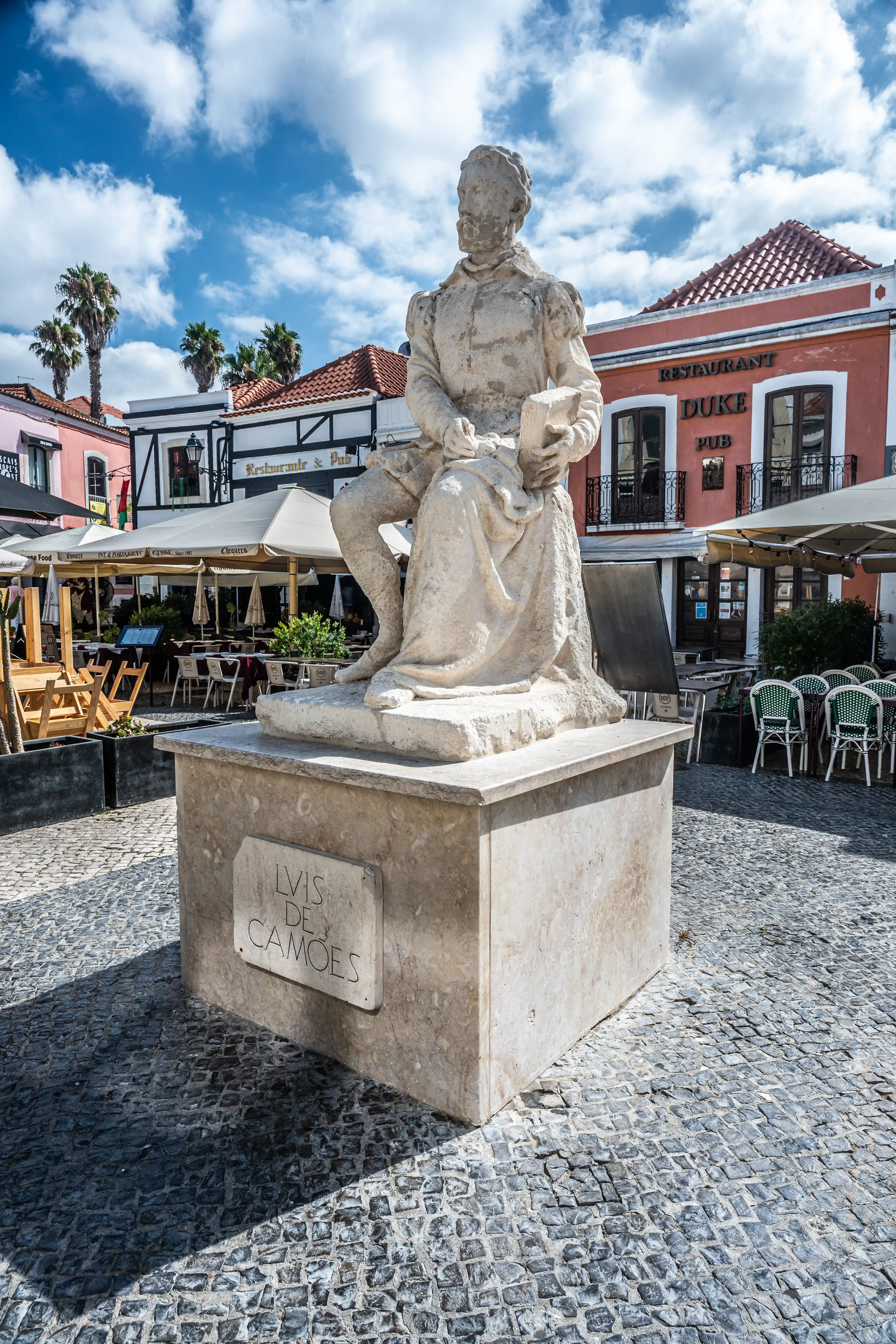
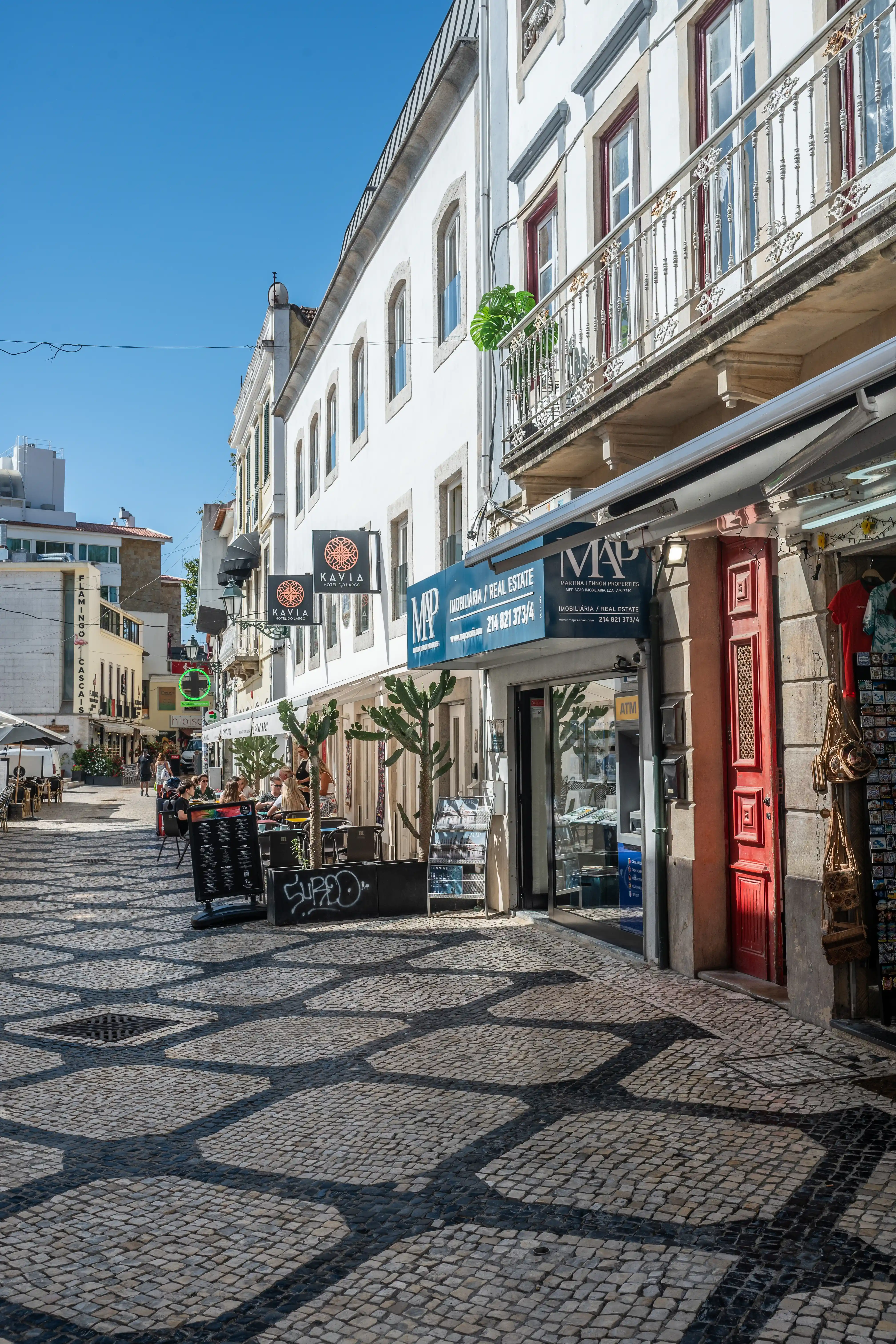
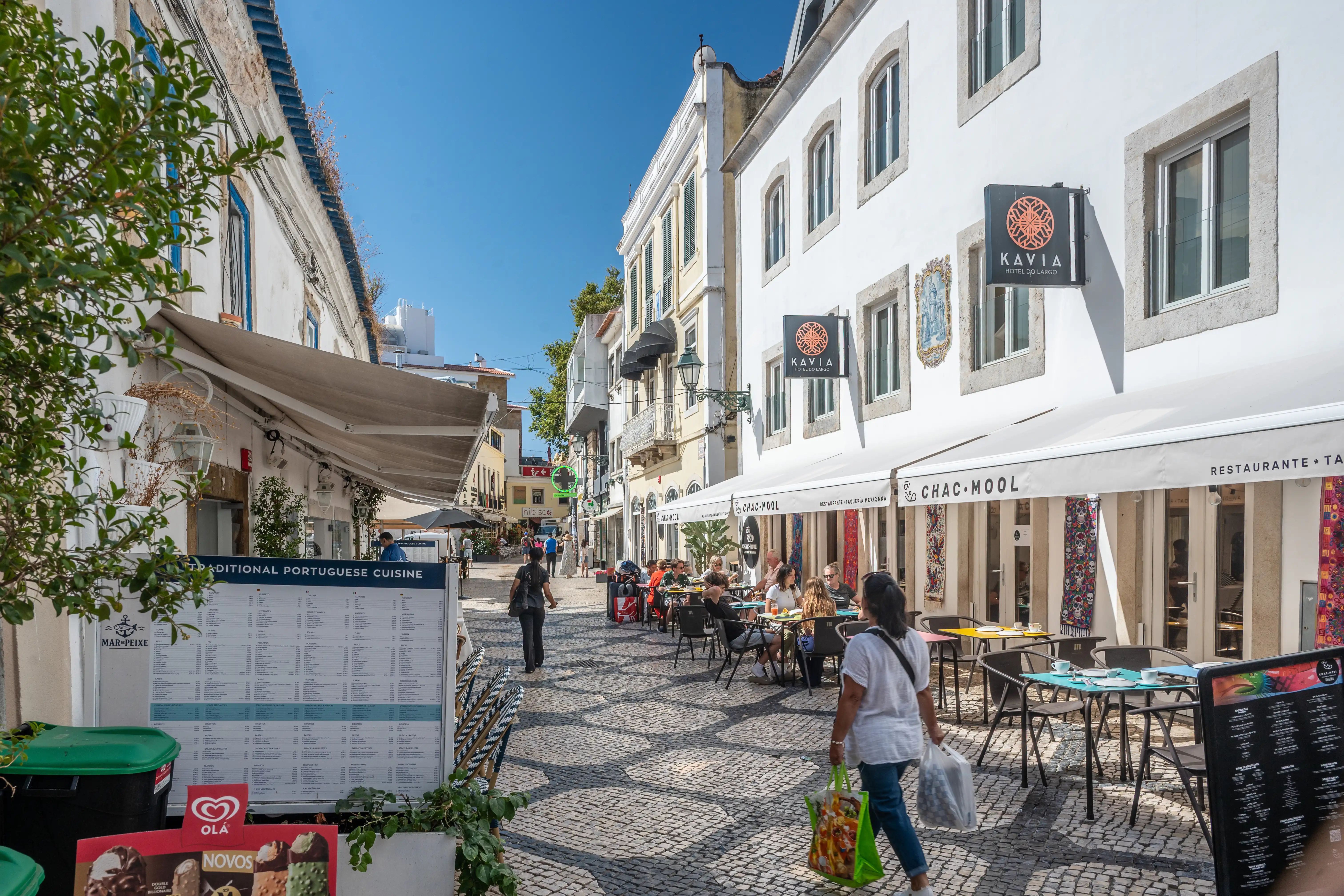
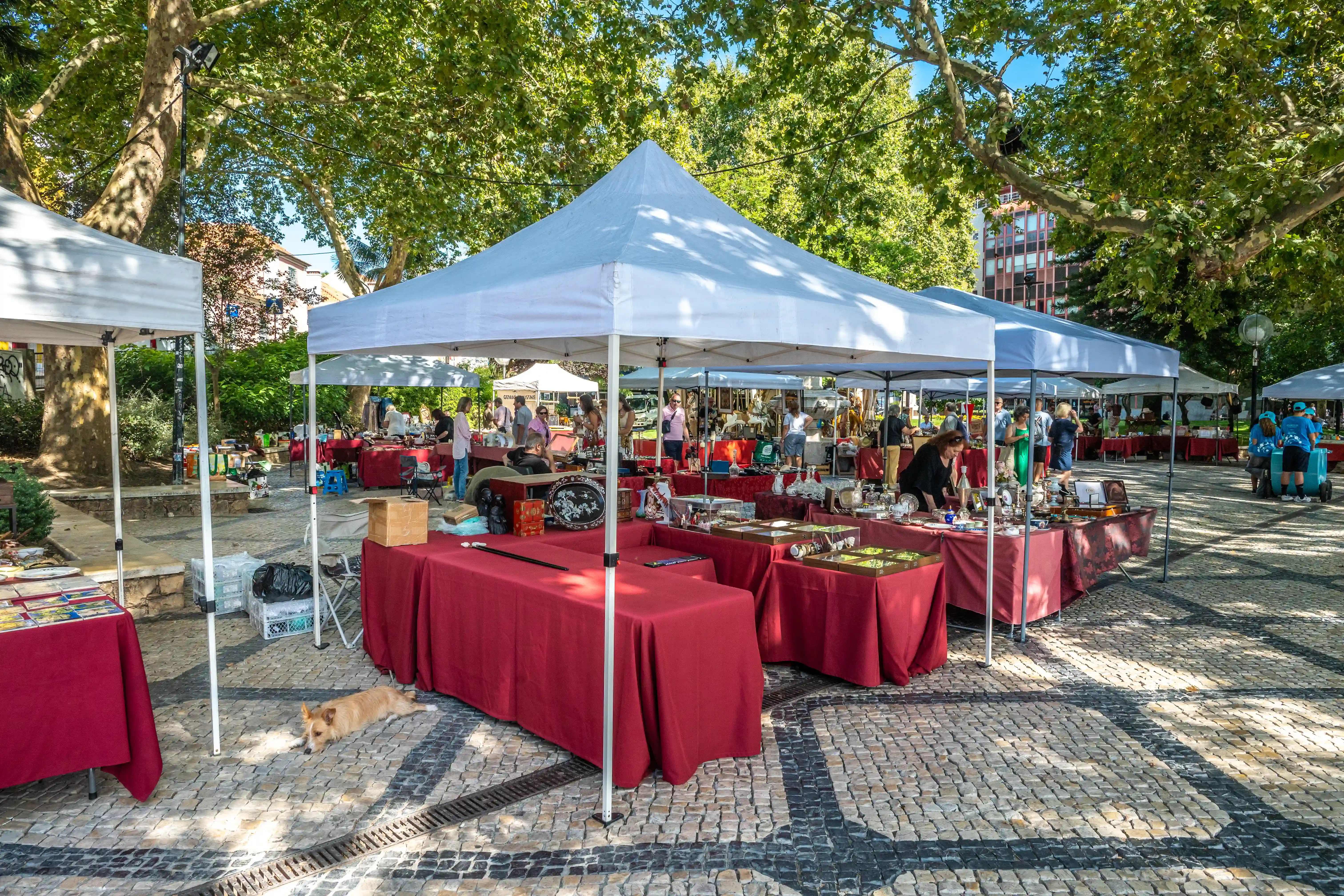
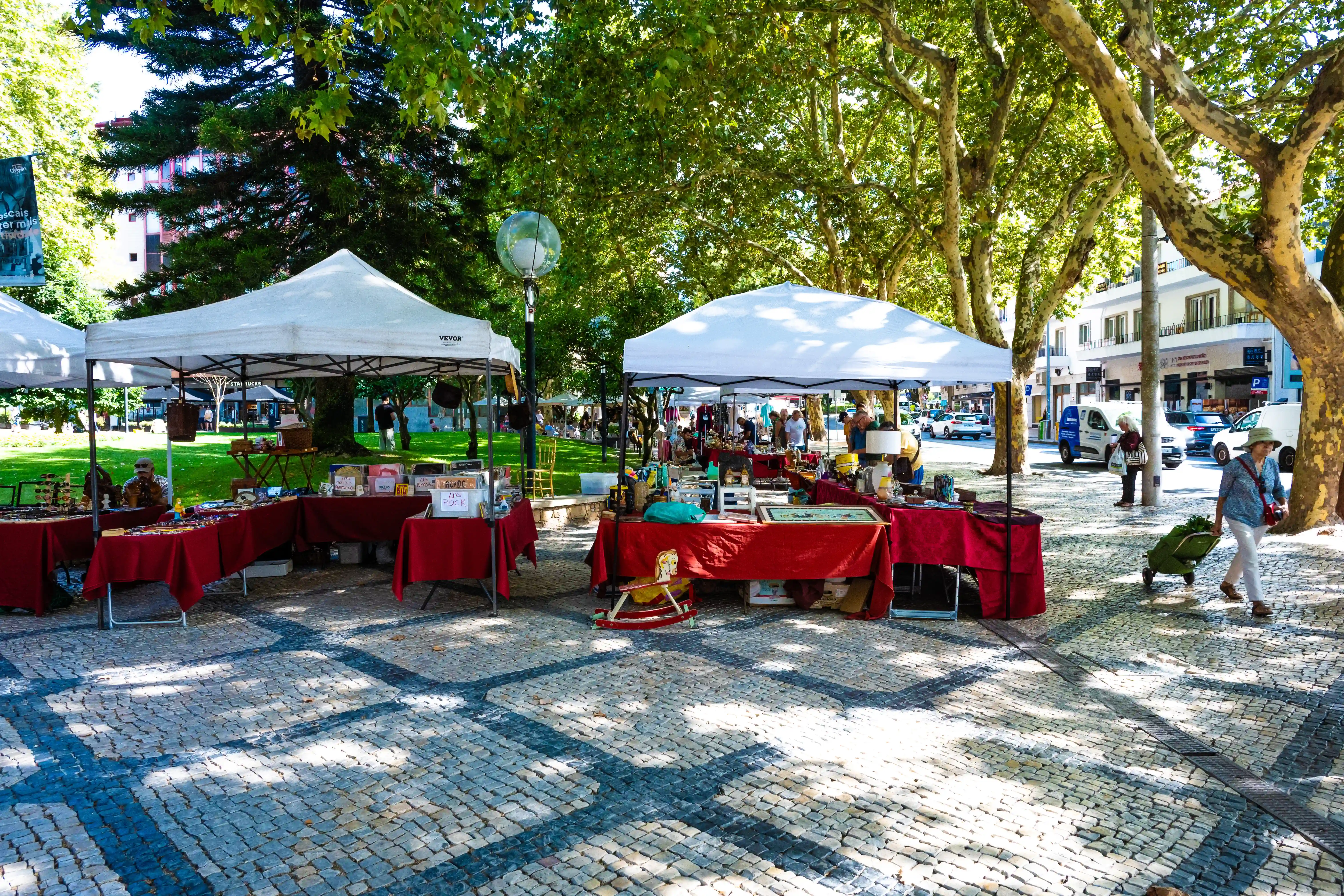
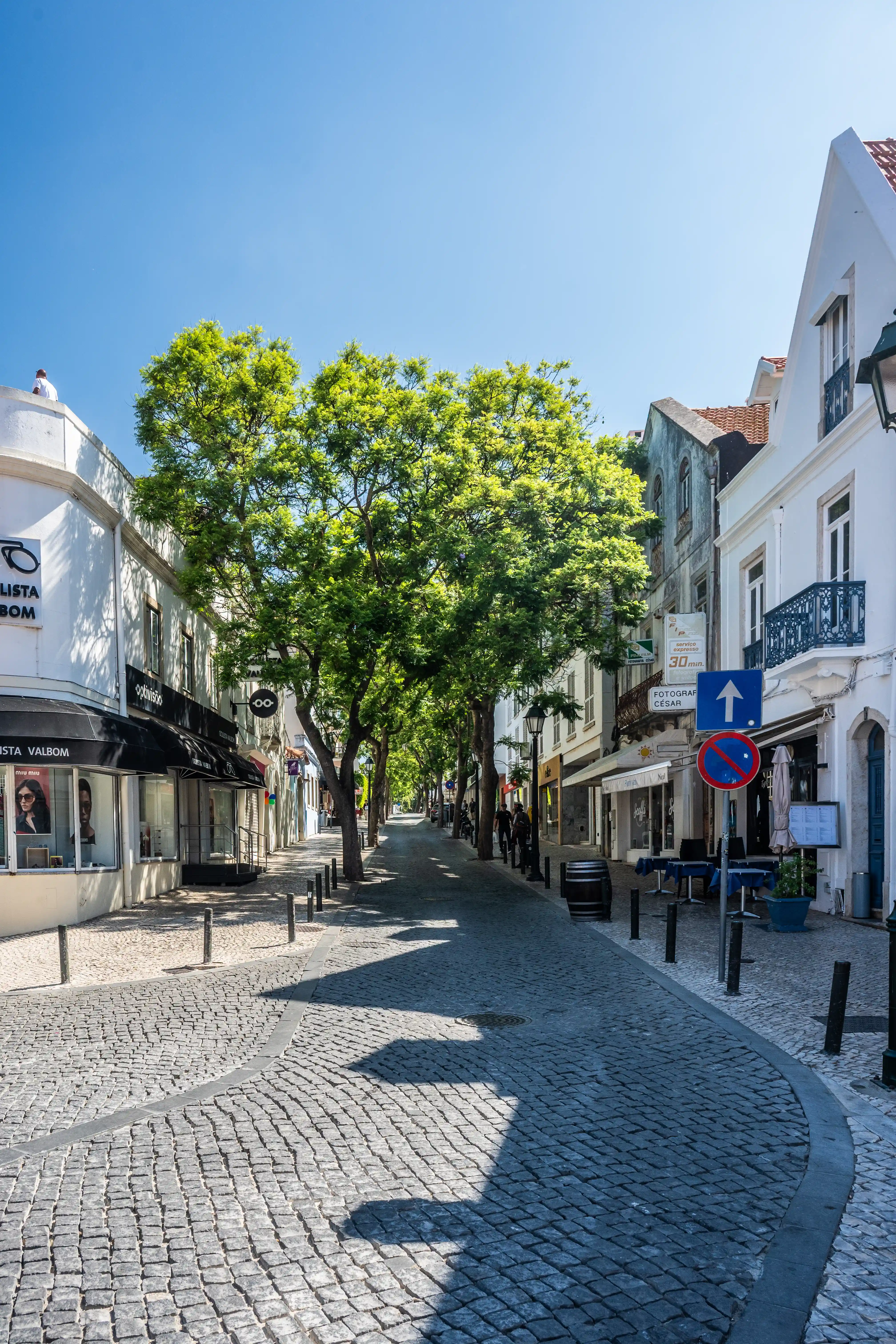
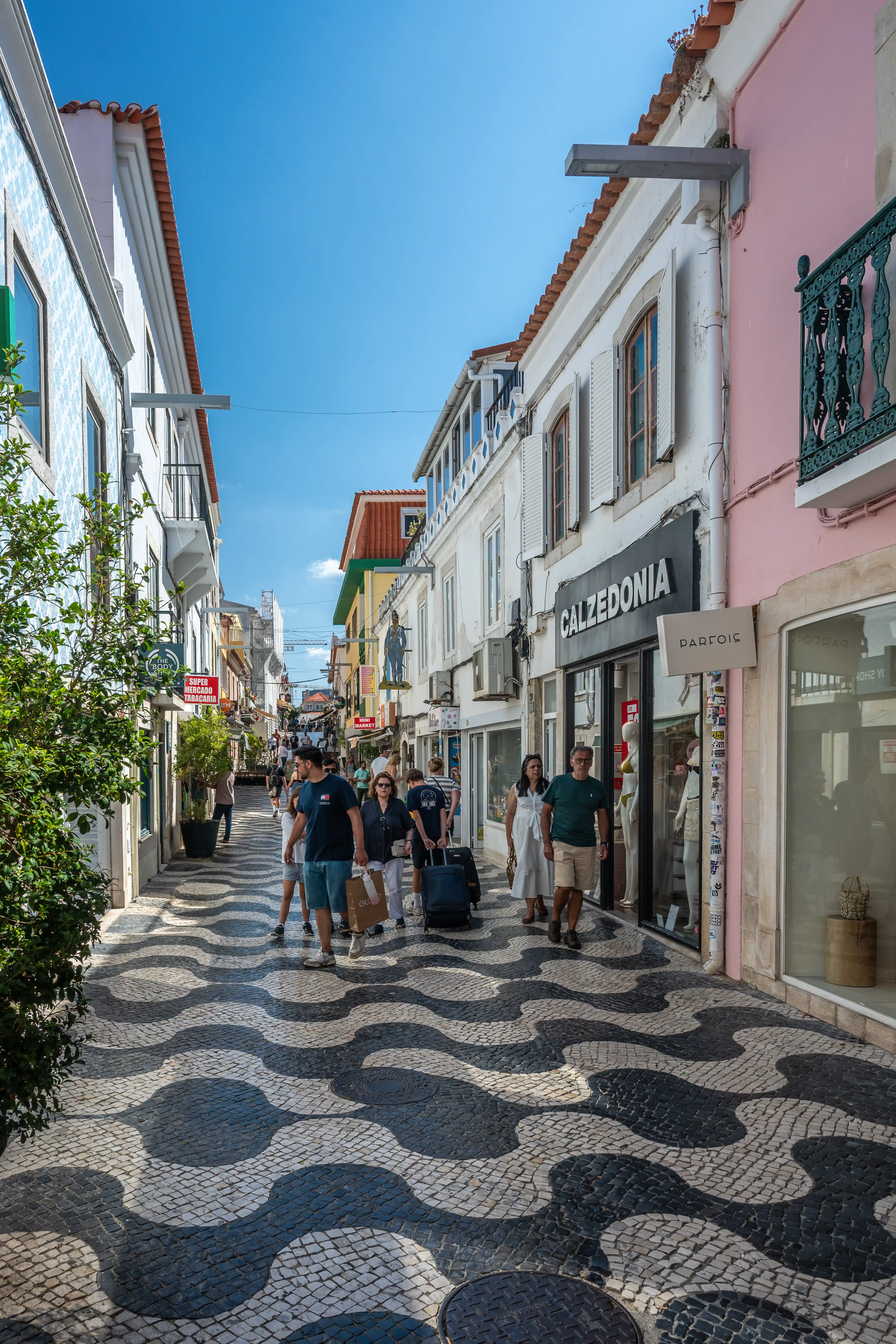
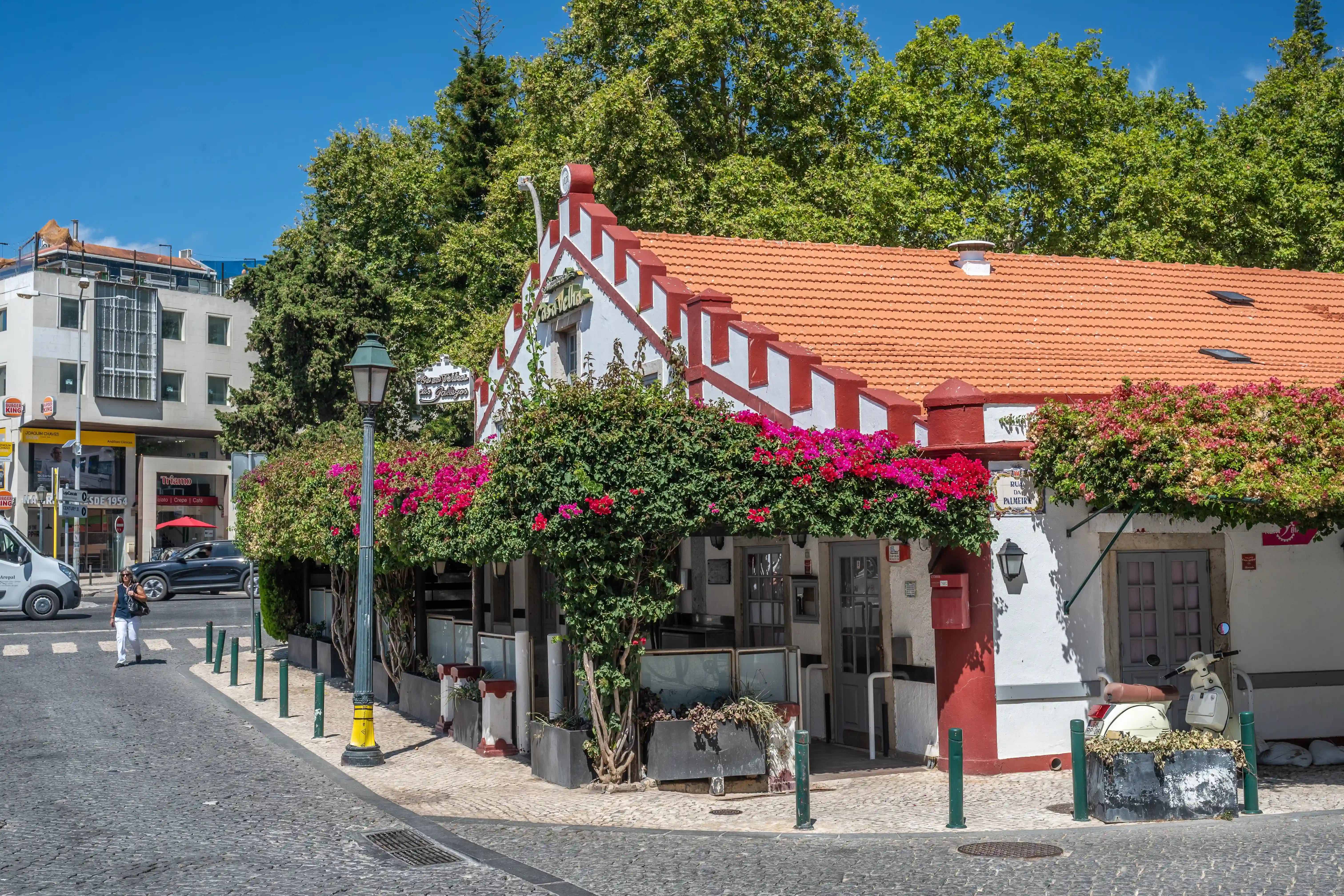
Cascais is a picturesque and vibrant coastal town in Portugal, located on the Atlantic Ocean, about 30 kilometers (18.6 miles) west of Lisbon. Known for its stunning beaches, historic landmarks, cultural attractions, and lively atmosphere, Cascais has evolved from a small fishing village into a cosmopolitan and luxurious destination. The town’s rich history, maritime heritage, and natural beauty make it a must-visit destination for travelers exploring the Lisbon coast.
Cascais has a rich and diverse history that dates back to ancient times. The area was originally a small fishing village, known for its maritime traditions and connection to the sea. The name "Cascais" is derived from the Latin word "Cascales", meaning "waterfall" or "cliff", reflecting the town’s coastal geography.
During the Middle Ages
, Cascais became a strategic port for trade and defense, thanks to its proximity to Lisbon and its natural harbor. The town’s fortifications, such as the Cidadela de Cascais, were built to protect against pirate attacks and foreign invasions.
In the 19th century, Cascais gained prominence as a summer retreat for the Portuguese royal family. King Luís I and Queen Maria Pia were among the first royals to spend their summers in Cascais, transforming the town into a fashionable and elegant destination. The royal family’s presence attracted nobles, artists, and intellectuals, who built lavish villas and palaces in the area.
By the 20th century, Cascais had become a cosmopolitan and luxurious resort town, attracting European royalty, celebrities, and tourists. The town’s mild climate, scenic beauty, and vibrant atmosphere made it a favorite destination for those seeking relaxation, culture, and adventure. Today, Cascais is a symbol of Portugal’s rich history, maritime heritage, and modern energy.
Key Features and Attractions
Cidadela de Cascais – A 16th-century fortress built to defend the Tagus River estuary from pirate attacks. Today, it is a cultural and tourist hub, featuring museums, art galleries, restaurants, and a luxury hotel
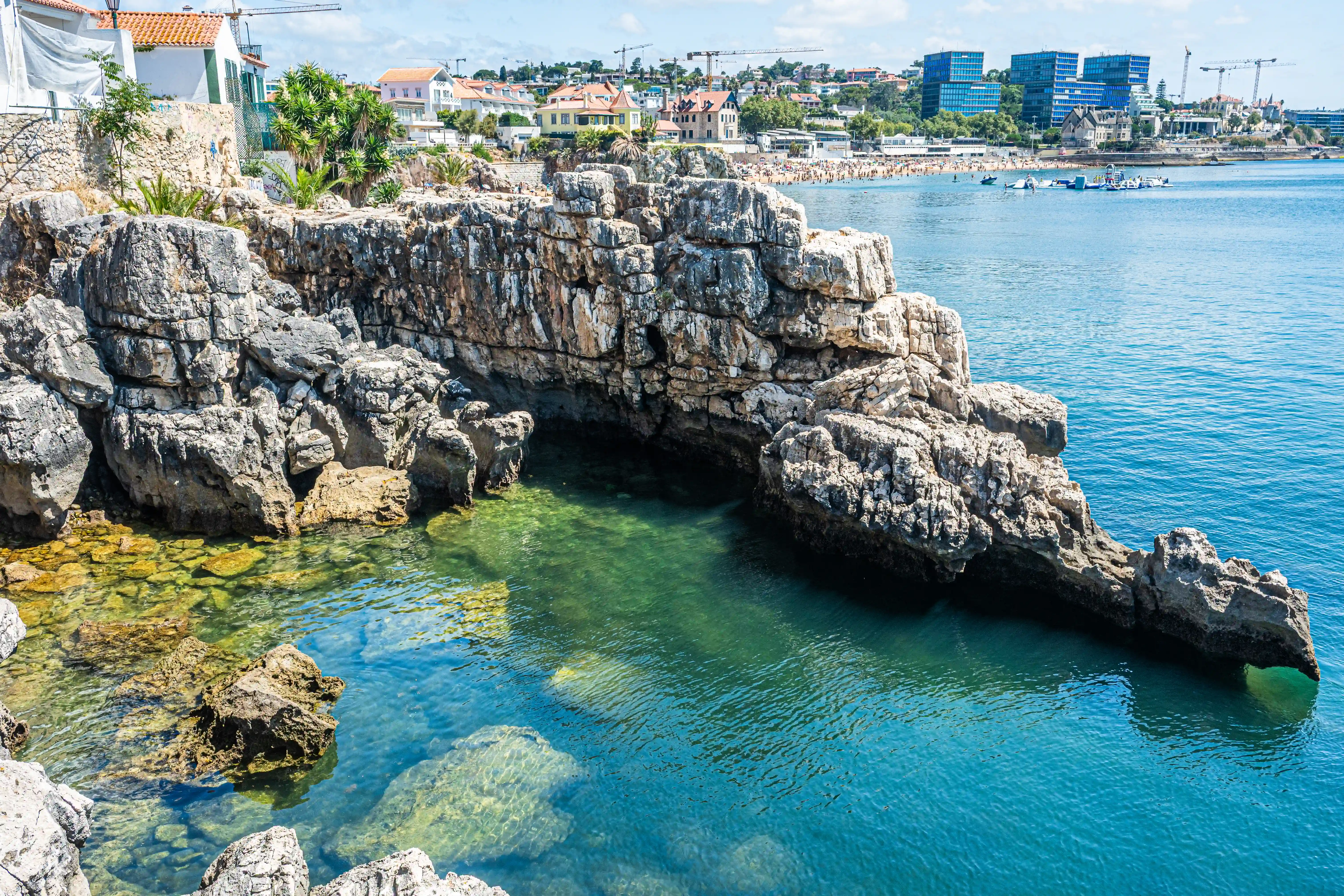
Boca do Inferno – A dramatic coastal cliff formation known for its powerful waves and scenic views. The name "Boca do Inferno" (Mouth of Hell) reflects the violent crashing of waves against the cliffs.<
Farol de Santa Marta – A 19th-century lighthouse that played a key role in guiding ships into the Tagus River estuary. Today, it is a protected monument and a popular tourist attraction.<
Museu Condes de Castro Guimarães – A 19th-century romanticist palace and museum showcasing collections of furniture, paintings, ceramics, and decorative arts from the 16th to the 19th centuries.
Palácio da Cidadela de Cascais – A 16th-century fortress in Cascais, now a cultural and tourist hub featuring museums, art galleries, restaurants, and a luxury hotel.