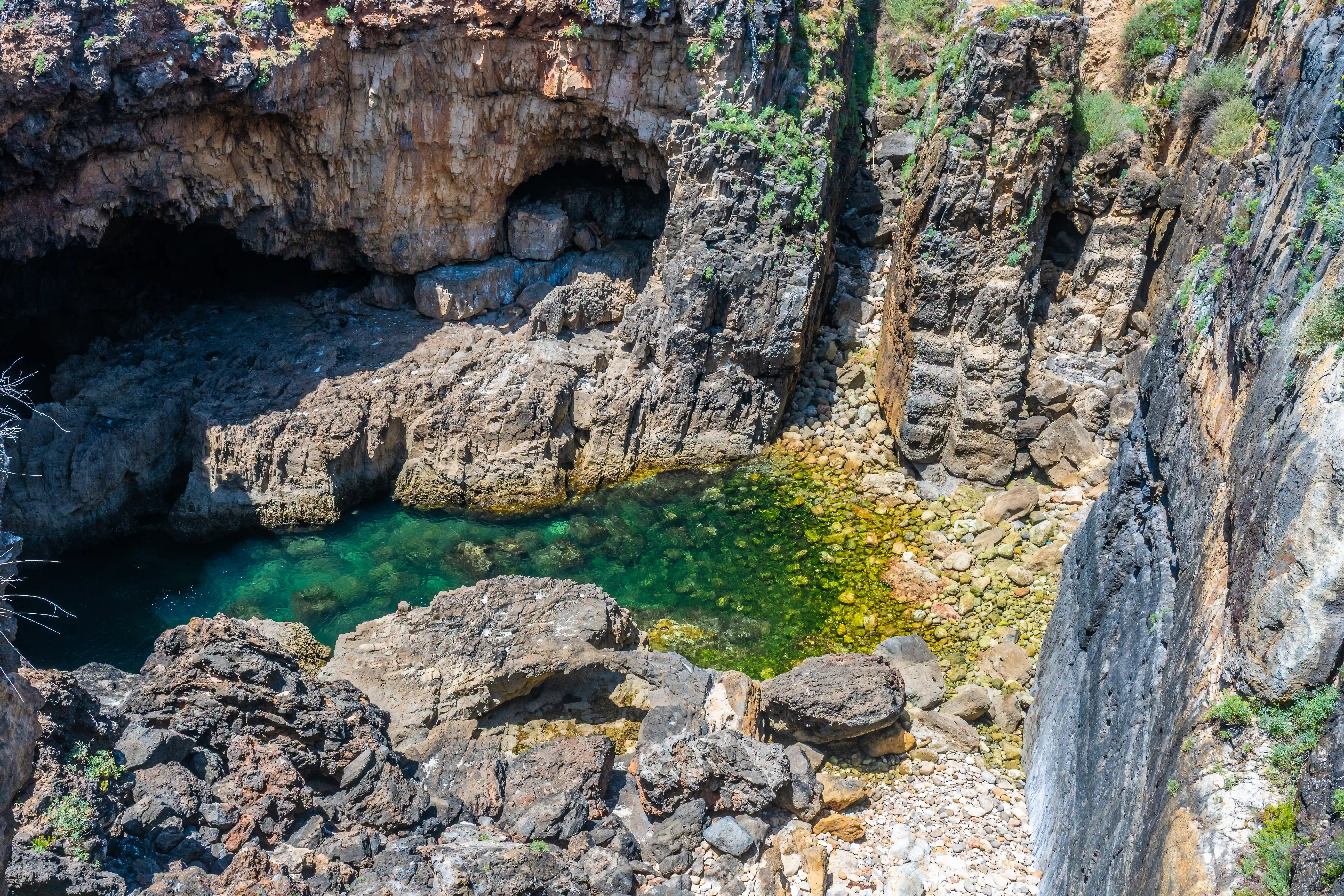
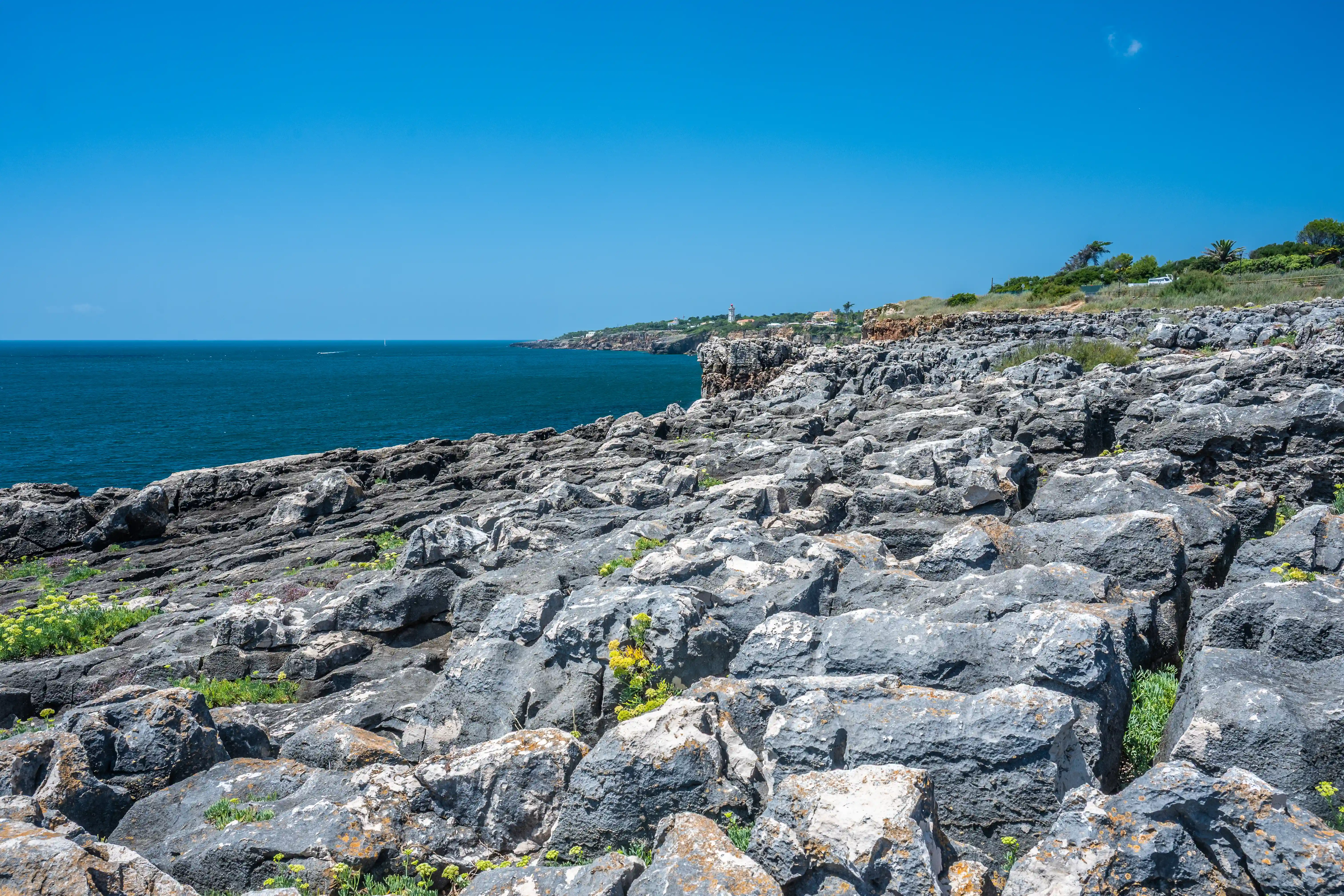
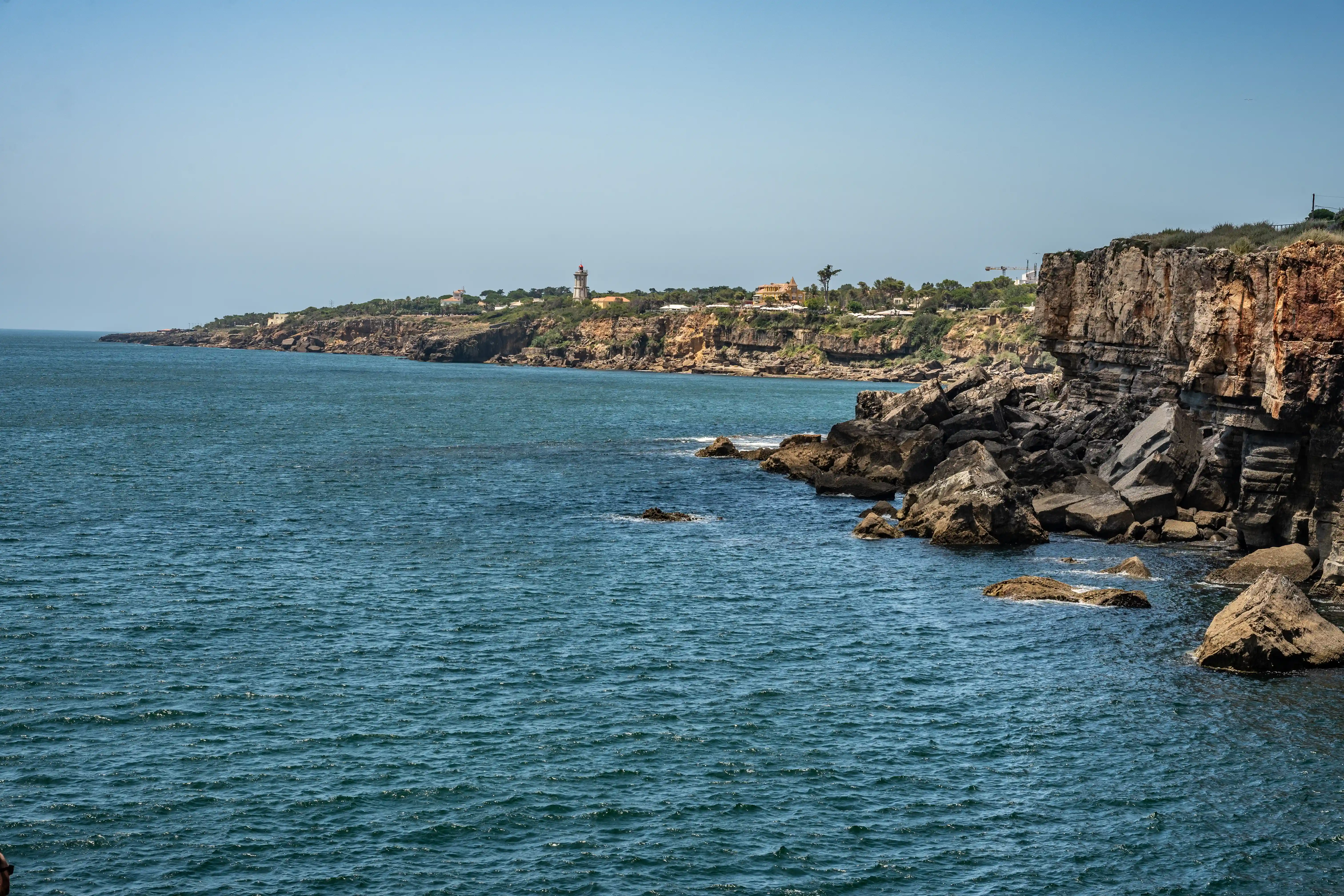
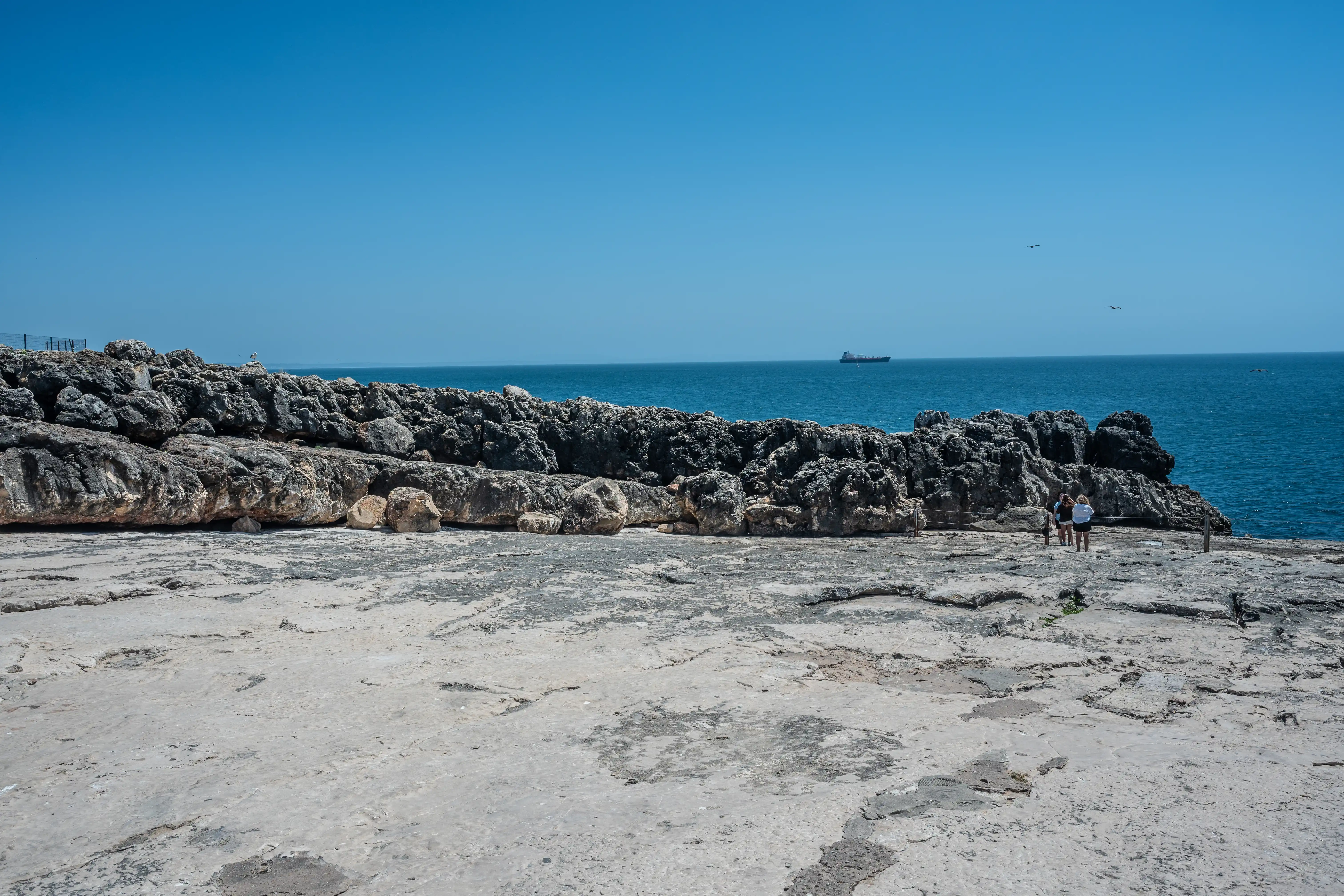
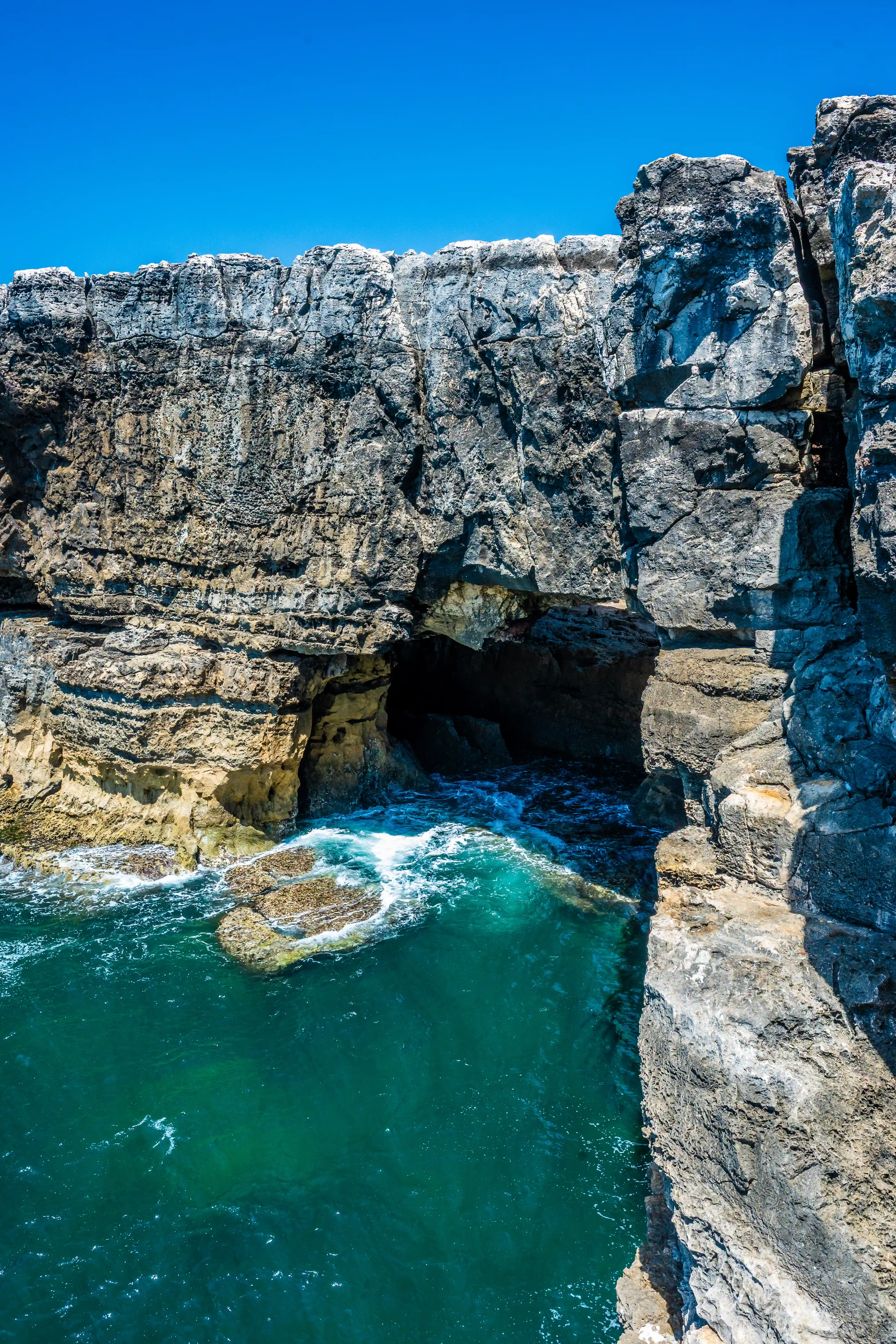
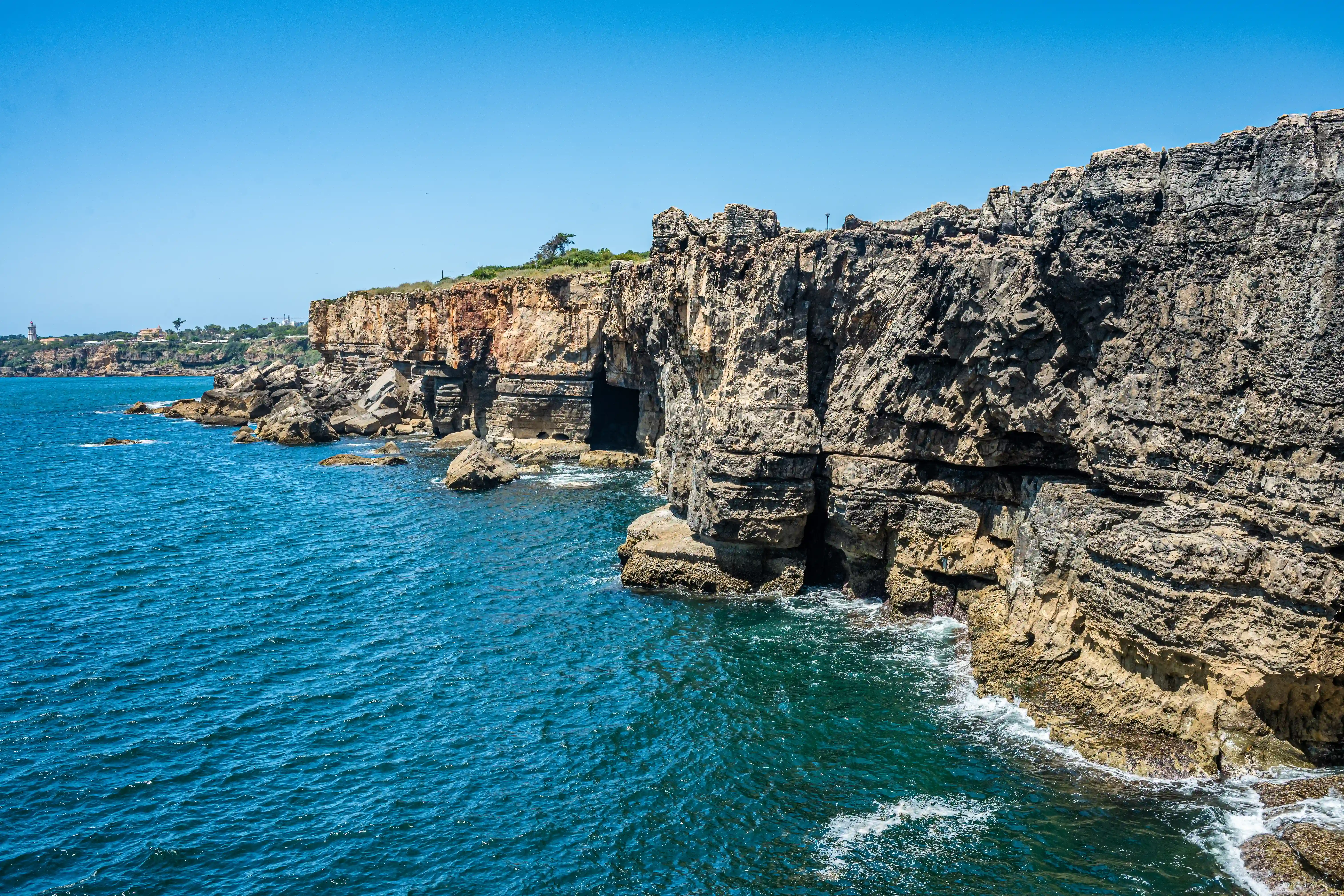
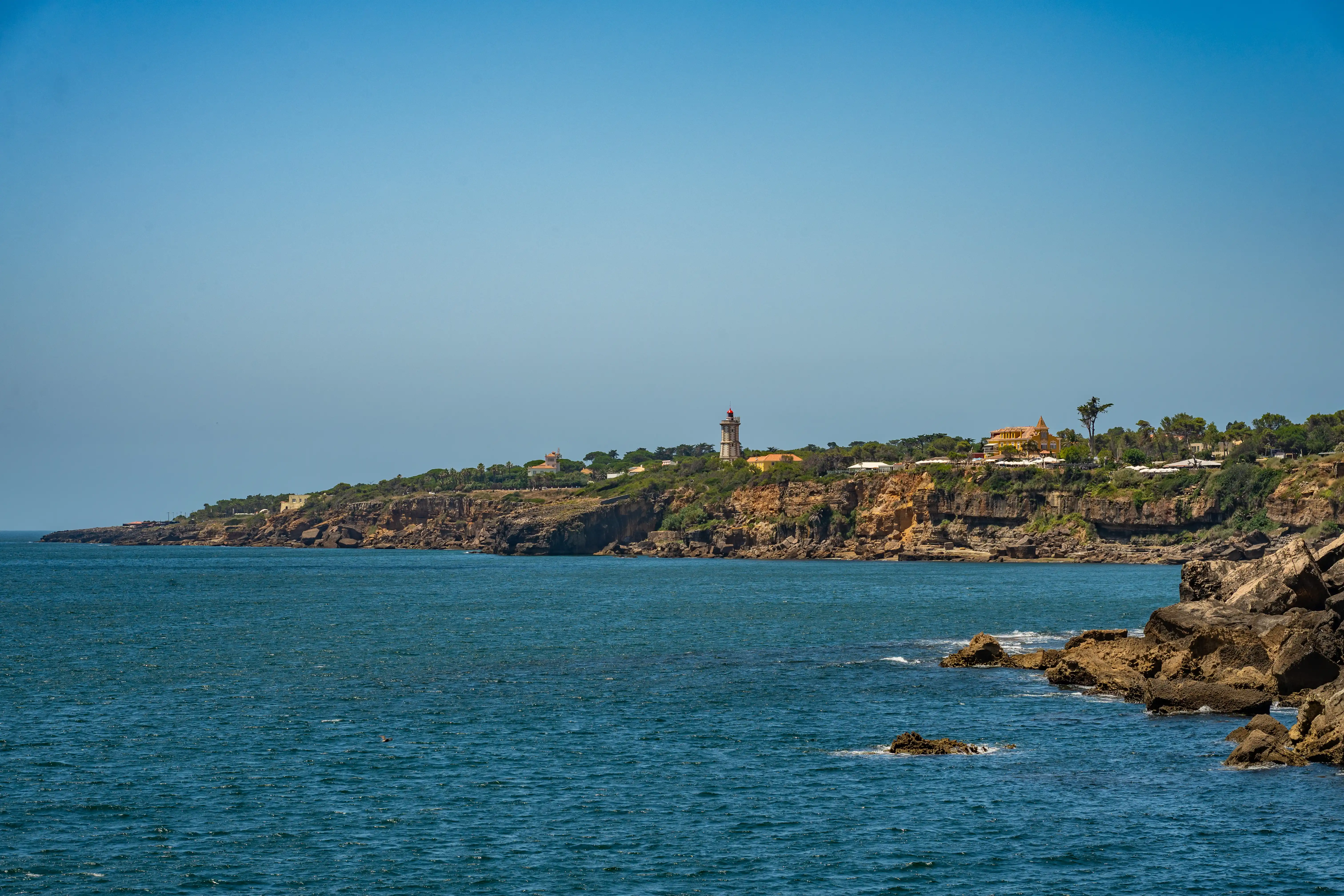
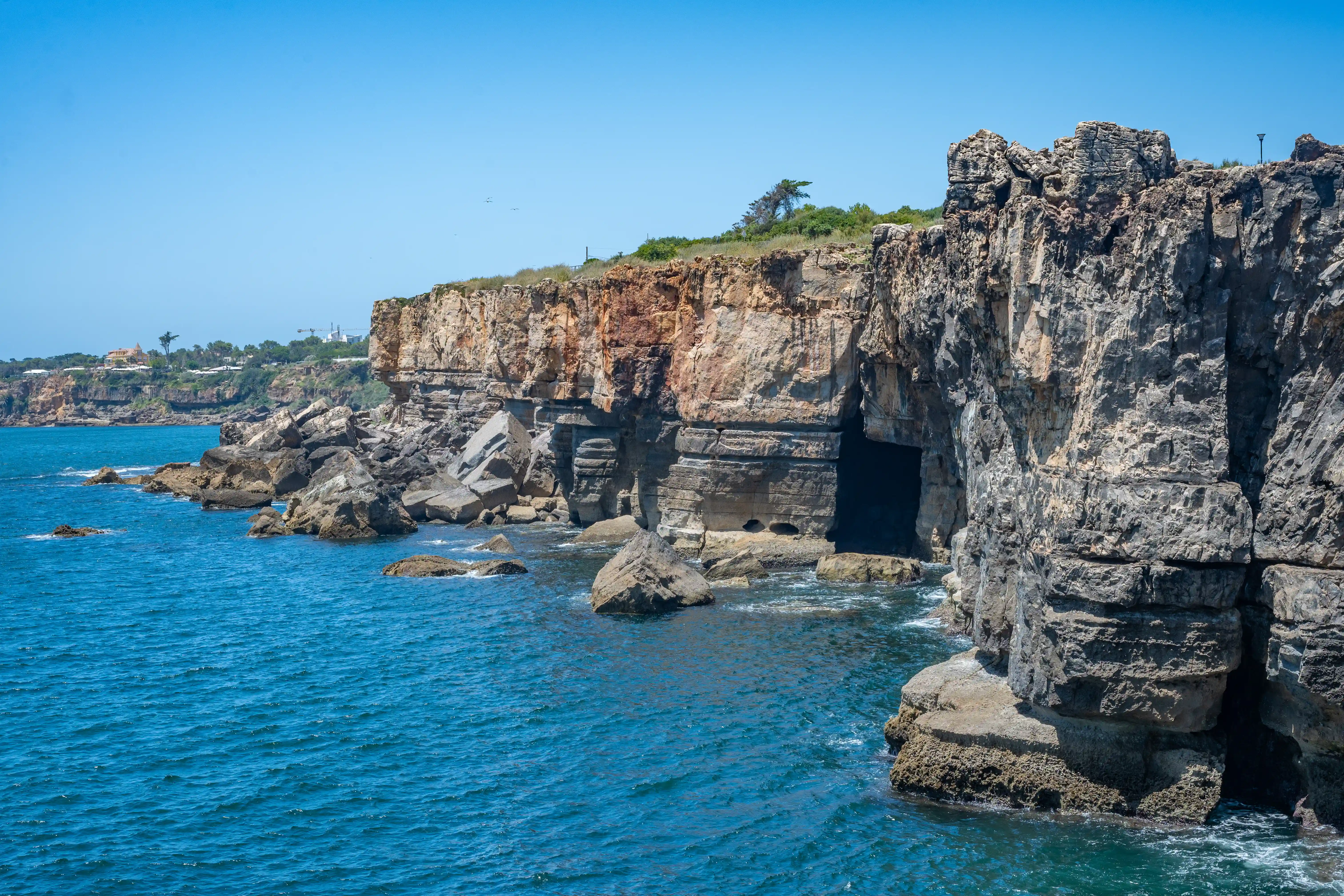
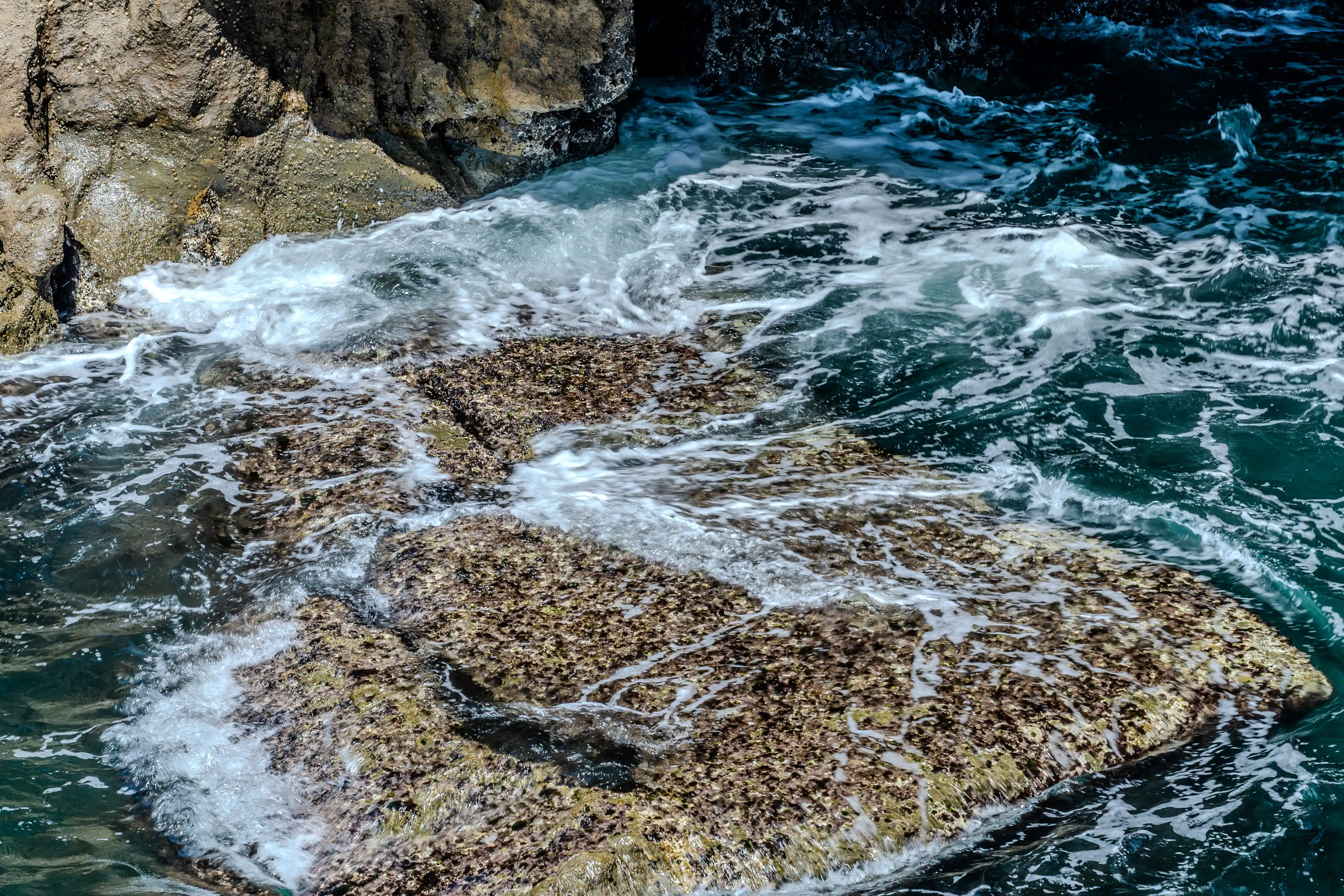
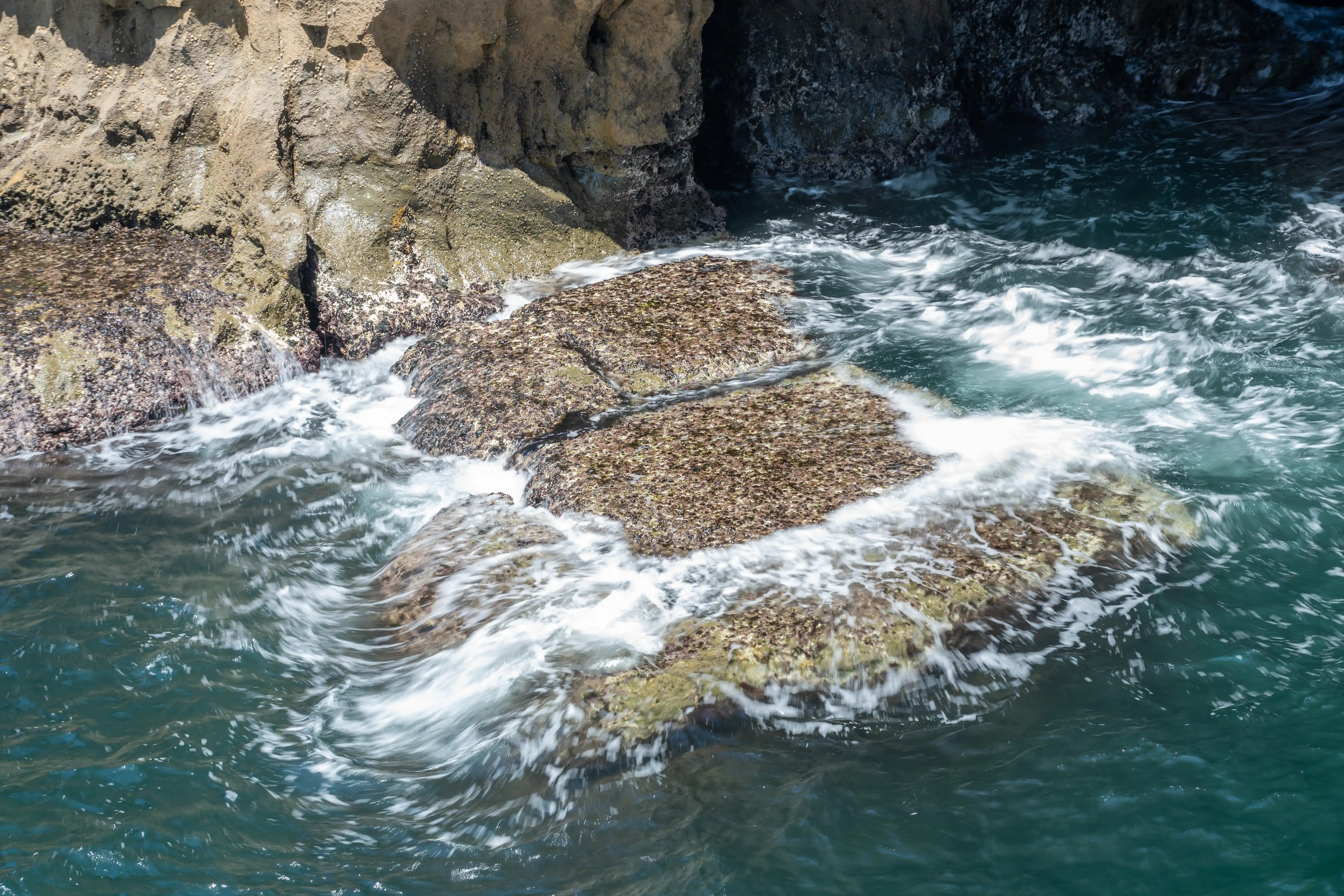
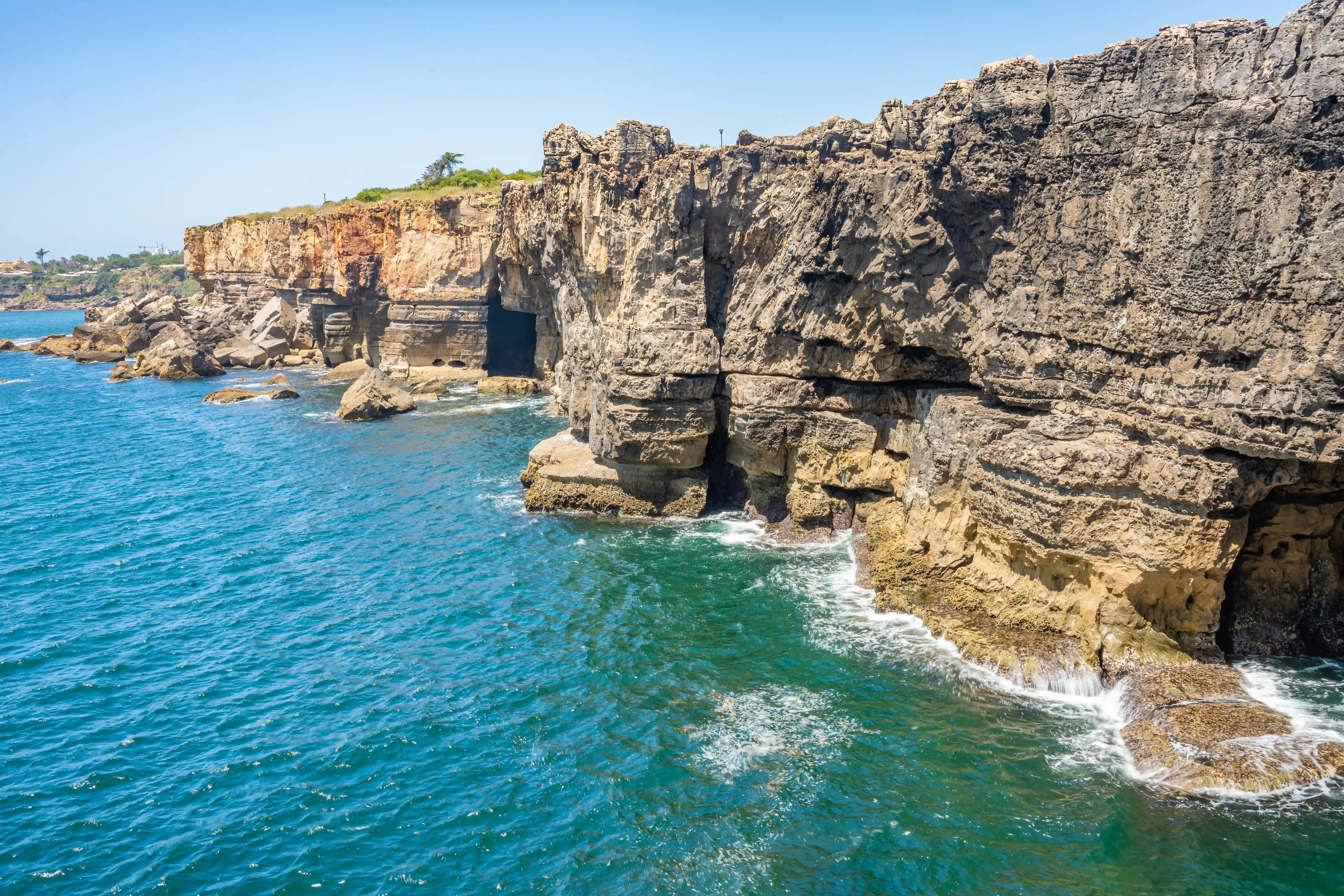
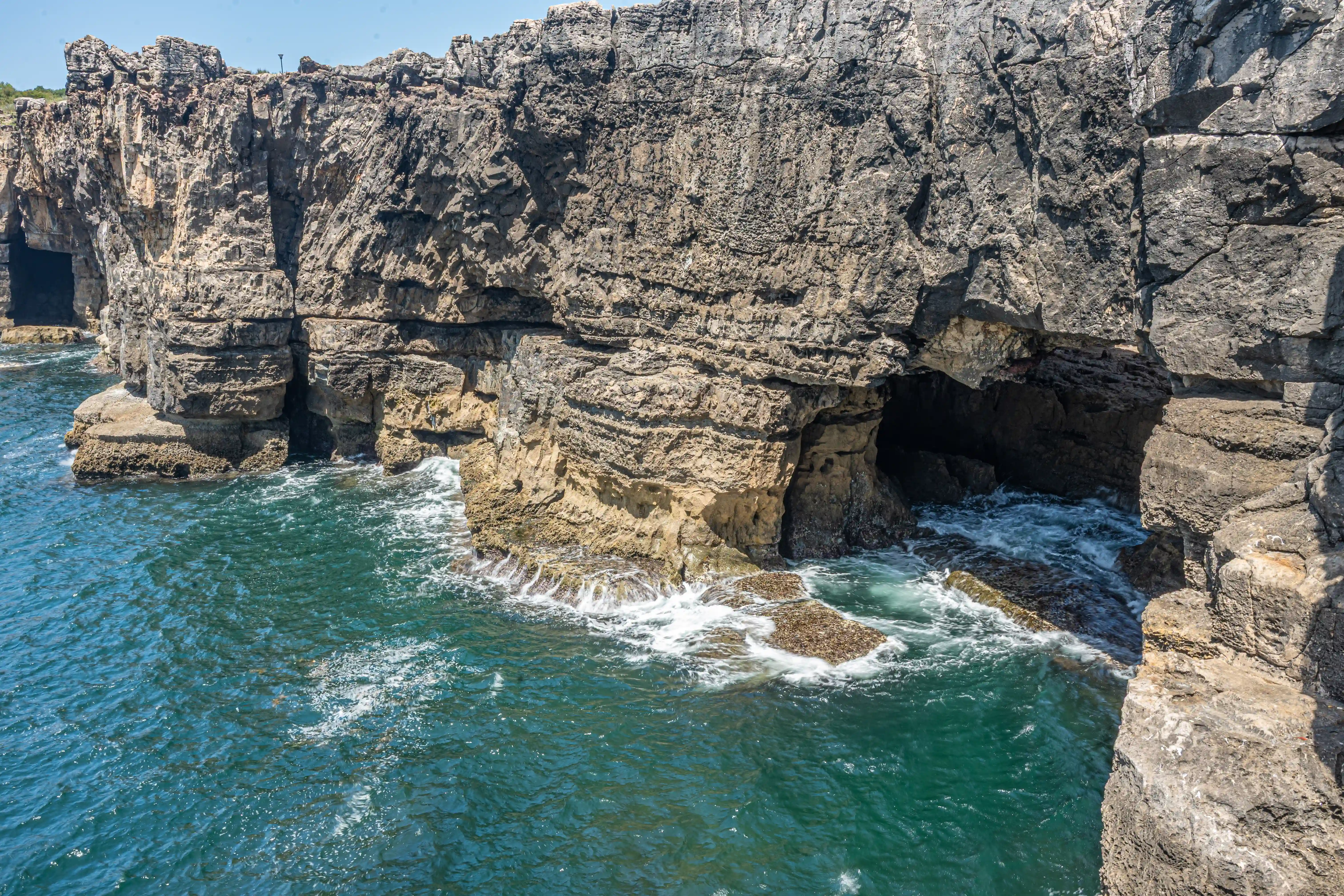
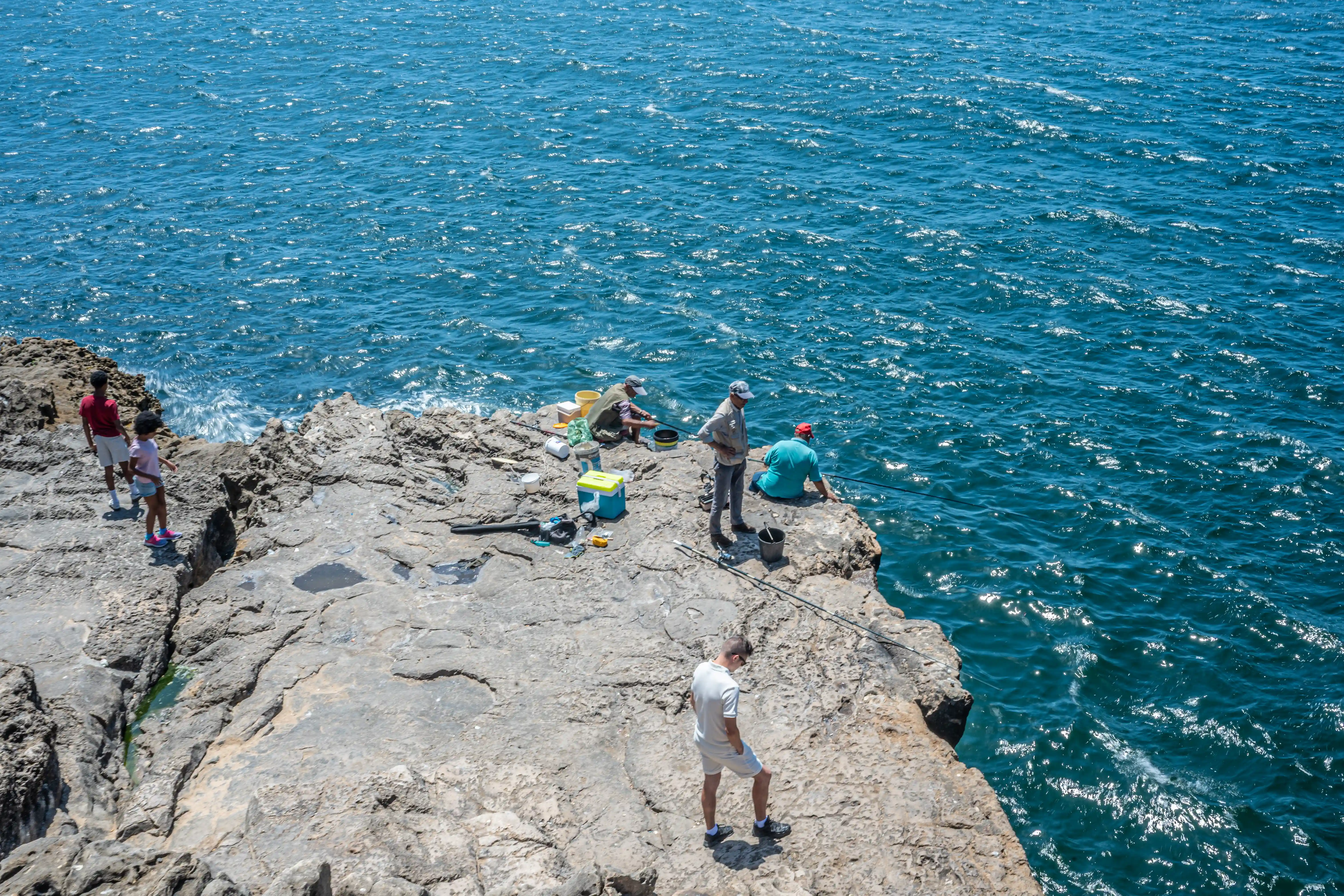
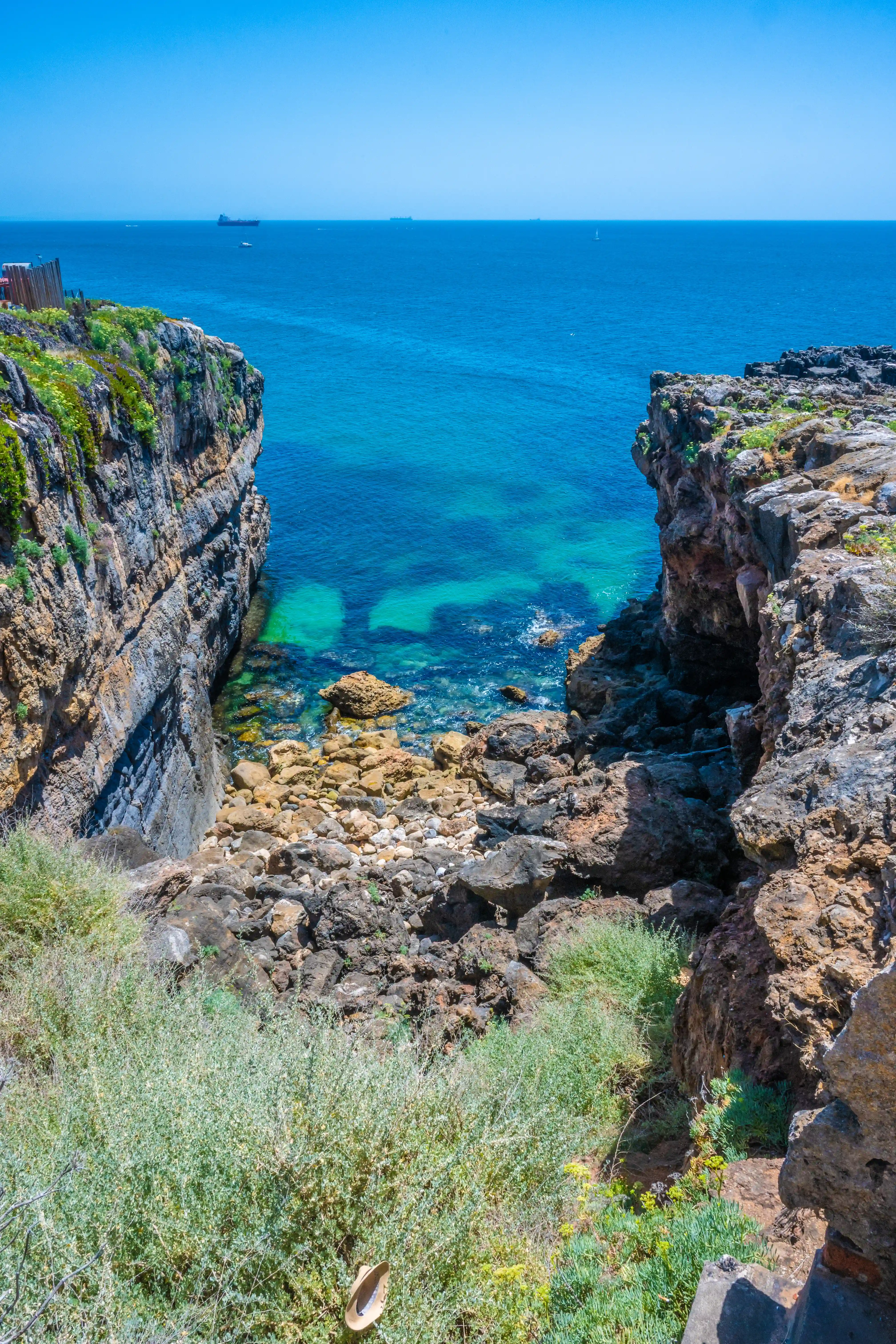
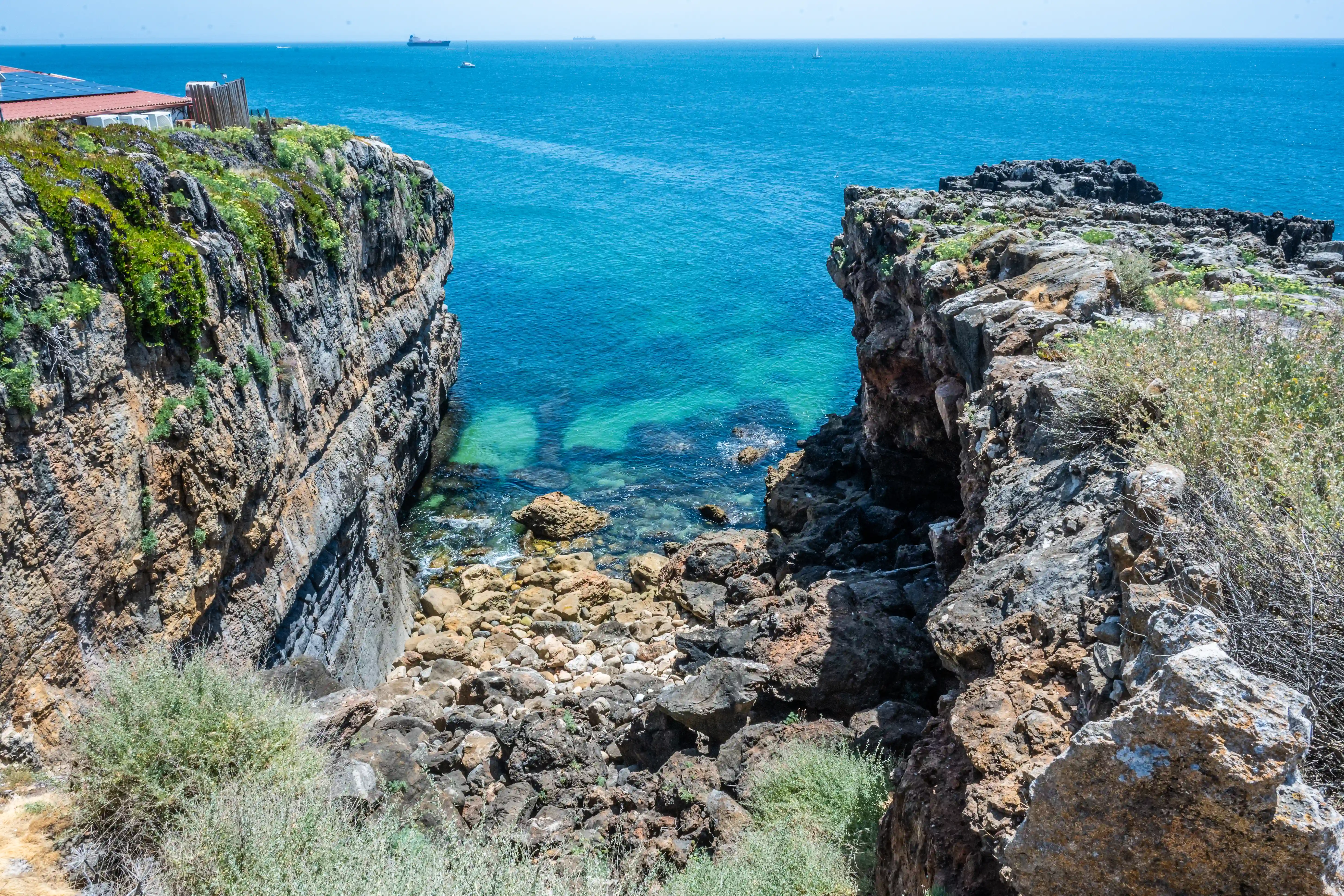
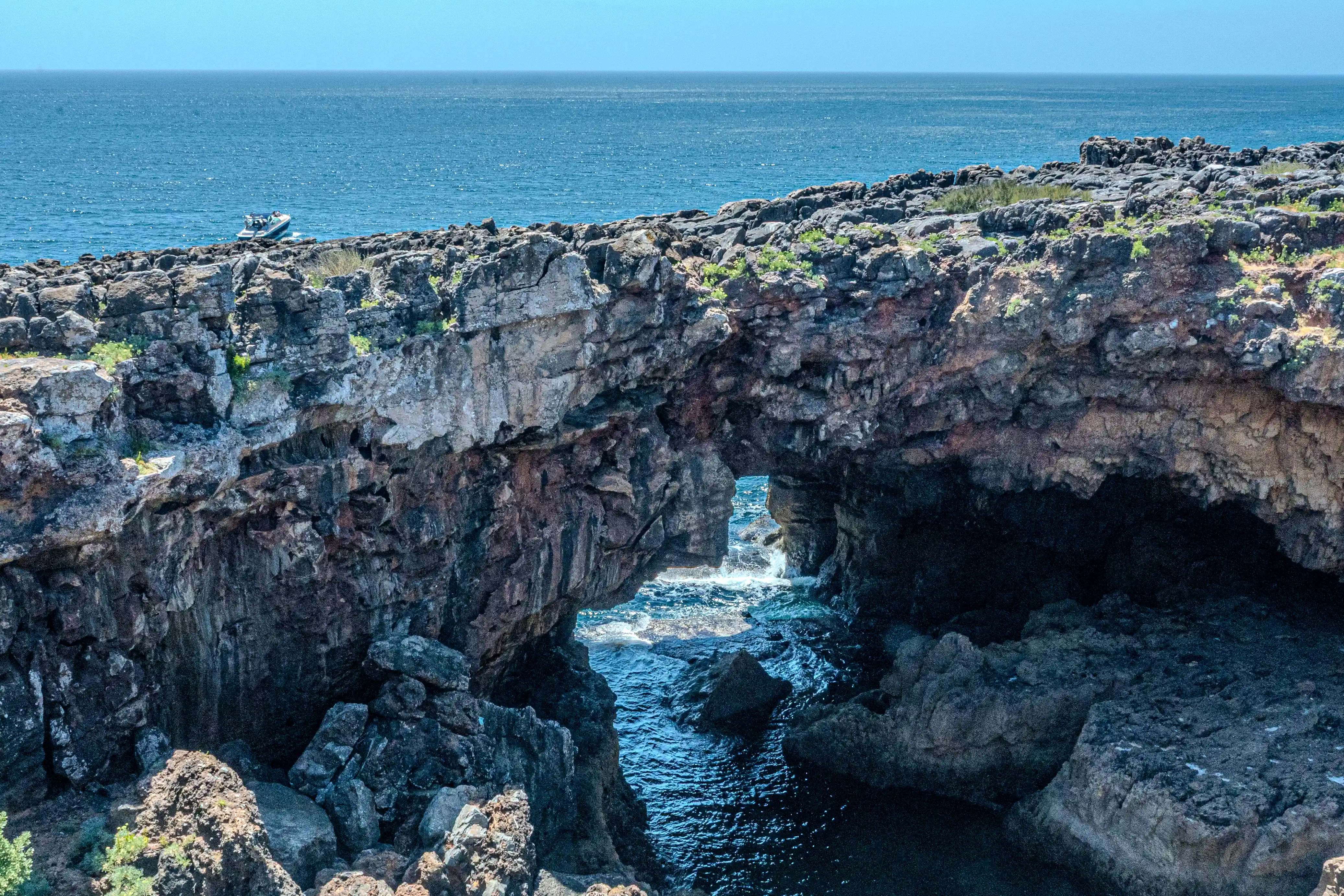
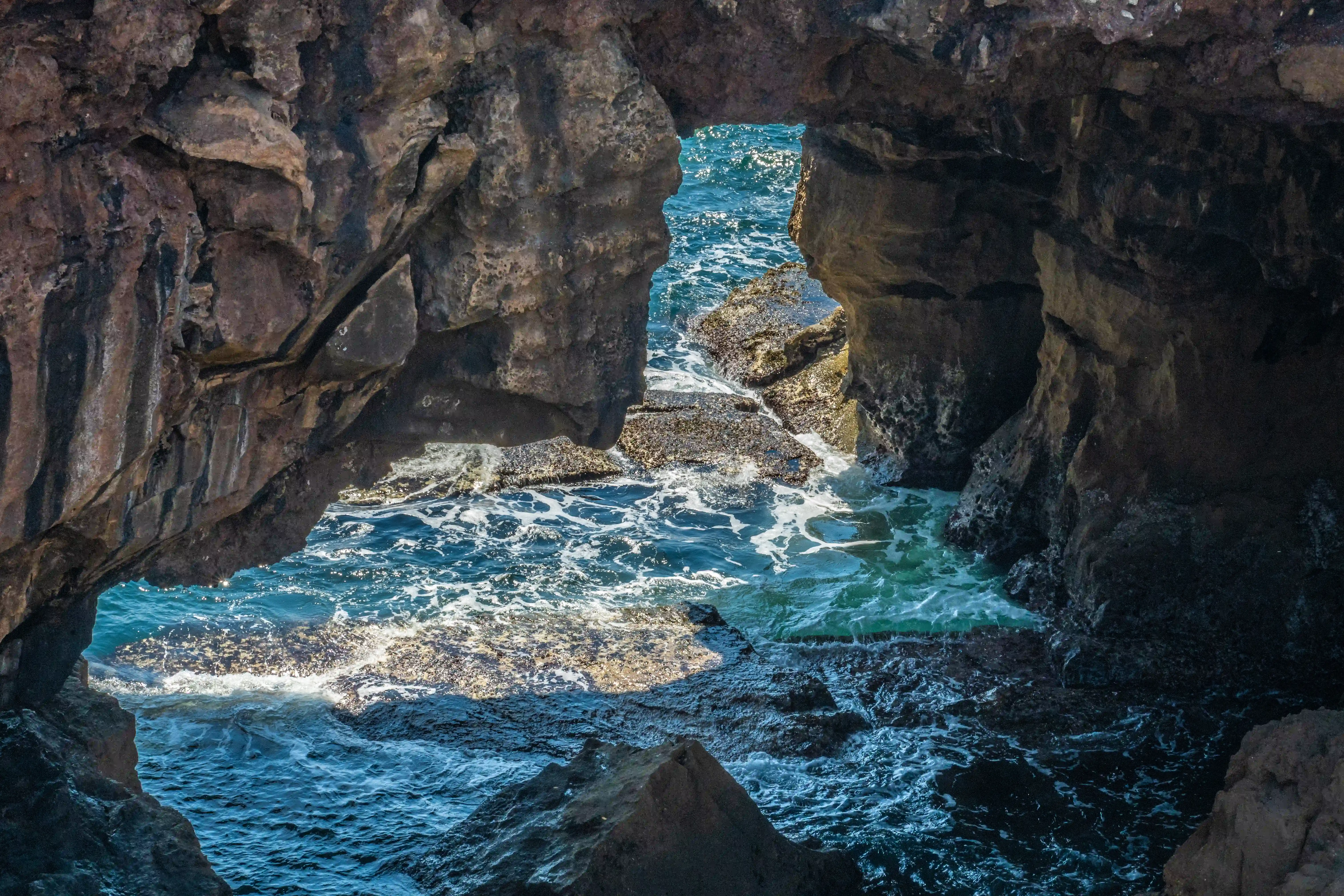
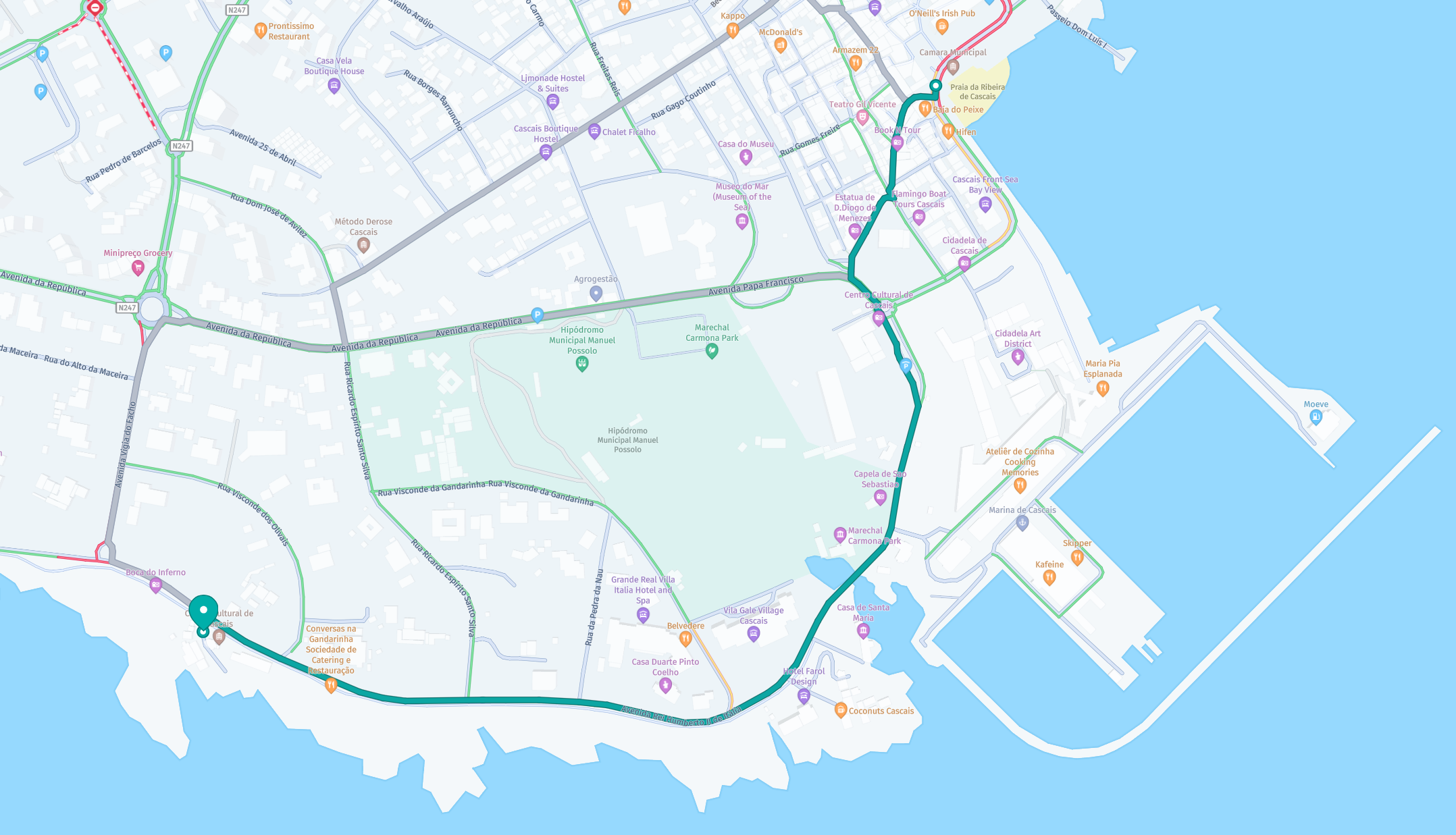
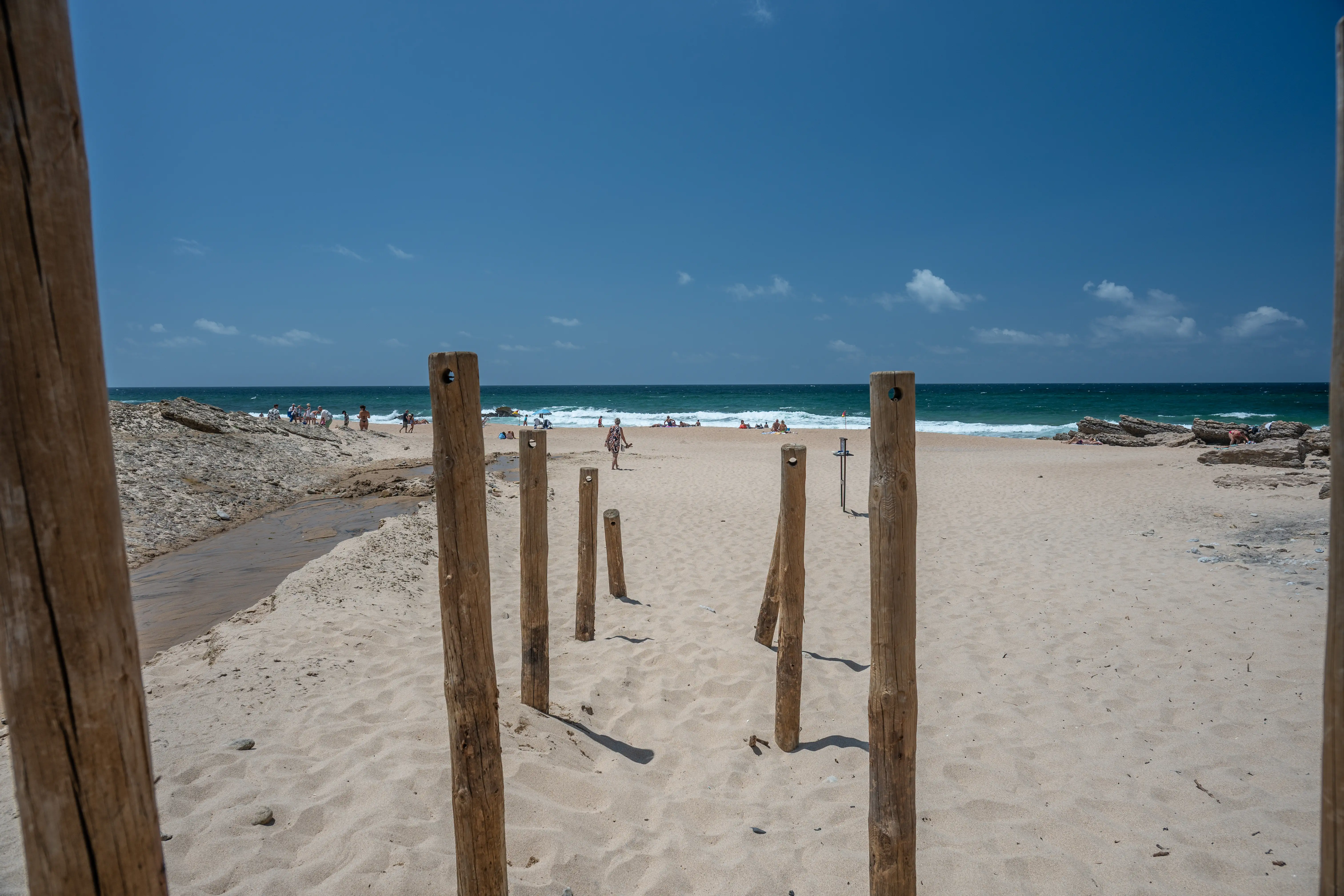
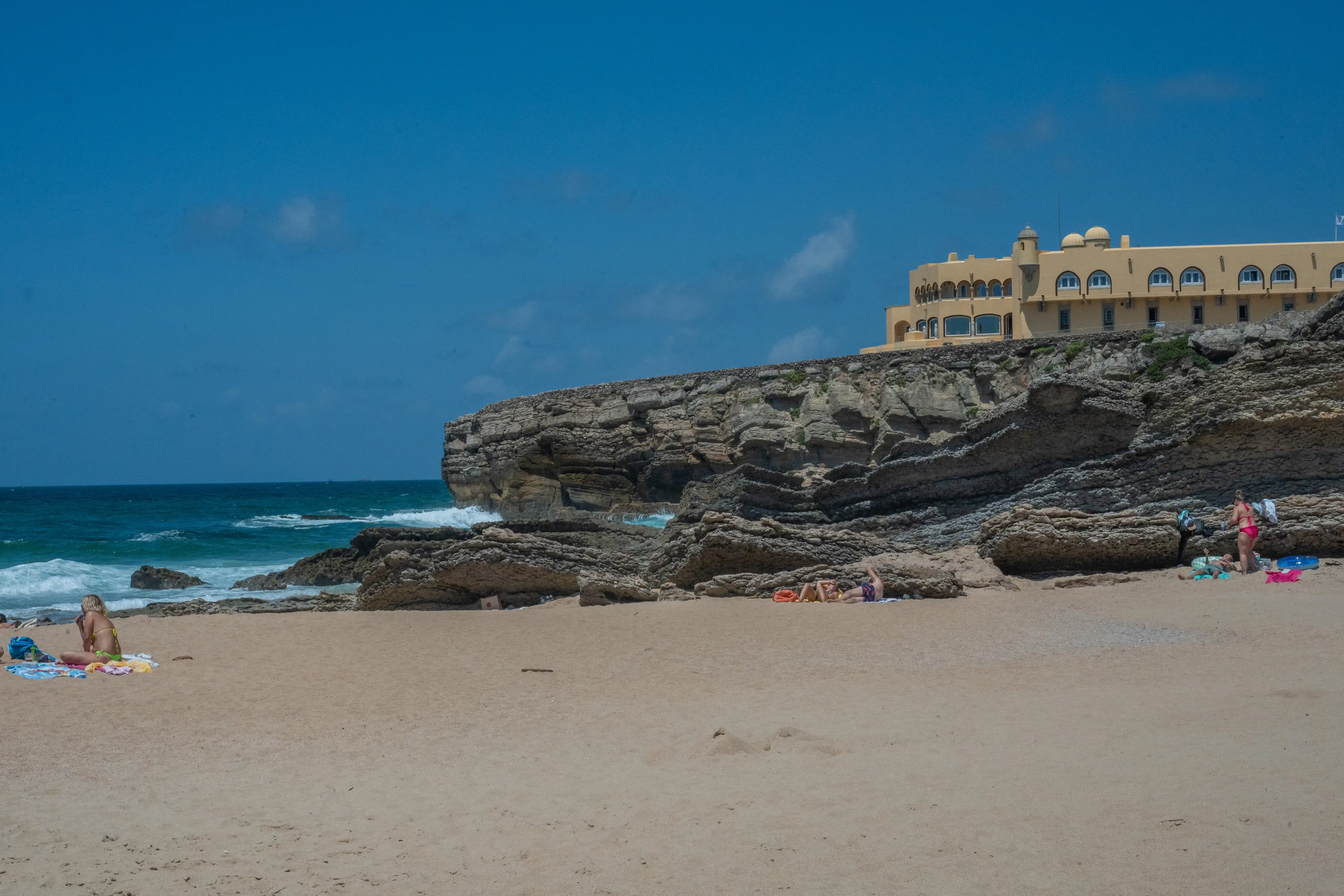
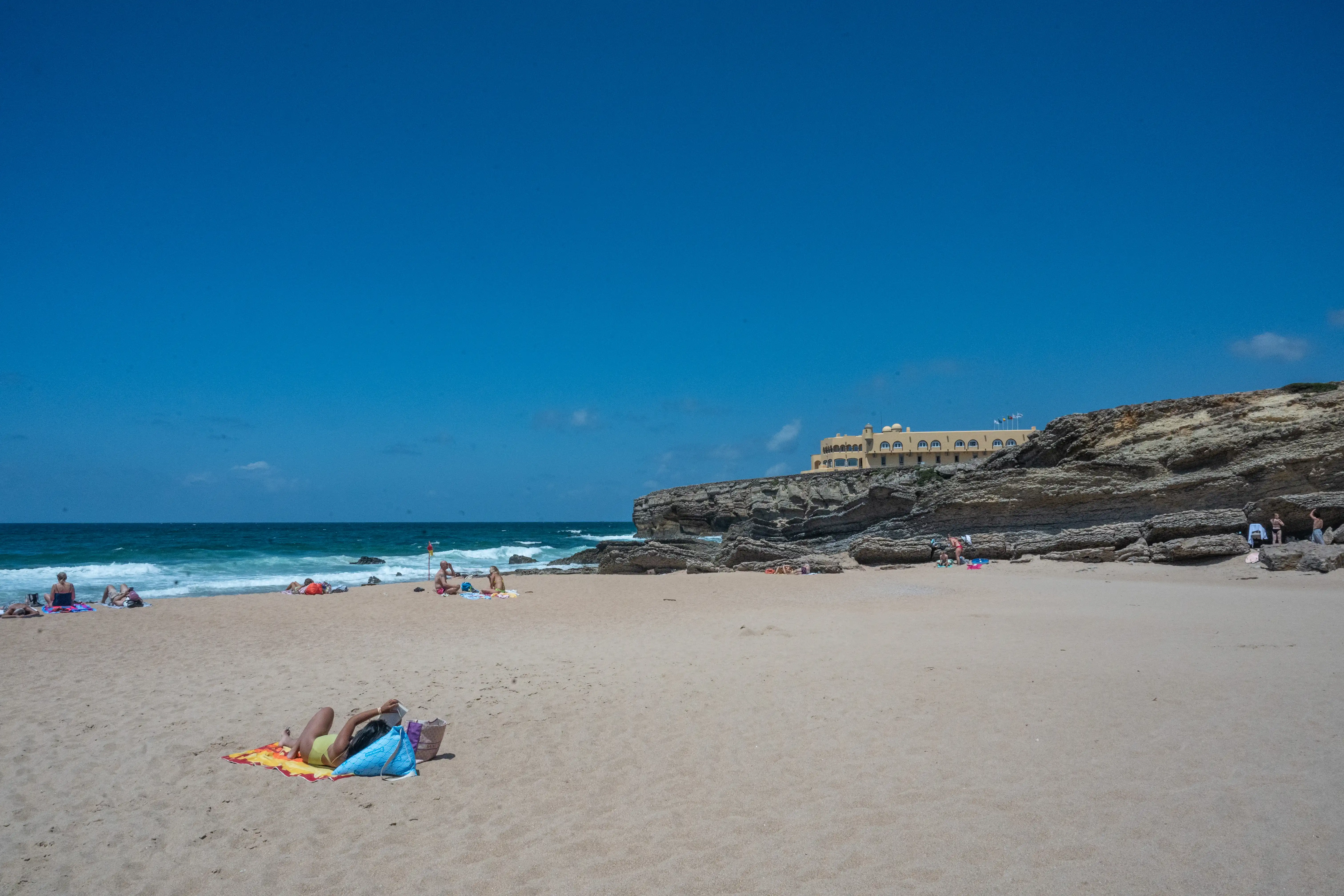
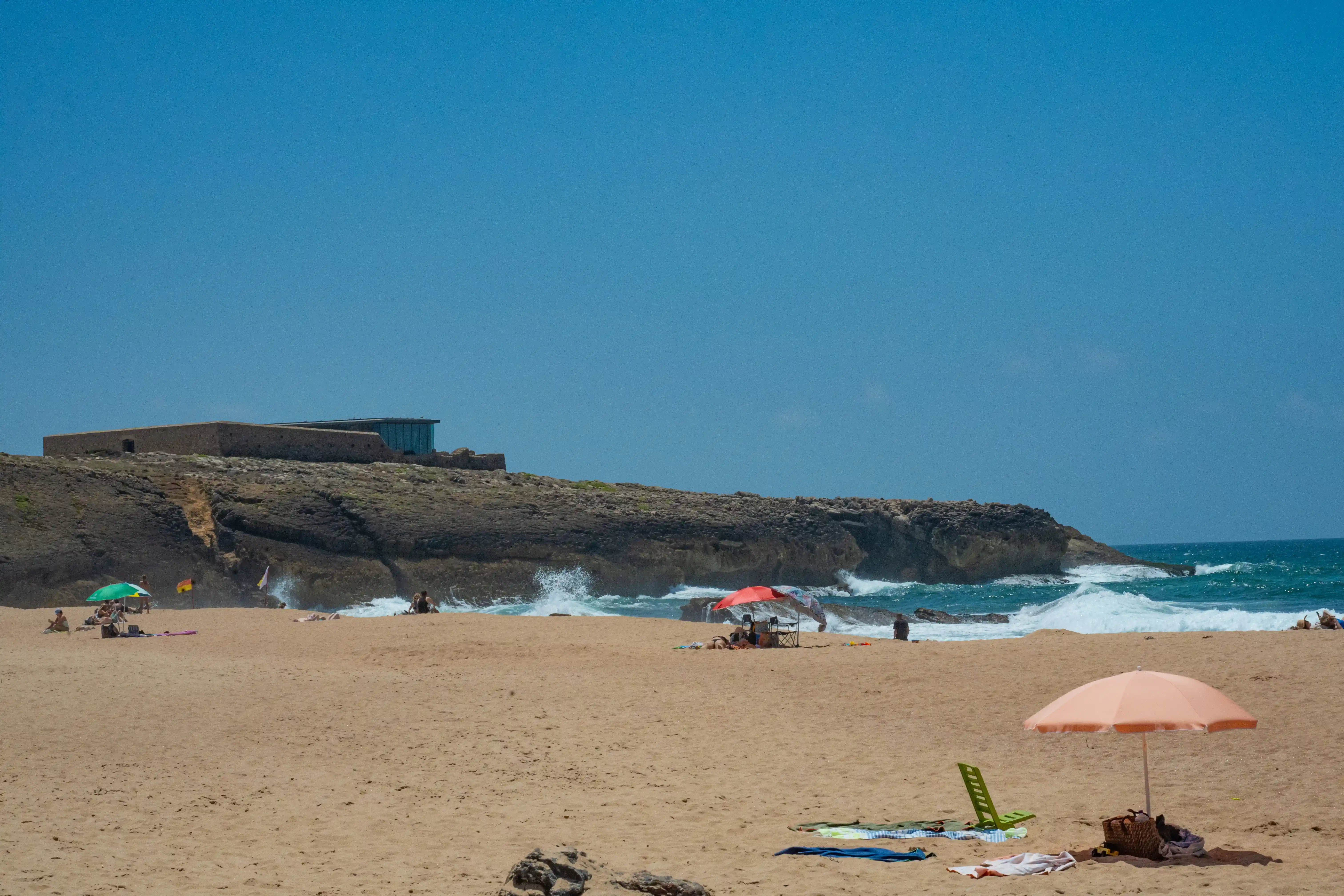
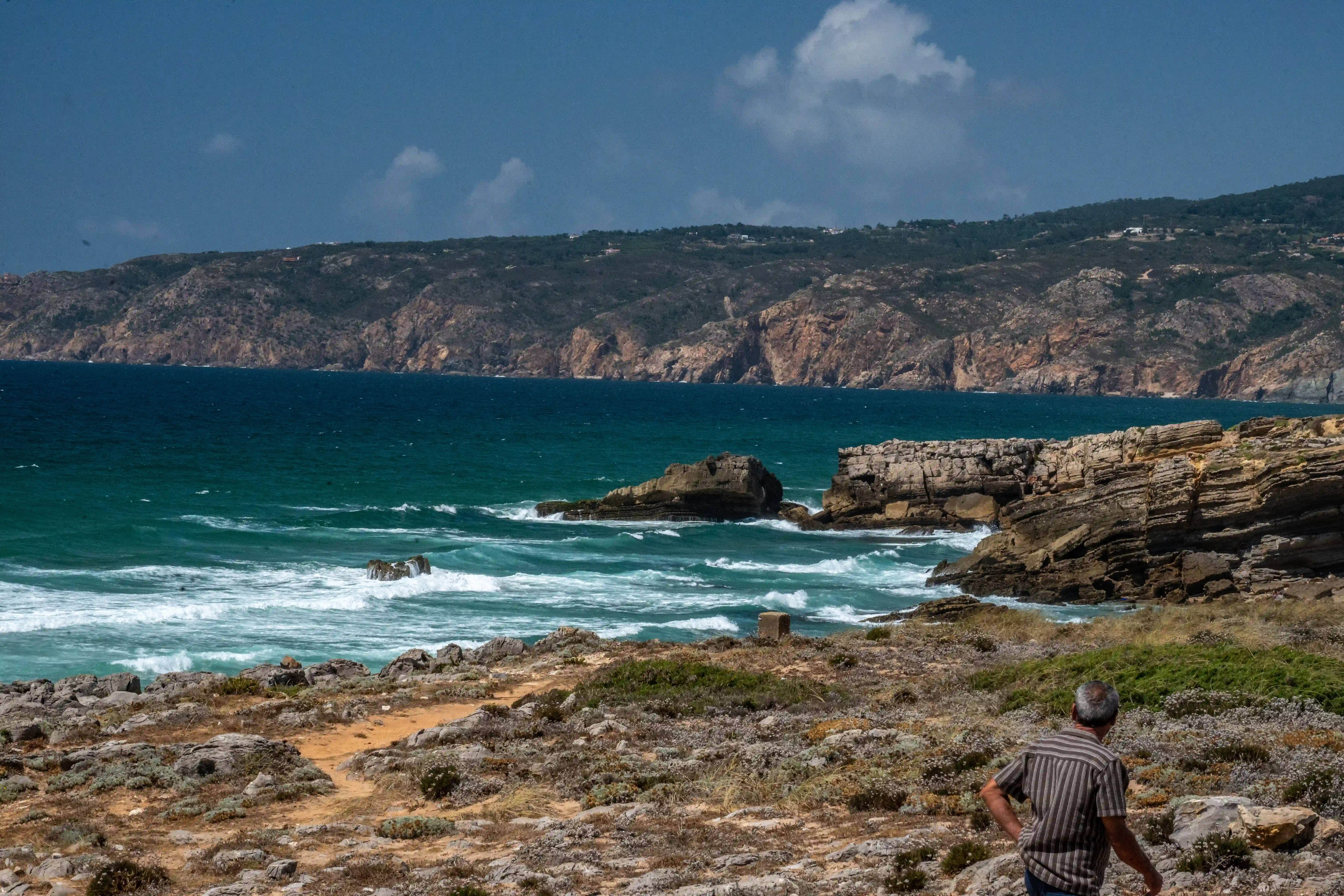
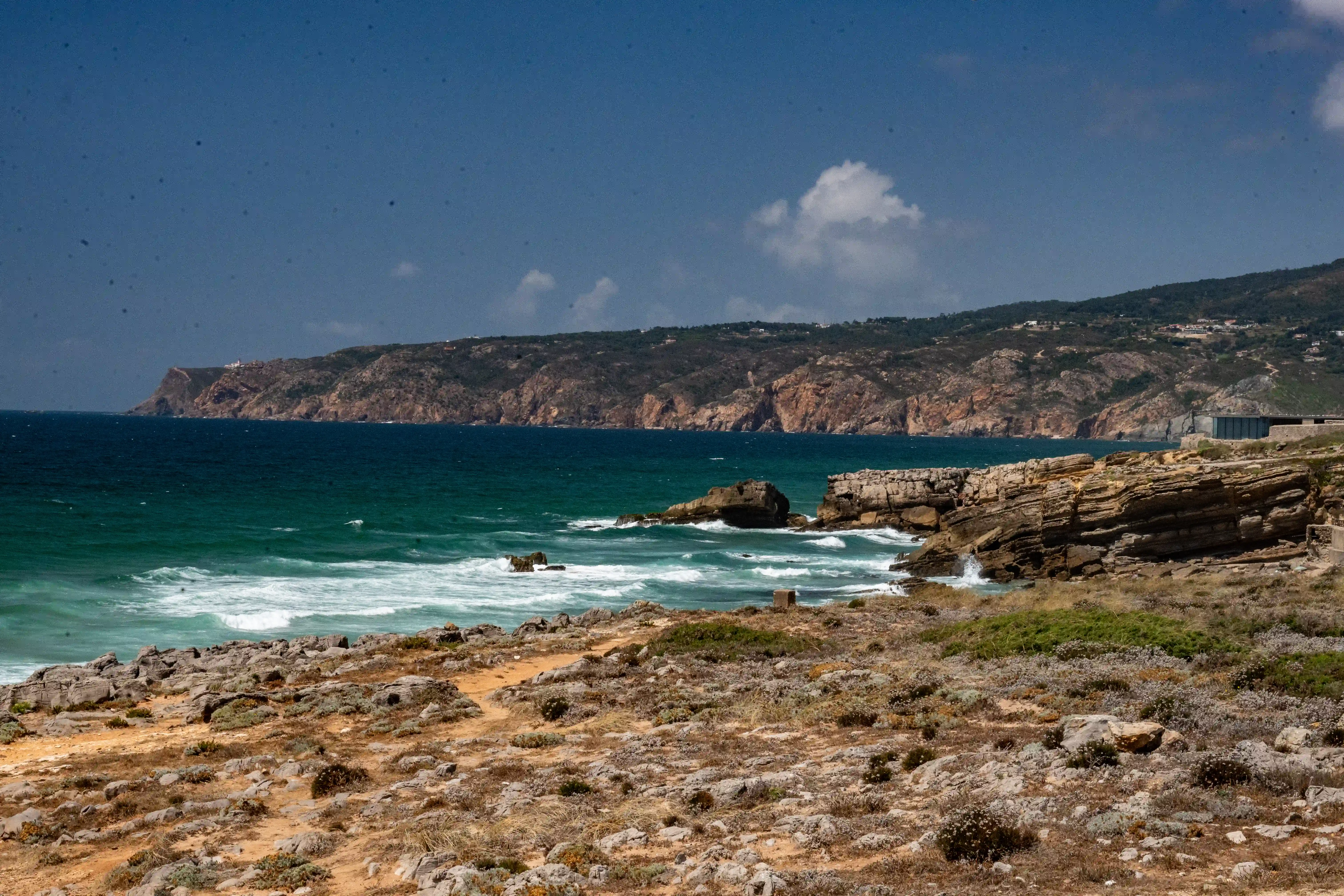
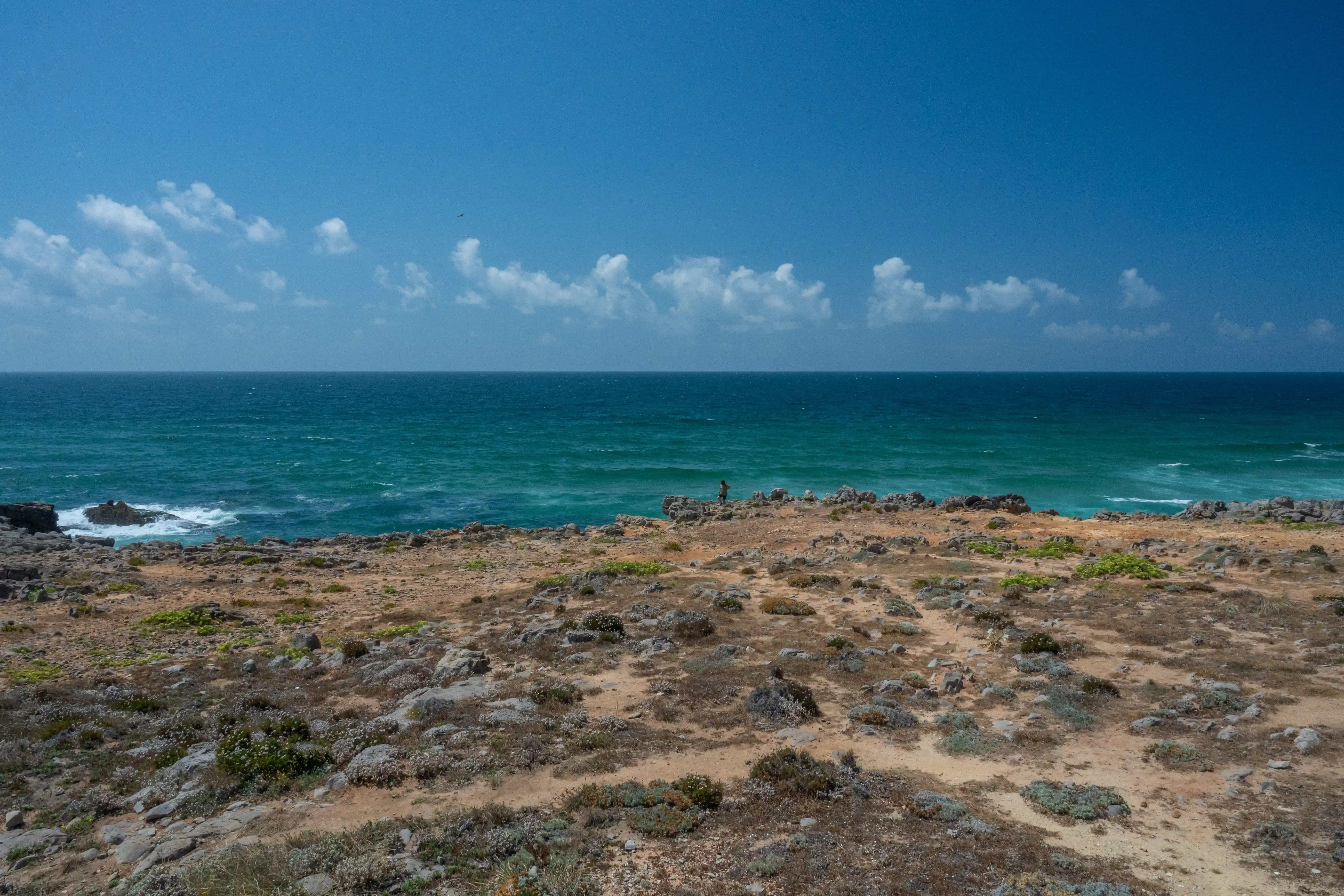
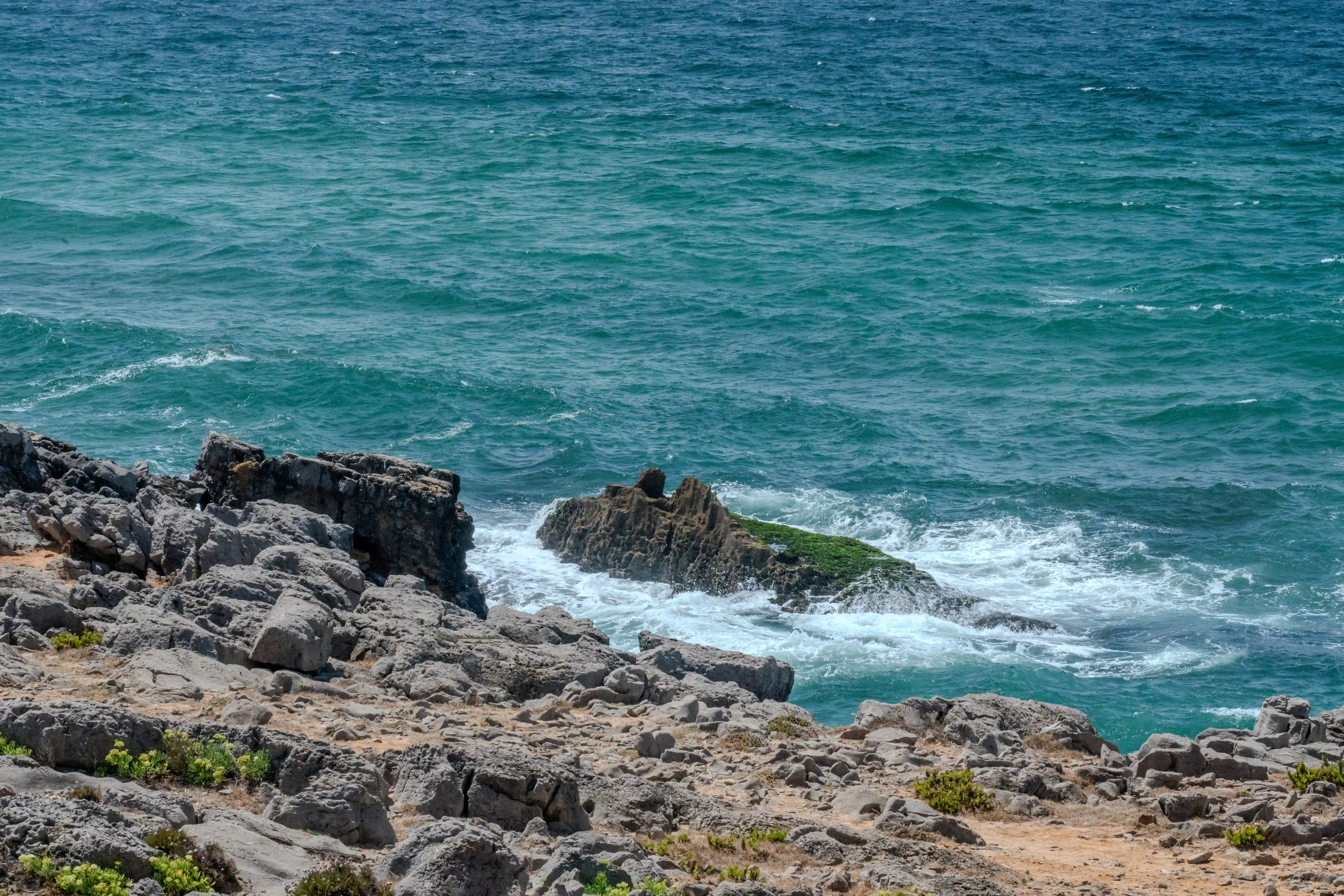
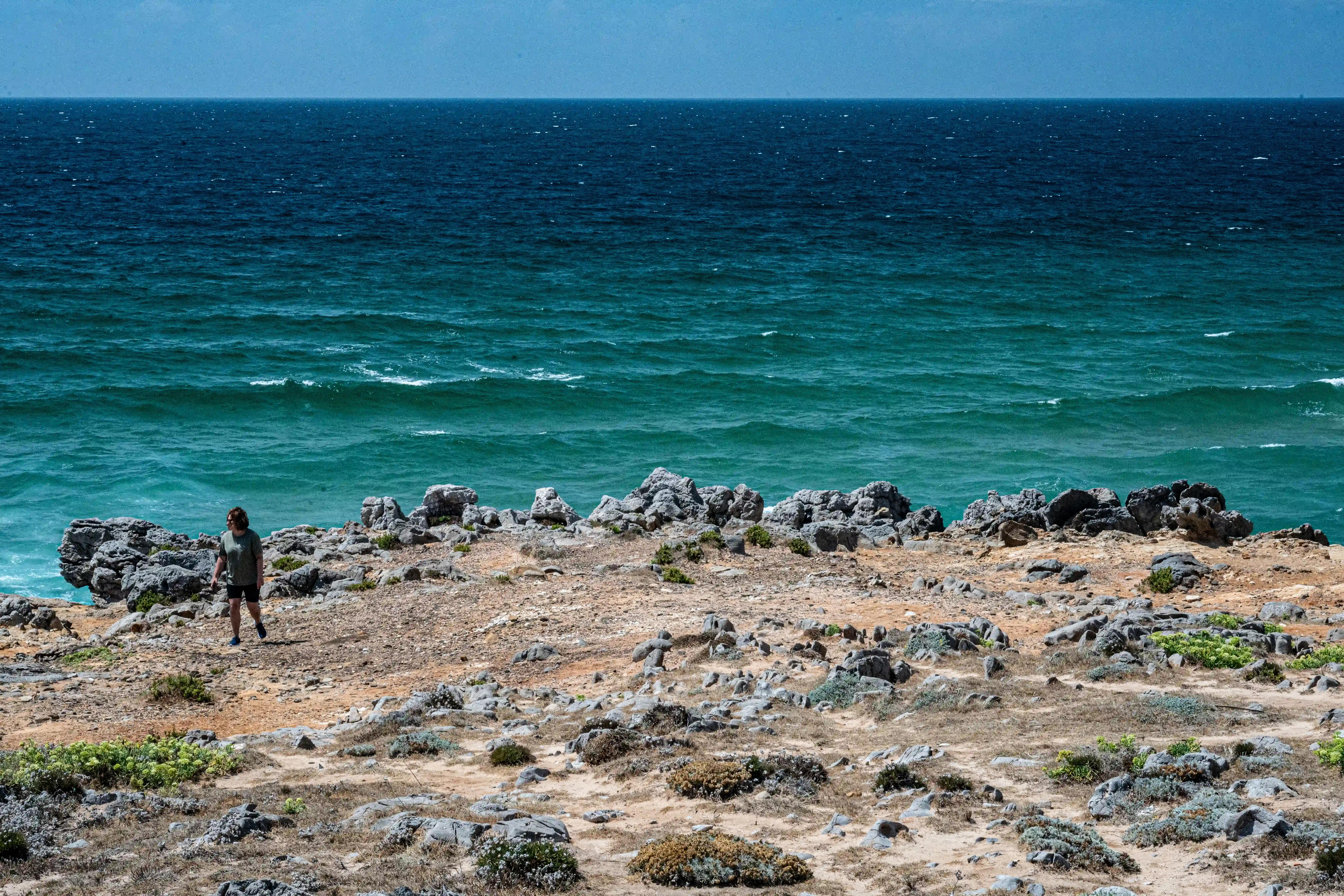
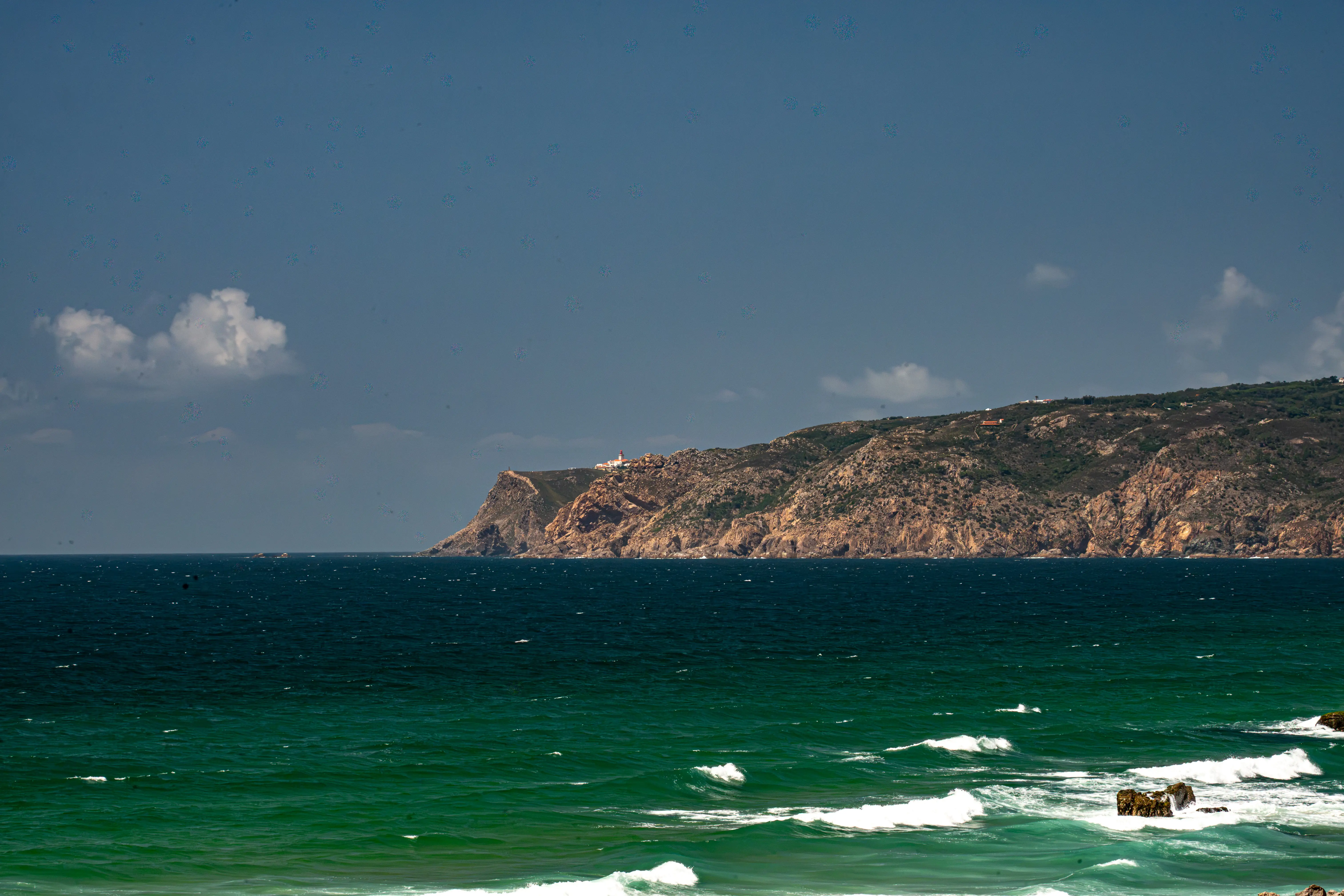
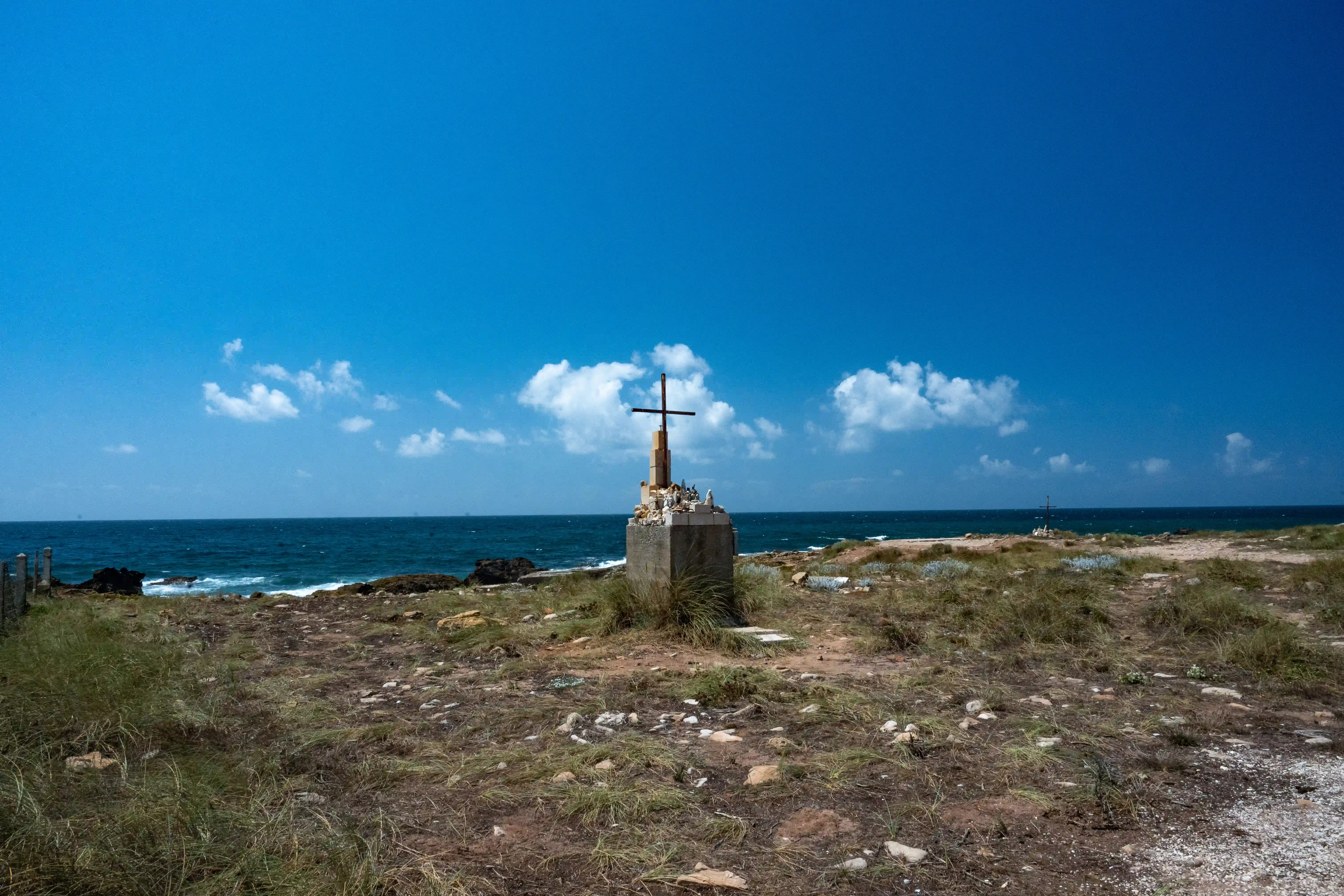
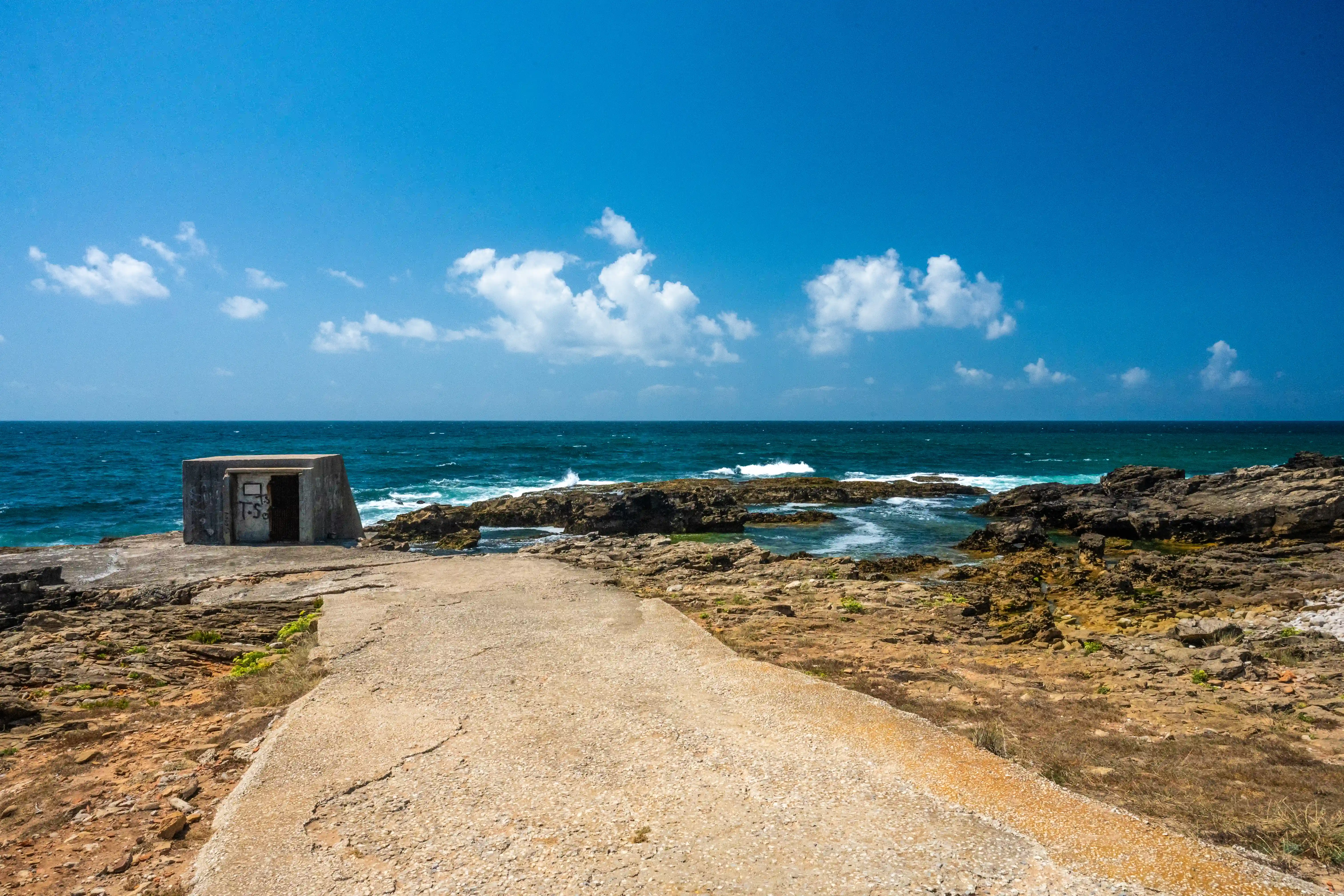
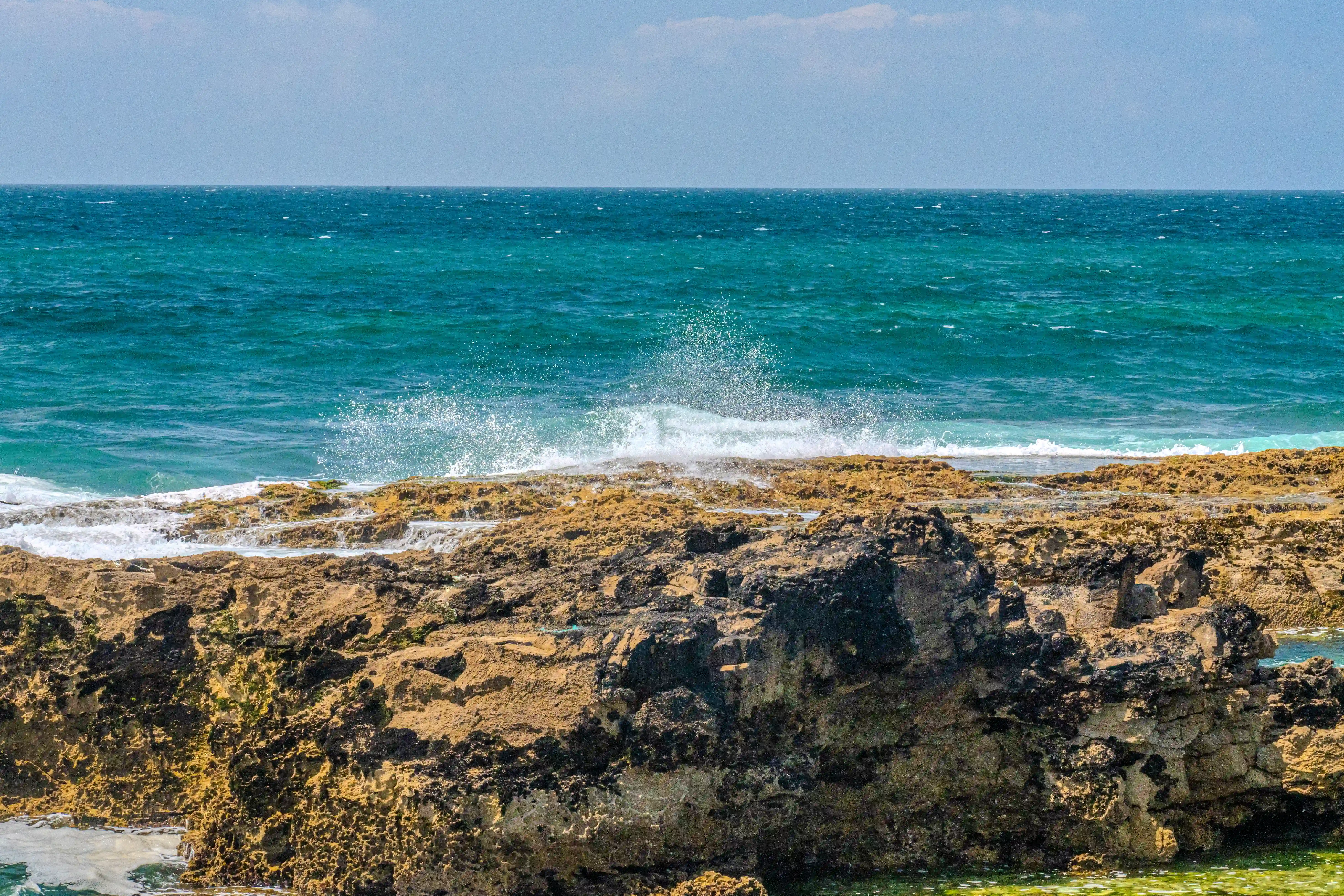
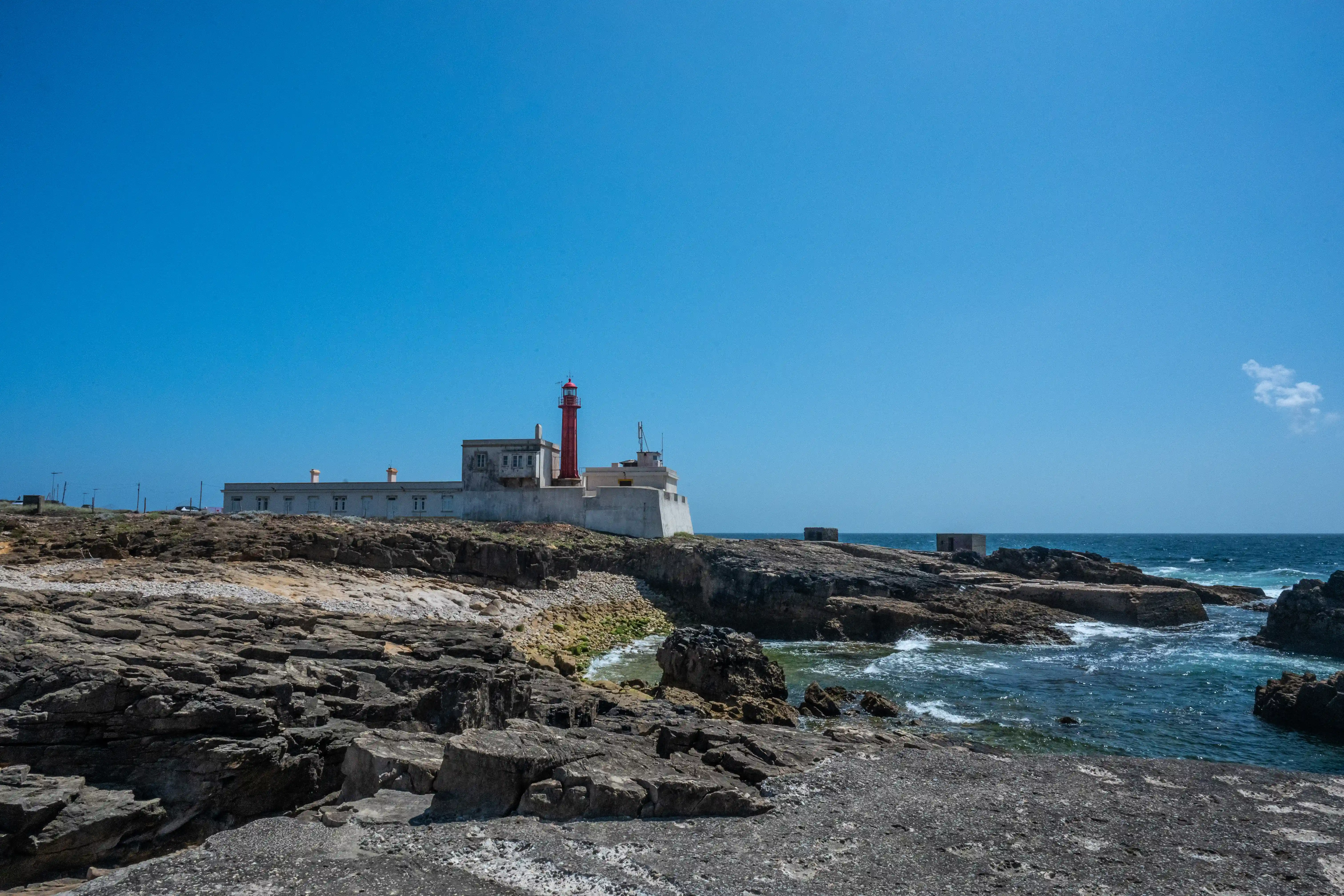
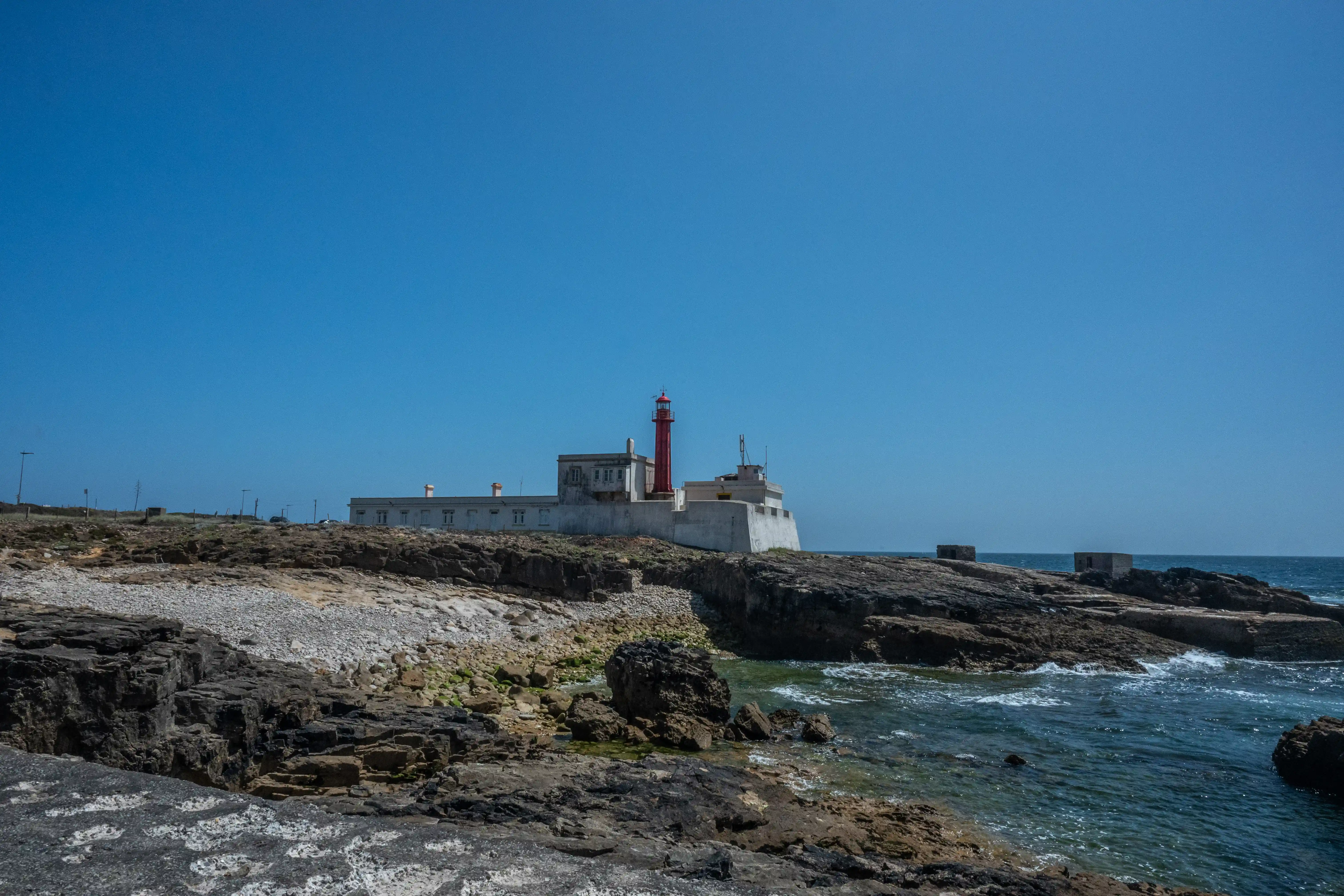
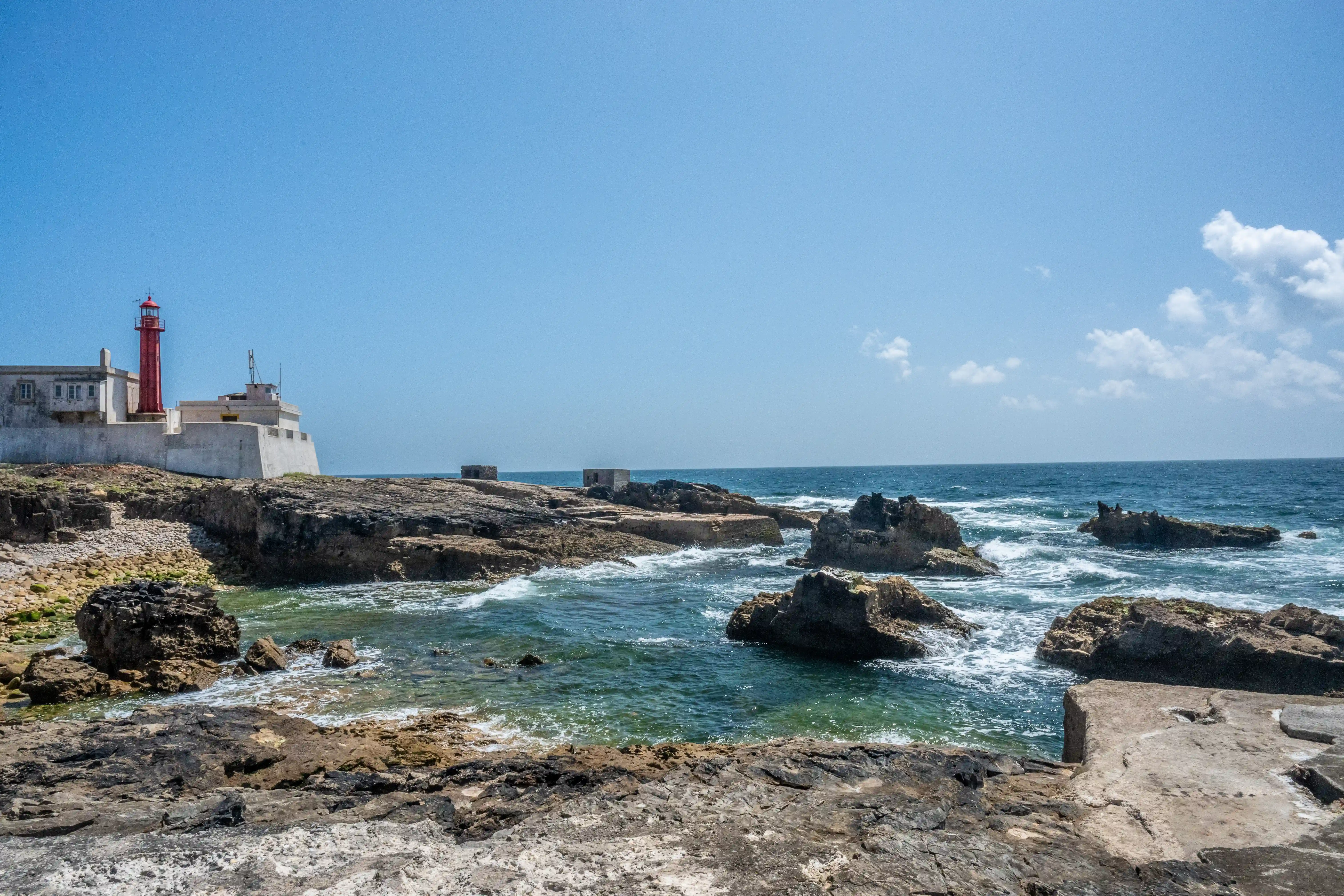
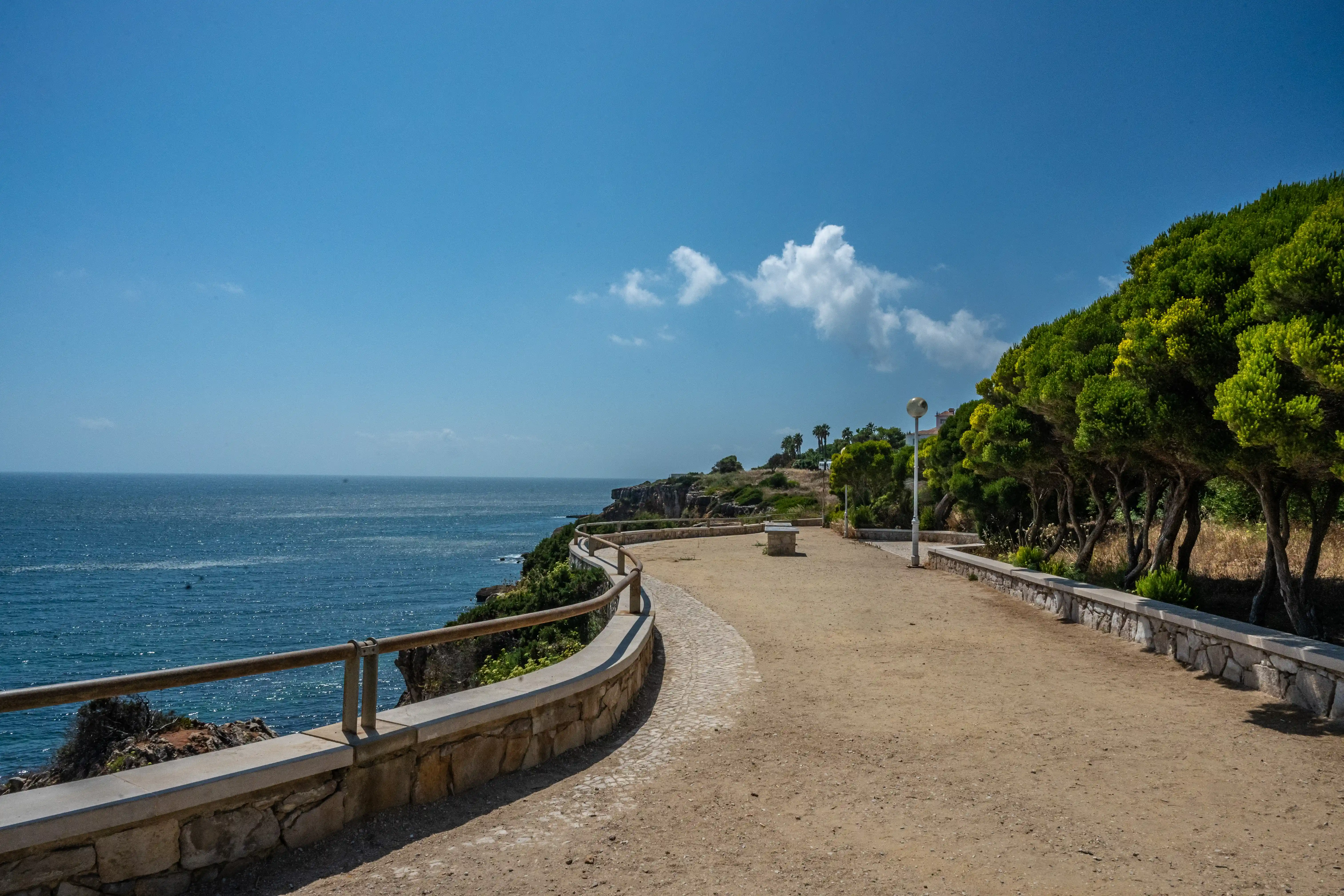
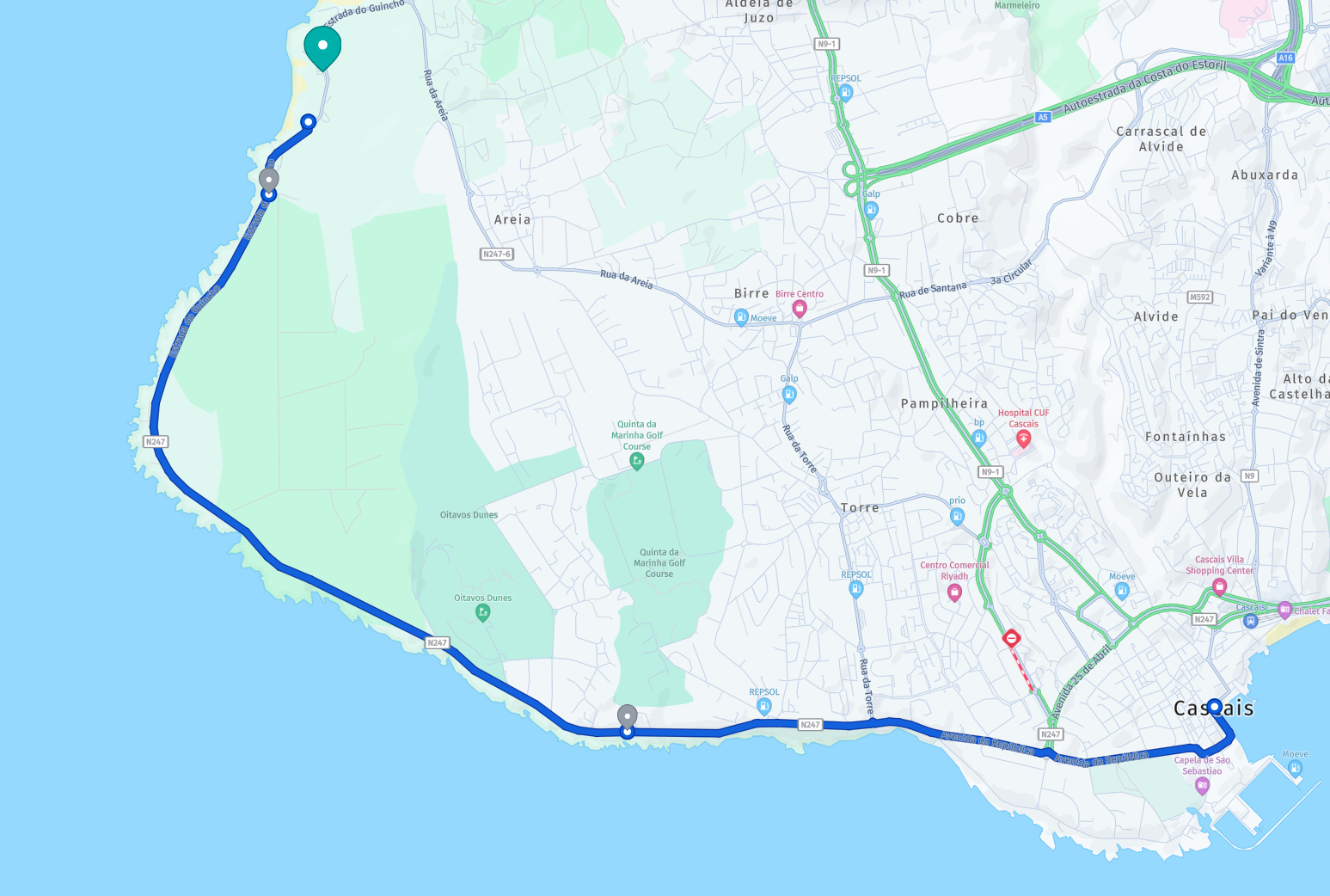
Boca do Inferno (Mouth of Hell) is a dramatic coastal cliff formation located in Cascais, Portugal, near the mouth of the Tagus River. Known for its powerful waves, scenic views, and natural beauty, Boca do Inferno is one of the most iconic and visited natural landmarks in the region. The name "Boca do Inferno" (Mouth of Hell) reflects the violent crashing of waves against the cliffs, creating a spectacular and awe-inspiring natural phenomenon. Today, Boca do Inferno is a popular destination for visitors seeking breathtaking coastal views, photography opportunities, and a connection to the raw power of the Atlantic Ocean.
Aleister Crowley was an English occultist, ceremonial magician, poet, novelist, mountaineer, and painter. As the founder of the religion of Thelema in the early 20th century, he identified as its prophet, entrusted with guiding humanity into the Æon of Horus. A prolific writer, he published widely—composing the "Libri" of Thelema—over the course of his life.
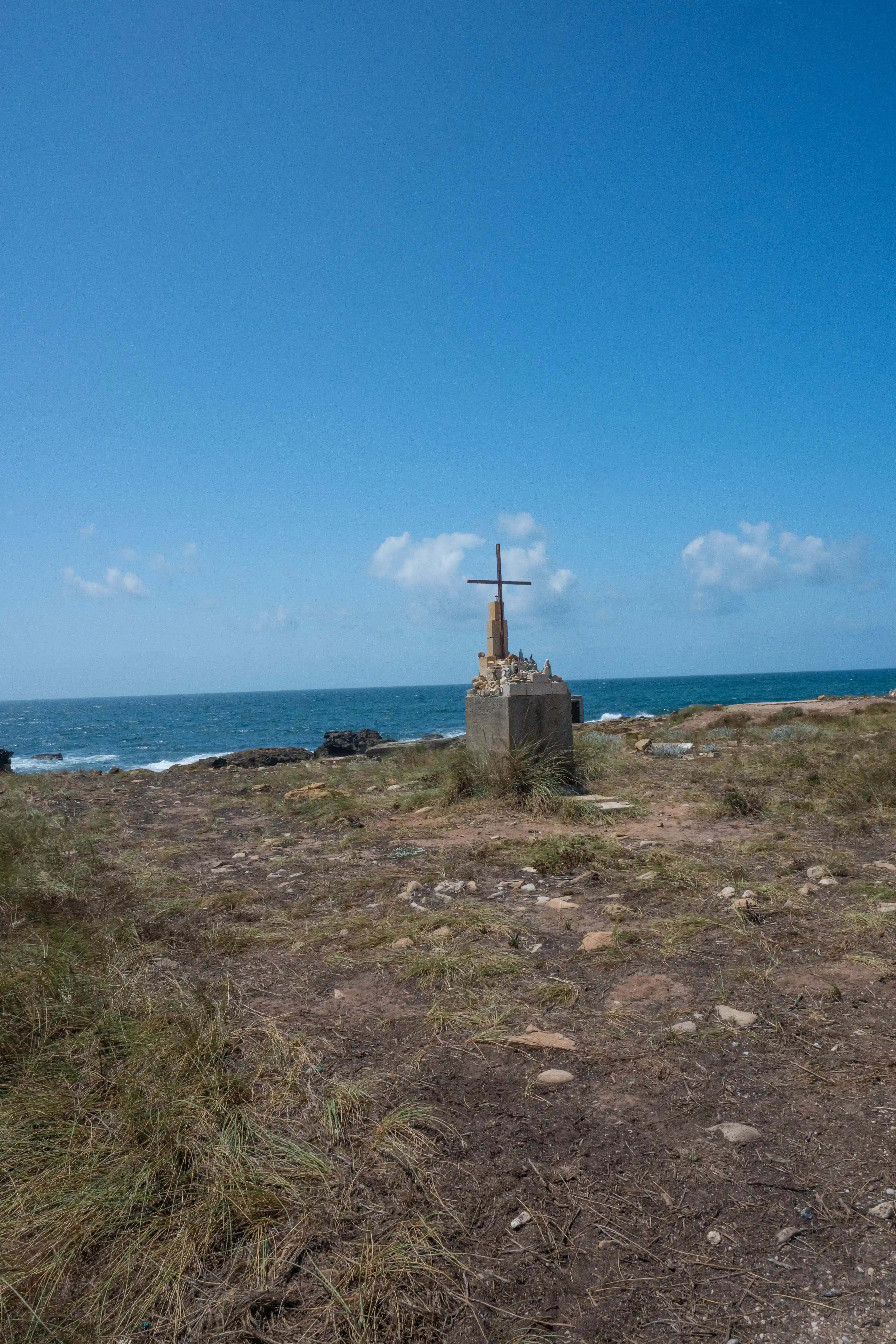
In September he went to Lisbon in Portugal to meet the poet Fernando Pessoa. There, he decided to fake his own death, doing so with Pessoa's help at the Boca do Inferno rock formation.[179] He then returned to Berlin, where he reappeared three weeks later at the opening of his art exhibition at the Gallery Neumann-Nierendor
Coastal Cliffs – Boca do Inferno features towering chalk cliffs that rise dramatically from the Atlantic Ocean. The cliffs are a striking example of the natural beauty and geological diversity of the Cascais coastline.
Wave Action – The powerful waves of the Atlantic Ocean crash against the cliffs with tremendous force, creating a spectacular and awe-inspiring natural phenomenon. The name "Boca do Inferno" (Mouth of Hell) reflects the intensity and drama of this wave action.
Sea Caves and Arches – The cliffs at Boca do Inferno are riddled with sea caves and natural arches, formed by centuries of erosion from the ocean waves. These formations add to the dramatic and picturesque landscape of the area.
Scenic Viewpoints – The cliffs offer multiple scenic viewpoints, where visitors can admire the beauty of the Atlantic Ocean, the rugged coastline, and the surrounding landscape. These viewpoints are perfect for photography, relaxation, and nature observation.
Geological Significance
Chalk Cliffs – The cliffs at Boca do Inferno are composed of chalk, a soft, white limestone that is highly susceptible to erosion. The constant action of the waves has carved the cliffs into their dramatic and unique shapes over millions of years.
Erosion and Natural Forces – The cliffs and sea caves at Boca do Inferno are a testament to the power of natural forces, particularly the erosive action of the ocean waves. The constant pounding of the waves has shaped the cliffs into their current form, creating a dynamic and ever-changing landscape.
Fossil Record – The chalk cliffs at Boca do Inferno contain a rich fossil record, with marine fossils dating back millions of years. These fossils provide valuable insights into the geological history of the region and the ancient marine life that once inhabited the area.
Cultural and Historical Significance
Local Legends – Boca do Inferno is steeped in local legends and folklore, with stories of shipwrecks, pirates, and mystical creatures adding to its mystique and allure. The name "Mouth of Hell" is said to have originated from the fierce and terrifying waves that crash against the cliffs, as well as the treacherous waters that have claimed numerous ships over the centuries.
Maritime Heritage – The cliffs at Boca do Inferno have played a role in the maritime history of Cascais and Portugal. The treacherous waters near the cliffs have been the site of numerous shipwrecks over the centuries, and the area has been a key landmark for mariners navigating the Portuguese coast.
Artistic Inspiration – Boca do Inferno has inspired artists, writers, and poets throughout history. Its dramatic landscapes and powerful waves have been featured in paintings, literature, and music, making it a cultural icon of the region.
Estrada do Farol da Guia,
Cascais,
Lisbon Districty,
2750-305,
Portugal
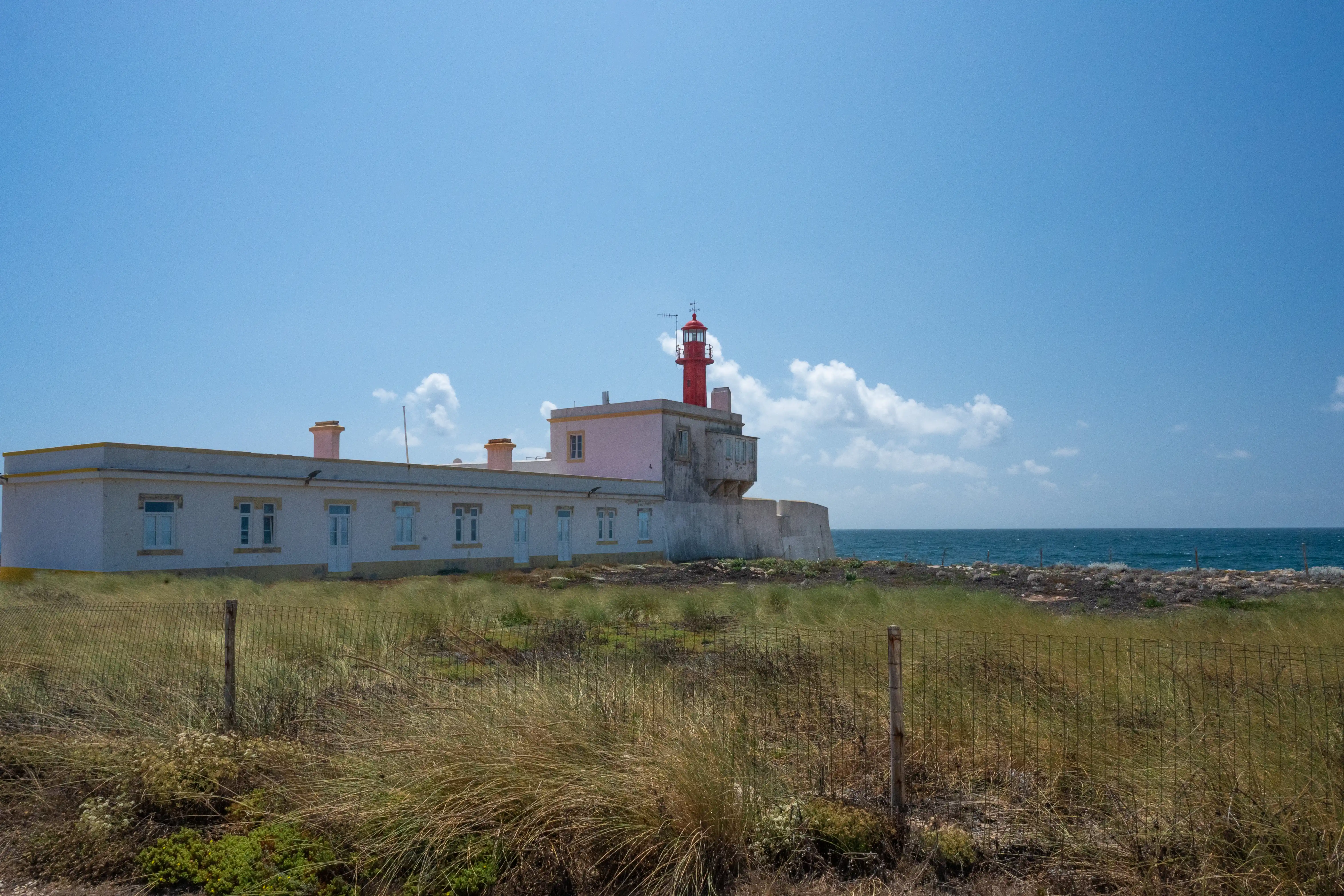
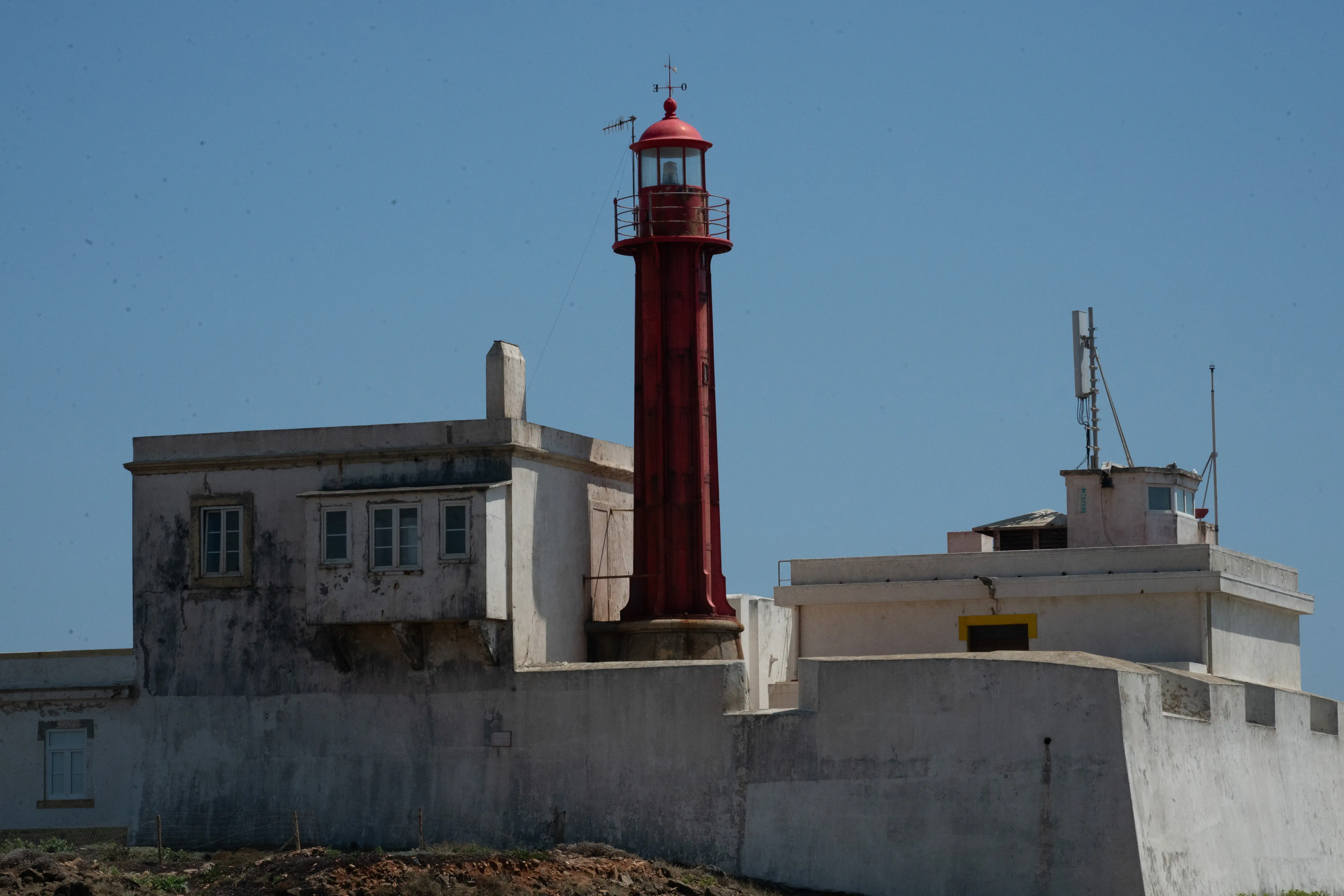
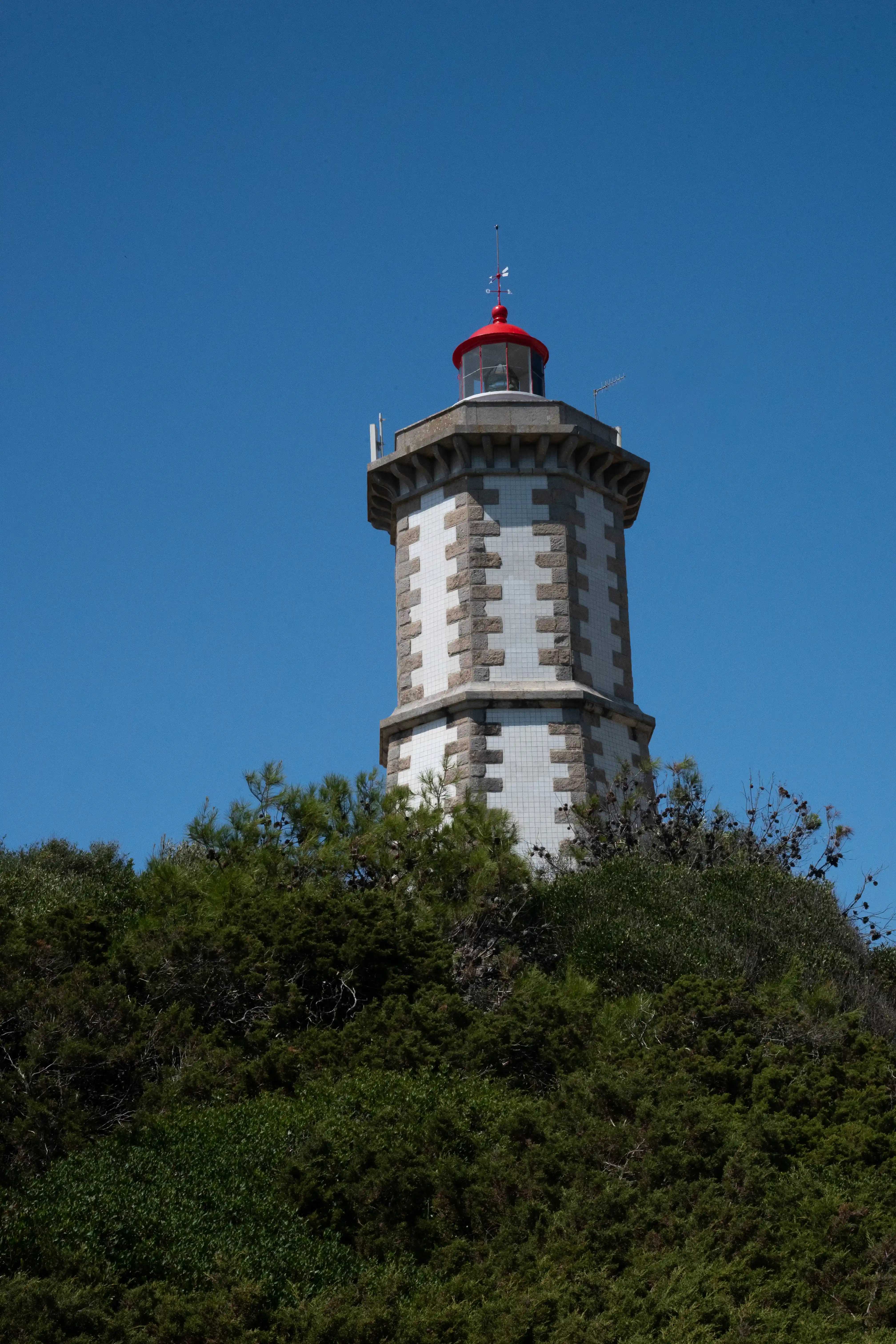
Farol da Guia (Guia Lighthouse) is a 19th-century lighthouse located on the Guia Peninsula in Cascais, Portugal. Built in 1810, it is one of the oldest lighthouses in Portugal and serves as a vital navigational aid for ships entering the Tagus River estuary and the port of Lisbon. The lighthouse is known for its historic architecture, scenic coastal views, and role in Portugal’s maritime heritage. Today, Farol da Guia is a protected monument and a popular tourist attraction, offering visitors a glimpse into the region’s seafaring past and breathtaking panoramic views of the Atlantic Ocean.
19th-Century Tower – The lighthouse’s cylindrical stone tower stands at 27 meters (89 feet) tall and is painted white with a black top, making it a distinctive landmark along the Cascais coastline.
Lantern Room – The lantern room at the top of the tower houses the original Fresnel lens, which was installed in 1865 to amplify the lighthouse’s light and improve its visibility for mariners.
Keeper’s House – The adjacent keeper’s house is a charming 19th-century building that once served as the residence for the lighthouse keeper and his family. Today, it is part of the lighthouse complex and occasionally hosts exhibitions or cultural events.
Fog Signal Building – A small building near the lighthouse that was used to house the fog signal equipment, which was critical for alerting ships in low-visibility conditions.
Historical and Cultural Significance
Maritime Heritage – Farol da Guia has played a crucial role in Portugal’s maritime history, helping to guide ships safely into the Tagus River estuary and the port of Lisbon for over 200 years. It is a symbol of the country’s long-standing connection to the sea.
Oldest Lighthouse in Portugal – Built in 1810, Farol da Guia is one of the oldest lighthouses in Portugal and a testament to the country’s early investments in maritime safety.
Technological Innovation – The lighthouse was equipped with a Fresnel lens in 1865, a revolutionary optical system that greatly improved the visibility of its light, making it a critical tool for navigation.
Cultural Icon – The lighthouse is a beloved landmark in Cascais and a symbol of the town’s maritime heritage. Its scenic location and historic architecture have made it a popular subject in art, literature, and photography.