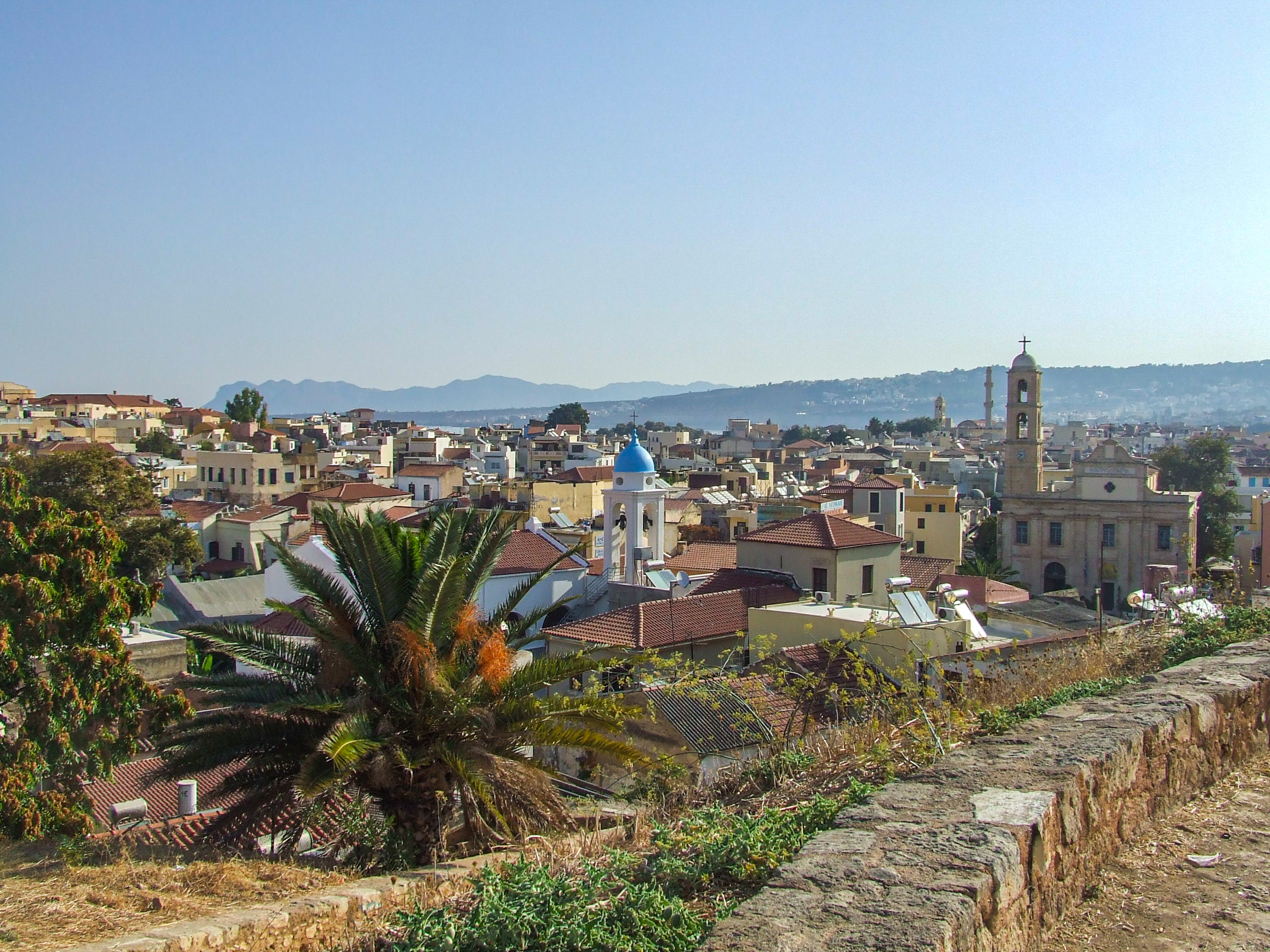
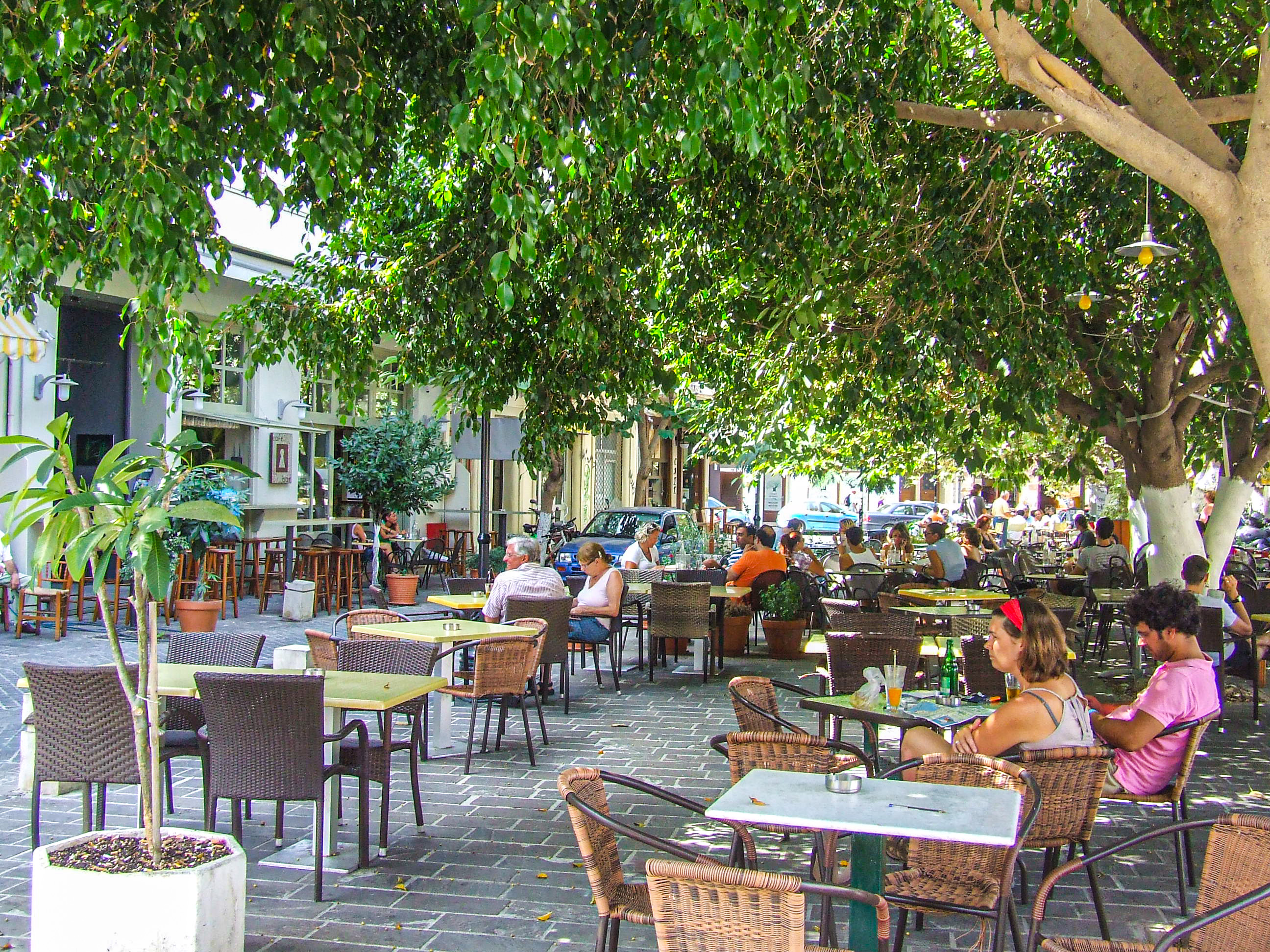
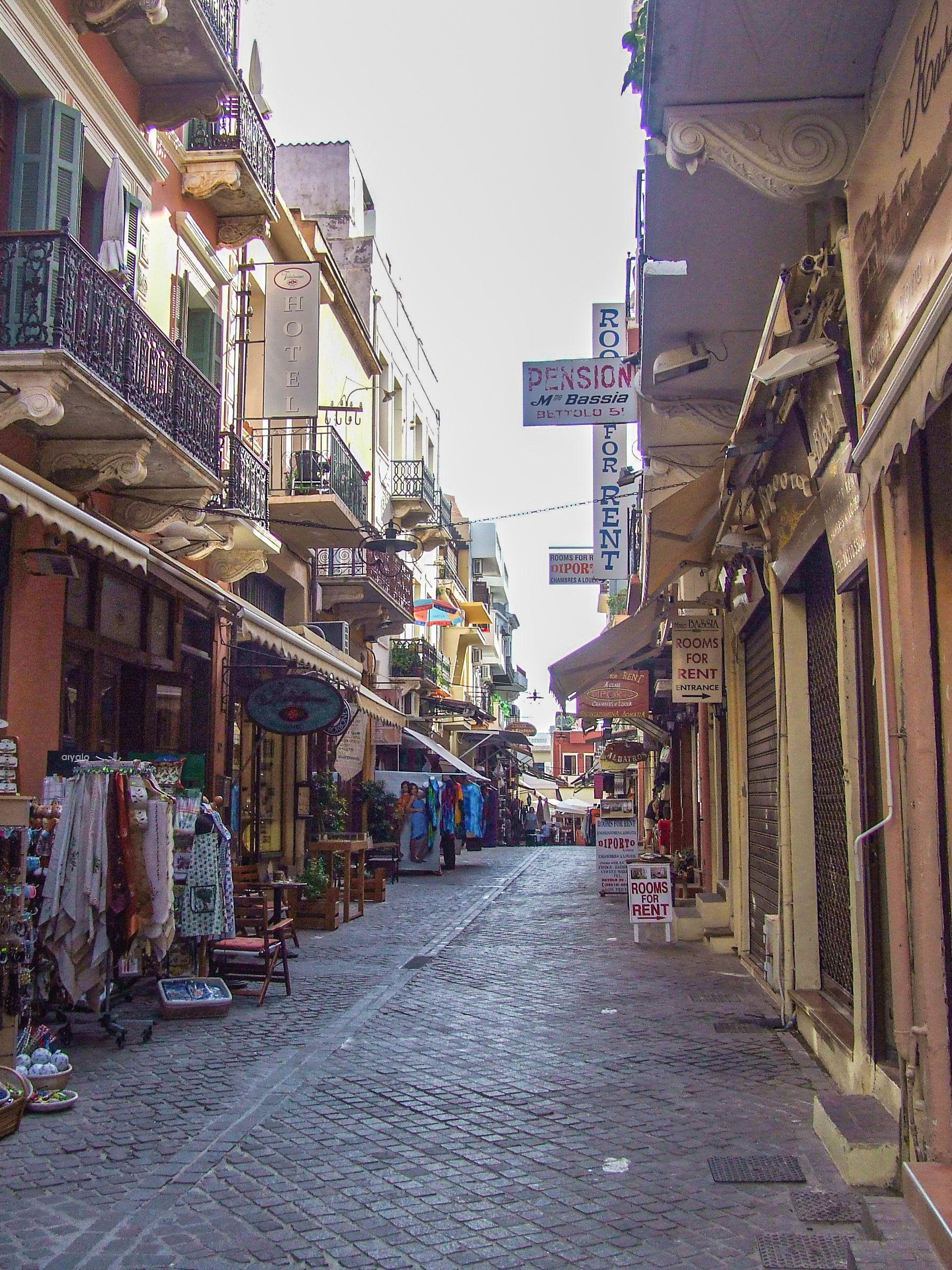
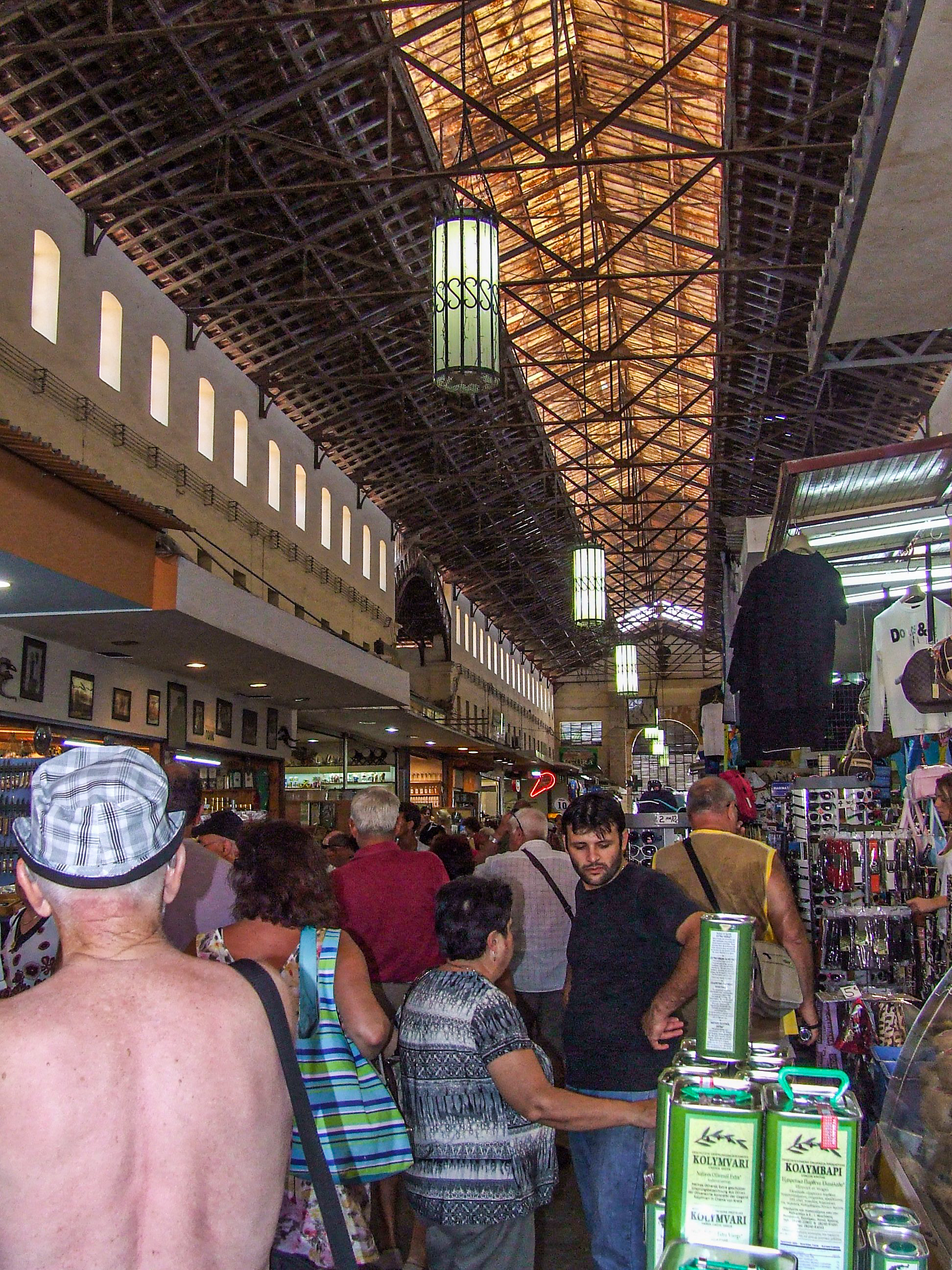
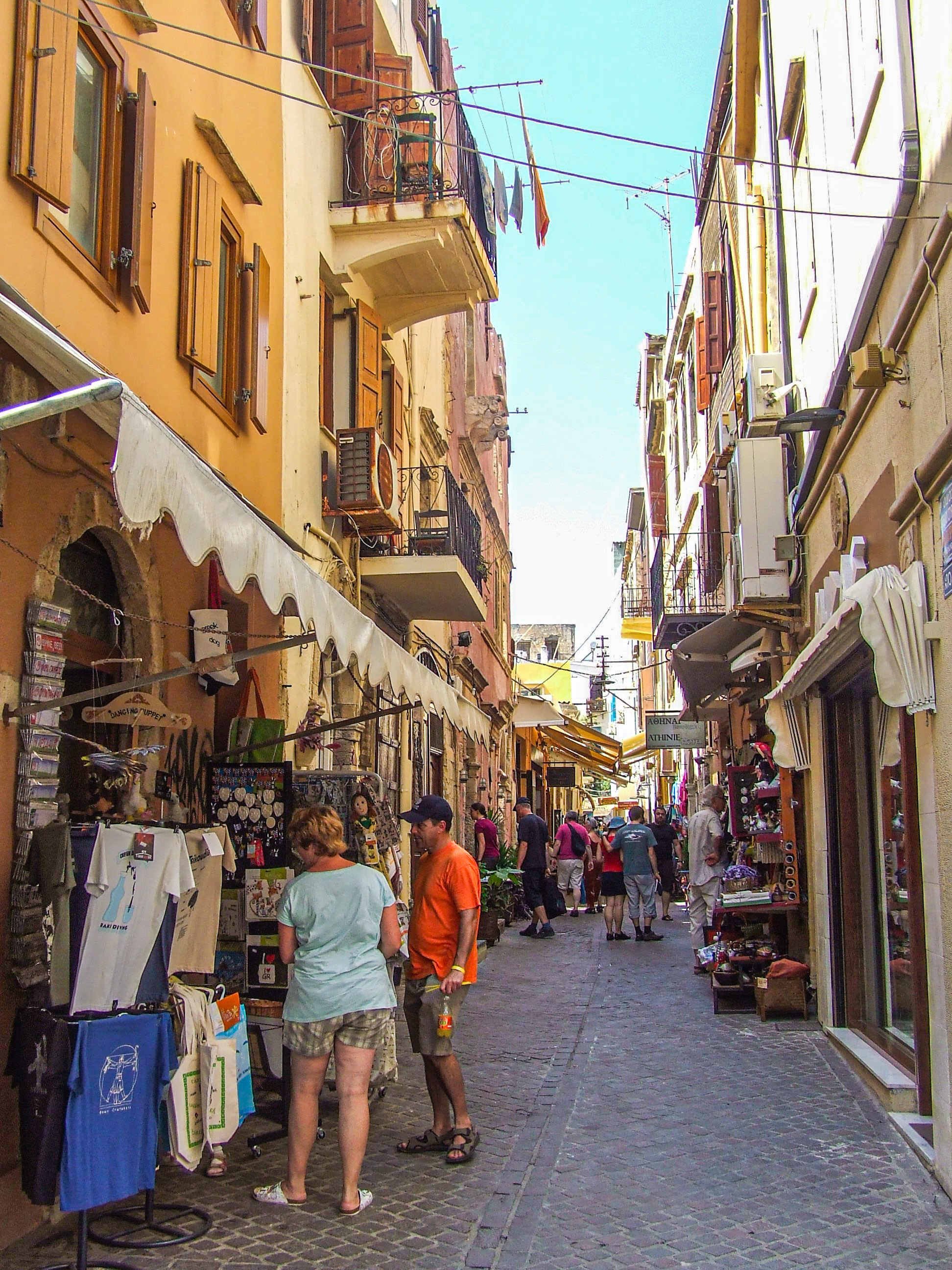
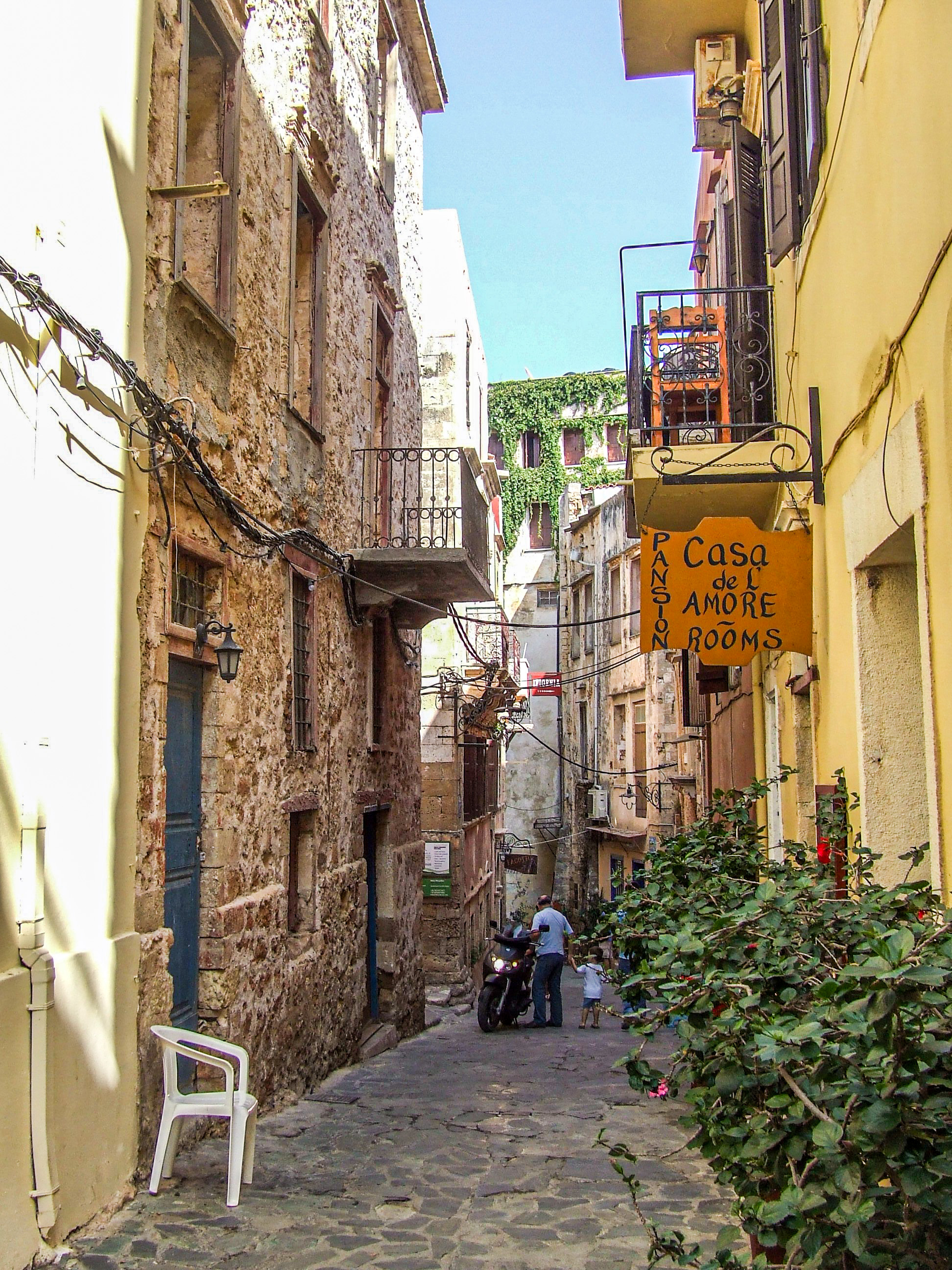
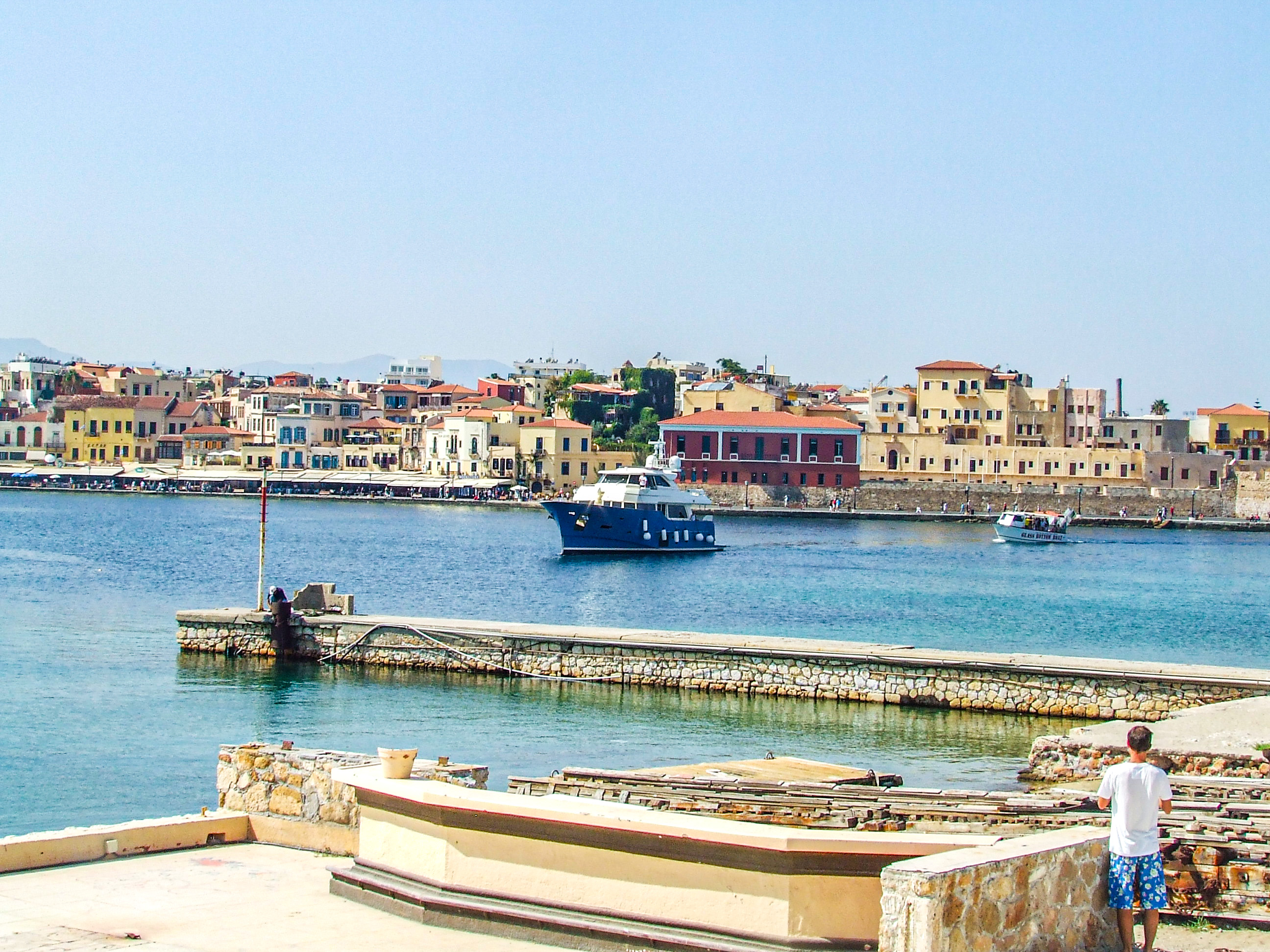
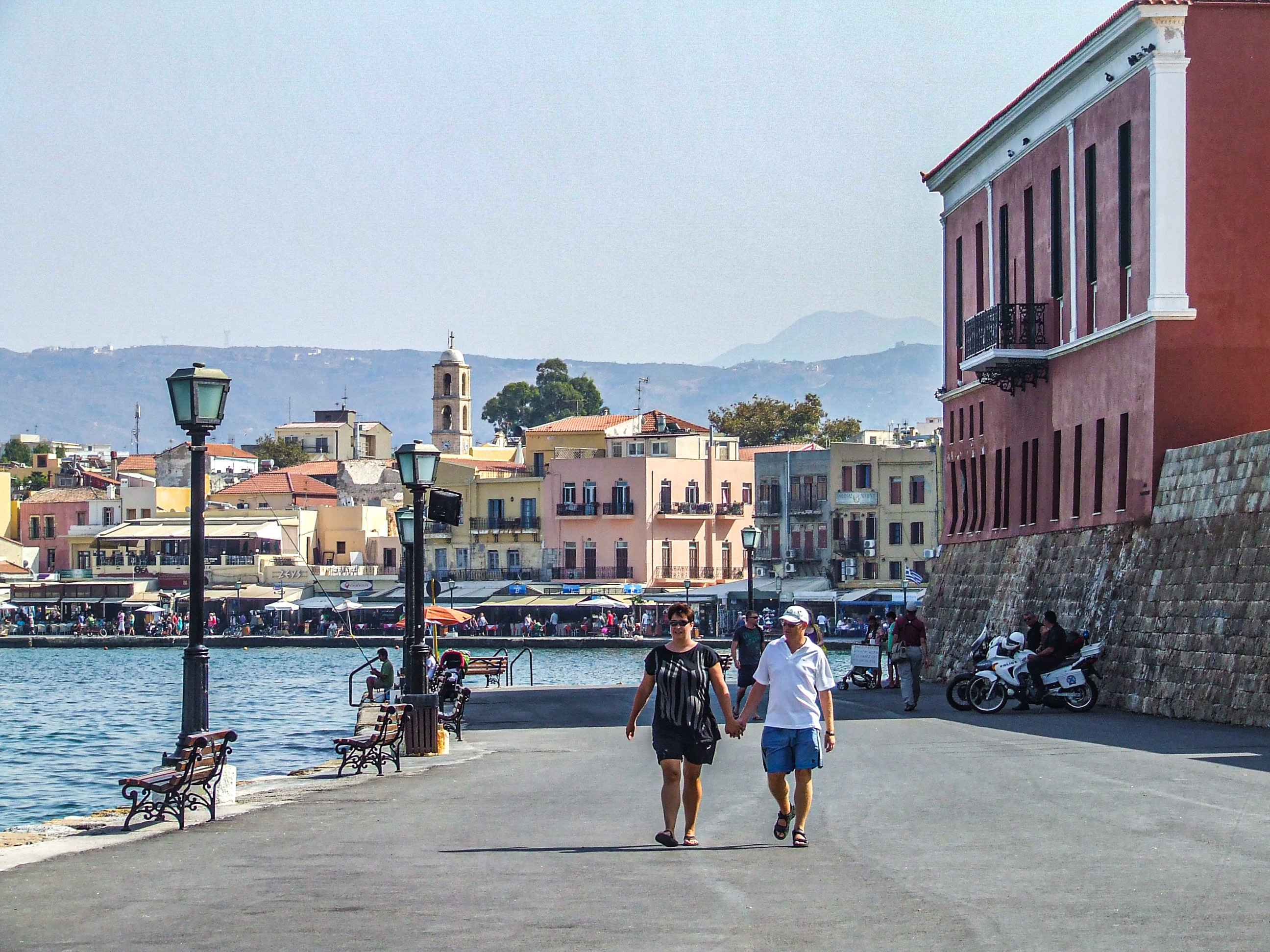




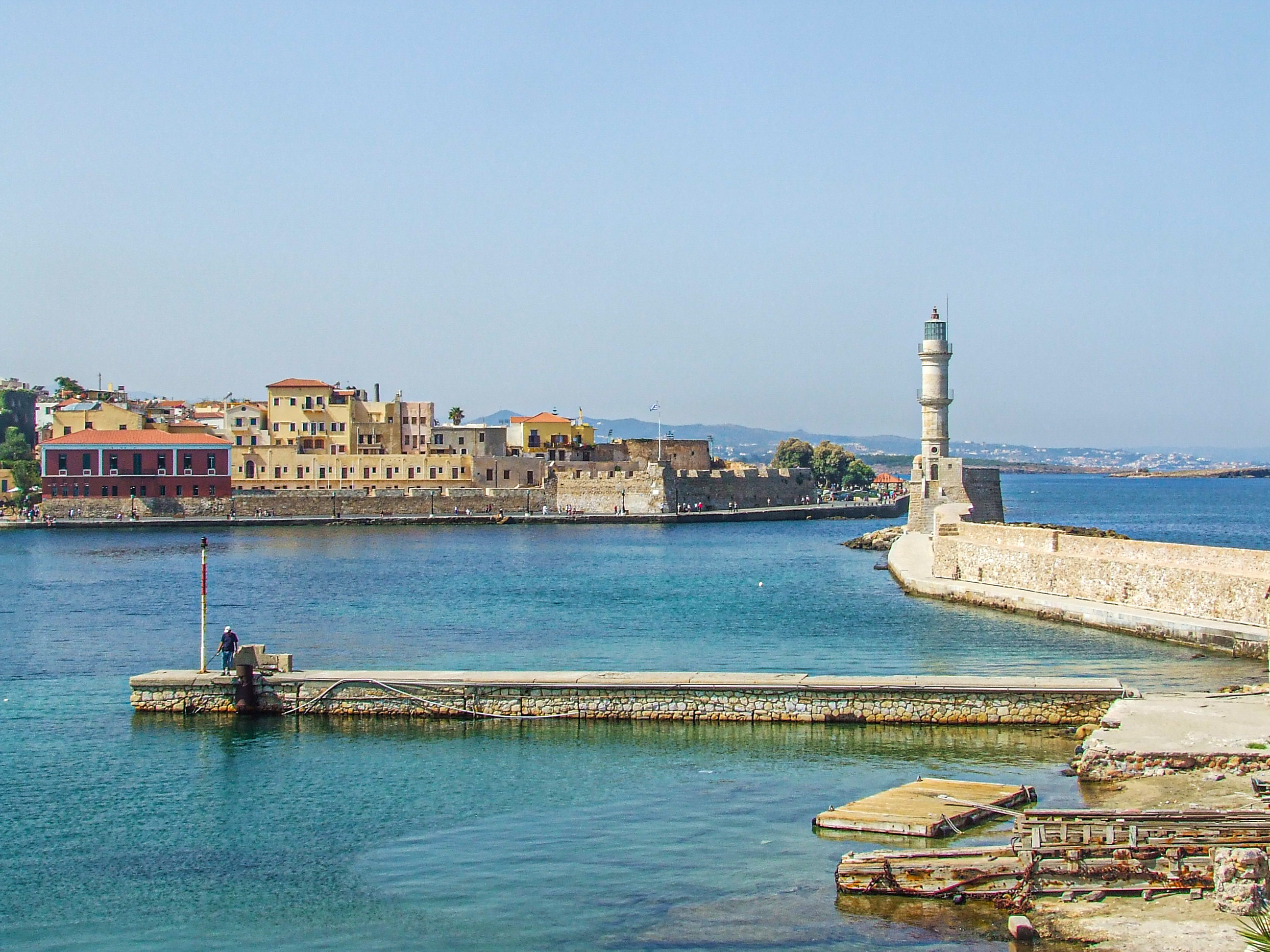
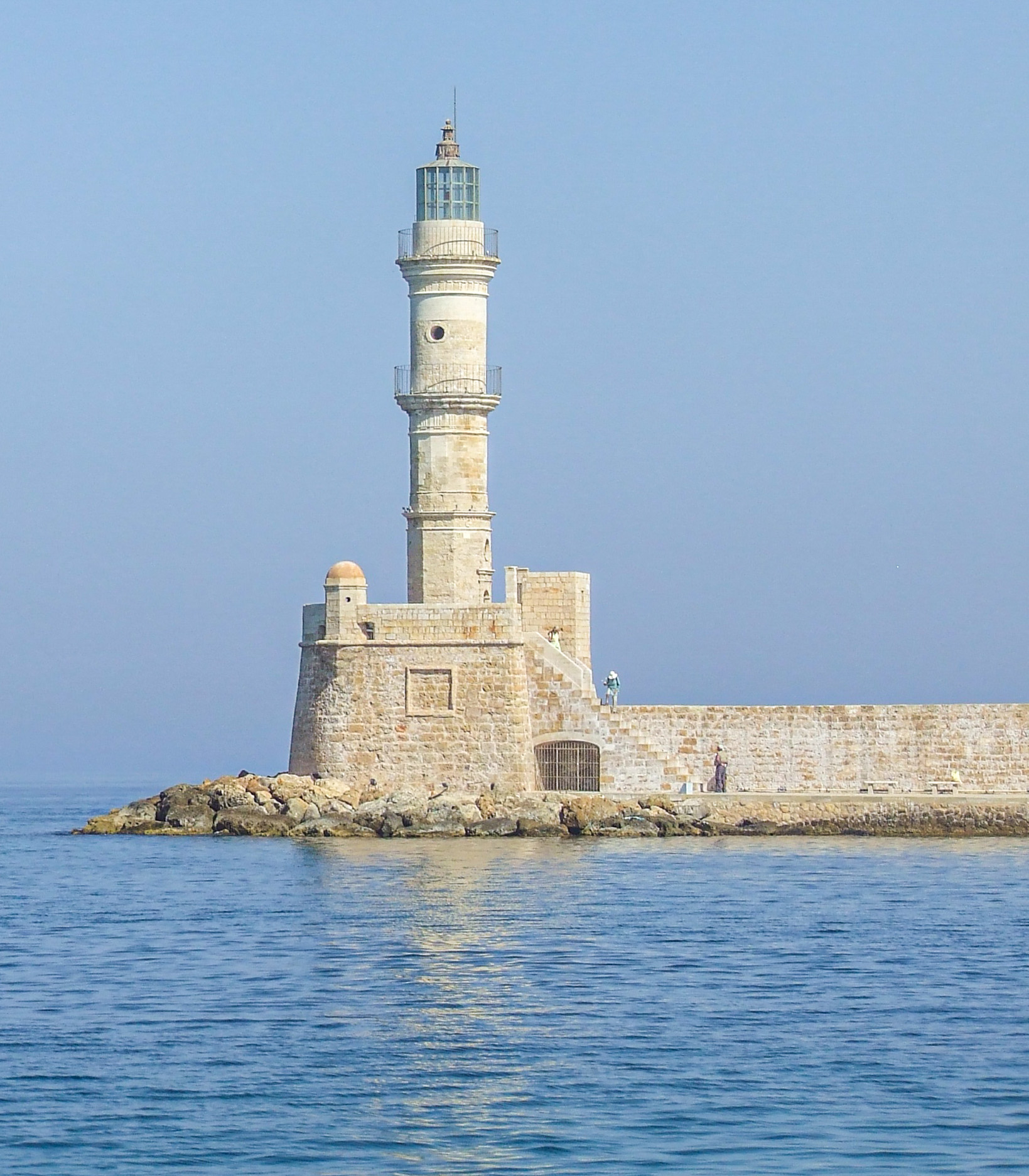

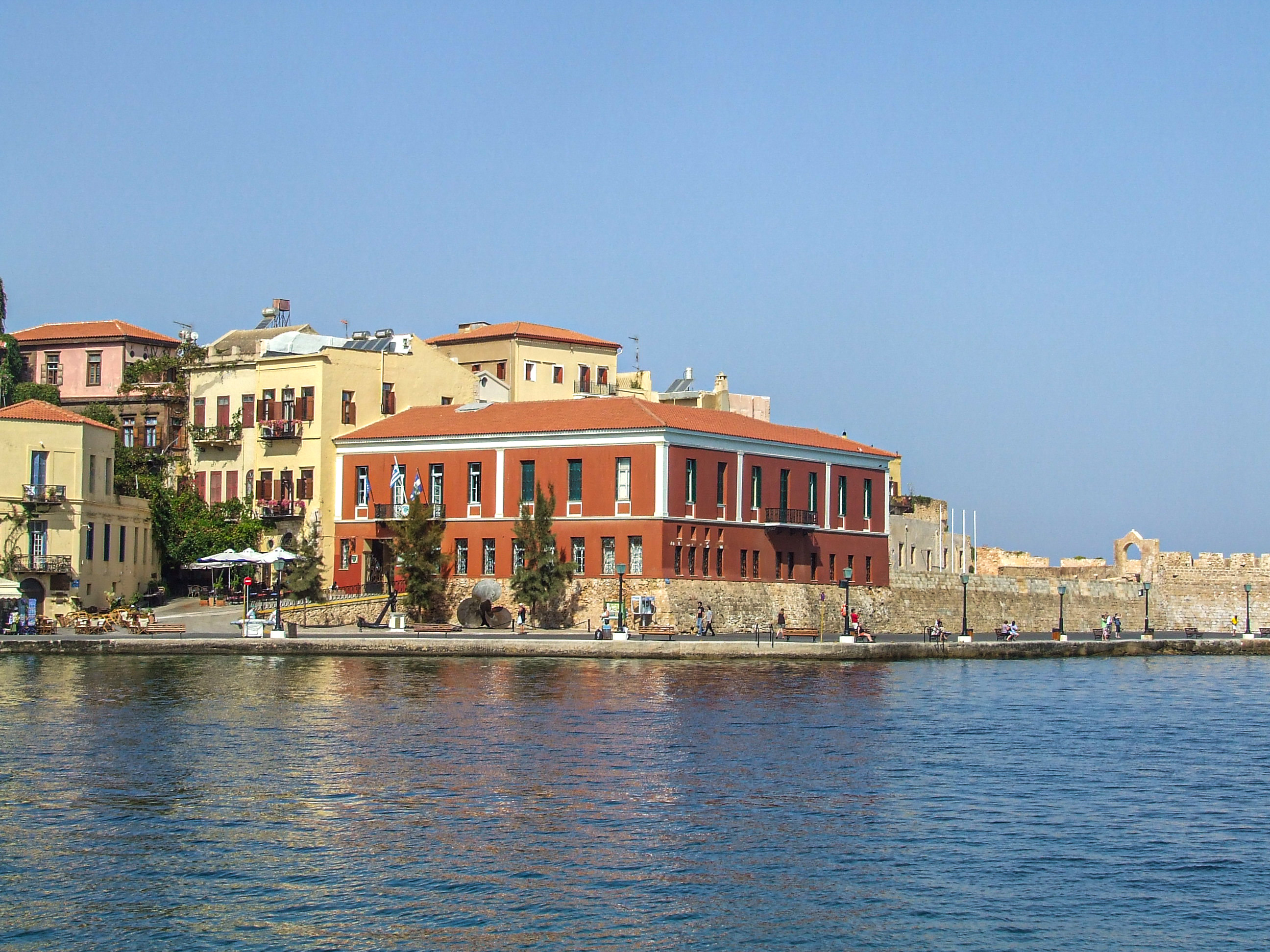


Chania is a historically rich city on Crete’s northwest coast, blending Minoan origins, Venetian charm, and modern Greek culture. Its layered past—from ancient Kydonia to Ottoman and Venetian rule—makes it one of the most captivating destinations in Greece.
Chania was originally known as Kydonia, a major Minoan settlement dating back to around 3650 BC. Archaeological finds in the Kasteli district reveal palatial structures, Linear A tablets, and advanced urban planning.
After the Minoan decline, Kydonia became a powerful city-state in Classical Greece. It was mentioned in Homer’s Odyssey and later conquered by the Romans in 69 BC, who granted it independence and built lavish public buildings.
The city was part of the Byzantine Empire until the Arab conquest in 824 AD. The Arabs possibly renamed it al-Khan, meaning “inn” or “caravanserai,” though this may have echoed older Minoan religious names.
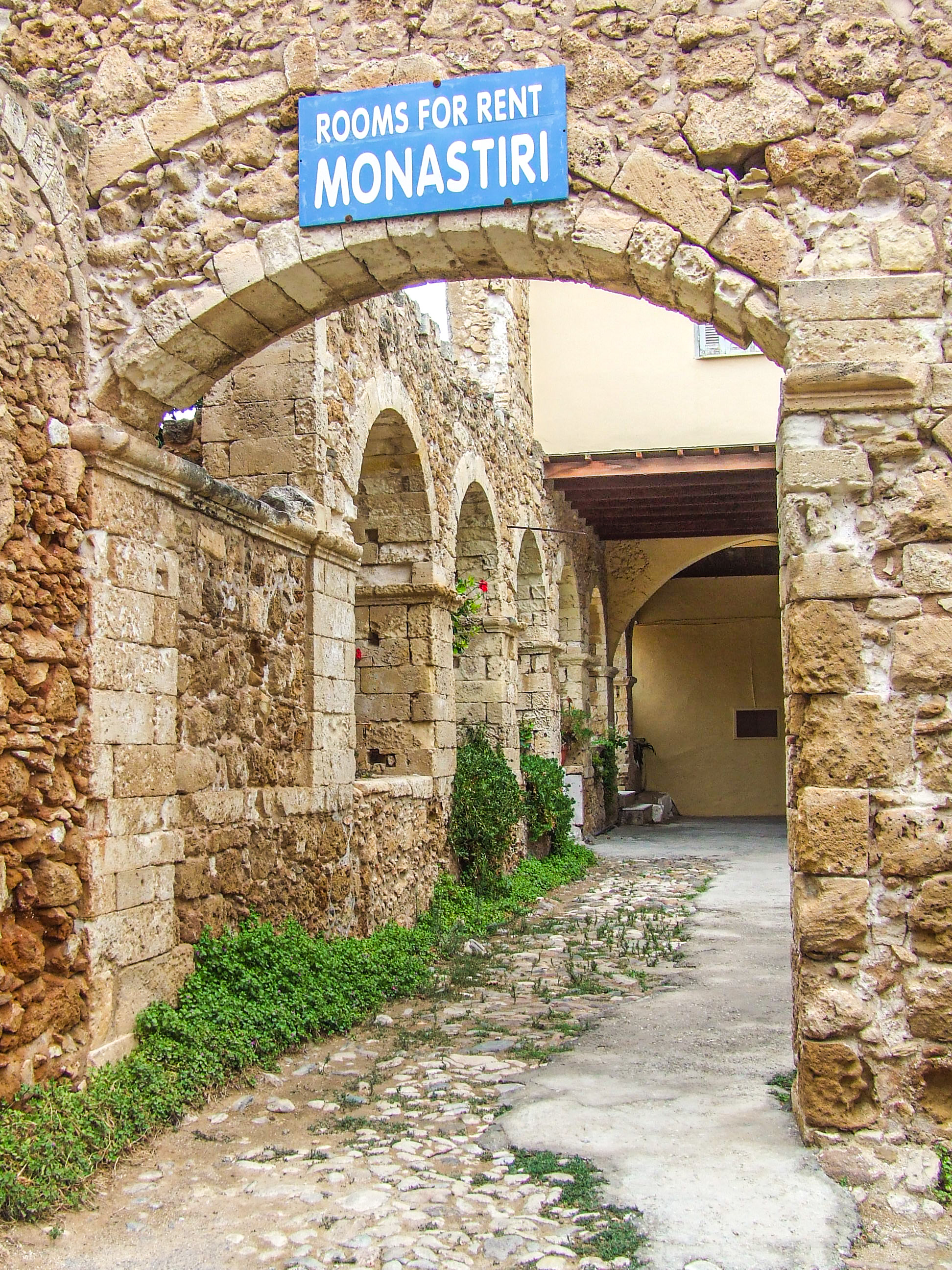
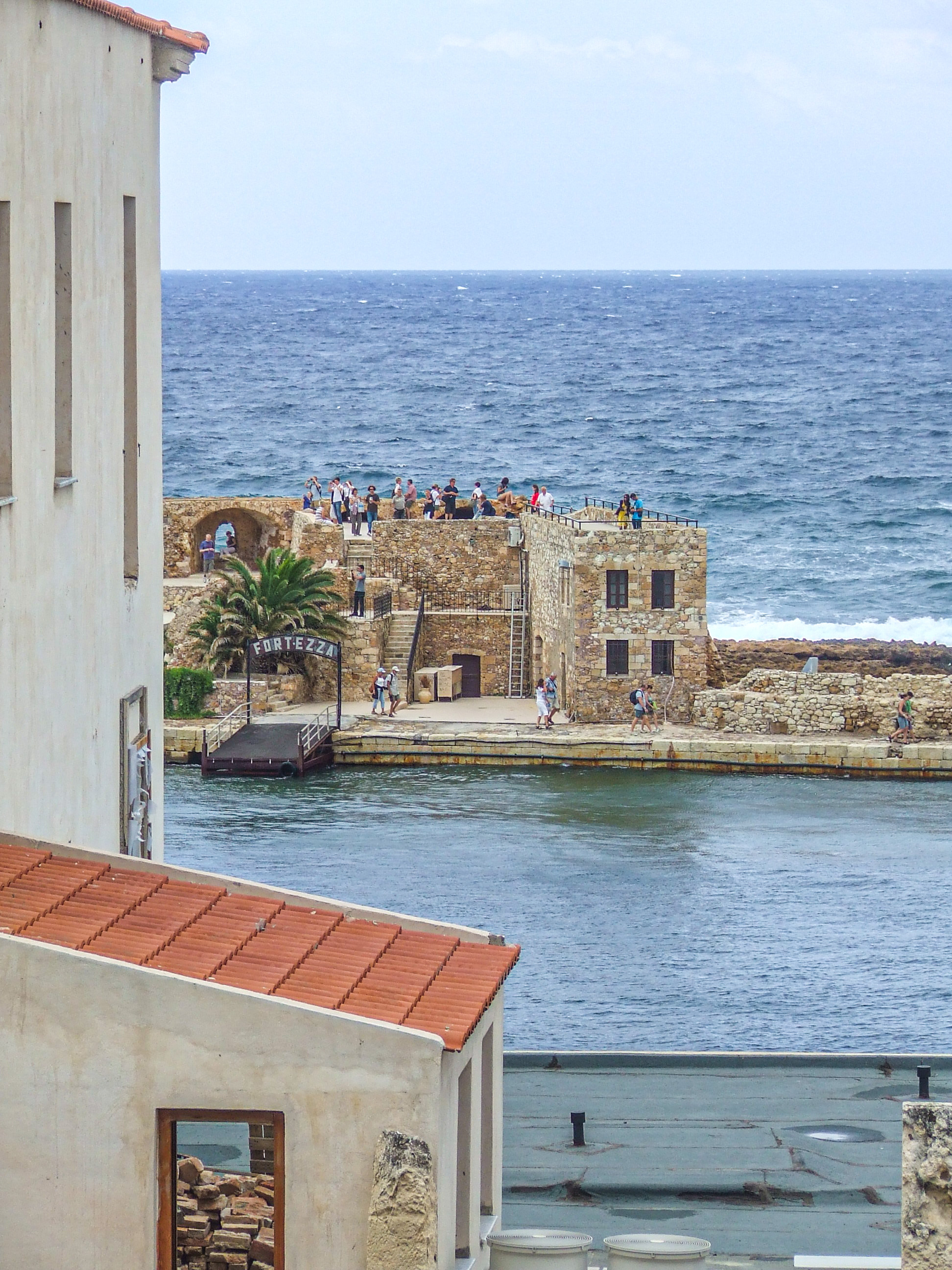
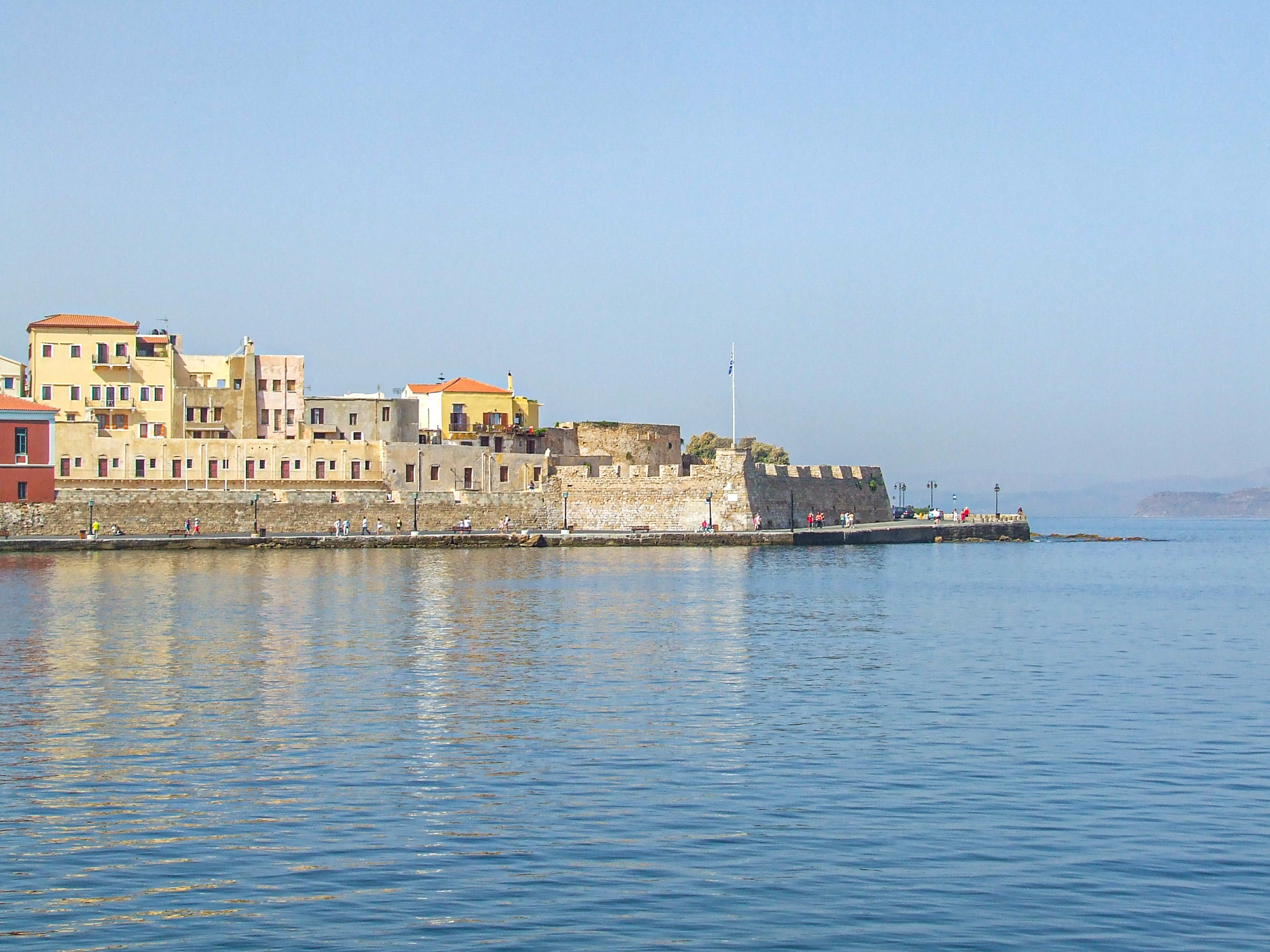
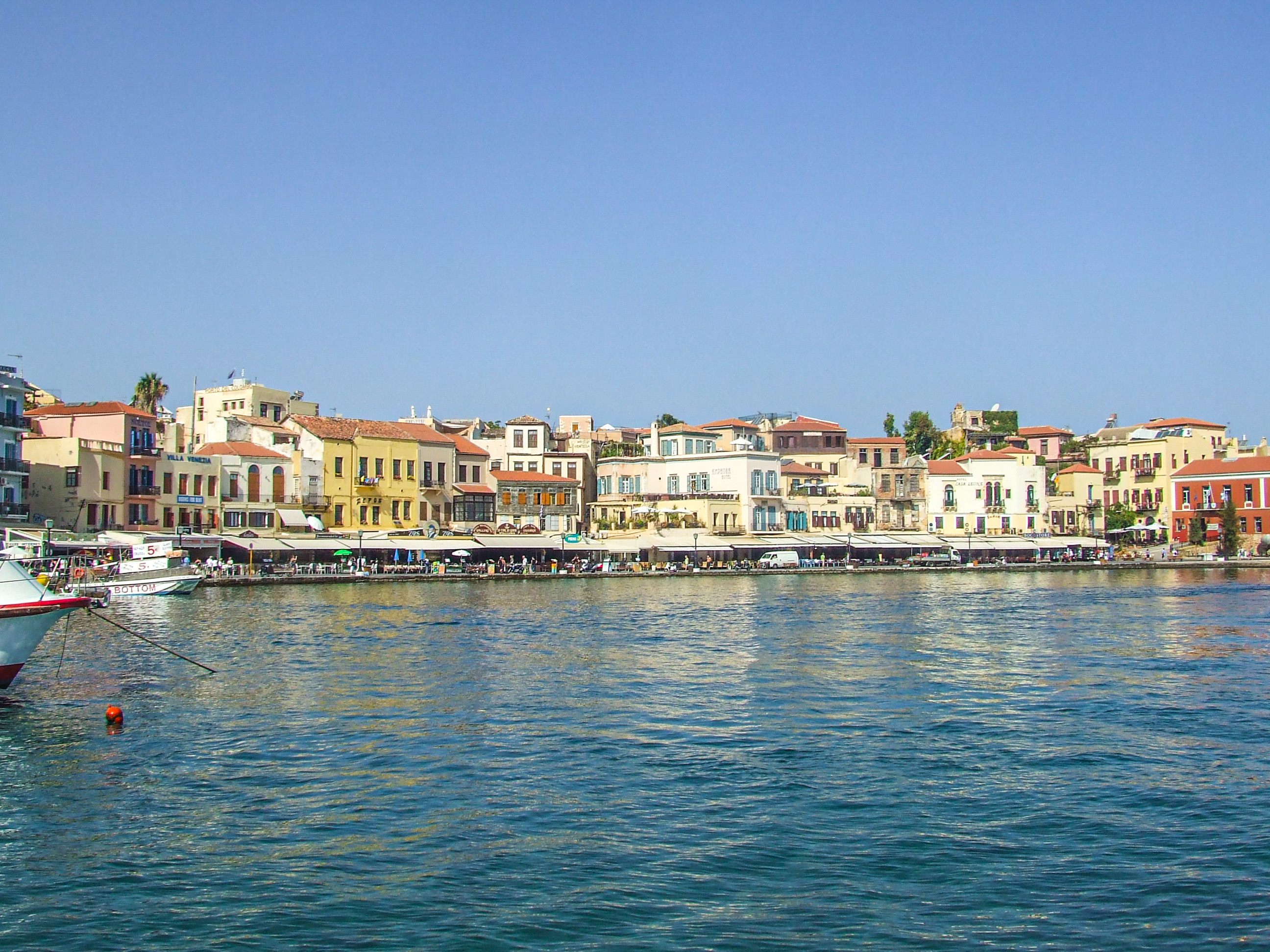
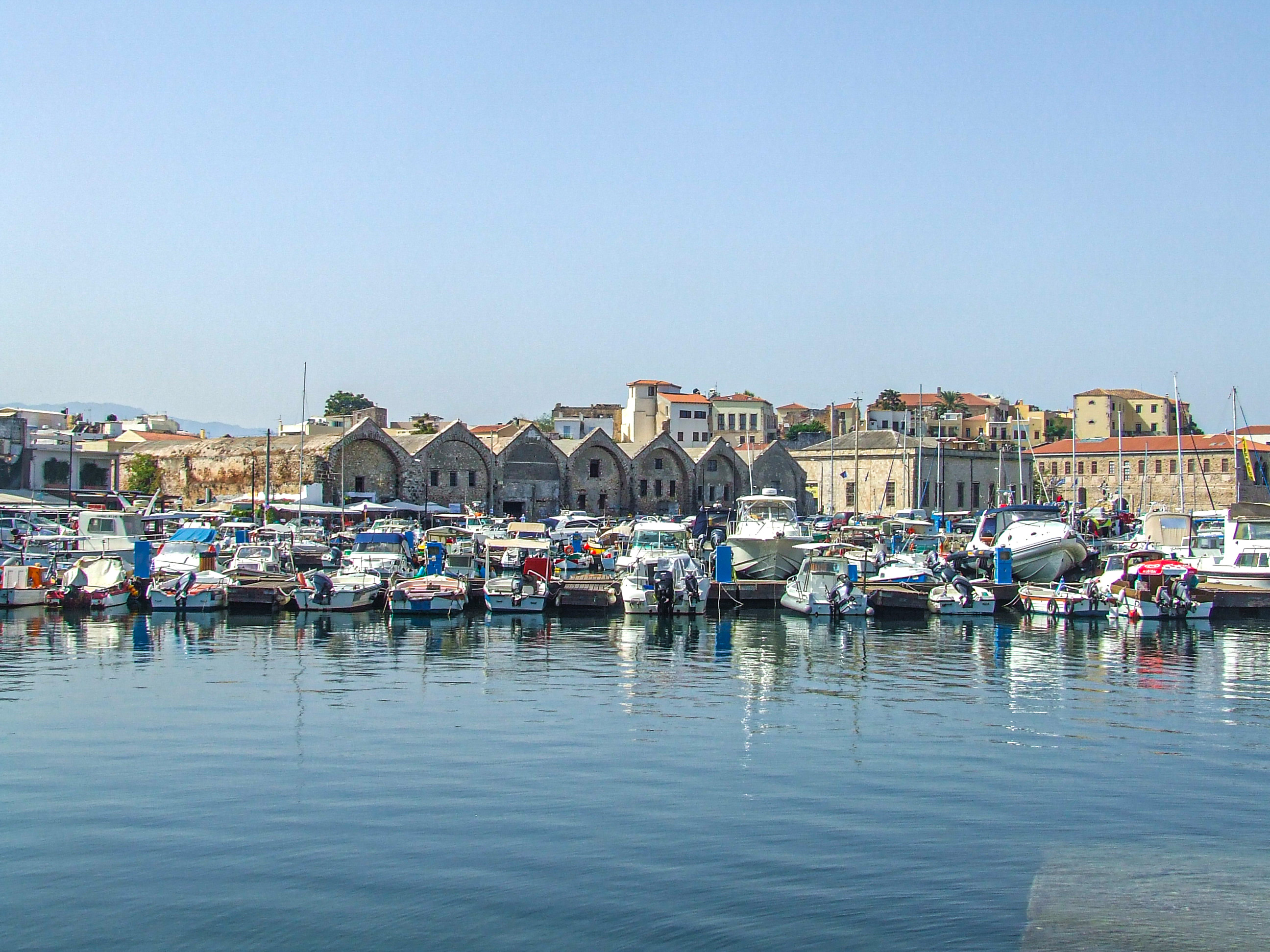
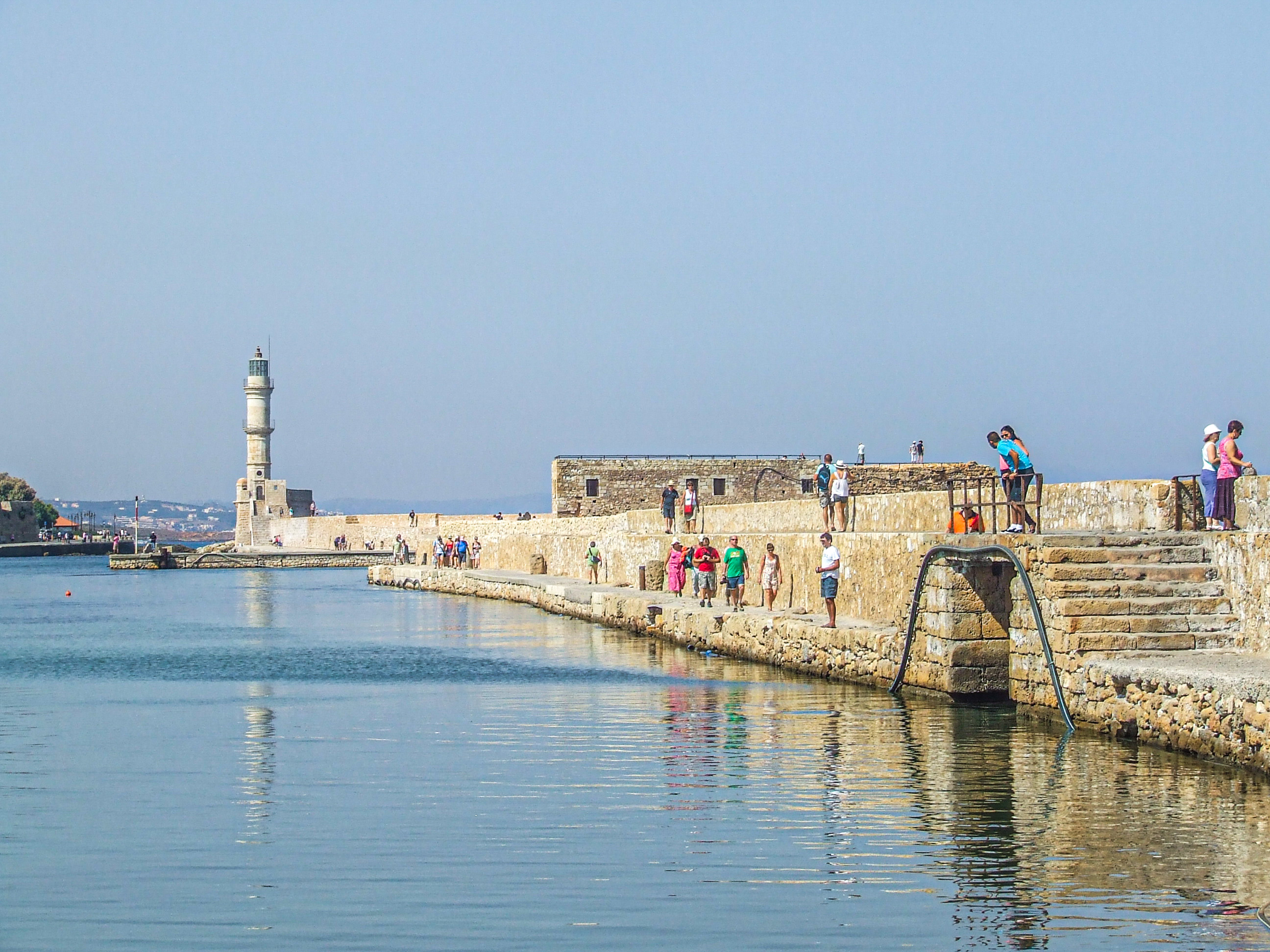
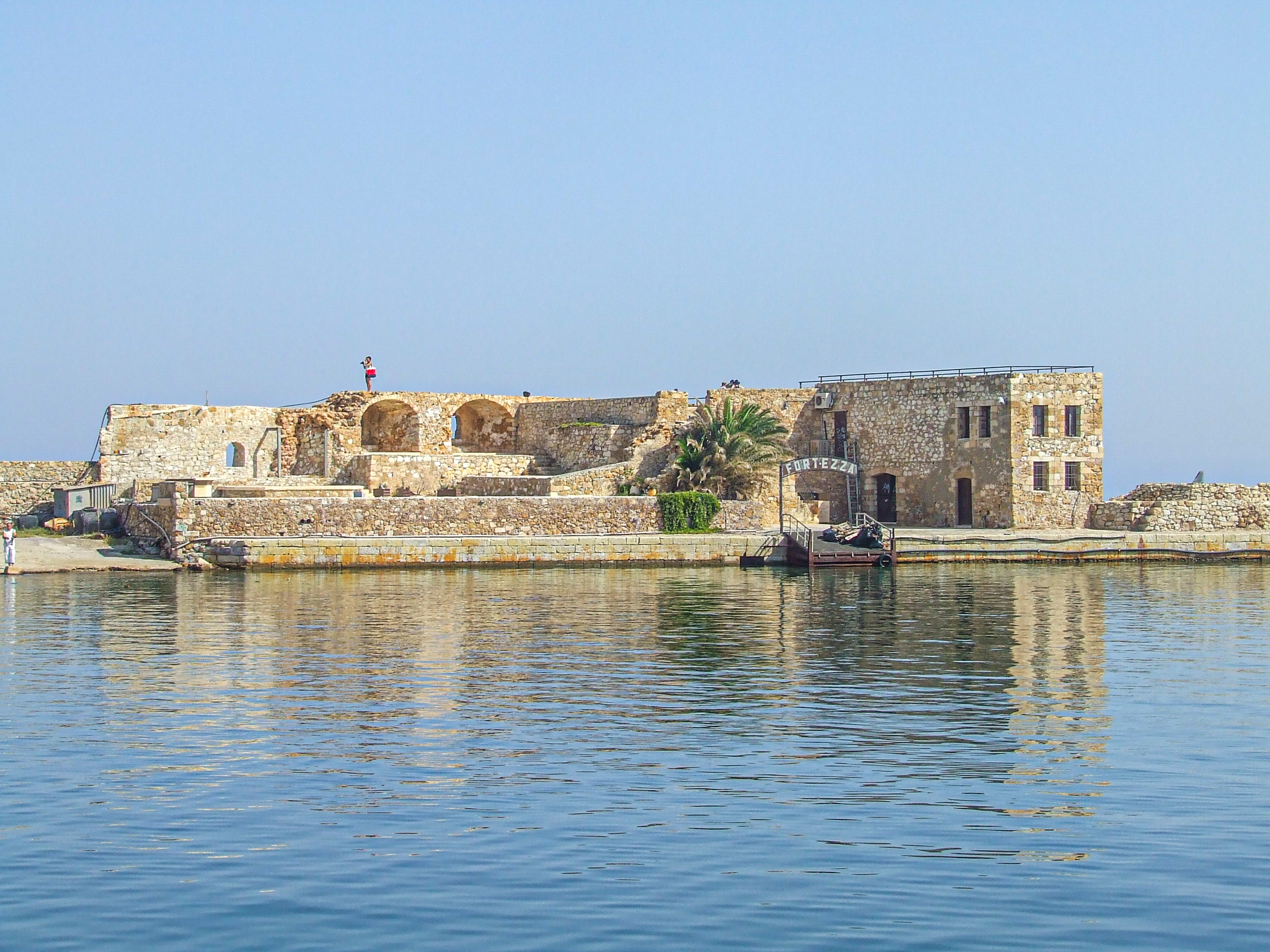
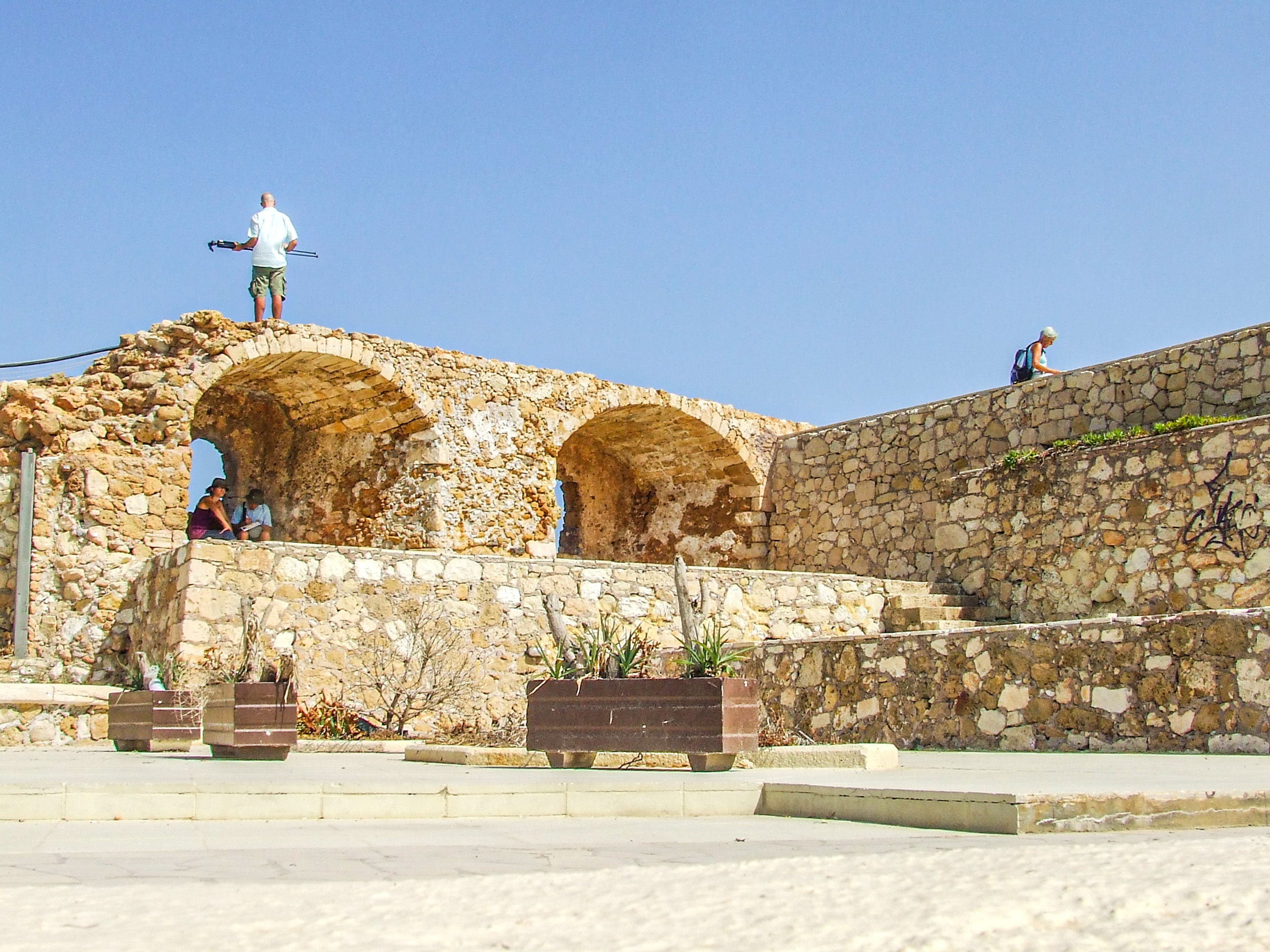
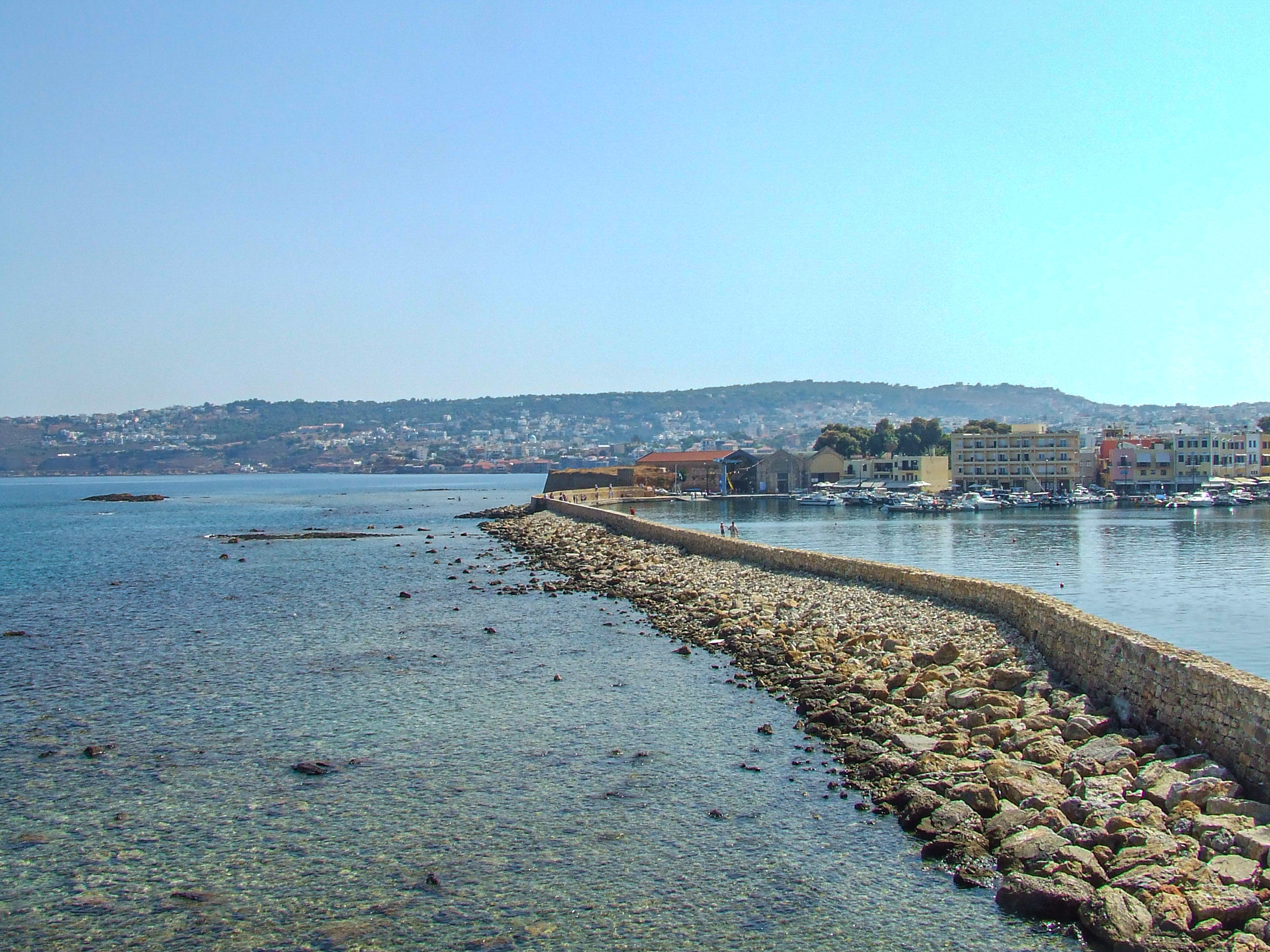
The Venetians fortified Chania and renamed it La Canea. They built the iconic harbor, arsenals, and defensive walls, many of which still stand today.
Chania fell to the Ottomans in 1645. Mosques, hammams, and Ottoman-style houses were added, enriching the city’s architectural diversity.
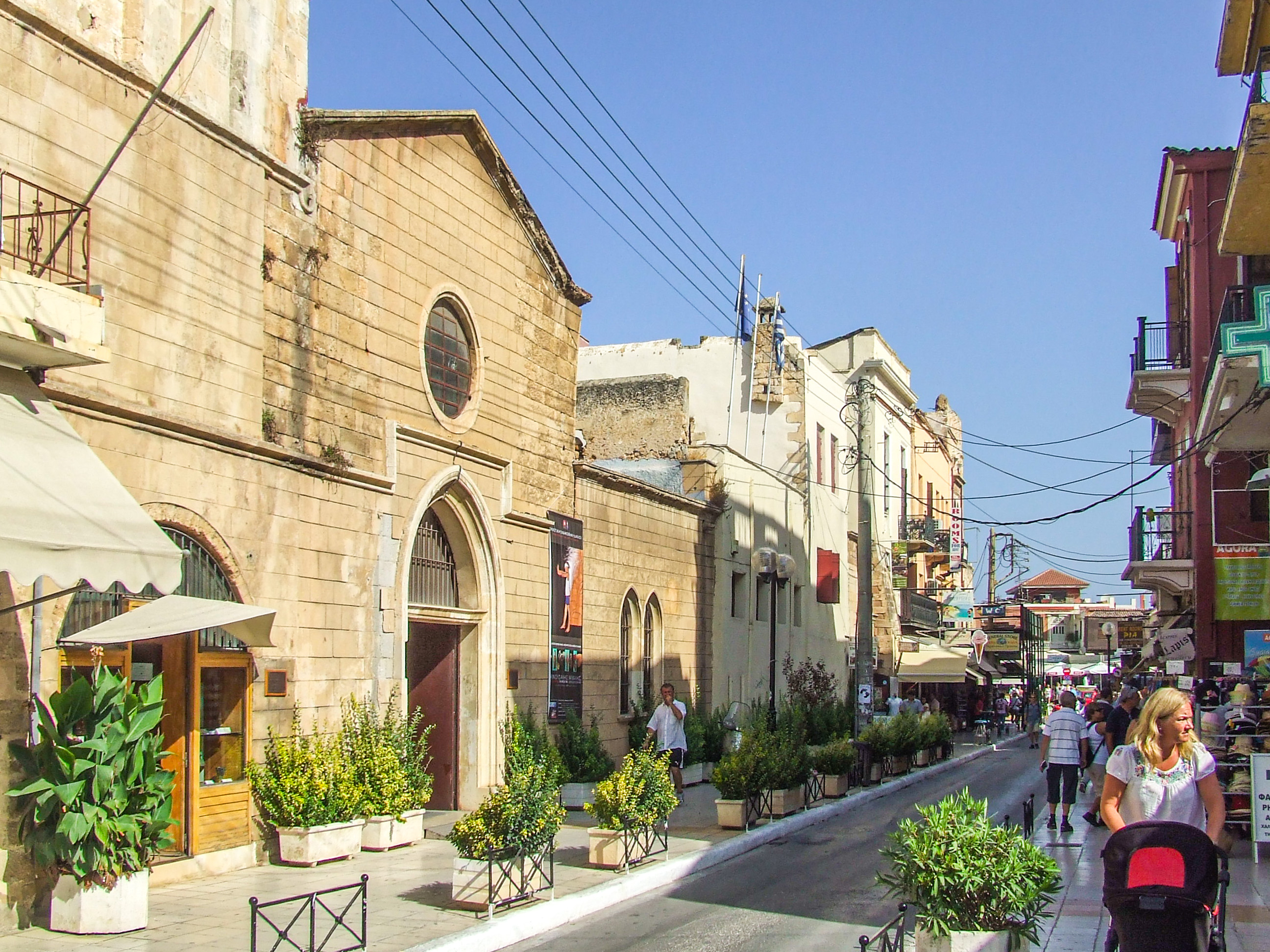
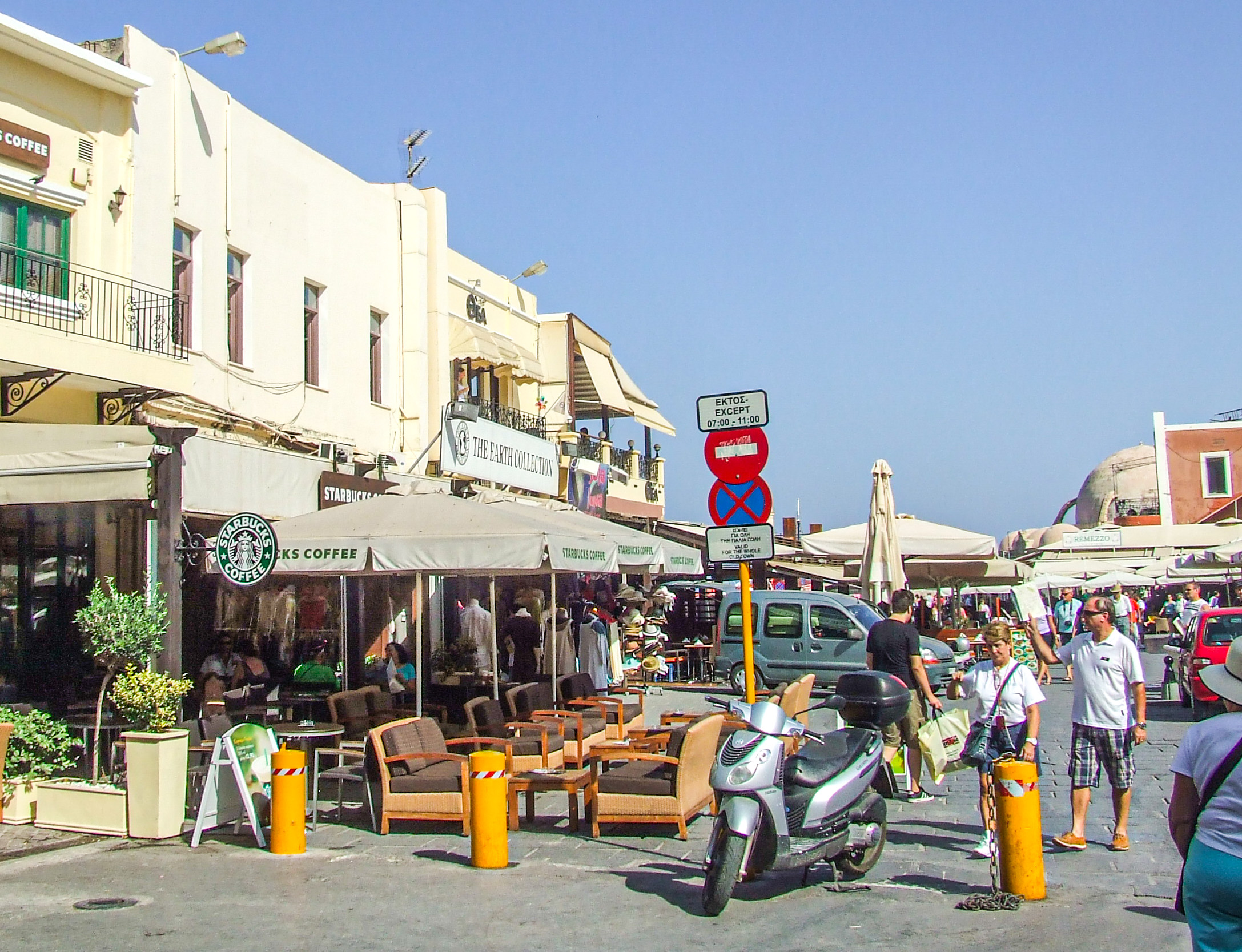
After Crete’s union with Greece in 1913, Chania became a cultural and administrative hub. Today, it’s known for its preserved Old Town, vibrant markets, and blend of Eastern Mediterranean influences.

