The Tower of London

Tower of London

St Katharine's & WappingLondonGreater London,   United Kingdom

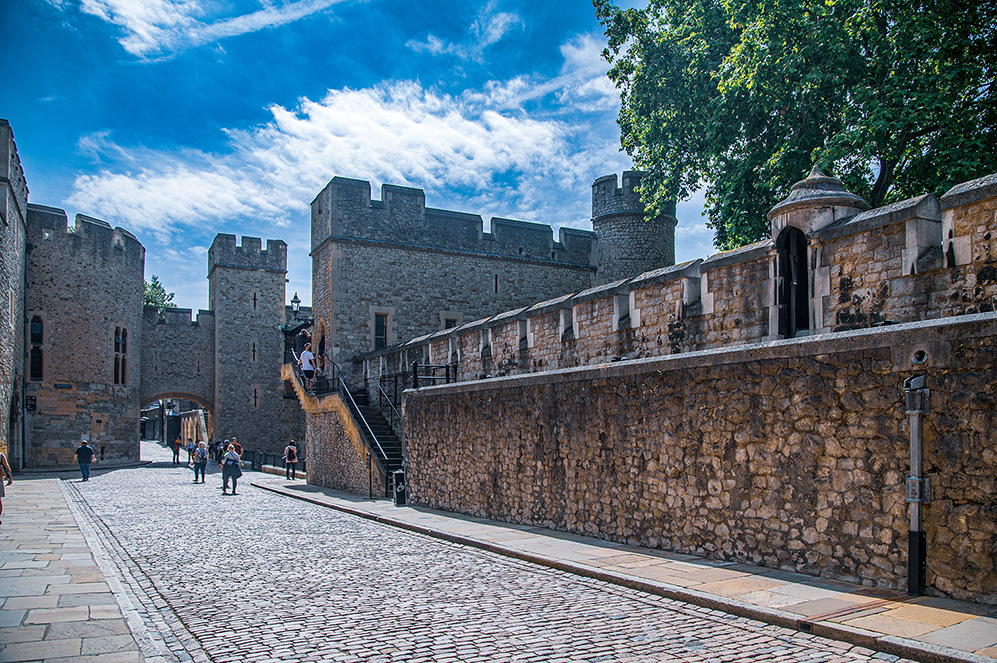
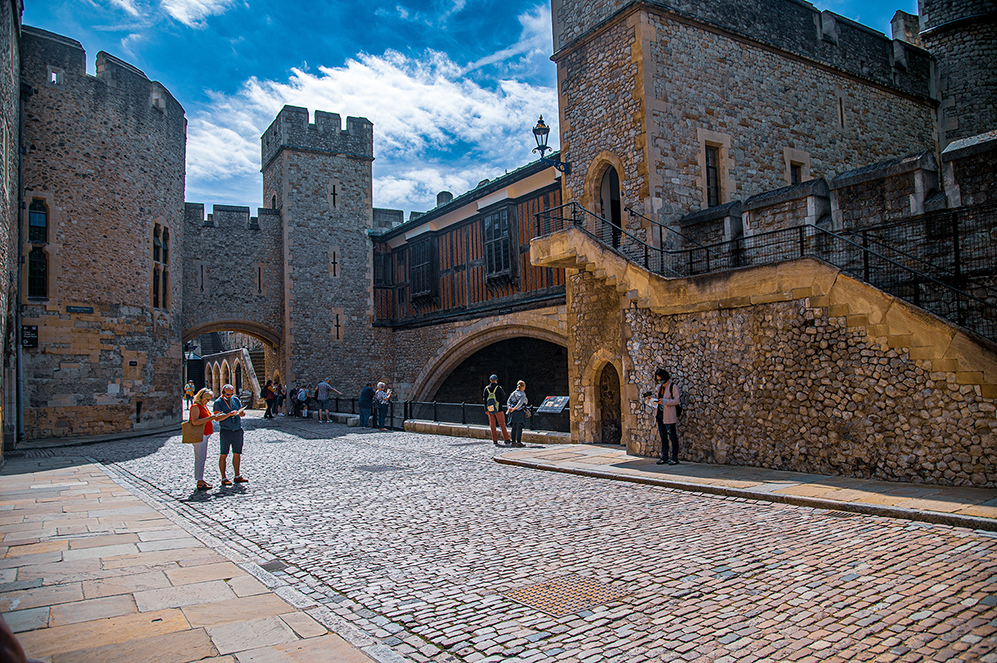
The Tower of London is a historic castle located on the north bank of the River Thames in central London. Founded in 1066 as part of the Norman Conquest, it has served as a royal palace, prison, armory, treasury, and menagerie. Today, it is one of the world’s most famous fortresses and a UNESCO World Heritage Site, home to the Crown Jewels, the iconic Beefeaters, and the legendary ravens. The Tower of London is a must-visit attraction, offering a fascinating glimpse into nearly 1,000 years of British history.
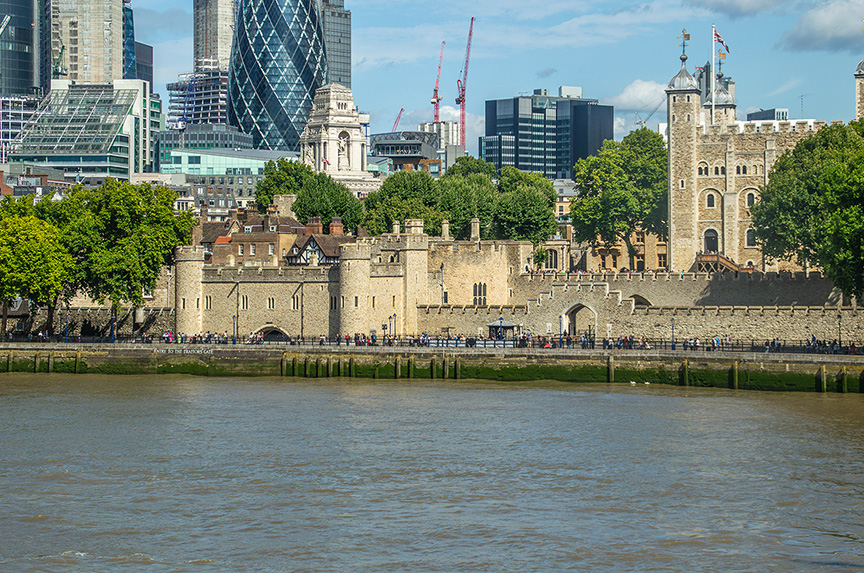
The image depicts the Tower of London, a historic castle located on the north bank of the River Thames in central London. The castle is surrounded by modern skyscrapers, showcasing a blend of historical and contemporary architecture. The scene includes the castle's stone walls, towers, and lush green trees, with people walking along the riverside path. The River Thames flows calmly in the foreground, reflecting the cityscape.
the Tower of London ‐ photo by ,
©www.mgaylard.co.uk.
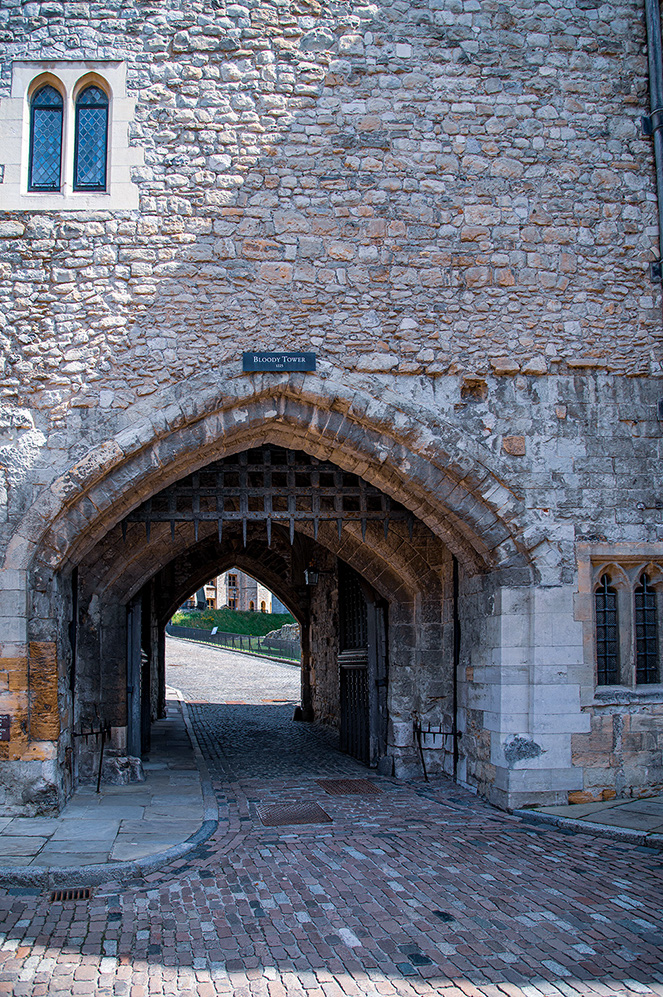
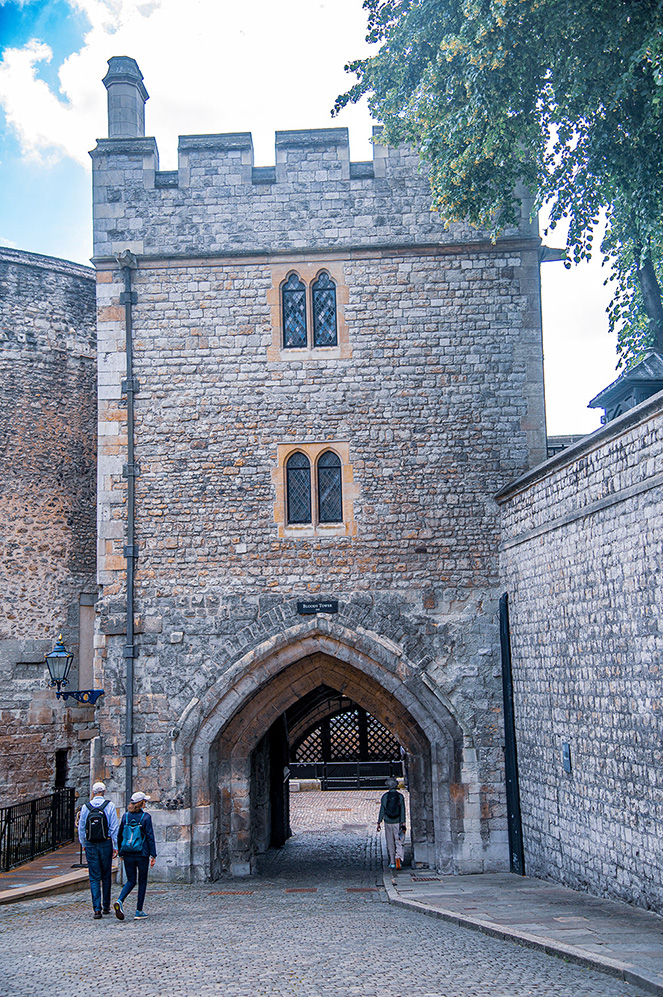
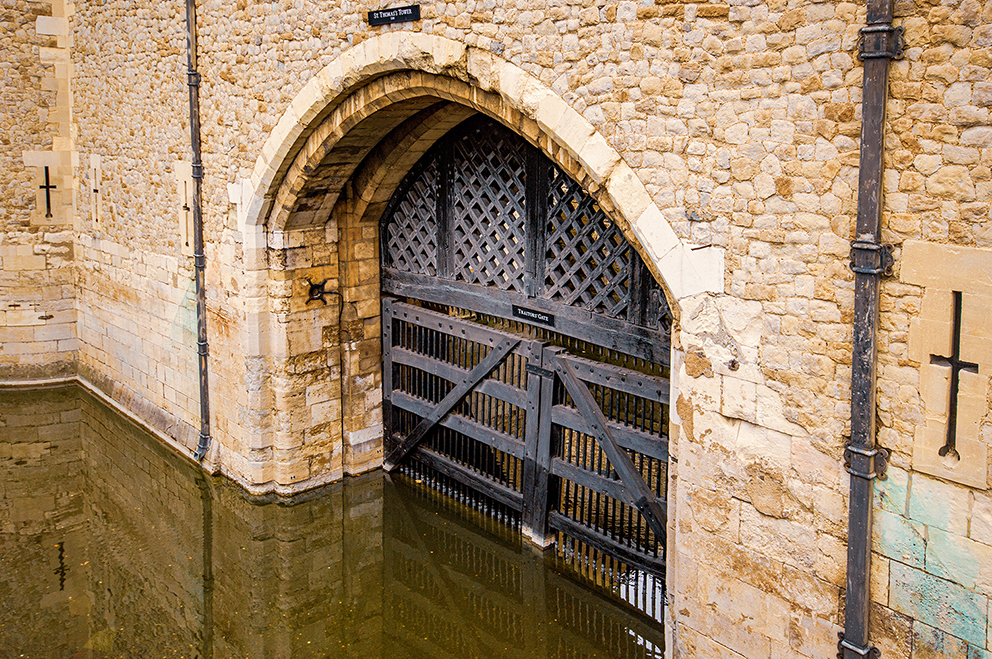
A sombre sign, etched with the fateful words “BLOODY TOWER”, hangs like a pronouncement above a formidable archway. This is no gentle embrace, but a stern invitation into the heart of ancient mysteries. The arch, a masterpiece of medieval engineering, is guarded by a fearsome portcullis, its iron teeth poised as if ready to descend. It speaks of security, yes, but also of confinement, of secrets held tight within these hallowed walls.
The Bloody Tower's Grim Welcome ‐ photo by ,
©www.mgaylard.co.uk.

A sombre sign, etched with the fateful words “BLOODY TOWER”, hangs like a pronouncement above a formidable archway. This is no gentle embrace, but a stern invitation into the heart of ancient mysteries. The arch, a masterpiece of medieval engineering, is guarded by a fearsome portcullis, its iron teeth poised as if ready to descend. It speaks of security, yes, but also of confinement, of secrets held tight within these hallowed walls.

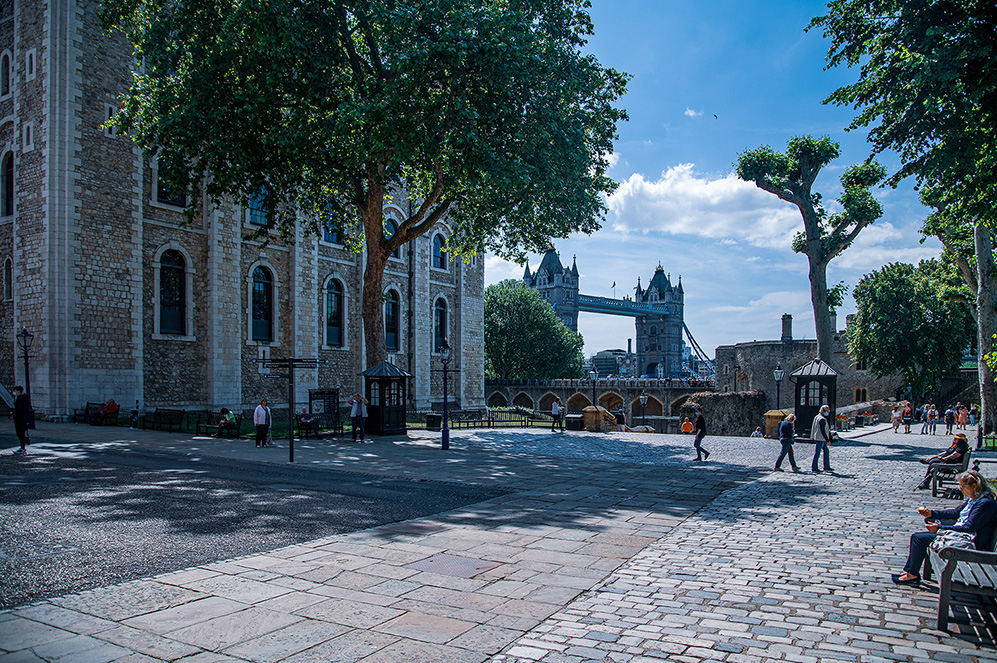
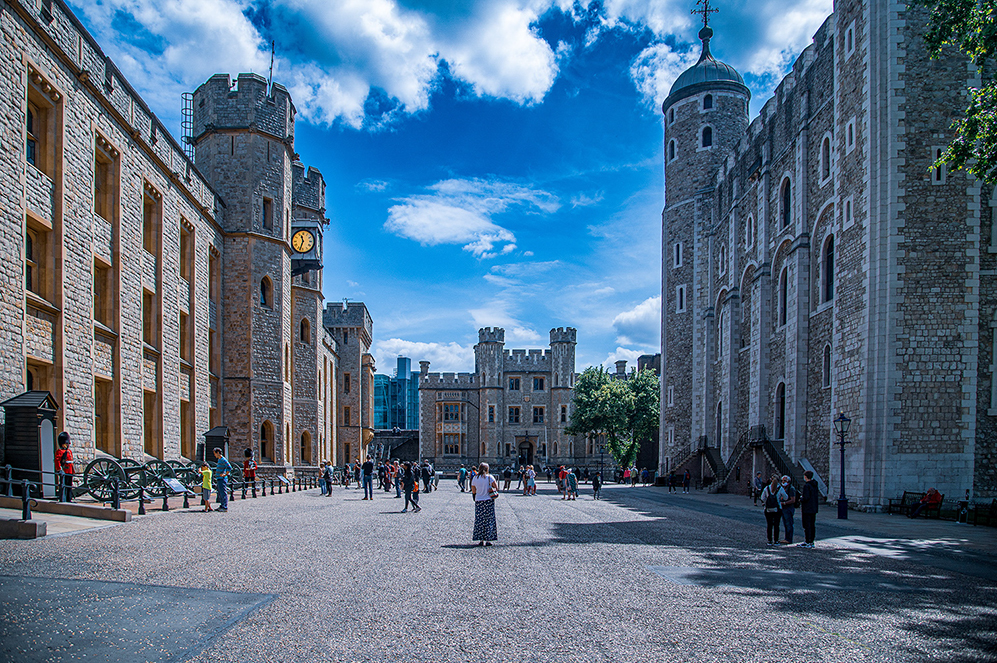
The image depicts an outdoor scene at the Tower of London, with the Tower Bridge visible in the background. The area is paved with cobblestones and features historic stone buildings with arched windows. There are several people walking and sitting, enjoying the sunny day. Trees provide some shade, and the sky is clear with a few clouds. The overall atmosphere is calm and leisurely.
Take a stroll through the grounds of the magnificent Tower of London, where ancient stone walls whisper tales of royalty and intrigue. As you explore, cast your eyes towards the horizon and be greeted by the majestic silhouette of Tower Bridge, a true London icon. ‐ photo by ,
©www.mgaylard.co.uk.
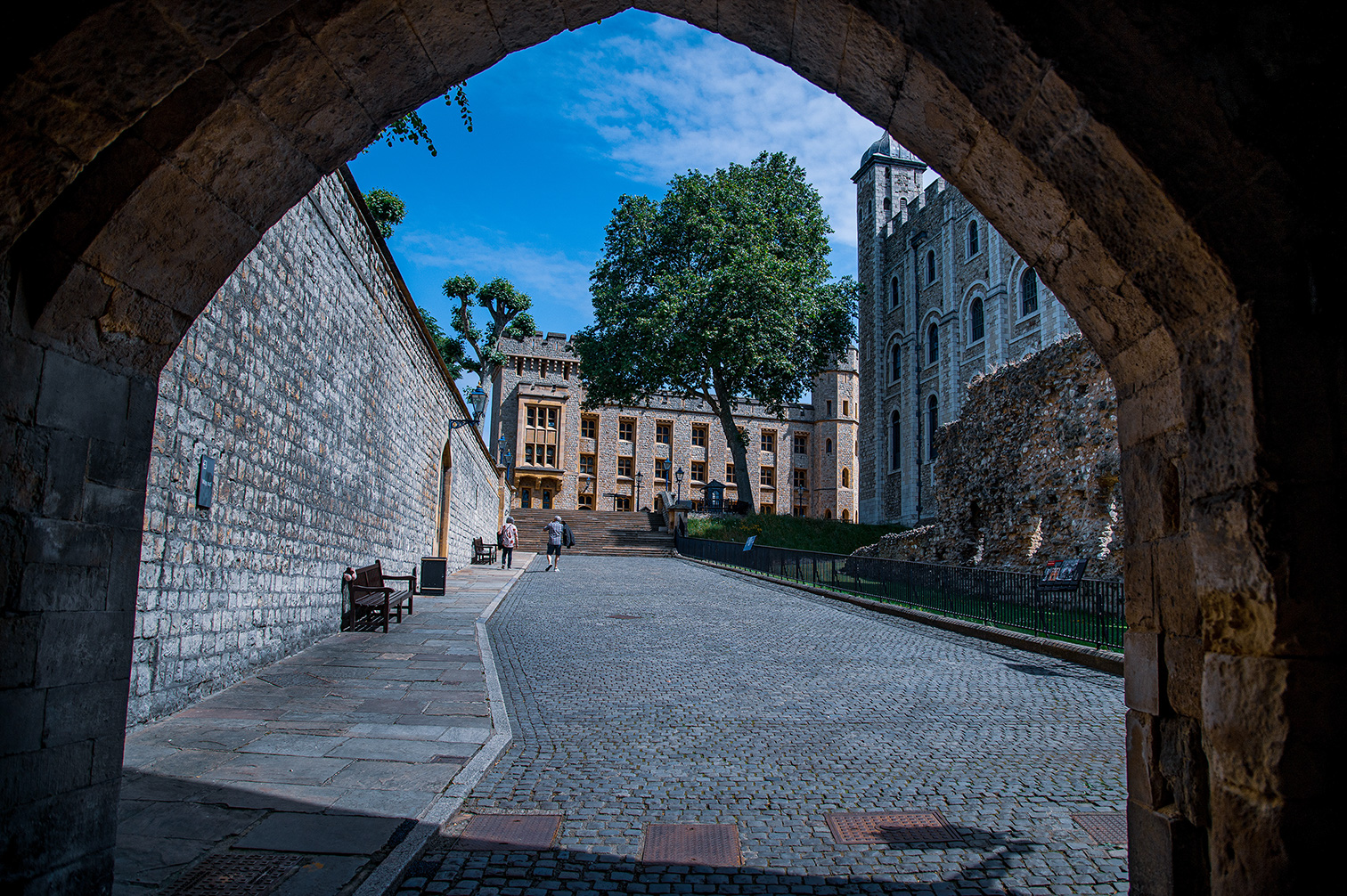
The image depicts a view through an archway of a historical stone structure, likely a castle or fortress. The scene includes cobblestone pathways, stone walls, and a large, tall building with a tower. There are a few people walking and benches along the path. The sky is clear with some clouds, and trees are visible in the background.
A Grand Entrance to Royal Splendour ‐ photo by ,
©www.mgaylard.co.uk.
A Glimpse of London's Storied Past: The Tower of London This image transports us to a place steeped in centuries of British history, a sentinel of stone that has witnessed empires rise and fall. We are presented with a view of a robust stone gateway, a portal to a realm of ancient fortifications.
A Glimpse of London's Storied Past: The Bloody Tower ‐ photo by ,
©www.mgaylard.co.uk.
British 25 Pounder Field Gun, introduced in 1939. It played a significant role in World War II and the Korean War, known for its accuracy and reliability. The gun was also used in various conflicts and remained in service with some forces into the 1980s.
British 25 Pounder Field Gun ‐ photo by ,
©www.mgaylard.co.uk.
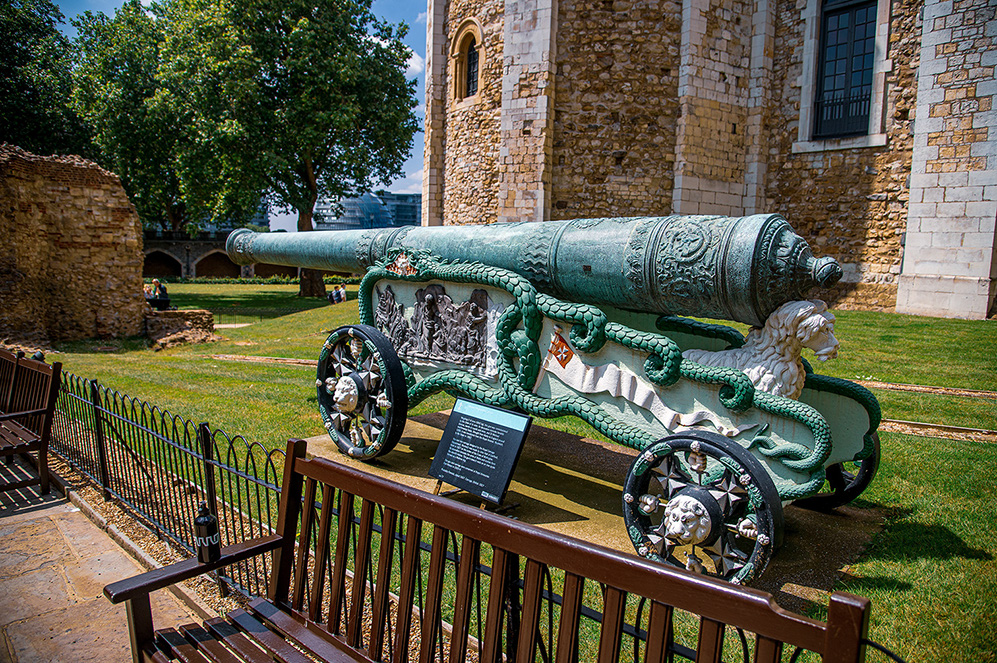
Cannons: In the foreground and center of the image is a large, ornate cannon mounted on a wheeled carriage.
Guns of legend, guarding the Tower ‐ photo by ,
©www.mgaylard.co.uk.
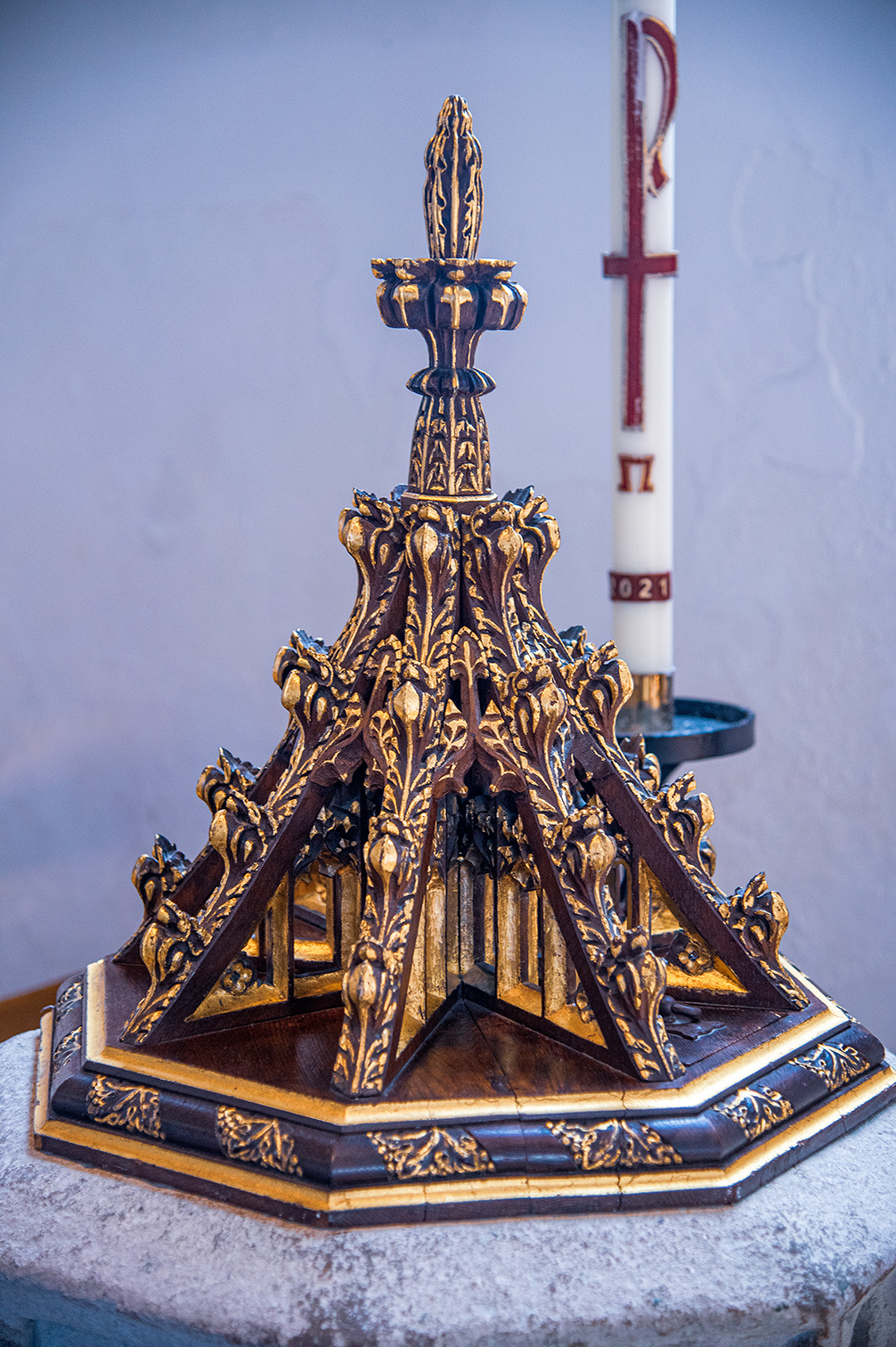
A highly ornate, dark wood and gold decorative piece sits on a stone surface. To the right of the piece is a tall white candle with red religious markings.
Chapel Royal of St Peter ad Vincula ‐ photo by ,
©www.mgaylard.co.uk.
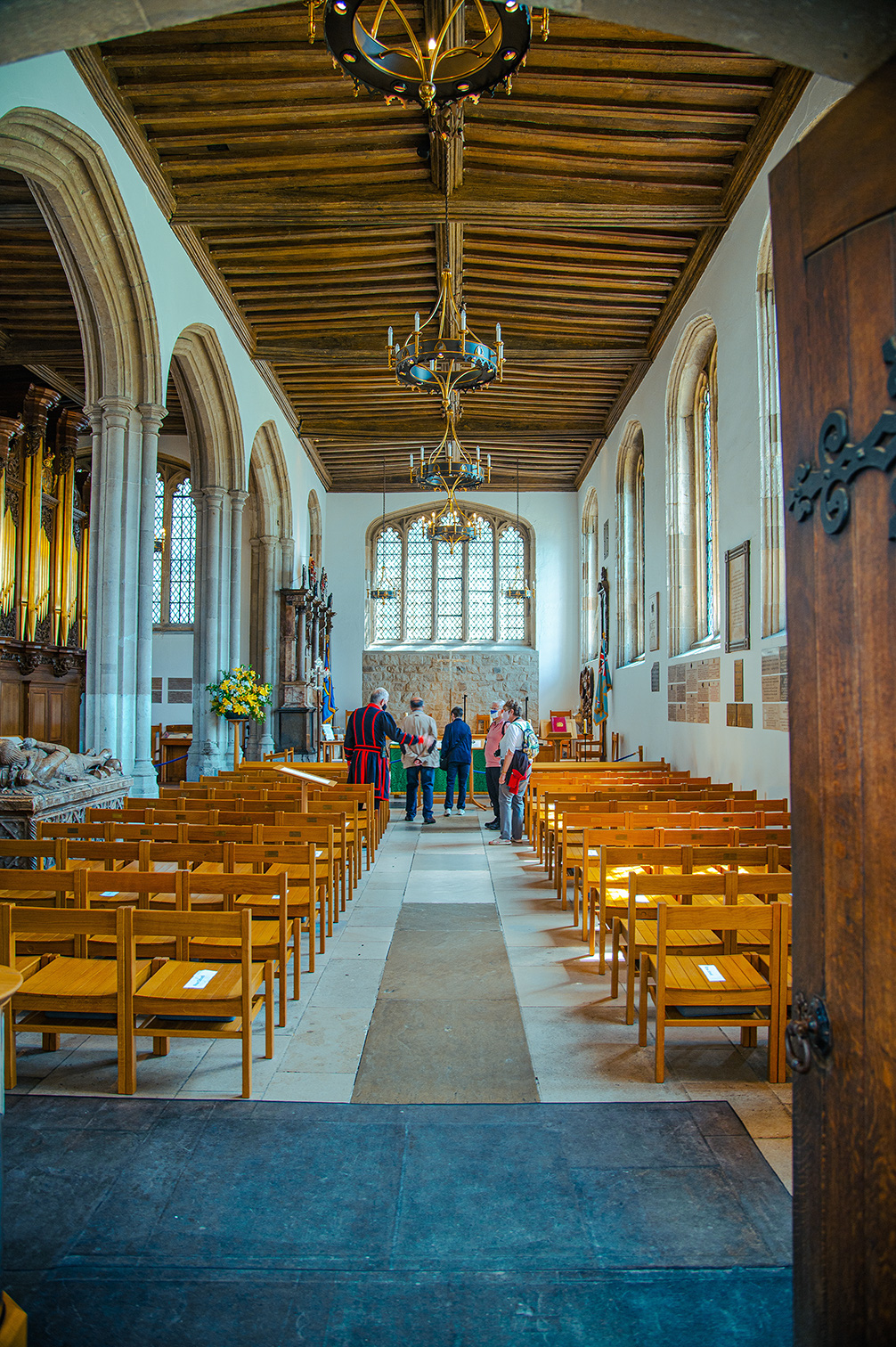
The image shows the interior of a church with rows of wooden pews and a group of people standing at the front. A person in traditional attire is addressing the visitors.
Chapel Royal of St Peter ad Vincula ‐ photo by ,
©www.mgaylard.co.uk.
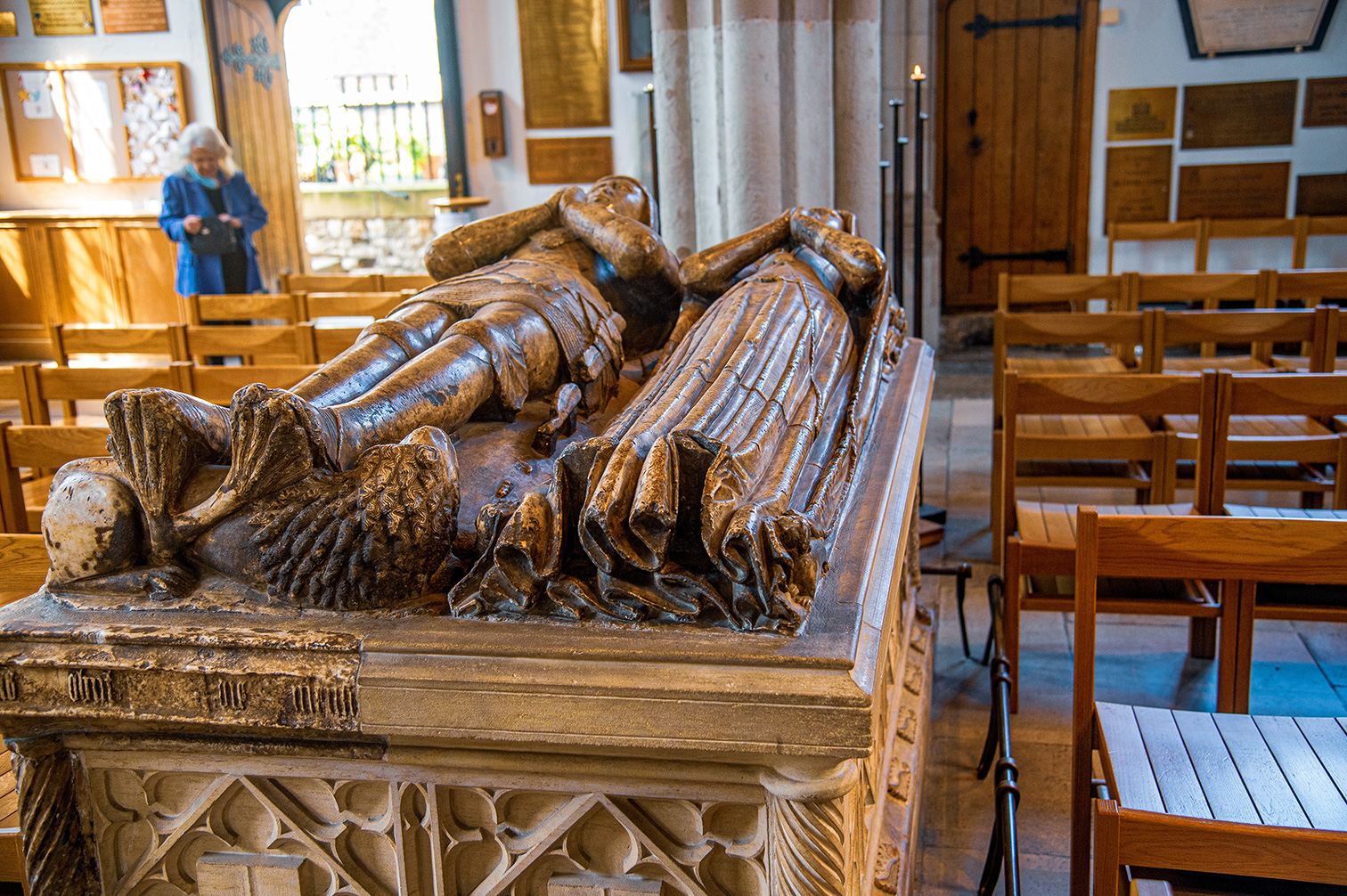
This image depicts a tomb with effigies of a man and a woman, likely a knight and his lady, lying side-by-side. The effigies are detailed, with the man depicted in armor and the woman in a flowing gown. They are placed on a stone sarcophagus adorned with intricate carvings. In the background, we see wooden pews typical of a church or chapel setting, and a woman in a blue jacket looking at a notice board. The overall ambiance suggests a historical and solemn location within a religious building.
Sir Richard Cholmondeley and his wife Elizabeth Pennington ‐ photo by ,
©www.mgaylard.co.uk.

Sir Richard Cholmondeley (or Cholmondeley) was a Lieutenant of the Tower of London during the reign of Henry VIII. He played a key role in the administration and security of the Tower, a position of great trust and responsibility. Cholmondeley was responsible for the rebuilding of the Chapel Royal of St Peter ad Vincula after a fire in 1512, and his tomb monument (alongside his wife Elizabeth Pennington) is a prominent feature in the chapel’s nave

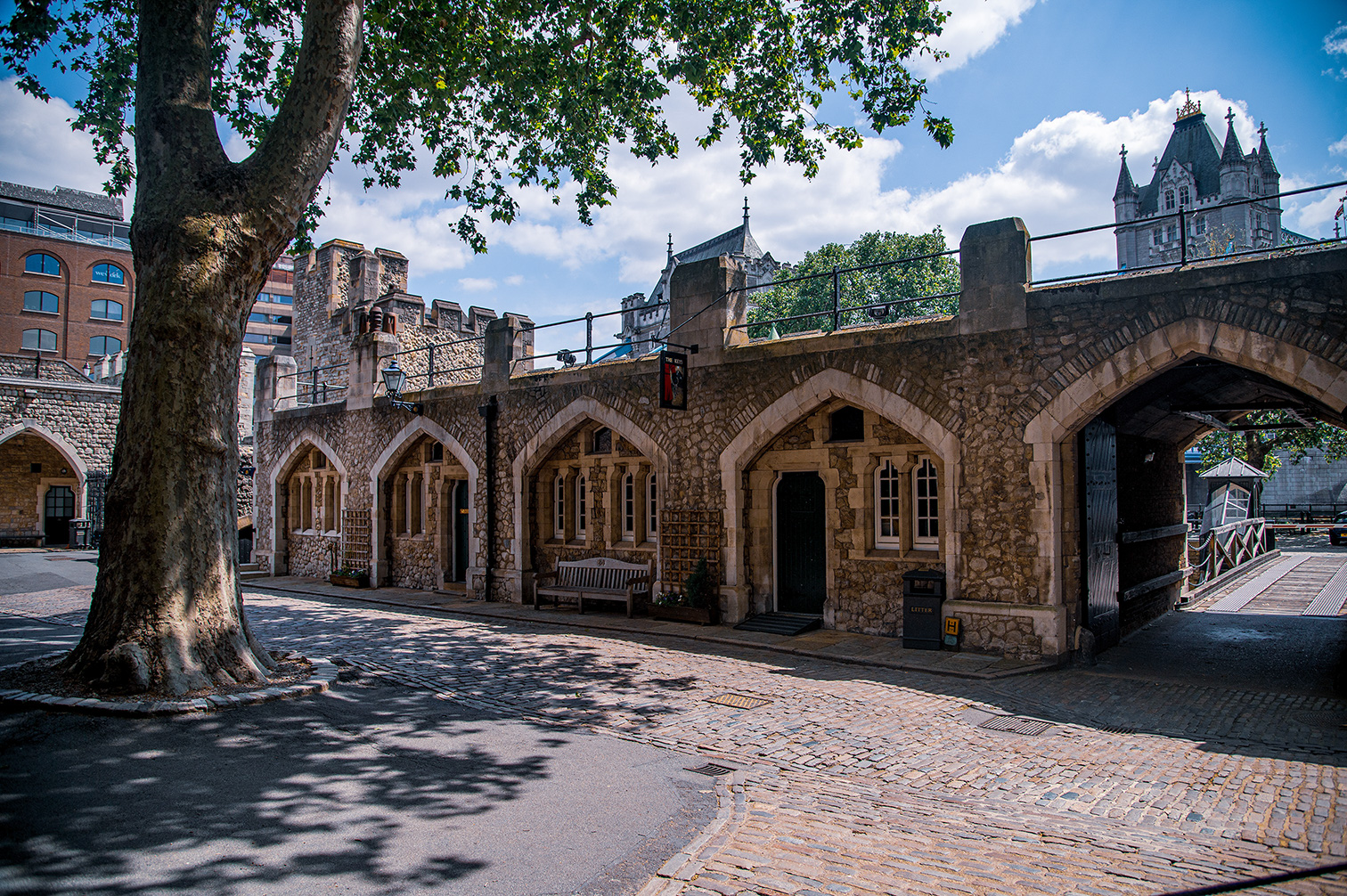
The image depicts a historic stone structure, likely a castle or fortress, with people walking and sitting in the courtyard. The architecture features arched doorways and windows, and the walls are made of large, weathered stones. The scene is bathed in sunlight, and modern buildings can be seen in the background, indicating an urban setting. The overall atmosphere is one of historical significance blended with contemporary life.
Near the Devereaux Tower ‐ photo by ,
©www.mgaylard.co.uk.
The Fusilier Museum at the Tower of London is a branch of The Fusilier Museum located within the historic Tower of London complex. It is dedicated to the history and heritage of the Royal Regiment of Fusiliers, one of the oldest infantry regiments in the British Army, with deep ties to the Tower of London.
The Fusilier Museum ‐ photo by ,
©www.mgaylard.co.uk.

Waterloo Block

The Waterloo Block (also known as Waterloo Barracks) is a prominent Grade I-listed building in the Tower of London’s Inner Ward. It was constructed in 1845 in the castellated Gothic Revival style with Domestic Tudor details, replacing the old Grand Storehouse destroyed by fire in 1841
The Waterloo Block ‐ photo by ,
©www.mgaylard.co.uk.
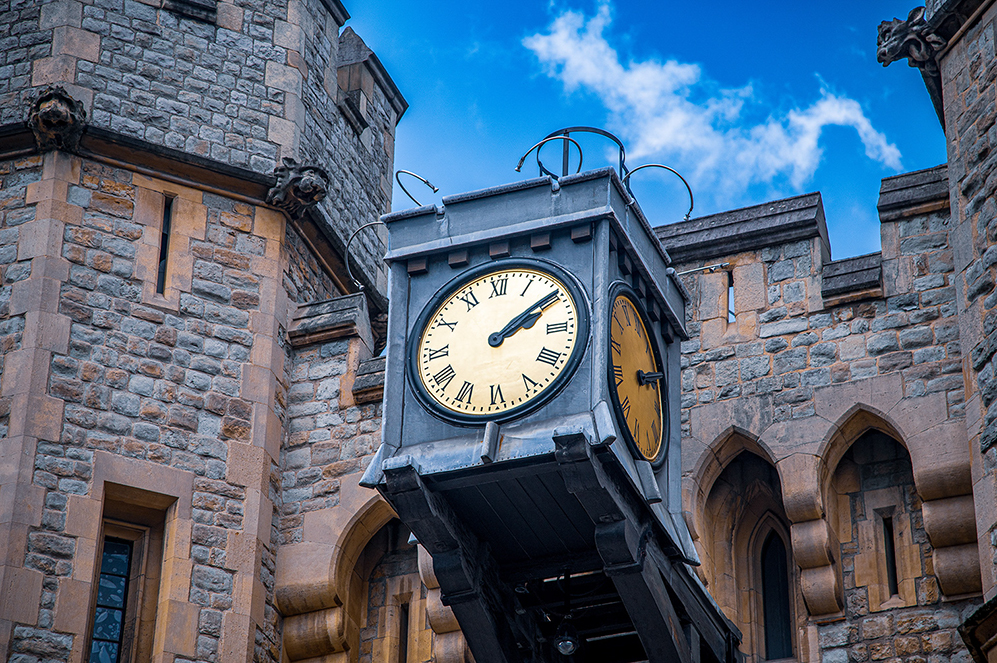
The main entrance to the Waterloo Barracks (also known as the Waterloo Block) at the Tower of London is located on the north side of the Inner Ward, facing the northern curtain wall. T
Clock overhanging the main entrance to the Waterloo Barracks ‐ photo by ,
©www.mgaylard.co.uk.

The Waterloo Block (also known as Waterloo Barracks) is a prominent Grade I-listed building in the Tower of London’s Inner Ward. It was constructed in 1845 in the castellated Gothic Revival style with Domestic Tudor details, replacing the old Grand Storehouse destroyed by fire in 1841.
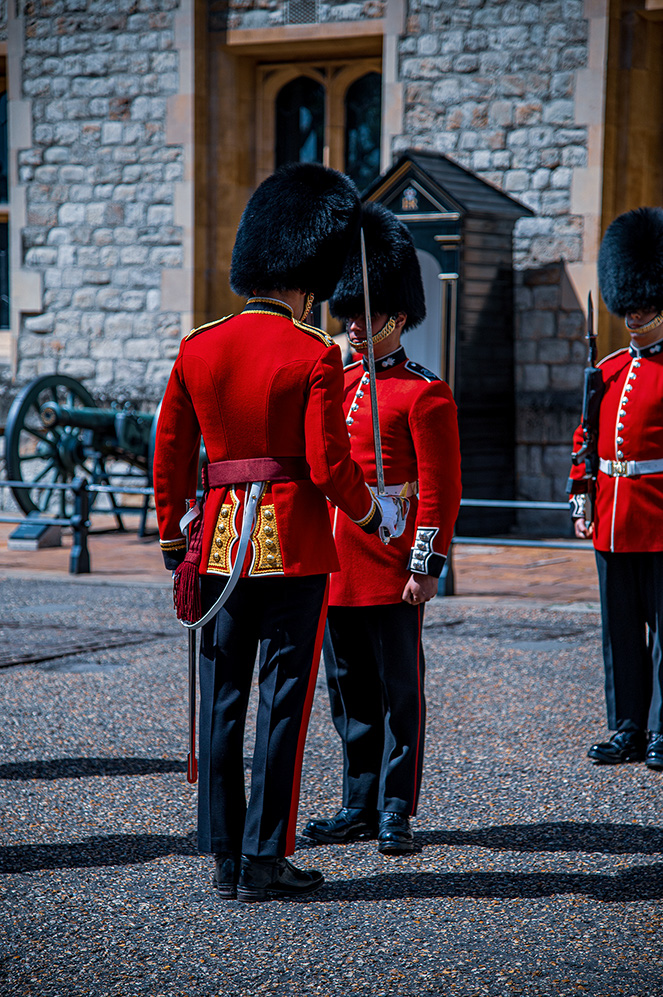
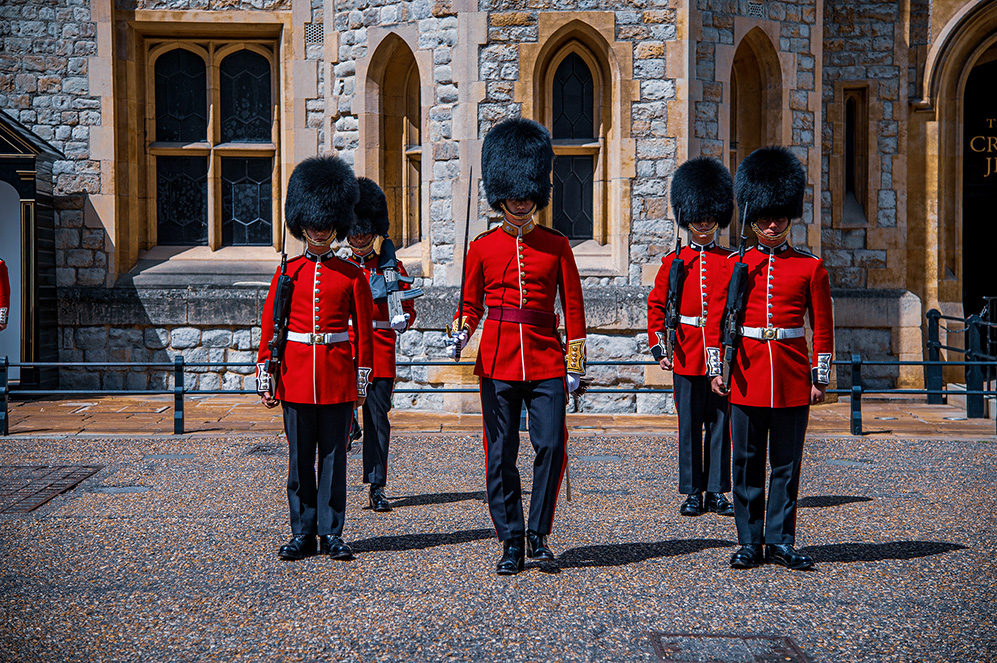
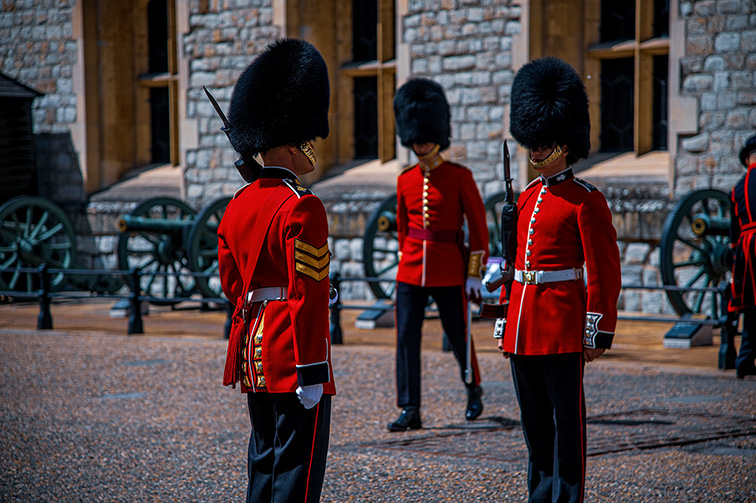
Three guards in red ceremonial uniforms with tall black furry hats stand at attention on a paved surface. They are holding swords and appear to be guarding a building with a stone facade.
Crimson and bearskin: symbols of duty. ‐ photo by ,
©www.mgaylard.co.uk.
The image depicts a group of guards dressed in traditional red uniforms and black bearskin hats, marching in front of a historic stone building. The guards are walking in a straight line, with the lead guard in the center and others following behind. The setting appears to be a formal or ceremonial location, likely a significant landmark or palace.
The iconic red tunics and bearskin hats are a symbol of British heritage. ‐ photo by ,
©www.mgaylard.co.uk.
The image depicts a group of guards dressed in traditional red uniforms and black bearskin hats, standing in formation outside a historic building with stone walls and arched windows. The guards are positioned in a symmetrical arrangement, facing forward with a stern and formal demeanor. The scene suggests a ceremonial or official setting, likely at a significant historical or governmental location.
Standing tall and proud ‐ photo by ,
©www.mgaylard.co.uk.

The Grenadier Guards are the most senior regiment of the Foot Guards in the British Army, with a history dating back to 1656 when they were raised as Lord Wentworth’s Regiment of Foot. They were later designated as the First Regiment of Foot Guards in 1685 and have been known as the Grenadier Guards since 1815, following their distinguished service at the Battle of Waterloo.
The Grenadier Guards are an elite infantry regiment that serves as part of the Household Division, providing ceremonial and operational support to the British monarch. They are one of the most famous regiments of the British Army, known for their distinctive bearskin hats and red tunics.
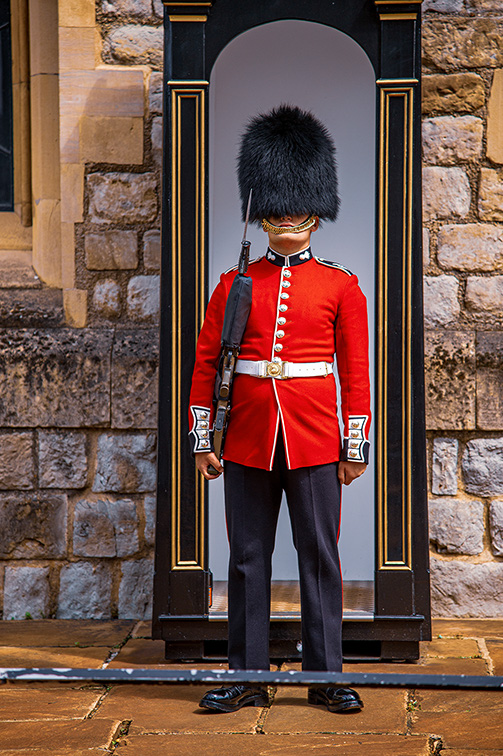
Grenadier_Guards_DSC_0967.jpg
Standing Sentry ‐ photo by ,
©www.mgaylard.co.uk.
The image depicts a group of individuals dressed in traditional red military uniforms with black bearskin hats, commonly associated with ceremonial guards such as the Queen's Guard in the United Kingdom. They are standing in a courtyard with historical cannons in the background, suggesting a setting like a castle or a historical fort. The guards appear to be engaged in a formal duty or ceremony, showcasing their distinctive attire and disciplined posture.
Sargeant on Parade ‐ photo by ,
©www.mgaylard.co.uk.
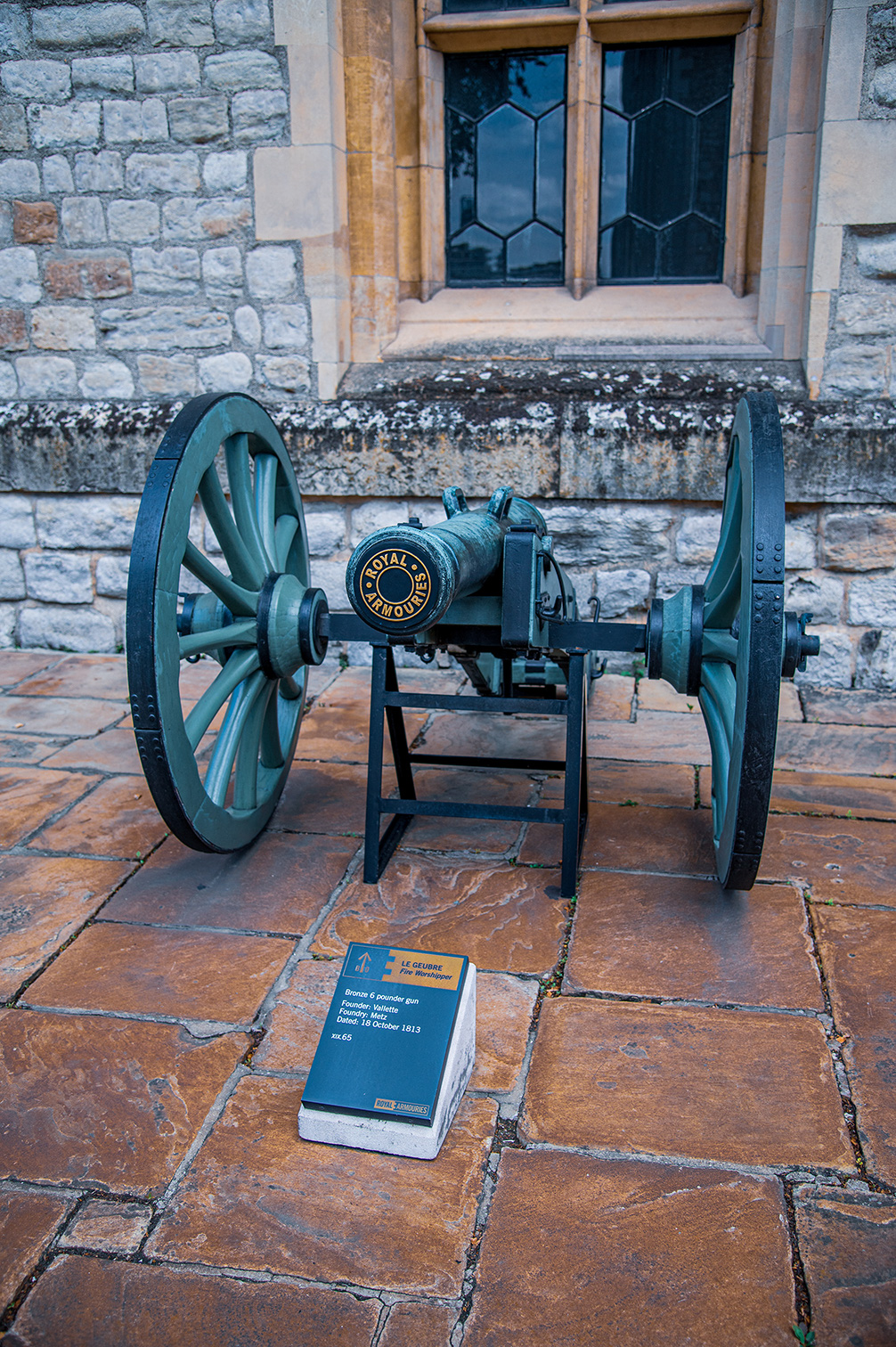
The image shows an old bronze cannon mounted on wooden wheels, positioned in front of a stone building with a window above. The cannon has the inscription 'ROYAL ARMOURIES' on its barrel. In front of the cannon, there is an informational plaque providing details about the cannon, including its type, origin, and the date it was founded.
Captured Napoleonic Cannon ‐ photo by ,
©www.mgaylard.co.uk.
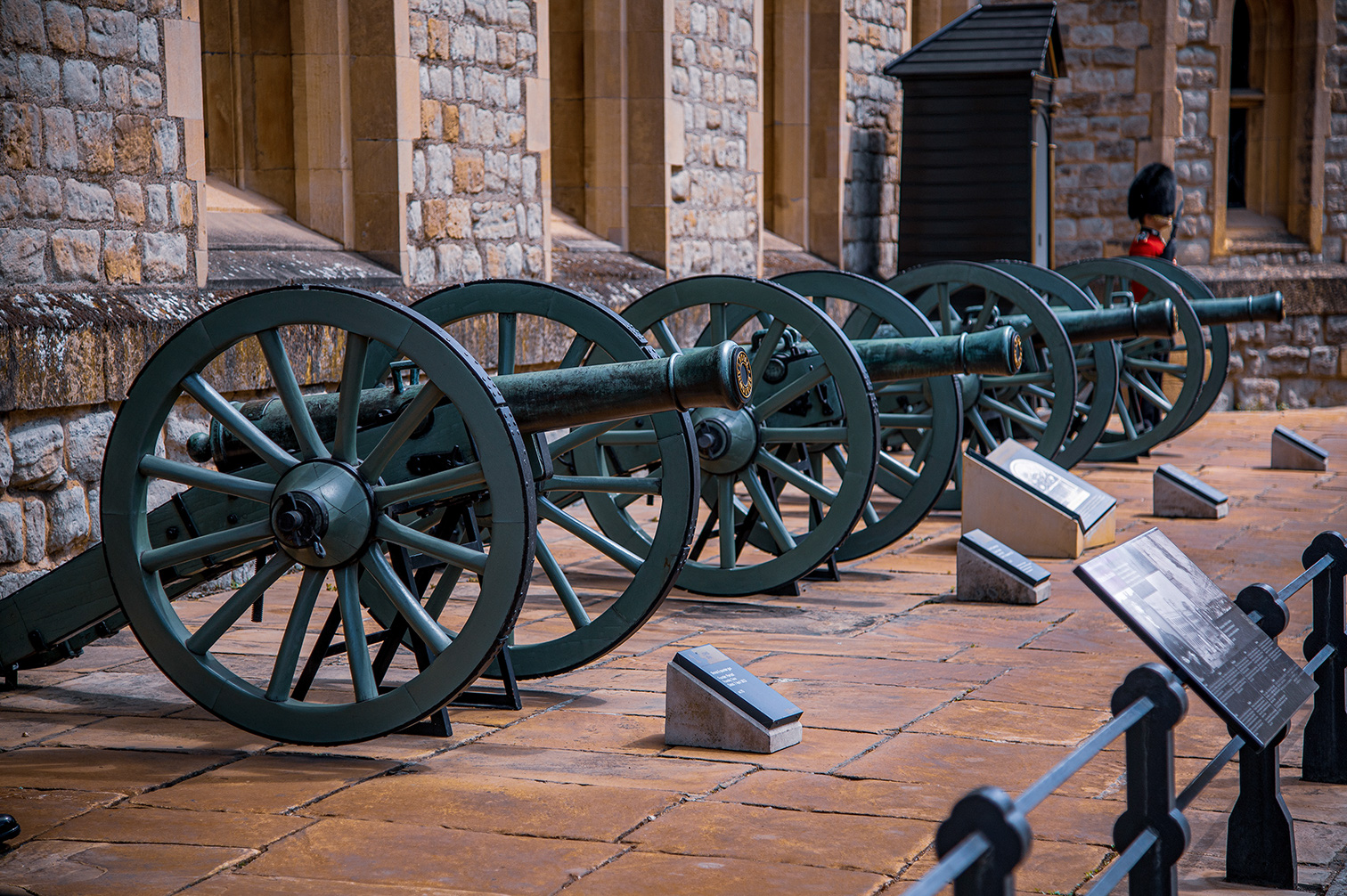
The image depicts a row of historical cannons displayed outdoors, likely in a museum or historical site setting. The cannons are mounted on large wheels and are positioned in front of a stone building with arched windows. Informational plaques are placed in front of each cannon, providing details about them. The scene includes a guard in traditional attire standing near the building, adding to the historical ambiance.
Captured Napoleonic Cannon ‐ photo by ,
©www.mgaylard.co.uk.
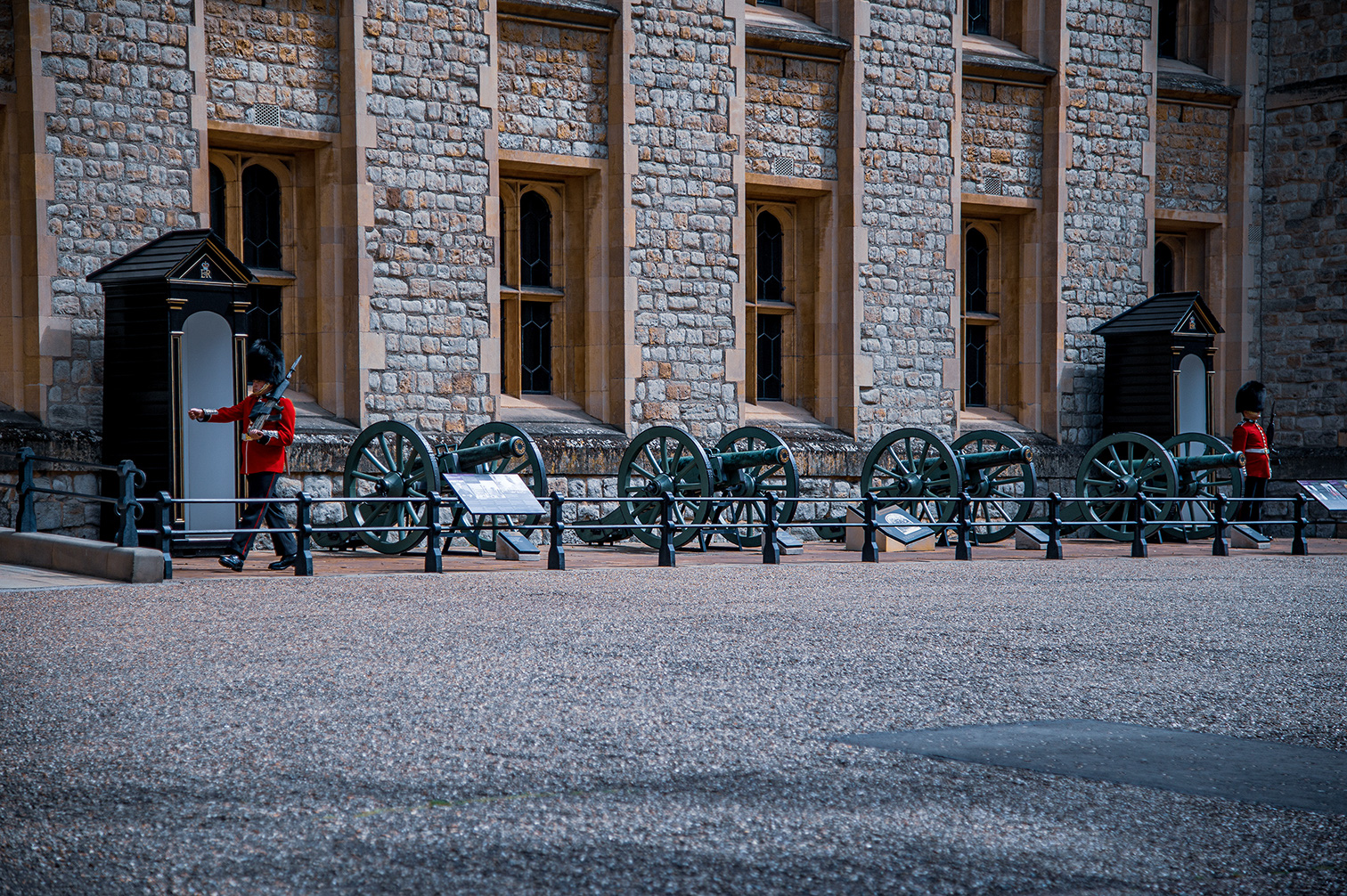
The image depicts a scene in front of a historic stone building, likely a castle or fortress, with two guards in traditional red uniforms and bearskin hats standing at attention. In front of the guards, there are several old cannons displayed on a gravel area. The building features large stone blocks and tall, narrow windows, contributing to its historical and majestic appearance.
Captured Napoleonic Cannons ‐ photo by ,
©www.mgaylard.co.uk.
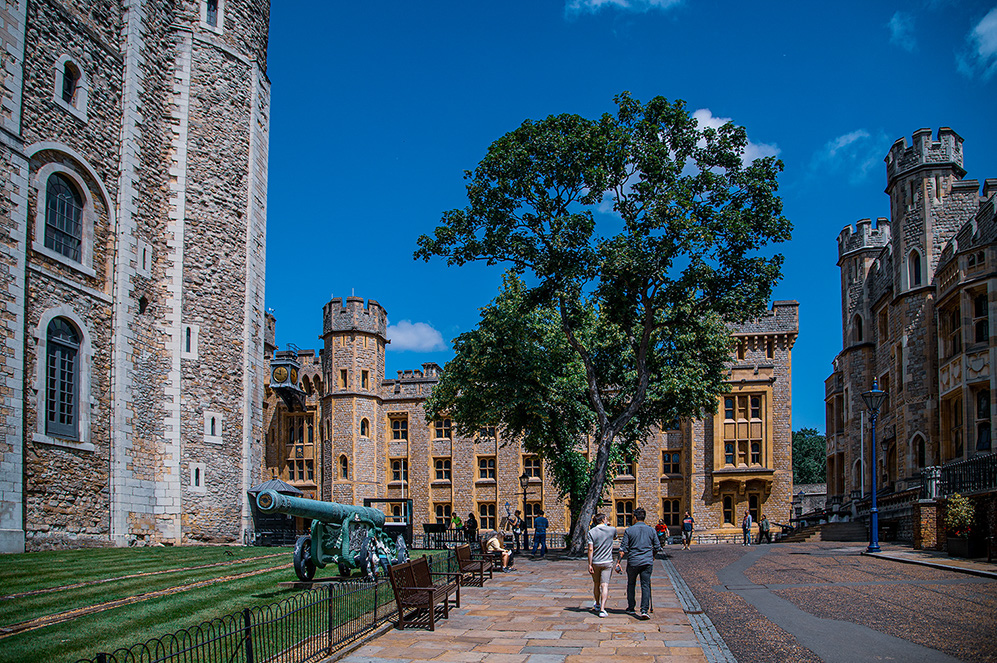
The image depicts a historic castle courtyard with stone buildings and towers. There are people walking and observing the surroundings. A large tree is centrally located, and there are cannons positioned on the left side of the image. The sky is clear and blue, suggesting a sunny day.
By the Outlines of the Roman Wall of Londinium ‐ photo by ,
©www.mgaylard.co.uk.
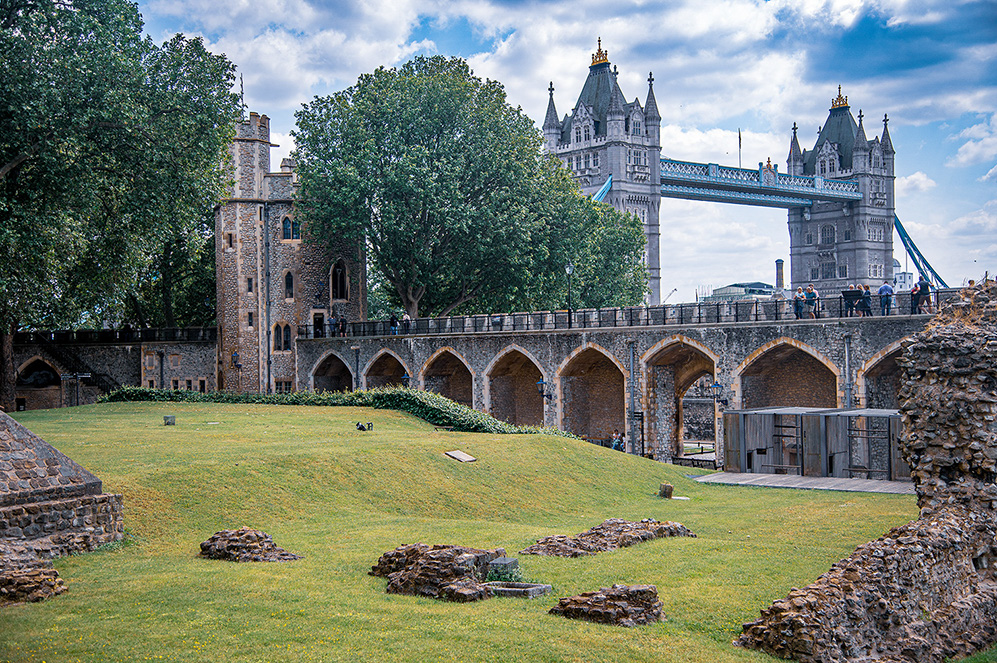
The image depicts a historical site with ancient ruins in the foreground and a modern bridge in the background. The ruins are surrounded by a well-maintained grassy area, and there is a stone structure with arches. The bridge, known as Tower Bridge, is an iconic landmark in London, featuring two tall towers connected by a walkway. The scene is set on a clear day with blue skies and some clouds, and there are people visible on the bridge.
Tower Bridge ‐ photo by ,
©www.mgaylard.co.uk.

Medieval Palace Exhibition
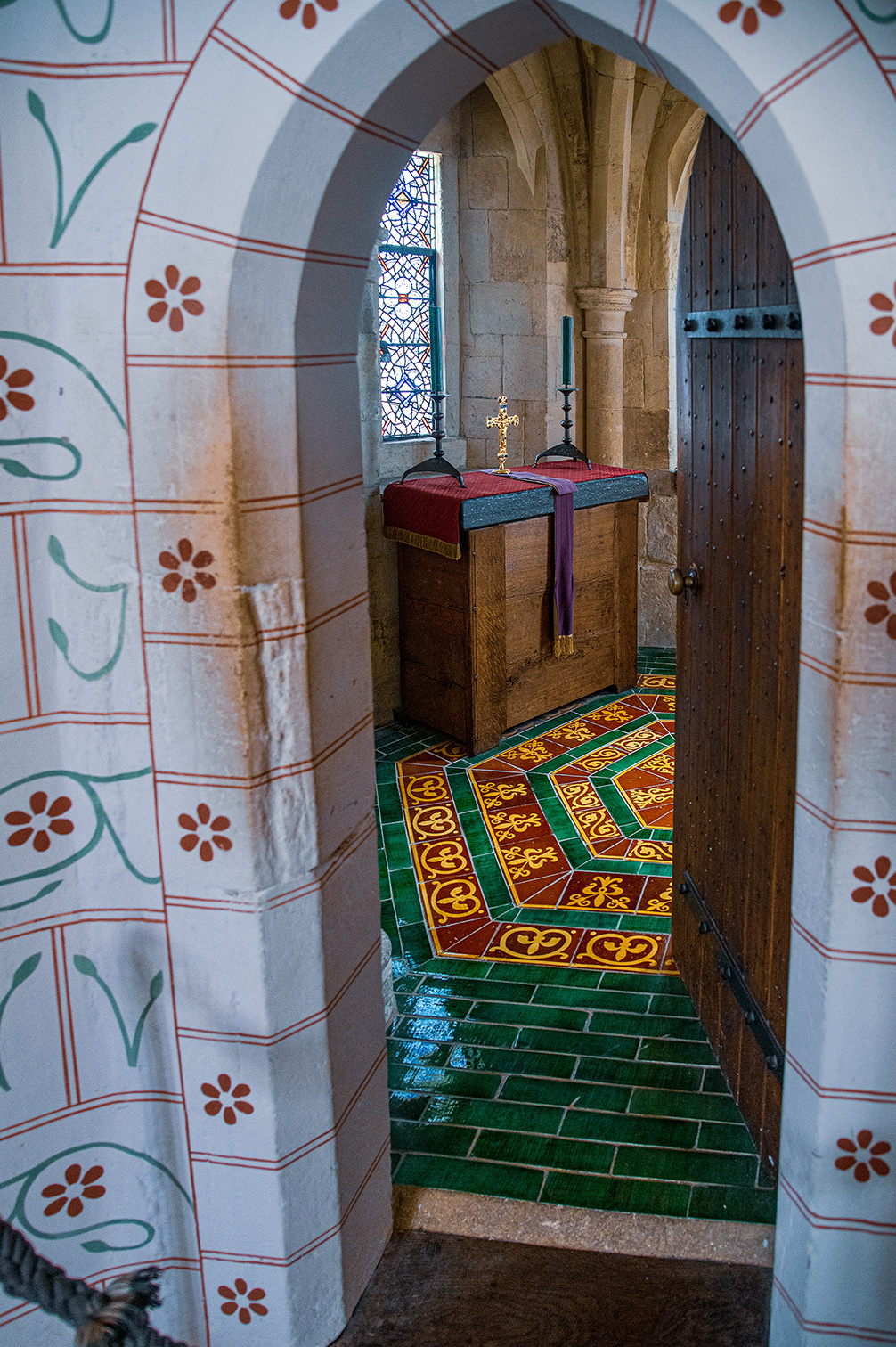
The image depicts an interior view of a historical or religious building, featuring a narrow passage with ornate tile flooring and decorated walls. The passage leads to a small altar adorned with a cross and covered with a cloth. The architecture includes arched doorways and stone columns, with a stained glass window visible in the background.
View of location ‐ photo by ,
©www.mgaylard.co.uk.
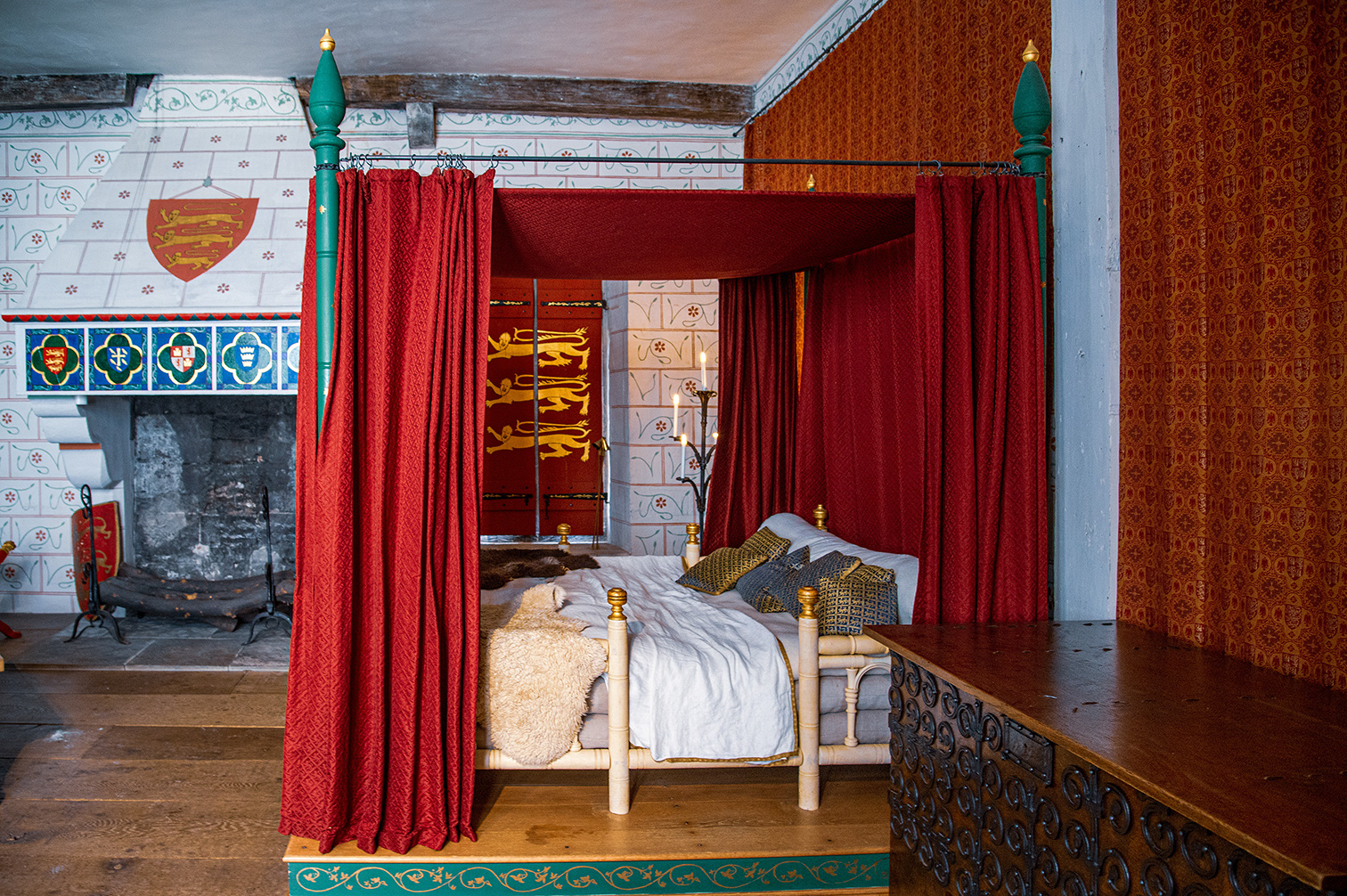
a richly decorated bedroom with a large, canopied bed draped in red curtains
a richly decorated bedroom with a large, canopied bed draped in red curtains ‐ photo by ,
©www.mgaylard.co.uk.
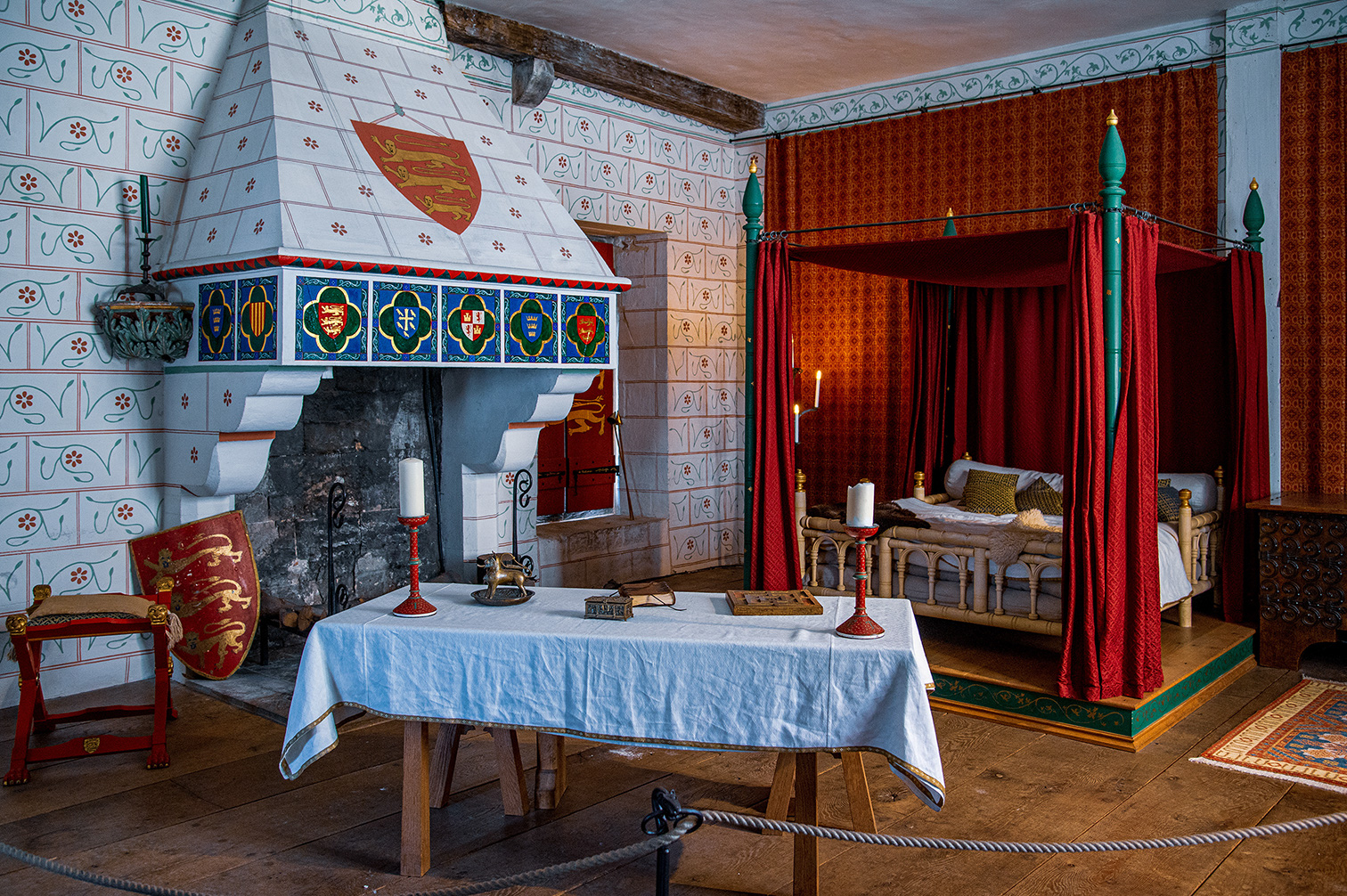
The image depicts a historical room, likely from a medieval period, featuring intricate tile work on the walls with a prominent shield emblem above a fireplace. The room includes a four-poster bed with red curtains, a table with a white cloth and various items on it, and a chair with a shield leaning against it. The overall decor suggests a setting of nobility or high status.
a richly decorated bedroom ‐ photo by ,
©www.mgaylard.co.uk.

The Medieval Palace exhibition at the Tower of London is a major, newly refreshed permanent display that brings to life the royal lodgings of Henry III and Edward I. It spans three key towers: St Thomas’s Tower, Wakefield Tower, and the Lanthorn Tower.
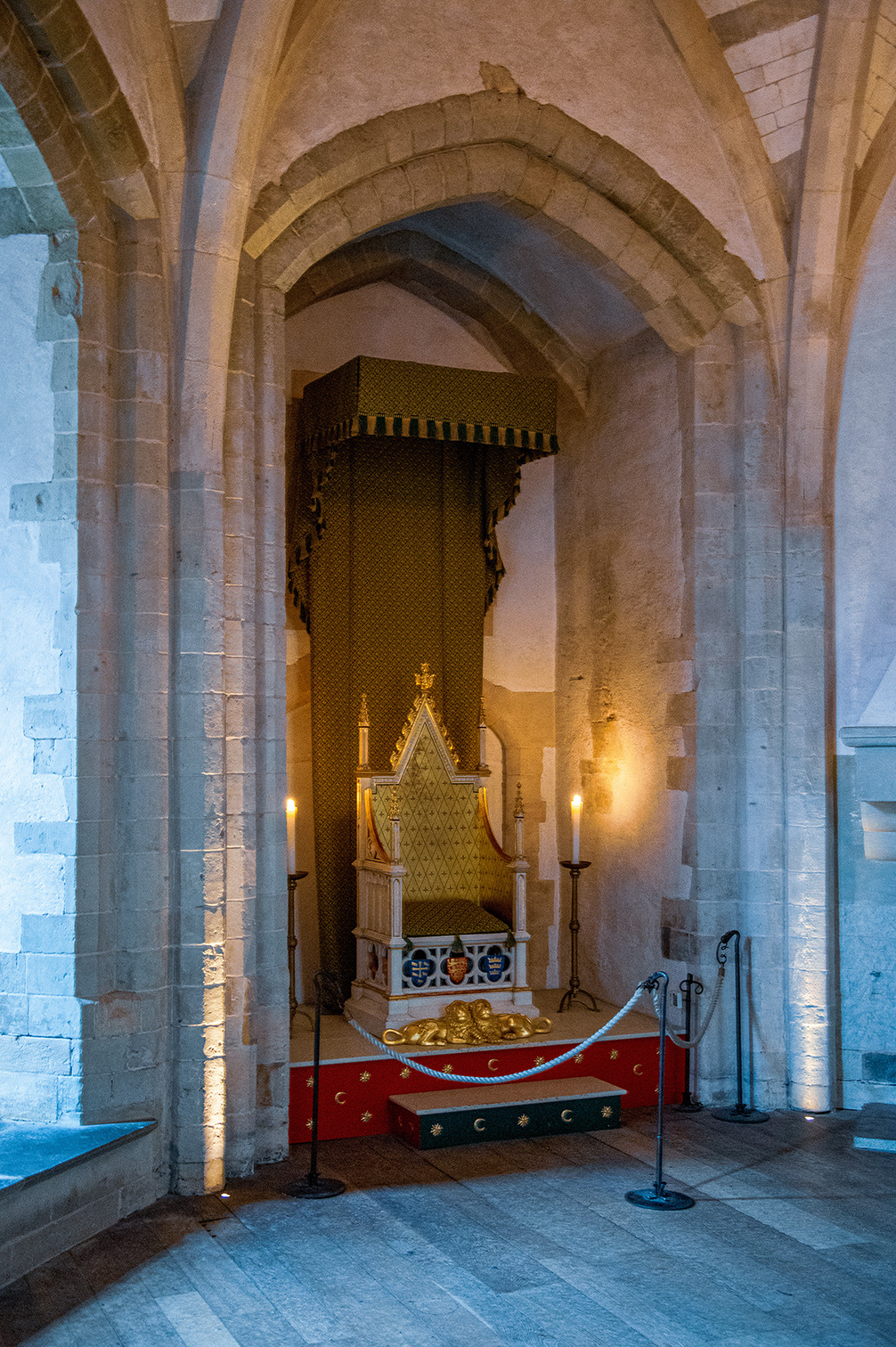
The image depicts an ornate, historical chapel or shrine, featuring a richly decorated altar with gold and intricate patterns. The setting includes stone arches and columns, with candles providing warm lighting. The area is cordoned off with ropes and stanchions, indicating it is a preserved or protected site, likely of significant cultural or religious importance.
Throne ‐ photo by ,
©www.mgaylard.co.uk.
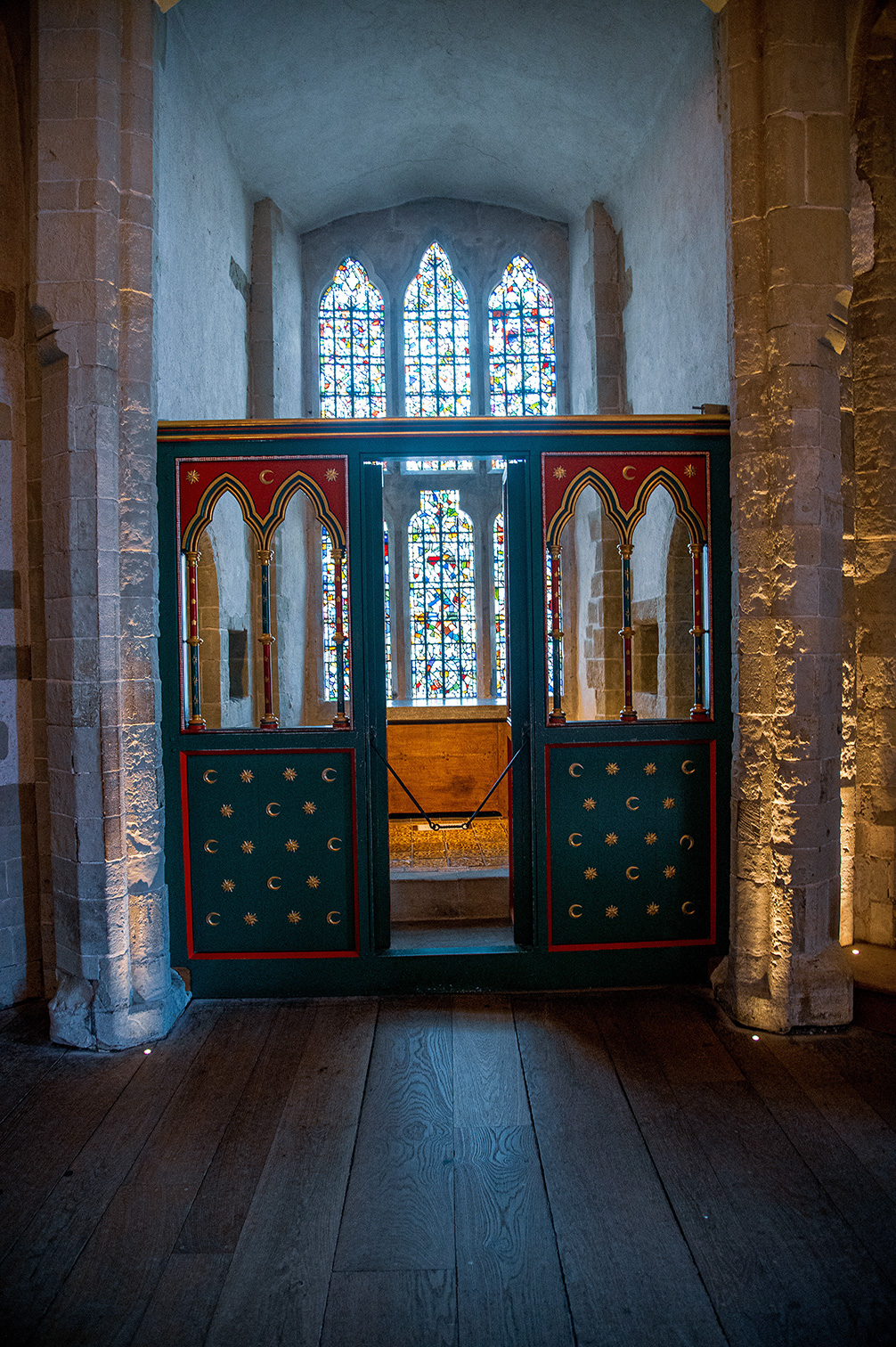
The image depicts an interior view of a historic building, likely a church or cathedral. The focal point is a wooden structure with ornate, green doors featuring gold crescents and stars, which appear to lead to a small, enclosed area. Behind the structure, there are three tall, arched stained-glass windows that allow colorful light to filter into the space. The floor is made of wooden planks, and the walls are constructed of large stone blocks, adding to the ancient and reverent atmosphere of the setting.
Private Chapel ‐ photo by ,
©www.mgaylard.co.uk.

The Royal Menagerie
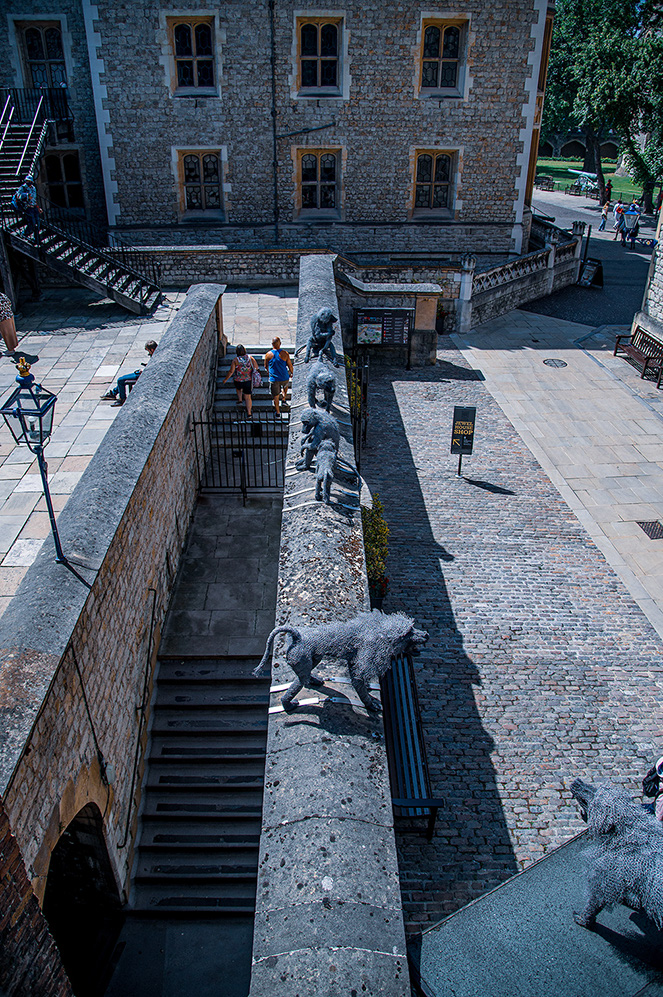
View of location ‐ photo by ,
©www.mgaylard.co.uk.
The image depicts a stone walkway leading to a historic castle-like structure, likely a fortress or a medieval castle, characterized by its tall towers, crenellated parapets, and arched doorway. The walkway is flanked by metal railings on one side and stone walls on the other, with a clear blue sky overhead and some greenery visible in the background.
Brick Tower ‐ photo by ,
©www.mgaylard.co.uk.
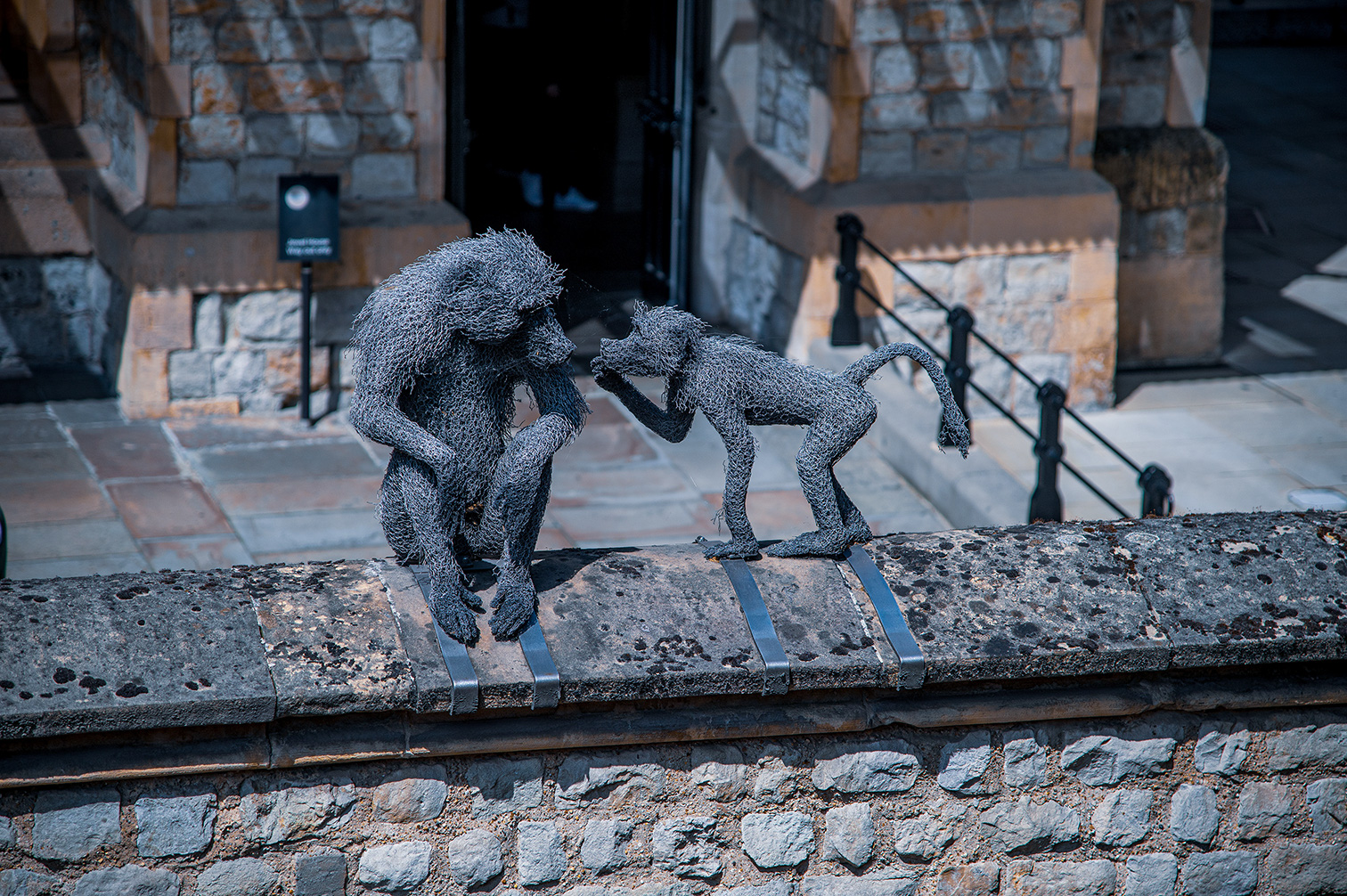
The image depicts a scene with two wireframe sculptures of monkeys on a stone structure, possibly part of a historical or fantasy-themed setting, with a brick building in the background.
wireframe sculptures of monkeys ‐ photo by ,
©www.mgaylard.co.uk.
The image depicts two wire mesh sculptures of monkeys on a stone structure. One monkey is in a crouching position, while the other is standing on two legs, appearing to interact or communicate with the crouching monkey. The background features a stone wall with a wooden door, and there is a rope barrier behind the sculptures.
wireframe sculptures of monkeys ‐ photo by ,
©www.mgaylard.co.uk.

The Royal Menagerie at the Tower of London was one of the oldest and most famous zoos in Europe, established in the 13th century by King Henry III. It began as a collection of exotic animals gifted to the English monarchy, including lions, leopards, bears, and an elephant, which were housed in the Tower’s Lion Tower (near the current site of the Royal Armouries).
The menagerie was started by Henry III in 1235, when he received exotic animals—including three leopards—from the Holy Roman Emperor Frederick II. Later monarchs, such as Edward I and Edward III, expanded the collection with gifts and acquisitions from abroad.
Over the centuries, the menagerie housed lions, tigers, camels, an elephant, and even a polar bear, which was allowed to fish in the Thames.
Today, the Tower of London’s history as a menagerie is commemorated in its exhibits and by the Tower’s association with the legend of the “Lion’s Den”, reflecting its former role as a royal and exotic animal house.

The image depicts a section of a stone castle wall under a clear blue sky with a few clouds. On top of the wall, there is a metal structure that appears to be a ladder or a cage, and next to it, there is a metal sculpture of a monkey sitting on the wall.
a metal sculpture of a monkey sitting on the wall ‐ photo by ,
©www.mgaylard.co.uk.
The image shows a wire sculpture of a monkey sitting on a stone ledge, with a historic building in the background. The sculpture is detailed and realistic, capturing the essence of the monkey's form and posture. The building features stone walls, arched windows, and a metal railing, suggesting an old and possibly significant architectural structure.
a metal sculpture of a monkey sitting on the wall ‐ photo by ,
©www.mgaylard.co.uk.
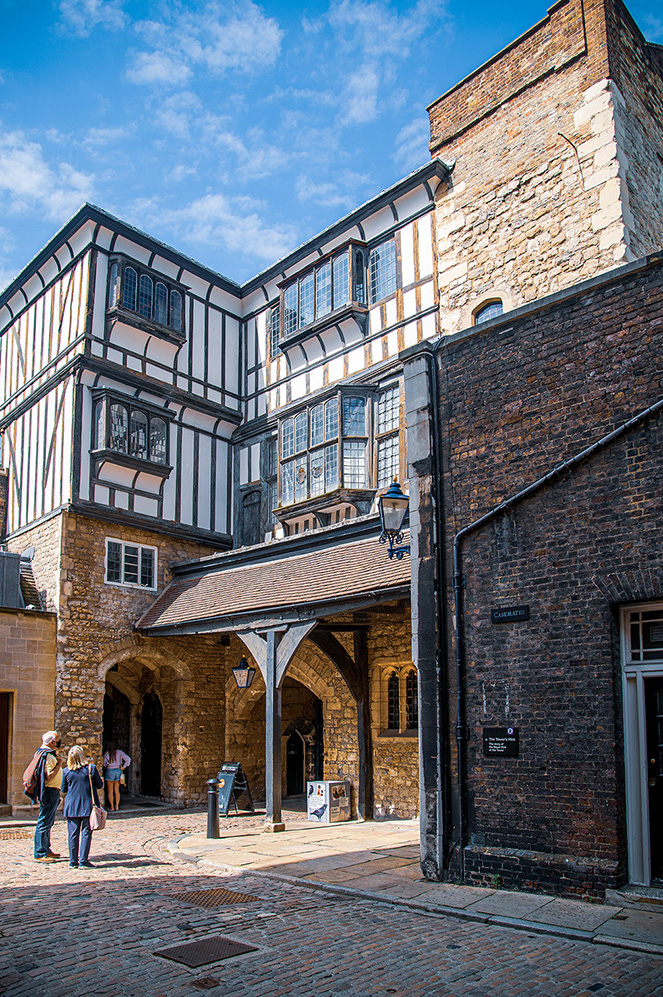
The image depicts a historic building with a distinctive Tudor architectural style, featuring black and white timber framing. The structure includes multiple stories with large windows and a prominent entrance archway. The building is constructed with a combination of stone and brick, and the scene is set on a cobblestone street. A few people are seen walking near the entrance, and the sky above is clear with some clouds. The overall atmosphere suggests a well-preserved or restored historic site, likely in a European setting.
The Byward Tower,
©www.mgaylard.co.uk.
he Byward Tower is the main entrance gatehouse of the Tower of London, located on the southwestern side of the fortress’s outer curtain wall. It was built in the 13th century (1238–1272) by King Henry III to strengthen the Tower’s defenses, particularly for the entrance from the City of London. The Byward Tower is a barbican (defensive gatehouse) consisting of two cylindrical towers connected by an upper arcade. This unique structure allowed defenders to control access to the inner ward while also providing a vantage point for surveillance and defense.
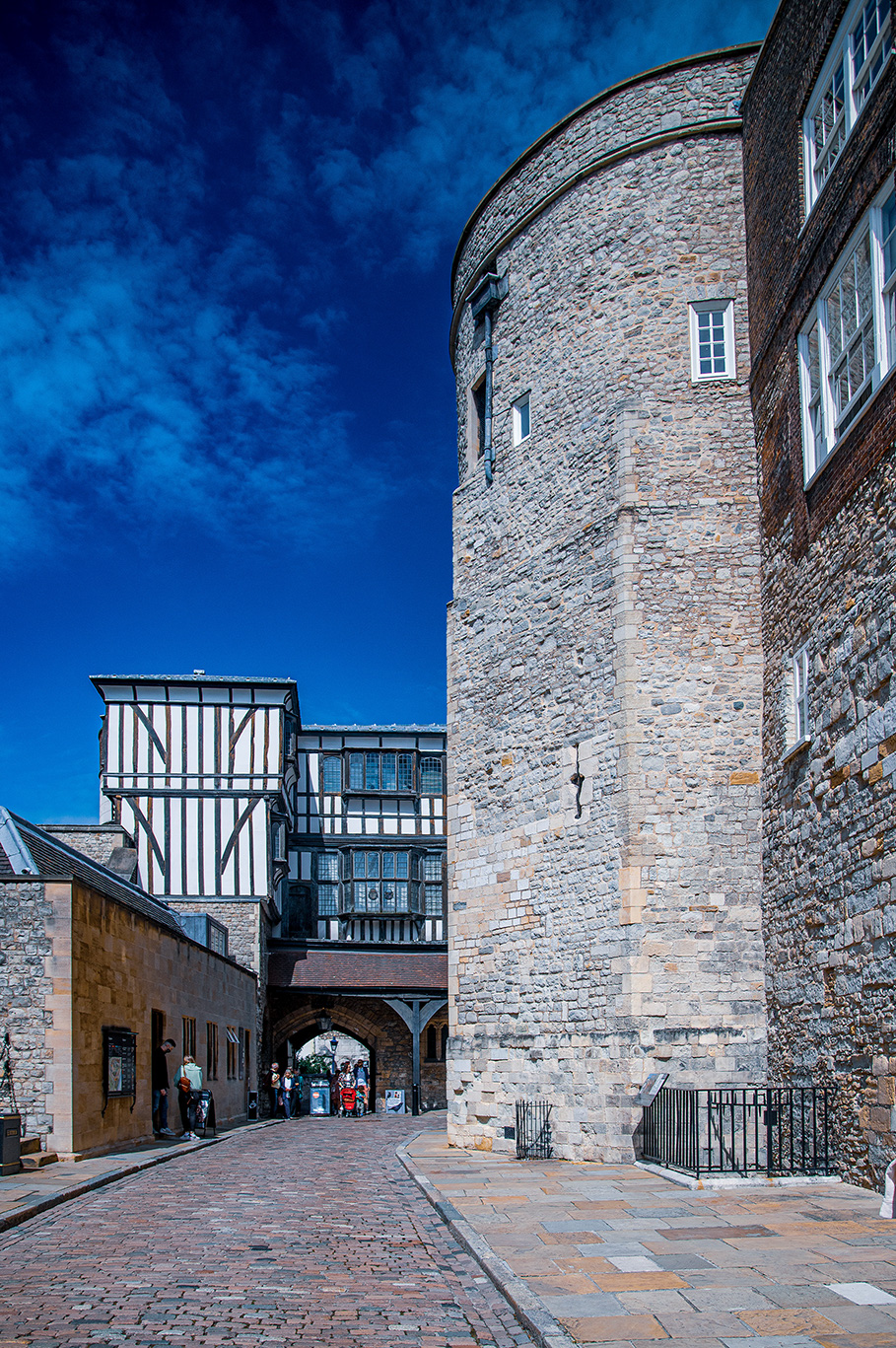
The image depicts a historic architectural setting with a cobblestone path leading to a large, round stone tower on the right. The tower features small windows and a metal lantern attached to its wall. Adjacent to the tower is a half-timbered building with distinctive black and white wooden beams. Several people are seen walking or standing along the path, and the sky above is clear and blue.
The Byward Tower ‐ photo by ,
©www.mgaylard.co.uk.
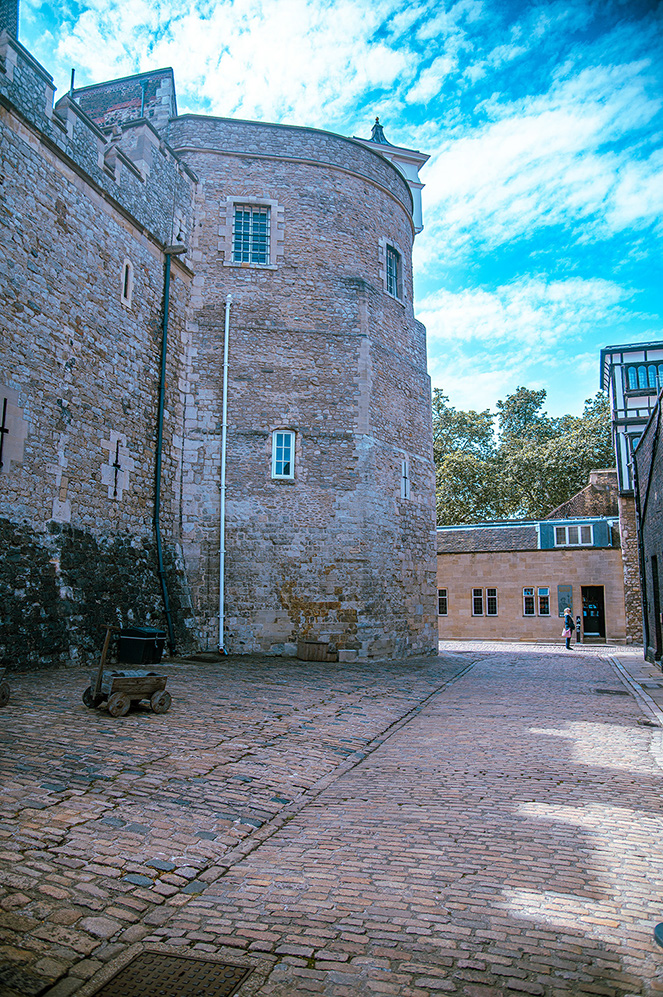
The image depicts a historic stone building with a cylindrical tower, featuring small windows and a cobblestone courtyard. The sky is partly cloudy, and there is a wooden cart on the left side of the courtyard. The architecture suggests an old, possibly medieval structure.
Royal Mint in Tower of London ‐ photo by ,
©www.mgaylard.co.uk.
The image depicts a narrow, cobblestone street flanked by old brick buildings on both sides. The buildings have small windows and some doors, with a few signs indicating different areas or businesses. The street is relatively empty, with a few small toy-like vehicles placed sporadically. The architecture suggests a historical or preserved area, possibly part of a museum or a historical site. The sky is clear with a few clouds, indicating it might be a sunny day.
Royal Mint in Tower of London ‐ photo by ,
©www.mgaylard.co.uk.
The image depicts a historic stone bridge with multiple arches and towers, likely part of an old castle or fortification. The structure features Gothic architectural elements such as pointed arches and detailed stonework. The bridge spans over a road with cobblestone paving, and there is a tree on the left side of the image casting shadows on the ground. The sky is partly cloudy, and modern buildings are visible in the background, indicating an urban setting blending historical and contemporary elements.
Middle Drawbridge ‐ photo by ,
©www.mgaylard.co.uk.

The Ravens

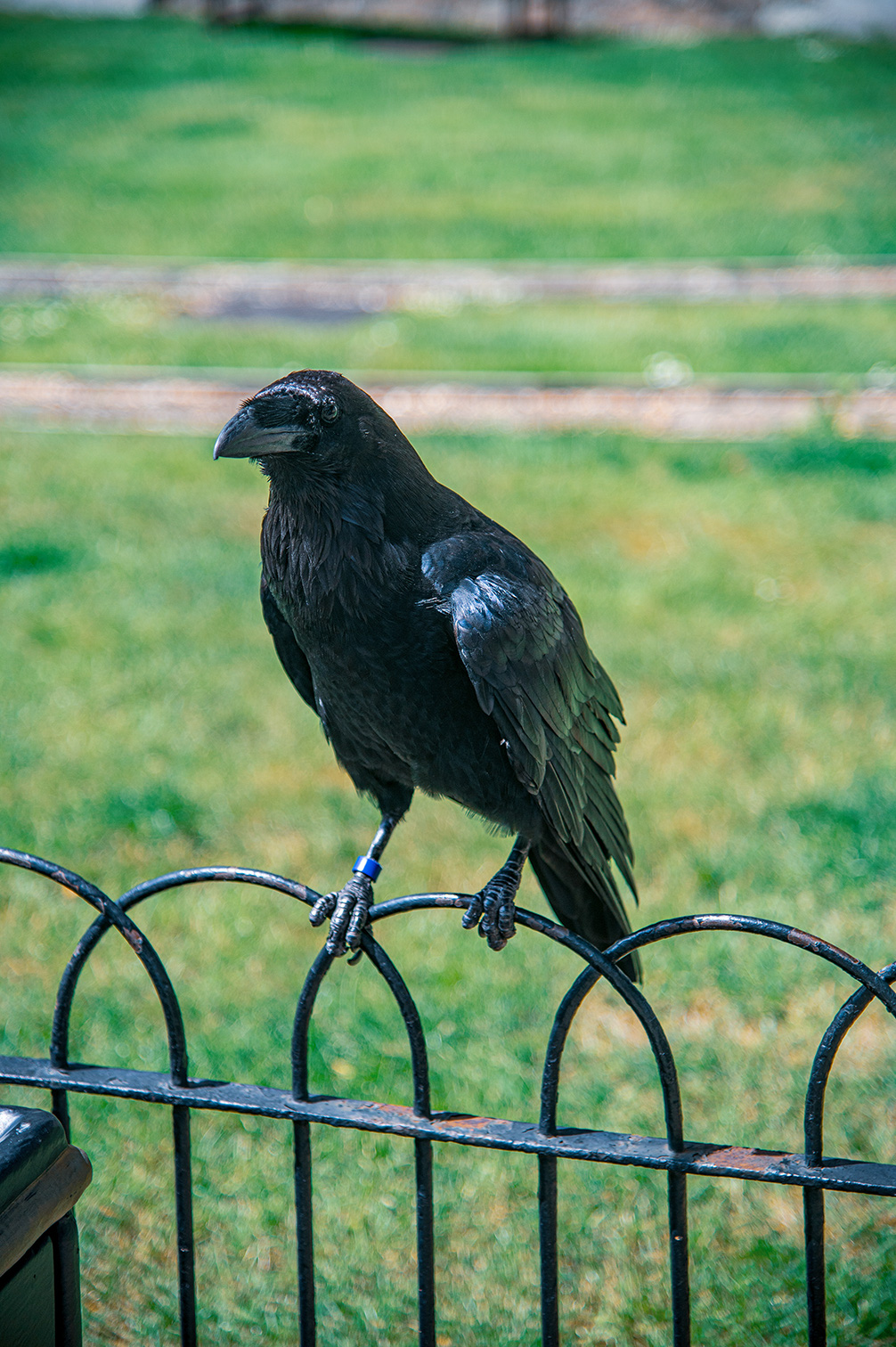
The image shows a black bird, likely a crow or raven, perched on a black metal fence. The bird is standing on one leg and appears to be looking off to the side. The background consists of a grassy area with some patches of dirt.
Raven of the Tower of London ‐ photo by ,
©www.mgaylard.co.uk.
The image depicts a black bird, likely a crow or raven, perched on a black metal fence in an outdoor setting. The bird has a glossy, iridescent plumage and is facing to the right. The background shows a grassy area with some blurred elements, suggesting a park or garden environment.
Raven of the Tower of London ‐ photo by ,
©www.mgaylard.co.uk.
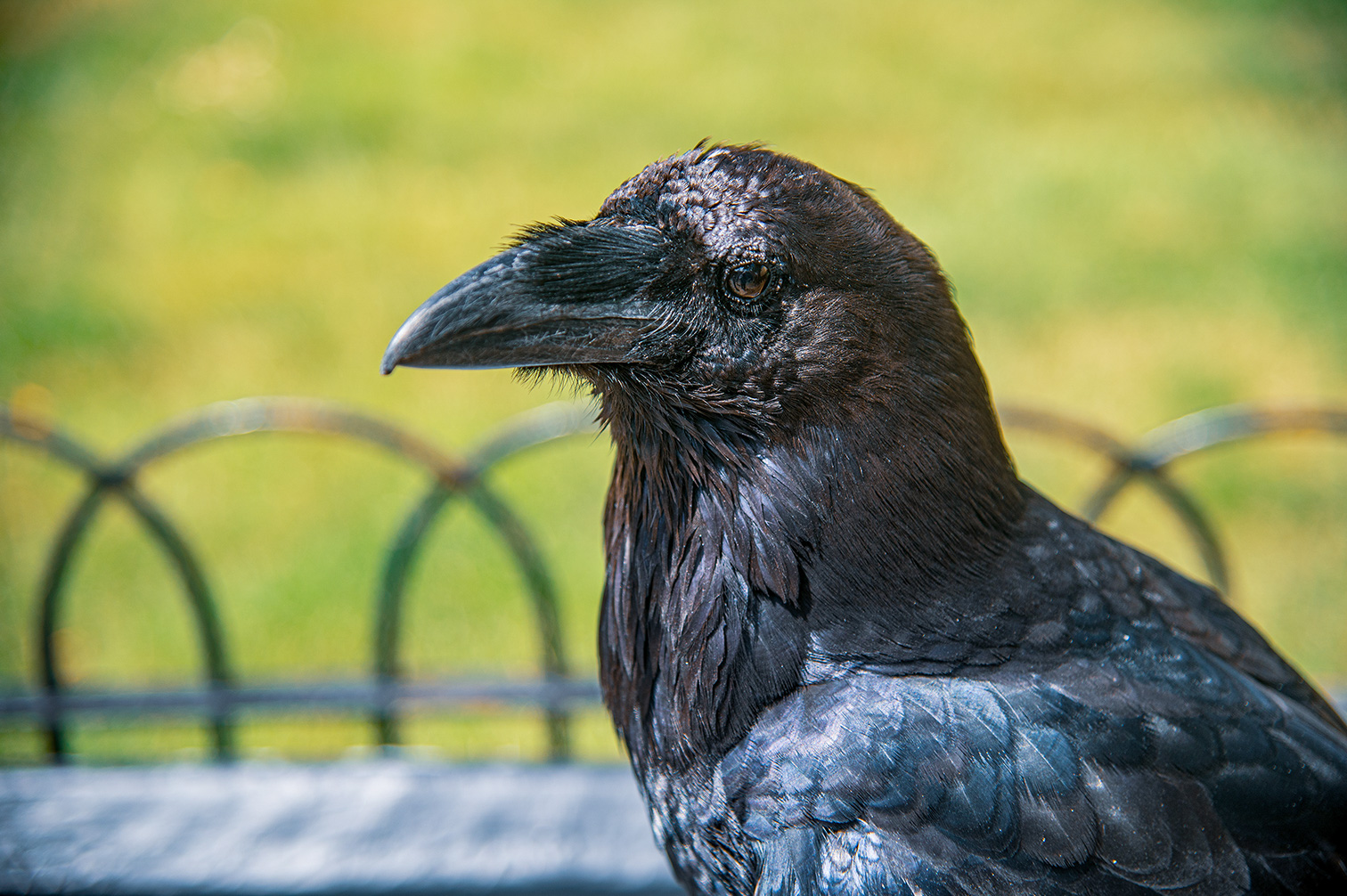
The image depicts a close-up of a black bird, likely a crow or raven, perched on a metal railing. The bird's feathers are sleek and shiny, with a pronounced texture around its head and neck. The background is blurred, featuring green and yellow hues, suggesting an outdoor setting. The bird's beak is sharp and pointed, and its eye is visible, giving it a keen and alert expression.
Raven of the Tower of London ‐ photo by ,
©www.mgaylard.co.uk.

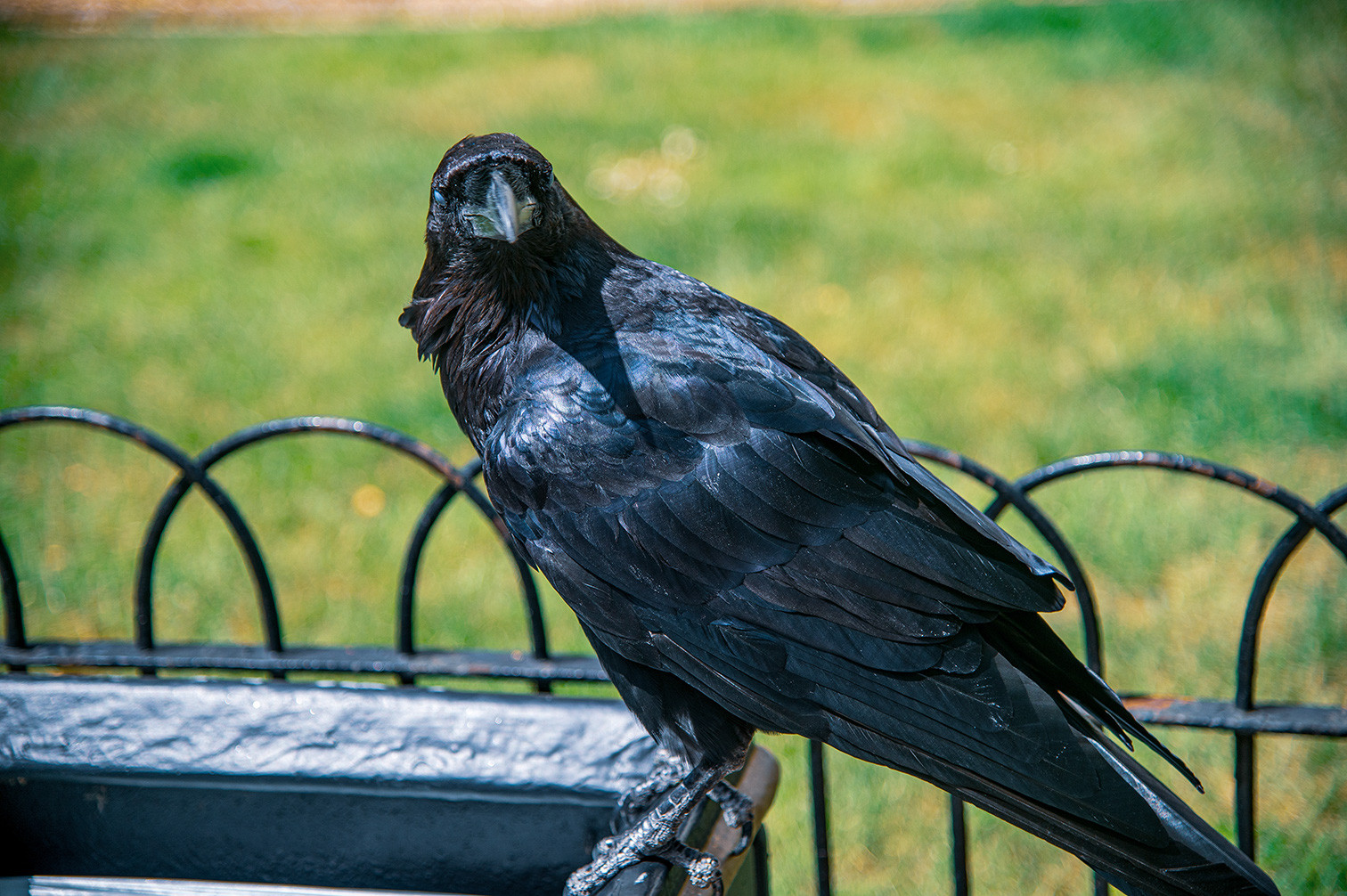
The ravens of the Tower of London are one of the fortress’s most famous and enduring symbols. According to legend, if the six resident ravens ever leave the Tower—or if there are fewer than six—the kingdom will fall.
The legend of the ravens dates back to Charles II’s reign (17th century), when the royal astronomer advised the king that the Tower would fall if the ravens were removed. This led to the tradition of keeping ravens at the Tower, which has continued to this day.
As of 2026, the Tower of London is home to six resident ravens, each named and cared for by the Yeoman Warders (Beefeaters). The ravens are free-flying and live within the Tower’s grounds. The ravens are a beloved part of the Tower’s daily life and are often featured in ceremonies and visitor interactions. They are officially the property of the Crown and are considered working birds of the Tower.
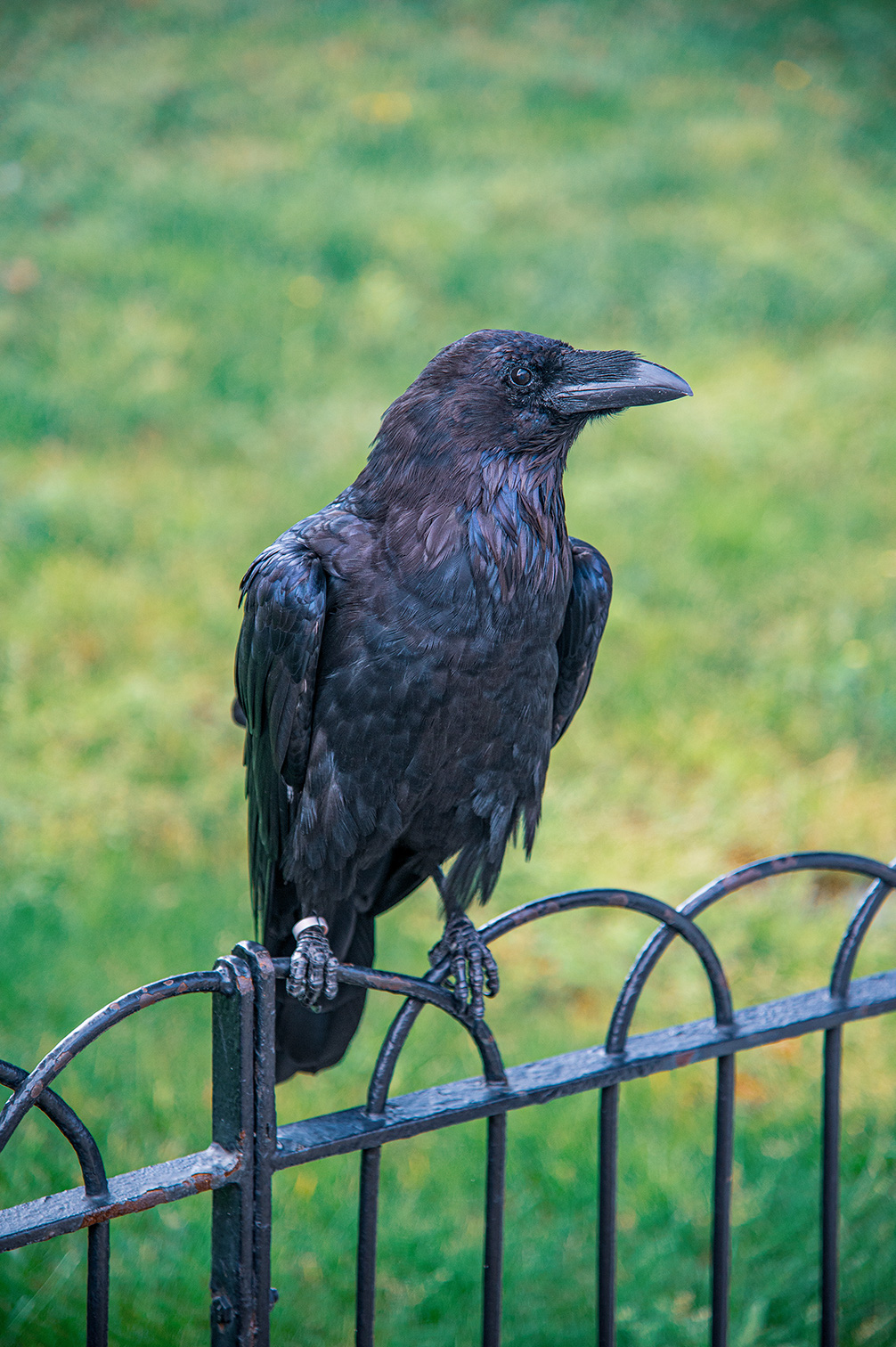
The image shows a black crow perched on a black metal fence. The bird is looking to the right, and the background consists of a grassy area with a blurred green and yellow hue.
Raven of the Tower of London ‐ photo by ,
©www.mgaylard.co.uk.
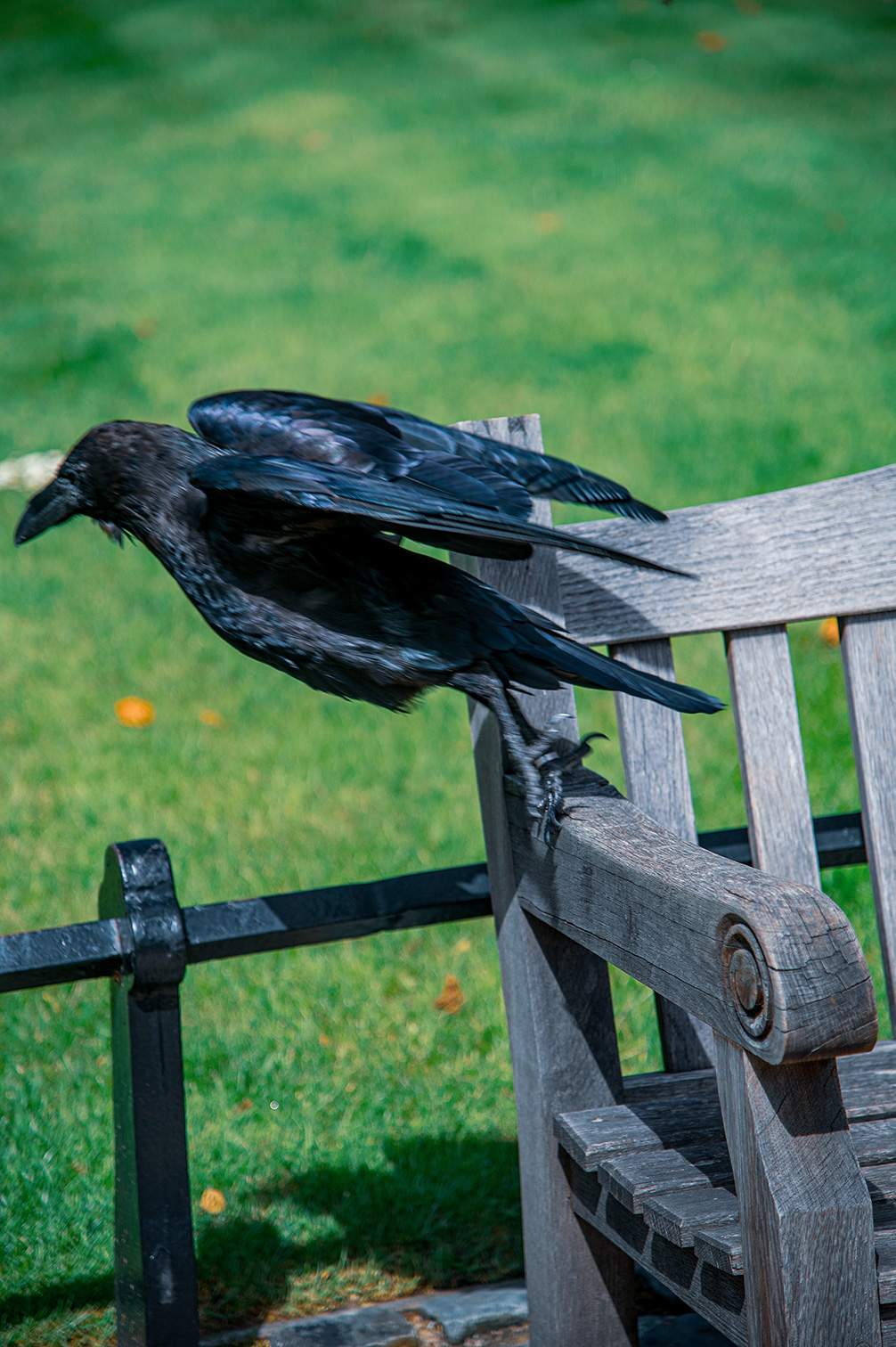
The image shows a black bird, likely a crow or raven, perched on the back of a wooden bench in a grassy area. The bird appears to be preening or adjusting its feathers. The bench is made of weathered wood and is situated outdoors, surrounded by green grass and a few fallen leaves.
Raven of the Tower of London ‐ photo by ,
©www.mgaylard.co.uk.
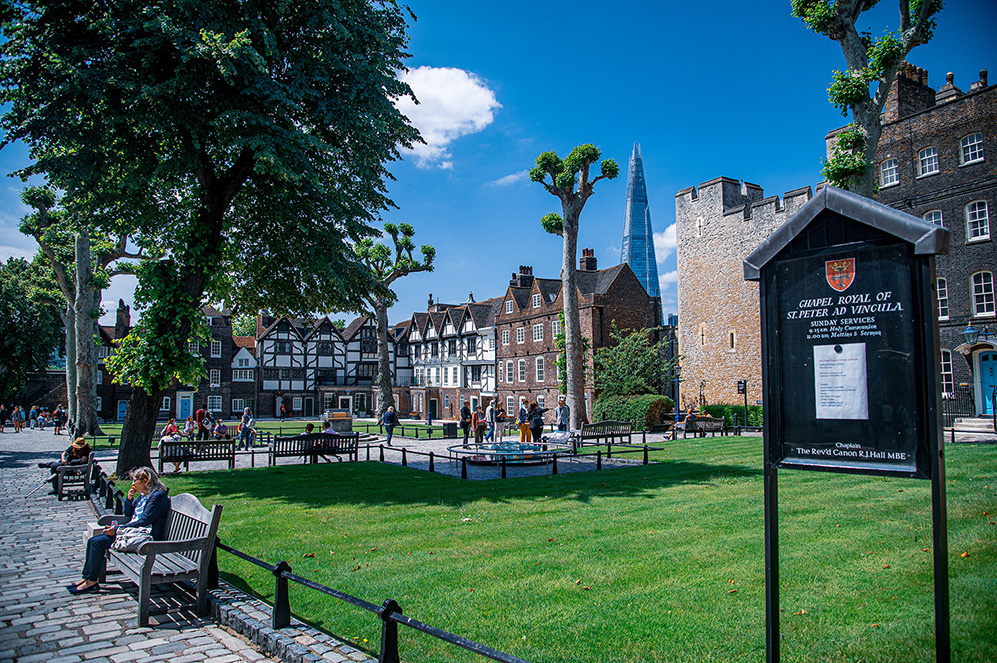
The image depicts a serene park setting with people relaxing on benches and walking around. In the background, there are historic buildings and a prominent modern skyscraper. A signboard provides information about the Chapel Royal of St. Peter ad Vincula, including details about Sunday services.
Unofficial Scaffold Site ‐ photo by ,
©www.mgaylard.co.uk.
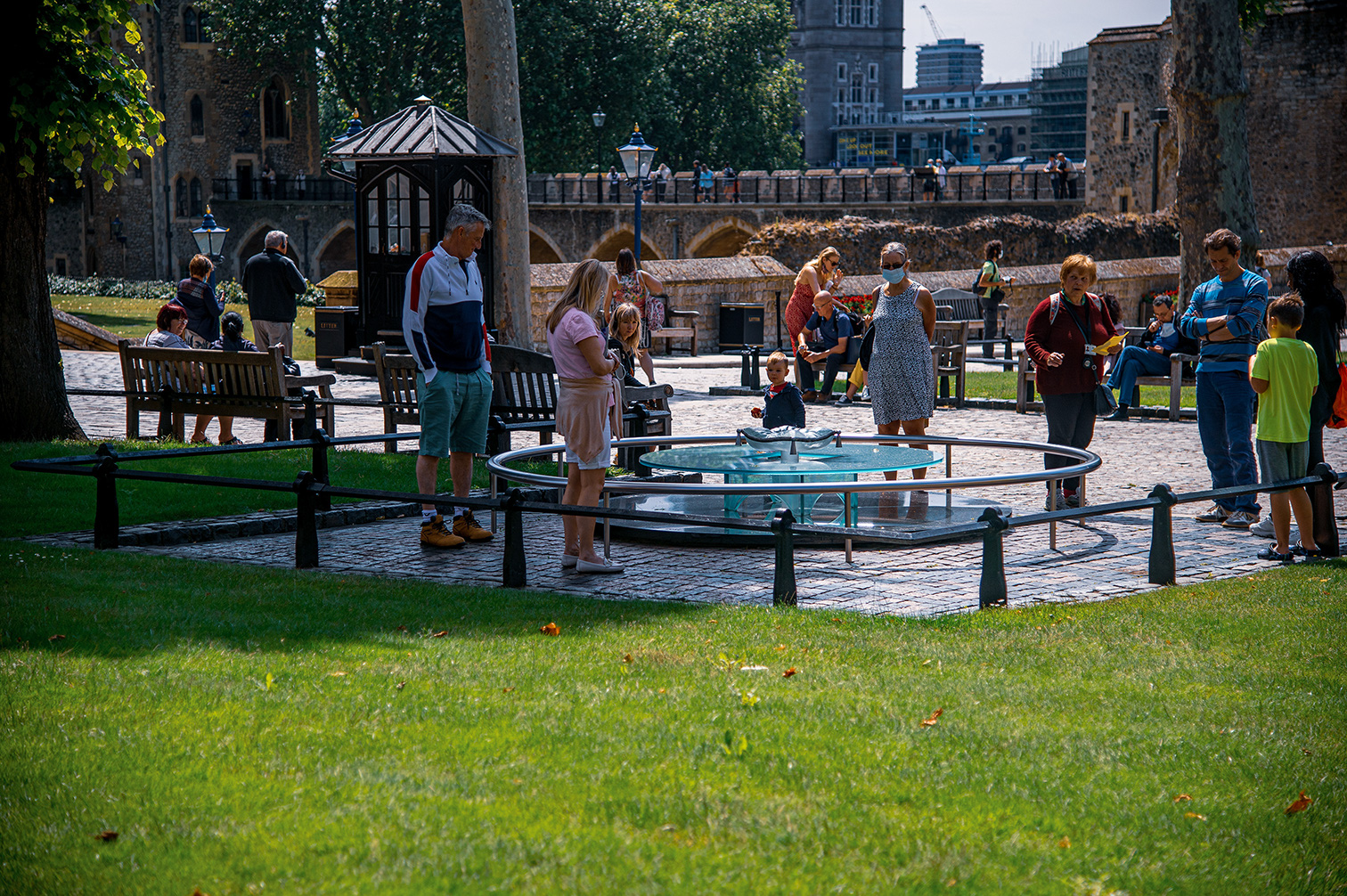
The image depicts a lively scene in a park-like setting, likely within a historic or tourist area. People of various ages are gathered around a circular fountain, engaging in conversations and observing the surroundings. The background features old stone buildings and a guard tower, suggesting a location of historical significance. The atmosphere appears relaxed and family-friendly, with individuals sitting on benches, walking around, and enjoying the day. The overall mood is calm and leisurely, with people taking time to appreciate their environment.
Unofficial Scaffold Site ‐ photo by ,
©www.mgaylard.co.uk.
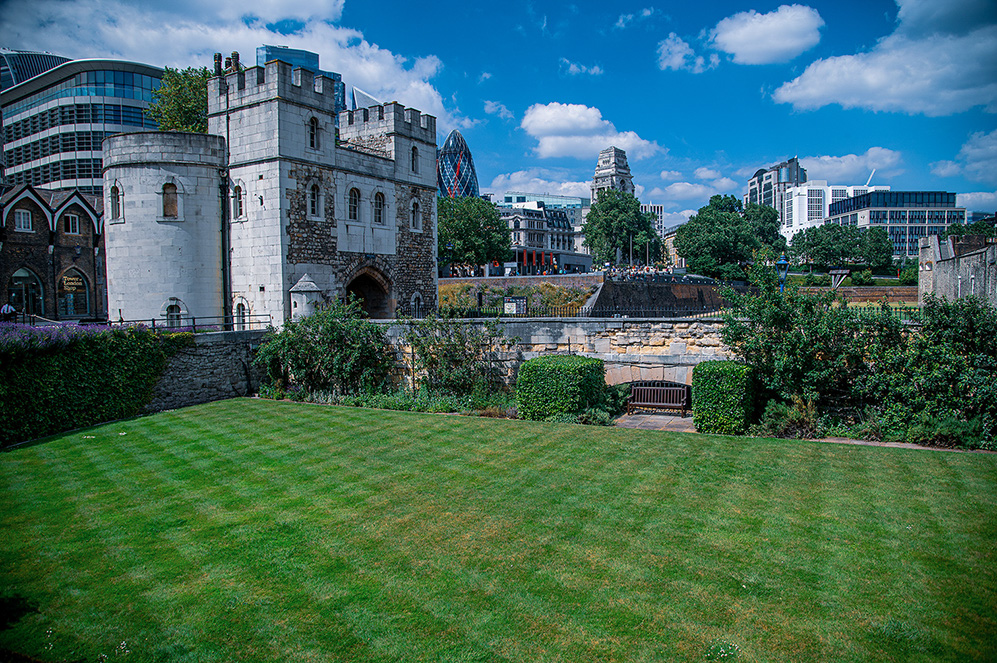
The image depicts a historic castle with modern buildings in the background, showcasing a blend of old and new architecture. The foreground features a well-maintained lawn and garden area, with a clear blue sky and scattered clouds above.
Middle Tower ‐ photo by ,
©www.mgaylard.co.uk.
The image depicts a historical building with modern structures in the background. The scene includes a person sitting on a bench and another walking near a fenced garden area with yellow flowers. The setting appears to be a public space with cobblestone paths and trash bins.
Middle Tower ‐ photo by ,
©www.mgaylard.co.uk.
The image depicts a historic castle with stone walls and towers, likely a medieval fortress. The scene includes a cobblestone path leading up to the castle entrance, with a few people walking along the path. The sky is clear with some clouds, and there are trees visible on the right side of the image. The castle features battlements and a prominent gatehouse, indicating its defensive purpose.
Traitors' Gate ‐ photo by ,
©www.mgaylard.co.uk.
The image depicts a historic castle courtyard with stone buildings, towers, and cobblestone paths. Several people are seen walking and standing around, possibly tourists exploring the site. The architecture features arched doorways, wooden-framed windows, and a mix of stone textures. The sky is clear with some clouds, suggesting a sunny day. The overall atmosphere is that of a well-preserved historical site, likely a popular tourist destination.
Traitors' Gate ‐ photo by ,
©www.mgaylard.co.uk.
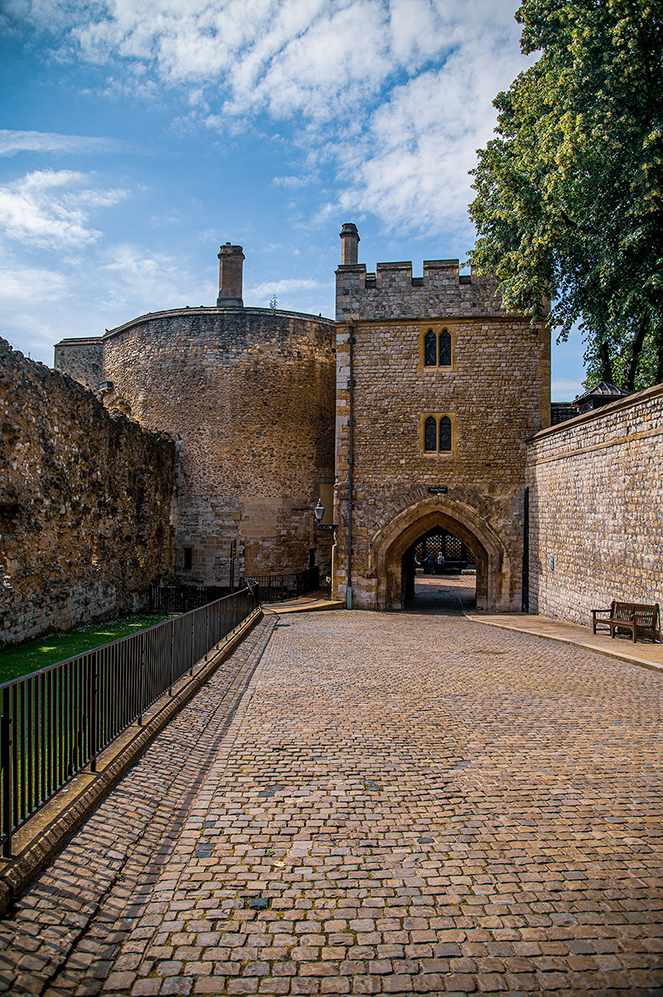
The image depicts a historic stone structure, likely part of a castle or fortress, featuring a cobblestone pathway leading to an arched gateway. The architecture includes a round tower on the left and a square tower with battlements on the right. The sky is partly cloudy, and there is greenery visible on the right side of the image. The pathway is bordered by a metal fence on the left and a stone wall on the right, with a bench visible on the right side near the wall.
Wakefield Tower ‐ photo by ,
©www.mgaylard.co.uk.
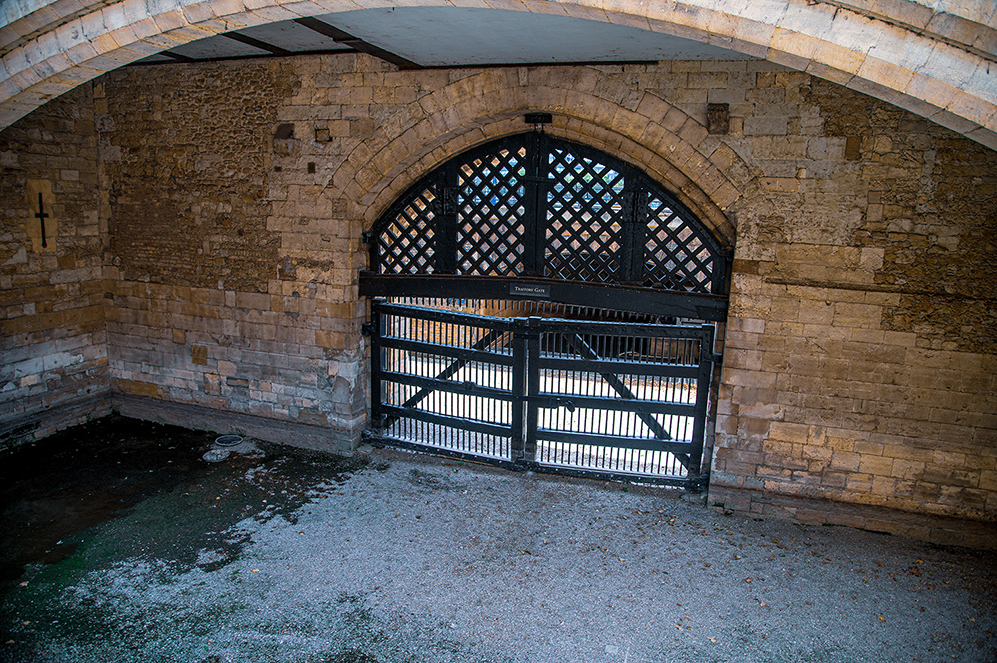
The image depicts an arched entrance made of stone bricks with a metal gate. The gate is designed with a combination of diamond and rectangular patterns. The ground in front of the gate appears to be wet, possibly due to a small puddle of water. The structure has a historical or industrial appearance, with a cross symbol visible on the left wall. The gate is labeled with the text 'Tower Gate'.
Traitors' Gate ‐ photo by ,
©www.mgaylard.co.uk.
The image depicts an old stone archway with a wooden gate leading to a water-filled passage. The structure appears to be part of a historical or medieval building, featuring intricate stonework and a cross symbol on the wall. The water level is high, nearly reaching the bottom of the gate.
Traitors' Gate ‐ photo by ,
©www.mgaylard.co.uk.
Open the full set flickr button this page

Tower of London

Perched upon the northern bank of the River Thames, the Tower of London stands as a sentinel of stone and story, a fortress woven into the very fabric of England’s history. Its walls, weathered by centuries, whisper of kings and queens, of triumph and treachery, of crowns won and lost. From its origins as a Norman stronghold to its role as a royal palace, armory, treasury, and infamous prison, the Tower is a living chronicle of power, punishment, and pageantry.

A Palace of Power and Pomposity

For centuries, the Tower served as a royal residence, a place where monarchs held court, celebrated victories, and displayed their wealth. Henry III and Edward I expanded the fortress, adding concentric walls, towers, and a moat, transforming it into a labyrinth of stone. The Tower became a stage for coronation processions, royal weddings, and lavish feasts. Yet, beneath the gilded surface, its dungeons echoed with the groans of prisoners—nobles and commoners alike—who had fallen afoul of the Crown.

The Bloody Tower and the Shadows of Treason

The Tower’s most infamous chapter is written in blood. Anne Boleyn, the second wife of Henry VIII, was imprisoned here in 1536, accused of adultery and treason. Her execution on Tower Green marked the beginning of the Tower’s reputation as a place of no return. Lady Jane Grey, the “Nine Days’ Queen,” met her end here at just sixteen, a pawn in the deadly game of Tudor politics. The princes in the Tower—Edward V and his brother Richard—vanished within its walls in 1483, their fate a mystery that haunts history to this day.

The Crown Jewels: A Dazzling Legacy

Within the Tower’s vaults lies a treasure trove of unparalleled splendor: the Crown Jewels. Used in coronation ceremonies since the 12th century, these regalia—sceptres, orbs, and crowns—are encrusted with gems that have witnessed the rise and fall of dynasties. The Imperial State Crown, worn by monarchs at the State Opening of Parliament, glitters with the Black Prince’s Ruby and the Stuart Sapphire, stones steeped in legend and lore.

The Tower Today: A Monument to Memory

Today, the Tower of London is a UNESCO World Heritage Site, a museum of arms and armor, and a sanctuary for the legendary ravens. According to myth, should the ravens ever leave, the Tower—and the kingdom—will fall. Under the care of the Yeoman Warders, or “Beefeaters,” the Tower continues to guard its secrets, its stones bearing the weight of a thousand years.

References

Chapel Royal of St Peter ad Vinculawww.hrp.org.ukwhc.unesco.orgwww.rct.ukwww.british-history.ac.uk , Text generated by Mistral AI
To the top
Powered by w3.css. The images are all stored on link to www.gaylard.co.uk Photostream on Flickr   This website is hosted by link to 123Reg Web Hosting