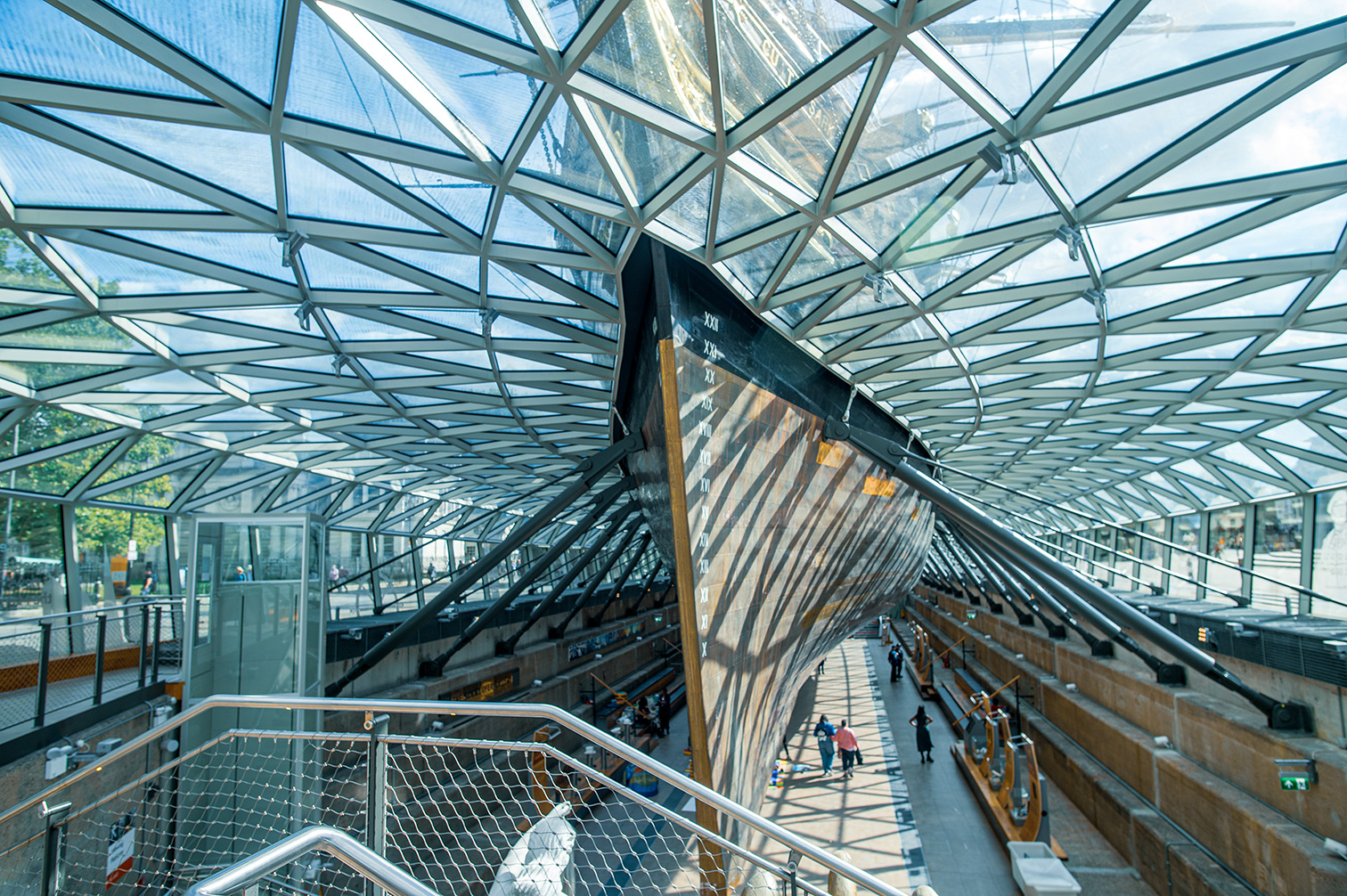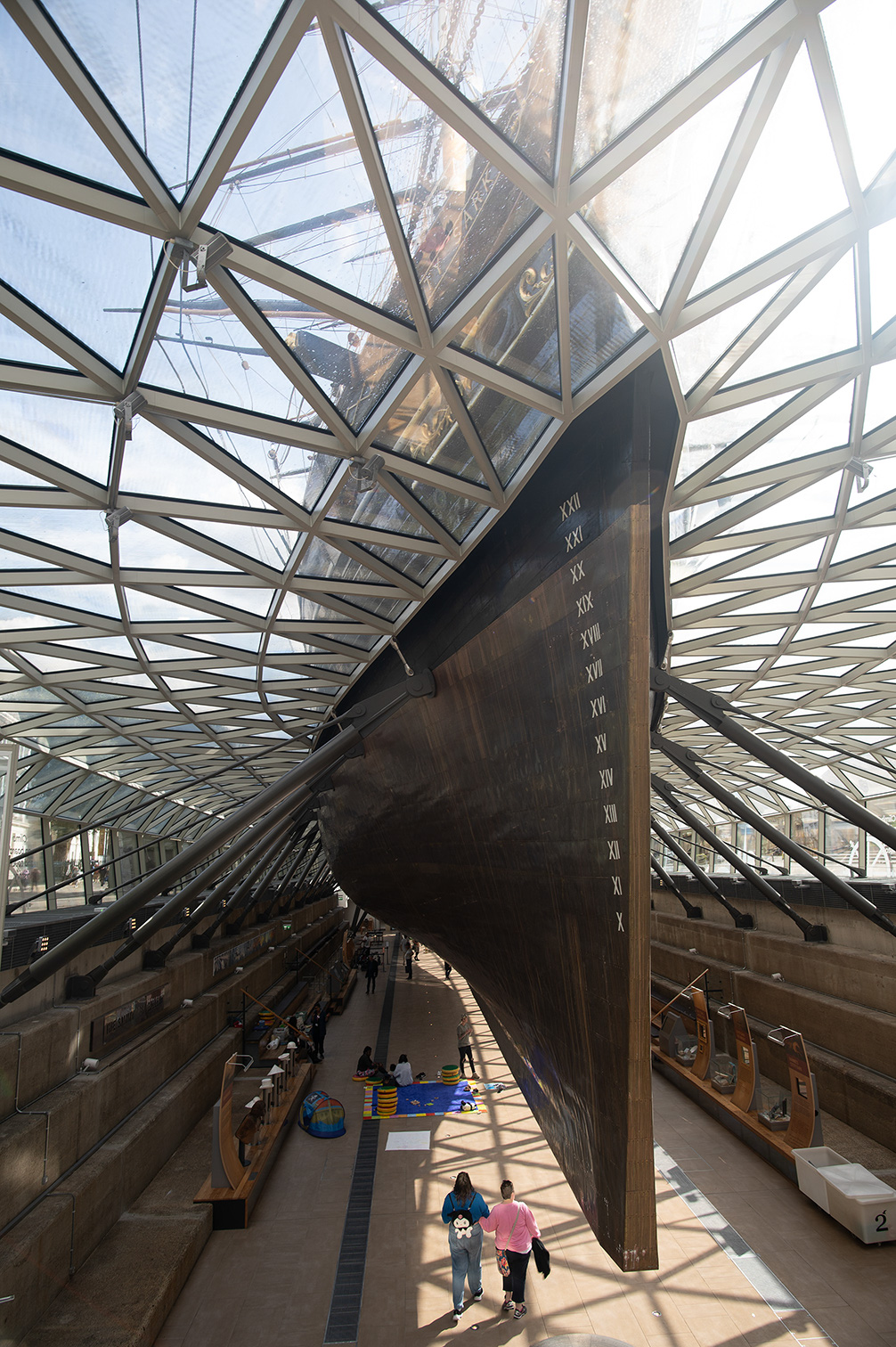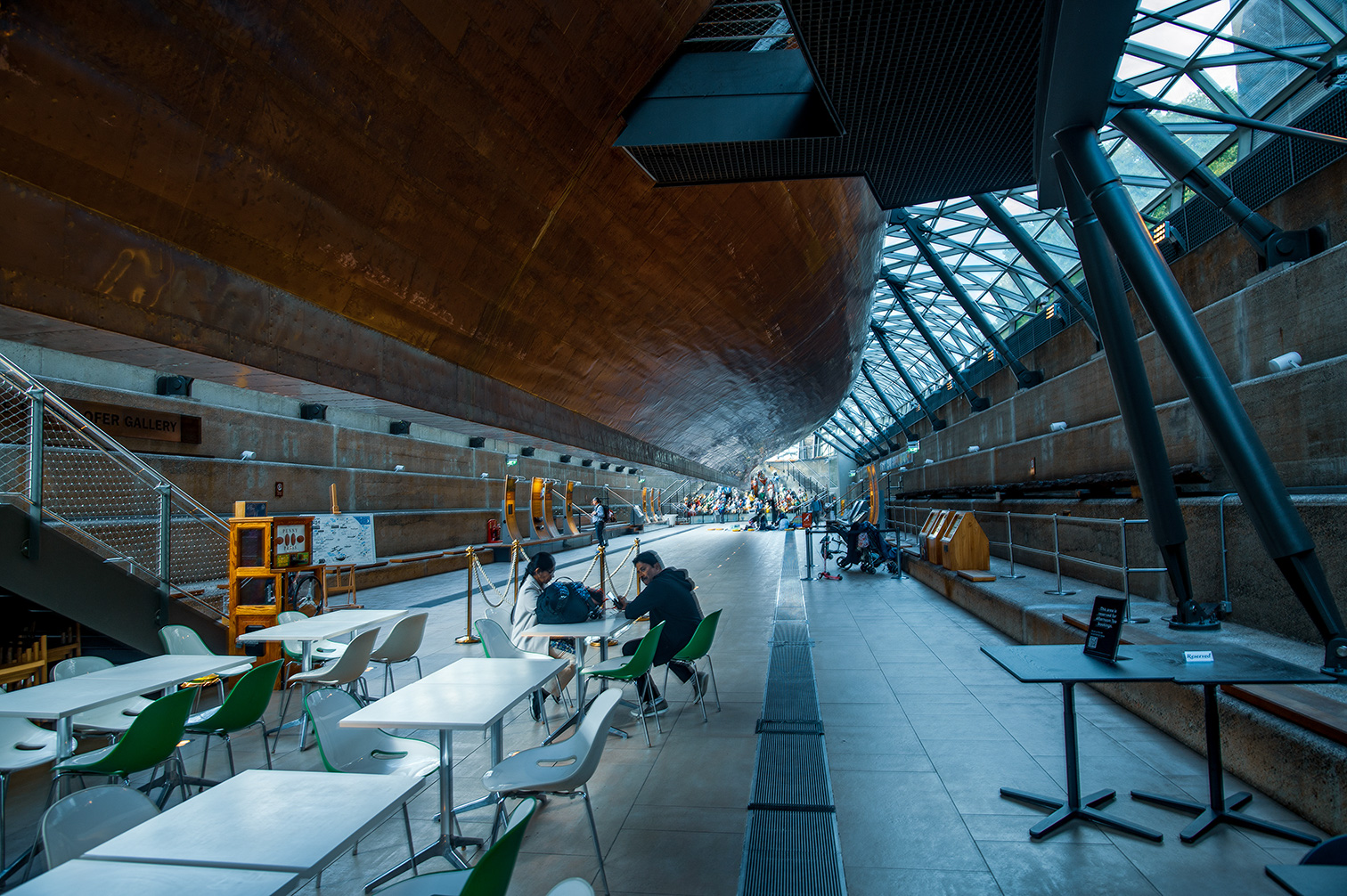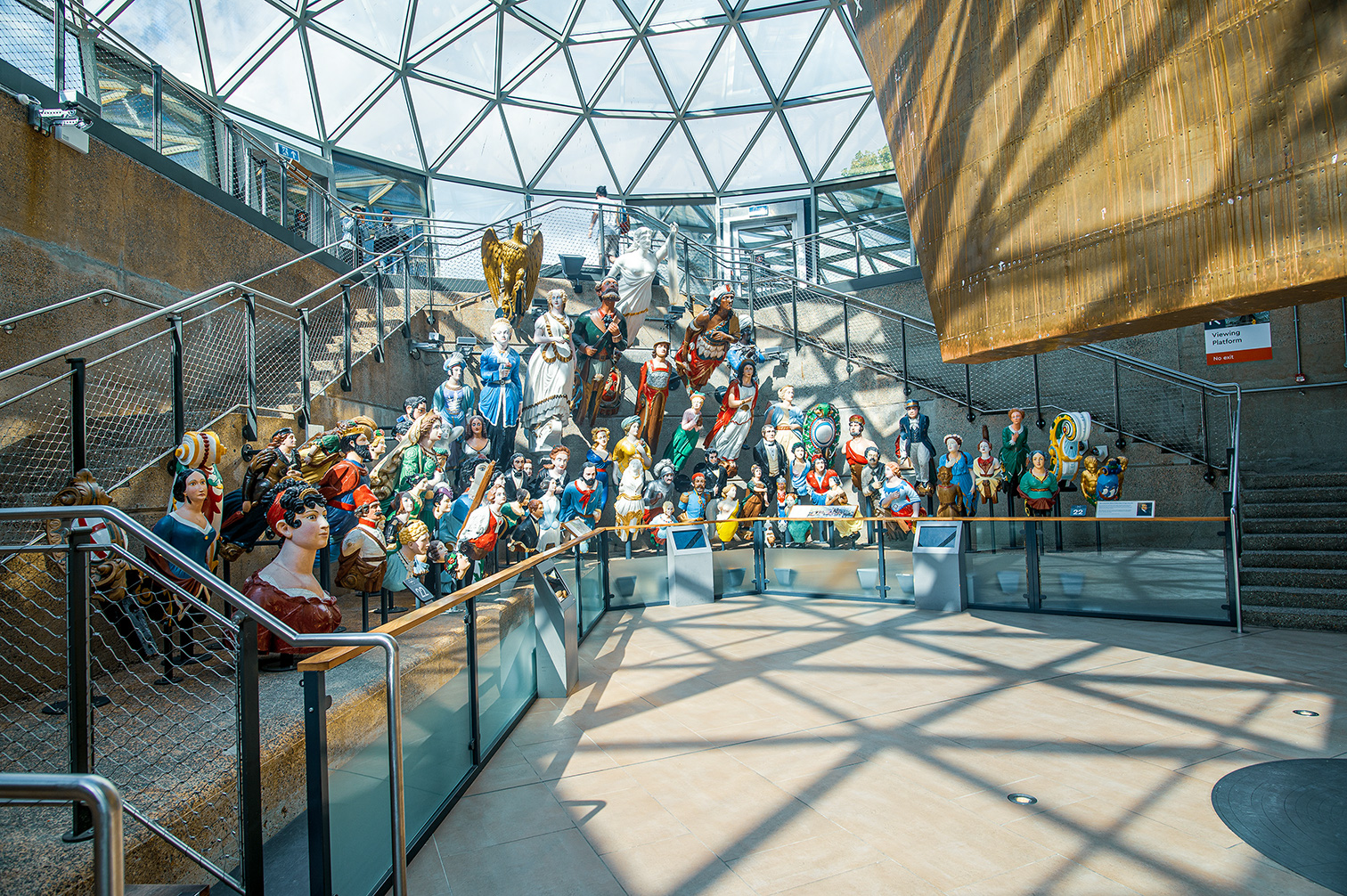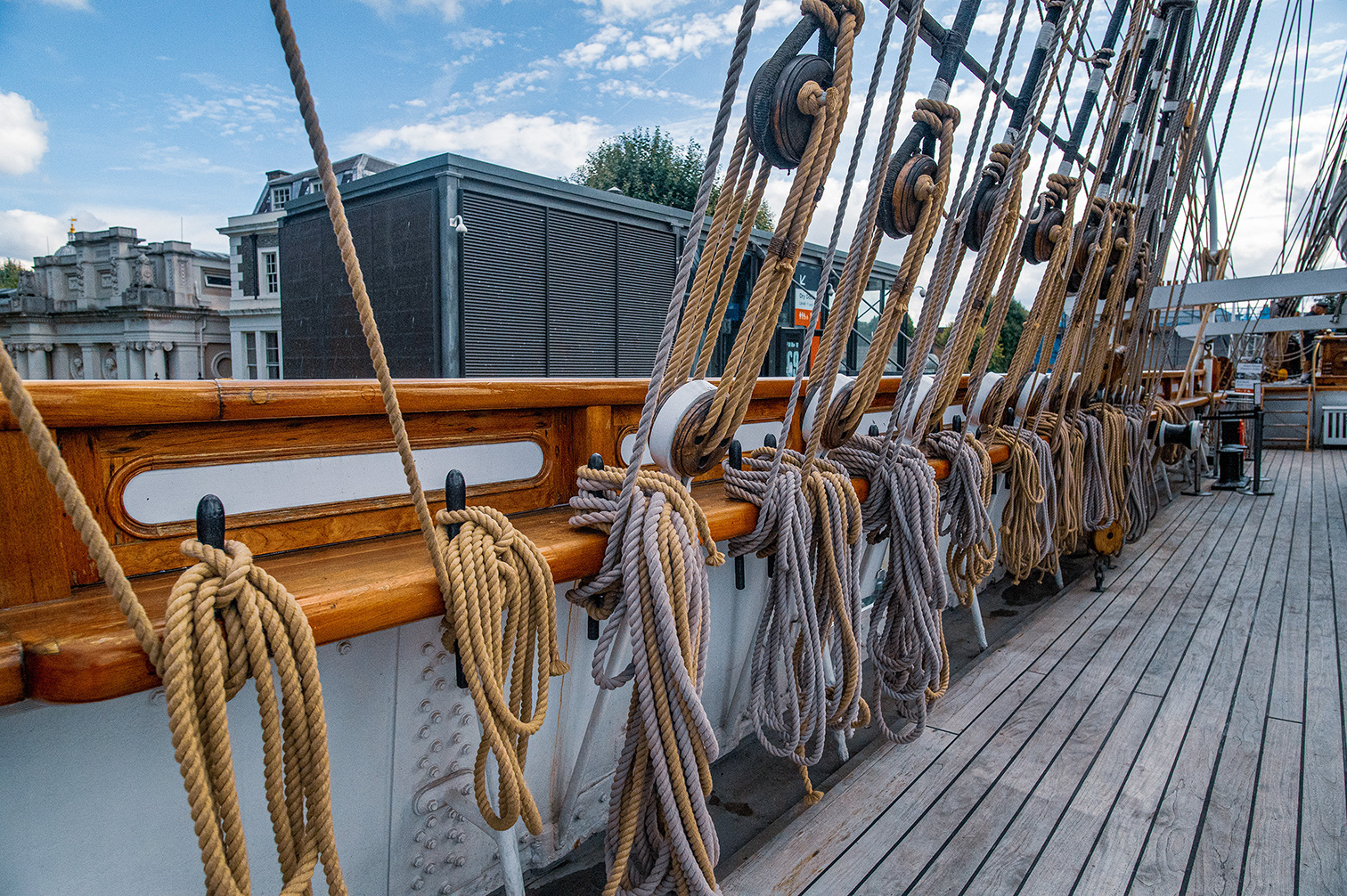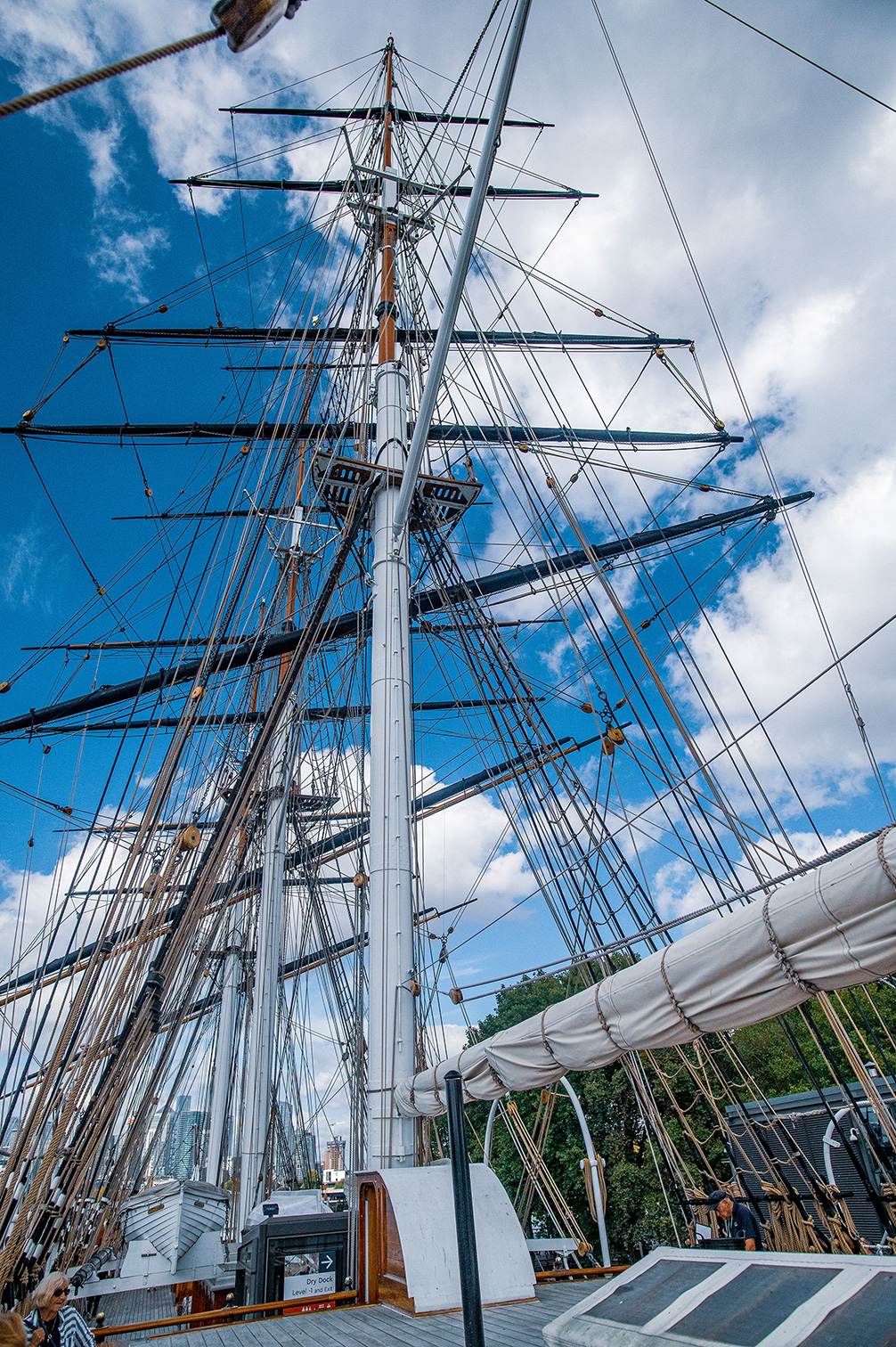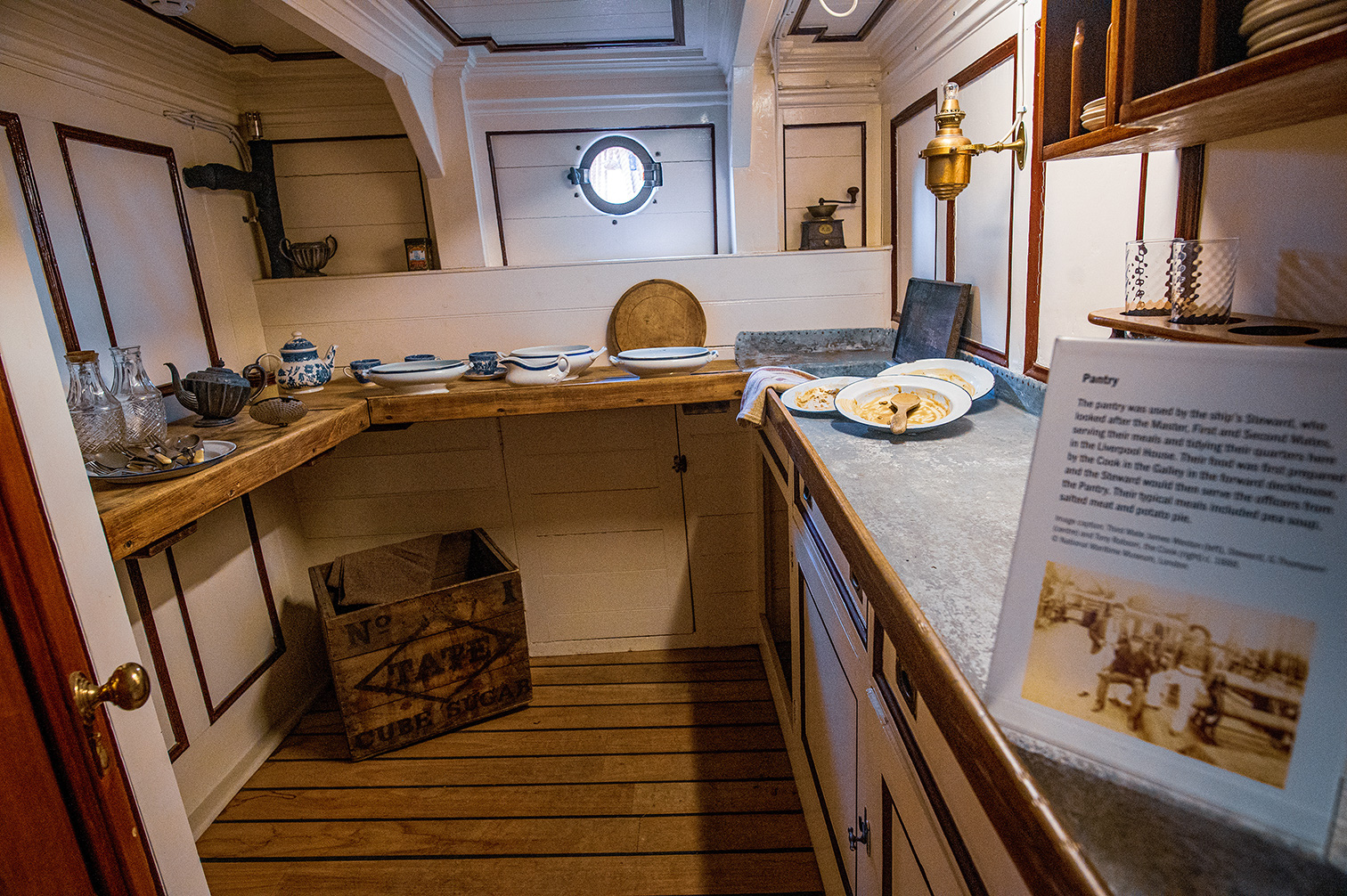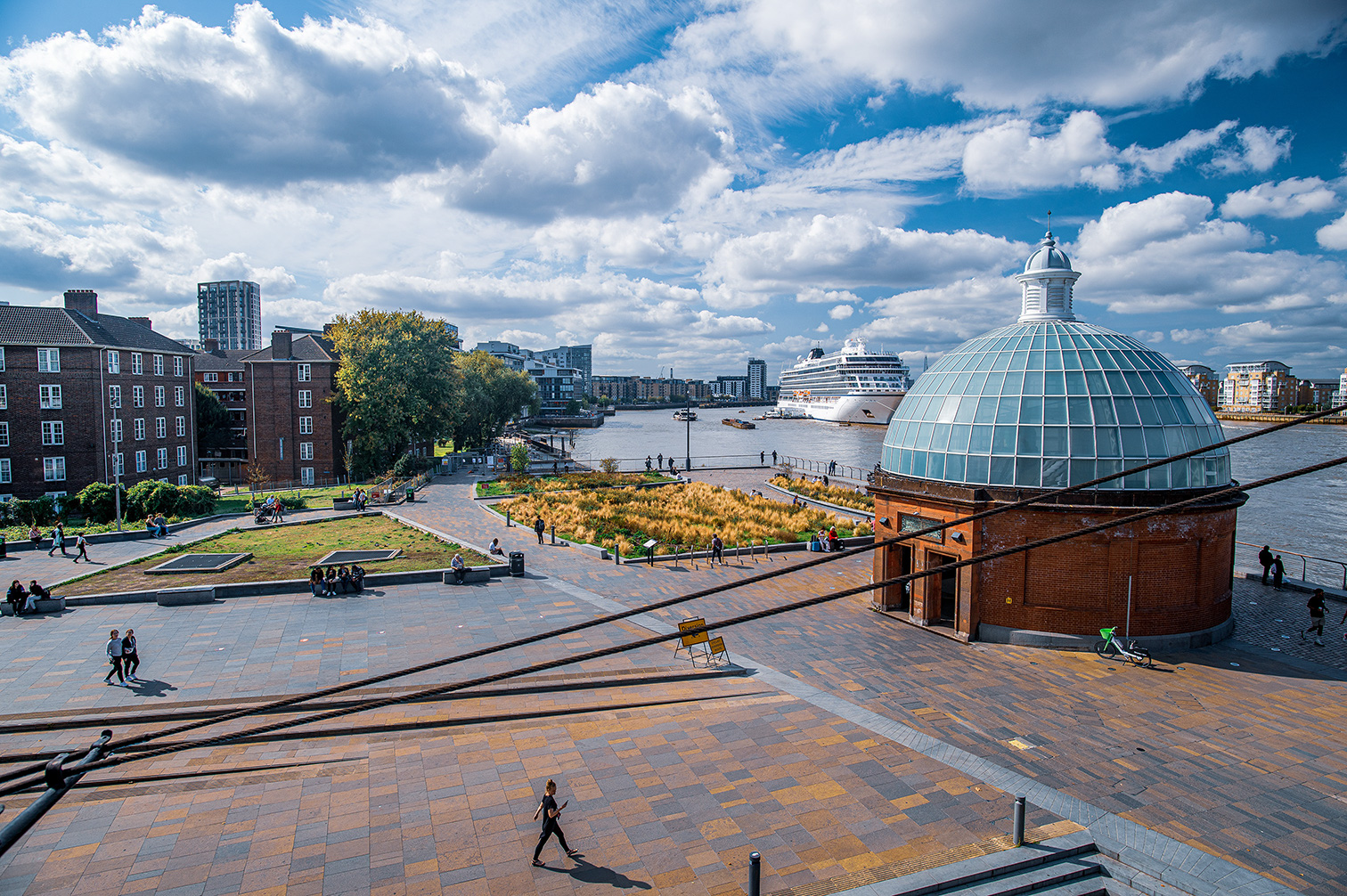


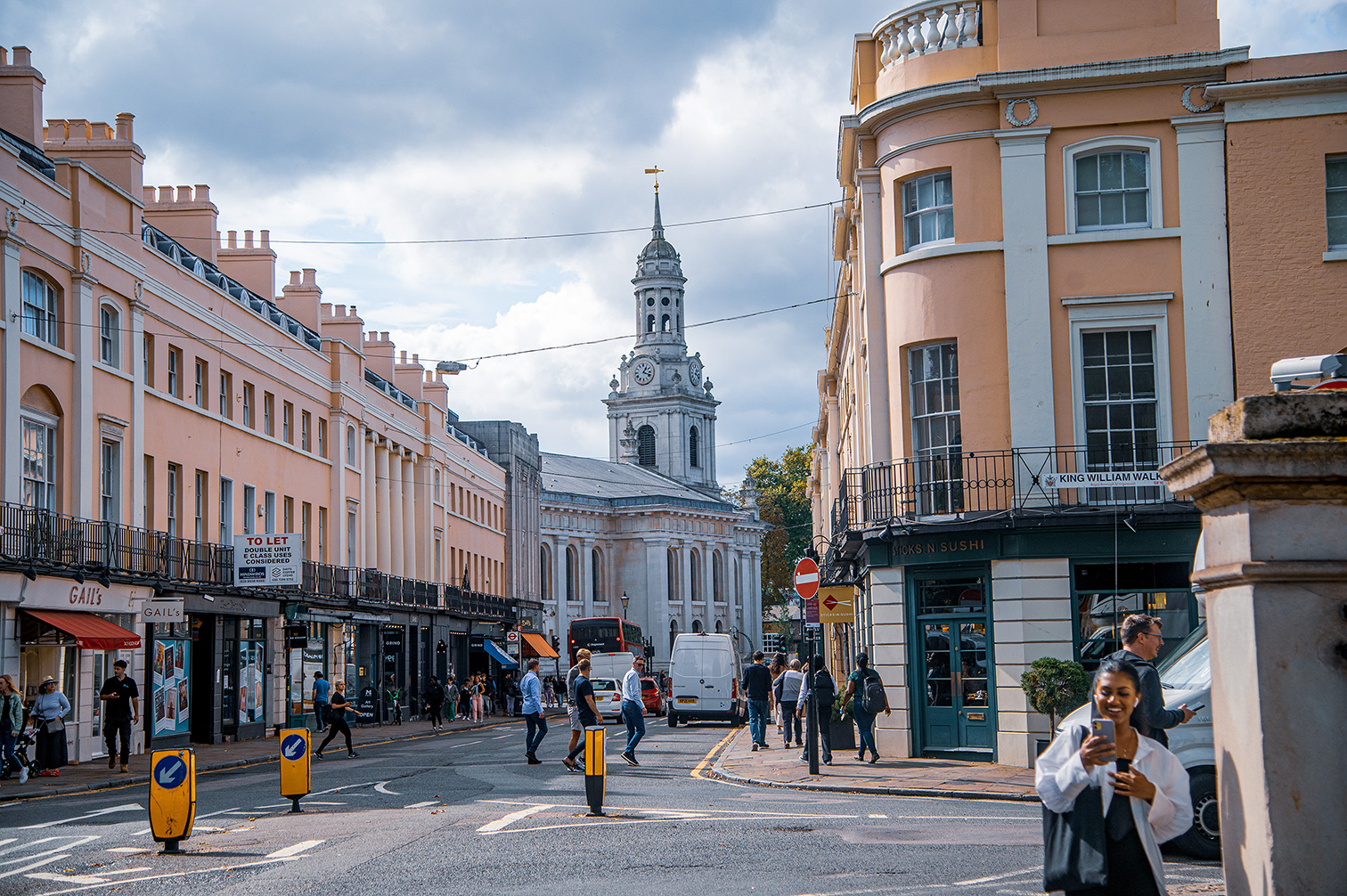
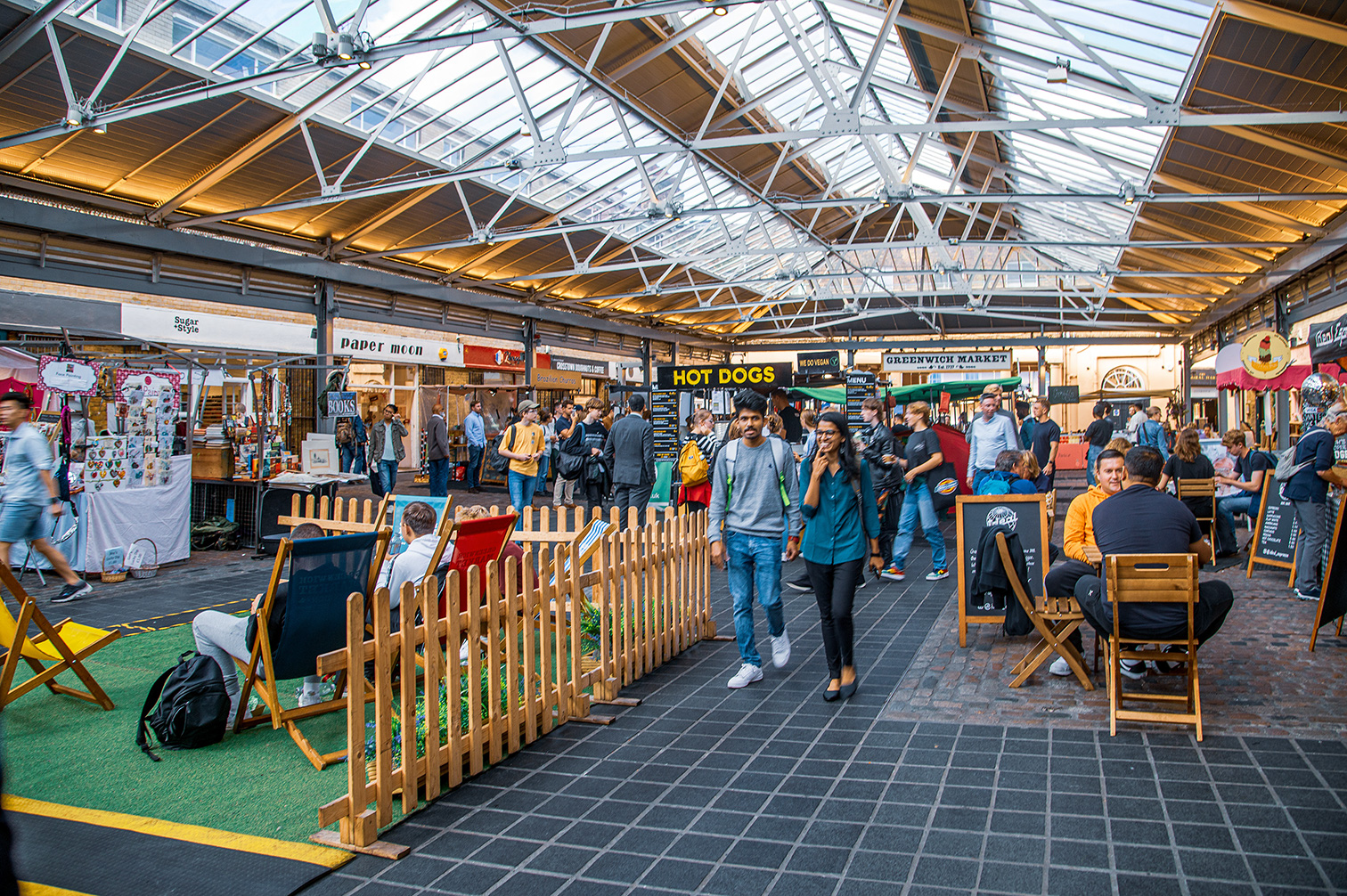
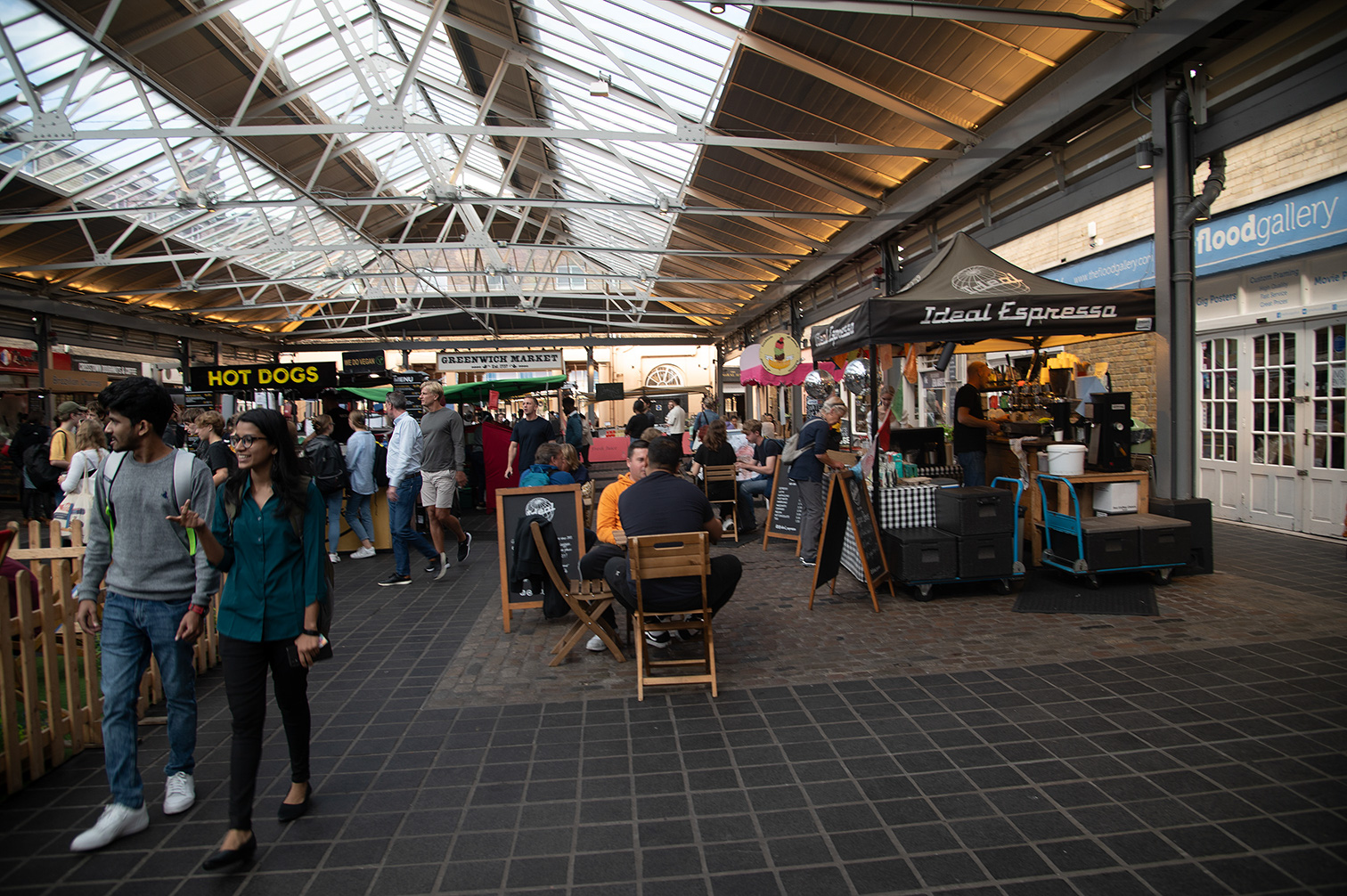
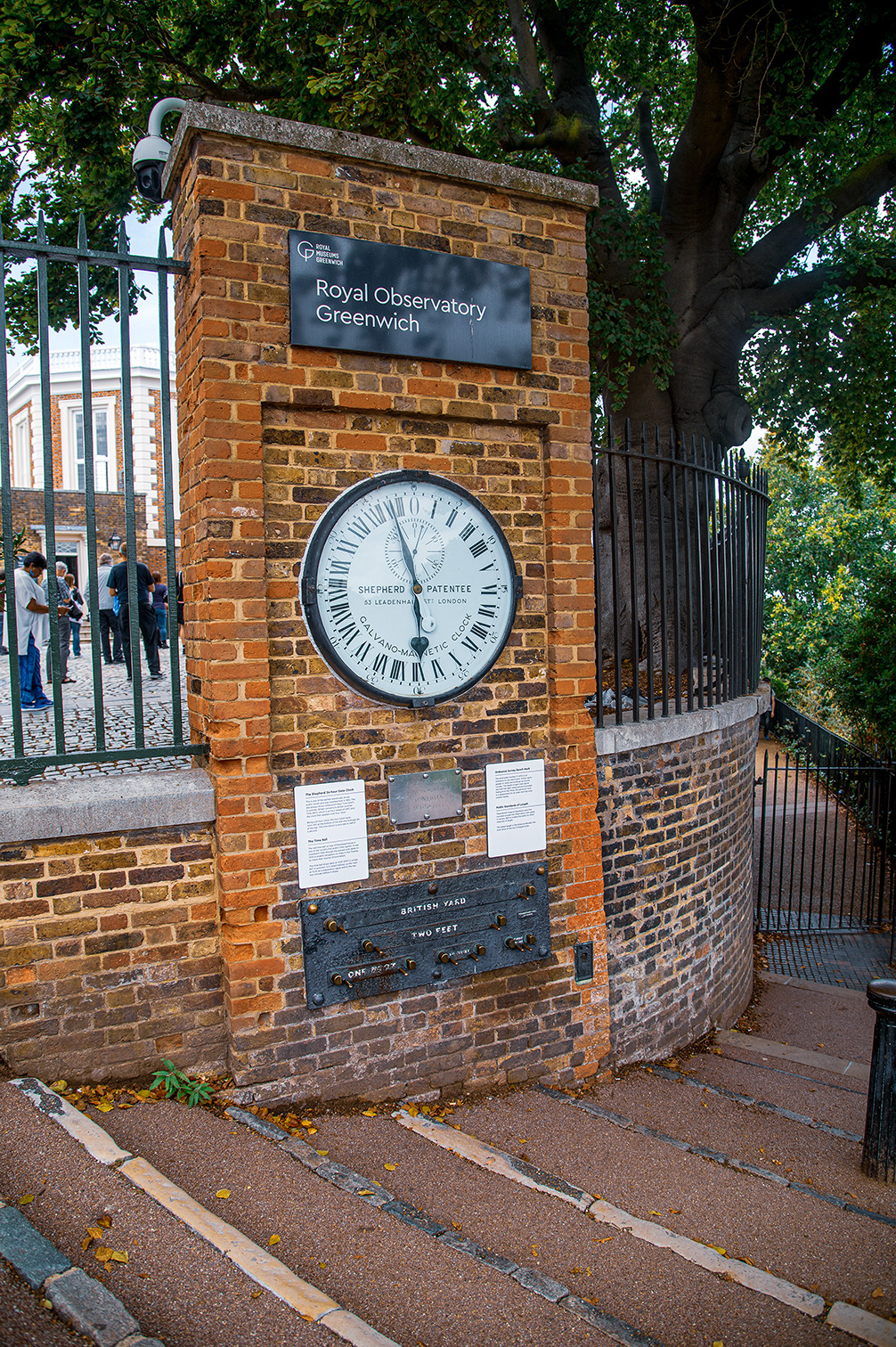
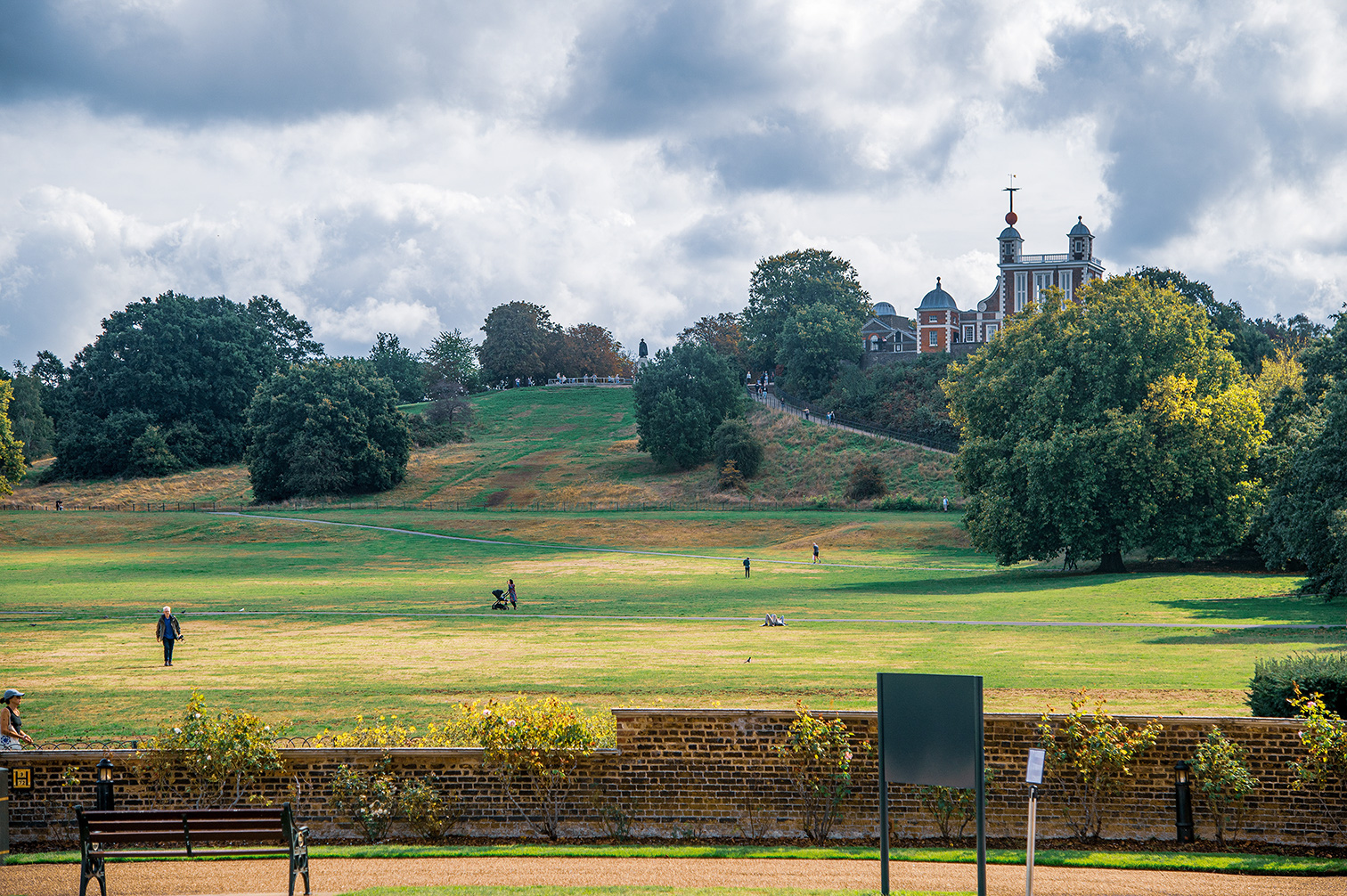
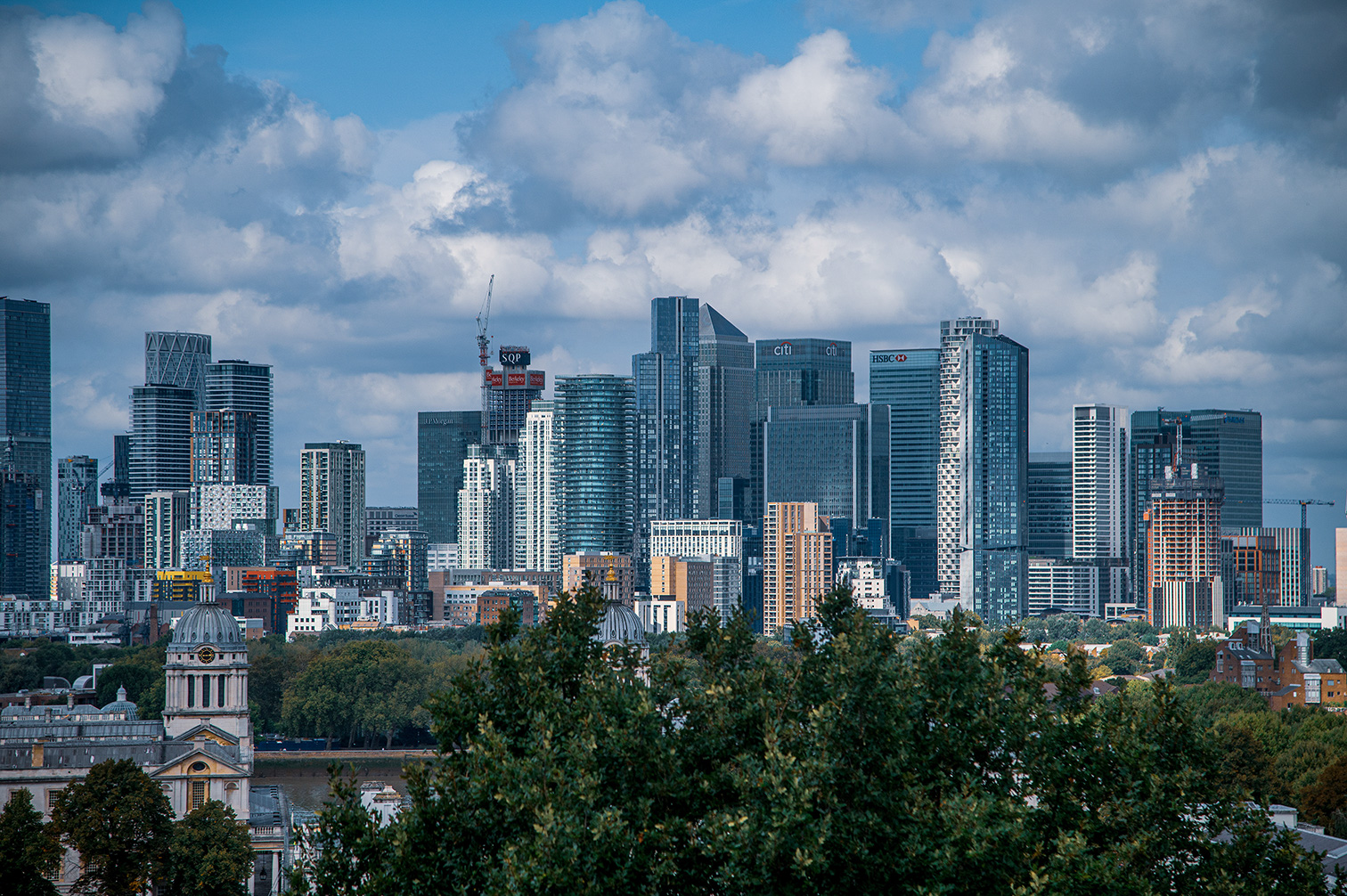
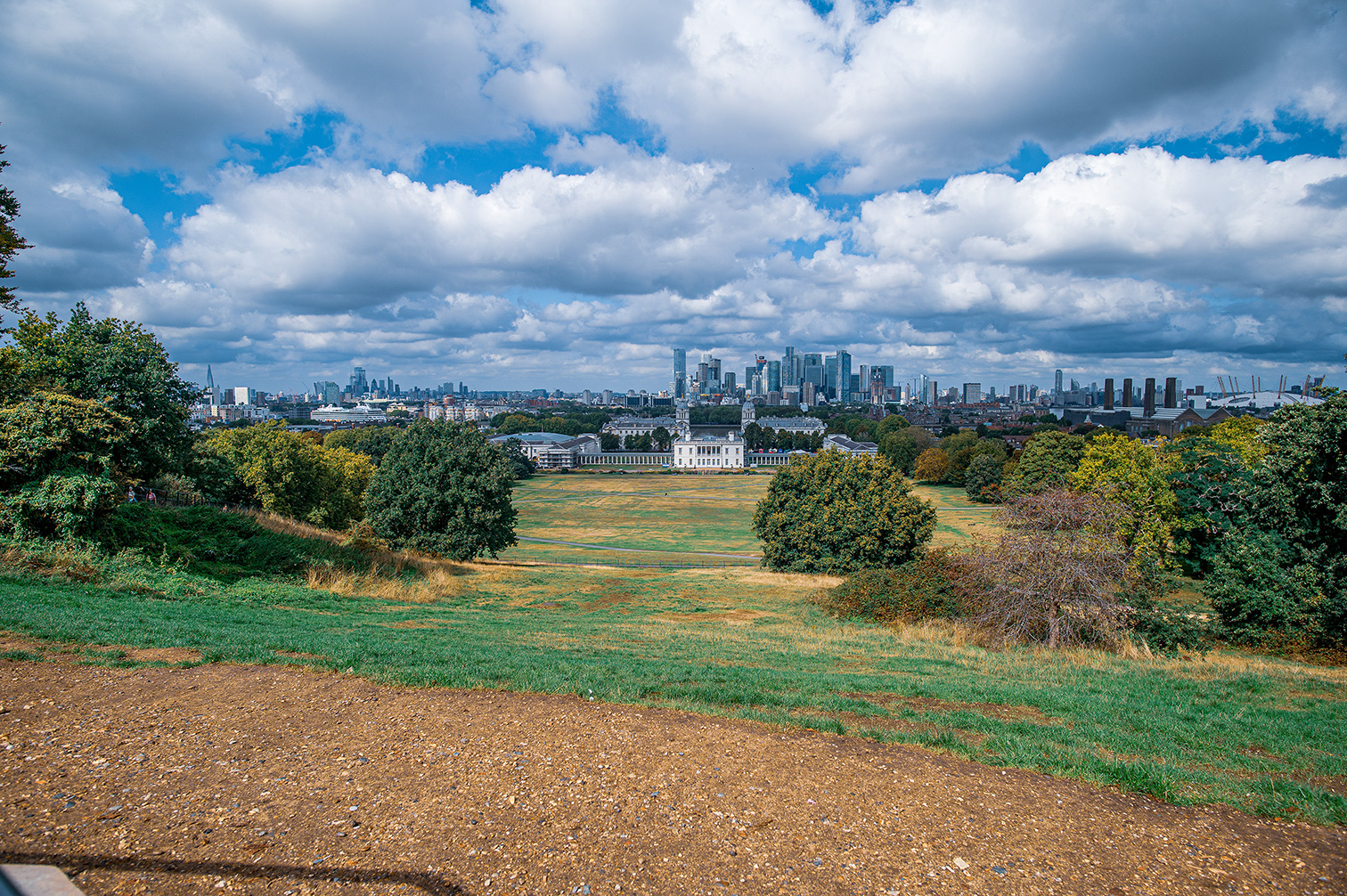
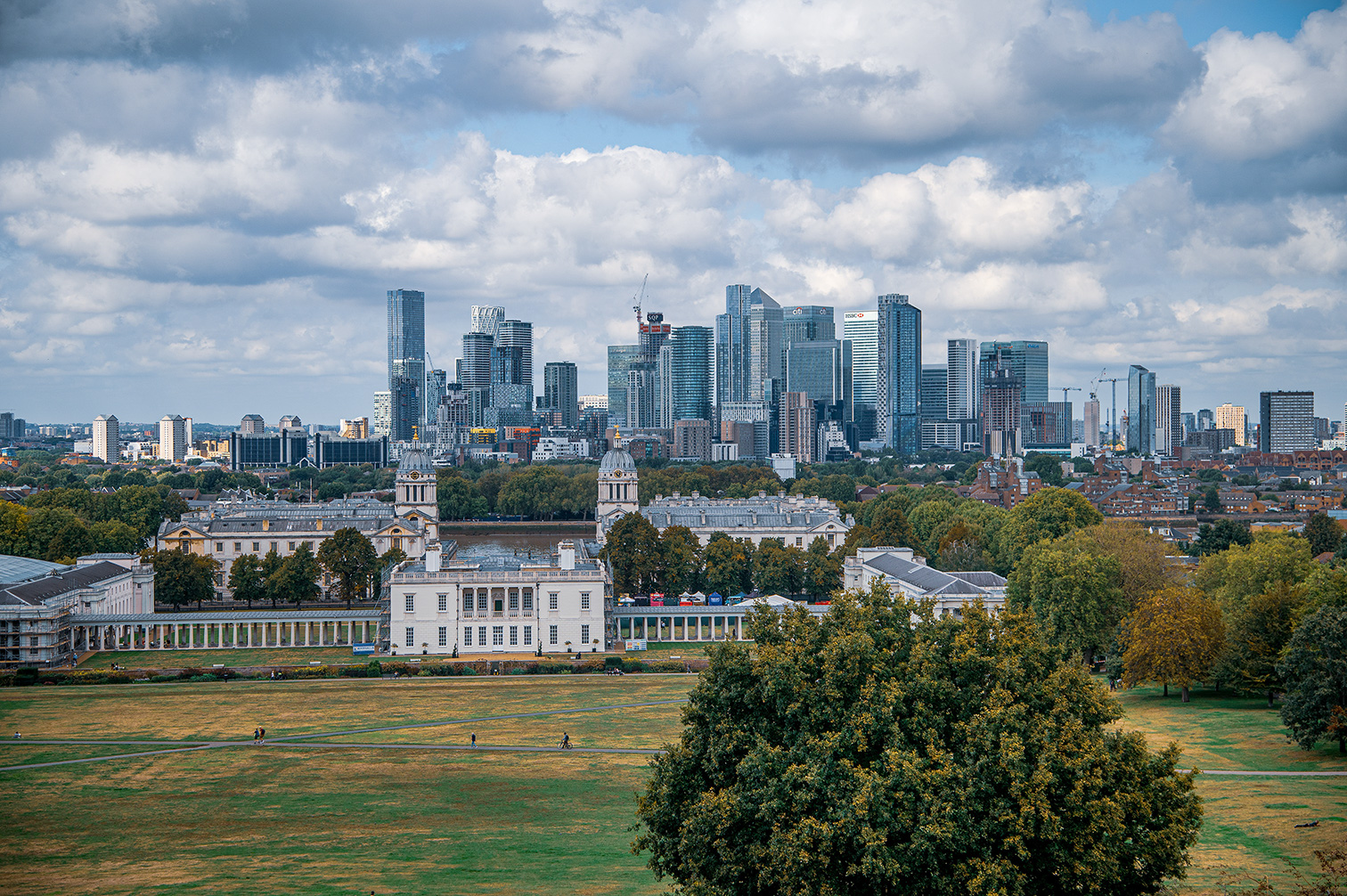
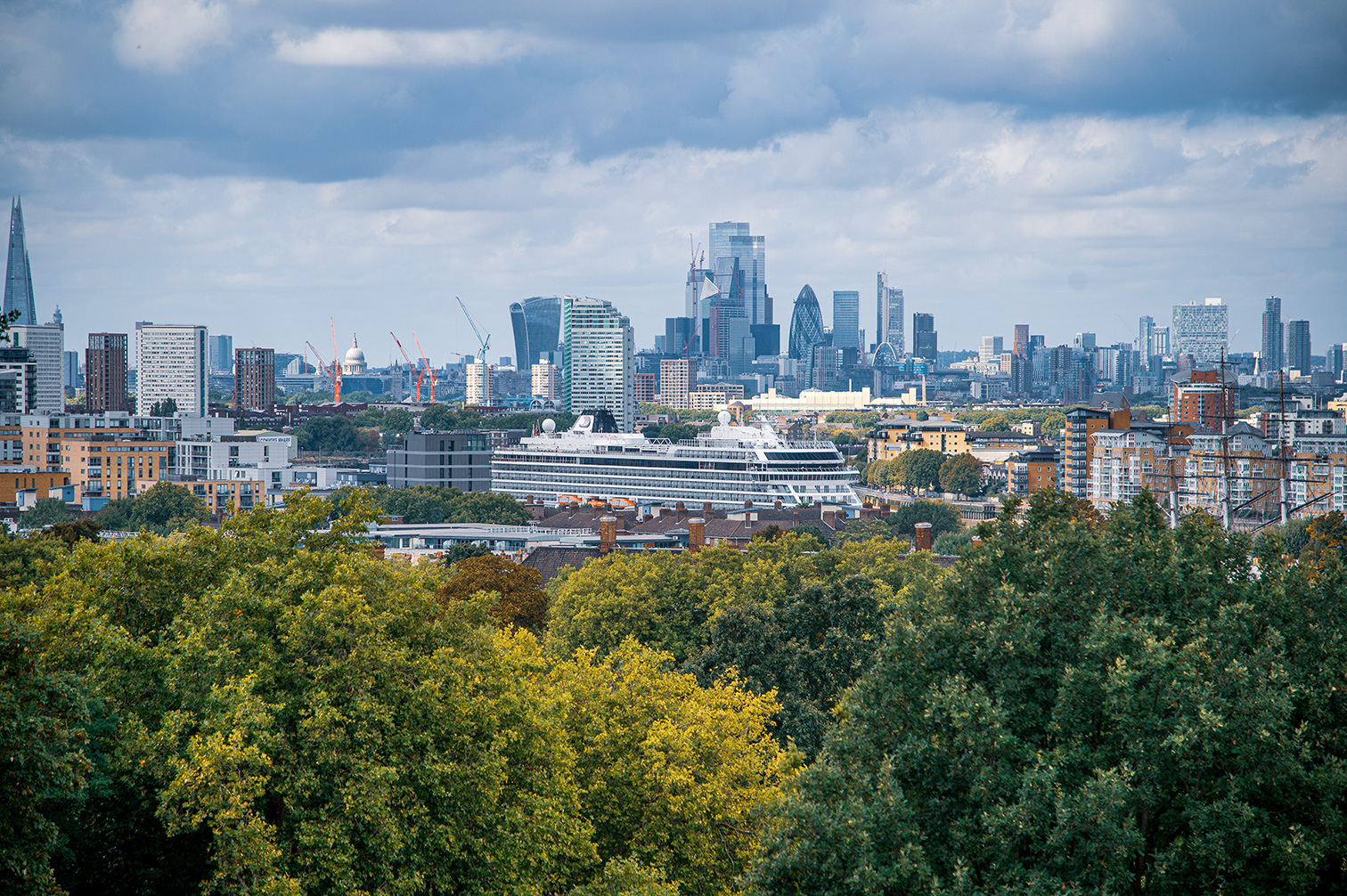
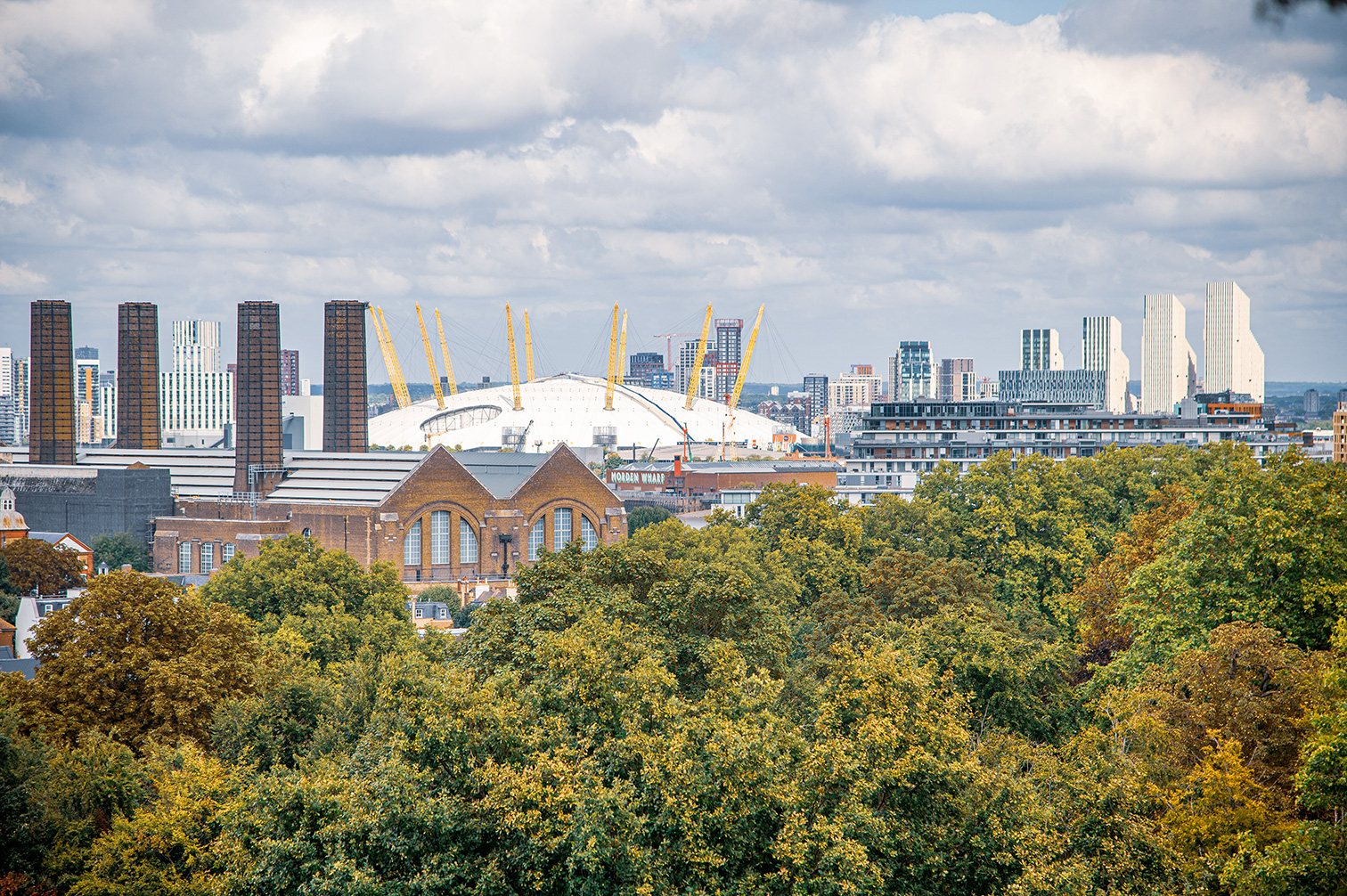

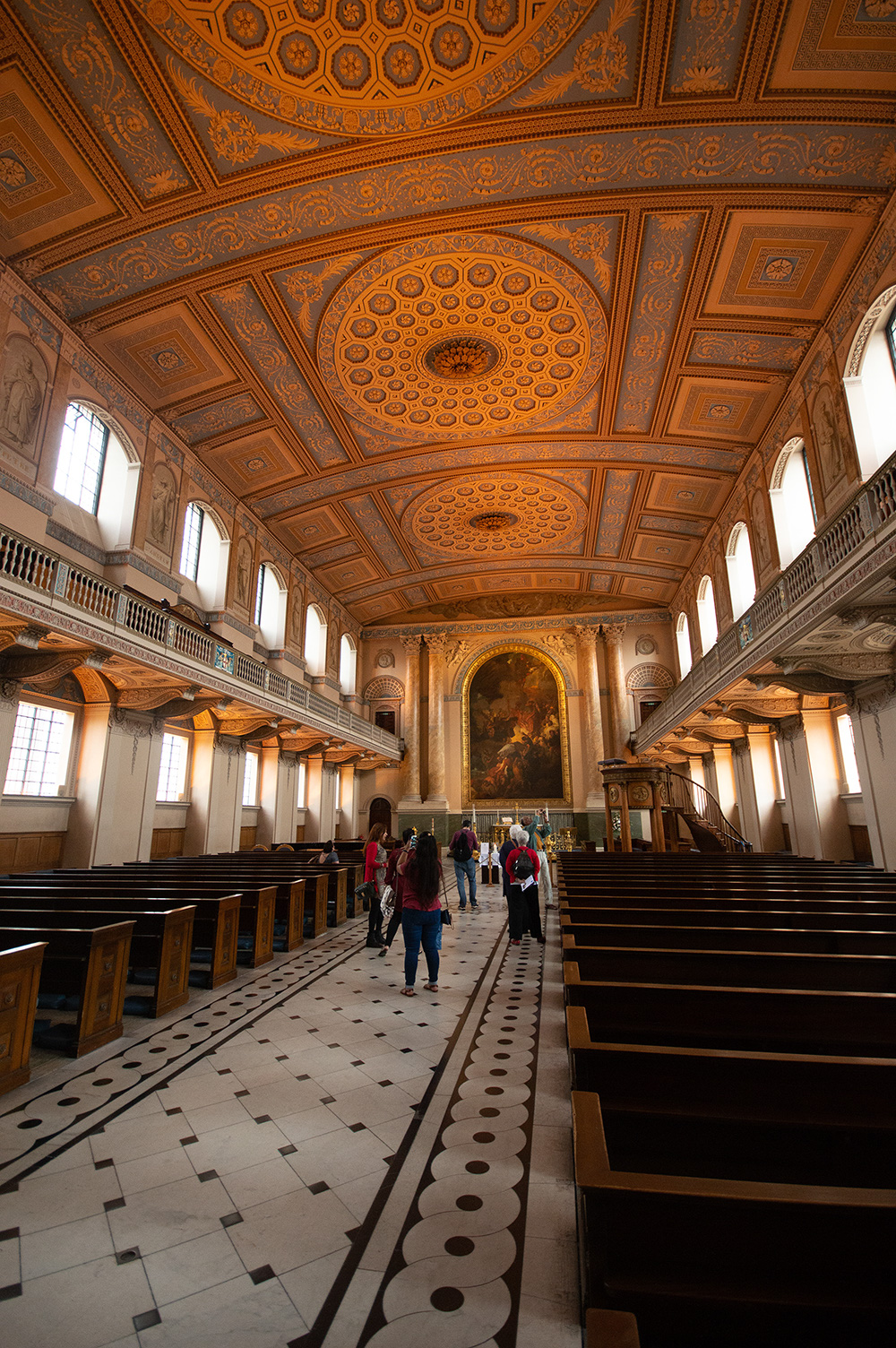
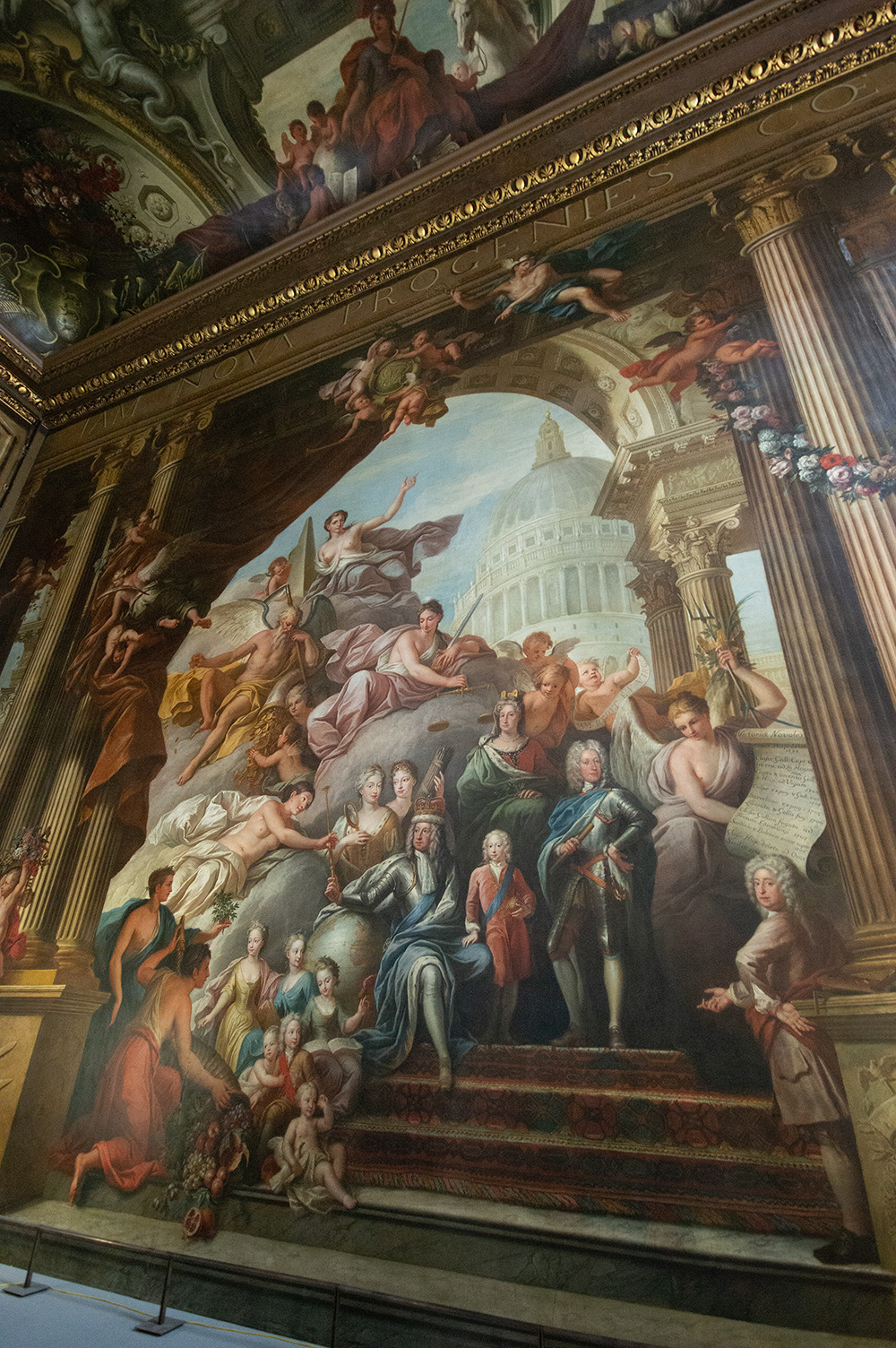
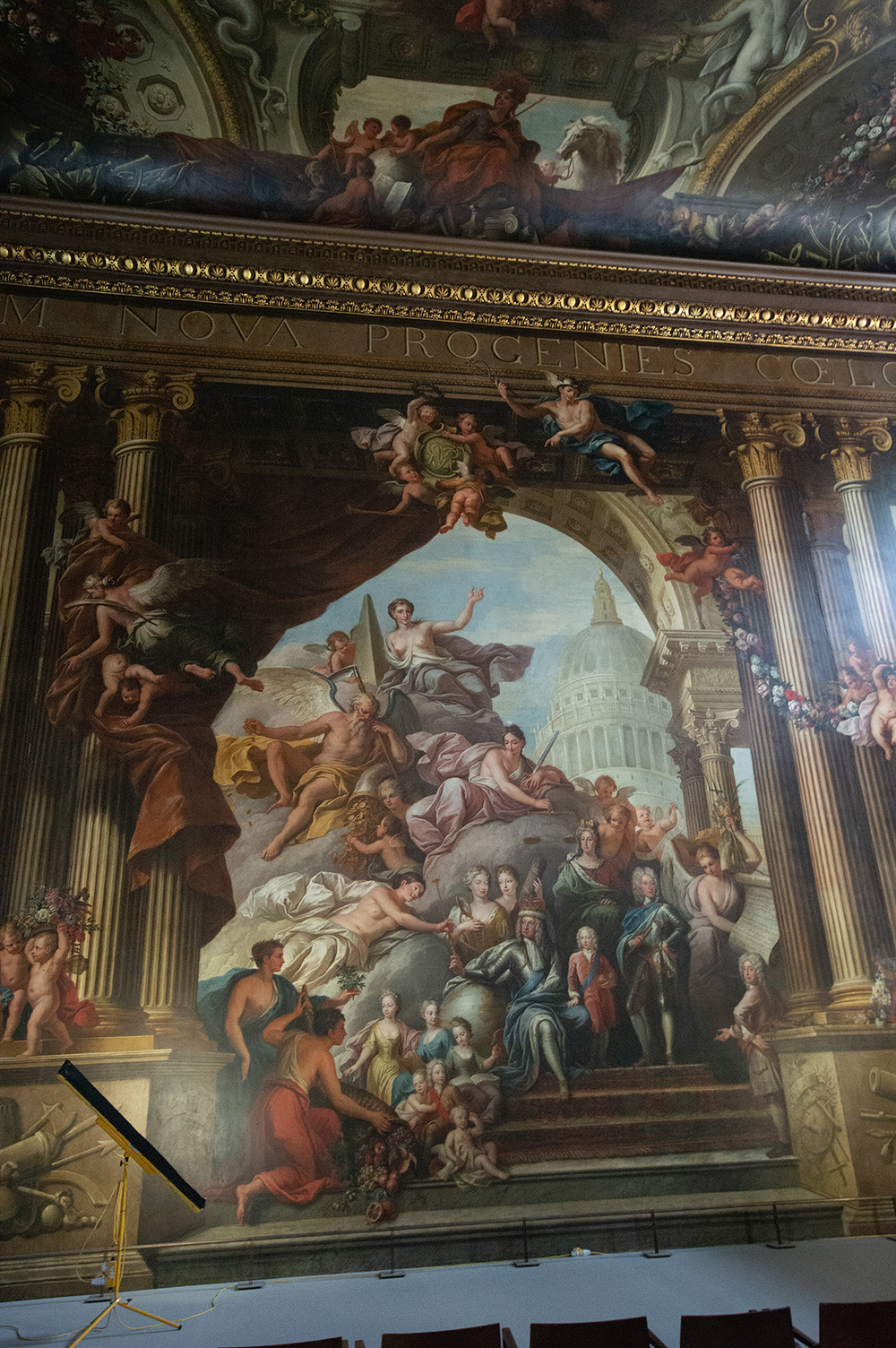
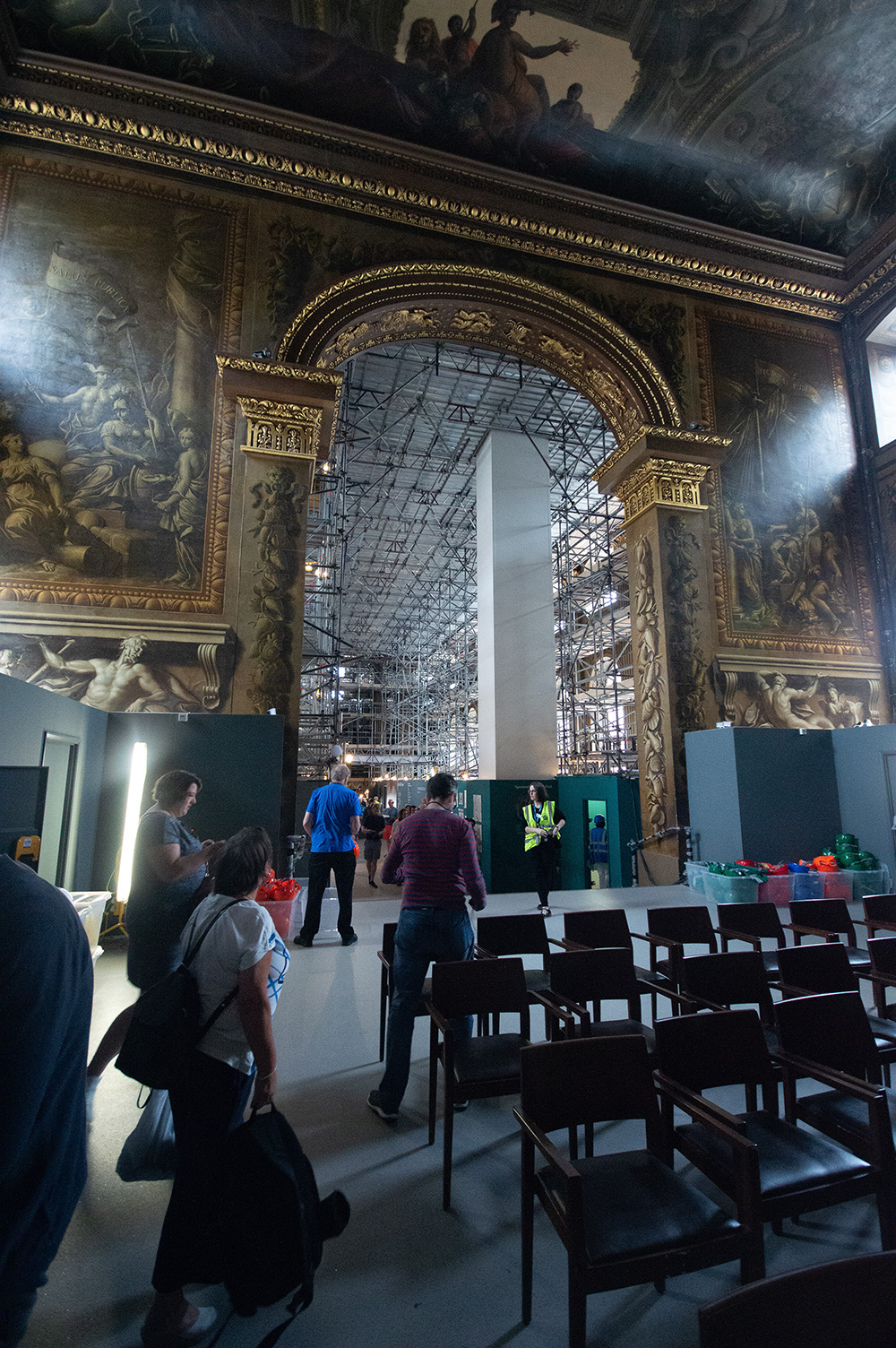
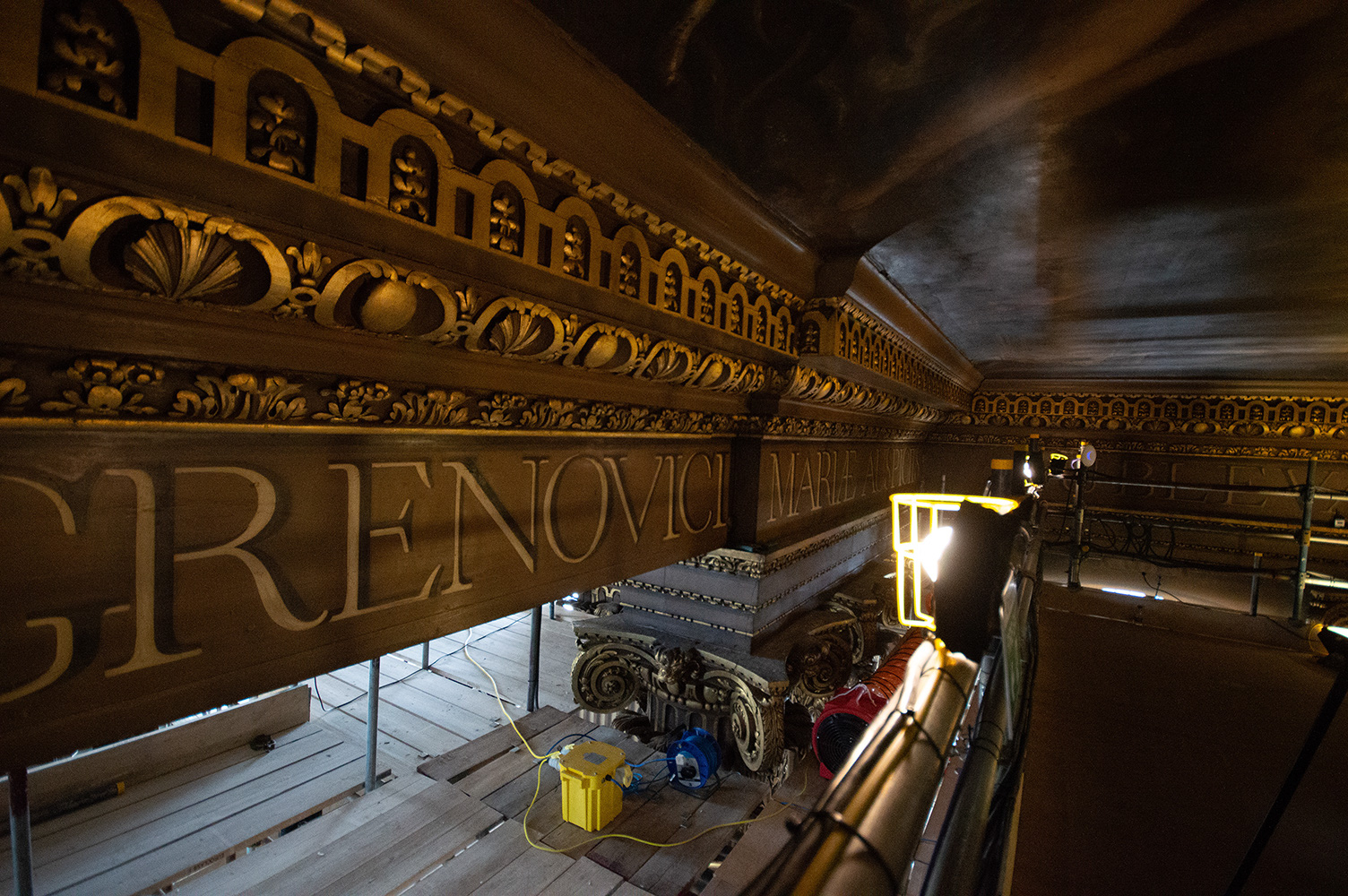
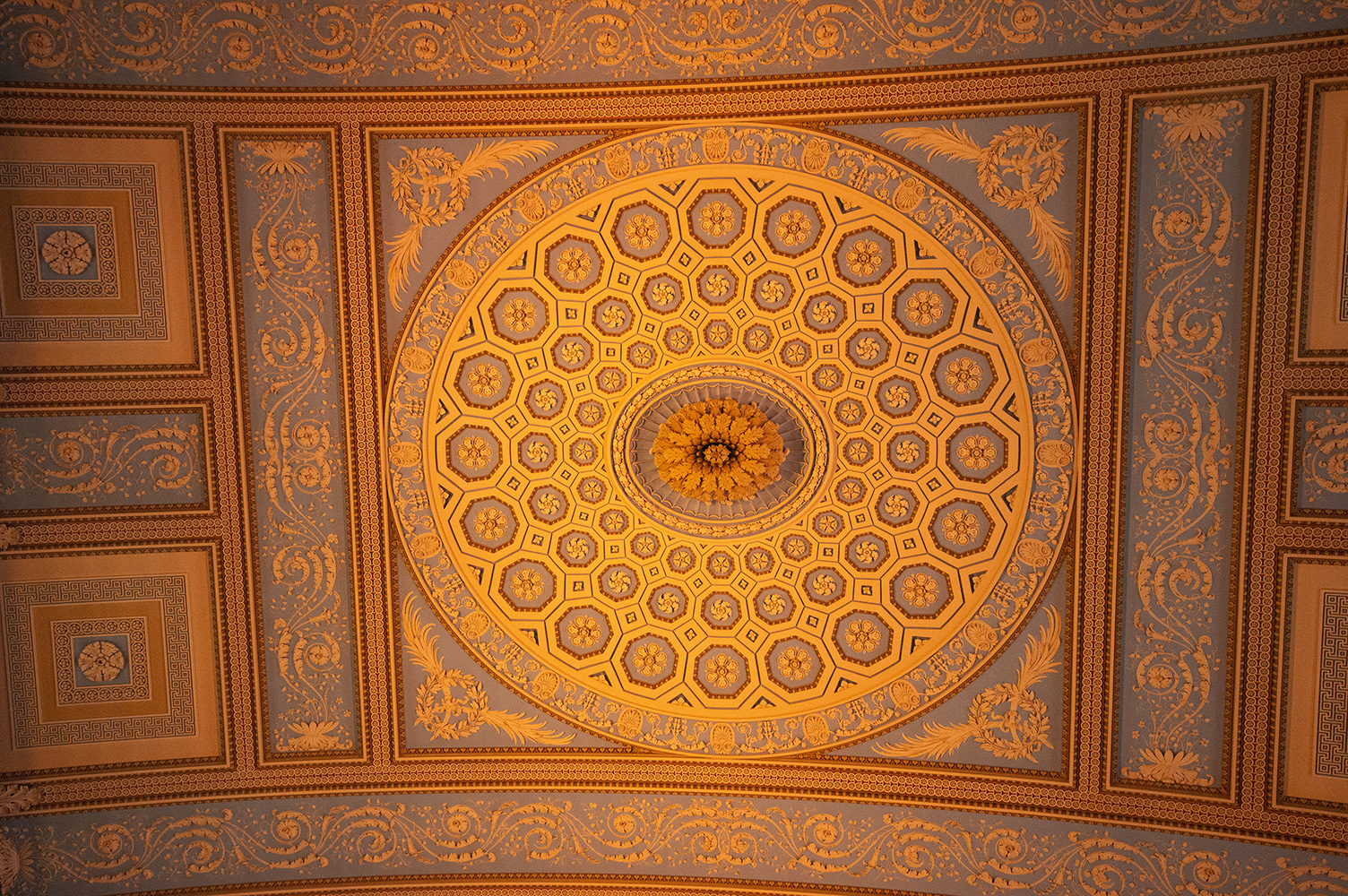


Greenwich is a historic area in southeast London, best known as the home of the Royal Observatory, where the Prime Meridian (0° longitude) is located, dividing the Eastern and Western Hemispheres. It’s also famous for its maritime heritage, the Cutty Sark clipper ship, the Old Royal Naval College, and the vibrant Greenwich Market, all set within a UNESCO World Heritage Site.
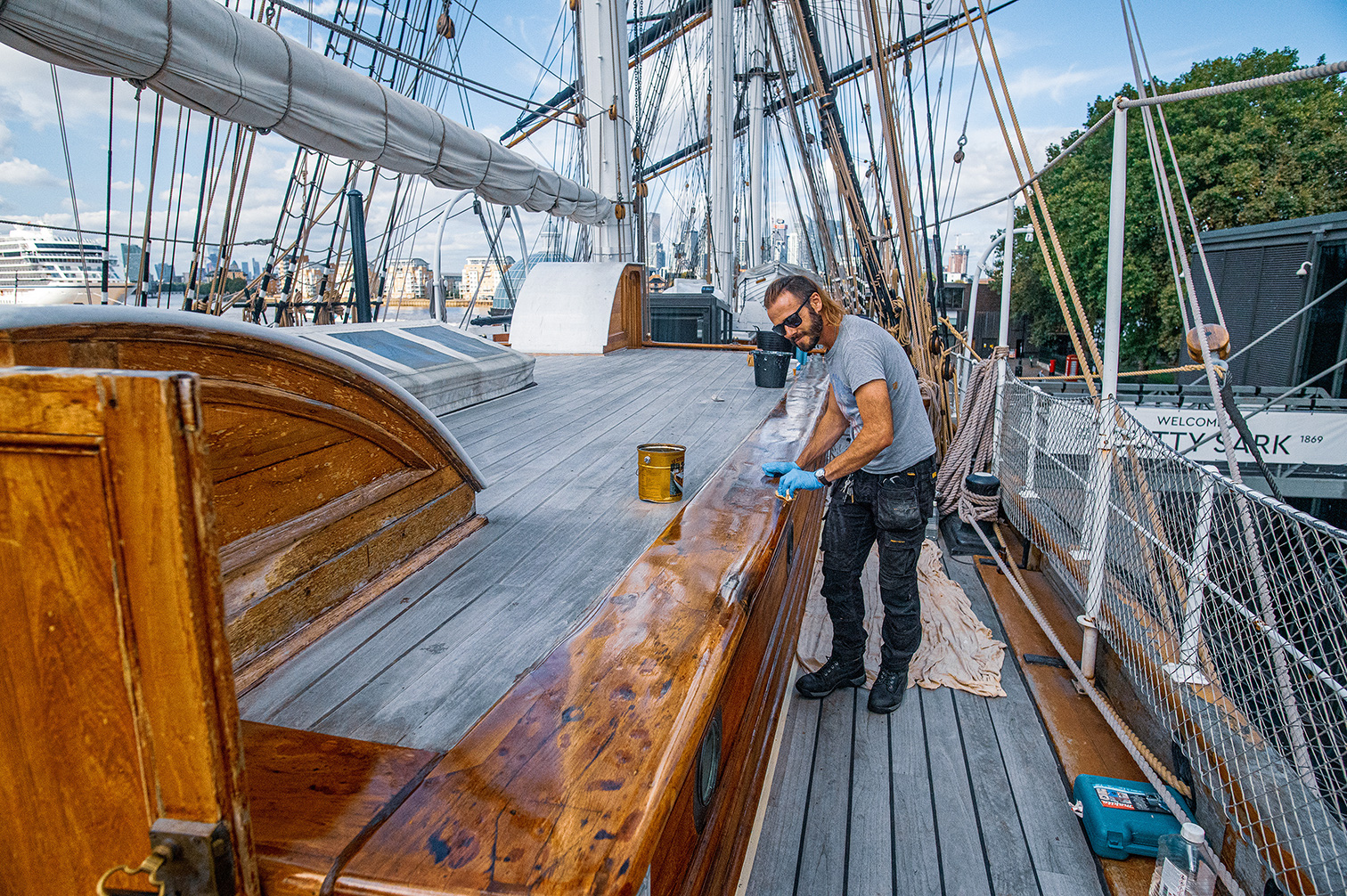
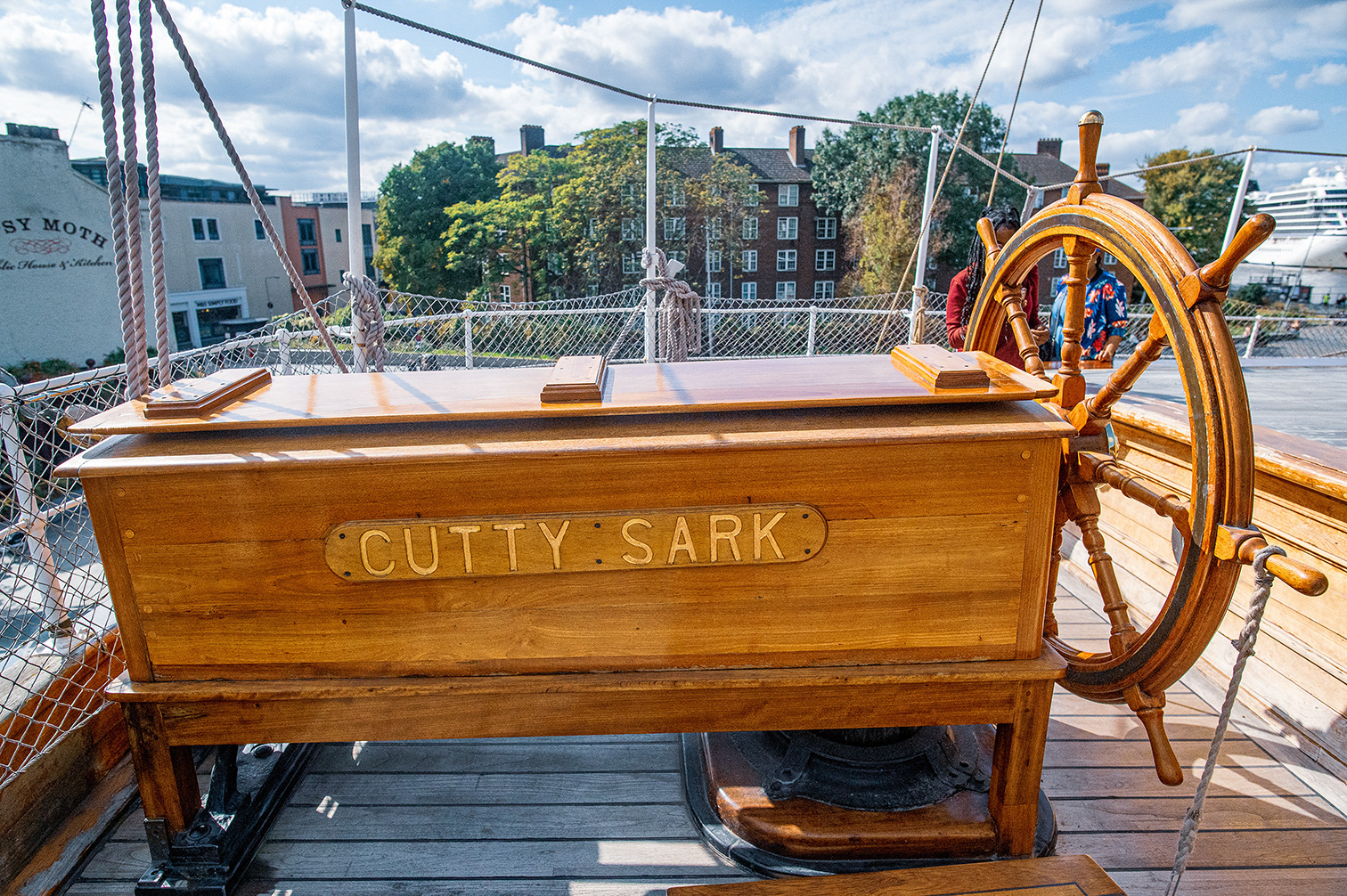
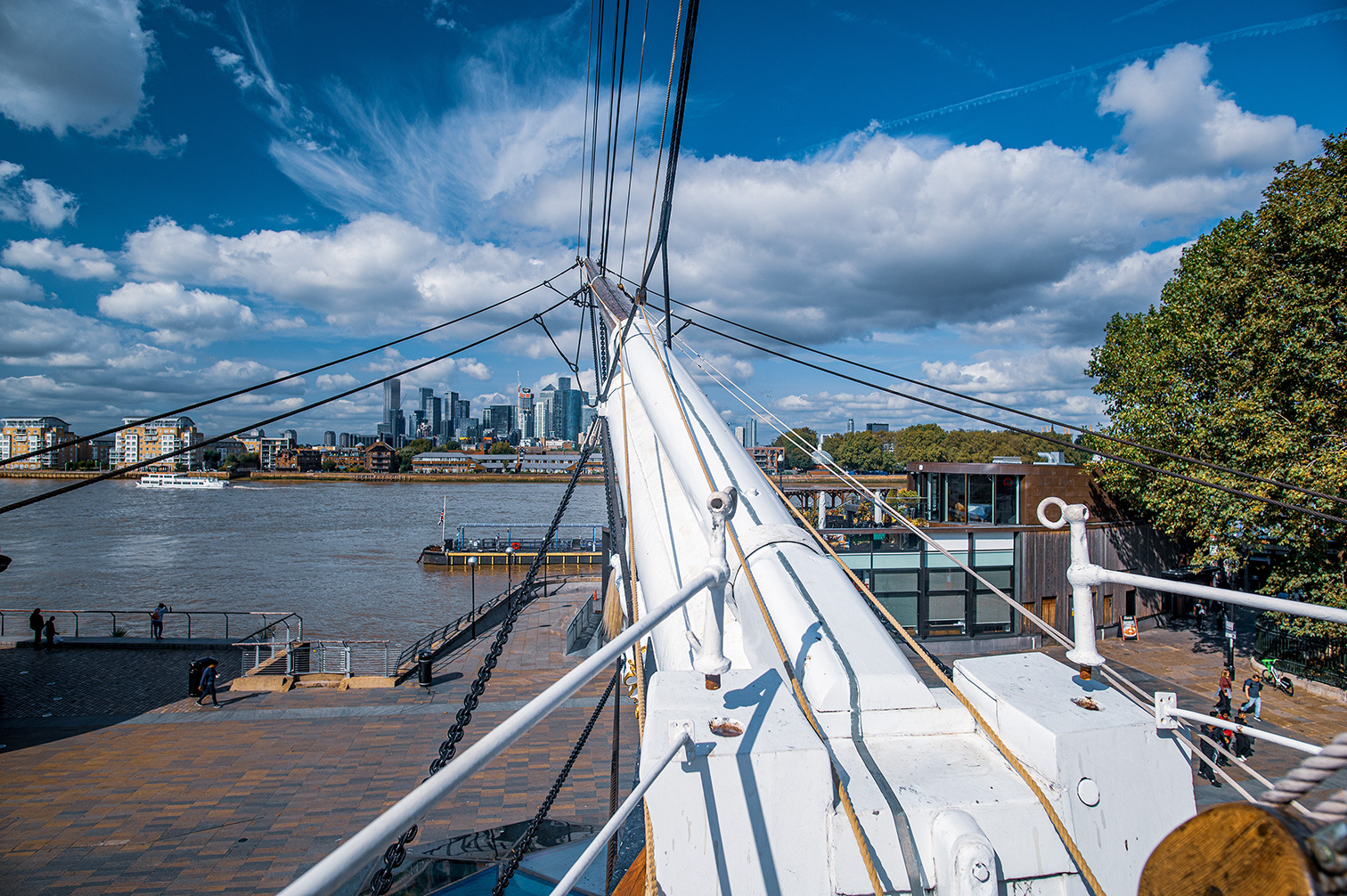
Nestled on the south bank of the River Thames, Greenwich is a place where history and the heavens converge. This royal borough, cradled in the embrace of London’s maritime soul, is renowned as the home of Greenwich Mean Time and the Prime Meridian—the very lines by which the world measures its days and charts its course. Here, the past is not merely remembered; it is etched into the landscape, from the grand sweep of the Old Royal Naval College, once the palace of the Tudors, to the elegant curves of the Cutty Sark, a tea clipper frozen in time along the river’s edge.
Greenwich’s story begins in the mists of antiquity, its name echoing the Old English “green wic,” or green port—a haven for ships and sailors since Saxon times. The land bore witness to Viking raids, the martyrdom of Archbishop Alfege in 1012, and the rise of Greenwich Palace, where Henry VIII was born and where Shakespeare’s “Comedy of Errors” may have first graced the stage. The palace’s legacy endures in the stately Baroque architecture of the Old Royal Naval College, designed by Christopher Wren, and in the verdant expanse of Greenwich Park, where the Royal Observatory stands sentinel over the meridian line.
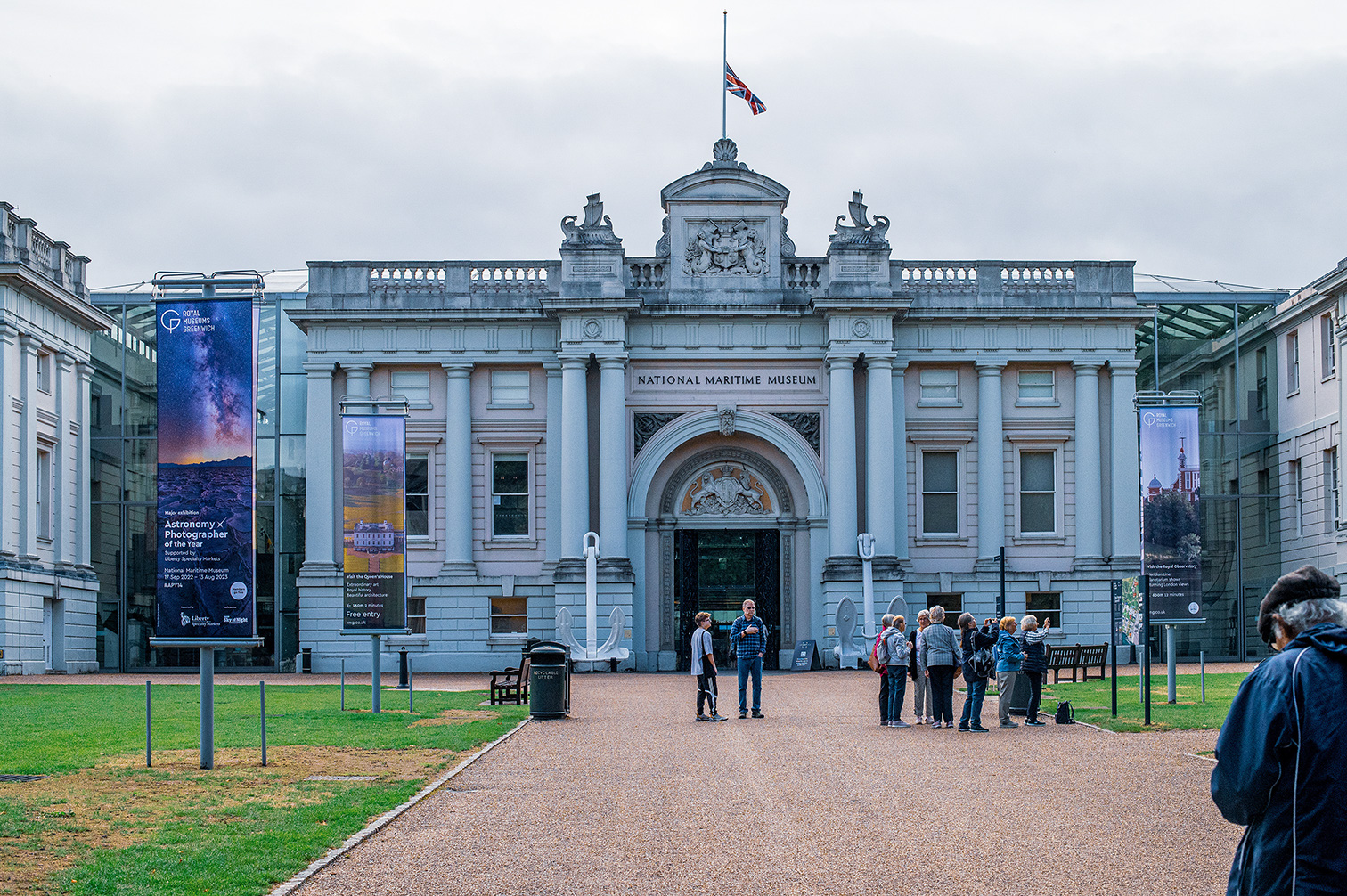
Here, science and splendor intertwine. The Royal Observatory, founded in 1675, became the crucible of astronomical discovery, its telescopes and timepieces shaping humanity’s understanding of the cosmos. Nearby, the National Maritime Museum and the Queen’s House celebrate Britain’s seafaring prowess, their halls filled with the echoes of explorers and admirals who once ruled the waves. Greenwich is not just a place on the map; it is a crossroads of time, a sanctuary of history, and a living testament to the enduring romance of the sea.
Greenwich’s story begins in the mists of antiquity, its name echoing the Old English “green wic,” or green port—a haven for ships and sailors since Saxon times. The land bore witness to Viking raids, the martyrdom of Archbishop Alfege in 1012, and the rise of Greenwich Palace, where Henry VIII was born and where Shakespeare’s “Comedy of Errors” may have first graced the stage. The palace’s legacy endures in the stately Baroque architecture of the Old Royal Naval College, designed by Christopher Wren, and in the verdant expanse of Greenwich Park, where the Royal Observatory stands sentinel over the meridian line.
Here, science and splendor intertwine. The Royal Observatory, founded in 1675, became the crucible of astronomical discovery, its telescopes and timepieces shaping humanity’s understanding of the cosmos. Nearby, the National Maritime Museum and the Queen’s House celebrate Britain’s seafaring prowess, their halls filled with the echoes of explorers and admirals who once ruled the waves. Greenwich is not just a place on the map; it is a crossroads of time, a sanctuary of history, and a living testament to the enduring romance of the sea.