
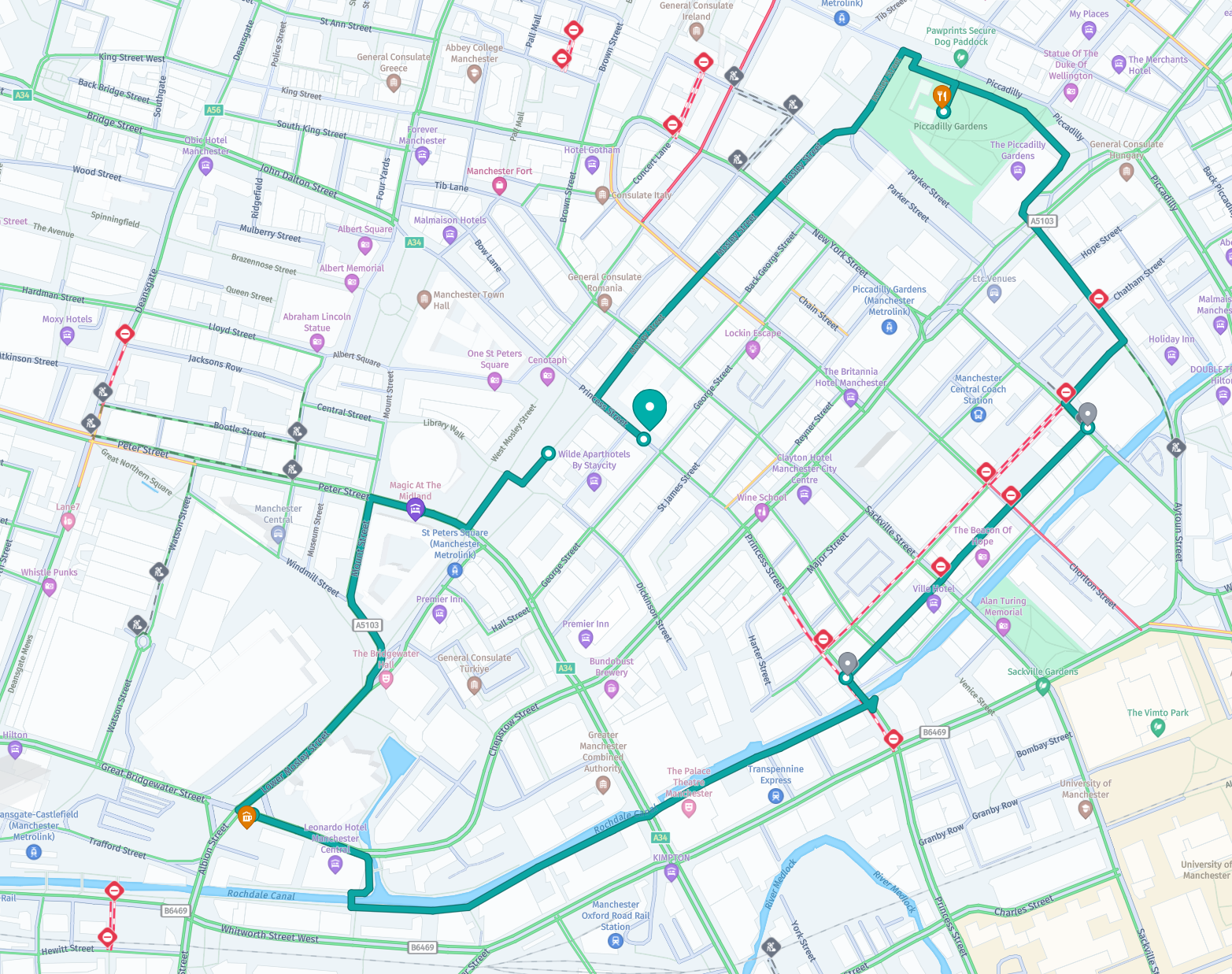
Manchester Civic Quarter

Manchester Art Gallery

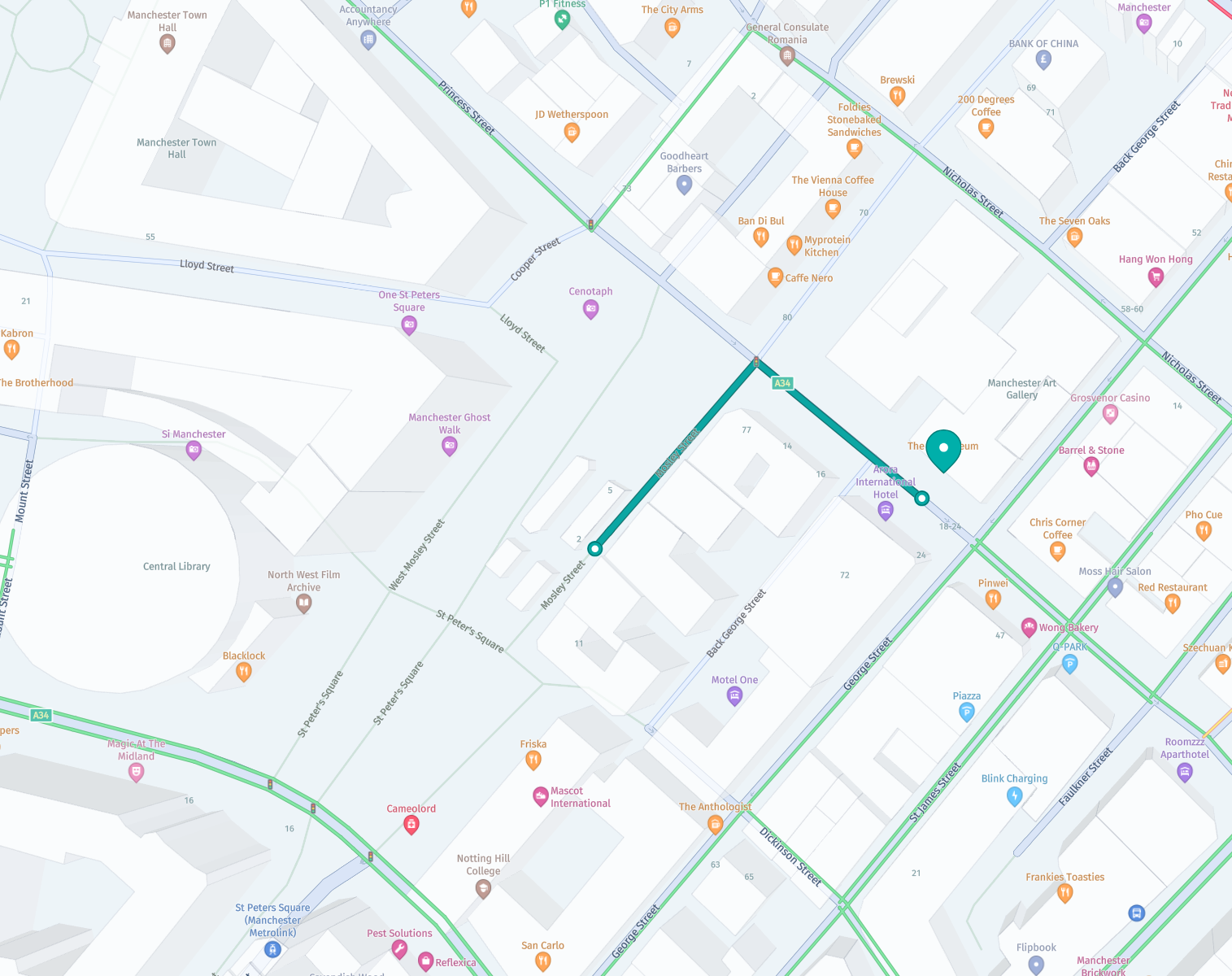
Mosley StreetManchesterGreater Manchester,   M1 5AN,   United Kingdom

Manchester Art Gallery is a premier public art museum in Manchester, England, celebrated for its extensive collection of fine art, contemporary works, and historic masterpieces. Founded in 1823, it is one of the oldest and most prestigious public art institutions in the UK, housing over 25,000 works spanning from the 14th century to the present day. The gallery is renowned for its commitment to accessibility, innovation, and community engagement, making it a cultural hub for both locals and visitors.
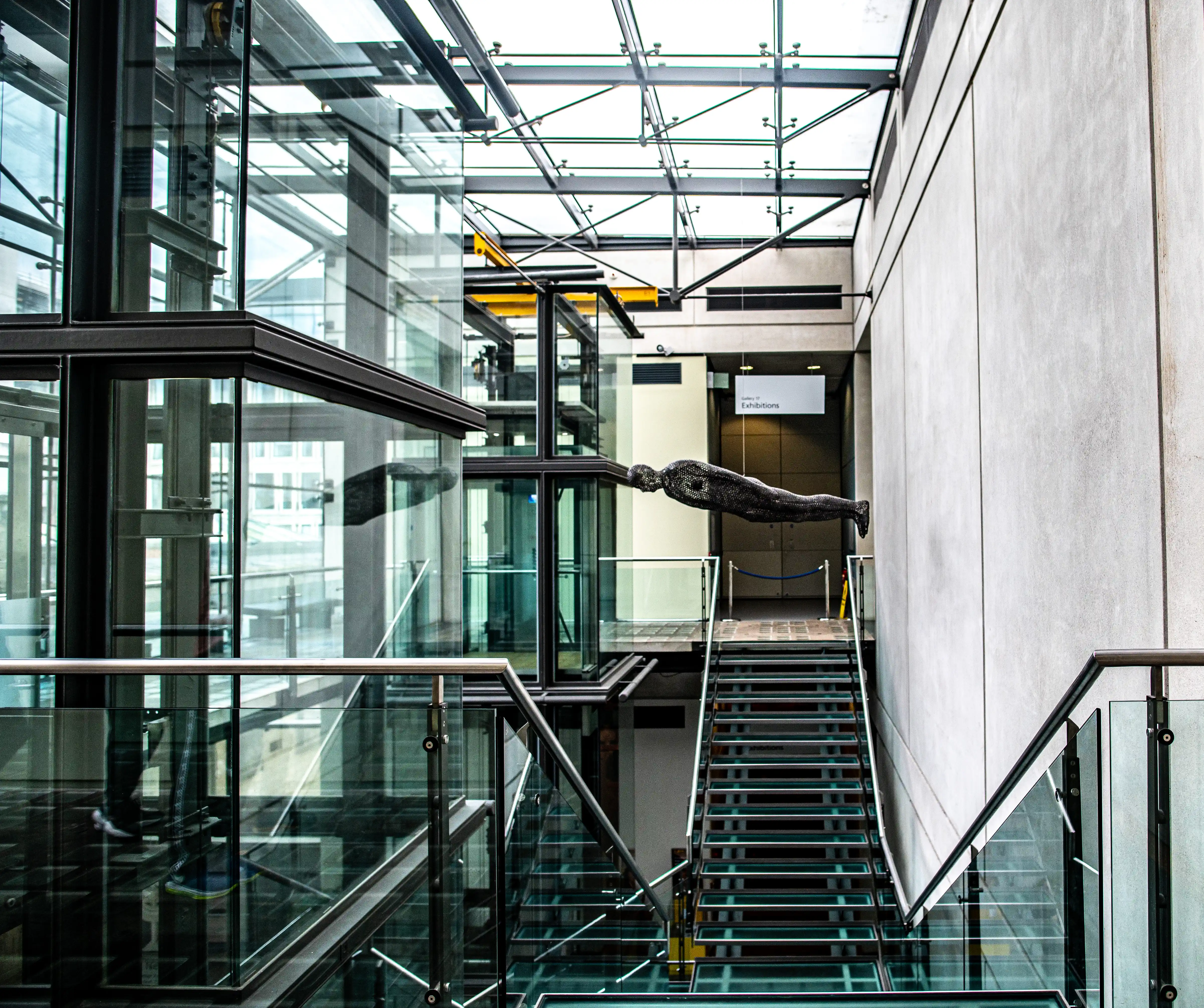
A dark, silhouetted sculpture of a human in a floating pose is suspended mid-air in a modern building's atrium, with a contemporary staircase and glass balustrades below.
Manchester Art Gallery Atrium
photo by
©www.mgaylard.co.uk.
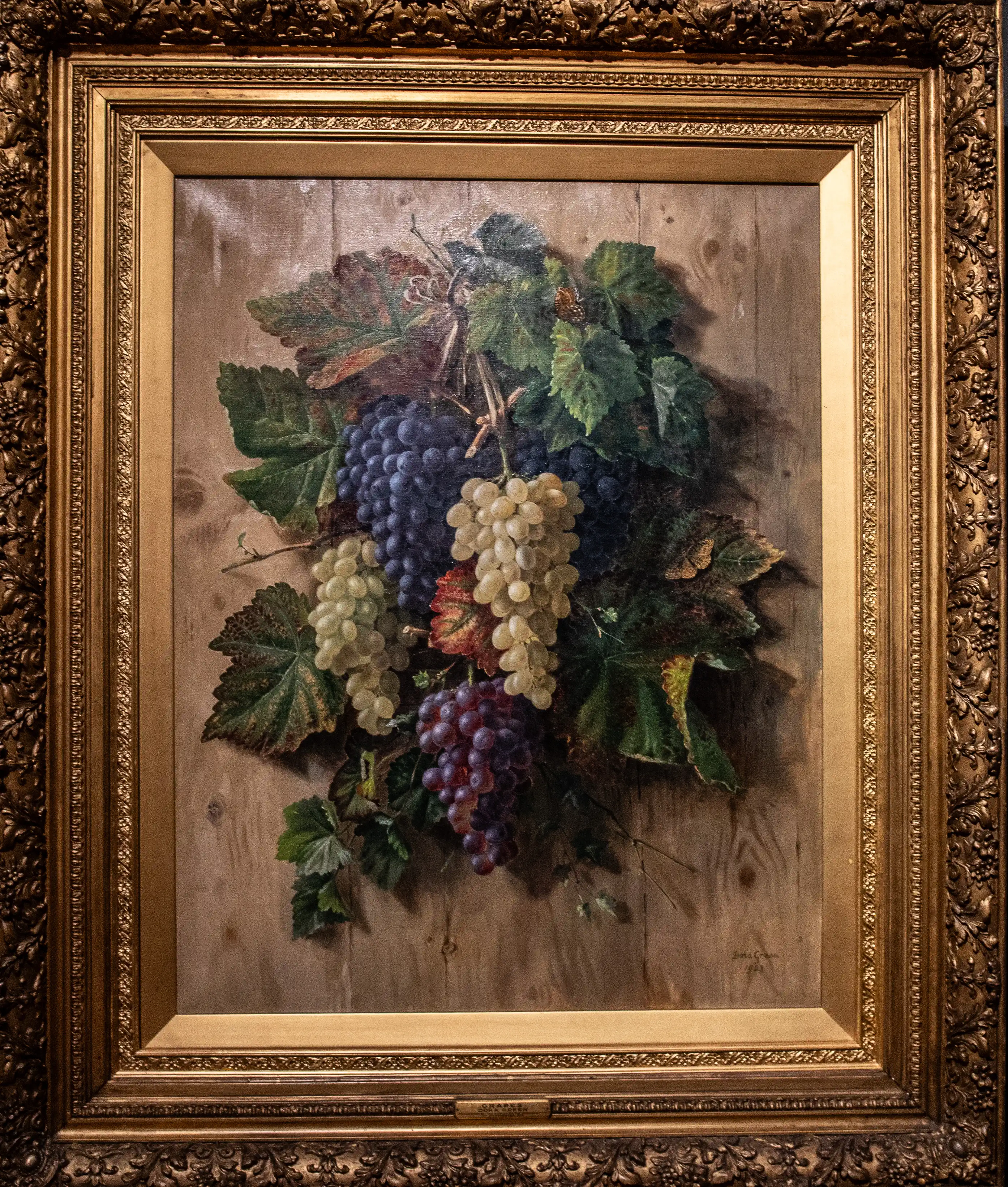
Framed still life painting of purple and pale grapes with green vine leaves on a wooden-textured backdrop.
Grapes and Vine Leaves
photo by
©www.mgaylard.co.uk.
Illustration of a woman in a red dress lying among tangled branches and dry twigs, viewed at close range.
Duffy by Ruth Murray
photo by
©www.mgaylard.co.uk.
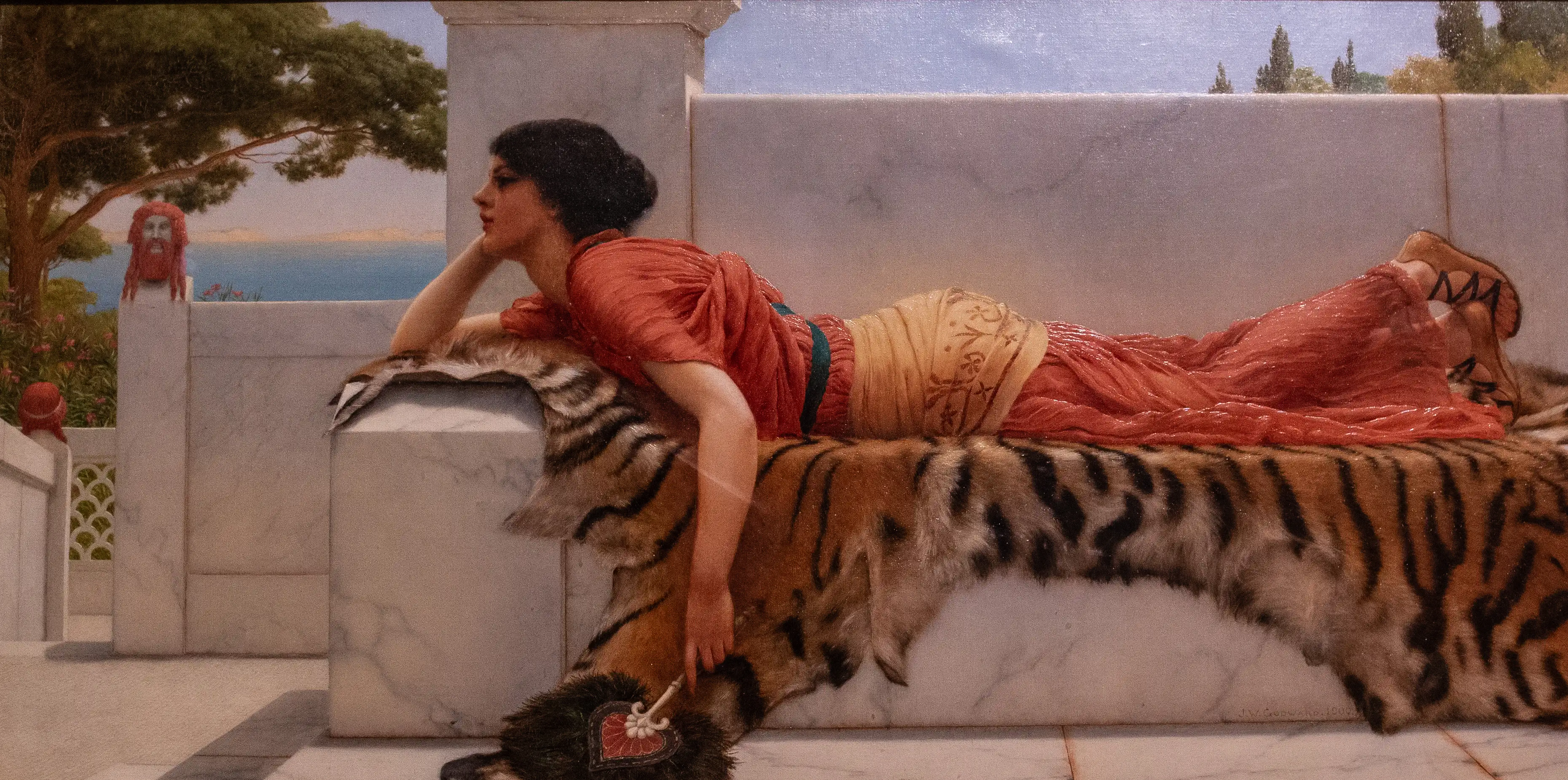
Costumed woman reclining on a patterned fur rug on an outdoor terrace, with a painted garden backdrop
Expectation by John William Goodward
photo by
©www.mgaylard.co.uk.
>
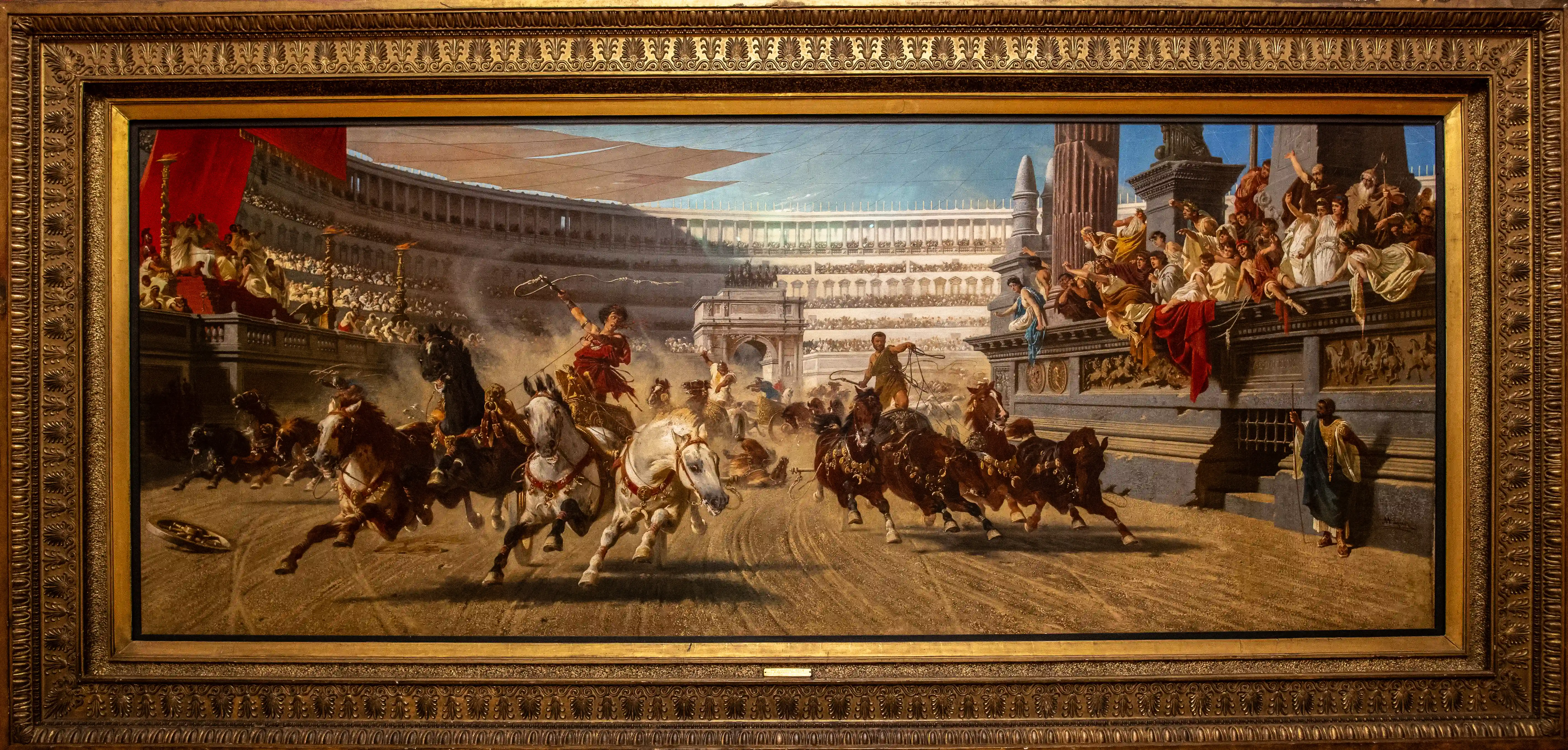
Framed classical painting of horse riders in a grand city scene, with crowds and spectators on steps and along the architecture.
The Chariot Race by Alexander von Wagner
photo by
©www.mgaylard.co.uk.
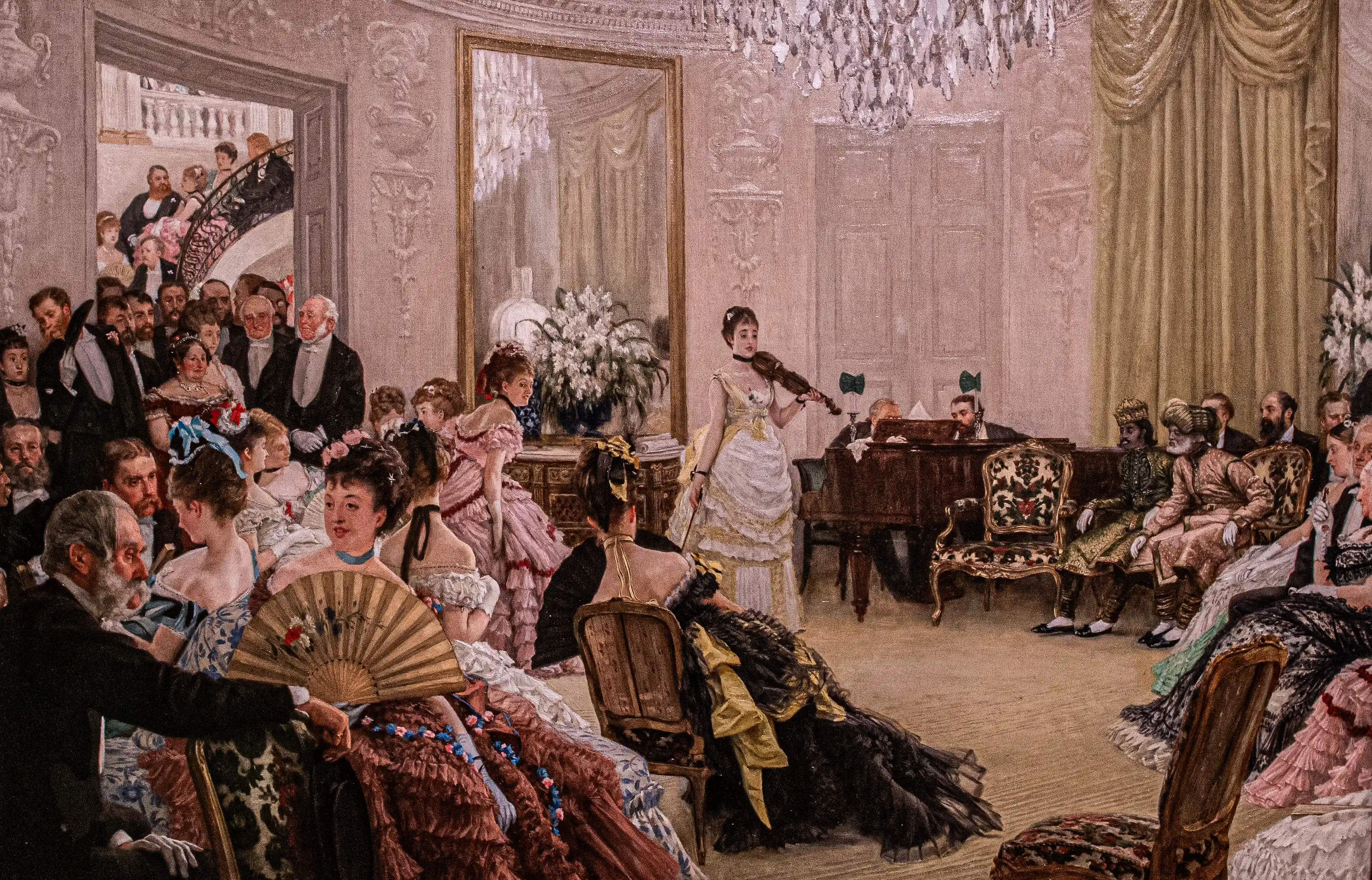
Guests in period clothing seated in a grand hall as a musician performs near a piano, with ornate walls and drapery in the background
The Concert by James Tissot
photo by
©www.mgaylard.co.uk.
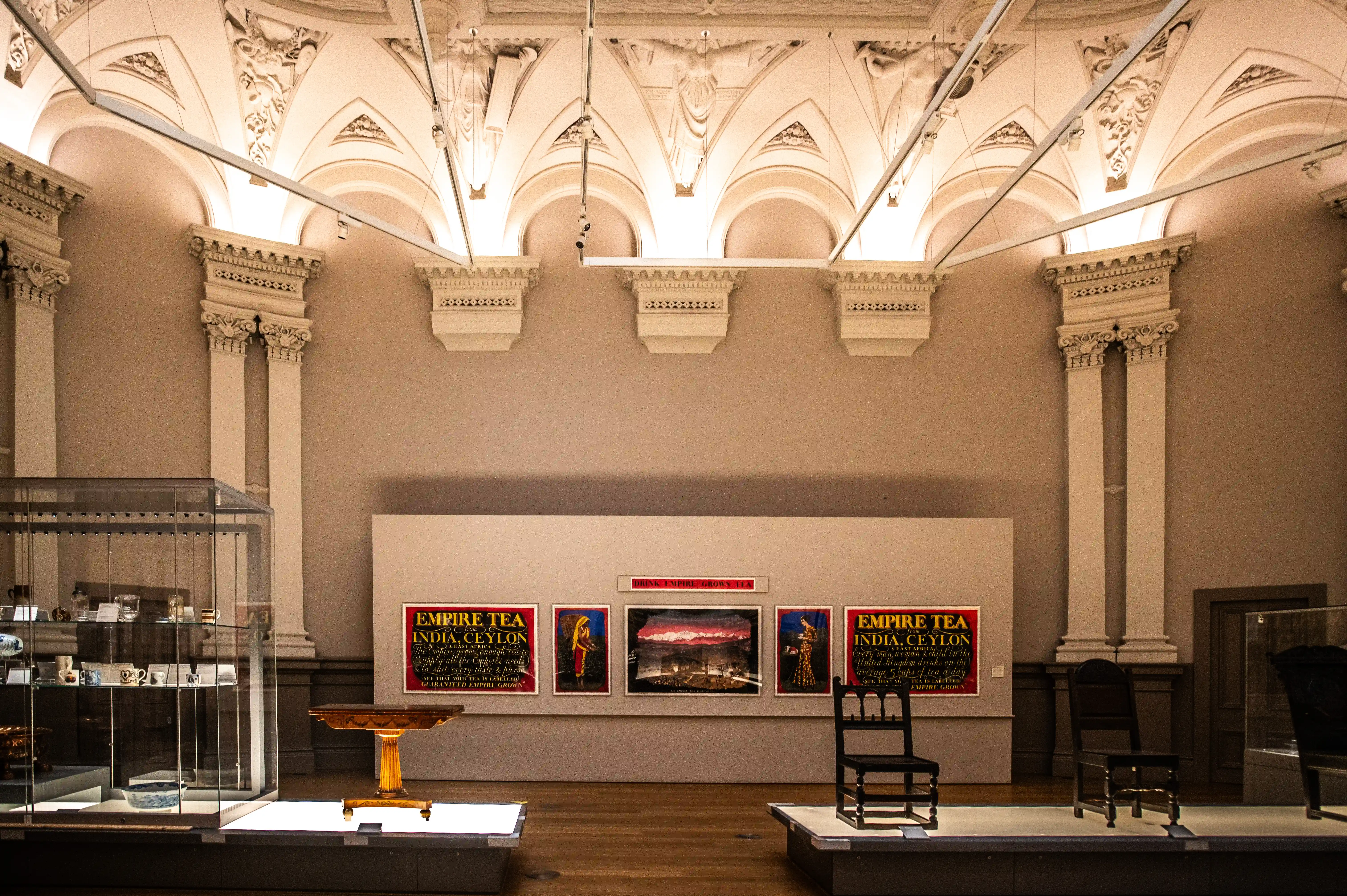
Interior view of a museum exhibition hall, displaying vintage posters for 'Empire Tea' from India and Ceylon, a glass display cabinet filled with porcelain, a small ornate table, and antique chairs.
Echoes of Empire: A Tea Exhibition
photo by
©www.mgaylard.co.uk.
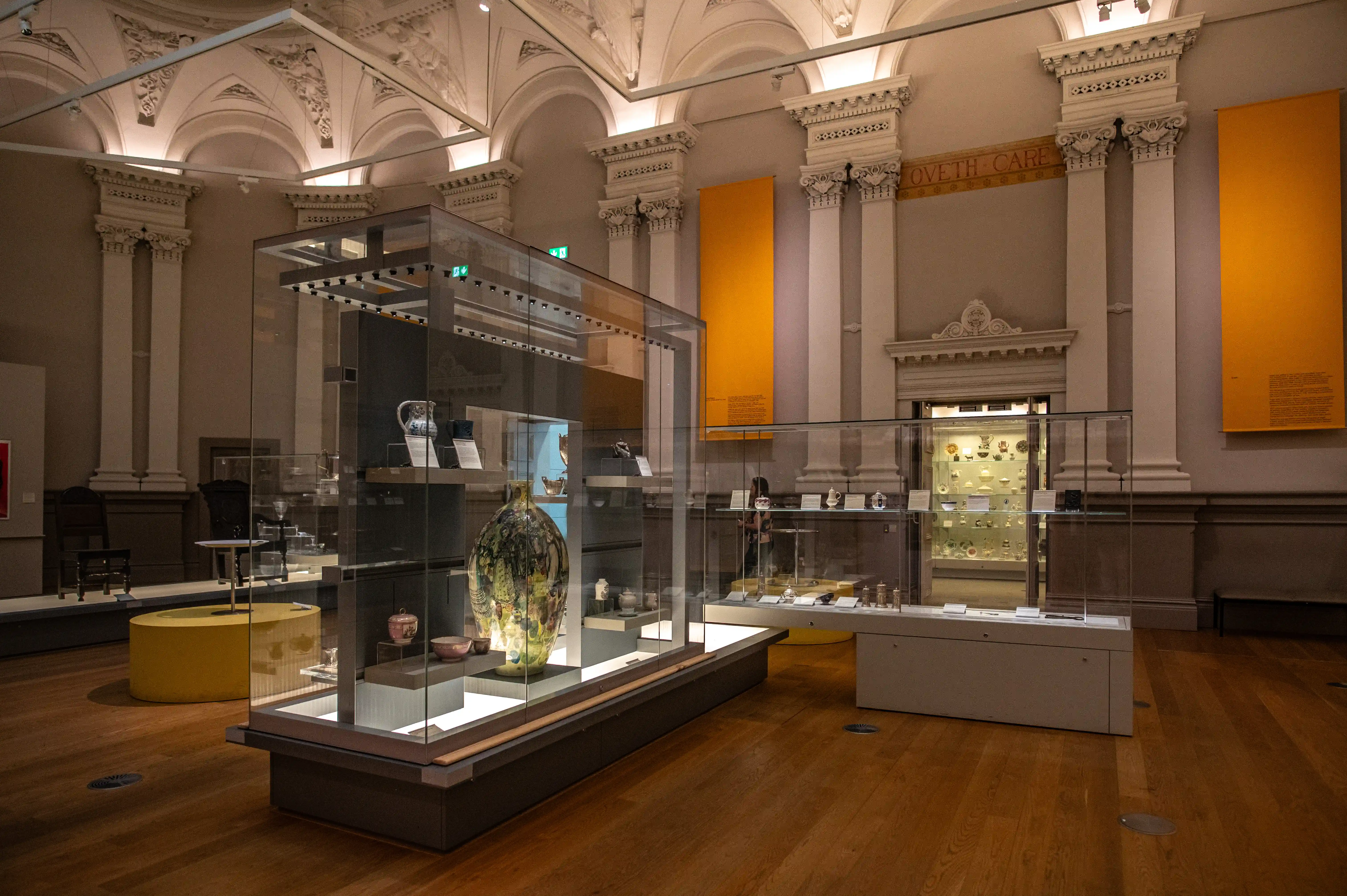
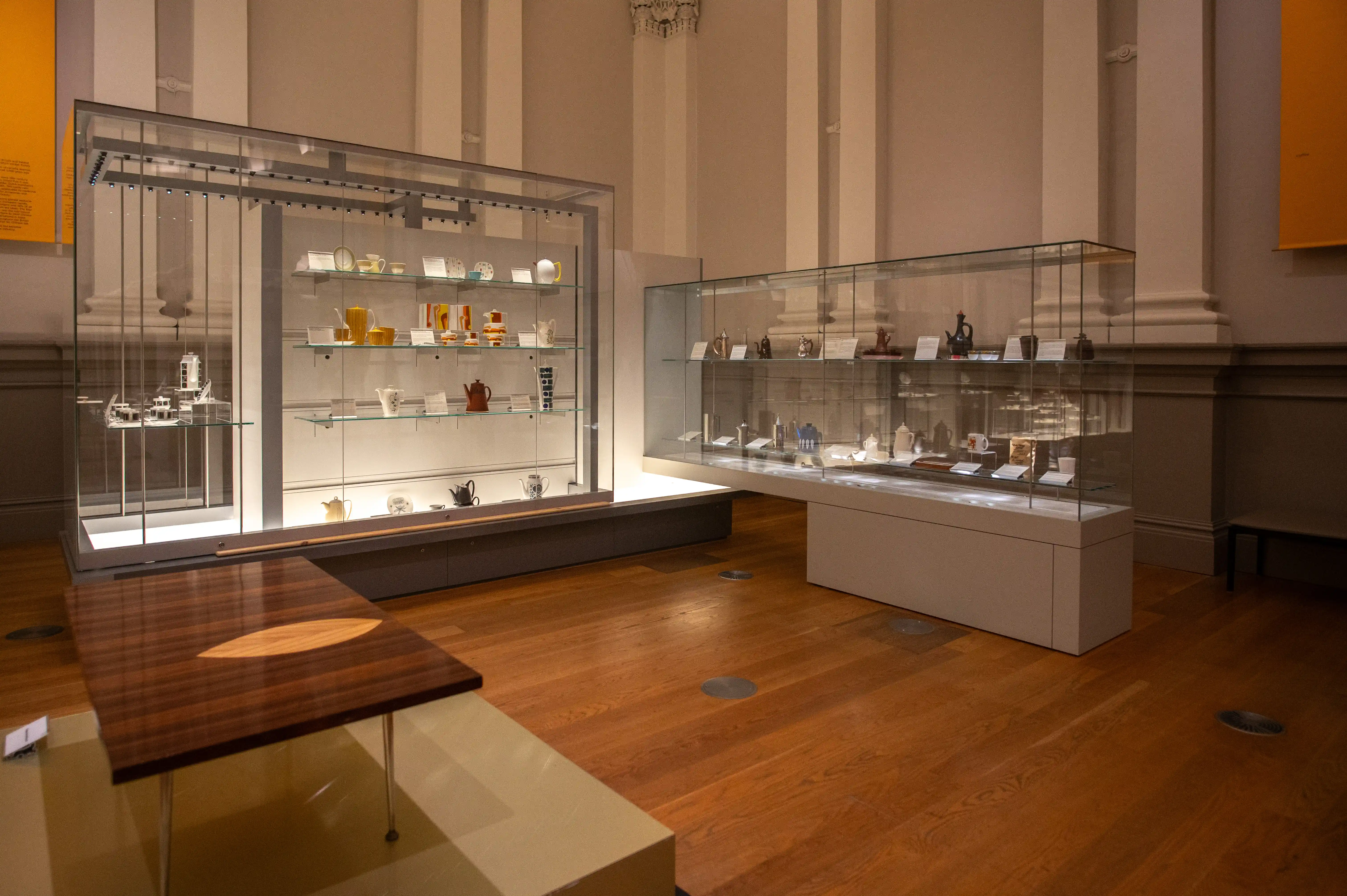
A museum gallery with glass display cases containing historical artifacts like pottery, vases, and decorative objects. The room has tall columns, ornate moldings, and yellow informational panels, with soft lighting highlighting the items.
A Journey Through Time: The Art and History of a Museum Gallery
photo by
©www.mgaylard.co.uk.
A museum gallery with glass display cases containing historical artifacts like pottery, vases, and decorative objects. The room has tall columns, ornate moldings, and yellow informational panels, with soft lighting highlighting the items
A Journey Through Time: The Art and History of a Museum Gallery
photo by
©www.mgaylard.co.uk.
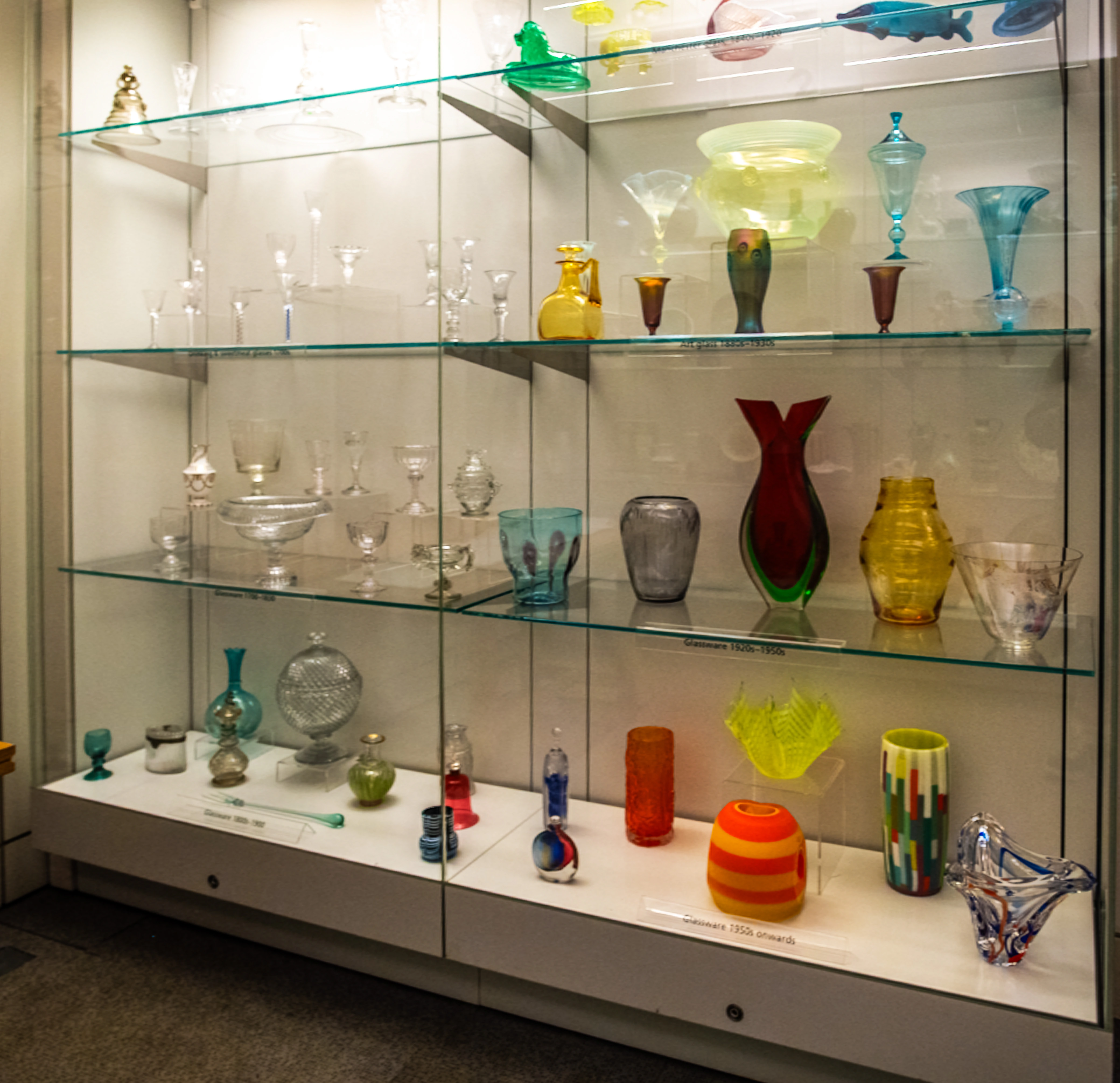
Backlit museum display case with multi-coloured glass vessels, vases, and goblets arranged across shelves.
Colourful Glassware on Display in a Museum Case
photo by
©www.mgaylard.co.uk.
Open the full set flickr button this page

Manchester Art Gallery

Manchester Art Gallery was founded in 1823 as the Royal Manchester Institution, with the mission of promoting the fine arts in the city. The gallery was originally housed in a building on Mosley Street, designed by Charles Barry, a renowned architect known for his work on the Houses of Parliament in London. The Neoclassical design of the building reflects the grandeur and ambition of Manchester during the Industrial Revolution, a time when the city was a global leader in trade, industry, and culture.

The gallery’s collection began with a donation of 36 paintings from the Royal Manchester Institution’s founding members. Over the years, the collection grew significantly, thanks to donations, bequests, and acquisitions. In 1882, the gallery was gifted to the City of Manchester and became a public institution, ensuring that its treasures would be accessible to all.

During World War II, the gallery was damaged by a bomb in 1940, which destroyed much of the building. However, it was rebuilt and expanded in the post-war years, reopening in 1947 with a new focus on modern and contemporary art. The gallery’s resilience and adaptability have made it a symbol of Manchester’s cultural heritage and its commitment to the arts.

Permanent Collections

  • Pre-Raphaelite Art – The gallery houses a significant collection of Pre-Raphaelite paintings, including works by Dante Gabriel Rossetti, John Everett Millais, and William Holman Hunt. These works are known for their vibrant colors, intricate details, and romantic themes.
  • Victorian Art – The gallery’s Victorian collection includes paintings, sculptures, and decorative arts from the 19th century, reflecting the cultural and artistic achievements of the era.
  • Impressionist and Post-Impressionist Art – The gallery features works by Impressionist and Post-Impressionist artists, such as Monet, Renoir, and Van Gogh, showcasing the innovative and revolutionary styles of these movements.
  • Modern and Contemporary Art – The gallery has a strong focus on modern and contemporary art, with works by British and international artists, including Francis Bacon, Lucian Freud, and David Hockney.
  • British Art – The gallery’s collection of British art spans from the 14th century to the present day, featuring works by Turner, Gainsborough, and Stanley Spencer, among others.
  • Sculpture and Decorative Arts – In addition to paintings, the gallery houses a collection of sculptures, ceramics, and decorative arts, including works by Henry Moore and Barbara Hepworth.

Today, Manchester Art Gallery is a vibrant and dynamic cultural institution that plays a key role in the artistic and cultural life of Manchester and the UK. The gallery’s impressive collection, innovative exhibitions, and commitment to accessibility attract visitors from around the world, offering a unique and immersive experience of fine art and contemporary culture.

The gallery serves as a center for education, inspiration, and dialogue. Its guided tours, audio guides, and educational programs provide a deep and engaging understanding of its collections and exhibitions. The temporary exhibitions, lectures, and special events ensure that the gallery remains a dynamic and relevant cultural hub.

Manchester Art Gallery is also a symbol of the city’s cultural heritage and its commitment to the arts. The gallery’s proximity to other attractions, such as the Science and Industry Museum, John Rylands Library, and Manchester Cathedral, makes it an ideal destination for anyone exploring the beauty and history of Manchester. Whether you’re admiring the architecture, exploring the collections, or participating in a workshop, Manchester Art Gallery promises a memorable and inspiring visit.
References

Text generated by Mistral AIMicrosoft CoPilot , ", "and AI Image Describer

St Peter's Square

St. Peter’s Square, Manchester

Manchester, Greater Manchester, M1 5AN, United Kingdom

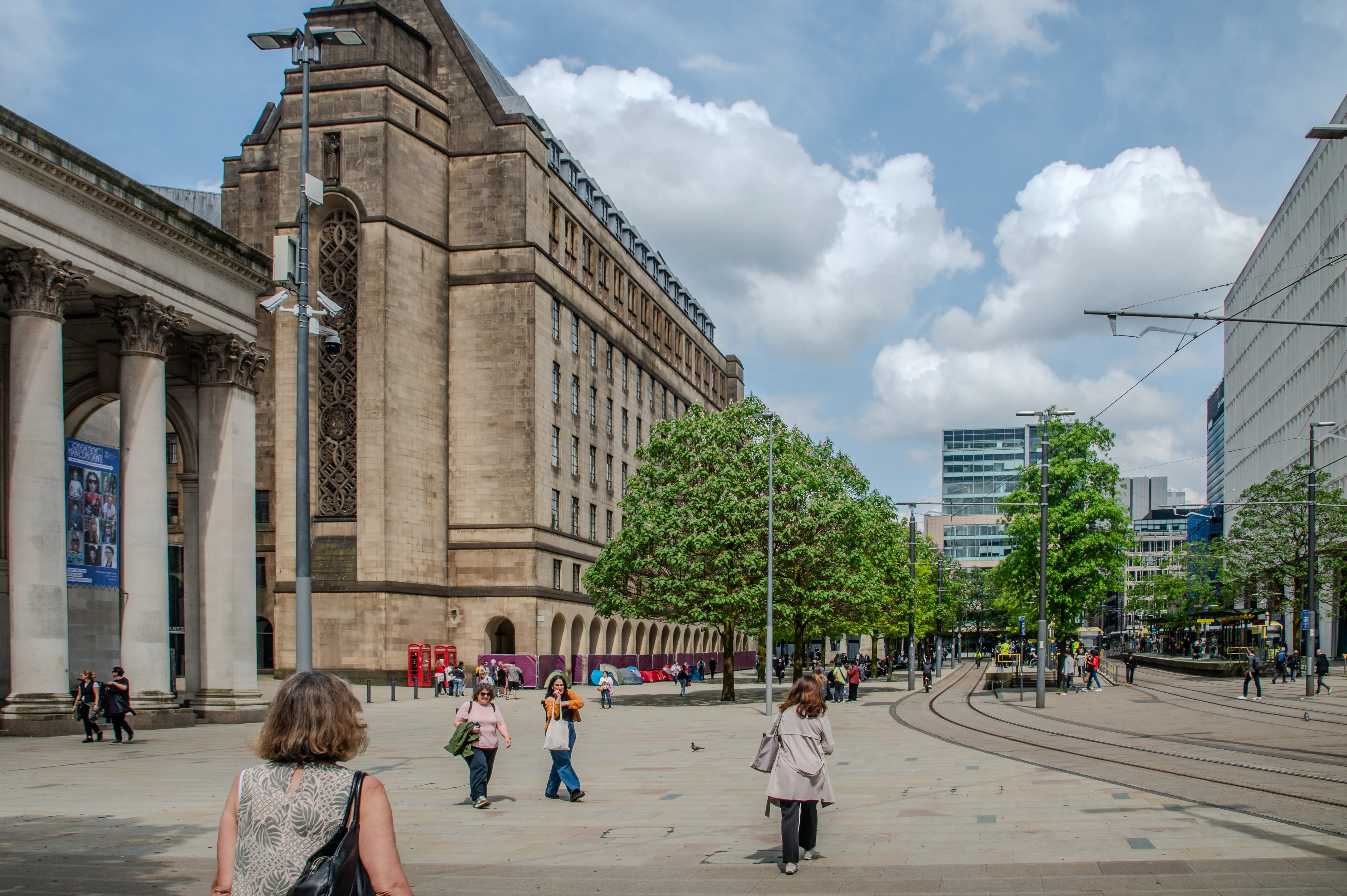
St. Peter’s Square is a historic and vibrant public square in the heart of Manchester, England. Known for its architectural landmarks, cultural significance, and role as a central hub, the square is a popular destination for locals and visitors alike. It is surrounded by iconic buildings, including Manchester Town Hall, the Central Library, and the Midland Hotel, and serves as a focal point for public events, protests, and celebrations. St. Peter’s Square is a symbol of Manchester’s rich history, civic pride, and modern energy.
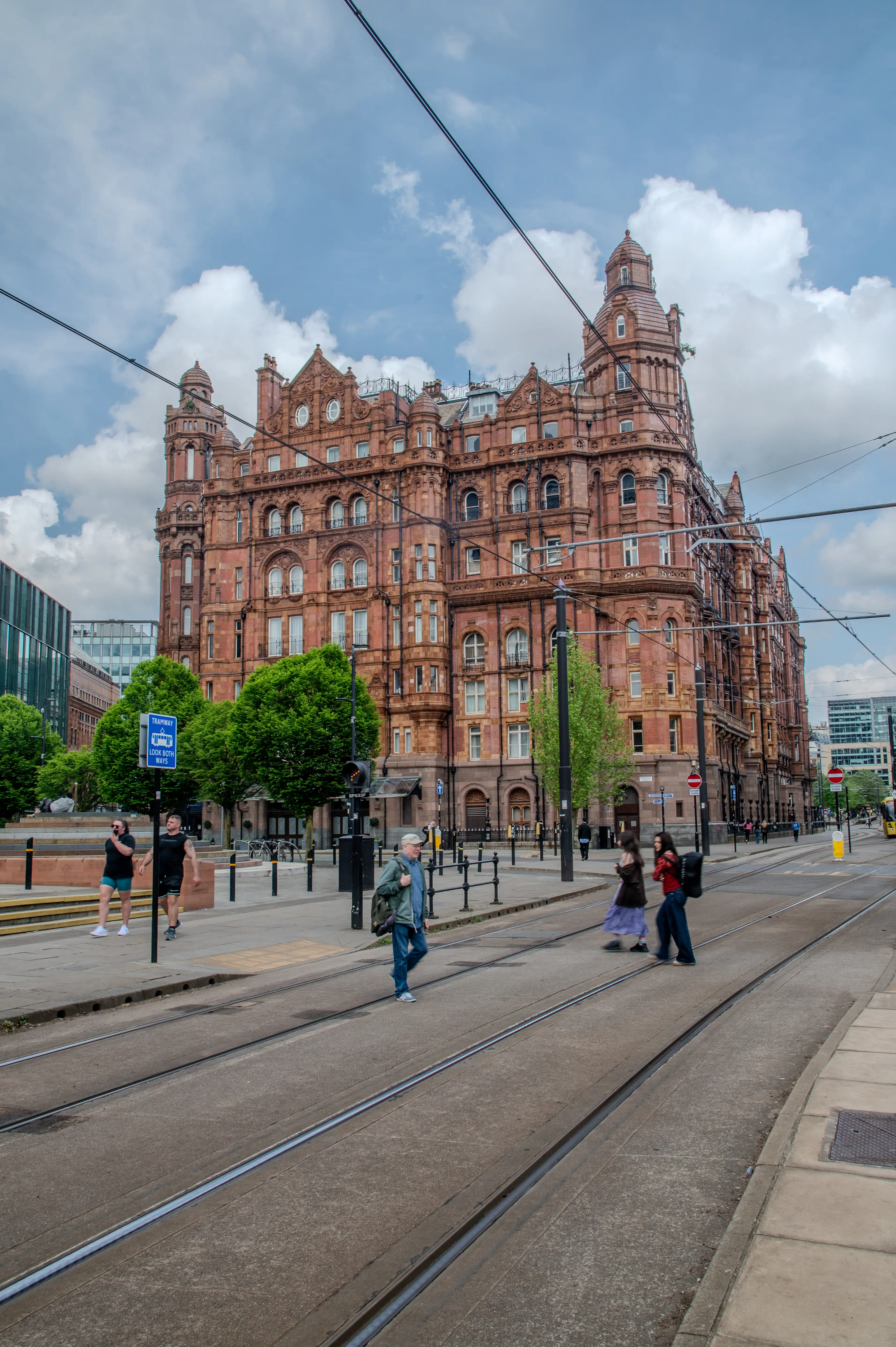
Red-brick historic building with towers, viewed from street level beside tram tracks, with pedestrians walking under a cloudy sky.
St. Peter's Square
photo by
©www.mgaylard.co.uk.

St. Peter’s Square

St. Peter’s Square has a rich history that dates back to the 19th century, when it was established as a public space in the heart of Manchester. The square was originally the site of St. Peter’s Church, a medieval parish church that was demolished in 1907 to make way for the expansion of the city. The name "St. Peter’s Square" was retained to honor the church’s legacy and its historical significance to the city.

During the 19th and early 20th centuries, St. Peter’s Square became a central hub for public gatherings, protests, and celebrations. It was a key location for political rallies, suffragette meetings, and labor protests, reflecting Manchester’s role as a center of social and political activism. The square also played a role in the city’s cultural life, hosting public events, festivals, and performances.

In the 20th century, St. Peter’s Square underwent significant redevelopment, including the construction of the Manchester Town Hall Extension and the Central Library. These projects transformed the square into a modern and vibrant public space, while preserving its historical character and civic importance.

Today, St. Peter’s Square is a symbol of Manchester’s rich history, civic pride, and modern energy. It continues to serve as a focal point for public events, protests, and celebrations, and is a beloved landmark for locals and visitors alike.

The Peterloo Massacre

The Peterloo Massacre was a tragic and pivotal event in British history that took place on August 16, 1819, in St. Peter’s Field, Manchester, England. A peaceful pro-democracy rally of 60,000 to 80,000 people, organized to demand parliamentary reform and workers' rights, was violently suppressed by cavalry charges from the local Yeomanry and British Army. The brutal crackdown resulted in 15 to 20 deaths and hundreds of injuries, making it one of the bloodiest incidents of political repression in 19th-century Britain. The name "Peterloo" was coined as a sarcastic reference to the Battle of Waterloo (1815), highlighting the disproportionate and brutal response to a peaceful gathering. The massacre became a symbol of the struggle for democracy and workers' rights and played a key role in shaping British political history.

The Peterloo Massacre took place during a period of significant social and political unrest in early 19th-century Britain. The Industrial Revolution had led to rapid urbanization and economic changes, but political power remained concentrated in the hands of a small elite. The working classes, who were disproportionately affected by economic hardships and lack of political representation, began to demand reform and greater rights.

In 1819, Manchester was a growing industrial city with a large and disenfranchised working-class population. The Corn Laws, which imposed tariffs on imported grain to protect British farmers, had driven up the price of bread, a staple food for the working class. This, combined with low wages and poor working conditions, led to widespread discontent and calls for political reform.

The reform movement in Manchester was led by radical activists, including Henry Hunt, a charismatic orator who advocated for universal male suffrage, annual parliaments, and the secret ballot. The Manchester Patriotic Union, a local reform group, organized a mass rally at St. Peter’s Field on August 16, 1819, to demand parliamentary reform and better representation for the working class.

References

Text generated by Mistral AIMicrosoft CoPilot , and AI Image Describer
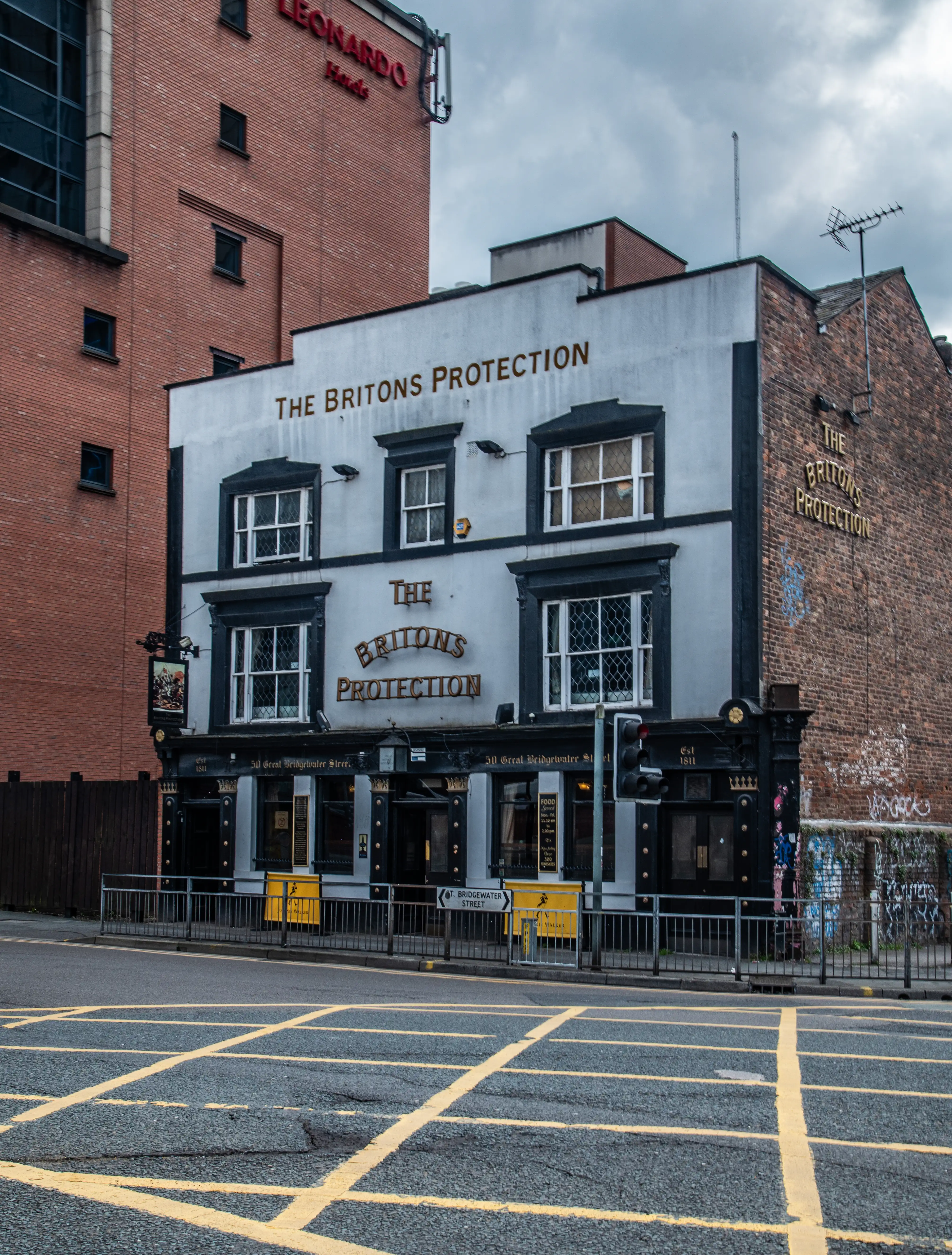
Front of a building painted with the words “THE BRITONS PROTECTION”, with windowed bays and a surrounding brick wall on a street.
The Britons Protection Pub Frontage
photo by
©www.mgaylard.co.uk.

The Britons Protection is a Grade II–listed early-19th-century Manchester pub, famed for its intact 1930s multi-room interior, army-recruiting heritage, and proximity to the Peterloo Massacre site. It retains terrazzo floors, Lincrusta ceilings, serving hatches, and original fixtures, making it one of Britain’s most important historic pub interiors.

Red-brick historic building with towers, viewed from street level beside tram tracks, with pedestrians walking under a cloudy sky.
The Midland Hotel", "Red-Brick Heritage Building with Tram Tracks and Tower
photo by
©www.mgaylard.co.uk.

Rochdale Canal

Rochdale Canal

Manchester, Greater Manchester, M1-M15 (various), United Kingdom

The Rochdale Canal is a historic navigable waterway in North West England, stretching 32 miles (51 km) from Manchester to Sowerby Bridge in West Yorkshire. Built between 1794 and 1804, it was a critical artery of the Industrial Revolution, facilitating the transport of coal, textiles, and raw materials that powered Manchester’s growth as a global industrial hub. Today, the canal is a vibrant and scenic corridor for leisure, tourism, and urban regeneration, offering boating, cycling, walking, and waterside dining in the heart of Manchester.
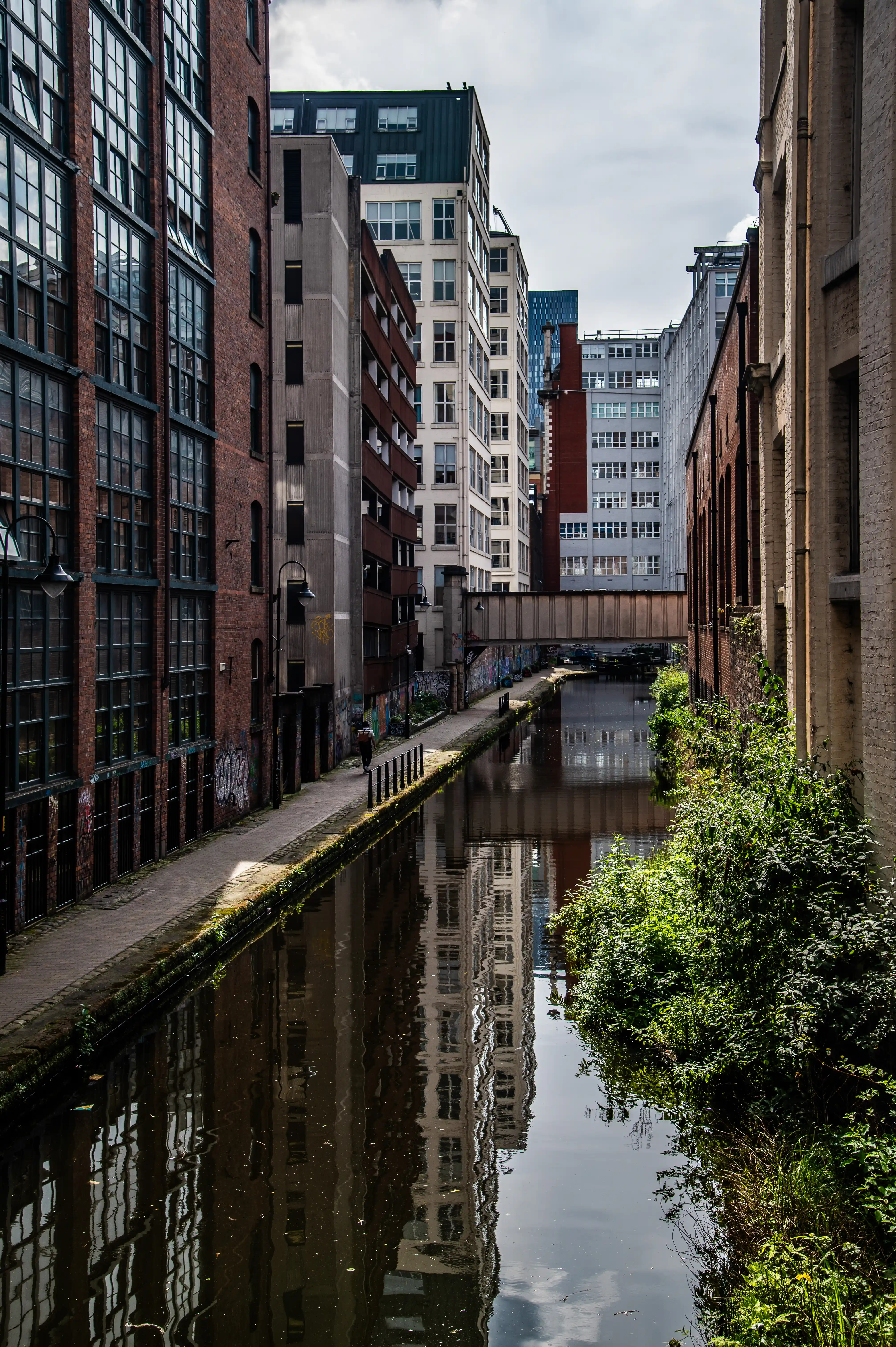
View down a narrow canal between tall brick buildings and modern offices, with reflections on the water and cloudy sky above.
Canal Through an Urban Courtyard
photo by
©www.mgaylard.co.uk.
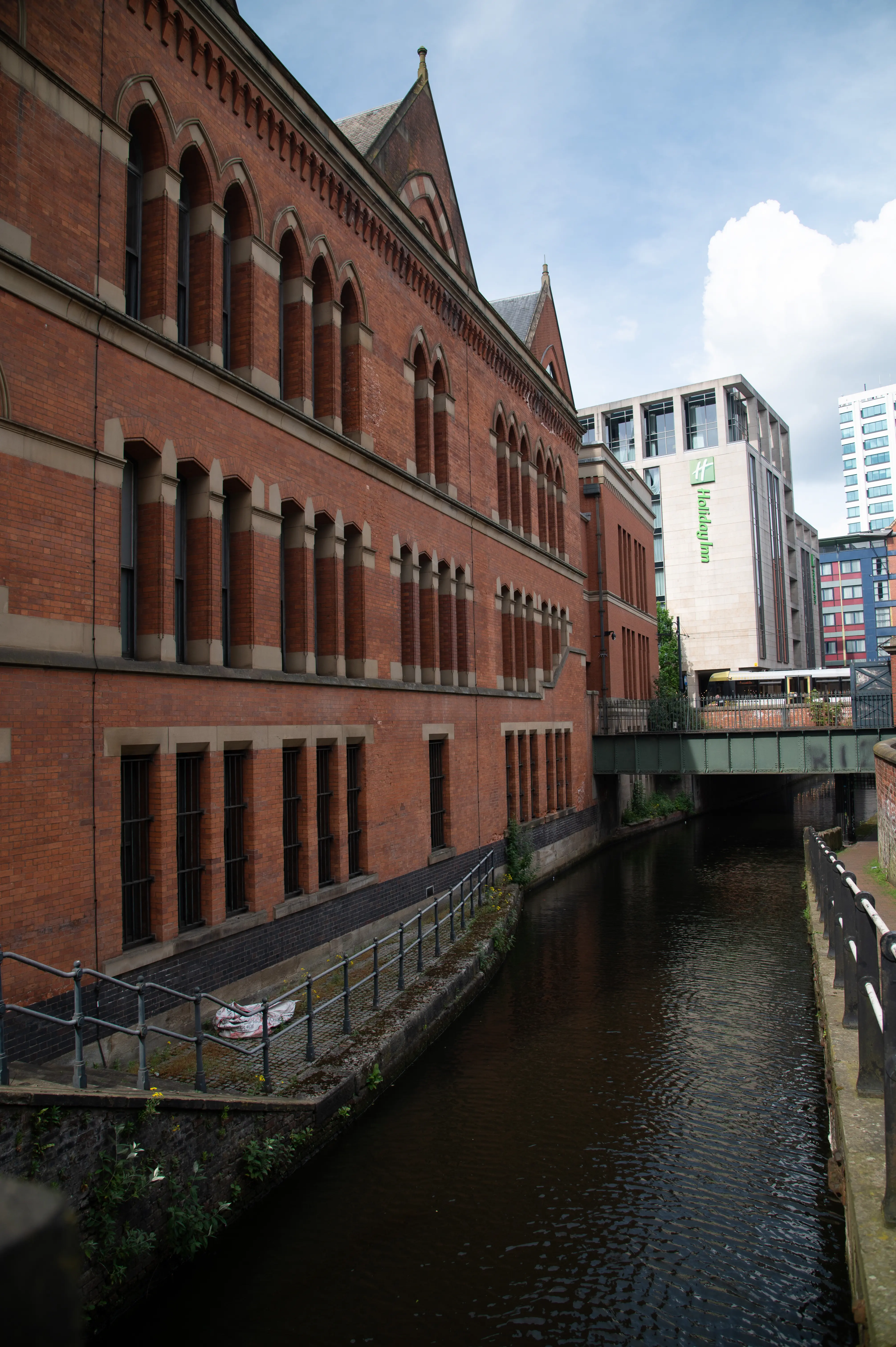
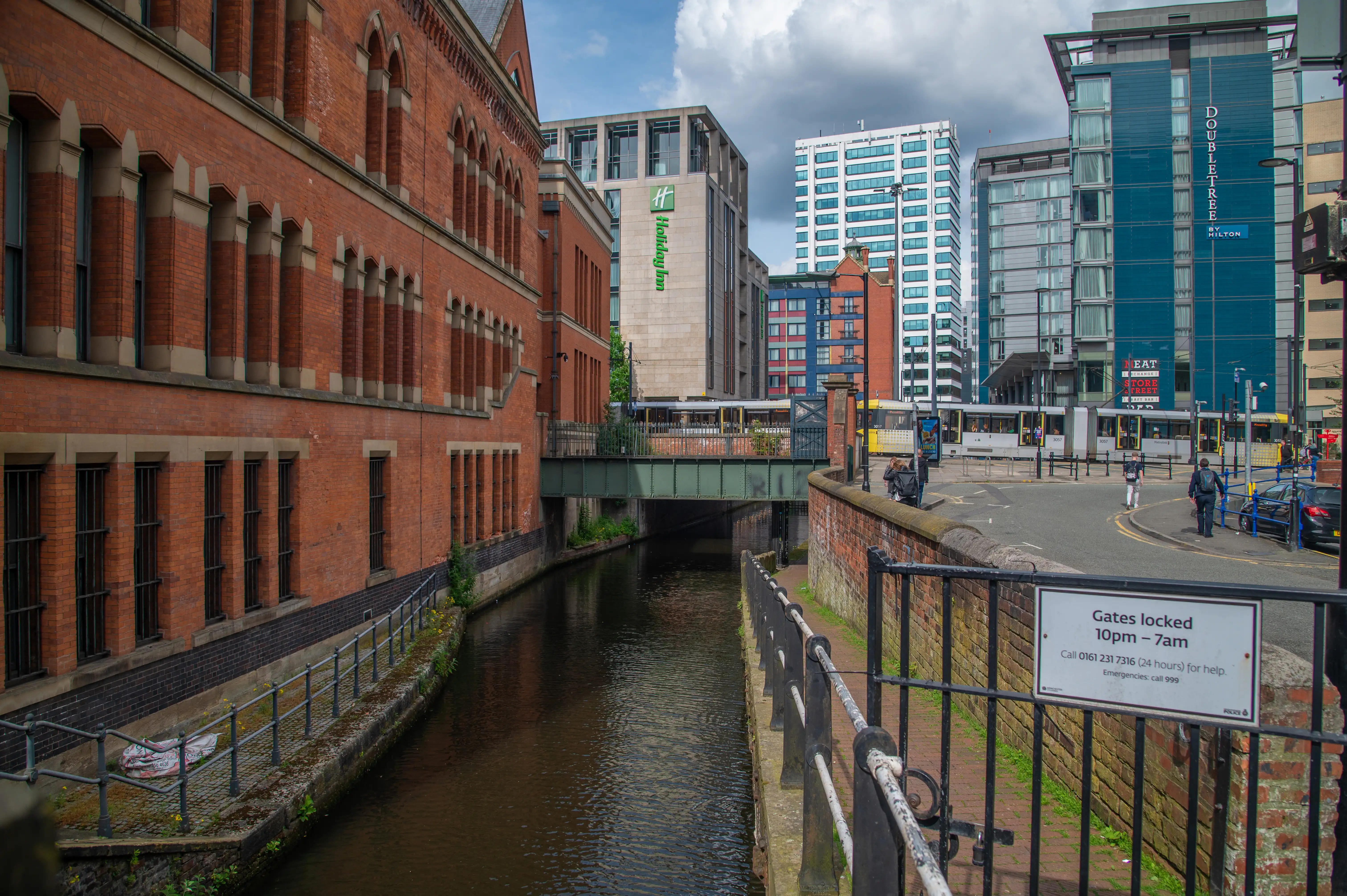
Red-brick buildings along a narrow canal with a modern hotel and green “Hilton” sign seen ahead.
Canal Through Historic Red-Brick Buildings with Hilton Sign
photo by
©www.mgaylard.co.uk.
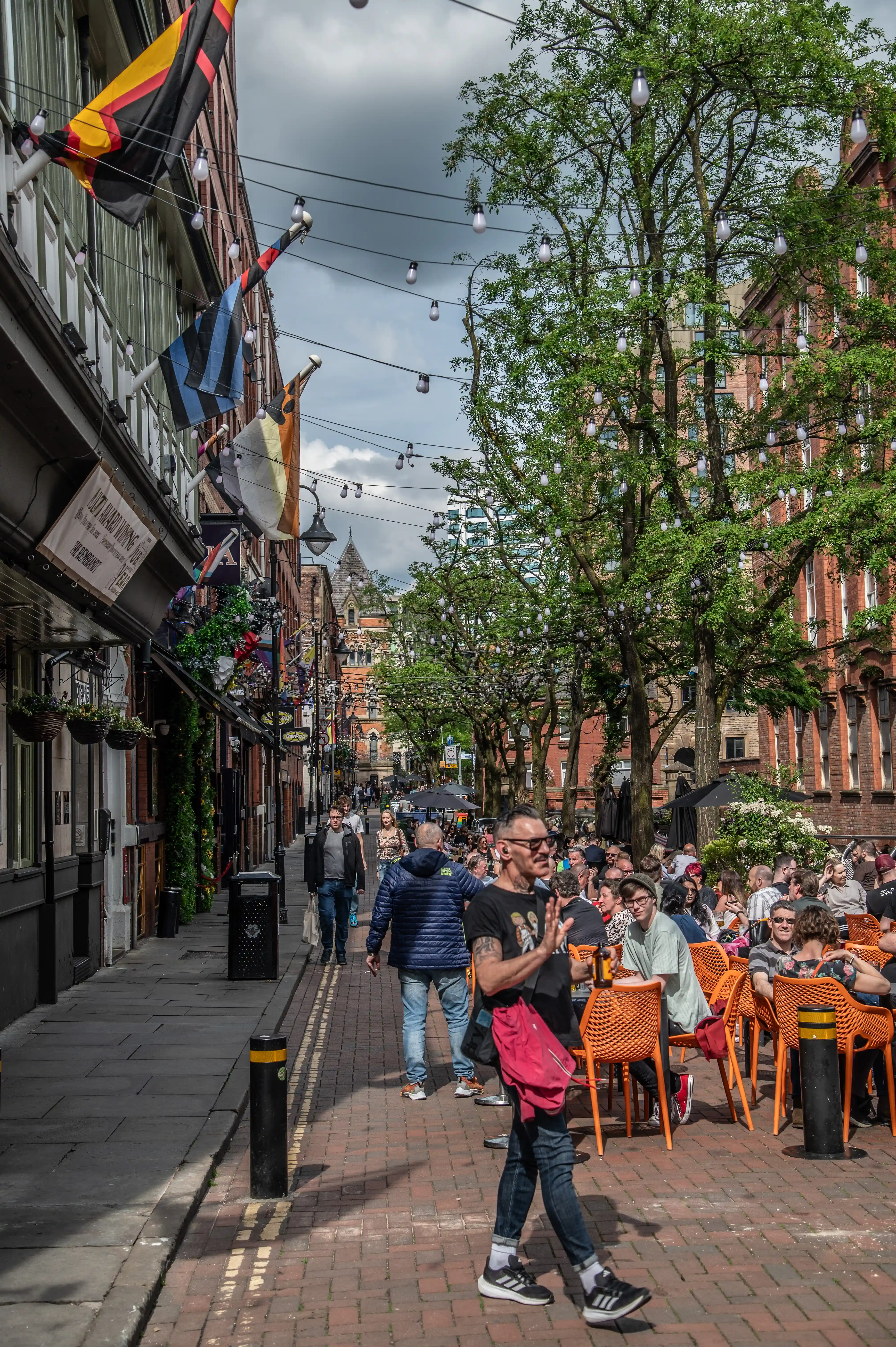
Outdoor seated crowd on a narrow brick street with orange chairs, hanging bunting flags, and string lights above trees.
Café Seating on a Brick Street with Bunting and Trees
photo by
©www.mgaylard.co.uk.
Narrow canal beside brick industrial buildings, with pedestrians on a nearby street and a DoubleTree by Hilton hotel sign in the distance.
Canalside Street Scene with Brick Warehouses and DoubleTree by Hilton
photo by
©www.mgaylard.co.uk.
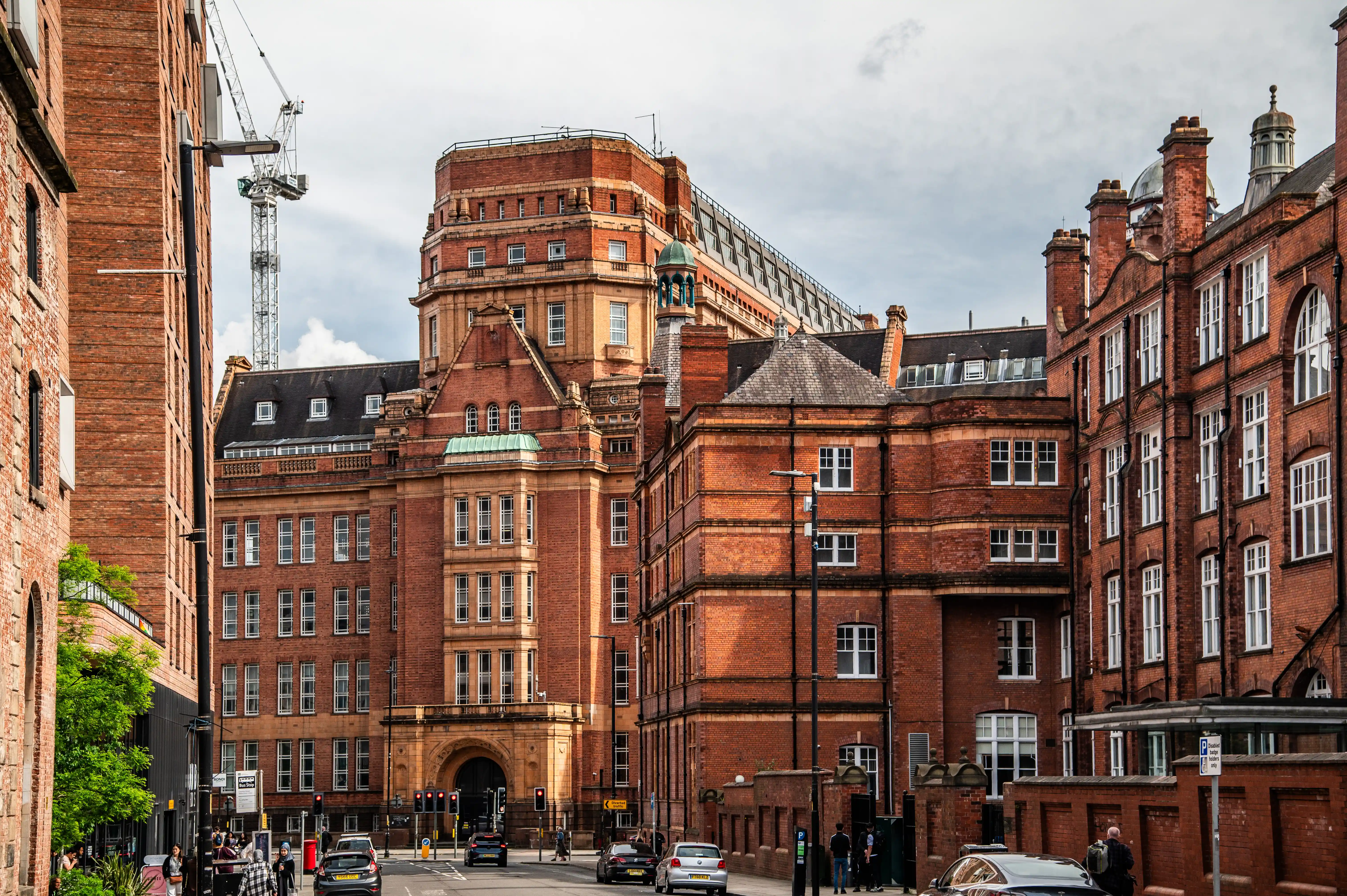
Red brick buildings with white windows and a tower crane in the background on a city street.
Urban Contrast: Victorian Architecture and Construction in Manchester
photo by
©www.mgaylard.co.uk.
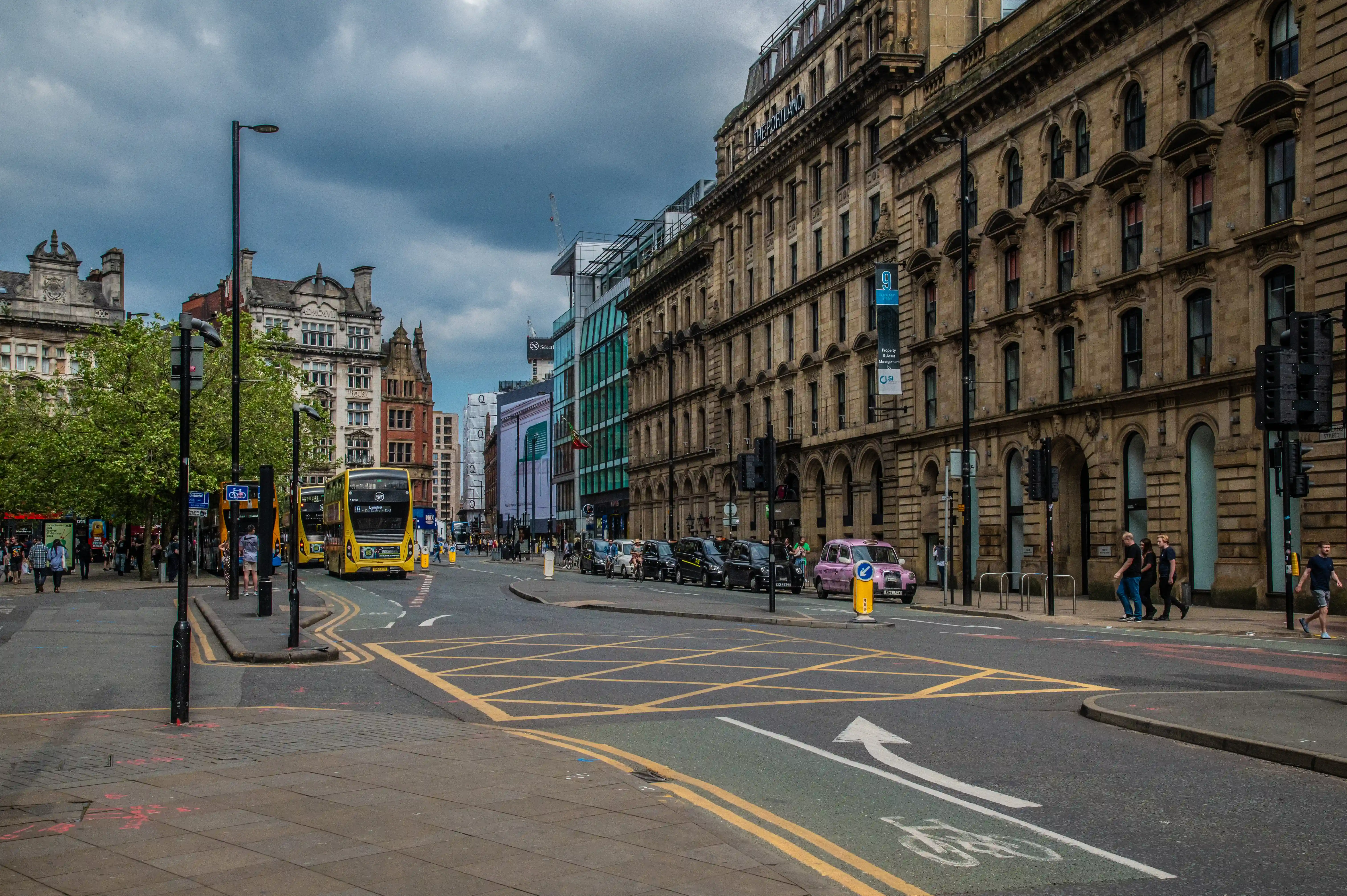
A street in Manchester city centre with yellow double-decker buses, cars, pedestrians, and buildings of varying architectural styles.
Urban Pulse: Manchester's Piccadilly
photo by
©www.mgaylard.co.uk.
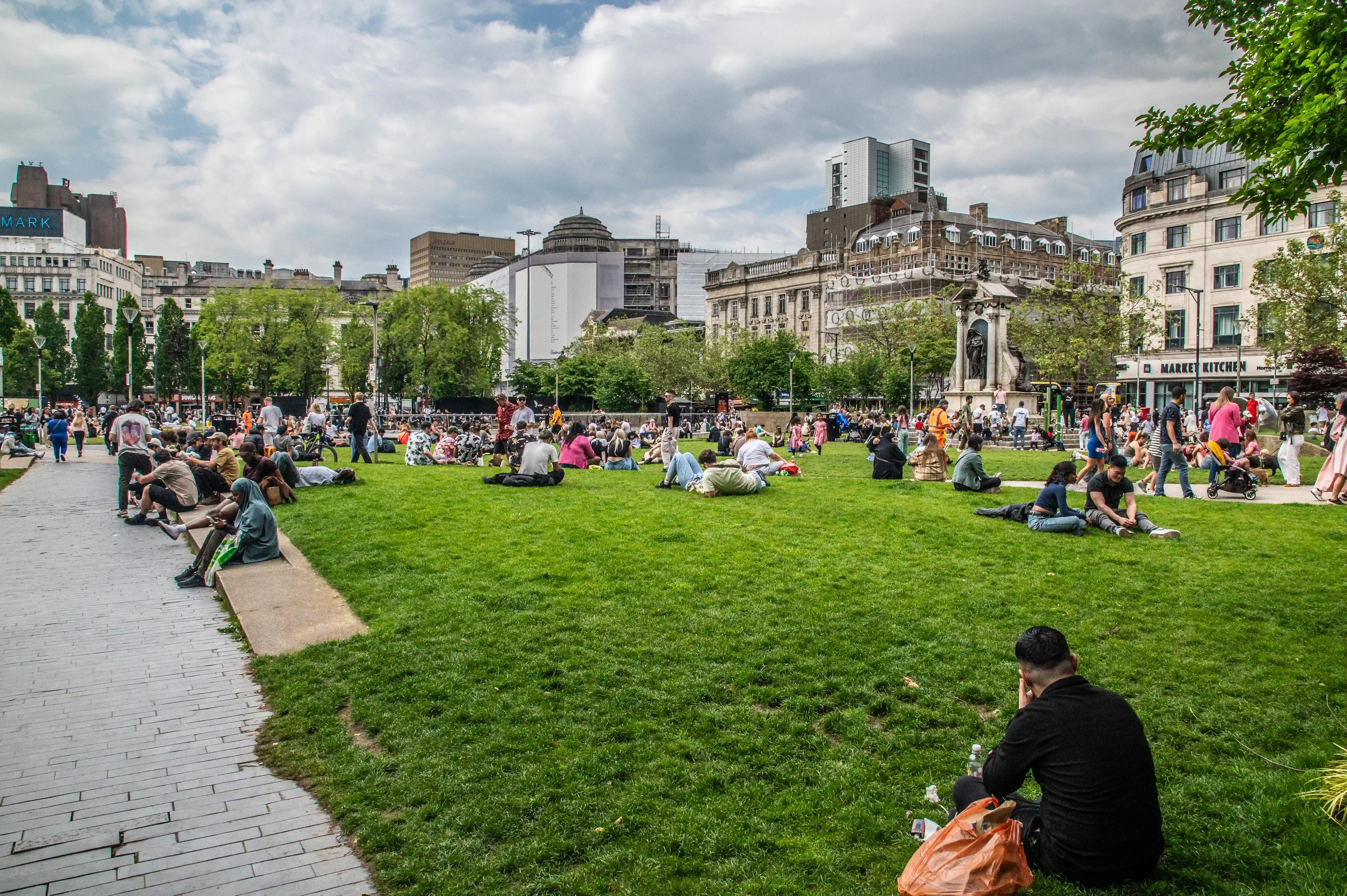
People sitting and lounging on a large grassy area in a city park, with buildings visible in the background.
Piccadilly Gardens
photo by
©www.mgaylard.co.uk.

Rochdale Canal

Built: 1794–1804

Length: 32 miles (51 km)

Route: Manchester to Sowerby Bridge, West Yorkshire

Locks: 92 locks

Status: Fully navigable (restored in 2002)

Managed by: Canal & River Trust

Website:

The Rochdale Canal was authorized by an Act of Parliament in 1794 and completed in 1804, during the height of the Industrial Revolution. It was designed to connect Manchester, a growing industrial powerhouse, with the textile towns of Rochdale and Sowerby Bridge, facilitating the transport of coal, cotton, wool, and other goods that fueled the region’s economic boom.

The canal was engineered by William Jessop and James Green, and its construction required significant feats of engineering, including the building of 92 locks to navigate the hilly terrain between Manchester and the Pennines. The canal played a vital role in the growth of Manchester as a global center of trade and industry, particularly for the textile and coal industries.

By the mid-19th century, the Rochdale Canal fell into decline as railways became the dominant mode of transport. The canal was officially closed to navigation in 1937, and by the 1960s and 1970s, it had become derelict and overgrown. However, a major restoration project began in the 1980s, led by volunteers and the Canal & River Trust, to revive the canal as a leisure and heritage asset.

The restoration was completed in 2002, and the Rochdale Canal was reopened to navigation, marking a new chapter in its history. Today, it is a vibrant and scenic waterway that connects communities, supports tourism, and celebrates Manchester’s industrial heritage.

References

Text generated by Mistral AIwww.xprivo.comMicrosoft CoPilot , and AI Image Describer
To the top
Powered by w3.css. The images are all stored on link to www.gaylard.co.uk Photostream on Flickr   This website is hosted by link to 123Reg Web Hosting