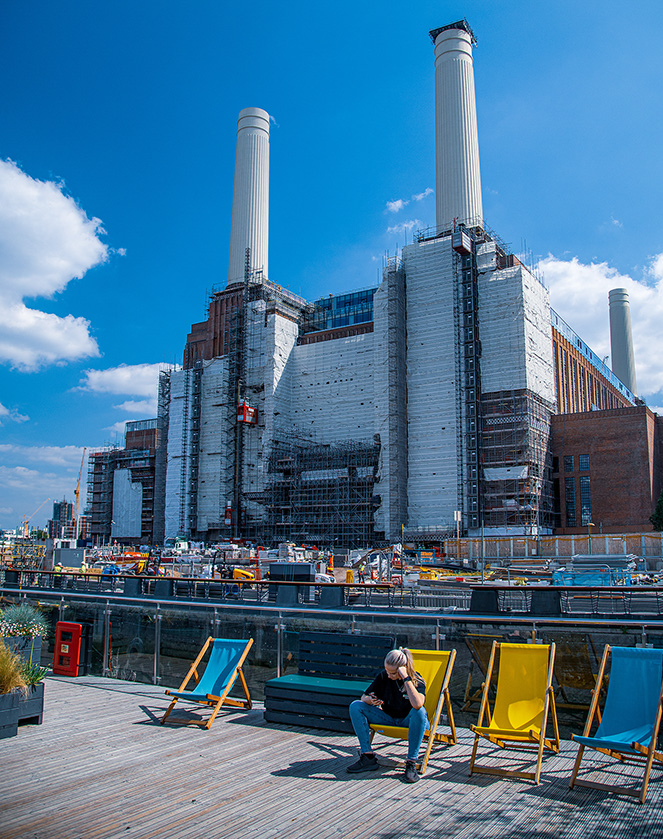
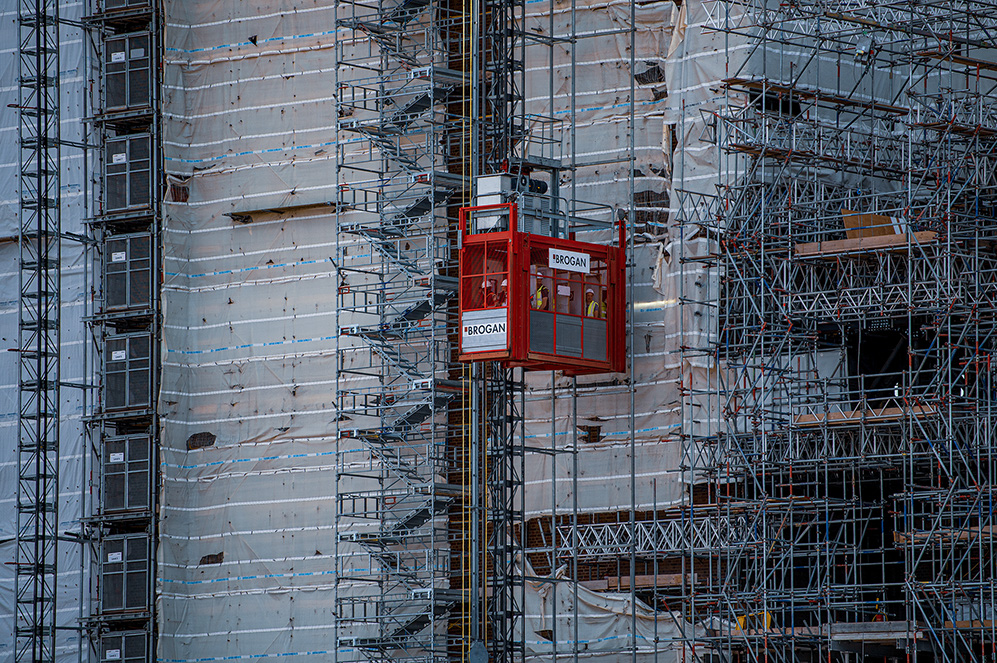
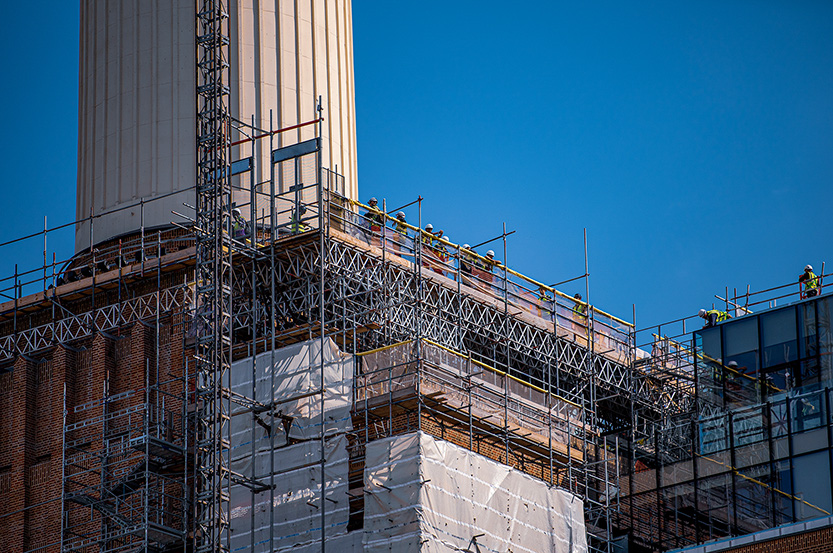
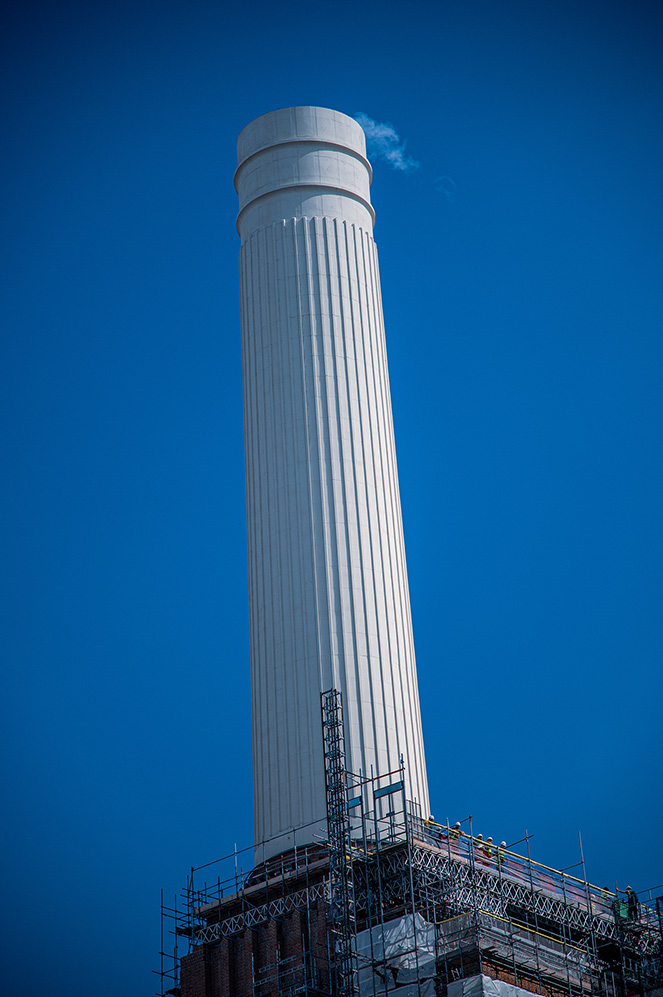
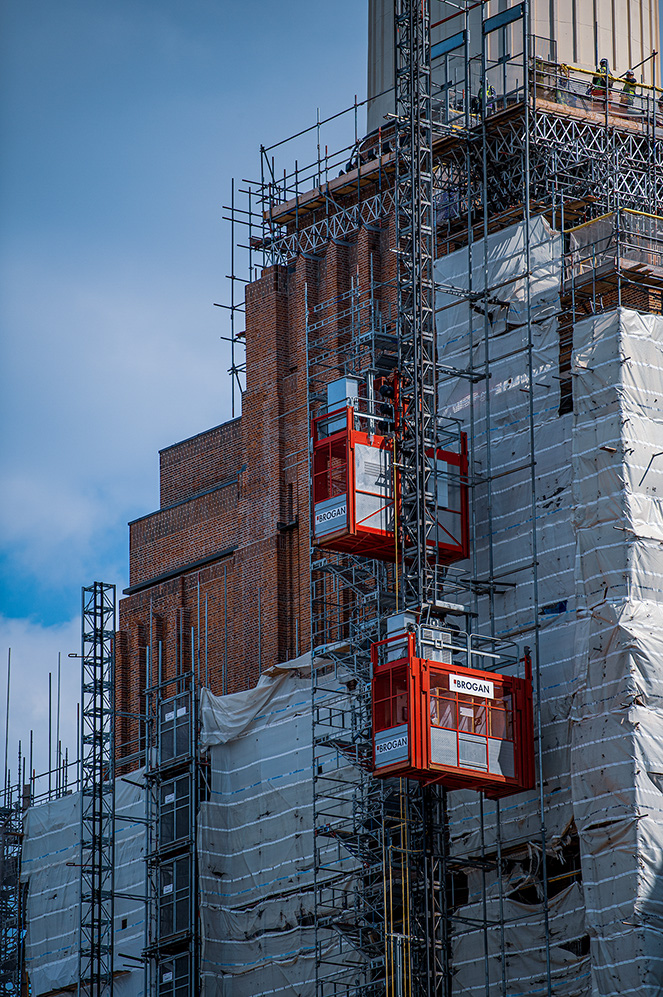
Battersea Power Station is an iconic Grade II* listed building and one of London’s most recognizable landmarks. Originally built in the 1930s as a coal-fired power station, it is renowned for its distinctive Art Deco architecture and four white chimneys. After decades of disuse, the site has been redeveloped into a vibrant mixed-use complex featuring residential, retail, office, and leisure spaces, while preserving its historic character.
Battersea Power Station was built in two stages, Battersea A (1929-1935) and Battersea B (1937-1941), with a fourth chimney added in 1955. The station was designed by Leonard Pearce and later refined by Sir Giles Gilbert Scott, who is known for his work on the red telephone box and Liverpool Cathedral
Battersea Power Station supplied almost one-fifth of London's electricity at its peak and was the first British power station to rationalize large-scale electricity distribution under the UKal Grid
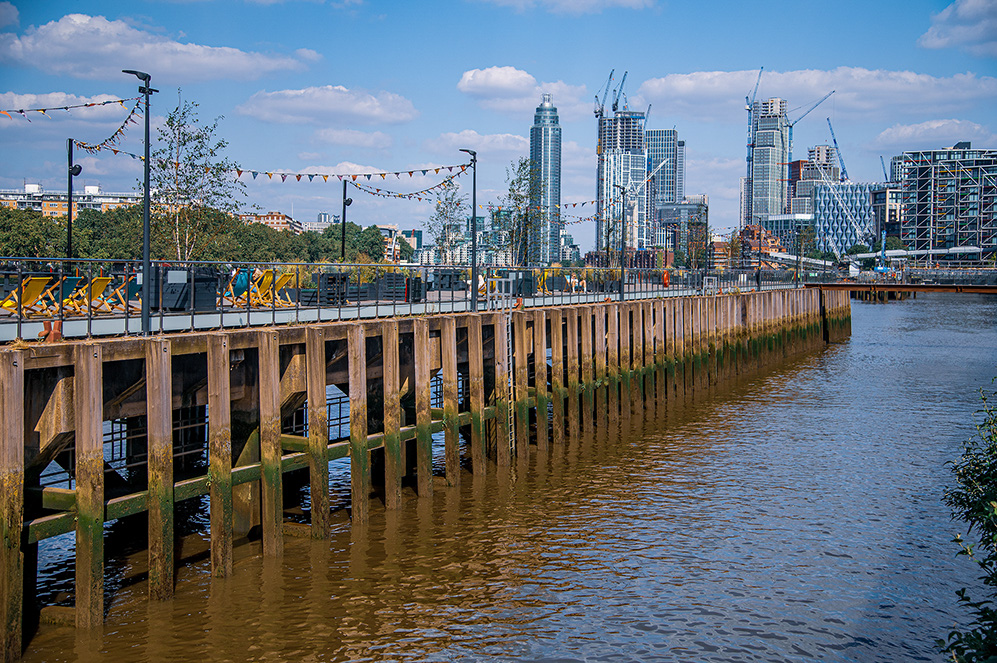
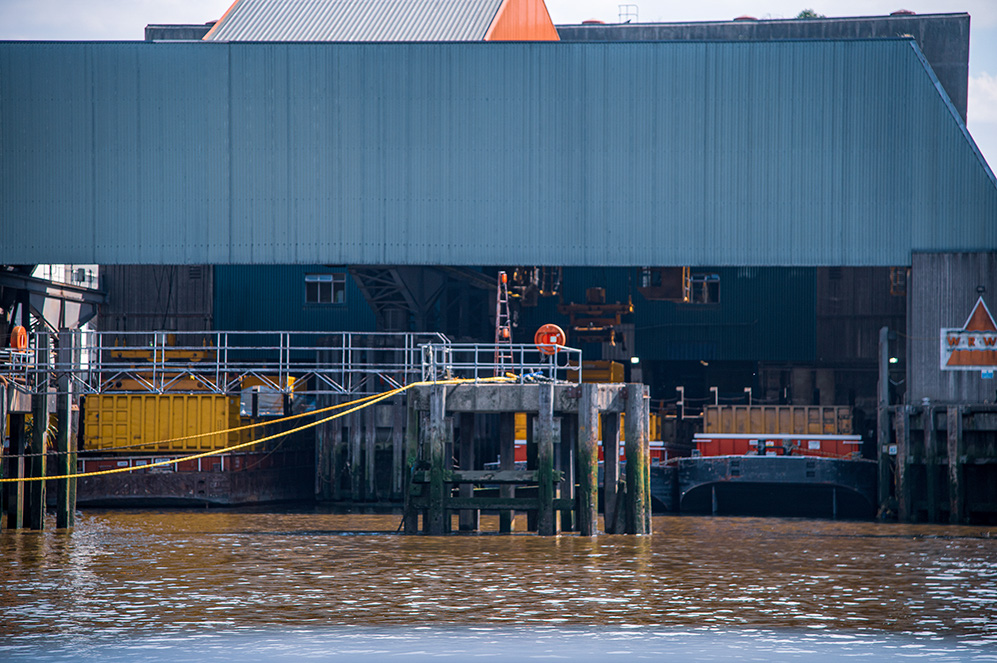
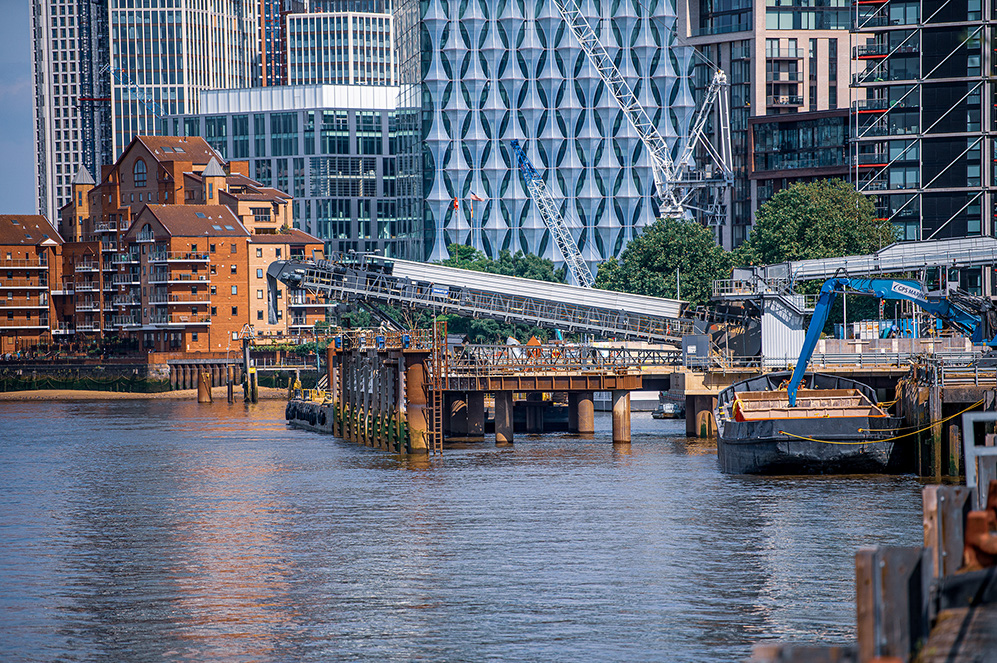
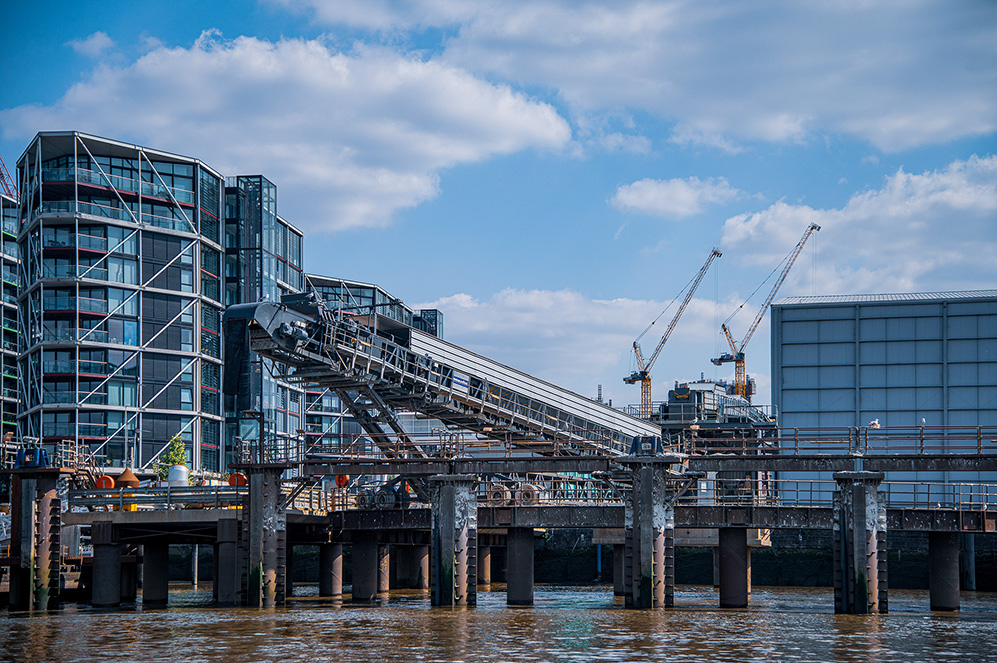
The Battersea Coaling Jetty was constructed between 1929 and 1932 to service the Battersea Power Station. It was used for loading and unloading coal from barges on the River Thames until the power station was decommissioned in 1983. The jetty has been redeveloped and opened to the public, offering a unique riverside space for events, including live music, food and drink, wellness sessions, and family activities
batterseapowerstation.co.uk
Westminster,
London,
Greater London,
United Kingdom
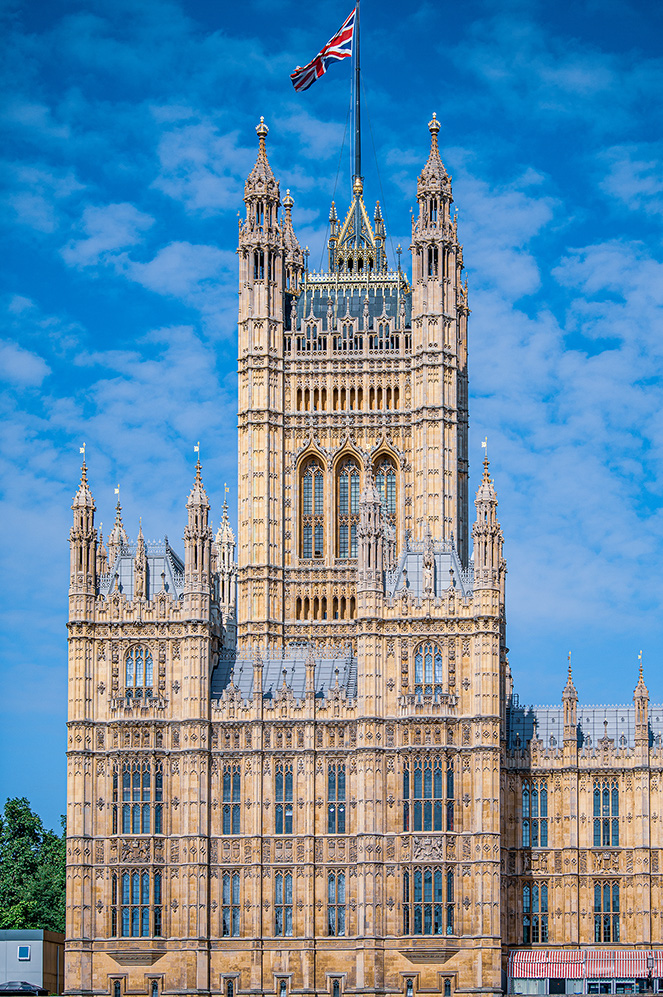
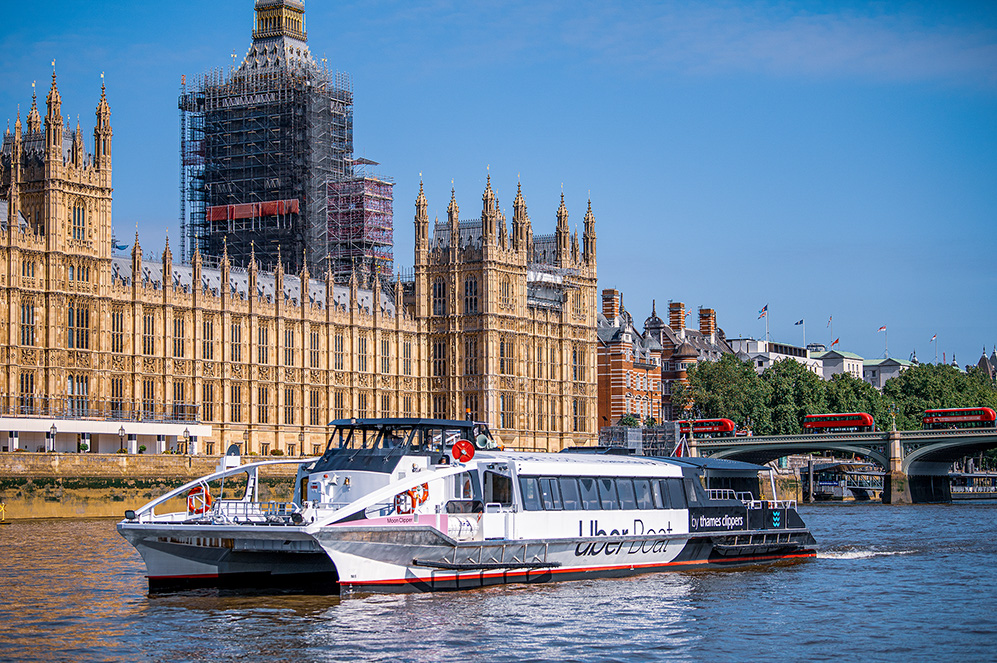
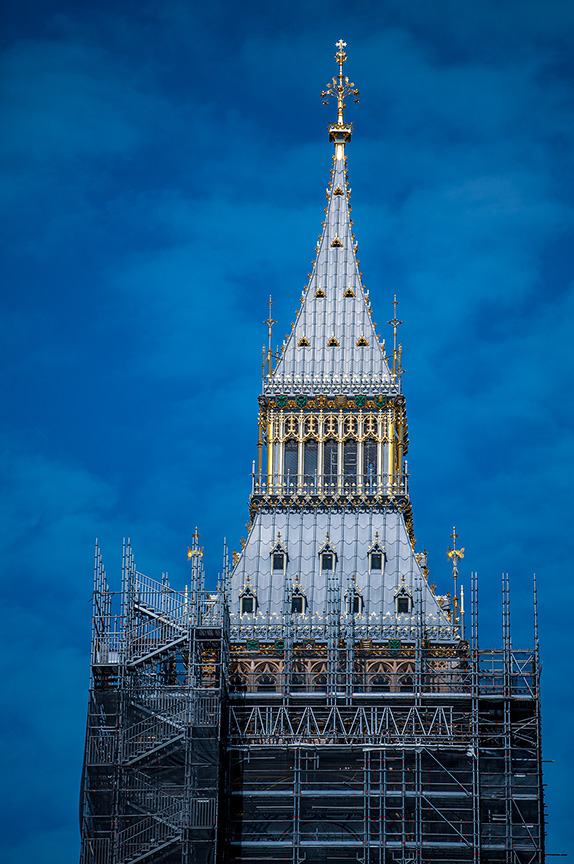
The Palace of Westminster, also known as the Houses of Parliament, is the seat of the UK government and a UNESCO World Heritage Site. Located on the north bank of the River Thames in London, it is renowned for its stunning Gothic Revival architecture, including the iconic clock tower, Elizabeth Tower (commonly called Big Ben). The palace houses the House of Commons and the House of Lords and is a symbol of British democracy and history.
Origins and Early History: The site has been significant since the Middle Ages, originally known as Thorney Island. The first royal palace was built here by Canute the Great in the 11th century.
Medieval and Tudor Periods: The palace served as a royal residence until 1512, when a fire led to its abandonment as a royal home. St. Stephen’s Chapel became the meeting place for the House of Commons.
Architectural Significance
Gothic Revival Architecture: The current building, designed by Sir Charles Barry and Augustus Welby Northmore Pugin, was constructed between 1840 and 1870 after a fire destroyed much of the original palace in 1834.
Iconic Features: The palace is renowned for its Gothic Revival architecture, including the famous Elizabeth Tower (commonly known as Big Ben) and Westminster Hall, which dates back to 1097.
Cultural and Political Importance
Seat of Government: The Palace of Westminster is the meeting place of the Parliament of the United Kingdom, housing the House of Commons and the House of Lords
UNESCO World Heritage Site: The palace, along with Westminster Abbey and St Margaret’s Church, is a UNESCO World Heritage Site, recognizing its historical and cultural significance
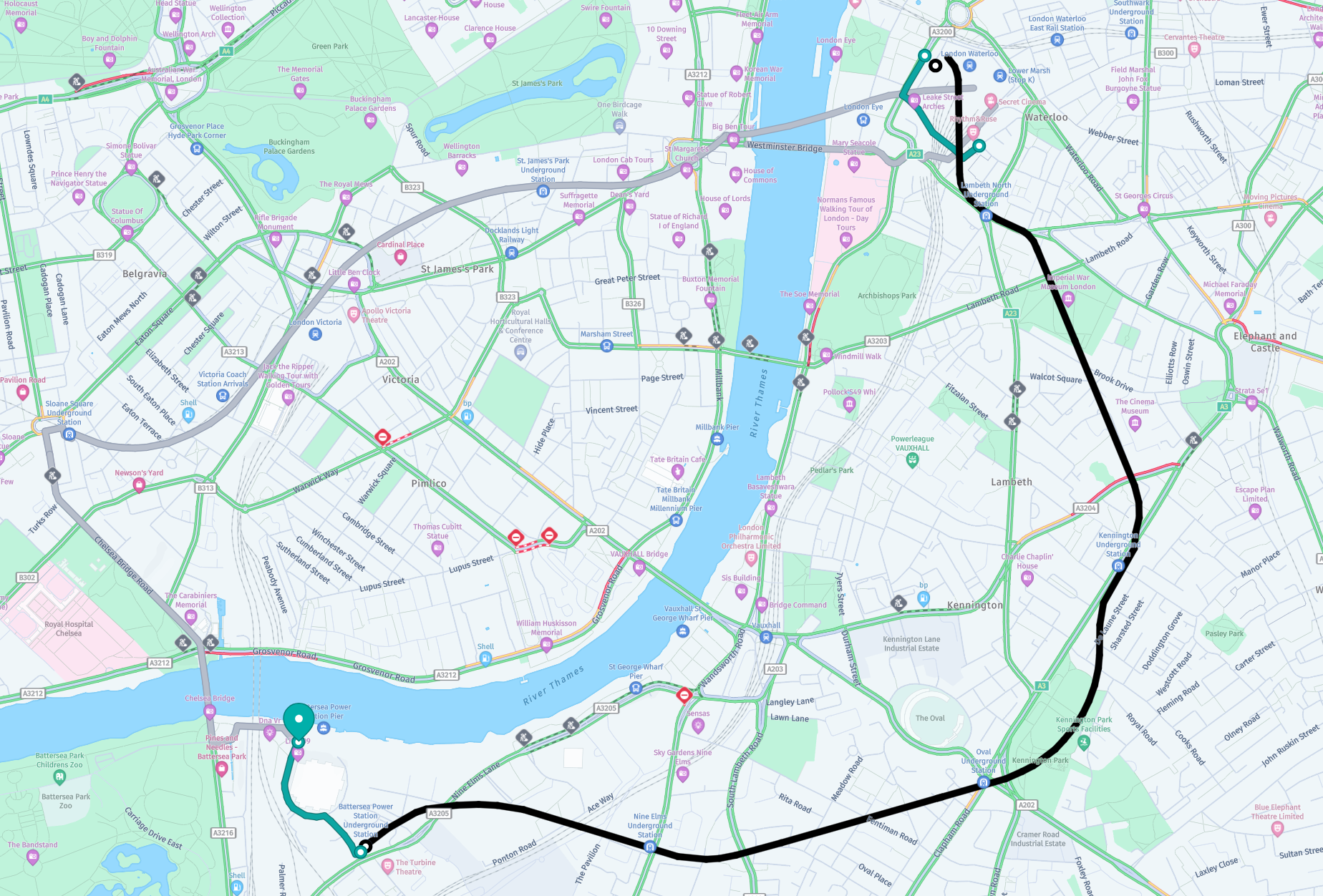
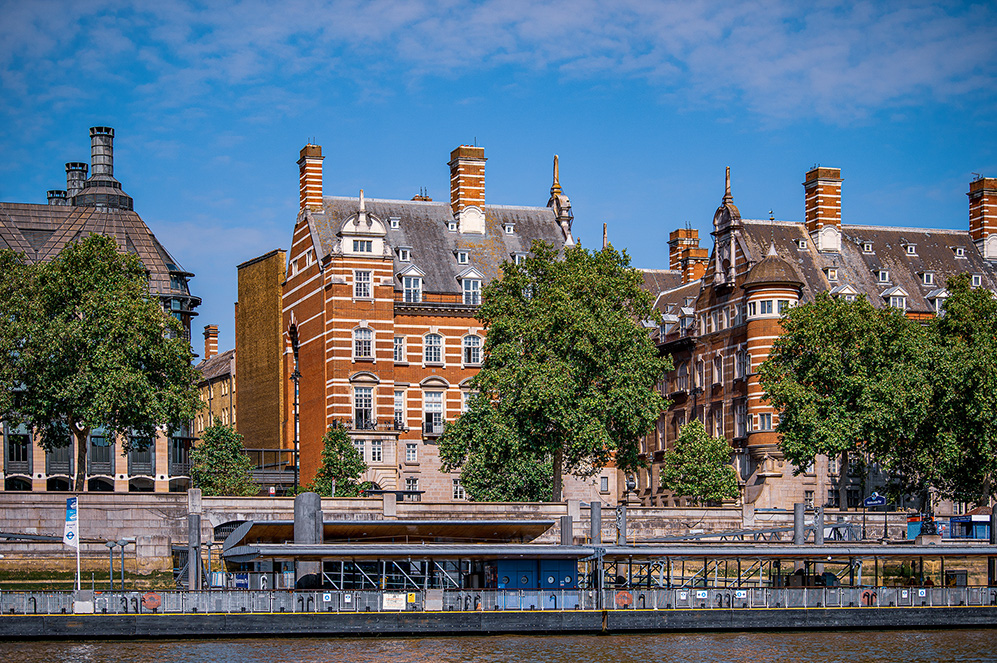
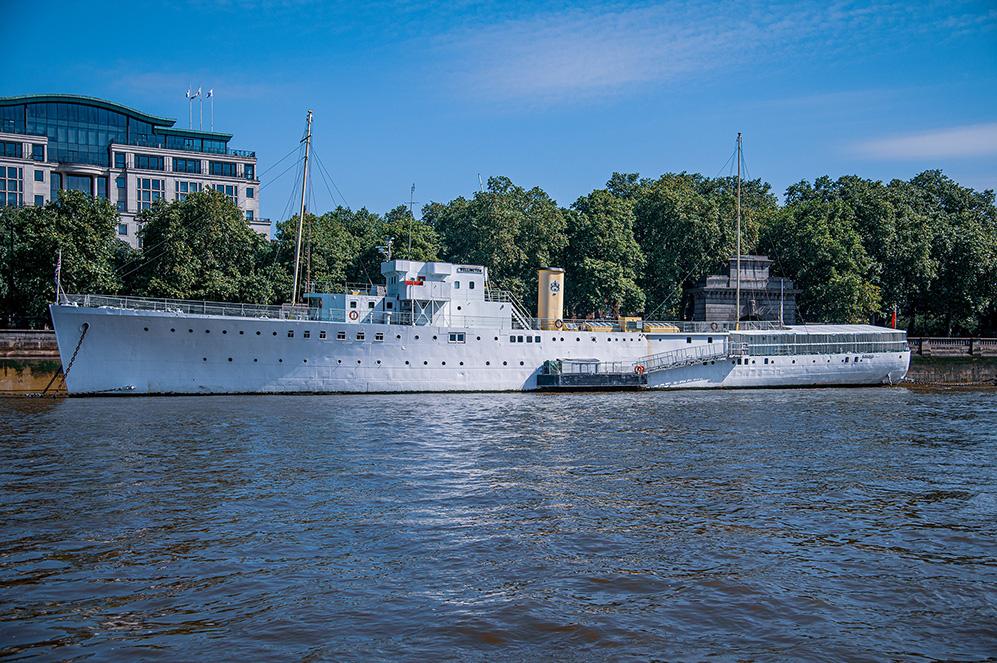
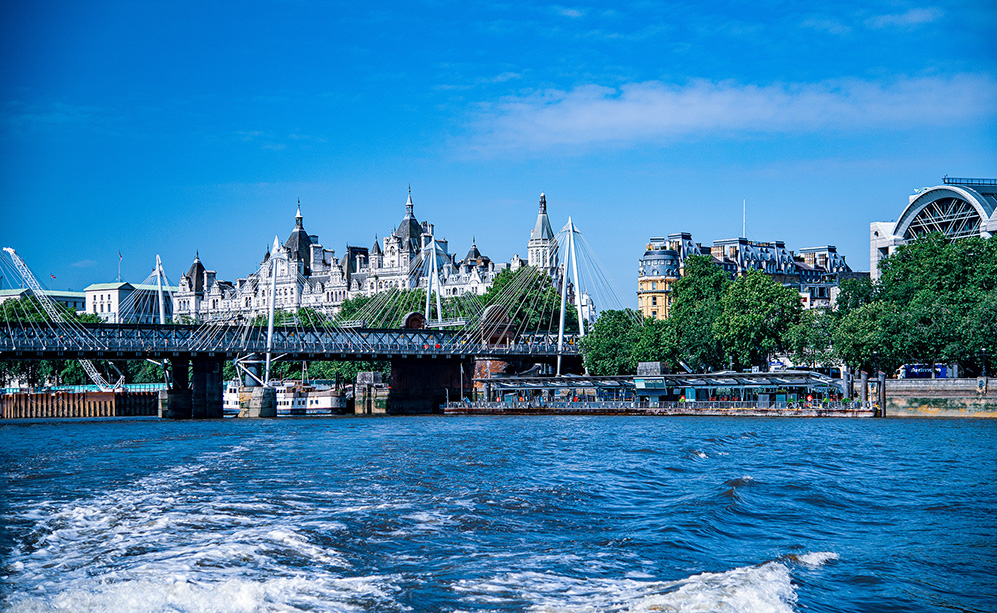
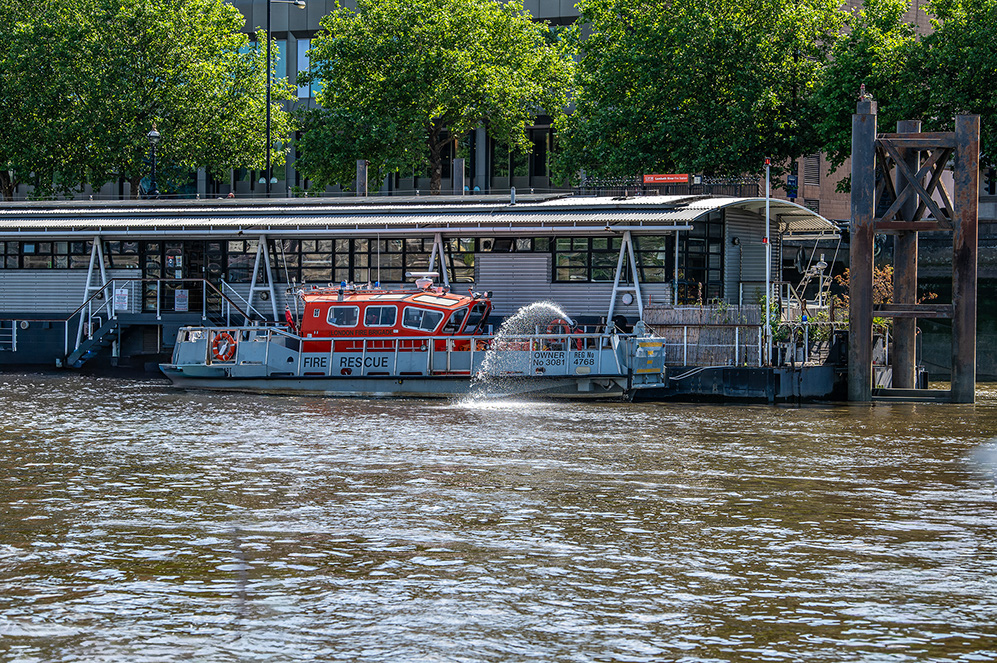
The River Thames between Chelsea and Westminster is one of the most iconic and scenic stretches of the river in London. This section flows through the heart of the city, passing by historic landmarks, cultural attractions, and government buildings. It is a popular route for river cruises, sightseeing, and leisure activities, offering stunning views of London's skyline.
Chelsea Embankment: Begin your journey at Chelsea Embankment, where you can enjoy views of the Albert Bridge and the elegant riverside properties of Chelsea. The area is known for its charming architecture and vibrant atmosphere.
Key Landmarks and Sights
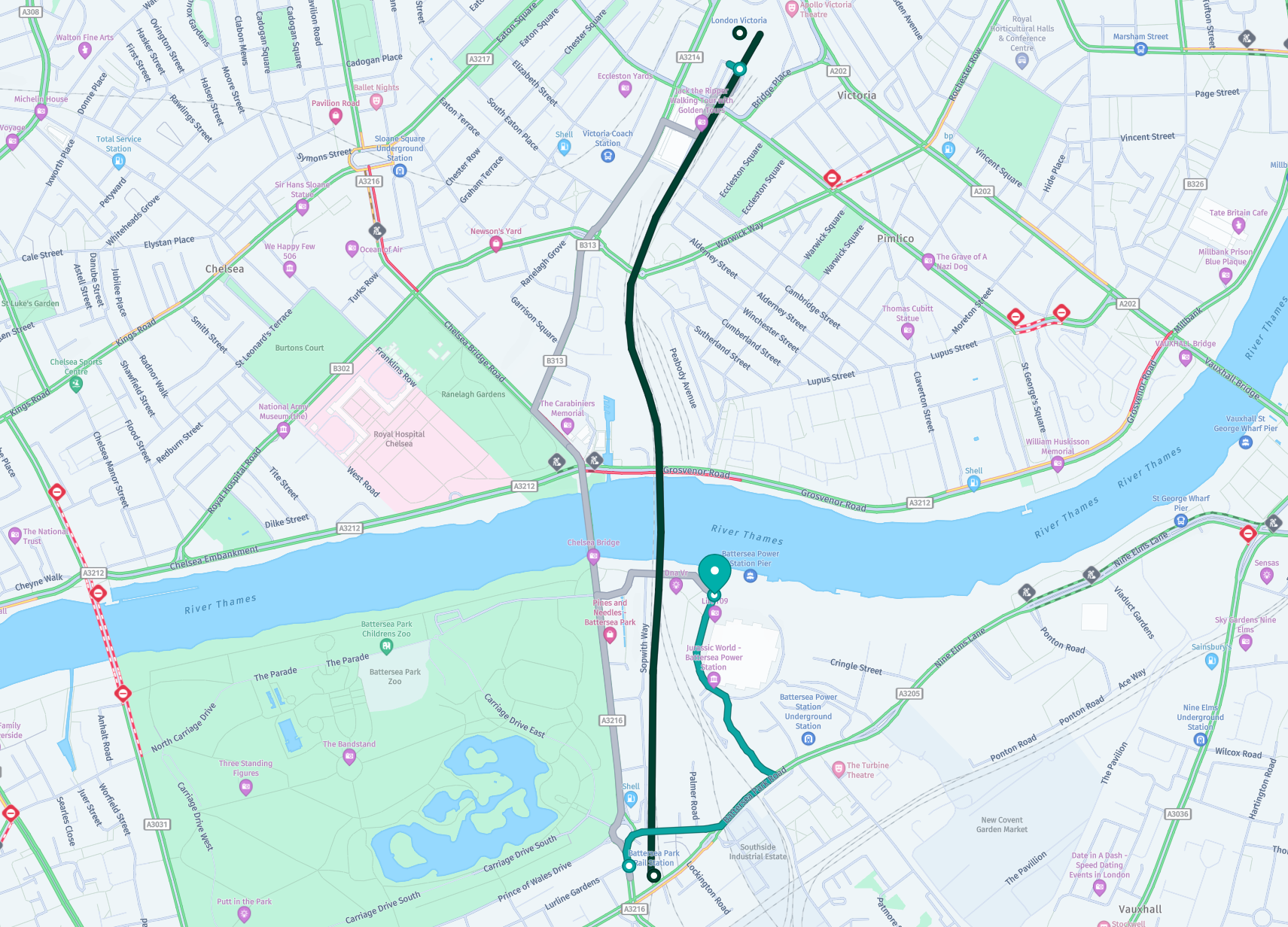
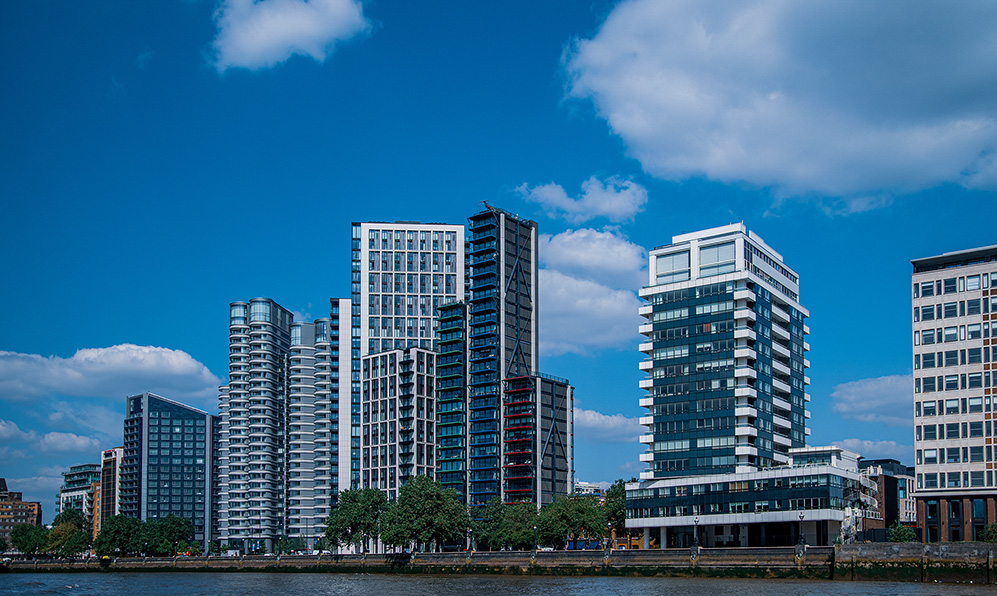
Battersea Park and Power Station: As you head east, you’ll pass Battersea Park on the south bank, a large green space with beautiful gardens and the iconic Battersea Peace Pagoda. Further along, the Battersea Power Station comes into view, a historic landmark with its distinctive chimneys and modern redevelopment.
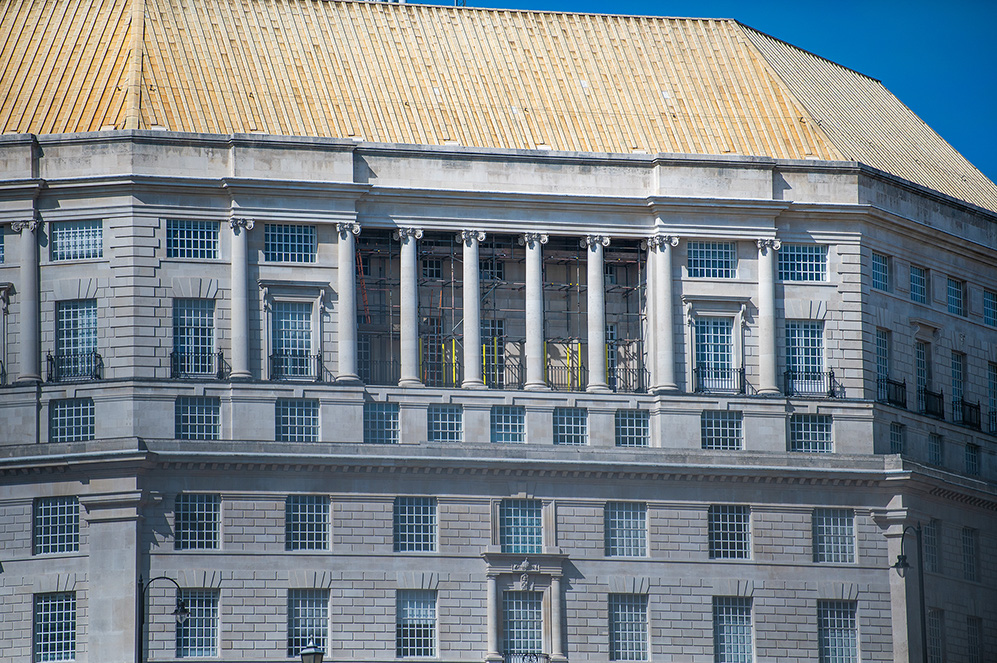
Vauxhall Bridge: Cross under Vauxhall Bridge, which offers views of the MI6 building (SIS Building) on the south bank, known for its modern architecture and significance in British intelligence.
Lambeth Palace and the London Eye: Continuing east, you’ll pass Lambeth Palace, the official residence of the Archbishop of Canterbury. On the opposite bank, the London Eye stands out, offering panoramic views of the city and serving as a major tourist attraction.
Westminster Bridge and the Houses of Parliament: As you approach Westminster Bridge, you’ll see the Houses of Parliament and the iconic Elizabeth Tower (commonly known as Big Ben).
The Palace of Westminster is a stunning example of Gothic Revival architecture and is the seat of the UK government.
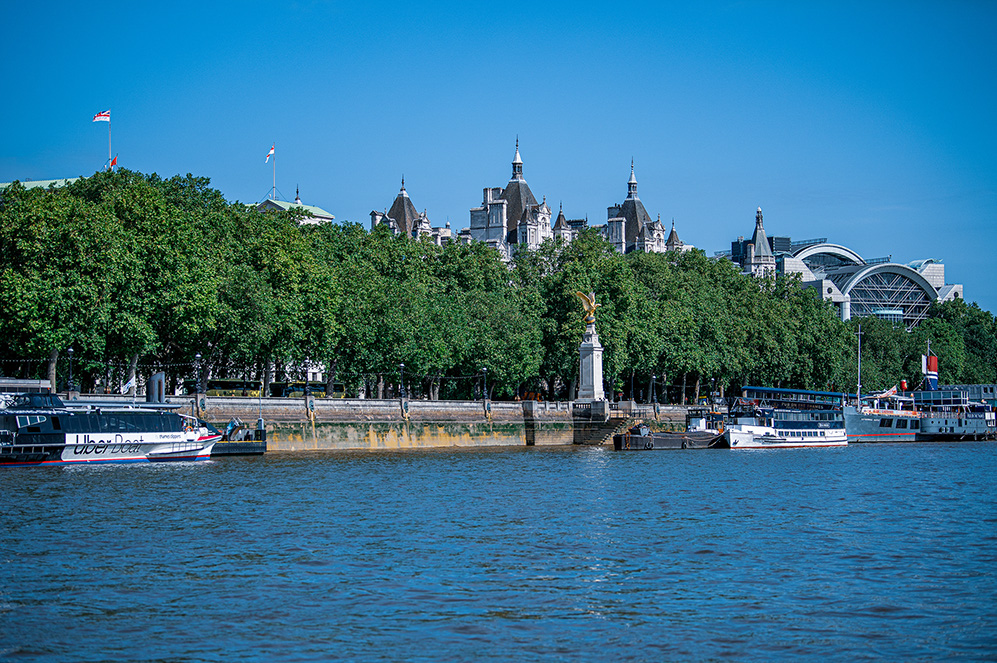
Thames Embankment and Cleopatra’s Needle: Along the Thames Embankment, you’ll pass Cleopatra’s Needle, an ancient Egyptian obelisk that stands as a prominent landmark on the river’s north bank.