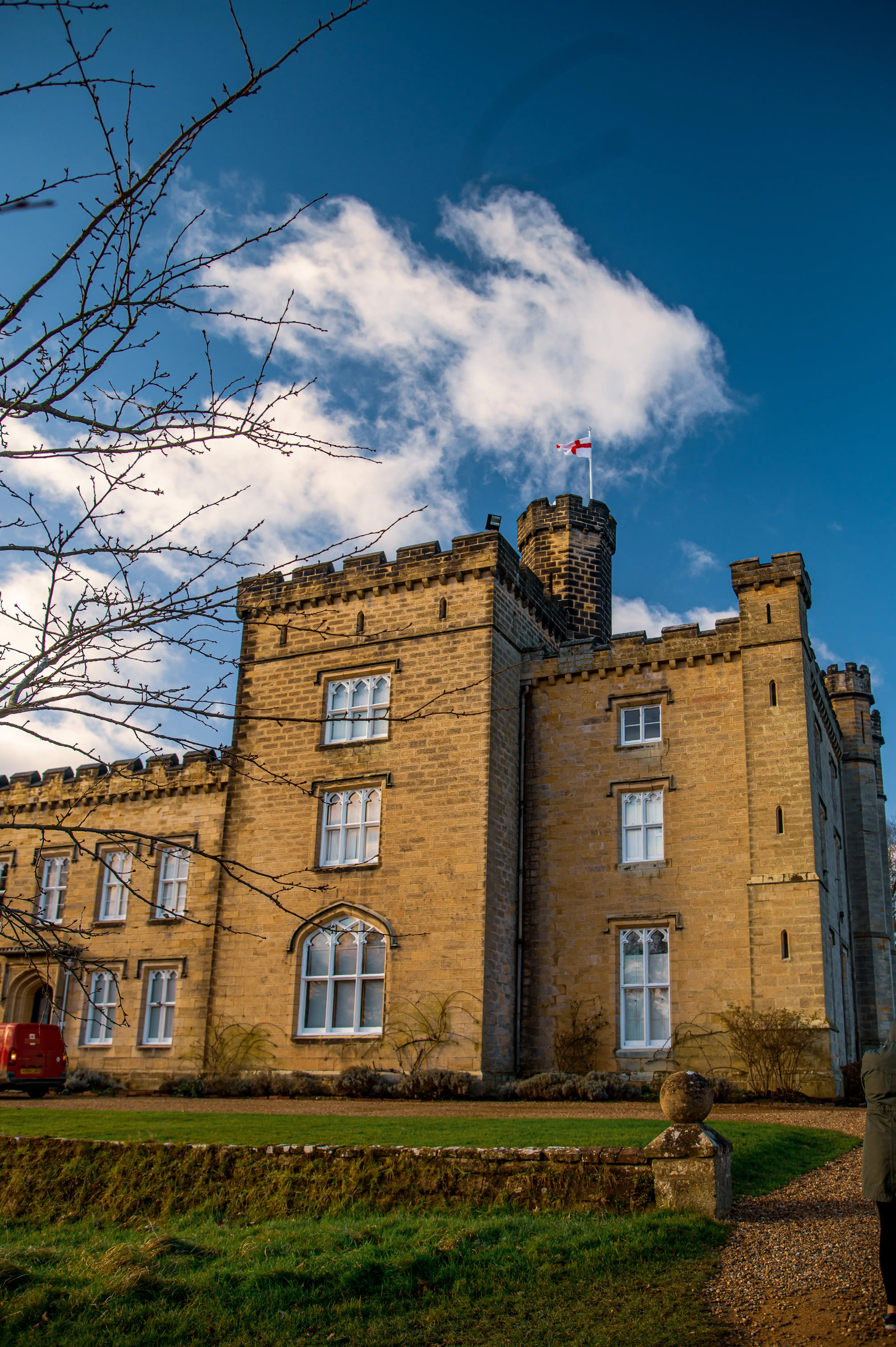

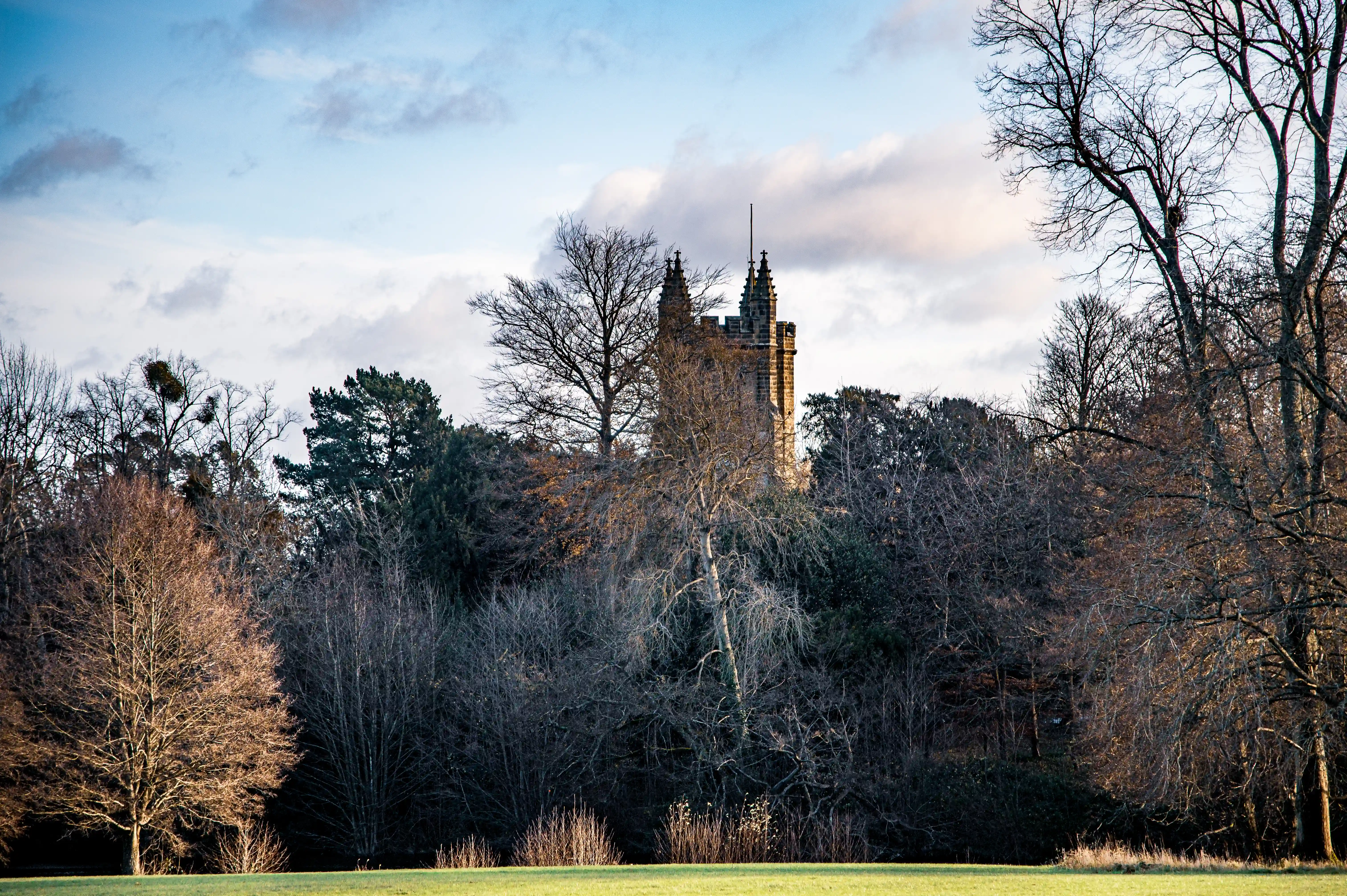
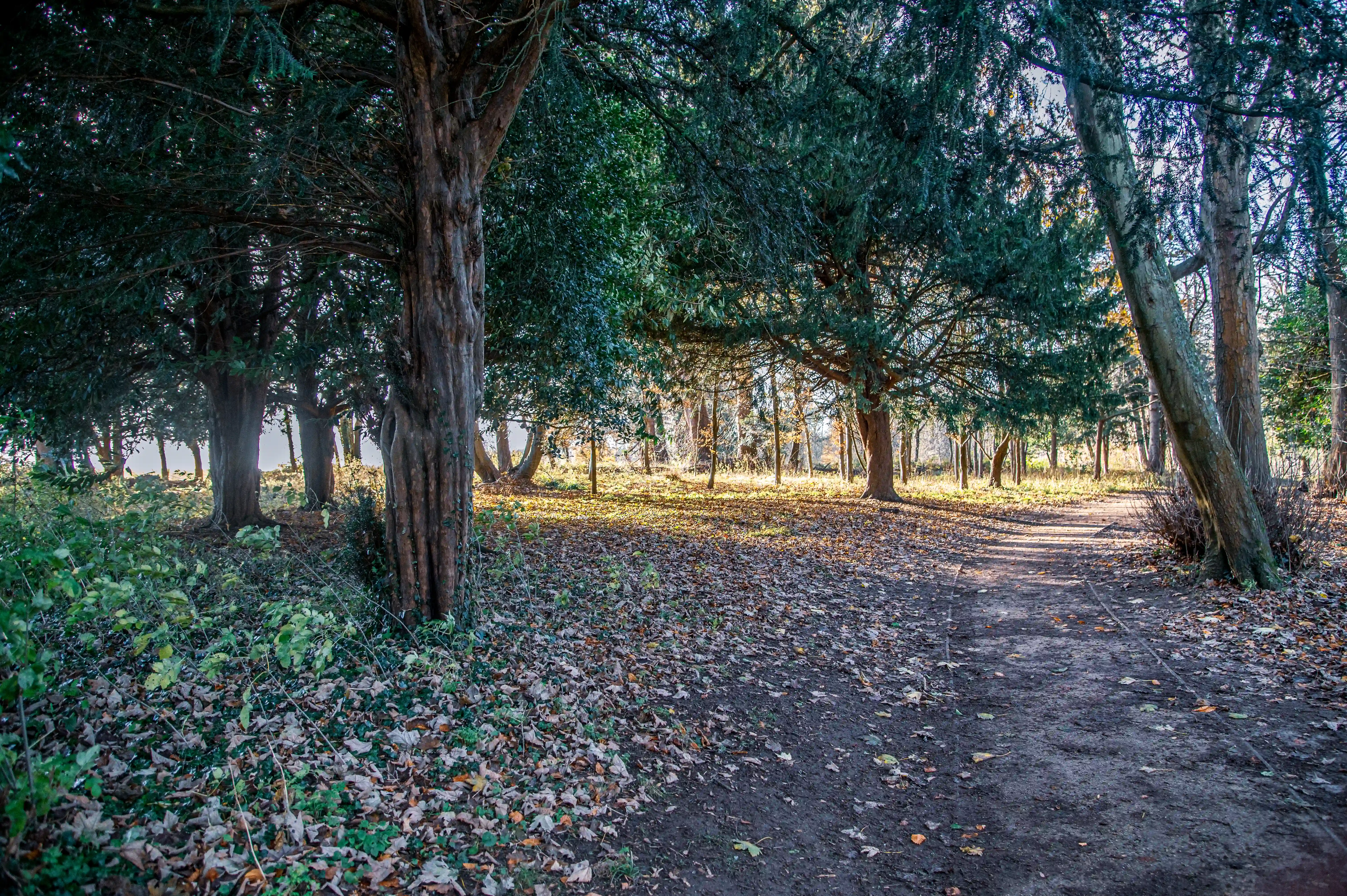
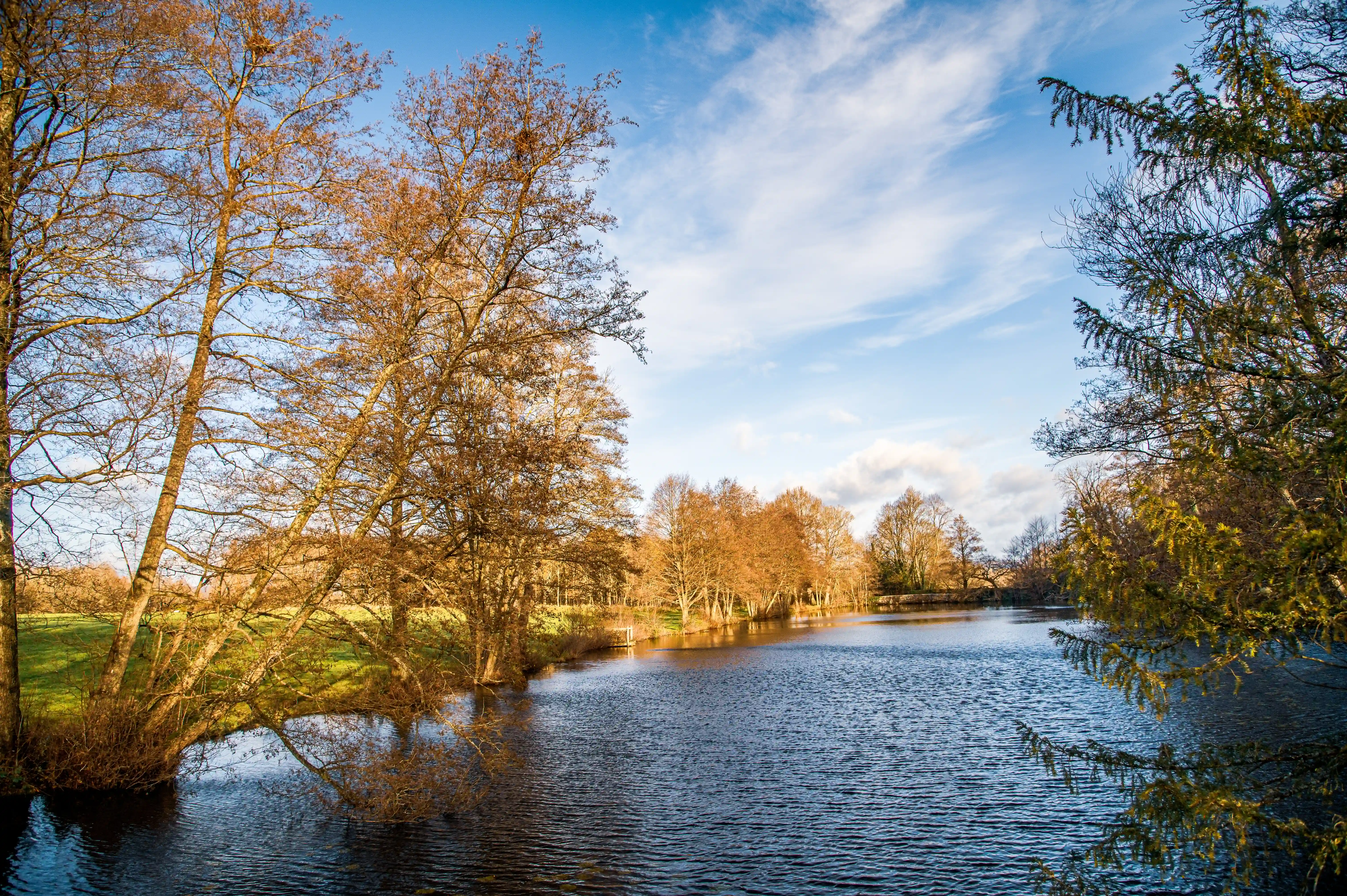
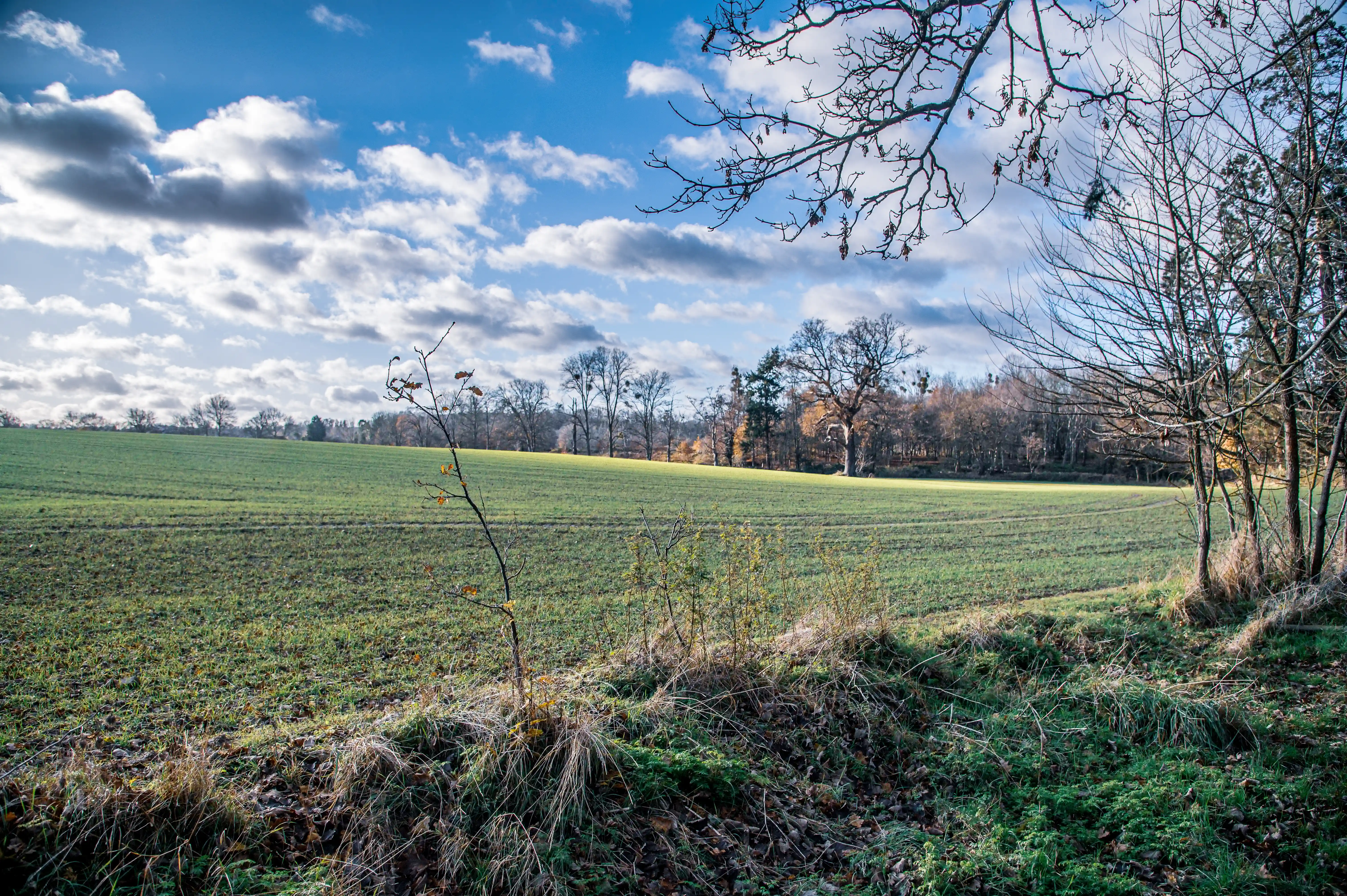

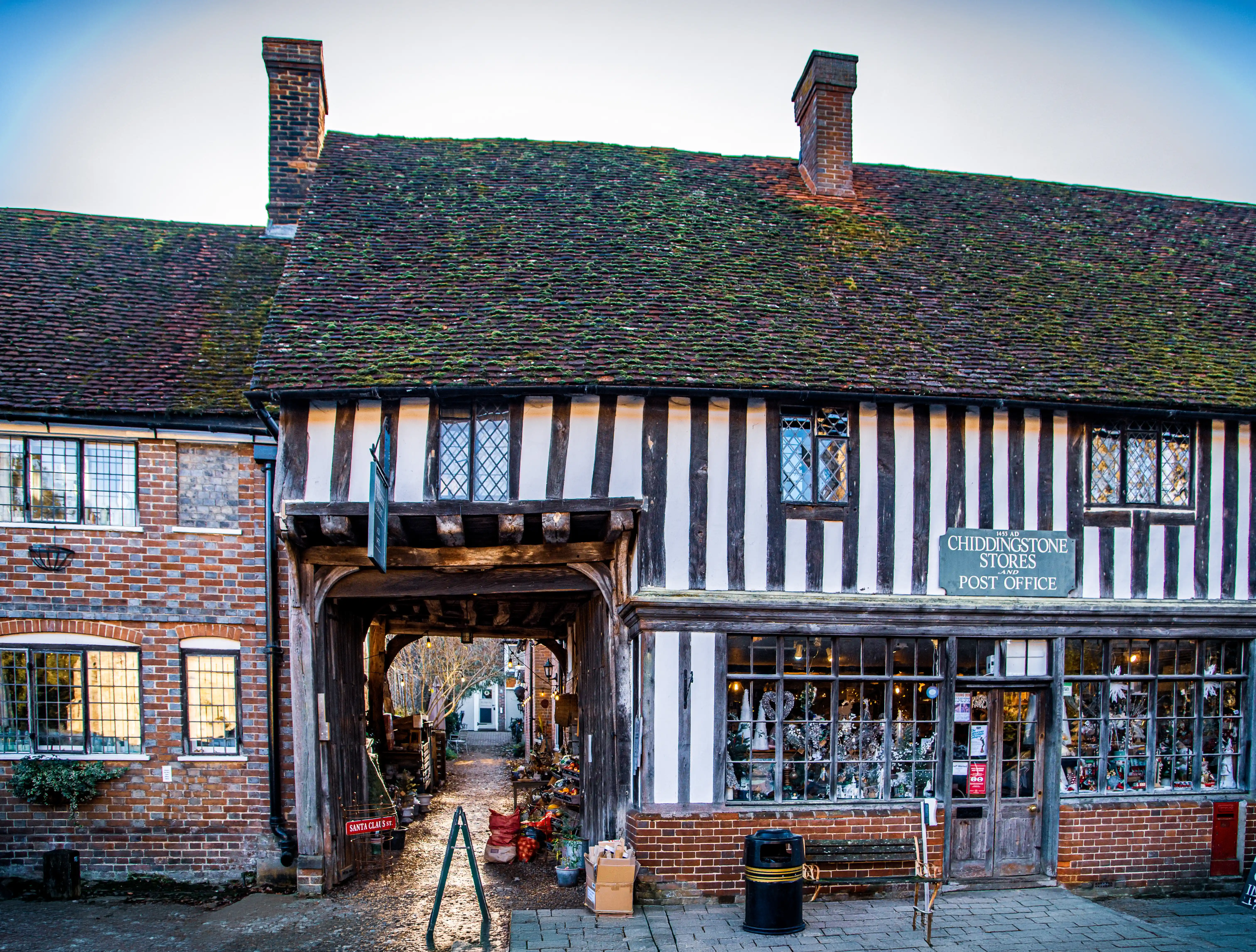
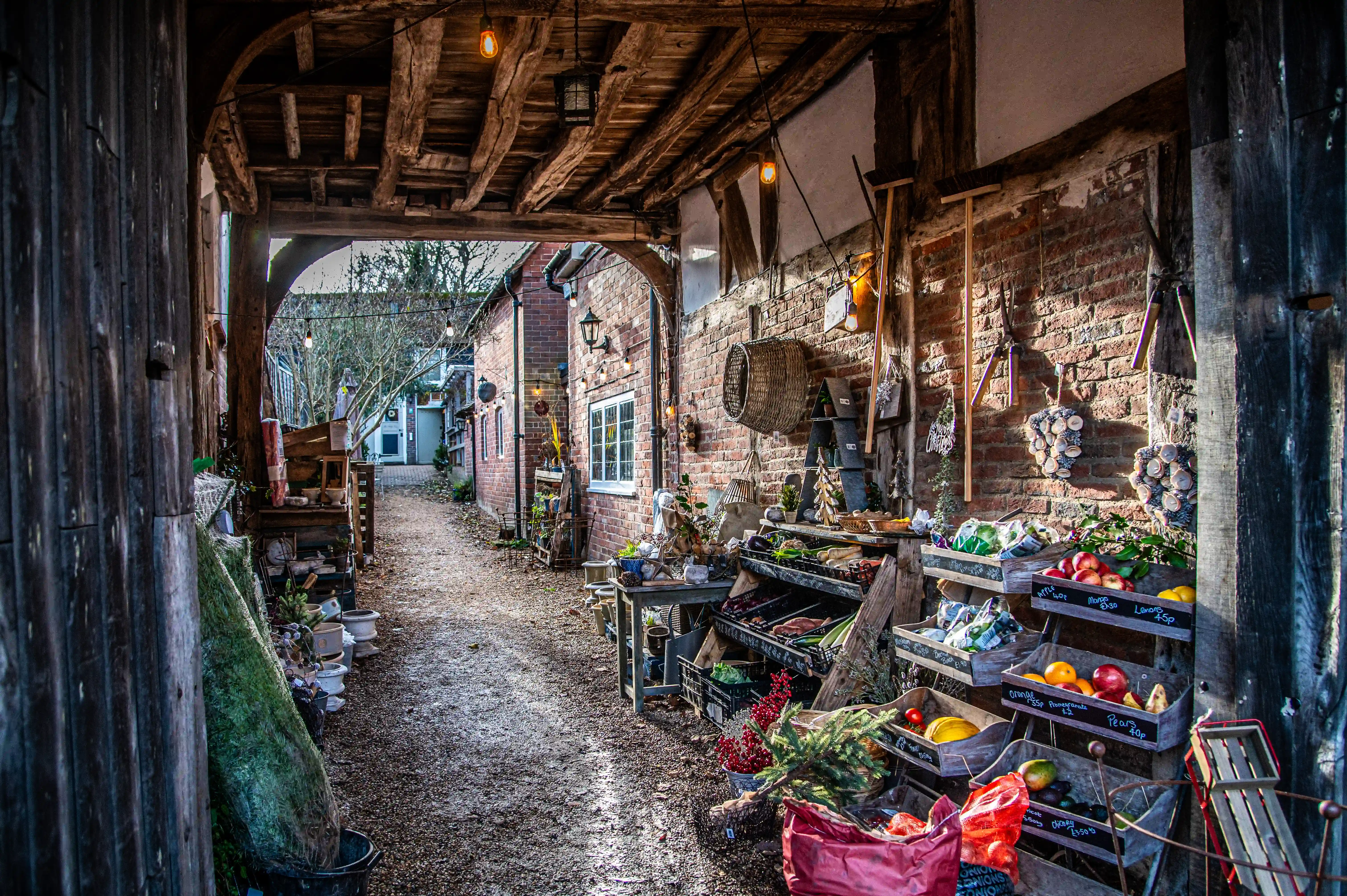

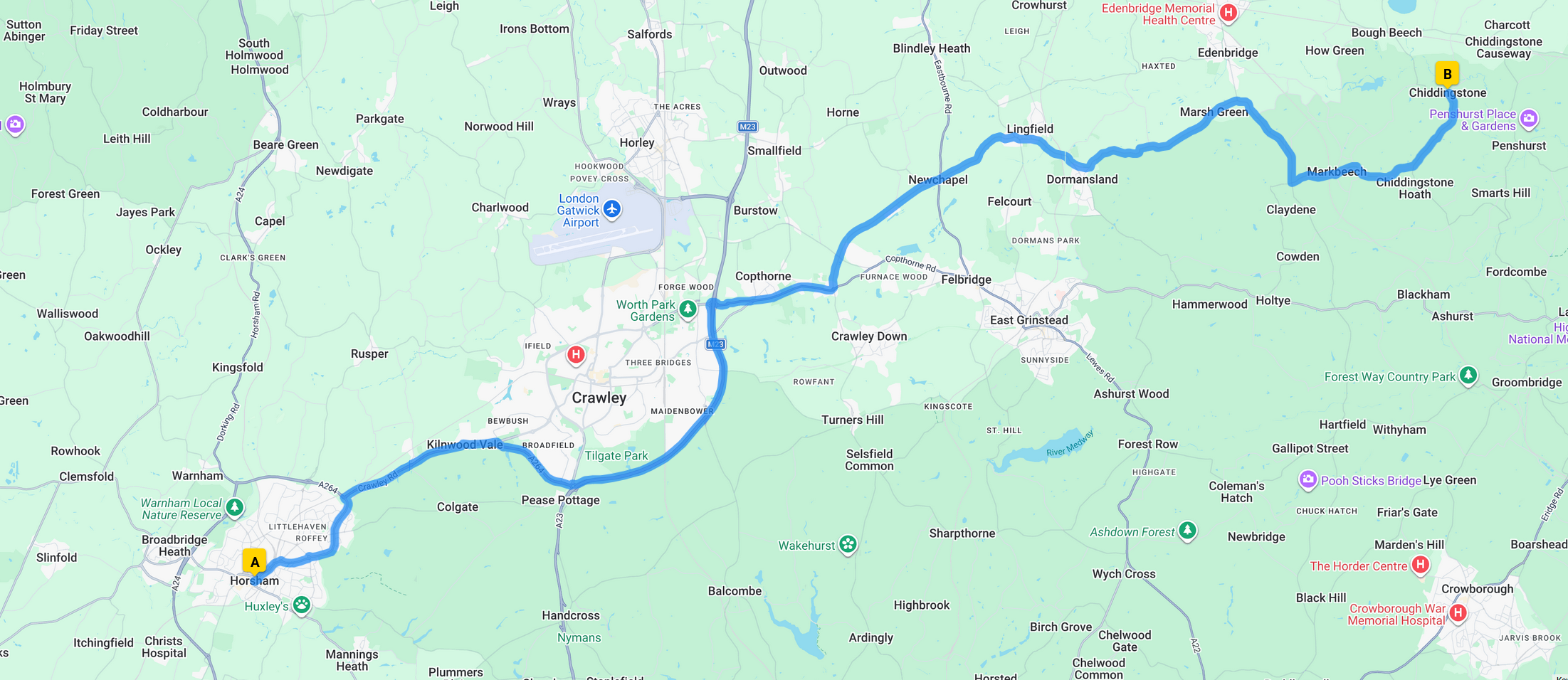
Chiddingstone is a picturesque, historic village in the High Weald Area of Outstanding Natural Beauty (AONB) in Kent, England. Known for its timber-framed cottages, 16th-century pubs, and the stunning Chiddingstone Castle, the village exudes old-world charm and is often described as one of the most beautiful in England. The National Trust-owned Chiddingstone Castle (a 15th-century moated manor house) and the Chiddingstone Hoath area are major draws, along with the village’s medieval church and traditional tea rooms.
The village is also famous for its annual May Day celebrations, including morris dancing and a crowning of the May Queen, and it’s a popular spot for walkers, with trails through the Kent countryside.
A Village Frozen in Time
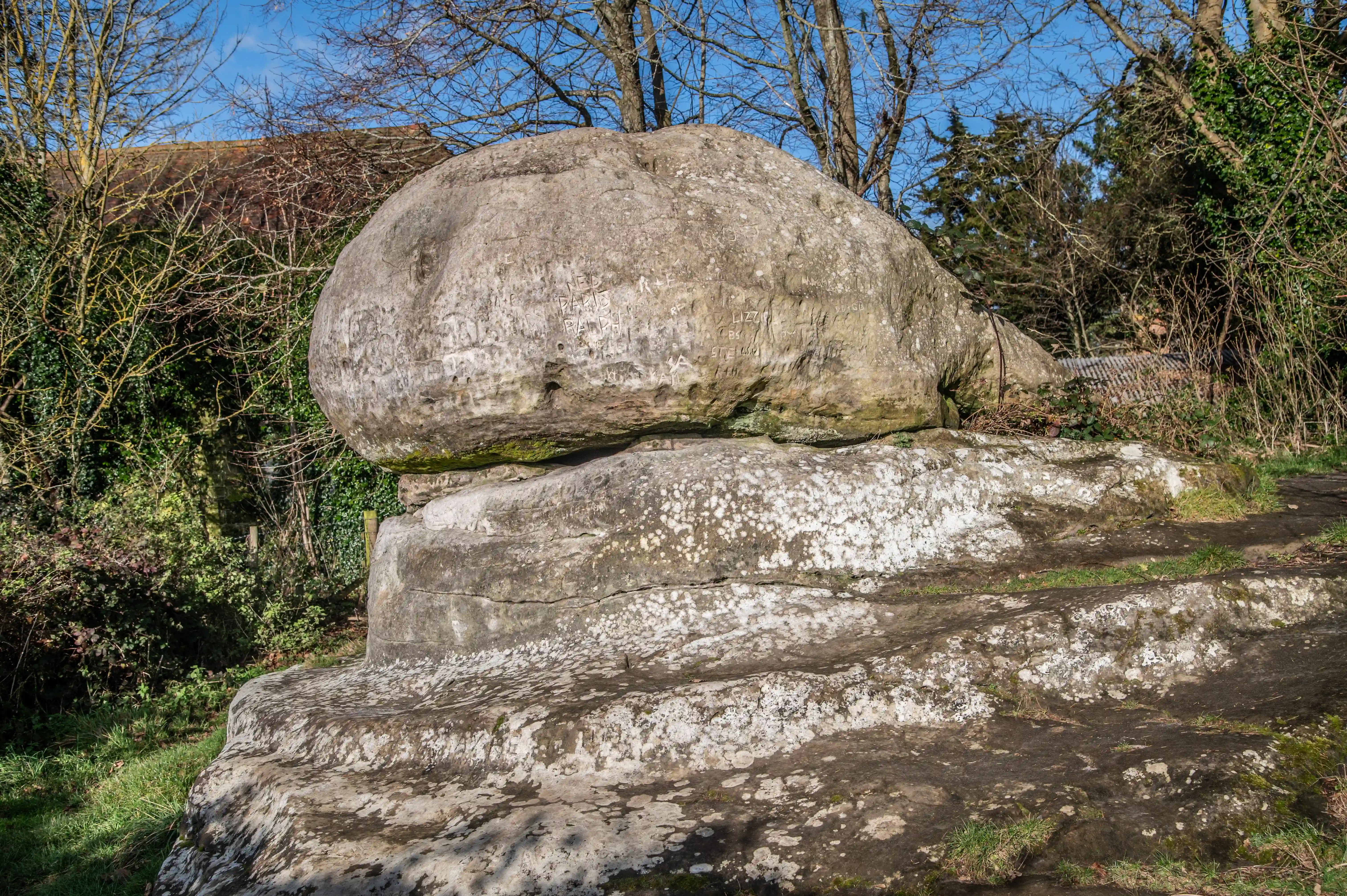
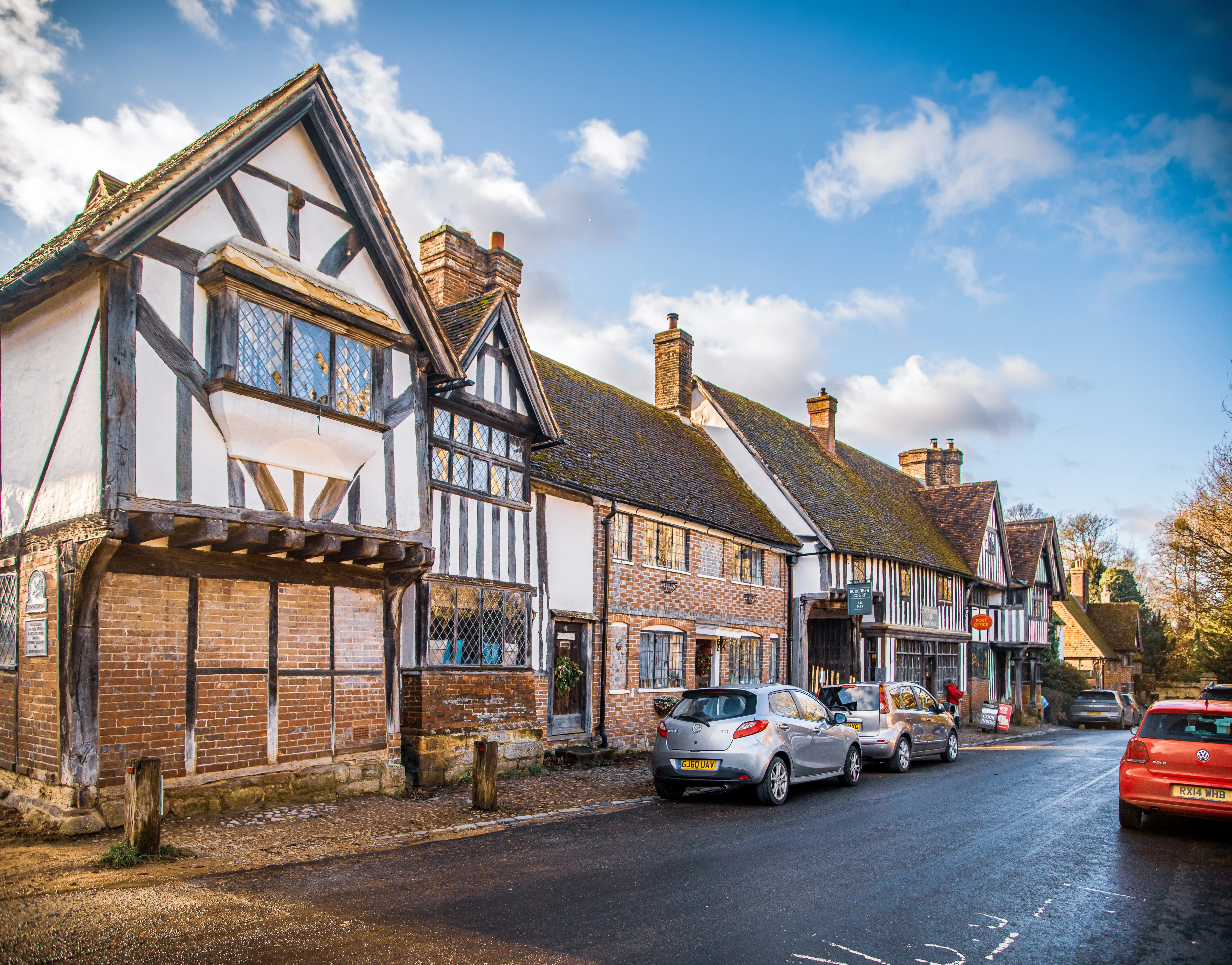
Chiddingstone is one of England’s most enchanting and best-preserved Tudor villages, a picturesque time capsule nestled in the heart of the Kent countryside. Its cobblestone street, lined with half-timbered houses, gabled roofs, and red-tiled facades, offers a glimpse into 16th-century rural life that feels almost untouched by the modern world. The village’s name is said to derive from the Old English Ciddingstane, meaning "Stone of Cidd"—a reference to the Chiding Stone, a weather-worn sandstone outcrop behind the village. According to local legend, this stone was once used as a punishment spot for "nagging wives" and wrongdoers, who were publicly chided in front of the assembled villagerA Village Frozen in Time
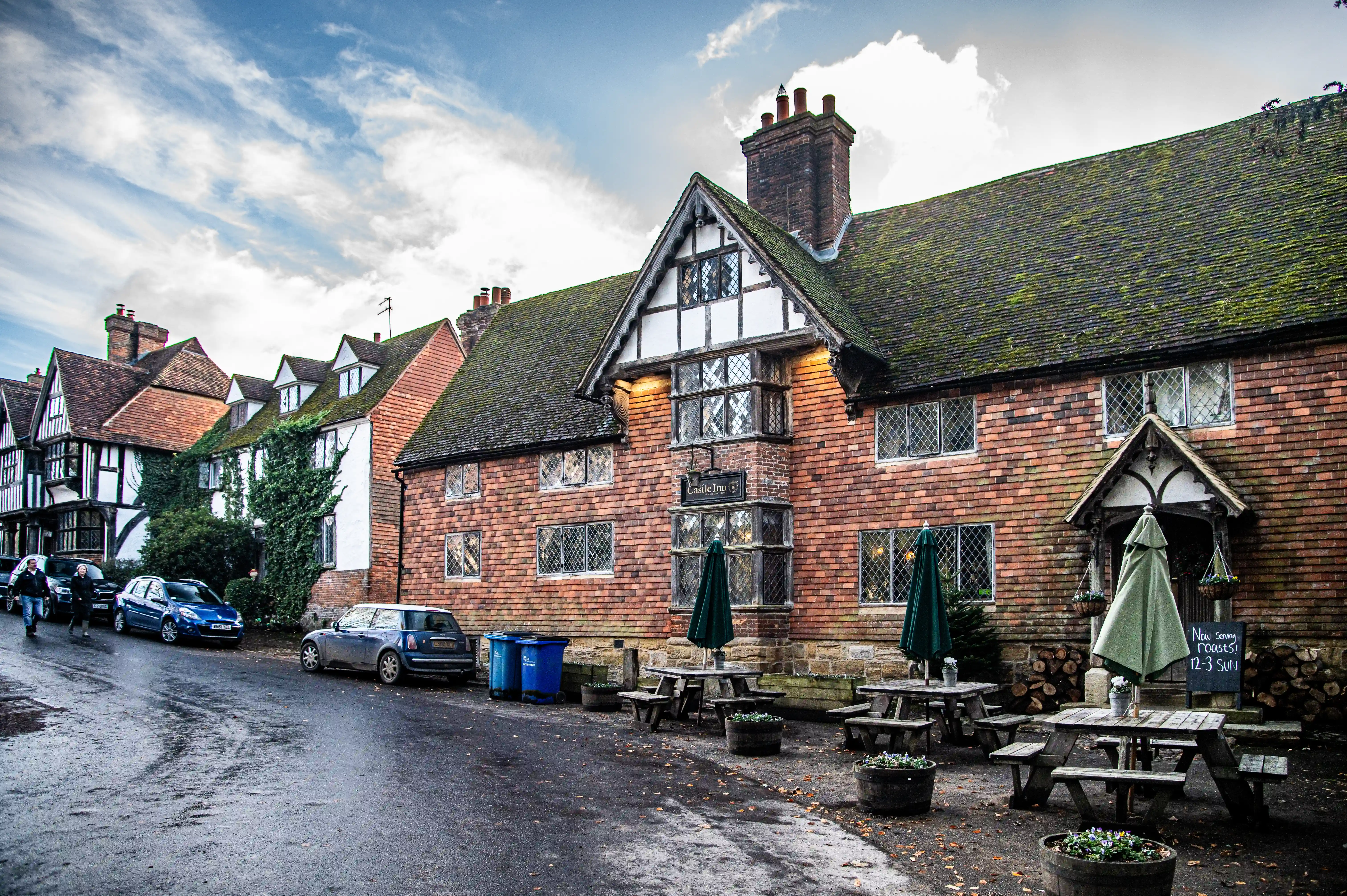
Chiddingstone is one of England’s most enchanting and best-preserved Tudor villages, a picturesque time capsule nestled in the heart of the Kent countryside. Its cobblestone street, lined with half-timbered houses, gabled roofs, and red-tiled facades, offers a glimpse into 16th-century rural life that feels almost untouched by the modern world. The village’s name is said to derive from the Old English Ciddingstane, meaning "Stone of Cidd"—a reference to the Chiding Stone, a weather-worn sandstone outcrop behind the village. According to local legend, this stone was once used as a punishment spot for "nagging wives" and wrongdoers, who were publicly chided in front of the assembled villagerOne of Chiddingstone’s most famous connections is to Anne Boleyn’s family. The Boleyns owned land in the area, and it’s said that Anne’s father, Thomas Boleyn, visited the village. The Castle Inn, a 15th-century building that became a hostelry in 1730, has welcomed famous guests over the centuries, including Pre-Raphaelite artist John Everett Millais and Art Nouveau designer Charles Rennie Mackintosh, who were inspired by its charm. The inn’s timbered façade and cozy interiors make it a favorite stop for visitors today