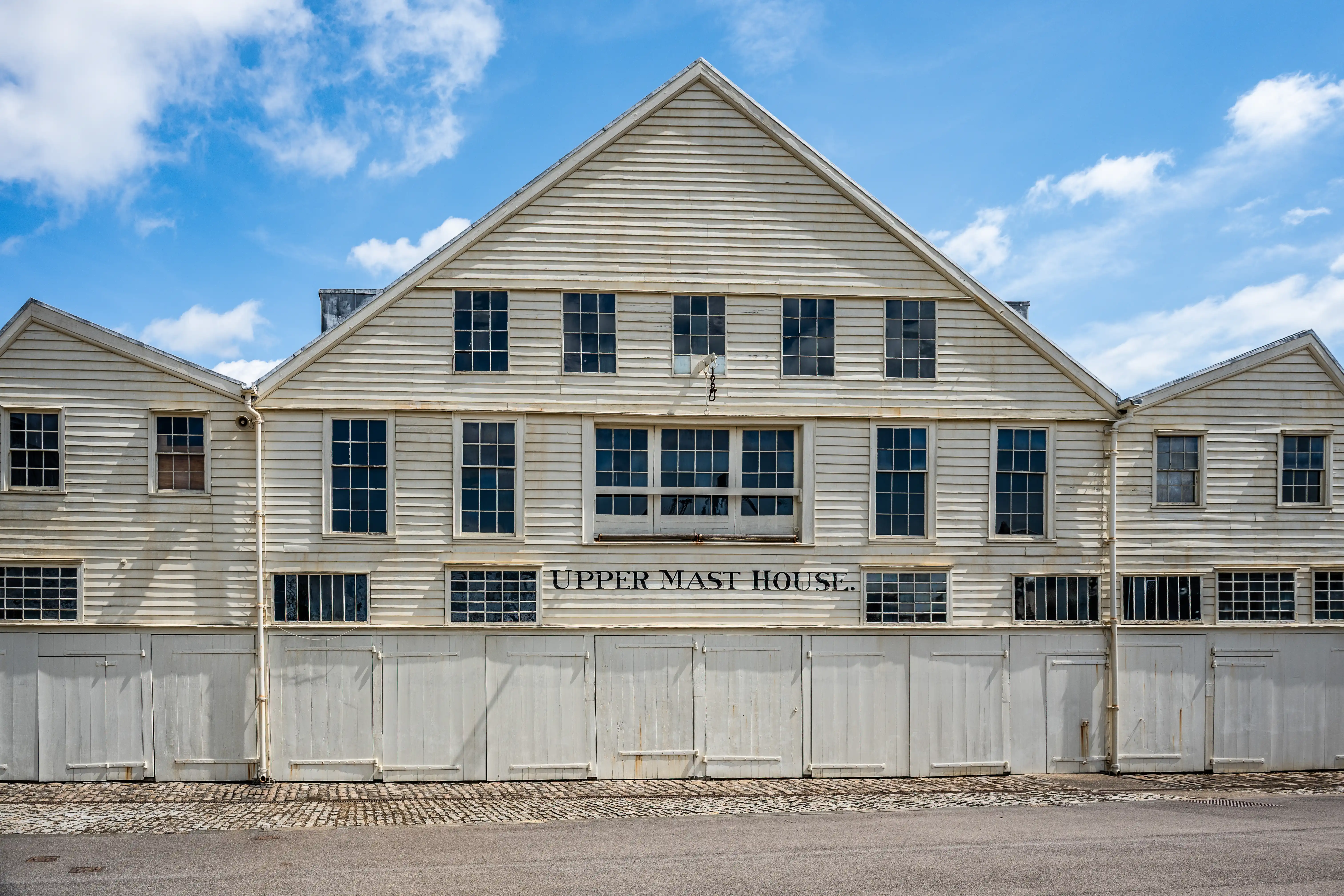
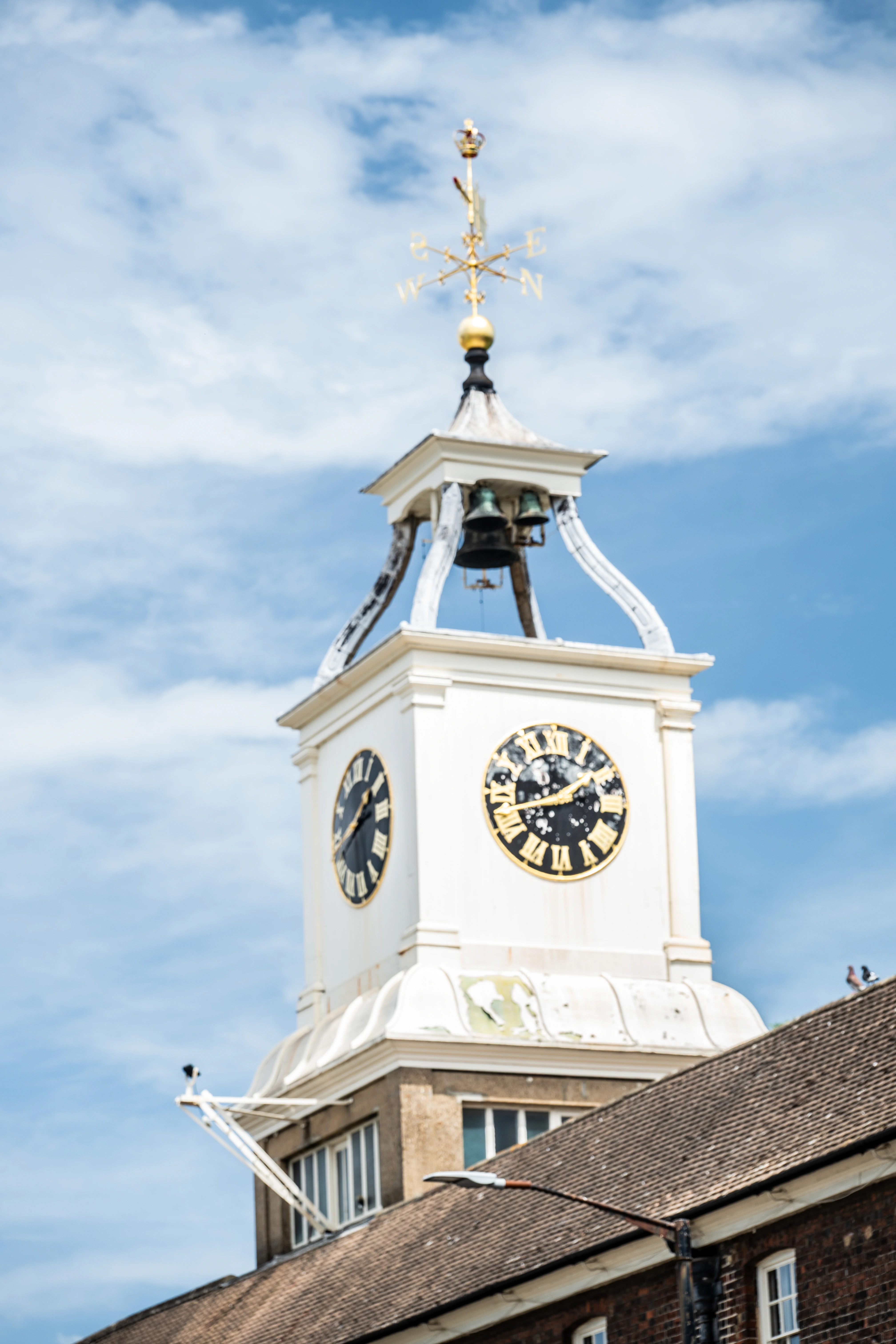
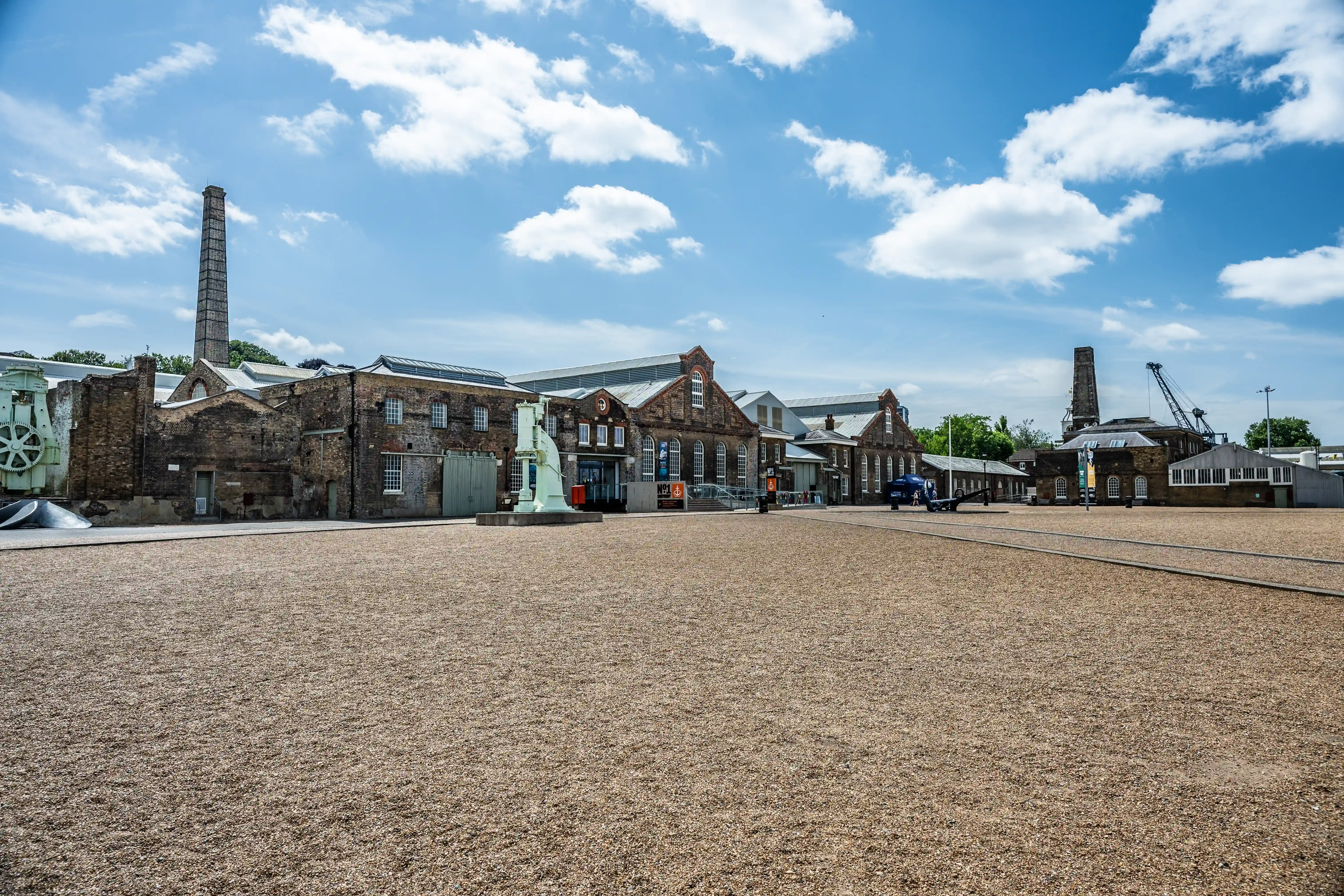
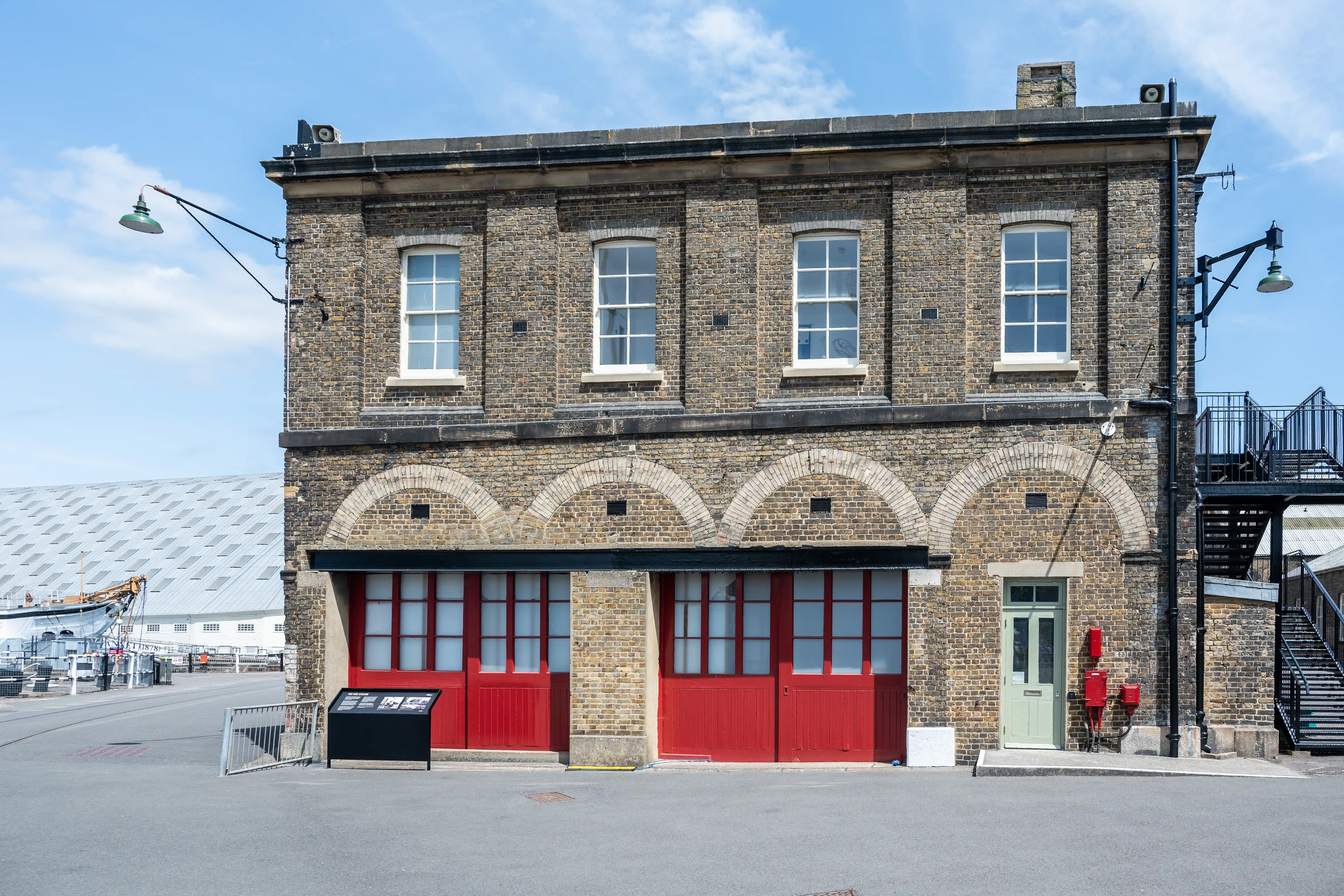
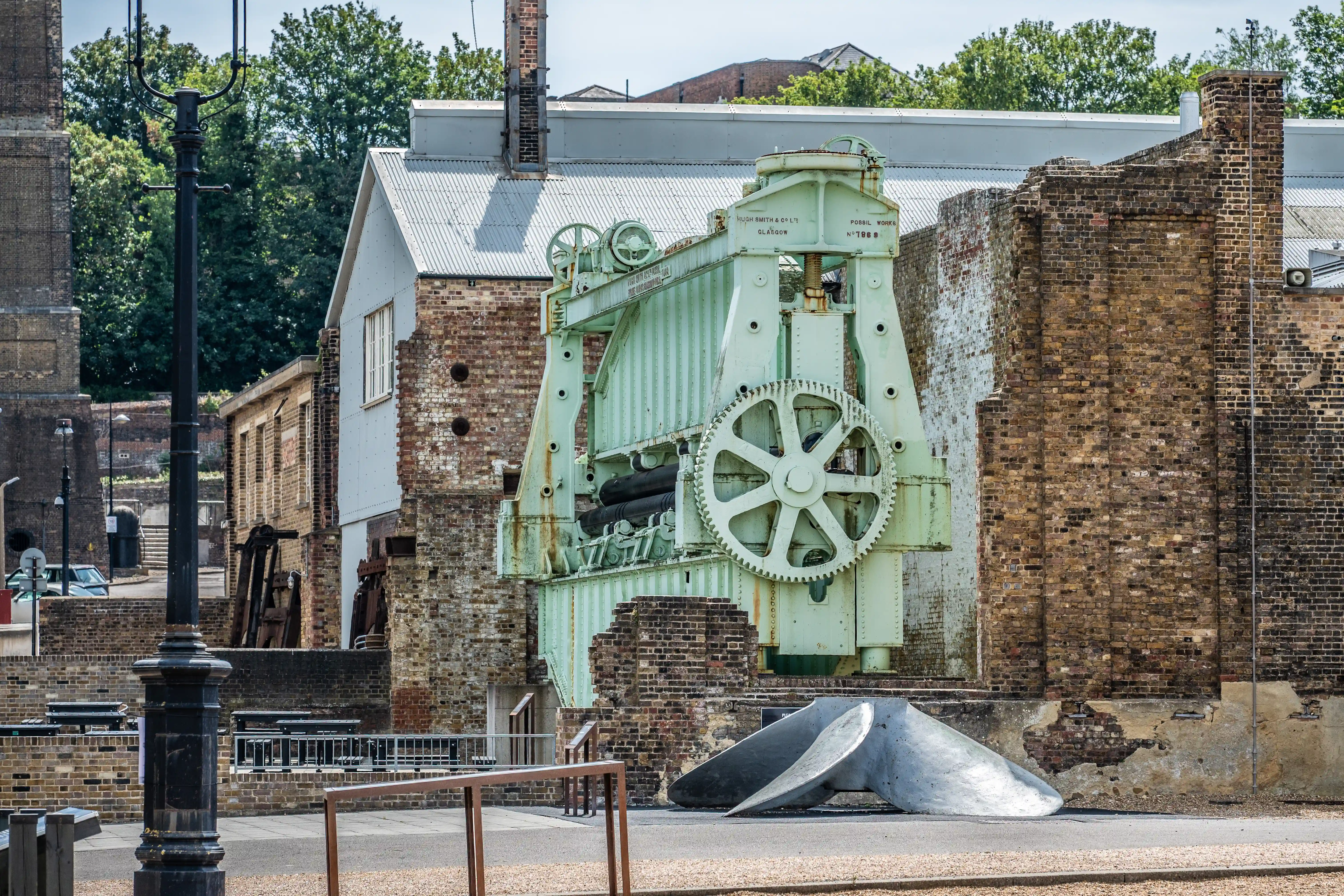
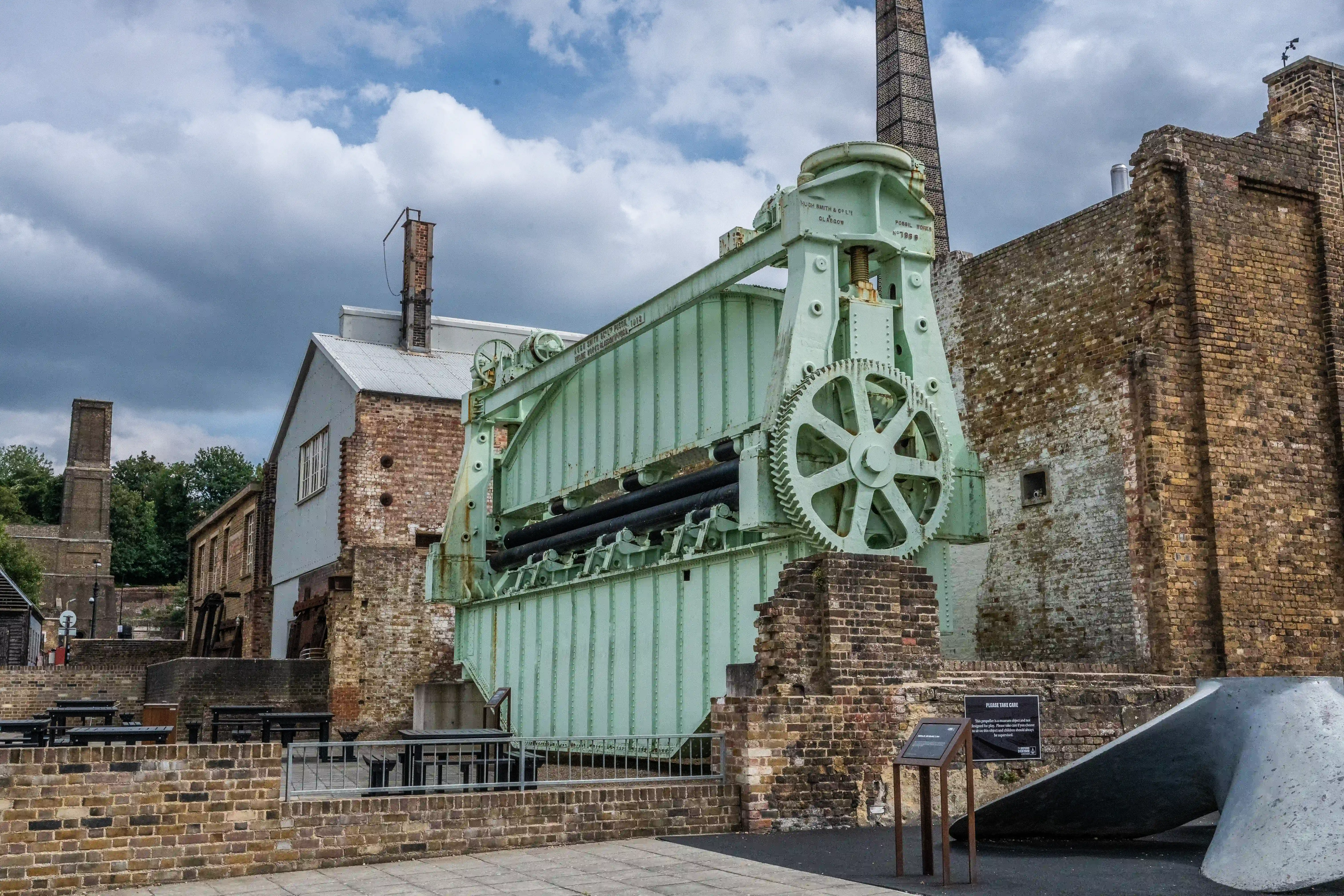

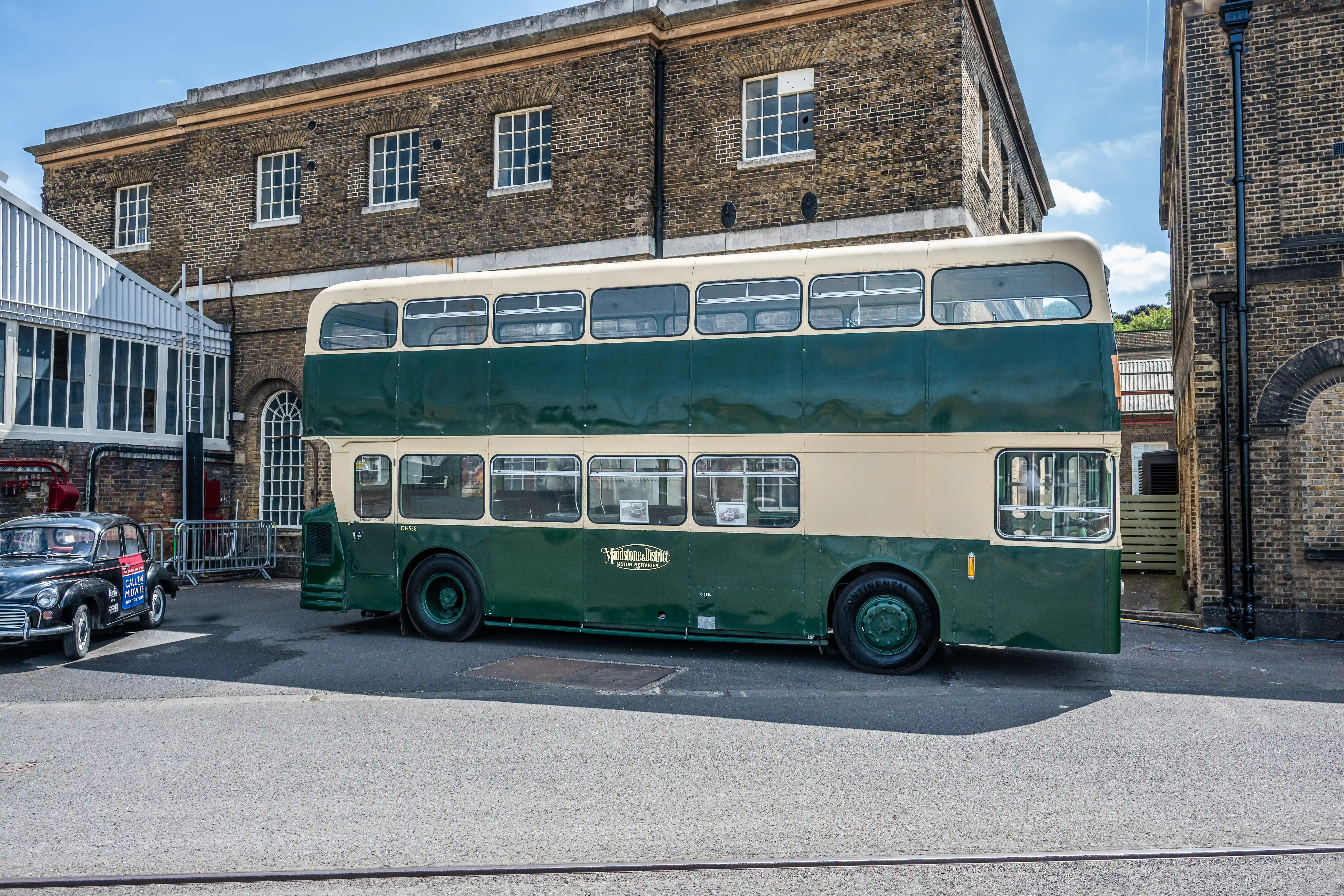
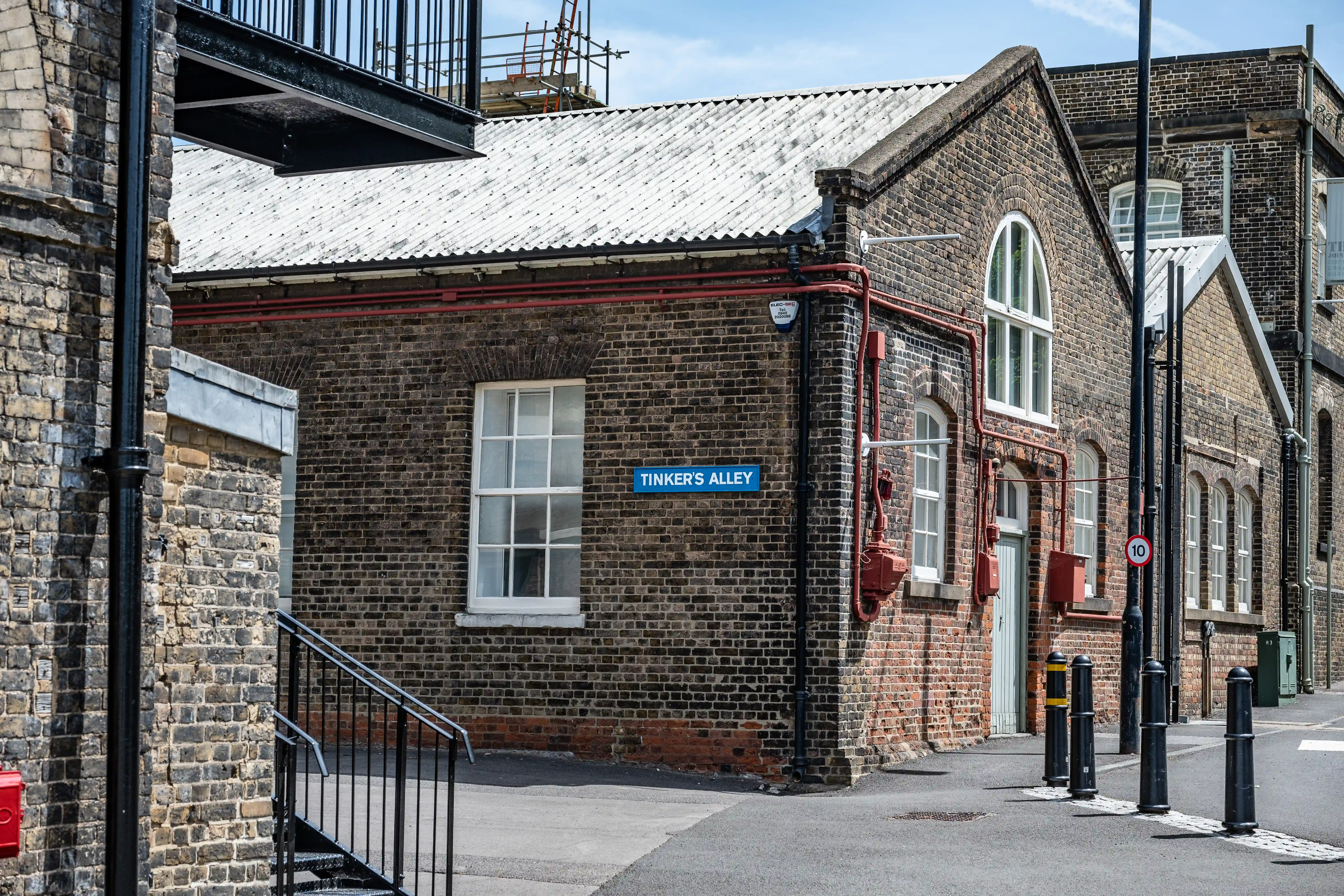
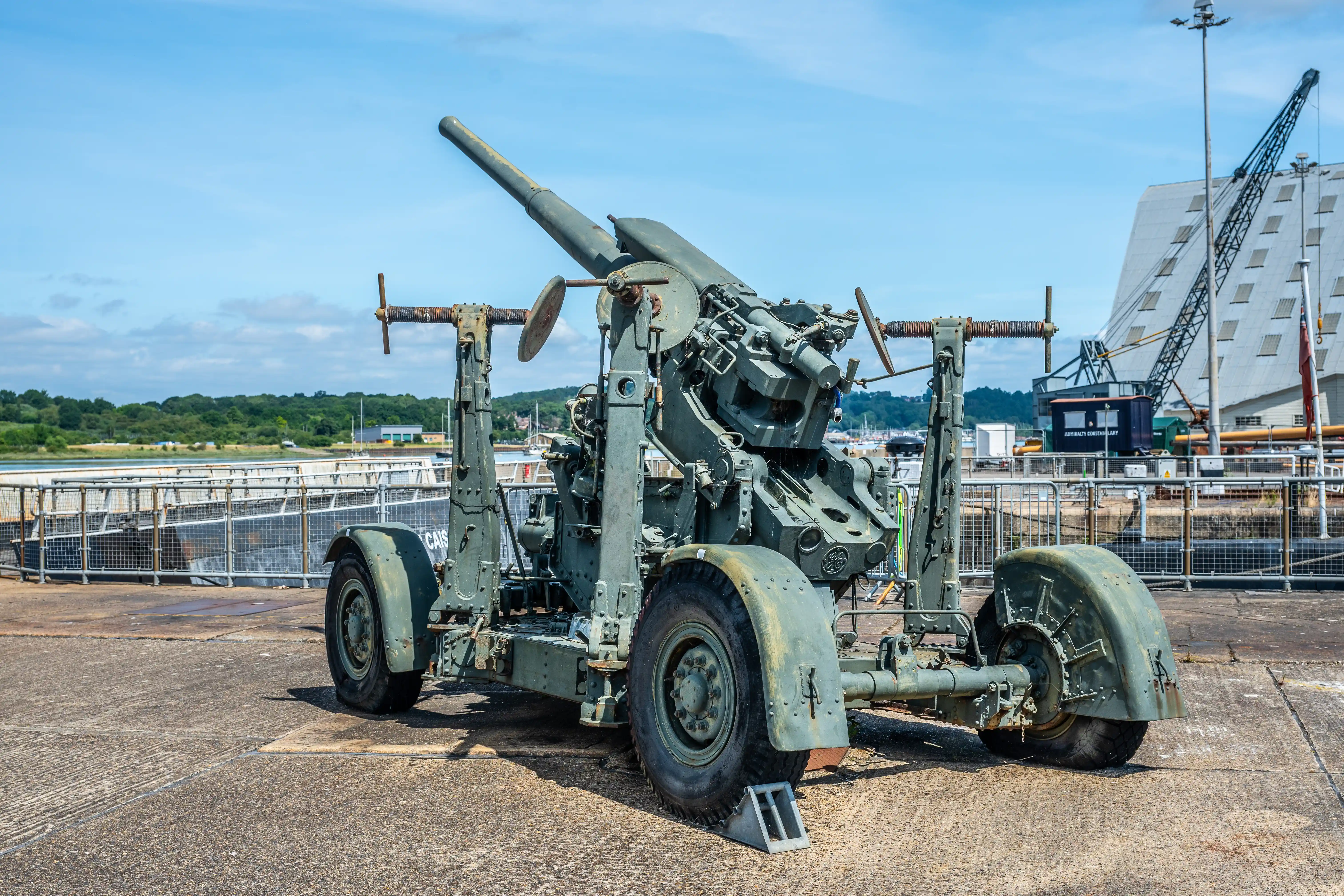
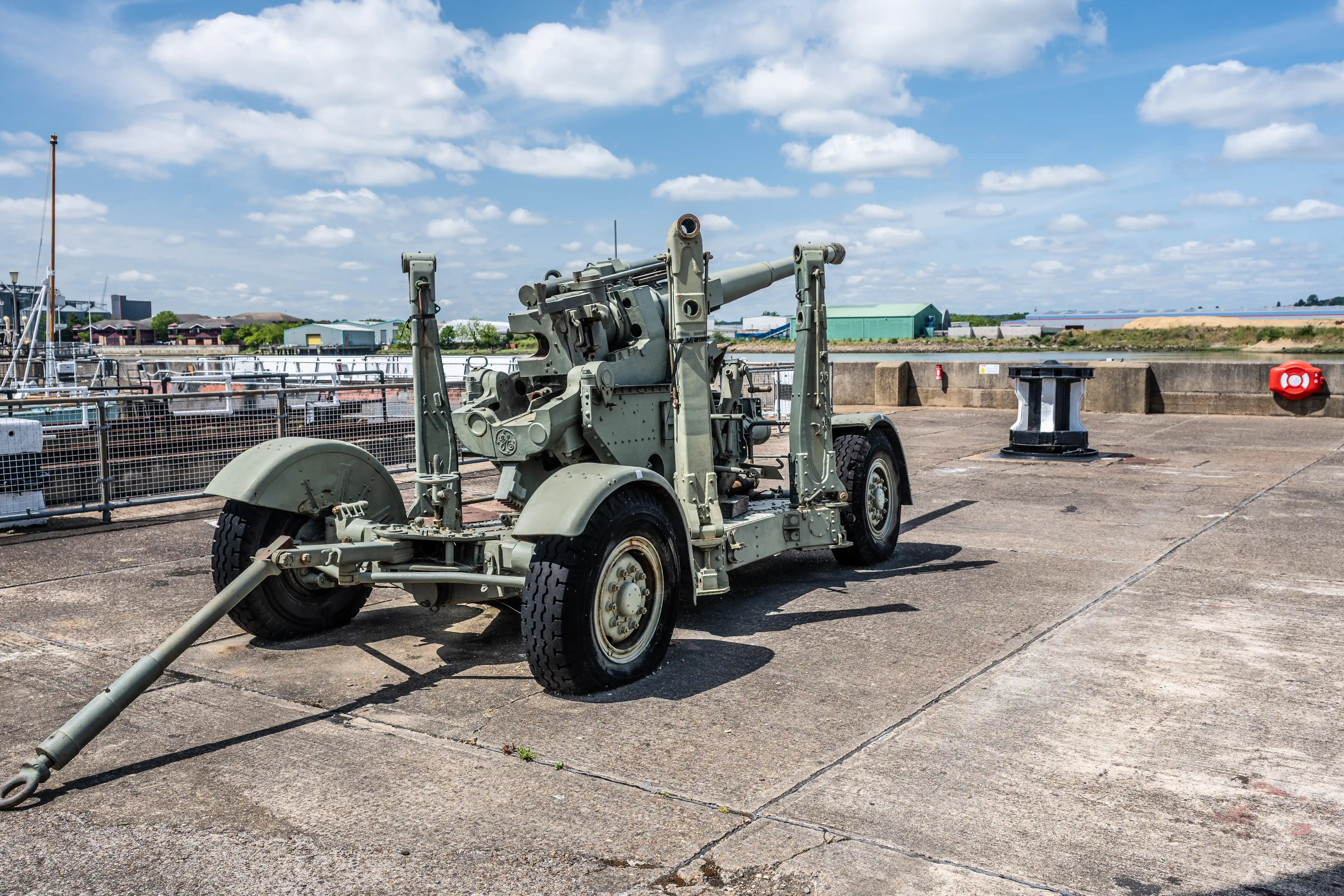
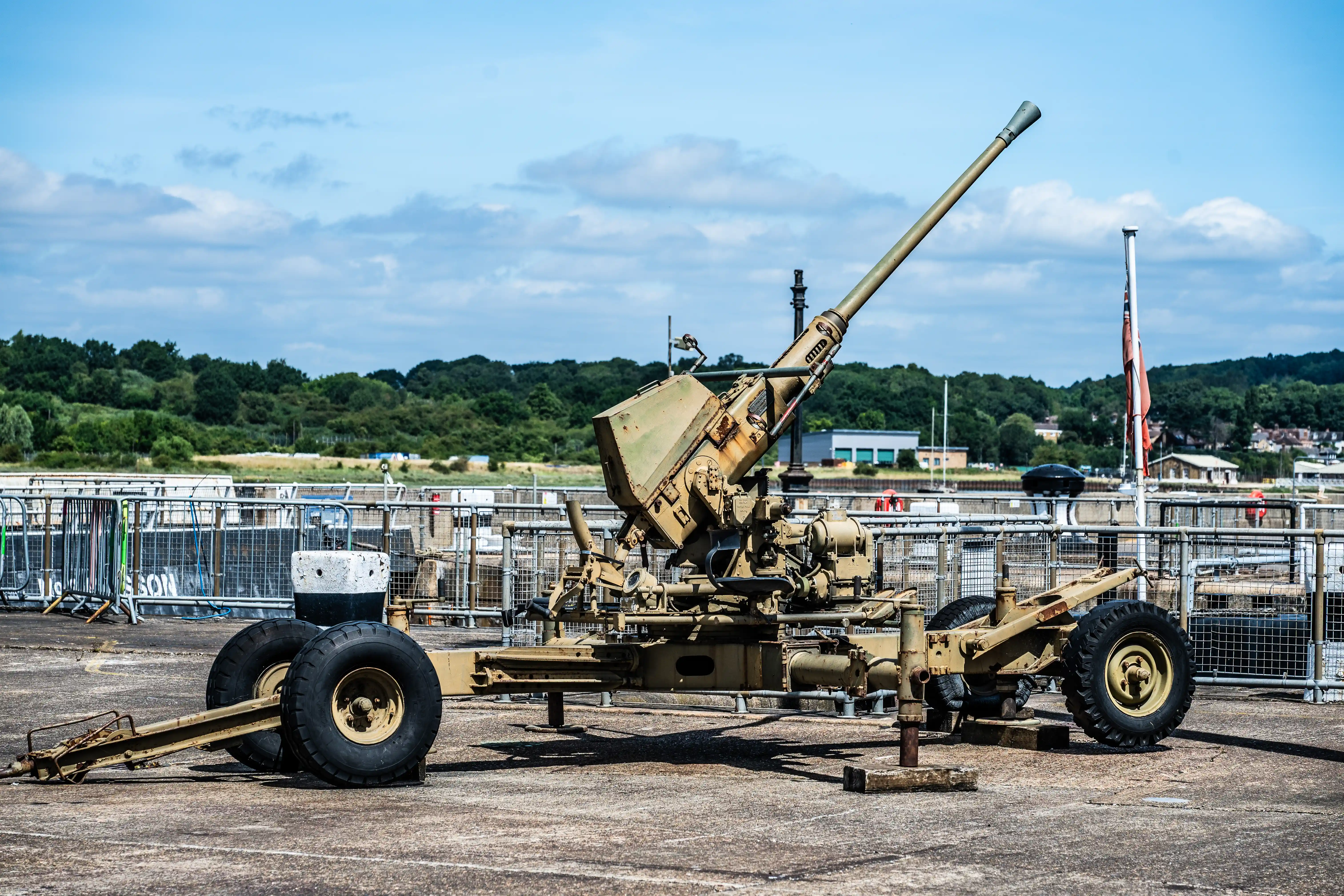
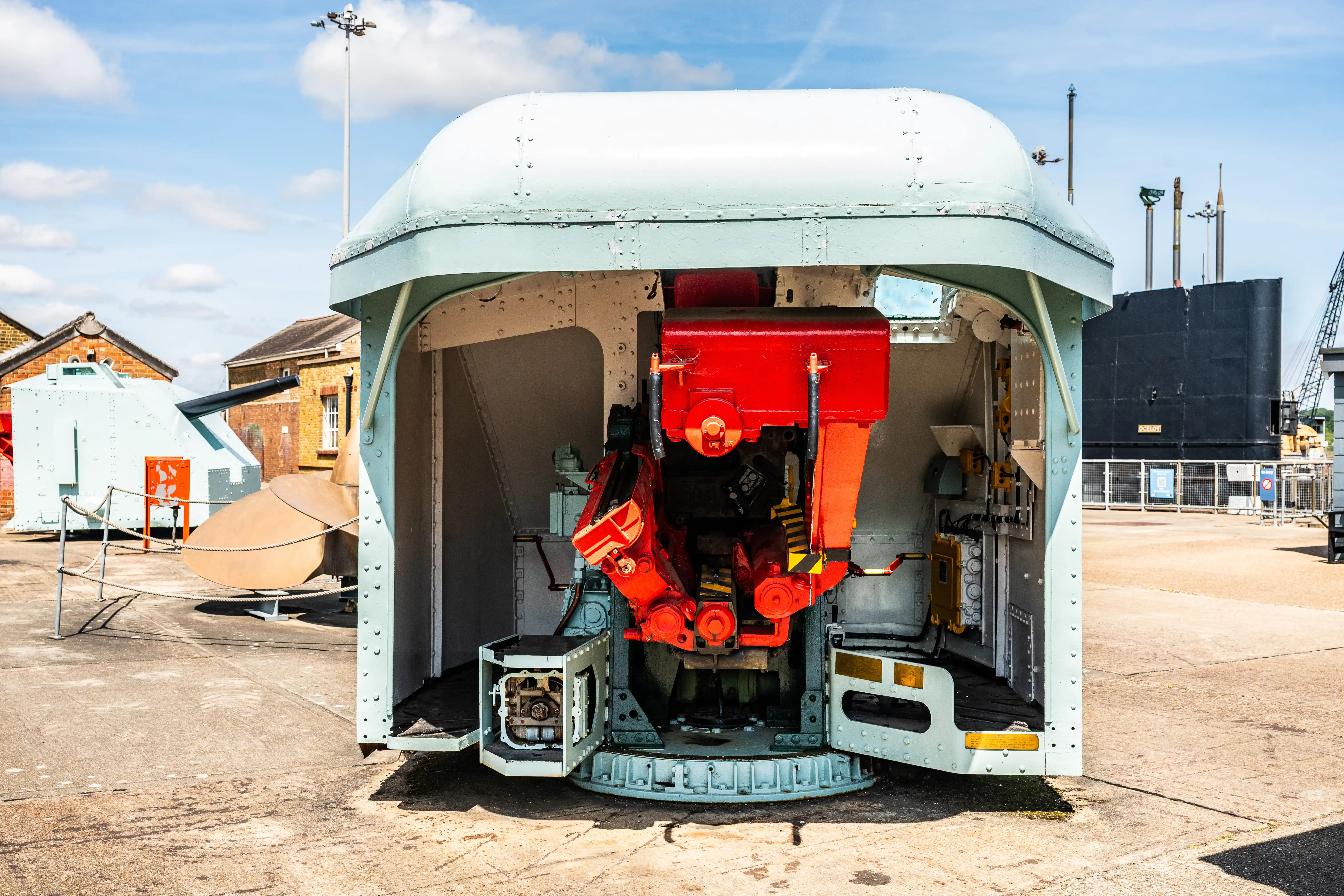
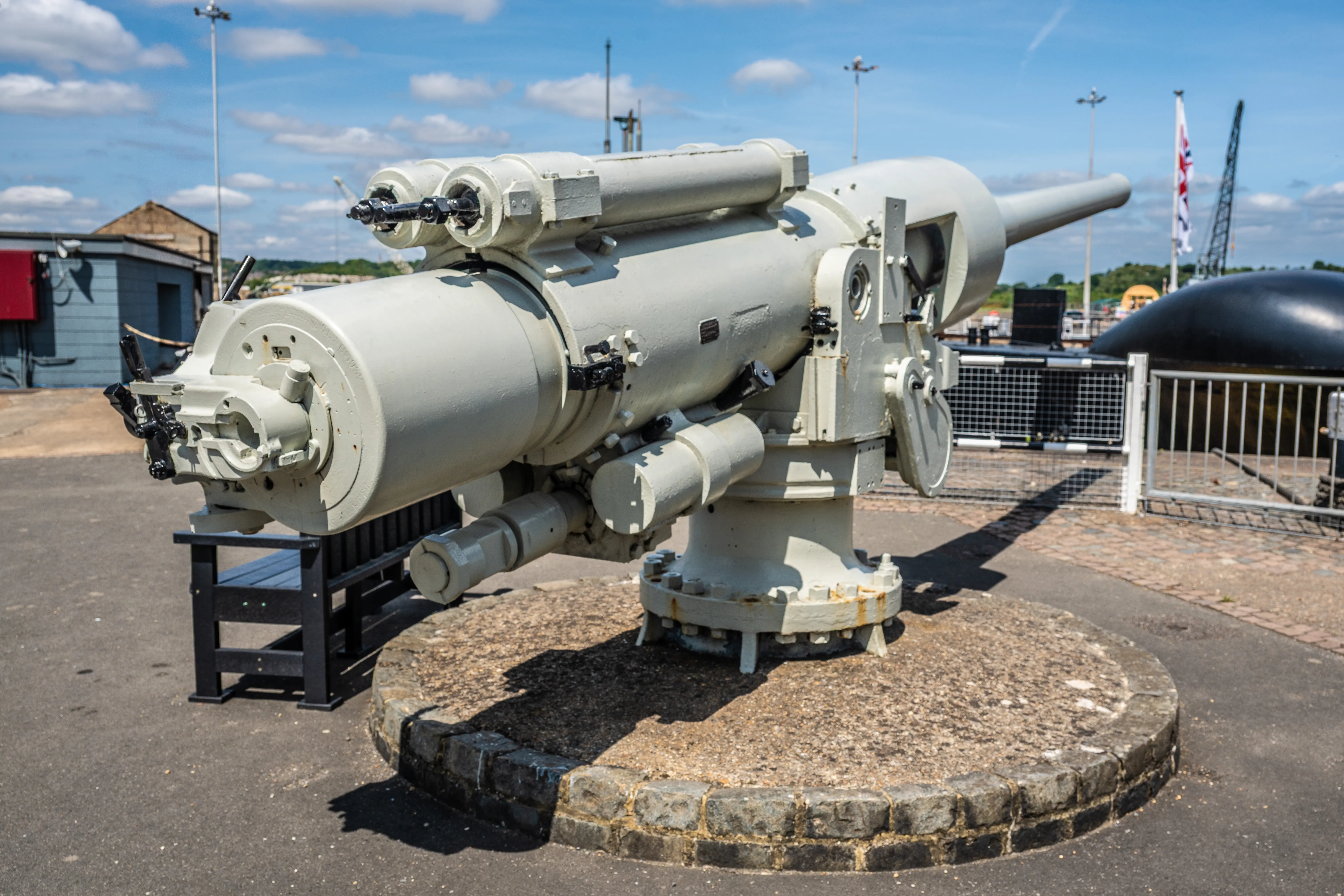
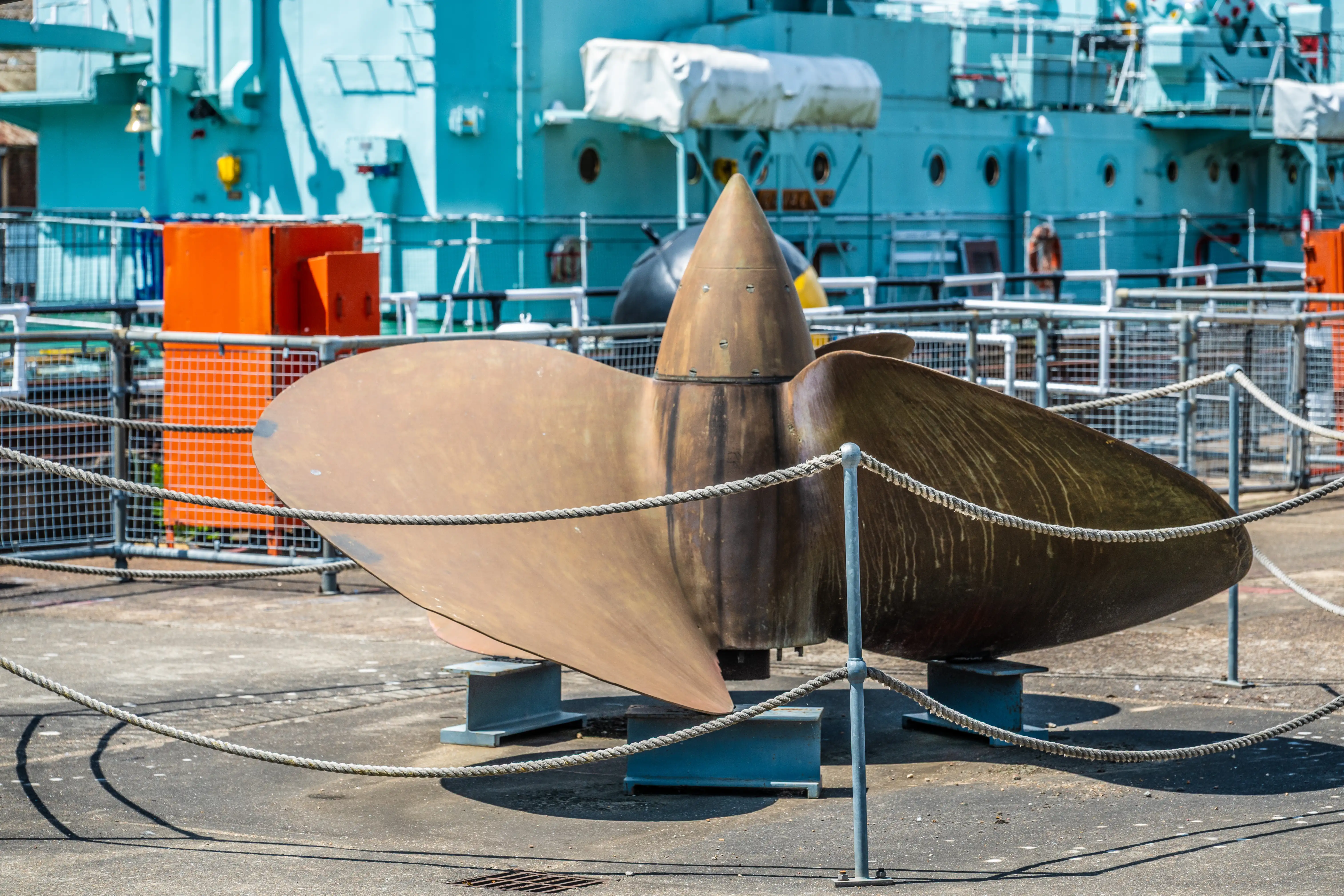
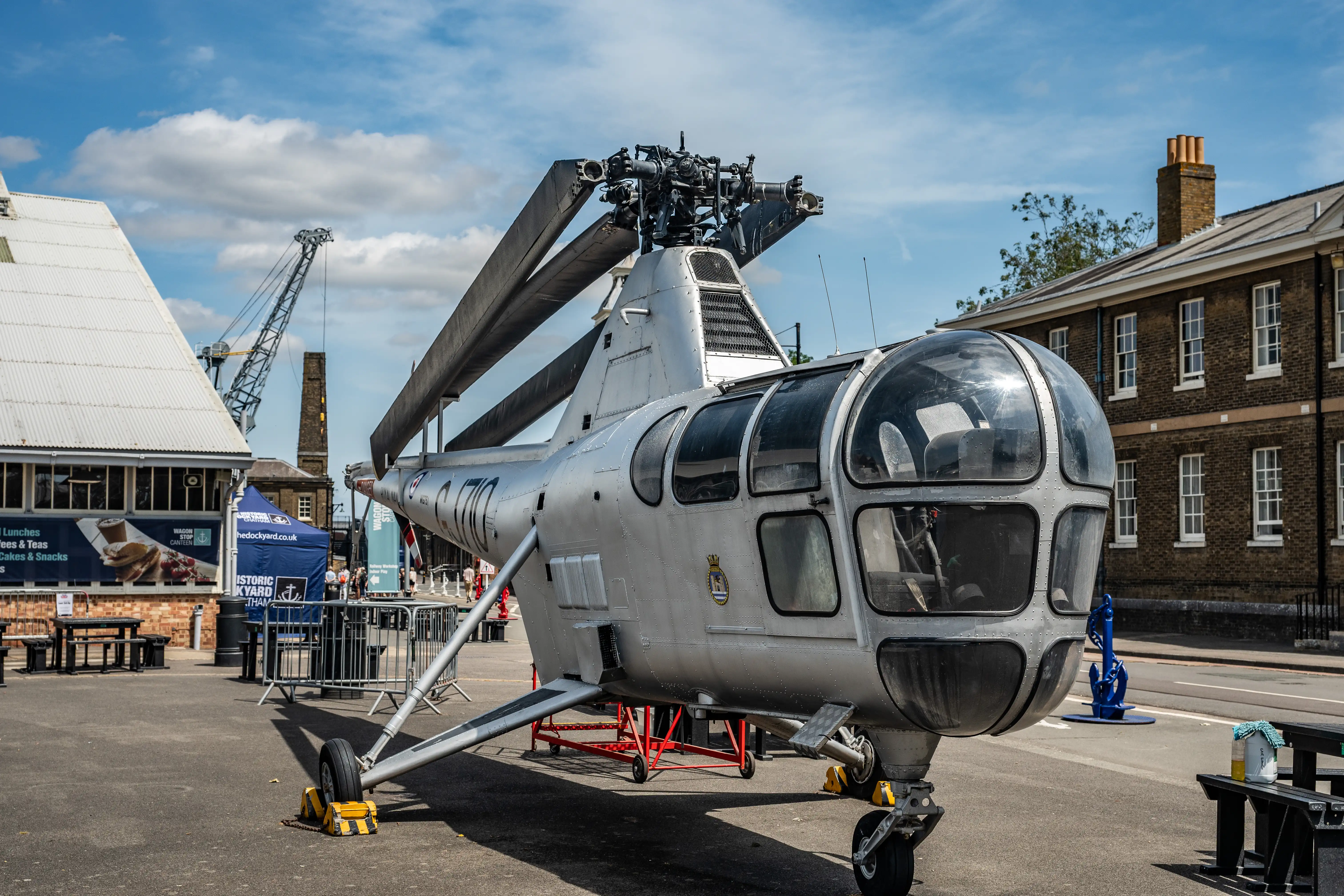
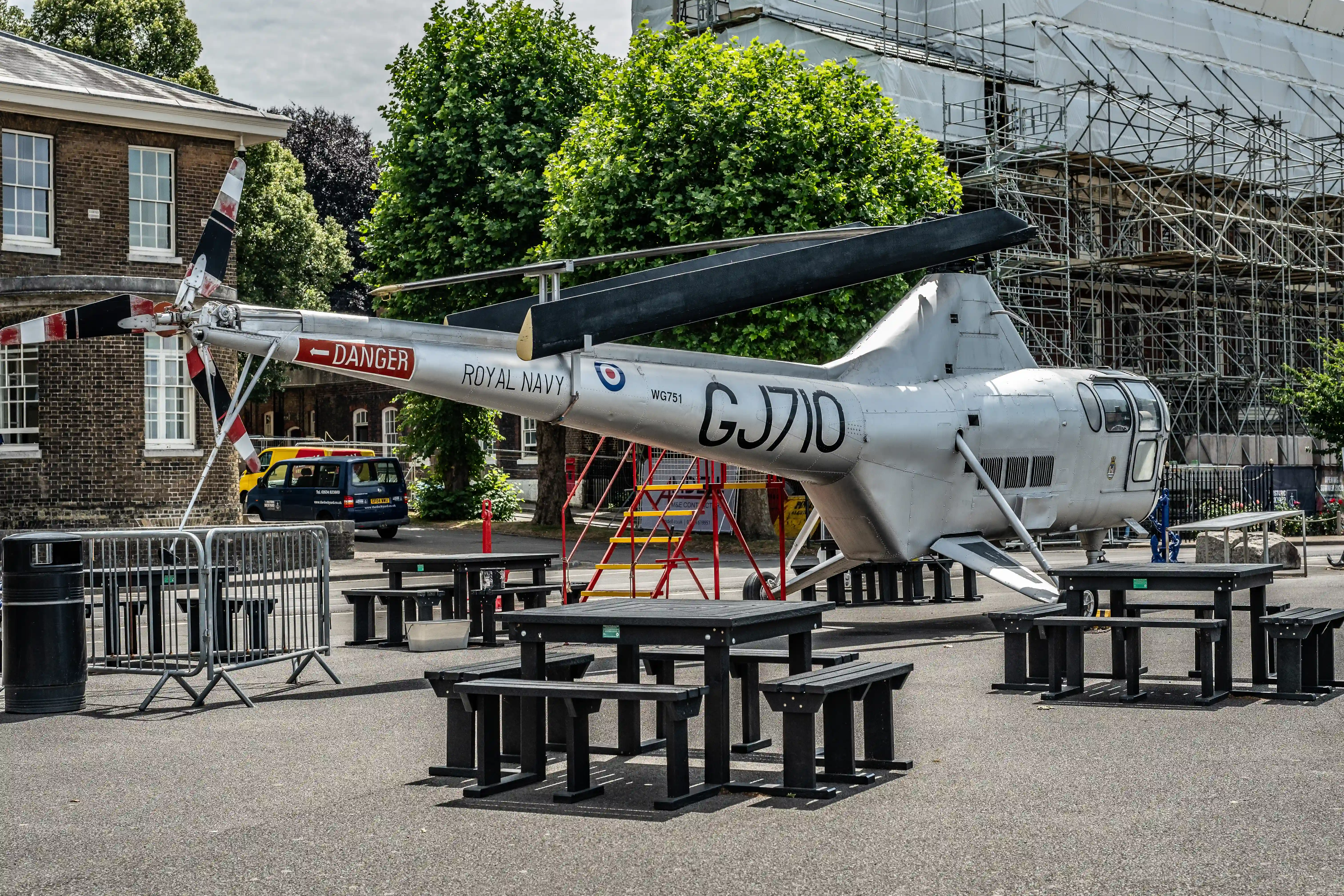
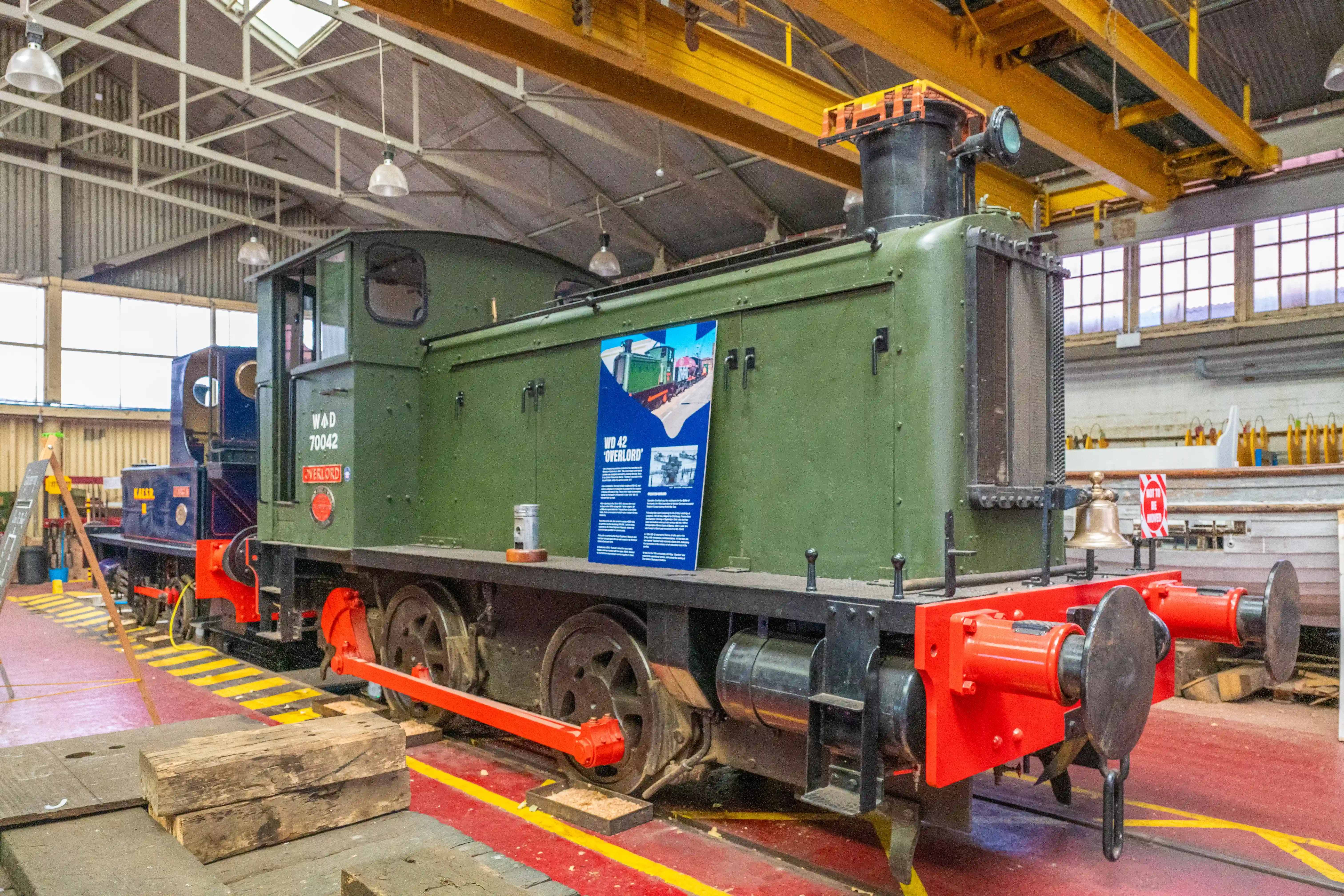
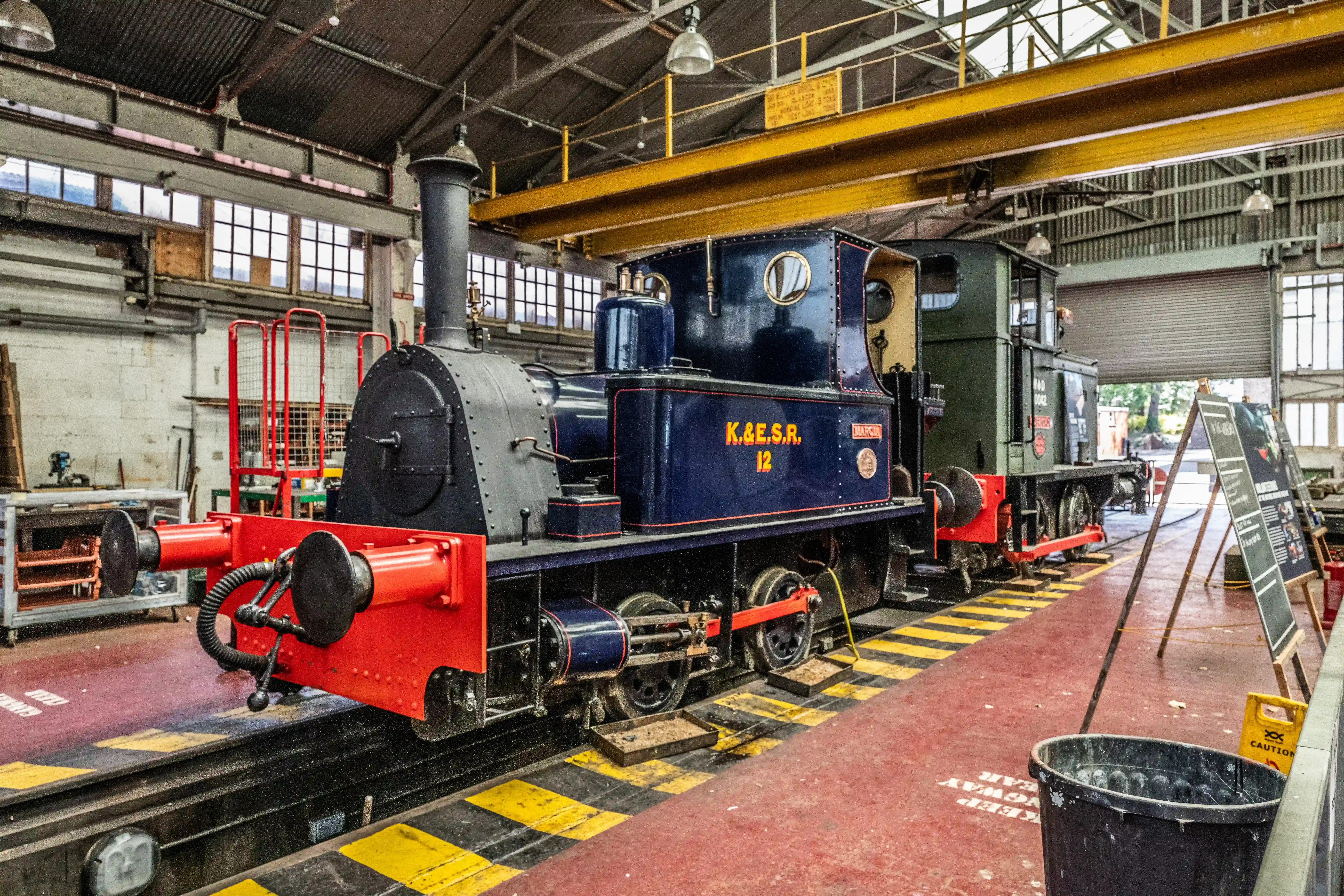
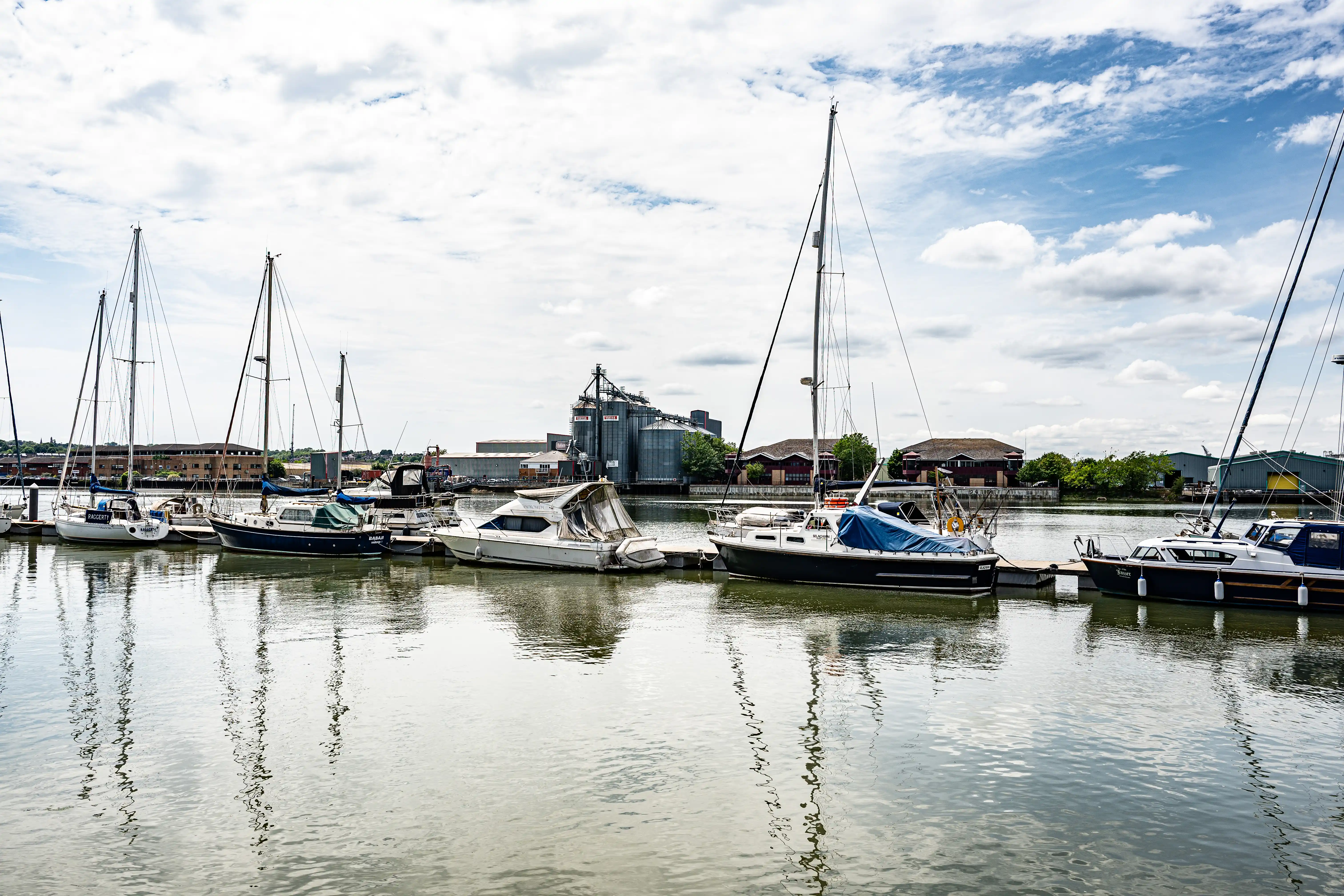
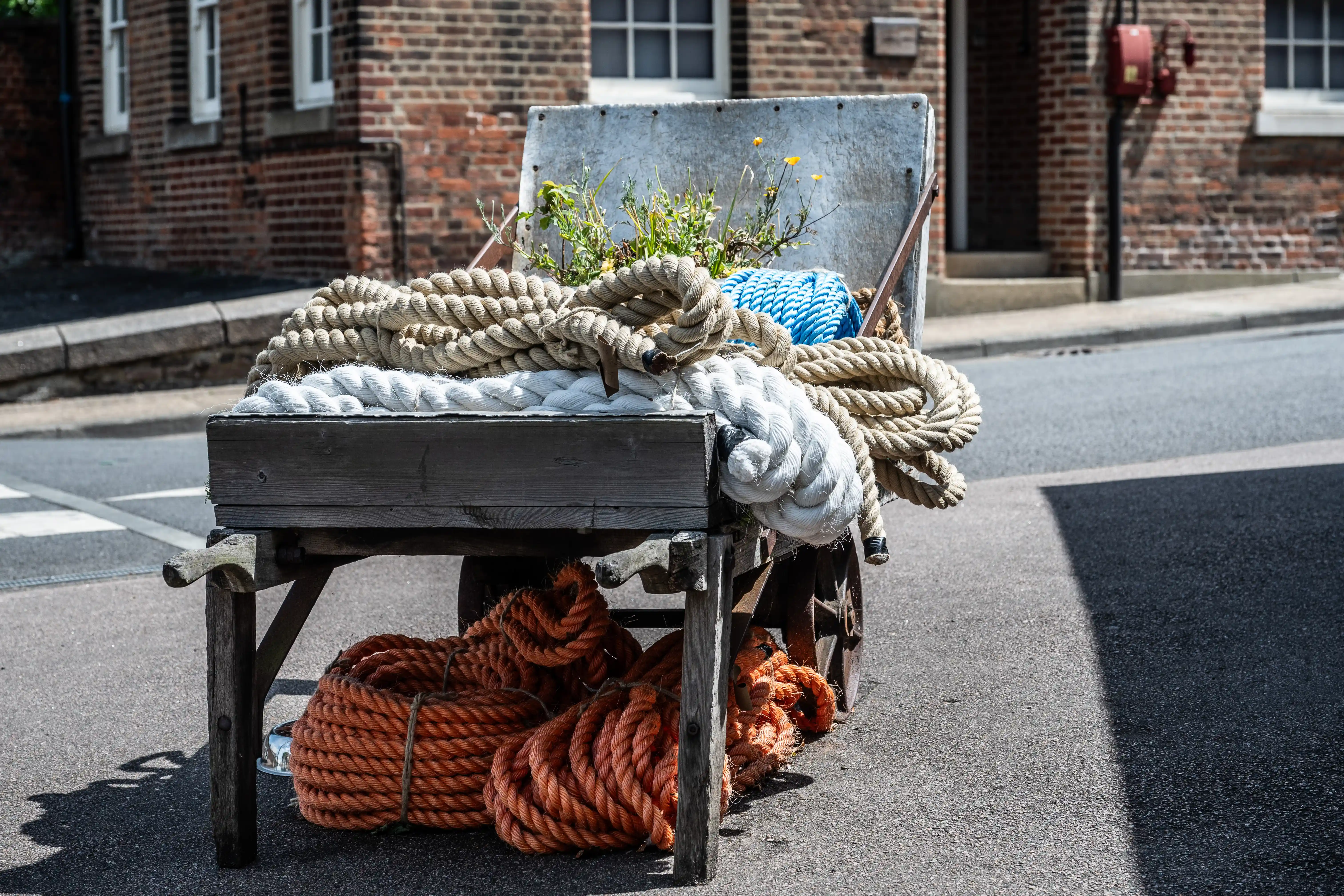

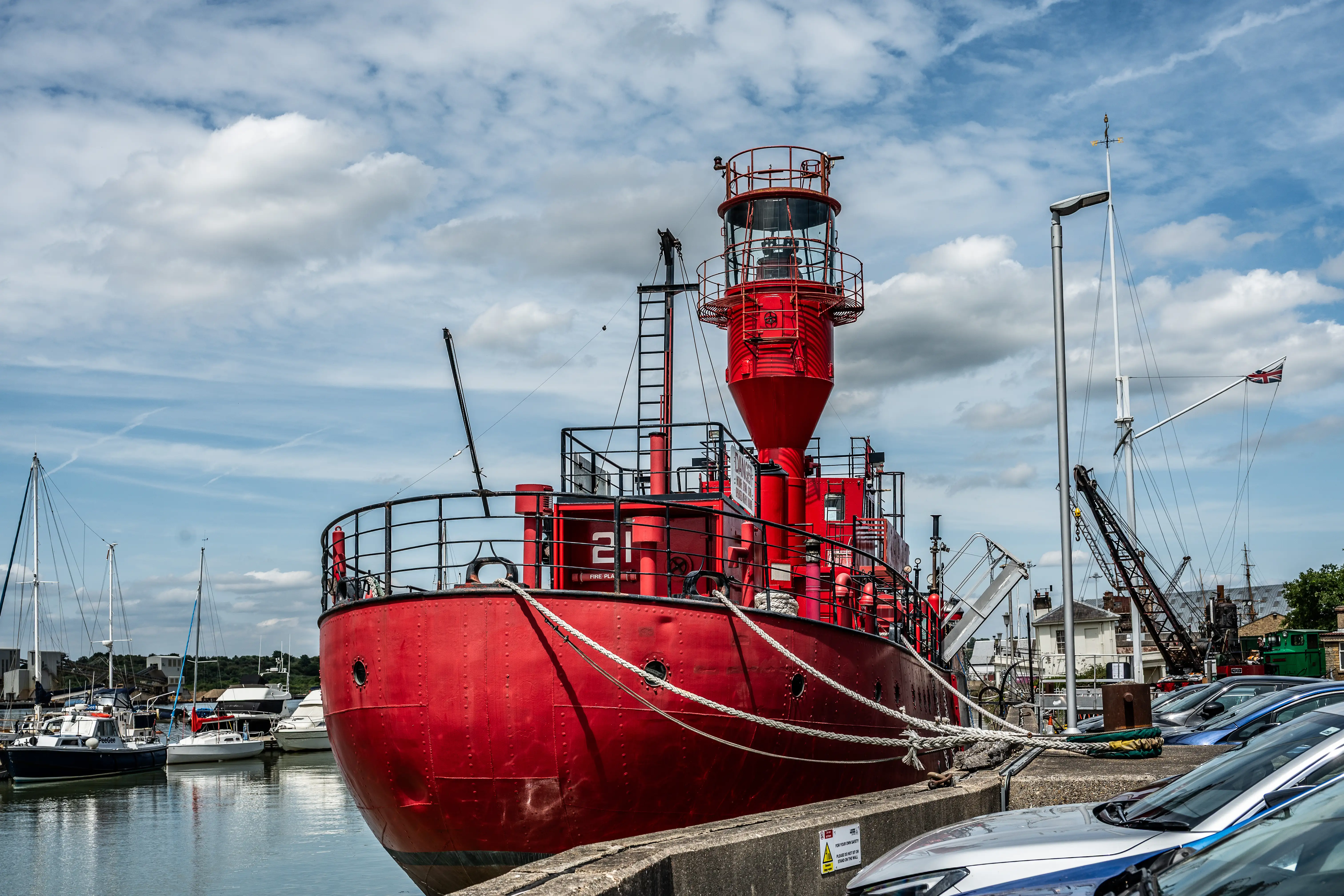


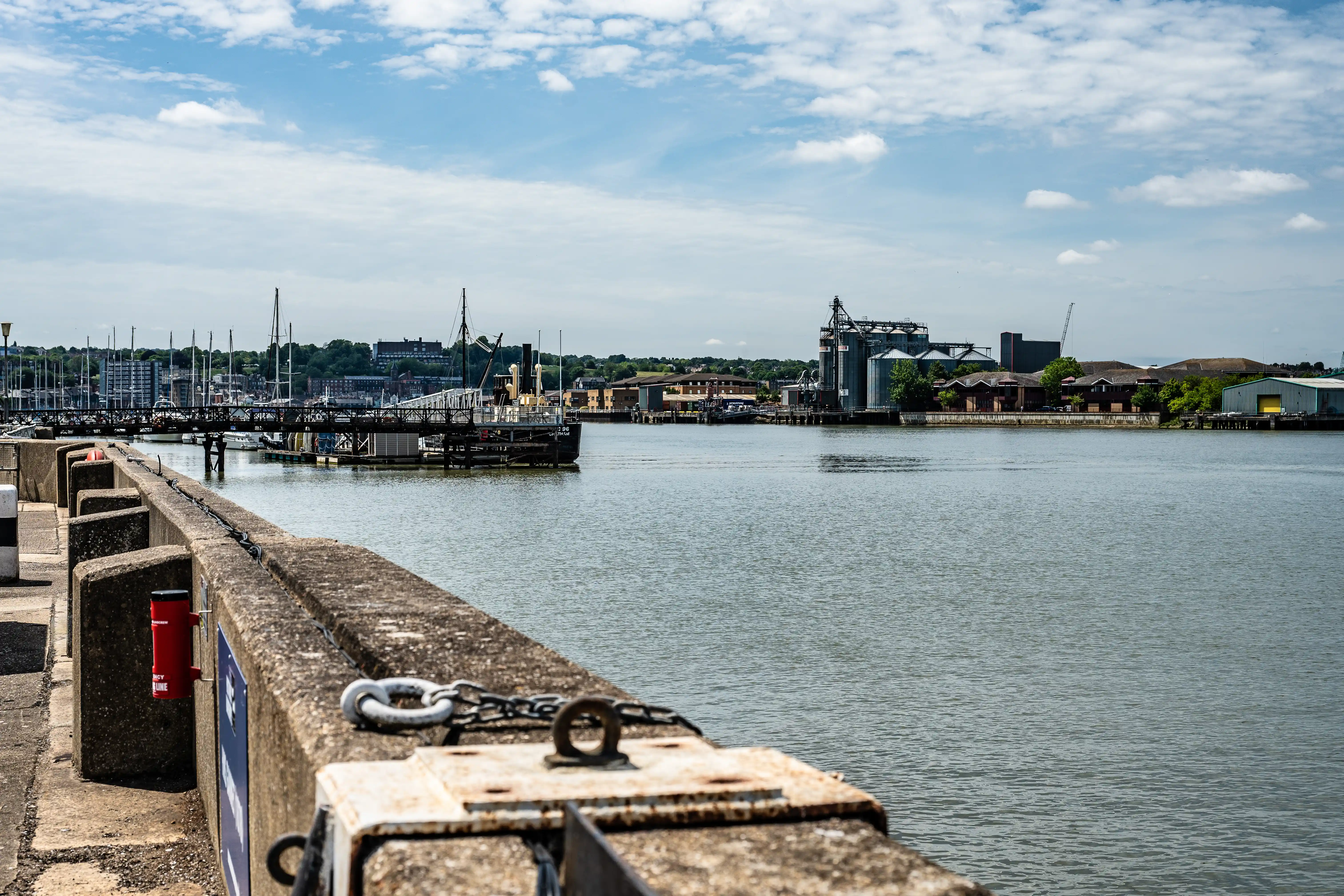
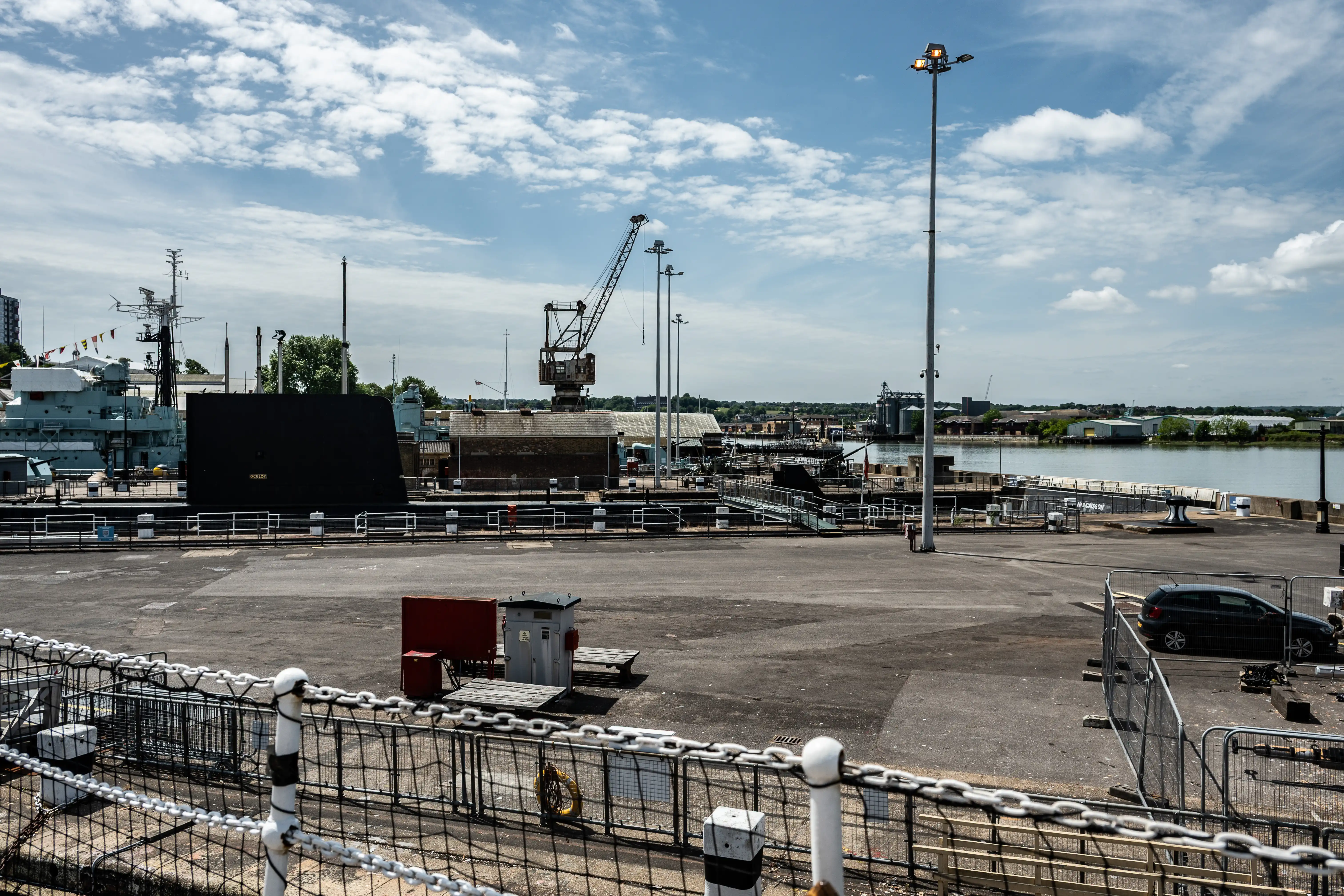

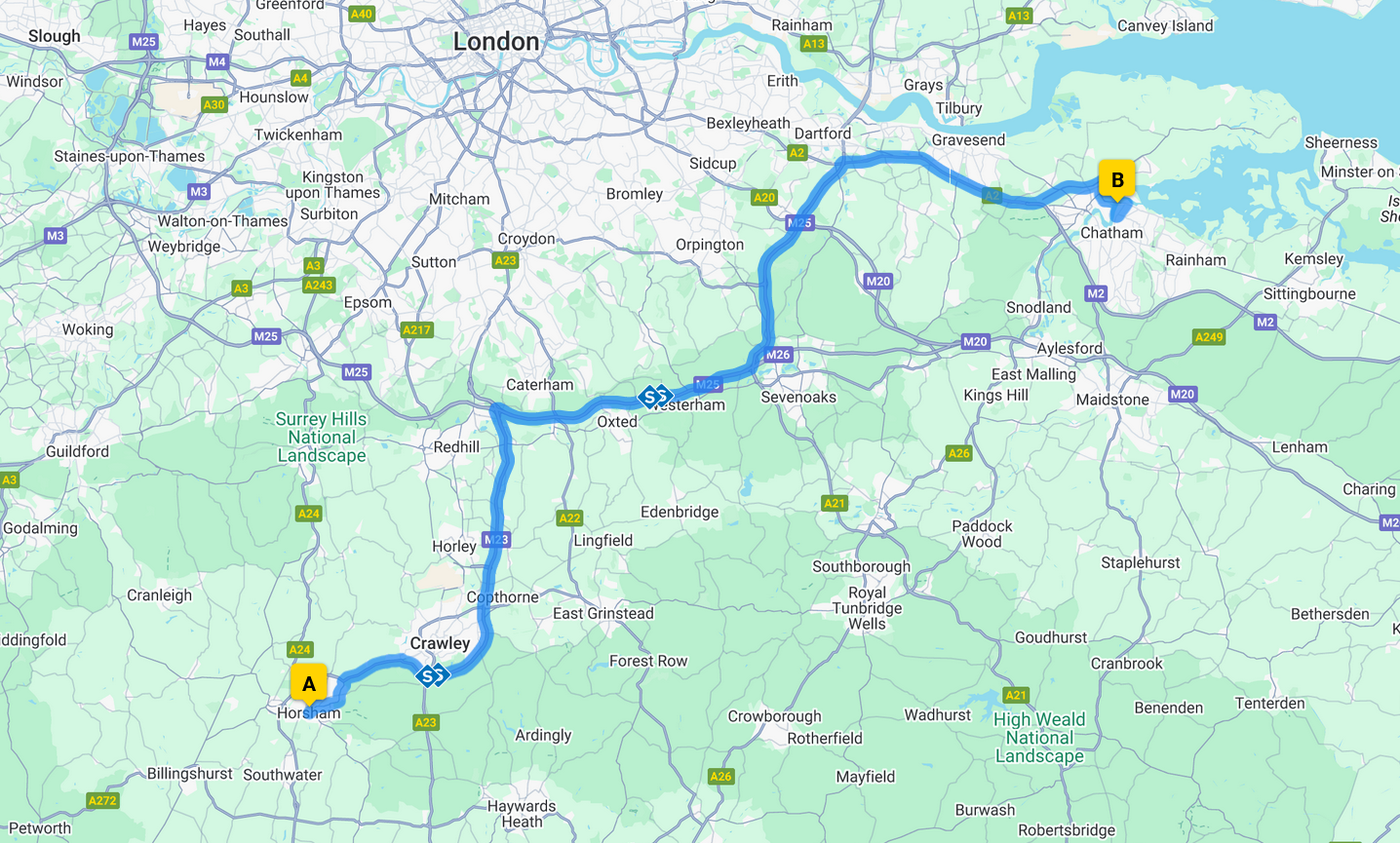
Chatham Historic Dockyard is a sprawling 80-acre maritime museum in Kent, set on the site of a 400-year-old Royal Navy shipyard that built ships for Britain’s Age of Sail. Today, it’s a must-visit for history lovers, featuring three historic warships (including HMS Cavalier and the Cold War submarine Ocelot), the Victorian Ropery (where you can see traditional rope-making), immersive exhibitions like "Command of the Oceans", and even film locations for shows like Call the Midwife. The dockyard is open daily from 25 March to 6 September 2026, with seasonal closures in winter, and offers hands-on activities, guided tours, and a chance to explore Britain’s naval heritage
Four Centuries of Naval Power
Chatham Historic Dockyard is a living museum of Britain’s maritime might, a place where 400 years of Royal Navy history are preserved in brick, timber, and iron. Established in the mid-16th century on the banks of the River Medway, Chatham became one of the Navy’s most vital dockyards, building, repairing, and supplying hundreds of warships that shaped the course of British history. From the Elizabethan era—when Chatham-built ships like the Merlin and Sunne helped defeat the Spanish Armada—to the Napoleonic Wars, the age of steam, and even the Cold War, the dockyard was at the heart of Britain’s naval dominance. At its peak, it covered 400 acres and employed thousands of skilled craftsmen, from shipwrights and rope-makers to blacksmiths and sail-makers. Today, 80 acres of the 18th-century core survive as a visitor attraction, offering an unrivaled glimpse into the Golden Age of Sail and beyondA Shipyard Frozen in Time
What makes Chatham truly extraordinary is its authenticity. Unlike many historic dockyards, Chatham retains original buildings, slipways, and even the smells of tar and oak from its working days. The Ropery, a Grade I-listed Georgian and Victorian rope factory, still produces nautical rope using traditional methods—a spectacle of craftsmanship that has continued uninterrupted since 1618. Visitors can watch costumed guides demonstrate rope-making, explore the massive timber-framed Mould Loft where ship designs were drafted, and step aboard historic vessels like the HMS Gannet (an 1878 sloop) and the HMS Ocelot (a Cold War-era submarine). The Command of the Oceans exhibition, set in a restored 18th-century smithy and sawmill, tells the story of Chatham’s role in building the Navy that ruled the waves, from the wooden walls of Nelson’s fleet to the ironclads of the Victorian eraFrom Armada to Submarines: A Story of Innovation
Chatham’s history is a tale of adaptation and ingenuity. In the 17th and 18th centuries, it was the Navy’s premier shipbuilding yard, constructing legendary vessels like the HMS Victory (though she was completed at Portsmouth) and the HMS Unicorn (now preserved in Dundee). By the 19th century, the dockyard embraced the Industrial Revolution, transitioning from wood to iron and later to steel and submarines. The Steam, Steel and Submarines gallery charts this evolution, showcasing how Chatham’s engineers and workers kept the Royal Navy at the cutting edge of technology. The dockyard also played a pivotal role in both World Wars, repairing and refitting battleships, destroyers, and submarines that defended Britain’s shores. After its closure in 1984, the site was saved by the Chatham Historic Dockyard Trust, which has since transformed it into a world-class heritage attraction, complete with interactive exhibits, guided tours, and even a working Victorian sawmilA Day Out Steeped in History
Today, Chatham Historic Dockyard is more than a museum—it’s an immersive experience. Visitors can:- Tour three historic warships, including the HMS Gannet, HMS Cavalier (a WWII destroyer), and HMS Ocelot (the last warship built at Chatham).
- Explore the Ropery, where 220-meter-long ropes are still made by hand.
- Step into the life of a shipwright in the Command of the Oceans gallery, with its full-scale ship models and interactive displays.
- Visit the Royal Dockyard Library, home to thousands of rare books and archives.
- Enjoy family-friendly activities, from woodworking workshops to costumed reenactments.
