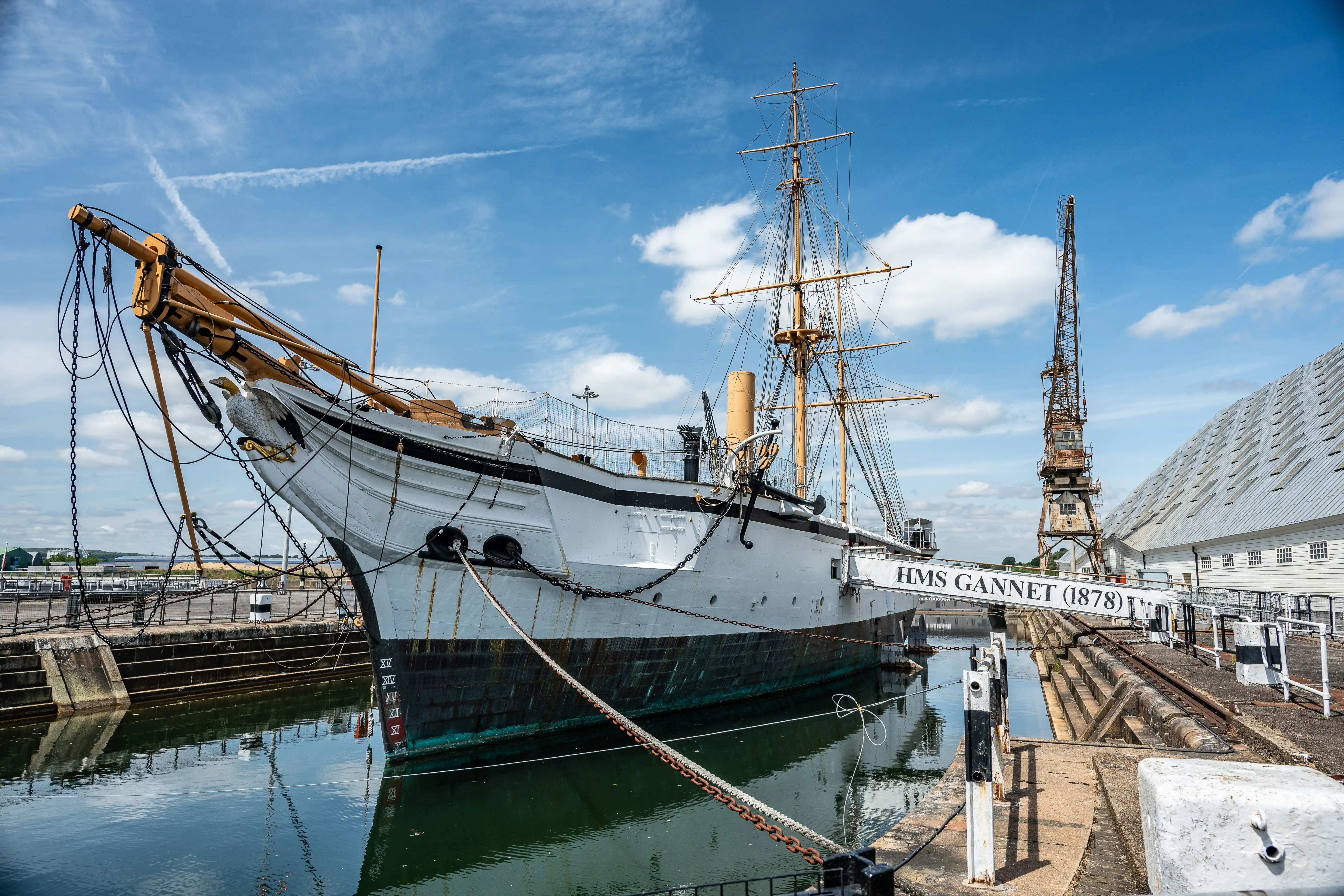
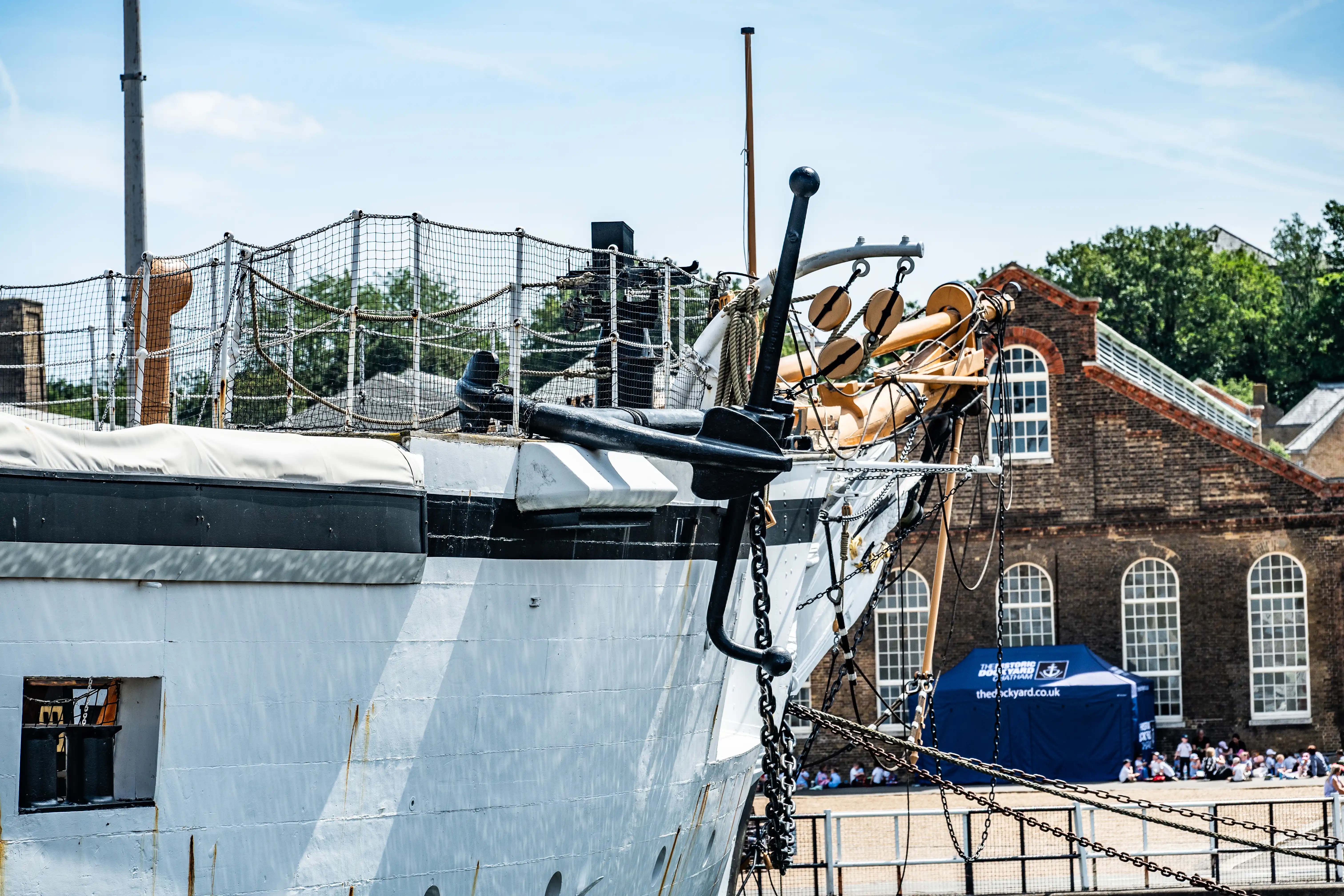
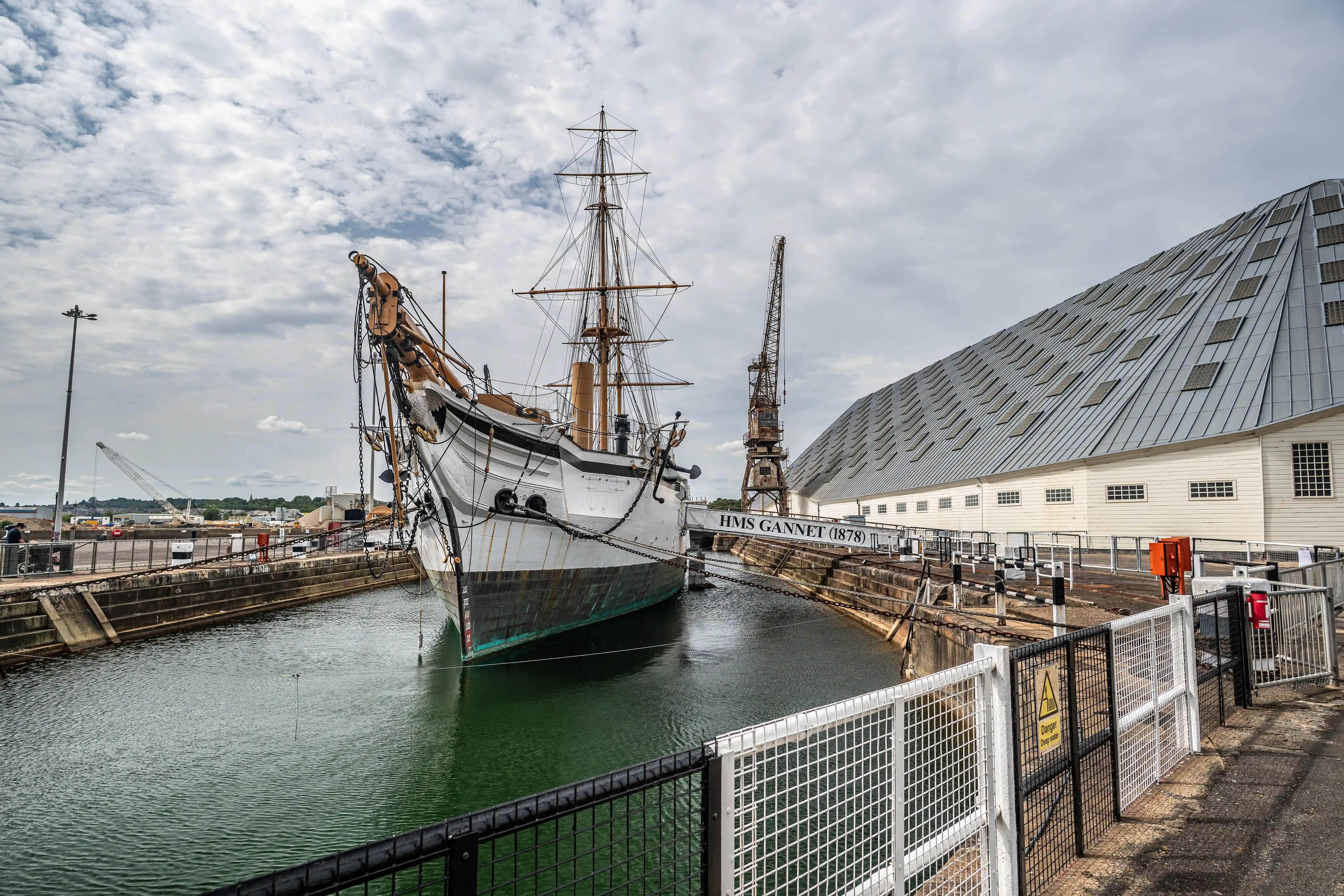
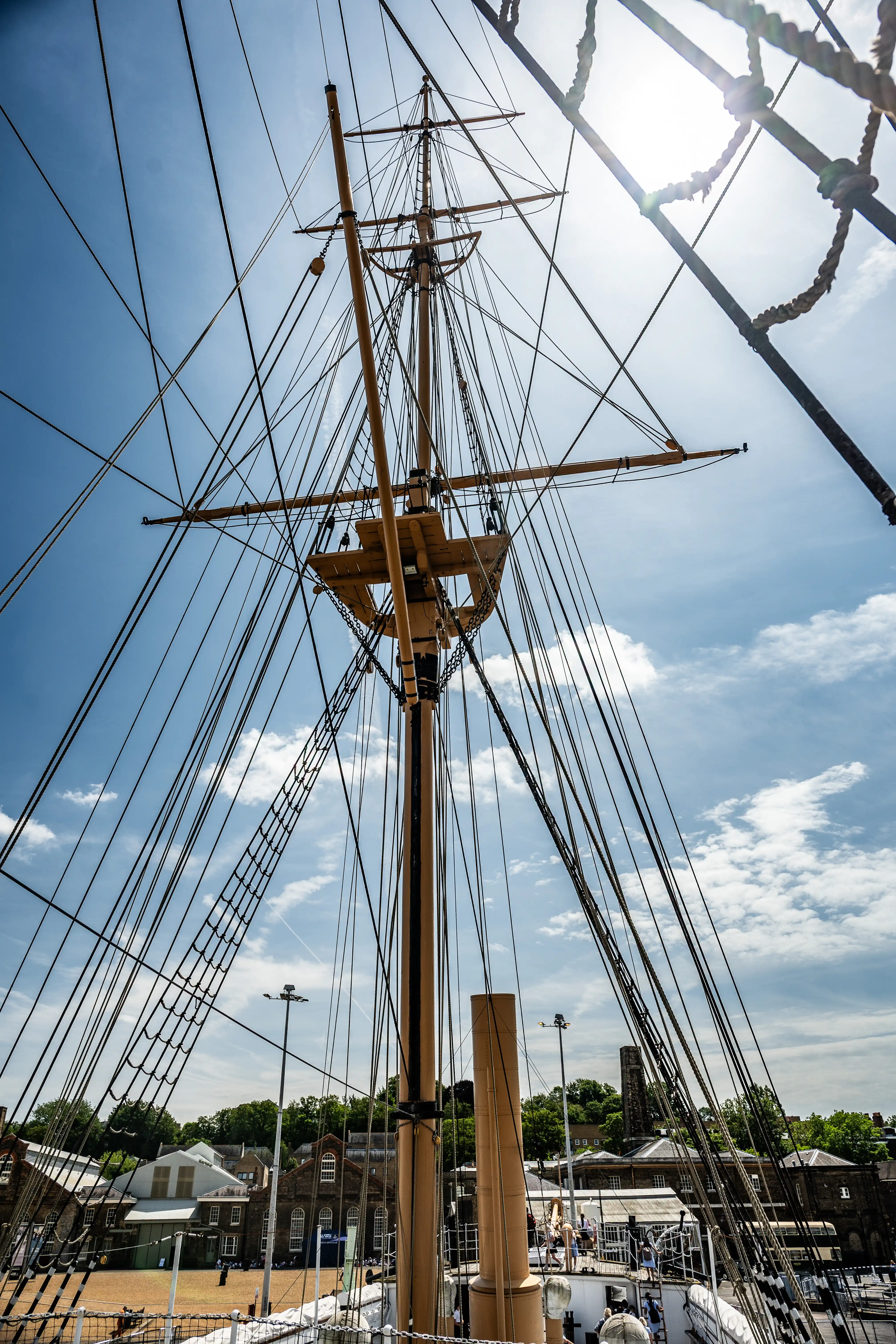
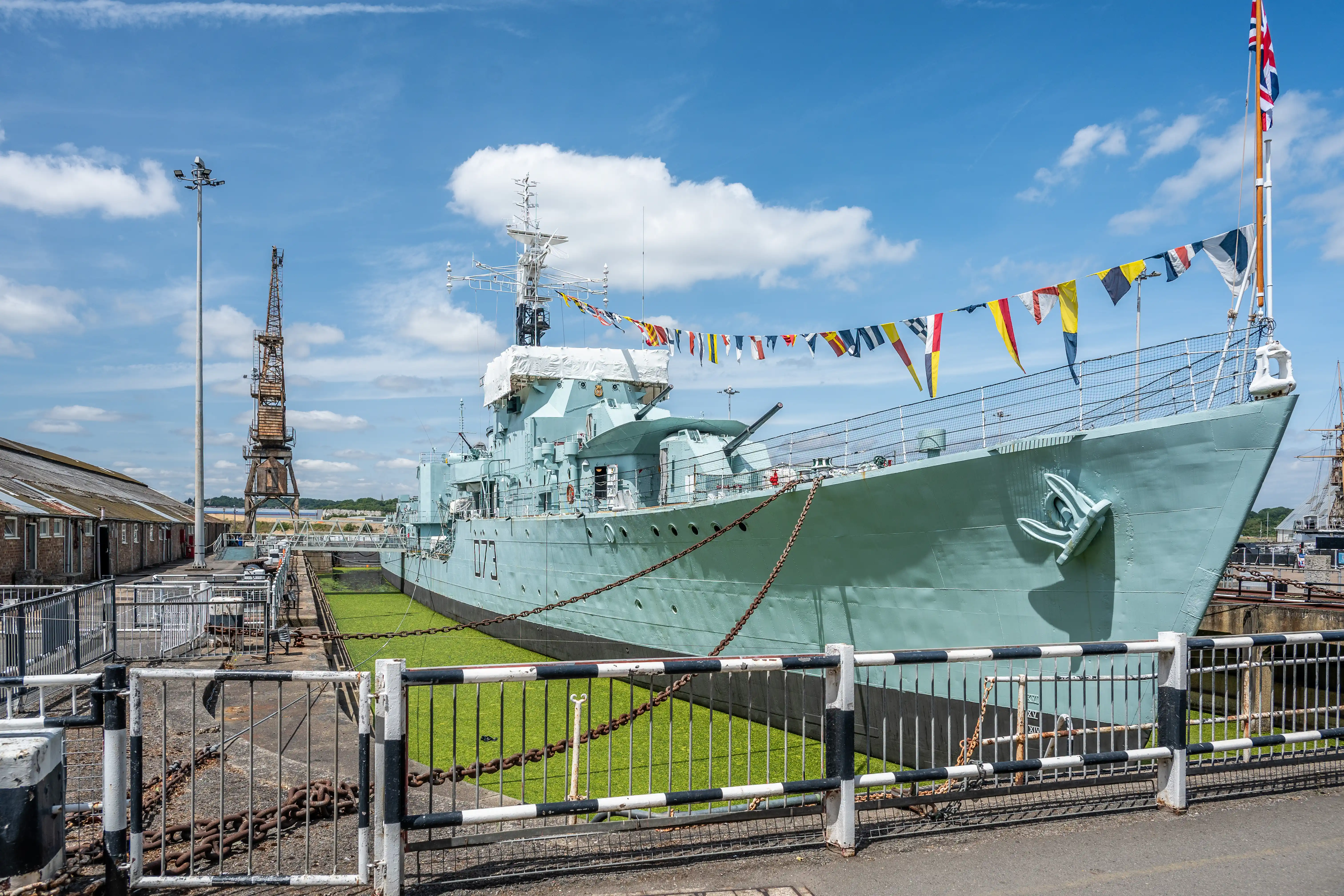
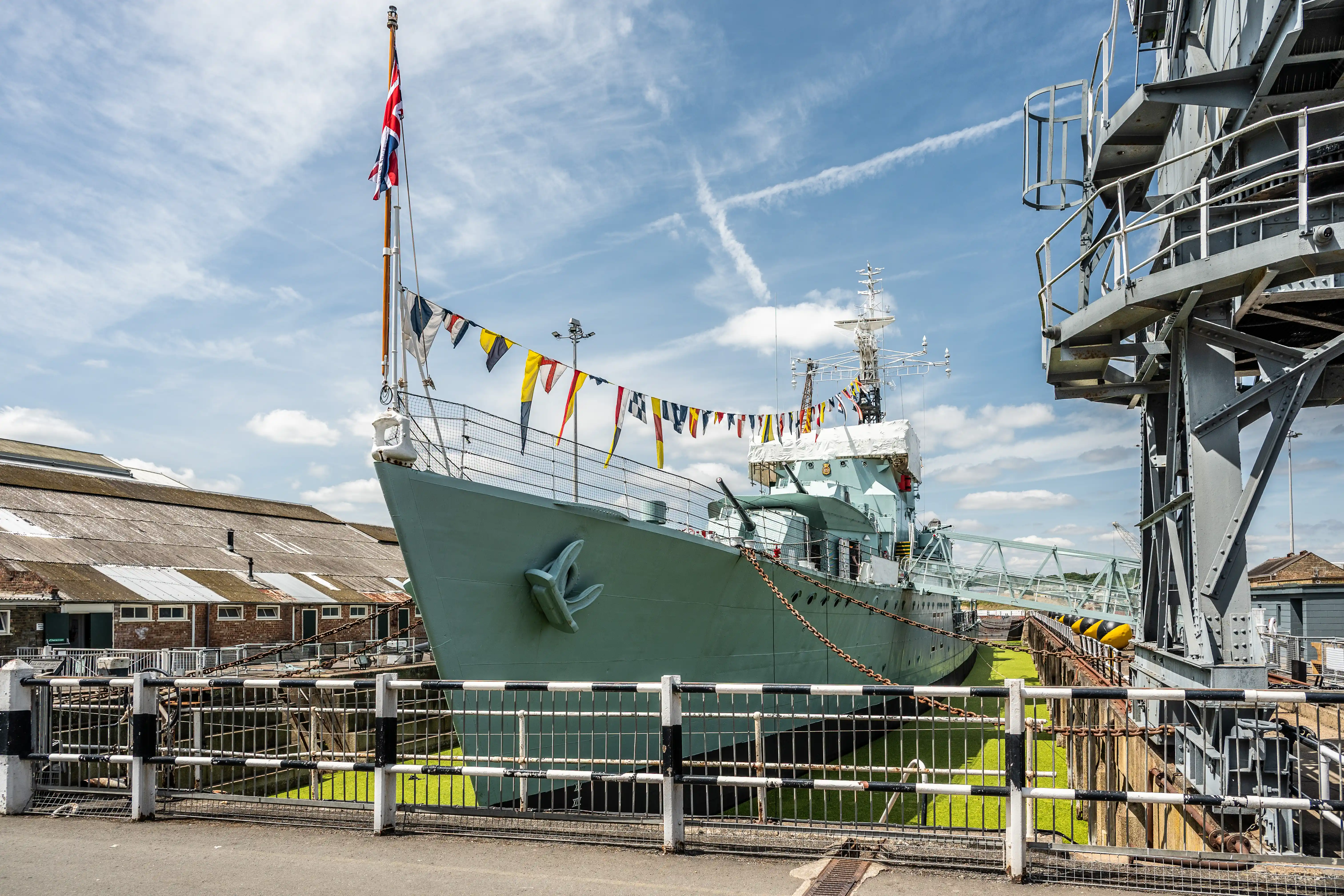
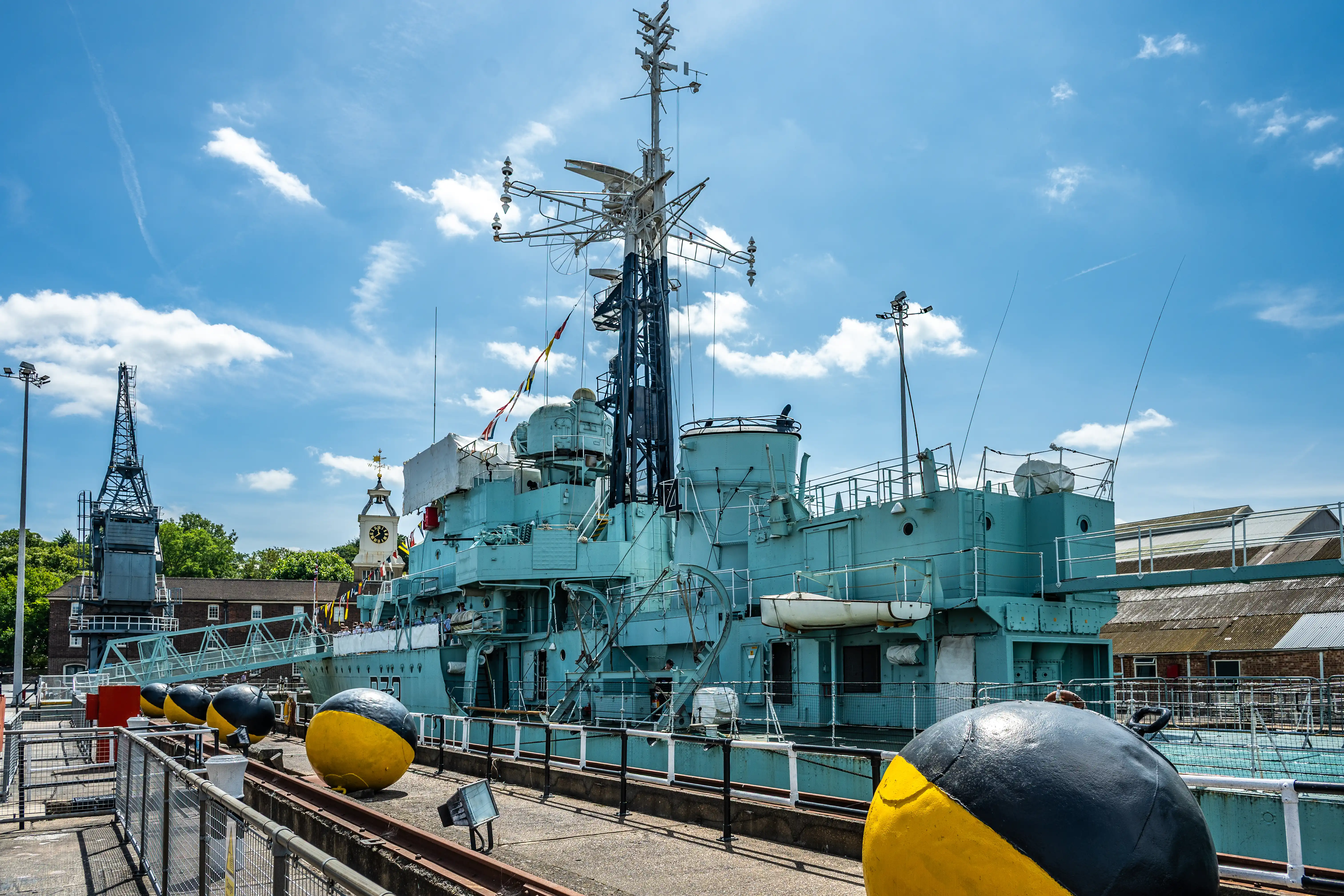
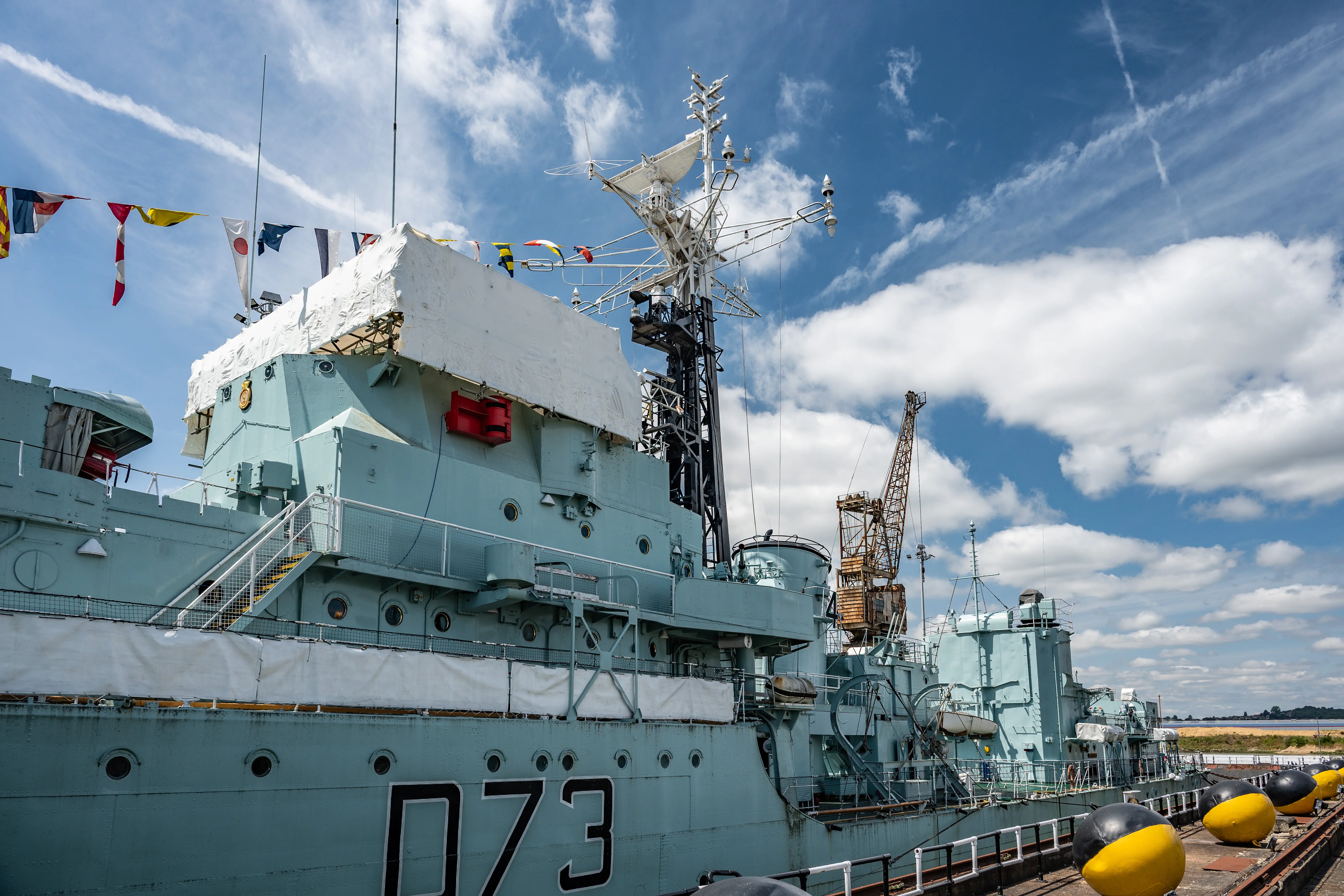
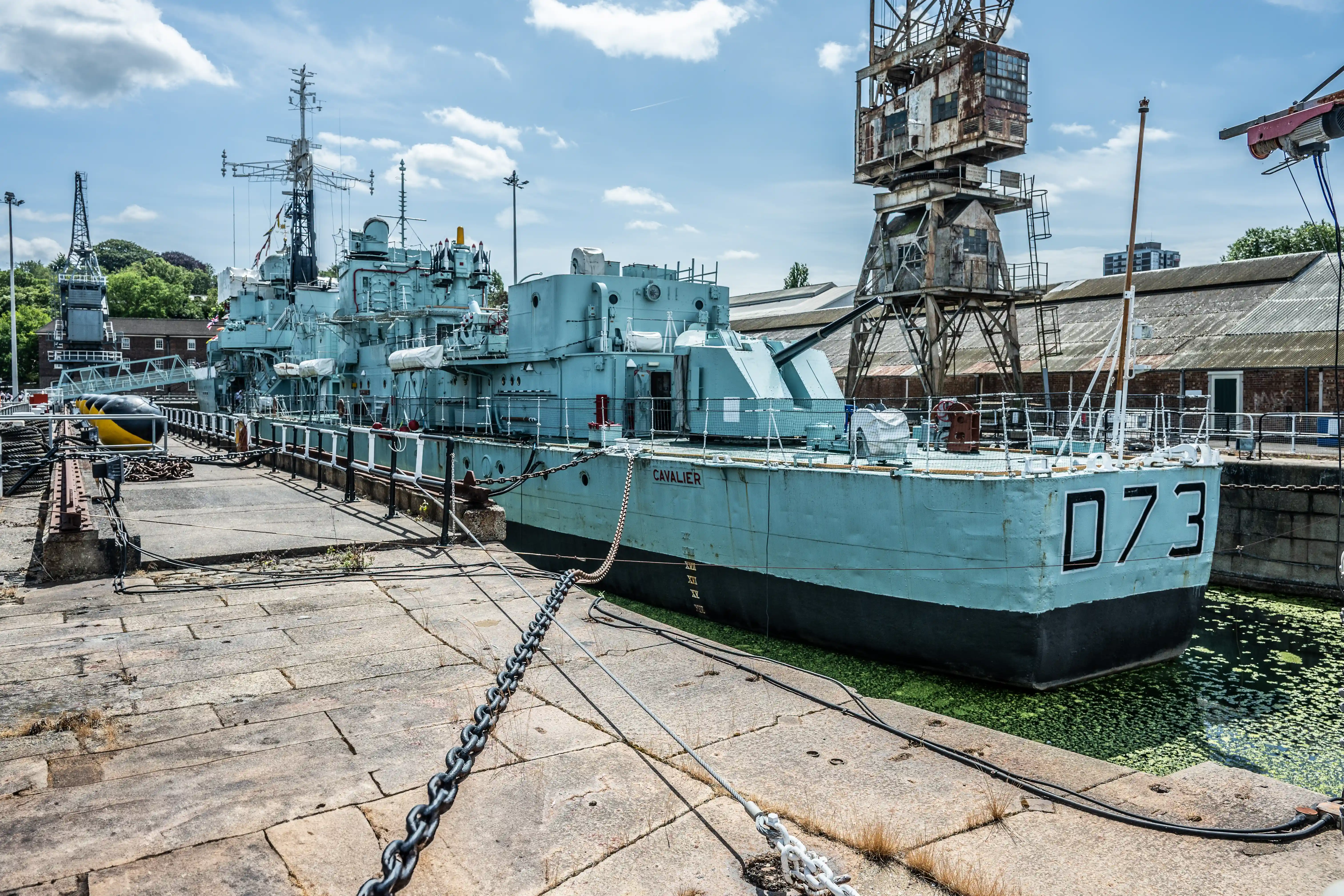
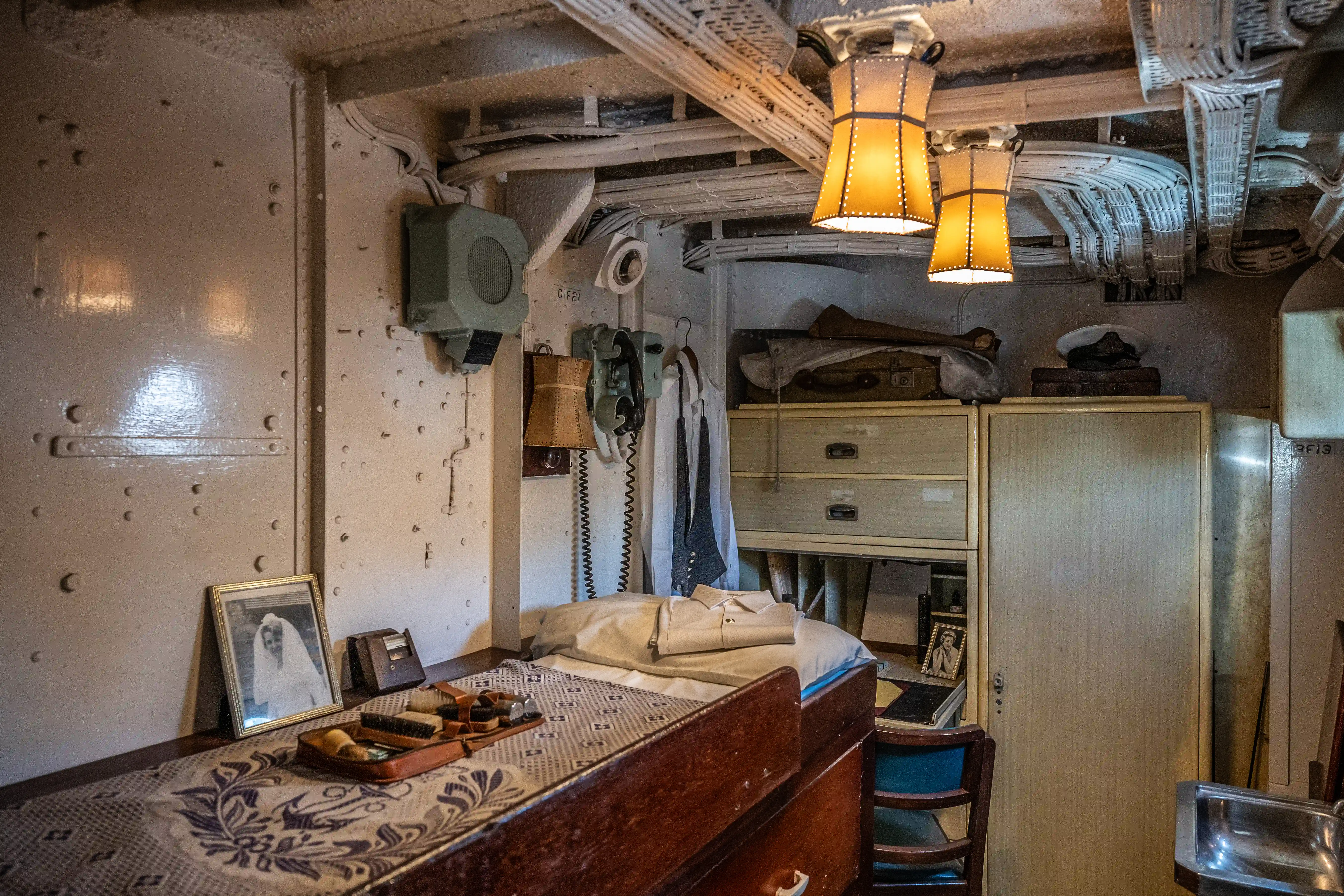
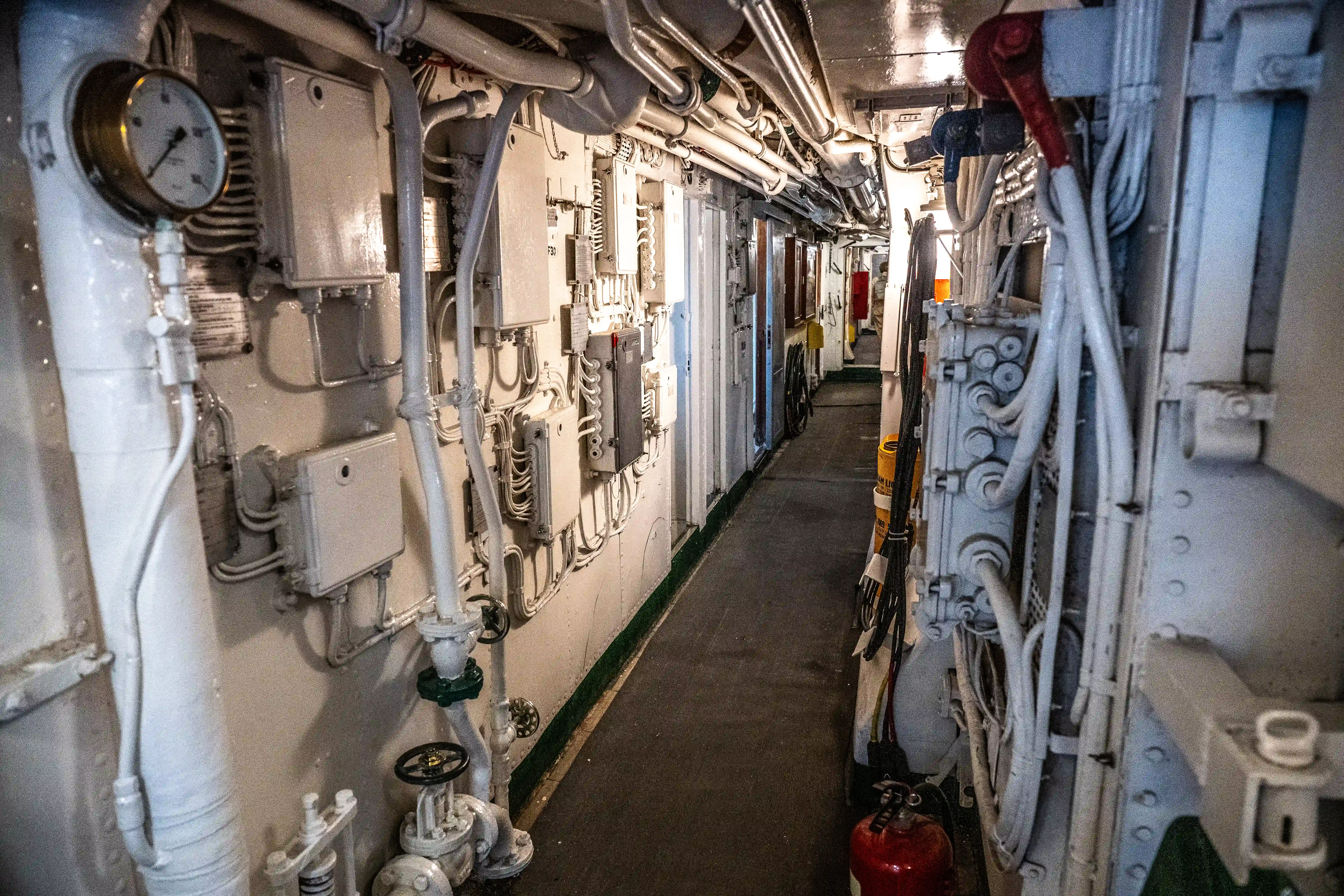
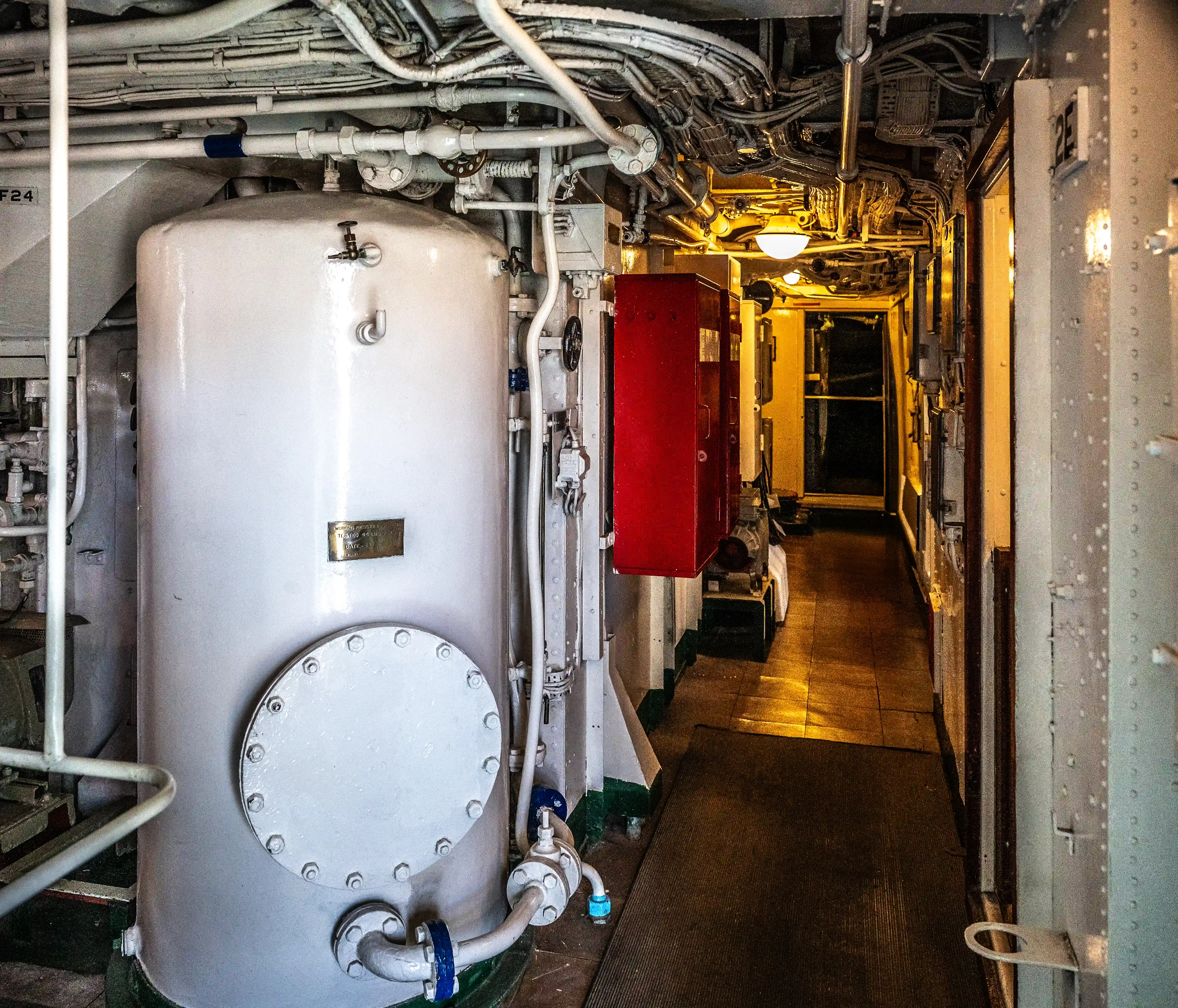
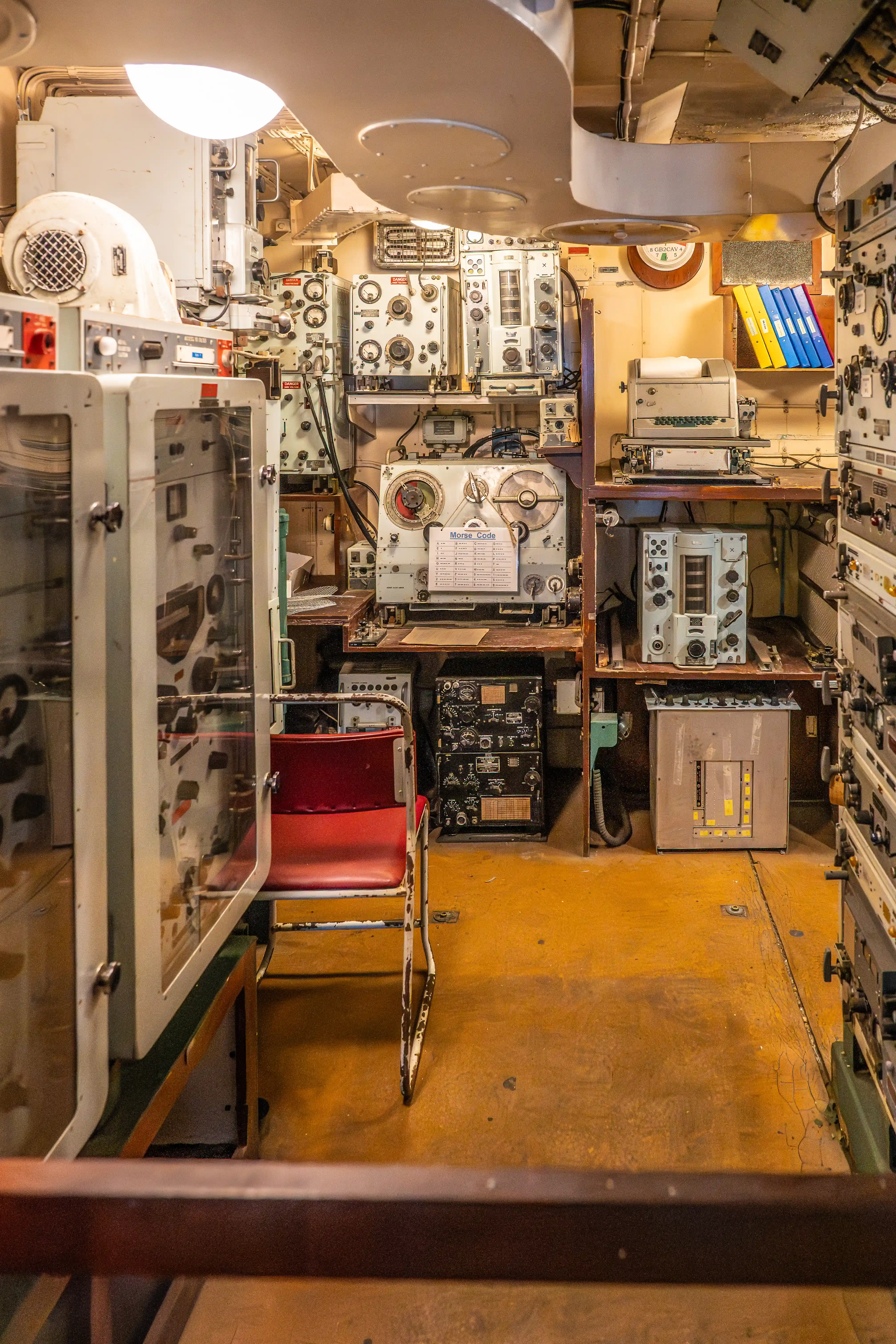
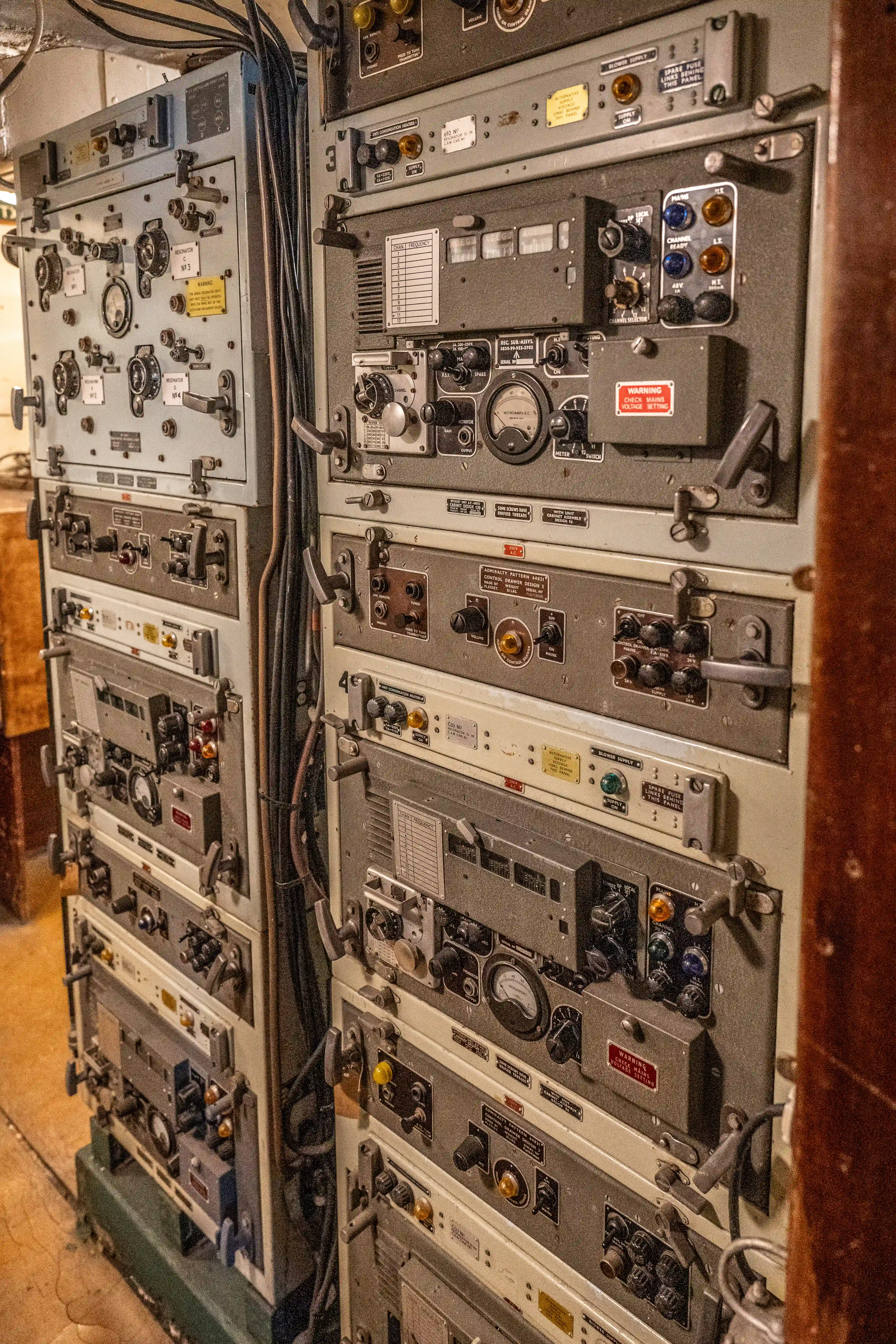
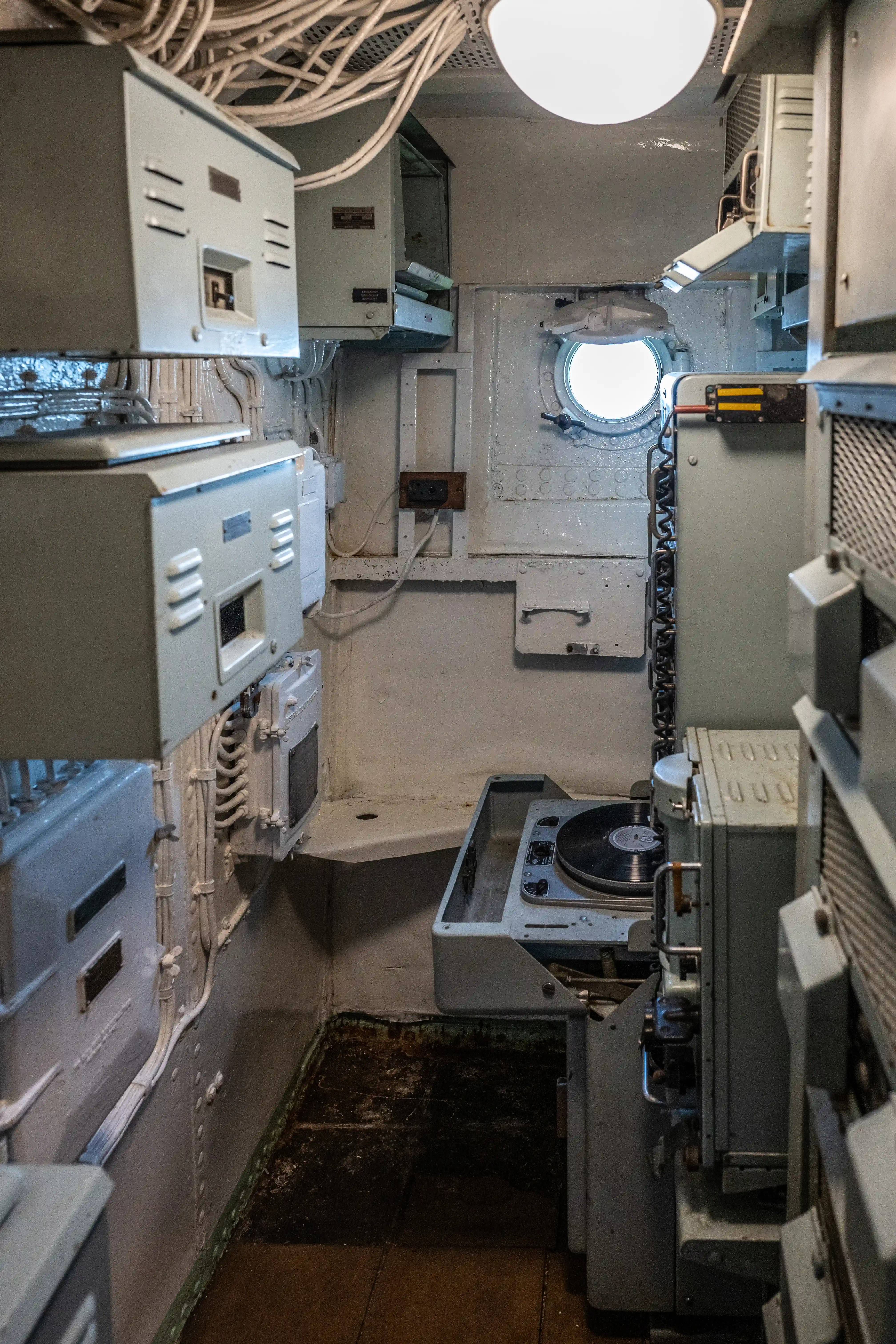
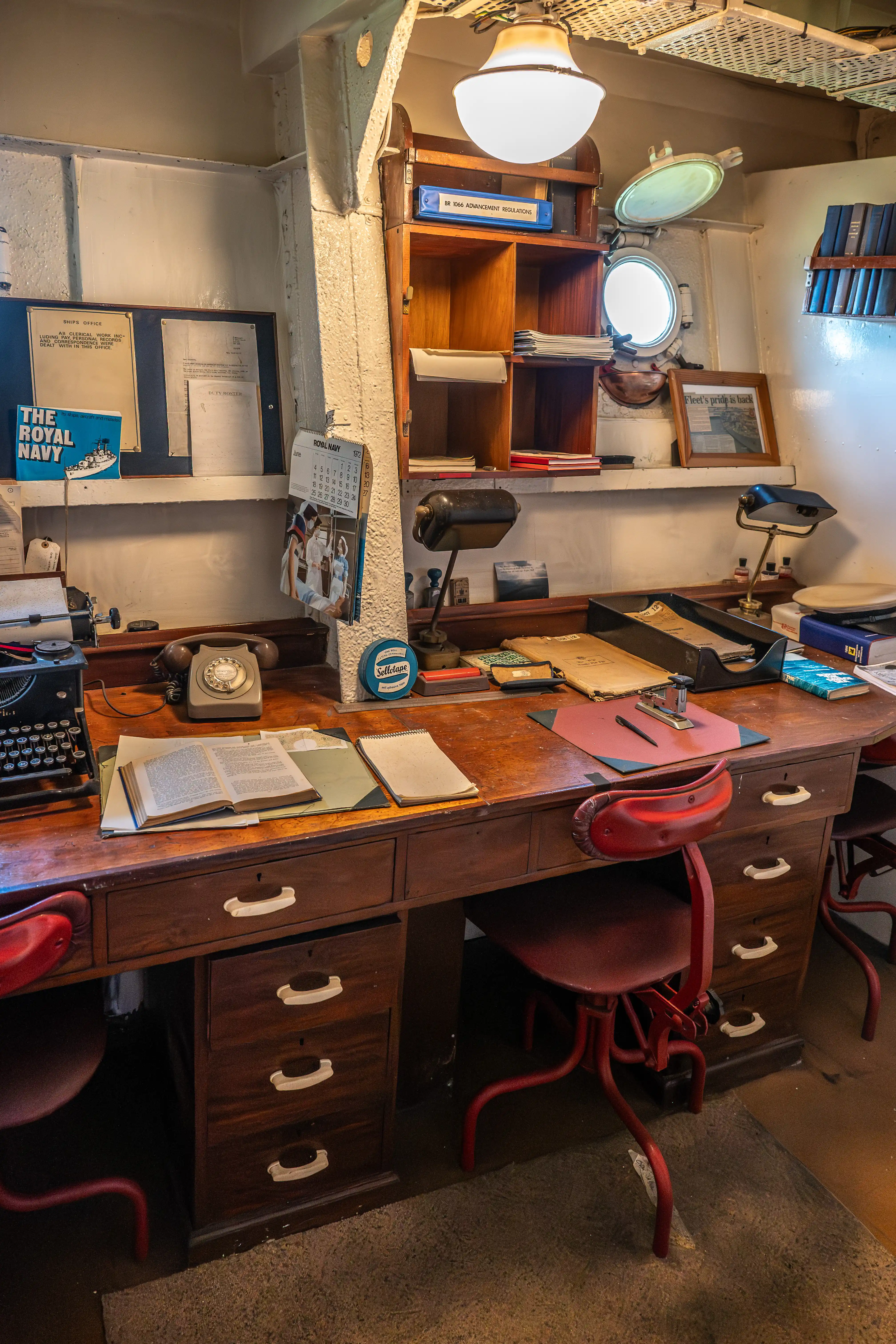
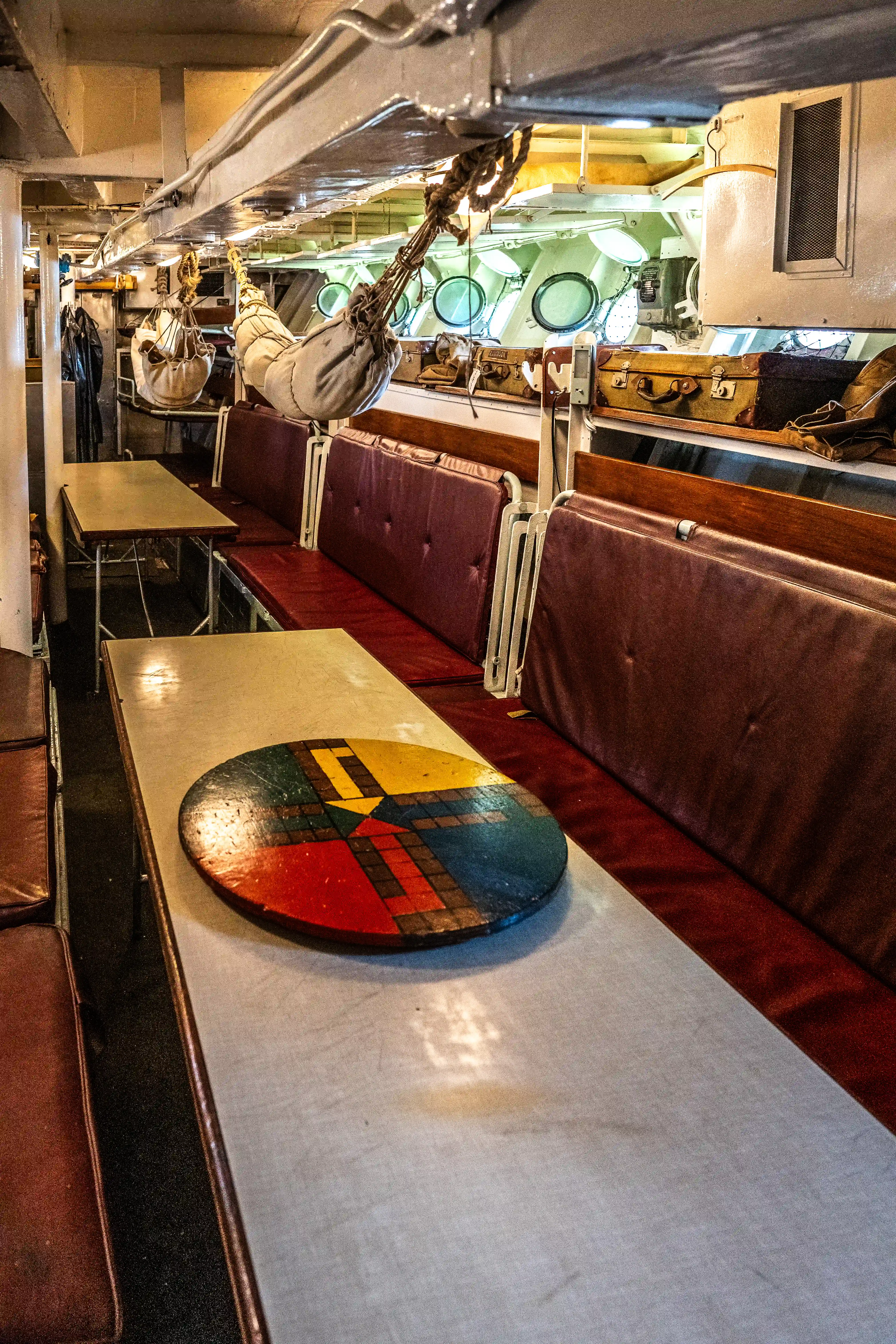
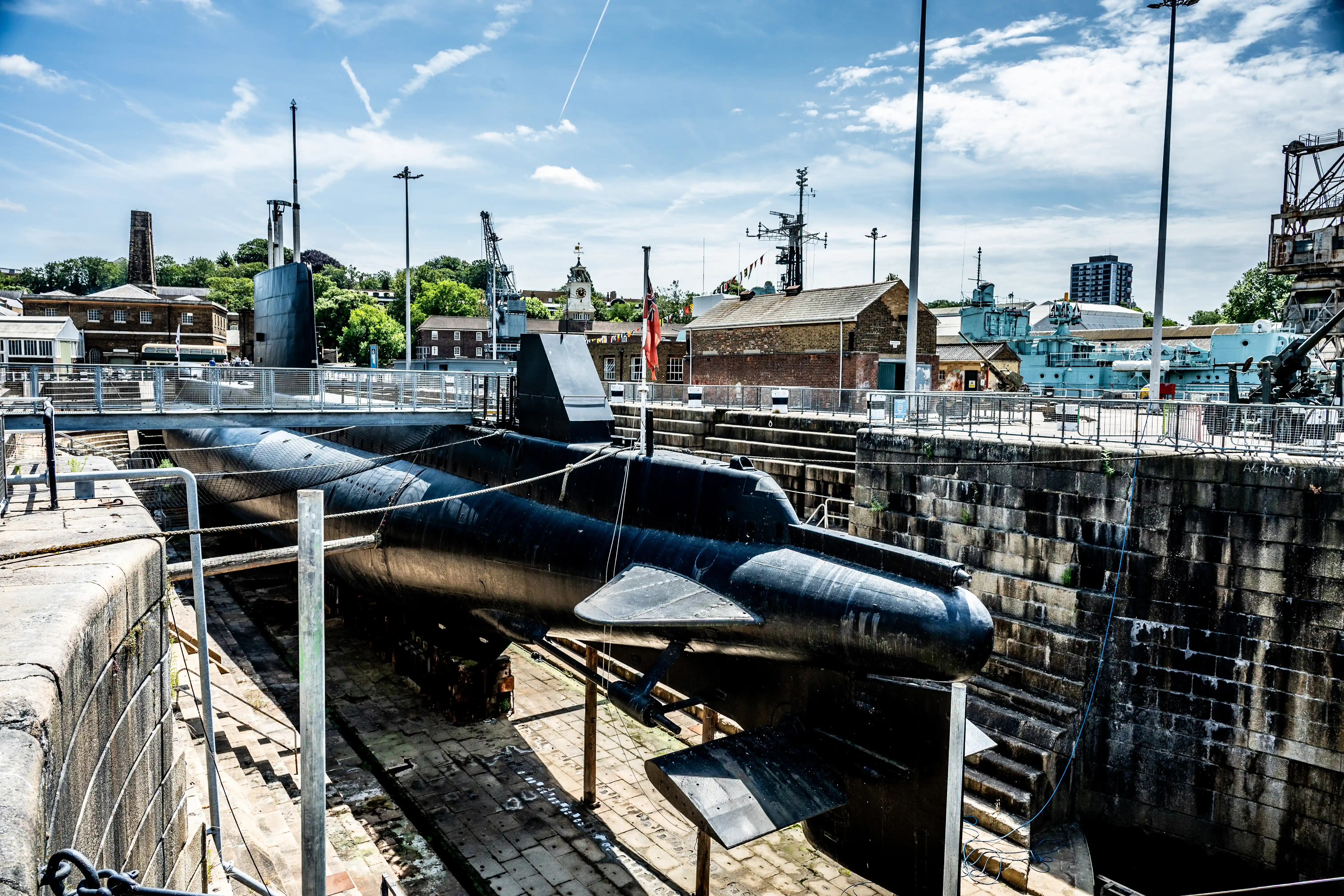
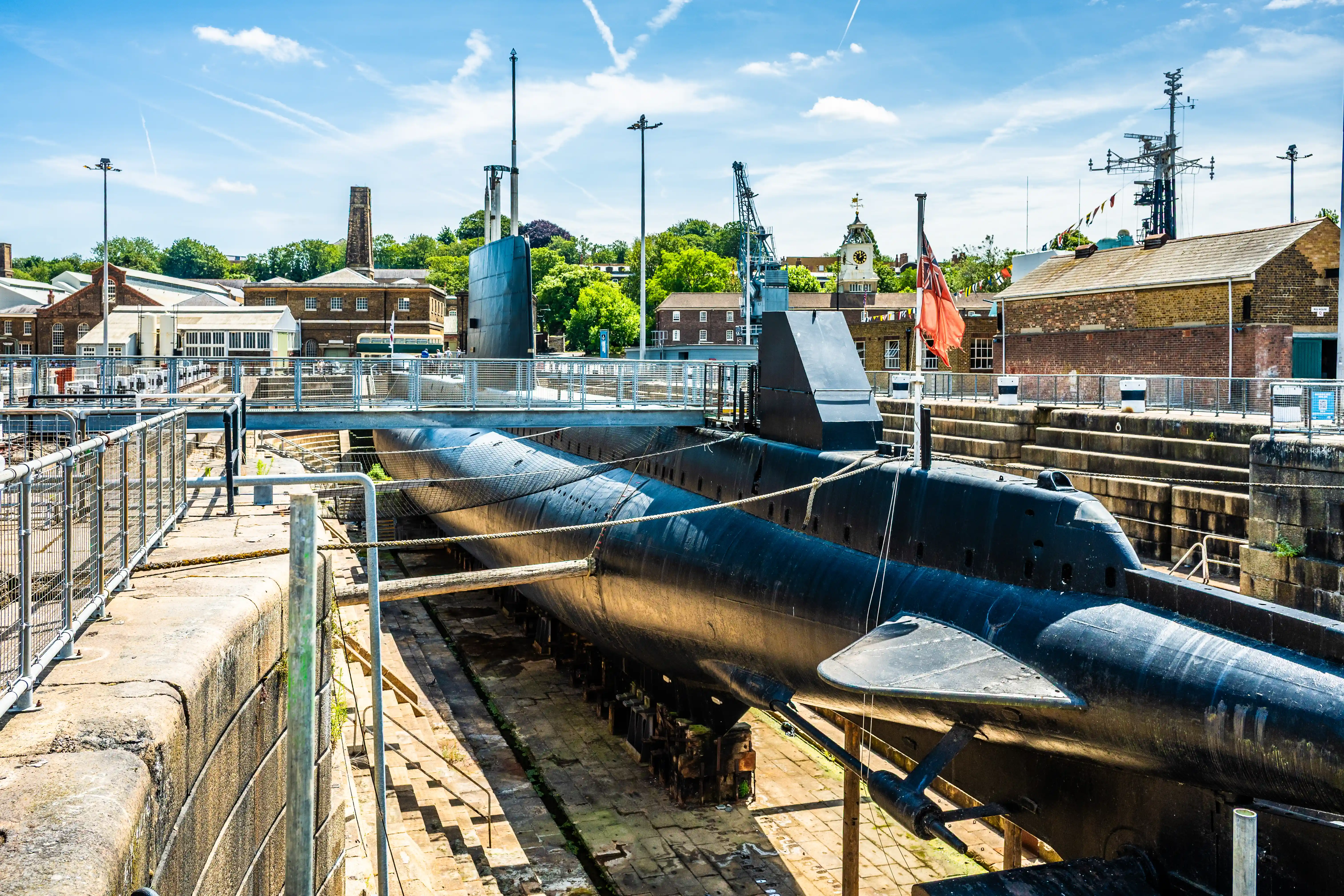
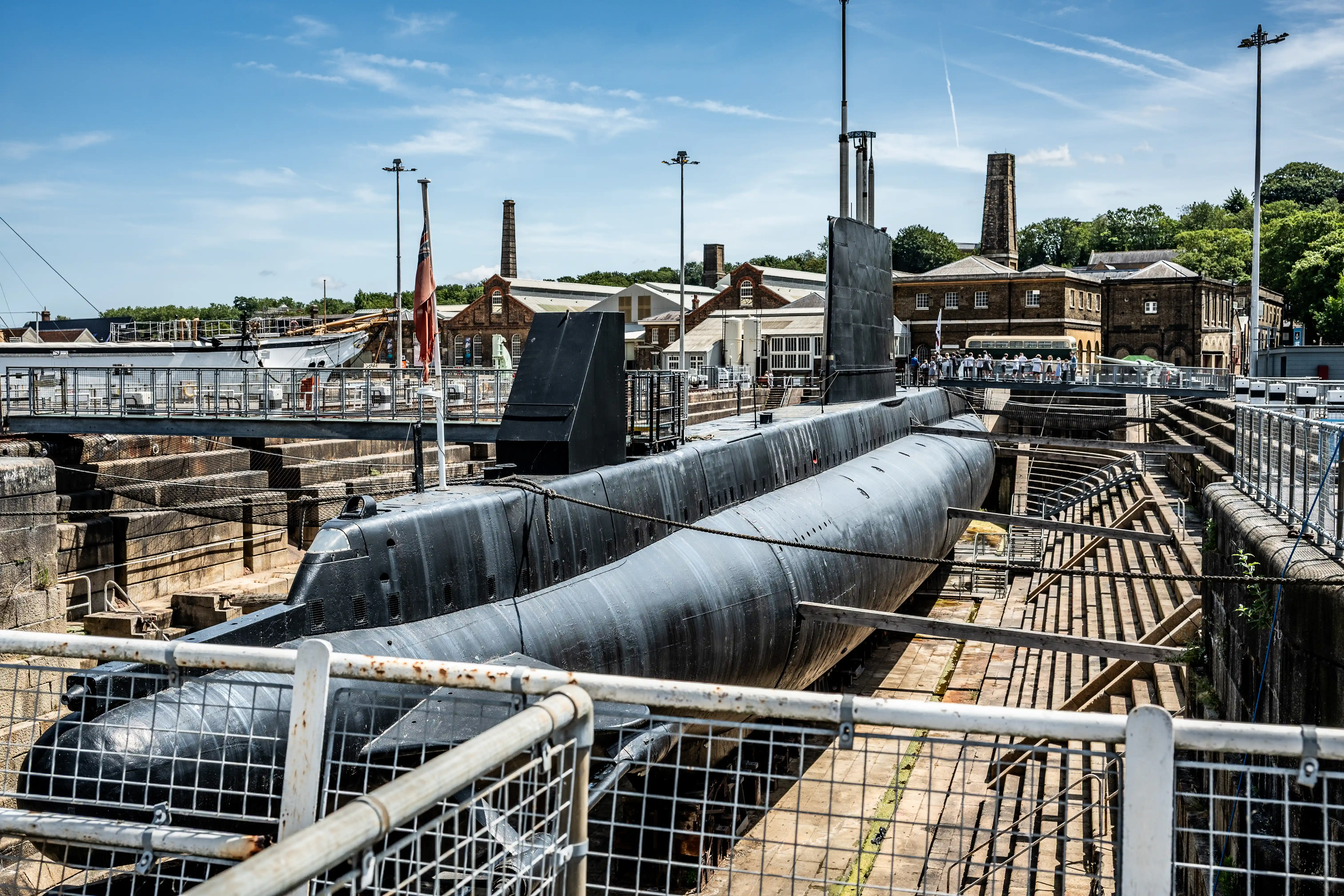
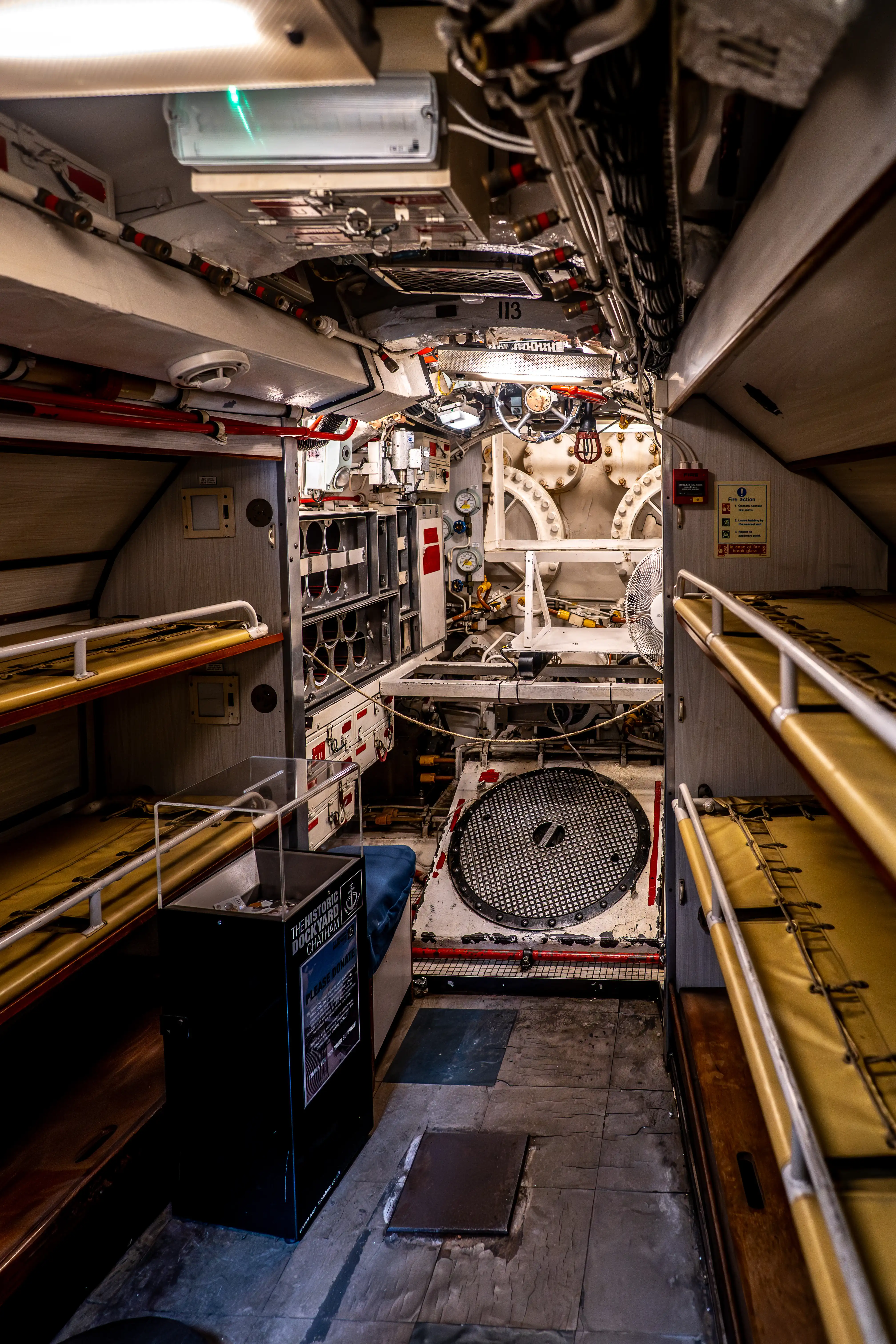
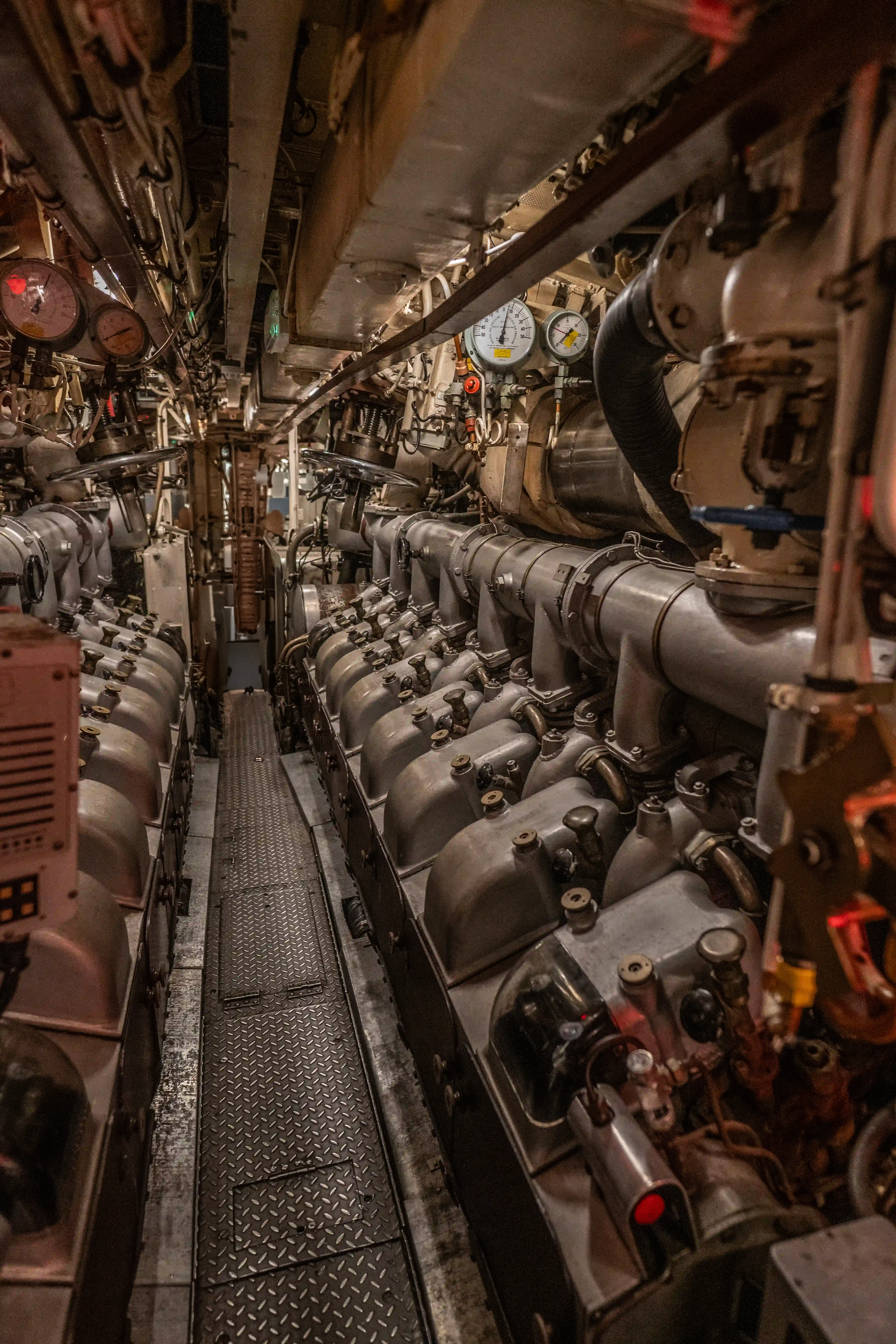
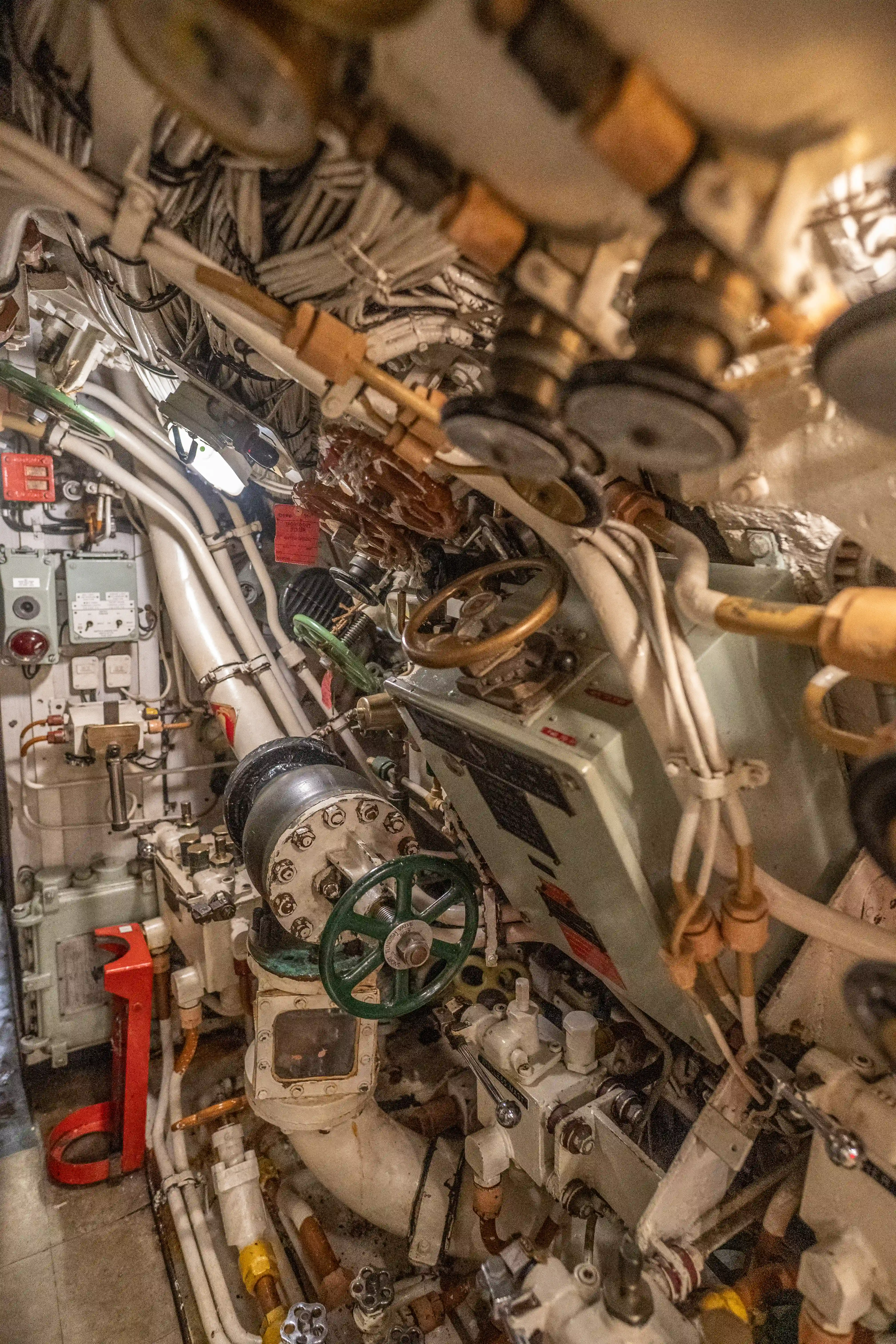
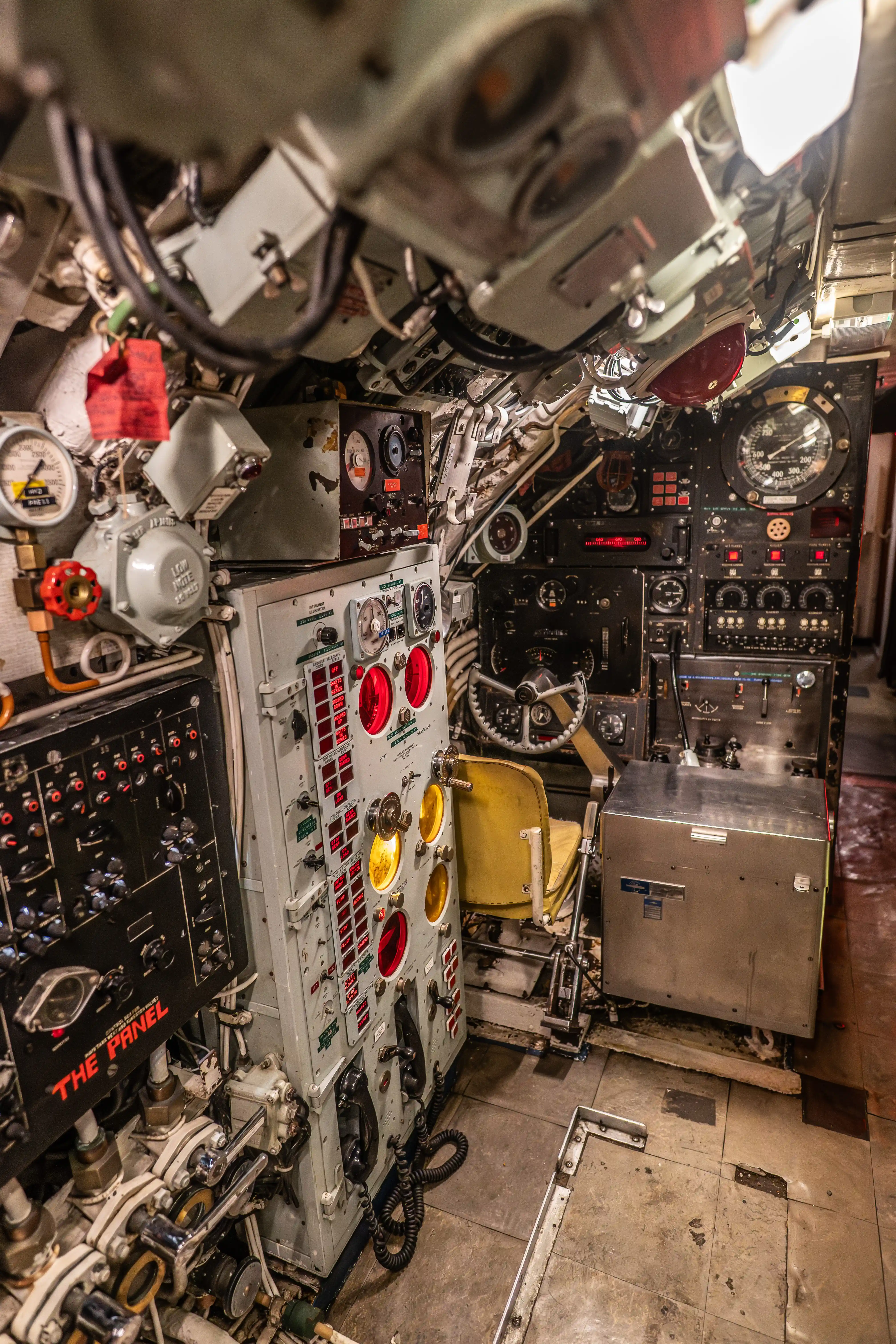
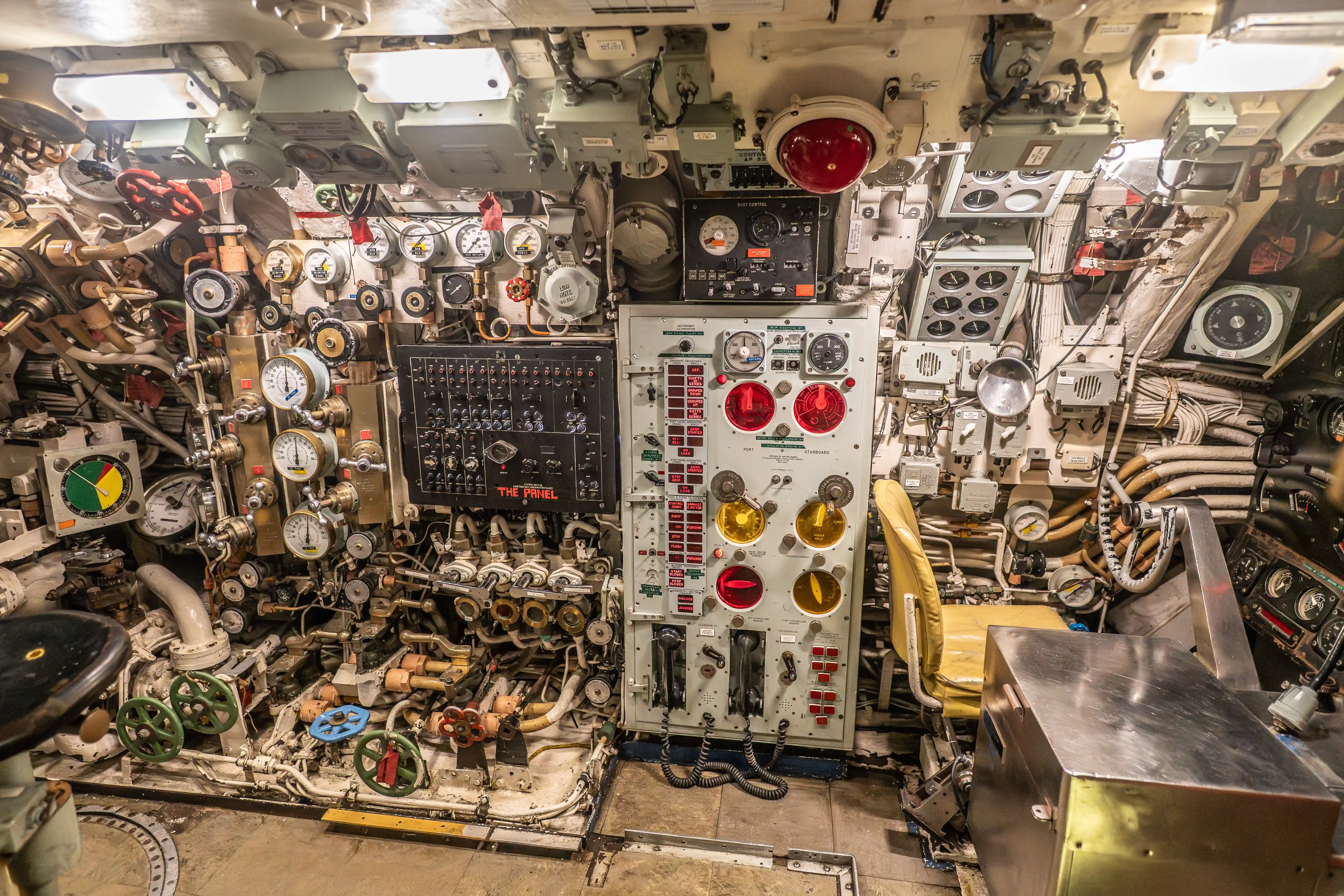
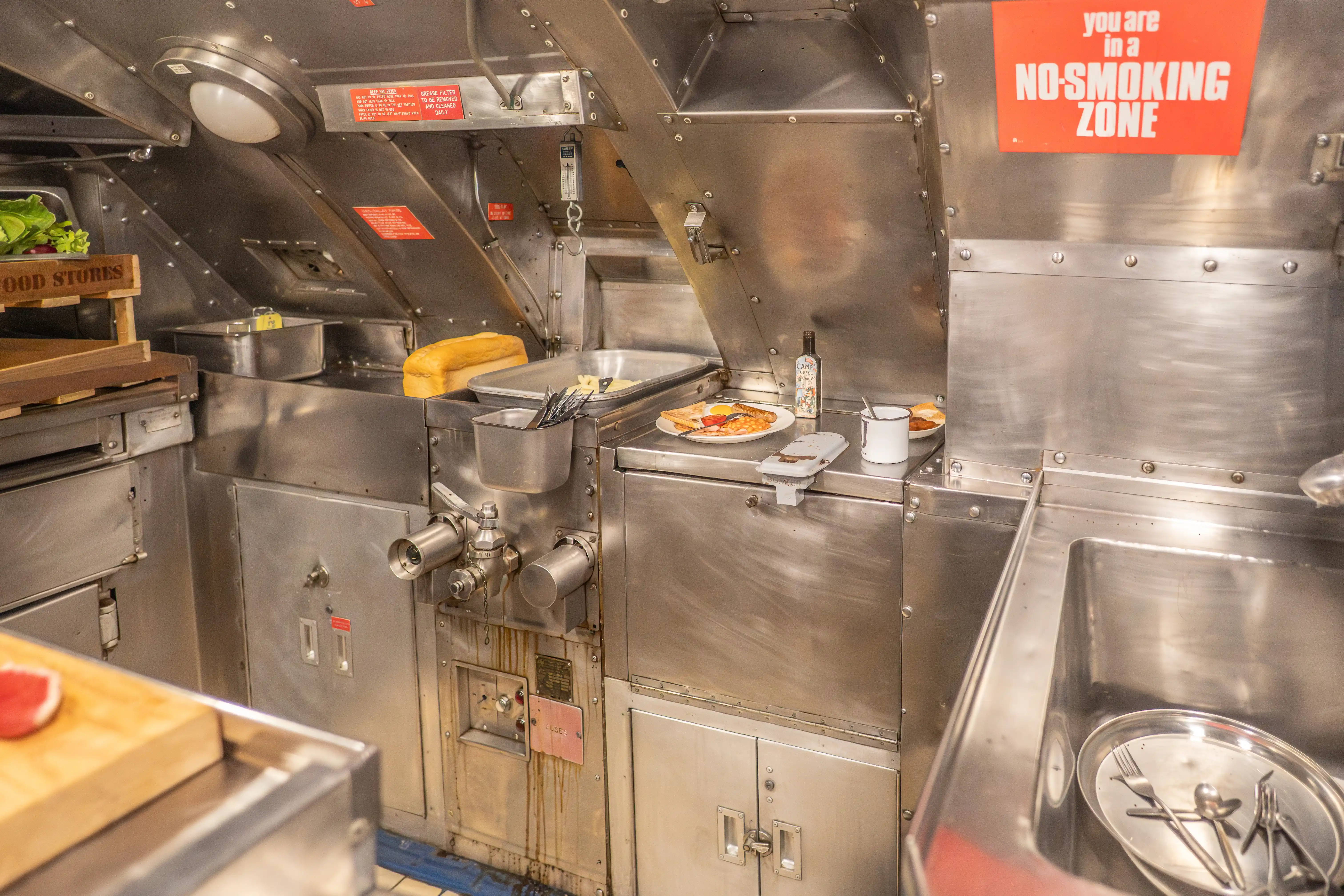
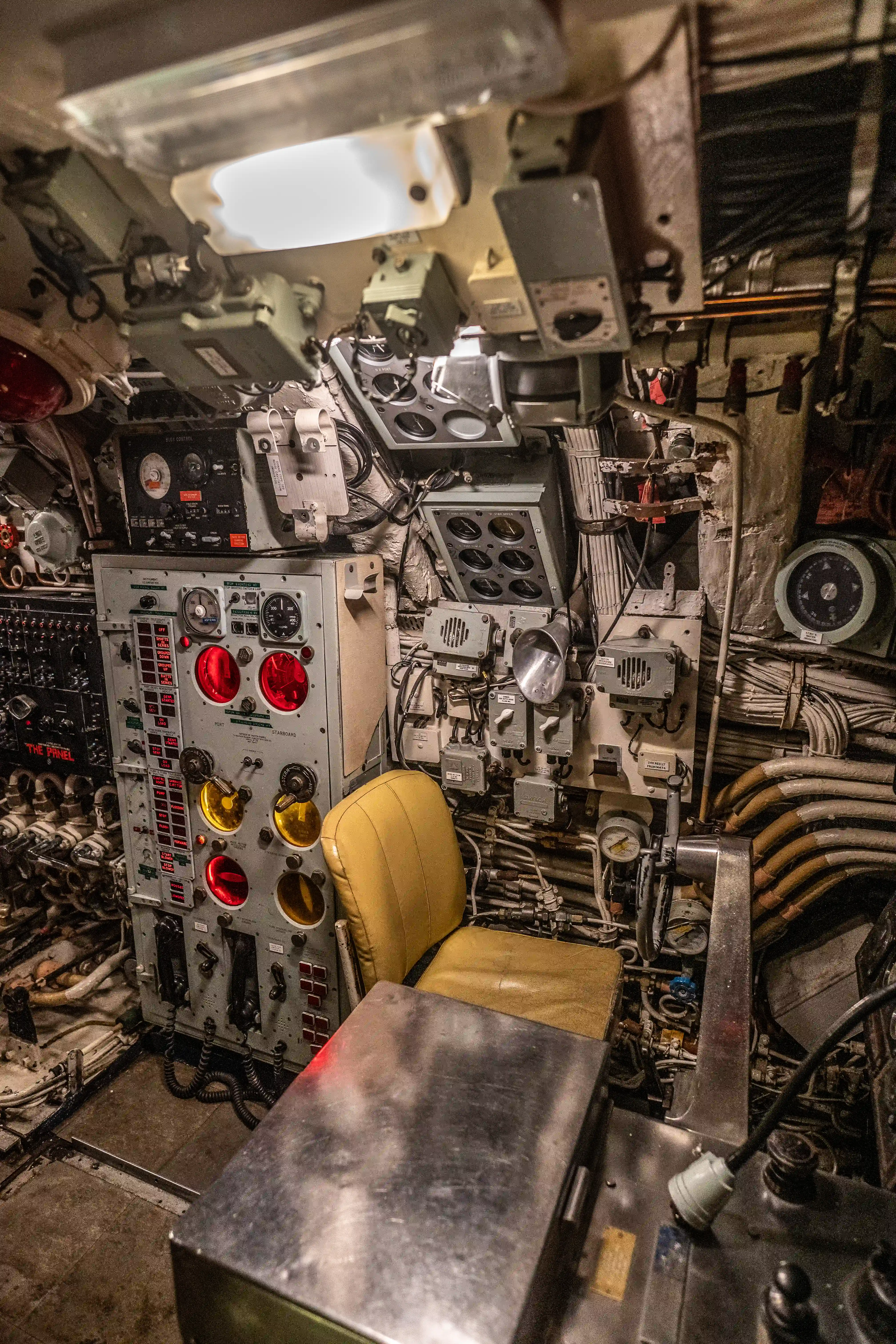
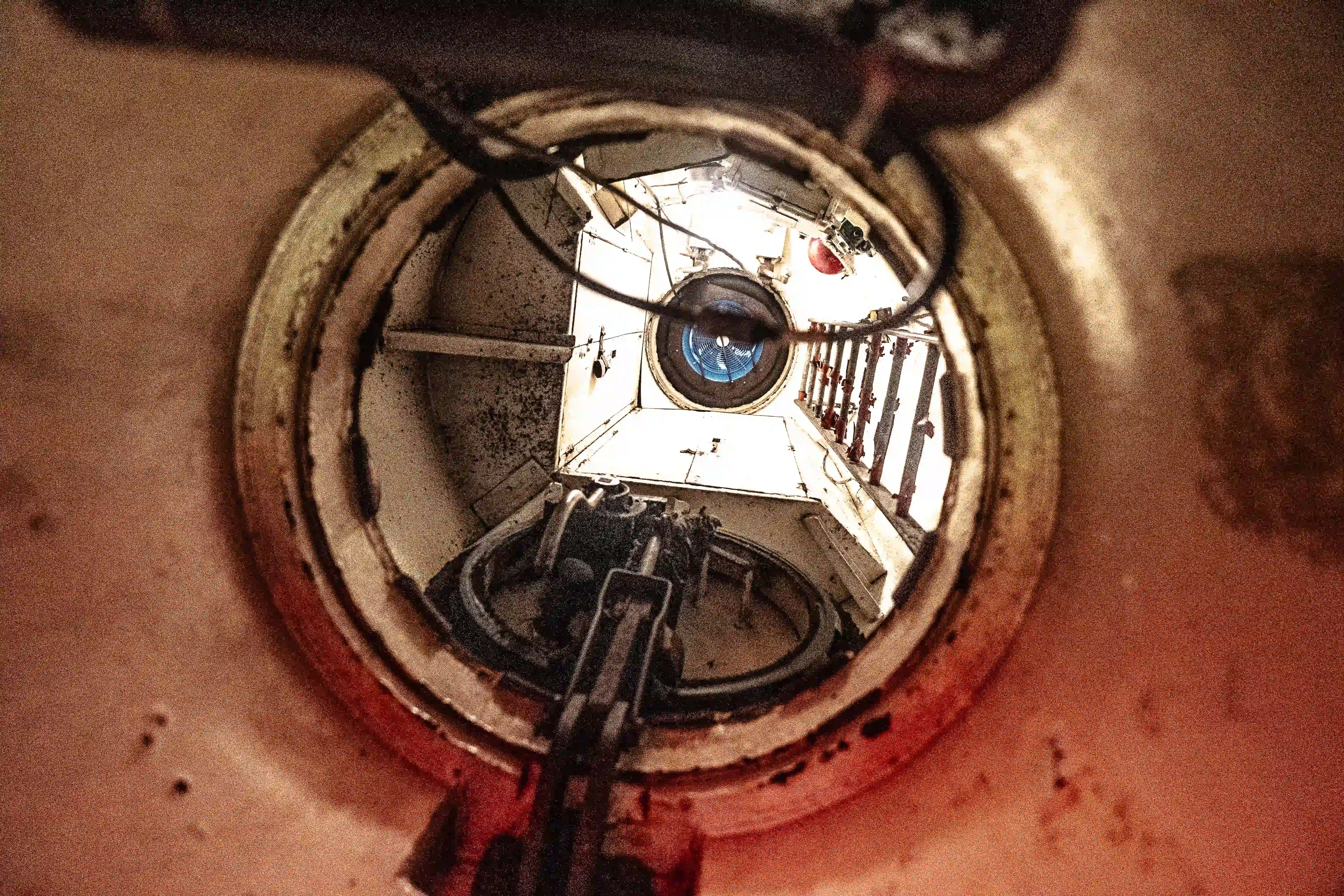
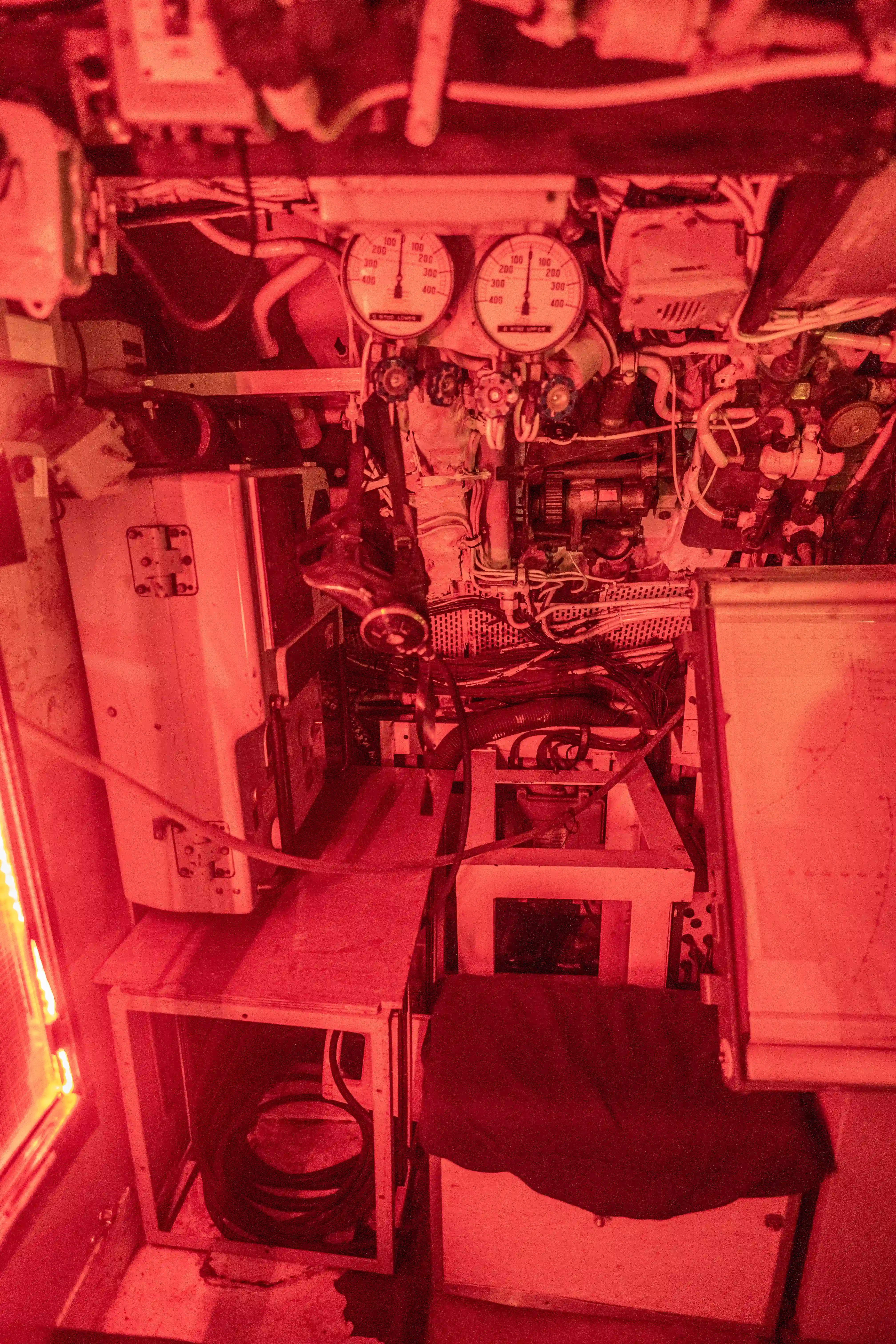
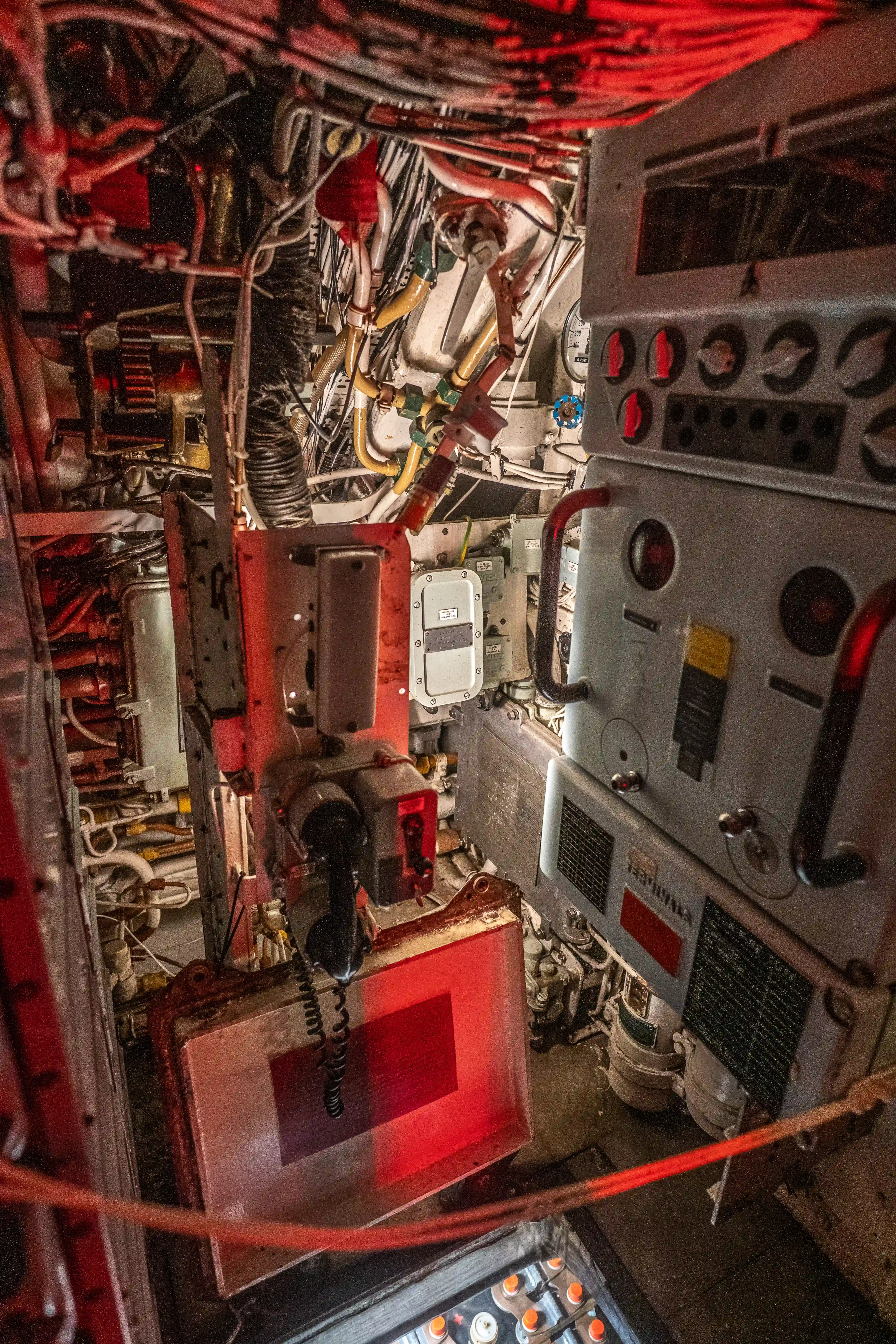
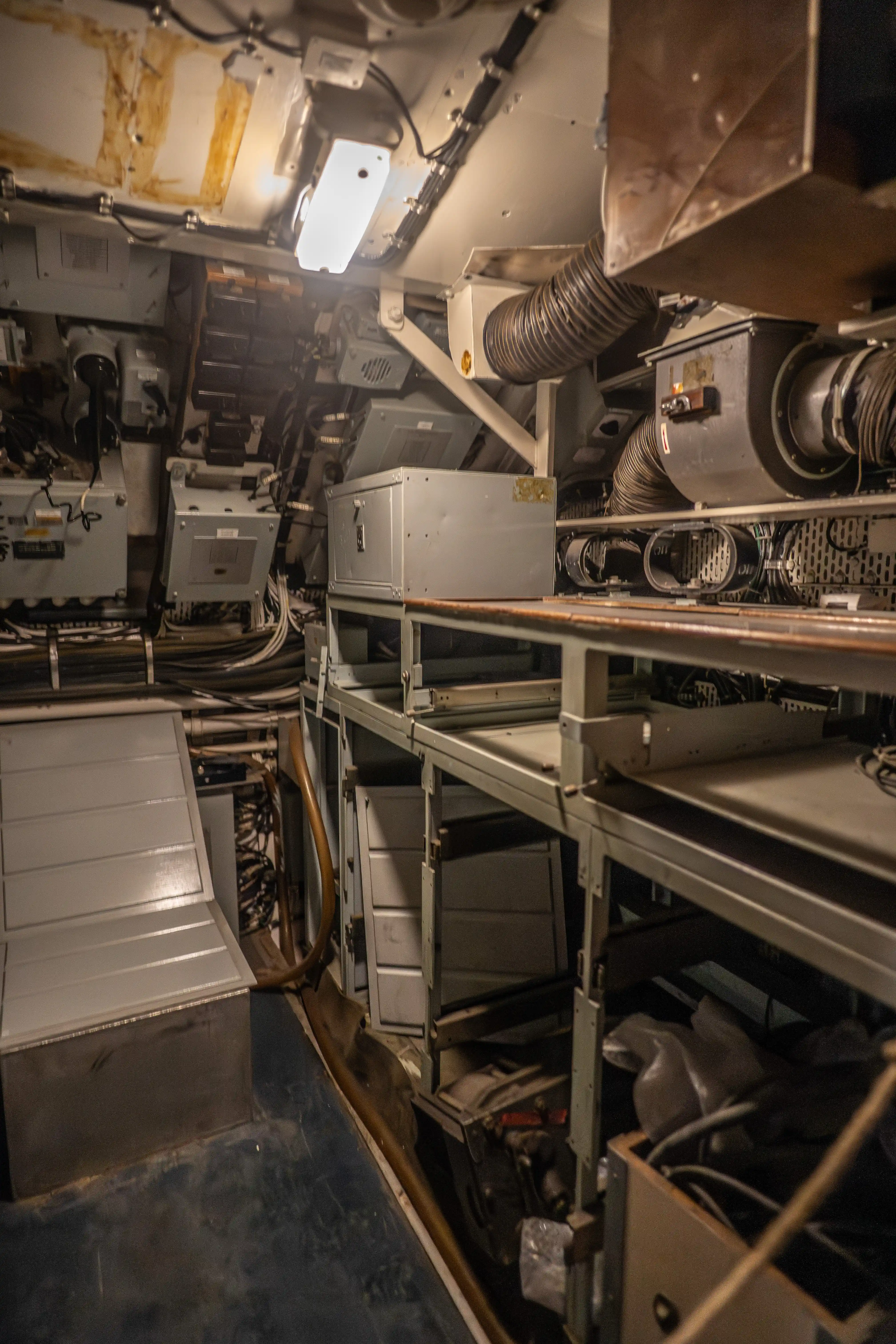
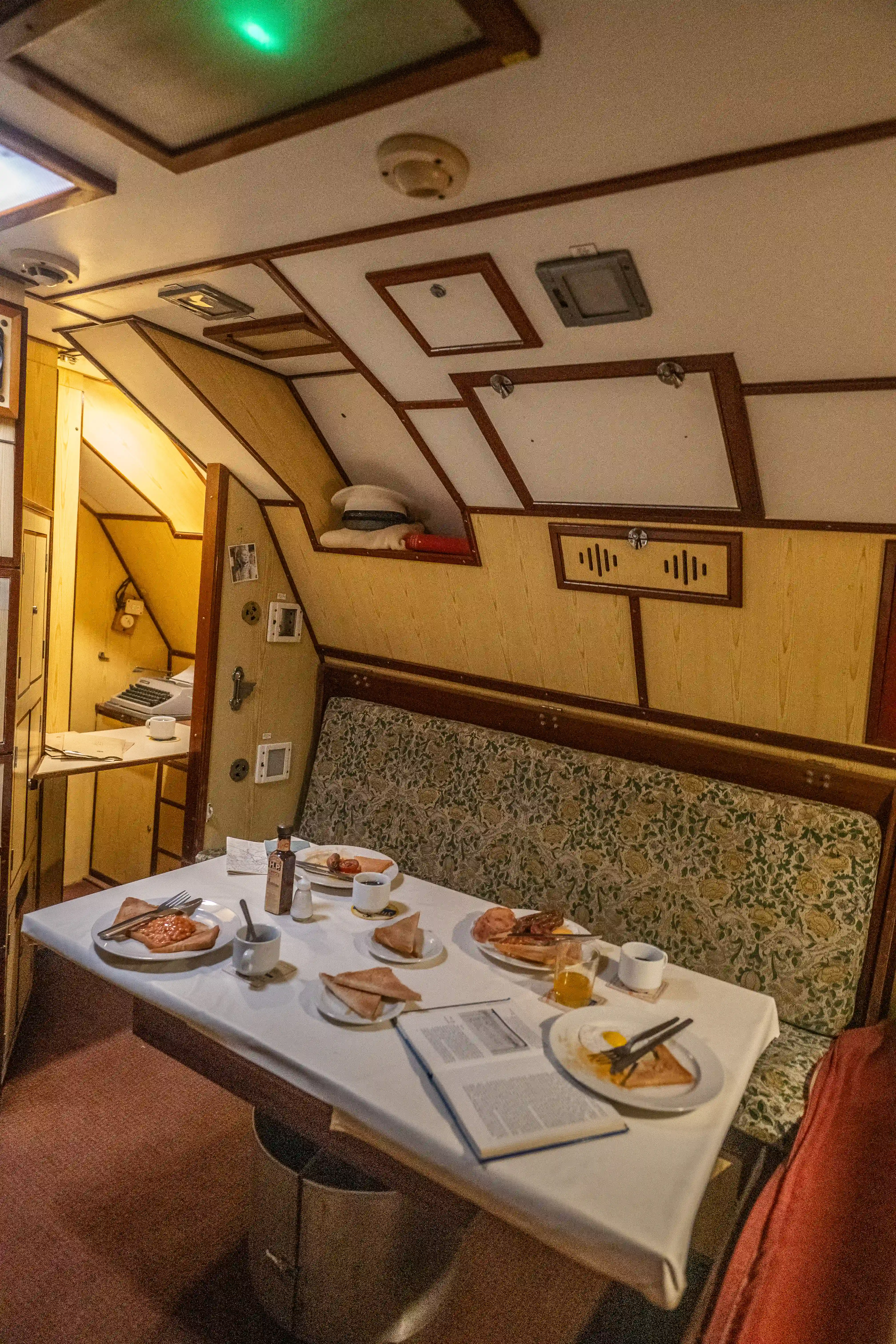
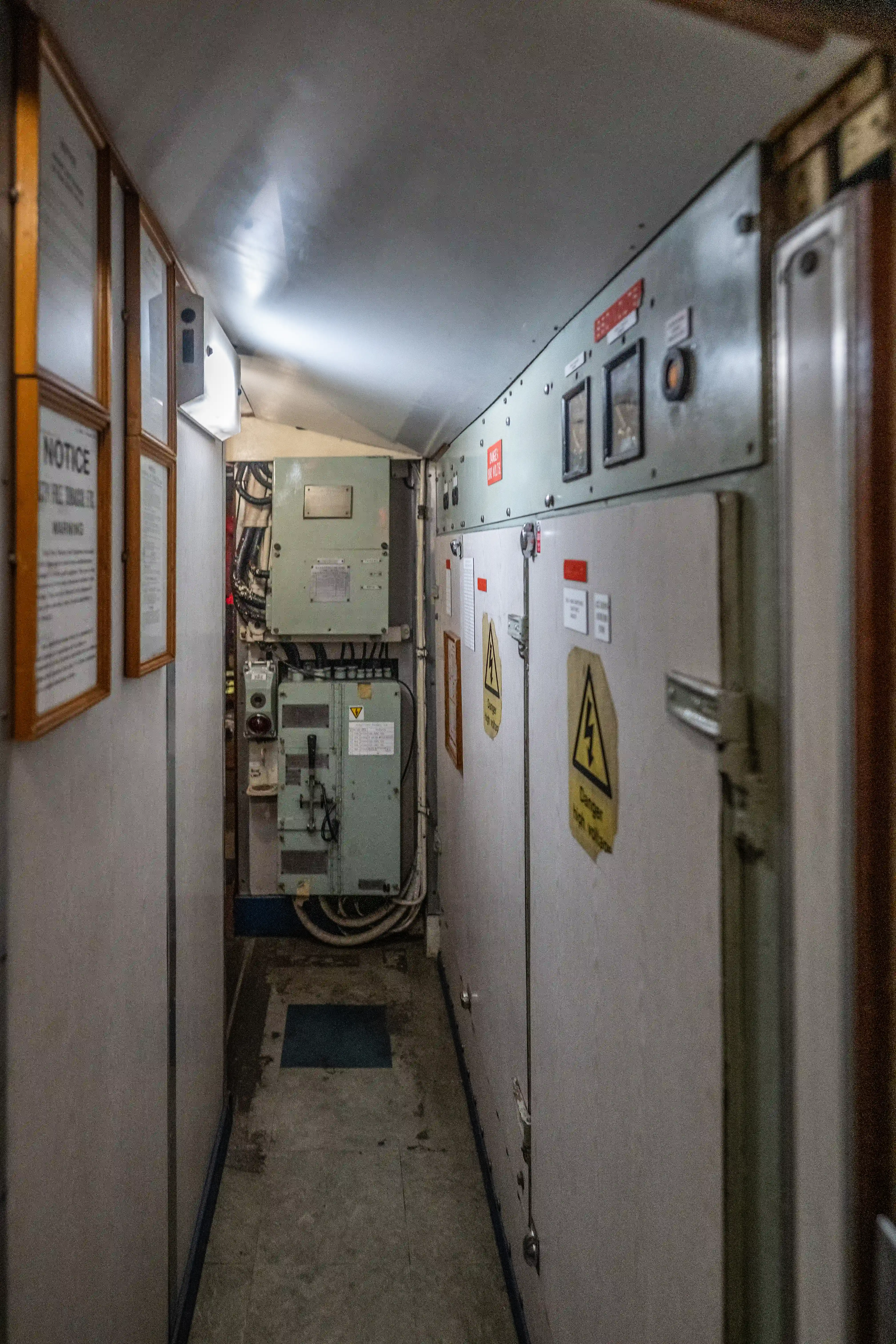
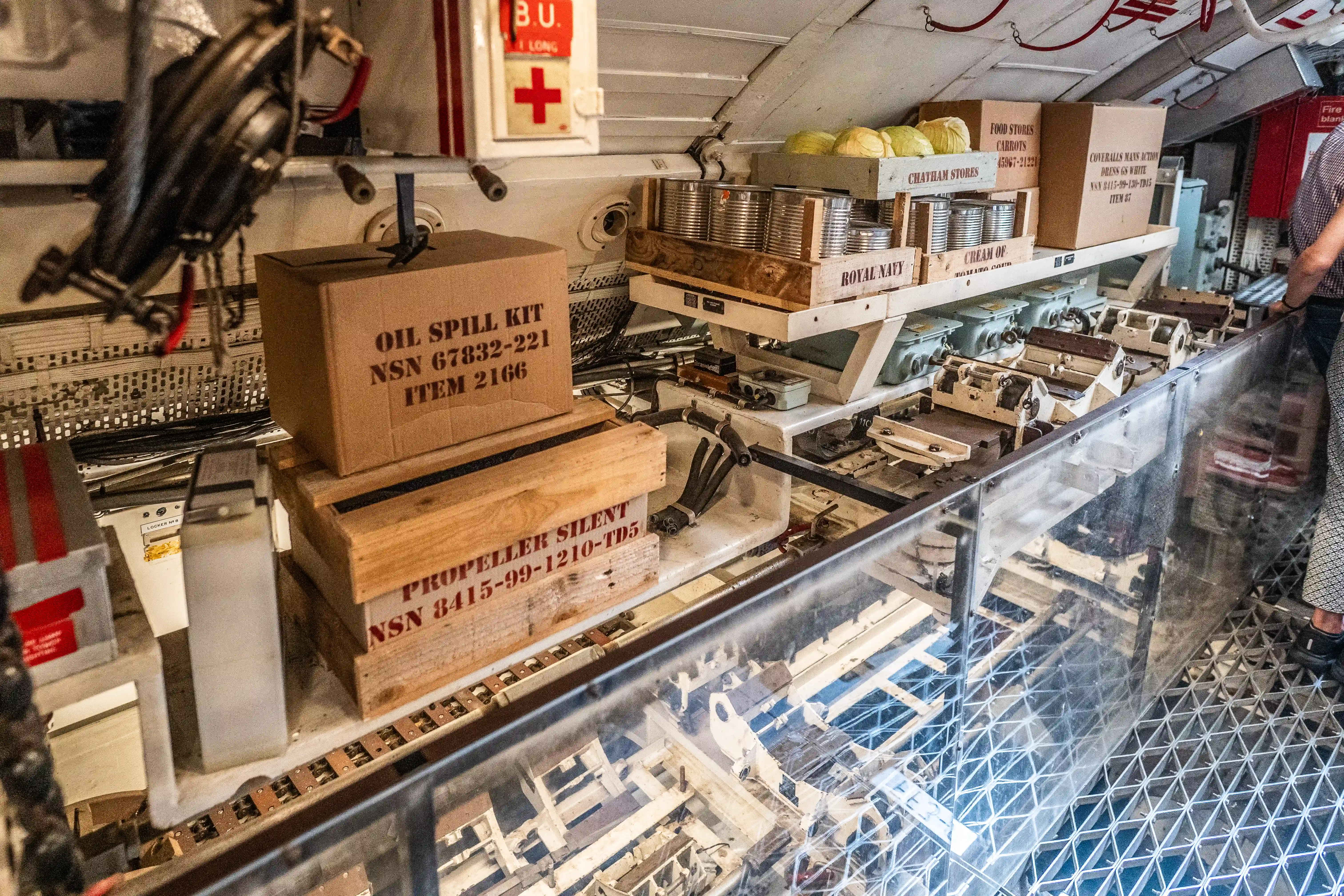
HMS Cavalier is a Second World War destroyer, launched in 1944, and now preserved as the National Destroyer Memorial at Chatham Historic Dockyard. She is one of 96 "war emergency" destroyers built during WWII and serves as a memorial to the 11,000 lives and 142 Royal Navy destroyers lost in the conflict. Visitors can explore her decks, bridge, and engine rooms, experiencing firsthand what life was like aboard a fast, heavily armed warship that saw action in the Arctic, Pacific, and Home Fleets
A Greyhound of the Sea
HMS Cavalier is the last surviving British destroyer from World War II, a C-class "war emergency" vessel built for speed, firepower, and endurance. Launched in 1944 at J. Samuel White’s shipyard in Cowes, she was one of 96 destroyers rushed into service to protect convoys, hunt submarines, and support Allied operations across the globe. Nicknamed the "greyhounds of the sea" for their agility and relentless pace, these ships were the workhorses of the Royal Navy, escorting Arctic convoys to Russia, battling U-boats in the Atlantic, and providing fire support during the D-Day landings and Pacific campaigns. Cavalier herself saw action in the Arctic, Western Approaches, and British Pacific Fleet, earning a reputation as one of the fastest and most reliable destroyers in service
From War to Memorial: A Ship Saved by History
After 28 years of service, Cavalier was decommissioned in 1972—the last operational WWII destroyer in the Royal Navy. Facing the scrapper’s torch, she was saved by a campaign led by Lord Louis Mountbatten, who recognized her historical significance. Purchased for £65,000 in 1977, she became a museum ship, first in Southampton, then Hebburn, before finding her permanent home at Chatham Historic Dockyard in 1998. Here, she was restored to her 1950s–60s appearance—the era when she was modernized with new radars and weapons—and designated the National Destroyer Memorial in 2007, honoring the 11,000 sailors lost on 142 destroyers sunk during WWII. A bronze monument by sculptor Kenneth Potts, unveiled by Prince Philip, stands beside her, ensuring their sacrifice is never forgotten
A Living Piece of Naval History
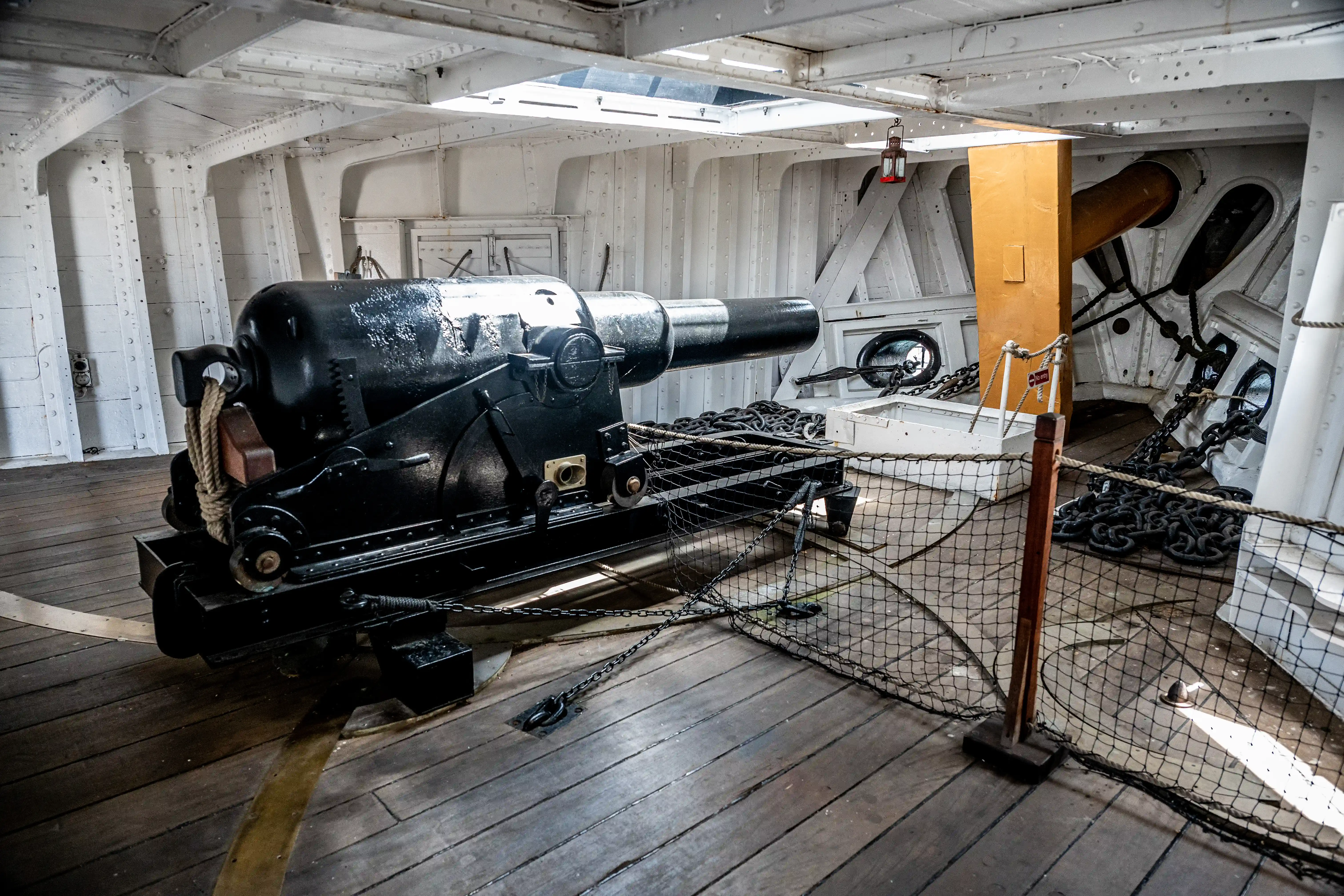
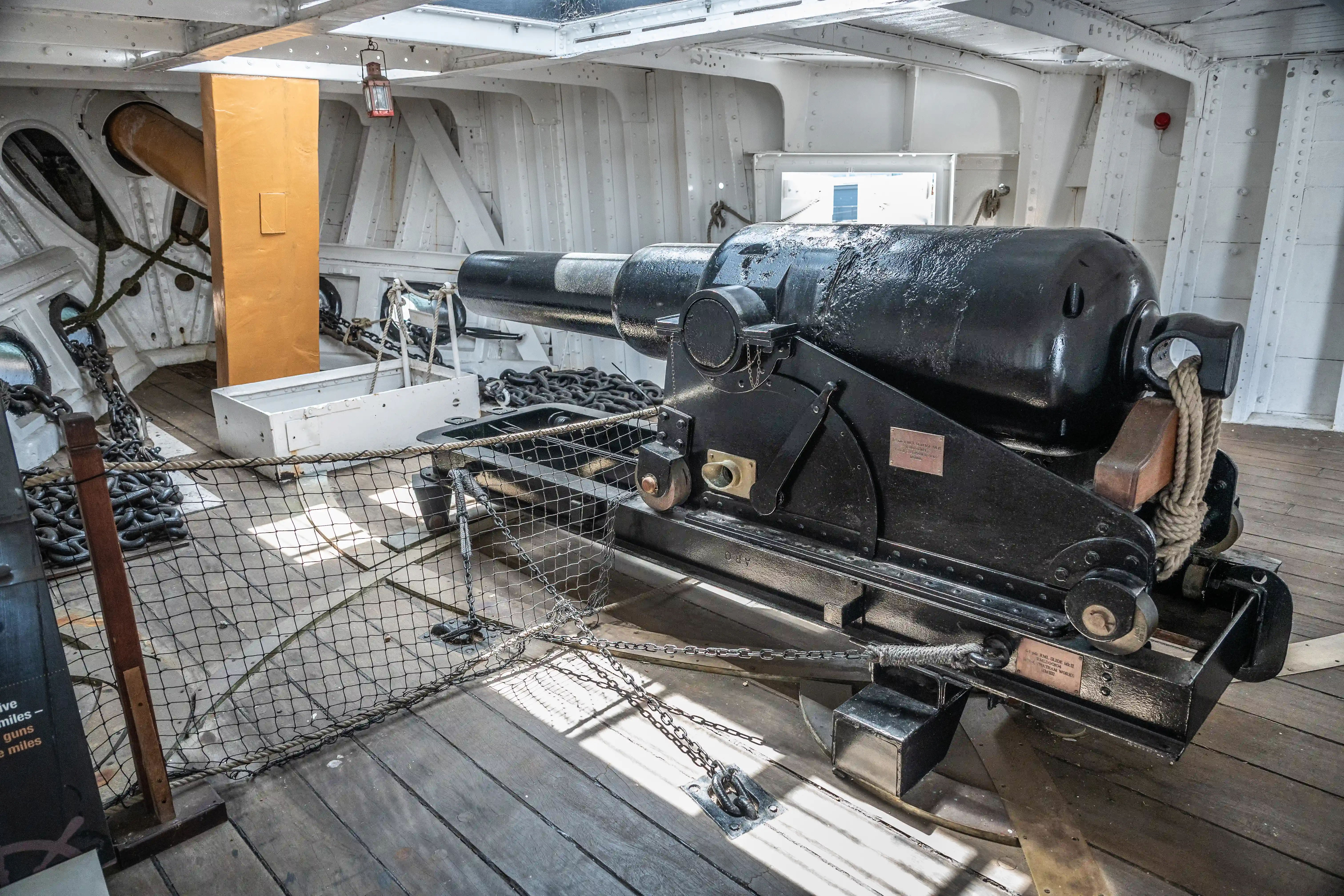
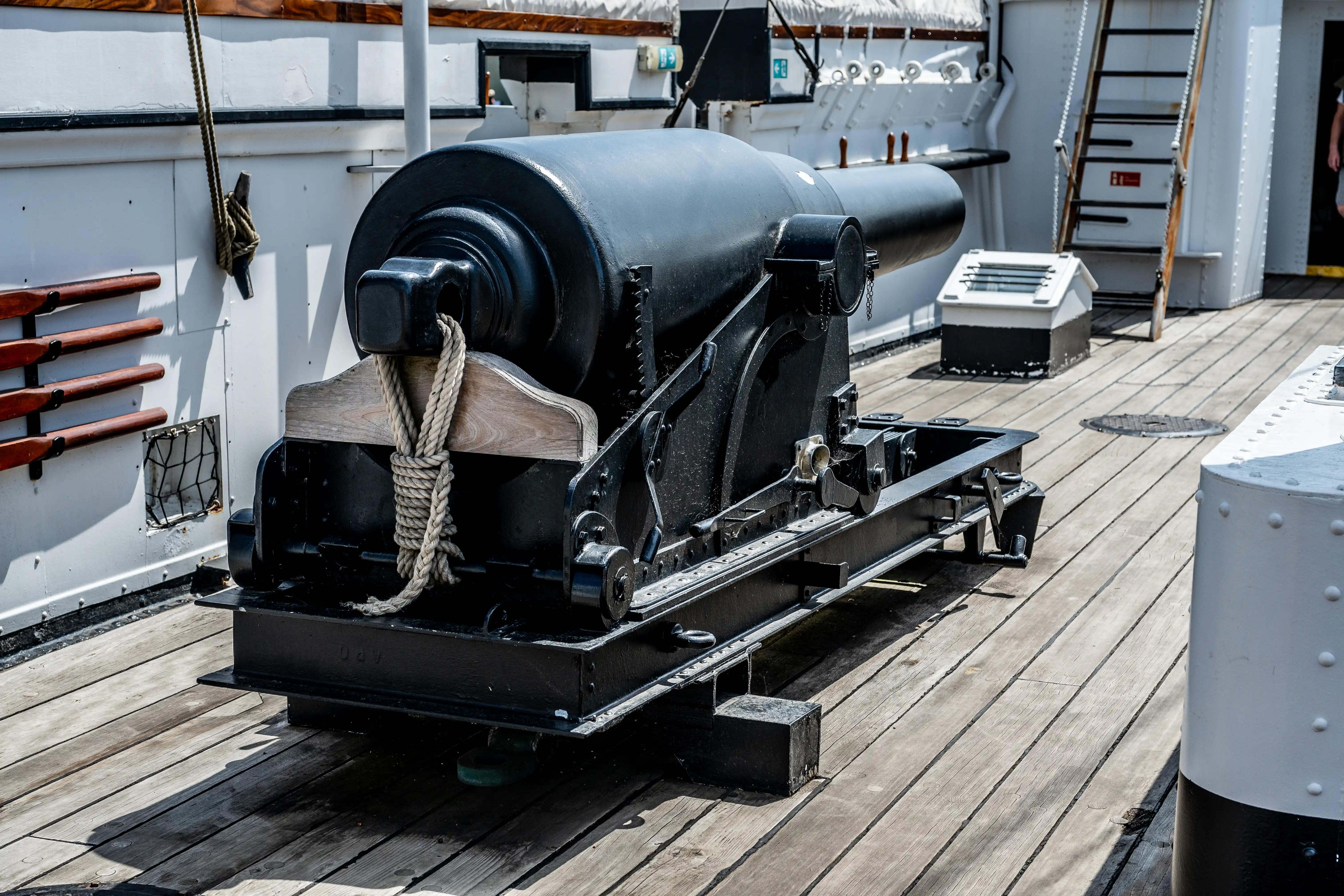
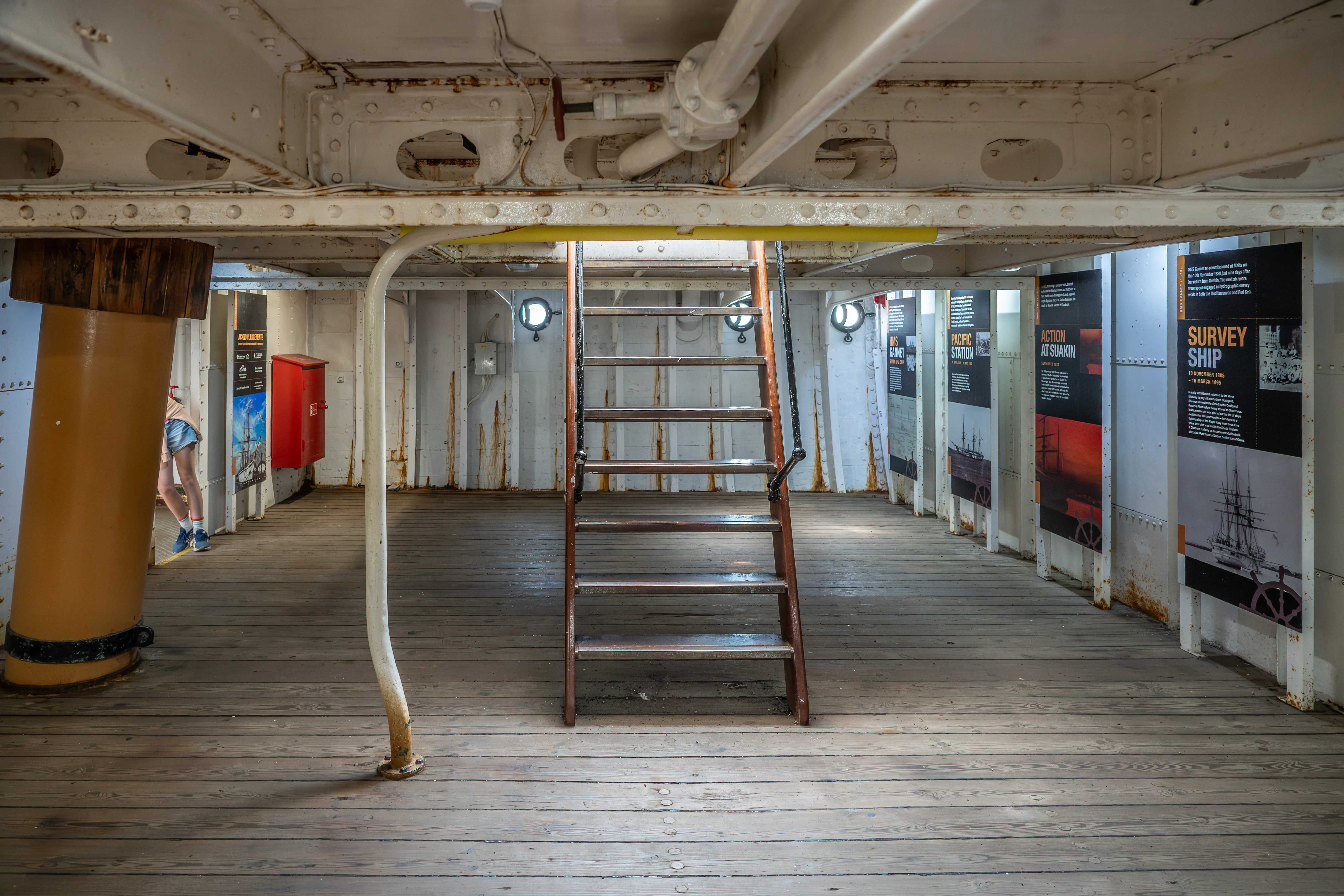
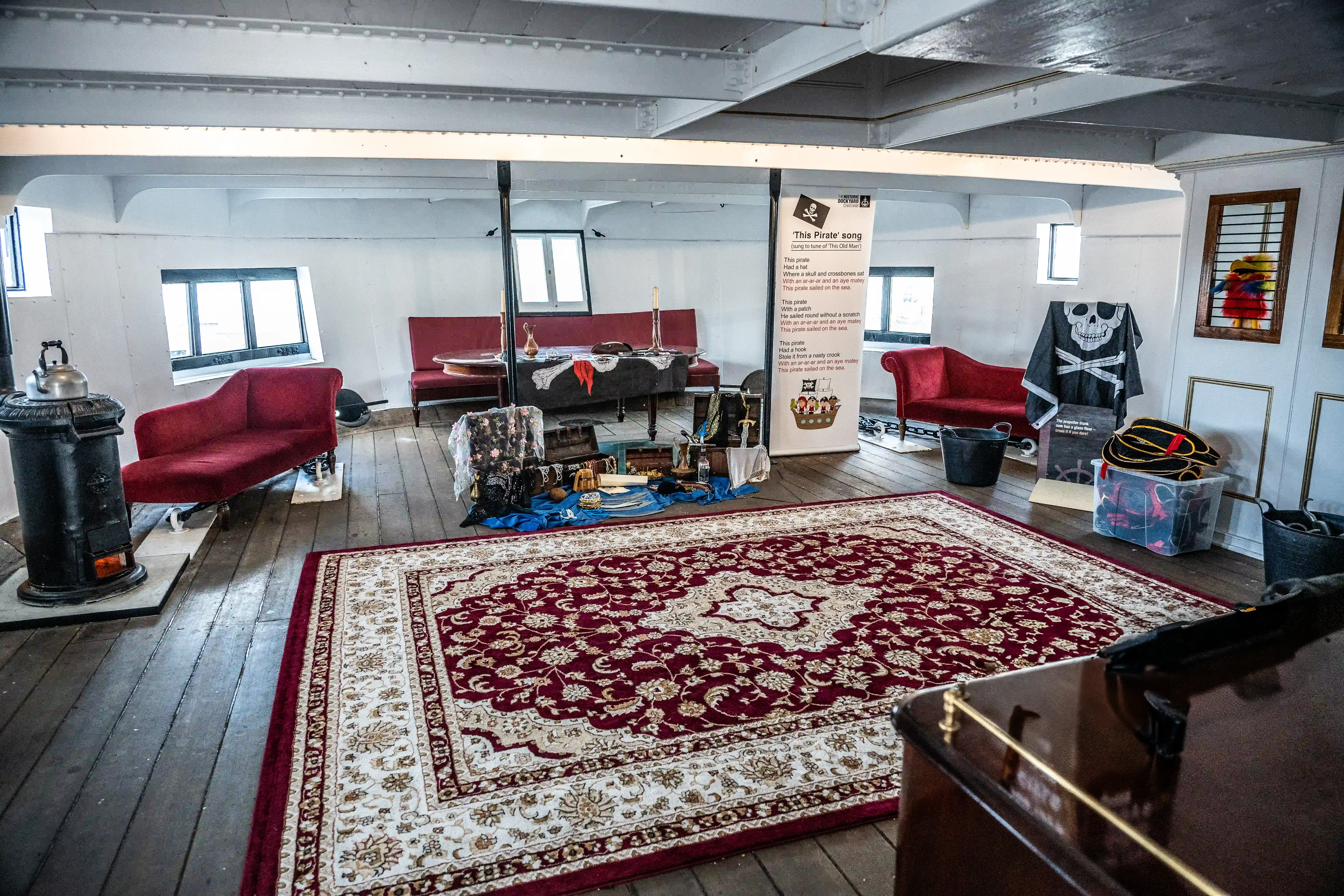
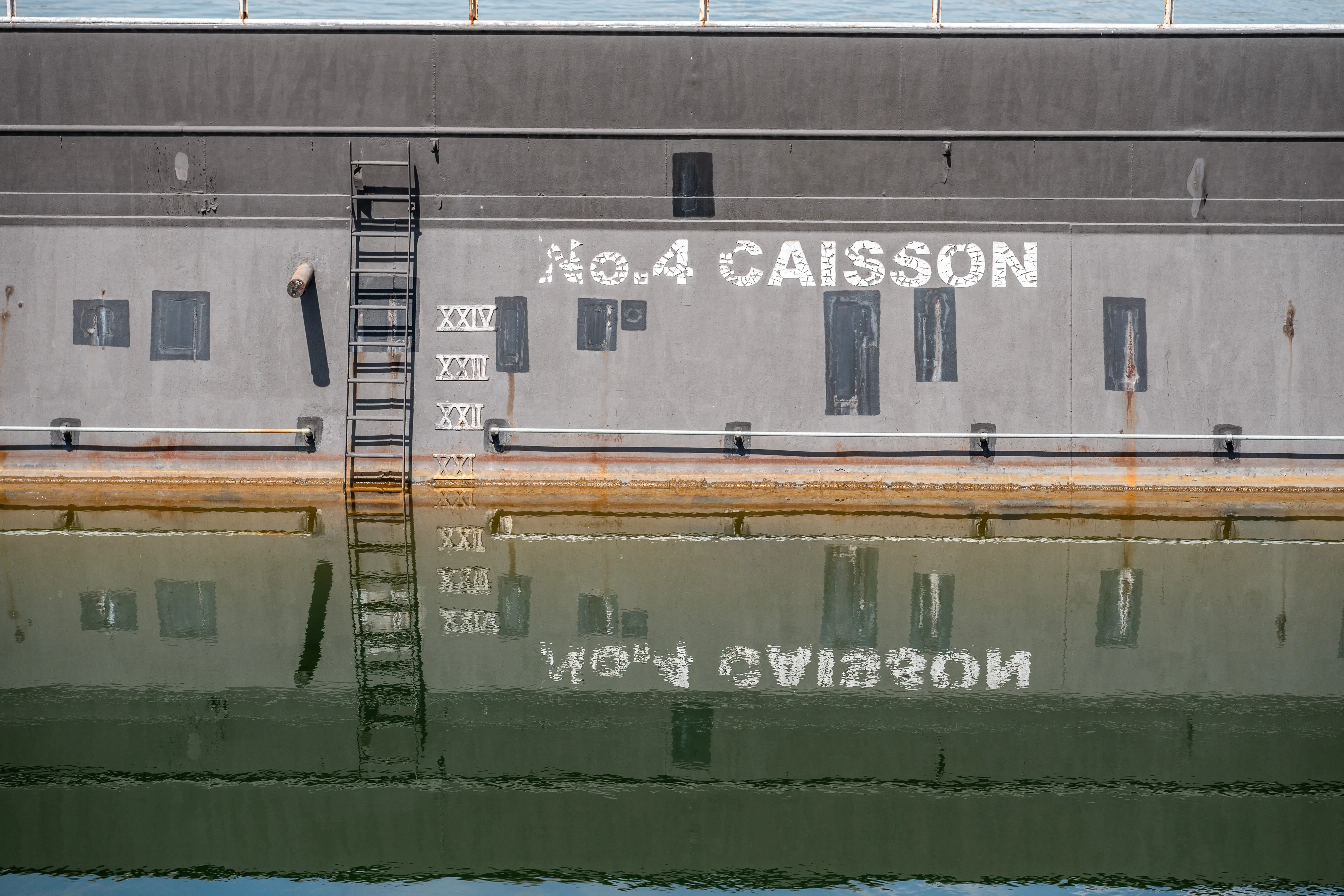
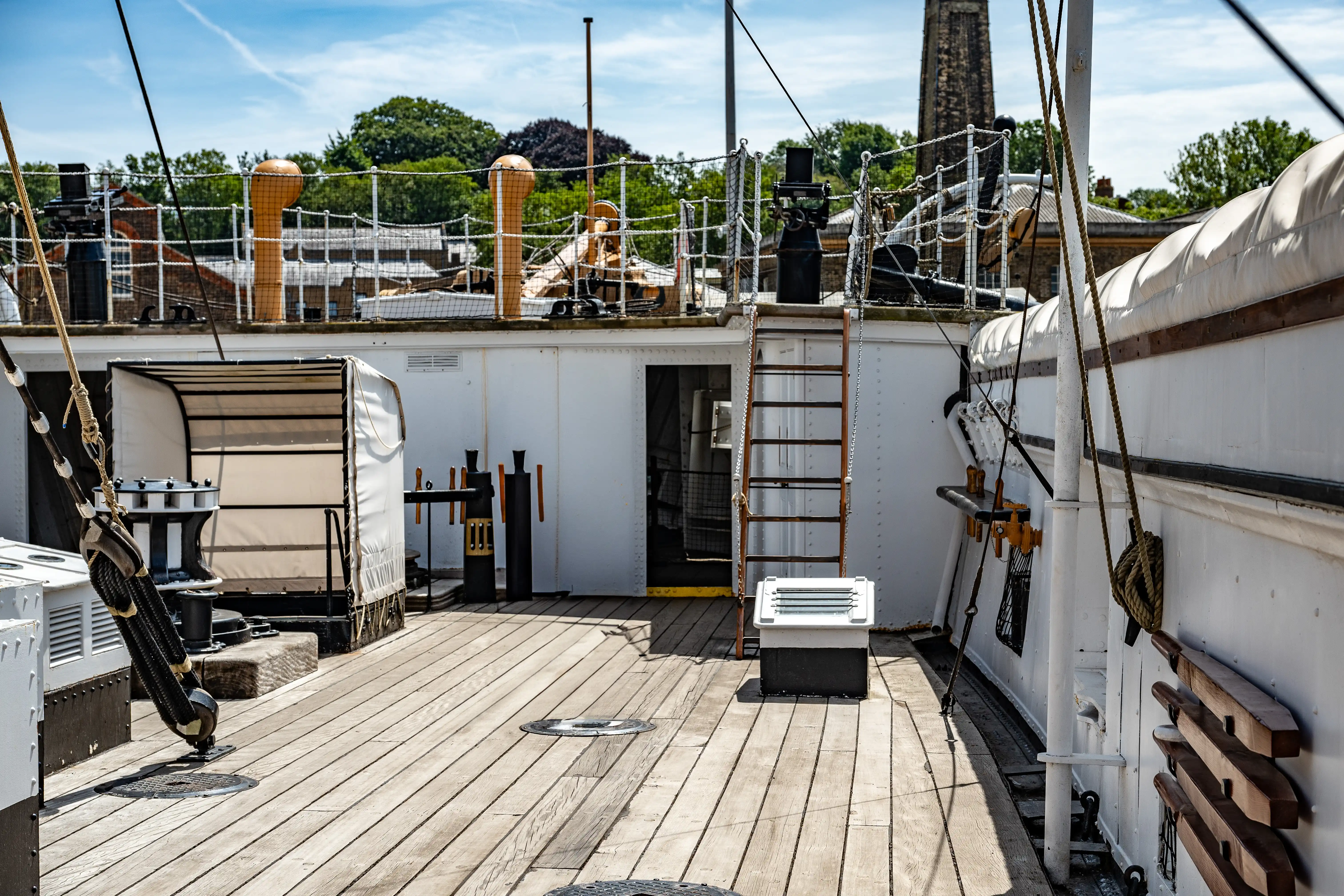
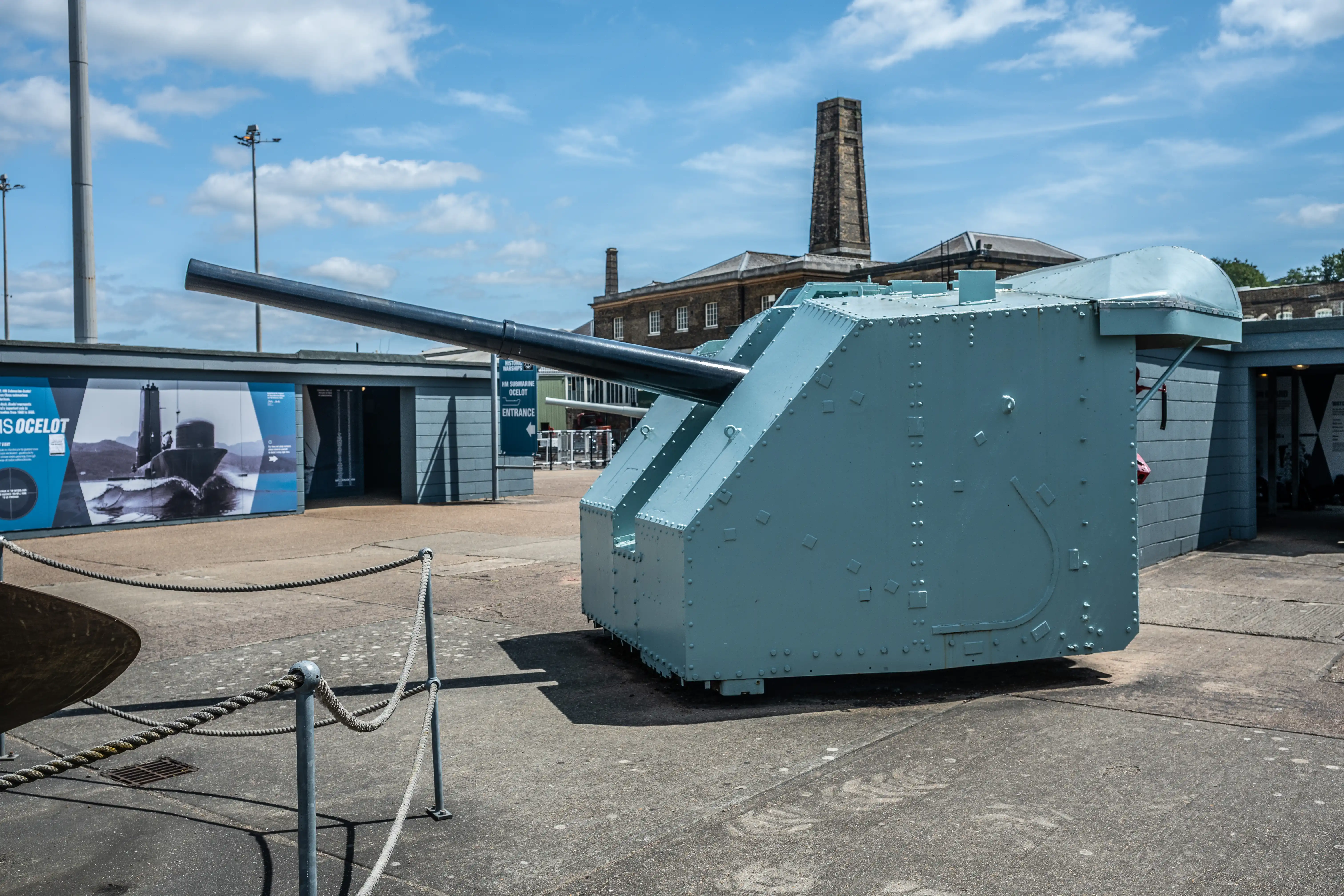
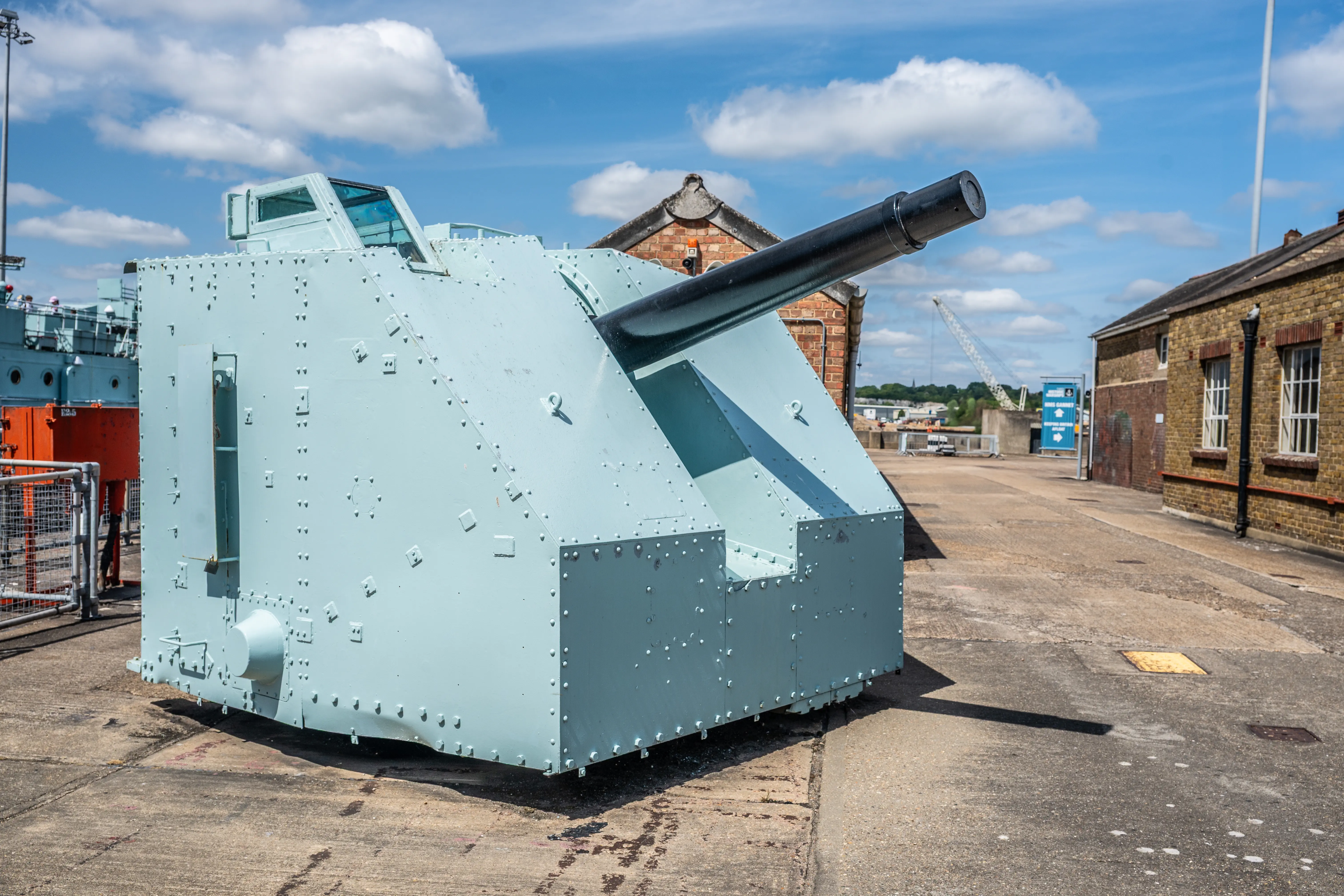
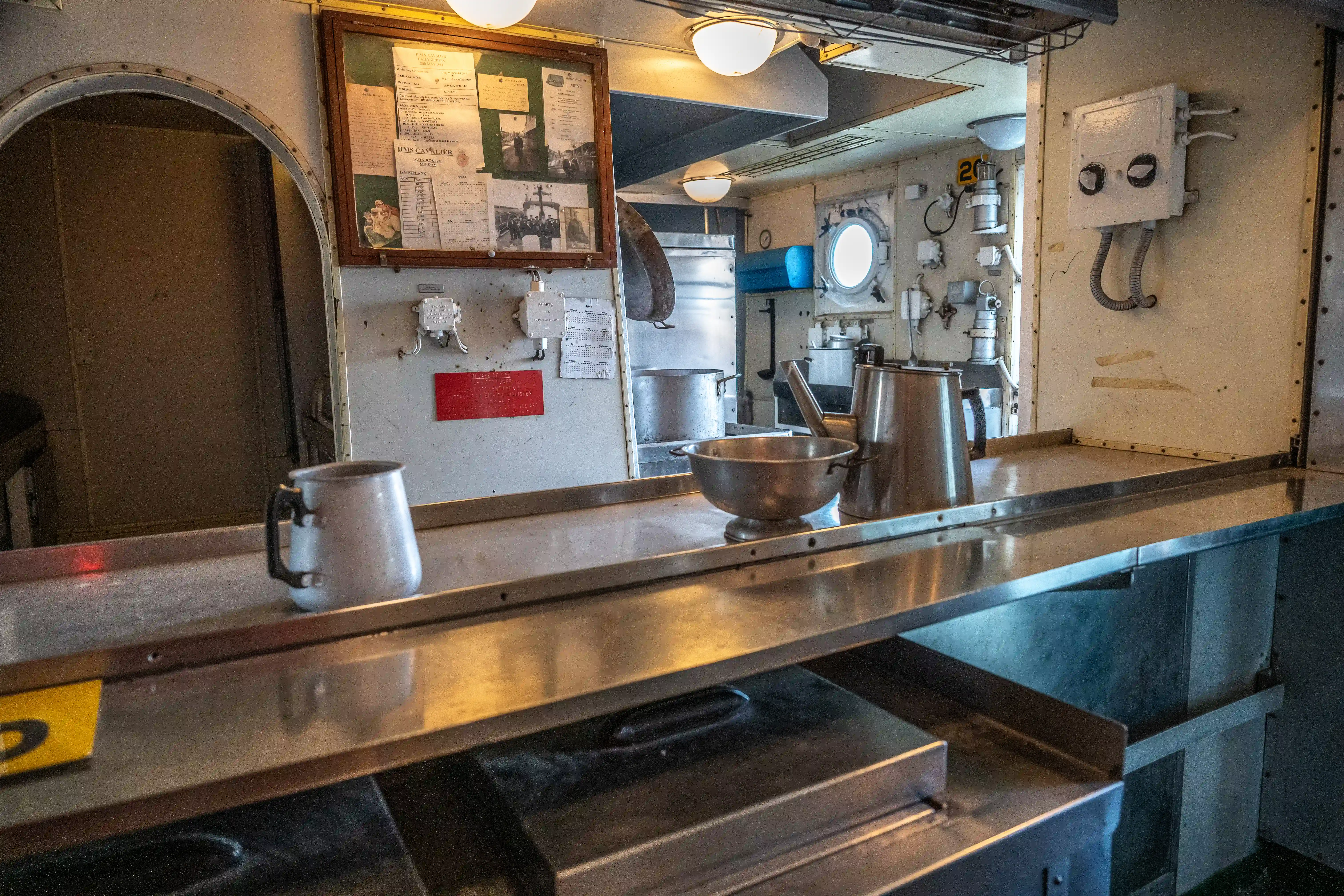
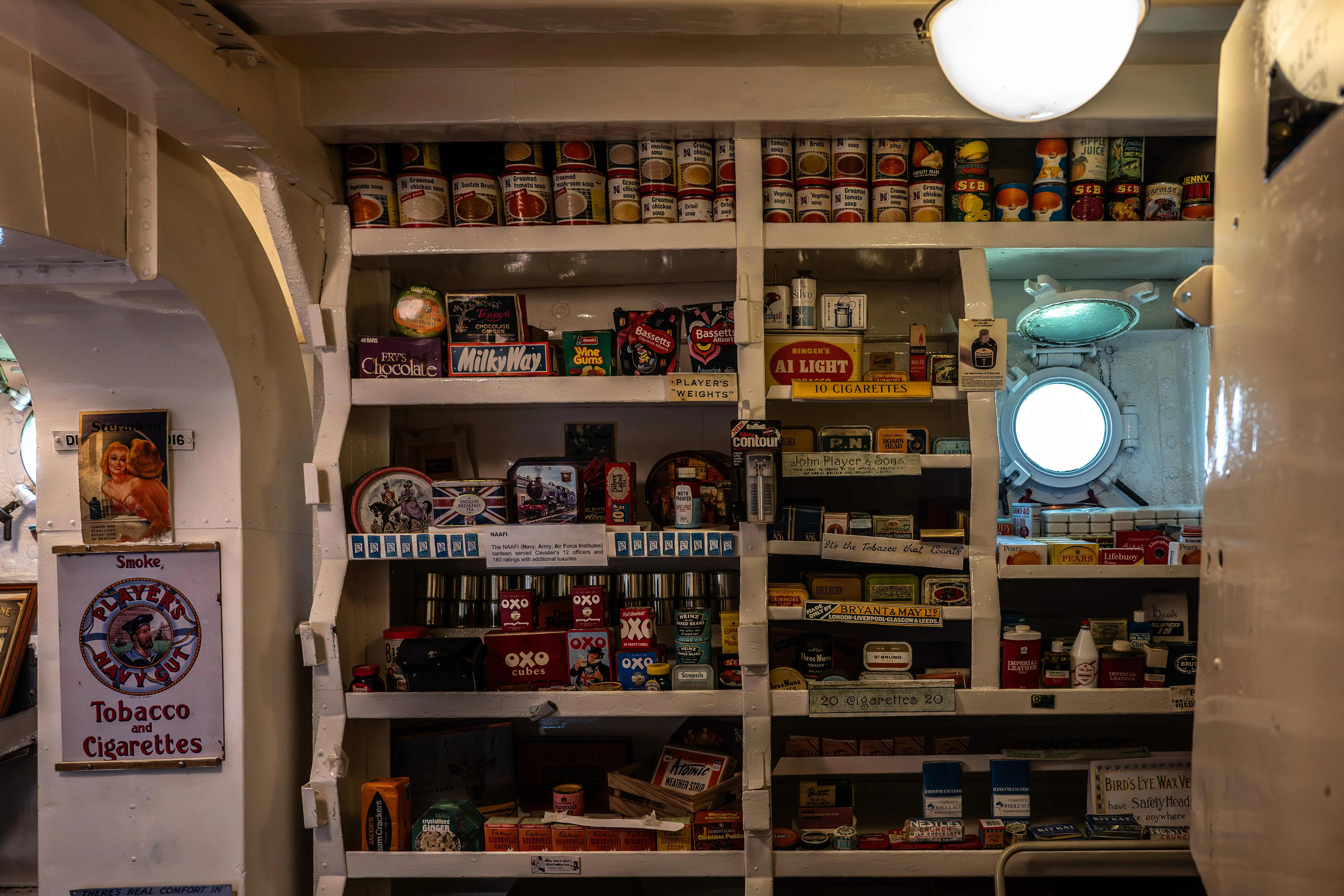
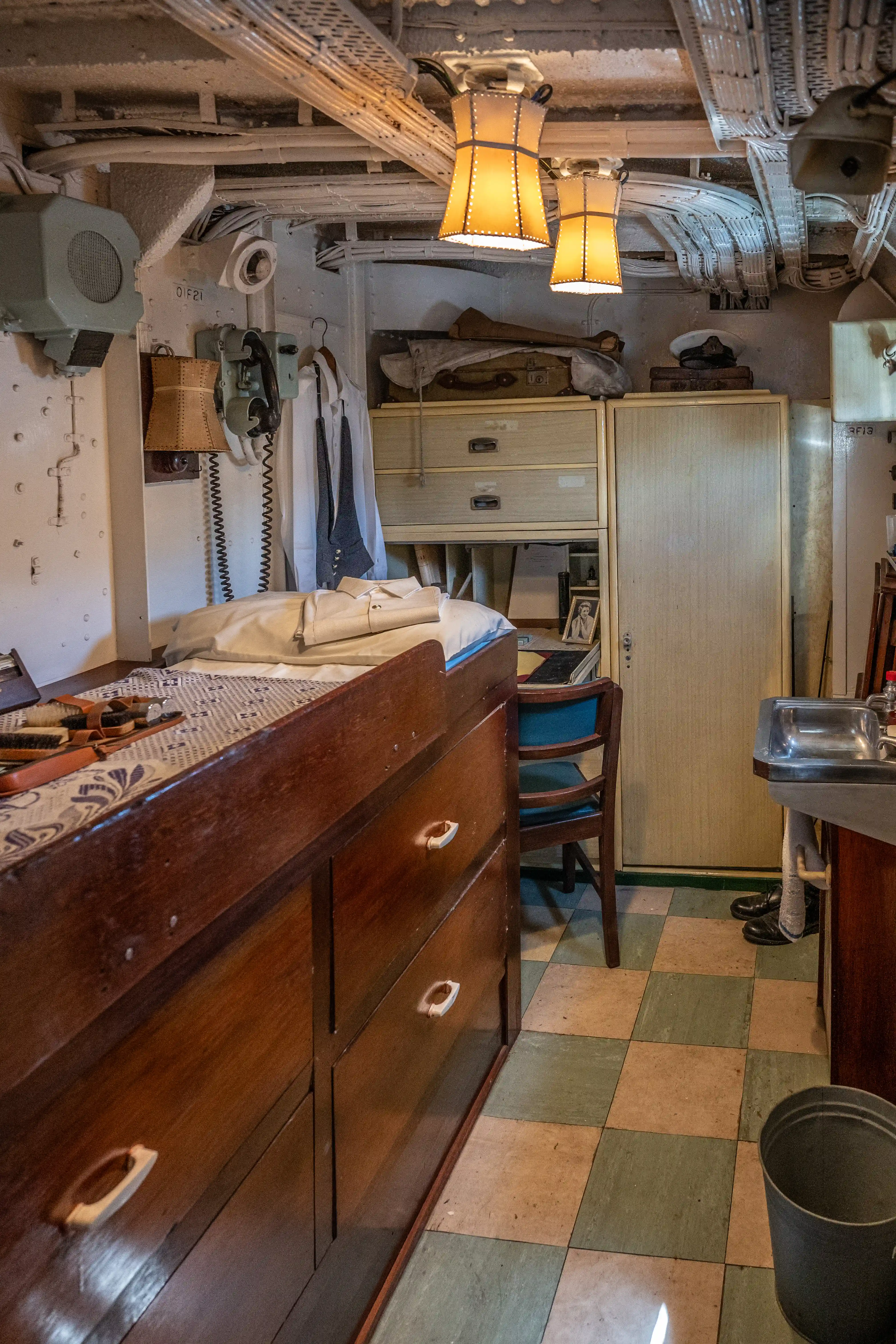
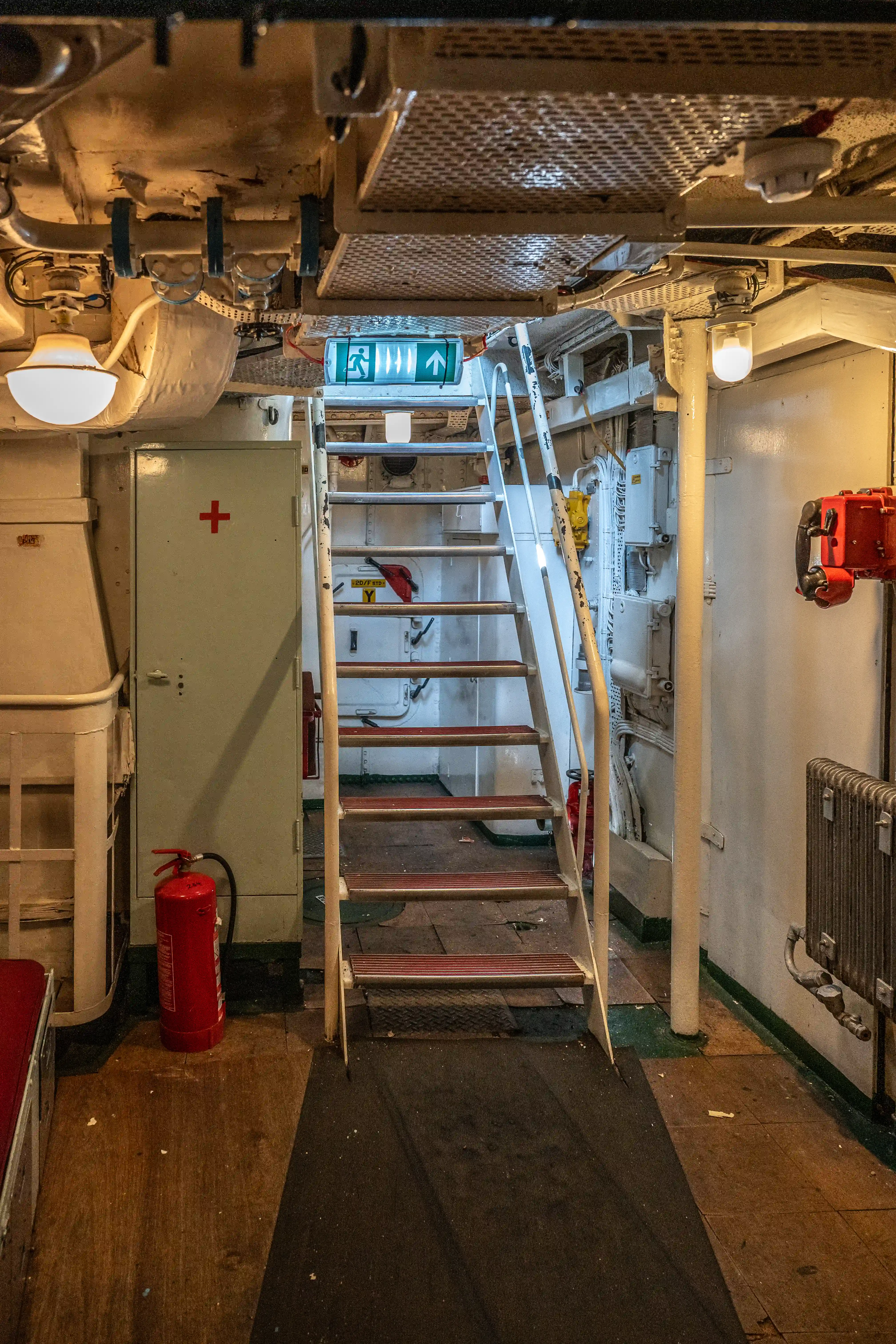
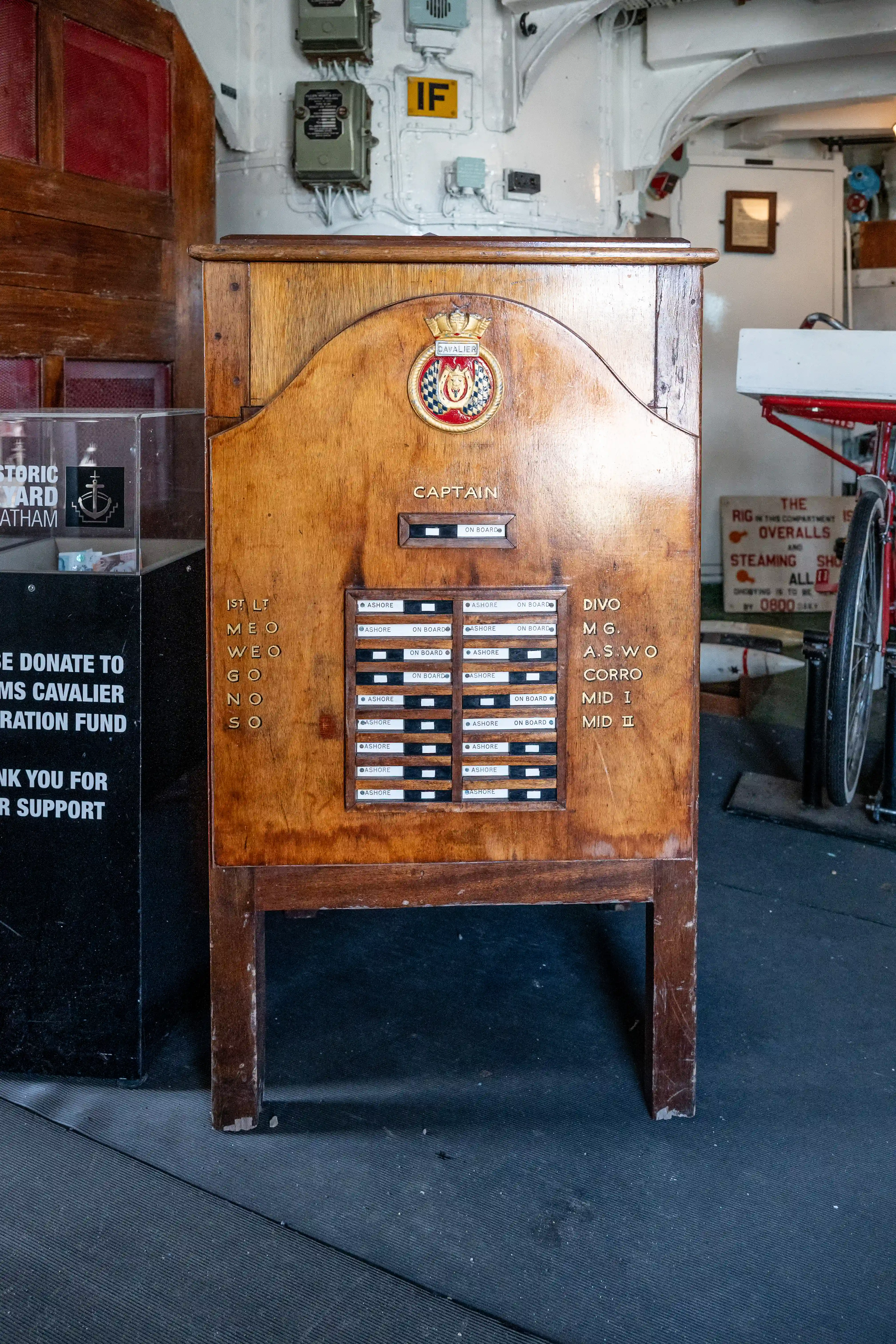
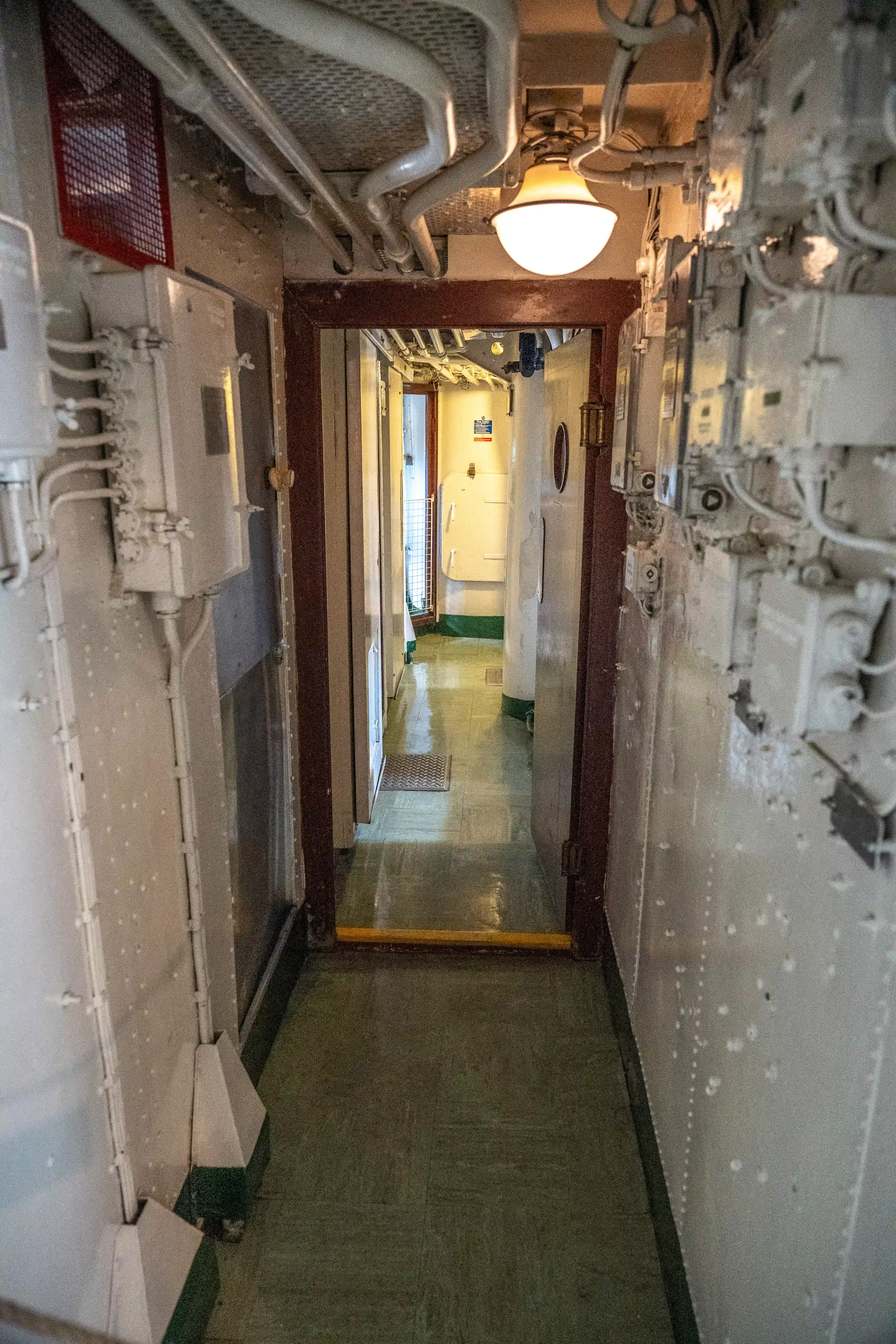
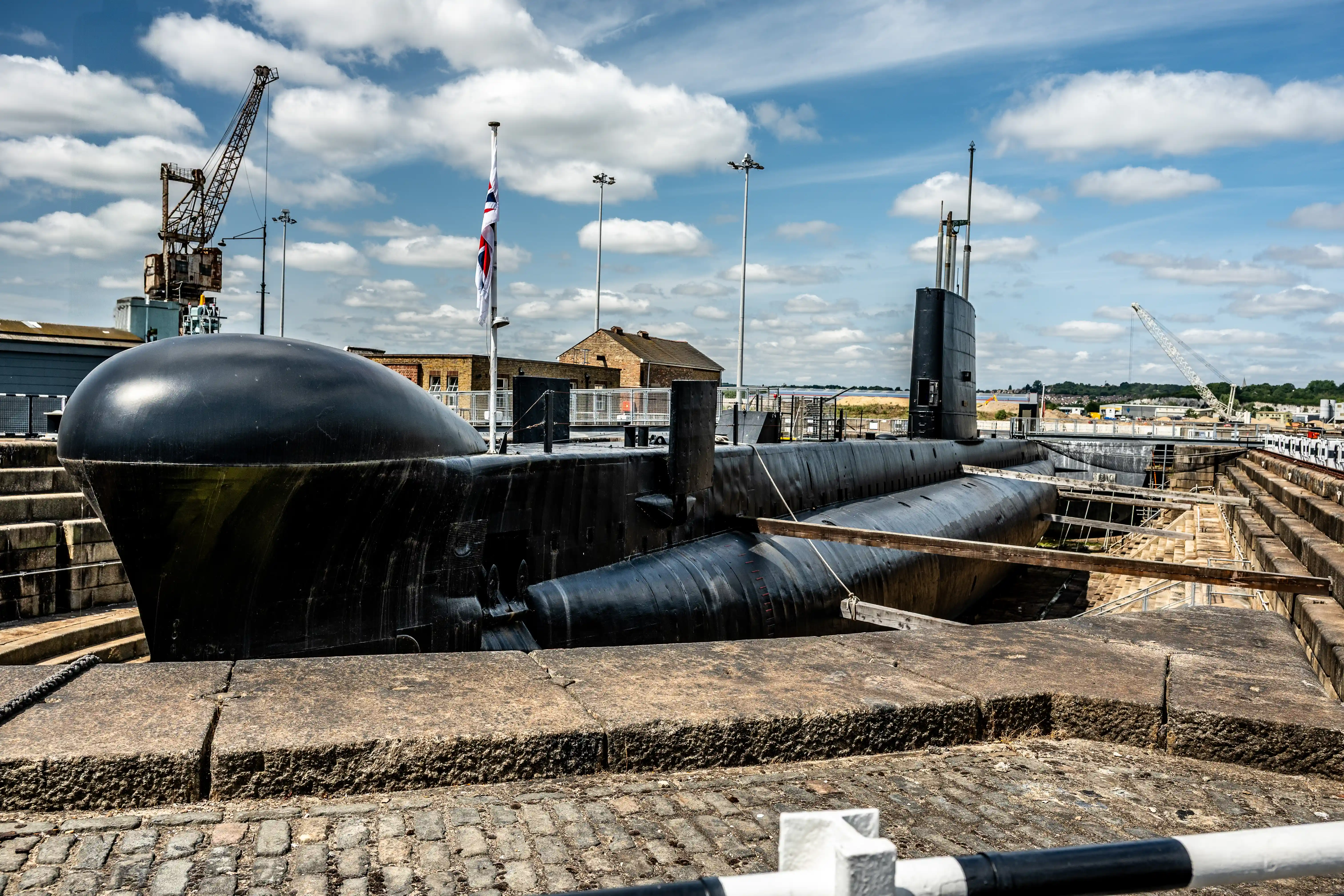
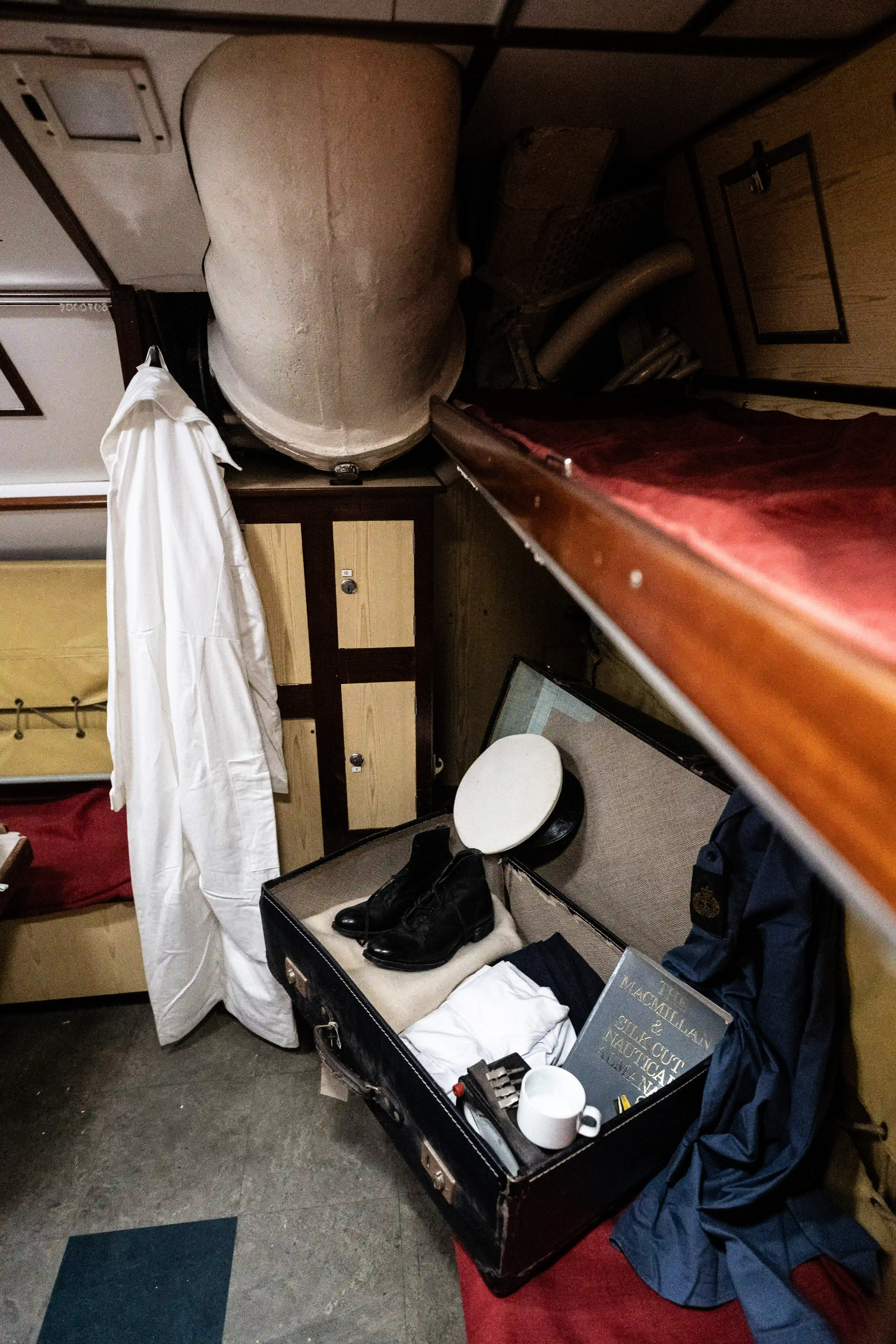
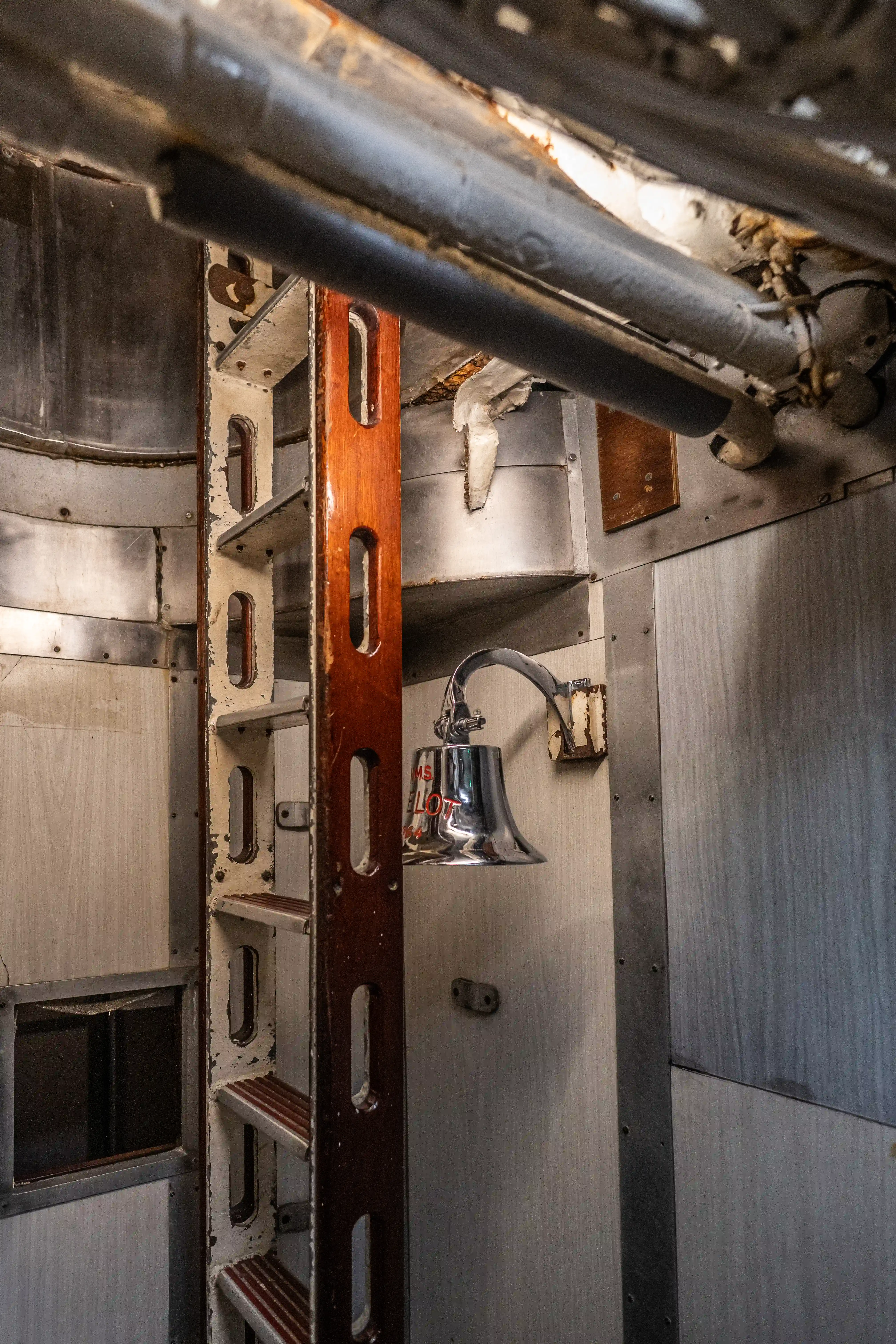
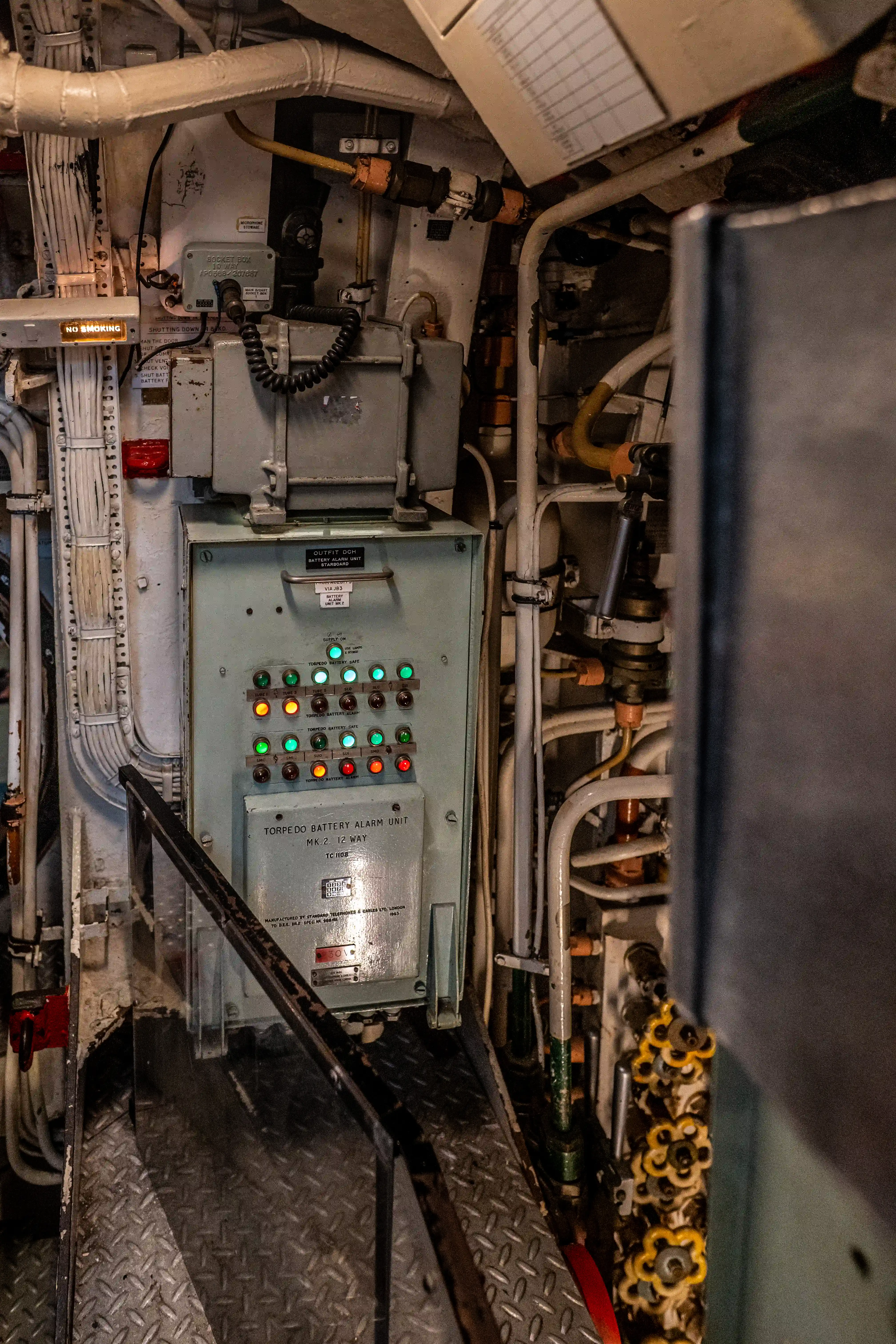
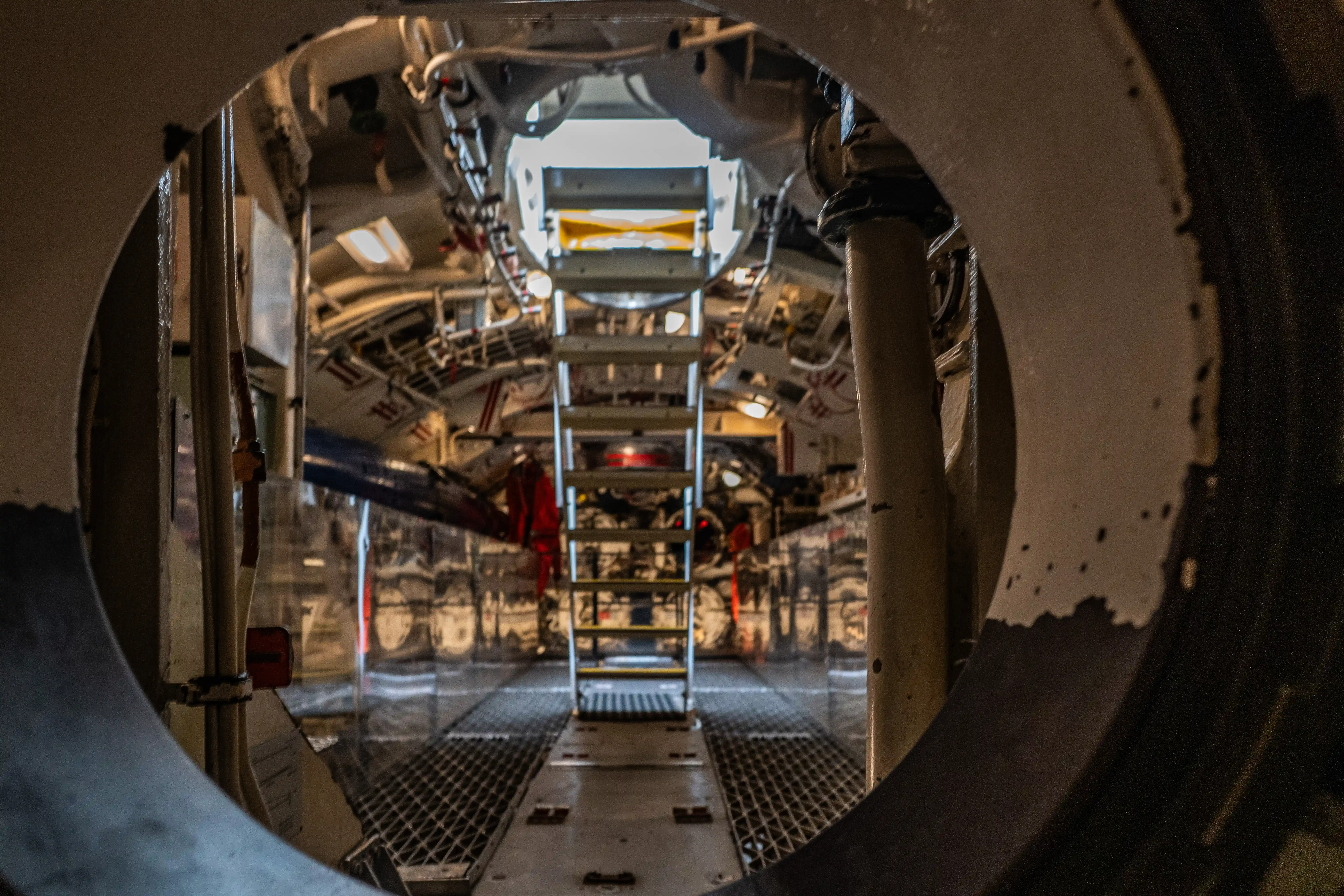
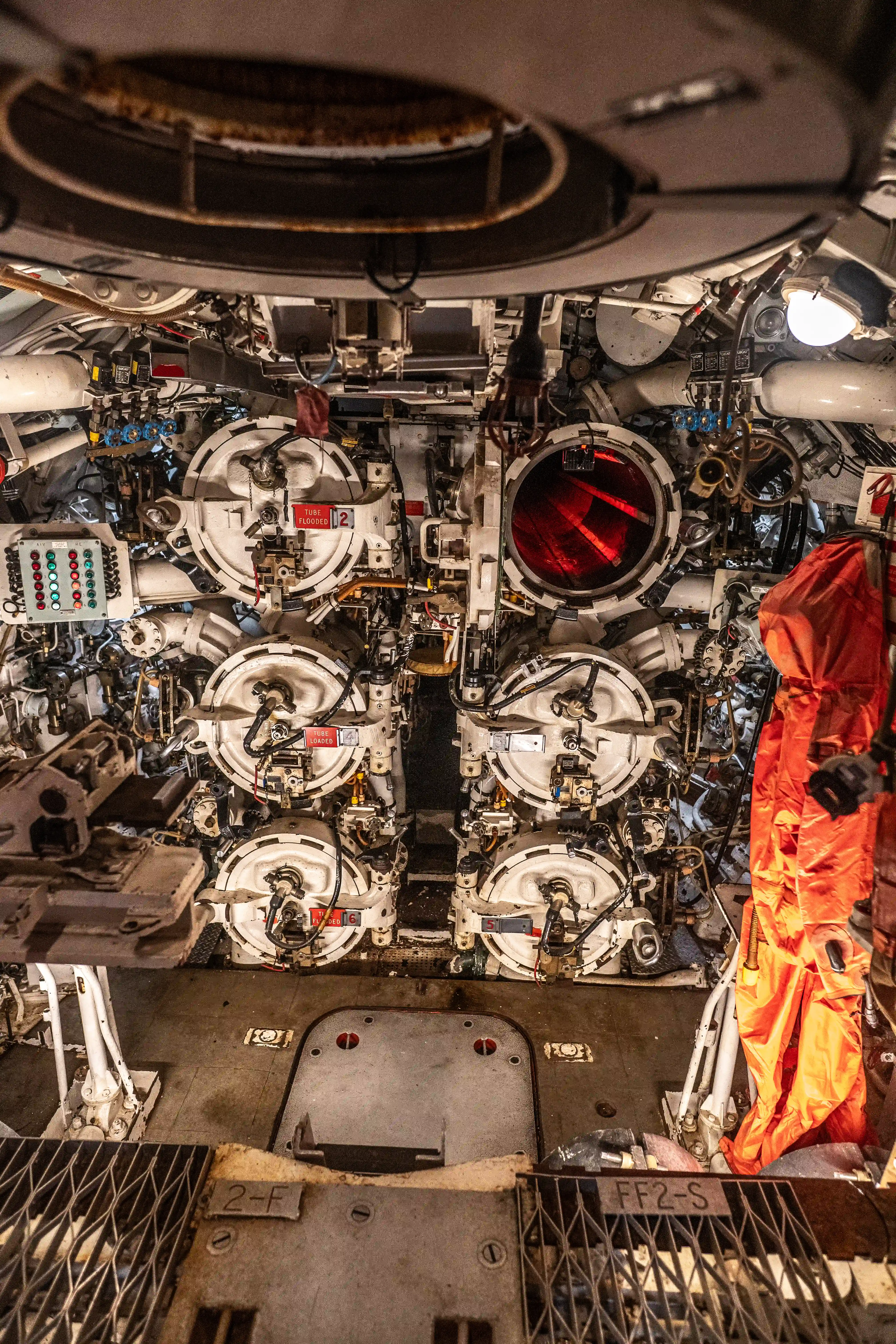
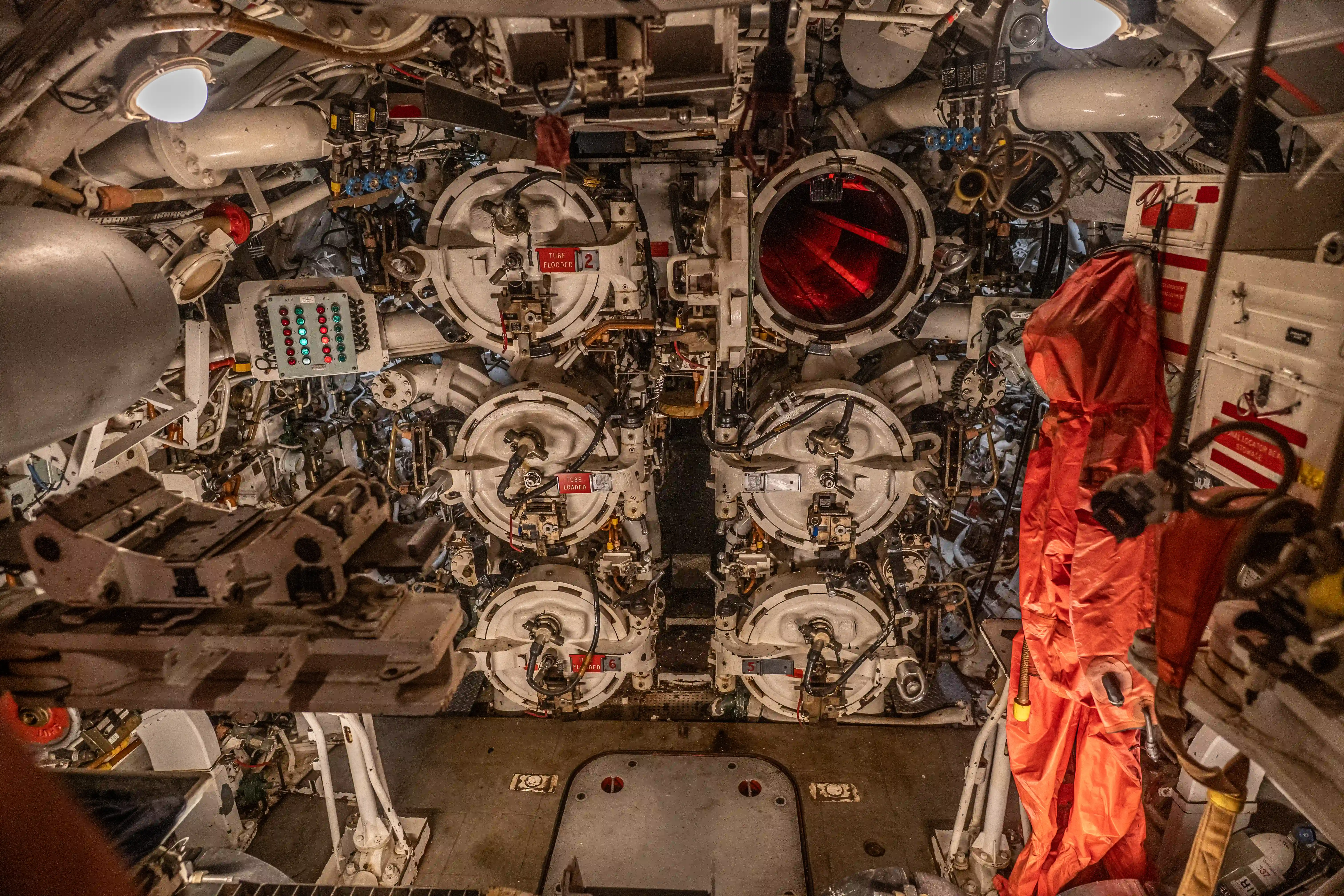
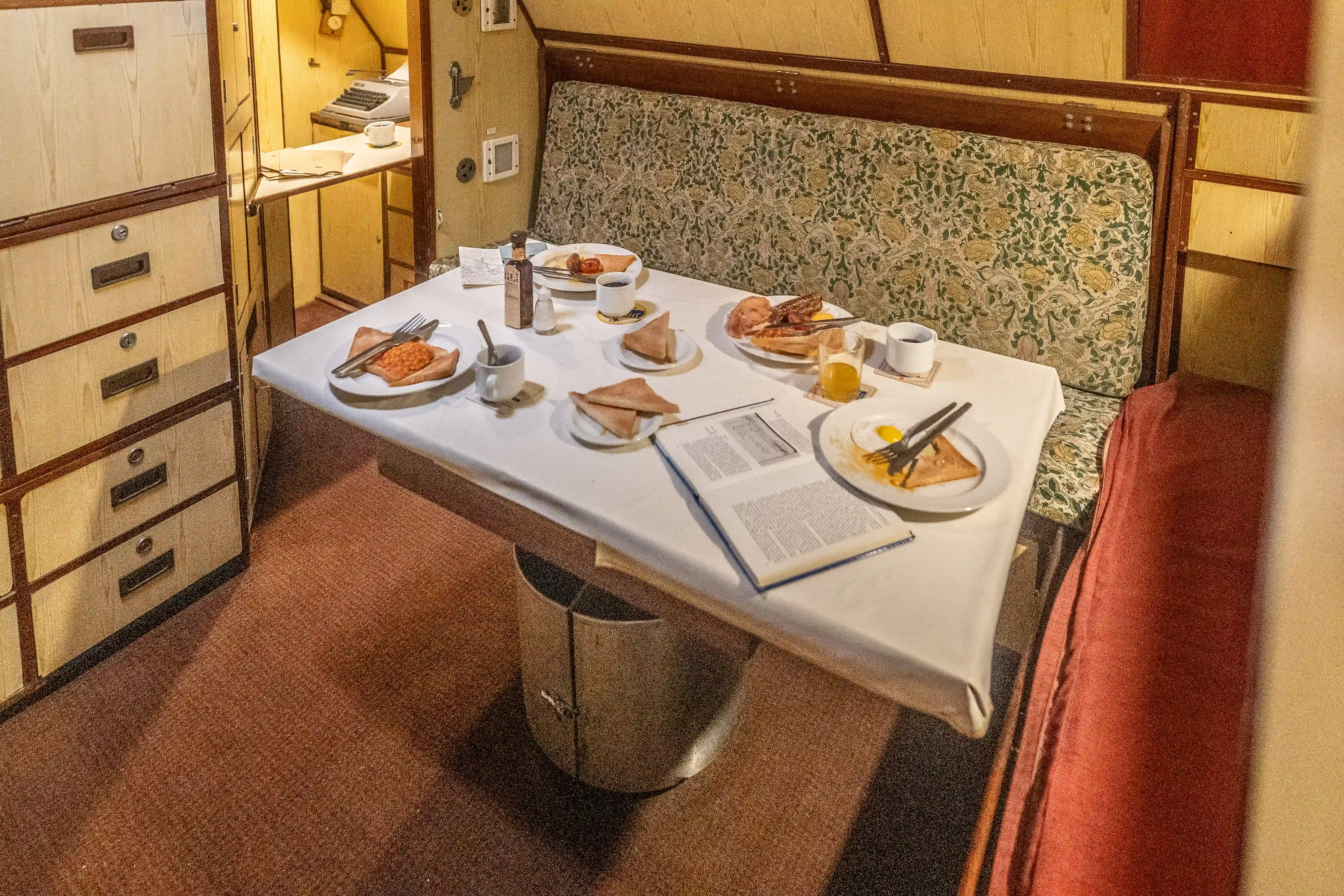
Today, HMS Cavalier is dry-docked in No. 2 Dock at Chatham, the same slip where HMS Victory was built—a fitting tribute to her legacy. Visitors can step aboard to explore her cramped mess decks, engine rooms, and gun turrets, experiencing firsthand the harsh realities of life at sea during wartime. The ship’s 4.5-inch guns, torpedo tubes, and anti-aircraft mounts remain intact, while interactive exhibits and veterans’ stories bring her combat history to life. Cavalier also offers overnight stays for youth groups, allowing them to sleep in the same bunks where her crew once rested between battles. Her preservation is a testament to the skill of her restorers and the enduring respect for the bravery of her crews
Why Cavalier Matters
HMS Cavalier is more than a museum ship—she is a symbol of resilience. She represents the thousands of destroyers that protected Britain’s lifelines during its darkest hours, and the sailors who never returned. Her survival is a miracle of preservation, and her story—from Arctic convoys to Pacific patrols—is a reminder of the Royal Navy’s global reach during WWII. For anyone interested in naval history, engineering, or the human cost of war, Cavalier offers an unforgettable journey into the heart of Britain’s maritime past