HOME

Ephesus

Ephesus

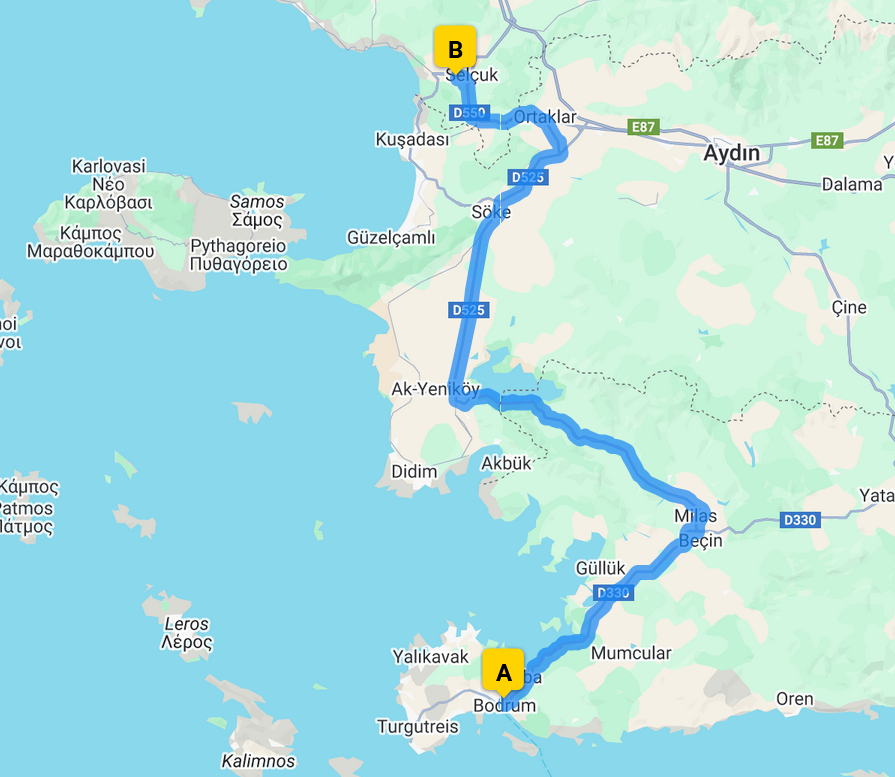
Acarlar, Efes HarabeleriAcarlar, Efes HarabeleriIzmir,   Turkey

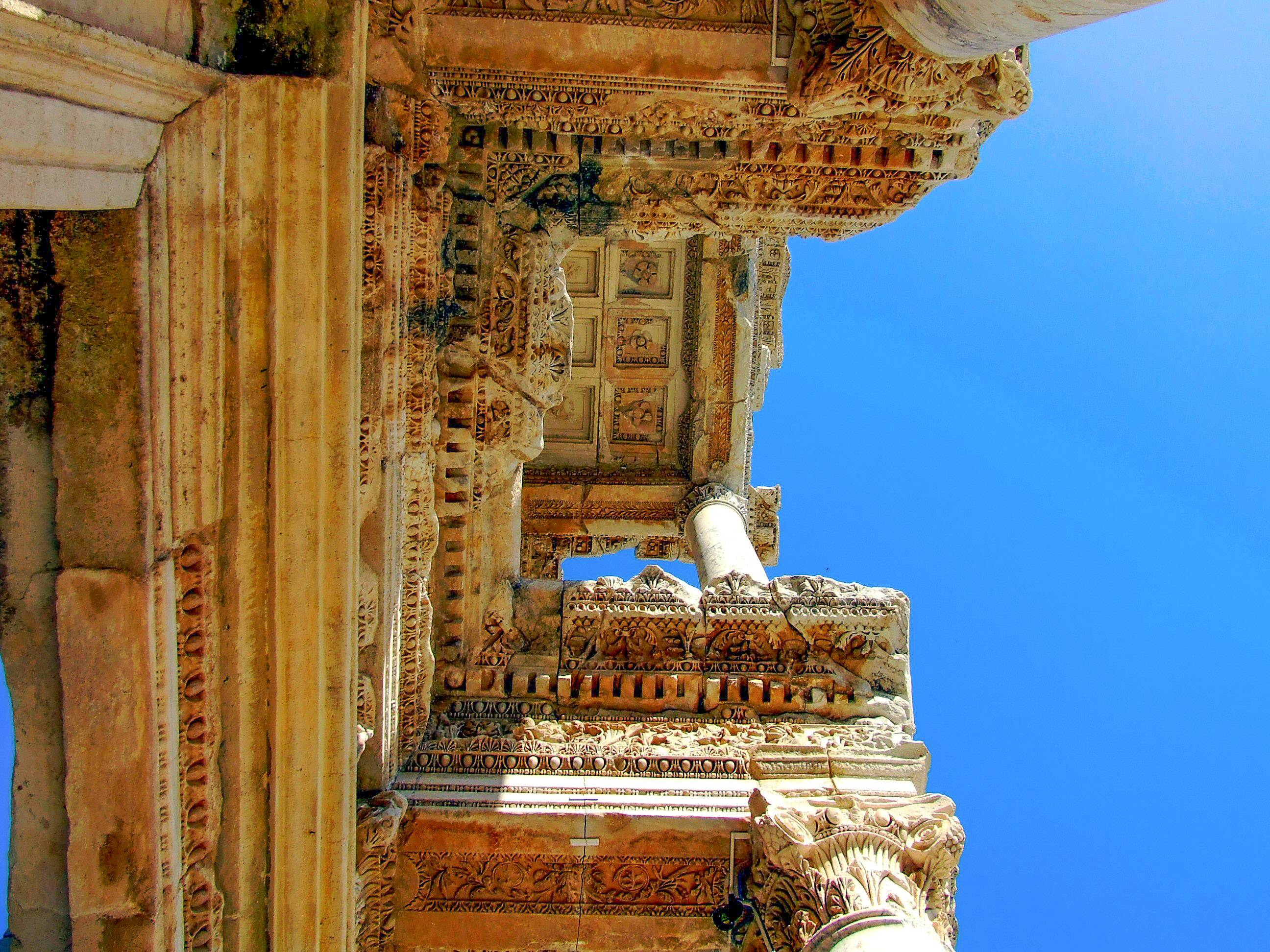
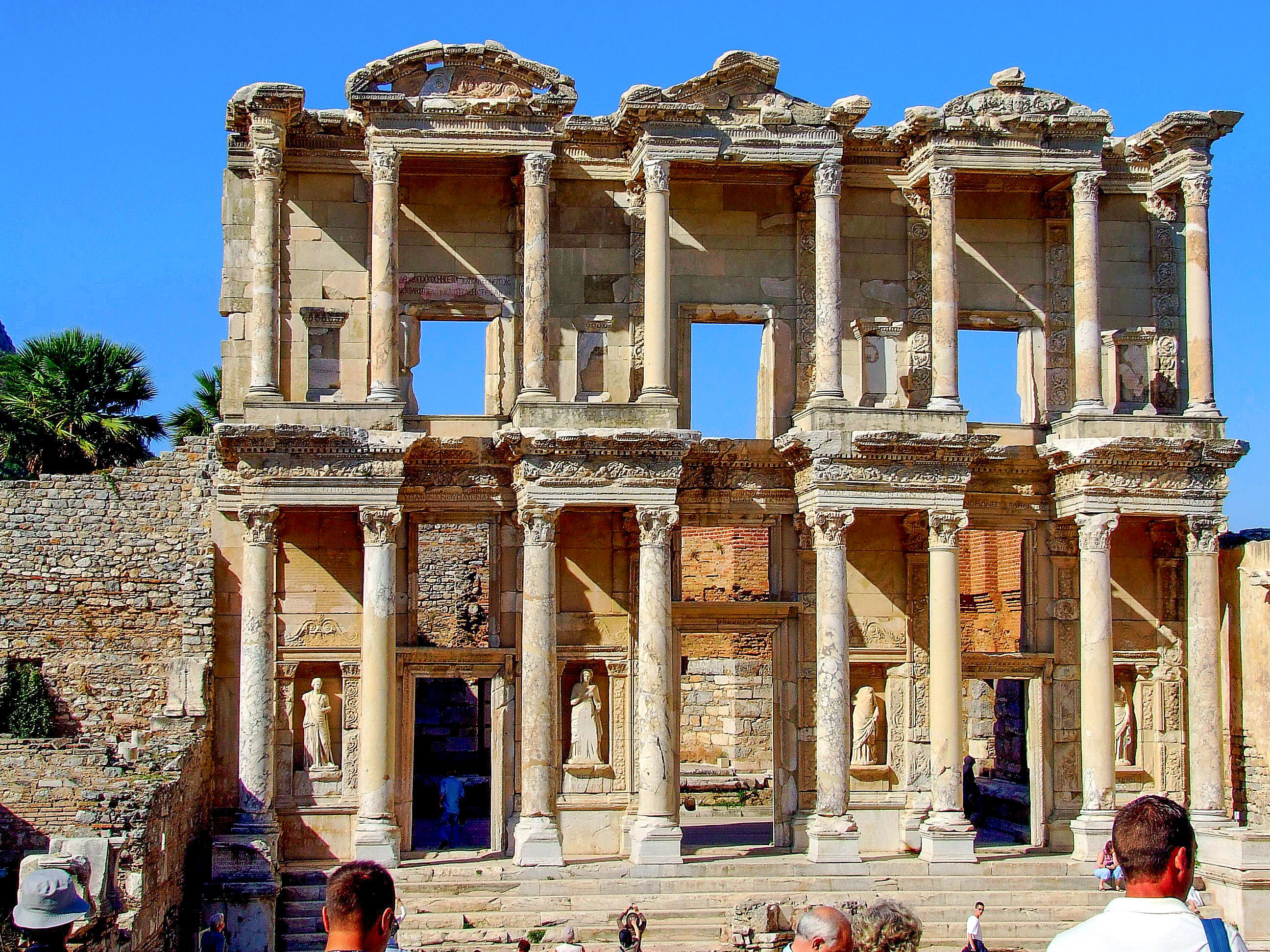
the ancient Library of Celsus in Ephesus
the ancient Library of Celsus in Ephesus ‐ photo by ,
©www.mgaylard.co.uk.
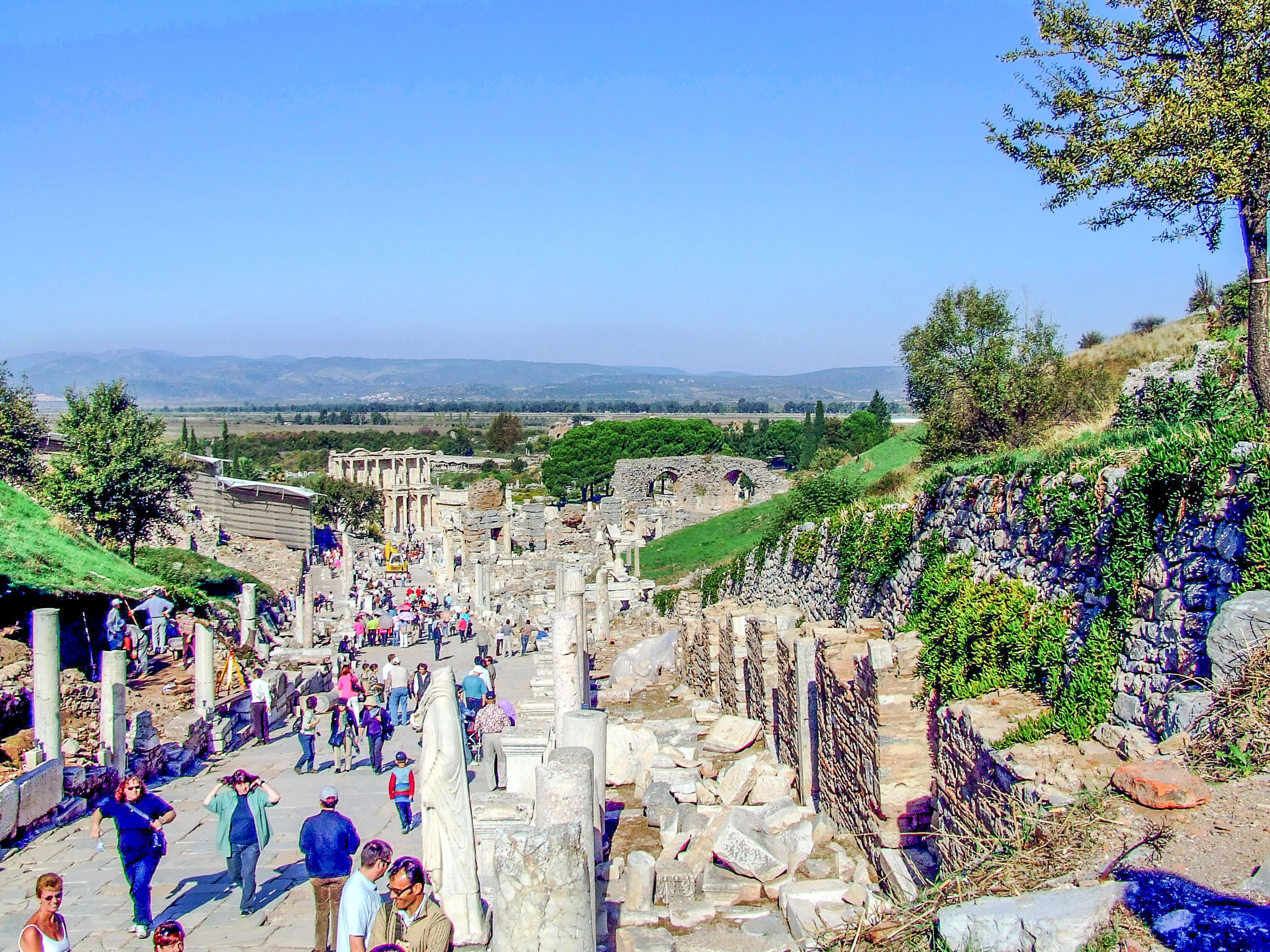
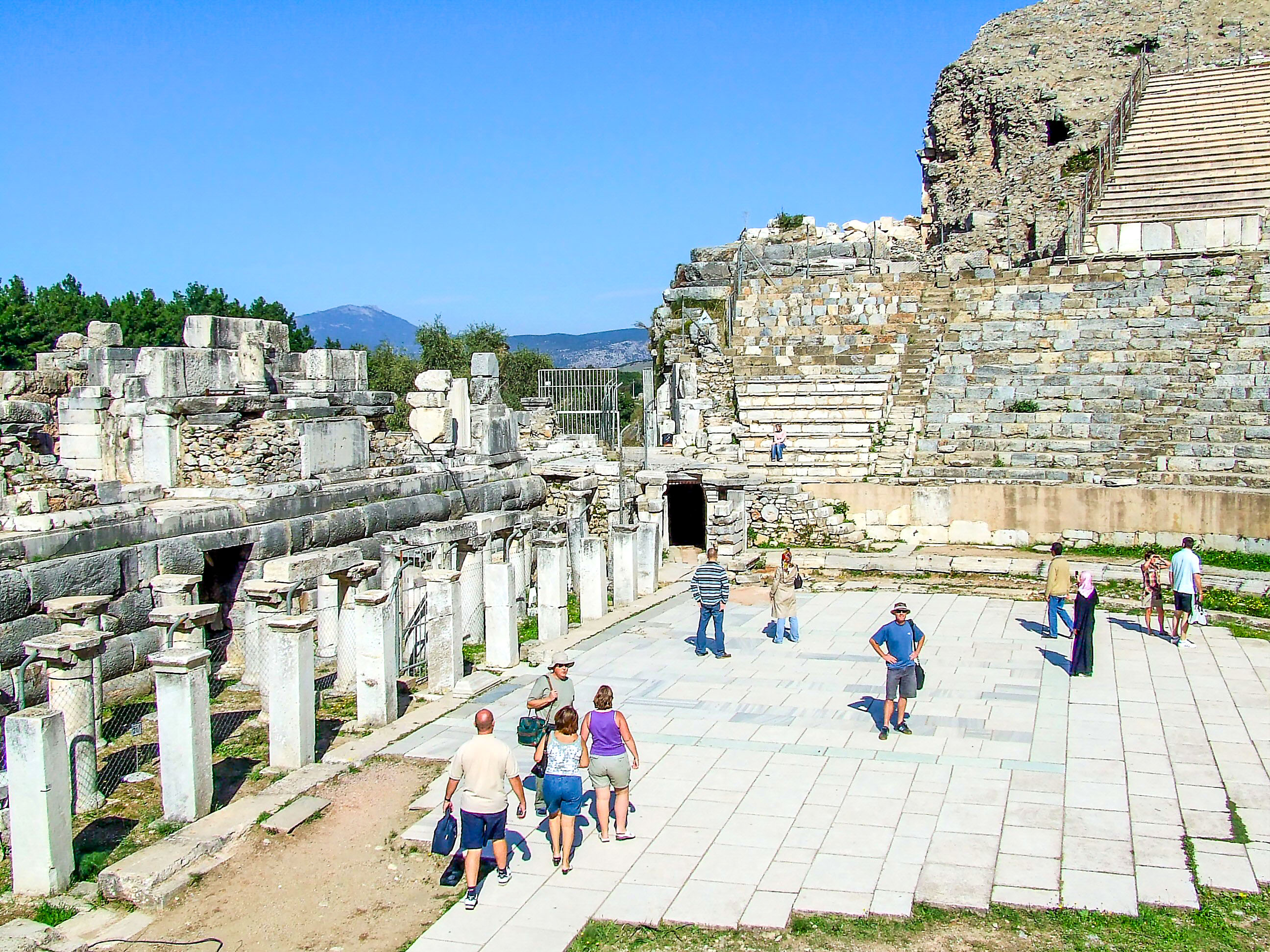
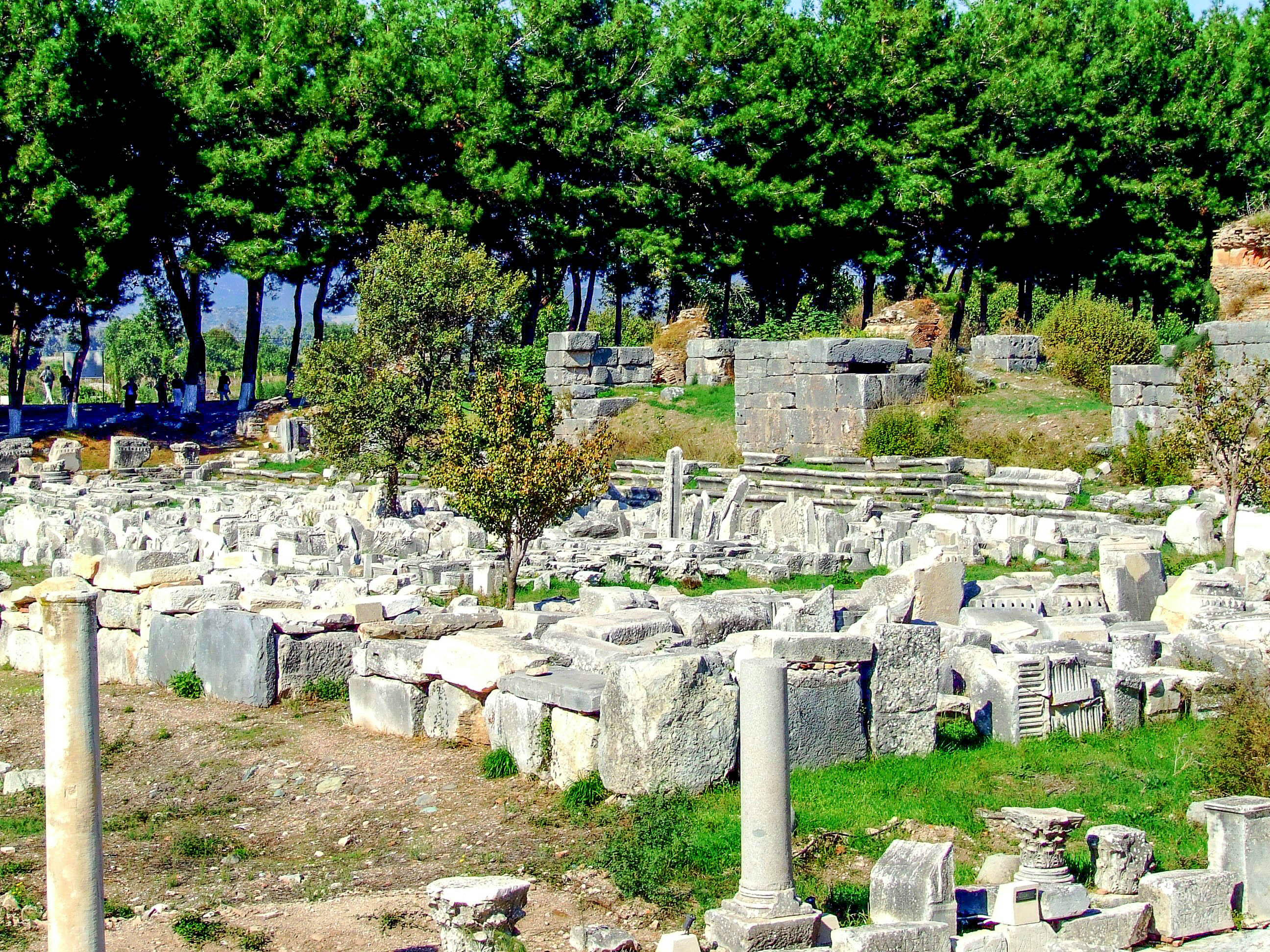
View of Ephesus ‐ photo by ,
©www.mgaylard.co.uk.
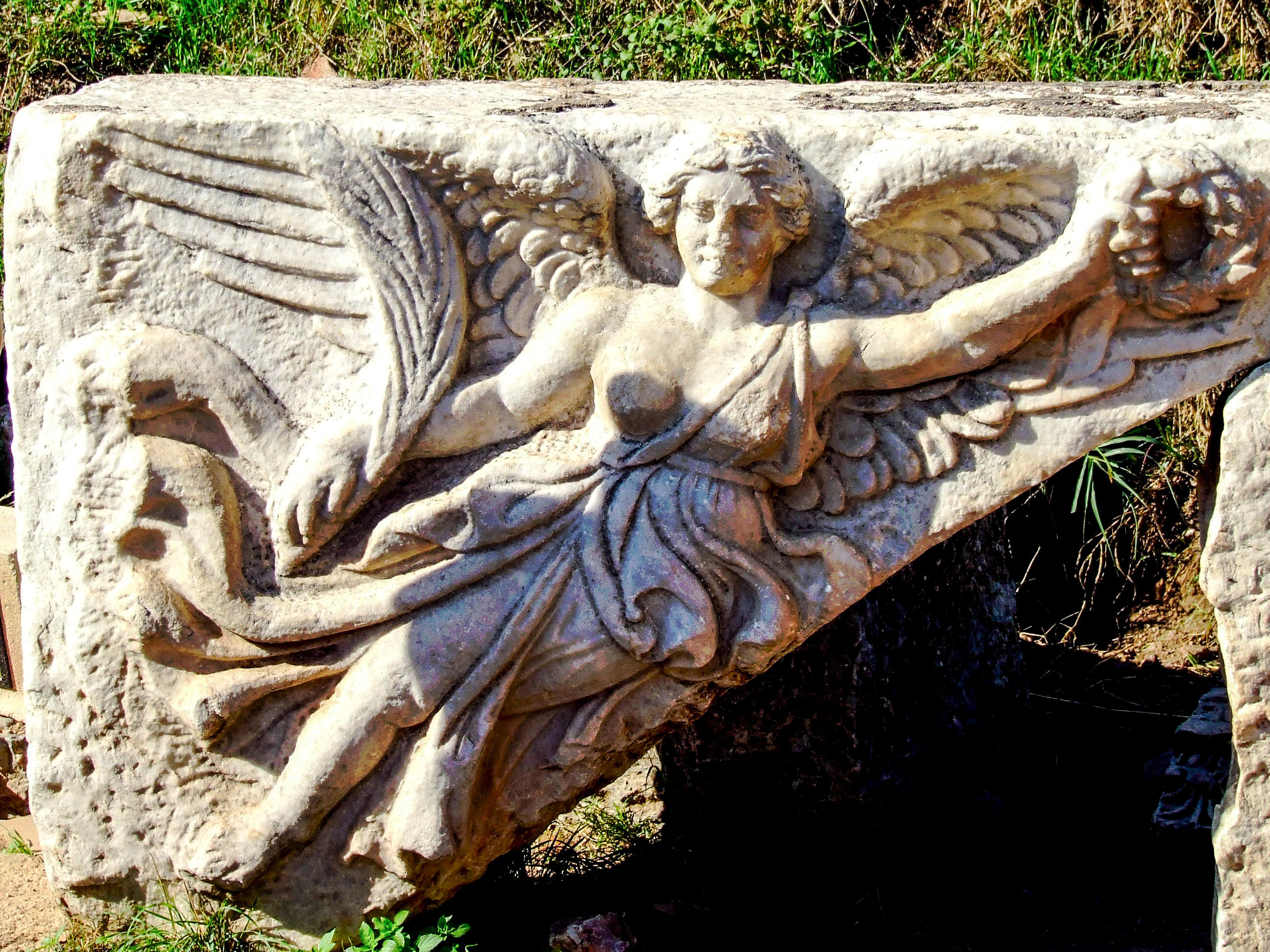
Nike, the Greek goddess of victory ‐ photo by ,
Nike is the Greek goddess of victory, a winged figure who embodies triumph in war, sport, and any form of competition. She is one of the most iconic personifications in Greek religion, closely linked with both Zeus and Athena, and later transformed into the Roman goddess Victoria.

©www.mgaylard.co.uk.
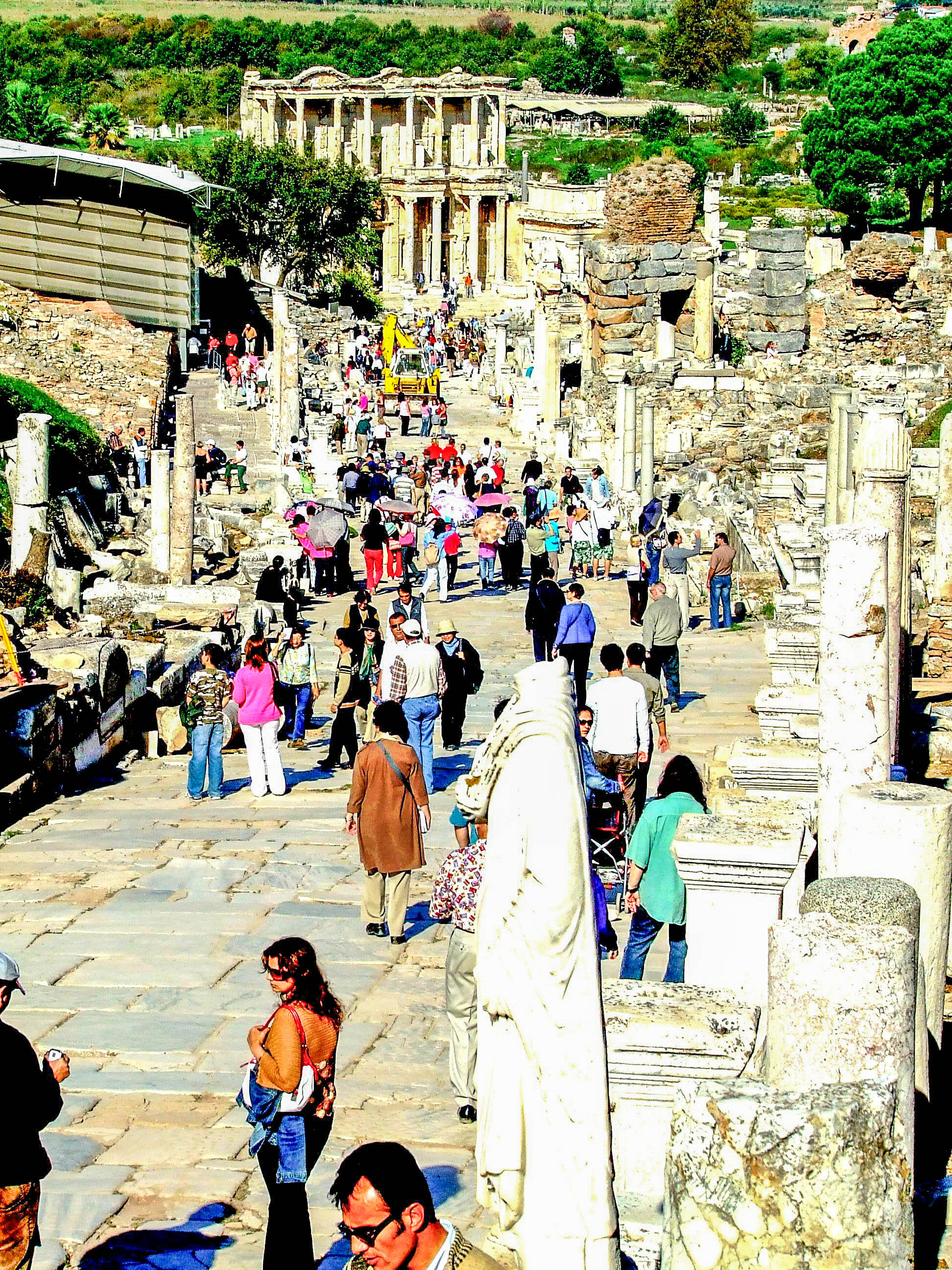
Curetes Street
Curetes Street ‐ photo by ,
©www.mgaylard.co.uk.
Curetes Street
Curetes Street ‐ photo by ,
©www.mgaylard.co.uk.
Trajans Fountain on Curetes Street
Trajans Fountain on Curetes Street ‐ photo by ,
©www.mgaylard.co.uk.
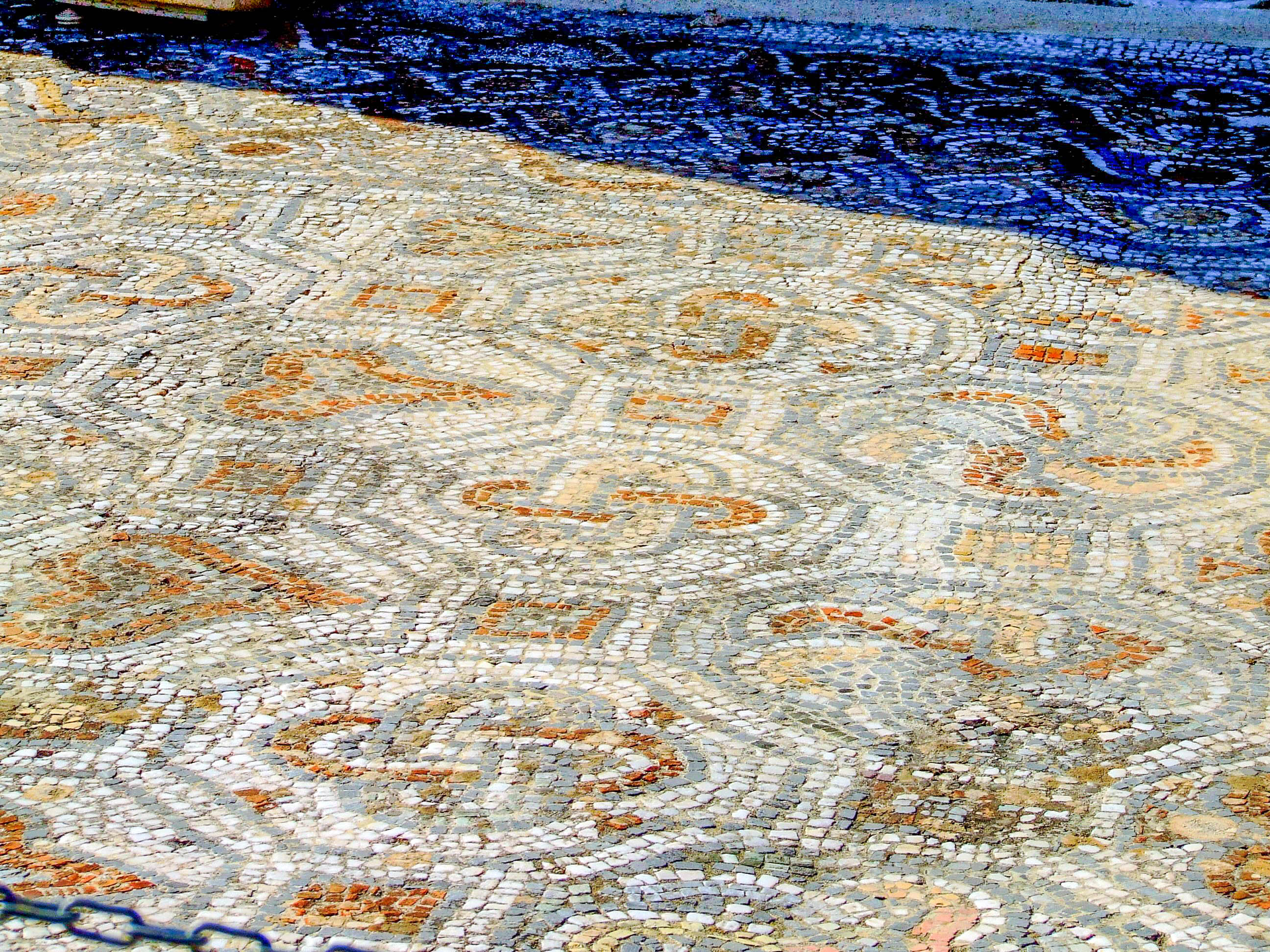
Mosaic Floor
Mosaic Floor ‐ photo by ,
©www.mgaylard.co.uk.
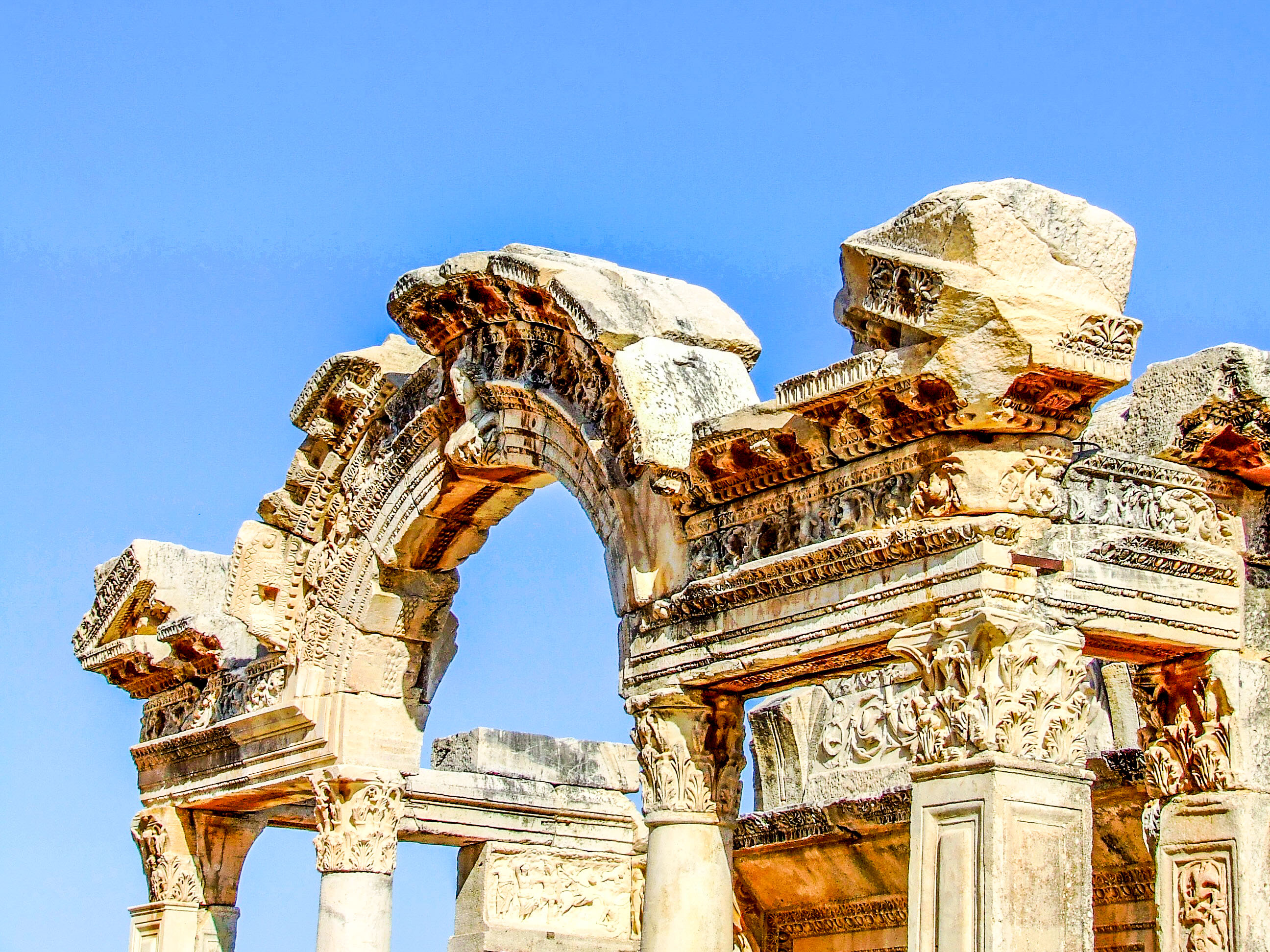
Hadrians Temple
Hadrians Temple ‐ photo by ,
©www.mgaylard.co.uk.
Hadrians Temple
Hadrians Temple ‐ photo by ,
©www.mgaylard.co.uk.
Hadrians Temple
Hadrians Temple ‐ photo by ,
©www.mgaylard.co.uk.
Hadrians Temple
Hadrians Temple ‐ photo by ,
©www.mgaylard.co.uk.
Hadrians Temple
Hadrian's Temple ‐ photo by ,
©www.mgaylard.co.uk.
stone relief carving
stone relief carving ‐ photo by ,
©www.mgaylard.co.uk.
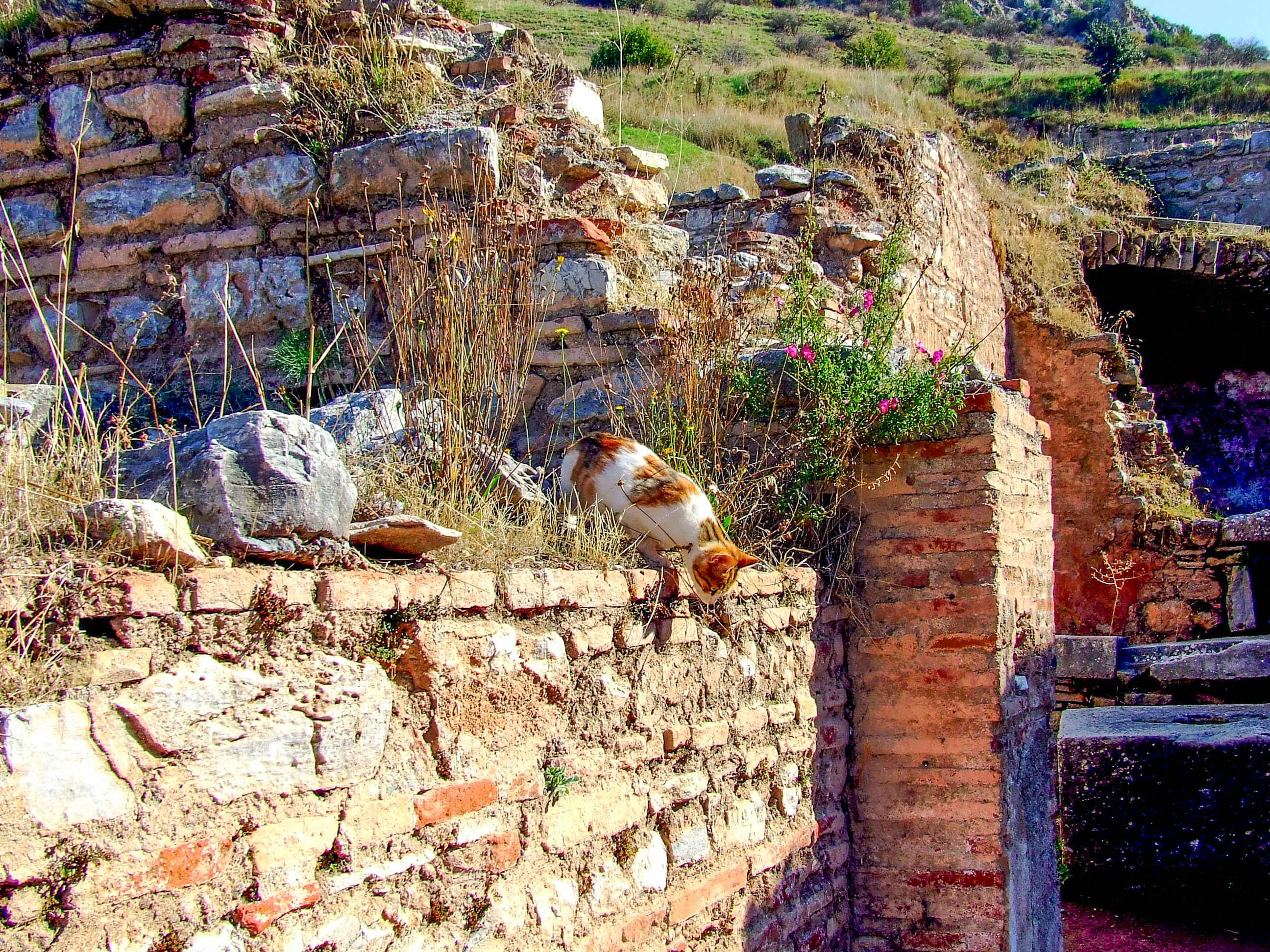
a cat standing on a weathered brick wall
a cat standing on a weathered brick wall ‐ photo by ,
©www.mgaylard.co.uk.
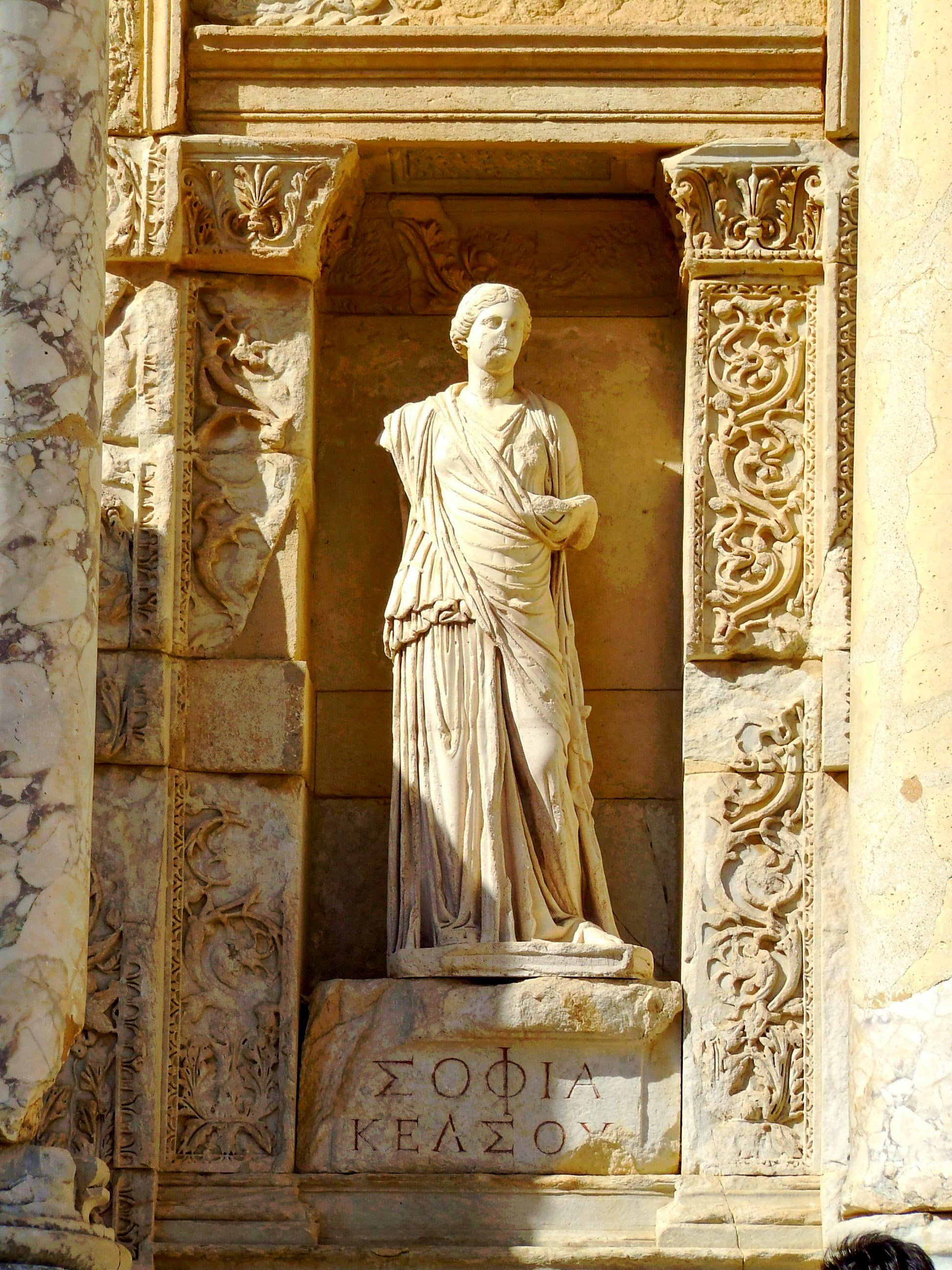
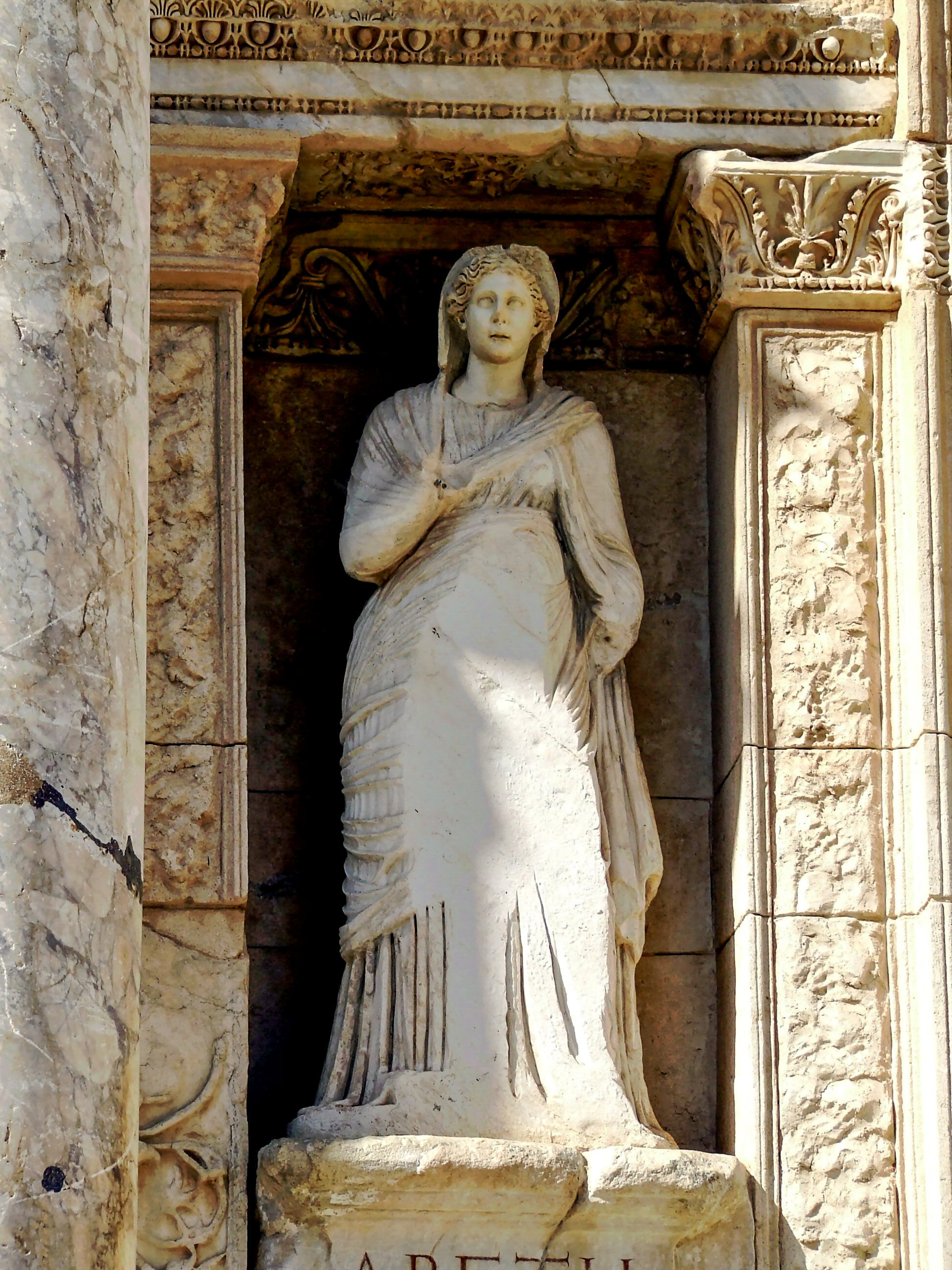
Statue at the ancient Library of Celsus in Ephesus
Statue at the ancient Library of Celsus in Ephesus ‐ photo by ,
©www.mgaylard.co.uk.
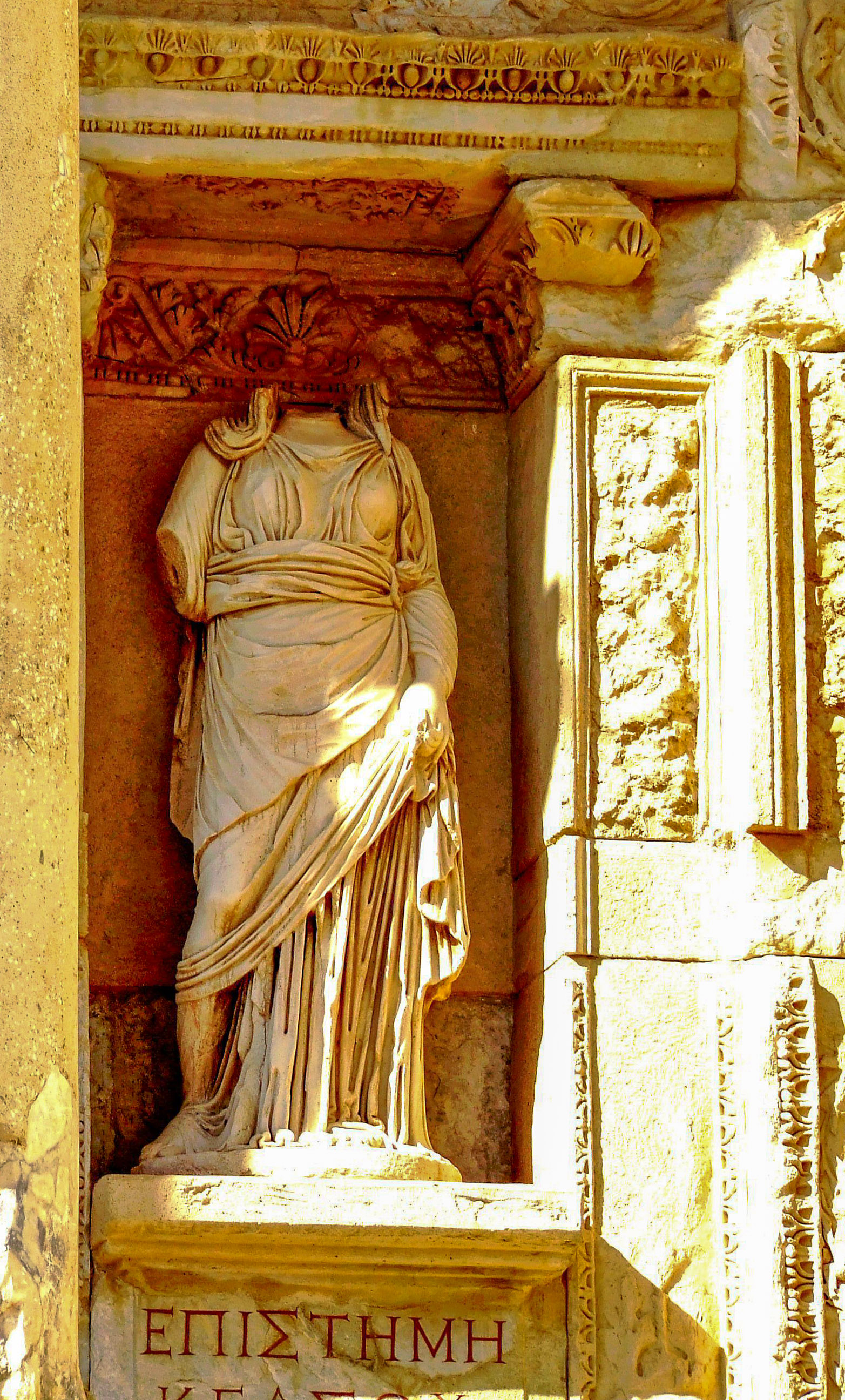
Statue at the ancient Library of Celsus in Ephesus
Statue at the ancient Library of Celsus in Ephesus ‐ photo by ,
©www.mgaylard.co.uk.
Statue at the ancient Library of Celsus in Ephesus
Statue at the ancient Library of Celsus in Ephesus ‐ photo by ,
©www.mgaylard.co.uk.
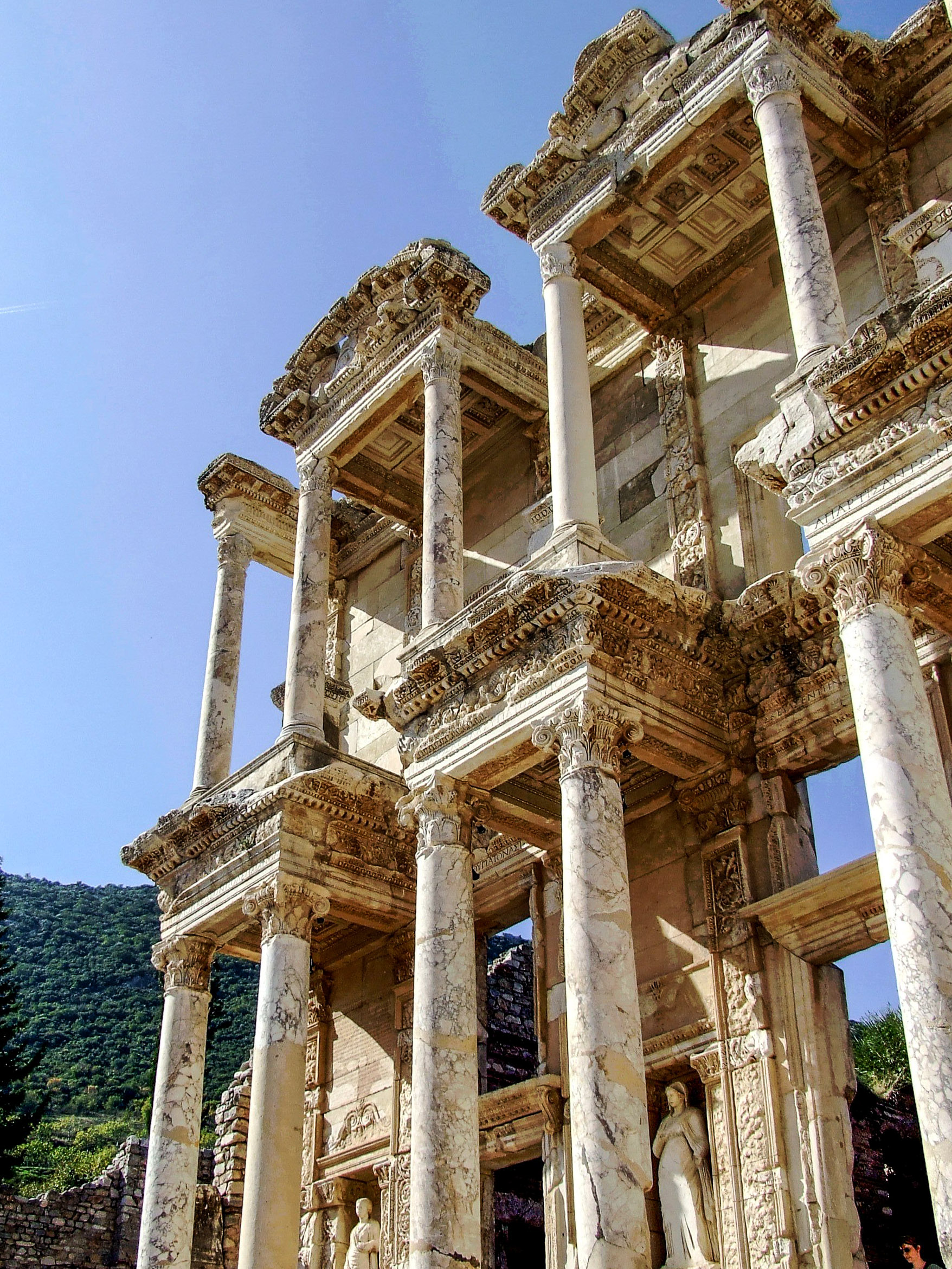
Library of Celsus
Library of Celsus ‐ photo by ,
©www.mgaylard.co.uk.
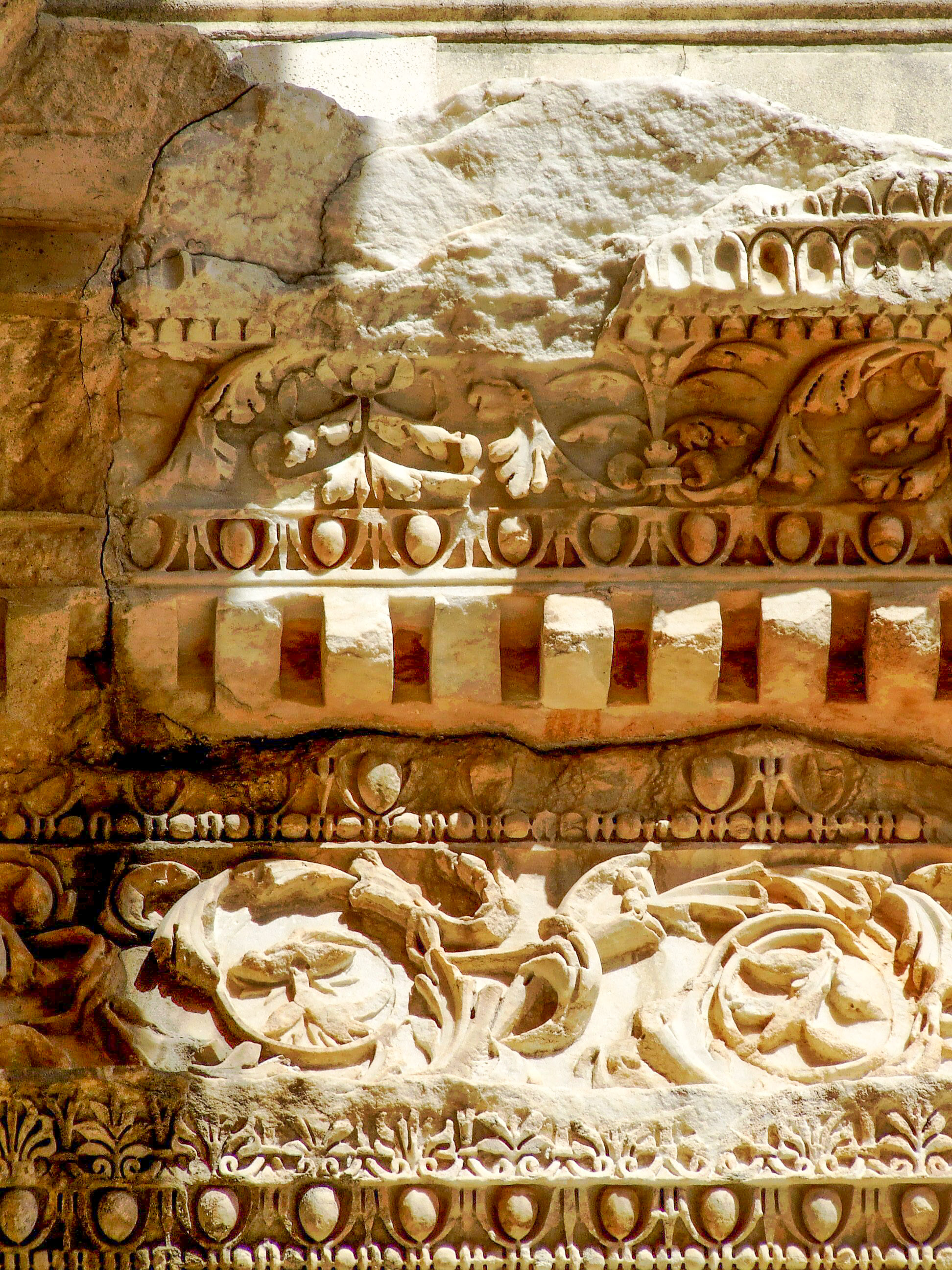
stone relief carving
stone relief carving  ‐ photo by ,
©www.mgaylard.co.uk.
Library of Celsus
Library of Celsus ‐ photo by ,
©www.mgaylard.co.uk.
Library of Celsus
Library of Celsus ‐ photo by ,
©www.mgaylard.co.uk.
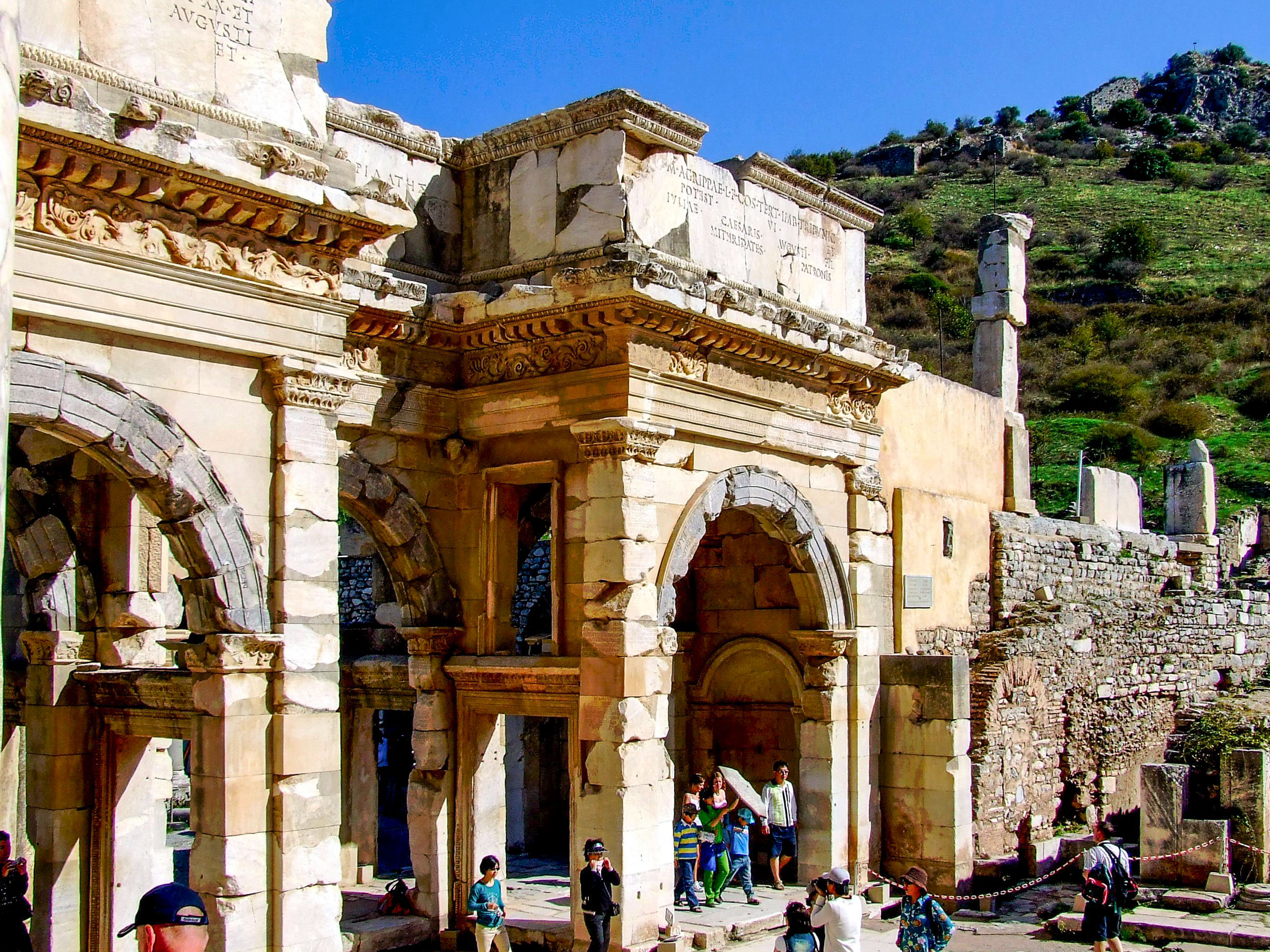
Gate of Mazeus and Mithridates
View of Ephesus ‐ photo by ,
©www.mgaylard.co.uk.
a hillside with terraced stone walls
a hillside with terraced stone walls ‐ photo by ,
©www.mgaylard.co.uk.

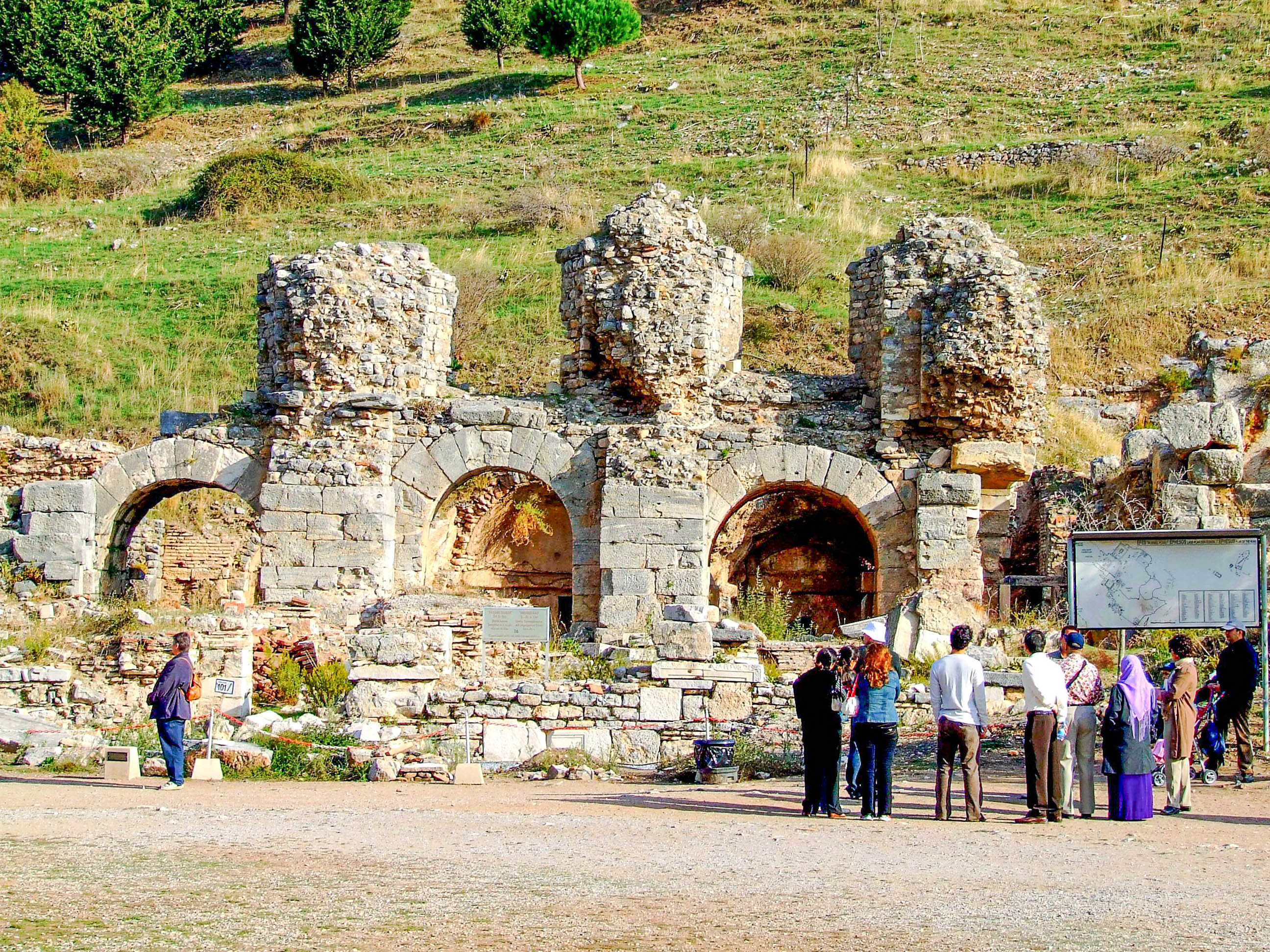
Gate of Mazeus and Mithridates

The Gate of Mazeus and Mithridates is one of the most expressive monuments of Roman Ephesus — a triumphal entrance to the Commercial Agora, standing directly beside the Library of Celsus. It is both an architectural showpiece and a political statement, built by two freedmen honouring the emperor who granted them their status.

The gate is a three-arched monumental entrance on the south-eastern side of the Agora. It is the best-preserved of the Agora’s gates and the only major structure from the Augustan building programme to survive the earthquake of 23 CE.
The gate was commissioned by Mazaeus and Mithridates, two freedmen of Augustus and Marcus Agrippa. Their inscriptions — originally in gold-plated bronze letters — state that they built the gate in honour of Augustus, Livia, Agrippa, and Julia (Augustus’ daughter). The inscriptions allow the structure to be dated to 3–4 BCE. This is a classic example of freedmen using monumental benefaction to express gratitude, assert status, and embed themselves in the civic fabric of a major Roman city.

References

turkisharchaeonews.net  www.ephesusturkey.com

Text generated by Microsoft CoPilot

A Footprint Set In Stone
A Footprint Set In Stone ‐ photo by ,
©www.mgaylard.co.uk.
Ephesus Hippodrome
Ephesus Hippodrome ‐ photo by ,
©www.mgaylard.co.uk.
Ephesus Arkadiane
Ephesus Arkadiane ‐ photo by ,
©www.mgaylard.co.uk.
Ancient Greek Agora
Ancient Greek Agora ‐ photo by ,
©www.mgaylard.co.uk.
Ephesus Hippodrome
Ephesus Hippodrome ‐ photo by ,
©www.mgaylard.co.uk.
Ephesus Hippodrome
Ephesus Hippodrome ‐ photo by ,
©www.mgaylard.co.uk.
Ancient Greek Agora
Ancient Greek Agora ‐ photo by ,
©www.mgaylard.co.uk.
Ephesus Arkadiane
Ephesus Arkadiane ‐ photo by ,
©www.mgaylard.co.uk.
Open the full set flickr button this page

Ephesus

Ephesus was a major ancient city on the western coast of Asia Minor (near modern Selçuk, Izmir Province, Turkey), famed as a commercial hub, a religious pilgrimage centre for the cult of Artemis, and later as an important Roman provincial capital. Its occupation stretches from the Bronze Age through the Late Middle Ages, and its ruins today are a UNESCO World Heritage site.

Key phases of history

Bronze Age and origins
The site shows continuous occupation from the Neolithic and Bronze Ages; Hittite and Mycenaean-era evidence links the place-name Apasa with later Ephesus.
Archaic and Classical Greek period
Ephesus became an important Ionian city and the centre of the distinctive Ephesian cult of Artemis; the city prospered under Lydian and then Persian influence.
Hellenistic re-founding
After Alexander the Great the city was refounded and expanded under Hellenistic rulers (notably Lysimachus), which set the stage for its later Roman prominence.
Roman era
Bequeathed to Rome in 129 BCE, Ephesus became the capital of the province of Asia and reached its architectural and civic peak in the 1st–2nd centuries CE. It was a major port, administrative centre, and cultural hub.
Late Antiquity and decline
Repeated earthquakes, Gothic incursions, and the gradual silting of the harbour reduced its importance; Christianity also reshaped the city’s institutions (Pauline letters, Councils of Ephesus).

Principal monuments and what they tell us

Temple of Artemis
Once one of the Seven Wonders of the Ancient World, the Artemision was a vast Ionic temple whose successive rebuildings reflect Ephesus’s long religious centrality; only foundations and fragments survive.
Library of Celsus
A 2nd-century CE Roman library and funerary monument whose reconstructed façade is an emblem of Ephesus’s civic wealth and intellectual life; it once housed an estimated ~12,000 scrolls.
Great Theatre
A monumental theatre (capacity ~24,000) used for civic gatherings, performances, and imperial cult ceremonies; its scale underlines the city’s population and regional role.
Gate of Mazaeus and Mithridates
A well-preserved Augustan-period monumental gate to the Commercial Agora, notable for its bilingual dedications and as an example of freedmen’s public benefaction. Terrace Houses and House of the Virgin Mary — Elite domestic quarters with rich mosaics and frescoes (Terrace Houses) and a nearby Christian pilgrimage site traditionally associated with Mary, showing the city’s social and religious diversity.

Archaeology, conservation, and UNESCO status

Systematic excavations began in the 19th century and continue today; major campaigns have recovered streets, public buildings, private houses, and inscriptions that allow detailed reconstruction of urban life. The Ancient City of Ephesus was inscribed on the UNESCO World Heritage List in 2015 for its outstanding testimony to Hellenistic and Roman urbanism and its archaeological integrity. Conservation work balances visitor access with preservation of fragile structures and mosaics.

References

www.britannica.comwhc.unesco.org , Wikipedia: ,  EphesusLibrary of CelsusTemple of Artemis , Text generated by Microsoft CoPilot
To the top
Powered by w3.css. The images are all stored on link to www.gaylard.co.uk Photostream on Flickr   This website is hosted by link to 123Reg Web Hosting