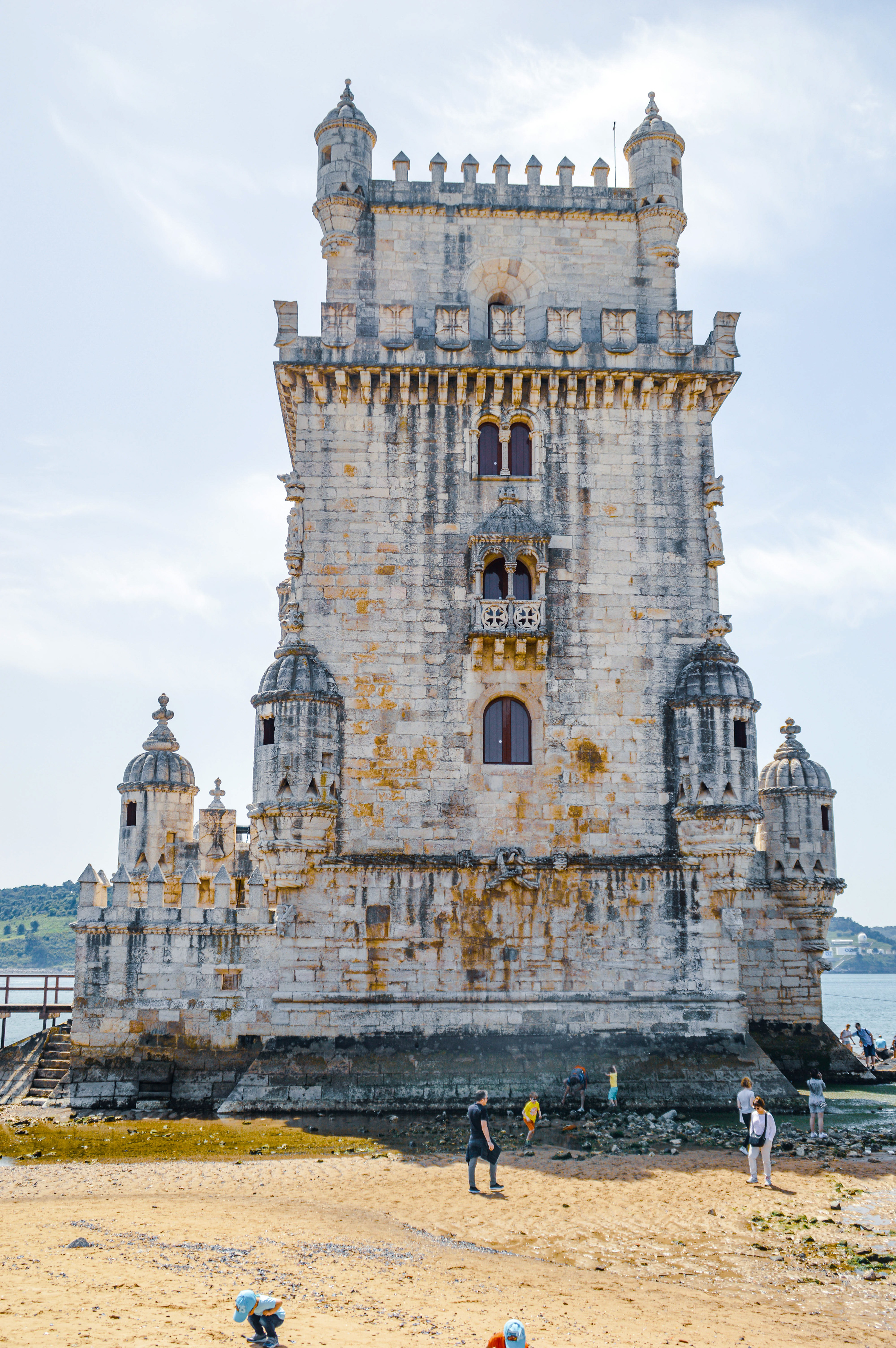
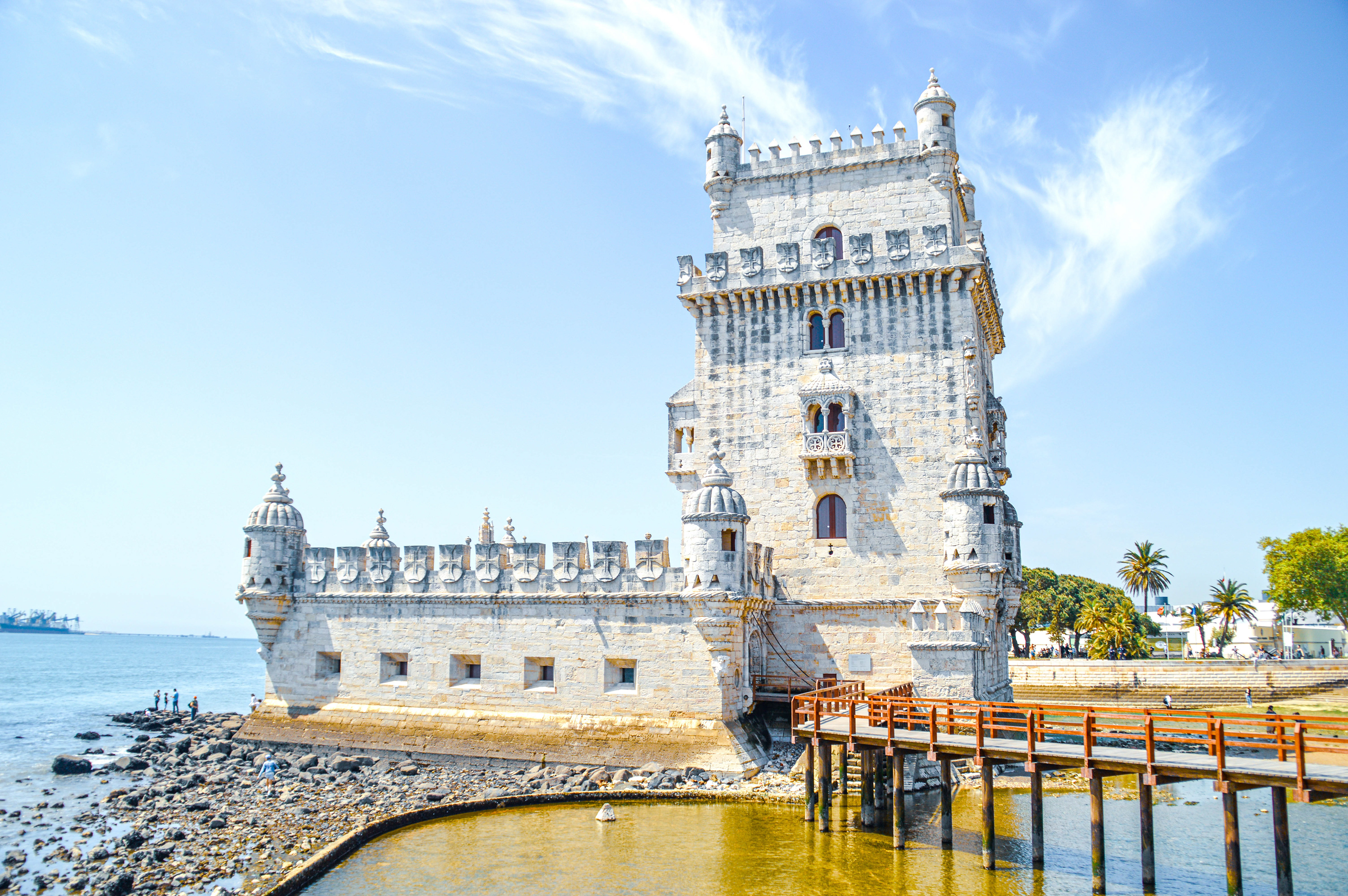
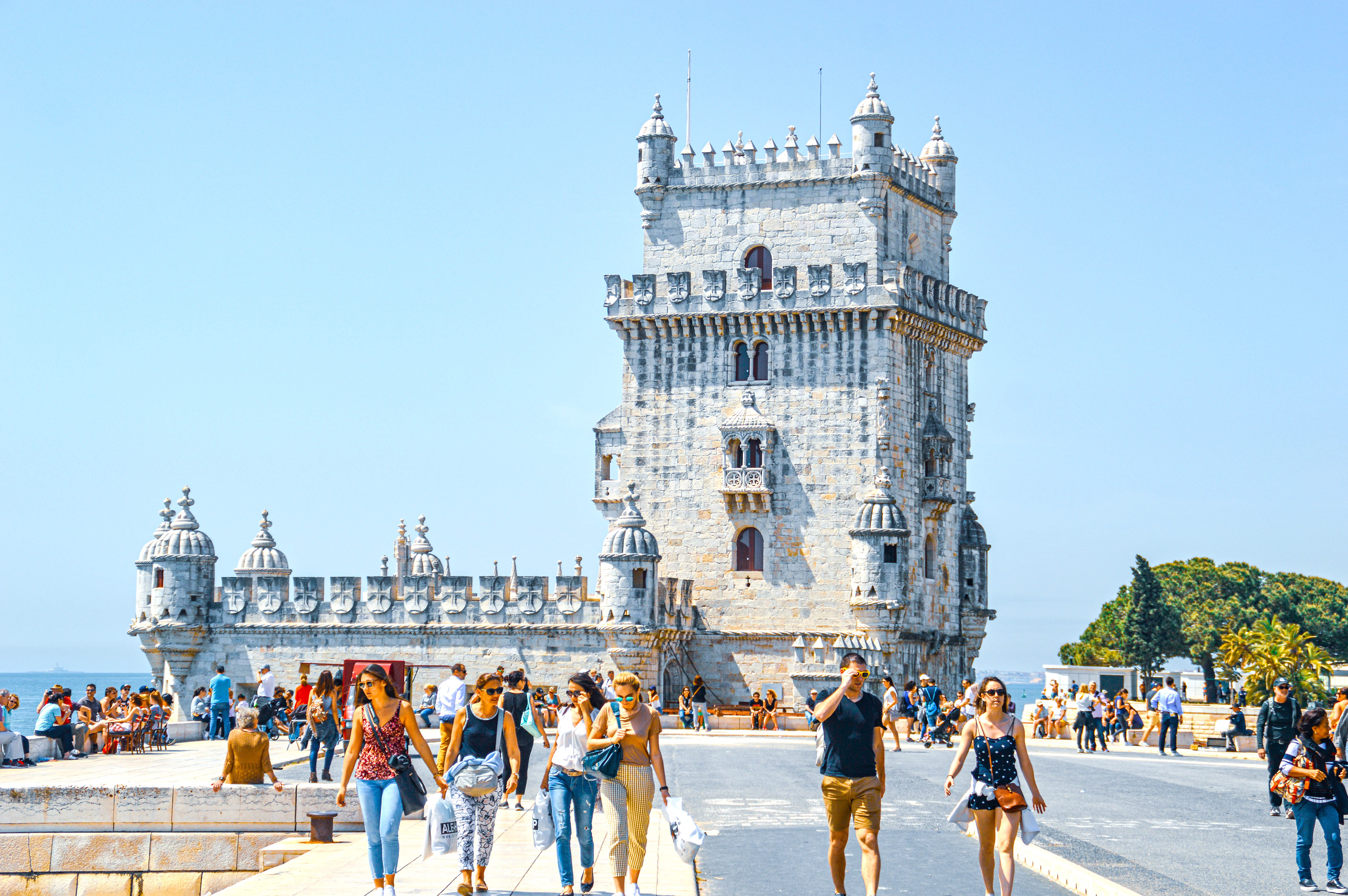

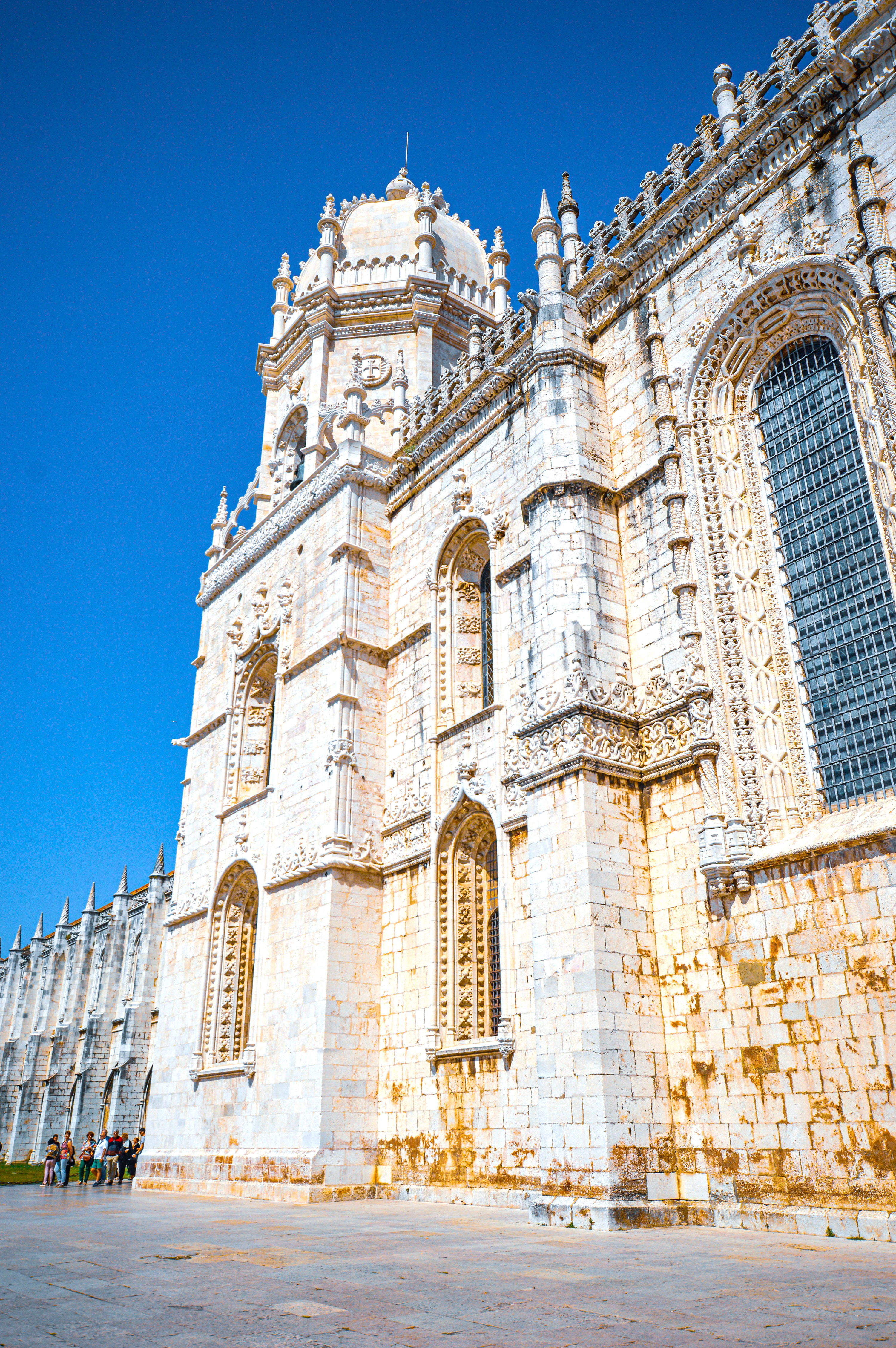

Belém sits on Lisbon’s western waterfront and grew into prominence during the 15th–16th-century Age of Discovery as the city’s maritime departure point. Its Manueline architecture and riverside monuments celebrate explorers such as Vasco da Gama and anchor Portugal’s imperial memory. The Jerónimos Monastery and Belém Tower are UNESCO-listed landmarks that bookend the district’s main promenade.
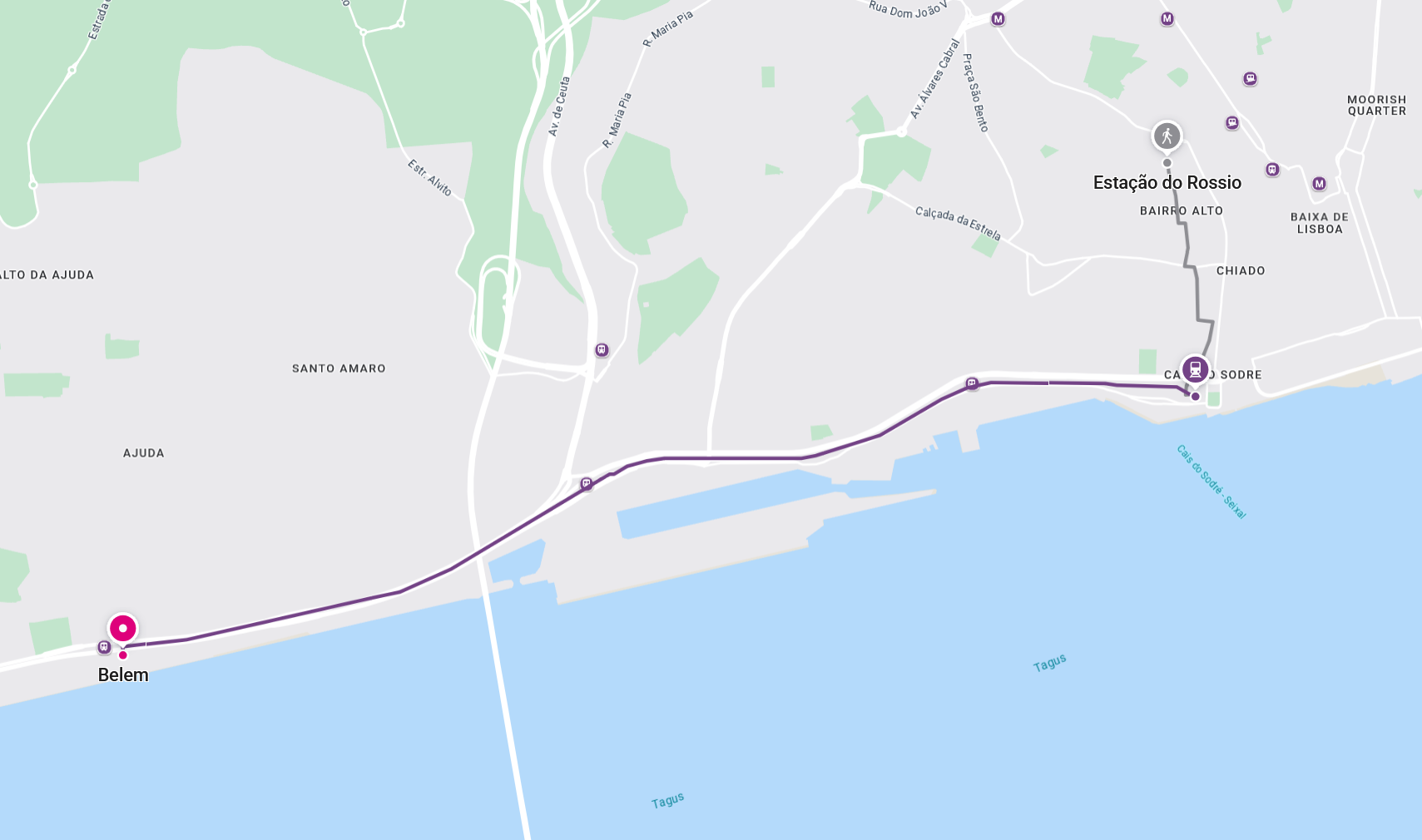
Transport: Frequent trams (historic 15E), suburban trains from Cais do Sodré, buses, taxis and riverfront walks connect central Lisbon to Belém; the tram and train options are scenic and convenient. - Timing: Allow 2–4 hours for a focused visit (Monastery + Tower + Pastéis), or a full day to include museums and gardens.
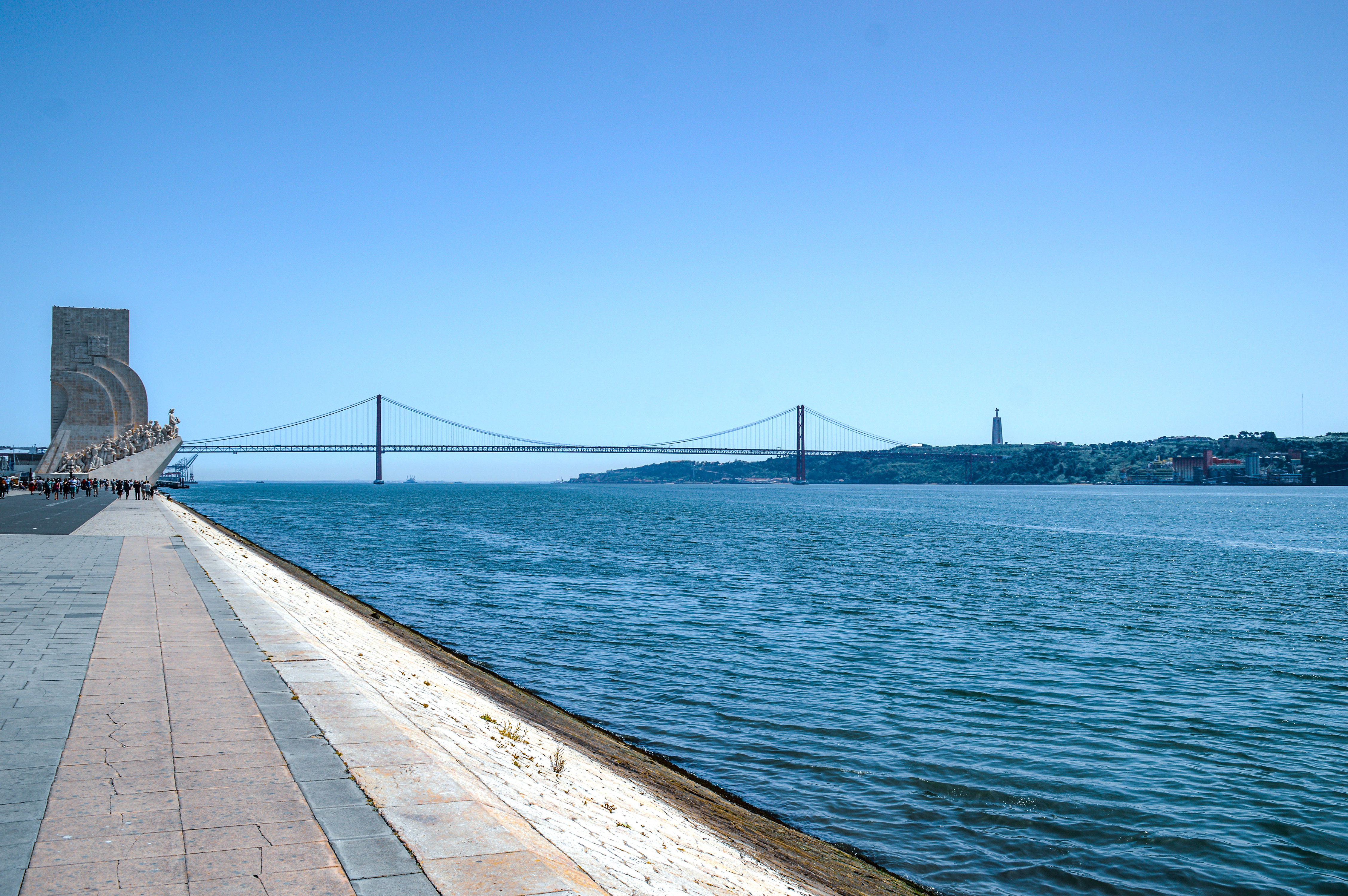
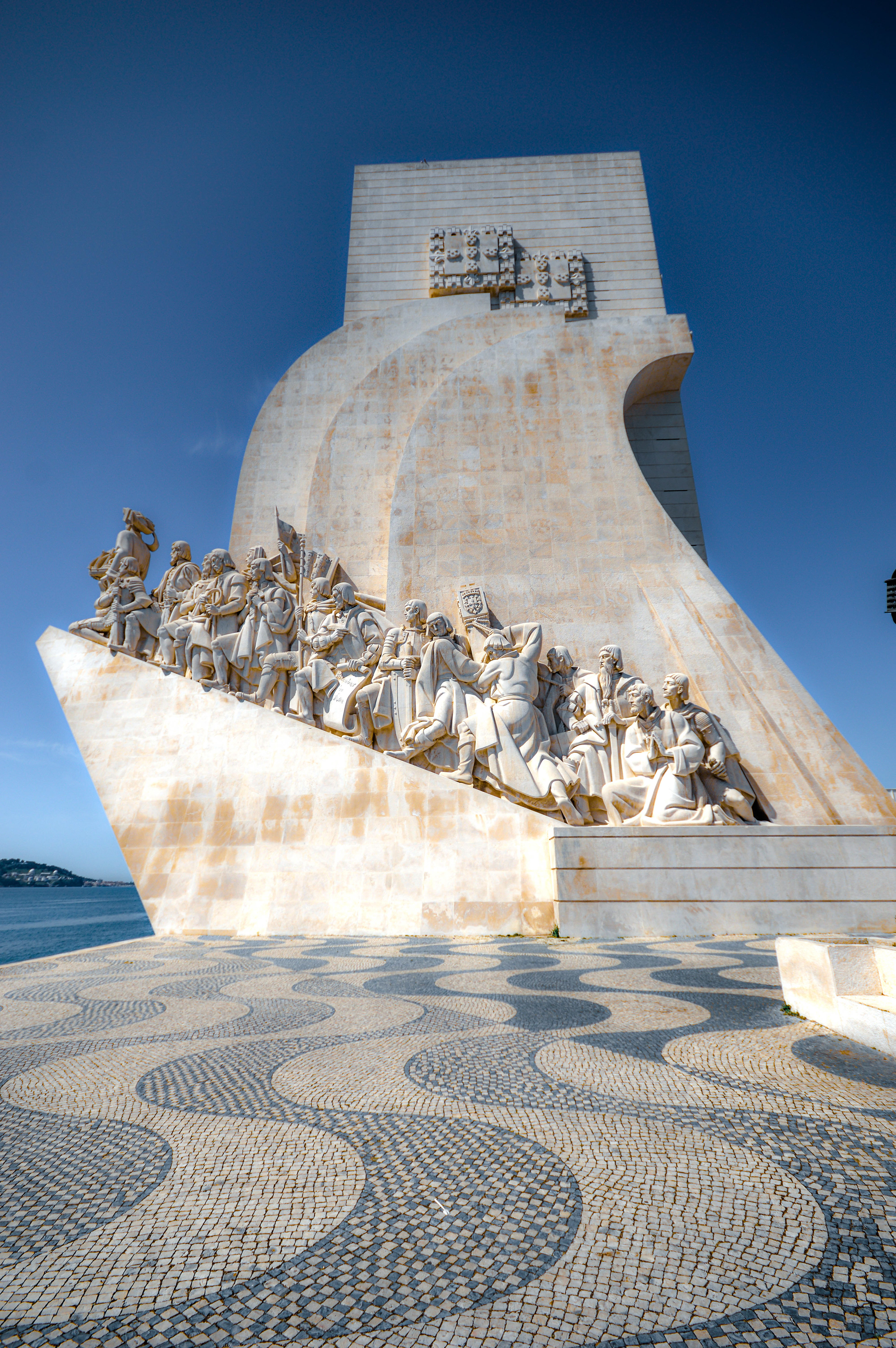
The Monument to the Discoveries stands on the northern bank of the Tagus River in Belém and commemorates Portuguese maritime exploration during the 15th and 16th centuries. It was first erected as a temporary structure for the 1940 Portuguese World Exhibition and reconstructed in concrete and Leiria stone in 1960 to mark the 500th anniversary of Prince Henry the Navigator’s death. The monument is a major Belém landmark and a focal point for the city’s maritime memory.
Form: a stylized caravel prow with a vertical mast element and flanking “sails,” creating the impression of a ship setting out to sea.
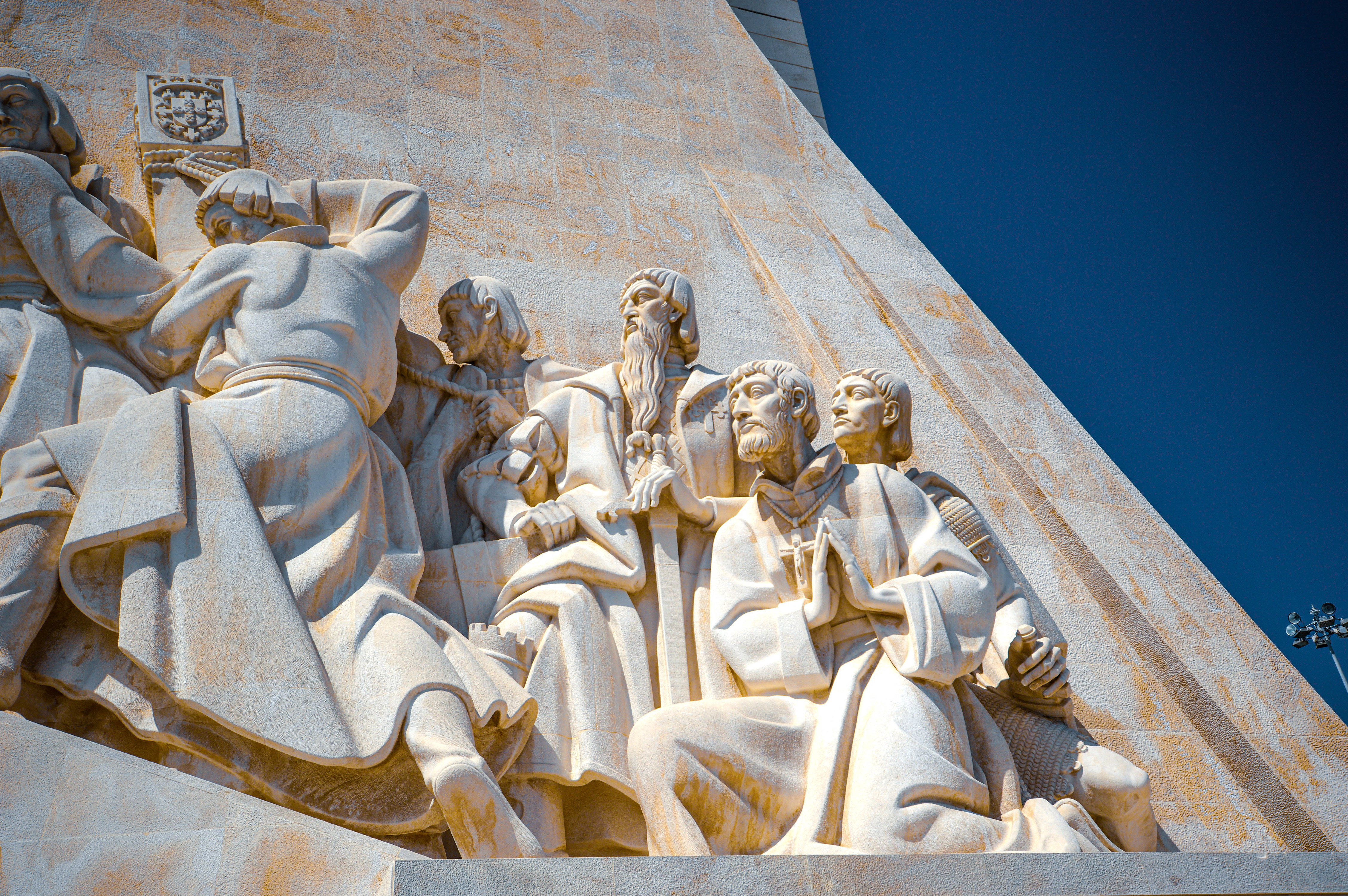
Figures: 32 sculpted personalities (navigators, cartographers, missionaries, chroniclers, and royalty) follow Prince Henry the Navigator, who stands at the prow; only one woman, Queen Filipa de Lencastre, appears among them.
Dimensions & materials: the monument is approximately 56 m tall, built of concrete and rose-tinted Leiria stone with Sintra limestone sculptures in the 1960 reconstruction.
Interior & viewpoint: the interior houses exhibition space, an auditorium, and an elevator that takes visitors to a terrace with panoramic views over Belém, the river, and the nearby Jerónimos Monastery; a large marble world map and compass rose on the pavement below shows Portuguese voyage routes.