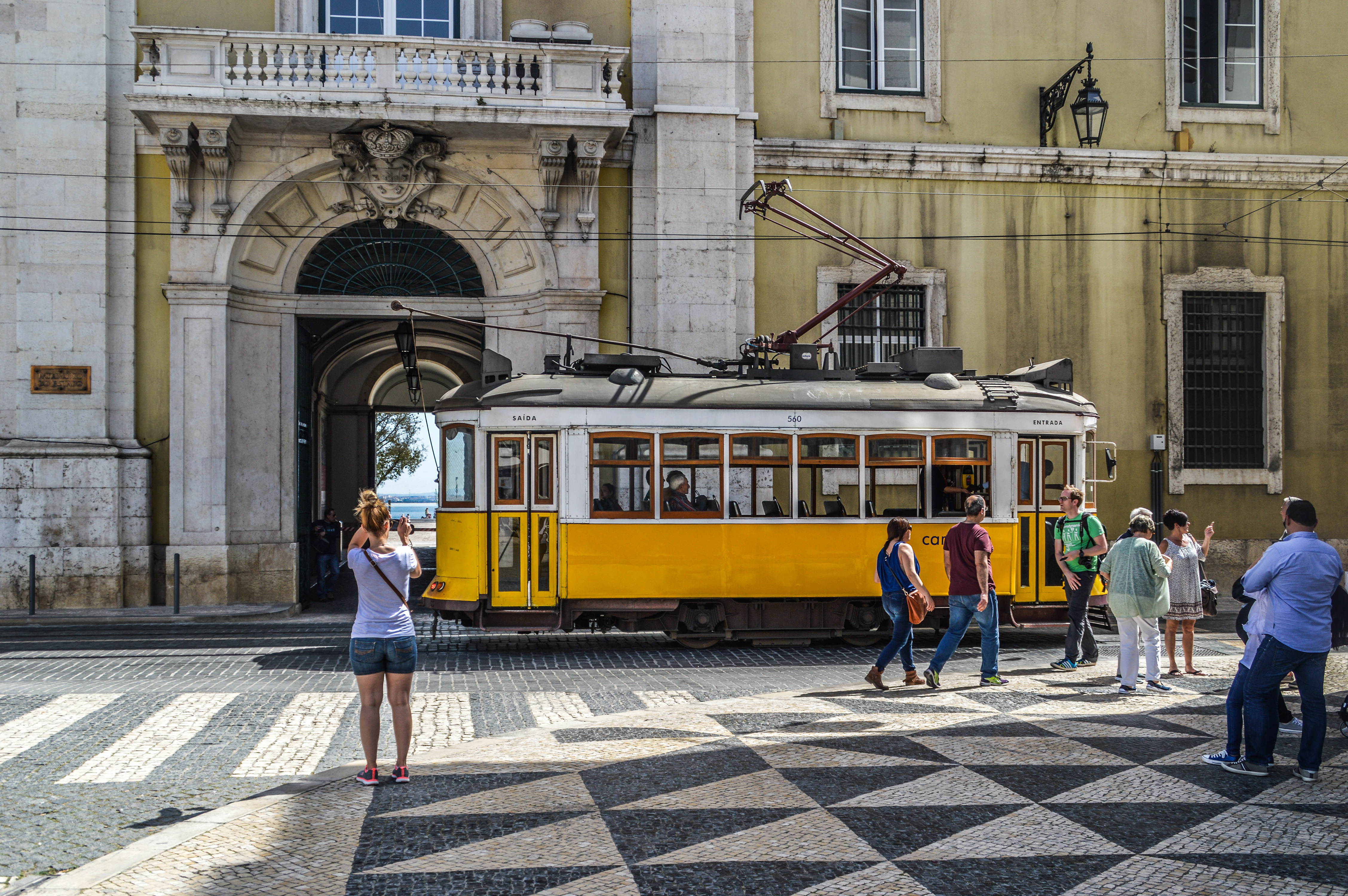
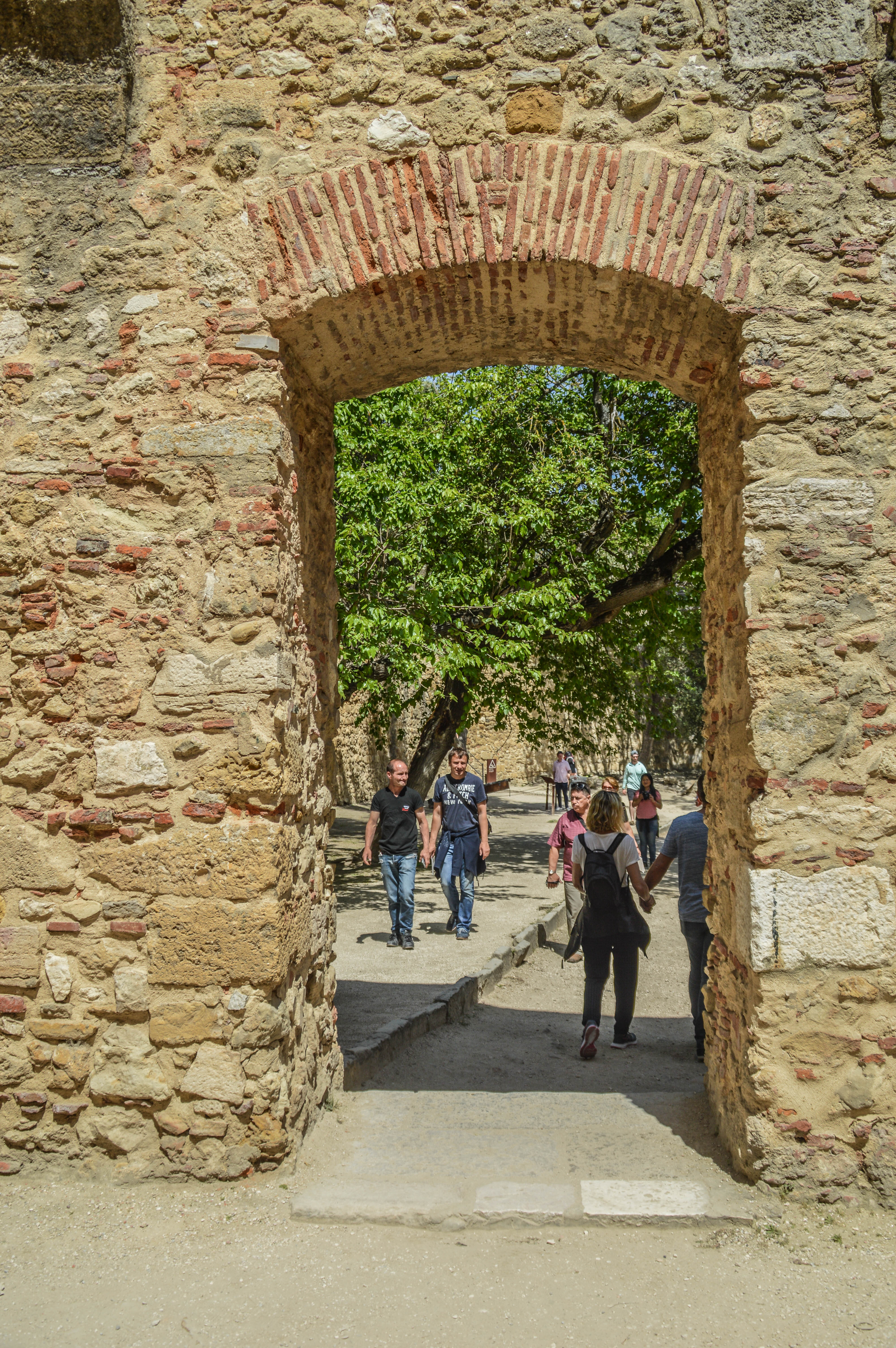
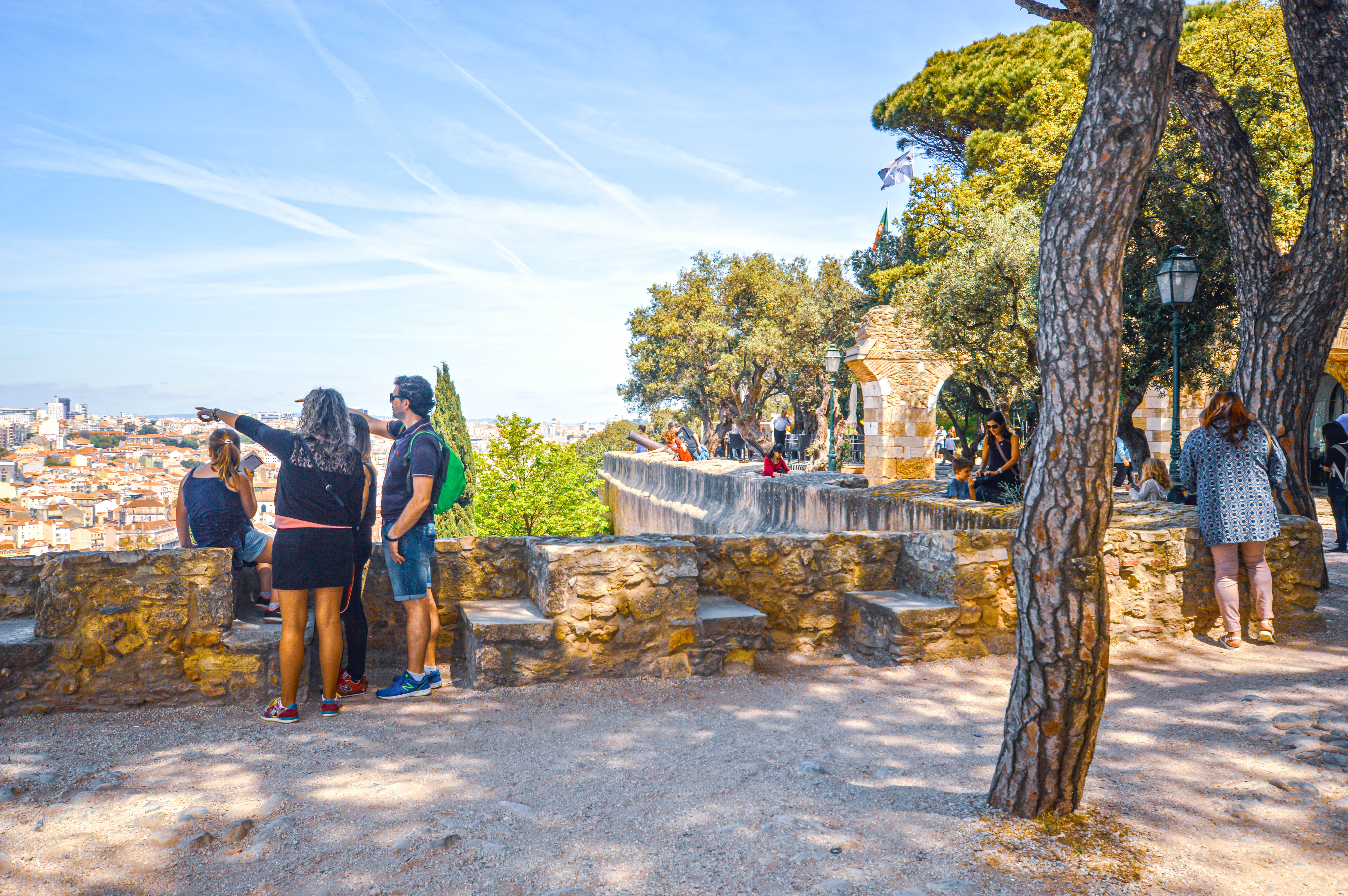
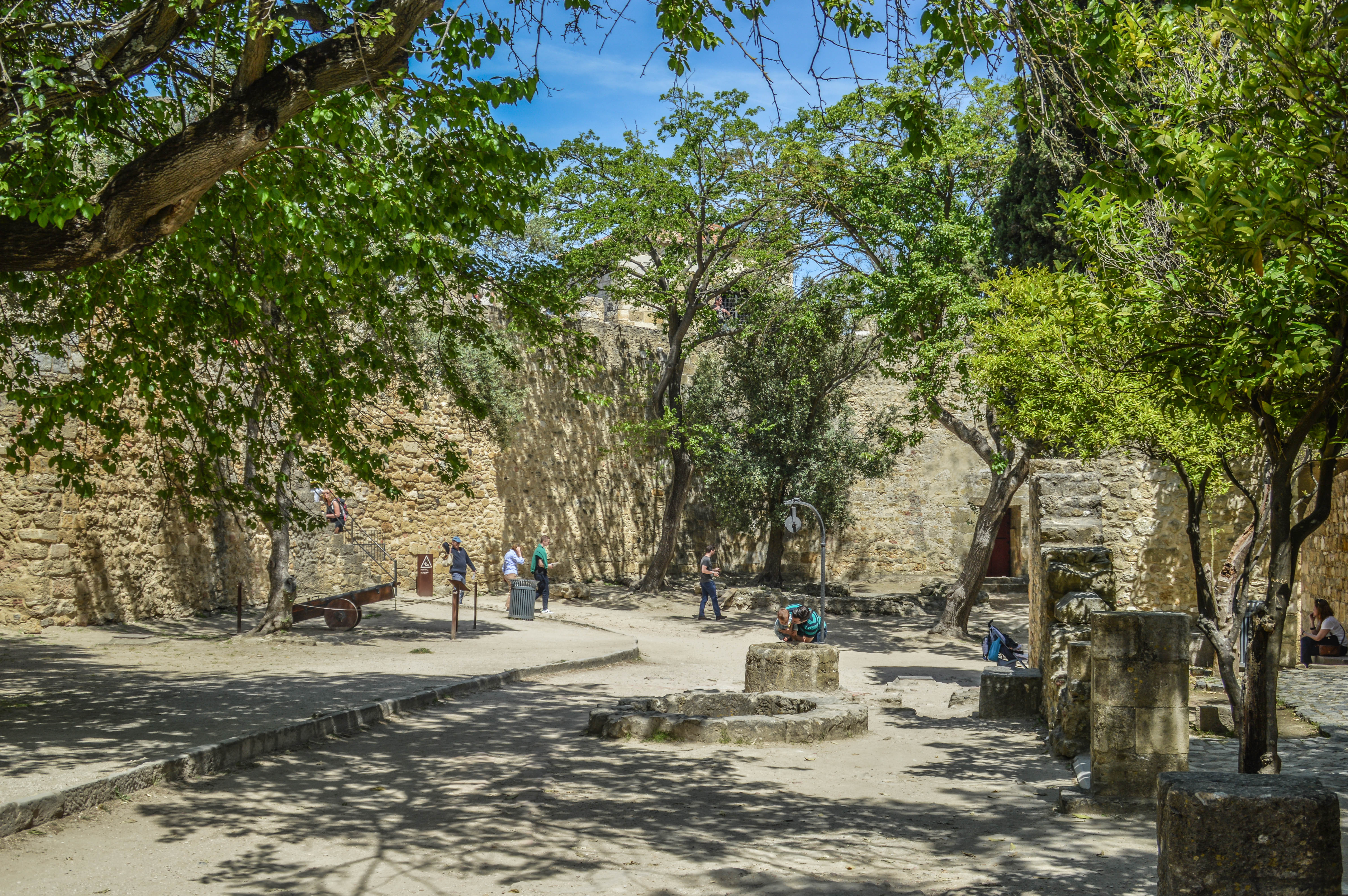
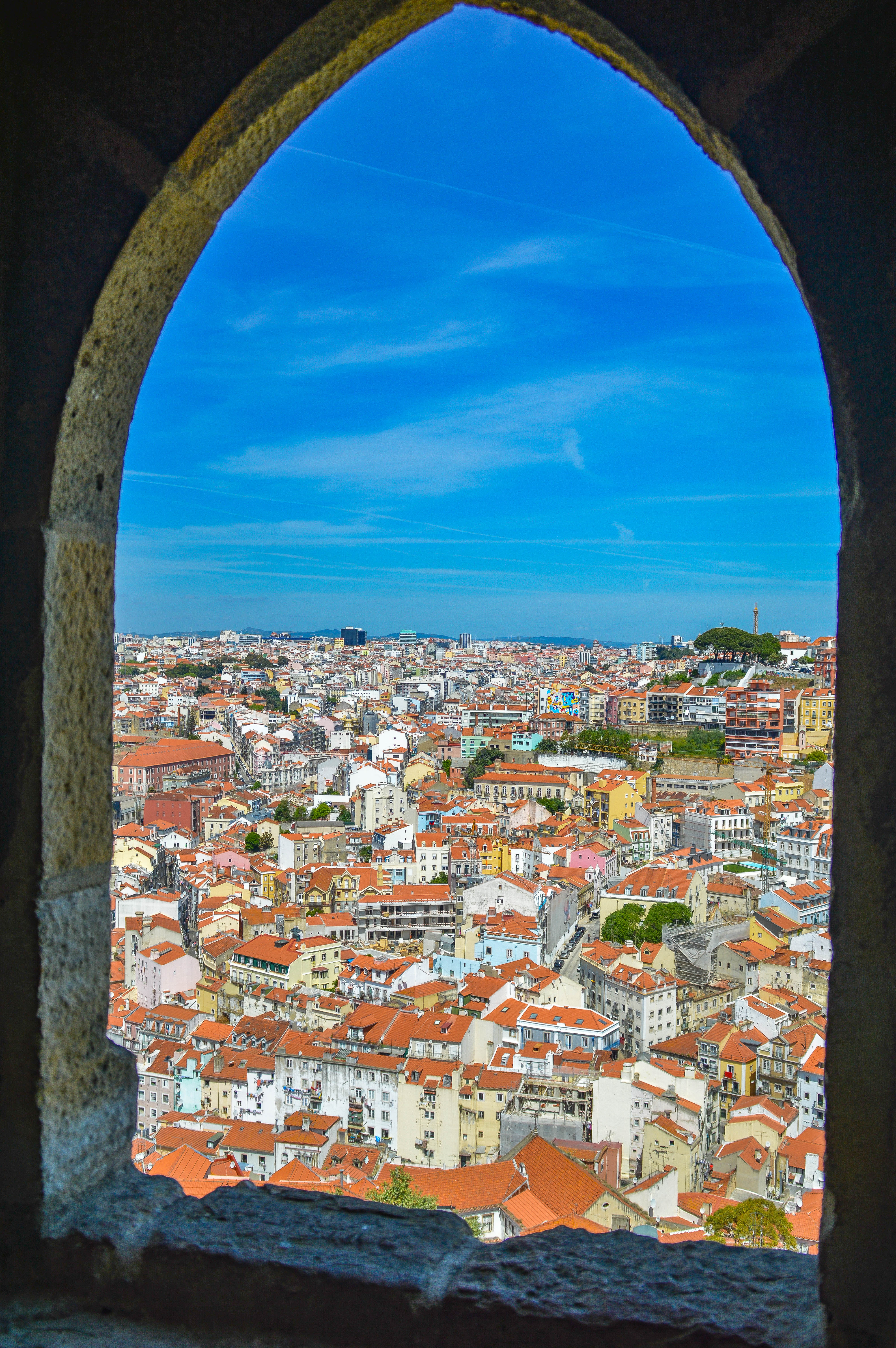
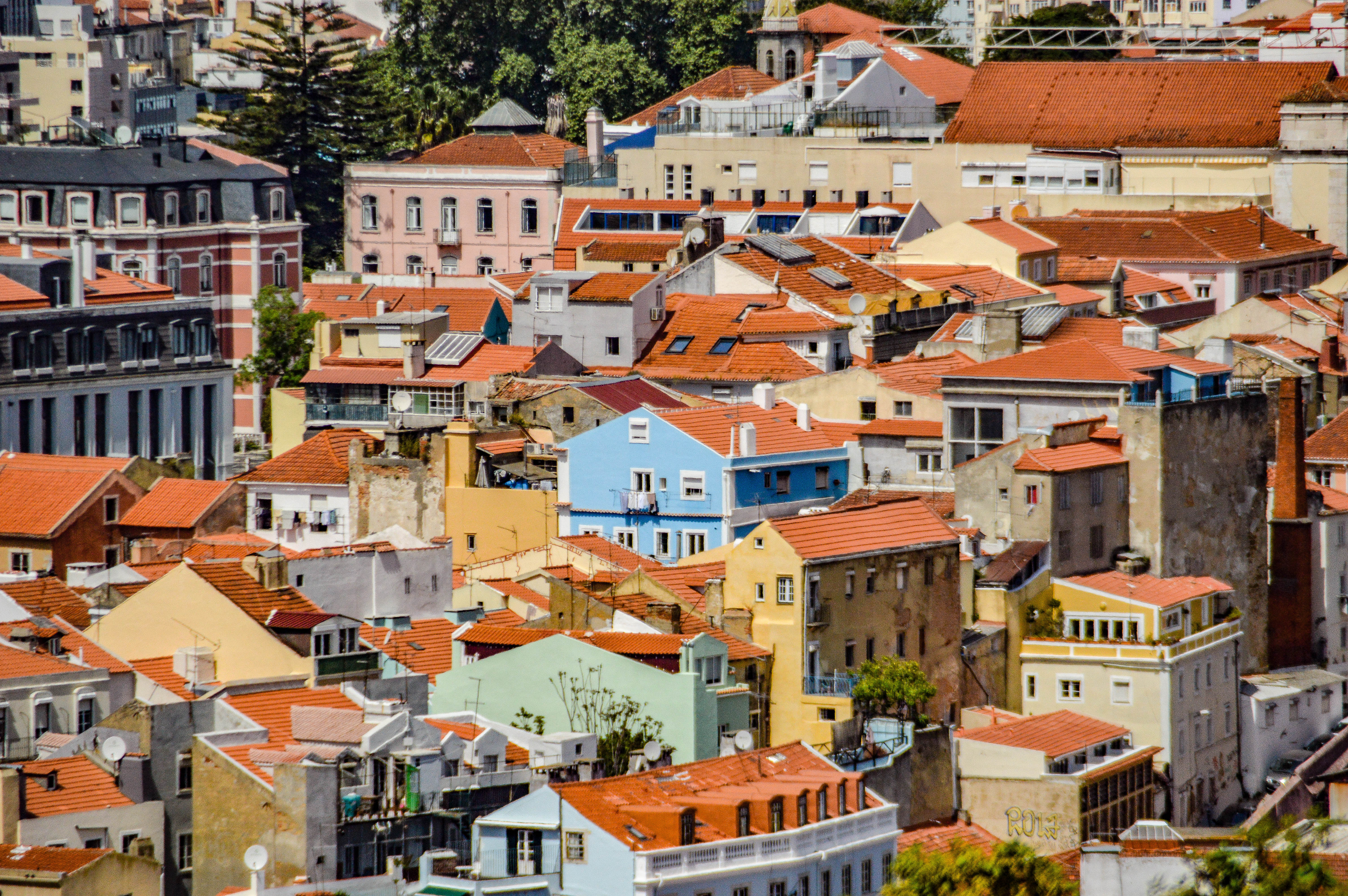
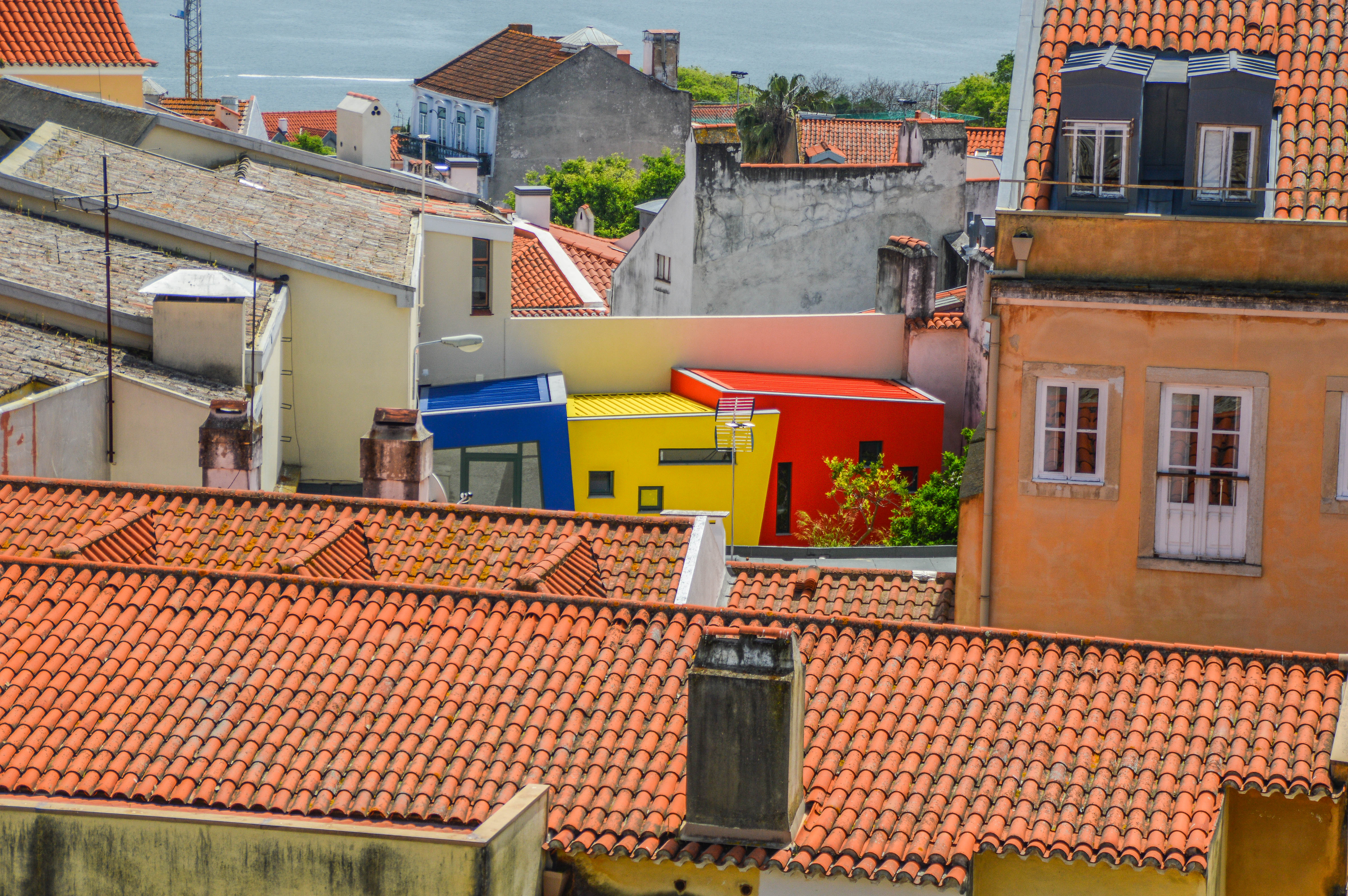
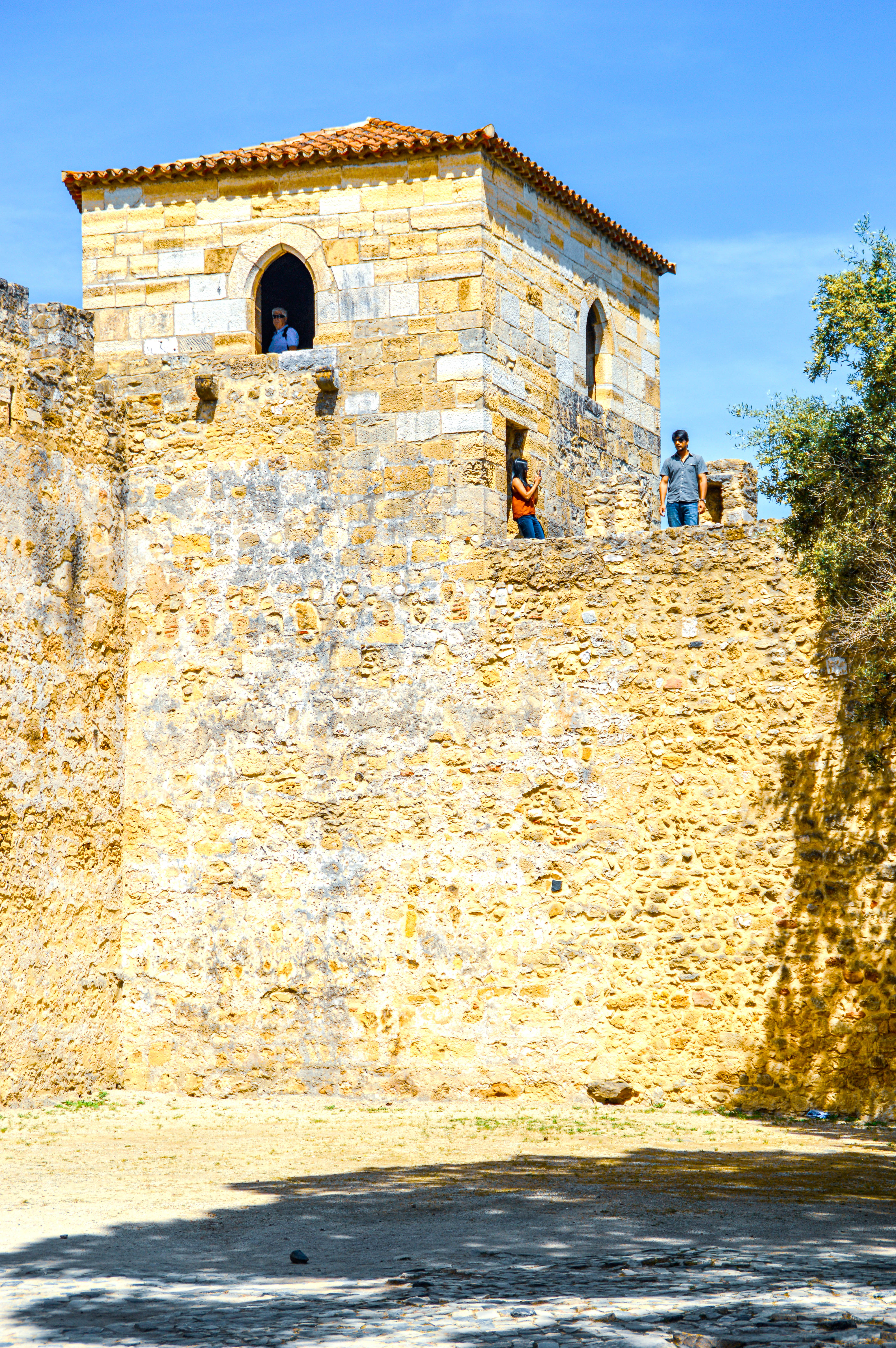
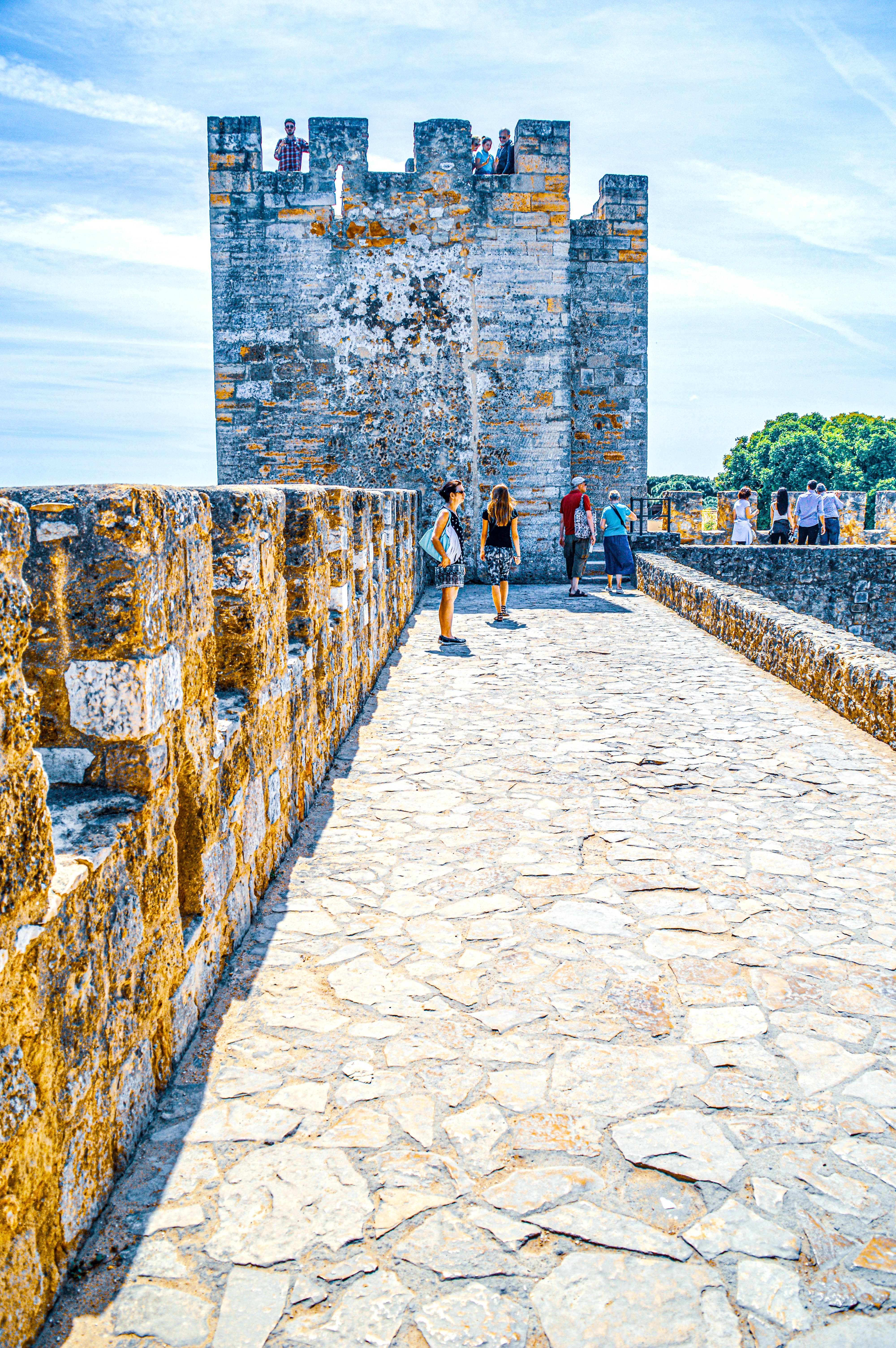
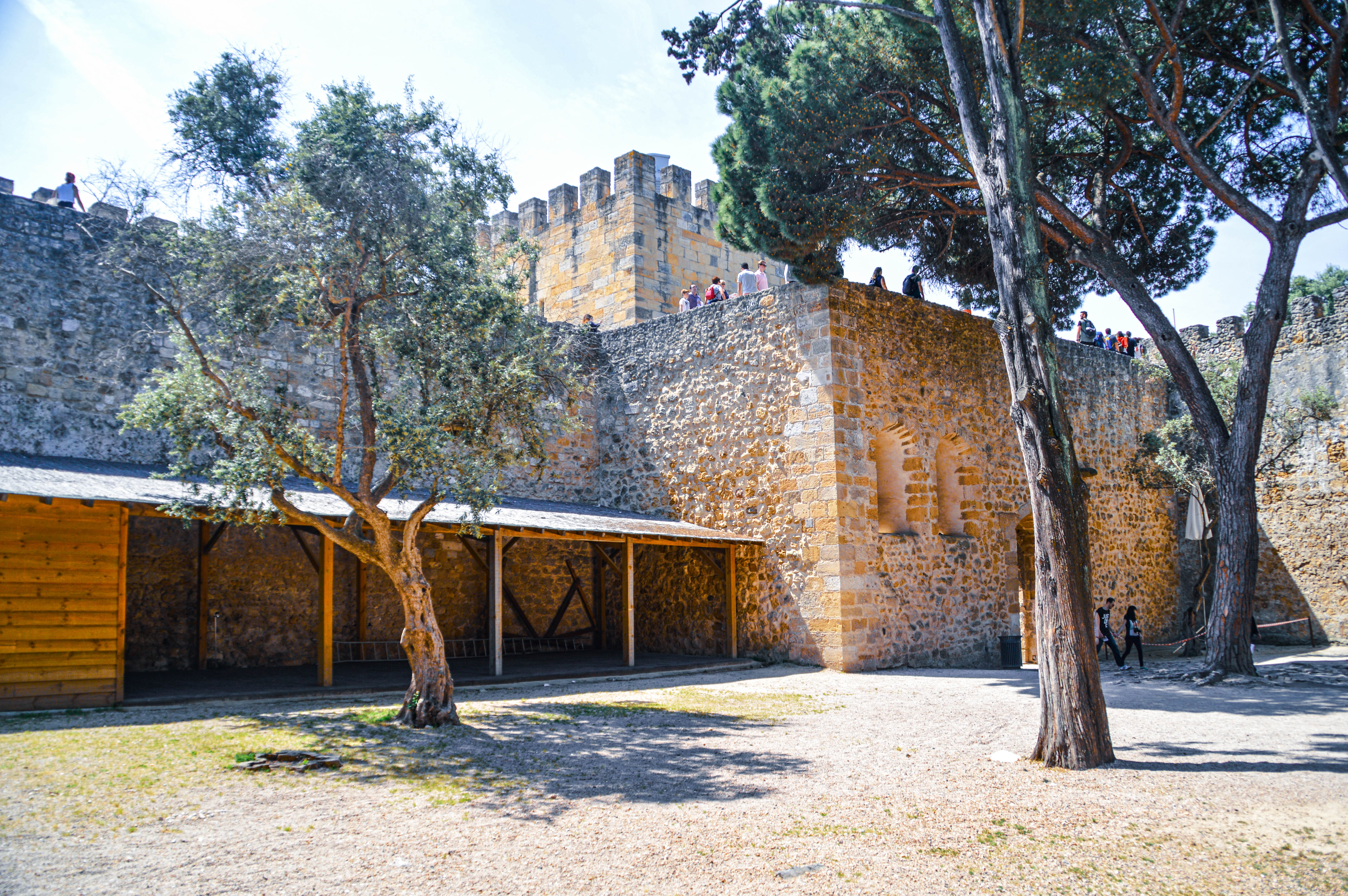
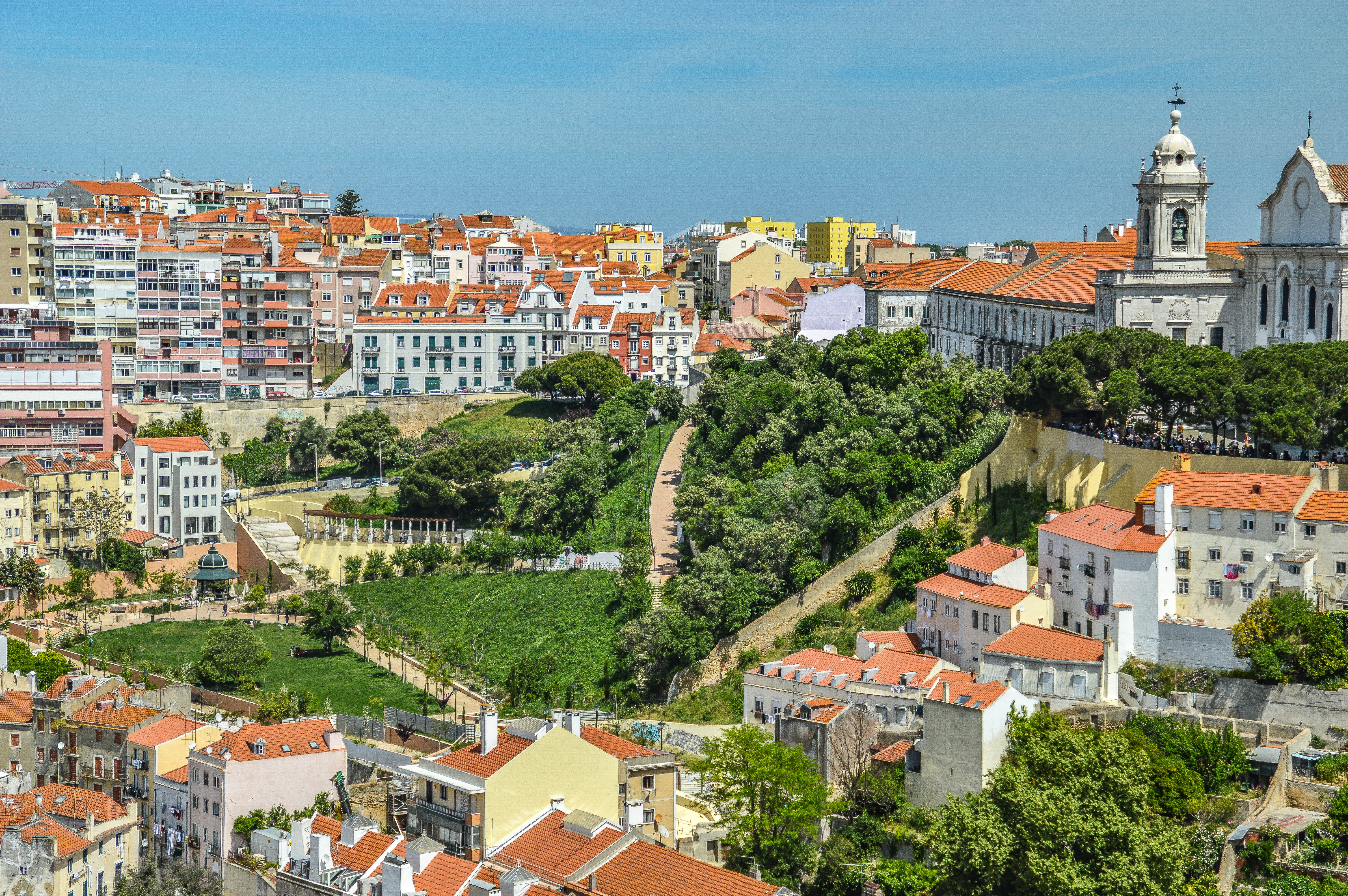
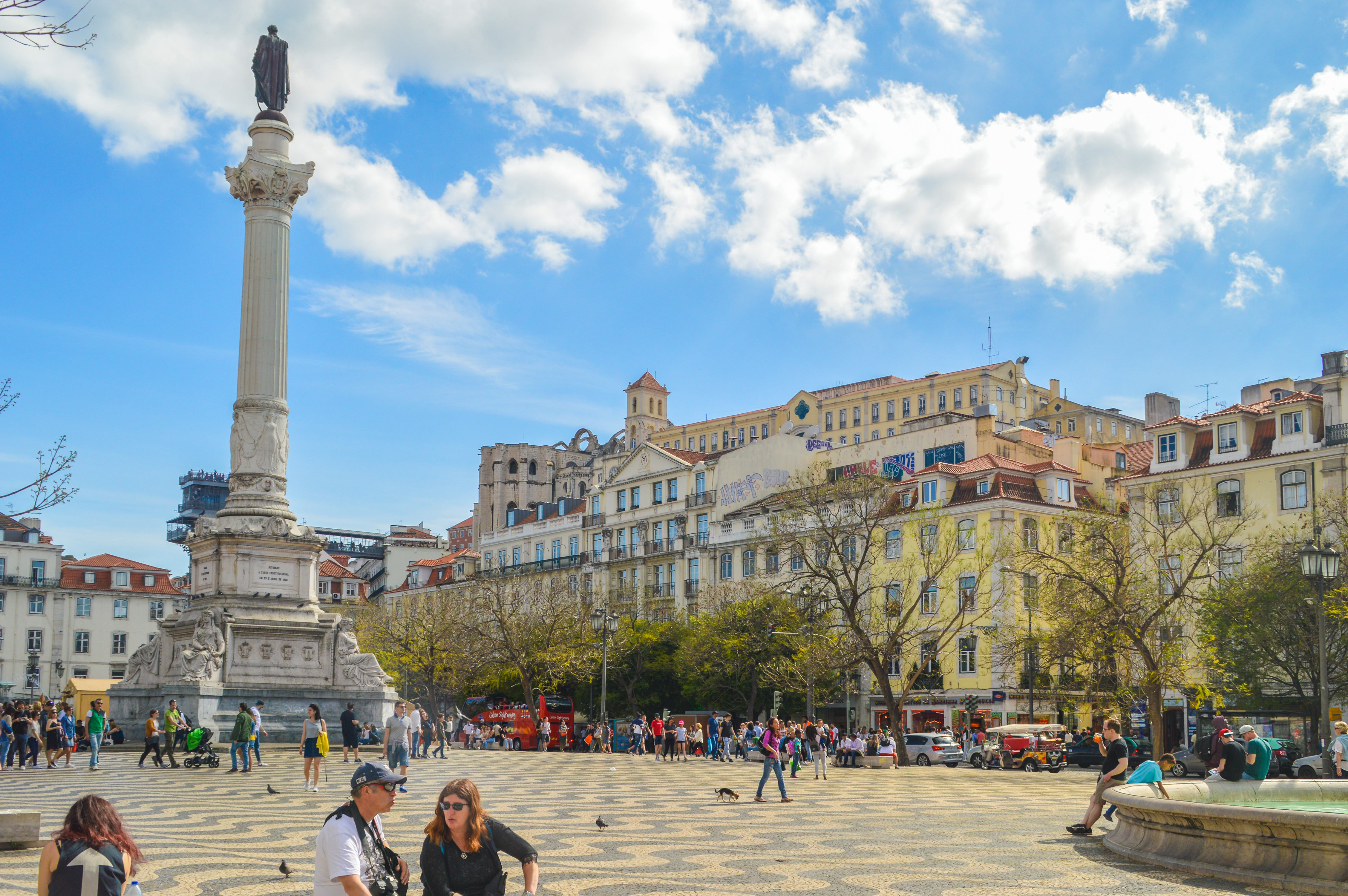
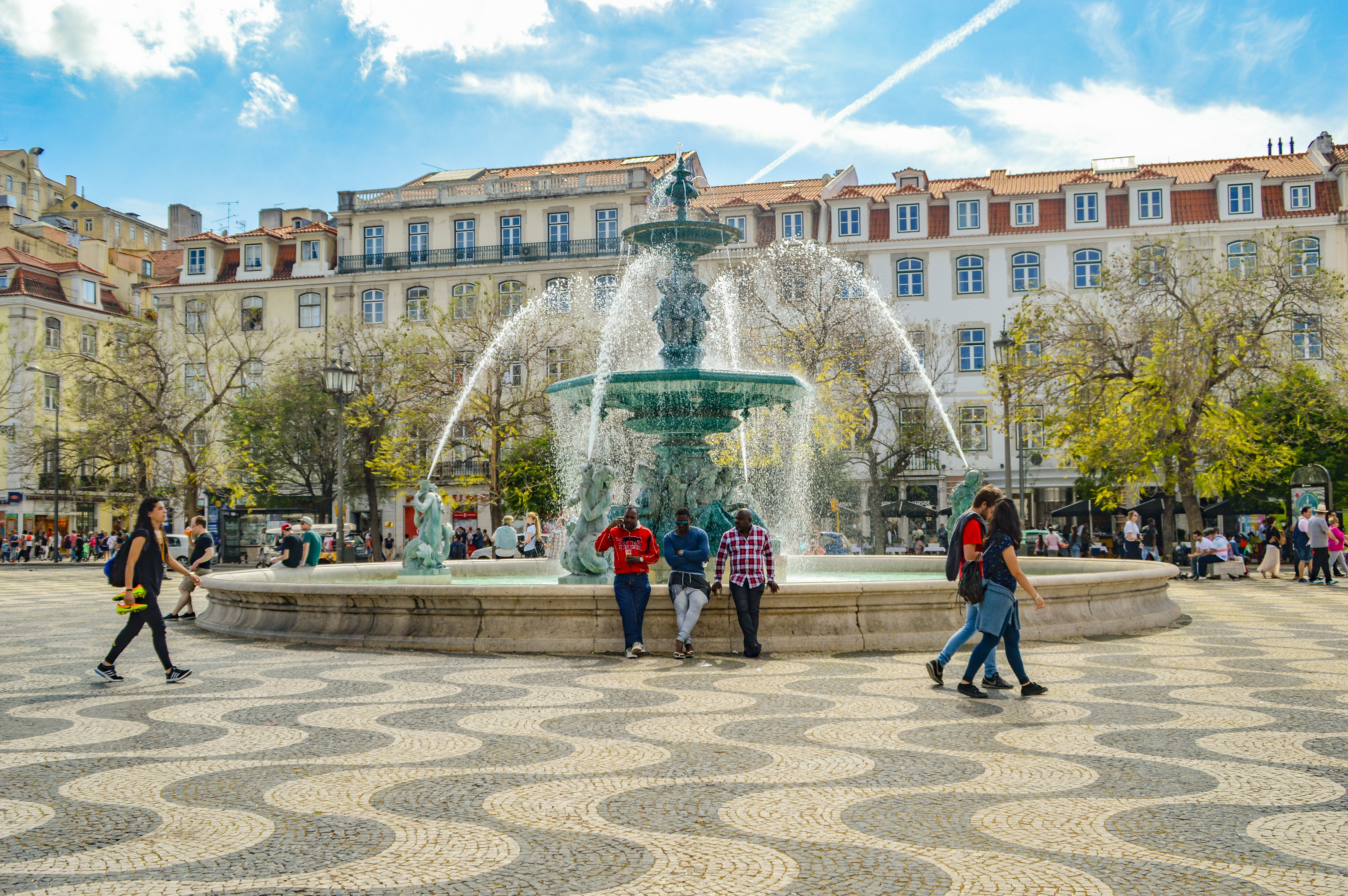
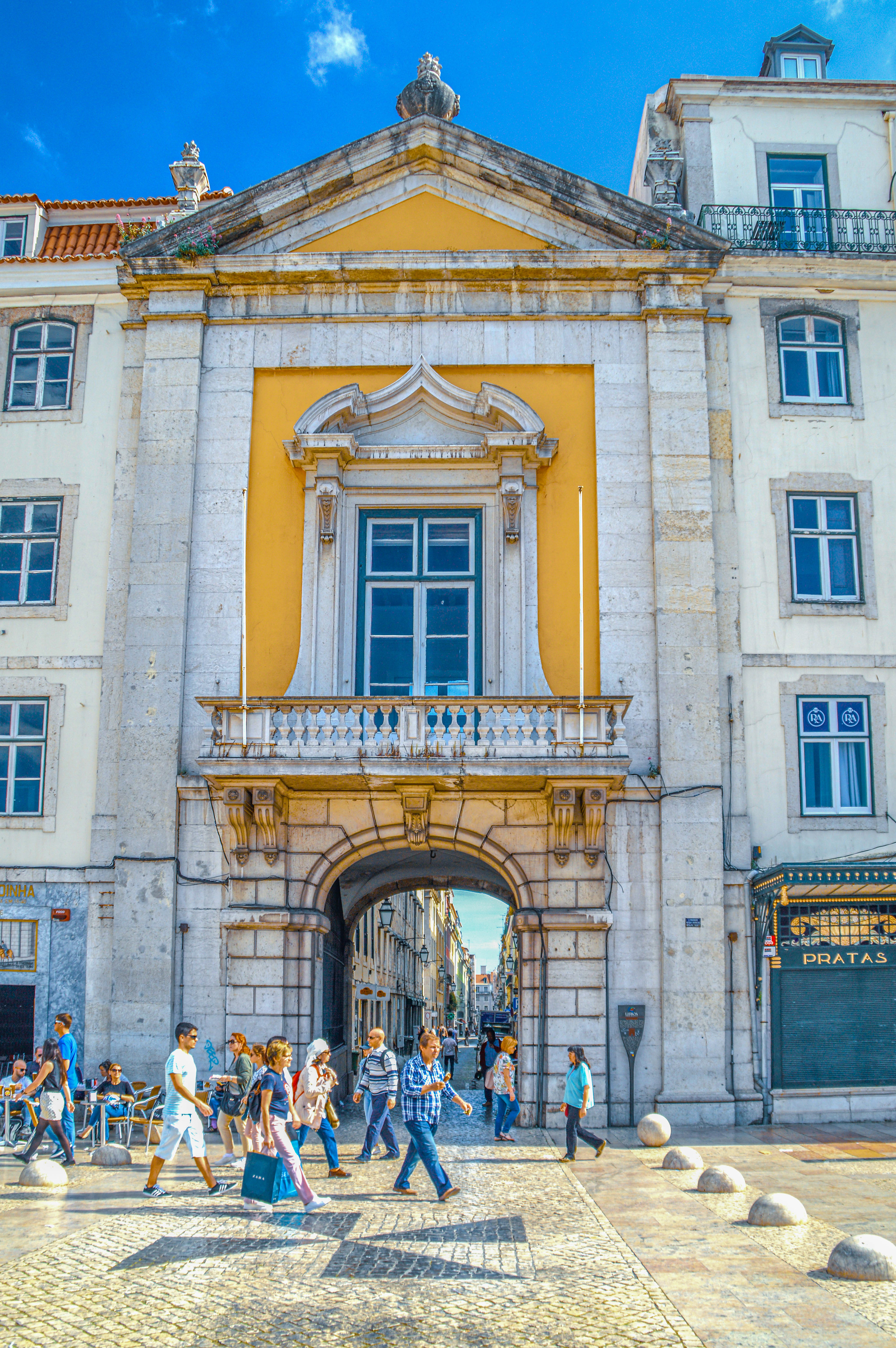
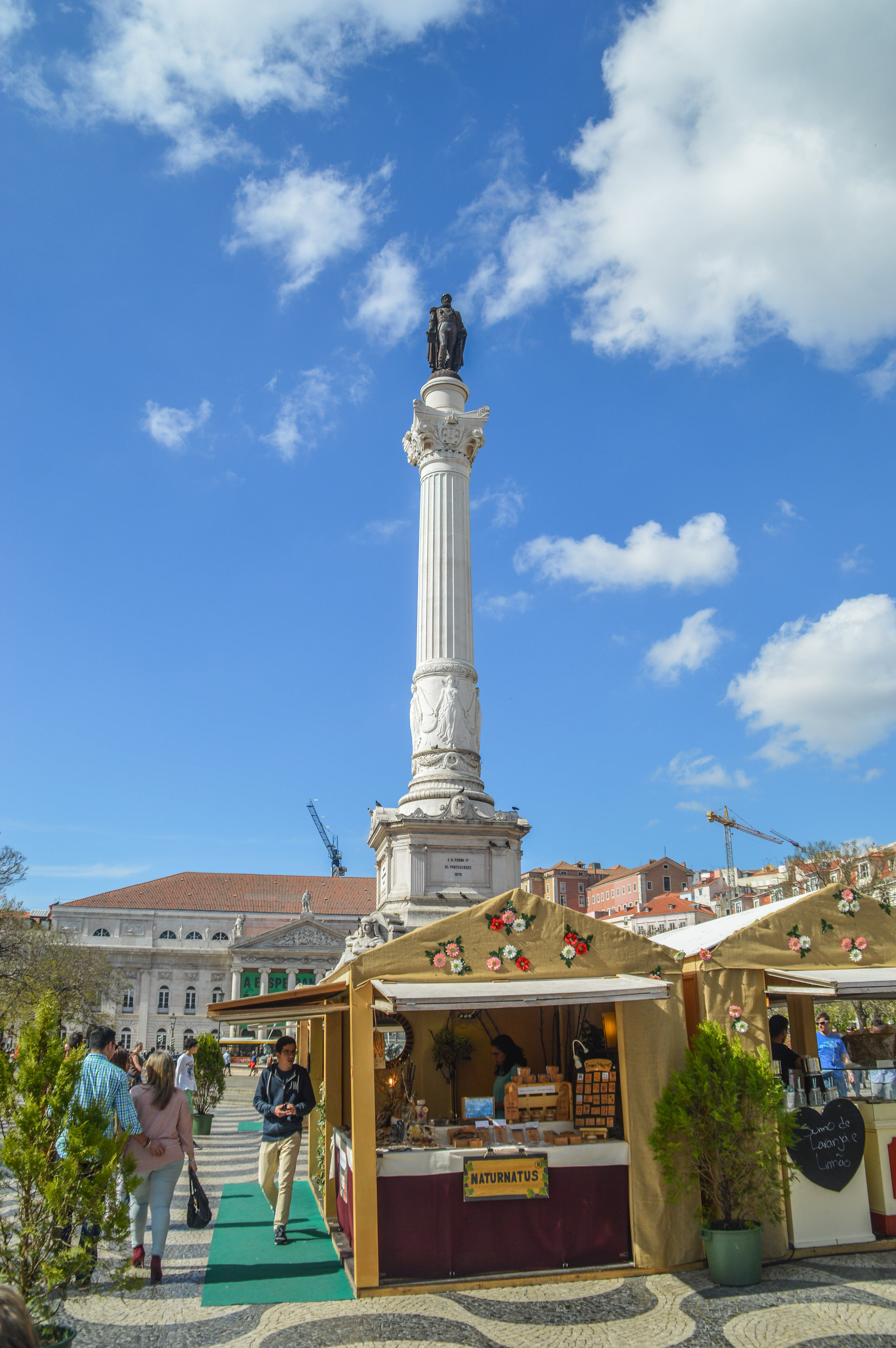
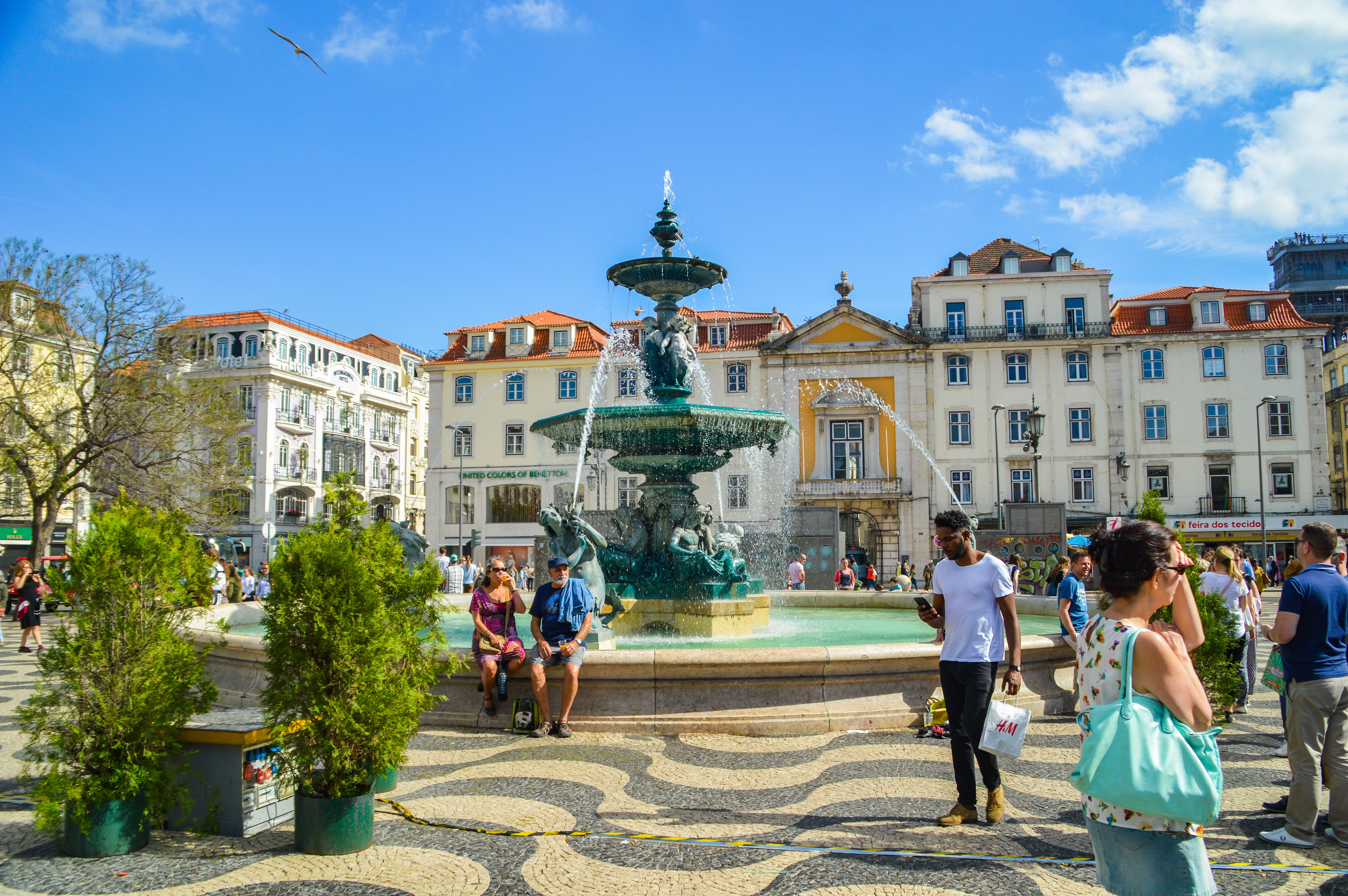
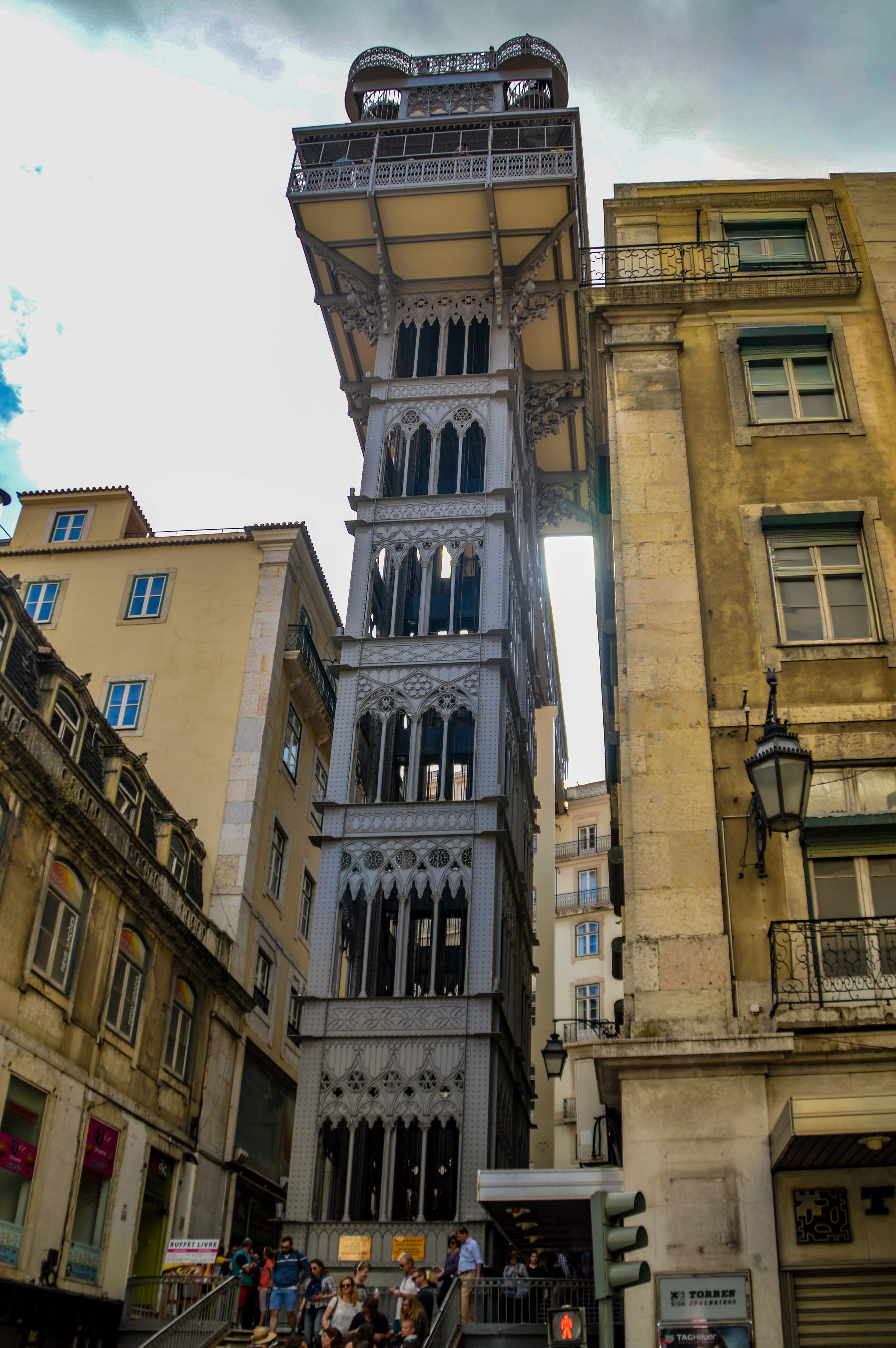
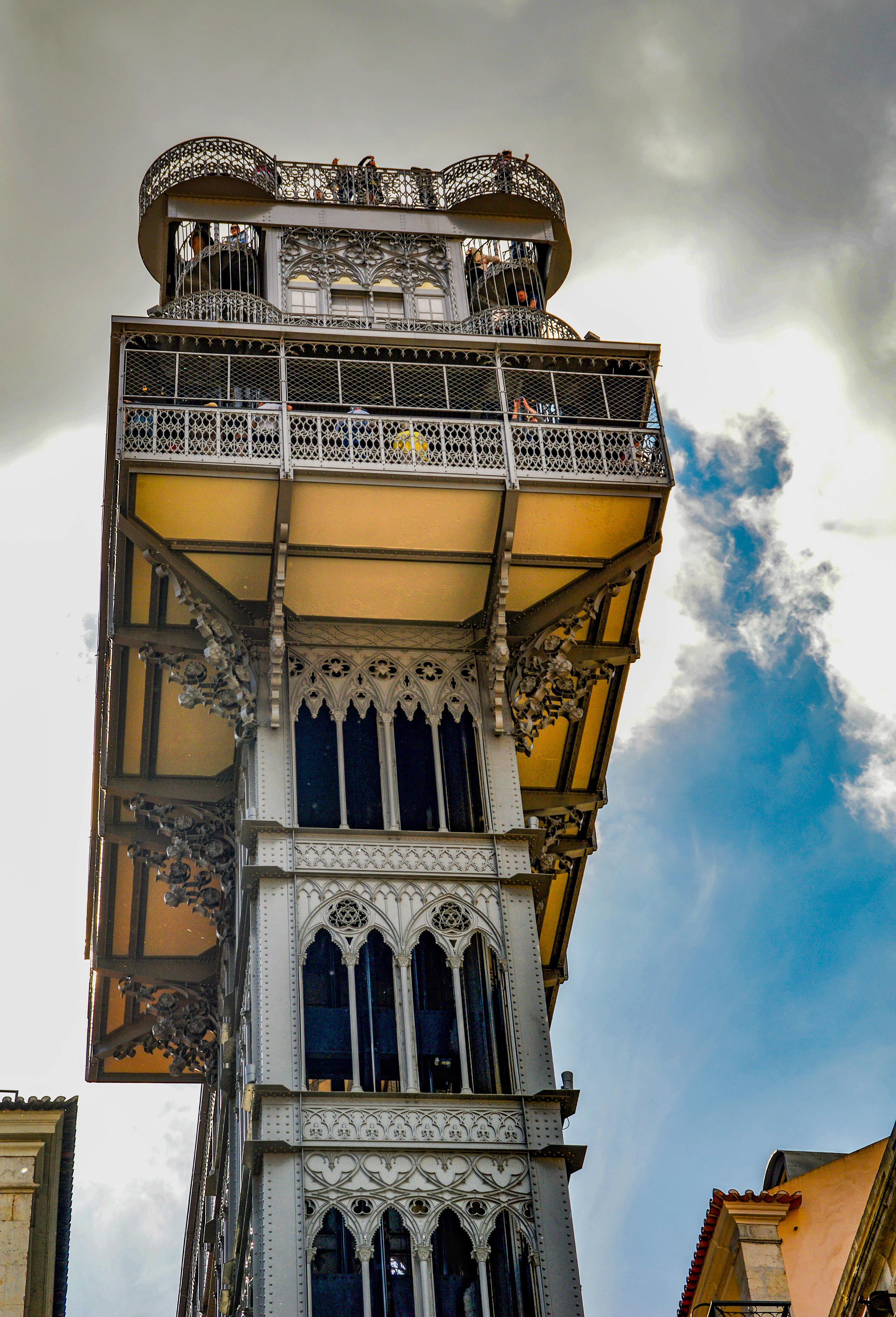

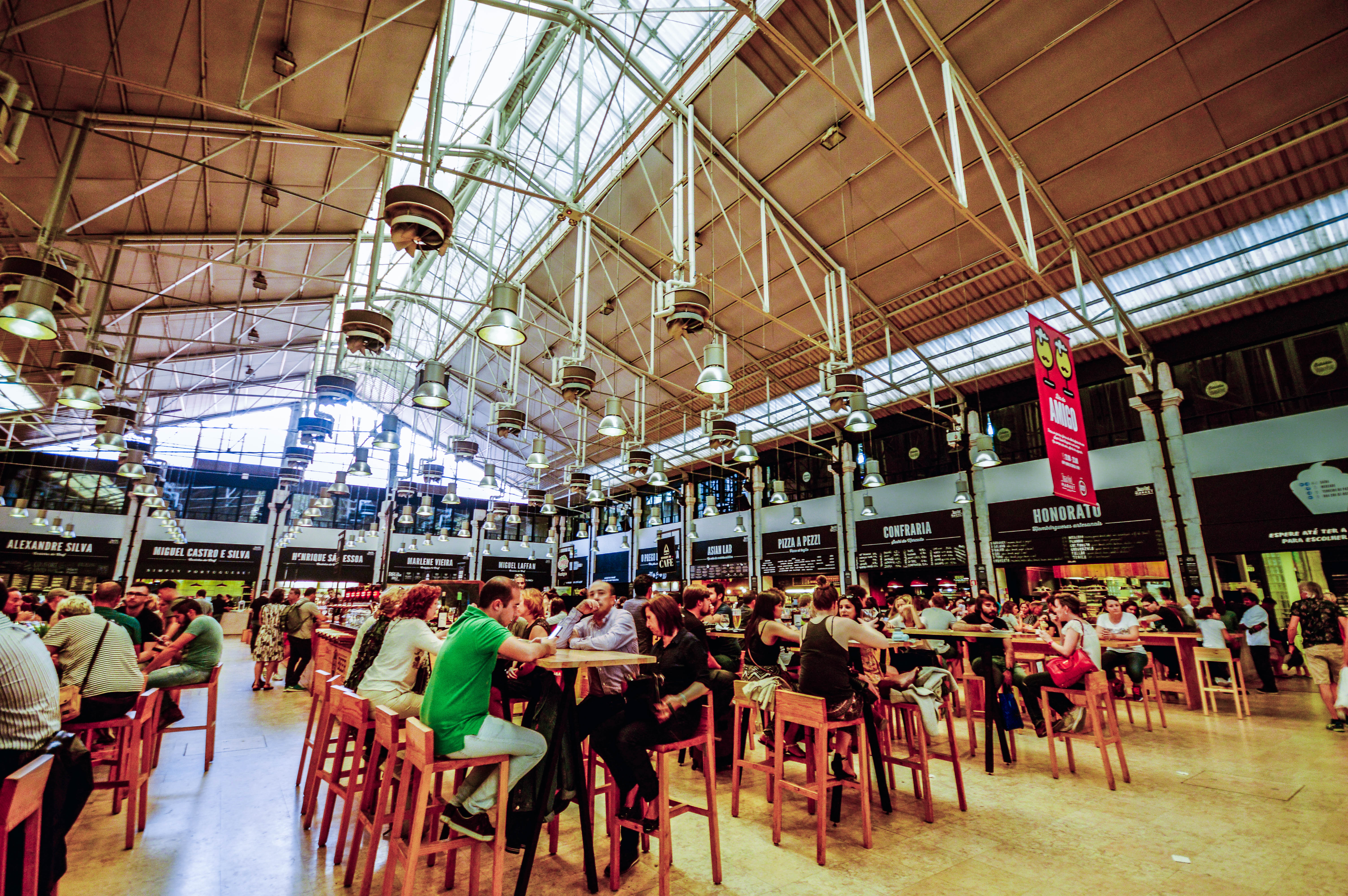
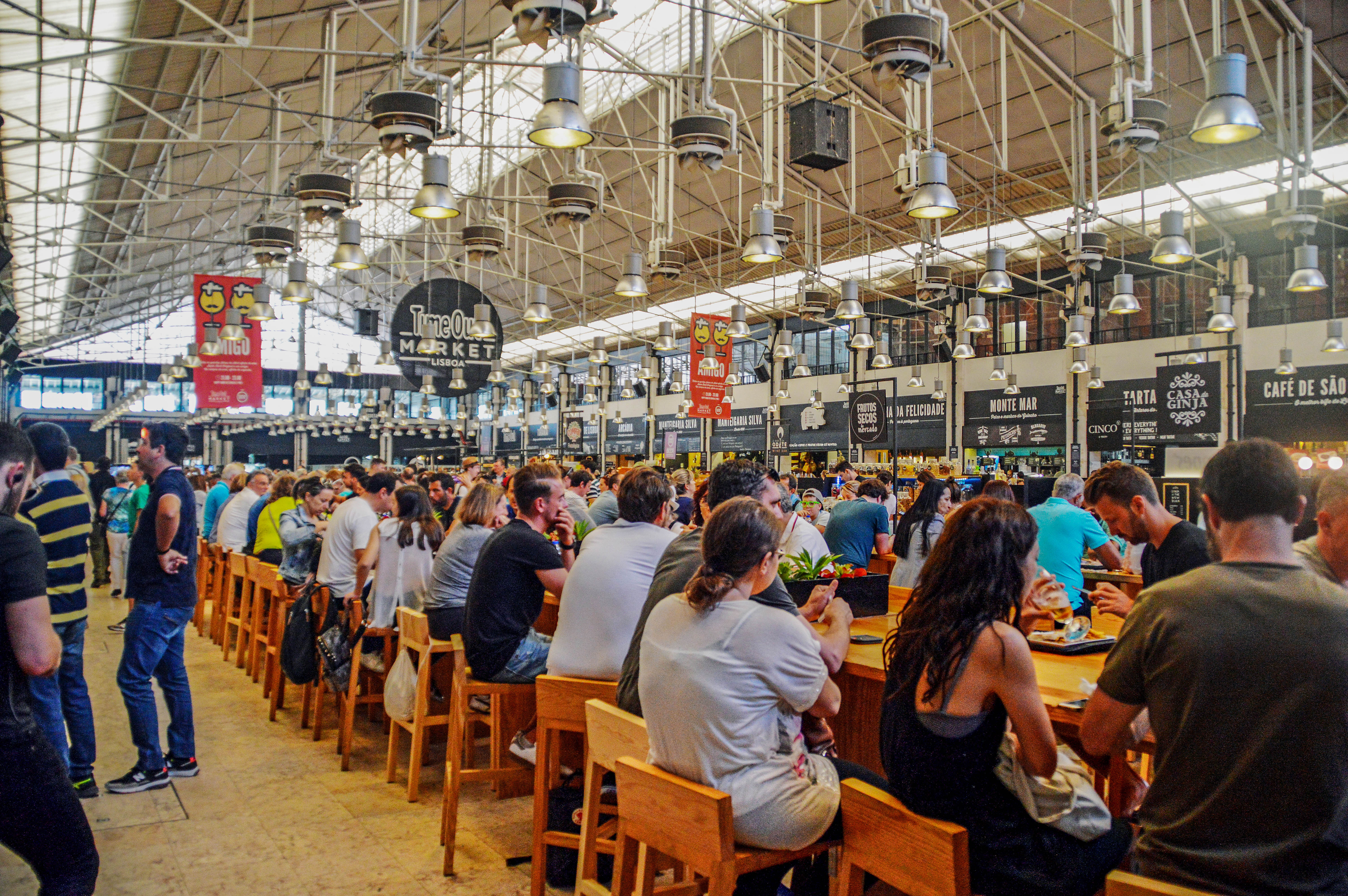
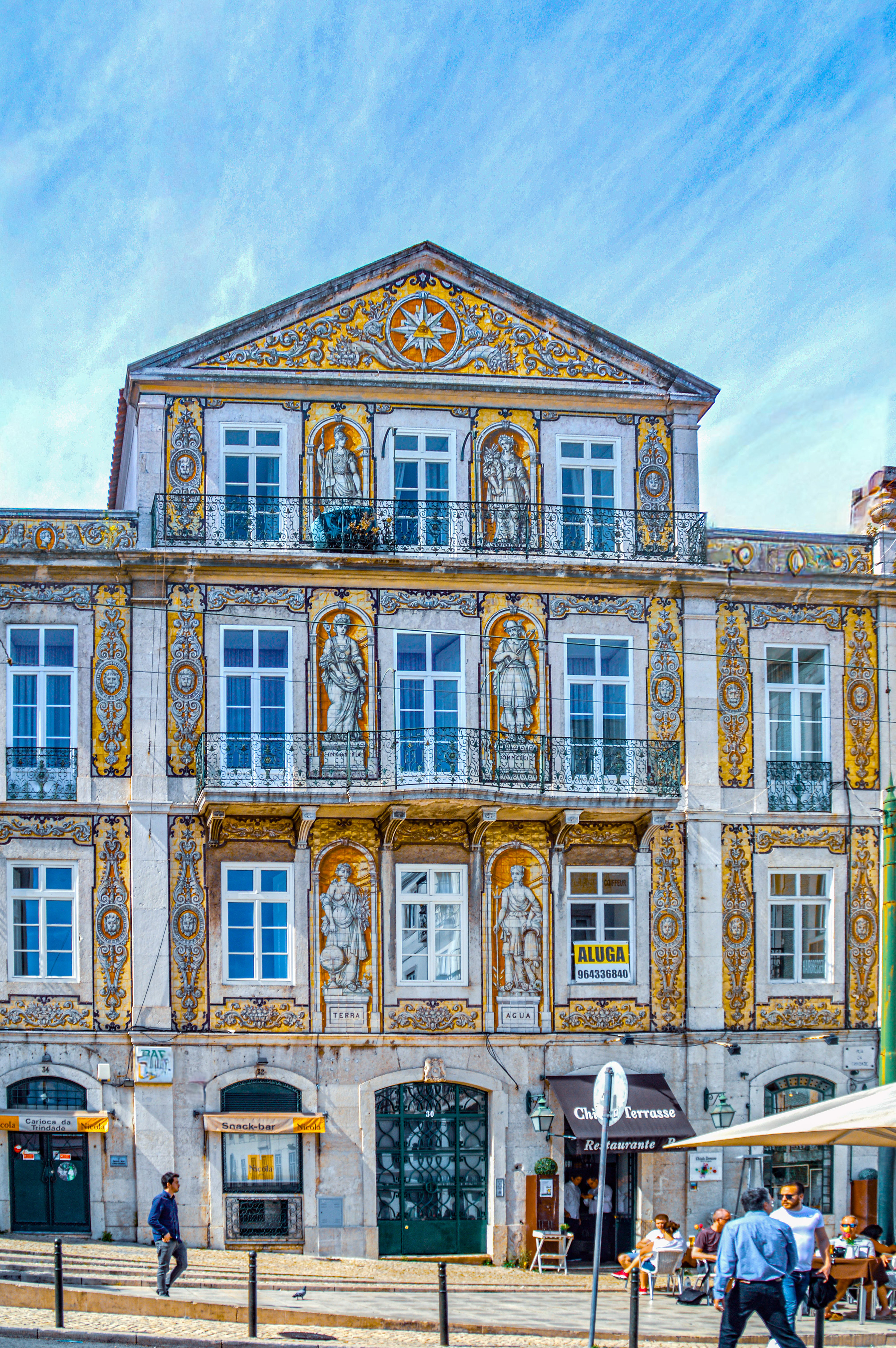
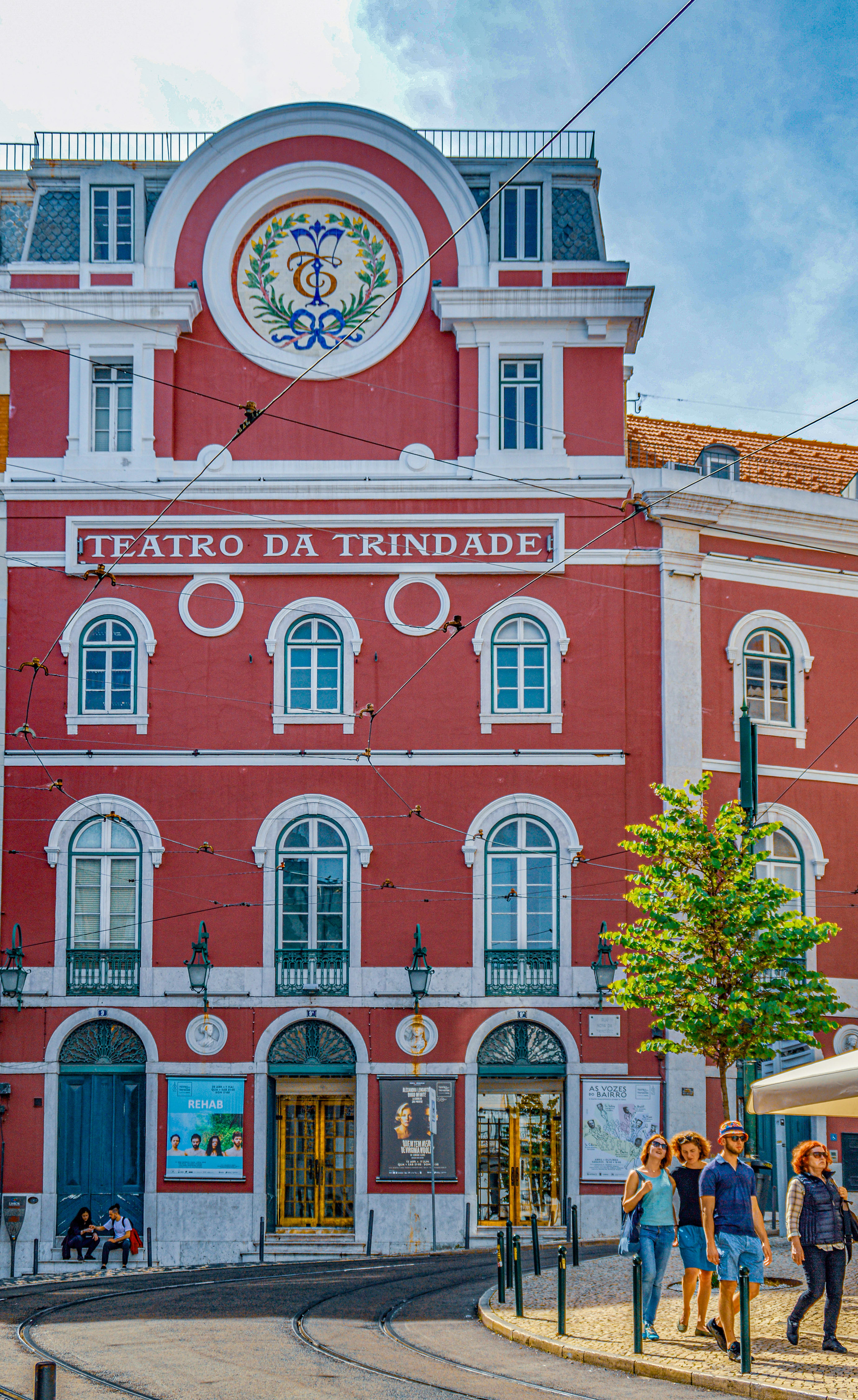
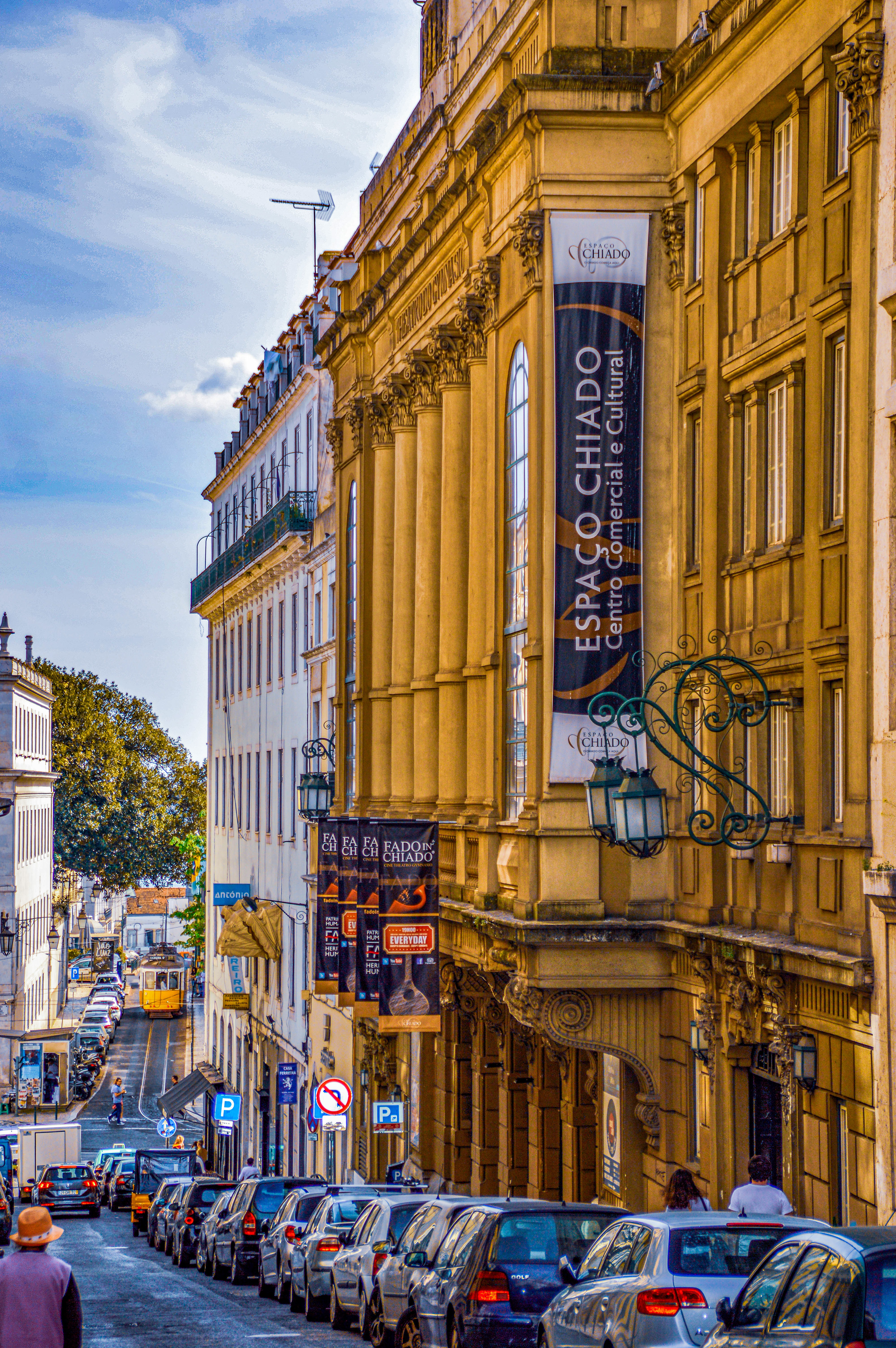

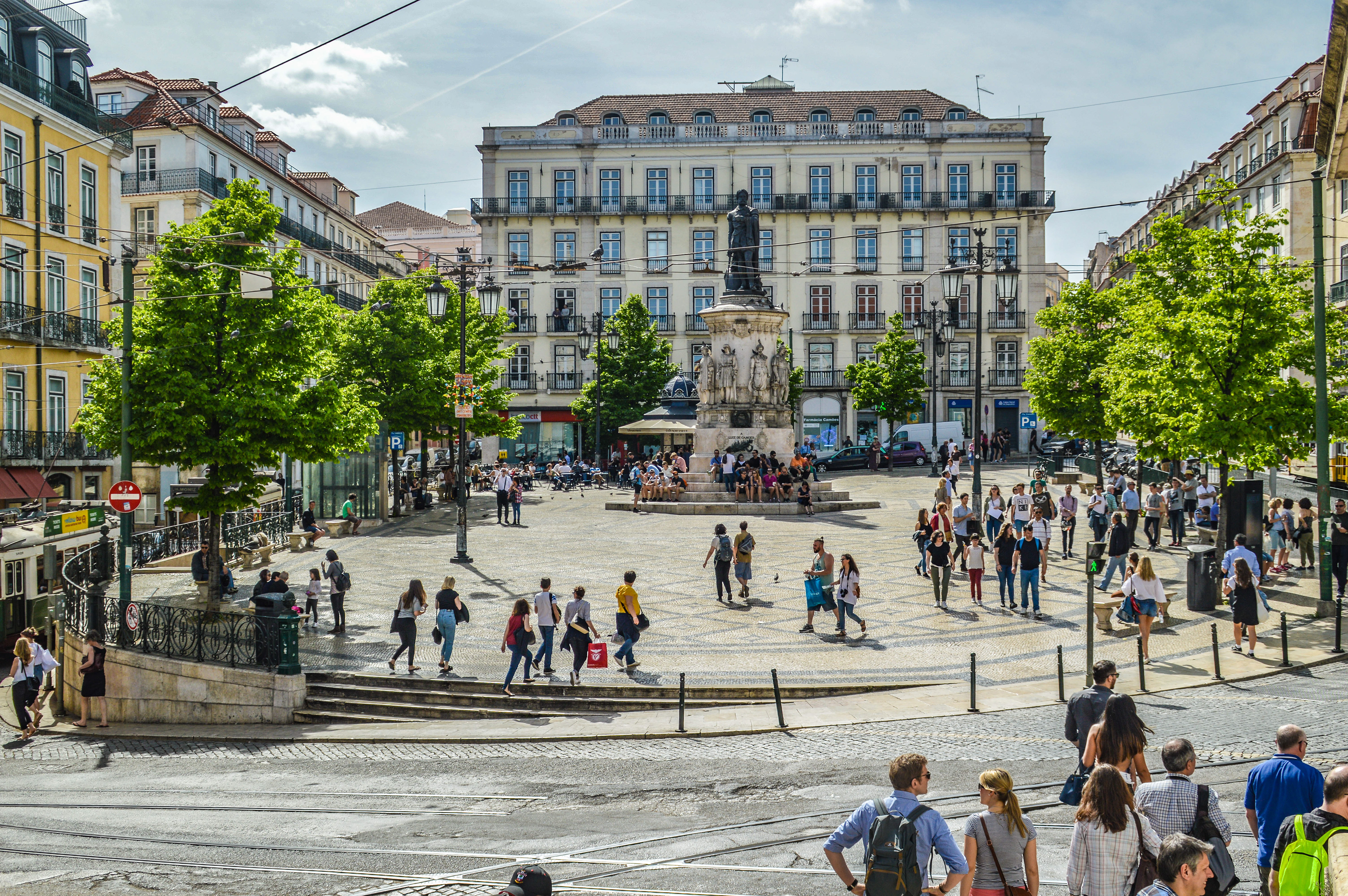
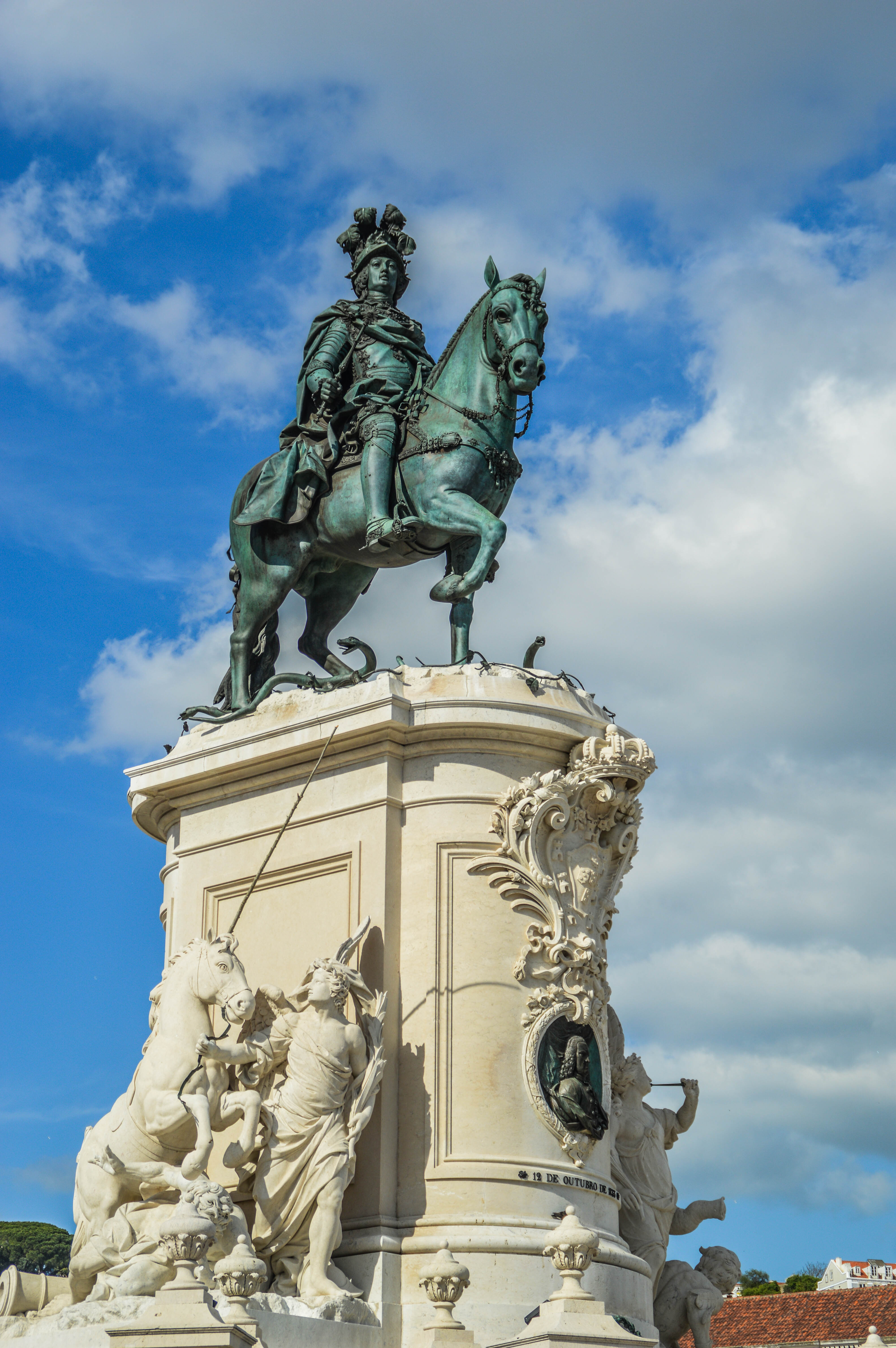
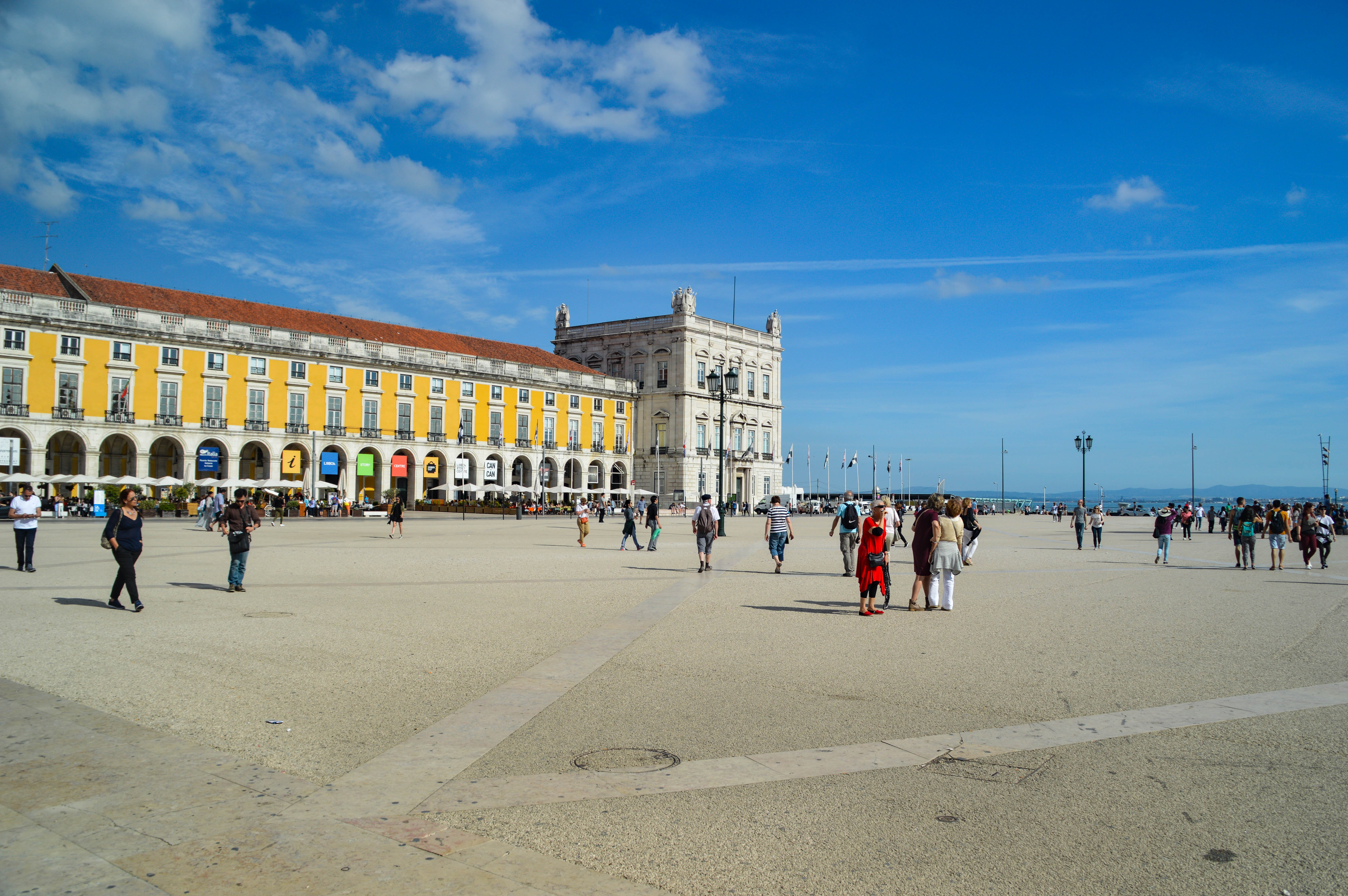
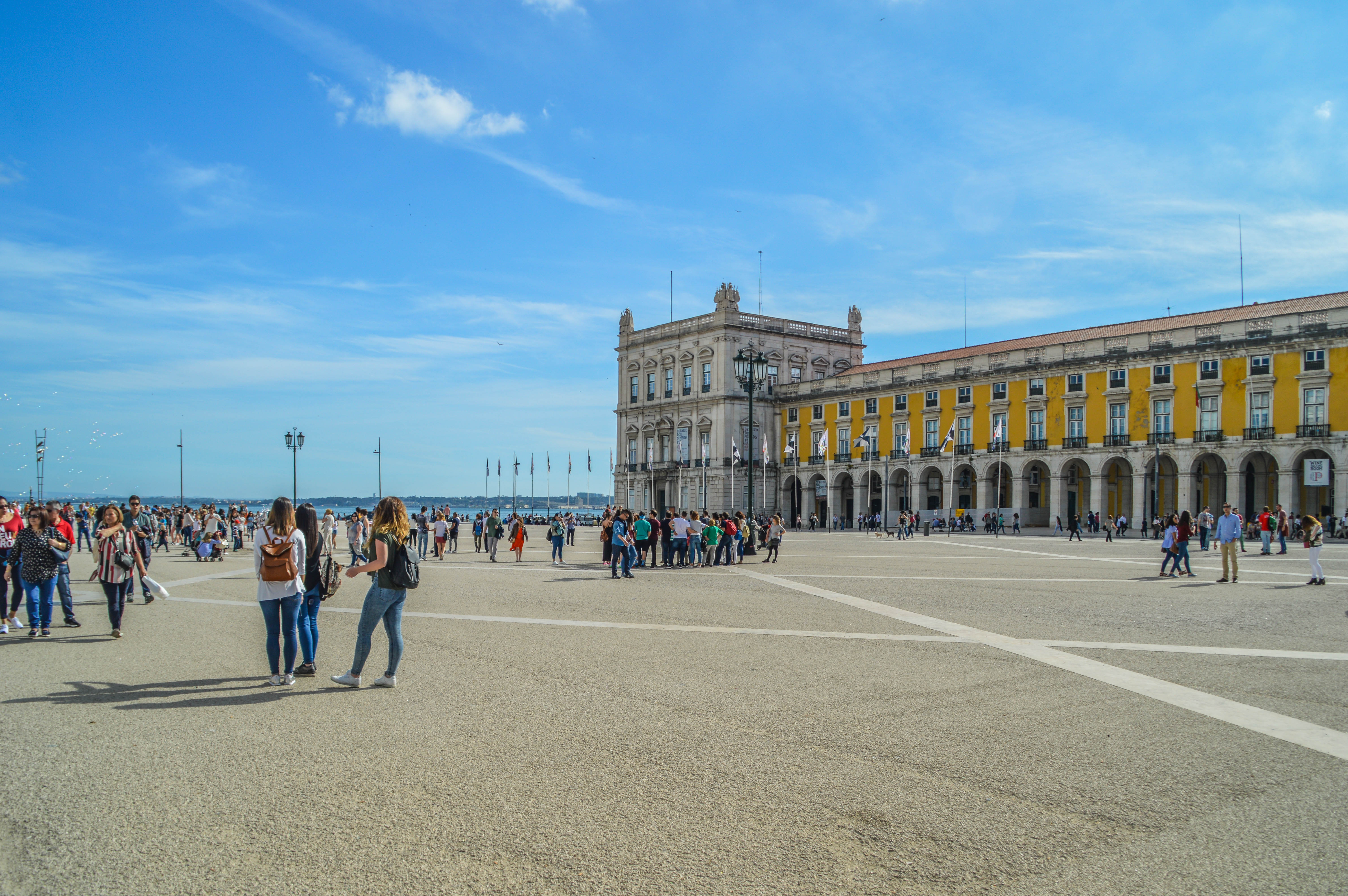
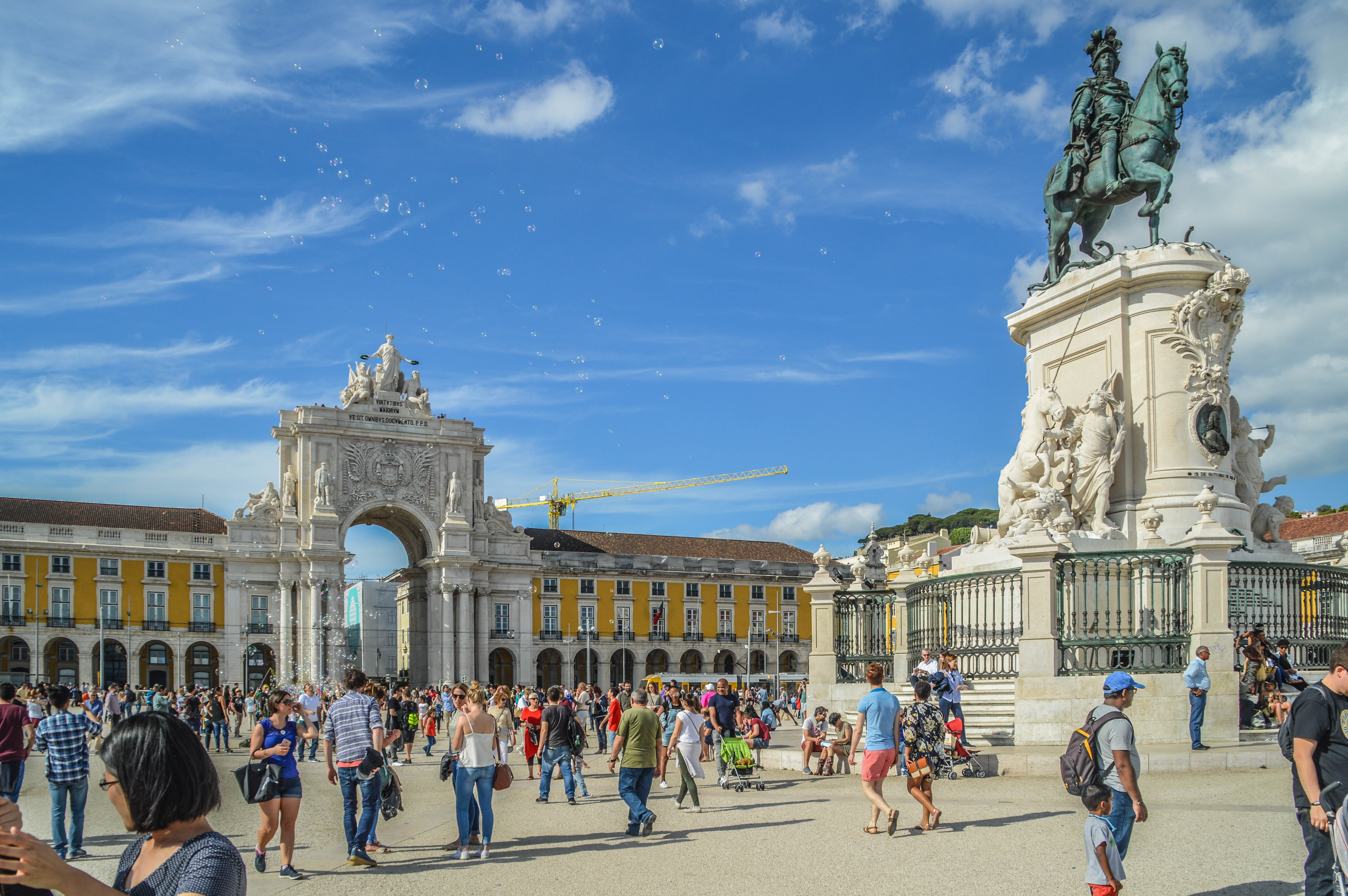
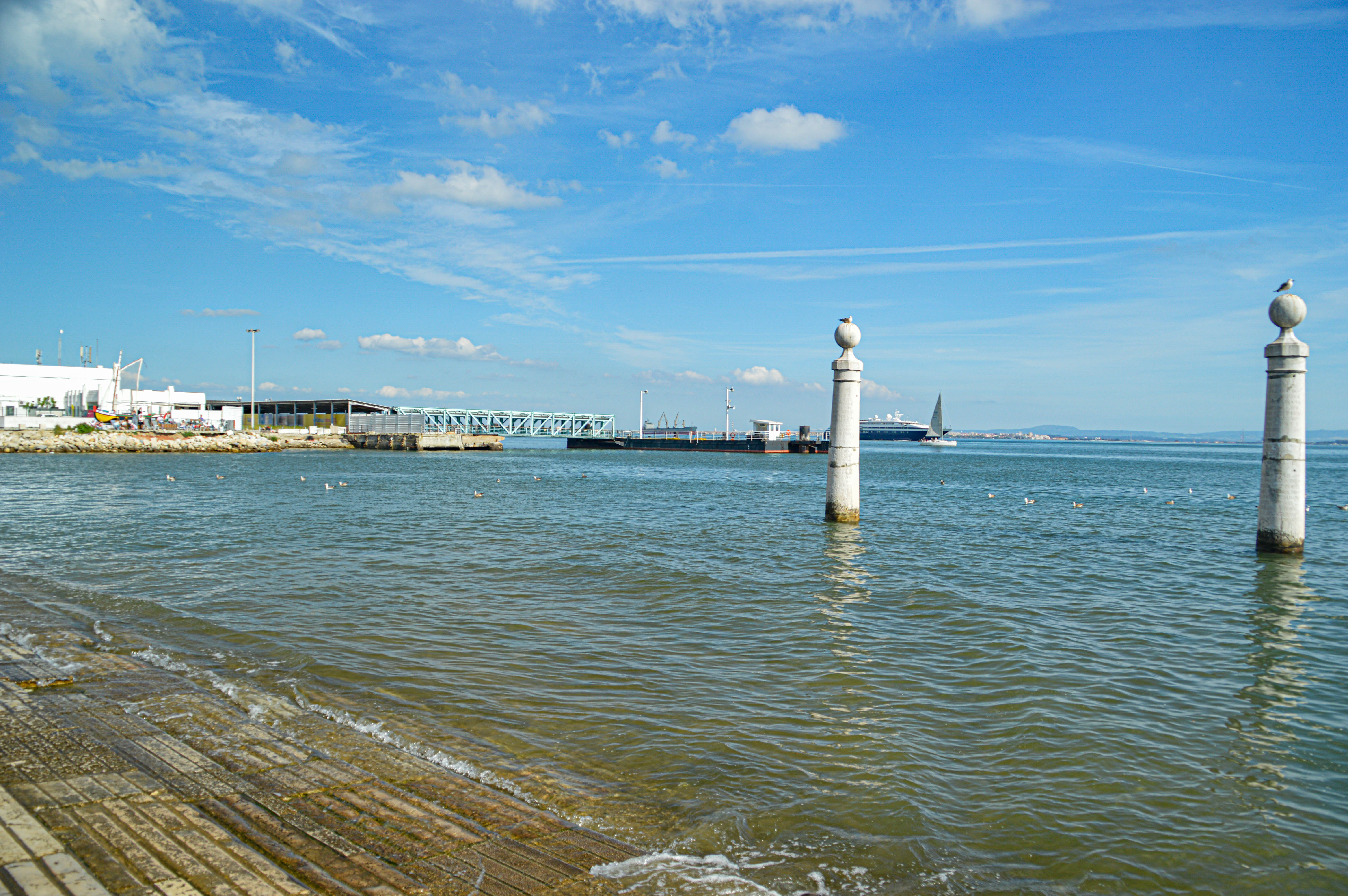
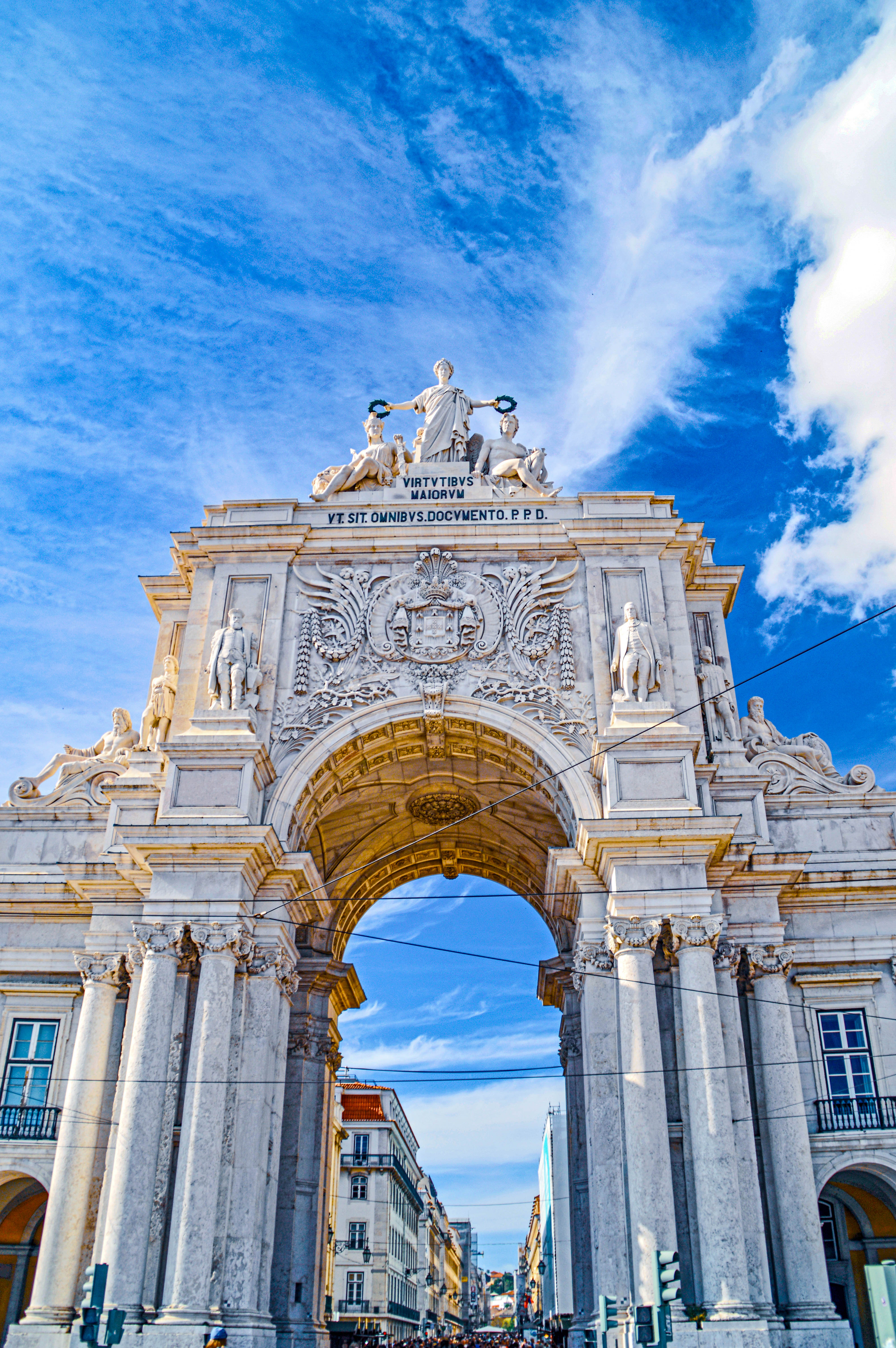
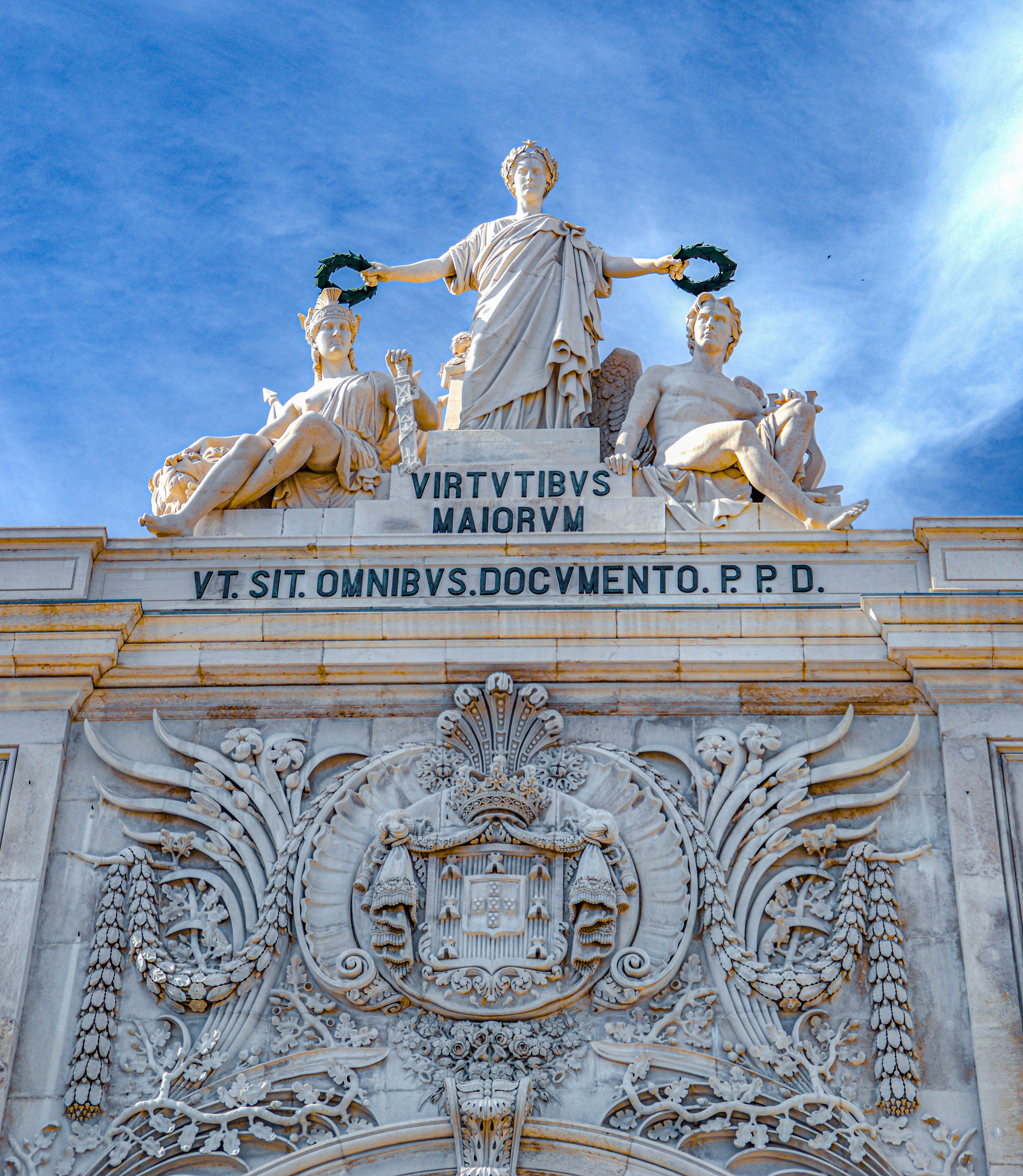
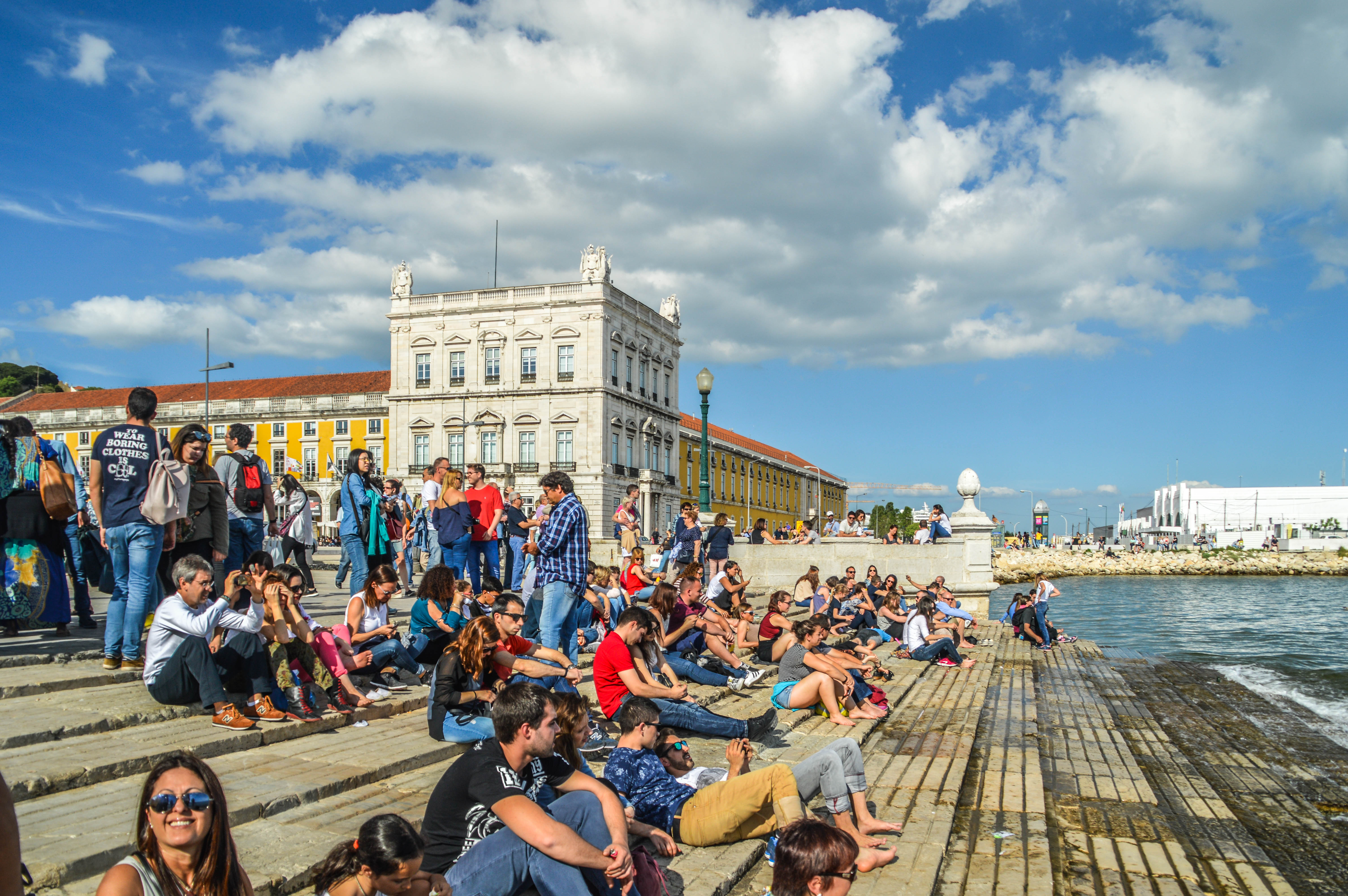
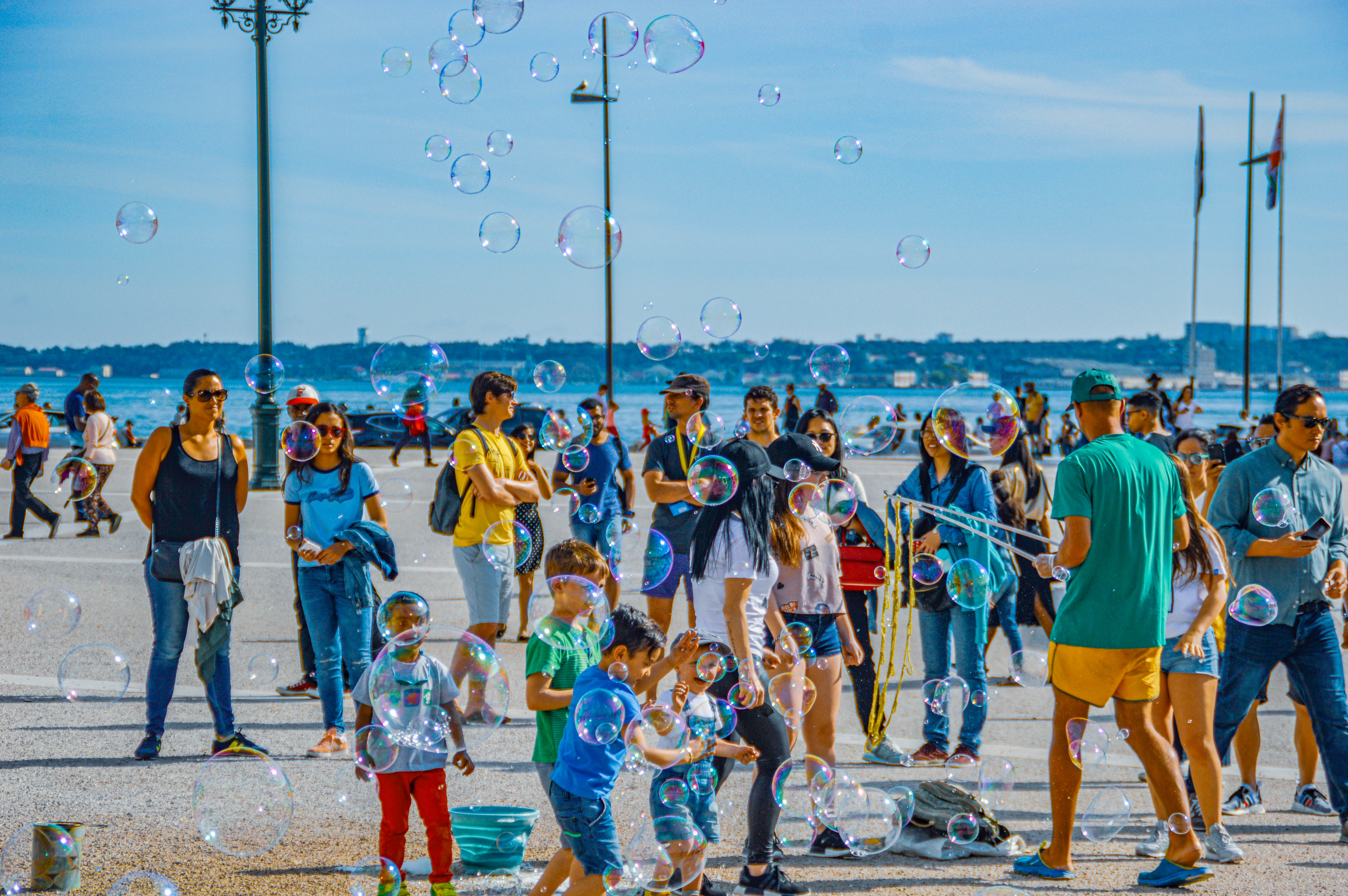
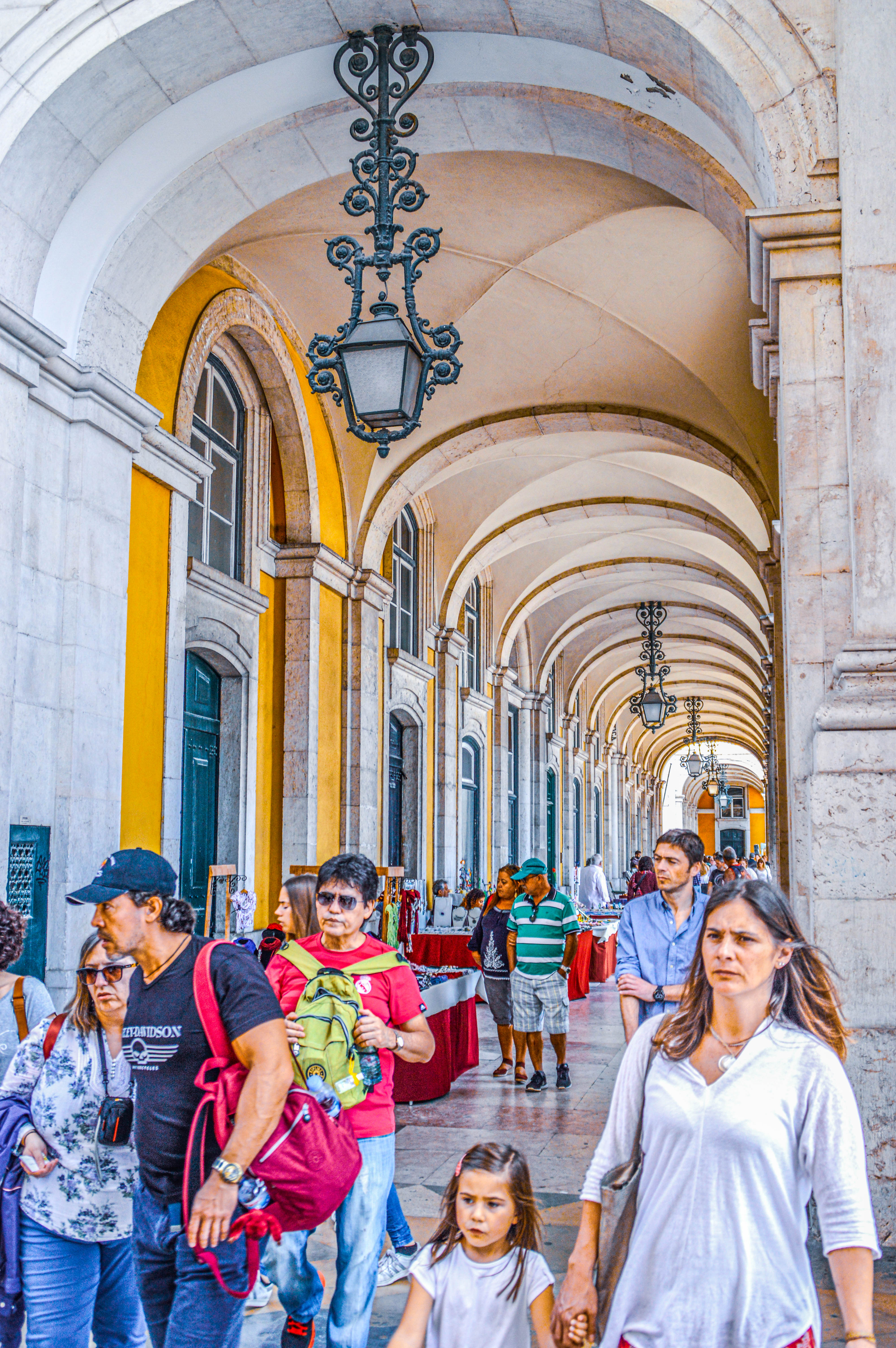
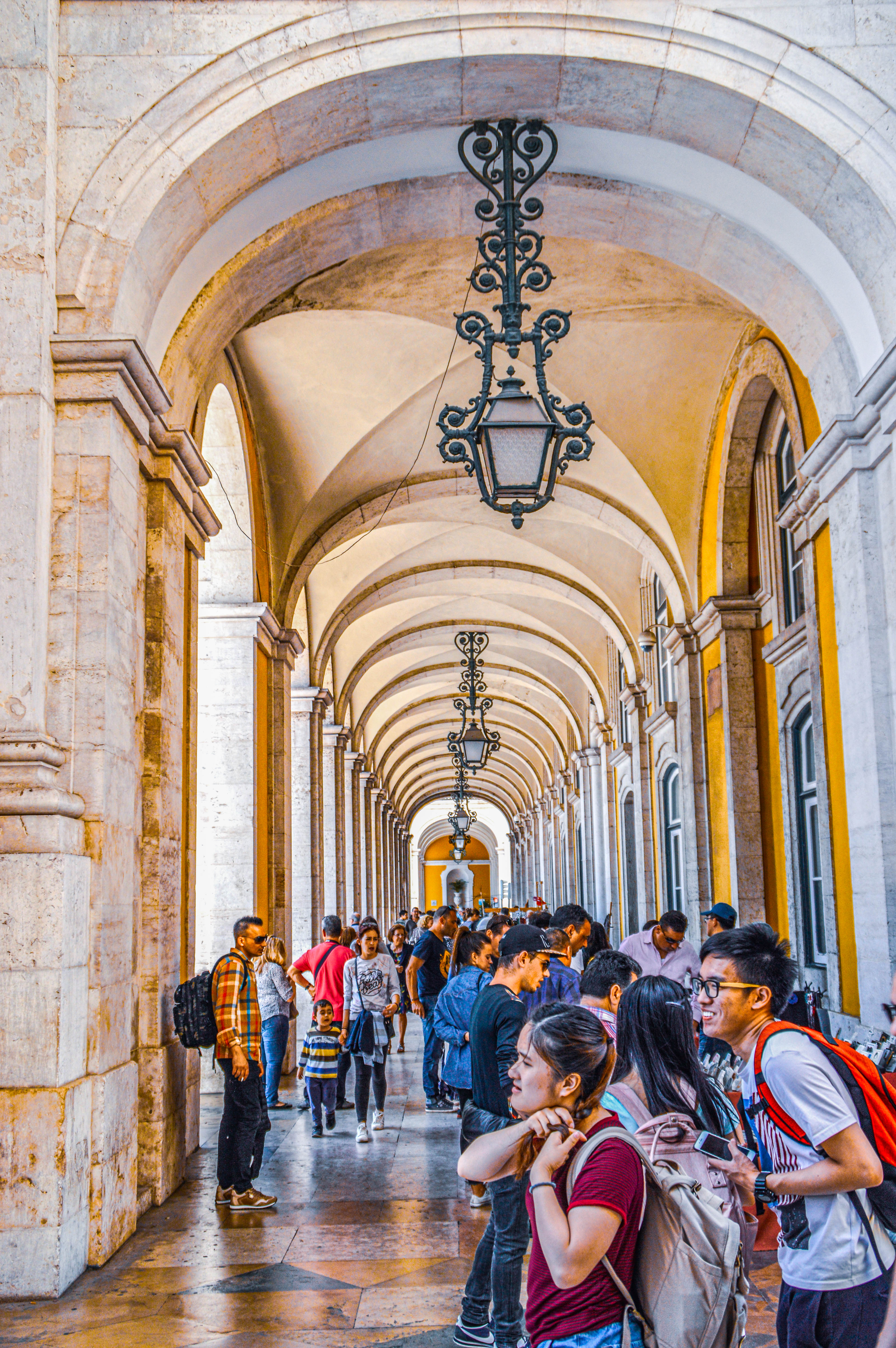
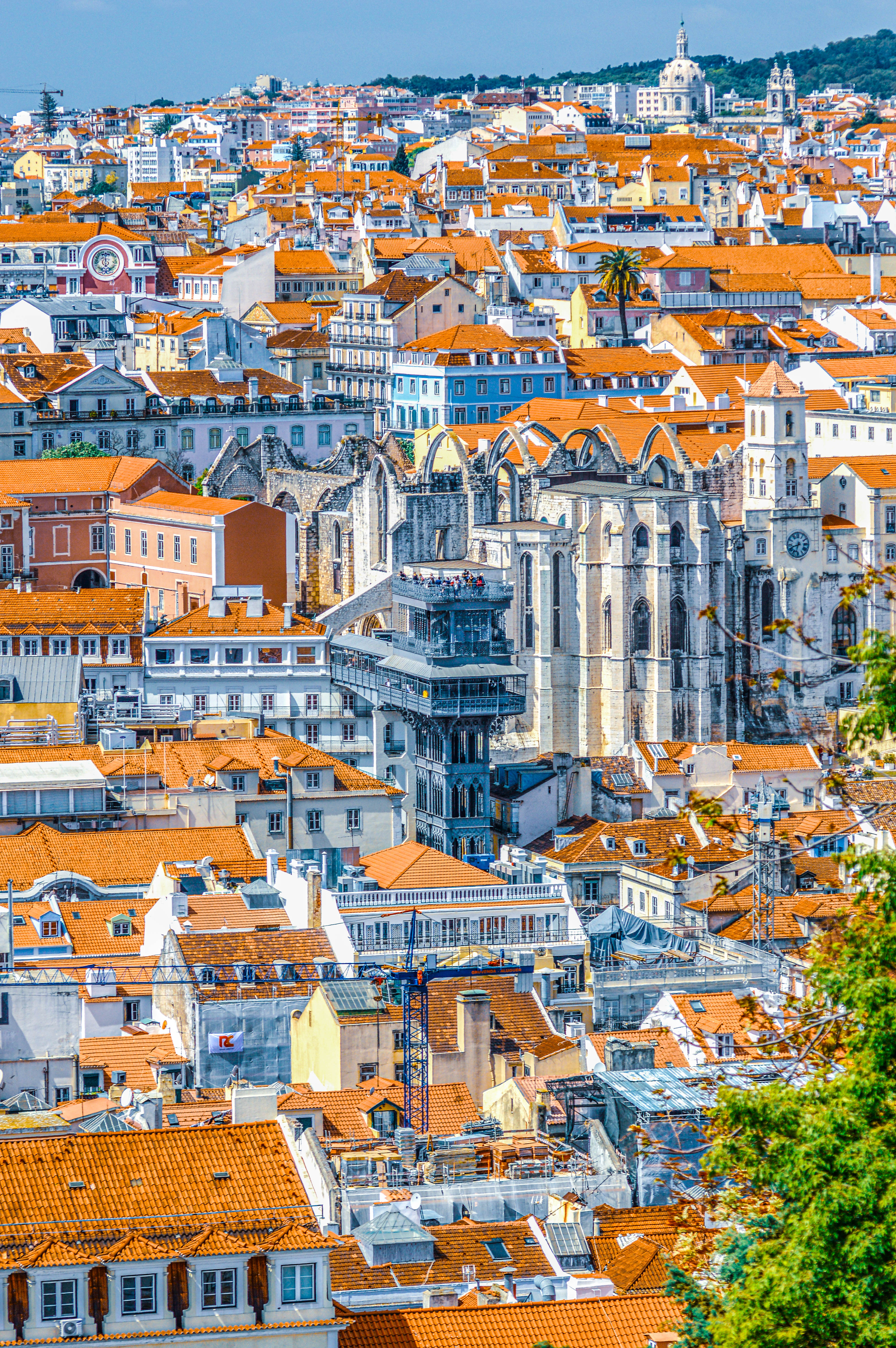

Lisbon is consistently described as one of Europe’s most laid-back, scenic, and sun-drenched capitals, with a blend of historic quarters, maritime horizons, and hilltop viewpoints that make it unusually rich for layered interpretation. It’s a city where civic, cultural, and symbolic landscapes overlap.
According to Visit Lisboa, the city promotes itself through heritage routes, cultural venues, nature corridors, and historic shops that preserve memory and identity. Lisbon Portugal Tourism highlights its romantic hills, beaches minutes from downtown, and a mix of historical and contemporary districts.
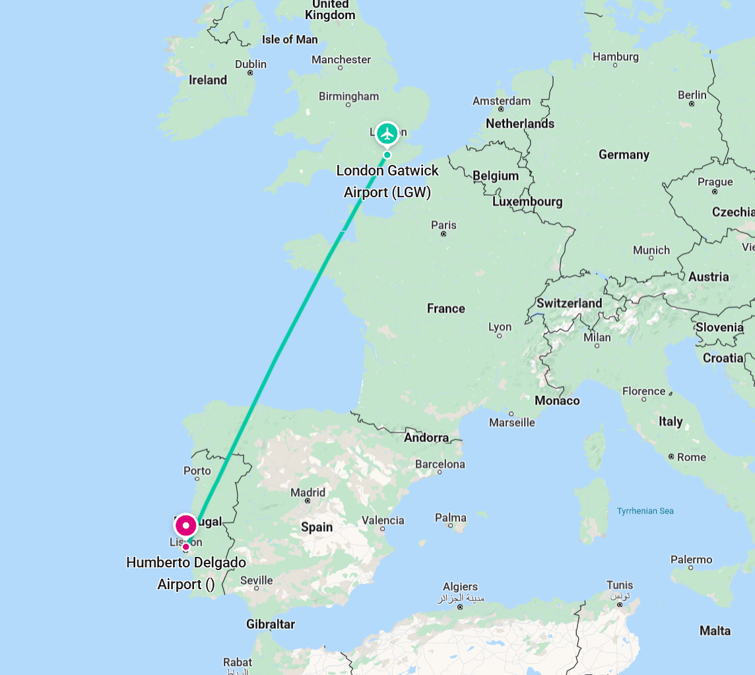
Lisbon is the capital and largest city of Portugal, located on the northern shore of the Tagus (Tejo) estuary and recognized as the westernmost capital in mainland Europe. It combines medieval quarters (Alfama), Enlightenment-era rebuilt downtown (Baixa), imperial monuments (Belém) and modern waterfront redevelopment (Parque das Nações) — a city shaped by centuries of maritime trade and a major gateway during the Age of Discovery. Portugal’s coastal capital on the north bank of the Tagus River — a historic, hilly city of seven main districts, famed for its maritime monuments, miradouros (viewpoints), and a compact metro area of roughly 3 million people.
One of the oldest cities in the world and the second-oldest European capital after Athens

